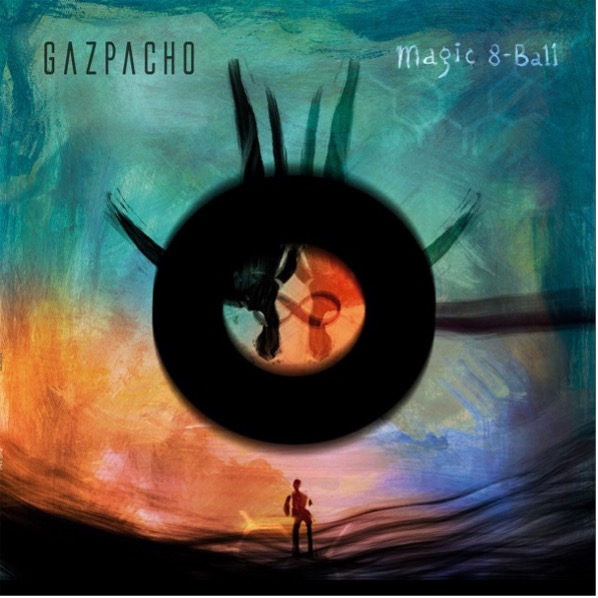
Norwegian art-rock/prog band GAZPACHO have been releasing albums since the early 2000’s, with the new album scheduled for October 31. The music is kinda lighter, experimental, atmospheric…but check out the new single “We Are Strangers”, which is a standout track here, and pretty representative of the band’s sound here. *Check out the press info below, as well as videos and links below.
Widely regarded as one of the most innovative acts in modern progressive music, Gazpacho have carved out a cult following with their unique blend of art rock and cinematic storytelling. From their critically acclaimed 2007 masterpiece Night to the hauntingly beautiful Demon (2014), the band has consistently pushed the boundaries of progressive music.
They’ve toured with legends like Marillion, played to devoted audiences across Europe, and earned a reputation for crafting concept albums that challenge and move listeners in equal measure.
After a five-year break, Magic 8-Ball marks Gazpacho’s return with eight new tracks built around the idea of fate. How it moves without warning, and how the choices we make can slowly strip away who we thought we were.
The title, Magic 8- Ball, ties into the idea of randomness and inevitability. Shaking something for answers you already suspect and repeating the cycle over and over. The idea of infinity is central. These stories repeat throughout the album. Different forms, same patterns always finding a way back.
Musically, the album stays true to Gazpacho’s core. Atmospheric, layered, and emotional. But more focused. No unnecessary weight. Just eight stories told with clarity and tension. The album was mixed by Thomas Juth (a-ha/Elton John/Paul McCartney/Cat Stevens) and mastered by Hans Olsson at Svenska Grammofonstudion Mastering.
Of interest to fans of Marillion, The Pineapple Thief, Steven Wilson, Riverside…
Gazpacho: Jan-Henrik Ohme – vocals Thomas Andersen – keyboards, programming Jon-Arne Vibo – guitars Mikael Krømer – violin, additional guitars Kristian “Fido” Torp – bass Robert R Johansen – drums
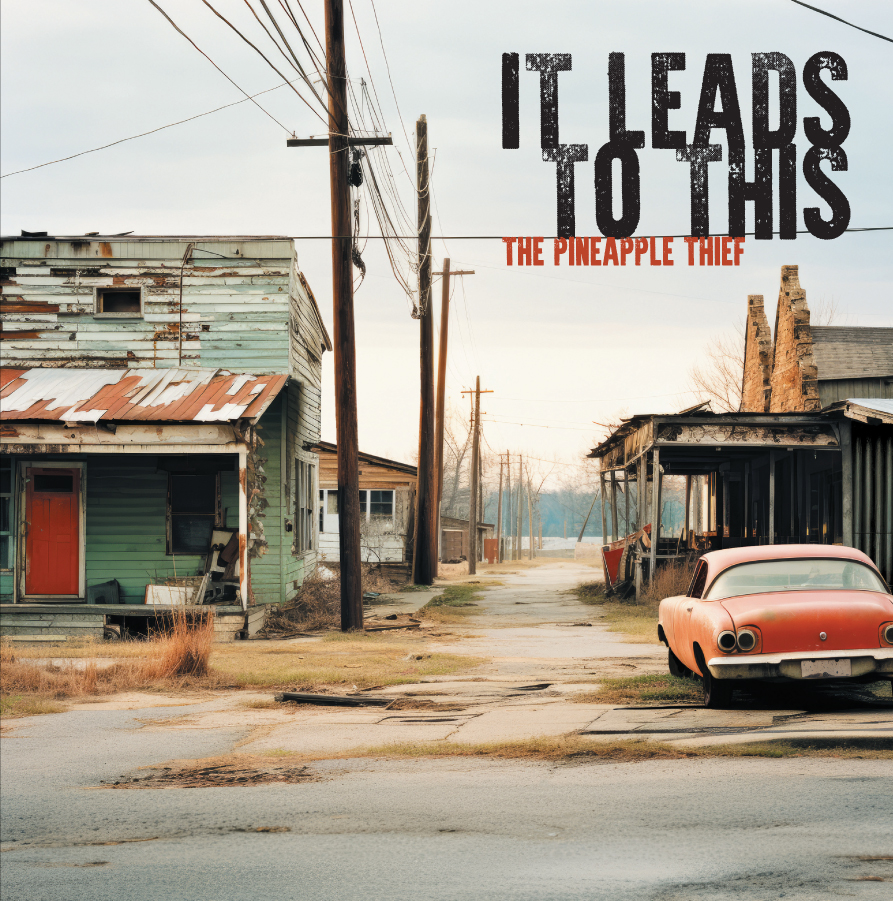
British progressive-art rock band THE PINEAPPLE THIEF will release their latest studio album February 9 titled ‘It Leads To This’. Check out the info below, links, and the first 2 singles/videos from the album “The Frost” and “Every Trace Of Us” below. A 3rd single has just been released today (February 1 (today), and can be pre-ordered HERE (video below)
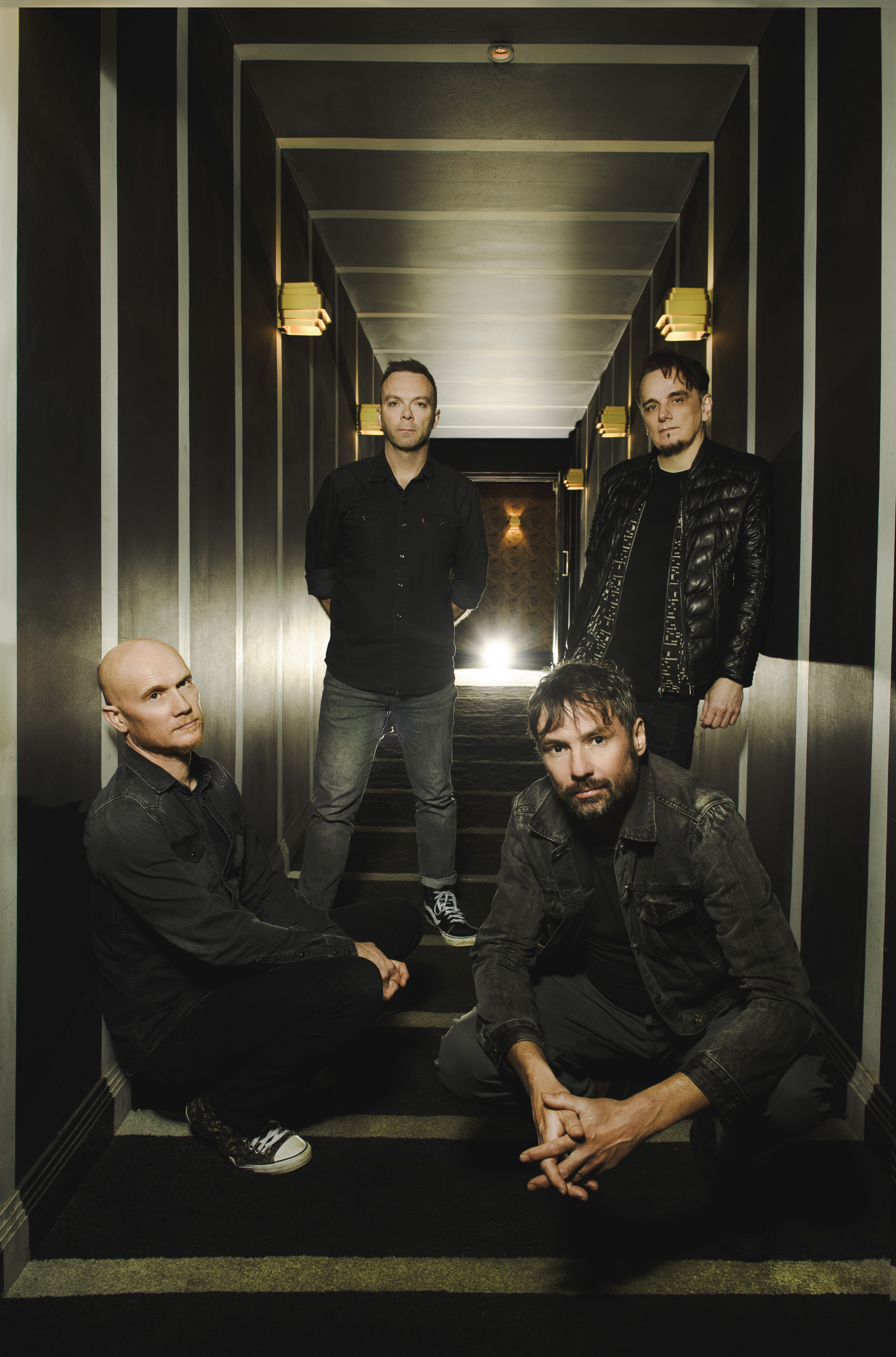
The Pineapple Thief revel in opposing forces. Muscle and fragility. Chaos and precision. Gnarly introspection and warm, dreamlike expanse. Conceived in 1999 by Bruce Soord, the progressive quartet underwent a rebirth in 2017 with the arrival of Gavin Harrison (King Crimson, Porcupine Tree) on drums. Completed by bassist/backing vocalist Jon Sykes and keyboardist Steve Kitch, they’ve honed a lean yet lush, quietly timeless sound that soars on It Leads To This.
“I’m so proud of it,” says Soord. “I just can’t wait to get out there and sing it. I’m going to be able to sing every word, play every note, and feel really good about all of it.”
“I’ve been in lots of situations with producers and session musicians,” says Harrison, a drummer with an arranger’s ear, who quickly became involved with songcraft upon joining the band. “I’ve witnessed people rearranging songs in front of your face, and sometimes a song with a different arrangement is like a different song. Luckily, Bruce loves being shocked or surprised. That’s a rarity, working with singers.”
Since 2014’s Magnolia, The Pineapple Thief have worked towards an ideal form of 21st century progressive music. Spacious, detailed songs in pop packages. Maximum depth with a minimalist spirit. Meanwhile Soord also released three solo albums, mixed records for Jethro Tull, Anathema, Katatonia, TesseracT, Haken and many others, and became a father of three. Alongside this, the world changed. Turmoil unfurled, from global warming to #MeToo. The pandemic happened.
It all feeds into It Leads To This. Comprising eight fat-free epics – all about five minutes long, mixing rock urgency with delicate atmospherics, pensive keys and captivating melodies – it finds Soord looking back and fearing for the world his children will inherit. In a career first, his real world lyrics also draw from literature: accounts of Ancient Rome, John Williams’ classic Stoner and his epistolary Augustus. Pictures of real and fictional men, reevaluating their pasts.
For Soord it was also a time of self-reflection, epitomised in the slightly sinister title track – all creeping, intricate rhythms, offset by distorted guitars and dreamy electronics. “I was that person. I was that ambitious man who wanted to be a successful musician and would stop at nothing, almost, to do it. So when I look back on it, I think ‘well, actually, yeah, it was bad’. What I’m writing about, what I’m criticising, is me, and that’s probably why I could sing it. It really was written from the heart.”
It all began that strange spring in 2020. Walking out to his studio, in Yeovil, Somerset, Soord looked up at a silent, empty sky and wrote Put It Right – the quietly haunting marriage of poise and moody alt rock that opens It Leads To This. “It was just clear blue, not a plane in the sky,” he remembers. “I remember writing the whole of Put It Right. It starts off with the words ‘this haven’, because I was down in my little haven, at the bottom of my garden.”
More songs came out of that period. All That’s Left was one; all eerie melancholia and loud, jagged peaks. Album closer To Forget was another; a stunning, delicately sprawling ode to the tragedies people live through, inspired by accounts of the families lost under dictatorships in Argentina and Chile. All of it conveyed through Soord’s fragile yet penetrative tenor, nodding to storytellers like Nick Drake, Thom Yorke and Katatonia’s Jonas Renske.
But it was stints at Harrison’s home studio that imbued the record with real heat. One standout result was Rubicon, a bruising yet nuanced picture of the tyranny and paranoia of Julius Caesar, and history’s capacity to repeat itself (especially in regard to its world leaders).
For the singer/guitarist, it was an intense experience. “I’m so used to just writing here [in my studio], where there’s no pressure,” he admits. “Whereas driving to Gavin’s house and staying there for three or four days, it was properly intense. I don’t think I’ve ever focused my mind as intensely as I did during that time.”
“Bruce is a more chaotic person,” Harrison offers. “I’m a bit more logical. With Bruce, it’s more the mood he’s in and how much confidence he’s got. And that’s probably the successful part of it. If we were both chaotic, it’d probably not come together. If we were both a lot more logical, it wouldn’t be so interesting.”
Perhaps the most incendiary expression of this creative fusion is first single The Frost – a banger with a dark heart.
“The Frost was one of those moments that every songwriter wishes happened all the time, where you pick up a guitar, and it just comes out,” Soord says, “and it’s actually a love song with a slightly sinister undertone, about falling with your soulmate to the ocean floor, in peace together…”
In a way, that’s The Pineapple Thief all over. Idiosyncratic but relatable. Devastating and life-affirming, in the same breath. Not married to a single genre, just melody served by tones and textures. Music that only the four of them (friends, not just bandmates) could make.
“I learned that from Porcupine Tree,” Harrison observes, “if you change one person, the whole sound of the band changes. The chemistry of the sound is the four of us, doing what we do. And we have a laugh, we make fun of each other…” he grins, “well mostly [of] Bruce, but it’s good fun.”
Maybe that’s why this clever, commanding record unfurls as naturally as it does. Why It Leads To This can, and should, be read with a question mark. Is the world doomed? Could we have acted differently? Do people change? Does it lead to this?
“As much as I go on about the polarized state of the world, l do think it’s a minority creating this toxic environment that a lot of us have to live in,” Soord says. “I think most people who I meet are genuinely nice. So there’s a positive message from this. Because it shouldn’t, it doesn’t have to lead to this.”


 Outsider Rock