Tag Archives: Billion Dollar Babies

NEAL SMITH: Interview – Billion Dollar Babies 50th Anniversary release and more!

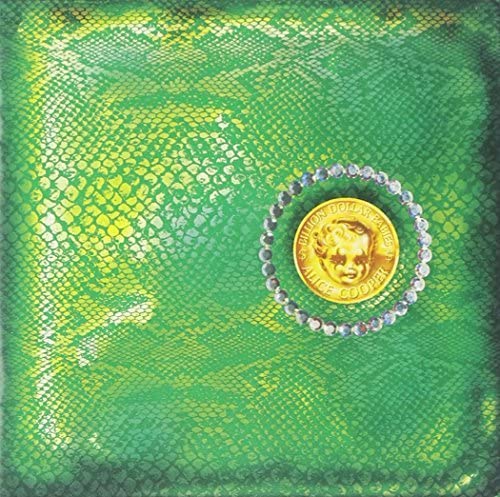
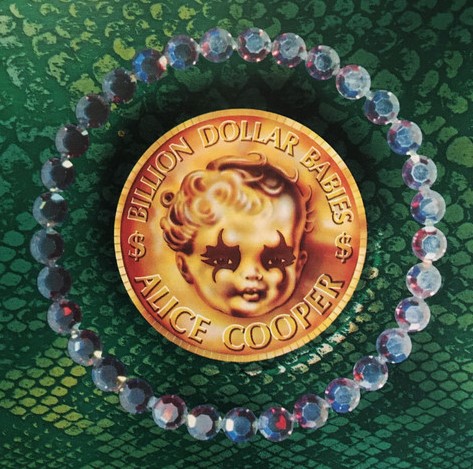
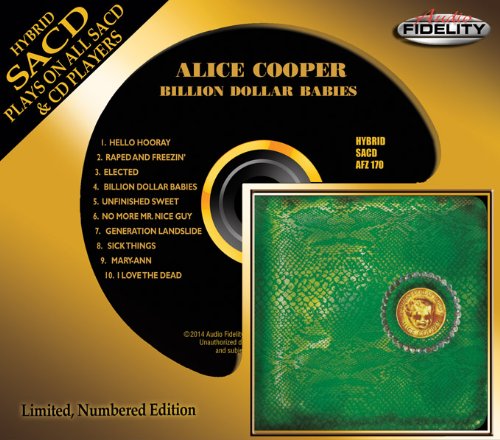
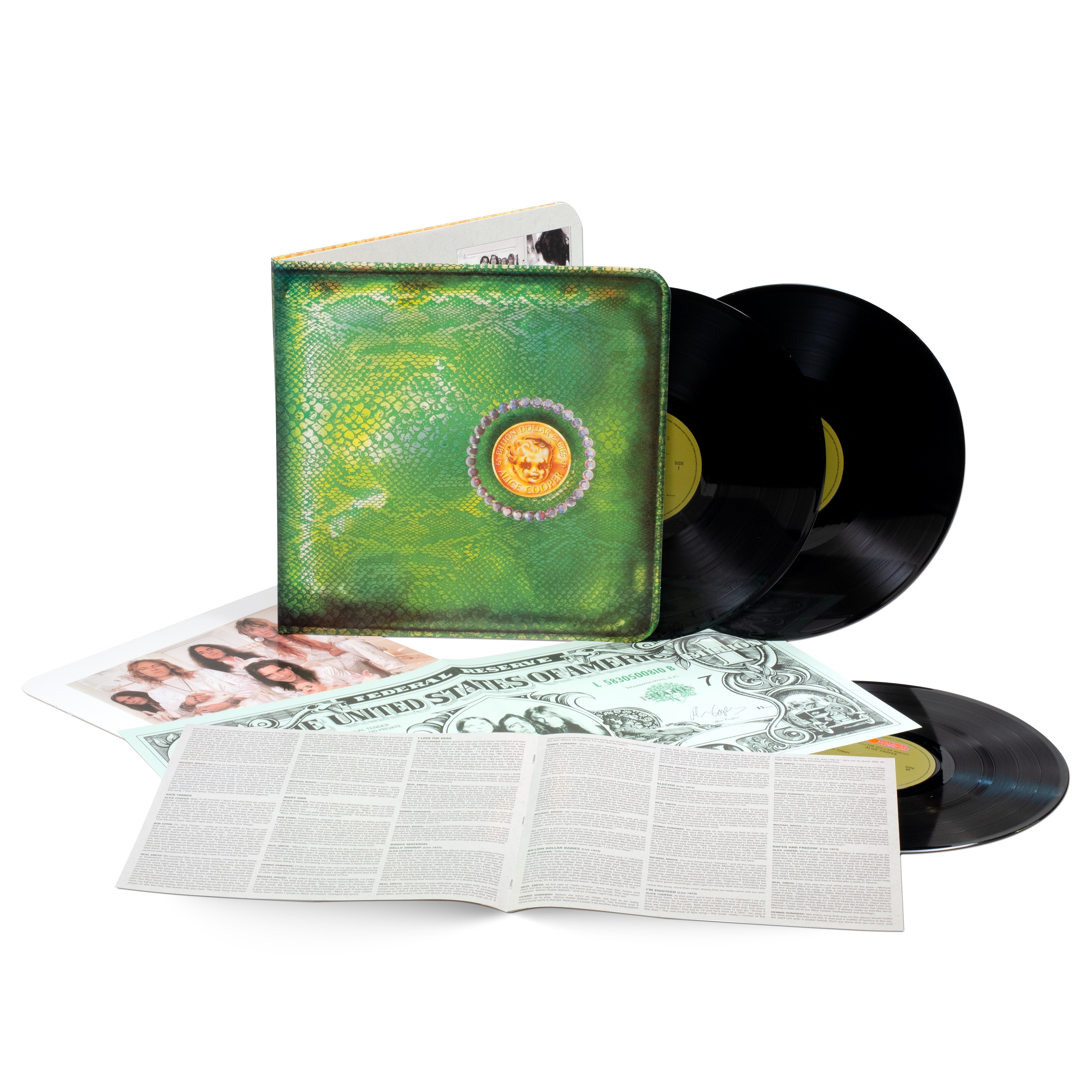
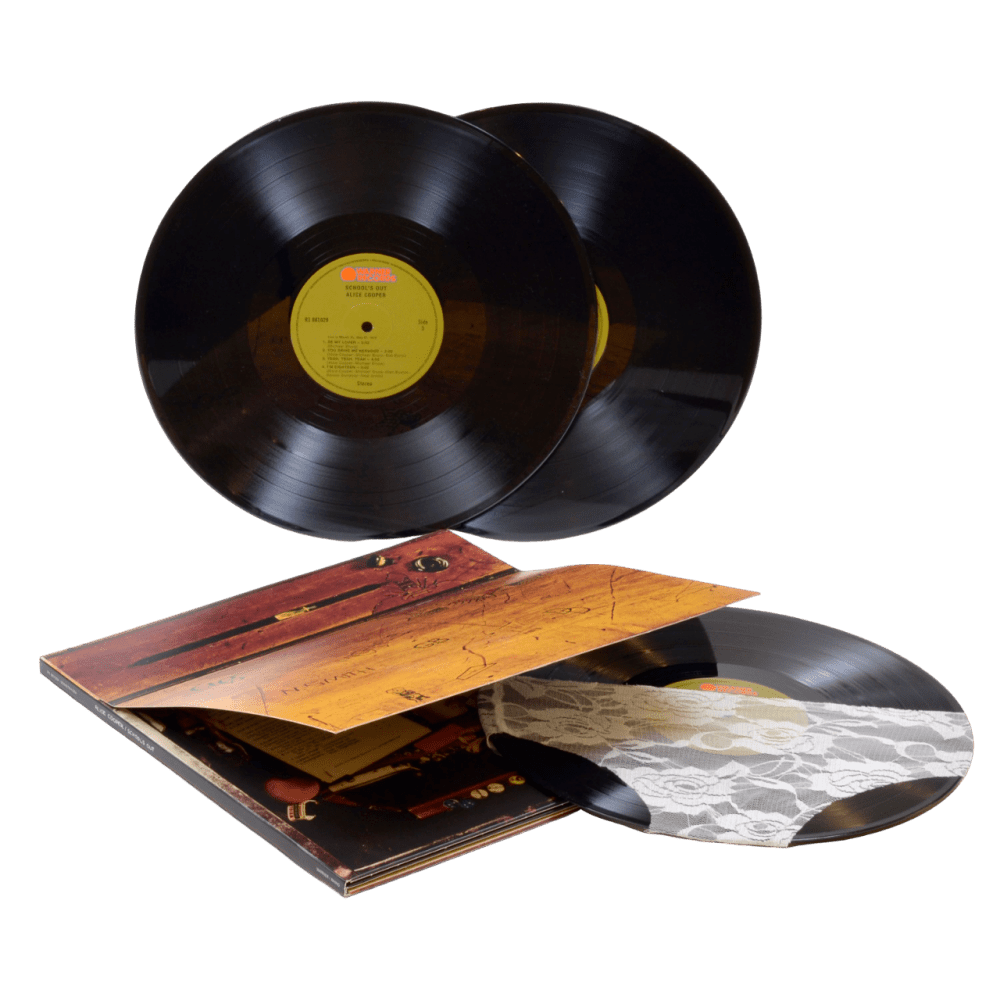
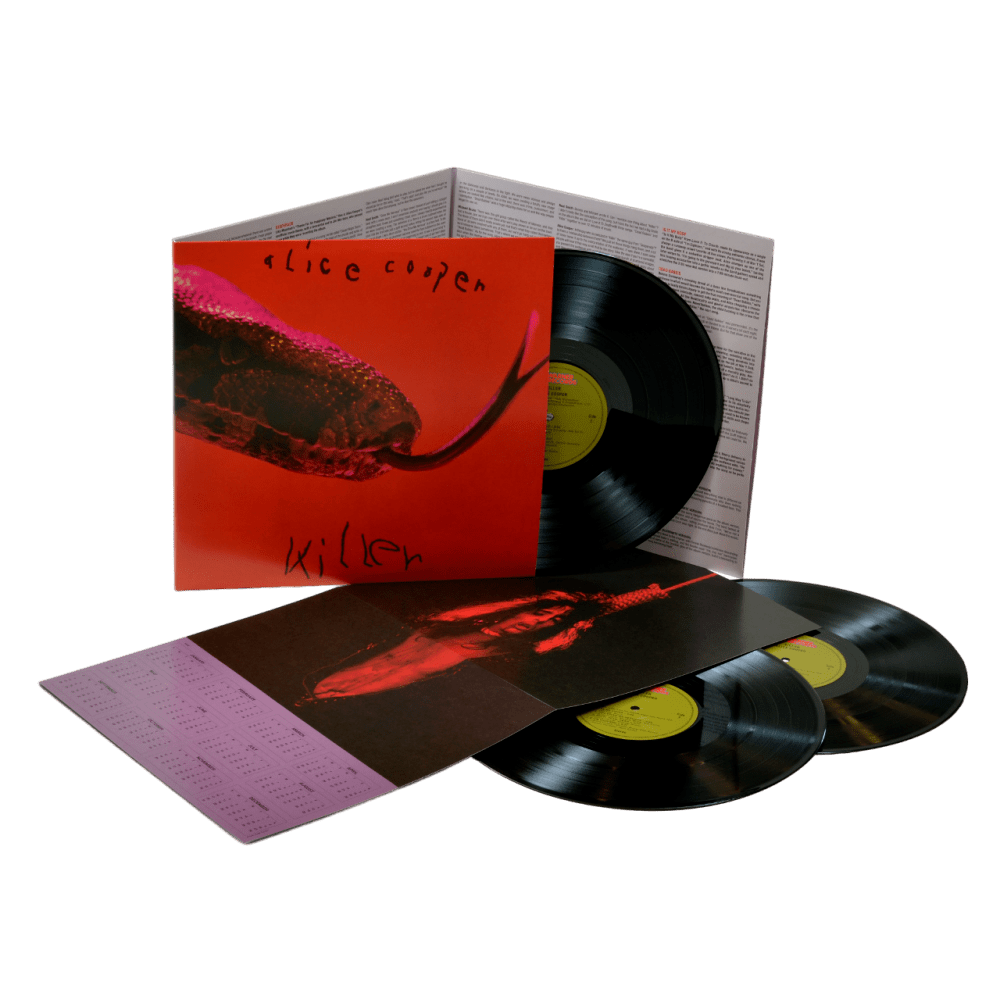
The 50th Anniversary reissue of ALICE COOPER‘s biggest album – Billion Dollar Babies was recently released (a year late). Like the classic AC albums Killer and School’s Out (which came out last year) – this comes in a 3-LP edition (2CD), with bonus tracks, and an entire live show – All remastered, with lengthy sleeve notes inside, and other goodies! In this recent interview with drummer Neal Smith. Neal discusses these anniversary releases, the band live, the outtakes, Easy Action, and the band’s success in Canada! *Check it out and drop a note if you have the new B$Bs release.
How did these things (3LP sets) actually come about as far as who initiated the plan to get these out with the bonus material and particularly the live shows?

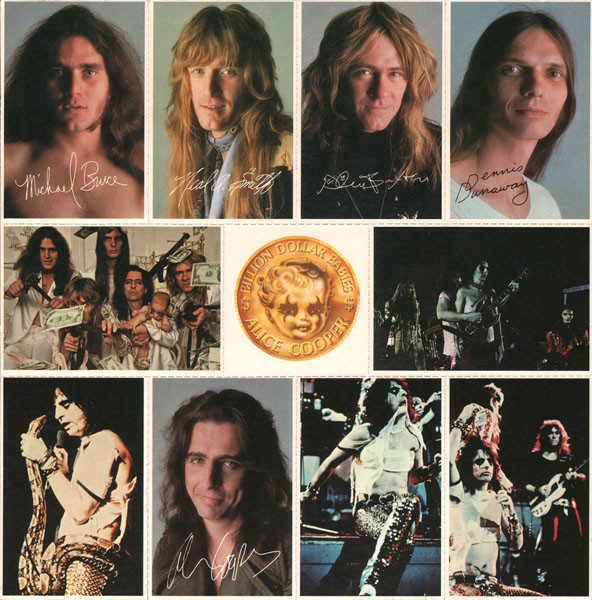
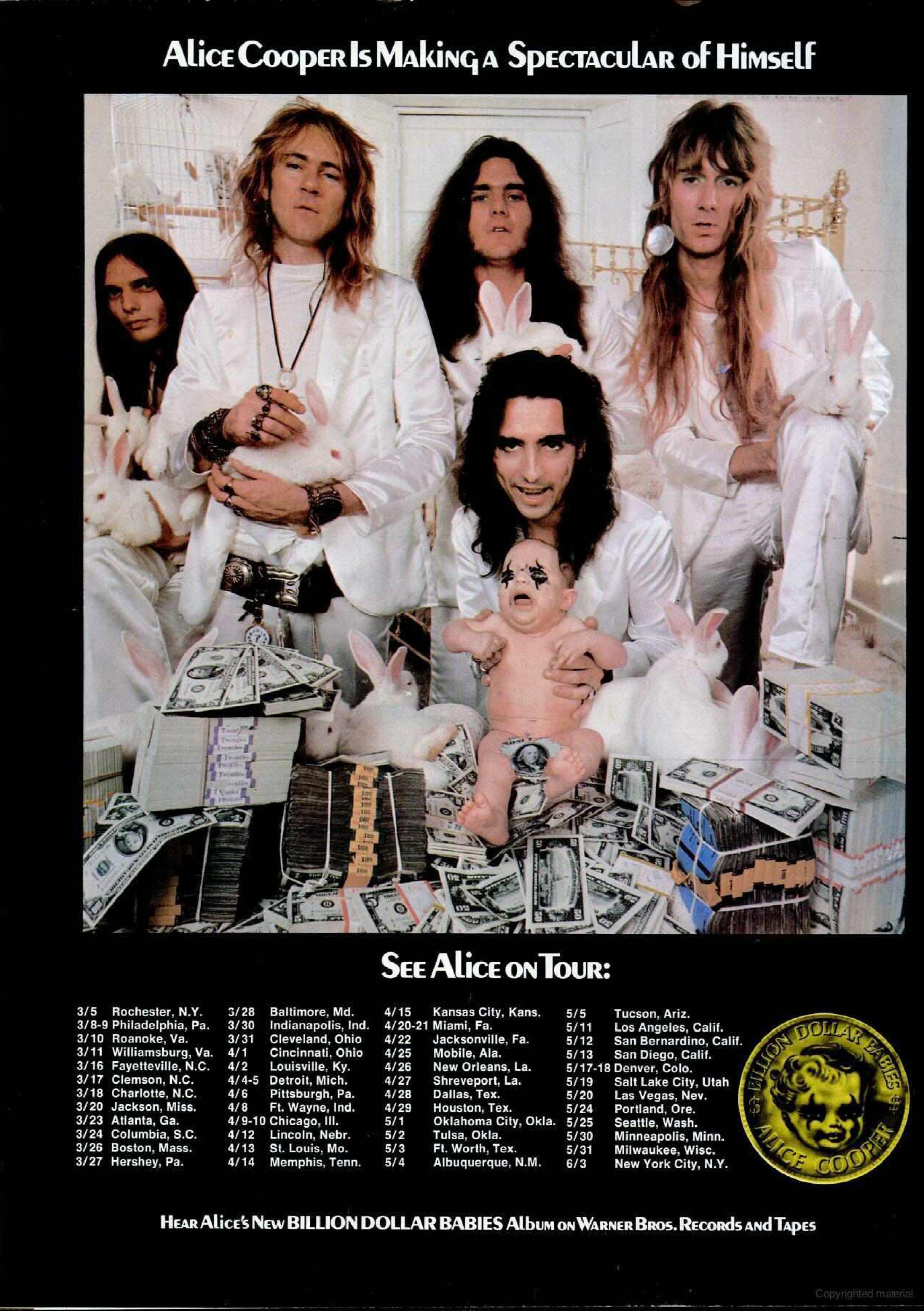
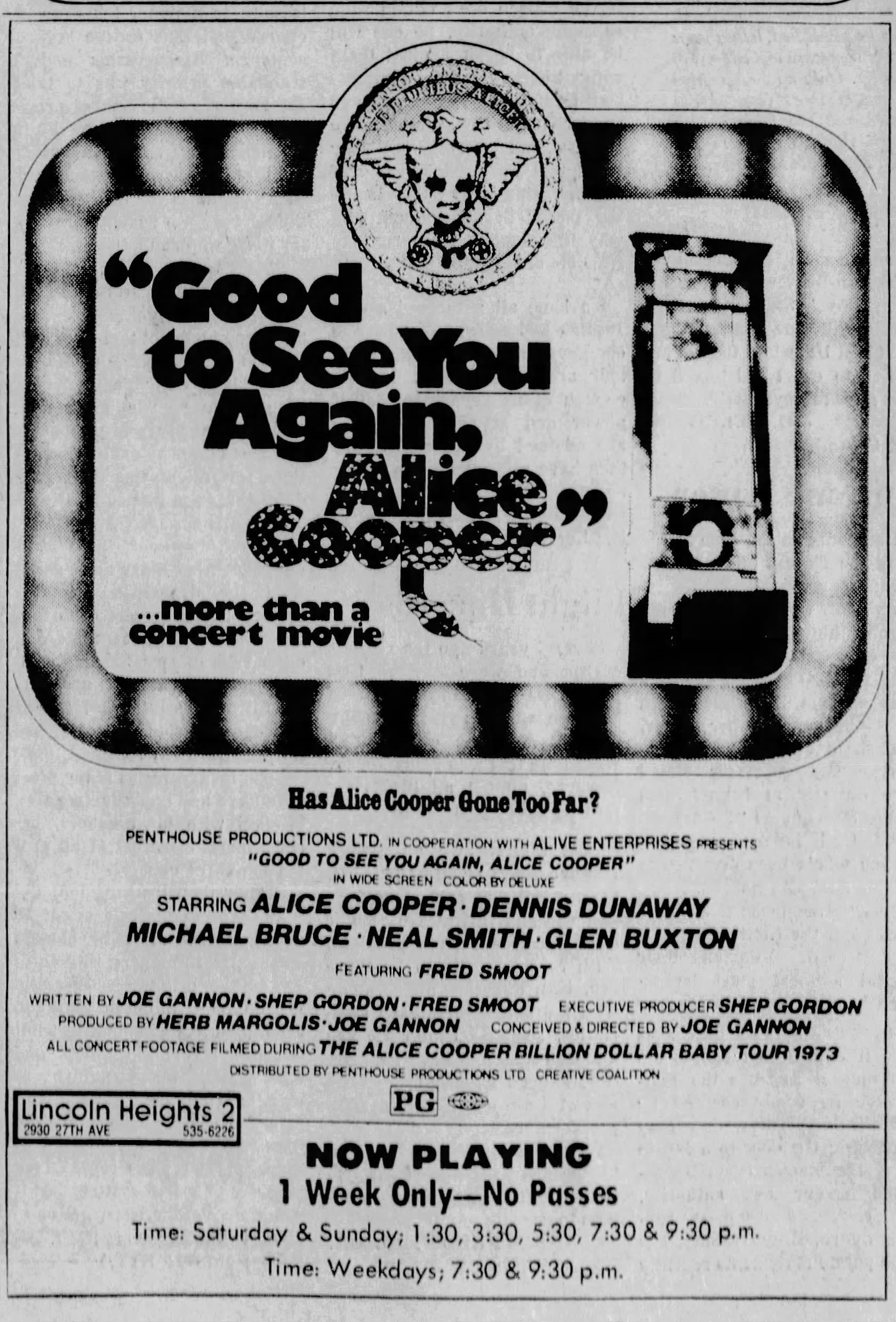
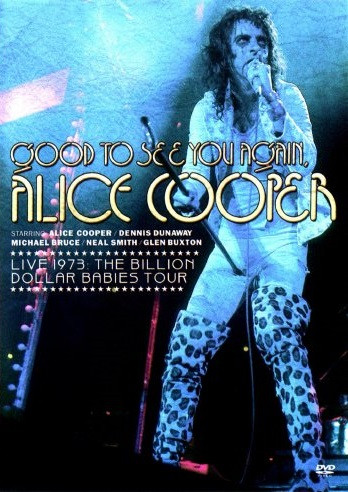
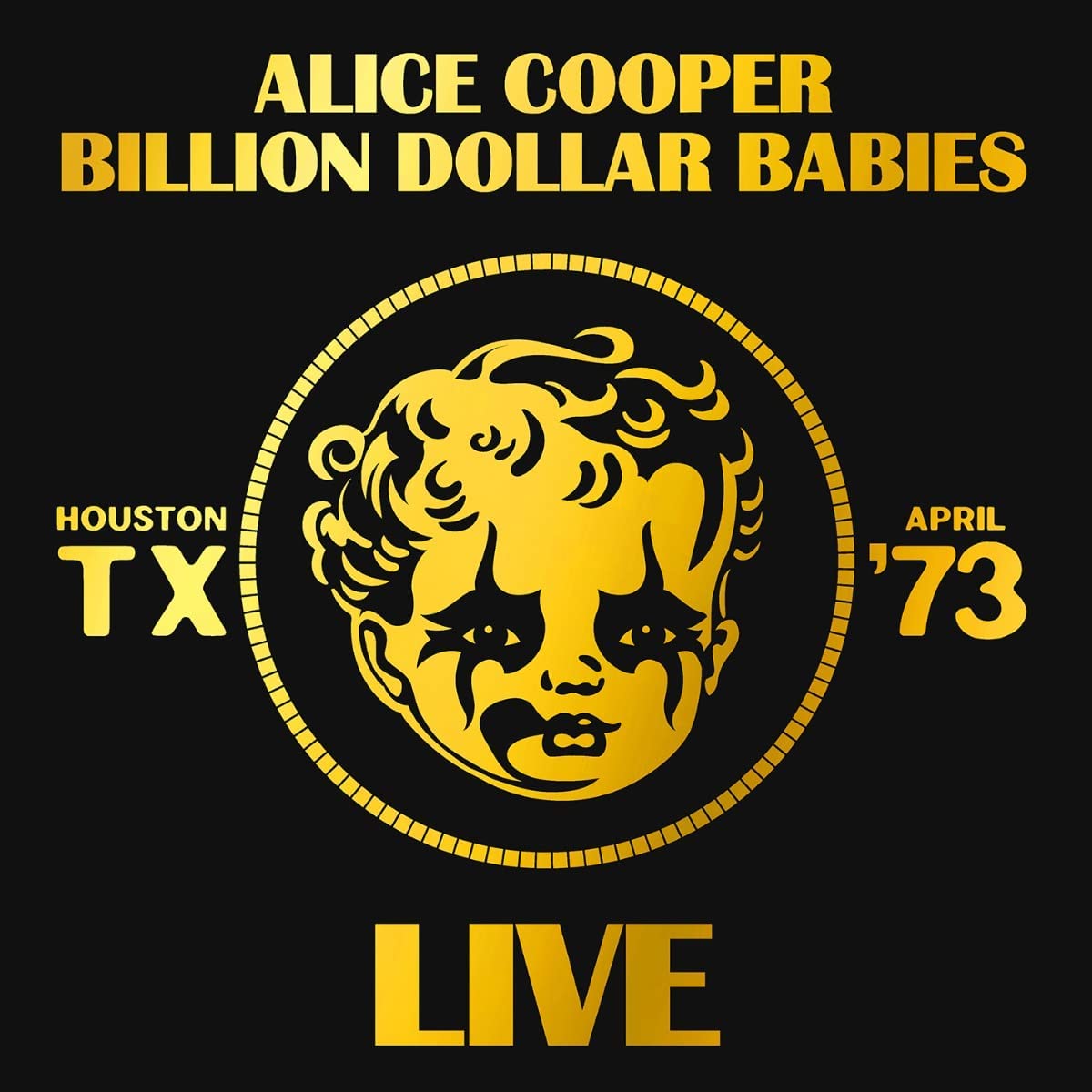
Well pretty much Warner Brothers puts these packages together, and the only thing that we’re involved in is, I know there’s an eight-page booklet that’s included in this Billion Dollar Babies Deluxe 50th Anniversary set, and Jaan Uhelszki. She’s an amazing writer, she used to work at Cream Magazine. So, we were all involved in those interviews, and I read the one that she did for the Killer 50th Anniversary album, she did a phenomenal job, I have a copy here, right in front of me, I haven’t opened it yet. When we did the Talk Shop Live interview – Alice, Mike Bruce, myself, and Dennis Dunaway, we opened it for the first time, and so I haven’t had a chance to read the book yet, but we were involved in that. But as far as the recordings, they did these things up from the archives, and it pretty much is… and even the photographs on the inside that are new, that a lot of people haven’t seen before, they’re in total control of it, and that’s really how it comes together. And with COVID and the way things have been slow for the last couple of years, this album should have been out last year, obviously, in 1973 to 2023, but it’s like everything else, just a little back in its release date, so that’s why it’s out now. It’s a phenomenal package, and of course, there was a version that after it was released (where) we were asked to autograph some 12 by 12 flats that were included in some of the albums, and the only unfortunate thing about the whole process is that so far – and I know they’re working on correcting it, trying to make it work, but they’re not sending the albums to Canada or internationally, to the UK or Australia, but I understand they’re trying to figure out a way to work that out, and some very creative fans do have friends in the United States that they’re sending it to, and getting it to them. But at any rate, I think it came out great. I haven’t even listened to it, but I’ve seen the list of the songs, I guess on the vinyl side number three, of course I remember that really well, it was live in Texas, in Houston, Texas on April 28th, 1973, and that was when we were shooting scenes and recording for the movie, Good to See You Again Alice Cooper, and I know it’s been released before, but apparently they’ve just totally remastered it, remixed it, and it’s supposed to sound pretty amazing, so I’m excited to listen to that.
The live recordings, so do you keep any of those yourself, or does somebody have an archive of them, or is it just Warner Brothers that would have it?

Yeah, well the movie was released I think with Penthouse Magazine, I think they were the company that released Good to See You Again Alice Cooper, so whoever has the rights to it…. Bands never end up with their own, the record label actually owns the masters to all the music, now of course this wasn’t an official album because it was a soundtrack to Good to See You Again Alice Cooper, so I’m not really quite sure who owns it, but I’m sure that Warner Brothers and Rhino Records now have the rights to it of course for this album, and there’s a lot of outtakes as well.

Were you much of a collector of that stuff as far as keeping the band stuff yourself, like keeping tapes and stuff?

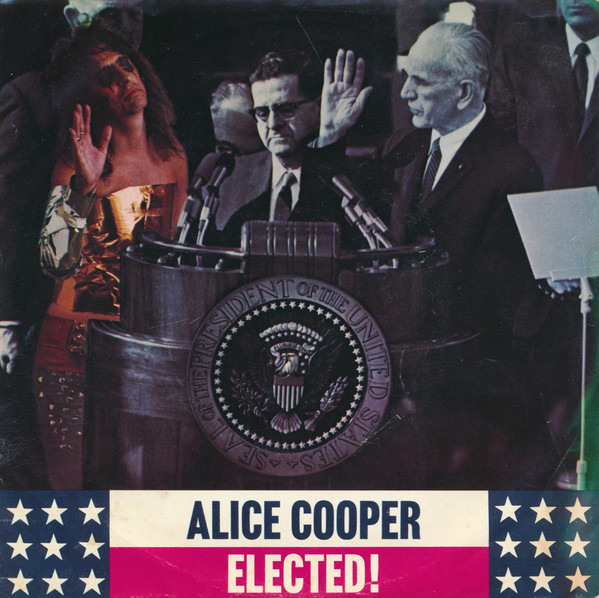
I mean I have quite a few copies of all of our original albums, the only thing that was out of the normal, I have one of the acetate test pressings for ‘Elected’, which is on about a 78 size record, which is almost like a 12 inch record, and that’s the only unusual one that I have that was played – those are test pressings that they play after they mix and master the music, and other than that, like I said all the tapes are owned by the record company, the record labels.

In the day you guys never released an actual live album, so I mean it’s kind of a plus for us fans that now with each of these releases there’s pretty much a live album attached to it.

Yeah, that’s right, there were a lot of live recordings back in the day, but for some reason even the Mar y Sol Festival, which I think there were some tracks on …well probably the Killer album, and I never realized that that was being recorded, so there are some of the very… I think there was one, the Medicine Ball tour show that was in Washington D.C., there was some live recordings there too. But you have to remember our stage show was pretty crazy, and if there were microphones, I mean even the microphones that were normally there, a lot of them got trashed, so that would be a little bit of an inconvenience, and the problem with recording all the tracks, especially around the drums, if they accept too many microphones, but there always, like I said, were microphones for the sound systems in the venue or a stadium wherever we played, but it’s really amazing, you’re absolutely right, that there weren’t more live recordings of those.
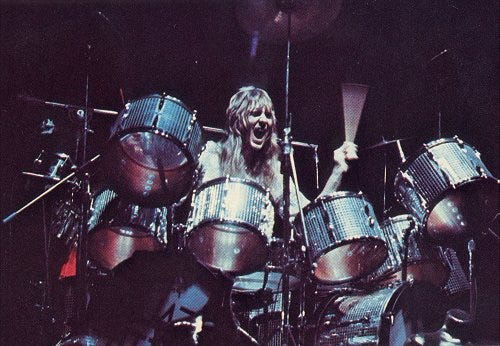
There were some, I actually have a cassette of one of our last shows that we did, the Billion Dollar Babies show at the Madison Square Garden in New York, after the original spring and summer tour, 1973, I have a cassette that is actually flipped over, I think through unfinished suite and is recorded on the other side, and it’s actually a great version, even though it’s just a mix of the board, so there are a few things that were around at the time, and again, that was just recorded by the sound engineers, so they would have a record of the sound and listen to it if they need to make some corrections or what have you, so there were very, very few things that were recorded for us, and that’s unfortunate, but like you say, it’s a great thing for the fans that there’s some live recordings on it. And they’ve been updated, because I gotta tell you, when we did the Houston, I think it was Dallas, or when things were done at the Houston in Texas in April of 73 there was a mobile unit, of course, that came to the Coliseum wherever we recorded that, and I was one of the first people in the band to go backstage and listen to the tracks, and boy did they sound like shit (haha), and I speak basically of the drums, and they were just raw coming off the session and live, but there’s so much they can do to make them sound great, and apparently, what I have heard of some of those tracks, even that have been released prior to this, they did a phenomenal job in getting the sound quality back, however they did it, and again, that’s a great thing, because that’s all I really care about when I hear these, because I know the energy’s going to be there, and it makes it sound more like what we’re used to hearing while we’re live on stage.

I was listening to the Billion Dollar Babies show, the live show earlier, and every time I hear like ’18’, it sounds very not stuck by the book, like obviously Alice adlibs some of the lyrics and all sorts of things. It sounds very spontaneous, so I’m curious, how much difference and changes and spontaneity went into your shows, as opposed to keeping everything exactly to the word and to the minute?

You have to remember that we started as a live band, we were getting standing ovations from our crazy finale, with the songs that we were doing off of Pretties For You, Easy Action, and these big shows like Toronto Rock and Roll Revival, and we did an awful lot live. So even in Vancouver, the big festival that was in the late 60s – early 70s, that we had played, and we could get standing ovations, and we didn’t have hit songs, but we wrote our songs for a live show. And recording an album is one thing, and playing songs in a live show is a totally other thing, and you have to remember that ‘I’m 18’ started off as an eight-minute song that we did live, back in the late 60s, before Bob Ezrin, with Nimbus Nine out of Toronto. Bob Ezrin produced it and cut it down to a three minute single, so we would take the dynamic of that, even when we played in the UK in 2017, and did five shows, the original band came out with Alice and did five shows over there – we changed, we actually made ‘I’m 18′ the opener of the set that we did, but it was elongated and a lot more dramatic for live, and we look at live totally different than in the studio, in the studio you’re trying to make a concise statement with one song, there can be album cuts of course, but still try to keep them between three minutes, three and a half minutes long, but you have the occasional really long album songs too, but live we really stretch everything out, almost every song we’ve ever done, to accommodate the fact that we just don’t go  up there and play ’18’ for three minutes, even thinking about that just doesn’t make any sense to me, we knew how to use, and Michael Bruce was brilliant at this (and still is), of taking a song with the dynamics and changes and building it to a crescendo, and then boom, then we start the beginning of I’m 18, like a minute, minute and a half intro, so yes, we did change them, and that’s why it’s great to have some of these live songs. And we were also doing a lot of theatrics with the songs, so we needed more time to do the theatrics on stage, I always say that at the time we had costume changes, sometimes we would play tapes of the music, like we did Night On Bald Mountain when we were doing the, on the Billion Dollar Babies tour, when we went into what we call the dark part of the set, when there was, we all changed clothes into black from white outfits, and then we did ‘Sick Things’, ‘I Love the Dead’, and we did ‘Dead Babies’, so that was the dark side of the band live, and it has to be dramatic, we need time to, it’s very, it’s like Broadway, songs on Broadway are, you’ve gotta fit the theatrics in, and it’s all timing, and we did the same thing with our acts, so that’s why it’s great to have some of these songs that were actually recorded and now available for the fans to listen to.

There is a couple outtakes obviously that have been heard before, like ‘Slick Black Limousine’ and ‘Coal Model T’, were you guys much of a band that did extra stuff in the studio, or did you just do what was going to be on the album and that was it?

No, we would do the album and that was it, and there’s very, I mean that’s where there’s outtakes, I mean of course were in there, we did a lot of takes of songs, and all we were looking for was originally, I mean it was a whole different way to record that, the only instrument that had to be played correctly all the way through from the beginning to end on all seven or eight albums that we did, were the drums, everything else could be overdubbed and put out, but the drums had to be perfect from the beginning to end before we had an actual take, so that was a big part of it, and we spent a lot of time in pre-production outside of the studio, unlike other bands that would run up humongous bills in the studio while they’re writing the album, while they’re writing the song, and recording songs, we did all of our pre-production work out of the studio – Love It To Death and Killer at the Farm in Pontiac, Michigan, Bob Ezrin will come down, and then when we did School’s Out and Billion Dollar Babies, he came to our home and the mansion in Greenwich, Connecticut, so we didn’t really do any extra songs, we went in the studio for ‘Slick Black Limousine’, and (I think) ‘Nobody Likes Me’, and those were the only two extra songs that we ever did, but they weren’t done in a session, they were done by themselves, intentionally as an extra to be available, whatever the hell we wanted to use it for at the time, but I think ‘Slick Black Limousine’, ‘Coal Black Model T’, whatever, there were two versions of it, and that was a progression, because sometimes we were, I mean Alice was always changing lyrics to songs, and that’s why even when we weren’t on stage live, Alice would ad lib and do different lyrics, lyrics also change as we did play things live, so that’s, to answer your question, no we did not, we went in to do six, seven, eight songs on the album, that’s what we did.

Now you’re up to, well three of these repackaged (albums) now, is there a plan to go back and possibly do Love to Death, or Muscle of Love?

Right now, I have not heard any plans to do that, that could change, but I know that they (Warner Brothers) were especially interested in Killer, School’s Out, and Billion Dollar Babies – three of our biggest albums. Although Muscle of Love is still, from my standpoint of playing it, and loving the album, I mean, the song ‘Muscle of Love’ is still one of my favorite songs, and we did it on the UK tour, and that’s a killer when we play it live on stage., And Love to Death of course was our breakthrough album, so I don’t know, you never know, I mean, these are all the 50th anniversary, I don’t know, maybe they’ll do a 55th anniversary, I hope I’m around for the 100th, but I doubt it, but I’m just happy that they have done these three.

Yeah, I just think it being the first in that series that kind of kicked off things, I wanted to ask briefly about Easy Action, because it didn’t dawn on me until recently that that album sold worse than Pretties For You, that didn’t even chart.

Yeah, Pretties For You I think broke on it 199 or 198 on the Top 200 album by Billboard, and Easy Action I don’t believe even got on the charts.

Is there anything memorable about Easy Action for you, like I look at a song like ‘Shoe Salesman’ and I wonder if anybody ever played that on the radio.

Well, I mean, the production of course was a little bit better, and anything we ever recorded we thought was gonna be a hit album, and we had David Briggs I guess who you know who worked with Neil Young, and so, but he was just hired, it wasn’t somebody that we searched for and really wanted him to record the album. I don’t even know how David Briggs got involved in producing the album, but obviously if you’re doing Neil Young in one session and Alice Cooper in the other, he really didn’t give a rat’s ass about our music.

Matter of fact, on the song ‘Lay Down And Die, Goodbye,’ he said “Oh well we’ll put on this psychedelic shit now.” So you know, he wasn’t enthusiastic or cared about it from the standpoint of it was just a gig for him to get through, record it, get it down, and get on with his life. So from that standpoint there was not chemistry in the production of it, although there was still some great music, great songs, we did them live, I mean I think ‘Return Of The Spiders’ is one of the songs to me that stands out other than ‘Lay Down And Die Goodbye’, but there was ‘Beautiful Flyaway’, I think Michael sang that song and played it on the album as well. But it was, you know there were some standout pieces that were, as our writing was changing from Pretties For You, but as always I agree 100% of the guys in the band have said that Pretties For You and Easy Action were just an extension of the band and Nazz, and as we became more Alice Cooper, the name Alice Cooper, the image Alice Cooper, what we were all about, even though we were, there were some signs of it in Pretties For You and Easy Action – ‘Fields Of Regret’, ‘Lay Down And Die Goodbye’, like I mentioned, you know the darker side of Alice Cooper didn’t really come out until along with the new songwriting, everybody was writing it a little more commercially, myself included and Dennis and Michael, the three of us that wrote most of the music to the songs, and then of course with the help of the amazing Bob Ezrin coming in and just solidifying those songs and making them happen.

But again, Easy Action was a great album, it was my idea to stand backwards because I had the longest hair in the band for the album cover, and so every band has a front picture of it. We always try to do something different obviously as any fan knows for our album covers, but with that one, I said let’s just turn around and Zappa liked the idea and so we went with that one. But you know, it certainly was produced by, like I said, the Pretties For You, it’s a stepping stone to Love It To Death, but it was good to have it, it didn’t. Commercially I think it sold probably about half as many copies as Pretties For You across the whole country, but it certainly was even establishing our reputation and the name Alice Cooper deeper in the underground world of rock and roll in North America.

Well, like I said, I like ‘Shoe Salesman’ and I love the packaging on that album, those black and white pictures on the inside, the gatefold…

Oh, on Easy Action, oh yeah, yeah, yeah. The packaging was great and we always, even on Pretties For You, we always wanted the double gatefold, that was, without a question, that was what the band wanted. Obviously, the record companies always wanted to do a single sleeve, but we wanted the gatefold and it also was good, as you say, to build the image of the band with more photos of the band.

Well, I’m hoping there’s going to be more in the series. Is there any update on you guys doing anything with Alice as far as what’s going on there? Might be released?

Well, like I always say, you know, for the past almost 20 years now since the Hall of Fame, well not 20 years, since the year before the Hall of Fame, about 15 years now, we’ve always, well, since the band broke up we always share songs between each other. I mean, I’ve been coming out to Arizona since the early 90s and bring music with me, Alice and I get together, we play golf, hang out, and I hear what he’s doing, I’m always playing songs that I played for him and some of them ended up on the DeadRinger album in the late 80s and some of those songs ended up in different projects that Dennis and I have worked on over time.

And so, we’ve done that and it got even more productive and actually saw the light of day with the songs on Welcome 2 My  Nightmare (the Sequel) and Paranormal and Detroit Stories, where ‘Social Debris’ was a song that Alice and I, that I actually started working on, that he and I started working on in 2016, a few years before Detroit Stories, and then we finished the song and it became one of the most played songs off of Detroit Stories, so we’ve been doing it for a long time. Dennis and Alice always create songs, Michael is out here, I’m in Arizona right now. And I come here for the winter, and it gives us an opportunity to write.

We’ve recorded, what, about eight or nine songs on those albums and we’ve done a couple of other recordings, so maybe someday we’ll have enough songs to put an album together, but right now we’re just working on the re-release of the 50th anniversary Billion Dollar Babies album and we’re always talking about doing more live shows, but we did the one in the UK, so we’re always thankful for that. We’re thankful for the chance that we’ve got, the original band, to play on Alice’s solo albums and get back together, just get that chemistry going again, because it’s always great. So we’ll keep our fingers crossed that one of these days we’ll have eight, nine, ten songs for an album and we’ll see what happens.

Well, hopefully there’ll be more. Like I said, I love, I think my favorite out of all those is that ‘Genuine American Girl’ from Paranormal I thought that was good.

Yeah, that was a song that I had written too. Yeah, that’s a great song. I mean, Bob Ezrin, again, did such an amazing job with the drums on that, all the instruments just sound fantastic. So that’s a great song, yeah, I agree with you 100%.

To me that was the standout song and it sounded like it could have easily fitted in that early Alice Cooper repertoire.

Yeah, yeah…

Lastly, everybody else has written a book. Are you planning on putting anything out of your own?

Well, I’ve been working on a book actually, it’s slowed down about the last ten years for me. I started it around 2000, 2001, and I’m up to about Love It To Death now.

But I’ve been traveling so much and then I retired from the real estate business and working on my Killsmith project. And to find out the updates on everything, my website – which is http://www.nealsmithrocks.com , and don’t forget I spell my name correctly – not like Neil Young (lol). I spell it N-E-A-L, so nealsmithrocks.com always has all my updated information on what’s going on.

And one of these days, I mean, I’m working on it, it’s just, when I come out to Arizona for the winter, I think ‘ Ah I’m gonna have plenty of time’. Then all of a sudden, I’ve been here three months and I’ve been so busy with the release of this. There’s always something busy going on with recording and like I say, I’m always working on my Killsmith projects as well.
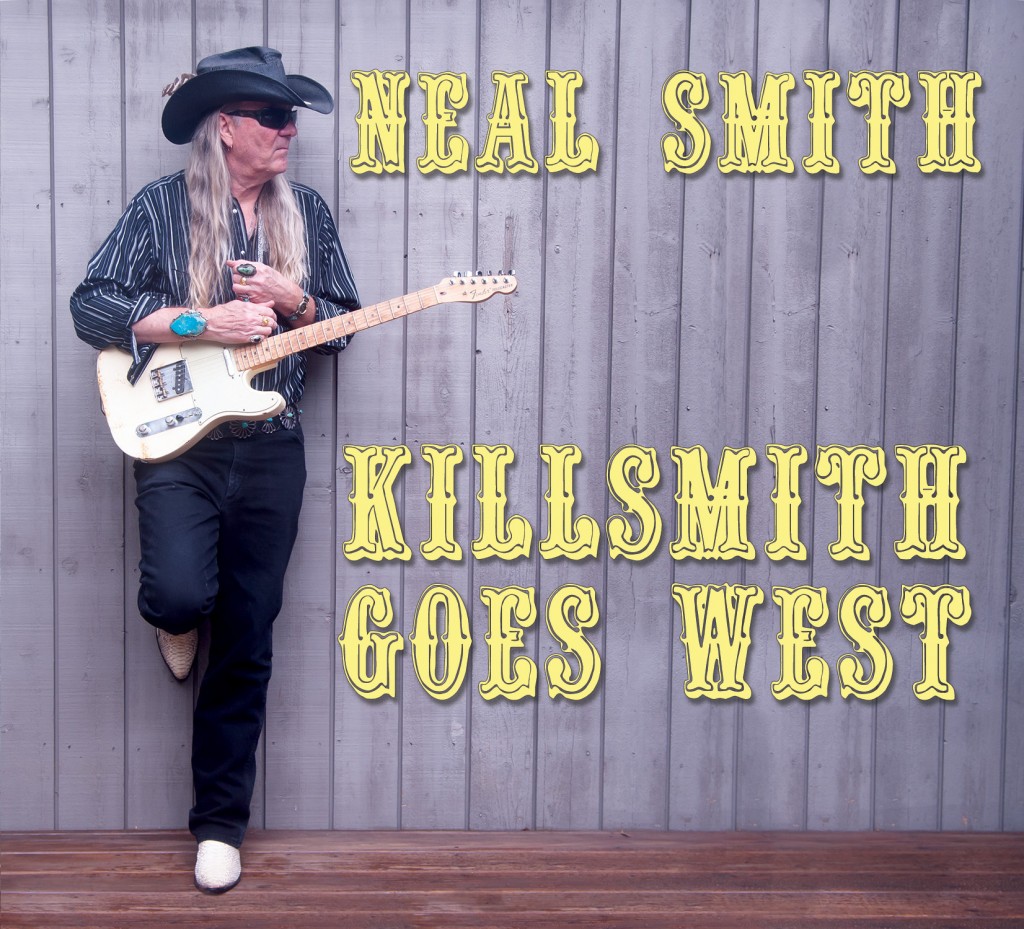
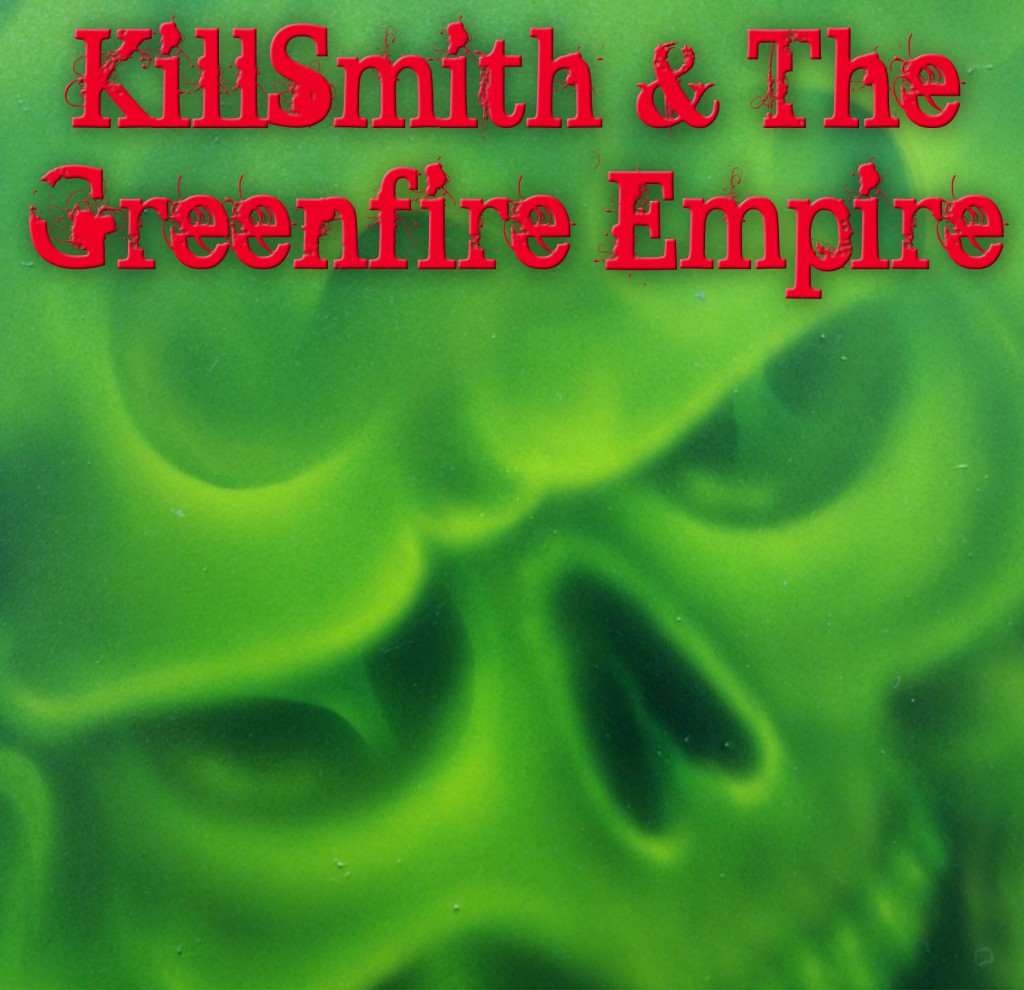
I’m working on my next Killsmith album Hard In A Rock Place, which will be out later this year in 2024. So, I’m always keeping busy and when it comes out, believe me, everybody will know about it, but I am working on it. It’s a slow process, but I just, and everybody tells the stories a little bit differently.

And I’m coming from, obviously, a drummer’s perspective and it’s, the stories are out there. I mean, it’s amazing. We’re the band that should have never made it.

It’s kind of the whole thing, but there was an audience for a band like us. It was a huge audience, and we were like the kids that were shunned in school and all of a sudden, when they were younger, they just had no path. And even the emails to this day – 50 years after the band, people are just saying that that ‘You guys, you guys opened up a whole world for me that I never do realize in rock and roll’.

And many times, many cases, kids saying that we actually saved their lives. So I can understand that, but that’s what the internet, I think that’s the only thing I like about the internet is the fact that you hear all these stories that otherwise we would have never known about.

Thanks Neal, this has been great!

And my greetings to all the fans in Canada because Canada, from the first time we stepped on Canadian soil and played at the shows, especially at Varsity Stadium in Toronto, we were always treated like superstars. And Canada got it right away. and I don’t know why, but I’m very, very thankful.

I can’t tell you how, you know, I speak for the whole band, how grateful we were. And then to get Bob Ezrin, another Canadian, a huge person that also understood the band and was behind us 1000%. So, Canada and the fans mean a lot to me and to us and making Alice Cooper come alive and be successful. And we all are indebted to the Canadians up there. So, we love it… To death.

LINKS:

Billion Dollar Babies ("Trillion Dollar" Deluxe Edition) (3LP)
https://superdeluxeedition.com/news/alice-cooper-billion-dollar-babies-trillion-dollar-deluxe-edition/

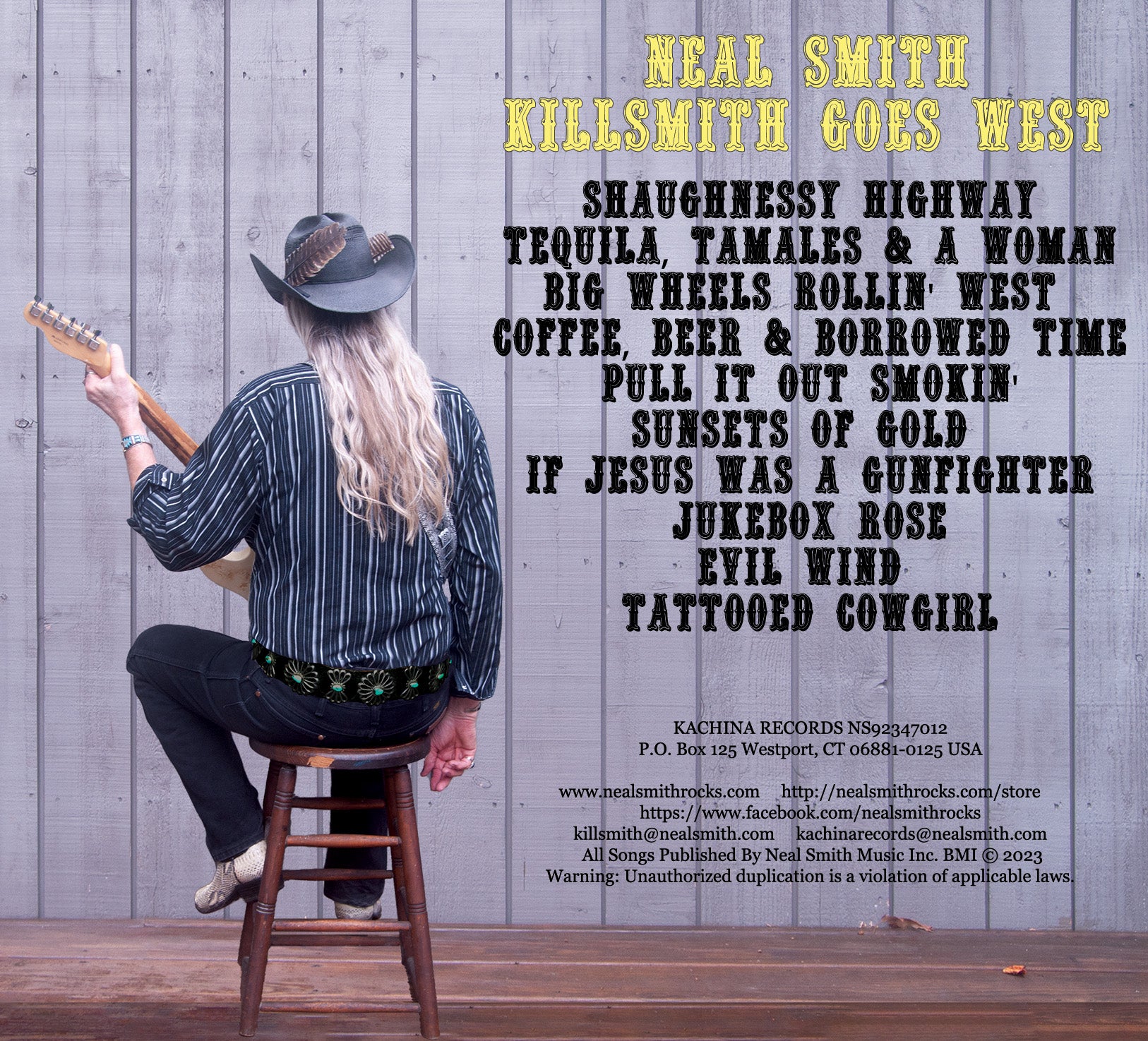
NEAL SMITH talks about his latest album – Killsmith Goes West

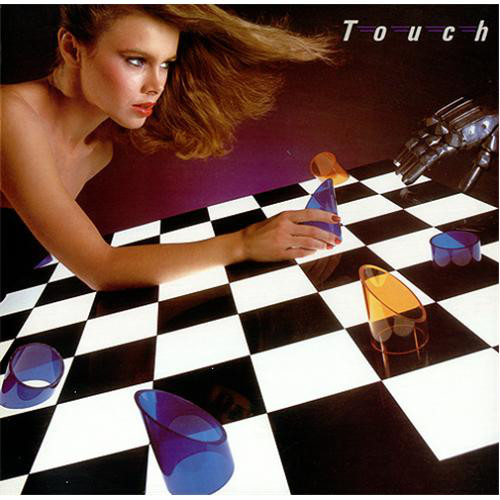
Legendary rock drummer Neal Smith (Alice Cooper) released his latest album in the spring. Killsmith Goes West is the fourth album under the Killsmith name, and is different to past Killsmith releases with a somewhat country & western influence throughout many of the songs, and is perhaps, Smith’s finest and most album to date with songs like “Shaughnessy Highway”, ” Evil Wind”, and “Pull It Out Smokin”. *Check out the interview, as well as the links below!
What inspired this whole idea of putting together a country & western styled album?

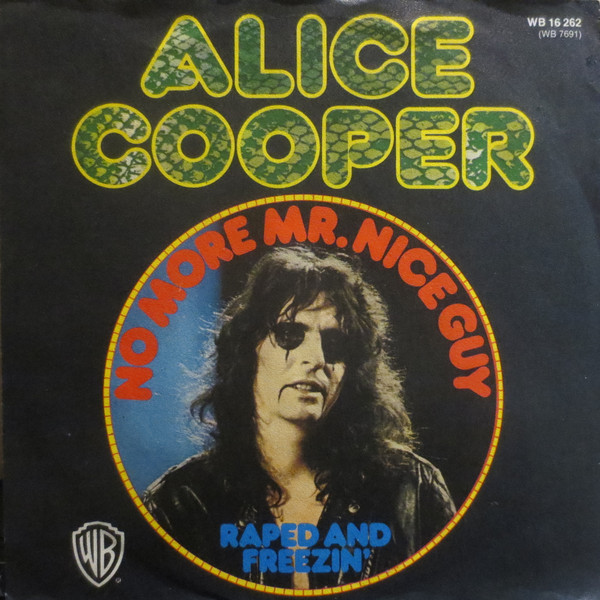
I’ve been writing songs since the original Alice Cooper group was together, and even before that – in other bands, so when you write songs sometimes the songs come out of nowhere, and they don’t really fit anything, any project that you’re working on, and you just set them aside, and over time I had them and they weren’t really in the style, the real heavy rock – that I would do, and then Killsmith came along, and that was real heavy metal, you know the first couple of Killsmith albums, and even the third one – The Green Fire Empire. And I just had the scope of songs, and I just wanted to try something a little bit different. There’s still some songs – “Pull It Out Smokin”, “Evil Wind” – that still have a real rough edge to them. I had written about 15 songs for this album, and then there were 5 that I pulled off because they were just over-the-top normal heavy rock, so I pulled those off and I wrote a few more and then I had a total of 10 new songs on the album. Some of the songs are brand new, and some of the songs are brand new in the last year or so. It took 3 years to record the album through the pandemic, but there’s one song on there “Coffee, Beer, and Borrowed Time” – that song was actually written in 1980. And that’s one of those songs that just sort of happened, and then there was no place for it. It has sort of a country vibe to it, and that along with the Killsmith normal vide of being edgy and heavier, I call it ‘outlaw rock’. And it does have more of a western feel to it than country. And all of a sudden the songs started taking on a mood of their own , and I followed that – we’re from Arizona, and Arizona is the 48th state, so it was really the last of the wild country. So, even the Alice Cooper we had a song like “Desperado”, and “Raped And Freezin” – a couple of songs that were influenced by the area of the United States that we were from. So this is sort of expanding on that idea, there’s references to Mexico, references to Townsend, Arizona, and New Mexico. It’s all about places I’ve lived, and even when I was growing up in the mid-west, in the Akron area of Ohio, central Ohio, part of my upbringing, my mother liked live music, and there was a place called Fixler’s Ballroom near Sharon Center, Ohio, where we used to go, and they had a live band. So, I was influenced not only by the rock of the late ’50s and early ’60s, but I was influenced by the big bands, like swing – because my mother loved the Glen Miller Band, and also the live country music. So I was exposed to that with live bands, so that’s all been part of what’s influenced me over the years – as a drummer, and a musician, and a songwriter. So these songs just came to me, I wanted to go that extra mile. What’s does that mean? That means A- I wanted to get a fantastic country guitar player – Arlen Roth, who has done many country albums over the years, and was gracious enough to play on 4 or 5 of the songs. Gary Oleyar who is a fiddle player also played great country and western fiddle on several songs – which gave it that extra push over the top for what I was looking for, and that mixed with what I already had, and storytelling – country and western always has a story with it to begin with , but I like the classic novelty 16 Tines, Big Bad John, Raw Hide, back in the 50s and 60s there was some songwriters like Johnny Cash, Frank Lane, Johnny Horton, Tennessee Ernie Ford, Hank Williams, – they were great storytellers as well as great songwriters. And I wanted to try and get that element into the music too, so it all came together, 10 songs that fans enjoy. And very different for me to try something like that. So far it’s been very successful.

Can you recall any other specific bands or albums, bands you might’ve seen or albums your mom might’ve had around the house!?

Well, even on Hee-Haw, some of the best guitarists that were ever in country (I can’t think of all the names right now), but man – Chet Atkins was on there occasionally, and they were just phenomenal guitar players. And I’m a big fan of Jeff Beck, Jimi Hendrix, Jimmy Page, Eric Clapton, but I mean it’s all rock, blues, jazz, and country roots – that’s what all this music is. And Roy Clark was another amazing guitar player from that era, and (of course) Waylon Jennings, who was also from Phoenix. So a lot of these great players were from the south-west, where we were from and I was aware of them, and I saw them mostly, I didn’t really buy the music, but I’d hear them on the radio occasionally, those novelty western songs that stood out, but actually seeing them on TV – live on TV, some of the greatest guitar players – I mean Roy Clark, Glen Campbell, when these guys got up on stage and played (and it’s all over youtube, and thank goodness for youtube), that was all part of. And Rick Tedesco, a guitar player that I write and work with on the latest Killsmith albums, he’s sort of a soak-sponge, and he soaks this all in, and he as some really fine country & western licks that he plays on the album too. So that was something, a direction I was trying to go, but a little harder, so it’s got more of a country-outlaw kind of feel to it. So there was plenty to took at and watch and be inspired by back in the day, that’s for sure.

That’s interesting because some of the guys you mention like Johnny Cash and Glen Campbell were country stars, but they almost kind of cross over to a lot of rock fans as well.

Oh they did cross over, they had a lot of cross-over hits, but I went the other way – I went from rock over to more of that outlaw-country kind of feel to it, but with a harder edge and harder story lines on it, with a lot of the subject matter in the songs. that’s a good perspective.

Can you tell me what inspired some of the songs, some of the stories, because there’s lots of great song titles alone, which when you look at it, it makes it interesting to get started!?

There’s some songs that I thought of in the middle of the night, like “Shaughnessy Highway”, “Shaughnessy Highway” is about a guitar player, and it could’ve been about any of the guitar players we just talked about, but it’s a fantasy band and he’s a big superstar, his band’s superstars, and unfortunately this has happened a lot over time, people like Glenn Miller are lost to airplane crashes and other disasters, and the principal person in the story is killed in an airplane crash and he’s a guitar player in one of the biggest bands in the world, and his wife gives directions to her house, and if you park out front of her house she plays his music all the time keeping his music alive, because she’s kept alive and happy, though he’s gone, listening to his music. So it’s kind of a taboo subject to talk about, but Killsmith and Alice Cooper we always touched on subjects that normal people would think were a little taboo – like “Dead Babies” . Things that you really had to dig in and find out what that meant, it wasn’t anything other than child abuse and not protecting your baby against poison. So, that particular song I thought of in the middle of the night, “Sunsets Of Gold” is another I thought of in the middle of the night, it just kind of comes to you and pretty much the song writes itself . A song like “Evil Wind” was inspired not by the early spaghetti westerns with Clint Eastwood, but like Pale Rider , where it’s a mystery as to who this character really is. Is he alive? Is he a ghost? And “Evil Wind” that’s kinda inspired by those thoughts of the wild west. And “Tequila, Tamales & A Woman”, that’s another – like Hang ‘Em High, that’s another Clint Eastwood movie. That’s the inspiration, but the story is different, there’s a card game in Nogales, Arizona, and somebody cheats at cards, and the subject person shoots the person and kills him when the person draws a gun on him for calling him a cheat, but the hanging judge doesn’t look at it that way so he sentences the guy to be hung in the morning and he gives him a last wish, and his last wish is for tequila, tamales, and a woman. So he’ll die a happy man in the morning, but that’s his last wish. And again it’s from the late 1800s, and the wild west. So if you listen to any of the songs, I have one “Tattooed Cowgirl”, that’s kinda like a Thelma and Louise or somebody from Kevin Costner’s tv show Yellowstone, you know – a bad ass chick that you don’t want to mess with, but you’re drawn to. So, just things that are a little bit different for me to work with. And always an inspiration to go in a new direction, but always keep the attitude very strong and keep the subject matter very strong; always like paint a picture and tell a story.

In preparing for this did you revisit some of that old music ?

No, not really, because songs just come to you. And I’ve listened to enough music in my 75 years here on this planet that I know what influenced me, and once I write the song – it’s basically done, so how do I put the sweetening on the song to give it more of a country, more of a western flare. I always listen to what the song wants, and the players that I have come in and add to, like the country and western guitar, or the harmonica where that’s needed, or fiddle – they pretty much are on their own’ I may give some slight direction, but it’s all about what is just very organic as the song grows, and natural for the song. And I think that’s the best way for me to do it, I found. So it’s not anything that I think about, it’s just listening to the song and saying ‘you know, this here this needs a little fiddle part, this needs a little country guitar part, just a little like d-tune.’ and that’s how it comes about. It sort of happens after the bed-tracks are laid down, the arrangement is there, just ‘what does the song need to finish it off’. It’s like the icing on the cake.

You mentioned Arlen Roth and Gary Oleyar. Can you tell me a bit about where you met those guys and if you’ve used them before?

No. Actually Rick Tedesco – the engineer and guitar player that I’ve worked with in his studios, Guitar Hangar Studio here in Connecticut; he found those 2 gentlemen and invited them to the studio. So he knew them. Rick is a great resource for me. He’s helped me – with Glen Buxton’s guitar from Love It To Death through School’s Out, the SG Custom that I found the body stripped down without a neck , he helped me rebuild it into an amazing guitar. It took about 2 years to rebuild it. So he has a lot of great resources. He has a great guitar store in the Danbury area of Connecticut called The Guitar Hangar, and the studio called The Guitar Hangar. So he knows a lot of people, great guitar players, and he’s a great guitar player too. And Stu Daye, he’s an old friend of mine; he actually played on my Platinum God album. He played the slide guitar. He lives in London, and we sent the tracks to him and he polished them off and put the slide guitar on “Tattooed Cowgirl”. So, I had a lot of great guitar players that helped me out. And Stu is an old friend of mine, so that was through me, but Rick Tedesco found Arlen and Gary.

I remember Stu’s name from your Platinum God album, and you’d mentioned him previously. I actually picked up an album of his, he had done with Corky Lang from the early ’80s…

The band was The Mix, right!?

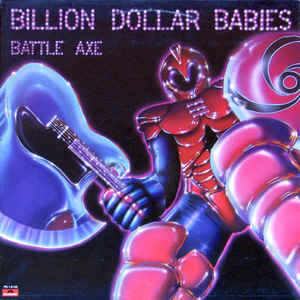
Yeah. And they did one of the Billion Dollar Babies’ (Battle Axe) songs.

Yeah, there was a song I was writing one time, and Stu was around, and he loved the song, and put it on one of his albums.

Do you plan on going out and playing any of this stuff live?

I have a couple of songs on YouTube right now, and I may do a video or 2, but right now I have no plans to tour. If I do anything it’ll be on youtube or on NealSmithRocks.com – that’s my website. This is also the 50th anniversary of the Billion Dollar Babies album, and they have a deluxe special edition that’ll be out next year. But this year you’ve probably already heard Killer deluxe edition or the School’s Out deluxe, which have come out. So there’s a lot of good stuff going on, and I’m excited about it. I have another, like I mentioned my next Killsmith project will be my fifth Killsmith album; there were songs I took off the Killsmith Goes West album – which I also thought was a great title because I do spend the winters in Arizona, You know the band got together there in the mid ’60s; I moved out there from the mid-west in the early ’60s. So I’ve been going out there every year for almost the last 50 years. So about 5 or 6 years ago I bought a winter home out there in Mesa, Arizona, so I love it out there. I go out and play golf. And of course, Alice and Michael Bruce are out there and I get together with them a lot, and a lot of the writing that I do, and a lot of the writing that has been on Alice’s last 3 albums we’ve written out there.

Do you think that doing something so different this time around with Killsmith that it kinda gives you the opportunity to do something further afield, or something you haven’t done before?

Yeah, I don’t know. Like I said, the songs that I had on there they kinda fit, they were a little more hard-rock. But because I have some ideas for the next title, and it’s not going to be Killsmith Goes West 2, that’s for sure , but I do find something very creative about that, and also it’s a testimonial to our roots, which are in Phoenix, Arizona, and the south-west, and that’s a good thing. Too many people don’t look at their..- especially in rock, they have roots; I mean with the Alice Cooper group, we were very different – our roots were in horror movies, horror films, and movies from the past. But you never know where your inspiration is going to come from. But no matter what I do I want to feel excited about it, I want to feel refreshed. But what I really want to do is to do all I can to get as many people as possible to listen to it, I’m very very happy about the album, and very happy about the feedback I’m getting. And a lot of solid rock fans were turned off by the idea but it’s not a country record by any sense of the imagination; it’s definitely a Killsmith album, but it has, as I said – like on the Killer album we had “Desperado”, and on the Billion Dollar Babies album we had “Raped And Freezin”, and these are those songs that talk a little bit about the south-west, where we’re from geographically, but Goes West is a little more – it was like our influences on steroids. I took it a little further. And that will always be around. I may have one of those songs that I took off the album to keep it at 10 songs that really fit well. But let’s see what happens. I’m pretty happy. Some of the songs I went back and listened to them, and I’m always doing tributes to… like Billion Dollar Babies 2023, that’s a big deal, and I wrote a song for the next album called “Party Never Ending” – That’s the Alice Cooper group! And it’s like people have said over the years about the band breaking up, well the band never really broke up, we took a year off, everybody stayed friends, and encouraged each other on solo projects, and that was a big deal. In no way, I mean we were best friends and we weren’t going to get in any bog lawsuits about Alice going out solo. Anybody coudd’ve gone out solo, but he was very fortunate, and he did a great job. And I’m proud of everybody in the band, you know – Michael Bruce and Dennis Dunaway, they have great solo projects – they’re great songwriters; Glen Buxton, unfortunately we lost him way too soon in 1997, But the ghost of GB is always around, he will always be a part of no matter what we do. So I’m excited to do new music, and keep writing as long as I can.

Links:

https://www.facebook.com/NealSmithRocks

https://www.facebook.com/alicecoopperbandhome

https://www.sickthingsuk.co.uk/08-musicians/m-ns.php

https://www.beaconjournal.com/story/lifestyle/2022/04/24/alice-cooper-drummer-neal-smith-akron-schools-out-ohio-glen-buxton-michael-bruce-dennis-dunaway/7308215001/

NEAL SMITH – Interview from the archives, 1996

This interview was done in June of 1996.  Through a friend (and associate of Neal’s – Billy James) I was able to send Neal plenty of questions, and he gladly answered them on a cassette and sent them back. (Note that this interview was done well before the death of Glenn Buxton. )

I did another interview with Neal in 2014 (which I’ll re-post here in the future). Neal has a new album coming out ‘Killsmith Goes West‘ – check out my review and news of it elsewhere at this site.

What are your memories of the earliest gigs the band ever played under the names prior to the Alice Cooper Group [i.e.:  What sort of venues?  Responses?  Set-lists?]. 

Some of the first memories I have are of The Nazz – that was when I’d joined the group in the fall of 1967. We were playing a lot of clubs, and once in a while we were on Arizona local television. It was basically the biggest clubs in the South-West that we were playing at the time, as well as Los Angeles. The responses were always positive. One of the main things we always tried to do was have people walk away with a reaction. The set list at that time included all of the songs from the Pretties For You , which we recorded on Frank Zappa’s Straight Records. There were some songs we also did which were songs that were later re-written and recorded for later Warner Brothers albums.

Who were some of your own musical influences and ‘heroes’ starting out [any favorite drummers back then]?

Some of my own musical influences at the time were from when I was growing up in the ’50s and ’60s like Gene Krupa and Sandy Nelsen — a lot of the big band sound and pop together. Of course, when the British Invasion happened I was influenced to an extent by the likes of Ringo Starr and Charlie Watts because I liked what they did with what they were playing musically on records with The Beatles and Rolling Stones. From a theatrical stand-point I really liked Keith Moon and Mitch Mitchell (from Jimi Hendrix’ band). I also liked Ginger Baker, but probably more from a playing stand-point. He is, I think, probably the best drummer of the rock era.

How did the whole ALICE COOPER concept evolve [i.e.: from the time you chose that name]?

The concept for Alice Cooper really came from when we all went to art school together. Alice, Glen, and myself were all art majors. We liked to employ the mixture of art and theatre into the music. That was simply the concept, just something that nobody had done before. Even before the name Alice Cooper came along, when we played we tried to have people walk away, and the one thing we wanted them to do – was never forget the band!

No matter what we had to do to make that happen!

The first 2 AC albums were so strange (in retrospect), what influenced a lot of the sounds and production ?

Yes, they were a little different for the time. Any influence that we had, again being art majors and wanting to do something completely different – that was our approach. We had a few other influences like early Syd Barrett with the original Pink Floyd.  I liked a lot of the things with sounds that they played around with at the time. Also, Stockhausen – electronic music that was coming out of Germany and Europe at that time. There was just a lot of experimentation with instruments, instruments that every group had – 2 guitars, bass, drums, and a singer.

How did the band hook up with Shep Gordon and Warners?

Shep Gordon and Joey Greenburg were partners and we signed with them. They were just out to Los Angeles from Buffalo, New York. They’d graduated from Business College at the University Of Buffalo. My sister – Cindy Dunaway, who’s married to Dennis, worked at a boutique store in LA, and at the time had a lot to do with our clothing and image.  So, Shep and Joe came into the boutique and I guess they were talking, and she asked them what they did, and they said that they manage bands. She said “my brother’s in a band, and they need a manager!” We hooked up from that point on.  Of course, Warner Brothers bought out Straight Records, which was Frank Zappa’s label and there was 10 bands – which I still think was one of the most amazing business deals ever done at the time. Warner Brothers bought out 10 bands from Straight Records for about $50 000 at that time – 1969-70.  This was already after we’d recorded Easy Action. Linda Ronstadt was with a band called “Stone Ponies” and also James Taylor was in one of the groups that Frank Zappa had at the time, so they kinda got Alice Cooper as a bonus because they’d (Warners) really wanted Linda Ronstadt and James Taylor.

What influence, advice, and ideas did Bob Ezrin bring with him when you began to record with him for Love It To Death?

Well again, it was our first album for Warner Brothers, we were now with a major label, we had incredible management, we were making a presence with the underground – very strongly with Pretties For You and Easy Action and the affiliation with Frank Zappa at the time. We wanted to break-out, not really into the mainstream, but hit more people with our impact, so we needed someone who’d take our music to the level of what our show was and where we really wanted to be. Bob Ezrin, at the time, was with Nimbus 9 Studios in Toronto. He was just starting out, the same as Shep and the band; we were all starting from the same place. Bob’s influence was very substantial in really taking the songs and working with us on arrangements. Lyrically, Alice – I still think is one of the best rock lyricist that’s ever been around. So, to take those lyrics and to take the ideas of our music, which the majority of was written by Mike, although Dennis and myself also influenced the music as well. Bob really took it and put it all together, and worked quite closely with the band. He was really, in my opinion, like the 6th member of the band! One other thing – Bob not only was an incredible influence on the music, but keeping in mind the “theatre” of the band, and keeping in mind what we did on stage and implementing that in a musical expression on our records, as well as what we did live. That was a lot of the “magic” of what Bob and the band did together.

What was the songwriting process in the original AC band?

That’s an interesting question.   I think we probably utilized every possible aspect of songwriting. A song like “School’s Out” – everybody wrote together.  Some of the riffs from that song were done a long time ago in the early days before we even recorded. A better example is “Elected” which was originally on Pretties For You and was called “Reflected”; we’d re-wrote it. Anything from that period of time (Pretties For You and Easy Action), we basically wrote together.  We would come up with songs either from a group jam where everybody is together working out a concept or idea and Alice would work on lyrics.  We would also brainstorm on the lyrics. The other way was that Mike would write a song, bring it to Alice and then there was lyrical changes on it.  A great example of this is “No More Mister Nice Guy”.  Another example of co-writing was Dennis and Mike writing “Under My Wheels”, and from the standpoint of the lyrics they were very involved and then Alice came in and worked on the lyrics as well. And to this day it’s one of my favorite all-time Alice Cooper songs!  There was also songs in the band that members wrote by themselves like “Black Ju-Ju” – Dennis basically wrote that song and “Hallowed Be My Name”, from the Love It To Death album is a song I wrote in it’s entirety. It was always fun and it was always a very creative process.  One of the last songs we ever wrote together was from Billion Dollar Babies. We needed 1 more song, it was “Generation Landslide”, again one of my favorite songs.  We had needed 1 more song for the album and we were in London recording at the time, and we just had to get out of town – go rehearse and write a song.  We went down to the Canary Islands and there was a brand new hotel that was being built.  We rented the whole top of the hotel, moved in, took our equipment – just enough to set up a little studio and write a song.  I started playing the drum beat to “Generation Landslide”, Mike joined in, and in a couple of days we’d developed the song.  We wrote the song as a group and everyone participated in it’s creation.  Usually last songs can be filler, but I think that was an incredible song!

What influenced the words to some of the bands’ biggest hits, such as ‘Eighteen’ & ‘Be My Lover’?

With “Eighteen” we wanted to have a hit song as we’d never had one, and this was our third album (Love It To Death).  We wanted something that was going to be timely, and the subject of being 18 years of age at that time was a very hot subject!  We wanted something like an anthem, and I certainly think “Eighteen” succeeded.  “Be My Lover” was from the standpoint of a “cabaret” kind of thing.  Alice used “Katchina” – the snake, on stage, and even throughout the ’80s he used the snake during “Be My Lover”.   It was a fun song; I always liked playing that one.

What is the story behind the sessions for the Billion Dollar Babies album  [i.e.:  who were guest on it that is not written in the credits]?

We recorded it at our mansion in Greenwich Connecticut, in London England at Morgan Studios, and at The Record Plant in New York.  All the songs were recorded by the band.  There was a jam session in London that Keith Moon, Harry Nilson and Mark Bolan from T-TEX attended.  Flo and Eddie were there too as were a couple of other friends that had played with us on albums – Mick Mashbir, who later played some guitar on Muscle Of Love.  They were in the session, but it was nothing that was ever on the record. It was a fun jam session and a great party!!

How did you and the rest of the band deal with the fame and success?

We’d played for about 10 years, and it was almost like a non-stop party.  We had worked very, very hard to achieve what we had achieved at that time, and we were all enjoying it.  It wasn’t a situation where it was a bad thing – it never was!  We got along great together, and to this day we still get along great.

With Alice, himself, being more in the public eye than the rest of the band as a whole, create any bitterness or animosity amongst band members?

To tell you the truth when the band first was together and went on the road in the late ’60s, there was a lot of time where we could all go to the radio stations and do the interviews.  We could all do the interviews with the magazines.  It was a little hectic with 5 people, but we all had the time to do it.  As things changed there was times when Mike, Dennis and I or Alice and I would do the interviews.  If Alice couldn’t make it I did the interview – it just depended.  It was a situation that was orchestrated by the band.  As the pressure became greater later on and the band had to do sound checks at big concerts, and we’d traveled so much that by the time we got to the venue our thing was the music and Alice would go to the radio stations and do his things.  Everybody had their job.  There was never any bitterness.  It was a lot of work and everyone had their job to do at that particular time. We all shared equally in the band.  Everyone had their own weight to pull and we did it to the best of our ability in always trying to put on a great show – no matter what the bottom line was!

Why did the band decide to record Muscle of Love so soon after B$B’s, instead of taking a needed break?

I don’t know if there was a needed break.  We actually took the break after Muscle Of Love.  First of all. we recorded albums, and we played concerts – that’s what we did for many years.  After Billion Dollar Babies we wanted to get in to the studio.  We’d been playing those songs for a year now and we had a whole new group of songs that we wanted to put down; we had a new concept.  There was actually even songs for an album after that! And that’s why Muscle Of Love was recorded, and then the Greatest Hits came after that.

Why were two guest guitar-players used on that album?  Was it due to Glen’s ‘health’?  [Stories that Glen was so ill on the last few tours that in fact someone else played his parts from behind the stage  – True?]

Dick Wagner, who was a very good friend of Bob Ezrin came in and did some guest spots on some albums for a little bit different texture or flavor. Mick Mashbir, who was a long time friend of mine from high school – even before I was ever involved with the guys in the group, he played lead guitar on some of the live shows. What was happening was when we got into Billion Dollar Babies on stage the show was becoming bigger, we needed more music, more musicians.   With what we were doing on the albums – we wanted to portray that more live.  So, we needed a keyboard player, Bob Dolin, and we needed another guitar player – so Mick played for us in the back-ground on the Billion Dollar Babies Tour, as well as some lead work on Muscle Of Love.

Glen always played “School’s Out” and “18” – those were his songs.  All the hits he would do.  He contributed immensely to those songs. Those songs were never the same without him. Yes there was people who played with us live on stage, and they actually had their own section in that they were in the spotlight as well. There wasn’t anything hidden about it or anything like that.  Yes there was a period of time, unfortunately, with the Billion Dollar Babies tour, that Glen wasn’t feeling too well, but he’s a trooper.  He went on the road with us and it was one of the highest grossing tours at the time.  It wouldn’t have been the same without him, that’s for sure !

Do you feel that Muscle Of Love is an overlooked album?  It is my personal favorite ACG album.

I don’t think it’s that overlooked.  I think it was an interesting turn for us to do the Muscle Of Love album.  It’s one of my favorite albums too.  It was fun recording it.  Bob Ezrin unfortunately, didn’t help us out on the production – it was Jack Douglas.  That was one of Jack Douglas’ first albums before working with Aerosmith, and then Jack Richardson also helped. He’d originally started with us on Love It To Death.  He produced The Guess Who, some of their biggest hits.  Bob Ezrin was Jack Richardson’s protégé.  Prior to albums to that, the 2 or 3 before, we’d shipped over 1 million copies the first week. Muscle Of Love came out and it sold 800 000 copies the first month, so it was a little bit off the mark.  It wasn’t followed up with a major stage show worldwide, and I think that may have been a part of it.

During your time with AC you recorded a much publicized solo album (The Platinum God).  What is the story behind it  [i.e. :  Who played on it ?  Who wrote?  Sang?  Why has it never been released?]

I guess it got a lot of publicity (!?)  It was a concept that I’d been working on.  I wrote all the songs, and sang all the songs on the tape.  The guitar player was Mike Marconi.   He was a musician I had met while we were on the road in the Rochester area. I went to see him play live in a club one night and liked his work, so we ended up working together.  Jack Douglas produced the tapes, Dennis played bass, Mike Marconi played the lead guitar, and there was another guitar player – Stu Day.   Stu had a band out of New York called “The Mix” in the mid to late ’70s. Then there was some orchestrations where I had brass sections and string sections – which was actually the New York Philharmonic at the time on the tapes.  We had taken them (the tapes) to a lot of record companies, and I guess being the “shock-rock” band, or whatever we were at that particular time; this tape was actually pretty shocking to them in a lot of respects.   And to this day I think that’s a great aspect to these tapes. On the song “Platinum God” itself, I just had no clue as to what was going on. It’s an interesting mixture between contemporary drumming and primitive drumming, and mixed with the concept.   Who knows – maybe someday it’ll still be released , I don’t know !

Did the band intend on getting back together following the “Greatest Hits” release?

The band still might get together!  Who knows?  Of course we planned on getting together.  That’s kind of a crazy question !

What did you do in the first few years following the break-up of the band?

We took the year off.  We had worked very hard, as I mentioned previously.  It was a lot of fun but a lot of work too.  We’d travelled all around the world.  We’d gone from obscurity to fulfilling our dream of bringing what we did that was so different and exciting to the music world and bringing in theatre – an element that had never really been brought into play before that period of time.   And still to this day, I think that of all the great stage shows you see – that did not exist before we were on stage.  There’s no doubt in my mind that what we did has influenced music for the past 2 decades – especially from a live presentation standpoint.  But there comes a point in time where you have to take a break from it all.   We’d all lived together under the same roof for all that time and when we took that year off everybody got their own places, and got a chance to relax and get into who they were.  And like I said, you just can never know what’s going to happen!?

Were you ever bitter that Alice, himself, carried on without you guys making a living out of the songs and ideas that you all contributed to?

If anything, I’m proud of what Alice has done on his own.   I’m always extremely impressed with him and any of his lyrics I hear.  Some of his songs from Welcome To My Nightmare, and even to his newest album – The Last Temptation, there’s some songs that I’d have loved to have played the drums on.  When he’s out on the road he’s playing a lot of the Greatest Hits – songs that we all wrote on, played on, and made famous.  So, the word wouldn’t be “bitter”, but “proud”!  I’m extremely happy that he does so well.  We’re still good friends; he’s even helped me get bitten by the “Golf-bug” here.   He’s an incredible golfer!!  We get together and play once in a while.  At any rate, basically what I think of his albums is that they’ve been great.

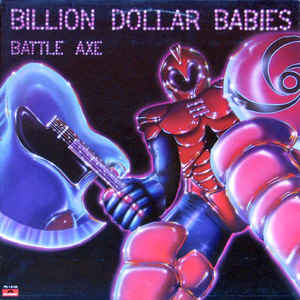
In 1977 yourself, Dennis Dunaway, and Michael Bruce formed a band ‘BILLION DOLLAR BABIES’.   How did that all come about?  Bob Dolin had previously guested on Muscle Of Love,  who was he and who was Mike Marconi?

After Muscle Of Love there was a pile of songs written, this was past out solo projects.   We got together and we wanted to record an album.  We put all the music together.   We had Bob Dolin on keyboards from the Muscle Of Love album, and Mike Marconi – from my Platinum God project.

Did B$B’s record anything past the Battle Axe album?   Did you tour?  And why did it fall apart?

We recorded a demo song past that.  We did do a tour; we played around the country.  Again, it was a great concept.  It would’ve been fun if the whole band could’ve done it, but it worked on it’s own.  I guess the main thing was the 3 points in the “triple crown” for the success of the Alice Cooper Band was certainly the band – it’s creativity and writing.  The second was Shep Gordon – our management and the leadership that he had in the field. And then (third) Bob Ezrin in producing the records.  Bob worked closely with making the music and records happen, and then Shep took it and put it over with the record company and made everything else work, like the publicity and all that.  We were spoiled by that sort of a formula and the B$B’s did not have that formula.

Who have you kept in touch with over the years?  Ref. to Michael, Dennis, Alice, and Glenn.

Of course with Dennis – he’s my brother-in-law, and he lives very close to where I do in Connecticut.  Michael Bruce and I talk, I’ve seen him in Arizona several times.  I’ve probably seen Alice more than Glen and Mike.  Glen, I haven’t seen in quite a long time, but I do talk to Glen a lot as well.  Yes, I get along with everybody in the band, and I always wish them all the best – all the time.

You and Dennis played on Buck Dharma’s 1981 solo album Flat Out.   How did all that come about?  Do you keep in contact with Buck?

Donald “Buck” Dharma was a very good friend of ours.  As a matter of fact the Alice Cooper Band had played some shows in the 70s where Blue Oyster Cult had opened for us.  We got along pretty well.  So, when Buck did the solo album he had asked Dennis and I to play on some of the tracks for him.  I co-wrote the song “Born To Rock”, and it became the single from the album, and the video that was on MTV. He (Buck) and his family are very good friends of ours.  Even though they don’t live in the State anymore we still keep in touch.

What sort of recording and playing did you do throughout the ’80s?  Much session work?

In 1981 I played drums on a complete album by The Plasmatics called Beyond The Valley Of 1984. That was a pretty cool project.  I enjoyed working with them.  I did co-write a song with Joe Bouchard of BOC for the Revolution By Night album.  The song was called “Shadows Of California”, that was recorded in 1983.  Then I did some solo recordings during the mid-80s.  Then I got into the profession I’m in now.

What’s the story behind ‘DEADRINGER’?

DEADRINGER was Joe Bouchard from BOC, Dennis Dunaway, and the singer was Charlie Huhn from Ted Nugent’s band, “Intensities In 10 Cities” – those days.  I think Charlie’s an incredible singer, and we were lucky to have him work together with us in 1989 for an album called “Electrocution Of The Heart”.  It was released on Grudge Records in 89.  The guitar player was a guy who I’d been working with and writing songs with in Connecticut for the last 10 years; his name was J. Jesse Johnson.  He was really the focal point of the band as far as the music goes; he’d written a lot of the songs, and helped to co-write some of the others with me that were on the record. It was a great record, and we had a lot of fun recording it.  I do wish we had had more time in the studio. It may be re-released on another label soon, because it was a great record.

How did you get involved with ANT BEE?

Billy James (ANT BEE) was a friend of Mike Bruce’s and through Mike is how I met Billy.  There was a portion of The Platinum God tape that Billy sampled and was on his new album.  It sounds really cool, and I’m pretty pleased with that.   He’s a very talented guy, and a good man !

Do you have any plans for future recording and/or session projects in the future?

You never know what this business can bring!   I have a studio in my own home.  I’ve always maintained the studio, and every year I try to make it a little bigger and better.  I’m always writing.  Over the years, with the help of Mike Bruce, I taught myself how to play guitar and piano, so I know enough that it helps me write.  And then I work with somebody that’s incredibly talented like J. Jessie Johnson or Mike Bruce!  I am always looking to write; I love to write and collaborate with people.  Do I have a dying urge to get back on the road? I’ve really already done that! I love drums, that’s my biggest thing in life, naturally! I still have almost every drum kit I’ve ever had.  I have over 100 of them at home! I noticed a new book called “The Stars’ Sets”, and it covers the 1930s to 1995.  They have a great picture of one of my first Slingerland kits in there that Slingerland gave us.  The Love It To Death and Killer albums were recorded on that set of drums.  I’m pretty happy with what I’m doing right now, (real estate).  I write in the studio, send Alice songs once in a while.  Mike Bruce has heard my songs; I’ve heard some of Mikes’. He still writes incredible songs.  A great songwriter!!  That’s a natural combination with Mike, Dennis and I together – we play any song, like “My Stars”, or any song that the original Alice Cooper band did and it will sound exactly like the record.

Do you ever fore-see yourself working with any of the original AC band guys again?  Is there ever a possibility of a reunion?

I’m friends with everybody, I work with everybody.  Dennis and I play a lot, Mike and I played last year when I went out to Arizona, and we did some jamming on some of his songs.  I got together with Alice, gave him some songs, and we kicked around some ideas.  I don’t have a crystal ball to know what’s going to happen in the future, but I’d be the first one to bring my drums to a session if we ever did decide to do anything!  But, it’d have to be just for fun – that would be the bottom line to ever doing anything.

What do you do outside of music?   How did you get into real estate?

I really do music as a hobby now.  Real Estate is my main profession.  It’s a very serious and professional business, but I have a lot of fun with it in the Connecticut area.  I got into it when the band was together.  We made investments in real estate, individually and as a group.  I found it fascinating, and it was another way that I could make an income. I enjoy it a lot, and love this part of the country.  People do say “from rock ‘n’ roll to real estate – what the heck is that all about?”.  But we did have the opportunity to invest and learn a lot about it in the early ’70s, so it was a natural progression – a natural step.  Is it as much fun as going on the road?  Maybe not, but, it’s not as tiring either.

Do you follow current music?  Thoughts on today’s scene as opposed to the early 70’s?

Not as much, I really just don’t have the time. I never really followed current music in the old days.  Once we’d started as a group I was so concentrated on what we were doing, and not paying too much attention to other bands. But when I hear a band like The Counting Crows – I think that’s a great band.  The Smashing Pumpkins are another good band.  The one thing that I really like about a band like Smashing Pumpkins is that that drummer who was in the band, actually plays drums, and is a significant part of their sound.  There was so much music in the ’80s where the drums were just a particular sound – they were just there!  But now, the drummers that I’ve heard sound like they’re musicians again, and actually contributing to the sound of their groups!   It just seemed like in the late 60s – early 70s that there was a lot more excitement in music.  There was a lot going on then, and I think it was socially and politically as well. With Vietnam and the Civil Rights Movement, there was a lot of things changing in the States. Music has always been sort of a barometer of what’s going on with social event.  That is why I still like to listen to the old music.  The country scene, of course these days, has changed immensely from what it used to be many years ago.  I like music whether it’s a Broadway play, Big Band, Jazz, Blues, Rock, Punk.  If it’s a great song – it’s a great song and it holds no matter what the style of music.

Have you ever thought of writing a book ? (As Michael Bruce recently has.) And, can you give us a favorite story from the road?

Well, if there was ever an Alice Cooper story – there’d be 5 different versions of that story! Every guy in the group would have his own version.  So if everybody wrote their own book, believe me – they would all be completely different!  They’d be parallel to a certain extent, but a lot of different stories would come about. It’s interesting every time we sit down, either with Mike or Alice, one of the guys will remember something that the other guys just totally forgot. It’d be more fun, I think, if all sat down and just started talking into tape recorders and let somebody else write the book.   A story?   When we were in Paris we played in The Pierre Cardin Theatre. I think it was the “Killer” or “School’s Out” show (I’m not quite sure!).  After the show Bianca Jagger and Natalie Delone were there and Alice and I were kind of hanging out with them for the evening.  Pierre Cardin was a big fan of ours, and in France Alice Cooper was a very very “hip” thing.  Every time we went over there we were treated incredibly well. All in all I think most French people seem to not to like Americans, but for some reason (ha) we weren’t average Americans. Anyway, in the evening after the performance they had a big area for entertaining and what have you. They didn’t have any Smirnoff Vodka there; they had some other vodkas, but that’s what I was interested in drinking that evening.  So Pierre Cardin said that he didn’t have any there, but he did at home in his apartment. So he went out, took a taxi, got the vodka and came back!! It made no sense to me, but he was more than cordial and happy to help out. Everybody in Paris was just incredible to us, and all over Europe too!  One other story is from when we were over in London. Alice and I used to like to play a lot of pool together, billiards.  As a matter of fact we had an on-going game, and I think Alice still owes me $65! We had our rehearsals in Greenwich (Connecticut). We had a very large solarium with a pool table in it. So Alice and I would play for the period of time that the band was tuning up. It was a fun game. Anyway, we went over to London on one of our first tours through Europe, and they of course – play “snooker” over there!  One evening we went out and there was Elton John, Bernie Taupin, Ronnie Lane and Ronnie Wood, and we were at one of their houses (I forget who’s).  Alice and I figured we could learn this game, you know – you had a cue stick and balls, and a velvet table.  And actually we got our butt’s kicked — a couple of times!  Later on we finally ended up beating them though.  So, we had to adapt to the European form of the pool game.  That was a cool night, we’d never played it before.  I could go on and on and talk about different stories all night,…  and most of them we probably couldn’t print anyway!!  


LINKS:

https://www.facebook.com/groups/141595155964896

https://www.facebook.com/FromAstroturf

https://www.cherryred.co.uk/product/billion-dollar-babies-battle-axe-complete-edition-3cd/

ALICE COOPER – Billion Dollar Babies @ 50

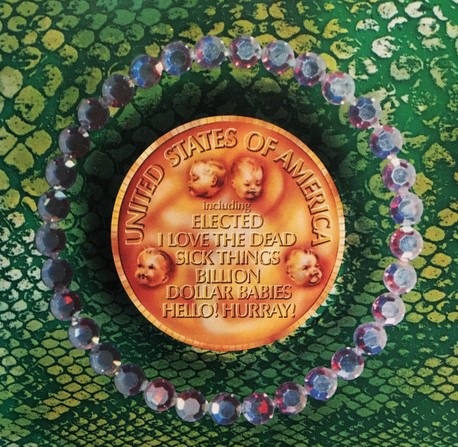
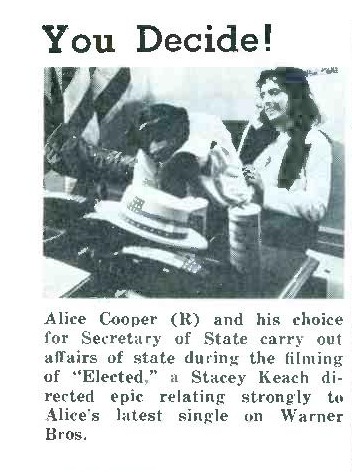
Billion Dollar Babies was Alice Cooper’s peak, as a band, massively huge at the time, and still (arguably) the most important in the AC catalogue (band or solo!). Released in March of 1973, it would be a #1 album in the US, the UK, and Finland, as well as #2 in Canada, and top 10 in a few others. The band’s previous album, School’s Out had given the #1 hit and most famous AC track ever – “School’s Out”, and the album was a big seller, but there were no further singles. The band reworked the song “Reflected”, from their 1968 debut Pretties For You in time for the 1972 presidential election, even making a promotional film out of it, though that featured more of the chimp than bandmembers (aside from Alice). “Elected” would be the first of 4 hit singles from Billion Dollar Babies, released September 13 of 1972., months ahead of the album. Credited to the entire band, “Elected” gave Alice Cooper their 2nd Top 10 hit in the UK, as well as being Top 10 in a number of European countries, And reaching #26 in the US the week of the election! The song would remain in Alice’s live set, post-original band, often being used as an encore. The song also picks up radio play every election year.

Record World, Sept 23, ’72 Amidst a continually broadening sphere of activities, Alice Cooper has not neglected this election year, and has just released a new single, “Elected.” The music and lyrics of the song were written by all five members of the group. “Elect-ed” took ten days to record, with basic tracks recorded at the Cooper Estate in Greenwich, Connecticut. To add authenticity to the sound of “Elected,” Alice makes use of Will Jordan’s impersonation of Walter Winchell, as well as recorded portions of the Democratic Convention in Miami. Also, the record ends with Alice giving a campaign speech. In keeping with the laws pertaining to full disclosure of campaign funds and expenses, Alice wishes to note that the recording costs of “Elected” were $10,000, inclusive. Warner Brothers has initiated a national campaign for “Warner Bros. Elected Alice Cooper Days” September 18th and 19th, which will consist of promo men dressed as Uncle Sam along with two models in red, white, and blue outfits to present the record to program directors at each station. (Robert Feiden)

Alice S -elected
With Alice Cooper’s latest record “Elected,” racing through the country, Louis Araiza, a student at the University of Houston took the lyric seriously. It seems he found a loophole in the bylaws governing the Student Union at the university and had Alice Cooper elected homecoming “queen.” It was never specified in the bylaws as to what sex a homecoming queen has to be Araiza explained. Alice Cooper, the male, lead -singer of the rock group bearing the same name may be cancelling a portion of his upcoming European tour to fly to Houston on November 11 to accept a loving cup during the half-time, coronation festivities in Dome Stadium, the 49,000 capacity home of the University of Houston Cougars.

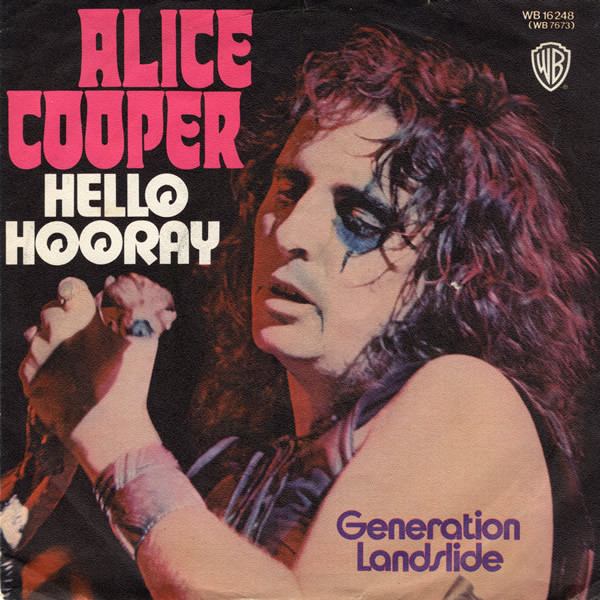
So, tracks for Billion Dollar Babies were recorded over a 5 month period. A second single was released prior to the album – “Hello Hooray” , in January of ’73. The song was picked for use as the album’s and the live show’s opener. “Hello Hooray” was written by Canadian Rolf Kempf (thus qualifying AC’s single as CanCon), and originally recorded by folk singer Judy Collins for her 1968 album Who Knows Where The Time Goes (featuring Stephen Stills on guitar throughout the album). The AC single would reach top 10 in the UK and the Netherlands, top 20 in other countries, and #35 in the US. Further versions of the song included American folk singer Meg Christian (1974), UK industrial/alternative act PIG (1992), and Rolf Kempf, himself, released a version of his song on his 1993 CD Woodstock Album. “Hello Hooray” was also used for years as the opener to Toronto’s Q107 Radio’s Psychedelic Sunday program.

 “That song was presented to us. I still have the reel to reel tape with the original song on it; I guess Judy Collins did a version of it just before we did, so. We didn’t normally do someone else’s material because we were such avid writers, ourselves, but for the beginning of the album, Billion Dollar Babies, and for the beginning of the Billion Dollar Babies show it seemed to be perfect!” – Neal Smith (2014)

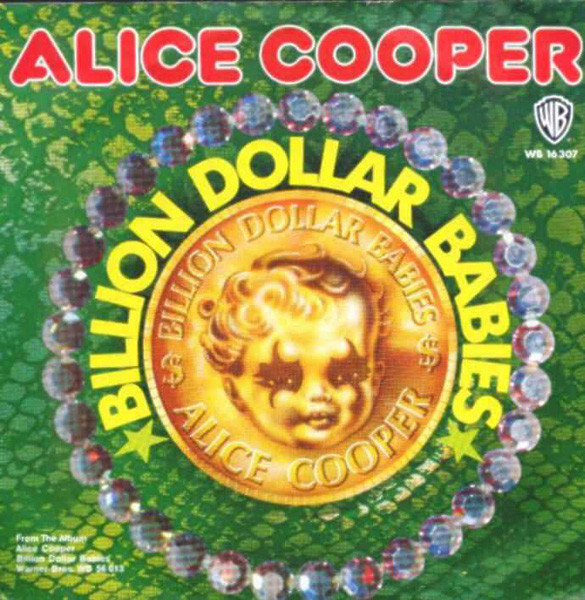
Side one of Billion Dollar Babies could be seen more as the ‘singles’ side, while Side 2 would be more of the ghoulish side. Aside from the first 2 singles, the first side also featured the album’s 4th single, the title track. The song, “Billion Dollar Babies” was based around that classic drum intro from Neal Smith, while the song is co-credited to Alice, himself, Michael Bruce, and Rockin’ Reggie Vincent (Vinson). It is another that has remained in Alice’s live show ever since. As a single, was released in July, charting in Germany (#30) and the US (#57).

 “Rockin Reggie was a friend of our’s, used to hang out with the band; he was from Detroit originally. We would party with him a lot, and when we moved to Connecticut he would come and hang out with us. He was a good friend of Glen’s, and he was a guitar player and a singer, with kind of a Nashville influence. And he had a song, and it eventually evolved in to the song Billion Dollar Babies. So that is why he (Reginald Vincent) has a writing credit on Billion Dollar Babies. So, we worked on it at our mansion house, in Greenwich, and I had always loved the Rolling Stones intro from Charlie Watts to the song ‘[Hey You] Get Off Of My Cloud’. I thought that was very cool, and as a drummer I always used to like to write songs for drummers, because people listen to songs and think ‘that’s cool’, but if I was a drummer listening to an Alice Cooper song – what would be cool about it? And I always tried to have something special in there that would get someone’s interest. ” – NS (2014)

“Raped And Freezin”, a tale co-written by Alice and Michael Bruce was the second track on side one, and is straight up memorable rocker, with a title/subject matter that may not fly today. An interesting twist though. This is one of my favorites here.

Side one closes out with “Unfinished Sweet”, credited to Bruce, Cooper, and Neal Smith. It tells the horror of going to the dentist for some painful gum work, complete with sounds of a drill and Alice moaning in pain.

Of the many outside players and guests on the album were guitarists Steve Hunter and Dick Wagner, who’d appeared on previous AC recordings, as well as fellow Phoenix player Mick Mashbir. Mashbir would eventually go on to play live on the band’s next couple of tours. Bob Dolin would play keyboards (as well as live), and numerous other guests appeared, notably Donovan Leitch swapping vocals on the title track. That Donovan vocal was recorded during sessions at Morgan Studios in London, England, which rumored to have included numerous others via a jam session. The press did report that a Marc Bolan guitar solo made it on to “Hello Hooray”, but most involved only confirm that the Donovan vocal was the Only guest appearance used from those sessions. Billion Dollar Babies also would be the last ‘band’ album produced by Bob Ezrin.

Mick Mashbir on recording on Billion Dollar Babies – “It was actually Mike Bruce that made that happen. GB was basically on strike. He didn’t want to be in the same room as Michael or Bob Ezrin and they were rehearsing for the next record, B$B. ….
I played on every track except “Elected” “Sick Things” and “Generation Landslide”. My favourite song was “No Mister Nice Guy”. I was happy with all my parts, GB was around as little as possible. We were recording in the band’s mansion and he didn’t bother to come downstairs.

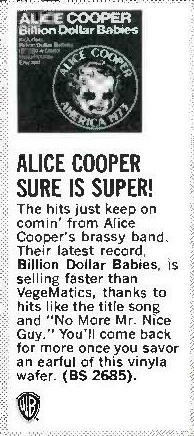
The album’s third single – “No More Mr Nice Guy” opens side 2. Credited to Cooper & Bruce. In his book No More Mr Nice Guy, Michael Bruce recalls that the song had been started back around the time of making the Killer album, and that most of the song had been written by him. But lyrically it’s been fixed up to suit Alice. The track was chosen to be rush-released as a single in time for the beginning of the band’s massive tour. It would , a top 10 hit in the UK, #1 in Holland, a top 20 in a few European countries, as well as hitting #25 in the US. The song would be covered by a number of acts, notably Megadeth and Pat Boone, as well as used in a few tv shows, such as Family Guy and The Simpsons, and in the movie Dazed & Confused. I love the production on this track, the backing harmony vocals are a classic touch. From The Best Of Alice Cooper CD notes, Alice stated – “I wrote the lyrics out of anger because of how my parents were treated by some of the press. It was particularly hard because of my dad being a minister. Fact is, my parents were the only ones who knew I was a nice guy.”

All Alice Cooper singles should be up tempo and should break fast, if they are going to break at all. Therefore, we advised their management to rush out ‘No More Mr. Nice Guy'” from the album, which they are doing. – Kal Rudman, Record World.

“Sick Things” and “I Love The Dead” were the darker side of the album, with producer Bob Ezrin getting a co-writing credit on both, Both songs being slower, darker, and spookier, would be a major feature in Alice’s live show, with “I Love The Dead” being used at the show’s climax with Alice’s execution. Both tracks feature great guitar solos, and I think “I Love The Dead” is a superb ending to the album, though I am less enthused about “Sick Things”. The album’s finale was written about necrophilia, and though credited to Cooper & Ezrin, Dick Wagner would also co-write on this, without credit – “The first song we wrote together was ‘I Love The Dead’ for the Billion Dollar Babies album, but I got no credit on that either because I was told they were going to have only Alice’s name on the album and that was it, so I sold out my share of that song to them. That’s what you do when you need money, right?” -Dick Wagner (Brave Words, 2006)

Sick Things was just such a great song for us to lead in to I Love The Dead, where of course we’d cut Alice’s head off with the guillotine. And I still have the same guillotine to this day. Sick Things was just talking about necrophilia, tearing people apart and having sex with dead people.” – NS (2014)

The latter 2 tracks were connected via the piano ballad “Mary-Ann”. I think the inclusion of “Mary-Ann” wasn’t a favorable one by the entire band, with most preferring something heavier, as well as something that would be a ‘band’ song, as “Mary-Ann” was simply Alice with piano accompaniment (from someone outside the band). It would be the lone song from the album not to be featured on the ensuring tour.

“Four of us did not want “Mary Ann” on our album.   We had some killer rock songs and the best one of them should have been where ‘Mary Ann’ was. Betraying our long proven rule was a major problem, and damaging.”Dennis Dunaway (2012 Interview)

The last song recorded for Billion Dollar Babies was “Generation Landslide”. Needing one more song for the album, the band flew to the Canary Island’s and stayed at an unfinished hotel where they worked on this song as The band. It would be credited to the entire band, and featured Glen Buxton, who’s participation elsewhere on Billion Dollar Babies was said to be minimal. Alice would re-record the song for his 1981 album Special Forces, and American metal band Lizzy Borden would record an excellent version of this song on their Deal With The Devil album in 2000.

“The Alice Cooper group wrote “Generation Landslide” together from scratch.   It proved that Alice Cooper was still at our best when we were left alone.”DD

Billion Dollar Babies came in a green snake-skin wallet looking cover, a gatefold, with an inner sleeve with lyrics and band photo, as well as tear away cards of the bandmembers, which many felt the urge to tear off as the credits were on the inner gatefold behind them! Designed by Pacific Eye & Ear ( Ernie Cefalu). The package also contained a large folded ‘Billion dollar bill’ featuring the band in the middle. It was the inner sleeve photo (other side of lyrics) which would cause controversy for the band, as would be illegal to include photos of US currency –

FEDS NIX ALICE SPREAD: The Treasury Department and -the Secret Service have told Alice Cooper that it is illegal to use pictures of currency, thereby holding up plans to use a picture of Alice amid $1 million in cash on the new album `Billion Dollar Babies.” Shep Gordon, meanwhile, winged into Washington (D.C.) with a phalanx of lawyers to appeal, vowing the picture would be used. Alice’s canceled Palace Theater show, by the way, will be going on the road shortly. It’s titled after the new album. – By JOHN GIBSON

The band would go on to the biggest rock tour at the time (see below). The tour would eventually give fans the movie Good To See You Again Alice Cooper, which made a brief theatre appearance, as well as the Billion Dollar Babies Live recording, from Houston, which was included on the 2001 2CD deluxe version, as well as the 2019 Record Store Day vinyl issue.

“The biggest tour in the history of rock and roll with “The Alice Cooper Show” playing to an audience of over 820,000 people in 56 cities.” – Cash Box

Alice Cooper’s “Billion Dollar Babies.” This brand new release has exploded in cites such as Chicago, Philadelphia, etc. because it is a fantastic album. They opened their record -breaking national tour last Thursday and Friday at the Spectrum in Philadelphia before 20,000 people each night. We introduced them from the stage, and I am now known as the Sixth Alice Cooper. This tour will gross 4.6 million dollars, and the second biggest tour in the history of show business, the last Rolling Stones tour, grossed 3.2 million dollars. Because of the unprecedented public demand, more shows and more cities are being added according to Ashley, and their manager, Shep Gordon (astute industry observers tell us that Shep Gordon now has to be rated as the best manager in the business, and he is spoken of in the same breath as the legendary Col. Tom Parker of Elvis Presley fame). As of now, they are booked into 60 sold -out shows in 56 cities and they will play before 820,000 people. Obviously, a tour of this magnitude deserves media attention of unprecedented magnitude and a train load of 60 press people came to Philadelphia from New York City to cover the events. Warner Brothers’ Ray Milanese and Joe Fiorentino rented a Delaware River showboat for an incredible party after the show . . – Kal Rudman, Record World

-New Alice Cooper album, “Billion Dollar Babies” is going to make believers of all who think the group is all gimmick and little talent. It’s their finest album to date, and it’s very solid, too. This is the one we’ve all been waiting for . . . – CashBox, March 17, 1973

BILLION DOLLAR BABIES – Alice Cooper – Warner Bros. BS 2685
Every time an Alice Cooper LP comes out, we claim in these pages that it’s the best they’ve done yet. And so must we still declare. Lyrically, the set is as strong as ever … “You tell me where to bite, you whet my appetite” being only one choice line. Musically, the package is clearly superior-both in melodic impact (yes, we said melodic) and arrangements. In addition to their current “Hello Hurray” and their recent “Elected,” the album contains a strong single in “No More Mr. Nice Guy.” Worth every penny of it, baby!

LINKS:

https://www.socanmagazine.ca/features/canadian-classics-hello-hooray-1968/?fbclid=IwAR0Xjb07czyXk8lE06ej0IDigQ6Nco3Y2HDIfJyQMVwZD2SMEhvRhgnW_Ns

http://www.stevehunter.com/billion-dollar-babies.html

Band Names : Borrowed, Recycled and Re-used

Through the use of Youtube and Discogs over the last few years I’ve stumbled upon different bands that existed before a much bigger band of the same name – best examples being the Asia from the US and the 2 other British bands that played under the name Iron Maiden in the ’60s and 1970. Back before the internet it was likely much more difficult for bands to realize that the band name they had chosen had already been used or was in use, and many bands probably didn’t think about the importance of registering a band name at the time. I think this sorta came to light more so in the late ’70s to early ’80s when bogus versions of Steppenwolf and Deep Purple existed, the latter being sued out of business – these bands though were related to a previous line up of the band, which in these cases was now being used by 1 former member who didn’t have the right to the name, until someone took legal action. In this series I want to point out successful bands [or in a few cases, had well known players and should’ve done better] that had names that had been previously [or still were] used by an unrelated band that also recorded.

I’ve put down 12 cases of names being re-used or taken. I’ve put the emphasis on the lesser known band, in most cases the first one(s). I’ve also provided a few links to check out. I had a list well over 20 to start, so there may be a Part 2 down the road. Check out some of these bands on youtube, and leave me some feedback in the comments.

Asia

The ‘supergroup’ named ‘Asia’ debuted in 1982, and there self-titled album was one [or the] biggest of that year. They would follow it up with another highly successful album in’83 before the band’s fortunes started to drop and non-stop personnel changes would occur with the band over the next few decades before the original band reunited for 3 albums in the 2000s. But, that Asia -featuring John Wetton [RIP], Carl Palmer, Steve Howe, and Geoff Downes had used a name that was already in use by an American band from South Dakota, another prog / hard rock 4-piece who had recorded 2 albums – 1979’s self titled, and 1980’s Armed To The Teeth, which featured a pretty cool cover drawn by the band’s guitar player . The band consisted of – Michael English – vocals, bass, percussion, Larry Galbraith – vocals, guitars, mandolin, Mike Coates – guitars, mandolin, piano, harpsichord, mellotron, background vocals, and Doug Johnson – drums, percussion [replaced John Haynes]. This Asia’s sound was based more around the twin guitar approach, great vocals and harmonies, mellotron, and lengthier prog pieces with fantasy and history based songs like “The Road Of The Kings”, “Xanadu”, “Kamikaze”, and “Genghis Khan”. Not much in the way of ‘commercial’ rock of the time here, aside from the ballad “Paladin” [issued as a single], on the 2nd album. Both worth checking out, but may as well get the CD [see link below], as original copies of the first LP are over $300 and the second – over $100, on Discogs. Anyway, also check out the link below for Mike Coates detailed account of how they were duped out of the name by the supergroup’s management, and which ultimately lead to the band’s demise.

Rock Recordings | Mikecoates (mikecoatesguitar.com)

PROGAOR / DYAMOND ROXX – ProgAOR Releases

Iron Maiden

One of the biggest bands in heavy metal history got their start in the mid ’70s, founded by bass player Steve Harris. The name was taken from the 16 century torture device [or 18th, depending on source] . However, the British metal legends were certainly not the first to the use the name for the their band. There were 3 previous bands that used the name, 2 of which, also from the UK recorded original material under, and another being a 5-piece all-female band from the mid-west USA, though I can’t say they recorded anything – but check out the link below on a brief history of the band with photos and show adverts.

The first Iron Maiden was from Basildon, Essex. This band started as a folk duo and eventually became more of a blues outfit. The band seemed to have a number of connections and brushes with opportunity. They eventually signed to the Gemini label and recorded demos in 1969 for a proposed debut album. A single was also released on Gemini in 1970. with the line-up –  Steve Drewett [vocals, harmonica], Trevor Thoms [guitar, vocals], Barry Skeels [bass, vocals], and Steve Chapman [drums, who had replaced Paul Reynolds].

But when a tour of Australia was cancelled, things started to fall apart with Chapman leaving. Their recordings were eventually released under the Iron Maiden name, titled Maiden Voyage in 1998. Interesting stuff, kinda psychedelic, bluesy, a bit folky, even a bit doomy. The CD includes the band’s single, as well as 2 tracks recorded under their previous name ‘Bum’, one of which is titled “God Of Darkness”. Bass player Barry Skeels would go on to record with Zior.

Another Iron Maiden hailed from Bolton, a trio formed in 1967 and consisted of Ian Boulton Smith [aka Beak, lead & rhythm guitar], Paul T.J. O’Neill [drums, keyboards, lead vocals, producer], and Derek Austin [bass, vocals]. This band was a heavier rock band [ala Zeppelin, Free]. I recall reading in a Steve Harris interview [or book?] how he’d got a call regarding another band named Iron Maiden and asking [or demanding?] that he cease using it, to which Harris [I think] ignored it and went out to register the name. Maiden from Bolton disbanded in 1976 anyway. Guitarist Ian Boulton Smith left the band in ’75, and the band carried on with a replacement [Noel Pemberton-Billing], but after more changes they split. Smith passed away from cancer in ’76, and nearly 30 years later O’Neill put together the band’s recordings to release on CD,. He would contact Rod Smallwood [Iron Maiden manager], who would give the band’s OK [with an adjustment to the name], and would also advertise the album’s release on Maiden’s website. Under the name ‘The Bolton Iron Maiden’, they made 1000 copies of the CD Maiden Flight [1970-1976] . A 2nd CD was released years later, as well O’Neill would carry on and record a 3rd CD under the band name, released at the end of 2020. *All profits from Maiden Flight and Boulton Flies Again are given to two cancer charities in Beak’s honor. Cancer Research UK and Macmillian Cancer Care.

Although it’s interesting to note that Steve Harris’ band went on with a name that was in use [and was made aware of], the other 2 British bands that had used the name prior would benefit [or living members would] by having a starting point [name recognition] to release the music they made decades ago. Perhaps without the one Iron Maiden that’s known world wide, recordings from the other 2 bands might’ve never seen the light of day[!?] … Check out the links below for more info on the other Iron Maidens.

Iron Maiden – Seattle/Kent (70-73) (pnwbands.com)

The Bolton Iron Maiden

Paul O’Neill of The Bolton Iron Maiden: Interview – At The Barrier

About Us (offbeat-management.co.uk)

FM

This one is one that puzzles me, as Canada’s FM had started as a progressive 3 piece in the mid ’70s, and were still active when the British aor band formed and took up the same name. Hmm, but oh well. Very different sounding bands. I don’t know how much activity or success Canada’s FM ever had in the UK, but I am pretty sure the British FM would be hard to find in any record shop or heard of here. Just a guess. I have most of the Canadian band’s albums, but nothing of the UK band. I’ve checked out plenty of FM [UK], but not too crazy to get anything anytime soon. Canada’s FM, from Toronto originally featured just Cameron Hawkins [bass, keyboards, vocals], and Jeff Plewman [aka -Nash The Slash electric violin, mandolin, vocals], and would soon add [drummer] Martin Deller. Nash left after recording of the legendary debut [rereleased after Nash left, as Black Noise] , as he also had a successful and pioneering solo career. Black Noise featured the band’s best known song “Phasors On Stun”. His replacement was Ben Minks for the next 3 albums [Minks also known for his work with KD Lang, as well as Rush’s Geddy Lee]. Nash would return to the band in the ’80s, as the band became a 4 piece and took on a slightly more commercial approach [I saw them open for Rush at one point]. The original trio reunited in the ’90s for a brief tour of Ontario to promote the CD release of Black Noise, and record a live album. I saw 2 of these shows. Plewman [Nash] passed away in 2014, and though he hadn’t been in the band for years, it continued with Hawkins and numerous changing line-ups. [Well, that was longer than I planned]. FM were never really a commercial band, being very ground breaking in their sound, and I would say the closest thing to them would’ve been John Wetton’s short lived UK .

FM [UK – as they would add to their name in the US] formed in 1984 Merv Goldsworthy [bass], Pete Jupp [drums], Steve Overland [guitar/vocals], Chris Overland [lead guitar] . and Philip Manchester [keyboards]. Chris Overland would be replaced by Andy Barnatt. The band created a strong following in the UK, releasing a number of albums before breaking up in ’95. FM [UK] plays hard-rock / AOR, and features a great singer in Steve Overland. They returned a decade later, and have released a number of albums consistently, including 2020’s Synchronized [Frontiers].

“We did find out, that’s when we had to change the name to FM UK in America, in the States we had to change the name, which was really crap.”, recalled Pete Jupp in a 2011 interview for Metal-Rules.com

Touch

Many may be familiar with the US AOR band Touch, who were formed in the late 70s in New York, and released 2 albums, as well as had a few hits – “Don’t You Know What Love Is”  & “When The Spirit Moves You”. The band was /is lead by keyboard player / songwriter / producer Mark Mangold [who’d recorded with 60s band Valhalla]. This ‘Touch’ reformed in recent years and just released a new album – Tomorrow Never Comes.

However, in the late ’60s there was a band using the name Touch, from Portland, Oregon. The band featured the vocal talents of Jeff Hawks, and recorded one album in 1969, as well as a few singles. The album was recorded at Sunset Sound in Hollywood, and was known for drawing the likes of Mick Jagger and Jimi Hendrix, who hung around at the time. The band split soon after it’s release, with a few of the members going on to form Stepson. The album would have an impact on a number of bands, including Uriah Heep.

Touch • Prog History • DPRP.net

Billion Dollar Babies

Billion Dollar Babies is the name of a Swedish metal band, who’ve released 3 albums from 2010 to 2017. Not too bad actually, well worth checking out. But the name has been used so often, and it all comes back to the Top selling album by the original Alice Cooper, released in 1973. More so, ex members of Alice Cooper recorded the album Battle Axe under the name in 1977, and I’m sure there’s been a number of AC tribute bands that have used [or are using] the name as well.

“We took the name Billion Dollar Babies cause we LOVE Alice Cooper!!” – 2008 interview with http://alixlixxglamsleaze.blogspot.com/

Scorpions [The]

The German heavy metal band founded by Rudolf Schenker released their first album in 1972, though Schenker likes to date the band to 1965 [when he was in High School, whatever]. So if that was the case, the German Scorpions were the 3rd rock/pop band to use the name.

The Scorpions, from South London started in 1959, It featured brothers John & Ted Barber, along with drummer Ivor Knight [having replaced Mick LeDieu]. The band released 2 instrumental singles in 1961, – “Rockin’ At The Phil” [a Chuck Berry cover, and “Ghost Riders In The Sky” [originally by Western artist Stanley Davis Jones, and later covered by Johnny Cash, as well as US band The Outlaws]. The band recorded more [and tho’ I’m not sure of dates]; at some point also went by the name The Ferridays. A 32 track “Anthology” of their recordings was released in 1996, which included some tracks done with legendary British producer Joe Meek [see next entry]. The band were still playing up until 2010, at least [on youtube].

There was also a 5 piece band going by The Scorpions from Manchester. Originally including  Tony Postill [guitar], Rodney Posthill [guitar], Tony Brierley [bass], Mike Delaney [drums]. and Pete Lewis [vocals]. The band’s records would only get released in The Netherlands, where they would go play, and they had a hit with a cover of Fats Domino’s “Hey Josephine”. Within a few years though Lewis was the only original member left. The band continued to release singles, and even a few LPs in the mid ’60s – but only in The Netherlands. “Hey Josephine” became a hit again in ’77, and Lewis with a new version of the band recorded an album, consisting of new and re-recorded songs. The band played in The Netherlands up until 1979. Lewis passed away in ’85. Interestingly, Graham Lee and a few other non-original members released a CD in 2011 as The Scorpions.

The Outlaws

The name The Outlaws has been used a few times, probably most notably by the Southern rock band from Florida, formed in the late ’60s by guitarist / vocalist Hughie Thomasson, and by teh time of the first album in ’75 consisted of Billy Jones [guitar], Frank O’Keefe [bass], Henry Paul [guitar, vocals], and Monte Yoho [drums] . The band would release numerous albums over the decades, and scored hits with “Green Grass And High Tides”, “There Goes Another Love Song”, and a cover of “Ghost Riders In The Sky”. The band was non active for some time when Thomasson joined Lynyrd Skynyrd, but returned a decade later. Thomasson passed away in 2007, and Henry Paul & Monte Yoho kept the band going, following legal issues over the name. They released a new studio album last year.

Now, the other Outlaws was a British band that was put together by producer Joe Meek, and existed from ’60-’65. An instrumental group, originally put together to back singer Mike Berry, who had a string of hit singles. They would also back other singers, as well as record their own material. The band was known for it being a starting point for such rock notables as Mick Underwood [Quatermass, Gillan], Chas Hodges [Chas & Dave], and largely – Ritchie Blackmore [Deep Purple, Rainbow]. A few CD compilations of the bands singles would be released as recent as last year.

Angel

Not that either rock band that used the name Angel were huge successes, but the US band formed in ’75 featuring Frank Dimino [vocals], Punky Meadows [guitar], Gregg Giuffria [keyboards], Mickey Jones [bass] and Barry Brandt [drums] are best known. The band was signed to Casablanca Records, the same label as Kiss – who they be forever linked to. The band released 5 studio albums and 1 live set from 1975 til 1980 before breaking up. The first 2 albums were the bands most popular amongst longtime fans, being more progressive and harder rocking, but then looking for singles the next 3 albums consisted of more pop oriented rock tunes. More recently Dimino and Meadows reformed a new version of the band and released the excellent Risen album in 2019.

In the UK though the name Angel existed briefly from 1974-’75 as a glam band. The band was managed & produced by Andy Scott and Mick Tucker of Sweet, who knew bandmembers from their previous band – Pebbles. As Angel, they released just 2 singles in their short existence, sounding very much like Sweet. The band consisted of Brian Johnson [vocals], Martin Kemp [bass], Steve Rickard [drums], Joe Ryan [lead guitar], who was replaced by Bob Banasiak for the 2nd single.  Both A-sides -“Good Time Fanny” and “Little Boy Blue” were penned by Scott, while the B-sides were the band’s own. Hmm, sounds familiar. The first single [“Good Time Fanny”] became a hit in Germany, and the band would go tour there. Bravo Magazine [Germany] would also vote the band 2nd place in best newcomers [behind Queen]. After a change in line up, the 2nd single was recorded and released, but failed to chart. The band recorded more tracks in 1975, following a few line-up changes, but nothing came of these, due to record company & management issues, and they broke up. Singer Brian Johnson [not the guy from AC/DC] joined Belgian band Octopus, and had a pile of hit singles with the, In 2005 Angel did a reunion show, and subsequently released a 15 track CD of all their studio recordings from 74 & 75, plus live tracks from the 2005 concert. In 2010 a reformed version of the band released the CD The Butterfly Song.

story of angel – HOW DID IT COME TO THIS ? SWEET ANGEL BY ‘ANGEL’ GHOST IN THE MACHINE ‘SWEET BAND OF ANGELS’ (webs.com)

Magnum

Best known band using the name Magnum is British hard-rock / pomp band who were founded by guitarist / songwriter Tony Clarkin and singer Bob Catley in the early ’70s. By 1978 they signed to Jet Records and released their first album. The band scored hits in the UK, and released a pile of great albums before splitting in 1995. The band had 0 success in North America and rarely played over here. The band reformed in 2001 and have continued to release excellent albums every few years, despite a number of personnel changes. Clarkin and Catley remain the face of the band.

The name Magnum though would be used by a few other bands in the US. There was the California based funk/latin/jazz band that released their lone LP Fully Loaded in 1974, as well as a few singles. There was also a band from Pennsylvania who would release a trio of singles from 1980 to 84, and a full album in 1989. Again, not sure why these guys wouldn’t have know the name was already in use by the time they recorded, but oh well. The band was largely a covers bands, performing hard-rock / AOR hits, and were founded by keyboard player Lonnie Warner and guitarist Steve Weiss in ’78, and included drummer Dave Werkhiser, lead vocalist [and keyboardist] Tommy Zito, and bass player Butch Samolewicz. In ’83 the band released a 10 song cassette of originals titled Hot Nights. And by the time the band released their only CD, of 8 songs titled No Secrets in 1989, the band had gone through more changes, and then featured singer Robert Mason [later of Lynch Mob, Cry Of Love, and Warrant] and were produced by Benjy King [who’s various credits up until that point included Rick Derringer, Scandal, and (the late) Alan Merrill]. Original singer/keyboardist Tommy Zito joined AOR rockers Aviator for a few years. The band split in the mid ’90s, but apparently do the occasional local reunion show, and has added ‘USA’ to their name [online]

Media Five Band Archive for Magnum (mediafiveent.com)

Lehigh Valley rock band Magnum reunites for two free shows on big stages – The Morning Call (mcall.com)

Thunder

UK band Thunder formed in the late ’80s, and were hailed as the next huge classic rock band to follow the likes of Zeppelin, Bad Company,… with their 1990 debut Back Street Symphony. The band remained highly successful in the UK and elsewhere, but had no such fortune in North America [see Magnum]. Lead by the talents of singer Danny Bowes – Lead Vocals and guitarist Luke Morley, and originally including keyboardist Ben Matthews, bass player Mark Luckhurst, and drummer Gary [Harry] James [who would later join Magnum for a number of albums]. The band split a few times over the years, but are back making great music in recent years, including the recently released All The Right Moves, with 4 of the original members.

The name Thunder had been used before, notably by 2 separate bands in the US. The first being the short-lived band featuring guitarist / songwriter John Nitzinger [Nitzinger, Bloodrock] and bassist David Hungate [Toto], as well as singer David Alley, drummer Randy Reeder [Bloodrock], keyboardist Whitey Thomas [Nitzinger],… Not really sure who Was the band, as there’s only 2 guys featured on the back cover, tho Nitzinger, Hungate, and Alley all contribute to the songwriting, and Thomas serves as co-producer, and there’s also a number of guitar players credits, and a pile of female backing singers. Hmm.. Anyway, not a bad album. I have the Nitzinger albums, and this is comparable with songs like “King’s X”, and the fast rocker “Power Glide”. Not consistently heavy tho, plenty of slower funky tunes and a few ballads. Nitzinger would go on to record a number of his own albums, as well as recording with PM [w/ Carl Palmer], Alice Cooper, and Dave Evans [original AC/DC frontman]. Hungate would join Toto til 1982 and do tons of session recordings in Nashville, and Randy Reeder would go on to record on the lone LP by hard-rock / prog band Alexis [1977]- which was produced by Ron Nevison [great sounding album, cool cover!]

A Southern rock band, from Tennessee used the Thunder name, consisting of bassist Chopper Anderson, drummer Tris Imboden [Honk, Kenny Loggins], and guitarist / vocalist John Porter McMeans, and guitarist / keyboard player Mo West. The band released 2 albums – 1980’s self-titled, and 1982’s Headphones For Cows [great title and album cover!], adding keyboardist Denny Henson [Fools Gold] for the 2nd album. The albums, usually listed as Southern rock, are kinda that late 70s AOR rock, but occasionally touch on funk, blues and country. Good tunes include “Easy Street”, “Service With A Smile”, “Can’t Let Go / Can’t Hold On” and “Midnight Heartache”. I prefer the 2nd album, being a bit more upbeat.

Chopper Anderson would join the reunited line up of Whitford- St Holmes [on their 2015 album], McMeans would go on to write and record with Dan Seals, as well as release a solo CD in 1991 with West as producer. West passed away in 2010.

Nitzinger – Nitzinger Music – CD’s & DVD’s, Nitzinger T-Shirts

Skid Row

American heavy metal band Skid Row arrived in 1989 with their excellent debut album, featuring the hits “18 And Life” and “Youth Gone Wild”. The band was originally fronted by Canadian singer Sebastien Bach, who later went on to acting and a solo career. The band split after 3 albums, but reformed with a different singer 6 years later. Although a cool name for a metal band, the New Jersey based band was not the first to use it – that would be the legendary Irish blues rock band originally consisting of bassist Brendan ‘Brush’ Shiels , drummer Noel ‘Nollaig’ Bridgeman, guitarist Bernard “Ben” Cheevers on guitar, and singer Phil Lynott! Gary Moore would soon join, and Cheevers would leave, and Lynott was fired by Shiels, having appeared on just 1 single, making this Skid Row a trio. In return for letting him go Shiels would give Lynott a bass guitar and taught him how to play it. The band’s debut album in early ’70 was pulled quickly so that the band could re-record some tracks and add newer ones. It was re-released in the fall of ’70, titled Skid. It was followed by 34 Hours [titled after the amount of time taken to record it] A 3rd album was recorded but not released until 1990 under the title Gary Moore/Brush Shiels/Noel Bridgeman. The band under Shiels’ went through numerous changes and would feature guitarists Eric Bell [for a few shows], then Paul Chapman. Shiels would return with a new 4 piece line-up in the mid-70s, and release the double live set [mainly covers] Alive And Kickin’. Noel Bridgeman would go on to record a number of albums with Irish folk singer Mary Black, among others, and passed away March 23 of this year. Chapman went on to record and tour with Lone Star and UFO, before passing in 2020. Moore had a lengthy solo career, as well as a period in Thin Lizzy, he passed in 2011. Shiels latest solo album was in 2012. In later years he also challenged and protested the use of the band name by the American band [see link below].

Skid Row Founder Doesn’t Understand How American Group Ended Up Using His Band’s Name – Blabbermouth.net

Skid Row (irish-showbands.com)

Mr Big

Well, long before the massively successful US band had their top hit “To Be With You” in 1991, the name Mr Big had been used for years by a British band. The US band formed in the late ’80s, featured the vocals of Eric Martin, and bass player Billy Sheehan, guitarist Paul Gilbert, and drummer Pat Torpey [RIP, 2018]. The band released 9 studio albums, as well as had a number of smaller hits, and live albums – particularly in Japan where they were huge.

The band name had previously been used by a British band formed in 1967 under the name Burnt Oak, before changing it to Mr Big in 1972. Original members were – Jeff (Dicken) Pain [guitar, vocals], Pete Crowther [bass], John Burnip and Vince Chaulk [drums]. The band was managed by Bob Hirschman, who also managed Mott The Hoople. They signed to Epic in ’74 and released their first album Sweet Silence in ’75, and would land the opening slot for Queen’s Night At The Opera UK tour. The 2nd album Photographic Smile was recorded in Los Angeles and featured the pop song “Romeo”, which would become a top 10 UK hit. And this is where things get confusing – Photographic Smile came out in late ’76 in North America , where the band was signed to Arista [EMI also issued it then in Japan], EMI would release the self-titled album [w/ a different cover] as the band’s 2nd album in the UK, and everywhere else. The Arista version would feature a mix of songs from both albums [EMI], so there was only 2 albums. Later they’d be openers for Sweet in Europe, but by ’76 they were big enough to headline their own UK. They also toured the US in ’77 with shows alongside Tom Petty & The Heartbreakers, Journey, and Kansas. Mr Big had also seen a few personnel changes. The band’s 3rd album – Seppuku would be produced by Ian Hunter in 1978, but due to record company & management issues would not be released until 2001 when Angel Air Records put it out. A single “Senora” [co-written by Hunter] was issued and the band promoted it on UK’s Top Of The Pops, but the band split up soon after.

A few members [Dicken and Crowther] went on to form Broken Home, who released 2 albums, and scored a few minor hits in Norway. Dicken would later revamp the band with former member Edward Carter, releasing albums in 1996 and 2011. Drummer Vince Chaulk would go on to record with Streetband [which featured Paul Young]. replacement drummer John Martyr went on to record with Voyager and Alaska.

A shame this Mr Big didn’t last longer, their first few albums are full of pop and hard-rock, as well as unique instrumentations and arrangements, and great harmonies,. Not unlike Queen in some ways, but a bit more experimental at times, Favorite tracks – “Time Base”, “Sweet Silence”, “Enjoy It”, “Easy” and “Can We Live (Angel Of My Life)”, In one of the links below, the name dispute is also discussed, as the band felt they’d registered the name in 1973.

Mr Big (UK) | Nostalgia Central

‘Oxford Rocks’ (Dicken – Mr Big – Broken Home fan page) (mottarchive.com)

KJJ, 05 / ’21