
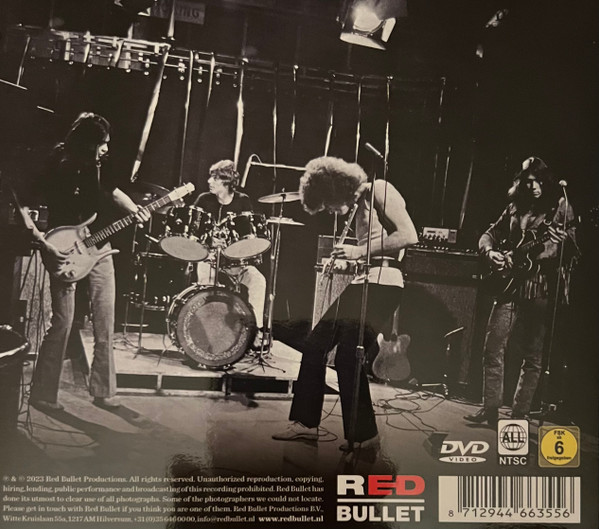
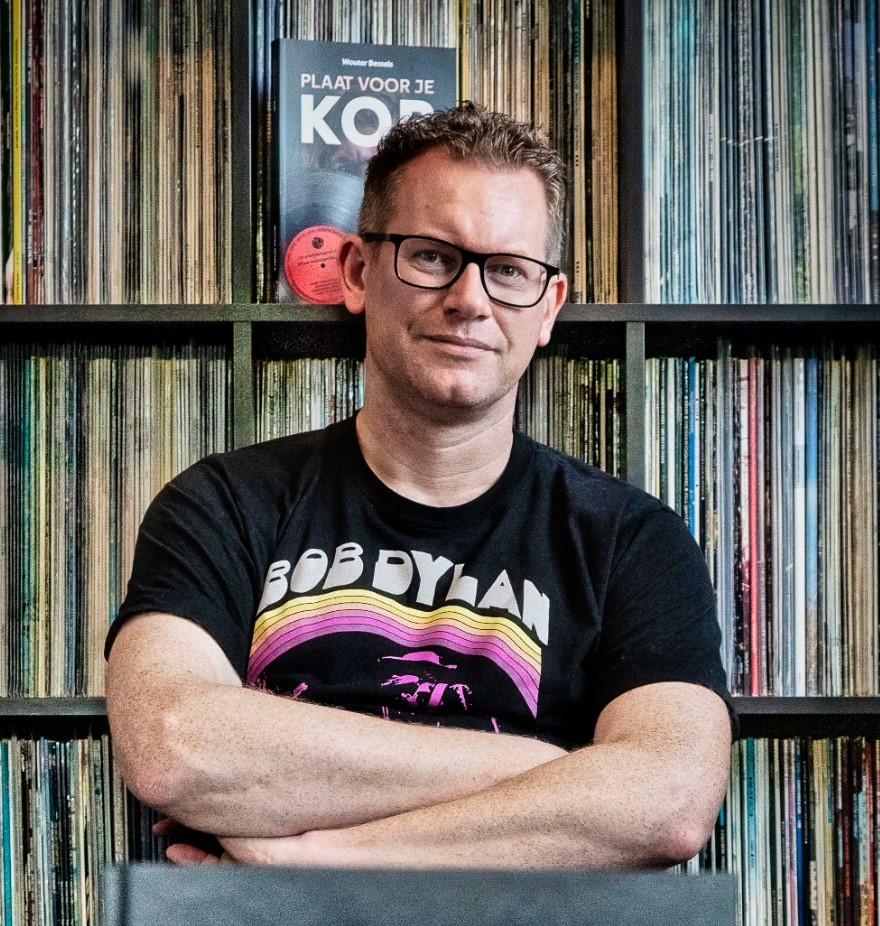
Wouter Bessels is a Dutch writer, sound engineer, producer, musician, and an archivist of some classic bands from The Netherlands. Heading the remasters and expanded versions of the GOLDEN EARRING catalogue, Bessels has recently put together the 50th Anniversary expanded edition of the Golden Earring classic album Switch. This was released April 25th on the Red Bullet label. The expanded version adds singles, B-sides, alternate takes and demos from the Switch recordings. Though the album didn’t match up in success to it’s predecessor Moontan, it is highly regarded among Golden Earring fans for it’s changes and chances it took to expand the band’s sounds. The single from the album “Kill Me (Ce Soir)” was a huge hit in Holland, but did not make much of an impact in North America. It does have the distinction of being one song from this album covered by another huge act – IRON MAIDEN, who covered it in 1990. Bessels is also well known for working on projects of FOCUS, JAN AKKERMAN, TANGERINE DREAM, PINK FLOYD, and numerous others.
In this interview Wouter discusses his some of the bands he’s worked with, Golden Earring’s Switch expanded edition, as well as some of Golden Earring other albums he’s worked for remastered reissues. Switch can be purchased easily from Amazon and other online shops.

I want to talk a bit about Switch and some of the other Golden Earring stuff you’ve done. When is its official release?
April 25th. Okay.
So I’m kind of curious, I looked into you through Discog, I looked at some of the other projects you’ve done, and I see you’re a bit younger than me, so you’re kind of archiving bands that neither of us grew up with, so to say, especially Golden Earring, they were kind of past their prime or in their prime at that time you were born. I follow a lot of that stuff and Uriah Heep and Deep Purple,…. I’m curious how you got into the whole business of going back and working on these older bands like Golden Earring, Jan Akkerman, and whoever else.
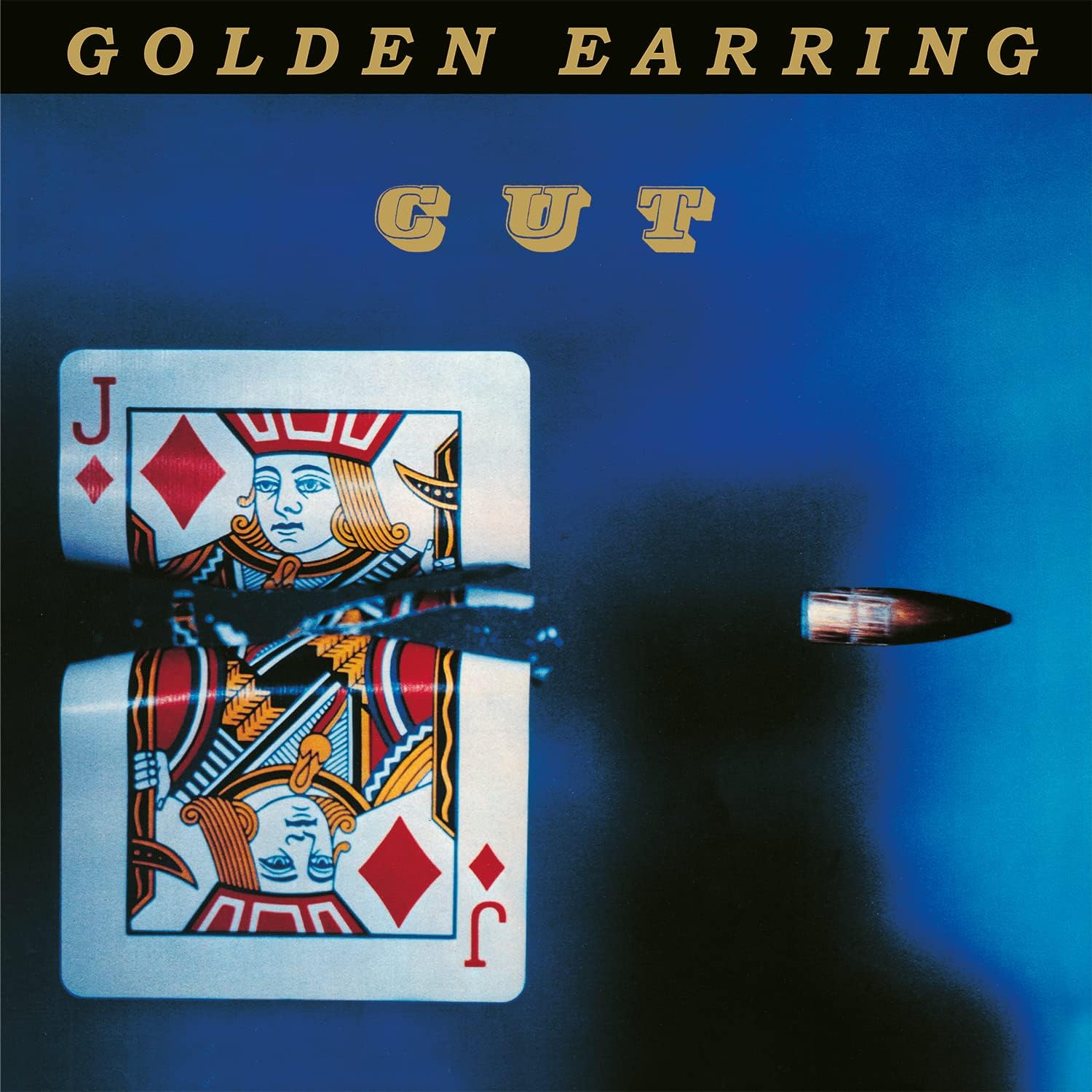
I grew up in the 80s. I’m from, I was born in 1977 and during the 80s, I was, at a very young age, I was already very much into music, rock music in particular. And Golden Earring were doing a comeback since 1982 when they released the Cut album.
And they also did two American tours in 82, and also Canada, by the way, in 83 and 84. And I still remember that very well. And when I was six or seven, I used to pick up video clips from Dutch TV and MTV was also starting to emerge in those years.
And during the late 80s, I expanded my taste a little bit more into, like you said, Deep Purple, Uriah Heep, Pink Floyd, Led Zeppelin, but also the electronic stuff mainly coming from Europe, like Tangerine Dream or Jean-Michel Jarre and Mike Oldfield and the German progressive stuff, like Kraftwerk and Neu and Can and Faust. I was very much into that at a very young age. And so I was like a sponge, I got all those different types of music into my taste.
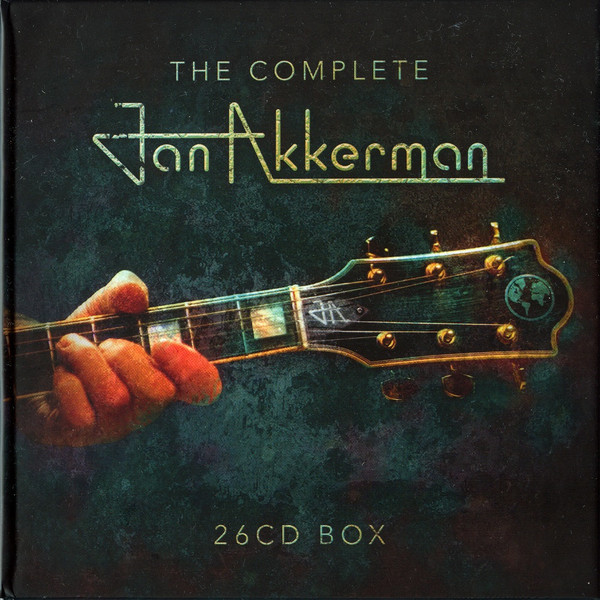
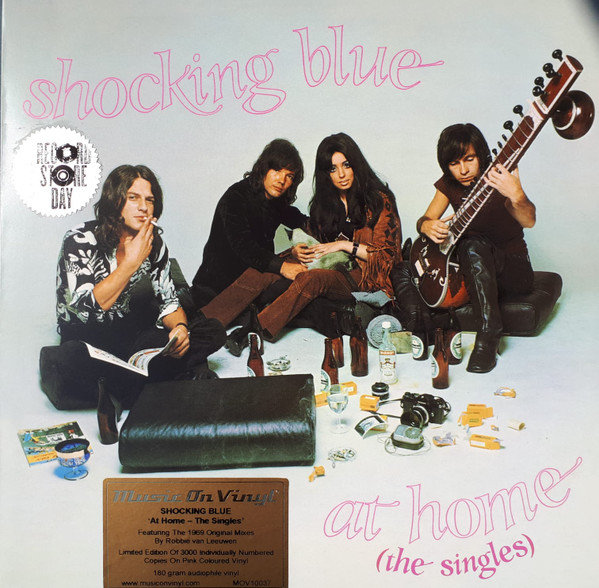
And that’s how I got more into the music and the backgrounds. And I’m Jan Akkerman’s archivist since the mid 90s. And he’s a good friend of mine since then. And he still performs regularly. And so, when I was asked much later in 2016 to curate his box set featuring all his studio albums, 26 studio albums, 26 CDs, I got in touch with Willem van Kooten from Red Bullet label. And he also had the Earring back catalogue, and Shocking Blue and Focus. So that’s kind of kickstarted my role as a reissue producer. But beside that, I was also involved with Universal doing the Tangerine Dream box set. And I’ve been in touch with also with Esoteric Recordings from the United Kingdom, who regularly put out reissues by Dutch bands, but also other stuff. And Mark Powell and he’s also one of the consultants at Universal. So, he also did the Steve Hackett box set and the Tangerine Dream one and Camel and Caravan. And I’m very much and I’m not particularly into prog music, but it’s one area that I’m kind of specialized in and I’ve very much got into in the last 35 years or so. So, yeah, that’s basically it. And one of, I’m most proud of is that’s coming out on May the 2nd is the remix of Live in Pompeii by Pink Floyd, that’s been done by Steven Wilson. And I’ve suggested to him a few things for the new mix he’s done in Stereo 5.1 and Dolby Atmos. So, I’ll be attending the premiere in two weeks in London. So, I’m flying over there and it’s just 45 minutes flight from Amsterdam to London. I’m attending that. And he’s doing a Q&A with Nick Mason and David Gilmour is supposed to be there as well. So that’s going to be a very exciting evening. (Since then (…and it was indeed an exciting evening, as both Mason and Gilmour were there – and I’ve met them very briefly)
And I’m very glad that because Pink Floyd, when I was 10 or 11, Pink Floyd had their comeback. That was really my first love of serious rock music. And from the moment I discovered their music, I started to listen to music differently – more the space, the depth of the lyrics and the music, that really made a big impression, not only on me, but also on other people from the same age as I am. Because, as you say, I was kind of late in, I was born 20 years too late.
It’s funny, a lot of those bands you mentioned, a lot of the prog bands, aside from Pink Floyd, are very scarce over here. So, they’re very, obviously they’re highly collectible over here and hard to find. But you go to Europe and you still find these bands like Eloy and that that are still playing.
Yeah. Eloy and Grobschnitt. Have you heard of Grobschnitt?
I’ve heard of them. I don’t know anything of them.
But that’s about in the same league as Eloy. It’s very exciting, energetic German rock, prog rock. But on the more on the heavy side. Yeah, very interesting band.
So how did you get into Golden Earring? And if you can explain to me, because I know they are huge over there and probably up until they retired, they were probably the longest running band out there.
Well, Golden Earring is sort of a Dutch equivalent of the Rolling Stones, really. That’s what it is. I mean, the band’s got a very, very long history dating back to 1963, 1964, coming from The Hague, which still is kind of the Liverpool of the Netherlands. It’s really a rock city. There are a lot of musicians there. And the background also in The Hague, like with the Indonesian rock influences. So, there are a lot of rock and roll bands that are combining the Indonesian influences with like The Shadows, the guitar bands coming from Britain and also the blues stuff from USA and Canada. But the Earring is really, that’s why I grew up with them. When they performed in the 80s and in the 90s, I used to visit them twice or three times a year with my mother, who brought me along to their concerts – in theaters, and in big concert halls when they play for five, six thousand people, weekly in the Netherlands. And in theaters, they did more the acoustic shows like they released on albums like The Naked Truth in the early 90s, like they kind of their ‘unplugged’ album, one of their best-selling albums. And they’re international successes; they still rely on those who like “Radar Love” and “Twilight Zone”. Everybody outside of the Netherlands knows those, (mostly) hit singles in particular. So, the Earring are like one of – like with Focus and Shocking Blue, they are the most important export music products from the Netherlands. I grew up right in the middle, you know the Netherlands aren’t very large and they’ve got a huge, huge following over here and still have. But also, in Germany and in the UK and over, like in Canada as well because they also did, I think, four or five shows in 84 during their last tour as headliners in Canada, in Toronto, if I remember among them when they did one of those shows. So, I wasn’t their biggest fan. But when I got the opportunity to work on a back catalogue, I really knew that this was really something special. I really wanted to fly on things very seriously. And of course, I knew the big reissue packages like King Crimson and the Beatles and also like how the back of Elton John has been done in the last few years, which is splendid reissues. And Black Sabbath and Uriah Heep as well. Those were like very good examples for me like they how they should be done. Good reissues! It’s not just milking the previously released stuff, but we’re adding something worthwhile that people have never heard before. But on the other hand, it’s the very high musical quality and relevant for the band as well, because the band has got that legacy and they want to keep the level of their legacy high.
So, I had some discussions with the bass player, Rinus Gerritsen, and the singer Barry Hay about it, and they just gave me carte blanche. So, it was like, ‘you know what’s in the cellar of the label of Red Bullet, and what’s there, it’s you’re taking care of it and just get the best out of it as best as you could?’ That was not really their request, but it was OK, if that’s what the philosophy is from the from the side of the band, because they have got nothing to say, because they don’t have the master rights because the label has it, then I’ve just got to make the best out of it. And taking very seriously, this is an international well-known band coming from the Netherlands, and I’m the one who’s got make it future proof, so to speak. That was like how I started things up about five and a half years ago, just before the first pandemic lockdown in the Netherlands, early 2020, I think. Then I started off with Moontan. I just I was just like, ‘OK, let’s start with their most well-known album’.
I went into the archives, I found the original two-track masters from the IBC studios with the notes on it from Damon Lyon Shaw, the original engineer who also did The Who back in the days. And it was like I was holding those in my hands and like, you know, like you’re holding the same as the masters for Tommy or The Who Sell Out, the same layout as on those master tapes. So that’s very, very special. I knew that those were the original masters. So, I digitized them in high resolution with a friend of mine. And we found some outtakes and, some B-sides and the follow up single. So that was the first issue that I produced. And then the guitarist became known that he was very ill, ALS, a muscle disease. And he’s still around, but gradually he’s getting worse and worse. And I’ve been in touch with him a few times, but it’s very difficult. I’m in touch with Rinus, the bass player, and with the singer, Barry Hay sometimes about what I do and how to and I update them from what I do. And yeah, It’s exciting. And also, from the from the fan base, the reactions are stimulating, so to speak.
Yeah, it’s interesting because over here, I got into Golden Earring just before the pandemic, I think, because I had an uncle that lived in Toronto and he would once in a while go to Europe and he imported records on his own that he would sell to friends at work and that. And he would always bring me the catalogs and say, there’s a new Golden Earring album out. He’d always try to hand me Golden Earring tapes back then is going back to the late 80s and 90s. And I didn’t take much of them because we all we ever knew over here was ‘Radar Love’ and ‘Twilight Zone’. But then at some point in 2017 or 2018, I bought the live album, and I thought, well, now I’m going to start buying everything because that kind of kind of got my attention, obviously, but the stuff is still hard to find over here. So even on CDs and that Switch, I don’t have a proper CD issue of Switch. I’ve got four or five vinyl versions of it. But trying to find that stuff over here and then there’s obviously, there’s a lot more of the catalog than those two songs that people need to hear, right?
At the moment, there are about 25 or 26 albums and the reissues that we’re doing. They are available through Amazon, I think. But in the shops, I agree that in the shops there are much more difficult to obtain. They’ve got to be ordered special; they’re not regulars now.
I’ve got I’ve got the Moontan one, I’ve got about three or four vinyl copies of it, plus they had the different cover over here.
Yeah. Different track listing as well. Yeah.
So, when you went into the archives, I’ve noticed on the Switch one, there’s a lot of B-sides and outtakes. One thing I don’t see (because I know I’ve got a few on CD and on my computer) is any live recordings, like full shows.
We don’t simply we I have to rely on what’s in the archives of the label. And to license material from other parties that can be very difficult on, let’s say – the logistics side and also on the financial side. And that makes it very that can be very expensive. And the budget for the reissues that we do, I mean, these are only, a couple of thousand copies for one run. And if there’s enough demand, then we do another run, as we have done already with the Moontan expanded thing that came out four years ago. But to obtain stuff from other parties, it’s simply it doesn’t weigh up to the costs and the amount of what they sell for. And we want to keep the price not too high. These sell for like, ten dollars or so, and we want to keep it that way. And the other stuff, like the Winterland and the Sausalito recordings from ‘75, they’re still widely available. They’re available for YouTube, in pretty much good quality. And fans have made their own remasters of them. So, we don’t see a real priority to license the recordings for, let’s say, two or three years, put them out as a bonus on our CDs…this it’s not a big asset to sell, or a big selling point to sell these reissues. We want to offer material that’s available nowhere else. That’s basically it.
Did you get a lot of (I haven’t seen the packaging, the inner packaging) input from the band members, as far as printed stuff and photos?
Sure. One of the biographers in the Netherlands of Golden Earring is a guy called Jeroen Ras. And he wrote a story about the production of the albums, like he’s done with the previous reissues in the Remastered Expanded Series.
And also there’s a lot of photographs from concerts in New York City at the Academy of Music in October 74, from the tour that preceded the recording of the Switch album, also with Robert Jan Stips. And I’ve written some additional notes about the remastering itself and how I compiled this reissue, and the fact that we also putting out now a track that’s been unavailable and never been available before, which was intended for the Switch album, but was shelved for some reason. And we found that on a tape and we have added this to as a bonus to the CD. I’ve contacted Barry and Rinus about it, and they were very enthusiastic. Barry said something like “Ah put it out. Yeah, I can vaguely remember what it was. It’s about a very dirty girl and a very fast guy. And I really sang it with a posh English accent…And it’s very tongue ‘n cheek, put it out!” It’s a very good addition. And so, he vaguely remembered that track. And I sent him an MP3 and he was he wasn’t really over the mountains. But, because it’s 50 years ago, he couldn’t remember it very well. But he was very happy to see it added to this one.
This is not the most popular because it was the follow up of Moontan. As you know, it wasn’t a very commercial success, but it’s musically very interesting. It’s with the follow up from this one To The Hilt. I think it’s their one of their most interesting albums. So, it wasn’t a commercial success. But adding such a previously unavailable track, that’s like, you know, a selling point for this reissue. And it really adds something special.
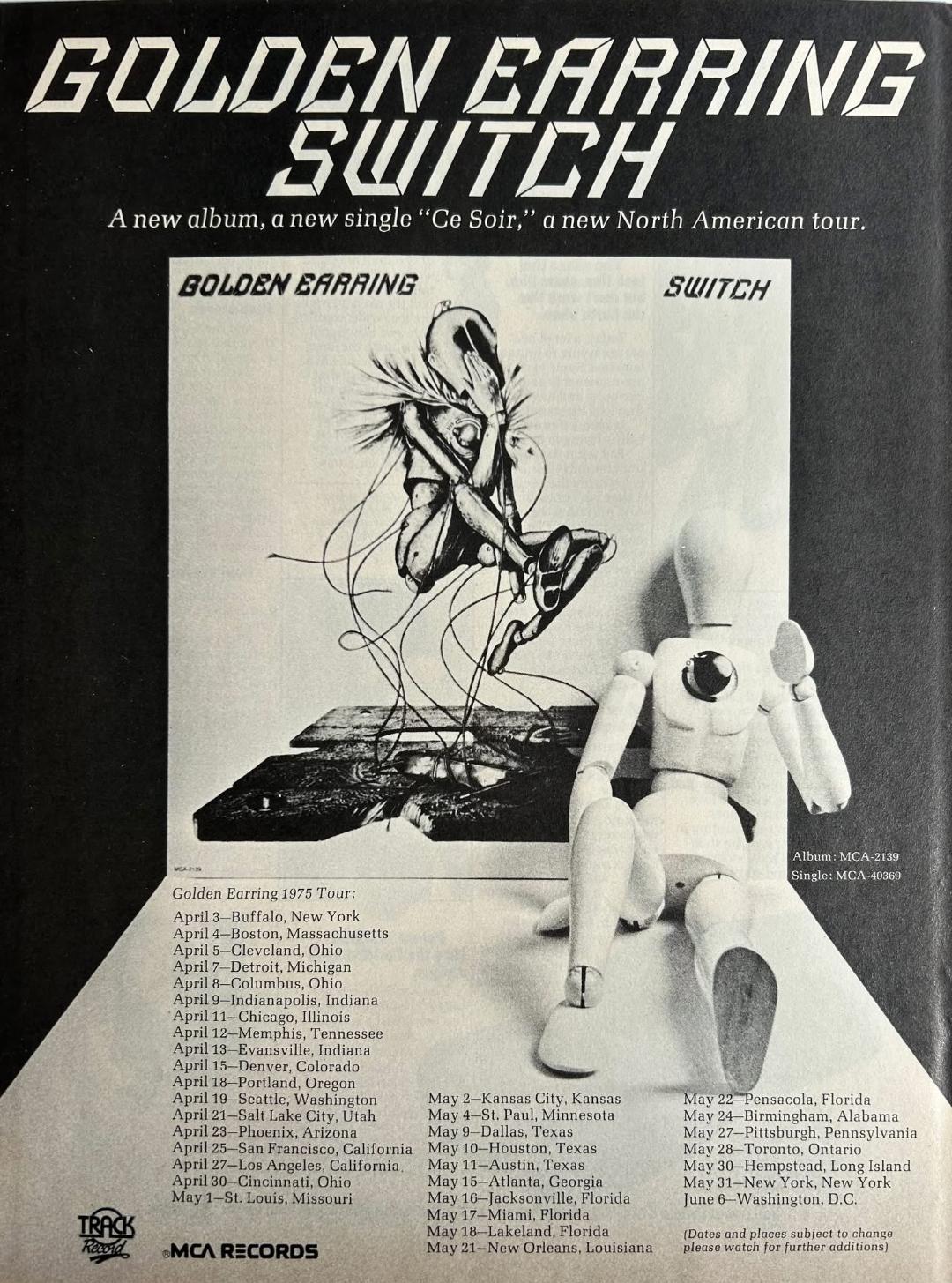
I think like I did a review. I’ve done some reviews on my site on those albums. And I think like Switch, I liked it; it’s probably my favorite album. I like the experimentation with the keyboards and the different stuff they did. I think obviously for them, it just kind of lacked that “Radar Love” – type, that one huge song . You know what I mean?
I know there was in between Moontan and Switch, there was “Instant Poetry” released as a single, which is really part of the Moontan story. So, we added that one to the Moontan expanded edition four years ago. But essentially, it’s right in the middle between Moontan and Switch. They were they were like, ‘oh, we’ve got to follow up ‘Radar Love’ with a very catchy…’, but also, it’s not really lightweight pop music, “Instant Poetry”, it’s very dynamic with a really easy part and a heavy part. And I think “Kill Me (Ce Soir)”, which was the single off Switch, the leading single, which went to, I think, number 10 in the Netherlands, but it failed to chart anywhere else in the world. I think it’s one of the most interesting songs ever.
And even better, I think the first side of Switch is, I think, the most exciting album sides they’ve ever produced. I mean, starting off with an instrumental, but Focus-like, then into “Love Is A Rodeo” with the very fast parts from Robert Jan Stips and the backing vocalists and the saxophone and then the title track, which got more into funk and a bit of David Bowie “Young Americans”, a bit of Philly soul in there, and then into “Kill Me (Ce Soir)”. I think that’s a very good build up, a very good climax. And the second side, I really think they should have added “Lucky Number” to the album because “Lucky Number” is, I think, like “ “Exile On Mainstreet”, sort of swampy rock and roll. And I think that’s the best song, with “Kill Me (Ce Soir) of the whole Switch story. But they left it off for a reason and they put it out as a B-side. But it made a great album track, and of course we’ve added it to this reissue. And I even found some instrumental rough mixes of “Lucky Number”. I’ve added one too.
That one got played live, too, didn’t it? They played that in their show.
Yeah. Even better, they opened with it. They started off with the intro “Minus Absurdio” from a tape. They played it over the PA and then that was that was finished, and the audience all should’ve expected “Love Is A Rodeo” but they played “Lucky Number” first. And that was a great show opener. You have seen the Winterland recording, right!? That’s what they do. It’s mind blowing. And the funny thing about it also is that the show has been filmed in black and white and the whole stage design was black and white, too, because all the instruments were black and they were wearing white suits and white overalls. So, it’s people always complain, well, it’s in black and white, but it’s that’s no big deal because the show was black and white anyway.
The song I like is the last one “The Lonesome DJ”. That would have been a song that could have got that late night radio airplay like “Radar Love” still does.
That’s a typical George Kooymans track, and it’s the only track he does lead vocals on. And it’s a great way to round off the album. I think after a bit more let down tracks for me personally. I mean, “Tons Of Time” and “Troubles And Hassles”, It’s OK, but it’s not really in the Moontan league. They’re nice, but they did much better stuff. And “Lonesome DJ” kind of lifts the whole quality a bit more up. Yeah, I agree with that.
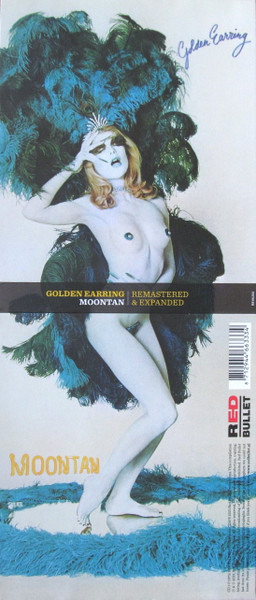
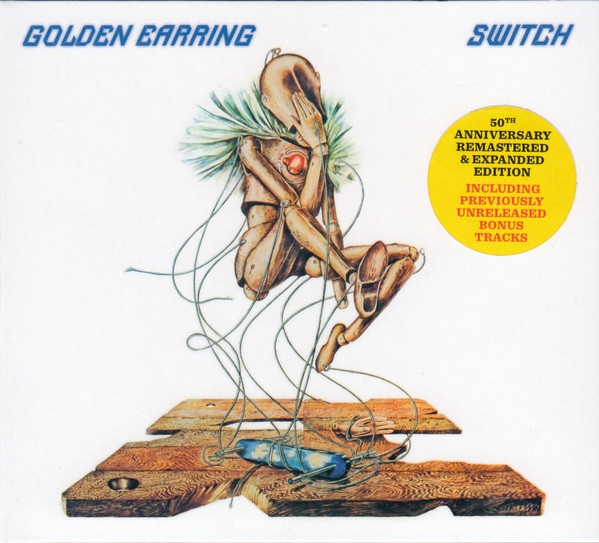
The album art for both those albums, for this one and for Moontan. I’m curious if you had any contact with the album artist and you got any kind of alternate or early versions of those sketches? I mean, the cover design, the cover for Switch and the cover for Moontan.
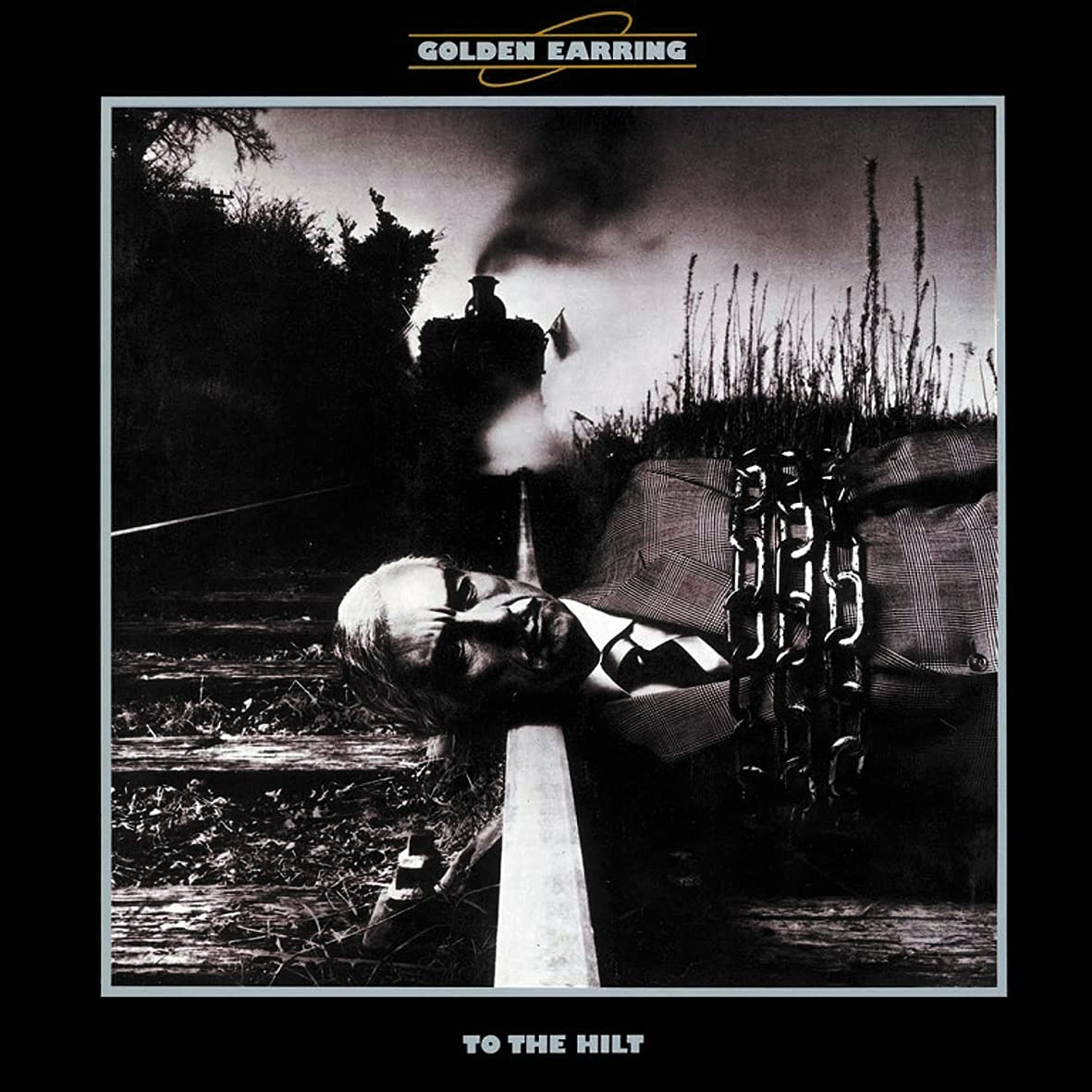
(I hold up my MusicOnVinyl reissue LP of Switch) Oh, you’ve got the music on vinyl there. That’s great. That’s the previous one. We’re doing a two LP reissue later this year, in the fall with the remasters on the CD. Well, the cover artist for this one is a guy called Corstiaan De Vries. No, I haven’t been in contact with him. Barry Hay has always done the final artwork concept. So, he kind of realized the concept, and then a particular artist realized his ideas into the cover art. But no, I’ve not been in touch with the cover artists. So, I don’t know if there are any outtakes on designs or… But I do know that the follow up to Switch is To The Hilt, and I did a long interview with Aubrey Powell from Hypnosis some years ago. And Aubrey told me that from To The Hilt, there are some image outtakes, like with different photographs that they based the album cover on.
That was a strange cover.
Yeah! It’s a bit dark. And it’s yeah, it’s with the train…
That’s why I never figured it out.
Yeah, it’s almost morbid.
Will there be anything if you know, as far as the label goes, in promoting this, any kind of like retro singles or anything or videos that they might put out?
I think the record label will do some promotion and some promos on social media and probably taking the video clip that was done in 1975 for the Dutch TV TopPop Live show of “Kill Me (Ce Soir)”; I think they will put it out to promote this reissue.
And if you know, promoting Golden Earring these days is they don’t have anything much to promote because the band is still a big name and these will sell anyway, but on the other hand, there are four members, and one member is very ill. So, there’s not really radio silence or something in that way, but the promotion on the band is we’ve got to do it with great respect, you know. And knowing that one key member is terminally ill, sometimes we have to think about it a bit more than, you know, with other bands. And there’s a huge respect for George, and we have to take that into account.
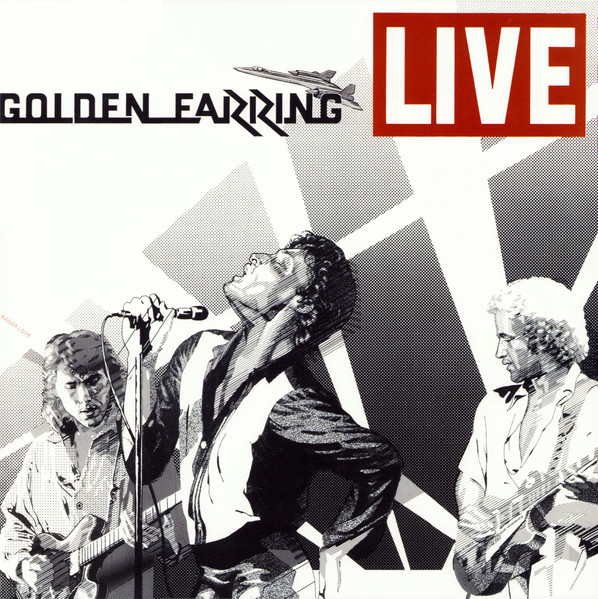
Yeah. One thing I’ve always wondered about, I have the live album, the 2 CD version, and I’ve always wondered when disc one trails off it sounds like they’re starting the drum intro to, is it “Bombay”?
That’s “Bombay”. Yeah, the shuffle for “Bombay”.
So, I’m curious because that’s not on the album, so curious if there was any songs that kind of are still on tape that just didn’t make the album that could have been put on or added!?
Well, I got that question a lot of times when that reissue was released. The story is this – When they recorded two nights at the London Rainbow Theatre, those were recorded by Capital Radio. They took the multi-tracks to the IBC studios, and they cut the album from the multi-tracks, and they decided there what the best tracks were. And they took those two-track masters to Holland to polish it a bit more and to press the records, to cut the records first and then press them. But they didn’t bring along the multi-tracks. So, we don’t have any outtakes from the Rainbow concerts, although they’ve recorded some other gigs themselves, the band, John Kriek, the engineer. And some of them were even mixed to two-track, and we only found one reel in the archives with 3 or 4 songs from a concert in Belgium, in Brugge. I was able to cull 2 or 3 tracks from that one tape, for the reissue. And it’s a bit lacklustre, maybe, but why not put a DVD in the package with one of their most famous concerts, television appearances from that era at the TopPop Live show, with Eelco Geiling on guitar. And a large part of it was filmed in 16 millimetres. So, we dug out the original film box, and we digitized that. The audio was better than I expected, so I remastered that to give it a bit more clarity and a bit more EQing; so, we added that. But, from the Rainbow concerts that was all we had, because Capital Radio didn’t let any multi-tracks go outside of London, and I don’t know where they are. They’re probably stashed away somewhere…I don’t know.
Following Switch, I know you haven’t done everything in order since you started with Moontan
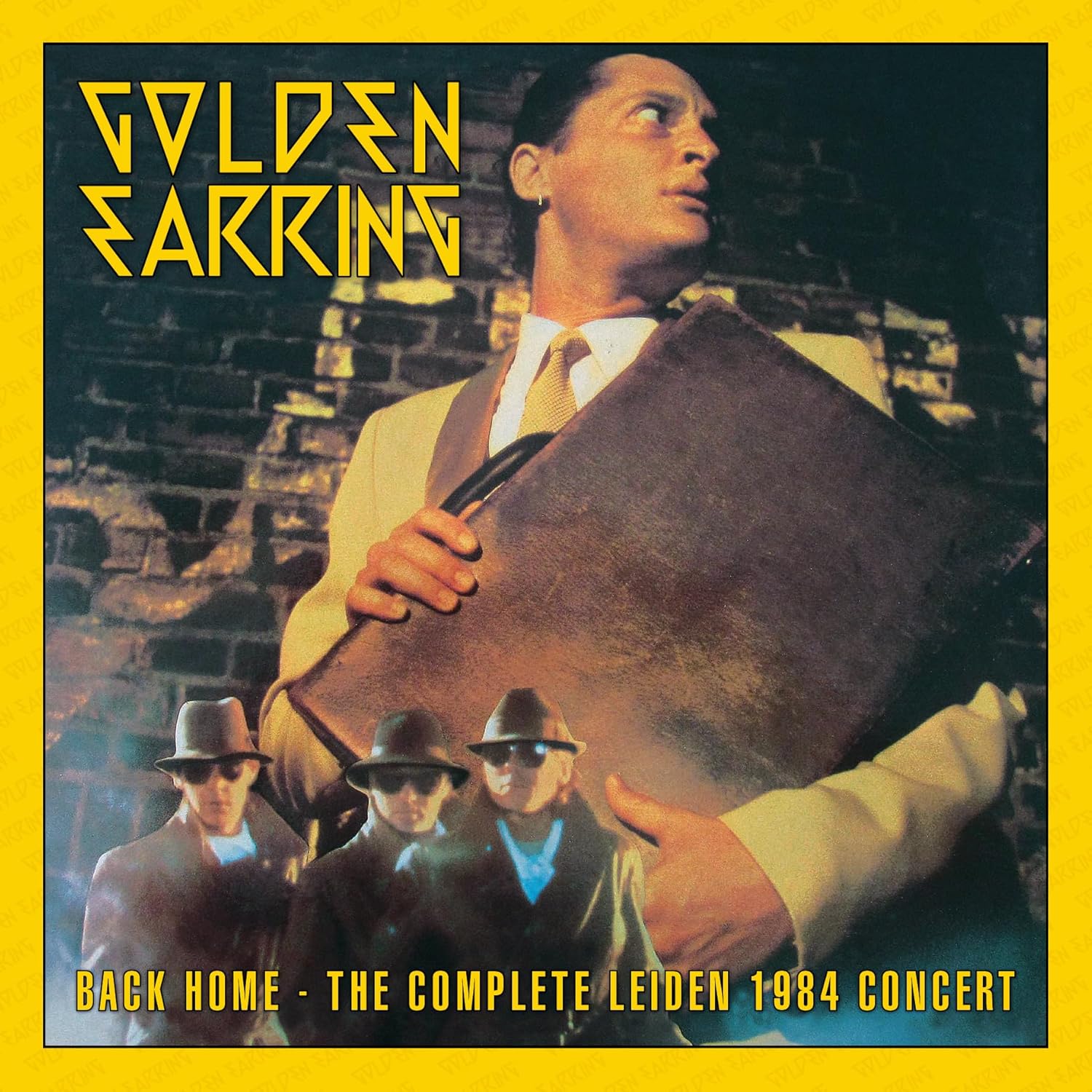
No, not really. I’ve done Moontan first, then the Live album, then Eight Miles High, So that’s from 73 to 77, to 1969, and then I went into the 80s with Cut, and Back Home – the live concert from 84, and then NEWS was released last year, that’s 84, and now we’re in to 75 with the 50 year anniversary, and the next one will be from 1968 – the first one on Red Bullet album from Golden Earring – On The Double, which will be released in full. And because it’s a double album they’re going to put it out as one CD. I think there are 4 bonus tracks – 2 singles, but in stereo mixes, not the mono issued tracks; so, they are like bonus tracks that haven’t been released before because they are in stereo.
Seven Tears is one of my favorites. And that one never got released over here to begin with.
It’s a heavy record. The 70s – “She Flies On Strange Wings” – that’s one of their best tracks ever, and it should’ve been a big hit back in the day, but it wasn’t for some reason.
The cover on Seven Tears is not very imaginative, but I really like this album – the lead off track… I think they were fitting in with that whole 70s hard rock kind of thing.
Absolutely. They listened very well to everything that was coming out of the UK, and the US. And later 70s albums they very much influenced by Rush. (Ed-I turn my cap around, which is a Rush cap!). I’m a big Rush fan too. Rush is very big here in Holland, always has been very big in the Netherlands. I’ve seen them multiple times. And the members of Golden Earring were very influenced, especially the early 80s Rush, when they concentrated more on compact rock songs, combined with more progressive elements. I think you can hear that on Earring albums from those days.
I liked To The Hilt, is another great one, and Grab It For A Second though it’s very different. It’s almost like they took that power-pop, and newer American stuff…
Jimmy Iovine produced this record, and we already put it out as a vinyl reissue 2 years ago, but I really don’t have the time and the urge to do a compact disc of that, but who knows, maybe next year. And we’re also planning on doing something with the No Promises, No Debts album, which followed Grab It For A Second, because I found some outtakes from that period which would make a great bunch of bonus tracks for that one. There’s even some live stuff from that late 70s era. Also, with Contraband – I have a bonus concert from the Pinkpop Festival, where Rush also played, I think in 1979, but in 1977. I’ve got stuff for some albums, and more bonus stuff for some albums than others, I’m just trying to find a nice balance between interesting album and an album that would sell, with bonus tracks, and make a great addition.
LINKS:
https://m.facebook.com/goldenearring/
 Outsider Rock