Lizzy Borden announces ‘Best of Lizzy Borden, Vol. 2‘ – launches cover version of Ramones’ classic“Pet Sematary”. After releasing My Midnight Things (his fifth Top 200 Billboard release) to critical acclaim in 2018, Lizzy Borden has been touring in support of it, joining the likes of Demons & Wizards and Týr on the road in North America last year, plus performing at stages around the world.
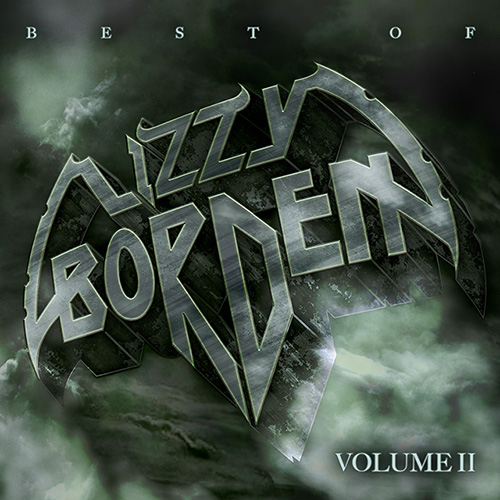
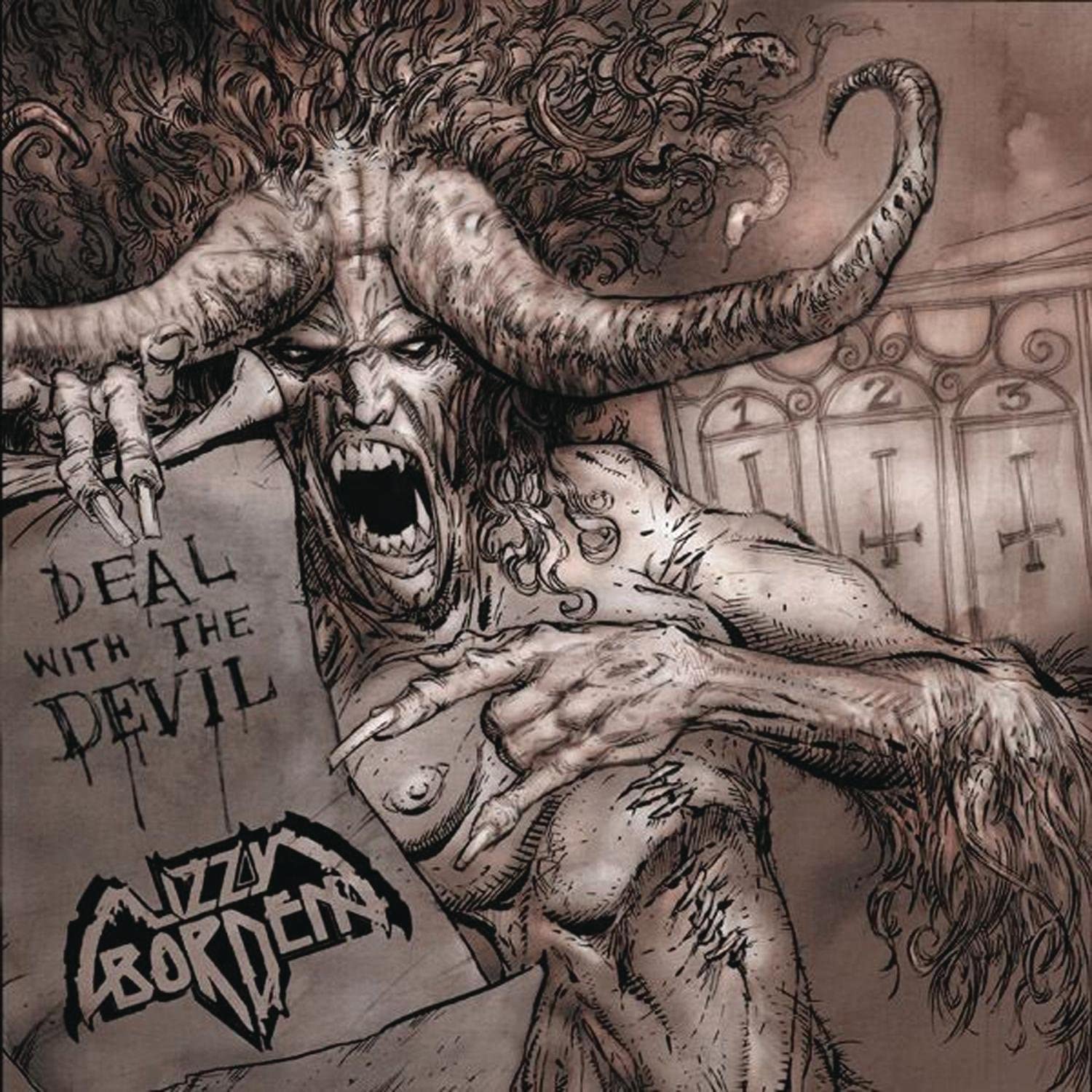
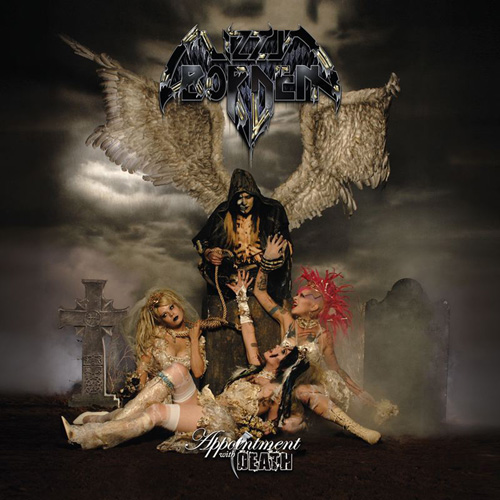
Now, Lizzy Borden has announced a new greatest hits collection for fans: Best of Lizzy Borden, Vol. 2. Available digitally on November 13th, Best of Lizzy Borden, Vol. 2 picks up where 1994’s Best of Lizzy Borden leaves off, containing 12 tracks that showcase the Deal with the Devil (2000), Appointment with Death (2007) and My Midnight Things (2018) albums.
Additionally, the collection features 2 new cover songs recorded in the summer of 2020 (the first recordings by Lizzy’s latest live show line-up!): Blue Oyster Cult’s “Burnin’ for You” and The Ramones’ “Pet Sematary” – both mixed by Jay Ruston (Anthrax, Steel Panther, Stone Sour). Digitally re-mastered by Tom Baker (David Bowie, Rob Zombie, Marilyn Manson, Tom Petty)!
1. My Midnight Things 2. Long May They Haunt Us 3. Tomorrow Never Comes 4. Obsessed with You 5. (This Ain’t) The Summer of Love* 6. Under Your Skin 7. Lovin’ You Is Murder 8. The Scar Across My Heart 9. There Will Be Blood Tonight 10. We Only Come Out at Night 11. Abnormal 12. Live Forever 13. Pet Sematary + 14. Burnin’ for You*
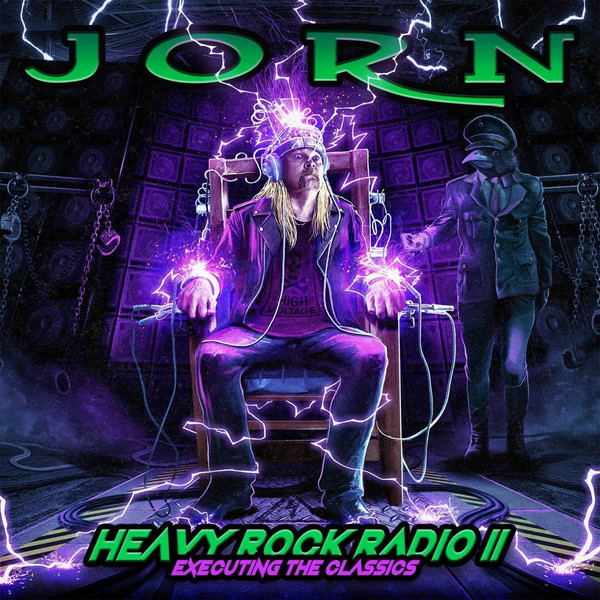
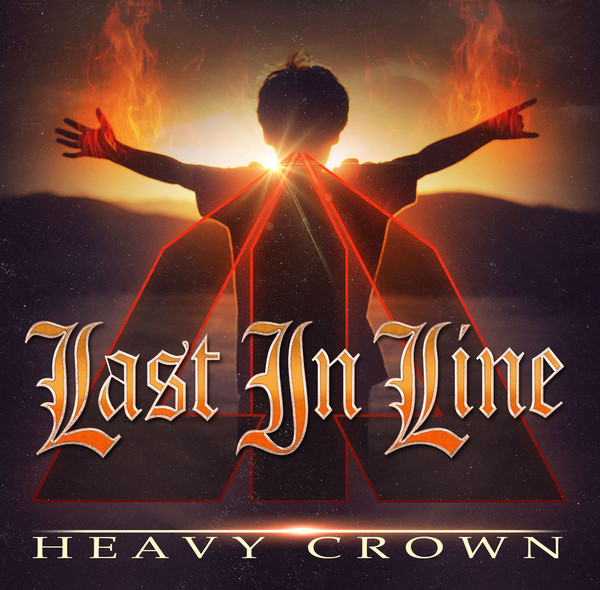
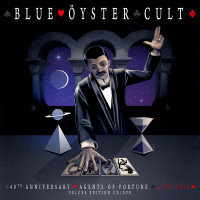
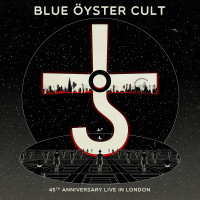
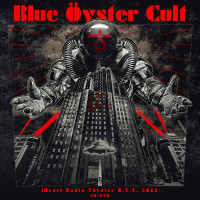
Over the past decade Stan- W Decker has become one of heavy metal’s most seen album cover artists. He’s designed well over 100 covers with a growing list of big name bands, in the world of hard rock & heavy metal. In the past 2 years alone he’s created covers for such acts as Stryper, Last In Line, Jorn [Lande], Black Swan, and most notably and recently – Blue Oyster Cult. It was the eye catching cover for the new fantastic BOC album that had me look him up, and realized just how many albums I have that he designed, including all the live releases from BOC over 2020! Stan answers questions on his career, his art, and his recent works on latest 5 BOC album releases.
What did you start out doing and how did you get in to making album covers? What else do you do, aside from album covers as a graphic designer?
SD- After studying advertising and studying fine arts, I was hired in a well-known communication agency where I started as a graphic designer and then art director. I stayed 12 years in this job. At the same time, I designed demos and albums for my friends’ bands, then for friends of friends, then for national bands. I was spotted by an Italian Metal magazine to do the cover of one of their publications and I was put in contact with a big label thanks to all this. It’s been my only activity for 8 years now. I also make some logos, designs, posters, T-shirts and other communication tools related to the world of Rock/Metal music.
Are you a big heavy metal fan? [as many of your album covers are from this genre] Any favorite bands or albums to listen to regularly?
Yes, I’m a big fan of Heavy Metal, but my tastes in music are very eclectic. I listen to grindcore as well as 70’ prog’ and film scores. I have a collection of CDs and vinyl LPs (about 1700 CDs and 800 vinyl LPs), 95% are Rock/Metal and progressive, the 5% are pop/rock which I consider of good quality. I’m a fan of Faith No More, Maiden, Depressive Age, Coroner, BOC, Megadeth, Love/Hate and so many others… I just named the first ones I could think of!
Right now, I’m listening a lot to Riot City’s album and the first Eternal Champion’s album.
Were you a fan of album artwork prior to getting in to it? And who would be some of your favorite album cover artists?
It was the Maiden Killers cover art I saw on a neighbor’s T-shirt that blew my mind. I was very young but I remember it very well. A little later, I saw Somewhere in Time’s poster and I was blown away again! So it’s easy to say that the first artist who influenced me was Derek Riggs. But, I must not forget Roger Dean (Yes and Psygnosis game covers), Dave McKean (Shades of God from Paradise Lost, for example), Paul Romano (Mastodon), Giger…
What is the process you go through when given an album project to design – from the time you get the album title to time it is turned in for use?
There are no specific rules. Sometimes it’s a directive brief, sometimes it’s just a line. I don’t always get the title of the album before I start work. Sometimes I validate a simple sketch – ugly but effective. Sometimes I push the concept and show a black and white illustration to validate. Sometimes, I present an illustration that I consider to be definitive and keep my fingers crossed.
In designing covers, would you normally meet the band [or any members] to discuss an idea or get to hear some of the music ahead of time?
I’m in contact by e-mail 99% of the time. I discuss with the management, the label or the artist to define the directions to take. These exchanges are very often essential to understand the goal to be reached, more than the music itself (for confidentiality reasons, I very rarely have sound to listen to…).
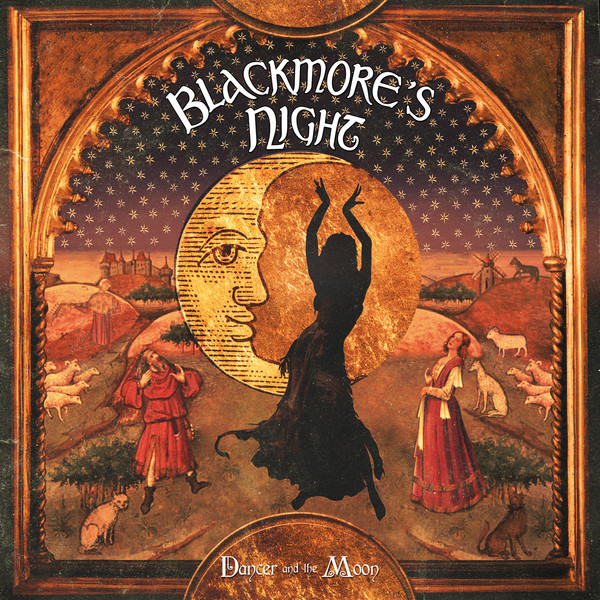
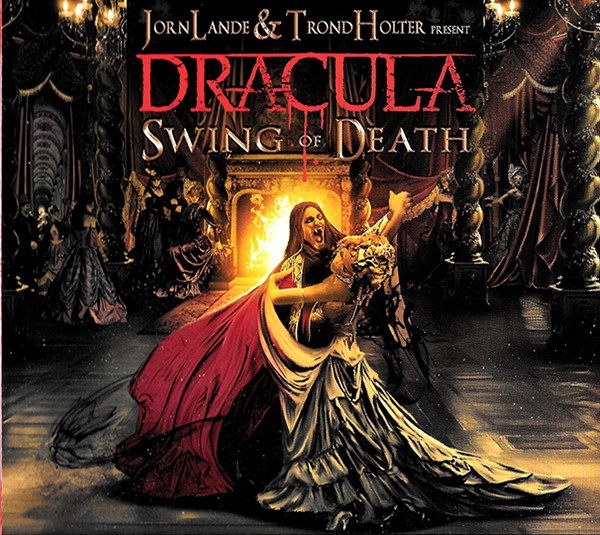
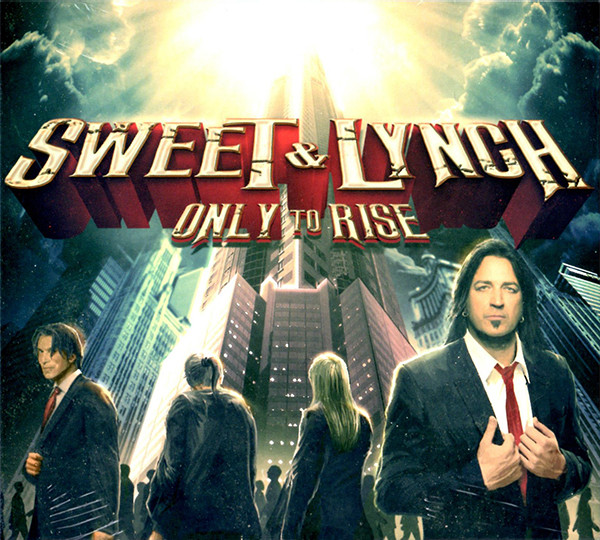
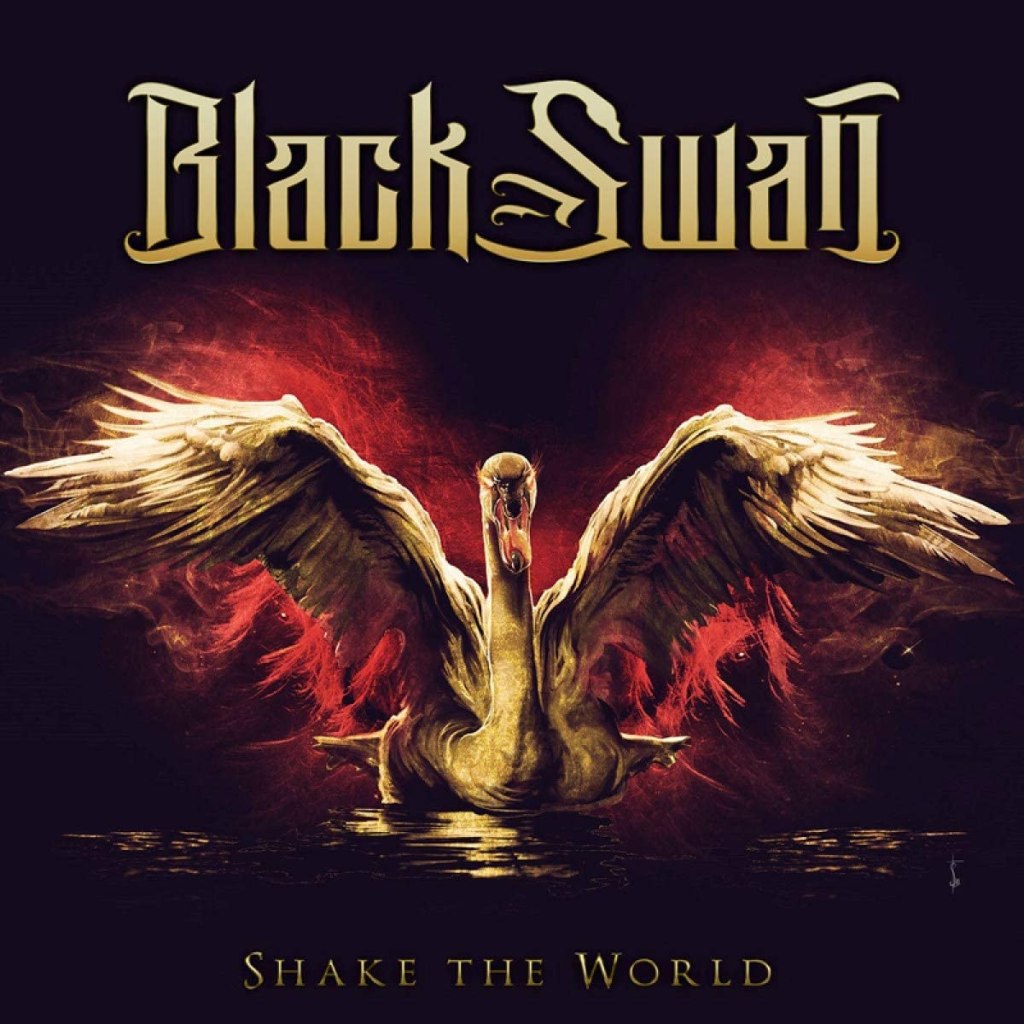
I realized while going through your list of covers that i have a number of these. Could you share a few stories or any recollections on a few of these covers – Sweet & Lynch [1st], Last In Line [1st], Blackmore’s Night [Dancer And The Moon], Jorn Lande & Trond Holter [Dracula], Black Swan ? Any personal favorite covers you’ve designed?
Sweet & Lynch: I had worked with Stryper in the past and have a good friendly relationship with Michael Sweet.
Blackmore’s Night [Dancer And The Moon]: I especially have a great memory of receiving the email asking me if I wanted to work for Blackmore’s Night. It was my 3rd or 4th big project.
Jorn Lande & Trond Holter [Dracula]: I strangely designed this illustration very quickly, certainly because the concept was clear.
Black Swan: Some people didn’t understand the concept of the Black Swan cover (inspired by the movie, the hidden dark side). On the other hand Mister Mc Auley loved it and it seems to me that the artwork is hung (in large) in his living room.
… and I don’t really have favorites. I find it hard to judge my own work.
As for Blue Oyster Cult – This has been a huge year for BOC releases, and you designed all 4 live album covers, as well as the brand new album “The Symbol Remains”. How did that whole offer of designing 5 covers come to you?
I work very regularly for Frontiers Records and they knew I love Blue Öyster Cult. They simply proposed to me to make 1 or 2 live covers, then the album, then 3 more live covers (another one has just been announced 😉 ). I must say that I thought I was dreaming when I was offered to work for them.
I’m familiar with BÖC’s universe, it’s Hermeticism, and I played with the band’s symbols. However, I kept in mind the fact that we are in 2020 and that the band did not want to remain stuck at the end of the 20th century. I had to find a balance and also find the resources not to propose artworks that looked alike. I have to say that it was not very easy and that I was stressed (I’m a human, I think, haha, maybe not).
How familiar with BOC were you prior to the album covers coming up? Any favorite BOC records or album covers from the 70s?
Yes, I’ve been listening to Blue Öyster Cult since 1992. Before that, I was too young to appreciate and especially understand this kind of music (was listening to Heavy, Thrash and “in your face” music). BÖC needs to be tamed and you need to listen to several albums before diving into their universe.
Cultosaurus Erectus was a beautiful cover but I think Fire of Unknown Origin remains my favorite even if the graphics of the first 2 albums are superb and intriguing. I almost forgot Extraterrestrial Live !!!
Regarding the 4 live BOC album covers – how did you approach those, were they your own ideas, or did you get suggestions and feedback from the band?
I was given carte blanche to design these album covers. Of course, I did ask the management if they had any special requests, but I was mostly inspired by the tracklistings for the live shows and the concepts for the concerts.
Can you give me a line or 2 about each of the 4 BOC live album covers – what you drew ideas from and how you put it down?
– Hard Rock Live : Cleveland 2014 : I was especially inspired by Tyranny And Mutation to create this artwork. It’s the first design I made for the band and I preferred to make it a simple artwork.
– 45th Anniversary – Live in London : Of course, it’s a tribute to the first album. The doors of perception are here replaced by the escalators of the London “Tube”, archetypes in bowler hats being spectators of the BÖC. My first version was in black and white and I was asked to add a bit of color.
– iHeartRadio Theater – New York City 2012 : Well, for this one, there’s another version (which I keep preciously) that features Godzilla instead of the astronaut but I was a bit stupid to think that there wouldn’t be copyright problems, haha! This illustration was used as a front page for the French edition of ROCK HARD.
– 40Th Anniversary – Agents Of Fortune – Live 2016 : The concept was already found and I tried to go back to the original illustration to make a kind of sequel, as if the scene had been captured a few seconds later. It wasn’t very easy to copy the style of the original and bring something new but I’m proud of the result.
– The fifth one is in the pipes 😀
The Symbol Remains is a very catchy and bold cover, I really like it. [Again] , was this your own concept or did you get ideas from anyone else?
Actually, there were several proposals, 4 in all, which were all really very different. 2 were following a concept proposed by the management and in consultation with the band, the 2 others were extrapolated by me from the album title. Everything was done in parallel and one of these extrapolations was chosen by the management and the label.
Can you explain a bit about the concept of the Symbol Remains front cover? as well as the tablet design on the back cover?
You have to look at it in 2 senses. It seems that many people see the cross of Cronos crushing ruins. To have the real interpretation, you have to own the album. The symbol is in fact exhumed and mutated into an extraterrestrial bright hologram. I still want the interpretation to leave a part of imagination and for everyone to see the signs they want to see (thanks M. Night Shyamalan!).
About the tablet, it’s actually a reinterpretation of the other concept I had proposed. Some musicians liked the initial idea, so I integrated it in a different way.
The initial idea was to make the symbol look like a work of art, so it had it’s place in a museum. In addition to the main cover, which would have been a painting of the symbol exhibited in a museum of modern art, I had made several paintings of the symbol in different styles in order to display them in the pages of the booklet.
So the idea is that the symbol exists in different forms but always remains.
I assume you’ve heard the album – any thoughts or favorite songs on it? 🙂
Well, I must say I haven’t! I still watched and loved the singles released on Youtube but I haven’t received my copies yet and I’m looking forward to discovering the tracks from the album in tracklisting order, quietly, with great sound quality. This album is a great event that must be respected and I don’t want to spoil my pleasure.
What other covers are you currently working on [if you can share names or details]?
For confidentiality reasons, I can’t give names but I have some great opportunities for bands I’m also a fan of.
Do you have an online shop where people might be able to buy any prints of album covers?
No, I don’t have an online shop. Above all, I wish to devote myself to bands and to the job of illustrator devoted to the cause of Rock!. I know it’s a bit presumptuous but I’m still a dreamer and collaborating with legendary artists is the greatest satisfaction. For the moment, I manage to live this way… I still have in mind to exhibit different personal works but this remains one of my many projects!
After Magnum’s rescheduled tour dates were recently postponed til later in 2021, in support of the band’s latest album The Serpent Rings, fans will have, at least, a new release from the band to look forward to, early in the new year.
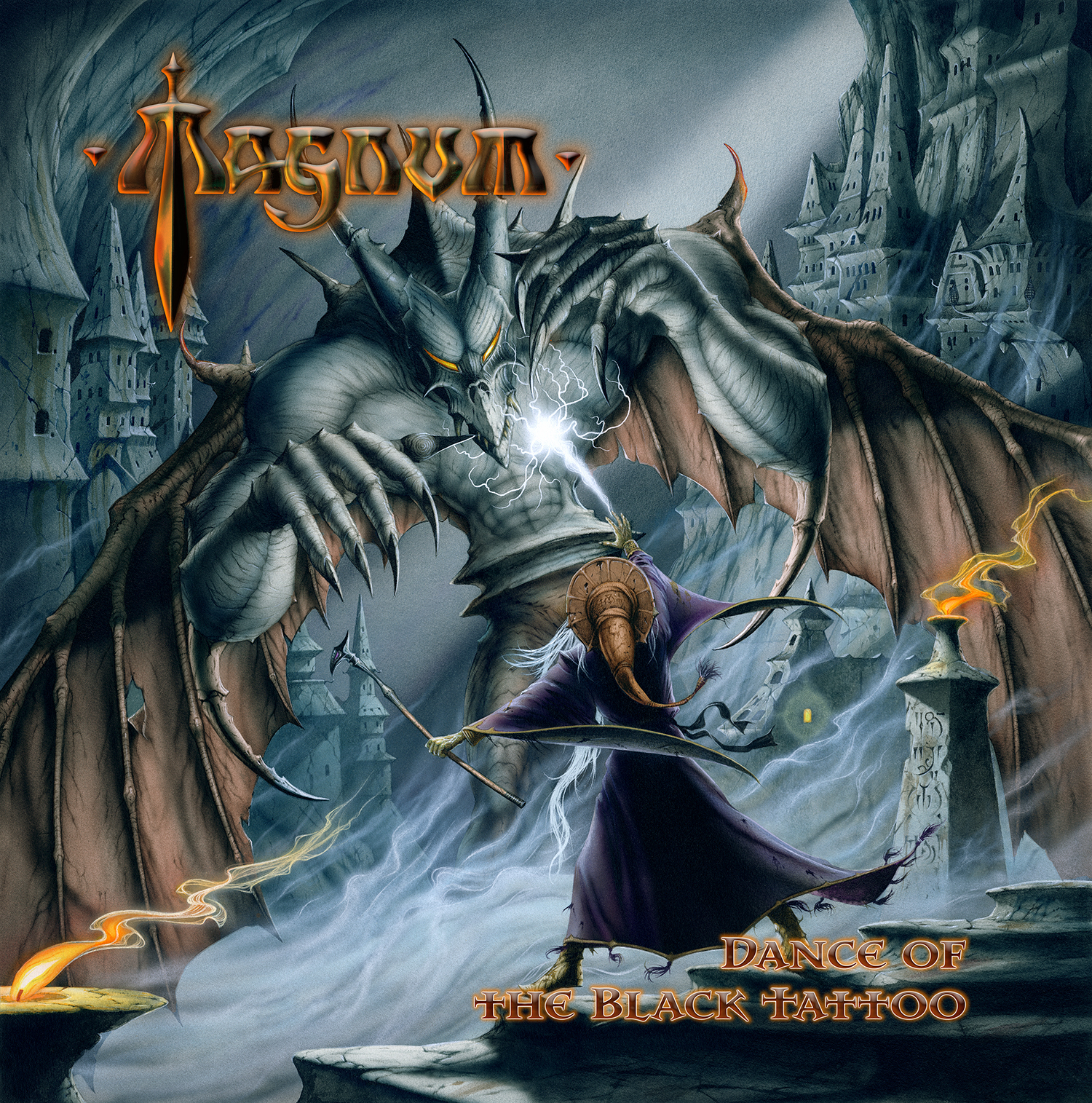
It’s been three years since Magnum brought out The Valley Of Tears – The Ballads, a compilation that focused on the British rock act’s quiet, more otherworldly and dreamy side. Three years during which the idea matured to follow this successful release (top 100 of the German album charts) with a companion piece. Dance Of The Black Tattoo has turned into exactly that: a collection of songs that present Magnum exclusively as tough-as-nails rocking and extremely vibrant musicians. What makes this album, available from 8 January 2021 on Steamhammer/SPV on CD, double LP and for digital download, so special is the fact that Magnum have gone through their impressive archive, looking for rare live cuts and outstanding radio versions and have come up with spirited live recordings and edits that concentrate on the essential components of some of their most accomplished rock numbers. Naturally, guitarist and band mastermind Tony Clarkin has used this opportunity to remaster and update all 14 tracks so that they comply with the state-of-the-art of (sound) technology. Says Clarkin: “There have always been two aspects to Magnum: a slightly more tender and lyrical facet, but first and foremost of course our powerful, rocking side. And that’s the element that Dance Of The Black Tattoo documents impressively.”
The album kicks off with live versions of ‘Black Skies’ and ‘Freedom Day’, previously available exclusively as DVD bonus tracks on Escape From The Shadow Garden. – “The perfect launch of this compilation because they present Magnum musically and lyrically from our familiar raw side. The subsequent ‘All My Bridges’ is a little different in that the music is still heavy, but the lyrics are more poetic,” explains Clarkin, whose dynamic guitar style has harmonized perfectly with Magnum vocalist Bob Catley’s warm and charismatic voice for almost fifty (!) years. ‘On A Storyteller’s Night’, the title track of their 1985 masterpiece, and ‘Dance Of The Black Tattoo’ are another two rare live tracks from the bonus section of Escape From The Shadow Garden, followed by radio edits of their seasonal anti-war number ‘On Christmas Day’ and the fan favorite ‘Born To Be King’ off their classic Goodnight L.A., previously only available on vinyl or for digital download, followed by ‘Phantom Of Paradise Circus’ and ‘No God Or Saviour’ – both bonus tracks from Sacred Blood – Divine Lies. Clarkin: “To be honest, when I started going through those old masters, I didn’t even have ‘Phantom Of Paradise Circus’ on my radar. I usually start working on new material about four weeks after the release of an album, so occasionally a song may sink into oblivion although it has a lot of substance and class. Such as ‘Phantom Of Paradise Circus’. I really love that number and am happy that it is getting the attention it deserves at last.”
‘Your Dreams Won’t Die’ and ‘Twelve Men Wise And Just’ are two live bonus tracks which first featured on Lost On The Road To Eternity, before ‘Show Me Your Hands’, ‘Not Forgiven’ and ‘Madman Or Messiah’ – three previously unreleased radio edits from the still topical studio recordings Lost On The Road To Eternity (2018) and The Serpent Rings (2020) – round off the new release. “Sometimes it’s not easy to shorten a carefully balanced composition for the radio, but in these three cases it worked really well,” reckons Clarkin. Talking of working well: Naturally the artwork of Dance Of The Black Tattoo was designed by Magnum‘s tried-and-tested cover artist Rodney Matthews, who always succeeds in translating the special ambience of the British rock group’s albums into atmospheric images and colors. Clarkin: “This time it was easy really: I called Rodney, told him the album title and he sent me this absolutely fascinating artwork. I bet our fans will love his little masterpiece.” Having said that, Clarkin is sure to win this kind of bet for the whole of Dance Of The Black Tattoo.
Dance Of The Black Tattoo will be released January 08th, 2021 through Steamhammer/SPV as CD digipak, 2LP gatefold version (w/ printed inner sleeves, 140g, magenta transparent vinyl) , special CD/LP bundle with shirt (only at the Steamhammer shop), download and stream: https://Magnum.lnk.to/DanceOfTheBlackTattoo
From Sweden, Eclipse is based around founding members Erik Mårtensson [vocals, guitar] and Magnus Henriksson [lead guitar], and after a few line up changes, currently include Philip Crusner [drums] and Victor Crusner [bass]. Viva La Victouria [clever] is the band’s first live album to top off their first decade.
The band’s latest studio album – Paradigm, from last year was my introduction to these guys, one of my favorite hard-rock discs of 2019, which saw plenty of play in the car CD player! A solid album, full of energetic hard-rockers, and melodies, with an ’80s influence, and a number of stand-out rockers like “Viva La Victoria’, “Mary Leigh”, “Blood Wants Blood” and “Delirious” — all of which feature in this live set. A few other Paradigm songs are here as well, notably “United”, “Shelter Me”, and ballad “Take Me Home”. The rest of the band’s live set draws material from their previous 6 albums [7 studio albums in a decade – pretty impressive nowadays!]. Frankly, I’ve still got a lot to catch up on with the band’s catalogue, but their older albums seem damn hard to find, and fetch ridiculous prices on Discogs. [Someone needs to reissue them]. Am looking foward to the 3 LP [red, white & blue vinyl] box set. I love live albums like this; great performances and sound, loads of energy from the band and crowd, and [for anyone not familiar] – a brilliant document of Eclipse after 10 years. Viva La Victouria is loaded with more than just the show in Gothenburg, from December of last year. Due out November 6 on Frontiers – CD, LP, DVD, Blue-Ray.
*Bonus material on the CD and LP versions include the studio track “Driving One Of Your Cars” (a Lisa Miskovsky cover), acoustic versions of ‘The Downfall Of Eden’ and “When The Winter Ends’, as well as three live tracks from the band’s Live from the Quarantine pay-per-view special, which was recorded at Studio Grondahl in Stockholm, Sweden on April 1, 2010. The LP version also includes the exclusive bonus tracks ‘Hurt’ and ‘Mary Leigh’.
*Bonus footage on the DVD and Blu-ray will feature interviews with the band around the creation of Paradigm and Viva La VicTOURia, additional footage from the Paradigm Tour (backstage, tour bus, behind the scenes, etc.), and some interviews with the band around the development of Eclipse, from the early days up until now, including some historic footage will be included.
Tracklist:
Viva La Victoria Mary Leigh Blood Wants Blood The Storm Vertigo Jaded Shelter Me United The Downfall Of Eden When The Winter Ends Take Me Home Battlegrounds
Black Rain Blood Enemies Stand On Your Feet Runaways I Don’t Wanna Say I’m Sorry Never Look Back Driving One Of Your Cars (Studio Version) The Downfall Of Eden (Acoustic Version) When The Winter Ends (Acoustic Version) Battlegrounds (Quarantine Live) Driving One Of Your Cars (Quarantine Live) Delirious (Quarantine Live)
Throughout the ’70s German band Scorpions remained fairly unknown in North America, but in the ’80s they’d become a big attraction, with signing to Mercury Records (previously with RCA), and releasing breakthrough classic albums Lovedrive [’79] and Animal Magnetism [’80]. Then came huge success with the album Blackout, featuring the hit “No One Like You”, and followed up that album with the album Love At First Sting, featuring the hit “Rock You Like A Hurricane” . The band softened up on 1988’s Savage Amusement, and would go on to record their biggest hit, the ballad “Winds Of Change” (I hate this song!), and subsequent albums really lost my interest, though there were a few good moments, like “Wild Child” from 1996’s Pure Instinct. For me, the first 2 Scorpions’ album I ever owned were Tokyo Tapes and Taken By Force. I received these albums, and a few other ’70s Scorps releases (compilations) from an uncle way back when I was about 12/13, and just in to the ’80s hard-rock at the time. With the success of the band in the ’80s, much of their ’70s catalogue probably saw re-issues and compilation releases. Although I liked much of their Mercury releases (the first 2 albums were their best of the era IMO), I was never a Huge fan, and their ballads from 1990 onward pretty much turned me off.
Anyway, they had a solid string of albums in the ’70s, and had a great guitarist / writer in Uli Jon Roth. Roth had replaced Michael Schenker, who had played on the band’s debut LP Lonesome Crow and then left to join UFO. He would also add the occasional lead vocal. I find the songs from this era heavier musically, and far more interesting than what came in the ’80s.
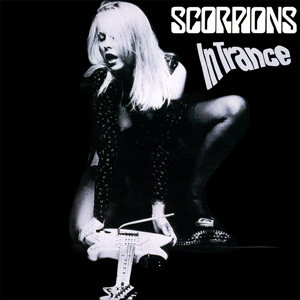
In Trance is the 3rd studio album,- second with Uli Jon Roth, and their best, IMO. Also here are founding members Klaus Meine and Rudolf Schenker (rhythm guitar), as well as Francis Buchholz (who came along with Roth) for the band’s 2nd album Fly To The Rainbow, and (drummer) Rudy Lenners, who would feature on the next Scorps’ album as well. The first in a long string of the band’s albums produced by Dieter Derks, who would also go on to produce plenty of metal albums including such bands as Accept and Twisted Sister. In Trance would be the first Scorprions’ album to include their logo (used for years to come), as well as the first of many controversial cover photos (this one showing the model on the front with breast exposed).
For the longest time I’d always favored Taken By Force as the best of this period, but after sitting through them all for a few days, I have to go with In Trance due (first) the performance of Uli Jon Roth & Klause Meine, and (second) the amount of great material — there is no filler on this album; just a solid set of 10 excellent songs. Though, for me – standouts have to be (1) “Dark Lady” (penned by Roth) which opens the album, with the guitar and then drums come blazing in. It’s fast paced with a lead vocal by Uli Roth, with Meine singing back-up and adding plenty of screams; kinda reminds me of Purple in their early Gillan era mixed with Lucifer’s Friend (see “Ride The Sky”). This must’ve been a great live track. (2) The album’s title track (penned by Meine & Schenker) is one of my favorites from the band’s ’70s period, along with “We’ll Burn The Sky” from Taken By Force, the Scorpions had a way of starting with a soft acoustic ballad and then changing the pace and feel with a very heavy & powerful chorus. This song would also be the band’s first single, released in a few countries. And (3) “Top Of The Bill”, a song about a rock n roll star; cool opening riff, and it’s Meine’s hard-edged vocal and Roth’s lead guitar that soars over top that really stand out.
Plenty of other great tracks here, from the rockin’ “Robot Man”, and the pair of heavy, semi-ballads – “Life’s Like A River” and “Living And Dying”, both about living and aging, with slower parts, a bit of organ in the background, and killer solos from Roth. This was Uli Roth’s most productive time with the band as well, having written or co-written on 6 tracks. Roth was also heavily influenced by Jimi Hendrix; a very melodic and emotive player, who could make for those very cool ’70s atmospheric solos and songs. Much of side 2 of In Trance belongs to Roth, with those type of atmospheric numbers in the slower paced “Evening Wind” (great vocal from Meine), and the instrumental “Night Lights”, with a nice use of keyboards for extra feel on this one (courtesy of Achim Kirschning). The latter also features solid cuts in “Sun In My Hand”, a bluesy slow-mid tempo number, featuring Roth on vocals and the more mainstream rock of “Longing For Fire” (co-written by the band’s 2 guitarists); love the bass on this tune. Such a good listen straight through this album, with no filler tunes, and really not too bad lyrically (compared to some later Scorps’ tunes). Four songs from this album would go on to feature on the classic Tokyo Tapes. Too bad Roth would depart the band after the Tokyo Tapes; but he’d go on to record a number of albums with his Electric Sun project, and in more recent years has been returning to his Scorpions days with such albums as Scorpions Revisited and Tokyo Tapes Revisited. Roth was briefly replaced by Michael Schenker, who started work on the band’s next album, before the band would settle on Matthias Jabs as a permanent replacement.
It’s been 19 years since BOC’s last studio album [Curse Of The Hidden Mirror], and it’s an album I didn’t get at the time, in part because I didn’t dig the previous album [Heaven Forbid] a few years earlier. Though Heaven Forbid has grown on me, I’ve yet to get in to COTHM yet. So, with that all said – I didn’t expect too much, I guess from The Symbol Remains. Initially I did love the title when I read it, and I love the artwork, and I thought the first track released [“That Was Me”] was good, [not my favorite here], but hard hitting and to the point musically & lyrically. After hearing the full album though, this is far better than I’d imagined. Frankly, it kicks ass, and I’m digging it more than I thought I might with every listen. BOC 2020 consists of founding members Donald Roeser [aka Buck Dharma & Eric Bloom, as well as longtime members Richie Castellano [guitar, keys, vocals], Danny Miranda [bass], and Jules Radino [drums, percussion].
Two things that stand out on this album are the variety of songs – 14 in total, spanning everything BOC in the 70s would’ve covered; so there’s lots to get in to here. The 2nd thing that is noticeable is the contributions of guitarist/keyboard player, and now songwriter, singer, co-producer — Richie Castellano has made; the guy comes up with some of the album’s best material, IMO . Writing and / or co-writing 7 tracks here, as well as singing lead on such standouts as “Tainted Blood”, “The Machine” [Buck’s backing vocal sounds great on this one too] and “The Return Of St Cecilia” [co-written with Richard Meltzer; a sequel to a song the band recorded in 1970 as The Stalk Forrest Group].
Really, every track here is really good to outstanding, and I can see favorites changing daily – whether it’s Buck Dharma’s excellent “Box In My Head”, “Florida Man”, or “Secret Road” [the former co-written w/ Castellano, and both co-credited to John Shirley – for lyrics], a couple of the previously mentioned Castellano tracks, or the heaviest hitting songs sung by Eric Bloom [who sounds just great here] – “That Was Me” [w/ a guest appearance by founding member Albert Bouchard], “Stand And Fight” and “The Alchemist” ; the latter 2 heavy in the Metallica & Maiden sense. BOC was a hugely influential and classic American band in the ’70s, and The Symbol Remains is an impressive return. At a time where many older bands are still putting out excellent material BOC is now front & center in that category. A great year to be a BOC fan, with 4 new live archive albums having been released, a few reissues, a great new album from [founding member] Joe Bouchard, this awesome new album, And a soon to-be-released album from Albert Bouchard! What more could fans ask for!?
*Artwork for The Symbol Remains, as well as the 4 live releases from BOC this year were done by Graphic designer Stan W. Decker, who’s done a ton of great album covers including Blackmore’s Knight, Jorn Lande, Stryper, Night Ranger, and the excellent new Black Swan album! http://www.stanwdartworks.com/
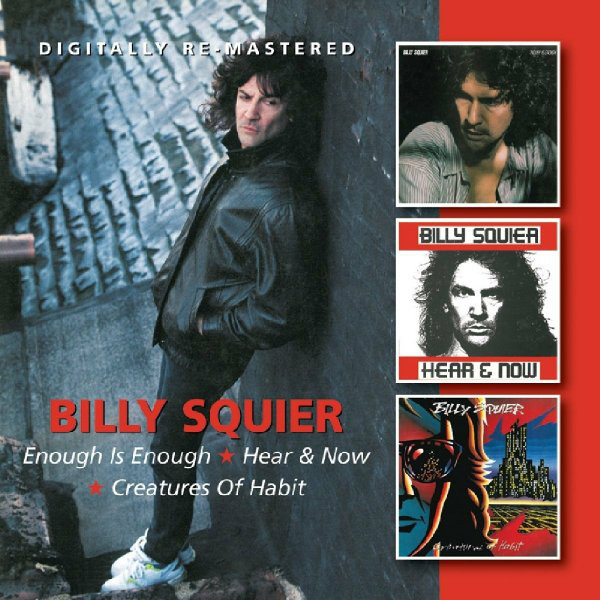
Following the massive success of 1984’s Signs Of Life, Billy’s next album was Enough Is Enough. I was a huge fan of Billy’s albums, but Enough Is Enough was a bit of a let down at the time (even worse now). It seemed to be a step back after the controversial video for “Rock Me Tonight” (which despite so, was his highest charting single). Enough Is Enough featured a darker, simpler cover, less ‘artistic’, as the Andy Warhol Emotions In Motion cover or the colorful Signs Of Life cover. And although SOL was a bit more keyboard/pop driven (w/ Jim Steinman co-producing), it still featured plenty of great songs and hit singles. Enough Is Enough, produced by Peter Collins was marred in ’80s pop production, stripping back much of the guitar hook driven pop-rock Squier was known for. But Squier, as well as the label weren’t blameless is the album being a flop – frankly, there just wasn’t as strong material through EIE. A bit of filler (at least), and not to mention the Freddie Mercury vocal intro to “Love Is The Hero” being left off the album (finally being included on 1996’s Reach For The Sky compilation). I didn’t like much of anything Queen did in the 80s, but they were still a huge international band who made hit singles, and surely having Freddie Mercury’s voice and name attached to (perhaps the album’s strongest track) could’ve helped the album’s sales!? Regardless, between the creepy video for “Rock Me Tonite”, and a bit of a lackluster follow-up album, my interest in Squier was less enthusiastic, and although I would still get his next few albums, I was never in a rush. But in retrospect, it is his 1989 album Hear & Now that would’ve made for a far better ‘next’ album to Signs Of Life.
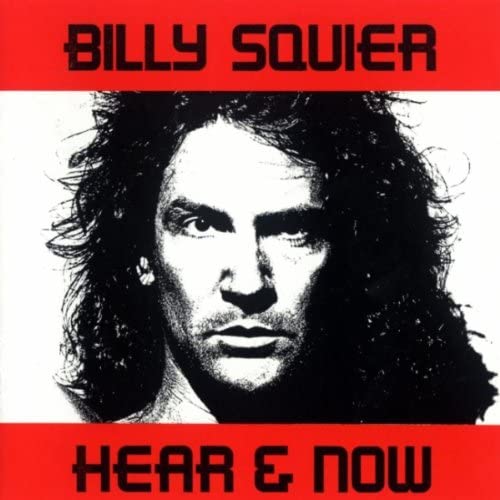
First improvement is the cover – a black & white shot of Squier, but with a bit of color added for the bigger titles, making it stand out a lot more.
Co-produced by Godfrey Diamond & Squier, Hear & Now included longtime keyboard player Alan St John, as well as bass player Mark Clarke – who’d played on Don’t Say No (ex Uriah Heep, Colosseum, Tempest, Mountain…), drummers Anton Fig (Kiss, Frehley’s Comet), and longtime drummer Bobby Chouinard, longtime guitarist Jeff Golub, and in-demand guitarist John McCurry (who’s lengthy list of credits include Cher, John Waite, Julian Lennon, Alice Cooper). This album really went back to Squier’s Don’t Say No sound – with more focus on guitars, a harder edge, and great catchy songs. “Don’t Say You Love Me” was an excellent single, got a lot of radio air-play, and would be the last Billy Squier single to hit the top 100. This album really has no duff tracks, with classic Squier rock tunes like “Stronger”, “Tied Up” (a radio hit), “G.O.D”., “The Work Song”,… Favorite tunes have to be side 2 opener “(I Put A) Spell On You” – this one sounds like it would’ve fit perfectly on Don’t Say No, and would’ve been an outstanding choice for a single here.
Other favorite track is 2nd single “Don’t Let Me Down”, somewhat of a ballad, great chorus, love the use of mandolin on this song as well; this one should’ve been a big hit. Solid production on this album, which also features plenty of backing singers, saxophone, horns .. all the while making this album more rockin’ and memorable.
Although I really enjoyed Signs Of Life, Hear & Now is just as good, and possibly the best album Squier did since Don’t Say No. Godrey Diamond (best known for his work with Lou Reed), would go on to produce the follow-up album – 1991’s Creature Of Habit. Despite 2 decent follow up albums Hear & Now wouldn’t turn Squier’s fortunes around at the time, but for me (and many fans) it is an underrated classic in Squier’s catalogue that should’ve done better.
I hope to write more on Billy Squier’s albums in the future; a great catalogue of work dating back to the mid 70s with New York band Piper. Rock Candy magazine (UK) recently did a major feature on Squier’s career, well worth checking out. A shame Billy Squier retired from the music industry and that he’s no longer making music, the guy wrote great memorable tunes throughout the ’80s & into the ’90s, and put together a superb list of hit singles and a number of classic albums. It would also be most welcomed if someone would reissue Squier’s catalogue – in full, along with anything else (live recordings, outtakes..) – because aside from a few, most of his CDs are either hard to find online – or at a sane price.
Another song title widely used in rock n roll. I’m sure there’s more by the title of “All Night Long”, but these are 8 classics, all very different, cool tracks. Drop me a note, let us know of any others I missed!
Blue Cheer
Many have cited US band Blue Cheer as The first ‘heavy metal’ band, with their sound following their version of “Summertime Blues”. The band released 6 albums between 1968 and ’71, but there song with this title of “All Night Long” was only issued as a single in 1969 [along with another non-LP track “Fortune”]. It’s an uptempo rocker featuring piano, a brief organ break, and heavy guitars; penned by keyboard player Ralph Kellogg. A lot of energy packed into 2 minutes! It would later first be included as a bonus track to the 1994 CD reissue of New! Improved! Blue Cheer.
Brownsville Station released 7 albums during the ’70s, as well as a number of singles. They may be best remembered for their hit “Smokin’ In The Boys Room” [later a hit for Motley Crue], but they did record a number of classic rock party tunes and anthems, including this one from 1973’s Yeah! album. Featuring the classic line-up of Cub Koda, Mike Lutz, and Henry ‘H Bomb’ Weck’. “All Night Long” was co-written by Koda & Lutz, and along with “Smokin’ ….” were the only 2 originals on the album. It was used as a B-side to the album’s 2nd single in a few countries, and would’ve made a better A-side.
Brownsville Station hailed from Ann Arbour, Michigan and were managed by Al Nalli, who also handled Blackfoot. Lutz would go on to be a producer, notably Ted Nugent, whom he also toured with in the 90s [saw him in Fort Erie, Ontario, years ago], Weck also went on to engineer and produce albums, including co-producing a few Blackfoot albums. In 2012 Lutz & Weck resurrected Brownsville Station with the album Still Smokin’. Kub Coda released a number of solo albums, wrote liner notes for CD releases and a column in Goldmine, and had his own radio show before passing away in 2000.
Scorpions
One of the first Scorpions albums I got was Tokyo Tapes, the classic double live set from 1978. My uncle gave me this at the time, and I was unfamiliar with their ’70s output, only familiar with their ’80s hard-rock albums. In my opinion Tokyo Tapes capped off the band’s best era. Interestingly, All Night Long only appears as an opener to Tokyo Tapes. It’s an kick-ass fast paced rocker, highlighted by the guitar performance & sound of Uli Roth; co-penned by Roth and singer Klaus Meine. Maybe not in my top few Scorps favorite tracks, but definitely a killer intro and gem from a under-appreciated era for the band. The band went on to huge success in the ’80s, but their most creative and heaviest stuff was songs like this and their ’70s releases.
Rainbow
From the lone Rainbow album Down To Earth, to feature the amazing vocals of Graham Bonnet! Probably my favorite Rainbow album, despite the more commercial approach on this song and album, it was still heavy, and accessible to hard rockers and even pop fans, with the hit single cover of Russ Ballard’s “Since You’ve Been Gone”. This All Night Long, also an album opener, penned by Ritchie Blackmore & Roger Glover [who also produced the album]. Such a great song and performance, memorable chorus, and a strong album. This 1979 line-up also included Don Airey, and Cozy Powell [RIP]. A shame Bonnet never did another, as I think this album is more consistent than the Dio era albums, and simply heavier & better than the Joe Lynn Turner albums that came after.
From the 1980 soundtrack to the movie Urban Cowboy, and a single release. Another party anthem tune, I really liked. Lyrically it’s about working hard all day and stay up partying all night [long], pretty simple, but I dig Walsh’s guitar intro and hooks throughout this, as well as his solo. A top 20 hit at the time; it also was included as part of The Eagles live set and appeared on the Eagles Live album.
Aldo Nova
From Canadian Aldo Nova’s 2nd album Subject, released in ’83. An decent pop rocker, great guitar sound. A tune about wanting to be with someone for endless hours. Aldo’s first 2 albums were fantastic – great songs, production, guitar, keyboards, vocals- and he did most of it himself! Aldo went on for years to write and record for other people, but returned with Aldo Nova 2.0 in 2018.
Billy Squier
I loved my Billy Squier albums back in the 80s; I picked up each one as they came out. This was from his fourth album Signs Of Life, from ’84. A bit more pop sounding on this album, but still a number of great catchy pop-rockers, including his big hit [and disastrous video] “Rock Me Tonite”. Squier’s All Night Long kicks off the album with a great faded in intro, great vocals, harmonies, guitar break…. It was 1 of 4 singles from the album, co-produced by Squier and Jim Steinman, recorded & mixed by Tony Platt.
California rockers Buckcherry released this track as the title song to their 2010 album. A fast paced rocker about just getting out and having a good time. Lots of cool guitar playing, solid hard-rock.
Lee Kerslake was the drummer and important member in the success of the bands Uriah Heep, and Ozzy Osbourne’s Blizzard of Ozz . He would also write and contribute backing vocals & melodies to a number of huge classic albums. His passed on Saturday having lived beyond the short period doctors had given him in 2018 when diagnosed with cancer. The man was determined to make the most of his last few years – including a documentary on his life & career, a solo album [both yet to be released], and generally trying to stay positive and productive, despite knowing the end was near.
As a pre-teen when I first heard the 2 Blizzard Of Ozz albums, and owning them soon after, I loved them – played them repeatedly, and still take them out regularly. Back then I was a fan of these albums [and followed Ozzy during the 80s], I hadn’t yet discovered Uriah Heep, but I knew Lee Kerslake’s name – it was on 2 of my favorite albums! I didn’t discover Heep for a few years, or understand why Lee [and Bob] were no longer in Ozzy’s band, aside from one mention in an interview where Ozzy claimed Lee went back to rejoin Heep. Discovering Lee’s work with Heep and all his related recordings was a game changer for me.
From Bournemouth, England, Lee’s first break came when he became the drummer for London based The Gods, a band perhaps better known for the bandmembers that passed through it than the 2 albums, and numerous singles they’d released in the latter half of the 60s. At the time of recording the band also consisted of Ken Hensley, Joe Konas, John Glascock, with former members including Paul Newton, Mick Taylor, Brian Glascock, and Greg Lake. Lee played, wrote, and sang back-up on both of the band’s albums – 1968’s Genesis and 1969’s To Samuel A Son. From the first album [the better of the pair, IMO] he co-wrote 3 songs with guitarist / singer Joe Konas – “Misleading Colors”, “You’re My Life” and “Time And Eternity” – with the first one being one of the heavier songs the band did. On the band’s second album, Lee wrote 2 tracks – “Lovely Anita” and “Eight O’Clock In The Morning”, the latter being a favorite, and reminds me of Heep’s “Circle Of Hands”. The Gods joined Cliff Bennett and became Toe Fat, with Lee playing on the first Toe Fat album, as well as joining Ken Hensley for the recording of Head Machine’s Orgasm LP. He then joined The Business, who became National Head Band, and issued their lone LP Albert 1 in 1971. This also included keyboard player Jan Schelhaas [pre Caravan, Camel], guitarist Neil Ford, and bass player Dave Paull [who would later join Lee on Ken Hensley’s first solo album]. The album would be a fine blend of pop, folk & country rock, progressive… but it didn’t go anywhere and the band split up, with Lee joining Uriah Heep in late ’71. Lee joined Uriah Heep for the band’s most successful album – Demons And Wizards. The album was the band’s 4th, and it would be the one that featured such radio hits and classics – “Easy Livin” and “The Wizard”. Lee’s would jump right in co-writing on 3 tracks. The album’s success is often put down to the new line-up with Kerslake, Hensley, David Byron, Mick Box, and then-new bass player Gary Thain all jelling so well. This would become what is known as the “classic” line up of Heep for the next few years, and include the albums The Magician’s Birthday, Live January 1973, Sweet Freedom, and Wonderworld. The epic title track to The Magician’s Birthday, would feature a lengthy guitar & drum section, perhaps Lee’s most famous contribution to Heep’s legacy as a co-writer and for his performance. Following the departure [and passing] of Gary Thain following Wonderworld, it was Lee who would help bring in bassist John Wetton for the next few albums, as a friend from the same region in England. The band would see further changes, with a another bass player [Trevor Bolder] and new frontman [John Lawton], within a couple of years. Lee would continue to write and shine on the band’s albums in the latter half of the 70s, contributing the songs “Who Needs Me”, from Firefly [which featured in the band’s live set during the era] and “Come Back To Me”, a ballad and single from Fallen Angel. Lee had also played on the debut solo albums by Hensley and Byron. Lee left the band prior to the next album being completed. He went on to start his own project , and worked on material with Pete Cox [pre Go West]. But before long he was contacted to audition for Ozzy Osbourne’s new band, or as Lee would say “I auditioned them.” He was an instant hit with bassist Bob Daisley and guitarist Randy Rhoads, and joined what was known as Blizzard Of Ozz. The band recorded 2 albums, and 2 albums that are sacred to most Osbourne fans, with such classics as “I Don’t Know”, “Crazy Train”, “Mr. Crowley”, Flying High Again”, “Believer”… with the heavy performances of Lee & Bob, and the spectacular new guitar sound and skills of a young Randy Rhoads – Blizzard Of Ozz could’ve been one of the greatest bands of all time, but after the 2 second album Diary Of A Madman, Lee & Bob were left off the album photo and out of the band before Ozzy went to tour North America with their replacements. Lee also co-wrote on most of Diary, but it also his performances on these albums, and in particular his intros to “Over The Mountain” & “Little Dolls”, as well as the tracks “I Dont Know”, “Steal Away [The Night]”, and the title track to Diary of A Madman that made Lee Kerslake such a crucial part of the band and a legend to many new fans of these albums for decades to come. On the last few Uriah Heep albums Lee had been on were been less of the ‘eavy, but with these 2 Blizzard albums Lee was playing like he hadn’t played in years, with new and exciting energy. Upon being let go from Blizzard Of Ozz, Lee was key in helping Mick Box reassemble Uriah Heep, by bringing with him Bob Daisley, and having been friends with John Sinclair [keyboard player] to help bring him in to the band. The ’80s Heep was off and running, [along with singer Peter Goalby], and released a trio of albums, most notably 1982’s Abominog. The new Heep sound was up to date, more Americanized hard-rock, with heavy guitar, various keyboards, harmonies; Heep was more like Foreigner – but heavier, and I think some of this new sound had to do with the energy that Lee [and Bob] brought with them from their previous recordings with Ozzy. After more changes in ’86 & ’87, Heep would be stable for the next few decades. Although, there was less albums, Lee was still a big part of the band’s sound and shone on 1995’s Sea Of Light, and 1998’s Sonic Origami. The latter would be Lee’s last studio album with the band [though a number of live albums & DVDs followed]. He was forced to retire in 2007 due to health issues, mainly arthritis. There was the short-lived supergroup Living Loud in the early 2000’s, who Lee – along with Bob Daisley, Steve Morse, Don Airey, and Jimmy Barnes recorded an album that featured half originals and 6 remakes of tracks from the Blizzard Of Ozz albums. In 2014 Lee Kerslake returned again for a one-off album with guitarist/singer Stefan Berggren. Their album The Sun Has Gone Hazy, was an excellent return for Lee as a performer & songwriter. This was a solid release of classic rock that would appeal to any fan of Lee or Heep. It would prove to be Lee’s final album to promote [though a solo album has been recorded titled Eleventeen] , and I was happy to interview him during this period. I thought it was a great album with songs like “Walk Tall”, the Heep resembling “Super Sonic Dream”, and “As Time Goes By”. Upon being diagnosed with cancer, Lee’s final years would include being inducted in to the Heavy Metal Hall Of Fame, as well as finally receiving his Platinum LP Awards for his 2 albums recorded with Blizzard of Ozz [via the Osbournes]. He also kept in contact via social media with his fans. And despite all the legal issues with the Osbournes over the years , he was quick to forgive and forget in the press and thankful for his awards. A man who was happy for being recognized for his achievements, his fans, and proud of his career. Will be missed, but left behind an amazing legacy of music to check out and enjoy.
A LOOK AT LEE’S CAREER IN SONGS
Here’s 20I classic tracks that Lee wrote (or co-wrote) and/or performed on:
Joe Bouchard’s newest album is “Strange Legends”. You can check out my review elsewhere on Outsiderrock, as well as order it at Joe’s site, and check out tracks on Joe’s youtube page. Strange Legends has gotten great reviews, Joe has done tons of press for it [check out numerous interviews on youtube], and a few songs are still in the charts in Holland! Here, Joe answers my questions pertaining to his great new album, dealing with pandemic, and his former band Blue Oyster Cult’s recent releases.
First – how are you surviving the pandemic? Doing more writing or recording projects without the live shows? [Any other recordings on the go?]
I’ve been okay with the pandemic. It has it’s low days. I miss playing live shows and crowds singing along with the songs. I do like the extra time to practice my guitar and I can write music, edit videos, and think of concepts for new projects. I was pretty freaked out back in March and April. I was thinking that panic would set into the food delivery chain. I started hoarding food. Got food poisoning three times! That will make you think you got the bad virus. I was stressed and not sleeping well, so I decided to stop drinking coffee. I went cold turkey and I got sick as a dog. The caffeine withdrawal was more intense than the food poisoning! It just about killed me, but now I sleep better at night. My health is better and I’m excited about the reaction to the new solo album. Things are great now.
Most noticeable upon hearing this CD is the production and the use of a live drummer – Mickey Curry. Did having a drummer change anything about your approach and how was it working with MC? [He has a huge list of legendary credits!]
I started with some good solid songs, the demos were hot, and I had a great feeling about where the album was going. Adding live drums in a pro studio only made the songs better. It was a the right choice to bring Mickey in to replace my machine drums. He has a great feel that serves the songs. It made all the aspects of the production easier to iron out. Mixing was particularly easy for this one.
You re-worked “Forget About Love” for this album, why that particular song?
John Cook told me many times that I should push that song because it had strong appeal and good repeat views on the internet. He said the song could be a real lively crowd pleaser in a show. He was right and the new version of the song is a winner. It made it to #10 on the charts in Holland!
Including Forget About Love, there are 4 songs written by the late John Elwood Cook. How many of his songs do you still have that he passed on to you? Is there any others left after this album?
John was amazingly prolific. He wrote hundreds of songs. The best I heard live when he’d play them on his front porch over a six-pack of beer. I don’t have the whole archive, but I hope to find more hidden gems down the line.
“Strangely In Love” is such a standout; one of my favorite ballads. Can you tell me a bit about the production of this track?
John gave me Strangely in Love on a CD-R he put together for me about 6 years ago. After he passed away I stumbled on it and was immediately taken with the depth of emotion. I wanted to keep the production of the song fairly simple, mostly acoustic guitar, and brief solo and the tag out. It was easy to record and mix. I did sing the vocal several times and kept working on certain lines to get them right. Glad you like it!
I really like the more rockin energy on this CD. Was there a deliberate effort to make it a more hard rocking album?
Yes, energetic songs were high on my to-do list. It’s so easy for an album production to get bogged down with little details and side trips. I deliberately kept the songs short and snappy. I wanted to cut an album that resembled a classic album from the 70s. I think this album is a good one to lift people’s spirits even if we’re mostly stuck at home.
You have 2 more tracks with John Shirley here – who you’d co-written with on the latest Blue Coupe album. When talking about that album you’d said you’d written a number of songs with John at the time, and had submitted a few to Buck Dharma for the forthcoming BOC album. Are “She’s A Legend” and “Bottom To The Bottomless” 2 from that batch and/or the ones you sent to Buck?
Yes, I sent those two songs to Buck. They decided to pass since they wanted to incorporate more of the current band into their project. I didn’t hear much from them about the songs except Don liked the bridge to Bottom of the Bottomless. Yes, I think it’s pretty cool too. That okay by me. Their loss is my gain. They have a new album out soon called “The Symbol Remains”. I’ve only heard a few of their new songs. They sound very good. For them to put out a new album now, after two decades of nothing new, will only help my album, and Albert’s album when it comes out in November. I think Eric’s vocal on the first single called That Was Me is a standout.
You covered The Kinks “All Day And All Of The Night” – was this something you’d wanted to do for some time? What was special about it?
I’ve always loved the Kinks. I played their songs, including “All Day…” back in my high school band. I didn’t think about it for too long. The Kinks were supposed to reunite and have a tour this summer, but it was canceled. So doing All Day and All of the Night was a last minute addition to the song list. I do like the acoustic intro which deviates from the original. All in all, it was fun to record!
Any anecdotes on a few of tracks, any you’re particularly happy with? [I really like Racing Thru The Desert, as well as Winter, She’s A Legend, Once Upon A Time At The Border]
Racin’ Thru the Desert came out very well. It was mostly a jam I was doing at home. I like having at least one instrumental track on each of my solo albums. It gives me a break from singing and it is a nod to my early days of playing Ventures songs in a rock band. It’s also a homage to the late Dick Dale the king of the surf guitar. Dick Dale also played trumpet which I didn’t know until recently. He would play lead guitar and trumpet in his early shows. I have been obsessed with brass instruments lately. I bought a cornet, trumpet, piccolo trumpet and flugelhorn. They are fun but very demanding to play correctly. I practice more now than I ever did before.
Winter is deeply emotional and is a fitting finale for the album. It is a song with lots of space, like the winter sky in Canada! I love doing melodic guitar solos and that is a good one.
She’s a Legend has a killer chorus. I love the way the harmonies soar and lift. Good guitar solo in that one too.
Once Upon a Time at the Border was the hardest song to record. The lyric relates to my summers long ago playing in clubs on the St. Lawrence River. I had a few girlfriends in those days, and that song relates to those emotional times.
One other thing that I like more with this album is the artwork by Logan Cummings. Was this particular piece drawn specifically for this album?
Logan is a young artist I met when he was doing an art camp with my girlfriend when he was 10 years old! He had a unique talent back then. He just graduated from high school this year. I saw some of his drawings on Instagram, and said that style might be something unique for my CD cover. I met with Logan and we decided that he would not only do the cover but also thumbnails for all of the tracks on the album. I feel his art makes my album stand out very well amongst all the new releases. He’s studying art in college and I feel he is going to have a great future.
Having said that…. there is no vinyl LP option for Strange Legends. Does this mainly come down to cost and/or might there be a limited run in the future?
I’d love to do vinyl for this album. We have sold out the first pressing of the CDs and we are getting ready for a repressing. That’s a good sign so vinyl may happen. I know it will sound great on vinyl. It’s just a matter of crunching the numbers to make it happen.
There is a lot of releases from Blue Oyster Cult this year – live albums, reissues, new album… and the band’s 50th anniversary coming up. Might there be anything you’ll be involved in – either a live release or any new songs, box sets, etc… ?
It’s great that Blue Öyster Cult is releasing new material and reissues, DVDs and more. I haven’t heard of anything that involves me, but ya never know. They have my numbers and email.
You’ve mentioned Albert’s upcoming project “Re-Imaginos”. Are you involved in this at all? Any dates or details you’re able to share?
Albert’s Re-Imaginos is fantastic. All the songs sound great. It will give the Blue Öyster Cult fans something deep to listen to. I play trumpet solos on two of the songs. One is the first single called Black Telescope that will be released in October. It was fun recording the trumpet parts. Albert said he wanted something like Love’s Forever Changes album, and I was glad to make it work.








 Outsider Rock