

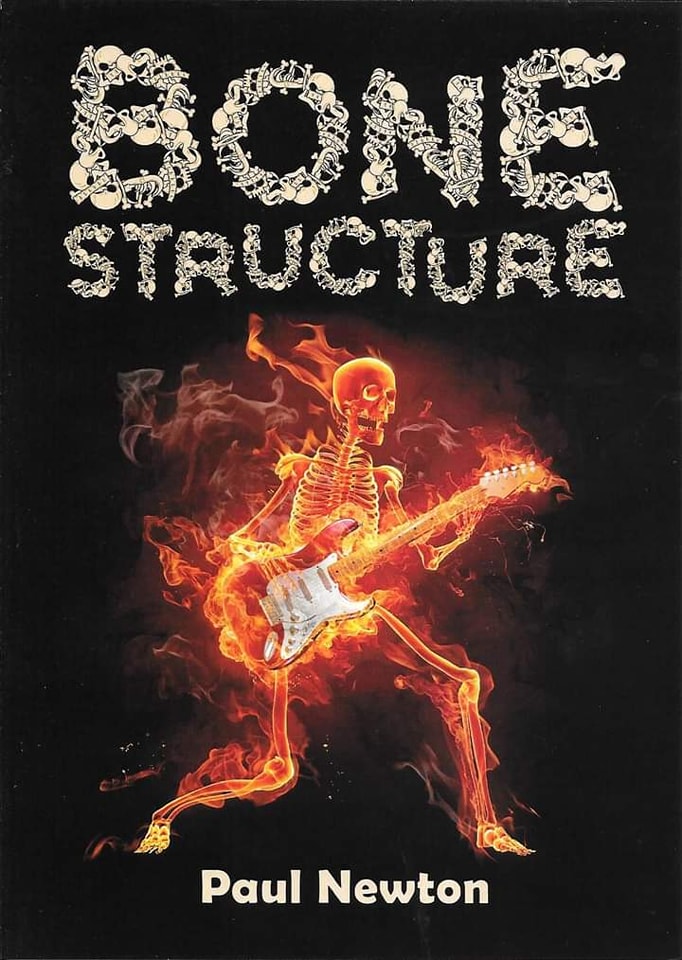
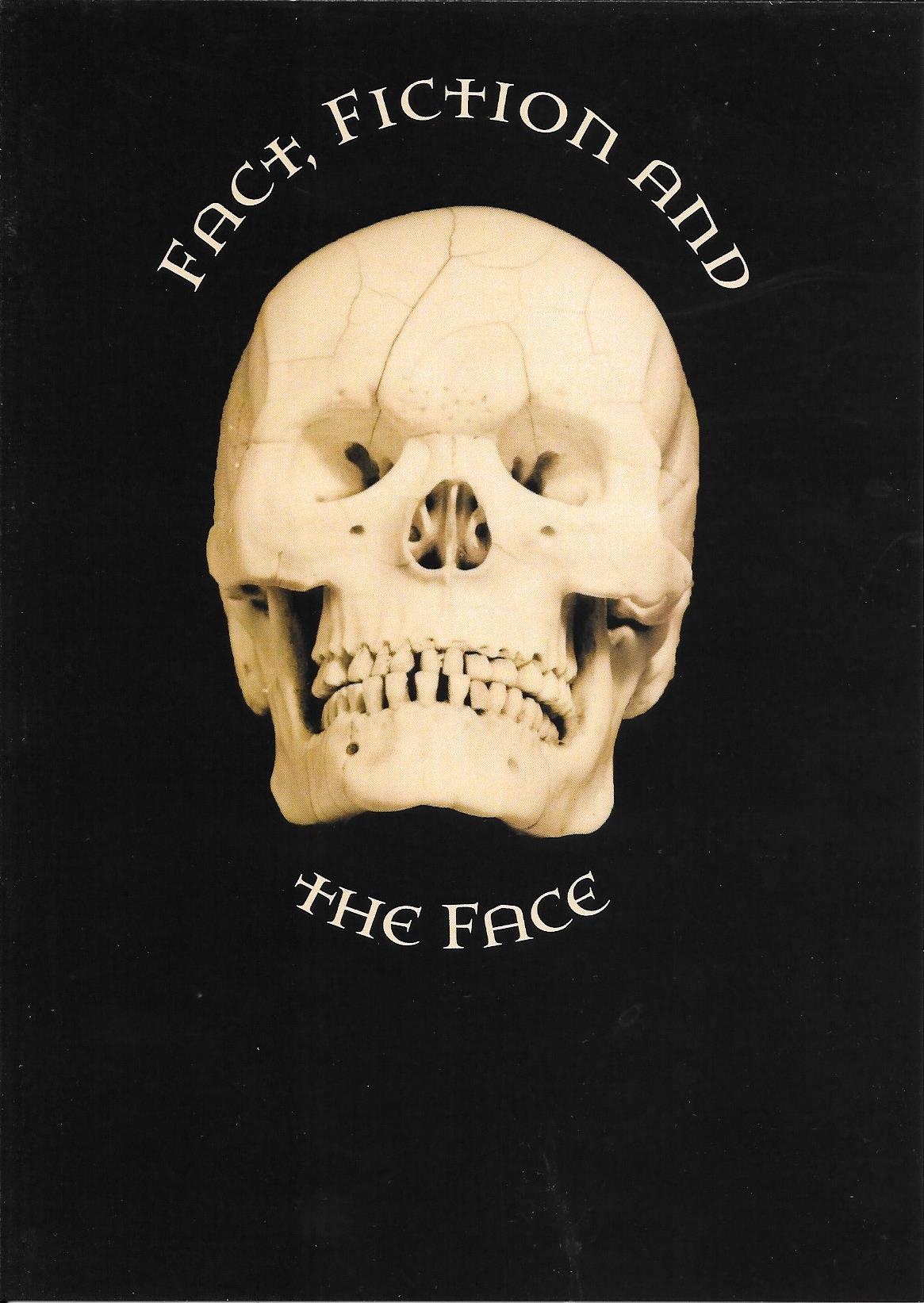
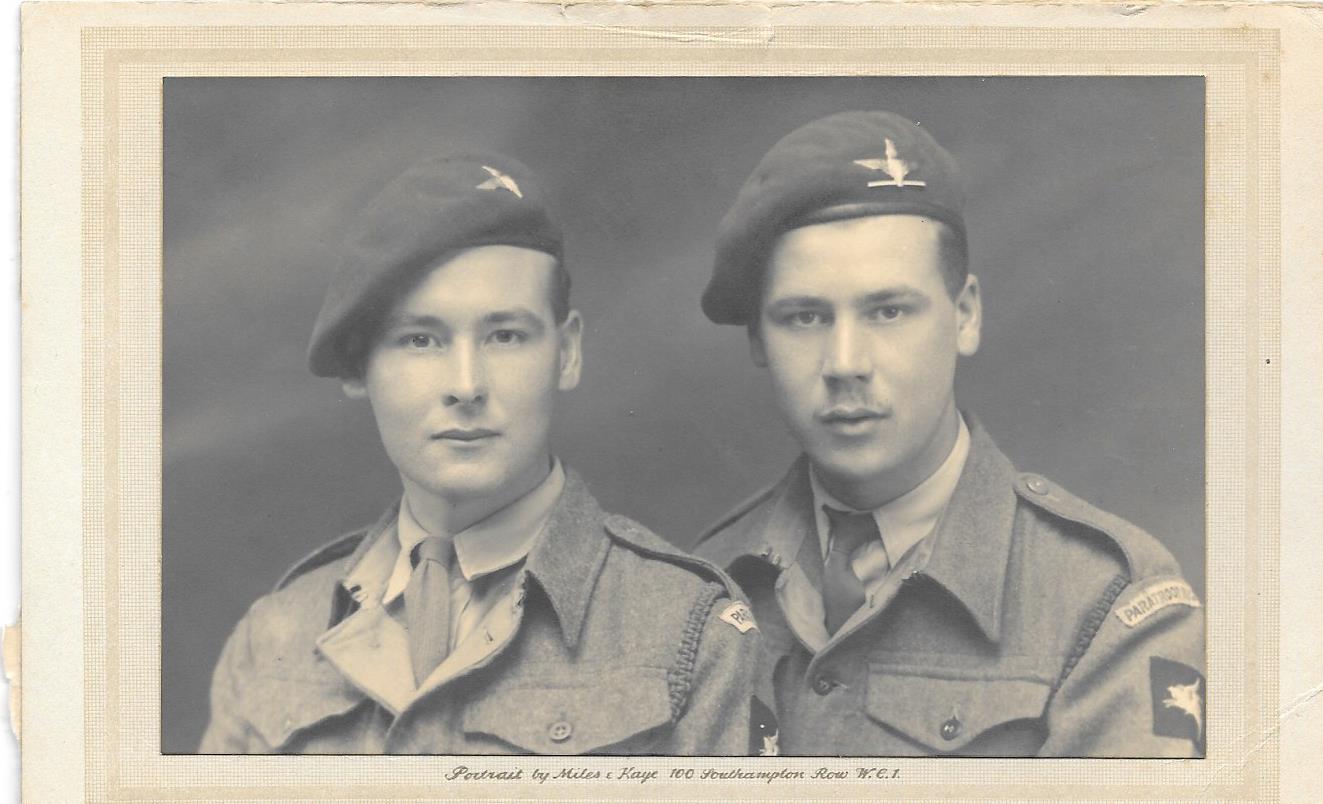
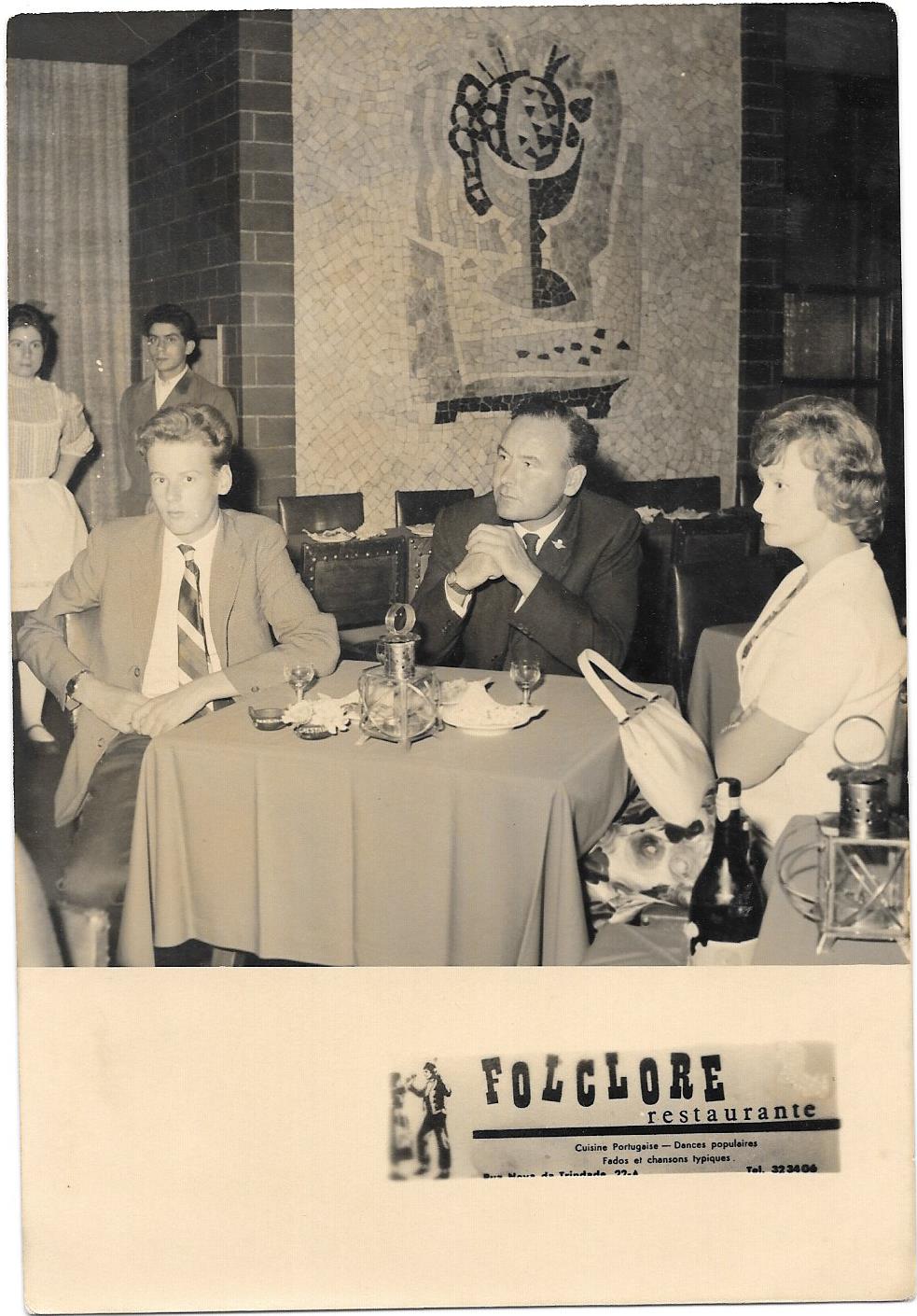
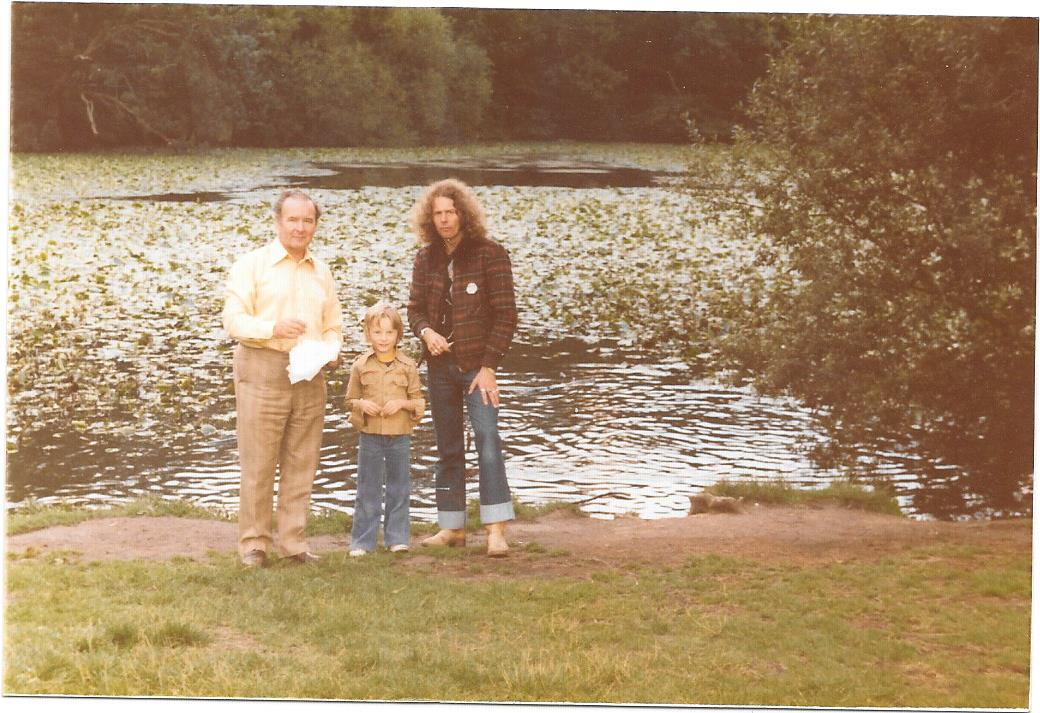
Paul Newton was a founding member of Uriah Heep. He had played in such late ’60s bands as the Don Shinn Group, The Gods, and Spice. It is the last one that became Uriah Heep with the addition of Ken Hensley (The Gods). Paul played on the first 3 Heep albums – all of which remain near the top of favorites among the Heep fanbase. Classics such as “Gypsy”, “July Morning”, “Bird Of Prey”, “Lady In Black” and “Look At Yourself” were all from this period. It’s been over 50 years since Paul left Heep, and his life went in various other directions. But, a few months ago Paul released his book “Bone Structure” – which is also the name of the fictional band in Paul’s story. The book intertwines the tales of the band’s main character Paul ‘Watson’ from his childhood and personal life to his current ‘reunion’ tour with Bone Structure, and early Bone Structure days. Many Heep fans will see similarities between Paul Watson’s Bone Structure days and bandmates with Paul Newton’s time in Uriah Heep. There’s even some crafty Heep inclusions such as Bone Structure sharing a few gigs on their reunion tour with the current Heep, and old recall on what Paul Watson heard of Heep in the old days. But there are a few storylines going through this book which makes it an enjoyable read, aside from the Heep relations. There’s lots of humour in Paul Watson’s early days – with his family and schoolmates. As well as later struggles with Bone Structure and in his personal and non-rock star life. In some ways this sorta reminded me of that movie Strange Fruit (w/ Billy Connolly). Recommended also for anyone who likes a good read on the whole period of growing up in post-WW2 Britain. Bone Structure doesn’t feature any photos (being a fictional writing), but Paul was kind enough to share a few photos here.
*You can order it on Amazon or from the publisher – https://www.aspect-design.net/product-page/bone-structure
Enjoy the read. Thanks to Paul.
I want to talk about the book first…
Yeah, the book.. as I’ve said in the introduction, it was something I started, it’s been in my mind for years and during the 2nd lockdown I ‘well I’ll have a go and see if I can do it’. And I ended up with a book. Probably a bit strange in parts to people, but there we go – that’s what I did.
You’ve mentioned the format before, and actually the format made it pretty easy to follow – the whole dating it and going back and forth with the 3 timelines. So, how did you develop the whole idea of how you were going to write it?
Well, when I first set about it, like many projects, I started and then I thought ‘this isn’t working for me’, and i woke up in the middle of the night and I thought ‘well maybe if I combined the days and times sequence I can actually make it a story’. So, once I got kinda fixed on that idea it seemed to work for me. And like all these things – I work at on t for a couple of weeks, then I put it to bed and leave it alone, and do other things, then I go back to it, and read it and change things. It was a sort of process that builds up and I went along, and I used to have days where it was just flowing out of me, and then it’d dry up a bit and I’d have to think about it. But, once I got the (sort of) format it started to come fairly easily. and now I know the bloody thing off by heart. And I thought it works for me – going backwards and forward; it enabled me to make it a story, because what I didn’t want to do was just a sort of…I wasn’t with Uriah Heep that long to make a book out of it, so I just wanted to use my life experiences at various times of my life to write a story. And I thought a fictional book format would give me a little more freedom to make it an interesting story.
I think you might be underestimating your time in the band, because obviously you were the link between the ’60s bands and Uriah Heep (what became Uriah Heep), so that’s a very interesting story right in there because lots happened just in that 3 or 4 years, right!?
Sure. But I have contributed to various books based on that time, and I just felt that – that period has really been pretty well documentated and exhausted – what could I really add? It would just be my take on what happened in those days. But, of course there’s only me and Mick left really from those days, but we all remember things differently and have different takes on it, I didn’t want to do that, I didn’t want to write an ‘anthology’. And I read a lot anyways all sorts of stuff, so I wanted to make it into an actually story, and that’s how I ended up doing the way I did.

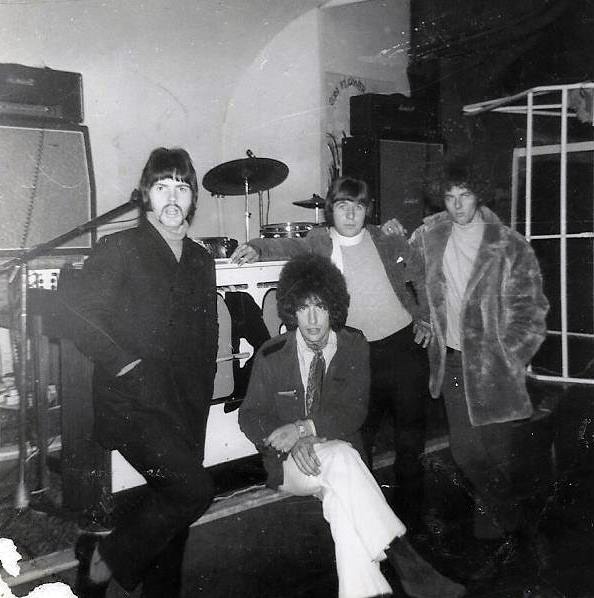

I get the impression, and you can correct me if I’m wrong) is that ‘Bone Structure’ is loosely based on Uriah Heep had you stayed in the band longer.
I think that was probably in the back of my mind somewhere because like many bands we started off the band, formed it, we found a direction, but then of course musical taste and fashions change over the years. But I think a lot of what I wrote about Bone Structure probably applied to Uriah Heep, I mean for some years they had desperate times – they fired Dave Byron, then Ken eventually left, so they were changing times. And the music – things like the “Salisbury” suite – you couldn’t go out on stage and play that nowadays. The only way you can do that is if of course if you’re out there at the top of your game, but Uriah Heep has had some very unfortunate down times, they just weren’t out there big-time, and that was partly down to bad management and internal problems, but I don’t want to go down that road. It is how I felt the band probably would’ve ended had myself and the rest of the guys stayed in the band. I think bit by bit we would’ve lost motivation and been a bit sort of dejected. Which I think is common for many bands, and I think it’s true t say for most bands and artists, they produce their best and most memorable material in the early days of a band because that’s when they’re exploring things and they’re motivated, they want to go out and be famous and get to people, and as time goes on the songwriting becomes more difficult, it’s very difficult to write a good song. Any musician can write a song – but whether they’re good songs is a different tale. And I think it’s true, with no disrespect to Uriah Heep, I mean Mick’s had the band going for 50 years now, but they’re never managed to write another sort of “July Morning” type. They were just majestic great songs, and I think you could say the same about Fleetwood Mac, Pink Floyd, their best work – the stuff that people still want to hear is from the early stuff. Everybody, bands can keep on recording and touring, whatever, I mean Uriah Heep – on all occasions I go and see, the material that goes down best is the stuff from the early days.
Did you have to do a lot of research for it, like when you’re (Bone Structure) on tour and you mention places you stayed and distances, stuff like that..?
It’s a combination of my experiences either with bands or on holidays or whatever, places I’ve been, which is again why I made it a fictional story because I could use these ideas when it suited the story. But some of the venues and things, I did all the research myself. This was a very kind of home-spun thing. I wrote it , and once I kind of finished the book I really just wanted to have a book on my shelf, amongst my albums with my name on it. And I did send the draft to several publishers. Three well known publishers offered me contracts, and when I say contracts – they wanted a lot of dosh up front, but I wasn’t convinced they ever do anything with the book. And I found a printing company, locally by accident, near to me, I wanted some copying done and they had some stuff on the desk there that they would print books and things, and no limited numbers or whatever. And I had a meeting with them, and I said I wanted to get some printed, and they said ‘well we can publish it for you.’ And that’s what happened. And obviously, with a small independent partnership you don’t get the exposure you would get with Penguin or whatever, but I really couldn’t afford to spend 5 or 6 or 7 thousand on a personal project, so that’s where we are with it.
I’m assuming reaction has been more than you thought though!?
It’s been encouraging, yes. But it was always going to be a low-key publication, and I’ve put stuff out there, and I have seen some good reviews from people who’ve bought it. But it was only going to be something that sold to somebody who maybe had an interest in Uriah Heep or whatever other stuff I’ve done. It was never going to be on the Times Best Seller List. It wasn’t going to be a Lee Child! (haha)
I want to ask about some of the specific things in the book – if they’re drawn from exact things in your life, or if you borrowed from other people’s lives…
As I said in the introduction whether people want to believe it or not the greater percentage of things that happened in the book are things that have occurred in my life – maybe not in that same time format, and the characters, for example Frank the roadie, was the sort of amalgamation of 2 people that I knew, to form that character. But basically everything that I’ve written about has actually happened in my life, but because it’s a fictional story, it’s given me the scope to change things, change when these things happened, and poetic license to slightly exaggerate or change things to make it readable, because I thought ‘if I write things exactly how it happened it may get a bit boring.’ So, it is pretty well 90 per cent based on fact, but the other 10 percent has allowed me a little bit of maneuverability to make it in to (what I thought) was a readable and (maybe)an entertaining story. Like where I get in to golf or whatever, and then I cast my sort of observations on that, and that is purely a personal thing, and people might read these things and think ‘what a load of crap! this guy’s an arsehole.’ Haha..

I enjoyed your views on things like golf, and then the whole bits on vegans and craft beer drinkers I thought was hilarious, but it’s sometimes the same way I look at it
There is people in Europe, Scandinavia who bought the book, and I did say it’s a bit of British humor in there, I didn’t know if they would get it. The golf thing is totally true. A good friend of mine took up golf years ago, and was always pestering me to play, and I did give it a whirl but it didn’t float my boat (haha).
And I loved your take on attracting the weirdos in bars and stuff.
Well again, that is totally true. When I first started courting my current wife (my 2nd wife), we’d go to places, and these nutters would suddenly sit down and talk and talk absolutely garbage. I attract nutters! (haha)
And they’re not knowing who you are!?
Well, I did a stint with Uriah Heep, and some other stuff, but It’s not something I bring up in conversation, unless it happens to arise, and I do get, I wouldn’t say annoyed, but I do get a bit embarrassed sometimes. We could be out somewhere, my friends and my wife talking and they’d say ‘Oh Paul used to play in Uriah Heep.’ And I’d say to my wife ‘don’t say that’, because if I’m going out socially, and not going out to promote myself. This is part of my life. And of course, for many years I wasn’t involved in music, and once people find out you played for a well known band, I forget that it means a lot to them to maybe talk to me because I’m just a guy. I’ve never considered myself as anything particularly special, I was an average bass player back in the day, but it’s not something I would actually bring up in conversation myself. I do get annoyed some nights when I talk to people and all they want to talk about is themselves (haha)
So, your wife, is that true that she didn’t know that you had a musical past?
Pretty well, yeah. Again, I did exaggerate it a little bit. But, when we first met and for a long time, she didn’t really know anything about my background because by then I was working in construction and I was just a normal 9 to 5 guy, or whatever, and it wasn’t really relevant to our relationship. It was something I’d done, and to be honest when I met my wife in the mid ’80s it was a long time since I’d actually been in Uriah Heep, and music or whatever, so it just never occurred to me to say ‘oh by the way I used to play for a well known rock band.’ It just wasn’t relevant to our relationship. But she was quite surprised and a little bit miffed that I hadn’t told her these things. I think because I was an only child, and I was a very shy, quiet kid and I was when I first started playing in bands, So I’ve always kept a lot of life within me, that’s just how I am, it takes people a while to get things out of me, that’s just how I am. we’re all a bit different.
The drummer in the band, that you’d gone to school with – can I assume he’s based on a couple of people!?
Yeah, then again the characters in the band Bone Structure , again, are based on people I’ve know or worked with, and maybe like an amalgamation of 2 people. I didn’t want to base anything in the book 100 percent on real people because 1- you may upset people, or you could get in to litigations. But I didn’t want to make anything too traceable; I changed names an a lot of things because it is a fictional story, and that was one of the reasons I wanted to make it fiction because there are certain things in my life with Uriah Heep and elsewhere that if I told it factually – it could’ve upset people or gotten me in to trouble, And that wasn’t the intention of the book. I wrote the book purely for myself, and then for anybody that does buy it and reads it. I don’t think there’s anything in there that’s too high contrary or whatever.
Now when I’ve talked to the guys who’ve read it, everyone seems to have their own take on which characters are similar to who, such as Junior and Ken (Hensley)…
Yeah, well I suppose, like the guy Bernie – who is our manager was loosely based on Gerry Bron, and I guess Junior was very much based on Ken Hensley because it’s widely known that Ken was a very talented man, also very difficult to work with, and was a plotter and schemer, and he did get in to ‘bed’ with Gerry Bron, and that was one of the problems I had in Uriah Heep – that Gerry Bron and Ken Hensley basically hi-jacked our band – in what had been a happy, enjoyable good thing for myself, Mick and David. And it ceased to be that. Yes business and success changes that, but all the time Ken was in the band anyone else who’s been in the band during his time said that he was a plotter, and disruptive. Ken thrived on discontent, he always wanted to get rid of somebody. And that’s how he was, but the guy had a great talent. I mean, since we started doin the Heepventions and stuff with John Lawton and Lee, Yeah we worked together OK, but they were only a few shows each year. Ken’s not somebody I could really go on the road with because he’d be a nightmare, (bless him).
I think later in life, when you guys did these one-off shows, you all had different goals, you weren’t ‘competing’ to get songs on an album, or whatever.
Well yeah… these things came around, I got a phone call out of the blue from somebody I’d never met before – John Lawton, and he’d been in touch with Ken Hensley, Ken lived in St Louis at the time, and he was coming over – did I fancy doing a show with him? And I said I’ll have to think about that, because there was a lot of bad blood between me and Ken, I guess. And I thought we’re older now, or whatever, so we got together and rehearsed, and we did show up in London, which was the catalyst for many of these Heepvention things we did. And they were just 4 or 5 days, trips to Germany or Scandinavia or wherever, and that was fine. And for me that worked, because part of the problem, just a personal problem for me was when I was in Heep I realized 2 months before I actually got fired from the band – I was looking at the fall schedule that the management sent up, and I didn’t want to be on the road 365 set days of the year. As much as I loved playing and performing I had other things in my life and I realized I just couldn’t sign up to that for what seemed to be constantly. And I know you have to do it in a band – the long long tours, and in those days you had to share a room with one of the guys, and you never got any privacy, you never got any prime time, and I just couldn’t do that, I have to have time for myself. So, the shows that I did with the guys, the Uriah Heep-ventions, they were just in and out things – 2 or 3 gigs over a weekend, at a festival or a Heepvention, or whatever, and then back to normal, and that totally suited my kibd of way I wanted to do things.


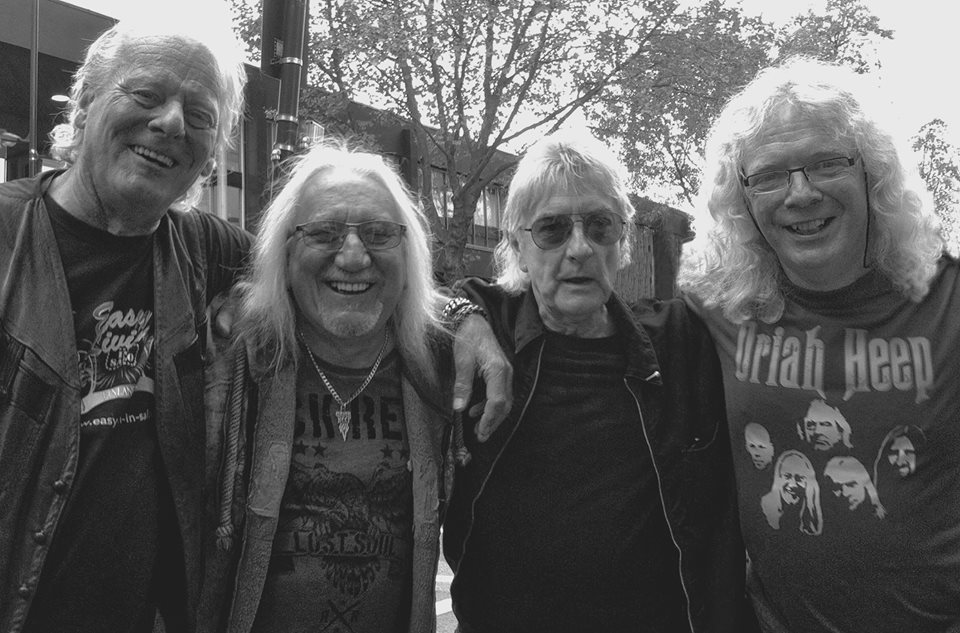
How did you like John Lawton personally, and as a singer?
I thought John was a lovely guy. As I’d never met him until he phoned me out of the blue. I got on well with John – what a wonderful singer and nice man, an easy going man. We used to have fun together, along with his wife and my wife – whenever they’d come along to the shows they got on well. So, it was a good social kind of thing. They were like paid holidays for us – we’d go off and do these shows, and have fun – play music, do the meet n’ greets and talk to people – which by that time of our lives, for a lot of people that came to hear the music , and it was just being with us old guys that they enjoyed – they’d all come for a specific purpose because they were interested in Heep. They were good things, but it wasn’t something I’d want to do 12 months of the year.
John was just a nice guy, and he had a wonderful voice. For me David Byron was the top voice for Uriah Heep because everything in the band, the songs – were for David. And OK, there was problems with David, from what I gather, with alcohol and whatever, and they fired him. But to lose David, it would be like firing Freddie Mercury – I would’ve thought there was ways around that, to preserve the band. But that’s what they chose to do. So John took his place, and did a very good job, but John was a totally different singer to David. But you can’t replace anybody, we’re all individuals, so you have to expect whoever you choose that takes on the role – they will do it in their own way, I find. I’ve worked with bands, and I always say to the guys ‘listen, I play bass like I play. I listen to the stuff, and I can play in a similar manner, but I can only play my interpretations of the songs, so if you want me to play the exact same notes as your last bass player then the gig’s not for me.’ I can’t do that, and I wouldn’t want to do that. And that was the same with John Lawton, and all of the guys that have been through Heep. There’s some great musicians that have been through the band, but were all individuals, and you can’t expect somebody to copy the last person note for note, (or whatever) because it can’t happen, it won’t happen.
Did you ever feel – on later years, because there was a lot of ‘name’ bass players that came after you, like Gary Thain, John Wetton, Bob Daisley…Did you ever feel that your period or your contributions got overshadowed by those guys?
No, not really. I did my stint in the band. I went, and Mark Clarke took over for 6 weeks, and then they got Gary, and Gary was a great bass player. But all the the bass players – Gary, Trevor, and Dave Rimmer now – they’re all good players and they play as they play. I think probably that my time in the band, that was sort of forming the nucleus of the Uriah Heep sound, and I think in particular Gary Thain, Gary had been in a blues band before, very basic stuff, but Gary was a good player, and I think Gary just took my kind of ideas further. He was a very melodic, unusual player, he had a great mastering of the scales, I’ve listened to the stuff, and thought ‘oh I never thought to play it like that!’ – that’s because we’re all different, you see. But, you always have these discussions among the fan base, like – who was the best singer, who was the best drummer, who was the best bass player, and I just think – well they’re all good guys otherwise they wouldn’t have got the job. It’s purely personal preference who you like most.
How close were the parents in the book to your parents?
Pretty close. Again I changed the named – Blanche – my mother’s name was Barbara, but my grandmother’s name was Blanche, so I called my mother Blanche, and her maiden name was Watson, so that’s where the Paul Watson name came from. And I pretty much summed up my dad in it, because my dad – he was a paratrooper in the war, and he’d been to prison camp. He was a tough guy, but a very very kind man. But he did, like the thing about ‘religious rants’ – that’s what my dad did, he’d go off when something bad happened. (laughs).
I laughed about the running out of petrol because my dad was like that where he’d push it until he ran out of gas,
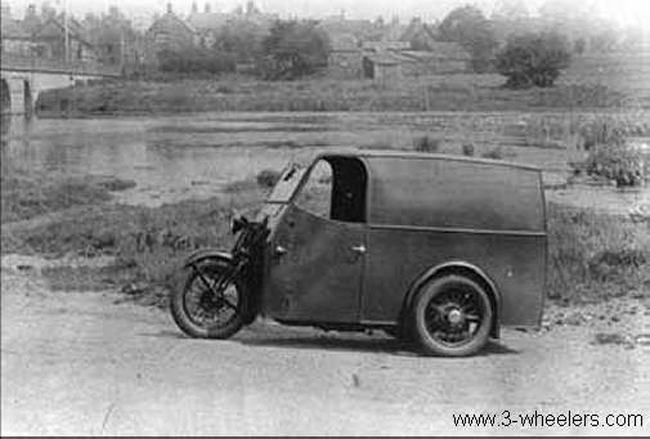
Yeah, my dad was stubborn, and there was never any need for that because all the vehicles he had he would either get reimbursed or he had a fuel card, he didn’t have to pay for it. But we could never understand why he constantly ran out of petrol; he was just stubborn. Because my dad he was like he wants to stop to go to the loo, but he wouldn’t stop until you were desperate. haha. And him locking himself out of the car – that was such a regular occurrence, locking the car with the keys in it, used to drive me and mom mad when I was young.
There was some more humorous stories, trip to LA with Three Dog Night and meeting the girl there..
Yeah, that was the first tour in the States I did with Heep . The first gig I ever did in the States, I think it was in Indianapolis or Cincinnati, and that was with Three Dog Night, and we’d been playing small venues in the UK, we got on a plane and flew to Boston, and then took another flight to Cincinnati (or wherever) and we did this massive stage with Three Dog Night. And the stage was bigger than the venues we’d been playing, so it was an eye-opener. And I loved it; it was great. And they were lovely guys, we did a few gigs with them on that tour, and we did a few on our own – in clubs. We gigs with Ten Years After and various people. We did the Whiskey, and all that stuff. All that is based on fact, I just rejigged it to fit the book.
Did you ever run into anybody in later years while out and about, anyone that had a connection to the band. Did you see David at all before he passed?
I got fired from Heep, I moved on to other things, and worked wherever, but they were segments of my life, they were current at the time, and then they weren’t, they were of no interest any more. I’ve got to be honest, I really didn’t do any Uriah Heep stuff until John Lawton came up with this gig which was the catalyst for Heepvention. I had to get ahold of stuff, if it was stuff I hadn’t actually played on, and I had to re-learn all that. And so when we did these shows, I’d get a set-list and find the albums that the songs were on and actually learn them. And I’m not familiar with the bulk of the Heep catalogue. I have the record company send me all the stuff, but I’ve got to be honest much of the stuff Heep did over the years didn’t float my boat. They were just albums of songs; they were sort of albums you’d play and then couldn’t remember any of the songs, or I couldn’t. And I think that’s sad because whilst Ken Hensley was the main songwriter and quit the band, and Ken was drying up when he left. But the last couple of albums are a bit more like the Uriah Heep I remember forming. But no disrespect, but Mick and Phil write most of the material, and I don’t consider it strong material, and that’s not being nasty. It’s true for many bands, you could get albums and it’s like somebody said ‘Oh we need 10 songs for an album’, and so they knock out 10 sub-standard songs. But it’s difficult to write a bloody good song, you know. It’s very very difficult. And I noticed on the newer album that Davey Rimmer and Russell have been writing songs, which is useful, because when you’ve got to rely on one or two people in a band. I mean, In the early days of Heep we all wrote stuff, but it got to the point where Ken wasn’t interested in anything unless it had his name on it. And so there was very little chance of getting your song on an album back then.
You did the album with Chris Rainbow a few years ago, do you have any desire or prospect of recording again?
No, I did that. Chris was a guy I bumped in to, and he said he was writing some songs and would I like to play bass on it. And I’ve had this many times over the years, and on occasion I did because I know that I like good songs. But Chris sent me some material up to my home and I listened to it, and ‘well actually – this isn’t too bad.’ And then we got together and routine’d the stuff, and we used the studio some distance from me, we went down there. And I thoroughly enjoyed doing it because it one of those things where I was very pleased with the finished product. I mean, it was never going to be a big seller, but it was something I enjoyed doing. And I thought he had a good sort of diverse selection of songs on there. And he did want to do another one, a bit later. He called and he said ‘I’ve got some more songs, do you fancy doing another CD?’ and I said ‘well send up the songs.’ But I didn’t get involved, it didn’t happen, and I probably upset him, I said ‘No’. But the songs… it was really going to be a re-hash of what we’d already done. We weren’t moving on. Do you know what I mean? So many bands – they’ll have a successful album or single, and then the next stuff is just a re-hash of what they’ve done. You have to move on, otherwise you’re not being creative, and it’s of no interest to me. I did put bass down on 3 tracks for an American band, guys I know I met at the Belgian Heepvention, and the drummer contacted me, a band called Twisted Tapestry. So I put some tracks down on that, and have put bass tracks down on odd things, but my musical involvement for many years has been very low key. I have worked with bands at times on the local scene, but I haven’t worked professionally in bands since the 80s, and had no wish to, it wasn’t the sort of life. I realized early on, after my Heep days, and what happened, that if you want to be a professional musician – unless you’re very very lucky, you have to expect that you’ll be broke most of your life, and I had other things in life I wanted to do, and that’s why like after Heep, I worked with a band in residency in clubs doing stuff, we earned good money doing that; there was no travelling – it was 4 or 5 nights a week. I was getting good money and I was still playing music, I mean it was all covers and stuff, but it was a good gig, but I got tired of that. And I’d done some session work after that. But when music changed, and you’ve the electronic music coming in with synthesizers or whatever, I realized then, as I was getting older that I wanted to have a more sort of organized life. I didn’t want to be scrambling about to find out where the next meal was coming from.
Do you read much?
I’ve read ever since I was a child – which is why I was interested in writing my own book. I’m always reading most nights as the television is bloody awful! I normally go to bed at night and I get started in to a book, and I take a cup of coffee or tea up to bed, and get started in to a book. My cat curls up next to me. I love reading.
Do you prefer fiction or non-fiction?
I do read the odd biography if it’s somebody who interests me. I tend to read, as I said in the book, people like Michael Connelly, David Baldacci. I like crime-fiction, detective things, I like a good story. I’m always buying books. I haunt the charity shops, I rarely buy a new book, unless it’s something i particularly want because if you want a few weeks – you’ll pick it up at the charity shop. I’m an avid reader, I love reading. I always say to people – ‘If you can read..’ , because so many people don’t read any more, it’s all internet stuff, and I like to read a hard copy of a book… I like to pick up a book it’s like in the old days you’d pick up an album, you could put the record on and read all the sleeve notes. It’s something of value. This is one of the problems with music nowadays, people download stuff, and it’s value-less, you know!? And if you buy a CD, it’s in a lit cardboard sleeve with little information on it, and you haven’t really bought anything that you really value. And I think the vinyl days, and I’ve got a load of old vinyl albums – you have something there that’s meaningful. But I’ve always read ever since I was a kid, but it’s something that less and less people read nowadays, as I said people sit down on their computers or get into video games, it’s never really interested me, but there all changes, it’s part of evolution, it’s not for me to say they’re wrong. I’m an old guy now – I don’t give a shit, I just do what I want to do. Hahaha What I like about books is everybody reads a book, I read a book – I visualize all the characters as I want to But I do get disappointed sometime if I’ve read a really good book and they make a film or a TV series of it, and of course, rarely are the characters as I imagined them, as I want them to be, because I see them differently from you or anybody else. But sometimes I think ‘shit!’, I feel cheated. haha. And that’s just because I’ve read a book and formed visions of the characters in the book, and somebody else might not see them like I see them.
LINKS:
https://www.discogs.com/artist/522724-Paul-Newton-2
https://en.wikipedia.org/wiki/Paul_Newton_(musician)
https://www.facebook.com/thegodsband
https://www.facebook.com/profile.php?id=100068876917840
https://www.facebook.com/MariaHanninenMusic/
*Photos from Salo & Euston from Paul Newton

 Outsider Rock