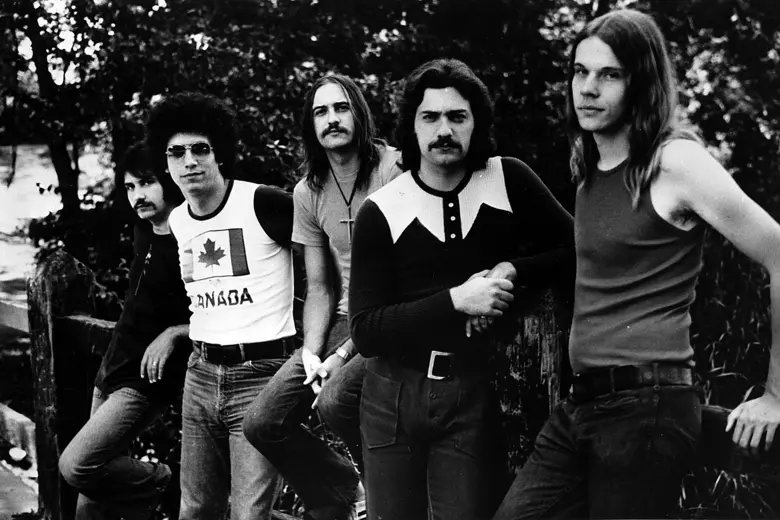
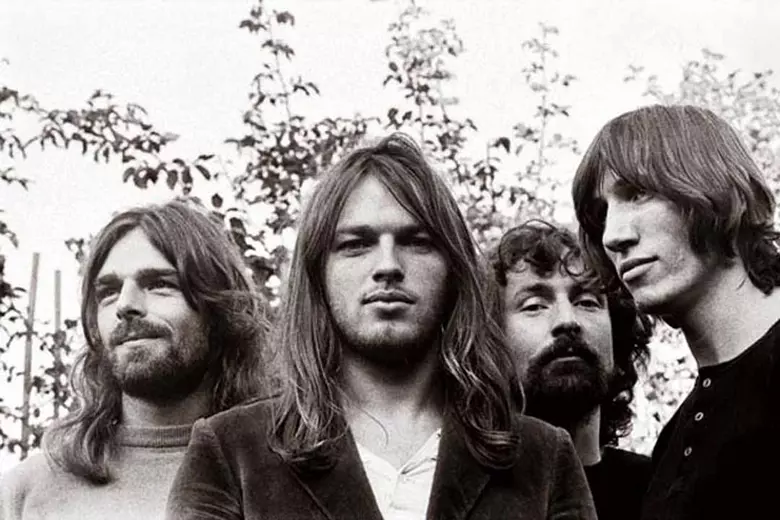
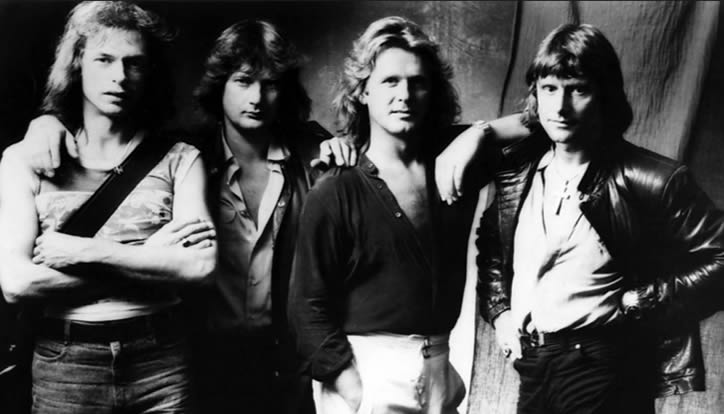
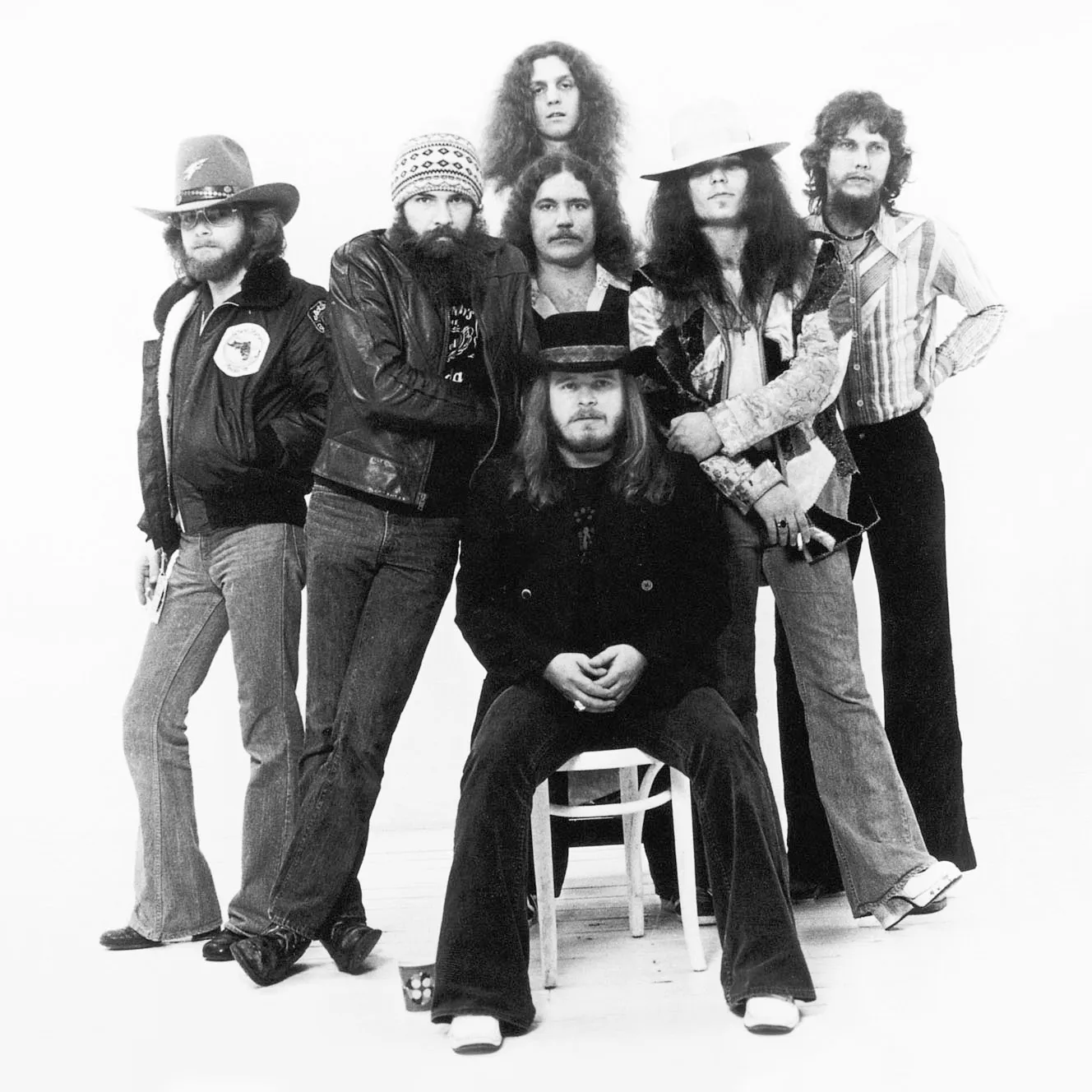
At my age I’ve started thinking about downsizing my record collection; not so much my CDs, but LPs, which I have the most of. Between age, other things I want to do with my life, and hope to some day move house again, I gotta wonder what I really want to listen to from here on in and how much I might actually get the time to. There are records I’ve kept for years, for decades, and things I’ve picked up in recent years that I’ve thought One day I will have the time to really get in to this and enjoy it much more. Well, that time is now, because I’ve gotten plenty of albums and catalogues that I still rarely pull out (if ever), And more so, I have catalogues of bands and artists I can pull out any day and enjoy, and would gladly add more to that catalaogue if there’s something more or new of interest. So, here is 10 bands or artists that I would be putting aside. It is important to look at quantity and quality too – I love Boston, but 6 Boston albums. I also include direct or significantly related works…..
Now that I struggled through this, I may do a part 2 eventually including some of those shorter catalogues). And then there’s the band’s catalogues that I don’t even know why I still have!
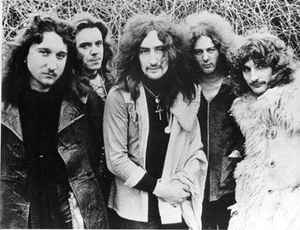
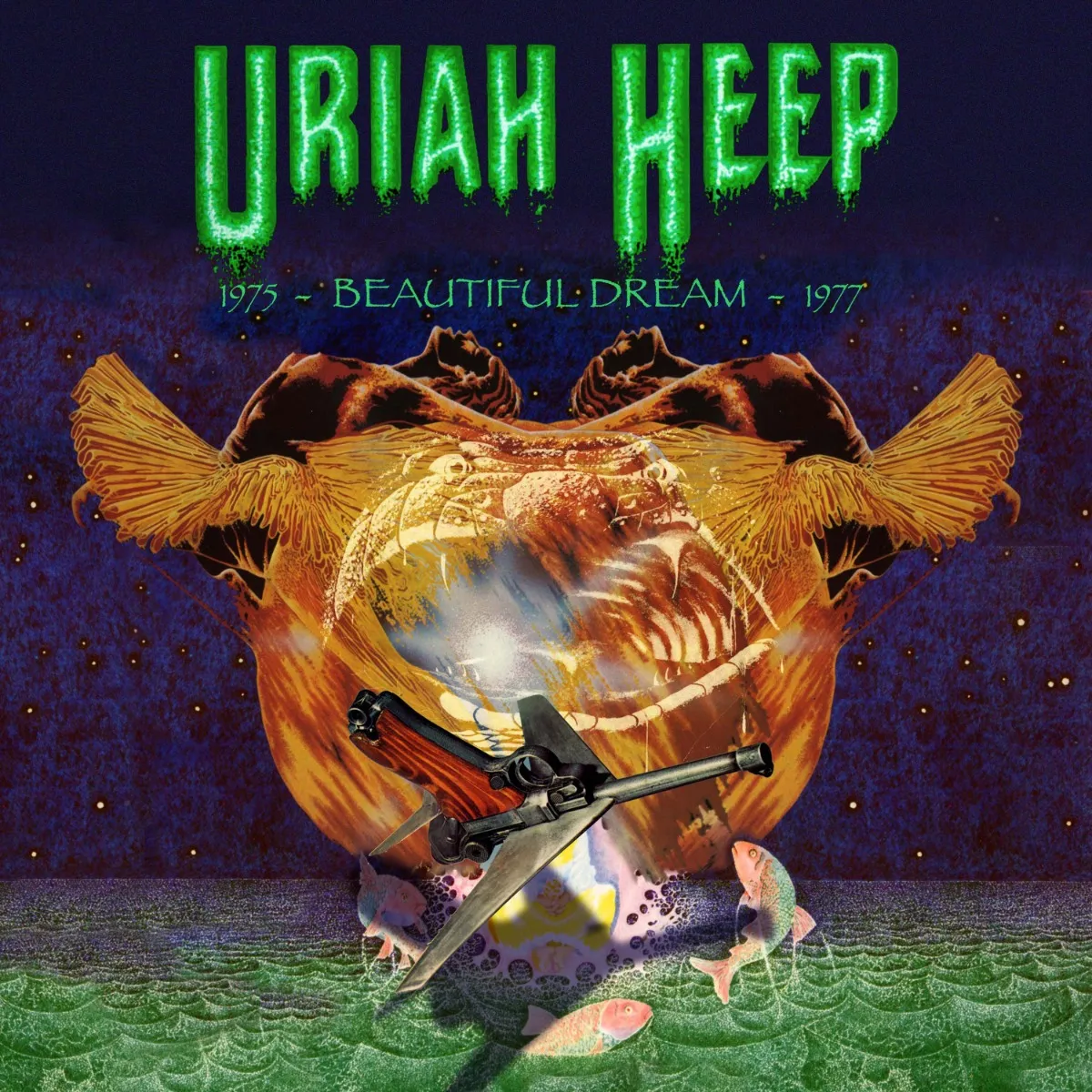
URIAH HEEP (Ken Hensley, David Byron, Peter Goalby, Phil Lanzon….solo)
Well, for me the most obvious….Uriah Heep have 25 studio albums, 20 (official) live albums, numerous non-LP tracks that have ended up on compilations or reissues. There’s been 5 lead singers, each adding a different appeal to the band. There’s also been a number of name keyboardists, drummers, and bass players pass through the band, with 2 keyboard players providing a major part of the songwriting during their time in the band. So, aside from the studio and live albums, I’d be including the most obvious solo releases from Ken Hensley, David Byron, Peter Goalby, and Phil Lanzon. Sure, there’s plenty more, but those are most signifigant IMO.
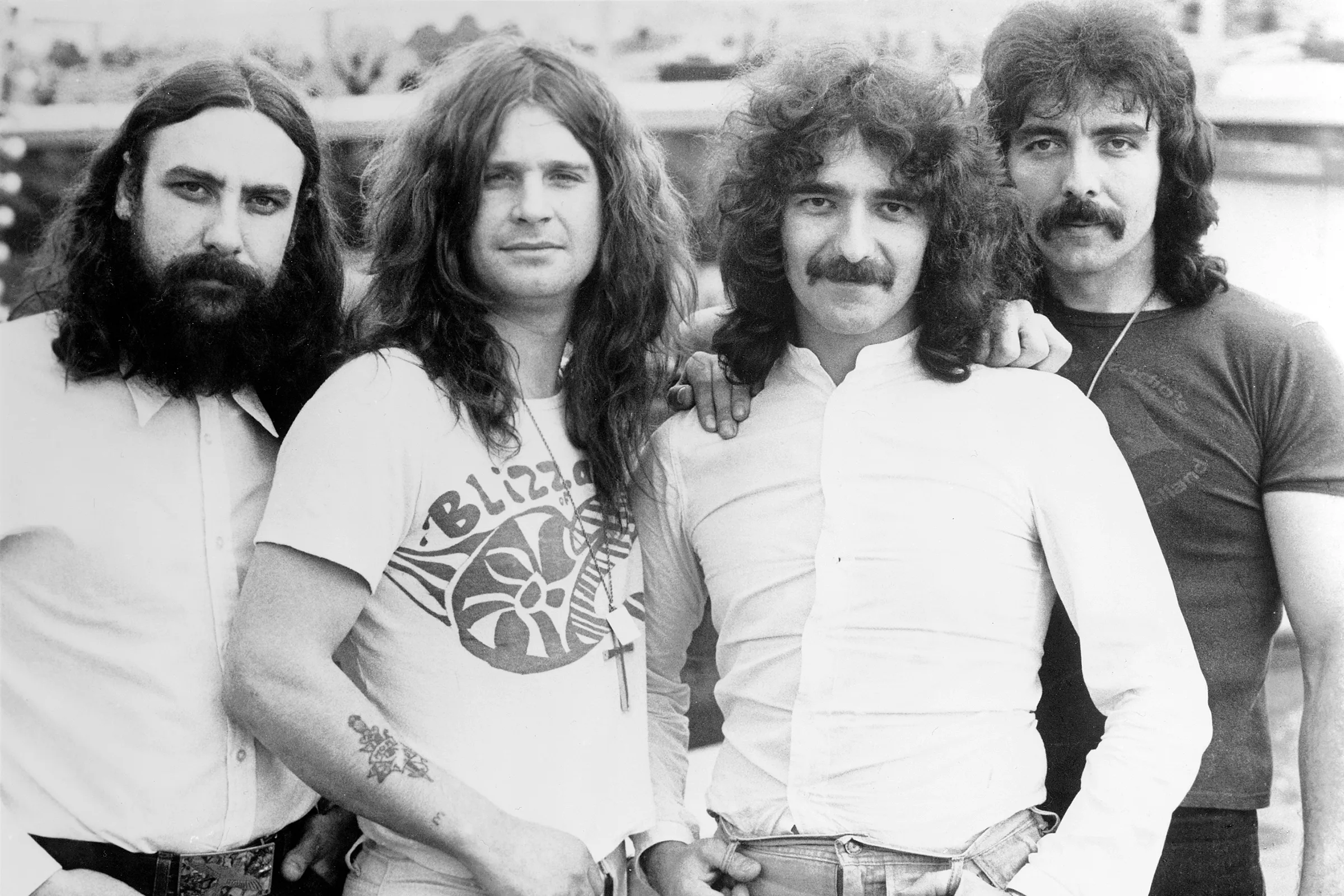
BLACK SABBATH (Ozzy, Dio solo)
Some of the first albums I ever owned were the early Black Sabbath albums, so I can easily live with those 8 studio albums with Ozzy. I loved the Dio albums (mainly the first 2), and subsequent albums with Gillan, Hughes, and Tony Martin are largely great by me. 20 studio albums (I’m counting the Heaven & Hell releases), 8 live albums (though I’m not crazy about all these). Throw in the post-Sabbath catalogues from Ozzy, Dio, Bill Ward, and Tony Iommi, and i’m happy.
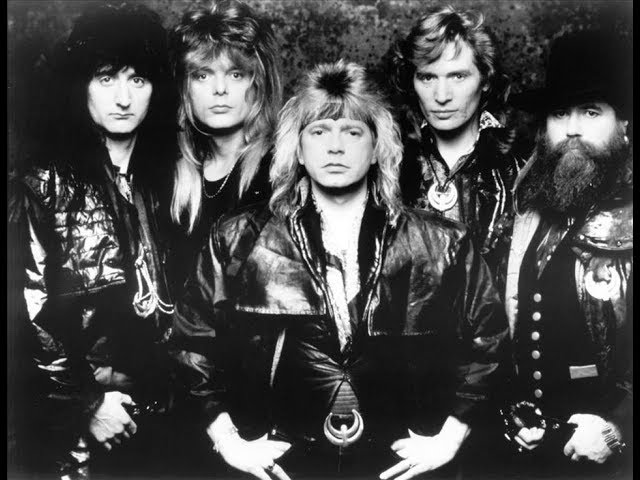
MAGNUM
British hard-rock/Aor band Magnum have been releasing albums since the late 70s. Their last coming 2 years, around the same time as guitarist & songwriter Tony Clarkin passed away. Few of the band’s albums actually got released over here, so I’ve still got a few gaps to fill in, but 23 studio albums, 10+ live releases. Lots of classic British rock to be heard, and keep me busy.
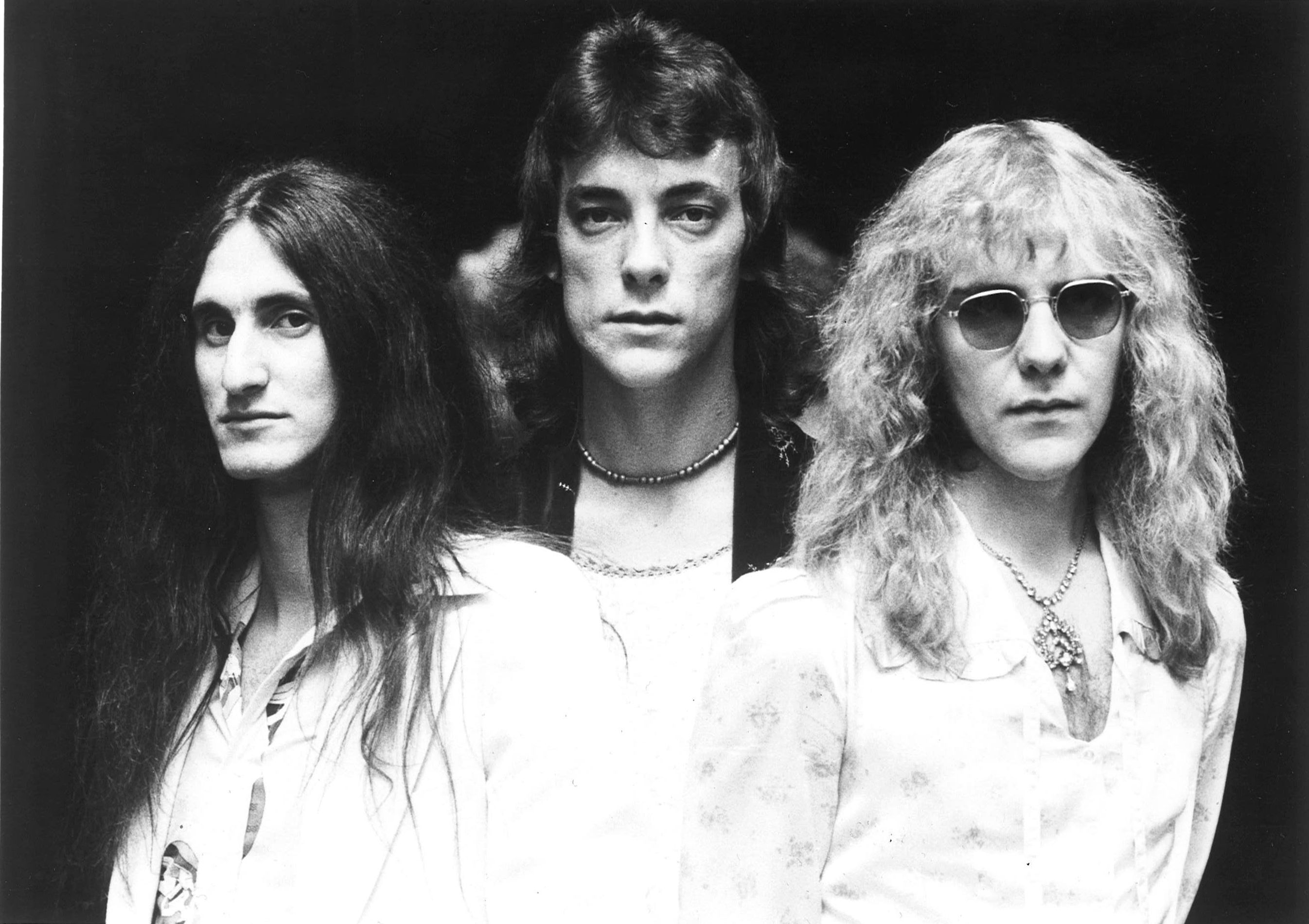
RUSH
Well, another no-brainer…. For being just a 3 piece band, Rush released a ton of excellent albums in their catalogue. 19 studio albums, 10+ live albums, plus lots of must-have bonus material (largely live) on box sets and reissues. The band changed direction a few times, always trying to stay modern and fresh, so there’s one can;t get bored of the band’s massive output since 1974.
STYX (Dennis DeYoung, Tommy Shaw solo)
Another band I got started with when I began collecting records. Styx released a string of hit albums from the mid 70s til 1981 Their catalogue though is worth having also for the band’s more obscure early releases, and most recent albums. 18 studio albums (albeit a few post-81 I am not keen on), plus 9 live albums (even though a number of these came after the band split with founding member Dennis DeYoung). But the has redeemed themselves in recent years with 3 excellent studio albums (w/ Lawrence Gowan). Not a lot of rarities in the band’s catalogue, but definitely worth keeping the solo albums from DeYoung and Tommy Shaw, as well.
PINK FLOYD (David Gilmour solo)
Since 1967, British psych and progressive band have released 15 studio albums, and 8 live albums (tho’ may of these are archived releases coming decades after the fact). I’m not crazy about the band’s earliest stuff, but the addition of David Gilmour, his guitar playing and vocals are the draw for me, largely. Pink Floyd did not record every year like most bands in the 70s, which seems to make many of their releases seem more like ‘events’. Love their 70s output (meh, not so crazy about The Wall), but also enjoyed 80s releases, and any David Gilmour solo releases, with his live albums always featuring a good chunk of Pink Floyd material. Roger Waters, well I like his first solo album.
ASIA (John Wetton solo, John Payne) ,
When Asia came out in 1982, that debut album was outstanding beginning to end! Rock, AOR, prog….a band consisting of 4 ‘name’ players, 3 big hit singles…. The follow ups were never as good, but I still liked them a lot. Featured the voice of John Wetton. Bu the band began to fall apart by the 3rd album, and endless changes occurred til Wetton left around 1990, and keyboardist Geoff Downes reformed the band around himself and new singer/bass player John Payne. The Payne era of the band, which released 8 studio albums of material and a number of live albums, never really caught on commercially and many fans simply overlook this period, but there is some excellent releases in there. The original band eventually reformed, released a couple of fine studio albums. Sadly Wetton passed away in 2017, but Downes has more recently regrouped with new guys, notably unknown singer/bass player Harry Whitley, who sounds remarkably like Wetton, and have (so far) released 1 live album and recorded 1 studio album, all sounding very promising. With the Asia releases, I’d include John Wetton’s solo records, and John Payne’s post-Asia solo , GPS and Dukes Of The Orient albums
LYNYRD SKYNYRD
Not a huge catalogue, especially what is considered the ‘real’ Lynyrd Skynyrd, the 70s stuff. But, as much as some of us (including myself on occasion) about this band continuing after the plane crash that claimed their leader and singer in 1977, there’s actually been some pretty good albums from the band, with Johnny Van Zant sounding close enough to late brother Ronnie, and enough originals or key guys there for years, that all make this a catalogue I’d be keeping and expanding on (especially archival releases). 13 studio albums (excluding the frigging Christmas album), tons of live releases (post reformation and archival), box sets, rarities releases….
APRIL WINE
One of my favorite Canadian bands. This band has been around since 1971, but there’s lots of gaps, so we only have 16 studio albums, 4+ live albums, a pile of compilations, though not a lot of rarities or related/solo material. But I can pull out these albums most days.
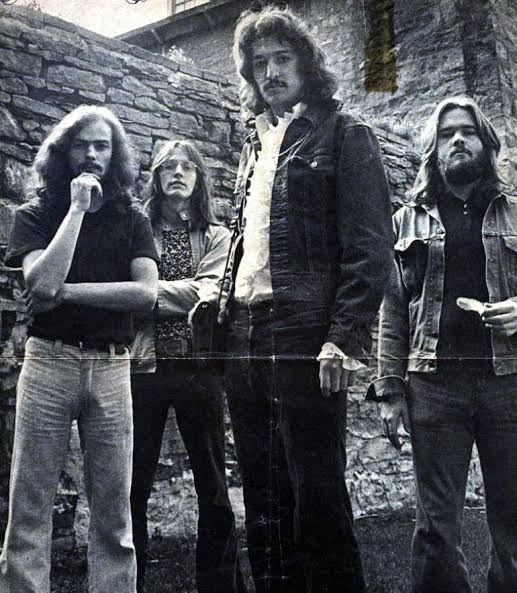
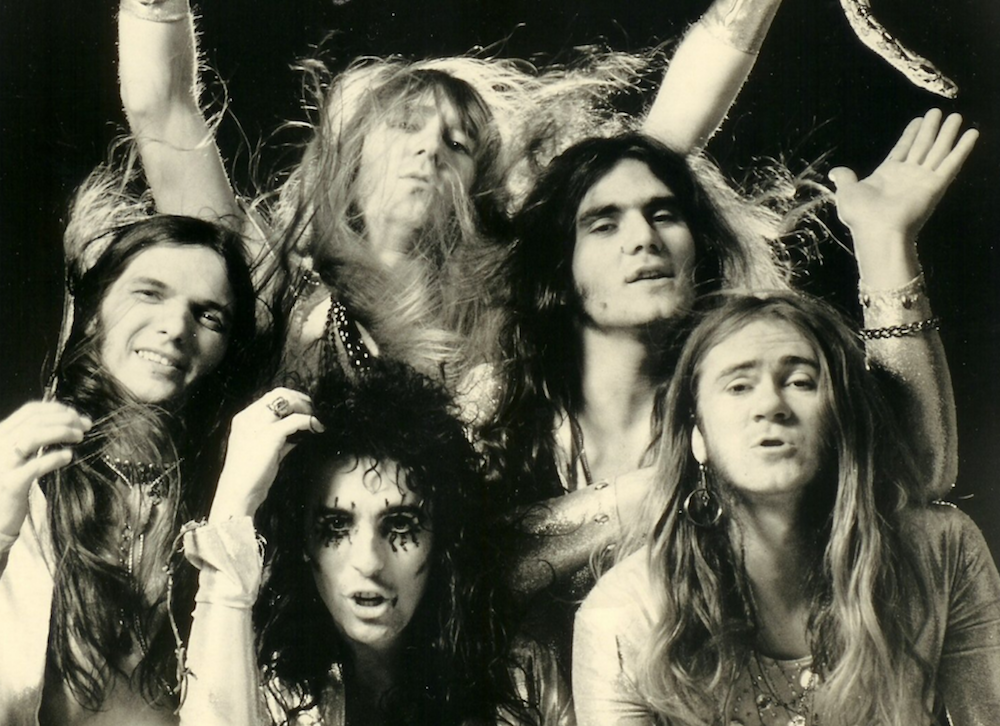
ALICE COOPER (band, solo…)
The original ALICE COOPER was a band, and my favorite American band. AC only released 7 studio albums in their day, before Alice went solo and has released over 20 solo albums. We also get solo and related albums from the other members over the years (Michael Bruce, Dennis Dunaway, Neal Smith), as well as a reunion album, an archvied live album, a reunion live mini album, box sets, and numerous live and compilations from Alice, solo.
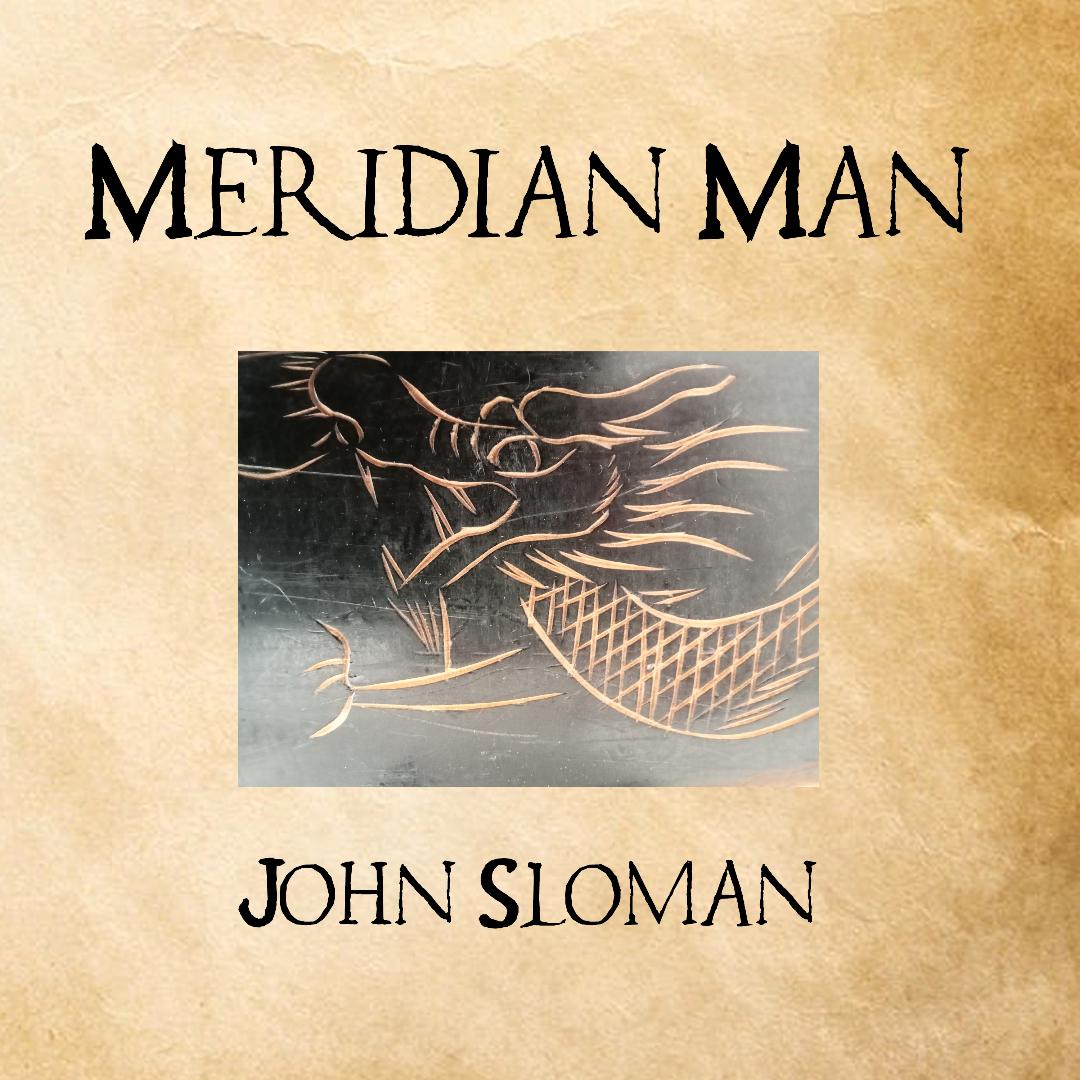
John Sloman is ready to release his brand new 2-part (2CD) album Meridian Man‘. This will be issued in a very limited CD run (to start), direct from John, himself. Contact John via his Facebook page or email (johnsloman@yahoo.co.uk)
Meridian Man marks the end of an era for John Sloman, as the Welsh singer and multi-instrumentalist, has left London, after decades, back to Wales. Like John’s previous 8 solo albums, which were made in his home studio, in London, John performs all instruments, vocals, and choirs, as well as produces and mixes this. The 2 CD set will come with booklet, as well as cover design by Tuula Halén.
I will write more on Meridian Man later. My early impressions are that the 2 tracks making up this release, both well over 20 minutes, are quite the musical epic journeys. So much has gone in to the music, with each track given memorable intros, as welll as various changes, various instrumentation. and vocals. It is a lot to dig into, but the songs flow well, and one can play a number of times (as I did today), and get more into it with each listen. If you are a fan of John’s albums, particularly his latest 2, you will not be disappointed in this new one. Definitely John’s most ambitious album yet. At 69, John is one of those few artists whose voice has aged better, and as an artist seems to have a lot more interesting things to create.
*Read John’s description below the album cover.
Further to Meridian Man, John is aiming to release ‘Rock Heaven – The Soundtrack Album‘, in 2027, which is a companion to his 2025 novel ‘Rock Heaven‘, available on Amazon with his previous books. He’s also planning to release his 4th book, a novel – ‘Diary of Dimensionist‘ next year. also.
Meridian Man , John Sloman´s 11th solo album
MERIDIAN MAN– For many years I lived near Greenwich in South East London. The area was steeped in Britain’s history. The River Thames was walking distance away and on Saturday mornings I would run up the steps in Greenwich Park and gaze down in wonder at the Royal Naval buildings stretching along the river. From this elevated vantage point, I could turn to my left to admire the Royal Observatory situated on its own plateau, next to which was the traditional home of the Astronomer Royal. As much of a magnet for tourists the observatory undoubtedly is, the “prime” reason for people visiting the site is to stand on (and photograph) a metal strip set made of brass and stainless steel set in the ground known as the Prime Meridian (0 degrees longitude) from which all of time is measured.Meridian Man is a melding of myth and reality. Psychologists often refer to mythology to explain the underlying impulses of the human psyche. This is sometimes referred to as the “Heroes Journey”. The man I am versus the man I aspire to be. We all fall short of this. It is called being alive. But still we are inspired by stories of ancient myth and folklore. The story of Meridian Man is told over two CDs. CD 1 is The Myth. And CD 2 is The Man. The mythological Meridian Man (The Myth) is responsible for the sun’s movement across the sky and comes armed with a sword and is prepared to use it if necessary. He is a man of honour and duty. He knows great loneliness and sometimes wishes he could party. But to him, “Life is a meditation, practice and dedication, it’s just the way it’s got to be, there is no other way for me.” When a woman urges him to come away with her, he replies “But who would mind the sun when the day is done?” He is fundamental to our existence, yet nobody knows he exists. And that is just how he wants it to be. He is as mysterious as the meridians in Chinese medicine – or the arcane signs and symbols which adorn our reality. He knows all and sees all while at the same time being both unknowable and invisible. The human Meridian Man (The Man) is based on the three decades I spent living close to the Prime Meridian. Like my mythological counterpart, I too existed in anonymity while aspiring to something better both artistically and spiritually. For seventeen years, initially as a coping strategy for dealing with the stresses of the artistic life, I immersed myself in the world of Tai Chi, learning hand forms and that of sword, spear and sabre. I have spent much of my adult life in search of a deeper meaning to this existence of ours. And on the rare occasion, I have caught a glimpse of it only for it to vanish like tracks in the snow. But just as the mythological Meridian Man will continue to carry the sun across the sky, so I, the mortal Meridian Man will continue to search for a deeper meaning to this thing we call LIFE. (JS)
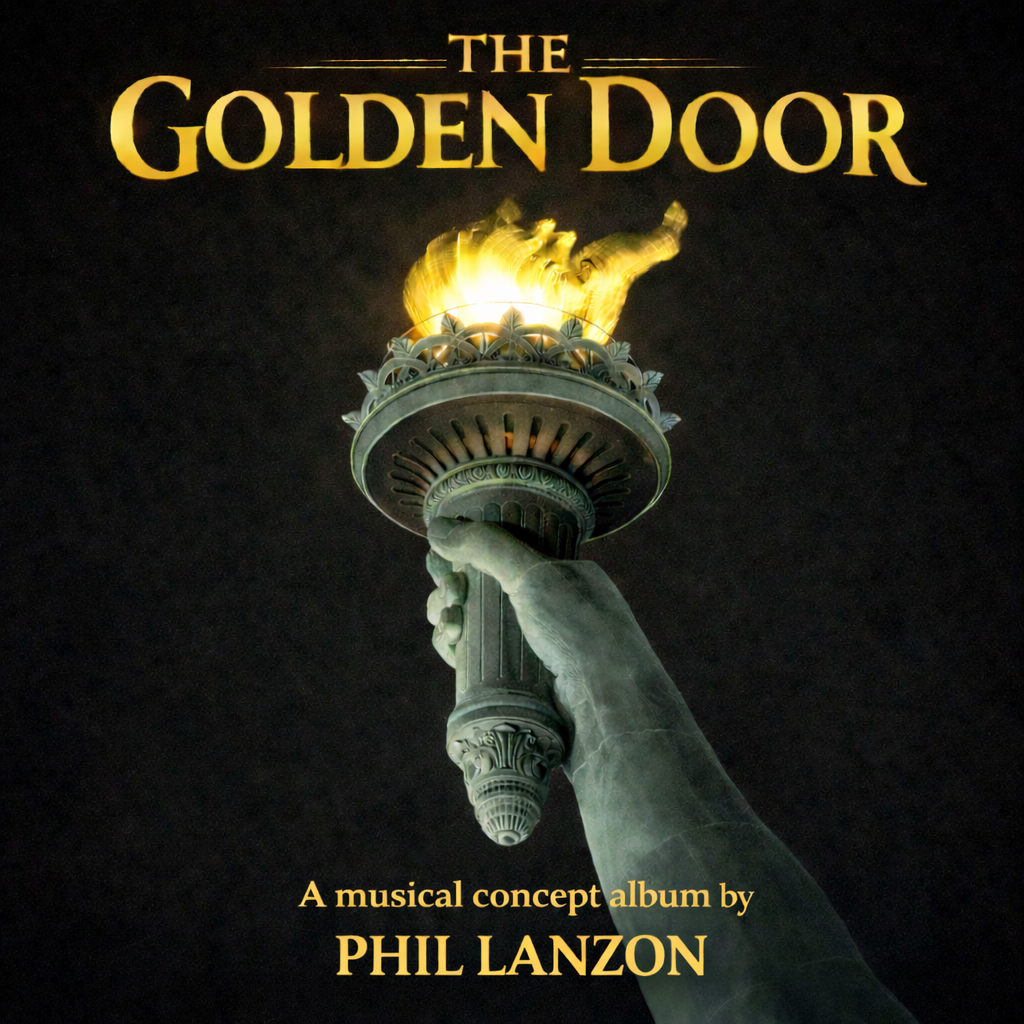
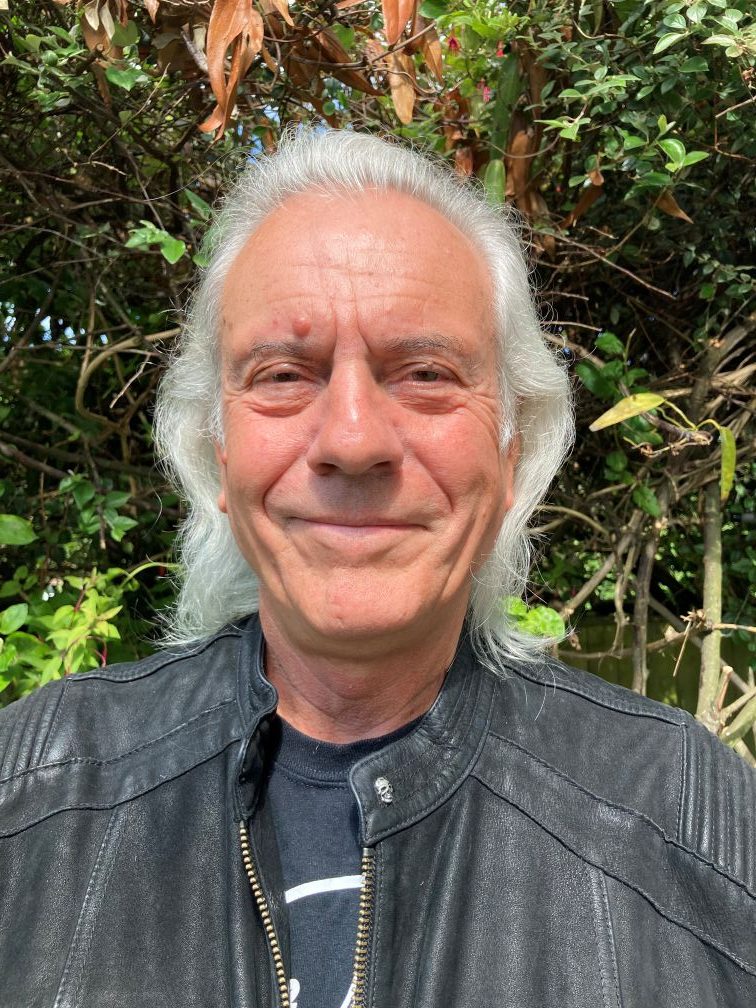
British keyboard player & songwriter Phil Lanzon is best known to us Uriah Heep fans, as he’s been a big part of the band for 40 years now. He’s also previously released 2 albums, and his third album has just been issued on CD and digitally, and it is nothing like the band he is apart of or his other 2 solo albums. The Golden Door is a concept album, featuring songs written by Phil. The story is that of Ellis Island, where European immigrants came to America first, escaping the war in 1917. *There are a couple of links at the bottom of the page where you can read more details on the story, as well as the whole plan and concept behind The Golden Door.
I spoke to Phil about The Golden Door, how it all came about, was recorded, and plans to one day get it in theatres. You can order the CD via Phil’s website (store): https://www.phillanzonwordsandmusic.com/shop , as well as check it out online, Youtube, Spotify...
You’ve talked about working with an orchestra before and doing something long term. So where did this all come from? What kind of got it rolling as far as the whole story and getting it to where it’s finished?
Well, I was given the script by my late partner who passed away just at the beginning of COVID. Many years ago, 15, 16 years ago, he gave me the script and said, I’ve got an idea. There’s a story here, read it and see if you want to make it into a musical. And I said, I don’t like musicals, not my thing. So, so he said, Well, just take it out and read it and pick out one of the characters, maybe, do something like that. Have a go, see what happens. I reluctantly took the script home and read it, and I liked it straight away. The story substance was interesting to me. And I thought, well, I’ll give it a go. So, I started messing about on the piano. I came up with two or three ideas, which he liked very much and said, keep going, keep going. This is like 15 years ago. And over time, rather than go into the details, to put it simply, we spend a lot of time on the script, perfecting the script and the songs for the characters. As years went by, we got more and more songs happening, or a lot more then. And we had a going concern after about five years of slogging away at it. We sent it out to theatres in America but everyone was busy with their own projects and we couldn’t get a bite. And we thought, well, maybe it’s not an American debut idea. It should debut in England, in the UK, and then it could spread from there. So that’s been the idea ever since.
I’ve read most of what’s on the website.
That’s great. So, what happened during that time, I’ve been obviously touring with Heep and going all over the world. And I put I did shelf the project about five, six years ago, thinking, Well, I’m too busy with the band, and we’re writing stuff; the next album was coming, etc, etc. So I left it for about a year on the shelf.
And then it just occurred to me that that was a mistake, the wrong thing to do. I said, I’ve got to pull those songs out and get them re-recorded with session people properly. And because of that, my producer, Joan Lane – when I sent her the finished demos – she was blown away so much. She said, Oh, we’ve got to go all the way with this…boots and braces! So, that’s what I want to hear.
So, we just pushed on from there. What we needed was an album, of course, so I finished off a whole lot more songs as time went by, and selected them and put them together. And the album is out there now being listened to on YouTube/Spotify, everyone can now hear the entire album with the spoken word sections put in….So you can get a kind of flow for the whole story.
It’s obviously not a rock album. Did you do the demos differently, or the same as you would approach to do a solo album or a Heep album?
Yeah, probably more because the songs are character based, and my other albums are not character based, they’re just rock songs. And because they’re character based, they pull in a different flavour. Obviously it’s a different genre. It’s got some rock elements in it, but it’s not a rock album. I call it a rock and ballads album. But because you’re in musical theatre world, and because of that, you write accordingly. I’m not trying not to be derivative or typical, how do I say typical…? musical songs that you hear in musicals that can be a little bit twee, a little bit, not really my cup of tea. But I found the genre interesting and more rewarding than anything I’ve ever done.
And because they’re character based, it brings on it’s own life because you know, the story, the script, I’ve helped change the script a little bit over time and worked on that an awful lot. So,it’s really been a work in progress. And I think we’ve reached a stage where now we need a top producer and an investor. And that’s the aim.
I imagine this was probably a little more costly than doing a rock album. Were you there for everything – all the orchestration sessions, all the choir sessions…?
Yeah, absolutely. I’m present on everything; anything going down I’m there. Singers, players, orchestra, conductor, arranging… I’m there all the time. You have to be, you have to be right on it.
How new were you to the whole, working with the orchestra and finding the choirs and the right players?
Yeah, well I have got contacts through my producer – Simon Hanhart, and the orchestrator – John Cameron. These are contacts I’ve been able to acquire. And singers wise, Annie Skates is an agent for an awful lot, if not all of the West End singers. She brought in a lot of people. And my producer, Joan, she knows a lot of people as well. So, between all those contacts, that’s where everyone came from. I don’t personally know them myself, apart from three of the singers on the album, which I have used on my previous albums. But that’s how it’s all come about, is knowing those people, and the combination of people I’ve used, some of which I’ve done before, has proved to work out so well.
I’m really happy with the way it’s turned out. I’ve worked with the string orchestra on my other albums as well. I’ve had great help from Richard Cottle from my previous solo albums.
Is there a firm plan to do like a live performance of this and get it into the theatres?
Oh, no. Well, we need a producer to create a stage production. That’s what we’re aiming for, right!? We need a stage production. But when that comes along, I shall press up vinyl, obviously. We’re now beginning to look at theatres in America as well as the UK.
As far as the story goes, do you have like a, are you a bit of a history buff as far as reading? Because I know like with the last album, 48 Seconds, you had the story about the fire and that.
I’ve always been a reader and, I pick up on certain historic things. I think that’s why I like the story, The Golden Door. The thing for me really is it’s, it’s important. It’s a very optimistic piece. It’s an optimistic piece, which kind of points, if you like, to what the immigrants at the time thought they would get in America. So, it’s optimism all the way through, you know, Wecan’t wait to get there.I’ll get a job… The dream was there. And I think it presents that side of it. And there’s so many American people, Canadian and American people who will have a relative or at least know somebody who was connected with that period in time. And it touches an emotional point, really.
The album is out there on YouTube and that, but is there a plan to kind of release any video or single, kind of something that will market it to your own fans?
I’m pretty sure that that that will come. It’s just very early days as we speak. But certainly, there’ll be movements in that area. I think we’ve farmed the album out to a lot of important people. And we’re sitting on that for a while to see what way we’re going to go.
But yes, is the answer to all those. They will all come.
Do you think when you get to the stage production, anything would change as far as adding more to it or the arrangements?
Yeah, for sure. Stage production in a musical changes every minute, almost. It’s just constant change. And even up until first night, things will change. And even after first night, there’ll be the comments – Well, we need to cut this out, we need to add this bit in. We need to put that in. There’s no end.
Is there something you’ve been looking forward to a long time as far as even like way back to, I guess, in the 70s, you didn’t, you weren’t in really rock bands for a while there, but?
No, I would never, ever think I would be involved in musical theatre at all. That was never in my mind, ever. But then as they go, you can never say never. And it grew out of something small and became this.
I think it’s kind of similar, as a rock fan, as you get older, you discover more things you thought you would never like or things you thought you would never listen to.
Do you foresee yourself doing more of this sort of thing? Or would you rather go back to doing another regular type of solo album?
I have no idea. I’m actually treating it like my third solo album, because that’s what it is.
Yeah, it’s got your name on it.
But it’s slightly different, maybe slightly different to the other two. But hey, you know, change is as good as the rest! And it’s exciting work, working on a script with characters and making the music that suits that character. And that’s very rewarding.
It’s really an important point to make. Very rewarding work, because it’s so different to a rock band, which in it’s own way is also rewarding, but in a different way. Whereas this is new, and very enjoyable. I’d like to do it again. It would be hard to find the right subject matter.
Did you did you find yourself doing a lot of research and then going back and correcting things factually as far as it goes?
Yeah, many, many, many times. I’ve done a lot of reading on it. Now, no doubt, when we make it to the stage production, and it starts getting noticed, and people are turning up to see that, there’s bound to be the odd comment, it’s going to happen – Oh, that bit was wrong. What you said there, that didn’t happen. Or, You missed the bit where so and so happened. That’s exactly what will happen. It’s got to be; It’s inevitable.
What else do you got on the go other than just touring?
Well, this has taken up all my time. I’m at home…I still do my artwork. I put stuff out on my Instagram. That’s really all my time. I haven’t got a lot of time for much else.
Dare I ask if there’s anything on the Heep front? Any kind of recording ?
Oh, recording. No, not yet, we’re talking about that. I don’t think there’s anything planned at the moment. That’s all I can say.
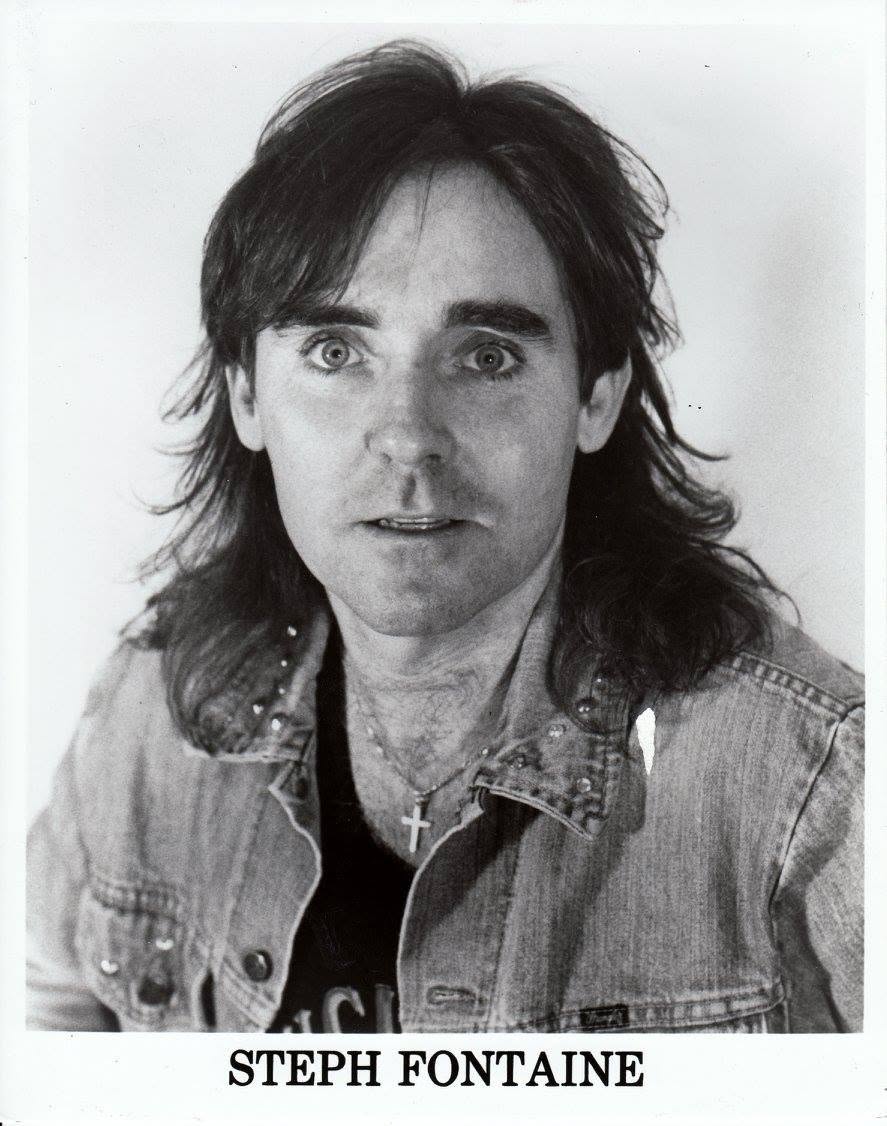
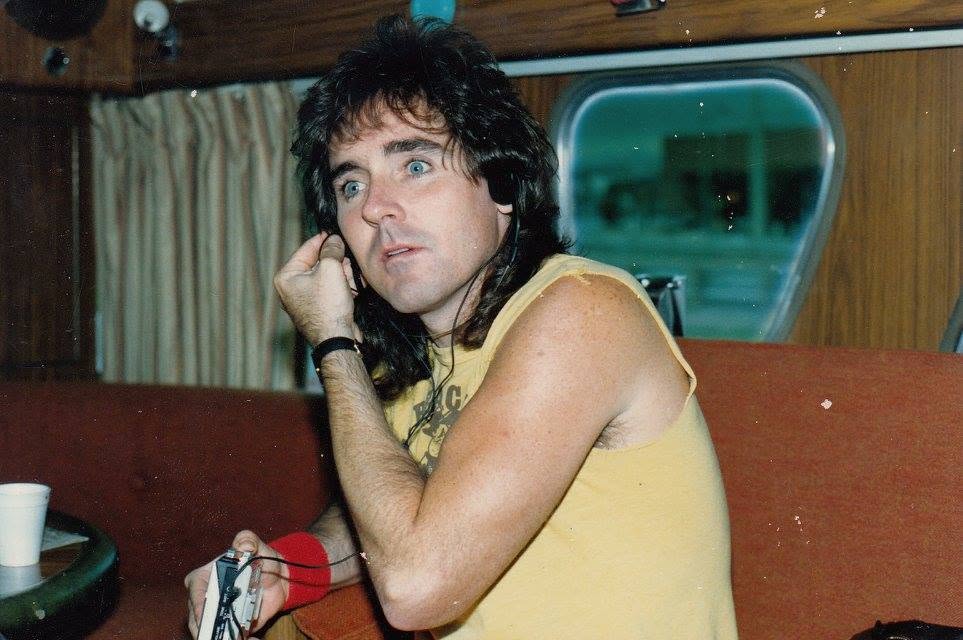
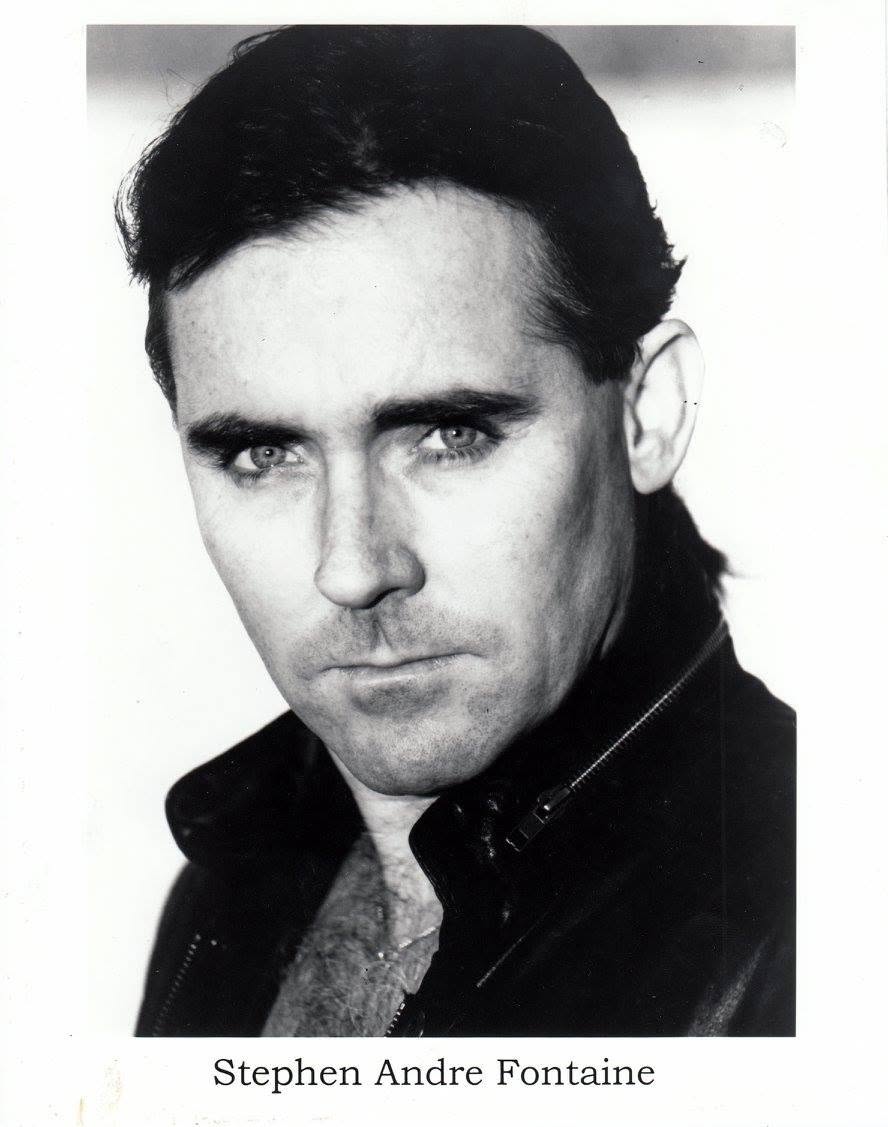
American rock singer Stephen ‘Steph’ Fontaine passed away earlier this year. There has been very little info posted about his passing, but this was confirmed by his former bandmate and long time friend Eddie St James in a post on June 16:
“I regret having to report that former Joshua / Ringleader / Uriah Heep singer (tenure 1986) and also a very good friend of mine (we had also worked together in my band and a couple of projects in 1991) Stephen Fontaine has passed away in late March 2026 (incorrectly being reported on the net by unofficial sources as June of 2026).
Here is a direct quote from his landlady (name withheld- my only official source as it, for some reason, has not yet officially been made public by any surviving relative(s) or public sources):
„…I have been trying to get information from the coroner but he hasn’t responded yet. His apartment is sealed up while trying to find any family. He moved in here almost 2 years ago, he was homeless before then. I am sorry I wish I could give more information. My maintenance man found him 3/31 he passed away watching TV. Not sure how long he was there before he was found…“
I would like to simply say that in all most likelihood he has unfortunately passed and I did have steady contact with him up until 3 months before his passing on ca. 3/31/26. I can say that He was an extraordinarily talented and a big hearted, sincere and down to earth person. I can also say that I knew him and his musical life story probably more in depth than most of his friends, associates or most certainly the general public. He would also tell me all the very interesting in-depth, behind the scenes information and circumstances that were never released or made available to the traditional or social media sources (I really know what went on with the Uriah Heep situation). He had a great sense of humor and was a lot of fun to work with and be around- never a dull moment. What could’ve been, we’ll never know- what is, is all that we’re left with.”
Rock’N’Roll Journalist & former girlfriend, Olivia Tosic: “Steph Fontaine was an extremely humorous individual with hilarious stories. A storyteller like no other… He had a kind heart and a true love / hate relationship within himself. Yet always maintained an ultra-positive attitude toward life! Though he had a most fascinating voice, he could never quite stay in one band project for any significant length of time. He had a very eccentric personality and kept me in tears laughing all the time! Now those tears have transformed to a bit of grief and sadness knowing he has transitioned into heaven, leaving behind so many dreams and aspirations he still had. ”
Greg Chaisson (Badlands): I thought he was a great singer and should’ve been huge, but he was also quite a character. I hope he is at peace now. I will think of him often!
“My main early influences were Chuck Negron of Three Dog Night, The Righteous Brothers, and further on Steve Perry, Lou Gramm, David Coverdale, Ronnie Dio – guys like that…Paul Rodgers and Mickey Thomas (Starship.” (Stef Fontaine, 2001)
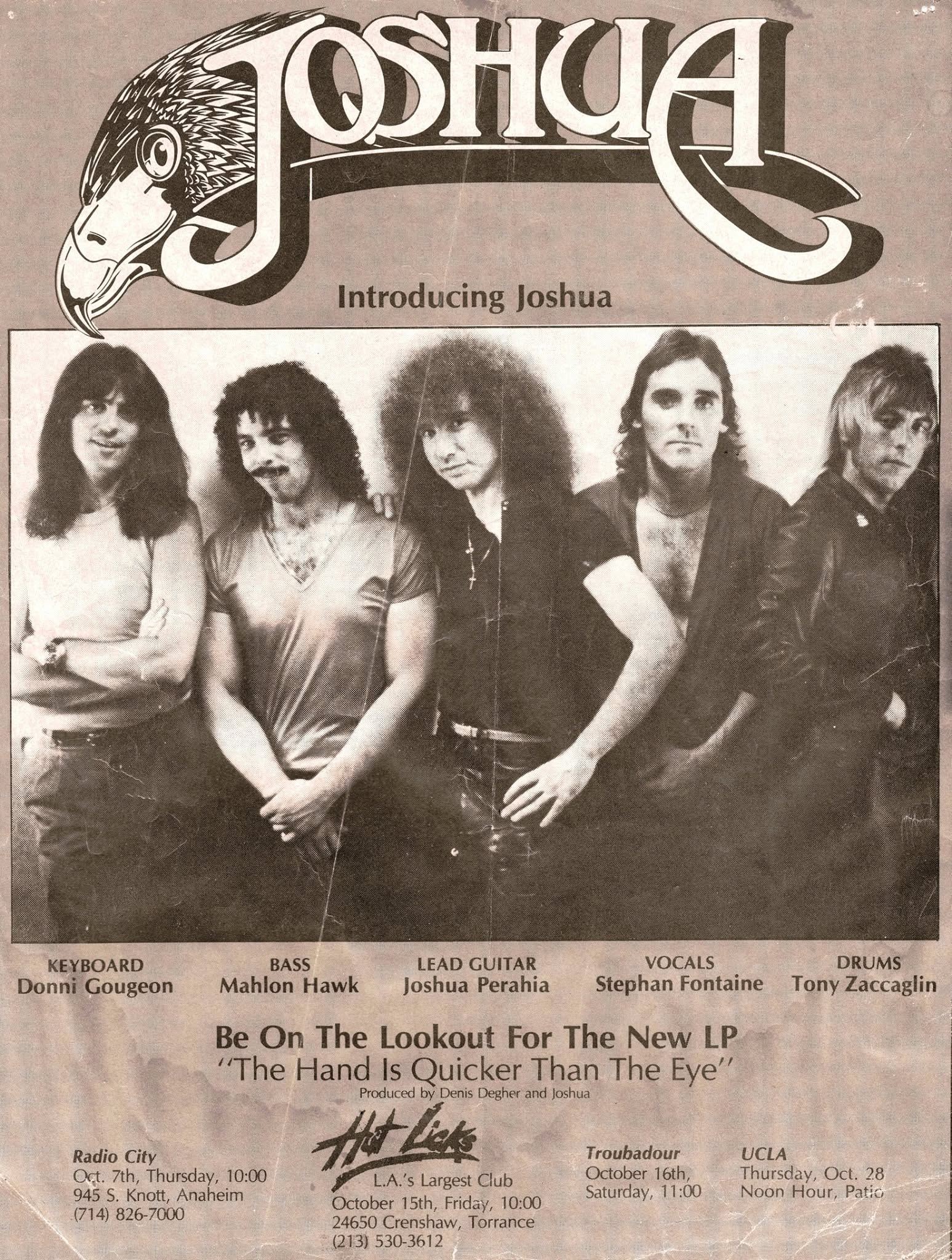
Fontaine, relocated from Arizona to California in the late ’70s. In Phoenix he was involved with a covers band named ‘Alien’ and came across bass player Greg Chaisson (pre Badlands), where he briefly joined the bass players’ band ‘Ghost Rose’. Fontaine made plenty of connections, such as Chuck Wright (Quiet Riot), who helped him get to California, where he joined such bands as ‘Full House’ (with Bruce Turgeon) and Orange County, California band ‘Hustler’ (who recorded one unreleased album, which has never surfaced and little info to be found on it). He would join the band ‘Joshua’, lead by guitarist Joshua Perahia (RIP 2024). The band recorded their debut mini-LP The Hand Is Quicker Than The Eye, released on Enigma. Although the record didn’t get much attention in North America, it did include the song “November Is Going Away”, which a #1 hit in Japan.
Joshua bass player Mahlon Hawk (2000): “The band was based out of the South Bay area in Southern Calif., we played at the top venues, always to sold out crowds. The Joshua website tells of the time we did 2 shows at the Troubador, practically unheard of at the time. We shared the stage with many of the top acts/performers of that time such as Dubrow (which became Quiet Riot), Ronnie James Dio, Redbone, Motley Crue, the Plimsouls, Y&T, Armored Saint, Berlin, Mike Monarch Group (formerly of Steppenwolf) just to name a few.”
“Steve, while in JOSHUA, was the most powerful singer in L.A. I feel bad for the bands that opened for us, like Quiet Riot, Great White, members from Motley Crue, and Poison, Dokken, Black ‘n Blue, Redbone, Warrant, Ratt, and so many more bands that just did NOT have the vocal power Stephen sang with us….He is so sorry, he ran to do his own project after the album came out. He came to my home and apologize to me, and ask for forgiveness, knowing we were offered a major record deal on A & M records. The label demanded that Steve was also in the band, but he refused. Of course I forgave him, as I knew God saved me from something that was going to hurt me.” (Joshua Perahia, 2011)
Following his time with Joshua, Stef Fontaine worked with various other bands, such as ‘Outcast’ and ‘Blind Date’. In 1984 he did some demos with ‘Warlord‘ for their album And The Cannons Of Destruction Have Begun… He declined to join the band at the time, but the 2 tracks he sang on appeared on the 2016 CD reissue.
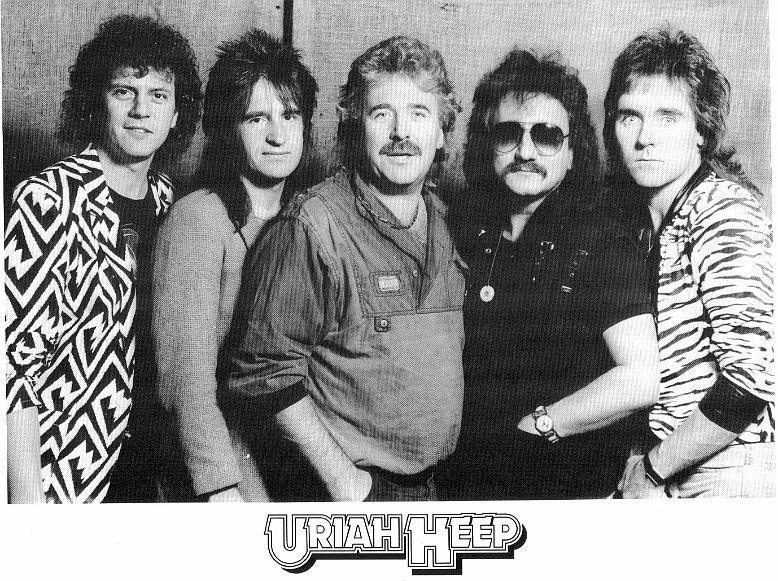
In mid 1986 he auditioned for, and joined Uriah Heep. He sang for Heep on a North American tour in the fall that year. Fontaine admitted that he was much less familiar with the band’s older material, but was a fan of their ’80s material, in particular Equator, which was the album the band was still playing a number of songs from when he joined.
“I loved the Equator record with a passion. For some reason very few people bought that, but it’s my favorite Uriah Heep record. I like it better than Abominog.” (Fontaine, 2001)
However, by the end of that tour, the band felt Stef wasn’t working out, and left him behind. Though nothing official exists, there are a few live recordings and some video footage with Fontaine from this period.
“Good rock singer, warped sense of humour (I got on really well with the guy), but he had ‘Manson’ eyes.” (Phil Lanzon, 1997)
The singer returned to forming new bands, notably ‘Ringleader’, who released the LP If Licks Could Kill in 1989, on Statue Records. Fontaine co-wrote on all of the tracks here, and the album was co-produced by keyboard player Geoff Emery (fomerly of Rod Evan’s Deep Purple, 1980). He was invovled with the short lived band ‘Hype’. His next project was ‘Dirty World’, which included (guitarist) Brad Wilson and (drummer) Marc Droubay (Survivor). This band recorded demos and played a few shows, but again, nothing officially released.
“Stef lived a great life with lots of shows, fans and wild nights in So Cal….Being an artist with Stef’s talent is a mixed blessing because of the drama. Your life is a hurricane.” (Brad Wilson, 2019)
“Stef was or is known as the ‘Steve Perry of Redondo Beach’, actually the guy also has a 4 octave range and an ability to go hard gravel to soft and pretty.” ( Eddie St James, 2009)
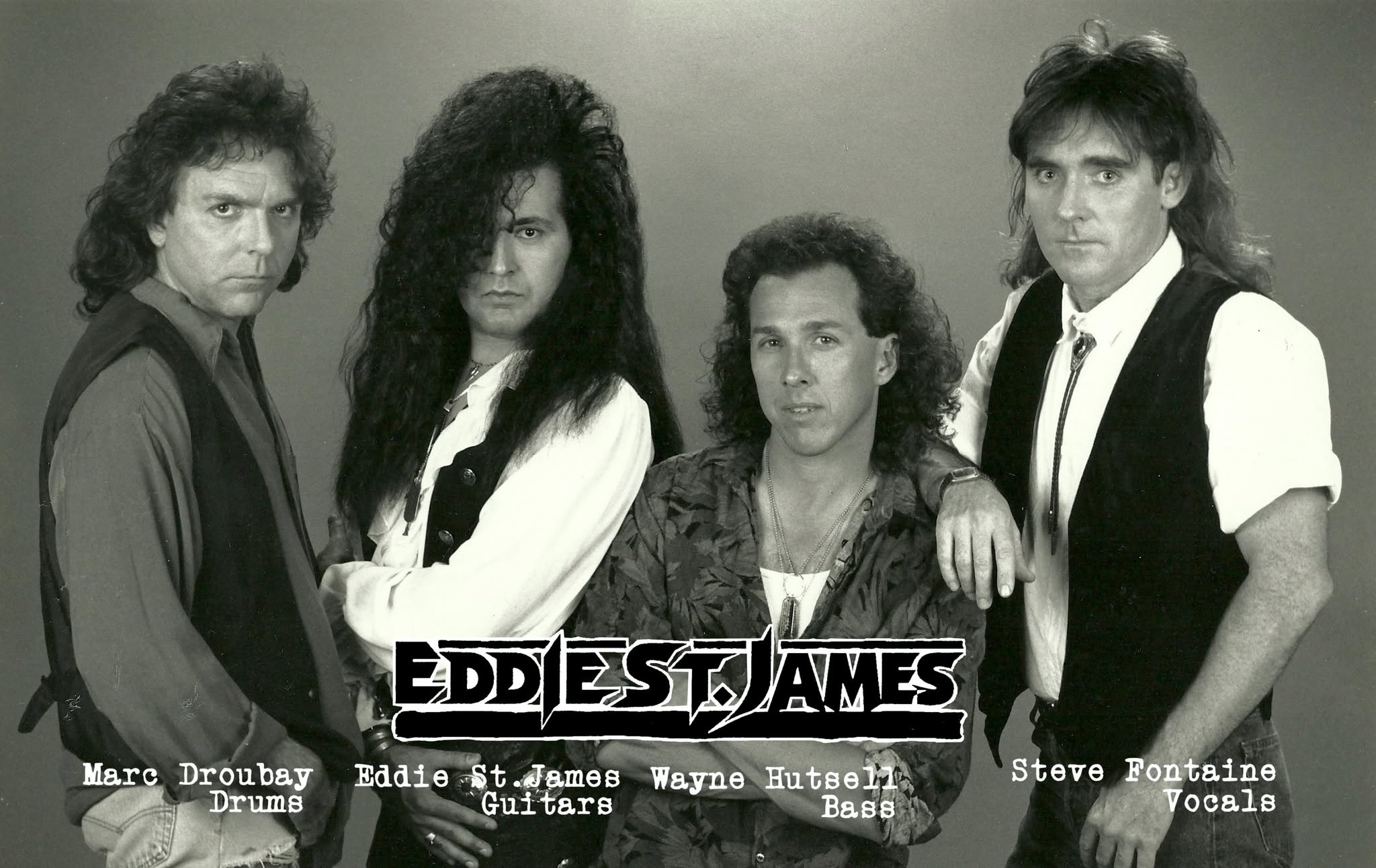
Soon after he worked with guitarist Eddie St James, which Eddie recalled in his post about Fontaine:
“Here’s an old photo of the „Super Group“ we tried to pull together back in 91, featuring Stephen (Steve) Fontaine (vocals) / Marc Droubay- of Survivor, „Eye Of The Tiger“ (drums) / Wayne Hutsell (bass) and myself (guitar). The project was short lived but the memories live on for me- unfortunately we never recored anything, although I had tape recordings of the rehearsals but they went missing long ago. One funny story, we did all original music (with the exception of 2 songs: “Respect”-Aretha Franklin and “Purple Haze” -Jimi Hendrix). We did a blistering cover of „Purple Haze“ and Steff just hated that song because of the vocal style, so we told him just sing it like Aretha (he was a huge fan of hers) and the song turned out incredible. We talked about re-doing „Eye Of The Tiger“ but I said it wont work without a keyboard player- which we didn’t have and we weren’t interested in turning into a synth driven pop band.
Rest easy dear friend and God’s speed.“
Throughout the ’90s he also formed a few tribute projects, such as ‘Majestic’, a tribute to Journey, as well as a Deep Purple/Rainbow tribute act, called ‘Burn’,
Following the short-lived ‘Nightmare Carnival’ band, Fontaine hooked up with guitarist Ron Sachs to form ‘Heartache City’. This band released one self-titled album (CD) in 2001, on the STS label. This album did get some attention among fans of the singer, and Heartache City did get some publicity at the time.
Following Heartache City, Stef went on to do various things, including a one-off gig with guitarist Iain Ashley Hersey (RIP), and shows with guitarist Sandro Eristavi and the band Black Pearl.
The last album that Fontaine sang on was 2015’s Out There…Again, which was with former bandmates, from his Arizona days, with bands such as ‘Alien’. Fontaine sang on the album, which consisted of songs the band re-worked from their previous 2 albums, and added in a few more, notably covers of Uriah Heep’s “Stealin” and Deep Purple’s “Space Truckin'”.
In later years Stef was always trying to get together new projects, and work on his ‘comeback’. He had reconnected with former bandmate Joshua Perahia, and spoke positively about some of his experiences over the years. At one point he had informed me he intended to do another Heartache City album, with a new line-up, as well as write his own autobiography, which – with his many stories, would’ve been entertaining. Sadly, there was nothing else released from Stef. In exchanges with him he was always enthusiastic and had ideas or plans on the go. Below is a few excerts from messages I received from him in 2020 , 2021….
“I am very excited to be in full swing with my passion . ‘Fontaine does Fogelberg!!’ A tribute to the late great Dan Fogelberg . One of the greatest soft rock voices of all time !! I will let you know when I’m ready to unveil . God bless!” (Oct, 2020)
Regrading Bob James of Montrose (Feb 2021) “I knew Bob . Laid back . Nice guy , great voice . In 1989 I met Montrose for the 2nd time In 15 years . This time I met his keyboard player after singing In a club in Marin county . His chick said I had one of the greatest voices she ever heard and that I should sing with Montrose . I auditioned, sang great, but during the break before getting the gig , I walked outside, behind the studio and proceeded to piss on Ronnie’s sacred Thunderbird convertible. It was completely dark and I accidentally pissed all over the side of car. He fired me before hiring me . (Ha ha) adds to my illustrious legend . I guess The Survivor gig was a much better and less fiercer affair but that story will have to wait for my autobiography, Stephen Fontaine’s Nightmare Carnival “tales of a fallen rock star “ I have so many Crazy stories that need to be told! But my story is going to have a great ending!! I ain’t done rocking yet buddy”
Steph, Stef, Steff : this is what Stephen Fontaine was often referred to, as the sbort form, so you’ll see if spelled differently. Fontaine once recalled that it was simply something a girlfriend started calling him way back and it stuck.
If you might have any stories or photos on Steph, drop me a note. I have more interviews and stories here to share in a longer story in the future.
*Photos used from Steph’s Facebook page. If you know who should be credited (photographer), let me know.
Ken Hensley’s final studio album, completed in 2020 and never released. A deeply personal and beautifully realised final chapter in his musical journey.
Legendary British musician/songwriter, Ken Hensley passed away in November of 2020, he’d left a massive wealth of classic rock, largely the 13 studio albums he made as part of Uriah Heep, numerous solo albums, as well as various other pre & post Heep bands and projects like The Gods, Toe Fat, Weed,Head Machine, and later Blackfoot. Throughout his career Ken was the main songwriter (in most cases), as well as keyboardist, slide guitar player, lead and/or backing vocalist. His last album My Book Of Answerswas recorded in 2020, but not released until 2021. But in his last few interviews Ken mentioned having recorded another album – something different, something special. This album is now being prepared for release. A Little Closer won’t be a regular release, although it will be made available in multiple formats, but you can find out details and sign up to show your interest at the official website – https://www.kenhensley.co.uk/
The album includes nine classic Uriah Heep titles, selected by Ken, alongside three new compositions. Following its completion, Ken felt that his vocal performances on the record were among his best.
Ken Hensley (The Progressive Aspect, 2019) “I’ve just finished a new album that will be called A Little Closer, I think it will shock people, it’s an album I’ve been wanting to make for several years. BMG, my record company, have a box set planned for the 50th anniversary of Uriah Heep, but I wanted to give the fans something that they didn’t have already.
I suspect that my new album will be released sometime in the spring. This new album of mine I’m very pleased with. I’ve worked with Richard Evans (Peter Gabriel’s engineer and producer) and also with a Middle Eastern musician, whose name I can’t pronounce, who handled the arrangements and keyboards. It’s a really satisfying body of work that might upset the purists, but I wanted to do something different. It’s fairly under wraps because we don’t want to dilute the impact with leaking it. However, you’ll hear about it soon enough I hope.”
Ken Hensley (Eon Music, Oct 2020) “I finished an album last year with Richard Evans [‘A Little Closer’], and that will probably come out in the third quarter of next year. I’m not really sure; we’ve kept it low profile right now because of the fiftieth anniversary thing, and then because of the other album that will come out at the end of January. But it’s really a beautiful record, it’ll piss off a lot of purists, but it’s a record I’ve always wanted to make. ”
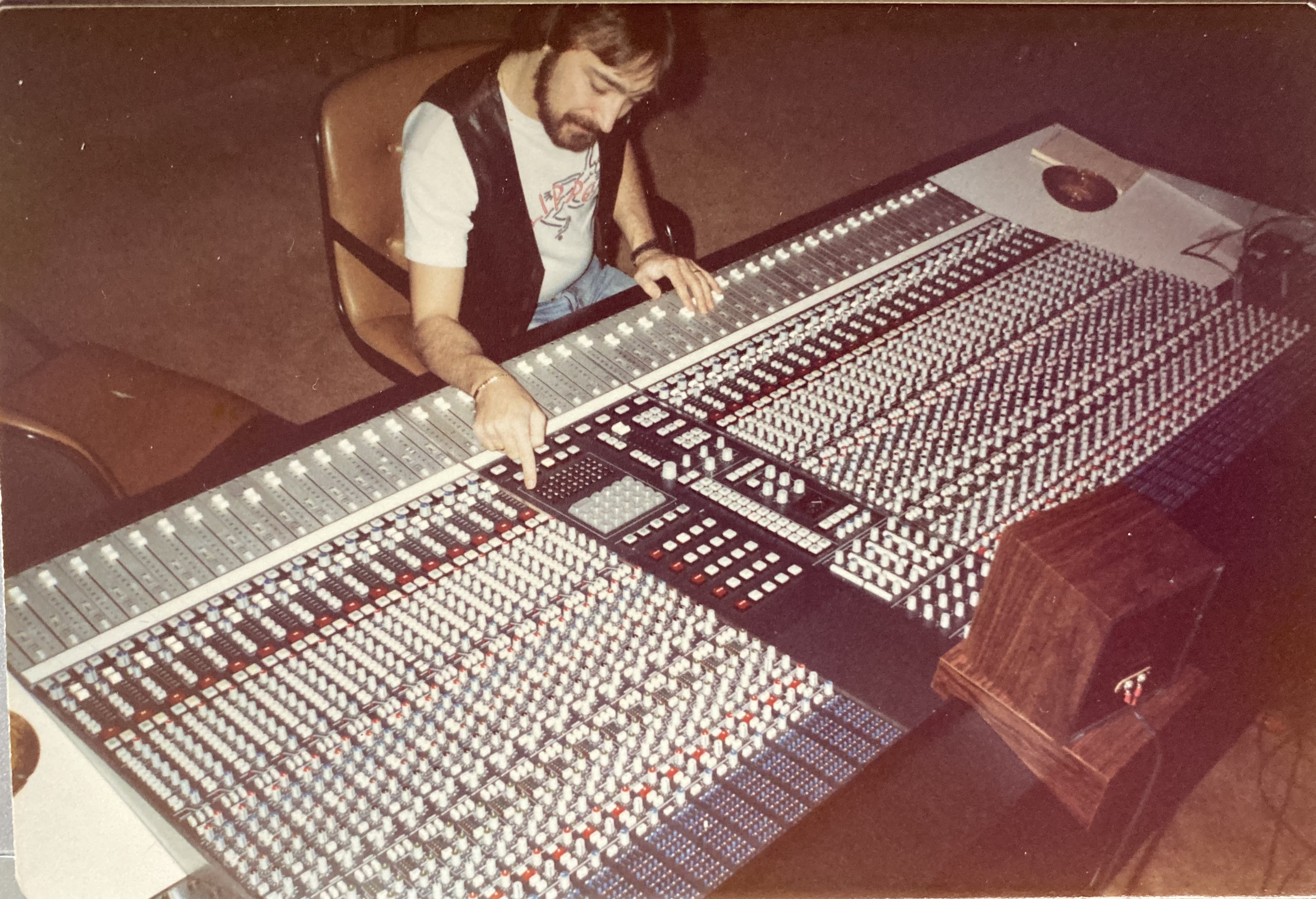
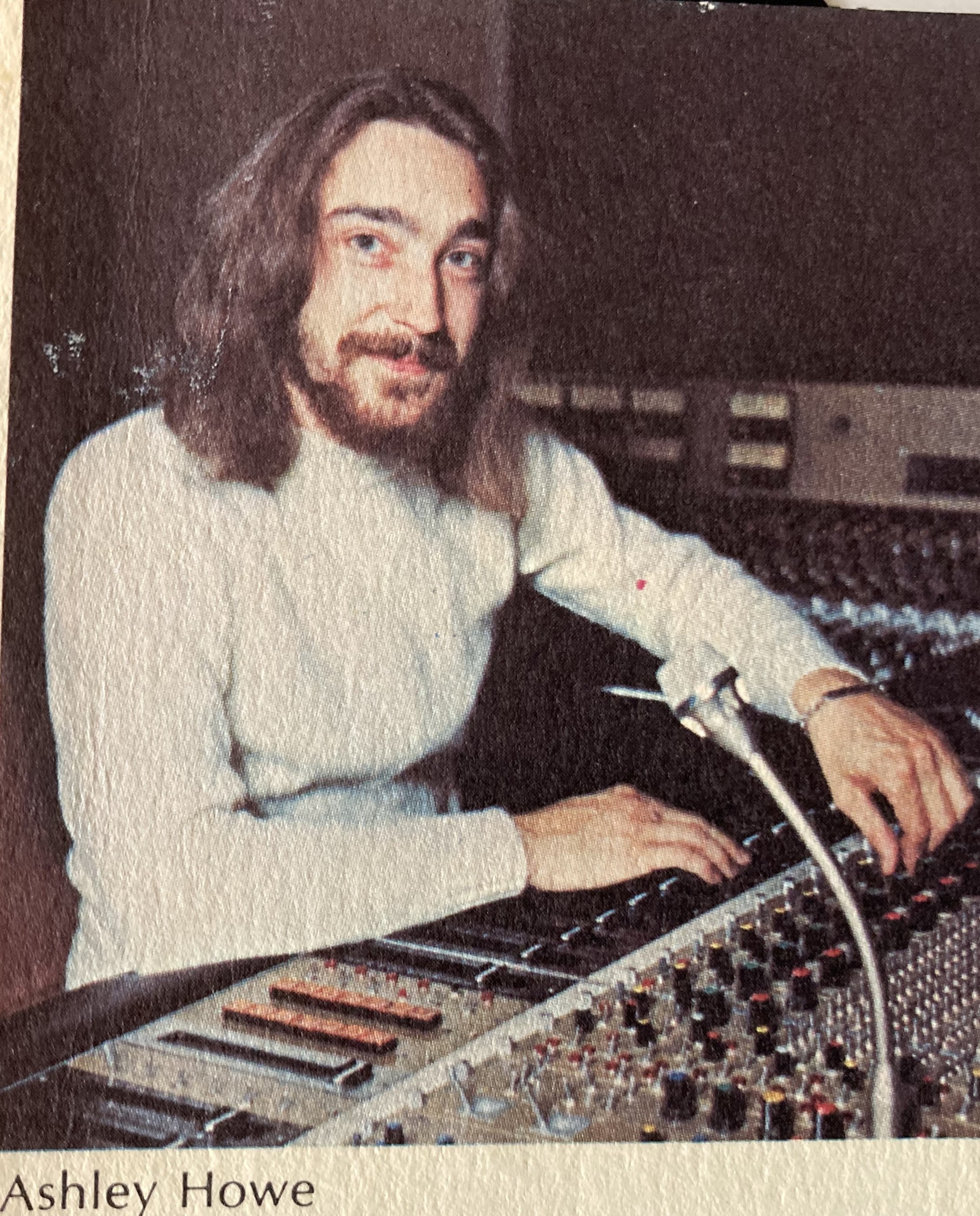
ASHLEY HOWE began his career in 1970, and more recently retired. I had the pleasure of interviewing him this time about his career, where he began as tape operator, and becoming an recording engineer and producer, before relocating to the US to work in television & film sound (where he’s picked up a few EMMY Awards!). Although many Uriah Heep albums will recognize Ashley’s name for the many Heep albums he’s credited on (including producing Abominog & Head First), we discussed a number of other bands Ashley worked with in the 70s and 80s, as well as what he got up to when he left the UK. Ashley has a lot of great stories, and I’m sure (and yes, I did ask!) they could make for an entertaining book someday!. Although Ashley might play it down, but I would say the man’s had a legendary career in the recording business, having been connected to many classic bands and big albums.
We started off this conversation bringing up his recent appearance on Rock DayDream Nation‘s Youtube show, which was a ‘reunion’ show….
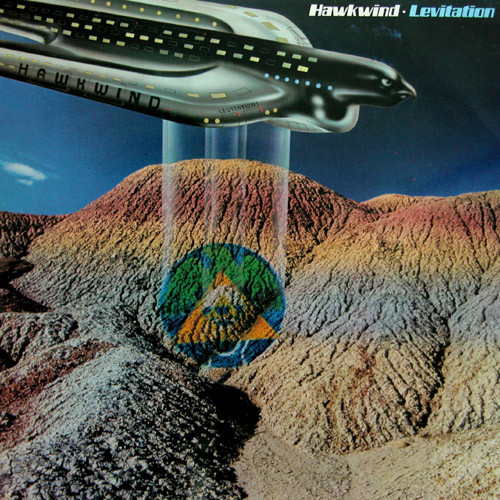
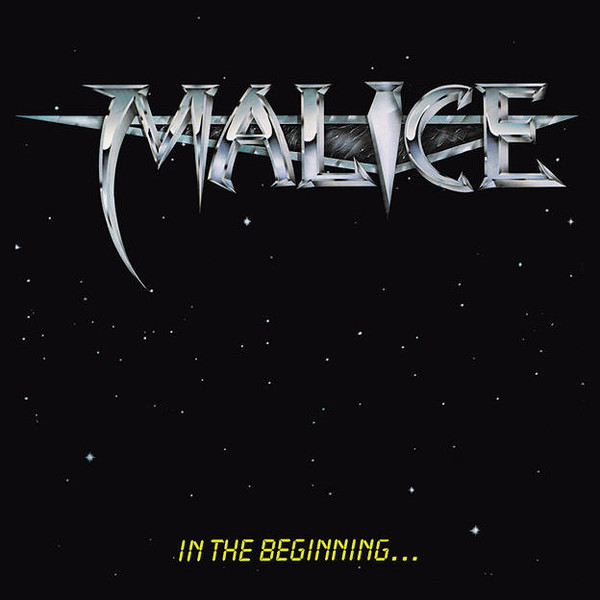
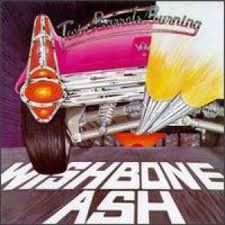
Enjoy the read. All photos were kindly sent by Ashley. I have also included images of albums he worked on over the years (click on the images too!).
You had a reunion recently!?
I had a little reunion with the wonderful Uriah Heep. I do want to just say one thing, a mutual friend of ours, Peter Goalby, that gentleman deserves so much respect, and so much acknowledgement, and the stuff he’s putting out now is just as good as it was 40 years ago.
Yeah, there’s a lot of what-ifs there with that stuff, right? There’s a lot of Wow – if this had come out, what it should have.
Yeah, should have. But just a wonderful gentleman, and one of the best singers I ever worked with, and I was lucky enough to work with some great singers, Freddie Mercury and people like that. Peter’s just, he’s just way up there….
To kick off, I started when I was 16 and three quarters, or 17, in late 1969, with Uriah Heep, and the first project I worked on, and that has a history to it, 15 albums later, and et cetera, et cetera, …but there’s a few stories along the line that people might find interesting.
How did you get into all the, to the technical end of the music stuff?
Well, actually, it’s a good situation. I was in a school group with a guy called Peter Coleman and Richard Dodd. Richard Dodd is a very famous engineer, very accredited, Peter went in first of all, and he became famous very quickly, and he was working at CBS, and I went to CBS to record our little band and snuck in after the Hollies, and decided that this is something I’d like to do.
I actually applied to the BBC, because they were advertising for school leavers in the south, so I went there, and I got my interview, and the guy said, “Oh, absolutely fantastic. How many years experience have you had in television and recording?” I said, “Well, I’m still at school”. He said, “Well, we can put you in the accounting department, and when you’re 32, we’ll re-review you”.
Well, straight from that interview, I went to a studio, and I was greeted by the studio manager, who turned up about 20 minutes late. The receptionist had told me to sit down and have a cup of tea, so eventually he came down, and as he came off the elevator, he saidHi don’t get up , and he said, “What’s your name?” I said, Ashley Howe, and he said, “Don’t F……g talk to me while you’re sitting down. Let me just tell you that I fire people in 30 seconds.” And this is the first interview at a real studio.
I then went from that interview to Lansdowne, and at that point, I was feeling a little uncomfortable, and I walked in, and the gentleman that I met Adrian Kerridge, very famous, and he’s sitting behind his desk with his suit on and everything, and I just, he said to me, “What exams do you have? And I said, well, actually, I’m pretty ignorant, really. I don’t really have A-levels or O-levels, but I’m really willing to start at the bottom, be a tea-boy, and put everything into it.” and then I said, “but I think I need to leave, because I feel so intimidated with you behind that big desk.”
And so I’ll never forget this, he took his tie off, took his jacket off, came down, pulled the chair up next to me, and he said, “What are your interests?”, I said, “Everything”, He said, “What are your hobbies?” I said, “I don’t have hobbies. I’m just interested in music.” And that was it, then I started at Lansdowne. Just to cap this story off, years later, I was chief engineer. The guy that was nasty to me turned up to get a job at the place. I turned around to him, I said, “Don’t F….g talk to me while you’re sitting down
That’s quite the beginning. There was an interview posted with Alan Parsons, and he had a similar where he just showed up and took anything type of job.
So, what was the first album you worked on, the first Uriah Heep album!?
That was the first one I worked on. In those days, you worked on a lot of different clients that were coming in through the door, left, right, and center. You’d be doing four or five sessions a day. Yes, that was the first one I worked on. And I have some interesting stories about Lansdowne, some funny stories, but if you want band stories.
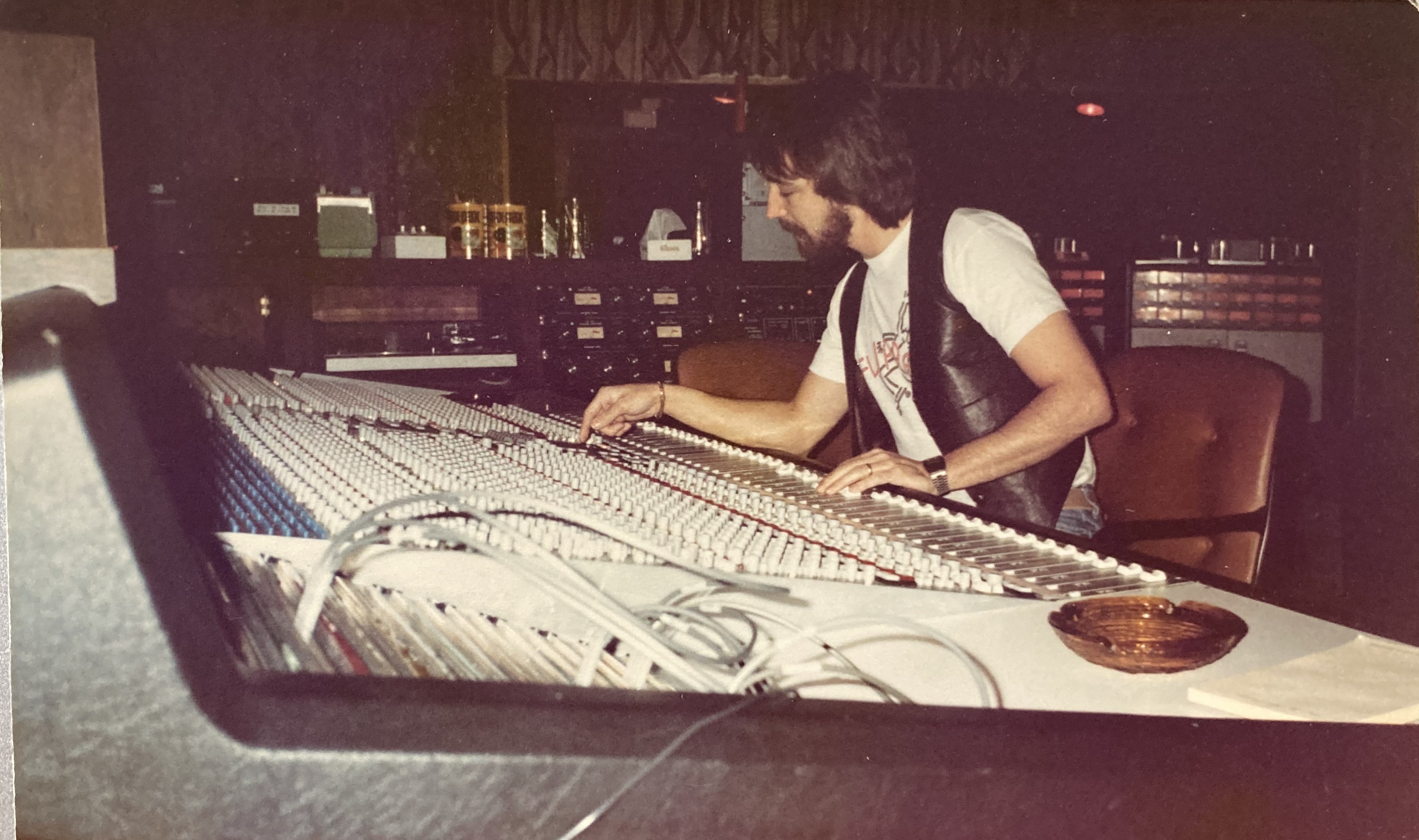
Ashley on the right, w/ Bob Buttersworth, taken1970, while working on the first Uriah Heep record
Yeah, a bit of both. Lansdowne, is that where you were primarily?
That’s where I started off, and then I eventually moved over to the Roundhouse Studios, which Gerry Bron bought, and then took myself and Peter Gallen, the two engineers that pretty much worked on all of his projects, over to there.
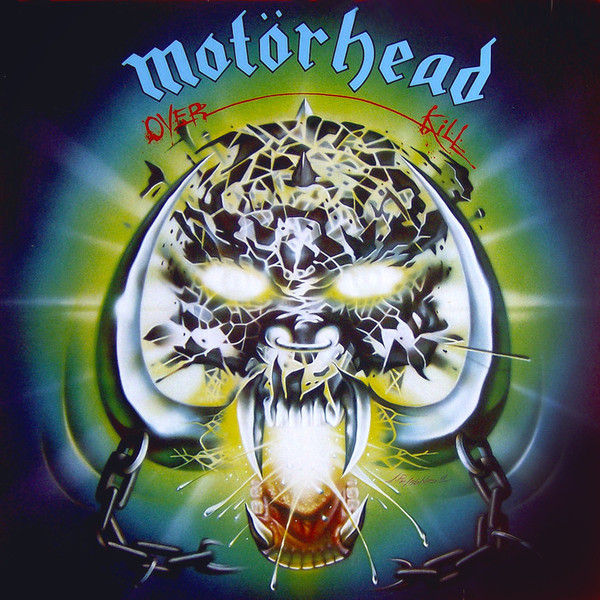
When I went over to the Roundhouse, I became an in-house producer as well. I worked with bands like Hawkwind and Motorhead. I did Overkill with Motorhead, Overkill, and there’s some fun stories from those sessions
When we started to do the album, we were using a drum riser, because the studio was a little dead. We brought in a wooden platform, but Phil was hitting the drums so hard, they kept moving off of it. We tried bricks and everything else. In the end, Phil got two nine-inch nails, and hammered them through his bass drums and into the platform. Another story happened during the first playback. They came upstairs, and Lemmy said “Stop the tape! stop the tape!” So, I stopped it. Lemmy said “There’s something wrong.” And I’m thinking, well, I’m not that bad an engineer. There’s only bass drums, guitar, and vocals. He said, “No, no, I can hear my bass.” And I said, “Well, of course you can, you’re playing it.” He said, “I don’t want to hear it.” I said, “Well, I really don’t want to hear it either.”
The last thing was that I used to have to wake up Fast Eddie with a broom because he’d fall asleep on the couch. He’d wake up very violently, throwing punches, so I’d poke him in the stomach with a broom, and he’d wake up swinging.
One day I made the mistake of cleaning Lemmy’s bass guitar, because it was so sweaty. When he came in, he couldn’t play it anymore, so he had to go out and get some axle grease.
What music did you grow up on? Before you got involved, what were you listening to, and what bands were you going to see and such?
I was listening to everything on radio. In that era, there was so much great music, but more importantly, great songs. I always thought of myself as a song person.
I didn’t really stick to one genre. There was a lot of American music, a lot of Quincy Jones, a lot of jazz, and of course Led Zeppelin. But really, all the commercial stuff.
Are you familiar with Discogs, the website?
I’ve seen it.
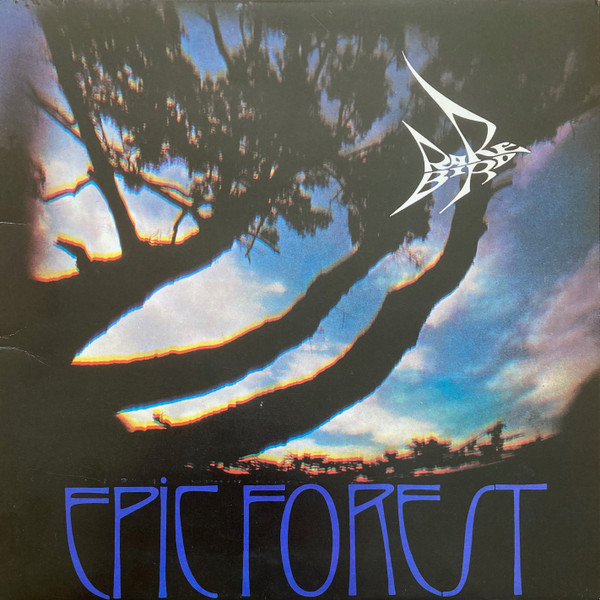
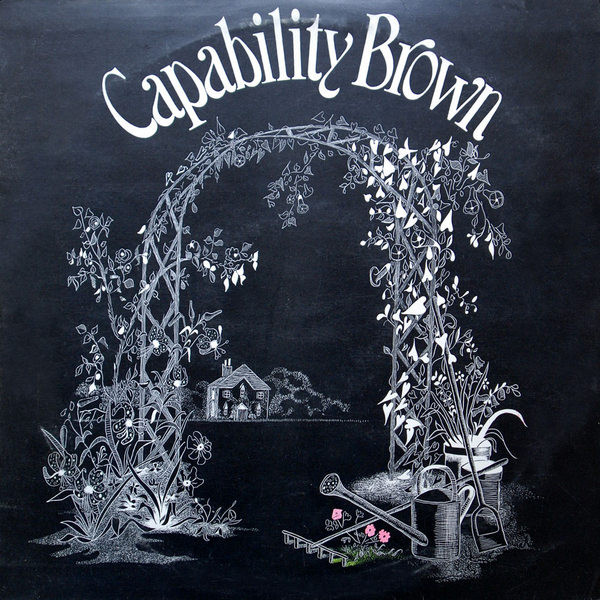
I went into that because it’ll have a listing of everything you’re credited on. It’s quite a thorough listing. A lot of the bands you worked with, I wasn’t familiar with. I had to go back and listen to a few things that were kind of interesting, like Capability Brown, Rare Bird. You did a lot of different bands over there.
What were some of your favorite lesser known artists, that you worked with?
I loved working with Rare Bird. I actually did a little bit of percussion on one of their records. I thought they were very good.
One of my favorite projects was one of the first things I engineered – a band called Spiteri. I think they’re still getting recognition for it today. They very Santana-esque.
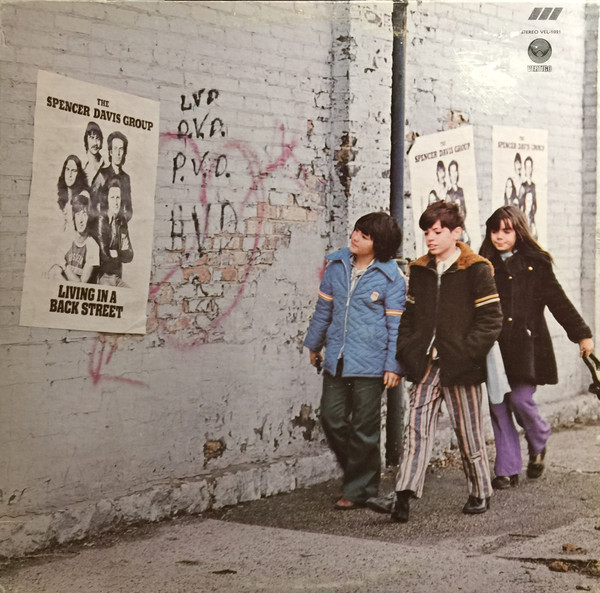
I also enjoyed working on Spencer Davis. That was an interesting experience because I was actually told not to bother recording him. I recorded him anyway.
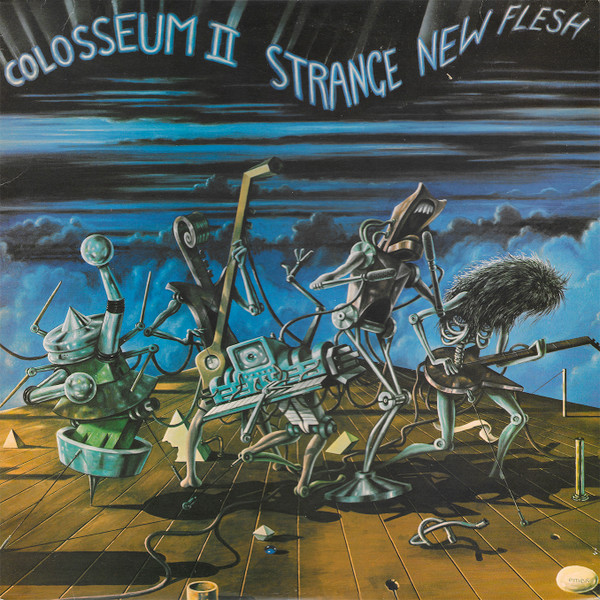
I had a very diverse engineering background. One day I’d be working on the Pink Panther movie, another day with Colosseum. Colosseum was another great band that I worked with.
Ashley in the studio with Venezuelan band Spiteri, 1973
That was the one with Mike Starrs on it, right?
Right. It was a lovely album to record because they all wanted to make an album that genuinely reflected what they sounded like. They told me that most engineers would start EQ’ing things before even listening properly to the drums. Nowadays, some people don’t even record drums—they fabricate them.
John Hiseman and Gary Moore both said it was the first album where they felt it truly sounded like them. In fact, I don’t think I used any EQ on John’s drums. It was a great collaboration between very talented people who wanted to make a record and connect with one another. That was a lot of fun.
Hawkwind was fun too, especially with Ginger Baker. There was plenty of drama. We recorded an entire album and then Hawkwind – who had a habit of firing people – fired the drummer! We had to replace the drum tracks. I think we were working on 16 tracks or 24 tracks, and I didn’t have a way of preserving the original drums. So, we brought the new drummer in and he played the entire album in one go. One take. I had to wake him up between takes.(haha) But it was that was a good experience.
Babe Ruth were an interesting band. Very good. They never really got their due. I know they had some following in parts of Canada and UK and that.
Yes, good band.
A little story from those sessions: the producer would often want the guitar tracked six or eight times. We knew after two or three takes it was already huge and wasn’t getting any bigger, so we’d just pretend to keep recording.
It’s interesting because the last one is where they had a lot of change in the band and new singer. I imagine that one probably gets forgotten the most. But you had a lot of name guys in that band that went on to other things.
Well, a lot of these groups—including Heep—went through many different people, eras, and styles. It was a learning experience for everyone at the time.
Thank God for Led Zeppelin not conforming and not following the norm. If you wanted “Whole Lotta Love,” you had to buy the album.
I’ve often wondered, like Zeppelin obviously is the biggest band of the 70s, but all these other bands that, like Deep Purple, even Black Sabbath, they end up going through so many changes. You kind of think that the whole thing about Zeppelin being so popular still is the fact that they just left it where it was.
And that’s the key.
I hate to make the comparison, but it’s a bit like the mafia. You’ve got everybody together, things are working great, and then everyone wants to be the boss. They can’t stay in their own lane, and eventually they all get whacked.
There are very few people who can leave a successful entity and make it on their own. Rod Stewart is one example. He had Faces and then branched off successfully. People can branch out, but in the end, many should stay as they are.
You’ve got to admire bands like The Rolling Stones. They simply are what they are. They do what they do, they’ve got their own clique and there’s a reason those things work.
You should never try to change something that works, because most of the time it won’t.
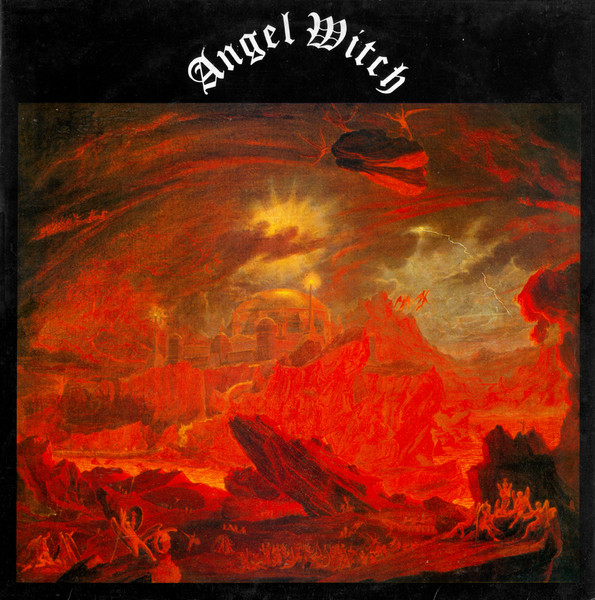
You did the first Angel Witch album, a little more metal there.
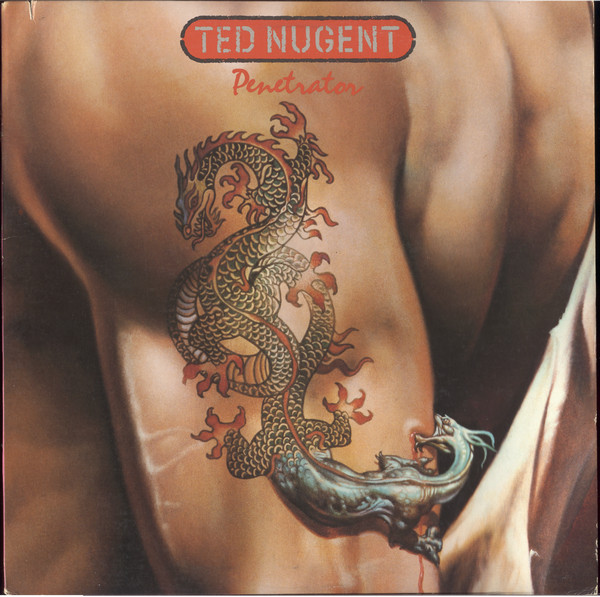
I think I was kind of branded, not branded, but nicely mentioned as the “man of metal” at one point. I could tell you a few stories about the Nugent album.
Yeah, you did Ted Nugent, Penetrator. You had Brian Howe on that album. Is it true you asked Peter (Goalby) about doing that album?
At one point, I’d asked Peter when I was doing it, and I think Peter was not free. And in actual fact, when I was trying to come up with a different person to do that, I was walking in the Atlantic and I used to go to Atlantic Studios a lot to get demos and that sort of stuff, and I heard a demo going on with Brian’s voice. And I said, “That’s it. That’s the guy!”
It was difficult to convince Ted to use someone. In fact, one of the reasons I did the album is I said, “Ted, if I’m doing this, I’m not even using anybody you know as musicians. I’m going to bring in outside guys, get an outside singer, and use some outside songs.
The reason we arrived at that point was that John Kalodner had heard the Heep albums and stuff. I believe he was a very good friend of Ted’s—whatever the situation was—and he told him that he should give it a shot because of the way I did things at that time.
So I went in with Ted, and we sat down. I went to meet him, and he said, “I’ve got to tell you, I was just with a very big-name producer, and he told me all my songs were fantastic.”
He played them all to me, and I said, “Well, then you should use them because you’re going to be paying a lot of money, and you’ll have an album. But it’s not going to be what I think you should do. But that’s OK.”
I thought I’d blown it. As a matter of fact, I came back straight into the Uriah Heep album that I was doing in the middle of, got a call, and he said, “When do we start?”
He was the most wonderful man to work with. Huge—biggest ego ever. (Laughs)
On the first day, I had Billy Squier’s band in New York for a week rehearsing, and I brought in six outside songs that we were working on.
Funnily enough, Ozzy was next door. I went to Ozzy and said, “I’m going to be doing Ted next door. Do you want to meet him?” He’s like, “I don’t want to meet him—he’s crazy!”
But Ted was nothing like you’d imagine. I mean, he’s got a big ego, there’s no doubt about it. Long story short, he comes into the rehearsals after a week off. Everybody’s a little intimidated because he comes in with a big presence—no doubt about it.
I needed to know that I was controlling the band because I knew he’d be difficult to control. So he comes in, and I tell him to start the first song. He starts playing, and I stop everybody, but he carries on playing. I said, “Ted—stop, stop, stop, stop.” In the end, I went over and pulled the guitar out of his hands. “We need to have communication. That was me trying you out.”
So he said, “Well, I’m deaf in one ear.” I said, “Which ear?” He said, “Well, I always put my good ear to the amp.” It was a 200-watt Marshall.
So, I got the roadies to put the amp on the other side. And I said, “OK, put your bad ear to the amp and your good ear to me.” And that’s how we started off.
I think there was a lot of respect between the two of us. He spent four days on the album. But on the first day that he went down to do the overdubs, he comes in and he didn’t talk to me at all. I recorded his guitar in the control room . He started playing a song and I stopped him because it was a little out of tune.
So I said, “Could you tune the guitar, please?” He took his pistol out of his bag, dropped the bullets out, put them back in one by one. The assistant was now ducked under the desk. He flicked it around, rolled it in his hand, and held it up.
I said, “OK, asshole, you can load a gun. Can you tune a guitar?” He said, “Nobody speaks to the Nuge like this.” And I said, “I’m getting divorced—I don’t care.”
We got on great after that. It was really good. He did everything.At the end of it, he went away and came back three months later to hear the finished album.
He said, “I’ve got to tell you, it doesn’t sound like me. Nobody wanted me anymore.” It was a calculated album, and it did him good. He was very impressed with that.
“Draw the Line” was a big hit. And that was, I interviewed Jim Vallance there last year or earlier this year, and that was one of his. That song got done by quite a few people.
Yeah, well, it was an interesting era at that time. And I was starting to get a bit of a reputation for taking outside songs into the situations, which I’d like to point out was not done because of the inadequacy of the people I was working with.
It was done because I think there are very few artists nowadays who can come up with ten or twelve songs that are all great. Adele can pull it off, but most people are always going to have four or five brilliant songs.
I kind of wanted to give everybody their best shot. And I think because of that album, his career took off again. It wasn’t a massive album—it might have gone gold, I’m not sure—but it was designed that way.
What I also found was that using outside songs increased the playing level and improved their own material because you’re trying to prove something. I actually prefer a couple of Ted’s songs to anything else because I think it made him try harder. It certainly didn’t do him any harm.
“Draw The Line” certainly suits him, it doesn’t come off as a cover.
It shows his brilliance as a guitar player, which is another thing.
I’d never really heard Ted before. I’d heard “Cat Scratch Fever.” It’s like when I worked with Yes—I hadn’t really heard Yes before.
But I didn’t think that made any difference because it’s about what you’re doing at the time. It may even have helped in a way to change the model a little bit or give him a different direction.
My opinion of a producer is that he shouldn’t be telling everybody what to do. He should be capturing the performances.
That’s what’s difficult about being both an engineer and a producer. If you’re a self-critical engineer, you shouldn’t be worried about every little pop. There are pops everywhere and all that sort of stuff. But if you clean those up, you can lose performance.
Anyway, that’s my idea. Production should be about encouragement and then telling people when to stop.
I think Freddie Mercury, who was a perfectionist, would still be doing “Bohemian Rhapsody” over and over again if someone had let him. But he nailed it. You won’t get it better than what’s on the record. I don’t care how many melodic changes you make—that’s the best it will ever be.
To me, a producer needs to tell someone when to stop. At least in my career.
What about Brian Howe?
Well, I discovered him and insisted that we put him on the Penetrator album. And the way I work is always kind of one-on-one.
The way I work is always kind of one-on-one. I don’t have other people in there because I find it’s difficult to put someone in a situation where they have to perform. And it’s even more difficult if you’ve got a bunch of people standing around waiting for them to perform. So I like to work one-on-one.
Anyway, on the first day of recording, we were at the Record Plant. I took Brian in, gave him the song, and we started going through it.
He absolutely would not cooperate with any of the ideas I had.
So I said, “Brian, you’re only here because of me. We can fire you and bring someone else in, but I really think we can make this work.”
And he said, “Well, I don’t want to sing it that way.” I said, “In that case, this is the way I want you to do it. If you don’t do it, then it’s not going to work.”
I got a little belligerent, and I actually locked him in the studio. I turned all the lights out and left.
I came back two hours later and said, “Are we ready now?”
He said, “No.”
So I turned the lights out again.
I think I came back about ten hours later. I turned the lights on and said, “Now are we going to do it?”
So we did it. He was a little reluctant, but I think he started to get into it.
To cut a long story short, we played it to Nugent the next day, and he went absolutely bananas.
He said, “Oh my God, this is fantastic!”
From that point on, Brian and I got on. Well, we didn’t really get on, but we got on well enough to make it through.
Years later, I saw on his website that he complimented me for doing it, and we became really good friends.
Unfortunately, I didn’t get to see him before he died. Over the years, we became friends.
I kind of kept that story back because I had a call from his sister and she wanted to know what had happened. To be honest, I didn’t tell her about that because I didn’t see any need to. But it was the truth.
And from that album, he got into Bad Company, which was not a bad move at all.
Now, the other album I thought was interesting was the Wishbone Ash Twin Barrels Burning. But there’s two versions of it. The remix, I don’t know why.
Oh, I didn’t know there was another version. I didn’t know there was a remix.
Yeah, there was a different mix for the U.S., I guess.
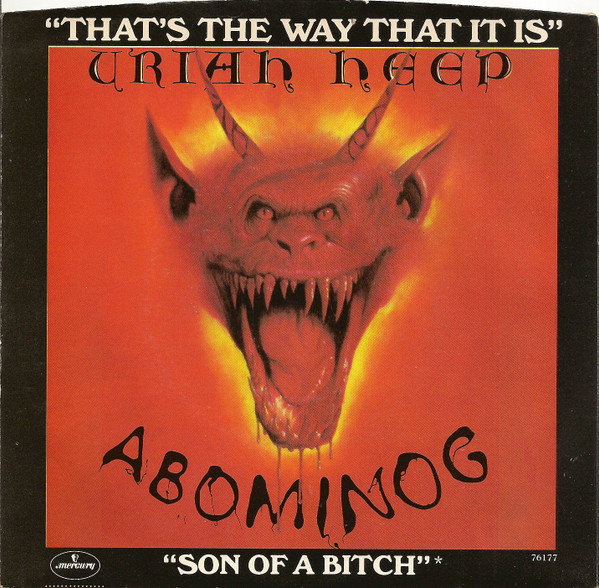
Yeah, the U.S. tends to do that. I really didn’t agree with Abominog being rearranged in the U.S. because it was a concept album. It had a meaning, and I really put it together for a reason.
It started off with the old “Too Scared to Run,” which was like, “Yeah, this is the ’70s Heep,” and then it went into “Chasing Shadows” and stuff like that—“Now we’re going to be the new Heep.”
Then the end of it was “Think It Over,” which was really kind of a message to the fans saying, “Okay, I’m not sure if I like this because I love what they used to be.” And to the new people: “Hey, you haven’t heard the old stuff, but this is a mixture.”
But they mucked it up, in my opinion, when they reformatted it.
There’s a few albums like that in the 70s and 80s, where they just, you know, between the US. and the UK, they changed the running order on that.
Yeah, A&R people. In my opinion, there was only one great A&R person, and that was John Kalodner.
I’ll tell you a little story. I was at Atlantic, and they commissioned me to do an album with Lita Ford. We went in, and she didn’t want to be produced by anybody. So I was about three weeks into rehearsals, and she wasn’t cooperating at all.
I got paid by the record company and everything, and I said to them, “Well, now I’ve got time on my hands.”
They said, “Okay, we’ve got this other band called Malice.”
I said, “Okay, great!”
So I went into Pasha Studios and started recording Malice. To make a long story short, I kept sending them rough mixes—“Take a look at this…”—and they kept saying, “No, don’t worry about it. Carry on.”
So I carried on and finished the album.
Quiet Riot was next door doing the remake of “Cum On Feel the Noize” and that sort of stuff.
I went to play back the album for the A&R guy, and he said, “Oh, crap, I didn’t realize this was heavy metal!”
I said, “What are you talking about? It’s called Malice! I mean, it’s not going to be called Mary, you know.”
And he said, “Well, we didn’t sign this, did we?”
I said, “Apparently you did, because you gave it to me.” (Laughs)
That was a classic example of an A&R guy. And he was actually at my wedding.
I wanted to ask you, last time you had mentioned that Twin Barrels Burning had started out as a different title.
Yes.
Well, what happened there was that it was originally called The Nature of the Beast—“It’s Just the Nature of the Beast.”
I’m trying to remember what it was… There was the April Wine album The Nature of the Beast.
So at the last minute, they changed the lyrics and everything to “You Make My Engine Overheat,” which, to me, kind of ruined the whole point of it. It changed the whole thing.
But yeah, that was the decision they made because they thought it would be too comparable to the April Wine album.
I know they still have the line in the song, “Nature of the Beast”, but obviously they took, they changed the title.
And that was another interesting little situation.
We were recording at The Sol, which was Jimmy Page’s studio. We were working away one night, and all of a sudden the roadies or security guards came over and said, “We’ve got this guy trying to get into the studio.”
I thought, “Who is it?”
So we looked at the camera, and it was Jimmy Page—the guy who owned the place.
I said, “I think you should let him in.”
He came in, and I was trying to get him to do a little cameo, but he just spent a few hours talking and hanging out.
I learned something from that. I learned that you can have the same guitar with a different player and it’s totally different. Clapton could play a note on his guitar, and I could play the same note, and it just wouldn’t be the same.
So it was very interesting.
It was a fun album to work on. The studio was so dead-sounding that Trevor Bolder and I went to another studio in the middle of the night, and I recorded all the bass parts in one night because I just couldn’t get a bass sound there. Not to say someone else couldn’t have, but I couldn’t.
It ended up fine.
I didn’t end up mixing that album. I think I had to move on to another project because we’d overrun at some point.
I grew up on that band, so I loved it. Having the opportunity to work on a Wishbone Ash album was a lot of fun.
Yeah, it’s a good album. It’s kind of more of a straight forward rock album for them. The song Trevor wrote, “Hold On”, was probably the standout track for me.
I thought it was a good rock album, I think it stands up. I don’t remember, but as you know, with these recordings there’s always some drama going on somewhere. I don’t believe there was any drama on that album at all. It was kind of fun, and we did it as quick as we could because it was a limited budget.
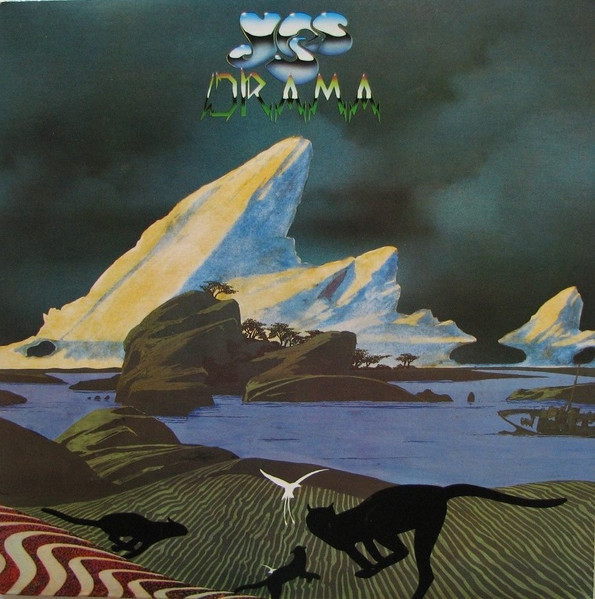
Speaking of ‘Drama‘, you were credited on that album as well! Was that a strange atmosphere with that line-up of Yes?
Very strange.
Again, I wasn’t that familiar with Yes beyond Fragile and that sort of stuff. Steve Howe is an amazing guitarist.
I did all the guitars on the album. They had four studios running at the same time. One person was doing keyboards, and they had six slave rooms.
It was obviously going to be the end of the band because it should have been five solo albums.
Funnily enough, the first time I met Chris Squire, I’d just been working on, I think, a Pink Panther movie or something. Peter Sellers was an absolutely wonderful person.
I said to him, “Would you like a cup of tea?”
And he said, “Actually, I’ll go make you a cup of tea.”
The next day, Chris Squire comes in and says, “I want a cup of tea.”
I said, “Okay, well, the kitchen’s that way,” because I was busy mixing.
And he said, “Well, I’m Chris Squire.”
I said, “Okay, I’m Ashley Howe. The kitchen’s that way.”
The drummer turned around to me and said, “Wow!”
But Steve was just a wonderful person.
I’ll never forget: he was in the control room working out a part, so I put the tape at half speed. He was doing this part with a lot of finger work.
They said, “Okay, let’s record it.”
So he goes downstairs, and I leave the tape at half speed, thinking we’re going to record it at half speed and then speed it up afterward.
He said, “Oh no, put it back to full speed.”
Now we’re twice as fast.
He transposed the entire thing and then said, “Now let’s do a harmony.”
I thought, okay, you might not like the guitar tone, but you can’t fail to admire the technique.
He was wonderful.
He brought in thirteen amps, and we tried about a hundred different guitars for every overdub. In the end, we wound up using the same guitar and the same AC30 combination we’d started with.
But he always said, “I need to try this.”
Unfortunately, it should have been a Steve Howe album because a lot of the guitar work was taken away. When everybody came together, they all played over each other. They literally let the keyboard player play over the guitar parts.
You had to take a lot of stuff out just to make room.
So it was obviously an attempt to solve a difficult situation.
I don’t know if it was one of their worst albums. It was certainly a pleasure to work on.
It’s different, obviously. I kind of like it for being a little more modern…
“Machine Messiah”…There’s a couple of great tracks on there.
But yeah, you got a lot of great things out of it. I mean, in time, you got the next Yes album and it’s a different lineup, and you got Asia and all that.
One other thing I’ve got to show you, I picked this up a couple years ago, a very strange album, Mike Maran.
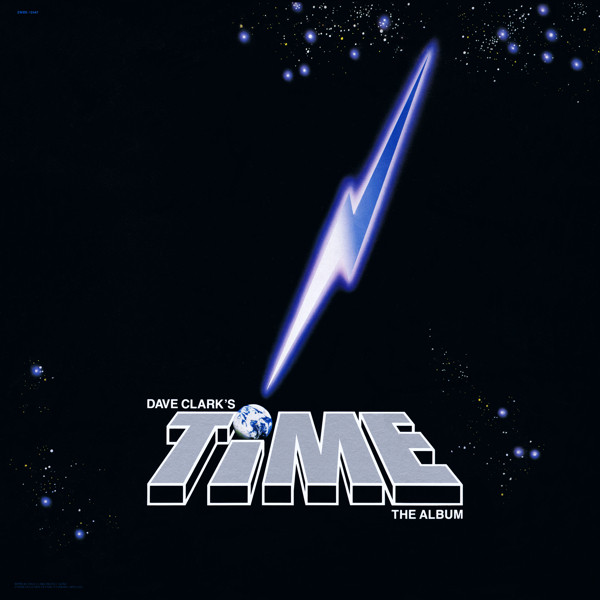
I recognize this, Mike Maran. He was a fantastic session keyboard player. In fact, he was very instrumental in a stage-show called Time, for Dave Clark. We had Freddie Mercury on it, Laurence Olivier, Ashford and Simpson, and a lot of other people involved. Mike was very much an instigator of most of the arrangements, and we recorded a lot of stuff in his studio.
At what point did you kind of get out of the kind of the rock producing in the UK and then coming over to moving over to America in that?
Well, between 1980 and ’85 or ’86, I was still doing a few bands. I worked with a band in Australia called The Angels, and I did a few other albums during that period.
But around 1986, I basically stopped doing as much.
To be honest, I was getting a little disenchanted with the way the music business was going. People weren’t using big studios anymore.
A little example of that is that I did an album with John Sinclair and a band called Estrella in 2010.
All done on Pro Tools. In fact, he would send me the files and the overdubs, and in the end I mixed the album on my MacBook—128 tracks.
The big studios weren’t being used anymore. It was becoming too easy for people to do this stuff. Then the age of plug-ins came in. We used to spend all that time trying to work out sounds and tape phasing with our hands, and suddenly it just became too easy.
I didn’t want to get into the disco era and that sort of stuff. I did a few disco records, but to me the music business was changing.
So, what actually happened was that I got married.
I did Time, got married, then came back and worked on the Time project, which involved doing all the films and mixing the double album with all the different artists for Dave Clark back at Lansdowne. That was a lot of fun.
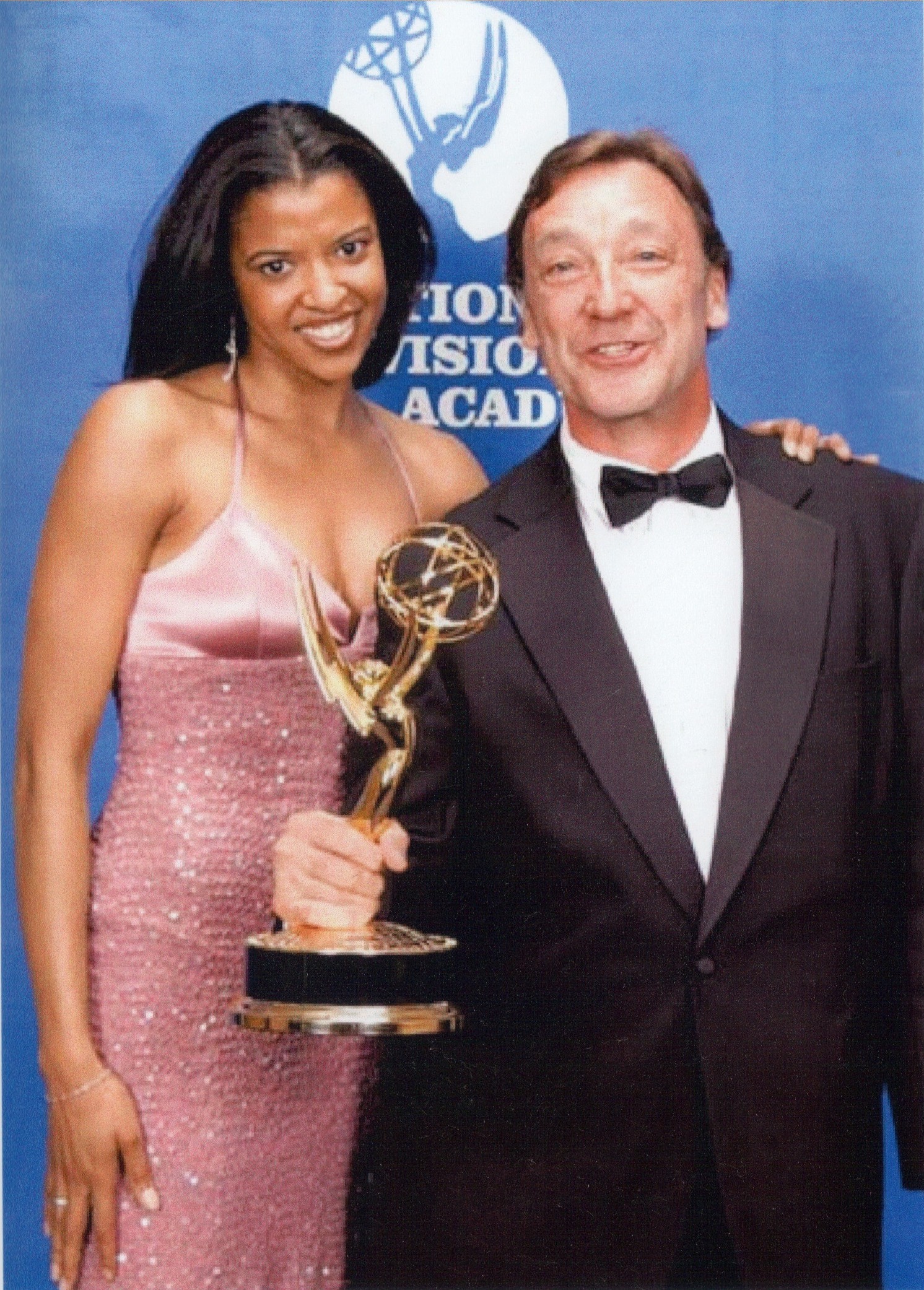
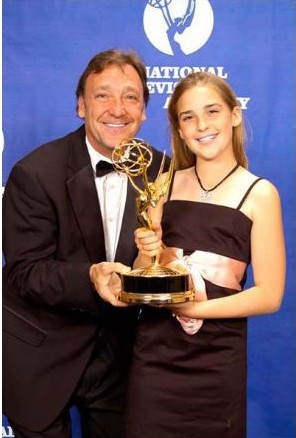
Then I actually went into television on the post-production side. I was fairly successful. I won eight Emmys for post-production work—various long-form shows and things like that.
I also did a lot of live television. By moving into post-production, we ended up working on the Massenburg console, so I still got to do some good audio work. It was just a different genre and a different approach.
I went from 128 faders to five.
What exactly will you be doing as far as the sound goes?
Well, it depended. I actually ended up doing a lot of soap operas, where I’d be editing dialogue, adding sound effects and music, and balancing the entire show.
I also did a lot of live post-production for Monday Night Football, for example, where we’d do the opening segments.
I worked on a lot of 20/20 broadcasts and Primetime Live, along with various news broadcasts. Those were live post-production situations where material was constantly being brought in, and I was putting it all together and either airing it immediately or balancing it while it aired.
It was challenging. It was a smaller use of the skills I had, but it still incorporated many of the same processes. I think I managed to change things a little bit, and it eventually made me the highest-paid audio engineer in television, which was great.
I had a separate contract above the union contract. I won eight Emmys doing it, and it was a lot of fun.
With some of the long-form shows, I developed a reputation where producers would simply bring me the tapes, leave me alone, and I’d mix everything overnight by myself and hand back the finished program.
I developed a reputation where, if a project came to me—and I’m not trying to be big-headed; that’s just how it was—there were five other engineers, but they kept booking me. So I was highly paid, working constantly, and enjoying it.
Then, when Disney decided to shut down a lot of its operations, I moved out of post-production and into the live production area.
That wasn’t nearly as much fun. It’s like air-traffic control, but without the rewards.
At that point, they were trying to get rid of people through pure attrition. They even employed people whose job was essentially to watch for your mistakes.
There’s nothing quite like doing a live broadcast to 60 million people with someone standing over your shoulder waiting for you to open the wrong fader so they can write a report about it.
It wasn’t a very pleasant atmosphere, but I wasn’t going to let them use that as an excuse to deny me a full pension. I ended up with lifetime entrance privileges to Disney and things like that. So, I stayed with it.
I’d lost a little bit of enthusiasm—not interest, because I still loved what was going on—but I didn’t totally agree with the methods being used nowadays.
Maybe that’s because I’m old-fashioned. As engineers, we grew up with no second chances. Now you’ve got three million tries. Back then, if you screwed up, you screwed up.
The early Heep stuff was done on eight tracks. We’d be dropping in a bass solo on the backing vocal tracks, and if you didn’t come out of the punch-in at exactly the right moment, there were no more backing vocals.
There was no margin for error. I think that forced everybody to work differently.
You didn’t have computer mixing. You’d mark the tape with a Chinagraph wax pencil, and that would be your base level—not bass as in bass guitar, but your starting point.
You’d move the mix around manually. If you pushed the drums up, you’d probably have to push the guitar up a little too because the balance had changed.
You played the mix like an instrument. Once everything became computerized, it just became too easy.
And speaking of engineers, in those days we cut tape and spliced tape. I was taught by a guy called John Mackswith, an incredible engineer. He made me edit using bent scissors that looked like this.
Once you learned to edit like that, it wasn’t anything like using a splicing block. I kept saying, “Can I buy a pair of straight scissors? I don’t want to make a mistake.” And he said, “Just don’t make a mistake.”
That was the way I was trained. And I didn’t make a mistake. But it’s all changed now. To be honest, it’s become too easy.
And you moved into movies as well?
Yeah, I did soundtracks to a couple of the Pink Panther movies. And I did the recording to Time. Are you familiar with Time?
No.
Okay, well, it was a theatrical production—a musical theatre project—with Cliff Richard and, as I mentioned before, Burt Bacharach, Ashford & Simpson, Freddie Mercury, and a lot of other major artists who appeared on the album.
The production itself was staged at the Dominion Theatre in England, which seated about 5,000 people. We had a live recording studio underneath the theatre, which was fantastic.
Richard Dodd, who is my best friend—we’ve been friends since we were five years old—worked on it with me. Richard and I later got to do Raging Silence together for Uriah Heep, which was great.
So Time was a concept project that Dave Clark put together. It ran in the theatre for years and featured Laurence Olivier.
We had to record Laurence Olivier, who was suffering from Parkinson’s disease at the time, so we literally had to help him into a chair.
I’ve got a lovely story about him. His image was being projected onto a 15-foot holographic head that flew around the theatre.
A guy named Simon Napier-Bell was heavily involved with the theatrical side of things. At that point in time, the biggest productions had maybe fifteen hydraulic systems. His show had something like sixty.
The stage would actually tilt up vertically with performers standing on it. The amount of technology involved was incredible.
I also went to Laurence Olivier’s house to record him personally for some overdubs. Later, we needed him in the studio for filming.
Because of the Parkinson’s, we had to physically secure him in position. Even the slightest movement would become exaggerated on the giant holographic projection. A small shake could move his nose halfway across his face on the screen.
One day, a mailroom boy came in with a message for him. He looked downstairs and realized, “That’s Laurence Olivier.” He was completely starstruck.
Laurence noticed him standing there and said, “Please excuse me. I’m working at the moment, but I need to come upstairs.” He walked up to the kid and said, “Hello, I’m Sir Laurence Olivier.” The poor kid was practically shaking. Then Olivier said, “I’m very sorry to have kept you waiting.” What a wonderful man. What a great human being.
That was the technology we were working with at the time, and it was a lot of fun.
I started out doing the first few performances live. We recorded the raw performances, and once the production got going, I think it ran for four or five years.
That was another collaboration with Richard Dodd because he’d already done half of the double album. Richard and I were fortunate enough to work together several times over the years, and it was always a lot of fun.
Were you on like set for a lot of any of the movies and stuff that you’d meet a lot of people over the years?
The movie work was mostly recording the music—a couple of songs here and there for each production. Even that has a nice story attached to it.
You had to be heavily unionized to work on those sessions, and I wasn’t part of the union. Dave Clark pulled a few strings because he wanted me to do the work. I said, “Great, I’d love to do it.”
But there were all kinds of restrictions. I wasn’t allowed to speak directly to the person operating the recording machine. I had to tell another guy what I wanted, and he would relay the message.
At one point I went out to mic up the musicians and tripped over a microphone cable, pulling the connector out of the wall. I went to plug it back in and they immediately said, “Oh no, don’t touch that!”
So we had to wait fifteen minutes for an electrician to come and plug it back in. Meanwhile, we only had about thirty-five seconds available to record a thirty-second piece of music.
I said to the guy, “Put it into record.” He replied, “You can’t talk to him. You have to talk to me.” I said, “Okay. Don’t put it into record.” He then turned to the operator and said, “The engineer in charge of the session would like you to place the machine into record status.” We just barely got the take recorded.
Afterward I asked, “What would have happened if we hadn’t gotten that?” And the answer was, “You’d have to book another twelve-hour minimum session.”
Then the same person proceeded to tell me, “I don’t understand why we’re losing all our recording business in England.” Dave Clark turned around and said, “Next time I’ll just record in Germany. It would be cheaper to fly all the musicians there. Why the hell do you think you’re losing business?”
It was a very strange atmosphere. But despite all the bureaucracy and obstacles, we got it done.
Photos by Marc Bryan-Brown/WireImagefrom 32nd Emmy Awards
Are you still active?
Not really, to be honest. Retired…Well, I say retired. I was let go—or they tried to fire me—from ABC, but I was a little smarter than they were. So I ended up with a pension.
I went back and did something with John Sinclair. I’m always open to doing things; I just don’t really need to do it anymore. And I don’t want to spend too many more days in studios. I mean, I spent most of my life in studios.
Have you considered putting some of your stories down in a book?
Well, it’s funny you should say that. I have a lady who contacted me. I believe she’s interviewed a lot of engineers—Richard has been one of them. I think she’s interviewing a bunch of engineers and putting them into some sort of “top” category or collection. So she’s going to come and talk to me.
I would love to do it. I don’t know. I mean, I tell people these stories, and they’re mostly nostalgic, but they also take me back to those moments. A lot of people have said, “You should share them because…”
There’s some interesting stories, not even just with the Heep stuff, but obviously like Motorhead and Yes.
Well, I think I’ve got enough stories to make at least a couple of pages interesting. So, in answer to your question, and ironically enough, she sent me a text yesterday saying, “I’m coming back up your way. Let’s get together.” I know she’s interviewed a lot of very, very accomplished people. I don’t consider myself a big name, but I think I’ve contributed something.
I’ve probably got my name on a couple of million records, but that’s not really the point. I think I actually helped some people, and I think that’s important. So yes, hopefully I’ll have something worthwhile to say and eventually make it into a book somewhere.
And then I’ve got the Uriah Heep stories. I used to be a bit of an idiot. (Laughs) Well, I’d always try to make everybody laugh.
There’s a story from when we were recording “The Wizard.” I’d set Ken up at Lansdowne under a spotlight with a chair in the middle of the room while he was doing his acoustic part. I’d also found a great big cardboard box and written “10 Tons” on it. I positioned it above him where nobody could see it.
As he started playing the intro, I dropped it onto him and covered him with a ten-pound weight, which was very Monty Python. Gerry Bron got pissed off at me and fired me—then rehired me.
I used to do silly stuff like that.
Gerry was one person I never got to interview.
He was an interesting man. I have to say, he looked after the people who looked after him. At the ripe old age of nineteen, he bought me a BMW, gave me a separate contract, and did things like that.
I was doing a lot of engineering work for him, and later Peter Gallen and I worked on the solo albums by David Byron and Ken Hensley. Then Gerry gave me projects with Hawkwind, Sally Oldfield, Motörhead, and various other artists.
So he was very supportive, and I certainly owe him a lot.
British keyboard player, producer, Paul Bliss can be found on the lone album by Dog Soldier, which also included Miller Anderson and Keef Hartley (both of the Keef Hartley Band), he went on to work for various bands before forming The Bliss Band, and releasing 2 albums – 1978’s Dinner With Raoul and 1979’s Neon Smiles. The 2nd album received good reviews, but it’s the album’s last track, “That’s The Way That It Is” (clocking in at over 7 minutes!) that would gain the most notoriety for it being recorded by a few other acts, notably Graham Bonnet for his 1981 solo album, following his time in Rainbow, and then being a comeback hit single in the US for Uriah Heep, on their 1982 album Abominog. Ironically Heep’s then-new singer, Peter Goalby had been replaced by Bonnet in Rainbow!
Songwriter, Paul Bliss recalls that the song was inspired by “just a discussion between two friends with a difference of opinion about something political. I always put more weight behind the music than the lyrics…..which is why I always liked writing with my songwriting partner Steve Kipner because he was so great at meter”.
Recalling the songs creation and recording – “The guitar riff was mine but Bliss Band guitarist Phil Palmer and producer Geoff Westley layered many tracks of guitar to get ‘that’ sound. If memory serves I think there was a track or two recorded at half-speed to get that 12-string effect. “
On the few covers of his song, Bliss notes – “I have heard all the versions and particularly liked the Uriah Heep version…possibly because it was the best known.“
Although it was never released as a single for The Bliss Band, Paul recalls that the track did get airplay in Brazil.
The Covers…. For the most part I’ve included covers that were officially relased. There are a few other fairly decent versions on Youtube from cover bands.
GRAHAM BONNET, 1981
Fresh out of RAINBOW, Bonnet included the song on this 1981 solo album Line Up , which included Mickey Moody, Cozy Powell, Jon Lord, and others. Bonnet’s version was released as a single in the UK and in Australia, in October thqt year. In the UK, it hit #76. It’s a very good version, shortened to just under 3 and a half minutes, a bit laid back, with the focus being on Bonnet’s voice. Line Up also included 2 Russ Ballard (Argent) covers – “S.O.S.” and “Liar”.
URIAH HEEP, 1982
Included on Uriah Heep’s 1982 comeback album, Abominog. This was released as a single and video. It reached #25 on the rock charts, and was close to the top 100 singles, as well as the video being in regular rotation for some time.
Ashley Howe (Producer, 2002) – “The Way That It Is, which I think was a very nice track for them, we originally recorded that at Ridge Farm Studios, and it had the Hammond C3 organ on it, and it was far more ‘Uriah Heep’ than it ended up, but what I tried to do with that was I had originally recorded that as the ‘old’ Uriah Heep, and the old Uriah Heep sound, but we ended up scrapping it because basically it ended up as a good song, but it felt like the ’60s. so what I did was I stripped the whole thing down and I re-started it more along the lines of Journey, like ‘Who’s Crying Now’ – type of feel to it. And we retained the song, which was a good song, and I think just having the whole band out, then they all join in on the 2nd part of the first verse – they came in as Uriah Heep. And I think it was a good new sound for them. “
THE PRESIDENT, 1983
From this Dutch band’s 1983 album By Appointment Of. This was also released as a single. Curious to hear from anyone who knows how this version was received in the Netherlands back then.
BLACK PEARL , 2011
I’ve included this version, even though it is a live video only as it features Stef Fontaine (I believe the vocal was re-recorded and dubbed in). Fontaine would replace Peter Goalby in Uriah Heep, briefly in 1986.
British guitar player Sam Wood has had a busy career so far, and in the last few years his name has rose amongst us classic rock fans, having joined Thin Lizzy spin-off band BLACK STAR RIDERS a few years ago, guesting once with SAXON, and more recently substituting in for Mick Box of URIAH HEEP, for the band’s Scandinavian tour in January & February.
This was a very enjoyable interview as we discussed the bands Sam has played with, such as WAYWARD SONS, and including the details of his recent shows with Uriah Heep. As I go to post this Sam has a few dates left on a UK tour with one of his other bands THE DEAD COLLECTIVE, who have just announced their self-titled 4-song Ep is available for Pre-order (on limited red vinyl, no less!). We also chatted about Sam’s favorite bands and record collecting. Enjoy! *Check out the links below.
I want to go back and you can give me talk about some of your early stuff and how you got into recording and, playing in general as a professional musician. And what kind of got you to where you are?
Well, I suppose since I probably, like a lot of other people who are in this game when you start, you never really think about, when you’re a kid and first sat down with a guitar, you don’t really think about what I’m going to be doing when I’m older. You just find something that you love doing and you do it because you love doing it. You’re not doing it because you think there’s going to be a future there. But before long, you start to realize, ‘Oh actually, I really love this’. Yeah. And wouldn’t it be great if one day I might be in a band that might be playing in front of people or whatever. And so, quite quickly, I suppose it became apparent that it was going to be something that I wanted to dedicate my life to really or pursue at least.
So, when I was playing in a few bits and bobs here and there, but it wasn’t until I went to Uni when I when I moved up north. I went to the music college in Leeds, which is only about 15 miles away from where I am now. And that was when it really started.
And all of a sudden you go from being just a guitarist or a drummer or a singer or whatever you are – all of a sudden you’re put into this mixing pot of really talented people, and that just brings your game up.
That was that was a wonderful experience having all of that. And then I suppose I’ve just been playing in bands ever since, really. And it depends how in depth you want to get with it. But there’s a there’s a nice sort of lineage from being there all the way through to Blackstar Riders and everything. We just as with everything, it’s meeting the one right person. And they’ll say, ‘Oh, you might be good for such and such’. And before you know it, that link has been made and you go from there really.
If you sit down and think about it for too long, it gets quite scary – thinking, well, if one link in that chain hadn’t happened, you don’t know what you might be doing instead.
I find it interesting, because I gather you’re in your late 30s, so you kind of kind of came after that whole ‘classic rock’ tag had already started. So, a lot of the guys you play with are probably a lot older than you, so…
Yeah, as I like to remind them.(lol) But, I was very much brought up on my dad’s record collection. He was he was big into his 70s rock, glam-rock – T-Rex, Slade, Sweet, Thin Lizzy, all those guys. And so that was very much my musical education. That’s sort of informed, I suppose, how I play and the kind of where I’m I feel myself headed as a player. All the things that come more naturally to you because that’s what you’ve been listening to your whole life. And so and so it does mean, as you say, now you find yourself often in or around members of bands or playing with members of bands that you grew up loving, which is such a such a treat, but it’s an honour more than anything else. What an incredible situation to find yourself in.
It’s funny because I grew up in the ’80s mainly and I get the whole, ‘well, you’re listening to bands that are from the 60s and 70s’. But here you are playing with bands that your dad kind of grew up with.
Absolutely!
Can you give me your shortlist of some of your favourite players and albums and stuff?
Oh, great. I mean, probably the obvious ones….Mick Ronson, obviously. All the Thin Lizzy guys, particularly the Scott and Brian Robertson era. But all of them, all the way through from Eric Bell, all the way through to John Sykes; we’ve got Gary Moore, Snowy White in there as well. And Randy Rhoads and Michael Schenker.
I’m not really allowed to class all the Thin Lizzy as a guitarist as one, but I am for the purpose of this, so.. I’d say those four really are, the kind of foundation of probably what my style, or my interests really is as a guitarist. There’s a lot of other stuff in there. I was always a huge fan of Ritchie Blackmore. He’s playing Deep Purple and Rainbow. Hendrix as well, I always, always loved. But it was mostly those guys.
And a lot of the earlier I’d say the glam-rock guys, Andy Scott out of Sweet – What a fantastic player he was… and still is, of course. It’s one of those things whereas time goes on, you realize there’s a lot of a lot of other players who have made their way into your playing, the Saxon guys, for instance, Paul Quinn and Graham Oliver. I listened to a lot of Saxon when I was a when I was a kid. And I got the incredible opportunity a few years ago to step in with them, take the place of Paul’s side of the stage. So, learning the parts, I didn’t realize how much it kind of already seeped into my subconscious, and is there in my that I’ve picked up as part of my own playing style, which is lovely. It’s lovely when you when you find those parts that you didn’t realize were in there.
Yeah. Saxon was a band I got in later on in life. I’ve kind of seen them a few times because they’re not over here too often, but they came over with UFO a couple of times. So that was good. I love the Randy Rhoads stuff with Ozzy and that run of the Sweet albums in the 70s. People always put them down as a glam band, but if you are kind of a pop band, if you listen to four or five albums in a row, there’s pretty hard rock stuff.
Oh, absolutely. listen to all the B-sides. That’s the thing. They had the hits on the A-side that were written for them, but they were allowed to do their own B-sides. It always sounded to me like they just wanted to be Deep Purple. You know, they’ve got big riffs, big solos. What a band! And they had these huge harmony vocals as well. They could do it, as could most of the bands from that time, to be fair.
What was kind of your first professional recording type gig?
First, well ‘professional’ is a tricky word. Coming out of Uni, I was in a couple of bands that were getting out there as much as we could. You know, young kids, 20, 21, bought a van, just driving around the country, playing as many gigs as we could. Without a clue, really what we were doing, we just saw if we’re playing, playing more gigs, that’s what we need to do. We did some really cool stuff. Actually, we ended up supporting Wishbone Ash, a few other reasonably good sized gigs for where – for a band on our level we got quite fortunate with that. That was a band called ‘Treason Kings‘. And it was through Treason Kings that I ended up meeting Toby Jepsen from a band called Little Angels. And he ended up producing two EPs for us. And the whole time we were in the studio I was hounding him and saying, you know, ‘If you need a guitarist for anything, if I can be of any help. Please let me know. I’d always like to do it.’
Then one day out of the blue, I got a call from Toby saying he was he was putting something together. Now, originally, this was meant to be, he had a record contract for a solo album and he wanted to put a solo record together. So, he got he asked me if I’d play guitar on it. And we had Dave Kemp, who was one of the horn players in Little Angels, but he was on keys, and Nic Wastall from a band called Chrome Molly. I don’t know if you’re familiar with them (?), another new wave British heavy metal band from the UK. Fantastic band. And Phil Martini on drums, who I knew from The Choir Boys and Joe Elliot’s Down and Outs. None of us had played together before, but we all sort of came down and met in the middle, came from our various locations in the UK and just had a couple of days of rehearsal. Not even rehearsal, just room and time in a rehearsal space to have a play about with some ideas that Toby had.
And very, very quickly it became apparent that something really gelled. And that doesn’t always happen. You can put huge bunches of musicians together, really good musicians together, and sometimes it clicks and sometimes it doesn’t. And that’s not a slight on anyone; it’s just sometimes the chemistry with, not even as people, but with your playing doesn’t fit or whatever. But this really did. It really slotted together really nicely. And before long, we’d sort of turned it into a band instead. Instead of it being this solo album for Toby, it became a band. And that was where Wayward Sons came from. So that, in terms of being the ‘first’, that was the first band where it felt like I’d moved up. Because where it was with Toby’s past, we got a running start and we could start off with, his fans. He’s had a good solo career in the meantime, The Little Angels fans. So you can start off on quite a good footing. It felt like a real gift to be to be brought into that world, for somebody in my position where we’d just been in a transit van driving around the country trying to do what we could. That was the first real thing, and that was 10 years ago now, 10 years since we first got in a room together. And it just feels like it’s been just a very exciting journey from then, really.
What’s the current status of the band? It’s been a few years since you guys have had anything, right?
Yeah, well, it’s still very much ongoing. We were playing last year. There were plans for us to be doing something this year. But that has ended up, as often happens just through one reason or another, I think that’s looking like it might not happen now, but it’s still very much an ongoing concern. And we will be back at some point with some new music and some new dates. But no real concrete plans for that as yet. We all we all want to, and we will do it. That’s just been like so many, you know, COVID was terrible for lots and lots of bands and lots of artists and everything – we all know that. The biggest trouble that we had during COVID was not only that we were we in different parts of the UK, some of us were in different countries as well. We lost so much momentum through COVID that it that it has been a struggle. We’ve still been working since then, obviously, we’ve had had an album since then. But just felt like it’s taken a while to kind of get the wheels turning again on everything. But what it what it also has meant is that because we haven’t been on the kind of treadmill of it all, we now can afford to take the time and do things properly and just come back when we’re ready, and when the time is right. And I know we will. I’m looking forward to that.
What have kind of been the highlights as far as festivals and stuff you guys did over there?
The whole trip of that of that band so far was such a big part of my learning curve, as I suppose, a professional musician, on that level. So there’s been a lot of stuff that has that has been an amazing first time doing this or that. Download Festival really was a particular highlight. We were actually offered the main stage in 2020, but obviously, Covid came along and scuppered that, and so we were bumped onto 2021. Then that got cancelled again. Covid. But they stuck to their word and they gave us a slot in 2022 to open the main stages. I’ve been to Download, Download Festival was the Donington Festival, the Monsters of Rock in the UK. This is the legendary rock festival in the UK. And I’ve been there as a teenager and in my early 20s and camped for the week and seen all my favourite bands coming through. So, to get the opportunity to play on that stage was incredible. Absolutely incredible! And the fact that we opened the main stage on the Friday. the first day of the festival. And it was the first day back after Covid, after all that long period of nothing happening. It just felt like this this triumphant kind of return to everything. It was wonderful; It was absolutely wonderful. What an honour to be up there. I loved that. That is a real highlight, it’s got to be there for me.
That must have been crazy because you guys have those festivals over there. We don’t have a consistent festival, I don’t think, over here. Like, that one central one that everybody looks forward to every year.
I suppose we have the added benefit of being such a small island. And Donington is pretty much slap bang in the middle of it. So, everyone is able to congregate in one place where I suppose for you guys over there, it’s a much bigger place, it’s much harder for it to be a kind of central point, I suppose.
What led to the Black Star Riders gig? I’ve seen the band a few times over here with I think Judas Priest.I saw them as Thin Lizzy with a few other bands as well. But so they’ve been over here quite a bit. There’s obviously had a number of guitarists before you, so you’ve kind of followed Scott Gorham and Damon Johnson in that.
Yeah. BSR I know obviously, that it’s a modern band and a current band, but still very much a band that I grew up with. The first album came out in 2013, I was 24 at that point and a massive Thin Lizzy fan. So all of a sudden there’s new music coming out with the Thin Lizzy guys. Scott’s on guitar, Ricky singing. What’s not to love!? And it sounds like Black Rose era of Lizzy. Fantastic! Wayward Sons did a UK and a German tour with BSR in 2019, and I had been out on an acoustic tour with Ricky and Damon the year before that, which was both of those were a lot of fun. I just stayed in touch, I suppose. And I had heard through the rumor mill that Scott had been thinking of stepping down from BSR, keeping the idea of doing something with Thin Lizzy alive, but wanted to step down from BSR and nothing had been announced or anything like that. I just thought I’m just going to message Ricky and just, basically said to him ‘I’ve heard this might be the case.’ I couldn’t live with myself if I didn’t at least make contact just to say Hello, just as I had done with Toby in the studio with Treason Kings years before that – ‘If ever I can be of any service or any help, please do let me know.’ …No one ever feels completely qualified for a job, you know, it would be arrogant or it would sound arrogant to say so. But I mean, for me, being such a huge Thin Lizzy fan, I sort of felt like I know that I can approach this band from the right point of view, playing wise. Does that make sense?
Yeah.
I’d hope I would be able to give it a good shot. So I got a nice reply from Ricky, saying they weren’t looking for anyone or anything. Then probably about a year or so later I got a call from Ricky about stepping in with his solo band, the Fighting Hearts. If you haven’t seen or heard Ricky’s solo stuff, you’ve got to check it out because it’s absolutely fantastic. Some fantastic albums, great tunes. And so, I was I stepped in for a few gigs with them. And not long after that, I got the got asked about the BSR thing. Again, this was after covid. After Damon Johnson they got in Christian Martucci from Stone Sour, Corey Taylor’s band, who’s a fantastic player. But they it was working because (obviously) Corey Taylor was busy with Slipknot, and when he wasn’t busy with Slipknot, he’d be doing Stone Sour, so that would be the time that Christian was with him. And then in the time that Corey was with Slipknot, Christian would be on a cycle with BSR. And that was how I understand it, that was how that was planned to work. But then obviously Covid came along, levelled the playing field. Blackstar Riders was ready to go with a new album and a new campaign at exactly the same time that Stone Sour was. And so all of a sudden that threw all that out of balance and they needed a guitarist. So I, again, very fortunately, found myself in the position of getting that phone call. And obviously you say Yes to that when that comes along.
So, you were obviously familiar with all the albums, the catalogue?
Oh, absolutely! As I said, I’d been a fan since day one of the band. So learning the stuff, so much of it I already had and already knew, at least to listen to. That was such a such a ‘pinch me’ moment, on two levels. Firstly, sitting down to learn those songs to actually be a part of that. But then actually getting in a room, and you turn up and there’s all the flight cases, Black Star Riders flight cases, and Lizzy stuff’s all there. And you get in the room, and it’s the band – it was Ricky, Scott, Jimmy DeGrasso and Robbie on the bass. And it’s like, ‘What dreamland have I entered into here?’ And then counting in and away you go. And you’re there, stood stage right and Scott Gorham’s on stage left. Yeah. Mad. Absolutely mad!
Well, it’s excellent because there’s such a history already with the band and they’re still current. So, what is currently up with you guys, Is there any plans as far as recording or touring?
Well, we’ve got a got a European tour coming up, which would be nice because we had one show about 18 months ago in the UK, and that was the last that we had done. So, we’re off to off to Europe in September and October. The band, the band is still very much alive and still very much going. Ricky obviously is very, very busy with The Almighty and with the solo stuff. For this tour we’ve got Marco back on bass.
Will it be a 5-piece?
No, it’s a 4-piece. Scott isn’t there anymore. We did a tour in 2023. We did half the set as a 4-piece, and then Scott would come out and we’d do the last half of the set. And that was great, because I think that’s all he really wanted to do. I think he’s happily retired from Black Star Riders now.
That’s understood.
Yeah, you can’t say he hasn’t paid his dues. He’s still very much working away; he’s got his artwork he’s doing. He’s still very active, which is great.
So, we’ll be going out as a 4-piece. What I think a lot of people don’t understand about Black Star Riders, because it’s always been a 2-guitar band from day one, but Rickey has also played guitar as well. But because he’s the frontman, he’s never really had the chance to be the lead guitarist. He’s a fantastic guitar player. He’s a really good guitarist, and can absolutely hold his own with the twin leads, and the riffing, and everything. Not to mention that he’s responsible for a lot of the riffs and the guitar parts that are in the songs anyway. I think he surprised a lot of people on that tour, and on subsequent gigs to see Rickey playing those lead parts and having such an active role as a guitarist in what has always been a 2-guitar band. He can do it, and he does it. It’s really great to play with him; it really sounds fab!
Have you guys talked about doing any writing or anything new?
I really hope that will be on the cards. That always very much been the plan. No real concrete plan at the moment, but I’m sure there will be, at some point. We’ve all got to get back in the same country, at the same time, before any of that can happen. All in good time.
Do you collect much? (showing my BSR LPs)
Yeah. To be honest, modern albums, I don’t have so many, but I love record fairs, record shops, and just being able to flick through and finding odd things you just fall in love with because of the sleeve. You just go ‘Oh I wonder what that’s like?’, which is getting harder to do because, obviously they are getting more expensive, whereas it was nice just to be able to spend less than a dollar, just flicking through and you could see something that you liked and try it out. And if you liked it, great – If you didn’t, you spent less than a dollar on it. So, yeah, I love it… But great, you’ve got the BSR, all on vinyl.
I’ve got the five of them. It’s funny because back in the ‘90s when vinyl went out of style, you could buy tons of it for two bucks a piece, and now that stuff is all suddenly worth 10, 20 bucks, 30 bucks each, right!?
Absolutely, yeah… And up sometimes, all of a sudden things can be very, very valuable.
The thing about it as well, and I feel that like the younger generation, like sort of kids in their teenage years now who have only they’ve grown up in a digital world, they are now the ones that are buying vinyl, cassettes, CDs, because actually they want to hold something. They want to have something that is theirs. You know, when I was a kid, when you were a kid, I’m sure you’d save up your pocket money or your allowance or whatever, and you would save up when you go down, you buy an album that you really loved and you’d be on the bus on the way home kind of looking at the cover, reading all the sleeve notes and everything. And that was yours. And it was a was a sacred text to us because, ‘this is mine’.
‘I’ve saved up for this, and I bought it and it belongs to me’, this physical thing. And so, you took it home and you listened to it over and over and over again because, you’d spent all that money on it. And so, you really knew it.
Whereas these kids today have grown up with everything with Spotify, with Apple Music and everything, just being there. So, it doesn’t have any value to us anymore in the way that it used to. And it does feel like they are coming around to that as well, which is wonderful, wonderful to see that.
Yeah, when I get stuff to download for review or whatever the case is, I really don’t have anything but the opportunity to listen to it. But most of the things I’ll buy if it’s something I really like that I’m reviewing or whatever, I’ll go look for it eventually.
Yeah, absolutely. The thing is, we we’re all guilty of it. We’re all guilty of streaming and whatever. And you know what I’ll do – if there’s a band that I really like and I want to own something of theirs, if I can, I’ll buy it at a gig, because then that is the sort of purest way of getting it from, showing your appreciation for it. If you can just pay them for it at a gig. That feels like the to me, that feels like the right thing to do. It might be a bit more expensive than getting it off Amazon or getting it delivered or whatever. But, that’s sort of not the point at that stage.
Are you a completist when it comes to collecting bands?
No, not at all. (Ha!) There are there is there are so many bands. If you if you get a really good ‘greatest hits’, you can learn a lot about so many bands, that with the best of intentions, you always mean to go back and revisit properly. But no, I mean, with certain with Lizzy, The Sweet, they’re probably the only the only two bands that I know I definitely have everything they’ve ever done. And if more stuff were to become unearthed, I would go and seek it out. But no, they’re probably the only two that I know I’ve got everything of. I do love that, I love being so into a band that you really have every corner covered. And you really feel like you understand them. But it’s also nice finding a band and finding an album that you haven’t heard before or there is a different side of them that you haven’t expected. And then when you come across that, that’s still a nice little happy accident, isn’t it!?
I’m almost afraid to discover new ‘70s bands now, because if I go back, I’m thinking I got 20 more albums to go find.
But the flip side of that is that if you discover a new band, and it becomes your favorite band, you haven’t got to wait for them to bring out the new album to go and listen to it. You can just go back and get them all in bulk. And you’ve got their entire discography at your fingertips. So brilliant.
Do you have any favorites from Black Star Riders catalog?
I really love pretty much all of the first album, because when I was 24, 25, I, I bought that and had it on CD player in my car. The Another State of Grace album as well. I think that was the first one with Christian on it. That’s got some fantastic songs.
“Tonight the Moonlight”, I’ve always loved. It was the first single. But “Bound For Glory”, when that came out, it was just such a such a big…it felt to me – as a massive Thin Lizzy fan, but as a young fan… Phil Lynott died three years before I was born so, I’ve seen Thin Lizzy, Ricky with Lizzy and I’ve seen the John Sykes fronted version of Lizzy. But, I’ve never heard new music from it. I’ve never been able to get excited about new music from Lizzy before. And hearing that first BSR album, and “Bound For Glory” got quite a lot of radio play over here, it was just felt so special. It felt like I was able to take part in enjoying this, you know, the legacy of Thin Lizzy. I was able to actually enjoy being part of that as a fan.
Like a new chapter!?
Yeah. And it being a new chapter that was there for me. Do you know what I mean? As a listener, I wasn’t just listening to my dad’s records, records that came out 15 years before I was born. This is new music, it’s current and is for me. And that just felt so exciting. And yeah, “Bound For Glory” is always a favorite to play.
Well, I’m looking forward to more. The last one was good. The one song that stands out for me sounds strange is the version of “Crazy Horses”.
Oh, It’s great, isn’t it!?
I just heard that song a few years before and I thought what an odd song for that band (The Osmonds). That was a great cover. The Dictators did a cover the same year. There’s a few others.
It’s an absolutely fantastic song. I mean, even the Osmond’s version rocks! It really rocks. It sounds great. It’s an energetic record. Big overdriven guitars all over it. And the mad sound effects all over it. That’s great. t’s such a such a fun song. We do that live. That’s been in the set ever since I joined. I love it. The room when it when it first starts is normally split. Half the room is like ‘Oh, cool Crazy Horses. That’s great. I love that song.’ And the other half of the room is like ‘Crazy Horses? The Osmond’s? I thought I was here to see a rock and roll band!?’ And then hopefully, they have been converted by the time we get through this. Because yeah, absolutely love it, love playing that. I would love if, as and when time allows for new material, I would love to be able to ‘officially’ be a part of the BSR journey.
I don’t think there’s a Blackstar Riders live album yet.
No. I need to get my elbows in a few ribs about that maybe.
Now, when you talked about album covers, kind of picking up albums. That’s kind of the way I got into Uriah Heep, I was just looking at those album covers, and one day I thought ‘I’m just gonna take this! And that was what got me started.
Which one; Which album was the first one for you?
Demons and Wizards.
Oh, great.
I think I picked up like a two or $3 version of it at flea market and went back a couple weeks later about a better version of it.
Fantastic. And that was it. You were hooked.
Yeah.If you know the history of the band, it’s confusing, because you go to that album, then you buy something from the late 70s, and it’s a different singer, different sound.
Yeah, they have three completely separate periods. There’s 70s Heep, 80s Heep, and then modern day Heep. It all sounds, you know learning some of the newer stuff that I was playing with them on the tour, I just did, listening to the newer stuff, and this this sounds like a stupid thing to say, but it sounds exactly how you would want Uriah Heep to sound in the modern day. It does. It’s got it’s got Phil’s magnificent Hammond playing, obviously Mick, Mick’s guitar work is brilliant, Davey and Russ. Bernie’s a fantastic singer. Yeah, what a band. What a fantastic band.
And still a bit progressive, right!?
Absolutely. Still progressive. And what’s great, you know a lot of bands that are still going end up kind of going down, or it feels like they’re going down like a heavier, almost more ‘metal-y’ route, whereas Heep have just remained a very melodic hard rock band, which is great. They’re still doing that thing. It still sounds like it exists in the modern world. It doesn’t sound old. And I don’t mean that in a bad way. It sounds modern, but it just still sounds like them, it doesn’t sound like a betrayal of everything that’s come before.
And I think for them, the one thing about them now is that they’ve stayed current, putting out albums every few years, Deep Purple does the same. But there’s that old group of bands that just are content to put out the ‘greatest hits’ and be done with it.
Yeah. There’s a real feeling like they’re always pushing onwards, doesn’t it!?
So, I want to ask how that whole thing (tour) came about; I assume it’s through the management that you guys share(?)
Well, yeah. So, Uriah Heep’s manager, Adam Parsons, he’s also Black Star Riders manager. He’s a wonderful friend. Anyway, a few years ago, he was also managing Saxon, and he got me a gig filling in for Brian Tatler, who had replaced Paul Quinn. Brian Tatler had Diamond Head, and because Diamond Head had another gig that same day, but Saxon had a festival in Denmark. And so, I had to I had to fly in. I had plenty of time to learn the set. But he asked me if I could do that. So it was flying in, meet the band, no rehearsal and just go and do it, which was nail biting anyway. But it went really well. As long as you’re prepared enough and if you make sure that you know the songs inside out, you can do it. And that was a lot of fun. And Heep had the situation where they had the Scandinavian tour booked. This was in January, February this year. And a few days before the tour, Mick Box got very, very ill and was in hospital. He was in hospital and couldn’t stand up, let alone play guitar, let alone go to Scandinavia in January to play the guitar. So, I think this was maybe the Thursday night or the Friday night(?) I got a call from Adam, the manager, explaining this, saying ‘We’re in a real we’re in a real pickle here. Is there any chance you could do it? You fly out on Wednesday, first gigs on Thursday or fly out on Tuesday’. It was such a small amount of time. But I think, you know, the show must go on. And I’m so obviously… I was a mixture of completely honored and completely terrified to be asked. But I’ve got to say fair play to Adam and for the rest of the guys for still wanting to go ahead with that, because that’s a lot of trust that they’re putting on someone… I’ve played with Russ, the drummer before, but only a couple of songs at the Cozy Powell Memorial bash that we do every year. They didn’t they didn’t know me as a player. They didn’t know me as a person. I don’t know(!?) I feel that that is a lot of trust to put on someone. I’m very, very grateful that they did.
So, yes, a long story short – I had a few days to learn an hour and a half’s worth of the Heep back catalog and go out. I thing the first gig was the middle of the next week. I flew to Finland, met up with the guys. We didn’t have a rehearsal; we did have a sound check so we could run two or three songs. And I went through everything on the tour bus with Davey, the bass player. We just sat there with our guitars to kind of make sure I’d got the stops and starts and everything in the right places. But yeah, it was really flying by the seat of your pants.
Were you familiar with any of the catalog or much of the catalog at all or…?
To my to my shame, no. I knew as songs, but I’d never played them, but as songs I knew “Easy Livin” and “Gypsy”. But that really was the extent of it.
Heep had always been one of those bands that I’ve known that I liked them, and I’ve always enjoyed what I have heard of them, but for whatever reason, they were never a band that I had gone in and done a deep dive on. I really don’t know why, because it’s absolutely up my street – it’s heavy ‘70s, great guitar work, there’s the Hammond organ where I love anything with a Hammond organ on it. I’ve got no idea why their back catalogue hadn’t been on my radar like it should have been. So, “Gypsy” and “Easy Livin”, I knew. And that was it. And I don’t think I’ve played as much guitar as that – per day, probably since I was about 15. (LOL) I don’t think I’ve sat down with a guitar in my hand for that long.
So, they just gave you a set list and that that’s what you went with?
Yeah. Just ‘here’s the set list’. And I had a chat with Phil Lanzon, the keyboard player. I had a zoom call with him. It was the same set list that they’d done on the previous tour, when they toured Germany at the end of last year. He said, ‘I think there’s a full show that someone’s put on YouTube. Go and find that.’ Which was great for me, because not only does it kind of show what’s going on, but you’ve got all the guitar parts that Mick’s playing right there, and all the beginnings and all the endings, because they’re the things that can throw you off or can be different live to in the studio or whatever. So, it’s just like, ‘Right, here’s a definitive… This is how the set is. This is how it’s going to be.’ There you go, just learn it. I spent three days just glued to that screen. It sounds.
It was I suppose, more of like a ‘fight or flight’ thing when you get offered something like that. It’s just like, I know the end goal. There’s no margin for error, really. The end goal is on Wednesday, I’m going to be on stage with Uriah Heep for an hour and a half in front of a sold out gig in Finland. I have to know this set. I need to know every stop, every push, every solo. I just have to know it. And so, when you’ve got that as the end goal, it’s amazing what you can be capable of when you have to be.
I almost don’t want to ask but was it more terrifying knowing that Mick is the founding member and people look at him as, you know… ‘Well, he’s not there, so what are you guys doing.’ That type of thing…
Absolutely!
Because obviously there’s online commentary…
Yeah, yeah.
But if you want to see the band this is what you’re seeing, right!?
I know. But I mean, the fact that, I think I’m right in saying it’s the first time that Mick had not played a Heep gig, or they might have been.
I think there’s one in Germany in the early ‘70s where he got sick.
Yeah, but I think I think that was it. And obviously, Phil and Bernie have been in the band for 40 years. And Russ and Davey as well; everyone there has been in the band a long time. Mick, obviously founding member, and such an integral part. His guitar playing and his guitar sound is such an integral part of that band and how that band is. Weirdly, I think I think for me, because I was coming to it, when I when I started with BSR and because I was such a huge Lizzy fan, I was so aware of the weight of what these songs meant to me that that in itself was terrifying, because the notion of what you’re doing. Whereas with Heep, because they weren’t a band that had been on my radar in the same way, it was easier to kind of get on with it because I didn’t have that feeling of… I don’t know!? I suppose because I was coming to it fresh, I didn’t have time to get bogged down in worrying about that side of things. I was just like, ‘Right, I just have to learn the songs. I need to get up there and I need to do it. I need to do it as best as I can.’
When the announcement was made, I think I was as much scared about how it would be reacted to by the fans as I was about actually playing the songs as well. Because even though Heep, what Thin Lizzy represents to me, I know that the people that are going to see Heep on tour, that band means that to them. And you know that Mick is a figure in that band is as important as Scott is to me as in his role in Thin Lizzy. So that weighed on my mind quite a lot. And, you know, as usual, there’s a lot of people online before the gigs are even starting, going ‘This shouldn’t be going ahead. Mick’s a founding member. We should wait till he’s better.’ And the simple fact is that a band can’t afford to do that, really. As an absolute worst case scenario, if a tour like that has to be cancelled, then so be it. But it’s the sort of thing that could literally bankrupt a band. The amount of expense and logistics that are involved. I mean, when I got the call I think the truck with all the equipment was already on the way. It was already on it’s way, and already left the place in the UK where all the gear is held. It was already traveling to the gigs. And there’s three weeks worth of logistics and people who are relying on this tour happening, not just as fans, but like the bands, the crew, the support bands, the promoters. These people are relying on these gigs going ahead as their livelihood. You know, I totally get it. I totally get where people are coming from, where they say ‘Oh it should be postponed.’ And in an ideal world, maybe that would be something that would be nice if that could happen. But the reality, sadly, especially at the moment, the cost of touring being what it is, it simply can’t happen. Unless it’s completely unavoidable. But what amazed me was the reception, once we were there, was just fantastic, all across the board. I think people were so pleased that we’d shown up and the gig was still going ahead. And even though it wasn’t Mick, they’re still getting the songs, and they’re still getting the rest of the guys. And still, hopefully, getting a show that has the same energy, because Heep on stage have always been fantastic. When I’ve seen them over the years, even if I haven’t known the material as well, I’ve always enjoyed seeing them. So, if you can give a performance that is in keeping with what the fans are wanting or what the fans would expect. And I hope that we were still able to do that. Everyone seemed to come away having had a great time, which is such a relief.
I gathered from the clips I’ve seen that the fans were really receptive. Did you keep any souvenirs from the tour?
Souvenirs!? Not that I can tell you about. (Lol). I always keep a setlist that has come from the stage. I’ve the Saxon one, and I’ve got the Wayward Sons’ one from the Download Festival. I’ve got those framed, just as little artifacts. So, I always keep one of those. And there’s some lovely gifts that we got along the way, which is fantastic. Someone had sent me over the tour poster for the whole thing, Someone made some jewellery for the band and included me in that. Everyone was so lovely, and so receptive to it. I think it’s such a fine line when you’re dep’ing with something like that. I was trying to be very careful, because I didn’t want to copy Mick. I didn’t want to play his stuff note for note because that’s his. In the same way, Mick’s thing is all the stuff he does visually is fantastic to watch, but that is him, and it would’ve wrong for me to try and do any of that. So, you had to tread a line of ‘I need to be respectful to his guitar parts’, and there are some solos and bits that need to be exact, like the guitar solos in “July Morning”. Those solos are iconic. There’s room for you to put your own spin on it, but there are certain parts that do need to be exact. So, it’s finding that space where you’re being respectful of the original but not copying it. You’ve got to enter into it with the right spirit. I think as long as the spirit is right, people can enjoy that and hopefully see what you’re trying to do.
Was there anything that, as the tour went on, that you liked playing more or stuck with you more?
Yeah! There were loads of lovely guitar moments, “July Morning” being one, that awesome solo at the end that I was lucky enough to play every night. The other one, we had “The Magician’s Birthday” in the set. When I was first listening through the set, because I just went through it song by song when I was learning the songs…there’s no point in half learning everything, so I just need to learn each song one by one. And I got about two-thirds of the way through the set, and I’m ‘OK, we’re getting there.’ This was maybe Sunday evening, flights on Tuesday, OK “Magician’s Birthday” – what’s this? Ten Minutes long, ‘Oh, OK, let’s have a listen!’ And half of it is a guitar solo (Lol), this guitar solo that’s only accompanied by drums! That was the closest thing I came to picking up the phone and calling Adam, saying ‘I can’t do this!’ (Lol), or ‘Can we find another song?’ But, I stuck with it, obviously. And the first few gigs, I was enjoying myself on stage a lot, even from Day 1, I was enjoying it. But you see “The Magician’s Birthday” on the setlist coming closer and closer, and there’s this feeling of – not dread by any means, but worry, real worry seeing this coming up. But after a few gigs, once that sort of starts bedding in you go ‘OK, I can enjoy this now. Have fun with this.’ Because it’s basically just five or 6 minutes of just you in the middle of the stage, with a spotlight on you, with Russ playing the drums, just playing the guitar. And you’ve got 1500 people who’ve got no choice but to listen to you. (Lol) This captive audience, trapped. In many ways, it’s everything I’ve ever dreamed of. (Lol)
Have you had a chance to go back and check out more of the (Heep) catalogue?
I have. I’ve been starting at the beginning. I did have a copy of Very Eavy, Very Umble, so I’ve been going through. I have to be honest, when I got off the tour I did need some time away from Heep, because it felt like it had been quite an intense awakening to a band. But now, Ok, I really want to get in to this, because it’s so great.’ So, that’s where I’m at, I’m starting at the beginning and working my way through.
Well, it’s a long way to go!
I know.
What else do you have on the go?
Well, I’m on tour this coming month with The Dead Collective, which is Ollie Brown, who is a fantastic guitar player, and Wayne Proctor. So, the 3 of us have this band. We’re out over the UK, and we’ve got some new music coming out, which is lots of fun, very different, a lot darker, maybe a bit heavier. I really love that. And then more Black Star Riders stuff coming up at the end of the year. Keeping nice and busy; I just love being out and playing. It’s wonderful.
Do you get out to a lot of shows yourself?
I do. Where I am in Huddersfield, we don’t have a large venue, but we’ve got a very good venue, maybe 400 capacity, but a lot of bands come through; a lot of bands you see warming up or doing intimate gigs there. So, I’m lucky. And I do have Leeds and Manchester either side of me, which are big cities. So yes, I am still able to get out to a lot. The tricky part can be if I’m out gigging that does take up a lot of your time that I could be out seeing gigs.
To be released April 24, HNE (Cherry Red) has compiled another bunch of URIAH HEEP albums, along with their extra tracks (see remasters), as they did with the previous release The Shadow And The Wind: 1973-1975. This one, titled after a Return To Fantasy track, features the last 2 to include original singer David Byron and bassist John Wetton, and the first 2 that feature replacements John Lawton (vocals) and Trevor Bolder (bass). A strange period for Heep, particularly in North America where their popularity and sales declined with each album, while in other parts of the world they had a few hit singles from the Lawton albums.
Return To Fantasy, from ’75 was a huge seller in the UK, perhaps in part to the addition of the well known John Wetton, and features the classic title track, as well as the favorites “Devil’s Daughter” and “A Year Or A Day”. The band undertook a major world tour at the time, but the album didn’t fare well over here. High And Mighty sold even worse, with the band self-producing. I really like this album, it sounded new and fresh, but it didn’t feature a global single, and the band toured it in North America well before it’s release. But songs like “One Way Or Another”, “Weep In Silence”, and “Can’t Keep A Good Band Down” are favorites among old fans, a shame this one came and went so fast, and often considered one of the band’s weakest. Heep carried on, with a long list of candidates to replace David Byron, before choosing John Lawton (Lucifer’s Friend) to record Firefly, released in early ’77. It was a solid album, featured the ballad “Wiseman”, a hit in Germany, as well as fan favorites “Sympathy” and “The Hanging Tree”. This was quickly followed towards the end of the year with Innocent Victim, a more varied album, which featured “Free Me”, a lighter pop song, which became a big hit in various European countries, as well as Australia, but that did not carry over to North America, with the album (in a different sleeve here) just breaking Billboard’s Top 200. Innocent Victim did feature a huge favorite in “Free N Easy”, the hardest & fastest rocker the band had done in years. It also featured a few fine tracks written by American writer Jack Williams (a friend of Ken Hensley’s), most notably “The Dance” and “Choices”. As with many Heep albums, particularly during this whole period (75-77), there were a number of good songs left over from each album session. Arguably, a few if these would’ve improved each album at the time (such as “River” from Innocent Victim), included here.
Even though I have everything here (as do many Heep fans), a collection of the rest of the Lawton era recordings (including, Fallen Angel, Live In Europe 1979, and the unreleased 4th album) would be a welcome collection, as would a set of the Peter Goalby era albums (along with perhaps the Live In Auckland recording?) But, oh well. An interesting (and odd) package cover, featuring a blend of the 4 album covers.