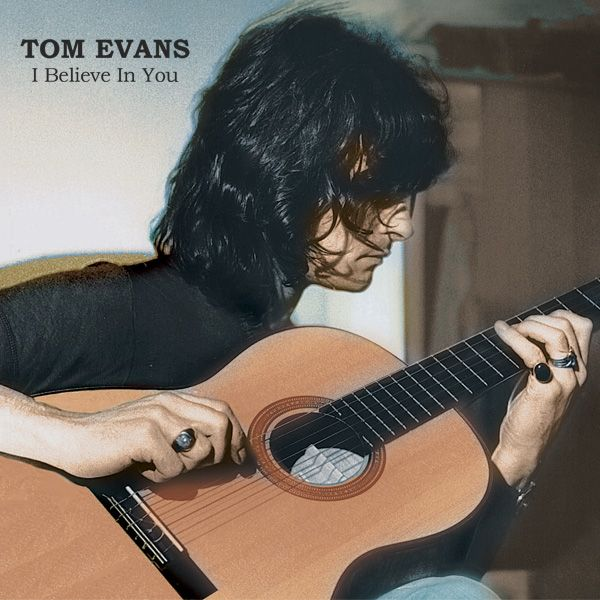
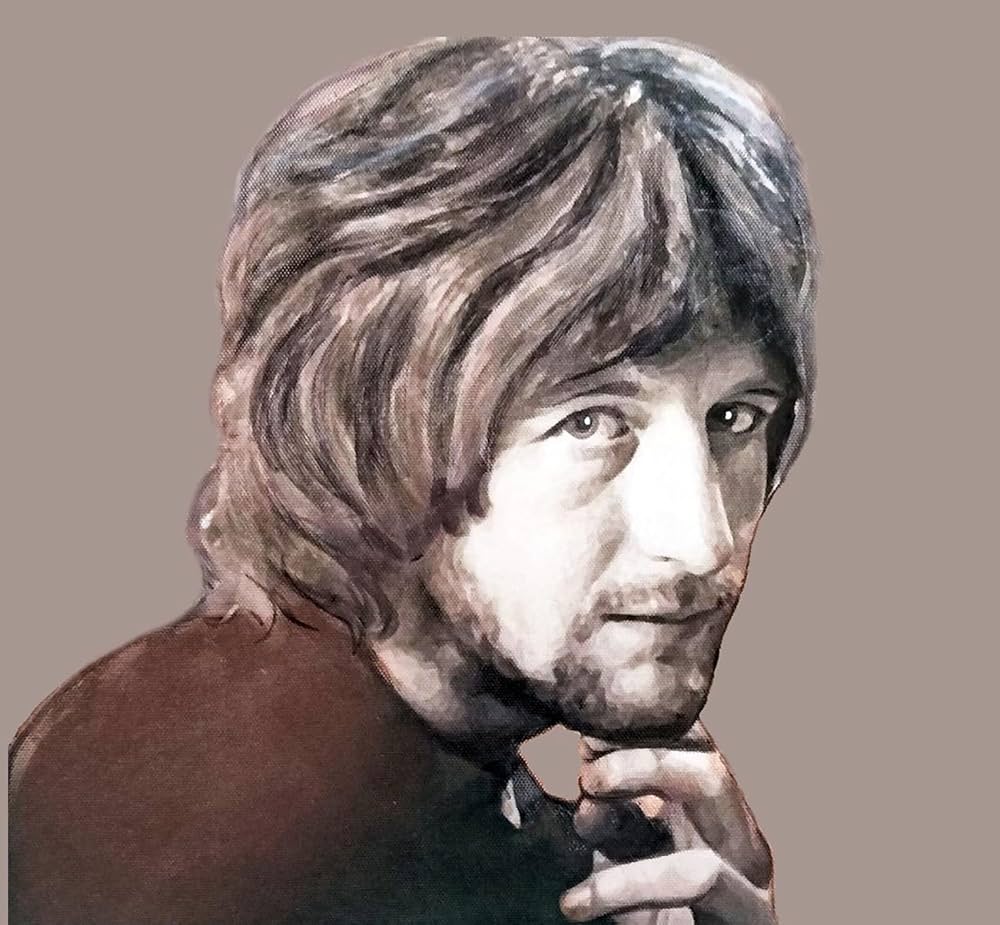
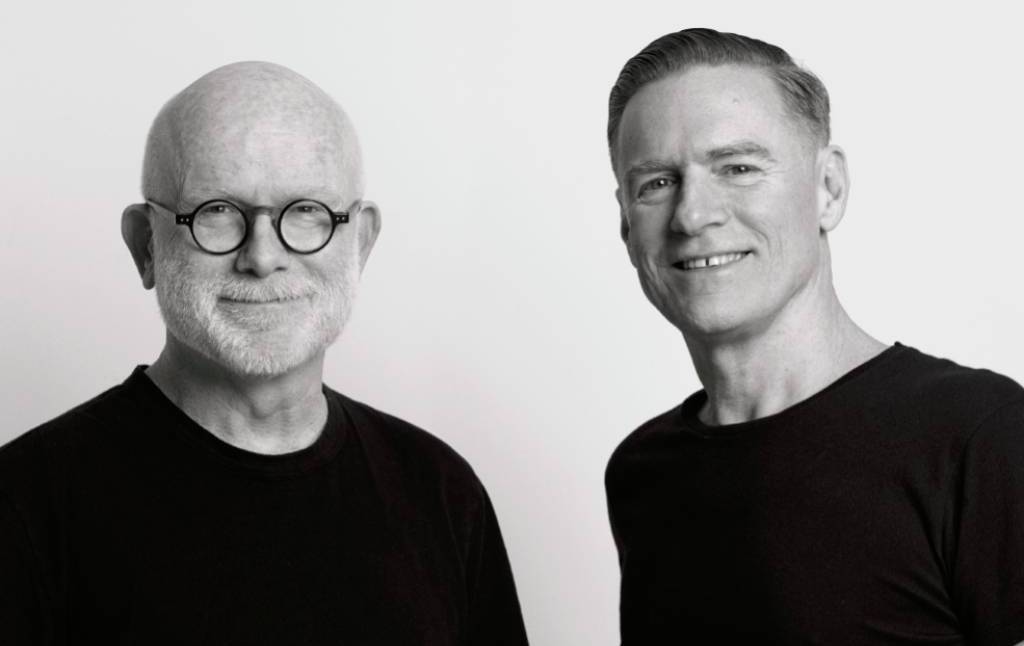
I Believe In Youis the follow-up release to 2024’s I Am Myself, a new collection of never-before-heard demo recordings by Liverpool’s TomEvans, bassist and co-lead singer of the iconic power pop group Badfinger. It will be released as a limited-edition CD by Y&T Music and available on all streaming platforms on October 30, 2026..
Like his Badfinger bandmate Pete Ham, Tom Evans was a prolific songwriter; he gave the quartet many of their greatest “deep cuts,” including “Money,” “It’s Over,” “Believe Me” and “Blind Owl.” Evans and Ham co-wrote “Without You,” which went to No. 1 for both Harry Nilsson and Mariah Carey, and is considered by many to be one of the greatest pop ballads of all time.
He sang lead on “Come And Get It,” Badfinger’s smash hit debut, written and produced by Paul McCartney; his soaring tenor voice made “Maybe Tomorrow,” recorded for the Beatles’ Apple Records when they were still calling themselves The Iveys, an international sensation.
Among the 20 tracks on I Believe In You, six went on to be recorded by Badfinger: “Money,” “When I Say,” “Blind Owl,” “Queen Of Darkness,” “Lost Inside Your Love” and “Sail Away”. Another song, “Get To You” went on to be released by The Dodgers in 1976 as the B-side of their debut single, “Don’t Let Me Be Wrong.”
Performed mainly on acoustic guitar plus some on electric guitar or piano, with some assistance on guitar and backing vocals from Badfinger/Dodgers member, Bob Jackson, the album showcases Tommy’s growing maturity as a serious songwriter and lyricist during the 1970s spanning the middle period of his musical career between 1970-1977.
I Believe In You came to be after an exhaustive 2 year search for previously unheard songs and demo versions of well known Tom Evans tracks for Badfinger and The Dodgers. The recordings were once again compiled & edited by Tom Brennan, and restored & mastered by Kevin McElligott.
Marianne Evans shared photos from her personal collection for the 12-page booklet included with this new collection and Tim Boyle took the front cover photo. Released with the full support and cooperation of the Evans Estate, I Believe In You is a limited edition of 1200 CDs.
Earlier in 2026, Y&T Music issued Miniskirts And Rainbows, their 2nd collection of unreleased demo recordings by The Iveys, which included Tom Evans on rhythm guitar and vocals.
I BELIEVE IN YOU track listing: 1. I Believe In You (version 2) 2. Try To See Eye To Eye 3. Don’t Let it Go 4. Friday Night 5. It’ll Be Alright 6. Money (original demo) 7. When I Say (original demo) 8. Blind Owl (demo version 2) 9. Queen Of Darkness (demo version 2) 10. So Far 11. I’m Gonna Love You 12. Till You Came Along 13. A Dream Come True 14. Fade Away 15. Lost Inside Your Love (demo version) 16. Sail Away (demo version) 17. Get To You (demo version) 18. Twenty-Four Reasons 19. Has Anybody Seen Her 20. I Believe In You (version 1)
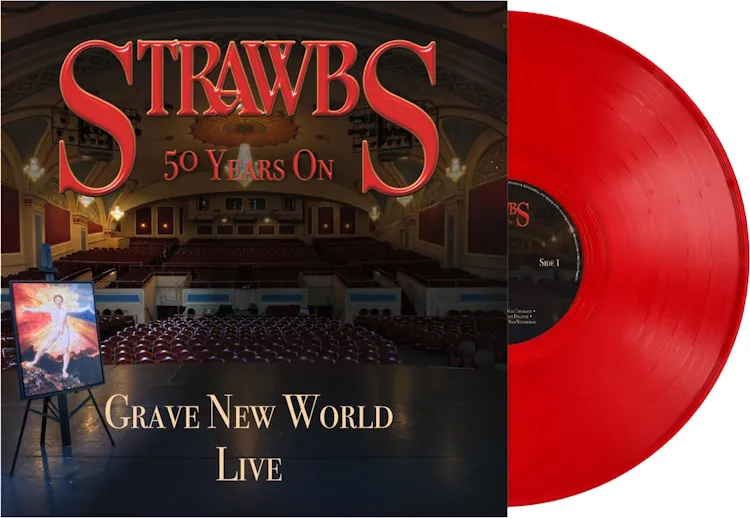
Witchwood Records To Release Strawbs ‘Grave New World Live’ On Limited Edition Coloured Vinyl October 23
• One time only limited pressing • The only live performance of ‘Grave New World’ in its entirety • A live realisation of Cousins’ vision for how his proudest work was to be experienced • Produced and mixed by Larry Fast (Peter Gabriel, Bonnie Tyler, Kate Bush, Foreigner) • Mastered at Abbey Road Studios by Geoff Pesche (Gorillaz, Coldplay, New Order, Dire Straits) • 180g translucent red vinyl, gatefold outer sleeve, printed inner sleeve with deluxe trifold booklet
In marking the death of David Cousins on 13 July 2025, Witchwood Records is absolutely delighted to announce the release of the first recording from Strawbs 50th Anniversary – ‘Grave New World Live’. This will be released as a limited pressing, just 1,000 for the world, gatefold LP with booklet – presented libretto-style, as was the original studio album. This is the first of a series of recordings to be released from Strawbs 50th. This release captures the only ever concert rendition of this landmark record.
Grave New World, released on 4 February 1972, reached number 11 in the UK Albums chart, selling almost 100,000 copies in the UK alone. It was one of the albums of which David Cousins was most proud. He continued to perform songs such as New World and Benedictus throughout his career.
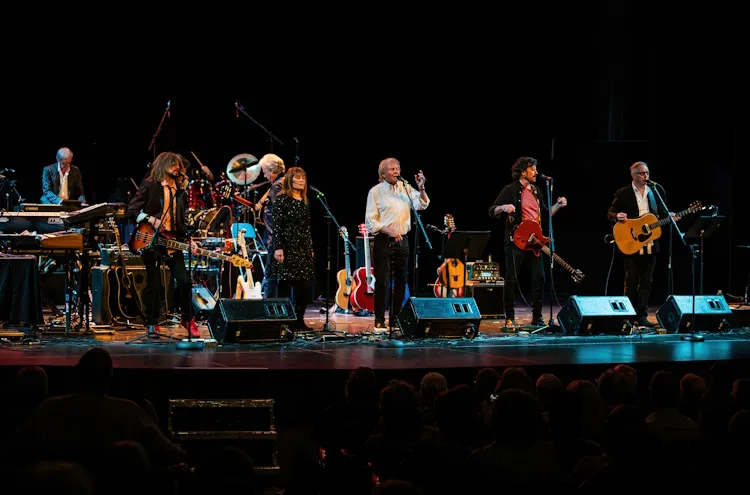
In developing Strawbs 50th Anniversary, to be held in Lakewood, New Jersey, USA from 26 April through 28 April 2019, David decided that the programme should include the only live performance of the album. As such, he invited Wesley Stace to collaborate with him in writing a narration for this ‘theatrical performance’.
John Ford and Blue Weaver, both of whom had performed on the original album, were invited to take part. They were joined by Wesley Stace, Eric Bazilian (of the Hooters), Tony Fernandez, Brian Willoughby and Cathryn Craig. With only an afternoon’s rehearsal, the performance took place on the early evening of 27 April. As would be the case for a theatrical performance or classical concert, the audience was asked not to applaud until the end.
In addition to the numbers that David sang, and Wesley’s narration, John Ford sang Heavy Disguise and Wesley performed The Flower and the Young Man.
David’s ill health, together with COVID-19, meant that it wasn’t possible for Grave New World Live to be completed as soon as he would have wished. Work had already been started by Larry Fast, a pioneer in electronic music production, and record producer Blue Weaver, before David’s death in July 2025. In accordance with his wishes, this recording, on vinyl like the original, is now presented as the first major work from the 50th Anniversary. Unlike many “live” albums, however, the songs are heard as they were performed.
Track listing: 1. Benedictus 2. Hey Little Man Thursday 3. Queen Of Dreams 4. Heavy Disguise 5. New World 6. Hey Little Man Wednesday 7. The Flower And The Young Man 8. Tomorrow 9. On Growing Older 10. Ah Me Ah My 11. Is It Today Lord 12. Journey’s End 13. Benedictus 2
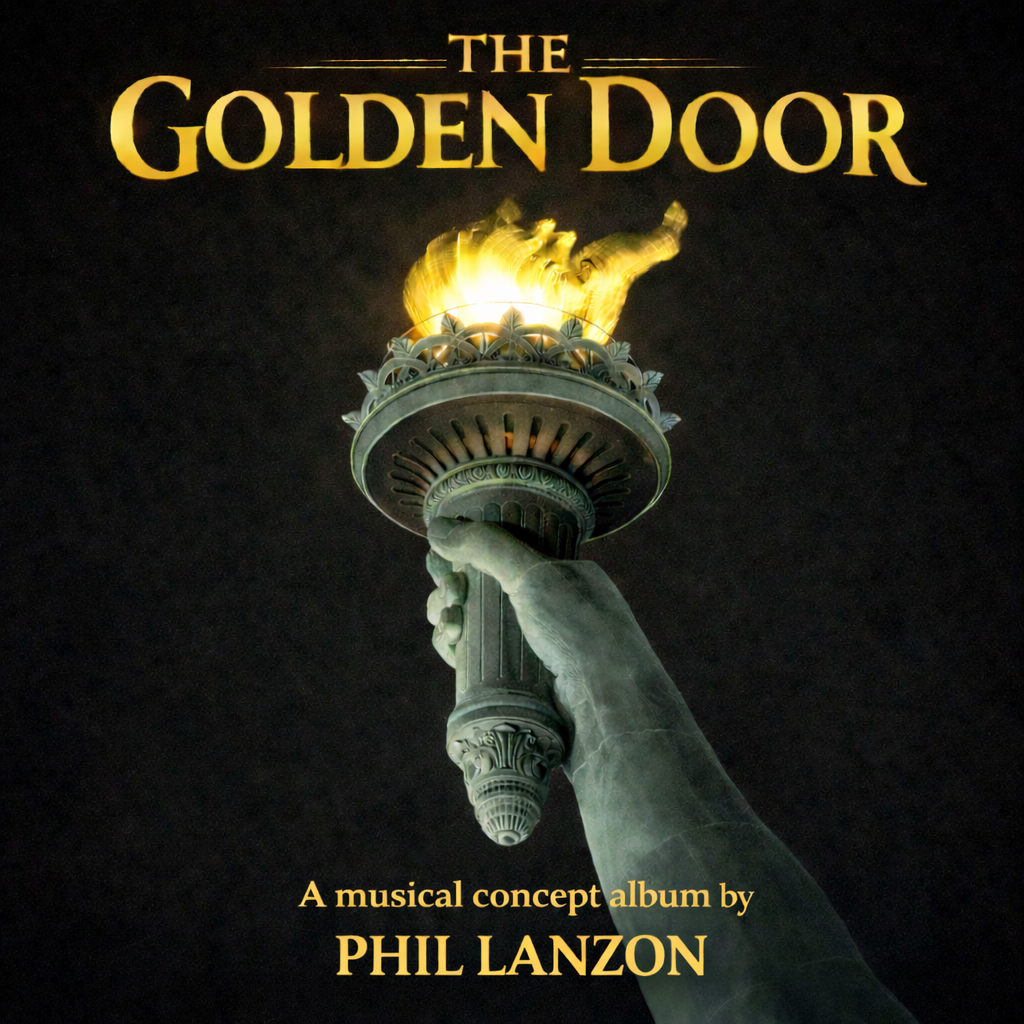
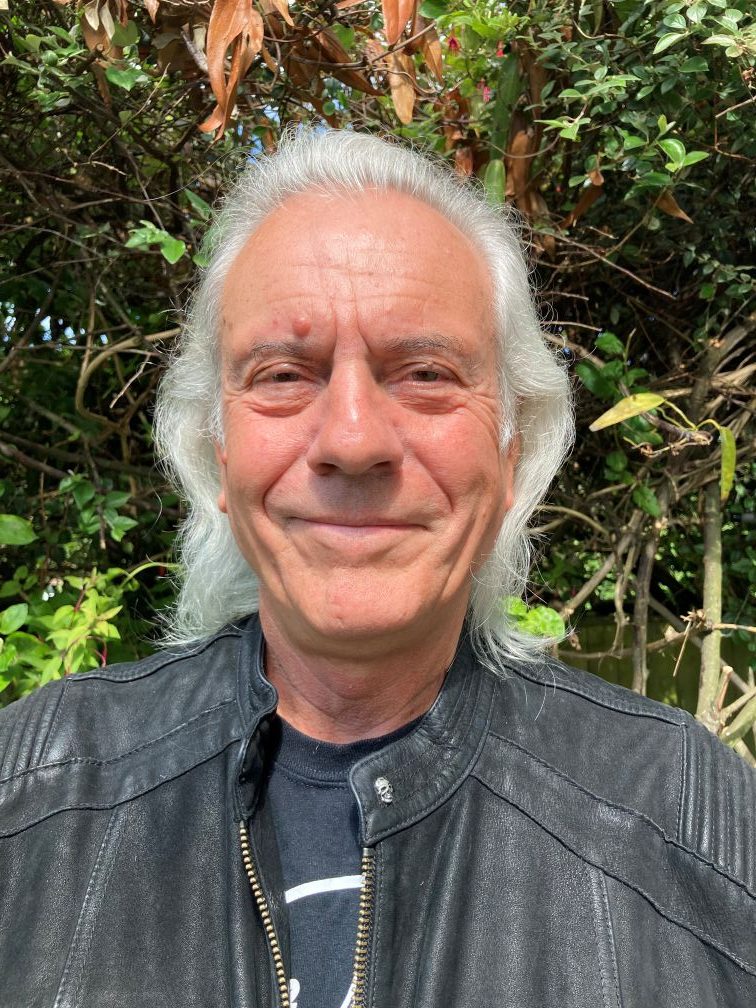
British keyboard player & songwriter Phil Lanzon is best known to us Uriah Heep fans, as he’s been a big part of the band for 40 years now. He’s also previously released 2 albums, and his third album has just been issued on CD and digitally, and it is nothing like the band he is apart of or his other 2 solo albums. The Golden Door is a concept album, featuring songs written by Phil. The story is that of Ellis Island, where European immigrants came to America first, escaping the war in 1917. *There are a couple of links at the bottom of the page where you can read more details on the story, as well as the whole plan and concept behind The Golden Door.
I spoke to Phil about The Golden Door, how it all came about, was recorded, and plans to one day get it in theatres. You can order the CD via Phil’s website (store): https://www.phillanzonwordsandmusic.com/shop , as well as check it out online, Youtube, Spotify...
You’ve talked about working with an orchestra before and doing something long term. So where did this all come from? What kind of got it rolling as far as the whole story and getting it to where it’s finished?
Well, I was given the script by my late partner who passed away just at the beginning of COVID. Many years ago, 15, 16 years ago, he gave me the script and said, I’ve got an idea. There’s a story here, read it and see if you want to make it into a musical. And I said, I don’t like musicals, not my thing. So, so he said, Well, just take it out and read it and pick out one of the characters, maybe, do something like that. Have a go, see what happens. I reluctantly took the script home and read it, and I liked it straight away. The story substance was interesting to me. And I thought, well, I’ll give it a go. So, I started messing about on the piano. I came up with two or three ideas, which he liked very much and said, keep going, keep going. This is like 15 years ago. And over time, rather than go into the details, to put it simply, we spend a lot of time on the script, perfecting the script and the songs for the characters. As years went by, we got more and more songs happening, or a lot more then. And we had a going concern after about five years of slogging away at it. We sent it out to theatres in America but everyone was busy with their own projects and we couldn’t get a bite. And we thought, well, maybe it’s not an American debut idea. It should debut in England, in the UK, and then it could spread from there. So that’s been the idea ever since.
I’ve read most of what’s on the website.
That’s great. So, what happened during that time, I’ve been obviously touring with Heep and going all over the world. And I put I did shelf the project about five, six years ago, thinking, Well, I’m too busy with the band, and we’re writing stuff; the next album was coming, etc, etc. So I left it for about a year on the shelf.
And then it just occurred to me that that was a mistake, the wrong thing to do. I said, I’ve got to pull those songs out and get them re-recorded with session people properly. And because of that, my producer, Joan Lane – when I sent her the finished demos – she was blown away so much. She said, Oh, we’ve got to go all the way with this…boots and braces! So, that’s what I want to hear.
So, we just pushed on from there. What we needed was an album, of course, so I finished off a whole lot more songs as time went by, and selected them and put them together. And the album is out there now being listened to on YouTube/Spotify, everyone can now hear the entire album with the spoken word sections put in….So you can get a kind of flow for the whole story.
It’s obviously not a rock album. Did you do the demos differently, or the same as you would approach to do a solo album or a Heep album?
Yeah, probably more because the songs are character based, and my other albums are not character based, they’re just rock songs. And because they’re character based, they pull in a different flavour. Obviously it’s a different genre. It’s got some rock elements in it, but it’s not a rock album. I call it a rock and ballads album. But because you’re in musical theatre world, and because of that, you write accordingly. I’m not trying not to be derivative or typical, how do I say typical…? musical songs that you hear in musicals that can be a little bit twee, a little bit, not really my cup of tea. But I found the genre interesting and more rewarding than anything I’ve ever done.
And because they’re character based, it brings on it’s own life because you know, the story, the script, I’ve helped change the script a little bit over time and worked on that an awful lot. So,it’s really been a work in progress. And I think we’ve reached a stage where now we need a top producer and an investor. And that’s the aim.
I imagine this was probably a little more costly than doing a rock album. Were you there for everything – all the orchestration sessions, all the choir sessions…?
Yeah, absolutely. I’m present on everything; anything going down I’m there. Singers, players, orchestra, conductor, arranging… I’m there all the time. You have to be, you have to be right on it.
How new were you to the whole, working with the orchestra and finding the choirs and the right players?
Yeah, well I have got contacts through my producer – Simon Hanhart, and the orchestrator – John Cameron. These are contacts I’ve been able to acquire. And singers wise, Annie Skates is an agent for an awful lot, if not all of the West End singers. She brought in a lot of people. And my producer, Joan, she knows a lot of people as well. So, between all those contacts, that’s where everyone came from. I don’t personally know them myself, apart from three of the singers on the album, which I have used on my previous albums. But that’s how it’s all come about, is knowing those people, and the combination of people I’ve used, some of which I’ve done before, has proved to work out so well.
I’m really happy with the way it’s turned out. I’ve worked with the string orchestra on my other albums as well. I’ve had great help from Richard Cottle from my previous solo albums.
Is there a firm plan to do like a live performance of this and get it into the theatres?
Oh, no. Well, we need a producer to create a stage production. That’s what we’re aiming for, right!? We need a stage production. But when that comes along, I shall press up vinyl, obviously. We’re now beginning to look at theatres in America as well as the UK.
As far as the story goes, do you have like a, are you a bit of a history buff as far as reading? Because I know like with the last album, 48 Seconds, you had the story about the fire and that.
I’ve always been a reader and, I pick up on certain historic things. I think that’s why I like the story, The Golden Door. The thing for me really is it’s, it’s important. It’s a very optimistic piece. It’s an optimistic piece, which kind of points, if you like, to what the immigrants at the time thought they would get in America. So, it’s optimism all the way through, you know, Wecan’t wait to get there.I’ll get a job… The dream was there. And I think it presents that side of it. And there’s so many American people, Canadian and American people who will have a relative or at least know somebody who was connected with that period in time. And it touches an emotional point, really.
The album is out there on YouTube and that, but is there a plan to kind of release any video or single, kind of something that will market it to your own fans?
I’m pretty sure that that that will come. It’s just very early days as we speak. But certainly, there’ll be movements in that area. I think we’ve farmed the album out to a lot of important people. And we’re sitting on that for a while to see what way we’re going to go.
But yes, is the answer to all those. They will all come.
Do you think when you get to the stage production, anything would change as far as adding more to it or the arrangements?
Yeah, for sure. Stage production in a musical changes every minute, almost. It’s just constant change. And even up until first night, things will change. And even after first night, there’ll be the comments – Well, we need to cut this out, we need to add this bit in. We need to put that in. There’s no end.
Is there something you’ve been looking forward to a long time as far as even like way back to, I guess, in the 70s, you didn’t, you weren’t in really rock bands for a while there, but?
No, I would never, ever think I would be involved in musical theatre at all. That was never in my mind, ever. But then as they go, you can never say never. And it grew out of something small and became this.
I think it’s kind of similar, as a rock fan, as you get older, you discover more things you thought you would never like or things you thought you would never listen to.
Do you foresee yourself doing more of this sort of thing? Or would you rather go back to doing another regular type of solo album?
I have no idea. I’m actually treating it like my third solo album, because that’s what it is.
Yeah, it’s got your name on it.
But it’s slightly different, maybe slightly different to the other two. But hey, you know, change is as good as the rest! And it’s exciting work, working on a script with characters and making the music that suits that character. And that’s very rewarding.
It’s really an important point to make. Very rewarding work, because it’s so different to a rock band, which in it’s own way is also rewarding, but in a different way. Whereas this is new, and very enjoyable. I’d like to do it again. It would be hard to find the right subject matter.
Did you did you find yourself doing a lot of research and then going back and correcting things factually as far as it goes?
Yeah, many, many, many times. I’ve done a lot of reading on it. Now, no doubt, when we make it to the stage production, and it starts getting noticed, and people are turning up to see that, there’s bound to be the odd comment, it’s going to happen – Oh, that bit was wrong. What you said there, that didn’t happen. Or, You missed the bit where so and so happened. That’s exactly what will happen. It’s got to be; It’s inevitable.
What else do you got on the go other than just touring?
Well, this has taken up all my time. I’m at home…I still do my artwork. I put stuff out on my Instagram. That’s really all my time. I haven’t got a lot of time for much else.
Dare I ask if there’s anything on the Heep front? Any kind of recording ?
Oh, recording. No, not yet, we’re talking about that. I don’t think there’s anything planned at the moment. That’s all I can say.
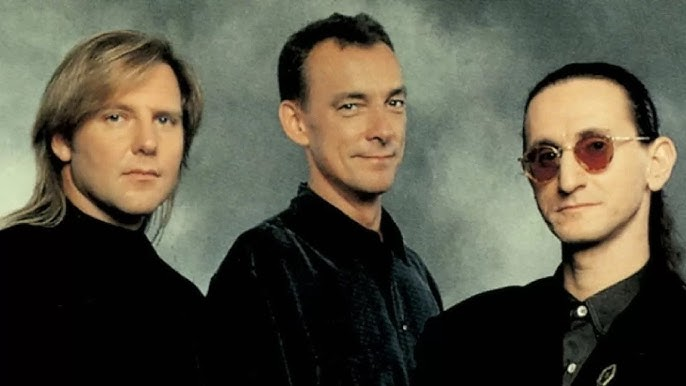
When 1985s Power Windows came out, I loved the lead off single “Big Money”. Again, it was different than their previous album, a step further into their change to a more keyboard sound, modern, lighter…but beyond “Big Money”, I didn’t get too much into Power Windows. I saw that tour, at Maple Leaf Gardens in Toronto, but that was the last Rush album I picked up early on in release, and last tour until the 2000s.
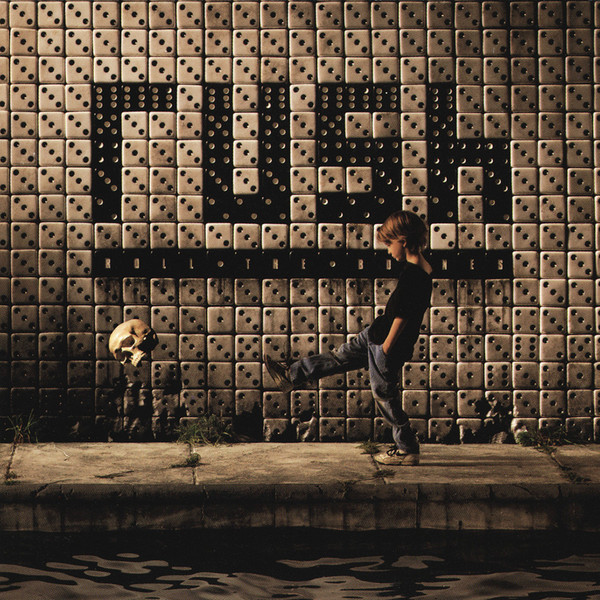
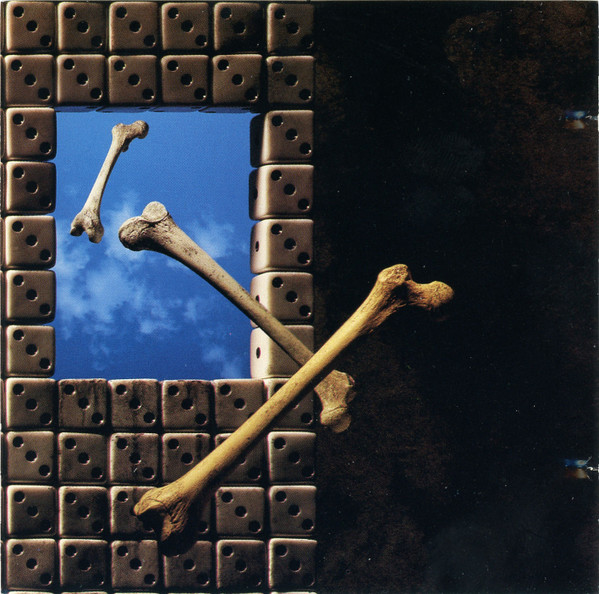
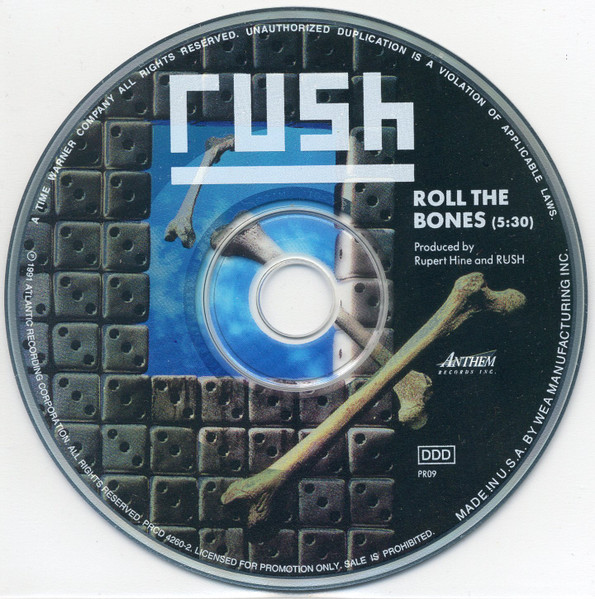
Roll The Bones was produced by Rupert Hine, a British musican/producer, who was more known for producing more 80s pop & New wave then, such as The Fixx, Howard Jones, and The Thompson Twins. He did do a couple of excellent Saga albums as well. So, with Rush’s lighter and modern direction for the past few albums, Hine, I guess, seemed like a good fit for what the band was going for then.
This album featured the singles – “Dreamline” (promo) “Ghost Of A Chance” (US, UK, Germany) and the title track. “Roll The Bones” (being the only video released), is the best known from this album, with it’s brief ‘rap’ section, which though I could do without, it is something different (again) and made for a great visual video and live. The stand-out track on this album for though is “Bravado”, and hearing this one in recent months (prior to the tour) is what had me revisiting this album. Seeing the live clips of it from the 50 Something Tour, and then hearing it in Toronto, along with the Neal Peart tribute collection of photos that went along with it, made more of an impact. Such a unqiue melody, lyirc and song in the band’s catalogue. One thing about the lighter sound, Alex Lifeson’s solos were always spot on during this period, such as on “Bravado”. Although I really like the 3 songs chosen as singles, I can’t imagine why “Bravado” was not issued as a single (tho there was promos of this in the US & France).
Other good songs on Roll The Bones (for me) include the instrumental “Where’s My Thing” (which was nominated for a Grammy), and “Heresy”. Can’t say I’m crazy about everything here, but there is enough classic Rush to make me want to put this on more, and rethink and revisit previous albums I never really got into so much.
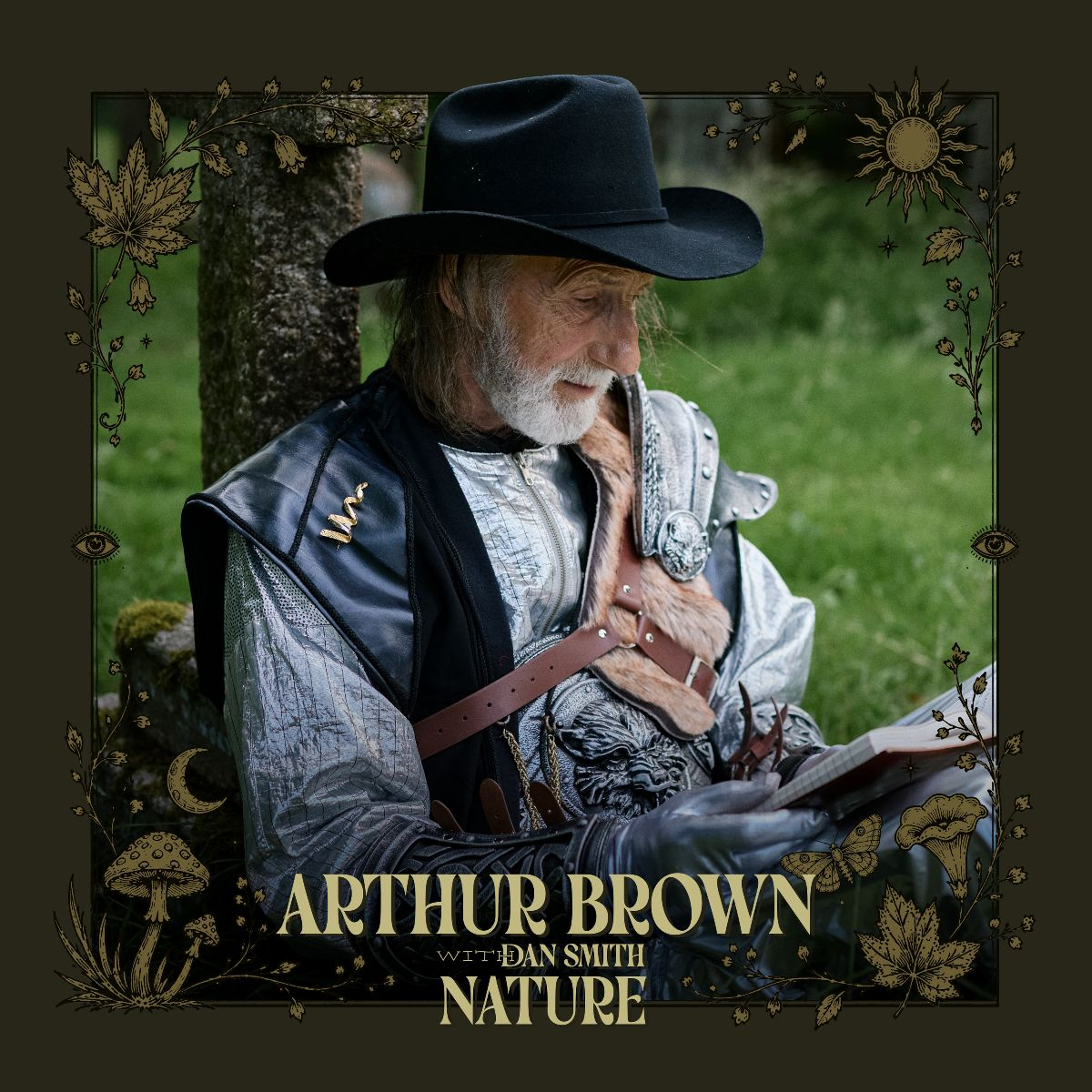
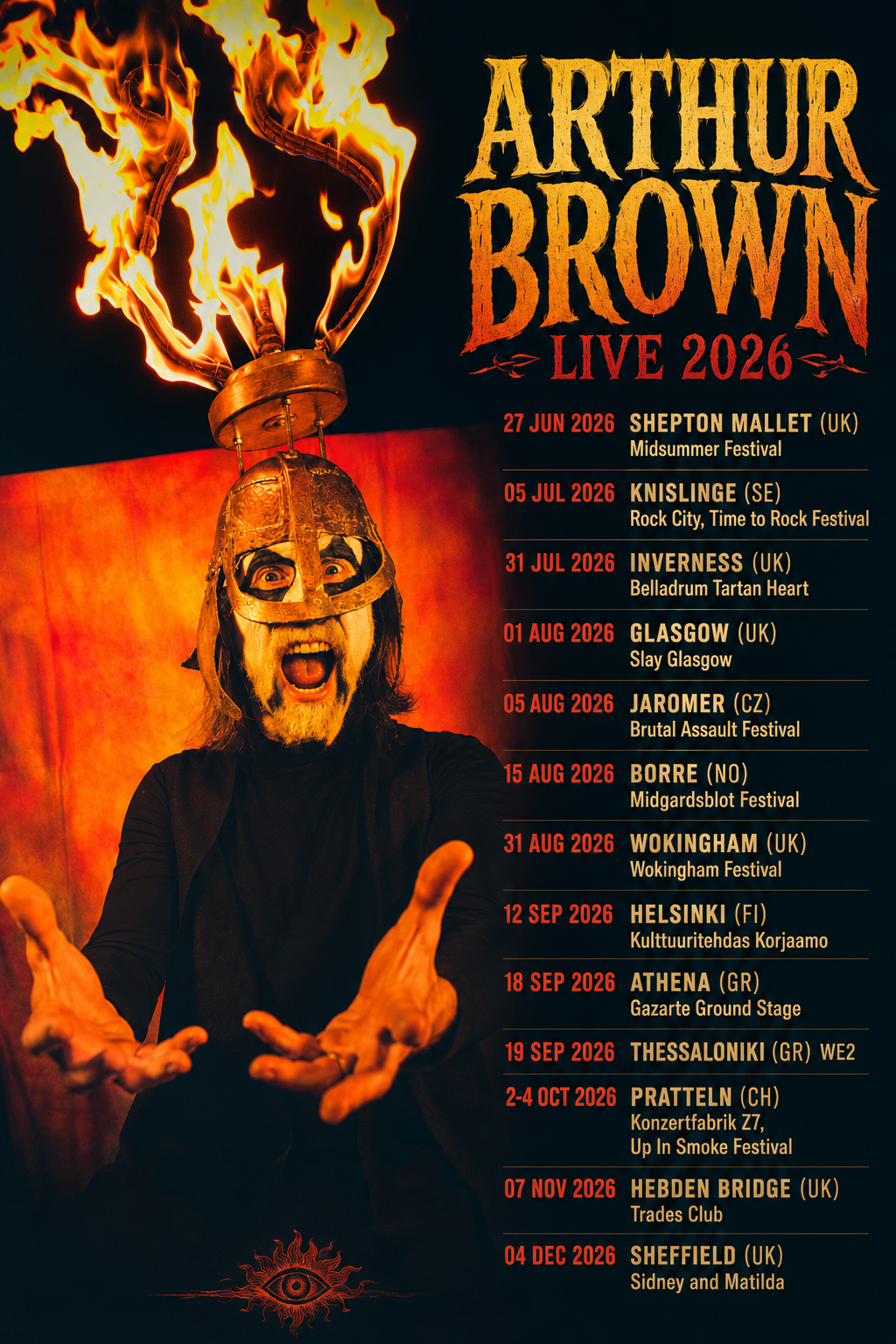
Legendary British rocker Arthur Brown has a new album coming out September 4th, through Prophecy Productions. It is a collaboration with multi-instrumentalist Dan Smith. Arthur Brown is still out there rocking – touring, and creating new music – 58 years after his worldwide hit “Fire”!
Arthur had 2 albums in 2022, Monster’s Ball(w/ various guests) and the excellentLong Long Road (w/ Rik Patten). His new single and video is out. The album is available for pre-order, in various formatsHERE. Check it out. Really looking forward to this. *Also check out the press release below, as well as tracklisting and links to more on Arthur Brown. Further, Arthur has upcoming shows and will also be a guest host on ALICE COOPER’s upcoming UK book tour, see all dates below.
Video by Marvin Stang
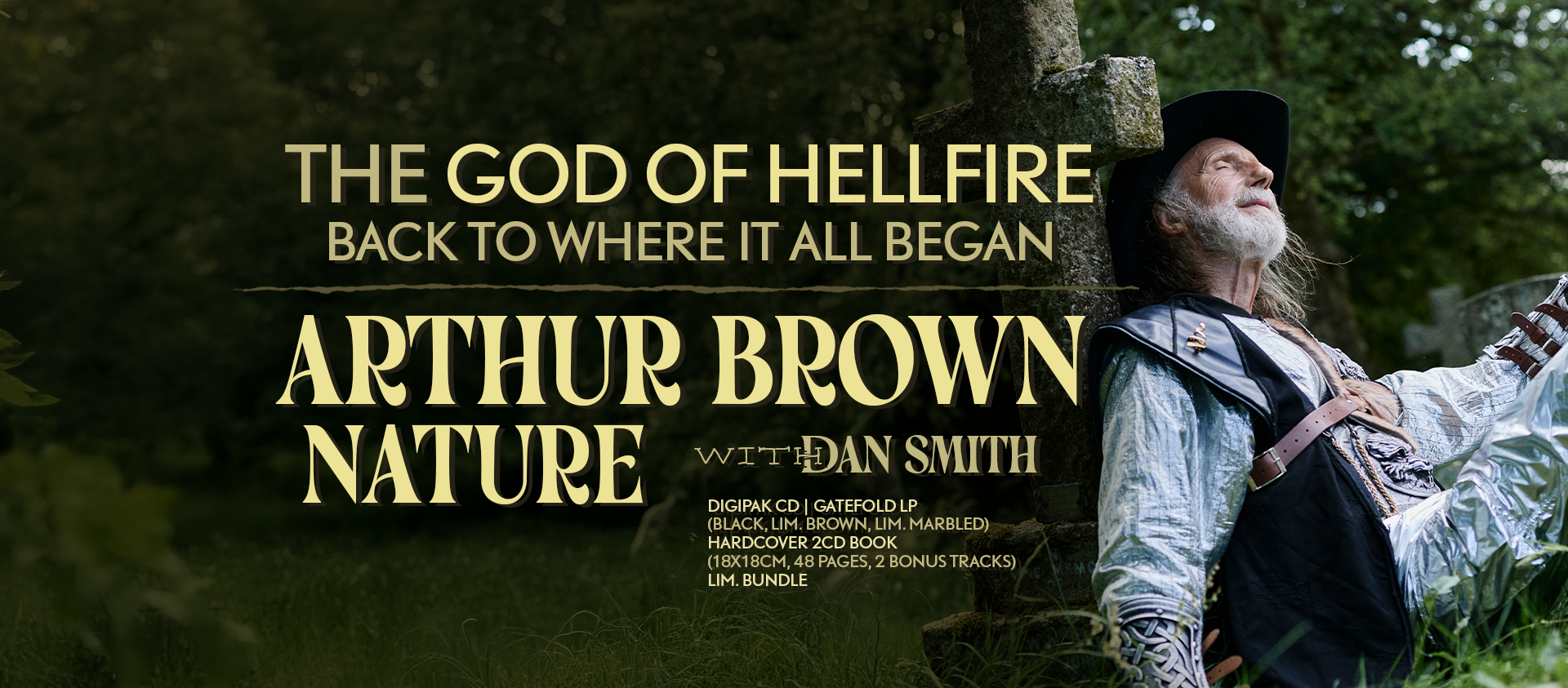
Iconic British blues rocker ARTHUR BROWN has revealed the title track of his forthcoming new full-length “Nature“, which has been created in collaboration with DAN SMITH. ‘Nature’ is presented in the shape of a beautiful music video that has been pro-shot live at his flamboyant shows during ARTHUR BROWN’s recent touring across Europe.
ARTHUR BROWN comments on ‘Nature’: “This is a time of confusion and choice”, the legendary rock musician muses. “Deep inside us is a consciousness, which is the basis of everything. Can we find a way to know ourselves as being it? At the moment all our social structures, our laws, education system, everything in our culture are no longer using the parts of our brain that can care for the world in its totality. From this comes our discomfort in our living. All our problems arise from this dualistic world image. We need to find a way to stand before this ‘consciousness’ and drop all our current ‘answers’.”
As ARTHUR BROWN continues to perform – “Nature” stands as a profound and poetic culmination of his artistic journey. After six decades on all the stages of the world, boundary‑breaking performances, pioneering and innovating rock music, fate and life have brought the iconic singer back to where he came from – both as a creative artist and in his personal geography.
For more than sixty years, ARTHUR BROWN has stood as one of the most singular figures in rock music. The singer and performer is universally recognised as a true visionary whose work has always moved beyond conventional songcraft and crossed over into theatre, ritual, and sonic experimentation. At the culmination of his extraordinary decade-spanning career, ARTHUR BROWN announces the release of what he describes as his pinnacle album: “Nature”.
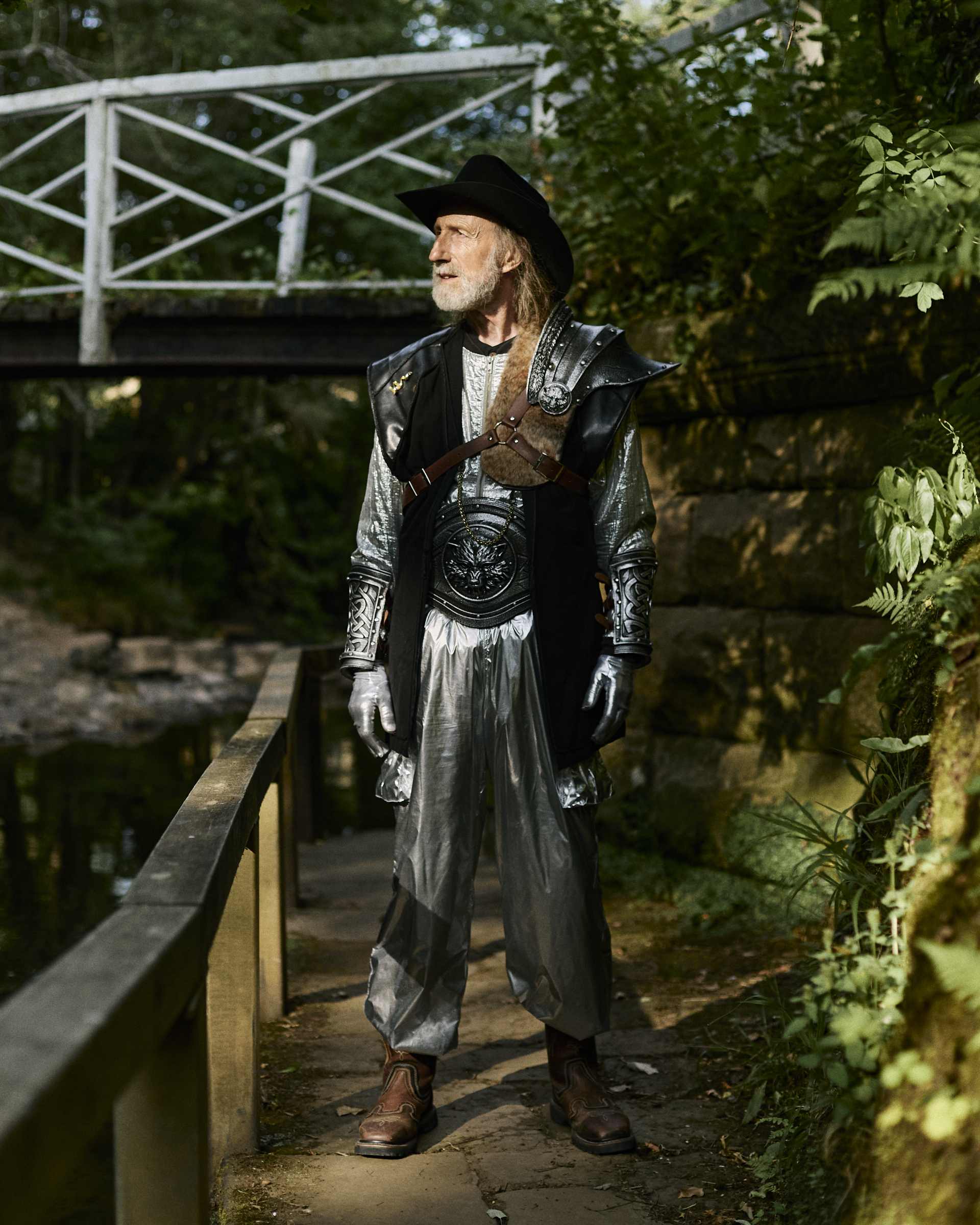
In recent years, ARTHUR BROWN has been contemplating how he would like to see the final chapter of his musical journey to unfold. After decades of global travel and artistic exploration, the question became not how to continue – but how to remain true and authentic to himself. Originally planning to settle in the United States, the Norns weaving fate pulled some strings. Brown and his partner as well as creative director, Claire Waller, found themselves unexpectedly in North Yorkshire, in the north of England.
An Album Shaped by Time, Elements and a Return
What at first looked like only a temporary change of plan soon revealed itself as something far more profound. Settling down among the vast landscapes of the North York Moors, ARTHUR BROWN discovered that he had followed something powerful, the call of his blood. The iconic rock pioneer found himself living in his ancestral home, only miles from the final resting place of his great‑grandfather, grandfather, and father on one side. While on the other side loomed that ancient fishing town at the heart of many a dark folk tale, Whitby – the place of his birth. These discoveries made his return feel almost magical in its poetic symmetry.
“Nature” is a reflection on a life that has and is dedicated to the search of meaning through creativity, spirituality, and artistic exploration. Throughout ARTHUR BROWN’s life, one idea has returned time and again: the cosmic unity of existence. “Nature” places that philosophy at its centre. “Nature” is not intended as some kind of closing statement but rather the distillation of a lifetime spent exploring the mysteries of being. It is the sound of a wandering minstrel pausing, at last, to listen to the wind in the trees. And quite literally so…
Nature’s call changed the way that ARTHUR BROWN was used to working on new music. Rather than constructing the album purely within the walls of a studio, he began recording the natural sounds that surround his home. The bubbling brook. The flow of the nearby river. Wind moving through trees. Wind chimes hanging in the air. Footsteps across soil and woodland paths. The crackle of fire in the hearth. All these sounds and more became part of “Nature”‘s sonic palette.
ARTHUR BROWN went on to find the perfect collaborators for his musical endeavour. Working with his friend and producer Isaac McInnis of Crooked Room Studio, the veteran musician developed the conceptual framework of the record – blending environmental recordings with improvisational composition. When he was satisfied, ARTHUR BROWN took the next step and called upon another friend, the composer, multi-instrumentalist, and collaborator Dan Smith, who is also a member of the current CRAZY WORLD OF ARTHUR BROWN live line-up, to help shape the music.
Together with McInnis and Claire Waller, the creative process unfolded organically step by step. ARTHUR BROWN brought with him a lifetime of lyrical writing, poetic prowess, and philosophical reflection. The songs evolved through a series of improvised recording sessions, which were guided by instinct rather than rigid structure.
Following these sessions, Dan Smith continued to expand and develop the musical landscape. He worked alongside McInnis, Waller, and Brown to shape what would ultimately become “Nature”. More than just another album, this record offers an interwoven tapestry of natural sounds, improvised exploration of instruments, traditional composition, and joyful collaboration.
It is time to let “Nature” take its course…
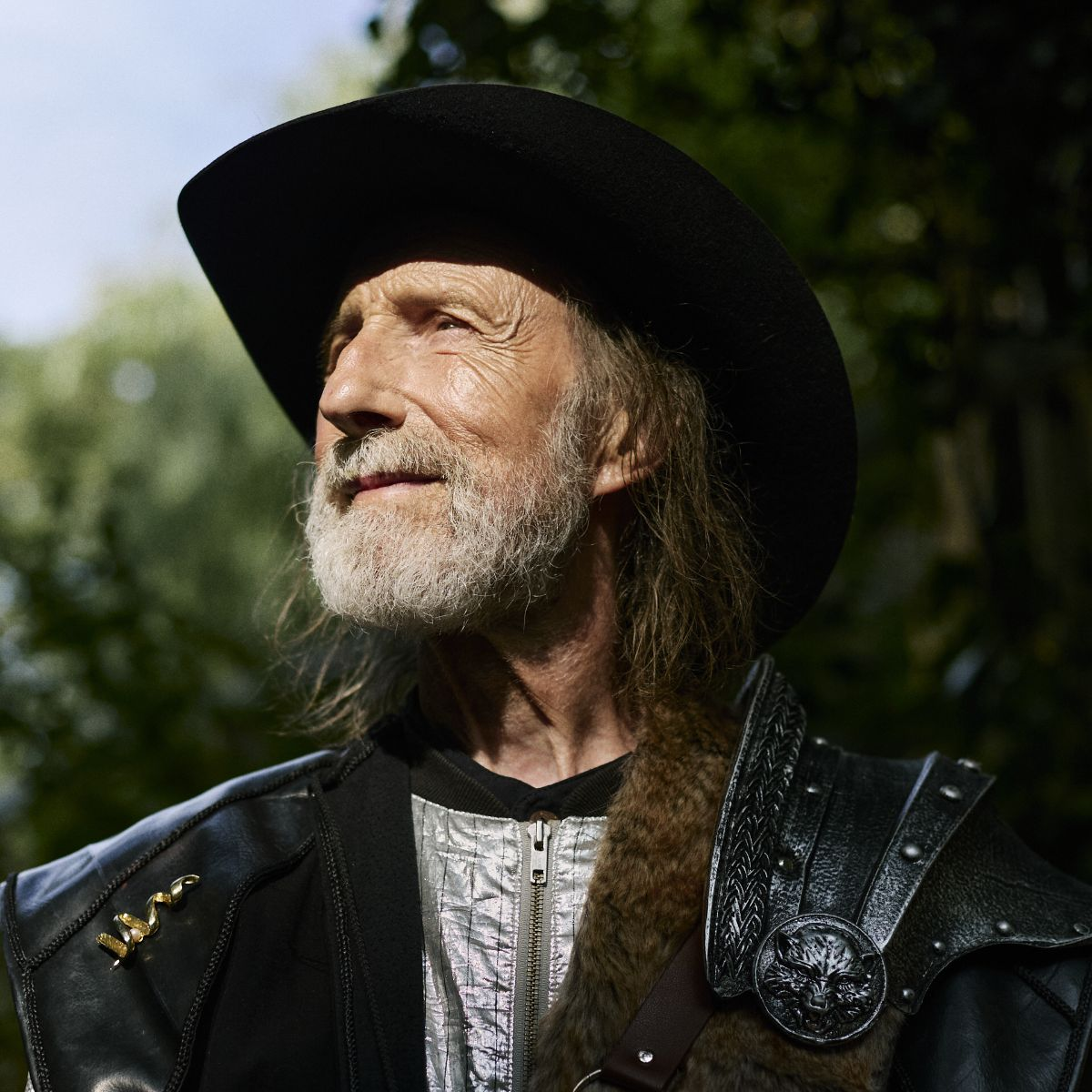
photo: Harvey Waller
Tracklist 1. Nature 2. With a Tear 3. The Source 4. Seven 5. Bursting the Bubble 6. Water on Stone 7. Open Hearts 8. Enough
Line-up: Arthur Brown – vocals Dan Smith – various instruments
Recording line-up: Arthur Brown – vocals Dan Smith – guitar, bass, keyboards, programming, backing vocals Isaac McInnis – keyboards, programming, scissors
Guest musicians: Sam Walker – drums, steel pans, percussion, backing vocals on track 1 & 4 Claire Waller – scissors, recorder on track 1 & 7 Paul Elliott – drums, percussion on track 2
Recording & mix: by Isaac McInnis at Crooked Room Studio, York (UK) Mastering: by Kevin Tuffy at Tuff Mastering, Berlin (DE)
Artwork photography: by Harvey Waller Layout: by Łukasz Jaszak
Available formats
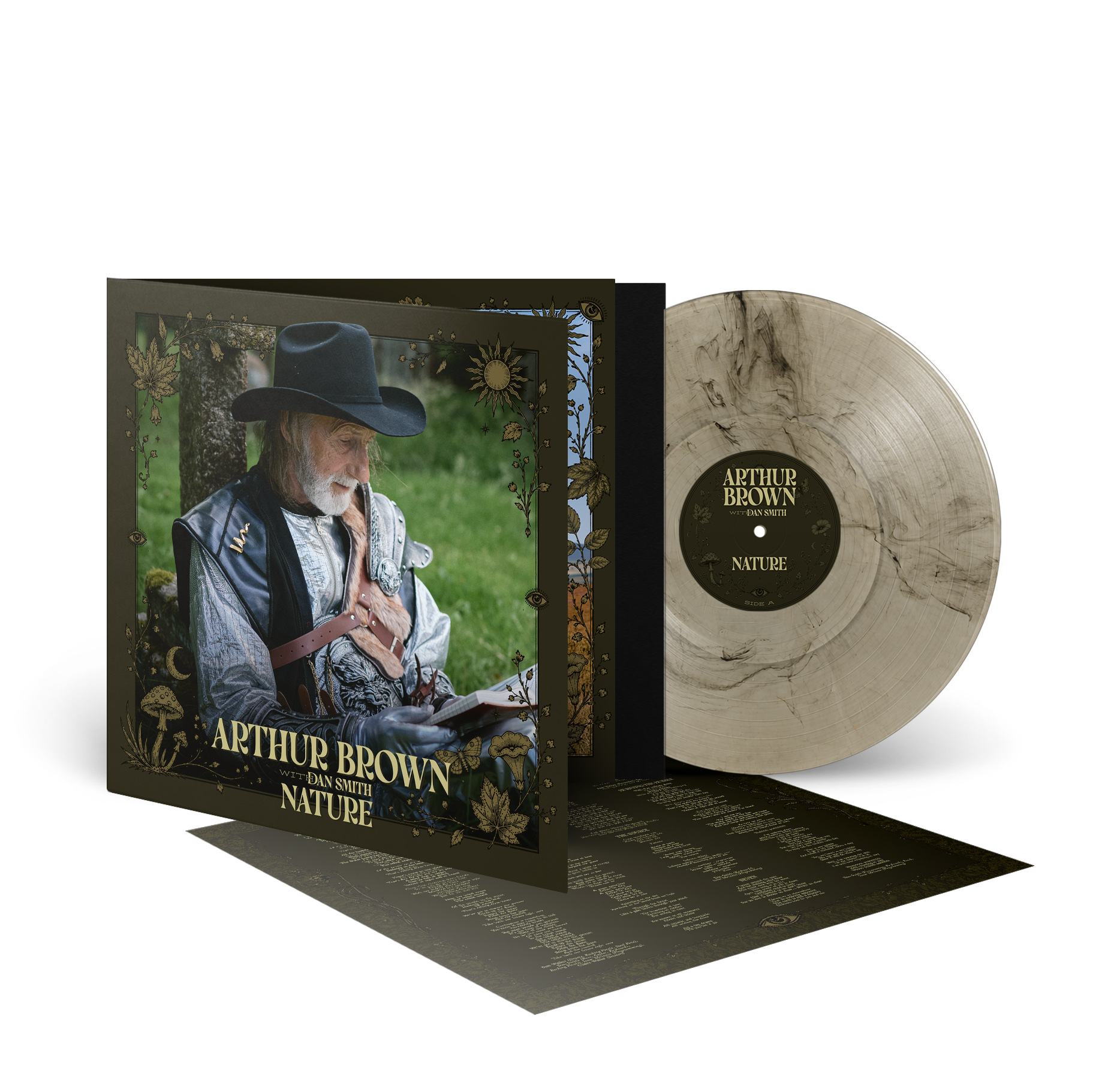
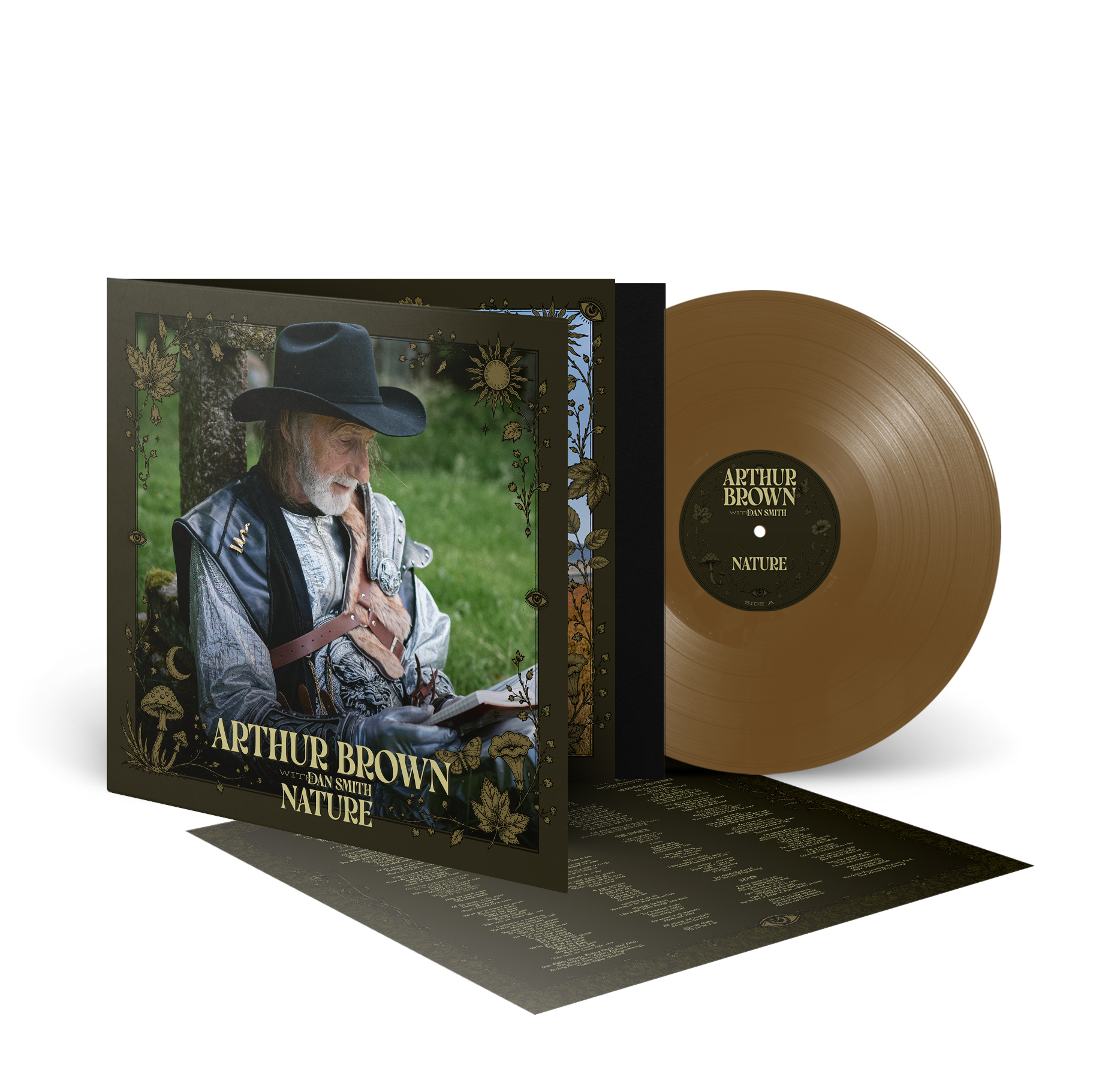
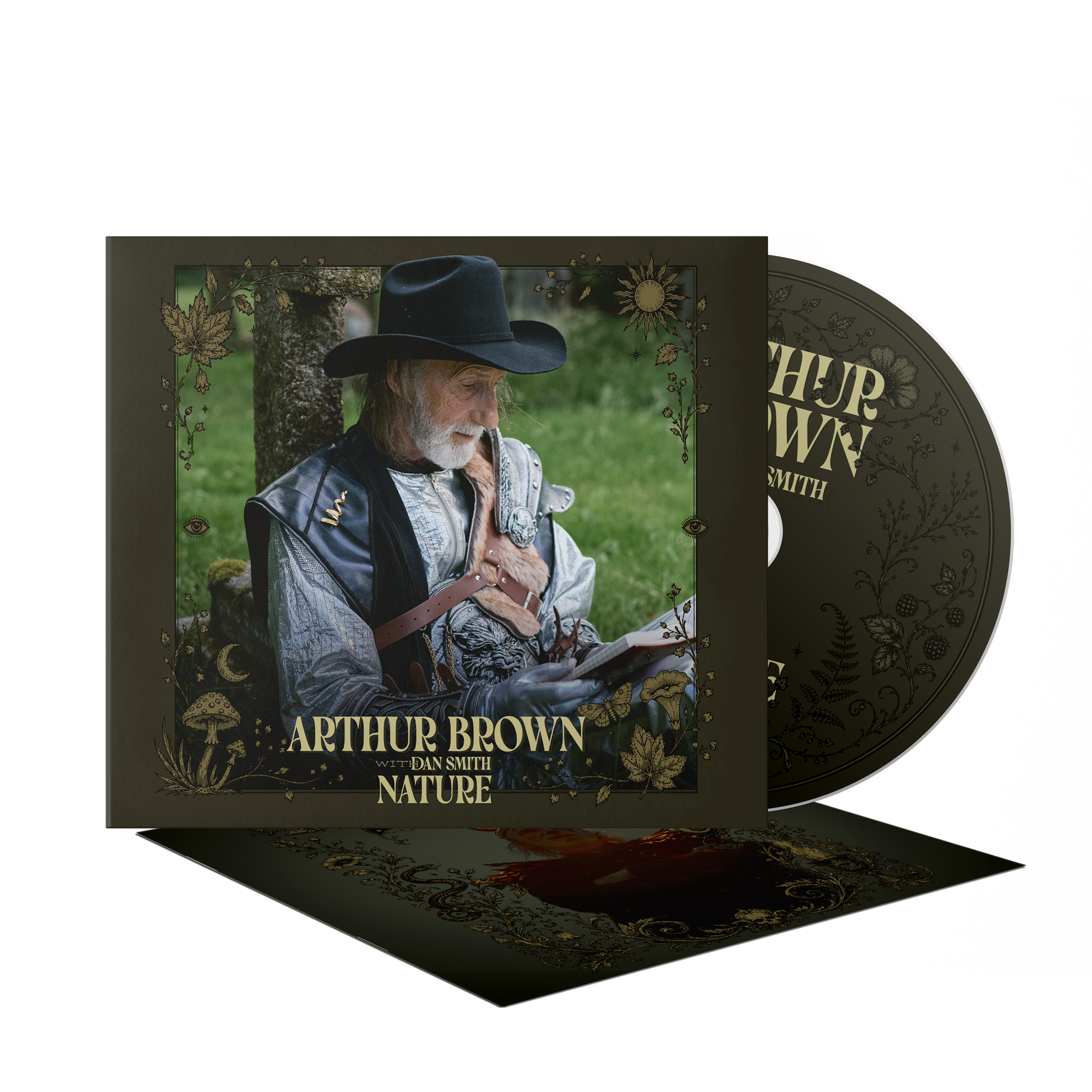
“Nature” will be available as a ltd. hardcover 48-page 2CD artbook with essays by Arthur Brown & bonus CD incl. two excl. studio tracks, ltd. Gatefold marbled natural & clear vinyl LP (400 copies), ltd. Gatefold brown vinyl LP (400 copies), Gatefold black vinyl LP, and on Digipak CD.
ALICE COOPER UK Book Tour dates with host ARTHUR BROWN: 13 OCT 2016 London (UK) Palladium 14 OCT 2016 Brighton (UK) Dome 17 OCT 2016 Stockton (UK) Globe 20 OCT 2016 Wolverhampton (UK) Civic Hall
New Tribute To BADFINGER Legend “JUST LOOK INSIDE THE COVER – SONGS OF PETE HAM”. To Be Released June 19 on Y&T Music
Includes new recordings by Ron Griffiths and Bob Jackson of The Iveys and Badfinger
Y&T Music is proud to announce the release of a special tribute album, “Just Look inside The Cover – Songs of Pete Ham,” featuring 22 new recordings of songs written by Pete Ham. This very unique tribute album features songs that were only previously released as home demos and never recorded by Badfinger.
Pete Ham was one of the 20th century’s greatest overlooked artists. Certainly, the Swansea, Wales-born musician received some recognition: three of his songs – “No Matter What,” “Day After Day” and “Baby Blue,” all recorded by his group Badfinger – were hit singles, and the popularity of those songs endures to this day. And “Without You” – co-written with band mate Tom Evans – would become a standard when covered by American singer-songwriter Harry Nilsson. With Badfinger, Ham made seven albums, all of which are today recognized as classics of melodic rock.
While the total output of Pete Ham penned songs released during his short lifetime would be less than 40 songs, he proved to be a startlingly prolific songwriter. Thanks to the diligent archival work of people working in close cooperation with The Pete Ham estate, demo recordings of many of these and previously unknown songs have come to light in recent years and are the focus of this tribute.
Many of those songs, compiled on several posthumous Pete Ham albums, demonstrate that Ham’s songwriting prowess yielded a bounty, the like of which would be astounding even if created by an artist who lived much longer than his brief 27 years. They also underscore the fact that Ham could – and quite often did – write excellent songs that were well outside the musical scope of The Iveys or Badfinger. Moreover, Pete Ham exerted great influence upon countless artists who came after him, many of whom weren’t yet born when he tragically took his life in 1975. His gifts with words and melody continue to inspire musicians and listeners alike.
This tribute features some of today’s most renowned artists in the field of melodic and indie rock, each providing their take on a gem from the largely overlooked portion of Ham’s creative output. Given complete creative control, some take the approach of arranging the song in a way that suggests how Badfinger might have done it; others use Ham’s words and music as a canvas upon which to paint a picture all their own. Just Look Inside The Cover also includes new recordings by Ron Griffiths, and Bob Jackson, both who have recorded and toured with Pete Ham, as members of The Iveys and Badfinger.
THE SONGS
1. Mike Delevante – A Lonely Day
2. Pezband – Tulip
3. Sharp Pins – Just How Lucky We Are
4. Eric Dover – Leaving on a Midnight Train
5. Arlan Feiles – You’re Such a Good Woman
6. Bill Lloyd – Our Song
7. Rob Bonfiglio – Hand in Hand
8. Mary Karlzen – Dawn
9. The Fraternals – Catherine Cares
10. Fernando Perdomo – Time is Mine
11. Mic Harrison And The High Score – A Little Bit of Rock and Roll
12. Tobin Sprout – Keep Your Country Tidy
13. Humbert – Little Mary
14. Steve Barton – Ringside
15. The Parlophonics – Makes Me Feel Good
16. Richard Barone (featuring The Midnight Callers) – I’m Only Human
17. Darren Hayman and Robert Rotifer – Love Will Be
18. Mark Healey – It Doesn’t Really Matter
19. Jeff Alan Ross – The Day Begins
20. Ron Griffiths – Take Good Care of My Baby
21. Bob Jackson – Just Look Inside The Cover
22. Tobin Sprout – Keep Your Country Tidy (Reprise)
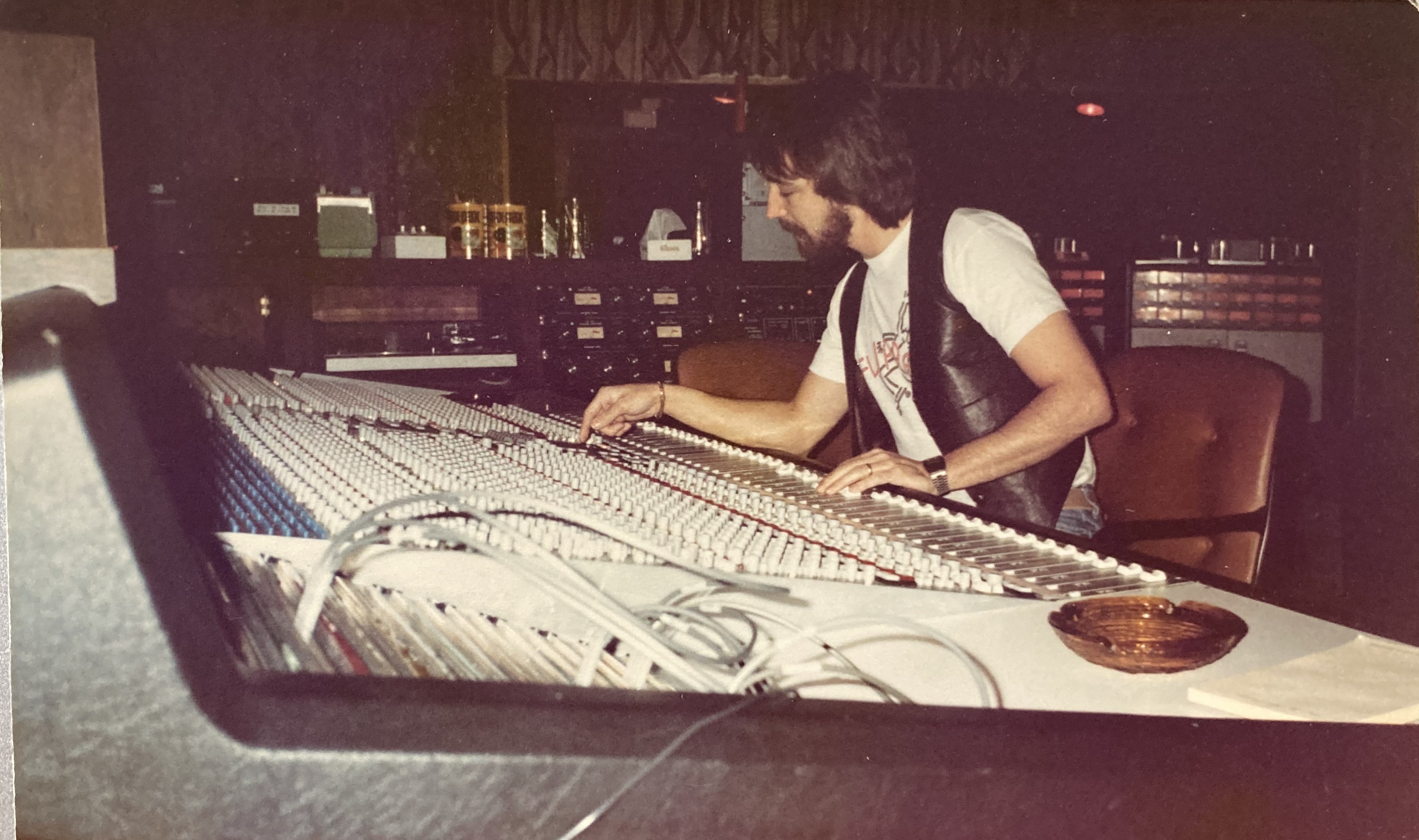
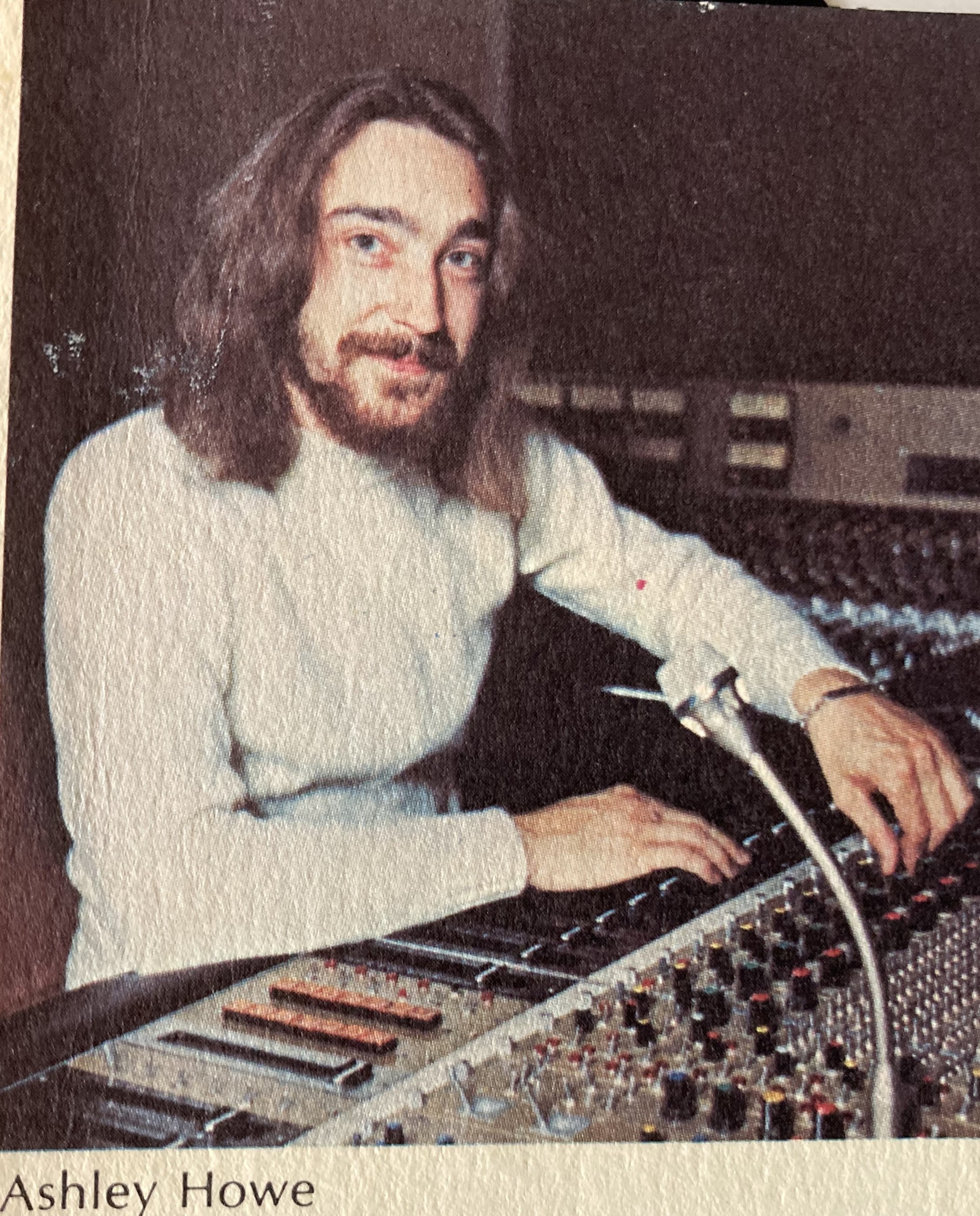
ASHLEY HOWE began his career in 1970, and more recently retired. I had the pleasure of interviewing him this time about his career, where he began as tape operator, and becoming an recording engineer and producer, before relocating to the US to work in television & film sound (where he’s picked up a few EMMY Awards!). Although many Uriah Heep albums will recognize Ashley’s name for the many Heep albums he’s credited on (including producing Abominog & Head First), we discussed a number of other bands Ashley worked with in the 70s and 80s, as well as what he got up to when he left the UK. Ashley has a lot of great stories, and I’m sure (and yes, I did ask!) they could make for an entertaining book someday!. Although Ashley might play it down, but I would say the man’s had a legendary career in the recording business, having been connected to many classic bands and big albums.
We started off this conversation bringing up his recent appearance on Rock DayDream Nation‘s Youtube show, which was a ‘reunion’ show….
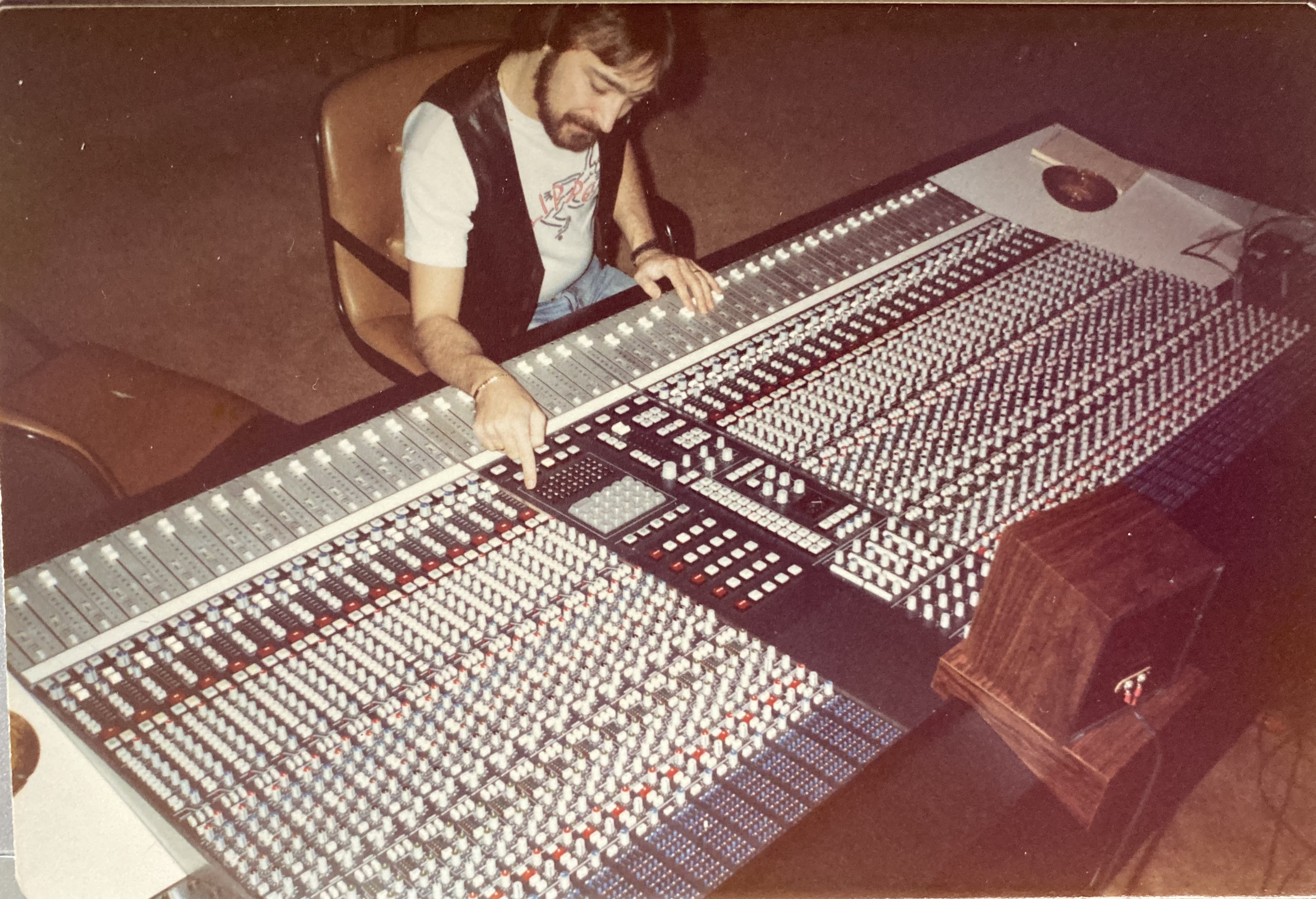
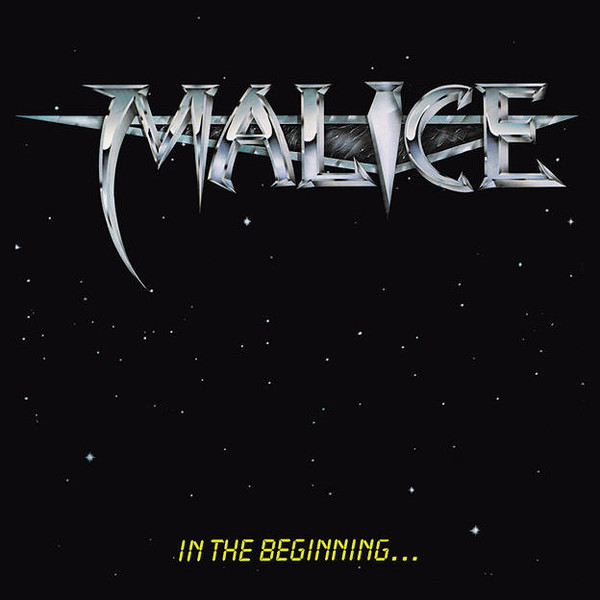
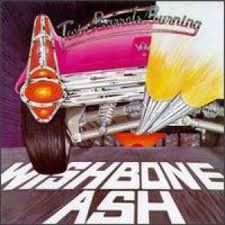
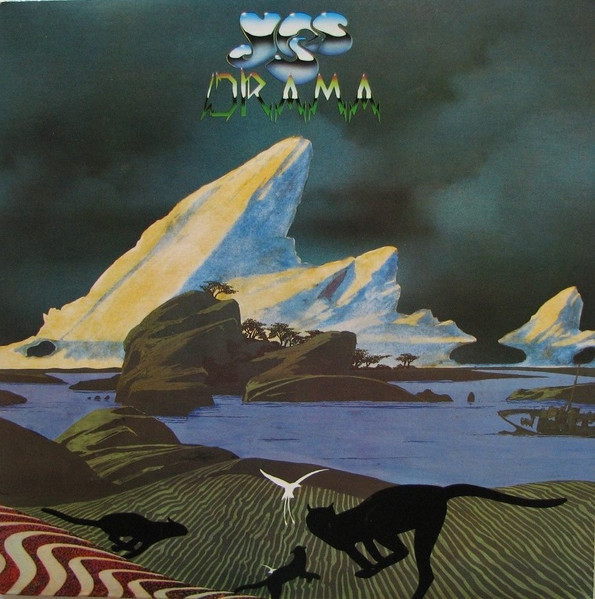
Enjoy the read. All photos were kindly sent by Ashley. I have also included images of albums he worked on over the years (click on the images too!).
You had a reunion recently!?
I had a little reunion with the wonderful Uriah Heep. I do want to just say one thing, a mutual friend of ours, Peter Goalby, that gentleman deserves so much respect, and so much acknowledgement, and the stuff he’s putting out now is just as good as it was 40 years ago.
Yeah, there’s a lot of what-ifs there with that stuff, right? There’s a lot of Wow – if this had come out, what it should have.
Yeah, should have. But just a wonderful gentleman, and one of the best singers I ever worked with, and I was lucky enough to work with some great singers, Freddie Mercury and people like that. Peter’s just, he’s just way up there….
To kick off, I started when I was 16 and three quarters, or 17, in late 1969, with Uriah Heep, and the first project I worked on, and that has a history to it, 15 albums later, and et cetera, et cetera, …but there’s a few stories along the line that people might find interesting.
How did you get into all the, to the technical end of the music stuff?
Well, actually, it’s a good situation. I was in a school group with a guy called Peter Coleman and Richard Dodd. Richard Dodd is a very famous engineer, very accredited, Peter went in first of all, and he became famous very quickly, and he was working at CBS, and I went to CBS to record our little band and snuck in after the Hollies, and decided that this is something I’d like to do.
I actually applied to the BBC, because they were advertising for school leavers in the south, so I went there, and I got my interview, and the guy said, “Oh, absolutely fantastic. How many years experience have you had in television and recording?” I said, “Well, I’m still at school”. He said, “Well, we can put you in the accounting department, and when you’re 32, we’ll re-review you”.
Well, straight from that interview, I went to a studio, and I was greeted by the studio manager, who turned up about 20 minutes late. The receptionist had told me to sit down and have a cup of tea, so eventually he came down, and as he came off the elevator, he saidHi don’t get up , and he said, “What’s your name?” I said, Ashley Howe, and he said, “Don’t F……g talk to me while you’re sitting down. Let me just tell you that I fire people in 30 seconds.” And this is the first interview at a real studio.
I then went from that interview to Lansdowne, and at that point, I was feeling a little uncomfortable, and I walked in, and the gentleman that I met Adrian Kerridge, very famous, and he’s sitting behind his desk with his suit on and everything, and I just, he said to me, “What exams do you have? And I said, well, actually, I’m pretty ignorant, really. I don’t really have A-levels or O-levels, but I’m really willing to start at the bottom, be a tea-boy, and put everything into it.” and then I said, “but I think I need to leave, because I feel so intimidated with you behind that big desk.”
And so I’ll never forget this, he took his tie off, took his jacket off, came down, pulled the chair up next to me, and he said, “What are your interests?”, I said, “Everything”, He said, “What are your hobbies?” I said, “I don’t have hobbies. I’m just interested in music.” And that was it, then I started at Lansdowne. Just to cap this story off, years later, I was chief engineer. The guy that was nasty to me turned up to get a job at the place. I turned around to him, I said, “Don’t F….g talk to me while you’re sitting down
That’s quite the beginning. There was an interview posted with Alan Parsons, and he had a similar where he just showed up and took anything type of job.
So, what was the first album you worked on, the first Uriah Heep album!?
That was the first one I worked on. In those days, you worked on a lot of different clients that were coming in through the door, left, right, and center. You’d be doing four or five sessions a day. Yes, that was the first one I worked on. And I have some interesting stories about Lansdowne, some funny stories, but if you want band stories.
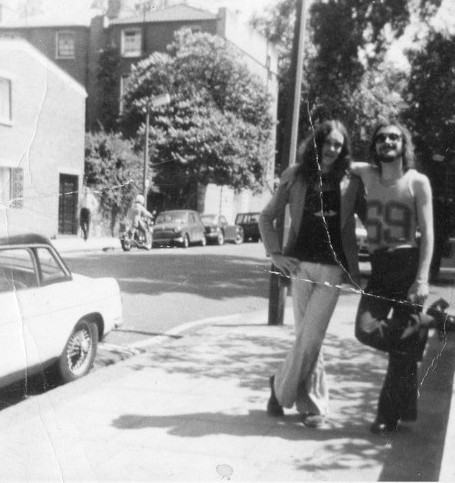
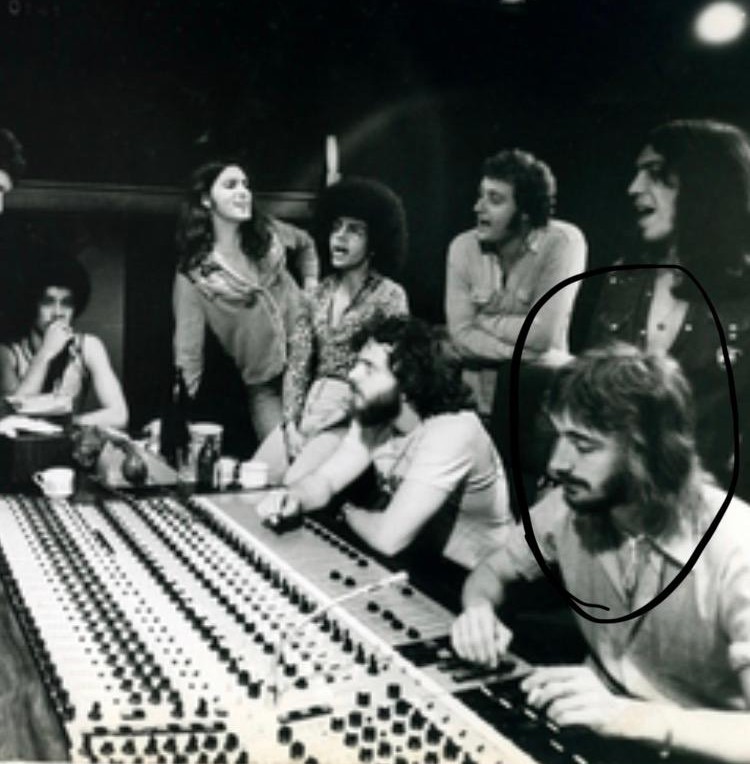
Ashley on the right, w/ Bob Buttersworth, taken1970, while working on the first Uriah Heep record
Yeah, a bit of both. Lansdowne, is that where you were primarily?
That’s where I started off, and then I eventually moved over to the Roundhouse Studios, which Gerry Bron bought, and then took myself and Peter Gallen, the two engineers that pretty much worked on all of his projects, over to there.
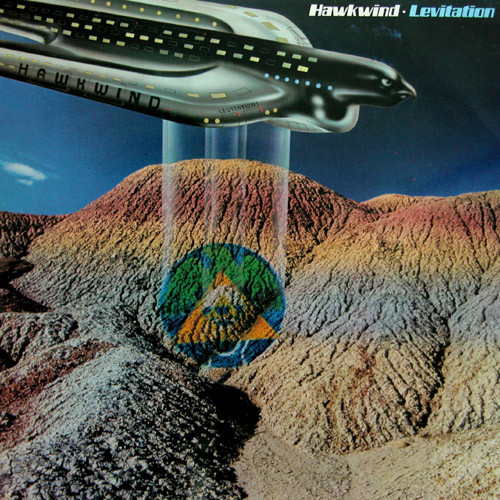
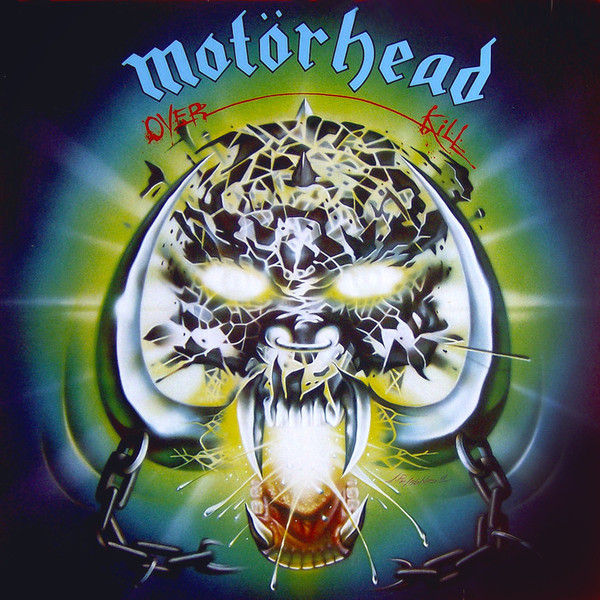
When I went over to the Roundhouse, I became an in-house producer as well. I worked with bands like Hawkwind and Motorhead. I did Overkill with Motorhead, Overkill, and there’s some fun stories from those sessions
When we started to do the album, we were using a drum riser, because the studio was a little dead. We brought in a wooden platform, but Phil was hitting the drums so hard, they kept moving off of it. We tried bricks and everything else. In the end, Phil got two nine-inch nails, and hammered them through his bass drums and into the platform. Another story happened during the first playback. They came upstairs, and Lemmy said “Stop the tape! stop the tape!” So, I stopped it. Lemmy said “There’s something wrong.” And I’m thinking, well, I’m not that bad an engineer. There’s only bass drums, guitar, and vocals. He said, “No, no, I can hear my bass.” And I said, “Well, of course you can, you’re playing it.” He said, “I don’t want to hear it.” I said, “Well, I really don’t want to hear it either.”
The last thing was that I used to have to wake up Fast Eddie with a broom because he’d fall asleep on the couch. He’d wake up very violently, throwing punches, so I’d poke him in the stomach with a broom, and he’d wake up swinging.
One day I made the mistake of cleaning Lemmy’s bass guitar, because it was so sweaty. When he came in, he couldn’t play it anymore, so he had to go out and get some axle grease.
What music did you grow up on? Before you got involved, what were you listening to, and what bands were you going to see and such?
I was listening to everything on radio. In that era, there was so much great music, but more importantly, great songs. I always thought of myself as a song person.
I didn’t really stick to one genre. There was a lot of American music, a lot of Quincy Jones, a lot of jazz, and of course Led Zeppelin. But really, all the commercial stuff.
Are you familiar with Discogs, the website?
I’ve seen it.
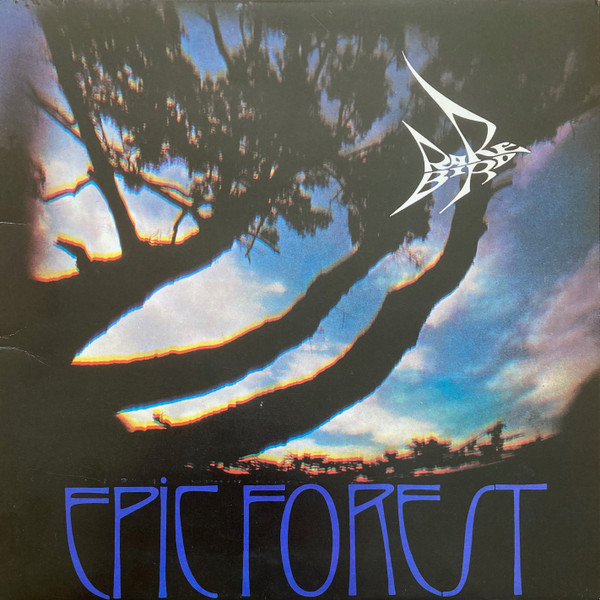
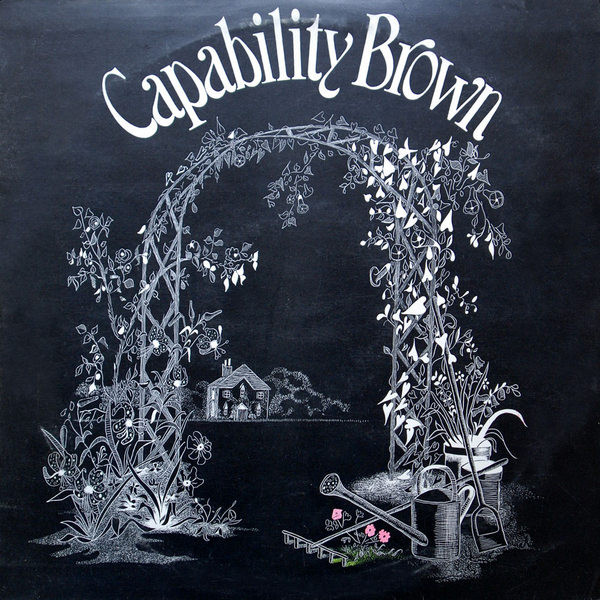
I went into that because it’ll have a listing of everything you’re credited on. It’s quite a thorough listing. A lot of the bands you worked with, I wasn’t familiar with. I had to go back and listen to a few things that were kind of interesting, like Capability Brown, Rare Bird. You did a lot of different bands over there.
What were some of your favorite lesser known artists, that you worked with?
I loved working with Rare Bird. I actually did a little bit of percussion on one of their records. I thought they were very good.
One of my favorite projects was one of the first things I engineered – a band called Spiteri. I think they’re still getting recognition for it today. They very Santana-esque.
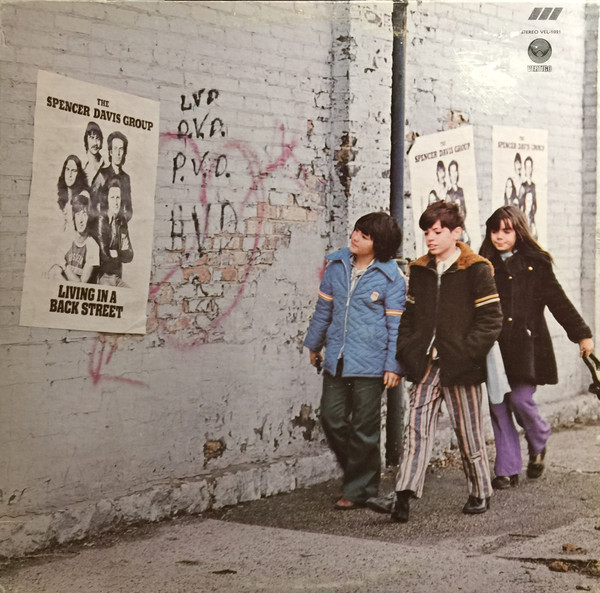
I also enjoyed working on Spencer Davis. That was an interesting experience because I was actually told not to bother recording him. I recorded him anyway.
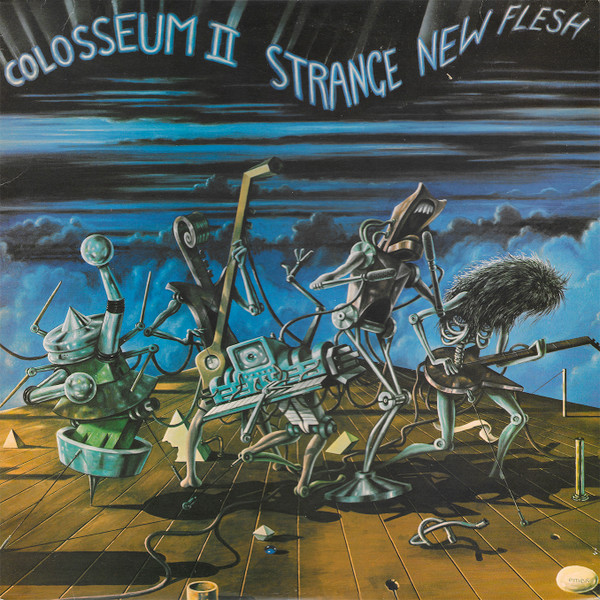
I had a very diverse engineering background. One day I’d be working on the Pink Panther movie, another day with Colosseum. Colosseum was another great band that I worked with.
Ashley in the studio with Venezuelan band Spiteri, 1973
That was the one with Mike Starrs on it, right?
Right. It was a lovely album to record because they all wanted to make an album that genuinely reflected what they sounded like. They told me that most engineers would start EQ’ing things before even listening properly to the drums. Nowadays, some people don’t even record drums—they fabricate them.
John Hiseman and Gary Moore both said it was the first album where they felt it truly sounded like them. In fact, I don’t think I used any EQ on John’s drums. It was a great collaboration between very talented people who wanted to make a record and connect with one another. That was a lot of fun.
Hawkwind was fun too, especially with Ginger Baker. There was plenty of drama. We recorded an entire album and then Hawkwind – who had a habit of firing people – fired the drummer! We had to replace the drum tracks. I think we were working on 16 tracks or 24 tracks, and I didn’t have a way of preserving the original drums. So, we brought the new drummer in and he played the entire album in one go. One take. I had to wake him up between takes.(haha) But it was that was a good experience.
Babe Ruth were an interesting band. Very good. They never really got their due. I know they had some following in parts of Canada and UK and that.
Yes, good band.
A little story from those sessions: the producer would often want the guitar tracked six or eight times. We knew after two or three takes it was already huge and wasn’t getting any bigger, so we’d just pretend to keep recording.
It’s interesting because the last one is where they had a lot of change in the band and new singer. I imagine that one probably gets forgotten the most. But you had a lot of name guys in that band that went on to other things.
Well, a lot of these groups—including Heep—went through many different people, eras, and styles. It was a learning experience for everyone at the time.
Thank God for Led Zeppelin not conforming and not following the norm. If you wanted “Whole Lotta Love,” you had to buy the album.
I’ve often wondered, like Zeppelin obviously is the biggest band of the 70s, but all these other bands that, like Deep Purple, even Black Sabbath, they end up going through so many changes. You kind of think that the whole thing about Zeppelin being so popular still is the fact that they just left it where it was.
And that’s the key.
I hate to make the comparison, but it’s a bit like the mafia. You’ve got everybody together, things are working great, and then everyone wants to be the boss. They can’t stay in their own lane, and eventually they all get whacked.
There are very few people who can leave a successful entity and make it on their own. Rod Stewart is one example. He had Faces and then branched off successfully. People can branch out, but in the end, many should stay as they are.
You’ve got to admire bands like The Rolling Stones. They simply are what they are. They do what they do, they’ve got their own clique and there’s a reason those things work.
You should never try to change something that works, because most of the time it won’t.
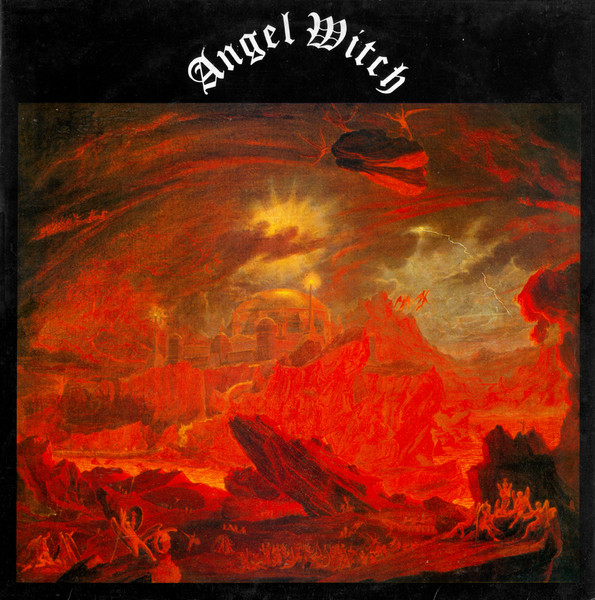
You did the first Angel Witch album, a little more metal there.
I think I was kind of branded, not branded, but nicely mentioned as the “man of metal” at one point. I could tell you a few stories about the Nugent album.
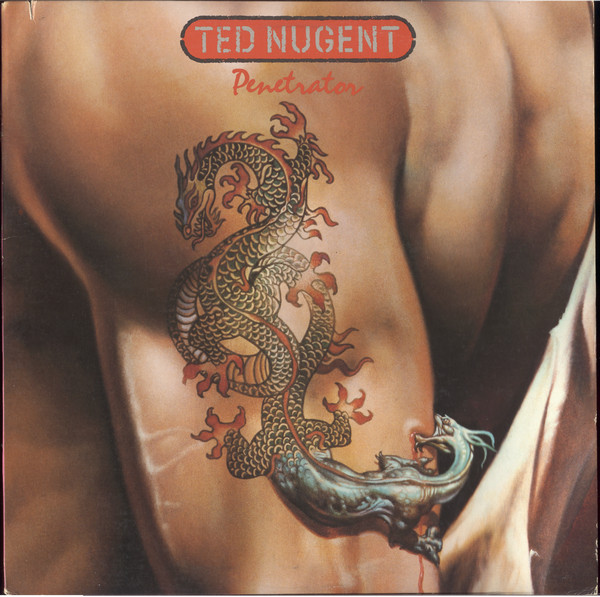
Yeah, you did Ted Nugent, Penetrator. You had Brian Howe on that album. Is it true you asked Peter (Goalby) about doing that album?
At one point, I’d asked Peter when I was doing it, and I think Peter was not free. And in actual fact, when I was trying to come up with a different person to do that, I was walking in the Atlantic and I used to go to Atlantic Studios a lot to get demos and that sort of stuff, and I heard a demo going on with Brian’s voice. And I said, “That’s it. That’s the guy!”
It was difficult to convince Ted to use someone. In fact, one of the reasons I did the album is I said, “Ted, if I’m doing this, I’m not even using anybody you know as musicians. I’m going to bring in outside guys, get an outside singer, and use some outside songs.
The reason we arrived at that point was that John Kalodner had heard the Heep albums and stuff. I believe he was a very good friend of Ted’s—whatever the situation was—and he told him that he should give it a shot because of the way I did things at that time.
So I went in with Ted, and we sat down. I went to meet him, and he said, “I’ve got to tell you, I was just with a very big-name producer, and he told me all my songs were fantastic.”
He played them all to me, and I said, “Well, then you should use them because you’re going to be paying a lot of money, and you’ll have an album. But it’s not going to be what I think you should do. But that’s OK.”
I thought I’d blown it. As a matter of fact, I came back straight into the Uriah Heep album that I was doing in the middle of, got a call, and he said, “When do we start?”
He was the most wonderful man to work with. Huge—biggest ego ever. (Laughs)
On the first day, I had Billy Squier’s band in New York for a week rehearsing, and I brought in six outside songs that we were working on.
Funnily enough, Ozzy was next door. I went to Ozzy and said, “I’m going to be doing Ted next door. Do you want to meet him?” He’s like, “I don’t want to meet him—he’s crazy!”
But Ted was nothing like you’d imagine. I mean, he’s got a big ego, there’s no doubt about it. Long story short, he comes into the rehearsals after a week off. Everybody’s a little intimidated because he comes in with a big presence—no doubt about it.
I needed to know that I was controlling the band because I knew he’d be difficult to control. So he comes in, and I tell him to start the first song. He starts playing, and I stop everybody, but he carries on playing. I said, “Ted—stop, stop, stop, stop.” In the end, I went over and pulled the guitar out of his hands. “We need to have communication. That was me trying you out.”
So he said, “Well, I’m deaf in one ear.” I said, “Which ear?” He said, “Well, I always put my good ear to the amp.” It was a 200-watt Marshall.
So, I got the roadies to put the amp on the other side. And I said, “OK, put your bad ear to the amp and your good ear to me.” And that’s how we started off.
I think there was a lot of respect between the two of us. He spent four days on the album. But on the first day that he went down to do the overdubs, he comes in and he didn’t talk to me at all. I recorded his guitar in the control room . He started playing a song and I stopped him because it was a little out of tune.
So I said, “Could you tune the guitar, please?” He took his pistol out of his bag, dropped the bullets out, put them back in one by one. The assistant was now ducked under the desk. He flicked it around, rolled it in his hand, and held it up.
I said, “OK, asshole, you can load a gun. Can you tune a guitar?” He said, “Nobody speaks to the Nuge like this.” And I said, “I’m getting divorced—I don’t care.”
We got on great after that. It was really good. He did everything.At the end of it, he went away and came back three months later to hear the finished album.
He said, “I’ve got to tell you, it doesn’t sound like me. Nobody wanted me anymore.” It was a calculated album, and it did him good. He was very impressed with that.
“Draw the Line” was a big hit. And that was, I interviewed Jim Vallance there last year or earlier this year, and that was one of his. That song got done by quite a few people.
Yeah, well, it was an interesting era at that time. And I was starting to get a bit of a reputation for taking outside songs into the situations, which I’d like to point out was not done because of the inadequacy of the people I was working with.
It was done because I think there are very few artists nowadays who can come up with ten or twelve songs that are all great. Adele can pull it off, but most people are always going to have four or five brilliant songs.
I kind of wanted to give everybody their best shot. And I think because of that album, his career took off again. It wasn’t a massive album—it might have gone gold, I’m not sure—but it was designed that way.
What I also found was that using outside songs increased the playing level and improved their own material because you’re trying to prove something. I actually prefer a couple of Ted’s songs to anything else because I think it made him try harder. It certainly didn’t do him any harm.
“Draw The Line” certainly suits him, it doesn’t come off as a cover.
It shows his brilliance as a guitar player, which is another thing.
I’d never really heard Ted before. I’d heard “Cat Scratch Fever.” It’s like when I worked with Yes—I hadn’t really heard Yes before.
But I didn’t think that made any difference because it’s about what you’re doing at the time. It may even have helped in a way to change the model a little bit or give him a different direction.
My opinion of a producer is that he shouldn’t be telling everybody what to do. He should be capturing the performances.
That’s what’s difficult about being both an engineer and a producer. If you’re a self-critical engineer, you shouldn’t be worried about every little pop. There are pops everywhere and all that sort of stuff. But if you clean those up, you can lose performance.
Anyway, that’s my idea. Production should be about encouragement and then telling people when to stop.
I think Freddie Mercury, who was a perfectionist, would still be doing “Bohemian Rhapsody” over and over again if someone had let him. But he nailed it. You won’t get it better than what’s on the record. I don’t care how many melodic changes you make—that’s the best it will ever be.
To me, a producer needs to tell someone when to stop. At least in my career.
What about Brian Howe?
Well, I discovered him and insisted that we put him on the Penetrator album. And the way I work is always kind of one-on-one.
The way I work is always kind of one-on-one. I don’t have other people in there because I find it’s difficult to put someone in a situation where they have to perform. And it’s even more difficult if you’ve got a bunch of people standing around waiting for them to perform. So I like to work one-on-one.
Anyway, on the first day of recording, we were at the Record Plant. I took Brian in, gave him the song, and we started going through it.
He absolutely would not cooperate with any of the ideas I had.
So I said, “Brian, you’re only here because of me. We can fire you and bring someone else in, but I really think we can make this work.”
And he said, “Well, I don’t want to sing it that way.” I said, “In that case, this is the way I want you to do it. If you don’t do it, then it’s not going to work.”
I got a little belligerent, and I actually locked him in the studio. I turned all the lights out and left.
I came back two hours later and said, “Are we ready now?”
He said, “No.”
So I turned the lights out again.
I think I came back about ten hours later. I turned the lights on and said, “Now are we going to do it?”
So we did it. He was a little reluctant, but I think he started to get into it.
To cut a long story short, we played it to Nugent the next day, and he went absolutely bananas.
He said, “Oh my God, this is fantastic!”
From that point on, Brian and I got on. Well, we didn’t really get on, but we got on well enough to make it through.
Years later, I saw on his website that he complimented me for doing it, and we became really good friends.
Unfortunately, I didn’t get to see him before he died. Over the years, we became friends.
I kind of kept that story back because I had a call from his sister and she wanted to know what had happened. To be honest, I didn’t tell her about that because I didn’t see any need to. But it was the truth.
And from that album, he got into Bad Company, which was not a bad move at all.
Now, the other album I thought was interesting was the Wishbone Ash Twin Barrels Burning. But there’s two versions of it. The remix, I don’t know why.
Oh, I didn’t know there was another version. I didn’t know there was a remix.
Yeah, there was a different mix for the U.S., I guess.
Yeah, the U.S. tends to do that. I really didn’t agree with Abominog being rearranged in the U.S. because it was a concept album. It had a meaning, and I really put it together for a reason.
It started off with the old “Too Scared to Run,” which was like, “Yeah, this is the ’70s Heep,” and then it went into “Chasing Shadows” and stuff like that—“Now we’re going to be the new Heep.”
Then the end of it was “Think It Over,” which was really kind of a message to the fans saying, “Okay, I’m not sure if I like this because I love what they used to be.” And to the new people: “Hey, you haven’t heard the old stuff, but this is a mixture.”
But they mucked it up, in my opinion, when they reformatted it.
There’s a few albums like that in the 70s and 80s, where they just, you know, between the US. and the UK, they changed the running order on that.
Yeah, A&R people. In my opinion, there was only one great A&R person, and that was John Kalodner.
I’ll tell you a little story. I was at Atlantic, and they commissioned me to do an album with Lita Ford. We went in, and she didn’t want to be produced by anybody. So I was about three weeks into rehearsals, and she wasn’t cooperating at all.
I got paid by the record company and everything, and I said to them, “Well, now I’ve got time on my hands.”
They said, “Okay, we’ve got this other band called Malice.”
I said, “Okay, great!”
So I went into Pasha Studios and started recording Malice. To make a long story short, I kept sending them rough mixes—“Take a look at this…”—and they kept saying, “No, don’t worry about it. Carry on.”
So I carried on and finished the album.
Quiet Riot was next door doing the remake of “Cum On Feel the Noize” and that sort of stuff.
I went to play back the album for the A&R guy, and he said, “Oh, crap, I didn’t realize this was heavy metal!”
I said, “What are you talking about? It’s called Malice! I mean, it’s not going to be called Mary, you know.”
And he said, “Well, we didn’t sign this, did we?”
I said, “Apparently you did, because you gave it to me.” (Laughs)
That was a classic example of an A&R guy. And he was actually at my wedding.
I wanted to ask you, last time you had mentioned that Twin Barrels Burning had started out as a different title.
Yes.
Well, what happened there was that it was originally called The Nature of the Beast—“It’s Just the Nature of the Beast.”
I’m trying to remember what it was… There was the April Wine album The Nature of the Beast.
So at the last minute, they changed the lyrics and everything to “You Make My Engine Overheat,” which, to me, kind of ruined the whole point of it. It changed the whole thing.
But yeah, that was the decision they made because they thought it would be too comparable to the April Wine album.
I know they still have the line in the song, “Nature of the Beast”, but obviously they took, they changed the title.
And that was another interesting little situation.
We were recording at The Sol, which was Jimmy Page’s studio. We were working away one night, and all of a sudden the roadies or security guards came over and said, “We’ve got this guy trying to get into the studio.”
I thought, “Who is it?”
So we looked at the camera, and it was Jimmy Page—the guy who owned the place.
I said, “I think you should let him in.”
He came in, and I was trying to get him to do a little cameo, but he just spent a few hours talking and hanging out.
I learned something from that. I learned that you can have the same guitar with a different player and it’s totally different. Clapton could play a note on his guitar, and I could play the same note, and it just wouldn’t be the same.
So it was very interesting.
It was a fun album to work on. The studio was so dead-sounding that Trevor Bolder and I went to another studio in the middle of the night, and I recorded all the bass parts in one night because I just couldn’t get a bass sound there. Not to say someone else couldn’t have, but I couldn’t.
It ended up fine.
I didn’t end up mixing that album. I think I had to move on to another project because we’d overrun at some point.
I grew up on that band, so I loved it. Having the opportunity to work on a Wishbone Ash album was a lot of fun.
Yeah, it’s a good album. It’s kind of more of a straight forward rock album for them. The song Trevor wrote, “Hold On”, was probably the standout track for me.
I thought it was a good rock album, I think it stands up. I don’t remember, but as you know, with these recordings there’s always some drama going on somewhere. I don’t believe there was any drama on that album at all. It was kind of fun, and we did it as quick as we could because it was a limited budget.
Speaking of ‘Drama‘, you were credited on that album as well! Was that a strange atmosphere with that line-up of Yes?
Very strange.
Again, I wasn’t that familiar with Yes beyond Fragile and that sort of stuff. Steve Howe is an amazing guitarist.
I did all the guitars on the album. They had four studios running at the same time. One person was doing keyboards, and they had six slave rooms.
It was obviously going to be the end of the band because it should have been five solo albums.
Funnily enough, the first time I met Chris Squire, I’d just been working on, I think, a Pink Panther movie or something. Peter Sellers was an absolutely wonderful person.
I said to him, “Would you like a cup of tea?”
And he said, “Actually, I’ll go make you a cup of tea.”
The next day, Chris Squire comes in and says, “I want a cup of tea.”
I said, “Okay, well, the kitchen’s that way,” because I was busy mixing.
And he said, “Well, I’m Chris Squire.”
I said, “Okay, I’m Ashley Howe. The kitchen’s that way.”
The drummer turned around to me and said, “Wow!”
But Steve was just a wonderful person.
I’ll never forget: he was in the control room working out a part, so I put the tape at half speed. He was doing this part with a lot of finger work.
They said, “Okay, let’s record it.”
So he goes downstairs, and I leave the tape at half speed, thinking we’re going to record it at half speed and then speed it up afterward.
He said, “Oh no, put it back to full speed.”
Now we’re twice as fast.
He transposed the entire thing and then said, “Now let’s do a harmony.”
I thought, okay, you might not like the guitar tone, but you can’t fail to admire the technique.
He was wonderful.
He brought in thirteen amps, and we tried about a hundred different guitars for every overdub. In the end, we wound up using the same guitar and the same AC30 combination we’d started with.
But he always said, “I need to try this.”
Unfortunately, it should have been a Steve Howe album because a lot of the guitar work was taken away. When everybody came together, they all played over each other. They literally let the keyboard player play over the guitar parts.
You had to take a lot of stuff out just to make room.
So it was obviously an attempt to solve a difficult situation.
I don’t know if it was one of their worst albums. It was certainly a pleasure to work on.
It’s different, obviously. I kind of like it for being a little more modern…
“Machine Messiah”…There’s a couple of great tracks on there.
But yeah, you got a lot of great things out of it. I mean, in time, you got the next Yes album and it’s a different lineup, and you got Asia and all that.
One other thing I’ve got to show you, I picked this up a couple years ago, a very strange album, Mike Maran.
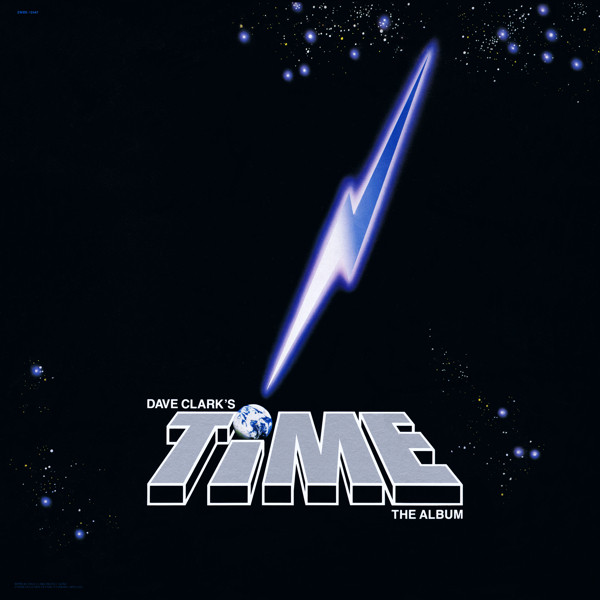
I recognize this, Mike Maran. He was a fantastic session keyboard player. In fact, he was very instrumental in a stage-show called Time, for Dave Clark. We had Freddie Mercury on it, Laurence Olivier, Ashford and Simpson, and a lot of other people involved. Mike was very much an instigator of most of the arrangements, and we recorded a lot of stuff in his studio.
At what point did you kind of get out of the kind of the rock producing in the UK and then coming over to moving over to America in that?
Well, between 1980 and ’85 or ’86, I was still doing a few bands. I worked with a band in Australia called The Angels, and I did a few other albums during that period.
But around 1986, I basically stopped doing as much.
To be honest, I was getting a little disenchanted with the way the music business was going. People weren’t using big studios anymore.
A little example of that is that I did an album with John Sinclair and a band called Estrella in 2010.
All done on Pro Tools. In fact, he would send me the files and the overdubs, and in the end I mixed the album on my MacBook—128 tracks.
The big studios weren’t being used anymore. It was becoming too easy for people to do this stuff. Then the age of plug-ins came in. We used to spend all that time trying to work out sounds and tape phasing with our hands, and suddenly it just became too easy.
I didn’t want to get into the disco era and that sort of stuff. I did a few disco records, but to me the music business was changing.
So, what actually happened was that I got married.
I did Time, got married, then came back and worked on the Time project, which involved doing all the films and mixing the double album with all the different artists for Dave Clark back at Lansdowne. That was a lot of fun.
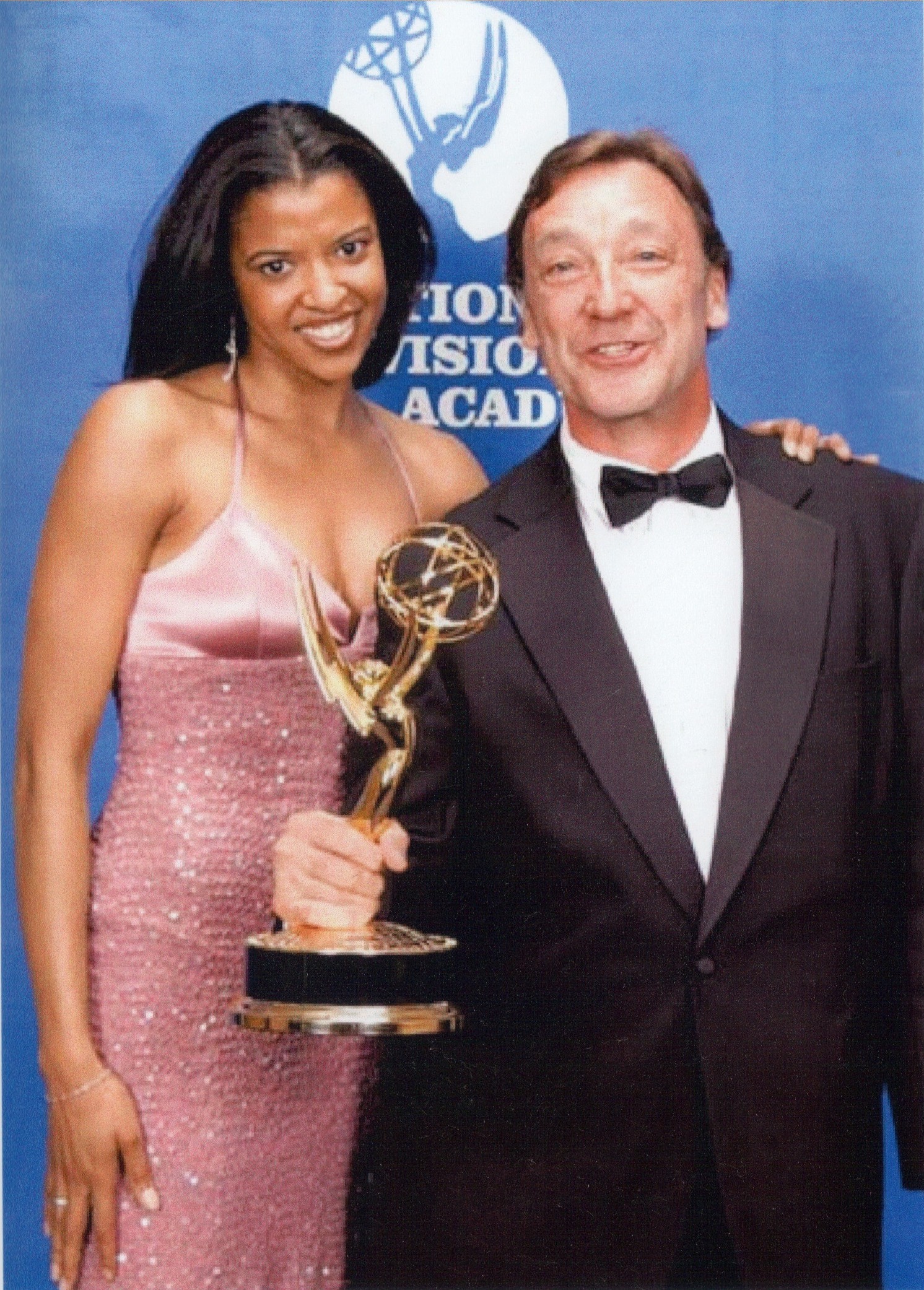
Then I actually went into television on the post-production side. I was fairly successful. I won eight Emmys for post-production work—various long-form shows and things like that.
I also did a lot of live television. By moving into post-production, we ended up working on the Massenburg console, so I still got to do some good audio work. It was just a different genre and a different approach.
I went from 128 faders to five.
What exactly will you be doing as far as the sound goes?
Well, it depended. I actually ended up doing a lot of soap operas, where I’d be editing dialogue, adding sound effects and music, and balancing the entire show.
I also did a lot of live post-production for Monday Night Football, for example, where we’d do the opening segments.
I worked on a lot of 20/20 broadcasts and Primetime Live, along with various news broadcasts. Those were live post-production situations where material was constantly being brought in, and I was putting it all together and either airing it immediately or balancing it while it aired.
It was challenging. It was a smaller use of the skills I had, but it still incorporated many of the same processes. I think I managed to change things a little bit, and it eventually made me the highest-paid audio engineer in television, which was great.
I had a separate contract above the union contract. I won eight Emmys doing it, and it was a lot of fun.
With some of the long-form shows, I developed a reputation where producers would simply bring me the tapes, leave me alone, and I’d mix everything overnight by myself and hand back the finished program.
I developed a reputation where, if a project came to me—and I’m not trying to be big-headed; that’s just how it was—there were five other engineers, but they kept booking me. So I was highly paid, working constantly, and enjoying it.
Then, when Disney decided to shut down a lot of its operations, I moved out of post-production and into the live production area.
That wasn’t nearly as much fun. It’s like air-traffic control, but without the rewards.
At that point, they were trying to get rid of people through pure attrition. They even employed people whose job was essentially to watch for your mistakes.
There’s nothing quite like doing a live broadcast to 60 million people with someone standing over your shoulder waiting for you to open the wrong fader so they can write a report about it.
It wasn’t a very pleasant atmosphere, but I wasn’t going to let them use that as an excuse to deny me a full pension. I ended up with lifetime entrance privileges to Disney and things like that. So, I stayed with it.
I’d lost a little bit of enthusiasm—not interest, because I still loved what was going on—but I didn’t totally agree with the methods being used nowadays.
Maybe that’s because I’m old-fashioned. As engineers, we grew up with no second chances. Now you’ve got three million tries. Back then, if you screwed up, you screwed up.
The early Heep stuff was done on eight tracks. We’d be dropping in a bass solo on the backing vocal tracks, and if you didn’t come out of the punch-in at exactly the right moment, there were no more backing vocals.
There was no margin for error. I think that forced everybody to work differently.
You didn’t have computer mixing. You’d mark the tape with a Chinagraph wax pencil, and that would be your base level—not bass as in bass guitar, but your starting point.
You’d move the mix around manually. If you pushed the drums up, you’d probably have to push the guitar up a little too because the balance had changed.
You played the mix like an instrument. Once everything became computerized, it just became too easy.
And speaking of engineers, in those days we cut tape and spliced tape. I was taught by a guy called John Mackswith, an incredible engineer. He made me edit using bent scissors that looked like this.
Once you learned to edit like that, it wasn’t anything like using a splicing block. I kept saying, “Can I buy a pair of straight scissors? I don’t want to make a mistake.” And he said, “Just don’t make a mistake.”
That was the way I was trained. And I didn’t make a mistake. But it’s all changed now. To be honest, it’s become too easy.
And you moved into movies as well?
Yeah, I did soundtracks to a couple of the Pink Panther movies. And I did the recording to Time. Are you familiar with Time?
No.
Okay, well, it was a theatrical production—a musical theatre project—with Cliff Richard and, as I mentioned before, Burt Bacharach, Ashford & Simpson, Freddie Mercury, and a lot of other major artists who appeared on the album.
The production itself was staged at the Dominion Theatre in England, which seated about 5,000 people. We had a live recording studio underneath the theatre, which was fantastic.
Richard Dodd, who is my best friend—we’ve been friends since we were five years old—worked on it with me. Richard and I later got to do Raging Silence together for Uriah Heep, which was great.
So Time was a concept project that Dave Clark put together. It ran in the theatre for years and featured Laurence Olivier.
We had to record Laurence Olivier, who was suffering from Parkinson’s disease at the time, so we literally had to help him into a chair.
I’ve got a lovely story about him. His image was being projected onto a 15-foot holographic head that flew around the theatre.
A guy named Simon Napier-Bell was heavily involved with the theatrical side of things. At that point in time, the biggest productions had maybe fifteen hydraulic systems. His show had something like sixty.
The stage would actually tilt up vertically with performers standing on it. The amount of technology involved was incredible.
I also went to Laurence Olivier’s house to record him personally for some overdubs. Later, we needed him in the studio for filming.
Because of the Parkinson’s, we had to physically secure him in position. Even the slightest movement would become exaggerated on the giant holographic projection. A small shake could move his nose halfway across his face on the screen.
One day, a mailroom boy came in with a message for him. He looked downstairs and realized, “That’s Laurence Olivier.” He was completely starstruck.
Laurence noticed him standing there and said, “Please excuse me. I’m working at the moment, but I need to come upstairs.” He walked up to the kid and said, “Hello, I’m Sir Laurence Olivier.” The poor kid was practically shaking. Then Olivier said, “I’m very sorry to have kept you waiting.” What a wonderful man. What a great human being.
That was the technology we were working with at the time, and it was a lot of fun.
I started out doing the first few performances live. We recorded the raw performances, and once the production got going, I think it ran for four or five years.
That was another collaboration with Richard Dodd because he’d already done half of the double album. Richard and I were fortunate enough to work together several times over the years, and it was always a lot of fun.
Were you on like set for a lot of any of the movies and stuff that you’d meet a lot of people over the years?
The movie work was mostly recording the music—a couple of songs here and there for each production. Even that has a nice story attached to it.
You had to be heavily unionized to work on those sessions, and I wasn’t part of the union. Dave Clark pulled a few strings because he wanted me to do the work. I said, “Great, I’d love to do it.”
But there were all kinds of restrictions. I wasn’t allowed to speak directly to the person operating the recording machine. I had to tell another guy what I wanted, and he would relay the message.
At one point I went out to mic up the musicians and tripped over a microphone cable, pulling the connector out of the wall. I went to plug it back in and they immediately said, “Oh no, don’t touch that!”
So we had to wait fifteen minutes for an electrician to come and plug it back in. Meanwhile, we only had about thirty-five seconds available to record a thirty-second piece of music.
I said to the guy, “Put it into record.” He replied, “You can’t talk to him. You have to talk to me.” I said, “Okay. Don’t put it into record.” He then turned to the operator and said, “The engineer in charge of the session would like you to place the machine into record status.” We just barely got the take recorded.
Afterward I asked, “What would have happened if we hadn’t gotten that?” And the answer was, “You’d have to book another twelve-hour minimum session.”
Then the same person proceeded to tell me, “I don’t understand why we’re losing all our recording business in England.” Dave Clark turned around and said, “Next time I’ll just record in Germany. It would be cheaper to fly all the musicians there. Why the hell do you think you’re losing business?”
It was a very strange atmosphere. But despite all the bureaucracy and obstacles, we got it done.
Photos by Marc Bryan-Brown/WireImagefrom 32nd Emmy Awards
Are you still active?
Not really, to be honest. Retired…Well, I say retired. I was let go—or they tried to fire me—from ABC, but I was a little smarter than they were. So I ended up with a pension.
I went back and did something with John Sinclair. I’m always open to doing things; I just don’t really need to do it anymore. And I don’t want to spend too many more days in studios. I mean, I spent most of my life in studios.
Have you considered putting some of your stories down in a book?
Well, it’s funny you should say that. I have a lady who contacted me. I believe she’s interviewed a lot of engineers—Richard has been one of them. I think she’s interviewing a bunch of engineers and putting them into some sort of “top” category or collection. So she’s going to come and talk to me.
I would love to do it. I don’t know. I mean, I tell people these stories, and they’re mostly nostalgic, but they also take me back to those moments. A lot of people have said, “You should share them because…”
There’s some interesting stories, not even just with the Heep stuff, but obviously like Motorhead and Yes.
Well, I think I’ve got enough stories to make at least a couple of pages interesting. So, in answer to your question, and ironically enough, she sent me a text yesterday saying, “I’m coming back up your way. Let’s get together.” I know she’s interviewed a lot of very, very accomplished people. I don’t consider myself a big name, but I think I’ve contributed something.
I’ve probably got my name on a couple of million records, but that’s not really the point. I think I actually helped some people, and I think that’s important. So yes, hopefully I’ll have something worthwhile to say and eventually make it into a book somewhere.
And then I’ve got the Uriah Heep stories. I used to be a bit of an idiot. (Laughs) Well, I’d always try to make everybody laugh.
There’s a story from when we were recording “The Wizard.” I’d set Ken up at Lansdowne under a spotlight with a chair in the middle of the room while he was doing his acoustic part. I’d also found a great big cardboard box and written “10 Tons” on it. I positioned it above him where nobody could see it.
As he started playing the intro, I dropped it onto him and covered him with a ten-pound weight, which was very Monty Python. Gerry Bron got pissed off at me and fired me—then rehired me.
I used to do silly stuff like that.
Gerry was one person I never got to interview.
He was an interesting man. I have to say, he looked after the people who looked after him. At the ripe old age of nineteen, he bought me a BMW, gave me a separate contract, and did things like that.
I was doing a lot of engineering work for him, and later Peter Gallen and I worked on the solo albums by David Byron and Ken Hensley. Then Gerry gave me projects with Hawkwind, Sally Oldfield, Motörhead, and various other artists.
So he was very supportive, and I certainly owe him a lot.
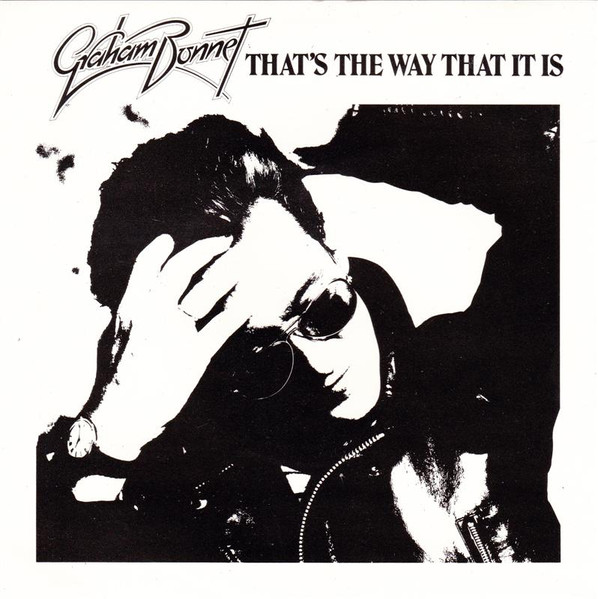
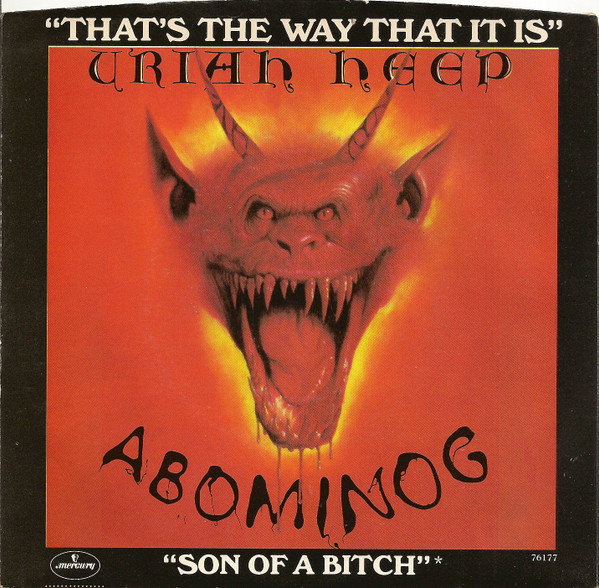
British keyboard player, producer, Paul Bliss can be found on the lone album by Dog Soldier, which also included Miller Anderson and Keef Hartley (both of the Keef Hartley Band), he went on to work for various bands before forming The Bliss Band, and releasing 2 albums – 1978’s Dinner With Raoul and 1979’s Neon Smiles. The 2nd album received good reviews, but it’s the album’s last track, “That’s The Way That It Is” (clocking in at over 7 minutes!) that would gain the most notoriety for it being recorded by a few other acts, notably Graham Bonnet for his 1981 solo album, following his time in Rainbow, and then being a comeback hit single in the US for Uriah Heep, on their 1982 album Abominog. Ironically Heep’s then-new singer, Peter Goalby had been replaced by Bonnet in Rainbow!
Songwriter, Paul Bliss recalls that the song was inspired by “just a discussion between two friends with a difference of opinion about something political. I always put more weight behind the music than the lyrics…..which is why I always liked writing with my songwriting partner Steve Kipner because he was so great at meter”.
Recalling the songs creation and recording – “The guitar riff was mine but Bliss Band guitarist Phil Palmer and producer Geoff Westley layered many tracks of guitar to get ‘that’ sound. If memory serves I think there was a track or two recorded at half-speed to get that 12-string effect. “
On the few covers of his song, Bliss notes – “I have heard all the versions and particularly liked the Uriah Heep version…possibly because it was the best known.“
Although it was never released as a single for The Bliss Band, Paul recalls that the track did get airplay in Brazil.
The Covers…. For the most part I’ve included covers that were officially relased. There are a few other fairly decent versions on Youtube from cover bands.
GRAHAM BONNET, 1981
Fresh out of RAINBOW, Bonnet included the song on this 1981 solo album Line Up , which included Mickey Moody, Cozy Powell, Jon Lord, and others. Bonnet’s version was released as a single in the UK and in Australia, in October thqt year. In the UK, it hit #76. It’s a very good version, shortened to just under 3 and a half minutes, a bit laid back, with the focus being on Bonnet’s voice. Line Up also included 2 Russ Ballard (Argent) covers – “S.O.S.” and “Liar”.
URIAH HEEP, 1982
Included on Uriah Heep’s 1982 comeback album, Abominog. This was released as a single and video. It reached #25 on the rock charts, and was close to the top 100 singles, as well as the video being in regular rotation for some time.
Ashley Howe (Producer, 2002) – “The Way That It Is, which I think was a very nice track for them, we originally recorded that at Ridge Farm Studios, and it had the Hammond C3 organ on it, and it was far more ‘Uriah Heep’ than it ended up, but what I tried to do with that was I had originally recorded that as the ‘old’ Uriah Heep, and the old Uriah Heep sound, but we ended up scrapping it because basically it ended up as a good song, but it felt like the ’60s. so what I did was I stripped the whole thing down and I re-started it more along the lines of Journey, like ‘Who’s Crying Now’ – type of feel to it. And we retained the song, which was a good song, and I think just having the whole band out, then they all join in on the 2nd part of the first verse – they came in as Uriah Heep. And I think it was a good new sound for them. “
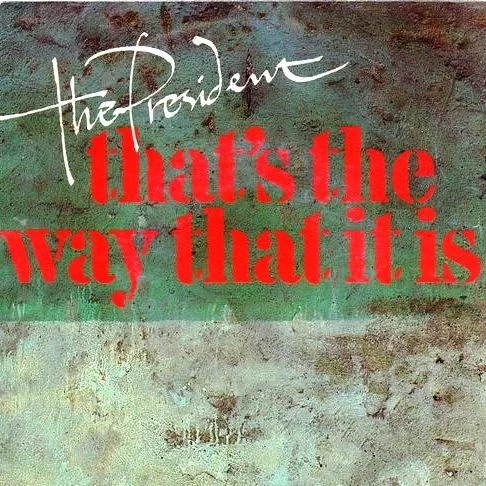
THE PRESIDENT, 1983
From this Dutch band’s 1983 album By Appointment Of. This was also released as a single. Curious to hear from anyone who knows how this version was received in the Netherlands back then.
BLACK PEARL , 2011
I’ve included this version, even though it is a live video only as it features Stef Fontaine (I believe the vocal was re-recorded and dubbed in). Fontaine would replace Peter Goalby in Uriah Heep, briefly in 1986.
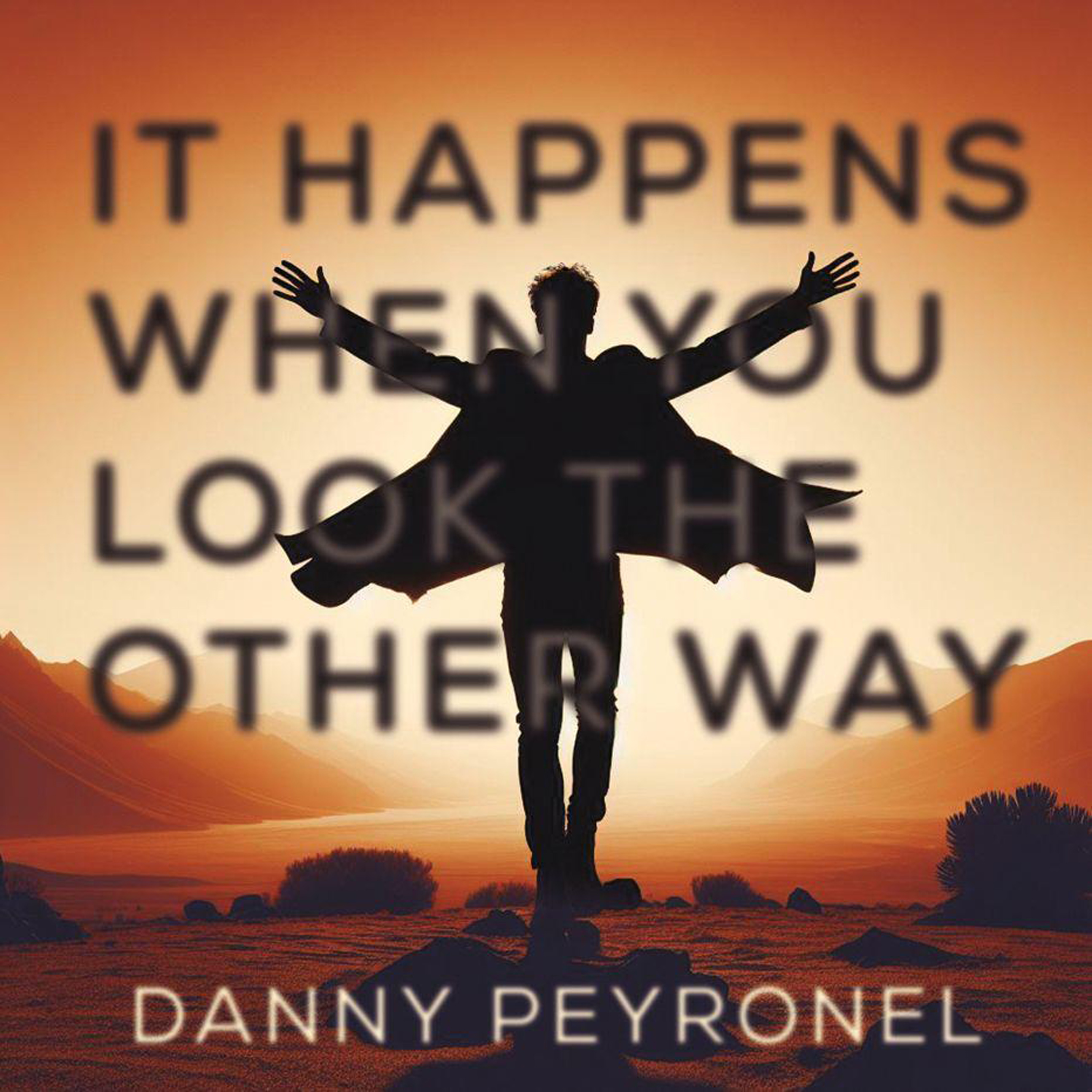
Singer, songwriter, Danny Peyronel has a new solo album out. Peyronel is best known as keyboard player with The HEAVY METAL KIDS, followed by UFO, and later resurrected the HMKs as singer, and played with X-UFO. It Happens When You Look The Other Way contains 16 tracks. Check out the press info/bio below, as well as the videos from the album and links at the end.
DANNY PEYRONEL started making music as a pro while still a teen a million years ago, at the height of The Golden Age of Rock. He was a founder member of iconic London band the HEAVY METAL KIDS, who became yhr reference for the incipient Punk movement.
Moving on to legendary rockers UFO, he was their original keyboardist, writing songs that changed the band’s direction. He went on to write multi-million selling hits like ‘Midnight at the Lost and Found’ for MEAT LOAF, as well as others for DAVID GILMOUR, SADE and more. In the 80’s he became lead singer and frontman with his band TARZEN, and the 90’s saw him work with Desmond Child, writer of some of the biggest hits of BON JOVI, AEROSMITH & ALICE COOPER.
Back in Europe, he released his first solo album, ‘Make the Monkey Dance’, and resurrected the HEAVY METAL KIDS for their critically acclaimed swansong ‘Hit the Right Button’. More recently, his X-UFO released a powerful live album recorded at various European Festivals, ‘Vol.1: The Live Files’, followed by a studio record, ‘HOUSE of X’.
Now in Barcelona, Danny recorded his new album, ‘It Happens When You Look the Other Way’, with the help of David Pereira-Oleart, guitarist, producer and video creator, and featuring top local talent as well as life-long colleagues. The band, led by David Pereira-Oleart (Lipstick) on guitar and featuring young guitar prodigy Martin Buszano, Lakis Economou (Malcolm Bruce Band) on bass and Javi Rojano Reina (Amaro) on drums, is gearing up to present the new album throughout Europe and the Americas. Special guests stars will be featured nightly.
Canadian songwriter JIM VALLANCE came to be a big name in the 80s as Bryan Adams writing partner. Vallance however, had been writing songs in his teen years. In the mid 70s he joined a band that would become PRISM, as their drummer and main writer on the band’s debut album, under the pseudonym Rodney Higgs. After leaving Prism, he wrote songs for BTO, and met a young musician & writer named Bryan Adams. He co-wrote with Adams throughout much of the 80s, as well as writing (or co-writing) hits for numerous bands & artists over the next few decades, including Loverboy, Aerosmith, Ozzy Osbourne, Rick Springfield, Alice Cooper, and Scorpions. His name is on plenty of massive hits, huge selling albums, Juno awards….. This interview kinda scratches the surface of Jim’s history and some of the music he wrote and artists he wrote with. When our conversation was done I had a 1001 more things that came to mind! But Jim Vallance has loads of amazing stories and recollections, and I am thankful he shared some here. Enjoy the read.,
*Check out www.jimvallance.com for more on his history in the music business, stories, and lists of songs and artists Jim is connected to.
You have a long relationship with Prism, and then a bit with BTO, and then Bryan Adams, obviously. But you were in groups, and you were a musician before you became more known as a writer, correct?
Yeah, I started playing in bands when I was 13, and all through school, pretty much every weekend, I was playing a dance or something.
And then when I graduated grade 12 in 1970, I didn’t have any interest in college, but my parents insisted I go. So, I did one year of college, and then after that, I just started playing with bands again. I was living in Vancouver, Canada, and there was a very robust club scene at the time.
There were probably 20 clubs in and around Vancouver, and let’s say 20 bands. And so, each band would do a week at a club and then move to the next club. We just all did the same circuit with the same booking agency.
And around and around you’d go, year in, year out, six nights a week at these clubs. I did that for a bunch of years in the early to mid 70s. And then I was lucky enough to start getting some session work. Mostly playing on McDonald’s commercials and that sort of thing, just music for advertising. I did that for a few years. And that’s around the time I started writing songs and joined this Canadian band called ‘Prism’. That would have been mid to late 70s. We got a record deal, made an album and had a bit of success in Canada, but not much else. We didn’t really make any waves outside of Canada.
Vancouver and Toronto must have been the two biggest spots I can see as far as, because I’m in Niagara Falls, so I think Toronto and Vancouver seem to be the biggest kind of center for bands, Canadian bands when there’s, you know,
A couple of exceptions like April Wine, I think were from Montreal. But yeah, for the most part, it was Vancouver and Toronto.
And you had tons of bands come out of there, other than obviously – Loverboy and all the bands that came before and after them that were connected.
The Payolas, and BTO – even though they were originally from Winnipeg, pretty much launched out of Vancouver because their management was Bruce Allen. So, they were West Coast based.
Now, before you got into like with the Bryan Adams stuff, how did you get into songwriting specifically as opposed to just when you dropped out of bands and that? When did you decide sort of to drop out of the playing-performance part of it and just stick to songwriting?
Well, I had been writing songs since maybe I was 16 or 17.
I didn’t have any place to go with them, but I was writing anyway and just, putting them on a cassette tape and that would go on my shelf somewhere. So, when Prism got a record deal and the record started to get some chart action in Canada, and again, a little bit in the USA, we started doing a bit of touring to promote the record. I remember we opened some shows for Heart, who had just started to have some success with their first album, Dreamboat Annie. And we opened some shows for Foreigner, who were also just coming out of the gate with their hit “Feels Like the First Time”. And so that was my first experience touring. Because we were the opening act, there weren’t many perks; it was five guys in a rental car eating microwaved tacos at gas stations. That was kind of our life, staying in cheap motels, two guys to a room. After that tour, I really decided that that was not my calling; that’s not my idea of a good time. I quit the band as a player, continued writing, but pretty much after that, I was no longer a band member and just concentrated on writing. And that’s also around the time I ran into Bryan and met him for the first time. He and I started writing and after that, that’s all I did.
You guys had a number of songs on that BTO album, which I have here somewhere. I did put together a bunch of albums. The second one that had Jim Clench.
That’s right.
And Bryan would have been very young at that point, correct?
Well, he was 18 when I met him in January 78. And then it was into 1979 when I was working with BTO. So, Bryan would have been 19. He contributed a song that he wrote called “Wasting Time”, I think.
He wrote that on his own and BTO recorded that. I wrote two songs. One was called “Rock and Roll Hell” and the other one was called “Jamaica”. And those were both on the BTO album also.
That’s an interesting album, obviously because Randy Bachman was no longer there. What was your connection to, I guess, you ended up writing for certain bands? Did you have a connection to them? Or was it more so just the producers?
In the case of BTO, Bruce Allen had managed Prism, and he was managing BTO also. So that was kind of my connection to BTO.
That’s how I got put together with that band. It was through the management.
And then you and Bryan just kind of rolled on from there?
And then by this time I’d met Bryan and he and I were writing. I pulled him into that project as well.
From there, you did a lot of Canadian stuff for the longest time, Canadian bands. One thing you did do, you did some Toronto stuff. That was fairly early on, 1982.
Yeah, there you go. 1982. I can’t remember how that came about. I think I got a call from their record company asking me to write with them.
I’m not sure how I came to be in that, with that connection, because I didn’t really have any ties to Toronto, the city or the band. But I did go back and wrote some songs with Brian Allen and Sheron Alton, the two guitar players in the band. I can’t remember how many songs I wrote with them.
I think there was four or five over this album.
Yeah, four or five. And one in particular, I remember it really clearly.
They were really nice. They were a couple, Brian and Sheron. I remember going over to their house one night in Toronto and they made a nice dinner.
And then after dinner, we went downstairs, they had a studio in their basement. As is the case with so many songs I’ve written, when you go in a room with another writer or another couple of writers, kind of the first thing someone says is ‘do you have anything? Do you have any ideas?’ And on this particular day, I had an idea. It was very minimal. There was almost nothing to it. It was really just a title. And I said, ‘Yeah, I have a title.’
“What About Love” And I said, and ‘I have sort of a melody idea, but it’s just one note. Sort of like John Lennon with “All You Need Is Love” was just one note.’ So, they thought that was okay.
We started working on it. And in my experience, it’s one of the fastest songs I’ve ever been involved in writing. I think by the end of that evening, we had the song finished. We each contributed equal amounts of lyric and melody. We just bounced ideas back and forth between the three of us. I remember one particular line that I thought was really good; I think it was Sheron’s idea – “I can sell you what you don’t want to buy.” I thought that was really good. So, by the end of the evening, we had this song called “What About Love”. And a few days later, we went into the studio, and the Toronto band recorded it. For some reason, the drummer, Barry, who was a really, really good drummer, for some reason, he didn’t think he could capture the feel. So, I ended up playing drums on the recording.
Fast forward a few more weeks, and it’s time to choose 12 songs for the album. I think there were 20 songs to choose from by this time. And the band voted. and “What About Love” was not one of the songs they chose. So, it ended up just ended up on the shelf, I mean, literally forgotten.
Because I hadn’t written it in my studio, I didn’t keep a copy of the tape. Brian and Sheron somewhere have a cassette tape with our original writing demo. But to this day, I don’t.
I think it came out as a bonus track somewhere.
It did further down the road, but at that time, 1982, it was a reject. The song disappeared, and I forgot about it because I didn’t take a tape home with me. I completely forgot about that song. Three years later, 1985, my phone rings and it’s Don Grierson, who’s the head of A&R Capitol Records in Los Angeles.
And he says ‘Hey Jim, congratulations, you’ve got the first single on the new Heart album!’ And I said, ‘What song is that?”’ And he said, “What About Love” And I said ‘How did you find that song?’ …You know, how did that song come to your attention? Anyway, long story short, what had happened is Toronto’s label, Solid Gold Records went bankrupt, and their entire publishing catalog, all their songs were acquired by EMI Publishing in Toronto. At EMI there was a fellow named Mike McCarty, and Mike went through every song in the Solid Gold catalog, whether the song had been recorded or not, and he found “What About Love”. And he thought it was really good, so he sent it to Don Grierson in Los Angeles. Don Grierson sent it to Ron Nevison, who was producing the next Heart album. Ron Nevison played it for the Wilson sisters, Ann and Nancy. And I didn’t know, I heard the story 20 years later. I finally heard the story, how when he played it for them, they hated it!
Ann said, ‘We’re not going to record this song’, and apparently Nancy even got up and walked out of the room and said, ‘No way! we’re not doing this song’. So, Ron said, ‘Okay, wait a minute. I’ll make a deal with you. Let’s record the song. If you still hate it, I promise I won’t put it on the record’.
So, I guess they recorded it. They must have ended up liking it. And it ended up being their comeback single, because they had a couple of albums that hadn’t sold very well. The record company was going to drop them if they didn’t have a hit. So, this ended up being the hit that they desperately needed.
Yeah, because when they came back, they were using a lot of outside writers and stuff for most of those albums from then on.
“These Dreams” was written by Bernie Taupin.
A lot of people that don’t know that, right!? Especially the Toronto connection. I didn’t know that till about 10 years ago when I picked up the Toronto CD that was on it.
So do you get much in the way of requests like from artists that specifically come to you and say, you know, ‘we’re looking for something specific’ or people that come to you and say ‘we want to write with you’…How does that whole process work?
It’s the only way it works. I’ve tried again and again over the course of my career, even after I’d a bit of success to write a song and send it to somebody. And it, it never works out. I can’t think of a single example of doing that and having the song recorded. It seems to me the only way to get a song on an album is if the artist or the manager or the record company or the publisher approaches you with a request. So that was really how my songwriting career unfolded and continued through the eighties and nineties and 2000s was just, waiting for the phone to ring and, it was exponential.
Once I had one hit song, then two people call you. And once you have two hit songs, four people call you. And the next thing you know, the phone’s ringing all the time. As a consequence, I was very, very busy for a couple of decades writing with hundreds of different artists.
Well, going through this stuff, like just now, I’m a big fan of Uriah Heep and Alice Cooper, Ozzy, a lot of stuff that I go through and you’re on so many of these albums.
You wrote with John Wetton. How did that work out with John?
I did. And again, I don’t know how I came to John’s attention, but he was just a lovely guy. He came to Vancouver. He came over from the UK and we spent a week writing together for a solo album. He had previously been with Asia and had that huge hit with “Heat of the Moment”. And then he’d also been with King Crimson. And I really enjoyed John. The other thing that was great was, because he had an endorsement with Ibanez Guitars, he was allowed anywhere in the world to walk into a music store and walk out with a free guitar. So I drove him down to Longwood McQuaid and he grabbed a Ibanez bass and he used it for the week that we were writing together. And when he left, he just gave me the bass. Now, I’m right-handed, but I play left-handed. And interestingly, John was left-handed, but he played right-handed. So this bass was of no use to me. But 30 years later I gave it to my son and he still has it and he uses it on his records. The thing with John was he was doing a solo album and we wrote, I can’t remember how many songs ended up on the album, but we wrote four or five songs in the week that I was with him, which were, I mean, when you’re writing and you put down, you record a quick demo, you try and capture some of the instruments, you try and determine what the bass is going to play, what the drums are going to play, but you don’t spend a lot of attention on detail. You just record a pretty quick demo.
And then from there it goes in the studio and a proper recording is done. In this case, for reasons I still don’t understand, John may not have had the budget, but he ended up just using our demos on his record. And I was quite disappointed if I had known they were going to be used, I would have spent more time and more attention getting them right. So that was a bit of a disappointment, to be honest. I think they deserved a better recording in each case.
I think you got four songs on there, but it was kind of, sound-wise, it was a bit of a letdown compared to the Battle Lines album that he had prior to.
Yes, for that very reason. He didn’t take the time or the expense to do it properly.
The one album you did with Ozzy, you had a few songs on. The one song that I really like on there is “I Just Want You”. Did you actually go and work with Ozzy or how were you doing things?
Ozzy came to me. Ozzy lived in Los Angeles and he flew up to Vancouver and we had just a lovely week. He was such a nice man. We had a lot of fun. I mean, I don’t know how we got work done because he loves to make people laugh. I think we spent more time laughing than we did writing. It was really a lot of fun spending time with him. But we did get two songs written.
Ozzy and I were both quite disappointed with the final result. We loved what we wrote, but we didn’t love how it ended up sounding on the record. And Ozzy’s said that a few times. In fact, when the songs got recycled on a Greatest Hits package, I think they first came out on the album Ozzmosis, and then it appeared later on Prince of Darkness, I think it was a box set.
And for the second time around Ozzy used the demos that we had done in my home studio. And again, not quite enough time was put into getting the demos right because they were never intended for release. But Ozzy still preferred the demos to the master recordings.
Well, “I Just Want You” was probably my favorite track of that era, in the 90s. I think he had Rick Wakeman play on it.
That’s true, yeah. That’s a plus, I guess.
You didn’t reconnect with him again after that?
We didn’t write together again, but we kept in touch over the years. Whenever I was in L.A., whenever Ozzy was in Vancouver, we’d get together. So, we remained friends. And again, I can’t say enough about him. He was such a lovely man.
The songs you wrote with Alice Cooper, you wrote a few on Hey Stoopid. Do you remember much of those?
One was called “Die For You”, and the other one…”Dirty Dreams”.
I like “Die For You”. It was a busy album. There’s a lot of different writers and players.
Alice and his wife Sheryl came to Vancouver for a week and had a really nice time. Me and Alice and Sharon and my wife went out for dinner a few times. Alice has the most amazing stories because he knew everybody.
His group of friends included Groucho Marx and John Lennon. I mean, he hung out with the most eclectic group of people and had the most amazing stories. So again, I really enjoyed Alice.
A lovely guy.
One album that I found interesting to find you on is a British band I really like that really never got any traction over here. And that’s Magnum.
Oh yeah.
You wrote “What Kind of Love Is This” with Tony Clarkin!?
Again, I don’t want to sound like a broken record here, but these were all such nice people to spend time with. Tony was just a gentleman. He came over from the UK to Vancouver and we spent a week. I think we wrote more than one song, but only one of them ended up on the album.
I think that was the album the record label tried to break them over here, but it didn’t. They never really caught on.
Which is unfortunate.
You’ve also done some arranging and producing as well.
I think so. You’d have to remind me.
The one thing you, it’s funny because there’s a song called “Love Stealer” and you did some stuff with Ian Lloyd. Oh, yeah.
I have that record. And “Love Stealer” was written by a guy named Phil Wainman, who I actually corresponded with a few months ago about that song, because that was a song that got recorded by a lot of acts. So, yeah, he did some stuff with Ian Lloyd.
That was, again, around 1979, I think. (I’m trying to remember). Quite some time ago. Ian, a great singer; he had one of those gravelly voices, sort of in the Rod Stewart-Bryan Adams’ style. Bruce Fairbairn produced the album, and I think I wrote a couple of songs on it, and played on it, and did some of the arranging on it. One of my memories is we did some of it in New York, at the Power Station, and there was an Ian Lloyd album, and there was another album under the band-name ‘Fast Forward’, and one of the songs (“Slip Away”). But what was a thrill for me was, because I was a huge Cars fan; they’d already had their first album released, and it had done very well, and their second album hadn’t been released yet, but it was ‘any day now’. So, Ric, and Benjamin Orr came to the studio, Ric played guitar, Ben played bass, and I played drums – so I got to be a ‘Car’ for a day, so it was very exciting. And then when the session was over, they played us their new album, which was ‘Candy-O’. So, me and Ian were among the first to have heard that album, a week or 2 before it came out.
Uriah Heep recorded “Lonely Nights”, which was odd as Bryan had a hit with it not too long before.
I don’t know how that song got to them. Bryan might’ve had something to do with it, but I have no recollection of it.
No. (ed: talk briefly about Jorn, Jim makes a note of it).
(Showing Into The Fire LP) I’ve got most of Bryan’s albums up until the end of the 80s, and the one album I never thought got enough attention was this one (Into The Fire). Was that a hard album, having to follow up Reckless?
I have a lot of thoughts on that album. First of all, I’m surprised how many people tell me it’s their favorite Bryan Adams’ album, because it’s not my favorite. We had just come off the huge success of Reckless, a number one album in Canada and the USA, a number one single.. Can’t remember how many copies it sold, 20 million or something. And it had been a long slow climb over a period of 6-8 years. The first didn’t do very well, the 2nd didn’t do any better, then Cuts Like A Knife put Bryan on the map, and then Reckless was a huge hit. At that point we had a choice of doing something bigger and better than Reckless, and weren’t sure we could, Or do something different than Reckless. And around that time Bryan had been doing concerts like ‘Live Aid’, and touring with U2, Peter Gabriel, Bruce Springsteen, and Sting. And all of those artists, their lyrics are more sophisticated than what we had been writing; our songs were all sort of boy-girl relationship lyrics. U2 and Peter Gabriel were writing more, if not political, at least more topical subjects. So, we had a talk about it, and Bryan decided we needed to be a little more topical in our songwriting. We sat down with that idea, and started writing songs like “Native Son”, which was about the injustices inflicted upon native Americans by the early settlers. We wrote a song called “Remembrance Day”, which about the first world war…and that’s kind of how it went. We spent the better part of a year writing and recording that album, and the analogy I like to use is by this time the 2 of us had spent the better part of 10 years together, in a small room with no windows, writing songs. And during the course of that album we just finally started getting on each other’s nerves a bit. So, it was a difficult album to write for a bunch of reasons. Musically and personally, I don’t think we were on the same page, for a number of reasons. And by the end of the album, we pretty much burned each other out and decided to take a break after that. And the break we took was 5 or more years. So, I don’t have fond memories of that album, for all the reasons just mentioned. But again, some people think it’s Bryan’s best album.
Well, with Cuts Like A Knife and Reckless, those albums were so big. Every day on MuchMusic you saw the latest video repeatedly. For me, it was a different album, and maybe that’s why I liked it.
Obviously, you’ve got a lot of stories behind (the songs. Have you ever written or put together any of your memoirs or anything?
No, people ask me all the time. My website is my book, really. I don’t know if you’ve seen my website, but there’s a lot of stories on there.
Yeah, I’m kind of on it right now. I’ve gone through that and Discogs the last few days. You’ve got a great setup because there’s obviously references to the songs and samples and stuff like that.
I’ve tried to. I mean, I love stories.I love reading about the Beatles and the Beach Boys and the stories behind the songs. So, I’d hope to do a little bit of that with my website.
I like finding out stuff behind songs as well as album covers. I’m big into looking for people that have done album covers and talking to them. So, speaking of Bryan, aside from the albums and the songwriting, did you have much else to do with him as far as any other arranging or deciding on what went on in the album or anything?
Well, arranging for sure.
Every song Bryan and I wrote, we recorded a very meticulous demo in my home studio. So, every part, like I would play bass and drums and keyboards and Bryan would play guitar and do the vocals. And we’d spend as much time arranging and recording the demo as we did writing the song.
We considered the parts, piano, guitar, bass and drums to be as important as the song itself. And that’s what Bryan’s band would hear and they would learn their parts from the demo. And then obviously, Mickey Curry, Bryan’s drummer, would pretty much play the parts that I’d written for the drums, but he would just play it way better than me.
And same for the bass and the keyboards and so on. But the actual demo recordings were the template for what would end up on the record. As far as deciding what would go on the record, I mean, for the most part, at least for Bryan’s albums, we hardly wrote any more than 10 or 12 songs anyway.
It’s not like we had 30 to choose from. We pretty much wrote what would end up on the record. And interestingly, “Summer of 69”, which ended up being one of the big songs from the Reckless album, we recorded that in my home studio at least three different ways. Three completely different arrangements to get it right. And we still didn’t think we got it right and we very nearly left it off the album. Same with the song “Heaven”, which ended up being a number one single on the Reckless album.
A record company fellow told Bryan, “Don’t put Heaven on the album. You don’t need a ballad. It should all be rock songs.”
And so I don’t know if Bryan ever considered leaving “Heaven” off the album, but it was at least discussed. And then “Run To You”, another big hit off the Reckless album, we’d originally written for Blue Oyster Cult and they didn’t record it. And as a result, Bryan didn’t initially think of it as a song for him because we’d written it for somebody else. So that song almost didn’t go on the album. And the only reason it went on is Bryan’s producer, Bob Clearmountain, said ‘we need one more song’. So “Run To You” just happened to be kind of kicking around.
I read that story about Blue Oyster Cult not recording it. Did that have anything to do with the similarities to any of their own songs?
Well, we actually went out of our way to craft a guitar riff that sounded a little bit like “Don’t Fear the Reaper”. We thought, if we do that, Blue Oyster Cult will love our song. They’ll consider it just one of theirs. Now, what’s really interesting is, we wrote the song to specifically market it to Blue Oyster Cult and then we heard they didn’t like it. And this would have been 1983, I think. I didn’t know until last year, 2024, I got an email from Joe Bouchard, original bass player for Blue Oyster Cult. He sent me an email and he said, “I just want you to know the story is that we turned your song down.” He said, “In fact, we never even heard your song. Either the record company or our manager or somebody else heard it and didn’t pass it on to us. We never even heard it.” So, I thought that was an interesting sort of, bookends to the story.
Yeah, because that would have been the last album Joe was on, That was Revolution By Night.
OK….Well, Joe said, had he known, he definitely would have recorded it because he loves the song, but he says he never even heard it.
I’ve seen Joe and corresponded with him for years. He’s got a lot of really good solo albums out.
I’ve met him a few times now as a result. He’s an interesting character. They all are.
I was a big Loverboy fan in the 80s. It was the first band I ever went to see in concert. I know you did “Jump” and “Dangerous”.…Did you have a lot of connection with them being on that Vancouver scene?
Not so much. I mean, by the time I do remember meeting Mike Reno during those club years that I was telling you about, he was in another band, another local band. But no, surprisingly, because the Vancouver bands all kind of, work the same circuit, but they weren’t working the same clubs at the same time. So, we very seldom ran into each other. We were always working different clubs. So, I didn’t know any of those guys until after they had some success.
Bob Welch recorded his own version of “Remember”, which I thought was an interesting choice.…I remember watching that video for “Remember” of Bryan’s when it came out. How did that first album actually do? The purple one.
It didn’t do very well at all. I think out of the gate, it might have sold 25,000 copies in Canada. So yeah, it didn’t do well at all.
But for the second album, that was A&M Canada, on the first album. For the second album, Brian moved his contract down to A&M Los Angeles, and they put him in touch with Bob Clearmountain, who was an up and coming producer and engineer at the time. He went on to work with Bruce Springsteen, The Rolling Stones, Roxy Music, Pretenders. So, you know, Bob made a huge difference on the second album. It just sounds light years ahead of the first album.
You used Jim Clench on that album as well, which obviously you must have known Jim from BTO on that. Did you know much of Jim?
I didn’t know him very well. I mean, just again, through the BTO album, I spent a bit of time with him while we were doing that record. And I was certainly aware of his contribution to April Wine for BTO. But no, I wouldn’t say we were friends.
I was good friends with Fred Turner. He and I would spend time together away from the studio.
You did a number of songs with the Scorpions, which I thought was an interesting match.
It was. I enjoyed that.
Again, they came over to Vancouver from Germany and we spent a couple of weeks writing. Me, Klaus (the singer), Rudolf (the guitar player), and Herman (the drummer). The four of us co-wrote however-many songs that were on that album. I can’t remember how many I contributed to.
That was the late 80s there. So, they were kind of going for more of an almost, like a radio friendly sound at that point, right?
I think it was, it ended up being their most successful album (Crazy World) up to that point, I think.
And 38 Special, I know you did some stuff with them, who I never saw as a Southern rock band because they always came off as an AOR band to me.
I know. I mean, they had a Van Zandt brother in the band, so that gave them the Southern rock credibility. But otherwise, they were a pretty straight ahead rock band.
And the other most interesting one I see you wrote with was Rick Springfield.
I love Rick. He was in Vancouver, because he was an actor, as well as a musician. And he was in Vancouver for a month, doing a film. He had quite a bit of downtime, so whenever he was not on the film set, he’d be over at my place, and we’d write some songs.
Do you keep in touch with any of these guys?
Rick and I are always in touch. I saw him. I live in New York, so I saw him the last time he came through here performing. He did a show in New Jersey, and I went to that.
And we’re both huge Beatles fans. So, whenever there’s any Beatles nugget that comes up on the internet, I’ll send Rick a note, or he’ll send me a note.
It’s interesting that people have that perspective, that perspective of him as being the actor, and then having those hits in the early 80s, and then kind of drifting away. But he really, his history went back to the early 70s, right? He had a couple albums back in Australia.
He started off as a musician then in Australia. And when he came to America, it was acting that put him on the map, with his role in the TV show General Hospital. And then back to music after that again.
One song I like of yours as well is the one, it was recorded by Ted Nugent, as well as Paul Dean, and that was “Draw the Line”.
I wrote that with Bryan, and I thought Bryan was going to record it, but he ended up giving it to Paul Dean first for Paul’s solo album, as far as I recall. And I’d forgotten that Ted Nugent did that one.
And you did all sorts of stuff with Aerosmith when they, obviously, that’s an older chapter, there’s a long list of Aerosmith songs.
Yeah, I wrote, they recorded 12 songs of mine. But I think I wrote more than that. There’s probably a few still on the shelf somewhere.
Great. I mean, Steven and Joe were the band members that I spent the most time with. So, we got along great. I mean, Steven is crazy; he’s a crazy genius. He’s got just the most amazing ideas lyrically and musically. And Joe Perry is an amazing riff guitarist. He just comes up with endless guitar riffs and every one of them sounds like a song. So that’s why many Aerosmith songs start with Joe’s riff. Really the heart and soul of Aerosmith sound is Joe’s guitar.
I’m kind of in awe of all the bands you’ve worked with, because it’s just an amazing list. And obviously, you could spend hours talking about them. Do you have any favorite things that have been surprise hits for you or?
Everything’s a surprise. I mean, never once in my whole career did I ever say, ‘today, let’s write a really bad song/.
I mean, something that you gave to somebody and suddenly it came out more than you expected.
Probably in every case. You try and do your best work, you can never tell when you’re writing it, if it’s going to be a hit or a miss.
One of the first big successes was “Cuts Like a Knife”. That was one of Bryan’s first hits. And we put the same effort into writing that song as we did, the album before that didn’t do as well. So, who’s to say why suddenly that song, you know, found a place on radio and became a hit. And then when “Heaven” went to number one, that was a great surprise. We couldn’t have predicted that.
No, anytime a song does well, I’m delighted and surprised because you really can’t, you can’t plan, you can’t predict. So those are just gifts when they, unexpectedly go to the top of the charts.
JIm Vallance, Bryan Adams – 2022
Are you still, do you still write a lot?
No, I’m kind of done, I think. I’m 73. I did it every day for 50 years.