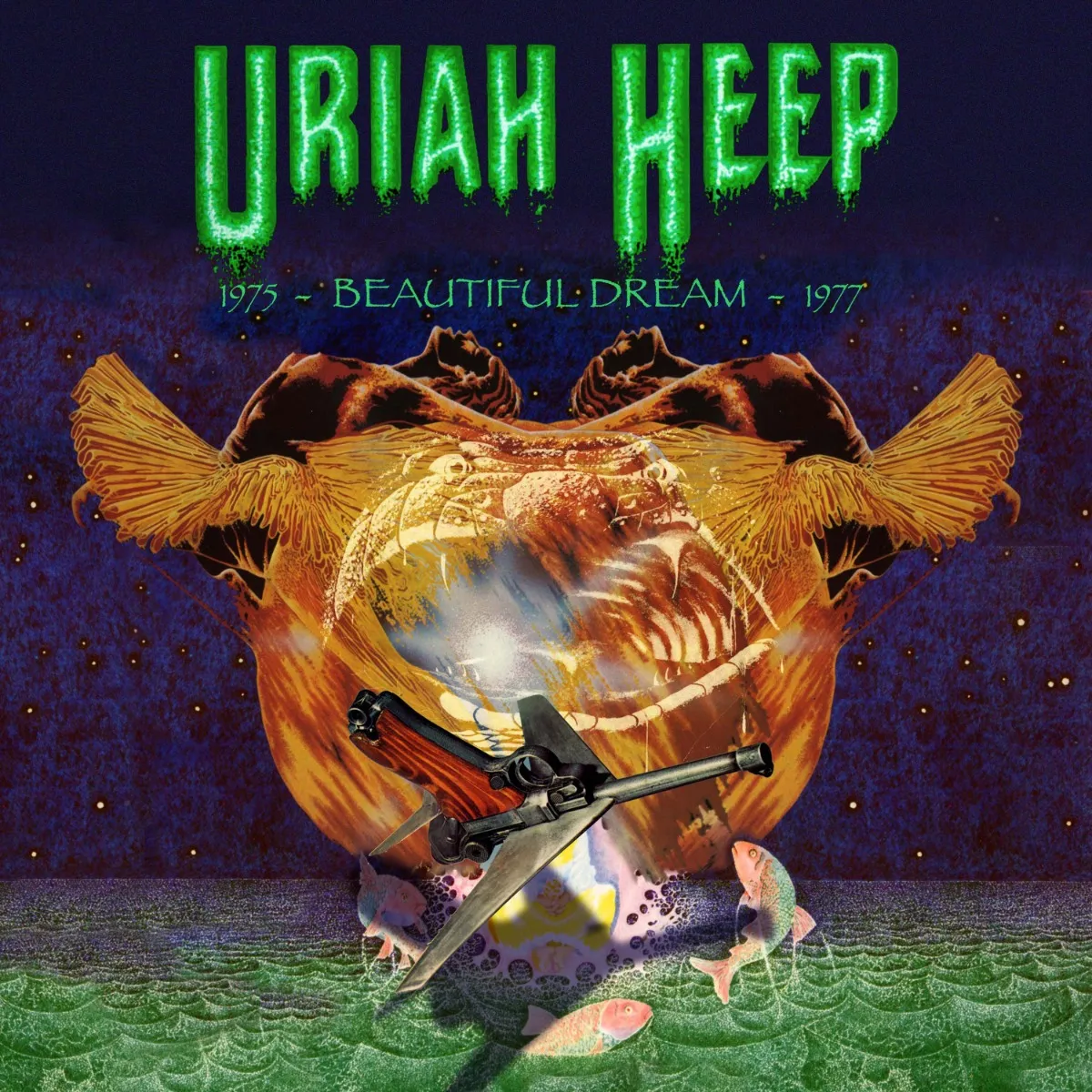
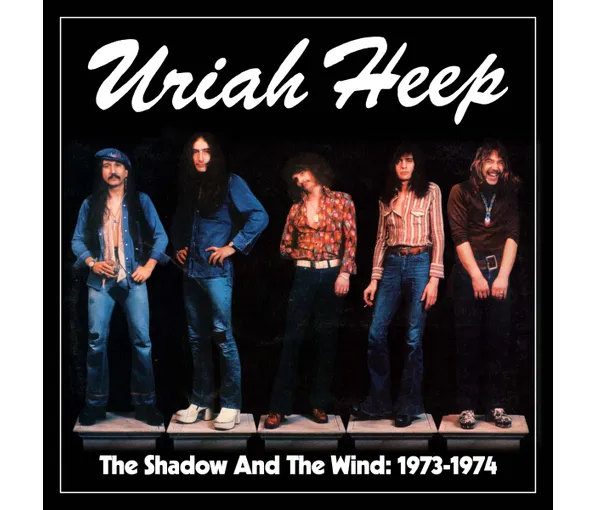
To be released April 24, HNE (Cherry Red) has compiled another bunch of URIAH HEEP albums, along with their extra tracks (see remasters), as they did with the previous release The Shadow And The Wind: 1973-1975. This one, titled after a Return To Fantasy track, features the last 2 to include original singer David Byron and bassist John Wetton, and the first 2 that feature replacements John Lawton (vocals) and Trevor Bolder (bass). A strange period for Heep, particularly in North America where their popularity and sales declined with each album, while in other parts of the world they had a few hit singles from the Lawton albums.
Return To Fantasy, from ’75 was a huge seller in the UK, perhaps in part to the addition of the well known John Wetton, and features the classic title track, as well as the favorites “Devil’s Daughter” and “A Year Or A Day”. The band undertook a major world tour at the time, but the album didn’t fare well over here. High And Mighty sold even worse, with the band self-producing. I really like this album, it sounded new and fresh, but it didn’t feature a global single, and the band toured it in North America well before it’s release. But songs like “One Way Or Another”, “Weep In Silence”, and “Can’t Keep A Good Band Down” are favorites among old fans, a shame this one came and went so fast, and often considered one of the band’s weakest. Heep carried on, with a long list of candidates to replace David Byron, before choosing John Lawton (Lucifer’s Friend) to record Firefly, released in early ’77. It was a solid album, featured the ballad “Wiseman”, a hit in Germany, as well as fan favorites “Sympathy” and “The Hanging Tree”. This was quickly followed towards the end of the year with Innocent Victim, a more varied album, which featured “Free Me”, a lighter pop song, which became a big hit in various European countries, as well as Australia, but that did not carry over to North America, with the album (in a different sleeve here) just breaking Billboard’s Top 200. Innocent Victim did feature a huge favorite in “Free N Easy”, the hardest & fastest rocker the band had done in years. It also featured a few fine tracks written by American writer Jack Williams (a friend of Ken Hensley’s), most notably “The Dance” and “Choices”. As with many Heep albums, particularly during this whole period (75-77), there were a number of good songs left over from each album session. Arguably, a few if these would’ve improved each album at the time (such as “River” from Innocent Victim), included here.
Even though I have everything here (as do many Heep fans), a collection of the rest of the Lawton era recordings (including, Fallen Angel, Live In Europe 1979, and the unreleased 4th album) would be a welcome collection, as would a set of the Peter Goalby era albums (along with perhaps the Live In Auckland recording?) But, oh well. An interesting (and odd) package cover, featuring a blend of the 4 album covers.
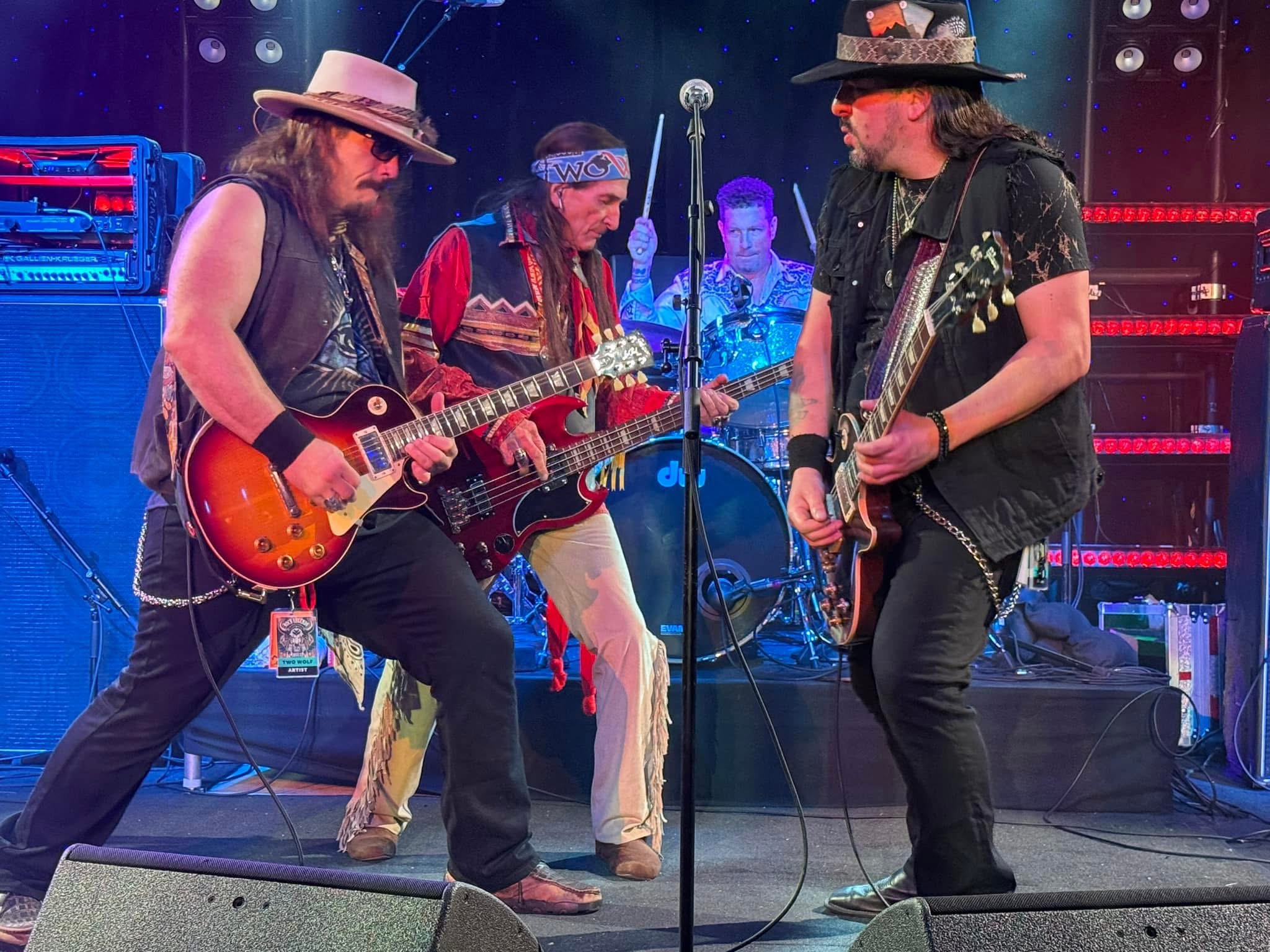
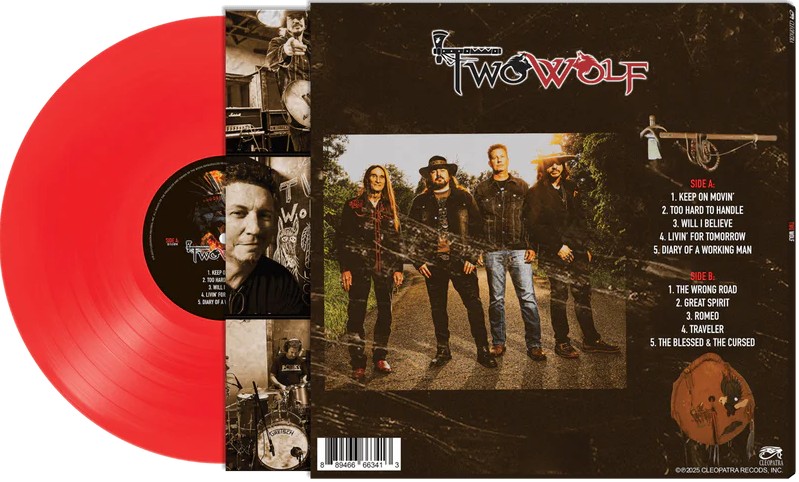
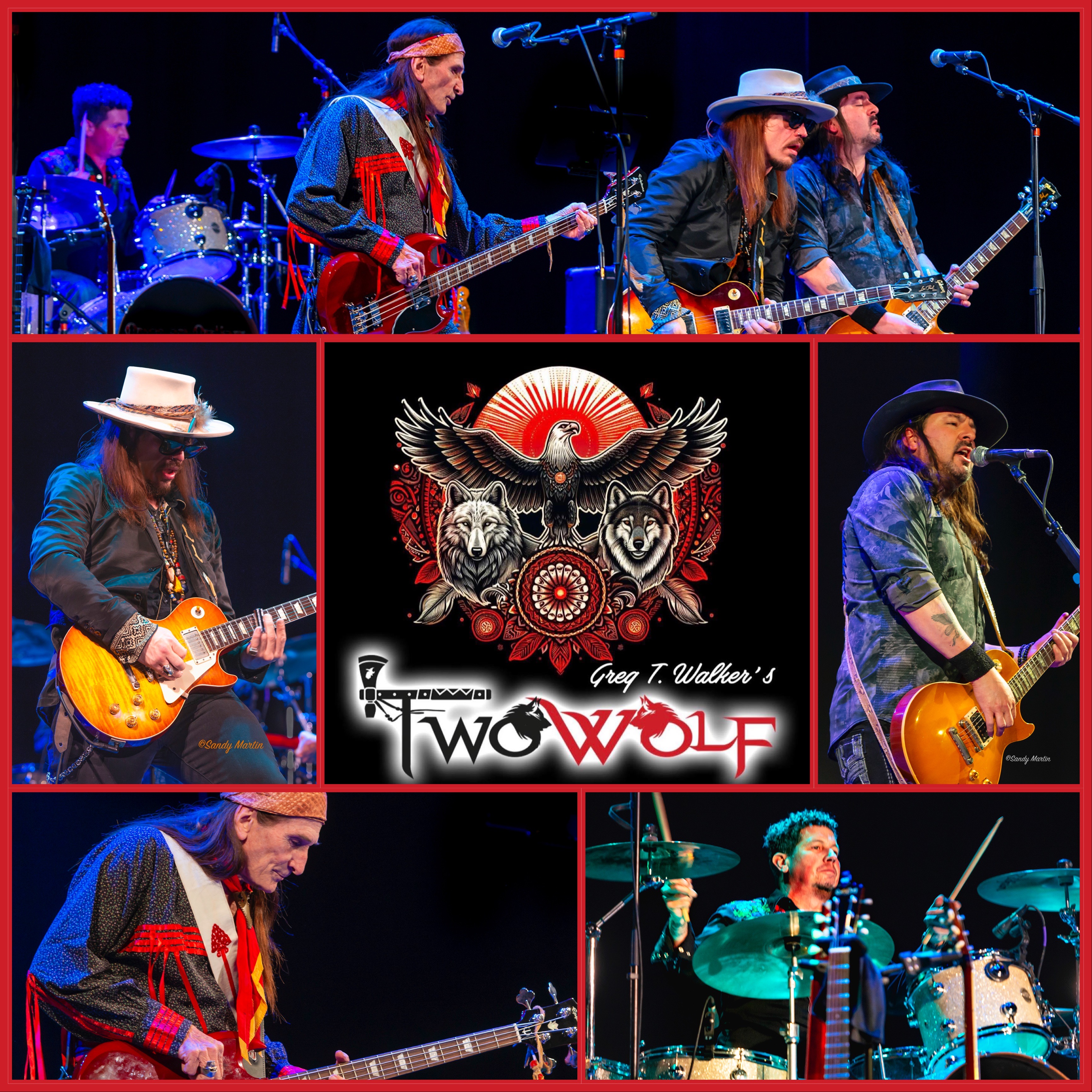
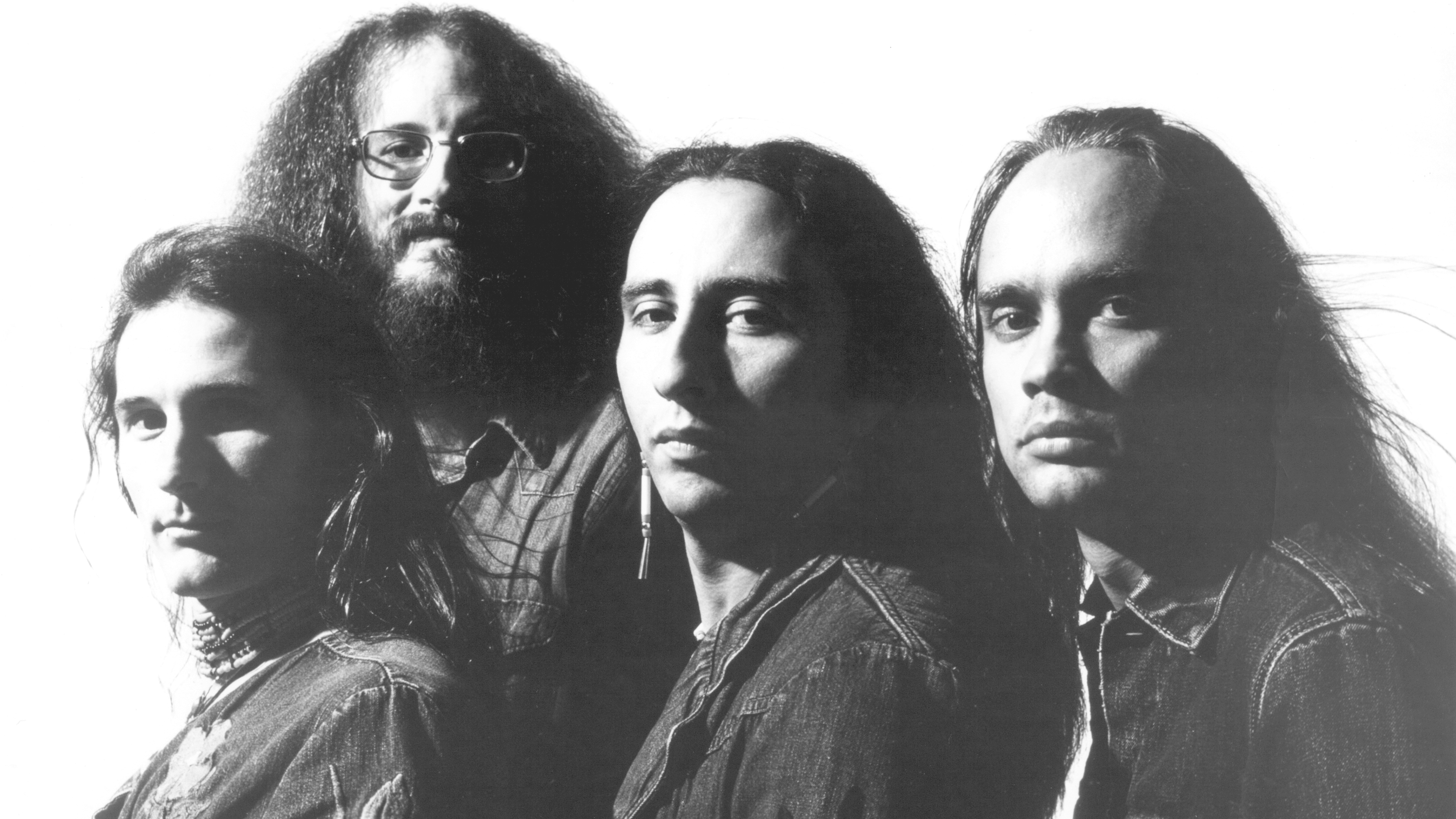
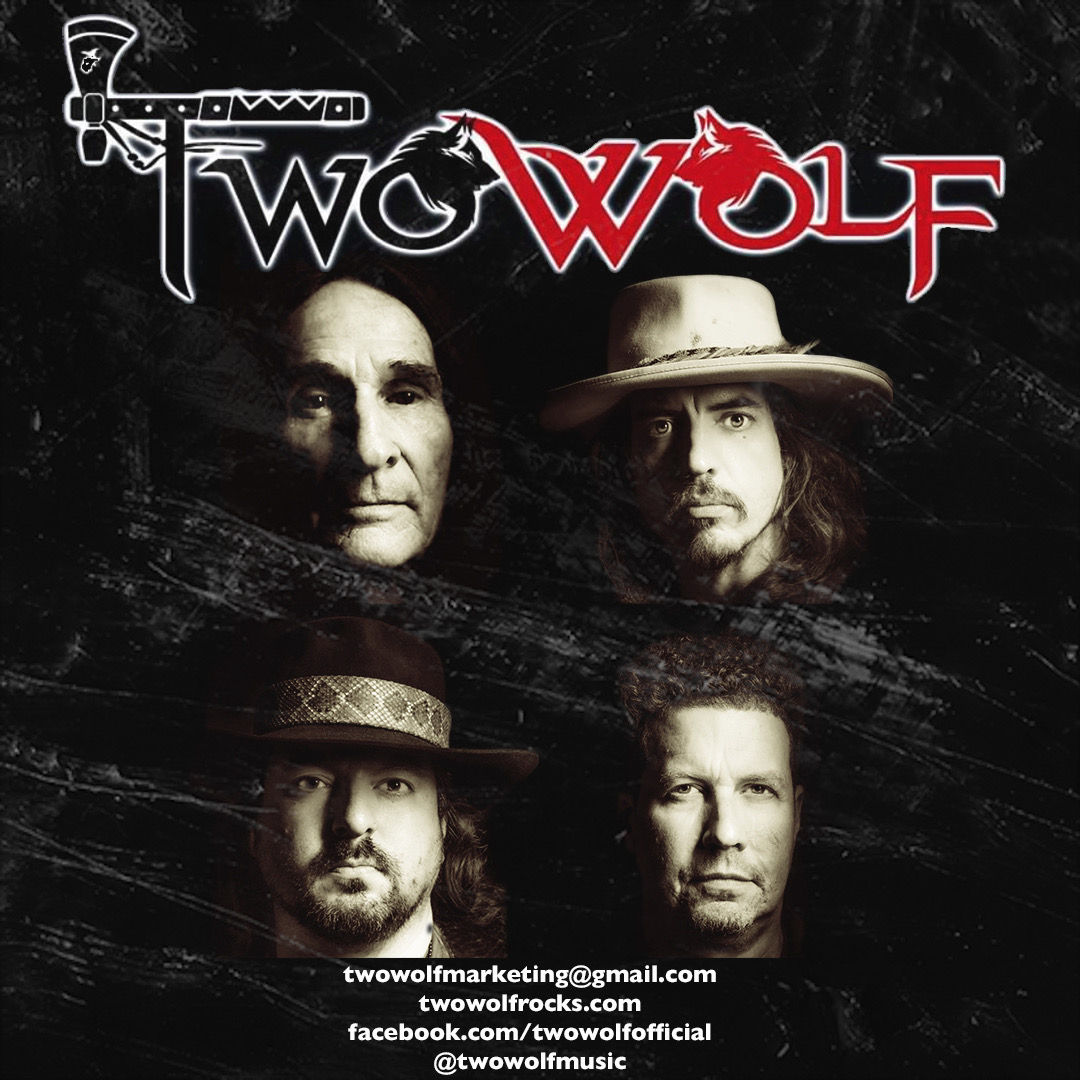
GREG T WALKER is best known as a founding member of the classic Southern rock band (and highly underrated) BLACKFOOT, with whom he recorded and toured with from the 70s to mid 80s. And in the very early days he was also a part of LYNYRD SKYNYRD. When Blackfoot broke up, Greg went on to various other projects, with his most recent being a brand new album with TWO WOLF. The band’s self titled debut comes after a decade of Greg keeping the band going. If you like Southern Rock, I cannot recommend this enough. Two Wolf is a heavier rockin’ band, even to Blackfoot. The album (available on CD and now LP) even includes a few Blackfoot remakes.
I was happy to talk to Greg about Two Wolf and their new album, as well as going back to talk about his Blackfoot days. Hope you enjoy the read. It was one of my favorite interviews I’ve ever done; Greg was a pleasure to talk with, and I hope to see the band sometime up this way.
*Please check out the links at the end of the interview. I have included links to songs in the text, highlighted.
Can tell me a bit about the band, you guys have been going for a bit, haven’t you? You had an EP in 2017?
I formed Two Wolf in 2015, and Lance (Lopez) was in the original lineup. He only lasted about two months because he had some prior commitments, and then we brought Chris Bell in, and he also had some commitments. So, it was a couple years. We were just a three-piece, and then we got Chris and Lance both back in the band at the same time, and that was the magic. That’s what I wanted. So, that’s Two Wolf today.
And Lance, he co-wrote most of the stuff, and he’s quite a guitar player, and, it’s a very heavy album to what I expected, in comparison to the Blackfoot stuff.
Yeah, it’s at least as heavy as the heavy Blackfoot stuff. Lance wrote two or three of the songs; I co-wrote, as Chris Bell and myself did, you know, we all contributed to it. And we did three Blackfoot covers, as you can see. I really was hoping maybe one, two at the most, but Chris and Lance really love the Blackfoot catalog, and especially as guitar players, that guitar-driven band. So, we wound up with three, and it turned out to be a blessing.
Are those three regulars in your set list?
Yes, they are.
Can you tell me a bit about how you met Lance? I know he’s a good bit younger than the rest of you guys, I think, and he had his own gig going for a while there.
I actually met him through a drummer friend, who was the first drummer in Two Wolf, and he said, “I know this guy that’s a blistering guitar player”. So, that’s how I met Lance. It was through the drummer at the time.
How long has this album been in the works? How long have you guys been writing, and how long was the recording process?
It took about a year. We made four trips into the studio. We didn’t have a record deal, we just wanted to do an album and have it ready in case. And then we submitted it to Cleopatra, and they instantly said, “we love it”, and boom, it’s a done deal.
Can tell me a bit about the album artwork? Who did that and what kind of inspired it?
That is a girl named Sophie Armatol. She lives in France. I had met her when I was over there several times, and I saw her work, and I said, “oh, you’re just wonderful as an artist”. So, we gave her the initial concept. We definitely wanted wolves involved. She sent a bunch of sketches, and then we wound up with the one that’s on the cover now.
Can you tell me a bit about some of the songs? What stands out for you, and does everything kind of get rotated into the set list from this album?
We do every song on the new record. And some additional Blackfoot songs that are personal favorites. But you definitely will hear every song on that record, we do every single one.
Do you have any favorites of your own? Things you like doing, and things you’re kind of happiest with the way they turned out?
As in, you know, the original days, “Diary of a Working Man”. I love that song, always did, and we never played it live back in the d ay, not one single time. But we’ve been playing that song in the set for several years. So, we recorded it, and, and it came out really great. So, that’s among the favorites, but I couldn’t really pick one favorite. I love them all. We put our hearts and souls into every song, no matter who wrote it. So, we’re real happy with the way it turned out.
I like “Too Hard To Handle” and “Keep On Moving”, I think, is the single!?
“Keep On Moving”, yeah, that was one of my tracks that I always thought that was a B song. You know, it’s just a fun rocker; it wasn’t Beethoven, that’s for sure. But the guys love that song, and it actually came out real good, and that is the single.
Obviously, people want to hear some Blackfoot stuff, but you guys got your own thing, your own album. How is the response to that stuff?
It’s just going great. We got incredible reviews, response on every format, and hope I don’t jinx myself. Nobody’s said anything bad yet.
So, it’s out on CD and vinyl(?)
Vinyl comes out October 17th.
Did you guys have much stuff left over that you might already have the beginning of something new…?
Well, like I say, we’ve made four trips into the studio. We generally would do like four at a time. It’s interesting, I remember years ago, vinyl, you could have 45, 50 minutes on it, and now they say it’s like 20 minutes per side, and you can’t exceed that. I’m like, what changed!? I don’t know. That’s it. We did an album’s worth of songs, and then we got the deal, and then we started playing a lot more live, and we didn’t have a chance to go back in the studio. But we will soon, because even at the end of the original recording, we were already talking about, can’t wait to start on number two. You always want one more album.
Can you tell me a bit about some of the songs that you had a hand in writing? Was there any ideas or songs that had been sitting around for a while, for years, maybe?
“Keep On Moving” was, solely my composition. “Great Spirit” was started by a friend of mine in Montana, who I’ve known since the 70s, and he had the basic concept for that, and we joined up and finished it. “Traveler” was a song that we actually had played in the Blackfoot years, that was written by myself and our drummer Jackson (Spires). No big story there, it’s just, I had an idea, I played it, and he got on the drums, and then he helped me write the lyrics to it. And “Great Spirit”, most of the lyrics were from my friend in Montana, and I added to that, like a bridge and so forth, but I co-wrote those two, but “Keep on Moving” was one of my sole compositions. Again, I didn’t think it would ever be on the record, but I loved it.
Two Wolf, 2017 5-song EP. (cove art – Sophie Armatol)
I want to talk a little bit about some of the Blackfoot stuff as well. Do you still keep in touch with Charlie?
Yeah, I do. Charlie lives about a little over an hour from me. He lives just east of Gainesville, Florida. We stay in touch. He, oh my God, he still plays like he did years ago. His back problems have stopped him from playing live. I mean, he can stand up, maybe two or three songs, and then he’s got to sit down. It’s his spine, it’s been bothering him for years and years, but he came over here back in March, and a drummer came over. I met my drummer through Charlie, actually, and Charlie walked in and said, I want to play 10 Blackfoot songs, so we went out the studio, and I just had chill bumps listening to him play. It still sounded like the day we recorded it. He hasn’t lost anything. That guy can take a $50 guitar and a $50 amp, and he sounds like a Les Paul through a Marshall. I don’t know how he does it. It’s all in his fingers, I think.
In the beginning, you and Rickey were both briefly with Lynyrd Skynyrd, but you went off and obviously started the Blackfoot album, so how did the whole first album come about, because you guys went through a lot of changes there, and you never had a keyboard player in the beginning, either. That’s the other thing, as far as the Southern rock bands that had…
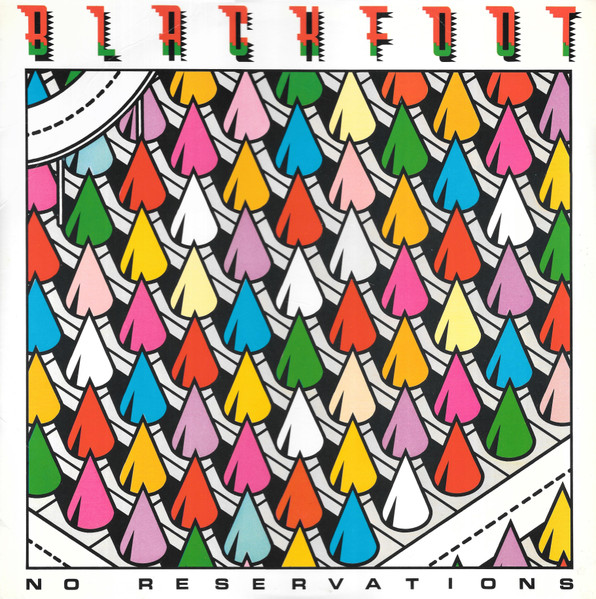
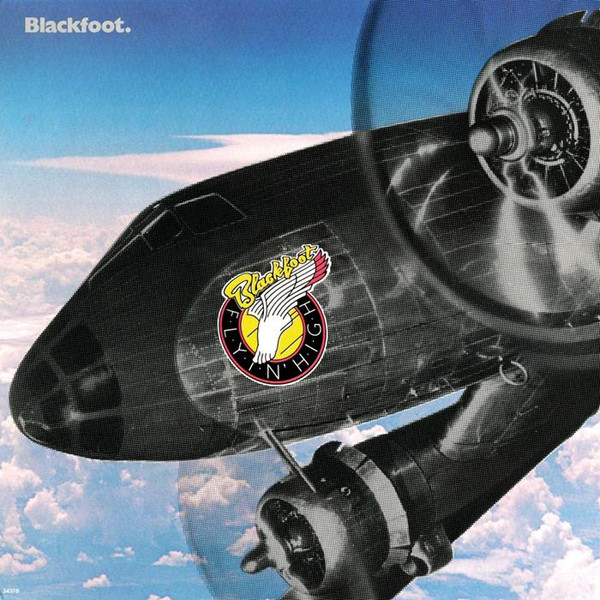
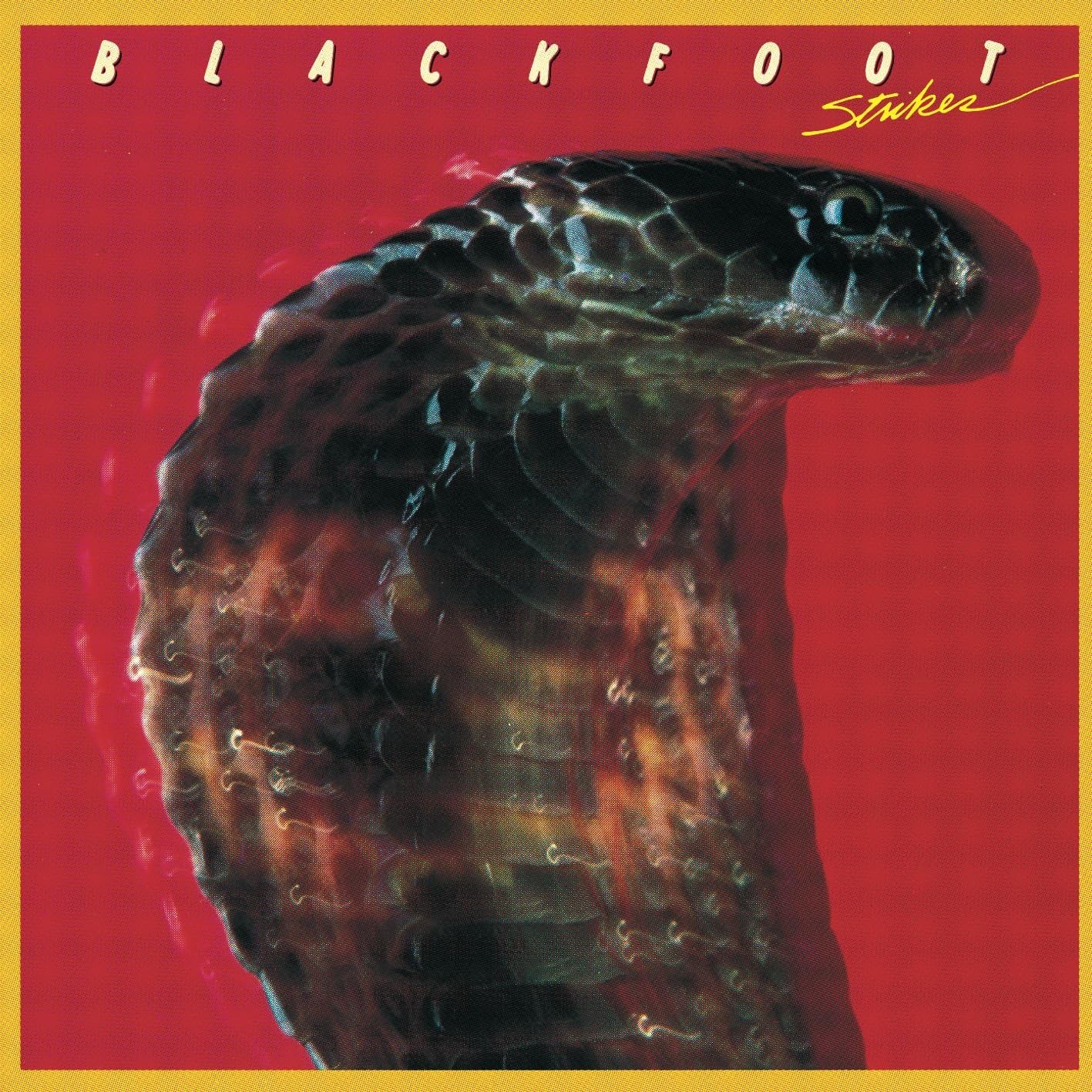
No, we didn’t. I played a couple little bitty piano parts, but you don’t really hear them on the earlier albums. But, we’d known the Skynyrd boys for a long time before we ever joined the band, in Florida. So we were friends, and Ricky joined first, and I came in three months later, I think it was, on bass, and at the time. It was going to be permanent, at least we signed a management contract and recording, but that music didn’t come out for two or three years after we originally recorded it, because we had already left the band. What I wanted to do was reform Blackfoot. I told Ricky that I just feel this urge to go back and pick up where we left off. We need to finish what we started. And, Jackson was another childhood friend from kindergarten, so, we were the nucleus, because we grew up since little bitty kids. But he agreed, so we put the band back together, and fortunately, because of our time at Muscle Shoals with Skynyrd, they said, send us a demo tape, so we did, you know, reel to reel. And they liked it enough, and they said, if you can get down to Alabama, we will record you and see if we can get you a deal. And they did. So, that was No Reservations. It came out, and…it did sell, I don’t know, 30 or 40,000 copies, maybe. And the next year we did Flyin’ High, on the Epic label. And same thing, it just came out and went at the same time. And then we went three years without a label, and then we hooked up with a guy who’s sister worked at Warner Brothers, on the Atco label, and so we recorded Strikes with a mobile unit, and signed us to a deal, and Strikes came out, and we became a 10-year overnight success. You know, it’s like a brand new band, but I said, Yeah, we’ve been together 10 years, but that went gold quickly, and then Platinum, and that set the tone for the years to follow.
Now, that was probably the band’s biggest album, I believe, right?
Yes.
I love the logo on the Flyin’ High album! What did you actually think of those first two albums? Is anything that stands out for you or that you particularly liked?
I always liked all of them. We would mutually agree on which songs to put on the record. We recorded more, and there were songs left over. I haven’t listened to that record in a long, long time. There’s some funny stuff on it, there’s some good stuff on it, anything in between.
Strikes is like an easy favorite for me. I still hear “Highway Song” on the radio from Buffalo once in a while, but you did the two covers on there, which was interesting. “I Got A Line On You” and “Wishing Well”, which I thought was a great cover. Was it your own ideas to do those covers, or was it kind of suggested?
Yeah, we had done both of those songs in our early club days. And it was just personal favorites.
Matter of fact, I think we did a third cover was “Pay My Dues”, an old Blues Image song; another personal favorite. In fact, we were in the studio warming up, and the mobile unit was out back, and we were just getting everything tuned, and we started playing that song, and the opening chord, you just hit it and let it ring, and the engineer just quickly hit the button. We didn’t know it. So we did the song, and we finished, and we said, “Okay, we’re warmed up, we’re ready to go, let’s start recording”. He said, “I think you need to come in and listen to that”. We said, “Listen to what? He said, “I just recorded your warm-up song”, and it made the album. I mean, who would have thought!?
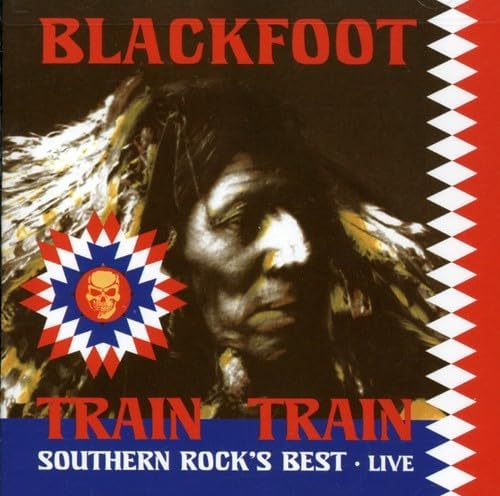
Well, I think this album is a very consistent album for me. I really like the cover of “Wishing Well”, and obviously “Train, Train”, and “Highway Song”.
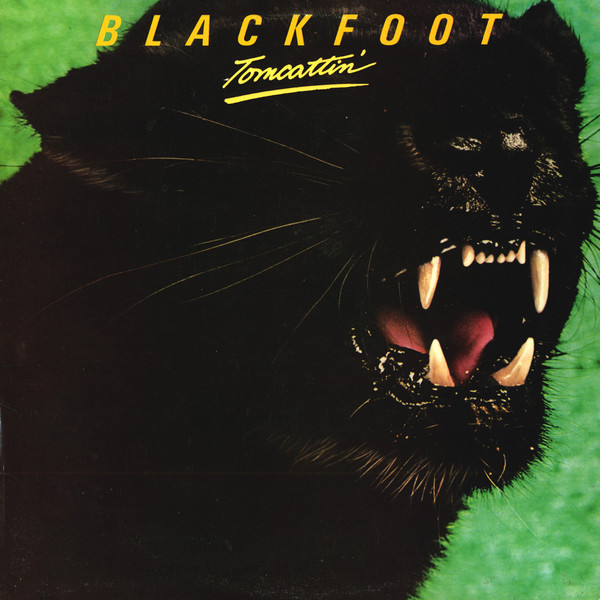
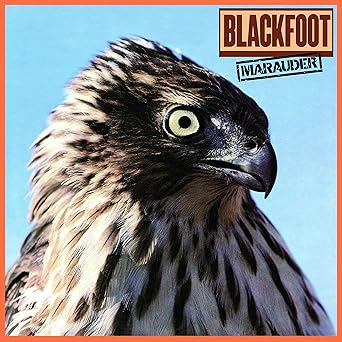
And then you did, like, these two albums, Marauder and Tomcattin’, which were both excellent albums, but they really didn’t kind of put you guys over the top.
No, they both went gold, but they didn’t have the sales that Strikes did. Tomcattin’, I love that record. That was like on steroids, so to speak. That’s a heavy record, and Europe really embraced it. They loved it over there.
You guys had a bigger following over there. Is that correct? Like, from the stuff I see in the UK press and that, from that time?
Yeah. I mean, there were periods that we may have done better over there, as opposed to over here, that we played here a lot more, of course. But we did a lot of tours over there. We did all the big festivals, you know, Reading and Donington, Monsters of Rock. And, we were playing with Deep Purple and ACDC, and we got to be friends that led to later tours over here. We played with AC/DC, a tour with Bon Scott. And then when Brian came in after Bon passed away, we did another tour with AC/DC. I love those guys. They still do what they do, and they do it great.
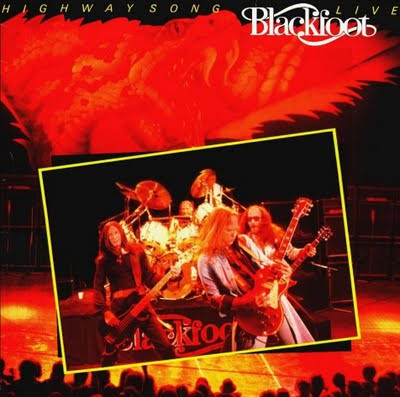
Now, this album (hold up Highway Song Live), I don’t think this one got released over here, the live album.
I think they released like 10,000 copies is all, which really upset us because it was a political thing going on with the Atco label in England, in London; a personal vendetta that I won’t go into. But they sent 10,000 copies over. That album would have sold great had it been released, and at the numbers that the others had, because everybody loved live albums at that time. That’s a blistering album.
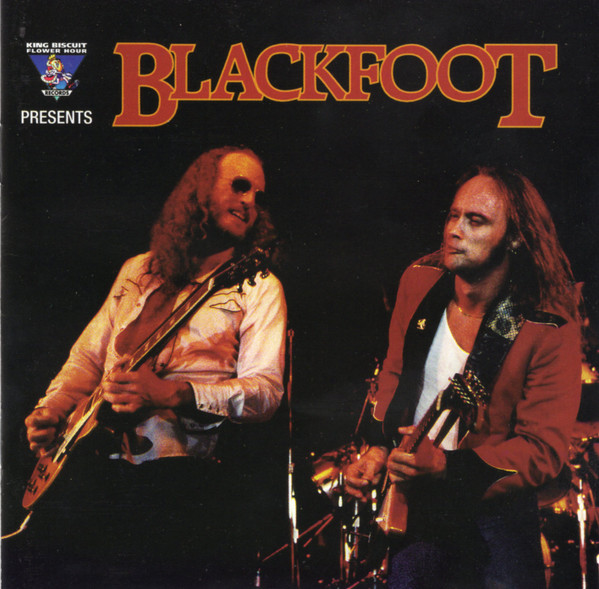
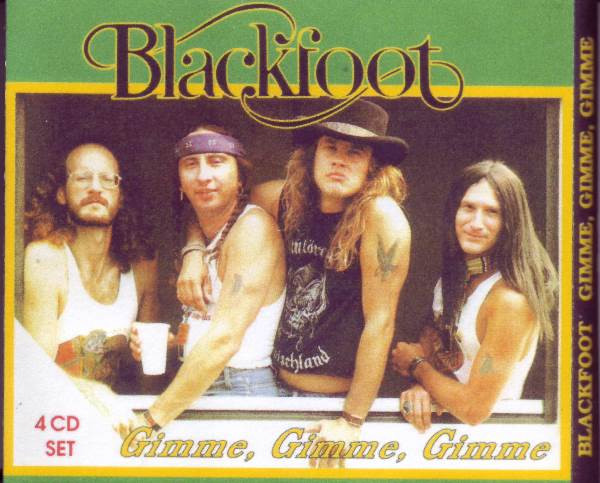
I have the King Biscuit Flower Hour one that came out years ago. I think that’s from ’84. And I have this (I hold up the 4-CD Gimme Gimme Gimme set), it’s a bootleg, but it’s got all the radio shows gathered on this.
Oh yeah. I don’t remember what’s on that, but yeah, I’ve got a copy of it.
It’s all gathered radio shows that you guys did over the years.
And some of the bootlegs, they look legitimate, but they’re really bootlegs.
So what changed as far as, you know, did you guys think you need to bring in a keyboard player or was it kind of the record company thought you needed one?
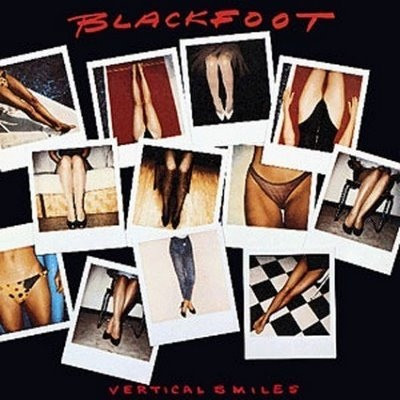
I think it was more from the record company at that time hair bands were gaining popularity. They started kind of taking over and it’s like, “You guys need to get with the modern era, change your hairstyle, change your stage clothing”. And I said, “We’re not going to wear a spandex. I can tell you.” (haha).. that was just not in our DNA. But yeah, it was grabbing at straws from the record company. And in the end, by the time we got to Vertical Smiles, that was a kiss of death, and we couldn’t do anything right in their opinion. So the album came out and just went to the bottom.
Did you initially think it was a good idea or do you think it was a bad idea from the start?
I know Jackson and I were not really in favor of a keyboard player, because we were a guitar driven band. But, you kind of get backed against the wall and it’s either “you got to do something or we’re not going to give you support”, you know, the record company. So we called John Lord and he said, “If you’d have called me two weeks ago, I would have been on the next plane to America…I just signed on with a new band called Whitesnake”. So then we got in touch with Ken Hensley and then he’s the one that came in. Ken was a brilliant musician, a hell of a cat to hang out with, very, very talented guy, played really great slide guitar, which I didn’t know until he joined the band. I said “My favorite Uriah Heep album was that one with the mirror on the front”. He said, “Look At Yourself” – “Man, that guitar playing is brilliant”. He goes, “Oh, thank you”. And I said, “What do you mean, thank you? He said, “That was me”. I said, “You played slide?” He said, “Every song that had slide, that was me”. So he turned out to be a real talent. He was a great vocalist, player. Yeah, he’s got the package. But he didn’t stay until the end. He left. You know, the band eventually broke up.
Have you ever heard the album Toe Fat, that he did?
Yes.
And then there’s an album called Weed. So, he did a lot of interesting stuff outside of Uriah Heep that was all guitar stuff.
He did.
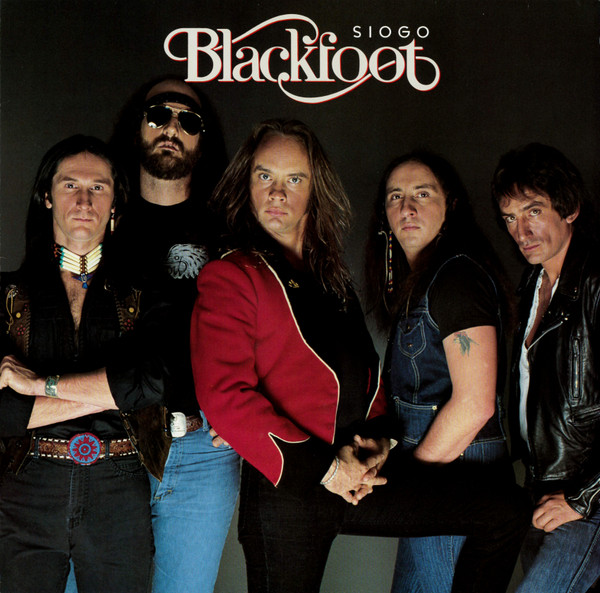
So now Siogo is one I really liked. I get that it steers away from the Southern rock sound, but it still has a lot of great commercial rock songs. “Teenage Idol” was good, but, kind of probably lyrically timely, for that era. “Heart’s Grown Cold”, “Crossfire” and the one that Ken brought in, “Send Me An Angel“. The one I really like is the track “Sail Away”. Do you remember that one?
Yeah.
Do you recall who came up with that (Sail Away), like the riff and how that song came about?
I kind of think that was Kenny’s original idea, that we built on… I think, I’m pretty sure.
Yeah, because I think it’s co-credited to a few of you guys on the album.
That’s when MTV really took hold of the business. Everybody was forced to do videos. So the hair-bands, they were younger and they adapted very well, but for us it looked cheesy. I mean, I look at those videos today and I just laugh. I’m like, Oh, my God! We’re musicians, not actors.
That video of “Teenage Idol” with Rickey just walking along, meeting people, and you guys didn’t come in til the end. (lol…Greg shakes head). But, I thought this was a great album.
And then, obviously you had this (Vertical Smiles), which kind of turned out to be a disaster. Did you guys get a lot of grief for the cover? (I hold up cover)
(laughs) I don’t remember now, it’s been so many years, why we came up with that cover. It was mostly our snapshots. And I know that the female part of Atco Records at the time when they saw that cover, oh, it made them so mad. They were like, “You male chauvinist pigs!” We were like, “it’s just an album cover”. Of course, the title, if you don’t figure it out, I guess you still live in a cave. but they got it. And…Yeah, that was the kiss of death.
And there was obviously a story behind the title for that one as well (Siogo).
Yeah, we won’t go into that. Our road crew came up with with that, and it was on their bus. They had a big cardboard thing in the front lounge of the bus that said S.I.O.G.O., but for each letter, there was a word below it. We laughed at it at the time, and it wound up being an album name. So Ricky was doing an interview one time and asking what it stood for. And he just didn’t even think he just spit it out. And why!? Oh, my God. You know, you couldn’t edit back then like you can now. But it is what it is.
I watched a clip from on YouTube this morning was a little video of you guys interviewed, all in the studio with Eddie Offord. It was MTV. It was like a three or four minute interview, and Ricky did most of the talking…So Charlie was there in the studio while you guys were doing Vertical Smiles. And he left at some point during that.
Yeah. Before it was finished he left. He was just kind of tired of the game, the politics. So, you know, Kenny was in the band and because Kenny played guitar, he couldn’t duplicate what Charlie did, of course, but he was good enough that we pulled it off. And it worked great. And then when Kenny left, we got Bobby Barth in the band from Axe. Bobby lives about four miles down the road from me now. So, you know, we had our hurdles, but we we kept going.
Now there’s some covers on this album, which I assume weren’t all your ideas, like the Peter Cetera song and stuff like that.
Yeah. See, that was that record company pressure because anything that record companies had the publishing on, they pushed out, because they had screwed the writers out of royalties, that was very common back then. We worked it up and we thought, OK, we we gave it a little bit of a harder edge, and I mean, it worked ok. We did it live. Yeah. And I don’t know if it helped or hurt, but that that whole album was different than what we had done up to that point.
I remember reading something from Rickey at the time (or shortly after) where he said there was three or four very heavy tracks that were removed. So I’m curious what you would recall of those songs and if they’ll ever surface?
They did not. The record company sent four of their top people down to the studio, Eddie Offord’s studio, which was an old movie theater. So they sat there in the front row. Eddie had these gigantic monitors, I mean, size of a bathroom. He had it cranked on 10. And those those guys and girls sat there and listened to the complete album, and they said, “Oh, my God, this this is a masterpiece…. You reinvented yourself…. It’s going to go straight to number one…It’s going to be a platinum selling record”. We’re all excited. So, we left the next day and said we’re going to take two weeks off, which we rarely ever did.
On the third day, Rickey calls and he said, “Are you sitting down?” And I said, “No”, “Sit down. I got something to tell you”. And I said, what? He goes “Atco just turned down side B”. And I said “What!? Three days ago they were raving about it”. So the people that were there went back to New York, and played it for the top brass, and they go “Oh no, we’ve got to replace side B.” So, that meant for us going back in the studio multiple times, doing 3 or 4 at a time. I’ve got a reel to reel tape here, it’s one of 2, and there’s 30-something songs on that tape, and the other’s got about the same. I can’t play it because it’s the quarter track tape, I think if I played it now it would just come apart. Nobody has those old machines anymore. So they got us going in, and at that point we were grasping at straws. We replaced side B with new material, and they finally agreed to it, and the record came out.
It’d be a shame if those tracks never came out, if there was a way they could come out. I think Rickey had mentioned 3 or 4 specific titles. After the band broke up, Rickey, obviously continued without you guys. You guys got the band back together without Rickey, after he’d joined Skynyrd. Was there anything you guys did with Bobby (Barth) during that time; that you recorded?
In the 90s, yeah Rickey had continued on and changed it to ‘Rickey Medlocke and Blackfoot’, but he was the only original member, of course, until he joined Skynyrd in ’96. In the meantime, Jackson got in to The Southern Rock All-Stars, Dave Hlubeck, and a couple of the ‘Hatchet guys in and out, and I did some shows with them, here and there. In 2004 I reformed Blackfoot with Jackson and Charlie, and that’s when we brought Bobby Barth in, on lead vocals and lead guitar. We did that for seven years; we had a great run. And then in 2011, on December 31st that ended. I said Ok, it’s time to put it to bed. But we got to resurrect it for seven years
Was it that ended mutually or was it Rickey that didn’t want it to keep going?
We had worked out an agreement for seven years, and we didn’t want to extend it, And Rickey wanted to revive it, his version, which he wound up doing, but he was not in the band, it was other players.
Yes, kind of bizarre.
Yeah, it is very bizarre. But it was a great seven years.
So, was there any recordings during that time? Did you go in the studio at all?
No. But we did a live record, for Cleopatra, actually. It was us, Molly Hatchet, and the Atlanta Rhythm Section, we, all 3 , did a full album, with video, and they released it. And that thing sold great! It was simply called ‘Blackfoot;, because we had the rights to use the name Blackfoot. And when we signed with Cleopatra this year for the record that’s coming out in a couple if weeks (the CD is already out), they said “we worked with you guys before”, and I said “you worked with me”. And Lance had worked with them too, with his solo stuff. So, that was a live record, it’s a great record, the video, the production; everything was first class.
(Dare I ask), Do you talk to Rickey at all still?
Not at all! He’s been doing his Skynyrd thing all these years. The last time I saw him was 2005, when Jackson was on a ventilator. He came to the hospital, and we caught up then, and talked, and I haven’t talked to him since. But I wish him well. I think he’s doing a great job and has had a great career with Skynyrd; I hope he stays with them another fifty years!
Is there anything, other than the Vertical Smiles tracks, that might be in the vaults, that you guys could ever discuss putting out?
We always had songs leftover, with the first record No Reservations, we always had six, seven, or eight songs leftover record after record. I don’t know where they are, or who’s got the masters. There’s probably enough for three full double sided albums worth of tracks. And it wasn’t like they’re throwaway tracks, we would do a lot of songs, and you kind of had to put all the titles in to a hat, and do like this (covers his eyes), reach in and grab a piece of paper. No real B songs at all.
Do you guys, Two Wolf ever play up this way?
We were in Syracuse a week and a half ago, at a place called ‘Sharky’s‘. It’s a big covered pavilion. It was in the 70s in the day, but when we got on by dark it had dropped to 55, so the tuning was bad (haha), the guitars were going out of tune. But it was beautiful up there; the leaves were turning, it’s was bright and sunny..
(we finish up talking of the band’s upcoming shows in North Carolina, south Florida, and I suggest that the band comes up across the border sometime, which Greg says he’d Love to!).
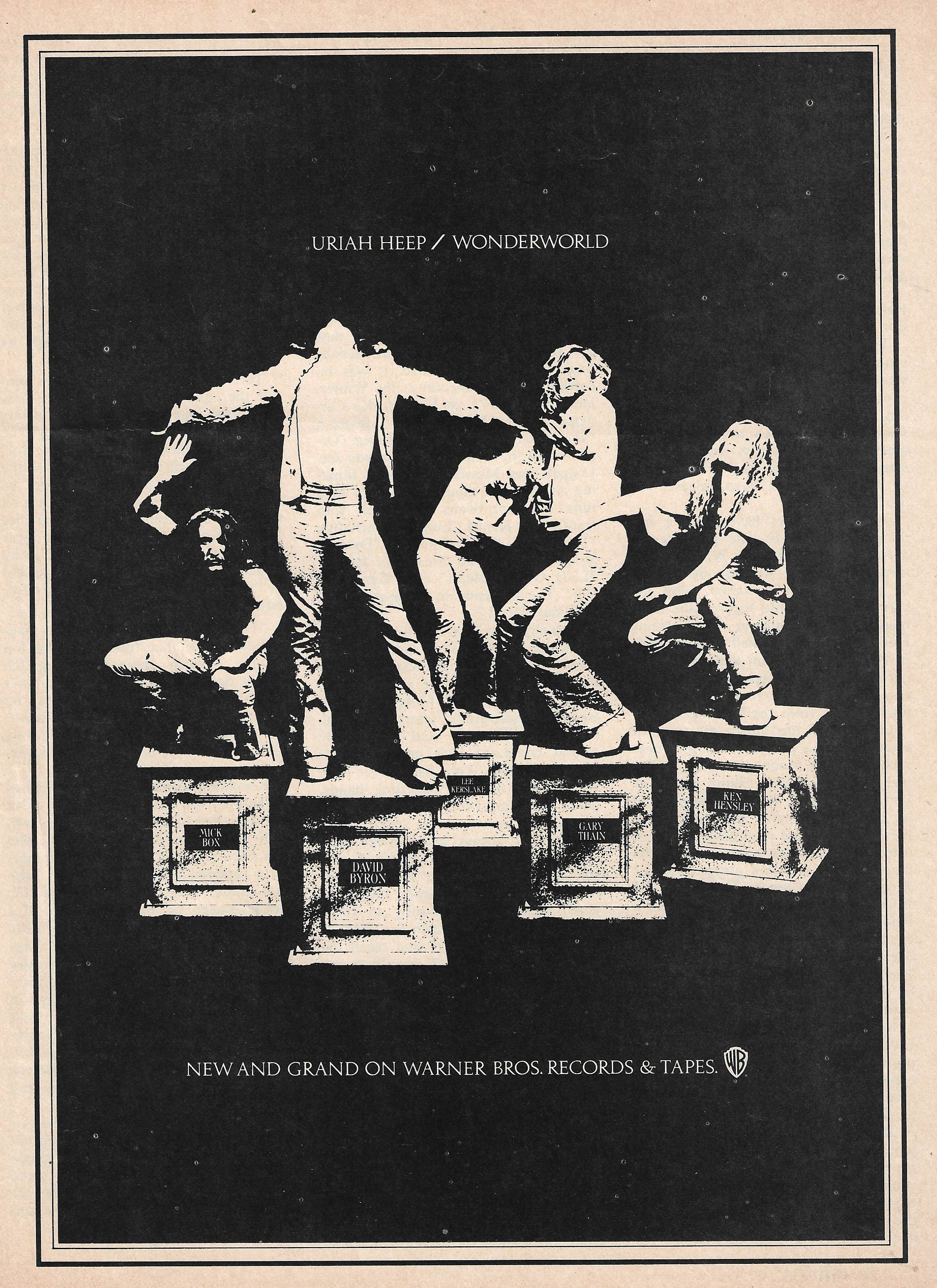
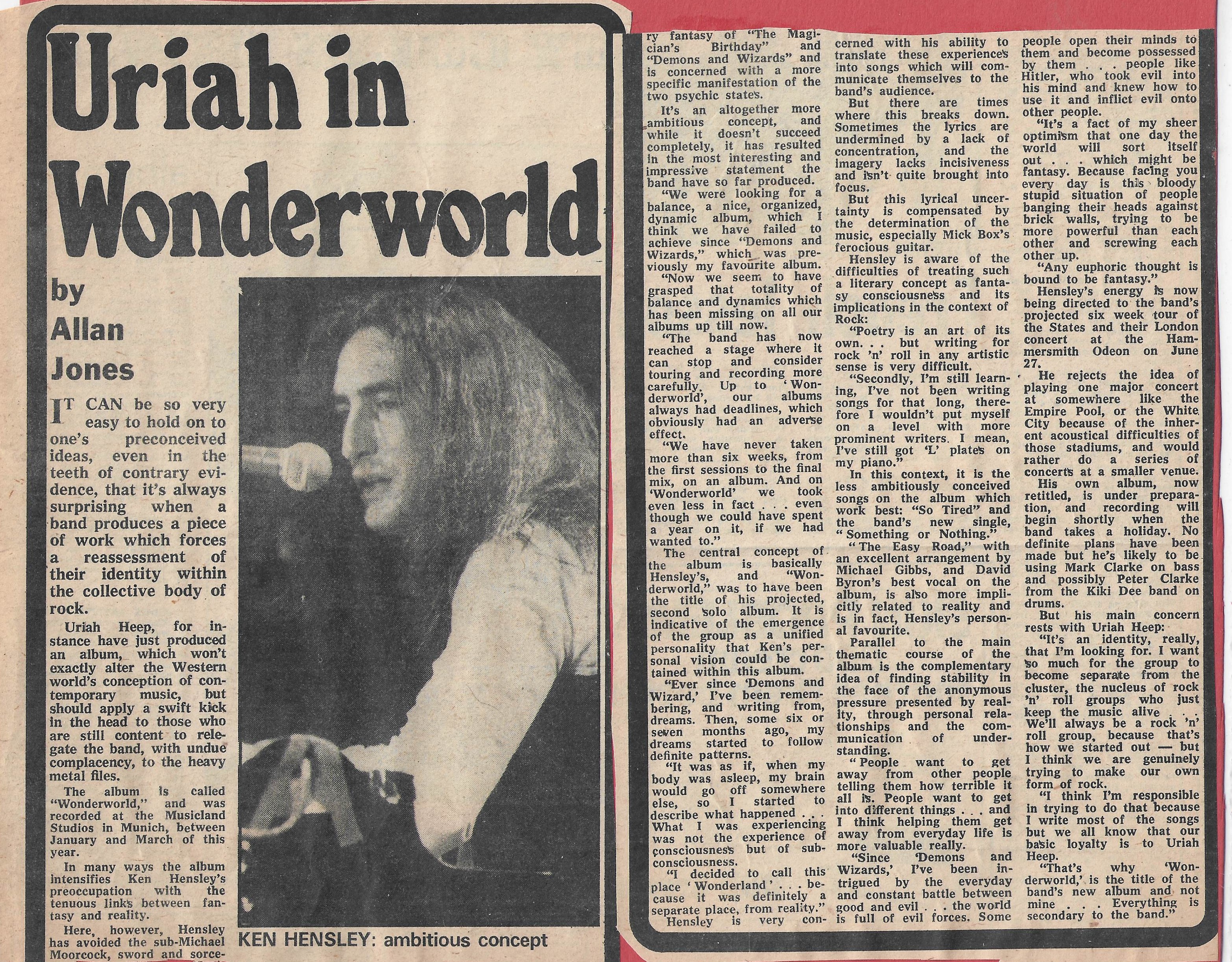
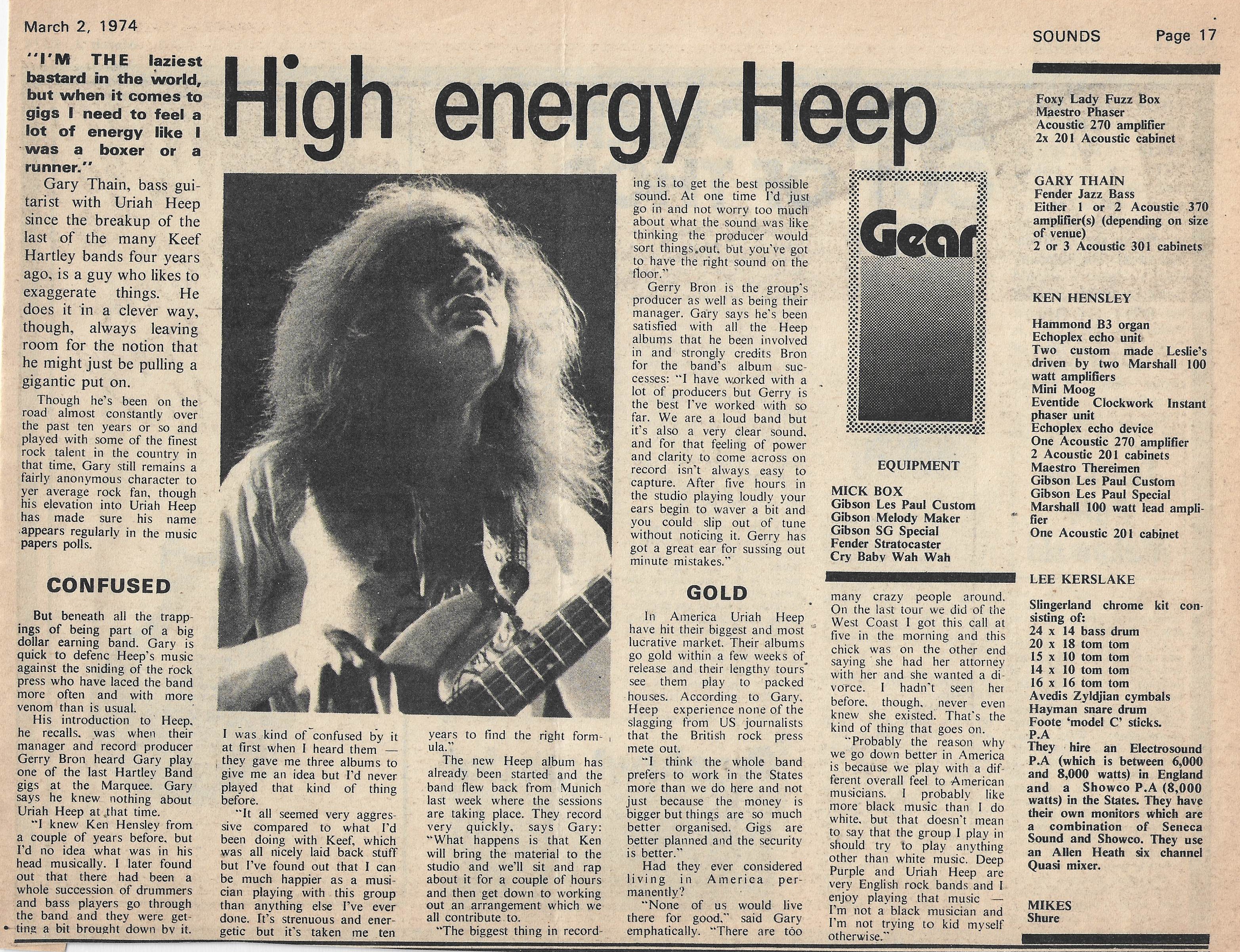
Wonderworld was URIAH HEEP”s seventh studio album, released in 1974.. it was the band’s 4th (and last) one featuring the “classic line up” (Mick Box, David Byron, Ken Hensley, Gary Thain, Lee Kerslake) as Gary Thain would be let go before the next one (and tragically passed away not too long after that). Wonderworld was also the band’s 2nd album for Warner Bros in North America, which likely meant big things were expected following Sweet Freedom. I am probably (and presumably) one of the many who thinks this album is full of classic Heep tracks but due to its sound – find it hard to take regularly..
Wonderworld was the 2nd Heep.album to be recorded outside of the UK, this time in Munich, Germany, and again for tax reasons. The band used German engineers Hans Menzel and Reinhold Mack (better known for working on a number of Queen and ELO albums). Some band members would later cite that the recording abroad caused a lot of the friction and less than stellar outcome.
Many songs were based around Hensley’s dreams, as the title “Wonderworld” referred to. The album’s cover art would feature the band posed as statues, a cover designed by Graham Hughes (cousin to The Who’s Roger Daltrey, and who had designed a number of Who album covers). I actually liked this cover, though Hensley, in particular did not. Asked about album covers, he once stated “I particularly dislike Wonderworld and Conquest, but nowhere near as much as I hate Toe Fat 1“. Some years ago when Ken was being acknowledged with a new statue of himself, I responded on social media if he would be re-enacting his Wonderworld pose, to which he responded in capital letters that NO, he would not be. Mick Box, who misread things, did not send in shoes for the shoot, so he is the only member barefoot on the cover.
More so than Sweet Freedom, Wonderworld saw Heep producing shorter tunes, ditching the lengthy epics, but still offering up quite a variation of tunes. The album opened with the title track, featuring a grand intro from Hensley, coming down to a soft piano before David Byron’s vocals come in softly. A near ballad that soars up and down between the verses to chorus and back, and an underrated classic in the band’s catalogue. Side one also contained 2 rockers, the classic “Suicidal Man” and “So Tired”. “Suicidal Man”, a favorite, would return to the live set in 1980, when longtime Heep fan John Sloman joined, and recommended it to be included. “So Tired” perhaps reflected the band’s state at the time, having such a non-stop recording-touring schedule at the time. It reappeared in the band’s live set in the early 2000s. The first side also includes the fan favorite “Shadows And The Wind”, which starts out soft and builds up, with the Heep choir adding a unique arrangement towards the end. “The Easy Road” ends side 1; this piano based ballad featured strings arranged by Mike Gibbs. It’s interesting (to me) that this type of ballad pre-Kiss’ huge hit “Beth”, which came a year later, and that it was never issued as a single! It did feature in the band’s live set at the time, and has been brought back periodically over the last few decades.
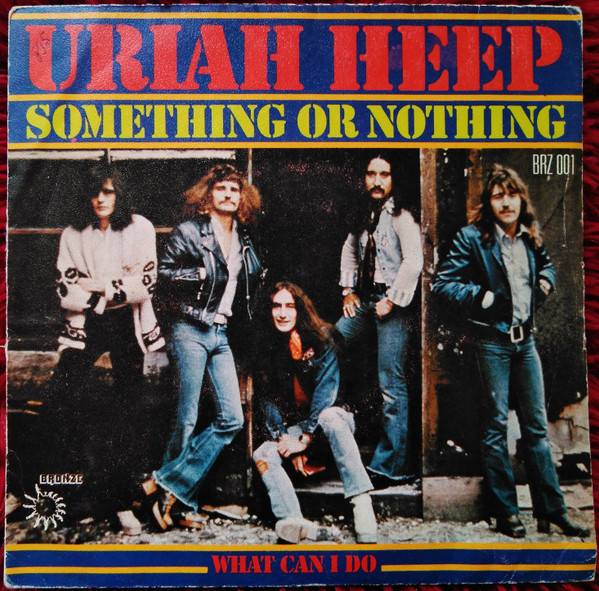
Side 2 opens with upbeat rocker And single, “Something Or Nothing” This is one of my favorite songs here, and a shame it doesn’t get more attention. The band adds some slower blues rock, with the guitar heavy “I Won’t Mind”; this one may have been better geared to the live show, featuring multiple guitar solos, but it kinda falls short in being an epic here. The album’s last 2 tracks are again something different in “We Got We”, and somewhat eerie (musically) closing track “Dreams”. The latter, again, was a chance where the band might’ve expanded this into something greater, like most closing tracks that came before, but instead it just ends with vocal lines mixed in from the track “Dreamer” (from the previous album), before grinding to a halt. All seeming a bit rushed, But not bad.
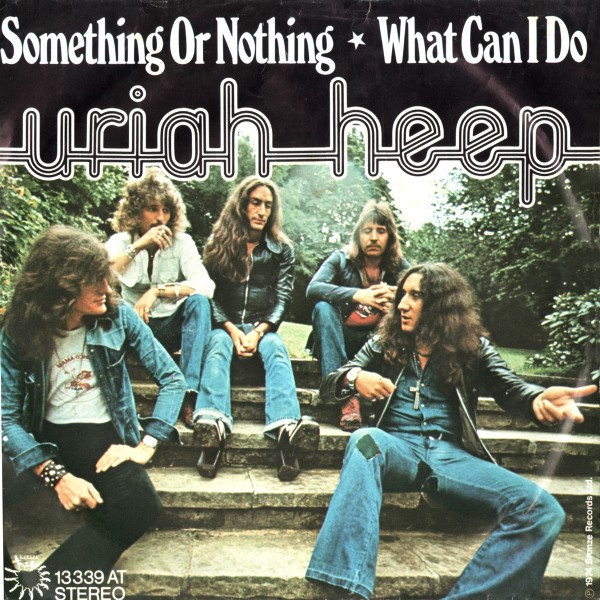
The single “Something For Nothing” was backed with the non-LP “What Can I Do”, a decent cut, that could’ve easily substituted for a few album cuts. The band’s 25th Anniversary box set Time Of Revelation, also included 2 outtakes from these sessions, the excellent acoustic track “Stones Throw”, as well as “Love, Hate, and Fear”, which sounds somewhat unfinished.
Despite a big promotional campaign and world tour, Wonderworld was seen as a disappointment to many fans, and is still a controversial album for some, due to the drop in sales, the aftermath of the album. It may not sit top 10 with many Heep fans (does it?), but it was the last Uriah Heep album to chart on the Billboard’s top 40 albums (only Return To Fantasy and Abominog would break the top 100). Wonderworld did reach the top 10 in a number of European countries, and #31 in Canada. It also made fans and influenced the likes of A-HA’s Morten Harket, and German guitarist/songwriter Axel Rudi Pell. The band were featured on US TV, filmed live at Shepperton studios (which was later transferred to being a live album release). Live At Shepperton featured a number of tracks from Wonderworld. A shame there was no 2nd single from this album, as the band went on break following the electric shock suffered by Gary Thain in Dallas on the Wonderworld tour, followed by his firing. But 1975 would become another very busy year for the band, between a line up change, new album, and solo projects.
WONDERWORLD – Uriah Heep – Warner Bros. W 2800 Always in demand as a top concert draw, Uriah Heep has proven over the past few years that it is indeed a viable’ recording act as well. With several Gold disks behind them, the fellows in Uriah Heep have reached a plateau of success that gets brighter and brighter with each new piece of work. Certainly this LP with its accent on strong bass and lead guitar riffs (not to mention Davey Byron’s vocals) will attract even more devotees to the Heep fold. Best cuts off this stunner are “The Easy Road,’ “Something Or Nothing,- and the mind boggling title track. (CashBox, 29-06-74)
URIAH HEEP-Warner Bros. WB 7836 SOMETHING OR NOTHING (prod. by Gerry Bron/ Bronze) (WB, ASCAP) From their “Wonderworld” of hard rock, the group’s strongest single effort since switching labels. Gutsy get -down still leaves room for quite a catchy melody riff. (Record World, 1974-08-03)
Uriah Heep/WONDERWORLD/Warner Bros. ( Past Uriah work has included some decent writing. Their power wasn’t excessive because of the substance. Here the power is empty as it drives too many songs with no reason to exist. Flabby.) (Walrus, 07-10-74)
HNE (Cherry Red) is releasing a 5 CD box compiling URIAH HEEP’s studio and live recordings starting with the classic Live…January 1973 through to the live recordings from the Wonderworld tour. Not sure if there’s anything here that hasn’t been released before, but it seems likes an interesting collection. A busy period for Heep, featuring what most hail as the ‘classic line up’. Coming out November 28. *Track-listing below. Pre-order link at the end.
Following hot on the heels of Led Zeppelin, Deep Purple and Black Sabbath, British hard rock legends Uriah Heep released their debut album in June 1970. Featuring David Byron on lead vocals, Mick Box on lead guitar and Ken Hensley on keyboards, ‘Very ‘Eavy Very ‘Umble’ is quite rightly regarded as a major influence on the development of hard rock and heavy metal. 1970 was the centenary of Charles Dickens’ death, and having originally been called Spice, they switched to the more Dickensian Uriah Heep when Hensley joined their ranks after spells in The Gods and Toe Fat before recording their debut.
Like their hard rocking contemporaries of the 1970s, it was live on stage where Uriah Heep truly shone, and no self-respecting rock or metal band of the era could be without a classic double live album, and ‘Uriah Heep Live’ (CD1) is no exception. Recorded at Birmingham Town Hall in January 1973, and released three months later, it delivered their third gold record in a row in the States, it remains a testament to the classic line-up of Box/Hensley/Byron/Kerslake/Thain.
Back in the days when bands were expected to be prolific enough to release two new albums a year, Uriah Heep released their sixth studio album ‘Sweet Freedom’ (CD3) in 1973, by which time they had been joined by drummer Lee Kerslake (Ozzy Osbourne) and bassist Gary Thain, which many see as the most enduring line-up of the band. The album saw Ken Hensley develop as a songwriter, with the music a blend of proto heavy metal and progressive rock, consolidating their growing popularity at home as well as the all important US market. ‘Sweet Freedom’ was followed by ‘Wonderworld’ (CD4) in June 1974, with the hard rock attack of Mick Box’s guitar, alloyed to Ken Hensley’s keyboards and David Byron’s operatic vocal approach making the band a formative influence on bands such as Queen. With a significant dent in the charts on both sides of the Atlantic, ‘Wonderworld’ featured the single ‘Something Or Nothing’, but was the last studio album to feature bass guitarist Gary Thain.
It was the classic Box/Hensley/Byron/Kerslake/Thain line-up that would record ‘Live at Shepperton ’74′ (CD5) the same year. Issued in bootleg style artwork, the album wasn’t given an official release until 1986, and captures the band in a more intimate setting in front of a much smaller, invited audience. CD2 was originally released as part of a deluxe version of ‘Live 1973’ and features the band in 1974 with a US Radio show session, and with film mixes from the Shepperton show and on an extended ‘Rock ‘n’ Roll Medley’.
Uriah Heep continued to tour and release new albums until the present day. In 2025 they launched their farewell tour, celebrating 55 years of music. The package includes liner notes based on new interviews with founder member, Mick Box.
DISC ONE
URIAH HEEP LIVE 1973
1 Sunrise
2 Sweet Lorraine
3 Traveller In Time
4 Easy Livin’
5 July Morning
6 Tears In My Eyes
7 Gypsy
8 Circle Of Hands
9 Look At Yourself
10 Magician’s Birthday
11 Love Machine Rock ‘N’ Roll Medley
12 Roll Over Beethoven
13 Blue Suede Shoes
14 Mean Woman Blues
15 Hound Dog
16 At The Hop
17 Whole Lotta Shakin’ Going On
18 Blue Suede Shoes
DISC TWO
U.S. RADIO SHOW 1974
1 Something Or Nothing
2 I Won’t Mind
3 Look At Yourself
4 Gypsy
FILM MIXES USED FOR RADIO
5 Easy Livin’
6 So Tired
7 I Won’t Mind
8 Something Or Nothing
9 The Easy Road
10 Stealin’
11 Love Machine
ROCK ‘N’ ROLL MEDLEY ’74
12 Roll Over Beethoven
13 Blue Suede Shoes
14 Mean Woman Blues
15 Hound Dog
16 At The Hop
17 Whole Lotta Shakin’ Going On
18 Blue Suede Shoes
DISC THREE
SWEET FREEDOM (1973)
1 Dreamer
2 Stealin’
3 One Day
4 Sweet Freedom
5 If I Had the Time
6 Seven Stars
7 Circus
8 Pilgrim
Bonus Tracks
9 Sunshine
10 Seven Stars (Extended Version)
11 Pilgrim – Extended Version (Previously Unreleased)
12 If I Had the Time (Demo)
13 Sweet Freedom (Alternative Live Version) 14 Stealin’ (Alternative Live Version)
DISC FOUR
WONDERWORLD (1974)
1 Wonderworld
2 Suicidal Man
3 The Shadows and The Wind
4 So Tired
5 The Easy Road
6 Something Or Nothing
7 I Won’t Mind
8 We Got We
9 Dreams
Bonus Tracks
10 What Can I Do
11 Love, Hate and Fear (Previously Unreleased Version)
Trevor Hensley has put together and issued a new book on his late brother Ken. Titled ‘Our Brother – the Legend ‘, it is 110 pages full of stories about Ken from the perspective of his family. There are rare and family pics of Ken, stories of his early days growing up, of the band’s he was in, hobbies, and as part of the Hensley family. There’s also stories from musicians Ken worked with like Joe Konas,, Jack Williams and Ken Ingwersen (among them), as well as some nice recollections from a few fans who’d met and seen Ken over the years. Discographies, Trevor’s picks of his favorite Ken Hensley & Uriah Heep songs, and more. A fun and excellent read, with plenty of previously unheard tales, and unseen images. Love the story of Ken’s mom coming to see Heep only to pull out her knitting! 🙂
You can order a copy of ‘Ken Hensley: Our Brother – the Legend’ through Trevor simply by sending him a private message on Facebook. A nice little addition to the Ken Hensley/Uriah Heep collection!
*You can check out Trevor’s radio show at wwe.redfiveradio.co.uk , as well as visit the Ken Hensley Fan Club on Facebook.
Well, another Heep list… My list of their best album opening cuts, ranked 1-11. These picks aren’t all necessarily from my favorite Heep albums, but those opening songs that are best representative of the album they’re from, and made the most impact to grab your attention. Feel free to disagree and put your own picks in the comments!
1 – Gypsy
The first song on Uriah Heep‘s first album, with that riff and Hammond organ. “Gypsy” is one of Heep’s most memorable tunes and set the tone for some of what was to come in the early days. Still a live favorite. This started it all!
2 – Sunrise
From The Magician’s Birthday. I love the gentle build up before the band and vocals come in, like a huge alarm. Imagine listening to the intro to this for the first time and not knowing what to expect!? It’s a ballad with a heavy dose of Heepy sound making this so intense.
3 – Too Scared To Run
After so many changes the band returned in ’82 with a new line-up, and an album – Abominog. This song kicked off the album and ’80s comeback. Penned by new singer Peter Goalby it’s one of the biggest and most memorable riffs in the Heep catalogue. This song really screams that the band is back. A fan favorite, and one from this era that still gets performed live. Such a ‘metal’ sounding riff, I can’t believe more modern metal bands haven’t covered this one!
4 – One Way Or Another
Opening 1976’s High And Mighty, which would be the last with David Byron, but surprisingly it’s sang by John Wetton (who also left after this album). It’s got a great opening riff and organ, sounding fresh and energetic. Just a great song. A shame it wasn’t given a global single release and promoted.
5 – Against The Odds
After a string of so-so albums and a bit of a break, Heep returned in 1995 with Sea of Light , which is lead by this killer tune. Another huge riff from Mick Box, and dynamite solos… one of the best tracks from the Bernie Shaw era. Fair to say I usually pick the lead-off track as my favorite on a number of Heep albums.
6 – Speed Of Sound
From 2014’s Outsider (hmm, cool name for a website!). Starting with Hammond organ, and as the organ comes up in volume the guitar and drums kick in before Phil Lanzon’s organ riff takes over. An uplifting tune a shame it didn’t get more attention. Followed nicely by the single “One Minute”.
7 – The Wizard
This acoustic based favorite was a very different start to the band’s classic Demons and Wizards album, a unique way to start an album back then (see also Golden Earring’s “Silver Ships”). The song is pure fantasy Heep from the start, and kicks off their biggest period.
8 – No Return
The lone album with John Sloman, and I love the start of this song and album right away. One of 2 songs penned (but not credited to) the new singer. I like the quiet built up intro, and although it’s not crushingly heavy, this is a very good song, my favorite from Conquest. Would have made a better first single as well, IMO.
9 – Bird Of Prey
From Salisbury (everywhere but North America where the album opened with “High Priestess”). Another trademark Heep classic with that powerful opening and high harmonies. This one kept up the weight and energy of “Gyspy”.
10 – Between Two Worlds
And my favorite track from Heep’s post-’90s era. Love the spooky keyboard intro , and the band coming in to a rockin’ and catchy classic Heep tune. Much like “Against The Odds”, it’s heavy on the guitar and hammond organ, with fantastic solos from Mick Box (love the lengthy outro after the last lyrics), and one of Bernie Shaw’s best vocals on a song with some cool story to it. I really liked Sonic Origami, but nothing else on the album comes close to this killer track.
11 – The Hanging Tree
And here I am at #11… A great start to the band’s first of 3 with John Lawton singing. A memorable little keyboard intro before the drums and rest of the band kick in. Not sure how Heep fans heard this at the time, but as a later Heep fan, I think Lawton did an excellent job at selling the new-look Heep right off the bat with his voice on Firefly. Ken Hensley would re-write and re-record this for his last album as “Right Here, Right Now”. It is worth noting that in Canada and the USA this song kicked off side 2, and the album started with “Been Away Too Long”. The Fallen Angel album also featured different opening cuts from various territories.
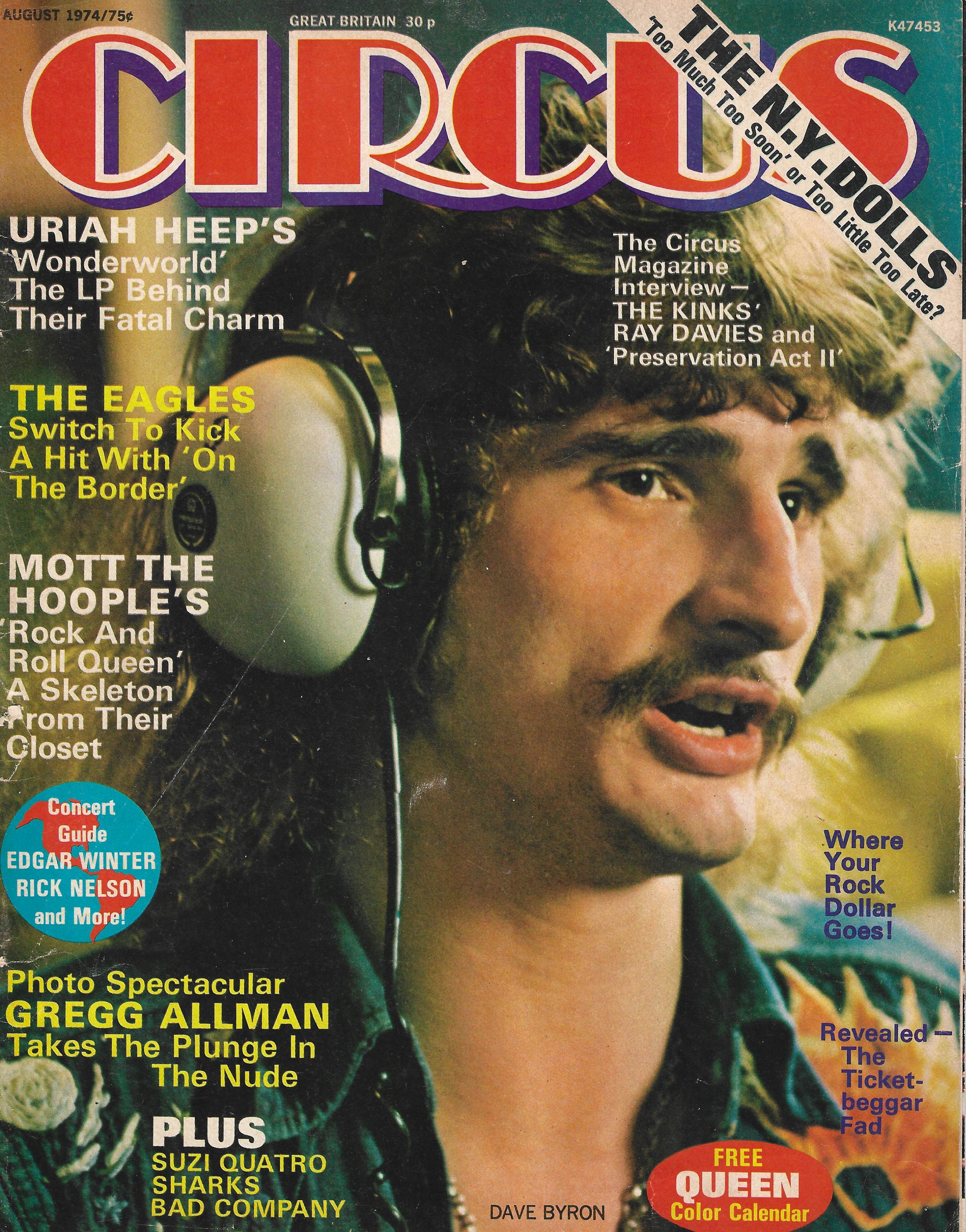
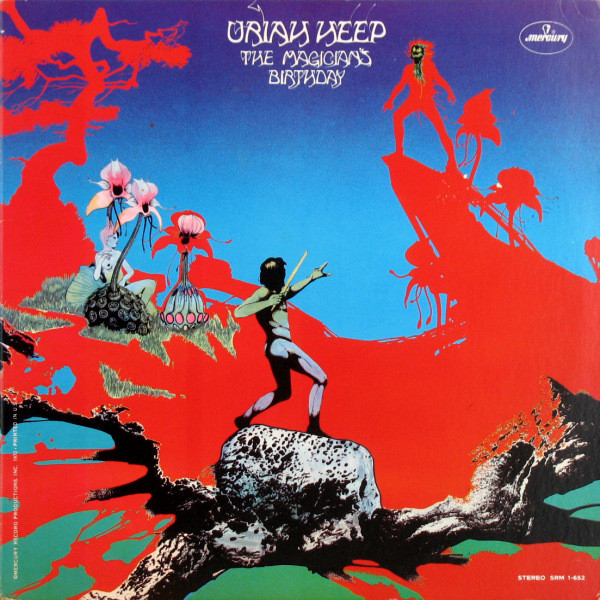
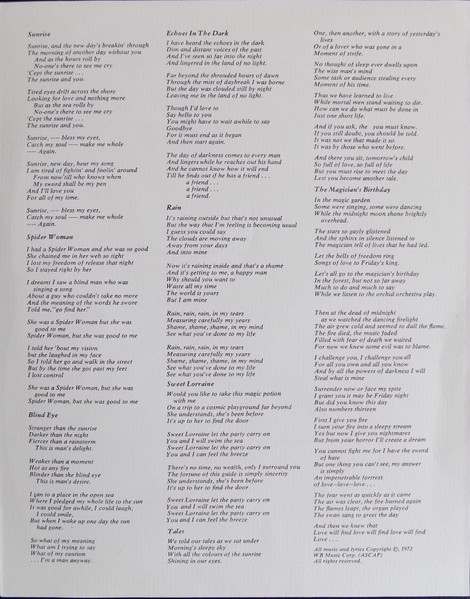
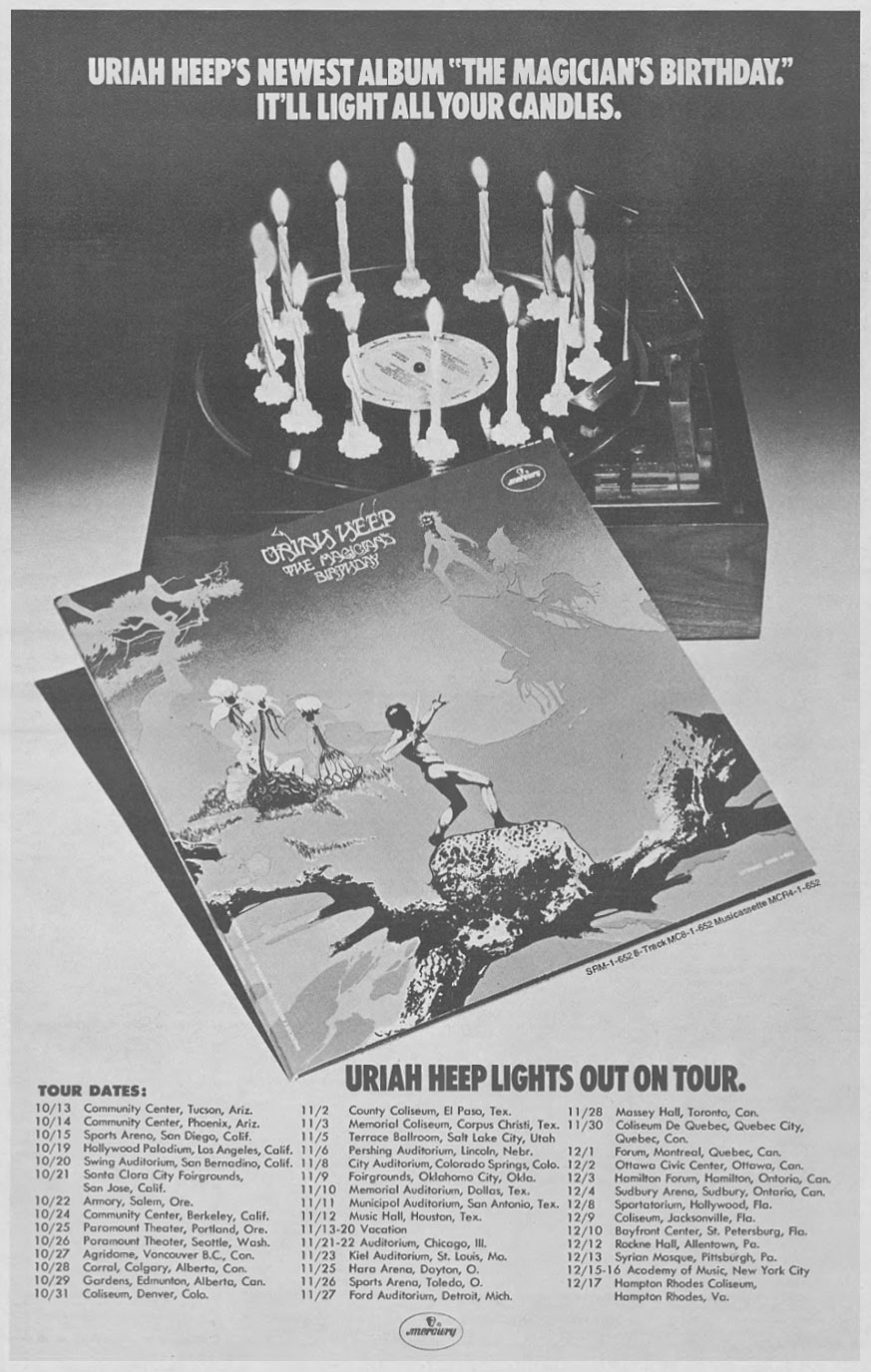
Well, Heep’s The Magician’s Birthday turned 50 in November! (Yes, I’m late on this) It was released a mere 6 months after the band’s hugely successful Demons And Wizards. Demons would become the band’s biggest album – a worldwide success that featured the hit single “Easy Livin”, and propelled the band in to being a headlining act around the world, particularly in North America. Back then record company mentality was to strike while the iron was hot, so it was not as crazy as it sounds today for a band to be hurried into record another album so soon to capitalize on success. The Magician’s Birthday is a classic Heep album, and for many maybe the band’s best (or one of). The album would make a great pairing to Demons And Wizards with it’s Roger Dean artwork, and fantasy themes in various songs. It did however, (IMO) sound a bit rushed, lacking in the grander production of it’s predecessor. The Magician’s Birthday was originally conceived as a concept album of songs Ken Hensley was coming up with based on a short story he was writing, and never finished. The story according to details in a Circus magazine feature were about “a magician who throws a bizarrely supernatural party to celebrate his 500th birthday… the magician would invite his rivals to a party, throw a huge feast where an orchestra of orchids would provide the entertainment, then end it all with a spectacular show of the spells and tricks he’d learned in nearly half a millennium on earth.” The article goes on to tell how the rest of the band didn’t share Hensley’s vision for a concept album at the time – “They were afraid that a total concept LP would come across like an opera, and stir up bitter comparisons to Tommy. So they kept five songs Hensley had composed about the spell-bound feast, but added ‘Spider Woman’ and ‘Rain’…” Ken Hensley stated over the years that the record’s release date was moved up and there was no time to finish it properly. In a 1973 interview with Geoff Brown, he stated – “I think there were some great songs on the album and I think there would’ve been even better songs had we had another two or three weeks to go through all the material. The time allotted was slotted in between tours and things didn’t go well for us in the early stages like they normally do. …Having mixed the last track we left the studio at 7:30 am and 4 and a half hours later we were on a plane to the States. That shows the sort of screws that we were on.”
Ken Hensley, in a 2016 interview with Jeb Wright recalled – “I was writing a short story called The Magician´s Birthday and the title track was the core song from which all the others spread out to paint the complete picture. It would have been so cool, but they took away my time and I consider this album to be less than 60% of what it could have been. Very disappointing.”
The Magician’s Birthday however, would go on to be one of the band’s most successful, with almost all songs from it returning to the live show over the decades. Side one opens with the organ and build up intro to “Sunrise”, a classic Heep heavy near ballad, with those high end Heep harmonies coming in early on, and certainly one of David Byron’s most passionate vocals. The song would be the tour opener, and thus opener for Heep’s historic Live album. Mick Box once told Metal Hammer – “We used vocals on this one is a very different way. It’s like a car starting up almost. We used very heavy vibrato and really played on it. We weren’t quite sure about the song at first, but once we recorded it – it sounded really great.”
The next track, “Spider Woman” was a short upbeat rock tune highlighted by slide guitar, followed by “Blind Eye”, another good guitar based tune (and B-side in North America). “Spider Woman”, co-written by Box / Byron / Kerslake & Thain was issued as a single in many parts of Europe, and was a hit in Germany (#14). And although it was a short and somewhat catchy tune, I don’t know that it was the right choice to represent the album as a single, in comparison to a number of other songs here. I am also quite certain it is the lone track from The Magician’s Birthday never to be played live. “Blind Eye” was brought back for the band’s Acoustically Driven live recording (and Electrically Driven), featuring Ian Anderson on flute. This first side (or whole album) featured less heavy keyboards, and I think less heavy guitars. And this approach, as with the previous 2 mentioned tracks IMO suggest things were hurried and less produced than the previous album. “Echoes In The Dark” is a dark atmospheric number, one of my favorites here, and an under mentioned gem in Heep’s ’70s catalogue; again highlighted by Byron’s vocal and Hensley’s slide guitar. It would’ve been part of Hensley’s original concept, and was brought back for the band’s Acoustically Driven show decades later. The first side ends with one of the band’s most loved ballads, “Rain”, which is a short piano tune, written by Hensley and interestingly also appeared on his solo album Proud Words On A Dusty Shelf, which came out a few months later. Although I like this album, this first side did not capture my attention as the first side of Demons And Wizards had. I think just less cohesive and lacks a greater Heep epic (there’s no “Circle Of Hands” here folks!). But I am sure there will a Heep fan out there who disagrees with me (!?). Side two, for me, is better.
Side two opens with “Sweet Lorraine”, penned by Box, Byron & Thain. It would be the single in North America, and closest thing to a follow up to “Easy Livin”, though it wasn’t a huge success, reaching #91 in the US, but predicted to be a top 40 by Canada’s Cash Box – “Sweet Lorraine (3:10) (WB Music, ASCAP-Box, Byron, Thain) Following their surcess with “Easy Livin,” Uriah Heep pull new single from their “Magician’s Birthday” album with plenty of surprises in store for listen- ers. Group should continue with their top 40 success. Flip: “Blind Eye” (3:33) (WB Music, ASCAP-Hensley)“
“Sweet Lorraine” wasn’t as heavy as “Easy Livin”, but it is as memorable IMO, and is highlighted by Hensley’s lengthy moog solo. I can’t help but wish the guitar riff in the intro was higher in the mix (or as high as) the moog synths. “Sweet Lorraine” would become a constant high point in the band’s set list throughout the ’70s, and recently returned to the band’s set for their 50th Anniversary tour. Given the number of fine cover versions of “Sunrise” and (more so) “Rain”, I am surprised there are very few covers of “Sweet Lorraine”, no major ones, particularly given the song’s popularity in the US.
Next up is the acoustic ballad “Tales”, another underrated classic in the Heep catalogue and a favorite of many fans from this album. One of the 3 tracks originally to be part of Ken Hensley’s concept idea, with some of his finest words – “And there you sit, tomorrow’s child – So full of love, so full of life – But you must rise to meet the day – Lest you become another tale.” “Tales” was also brought back for the band’s 50th Anniversary show, as well as being included in Hensley’s solo shows. A shame Heep’s label’s never pushed more than 1 single per album (at least in North America), as “Tales” would’ve been an excellent choice.
The album is brought to a close with the 10 and a half minute title track. Penned by Hensley and co-credited to Box and Kerslake, as the high point of the song is the guitar vs drum duel that is featured in the song. It was done in 1 take. Kerslake also plays a homemade kazoo in this one. In a 2014 interview Kerslake recalled – “I said to Gerry Bron, this is going to be good – it’s going to be a fight between the white wizard and the black wizard, ya know good and evil. And he said “that’s a good idea, have a run through it”, and I said “I’ll tell ya what Gerry – just roll the tape because the intensity that me and Mick play it – this is going to be a one-off or nothing”. and we just played it so on, it was unbelievable; it was just so tight! we were laughing and smiling at each other in the studio, and I went “you’ve got no chance Gerry!”. and he said “I don’t need one.” that was brilliant, and that was it! So they put that right in the song, it was an integral part of the song, so Ken said “right, you wrote that with me. So me, you and Mick. …done- agreed!” This song has also been brought back to the band’s live show on a number of tours over the last couple of decades.
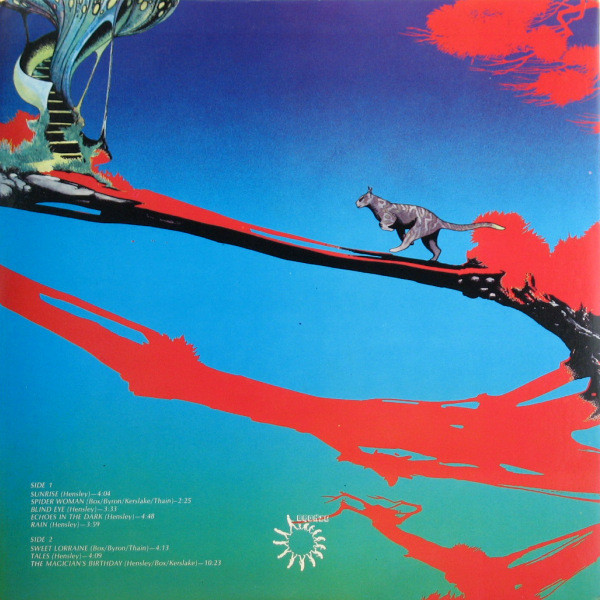
Aside from the classic Roger Dean artwork, The Magician’s Birthday came in a gatefold sleeve, with band pics taken at the Buxton Festival, UK, by Fin Costello. It would also be the last Heep studio album to feature liner notes from Ken Hensley! (Tho he would add liner notes to the 1974 Downunda compilation for Australian & New Zealand). Later remastered and expanded versions of The Magician’s Birthday would also include such outtake as the excellent Gary Thain penned “Crystal Ball” and a band take of “Proud Words”, which would wind up as the title song to Ken Hensley’s solo album (Proud Words On A Dusty Shelf). The band received a Gold record award for the album in the US, where it reached #31, and placed higher in Canada and the UK, and particularly Finland where it was #1, and few other countries where it was top 10 (Norway, Germany, Denmark, Australia).
The band would move on from the fantasy themes (for the most part), as well as the Roger Dean album covers, and the lengthy epic closing tracks, and following Live…January 1973, would move from Mercury to the larger Warner Bros label in North America.
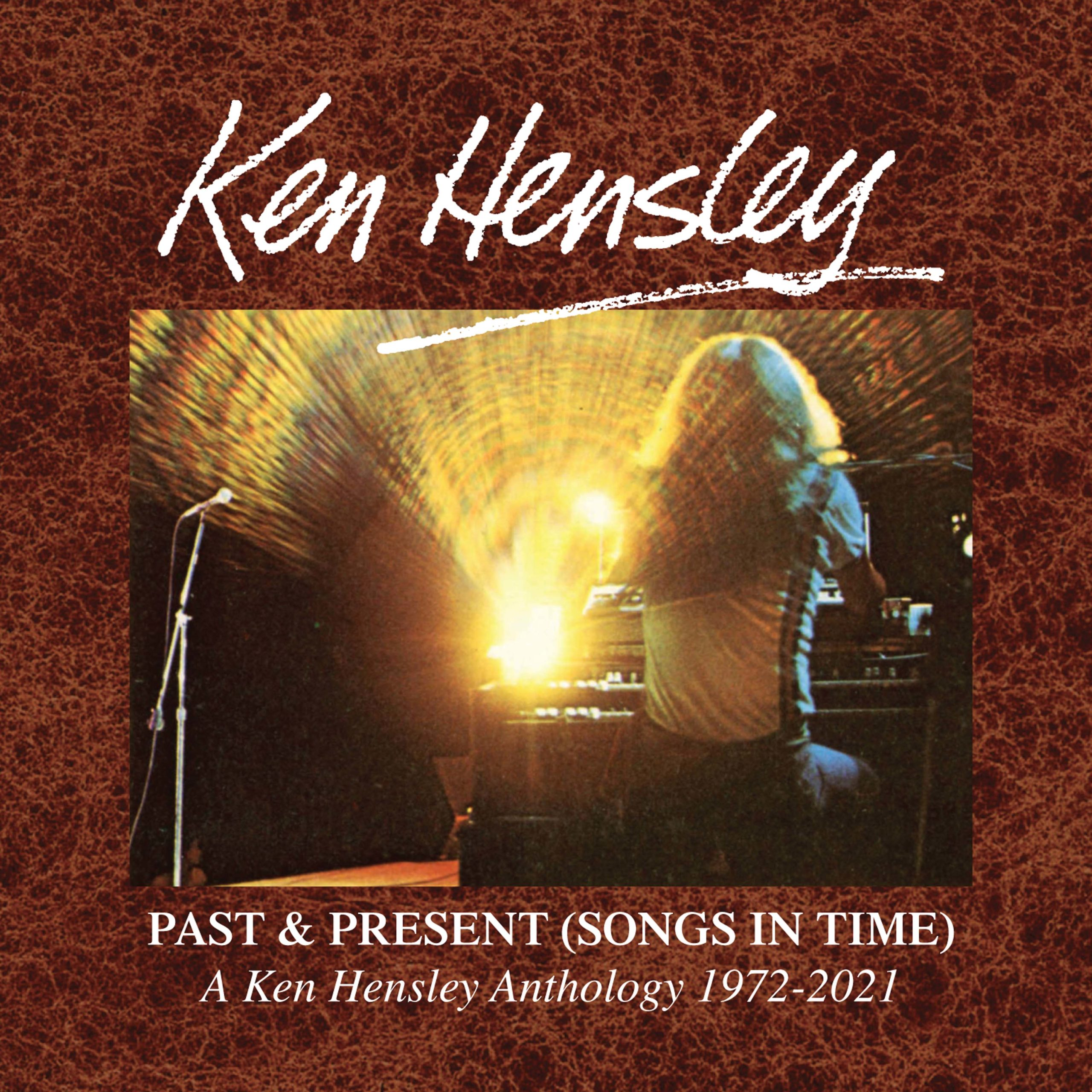
There’s another Ken Hensley release coming which will offer 4 of his albums from 1999 to 2005. This is the period Ken decided to return to recording music and performing live, as well as moving out of the US. Past & Present (Songs In Times) – A Ken Hensley Anthology 1972-2021 follows recent CD box sets The Bronze Years : 1973-1981, and Tales of Live Fire & Other Mysteries. The 4 albums included in full are A Glimpse Of Glory (1999), Running Blind (2001), The Last Dance (2003), and Cold Autumn Sunday (2005). All these CDs are welcomed as a few of them have become pricier and/or harder to find over the years. For whatever reason there is the omission of 2004’s The Wizards Diary, Volume One – which was Ken’s retakes of a number of Uriah Heep classics that he wrote. But for those 4 CDs alone, this package will be worth it to most fans. The first and last CDs here are not necessary IMO, but presumably included to make this a career spanning anthology package. CD one titled ‘Solo‘, consists of a ‘best of’ from Hensley’s Bronze era solo albums, as well as a half dozen Heep gems from Demons And Wizards and The Magician’s Birthday (and not the predictable hits). CD six is titled ‘Collaborations‘ , and includes tracks from Faster (2011, w/ LIve Fire) right through to a pair from Ken’s last album My Book Of Answers. Absent are some of Ken’s real collaborations and guest appearances with some acts (notably the Toni Rowland album Ken produced and played on in 2007); these would’ve been nice gems to add. Also excluded not included here or elsewhere (yet) is Ken’s 1994 CD of unreleased songs & rarities From Time To Time, or any of Ken’s live collaborations with John Lawton, John Wetton or his guest appearances with Uriah Heep. But hopefully some of these will be included on something further down the line.
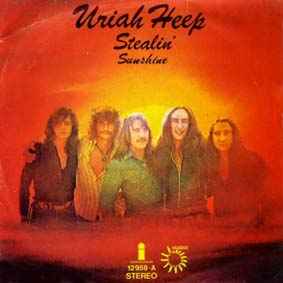
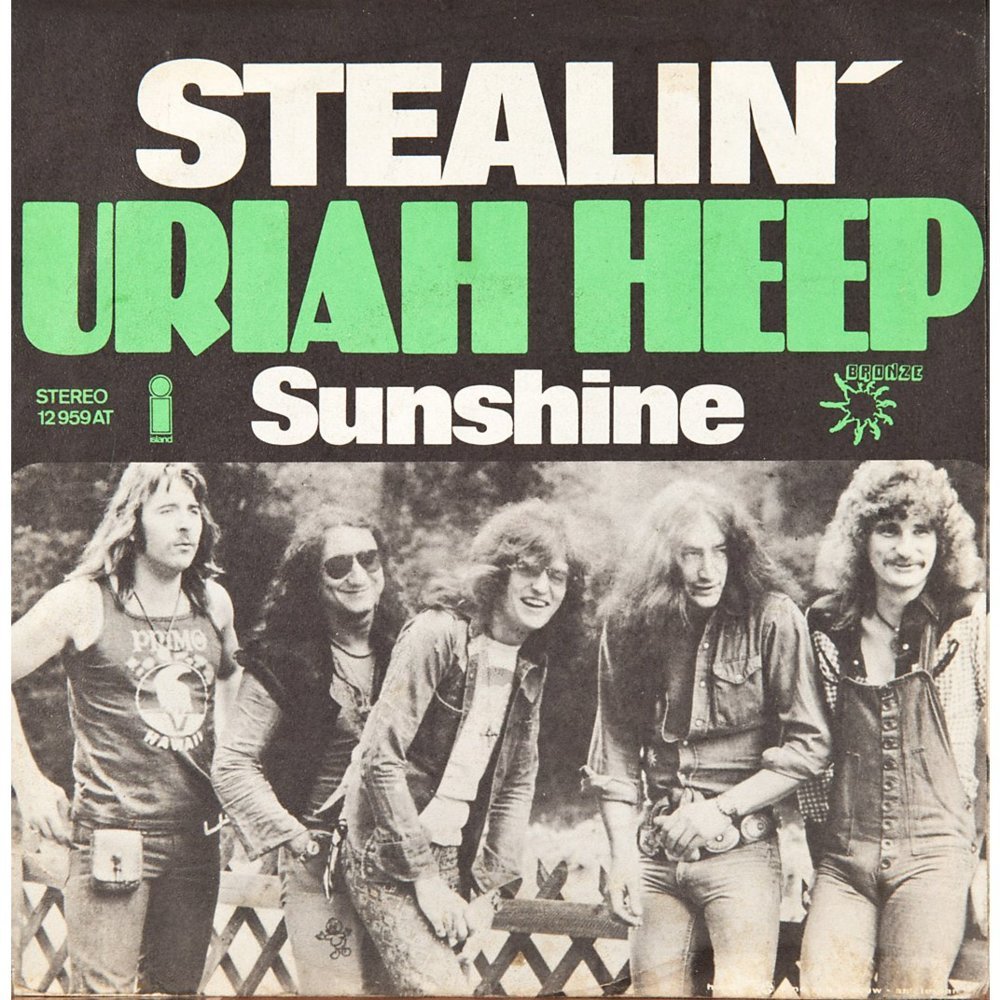
Released ahead of the Uriah Heep’s sixth album in September of 1973 (Sweet Freedom), “Stealin'” would become one of the band’s best known and most played classics. It is still one of the few Heep classics that gets fair play on classic rock radio and has been covered numerous times. But the single that started out strong would not become a huge hit single. The band had finally had a top 40 hit in the US with the single “Easy Livin” (from Demons & Wizards) in 1972, and a minor hit with “Sweet Lorraine”, later that same year, so another big single follow up was due and should’ve been with this track. The band signed a new record deal with Warner Brothers in North America (who had so many great acts), and “Stealin” was Heep’s first single for their new label.
However, the song’s lyrics based on the imagination of Ken Hensley included the line “I done the rancher’s daughter”. It was term ‘done’ that seemed to put a damper on the single, as many radio stations would choose to pull the song based on that line.
In an interview with Jeb Wright (ClassicRockRevisited.com), Hensley recalled: “I went to Gary´s flat in London…. We smoked a couple of joints and played a bit and I wrote ¨Stealin¨ from that moment. The story is purely imaginary as I didn´t know any ¨Rancher´s Daughters¨, or ¨Gypsy Queens.¨”
Hard to imagine such a line being remotely controversial nowadays, but in 1973 radio stations (perhaps more so in the US south) might’ve felt pressured in to passing on playing the song. That did not stop the song from becoming legendary though, as it is often regarded as one of the band’s most recognizable songs with it’s quiet bass start, joined by the Hammond organ, David Byron’s distinctive and clear vocal, convincingly delivering the tale of a man on the run, and then the band kicking in with Mick Box’s guitar, Lee Kerslake’s powerful drumming, the band’s harmonies…and it all builds up to a classic Mick Box solo, and the band coming back in with more energy to the end.
Though the band still plays a great rendition of this to this day (I love the John Lawton-fronted version from Live in Europe 1979) and there are plenty of excellent cover versions — nothing comes close to the original production. In Canada the single made it to #65 on the Cash Box chart, while in the US it merely cracked Billboard’s Top 100 at #91. In Norway, however, the song reached #9!
Below is a list of cover versions of the Heep classic. I’ve included those that have been released commercially, and not the numerous live versions found on youtube (OK, i did slip 1 in at the end!). Enjoy.
Karma (1973)
This must be the first cover of Stealin’, recorded and released in 1973 by Finnish band Karma. They translated the words to Finnish and released it on their debut album for CBS! The song was also issued a single, with a (translated) cover of Elton John’s “Goodbye Yellow Brick Road” on the B-side!
Panorama (1986)
An interesting pop version by this Italian group. The 12″ single also came with an instrumental version (hmm).
Zoid (1988)
Released by this LA band in ’88. It was the band’s only other release following their lone album in ’87, on Third Orbit Records. Interestingly, the band featured keyboardist Lou Segreti, who went on to record an album with the band Bloodline (1994) – which also included Joe Bonamassa. This is an interesting extended version of the song (with a lengthier mid section, minus guitar). The 12″ single included both a long and short version of the song. The band’s producer had been Matt Forger, who worked on a number of Michael Jackson albums.
EZ Access (1990)
Detroit hard who rock band who released this lone album 10 track album titled One Track Mind, on U.S.A. Records – and on cassette only, in 1990. “Stealin” was the only cover-version included. The band recorded a follow up album, but it was never released. Both albums can be found on youtube.
Satrox (1992)
Swiss band who released this cover on their 2nd (of 2 albums) titled Energy. Pretty 80s ‘metal’ sounding. Interesting that there is a few Heep connections on this albums – Daniel Boone (David Byron) on backing vocals, Derek Holt (who recorded with Gary Moberly… see Heep’s Equator!) also on backing vocals, and produced by Mark Dearnley (who was an assist. engineer on at least 1 Heep album in the late 70s).
Night Crawler (1996)
Night Crawler, from Minneapolis, released their debut album World Of Make Believe in 1996, which included their version of “Stealin'”. It’s a good version (and hard-rock/aor album). The band’s follow up (and last) album was 2001’s Second Nature – which included a cover of “July Morning”! The band’s drummer Billy Thayer is the brother of Kiss guitarist Tommy Thayer.
This band from Saskatchewan originally released this track on their debut 4-track CD, which also included covers of songs by Nazareth, April Wine, and Nick Gilder. The band released one album: Triple-Ply, from 1997, which was largely covers, along with a few originals.
Native Son (2000)
Originally included on the 2000 2Cd tribute album Heepsteria on Red Steel Music. (The band also did a cover of the unreleased John Lawton era track “That’s How I Am”). Native Son had previously released 3 albums… not sure after this.
Nightingale (2003)
This was recorded for the 2003 Heep tribute album A Return To Fantasy. Nightingale was a Swedish prog/metal act, featuring singer Dan Swano . Many years ago I’d corresponded with this guy, and he sent me a CD of a couple of Heep covers he did way back. He also did a cover of “Gypsy” as part of Odyssey for their 2010 album Reinventing The Past.
Tesla (2007)
Included as part of Tesla’s 2007 ‘covers’ album Reel To Reel. An interesting collection. The band made it big in the ’80s with hits like “Little Suzi”, “Heaven’s Trail (No Way Out)”, and their 1990 cover of “Signs” (originally by Canada’s Five-Man Electrical Band).
Out There (2015)
A very interesting version, as it features Stephen (Steff) Fontaine – who briefly fronted Heep in 1986. As he never recorded anything with Heep, I’ve included it here. Out There is an Arizona band (where Fontaine was originally from), and this came from their 2015 album Out There Again, which Fontaine sang all the vocals on. Out There Again is a pretty decent album with a couple of other covers as well.
Jason Kane – Jason Kane (of JK & The Jive) recorded a version acoustically, on his own (not totally sure of the yearbut about 2014). This version is excellent, and can only be found on Youtube, as he made a video for it. A shame it’s not been included on any actual release as it’s the most interesting cover to be heard.
Grenzgang (1994) – Austrian band who released a few albums did this cover for a compilation titled Metal Freak Sampler – Cover Me, on CCP Records.
Talas (2001) – Buffalo based band that features Billy Sheehan, included “Stealin” as part of their encore many times. This can be found on Youtube, as it was included in the band’s set at the Buffalo Guitar Festival concert (also on dvd). I would love to hear an archival live release from the band with their version included.
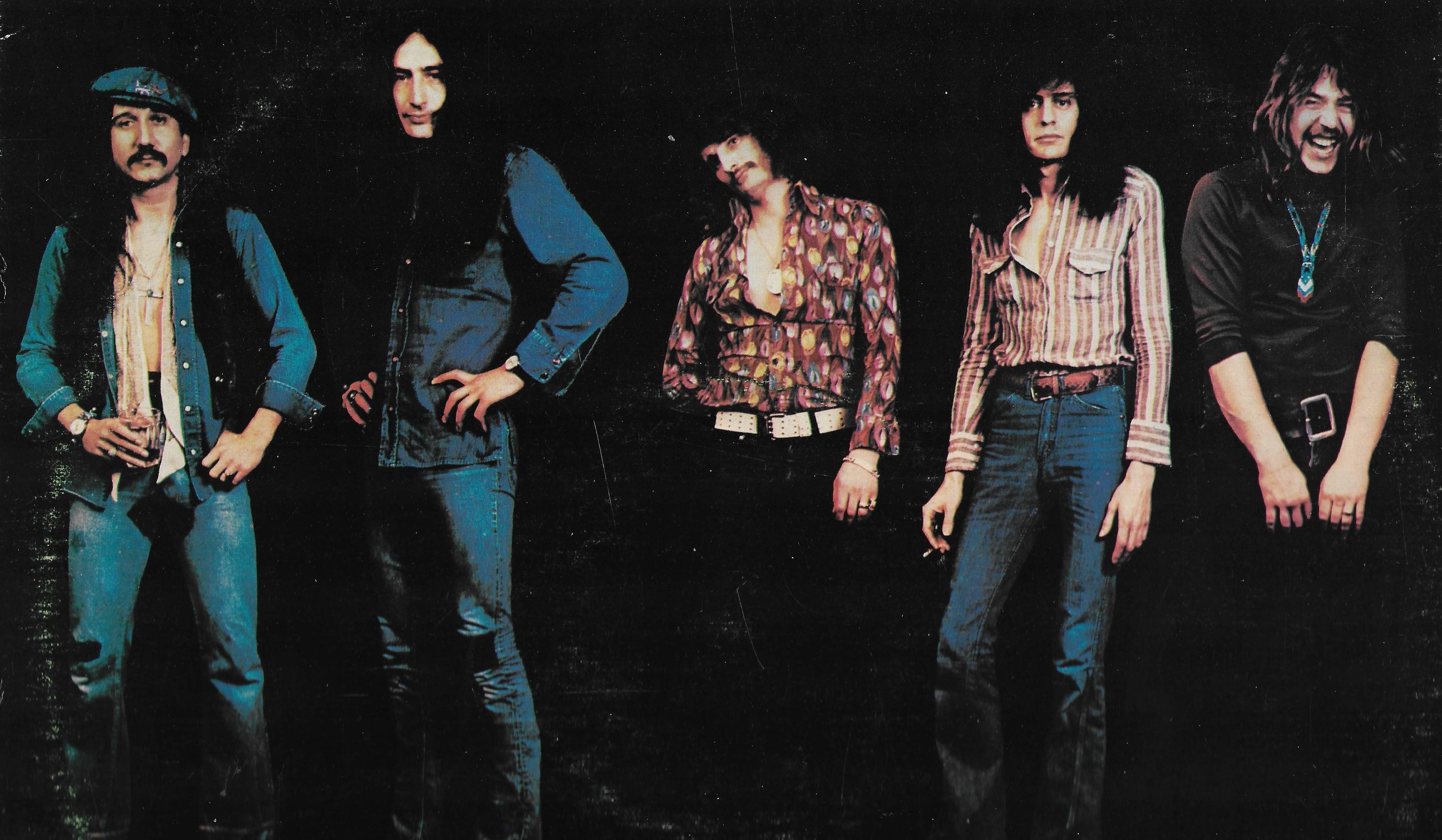
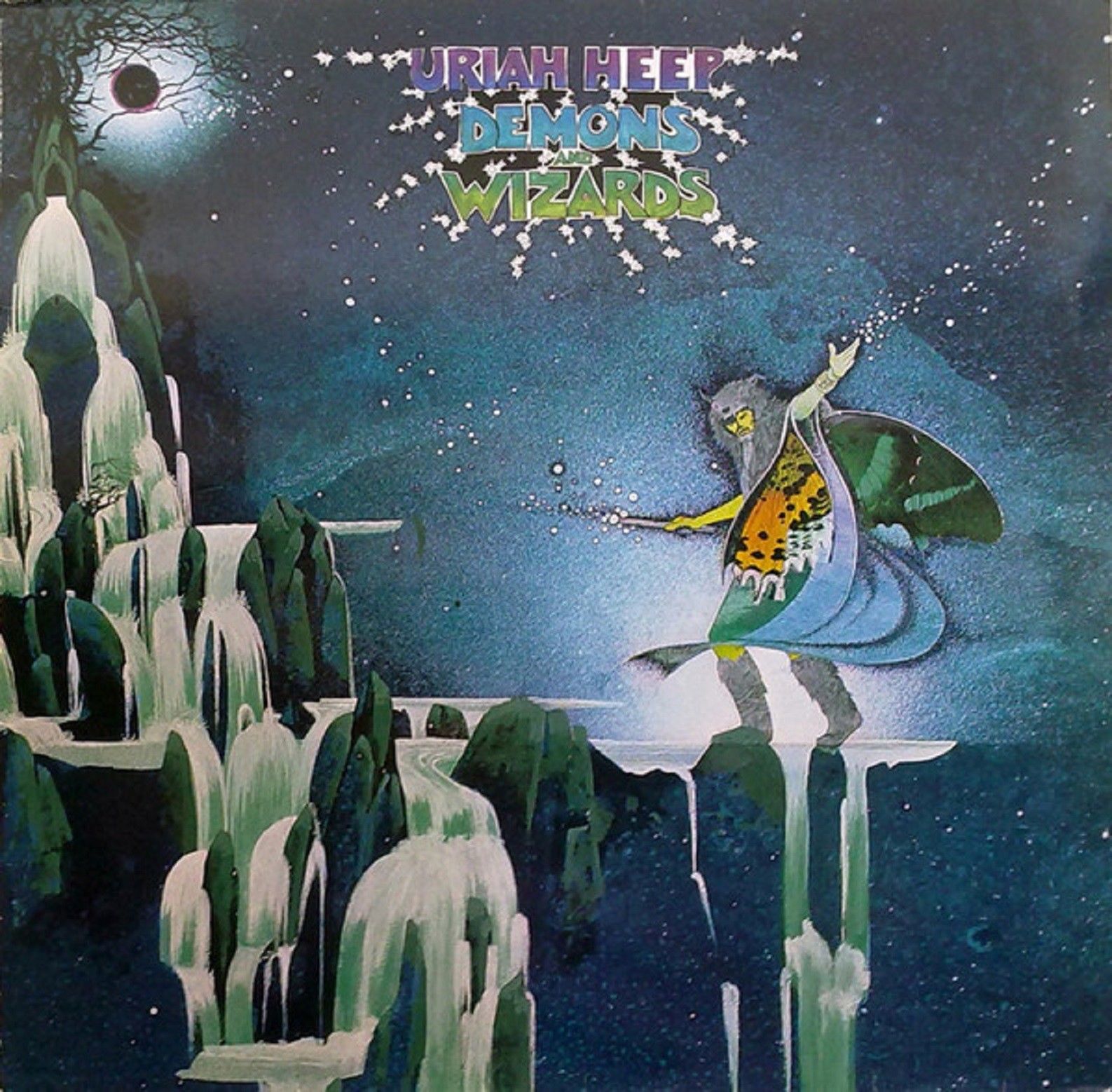
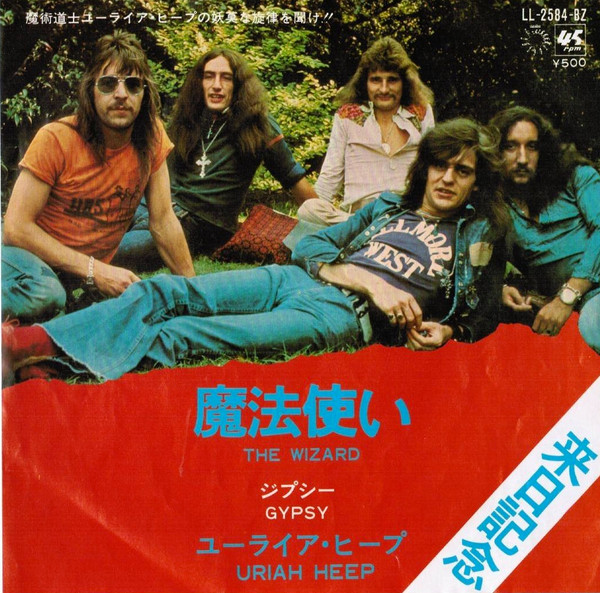
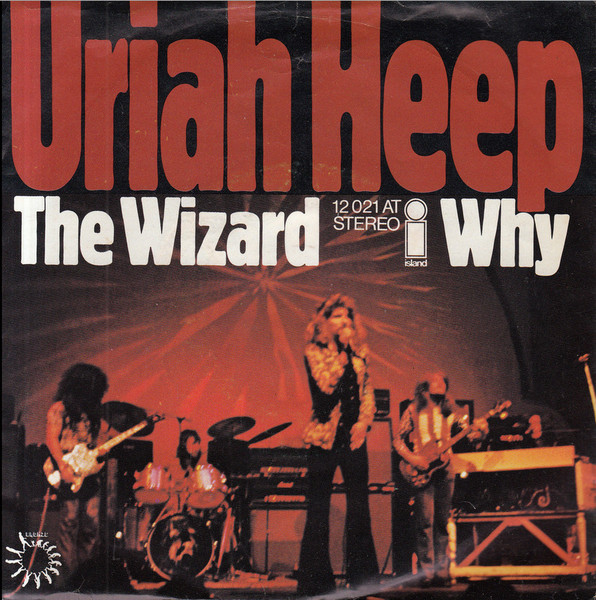
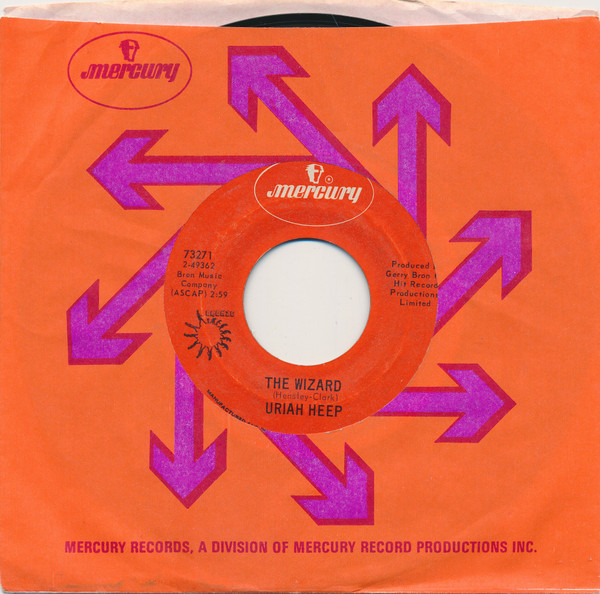
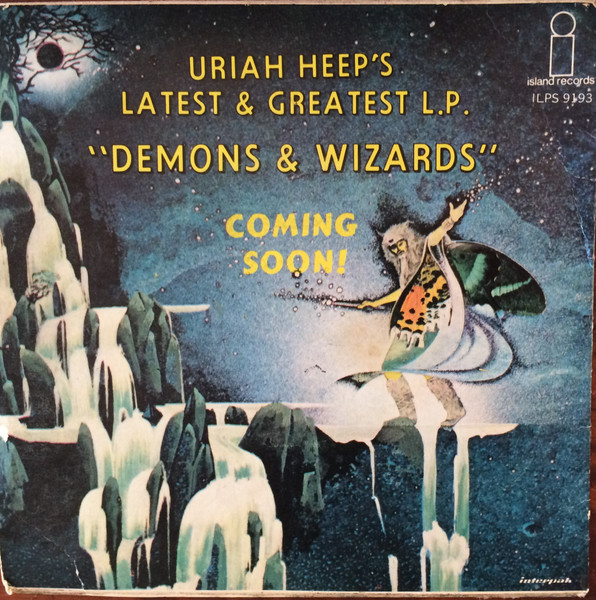
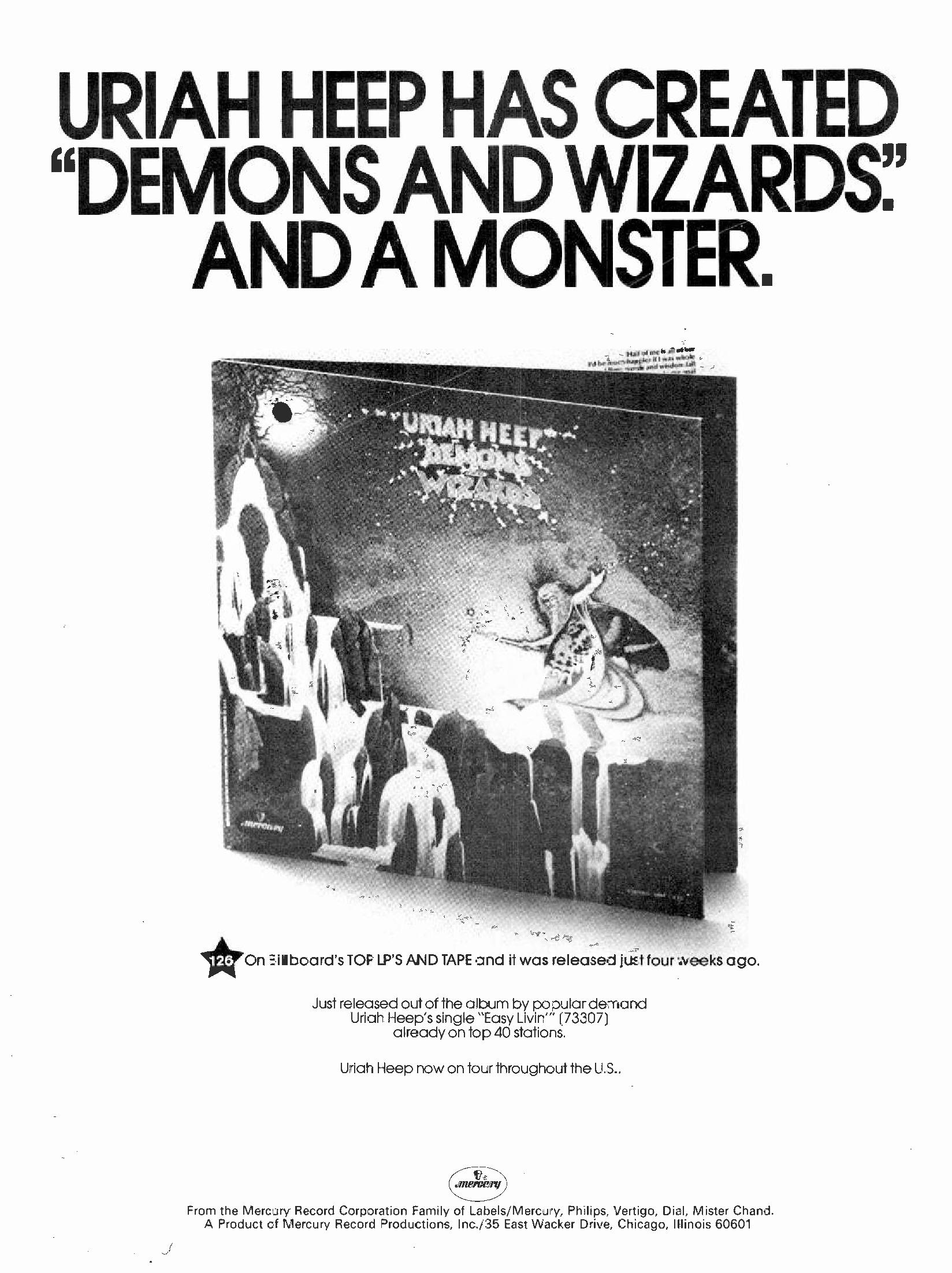
Demons & Wizards was Uriah Heep’s 4th studio album. A few days ago the album turned 50 years old. It was the follow up to Look At Yourself, an album which saw the band solidify a heavy hard-rock direction, and featured classics like “Love Machine”, the title track, and the epic “July Morning” – the latter 2 would remain in the band’s set list almost permanently, and the album has been argued as the band’s best by some critics & fans, but it did not have the commercial success that Demons And Wizards would. In the time after Look At Yourself the band went through more personnel changes, first dropping founding member / bass player Paul Newton. Newton was a key figure in the band’s formation and early days, as he had played with The Gods – which featured Ken Hensley and Lee Kerslake before moving on to Spice – which would become Uriah Heep with the addition of Ken Hensley, upon Newton’s recommendation. Newton was initially replaced by Colosseum bassist Mark Clarke, a friend of Hensley’s. Iain Clark, who was the band’s 4th drummer and played on Look At Yourself, left the band soon after Newton, and Lee Kerslake joined. With Clarke on bass the band recorded 2 tracks for a single release – “The Wizard” and “Why”. The latter had been around for some time, as the band had recorded it previously, much longer as “Why -14 Minutes?”, and it would never find a place on a Heep LP, but would become perhaps the band’s most popular non-album track. Clarke would also get a co-writing credit on “The Wizard”, with Hensley. The song featured acoustic guitar, the band’s harmonies, a mystical tale, and the whistle of a tea kettle! The idea to record the tea kettle was spontaneous in the studio and it fitted in perfectly. Clarke also sang the bridge in the song that was better suited to him than David Byron. Released in March “The Wizard” would chart in a few countries, a minor hit in Canada (#86), a top 40 hit in Germany, and a top 10 hit in Switzerland – where the band had previously had a top 10 hit with the single “Look At Yourself”.
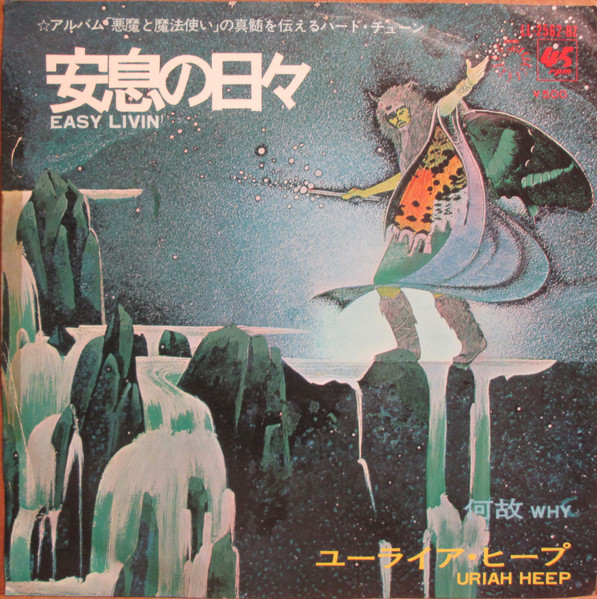
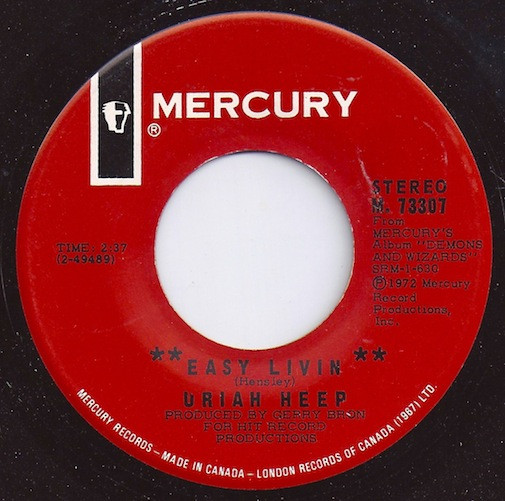
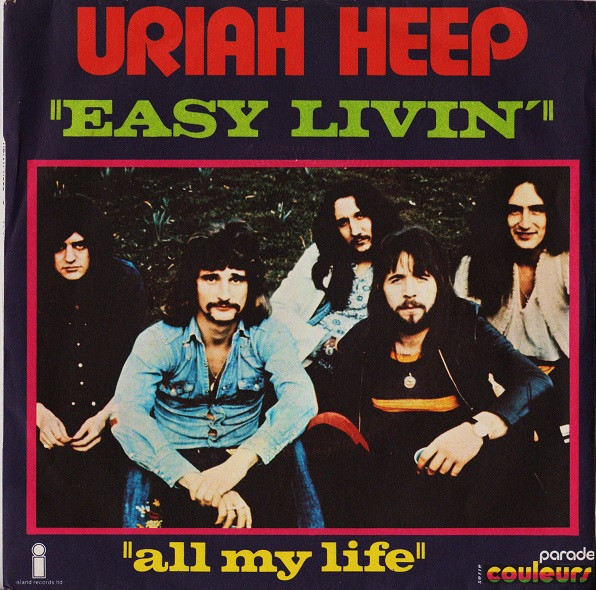
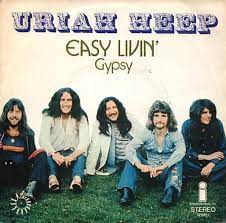
Before the album would be completed though Clarke left the band while on US tour, with Gary Thain (ex Keef Hartley) brought in to replace him. “The Wizard” also became the first track on the album, an interesting way to start an album that would go on to be much heavier. (An interesting comparison is Golden Earring’s 1971 album Seven Tears, which begins with the acoustic track “Silver Ships”, as well as a unique lyrical subject). Side one would also contain “Traveler In Time”, and “Poet’s Justice” – the first featured in the band’s live show at the time, while the latter is one of the band’s great album tracks, rarely mentioned, and not featured on the Live ’73 album – just a classic tune, and and stellar performance from Kerslake – who would receive a co-writing credit on both of these tunes. “Circle Of Hands” is the track that had me going back to carefully drop the needle on that Ken Hensley organ intro, and listen through to the end with the David Byron’s vocal and Hensley’s slide guitar that plays out to the end. It is the Heep song that had me as an immediate fan, and remains my favorite Heep track. The band did a remarkable live performance of it on their Live ’73 album, and have occasionally revisited it in the live set since 1994, as it appeared on Spellbinder (Live in Koln) . “Easy Livin'” was the third track on Demons And Wizards, and the album’s 2nd single. It was short and full of energy, with that Hammond organ throughout with Mick Box’s fuzzy guitar tone. And again it’s full of harmonies, a great vocal from Byron, and the rhythm section of Kerslake and Gary Thain drove this one home. Kind of a cool follow up to the track “Look At Yourself” musically. It would be the band’s first (and only) top 40 hit in the US at #39, while in Canada it peaked at #25, and as put by one former Heep PR person “opened all doors” for them. It is among the most covered Heep classics, and is the band’s best known song globally, one of the few that still receives radio play on FM classic rock radio, and has rarely never been featured in the band’s live show.
Side 2 opened with “Rainbow Demon”, another song featuring a tale of fantasy, though darker and heavier than “The Wizard”, it was (obviously) the track used for part of the album’s name. This one has occasionally crept in to the band’s live set over the last decade or so, as well. “All My Life” was the album’s other short and furious rocker, featuring plenty of slide guitar (via Ken Hensley). A Box/Byron/Kerslake credited track that was, in many countries, used as the B-side to “Easy Livin”. Admittedly, this was the last song on the album that I really got in to. The album closes with the epic combo of “Paradise / The Spell”, 2 different tracks that are edited to blend together, and fit well, clocking in at over 12 minutes. While “Paradise” is an acoustic ballad, the weight and pace pick up as the it blends in to “The Spell”, a more upbeat saga of good vs evil with Byron and Hensley trading off vocal lines. Lots of changes throughout, a fantastic production. A shame this one was never performed in full during at the time it came out.
From RPM (Canada) – A surprisingly sophisticated set of uniquely produced avant garde rock. The group has matured considerably and this album is easily the high point of their careers. Listen particularly to “The Wizard” and “All My Life”. This one should do it for them.
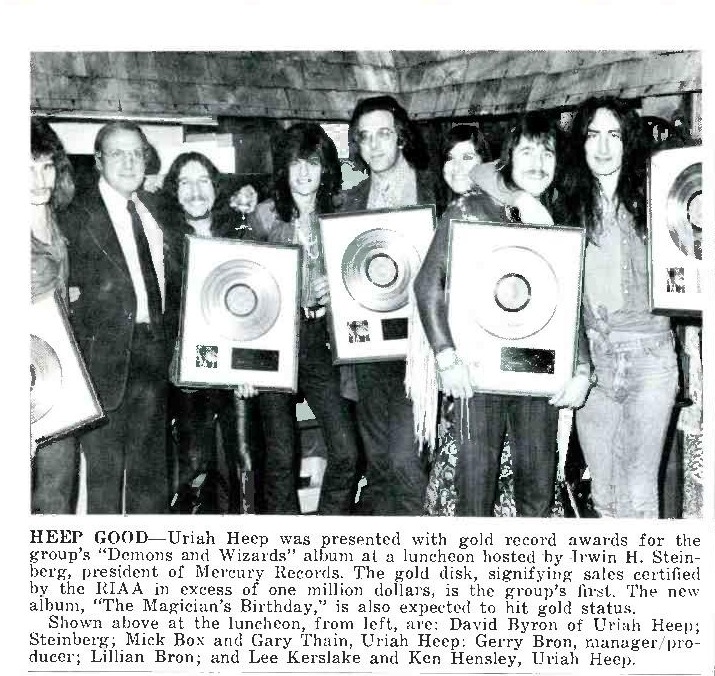
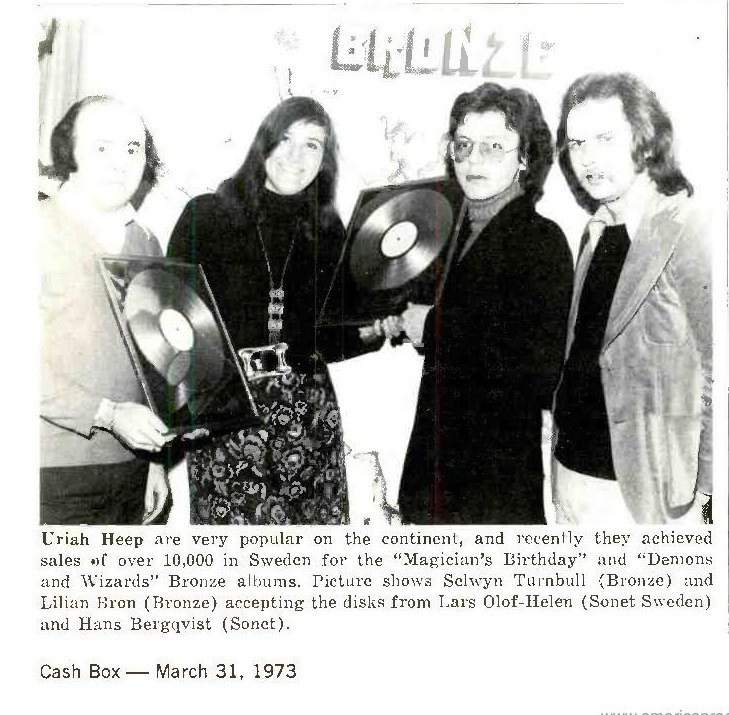
Demons And Wizards would be the first of a pair of Heep’s classic albums to feature the artwork of Roger Dean, who was quickly becoming famous during the era having done album art for bands such as The Gun, Atomic Rooster, Lighthouse, Osibisa, and Yes by this point. The album made the charts in numerous countries – top 10 (#1 in Finland, #5 in Germany and Norway), top 20 (Australia, UK) … in the US it would be the band’s most successful, making it to #23 there and #22 in Canada, the band’s first to go ‘Gold’, With Heep’s hectic schedule at the time the band were on the road much of the rest of the year, breaking to record and release a follow up within 6 months! The Magician’s Birthday came out, rushed before the end of the year, and although the 2 albums are often seen as a classic pair for their fantasy themes, Roger Dean covers, and legendary tracks, the latter would not be as successful, nor would it contain that global hit single as Heep had with “Easy Livin”. But another awesome album to look at in the future.
The 50th Anniversary of the Heep’s most successful and famous album seems to have gone by without a huge deal , due largely to the pandemic that pushed back the band’s 50th anniversary tour from 2020. There was a limited edition picture disc LP release, but heck I would’ve loved to have seen a box set (ala Led Zeppelin style) marking such an iconic album. But the year is far from over, the band is touring, and have a brand new album recorded in the can, and there’s a few more classic Heep albums coming up over the next year that will deserve celebrating as well.
RIP: David Byron, Gary Thain, Ken Hensley, Lee Kerslake.






 Outsider Rock