Some time ago I’d featured the first 2 BLIZZARD OF OZZ albums as a ‘classic pair’ of albums, and for me those 2 albums – whether you want to classify them as band albums (as I do) or as OZZY OSBOURNE solo albums are above anything else Ozzy did beyond BLACK SABBATH.
So, my ‘best of’ Ozzy list would include almost all of those tracks before anything else. This ‘best of the other albums’ is my selection of favorite Ozzy tunes beyond Blizzard Of Ozz and Diary Of A Madman. really, the next 2 albums with Jake E Lee were his next best albums for a long time, and I really started losing interest after No Rest For The Wicked, aside from Ozzmosis (which I like), it’s all pretty much downhill for me. But (back up a bit), there was also the Mr Crowley live Ep, with the excellent non- album track “You Said It All”, and prior to the next solo album was the double live Speak Of The Devil (or Talk Of The Devil in some countries). Loved Speak Of The Devil at the time, it’s still my favorite Ozzy live release, even if it is all Black Sabbath songs! Brad Gillis sounded amazing on this. A shame it was such a tough period for Ozzy, and that Brad couldn’t continue (he would have great success with a number of excellent Night Ranger hits and albums). So, this article ended up being an overview of those Ozzy studio albums beyond the original band…
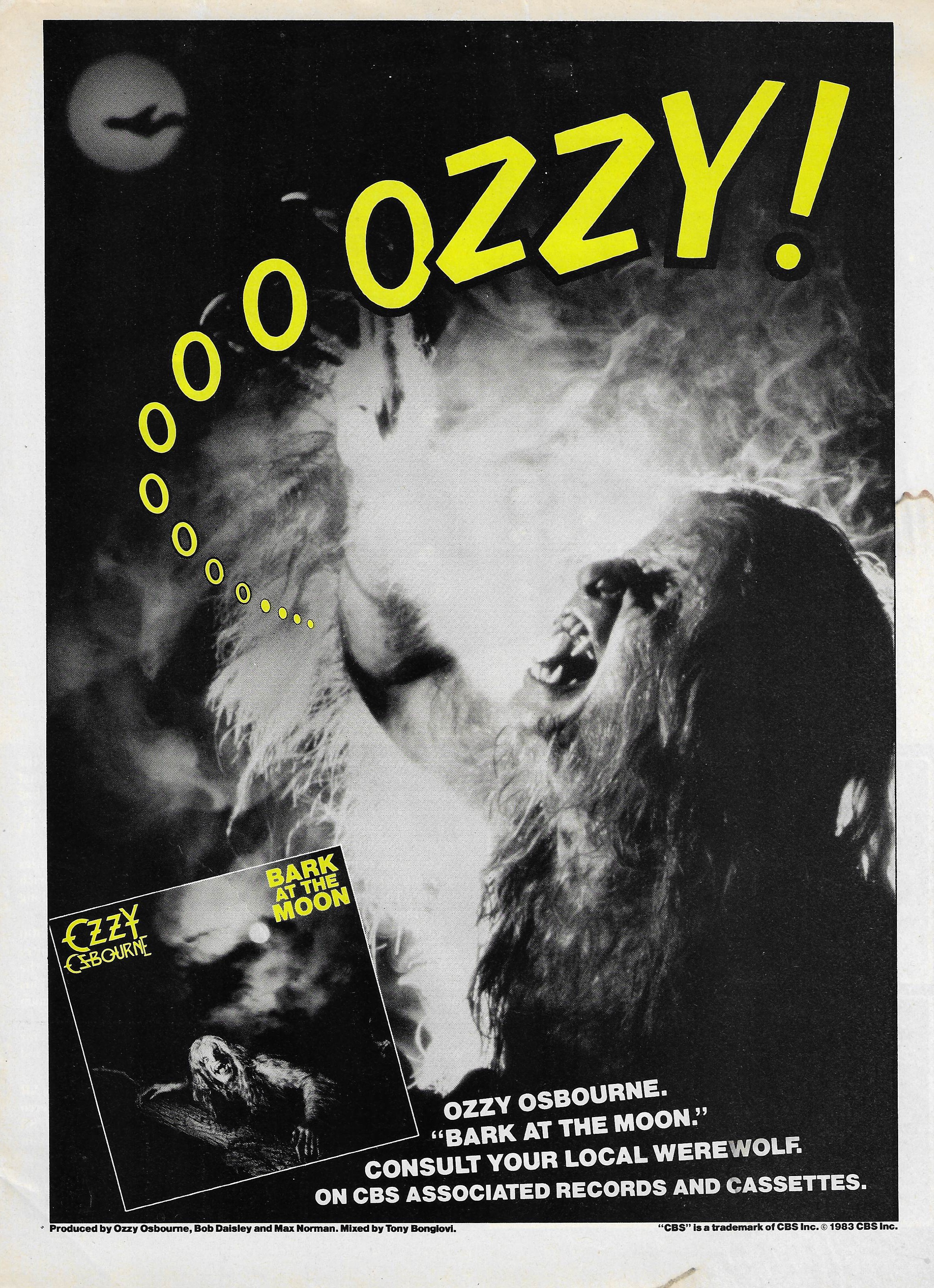
Bark At The Moon
Ozzy’s first album with Jake E Lee. Also here are Tommy Aldridge and Don Airey, who’d remained from Ozzy’s touring band since the death of Randy Rhoads. Rudy Sarzo had left, a combination of Ozzy needing Bob Daisley back to write songs, and Rudy’s feelings of still being there after the loss of his friend. Before the album was done Tommy would be fired and Carmine Appice was brought in to finish/fix the album’s drums and then tour. This is told in Carmine’s interview with The Metal Voice some years back.
I remember buying Bark At The Moon in March of 1984 at a small record shop in Niagara Falls. The store had a Ticketron outlet, and I had to go to get a refund for a cancelled Saga concert (February 29!), so with that I purchased Bark At The Moon (and a Styx album). I played this album to death for the first few weeks, and liked pretty much everything on it, except for sappy ballad “So Tired” (who thought this would be cool on an Ozzy album!?)
Side one was near perfect, the title track / first single was outstanding at the time, and even the keyboard heavy “You’re No Different” is one of the best here, followed by “Now You See It, Now You Don’t”, and the classic “Rock N Roll Rebel”. With Ozzy being an easy target for religious groups who would set up protests at his shows, “Rock N Roll Rebel” was an excellent and fitting anthem in response to critics. As much as I was a Randy Rhoads fan, I loved Jake E Lee’s sound on the 2 albums he did, very different to Randy, but the guy played heavy and creative. A shame he got fucked over and left the Ozzy fold. Side two was very good, though I spun it far less. “Centre Of Eternity” (titled “Forever” in some countries) was a fast paced rocker to open that side, but then things grind to a halt with the ballad “So Tired” – piano, strings, like WTF! I was never a fan of Sabbath’s “Changes”, and this was worse. Things picked back up with “Slow Down”, a decent rock tune. And the album ended with on a high note with another favorite, “Waiting for Darkness”.
Bark At The Moon (for me) is the next best album released under the Ozzy name in the catalogue, but a lot of that credit goes to Jake and Bob, along with Max Norman. I think this album lacked a certain ‘band’ magic that the previous 2 albums possessed, as well as some sort of Epic track ala “Revelation (Mother Earth)” or “Diary Of A Madman”.
The ‘werewolf’ idea that featured in the title track (single & video) was interesting at the time, as there’d been a number of ‘werewolf’ films in 81-82, most notably “An American Werewolf In London’, and (later, 85) “Teen Wolf”). Michael Jackson’sThriller came out a year prior to Bark At The Moon, and the video (produced by the same guy who produced American Werewolf In London). Ozzy did an interview on Canadian TV in 84-85, and was asked about Michael Jackson and Thriller, and he replied “boring to both, but when asked about the video, Ozzy sighed and said “Ok”. (I have this on an old VHS tape somewhere). The video shoot for the “Bark At The Moon” would use the same make up artist who had also worked on American Werewolf in London and the “Thriller” video! “So Tired” was released as the 2nd single & video, where a shattering mirror sent Ozzy to hospital with glass in his throat. Frankly, either single B-side (“Spiders” and “One Up The B Side”) would’ve been better on the LP, IMO. The non-LP tracks would appear on the 2002 re-mixed reissue on the album.
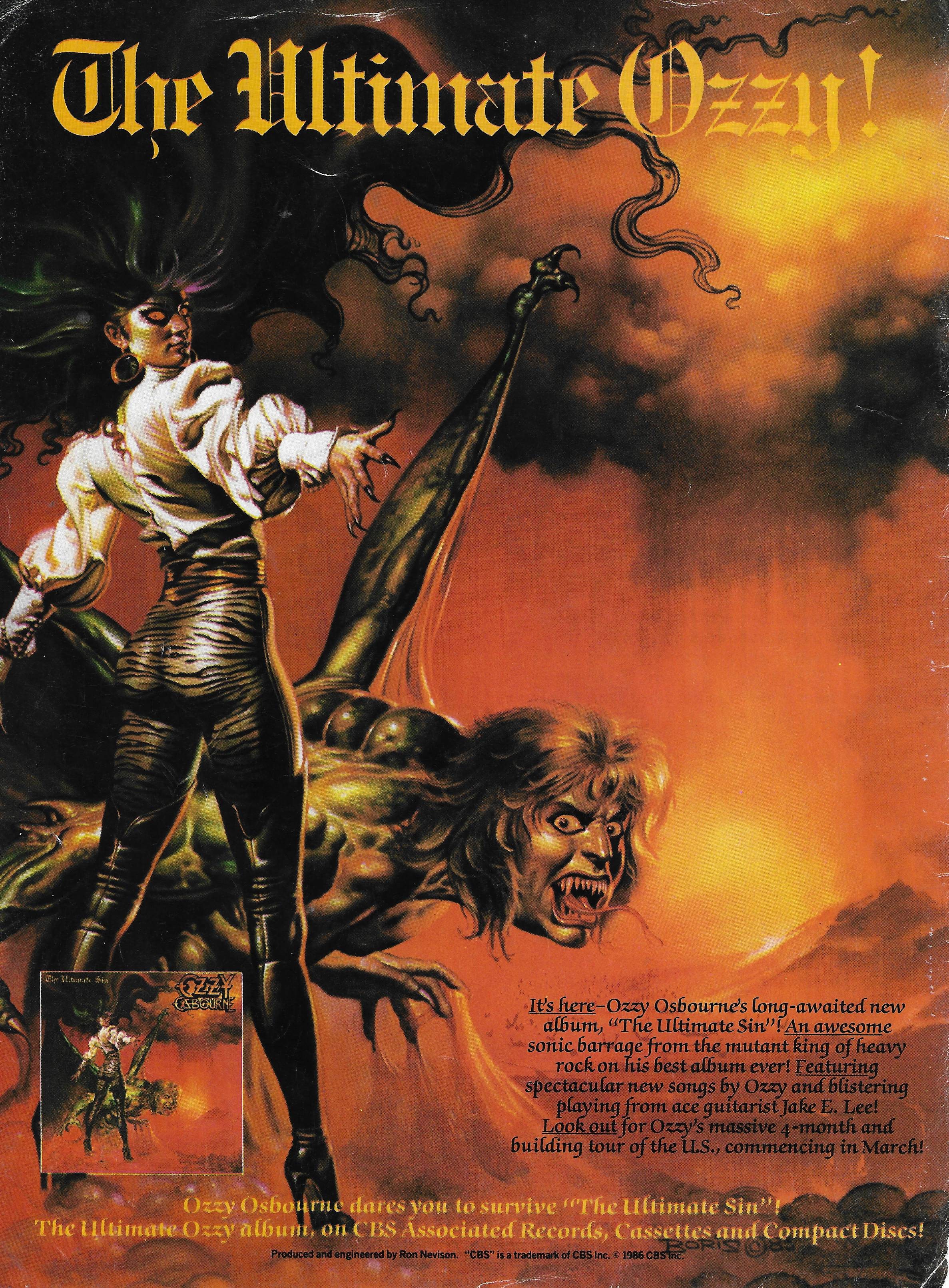
It took a few years before Ozzy’s next album, but The Ultimate Sin was released in early 1986.
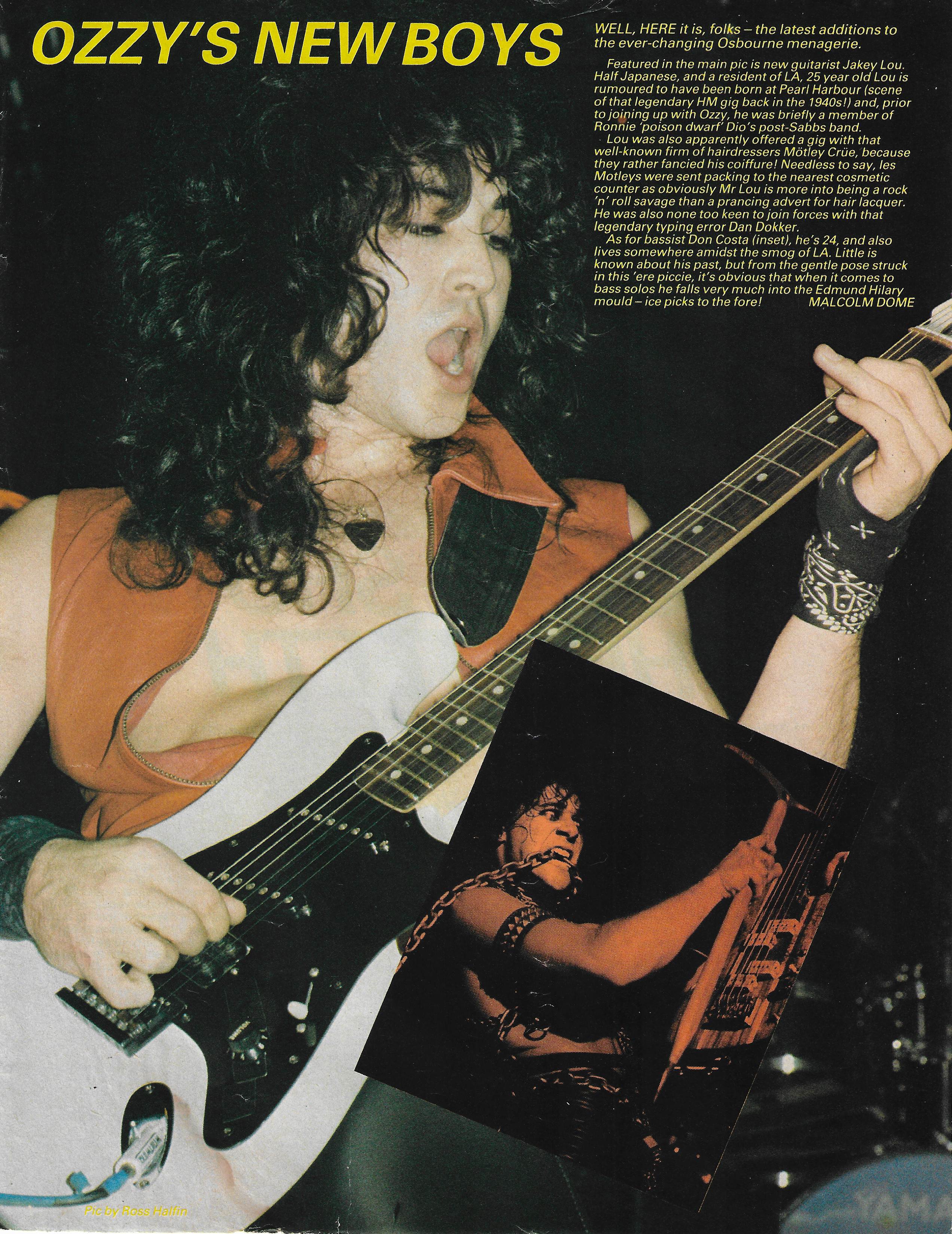
The Ultimate Sin album was originally intended to be called Killer Of Giants, according to the press back then. The cover featured artwork by fantasy illustrator, Boris Vallejo. Fortunately, he still had Bob Daisley around for the early stages of this album to co-write songs with Jake E Lee. Daisley later recalled that he’d tried to get Ashley Howe in to produce the album, as Howe had produced the 2 Uriah Heep albums that Bob was on (Abominog and Head First). But as Daisley didn’t carry on to play on the album, that idea wasn’t pursued and Ron Nevison was hired to produce. During the mid 80s, Nevison was producing commercial rock albums for Heart, Survivor, Triumph, and Jefferson Starship. Bass player Phil Soussan, ex Wildlife was hired to play on the album and tour, while Mike Moran (ex Ian Gillan) played keyboards. I remember picking this LP up when it came out, in a shop in Hamilton. Played the heck out of it. I thought (and still think) Jake E Lee was even better on this album, with many creative riffs and solos, some cool intros… Jake’s performances are THE best sounding thing about this album! But I can’t say that I dig it as much overall now due to the production / sound, and a couple of songs. New drummer Randy Castillo does a decent job, but can’t help but think that it’s ironic that after Diary of A Madman, Ozzy (Sharon) was quick to dismiss Lee Kerslake, and then went through at least 3 of them over the next few albums. However, the 2 side openers made for decent singles – the title track and “Lightning Strikes”, but there’s a few even better cuts here, notably “Never” (the best, IMO), “Fool Like You”, “Never Know Why” (despite revisiting the ‘rock rebel’ theme again), and “Killer Of Giants” (kind of a return to that “Diary Of A Madman” epic feel with the acoustic guitar). Not so big on “Thank God For The Bomb” and the cover of “Shot In The Dark” (a blatant attempt at doing something mainstream / commercial, which just doesn’t fit here). Co-credited for the hit “Shot In The Dark” was Soussan, as the song was originally recorded during his Wildlife days, but there’s more to this song, as John Sloman (ex Lone Star, Uriah Heep) lays some claim to the songs origins in his book (Lost On Planet Artiface), as the bass player also worked briefly with Sloman in the singer’s post-Heep band Badlands (Not to be confused with Jake E Lee’s post-Ozzy band!) Soussan in more recent years is part of the Dio alumni band Last In Line.
Before the next studio album there was the release of the Randy Rhoads live Tribute album, which was most welcome to hear Randy playing live. But now I can’t help but wonder why they haven’t released something else, particularly from the original ( Blizzard of Ozz band) on their first UK tour, following the first album’s release.
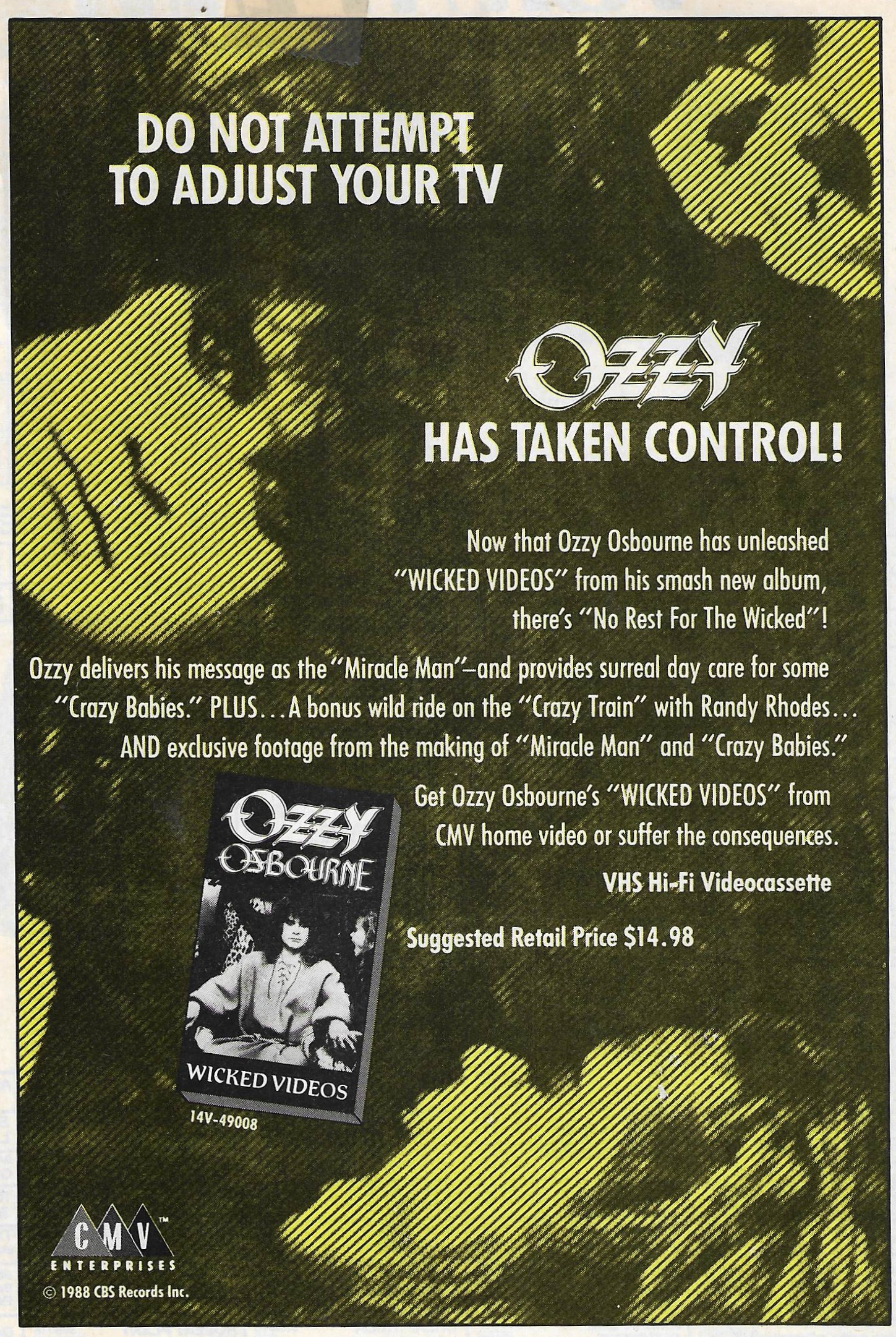
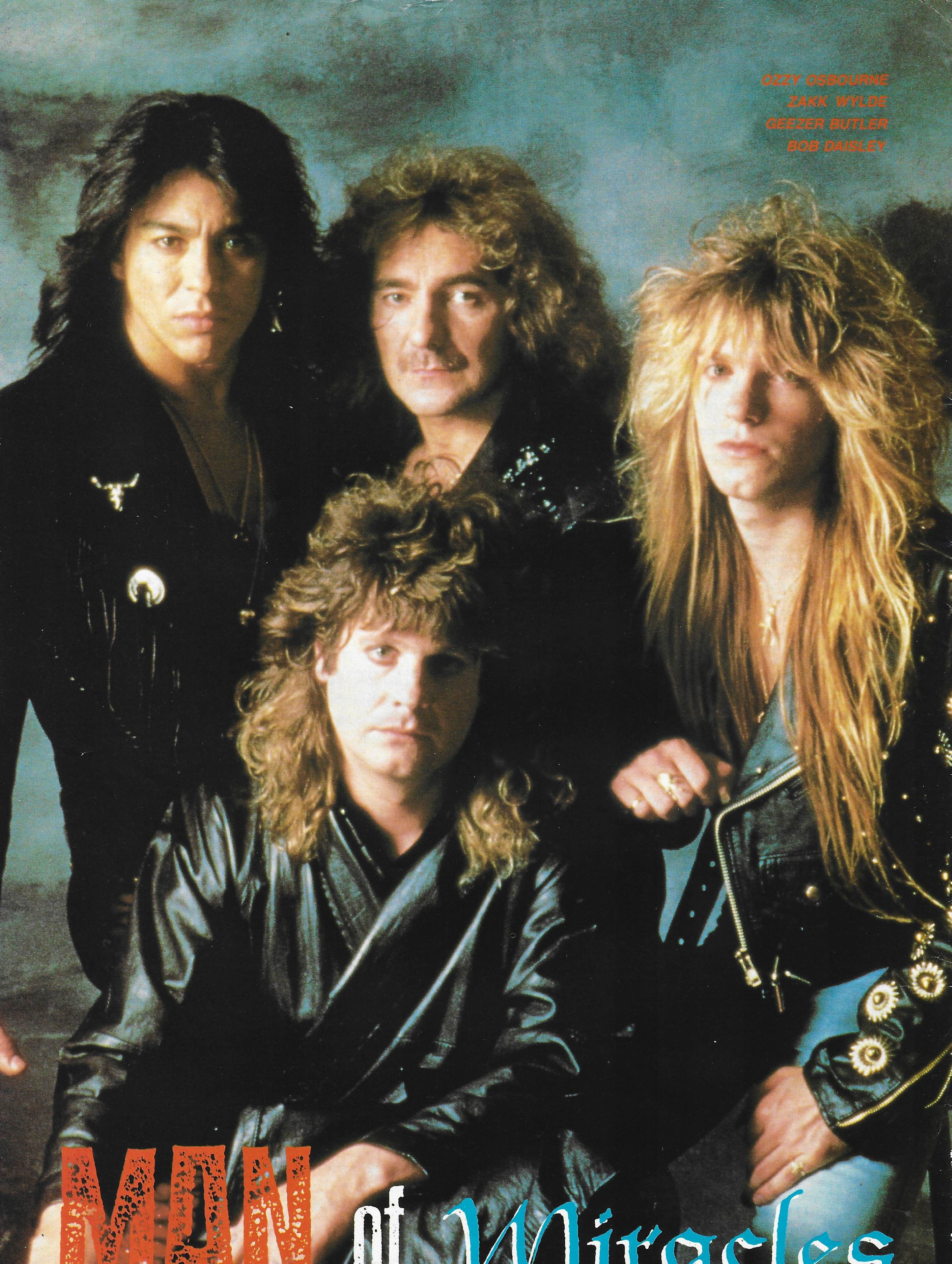
No Rest For The Wicked came out in ’88, and this was the last Ozzy album I picked up close to release date. Bob Daisley was back on bass, along with ex Uriah Heep keyboard player John Sinclair (though credited fully, neither would be pictured on the album’s inner sleeve). Randy Castillo was back, and new young guitarist Zakk Wylde. For the most part I really liked this record; it had 4 standouts (favorite cuts) for me – the single “Miracle Man” (mocking Jimmy Swaggart – “now Jimmy he got busted, with his pants down”), “Bloodbath In Paradise”, “Breaking All The Rules”, and the softer “Fire In The Sky” (which started life demo’d as “Valley Of Kings” when Sinclair & Daisley were in Uriah Heep, 1982). The rest is not bad, but those ones I was happy with and played repeatedly. I liked Zakk’s sound here, and he came up with some big riffs and solos, and the overall sound & production is a big improvement over the dated sound of The Ultimate Sin. Sinclair contributed a classic intro to “Bloodbath In Paradise”, and then contributed largely to the piano based ballad “Liar” – which was a non-LP track, along the excellent “Hero”. I’m guessing both of the latter tracks were left off the LP to keep it heavy, with cuts like “Devil’s Daughter”, “Tattooed Dancer” (which is spelt wrong on the back of the LP!), and “Demon Alcohol”. I think after revisiting these albums, No Rest For The Wicked was/is much better than I remembered, and I’ll put it slightly above the previous one.
Following the release of No Rest... Bob Daisley was gone again, and in came Geezer Butler for the tour. Gone are the ridiculous glam outfits of The Ultimate Sin era, with everyone looking more ‘rock n roll’, in leather and denim. 1990 saw the release of the 6 song EP – Just Say Ozzy (recorded in the UK, November of ’89). This featured 4 tracks from No Rest For The Wicked, plus 2 Black Sabbath classics. Not a bad release, but where’s the rest of the show?
Now this is where I kind of got off the Ozzy train. Growing less enthused about many of my favorites from the early 80s (really, I think the ’80s bands golden era was pretty much over), by then… I had moved on, or more so – back(!), discovering and picking up more ’70s band’s like Deep Purple, Blue Oyster Cult, and Uriah Heep. I continued to pick up the next few Ozzy releases, but was not in much of a rush.
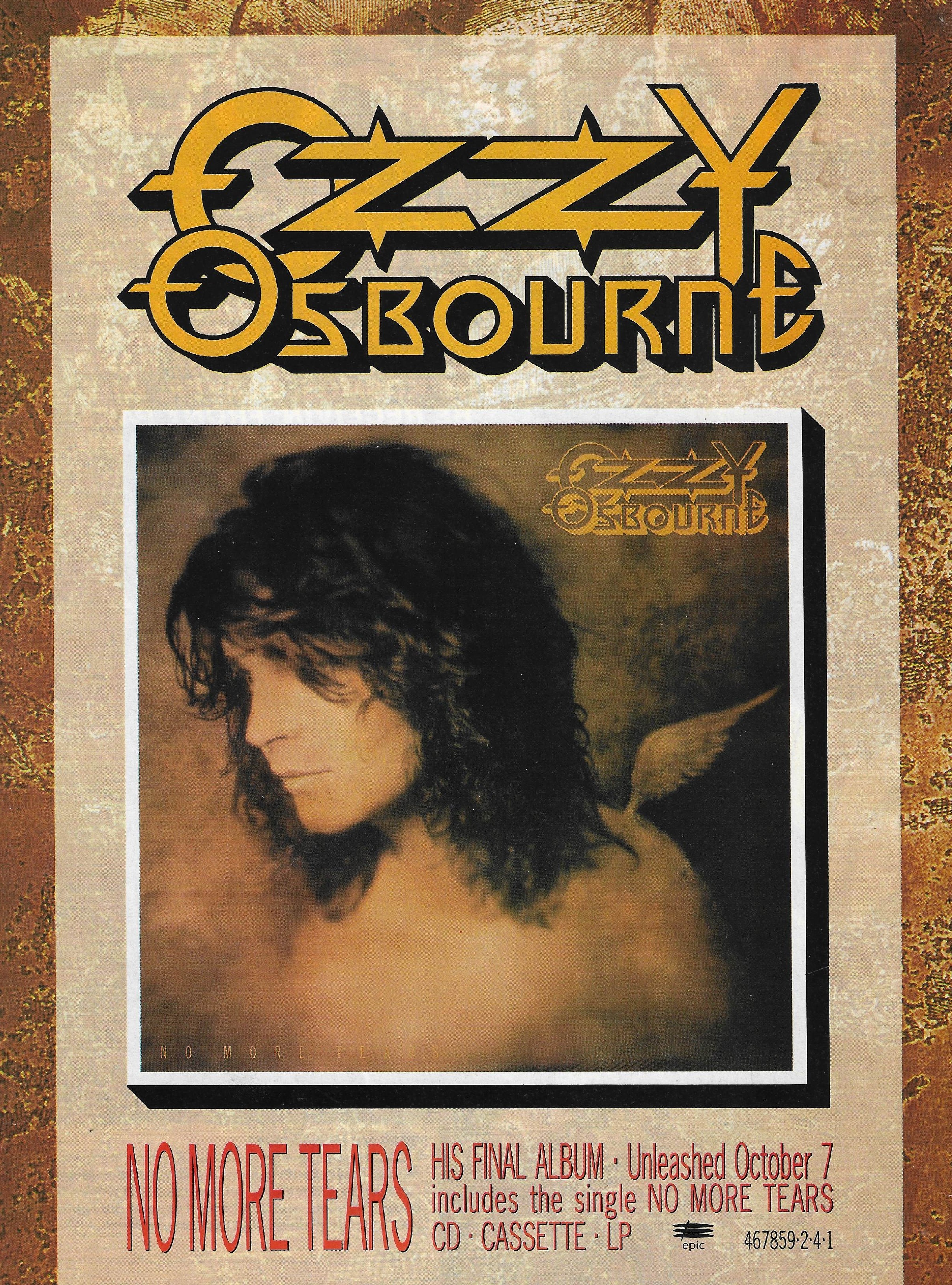
The next album was No More Tears, and I got to confess I never liked the title track, or the sound of this (ok, the bass intro is cool). Between Zakk’s sound, the production here, and new writers, etc… Ozzy (musically) was sounding like other metal acts of the time. There was also a few softer cuts here (ballads). For me there was no huge standout tracks, though if I had to pick a favorite it would be “Desire”. Bob Daisley played on this album, but was not in the songwriting credits. Ozzy co-wrote a number of songs with Lemmy (Motorhead), as well as Wylde and Castillo. I know this album was a huge seller and got lots of press at the time, ya know – because it was supposed to be Ozzy’s final album and tour, but for me it’s a ‘nice’ listen, just not very memorable. This was followed up by the Live & Loud release. I played this and the even worse Live At Budokan very few times. Again, wasn’t a fan of the sound at this point, nor did I care to hear Ozzy dropping F-bombs between songs, and the Budokan album has got to be the worst album cover in Ozzy’s catalogue!
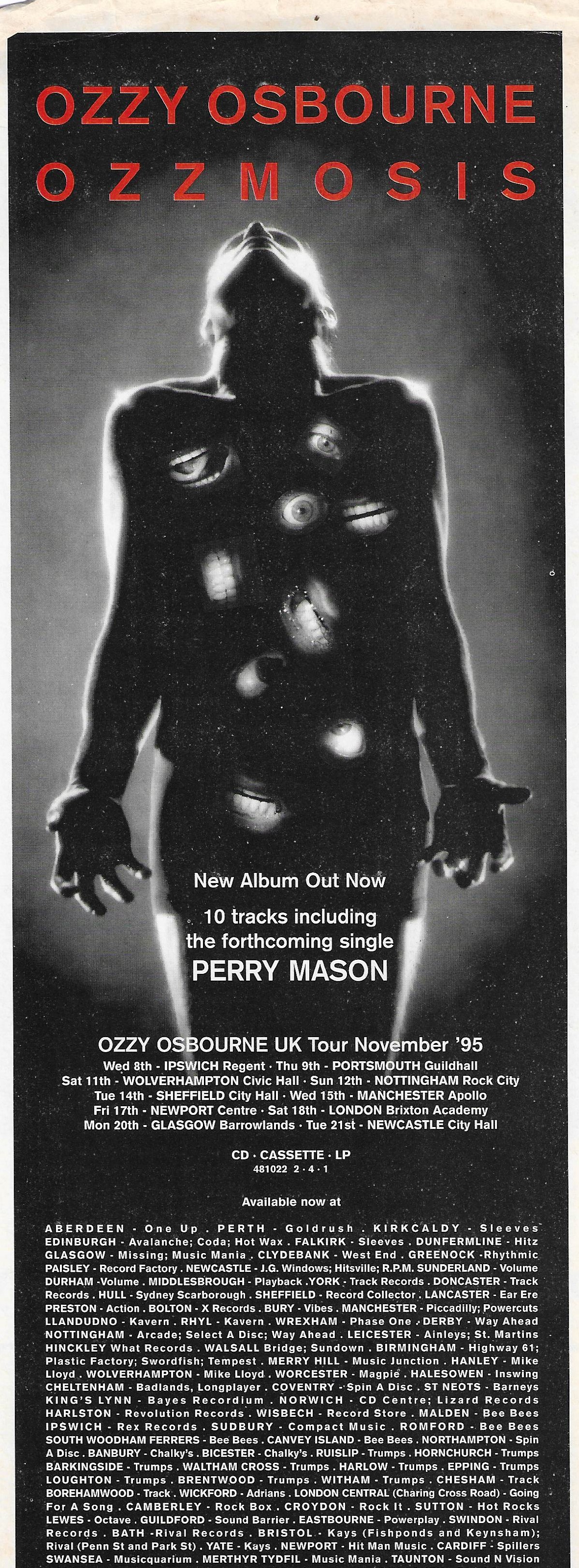
Now, 1995’s Ozzmosis I actually thought was an improvement. Despite the move towards mainstream with more outside writers, I really liked the single “Perry Mason”. An interesting subject for a song, the fictional defense lawyer created by writer (and lawyer) Erie Stanley Gardner, and who then became the title character of the American tv show that ran for nearly a decade from the late 50s to 60s. But this is a powerful song, heavy, dramatic, that leads off the album. .Ozzy tells it so well. Geezer Butler on bass, Dean Castronovo on drums! This album also includes the singles “See You On The Other Side”, and “I Just Want You”, which was co-written by Jim Vallance, best known for his years of co-writing with Bryan Adams. It’s kind of a heavy ballad, highlighted by Rick Wakeman’s keyboards and a great vocal from Ozzy. Ozzmosis also included heavier favorites “Denial” and “Tomorrow”. The track “My Little Man”, was co-written with Steve Vai, which is interesting as Bob Daisley later recalled that he, Vai, and Ozzy got together a year earlier to this album and started working on a project, which was abandoned. Ozzmosis was Ozzy’s highest charting album in the US then.
The Ozzman Cometh was the career spanning (mostly post-Sabbath), released in 1997. Shameful that Bob Daisley’s name was spelled wrong throughout. There’s a few different early versions of Sabbath classics, as well as “Paranoid” live from the Randy Rhoads period. Their was one ‘new’ track, “Back On Earth”, which was from the Ozzmosis sessions, and has a keyboard intro/pattern, not too different to “I Just Want You” . A decent song, and single.
It would be 6 years from Ozzmosis to the next studio album, 2001’s Down To Earth. Despite having another odd cover, I thought this one is the last good Ozzy studio album. Some excellent tracks in “It Gets Me Through”, “That I Never Had”, and the ballad “Dreamer” ( a vast improvement on “So Tired”) A number of these songs were co-written with guitarist Joe Holmes, who played live with Ozzy following Ozzmosis. Interesting that Down To Earth went Top 10 in Canada and the US.
After all those Ozzy albums I was pretty done, and I’ve picked up things over the years – not because I expected much or liked what I heard before release. 2007’s Under Cover album (who the Hell wants to hear Ozzy doing a bunch of cover versions!?), then Black Rain, which I thought was forgettable at the time. I never bought it then, and only have it now because I found it for $3 at a flea market a few years ago. Scream came out in 2010, and not as forgettable as Black Rain. In retrospect I never gave this one a lot of time then, but revisiting it, Scream is better than I remembered. Really, at the time I picked up in part because it came with the t-shirt, and didn’t expect much! But I like the lead off track “Let It Die”, as well as the single “Life Won’t Wait”, the (somewhat) title track “Let Me Hear You Scream”. Gus G on guitars, Adam Wakeman on keyboards.
The last 2 Ozzy releases – Ordinary Man (2020) and Patient Number 9 (2022), I bought these at some point, perhaps as a completist and was expecting something with all the guests on these albums, or was easily swayed by all the suck-up reviews. Either way, a few listens and I just don’t care.
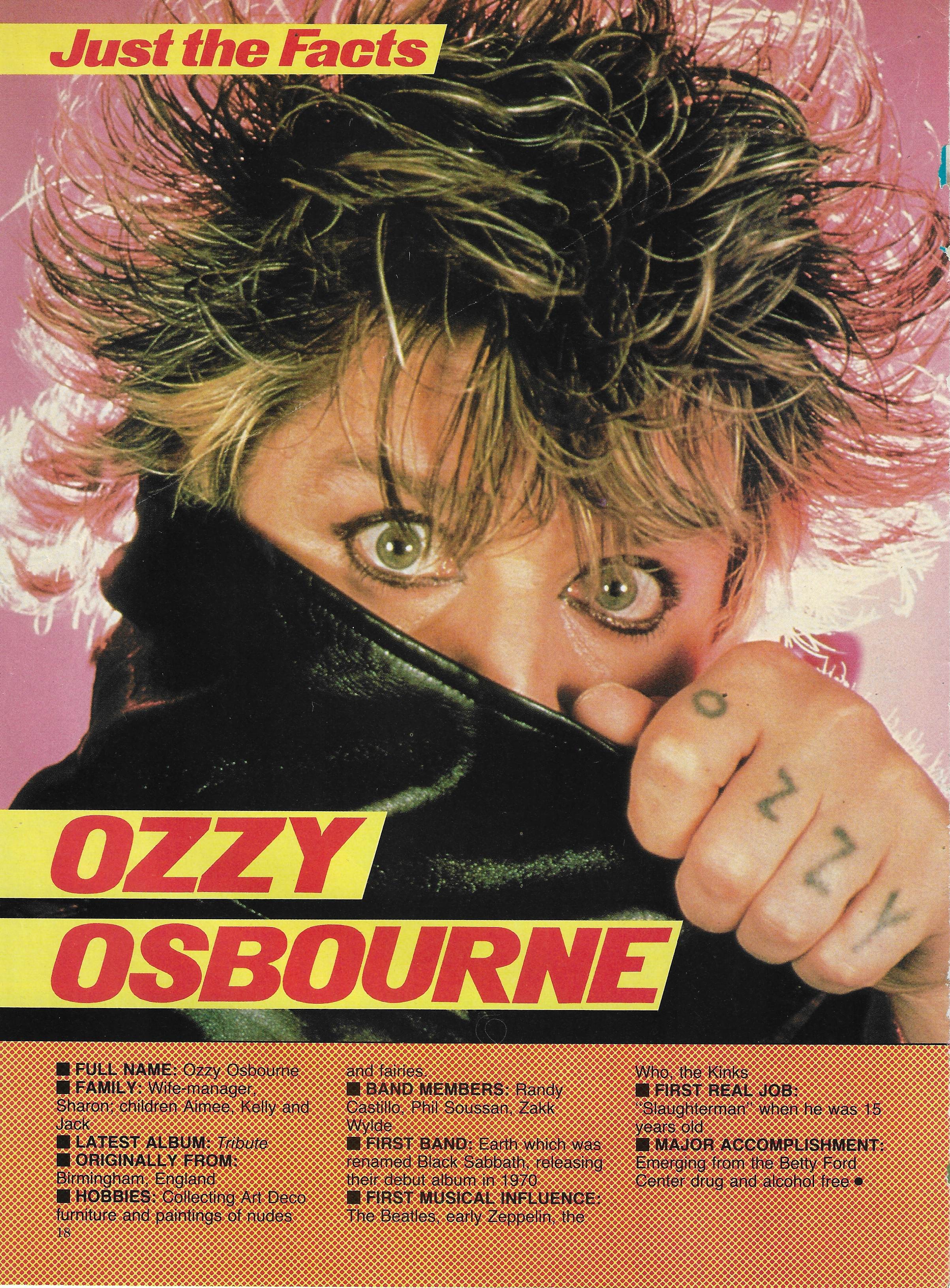
In retrospect I dig the ’80s Ozzy era even more so, and wouldn’t miss much else beyond No Rest For The Wicked (well, maybe Ozzmosis). It also makes me want to go back and fill in the gaps from the ’80s with live recordings and some singles (those non LP cuts). I’ve still got binders of Ozzy press clippings and magazine articles from the 80s, and early 90s, that I’ll have to scan some day.
RICK HUGHES DELIVERS A SPECTACULAR SOLO ALBUM WITH ‘REDEMPTION,’ REUNITES MEMBERS OF ONE OF OZZY’S BEST LINE-UPS FOR COVER OF THE WHO’S “THE REAL ME”
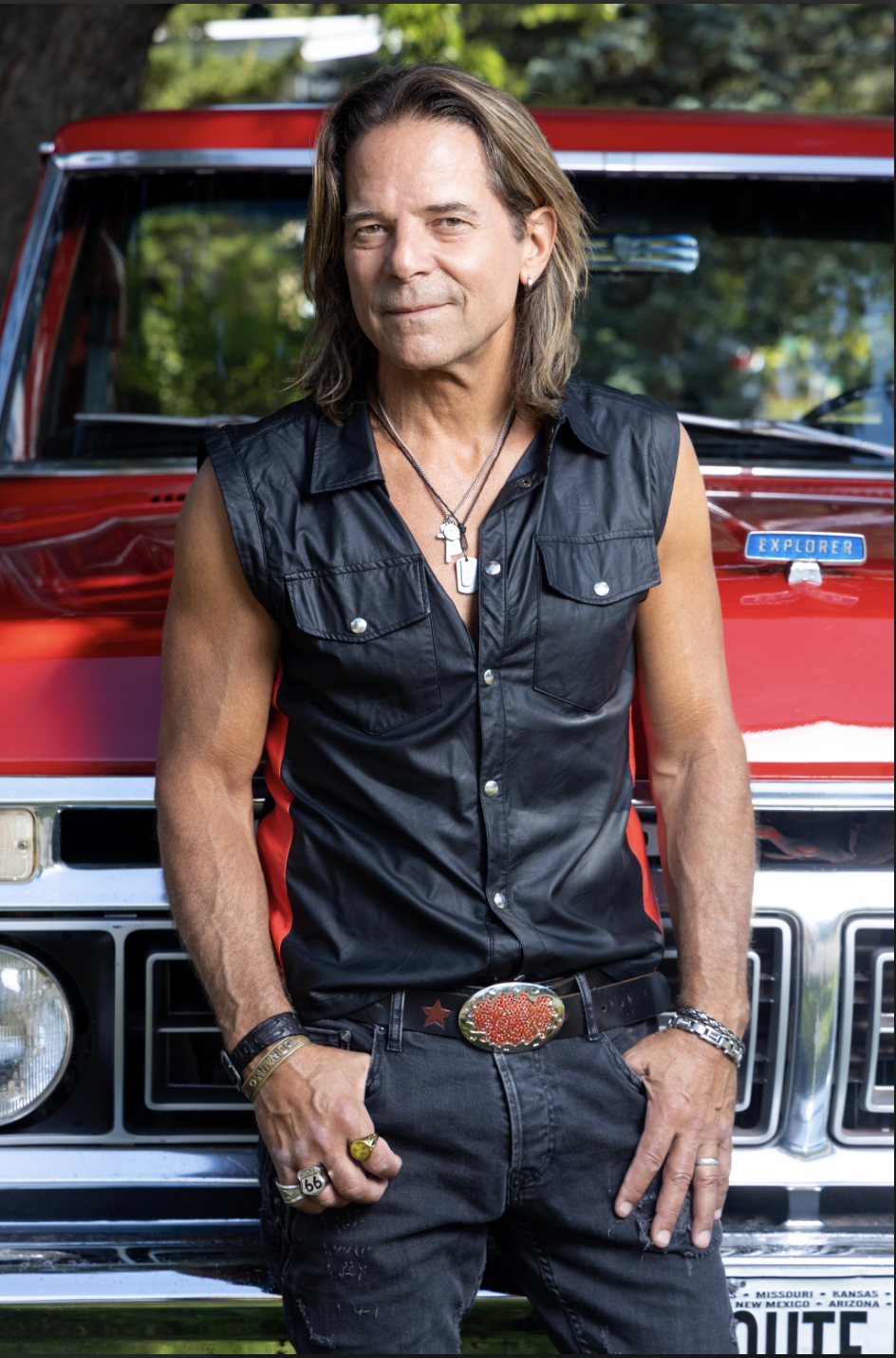
Canadian-born Rick Hughes is renowned for his powerful and rangey voice as the lead singer of the legendary metal band Sword, and of the hard-rock band Saints & Sinners. A seasoned performer with hundreds of headlining shows in Canada, America, Europe and Japan over the years, and his superb stage performances while opening for bands such as Metallica, Motorhead, Alice Cooper, Black Label Society, etc.
So when it was time for him to record ‘’Redemption’’, his first international solo album, he spared no expenses and efforts to make this album a great one, hiring producer John Webster (Aerosmith, Mötley Crüe, AC/DC, etc.) and renting HippoSonic Recording Studio (formerly known as Little Mountain Studios) in Vancouver to record this opus.
The first salvo is coming out September 5, 2025, and it is quite an event in itself: his first single and video is a supercharged version of The Who’s classic ‘’The Real Me’’ – reuniting after 43 years Ozzy Osbourne’s 1982 band consisting of Brad Gillis on guitar, Rudy Sarzo on bass, and Tommy Aldridge on drums. This is the band that did the last leg of the ‘’Diary of a Madman Tour’’ in 1982 after the tragic departure of the great Randy Rhoads, and that then recorded Ozzy’s classic live album ‘’Speak of the Devil’’.
*Pick up the Limited Edition Bundle (100 copies) that includes a collectible 7” vinyl of the “Real Me” signed by Rick Hughes, Brad Gillis, Tommy Aldridge, and Rudy Sarzo.
The resulting sound is epic, and so is the spectacular video that was shot and directed by Matthew Lucas (Kringle Time, Moonshot, We Meet Again, etc.) at the state-of-the-art L.A. Castle Studios, with post and editing by Montreal’s Jean-Marc Laurin (Jurassic World, Star Wars: The Force Awakens, Game of Thrones, Assassin’s Creed, etc.).
”The Real Me stands as a cornerstone of my album ‘Redemption’,” says Rick. “As a lifelong fan of The Who, I wanted to pay tribute to the golden age of 70s rock. To capture that spirit, I brought together a true supergroup with Tommy Aldridge, Rudy Sarzo and Brad Gillis, a unique moment where legends unite to breathe new life into a classic.”
“This very special song is part of the upcoming Rick Hughes Album ‘Redemption,’ a collection of great rock songs to be released on Friday, October 24 2025 on CD, Vinyl, and Digital format worldwide by Deko Entertainment, and featuring more great collaborations with some famous musicians.
Included are 2 more songs featuring the superb songwriting and inspired guitar playing of the great Brad Gillis, another featuring the extraordinary talent of The Door’s legendary guitarist Robby Krieger, and great contributions from rock royalty Lee Aaron, vocal powerhouse Amy Keys (Ringo Starr, Phil Collins, Toto, Sting, Stevie Wonder, etc.), rising guitar hot shot Jacob Deraps, as well as Rick’s gifted sister, Lulu Hughes.
With its great performances, ‘Redemption’ is a very special and unique rock album that brings together 7 songs in English, 1 bilingual and 2 songs in French.
‘REDEMPTION’ TRACKLIST:
Vinyl version:
Side A: 1 ) Dead End Road 2 ) Croire En l’Homme 3 ) The Real Me 4 ) Carry The Torch 5 ) Will of the Gun
Side B: 1 ) Shake My Soul 2 ) Someday 3 ) Dans La Peau 4 ) In a Perfect World 5 ) Ça Va Brasser
CD Version:
1 ) Dead End Road 2 ) Croire en l’Homme 3 ) The Real Me 4 ) Carry The Torch 5 ) Will of the Gun 6 ) Shake My Soul 7 ) Someday 8 ) Dans La Peau 9 ) In a Perfect World 10 ) Ça Va Brasser 11 ) Bonus Track: Dans La Peau (french version)
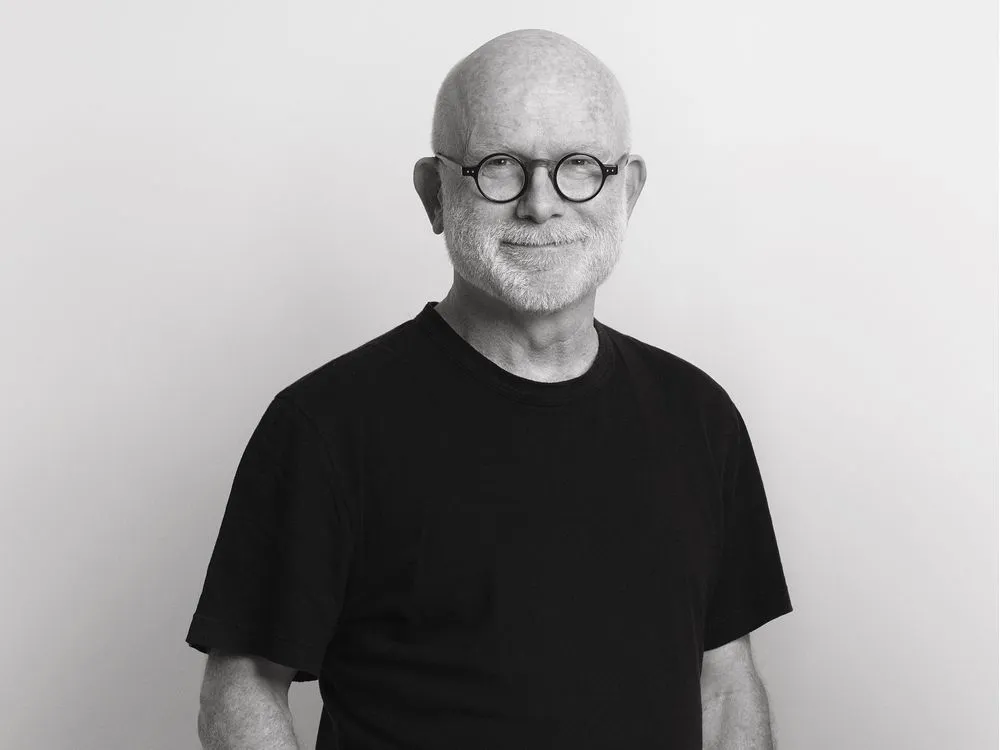
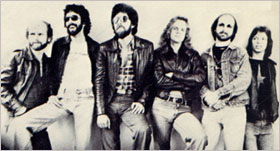
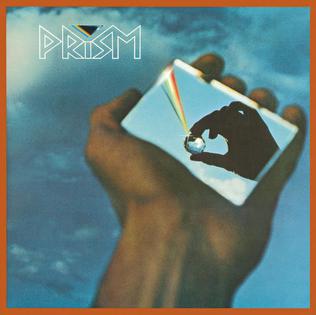
Canadian songwriter JIM VALLANCE came to be a big name in the 80s as Bryan Adams writing partner. Vallance however, had been writing songs in his teen years. In the mid 70s he joined a band that would become PRISM, as their drummer and main writer on the band’s debut album, under the pseudonym Rodney Higgs. After leaving Prism, he wrote songs for BTO, and met a young musician & writer named Bryan Adams. He co-wrote with Adams throughout much of the 80s, as well as writing (or co-writing) hits for numerous bands & artists over the next few decades, including Loverboy, Aerosmith, Ozzy Osbourne, Rick Springfield, Alice Cooper, and Scorpions. His name is on plenty of massive hits, huge selling albums, Juno awards….. This interview kinda scratches the surface of Jim’s history and some of the music he wrote and artists he wrote with. When our conversation was done I had a 1001 more things that came to mind! But Jim Vallance has loads of amazing stories and recollections, and I am thankful he shared some here. Enjoy the read.,
*Check out www.jimvallance.com for more on his history in the music business, stories, and lists of songs and artists Jim is connected to.
You have a long relationship with Prism, and then a bit with BTO, and then Bryan Adams, obviously. But you were in groups, and you were a musician before you became more known as a writer, correct?
Yeah, I started playing in bands when I was 13, and all through school, pretty much every weekend, I was playing a dance or something.
And then when I graduated grade 12 in 1970, I didn’t have any interest in college, but my parents insisted I go. So, I did one year of college, and then after that, I just started playing with bands again. I was living in Vancouver, Canada, and there was a very robust club scene at the time.
There were probably 20 clubs in and around Vancouver, and let’s say 20 bands. And so, each band would do a week at a club and then move to the next club. We just all did the same circuit with the same booking agency.
And around and around you’d go, year in, year out, six nights a week at these clubs. I did that for a bunch of years in the early to mid 70s. And then I was lucky enough to start getting some session work. Mostly playing on McDonald’s commercials and that sort of thing, just music for advertising. I did that for a few years. And that’s around the time I started writing songs and joined this Canadian band called ‘Prism’. That would have been mid to late 70s. We got a record deal, made an album and had a bit of success in Canada, but not much else. We didn’t really make any waves outside of Canada.
Vancouver and Toronto must have been the two biggest spots I can see as far as, because I’m in Niagara Falls, so I think Toronto and Vancouver seem to be the biggest kind of center for bands, Canadian bands when there’s, you know,
A couple of exceptions like April Wine, I think were from Montreal. But yeah, for the most part, it was Vancouver and Toronto.
And you had tons of bands come out of there, other than obviously – Loverboy and all the bands that came before and after them that were connected.
The Payolas, and BTO – even though they were originally from Winnipeg, pretty much launched out of Vancouver because their management was Bruce Allen. So, they were West Coast based.
Now, before you got into like with the Bryan Adams stuff, how did you get into songwriting specifically as opposed to just when you dropped out of bands and that? When did you decide sort of to drop out of the playing-performance part of it and just stick to songwriting?
Well, I had been writing songs since maybe I was 16 or 17.
I didn’t have any place to go with them, but I was writing anyway and just, putting them on a cassette tape and that would go on my shelf somewhere. So, when Prism got a record deal and the record started to get some chart action in Canada, and again, a little bit in the USA, we started doing a bit of touring to promote the record. I remember we opened some shows for Heart, who had just started to have some success with their first album, Dreamboat Annie. And we opened some shows for Foreigner, who were also just coming out of the gate with their hit “Feels Like the First Time”. And so that was my first experience touring. Because we were the opening act, there weren’t many perks; it was five guys in a rental car eating microwaved tacos at gas stations. That was kind of our life, staying in cheap motels, two guys to a room. After that tour, I really decided that that was not my calling; that’s not my idea of a good time. I quit the band as a player, continued writing, but pretty much after that, I was no longer a band member and just concentrated on writing. And that’s also around the time I ran into Bryan and met him for the first time. He and I started writing and after that, that’s all I did.
You guys had a number of songs on that BTO album, which I have here somewhere. I did put together a bunch of albums. The second one that had Jim Clench.
That’s right.
And Bryan would have been very young at that point, correct?
Well, he was 18 when I met him in January 78. And then it was into 1979 when I was working with BTO. So, Bryan would have been 19. He contributed a song that he wrote called “Wasting Time”, I think.
He wrote that on his own and BTO recorded that. I wrote two songs. One was called “Rock and Roll Hell” and the other one was called “Jamaica”. And those were both on the BTO album also.
That’s an interesting album, obviously because Randy Bachman was no longer there. What was your connection to, I guess, you ended up writing for certain bands? Did you have a connection to them? Or was it more so just the producers?
In the case of BTO, Bruce Allen had managed Prism, and he was managing BTO also. So that was kind of my connection to BTO.
That’s how I got put together with that band. It was through the management.
And then you and Bryan just kind of rolled on from there?
And then by this time I’d met Bryan and he and I were writing. I pulled him into that project as well.
From there, you did a lot of Canadian stuff for the longest time, Canadian bands. One thing you did do, you did some Toronto stuff. That was fairly early on, 1982.
Yeah, there you go. 1982. I can’t remember how that came about. I think I got a call from their record company asking me to write with them.
I’m not sure how I came to be in that, with that connection, because I didn’t really have any ties to Toronto, the city or the band. But I did go back and wrote some songs with Brian Allen and Sheron Alton, the two guitar players in the band. I can’t remember how many songs I wrote with them.
I think there was four or five over this album.
Yeah, four or five. And one in particular, I remember it really clearly.
They were really nice. They were a couple, Brian and Sheron. I remember going over to their house one night in Toronto and they made a nice dinner.
And then after dinner, we went downstairs, they had a studio in their basement. As is the case with so many songs I’ve written, when you go in a room with another writer or another couple of writers, kind of the first thing someone says is ‘do you have anything? Do you have any ideas?’ And on this particular day, I had an idea. It was very minimal. There was almost nothing to it. It was really just a title. And I said, ‘Yeah, I have a title.’
“What About Love” And I said, and ‘I have sort of a melody idea, but it’s just one note. Sort of like John Lennon with “All You Need Is Love” was just one note.’ So, they thought that was okay.
We started working on it. And in my experience, it’s one of the fastest songs I’ve ever been involved in writing. I think by the end of that evening, we had the song finished. We each contributed equal amounts of lyric and melody. We just bounced ideas back and forth between the three of us. I remember one particular line that I thought was really good; I think it was Sheron’s idea – “I can sell you what you don’t want to buy.” I thought that was really good. So, by the end of the evening, we had this song called “What About Love”. And a few days later, we went into the studio, and the Toronto band recorded it. For some reason, the drummer, Barry, who was a really, really good drummer, for some reason, he didn’t think he could capture the feel. So, I ended up playing drums on the recording.
Fast forward a few more weeks, and it’s time to choose 12 songs for the album. I think there were 20 songs to choose from by this time. And the band voted. and “What About Love” was not one of the songs they chose. So, it ended up just ended up on the shelf, I mean, literally forgotten.
Because I hadn’t written it in my studio, I didn’t keep a copy of the tape. Brian and Sheron somewhere have a cassette tape with our original writing demo. But to this day, I don’t.
I think it came out as a bonus track somewhere.
It did further down the road, but at that time, 1982, it was a reject. The song disappeared, and I forgot about it because I didn’t take a tape home with me. I completely forgot about that song. Three years later, 1985, my phone rings and it’s Don Grierson, who’s the head of A&R Capitol Records in Los Angeles.
And he says ‘Hey Jim, congratulations, you’ve got the first single on the new Heart album!’ And I said, ‘What song is that?”’ And he said, “What About Love” And I said ‘How did you find that song?’ …You know, how did that song come to your attention? Anyway, long story short, what had happened is Toronto’s label, Solid Gold Records went bankrupt, and their entire publishing catalog, all their songs were acquired by EMI Publishing in Toronto. At EMI there was a fellow named Mike McCarty, and Mike went through every song in the Solid Gold catalog, whether the song had been recorded or not, and he found “What About Love”. And he thought it was really good, so he sent it to Don Grierson in Los Angeles. Don Grierson sent it to Ron Nevison, who was producing the next Heart album. Ron Nevison played it for the Wilson sisters, Ann and Nancy. And I didn’t know, I heard the story 20 years later. I finally heard the story, how when he played it for them, they hated it!
Ann said, ‘We’re not going to record this song’, and apparently Nancy even got up and walked out of the room and said, ‘No way! we’re not doing this song’. So, Ron said, ‘Okay, wait a minute. I’ll make a deal with you. Let’s record the song. If you still hate it, I promise I won’t put it on the record’.
So, I guess they recorded it. They must have ended up liking it. And it ended up being their comeback single, because they had a couple of albums that hadn’t sold very well. The record company was going to drop them if they didn’t have a hit. So, this ended up being the hit that they desperately needed.
Yeah, because when they came back, they were using a lot of outside writers and stuff for most of those albums from then on.
“These Dreams” was written by Bernie Taupin.
A lot of people that don’t know that, right!? Especially the Toronto connection. I didn’t know that till about 10 years ago when I picked up the Toronto CD that was on it.
So do you get much in the way of requests like from artists that specifically come to you and say, you know, ‘we’re looking for something specific’ or people that come to you and say ‘we want to write with you’…How does that whole process work?
It’s the only way it works. I’ve tried again and again over the course of my career, even after I’d a bit of success to write a song and send it to somebody. And it, it never works out. I can’t think of a single example of doing that and having the song recorded. It seems to me the only way to get a song on an album is if the artist or the manager or the record company or the publisher approaches you with a request. So that was really how my songwriting career unfolded and continued through the eighties and nineties and 2000s was just, waiting for the phone to ring and, it was exponential.
Once I had one hit song, then two people call you. And once you have two hit songs, four people call you. And the next thing you know, the phone’s ringing all the time. As a consequence, I was very, very busy for a couple of decades writing with hundreds of different artists.
Well, going through this stuff, like just now, I’m a big fan of Uriah Heep and Alice Cooper, Ozzy, a lot of stuff that I go through and you’re on so many of these albums.
You wrote with John Wetton. How did that work out with John?
I did. And again, I don’t know how I came to John’s attention, but he was just a lovely guy. He came to Vancouver. He came over from the UK and we spent a week writing together for a solo album. He had previously been with Asia and had that huge hit with “Heat of the Moment”. And then he’d also been with King Crimson. And I really enjoyed John. The other thing that was great was, because he had an endorsement with Ibanez Guitars, he was allowed anywhere in the world to walk into a music store and walk out with a free guitar. So I drove him down to Longwood McQuaid and he grabbed a Ibanez bass and he used it for the week that we were writing together. And when he left, he just gave me the bass. Now, I’m right-handed, but I play left-handed. And interestingly, John was left-handed, but he played right-handed. So this bass was of no use to me. But 30 years later I gave it to my son and he still has it and he uses it on his records. The thing with John was he was doing a solo album and we wrote, I can’t remember how many songs ended up on the album, but we wrote four or five songs in the week that I was with him, which were, I mean, when you’re writing and you put down, you record a quick demo, you try and capture some of the instruments, you try and determine what the bass is going to play, what the drums are going to play, but you don’t spend a lot of attention on detail. You just record a pretty quick demo.
And then from there it goes in the studio and a proper recording is done. In this case, for reasons I still don’t understand, John may not have had the budget, but he ended up just using our demos on his record. And I was quite disappointed if I had known they were going to be used, I would have spent more time and more attention getting them right. So that was a bit of a disappointment, to be honest. I think they deserved a better recording in each case.
I think you got four songs on there, but it was kind of, sound-wise, it was a bit of a letdown compared to the Battle Lines album that he had prior to.
Yes, for that very reason. He didn’t take the time or the expense to do it properly.
The one album you did with Ozzy, you had a few songs on. The one song that I really like on there is “I Just Want You”. Did you actually go and work with Ozzy or how were you doing things?
Ozzy came to me. Ozzy lived in Los Angeles and he flew up to Vancouver and we had just a lovely week. He was such a nice man. We had a lot of fun. I mean, I don’t know how we got work done because he loves to make people laugh. I think we spent more time laughing than we did writing. It was really a lot of fun spending time with him. But we did get two songs written.
Ozzy and I were both quite disappointed with the final result. We loved what we wrote, but we didn’t love how it ended up sounding on the record. And Ozzy’s said that a few times. In fact, when the songs got recycled on a Greatest Hits package, I think they first came out on the album Ozzmosis, and then it appeared later on Prince of Darkness, I think it was a box set.
And for the second time around Ozzy used the demos that we had done in my home studio. And again, not quite enough time was put into getting the demos right because they were never intended for release. But Ozzy still preferred the demos to the master recordings.
Well, “I Just Want You” was probably my favorite track of that era, in the 90s. I think he had Rick Wakeman play on it.
That’s true, yeah. That’s a plus, I guess.
You didn’t reconnect with him again after that?
We didn’t write together again, but we kept in touch over the years. Whenever I was in L.A., whenever Ozzy was in Vancouver, we’d get together. So, we remained friends. And again, I can’t say enough about him. He was such a lovely man.
The songs you wrote with Alice Cooper, you wrote a few on Hey Stoopid. Do you remember much of those?
One was called “Die For You”, and the other one…”Dirty Dreams”.
I like “Die For You”. It was a busy album. There’s a lot of different writers and players.
Alice and his wife Sheryl came to Vancouver for a week and had a really nice time. Me and Alice and Sharon and my wife went out for dinner a few times. Alice has the most amazing stories because he knew everybody.
His group of friends included Groucho Marx and John Lennon. I mean, he hung out with the most eclectic group of people and had the most amazing stories. So again, I really enjoyed Alice.
A lovely guy.
One album that I found interesting to find you on is a British band I really like that really never got any traction over here. And that’s Magnum.
Oh yeah.
You wrote “What Kind of Love Is This” with Tony Clarkin!?
Again, I don’t want to sound like a broken record here, but these were all such nice people to spend time with. Tony was just a gentleman. He came over from the UK to Vancouver and we spent a week. I think we wrote more than one song, but only one of them ended up on the album.
I think that was the album the record label tried to break them over here, but it didn’t. They never really caught on.
Which is unfortunate.
You’ve also done some arranging and producing as well.
I think so. You’d have to remind me.
The one thing you, it’s funny because there’s a song called “Love Stealer” and you did some stuff with Ian Lloyd. Oh, yeah.
I have that record. And “Love Stealer” was written by a guy named Phil Wainman, who I actually corresponded with a few months ago about that song, because that was a song that got recorded by a lot of acts. So, yeah, he did some stuff with Ian Lloyd.
That was, again, around 1979, I think. (I’m trying to remember). Quite some time ago. Ian, a great singer; he had one of those gravelly voices, sort of in the Rod Stewart-Bryan Adams’ style. Bruce Fairbairn produced the album, and I think I wrote a couple of songs on it, and played on it, and did some of the arranging on it. One of my memories is we did some of it in New York, at the Power Station, and there was an Ian Lloyd album, and there was another album under the band-name ‘Fast Forward’, and one of the songs (“Slip Away”). But what was a thrill for me was, because I was a huge Cars fan; they’d already had their first album released, and it had done very well, and their second album hadn’t been released yet, but it was ‘any day now’. So, Ric, and Benjamin Orr came to the studio, Ric played guitar, Ben played bass, and I played drums – so I got to be a ‘Car’ for a day, so it was very exciting. And then when the session was over, they played us their new album, which was ‘Candy-O’. So, me and Ian were among the first to have heard that album, a week or 2 before it came out.
Uriah Heep recorded “Lonely Nights”, which was odd as Bryan had a hit with it not too long before.
I don’t know how that song got to them. Bryan might’ve had something to do with it, but I have no recollection of it.
No. (ed: talk briefly about Jorn, Jim makes a note of it).
(Showing Into The Fire LP) I’ve got most of Bryan’s albums up until the end of the 80s, and the one album I never thought got enough attention was this one (Into The Fire). Was that a hard album, having to follow up Reckless?
I have a lot of thoughts on that album. First of all, I’m surprised how many people tell me it’s their favorite Bryan Adams’ album, because it’s not my favorite. We had just come off the huge success of Reckless, a number one album in Canada and the USA, a number one single.. Can’t remember how many copies it sold, 20 million or something. And it had been a long slow climb over a period of 6-8 years. The first didn’t do very well, the 2nd didn’t do any better, then Cuts Like A Knife put Bryan on the map, and then Reckless was a huge hit. At that point we had a choice of doing something bigger and better than Reckless, and weren’t sure we could, Or do something different than Reckless. And around that time Bryan had been doing concerts like ‘Live Aid’, and touring with U2, Peter Gabriel, Bruce Springsteen, and Sting. And all of those artists, their lyrics are more sophisticated than what we had been writing; our songs were all sort of boy-girl relationship lyrics. U2 and Peter Gabriel were writing more, if not political, at least more topical subjects. So, we had a talk about it, and Bryan decided we needed to be a little more topical in our songwriting. We sat down with that idea, and started writing songs like “Native Son”, which was about the injustices inflicted upon native Americans by the early settlers. We wrote a song called “Remembrance Day”, which about the first world war…and that’s kind of how it went. We spent the better part of a year writing and recording that album, and the analogy I like to use is by this time the 2 of us had spent the better part of 10 years together, in a small room with no windows, writing songs. And during the course of that album we just finally started getting on each other’s nerves a bit. So, it was a difficult album to write for a bunch of reasons. Musically and personally, I don’t think we were on the same page, for a number of reasons. And by the end of the album, we pretty much burned each other out and decided to take a break after that. And the break we took was 5 or more years. So, I don’t have fond memories of that album, for all the reasons just mentioned. But again, some people think it’s Bryan’s best album.
Well, with Cuts Like A Knife and Reckless, those albums were so big. Every day on MuchMusic you saw the latest video repeatedly. For me, it was a different album, and maybe that’s why I liked it.
Obviously, you’ve got a lot of stories behind (the songs. Have you ever written or put together any of your memoirs or anything?
No, people ask me all the time. My website is my book, really. I don’t know if you’ve seen my website, but there’s a lot of stories on there.
Yeah, I’m kind of on it right now. I’ve gone through that and Discogs the last few days. You’ve got a great setup because there’s obviously references to the songs and samples and stuff like that.
I’ve tried to. I mean, I love stories.I love reading about the Beatles and the Beach Boys and the stories behind the songs. So, I’d hope to do a little bit of that with my website.
I like finding out stuff behind songs as well as album covers. I’m big into looking for people that have done album covers and talking to them. So, speaking of Bryan, aside from the albums and the songwriting, did you have much else to do with him as far as any other arranging or deciding on what went on in the album or anything?
Well, arranging for sure.
Every song Bryan and I wrote, we recorded a very meticulous demo in my home studio. So, every part, like I would play bass and drums and keyboards and Bryan would play guitar and do the vocals. And we’d spend as much time arranging and recording the demo as we did writing the song.
We considered the parts, piano, guitar, bass and drums to be as important as the song itself. And that’s what Bryan’s band would hear and they would learn their parts from the demo. And then obviously, Mickey Curry, Bryan’s drummer, would pretty much play the parts that I’d written for the drums, but he would just play it way better than me.
And same for the bass and the keyboards and so on. But the actual demo recordings were the template for what would end up on the record. As far as deciding what would go on the record, I mean, for the most part, at least for Bryan’s albums, we hardly wrote any more than 10 or 12 songs anyway.
It’s not like we had 30 to choose from. We pretty much wrote what would end up on the record. And interestingly, “Summer of 69”, which ended up being one of the big songs from the Reckless album, we recorded that in my home studio at least three different ways. Three completely different arrangements to get it right. And we still didn’t think we got it right and we very nearly left it off the album. Same with the song “Heaven”, which ended up being a number one single on the Reckless album.
A record company fellow told Bryan, “Don’t put Heaven on the album. You don’t need a ballad. It should all be rock songs.”
And so I don’t know if Bryan ever considered leaving “Heaven” off the album, but it was at least discussed. And then “Run To You”, another big hit off the Reckless album, we’d originally written for Blue Oyster Cult and they didn’t record it. And as a result, Bryan didn’t initially think of it as a song for him because we’d written it for somebody else. So that song almost didn’t go on the album. And the only reason it went on is Bryan’s producer, Bob Clearmountain, said ‘we need one more song’. So “Run To You” just happened to be kind of kicking around.
I read that story about Blue Oyster Cult not recording it. Did that have anything to do with the similarities to any of their own songs?
Well, we actually went out of our way to craft a guitar riff that sounded a little bit like “Don’t Fear the Reaper”. We thought, if we do that, Blue Oyster Cult will love our song. They’ll consider it just one of theirs. Now, what’s really interesting is, we wrote the song to specifically market it to Blue Oyster Cult and then we heard they didn’t like it. And this would have been 1983, I think. I didn’t know until last year, 2024, I got an email from Joe Bouchard, original bass player for Blue Oyster Cult. He sent me an email and he said, “I just want you to know the story is that we turned your song down.” He said, “In fact, we never even heard your song. Either the record company or our manager or somebody else heard it and didn’t pass it on to us. We never even heard it.” So, I thought that was an interesting sort of, bookends to the story.
Yeah, because that would have been the last album Joe was on, That was Revolution By Night.
OK….Well, Joe said, had he known, he definitely would have recorded it because he loves the song, but he says he never even heard it.
I’ve seen Joe and corresponded with him for years. He’s got a lot of really good solo albums out.
I’ve met him a few times now as a result. He’s an interesting character. They all are.
I was a big Loverboy fan in the 80s. It was the first band I ever went to see in concert. I know you did “Jump” and “Dangerous”.…Did you have a lot of connection with them being on that Vancouver scene?
Not so much. I mean, by the time I do remember meeting Mike Reno during those club years that I was telling you about, he was in another band, another local band. But no, surprisingly, because the Vancouver bands all kind of, work the same circuit, but they weren’t working the same clubs at the same time. So, we very seldom ran into each other. We were always working different clubs. So, I didn’t know any of those guys until after they had some success.
Bob Welch recorded his own version of “Remember”, which I thought was an interesting choice.…I remember watching that video for “Remember” of Bryan’s when it came out. How did that first album actually do? The purple one.
It didn’t do very well at all. I think out of the gate, it might have sold 25,000 copies in Canada. So yeah, it didn’t do well at all.
But for the second album, that was A&M Canada, on the first album. For the second album, Brian moved his contract down to A&M Los Angeles, and they put him in touch with Bob Clearmountain, who was an up and coming producer and engineer at the time. He went on to work with Bruce Springsteen, The Rolling Stones, Roxy Music, Pretenders. So, you know, Bob made a huge difference on the second album. It just sounds light years ahead of the first album.
You used Jim Clench on that album as well, which obviously you must have known Jim from BTO on that. Did you know much of Jim?
I didn’t know him very well. I mean, just again, through the BTO album, I spent a bit of time with him while we were doing that record. And I was certainly aware of his contribution to April Wine for BTO. But no, I wouldn’t say we were friends.
I was good friends with Fred Turner. He and I would spend time together away from the studio.
You did a number of songs with the Scorpions, which I thought was an interesting match.
It was. I enjoyed that.
Again, they came over to Vancouver from Germany and we spent a couple of weeks writing. Me, Klaus (the singer), Rudolf (the guitar player), and Herman (the drummer). The four of us co-wrote however-many songs that were on that album. I can’t remember how many I contributed to.
That was the late 80s there. So, they were kind of going for more of an almost, like a radio friendly sound at that point, right?
I think it was, it ended up being their most successful album (Crazy World) up to that point, I think.
And 38 Special, I know you did some stuff with them, who I never saw as a Southern rock band because they always came off as an AOR band to me.
I know. I mean, they had a Van Zandt brother in the band, so that gave them the Southern rock credibility. But otherwise, they were a pretty straight ahead rock band.
And the other most interesting one I see you wrote with was Rick Springfield.
I love Rick. He was in Vancouver, because he was an actor, as well as a musician. And he was in Vancouver for a month, doing a film. He had quite a bit of downtime, so whenever he was not on the film set, he’d be over at my place, and we’d write some songs.
Do you keep in touch with any of these guys?
Rick and I are always in touch. I saw him. I live in New York, so I saw him the last time he came through here performing. He did a show in New Jersey, and I went to that.
And we’re both huge Beatles fans. So, whenever there’s any Beatles nugget that comes up on the internet, I’ll send Rick a note, or he’ll send me a note.
It’s interesting that people have that perspective, that perspective of him as being the actor, and then having those hits in the early 80s, and then kind of drifting away. But he really, his history went back to the early 70s, right? He had a couple albums back in Australia.
He started off as a musician then in Australia. And when he came to America, it was acting that put him on the map, with his role in the TV show General Hospital. And then back to music after that again.
One song I like of yours as well is the one, it was recorded by Ted Nugent, as well as Paul Dean, and that was “Draw the Line”.
I wrote that with Bryan, and I thought Bryan was going to record it, but he ended up giving it to Paul Dean first for Paul’s solo album, as far as I recall. And I’d forgotten that Ted Nugent did that one.
And you did all sorts of stuff with Aerosmith when they, obviously, that’s an older chapter, there’s a long list of Aerosmith songs.
Yeah, I wrote, they recorded 12 songs of mine. But I think I wrote more than that. There’s probably a few still on the shelf somewhere.
Great. I mean, Steven and Joe were the band members that I spent the most time with. So, we got along great. I mean, Steven is crazy; he’s a crazy genius. He’s got just the most amazing ideas lyrically and musically. And Joe Perry is an amazing riff guitarist. He just comes up with endless guitar riffs and every one of them sounds like a song. So that’s why many Aerosmith songs start with Joe’s riff. Really the heart and soul of Aerosmith sound is Joe’s guitar.
I’m kind of in awe of all the bands you’ve worked with, because it’s just an amazing list. And obviously, you could spend hours talking about them. Do you have any favorite things that have been surprise hits for you or?
Everything’s a surprise. I mean, never once in my whole career did I ever say, ‘today, let’s write a really bad song/.
I mean, something that you gave to somebody and suddenly it came out more than you expected.
Probably in every case. You try and do your best work, you can never tell when you’re writing it, if it’s going to be a hit or a miss.
One of the first big successes was “Cuts Like a Knife”. That was one of Bryan’s first hits. And we put the same effort into writing that song as we did, the album before that didn’t do as well. So, who’s to say why suddenly that song, you know, found a place on radio and became a hit. And then when “Heaven” went to number one, that was a great surprise. We couldn’t have predicted that.
No, anytime a song does well, I’m delighted and surprised because you really can’t, you can’t plan, you can’t predict. So those are just gifts when they, unexpectedly go to the top of the charts.
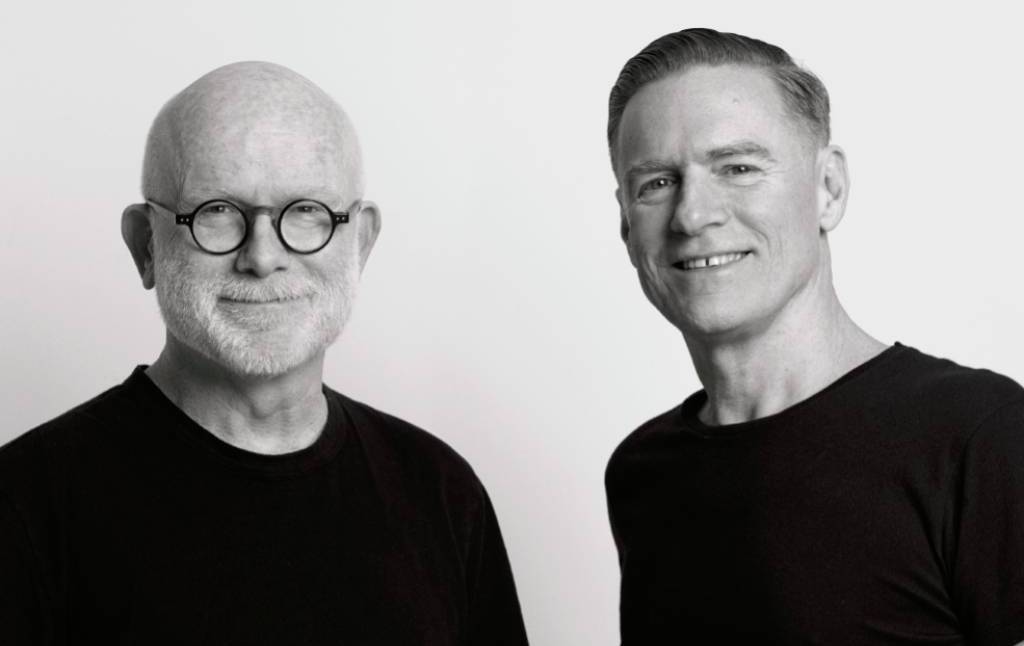
JIm Vallance, Bryan Adams – 2022
Are you still, do you still write a lot?
No, I’m kind of done, I think. I’m 73. I did it every day for 50 years.
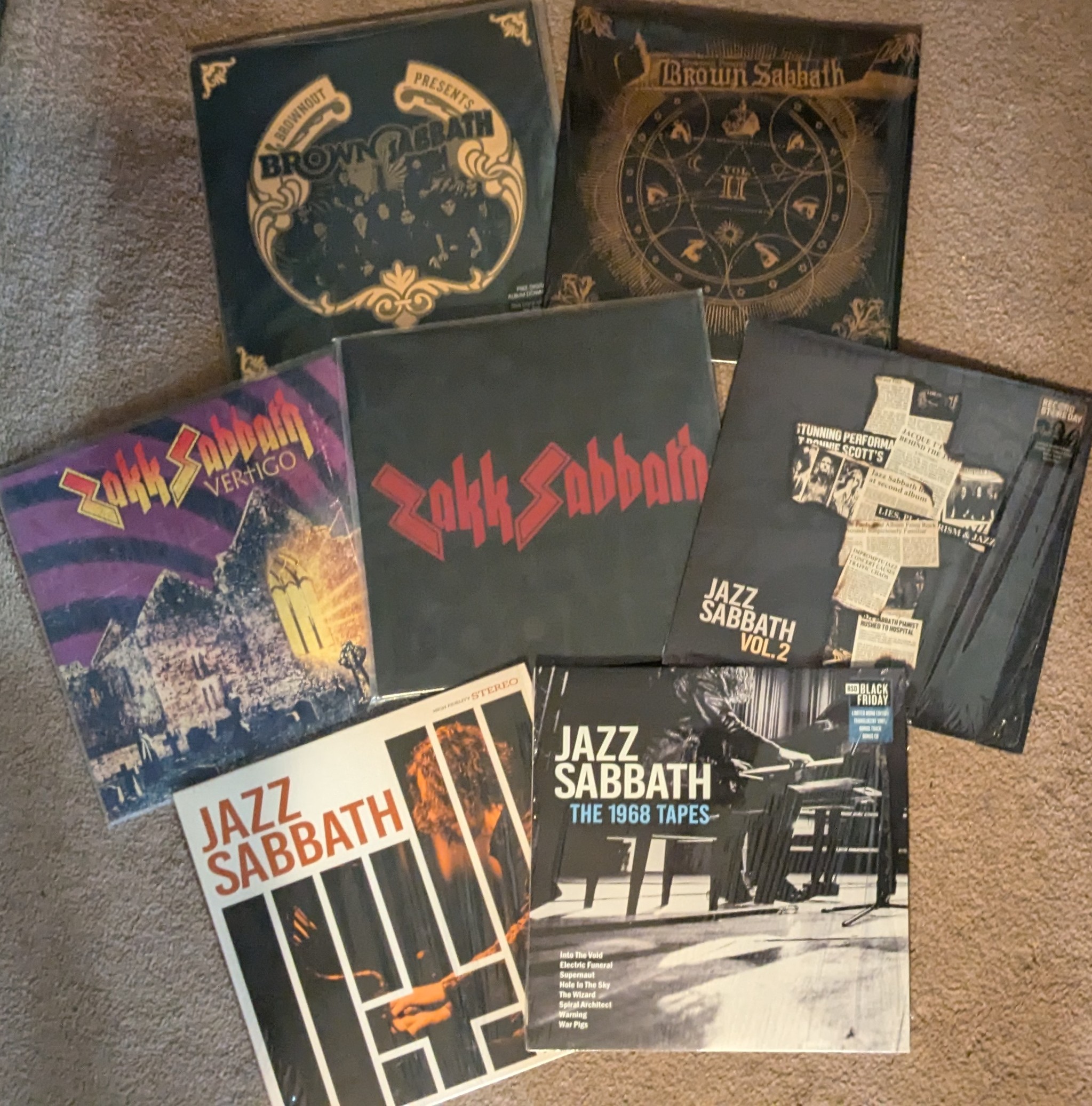
With the latest release of classic Black Sabbath tunes from JAZZ SABBATH, and one earlier this year from ZAKK SABBATH, I thought I’d take a look (list) those acts out there who are paying homage to Sabbath’s music, while doing something different with it, and releasing albums. I don’t have everything here, but I recently picked up the latest Jazz Sabbath on vinyl, and hope to find a few on this list that I am missing. If there are any glaring omissions (Sabbath cover bands that actually record and do something different!), please leave it in the comments!
JAZZ SABBATH
Featuring keyboard player Adam Wakeman, who has toured with both Black Sabbath & Ozzy, and who’s father played on Sabbath & Ozzty recordings. This is Sabbath done jazz style. No vocals, no heavy guitars. Quite interesting. Jazz Sabbath have just released their 3rd album of Sabbath songs redone in jazz style, The 1968 Tapes. www.jazzsabbath.net
ZAKK SABBATH
Lead by Ozzy’s longtime guitar player Zakk Wylde, Zakk Sabbath has 2 albums out, totaling 3 LPs – covering Sabbath’s first 3 albums. Zakk tries to stay faithful to the heavy Sabbath sound and does a decent job on vocals as well. www.zakksabbath.bandcamp.com
BROWN SABBATH
Brown Sabbath (aka Brownout), from Texas have released a couple of albums of Sabbath material done in latin / funk style. This stuff has to be heard. Excellent vocals, complete with horns and whatever else, giving the Sabbath classics a whole new feel. Haven’t seen any updates on these guys for a while. They have recorded their own material under the name ‘Brownout.’ https://www.brownoutmusic.com/brown-sabbath
MAC SABBATH
A US parody band, these guys dress up as McDonald’s characters, and re-write the lyrics to fast food agenda. Funny, yet very dark and very heavy. They have one album out – DriveThru Metal (2021). www.officialmacsabbath.com
BLACK SABBITCH
An all-female band playing the Sabbath classics. They’ve released 1 – 3 track ep (sold at shows and online, presumably), which is taken from the band’s upcoming full album. www.blacksabbitch.com
HAND OF DOOM
Lead by former Hole & Smashing Pumpkins bass player (and Canadian) Melissa Auf der Maur, who is the singer here. Hand Of Doom existed for a few years (2000-2003) and released 1 album Live In Los Angeles (’02). Sounds good, an interesting spin on things, and one I need to find.
Lee Kerslake was the drummer and important member in the success of the bands Uriah Heep, and Ozzy Osbourne’s Blizzard of Ozz . He would also write and contribute backing vocals & melodies to a number of huge classic albums. His passed on Saturday having lived beyond the short period doctors had given him in 2018 when diagnosed with cancer. The man was determined to make the most of his last few years – including a documentary on his life & career, a solo album [both yet to be released], and generally trying to stay positive and productive, despite knowing the end was near.
As a pre-teen when I first heard the 2 Blizzard Of Ozz albums, and owning them soon after, I loved them – played them repeatedly, and still take them out regularly. Back then I was a fan of these albums [and followed Ozzy during the 80s], I hadn’t yet discovered Uriah Heep, but I knew Lee Kerslake’s name – it was on 2 of my favorite albums! I didn’t discover Heep for a few years, or understand why Lee [and Bob] were no longer in Ozzy’s band, aside from one mention in an interview where Ozzy claimed Lee went back to rejoin Heep. Discovering Lee’s work with Heep and all his related recordings was a game changer for me.
From Bournemouth, England, Lee’s first break came when he became the drummer for London based The Gods, a band perhaps better known for the bandmembers that passed through it than the 2 albums, and numerous singles they’d released in the latter half of the 60s. At the time of recording the band also consisted of Ken Hensley, Joe Konas, John Glascock, with former members including Paul Newton, Mick Taylor, Brian Glascock, and Greg Lake. Lee played, wrote, and sang back-up on both of the band’s albums – 1968’s Genesis and 1969’s To Samuel A Son. From the first album [the better of the pair, IMO] he co-wrote 3 songs with guitarist / singer Joe Konas – “Misleading Colors”, “You’re My Life” and “Time And Eternity” – with the first one being one of the heavier songs the band did. On the band’s second album, Lee wrote 2 tracks – “Lovely Anita” and “Eight O’Clock In The Morning”, the latter being a favorite, and reminds me of Heep’s “Circle Of Hands”. The Gods joined Cliff Bennett and became Toe Fat, with Lee playing on the first Toe Fat album, as well as joining Ken Hensley for the recording of Head Machine’s Orgasm LP. He then joined The Business, who became National Head Band, and issued their lone LP Albert 1 in 1971. This also included keyboard player Jan Schelhaas [pre Caravan, Camel], guitarist Neil Ford, and bass player Dave Paull [who would later join Lee on Ken Hensley’s first solo album]. The album would be a fine blend of pop, folk & country rock, progressive… but it didn’t go anywhere and the band split up, with Lee joining Uriah Heep in late ’71. Lee joined Uriah Heep for the band’s most successful album – Demons And Wizards. The album was the band’s 4th, and it would be the one that featured such radio hits and classics – “Easy Livin” and “The Wizard”. Lee’s would jump right in co-writing on 3 tracks. The album’s success is often put down to the new line-up with Kerslake, Hensley, David Byron, Mick Box, and then-new bass player Gary Thain all jelling so well. This would become what is known as the “classic” line up of Heep for the next few years, and include the albums The Magician’s Birthday, Live January 1973, Sweet Freedom, and Wonderworld. The epic title track to The Magician’s Birthday, would feature a lengthy guitar & drum section, perhaps Lee’s most famous contribution to Heep’s legacy as a co-writer and for his performance. Following the departure [and passing] of Gary Thain following Wonderworld, it was Lee who would help bring in bassist John Wetton for the next few albums, as a friend from the same region in England. The band would see further changes, with a another bass player [Trevor Bolder] and new frontman [John Lawton], within a couple of years. Lee would continue to write and shine on the band’s albums in the latter half of the 70s, contributing the songs “Who Needs Me”, from Firefly [which featured in the band’s live set during the era] and “Come Back To Me”, a ballad and single from Fallen Angel. Lee had also played on the debut solo albums by Hensley and Byron. Lee left the band prior to the next album being completed. He went on to start his own project , and worked on material with Pete Cox [pre Go West]. But before long he was contacted to audition for Ozzy Osbourne’s new band, or as Lee would say “I auditioned them.” He was an instant hit with bassist Bob Daisley and guitarist Randy Rhoads, and joined what was known as Blizzard Of Ozz. The band recorded 2 albums, and 2 albums that are sacred to most Osbourne fans, with such classics as “I Don’t Know”, “Crazy Train”, “Mr. Crowley”, Flying High Again”, “Believer”… with the heavy performances of Lee & Bob, and the spectacular new guitar sound and skills of a young Randy Rhoads – Blizzard Of Ozz could’ve been one of the greatest bands of all time, but after the 2 second album Diary Of A Madman, Lee & Bob were left off the album photo and out of the band before Ozzy went to tour North America with their replacements. Lee also co-wrote on most of Diary, but it also his performances on these albums, and in particular his intros to “Over The Mountain” & “Little Dolls”, as well as the tracks “I Dont Know”, “Steal Away [The Night]”, and the title track to Diary of A Madman that made Lee Kerslake such a crucial part of the band and a legend to many new fans of these albums for decades to come. On the last few Uriah Heep albums Lee had been on were been less of the ‘eavy, but with these 2 Blizzard albums Lee was playing like he hadn’t played in years, with new and exciting energy. Upon being let go from Blizzard Of Ozz, Lee was key in helping Mick Box reassemble Uriah Heep, by bringing with him Bob Daisley, and having been friends with John Sinclair [keyboard player] to help bring him in to the band. The ’80s Heep was off and running, [along with singer Peter Goalby], and released a trio of albums, most notably 1982’s Abominog. The new Heep sound was up to date, more Americanized hard-rock, with heavy guitar, various keyboards, harmonies; Heep was more like Foreigner – but heavier, and I think some of this new sound had to do with the energy that Lee [and Bob] brought with them from their previous recordings with Ozzy. After more changes in ’86 & ’87, Heep would be stable for the next few decades. Although, there was less albums, Lee was still a big part of the band’s sound and shone on 1995’s Sea Of Light, and 1998’s Sonic Origami. The latter would be Lee’s last studio album with the band [though a number of live albums & DVDs followed]. He was forced to retire in 2007 due to health issues, mainly arthritis. There was the short-lived supergroup Living Loud in the early 2000’s, who Lee – along with Bob Daisley, Steve Morse, Don Airey, and Jimmy Barnes recorded an album that featured half originals and 6 remakes of tracks from the Blizzard Of Ozz albums. In 2014 Lee Kerslake returned again for a one-off album with guitarist/singer Stefan Berggren. Their album The Sun Has Gone Hazy, was an excellent return for Lee as a performer & songwriter. This was a solid release of classic rock that would appeal to any fan of Lee or Heep. It would prove to be Lee’s final album to promote [though a solo album has been recorded titled Eleventeen] , and I was happy to interview him during this period. I thought it was a great album with songs like “Walk Tall”, the Heep resembling “Super Sonic Dream”, and “As Time Goes By”. Upon being diagnosed with cancer, Lee’s final years would include being inducted in to the Heavy Metal Hall Of Fame, as well as finally receiving his Platinum LP Awards for his 2 albums recorded with Blizzard of Ozz [via the Osbournes]. He also kept in contact via social media with his fans. And despite all the legal issues with the Osbournes over the years , he was quick to forgive and forget in the press and thankful for his awards. A man who was happy for being recognized for his achievements, his fans, and proud of his career. Will be missed, but left behind an amazing legacy of music to check out and enjoy.
A LOOK AT LEE’S CAREER IN SONGS
Here’s 20I classic tracks that Lee wrote (or co-wrote) and/or performed on:

 Outsider Rock