Metalville Records is reissuing SWEET’s 2002 album Sweetlife. At the time SWEET consisted of guitarist Andy Scott, along with drummer Bruce Bisland (Widlfire, Statetrooper, Praying Mantis), keyboard player Steve Grant (Top Secret, The Animals), and bassist Jeff Brown (Widfire, Statetrooper, Cats In Space) – also handling lead vocals here.
As a fan of The Sweet’s 70s albums, I have a hard time getting in to much Sweet beyond Brian Connolly, and then more so after Steve Priest left the band (albeit the Live At The Marquee with Phil Lanzon and Paul Mario Day is a solid release). But Sweetlife has some very good tracks, notably “Everything”, “Never Say Forever”, “Everybody Wants To”, “You’re Crazy”, and the acoustic “Leap Of Faith”. The band tries real hard on this album to recapture the magic, especially with excellent backing vocals throughout this. A pretty good album overall. I am curious to see how far back Metalville will go with these Sweet reissues.
The album offers 11 outstanding AOR songs. Long out of print and sought after by many fans, the album is finally back in stores on CD and vinyl.
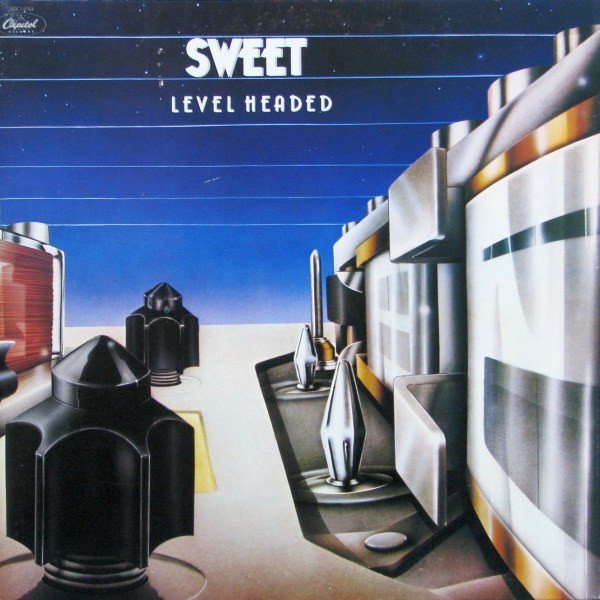
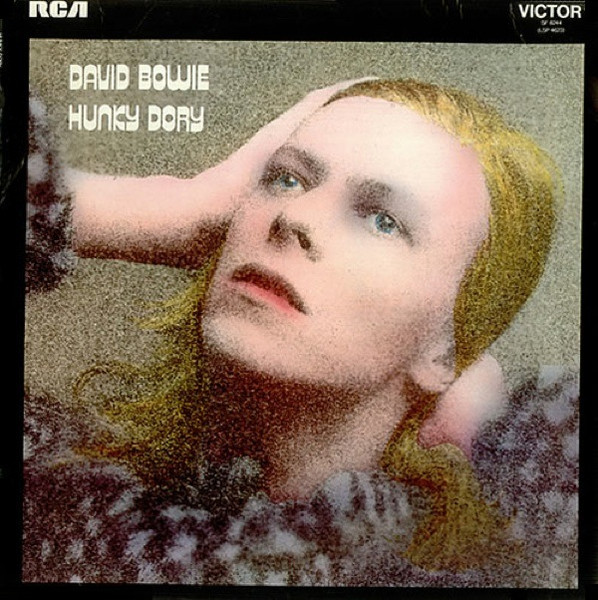
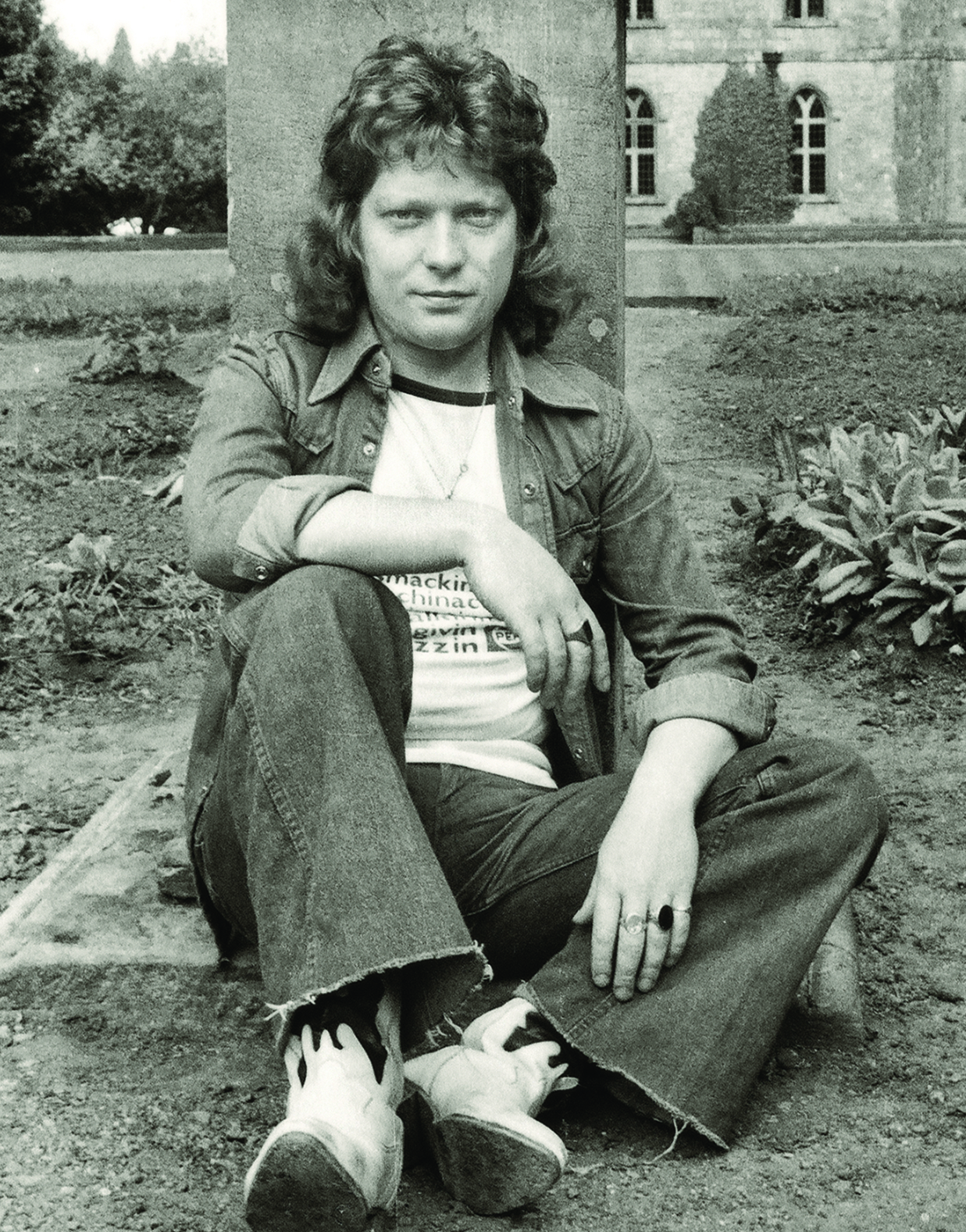
British artist Terry Pastor contributed to a number of album covers in the ’70s, 80s, and still does on occasion. Although album cover art was not his only thing going, Pastor did work on iconic covers by David Bowie, as well as a couple of classic SWEET covers he illustrated, which sparked my interest.
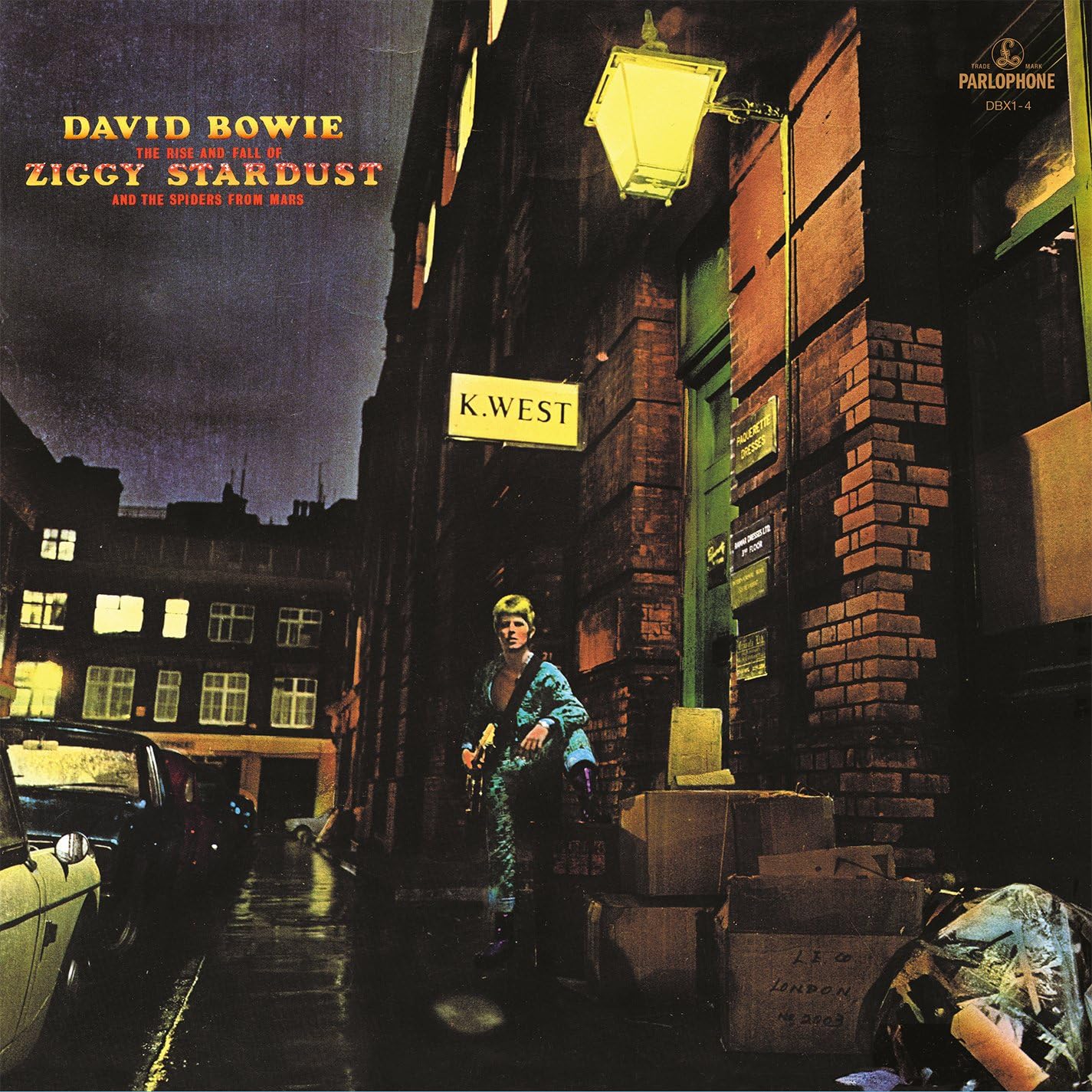
In our conversation below Terry talks ab out his contributions to the covers for SWEET’s ‘Off The Record’ and ‘Level Headed’ albums, as well as David Bowie’s ‘Hunky Dory’ and ‘Ziggy Stardust’. Terry also shares stories on a few other covers he worked on, as well as aspects of his career. Beyond the interview I’ve added in more images of album covers by Terry, as well as additional notes, and links to websites featuring Terry and his work.
I want to talk about how you first got into the whole art thing, as far as what led to getting into album covers and the music stuff.
When I was at school, I just always liked drawing and stuff, and I suppose I was always an artist, so there was that. When it came to record covers, I suppose maybe at the time, in the late 60s and 70s, most record covers were sort of artwork rather than typo or photographs. So, that sort of work suited my style, really.
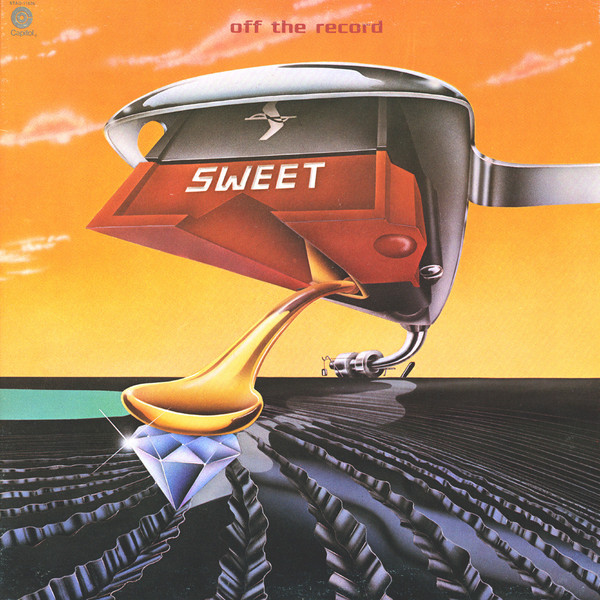
I think with things like the SWEET covers, I didn’t have really too much to do with the input, because if I remember rightly, there was a junior engineer, that was working on producing both the Sweet LPs that I did the covers for, and basically it was his idea in both cases. He just came to me and said, “oh, I just want this idea painted”. So, I didn’t have a lot of input, in a sense, with either of those covers when it came to the idea. Maybe the way they came eventually about was mine, but the initial idea wasn’t mine at all. It was this engineer chap.
Was it Norman Goodman?
It rings a bell, yes. I think he was quite a young guy. I don’t think he was the major engineer. I think he was the junior engineer, or whatever there.
So, he gave you the idea and you kind of had to go with that?
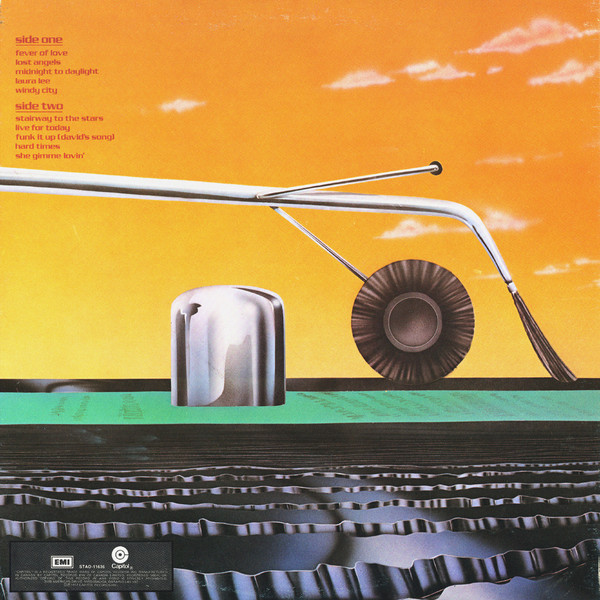
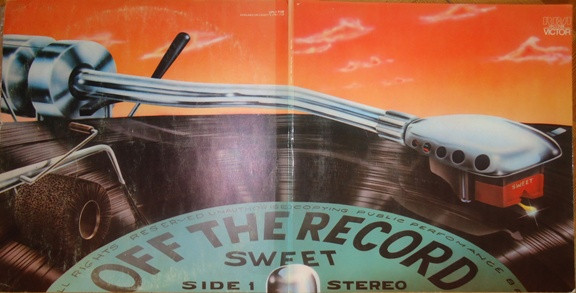
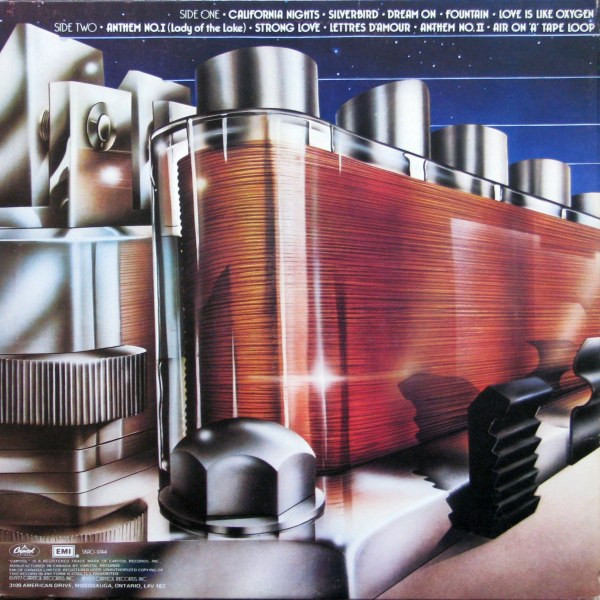
Yes. He came up with what he wanted and then I sort of tried to make it work. I remember things like the stylus, the needle on the actual pick-up arm, that was meant to be a coke spoon, so it was like a drug reference, which was very sort of predominant at that period. Drugs and musicians seemed to be quite a thing then.
It’s a very detailed, very bright cover. Obviously going over to the back, so it’s one continuous thing.
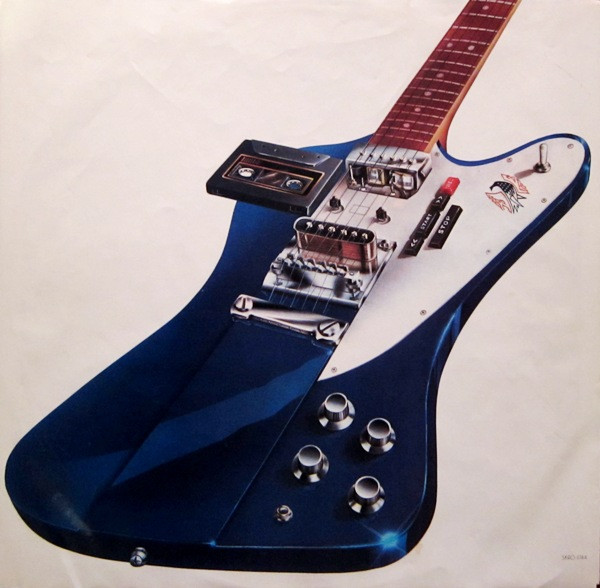
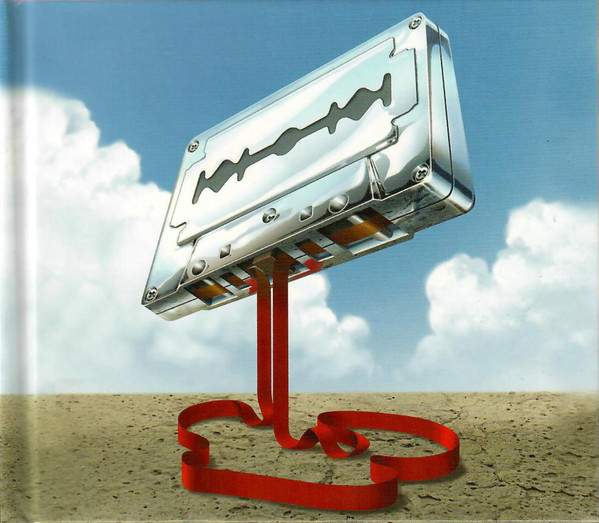
When it came to doing the second cover, because they’d obviously been pleased with the first one, and he came to me again with this idea of having this – basically like an electric guitar, but where the pick-ups were on the top of the guitar, it was like a cassette player sort of mechanism there. So, it was like a cassette player, built into the guitar in between the pick-ups. That was the idea of it, I guess.
Yeah, it’s interesting because obviously there was a couple of different covers, but you can see the similarities between this one and Off The Record. Did you have any contact with the band, other than the engineer?
No, I didn’t hear two words, sadly. I do remember thinking that, I had a couple of their LPs given to me to get an idea about what they were about, but I knew they were sort of very commercial stuff, that was on Top Of The Pops and all that stuff, but I remember thinking that the guitarist was sort of like, not wasted on the band, but he was certainly a lot better than really the music they were doing. He was capable of more stuff, I always felt. He was an interesting guitarist, and I just felt he could have done other things. I’m not knocking the band, not at all, but I just felt that he was wasted on just that commercial stuff. He could have done better stuff than that. Maybe he has as well, I don’t know. I haven’t followed his career particularly, but…
He still runs the band. He’s the only guy left.
Is he!? Well, I think that whole thing, the age I was then, and I suppose having grown up, even as a school kid in the 50s, my music was really more sort of Little Richard and Eddie Cochran and all that…Chuck Berry, that sort of stuff. I already had sort of predetermined taste in music, and when it came to the glam rock thing, I didn’t really like it very much. It was not my scene at all, but everything has its use and its purpose, and it fits into, what society was expecting at that time. I understand that, but it wasn’t really my taste particularly. It’s the same thing happened to me when I was that much older again, when punk happened with the Sex Pistols, et cetera. I just thought, ‘Well, I sort of seen this with the Rolling Stones’. It was the same sort of deal, but suddenly they were public enemy number one, which the Rolling Stones were back in the 60s.
So, it wasn’t really anything new for me, and I didn’t really get what all the fuss was about, but then again, I was that much older, and not that easily turned on as maybe an impressionable sort of like 15-year-old would have been.
One thing about the Level Headed cover… The guitar on the inside, the blue guitar?
I think it was, was it a Gibson Firebird, was it!? It’s all hand airbrushed.
Did that come from, did somebody give you a picture of a guitar, or…
They wanted it to be a Gibson Firebird, I think, and that’s probably why I chose that guitar. I probably had some sort of photographic reference initially, and then from there, I just did the thing with the cassette, being pushed in between the pickups, etc.
Now you also did some Bowie stuff, Ziggy Stardust, a lot of that stuff was pretty out there at the time.
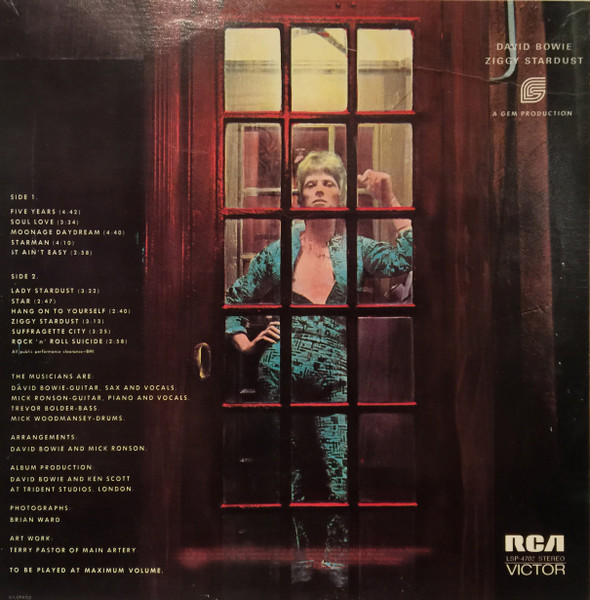
Yeah, I did Hunky Dory and Ziggy Stardust, which were interesting covers. Not really my scene at the time, because they were just colored up, airbrushed, retouched, and colored photographs, which I didn’t normally do. I also designed the covers choosing the typography which I designed and hand colored with the airbrush. They worked out very well.
I did the Hunky Dory one first, and I think because David liked it, he just wanted the same treatment done for Ziggy Stardust. And in fact, at that time he didn’t really have a great deal of input into the covers, in the sense of, he phoned me one evening when I was working on Ziggy, at my studio, and wanted to know how it was going. And I said, ‘well, I’ve finished the front, and I was working on the back cover,’ and he said, ‘Oh, is there something on the back?’ I said, ‘Yeah, it’s you in the phone box’. And he said, ‘Oh I can’t wait to see that. I didn’t know if we were going to use that’. So obviously, I think the management were driving it rather than he was at that stage. I guess maybe when he became much more established, probably had more input into how covers were to be done.
Well, he was very visual, right?
Yes.
I saw that you had a picture of Trevor Bolder at your website as well.
Okay, Sadly, since that thing at the Blue Plaque unveiling in Heddon Street, London, I think it was only about a year later, he died, which was very sad.
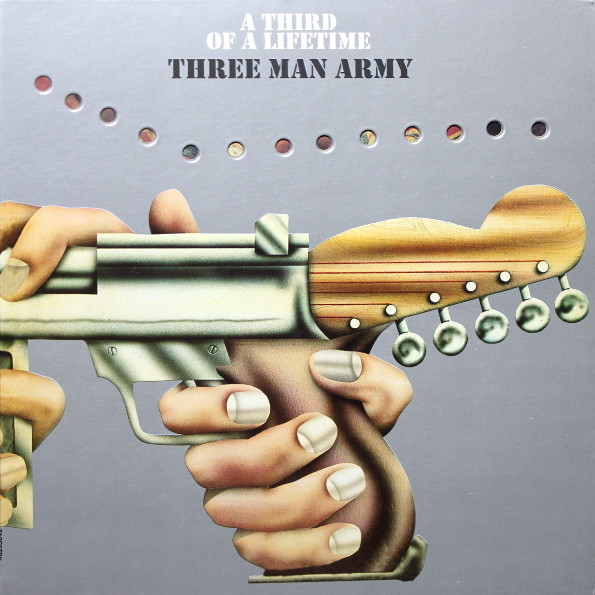
Looking through your covers, and the one cover I do like, it’s kind of a rare album, is the Three Man Army album.
Yeah, I sort of like it. I could do a lot better now. It was one of the first covers I’d ever done. And the interesting connection there was that when I did that cover, I was involved, to some extent, with a record producer called Shel Talmy.
I don’t know if you’ve heard of him. (Yeah), he did the Kinks stuff, and the Who, and a lot of stuff like that in the UK in the 60s. I was sort of working, not with him – but under him, with his sort of organisation. And that cover came about via Shel Talmy and his PR guy. So that’s how that happened, at that time.
Was he associated with that album? Because I don’t see his name on the credits anymore.
No, I don’t think Shel Talmy himself was involved in the production of it, but I think his production company had something to do with the fact that I did that cover, was because they were obviously maybe managing them, or they had some involvement, anyway, with the band, but maybe not with recording them… But I don’t remember too much. That was a long time ago now. This was 1971.
You’ve done a lot of covers in the 70s and beyond that. What stands out for you? Aside from the iconic ones that people remember the most, what were sort of the ones that you had the most input in, or most unhappy with?
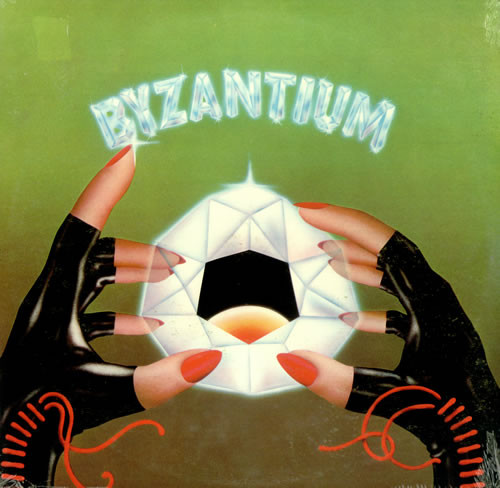
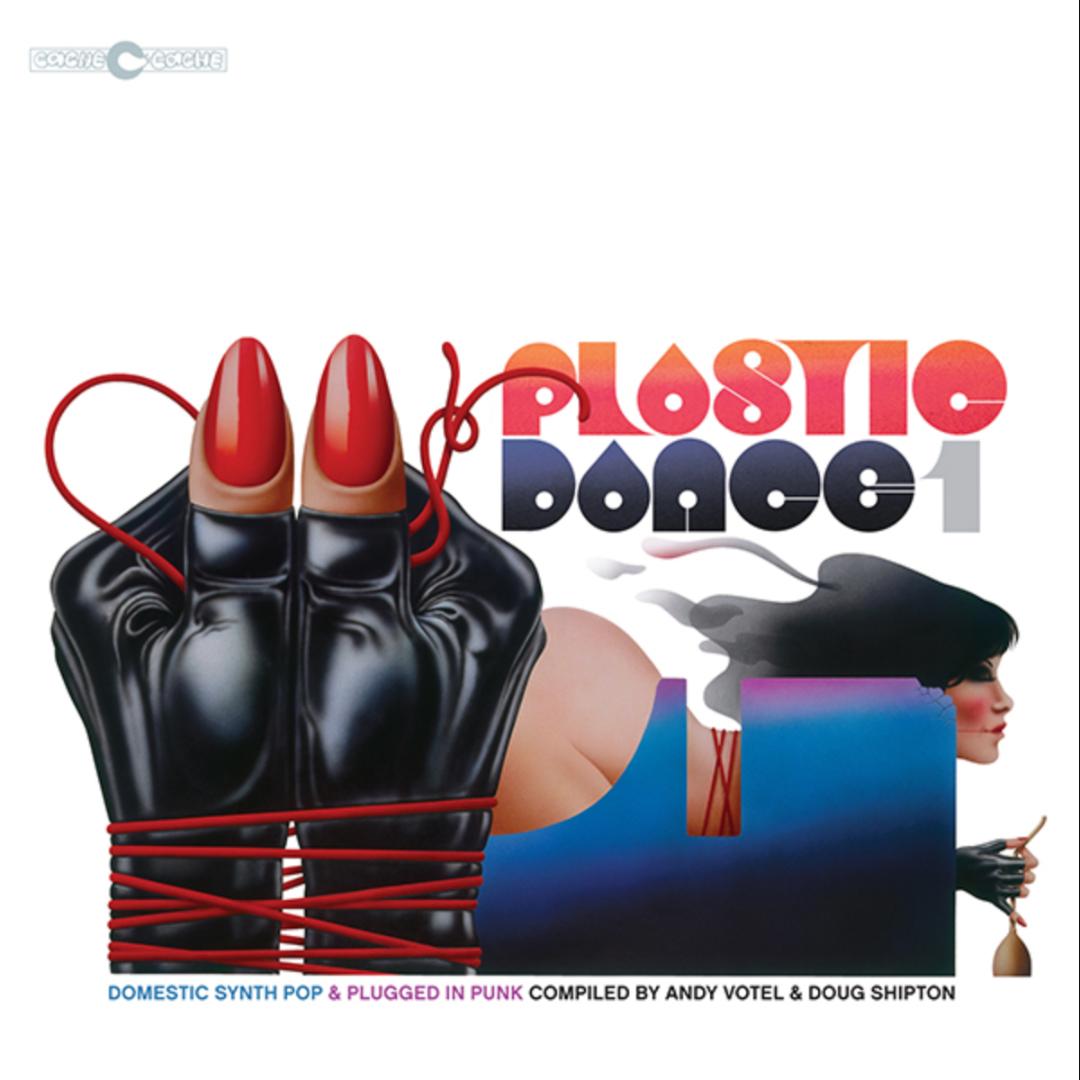
I did a cover for a band called Byzantium that were going around about 1971, maybe, 72… And that included Chas Jankel, he was later in Ian Drury and the Blockheads; it was his first band he was in. The connection there, interestingly with Bowie, is that I’d just finished the artwork for this Byzantium cover, and it was on my desk in my studio in Covent Garden, and David dropped in for a cup of tea, and he said, ‘Oh, I really love that cover, I love S&M”, because it was these sort of hands in black leather mittens. And he was quite into the, let’s say, the masochist sort of image. It was interesting that he saw that cover before the band did. So, he’s consolation for them.
The other thing that was rather sort of typical of the rock and roll business was that one of the band members said, ‘Oh, we’re having our first gig to promote the LP next Friday (or whatever). Come along’. So, I went along to the gig and went backstage before they went on into the dressing room, and they had this incredible argument, and they all walked off in different directions, never went on stage, and the band just disbanded before even doing promotion for the LP at all!
Wow!
Which was rather typical at that time, really.
That’s quite a story. Geez.
You hear so many stories about musicians not getting on. I remember a quote from George Harrison when he was friends with Eric Clapton when he was in Cream, and he went backstage before a concert. There was an incredible argument, and George Harrison said, ‘I’m glad I’m not in this band’. So, you can imagine that there was some bad feeling going on there between the members, and that seemed to be the case a lot of the time with groups.
I suppose the thing is, it’s a bit like you can choose your friends, but you can’t choose people you work with.
Have you been a part of any books or anything as far as a lot of these bands that have had books on them, like Bowie, The Sweet, and various others? Have you contributed to any of those?
Plenty of books not about the Sweet though, but particularly about Bowie and another that comes to mind is the Status Quo Rocking around the World, who published the book with the Princes Trust Charity. I did it because one of the Quo members is Andy Bown who is a great friend of mine and my son was helped by the Princes Trust Charity to start his career in music.
Occasionally I’ve been asked if there are prints available of their covers, which there are. Unfortunately, I never got the artwork back, so I don’t know what happened to that. I guess it’s in someone’s studio wall somewhere. That happens a lot with them. Probably if I sort of looked at my artwork through the years, which is hundreds and hundreds of things all together, I hardly had anything given back. It all just disappeared. That happened with both the Bowie covers I did. I never saw them again, so I don’t know what happened to them.
I know that I was at Bowie’s exhibition at the Victoria Albert Museum when that was on, and interestingly, I didn’t see any of my original artwork there at all. There was other artwork there, but not mine, so I don’t know if they’d chose not to put it in the show or if they didn’t have them either. But I do remember one thing. It was reported to be, it said it was the original artwork for Hunky Dory, but it wasn’t. It was some sort of copy that was very badly done. So that was interesting that it was supposed to be my artwork, but it wasn’t. I didn’t say anything. I just kept quiet. I didn’t want to cause waves, but I did say to my wife at that time, ‘Look, it’s saying I did this, and it’s not mine.’ So, I don’t know who did it, but anyway, there we are.
When you submitted things back then as art, that was kind of the end of it!?
No, generally, with record covers, there was never a problem with coming back for alterations. Sometimes with advertising, where they always wanted things altered, but with all the covers I’ve ever done, never had any bad feedback. I remember particularly taking the artwork for Ziggy Stardust to David’s manager, Tony Defries. I remember taking it to his offices in the West End and just giving him the artwork, and I said to him, ‘Oh, when am I going to get paid?’ And he said to his colleague, ‘You hold him and I’ll hit him, which is typical, so they didn’t really mean it, but it was that sort of rock and roll manager thing, never ask for money. But I did get paid; they paid me ok, so that was fine.
I don’t think I was paid very much for doing it. Probably a couple hundred pounds, but then, I think 200 pounds then is probably equivalent to about 3,000 pounds now…. So maybe I wasn’t too badly paid.
In retrospect, I think because all those album covers have become so iconic that the bands and that have made more on them through selling T-shirts and posters and everything else.
Yes, absolutely. I publish my own fine art prints of David Bowie which are very popular. Interestingly, when he died, the first year after he died, the amount of prints I sold was phenomenal. The minute someone dies, you don’t know what you’ve missed until it’s gone sort of thing. And people go crazy. I remember the day he died, that morning I was in bed about 8 o’clock in the morning and I just said to my wife, I’ll get up in a minute, and then the phone rang. and they said ‘Are you watching TV?’ And just as we switched it on, there was this thing coming up about David Bowie having died. And we said, oh, what’s happening here!? And then as we were watching this, the phone rang. It’s always when, you know, TV companies want to come and interview me. I thought I was going to have a quiet day, but it was like a mad day in the end. It’s bizarre, you know!?
Yeah, it’s a shame because obviously nowadays when people die, their albums and their worth gets ridiculous as far as, trying to go find something.
Well, I guess it’s the day that Brian Wilson has died. And it’s interesting the amount of people that are really sort of like, big hitters in the rock-pop business are all sort of saying he was like this genius, you know!? Which was nice, that he’s had that sort of accolade. Paul McCartney particularly has said that he was probably one of the greatest songwriters ever.
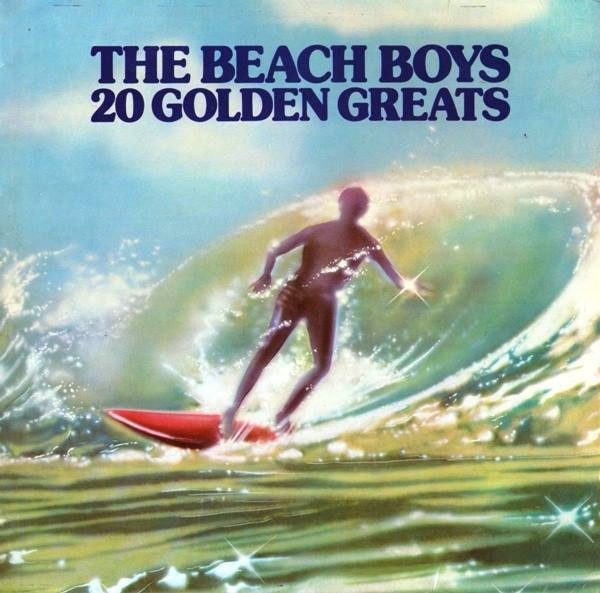
Now, you only did the one Beach Boys cover, right!?
I did, which was a terrible, terrible cover. Again, that was because, and I’m not saying it wasn’t my fault, but it was done through an advertising agency, and they wanted me to do this cover, and it wasn’t my idea, and I didn’t want to do it the way they wanted it. And the way it worked out just didn’t really work. There were two art directors in fact, and they both wanted it a certain way and I didn’t want to do it that way, so it ended up a bit of a mess. I mean, they could use it, which I was surprised about because it could have been better. But there we are, that’s the way it goes.
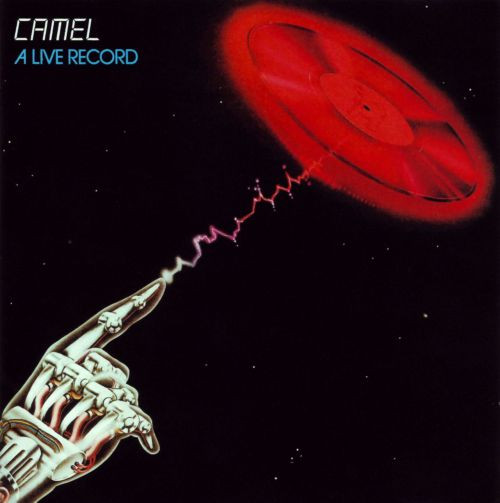
The Camel cover you did is kind of futuristic, with the robotic hand they’re pointing out to the record, obviously.
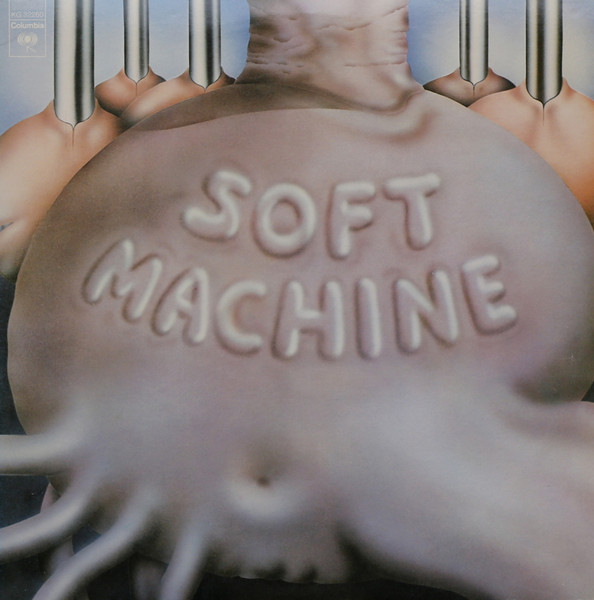
Yes, a very simplistic sort of cover, really. It could have been more. Another band I did a record cover for, who were quite a big band at the time was Soft Machine. It was a weird thing, like that sort of fleshy – pieces of flesh with metal rods going into them and stuff. And it was a mixture of machinery. I think it was Soft Machine 8. But again, I didn’t have much involvement with the band. They wanted me to do this cover; it was quite successful, I guess.
It sounds like I’ve done a lot of album covers. I haven’t really. I’ve done a few, but it certainly wasn’t my main source of work through the years at all.
You do books and what else?
Lots and lots of advertising work, which, I did because it paid a lot of money but I don’t particularly want to relate my name to the stuff because it was pretty crappy stuff and they paid well. I enjoyed record covers very much and I enjoyed book jackets. And a lot of double-page spreads for girlie mags and stuff like that, which was popular then and a good source of work.
But the advertising was where the money was. I mean, if you did a book jacket, maybe £300, £400, the equivalent amount of work in advertising would be £2,000. So, there’s a big, big difference in income. I was basically a hard-nosed commercial artist really, I guess at that time. Not so much now than I was then.
Do you still do album covers? You still working?
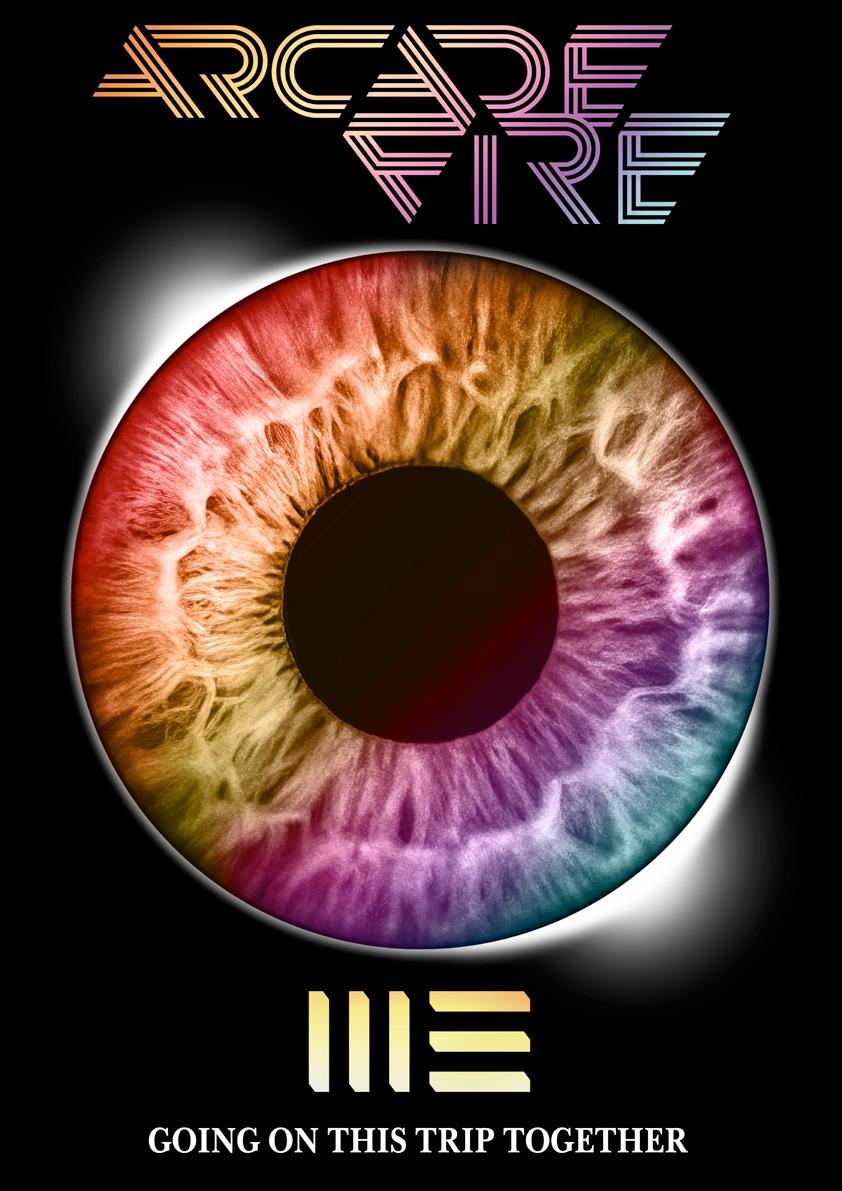
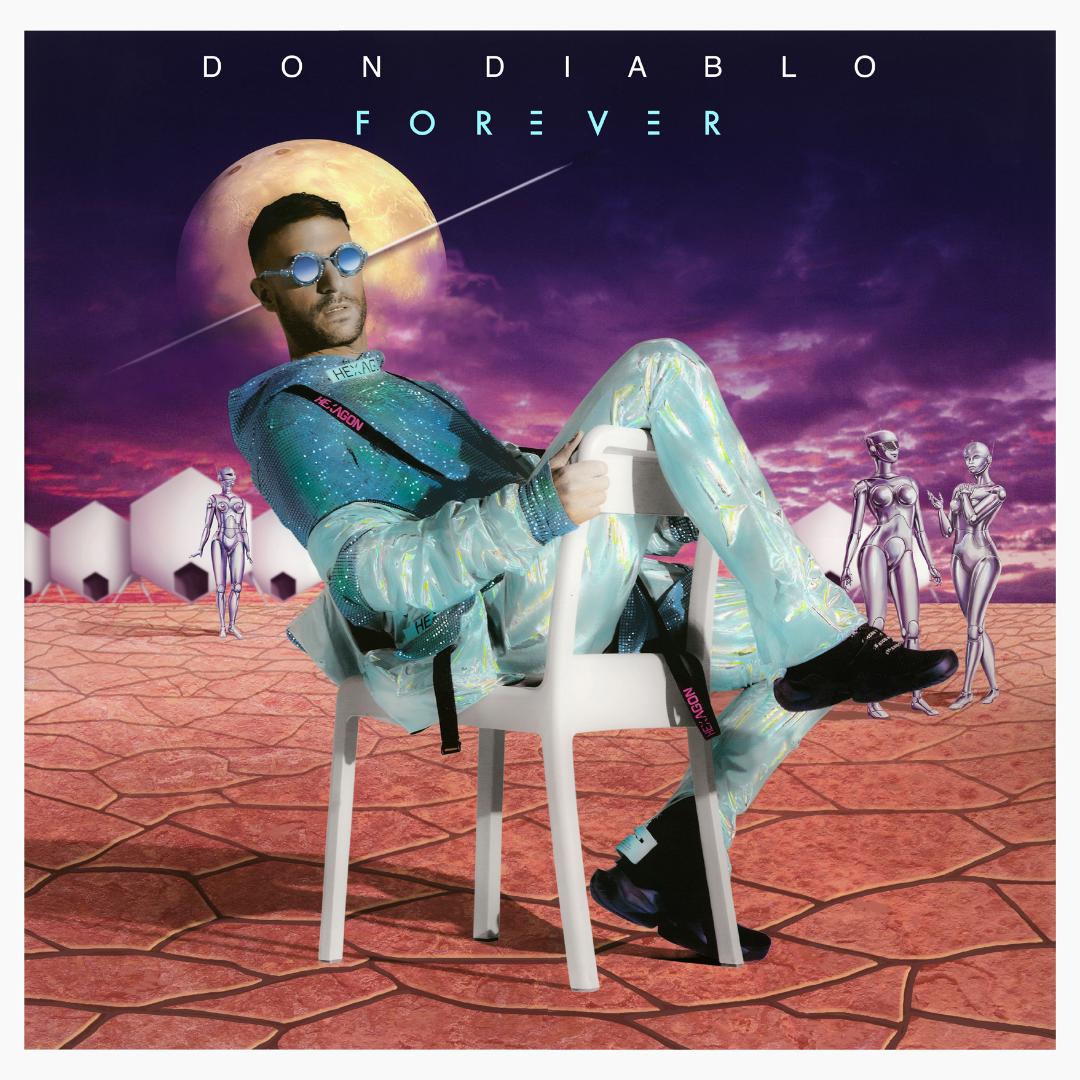
I have never stopped working, one of the most recent record albums I was commissioned to do was to provide the colored artwork for Arcade Fire, a most famous Canadian Indie Rock band who are absolutely huge in America who rang me out of the blue because they loved the hand airbrushing technique that I used on the Bowie record sleeves, plus I do collaborative work with great photographers like Mick Rock, Formento and Formento and Scarlet Page (Jimmy Page’s daughter).
Actually, the last actual cover I did was really for a CD cover. It was for a singer-songwriter called James Passey. I don’t know if you know him. He’s a folk-y sort of singer really. But that’s the last cover I did about a year or two ago. I also did a cover, actually I really liked the cover for a guy called Ginger Wildheart but he’s a bit sort of like below the radar, sort of guy. He was in a band called The Wild Hearts, but I think they were a bit underground really. I don’t know too much about them. I met him, lovely guy, very nice guy. The music’s a bit sort of not at all commercial, so you may not have heard of him really.
What else do you have on the go? Do you foresee yourself putting in your artwork?
Well, I really just do my own work now. Just my own sort of art prints and original artwork. But mostly art prints and publishing my own stuff. I get offered commissions, but don’t chase work. actually.
Additionally (some post-interview notes, adds, and links):
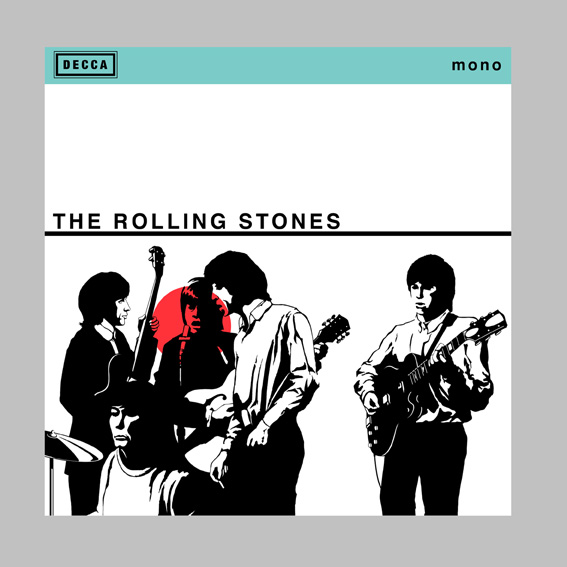
Some Interesting covers that were not used! (see below for explanations from Terry)
The Rolling Stones. Painted this in 1964.I was seventeen and a big Stones fan. Sent this to Decca records .They sent it back without any note or comment!
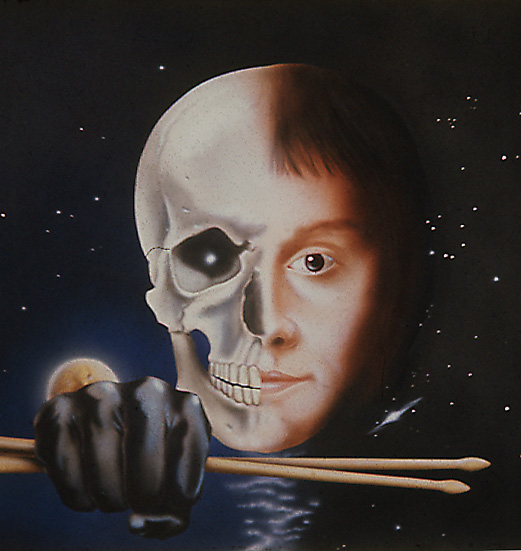
Carl Palmer cover: Although Carl came to my studio and liked the painting it was not used. Don’t know if he actually had a record released under his name or not? This would have been around 1976.
Andy Bown cover was never used. Although Andy wanted this image was his idea, the record company elected for a head shot of Andy instead. Around 2011.
Books featuring Terry Pastor’s work –
Status Quo: ‘Pictures, Forty Years of Hits‘.
‘Designed by Peter Saville‘. In conjunction with The Design Museum London. 2003
Lots of books on David Bowie, too many too mention.
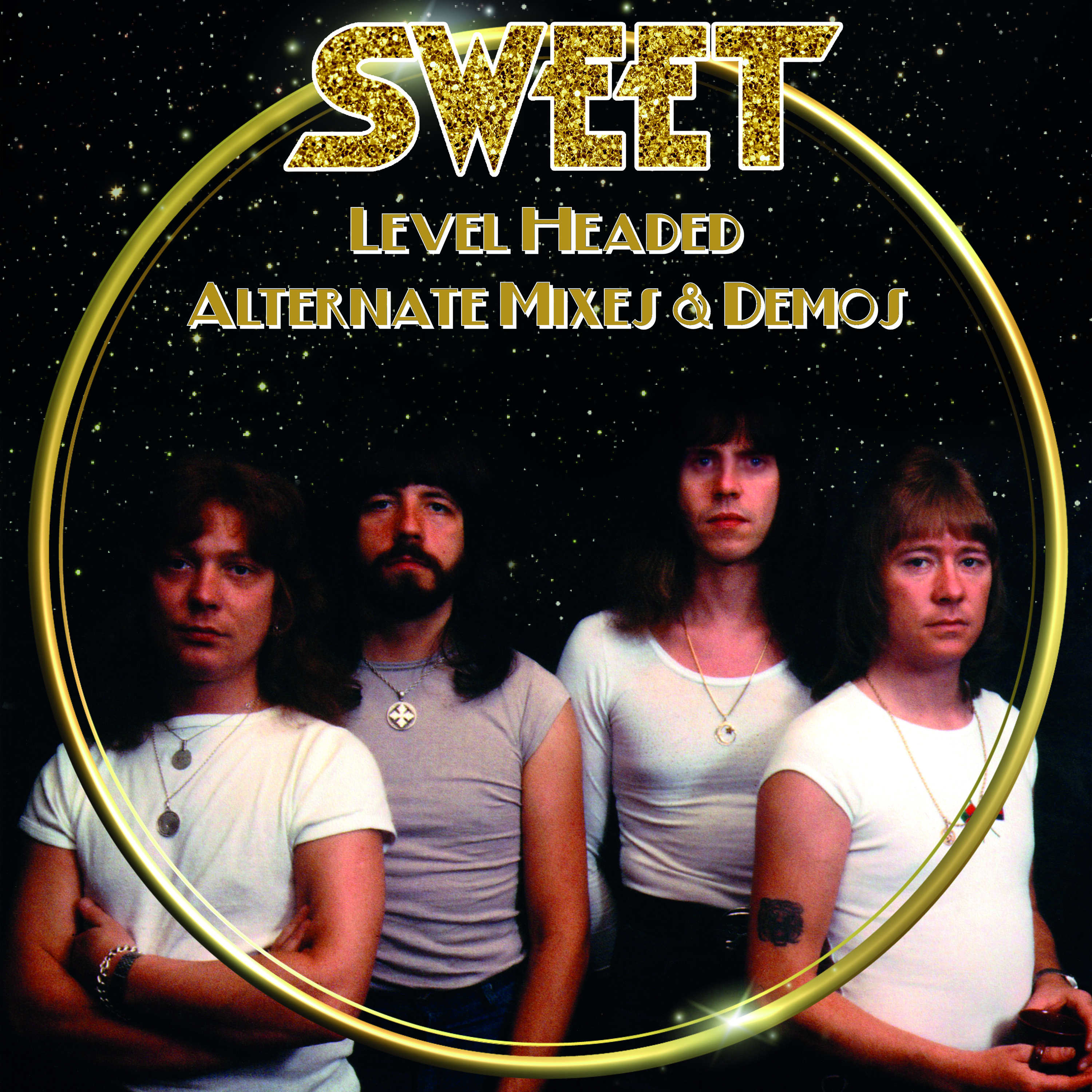
Metalville Records is releasing another set of archive recordings from the SWEET. This one being alternate mixes and demos from the Level Headed album. This looks like a new issue of a Record Store Day release from a few years ago. It does include an interview with Brian Connolly, as well as a shortened take of “Love Is Like Oxygen”, with a different vocal take (ending before the instrumental). What I also like here is a few of the instrumental (demo/rehearsal) takes – “California Nights”, the heavy “Unused Idea”, and “Air On A Tape Loop”. This is an interesting and enjoyable listen, as Level Headed was the album that saw a change from the band’s more hard-rock sound of the previous few albums, but listening to this, there was a lot of ‘rock’ here. Sadly, the last album to feature front-man Brian Connolly. But what a run of classic albums in the 70s. A ‘must’ for Sweet fans.
Level Headed, originally released in January 1978, was without doubt the most distinctive album SWEET had ever produced up to that point. AllMusic praised the album in their retrospective review for its wild mix of styles and the band’s shift from their earlier bubblegum singles to album-orientated rock.
In many ways, it was a gamble for SWEET. On the one hand, it shows many facets of the band that were easily overlooked on earlier albums and, at the same time, for the first time, new & previously unheard aspects.
Level Headed gave SWEET their last Top Ten hit with the dreamy “Love Is Like Oxygen,” a single that would later prove to be essential in the band’s oeuvre.
The new release Level Headed Alternate Mixes & Demos on METALVILLE RECORDS is a real rarity in SWEET’s catalog. The album was previously only available as a strictly limited vinyl version in the USA and will now be released on CD worldwide for the first time.




 Outsider Rock