
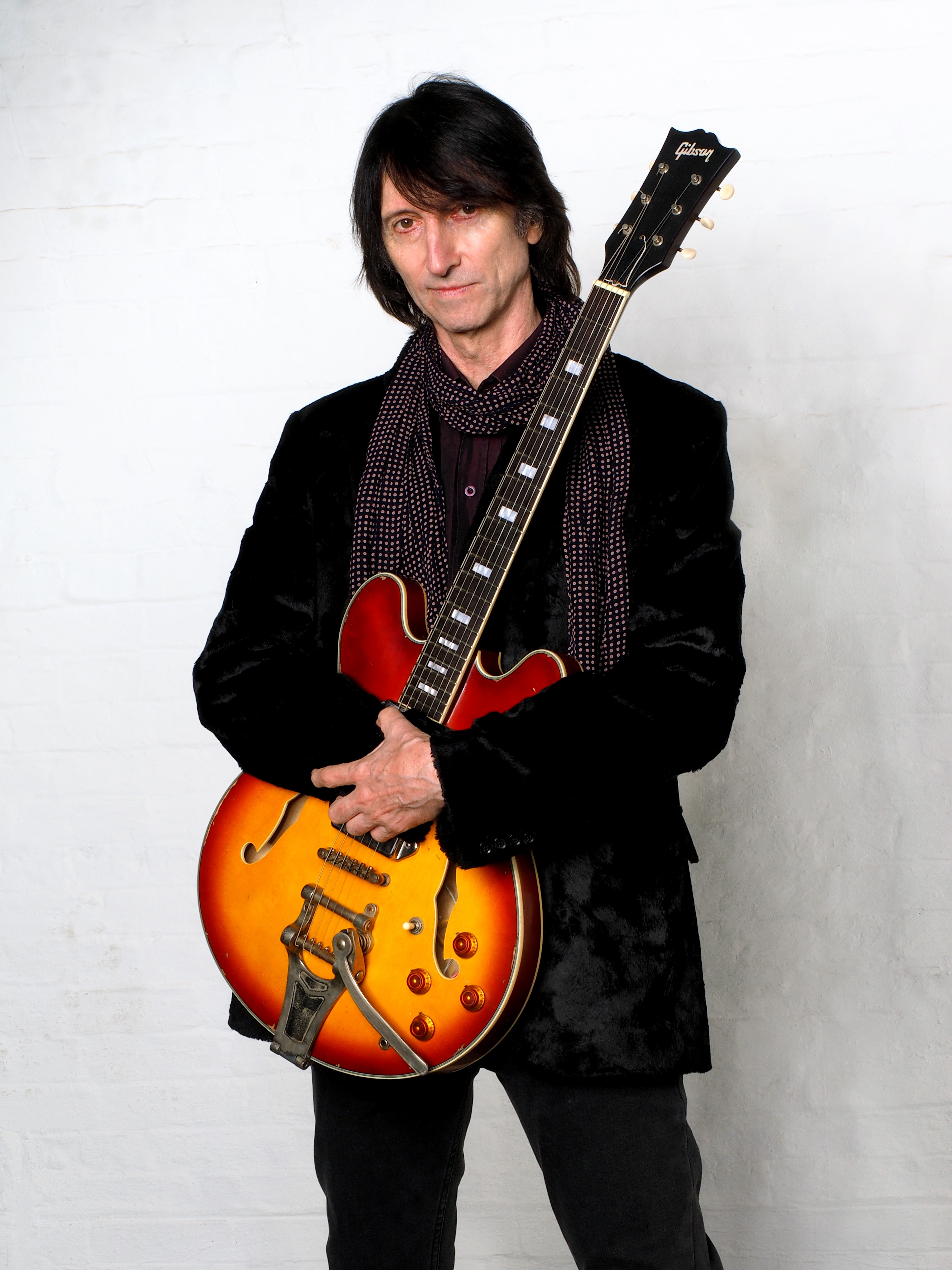
Bob Jackson has been part of the British rock scene since the late 60s, as a keyboard player / singer / songwriter. He is best known perhaps to classic rock fans as being part of the final BADFINGER line up that featured Pete Ham. The long lost album that Bob recorded as part of BADFINGER, Head First, was given a proper mix and release late late year, mainly due to the efforts of Bob. I recently had the privilege to interview Bob Jackson about the new Head First release, as well as touch on some of the other bands and recordings he was invoked in throughout the 70s.
If you haven’t checked out Head First yet, you are missing out on a fantastic & historic classic rock release! Check out my interview with Bob, as well as visit the links at the bottom.
Are you still active? I haven’t seen any shows or anything lately.
I’m not doing shows at the moment though. As you realize, the Head First thing kind of took more or less a year out of my time. So I dropped doing any shows. I’d still like to think I’ll do some in the future, but it really depends how the album goes really. I’m just waiting to see.
Can you kind of go through the circumstances of how you joined the band (?), because you joined to replace Pete and then you guys had a five piece for a bit and then Joey left before you guys made the album.
That’s right. First of all, Pete wasn’t there. I got this telegram saying, ‘would you like to come and audition?’ And I’d just come off the back of a tour with another band in the States. And I came home, I left the band, which I was with ROSS, and we just did a Clapton tour. And I came back, and got this telegram and it didn’t say who it was for, it just said ‘you’ve been recommended, would you like to come down to London and do an audition?’ So, I did. I went down there, found out it was Badfinger and I just jammed with the guys really. I didn’t know a lot of the album tracks they were talking about. So, I kind of was lucky enough to have the audition, as they say. And then we rehearsed for maybe two to three days, and then Pete showed up at the rehearsal room and it was a little strange. I’d not met him before, obviously, and the guys, it seemed, weren’t expecting him. That was my impression. Anyway, he watched for a little bit, listened and said it sounded great. And then he left, the four of them went out, leaving me with the roadie sitting there thinking, ‘Okay, where am I in all this now? What’s going to happen?’ They were about half an hour (whatever it was), and came back and basically said, well, Pete’s going to rejoin. He knows the sound of it.
And luckily, as I said, I was a bit nervous about the situation, but luckily they said, we want to keep you on, it sounded great! So that was it really. That’s how I kind of came to replace Pete. And then suddenly Pete was back. So then we did a British tour, and that went really well. We went down great. But at the end of the tour, Joey decided to leave. So that was that.
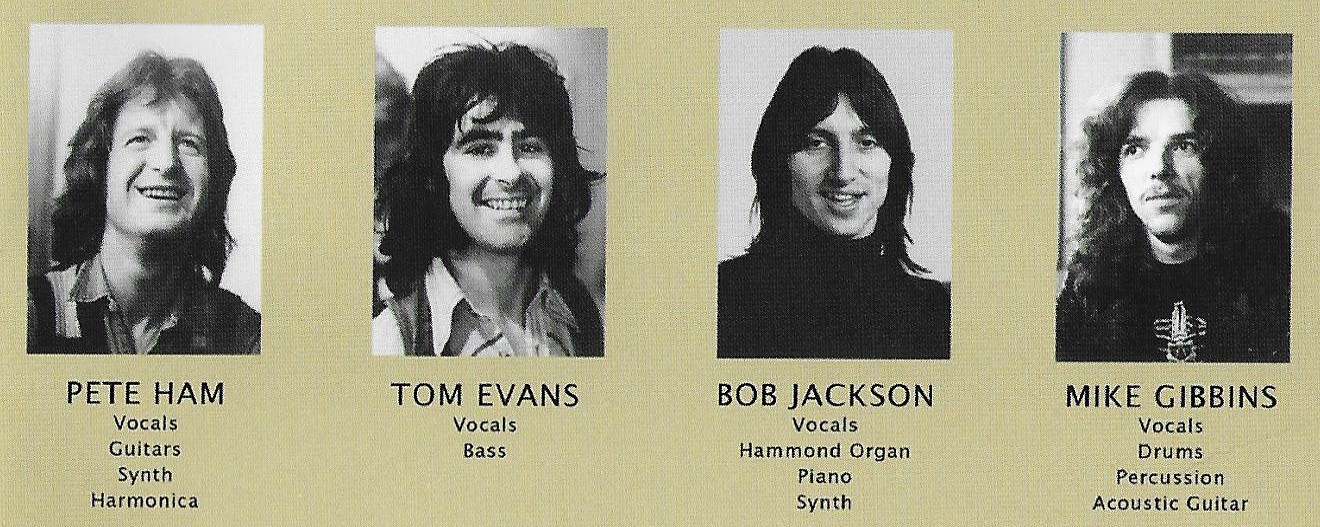
Did you get along with all the guys? Did you guys do much socializing outside of it, outside of the work?
Yeah. I socialized with them all, wherever I could. I was like the new boy, obviously. And yeah, I got on great with everyone. It was really good. Great atmosphere, great social atmosphere as well as a musical atmosphere.
Did you do any guitar work as far as on stage or demos or anything while you were in Badfinger?
No, not yet. Yes, I did, but not at that point.
I was just wondering about the dynamic when you guys became a four-piece again after Joey left, if the expectation was that you were going to be playing guitar on stage, when the band had gone on in that or…
Well, we really didn’t discuss… I mean, I suppose that would have been the obvious thing that I would have played maybe 50% guitar, 50% keyboard or something. But it never really came up because after the tour, it wasn’t that long, we suddenly got a call and it was a surprise call as well, saying that the band had to go back into Apple and start recording again. And this, as I’ve just said, that was a surprise to us all.
So, we didn’t really have time to think about the forward planning of would I play guitar, would I do…It was just all so kind of rushed and confusing. That’s probably how it would have panned out. I’m sure that I would have played some songs on guitar, some songs on keyboard, which was appropriate.
I guess the first songs from Head First that appeared, I have on a 1990 compilation called The Best of Badfinger Part Two. I’m curious how those came about, because obviously nothing was out at that time from the album.
Well, Warner’s decided that they wanted to put those tracks out. And, you know, as you say, not a complete album, but just three or four of them along with other tracks, ‘the best of’. I was kind of put out about that. I thought, ‘well this is ridiculous’. While I was delighted to see that something was happening, why not the whole album? And also, I had a thing about the legality of it – they didn’t own them as far as I was concerned, you know – the master recordings. But anyway, Warners being a big record company like that, they just did it, didn’t they!? They put it out. And so that was the first time that they appeared.
That must have caused, I guess, quite a bit of fan reaction as far as people kind of maybe got the ball rolling at that point to people, fans that wanted to hear the whole album then.
Well, I guess so. I mean, I think the album, from what I can gather from fans, from way back is that the Head First was always a bit of a holy grail. No one could find it. No one knew what was happening with it, least of all me. I’d inquired about it many times over the years, and I was always told that the tapes were missing from their place in the warehouse, and that they must have either been lost, misplaced, or stolen. And I think the public was the same. It was like, ‘what the hell’s happening with this?’ It was a bit of a mystery all round.
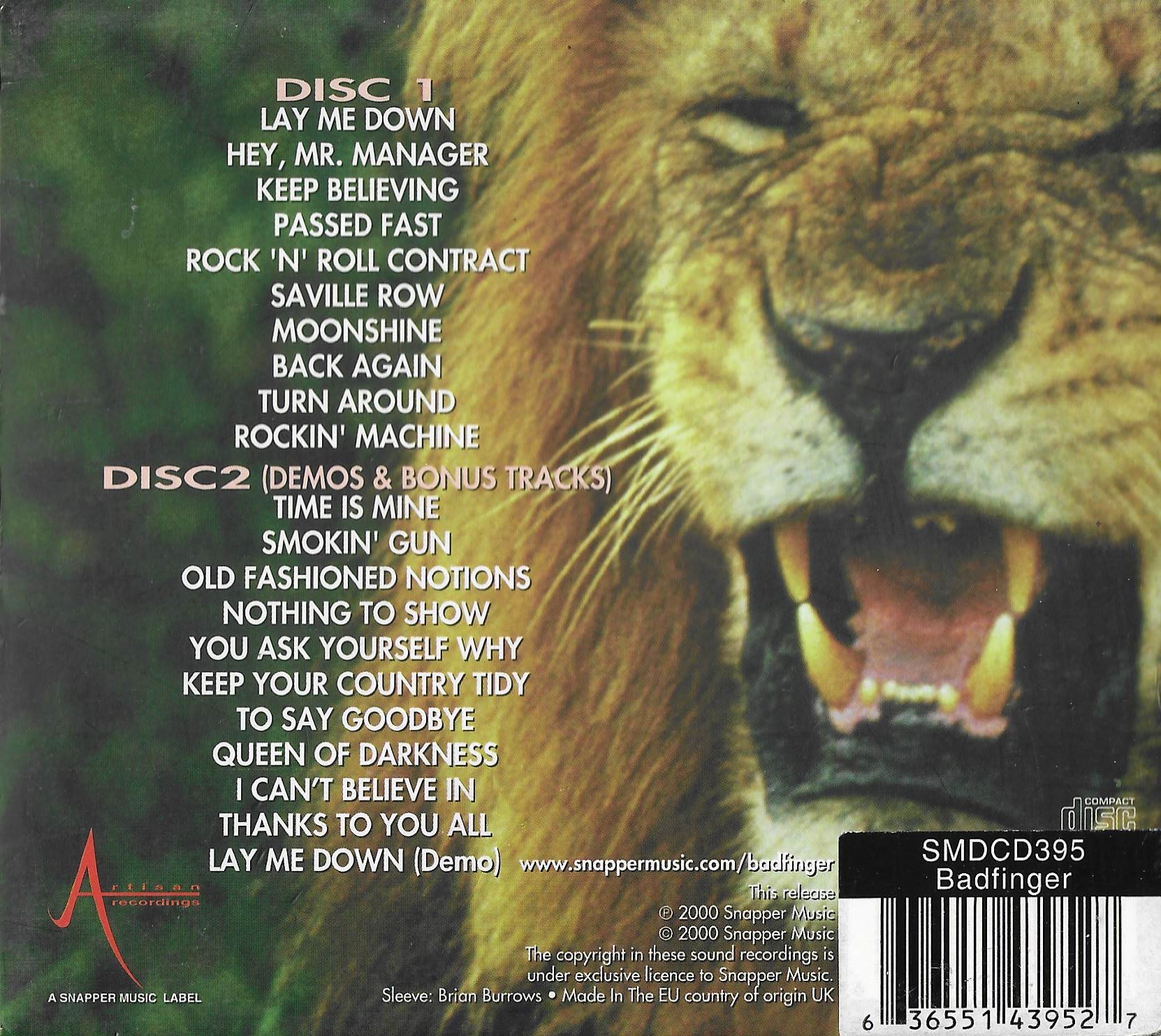
And over the years, many years, people were sort of saying, ‘well, what about this album?’ There was a demo going around, which was a demo that I had, and I eventually decided to release that on Snapper Records in 2000. I knew it was just a demo, but it was the best I could do, and I thought, if I don’t do this, nothing will ever come out. That was my feelings at the time.
Had you, Tom or Mike; did you guys ever discuss this album as far as eventually getting it, doing something with it?
Tommy and I did. I can’t remember talking to Mike too much about it. But of course, don’t forget, from quite early on, he was a resident in the States, so unless we rang up specifically to talk about something, I didn’t always see him. Tommy and I talked about the idea of it and said, ‘what ever happened to that’; because no one could find any evidence of the tapes and so on, and then, as I said, there was the argument about the ownership. But yeah, we never had a plan. We never knew what to do about it.
I want to talk about some of the songs, because the one thing that amazes me, and maybe it’s just the whole thing about Badfinger music in general, is that for the time and all the things going on within the band, it’s a very upbeat, very good-feeling album overall. You know!?
Well, it is on the surface, but if you kind of scratch away the veneer of it; the lyrics are pretty dark on a lot of the tracks.
Yeah, I get that from Tom’s songs.
But I know what you mean, yeah. It does have a kind of overall impression of being quite ‘up’.
The songs that you contributed and the songs that you wrote with Tom, how did they come about? Did you have any ideas kind of stored away already that you kind of brought in, or were these kind of all put together in those two weeks?
We didn’t bring anything in that was completed. Just about all the album was just put together from the time that we were told that the studio was being booked, which was about two or three weeks before having to go in. The only one that I’d done a bit of work on was a track of mine, “Turn Around”, which I’d got the guitar parts for it, and I hadn’t really got a lyric. So, I got some bits and bobs toward that. Tommy was saying ‘have you got any stuff already? Bring some stuff in along with the rest of us’. So, I brought that along and kind of wrote the lyric later, when we were in the situation to kind of reflect the position we were in.
And your tracks fit right in. I don’t know how much you guys discussed as far as the actual track listing, what the actual track listing would end up being, or the whole sequencing and that, but it’s well put together, the whole package as far as the flow of the songs and that.
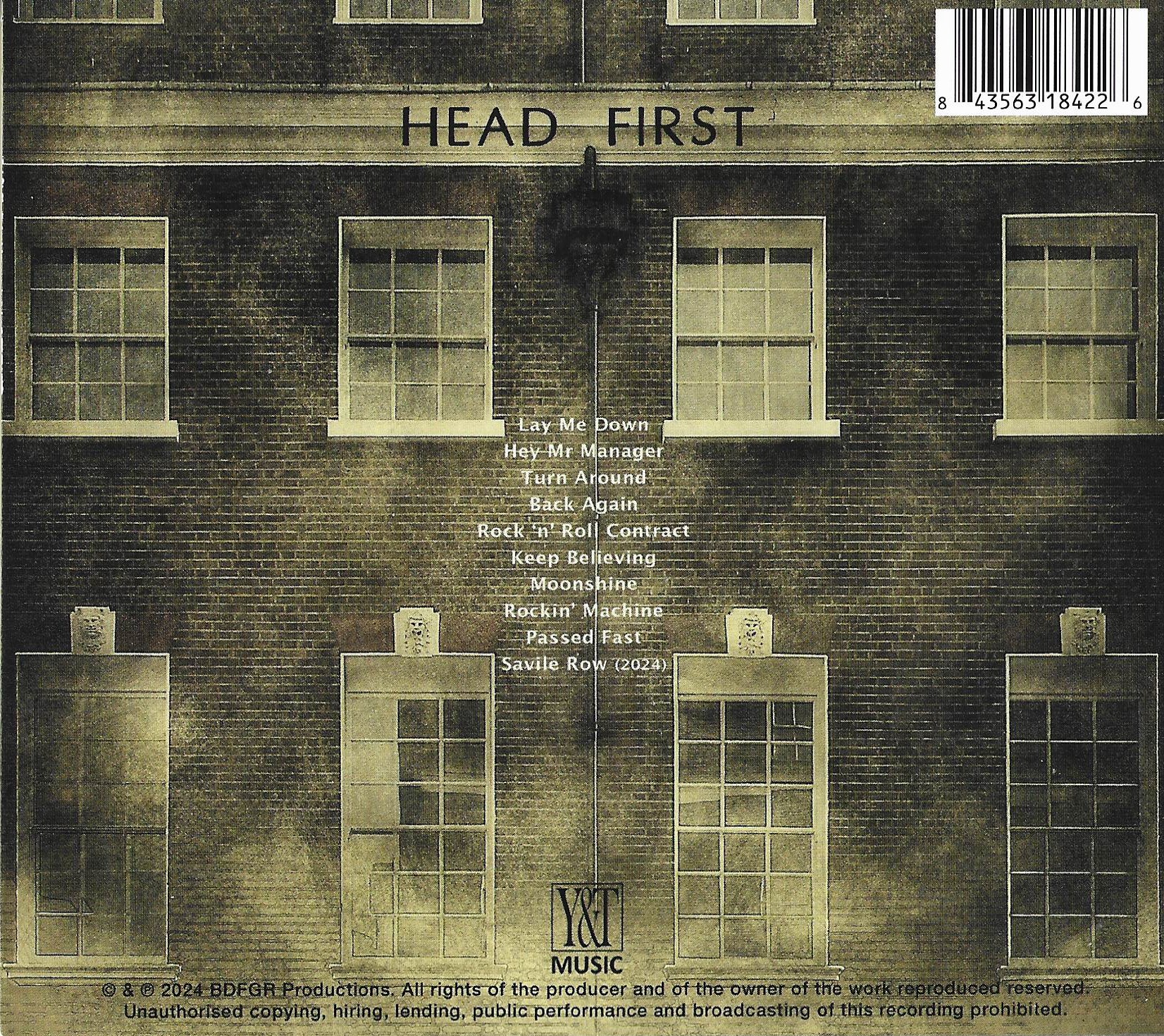
Yeah, I think it’s much improved. I gave it a lot of thought, the track listing, because I didn’t have anything to do with the 2000 one, I arranged it business-wise, but I had nothing to do with the production or the track listing. And by the way, we as a band, when we were in Apple recording it, we never discussed the track listing. So, the track listing, the old bootleg or demo you’ll hear, it wasn’t a decision made by the band. It was just all thrown together because we were in such a rush. So yeah, I thought by changing that running order around a little bit for this release last year.
As far as anything else that was talked about – the album title and album cover …I don’t know how much input you guys had in the album covers back then.
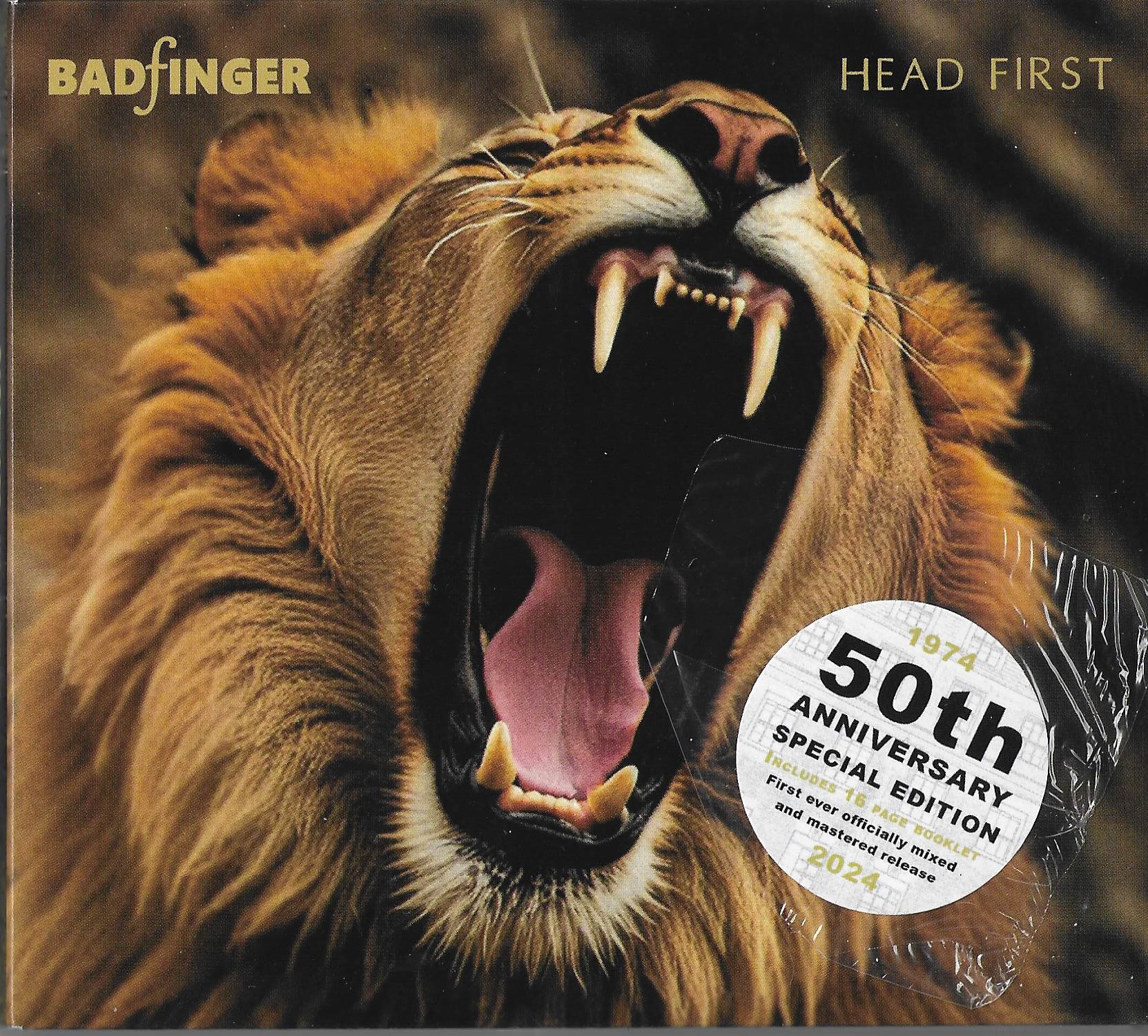
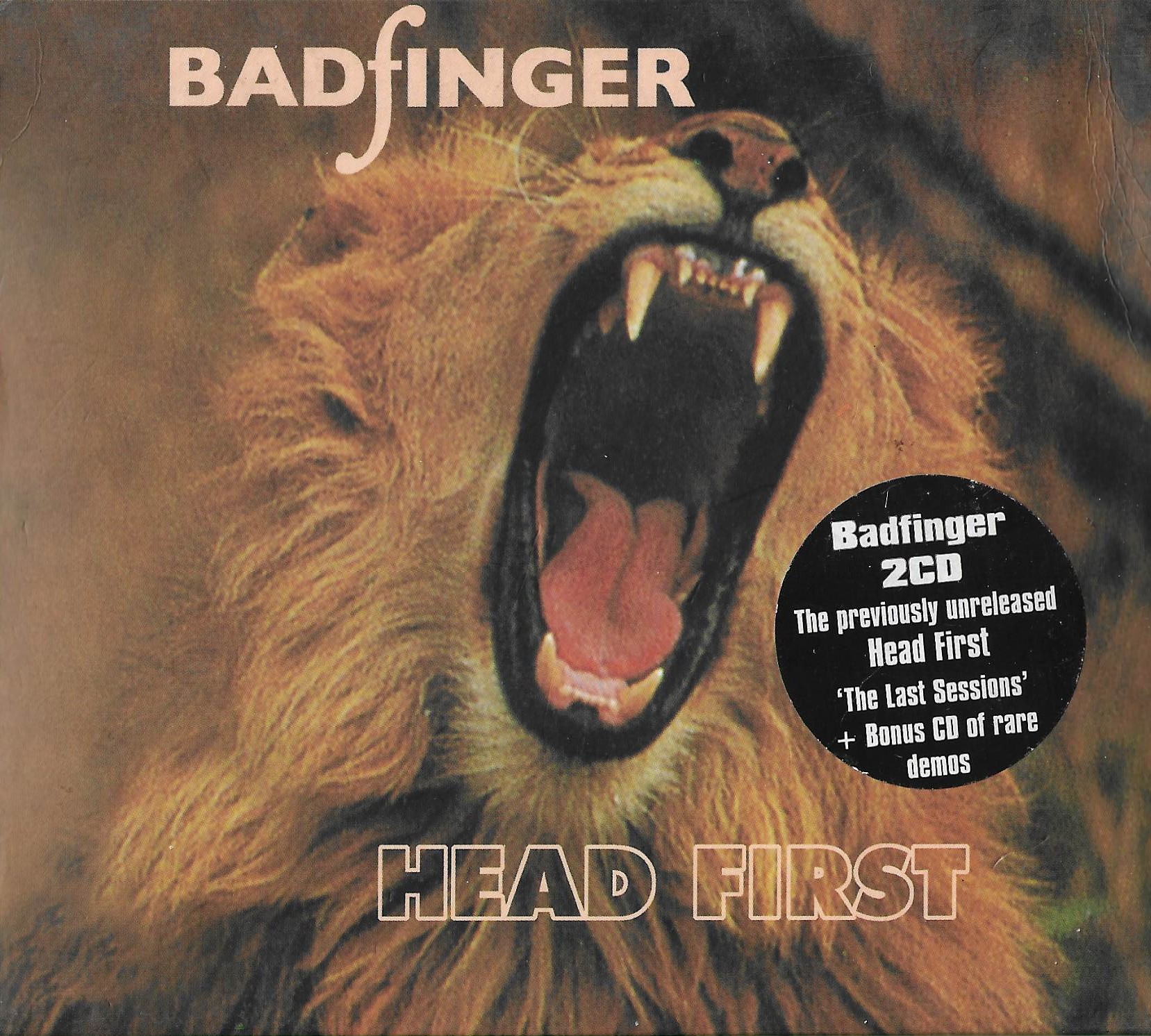
Well, Tommy had this idea that he brought up in the studio about it being called “Head First”. I think that was toward the end of the sessions. I think we were in the studio for about two weeks, 11, 12 days, (something like that) and Tom came up with this Head First idea. It was supposed to be the analogy of the old circus thing that they used to do where the ringmaster would open the lion’s mouth and dare people to put their head in. It was really based around that, and that was like an analogy of us as a band with Stan Polley, we were dicing with death, we were dicing with a really bad situation and we were tempting fate, really. So that was all Tom’s idea. Of course, at the time of the recording. That’s all we had – a title! There was no cover art arranged. We did take some photos, but they were lost, unfortunately. I tracked the photographer down, but he had thrown them out years before.
Two things, who all was around at the time of the sessions other than you guys and the engineer and that? And did you ever actually meet Stan Polley?
No, I personally never met Stan. I don’t have any regrets about that. He was a very sort of unctuous, scheming kind of guy from everything I can gather. So no, I never met him. Who was around!? Well, Stan had sent in his kind of people. He’d sent a guy called Richard Duryea, which was his gopher-guy, who was doing his bidding. And he sent over two producers, Kerner and Wise, Kenny Kerner and Richard Wise. And Bill Collins would occasionally come to the studio. But that was kind of it, really.
What were you, your lyrics on the songs you contributed, what were you writing about? Is it just things that were going on within the band? Is that kind of what the theme was and everything written around the band stuff?
Yeah, absolutely! You’ll probably note that most Badfinger stuff, anything in the catalogue, most of it is autobiographical. It does relate to what people were going through at the time. And besides something like Mike’s things, which are a little bit lighter in their tone. Certainly stuff like Tommy’s “Mr. Manager” and “Rock and Roll Contract” and my “Turn Around” – all those lyrics are just kind of bemoaning the state we were in and what an awful situation it was. So yeah, very autobiographical.
With the 2000 release,it had the second CD of all those demos, are those from the same sessions or …
No, they weren’t from the same sessions. The story behind that is that I just wanted Head First to come out. And I couldn’t find the master tapes. So I thought, ‘well I’ll put this rough demo out that the engineer, Phil McDonald had done’. And because I realized myself that that was a little bit second rate, I arranged to have all these other demos from sort of around the period, but they were nothing to do with the recording at all. They weren’t prepared to record. But I included those as a kind of bonus to make up for the fact that the 2000 release wasn’t really the proper produced album. It wasn’t really finished. Strangely, since then, when I put out this other album, this last year, people said, ‘Can we have some more demos?’ And it’s like, ‘No guys, this is a proper album. You don’t get demos with it’. This is the proper release. I think people found that a bit confusing that we’d included demos first time round.
And then this time,- No demos, but that was just the way it was. I’ve explained that so many times to people. No, this is the proper mixed mastered album. The other one wasn’t. You got those freebies because it wasn’t completed then.
So these other tracks that made up disc two, you guys went in the studio at other times for stuff. And were these just other ideas that, I guess you just had on tape that we might not see again?
Yeah. They were all home demos from each of us that might have developed into a bigger thing, but they didn’t; they were just our own home demos, personal demos.
So there’s no finished tracks that were not included?
No.
Okay.
No. We didn’t, as I keep saying, we really didn’t have the time. We were rushed in against our better judgment. And we had to work very methodically, very workmanlike, to finish the project in time.
In those days, to go in for less than two weeks and come up with a finished album was ridiculous, especially for a band of Badfinger’s standing, you know!? But we really didn’t have any spare time.
In the 70s, it must have been for bands like Badfinger, probably with Ross (because those albums were done close together), Uriah Heep, Black Sabbath, a lot of the bands, you had to record albums, two within a year, within six or eight months apart, correct?
Yeah, sometimes. It depends on the situation and the contract. Normally, about nine months was a comfortable break, because in between then, you’d want to gig and tour, and then you’d probably want a bit of time off. So, yeah, about once every nine months would be normal, I suppose.
You guys all had a couple of songs on this album (each). Do you have anything that you really enjoyed as far as things that you played on, or were Pete’s or Tom’s songs or that?
I enjoyed it all. I don’t think I’ve got a particular favorite. I really enjoyed the whole process of recording, and I’m very proud now to look back and think what we were able to accomplish, considering that our heads were all over the place. We were depressed and worried about this and that, so I’m just proud of what we did.
Has this whole project kind of been, for you, if you can explain sort of the sense of achievement or whatever the term is for yourself, to finally have it out and have your name as part of the band, a finished product out, if you know what I mean?
Well, in a sense, that had happened in 2000, and people saw that I actually was with the band. I think I’ve been a bit invisible.
People didn’t know my name, and I wasn’t a particularly good self-promoter. I didn’t get involved in lots of forums, you know. I think from 2000, it was pretty clear that I was in the band. Then Dan Matovina brought a book out, which explained a bit more about how I’d been in the band. But as far as this release goes, yeah, I’m immensely fulfilled. I suppose that’s the word. Proud to have, after all this time, 50 years, man(!); after all this time to have found the tapes, got over the legal hurdles of getting the tapes out, and then kind of mixed and mastered them with my partner, Andy Nixon. We mixed and mastered them. So, yeah, it’s a great sense of achievement, you know. It’s probably hard to imagine, but I’ve literally been chasing it for 50 years. It isn’t one of those things where I’ve forgotten about it for 10 years. I’ve always been looking for these tapes, and ‘how can we get the proper thing out?’ I’d almost lost hope, really.
Well, I gotta say (I have the vinyl), the whole package, like I said in my review, it’s like a first-class package as far as what you would expect and what you’d hope for from something from that time.
Well, thank you for that. There was a lot of effort that went behind it all. So, yeah, I’m delighted you like it.
As far as the UK tour, did you guys save anything to tape during that tour, any shows or anything?
No, there’s never been any live recording found. That’s another Holy Grail. I’ve never come across anything, put it like that. And, again, I’ve been looking for it and asking fans over many years. No, nothing, as far as I know. Which is extraordinary, really, when you think about it. You think over the time of a tour, someone, a fan or someone would have taped something(!) But, no, apparently not. That would be something.
I listened to an interview with Joey not too long ago, and he talked about how the band tended to play album tracks because sometimes the hits were a little complicated to play because you had more tracks within the song than, you could reproduce.
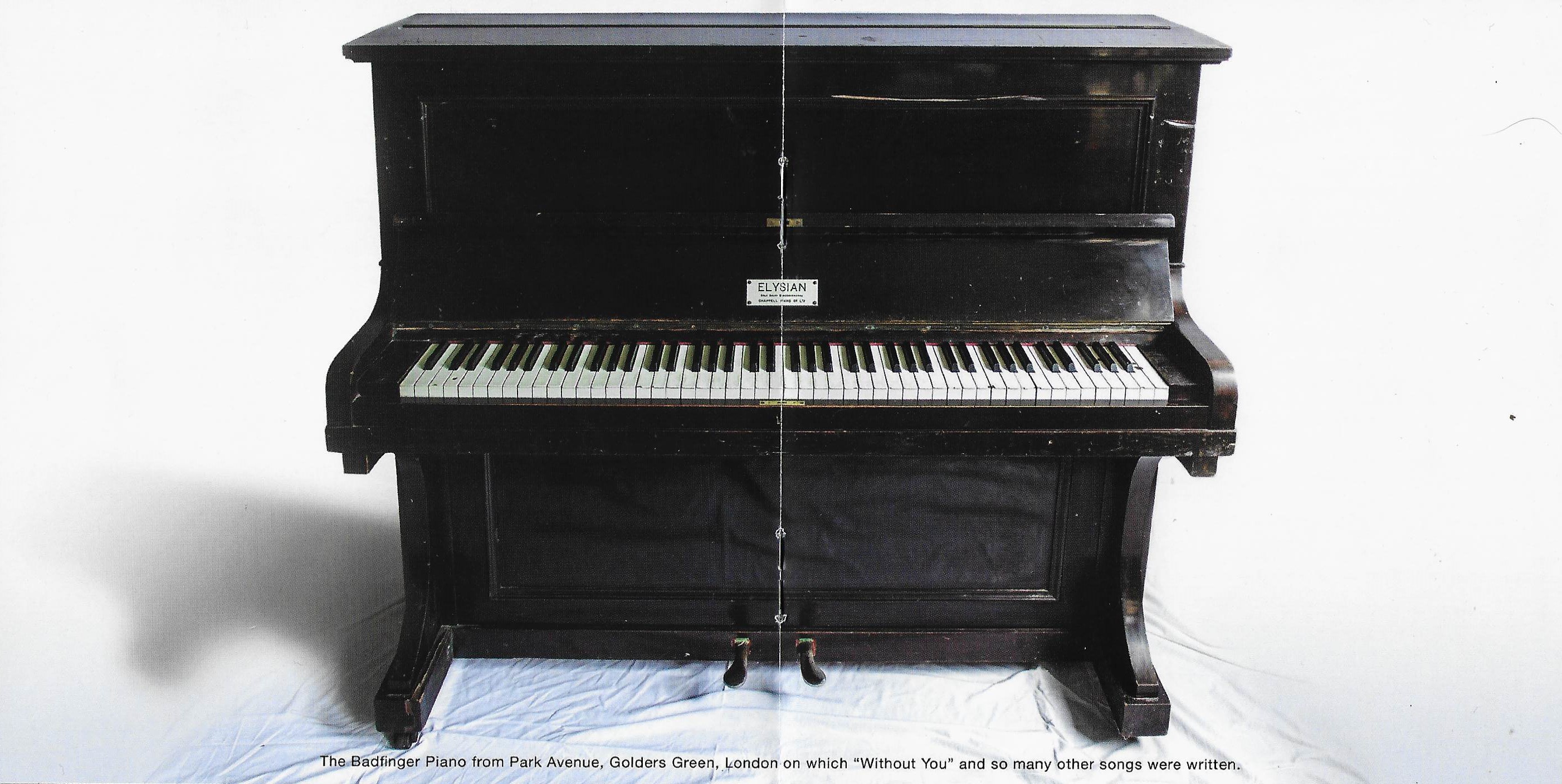
Well, there’s a kind of truth in that. I think what he was probably getting at was that, particularly if there was keyboards like “Day After Day”, or “Come And Get It”, and those sort of things. Pete had played that in the past, but he rarely got off guitar to just play the piano. It wasn’t worth bringing a piano along just for a few songs. Which was why, when I joined, it was a really happy kind of amalgamation, I thought. And so did the guys seem to think that as well, because at last, there was me – an extra voice, and an extra keyboard, and potentially extra guitar. So, eventually, of course, we were able to kind of add those things. But, of course, by this time Joey had left. But yeah, there’s an element of truth in what he says there.
Was there anything in the live set while you were there that you particularly liked?
I can’t think of anything. It is 50 years ago! (lol)
I understand.
I’ve played a lot of songs since then. No, I can’t really think of anything. I thoroughly just, I remember really enjoying the tour. I know we had a good kind of buzz on stage. It felt good. We worked well as a unit. But I can’t pick anything out as a particular favourite.
In the aftermath of when the band broke up and Pete was gone, what did you kind of do, what was your next move?
Well, we were all in shock. So I don’t think we were making rational decisions. We just all stopped playing. We completely stopped. There was talk of me and Mike getting together. I went down and visited him, in Swansea, where he was living at that point. And we talked about getting a band together, it didn’t happen. Tommy and I talked about it, but it didn’t happen. So yeah, for a long time, at least six or nine months, I just didn’t do anything. I felt like I was having a bit of a nervous breakdown, to be honest. I think we all were, to some degree. It was a very dark time.
Yeah. Just for clarification, are you still in touch with Pete’s estate? His family?
Oh yeah. I’m in touch with all the estates; the Badfinger family, if you want.
So has the family had an input or an okay in everything that’s been done as far as the album release and that, and any other projects?
Yeah, they okayed it. I went to them just like I had in 2000 about the Snapper release. I went and said, ‘look, I think this would be a great idea. Will you give me permission to go forward with it?’ So yeah, they’re kept in touch, of course.
There was later formations of Badfinger that you weren’t involved in. Was there any kind of mention to you about that at the time? Or was it just kind of, I get the impression it was almost like a record company sticking the name to the guys.
At that particular point…I was doing something else anyway. And the way Tommy told it to me later was that Joey had rung him up and said that a couple of American guys had come around to his house and said, ‘we want to be your band and we can reform Badfinger’. So, they then called Tommy up, who kind of went over for a few months and decided to shop some new material around. So, yeah, he didn’t involve me and he didn’t involve Mike, the drummer either. But you’re kind of right, it really was at the behest of like a record thing more than anything else. They did do some live work, but it was more of a record thing.
Now, the next album I know that you did as far as anything was The Dodgers album. And that was kind of still in that pop-rock vein as far as Badfinger was… Can you tell me a bit about the making of that album? It didn’t last long other than one album and a single (before the album), right!?
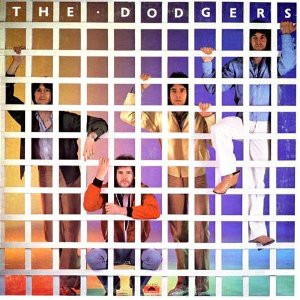
Yeah, that’s right. Tom and I got together with a couple of guys. Island Records had a couple of people that they were promoting. And it was suggested, Island reached out to me and Tommy and said, ‘would you like to get together with these guys and see if it works?’ Because they kind of need someone else and they haven’t got a full band. So we got together and called it ‘The Dodgers’.
It was a little bit poppier than… Well, quite a lot poppier really than Badfinger had been. Badfinger was more of a rock-based thing. But nevertheless, we tried to do a good job with it. And I think when we first got together in the early days when Muck Winwood was producing, those were the best times. But then we then kind of got a deal. We left Island and got a deal with Polydor.
Then we did the album. So at that point, Tommy had gone, and I mean, the album was okay, I just didn’t think it reflected what we were as a live band. Because we were rockier live, but the production of that album is quite sort of poppy really. But we made it as good as we could.
Did you do much live shows with the Dodgers?
Oh yeah, we did quite a lot of live work,
The first thing that I have of you on vinyl is the Indian Summer album. Was that your first, the first band as far as recording while you do that? Or had you recorded anything previously?
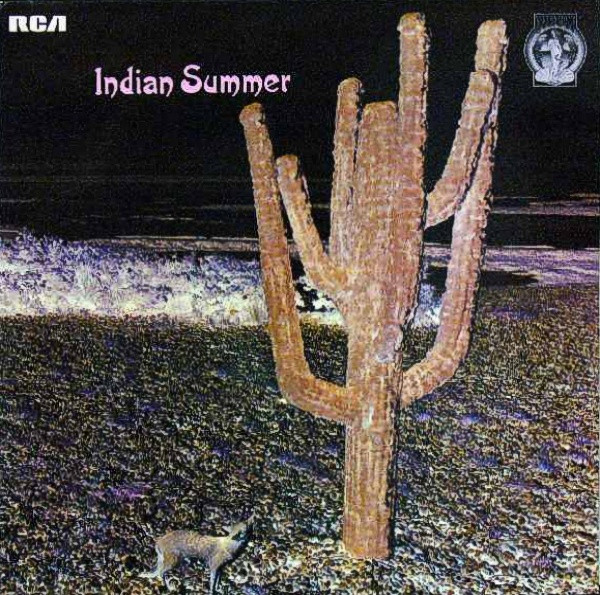
No, that was my first recording, my first kind of pro band. And we got picked up by the same management as Black Sabbath. In fact, they weren’t even called Black Sabbath. That’s how long ago it was, they were called ‘Earth’. And we were signed up as Indians, some of them were signed up as Earth and then they changed their names. But yeah, that was my first kind of pro band. And very kind of reflecting the times, it was very progressive music, rock and lots of improvisation. Yeah, so that was my first thing.
And you guys had fairly good local success in that?
Yeah, we had a good following. And again, we always went down great. But it didn’t translate into record sales. The album didn’t sell really. And we were left really not being able to live off the band. We just couldn’t make it work.
Did you guys share the bill at all with Earth on any shows or cross paths much?
Yeah, we shared it with Earth and when they were called Black Sabbath, which was, there wasn’t that long a difference, one minute they were Earth, the next minute they were Black Sabbath. We did several shows with the guys, in the very early stages, before they even released their first album.
Wow.
Yeah, so we got to know them pretty well, knew Ozzy pretty well.
Do you recall any other bands you crossed paths with and shared bills with?
Yeah, loads! Fleetwood Mac we played with, when Peter Green was still alive. A guy called Arthur Brown, Crazy World of Arthur Brown.
I love Arthur Brown!
We were on the same bill as him. I think we played with Yes at one point. Yeah, we played with loads of bands, because the scene back then was completely different, it wasn’t big, massive venues. Often they’d be fairly small-ish venues. Either 200 people up to about 300 or 400 people, there wasn’t big places and stadiums or anything like that you were playing. It was very rootsy. And there was so much music going on as well, it was a great time for innovation in music.
The next thing you played with Alan Ross and the band was called ‘Ross’.
That’s right.
Was that your next move?
I think it was, after Indian Summer. Yeah, because when it didn’t work, that kind of left me out of work. Yeah. And I didn’t have anything specific to go to. I got a recommendation, I was based in Coventry, my hometown, and they were based in London. But there was a guy, like an intermediary, a guy who knew them, and said to me, they’re looking for a keyboard player. So, I went down to do the audition, and it seemed to fit, it seemed to gel pretty well.
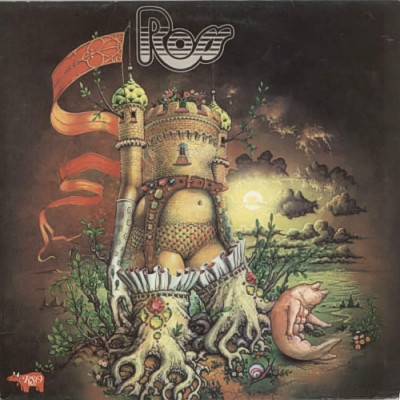
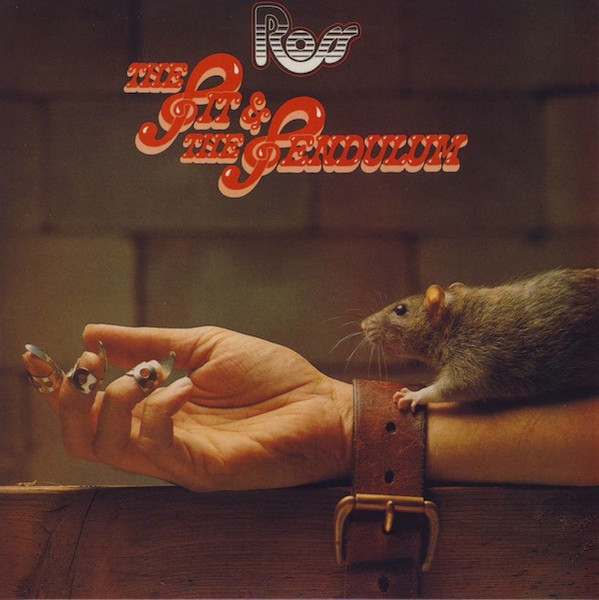
The first (Ross) album I think is a great album. They’re both good albums, but I prefer the first one.
Yeah, me too.
So obviously the band was built around Alan!? You had an interesting line up, you had the drummer as well as the percussion player, that kind of gave it kind of a unique feel to the band. I watched the live clip of you guys playing from the USA (or whatever), on YouTube, and that’s great, wow!
Oh yeah, I saw that, I only caught that about a year ago, someone told me that that was there. It cooked on stage, you know what I mean!? There was a real feeling of togetherness. When we got together, it wasn’t particularly supposed to be based around Alan. It wasn’t called Ross when I joined, because they’d been backing John Entwistle. And so Ross, the name ‘Ross’ wasn’t even in it. It was only after we got the record deal that Alan said, ‘Look, we ought to change the name’ and basically said ‘I’d like it to be Ross’. So we all went, ‘okay’. So that was how that worked out.
That live show, compared to the albums, it’s…I think some bands are just better live, right!? Like you said, with the Dodgers, it comes alive more.
Yeah.
What did you think of those albums? Was it kind of a tough going with those two? They didn’t really do much, did they?
The first one fell into place okay, the first album that we did. And I thought that was the better album, really. The second album, that was something that the manager, Robert Stigwood, he was a big impresario at the time, managed Clapton and Cream, the Bee Gees and all kinds of people. It was his idea to do this ‘Pit and the Pendulum‘ thing. It wasn’t our idea. And in those days, it was kind of like, I’m trying to find the right word, a bit overwhelming, really, when your manager said ‘I want you to do this’, you kind of did it. Nowadays you wouldn’t, you know what I mean!? People have found their feet a bit more and realzed their worth. In those days, if the manager said ‘do this’, it threw you a bit. So, we didn’t like the concept, but we were told to do it, so we did. That’s the gist of what happened there. It’s okay, I think there’s some good playing on it, but I just didn’t like that theme at all. I didn’t think it really worked.
Yeah, I actually, it took me a long time to figure out where the title came from, and then I stumbled across that movie there a couple of months ago.
Yeah, it’s a classic British film called, Pit and the Pendulum. Edgar Allan Poe, I think was the author. But as I said, the whole direction of that came from Stigwood and others.
Stigwood was involved in some other bands – Toe Fat, which was Cliff Bennett and Ken Hensley. Were you familiar with those guys at all?
Yeah, I knew the names. In fact, I’d seen the guys on tour, like at gigs and stuff before. Certainly I saw those bands, but not directly to do with Stigwood, no. He probably handled them as well.
I know the Gods, which was Ken’s band, and then he hooked up with Cliff Bennett for that band Toe Fat.
Yeah, I saw the Gods several times. They were good, really good.
It’s kind of another oddity. They just kind of did the two albums and kind of disappeared for a while.
Yeah, they did a lot of live work in small clubs in Britain.
I thought they were really good.
Did you ever see any of the guys from Ross after you left? Did you keep in touch with any of those guys?
They came along… I kept in touch with the drummer, Tony. I’ve always kept in touch with him, really. He went on to play for Rick Wakeman. So I’ve kept in touch with him. But the other guys, no, it kind of all fell by the wayside. And as you probably know, Alan’s passed away now anyway. So no, I never did keep in touch with them. The last time I saw them all together was they came to the first gig that I did with Badfinger. We did a theatre gig in London, and they all kind of suddenly showed up backstage, which was a surprise to me; to kind of support me, which was really nice. But no, we didn’t keep in touch socially after that.
What were the circumstances that you left? Because from what I read, you left kind of during the tour or while things were going on? How did that work out?
I just decided that I had enough, really. I thought we’d done some good work together. We’d worked well together. But part of the thing was that it wasn’t an equal band. Alan tended to kind of… well, he was the main guy. He was called Ross. It was his band.
Did you ever have any aspirations of doing your own thing as far as a solo album?
Yeah, I’ve been threatening that for years. I’ve got a backlog of loads of songs. I’ve always written. And that is a possibility in this coming year, this year now, but I’ll try and get some personal stuff out there. So keep your fingers crossed,it might happen.
Was there anything else you did beyond the Dodgers before the Byron Band stuff, or was that kind of your next move?
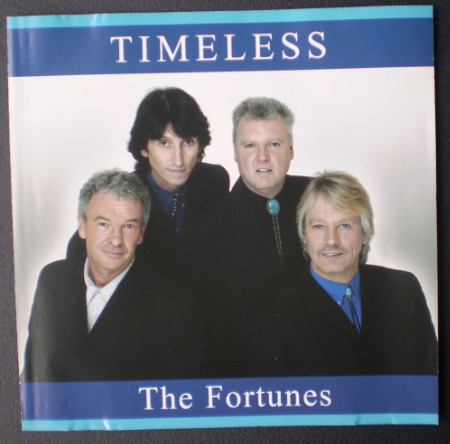
I’m trying to think which order it all came in at. I did the Dodgers thing first…Then before 83, I got back together with Tommy and Mike, and we’d started touring again. We did two or three tours like that in America. I think what happened after that I did some teaching for a while, I kind of left live playing. Because it was, it was so much time away all the while, you’re never at home. And by this time I had a family and so on. So I did do some teaching. Then I joined a band that had a bit of a reputation in England called ‘The Fortunes’, and I was with that for a years. In terms of convenience, it was great for me because the guys lived locally. So, I then left the teaching and kind of went and joined them.
So are you a keeper of stuff? Have you kept mementos and tapes and kind of everything you’ve been involved with over the years?
I am a bit of a hoarder, so yes, I’ve got a lot of bits and bobs, certainly a lot of contracts and paperwork, I know that for sure.
I find myself going back and digging more into the 70s and 80s stuff than I do with the new stuff. Like, the Indian Summer album, that was kind of an eye-opener, and stuff like that.
Well, I think the music business was genuinely more creative then. There was more diverse stuff happening, you know what I mean!? When you analyze in the late 60s, 70s, the diversity of material and styles. There was all kinds of things. That kind of has disappeared to a large extent now. That diversity isn’t really there anymore. Of course the whole scene went over to kind of dance music and stuff, which is a whole different thing. So, yeah, there’s a rich vein of talent to dig into in the late 60s, 70s. A lot of great stuff.
LINKS:
https://badfingeruk.bandcamp.com/album/head-first
https://m.facebook.com/BadfingerOfficial/
 Outsider Rock