
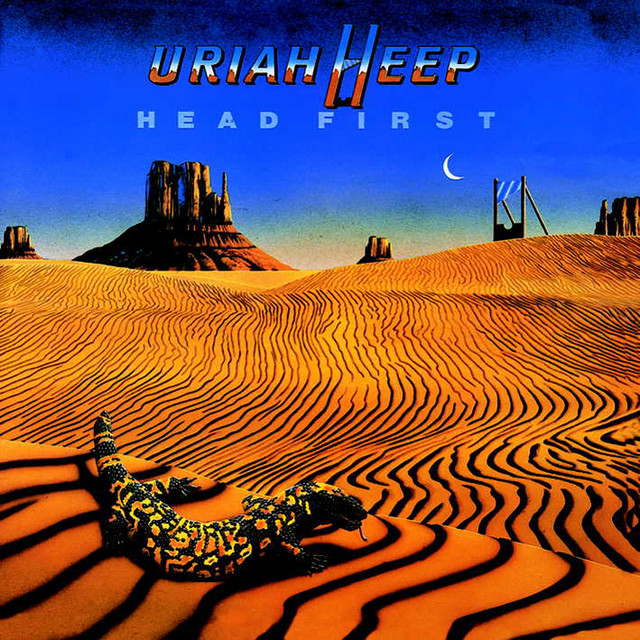
HEAD FIRST was Uriah Heep‘s 15th studio album, and second from the new ’80s line-up of Mick Box, Lee Kerslake, John Sinclair, Bob Daisley, and Peter Goalby, This album would be an excellent follow up to 1982’s comeback album Abominog, an album that has gotten a lot of attention over the last few years with a few podcasters and rock journalists championing it, and Head First came before the controversial Equator album, the 3rd Goalby era album, which is often cited as a low point in the band’s catalogue. Where as Abominog consisted of many outside written songs, and Equator featured 0 cover songs, Head First, again produced by Ashley Howe (Abominog), featured just 3 carefully chosen covers, presumably to give the album a more commercial appeal. Two of these covers would be the albums singles, and all 3 covers feature on side 1. Neither made much of an impact on the charts, and neither would remain in the live show beyond the tour for this album.
For me, Head First is divided with side one and side two each having a different purpose. Side one features those more commercial songs, which could or would become singles, more pop oriented, while side 2 was the heavier, more hard rock Heep approach, which likely appealed to longtime fans more.
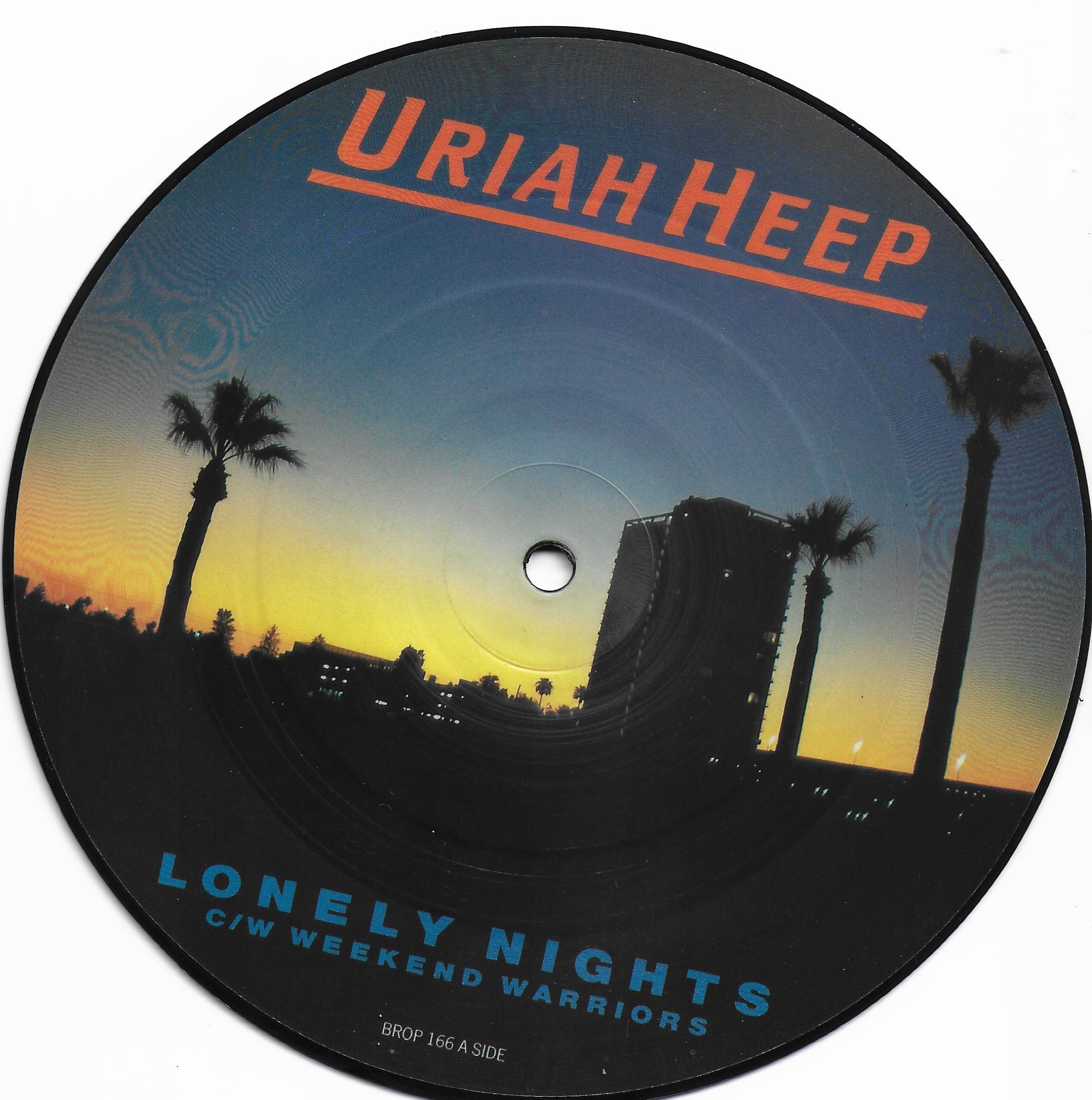
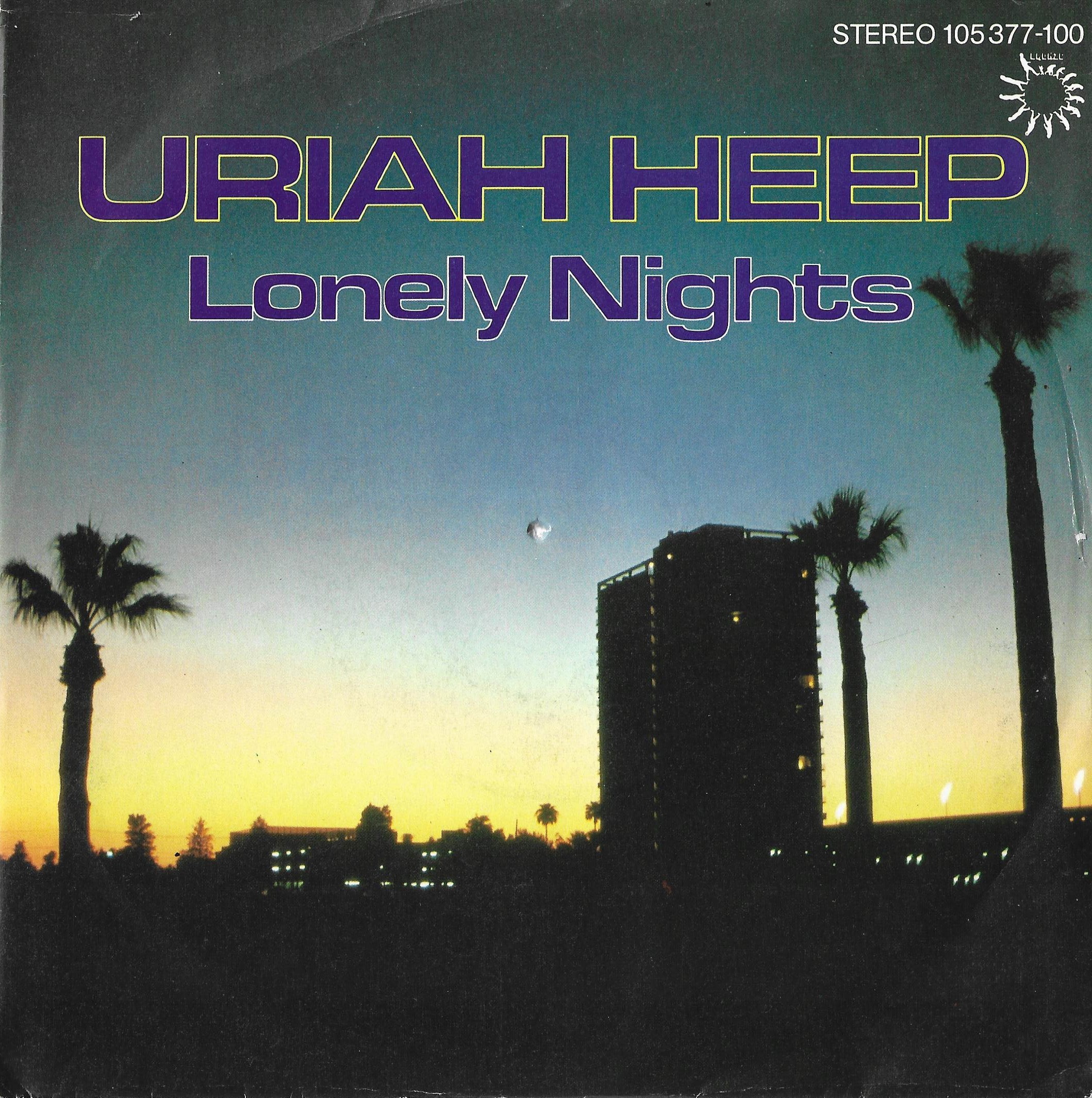
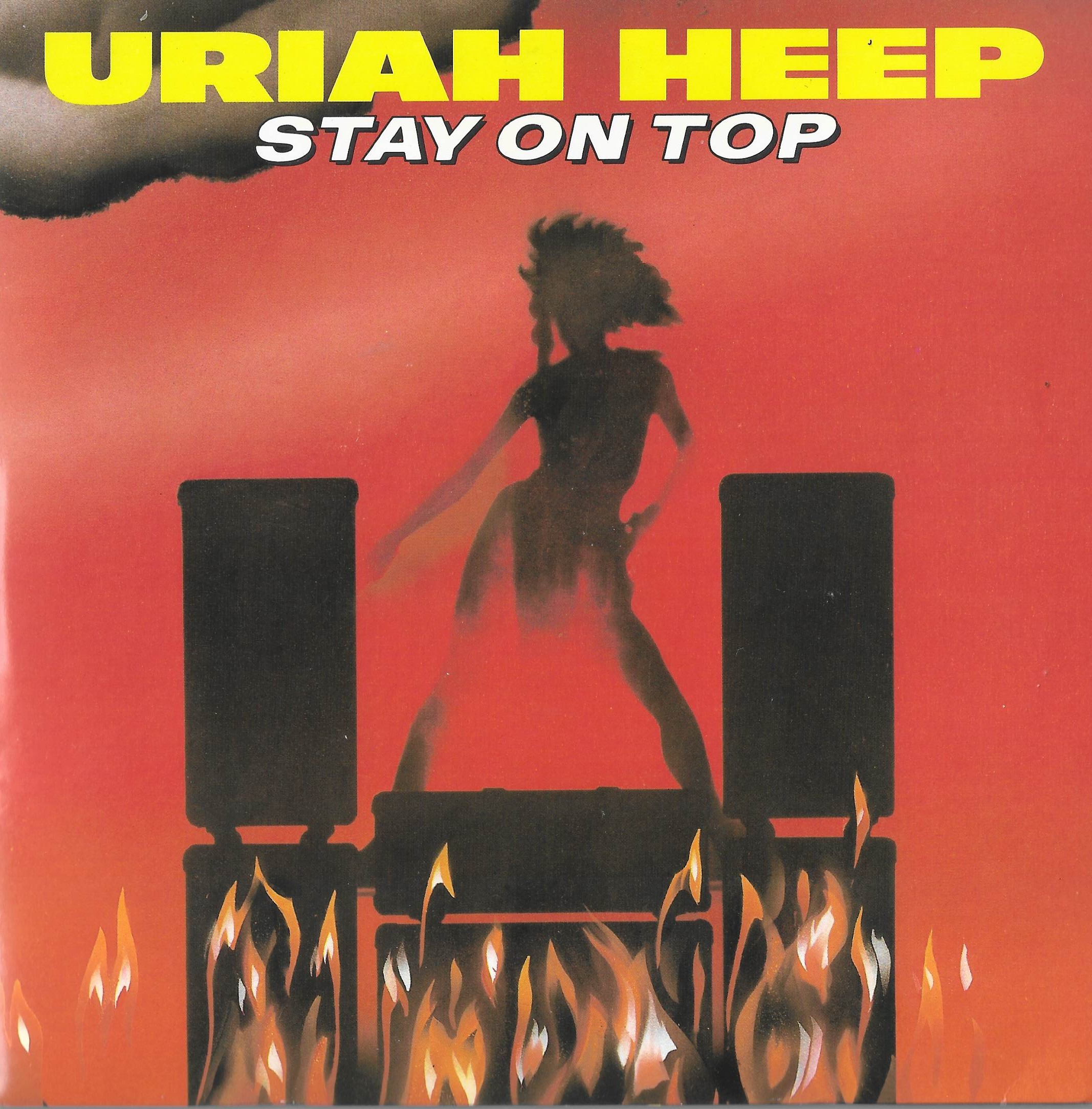
The album opens with “The Other Side Of Midnight“, which is a rocker, but with a pop/commercial appeal. A solid riff, a memorable solo, modern keyboards, and a great vocal. Strangely not issued as a single, but one song from this album And the Goalby era that would return to the live set over the years. It did get some radio airplay in the US at the time too. Next up is the first cover and single, “Stay On Top“, penned by Scottish singer/songwriter Tom Jackson. It’s got a very different feel to it, kinda like a dance tune. Not one I’m crazy about, although live versions of this certainly make it a bit more of a rock tune. Track 3 is another cover and other single – it’s Bryan Adams’ “Lonely Nights“. A very good song, and Heep do a standout job on it, and Goalby loved this song. The problem was “Lonely Nights” had been a huge hit in North America, especially in Canada, about a year and a half prior to, so hard to see it as anyone else’s song, as the Adams’ version was all over the radio here for so long. Next up is the band composition “Sweet Talk“, a good pop-rock song, with plenty of keyboards, and an effect (or filter?) on Goalby’s voice in the beginning, giving the effect that he’s singing over the phone. I like this one, with Mick Box’s guitar here adds a lot of weight to it, This song, and the next one, both would have been interesting singles. The first side closes with “Love Is Blind“, an upbeat number written by Joey Carbone and Richie Zito, and first given to American actor John O’Banion to record for his first solo album in 1981, as Carbone and Zito wrote most of, played on, and produced O’Banion’s album. Again, I really like this song, a shame it only became another album track.
Now side 2 is the ‘Heep ‘eavy’ side. It opens with John Sinclair (and Frank Ricotti on percussion) mainly, on the instrumental “Roll Overture“. Heep didn’t have many instrumentals, and this was an excellent dramatic piece that the band would use as their conert intro. I wonder why this wasn’t used to open the album!? As “Roll-Overture” ends, the fast heavy riff to “Red Lights” comes crashing in, and this is more like it. It’s a fast paced, hard rocker, complete with the Heep harmony ‘Ahhs’, and a standout solo from Mick Box. “Rollin The Rock” is a bit lighter, with the first minute plus being just vocal and keyboard before the band comes in. Still though it keeps the rock end of this side up,. Bryan Adams had a song titled “Straight From The Heart”, and funny enough, Heep have “Straight Through The Heart” here, another heavy pop rocker, on par with “The Other Side Of Midnight”. Head First closes with the heaviest track here, and fan favorite, “Weekend Warriors“, this one is heavy on the guitar, and heavy on the bass. A great rocker/anthem. I’ve often wondered if this one originated from Bon Daisley and Lee Kerslake, as it leans towards that more ‘metal’ feel the 2 had been such a huge part of on the first 2 Ozzy (Blizzard of Ozz) albums.
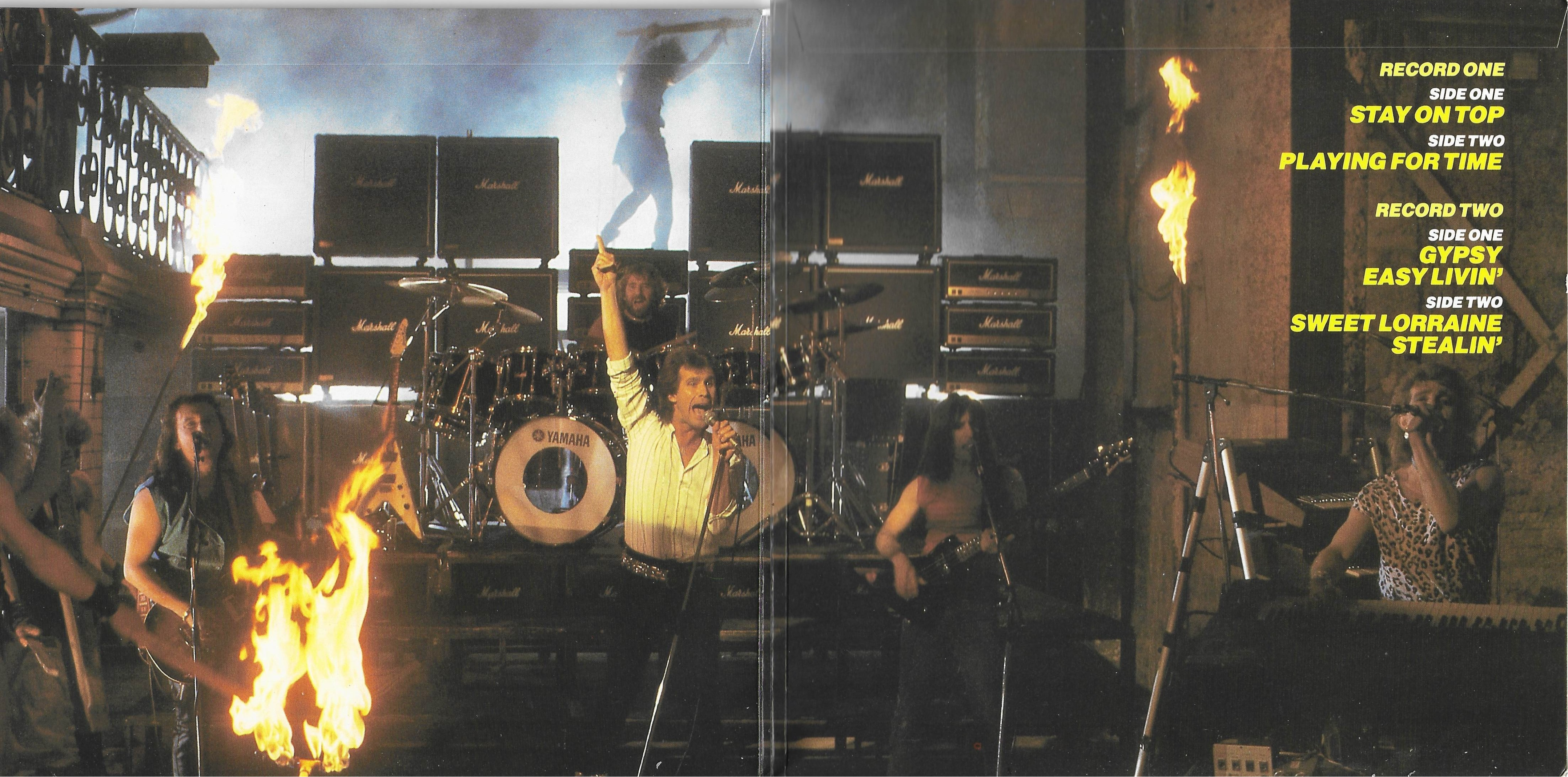
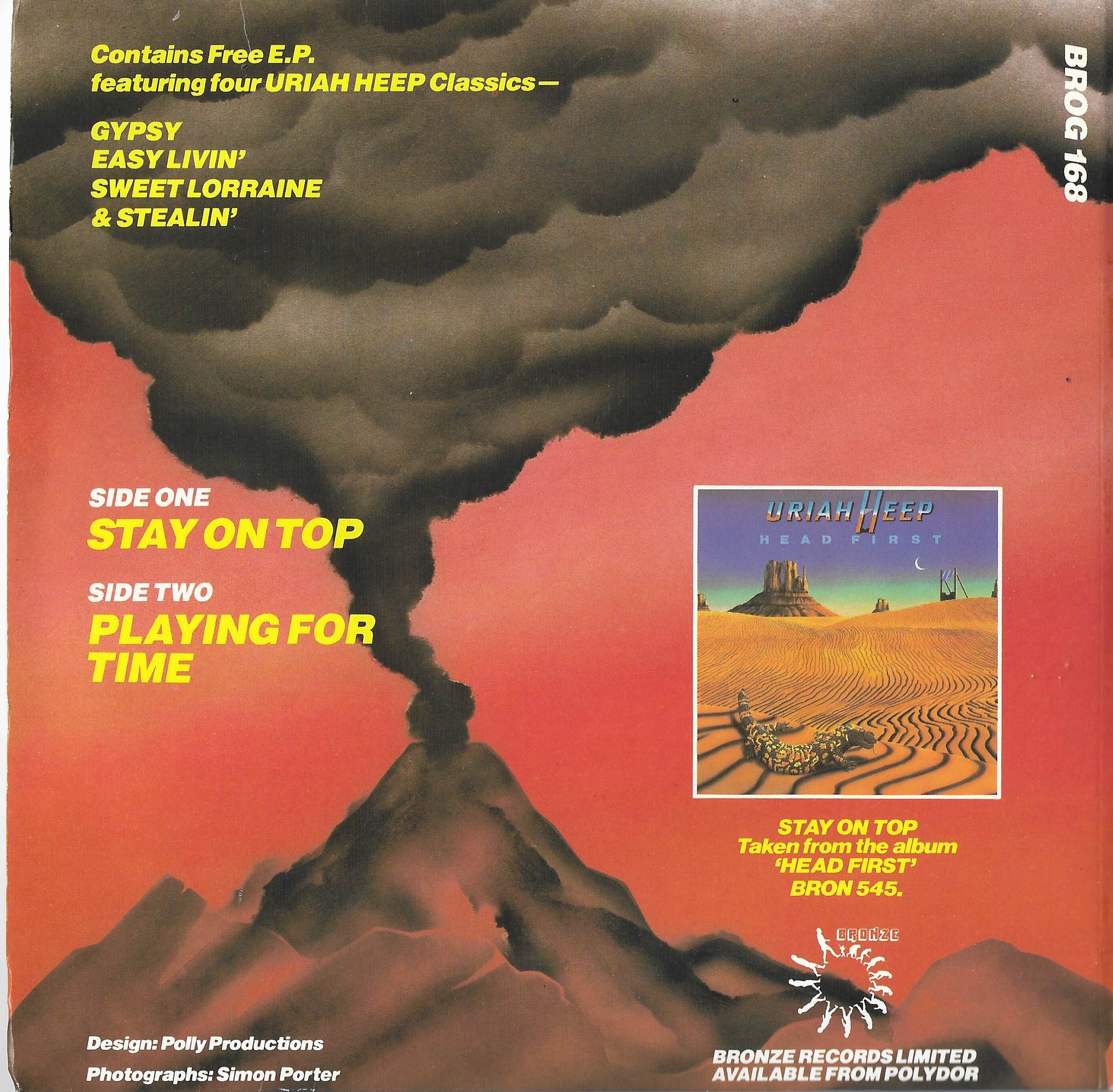
There were a few B-sides and outtakes of interest, “Playing For Time” was another heavier rock song, the B-side to “Stay On Top”, and this would’ve added a good bit of classic Heep to the album, with John Sinclair’s Hammond organ throughout this song. There were a few live tracks issued on the remastered CDs, which begs the question – where’s the live album from this period? And there is the instrumental demo of “Searchin”, another song originally from Peter Goalby’s ‘Destiny’ project. Presumably for lack of time, as Heep never finished it; “Searching” could’ve been another excellent track.
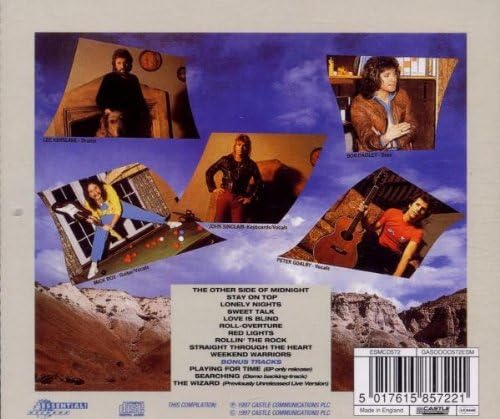
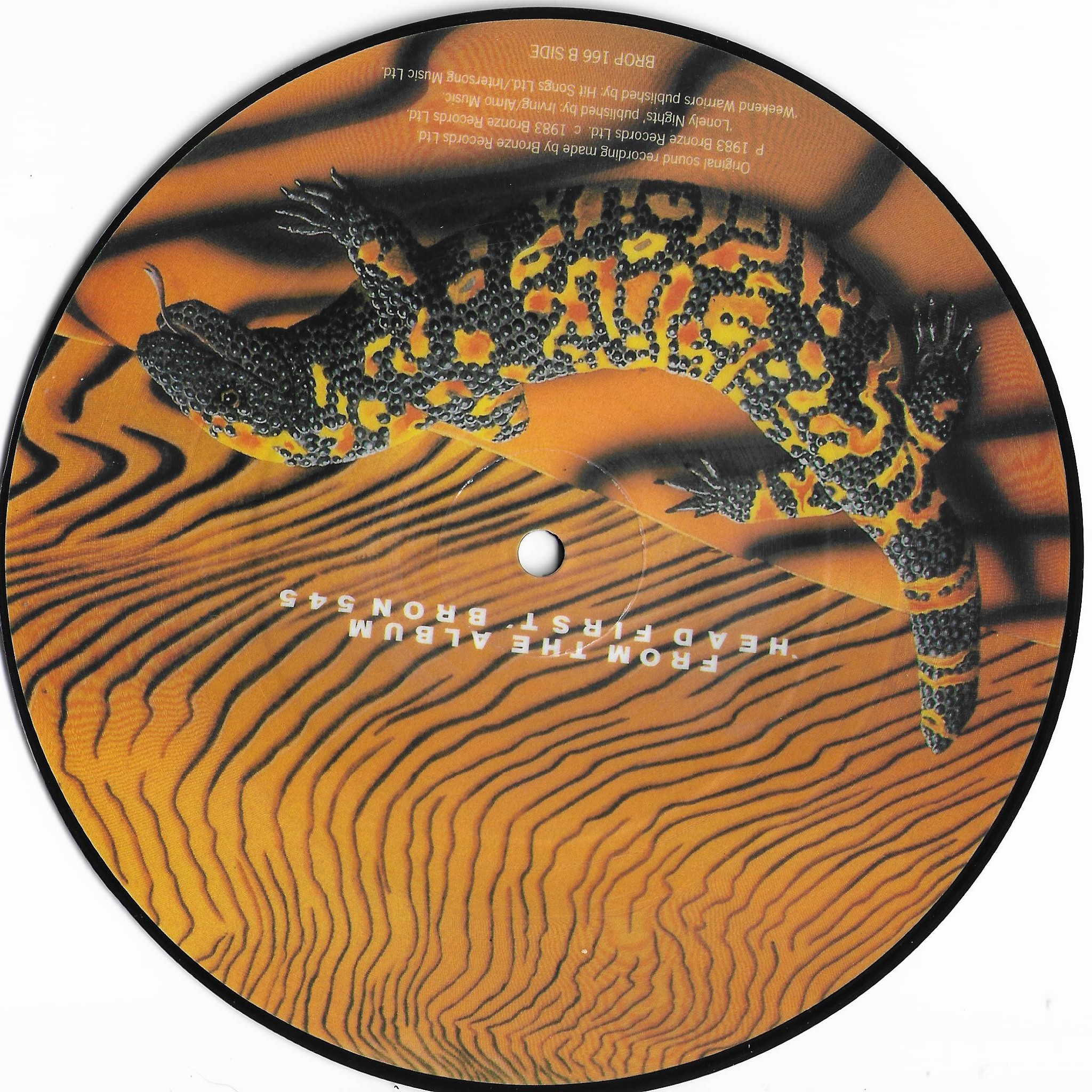
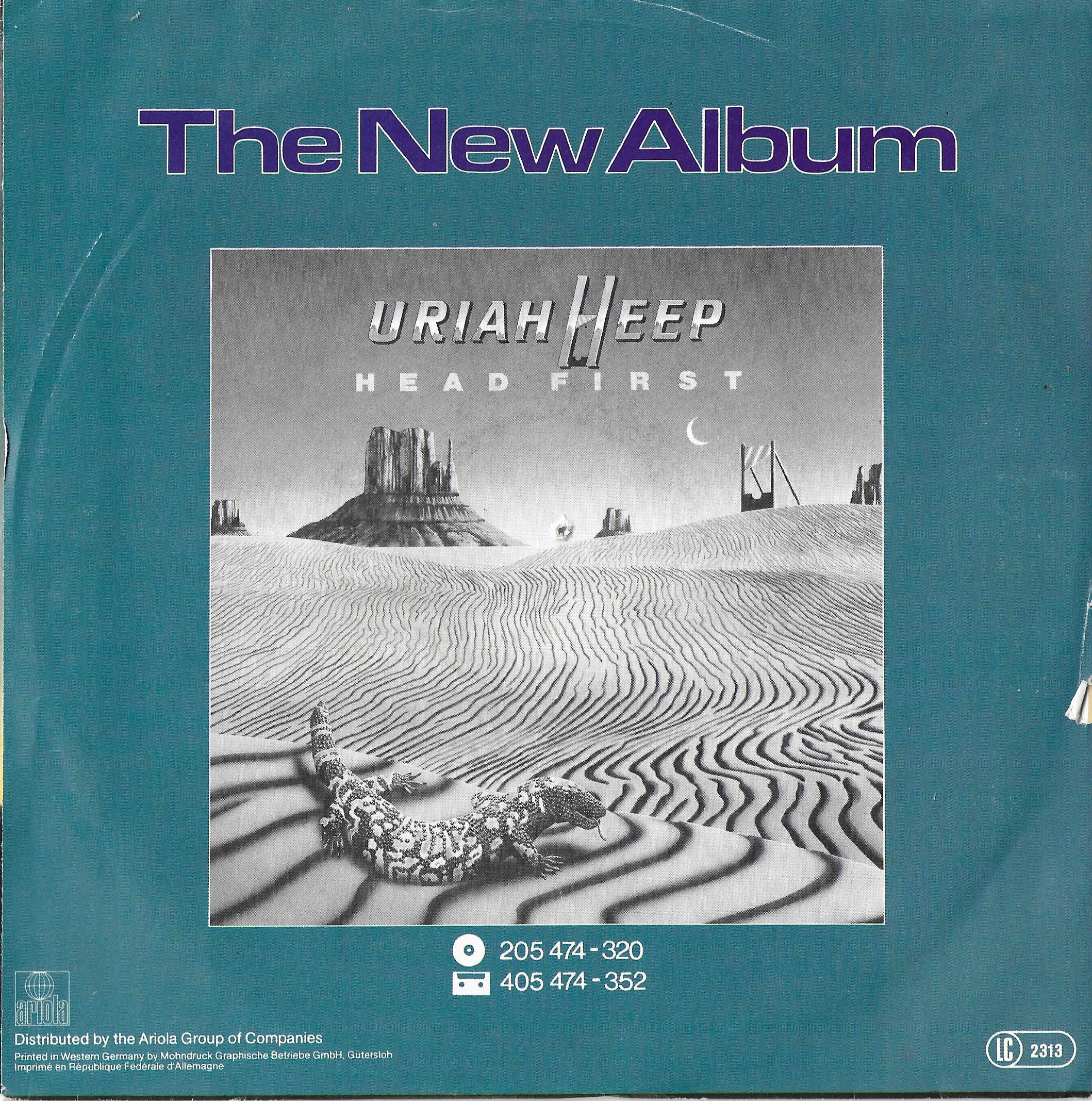
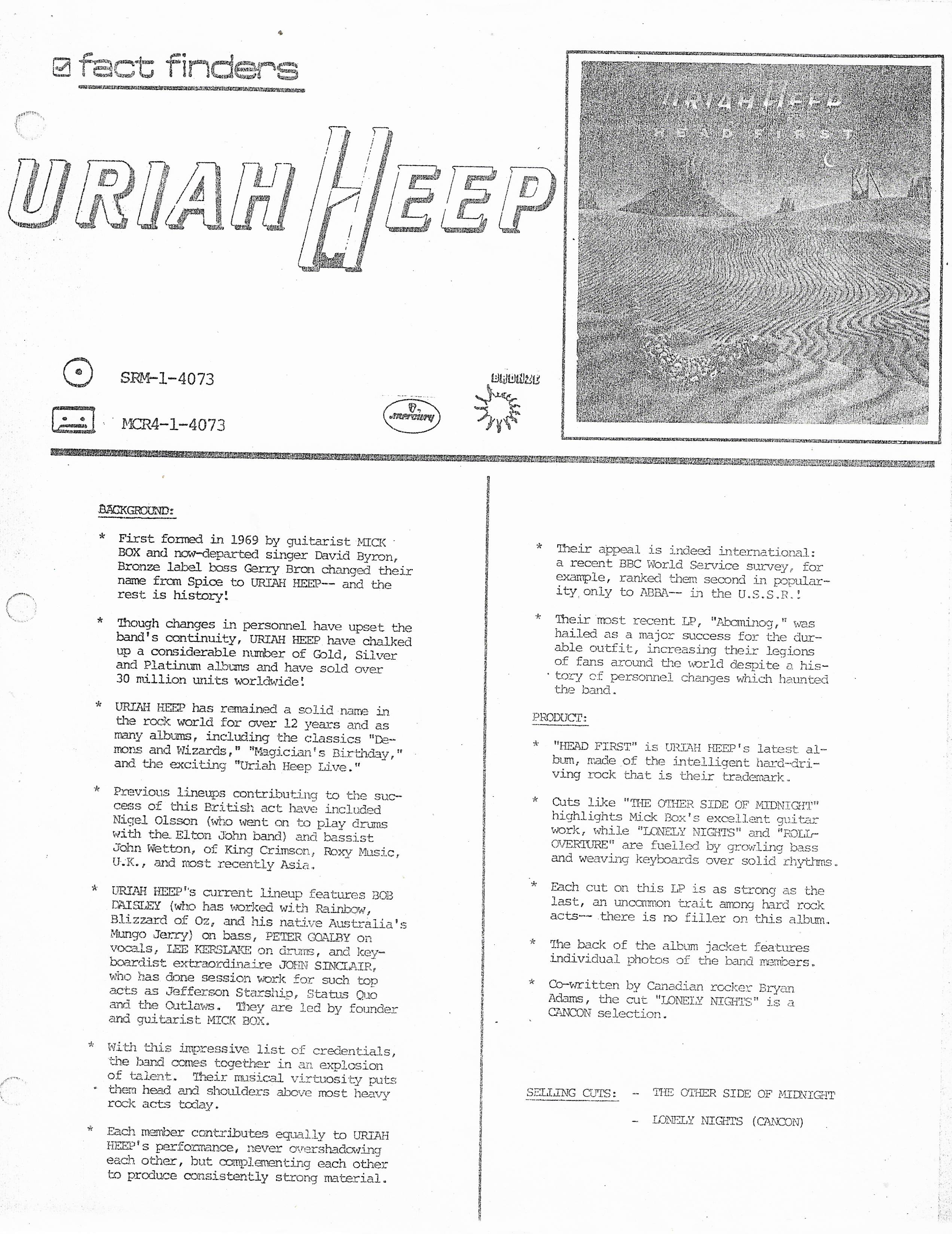
The Head First title, again came from Bob Daisley, and the album art, directed by Martin Poole, has an interesting cover of the desert landscape with the guillotine, lizard, by British artist Peter Goodfellow.. Interesting as that desert cover would turn up on a few other artists’ covers, notably Led Zeppelin’s 2003 DVD release. The title Head First would also be used before and after (see my post about the album’s sharing this title, elsewhere). The album came in a single sleeve, with individual band member photos by Fin Costello on the back.
Unfortunately, Uriah Heep’s Head First did not build on the comeback strength of Abominog, as it only hit Billboard Album chart at #159, but did get as high as #35 on Billboard’s Rock Chart, and the UK charts at #46, though it did crack the Top 20 in Norway. By the time the album was released Bob Daisley had left to return to writing and playing with Ozzy, and Trevor Bolder rejoined Heep from Wishbone Ash. Bolder had been on one studio album with Wishbone Ash, Twin Barrels Burning, also produced by Ashley Howe. Heep’s American label had decided the album’s fate before it’s release, with changes at the label taking on other new releases, and passing over Head First from the beginning. Bronze label and Heep were also at odds, with Heep soon being without a label, and Bronze going under not long after. The band’s move to Portrait (CBS) for their next album wouldn’t turn out as hoped, with Portrait having problems as well (see Aldo Nova). However, Head First remains a solid Uriah Heep and a solid 80s rock album, with plenty of overlooked gems. Check it out.
HEAD FIRST – Uriah Heep – Mercury/ Poi yGram 812 313-1 M-1 –
Producer: Ashley Howe – List: 8.98 – Bar Coded
Only two members of the original Uriah Heep – guitarist/vocalist Mick Box and drummer Lee Kerslake – appear on “Head First,” the follow-up to last year’s demonic “Abomingog.” But that shouldn’t dissuade the headbanging fans of the heavy metal quintet, as they return to crunch out yet another dose of hard -edged rock’n’ roll. Best cut here is the majestic instrumental “Roll -Overture,” which has classical overtones … believe it or not. Other than that oddity, the LP abounds with loud metallurgy anthems about love (“Straight Through The Heart,” “Love Is Blind”) and the art of macho posturing (“Weekend Warriors”). (Cash-Box-1983-05-28)

