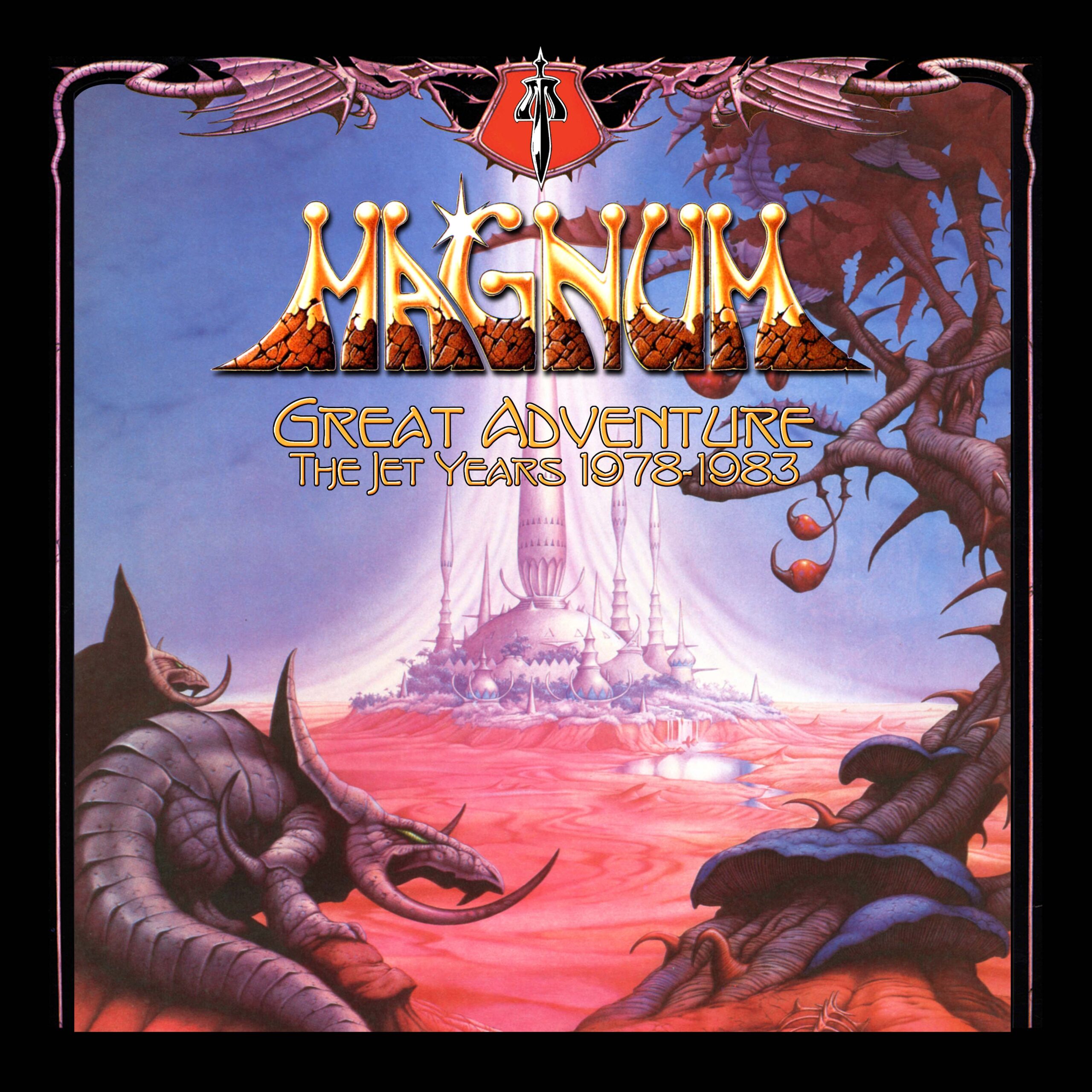
This 6 disc set of British rockers MAGNUM collect the band’s first 5 albums (on Jet Records), as well as includes loads of bonus material – outtakes, alternate takes, singles, live EPs, etc.. An awesome collection, and if you are not familiar with the band, since only a couple of these early albums saw release originally in Canada or the US, this is a good place to start. The band’s 1978 debut album Kingdom Of Madness is an absolute classic from beginning to end with standouts like “In The Beginning”, “All That Is Real”, “The Bringer”, and the title track. Magnum in those early days consisted of songwriter/guitarist Tony Clarkin, singer Bob Catley, bass player Colin (Wally) Lowe, keyboard player Richard Bailey (who also added flute on occasion), and drummer Kex Gorin. Interestingly, disc 2 of this box consists of archived recordings – 4 tracks from the band’s earliest sessions in 1974, as well as outtake material from 1976 and a great take of “Kingdom Of Madness” from ’79; these were previously released by Jet Records in 1993 as Archive. Magnum II, though I don’t find this as stunning as their debut, was still an excellent album, with classics like “Changes”, “If I Could Live Forever”, “Firebird”, and the Yes-influenced opener “Great Adventure”. This disc contains 5 bonus tracks, largely taken from single releases.
The band had recorded a new album in 1980, but Jet Records (at the time) opted to release a live album – Marauder. Bonus tracks on Marauder (here) include live tracks from the band’s 1980 Live EP, as well as Invasion-Live, which was recorded in 1982 on one of the band’s few tours of North America, where they opened for Ozzy Osbourne in the US. Recorded in 1980, and not released until 1982, Chase The Dragon was the band’s 3rd studio album, and marked a number of firsts, such as featuring Rodney Matthews cover-art, new keyboard player Mark Stanway, and their first to be released in Canada. CTD featured a bit more mainstream approach with favorites like “Soldier Of The Line”, “The Spirit”, and “Walking The Straight Line”. Bonus tracks on this disc include the non-LP single “Back To Earth” and it’s B-side “Hold Back Your Love”, as well as few other live tracks (more from Invasion) and oddities. The last album for Jet was 1983’s Eleventh Hour. A bit of a slide backwards, not so much musically, but with no North American release or singles. Eleventh Hour did feature a number of excellent tracks, with more of a hard-rock edge – “The Great Disaster”, “So Far Away” and “Hit And Run” all stand out, as does favorite “The Prize”. This last disc features 4 extras, notably the somewhat southern feel of “True Fine Love”, featuring slide guitar and piano.
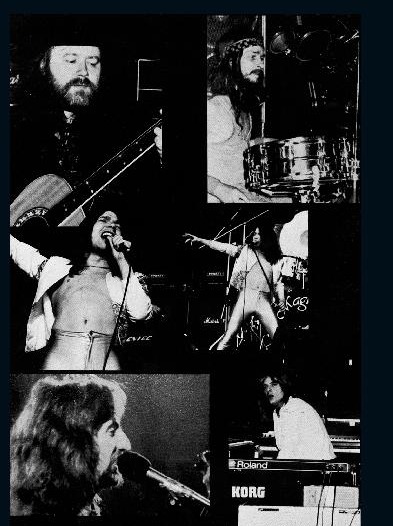
A great collection of one of England’s finest, with undoubtedly some of their best studio albums. Following this period Magnum would go on to sign with FM (in the UK) & Polydor for a proper worldwide release of their legendary On A Storyteller’s Night album. Kex Gorin left the band before Storyteller’s Night, and would go on to record with Robin George, Leo Lyons, and Stanway (Guy Stanway). Gorin passed away in 2007. Magnum split in 1995, but resumed in 2001, but without Wally Lowe (retired). Richard Bailey (who’d previously been replaced by Mark Stanway) went on to work with Phenomena (Tom Galley), as well as Alaska and Whitesnake. Plenty of early pics included in the insert, with a brief history of the band’s early years. *For more check out the press release below, and to order go to: https://www.cherryred.co.uk/product/magnum-great-adventure-the-jet-years-1978-1983-6cd-box-set/
Magnum originally formed in Birmingham in 1972 around guitarist and songwriter Tony Clarkin and singer Bob Catley. Although a one-off single for CBS in 1975 failed to bring their singular brand of progressive but highly melodic hard rock to the masses, they eventually found a home for their debut – ‘Kingdom Of Madness’ (CD1) – on Jet Records in 1978, joining ELO, and later Ozzy Osbourne. The album had actually been recorded two years earlier, but the band were heavy enough to take advantage of the growth in popularity of hard rock and heavy metal in the late 1970s.
‘Magnum II’ (CD3) followed in 1979, promoted by the singles ‘Changes’ and ‘Foolish Heart’. Produced by Ten Years After’s Leo Lyons, who had previously produced UFO’s first three albums for Chrysalis. Regular touring with the likes of Judas Priest and Blue Öyster Cult built up a loyal following across the UK.
When their second album didn’t quite match the success of their debut, Jet recorded their December 1979 show at London’s legendary Marquee Club for release as a live album. ‘Marauder’ (CD4) made a suitable stop-gap until Magnum’s third studio record, and is expanded here with a further nine live bonus tracks.
Although recorded in 1980, ‘Chase The Dragon’ (CD5) didn’t get released until 1982. An early career peak, as well as one of the band’s formative masterpieces, the wait was well worth it, as it entered the UK Top 20, peaking at a creditable No. 17.
‘Eleventh Hour’ (CD6), their fourth and final studio album for Jet, was released in 1983. Tellingly it was their first not to feature any singles.
After leaving Jet, Magnum went from strength to strength, releasing their best seller, ‘On A Storyteller’s Night’, in 1985, before signing a major label deal with Polydor Records.
The classic Remember The Future was originally released in 1973, consisted of just the title track – Parts one and two. Nektar was/is a legendary British progressive rock album, with Remember The Future being, arguably, the band’s best album. This 5 disc box set includes a number of bonus tracks – live and single edits, as well as a live show from early ’74, a blue-ray disc including a new 5.1 surround sound & stereo mix from the original tapes & TV footage, as well as a new essay and booklet. Coming November 24. *Check out the link below to order… and to read the official press release: https://glassonyonpr.com/2023/09/01/nektar-remember-the-future-4cd-blu-ray-box-set/
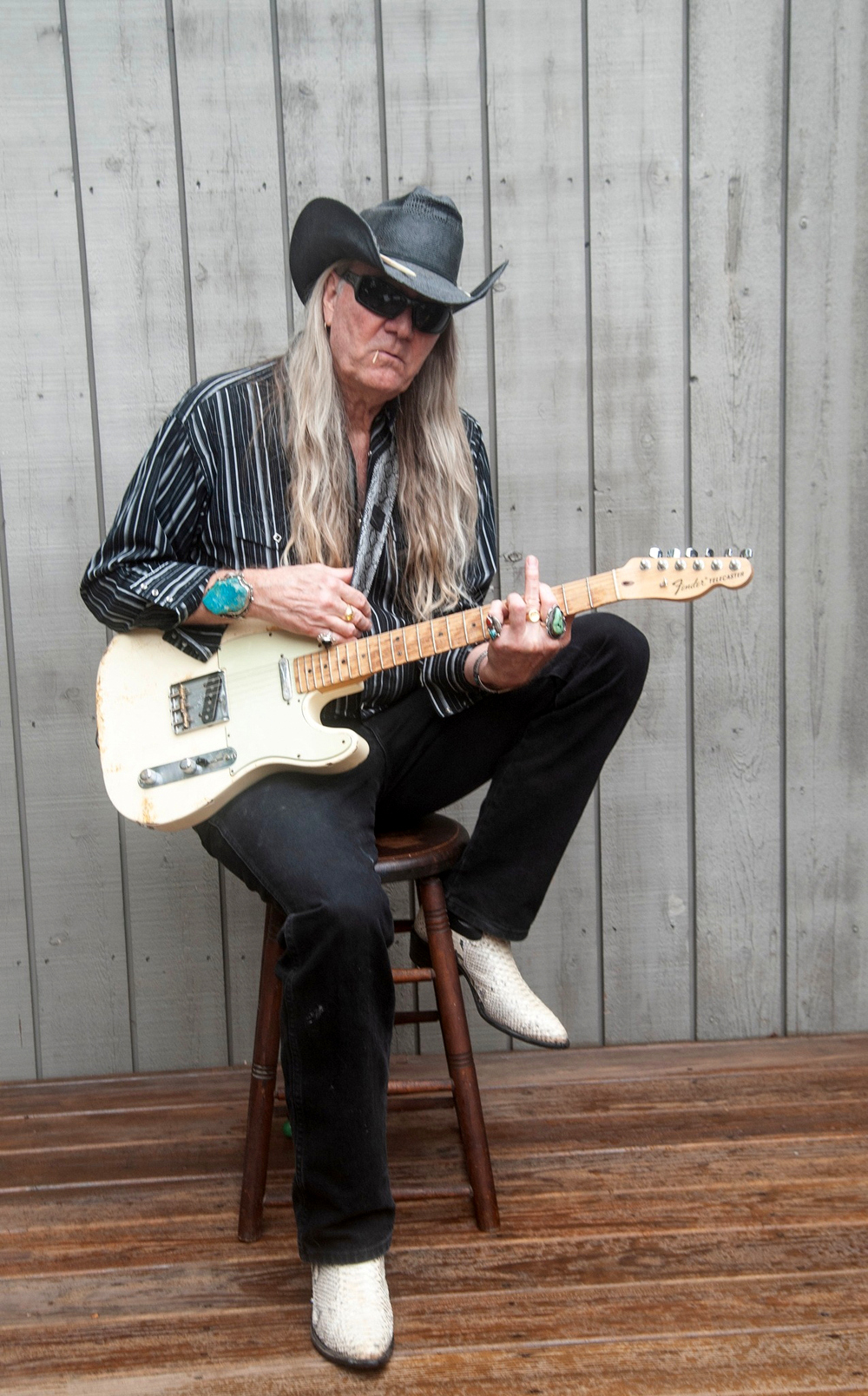
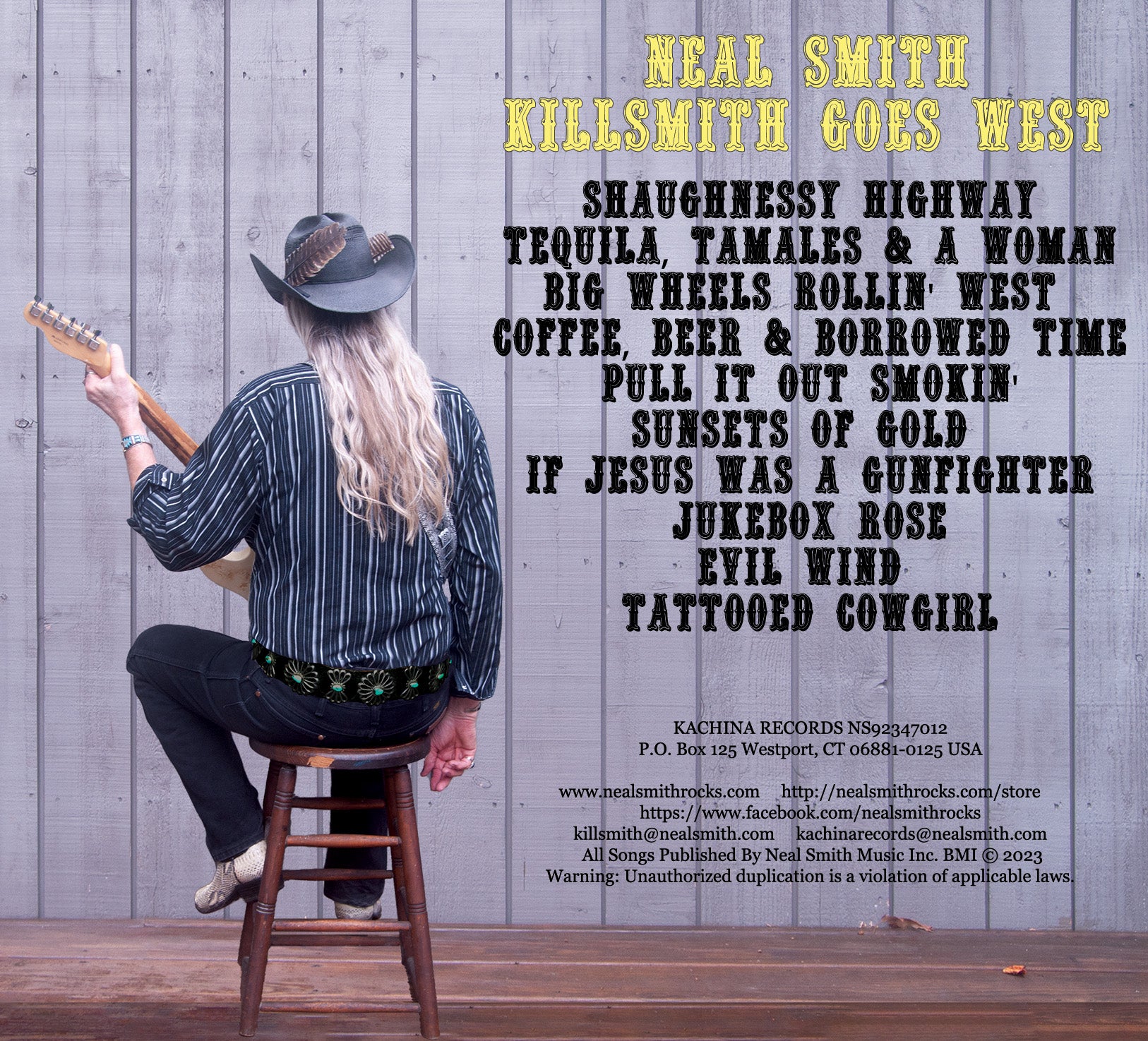
Legendary rock drummer Neal Smith (Alice Cooper) released his latest album in the spring. Killsmith Goes West is the fourth album under the Killsmith name, and is different to past Killsmith releases with a somewhat country & western influence throughout many of the songs, and is perhaps, Smith’s finest and most album to date with songs like “Shaughnessy Highway”, ” Evil Wind”, and “Pull It Out Smokin”. *Check out the interview, as well as the links below!
What inspired this whole idea of putting together a country & western styled album?
I’ve been writing songs since the original Alice Cooper group was together, and even before that – in other bands, so when you write songs sometimes the songs come out of nowhere, and they don’t really fit anything, any project that you’re working on, and you just set them aside, and over time I had them and they weren’t really in the style, the real heavy rock – that I would do, and then Killsmith came along, and that was real heavy metal, you know the first couple of Killsmith albums, and even the third one – The Green Fire Empire. And I just had the scope of songs, and I just wanted to try something a little bit different. There’s still some songs – “Pull It Out Smokin”, “Evil Wind” – that still have a real rough edge to them. I had written about 15 songs for this album, and then there were 5 that I pulled off because they were just over-the-top normal heavy rock, so I pulled those off and I wrote a few more and then I had a total of 10 new songs on the album. Some of the songs are brand new, and some of the songs are brand new in the last year or so. It took 3 years to record the album through the pandemic, but there’s one song on there “Coffee, Beer, and Borrowed Time” – that song was actually written in 1980. And that’s one of those songs that just sort of happened, and then there was no place for it. It has sort of a country vibe to it, and that along with the Killsmith normal vide of being edgy and heavier, I call it ‘outlaw rock’. And it does have more of a western feel to it than country. And all of a sudden the songs started taking on a mood of their own , and I followed that – we’re from Arizona, and Arizona is the 48th state, so it was really the last of the wild country. So, even the Alice Cooper we had a song like “Desperado”, and “Raped And Freezin” – a couple of songs that were influenced by the area of the United States that we were from. So this is sort of expanding on that idea, there’s references to Mexico, references to Townsend, Arizona, and New Mexico. It’s all about places I’ve lived, and even when I was growing up in the mid-west, in the Akron area of Ohio, central Ohio, part of my upbringing, my mother liked live music, and there was a place called Fixler’s Ballroom near Sharon Center, Ohio, where we used to go, and they had a live band. So, I was influenced not only by the rock of the late ’50s and early ’60s, but I was influenced by the big bands, like swing – because my mother loved the Glen Miller Band, and also the live country music. So I was exposed to that with live bands, so that’s all been part of what’s influenced me over the years – as a drummer, and a musician, and a songwriter. So these songs just came to me, I wanted to go that extra mile. What’s does that mean? That means A- I wanted to get a fantastic country guitar player – Arlen Roth, who has done many country albums over the years, and was gracious enough to play on 4 or 5 of the songs. Gary Oleyar who is a fiddle player also played great country and western fiddle on several songs – which gave it that extra push over the top for what I was looking for, and that mixed with what I already had, and storytelling – country and western always has a story with it to begin with , but I like the classic novelty 16 Tines, Big Bad John, Raw Hide, back in the 50s and 60s there was some songwriters like Johnny Cash, Frank Lane, Johnny Horton, Tennessee Ernie Ford, Hank Williams, – they were great storytellers as well as great songwriters. And I wanted to try and get that element into the music too, so it all came together, 10 songs that fans enjoy. And very different for me to try something like that. So far it’s been very successful.
Can you recall any other specific bands or albums, bands you might’ve seen or albums your mom might’ve had around the house!?
Well, even on Hee-Haw, some of the best guitarists that were ever in country (I can’t think of all the names right now), but man – Chet Atkins was on there occasionally, and they were just phenomenal guitar players. And I’m a big fan of Jeff Beck, Jimi Hendrix, Jimmy Page, Eric Clapton, but I mean it’s all rock, blues, jazz, and country roots – that’s what all this music is. And Roy Clark was another amazing guitar player from that era, and (of course) Waylon Jennings, who was also from Phoenix. So a lot of these great players were from the south-west, where we were from and I was aware of them, and I saw them mostly, I didn’t really buy the music, but I’d hear them on the radio occasionally, those novelty western songs that stood out, but actually seeing them on TV – live on TV, some of the greatest guitar players – I mean Roy Clark, Glen Campbell, when these guys got up on stage and played (and it’s all over youtube, and thank goodness for youtube), that was all part of. And Rick Tedesco, a guitar player that I write and work with on the latest Killsmith albums, he’s sort of a soak-sponge, and he soaks this all in, and he as some really fine country & western licks that he plays on the album too. So that was something, a direction I was trying to go, but a little harder, so it’s got more of a country-outlaw kind of feel to it. So there was plenty to took at and watch and be inspired by back in the day, that’s for sure.
That’s interesting because some of the guys you mention like Johnny Cash and Glen Campbell were country stars, but they almost kind of cross over to a lot of rock fans as well.
Oh they did cross over, they had a lot of cross-over hits, but I went the other way – I went from rock over to more of that outlaw-country kind of feel to it, but with a harder edge and harder story lines on it, with a lot of the subject matter in the songs. that’s a good perspective.
Can you tell me what inspired some of the songs, some of the stories, because there’s lots of great song titles alone, which when you look at it, it makes it interesting to get started!?
There’s some songs that I thought of in the middle of the night, like “Shaughnessy Highway”, “Shaughnessy Highway” is about a guitar player, and it could’ve been about any of the guitar players we just talked about, but it’s a fantasy band and he’s a big superstar, his band’s superstars, and unfortunately this has happened a lot over time, people like Glenn Miller are lost to airplane crashes and other disasters, and the principal person in the story is killed in an airplane crash and he’s a guitar player in one of the biggest bands in the world, and his wife gives directions to her house, and if you park out front of her house she plays his music all the time keeping his music alive, because she’s kept alive and happy, though he’s gone, listening to his music. So it’s kind of a taboo subject to talk about, but Killsmith and Alice Cooper we always touched on subjects that normal people would think were a little taboo – like “Dead Babies” . Things that you really had to dig in and find out what that meant, it wasn’t anything other than child abuse and not protecting your baby against poison. So, that particular song I thought of in the middle of the night, “Sunsets Of Gold” is another I thought of in the middle of the night, it just kind of comes to you and pretty much the song writes itself . A song like “Evil Wind” was inspired not by the early spaghetti westerns with Clint Eastwood, but like Pale Rider , where it’s a mystery as to who this character really is. Is he alive? Is he a ghost? And “Evil Wind” that’s kinda inspired by those thoughts of the wild west. And “Tequila, Tamales & A Woman”, that’s another – like Hang ‘Em High, that’s another Clint Eastwood movie. That’s the inspiration, but the story is different, there’s a card game in Nogales, Arizona, and somebody cheats at cards, and the subject person shoots the person and kills him when the person draws a gun on him for calling him a cheat, but the hanging judge doesn’t look at it that way so he sentences the guy to be hung in the morning and he gives him a last wish, and his last wish is for tequila, tamales, and a woman. So he’ll die a happy man in the morning, but that’s his last wish. And again it’s from the late 1800s, and the wild west. So if you listen to any of the songs, I have one “Tattooed Cowgirl”, that’s kinda like a Thelma and Louise or somebody from Kevin Costner’s tv show Yellowstone, you know – a bad ass chick that you don’t want to mess with, but you’re drawn to. So, just things that are a little bit different for me to work with. And always an inspiration to go in a new direction, but always keep the attitude very strong and keep the subject matter very strong; always like paint a picture and tell a story.
In preparing for this did you revisit some of that old music ?
No, not really, because songs just come to you. And I’ve listened to enough music in my 75 years here on this planet that I know what influenced me, and once I write the song – it’s basically done, so how do I put the sweetening on the song to give it more of a country, more of a western flare. I always listen to what the song wants, and the players that I have come in and add to, like the country and western guitar, or the harmonica where that’s needed, or fiddle – they pretty much are on their own’ I may give some slight direction, but it’s all about what is just very organic as the song grows, and natural for the song. And I think that’s the best way for me to do it, I found. So it’s not anything that I think about, it’s just listening to the song and saying ‘you know, this here this needs a little fiddle part, this needs a little country guitar part, just a little like d-tune.’ and that’s how it comes about. It sort of happens after the bed-tracks are laid down, the arrangement is there, just ‘what does the song need to finish it off’. It’s like the icing on the cake.
You mentioned Arlen Roth and Gary Oleyar. Can you tell me a bit about where you met those guys and if you’ve used them before?
No. Actually Rick Tedesco – the engineer and guitar player that I’ve worked with in his studios, Guitar Hangar Studio here in Connecticut; he found those 2 gentlemen and invited them to the studio. So he knew them. Rick is a great resource for me. He’s helped me – with Glen Buxton’s guitar from Love It To Death through School’s Out, the SG Custom that I found the body stripped down without a neck , he helped me rebuild it into an amazing guitar. It took about 2 years to rebuild it. So he has a lot of great resources. He has a great guitar store in the Danbury area of Connecticut called The GuitarHangar, and the studio called The Guitar Hangar. So he knows a lot of people, great guitar players, and he’s a great guitar player too. And Stu Daye, he’s an old friend of mine; he actually played on my Platinum God album. He played the slide guitar. He lives in London, and we sent the tracks to him and he polished them off and put the slide guitar on “Tattooed Cowgirl”. So, I had a lot of great guitar players that helped me out. And Stu is an old friend of mine, so that was through me, but Rick Tedesco found Arlen and Gary.
I remember Stu’s name from your Platinum God album, and you’d mentioned him previously. I actually picked up an album of his, he had done with Corky Lang from the early ’80s…
The band was The Mix, right!?
Yeah. And they did one of the Billion Dollar Babies’ (Battle Axe) songs.
Yeah, there was a song I was writing one time, and Stu was around, and he loved the song, and put it on one of his albums.
Do you plan on going out and playing any of this stuff live?
I have a couple of songs on YouTube right now, and I may do a video or 2, but right now I have no plans to tour. If I do anything it’ll be on youtube or on NealSmithRocks.com – that’s my website. This is also the 50th anniversary of the Billion Dollar Babies album, and they have a deluxe special edition that’ll be out next year. But this year you’ve probably already heard Killer deluxe edition or the School’s Out deluxe, which have come out. So there’s a lot of good stuff going on, and I’m excited about it. I have another, like I mentioned my next Killsmith project will be my fifth Killsmith album; there were songs I took off the Killsmith Goes West album – which I also thought was a great title because I do spend the winters in Arizona, You know the band got together there in the mid ’60s; I moved out there from the mid-west in the early ’60s. So I’ve been going out there every year for almost the last 50 years. So about 5 or 6 years ago I bought a winter home out there in Mesa, Arizona, so I love it out there. I go out and play golf. And of course, Alice and Michael Bruce are out there and I get together with them a lot, and a lot of the writing that I do, and a lot of the writing that has been on Alice’s last 3 albums we’ve written out there.
Do you think that doing something so different this time around with Killsmith that it kinda gives you the opportunity to do something further afield, or something you haven’t done before?
Yeah, I don’t know. Like I said, the songs that I had on there they kinda fit, they were a little more hard-rock. But because I have some ideas for the next title, and it’s not going to be Killsmith Goes West 2, that’s for sure , but I do find something very creative about that, and also it’s a testimonial to our roots, which are in Phoenix, Arizona, and the south-west, and that’s a good thing. Too many people don’t look at their..- especially in rock, they have roots; I mean with the Alice Cooper group, we were very different – our roots were in horror movies, horror films, and movies from the past. But you never know where your inspiration is going to come from. But no matter what I do I want to feel excited about it, I want to feel refreshed. But what I really want to do is to do all I can to get as many people as possible to listen to it, I’m very very happy about the album, and very happy about the feedback I’m getting. And a lot of solid rock fans were turned off by the idea but it’s not a country record by any sense of the imagination; it’s definitely a Killsmith album, but it has, as I said – like on the Killer album we had “Desperado”, and on the Billion Dollar Babies album we had “Raped And Freezin”, and these are those songs that talk a little bit about the south-west, where we’re from geographically, but Goes West is a little more – it was like our influences on steroids. I took it a little further. And that will always be around. I may have one of those songs that I took off the album to keep it at 10 songs that really fit well. But let’s see what happens. I’m pretty happy. Some of the songs I went back and listened to them, and I’m always doing tributes to… like Billion Dollar Babies 2023, that’s a big deal, and I wrote a song for the next album called “Party Never Ending” – That’s the Alice Cooper group! And it’s like people have said over the years about the band breaking up, well the band never really broke up, we took a year off, everybody stayed friends, and encouraged each other on solo projects, and that was a big deal. In no way, I mean we were best friends and we weren’t going to get in any bog lawsuits about Alice going out solo. Anybody coudd’ve gone out solo, but he was very fortunate, and he did a great job. And I’m proud of everybody in the band, you know – Michael Bruce and Dennis Dunaway, they have great solo projects – they’re great songwriters; Glen Buxton, unfortunately we lost him way too soon in 1997, But the ghost of GB is always around, he will always be a part of no matter what we do. So I’m excited to do new music, and keep writing as long as I can.
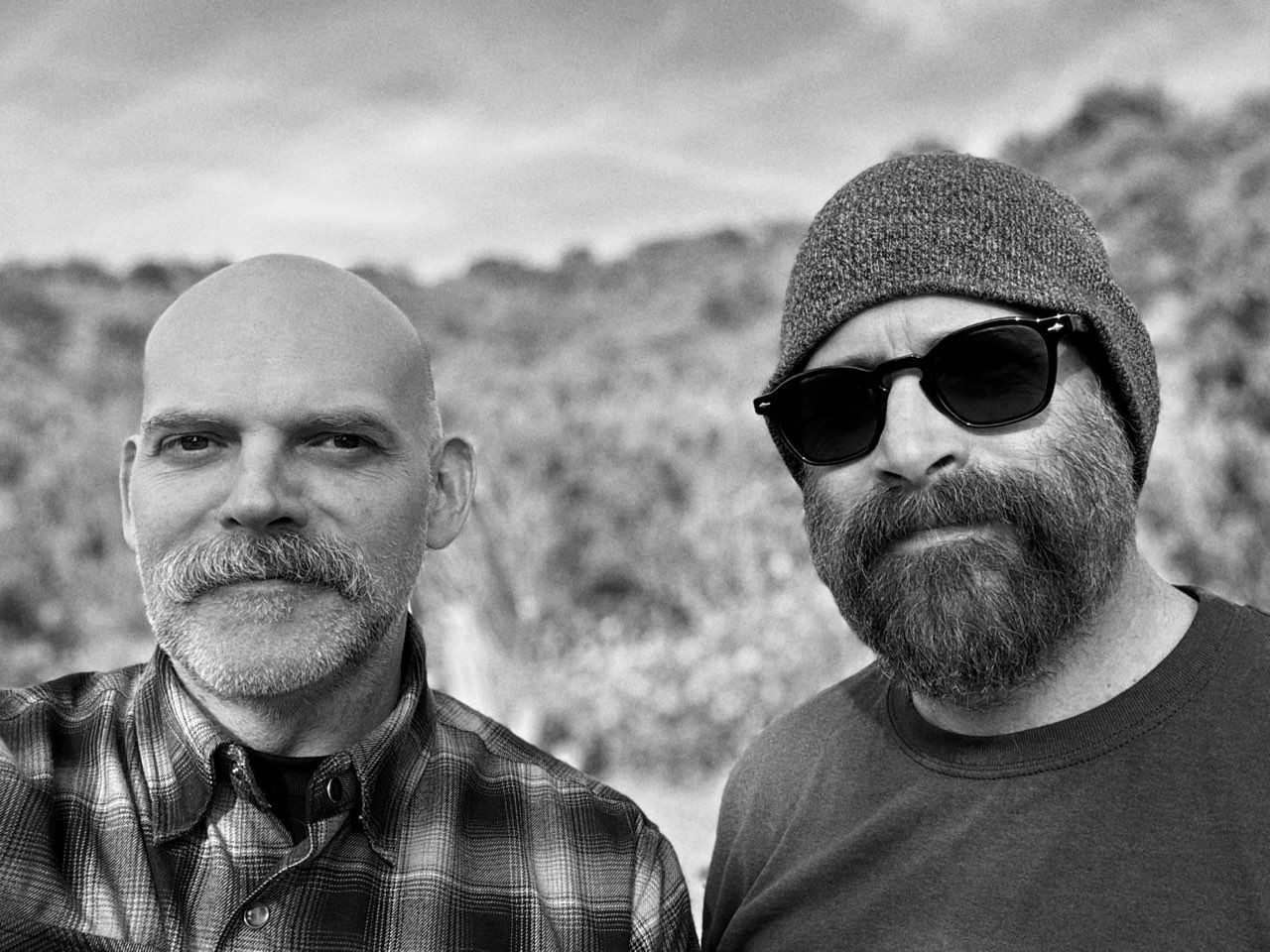
GODS OF SOMETIMES have released their debut album. The duo is Brad Davis (Fu Manchu) and Andrew Giacumakis (Moab), who are accompanied by a number of friends and guests on this 9 track collection of somewhat laid back, almost folky, psychedelic, pop, and melodic album. Below Brad and Andrew answer questions pertaining to the making of the album, their influences, and other projects on the go. For more on Gods Of Sometimes and/or to order the album- check out the links below!
Can you guys tell me a bit about how this project came together, and your connections in previous bands?
Andrew:Brad and I had worked together on multiple Fu Manchu related projects over the last decade or so, me as an engineer/producer. We developed a friendship based on shared musical influences, love of records, love of movies, and vans (the shoes). Haha. We were both itching to do something outside of the heavy music genre we were associated with, just as a change of pace. We started writing songs together and it slowly morphed into a real project.
Where did the band name come from? (other than the song)
Andrew: Lyrics to a song. I think I was improvising lyrics and it came out and I thought “that’s an odd thing to say”. It’s got layers to it, which I like. So it stuck.
Gods Of Sometimes isn’t the ‘heavy doom’ rock that previous bands were labelled, but a very more laid back, melodic album, I get vibes of the Beatles, Neil Young, etc .. Can you detail what influenced everything overall (songs, production and sound) and how it differs from previous things you’ve done?
Andrew: The sound/vibe of the album was definitely influenced by our shared tastes and a desire to try something different. I’d also lost my Dad and wasn’t much in the mood for writing heavy music at the time. The mellower direction of the record was sort of a cathartic thing for me in that way. I mean, I don’t think we were specifically trying to NOT be heavy, but more along the lines of trying to create an album that’s more about mood and vibe, and melody. Or at least strive for that. It took a while to sort out exactly what that was, but we got there, eventually.
Can you give me a few antidotes/stories on some of the songs (musically, lyrically) – “In The End”, “Gods of Sometimes” (dig the guitar riff, reminds me of a Genesis song…), “Hand On the Hide” (a very quiet psych feel to this), “Watching For Satellites” … any that stand out for you guys(?)
Andrew:
“In The End” came about really fast. We knew it was a pretty catchy song from the get go. Then Brad put bass on the song and it was like, another level up. Then we luckily got J Mascis to add a guitar solo at the end of the song, and it was exactly what the song needed.
“Stilted Low” seems to be Brad and my favorite song on the album. It’s a slow burner but gets to these really nice moments. We were graced with Joel Robinow’s (Once and Future Band) piano and bkg vocals on this one, which was a total treat. Check out this band if you don’t know them!
“Watching For Satellites” features another guest that we were extremely stoked to have. Steven Drozd from The Flaming Lips blessed us with all the keyboards we could ask for. We sent him a rough sketch of the song and he sent back a zillion keyboard options to pick from. Really cool of him. We were extremely stoked.
Did you have much input in the album cover art, as far as ideas, and can you tell me a bit about it?
Andrew: Our input was that we saw this really cool piece of art by Chad Yenney and bought it! It lended itself perfectly to a cover. Chad’s a really talented artist who does these layered photo pieces that are just really cool visually. He also did the video for Gods Of Sometimes and the rest of the layout for the album art. Brad liked the moon theme so he did direct Chad on the back cover concept and Chad did the rest. So no, we didn’t have much to do with the art other than recognizing Chad’s gnarly work and getting him involved.
You’re basically a duo, but the album includes a lot of guests. How did many of those guests involvement come about, and might you enlist many of them (or others) for live shows?
Brad: A number of the guests I crossed paths with playing in my band Fu Manchu. Bob, the guitarist in Fu Manchu interviewed J Mascis for his playthisriff website and I in turn had contacted him about my guitar pedal company many years ago. Like the other guests on the album, they were lured in by promises of free fuzz pedals haha. I’ve known Steven Drozd since the 90’s. Mostly from me being a huge Flaming Lips fan and having friends in the music business in common with him. We were able to work with Joel Robinow because of our friend Eli who also plays in “Once And Future Band”. Eli also plays in a band named Drunkhorse with whom Fu Manchu has shared the stage with back in the day. We were blown away by the opportunity to collaborate with all of them. We’re still figuring out how we can play out live. Hopefully at some point the stars will align and we’ll be able to have one of them join us onstage!
What else do you guys have going on at this time (w/ other bands), and is there any songwriting or plans for a follow-up to the Gods of Sometimes album?
Brad: Right now, Fu Manchu is wrapping up the writing part of our new record. Recording very soon. Me and Andrew have already gotten together and started laying the groundwork for a new Gods Of Sometimes full length.
Can you each drop us a few of your main musical influences, as well as a ‘top 10’ list of fave albums from your youth?
Andrew: Pretty standard stuff for me, in no particular order:
– Artists – Beatles, Bread, Floyd, Neil Young, Bowie, Zeppelin, Sabbath, Lips, War, Carpenters, Zombies, ELO, Supertramp, Beethoven.
– Albums – Sgt Peppers, Revolver, Meddle, Harvest, Soft Bulletin, Physical Graffiti, Paranoid, Breakfast in America, Odessey and Oracle
Brad: As far as influences that make their way into Gods Of Sometimes I would say: Beatles, Pink Floyd, Flaming Lips, Neil Young, Eagles, Led Zeppelin, Steely Dan, Crosby Stills Nash, Jimi Hendrix
Albums that made a big impact on me…
Zaireeka (Flaming Lips), Electric Ladyland (Hendrix), Vol 4 (Sabbath), Abbey Road (Beatles), After The Goldrush (Neil Young), Desperado (Eagles), Gluey Porch Treatments (The Melvins)
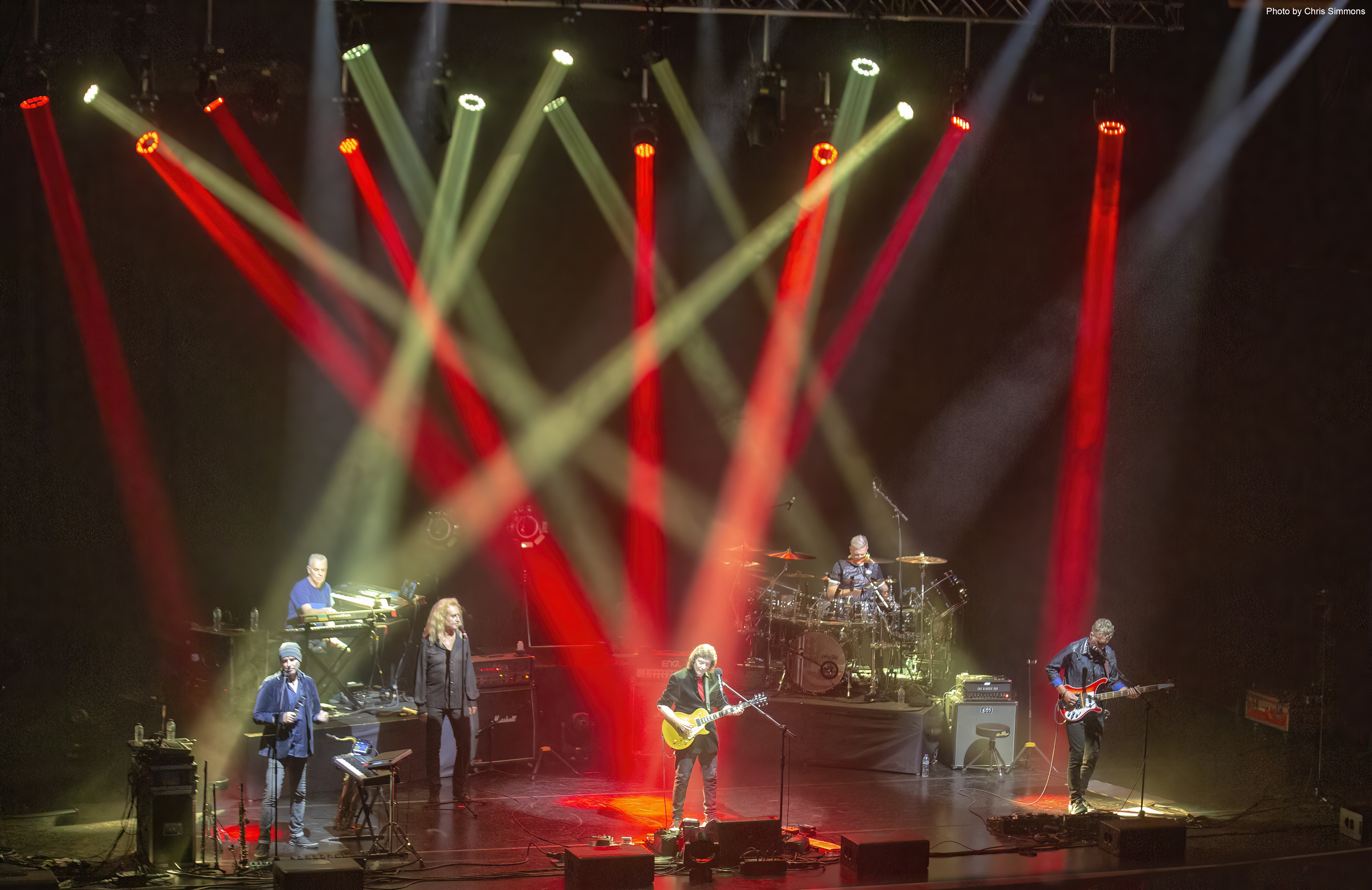
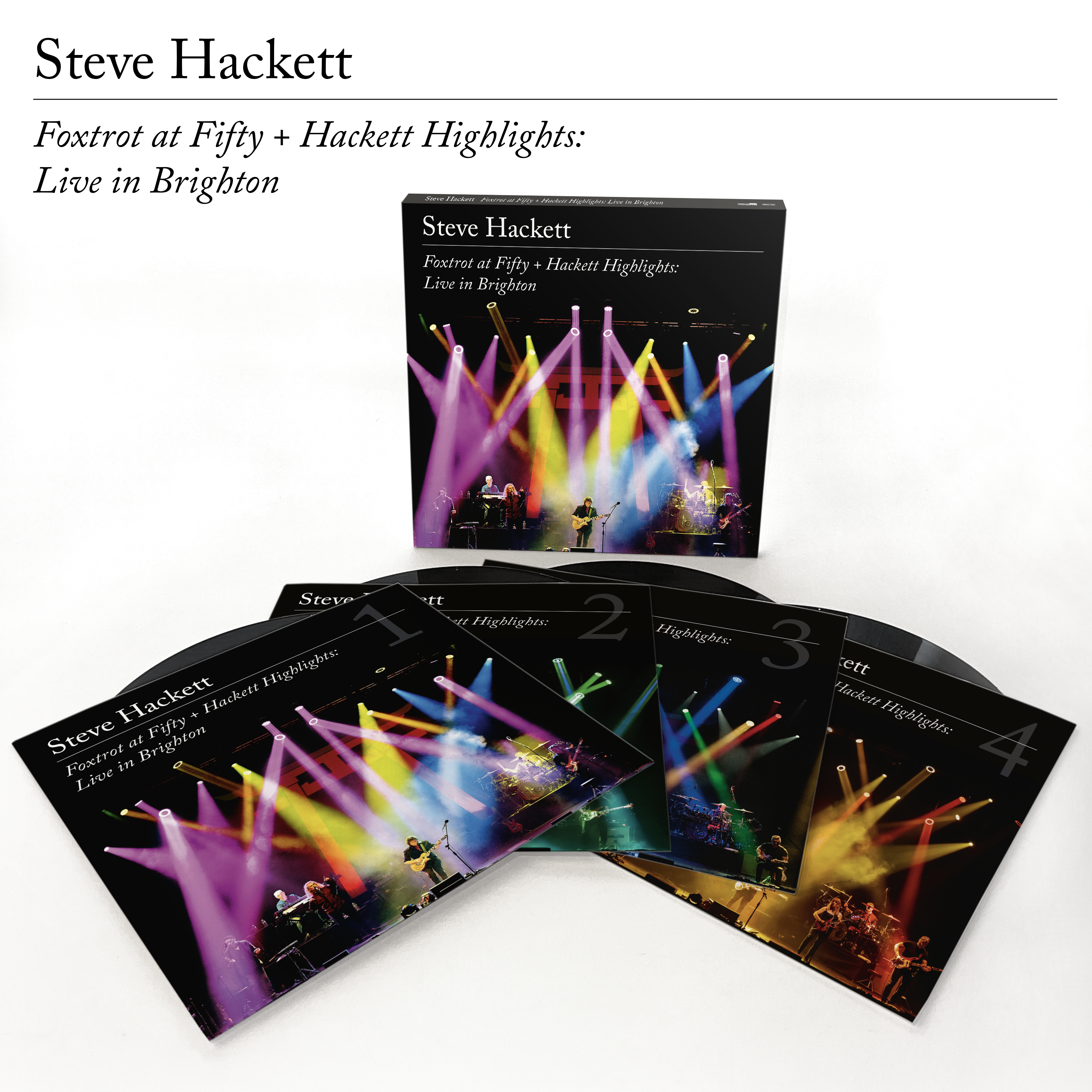
Steve Hackett has issued a new single/video from his upcoming Live album – Foxtrot at Fifty + Hackett Highlights: Live in Brighton, which comes out September 15. “A Tower Struck Down” was originally recorded for Hackett’s first solo album Voyage of the Acolyte, in 1975.
Well, another Heep list… My list of their best album opening cuts, ranked 1-11. These picks aren’t all necessarily from my favorite Heep albums, but those opening songs that are best representative of the album they’re from, and made the most impact to grab your attention. Feel free to disagree and put your own picks in the comments!
1 – Gypsy
The first song on Uriah Heep‘s first album, with that riff and Hammond organ. “Gypsy” is one of Heep’s most memorable tunes and set the tone for some of what was to come in the early days. Still a live favorite. This started it all!
2 – Sunrise
From The Magician’s Birthday. I love the gentle build up before the band and vocals come in, like a huge alarm. Imagine listening to the intro to this for the first time and not knowing what to expect!? It’s a ballad with a heavy dose of Heepy sound making this so intense.
3 – Too Scared To Run
After so many changes the band returned in ’82 with a new line-up, and an album – Abominog. This song kicked off the album and ’80s comeback. Penned by new singer Peter Goalby it’s one of the biggest and most memorable riffs in the Heep catalogue. This song really screams that the band is back. A fan favorite, and one from this era that still gets performed live. Such a ‘metal’ sounding riff, I can’t believe more modern metal bands haven’t covered this one!
4 – One Way Or Another
Opening 1976’s High And Mighty, which would be the last with David Byron, but surprisingly it’s sang by John Wetton (who also left after this album). It’s got a great opening riff and organ, sounding fresh and energetic. Just a great song. A shame it wasn’t given a global single release and promoted.
5 – Against The Odds
After a string of so-so albums and a bit of a break, Heep returned in 1995 with Sea of Light , which is lead by this killer tune. Another huge riff from Mick Box, and dynamite solos… one of the best tracks from the Bernie Shaw era. Fair to say I usually pick the lead-off track as my favorite on a number of Heep albums.
6 – Speed Of Sound
From 2014’s Outsider (hmm, cool name for a website!). Starting with Hammond organ, and as the organ comes up in volume the guitar and drums kick in before Phil Lanzon’s organ riff takes over. An uplifting tune a shame it didn’t get more attention. Followed nicely by the single “One Minute”.
7 – The Wizard
This acoustic based favorite was a very different start to the band’s classic Demons and Wizards album, a unique way to start an album back then (see also Golden Earring’s “Silver Ships”). The song is pure fantasy Heep from the start, and kicks off their biggest period.
8 – No Return
The lone album with John Sloman, and I love the start of this song and album right away. One of 2 songs penned (but not credited to) the new singer. I like the quiet built up intro, and although it’s not crushingly heavy, this is a very good song, my favorite from Conquest. Would have made a better first single as well, IMO.
9 – Bird Of Prey
From Salisbury (everywhere but North America where the album opened with “High Priestess”). Another trademark Heep classic with that powerful opening and high harmonies. This one kept up the weight and energy of “Gyspy”.
10 – Between Two Worlds
And my favorite track from Heep’s post-’90s era. Love the spooky keyboard intro , and the band coming in to a rockin’ and catchy classic Heep tune. Much like “Against The Odds”, it’s heavy on the guitar and hammond organ, with fantastic solos from Mick Box (love the lengthy outro after the last lyrics), and one of Bernie Shaw’s best vocals on a song with some cool story to it. I really liked Sonic Origami, but nothing else on the album comes close to this killer track.
11 – The Hanging Tree
And here I am at #11… A great start to the band’s first of 3 with John Lawton singing. A memorable little keyboard intro before the drums and rest of the band kick in. Not sure how Heep fans heard this at the time, but as a later Heep fan, I think Lawton did an excellent job at selling the new-look Heep right off the bat with his voice on Firefly. Ken Hensley would re-write and re-record this for his last album as “Right Here, Right Now”. It is worth noting that in Canada and the USA this song kicked off side 2, and the album started with “Been Away Too Long”. The Fallen Angel album also featured different opening cuts from various territories.
Norwegian metal band ROZARIO (name from singer David Rozario) have issued the anthem “Heavy Metal Rider”. It’s the 2nd single & video from their debut album – To The Gods We Swear, coming out on October 20. So far – 2 great singles; killer riffs, big guitar and big choruses.. check these guys out. Looking forward to the album. Produced & mixed by Trond Holter. *Check out the video below with bio and lyrics in the description, and the links below.
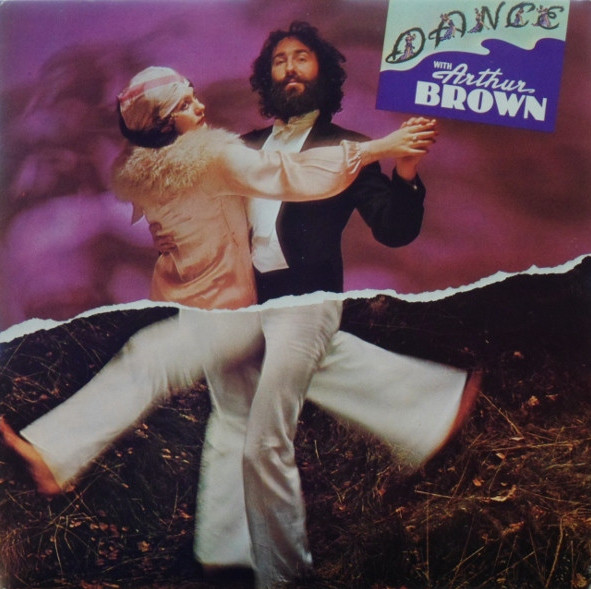
Legendary and influential British singer and performer Arthur Brown will have his classic 1975 album Dance reissued in October. The remastered 2-CD package will feature 1 disc consisting of a rare 1975 BBC Radio One concert. The live show features 6 songs from the Dance album. The package will feature all original artwork reproduced, as well as added notes.
Finland’s Erja Lyytinen has released a new single from her upcoming live album – Diamonds On The Road-Live 2023. The track is a awesome version of the Hendrix classic “Crosstown Traffic”. To check it out > STREAM SINGLE , or check out the new video!
DIAMONDS ON THE ROAD – LIVE 2023 TO BE RELEASED 6TH OCTOBER 2023
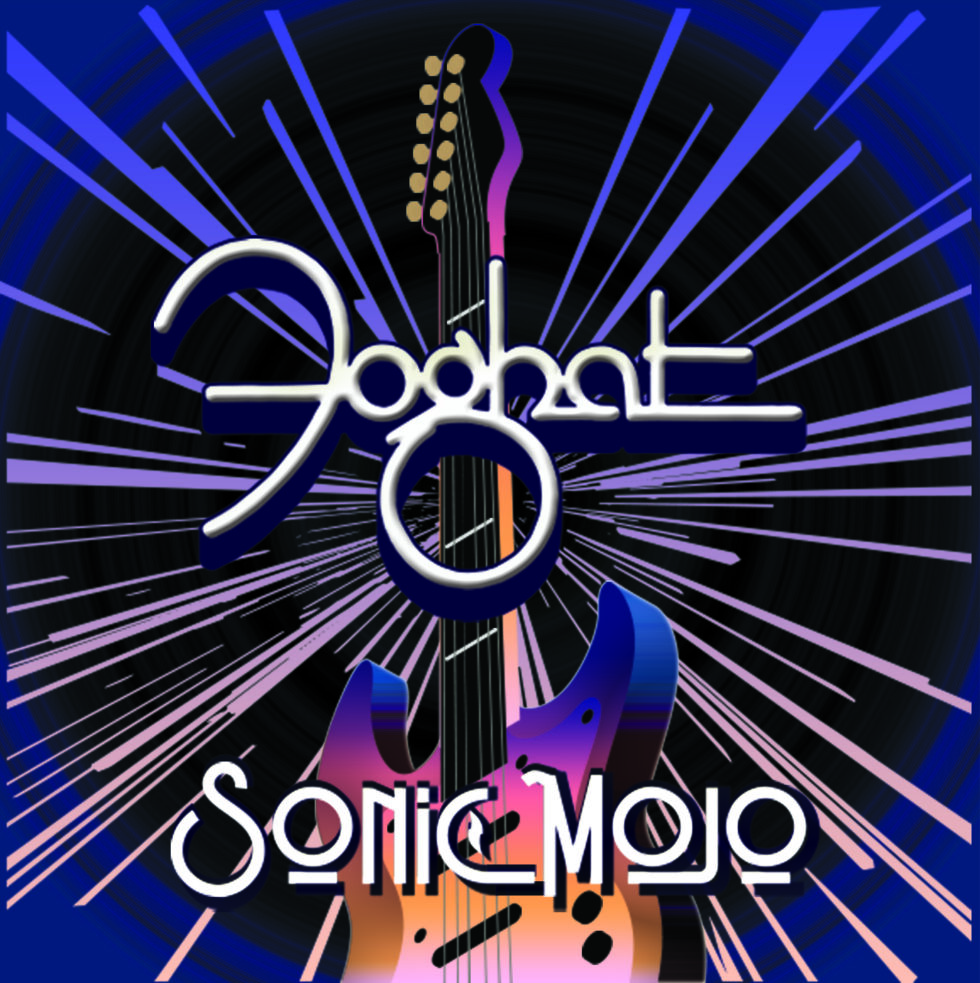
Legendary and multi-Platinum rockers FOGHAT will be releasing their long-awaited 17th studio album, ‘Sonic Mojo’—their first in seven years—later this year on the band’s label, Foghat Records, which is distributed by Select-O-Hits (part of the Sun Records family).
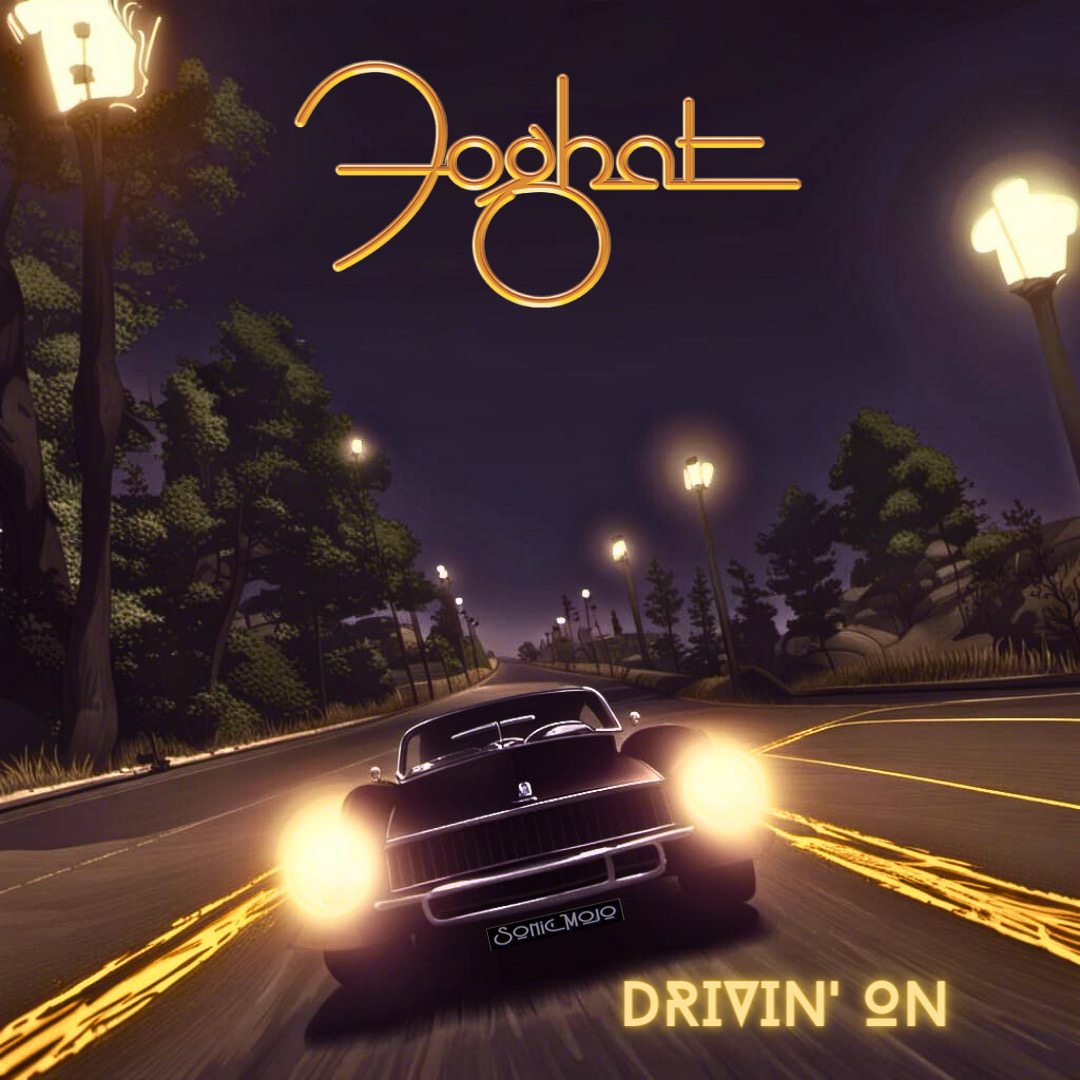
The album’s first single, “Drivin’ On” (co-written by the late Kim Simmonds from Savoy Brown), is now available for pre-saves at Foghat.lnk.to/DrivinOnNE
In addition to three brand new songs written by band–founding member/drummer Roger Earl, guitarist/engineer/co-producer Bryan Bassett, singer/bassist Rodney O’Quinn, singer/guitarist Scott Holt—three other songs were co-written by Kim Simmonds, the man who gave Roger his first break back in 1967 as a member of Savoy Brown. Sadly, shortly after writing these songs, Kim passed away.
The upcoming release sees FOGHAT tip their hat to great artists that came before them, with songs on the album written by Willie Dixon, B.B. King, and Chuck Berry, as well as giving plenty of winks and nods from the current lineup.
Formed in 1971 when Lonesome Dave Peverett and Roger Earl left the British blues-rock band, Savoy Brown, FOGHAT has earned eight Gold records, one Platinum record and one double-Platinum record. They continue to release new music every few years, and they’ve never stopped touring and recording although there have been several ups and downs and changes over the years. They sadly lost Lonesome Dave Peverett in 2000, Rod Price in 2005, and Craig MacGregor in 2018, but Roger Earl keeps banging and kicking to keep FOGHAT’s musical legacy going. It’s about the Music!









 Outsider Rock