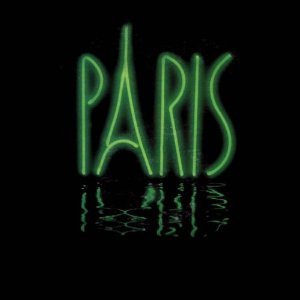
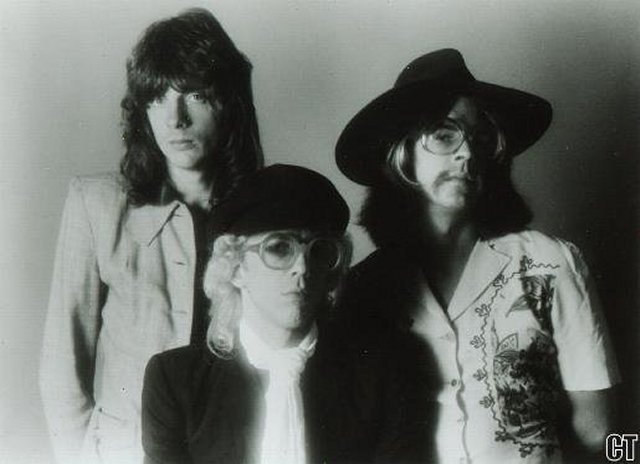
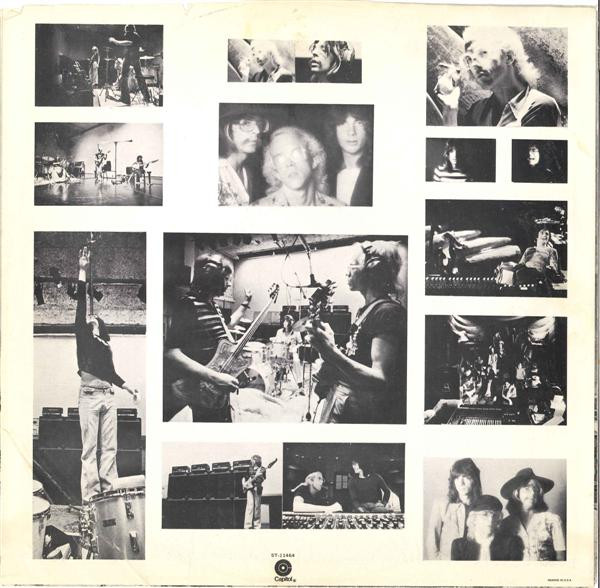
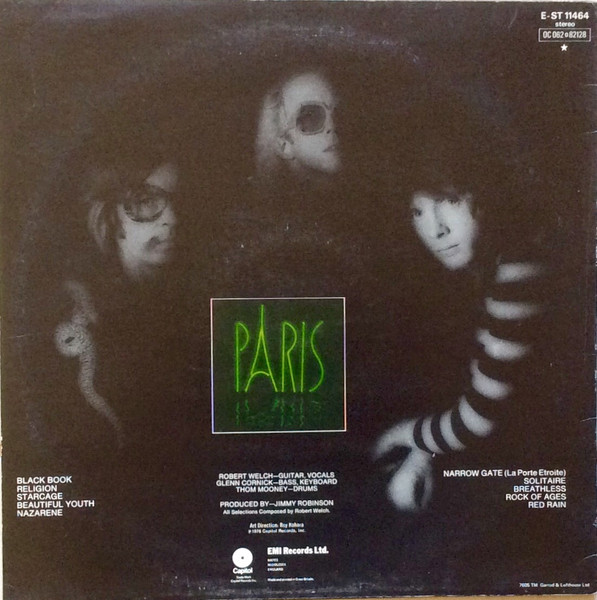
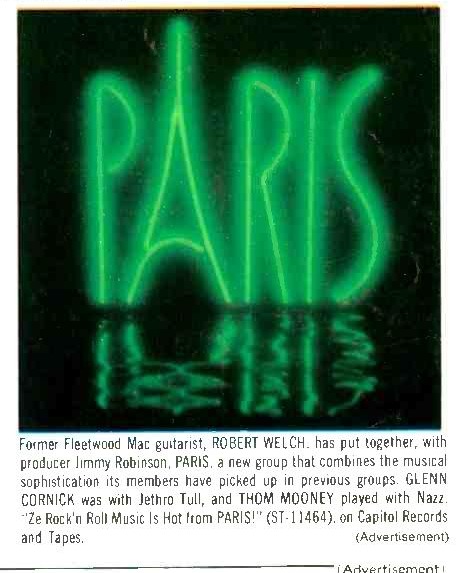
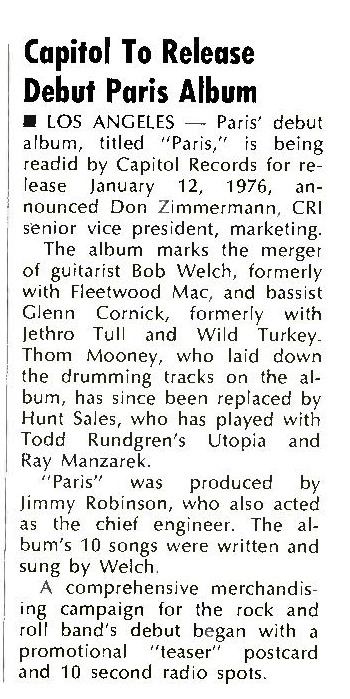
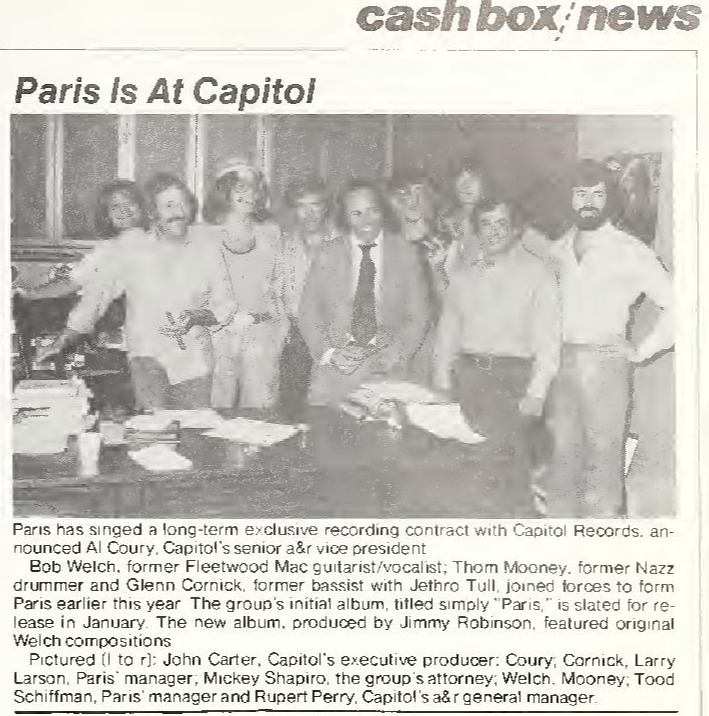
PARIS was a power trio that included former Fleetwood Mac singer/guitarist Bob Welch, former Jethro Tull bass player Glenn Cornick, and former Nazz drummer Thom Mooney. Formed in 1975, following Welch’s departure from Fleetwood Mac, Paris released their first of two albums in January of ’76. As a major part of Fleetwood Mac for 4 albums, including such classics as “Hypnotized”, “Bermuda Triangle”, and “Sentimental Lady” – a track he’d lady re-record and have a hit as a solo artist. Anyway, Paris debut album would be a heavier, blues based – rockier album, Zeppelin influenced rather than more in tune with the Fleetwood Mac stuff. Glenn Cornick was a fitting heavy bass player, having played on the first few Tull albums, as well as Wild Turkey. Rockers like “Black Book”, “Religion”, “Nazarene”, and “Rock Of Ages” – all really good tracks, that should’ve appealed to those in to Zeppelin, Mountain, and perhaps Deep Purple. I love the recording on this record, produced & engineered by Jimmy Robinson, who’s later credits also included early Sammy Hagar, Detective, and Yesterday & Today. Check out cuts like “Narrow Gate” – with a number of changes, and Cornick’s bass sound jumping out, as well as “Beautiful Youth”, which sounds like it would’ve fit nicely on a previously Fleetwood Mac album, which makes sense as Welch wrote everything here.
Paris didn’t crack the Top 100 at the time (#103 in the US), I haven’t found much else on it, and there was no single from it. The band would release a follow up later than year with Hunt Sales replacing Mooney. Welch would later go on to a successful solo career, releasing a number of albums, and having a few it singles. When Fleetwood Mac was inducted into the R & R Hall of Fame in 1998 Welch was omitted, which was shameful,, IMO. Welch passed away in 2012, Cornick passed in 2014, Mooney took part in a one-off Nazz reunion for Rundgren Radio in 2019. The Paris album has been reissued a few times on CD, so shouldn’t be hard to find, and is well worth checking out.
PARIS, Capitol ST- 11464. The world of heavy metal boogie gets a new power trio featuring guitarist- singer -writer Robert Welch, lately of Fleetwood Mac, with bassist -keyboardist Glen Cornick, an original member of Jethro Tull. The buzzsaw gui- tar leads and oh- so- cosmic lyrics remind one of the early Deep Purple at its most rambunctious. Best cuts: “Beautiful Youth,” “Narrow Gate,” “Nazarene.”
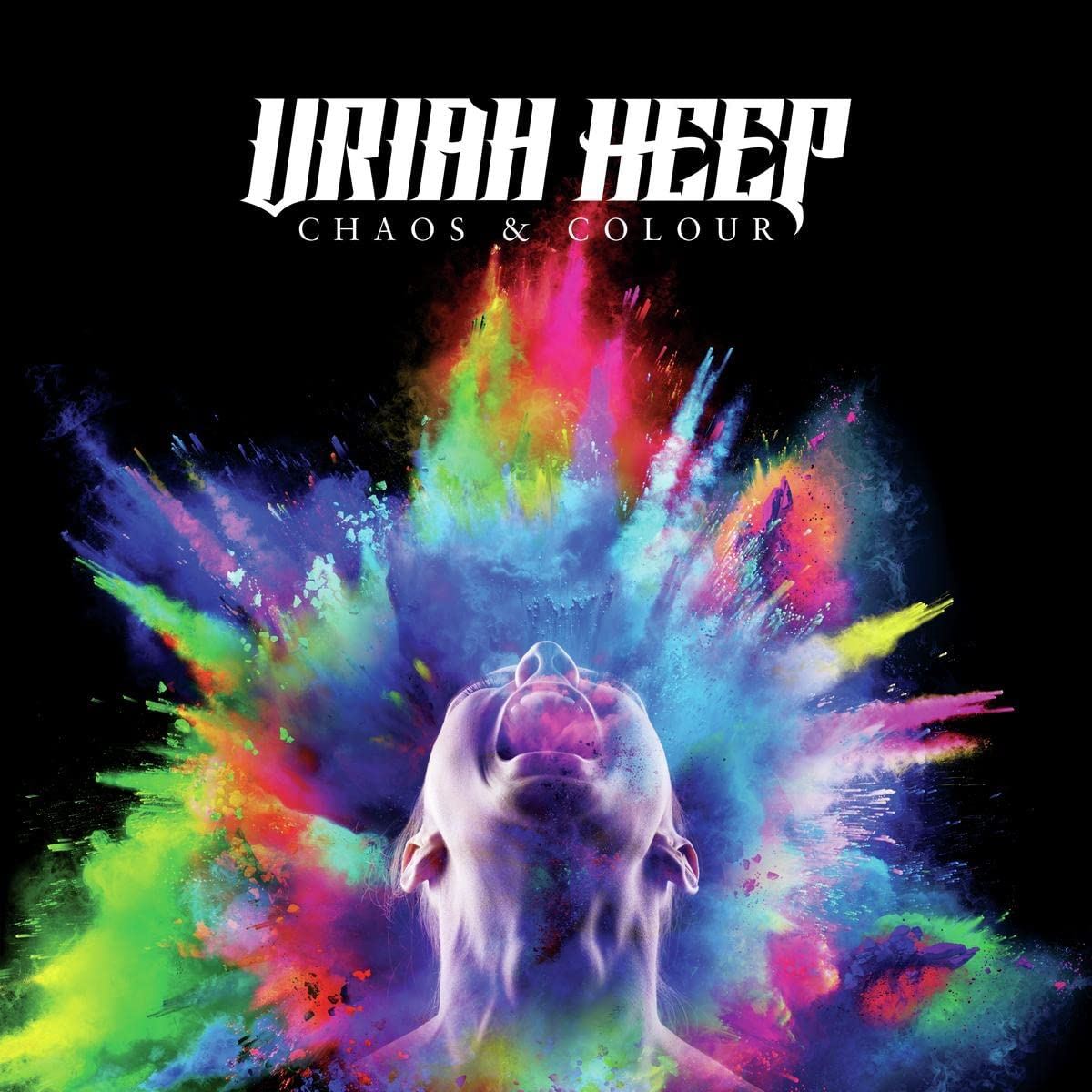
Uriah Heep have released a new video from Chaos And Colour. The track is “Golden Light”, a favorite, penned by Mick Box & Phil Lanzon.
“Golden Light” is a smorgasbord of soaring melodies, robust rhythm, luscious guitar lines, and brims with spiritual optimism. “We’ve always had positive energy in everything we do,” beams Mick Box, Uriah Heep’s venerable and effervescent founding member. “It’s always good over evil no matter where we look at it. That’s what we’re like as people, which is why it’s always been a big part of Heep to have that positivity.” “‘Golden Light’ is a typical melodic Heep rock song” continues Box, “it explains that in this troubled world, there is a guardian angel shining down a light, to guide us through these difficult times. ‘Appy days!”
Produced by Jay Ruston, and engineered by Pieter Rietkerk, Chaos & Colour is a superb album of quality hard rock from the pioneers of the genre who continue to create top class material. Old fans will be reinvigorated whilst new fans will surely find Chaos & Colour an exceptional discovery. In this, their 53rd pioneering year as a band, Chaos & Colour sees Uriah Heep throwing down more life, light and energy than peers 40 years their juniors.
Chaos & Colour is available to order now on Black and Coloured Vinyl configurations, as a standard CD Digipak, and digital formats. Orders can be place here: https://lnk.to/ChaosandColour
The latest installment of Avi Rosefield’s Very Heepy Very Purple is out. The Israeli guitarist/songwriter is on volume 14 in his series of classic rock albums, heavily influenced by Uriah Heep & Deep Purple, among other great bands. X!V features 10 new tracks, as well as an impressive list of guests from such bands as Savatage, Bonfire, and Jag Panzer.
The lead off track “I Got A Riff” has a very Deep Purple sound and feel to it, like it would’ve made a cool opener to an early Gillan era album; great vocals courtesy of Hadi Kiani (Deaton Lemay Project). The 2nd track, “Fire And Ice” is equally as good, featuring Damond Jiniya (Dead Dark Slide, Savatage), though I can’t help but notice that sounds remarkably like an Iron Maiden song. “The Mass Grave” offers up something unique, a ballad, featuring Stefano Stex Sbrignadello (Great Master) on vocals, and violin from Sanja Smileska Mihajlovski .
But without rambling on about every track, this is a solid album of music, not a bun track here, and it should suit classic hard-rock/heavy prog fans. Other highlights being “Asteroids”, which is heavy on the Hammond organ courtesy of Michael Berry, making this one reminiscent of Rainbow, and like many others here is given a classy Blackmore-sound influenced solo. As well check out the closing track “Black Rocks”, featuring Harry ‘The Tyrant’ Conlin (Titan Force, Jag Panzer), and some Heep-like harmonies. If you like that familiarity of certain bands, from a certain era – you may want to dig in to this and this whole series. *Check out the links below for more info and ordering…
I recently watched the Now Spinning Magazine show (podcast) with Phil Aston and Martin Popoff discussing their favorite Deep Purple albums, and which inspired me to take out a few DP albums I hadn’t listened to in a while, including this one – Slaves and Masters, from late 1990. I remember how big the Purple reunion was in the mid ’80s, and how good Perfect Strangers was, and beyond the first single from House Of Blue Light, I quickly lost interest (wasn’t a fan at the time). Eventually it was announced that Joe Lynn Turner was the new singer for Deep Purple, after press articles that Jimi Jamison (Survivor) and Terry Brock (Strangeways) would be the new singer. Jamison had a new Survivor album out around the time, and was pressured by shady management not to take the Purple gig. Anyone who’s heard Jamison’s pre-Survivor albums with Target and Cobra might agree he would’ve been an excellent choice. Anyway, former Rainbow singer JL Turner was brought in, presumably at Ritchie Blackmore’s insistence, and I recall a UK music mag headline that read (something like) ‘Grown Men Wept Openly...’ upon announcing the news. Now, I wasn’t a big Purple fan then, and I liked the string of Rainbow radio hits with JLT in the early ’80s, so I wasn’t as upset, though in retrospect Slaves And Masters really made Purple more like Rainbow (an American radio friendly band) than what Purple was known for. But, I did like the first single “King Of Dreams”, which got plenty of radio play at the time, and I recall picking up the album new off the rack at Poptones in Niagara Falls! I played it a lot, especially side 1 – “King Of Dreams”, “The Cut Runs Deep”, “Fire In The Basement” were really good tracks (still are), that I dug right away. “Fire In The Basement” with that killer riff, kinda trying to be a next generation “Smoke On The Water” (without the story)! Heck, each track had a memorable intro. “Fortune Teller” was good as well, though a bit softer.
Side 2 carried on with a more AOR approach, less impressive IMO, but still included a few favorites like “Truth Hurts” and the more hard -rockin’ “Wicked Ways”. It also contained the ballad/single “Love Conquers All”, not a bad song, but out of place on a Deep Purple album (for me), as well as “Too Much Is Not Enough”, a track originally penned for JLT’s solo follow up to 1985’s Rescue You. The 12 inch single version for “Love Conquers All” also featured the non-LP “Slow Down Sister”. This one was produced by Roger Glover, a very ’80s radio friendly production, full of different keyboard sounds, no really lengthy or overly heavy songs (aside from maybe “Fire In The Basement”). And as much as I like this album overall, enjoyable listening, I think what it is missing is that one killer track like say “Knockin’ At Your Back Door” (thou’ the first 2 cuts come close). Even the album’s cover-art, though preferable for me to the previous few, screamed ’80s hard-rock.
Slaves And Masters didn’t live up to record company expectations, and a follow up with this line-up was dropped as the record company wanted Ian Gillan back in for the band’s 25th Anniversary, and the follow up The Battle Rages On. I gotta say I wasn’t crazy about that one either, so Slaves And Masters, tho’ not perfect, I enjoyed more than the one before and after it.
From 1979 to ’82 Robin George recorded at the Old Smithy Studio in Worcester. During that time he worked closely with the late Daniel Boone (aka Pete Green), and was part of the Byron Band, (ex Uriah Heep). He also managed to record a number of tracks, these included numerous (now) legendary musicians and writers. So, through Cherry Red, Robin’s earliest recordings will get a proper release in June. These 24 original recordings were shelved as Robin would sign to Arista and release the 6-track mini-LP History in 1983, and then signed to Bronze to make the Dangerous Music album in ’84.
Aided by various musical luminaries, including Dave Holland and Charlie Morgan (Elton John) on drums, Pino Palladino (The Who) and Pete Wright (Trapeze) on bass, Daniel Boone, Mark Stanway (Magnum) and Terry Rowley (Trapeze) on keyboards with Mel Collins (King Crimson, Bad Company) on sax.
2 CDs of classic, melodic rock, this release features many photos from Robin’s personal archive and the set is completed by previously unpublished liner notes from the late Malcolm Dome, a much missed and well-respected music journalist who had been a great supporter of Robin’s career for over 40 years.
Ace In My Hand’ kicks off a campaign of exciting titles from Robin George, who will be available for interviews and press to promote this release.
“Ace In My Hand’ is not a nostalgia trip. It’s a lesson in music for everyone.” Malcolm Dome.
Track Listing
DISC ONE
1 Ace In My Hand 2 Castles In The Sky 3 Chance Of A Lifetime 4 Everybody Loves A Winner 5 Get On Your Knees And Pray 6 Go Down Fighting 7 Heartline 8 Home Is Where The Heart Is 9 I Believed In You 10 Johnny 11 Looks Better In Daylight
DISC TWO
1 Losing You 2 Lying On My Telephone 3 Machine 4 Mona Lisa Smile 5 Never Too Late 6 Private Lives 7 Run In The Dark 8 She Plays Computer Games 9 She Really Blew My Mind 10 Streetwise 11 This Time 12 Too Late 13 Tragedy
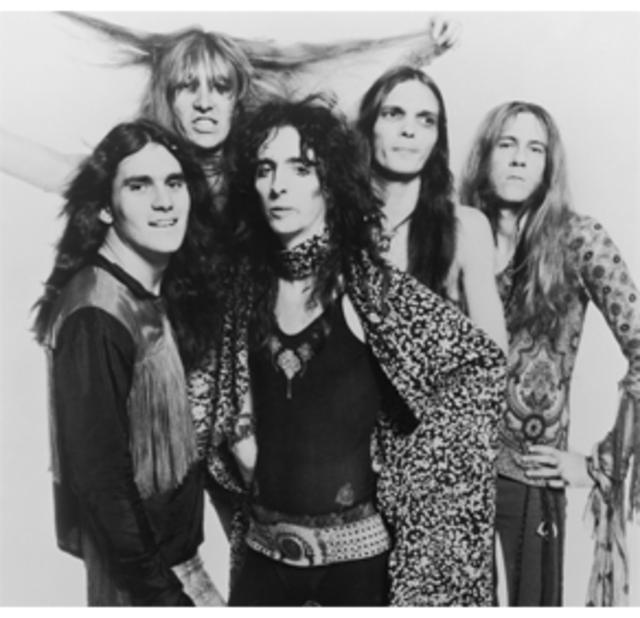
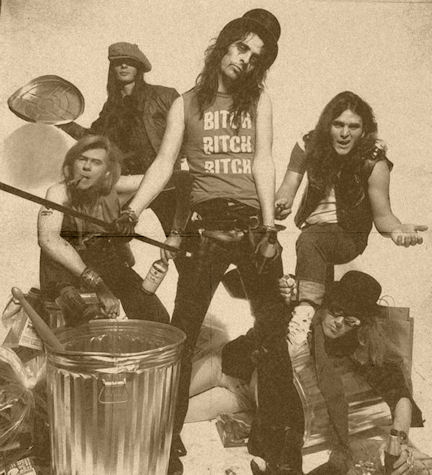
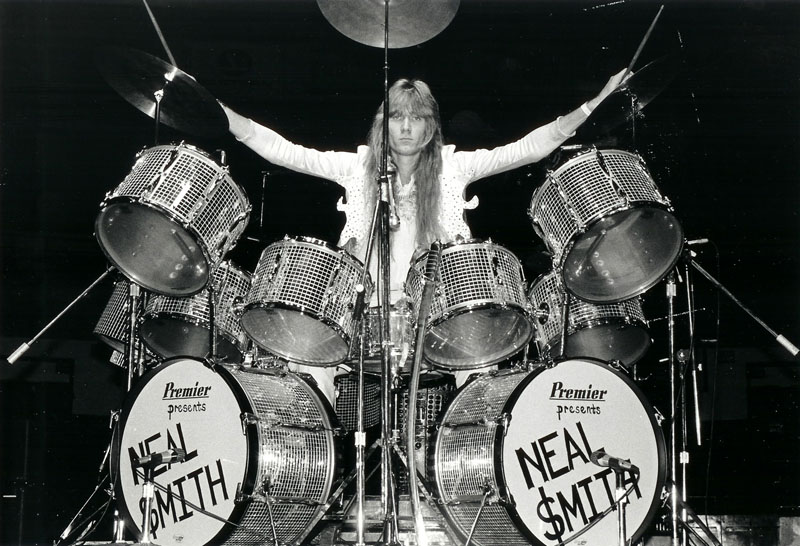
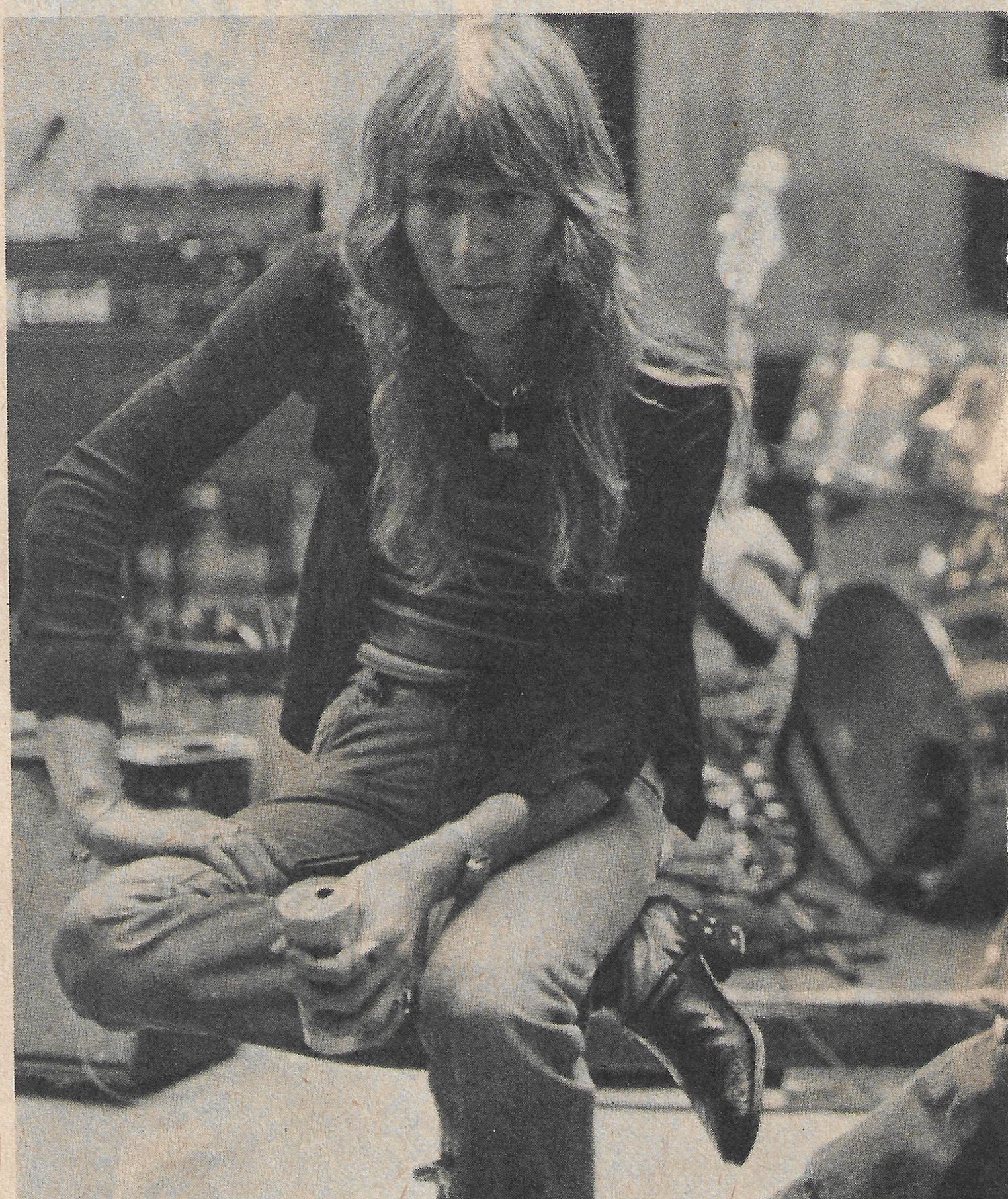
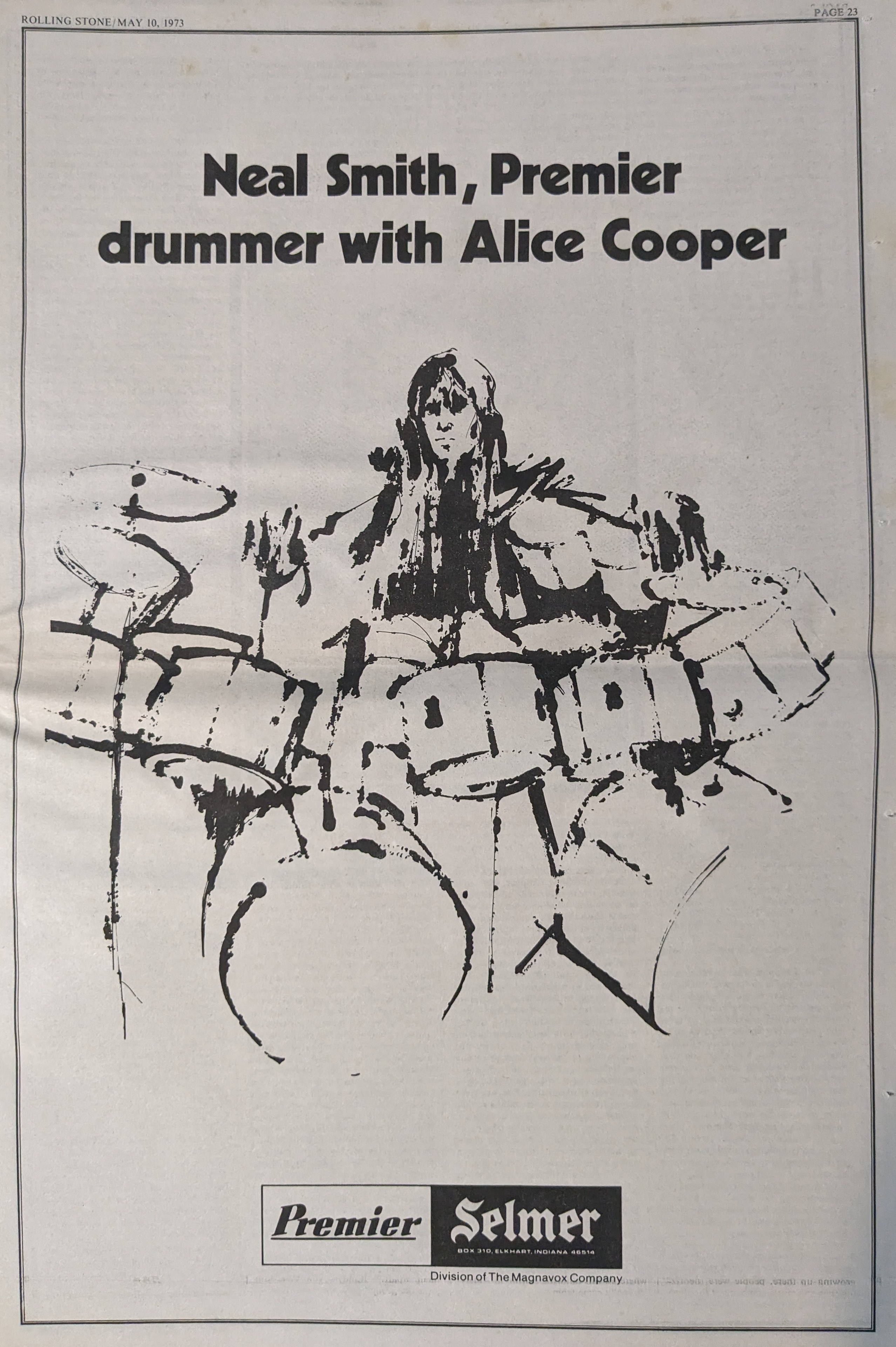
This interview was done in June of 1996. Through a friend (and associate of Neal’s – Billy James) I was able to send Neal plenty of questions, and he gladly answered them on a cassette and sent them back. (Note that this interview was done well before the death of Glenn Buxton. )
I did another interview with Neal in 2014 (which I’ll re-post here in the future). Neal has a new album coming out ‘Killsmith Goes West‘ – check out my review and news of it elsewhere at this site.
What are your memories of the earliest gigs the band ever played under the names prior to the Alice Cooper Group [i.e.: What sort of venues? Responses? Set-lists?].
Some of the first memories I have are of The Nazz – that was when I’d joined the group in the fall of 1967. We were playing a lot of clubs, and once in a while we were on Arizona local television. It was basically the biggest clubs in the South-West that we were playing at the time, as well as Los Angeles. The responses were always positive. One of the main things we always tried to do was have people walk away with a reaction. The set list at that time included all of the songs from the Pretties For You , which we recorded on Frank Zappa’s Straight Records. There were some songs we also did which were songs that were later re-written and recorded for later Warner Brothers albums.
Who were some of your own musical influences and ‘heroes’ starting out [any favorite drummers back then]?
Some of my own musical influences at the time were from when I was growing up in the ’50s and ’60s like Gene Krupa and Sandy Nelsen — a lot of the big band sound and pop together. Of course, when the British Invasion happened I was influenced to an extent by the likes of Ringo Starr and Charlie Watts because I liked what they did with what they were playing musically on records with The Beatles and Rolling Stones. From a theatrical stand-point I really liked Keith Moon and Mitch Mitchell (from Jimi Hendrix’ band). I also liked Ginger Baker, but probably more from a playing stand-point. He is, I think, probably the best drummer of the rock era.
How did the whole ALICE COOPER concept evolve [i.e.: from the time you chose that name]?
The concept for Alice Cooper really came from when we all went to art school together. Alice, Glen, and myself were all art majors. We liked to employ the mixture of art and theatre into the music. That was simply the concept, just something that nobody had done before. Even before the name Alice Cooper came along, when we played we tried to have people walk away, and the one thing we wanted them to do – was never forget the band!
No matter what we had to do to make that happen!
The first 2 AC albums were so strange (in retrospect), what influenced a lot of the sounds and production ?
Yes, they were a little different for the time. Any influence that we had, again being art majors and wanting to do something completely different – that was our approach. We had a few other influences like early Syd Barrett with the original Pink Floyd. I liked a lot of the things with sounds that they played around with at the time. Also, Stockhausen – electronic music that was coming out of Germany and Europe at that time. There was just a lot of experimentation with instruments, instruments that every group had – 2 guitars, bass, drums, and a singer.
How did the band hook up with Shep Gordon and Warners?
Shep Gordon and Joey Greenburg were partners and we signed with them. They were just out to Los Angeles from Buffalo, New York. They’d graduated from Business College at the University Of Buffalo. My sister – Cindy Dunaway, who’s married to Dennis, worked at a boutique store in LA, and at the time had a lot to do with our clothing and image. So, Shep and Joe came into the boutique and I guess they were talking, and she asked them what they did, and they said that they manage bands. She said “my brother’s in a band, and they need a manager!” We hooked up from that point on. Of course, Warner Brothers bought out Straight Records, which was Frank Zappa’s label and there was 10 bands – which I still think was one of the most amazing business deals ever done at the time. Warner Brothers bought out 10 bands from Straight Records for about $50 000 at that time – 1969-70. This was already after we’d recorded Easy Action. Linda Ronstadt was with a band called “Stone Ponies” and also James Taylor was in one of the groups that Frank Zappa had at the time, so they kinda got Alice Cooper as a bonus because they’d (Warners) really wanted Linda Ronstadt and James Taylor.
What influence, advice, and ideas did Bob Ezrin bring with him when you began to record with him for Love It To Death?
Well again, it was our first album for Warner Brothers, we were now with a major label, we had incredible management, we were making a presence with the underground – very strongly with Pretties For You and Easy Action and the affiliation with Frank Zappa at the time. We wanted to break-out, not really into the mainstream, but hit more people with our impact, so we needed someone who’d take our music to the level of what our show was and where we really wanted to be. Bob Ezrin, at the time, was with Nimbus 9 Studios in Toronto. He was just starting out, the same as Shep and the band; we were all starting from the same place. Bob’s influence was very substantial in really taking the songs and working with us on arrangements. Lyrically, Alice – I still think is one of the best rock lyricist that’s ever been around. So, to take those lyrics and to take the ideas of our music, which the majority of was written by Mike, although Dennis and myself also influenced the music as well. Bob really took it and put it all together, and worked quite closely with the band. He was really, in my opinion, like the 6th member of the band! One other thing – Bob not only was an incredible influence on the music, but keeping in mind the “theatre” of the band, and keeping in mind what we did on stage and implementing that in a musical expression on our records, as well as what we did live. That was a lot of the “magic” of what Bob and the band did together.
What was the songwriting process in the original AC band?
That’s an interesting question. I think we probably utilized every possible aspect of songwriting. A song like “School’s Out” – everybody wrote together. Some of the riffs from that song were done a long time ago in the early days before we even recorded. A better example is “Elected” which was originally on Pretties For You and was called “Reflected”; we’d re-wrote it. Anything from that period of time (Pretties For You and Easy Action), we basically wrote together. We would come up with songs either from a group jam where everybody is together working out a concept or idea and Alice would work on lyrics. We would also brainstorm on the lyrics. The other way was that Mike would write a song, bring it to Alice and then there was lyrical changes on it. A great example of this is “No More Mister Nice Guy”. Another example of co-writing was Dennis and Mike writing “Under My Wheels”, and from the standpoint of the lyrics they were very involved and then Alice came in and worked on the lyrics as well. And to this day it’s one of my favorite all-time Alice Cooper songs! There was also songs in the band that members wrote by themselves like “Black Ju-Ju” – Dennis basically wrote that song and “Hallowed Be My Name”, from the Love It To Death album is a song I wrote in it’s entirety. It was always fun and it was always a very creative process. One of the last songs we ever wrote together was from Billion Dollar Babies. We needed 1 more song, it was “Generation Landslide”, again one of my favorite songs. We had needed 1 more song for the album and we were in London recording at the time, and we just had to get out of town – go rehearse and write a song. We went down to the Canary Islands and there was a brand new hotel that was being built. We rented the whole top of the hotel, moved in, took our equipment – just enough to set up a little studio and write a song. I started playing the drum beat to “Generation Landslide”, Mike joined in, and in a couple of days we’d developed the song. We wrote the song as a group and everyone participated in it’s creation. Usually last songs can be filler, but I think that was an incredible song!
What influenced the words to some of the bands’ biggest hits, such as ‘Eighteen’ & ‘Be My Lover’?
With “Eighteen” we wanted to have a hit song as we’d never had one, and this was our third album (Love It To Death). We wanted something that was going to be timely, and the subject of being 18 years of age at that time was a very hot subject! We wanted something like an anthem, and I certainly think “Eighteen” succeeded. “Be My Lover” was from the standpoint of a “cabaret” kind of thing. Alice used “Katchina” – the snake, on stage, and even throughout the ’80s he used the snake during “Be My Lover”. It was a fun song; I always liked playing that one.
What is the story behind the sessions for the Billion Dollar Babies album [i.e.: who were guest on it that is not written in the credits]?
We recorded it at our mansion in Greenwich Connecticut, in London England at Morgan Studios, and at The Record Plant in New York. All the songs were recorded by the band. There was a jam session in London that Keith Moon, Harry Nilson and Mark Bolan from T-TEX attended. Flo and Eddie were there too as were a couple of other friends that had played with us on albums – Mick Mashbir, who later played some guitar on Muscle Of Love. They were in the session, but it was nothing that was ever on the record. It was a fun jam session and a great party!!
How did you and the rest of the band deal with the fame and success?
We’d played for about 10 years, and it was almost like a non-stop party. We had worked very, very hard to achieve what we had achieved at that time, and we were all enjoying it. It wasn’t a situation where it was a bad thing – it never was! We got along great together, and to this day we still get along great.
With Alice, himself, being more in the public eye than the rest of the band as a whole, create any bitterness or animosity amongst band members?
To tell you the truth when the band first was together and went on the road in the late ’60s, there was a lot of time where we could all go to the radio stations and do the interviews. We could all do the interviews with the magazines. It was a little hectic with 5 people, but we all had the time to do it. As things changed there was times when Mike, Dennis and I or Alice and I would do the interviews. If Alice couldn’t make it I did the interview – it just depended. It was a situation that was orchestrated by the band. As the pressure became greater later on and the band had to do sound checks at big concerts, and we’d traveled so much that by the time we got to the venue our thing was the music and Alice would go to the radio stations and do his things. Everybody had their job. There was never any bitterness. It was a lot of work and everyone had their job to do at that particular time. We all shared equally in the band. Everyone had their own weight to pull and we did it to the best of our ability in always trying to put on a great show – no matter what the bottom line was!
Why did the band decide to record Muscle of Love so soon after B$B’s, instead of taking a needed break?
I don’t know if there was a needed break. We actually took the break after Muscle Of Love. First of all. we recorded albums, and we played concerts – that’s what we did for many years. After Billion Dollar Babies we wanted to get in to the studio. We’d been playing those songs for a year now and we had a whole new group of songs that we wanted to put down; we had a new concept. There was actually even songs for an album after that! And that’s why Muscle Of Love was recorded, and then the Greatest Hits came after that.
Why were two guest guitar-players used on that album? Was it due to Glen’s ‘health’? [Stories that Glen was so ill on the last few tours that in fact someone else played his parts from behind the stage – True?]
Dick Wagner, who was a very good friend of Bob Ezrin came in and did some guest spots on some albums for a little bit different texture or flavor. Mick Mashbir, who was a long time friend of mine from high school – even before I was ever involved with the guys in the group, he played lead guitar on some of the live shows. What was happening was when we got into Billion Dollar Babies on stage the show was becoming bigger, we needed more music, more musicians. With what we were doing on the albums – we wanted to portray that more live. So, we needed a keyboard player, Bob Dolin, and we needed another guitar player – so Mick played for us in the back-ground on the Billion Dollar Babies Tour, as well as some lead work on Muscle Of Love.
Glen always played “School’s Out” and “18” – those were his songs. All the hits he would do. He contributed immensely to those songs. Those songs were never the same without him. Yes there was people who played with us live on stage, and they actually had their own section in that they were in the spotlight as well. There wasn’t anything hidden about it or anything like that. Yes there was a period of time, unfortunately, with the Billion Dollar Babies tour, that Glen wasn’t feeling too well, but he’s a trooper. He went on the road with us and it was one of the highest grossing tours at the time. It wouldn’t have been the same without him, that’s for sure !
Do you feel that Muscle Of Love is an overlooked album? It is my personal favorite ACG album.
I don’t think it’s that overlooked. I think it was an interesting turn for us to do the Muscle Of Love album. It’s one of my favorite albums too. It was fun recording it. Bob Ezrin unfortunately, didn’t help us out on the production – it was Jack Douglas. That was one of Jack Douglas’ first albums before working with Aerosmith, and then Jack Richardson also helped. He’d originally started with us on Love It To Death. He produced The Guess Who, some of their biggest hits. Bob Ezrin was Jack Richardson’s protégé. Prior to albums to that, the 2 or 3 before, we’d shipped over 1 million copies the first week. Muscle Of Love came out and it sold 800 000 copies the first month, so it was a little bit off the mark. It wasn’t followed up with a major stage show worldwide, and I think that may have been a part of it.
During your time with AC you recorded a much publicized solo album (The Platinum God). What is the story behind it [i.e. : Who played on it ? Who wrote? Sang? Why has it never been released?]
I guess it got a lot of publicity (!?) It was a concept that I’d been working on. I wrote all the songs, and sang all the songs on the tape. The guitar player was Mike Marconi. He was a musician I had met while we were on the road in the Rochester area. I went to see him play live in a club one night and liked his work, so we ended up working together. Jack Douglas produced the tapes, Dennis played bass, Mike Marconi played the lead guitar, and there was another guitar player – Stu Day. Stu had a band out of New York called “The Mix” in the mid to late ’70s. Then there was some orchestrations where I had brass sections and string sections – which was actually the New York Philharmonic at the time on the tapes. We had taken them (the tapes) to a lot of record companies, and I guess being the “shock-rock” band, or whatever we were at that particular time; this tape was actually pretty shocking to them in a lot of respects. And to this day I think that’s a great aspect to these tapes. On the song “Platinum God” itself, I just had no clue as to what was going on. It’s an interesting mixture between contemporary drumming and primitive drumming, and mixed with the concept. Who knows – maybe someday it’ll still be released , I don’t know !
Did the band intend on getting back together following the “Greatest Hits” release?
The band still might get together! Who knows? Of course we planned on getting together. That’s kind of a crazy question !
What did you do in the first few years following the break-up of the band?
We took the year off. We had worked very hard, as I mentioned previously. It was a lot of fun but a lot of work too. We’d travelled all around the world. We’d gone from obscurity to fulfilling our dream of bringing what we did that was so different and exciting to the music world and bringing in theatre – an element that had never really been brought into play before that period of time. And still to this day, I think that of all the great stage shows you see – that did not exist before we were on stage. There’s no doubt in my mind that what we did has influenced music for the past 2 decades – especially from a live presentation standpoint. But there comes a point in time where you have to take a break from it all. We’d all lived together under the same roof for all that time and when we took that year off everybody got their own places, and got a chance to relax and get into who they were. And like I said, you just can never know what’s going to happen!?
Were you ever bitter that Alice, himself, carried on without you guys making a living out of the songs and ideas that you all contributed to?
If anything, I’m proud of what Alice has done on his own. I’m always extremely impressed with him and any of his lyrics I hear. Some of his songs from Welcome To My Nightmare, and even to his newest album – The Last Temptation, there’s some songs that I’d have loved to have played the drums on. When he’s out on the road he’s playing a lot of the Greatest Hits – songs that we all wrote on, played on, and made famous. So, the word wouldn’t be “bitter”, but “proud”! I’m extremely happy that he does so well. We’re still good friends; he’s even helped me get bitten by the “Golf-bug” here. He’s an incredible golfer!! We get together and play once in a while. At any rate, basically what I think of his albums is that they’ve been great.
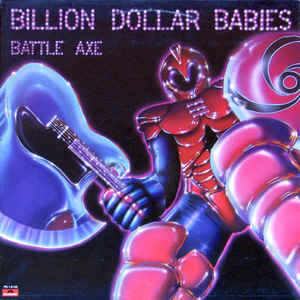
In 1977 yourself, Dennis Dunaway, and Michael Bruce formed a band ‘BILLION DOLLAR BABIES’. How did that all come about? Bob Dolin had previously guested on Muscle Of Love, who was he and who was Mike Marconi?
After Muscle Of Love there was a pile of songs written, this was past out solo projects. We got together and we wanted to record an album. We put all the music together. We had Bob Dolin on keyboards from the Muscle Of Love album, and Mike Marconi – from my Platinum God project.
Did B$B’s record anything past the Battle Axe album? Did you tour? And why did it fall apart?
We recorded a demo song past that. We did do a tour; we played around the country. Again, it was a great concept. It would’ve been fun if the whole band could’ve done it, but it worked on it’s own. I guess the main thing was the 3 points in the “triple crown” for the success of the Alice Cooper Band was certainly the band – it’s creativity and writing. The second was Shep Gordon – our management and the leadership that he had in the field. And then (third) Bob Ezrin in producing the records. Bob worked closely with making the music and records happen, and then Shep took it and put it over with the record company and made everything else work, like the publicity and all that. We were spoiled by that sort of a formula and the B$B’s did not have that formula.
Who have you kept in touch with over the years? Ref. to Michael, Dennis, Alice, and Glenn.
Of course with Dennis – he’s my brother-in-law, and he lives very close to where I do in Connecticut. Michael Bruce and I talk, I’ve seen him in Arizona several times. I’ve probably seen Alice more than Glen and Mike. Glen, I haven’t seen in quite a long time, but I do talk to Glen a lot as well. Yes, I get along with everybody in the band, and I always wish them all the best – all the time.
You and Dennis played on Buck Dharma’s 1981 solo album Flat Out. How did all that come about? Do you keep in contact with Buck?
Donald “Buck” Dharma was a very good friend of ours. As a matter of fact the Alice Cooper Band had played some shows in the 70s where Blue Oyster Cult had opened for us. We got along pretty well. So, when Buck did the solo album he had asked Dennis and I to play on some of the tracks for him. I co-wrote the song “Born To Rock”, and it became the single from the album, and the video that was on MTV. He (Buck) and his family are very good friends of ours. Even though they don’t live in the State anymore we still keep in touch.
What sort of recording and playing did you do throughout the ’80s? Much session work?
In 1981 I played drums on a complete album by The Plasmatics called Beyond The Valley Of 1984. That was a pretty cool project. I enjoyed working with them. I did co-write a song with Joe Bouchard of BOC for the Revolution By Night album. The song was called “Shadows Of California”, that was recorded in 1983. Then I did some solo recordings during the mid-80s. Then I got into the profession I’m in now.
What’s the story behind ‘DEADRINGER’?
DEADRINGER was Joe Bouchard from BOC, Dennis Dunaway, and the singer was Charlie Huhn from Ted Nugent’s band, “Intensities In 10 Cities” – those days. I think Charlie’s an incredible singer, and we were lucky to have him work together with us in 1989 for an album called “Electrocution Of The Heart”. It was released on Grudge Records in 89. The guitar player was a guy who I’d been working with and writing songs with in Connecticut for the last 10 years; his name was J. Jesse Johnson. He was really the focal point of the band as far as the music goes; he’d written a lot of the songs, and helped to co-write some of the others with me that were on the record. It was a great record, and we had a lot of fun recording it. I do wish we had had more time in the studio. It may be re-released on another label soon, because it was a great record.
How did you get involved with ANT BEE?
Billy James (ANT BEE) was a friend of Mike Bruce’s and through Mike is how I met Billy. There was a portion of The Platinum God tape that Billy sampled and was on his new album. It sounds really cool, and I’m pretty pleased with that. He’s a very talented guy, and a good man !
Do you have any plans for future recording and/or session projects in the future?
You never know what this business can bring! I have a studio in my own home. I’ve always maintained the studio, and every year I try to make it a little bigger and better. I’m always writing. Over the years, with the help of Mike Bruce, I taught myself how to play guitar and piano, so I know enough that it helps me write. And then I work with somebody that’s incredibly talented like J. Jessie Johnson or Mike Bruce! I am always looking to write; I love to write and collaborate with people. Do I have a dying urge to get back on the road? I’ve really already done that! I love drums, that’s my biggest thing in life, naturally! I still have almost every drum kit I’ve ever had. I have over 100 of them at home! I noticed a new book called “The Stars’ Sets”, and it covers the 1930s to 1995. They have a great picture of one of my first Slingerland kits in there that Slingerland gave us. The Love It To Death and Killer albums were recorded on that set of drums. I’m pretty happy with what I’m doing right now, (real estate). I write in the studio, send Alice songs once in a while. Mike Bruce has heard my songs; I’ve heard some of Mikes’. He still writes incredible songs. A great songwriter!! That’s a natural combination with Mike, Dennis and I together – we play any song, like “My Stars”, or any song that the original Alice Cooper band did and it will sound exactly like the record.
Do you ever fore-see yourself working with any of the original AC band guys again? Is there ever a possibility of a reunion?
I’m friends with everybody, I work with everybody. Dennis and I play a lot, Mike and I played last year when I went out to Arizona, and we did some jamming on some of his songs. I got together with Alice, gave him some songs, and we kicked around some ideas. I don’t have a crystal ball to know what’s going to happen in the future, but I’d be the first one to bring my drums to a session if we ever did decide to do anything! But, it’d have to be just for fun – that would be the bottom line to ever doing anything.
What do you do outside of music? How did you get into real estate?
I really do music as a hobby now. Real Estate is my main profession. It’s a very serious and professional business, but I have a lot of fun with it in the Connecticut area. I got into it when the band was together. We made investments in real estate, individually and as a group. I found it fascinating, and it was another way that I could make an income. I enjoy it a lot, and love this part of the country. People do say “from rock ‘n’ roll to real estate – what the heck is that all about?”. But we did have the opportunity to invest and learn a lot about it in the early ’70s, so it was a natural progression – a natural step. Is it as much fun as going on the road? Maybe not, but, it’s not as tiring either.
Do you follow current music? Thoughts on today’s scene as opposed to the early 70’s?
Not as much, I really just don’t have the time. I never really followed current music in the old days. Once we’d started as a group I was so concentrated on what we were doing, and not paying too much attention to other bands. But when I hear a band like The Counting Crows – I think that’s a great band. The Smashing Pumpkins are another good band. The one thing that I really like about a band like Smashing Pumpkins is that that drummer who was in the band, actually plays drums, and is a significant part of their sound. There was so much music in the ’80s where the drums were just a particular sound – they were just there! But now, the drummers that I’ve heard sound like they’re musicians again, and actually contributing to the sound of their groups! It just seemed like in the late 60s – early 70s that there was a lot more excitement in music. There was a lot going on then, and I think it was socially and politically as well. With Vietnam and the Civil Rights Movement, there was a lot of things changing in the States. Music has always been sort of a barometer of what’s going on with social event. That is why I still like to listen to the old music. The country scene, of course these days, has changed immensely from what it used to be many years ago. I like music whether it’s a Broadway play, Big Band, Jazz, Blues, Rock, Punk. If it’s a great song – it’s a great song and it holds no matter what the style of music.
Have you ever thought of writing a book ? (As Michael Bruce recently has.) And, can you give us a favorite story from the road?
Well, if there was ever an Alice Cooper story – there’d be 5 different versions of that story! Every guy in the group would have his own version. So if everybody wrote their own book, believe me – they would all be completely different! They’d be parallel to a certain extent, but a lot of different stories would come about. It’s interesting every time we sit down, either with Mike or Alice, one of the guys will remember something that the other guys just totally forgot. It’d be more fun, I think, if all sat down and just started talking into tape recorders and let somebody else write the book. A story? When we were in Paris we played in The Pierre Cardin Theatre. I think it was the “Killer” or “School’s Out” show (I’m not quite sure!). After the show Bianca Jagger and Natalie Delone were there and Alice and I were kind of hanging out with them for the evening. Pierre Cardin was a big fan of ours, and in France Alice Cooper was a very very “hip” thing. Every time we went over there we were treated incredibly well. All in all I think most French people seem to not to like Americans, but for some reason (ha) we weren’t average Americans. Anyway, in the evening after the performance they had a big area for entertaining and what have you. They didn’t have any Smirnoff Vodka there; they had some other vodkas, but that’s what I was interested in drinking that evening. So Pierre Cardin said that he didn’t have any there, but he did at home in his apartment. So he went out, took a taxi, got the vodka and came back!! It made no sense to me, but he was more than cordial and happy to help out. Everybody in Paris was just incredible to us, and all over Europe too! One other story is from when we were over in London. Alice and I used to like to play a lot of pool together, billiards. As a matter of fact we had an on-going game, and I think Alice still owes me $65! We had our rehearsals in Greenwich (Connecticut). We had a very large solarium with a pool table in it. So Alice and I would play for the period of time that the band was tuning up. It was a fun game. Anyway, we went over to London on one of our first tours through Europe, and they of course – play “snooker” over there! One evening we went out and there was Elton John, Bernie Taupin, Ronnie Lane and Ronnie Wood, and we were at one of their houses (I forget who’s). Alice and I figured we could learn this game, you know – you had a cue stick and balls, and a velvet table. And actually we got our butt’s kicked — a couple of times! Later on we finally ended up beating them though. So, we had to adapt to the European form of the pool game. That was a cool night, we’d never played it before. I could go on and on and talk about different stories all night,… and most of them we probably couldn’t print anyway!!
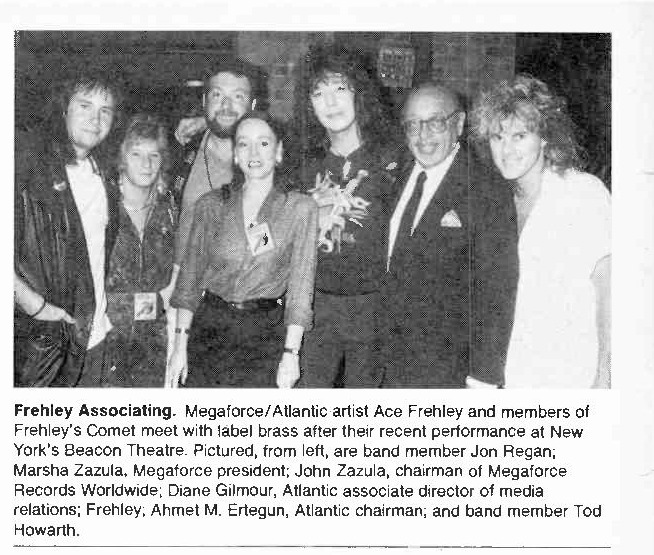
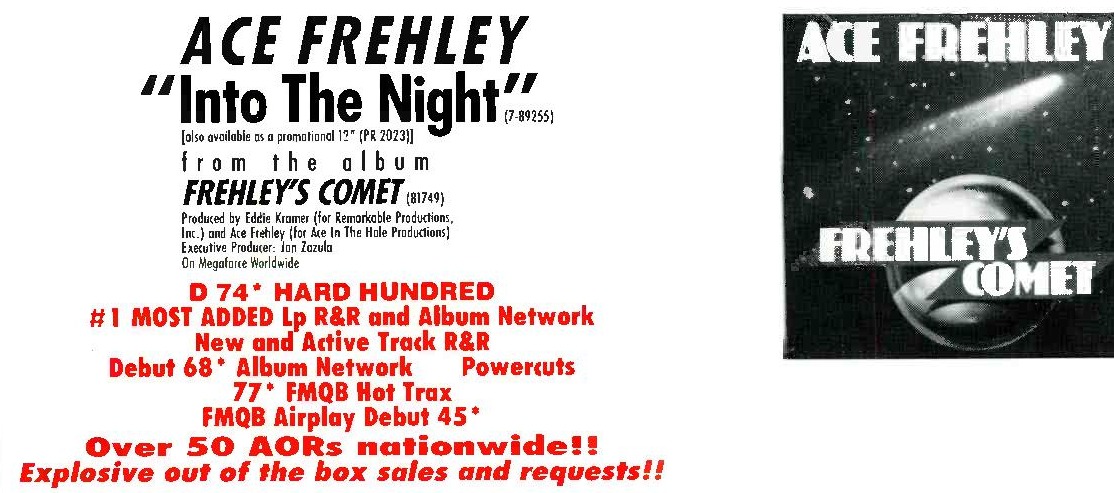
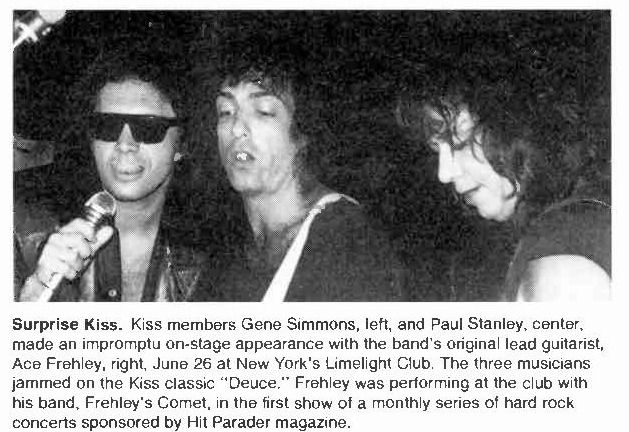
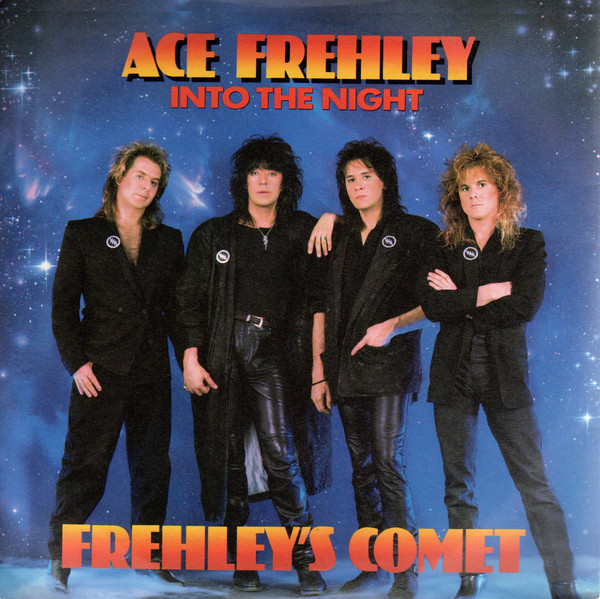
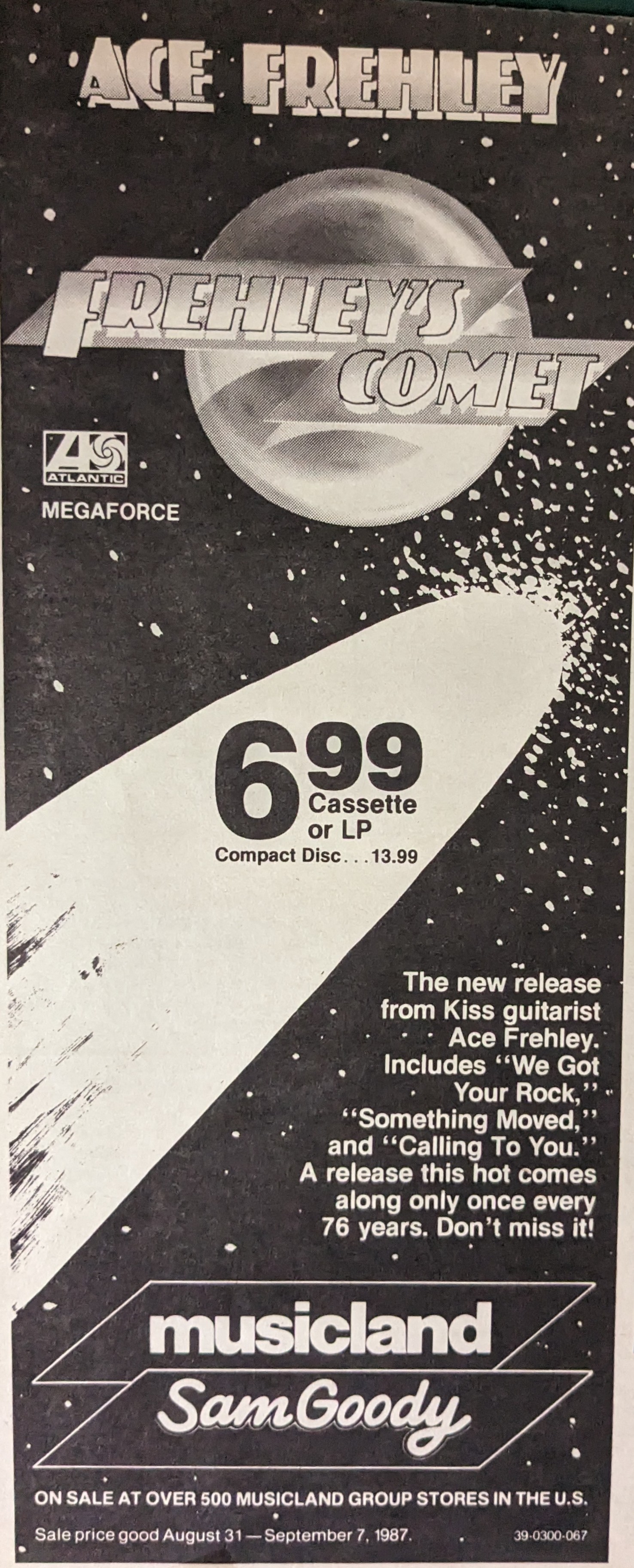
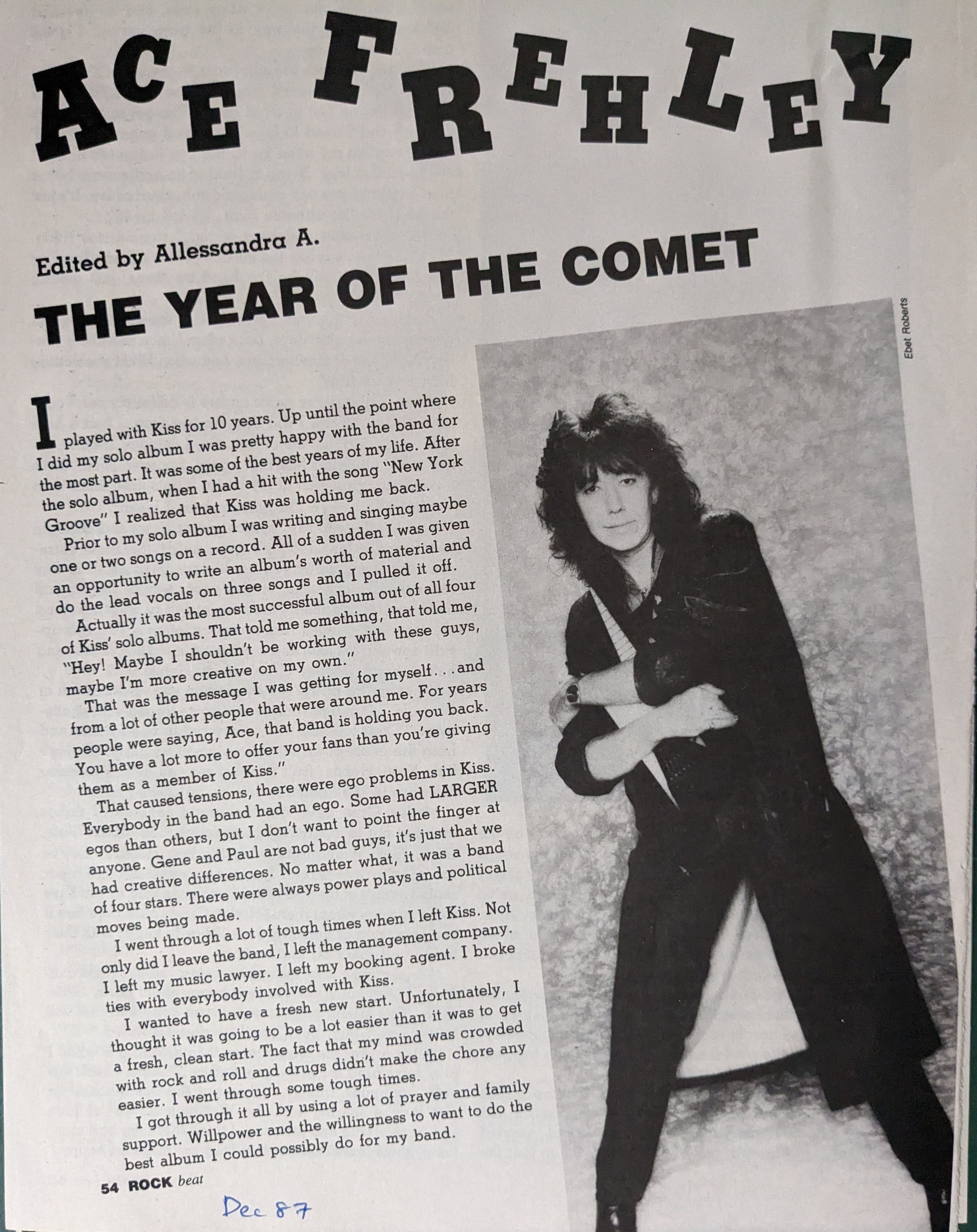
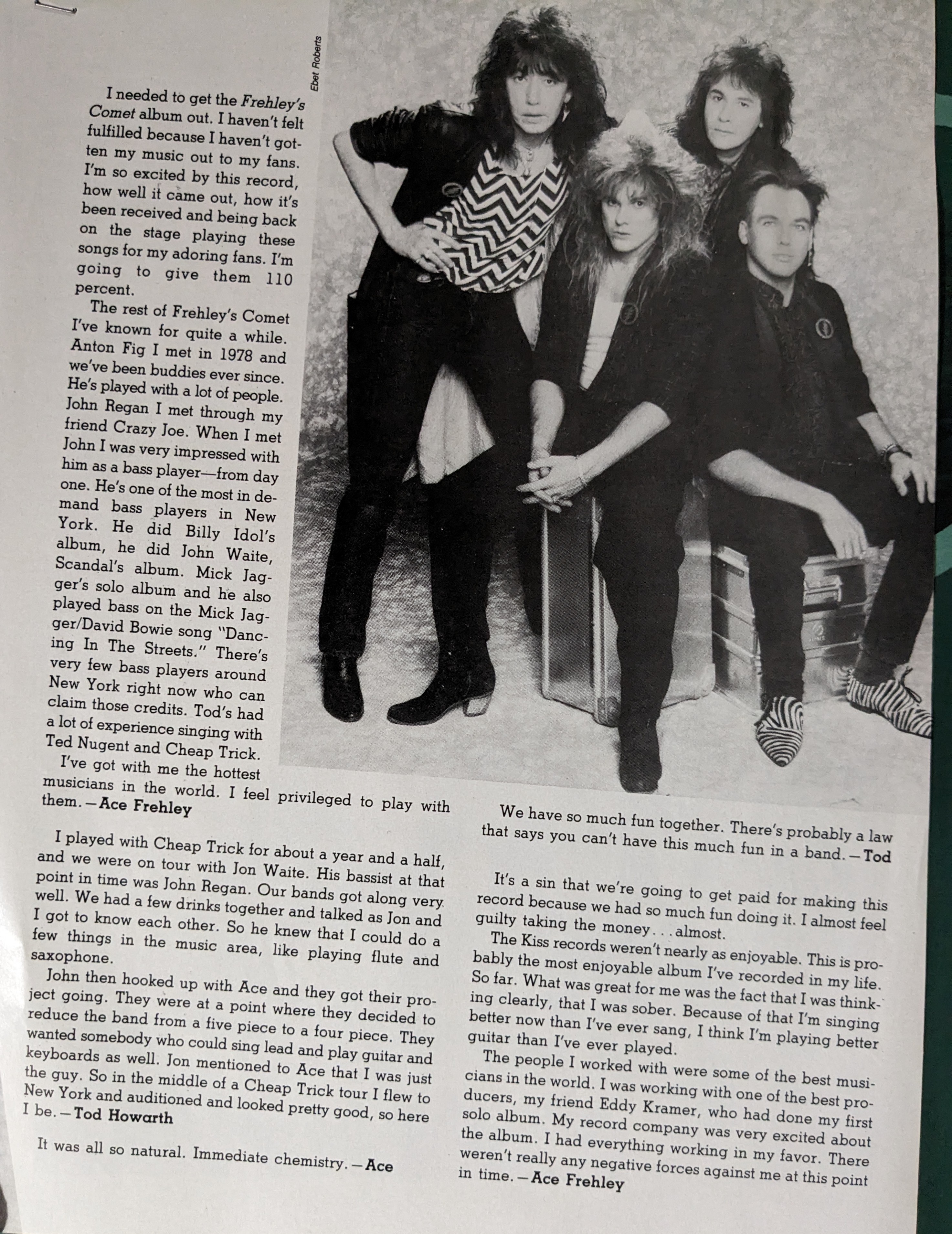
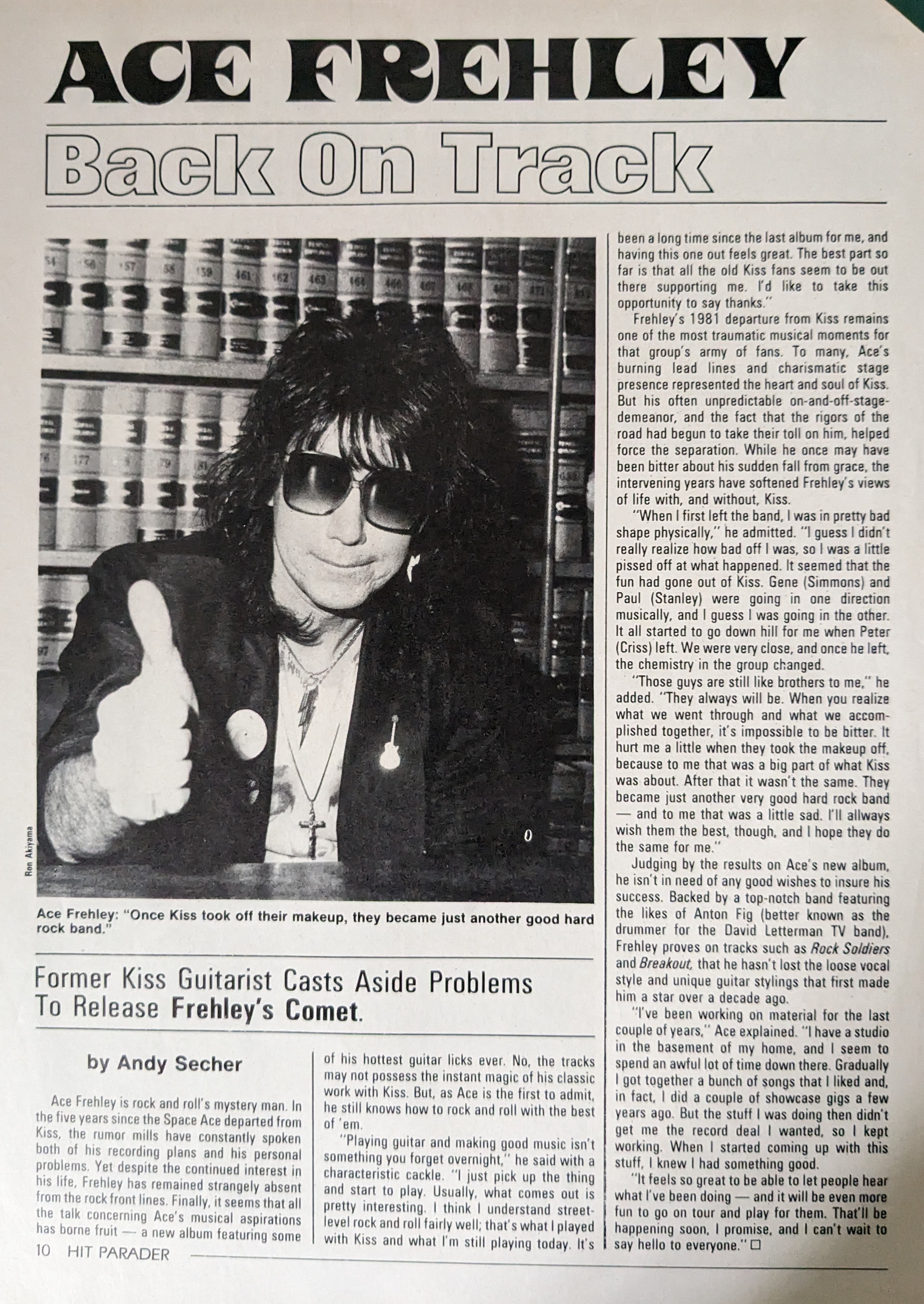
Ace Frehley made his post-KISS vinyl debut in 1987 with Frehley’s Comet. His solo band had been going for a few years, recorded demos, and had undergone a few personnel changes, but the band (on record) would consist of drummer Anton Fig (who played on Kiss’ Dynasty and Unmasked, plus Frehley’s 1978 solo album), as well as guitarist/singer Tod Howarth (ex 707). Frehley’s Comet was easily as good or better as anything Kiss did in the ’80s, featuring the classic Ace anthem “Rock Soldiers”, co-written with Chip Taylor) as well as favorites like “Breakout” (co-written by Ace with Eric Carr and Richie Scarlet), “Stranger In A Strange Land”, and the single “Into The Night” – another Russ Ballard tune (Ace’s solo hit “New York Groove” was a Ballard song).
Tod Howarth also contributed a few good songs – “Something Moved” and “Calling To You” – a re-writing of 707’s “Mega Force” (co-credited to Ace, Jim McClarty, and Kevin Russell). Frehley’s Comet was a solid production – co-produced by Eddie Kramer & Ace, with Kramer engineering, and Howarth & Regan credited as assistant producers. Frehley’s Comet charted in Canada at #38, the US @ #43, and Sweden @ #20. It brought Ace Frehley back in to the public eye with tours and an excellent follow up album as the band Frehley’s Comet. Great album cover too!
RIP John Regan (Apr 7, ’23), who’s career also included numerous records with Peter Frampton, as well as Chip Taylor, as well as credits on albums by The Stones, David Bowie, Robin Trower, and David Lee Roth. In 2016 he was part of Four By Fate, along with Tod Howarth releasing the album Relentless.
American band MAD PAINTER have recently released their 2nd album Splashed. Consisting of 17 (!) songs, including covers of Uriah Heep’s “Stealin'” and “Highway Driver”, originally by German band Randy Pie. Splashed touches on various classic rock & pop influences, so it’s a bit of mish-mash of a number of good songs, however I will say I prefer the old 40+-minute / 8-10 track restraints. The band’s sound revolves around Alex Gitlin’s lead vocals, and keyboards (largely Hammond organ & piano), which works fine on the more ‘progressive’ rockers, like lead off track “Illusion”, which kicks off with a big Hammond organ intro reminiscent of old Uriah Heep or Argent. It’s a good rocker, which features further keyboard & guitar exchange as the song comes to a close. “Samurai” is another one that fits into this Hammond organ intro / driven rock tunes, and I dig the Randy Pie cover. Also of interest is “Parting Line”, which takes it’s title and lyrics from an old John Sloman ballad and puts them to big guitar opening riff, courtesy of Alan Naha.
But after that Splashed features a number of lighter songs, ballads, even a few ‘show’ tunes. And I mean that in a good way, because I think this is where the vocals and band (performances & production) are even better, with ballads “Lie To Me”, and “I’ve Been A Fool”, more poppy tunes like the late ’70s sounding “Love Is Gold”, and theatrical pieces “Friend In France” and “The Moon” . Splashed is a fine collection of songs, but I think there’s a lot going on, almost like there’s more than one album here. Overall a fun sounding band, who (I imagine) are a good live act; hope to hear more Rock from them in the future!
*For more info, check out the Bio below, as well as links!
Mad Painter is a new band in the Boston area, deeply rooted in the melodic rock tradition of the 1970s. They play mostly original music, ranging from Woodstock-era psychedelic rock to glam tinged rock’n’roll a-la Mott the Hoople and the Faces and to epic heavy anthems in the vein of Uriah Heep. It consists of four individuals with wildly ranging backgrounds. At the center of Mad Painter is Alex Gitlin, the songwriter and creator of the concept. He is backed capably by drummer Al Hendry (Bubba Loaf, Tokyo Tramps), as well as bassist Kenne Highland, a true veteran of the Boston rock scene (ex-Gizmos, Hopelessly Obscure, Johnny & The Jumper Cables, Africa Corps.) and the newest addition is guitarist Al Naha (Thighscrapers), who plays with Kenne in Kenne Highland Airforce. They’ve played, in different line-ups and guises, many venues around the Boston area, such as the MIT, Out of the Blue Gallery, McGann’s, Hennessy’s, Club Bohemia, The Jungle Community Music Club and C Note in Hull, as well as the Winter Tanglefest in the Poconos. It’s always a good time when you come to their shows, and you know what to expect – nostalgic 70s rock vibes and stage gear to match, great musicianship and songs that will make you get up and bop around, singing and clapping along. A party.
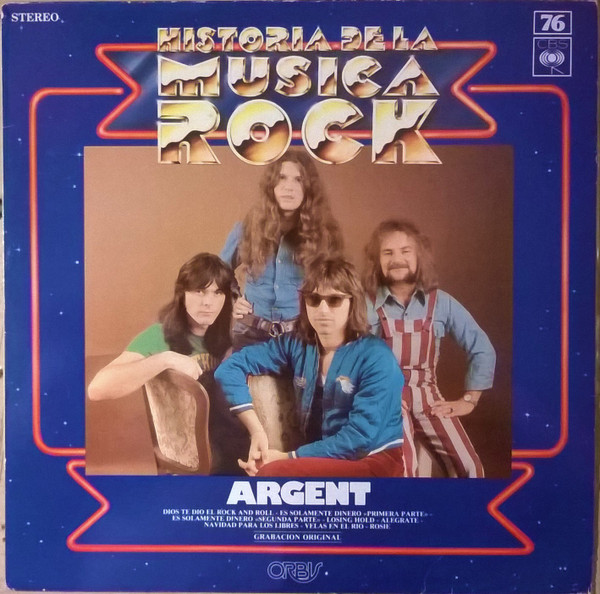
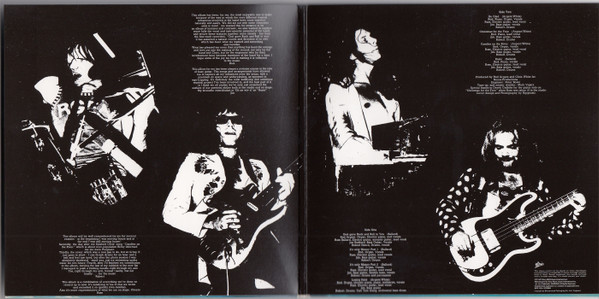
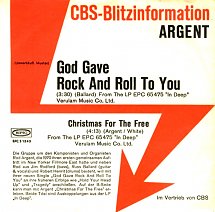
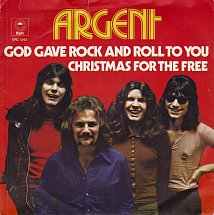
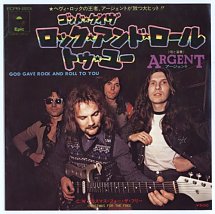
In Deep would be the 4th album from British band ARGENT. The band was named after keyboard player/songwriter Rod Argent, ex of The Zombies, and also included singer/guitarist Russ Ballard, who would write the band’s biggest hits, as well as make a bigger name for himself as a songwriter years later, as many acts would cover and/or have hits with his songs (Argent & Solo) – including Ace Frehley, America, Three Dog Night, Roger Daltrey, Rainbow, Santana, and Uriah Heep. The rhythm section consisted of bass player Jim Rodford (RIP), and drummer Bob Henrit – both would later join The Kinks, as well as work with John Verity, and various other acts. Anyway, In Deep was released in the spring of 1973, and was the follow up to the band’s highly successful All Together Now, which featured the band’s massive hit (and best known song) “Hold Your Head Up”. And although In Deep didn’t feature as nearly big of a hit or fared as well, it is the band’s best, IMO. Side one kicks off with the band’s next anthem “God Gave Rock N Roll To You”, which was a Top 20 hit in the UK, but didn’t break the Top 100 in the US, but it would be a favorite among fans. It would become a bigger hit in the US in 1991 when Kiss recorded it for the soundtrack to Bill & Ted’s Bogus Journey (Kiss updated it on guitars-only, sped it up a bit, and altered it enough, enabling them to add Simmons, Stanley and Bob Ezrin to the songwriting). In a 2012 interview*, Ballard revealed- “The first song that I wrote after my depression was ‘God Gave Rock N’ Roll To You’. The lyrics were all about that optimistic feeling that I had at the time. Of course, when KISS did another version of the song, they changed some of the lyrics because they didn’t fit with the overall image of a rock band in America. Every single song I wrote during my depression was sad but it was also natural. ‘God Gave Rock N’ Roll To You’ was my first happy song after the depression period.”
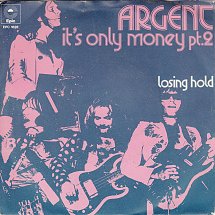
This was followed up by favorites “It’s Only Money, Part 1” and “It’s Only Money, Part 2”; the latter would be issued as a follow up single, both are classic Argent numbers penned (also) by Russ Ballard, and would feature on the band’s 1974 double live release – Encore: Live In Concert. Side one ends with the first of 4 songs from Rod Argent and co-writer / producer Chris White (ex Zombies) – “Losing Hold”, a soulful ballad that builds up a good bit, features one of Ballard’s finest vocals, and has a bit of a haunting feel to it, reminds me of Bloodrock’s “D.O.A.” Side 2 gets a bit more poppy with the lengthy “Be Glad”, which features Argent’s piano work and harmonies, with lots of changes. Also, included is the outstanding “Candles On The River”, which is heavier, yet has more of a late 60s vibe to it (maybe it’s the organ sound and harmonies?). Also included is the Beatle sounding “Christmas For The Free”, and Ballard’s closing bar-room rocker “Rosie”.
The cover art design for In Deep was created by Hipgnosis would feature photos of bandmembers (front & back) jumping into water. In a 2017 Interview Rod Argent recalled the taking of the album’s cover photo – “I can swim now, but at the time we did that cover, I couldn’t swim. I wasn’t afraid of the water, I just couldn’t swim and the people doing the cover wanted a photograph of under water and they went to a swimming park where there were portholes in the sides of the pool and a restaurant there, so people could look under water to see people swimming. They said to me: “Ok, jump in and go down to the bottom of the pool”. I said: “I can’t”. They said: “Why?” “I can’t, because I can’t swim”. They said: “Nooo, come on! Are you joking?” I said: “No, I can’t”. I finally jumped in. I don’t know how, I managed to keep underwater for that long. I can do it now, but at the time that cover was taken I was actually underwater, I jumped in the deep and I couldn’t swim.”
A shame this album doesn’t get more attention, as it is now 50 years old, there seems to be a lack of any significant CD or special (anniversary?) reissues. But a classic ’70s British rock record well worth having.
ARGENT RockerARGENT release a Russ Ballard composition as their new single in two weeks time. God Gave Rock’n’Roll to You is the name of the single and is a track from their In Deep album which will be issued on March 2. Argent have delayed the opening of their next American tour to promote both records, and will now open in California on March 16. The tour breaks for the group, to take a two week rest in Britain before they go on to dates on the East coast, Hawaii, Japan and Australia. In late June the band play British and European dates and at the end of June, Argent work on a new album. Remaining British dates for the band before they leave for the U.S. are at Leeds Polytechnic (2), Glenn Ballroom, Llanelly (8), South Parade Pier, Portsmouth (10), Goldsmith College, London ( 16 ) Loughborough University (24 ) and Salford University (March 2). – Record Mirror (02-03-1973)
ARGENT, “GOD GAVE ROCK AND ROLL TO YOU” (prod. by Rod Argent & Chris White) (Mainspring, ASCAP). “Hold Your Head Up” established British contingent as a potent singles selling act, but this Russ Ballard song will make them giants. Edited down from almost -7 minute version from “In Deep” Ip, cut will penetrate charts almost immediately. Epic 10972. – Record World (03-24-1973)
ARGENT (Epic 10972) God Gave Rock And Roll To You (3:20) (Mainspring, ASCAP- R. Ballard) This is the follow-up they’ve been looking for to “Hold Your Head Up.” English band hits you with the hook chorus right away and keeps your interest throughout thanks to their instrumental prowess and lyrics. Flip: no info. available – Cash Box (03-24-1973)
ARGENT, “IN DEEP.” This group hit the top of the charts with “Hold Your Head Up,” and their subsequent larger following should mean a huge smash for this album, their most consistently superior yet. “God Gave Rock And Roll To You” is the musical wizard to watch, while other blues and ballad cuts are all tops. Epic KE 32195. – Record World (03-31-73)
ARGENT -In Deep, EPIC NE 32195 (Columbia). Highly energized move music led by Rod Argent’s flowing organ work and Russ Ballard’s guitar support. produce an LP of modern intensities and rich sonorities. This is four beat rock, with samplings of delightful veal harmonies. The quartet maintains a tight discipline which has an organized effect. Best cuts: “It’s Only Money Part 1. “Candles On the River.” “Rnsie.” Dealers: This British band is well.hnown for its solid, hard dewing music and can he placed in the rock and Brilish rock group bins. – Billboard (03-31-1973)
ARGENT (Epic 11019) It’s Only Money (3:28) (Mainstay, BMI-Ballard) Culled as a follow up to their brilliant “God Gave Rock ‘n Roll To You”, Argent come up with another hypnotic hook guaranteed to capture the record buying public. Single makes for great top 40 and FM programming. Flip: No info.. available. – Cash Box (07-07-1973)
Canadian band Chester Doom, from Halifax has a new single out titled “Not Far Behind” . The track is a follow up to their excellent cover (single) of Leonard Cohen’s “Everybody Knows, as well as “Anxiety” (from late last year). The band released an 8 track CD earlier last year titled Masks. Chester Doom cites such as influences as Rush, Tool, Guns n Roses, and Led Zeppelin. . Check out the videos below, as well as more info, and the links. “Not Far Behind” is available on all streaming services.
In “Not Far Behind,” Best channels that sense of hope and resilience, weaving a powerful and emotive story of perseverance in the face of adversity. The track is a commentary on the strength of the human spirit and a reminder that, no matter how dark things may seem, we are never truly alone.
With a driving beat, soaring vocals, and an unforgettable hook, “Not Far Behind” is sure to resonate with audiences of all ages and backgrounds. The song showcases Chester Doom’s signature sound, a blend of classic rock and modern alternative that has been winning them fans around the world.











 Outsider Rock