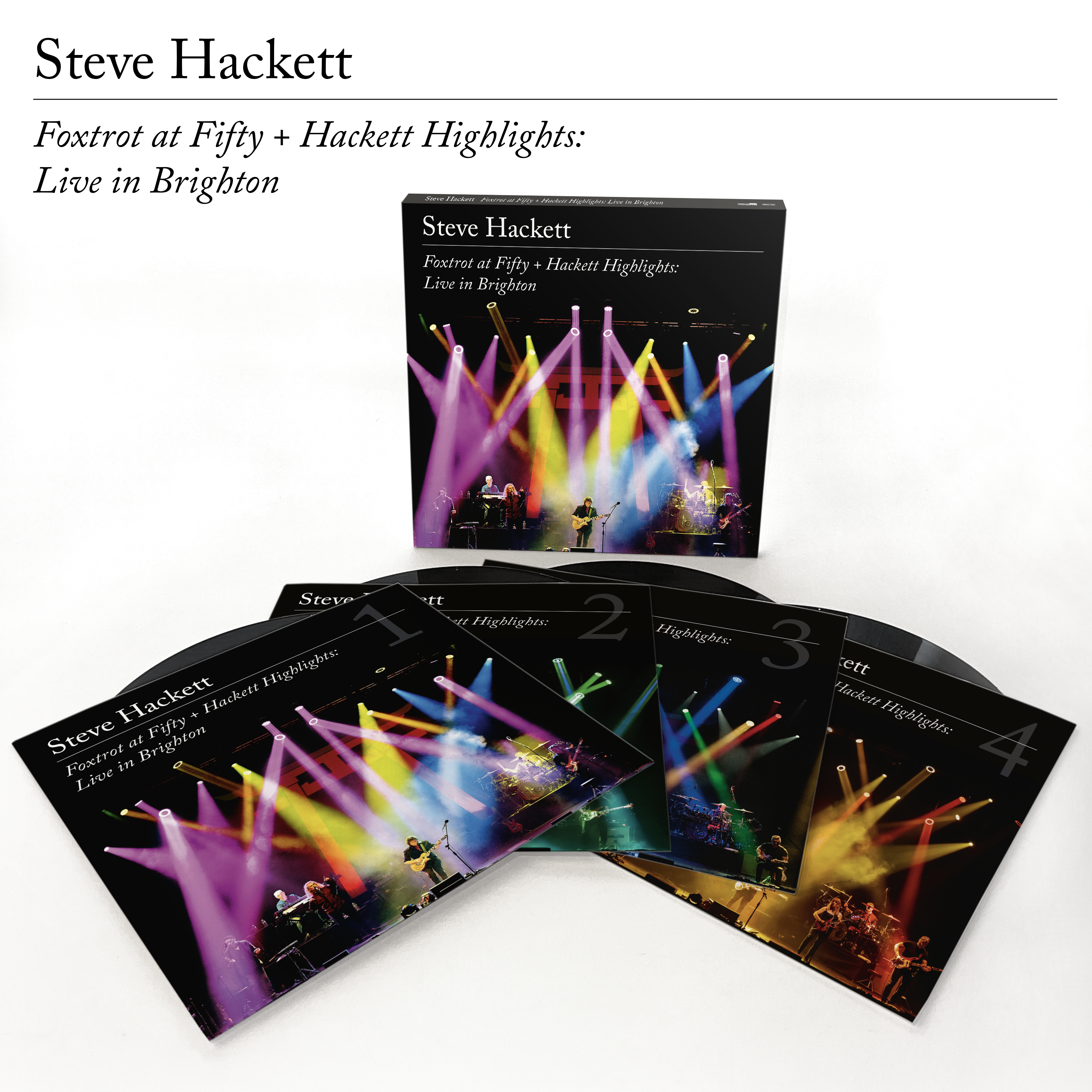
Legendary guitarist Steve Hackett presents his brand new live audio/visual extravaganza, with the release of ‘Foxtrot at Fifty + Hackett Highlights: Live in Brighton’, out now!
Steve comments of the new live release: “Foxtrot was a milestone for Genesis, a breakthrough artistically. I’m as proud of it today as I was at it’s its inception. I’m thrilled now to bring that album back in its entirety on tour, and the live release has super quality performance, visuals and production. It’s a real feast… Enjoy!”
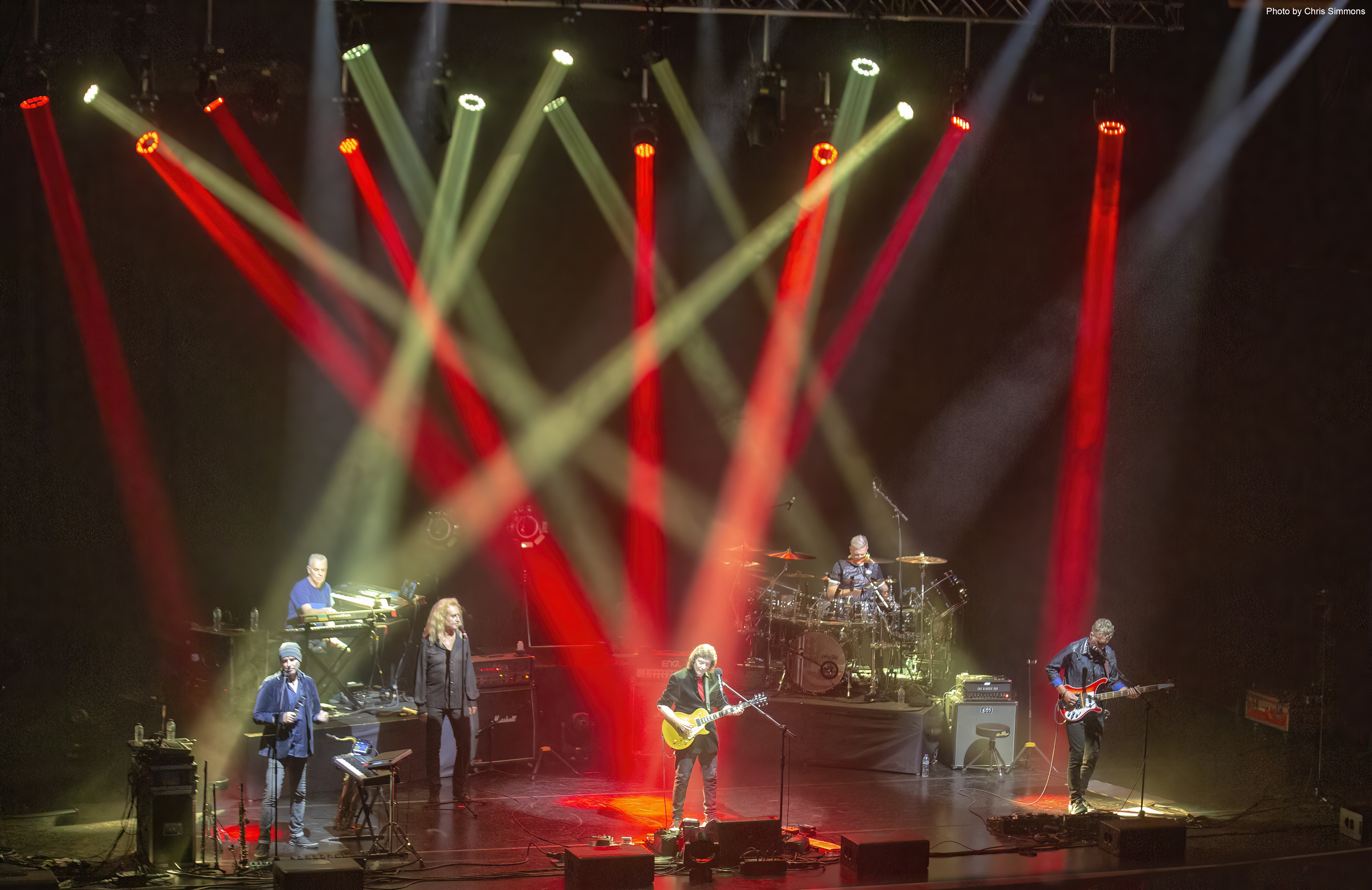
Filmed & recorded live on his 2022 UK tour, in the coastal city of Brighton, UK, this release documents Steve and his band celebrating the 50th anniversary of the much-loved Genesis album ‘Foxtrot’. Played in full, this album features fan favourites including ‘Watcher Of The Skies’ and ‘Supper’s Ready’. The show also features a set of Hackett solo material, including ‘The Devil’s Cathedral’ from his latest studio album ‘Surrender of Silence’, and the powerful ‘Ace of Wands’.
Mixed by Chris Lord-Alge & mastered by Ted Jensen at Sterling Sound, the album is now available to order on Ltd 2CD+Blu-ray & Ltd 2CD+2DVD, both including bonus behind the scenes interviews, as well as 5.1 surround sound. A Ltd Deluxe 180g 4LP edition will also be available. Order here: https://stevehackett.lnk.to/FoxtrotAtFiftyHackettHighlights-LiveInBrighton
Track-listing:
1. Intro / Ace of Wands
2. The Devil’s Cathedral
3. Spectral Mornings
4. Every Day
5. A Tower Struck Down
6. Basic Instincts
7. Camino Royale
8. Shadow of the Hierophant
9. Watcher of the Skies
10. Time Table
11. Get ‘Em Out by Friday
12. Can Utility and the Coastliners
13. Horizons
14. Supper’s Ready
15. Firth of Fifth
16. Los Endos
Steve Hackett & band continue their busy touring schedule with further “Foxtrot At Fifty & Hackett Highlights” dates in North America beginning in October. For the full list of dates, head to: http://hackettsongs.com/tour.html
Steve Hackett is joined live by Roger King, Rob Townsend, Nad Sylvan, Craig Blundell & Jonas Reingold, as well as on occasion special guest Amanda Lehmann.
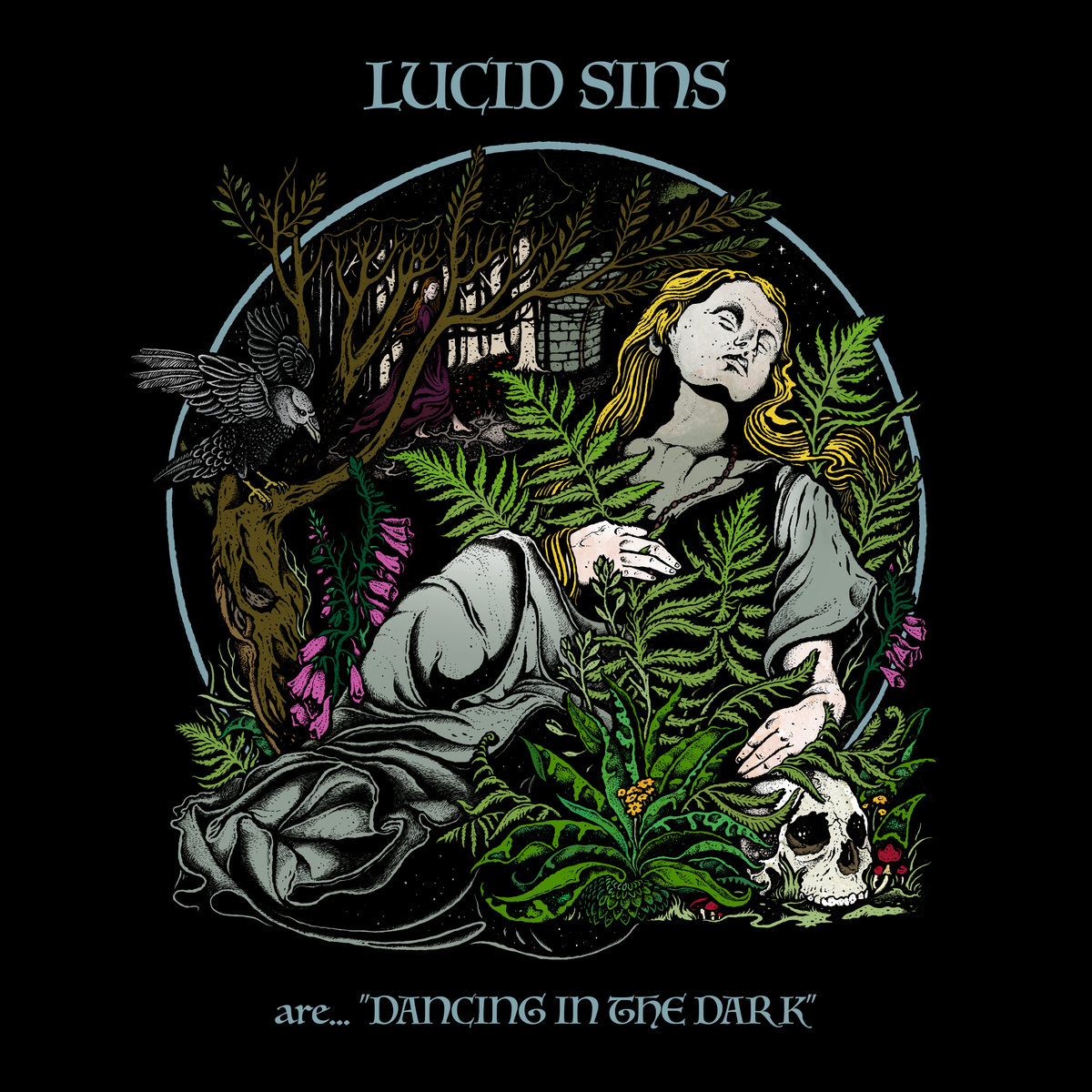
LUCID SINS will release their third album next month. The song is very reminiscent of that more haunting, laid-back Blue Oyster Cult sound of the 70s. Dig more into this band and the BOC influence comes up more, as does that organ style psych rock of The Doors. Great songs, playing, vocals and harmonies. Check out the new single. Awesome album art by David V. D’Andrea as well! Read the press info below, as well as check out the band’s links at the bottom!
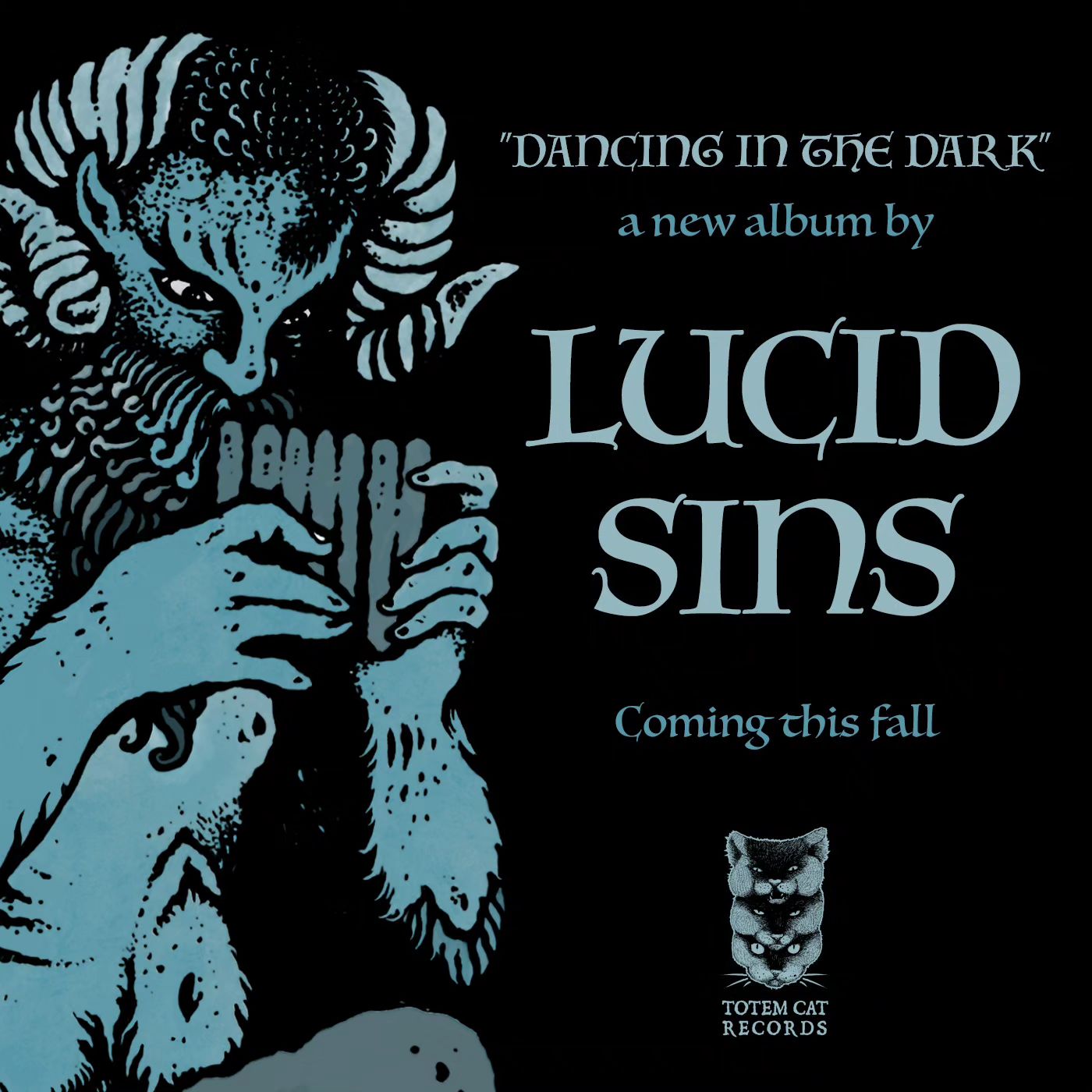
Scotland’s 70s occult rock goldsmiths LUCID SINS return with their third full-length “Dancing In the Dark” this October 27th on Totem Cat Records with a first single premiering exclusively on It’s Psychedelic Baby Magazine. The band also just announced a string of UK fall dates including shows with Nebula and Hey Colossus.
From the moment Glasgow’s own 70s rock masters LUCID SINS catch your ear, you know you are in for a long-haul adventure: driven by their own wizardry and prodigious mastery of all instruments, the duo of Ruaraidh Sanachan and Andreas Johnsson bewitches you from the get-go. While their 2021 sophomore album “Cursed” presented an intoxicating and unwaveringly prog-oriented brew of proto-rock that sat firmly between Blue Öyster Cult and The Doors, their third album flips a brand new page of their sonic grimoire.
A collaborative effort of interconnected souls, “Dancing In The Dark” summons the talents of various guest musicians to form a fluid and melody-driven story where occult rock meets folk and proto-doom in a hypnotic swirl of riffs and keys carried by Jonsson’s compelling poetry. Firmly rooted in the 60s and 70s sound, LUCID SINS manages to uplift spirits while dragging you once again in the occult, meeting the boundary-free creativity of their contemporaries Witchcraft, Uncle Acid & the Deadbeats to the more seamless lightheartedness of Fairport Convention.
The story goes as follows… You stumble through the forest. Alone and far from home. All paths have returned you to this place. Lost in a world of green. Hidden in the dark. As the light fades you glimpse flickering flame and catch the scent of smoke. In a tiny clearing, shadows cast by a dying fire take human-esque forms. Leaning in for warmth, they share ten tales of hope and betrayal, magic and madness, love and death. Whispered words mingle with distant memories, and as the fire grows higher, your sense of self is scorched and burned. One by one now, the figures begin to dance and spin as occult psychedelic sounds drift through the trees. Caught in the maelstrom, suspended high in a swirling mesh of leaves and perception, you release your grip on space and time… On the forest floor, stirred by dawn, you try to make sense of the mist within your mind. To recall where you have been. To know who you once were. Around a glowing fire, deep in the woods, LUCID SINS are Dancing In The Dark… Will you dance with them?
LUCID SINS on tour: October 14th – Aberdeen, The Rusty Nail October 15th – Glasgow, Ivory Blacks (w/ Nebula) October 18th – Leeds, Fox and Newt October 19th – London, Helgi’s October 20th – Sheffield, Lughole (w/ Heavy Sentence, Parish) October 21st – Newcastle, Lubber Fiend (w/ Hey Colossus)
LUCID SINS : Andreas Jonsson – Vocals, guitars, bass, organ, synthesizer Ruaraidh Sanachan – Drums, bass, percussion, organ, mellotron, recorder, backing vocals + Album guests: Espen Andersen, Stuart Coleman, Hanna Tuulikki, Alex Ward
Alex Machin of Canada’s A FOOT IN COLDWATER has a brand new single out titled “Till They Bury Me”. This catchy rocker was penned by Machin, autobiographical, with the lyric video featuring photos from his personal life and professional life (on stage & off). Machin’s vocals sound as good as they did 50 years ago when ‘Foot was taking off. Fellow Foot In Coldwater bandmate Danny Taylor plays drums, The singer also plays bass, and on guitar is Toronto player Gus Papas – “He had a couple of solo albums, one titled ‘Convicted’ that was released in America on Epic Records. He toured extensively and came close to breaking out in the States. Danny played drums on that record. “ Papas also co-wrote a track on Alex Machin’s 1984 project Champion (released as Champion featuring Alex Machin). An album that didn’t get off to a good start with the label going bankrupt the week of it’s release (“That’s a very long and painful story.”, AM), but it is highly sought after by A Foot In Coldwater fans.
A Foot In Coldwater released 4 albums in the ’70s, and had a huge hit with the ballad “Make Me Do (Anything You Want)”, in 1972., The band has played several reunion gigs since their initial split in 1977 – “We are still planning on having A Foot in Coldwater resurface at some point in the near future. For now I am busy having fun writing songs in my studio, putting them out and hoping that people enjoy them. ”
*Check out the new song, as well as the links below!
The classic Remember The Future was originally released in 1973, consisted of just the title track – Parts one and two. Nektar was/is a legendary British progressive rock album, with Remember The Future being, arguably, the band’s best album. This 5 disc box set includes a number of bonus tracks – live and single edits, as well as a live show from early ’74, a blue-ray disc including a new 5.1 surround sound & stereo mix from the original tapes & TV footage, as well as a new essay and booklet. Coming November 24. *Check out the link below to order… and to read the official press release: https://glassonyonpr.com/2023/09/01/nektar-remember-the-future-4cd-blu-ray-box-set/
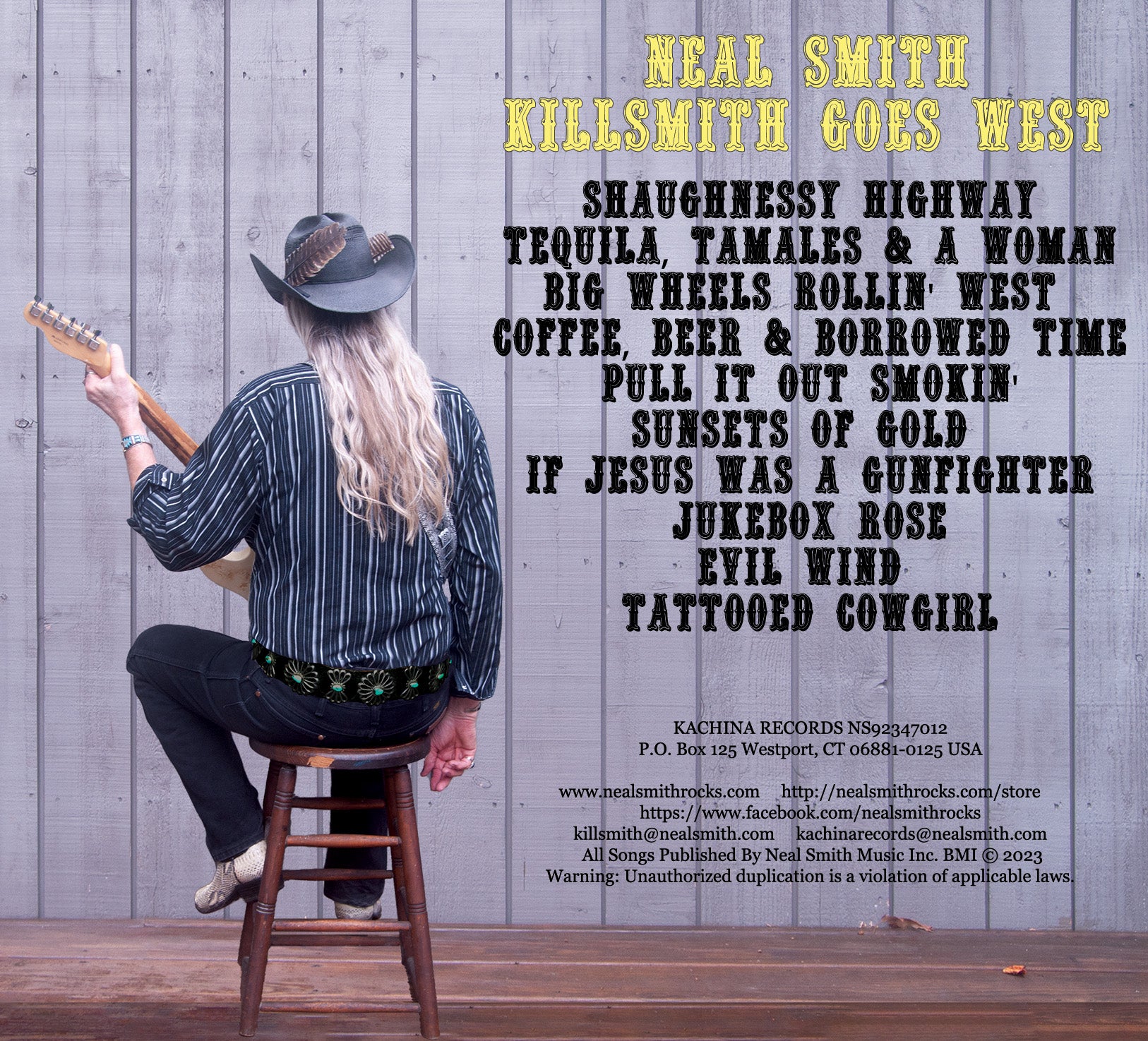
Legendary rock drummer Neal Smith (Alice Cooper) released his latest album in the spring. Killsmith Goes West is the fourth album under the Killsmith name, and is different to past Killsmith releases with a somewhat country & western influence throughout many of the songs, and is perhaps, Smith’s finest and most album to date with songs like “Shaughnessy Highway”, ” Evil Wind”, and “Pull It Out Smokin”. *Check out the interview, as well as the links below!
What inspired this whole idea of putting together a country & western styled album?
I’ve been writing songs since the original Alice Cooper group was together, and even before that – in other bands, so when you write songs sometimes the songs come out of nowhere, and they don’t really fit anything, any project that you’re working on, and you just set them aside, and over time I had them and they weren’t really in the style, the real heavy rock – that I would do, and then Killsmith came along, and that was real heavy metal, you know the first couple of Killsmith albums, and even the third one – The Green Fire Empire. And I just had the scope of songs, and I just wanted to try something a little bit different. There’s still some songs – “Pull It Out Smokin”, “Evil Wind” – that still have a real rough edge to them. I had written about 15 songs for this album, and then there were 5 that I pulled off because they were just over-the-top normal heavy rock, so I pulled those off and I wrote a few more and then I had a total of 10 new songs on the album. Some of the songs are brand new, and some of the songs are brand new in the last year or so. It took 3 years to record the album through the pandemic, but there’s one song on there “Coffee, Beer, and Borrowed Time” – that song was actually written in 1980. And that’s one of those songs that just sort of happened, and then there was no place for it. It has sort of a country vibe to it, and that along with the Killsmith normal vide of being edgy and heavier, I call it ‘outlaw rock’. And it does have more of a western feel to it than country. And all of a sudden the songs started taking on a mood of their own , and I followed that – we’re from Arizona, and Arizona is the 48th state, so it was really the last of the wild country. So, even the Alice Cooper we had a song like “Desperado”, and “Raped And Freezin” – a couple of songs that were influenced by the area of the United States that we were from. So this is sort of expanding on that idea, there’s references to Mexico, references to Townsend, Arizona, and New Mexico. It’s all about places I’ve lived, and even when I was growing up in the mid-west, in the Akron area of Ohio, central Ohio, part of my upbringing, my mother liked live music, and there was a place called Fixler’s Ballroom near Sharon Center, Ohio, where we used to go, and they had a live band. So, I was influenced not only by the rock of the late ’50s and early ’60s, but I was influenced by the big bands, like swing – because my mother loved the Glen Miller Band, and also the live country music. So I was exposed to that with live bands, so that’s all been part of what’s influenced me over the years – as a drummer, and a musician, and a songwriter. So these songs just came to me, I wanted to go that extra mile. What’s does that mean? That means A- I wanted to get a fantastic country guitar player – Arlen Roth, who has done many country albums over the years, and was gracious enough to play on 4 or 5 of the songs. Gary Oleyar who is a fiddle player also played great country and western fiddle on several songs – which gave it that extra push over the top for what I was looking for, and that mixed with what I already had, and storytelling – country and western always has a story with it to begin with , but I like the classic novelty 16 Tines, Big Bad John, Raw Hide, back in the 50s and 60s there was some songwriters like Johnny Cash, Frank Lane, Johnny Horton, Tennessee Ernie Ford, Hank Williams, – they were great storytellers as well as great songwriters. And I wanted to try and get that element into the music too, so it all came together, 10 songs that fans enjoy. And very different for me to try something like that. So far it’s been very successful.
Can you recall any other specific bands or albums, bands you might’ve seen or albums your mom might’ve had around the house!?
Well, even on Hee-Haw, some of the best guitarists that were ever in country (I can’t think of all the names right now), but man – Chet Atkins was on there occasionally, and they were just phenomenal guitar players. And I’m a big fan of Jeff Beck, Jimi Hendrix, Jimmy Page, Eric Clapton, but I mean it’s all rock, blues, jazz, and country roots – that’s what all this music is. And Roy Clark was another amazing guitar player from that era, and (of course) Waylon Jennings, who was also from Phoenix. So a lot of these great players were from the south-west, where we were from and I was aware of them, and I saw them mostly, I didn’t really buy the music, but I’d hear them on the radio occasionally, those novelty western songs that stood out, but actually seeing them on TV – live on TV, some of the greatest guitar players – I mean Roy Clark, Glen Campbell, when these guys got up on stage and played (and it’s all over youtube, and thank goodness for youtube), that was all part of. And Rick Tedesco, a guitar player that I write and work with on the latest Killsmith albums, he’s sort of a soak-sponge, and he soaks this all in, and he as some really fine country & western licks that he plays on the album too. So that was something, a direction I was trying to go, but a little harder, so it’s got more of a country-outlaw kind of feel to it. So there was plenty to took at and watch and be inspired by back in the day, that’s for sure.
That’s interesting because some of the guys you mention like Johnny Cash and Glen Campbell were country stars, but they almost kind of cross over to a lot of rock fans as well.
Oh they did cross over, they had a lot of cross-over hits, but I went the other way – I went from rock over to more of that outlaw-country kind of feel to it, but with a harder edge and harder story lines on it, with a lot of the subject matter in the songs. that’s a good perspective.
Can you tell me what inspired some of the songs, some of the stories, because there’s lots of great song titles alone, which when you look at it, it makes it interesting to get started!?
There’s some songs that I thought of in the middle of the night, like “Shaughnessy Highway”, “Shaughnessy Highway” is about a guitar player, and it could’ve been about any of the guitar players we just talked about, but it’s a fantasy band and he’s a big superstar, his band’s superstars, and unfortunately this has happened a lot over time, people like Glenn Miller are lost to airplane crashes and other disasters, and the principal person in the story is killed in an airplane crash and he’s a guitar player in one of the biggest bands in the world, and his wife gives directions to her house, and if you park out front of her house she plays his music all the time keeping his music alive, because she’s kept alive and happy, though he’s gone, listening to his music. So it’s kind of a taboo subject to talk about, but Killsmith and Alice Cooper we always touched on subjects that normal people would think were a little taboo – like “Dead Babies” . Things that you really had to dig in and find out what that meant, it wasn’t anything other than child abuse and not protecting your baby against poison. So, that particular song I thought of in the middle of the night, “Sunsets Of Gold” is another I thought of in the middle of the night, it just kind of comes to you and pretty much the song writes itself . A song like “Evil Wind” was inspired not by the early spaghetti westerns with Clint Eastwood, but like Pale Rider , where it’s a mystery as to who this character really is. Is he alive? Is he a ghost? And “Evil Wind” that’s kinda inspired by those thoughts of the wild west. And “Tequila, Tamales & A Woman”, that’s another – like Hang ‘Em High, that’s another Clint Eastwood movie. That’s the inspiration, but the story is different, there’s a card game in Nogales, Arizona, and somebody cheats at cards, and the subject person shoots the person and kills him when the person draws a gun on him for calling him a cheat, but the hanging judge doesn’t look at it that way so he sentences the guy to be hung in the morning and he gives him a last wish, and his last wish is for tequila, tamales, and a woman. So he’ll die a happy man in the morning, but that’s his last wish. And again it’s from the late 1800s, and the wild west. So if you listen to any of the songs, I have one “Tattooed Cowgirl”, that’s kinda like a Thelma and Louise or somebody from Kevin Costner’s tv show Yellowstone, you know – a bad ass chick that you don’t want to mess with, but you’re drawn to. So, just things that are a little bit different for me to work with. And always an inspiration to go in a new direction, but always keep the attitude very strong and keep the subject matter very strong; always like paint a picture and tell a story.
In preparing for this did you revisit some of that old music ?
No, not really, because songs just come to you. And I’ve listened to enough music in my 75 years here on this planet that I know what influenced me, and once I write the song – it’s basically done, so how do I put the sweetening on the song to give it more of a country, more of a western flare. I always listen to what the song wants, and the players that I have come in and add to, like the country and western guitar, or the harmonica where that’s needed, or fiddle – they pretty much are on their own’ I may give some slight direction, but it’s all about what is just very organic as the song grows, and natural for the song. And I think that’s the best way for me to do it, I found. So it’s not anything that I think about, it’s just listening to the song and saying ‘you know, this here this needs a little fiddle part, this needs a little country guitar part, just a little like d-tune.’ and that’s how it comes about. It sort of happens after the bed-tracks are laid down, the arrangement is there, just ‘what does the song need to finish it off’. It’s like the icing on the cake.
You mentioned Arlen Roth and Gary Oleyar. Can you tell me a bit about where you met those guys and if you’ve used them before?
No. Actually Rick Tedesco – the engineer and guitar player that I’ve worked with in his studios, Guitar Hangar Studio here in Connecticut; he found those 2 gentlemen and invited them to the studio. So he knew them. Rick is a great resource for me. He’s helped me – with Glen Buxton’s guitar from Love It To Death through School’s Out, the SG Custom that I found the body stripped down without a neck , he helped me rebuild it into an amazing guitar. It took about 2 years to rebuild it. So he has a lot of great resources. He has a great guitar store in the Danbury area of Connecticut called The GuitarHangar, and the studio called The Guitar Hangar. So he knows a lot of people, great guitar players, and he’s a great guitar player too. And Stu Daye, he’s an old friend of mine; he actually played on my Platinum God album. He played the slide guitar. He lives in London, and we sent the tracks to him and he polished them off and put the slide guitar on “Tattooed Cowgirl”. So, I had a lot of great guitar players that helped me out. And Stu is an old friend of mine, so that was through me, but Rick Tedesco found Arlen and Gary.
I remember Stu’s name from your Platinum God album, and you’d mentioned him previously. I actually picked up an album of his, he had done with Corky Lang from the early ’80s…
The band was The Mix, right!?
Yeah. And they did one of the Billion Dollar Babies’ (Battle Axe) songs.
Yeah, there was a song I was writing one time, and Stu was around, and he loved the song, and put it on one of his albums.
Do you plan on going out and playing any of this stuff live?
I have a couple of songs on YouTube right now, and I may do a video or 2, but right now I have no plans to tour. If I do anything it’ll be on youtube or on NealSmithRocks.com – that’s my website. This is also the 50th anniversary of the Billion Dollar Babies album, and they have a deluxe special edition that’ll be out next year. But this year you’ve probably already heard Killer deluxe edition or the School’s Out deluxe, which have come out. So there’s a lot of good stuff going on, and I’m excited about it. I have another, like I mentioned my next Killsmith project will be my fifth Killsmith album; there were songs I took off the Killsmith Goes West album – which I also thought was a great title because I do spend the winters in Arizona, You know the band got together there in the mid ’60s; I moved out there from the mid-west in the early ’60s. So I’ve been going out there every year for almost the last 50 years. So about 5 or 6 years ago I bought a winter home out there in Mesa, Arizona, so I love it out there. I go out and play golf. And of course, Alice and Michael Bruce are out there and I get together with them a lot, and a lot of the writing that I do, and a lot of the writing that has been on Alice’s last 3 albums we’ve written out there.
Do you think that doing something so different this time around with Killsmith that it kinda gives you the opportunity to do something further afield, or something you haven’t done before?
Yeah, I don’t know. Like I said, the songs that I had on there they kinda fit, they were a little more hard-rock. But because I have some ideas for the next title, and it’s not going to be Killsmith Goes West 2, that’s for sure , but I do find something very creative about that, and also it’s a testimonial to our roots, which are in Phoenix, Arizona, and the south-west, and that’s a good thing. Too many people don’t look at their..- especially in rock, they have roots; I mean with the Alice Cooper group, we were very different – our roots were in horror movies, horror films, and movies from the past. But you never know where your inspiration is going to come from. But no matter what I do I want to feel excited about it, I want to feel refreshed. But what I really want to do is to do all I can to get as many people as possible to listen to it, I’m very very happy about the album, and very happy about the feedback I’m getting. And a lot of solid rock fans were turned off by the idea but it’s not a country record by any sense of the imagination; it’s definitely a Killsmith album, but it has, as I said – like on the Killer album we had “Desperado”, and on the Billion Dollar Babies album we had “Raped And Freezin”, and these are those songs that talk a little bit about the south-west, where we’re from geographically, but Goes West is a little more – it was like our influences on steroids. I took it a little further. And that will always be around. I may have one of those songs that I took off the album to keep it at 10 songs that really fit well. But let’s see what happens. I’m pretty happy. Some of the songs I went back and listened to them, and I’m always doing tributes to… like Billion Dollar Babies 2023, that’s a big deal, and I wrote a song for the next album called “Party Never Ending” – That’s the Alice Cooper group! And it’s like people have said over the years about the band breaking up, well the band never really broke up, we took a year off, everybody stayed friends, and encouraged each other on solo projects, and that was a big deal. In no way, I mean we were best friends and we weren’t going to get in any bog lawsuits about Alice going out solo. Anybody coudd’ve gone out solo, but he was very fortunate, and he did a great job. And I’m proud of everybody in the band, you know – Michael Bruce and Dennis Dunaway, they have great solo projects – they’re great songwriters; Glen Buxton, unfortunately we lost him way too soon in 1997, But the ghost of GB is always around, he will always be a part of no matter what we do. So I’m excited to do new music, and keep writing as long as I can.
Steve Hackett has issued a new single/video from his upcoming Live album – Foxtrot at Fifty + Hackett Highlights: Live in Brighton, which comes out September 15. “A Tower Struck Down” was originally recorded for Hackett’s first solo album Voyage of the Acolyte, in 1975.
Well, another Heep list… My list of their best album opening cuts, ranked 1-11. These picks aren’t all necessarily from my favorite Heep albums, but those opening songs that are best representative of the album they’re from, and made the most impact to grab your attention. Feel free to disagree and put your own picks in the comments!
1 – Gypsy
The first song on Uriah Heep‘s first album, with that riff and Hammond organ. “Gypsy” is one of Heep’s most memorable tunes and set the tone for some of what was to come in the early days. Still a live favorite. This started it all!
2 – Sunrise
From The Magician’s Birthday. I love the gentle build up before the band and vocals come in, like a huge alarm. Imagine listening to the intro to this for the first time and not knowing what to expect!? It’s a ballad with a heavy dose of Heepy sound making this so intense.
3 – Too Scared To Run
After so many changes the band returned in ’82 with a new line-up, and an album – Abominog. This song kicked off the album and ’80s comeback. Penned by new singer Peter Goalby it’s one of the biggest and most memorable riffs in the Heep catalogue. This song really screams that the band is back. A fan favorite, and one from this era that still gets performed live. Such a ‘metal’ sounding riff, I can’t believe more modern metal bands haven’t covered this one!
4 – One Way Or Another
Opening 1976’s High And Mighty, which would be the last with David Byron, but surprisingly it’s sang by John Wetton (who also left after this album). It’s got a great opening riff and organ, sounding fresh and energetic. Just a great song. A shame it wasn’t given a global single release and promoted.
5 – Against The Odds
After a string of so-so albums and a bit of a break, Heep returned in 1995 with Sea of Light , which is lead by this killer tune. Another huge riff from Mick Box, and dynamite solos… one of the best tracks from the Bernie Shaw era. Fair to say I usually pick the lead-off track as my favorite on a number of Heep albums.
6 – Speed Of Sound
From 2014’s Outsider (hmm, cool name for a website!). Starting with Hammond organ, and as the organ comes up in volume the guitar and drums kick in before Phil Lanzon’s organ riff takes over. An uplifting tune a shame it didn’t get more attention. Followed nicely by the single “One Minute”.
7 – The Wizard
This acoustic based favorite was a very different start to the band’s classic Demons and Wizards album, a unique way to start an album back then (see also Golden Earring’s “Silver Ships”). The song is pure fantasy Heep from the start, and kicks off their biggest period.
8 – No Return
The lone album with John Sloman, and I love the start of this song and album right away. One of 2 songs penned (but not credited to) the new singer. I like the quiet built up intro, and although it’s not crushingly heavy, this is a very good song, my favorite from Conquest. Would have made a better first single as well, IMO.
9 – Bird Of Prey
From Salisbury (everywhere but North America where the album opened with “High Priestess”). Another trademark Heep classic with that powerful opening and high harmonies. This one kept up the weight and energy of “Gyspy”.
10 – Between Two Worlds
And my favorite track from Heep’s post-’90s era. Love the spooky keyboard intro , and the band coming in to a rockin’ and catchy classic Heep tune. Much like “Against The Odds”, it’s heavy on the guitar and hammond organ, with fantastic solos from Mick Box (love the lengthy outro after the last lyrics), and one of Bernie Shaw’s best vocals on a song with some cool story to it. I really liked Sonic Origami, but nothing else on the album comes close to this killer track.
11 – The Hanging Tree
And here I am at #11… A great start to the band’s first of 3 with John Lawton singing. A memorable little keyboard intro before the drums and rest of the band kick in. Not sure how Heep fans heard this at the time, but as a later Heep fan, I think Lawton did an excellent job at selling the new-look Heep right off the bat with his voice on Firefly. Ken Hensley would re-write and re-record this for his last album as “Right Here, Right Now”. It is worth noting that in Canada and the USA this song kicked off side 2, and the album started with “Been Away Too Long”. The Fallen Angel album also featured different opening cuts from various territories.
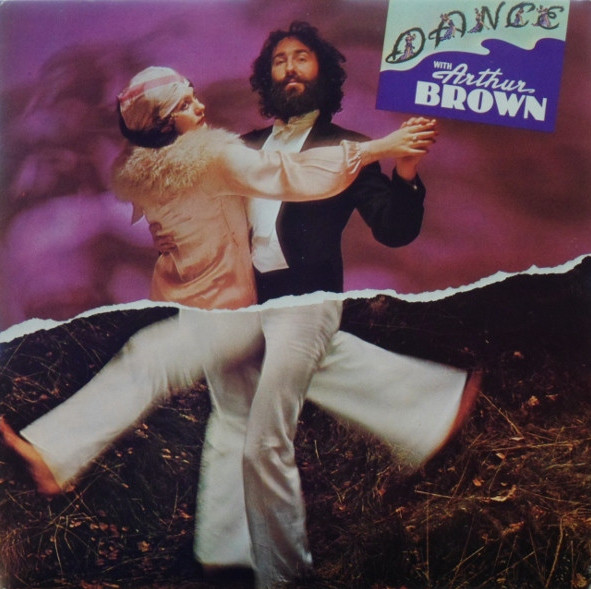
Legendary and influential British singer and performer Arthur Brown will have his classic 1975 album Dance reissued in October. The remastered 2-CD package will feature 1 disc consisting of a rare 1975 BBC Radio One concert. The live show features 6 songs from the Dance album. The package will feature all original artwork reproduced, as well as added notes.
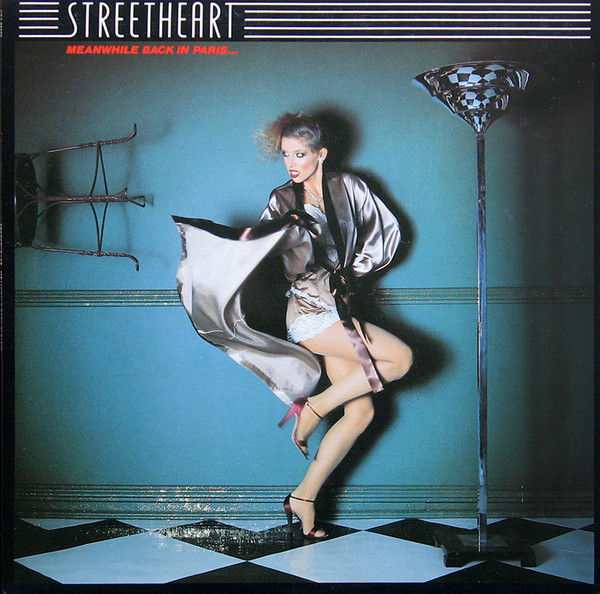
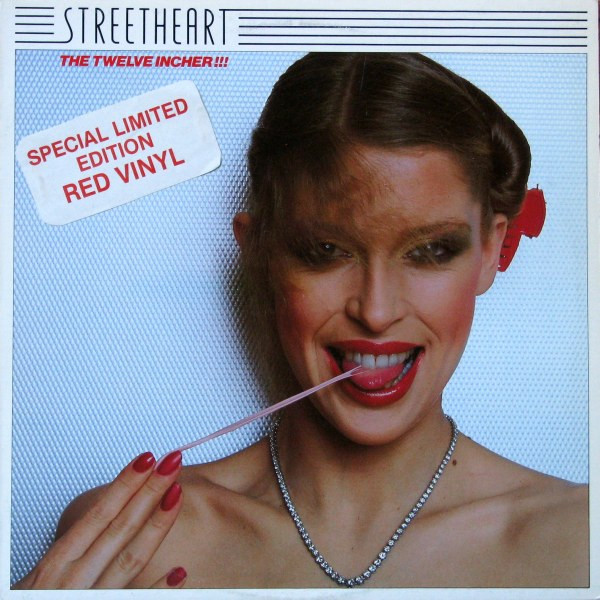
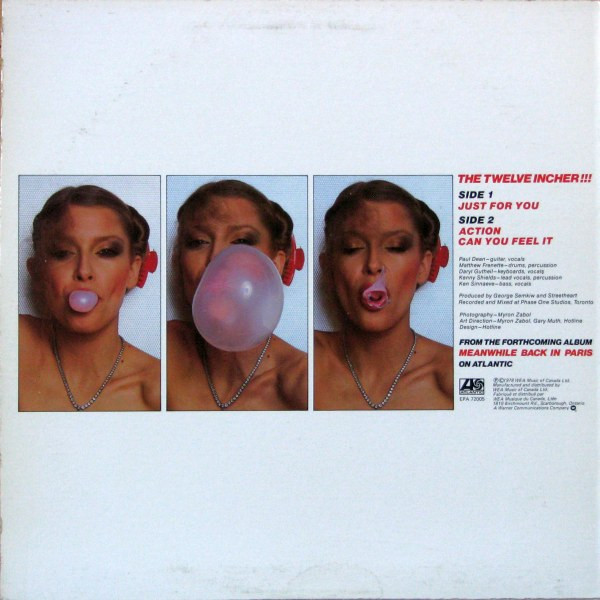
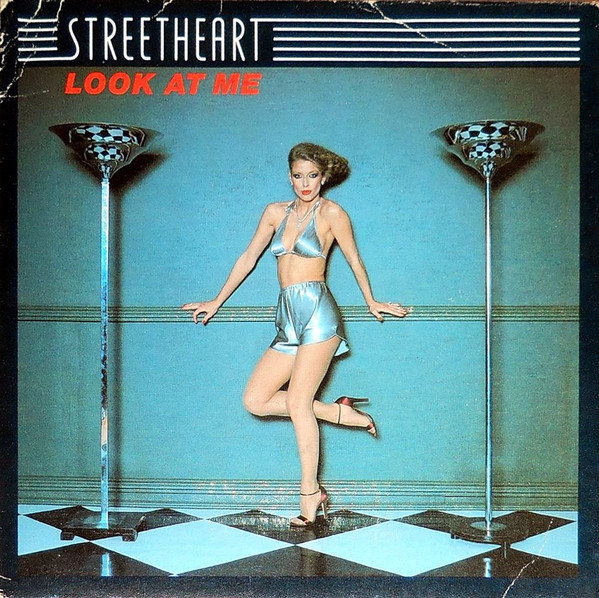
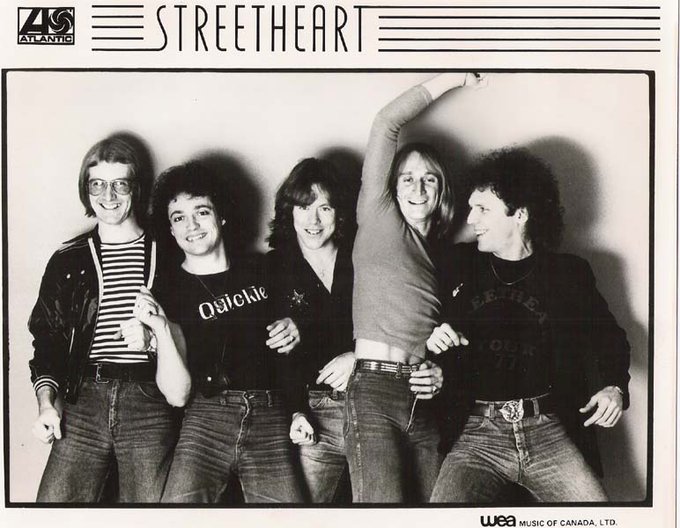
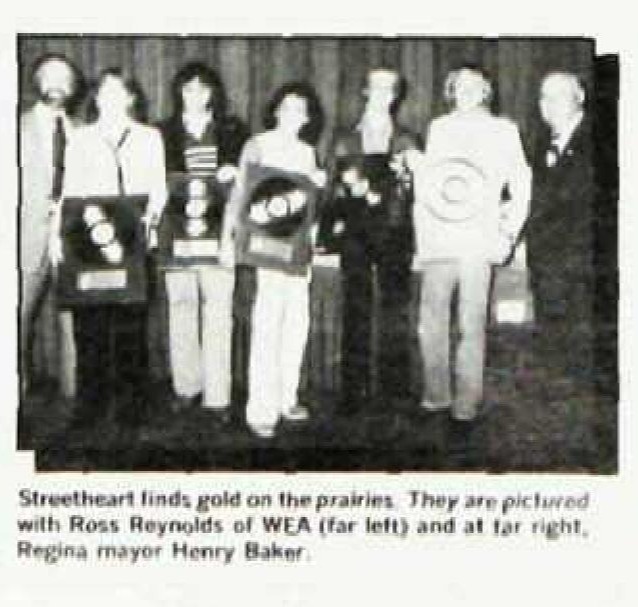
While checking out Canadian LPs from 1978, I got to revisiting this favorite, released in the summer of that year, Streetheart’s debut, and best album! Streetheart was originally based in Regina, Saskatchewan, and fronted by Kenny Shileds, and joined by Daryl Gutheil (keys), Matt Frenette (drums), Ken Sinnaeve (bass), and Paul Dean (guitar). Meanwhile Back In Paris‘ LP title was taken from the opening line in the first cut “Action” – the band’s best known classic, and the one Streetheart tune most likely to still be played on Canadian radio. The album though was preceded by a limited edition 12 inch single titled The 12 Incher!!!, and featured 3 tracks from the upcoming album – “Just For You”, “Action”, and “Can You Feel It”. The 12 Incher!!! was released in limited numbers (3500), on red vinyl (I have a white-label promo copy). Meanwhile Back In Paris featured 9 songs, all of which rock, making for a solid album of cool Canadian hard-rock. Aside from the obvious classic “Action”, favorites include “Pressure”, “Street Walker”, “Look At Me” (the single) and “Just For You”. “Action” – I can’t help to draw comparisons to the 1980 Loverboy hit “Turn Me Loose”, both with the longer keyboard in the intro, as well as each singer hitting that big note in similar style – with the word “crazy” on “Action” and “fly my way” on the Loverboy tune, and both featuring stand-out bass lines. Sinnaeve’s bass playing throughout this is a big part of the sound, driving a number of songs, such as “Can You Feel It”.
This album has a much more energy to it, more guitar heavy hard-rock than later Streetheart albums, which went in a more AOR style and production (though the follow-up Under Heaven, Over Hell is a fine album). Streetheart (and Shields) initially drew comparisons to Steve Marriott and The Faces and Meanwhile Back In Paris was hailed as “the greatest debut by a Canadian R&R band”. It would sell over 100 000 copies in Canada, earning a Platinum award, but would not get a US release (tho’ it would be the reason for the band getting a US deal for future albums). It did get released in a number of European countries (Germany, etc..) as well as South Africa! Classic album cover shot by Myron Zabol who would be credited on a few other Streetheart albums, as well as albums by The Dudes and Shania Twain.
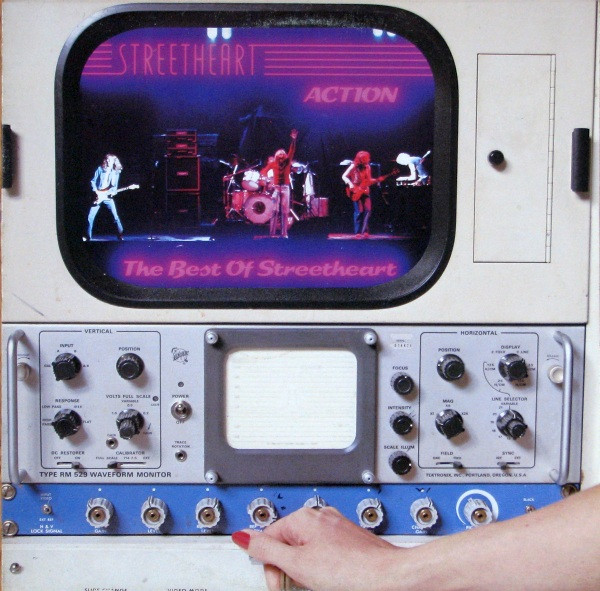
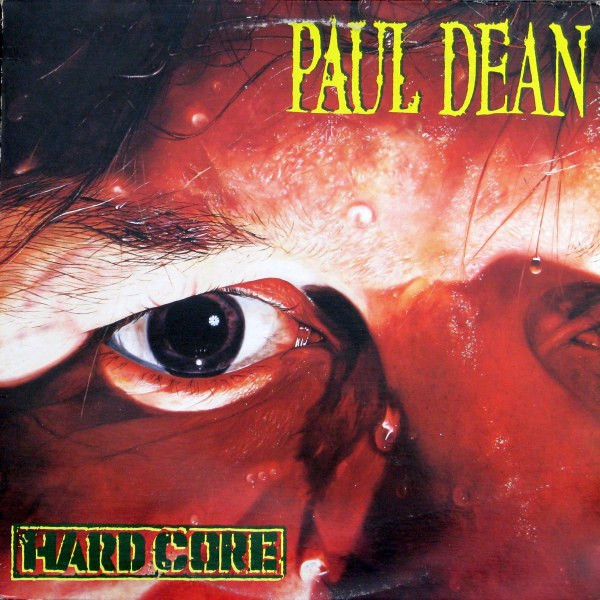
Paul Dean, who co-wrote most of the album would leave after this album to form Loverboy, and was joined by Matt Frenette (after another Streetheart LP). Ken “Spider” Sinnaeve would go on to work with numerous Canadian acts, and later joined Loverboy as well. Four songs from Meanwhile Back In Paris would feature on the 1981 compilation LP Action – The Best Of Streetheart, and Paul Dean would include a new version of “Action” on his 1988 solo album – Hard Core. The original Streetheart reunited in August of 1993, and a live recording from this was later released as One Night One Take. Streetheart carried on after the passing of Kenny Shields in 2017 (RIP), with founding members Sinnaeve and Gutheil, along with longtime guitarist Jeff Neil and drummer Chris Sutherland, and singer Paul McNair (Harlequin).
Streetheart With WEA Gary Muth has announced the signing of Regina -based group Streetheart to WEA Canada for a long-term recording agreement. In conjunction with the signing, it was announced that Don Valley Music Ltd. will be the sole publisher of all compositions written and recorded by the band, who will enter the studios shortly to record their first album, with George Semkiw producing. (CashBox, 10, 08, 77)
MEANWHILE BACK IN CALGARY: Streetheart must be one of the brightest lights to shine here in the north. The act is currently in the midst of a cross country tour to promote their debut album, “Meanwhile Back In Paris.” Their 12″ EP, with slick cover art and even slicker HM licks inside, managed to turn some heads and airplay on this act is a natural. Contained in “Just For You” is the sound of a beer bottle smashing, captured so well that heads invariably turn to spot the clumsy goof who dropped it. Worth hunting for. – (Record World, 07,01,78)
STREETHEART MEANWHILE BACK IN PARIS/Atlantic KCA 92002 A beat set in a drone stresses the bottomy nature of Streetheart. Their tunes are O.K., the best of them being ” Pressure.” Streetheart rocks steadily. A fine instrumental called “Captain Rhythm” graces side two. Merit. (Walrus Magazine, 03,12,79)
HOW DO YOU CALL YOUR LOVER BOY: Paul Dean has been carving an excellent reputation as a guitarist on the prairies with his contributions to both Scrubbalo Caine and Streetheart. Now comes news that he’s teamed up with former Hammersmith and Moxy vocalist Mike Reno for a new hard rock act, Lover Boy. Teaming up to handle management are Bruce Allen (of BTO and Prism fame), who runs a west coast booking agency, and Lou Blair, owner of the Calgary club, The Refinery, where Doucette recorded a live number for his latest album. Blair also handled management for former CBS act Fosterchild. (RecordWorld, 07, 28, 79)
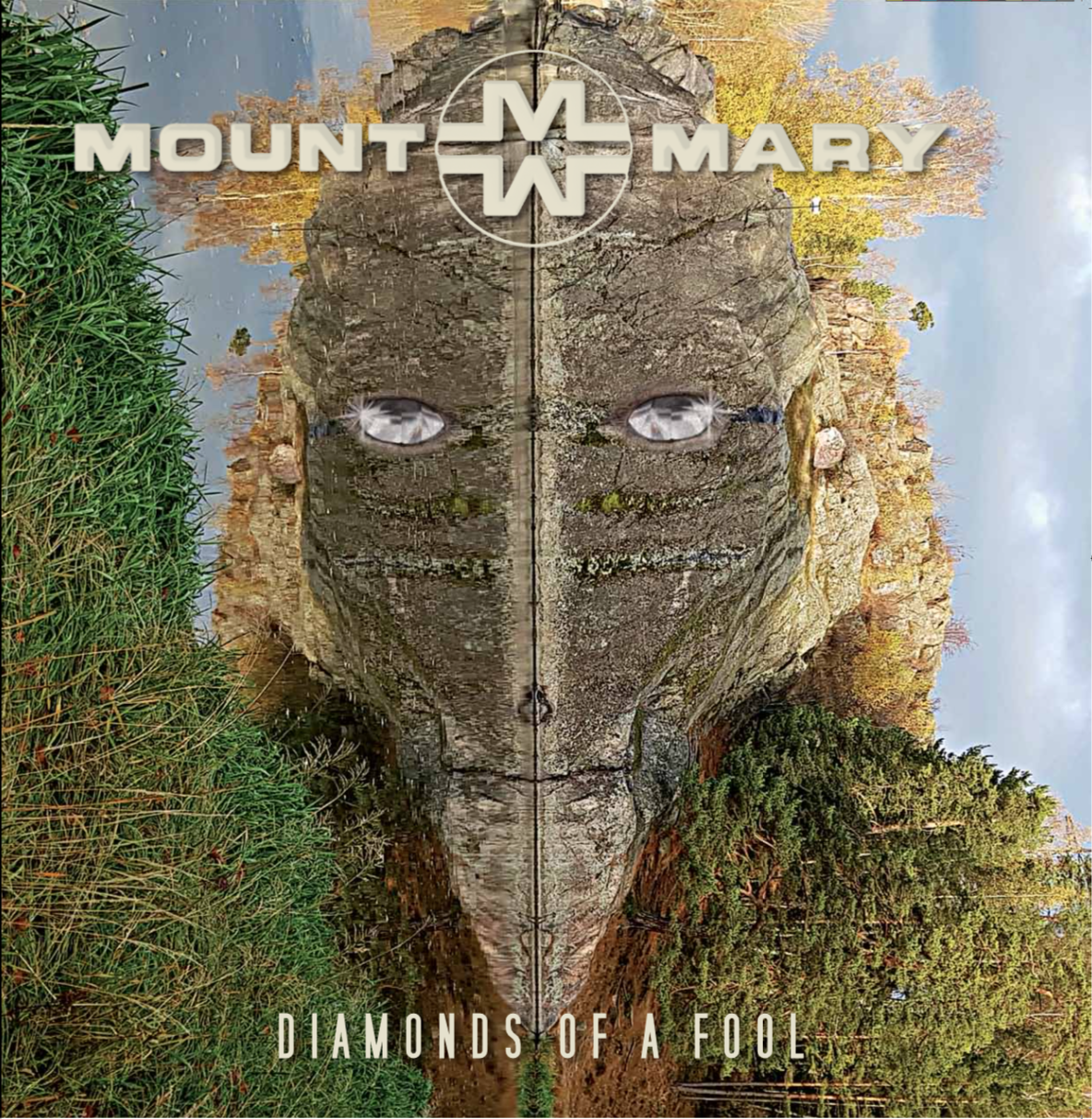
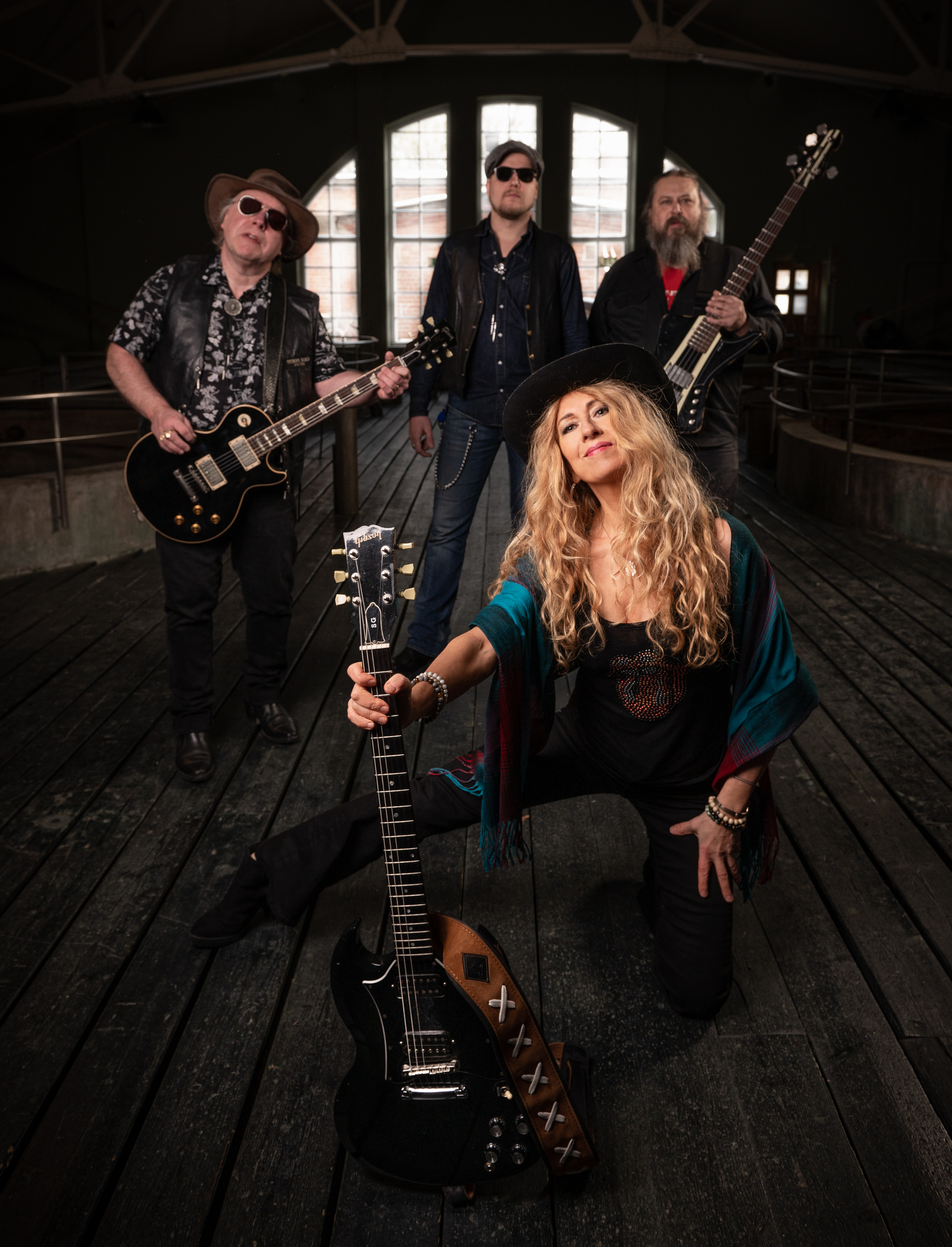
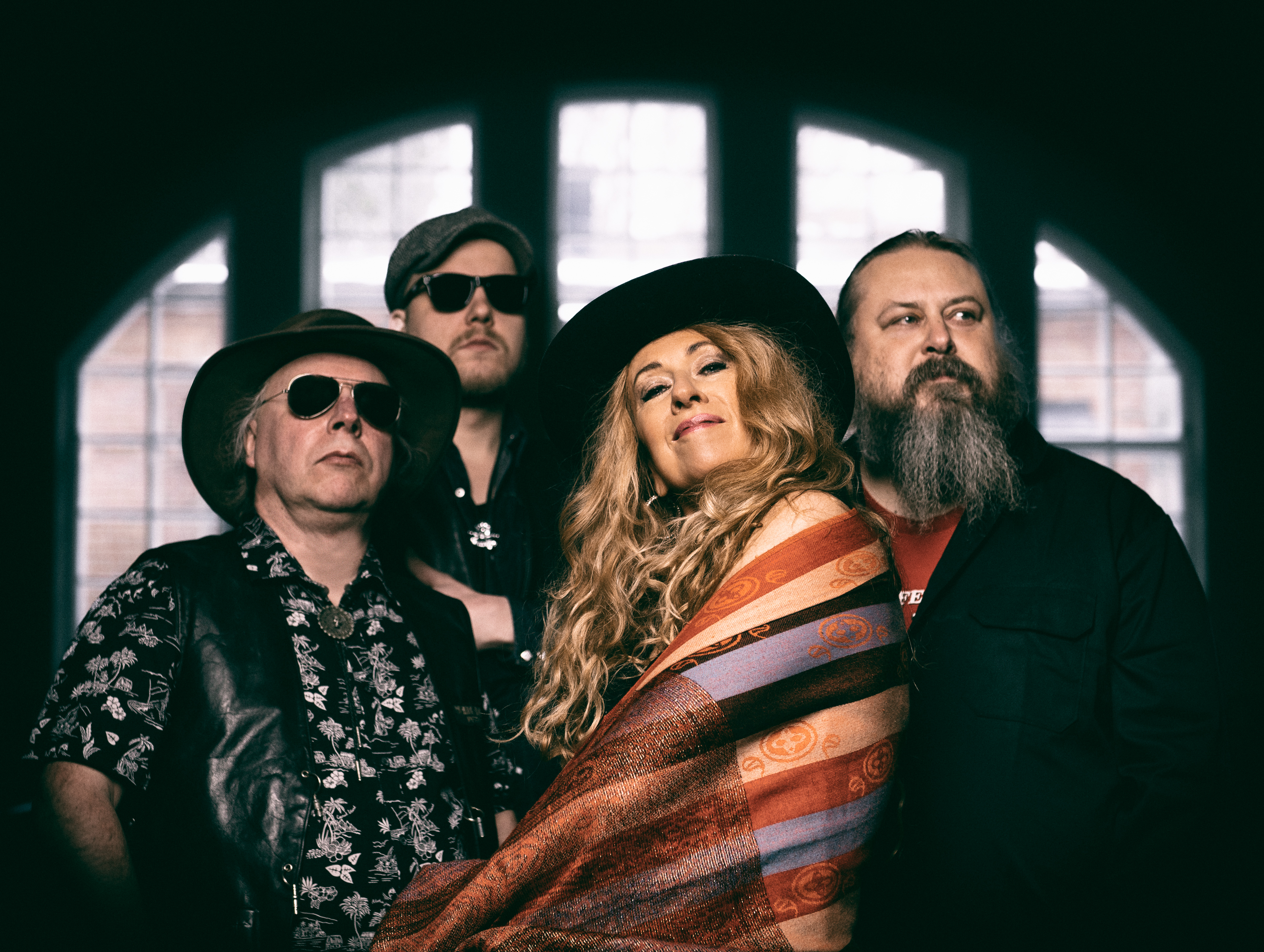
Finnish hard/classic/blues rock band MOUNT MARY has a new single out – ”Color of My Tear” (see new lyric video below), from their upcoming 2nd album Diamonds of a Fool (to be released Aug18th). The band has a very ’70s feel, with big riffs, and strong melodies. Well produced guitar heavy songs, which should appeal to fans of Led Zeppelin, Cactus, Mountain (hey, Corky Laing guests on 3 tracks here!), as well as modern day bands like Rival Sons, Dirty Honey, and The Damn Truth. Maria Hanninen’s vocals remind me (at times) of Sass Jordan. A solid album of 9 rockin’ songs, that doesn’t lighten up much, with fave picks being “Diamonds Of A Fool”, “Tohu Bohu” (I like the Hammond organ here), and “Heart’s Astray”. *For more info, credits, and links – see below!
MM released their critically acclaimed self-titled debut 2021. With their new album “Diamonds of a Fool” Mount Mary continues rockin’ in the atmosphere of 70’s hard rock.
The band offers “healing organic rasp, unrestrainedly.” “Diamonds of a Fool” will be released AUg18th,2023, via Emsalö Music
Members of Mount Mary have worked together with many international artists including Ken Hensley, Corky Laing, Billy Cobham, Hanoi Rocks, Michael Monroe , Bob Margolin, Franz Ferdinand, Johnny Bolin, Conny Bloom, Wigwam, Kingston Wall, Dave Lindholm….just to mention a few
Arranged and produced by Mount Mary Recorded, mixed, mastered by Petri Majuri
Maria Hänninen – vocals, guitar Petri Majuri – guitar Jukka Jylli – bass Otto Haapanen – drums







 Outsider Rock