This is an interview from September of 2000 with Amreican guitarist Stef Burns. At the time Stef was promoting his first full length solo album Swamp Tea. That album came out in 1999 (late ’98 in Japan). Like many back then, this was done via email. I’ve added in some links and songs here as well. In retrospect, some of these questions may seem a bit dorky now. At the time I was excited getting to send interview questions to someone who’d been on an Alice album (being an AC fan). Stef has released a few more solo albums since Swamp Tea (not all instrumental).
AN INTERVIEW WITH FORMER Y & T and Alice Cooper guitarist for his solo album ‘Swamp Tea’.
“Guitarist Stef Burns is best known for his time in Alice Cooper’s band in the early ’90s, as well as being in the last incarnation of Y & T. Recently Stef’s been working with Huey Lewis, and has released his first solo CD “Swamp Tea”. Swamp Tea is an instrumental album. Here I did some Questions and Stef answered, and gathered more info on his career, his time with Alice, Y&T, and his solo project. ”
Who were your earliest influences? how did you get into guitar? SB: Jazz, blues, soul records of my parents. My dad played a little guitar and I picked it up around 7 years old. Then I became more influenced by the great guitarists like, Jimi Hendrix, Jeff Beck, B.B. King, etc. Allman Bros, then later by Larry Carlton, Robben Ford, Mike Stern, Scofield, Pat Metheny, sax players, singers, drummers all were very influential.
What were your favorite albums & bands growing up? favorite guitarists in early days? SB: Hendrix – Are You Experienced, Jeff Beck – Blow By Blow, Allman Bros. – Live at Fillmore East, Montrose, Deep Purple – Machine Head, Led Zeppelin – All of them, The Beatles – All.
What was your first professional gig? SB: Touring with the R&B group – “Omega” featuring members from the Elvin Bishop Group.
How did you get involved with Y & T? SB: Being a San Francisco Bay Area musician we kind of hear about each other. They asked me to join and I accepted. Was really a good hard rocking time.
How was the 1998 “Endangered Species” album received? What has the band done over the past decade? SB: That was the last album recorded by the band. I hardly had anything to do with it other than one song as I was busy working in Italy that year (’96). I like that album though because it has a raw trio kind of feel to it. Dave plays his ass off on that one as well as “Musically Incorrect” (’94). I was more involved with “Ten” (’90) and “Yesterday and Today, Live” (’91)
You mean you only played on 1 track on the album?? SB: Yes.
Did you write & record on ‘Ten’? where & when was Live recorded? [what labels are these on?] SB: Yes, I played a lot on “10”, 4 solos. It is on Geffen. “Yesterday and Today, Live” is on Metal Blade.
Seeing as Dave M. and Jimmy D. both played on your album, are there any plans for future Y & T gigs or recordings? What are the other Y & T guys currently up to? SB: No plans as of now, but I think some day we’ll get together and do something. Don’t know exactly what though. Dave works with his band and does other projects in his studio. Jimmy is in Megadeth. Phil has a bunch of great songs I hope he releases some day.
What other recordings and name bands were you involved with prior to working with Alice Cooper? SB: Well, there was Michael Bolton, Sheila E., Pablo Cruise, Berlin, Jesse Colin Young, (we’re going back to ’82 now). There was a band I was in, in ’88 called the VU. The stuff we did then will be released in Europe next year. It’s power pop rock, I guess you would call it, and sounds really good.
A lot of “pop” stuff! Who was in VU? anyone of notoriety ? SB: Ross Valory, Prairie Prince, Kevin Chalfant and Tim Gorman.
How did you get involved with Alice Cooper? what do you recall of the auditions, etc… ? SB: I was recommended to Alice by Joe Satriani, whom I know from the Bay Area, and I sent Alice a tape, got hired to do the “Hey Stoopid” album, then to tour. Then I recorded “The Last Temptation” which I felt more involved in creating sonically.
You were not in the songwriting credits on ‘Hey Stoopid’ or ‘The Last Temptation’; why not? was songwriting a ‘closed shop’ with Alice due to his working with outside ‘pro’ writers? SB: I don’t know. I really didn’t have anything prepared that was in the Alice Cooper style.
Hey Stoopid had a lot of big names on the album, including other guitarists. What do you recall of these sessions? SB: I was only present during the Motley stuff. Oh yeah, and Slash too. He was super cool, little bit drunk, but…
Why were there almost no big name guest stars on The Last Temptation? SB: I guess that was Alice’s choice to make more of a band sound.
When did you tour with Alice ? Any stories or recollections? SB: Toured a lot with Alice from 91 to 95. Again in the end of 98. It was always fun.
How close were you to Alice? How was he to work with? Are you still in contact? SB: Alice is a breeze to work with. Very easy on stage and rehearsal. Great poker games on the bus. Haven’t talked to him in a while though we sent messages to each other through mutual friends.
What are your personal favorites [songs] from the stuff you recorded with Alice Cooper? SB: The Last Temptation.
The song? anything else ? SB: No, the record. Some of my favorite songs are, “Stolen Prayer”, “Cleansed By Fire” and “You’re My Temptation”.
What have you been doing since The Last Temptation? SB: Vasco Rossi, tons of sessions, released “Swamp Tea”, Huey Lewis etc…
What’s your involvement with Huey Lewis? [Recordings, tours, etc…] [What’s Huey been doing for the past 15 years?] SB: Right now it’s just touring. The new album to be released first of 2001 was finished before I joined. Chris Hayes plays his ass off on this CD. Some of his best playing ever, I think. Huey has always been working.
Have you done any recording with Huey? How long you been in his band? [where have you toured? where’s his market these days, cause I ain’t seen anything of him until the other day when i saw him in the promo for the “Duets” movie]. SB: Have not done any recording yet. Will play on one live track that I think will be for Europe. I have been playing with The News since March. The band’s market is spread out. We just played for 12 000 people at Pine Knob in Detroit.
How did the solo project come about? [who runs Lakeside Records? ] SB: I did it myself with the help of my friends and collaborators. Always wanted to. John Seppala and I worked a lot together to finish it. He’s amazing.
‘Swamp Tea’ is less of the Alice Cooper riff-rock stuff, and more of a almost progressive / fusion sound. Is that the style of music you are more into? How did the sound / idea come about to not be a ‘metal’ album, but a more prog style? SB: We just came up with music that we liked. Sometimes very melodic or jazzy. I never wanted to do a metal album.
What can you tell me about a few of your favorites on Swamp Tea? Any stories behind any of the tracks? any favorites? SB: Some of my favorites are Walking the Penguin, Echo Lake, Summer of ’68. These have a bit more of a soulful melody style.
How was the response to Swamp Tea in Europe and Japan? What promo plans are in the works for North America – any gigs, tracks receiving any radio attention, major mag features, etc.. ? SB: I did an Italian tour and it went well. There were features in a few of the Italian guitar mags. I think I’ll go back to Italy first of the year. My Italian band is great. Next I think I’ll get working on my next CD.
What would you compare it to? Familiar with [fond of] Steve Morse’ work? SB: I don’t compare it at all, but some of the influences that I hear are Todd Rundgren, Led Zeppelin, Toto, Deep Purple, Jeff Beck, Jimi Hendrix, Mike Stern. I am familiar with Steve Morse but I am not really influenced. John’s song – “Wayfunner”, has a ‘Dregsish’ line in the verse.
How has the reaction been so far? any plans to do a follow up? SB: Good and yes.
Any ideas for the next CD ? SB: Not sure yet really.
Aside from the Italian mags, any major features, chart placings [ie internet, foreign countries, etc…] SB: Haven’t got my first statement yet, so don’t really know what I sold.
What are you listening to these days? what guitarists out there do you admire these days? SB: I still listen to the old guys. Beck, Hendrix, more Miles Davis, Stan Getz, Pat Martino, Rage Against the Machine.
( KJ: thanks Stef!) SB: You’re welcome. This is the longest interview I have ever typed in my life!
Some time ago I’d featured the first 2 BLIZZARD OF OZZ albums as a ‘classic pair’ of albums, and for me those 2 albums – whether you want to classify them as band albums (as I do) or as OZZY OSBOURNE solo albums are above anything else Ozzy did beyond BLACK SABBATH.
So, my ‘best of’ Ozzy list would include almost all of those tracks before anything else. This ‘best of the other albums’ is my selection of favorite Ozzy tunes beyond Blizzard Of Ozz and Diary Of A Madman. really, the next 2 albums with Jake E Lee were his next best albums for a long time, and I really started losing interest after No Rest For The Wicked, aside from Ozzmosis (which I like), it’s all pretty much downhill for me. But (back up a bit), there was also the Mr Crowley live Ep, with the excellent non- album track “You Said It All”, and prior to the next solo album was the double live Speak Of The Devil (or Talk Of The Devil in some countries). Loved Speak Of The Devil at the time, it’s still my favorite Ozzy live release, even if it is all Black Sabbath songs! Brad Gillis sounded amazing on this. A shame it was such a tough period for Ozzy, and that Brad couldn’t continue (he would have great success with a number of excellent Night Ranger hits and albums). So, this article ended up being an overview of those Ozzy studio albums beyond the original band…
Bark At The Moon
Ozzy’s first album with Jake E Lee. Also here are Tommy Aldridge and Don Airey, who’d remained from Ozzy’s touring band since the death of Randy Rhoads. Rudy Sarzo had left, a combination of Ozzy needing Bob Daisley back to write songs, and Rudy’s feelings of still being there after the loss of his friend. Before the album was done Tommy would be fired and Carmine Appice was brought in to finish/fix the album’s drums and then tour. This is told in Carmine’s interview with The Metal Voice some years back.
I remember buying Bark At The Moon in March of 1984 at a small record shop in Niagara Falls. The store had a Ticketron outlet, and I had to go to get a refund for a cancelled Saga concert (February 29!), so with that I purchased Bark At The Moon (and a Styx album). I played this album to death for the first few weeks, and liked pretty much everything on it, except for sappy ballad “So Tired” (who thought this would be cool on an Ozzy album!?)
Side one was near perfect, the title track / first single was outstanding at the time, and even the keyboard heavy “You’re No Different” is one of the best here, followed by “Now You See It, Now You Don’t”, and the classic “Rock N Roll Rebel”. With Ozzy being an easy target for religious groups who would set up protests at his shows, “Rock N Roll Rebel” was an excellent and fitting anthem in response to critics. As much as I was a Randy Rhoads fan, I loved Jake E Lee’s sound on the 2 albums he did, very different to Randy, but the guy played heavy and creative. A shame he got fucked over and left the Ozzy fold. Side two was very good, though I spun it far less. “Centre Of Eternity” (titled “Forever” in some countries) was a fast paced rocker to open that side, but then things grind to a halt with the ballad “So Tired” – piano, strings, like WTF! I was never a fan of Sabbath’s “Changes”, and this was worse. Things picked back up with “Slow Down”, a decent rock tune. And the album ended with on a high note with another favorite, “Waiting for Darkness”.
Bark At The Moon (for me) is the next best album released under the Ozzy name in the catalogue, but a lot of that credit goes to Jake and Bob, along with Max Norman. I think this album lacked a certain ‘band’ magic that the previous 2 albums possessed, as well as some sort of Epic track ala “Revelation (Mother Earth)” or “Diary Of A Madman”.
The ‘werewolf’ idea that featured in the title track (single & video) was interesting at the time, as there’d been a number of ‘werewolf’ films in 81-82, most notably “An American Werewolf In London’, and (later, 85) “Teen Wolf”). Michael Jackson’sThriller came out a year prior to Bark At The Moon, and the video (produced by the same guy who produced American Werewolf In London). Ozzy did an interview on Canadian TV in 84-85, and was asked about Michael Jackson and Thriller, and he replied “boring to both, but when asked about the video, Ozzy sighed and said “Ok”. (I have this on an old VHS tape somewhere). The video shoot for the “Bark At The Moon” would use the same make up artist who had also worked on American Werewolf in London and the “Thriller” video! “So Tired” was released as the 2nd single & video, where a shattering mirror sent Ozzy to hospital with glass in his throat. Frankly, either single B-side (“Spiders” and “One Up The B Side”) would’ve been better on the LP, IMO. The non-LP tracks would appear on the 2002 re-mixed reissue on the album.
It took a few years before Ozzy’s next album, but The Ultimate Sin was released in early 1986.
The Ultimate Sin album was originally intended to be called Killer Of Giants, according to the press back then. The cover featured artwork by fantasy illustrator, Boris Vallejo. Fortunately, he still had Bob Daisley around for the early stages of this album to co-write songs with Jake E Lee. Daisley later recalled that he’d tried to get Ashley Howe in to produce the album, as Howe had produced the 2 Uriah Heep albums that Bob was on (Abominog and Head First). But as Daisley didn’t carry on to play on the album, that idea wasn’t pursued and Ron Nevison was hired to produce. During the mid 80s, Nevison was producing commercial rock albums for Heart, Survivor, Triumph, and Jefferson Starship. Bass player Phil Soussan, ex Wildlife was hired to play on the album and tour, while Mike Moran (ex Ian Gillan) played keyboards. I remember picking this LP up when it came out, in a shop in Hamilton. Played the heck out of it. I thought (and still think) Jake E Lee was even better on this album, with many creative riffs and solos, some cool intros… Jake’s performances are THE best sounding thing about this album! But I can’t say that I dig it as much overall now due to the production / sound, and a couple of songs. New drummer Randy Castillo does a decent job, but can’t help but think that it’s ironic that after Diary of A Madman, Ozzy (Sharon) was quick to dismiss Lee Kerslake, and then went through at least 3 of them over the next few albums. However, the 2 side openers made for decent singles – the title track and “Lightning Strikes”, but there’s a few even better cuts here, notably “Never” (the best, IMO), “Fool Like You”, “Never Know Why” (despite revisiting the ‘rock rebel’ theme again), and “Killer Of Giants” (kind of a return to that “Diary Of A Madman” epic feel with the acoustic guitar). Not so big on “Thank God For The Bomb” and the cover of “Shot In The Dark” (a blatant attempt at doing something mainstream / commercial, which just doesn’t fit here). Co-credited for the hit “Shot In The Dark” was Soussan, as the song was originally recorded during his Wildlife days, but there’s more to this song, as John Sloman (ex Lone Star, Uriah Heep) lays some claim to the songs origins in his book (Lost On Planet Artiface), as the bass player also worked briefly with Sloman in the singer’s post-Heep band Badlands (Not to be confused with Jake E Lee’s post-Ozzy band!) Soussan in more recent years is part of the Dio alumni band Last In Line.
Before the next studio album there was the release of the Randy Rhoads live Tribute album, which was most welcome to hear Randy playing live. But now I can’t help but wonder why they haven’t released something else, particularly from the original ( Blizzard of Ozz band) on their first UK tour, following the first album’s release.
No Rest For The Wicked came out in ’88, and this was the last Ozzy album I picked up close to release date. Bob Daisley was back on bass, along with ex Uriah Heep keyboard player John Sinclair (though credited fully, neither would be pictured on the album’s inner sleeve). Randy Castillo was back, and new young guitarist Zakk Wylde. For the most part I really liked this record; it had 4 standouts (favorite cuts) for me – the single “Miracle Man” (mocking Jimmy Swaggart – “now Jimmy he got busted, with his pants down”), “Bloodbath In Paradise”, “Breaking All The Rules”, and the softer “Fire In The Sky” (which started life demo’d as “Valley Of Kings” when Sinclair & Daisley were in Uriah Heep, 1982). The rest is not bad, but those ones I was happy with and played repeatedly. I liked Zakk’s sound here, and he came up with some big riffs and solos, and the overall sound & production is a big improvement over the dated sound of The Ultimate Sin. Sinclair contributed a classic intro to “Bloodbath In Paradise”, and then contributed largely to the piano based ballad “Liar” – which was a non-LP track, along the excellent “Hero”. I’m guessing both of the latter tracks were left off the LP to keep it heavy, with cuts like “Devil’s Daughter”, “Tattooed Dancer” (which is spelt wrong on the back of the LP!), and “Demon Alcohol”. I think after revisiting these albums, No Rest For The Wicked was/is much better than I remembered, and I’ll put it slightly above the previous one.
Following the release of No Rest... Bob Daisley was gone again, and in came Geezer Butler for the tour. Gone are the ridiculous glam outfits of The Ultimate Sin era, with everyone looking more ‘rock n roll’, in leather and denim. 1990 saw the release of the 6 song EP – Just Say Ozzy (recorded in the UK, November of ’89). This featured 4 tracks from No Rest For The Wicked, plus 2 Black Sabbath classics. Not a bad release, but where’s the rest of the show?
Now this is where I kind of got off the Ozzy train. Growing less enthused about many of my favorites from the early 80s (really, I think the ’80s bands golden era was pretty much over), by then… I had moved on, or more so – back(!), discovering and picking up more ’70s band’s like Deep Purple, Blue Oyster Cult, and Uriah Heep. I continued to pick up the next few Ozzy releases, but was not in much of a rush.
The next album was No More Tears, and I got to confess I never liked the title track, or the sound of this (ok, the bass intro is cool). Between Zakk’s sound, the production here, and new writers, etc… Ozzy (musically) was sounding like other metal acts of the time. There was also a few softer cuts here (ballads). For me there was no huge standout tracks, though if I had to pick a favorite it would be “Desire”. Bob Daisley played on this album, but was not in the songwriting credits. Ozzy co-wrote a number of songs with Lemmy (Motorhead), as well as Wylde and Castillo. I know this album was a huge seller and got lots of press at the time, ya know – because it was supposed to be Ozzy’s final album and tour, but for me it’s a ‘nice’ listen, just not very memorable. This was followed up by the Live & Loud release. I played this and the even worse Live At Budokan very few times. Again, wasn’t a fan of the sound at this point, nor did I care to hear Ozzy dropping F-bombs between songs, and the Budokan album has got to be the worst album cover in Ozzy’s catalogue!
Now, 1995’s Ozzmosis I actually thought was an improvement. Despite the move towards mainstream with more outside writers, I really liked the single “Perry Mason”. An interesting subject for a song, the fictional defense lawyer created by writer (and lawyer) Erie Stanley Gardner, and who then became the title character of the American tv show that ran for nearly a decade from the late 50s to 60s. But this is a powerful song, heavy, dramatic, that leads off the album. .Ozzy tells it so well. Geezer Butler on bass, Dean Castronovo on drums! This album also includes the singles “See You On The Other Side”, and “I Just Want You”, which was co-written by Jim Vallance, best known for his years of co-writing with Bryan Adams. It’s kind of a heavy ballad, highlighted by Rick Wakeman’s keyboards and a great vocal from Ozzy. Ozzmosis also included heavier favorites “Denial” and “Tomorrow”. The track “My Little Man”, was co-written with Steve Vai, which is interesting as Bob Daisley later recalled that he, Vai, and Ozzy got together a year earlier to this album and started working on a project, which was abandoned. Ozzmosis was Ozzy’s highest charting album in the US then.
The Ozzman Cometh was the career spanning (mostly post-Sabbath), released in 1997. Shameful that Bob Daisley’s name was spelled wrong throughout. There’s a few different early versions of Sabbath classics, as well as “Paranoid” live from the Randy Rhoads period. Their was one ‘new’ track, “Back On Earth”, which was from the Ozzmosis sessions, and has a keyboard intro/pattern, not too different to “I Just Want You” . A decent song, and single.
It would be 6 years from Ozzmosis to the next studio album, 2001’s Down To Earth. Despite having another odd cover, I thought this one is the last good Ozzy studio album. Some excellent tracks in “It Gets Me Through”, “That I Never Had”, and the ballad “Dreamer” ( a vast improvement on “So Tired”) A number of these songs were co-written with guitarist Joe Holmes, who played live with Ozzy following Ozzmosis. Interesting that Down To Earth went Top 10 in Canada and the US.
After all those Ozzy albums I was pretty done, and I’ve picked up things over the years – not because I expected much or liked what I heard before release. 2007’s Under Cover album (who the Hell wants to hear Ozzy doing a bunch of cover versions!?), then Black Rain, which I thought was forgettable at the time. I never bought it then, and only have it now because I found it for $3 at a flea market a few years ago. Scream came out in 2010, and not as forgettable as Black Rain. In retrospect I never gave this one a lot of time then, but revisiting it, Scream is better than I remembered. Really, at the time I picked up in part because it came with the t-shirt, and didn’t expect much! But I like the lead off track “Let It Die”, as well as the single “Life Won’t Wait”, the (somewhat) title track “Let Me Hear You Scream”. Gus G on guitars, Adam Wakeman on keyboards.
The last 2 Ozzy releases – Ordinary Man (2020) and Patient Number 9 (2022), I bought these at some point, perhaps as a completist and was expecting something with all the guests on these albums, or was easily swayed by all the suck-up reviews. Either way, a few listens and I just don’t care.
In retrospect I dig the ’80s Ozzy era even more so, and wouldn’t miss much else beyond No Rest For The Wicked (well, maybe Ozzmosis). It also makes me want to go back and fill in the gaps from the ’80s with live recordings and some singles (those non LP cuts). I’ve still got binders of Ozzy press clippings and magazine articles from the 80s, and early 90s, that I’ll have to scan some day.
Record Store Day Canada is proud to announce that legendary Canadian rockers Honeymoon Suite have been named the official Record Store Day Canada Ambassadors for 2026. To celebrate their role as Ambassadors, the band will release a special, Record Store Day exclusive version of their hit-packed compilation The Singles, issued on Limited Edition Translucent Red Vinyl and only available at independent record stores across Canada. This exclusive collector’s item features some of the biggest songs in Canadian rock history, including “New Girl Now,” “Burning In Love, ” “Wave Babies,” “Stay In The Light,” “Feel It Again,” and “What Does It Take” (from the One Crazy Summer soundtrack). It also includes the band’s hard-hitting contribution to the Lethal Weapon soundtrack. “We are thrilled to be the Record Store Day Canada Ambassadors for 2026, ” says Honeymoon Suite’s lead guitarist and songwriter, Derry Grehan. “To me, vinyl isn’t just a format; it’s how I fell in love with music in the first place. There’s a magic to holding the jacket, reading the liner notes, and dropping the needle that you just can’t replicate. We’ve always been a band that lives for the fans and the music, so getting to champion independent record stores, the place where that magic still lives, is a huge honor us.” “We are so excited to have Canadian music legends Honeymoon Suite representing us as RSDC Ambassadors in 2026,” says Ryan Kerr from Record Store Day Canada. “With an arsenal of great music under their belts, The Singles album is hotly anticipated by fans coast to coast. Honeymoon Suite’s catalogue represents some of the greatest and most memorable music in Canadian history, so we are proud to be working with them to bring that music to fans through our country’s incredible independent record stores.”
Adds Noble Musa of Microforum Vinyl, “Pressing The Singles title for the Record Store Day Canada 2026 Canadian Ambassadors Honeymoon Suite is so meaningful to us! Seeing this record grace stores nationwide and giving fans the opportunity to hear timeless hits in an analog format is why we do what we do.”
Formed in Niagara Falls, Ontario, Honeymoon Suite has been a driving force in Canadian rock for over four decades. With over a million units sold worldwide, their music is woven into the fabric of the country’s rock history. From their self-titled debut to the multi-platinum The Big Prize and Racing After Midnight, the band delivered an undeniable string of radio anthems that defined an era.
The Singles Tracklist
A1. New Girl Now A2. Burning In Love A3. Stay In The Light A4. Wave Babies A5. Feel It Again A6. What Does It Take
B1. Bad Attitude B2. Lethal Weapon B3. Love Changes Everything B4. Lookin’ Out For Number One B5. Still Lovin’ You B6. Long Way
Cherry Red released the Lou Gramm‘s ’80s solo material in 2021, as Questions And Answers (The Atlantic Anthology 1987-1989). Prior to that the last release of ‘new’ music from the original FOREIGNER singer was 2009’s Lou Gramm Band CD, which is well worth finding. This upcoming collection, strangely titled ‘Released‘, comes out March 27 through Cherry Red Records/HNE (UK). Check out details & tracklisting below in the press info.
Both Released and 1987’s Ready Or Not are being reissued on color vinyl through Friday Music, for details click on the titles.
The first single from Released is an instantly likeable upbeat 80s pop-rock track title “Young Love”, which features Vivian Campbell on guitar.
Released is the long-awaited new solo album from legendary vocalist Lou Gramm, best known as the iconic voice of Foreigner. Arriving in March 2026,the album presents ten original songs written by Lou alongside former Black Sheep bandmate Bruce Turgon, capturing the classic AOR sound that has defined Lou’s career while delivering a powerful sense of rediscovery and completion.
Lou says: “My new album ‘Released’ is a collection of unreleased songs that were recorded in the 1980s during the production of my 2 previous solo albums. These are powerful, heartfelt songs with a great vintage sound taken right from my old multitrack tapes. This new album was a long time coming and it’s a real nostalgia trip. When I pulled these songs out of the vault, I knew I had to finish them for my fans around the world, so they can experience what I did when I first heard them after all these years. It means a lot to me to finally see this album released, to be taken back in time when I hear this music again, to remember working with all these great musicians, and to feel that my catalog is now complete.”
Produced by Lou Gramm himself, Released features appearances from an outstanding cast of musicians, including Tony Franklin on bass for “Long Gone” and Vivian Campbell on guitar for the opening track “Young Love”, alongside long-time collaborators such as Lou’s brother Ben Gramm on drums. The result is a collection that feels both timeless and deeply personal, rooted in the era that made Lou one of rock’s most recognizable voices.
Born and raised in Rochester, New York, Lou Gramm emerged from a highly musical family before forming Black Sheep, whose two albums for Capitol Records have since become cult favourites. A pivotal meeting with Mick Jones in 1975 led to the formation of Foreigner the following year, launching a career that produced a run of multi-platinum albums and hit singles. Foreigner famously became the first band since The Beatles to see their first eight singles reach the US Top 20.
Alongside his work with Foreigner, Lou enjoyed major solo success with Ready Or Not(1987), featuring the hit “Midnight Blue”, followed by Long Hard Look (1989), which included “Just Between You And Me”. Now, with Released, Lou delivers his third solo studio album, completing a vital chapter in his solo catalogue while standing proudly alongside both his earlier solo work and his defining recordings with Foreigner.
The album also includes “True Blue Love (Unplugged)”, originally appearing on Long Hard Look, and follows recent high-profile collaborations with Foreigner connected to the band’s induction into the Rock and Roll Hall of Fame in 2024. Lou Gramm will be touring throughout 2026 in support of Released, with dates announced in March.
TRACKLISTING
1 Young Love 2 Lightning Strikes 3 Walk The Walk 4 Long Gone 5 Heart And Soul 6 Long Hard Look 7 True Blue Love (Unplugged) 8 Deeper Side of Love 9 Time Heals The Pain 10 Word Gets Around
Formats Digital Album Dolby Atmos Album CD (HNE Recordings / Cherry Red Records) Vinyl (Friday Music)
Well, I will say that I think Canadian rock music (and rock in general) peaked a few years before this. So we are at 1987 for top Canadian albums and I am not as enthusiastic….. Good albums, but most of these bands have passed their ’80s peak, and they’re either done (splitting up soon) or changing direction.
Triumph – Surveillance
The last album before the band split, released in November. I actually liked most of this album, a slight improvement over Sport Of Kings with “Never Say Never”, “Carry On The Flame”, “All The Kings Horses”,… Steve Morse (pre Deep Purple) guests on 2 tracks. Surveillance only contains 1 pointless outside track. Out of all these, I probably play this one the most. Another fine cover from Dean Motter.
Loverboy – Wildside
The 5th and last from the original line-up. I thought this one was an improvement over the previous album (no Mutt Lange!), and a bit more hard edged than Keep It Up. Lots of outside writers / co-writers, particularly American writers Todd Cerney and Taylor Rhodes. Lots of good songs, surprised this didn’t do better – “Notorious” (co-written with Bon Jovi guys), “Read My Lips”, “Hometown Hero” (co-written w/ Bryan Adams), and the title track. CD version included extra song (ballad) “Don’t Keep Me In The Dark”.
FM – Tonight
Released in early ’87, Tonight was the follow up to the reunion album Con-test, which featured the original trio. However, Martin Deller is gone here, and Nash The Slash and Cameron Hawkins are joined by 3 new members for an even more aor sounding album. From what I understand Nash was not a fan of any commercial approach or the new line-up. But hey, for what it was – this was a pretty good album! A few hits and plenty of good tracks like “Magic In Your Eyes”, “Take The Time To Dream”, “Dream Girl”, and “She Does What She Wants”. Also included a cover of The Beach Boys “Good Vibrations”. Album cover art by Robert Vanderhorst who’d done the previous album, as well as a few of Nash’s solo albums.
Rush – Hold Your Fire
Although I eventually got every Rush album, following Power Windows I was in no ‘rush’ to get the next few. I love Rush, but this one, (released in September of ’87) sits near the bottom for me, but it did include the big hit “Time Stand Still” (feat Aimee Mann of Til Tuesday), and favorites like “Force Ten”, “Prime Mover”, and “Lock And Key”.
Bryan Adams – Into The Fire
The follow up to the mega successful Reckless album, released in March. I really preferred this one, but it didn’t live up to it’s predecessor in sales, and got criticized for it , but really – it still went Top 10 in Canada and the US, and had 4 hit singles! Favorites include the hits “Heat Of The Night”, “Victim Of Love”, “Hearts On Fire”, and the title track.
Saga – Wildest Dreams
This was the first album to feature the band as a trio , with session players filling in, notably legendary German drummer Curt Cress (once of Lucifer’s Friend). Coming out late in the year, I remember getting this one in the delete bin, and not being crazy about it initially. A bit of a grower, with good tracks in “Only Time Will Tell”, “Chase The Wind” and the title song.
Helix – Wild In The Streets
The follow up to the band’s commercial sounding Long Way To Heaven. This one being a bit rockier. Includes the excellent title track, as well as the anthem “Never Gonna Stop The Rock” (written by the Overland brothers, of British band ‘FM’), as well as a cover of Nazareth’s “Dream On”. A few interesting guests, notably Don Airey. Went top 30 in Canada, certified Gold, but kinda flopped in the US, and the band were done with Capitol Records. Cool cover too.
Lee Aaron – Lee Aaron
Released in February of that year. This self-titled record features a new ‘less metal’ image, and a cleaner, more radio friendly sound, and included 4 singles, notably “Only Human”, and “Powerline” (co-written w/ Joe Lynn Turner). A great step up for the era.
Gowan – Great Dirty World
The follow up to the 1985’s Strange Animal, released in March. A bit lighter overall, but included the big hit “Moonlight Desires” (feat. Jon Anderson of YES), as well as minor hits “Awake The Giant” and “Living In The Golden Age”.
Anvil – Strength of Steel
The fourth album from Anvil. This one featuring favorites like “Concrete Jungle”, “Cut Loose”, and a cover of The Stampeders’ “Wild Eyes”.
*Other albums from 1987 : David Wilcox, Breakfast At The Circus. Body Electric, Walking Through Walls. Sacrifice, Forward To Termination. Haywire, Don’t Just Stand There
A couple of years back I featured John O’Brien’s cover art for April Wine’s 1984 album Animal Grace, as well as touching on a few other covers John created. Recently I reconnected with John to get his recollections of a classic pair of 80s albums by GREAT WHITE – 1987’s Once Bitten, and 1989’s …Twice Shy. This was the band at their peak with hits and favorite cuts like “Rock Me”, “Lady Red Light”, “Heart The Hunter”, “Save Your Love”, and the hit singles – a cover of Ian Hunter’s “Once Bitten Twice Shy” and the ballad “Angel Song”. Once Bitten would be a top 30 album in the US and Twice Shy making the top 10. I had these on cassette when they came out and played the hell out of them! I also recall that a few of these songs were in high rotation at any peeler back then. The late 80s were better than I thought, I guess.
Below John has provided details on these album covers that he worked on. John was also kind enough to provide images included. (Thanks to John & Alan Niven) *Check out the links below.
John: My responses mandate some additional memorable and illuminating recollections by Alan Niven (NIV) (Great White Manager, Writer, Producer)
You were at Capitol during the period of Great White’s Once Bitten and …Twice Shy albums.
I was at Capitol for the first album Once Bitten and due to Alan’s trust I worked on …Twice Shy after I left Capitol to form a company that designed packaging as well as creating Movie Advertising Key Art.
What/who was your intro to the band or Alan Niven?
Being on staff at Capitol the designers were assigned at random to projects by the Art Director at the time, Roy Kohara. We worked on a variety of artists on the roster who worked with the internal art department. One lucky dayI was assigned Great White. I remember Alan showing up in the art department at my office door one day with all his unique grace and charm…fortunately he trusted me.
NIV: Yeah …me being nosey … who is who and who actually does the work.
NIV: An internal art department is less expensive, and if one can form a relationship within the department one has a chance of doing better than if one hires, at great expense, outside ‘experts’ all full of their rationalities. You had a great energy. A sense of humor. That was enough for me.
Were you brought in to work on the cover well before the album was done?
Projects began after the titles of the albums were settled.
On Once Bitten you were credited with the concept and layout.So, does that mean the entire idea (the model posing in the water with the shark fin) yours’?And can you tell a bit about that whole concept / idea came from?
I was credited with cover concept and layout credit – but Alan was specific with the idea of having a beautiful woman (Traci) with the specific direction of the primal necklace to be constructed and worn. I followed Alans direction and submitted the concept utilizing the model, water and shark fin background.
NIV: Yeah. Much of the album material was about dysfunctional relationships that were mostly formed by primal urges.
How was that first covered achieved? Was it one photo or a couple overlayed?
Once Bitten cover was shot in camera. The photographer was known for his talent in composing and capturing images, lighting and mood. Photographer Ron Slenzak, 3 years previously shot Purple Rain Poster art.
To find Traci (Cover Model) we had a well attended open casting call held in the Tower conference room to search for the specific representative we needed for the cover.
NIV: Traci came to the casting at the Tower. All were dressed. No swim suits. We are, after all, gentlemen.
With …Twice Shy, were you well aware ahead of time that they’d be using that title?
I was made aware after the title was chosen, before the concept for the cover began. Alan always had marketing in mind when working his projects, his choice of covering Ian Hunters song “Once Bitten, Twice Shy” on the album seemed like a great marketing idea.
NIV: The idea was to have a link between the first Capitol album and the next. There was no guarantee that Once would be a best seller, and having the titles link might help in the marketing of Twice Shy. Notice, “OBTS” was the last track on side two of TS and was there to facilitate the marketing connection. Of course, it helped that it’s a great song and ours was a definitive version. The fact it sold a mill as a single makes it debatable whether it was good for the long term or not.
On …Twice Shy, you were credited with art direction/design, and Alan Niven was credited with the concept. Can you describe the idea behind this one?
…Twice Shy was the genesis of wanting two girls on the cover representing the concept. I thought a more surreal landscape would be interesting, rather than a literal version of water, with the red satin and the shark fin ripping threw it. We did a vast coverage of images, from singles to combinations anticipating usage on multiple applications. Douglas Hyun was the photographer and was tasked with the multitude of coverage as well as constructing the set with red satin and the fabricated shark fin ripping through the fabric. A long fun day and night. With various combinations of images possible, that were used in montages and in all cases the water was added to the rip by retouching.
The new girl Bobbie, showed up at my new office in Burbank one day, pre chosen for review… No recollection of her origin, but she fit the bill.
NIV:Twice Shy? Now two girls. One sophisticated, the other primal. It’s a comment about the nature of LA relationships – about The Sophisticate teaching The Primal the art of manipulation. As Zsa Zsa said “I am a good housekeeper. Every time I divorce I keep the house.” And the jewels.
There were a lot of similarities between these 2 albums – musically, the title connection, and the covers – such as with the back cover lettering and lay out. Was that back cover layout and lettering idea yours?
Musically the band had further developed, and the title I was given was an obvious extension and connection. I designed the first album typography to define that specific project. I continued on the with the second album as it was a stylistic connection of the previous. As the two were related, the typographical treatments seemed appropriate.
The similarities between the 2 are obviously deliberate, making a fine pair of albums (though they didn’t use the same model), but you weren’t around for the next album (Hooked) even though it shared a bit of similarity on the front. Is that because you’d left Capitol or just weren’t asked? (The 3 albums, to me, are the highlights in the band’s catalogue)
Once Bitten and …Twice Shy are obviously similar due to a title “continuation” and the concept of the 2 different girls on the cover, Alan’s vision of the symbolic relationship of the two. The first model, Tracy was used on both, firstly with the shark tooth jewelry and secondarily with the emerald jewelry, and Bobbie now added with the same shark jewelry. As Alan previously stated “The Sophisticate teaching The Primal the art of manipulation”.
I was not involved with Hooked as another Art Director had joined Capitol and he utilized his contacts to create most appropriate art for the project.
Can you talk about the extra pieces that you would’ve designed for the Once Bitten and …Twice Shy period, such as promo posters, adverts, and the various singles? (Were you responsible for all picture sleeve singles at home and overseas?)
Important to remember in those days packaging came in multiple formats; LP, CD, CD Long Box, and Cassette so all items designed in house. For fun I designed …Twice Shy CD with a double cover. If you flip the insert over you have a different version of the cover displaying both models in an alternate pose.
The photo of the band for …Twice Shy was composed of individual images and stripped together C Print and retouched. A more striking image of the band rather than a single posed image. It was certainly a more confrontational and direct image of Jack.
I was, as all in-house designers, responsible for all campaign art & design for domestic product; Ads, Promo Items, Singles, Posters, Marketing Materials for both projects for continuity. I do have more items for …Twice Shy for examples as it was a broader campaign designed for playing on the title, specific imagery and sizing, as well as to keep the project compelling.
In many cases, such as Great White, were you a fan of the music much? Was it something you would’ve been into at the time?
I was introduced to GW when I was assigned the project. Alan supplied a promo cassette of the songs for inspiration.
And if you recall, did you have any ‘favorite’ tracks from either of these albums or any kind of appearances or social calls with the band?
“Save Your Love” and “Rock Me” from Once Bitten and “Heart the Hunter” and “House of Broken Love” from …Twice Shy seemed to resonate with me.
My contact was with Alan on both projects. That seemed to keep me focused on my creative and deliverables. Any call, biz or social with Alan is memorable. I had no direct interaction with the band.
(Alan, thank you again for your additional responses. My memory needed a fact check.)
LINKS:
Get it direct: Alan Niven Discussing Origin of Great White Covers!
Well, I started out (months ago!) compiling a Top 50 list of favorite Alice Cooper solo songs. Many Alice lists I see on Youtube (and elsewhere) tend to mix the original band and his solo recordings into one list, but for me, I see (and hear) a big difference, so I absolutely have to separate the 2. Much like I wouldn’t compile a favorite list of Black Sabbath albums and include Ozzy or Dio albums! Anyway, a good half of this list was easy to come up with, but the bottom half got a bit tougher to choose. Feel free to leave your picks in the comments.
Hey Stoopid (1991)
I like Trash when it came out, but over time it hasn’t aged well with me, being Alice’s ‘Bon Jovi’ album, and too many guests that I’m not a fan of. So, Hey Stoopid is the follow up, still in that 80s style, and with even more guest players and co-writers. BUT, gone is the Bon Jovi feel and just better songs, and a bit more bite. I also like the cover-art here. But aside from maybe 2 songs (I don’t need to hear “Feed My Frankenstein” ever again), I love all of this. Favorites being “Snakebite”, “Dangerous Tonight”, “Little By Little”, “Hurricane Years”, and “Burning Our Bed”.
The Eyes Of Alice Cooper (2003)
I’ve seen this one ranked near the bottom on many Alice Cooper album rankings on youtube, and really wonder why(?) I think this is a great album, full of Alice rockers and ballads, and humor! Not perfect (I can do without “Novocain”), but “What Do You Want From Me”, “Man Of The Year”, “Detroit City” (w/ Wayne Kramer), “Love Should Never Feel Like This”, as well as the ballads “The Song That Didn’t Rhyme” and softer “Be With You A While”, are good to outstanding by me. Alice uses his touring band here, without an excess of ‘guest’ players, so it sounds like a band album. The original CD release of this album came with 4 different eye (and circle) colors.
Welcome To My Nightmare (1975)
An easy favorite for most; it’s the album that started off Alice’s solo career (effectively marking an end to the original band). His Nightmare band featured guitarists Dick Wagner and Steve Hunter (as well as the rest of Lou Reed’s band), who would work with Alice for some years to come But the concept, theatrics, and songs here are just classic. This included the anthem “Department Of Youth”, the live favorite “Cold Ethyl”, the top 20 hit ballad ” Only Women Bleed”, a guest appearance from Vincent Price on “Black Widow”, the introduction of the (recurring) character “Steven”,… The album would be made into a TV special aired as Alice Cooper: The Nightmare. More recently a live show from this tour was released on Record Store Day, featuring Alice’s new band performing a set that included (almost) the entire album, as well as a few previous AC hits. Alice followed up this album with Alice Cooper Goes To Hell, which can be seen as a sequel…
Brutal Planet (2000)
Alice didn’t record a lot during the 90s, like many other older artists, but as he tended to do ever few albums, he switched gears, creating perhaps his most ‘metal’ album this one, released in the summer of 2000. Taking in sounds of industrial or new metal at the time, with a heavier sound, and darker lyrics,, reflecting what was currently happening in music and the world. Produced by Bob Marlette, who’s credits included Rob Zombie, Marylin Manson, Rob Halford, and many others. Loved the title track, as well as favorites “Blow Me A Kiss”, “Pick Up The Bones”, “Cold Machines”, and the ballad “Take It Like A Woman”. The follow up, Dragontown, was pretty much a sequel to Brutal Planet. I liked that one too, just not as strong IMO.
Raise Your Fist And Yell (1987)
The follow up to Alice’s comeback album Constrictor. Taking on the 80s metal sound, and inspired by current happenings (the PMRC hearings), and slasher films! The second to feature Kane Roberts as guitarist and co-writer throughout. I played this album non-stop! Not a bum track here. I can still pull this out and love it. Featured the hit “Freedom”, plus “Prince Of Darkness” (from the John Carpenter movie), and favorites like “Give The Radio Back”, “Time To Kill”, and the slasher trilogy on side 2 (“Chop, Chop, Chop”, “Gail”, “Roses On White Lace”). Saw this tour twice.
Dada (1983)
The last album in what’s been labelled Alice’s ‘blackout’ years, and his last for Warner Brothers. This, and the 1 before it sold poorly, with little promotion, and no touring. I bought this one, and the 2 before it, off the 99 cent rack at a local convenience store! But hey, these weren’t bad at all! Dada being my favorite of Alice’s early 80s 4 album run, where he changed the look and sound to fit with the times. Dada featured a fresh sound, good songs, and flow, with standouts like “Former Lee Warmer” (formerly Warner), the hilarious “I Love America”, and epic “Pass The Gun Around”, highlighted by one of Dick Wagner’s most memorable solos.
From The Inside (1978)
Following Alice’s stay at an asylum for alcoholism, he co-wrote a lot of this with Bernie Taupin (Elton John), and used members of Elton’s band, as well as the likes of Steve Lukather, David Foster… From The Inside featured the hit ballad (Alice’s 4th in a row), “How You Gonna See Me Now”, as well as memorable rockers like “Serious”, “Wish I Were Born In Beverly Hills”, and the title track, plus a few more ballads and lighter cuts. A pretty clean sounding album, featuring stories inspired by his stay in the asylum, and the effect on those around him (“For Veronica’s Sake” about his dog). A solid album. Check out the non-LP b-side “No Tricks” as well, a duet with soul singer Betty Wright.
Zipper Catches Skin (1982)
See above! I played the heck out of this one. Lots of fun rockers like “Adaptable (Anything For You)”, “Tag, You’re It”, “Zorro’s Ascent”, as well as “I Am The Future” (from Class Of ’84). “Make That Money (Scrooge’s Song)”, and the hilarious title of “I’m Alive (That Was The Day My Dead Pet Returned To Save My Life)”. Featured guitarists (and co-writers) John Nitzinger, Dick Wagner, Billy Steele, as well as Mike Pinera, and players Erik Scott (bass), and Duane Hitchings (keys), among others. Wagner later claimed there was a lot of crack cocaine use on this one, but I liked it.
Constrictor (1986)
Alice’s comeback album, after finally kicking his previous habit (cocaine), made sober, and full of energy. The first to feature new guitarist Kane Roberts, as well as a return to a hard rock guitar sound and the classic Alice image (eye make up and leather). Produced by Beau Hill and Michael Wagener, who were big at the time with many 80s metal acts. The drum sound kinda gives this a dated sound now, but at the time, I’d never thought I’d get to see Alice (being a newer fan, and Alice being out of the public eye), but I got to see this tour. Constrictor was the first Alice album in years to chart, and get any radio play. Cuts like “Teenage Frankenstein”, “Give It Up”, and “Life And Death Of The Party” were favorites. It also included “He’s Back (The Man Behind The Mask)”, from Friday The 13th: Part VI (Jason Lives).
The Last Temptation (1994)
This last spot was the toughest for me to decide on… The Last Temptation was an Alice Cooper concept album, a series of morality plays….Anyway, the full story was explained over a series of comics by Neil Gaiman and Michael Zulli. The Last Temptation opened with “Sideshow”, and followed on with excellent rockier cuts like “Nothing’s Free”, “Bad Place Alone”, the title track, the single “Lost In America”, and lighter songs such as “Stolen Prayer” (co-written with Chris Cornell) and favorite “It’s Me” (co-written with Tommy Shaw and Jack Blades). The album featured guitarist Stef Burns (Y & T), as well as Derek Sherinian (keys), among others, as we as guest Dan Wexler (Icon) who co-wrote a number of songs, and played guitar on one. There was no tour for this album, but eventually a few songs were worked in to the live show. The 90s were a tough time to be an Alice fan!
And then…..Paranormal, Lace and Whiskey, Goes To Hell, Dirty Diamonds, Flush The Fashion, Trash, Along Came A Spider, Special Forces, Welcome 2 My Nightmare, Detroit Stories, Road,
The third post-Uriah Heep solo release from Peter Goalby was discovered earlier this in a storage unit. 9 more songs that were thought lost decades ago. With the discovery of these songs, Paul Hodson (keyboards, programming) and Eddy Morton (guitar solos) – who worked on the previous songs released (Easy With The Heartaches and I Will Come Runnin’) were called upon to add overdubs. Former bandmate and longtime friend Mick Box added a brilliant solo to 1 track, and John Sinclair also worked on 1 track. In all, taking these late 80s recordings of demos to being a properly produced album.
I was hesitant to post a lengthy review, figuring I could easily be accused of bias, but oh well. I am excited to see this out (though not a fraction of how excited Peter must be). The finished product of this is probably beyond what fans could expect to still be made available… Don’t Think This Is Over is even more so impressive than the 2 CD released that came before, full of melodies, hooks, and Peter’s passionate vocals. This album is a great mix of different songs, with the easily likeable upbeat aor like the lead off cut “I’ll Be The One”, as well as “It’s Just My Heart Breaking”, “Heart What Heart”(with that keyboard intro being reminiscent of “I Will Come Runnin”), and the title song! Then there are those more unique songs here like “Another Paper Moon”, which begins as a piano ballad and builds into a power ballad, something unlike anything else in Peter’s catalogue; love the string sounds and synths throughout this. “The Sound Of A Nation” is more of an anthemic rock song highlighted by Mick Box’s guitar solo, which gives it a good lift. “Show Some Emotion” is my favorite here; a moving track, that starts softly and builds up, with one of Peter’s standout vocal performances here. The disc closes, fittingly with “I Don’t Wanna Fight”. This song was released as a single back in 1988, to mixed reviews, but the musical arrangement lacked a bit of weight, but this has been completely re-done here, with former Heep bandmate John Sinclair taking Peter’s vocals and putting them in to a completely new arrangement on keyboards, and along with Peter Kent’s guitar work, this one sounds like a brand new song, up to date and lively.
So many potential hits here. As I’ve said before, Peter’s specialty was writing choruses that are easily likeable and memorable, and songs that would be major hits for numerous acts in the 80s and 90s (probably still some now), as he’d intended to make his mark as a songwriter. I think he’s achieved that by now, with these 3 albums. Imagine a few of these either on a Heep album or on the radio back then!? This may not be the last thing we hear from him, but more than we expected still, and in time for Christmas!
*Artwork by Michael Inns, fitting nicely in the series of the previous PG releases.
*Check out the press release (edit) below, as well as links to Don’t Think This Is Over.
Uriah Heep’s Ex-Lead Singer Peter Goalby Announces the Completion and Release of his Long Lost Solo Album Don’t Think This Is Over – OUT NOW!
Peter Goalby was the lead singer of Uriah Heep, Trapeze and Fable but has now retired from the music industry after an illustrious career.
Peter had been living with the knowledge he’d recorded a solo album just after leaving Uriah Heep but it was only when a poorly labelled DAT was spotted, at a storage facility over 30 years later, that the lost album was found.
Peter Goalby explained the background to the release: “In 1987 I was offered a recording and publishing contract with RAK Records just after I’d left Uriah Heep. I thought these songs would be very commercial in the 1980s and Smokie recorded Fallin’ Apart. I later found out the master tapes had been lost and I silently carried the disappointment that music I’d put my heart and soul into was gone forever. Never say never!”
The lost album’s release follows the successful release of Easy With The Heartaches and then I Will Come Runnin’.Don’t Think This Is Over is OUT NOW from all good retailers:
Hey folks, this is an interview I did with Peter Goalby on the occasion of his new archival album Don’t Think This Is Over. Kevin Julie has graciously accepted it for publication. It was a delightful, wide-ranging chat, but yes, if there’s any one thing I’d like you to gather from it, it’s that based on these songs, Peter should have been a big league songwriter to the stars, not to mention a famed vocalist past his well-graded run of three albums for Uriah Heep—enjoy!Martin Popoff
I guess to start with, why don’t you explain to me just a little bit, where these new tracks were recorded, like what sort of time period and what they were indicated for, I suppose. I mean, did you think you were going to end up in another major act kind of thing or were they going to be a solo album?
It’s exactly the same story as withEasy With The Heartaches andI Will Come Runnin’. After I left Heep, I tried various things to get back up there with the music scene. What happened was with the new album, which is obviously an old album, the songs are about 30 years old, just over 30 years old. And I signed a publishing contract and a recording deal with Rak Records in the UK; that’s Mickey Most. He was known for all the pop stuff, you know, Suzy Quatro, Mud, Hot Chocolate, all that kind of malarkey. Anyway, I signed with Mickey and we did we did two singles – both failed. But whilst I was under contract, I was on the publishing side of things, I was writing songs; that’s what I’ve always done, I’ve always written songs. And there was a falling out. He let me out of my contract. There was supposed to be an album. In fact, he did go over to America to sort me a record deal. And the story I got back from the people in the offices at the publishing company was he was offered a deal for me, an album deal, but they couldn’t or he wouldn’t agree with the terms. In other words, he wanted a lot more percentage than they were willing to give. And so, he walked away. Martin, that’s the story I got. So, the whole thing fell apart and that was the end of it. And I hand on heart, I totally, because I moved on, I was looking at other things as well. And those songs just got forgotten. And the reason that they reappeared is because the people that are looking after me now went to Rak Records and they said, would they consider releasing the songs? In other words, reverting the songs back to me, the copyrights, because they haven’t kept their side of the bargain. The publishing side of the contract was they would endeavor to try and get covers on my songs, from other artists, which they never did. So no, it was it’s called ‘non exploitation’. It’s in the contract that’s in my favor. In other words, if you don’t roll your sleeves up and do the job, the songs will revert back to the artists. So, it was absolute joy when Daniel Earnshaw told me these songs now belong back to Peter Goalby. I couldn’t even hum you a melody of one of them. I hadn’t got a clue. I mean, I’ve written a lot of songs anyway. I got an email and which said there’s a DAT been found in the offices at because RAK was sold and that whilst they were clearing everything out, there was a DAT and it hadn’t got a name on it. But somebody recognized some of the titles to be my songs. And in all honesty, I didn’t get very excited because I’ve heard all these stories and been there so many times before. But…I played the first song and I was absolutely delighted, I thought, my God, this is good. And then I played the second song and I thought. This is really good. After the third song, I thought, I don’t believe this. And I looked up to the sky and I said, thank you, God. I got my songs back, and not only did I get my songs back – they’re really good! I believe them to be very good songs. And for the time, if you look back and think of the late 80s when I wrote them and recorded them, and they still stand up today. We’ve done a lot of overdubbing. We put some good guitar work on there. And there it is – “Don’t Think This Is Over”. I’m absolutely thrilled with it, Martin.
Yeah, they are very solid songs. And you would think these could be absolute smash hits. How would you describe this kind of music if you were going to put on your rock critic hat? How would you describe these songs?
To be totally truthful, because it was what you got to remember, if you go wind the back, Easy With The Heartaches and I Will Come Running – All those songs would have been written anyway, whether I was in Uriah Heep or not in Uriah Heep. And most of those songs would have ended up, as I believe most of the songs or some of the songs, on the new album would have been treated differently because Mickey and the guys would have recorded them a lot heavier. A lot heavier. I mean, if you look back when we did, for instance, Bryan Adams “Lonely Nights”, it’s a pop song. But if you if you get the right players playing the song, it takes on a new meaning. I totally believe that I automatically write commercial songs. I can’t get away from the fact that I started off in a cover band singing everything from “My Way” to all the pop songs of the day when I was 17, 18 years old. And so I naturally write with introductions, with verses, with chorus, with middle eight, what I call a proper song. And part of the magic, and a lot of the magic that we had with Uriah Heep was. I would take a song, for instance “Too Scared To Run”, and I wrote “Too Scared To Run” two years before I joined Uriah Heep, but when I joined Uriah Heep and I did my audition, and I don’t know whether you know the story (?) – I’d already auditioned the year before, and it didn’t work out. Anyway, the second time around, when we were in rehearsals, I said, why don’t we try a song from scratch? In other words, I can sing “Gypsy”, I can sing “Easy Livin’”; I can sing pretty much all the stuff that they’ve done, we did it. So, we all started at the same place. And they automatically played “Too Scared To Run” in a lot heavier vein. And so I believe, the stuff on this album that’s coming out now, as we speak, it’s AOR. That’s what I think it is.
Were any of these (on the new album) worked up with the band? Were any of these put through the paces with the band, towards the tail end, say Equator, were any of these ever put through the paces by the band?
No. All of these songs were written after I left Uriah Heep. There’s nothing… I wrote “Blood Red Roses” for Mickey after I left. He phoned me up and he said, “We’re doing a new album. Have you got anything that would suit?” And to be totally truthful, I hadn’t at the time. But within about three or four days, I consciously sat down and I thought if I was still in the band, what would I like to put forward as a song? So, I wrote “Blood Red Roses”. But everything on this – my third solo album now, and every song that is on these three albums were written after I left Uriah Heep.
Did you have any interaction with Ozzy on losing or gaining Bob Daisley?
No, not at all. I didn’t know Bob previously, so there wasn’t really a relationship outside of the band, if you know what I mean. But Bob’s great. Absolutely fantastic. I love him dearly. And him and Lee were just fantastic. But going full circle, that’s what the point I was trying to make about 10 minutes ago. It’s because people like Bob and Lee and also John Sinclair and Mick, they think in a heavier vein than I write. And I think the magic that we had was because of what I do is a bit poppy in construction wise – and what they do is heavy. And the two meet, and then you end up with a song like “Too Scared To Run”. I could play you the original version of “Too Scared To Run”, and it’s nowhere near as punchy and as heavy. It’s exactly the same; It’s exactly the same words. It’s the same melody. It’s the same guitar riff. But it’s the way that these rock players, the professional, what I call ‘rock players’; it’s the way they interpret the song. I think that’s what the winning formula was. Definitely.
If Bob, Lee, Mickey and John had worked on the songs on this new album, they would have been a lot heavier. I mean, this album is a bit heavier than my last two in that there’s not so many keyboards on this album. Mickey loves the new album. In fact, I sent Mickey “Sound Of A Nation”, one of the tracks, because I could picture him doing it. not in the exactly the way that I’ve done it, but again, a far heavier version, like a rock anthem.
I knew Ozzy quite well. I’ll tell you a story about Ozzy because at the time we were doing Head First and Bob was splitting between us and Ozzy’s Blizzard of Ozz. And he was in the band, then he was out of the band. And the one day we were in the studio with Ashley Howe and I’d just done the vocal on “The Other Side Of Midnight”, from Head First. In walks Ozzy absolutely out of his tree, drunk with Bob. Bob was practically holding him up. And I’ve met Ozzy before and. They sat down and Ozzy had got a bottle of whiskey in his hand he’d walked in with. Well, I say a bottle of whiskey, about a half a bottle of whiskey, because half had gone. They sat down and I’d finished the vocal, and Ashley was playing it back and fiddling with something. I don’t can’t remember what he was doing, but he played” The Other Side Of Midnight”, and at the end Ashley pretended that it was a guide vocal. And Ozzy said, Fucking Hell! That’s a fucking guide vocal? I can picture him saying it right now. It wasn’t, it was the actual master vocal, and it was a fabulous vocal. And he took a swig of the whiskey. And, you know, like in the cowboy films and they take a swig and they screw the face up and say, “Oh God”(?) And he said, I hate this. I said, What!? He said, I hate drinking this stuff. I said, Well, why do you drink it? Then he said, I love what it does to me.
Was Ashley part of the heaviness because Abominog is recorded pretty harshly, right? It’s really exciting and visceral and distorted. What did he do to make that album sound as heavy as it did?
I think each member of the band would discuss the sound – like Bob, Ashley would say, I’m going to get you a good bass sound. So, Ashley would get the bass sound for Bob and said, Bob, what do you think? And Bob would say, yeah or nay. And in fact, another very quick story on Head First on “The Other Side Of Midnight”, you’ll notice the bass is quite actually too loud that was because Bob was in the studio when Ashley mixed the song. And when he was doing when he was doing the final mix, Bob leapt up from the seat and just pushed the fader up on the bass. He said, turn the bass up. It was a team effort, Martin. I mean, Abominog and Head First were both team efforts. There was just a great atmosphere. There I say there was no leader, Mickey Box is a born leader, but he doesn’t know it and he doesn’t show it – If that makes any sense to you. He doesn’t rule with a rod of iron, but he just suggests, well, what if we and let’s try it like this or whatever. But as I was saying, had the Heep lineup played this album, the songs would still be the same songs, but the solos would be heavier. The bass line would be. I mean, it’s a drum machine on a few of the tracks that wouldn’t be there, obviously. You’d have Lee thundering through. And if we were at a rehearsal, Bob and Lee would lay the scaffolding down and it would be a far heavier scaffolding than what’s on my album.
Peter on stage, 1981, photo Lynn Everett
It could be a nice story that two or three of these show up on the next Heep album and it gives everybody something to talk about.
Yeah. I mean, the reaction to the album…I’m bound to say this anyway, but hand on heart again, I’m absolutely gobsmacked. People really do get it! John Sinclair iiplayed on “I Don’t Want to Fight”, In fact, John rearranged “I Don’t Want to Fight” for me. It captures the time. “Heart What Heart”, it sounds ridiculous, but I wanted to write a song… My favorite singer in the whole world is Dusty Springfield. Somebody told me that Ian Gillan (?), (another singer?), Dusty Springfield is their favorite singer as well. I can’t remember who it was…It was somebody out of a big band.
Ian might’ve said that…
And I was absolutely thrilled to think, well, it’s not just me.
How about did to what extent did Bob Daisley write any of the lyrics through those Heep albums?
Bob played a big part of the writing of the lyrics of the album. I wrote that it was Bob and I. OK. No one else. We wouldn’t let anybody else touch. The thing is, at the end of the day, Martin, I’ve got to sing those words. And Bob and I would sit down together in a quiet room and we’d work, work on the song together. As I say, it’s me that has to stand there and sell the words. So, it was me and Bob.
Any interesting stories of how you picked any of these cover versions on the album, the Russ Ballard song or…
Totally down to Ashley. Ashley had got a nest of songs, even before I joined the band. Ashley was such a massive part of Abominog. It was almost as though it was his baby. He obviously had plans even before I joined. Whoever had gone into the singing seat, I think it would have still ended up exactly the same. The band were under a lot of pressure. I don’t know whether I should tell you this, but obviously you want to hear it….when I’ve told it anyway. Mickey was given a whole bunch of money for Abominog. I mean, at that point, it was just the next album.
He had to put the band together. He had to sort the whole thing out. And a lot of the record advance had been already been spent when I joined. And so, we were in a bit of a dire straits situation, which nearly spent all the money. And we hadn’t even started the album. We were under a lot of pressure.
What were you paying for, like paying flat sums to the new members or..?
Yeah, and the rehearsals and the gear and all that. And to be fair, there are probably a lot of bad stories about Gerry Bron. But to be fair, as Mickey always pointed out, Gerry Bron always put his money where his mouth was. They never wanted for anything. So anyway, there was a lot of money being spent, and they hadn’t even got a full band together. He got Lee and Bob and then he got John. When they asked me to join, I was going to America with Trapeze at the time. And I said I was flattered, and I would jump at the job. But the problem was I’ve got to go to America for six weeks. I thought they’ll find a singer easily, but I went to America for six weeks, and before I went, I said, if you hadn’t found anybody, I would come down and rehearse and see if we could make it work. When I came back from America, I’d been back a couple of weeks and Ashley phoned me, and he said, “Do you want this fucking job or not?” That’s exactly what he said to me. Yeah. And I said, “sorry, but I thought you’d buy now you would have found a singer”. And he said No. Do you know they auditioned 84 singers!? It’s a fact. I’m not lying. Ask Mickey. They auditioned 84 singers! But, all of this time was going by, and Mickey was spending more and more money trying to hold the thing together. So, when we finally got a line up, when I actually joined the band, we were under so much pressure to do an album for Gerry Bron to recoup some of his money. Had had we been given the time to write more songs there would have been less covers. But to be truthful, Ashley and Gerry Bron had a vision, had a picture of making the band more commercial. So, we were on a bit of a loser because everything that we wrote. Gerry would say No. too heavy. And Ashley would be saying, “I’ve got this song …this would be perfect”. So I think between Gerry and Ashley, they steered us in the direction of a lot more commerciality. They wanted us to go to America and sell the band in America. Gerry and Ashley were a massive influence on not only picking the songs, but the whole direction of it all.
To what extent was anybody in the band aware or inspired of this great New Wave of British Heavy Metal movement around you and how you guys could fit inside of that?
Consciously, no, because we were automatically part of it. I remember when I first started rehearsing with the band, I used to stand there, Martin, and I’d think, wow, let’s just listen to this. It was just fantastic. And the band naturally played in the direction of what was becoming very fashionable. Again, I keep mentioning Ashley’s name; Ashley was such a big part of it all, but obviously the actual playing was down to the players. And I think we were all influenced consciously or subconsciously just by standing next to a jukebox in the pub, and you’re listening to Bon Jovi coming on and all the all these different bands. We used to do a lot of festivals and with Lemmy and Motorhead and all those guys. So, I think it just rubs off. I don’t think it was a conscious effort at all.
Looking back, I don’t think we purposely said we want to try and sound like this. Ashley might have thought that, and Ashley might have pushed it a little bit, to the way that he and Gerry wanted things to turn out. But we just played what we played. I was very proud of what they did to my songs, because there was “Too Scared To Run” and “Chasing Shadows” were my songs. It’s just the way that they played them.
Absolutely. What else would be a favorite of a Heep original on here and why?
“Think It Over”. I love that song. I didn’t know that already bloody recorded it. No one told me. I didn’t know, but they’d recorded it a year before with John Sloman. I thought it was just Ashley bringing in another cover. I love “Prisoner”. What I do get an absolute fantastic buzz from is when I, if I go on onto YouTube and put on one of those songs on and see the comments that people have put underneath. And they get it. And it really touches me that people get what we were doing.
It’s interesting. I like what you said about Ashley. I mean, the covers fit perfectly. And then if they’re steering you a little bit to, you’re less all-out heavy metal originals, that now melds with the covers and then there’s a couple pretty heavy songs on there still. So, you’ve got this nice range where it’s and we know the UK, and Kerrang, they love their AOR music, their American influence music. And then obviously there’s going to be a big hair-metal explosion soon. So, this is like a perfect proto-setup for that big hair metal explosion kind of…
As I say, direction-wise, we were just playing the way that we played. If we were pushed at all, it was Ashley that was pushing. He had a picture; he had a vision for this album. He wanted to take the band out of the 70s and put the band into the 80s.
Did you guys talk about the album cover?
Oh no, I Hate it. Absolutely.
What did everybody say about it, and how did the dialog go to come up with that?
I think we were all too polite to say, it’s yuck. I think what happened was because of Bob and Lee, and because of Bob and Lee’s background with Ozzy, the people that were doing the artwork for the album probably…I wonder, in all honesty, whether they actually listened to any of the songs, because I don’t think they did. Because if I was an artist, doing an album sleeve, I’d listen to the songs, and I wouldn’t come up with that picture. Would you?
Exactly. And how about the title? Where does the title come from?
Bob Daisley, I think it started off with ‘Abomination’, and it was taken from there. Maybe what went wrong was Bob did the title, and then the people looked at each other over the table and said, What picture can we put with this!? But to be fair, we were all too polite. Nobody would stand up and say, “Well, I don’t like it”. They’d say What do you think? Well, it’s okay. We were more interested in the music. I certainly had no say at all in the sleeve. And I think pretty much everybody in the band were in the same situation. I think it was just presented and we thought, well, yeah, we’ll go with that, not knowing that in a lot of areas, it probably did us a lot of damage, because a lot of people would look at that sleeve and think and run a mile. They’d run away and say, no, no, no; they would have this vision of some death metal band, which “Prisoner” and “The Way That It Is” certainly aren’t (haha). To be fair, it sort of worked against us, but it also worked for us, because here we are today, 40 years later, or whatever it is, and we’re still talking about the sleeve,
I think it gave you guys an extra little link to the New Wave of British Heavy Metal. You’re part of this trend that’s, going strong for three or four years?
Yeah.
What is that story of your interaction with Rainbow?
Well, I’ve never told the story, and really for two reasons. One, because I was embarrassed. I’ll tell you the story briefly, and at the end of it all, I felt that I’d failed, and it wasn’t something that I really wanted to talk about Martin because it hurt. I was with Trapeze, and I was sat in my apartment, (or my flat) at home, and the phone rang, and the voice on the other end said, Is that Pete? And I said, Yes. He said, Pete, this is Richie Blackmore. And I said, Fuck off. Who is it? And I tell you I thought it was; do you know John Thomas of Budgie?
Yeah…
I thought, because we all knew each other, and we’re all from the Midlands. I said, Fuck off, John. He said it’s Ritchie Blackmore. I was given your name, and he told me who, somebody given him my name and my phone number. And then I thought, Oh shit, it is Rittchie Blackmore.’ He said, the reason I’m calling you, I’ve heard a lot about you. A lot of people are talking about you with the stuff that you’ve been doing with Trapeze. He said, Would you be interested in joining my band, Rainbow? And I nearly fell off the chair! And I said, Yeah, I would. Things weren’t going very well with Trapeze, which is another story, (but we haven’t got time for that). We had a five minute chat, and he said, Have you got anything you can play to me? And I said, What now? And he said, Yeah. I said, Over the phone?, and he said, Yeah. I said, We’ve just finished the Trapeze album called Hold On. And I said, I’ll play one of the tracks off that album. On the Hold On album there’s a fantastic song. (I didn’t write it Mel Galley wrote it) it’s called “Don’t Break My Heart Again”. And the song comes in two sections, there’s like a slow, bluesy section, and then it goes into the proper rock version of the song. I said, I’ll play this song, I put the album on, and I put the phone to the speaker, and the song is six minutes long, and I thought, by the time it’s finished, he’s probably gone. At the end of the song, he was still there. And he said, Would you like to come to New York? And I said, Yeah. When?, he said Tomorrow? I went to New York. ..I’ll have to speed it up, because we’ll be here five hours, because I was actually in the band for two months, I never told anyone…Well, they never told anyone. Anyway, I went to Connecticut and rehearsed with the band… And the bottom line was, I got the job. I was told to go home, and Bruce Payne, who’s the manager, would call me, which he did. I was on the payroll. To me, that means I’m in the band. I went to Roger Glover’s house. We did a demo of “Since You’ve Been Gone”. I can’t remember the time frame, but I think it’s over a couple of months. And then we went to Geneva to start recording Down To Earth. Okay? We arrived there and spent a few days doing nothing. And to cut a long story short, one night, about 11 o’clock, somebody came to say, Ritchie wants to rehearse now. And so I thought, Well, what are we going to rehearse? I didn’t even know what we were going to rehearse anyway. Anyway, that was the way he worked. He spent three or four days in the bedroom coming up with ideas, and then he’d bring it to the rehearsal. I found it all very bizarre in that we went down into the rehearsal room, and they all just started playing and expecting me to start singing. And I thought What(?) I’d never worked like that before Martin. I would learn a song or sit down with an acoustic guitar and go through a song and say yeah, yeah, yeah, and learn it that way. Apparently, I didn’t know at the time, but I’ve learned that since they just expected me to make something up on the spot. And I can remember Don Airey looking at me and laughing and mouthing as though he was singing, and he was saying to me, just sing anything. He was trying to help me. Martin. And I thought, How bizarre!? So, I started coming out with something from The Exorcist (haha). I mean, no melody, and no idea how the song is supposed to go. Not even time to sit down and think, it was just start singing, just do something – which I did, and I felt absolutely stupid doing it. We did that for, I can’t remember how long(?) And it could have been an hour, it could have been two hours, I don’t know… Anyway, the next morning there was a terrible atmosphere. And Roger Glover came to me and said, Ritchie’s not happy. and I said, Well, I’m not happy either. I said, I don’t know what he wants…I can’t work like this. I haven’t got a clue what you want me to do. And at that point, Roger said, You’re fired!
That is ridiculous. Like, just a little bit of warning, a little bit ‘Okay, this is how we’re going to do this’. It would have solved everything, right? You’re just blindsided..stupid. (PG -Yeah) I can understand what they’re doing, they’re looking for a vocal melody or whatever, and you’re just supposed to scat over it or whatever…
What he didn’t realize was, I can write songs. The way that I put things together is I put a framework up and I get an idea. I totally get if Ritchie plays a riff, but you don’t need the whole band blowing the roof off for me to try and think of a melody. You sit in a bedroom. I can do all that all my life. I’ve written a few songs.
And what hour was this? What time was this?
Oh, 11-12, o’clock at night.
And you’re in Geneva. Is this like Mountain Studios or…?
No. It’s a chateau, with a drawbridge, moat, castle – the whole shooting match. We’ve got Jethro Tull’s mobile studio outside. We’re there to make an album. And not one of us knew what the fuck we were doing.
What a story! That’s ridiculous.
So, the day before I was fired, to pass the time away. I used to have a go on Don Airey’s Hammond organ. I can’t play, but I can put things together, and I’d work it out. I’d got an idea for a song, funnily enough… Anyway, when Roger said to me, You’re fired. I said, Why can’t Ritchie fire me? And do you know what he said? what he said was Before you go. can I give you a message(?) Ritchie said, “Do you know that riff you were playing on the Hammond organ? Could you show Don before you go?”
Unbelievable! So crazy. That’s just so rock and roll, right!? It’s like you’ve got these employees, just give them a little bit of guidance…Just give them a little bit of encouragement of how this is going to go, right!? You may hear from me at 11 o’clock tonight, or whatever, anything, right!?
Yeah. I mean, I haven’t gone into the other all the details. I’m just telling you a part of it. I’m not telling tales, I’m telling the truth. And part of the reason why I’ve told the story now is because somebody asked me. Nobody has ever asked me, what happened. So, I don’t mention it. “Oh Peter’s embarrassed. We don’t want to upset Peter”… And I had to come home and tell my wife, I’d been fired, and it broke my heart. I honestly don’t believe I was treated very fairly. I can sing for fuck’s sake, I’m a singer. I didn’t go for the job with Rainbow, Rainbow came to me.
And you’re a writer, and you’re a writer!
Yeah, but I’d never worked like that. I know that the likes of Aerosmith, Steve does that kind of thing, they write in that fashion. Somebody will come up with a riff,
But their nightmare story is they have to do that because Steven will do the lyrics at the very last minute, and they’re just trying to get the lyrics out of him. So that’s really problem there. That’s one of the reasons they keep fighting and breaking up all the time, and albums never happen, is because they can’t get the lyrics out of Steven.
So, to me, it was, it was like me landing on another planet…with the best intention.
I don’t want to keep you forever…
Do you want me to sing you a song!? (LOL)
What was the environment making Head First? And what is your feeling of that album versus Abominog?
I love both albums. The biggest mistake we made or in the four five years that I was with the band is changing producer. I don’t get that to this day. I just don’t get why we didn’t use Ashley. It was madness.
You mean on Equator!?
Abominog and Head First were like brother and sister. Just stop and think for one second, the way Ashley recorded, and the way those two albums sounded. Now, picture the songs on Equator, but recorded in the same way, they would have been fantastic. I wrote Equator. I wrote practically every song on there. I get if you don’t like the songs, I have to take the blame. But I’m not taking any blame, because if you go on YouTube, there’s some live stuff, there’s some live versions of some of those songs from the album, and Martin they’re good. They’re plenty good. But it was the whole way the record was recorded. The sound of the album is foul. I can’t even listen to it. And that was one of the main reasons why I left the band. I was so upset and disgusted with the whole… I mean to be fair to Tony Platt, Tony to this day, hand on heart, swears that’s not his mix. He believes that they lost the final mix to the album, and somebody did a very quick mix of the album. Now, I don’t know. I’m embarrassed by the album, not by the songs. I do believe that most of the songs would have been absolutely bang in line with what we’ve already done on the first two albums, had we had the same producer. And as I say, it’s just such a disappointment that Equator, it just sounds bad.
The sessions were fine. You got along with Tony through the recording?
I got on great, absolutely great. But at the end of the day, firstly, it sounds like it’s in mono. I don’t get that. Why would you do an album in mono? And Tony said he wanted to sound the band to sound authentic, like they would live. That’s complete bollocks. Why would you not want to make an album in stereo!? And, why would you absolutely drench everything in reverb? We’re not Def Leppard, Def Leppard is Def Leppard, Uriah Heep. Is Uriah Heep, I don’t want to beat Tony Platt up. I really don’t, but I just don’t get why that the album sounded so bad. But as I say, as far as the songs are concerned, I have to take pretty much most of the blame, because I wrote them (haha). Okay, I’ve got pretty much all the songs written. John Sinclair and I went and hired a cottage, and just John and I put the songs together and moved keys around, and did all this, that and the other. And then we took pretty much the whole album to rehearsals. Everybody in the band was, well happy with the material. Nobody said, Well, we don’t like this, or we don’t want to record that, or why don’t we record one of my songs!? Or we’re recording too many Goalby songs. Everything was fine. It’s all on paper, it all worked, but by the time we came out of the studio, it didn’t sound anything like what we thought it was going to sound like. But it was too late, as I say. Apart from the fact that we were working too much, too many gigs, that was one of the reasons why I thought I can’t do this. There’s got to be something better, and to be totally truthful, when I left, I honestly thought that I would walk into another gig, and the phone never rang. And it took me about 12 months to realize the phone never rang because the story was put out that my voice had gone my voice never fucking went anywhere. I lost my voice in Australia. I got laryngitis. When you nothing comes out, just air. I got that, and the doctors made me have four days off. And in the four days off, I wasn’t allowed to speak. And in those four days I thought, I’m not going to do this anymore. So, when I left the band, firstly, they didn’t believe me. I can remember Lee, Lee said, Oh, come on, we’re going to Russia soon. I said, I’m not fucking going to Russia. I’m not going and they thought I was just going through a bit of, you know, at the time, we didn’t know what it was, but I did have mental health problems. I have to put my hand in the air, because after I left the band, I did have a bit of a breakdown. But I think that was partly, because my whole world had fallen apart. But I couldn’t continue doing what I was doing in the way that we were doing it… So anyway, I’m going backwards.
So, did you tour Equator a fair bit?
We did some dates in America. We did a few dates in England, and live the material went down great. That wasn’t the problem.
Where did that title come from? Or where did Head First come from?
I think Head First came from Bob. Equator,i t may have come from John(?) I can’t remember, to tell you the truth.
I like it. It’s a cool title..
Some people don’t like it.
The album cover’s all right, too.
Again, we got a lot of snip, because the album sleeve was shit. I don’t think it was shit. It depends what you’re looking for.
Head First is a little more high-fidelity than Abominog, and you went to the Manor for that, right!? Any good stories about working at the manor versus the Roundhouse?
Well, the Manor was a far, far better environment. The problem with the Roundhouse was because Gerry Bron was the manager, and because Gerry Bron was the record company, and because Gerry Bron owned the studio, every time Ashley did a mix of a song. Gerry would say, No, mix it again, because every hour that we spent in the studio, guess who was getting the money? Gerry Bron! So, what started off that might have cost 60,000 pounds, because he got Ashley to remix the album about four or five times (lol), it cost’ about 150000 pounds! So, we were well pleased to get out of the Roundhouse. Again, to be fair that was down to Ashley. Ashley refused to work at the Roundhouse because he knew what the problem that we’ve got, Gerry Bron would have a so far in debt that would never make any royalties. But the Manor was a far, far better situation. I loved it. Absolutely loved it.
That’s right. If he’s getting paid for everything, no matter what advance he gives you, he’s going to recoup. It’s like he’s just paying himself, right?
Yeah! And then after Abominog was a big success and sold. I mean, you might know better than I. I haven’t even got a clue how many albums we sold. We were never told. I know it was a lot. And you know what Martin!? never got a penny.
Wow! If I was to guess, just estimate, off the top of my head, I bet this went over 250,000 in the States. I bet you could add another three to 400,000 in Europe, you know, mainland Europe and UK.
That’s the exact number – 700,000; that’s the exact number that I’ve got on my gold disc on my wall. But I guess that. I didn’t get the gold to pay for it. I paid for it myself.
I think that number sounds sensible.
Yeah. It could have been more. It could have been more.
Yeah…Japan, maybe 50…
And we never received a penny. He put Bronze into liquidation. Because…not just us, he had Motorhead, Manfred Mann, he had quite a few acts on there, and he used the record company money to start his Airline, and that went through the floor. And so, nobody got paid. So, from Abominog and Head First, none of us got any money.
Who did you tour with for these records?
In Europe it was always the same team. We’d go and do festivals nearly every weekend, nearly every weekend we’d be in one European country or another. There’d be Ian Gillan was solo at that point. Gillan would be on the bill Motorhead. Gary Moore, anybody that was successful at the time. And then in America, Judas Priest, I mean, the Mickey and the boys are still touring with Judas Priest to this day. Joe and the boys, Def Leppard, that was great. That was a fantastic time for us when we toured with Def Leppard. Just wonderful, wonderful people. When we were doing the stadiums in America with Def Leppard, and when we’d have our soundcheck in the afternoon, they would be playing football in the auditorium, and Joe used to walk up to the stage and say, Play The Wizard, Pete! They were big fans of Heep, the early Heep stuff like “Gypsy” and “Easy Livin’”, and all that. We got on great. We used to do the radio interviews in the afternoon, and Joe and I, or Phil and I would travel in a taxi together; we were just like family. It was just fantastic. We did the Texas Jam… Funny enough, we did, I did, I think it was 81 or 82, with Trapeze, and a year later I did it with Uriah Heep. And so there were all sorts of bands on there. One story that I like telling in Europe, we were always headlining. And the one festival that we did, it was from all day Saturday and Saturday evening, and all-day Sunday. And we’d played somewhere on the Saturday night, we drove through the night to the town where the festival was, and we got into the hotel about seven in the morning. At about 10 o’clock in the morning, I was woken up by this guitar-riff. And you remember “Radar, Love”, by Golden Earring(!?) You know the guitar at the beginning? I was fast asleep in the hotel, and it felt like the walls were shaking. The festival had started. They were first on it was about half past 10 in the morning, and I was lying in the hotel bed thinking, fucking hell! And you know what I thought, Martin, I’ve made it! I’m listening to Golden Earring live, and I’m not on until half past 10 tonight. And I just felt so proud.
It’s just always stuck in my mind. But as I say, I loved being in the band, but I hated all the rest of the stuff that went with it. To tell you the truth, I hated traveling.
Was that laryngitis, you say Australia, were you in the middle of a tour?
Yeah. We’d done Australia the year before, and we’d done really, really well. We did loads of television shows out there, and we did something like 30 live shows, yeah. And then a year later, our manager said, We’re sending you to Australia. And I said, I don’t want to go, because I saw the dates. I saw the dates. There were 42, shows in 36 days. 42 shows in 36 days. (Wow). I complained and complained and complained, and I actually said to the manager, Harry Maloney. If you send me to Australia, I’m going to quit. I’d already had enough, because this is Equator, remember all the shit going on with Equator. Anyway, they sent me to Australia. We were about to two-thirds of the way through the tour and Lee Kerslake took me fishing, sea fishing one afternoon, and whether it was the sea-air, I don’t know what it was, but I came from fishing into the gig, to the soundcheck, and I started singing, Martin, and nothing came out. I’d got no control over it whatsoever. And I thought, I’m in trouble.
How do they not know that you can’t put a lead singer through that?
Well, it’s the old story, you know, maximum three on – one off. Maximum! My world record is 16 back to back. I stood in the Hamburg Hilton with Gary Moore, and he came up behind me and kneed me in the back of my leg on it, you know, like when you’re kids, we call it dead-legging. And Gary Moore dead-legged me and I turned around, ready to kill somebody. And he said, Hello, Pete. And it was Gary Moore, and he said, How are you? And I started talking. He said, Fucking Hell, man. How’s your voice? I said, I’m struggling, Gary. I said, In fact, tonight… he said, Are you’re playing tonight!? They were all there for a TV show. There was loads of bands. And he said, Are you not doing this TV show!? I said, No, we’re actually playing live tonight. And he said, Are you going to be okay? And I said, I’m going to have to be. I said, This will be 16. He says, 16 shows back-to-back? And I said, Yeah. He said, I tell you something, Peter. He says, You ought to fucking sack your manager!? And I said, Well, funnily enough, Gary, meet Harry! (Harry was stood next to me) That’s a true story. It was a circus. Martin. It was partly our own doing, because we were really popular, and we could play anywhere in the world. You could go to any country in the world and say, you Uriah Heep. Oh, right! People know. They’re aware of the band. And that was the problem, you know!? And as I say, 16 shows back-to-back. We once did 23 countries in 30 days! That’s a lot. And people say, Why did you leave, Peter? And then I’ve got to live with the fact that because I’d left, the story was made-up that my voice was fucked. If my voice was so fucked, how come I’ve done three albums since!?
Canada’s CONEY HATCH has a brand new 2LP (2 disc) anniversary edition of their classic debut album. The second LP in the set contains the band’s 1982 show at the famous Cleveland Agora, which, along with the added artwork, liner notes, and remastered sound, make this a great package for any 80s hard-rock fans. Dave Ketchum is a founding member of the band, and was a huge part of that debut album, driving classics like “Monkey Bars”, Devil’s Deck”, and the hit “Hey Operator”. The band is performing an acoustic show Friday, November 14 at the Redwood Theater, in Toronto. In this interview Dave talks about the band’s early days, working with Kim Mitchell, thoughts on the other ‘Hatch albums, what he did after he left the band and is up to these days, as well as the band’s upcoming show, and some of his influences and favorite drummers! This was a lot of fun. thanks Dave.
First, I want to talk about this release here (hold up new Coney Hatch anniversary LP), before we go back and talk about the album and the early days. This collects everything from that era that’s known to be out there, with the outtakes and the Cleveland show.
Right. It was Anthem Records idea to do an anniversary edition. It’s got lots of cool stuff in it. You know, they remastered the first album to today’s standards. And then someone found a copy of a show we did at the Agora in Cleveland, Ohio in 82. The cool thing about the Agora was that, because I don’t know whether you know this, but we did the show at noon. And the reason for that is it’s all mic’d up and everything else, and it went out on a radio station to over a million people. So it was kind of cool, because Rush was playing in town that night. So we did the show at noon, and then well, I don’t know about everybody else, I went back to bed for a couple hours. Then we went out and saw the Rush show in Cleveland that night, and went backstage. That’s the first time I got to meet the guys in Rush. It was pretty cool. And we joked that they played to 20-25,000 people at the arena, but we played to a million!
A lot went into the packaging, obviously. I’ve got the CD and the vinyl here. So, the colored vinyl, the gatefold and the inserts and that was all pretty cool. Did you guys have much say in all that, like, where you guys all kind of chipped in on that, or what?
Well, the pictures are mostly from Andy and Carl. They’re obviously all pictures I’ve seen before. Andy works very closely with Anthem, so he kind of had a lot to do with pushing the product through, having it made, and all that. I’ve known about it from the beginning, but I don’t think I personally did a whole lot for it, just kind of check-marked off things when ideas came up and stuff like that.
Did you save much over the years? Like from those days, did you save any like flyers or tapes or stuff like that?
I had a bunch of stuff from way back and it got lost in a house and it got filled with water in the basement, and I lost almost everything from the early days. So, it’s funny because through the years, Andy sent me some stuff, and fans have sent me things. A few years ago, I got a package in the mail and it had a bunch of the little singles. (walks over to collection to grab things) They sent me copies of the first few albums and then sent me a bunch of these little 45s, from the old days.
(*At this point Dave shows me some Coney Hatch promo singles from his collection)
I have a really cool Max Webster one. I don’t know how that got in my, in my collection (laughs).Well, actually, I do know how that got in my collection. Back in the early 80s, when we were with Anthem Records originally, when we were signed to them, and I lived in Toronto, at the time, I’d go down to Anthem Records; they had this closet in their downstairs, and they’d have copies of everything that they produced, all their bands. They’d keep them in there as extras for giveaways or whatever. And I’d go down there. So I have most of the Max Webster collection; I have a pretty good selection of the Rush catalog, and of course, some of the Coney stuff. But yeah.
I’ve got a couple of 12-inch singles. (I show Dave a few 12 inch singles and LPs, including a few he signed backstage at LuLu’s in 1994, and my Japanese edition of the first LP)
I want to go back to the earliest days of the band, you and Andy formed the band in 79 !?
Yep.
I have seen some gig listings that go all the way back to then. So, wondering what kind of shows were you guys started out playing, what you recall of those days as far as what you played, and the other guys in the band?
I had been playing in a band with a guy named Mark VanRemortel, guitar player-singer, that band broke up. And he had told me, “Oh, I got a guy I went to school with named Andy Curran. So, we got together and then they had another friend of theirs, whose name escapes me at the moment; and he also played guitar. We got together in… I want to say September of 79, and rehearsed a bit, and did some 8 x 10s – shots of the band, because that’s how you used to get gigs. Back in that day, you’d send out 8 x 10s. And then just before the first gig, the original guitar player, he decided that he didn’t want to go on the road; so he quit. I had played back in 75, with a band. Now I was still in high school then, but I played in this band, And the guitar player from that band, a guy named Eddie Godlewski; he was lead guitarist in that band. It was called ‘Back Alley’, I think.
Anyway, so I gave him a call and he came along, and technically, he would probably be the very first guitar player for Coney Hatch, for maybe the first, )I don’t know..) six months or something like that. And then he, he decided he was going to go. So we put an ad in the paper, in the Toronto Star, because again, they used to have a category for musicians and stuff like that back in those days. And that’s when we got Steve Shelski, who, of course, is on all the albums. We carried on like that for almost a year. Then Paul VanRemortel was going to go back to college or school or something, and that’s when we put another ad in, and that’s when we got Carl Dixon.
What sort of stuff did you play in those earliest days? And what of the original songs from the first album were the kind of the earliest ones that you remember?
Well, we were young, and we weren’t sure what direction the band was really going to go in. We played a lot of like ACDC, Bon Scott, ACDC stuff. But then we’d go and play like The Police. We used to do this great song called “Drugs In My Pocket” (The Monks). And we’d play some Cars. So I mean, we were all over the road, when it came to what we were doing musically.
But as things started to kind of carry on….and I should say that back in those days, you played six nights a week. We had a manager, and he would get us gigs. We played every week. I think in 1980, we probably played 50 weeks of that year. And every week in a different place. Well, we’d repeat places, but it was mostly in northern Quebec and northern Ontario and not this far north, but Timmins, Sudbury, that kind of stuff. And yeah, we played six nights a week. So, you’d start to play on Monday, Monday to Saturday. Sometimes you had to do a matinee on Saturday. So, something, at noon kind of thing. And, then Sunday was your travel date to your next destination.
The cool part about that was, again, you played every day, and you played every day with a band, and in front of people, and you could get real feedback for what was working and what wasn’t working. And it was, obviously, a great way to learn our craft; it was a great way to learn your instrument. You just played so much. And it was great! In the 80s we were in our early 20s. We had an amazing time.
Really early ‘Hatch stuff… I want to say that “Monkey Bars” was a very early song. And, I think “Devil’s Deck”, I think those were the two very first songs that we did. And then we added things in afterwards, The funny part is, there were some songs that started off differently, very differently, and then eventually became what they were. There was one of the songs that we did that was called “I’m Lazy”. And I believe that became, “I’ll Do The Talking”, maybe. Anyway, we were starting to play these songs a few years before we actually recorded them, and things changed as they went along. I think “Stand Up” started off faster than it ended up being. When we actually got into the studio with Kim Mitchell, he did a lot of stuff with that; changing tempo and stuff like that.
There’s obviously some outtakes from that album. Do you remember a song called “Car Stares”?
Yes.
I’ve seen that listed before. I’m sure I’ve seen it on a bootleg or something. But I don’t recall hearing it.
It was from our era where we were still hadn’t decided whether we were going to be like a rock band or, or, because it’s almost punky in sound. It’s really fast. That was an Andy song. He was the guy, mostly that was just in love with kind of the tail end of new wave – kind of punky stuff; and so some of his writing was like that at first. And, they’re songs that we either just never did, or songs that got rearranged later on and stuff like that.
I always found, especially on the first album, that dynamic of having the two singers and they’re being from two different influences, like two very different.
Yeah, absolutely. Carl’s more like, mainstream, I guess, maybe would be the…whereas Andy’s got a very different voice; I think, a little bit less mainstream and a little bit more unique. And he went for kind of the rockier, more melodic stuff, if that makes sense.
On that first album, you guys all had credits on that. What were a couple of the songs that you had the most hand in?
Well, again, I’d say the two that I get credit for is “We Got The Night”, and then “Stand Up”, I believe those are the two that I have credit on. Again, it had a lot to do with Kim, to be honest. He’d sit with me and we’d go through a few things. The drum intro to “We Got The Night” was something that I’d been messing around with, and Kim really liked it, and wanted to add it to the beginning of the song, basically. Originally, the song didn’t have that drum intro. And like I said, Kim really liked it, he was like,” No, no, this is great! Let’s put this at the beginning”. And with “Stand Up”, again, tempo-wise, feel-wise, that’s kind of what I brought to those songs.
And the other songs that I really liked that were around… There was “Dreamland” and “Where I Draw The Line”, which was the one that got dropped for “Hey Operator”.
Yeah, it’s funny, “Hey Operator” came in right at the tail end. When you record an album, you put the bed-tracks, down for 15 songs, if you know, to have nine released, or whatever it is!? So, there’s always stuff in the can, so to speak, that can be used, or don’t ever get used or whatever. And, some of the fourth album that we did was stuff that hung around. That was done in 2013, but some of those things were ideas from the 80s.
I got to be honest, I really like “Dreamland”. I thought it was a great song, and I thought it fit in really well with the album. Of course, it was not on the original release, it’s on the anniversary release. But again, a lot of those decisions were between not just the band, but the band and Kim and the band, Kim and the record label. So, you’re looking at that time, and I guess they fit. And obviously, adding “Hey Operator” was a good idea. I just thought it was kind of a shame that that we didn’t somehow add in “Dreamland”.
And we just, only a couple of years ago, actually, we did a show where we played the first album from beginning to end, and that included “Dreamland” and “Where I Draw The Line” We have not played “Sin After Sin” since the since the early 80s. And we’re going to do something kind of similar to that on November 14th in Toronto, at the Redwood Theatre.
We’re once again, going to get to play some of these songs that were never released for the first 40 years of our career. And, then now have been again. So, I think that’s kind of cool.
You guys went on to the second album, you had Max Norman brought in, and it kind of changed things a lot. Obviously, the first album had that flow of energy and the bit of rawness and all, that kind of went from song to song. And the second album seemed to be a little more of an attempt at more radio mainstream, with the production?
Yeah. You know, by that time, the record label was making a lot of decisions for us. Max Norman had had had a name in the business. The band wanted Kim to do to do the second album, and the record label talked us out of it. And, they wanted to use Max, Max had a history with doing the Ozzy Osbourne stuff. So Max was brought in. You know, if I’m being honest, it wasn’t as much fun for me. I loved working with Kim. Kim understood the band, Kim was almost the fifth member of the band. At least that’s how it felt. Whereas Max was much more of a engineer than he was a producer. Kim got into the songs with us better, Max just kind of barked out orders (haha). And don’t get me wrong, I listen to the second album now, and it’s definitely different than the first one. I agree with you on that. I’ve grown to like it more, like now than I did then. I think it’s got some pretty quirky things on there, and some very interesting things that we did. But yeah, it definitely was a very different experience than making the first album.
The second album, I always found it odd; there’s nine songs, and with the five on the first side…it took me a long time to get into the second side as much until I saw you guys last year when you did the whole album. It kind of made a little more sense for me, especially the last track, that everything kind of went together a little better, I think, hearing the whole album in its entirety live.
And that’s what I’m talking about. It took me a really long time to kind of get into the feel of it as well, to kind of really enjoy it. It’s funny when back in those days, because when you recorded everything live, like live on to track to make an album, it’s not like now with click tracks and all this other stuff. I can listen to those albums now and really enjoy them. At the time all I could hear were the really, really minor mistakes and it used to drive me crazy. But yeah, when we rehearsed it, was it last year…to do the second album, and play it live from beginning to end, it was really refreshing. It was like, “Oh, okay”. And playing it all together, just like you said, playing it all together – it made it a lot more sense. I got a new appreciation for the second album that I never really had before. And actually, I really quite enjoy it now.
Do you have any favorites from that album as far as playing live?
I love the last song, “Music Of The Night”. The feel of it…
It has a very late-night radio…something you want to hear after hours.
It’s funny because “Music Of The Night” started off as just a jam. We were just horsing around, and we got into this really cool groove. All the music was done, and then Carl came up with the lyrics for it later. It wasn’t one of those songs that either Carl or Andy just brought in half done; it was literally made from scratch. That was fun.
You weren’t around for Friction, and I don’t need to go into what happened…
My wife and I had children. So, for a brief time there I didn’t want to do the travelling. And I could see that our American record label had started to lose some interest in the band. So, I just thought ‘maybe I’ll get off this ride now’ , and let them carry on. That’s the biggest reason for it. And of course, Barry Connors came in and did the third album. I think they toured for about 6 months after that (I’m kind of throwing out numbers), and then the band broke up. And once we put it back together again a few years later, I was ready to start playing again and have fun with the boys. So really, I was really only absent from the band for less than a year, total.
You guys recently played the Friction album in it’s entirety, overseas. Did any of those songs have a beginning with you? Were you around for any of the ideas of what became songs on the album?
None. Again, once we decided to put the band back together in the later 80s… It was supposed to be a ‘one off’ show at Rock N Roll Heaven. A friend of the band’s had died of meningitis, and he was English, and the family didn’t have the money to get him home. So we were going to do this one show to make up the funds to have the body sent back to his family in England. The response from the show was amazing, and that’s when we thought ‘OK, maybe we can do this a bit more’. And the late 80s into the very early 90s we played lots! Lots of festivals in the area and playing weekends in the local bars and stuff like that.
And that’s eventually that turned into doing the fourth album, in 2013. We had an Italian record label (Frontiers) contact us and convince us to do another Coney Hatch album.
What did you think of Four? Were you happy with that?
Oh, I think it’s the best Coney Hatch album there is! It’s my favorite. That was done by us. Andy takes the producing credit on that album, but that was an album that was literally the four of us. And obviously, many years after the original albums, and time to grow as people, and grow instrumentally. I wish the fourth album had gotten more distribution…because it’s my favorite Coney Hatch album.
For me it’s the closest to the first one; it has that energy and raw edge to it…
Exactly. I couldn’t agree with you more. It is a modern version of the first album. I can only imagine, if it had been the second album, I think Coney Hatch would’ve been a much bigger band. There’s some really good radio friendly songs on there, and there’s some great groove stuff that the four of us get into. Great album! Again, absolutely my favorite album!
So, are you retired now?
Well, I am retired from my day job. I have a degree in child and youth work. And for 22 years, I worked at a secure custody young offenders’ facility in Thunder Bay. So basically, kids under the age of 19. But, you know, everything from murderers to gang kids to whatever. I retired from that in 2021, I believe. So, I think it’s been about four years that I retired from that job. And then, of course, immediately went out and joined a bunch of local bands around the Thunder Bay area, to keep myself amused. So, between Coney and three bands up here. I play in a 50s band, with an 81-year-old saxophone player. It’s just an amazing band; it’s so much fun. They’re very well known up here in northern Ontario. And then I play in sometimes three piece, sometimes four-piece rock band that does 70s, 80s, 90s, rock, and with about a 70% Canadian content – including a Coney Hatch song, we do “Monkey Bars”. And then my wife is also a musician, a phenomenal singer. And she has a country band that I was sequestered into probably about five, six years ago. She’s an amazing singer, and she plays guitar, and then she plays bass as well. She is the basically the full-time bass player in this country band. Yeah, fun stuff. It keeps me amused.
You sound busy!
Yeah, busy enough – rehearsals and shows, and trying to keep down the repertoires for four different bands. Yeah, it’s a bit of a thing, but…I am retired, so, yeah, it’s fun. And then throw in, I don’t know, the two and a half to three weeks of summer here in Northern Ontario (I’m, of course joking), but I also like to get out and play golf a couple times a week. So yeah, it keeps me busy.
Well, the corrections thing, is that something you got into after when you left Coney?
No, that was something after I had moved up here to the north. We actually left Toronto, my wife and myself and our two kids. We left Toronto in 91 and came up here because my wife Bonnie is from Thunder Bay, and had a lot of family up here; whereas, at that time, my parents were living in Tennessee, so I only had a brother there. And he took over the house that we were all living in, and we came up here to be around a whole whack of family. It was great for the kids, because, you know, lots of lots of camping….If you’ve ever been to Northern Ontario, as someone who’s been around a lot of this planet, for the four months, especially, of good weather, I will put Northern Ontario up against just about any place on the planet as far as being just beautiful. It just has so much going for it, hundreds, if maybe thousands of inland, beautiful lakes, and just great camping and fishing. And of course, for those who partake, I do not, but there’s great hunting up here.
Yeah, it’s a beautiful place to live. It was great for the kids to grow up, up here. It’s, especially, going back 30 years, it was a very safe place to live. Not that it’s not now. But It was a great move for our family.
And, just from then on, I just log in a lot of air miles, flying back and forth whenever I need to. It’s a quick…. between an hour and a half – two hour flight. And, I have family down there in Toronto. My brother is there, and his whole family, who also look after our mom, they live in the East End. My oldest son was in Vancouver for many years, and then he came back, …maybe almost two years ago, and is working in Toronto. So as an example, when I come down to do the Coney Hatch show, I’ll stay with my oldest boy, and him and I have a great time.
In the years after Coney Hatch, did you do anything like as far as recording, session work, or do you have any offers to do joining bands or anything?
I did. But I was so kind of, I guess, for lack of a better term, I was just burnt out, by the end of 84. I got some kind of interesting offers and stuff; but you know, we had just had our first son…. And, just didn’t want to travel anymore for a while. I had done it for a bunch of years. I just wanted to give that a rest. And I believe it or not, I drove a cab in Toronto for a while; it didn’t go all that well, but I did it for a little bit and then and then just got into… I worked for Ford, in their glass division for a while, and then ended up getting a truck license. And then I drove a crane truck for about the remainder of my time in Toronto before we came up to Thunder Bay. And, then I got into logging up here for a while. Now, still doing Coney Hatch stuff, once we resumed near the end of the 80s. I think 87 is when I think we started back. So, I was still in Toronto for that. And then when I moved up, I just kind of carried on where we were. We became weekend warriors’ kind of kind of thing. I mean, there was a time period there when my second son was born in 88, there was a time period there where Coney was working almost every weekend, at least three out of the four weekends, and, honestly, I didn’t need a job, so I stayed home and played Mr. Mom and looked after our youngest when he was a baby and, and my wife continued working. And then, and then like I said, when we came up to came up to Thunder Bay, I did some log hauling for a while and ended up getting hurt doing that. And then that’s when I went to college. And that’s how I got my child and youth work diploma.
Did you see the band? Like, after Carl left the band, they had a couple other singers in for a bit for a year.
Never saw any of the other parts of Coney except when it was Andy, Steve and Carl, and then they used Barry Connors from Toronto. I saw that; I think one show, just wanted to come out and say Hi to the guys. And again, I was still in Toronto, and saw them once, it was kind of short lived before it started to go into all these other variations of Coney Hatch.
And, of course, both Carl and Andy at different points, going off to do solo stuff. So yeah, no, never saw any of the other versions. And then, like I said, it completely stopped. I don’t know exactly when because I wasn’t involved and then started back up in 87. And, and I’ve been involved ever since.
(A discussion about the amount of shows the band did when it restarted in 87 ensues, with me not be able to read CD covers and Dave trying to recall the 5-city tour for the Best Of release. Dave estimates the band did about 100+ shows from 87 to 91.I show Dave the front page of the local Niagara entertainment rag with Coney Hatch on the front from 1992).
I was at the show in Toronto, where you did the first album. And I was at the show last year, where you guys did all of Outa Hand. I seem to recall you guys went into the studio while you were in town. (I think somebody posted that).
We went in and did the basically the bed tracks. We did two more songs. And they are, to my understanding, close to being done. We just kind of put them in the can and put them away for a little bit just till we kind of needed them. And I know that the boys started.
They did some studio work, the three of them, they didn’t need me because my part’s done. I want to say early fall. So just recently, they’ve gone in and did a lot of the stuff. I’m not sure if the vocals are done yet on them. But anyway, they’re really close. So two more songs. And we haven’t decided yet what to do with them. The last time we had a couple of extra songs, “It’s About a Girl” and an Andy song, “Heaven’s On The Other Side”, and they were put on with the live album. So, again, we have two more songs. Andy’s song is called “R…..”,. and Carl’s is still untitled because as of the last time that we spoke about it, anyway, it was I don’t know if he had settled on lyrics yet… But we haven’t decided yet what to do with those two, whether we’re going to do another eight, nine, 10 songs and actually put out a new album. We have been in discussions to do that, or whether we will put it out with something else. Hard to say. I do know, I believe we are going to record this show, the Unplugged one. And so I guess the two songs could go out with that. Just so you know, just so we keep the fans happy and give them stuff that they want to hear and want to listen to and …just keep putting out some new stuff every once in a while, that so that it makes sense to continue to come out and see us. (haha)
Will the Unplugged show will be like just the specific album or will be a crossover of everything?
It is in line with the anniversary edition of the first album. So, it’s going to be the full first album, and I believe two of the tracks that were like “Dreamland” and “Where I Draw The Line”. I don’t think we’re going to do the third one because it was never actually completely done. So, I believe that’s what we’re going to be doing is mainly doing the first album.
And again, we’re doing it Unplugged. I was starting off where I was just going to use bongos and now I’m going to use a real drum kit. But I doubt I’ll be using like real drumsticks. I’ll use variations. There’s a drumstick that you can get that have a bunch of bamboo rods in it. It makes it a lot quieter. So that’s plan A for me. But we’ll see where it ends up going. But the guys…I believe Carl is going completely on an acoustic. Andy is going to play acoustic bass, but I think he’s also going to play a couple of songs on an electric bass. And Sean is, from the last time we talked, is going to play kind of a halfway in between, if you will, an acoustic and an electric guitar, which will, still make it, I think, again, in this drummer’s opinion, a little easier for him to do solos and stuff like that. But still, it kind of sounds like an acoustic. That’s my understanding of the instrument he’s looking to play.
Do you keep in touch with Steve at all?
I don’t; but I don’t live in Toronto anymore. You know what I mean? So, I don’t really get an opportunity to see Steve. I know Andy and Steve were always really good friends. And I do believe they kind of keep in touch to a point. Last time I saw him would have been whatever the last show was. What did what did Tony’s East and West, what did they turn into whatever they’re called now(?) We played those two after we recorded the fourth album. So probably around 2014 would have been probably the last time that I saw Steve.
I saw you guys in 2014 in the Falls and I think Sean was playing then.
OK. So maybe it was 2013 because, again, that was the release date of Four. Maybe that was the shows that we did. That’s also very likely.
What did you grow up on as far as favorite bands, drummers and albums?
Well, I would say for me, Zeppelin – find me a drummer that doesn’t say John Bonham, right!? Ian Paice, Deep Purple, they were big for me. As a matter of fact, my earlier style, I would say mirrored Ian Paice a lot more than it did John Bonham. And then for me, bands that I loved, Aerosmith, again before they got sober (haha). I liked all that stuff. I saw them, I think, two or three times. And matter of fact, my youngest son – his second name is Tyler. And it’s purposely after Steve Tyler. And then again, just from learning to play, we were playing so much AC/DC, that there are times when we are putting our own stuff together, and Andy will literally say to me “Start off doing a Rudd!”, which is Phil Rudd, the early drummer for AC/DC. And that is just a pure and heavy 2 and 4, between the snare and the kick. And there’s others… I remember going to see Missing Persons, Andy and I, in the late 80s. We went to see Missing Persons in Buffalo, at this bar that Coney would play every once in a while, one of our favorite places to play. Missing Persons, which was Terry Bozzio’s band, and he was originally Frank Zappa’s drummer, and his wife at the time was the singer, and then some side guys (I apologize to them, I don’t know who they are). I remember standing there in this bar, watching Terry Bozzio play drums, and I leaned over to Andy and said “I don’t think Terry Bozzio and I play the same instrument!” He was doing stuff that completely, so far out of my league. A different style of music of course, but he was doing stuff that made my jaw drop. And of course, being on the same label as Rush, there was a couple of different times that we got to go see Rush. And I had gone and seen Rush as a fan back in the early days. I’d seen Rush a bunch of times. And again, what drummer isn’t going to say that Neil Peart wasn’t one of the best of all time, right!? My dad played drums, so when I took up the sport…the sport of drumming , I think was in grade 5.. Anyway, he took me to see Buddy Rich once, and then I went to see him another time. And this was a guy doing stuff with a pretty small kit but just doing stuff that was unworldly. It was just amazing to watch. I would love to say Buddy Rich was an influence, but he was more of a hero than an influence. I just couldn’t do what he did. But as far as what I wanted to be as a drummer, yeah there’s some Bonham in there, and Ian Paice, and throw in a sprinkle of Phil Rudd, I think you’d come close to what I ended up with.
Did you ever go and see some of the early Canadian bands such as April Wine with Jerry Mercer, or Lighthouse with Skip Prokop?
You know what, Lighthouse played my High School! It would’ve been 74, 75, somewhere in there. I was a kid, and I remember it was really cool, great band. And I got to see Max Webster that way too; again – played my high school. Kim and I had a great laugh over that. You probably know that Carl got to play in April Wine for a couple of years. And actually, my oldest son roadied for them for a summer, while he was in high school. Him and Jerry became best of buddies because both my boys play drums, and my oldest one, he’s an incredible drummer, they both are! But seeing Jerry, the guy was like a machine. He was a phenomenal drummer, and some of the stuff he did, some of the off-time stuff that April Wine would do … They were one of those bands that should’ve been SO much bigger than they are. As much as they are in Canada – they’re legendary, but as far as the world goes, I am always shocked that April Wine was not a bigger band than they were. And Jerry was a big part of that. He was just a powerhouse. And again, even in his later years… I think in ’06 Coney Hatch got to play the Sweden Rock Festival, and April Wine was there, and I got to talk to Myles, and he absolutely remembered my son. And the connection between many Canadian bands, I mean we’ve done many shows with Goddo, we did a bunch of shows with The Headpins, we’ve done shows with Lee Aaron. Yeah, the Canadian market, when you kind of get to that level, it’s all kind of one big happy family. It’s always so fun to do festivals in Canada because it’s like Homecoming, you get to see all these guys and girls that you’ve known for years; all these bands that have done well in Canada, and beyond, of course.
One of the first shows I saw was April Wine in ’84, and Jerry’s solos were a highlight of their shows.
Yeah, absolutely. And he did them right up until… and I went and saw them, I think this is when my son got hired, and Carl was playing in the band at the time. I think it was Jerry’s 65th (?) birthday, and his solo was as good as it was 30 years earlier! The guy was doing drum solos right up until the day he retired from April Wine.
He was something to see, with the whistle going and everything…
Like I said, the man was a machine. I don’t consider him underrated – he IS underrated. I think he should be talked about in the same way that Neil Peart is spoken about; I really believe that. He did great stuff and is a cool guy.
(We end things with me showing Dave a few more things from my collection ;-))

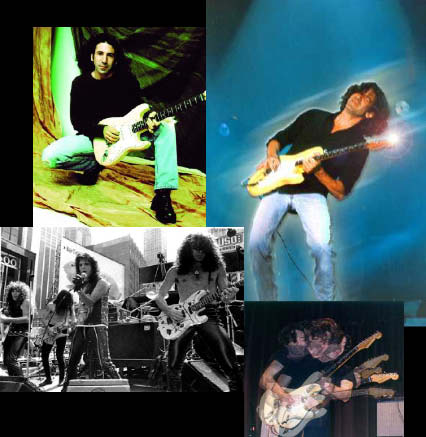
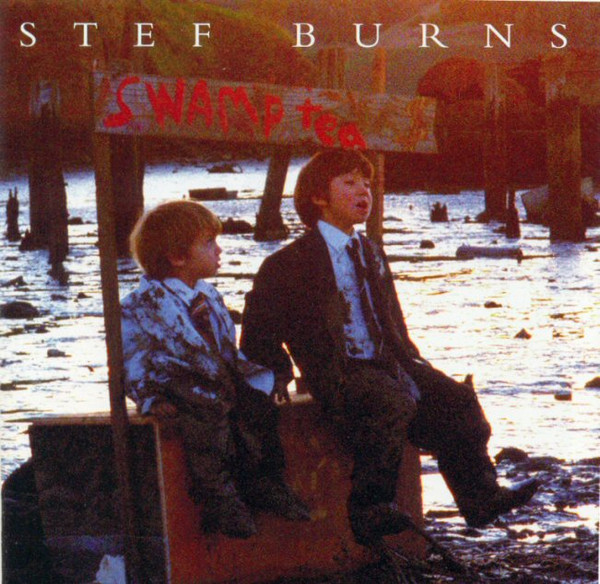
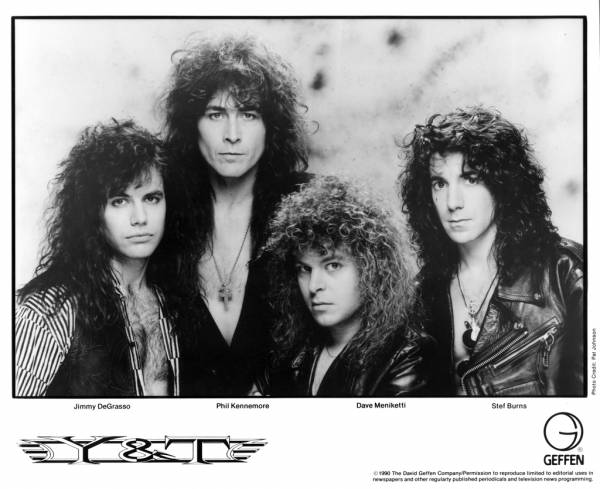
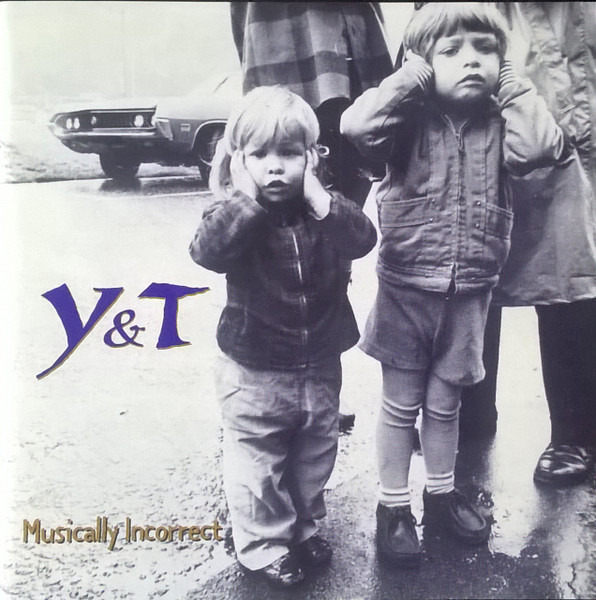
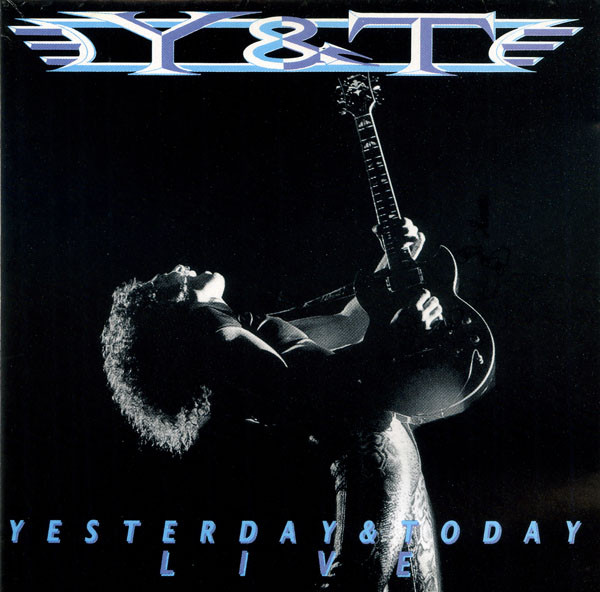
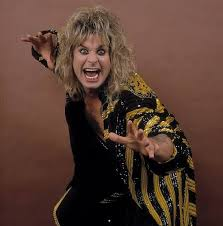
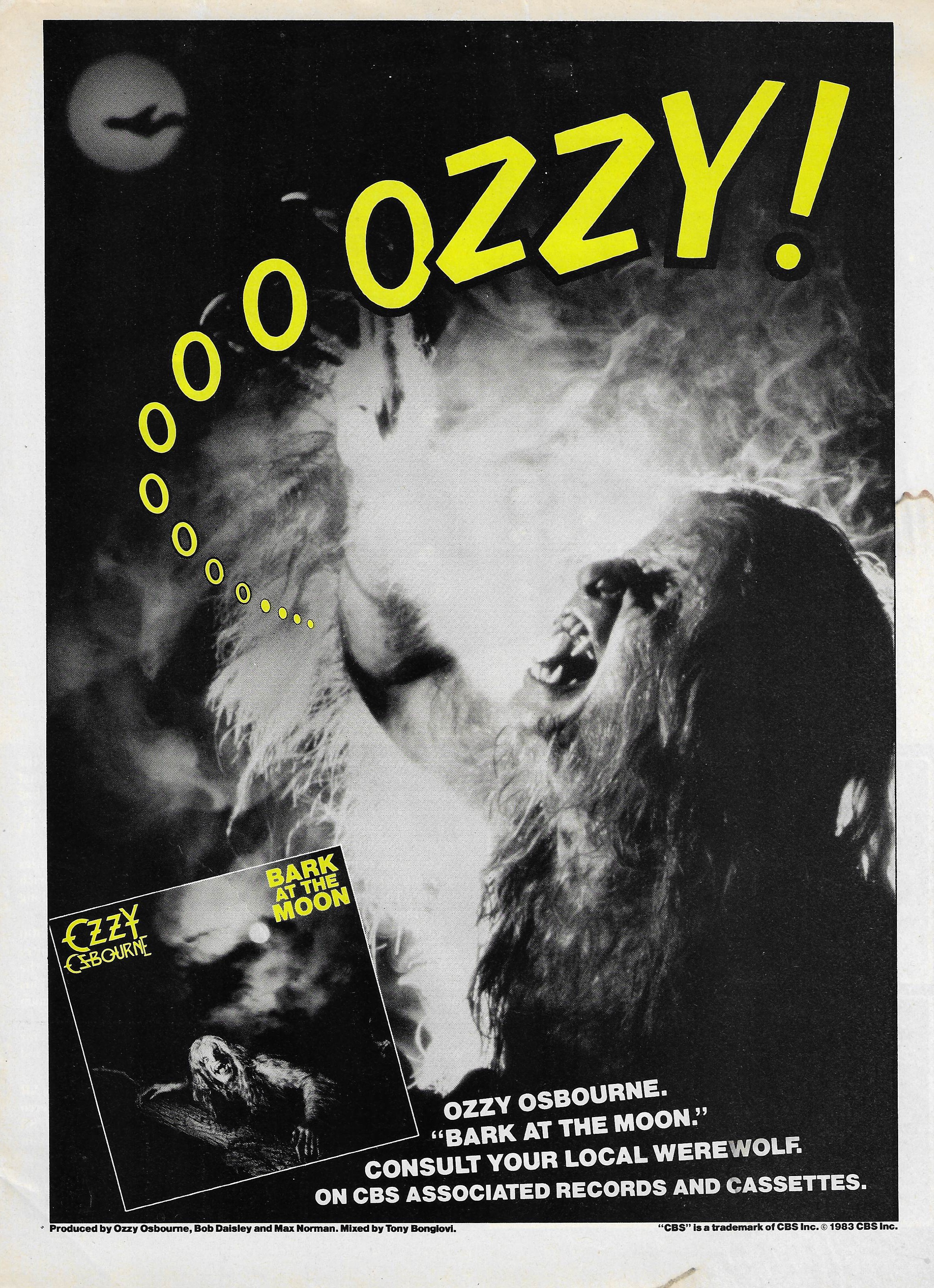
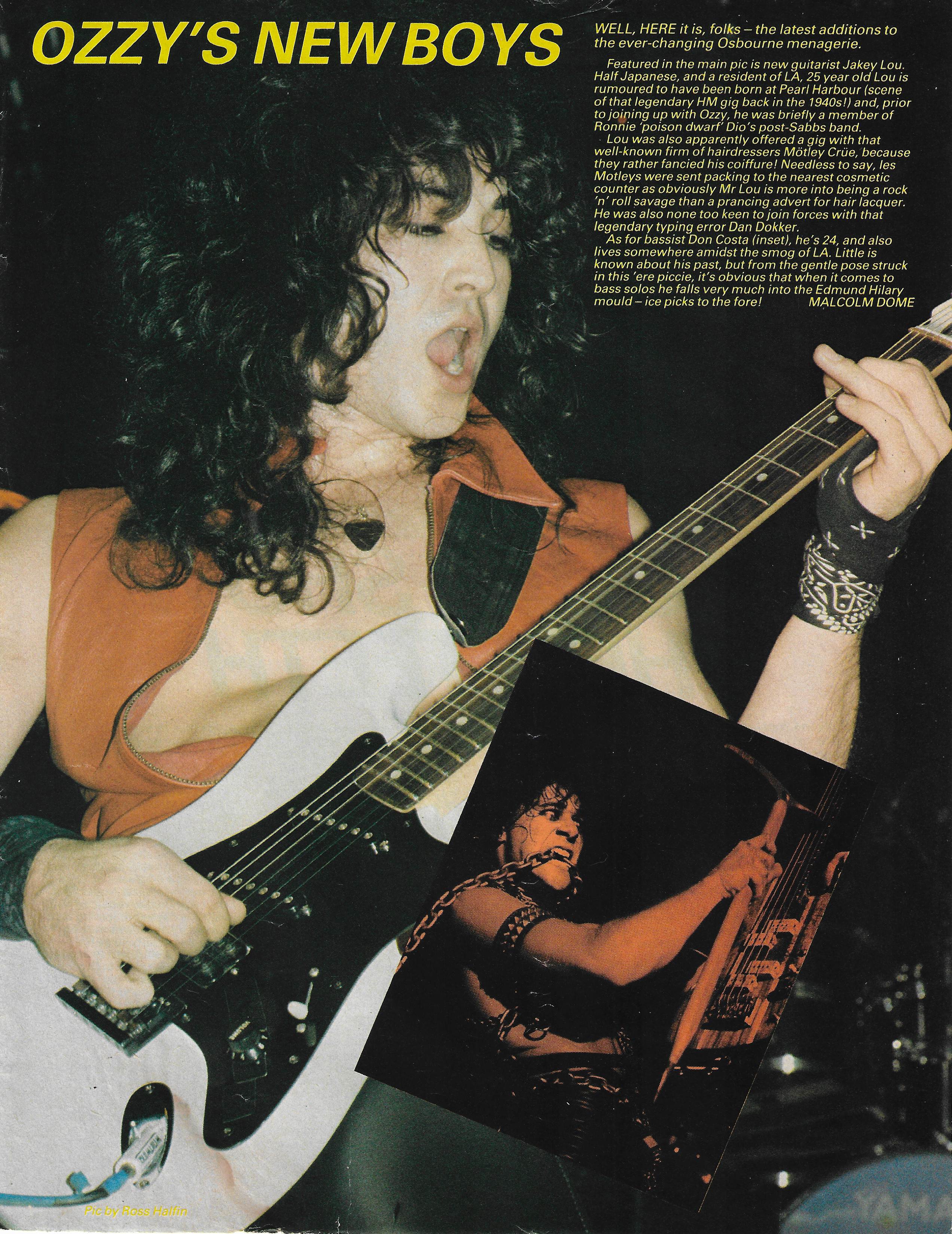
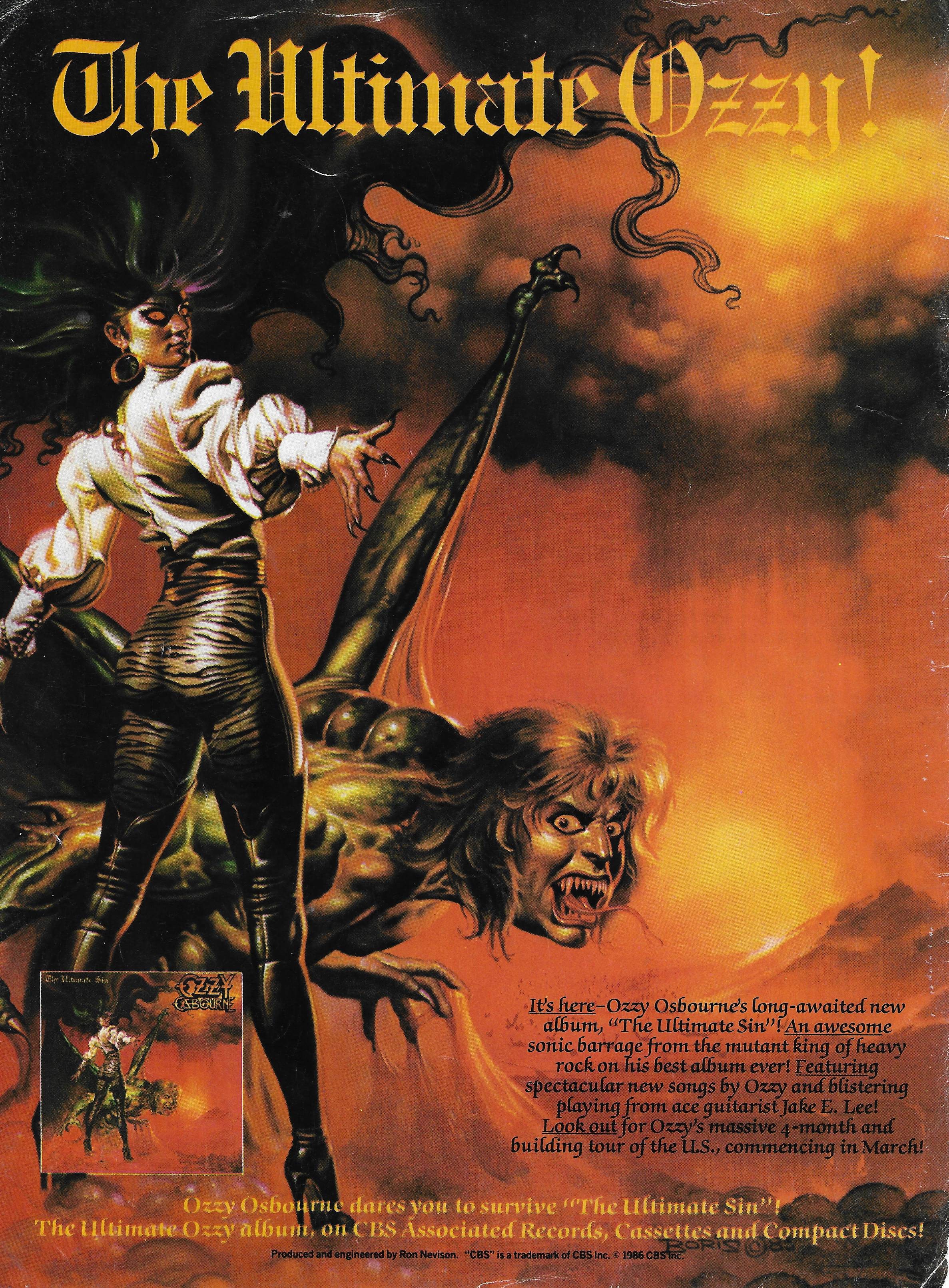
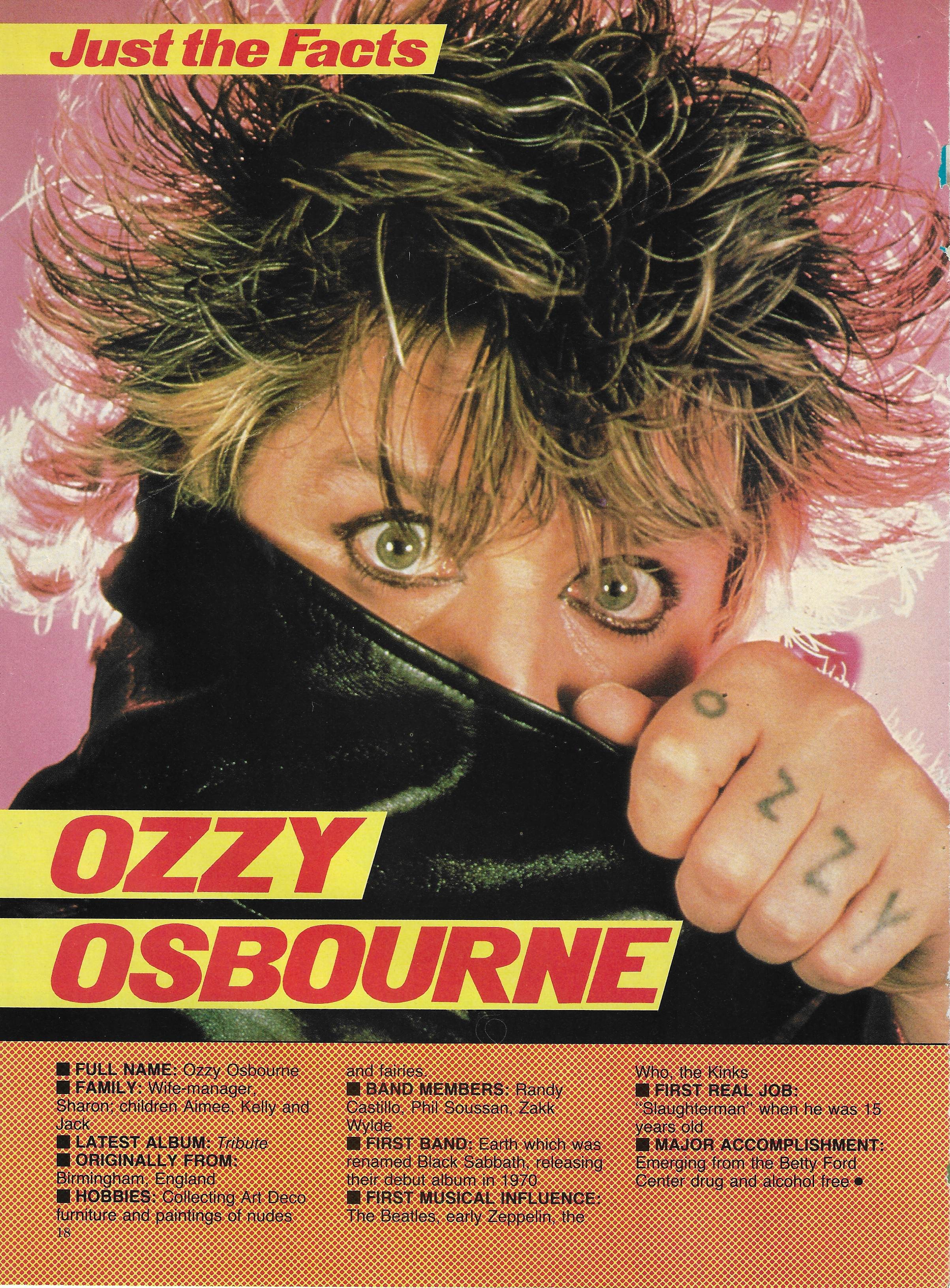
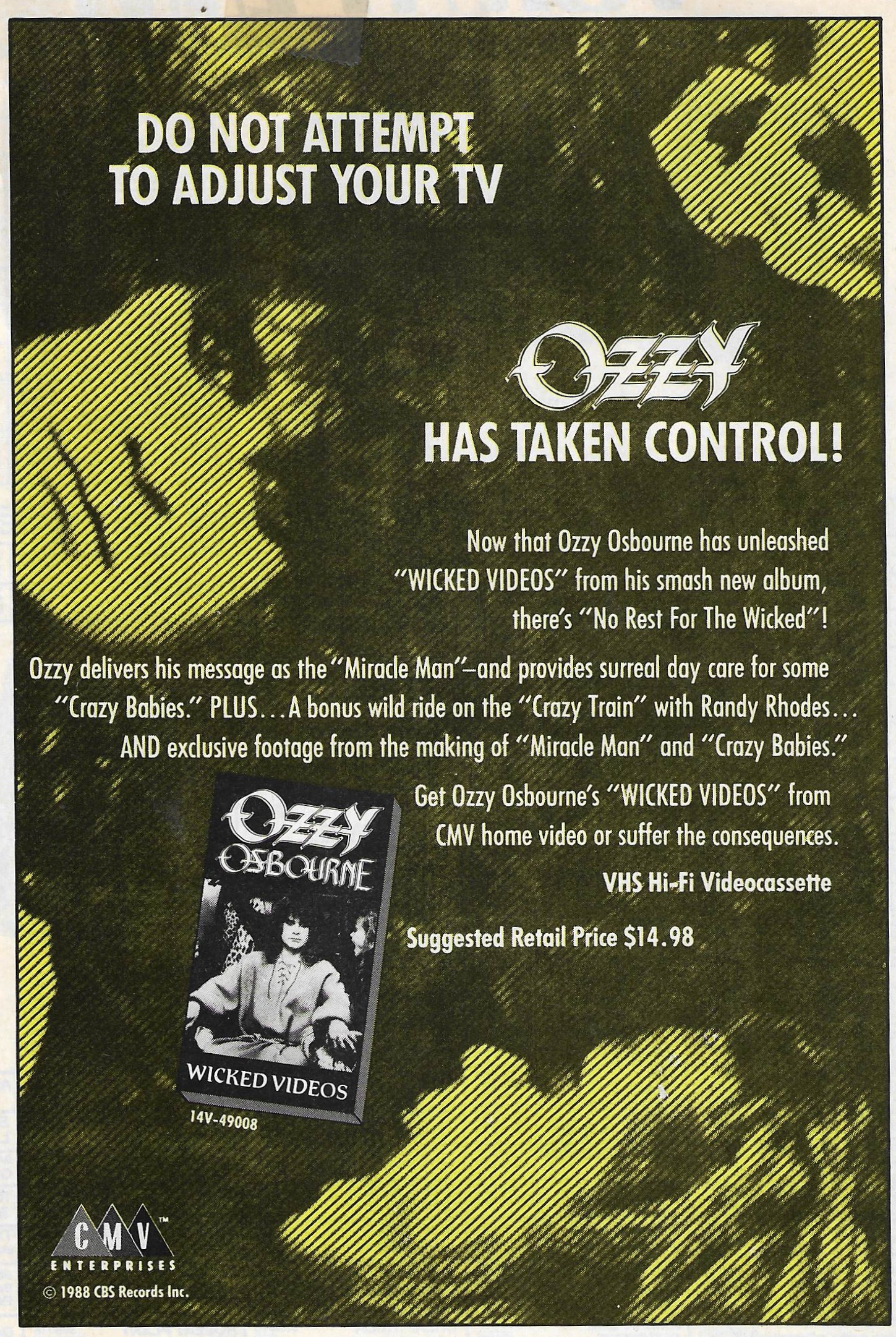
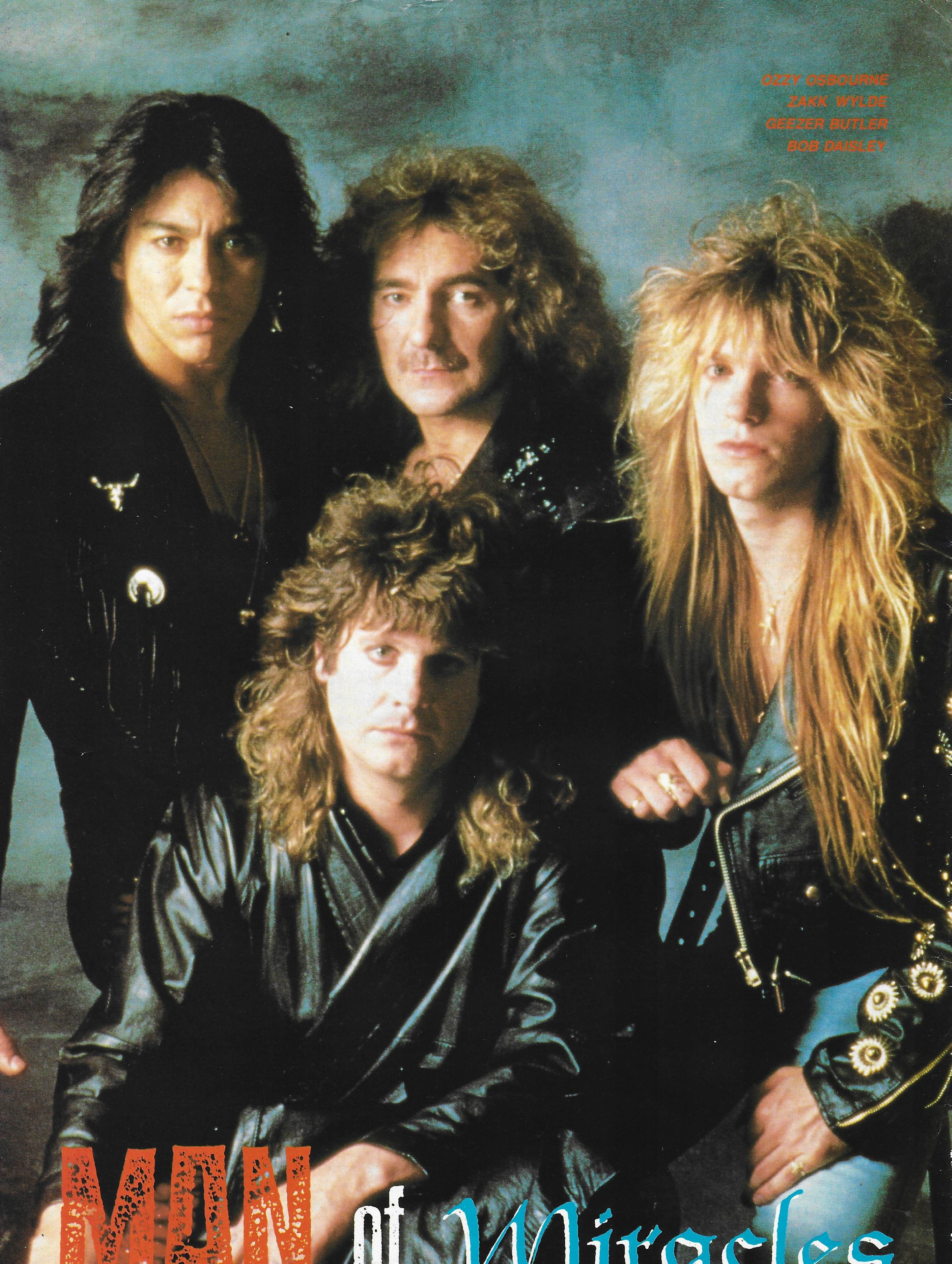
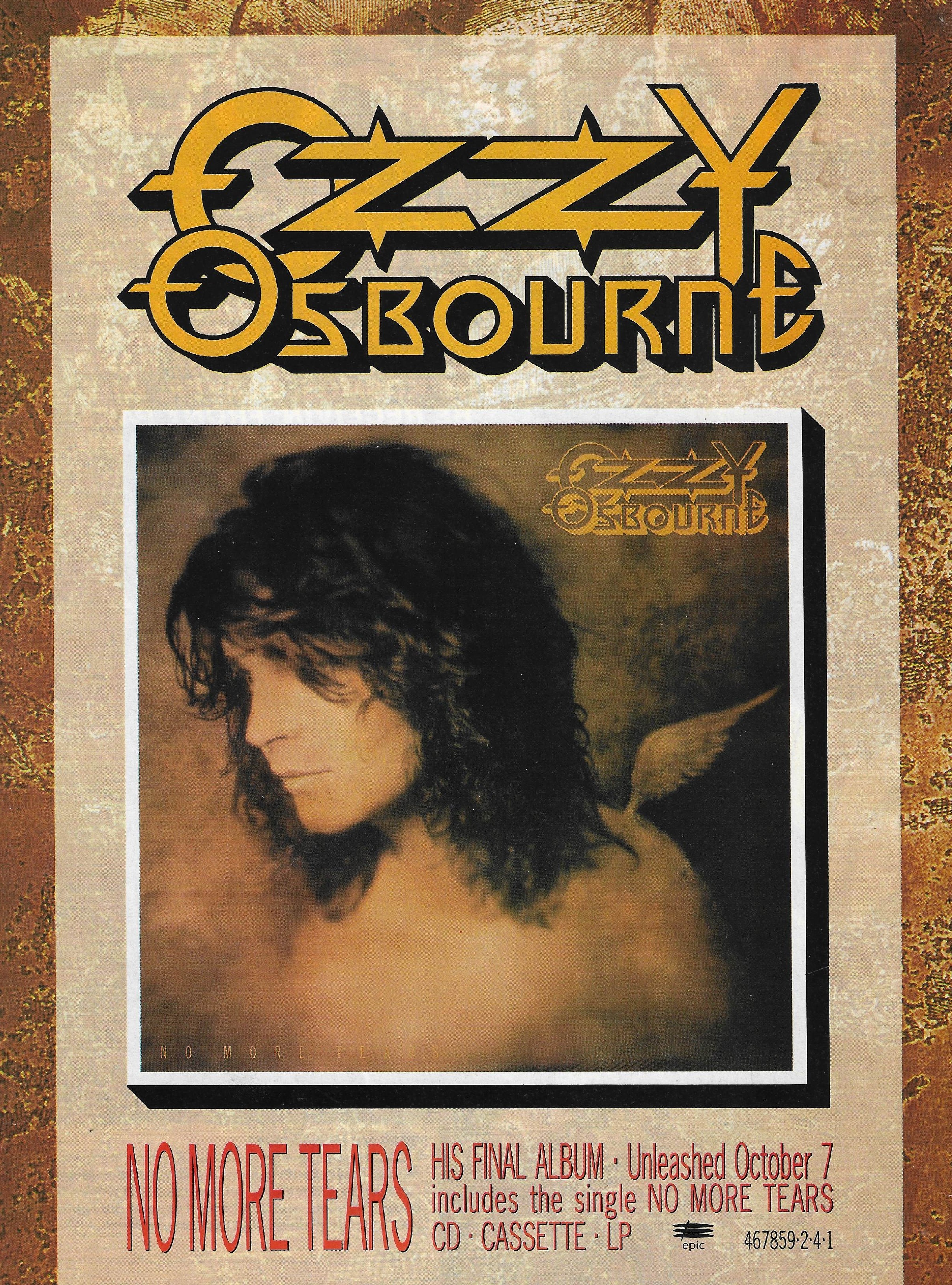
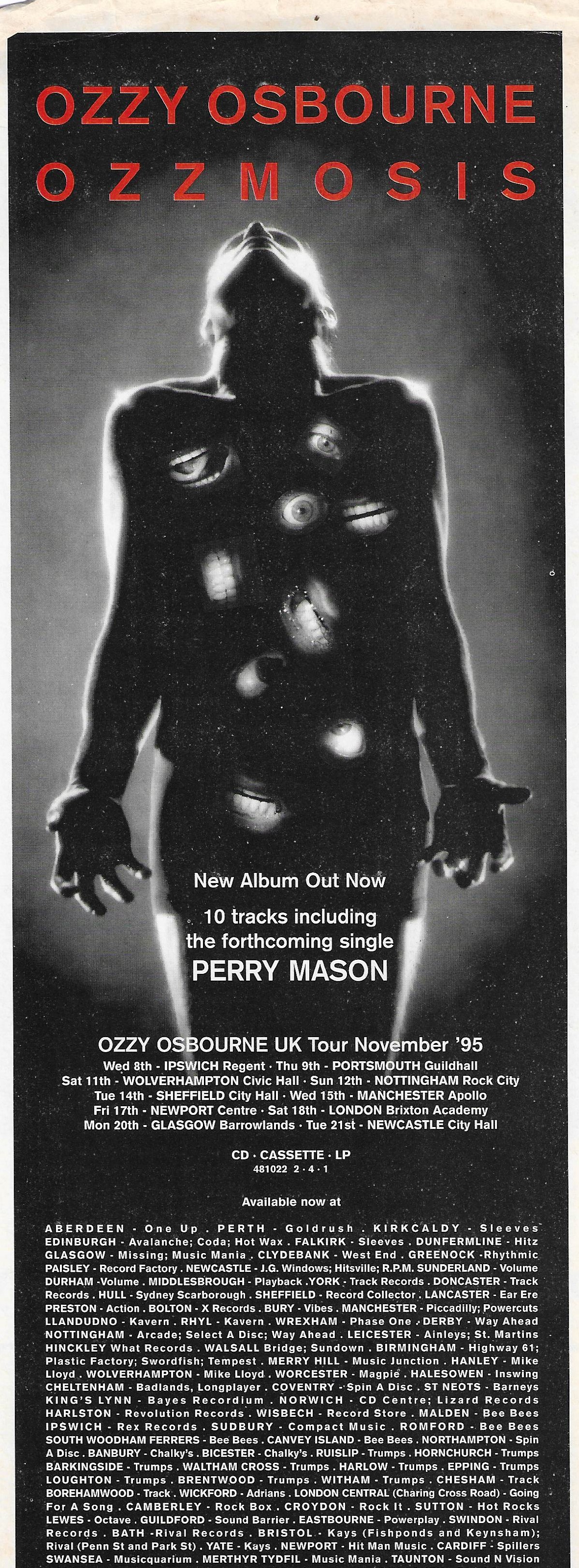

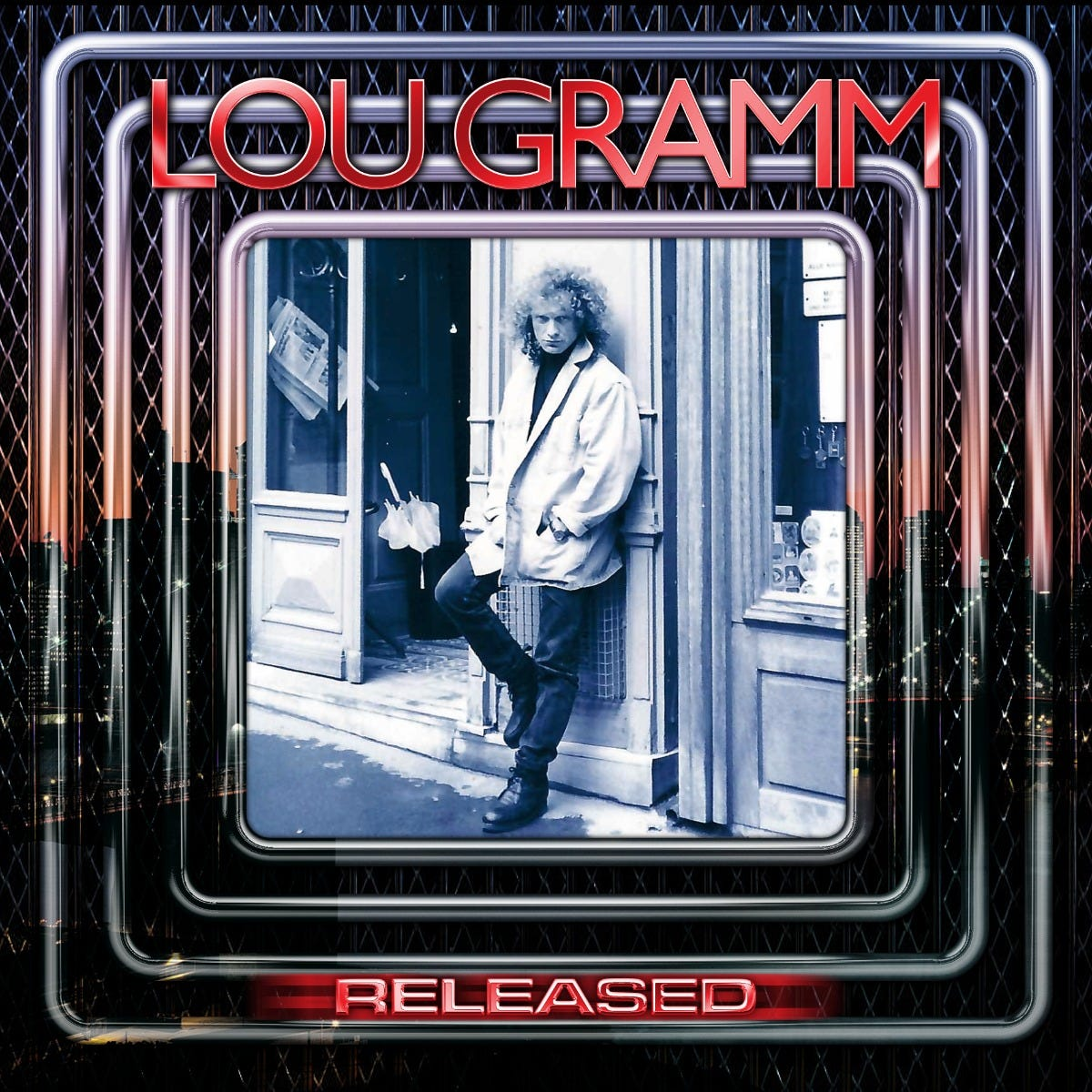
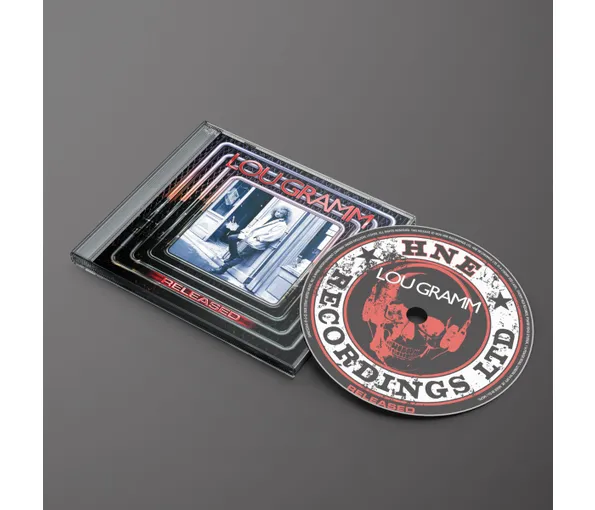
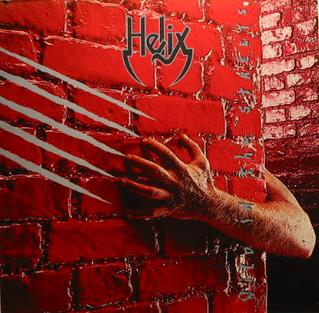
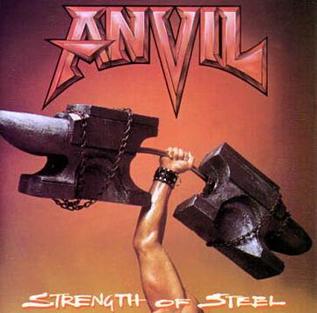

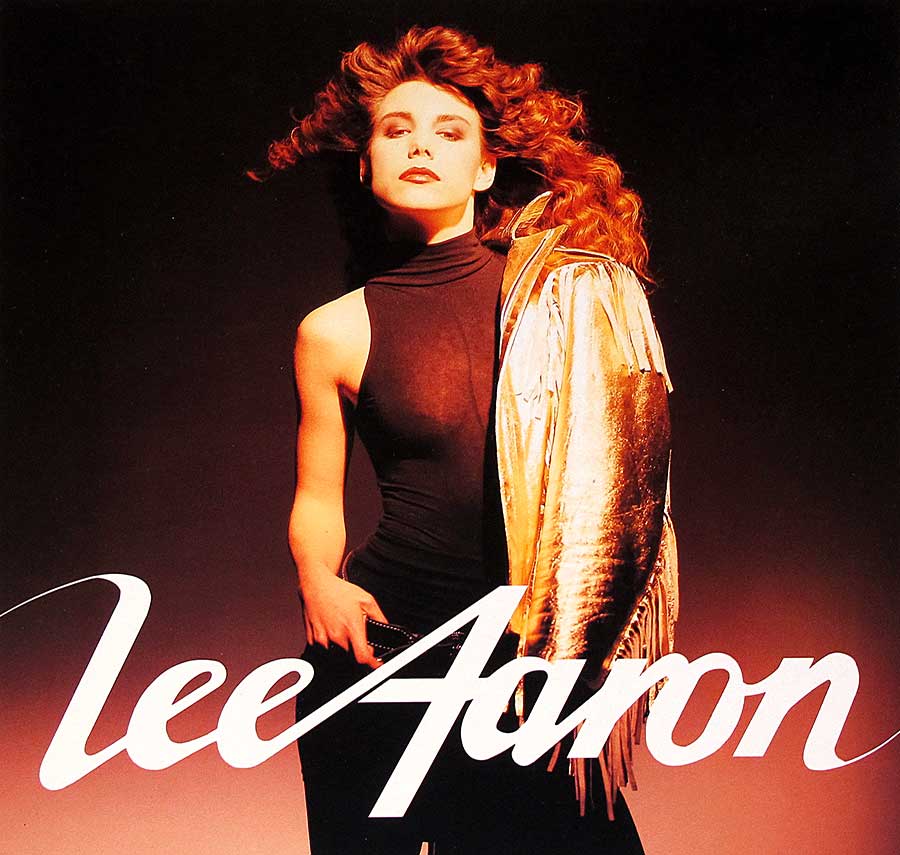
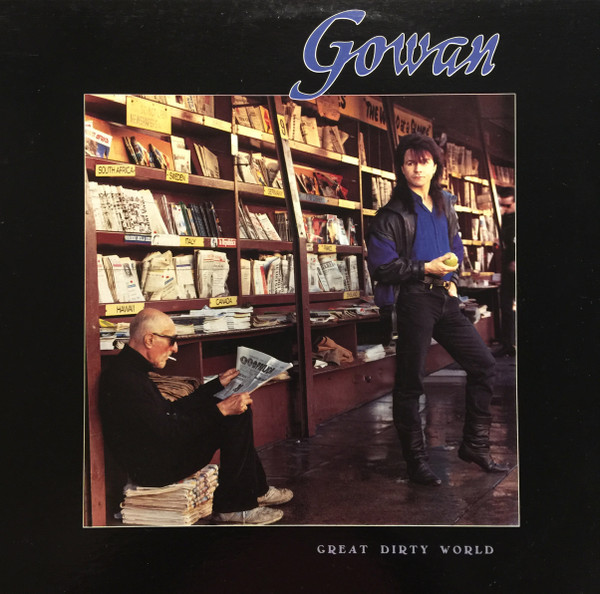
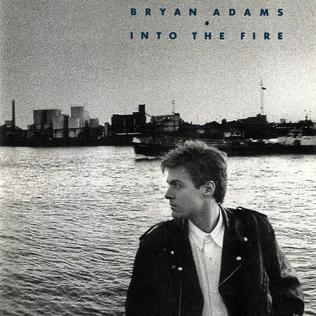
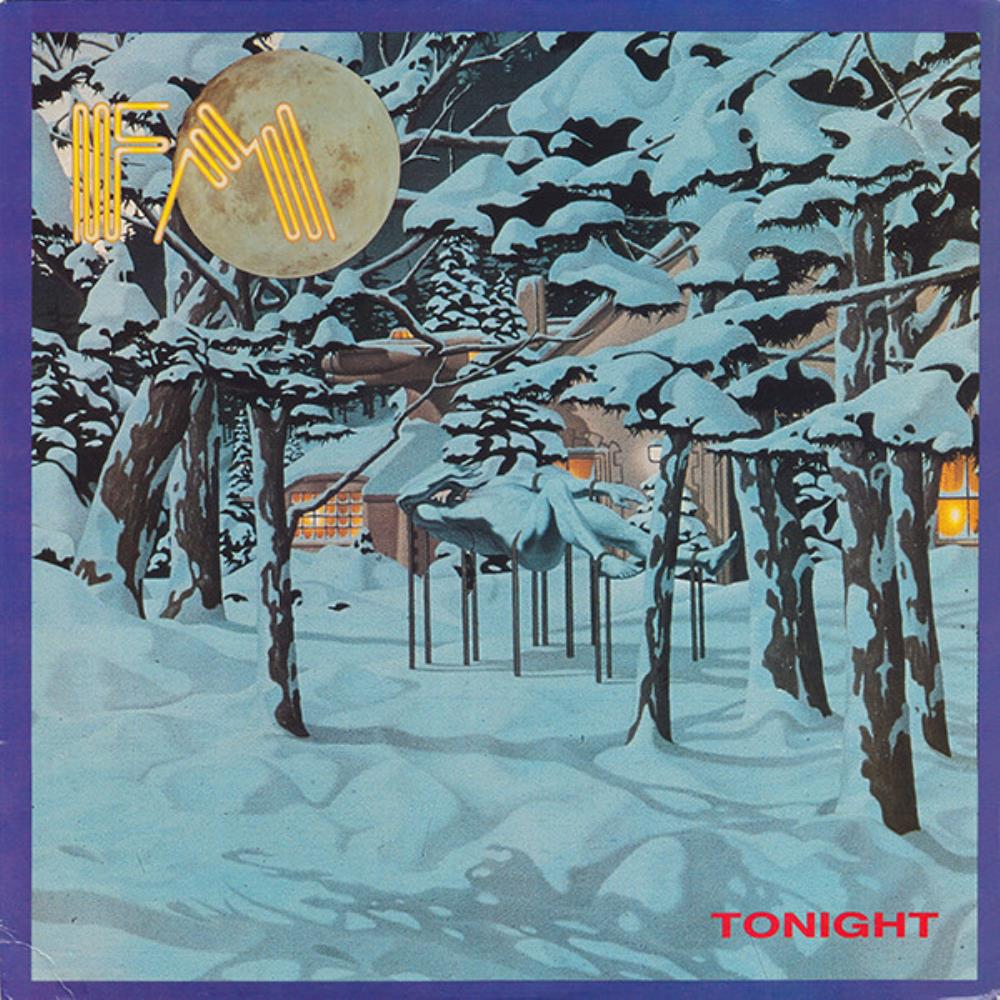
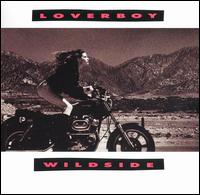
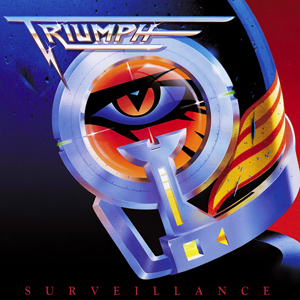
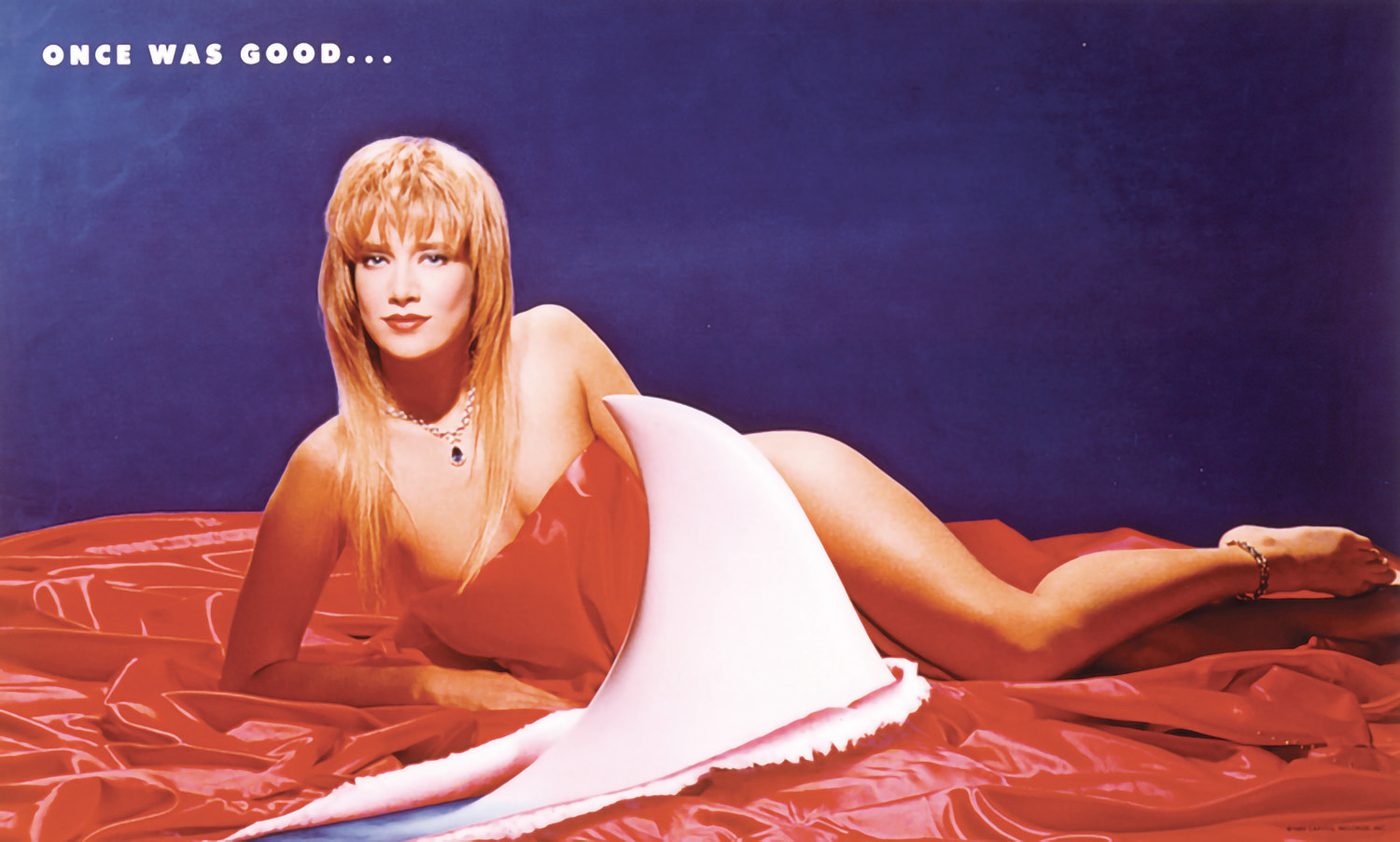
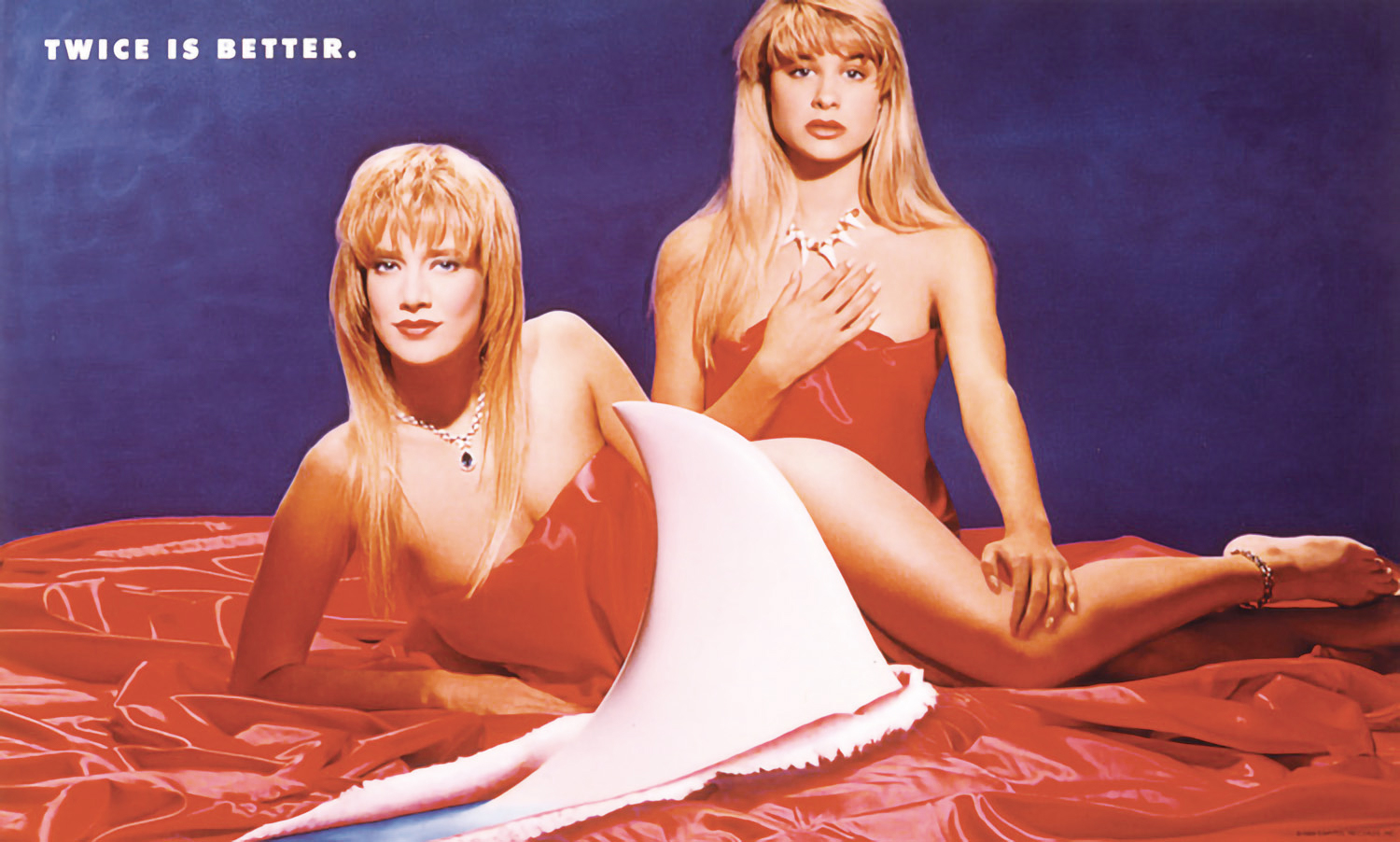
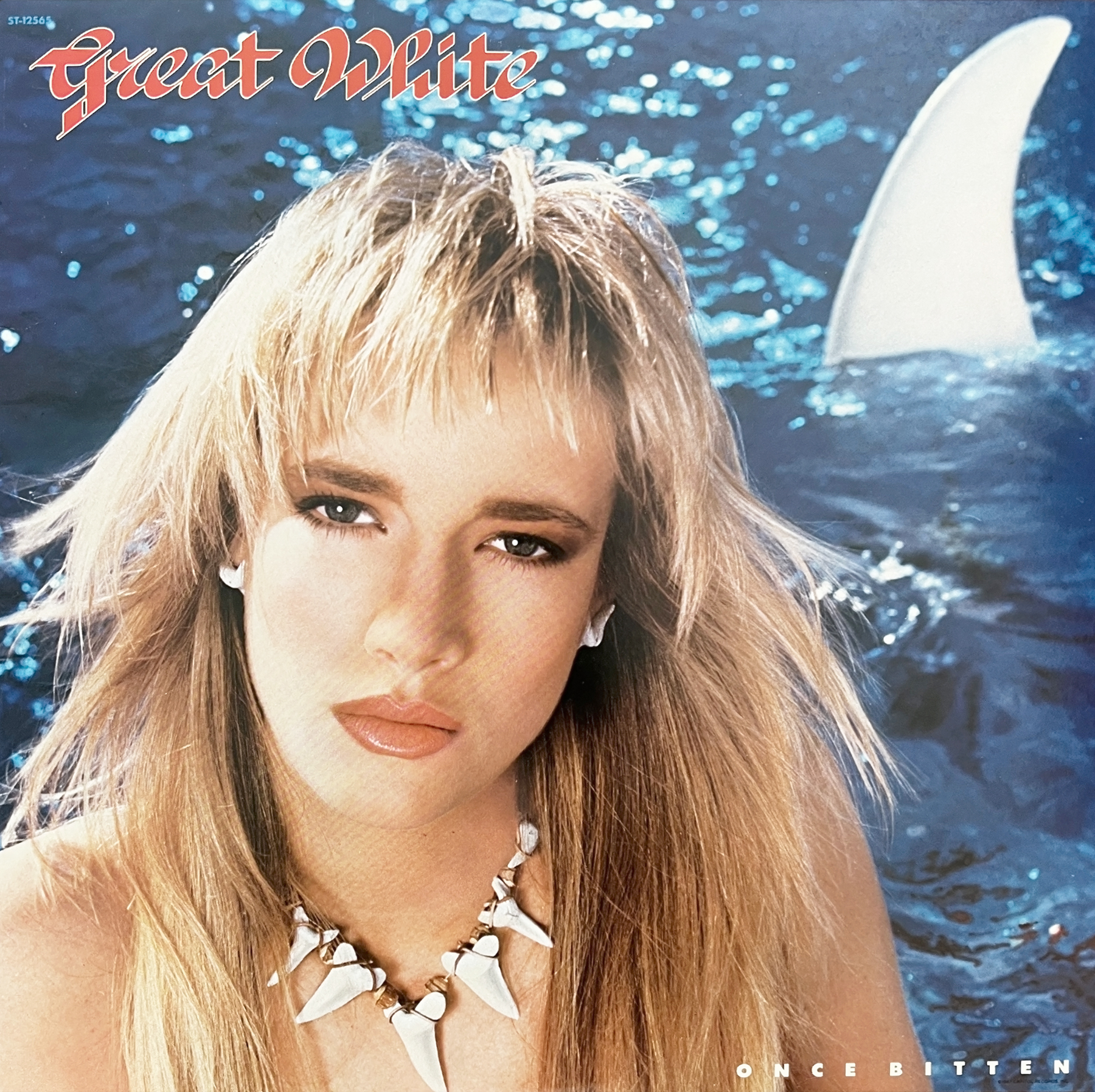
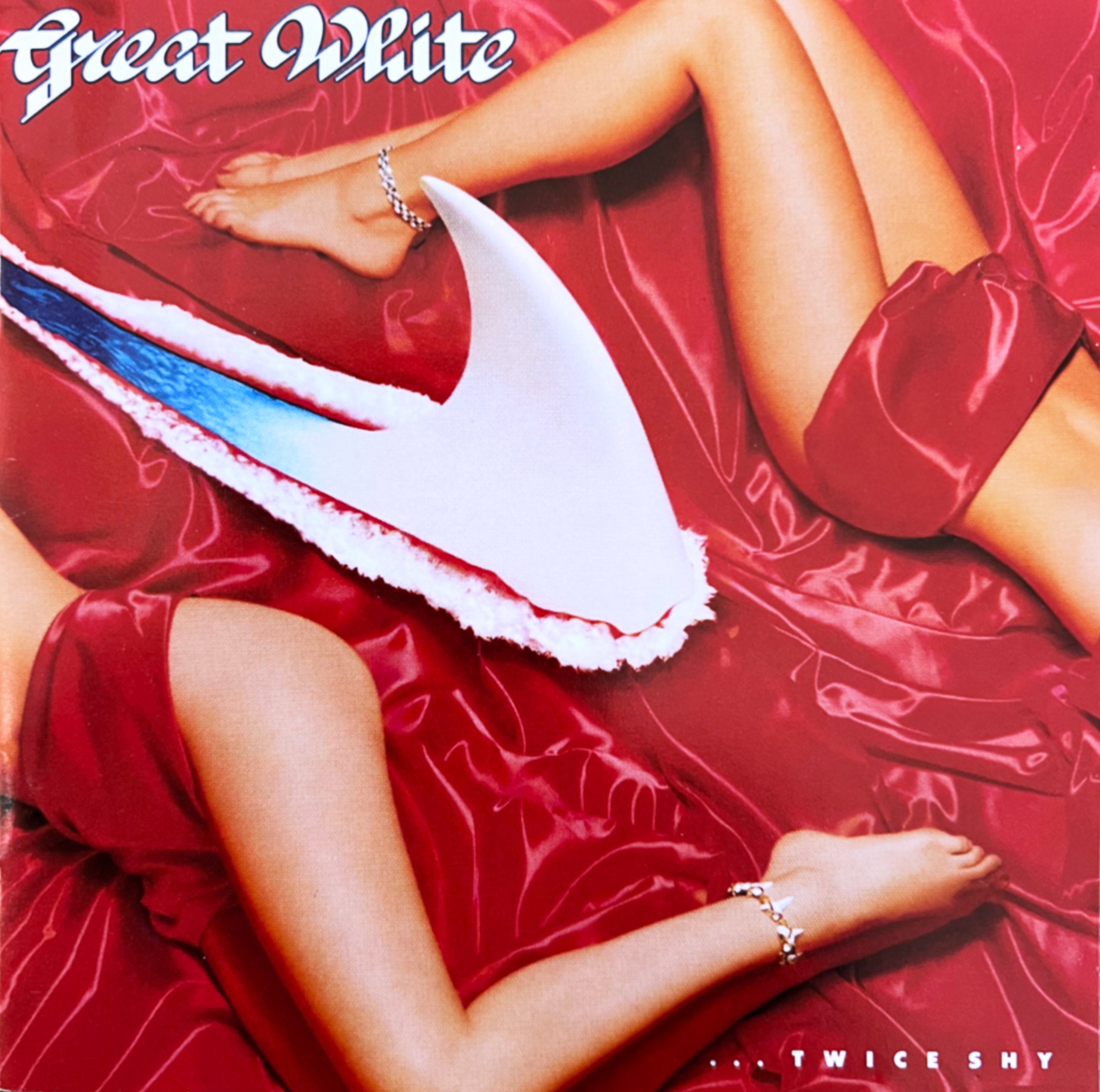
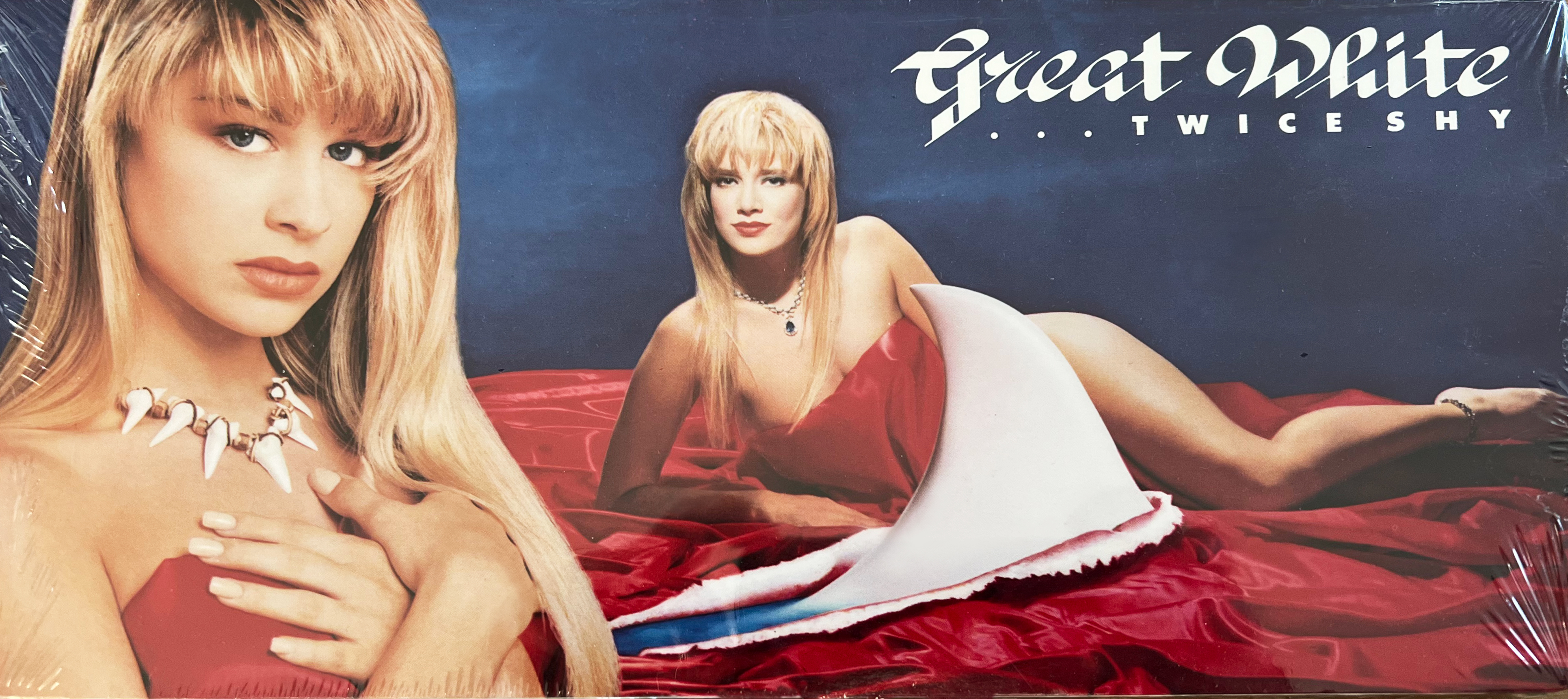
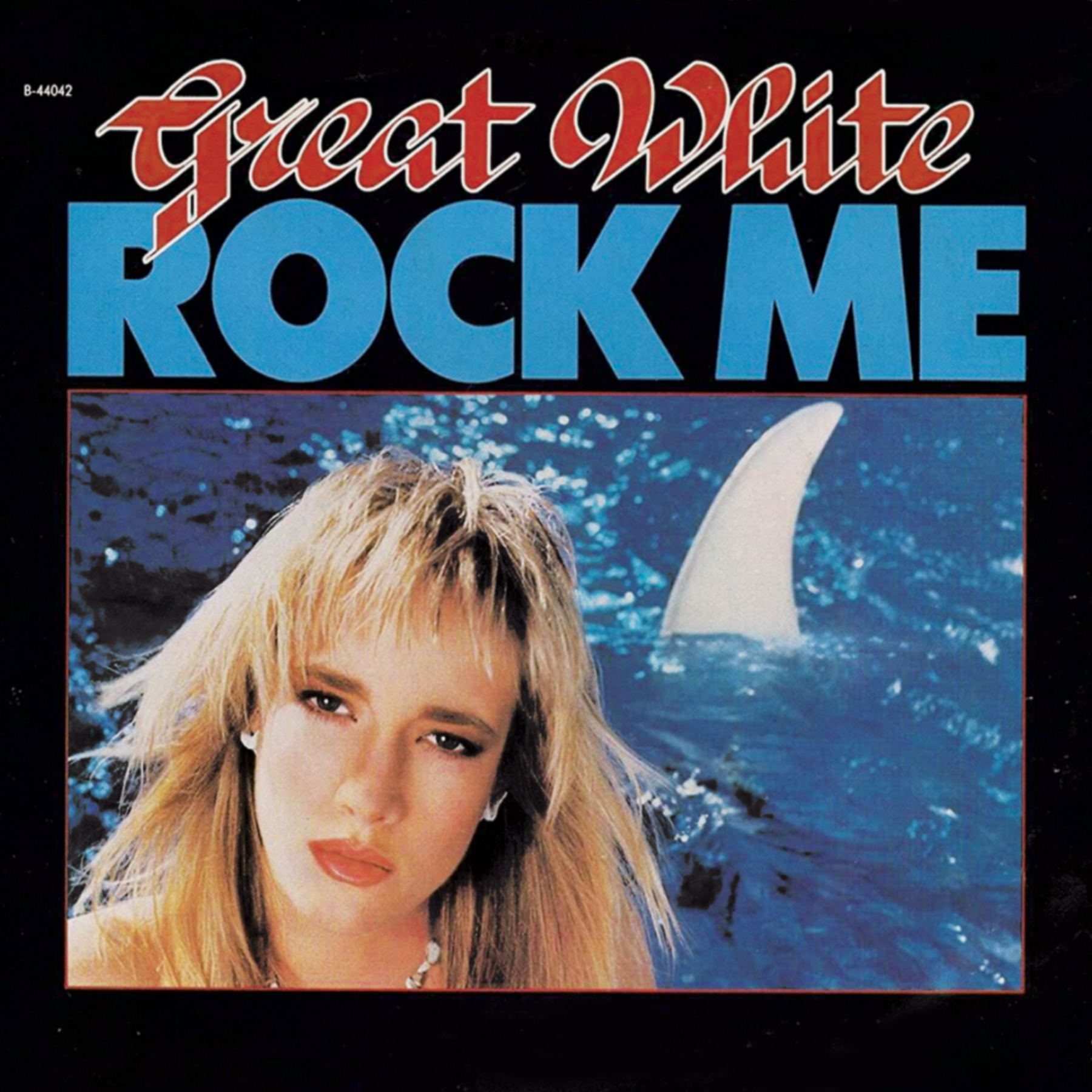
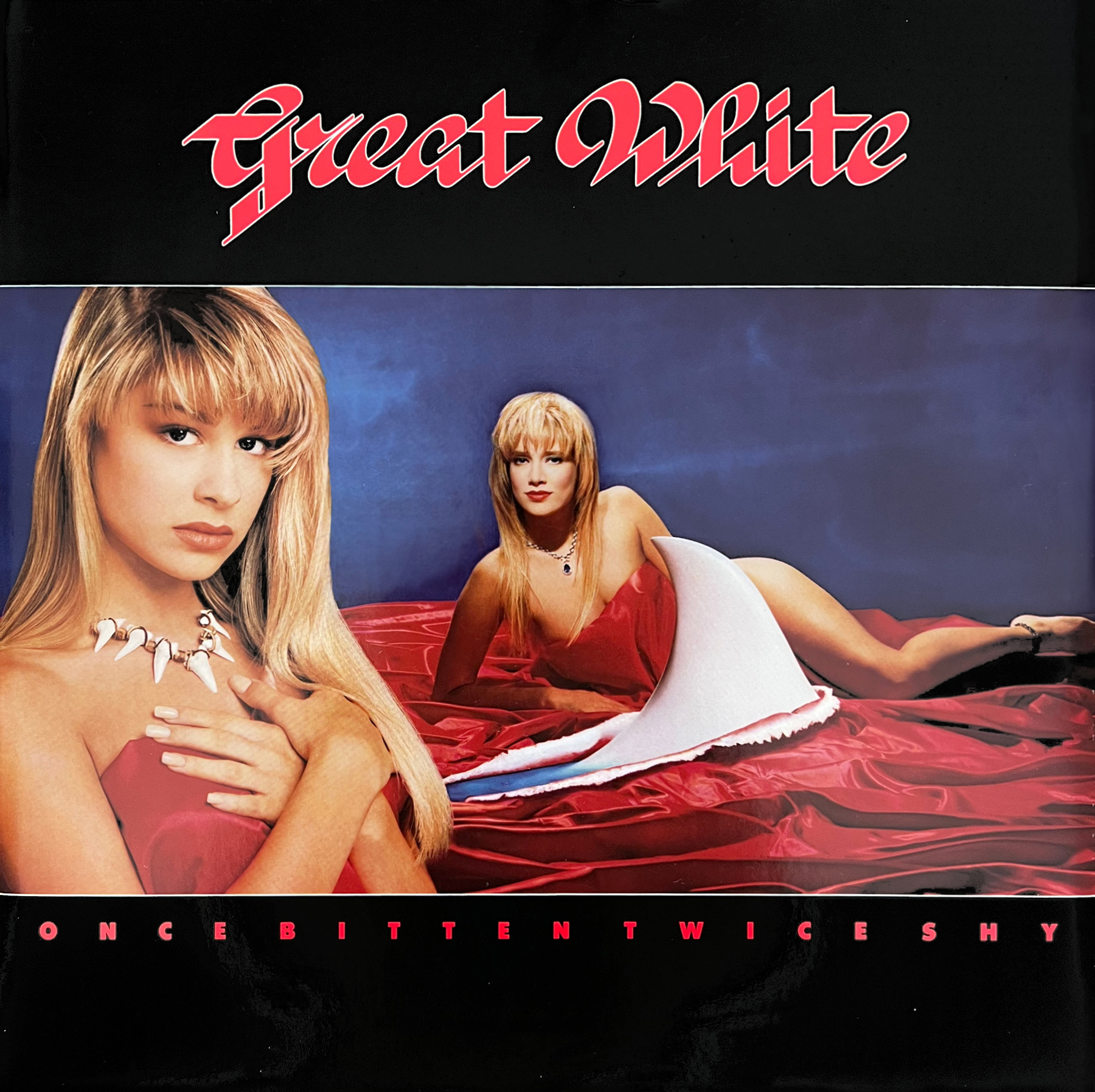
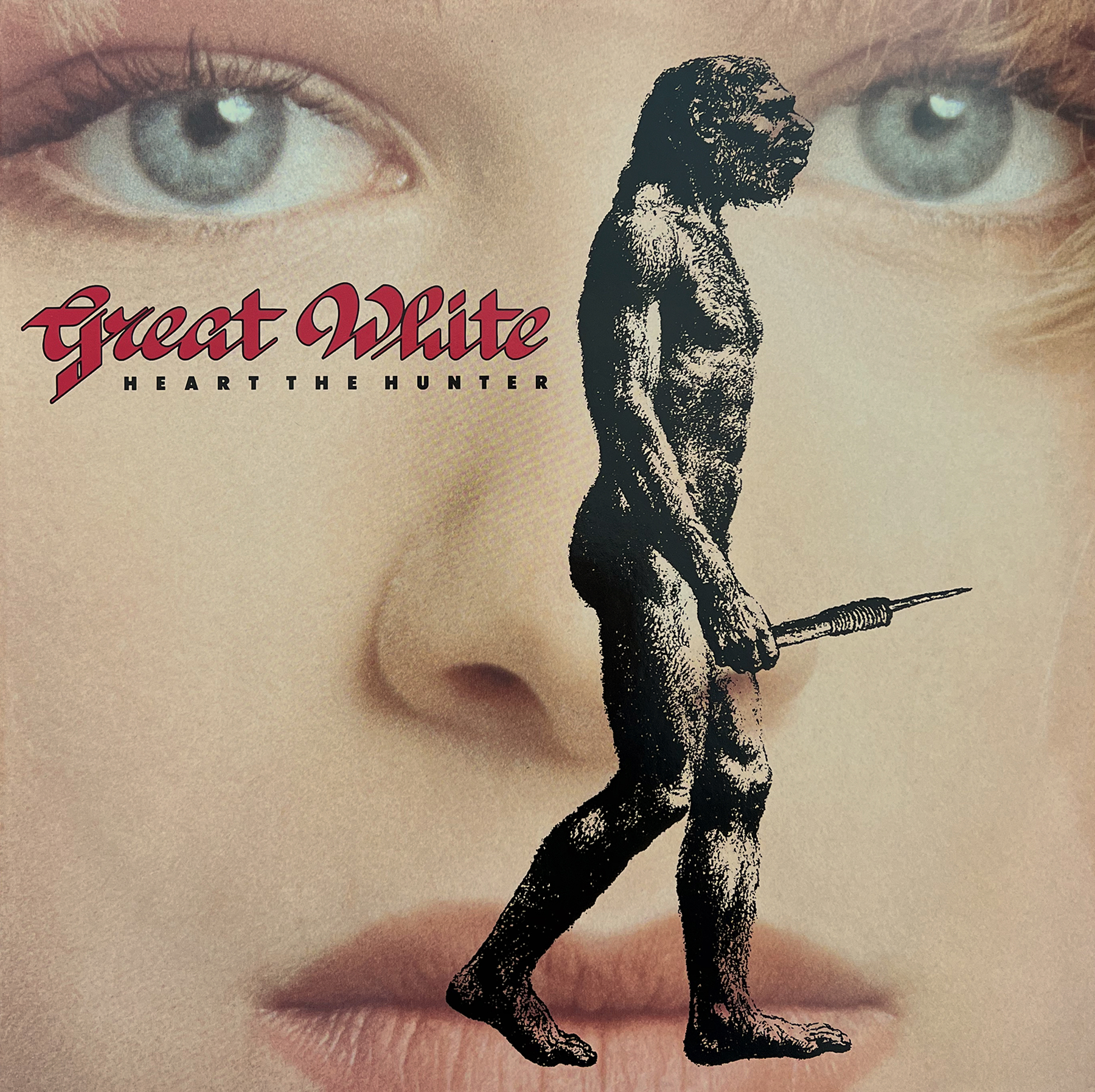
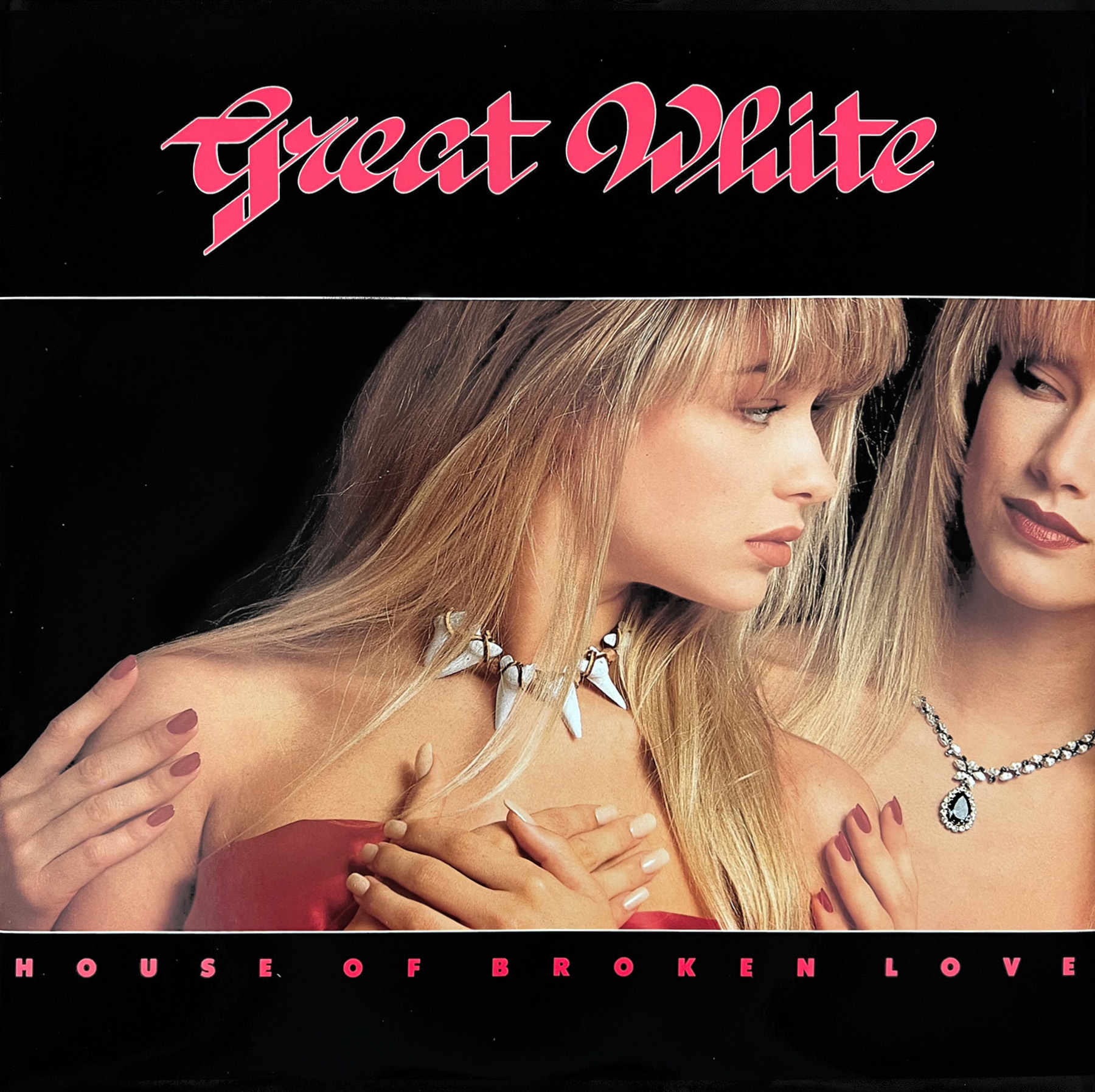
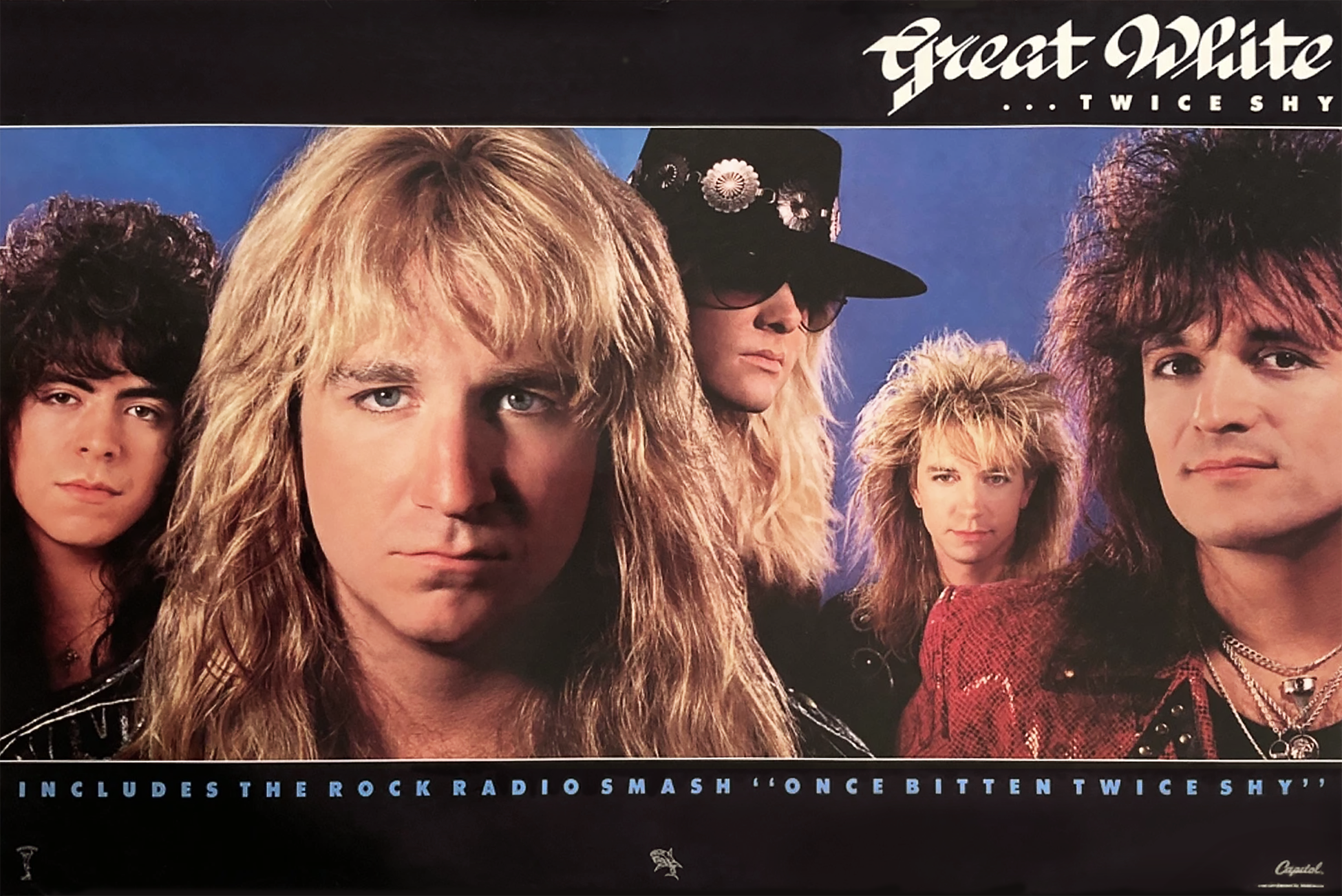
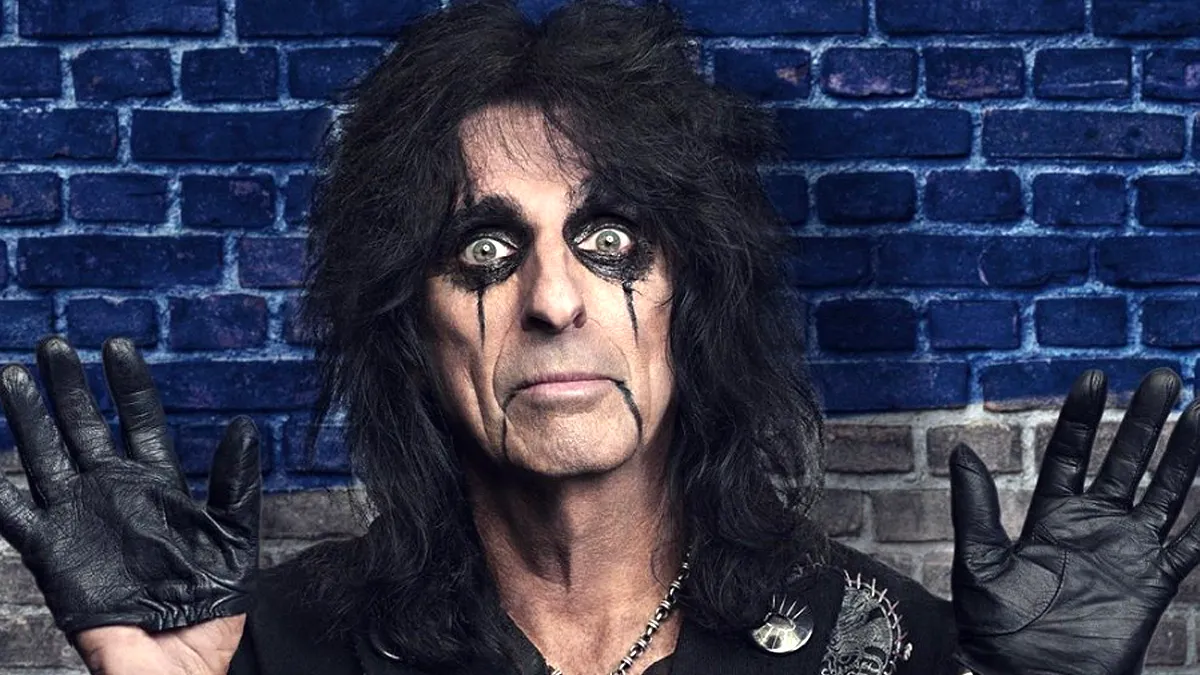
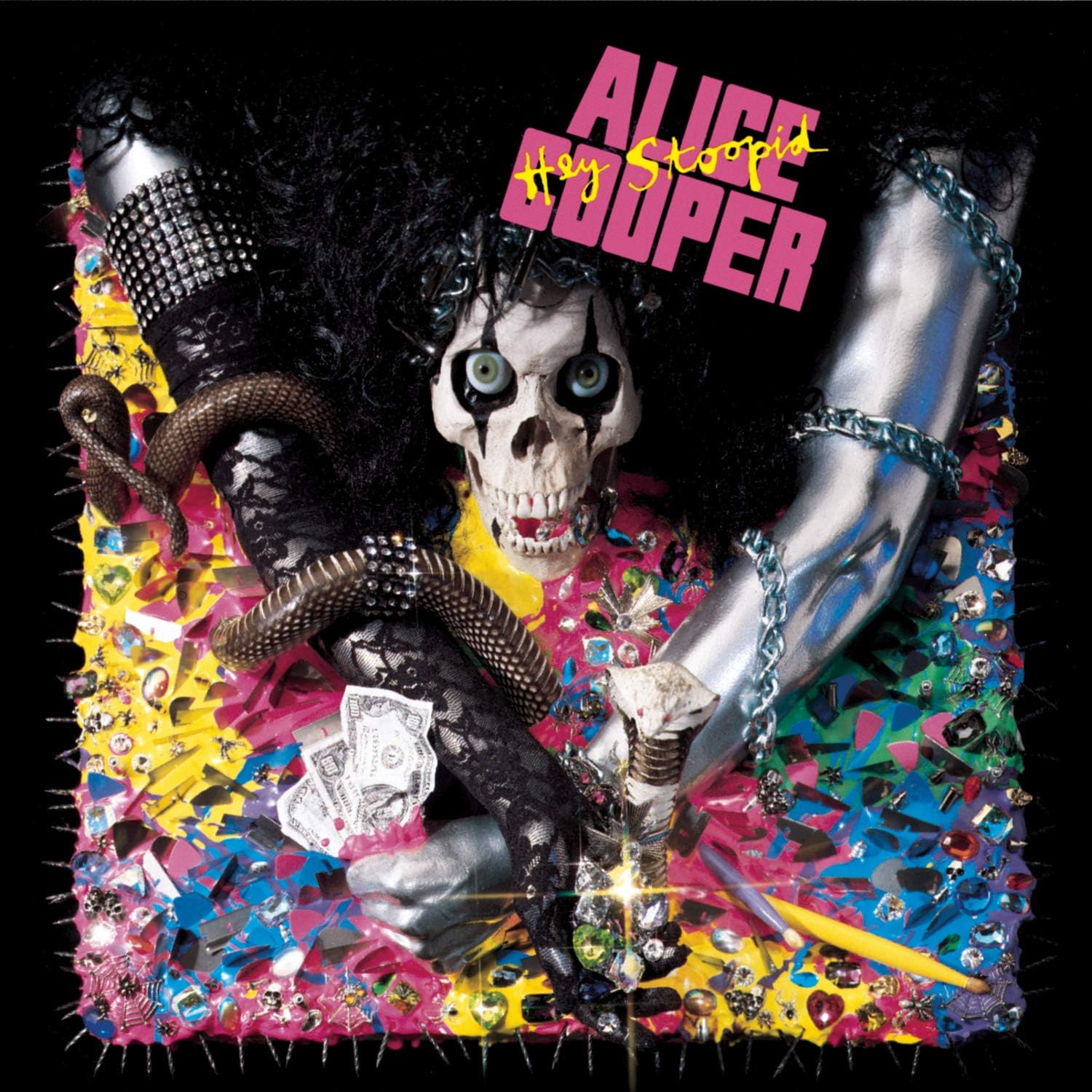
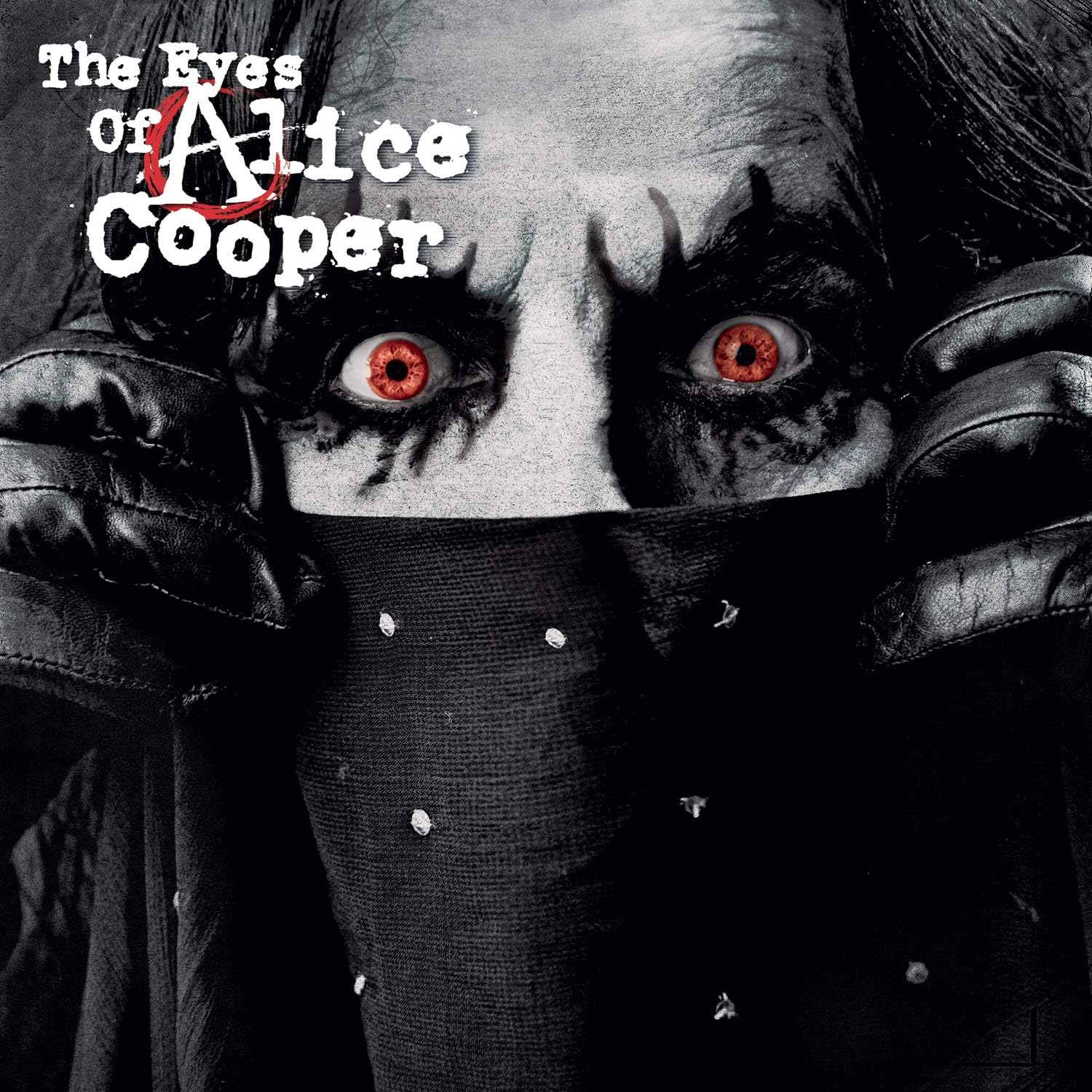
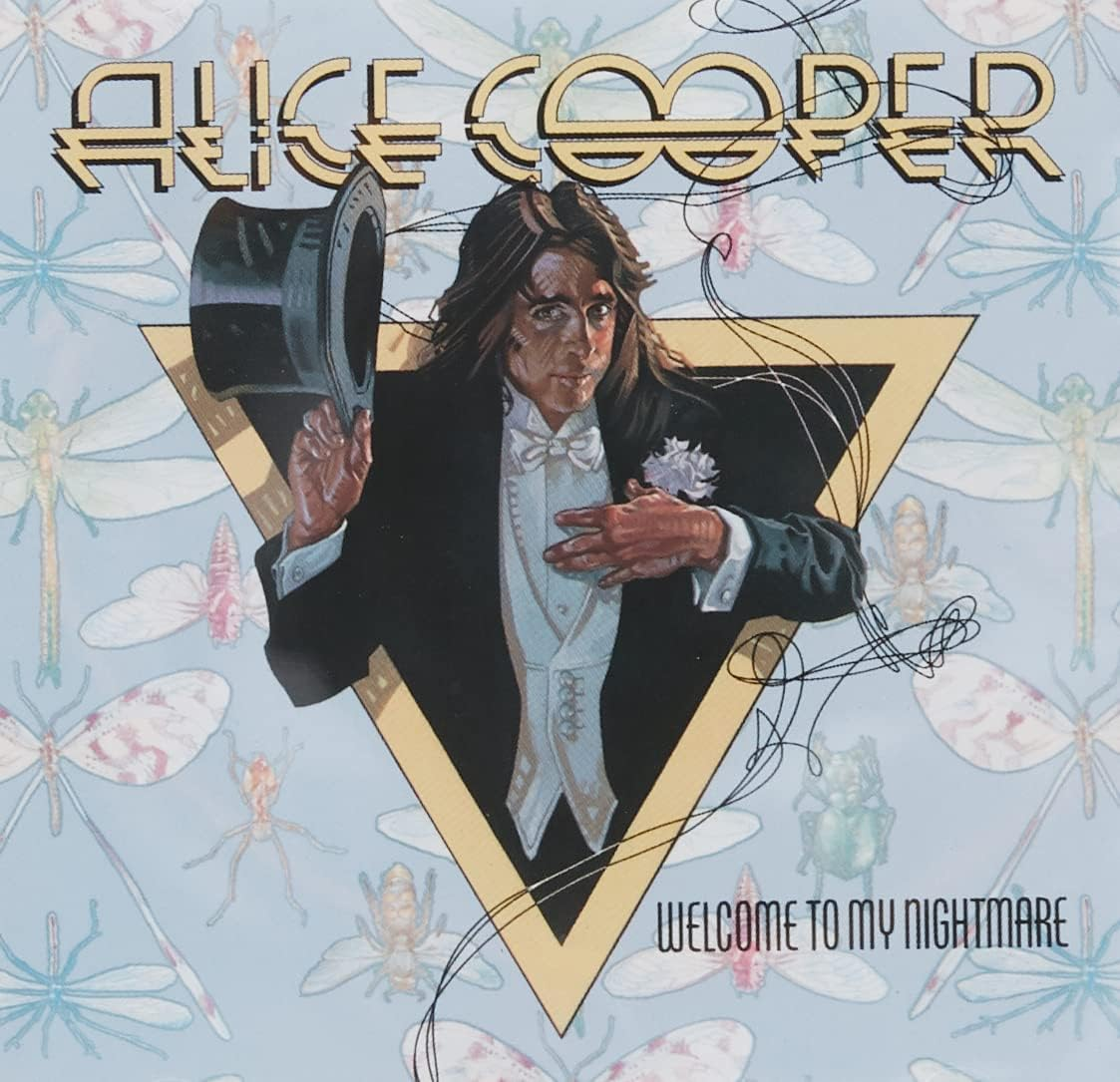
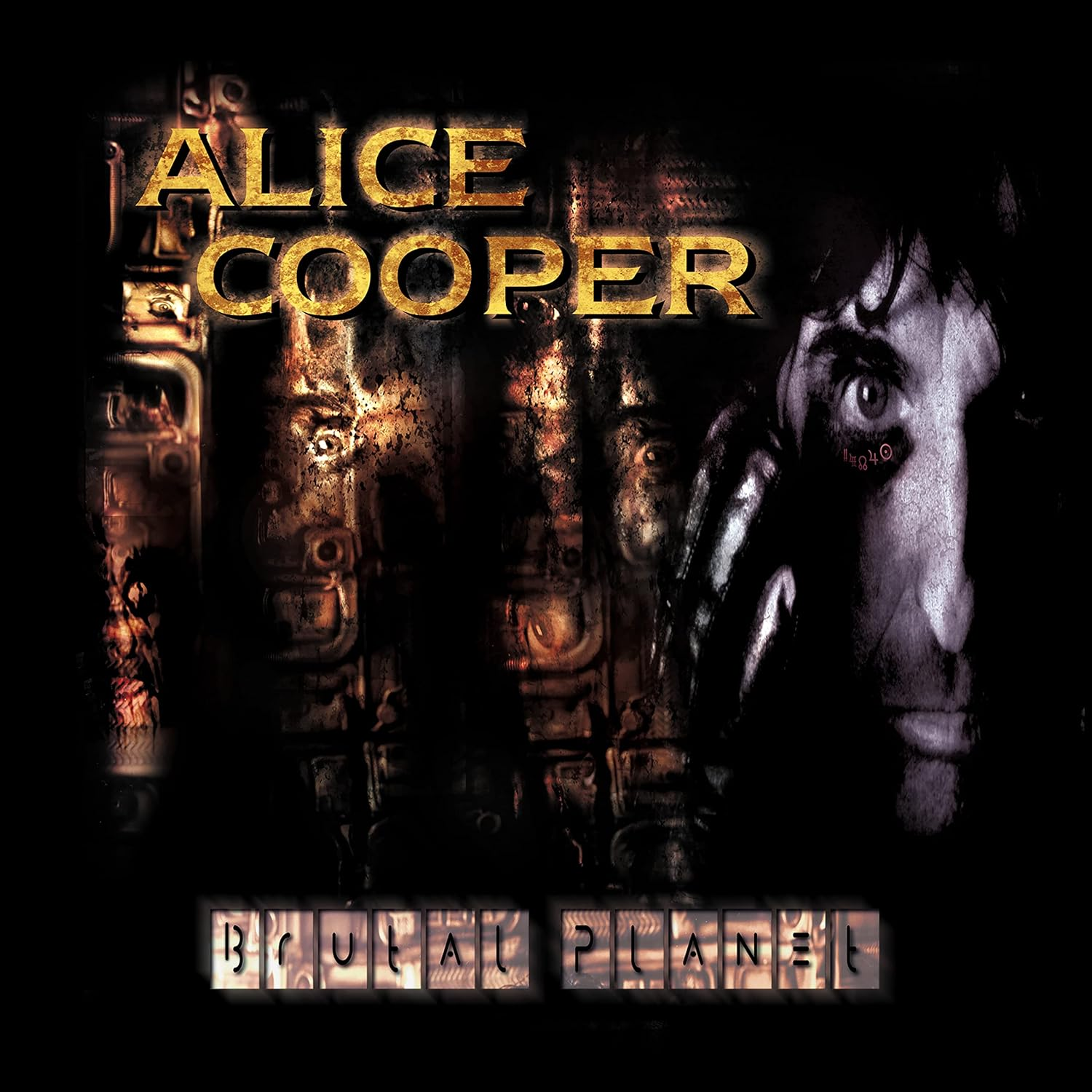
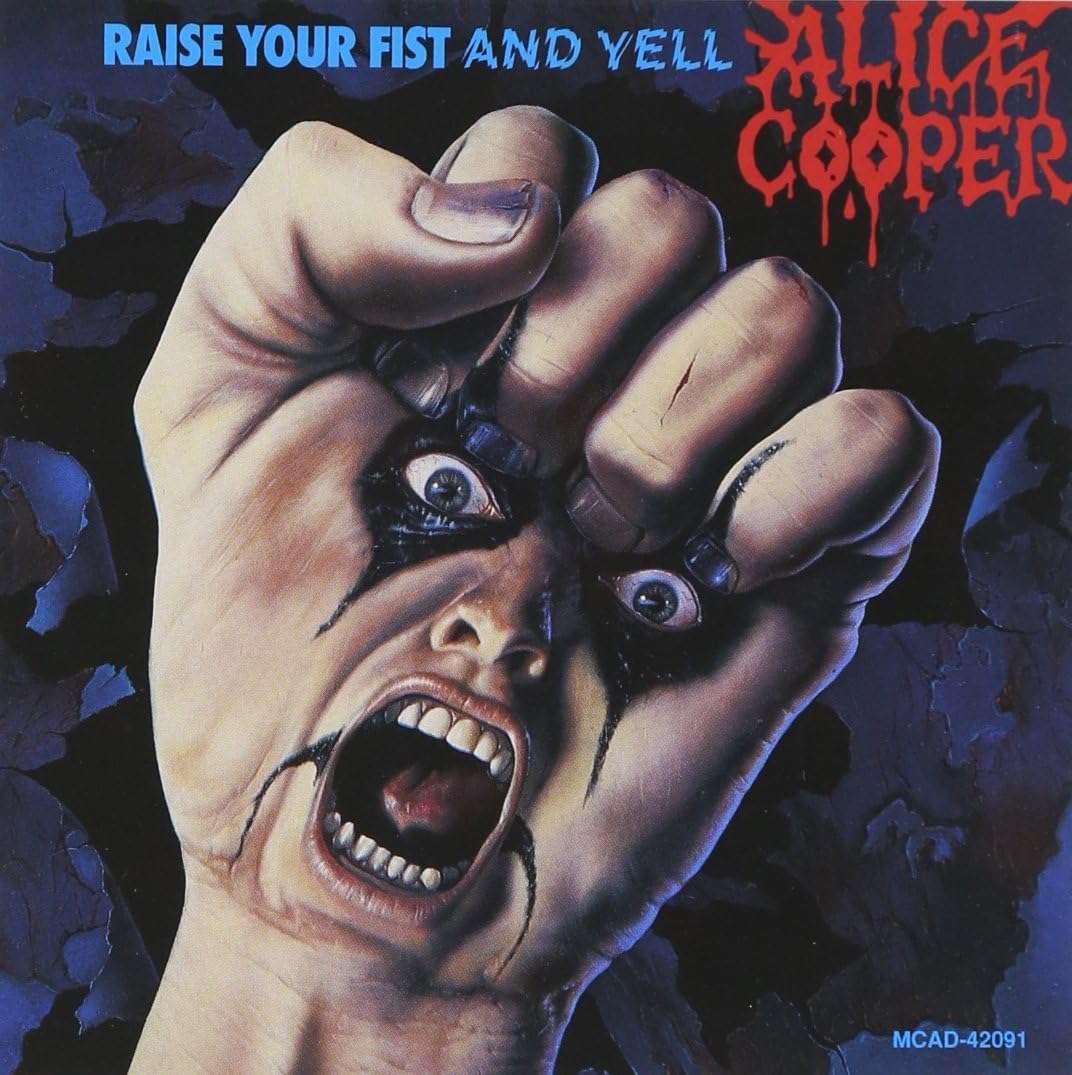
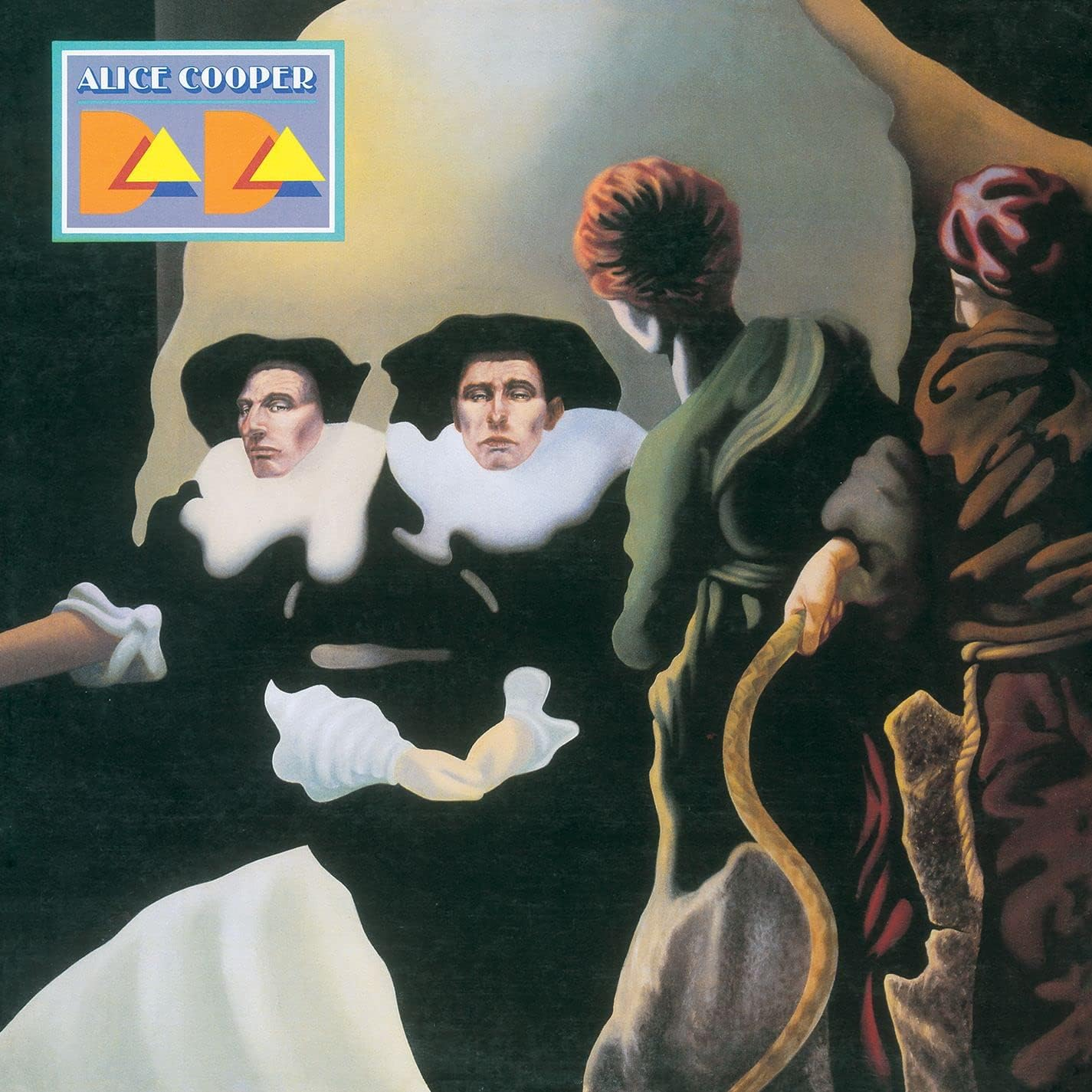
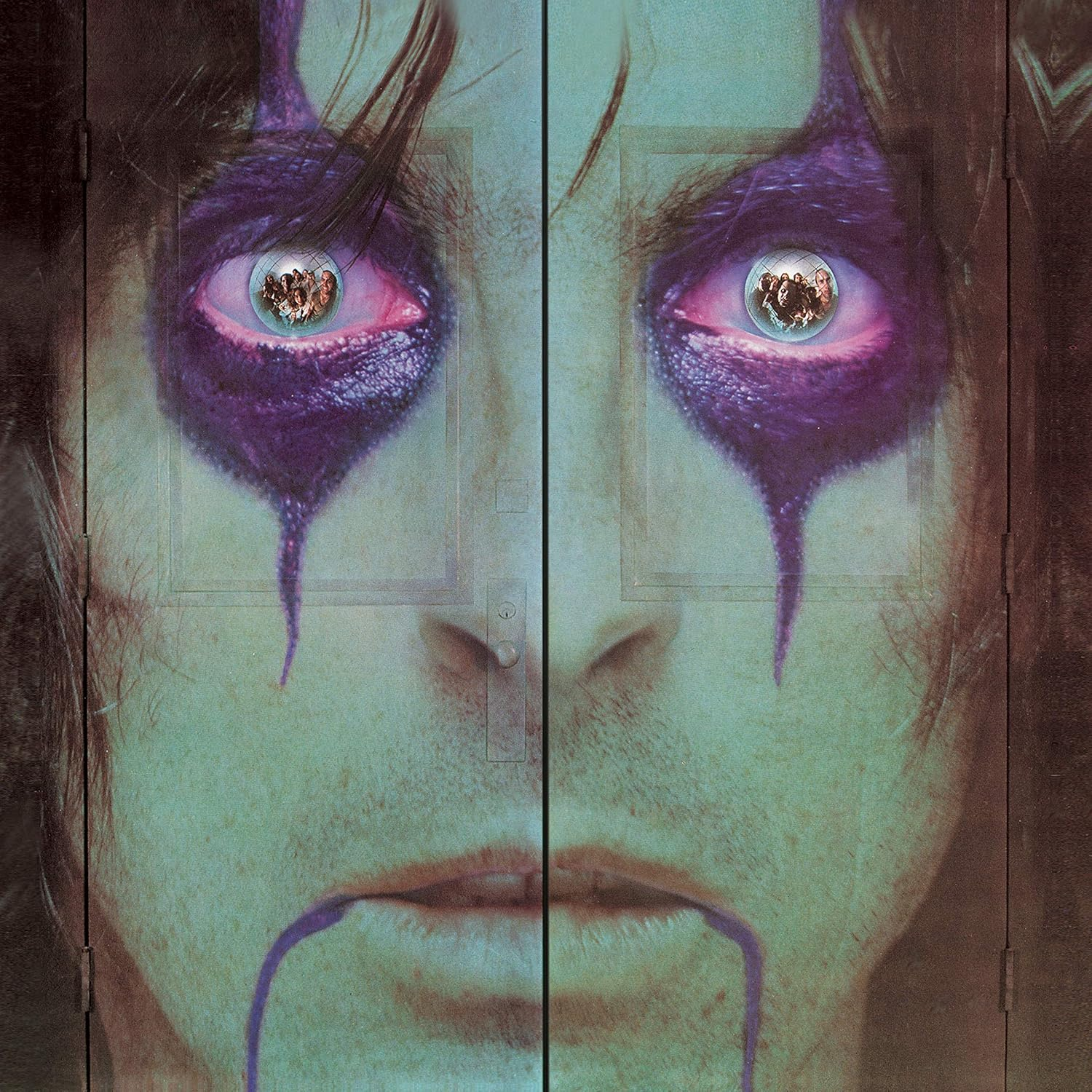
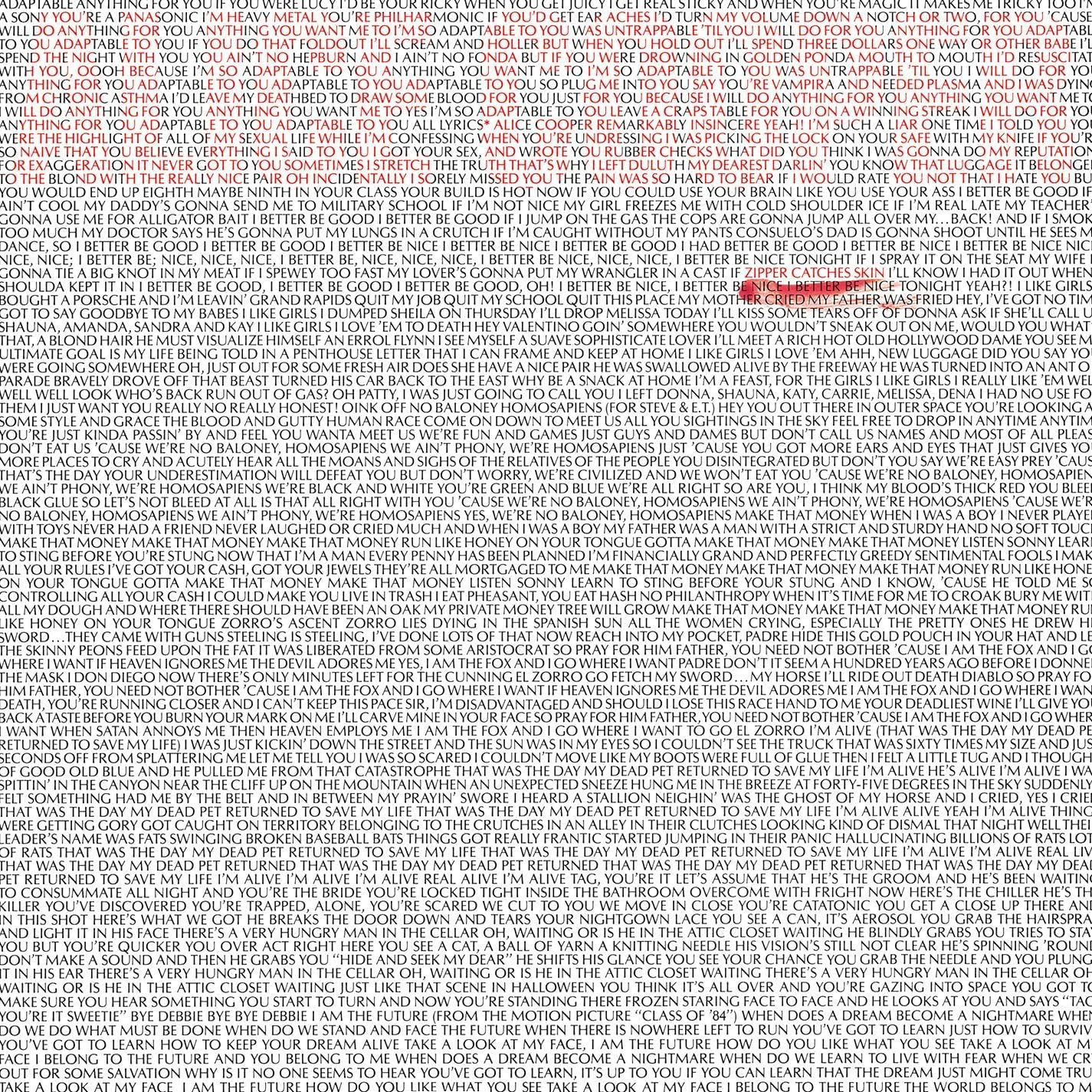
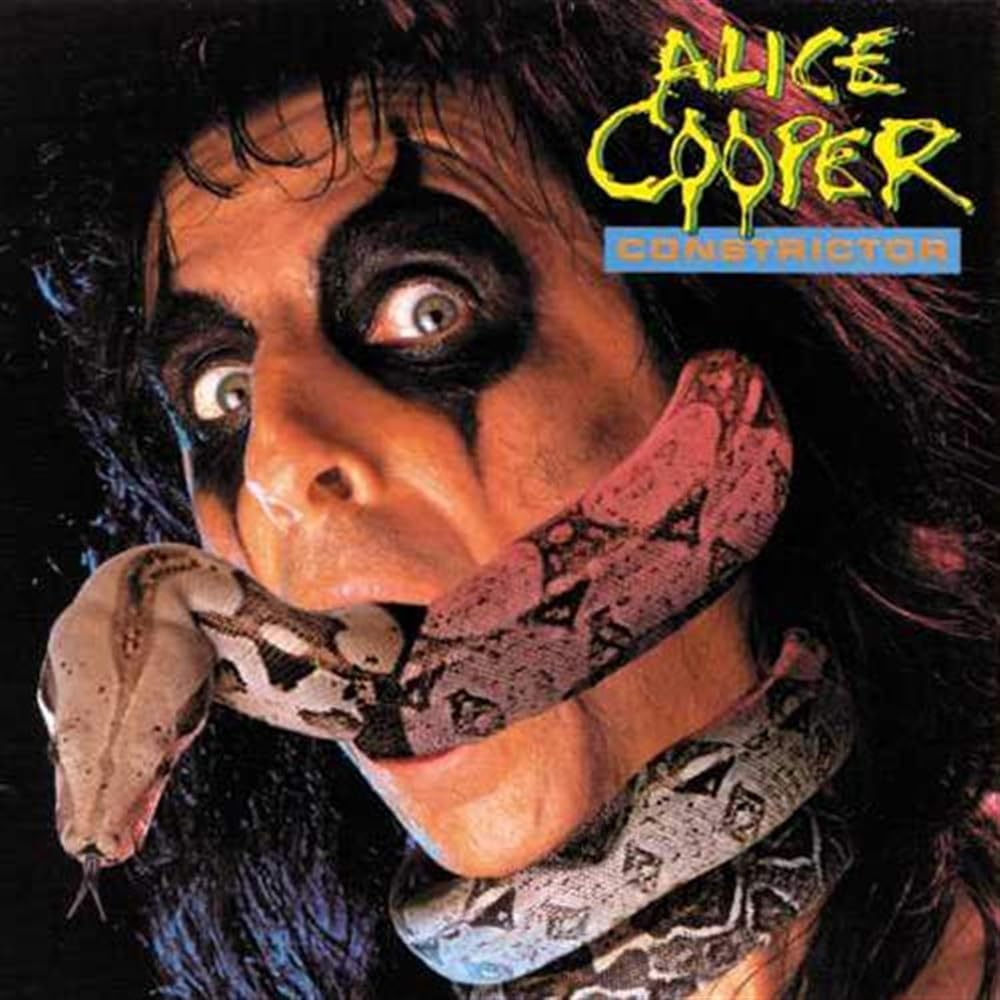
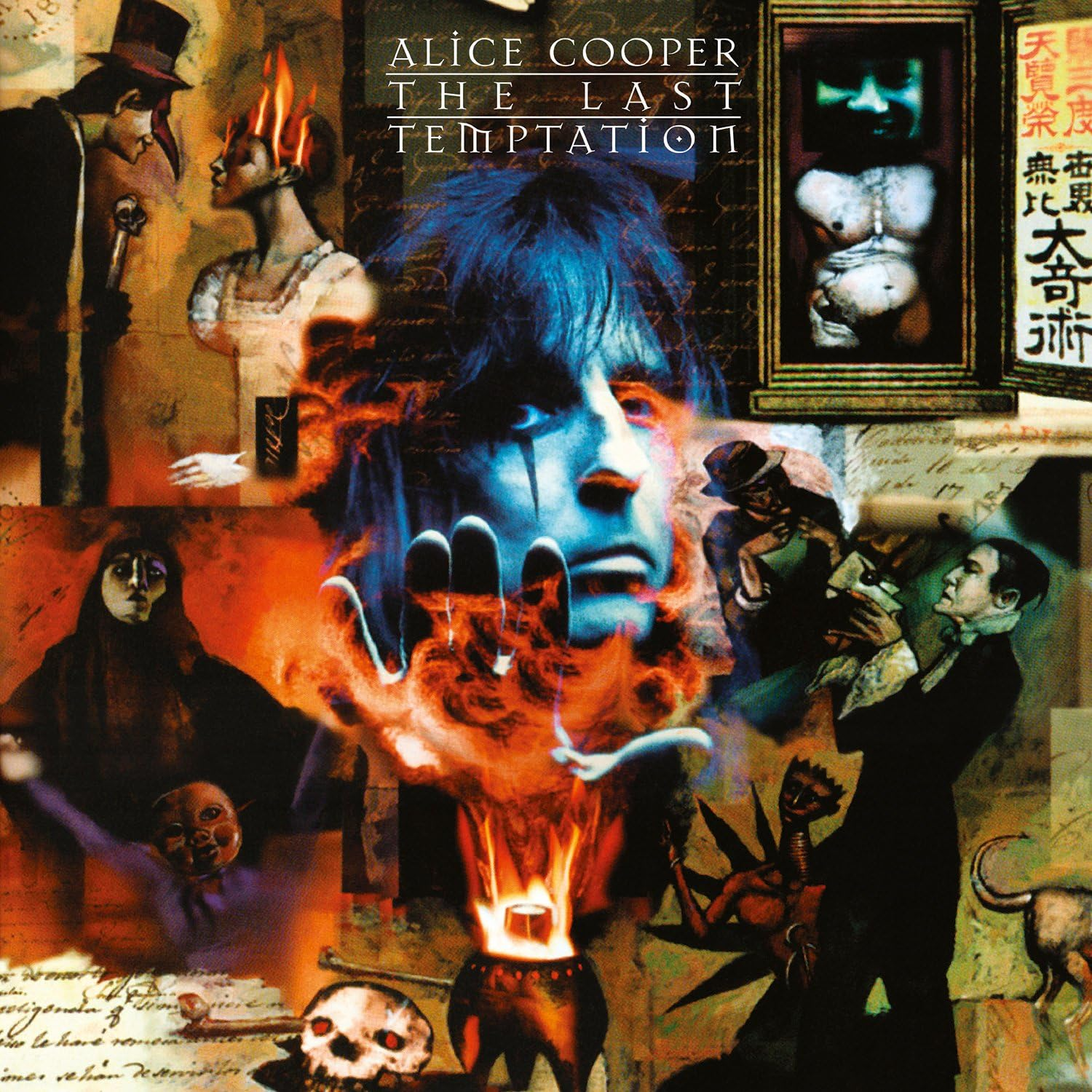
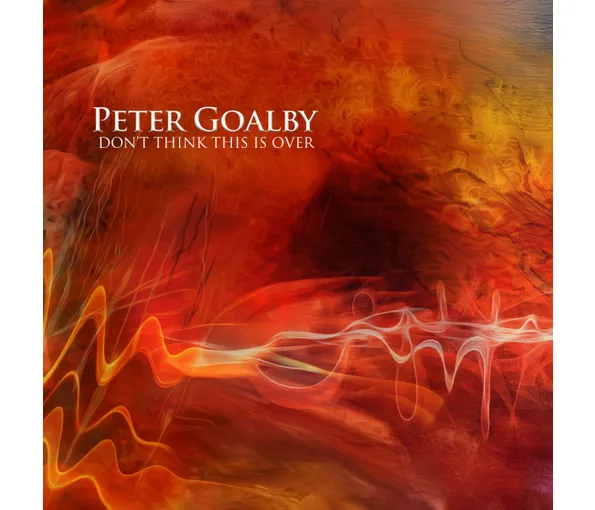
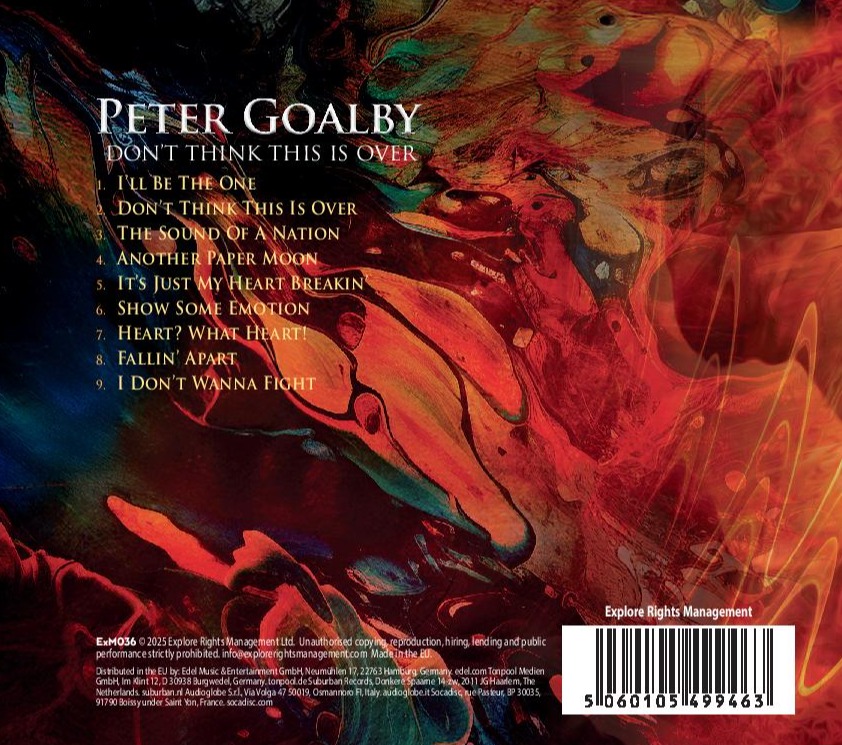
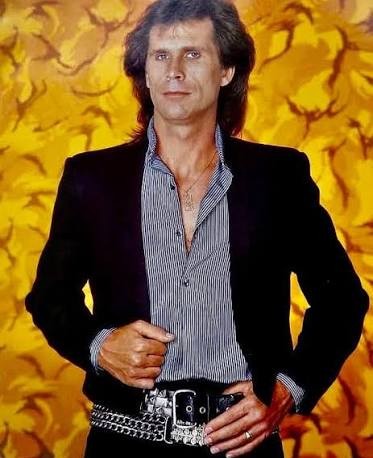
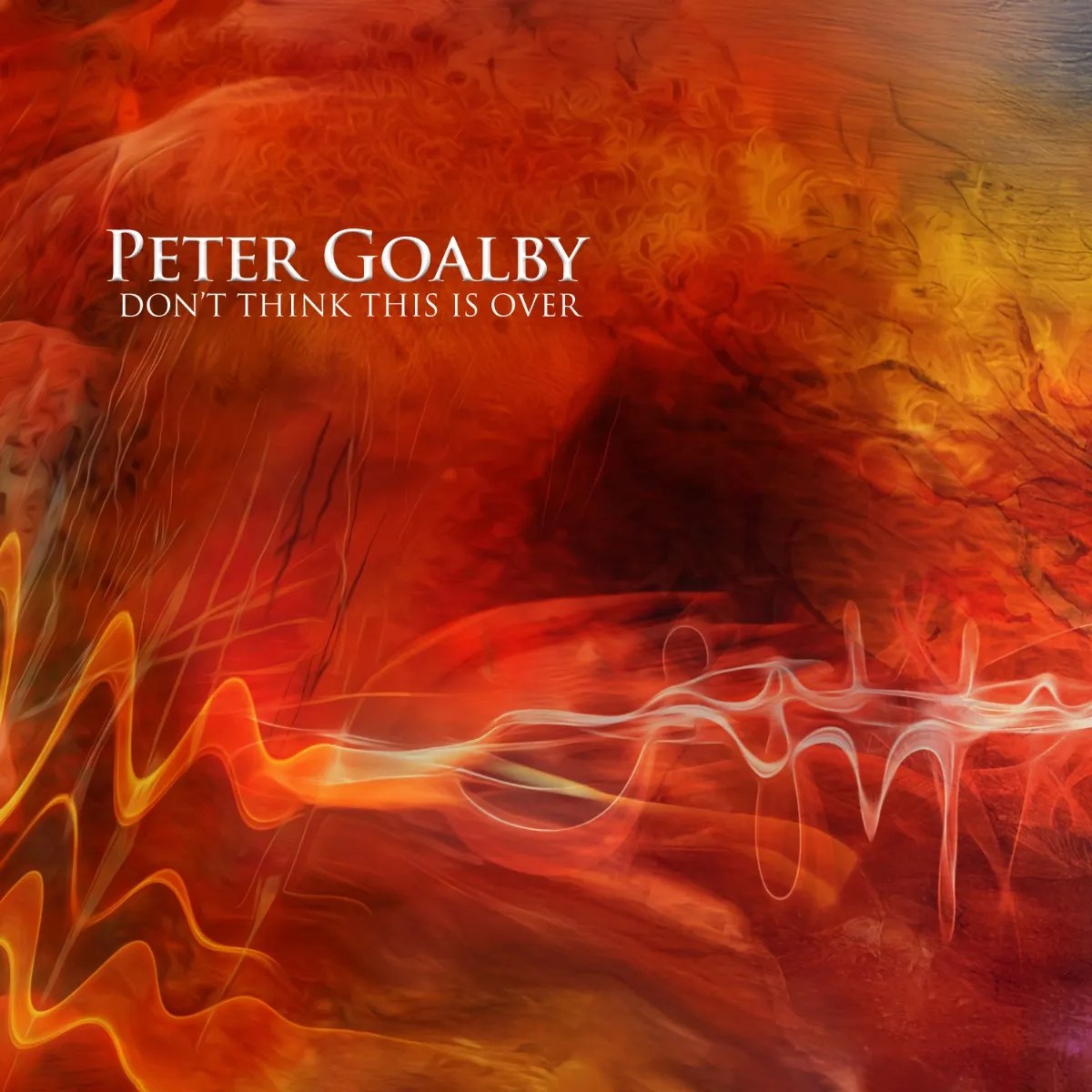
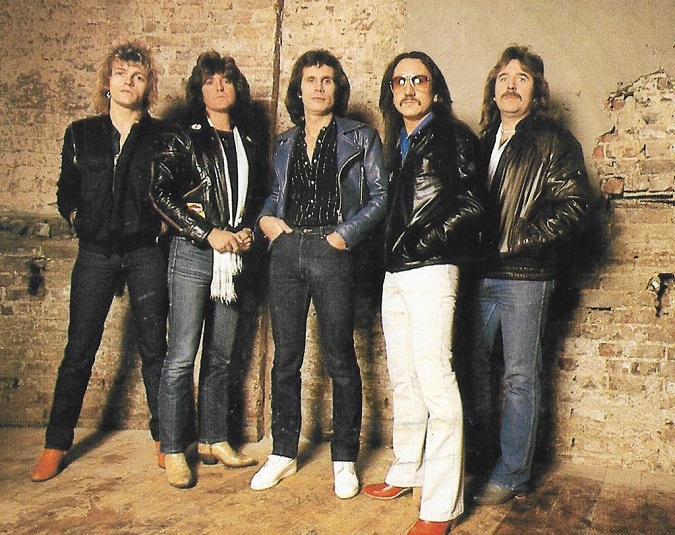
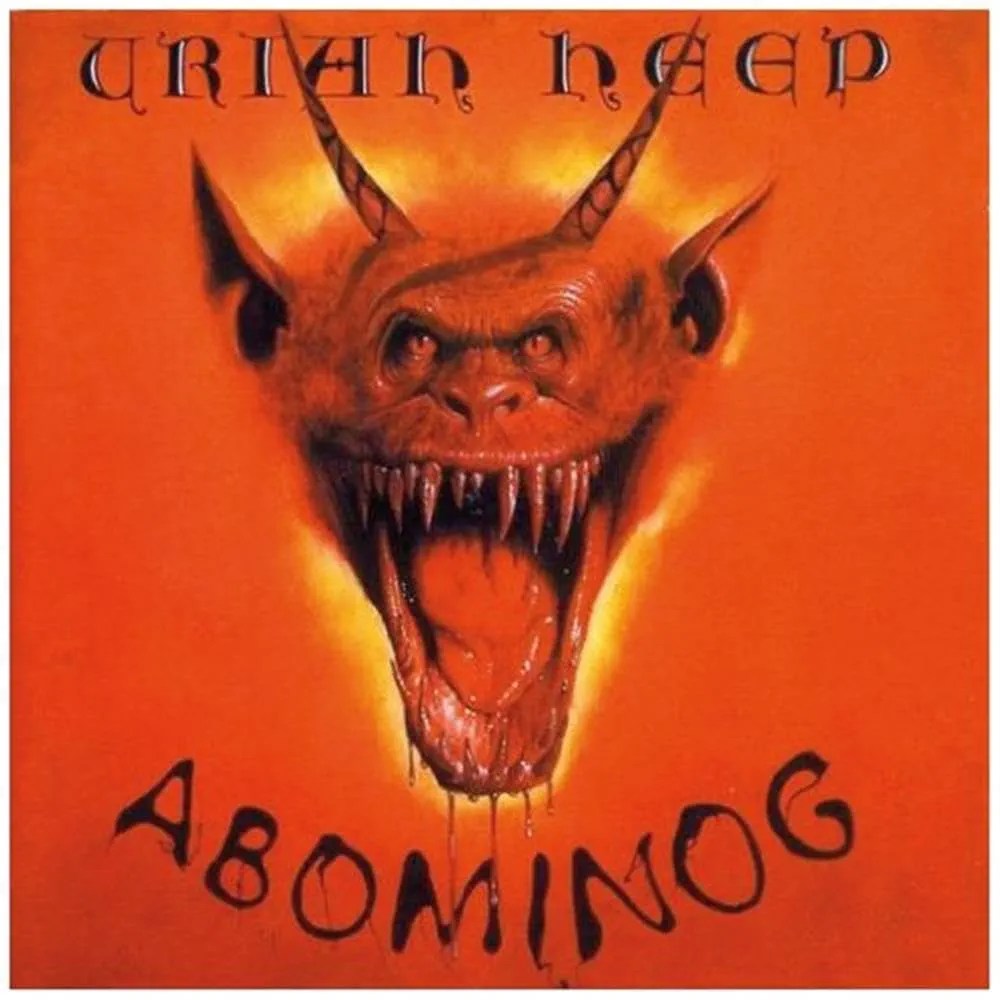
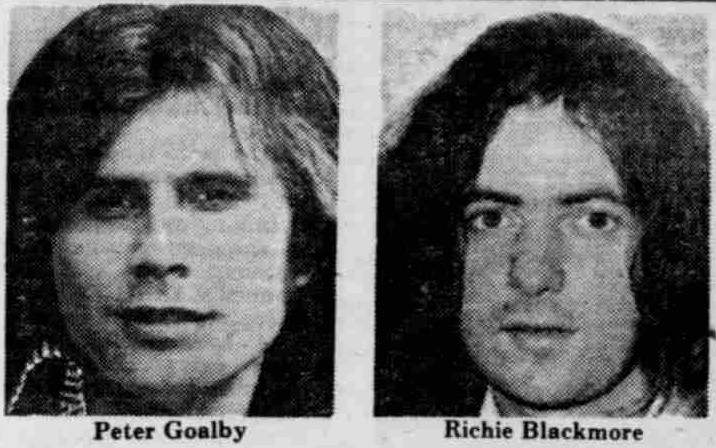
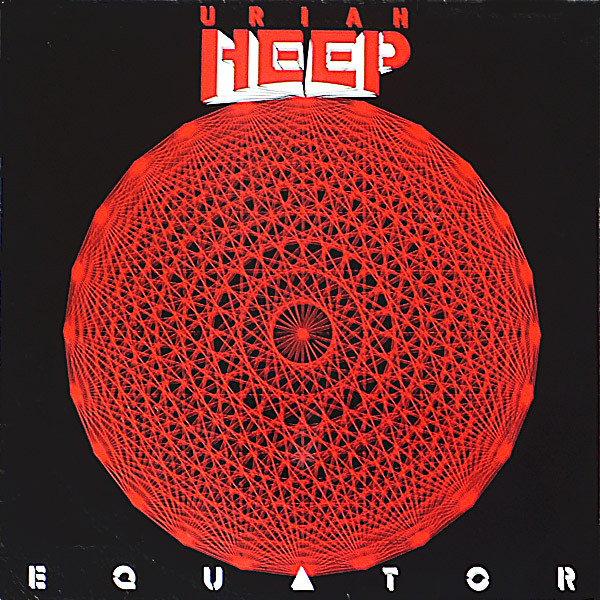
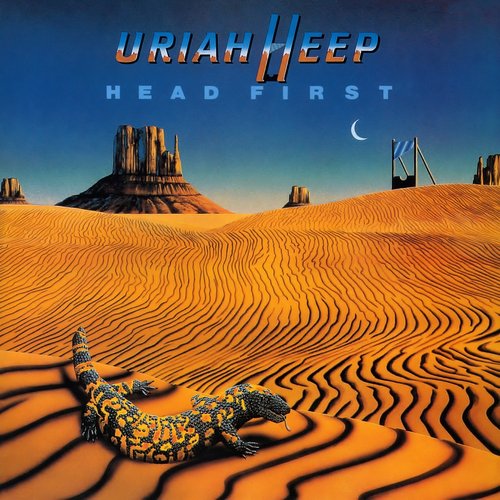
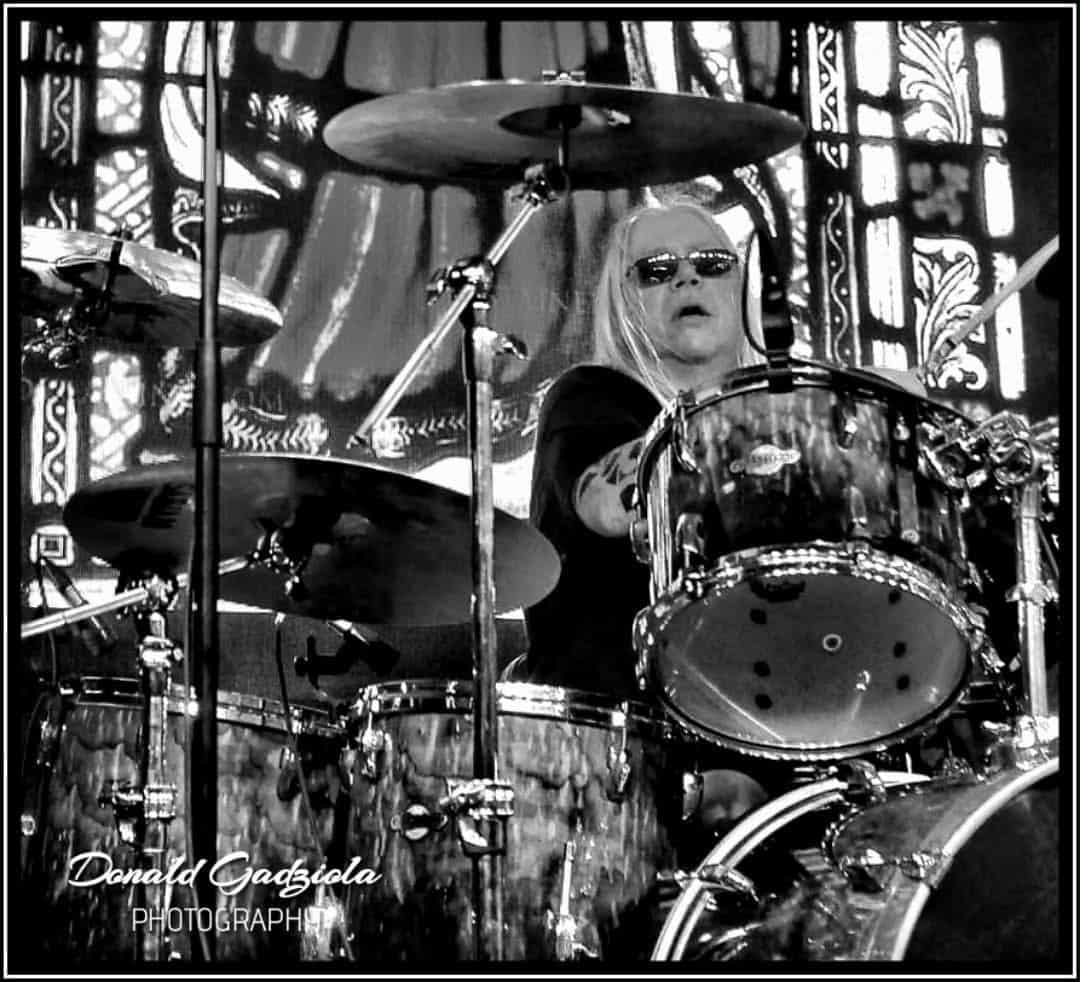
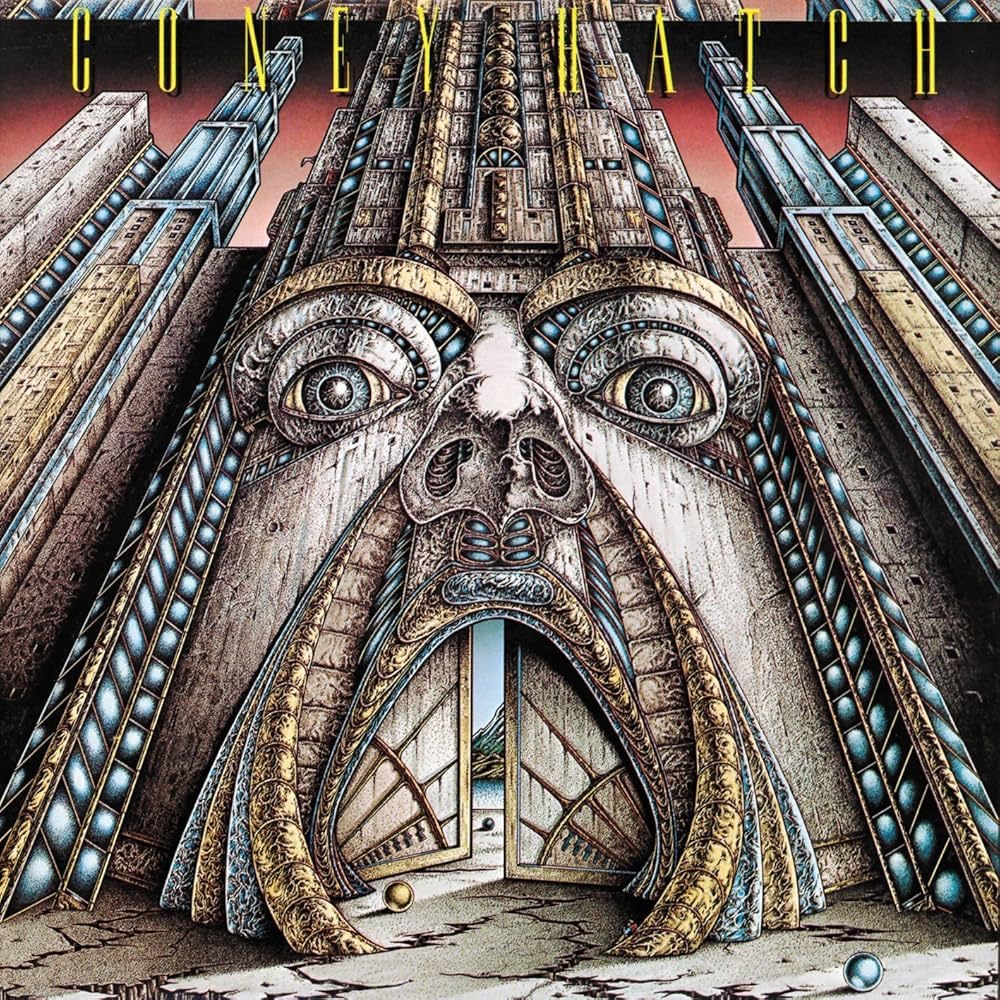
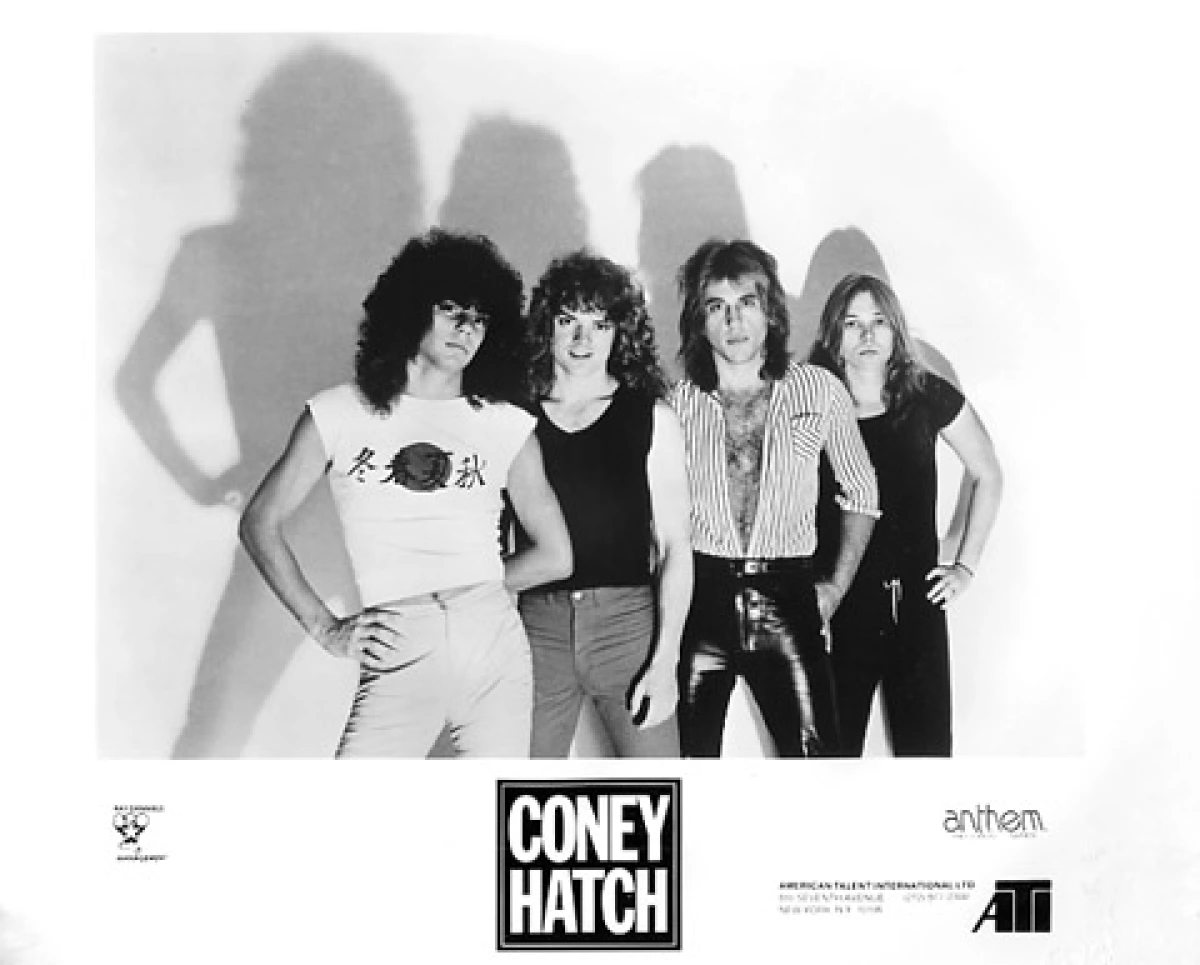

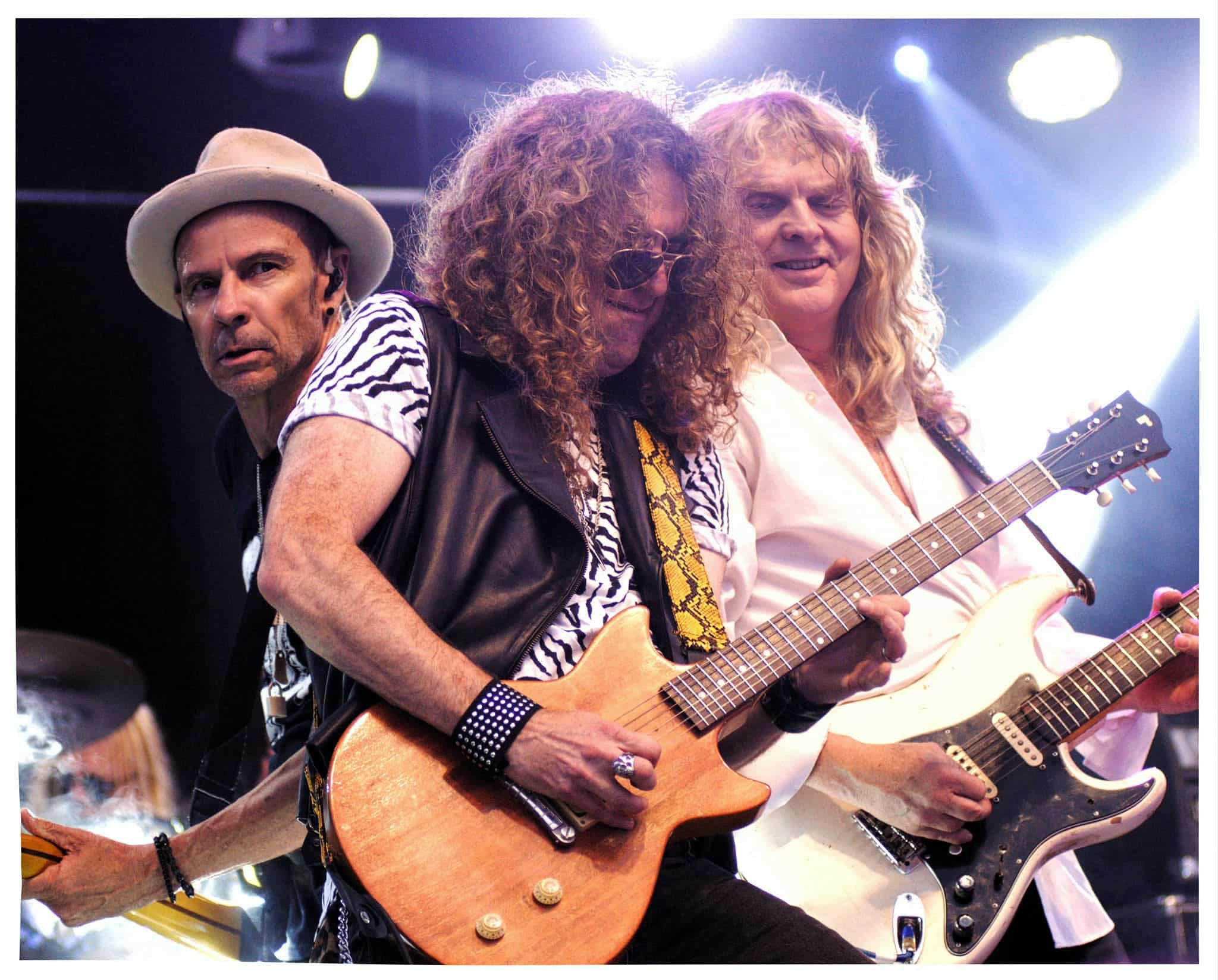
 Outsider Rock