There is a brand new video from BADFINGER’s HeadFirst, which was officially released (CD & vinyl) nearly 50 years after its recording.
“Keep Believing”, another classic Pete Ham cut, follow video releases for “Moonshine”, featuring Tom Evans & Bob Jackson sharing lead vocals, and the Mike Gibbins ballad “Back Again”.
One of the best (well, my favorite) and most surprising recent releases. Check it out if you haven’t!
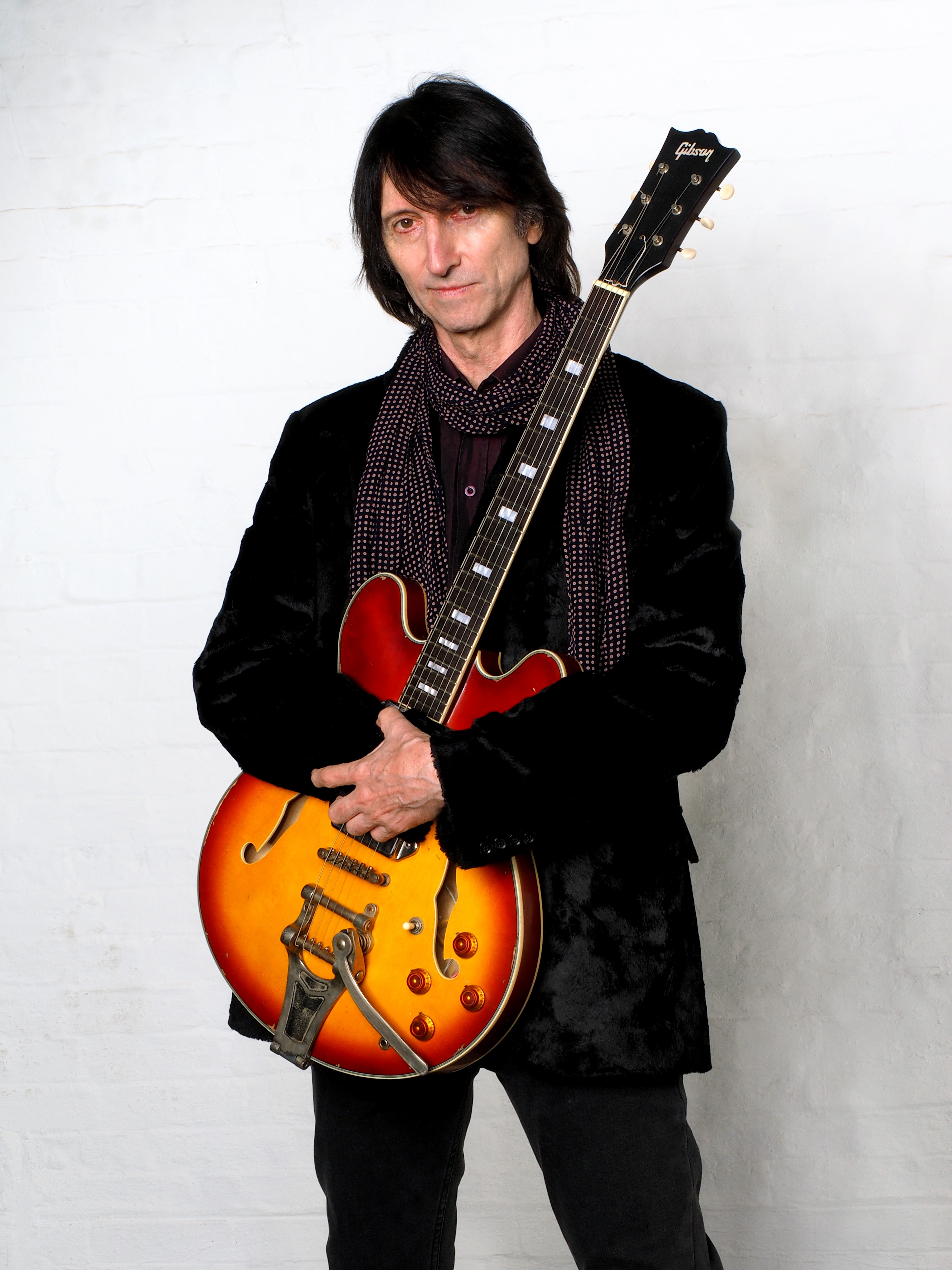
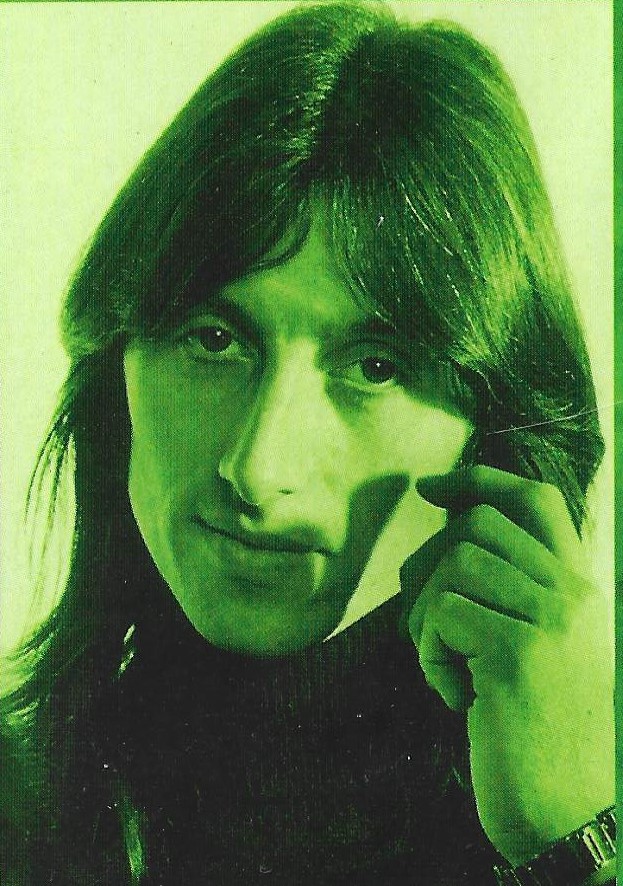
Bob Jackson has been part of the British rock scene since the late 60s, as a keyboard player / singer / songwriter. He is best known perhaps to classic rock fans as being part of the final BADFINGER line up that featured Pete Ham. The long lost album that Bob recorded as part of BADFINGER, Head First, was given a proper mix and release late late year, mainly due to the efforts of Bob. I recently had the privilege to interview Bob Jackson about the new Head First release, as well as touch on some of the other bands and recordings he was invoked in throughout the 70s.
If you haven’t checked out Head First yet, you are missing out on a fantastic & historic classic rock release! Check out my interview with Bob, as well as visit the links at the bottom.
Are you still active? I haven’t seen any shows or anything lately.
I’m not doing shows at the moment though. As you realize, the Head First thing kind of took more or less a year out of my time. So I dropped doing any shows. I’d still like to think I’ll do some in the future, but it really depends how the album goes really. I’m just waiting to see.
Can you kind of go through the circumstances of how you joined the band (?), because you joined to replace Pete and then you guys had a five piece for a bit and then Joey left before you guys made the album.
That’s right. First of all, Pete wasn’t there. I got this telegram saying, ‘would you like to come and audition?’ And I’d just come off the back of a tour with another band in the States. And I came home, I left the band, which I was with ROSS, and we just did a Clapton tour. And I came back, and got this telegram and it didn’t say who it was for, it just said ‘you’ve been recommended, would you like to come down to London and do an audition?’ So, I did. I went down there, found out it was Badfinger and I just jammed with the guys really. I didn’t know a lot of the album tracks they were talking about. So, I kind of was lucky enough to have the audition, as they say. And then we rehearsed for maybe two to three days, and then Pete showed up at the rehearsal room and it was a little strange. I’d not met him before, obviously, and the guys, it seemed, weren’t expecting him. That was my impression. Anyway, he watched for a little bit, listened and said it sounded great. And then he left, the four of them went out, leaving me with the roadie sitting there thinking, ‘Okay, where am I in all this now? What’s going to happen?’ They were about half an hour (whatever it was), and came back and basically said, well, Pete’s going to rejoin. He knows the sound of it. And luckily, as I said, I was a bit nervous about the situation, but luckily they said, we want to keep you on, it sounded great! So that was it really. That’s how I kind of came to replace Pete. And then suddenly Pete was back. So then we did a British tour, and that went really well. We went down great. But at the end of the tour, Joey decided to leave. So that was that.
Did you get along with all the guys? Did you guys do much socializing outside of it, outside of the work?
Yeah. I socialized with them all, wherever I could. I was like the new boy, obviously. And yeah, I got on great with everyone. It was really good. Great atmosphere, great social atmosphere as well as a musical atmosphere.
Did you do any guitar work as far as on stage or demos or anything while you were in Badfinger?
No, not yet. Yes, I did, but not at that point.
I was just wondering about the dynamic when you guys became a four-piece again after Joey left, if the expectation was that you were going to be playing guitar on stage, when the band had gone on in that or…
Well, we really didn’t discuss… I mean, I suppose that would have been the obvious thing that I would have played maybe 50% guitar, 50% keyboard or something. But it never really came up because after the tour, it wasn’t that long, we suddenly got a call and it was a surprise call as well, saying that the band had to go back into Apple and start recording again. And this, as I’ve just said, that was a surprise to us all. So, we didn’t really have time to think about the forward planning of would I play guitar, would I do…It was just all so kind of rushed and confusing. That’s probably how it would have panned out. I’m sure that I would have played some songs on guitar, some songs on keyboard, which was appropriate.
I guess the first songs from Head First that appeared, I have on a 1990 compilation called The Best of Badfinger Part Two. I’m curious how those came about, because obviously nothing was out at that time from the album.
Well, Warner’s decided that they wanted to put those tracks out. And, you know, as you say, not a complete album, but just three or four of them along with other tracks, ‘the best of’. I was kind of put out about that. I thought, ‘well this is ridiculous’. While I was delighted to see that something was happening, why not the whole album? And also, I had a thing about the legality of it – they didn’t own them as far as I was concerned, you know – the master recordings. But anyway, Warners being a big record company like that, they just did it, didn’t they!? They put it out. And so that was the first time that they appeared.
That must have caused, I guess, quite a bit of fan reaction as far as people kind of maybe got the ball rolling at that point to people, fans that wanted to hear the whole album then.
Well, I guess so. I mean, I think the album, from what I can gather from fans, from way back is that the Head First was always a bit of a holy grail. No one could find it. No one knew what was happening with it, least of all me. I’d inquired about it many times over the years, and I was always told that the tapes were missing from their place in the warehouse, and that they must have either been lost, misplaced, or stolen. And I think the public was the same. It was like, ‘what the hell’s happening with this?’ It was a bit of a mystery all round. And over the years, many years, people were sort of saying, ‘well, what about this album?’ There was a demo going around, which was a demo that I had, and I eventually decided to release that on Snapper Records in 2000. I knew it was just a demo, but it was the best I could do, and I thought, if I don’t do this, nothing will ever come out. That was my feelings at the time.
Had you, Tom or Mike; did you guys ever discuss this album as far as eventually getting it, doing something with it?
Tommy and I did. I can’t remember talking to Mike too much about it. But of course, don’t forget, from quite early on, he was a resident in the States, so unless we rang up specifically to talk about something, I didn’t always see him. Tommy and I talked about the idea of it and said, ‘what ever happened to that’; because no one could find any evidence of the tapes and so on, and then, as I said, there was the argument about the ownership. But yeah, we never had a plan. We never knew what to do about it.
I want to talk about some of the songs, because the one thing that amazes me, and maybe it’s just the whole thing about Badfinger music in general, is that for the time and all the things going on within the band, it’s a very upbeat, very good-feeling album overall. You know!?
Well, it is on the surface, but if you kind of scratch away the veneer of it; the lyrics are pretty dark on a lot of the tracks.
Yeah, I get that from Tom’s songs.
But I know what you mean, yeah. It does have a kind of overall impression of being quite ‘up’.
The songs that you contributed and the songs that you wrote with Tom, how did they come about? Did you have any ideas kind of stored away already that you kind of brought in, or were these kind of all put together in those two weeks?
We didn’t bring anything in that was completed. Just about all the album was just put together from the time that we were told that the studio was being booked, which was about two or three weeks before having to go in. The only one that I’d done a bit of work on was a track of mine, “Turn Around”, which I’d got the guitar parts for it, and I hadn’t really got a lyric. So, I got some bits and bobs toward that. Tommy was saying ‘have you got any stuff already? Bring some stuff in along with the rest of us’. So, I brought that along and kind of wrote the lyric later, when we were in the situation to kind of reflect the position we were in.
And your tracks fit right in. I don’t know how much you guys discussed as far as the actual track listing, what the actual track listing would end up being, or the whole sequencing and that, but it’s well put together, the whole package as far as the flow of the songs and that.
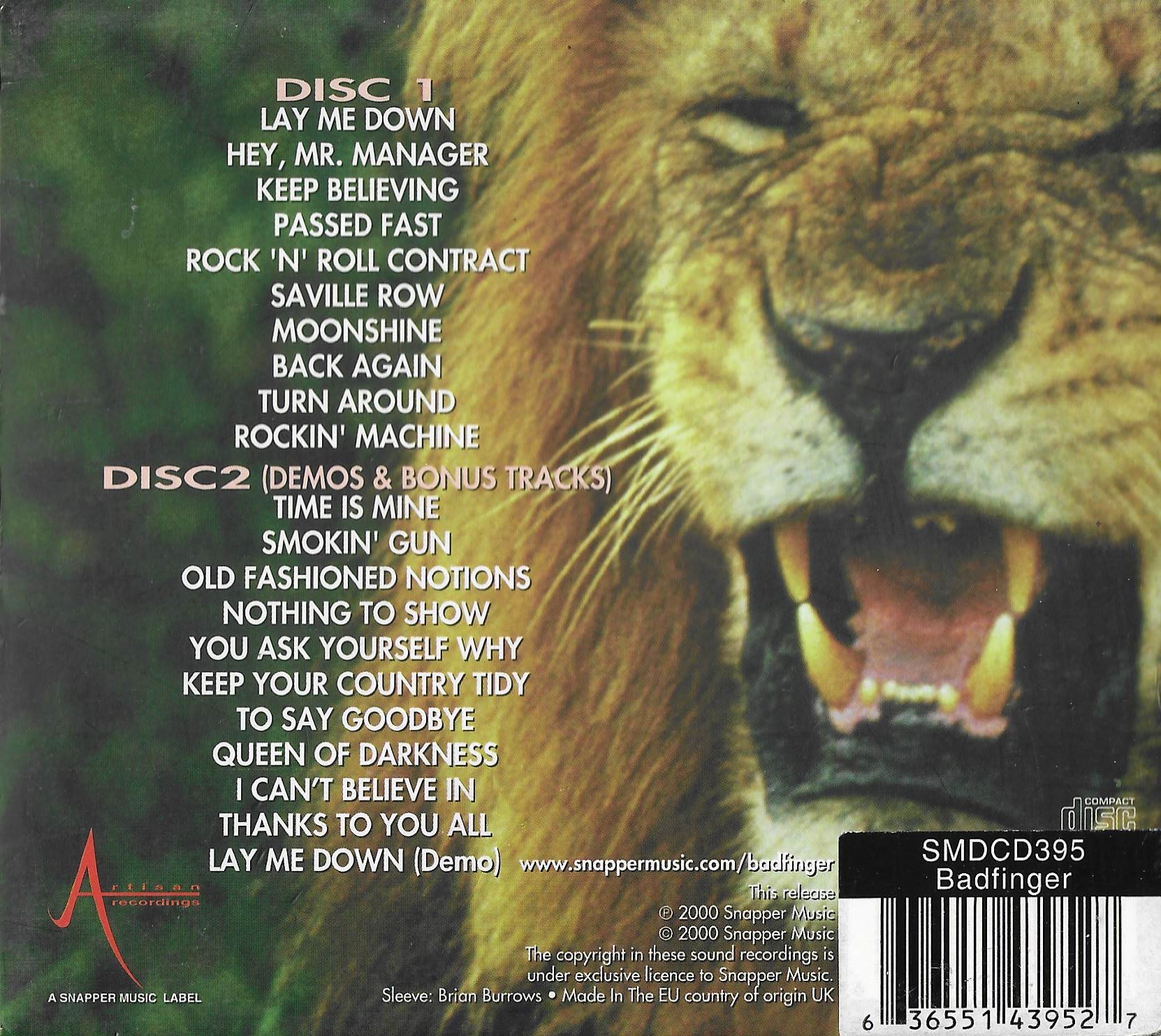
Yeah, I think it’s much improved. I gave it a lot of thought, the track listing, because I didn’t have anything to do with the 2000 one, I arranged it business-wise, but I had nothing to do with the production or the track listing. And by the way, we as a band, when we were in Apple recording it, we never discussed the track listing. So, the track listing, the old bootleg or demo you’ll hear, it wasn’t a decision made by the band. It was just all thrown together because we were in such a rush. So yeah, I thought by changing that running order around a little bit for this release last year.
As far as anything else that was talked about – the album title and album cover …I don’t know how much input you guys had in the album covers back then.
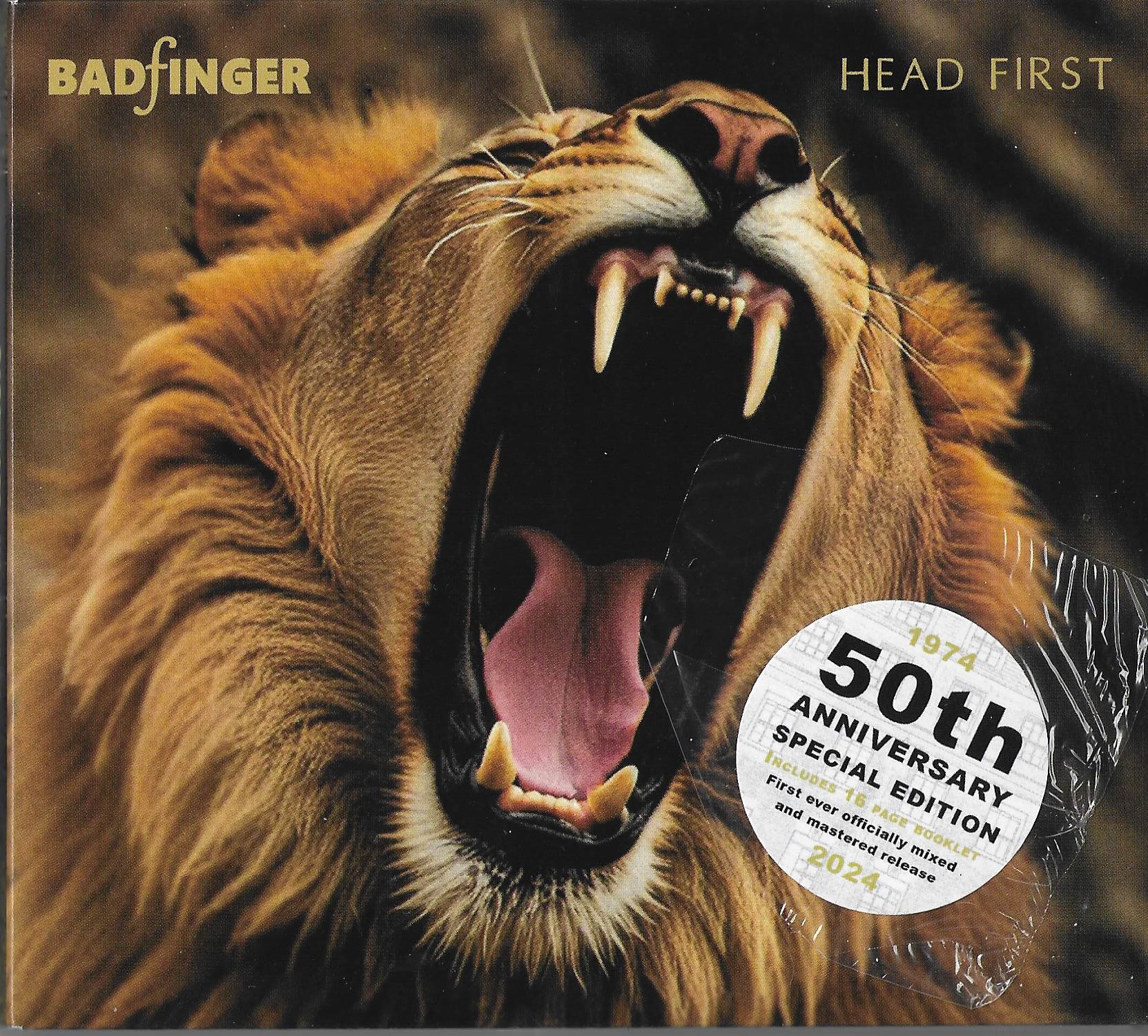
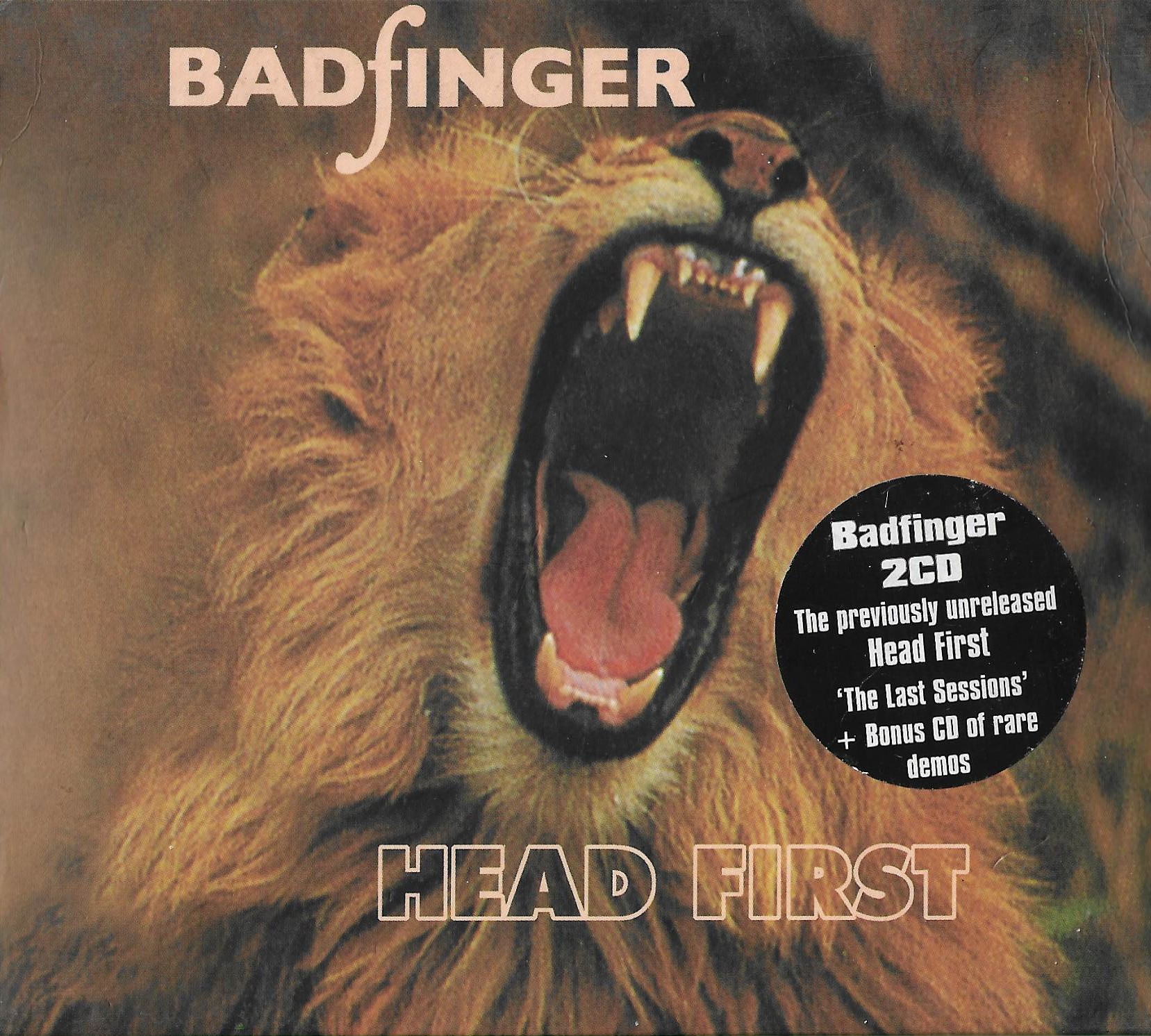
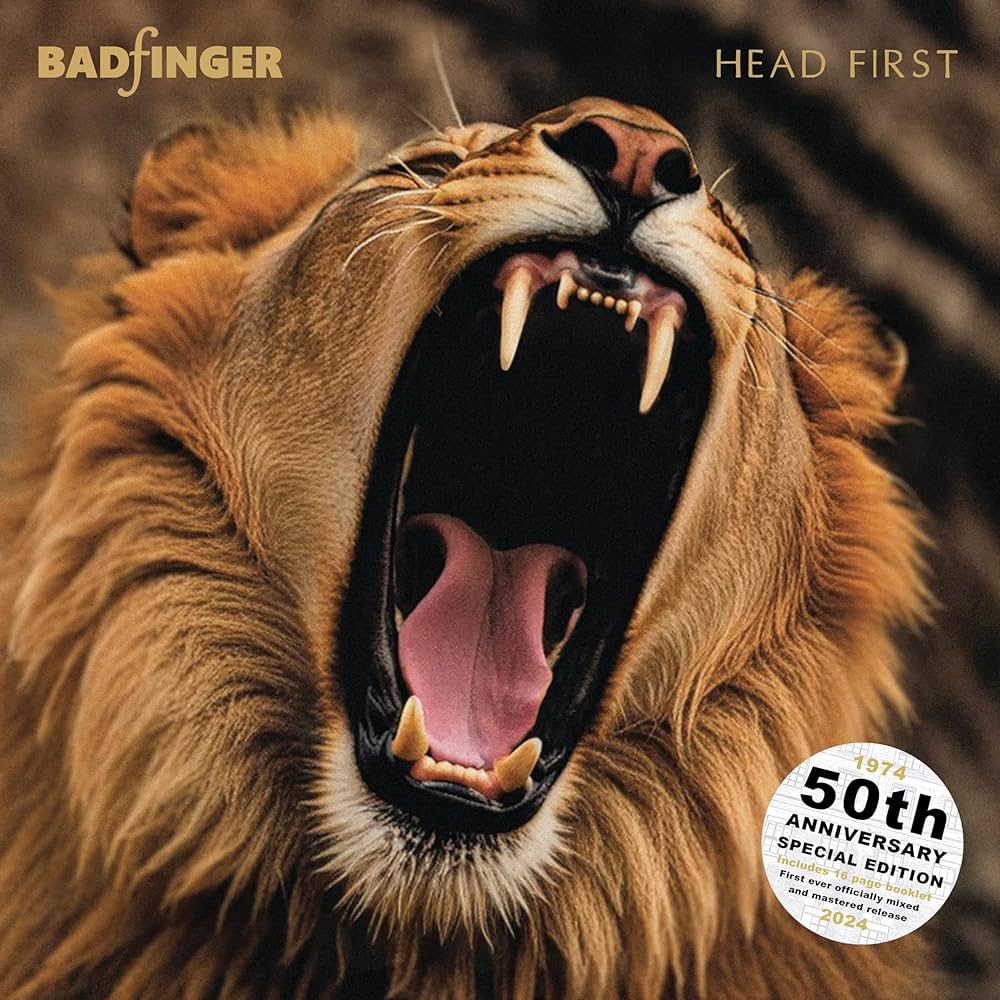
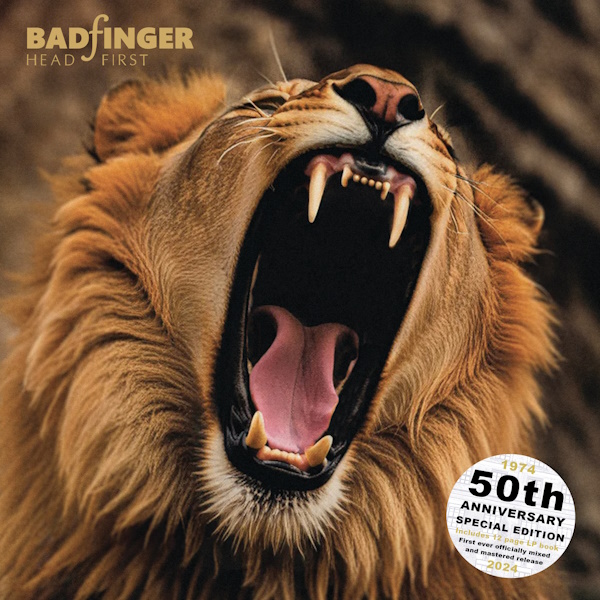
Well, Tommy had this idea that he brought up in the studio about it being called “Head First”. I think that was toward the end of the sessions. I think we were in the studio for about two weeks, 11, 12 days, (something like that) and Tom came up with this Head First idea. It was supposed to be the analogy of the old circus thing that they used to do where the ringmaster would open the lion’s mouth and dare people to put their head in. It was really based around that, and that was like an analogy of us as a band with Stan Polley, we were dicing with death, we were dicing with a really bad situation and we were tempting fate, really. So that was all Tom’s idea. Of course, at the time of the recording. That’s all we had – a title! There was no cover art arranged. We did take some photos, but they were lost, unfortunately. I tracked the photographer down, but he had thrown them out years before.
Two things, who all was around at the time of the sessions other than you guys and the engineer and that? And did you ever actually meet Stan Polley?
No, I personally never met Stan. I don’t have any regrets about that. He was a very sort of unctuous, scheming kind of guy from everything I can gather. So no, I never met him. Who was around!? Well, Stan had sent in his kind of people. He’d sent a guy called Richard Duryea, which was his gopher-guy, who was doing his bidding. And he sent over two producers, Kerner and Wise, Kenny Kerner and Richard Wise. And Bill Collins would occasionally come to the studio. But that was kind of it, really.
What were you, your lyrics on the songs you contributed, what were you writing about? Is it just things that were going on within the band? Is that kind of what the theme was and everything written around the band stuff?
Yeah, absolutely! You’ll probably note that most Badfinger stuff, anything in the catalogue, most of it is autobiographical. It does relate to what people were going through at the time. And besides something like Mike’s things, which are a little bit lighter in their tone. Certainly stuff like Tommy’s “Mr. Manager” and “Rock and Roll Contract” and my “Turn Around” – all those lyrics are just kind of bemoaning the state we were in and what an awful situation it was. So yeah, very autobiographical.
With the 2000 release,it had the second CD of all those demos, are those from the same sessions or …
No, they weren’t from the same sessions. The story behind that is that I just wanted Head First to come out. And I couldn’t find the master tapes. So I thought, ‘well I’ll put this rough demo out that the engineer, Phil McDonald had done’. And because I realized myself that that was a little bit second rate, I arranged to have all these other demos from sort of around the period, but they were nothing to do with the recording at all. They weren’t prepared to record. But I included those as a kind of bonus to make up for the fact that the 2000 release wasn’t really the proper produced album. It wasn’t really finished. Strangely, since then, when I put out this other album, this last year, people said, ‘Can we have some more demos?’ And it’s like, ‘No guys, this is a proper album. You don’t get demos with it’. This is the proper release. I think people found that a bit confusing that we’d included demos first time round. And then this time,- No demos, but that was just the way it was. I’ve explained that so many times to people. No, this is the proper mixed mastered album. The other one wasn’t. You got those freebies because it wasn’t completed then.
So these other tracks that made up disc two, you guys went in the studio at other times for stuff. And were these just other ideas that, I guess you just had on tape that we might not see again?
Yeah. They were all home demos from each of us that might have developed into a bigger thing, but they didn’t; they were just our own home demos, personal demos.
So there’s no finished tracks that were not included?
No.
Okay.
No. We didn’t, as I keep saying, we really didn’t have the time. We were rushed in against our better judgment. And we had to work very methodically, very workmanlike, to finish the project in time. In those days, to go in for less than two weeks and come up with a finished album was ridiculous, especially for a band of Badfinger’s standing, you know!? But we really didn’t have any spare time.
In the 70s, it must have been for bands like Badfinger, probably with Ross (because those albums were done close together), Uriah Heep, Black Sabbath, a lot of the bands, you had to record albums, two within a year, within six or eight months apart, correct?
Yeah, sometimes. It depends on the situation and the contract. Normally, about nine months was a comfortable break, because in between then, you’d want to gig and tour, and then you’d probably want a bit of time off. So, yeah, about once every nine months would be normal, I suppose.
You guys all had a couple of songs on this album (each). Do you have anything that you really enjoyed as far as things that you played on, or were Pete’s or Tom’s songs or that?
I enjoyed it all. I don’t think I’ve got a particular favorite. I really enjoyed the whole process of recording, and I’m very proud now to look back and think what we were able to accomplish, considering that our heads were all over the place. We were depressed and worried about this and that, so I’m just proud of what we did.
Has this whole project kind of been, for you, if you can explain sort of the sense of achievement or whatever the term is for yourself, to finally have it out and have your name as part of the band, a finished product out, if you know what I mean?
Well, in a sense, that had happened in 2000, and people saw that I actually was with the band. I think I’ve been a bit invisible. People didn’t know my name, and I wasn’t a particularly good self-promoter. I didn’t get involved in lots of forums, you know. I think from 2000, it was pretty clear that I was in the band. Then Dan Matovina brought a book out, which explained a bit more about how I’d been in the band. But as far as this release goes, yeah, I’m immensely fulfilled. I suppose that’s the word. Proud to have, after all this time, 50 years, man(!); after all this time to have found the tapes, got over the legal hurdles of getting the tapes out, and then kind of mixed and mastered them with my partner, Andy Nixon. We mixed and mastered them. So, yeah, it’s a great sense of achievement, you know. It’s probably hard to imagine, but I’ve literally been chasing it for 50 years. It isn’t one of those things where I’ve forgotten about it for 10 years. I’ve always been looking for these tapes, and ‘how can we get the proper thing out?’ I’d almost lost hope, really.
Well, I gotta say (I have the vinyl), the whole package, like I said in my review, it’s like a first-class package as far as what you would expect and what you’d hope for from something from that time.
Well, thank you for that. There was a lot of effort that went behind it all. So, yeah, I’m delighted you like it.
As far as the UK tour, did you guys save anything to tape during that tour, any shows or anything?
No, there’s never been any live recording found. That’s another Holy Grail. I’ve never come across anything, put it like that. And, again, I’ve been looking for it and asking fans over many years. No, nothing, as far as I know. Which is extraordinary, really, when you think about it. You think over the time of a tour, someone, a fan or someone would have taped something(!) But, no, apparently not. That would be something.
I listened to an interview with Joey not too long ago, and he talked about how the band tended to play album tracks because sometimes the hits were a little complicated to play because you had more tracks within the song than, you could reproduce.
Well, there’s a kind of truth in that. I think what he was probably getting at was that, particularly if there was keyboards like “Day After Day”, or “Come And Get It”, and those sort of things. Pete had played that in the past, but he rarely got off guitar to just play the piano. It wasn’t worth bringing a piano along just for a few songs. Which was why, when I joined, it was a really happy kind of amalgamation, I thought. And so did the guys seem to think that as well, because at last, there was me – an extra voice, and an extra keyboard, and potentially extra guitar. So, eventually, of course, we were able to kind of add those things. But, of course, by this time Joey had left. But yeah, there’s an element of truth in what he says there.
Was there anything in the live set while you were there that you particularly liked?
I can’t think of anything. It is 50 years ago! (lol)
I understand.
I’ve played a lot of songs since then. No, I can’t really think of anything. I thoroughly just, I remember really enjoying the tour. I know we had a good kind of buzz on stage. It felt good. We worked well as a unit. But I can’t pick anything out as a particular favourite.
In the aftermath of when the band broke up and Pete was gone, what did you kind of do, what was your next move?
Well, we were all in shock. So I don’t think we were making rational decisions. We just all stopped playing. We completely stopped. There was talk of me and Mike getting together. I went down and visited him, in Swansea, where he was living at that point. And we talked about getting a band together, it didn’t happen. Tommy and I talked about it, but it didn’t happen. So yeah, for a long time, at least six or nine months, I just didn’t do anything. I felt like I was having a bit of a nervous breakdown, to be honest. I think we all were, to some degree. It was a very dark time.
Yeah. Just for clarification, are you still in touch with Pete’s estate? His family?
Oh yeah. I’m in touch with all the estates; the Badfinger family, if you want.
So has the family had an input or an okay in everything that’s been done as far as the album release and that, and any other projects?
Yeah, they okayed it. I went to them just like I had in 2000 about the Snapper release. I went and said, ‘look, I think this would be a great idea. Will you give me permission to go forward with it?’ So yeah, they’re kept in touch, of course.
There was later formations of Badfinger that you weren’t involved in. Was there any kind of mention to you about that at the time? Or was it just kind of, I get the impression it was almost like a record company sticking the name to the guys.
At that particular point…I was doing something else anyway. And the way Tommy told it to me later was that Joey had rung him up and said that a couple of American guys had come around to his house and said, ‘we want to be your band and we can reform Badfinger’. So, they then called Tommy up, who kind of went over for a few months and decided to shop some new material around. So, yeah, he didn’t involve me and he didn’t involve Mike, the drummer either. But you’re kind of right, it really was at the behest of like a record thing more than anything else. They did do some live work, but it was more of a record thing.
Now, the next album I know that you did as far as anything was The Dodgers album. And that was kind of still in that pop-rock vein as far as Badfinger was… Can you tell me a bit about the making of that album? It didn’t last long other than one album and a single (before the album), right!?
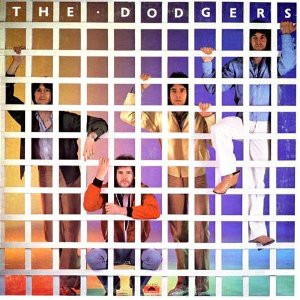
Yeah, that’s right. Tom and I got together with a couple of guys. Island Records had a couple of people that they were promoting. And it was suggested, Island reached out to me and Tommy and said, ‘would you like to get together with these guys and see if it works?’ Because they kind of need someone else and they haven’t got a full band. So we got together and called it ‘The Dodgers’. It was a little bit poppier than… Well, quite a lot poppier really than Badfinger had been. Badfinger was more of a rock-based thing. But nevertheless, we tried to do a good job with it. And I think when we first got together in the early days when Muck Winwood was producing, those were the best times. But then we then kind of got a deal. We left Island and got a deal with Polydor. Then we did the album. So at that point, Tommy had gone, and I mean, the album was okay, I just didn’t think it reflected what we were as a live band. Because we were rockier live, but the production of that album is quite sort of poppy really. But we made it as good as we could.
Did you do much live shows with the Dodgers?
Oh yeah, we did quite a lot of live work,
The first thing that I have of you on vinyl is the Indian Summer album. Was that your first, the first band as far as recording while you do that? Or had you recorded anything previously?
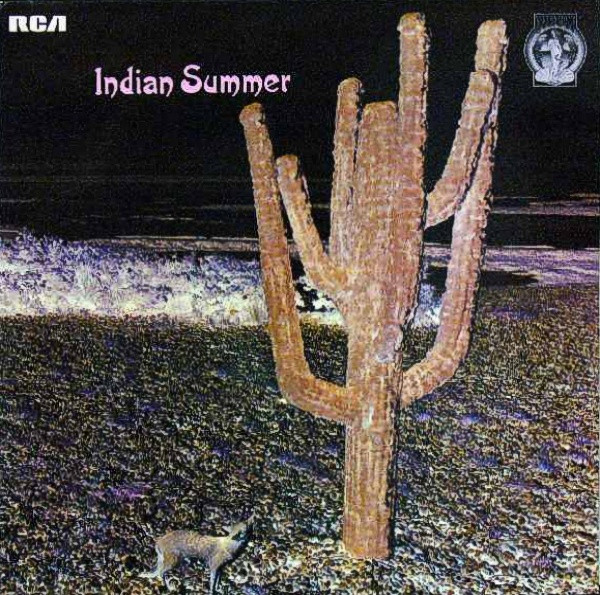
No, that was my first recording, my first kind of pro band. And we got picked up by the same management as Black Sabbath. In fact, they weren’t even called Black Sabbath. That’s how long ago it was, they were called ‘Earth’. And we were signed up as Indians, some of them were signed up as Earth and then they changed their names. But yeah, that was my first kind of pro band. And very kind of reflecting the times, it was very progressive music, rock and lots of improvisation. Yeah, so that was my first thing.
And you guys had fairly good local success in that?
Yeah, we had a good following. And again, we always went down great. But it didn’t translate into record sales. The album didn’t sell really. And we were left really not being able to live off the band. We just couldn’t make it work.
Did you guys share the bill at all with Earth on any shows or cross paths much?
Yeah, we shared it with Earth and when they were called Black Sabbath, which was, there wasn’t that long a difference, one minute they were Earth, the next minute they were Black Sabbath. We did several shows with the guys, in the very early stages, before they even released their first album.
Wow.
Yeah, so we got to know them pretty well, knew Ozzy pretty well.
Do you recall any other bands you crossed paths with and shared bills with?
Yeah, loads! Fleetwood Mac we played with, when Peter Green was still alive. A guy called Arthur Brown, Crazy World of Arthur Brown.
I love Arthur Brown!
We were on the same bill as him. I think we played with Yes at one point. Yeah, we played with loads of bands, because the scene back then was completely different, it wasn’t big, massive venues. Often they’d be fairly small-ish venues. Either 200 people up to about 300 or 400 people, there wasn’t big places and stadiums or anything like that you were playing. It was very rootsy. And there was so much music going on as well, it was a great time for innovation in music.
The next thing you played with Alan Ross and the band was called ‘Ross’.
That’s right.
Was that your next move?
I think it was, after Indian Summer. Yeah, because when it didn’t work, that kind of left me out of work. Yeah. And I didn’t have anything specific to go to. I got a recommendation, I was based in Coventry, my hometown, and they were based in London. But there was a guy, like an intermediary, a guy who knew them, and said to me, they’re looking for a keyboard player. So, I went down to do the audition, and it seemed to fit, it seemed to gel pretty well.
The first (Ross) album I think is a great album. They’re both good albums, but I prefer the first one.
Yeah, me too.
So obviously the band was built around Alan!? You had an interesting line up, you had the drummer as well as the percussion player, that kind of gave it kind of a unique feel to the band. I watched the live clip of you guys playing from the USA (or whatever), on YouTube, and that’s great, wow!
Oh yeah, I saw that, I only caught that about a year ago, someone told me that that was there. It cooked on stage, you know what I mean!? There was a real feeling of togetherness. When we got together, it wasn’t particularly supposed to be based around Alan. It wasn’t called Ross when I joined, because they’d been backing John Entwistle. And so Ross, the name ‘Ross’ wasn’t even in it. It was only after we got the record deal that Alan said, ‘Look, we ought to change the name’ and basically said ‘I’d like it to be Ross’. So we all went, ‘okay’. So that was how that worked out.
That live show, compared to the albums, it’s…I think some bands are just better live, right!? Like you said, with the Dodgers, it comes alive more.
Yeah.
What did you think of those albums? Was it kind of a tough going with those two? They didn’t really do much, did they?
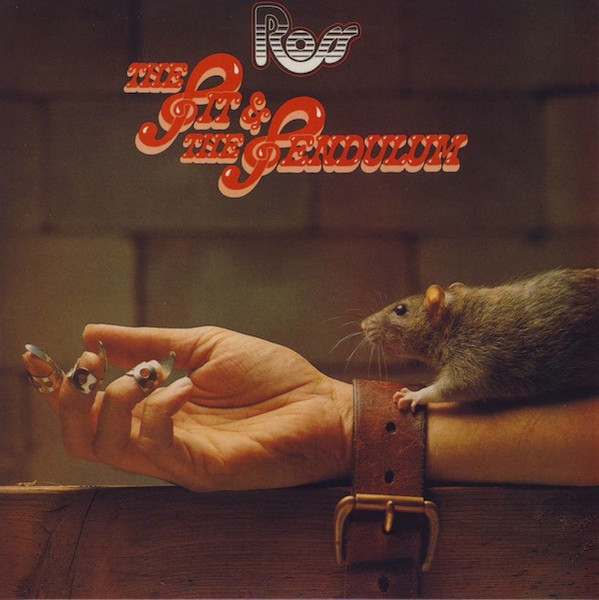
The first one fell into place okay, the first album that we did. And I thought that was the better album, really. The second album, that was something that the manager, Robert Stigwood, he was a big impresario at the time, managed Clapton and Cream, the Bee Gees and all kinds of people. It was his idea to do this ‘Pit and the Pendulum‘ thing. It wasn’t our idea. And in those days, it was kind of like, I’m trying to find the right word, a bit overwhelming, really, when your manager said ‘I want you to do this’, you kind of did it. Nowadays you wouldn’t, you know what I mean!? People have found their feet a bit more and realzed their worth. In those days, if the manager said ‘do this’, it threw you a bit. So, we didn’t like the concept, but we were told to do it, so we did. That’s the gist of what happened there. It’s okay, I think there’s some good playing on it, but I just didn’t like that theme at all. I didn’t think it really worked.
Yeah, I actually, it took me a long time to figure out where the title came from, and then I stumbled across that movie there a couple of months ago.
Yeah, it’s a classic British film called, Pit and the Pendulum. Edgar Allan Poe, I think was the author. But as I said, the whole direction of that came from Stigwood and others.
Stigwood was involved in some other bands – Toe Fat, which was Cliff Bennett and Ken Hensley. Were you familiar with those guys at all?
Yeah, I knew the names. In fact, I’d seen the guys on tour, like at gigs and stuff before. Certainly I saw those bands, but not directly to do with Stigwood, no. He probably handled them as well.
I know the Gods, which was Ken’s band, and then he hooked up with Cliff Bennett for that band Toe Fat.
Yeah, I saw the Gods several times. They were good, really good.
It’s kind of another oddity. They just kind of did the two albums and kind of disappeared for a while.
Yeah, they did a lot of live work in small clubs in Britain. I thought they were really good.
Did you ever see any of the guys from Ross after you left? Did you keep in touch with any of those guys?
They came along… I kept in touch with the drummer, Tony. I’ve always kept in touch with him, really. He went on to play for Rick Wakeman. So I’ve kept in touch with him. But the other guys, no, it kind of all fell by the wayside. And as you probably know, Alan’s passed away now anyway. So no, I never did keep in touch with them. The last time I saw them all together was they came to the first gig that I did with Badfinger. We did a theatre gig in London, and they all kind of suddenly showed up backstage, which was a surprise to me; to kind of support me, which was really nice. But no, we didn’t keep in touch socially after that.
What were the circumstances that you left? Because from what I read, you left kind of during the tour or while things were going on? How did that work out?
I just decided that I had enough, really. I thought we’d done some good work together. We’d worked well together. But part of the thing was that it wasn’t an equal band. Alan tended to kind of… well, he was the main guy. He was called Ross. It was his band.
Did you ever have any aspirations of doing your own thing as far as a solo album?
Yeah, I’ve been threatening that for years. I’ve got a backlog of loads of songs. I’ve always written. And that is a possibility in this coming year, this year now, but I’ll try and get some personal stuff out there. So keep your fingers crossed,it might happen.
Was there anything else you did beyond the Dodgers before the Byron Band stuff, or was that kind of your next move?
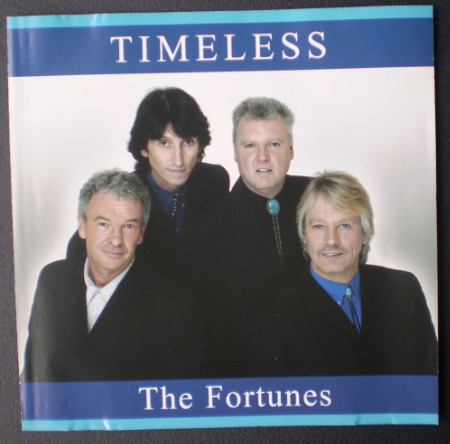
I’m trying to think which order it all came in at. I did the Dodgers thing first…Then before 83, I got back together with Tommy and Mike, and we’d started touring again. We did two or three tours like that in America. I think what happened after that I did some teaching for a while, I kind of left live playing. Because it was, it was so much time away all the while, you’re never at home. And by this time I had a family and so on. So I did do some teaching. Then I joined a band that had a bit of a reputation in England called ‘The Fortunes’, and I was with that for a years. In terms of convenience, it was great for me because the guys lived locally. So, I then left the teaching and kind of went and joined them.
So are you a keeper of stuff? Have you kept mementos and tapes and kind of everything you’ve been involved with over the years?
I am a bit of a hoarder, so yes, I’ve got a lot of bits and bobs, certainly a lot of contracts and paperwork, I know that for sure.
I find myself going back and digging more into the 70s and 80s stuff than I do with the new stuff. Like, the Indian Summer album, that was kind of an eye-opener, and stuff like that.
Well, I think the music business was genuinely more creative then. There was more diverse stuff happening, you know what I mean!? When you analyze in the late 60s, 70s, the diversity of material and styles. There was all kinds of things. That kind of has disappeared to a large extent now. That diversity isn’t really there anymore. Of course the whole scene went over to kind of dance music and stuff, which is a whole different thing. So, yeah, there’s a rich vein of talent to dig into in the late 60s, 70s. A lot of great stuff.
Admittedly I am a late BADFINGER fan. I did not grow up while the band was active, but only got in to them casually years ago with a ‘Best of Badfinger‘ CD. I was so oblivious that some 20+ years ago I contacted Bob Jackson and sent him questions pertaining to his time with the David Byron Band in the early 80, (I am a huge Uriah Heep fan), and the Badfinger connection didn’t dawn on me at the time! Years later, and after the Best of CD, I started picking up Badfinger albums; I liked them, but when I picked up Wish You Were Here, and put it on – I was hooked! The previous hits were good, but this whole album I loved. In 2019 I had tickets to see Uriah Heep in Ohio for 3 nights in a row, but instead, the day before I came down with a virus and was put in the hospital for nearly a week. So, I had my wife bring in my laptop so I could write, and for a few days I researched further and wrote a retrospective on Badfinger. After that I picked up more CDs, reissues….and the 2 CD version of Head First. The songs on that 2 CD release were not the intended properly mixed album, but I enjoyed the songs! So, back to the album….
Head First was to be the follow up to the I’ll fated Wish You Were Here. A strange time for the band. Remember, back in those days many bands were expected to come up with new albums every 8 months or so, and many classic albums were recorded remarkably in short periods of time (the first Black Sabbath album for example). So, while Badfinger’s manager was stealing the band’s money from Warners, the band were thrown into a mess, with their central figure – Pete Ham, leaving. Bob Jackson (a keyboard player) was auditioned and joined. Pete Ham returned, and briefly there was a 5-man line-up. At the end of a UK tour Joey Molland left, and Badfinger was back to being a 4 piece. During this time Warners pulled Wish You Were Here from the shelves and filed lawsuit against the band (and manager) for missing money. The band’s manager (who took the money), hurried Badfinger back to the studio to record a follow up, which the band did in less than 2 weeks. But the lawsuit brought the band to a halt. In all this Pete Ham saw no way out and hung himself. The band was effectively done. Sure, there were Badfinger albums released in 1977 and 81, with a couple of originals, but it wasn’t even close without Pete Ham. Tom Evans would also kill himself. In 2000 Head First was released as a 1 and 2 CD set, featuring the songs recorded during that brief 2-week period. Since then, reissues and Pete Ham archives tapes have been released, as well as more recently a collection of Tom Evans demos.
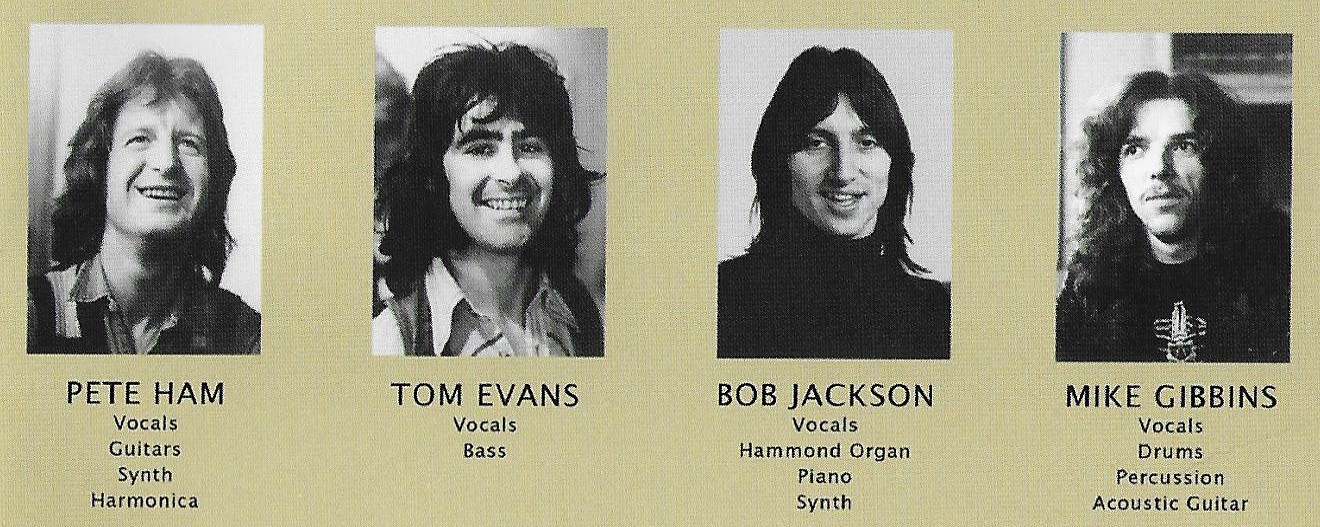
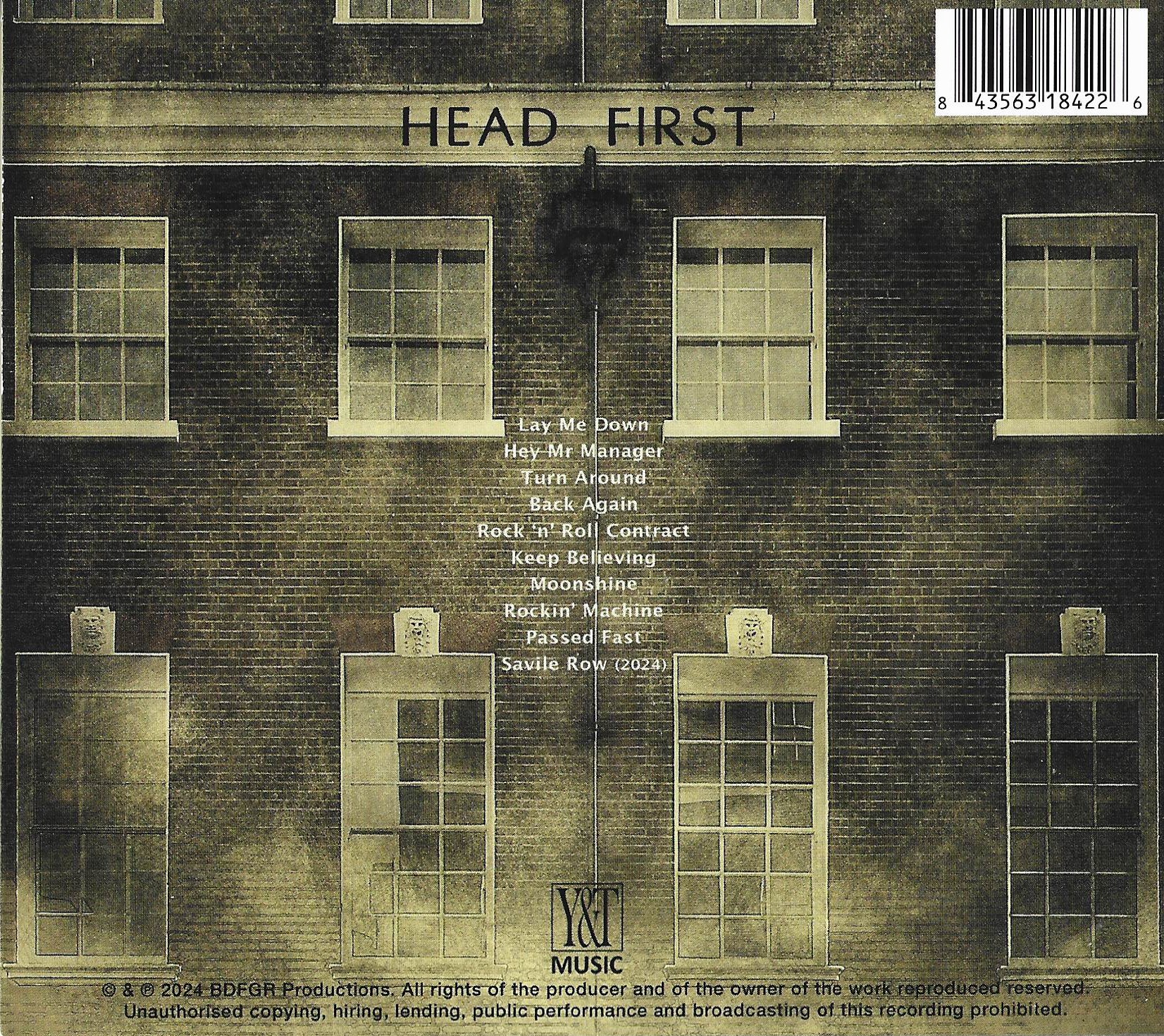
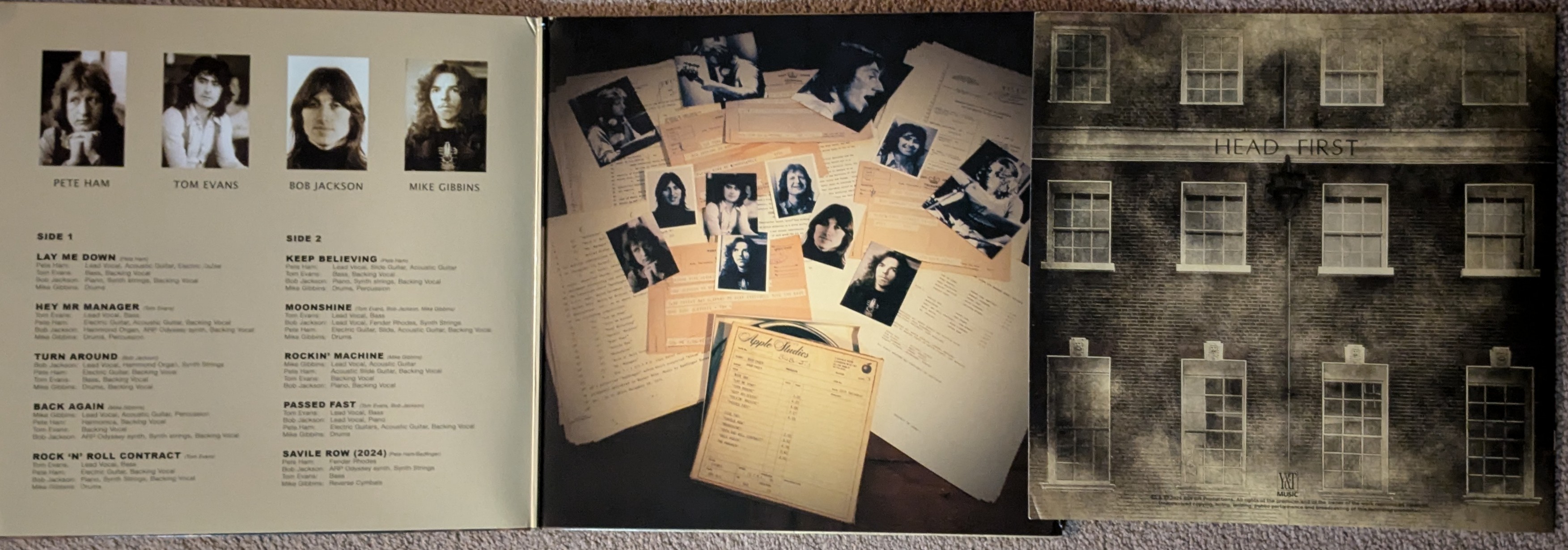
A few months ago came the surprise news that an official version of Head First was to be released (on vinyl and CD). And well, although I’ve had access to listen to this online (to review) I really prefer a physical copy of an album to get into, and this was one I’ve been very excited to receive since it’s announcement, as I’m sure many longtime Badfinger fans have been as well. So, first off is the packaging…Head First comes in a glorious gatefold cover featuring the shot of the lion roaring on the front and the apartment pic on the back, with the track listing. The inner gatefold includes bandmember photos along with track by track performance credits on one side, and more photos of bandmembers along with pics of various correspondence, contracts, and letters pertaining to Head First. Inside (aside from the LP), there’s a 12-page colored booklet with lyrics, more photos, and more credits pertaining to this release. So, the packaging alone is first class, and one can enjoy this album old school – while looking through the jacket, booklet and reading the lyrics.
The album itself contains the same songs, albeit not exactly in the same order, as the 2000 CD release. But here, you get a proper mix, amazing sound. Maybe it’s me, but Head First, like Wish You Were Here, sound like they were ahead of their time in many ways, and for me, well beyond the band’s previous albums, like it’s hard to believe this was all recorded over 50 years ago. But Head First is the final missing piece of the Badfinger puzzle. The songs here, recorded quickly are all impressive, varied, with all 4 members contributing to the writing and lead vocals. The lead off track “Lay Me Down” is upbeat, catchy, with great harmonies throughout, a fantastic production, written and sang by Pete Ham. This (to me) would’ve been an obvious hit single! (And lo and behold this one was issued as the first video / single from this release!). Tom Evans contributed 2 cuts to what became side 1 – the more pop driven “Hey Mr Manager” and the rocking “Rock ‘N’ Roll Contract”: both songs dealing with the band’s situation at the time – “Hey Mr Manager” taking aim at the band’s corrupt manager Stan Polley. (Then) new guy Bob Jackson contributed perhaps the heaviest and most progressive tune here with “Turn Around”, featuring his lead vocals, and a cool mix of guitar and Hammond organ (if anyone’s heard the Indian Summer album from ’71, it is a heavier album, featuring plenty of Hammond organ and Bob’s vocals, a noteworthy comparison, but “Turn Around” is one of my favorites here). The first side also includes Mike Gibbins acoustic ballad “Back Again”, another gem, highlighted by the band’s harmonies, synths, and a harmonica solo from Pete Ham.
Side 2 opens with a classic Pete Ham song, “Keep Believing”, kind of a mid-tempo, almost ballad tune, with piano and slide guitar. I’ve read Ham wrote the song as a message to departed band member Joey Molland. “Moonshine” is another on the lighter side, and one of 2 that features Evans and Jackson sharing lead vocals; the other being “Passed Fast”. Both are enjoyable and memorable tunes. the latter co-written by Evans, Gibbins, and Jackson with Evans & Jackson sharing lead vocals, while the former is co-written by Evans & Jackson, and it’s another standout on here. “Rockin’ Machine” is another Mike Gibbins number that is very different, kind of a country-ish styled singalong/pub feel to it. The album ends with a re-edited mix of Pete Ham’s short instrumental “Saville Row”, which has added synths from Bob Jackson.
Overall, just a thoroughly excellent release, in so many ways. A must for any Badfinger fan (obviously), but also highly recommended to fans of classic rock. Bob Jackson deserves a lot of credit (and thanks) for his efforts to get this album done and out properly, after so many years. Well worth it!
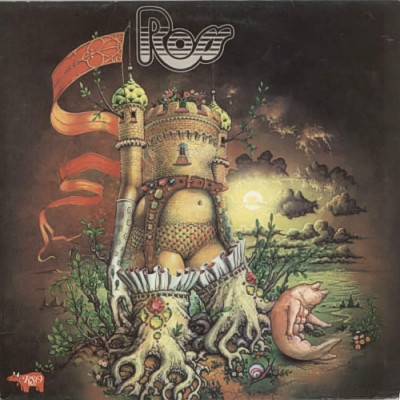
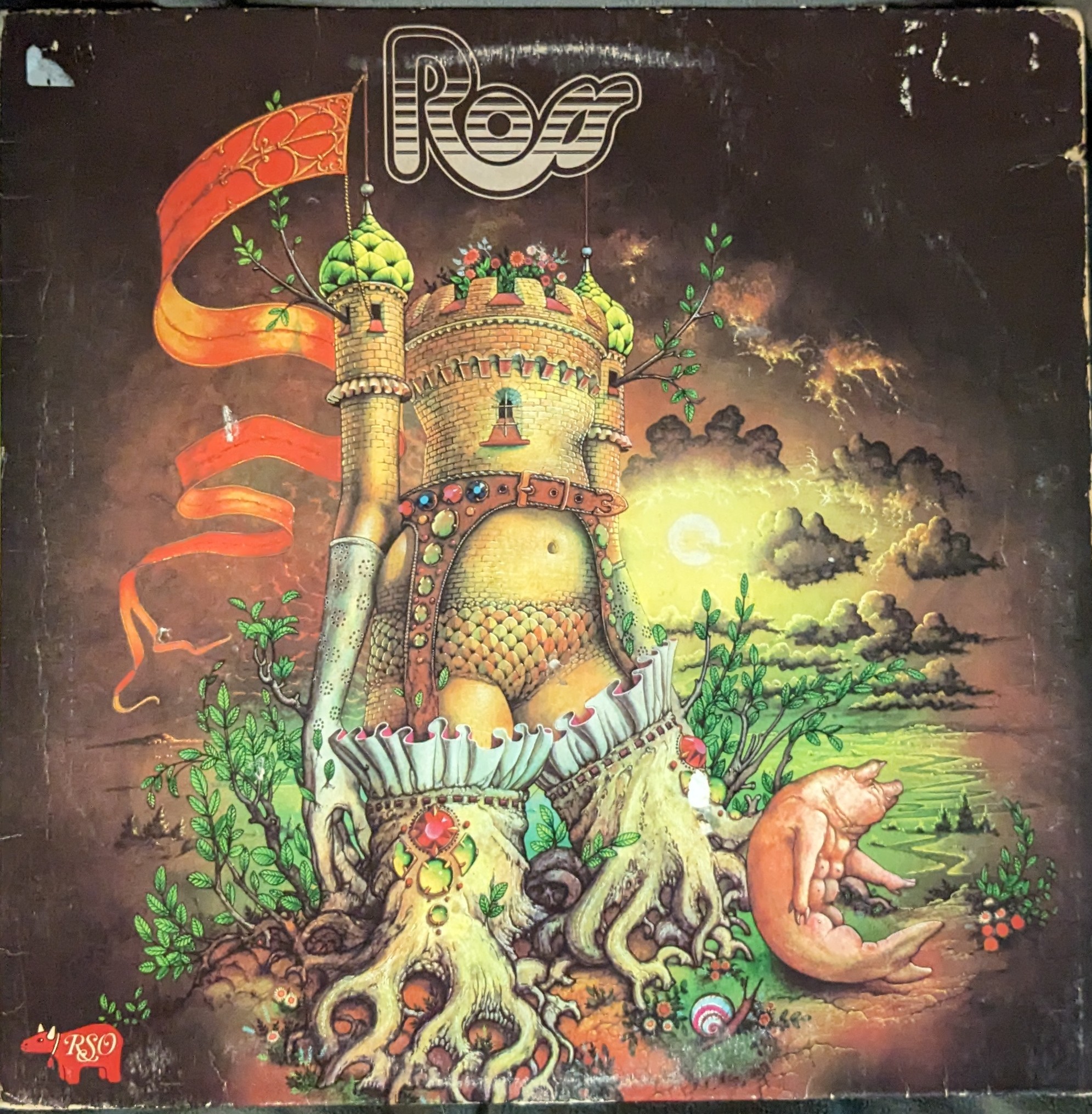
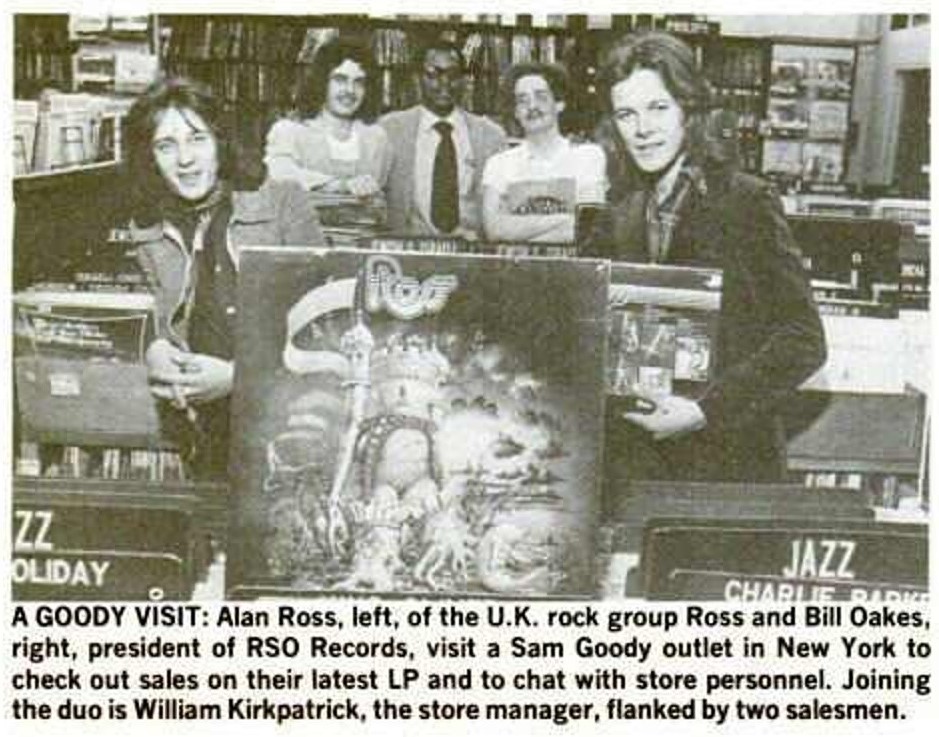
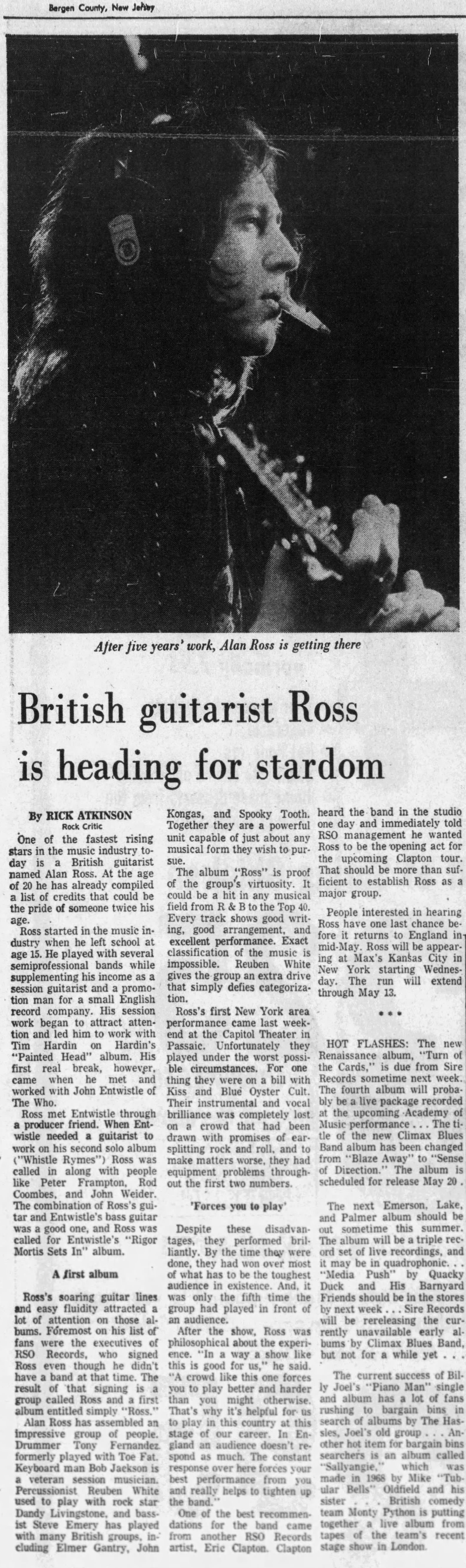
Formed by guitarist/singer/songwriter Alan Ross, this band released 2 albums in the mid ’70s. Alan Ross was best known for playing on a few John Entwistle albums and had recorded with the band RO RO – which also included bass player Warwick Rose. ROSS also included keyboard player Bob Jackson (ex-Indian Summer), bassist Steve Emery (ex-Legs), and percussion player Reuben White and drummer Tony Fernandez. Released in early 1974 featured cover art by Patrick Woodroffe, who would later do covers for Judas Priest, The Strawbs, Budgie and others.
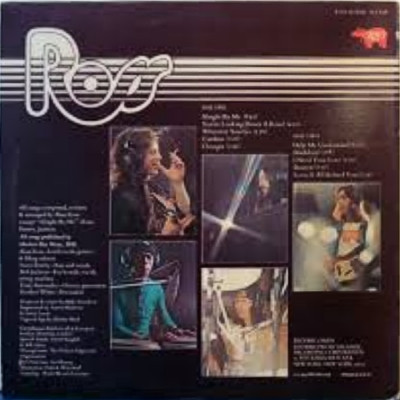
Ross featured 10 cuts, all written by Alan Ross, but the lead off track (and single) “Alright By Me” was a co-write with Emery & Jackson. For the most part Ross is a good set of rock with influences of R&B and funk, with Ross’ guitar playing being the main draw, along with the band’s vocal harmonies. Ross wrote plenty of different and excellent tunes, despite not having any hits here, Ross is a more obscure 70s album worth checking out. Highlights include “You’re Looking Down A Road”, “Wherever You Go” and “Help Me Understand”, which features some cool interplay between guitar and organ, a good jam. There’s also a few acoustic tracks and ballads, notably “Caroline” (this would’ve made a fine single, but was used as the B-side), “Blackbird” (which had previously been recorded & released with ‘Ro Ro’), and “Leave it All Behind You”, which ends the record.
Ross released a 2nd album later the same year, The Pit And The Pendulum, and undertook 3 US tours, their biggest as openers to Eric Clapton. Bob Jackson left the band during the band’s last US tour, which (I think) effectively ended the band. He would join Badfinger soon after. Neither Ross album is easily available on CD, and would be an interesting package for some label to consider, especially with some of the excellent live material online (Don Kirschner’s Rock Concert, 1975, see below). Alan Ross would go on to record as a solo artist, and with the band ‘STARS’ (which also included the late Ric Parnell, on drums). Sadly Alan passed away in 2019. But both Ross albums are well worth hearing, especially the first one (IMO), and the live performance shows they were even better as a live band. Check them out. I’ve also added a few articles and links below to find more on this band, and Alan Ross.
ROSS ROSS RSO SUPER 2394 127 ‘Funky’ is how composer/singer/guitarist Alan Ross describes his music and funky it is, due in no small measure to the percussion work of Tony Fernandez and Reuben White. Instrumentally this debut album has a blues -jazz influenced drive which is particularly noticeable on the up -tempo tracks such as Help Me Understand, I Need Your Love and Wherever You Go. However, the tracks do seem samey and although the guitar and keyboards complement each other the solos sound repetitive and frankly uninspired – seems I’ve heard it all before. As a lyricist Ross doesn’t seem to have a lot to say and the vocal delivery sounds thin and stereotyped. The lyrics tend to be superfluous, except perhaps as a basic framework for the backing by which they’re mostly obscured. The most striking feature of this album is the sleeve design which contains enough erotic symbolism to justify reproduction in Men House or Pent Only (or whatever it’s called). Either you love it or you hate it – unlike the disc which really doesn’t register either way. D.R (Beat Instrumental, 06-74)
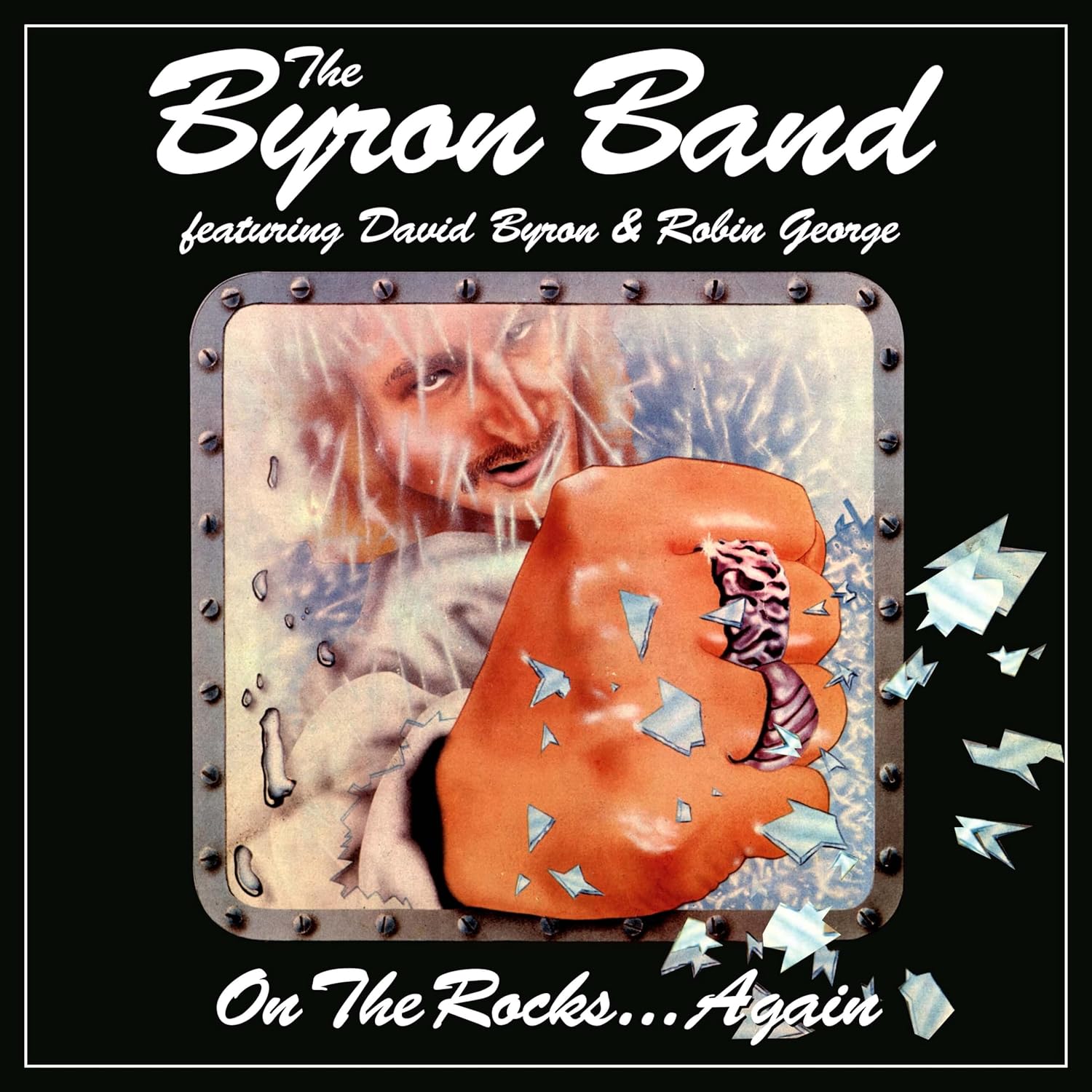
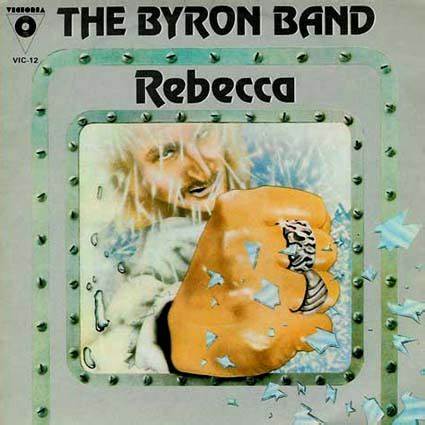
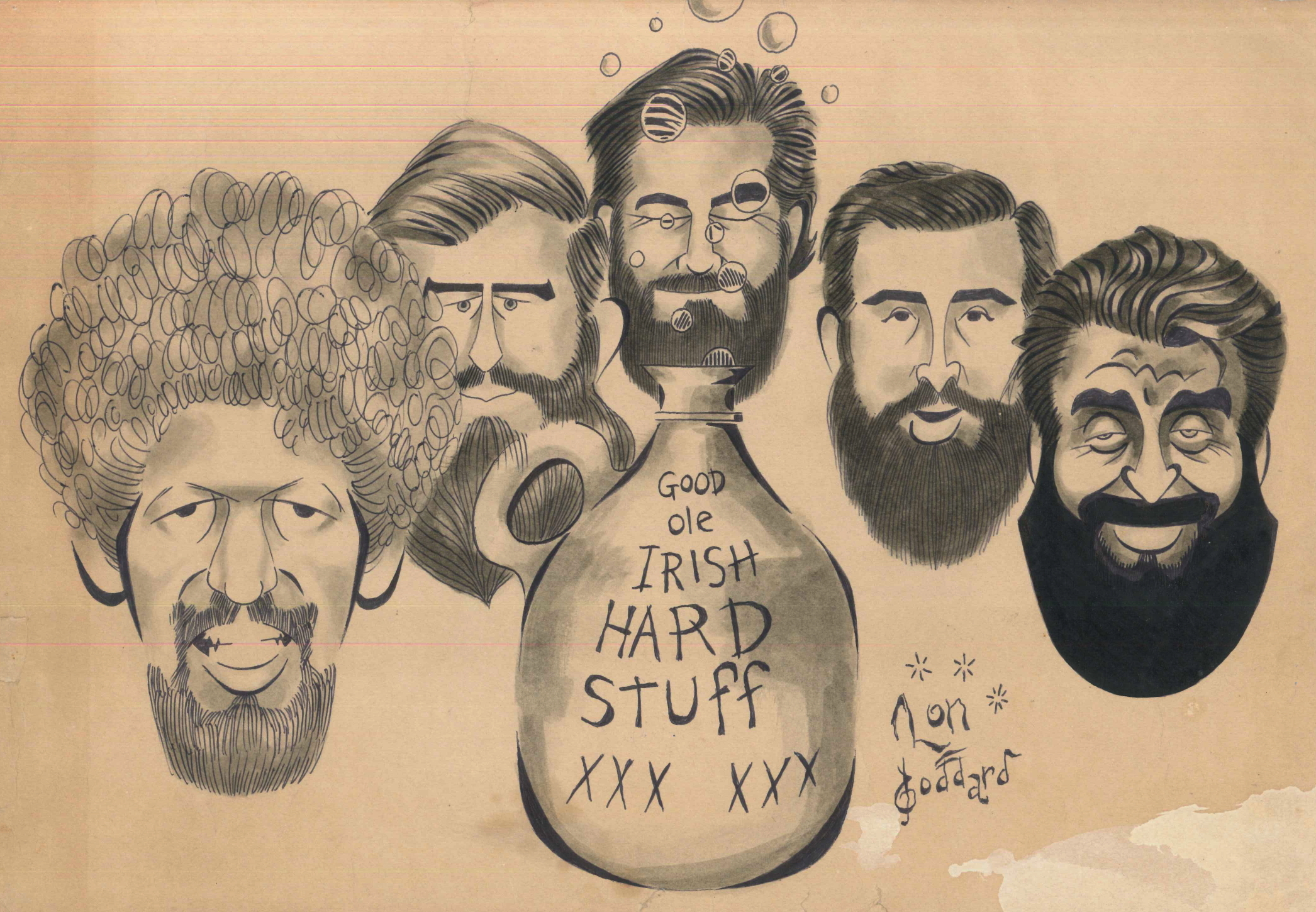
American artist LON GODDARD drew a number of album covers in the 70s and 80s,, one of which was the lone LP by the BYRON BAND ‘On The Rocks’, from 1981. this was the band lead by original URIAH HEEP singer David Byron (RIP) and featured a young guitarist and co-writer – Robin George (RIP), as well as former BADFINGER keyboard player Bob Jackson, bassist Roger Flavell (ex CHRISTIE), drummer John Shearer (Steve Hackett), and (sax player) Mel Collins . The album’s cover features a drawing of David, and came with a posted that featured a drawing of the band. On The Rocks didn’t fare so well, nor was it given a North American release. It is much loved by many fans of David Byron and robin George, however. The album has most recently been reissued as ‘On The Rocks…Again‘ via Cherry Red Records, as part of a 3 CD package, and featuring Goddard’s artwork again. Below Lon Goddard details his early days relocating to England, creating album covers, working at the record Mirror, and designing the Byron Band album cover.
How did you get in to a career as an illustrator and wind up in the UK for a good part of your career (Influences, jobs that took you there….)
• Left States at 17 in 1966, with a guitar on a whim, to accompany high school pal who had arranged a Drama course at Manchester University as a visiting student, intended to remain only for that summer and search for Donovan records. His music primarily inspired me to learn folk finger-picking Met him several times much later). Also enrolled in Manchester University studying English & American Literature. We hopped over to Paris for a month before school opening, as pal had been an exchange student and maintained friends in France.
Returning, became bored with University and hitched to London, went to address of Roy Harper, given to me by busker in Paris who said Harper put people up. He was right. Stayed, became friends with Roy, who first took me to Cousins, drew SOPHISTICATED BEGGAR art (always fair at cartoon caricature, via posters, helped many high school candidates achieve student offices) and played 2nd guitar on OCTOBER 12th and GOLDFISH. Picked up by Judith Piepe (who had helped Paul Simon kick-start) at Cousins, dossed at her Shadwell flat, but though she was very helpful, disagreed with her suggested plans for me to run a new folk club being started by a gay priest in St Martin’s In the Crypt. Instead, saw Melody Maker had cartoonist (the great Scots artist Jimmy Thompson, whom I later met) and took caricatures round to NME, RM, FAB 208, etc.. Record Mirror’s Peter Jones hired me as weekly cartoonist, followed by staff position as layout man (mentored by Norman Jopling), then became staff writer. With art examples, Peter and Norman accompanied me to the Home Office, where I was granted permanent Residency in UK. Denied dual citizenship by USA.
After 7-years, left RM in ’72 after being recommended for CBS Press Office by departing PR Mike O’Mahoney. From ’66 through to ’77, was RM staffer, Head of Press for CBS Records, editor of DISC, Head of Press for Phonogram Records.
When heady days of pop music began to wane, took previous cartoons round to art agents and was accepted by Andrew Archer Associates, becoming a commercial illustrator. Left Archer’s for Folio Artists & Illustrators Agents, remained there till stupidly emigrating to Aussie in ’83. After a year Down Under and failed attempts at residency, wondered where the Hell I was, returned to USA. Had been gone 25-years.
You worked at Record Mirror for some years. What all did that entail?
• Interviewing music artists, drawing artists, laying out pages, babying weekly paper through printers in Banbury, attending endless stream of concerts domestic and abroad, receptions, gatherings, etc.. An endless party.
How to you come to the task of creating the cover art for The Byron Band LP in 1981? (Connections at Creole, David Byron, etc…).
• Interviewed Byron for RM. He asked me to do the ROCKS cover art.
I still have the LP. Frankly, I thought it was a pretty good concept done very crudely by me.
Were you familiar with and/or have any past assignments involving David Byron (with Uriah Heep)?
• Only through RM interviews.
How did you approach the cover for On The Rocks? Was there any/much input from David, the band or management? Any inspirations?
• Figured ON THE ROCKS suggested ice, so submitted the idea of ‘freezing’ the band. Byron liked it. Sketched ideas, he watched and had input as ideas became visible. We set up a studio photo shoot (probablywith either John McKenzie or Alan Messer (from official RM photographer Dezo Hoffmann’s office), posed band in required positions, created airbrush illustrations at home art studio in St. Margarets.
Were you privy to hear the music ahead of time or hang with the band members while creating the cover-art or was it more so done with the help of photos to go from?
• Yes. In many cases, including this one, audio previews provided valuable mental pictures & ideas. However, as a music journalist, I had also accumulated extensive knowledge of most bands and singers, plus a giant record collection.
What exactly is happening on the front cover (with David appearing to punch through glass)?
• Busting through a freezer chamber window with his fist.
What was your art technique in creating the covers + poster (how was this all put on to canvas or paper?)
• Referenced metallic textures, sketched metal sections to LP size enlarged for later reduction to achieve finer detail; best to always work larger), posed band and Byron in photog’s studio, at home utilized projector to size photos of Byron & band into sketches on illustrator art board, rendered with inks by hand brush and airbrush.
Recall the poster that was included?
Yes indeed, the centerfold. The idea was to put them on ice. I was not good enough at airbrushing to achieve that effect.
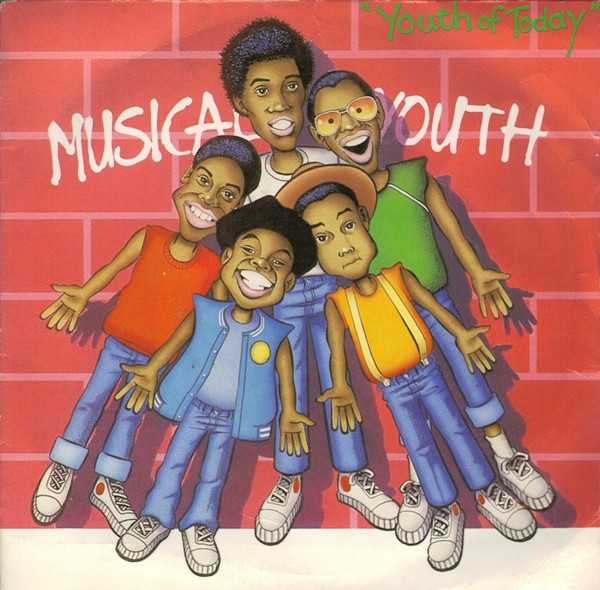
You’ve done a number of other covers. What would be your favorite or most recognizable covers? (Roy Harper, Hoyt Axton, Hard Meat, Musical Youth)
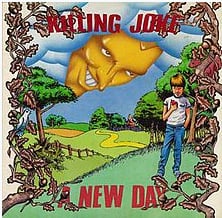
• Roy’s was the most memorable, becoming surprisingly iconic. I’m very proud of its place in history and it was his first. Getting a deal with a small company (Strike Records), he had asked me to draw him for the cover, having seen other sketches. Rendered on paper on his floor, where I slept with four or five other dossers, I was lucky he was pleased with it. Also did art for releases by The Dubliners, Cat Stevens, The Coasters, Killing Joke (second favorite)… maybe more.
Aside from the album covers, what else has your career entailed, and what are you up to these days?
• As a professional illustrator, I worked mostly for advertising agencies, through my agents FOLIO. Usually given a brief, the pay amount and a schedule, I turned out a great deal of work over those years. I was represented at Folio (still in business) by Richard (Dick) Jordan, with whom I am still in touch and saw only last year in Wales. Dick and I both moved from Andrew Archer to Folio and remained there for many years. He was also the manager and booker for Klook’s Kleek, so Dick had a strong musical background
These days, at age 77, I am a musician. Turned full circle from listening to folk records back in my hometown of Elk Grove, Californi(just south of Sacramento) and trying to figure out how they did finger-picking, to finally putting that ability to use. I have about a dozen gigs per month as a guitarist/vocalist.
Badfinger’s Long-Lost Album “Head First” Set For Release in 2024, Fully Mixed and Mastered and On Vinyl For the First Time
HEAD FIRST: 50th ANNIVERSARY SPECIAL EDITION
In an exhilarating announcement for music aficionados and rock historians, the iconic British band Badfinger is proud to unveil the forthcoming release of their long-lost album “Head First” scheduled for 2024 – exactly 50 years after its original recording. This historic release features Peter Ham’s final studio recordings and marks a significant milestone in the band’s legacy, bringing forth an album that has been shrouded in mystery for decades.“Head First” will be released on vinyl on December 13, 2024 on Y&T Music (CD TBA).With hits such as “Come and Get It,” “No Matter What,” “Day After Day,” and “Baby Blue,” Badfinger has long been recognized as a formidable force in the power pop and classic rock genres of the 1970s
A Historic Recording…Originally laid down in 1974 at The Beatles’ renowned Apple Recording Studio on Savile Row, London, “Head First” encapsulates a transformative era in Badfinger’s storied career. The sessions for “Head First” took place during a tumultuous period for the band, marked by personal struggles and external challenges, which ultimately led to the album being shelved. For years, only a rough mix survived, with the master tapes thought to be lost. However, the recent rediscovery of the original multi-tracks has allowed for a meticulous mixing and mastering process, breathing new life into this long-hidden masterpiece. The release promises to provide fans with an authentic glimpse into the creative spirit of Badfinger during one of their most artistically rich periods.
A Landmark Release for Fans and Collectors…The official release of “Head First” is not just an addition to Badfinger’s discography; it represents a rediscovery of a pivotal moment in rock history. The album features tracks that showcase the band’s raw energy and emotive songwriting, resonating with both long-time fans and a new generation of listeners. The newly mastered sound highlights the band’s musicianship in an unprecedented way, revitalizing their enduring legacy.Bob Jackson, the sole surviving member of the lineup, expressed his excitement: “On behalf of my bandmates – Pete, Tommy, and Mike – I am thrilled to say, ‘We did it, guys!’ This marks the culmination of a 50-year journey and it’s an honor to complete the vision we had all those years ago. The last piece of the puzzle is finally in place.”
The Songs: Lay Me Down Hey Mr Manager Turn Around Back Again Rock ‘N’ Roll Contract Keep Believing Moonshine Rockin’ Machine Passed Fast Savile Row (2024)
Badfinger’s music continues to captivate audiences around the world, and the release of “Head First” is set to be one of the most anticipated musical events of 2024.
,Bob Jackson of BADFINGER shared the following news on December 12 regarding a new digital album release coming of Pete Ham songs. This is a follow up to the album ‘Misunderstood‘, released earlier this year. Check out Bob’s post for all the details below, as well as the first track released from it.
I’m very honored and thrilled to announce the release of a brand new Pete Ham digital album release, titled “Gwent Gardens.” This is the follow-up to “Misunderstood” and the first new release since the passing of producer/engineer Dan Matovina. This is being released with the full support of the Ham Estate. The album is full of the beautiful melodies and universal lyrics that Pete is well known for, composed on either guitar or piano/keyboards. Most of the songs on this new collection have never been heard before by the public, however there are still some demo versions of his well known tunes. This release will be different from previous ones; None of the songs will include posthumous overdubs. Dan would be very pleased to know that his desire to get all of Pete’s unreleased songs out for the public to enjoy is being fulfilled by his team of close friends and associates. One of the last things he told me was, “I can’t believe there are still so many great Pete Ham songs that no one has heard yet.”
The digital album of “Gwent Gardens” can be pre-ordered from Apple Music starting on December 10 and will be released for streaming and downloading on December 21, 2023. A preview song, “Love Will Be” will be available as a YouTube lyrics video starting December 10.
In addition, there will be a special album preview event on the BadfingerIveysOfficial YouTube channel on Friday, December 15 from 9:00-10:00pm EST.






 Outsider Rock