Canadian band A FOOT IN COLDWATER is one of those classic bands from this country that lasted 4 albums before breaking up, never having that major breakthrough outside of the country (see Moxy, Teaze, …). But the band did have a number of hit singles here in the early 70s, and left an excellent collection of classic rock. Reviews of their albums drew comparisons to UK heavy acts Led Zeppelin and Uriah Heep. These guys were unlike Rush, April Wine, or Triumph, in sound or success, but their first few albums are highly recommended Canadian rock. Perhaps with a bigger label, FICW could’ve gone further, instead of breaking up in the late 70s. Their albums barely got released outside of Canada; only 1 album saw a UK and US release, and 2 were issued downunder. So, for those who I always suggest to check out this band, here is a list of 10 outstanding ‘Foot songs, with some background, below. If you’re a fan already, drop your favorite FICW songs in the comments.
A Foot In Coldwater: Alex Machin (vocals), Paul Naumann, Hughie Leggat (bass), Bob Horne (keyboards), Danny Taylor (drums)
(Make Me Do) Anything You Want
OK, so if you’ve heard anything of this band, it is likely this song, their first single. A ballad that was a top 40 hit in Canada in 1972 from their debut album. It would be redone for their 3rd album All Around Us, two years later and hit the charts again. It was covered nicely by fellow Canadian band Helix in 1984, and was a hit for them as well. The first album came in a yellow gatefold jacket, designed by Paul Weldon (of Edward Bear, who also designed many album covers in the ’70s). Reissued in 1977 in a single sleeve, with the band photo on the front.
In Heat
A heavier, progressive track that ends the band’s debut album, written by Paul Naumann. These guys weren’t into lengthy prog rockers, but this is close at over 6 minutes, highlighted by over 2 minutes of heavy guitar and Danny Taylor’s drumming . One song well worth revisiting repeatedly!
Yalla Yae
One of the band’s hardest rocking songs, written by Hughie Leggat. A classic heavy guitar and Hammond organ sound, that is as good as any similarly type rockers by Deep Purple or Uriah Heep. Originally on the band’s debut, and even better sounding on the album All Around Us. I’ve included the latter version here, which is a bit heavier, omitting the strings.
Coming Is Love / Mose Into E
The Second Foot In Coldwater opens with 2 and a half minutes of acoustic guitar before the riff to “Coming Is Love” comes in, joined by organ, and eventually the full band. It’s a bit darker sounding, heavy rocking track, highlighted by Paul Naumann’s guitar performance. Cool lead off to such a solid album.
(Isn’t Love Unkind) In My Life
The band’s second single, another hit, and a ballad. Written by Paul Naumann. Love the production of this. My favorite of the ‘Foot’s hit singles. From The Second Foot In Coldwater, as well as All Around Us. I wonder why this wasn’t as big as “(Make Me Do) Anything You Want”.
Love Is Coming
Another ballad, another hit single. This one also from the The Second Foot In Coldwater, and later All Around Us, written and sang by Hughie Leggatt. Again, very different from the band’s previous 2 hits, but so memorable.
He’s Always There (Watching You)
The band’s first 2 albums were released in Canada (with the debut getting issued in New Zealand and Australia), but with their third, All Around Us, ‘Foot was signed to Elektra Records for the US and UK. So, this album would include remakes of the hits from the first 2 albums, as well as half new songs. all credited to the band. Recorded in Toronto and London, England, along with British producer John Anthony, and (engineer) Mike Stone, so a push must’ve been on. “He’s Always There (Watching You)”, was one of the new songs, a somewhat dark and heavy rock song, which was issued as a B-side to another new cut, “I Know What You Need”.
Midnight Lady
One of 2 singles (non-LP) released after the 3rd album, and before Daffodil Records went under. “Midnight Lady” was another rocker, with the band sounding tighter than ever. This one driven by Leggat’s bass lines, and a Naumann’s opening riff. A shame this one didn’t lead to more like it.
Why
With a few years since the All Around Us album, A Foot In Coldwater, the band was forced to find a new record label, as well as carry on without keyboard player Bob Horne, who left the business and moved south. ‘Foot would sign with the newly formed Anthem Records, which (I guess) sounds good, since the label had Rush and Max Webster. Not exactly sure when Horne left, but he did play on this stand out track from 1977’s Breaking Through. Production credited to Paul Naumann & A Foot in Coldwater, who wrote or co-wrote almost every track on this album.
Play My Guitar
Also from the band’s last album. The best of the rock cuts on this album; with a memorable dark riff, and then the song bouncing back into the verses. Great lengthy solo from Naumann. This album is more of a grower IMO, some fine songs, but missing Horne’s organ sound throughout it. The title track was issued as the single instead of the 2 songs here, and I can’t imagine the album cover helped.
Last year was a very busy year for APRIL WINE; the Canadian rock band undertook major tours of Canada, the UK, and Europe; here opening for BTO, and overseas opening for URIAH HEEP. The band will be busy again this year with a North American touring, starting April, as openers for TRIUMPH, who have reunited for a 50th Anniversary tour. In speaking with guitarist Brian Greenway a few weeks back, we talked about the tours last year, the band since Marc Parent has joined, the upcoming tour with Triumph, and Brian’s favorite guitar players. Enjoy the read; leave some feedback (and a like), and check out the band w/ Triumph in a few months!
Last year you went out with BTO, Uriah Heep, and then you went out with Uriah Heep again. So, that was a few big tours there. With the BTO tour and some of the shows you did, what were some of the highlights for you guy?
Well, across Canada, doing arenas in the summertime, it doesn’t get better than that in my books. That’s the kind of thing I love doing. Good exposure. It was fun every day because you make friends with, the band, the crew, and you love doing that. If you don’t like where you are, it changes the next day, like the weather does. But all in all, I love life on the road that way. So, for me, it was a great time.
I noticed when you guys had started out this with Marc and the whole idea of the band continuing with being based around the songs, the popularity of the songs, I kind of got that because I was at the St. Catharine’s show, and not just so much the energy, the audience got it, everybody was into it, every song got a good response, I think.
Yeah, including the lighting the phones up before “Just Between You And Me” when Marc said, “for the memory of Myles pull up your phones.” People love the songs. It’s like, for me, it reminded me of a time in my life. Well, it does that for everybody too. It’s a memory that the audio jogs. It’s a piece of your life. Without music, I imagine, you wouldn’t have that. But it’s like if a smell reminds you of something, a song reminds you of something, it takes you to a place that it was enjoyable. It’s a nice place for your brain to be in, your mind to be in.
Could talk a bit about Marc and what he’s brought to the band with his energy and that. Because, from that show, I gathered that, and anybody that’s seen the band over the last year, quickly puts aside any of the moaning and groaning about, ‘Well, there’s no Myles and this and that’. There’s a lot of energy on stage, and he does the songs so well, and it’s a really good vibe.
Yeah, when Marc first joined, him and I got together for about three months, just one-on-one, and went over all the guitar parts, the vocal parts, because he had a good way of sounding like Myles to begin with in his voice, and that’s what sold Myles on it, because a friend of his, called him Myles one day when he was listening to one of Marc’s demos, and the guy said, “Oh, you’re listening to one of your new songs.” and Myles said, “No, that’s the new singer.” and that sold Mark right there with Myles. I sat down with Marc, and we went over every song and learned them just like the record was, and every little part, and telling him the little inflections of how to play the song rather than just learn it yourself, because you weren’t there when it was recorded, I was, so I could say, ‘hey, this is what we did’. And that way it sounds pretty authentic, rather than somebody that says, ‘Hey, let’s learn an April Wine song’, and it’s like, Okay, you don’t have the parts all together.
So then when we got into rehearsal with the rest of the guys, he starts playing a song and someone said, ‘No, you’re not playing it right’, (Richard or Roy was saying). And Marc said, ‘Oh, no, I’m playing it right. You’re playing it wrong’. (laughs) It was pretty ballsy for the new guy to say. But that’s Marc – No filters. And he was right, because over the time, the last, I don’t know how many years, the band had drifted. And any band will do that, perhaps if they’re not careful. The arrangement changes slowly, but sure, it’s like your car getting older and older, you don’t realize it, and all of a sudden one day it falls apart. Well, songs don’t fall apart, but the arrangements changed, and little pieces were sloppy here and there. So that got us to tighten it all up; all four of us go back and listen and do it. So, when we hit the stage and we marked for the first show in ‘22, the band was really ready, because we had rehearsed for about six months. We were primed.
It’s interesting. I saw you guys in 2018 when you played Niagara Falls, and it was a good show, but I don’t know if it lacked energy or what it was, but then when I saw you guys last year, the energy level is up a lot more, and…
Yeah. Myles, towards the end of it, he was taking his time on stage. He really didn’t want to be there, you know!? He wanted to be off the road. He didn’t like the traveling anymore. His diabetes was getting to him, and it wasn’t fun for him. So, yeah, it got to be a bit of a drudge at times. The shows slowed down, lack of energy, like you said. So, it was very noticeable when we, Boom(!) hit it with energy again, like we used to have.
You were over in Europe with Uriah Heep and that. You guys toured with them in 82.
Oh, yeah.
Do you have any memories from back then, and then re-meeting up with those guys, which is obviously a very different, both bands are very different now as far as lineups go.
Yes, they are. Geez, you know, I really don’t have much of a memory of back then. (lol) Those are the days we were all drinking pretty good. I don’t drink anymore. Nobody really does in the band. And so now, yeah, I can remember stuff. But back then it was a party. And I think we only did a couple of shows. I don’t think we did, I remember we did Des Moines with them. We might’ve done something in Canada with them, but it was pretty much a one-off. So, it’s hard to remember those versus you’re doing, you know, 15, 20 nights in a row with them together, and you get everybody and say hi every day.
I found a few in the archives from ’82, maybe about a half a dozen or so, Texas and California….
I don’t remember those!
How did the shows go in UK and Europe? Because, obviously you guys hadn’t been over there since the early 80s, right?
43 years. 43 years! One fellow in Germany actually held up a sign that says, ‘I’ve waited 43 years to see you. I don’t want to wait 43 years to see you again.’ It was good reaction, considering we’re the opening act for the headliner, Uriah Heep. It was their tour. But because we hadn’t been there, people were quite excited to see us. They remembered, the reaction was very strong. We were hoping it would be. We’re trying to reopen that market, because we hadn’t been back there. Myles didn’t want to travel very far anymore.
Did you get to meet up with those guys much? I know, like, Bernie is Canadian guy.
Oh, yeah, Bernie…We saw them every day. We hung out before the show, after the show. Bernie was quite a character. They all are. Mick’s very quiet, but he, and everybody in the band was nice. They’re typically British.
Now, this tour you got coming up, you’re going out with Triumph. Is it going to be a longer set, or is it still going to be a 45-minute set for you guys?
It’s 50 minutes. Get out there and play one hit after the other. So, it’s going to be a powerful show for us.
Back in the late 70s, early 80s, you had Rush, Triumph, and April Wine that were the three biggest bands that made it into the States and that had headline tours and that. Do you ever recall doing many shows back with them?
I remember being in Texas with Triumph. A couple of outdoor shows. Texas was always a good market for Canadian bands. Before I got to know them later in years, Myles and Gil became good friends, and I would see Gil every now and then around with Myles. Rick, I sort of met back in the ‘80s, when we toured and that, but I live in Montreal, and he lives in Toronto, so we didn’t really hang out and see each other. We’d call each other up and say, ‘Hey, how are you doing’. We just saw each other on the road, so I hadn’t seen him in a long time. Other than on something like this or YouTube or TV thing. I’m looking forward to renewing acquaintances with them all.
Yeah. It’s a long, it’s a fairly long tour, is it not? Like, there’s a lot of dates on it.
Yeah, and getting added to it starts somewhere around the 21st of April and ends up around the first week of June.
Wow, and I assume you’ll be doing a lot of places you haven’t been to for a long time.
Yes, some going back in Canada. We just crossed the country with BTO last year, but not the same venues. Into the US, we’ll be hitting places we haven’t been in a while, or not in those size venues either, so I’m really looking forward to that. The band’s really up for it, and I think it’s a great package together – Two serious rock bands from that era. That’s going to blow some socks off people. It’s a good audience, it’s a good setup.
If you look at the year, you have you guys with Triumph and you have the Guess Who, you have Rush….
Isn’t that something!?
A lot of those Canadian bands from that era is like suddenly back out there.
It’s going to be a very good year for Canadian music on the world stage!
Is there anything in the works as far as getting back to Europe or the UK again?
Well, we just came back in November. Nothing right now. It’s a little early for that to perhaps transpire. The festivals for the year are taking place in Europe. The way the world situation is, I don’t think it’s going to change anything. Music is music, you know, it’s going to happen. We’ve got to wait until we get invited to go anywhere, that includes the rock cruises that happen out of Florida. I’m looking forward to doing some of them; we did one last year too. So it’s early, it’s January. The bigger the shows, they tend to want a book a year or so in advance.
The last April Wine album was 2006. What, if there might be anything recorded – either live or studio, that you guys might be able to have in the works?
Well, there was a live album recorded of Myles’s last show in March of 2022, and that has not been released yet. It’s been mixed, and all set to go, but there’s no label. And I’m not the one controlling it, April Wine Entertainment is, and that, of course, was Myles’s company. Now that’s being shared by his estate. So, I’m sure once the estate gets settled, there’ll be other plans that’ll be in the works.
Have you, over the years, since that last album, have you kept on writing? Do you have, like, anything kind of stashed away for a solo album or anything?
I’ve got lots of parts of stuff. I was pretty disillusioned when… I spent three years working on that album back in the ‘80s, and nothing happened, you know!? And it wasn’t to do with music. It was to do with that there was no promotion. Once the music’s finished recording an album, what happens after that It’s nothing to do with music. It’s all sales. It’s all contracts. And Atlantic Records, they sat on it for six months before they released it, and then they didn’t do any promo. So I was quite disappointed with the whole industry. And April Wine was there, It came back, and I said, Well, you know, I’m going to stick with this. Something better comes along, or I’m writing. But I was, you know, I got writer’s block in this. I was kind of hurt by it all, and it’s not the first time any musician has had that happen. A lot of stronger people get up and do it, but I didn’t have an interest. There was nobody interested in me saying, ‘Hey, why don’t you do another record? Here’s some support for it’. If I have support, that works, but to try to do the whole thing on your own, man, that’s tough.
It’s too bad, because it was a good album. Those solo albums kind of fall by the wayside, right? And I was surprised, I guess, because they really kind of put a lot of emphasis on guests and stuff on your album.
Yeah, we had Andy Newmark on drums. Surprisingly enough, so did Myles. We had Aldo Nova, we had some guys from keyboard player from Corey Hart’s band. We did it up in Le Studio with Marty Simon and Paul Northfield. It had all the ingredients. It had money being spent on it. It looked like it was going to really be ready for something, and then nothing. It was pushed over a cliff with no parachute.
You did do the TV special. Is that something that could ever be put out as a live album?
I don’t know. That belongs to CTV, CFCF in Montreal. Bill Merrill, who was the head of that department, CFCF in Montreal at that time, had a mandate for them to do, I think, with five shows every year to do it, and he asked me if I wanted to do one. I knew him from living out here in Hudson. And I said, Yeah, do it. So, we had some good people. We had Nanette Workman on it, Jerry was in the band. We had Jeff Smallwood on guitar. It was a fun show to do. It’s been played a few times. I don’t know…, because they own the rights to it, so I don’t know what their plans are for it. But I don’t have personal management, so I got no one going out there, Hey, we should do this, good that, you know. And I just don’t think of that stuff. I’m at home. I’m a homebody. I stay at home with my dogs and my wife. With COVID, ‘everybody keep six feet away’; I kind of liked that.
I’m a bit of a recluse anyway. When I stopped drinking 11 years ago, that whole lifestyle I had of going out to bars and going out jamming just stopped. I found a nice woman, I got remarried. I was happy being a homebody. It’s something you do as you get older that you really want to have. The things at home are what’s really valuable and what makes you whole.
I’m amazed now, I’m content to go to bed at 9 o’clock many nights.
Lol! So do I because, well, or 10, because my chocolate lab gets me up at 6 o’clock every morning. Yeah. And if I don’t get up, he sticks his nose under my neck and worships me up. I love it.
The last album you guys did was Roughly Speaking. What do you recall of that? Because you guys took a very different direction on that album.
Well, that was done at Myles’ studio. It was his own label. I forget who was distributing it. Oh, yeah, it was Unidisc, I guess. And he was producing.
You guys only had like eight songs on there. It was more of a blues album, which makes me wonder if it was more of a Myles’ solo album.
Ah, maybe that was the start of it, yeah, because you know the Forever For Now album that was originally going to be a Myles Goodwyn solo album.
What had you thought of it at the time(?), because it kind of came out and really kind of disappeared pretty quickly.
Yeah, well, radio wasn’t playing it, and we really only sold it the shows. Or I don’t know how Unidisc promoted it. I didn’t have the deal. Myles was signed with the record company, not the band. So, he would never let Privy do anything. So, at that point, everything was pretty secretive.
But do you keep up with any of the, like Unidisc has all those reissues coming out? I know they put out Attitude on vinyl, and they cut off four songs, which is kind of odd.
Oh, did they? That’s weird. Which ones did they cut off? I didn’t know that. I didn’t even bother, because I wasn’t getting anything from it, so it didn’t concern me to even bother checking, because it was doing nothing. We have all those colored vinyl records, I guess that’s from Unidisc too, in merch at the shows. And I don’t know how many sell, but there’s an industry out there for vinyl.
Frigate is the only one they haven’t done, I guess, from that period.
Yeah, I didn’t know if that was them or if that was Capital..I’m not sure back then, because like I said, we weren’t the ones signed to the deal. It was Myles who signed to the deal, and then he would have us as April Wine.
I guess Unidisc has bought up everything, because they’ve done all the Moxy albums, the Teaze albums, Foot and Coldwater.
All of Aquarius!?
Yeah. Aquarius, and the label that Foot and Coldwater were on – Daffodil
There was a band that was really good. I liked that band.
They’re almost like a British-influenced band from the early 70s, with the Hammond organ and that.
That big hit they had with “Make Me Do Anything You Want” was so ahead of it’s time in production sound. It took everybody in this country, I think, musician-wise, by surprise, how good it was and how great the guitar sounds were on it. And a great arrangement.
I read some of those early reviews from the early 70s. They compare them to the British bands. Did those British bands have an impact on you?
Oh, yeah. But for me, I was sort of bitten by the blues way back in 1966, 67. The first time I heard John Mayall’s album, Bino Record, album with Eric Clapton on it, I thought that was just the end of the world. And then Cream and Hendrix. I went and saw Jimi Hendrix in Montreal in ‘68. I sat third row in the center in front of him, live.
I said, wow, man, this is so good. I was influenced by guitar players. And because of that, when other bands would come out that didn’t have such an insane guitar player like Clapton, Hendrix, whatever, I wouldn’t listen to them. Even when Led Zeppelin came out, I said, nah, I’m not too sure about Plant’s voice. And even when U2 came out, it was the same way. And Genesis, past two or three years now, I’ve been listening to old Genesis saying, why didn’t I pick up on them way back then? It’s because it wasn’t a heavy blues guitar.
I’ve actually picked up all those Steve Hackett, because every year he goes out and tours a different Genesis album. And he releases a live show from it. So, I’ve picked up all those.
I saw him last year. I saw him last year in Montreal. I forget, but I think he was doing The Lamb Lies Down On Broadway. It was really good.
I saw him in Toronto two years ago. I was kind of curious how those British bands would have impacted you guys back then.
There was another band I really liked too, was Procol Harum. Back in the day, especially around the Shine On Brightly album and the Salty Dog album, because I was fascinated with Robin Trower’s guitar playing in Procol Harum. He had a very wicked vibrato and very, very passionate in the playing, combined with blues-style riffing over classical-style patterns with a keyboard with Matthew Fisher and Gary Brooker. When he went to do his Hendrix-style thing later, I said, ‘Wow, that’s so different’. But he says, ‘Well, that was how I was all along. I was sort of forced to do the Procol Harum thing’. But he did it well. And he was a bit of a mentor. Now it’s people I love listening to. I love listening to Mark Knopfler. There’s all kinds of people that, just guitar players that are really good now. It doesn’t matter what they’re playing. I just listen and go, Wow, there’s so many different styles of players out there. Sometimes I think that I can’t play at all. I like Richie Blackmore, too. He was quite an influence. And we got to play with Deep Purple in 2005 when Steve Morse was on guitar. Steve Moore. I was just talking about him today. Myles and I were invited up to, we did three shows with him in Toronto, London, and Ottawa. In London, Ontario, we were invited up to play the encore with “Smoke on the Water”. That was quite something. Talk about – How many times did you hear it (?), now you’re on the stage with the band playing it. It was just, Wow, you’re looking around and you’re playing it, you’re trading licks with Steve Moore. It’s quite something.
As far as the upcoming tour, any surprises? Or is it just going to be hits?
I think it’s just going to be the hits. That’s what people want to hear, you know. A lot of times the band plays what they want to hear, it doesn’t go over well. You’ve got to play what the audience wants to hear. They bought the tickets, they voted, they want to see you, they want to hear those songs.
Thanks to Marco Magin and Mike Taylor for photos from the European tour (Marco – first 2 galleries from Stuttgart & Frankfurt; Mike – 3rd gallery from Hannover) .
Record Store Day Canada is proud to announce that legendary Canadian rockers Honeymoon Suite have been named the official Record Store Day Canada Ambassadors for 2026. To celebrate their role as Ambassadors, the band will release a special, Record Store Day exclusive version of their hit-packed compilation The Singles, issued on Limited Edition Translucent Red Vinyl and only available at independent record stores across Canada. This exclusive collector’s item features some of the biggest songs in Canadian rock history, including “New Girl Now,” “Burning In Love, ” “Wave Babies,” “Stay In The Light,” “Feel It Again,” and “What Does It Take” (from the One Crazy Summer soundtrack). It also includes the band’s hard-hitting contribution to the Lethal Weapon soundtrack. “We are thrilled to be the Record Store Day Canada Ambassadors for 2026, ” says Honeymoon Suite’s lead guitarist and songwriter, Derry Grehan. “To me, vinyl isn’t just a format; it’s how I fell in love with music in the first place. There’s a magic to holding the jacket, reading the liner notes, and dropping the needle that you just can’t replicate. We’ve always been a band that lives for the fans and the music, so getting to champion independent record stores, the place where that magic still lives, is a huge honor us.” “We are so excited to have Canadian music legends Honeymoon Suite representing us as RSDC Ambassadors in 2026,” says Ryan Kerr from Record Store Day Canada. “With an arsenal of great music under their belts, The Singles album is hotly anticipated by fans coast to coast. Honeymoon Suite’s catalogue represents some of the greatest and most memorable music in Canadian history, so we are proud to be working with them to bring that music to fans through our country’s incredible independent record stores.”
Adds Noble Musa of Microforum Vinyl, “Pressing The Singles title for the Record Store Day Canada 2026 Canadian Ambassadors Honeymoon Suite is so meaningful to us! Seeing this record grace stores nationwide and giving fans the opportunity to hear timeless hits in an analog format is why we do what we do.”
Formed in Niagara Falls, Ontario, Honeymoon Suite has been a driving force in Canadian rock for over four decades. With over a million units sold worldwide, their music is woven into the fabric of the country’s rock history. From their self-titled debut to the multi-platinum The Big Prize and Racing After Midnight, the band delivered an undeniable string of radio anthems that defined an era.
The Singles Tracklist
A1. New Girl Now A2. Burning In Love A3. Stay In The Light A4. Wave Babies A5. Feel It Again A6. What Does It Take
B1. Bad Attitude B2. Lethal Weapon B3. Love Changes Everything B4. Lookin’ Out For Number One B5. Still Lovin’ You B6. Long Way
Keyboard player & founding member of Canada’s legendary 70s band A FOOT IN COLDWATER, Robert (Bob) Horne passed away January 12.
Bob Horne had played in the pre-Foot band NUCLEUS, who released one album in 1969. He then went on to play on A Foot In Coldwater’s first 3 albums before leaving prior to the band’s 4th and final album (Breaking Through, 1977), and relocating to the US. He did contribute keyboards to the standout track “Why” from that last album.
*Below was posted on A FOOT IN COLDWATER’s Facebook group page, as were many other stories, images, and tributes. Please also check out the links below.
It is with profound sadness that we announce the passing of our dear friend and founding member of Nucleus and A Foot in Coldwater, Robert (Bob) Horne. Bob died suddenly on January 12, 2026. Our deepest sympathy and sincere condolences to Fran, Bonnie, Kari and the extended family.
Bob was a classically-trained keyboardist, and was one of the most unique and proficient B3 organists we ever knew. He loved R&B music and played with Toronto icons David Clayton Thomas and Dominic Troiano before joining The Power Project in the late 1960s.
When The Lords of London made the switch from a commercial rock band to a progressive fusion style, we asked him to join us in Nucleus. When Bob, Hughie Leggat and myself met Alex Machin and Paul Naumann, A Foot In Coldwater was born.
Our relationship with Bob was multi-faceted. He became our de facto leader. He excelled in the business side of music. He was tough, enterprising and talented. If you were lucky enough to be his friend, you were his friend for life. To us, he was more than a friend…he truly was our Brother.
Rest in Peace our dear Brother. You will be forever in our hearts
Danny Taylor, Alex Machin, Hughie Leggat (Foot), Greg Fitzpatrick, John Richardson (Nucleus), the late Brian (Turtle) Hamelin, Wayne Ferguson, Stephen (Tex) Paquette, Steve Byron, Jimmy (Mung) Leggat, Bob McFee and all our crew members.
Well, I will say that I think Canadian rock music (and rock in general) peaked a few years before this. So we are at 1987 for top Canadian albums and I am not as enthusiastic….. Good albums, but most of these bands have passed their ’80s peak, and they’re either done (splitting up soon) or changing direction.
Triumph – Surveillance
The last album before the band split, released in November. I actually liked most of this album, a slight improvement over Sport Of Kings with “Never Say Never”, “Carry On The Flame”, “All The Kings Horses”,… Steve Morse (pre Deep Purple) guests on 2 tracks. Surveillance only contains 1 pointless outside track. Out of all these, I probably play this one the most. Another fine cover from Dean Motter.
Loverboy – Wildside
The 5th and last from the original line-up. I thought this one was an improvement over the previous album (no Mutt Lange!), and a bit more hard edged than Keep It Up. Lots of outside writers / co-writers, particularly American writers Todd Cerney and Taylor Rhodes. Lots of good songs, surprised this didn’t do better – “Notorious” (co-written with Bon Jovi guys), “Read My Lips”, “Hometown Hero” (co-written w/ Bryan Adams), and the title track. CD version included extra song (ballad) “Don’t Keep Me In The Dark”.
FM – Tonight
Released in early ’87, Tonight was the follow up to the reunion album Con-test, which featured the original trio. However, Martin Deller is gone here, and Nash The Slash and Cameron Hawkins are joined by 3 new members for an even more aor sounding album. From what I understand Nash was not a fan of any commercial approach or the new line-up. But hey, for what it was – this was a pretty good album! A few hits and plenty of good tracks like “Magic In Your Eyes”, “Take The Time To Dream”, “Dream Girl”, and “She Does What She Wants”. Also included a cover of The Beach Boys “Good Vibrations”. Album cover art by Robert Vanderhorst who’d done the previous album, as well as a few of Nash’s solo albums.
Rush – Hold Your Fire
Although I eventually got every Rush album, following Power Windows I was in no ‘rush’ to get the next few. I love Rush, but this one, (released in September of ’87) sits near the bottom for me, but it did include the big hit “Time Stand Still” (feat Aimee Mann of Til Tuesday), and favorites like “Force Ten”, “Prime Mover”, and “Lock And Key”.
Bryan Adams – Into The Fire
The follow up to the mega successful Reckless album, released in March. I really preferred this one, but it didn’t live up to it’s predecessor in sales, and got criticized for it , but really – it still went Top 10 in Canada and the US, and had 4 hit singles! Favorites include the hits “Heat Of The Night”, “Victim Of Love”, “Hearts On Fire”, and the title track.
Saga – Wildest Dreams
This was the first album to feature the band as a trio , with session players filling in, notably legendary German drummer Curt Cress (once of Lucifer’s Friend). Coming out late in the year, I remember getting this one in the delete bin, and not being crazy about it initially. A bit of a grower, with good tracks in “Only Time Will Tell”, “Chase The Wind” and the title song.
Helix – Wild In The Streets
The follow up to the band’s commercial sounding Long Way To Heaven. This one being a bit rockier. Includes the excellent title track, as well as the anthem “Never Gonna Stop The Rock” (written by the Overland brothers, of British band ‘FM’), as well as a cover of Nazareth’s “Dream On”. A few interesting guests, notably Don Airey. Went top 30 in Canada, certified Gold, but kinda flopped in the US, and the band were done with Capitol Records. Cool cover too.
Lee Aaron – Lee Aaron
Released in February of that year. This self-titled record features a new ‘less metal’ image, and a cleaner, more radio friendly sound, and included 4 singles, notably “Only Human”, and “Powerline” (co-written w/ Joe Lynn Turner). A great step up for the era.
Gowan – Great Dirty World
The follow up to the 1985’s Strange Animal, released in March. A bit lighter overall, but included the big hit “Moonlight Desires” (feat. Jon Anderson of YES), as well as minor hits “Awake The Giant” and “Living In The Golden Age”.
Anvil – Strength of Steel
The fourth album from Anvil. This one featuring favorites like “Concrete Jungle”, “Cut Loose”, and a cover of The Stampeders’ “Wild Eyes”.
*Other albums from 1987 : David Wilcox, Breakfast At The Circus. Body Electric, Walking Through Walls. Sacrifice, Forward To Termination. Haywire, Don’t Just Stand There
It’ll be 2026 soon, and what bands will fans of Canadian rock fan be looking to go see? RUSH….THE GUESS WHO…..APRIL WINE….TRIUMPH! Announced a couple of days ago, TRIUMPH has reunited, added a few players, and added APRIL WINE as the opening act for a 50th Anniversary tour of North America. The band last reunited in 2008, for 2 shows, and before that last toured with Rik Emmett, Mike Levine, and Gil Moore in 1988. Triumph, with Phil X in place of Emmett, was resurrected in ’92 for one more album and tour. Phil X is also involved again for this tour.
For this tour Triumph is adding a few players to help out. To clear things up, the band posted a few days ago – “We want to clear up something that popped up during today’s tour announcement: this is NOT a tribute band tour. This is a Triumph tour. We’re putting in the work to bring our show and our songs back to you, the fans. And to help us deliver a truly world-class show, we’ll be joined on-stage by a few friends – Todd Kerns and Brent Fitz from Slash’s band, and Phil X on loan from the mighty Bon Jovi. Big things ahead. We can’t wait to share it with you. See you on the road!“– Gil, Rik & Mike
(Brent Fitz and Todd Kerns are also part of Canadian band Toque).
Many years ago I saw LIGHTHOUSE in St Catharines. I am sure i got tickets through the local magazine i wrote for, and recall going down to briefly meet Paul and a few bandmembers after the show. No pics, and I doubt he would recall that. Now, 2025 and I am very happy with this reissue package of the band’s classic Canadian rock album One Fine Morning. I interviewed Paul a couple of weeks back to talk about that era, and more about Lighthouse. Paul talks about the band’s early days leading up to their breakthrough album, working with legendary producer Jimmy Ienner, as well as a few of the band’s hits, Bob McBride, the album artwork, and the band’s current happenings. Lighthouse returns to St Catharines in April. The band also plays Guelph in February, and Pickering (w/ Five Man Electrical Band).
I want to start by talking about One Fine Morning. That was the band’s fourth album. I just want to ask you what kind of led up to that album because you guys had gone through some changes. You changed record labels and you added Bob McBride and things suddenly picked up with that album.
When Lighthouse first started, we had a kind of a fairy tale kind of a story about how to start a band and how to get a record deal. Skip and I met in New York City and I had a play running on Broadway for about six months and Skip was performing at the Electric Circus with his band, The Paupers.
And I just happened to go into the Electric Circus one evening and this Canadian band was playing there. At the intermission Skip came over, recognized me, and said, You’re Paul Hoffert from Toronto. And I said, Oh my goodness, how would you even know that? We’re here in Manhattan, and so on and so forth.
And he said, Oh, well, I’m a rock and roll drummer, but I really like jazz and I always go down to the jazz clubs where you play. So I know who you are, and this and that. We just chatted for a few minutes and then he had to go back on stage.
The next day, what are the chances that I take an Air Canada flight and sitting next to me is Skip Prokop, going back to Toronto. So we chatted, and got a chance to fill each other in on what our passions were personally and musically. And it turns out that both of us love film scores. Skip liked the really big Westerns where the horses would come over the horizon, you hear the French horn and the string sections. And I had scored two movies already and one of them won a prize at the Cannes Film Festival. So I was, you know, on a course towards becoming a film composer at that point.
Anyway, Skip said, Oh, that’s really interesting, because the night I saw him before, the night before was his last night with the Paupers. Skip was managed by Albert Grossman, who at the time, was without a doubt the most sort of famous rock and roll manager, managing everyone from Bob Dylan to Peter, Paul and Mary to Janis Joplin, for example.
And his manager, Albert, had asked Skip to put together a new band for Janis Joplin because a record company deemed that her band, which was fine for getting her career started, was not good enough to do recordings because Janis Joplin had started out as Janis Joplin. And then she became JANIS JOPLIN, and a whole different kind of requirement was needed for the quality of her band. So, Skip had been in discussion with Janis about how to make her band more higher quality. And he identified the weak link, as did many of the reviewers, as the guitar player. So, when he mentioned this to Janis that he planned to bring in another guitar player, Janis was very resistant. The two main problems that Janis had was, number one – the guitar player was her boyfriend; and number two – the guitar player was her drug dealer! So that was a problem. Skip mentioned this to me and he said, I don’t know if this is going to work out. But he said, I’m glad we met because I have this other idea. I love, film music. And he said, you know the Beatles!? And I said, yeah, everybody knows the Beatles. He said, Well, they can’t tour anymore because George Martin, their producer, is recording piccolo trumpets and string quartets and orchestras and all of these things. And then they’re no longer the Fab Four – they’re the Fab Four, plus hundreds of studio musicians, and all this stuff.
And it’s not economically feasible for them to reproduce that on the road. But I’ve been thinking, Wouldn’t it be great to have a rock and roll band that had orchestral resources like strings and horns, and that sort of thing, that could record with all of those instruments and then could go out and perform exactly what was on the record live!? And I said, Yeah, that’s exciting. Skip knew I was an arranger and an orchestrator. He said, Maybe we should do this together because I know all the rock and roll people. I know the record companies. I know the manager, my manager’s, Albert Grossman and so on, and, all about how to, you know, write music and do arrangements and so on and so forth. And maybe we could do it. He said, Now that things aren’t working with Janis, Would you consider putting together a new band with me? And I said, Well, let me think about it. I’ll speak with my wife. I was married to Brenda Hoffert (still), and we had a couple of little kids. I said, OK, let me get back to you. I got back to Skip a couple of weeks later, and I said, Yeah, but I don’t know anything about the music business. I don’t know how do you put together a band, how do you get a record deal…These are things that you have to bring to the table. And Skip said, Of course, I know about all that stuff. So I said, so what do you do? How do you get a record deal? And he said, Oh, we have to write some songs. I said, OK, we have to do a demo. right !? So, Skip came over to my house; we wrote four songs. We went into a recording studio and we recorded those four songs as a demo. And we took them down to New York. The next morning, Skip called his record company at the time, Verve MGM Records, and asked to speak to the artist and repertoire guy, (A&R people, I used to call it. I don’t think they did). At 10 o’clock in the morning, we called and Skip said, can we come down? We have a demo tape. Can we leave it with you? We hope that you’ll listen to it. And I have a new partner and yada, yada, yada. And they said, Sure, come down in about an hour. So, at 11 o’clock, we went to the record company and we anticipated what would have happened in those days and what might even happen today, which was you would hand your demo tape to a receptionist or somebody. And then if you were really lucky, they might forward it to somebody else who might listen to it. But that didn’t happen to us. What happened was the A&R guy said, come into the listening room. I’ll listen to it. He said, how many songs we have? We said four songs. He said, that’s great. It’s not too long. So, we listened to the demo.
They paused for a minute, and he said, I get it. I know what you guys are trying to do. And we thought he got the thing about the Beatles and we could have a band and we could go and do that. But you guys probably know that the record business for the last couple of decades has been earning all this money by the big band era – Frank Sinatra, Duke Ellington, all the big bands of various kinds. And he said, What happens is the students that go to all the high schools and colleges and play in the marching bands and the stage bands take lessons at school and they learn how to play trumpets and trombones and string instruments and all that kind of stuff. And then we sell print music of all the arrangements that are on the big band records and the schools all play them and we close that loop where the schools are doing that and it’s a very good business model. But now there’s this thing called rock and roll and rock and roll is just like drums and guitars.
And nobody can figure out like how you can’t go to the schools and say, you know, here’s an arrangement of, you know, what I’m talking about. So they said, you guys have figured that out because you figured out how to take the rock and roll thing that’s happening and get all those kids who can listen to the stuff that, like on your demo, that has a string quartet and a quartet of horns and a rock and roll rhythm section and do that. So, he said, really, I enjoyed your stuff. Why don’t you go and have lunch?! And when you come back, I’ll have played your demo for some of my colleagues, and depending on what they say, we’ll talk further or not. When we had lunch, we came back at one o’clock the same day that we had called to ask if we could bring our demo down.
They brought us into the conference room and in the conference room was the president of the record company, the vice president of finance. A whole bunch of other people that used to work at all kind of companies called stenographers and secretaries before computers who could actually, would have to, you could dictate contracts and stuff and then they would type them out and then actually, print it out and then you’d have a contract. They said, we want to sign you guys. We’ve talked about it. We think you’re perfect for the label. And we’re willing to give you a really great contract. But we understand that we’re the first label that you’ve shown the stuff to. And we’re concerned that you’ll start shopping it around to different labels and maybe one of the other labels can outbid us or something. So we’re going to make you an offer – If you’re willing to sign a record deal today, we’ll draft it. We’ll give each of you (Skip and myself), we’ll give you a total of 30,000 bucks, 15,000 bucks each, just as a signing incentive. (Well, $30,000 then was worth 250,000 bucks. So, we got the equivalent). Well, a pile of money and we’ll fly your band. Didn’t have a name yet, but we’ll fly your band down to New York. We’ll record you at Electric Ladyland. We’ll spend a ton of money breaking you so that we’ll support you in this and that. And that’s it. But you want some time to think it over. We can only give you a half hour. And if you want to do the deal, we’ll start drafting the contracts. By the time you leave here at five or six o’clock in the afternoon, you can sign the contracts, and we’ll have the checks drawn. You can walk out with a bunch of money and we can move forward. And if you don’t decide to do that, then we withdraw the offer because we don’t want to get him in…whatever. That was the offer. So, they left the room, and I looked at Skip and he looked at me and, we basically didn’t have to say anything. It was basically, what the fuck!? I mean, we’re not going to do this deal? So, we did the deal. So then we had that.
And I was sort of, floating on a cloud because I missed the opportunity to write some songs for a demo. And this band thing that Skip and I had talked about and we had a record deal.
I said, OK, now that we have a record deal, what do we do? And he said, Oh, we need a manager because we need to play gigs. Tomorrow we’ll go see Albert Grossman, my manager, and he’ll be happy that we already have a record deal because that’s one of the hardest things for a manager to do is get the record deal. The next day we went to see Albert Grossman and we offered him the management of Lighthouse, and Albert, unfortunately, thought that our idea was a terrible idea. And he said, Absolutely not. I just put together a band called the Electric Flag, and that’s a nine-piece sort of horn blues band. We just came from our first tour and I lost $110,000 because there’s too many people across this. It’s just really a bad idea. And I basically came back and said, No more bands with more than five people.
So, OK, so I was on a high and then we’re on a low. Now, Albert Grossman didn’t want to manage us. As we’re walking out of Albert Grossman’s office, we meet this guy, Vinnie Fusco, who Skip knew because he was actually an accountant and he managed Albert’s office. He said to Skip, What’s going on? And Skip said, Oh, this is my new partner, and we put together this band. We have this great idea. We brought it to Albert to manage us, but he turned us down. And he said, What’s the idea? We explained to him what we had explained to others. And he said, he said, I think Albert’s really wrong on this one. He said, This is a fantastic idea! He said, I’ll manage you. He said, you think that Albert Grossman comes into the office in the morning and calls out to agents to try to get gigs for Janis Joplin and all those things. I get to the office in the morning and I say, hello, is Vinnie Fusco at the Albert Grossman agency? And I do all of the grunt work. And then Albert signs the contracts. So, he said, I’ll manage you. And he said, It won’t make any difference. I’ll just pick up the phone and say, is Vinnie Fusco from the Albert Grossman agency? So we agreed to have Vinnie Fusco manage us.
We started recording our first Lighthouse album. And what happened was that every day that we were recording, Vinnie would start bringing in record executives from the other record companies and just take a little break and press the button in the studio. And we come in and he’d say, Oh, this is so-and-so from Columbia Records. And then next day, this is so-and-so from Warner Records. Then I think (maybe) the third record company was RCA Victor. And in fact, what Jimmy had doing was he was shopping the band that we had already signed and already gotten the checks and already told our wives we were going to buy houses. The money was already notionally spent.
And they said the deal is all set. RCA is going to take over everything. They know about MGM. They’re going to buy out MGM. They’ll pay MGM whatever MGM had laid out so far. And they’re going to give them some percentage points. You guys don’t have to worry about it. It’s not your money. And now it’s a million-dollar deal that RCA came up with because he said you guys probably haven’t thought about it, but Albert wasn’t wrong when he said that it cost a fortune to go on the road and tour because you guys are going to have a 13-piece band. And I looked up the technical requirements, and the gigs that you’re going to be playing, a lot of them aren’t going to have recording or mixing consoles with enough inputs to be able to mix the strings and the horns and all of that stuff. So, RCA has agreed to build you a custom sound system with 48 inputs and microphones, buy you a truck, get you the big W bass cabinet so that it’s going to sound fantastic in the audience, and so on and so forth. So that’s how we got started. And along with that, Vinny put a couple of extra things in the recording contract that we didn’t have with the MGM contract. Number one, RCA Victor guaranteed that our first concert in the United States would be a sold-out concert at Carnegie Hall, and that Skip and I would have 100% creative freedom to produce the records and do whatever the heck we wanted. And we didn’t have to deal with the label – no suits, no skirts coming up to do that. So that’s what we did.
The very first concert that we did was in Canada, and RCA sent us a New York promo guy, and our first concert was at a place called The Rock Pile. It was a rock and roll club in the Masonic Temple, at the corner of Davenport and Yonge. And somehow, this New York promo guy had gotten in touch with Duke Ellington, who was performing in Toronto, and got Duke to come to introduce our band now with the name Lighthouse at our very first international gig, first Canadian gig. He had all these photographers and television station camera people there, and Duke Ellington showed up and got in front of the thing, and he said, I’m sure you know me, I’ve had a wonderful career with the jazz big-band era. And he said, now there’s this whole new thing called rock and roll, and my new friends Skip and Paul have figured out how to put a band together that’s a rock and roll big band instead of a jazz big band. And he said, I love the idea, maybe this is going to be the next thing in music, I’m beginning to see the ‘Lighthouse’, and everybody clicked the things, and the next day there was stuff in all the newspapers. And then a couple of weeks later, we had our Carnegie Hall concert in New York, which was sold out because RCA just bought billboards on Times Square and they spent money. And right after that, Lighthouse went on the road, and in the first couple of years, we played over a thousand gigs.
We had to work all the time because it was very expensive. So, back to your question, how come One Fine Morning was the first record. The first three records that Skip and I produced where we had creative freedom, we did the kind of music that had no name at that time. A year or two later, they were calling it things like prog rock and fusion jazz, where you were smashing together more sophisticated, more instrumental kind of stuff. But when we put out the first three albums on RCA, AM radios were being installed in automobiles. but no FM radios. And the kind of music that we were playing, the shortest songs were four or five minutes, and sometimes they would go on for 10 or 15 minutes. We didn’t fit the format of AM radio. And so, although we were very popular touring, because in those days it was all the festivals and a lot of the big acts, if you think of Joni Mitchell or Dylan and those people, they may be playing a guitar or a keyboard and maybe a couple of other instruments. But Lighthouse came and when 20 or 30 or 40,000 young people would show up at a festival, we’d fill the stage. So, we were very popular and had very good reviews of our show. But we didn’t get any AM airplay. And so, after the first three albums, RCA dumped us. And they said, It’s too expensive. We’ve really blown a lot of money. They sent us to Japan, where we had a number one hit. They sent us to the Isle of Wight in England, where we won the battle of the big rock bands between Chicago, Blood, Sweat & Tears and Lighthouse. That was a big thing.
And then we couldn’t get a record deal because all the record companies said what Albert Grossman said. It’s a bad idea financially. It cost too much money. And although we’d sold thousands of records, we weren’t selling yet millions of records because we had no airplay on hit radio. So, we looked around for an outside producer who might be able to zig and zag our creative direction, because although the guys in the band were not interested in selling out and doing what the man wanted us to do, which was change our direction and become a hit top 40 band, Skip and I realized that we had to either disband the idea, because we couldn’t exist without a record company to support us, or we had to make a change. And so we brought in Jimmy Ienner, who basically went to our live concert, had a talk with everybody in the band and said he’d be willing to produce us, only under the condition that he had total control over picking the material and that he would try to educate us as to how to write radio-friendly songs, basically two and a half to three and a half minutes long; No big intros, no long outros, no long solos, and things that could get airplay. And we agreed.
So the result of that album was also that Jimmy said, You need to get a really good lead singer also. And Skip had originally said to me, when we were putting the band together, he said, we want to have four horns, four strings, four rhythm sections, and a lead singer. He said, the only thing I wanted to talk to you about was you don’t want to, we don’t want to get a really good singer.
And I said, what do you mean? We don’t want to get a really good singer. He said, look, I’ve been playing in rock and roll bands, if you have a really good singer, they get all the chicks, they basically get all the reviews…and, you’re just a piano player and I’m just a drummer. And I’ve been through that, done that. So, we got a guy who was an okay singer, really nice guy.
But anyway, by the end of doing three albums, our singer, Pinky Dolvin, wonderful guy and okay singer, who had, unfortunately, was stage fright, standing in front of all of these huge resources behind him, blasting out with trumpets and all of these orchestral things. And he said, I’m really sorry to do this to you, guys. I have to leave. You need to get not only somebody better, but you see, I’m drinking a half a bottle of Newfoundland Screech before every show, because I’m just scared to go out and front such a big band. So that’s when we got Bob McBride, that’s when we got Jimmy Ienner. And after Jimmy tutored everybody in the band on what he needed to make us radio friendly and sell a lot of records, all the guys in the band started writing songs, demo songs for this new fourth album. Which was hopefully going to break that problem for us and greatly expand our audience. And it worked. That’s what happened. Now, we all gave him demos. And I’ll come back to this in a minute.
The main thing is, we put out this album, and it was a hit. And the hit single, the biggest hit single from that album, (it had a few) was the same name as the album, One Fine Morning. And what happened was that it was all working out. We were now headlining because we had hit records on the radio. And half of the demos the guys submitted for the recording; I think there were ten demos, five of them made it on to the final album and five of them were rejected by Jimmy for not fitting what his criteria were, or they weren’t good enough.
Fast forward half a century, and Lighthouse, against all odds, is still in existence. Some of the original guys – myself, our trombone player, Russ Little, are somehow still in the band. Up until five years ago Skip was still playing drums, he passed away, then Ralph Cole had arthritis, so we had to make a change. But Lighthouse is still able to attract audiences, and it’s wonderful for a guy like me, because I love to perform. So, when we talked to our record company and said We really need to have some new product, because when we play our shows, we usually play twenty to twenty-five tunes, and almost half of the ones that we play are from this one album, One Fine Morning, which was our first big album. This and all these other albums haven’t been available on LP or CD for some thirty – thirty-five years. The record company was very encouraging and said OK how can we figure out a way to start reissuing your classic rock albums, and renew them in some kind of way that it’s not just going to be old news…So we came up with this idea, along with the record company and both the record company and the band were very excited about it. The idea was, that with all the technological advancements that are available now in making recordings available in high-fidelity, we were able to Unmix the original One Fine Morning album. When I say unmix, we were able to take the mixes on that album, and separate them in to a drum track, a guitar track, a vocal track, and all the other tracks, and then we remixed them, raising them up to the super high fidelity of today. And then what we said we’re going to do was take the best performance of the original band, One Fine Morning tapes, and combine it with the best sound you can get today. And we’ll release both double CDs and double LPs. One of the CDs, or LPs, is going to be the One Fine Morning album in the same order as the original 1971 release, and the other album will be all extra stuff that our fans kept on saying We want to know more about not just what you played and why…So, when we went through the archives we found the original ten demos that had been submitted to our producer Jimmy Ienner, five or which made the album, and five of which didn’t. We decided to put in a second disc, and fill it with those demos, and not to remix those because most are just guitar and singer, so they are what they are. So, for those five that made it on to the album, and I’ll just give you an example – “One Fine Morning”, the single that my friend, Skip Prokop wrote, on the demo he sang it because Bob McBride had just joined the band. I think Skip was just playing acoustic guitar, and I was playing conga drums. So, it will give our audiences and fans a chance to hear the evolution of stuff that was submitted. You can see the evolution from one disc to the other where you’d have Bob McBride singing, and there’d be horn and string parts, all of that. And the other thing, that was very exciting for me, personally was Jimmy Ienner was the only guy that ever heard all of the demos, and in order to avoid stirring the pot with all the guys in the band, he chose not to share all of the demos, so that he really on chose what He wanted. So, it was my first time listening to things that hadn’t made it, and the only guys that would’ve heard those were the guys that played on a particular demo. And once we got the idea, that was the start of this new anniversary edition. Both the record company, myself and my bandmates are very enthusiastic about it, because it sounds fantastic. And it’s got all of this new stuff, which is what our audiences keep asking for. Oddly in 1971, the Vietnam war was happening, and in many ways it was quite a bit like the times we’re living in in 2025. Today we have the war in Yugoslavia, a war in Israel, the United States is having almost a revolutionary war. Back then was a similar thing, and bands were trying to write stuff. So, some of the material that we had is very appropriate to the political situations that we have today.
Where did Bob McBride come from, where did you find him?
Bob McBride was a diamond in the rough. He had left home when he was teenager, and started hanging out in what was (and is still) called Yorkville Village, around all of the folk clubs that were there. He had a fantastic voice, but he realized that he needed to get some experience that was at a higher level than he could get in Canada. So he went to Los Angeles, where he hooked up with an incredibly wonderful singer called Johnny Mathis, who had a lot of hit records. And Bob studied with Johnny Mathis for about three months. I think he even lived with him for a bunch of time, during which time Mathis taught him how to breathe and how to do all kinds of really advanced, you know, holding a note forever in through your nose, out through your mouth, and all of that kind of singing technique. And then he came back to Toronto, and when he came back to Toronto, it just happened to be the time that we were auditioning for a new lead singer for the One Fine Morning album. And somebody said, There’s this guy who’s a, he’s a ballad singer. And we said, Oh, I don’t know if that’s what Jimmy is going to want, because we’re doing rock and roll and everything. Anyway, Bob auditioned. And as soon as he started singing, we were just like floored! Skip and I and Ralph (guitar player), heard him sing. And we just said, Oh my goodness, this guy is really fantastic. So, we brought him into the band.
At first, he was suffering from the same stage fright issue that our previous singer, Pinky, was suffering from. That is to say, he had been playing in folk clubs, playing acoustic guitar and singing nice ballads and all that kind of stuff. Pretty stuff. But all of a sudden, out comes Lighthouse with this huge, huge amount of decibels and rock and roll beats. And so I remember the first time he came on stage to sing with us, I don’t remember what the gig was or where it was, but it was somewhere in the United States, and he comes on stage and he’s wearing his acoustic guitar. I walk up to Bob and I say, Why are you wearing your acoustic guitar? He said, Oh, I always wear my guitar when I’m singing. I said, You realize that we’re an electric band, that there’s no microphone on your guitar, there’s no pickup from it; It’s not going to be in the mix in any kind of way. (He says) That doesn’t matter. I just feel more comfortable.
He was hiding sort of behind his guitar, and it took about five or six gigs. But, there’s nothing like a practical experience on stage. And I didn’t know until I started going on stage what it would feel like. And I guess Bob and those other people didn’t know. And there seems to be two kinds of people, there are people who take the nervous energy of being on a stage in front of lots and lots of people and basically it makes them frightened and they don’t thrive with it, and then there are the other guys like Bob McBride and myself who perform a million times better only when there’s an audience and that happens. It turns it, took him maybe a week or two weeks and he just became this unbelievable lead singer who not only sounds fantastic on our albums, but we always, we excited the audience. We’re a very exciting band because we’re very exciting people when we get in front of an audience.
I watched some of the clips of you guys on YouTube. I think there’s one from Massey Hall, and he seemed quite comfortable, quite outgoing, obviously, on stage. I guess you would have never known it at that point.
Oh, yeah. Once we did that, you could see. And if I have the right clip in mind, I’m not sure what the song is that you saw at Massey Hall, but it reminded me of how frenetic I was in those days playing conga drums, acoustic conga drums. It’s always been fantastic for me. It was just an incredibly lucky experience that I did it. Sometimes my colleagues have remarked to me from time to time… that I’ve always felt that getting in front of a live audience, whether you’re an actor in a play or a musician in a band or whatever it is, it’s like jumping off a cliff and hoping that you’re going to have a soft landing.
It’s so different than playing in a recording studio when you’re trying to get everything perfect. What you do when you have a live show, you take all those chances. And sometimes you don’t have a soft landing, but then you have another show the next day. It’s not going out there to everybody else. But yeah, I used to room with Bob and I love him. He’s a lovely, lovely man.
A lot of the songs you guys obviously co-credited in that were on a lot of the songs. Um, can you tell me a bit about how the songs would start? Who would come up with either the lyrical idea or the musical idea? And then kind of what kind of influenced what you guys wrote about on specific songs, like “One Fine Morning” and “Hat’s Off To The Stranger”, those sort of things?
How shall I put this!? From what I’ve heard and seen of The Beatles and some of the other bands at that time, they had a deal and Skip and I had a deal for our co-writing that we would split the writing of tunes and nobody would have to worry about. So, we just said, OK, we’re going to get 50-50 and see how it works out. But every song was different. Certainly in my mind, after Skip took to heart Jimmy Ienner’s instructions about writing radio formatted songs, I just quickly got the highest regard for Skip as a lyricist in particular. Skip and I wrote a few songs that we actually co-wrote. There’s a song on a previous album called “The Chant”, it’s a Buddhist chant. And sometimes one, sometimes the other, sometimes this, sometimes that – but without a doubt, every hit song that Lighthouse has ever had, that’s really gone far on the charts, has a lyric that was written by Skip. And the thing is that, you know, technically I was sort of music director of the band and the bass player used to come with me, and I’d work out the bass parts with him. He actually taught himself how to read music and that happened. And the horn players always needed charts. But, sometimes the string players would write some parts. Sometimes the horn players would write some parts, and sometimes they’d contribute some lyrics. And it would all come out in the wash so that nobody felt that they weren’t being taken care of. Lighthouse was a very collaborative experience. One of our big singles was a song called “Sunny Days” and when I just would read Skip’s lyric for that. Here’s an example…”Sitting stoned alone in my backyard, asking myself, why should I work so hard? Sitting dreaming about the days to come, half undressed, just sitting in the sun”- Beautiful, Fantastic lyric!
And then I would come in and say, Oh, I have an idea for this. I don’t know if it’s going to work. I said that I’ve always been a big fan of Count Basie and his big band. And Count Basie wasn’t the flashy piano player. But I said, Count Basie’s big band jazz always had an acoustic guitar player who would be going chug, chug, a-chug, chug, a-chug, chug, a-chunk... I said, Why don’t we do that, and do it like an old fashioned blues big band…. And why don’t I do like a little Count Basie kind of intro. And with that, then the melodies and all of that stuff started coming together. It’s a simple song. It has some verses; it has some choruses; it has a few chords. And that’s all it is. I don’t think that there’s a uniform way that every song that Lighthouse did was written either by Skip and myself or the other guys in the band. It just happened – Who was where, when, and who had an idea and how did it happen?
I like the demo of with Skip singing (“One Fine Morning”) it kind of reminds me of that Beatles release of Let It Be Naked, where they took all the orchestrations out and it was just the band, the guitars and drums.
Oh yeah. In the demo, we didn’t take anything out. We just, that’s, that was Skip said, I have an idea for a song. And I think, and in that case, Ralph Cole made the guitar part, that was his thing. But basically Skip came up with that idea…he just put a bar-chord down and get that kind of chord that’s not a chord that you can write down in a rock and roll chord. So he starts playing that and I was near a conga drum and we had just played with Santana on the West Coast or something, and we said, Why don’t we do like a Latin-rock thing? And that was a demo…But that’s why I think that this is an interesting kind of package. It’s interesting to me. I hope that others find that interesting as well because people get a chance to kind of listen to it and see how songs evolve, which is different than a kind of Tin Pan Alley, let’s write a hit song kind of thing.
Were you guys, while you were making this album, did you have any sense of when hearing a couple of the songs that it was a step forward, that it was going to be something great?
No. And I believe, (and Skip is no longer with us, so I can’t pick up the phone and ask him), but I believe he would agree with me that neither Skip nor I ever had any idea of which songs would become hits. Like “Sunny Days”, that song. Skip and I, it took minutes to, to come up with it. And we thought, Oh, it’s like a novelty song. This will never get on the album probably, but let’s let Jimmy Ienner hear it. And then Jimmy said, and We’ve been talking about it, we want to release that as a single, which was great. And “One Fine Morning”, Jimmy did not want to let us record it because we broke all of his rules. Sometimes you just say, Well, we’re going to do an album, so if you need 10 songs, you want to record like 12 or 13 songs, and then you pick the best 10. So, so we had “One Fine Morning”, and Skip basically insisted, What we’ve got, we’ve got all this energy and everything, you really need to play a jazz piano solo. He says, I’ll take the sound, my drumming way down, and we’ll just sort of do, do, do, do, do, do, do, do…. Now play a nice little thing like that. And I’ll make sure the other guys don’t cover it. We’ll talk to Ralph and we’ll just, do all that stuff. So we did it and we recorded it like that. And, and Jimmy said, Okay, we’ve recorded this, but it’s a six-minute song! I said, We can’t do any long songs. And it started with just bass and drums for 15 seconds. There was an intro to the guitar intro, and that’s all the stuff that Jimmy hated because it just made it not enough hooks, and too much time. Then when it came time to cut stuff in and out of the album, Jimmy played this for the record company people, and they said, It looks like they’re going to, we’re going to put the “One Fine Morning” on the album. And we were really happy, but we knew that it would never be the single. But then we put out the One Fine Morning album and we put “Hats Off To The Stranger” as the first single, a nice structured radio friendly song. And it got into the top 40, which was great for us.
singles from One Fine Morning, from around the globe
It did the job. And by then this was even just one year later, a lot of the prog rock and FM radios started taking hold. And, the FM stations started playing “One Fine Morning” – the full version! So, if my memory serves me, Jimmy went and cut down the piano solo, cut out the intro and put out the single version of “One Fine Morning” so that we could get AM airplay. And what happened was that we got a little airplay from that. And then all the AM stations just went on the longer version from the album. Could I have predicted that? No. Some people like Carole King (and those people) could just sit down and write songs. I’ve known a lot of great songwriters and I admire them so much. But, in the case of Lighthouse, we could never do it. And we became a lot more successful once we got an outside producer who would start making those decisions, because every single guy in the band would tell us that they knew what would be the single. And then we’d say, Which one do you want? It would always be the song that they had a solo in.
UK cover on the right
That’s funny. I want to ask about the album artwork. Both One Fine Morning and Thoughts Of Moving On were done by Brad Johansen. And they’re the two in the catalog that are very colorful and kind of stand out. How much input did you guys have in the album art and recall what thought of it and all that time?
The original album artwork for the Lighthouse albums, Skip and I had very little input on it. And some of it we really did not like, we hated the Sunny Days album cover, but the contracts that we had, the record company was always in charge of that. We always felt that they did a bad job, except for One Fine Morning, which was in the middle of the psychedelic era, which we thought that the Brad Johansen cover was maybe the best.
When we went to do this remake, Anthem got a graphic artist to take the original cover and to, I don’t know if you’ve heard the term shiz it up, just pop it out over-saturate the colors… So even what we did, it’s very similar. It’s based on the original artwork.
The other quick little interesting story is when the album came out in Europe, the European record companies…
This was used as the same cover as The Best Of…(I hold up The Best Of Lighthouse LP)
That’s right; the Roger Dean stuff. Roger Dean, who did that, was famous for a lot of things, including that cover. We did a cruise and he had his artwork. This was the original Roger Dean sketch for that fantastic cover. (Paul holds up a sketch of the artwork). And we bought this when we met Roger Dean. You know, if you wanted to buy the original Roger Dean artwork for that record that you showed me, it would probably be, I don’t know, a hundred thousand bucks or more. He’s a very valuable, collectible, artist. But this time around, Brenda Hoffert who manages Lighthouse (my wife), and I were very involved in every detailed aspect of the sound, the cover, the write-up – the guys who had played in the original band, we wanted them to put some text in about how they felt about it, that sort of thing.
Roger Dean cover for One Fine Morning; Canadian ‘Best of Lighthouse’
How did you guys get hooked up? You were on Anthem originally, right?
So Anthem, of course, was Rush’s record company. And they had all the Rush stuff and I can’t remember exactly when it might’ve been 10 years ago(?) We sold all of the publishing to the Lighthouse catalog of the classic rock years. And we also sold all the master recorders to a company that was then called ‘Olay’.
And Olay, which was financed by the Teachers Union of Ontario or something like that, who had a big wallet to acquire, decided to get a bunch of well-known Canadian music into it’s catalog. So, the word went out that they were interested in, If people wanted to cash out; they were interested in buying copyrights. Brenda and I sold the Lighthouse copyrights and maybe a year later, the guys in Rush sold their catalog to Olay. And then there’s a whole bunch of other Canadian bands that were on Olay. And Olay did some testing and found out that the name Olay, it was a terrible name – Nobody remembered it; nobody could spell it. And they said, Oh, but Anthem’s a good name, so now that we own the Anthem label from Rush, Why don’t we re-brand the entire company, the publishing and the record company as Anthem Entertainment!? That’s where the Anthem name came from. And we loved it because we liked being associated with Rush. We could do a lot worse than that.
There seems to be a great camaraderie of the older bands back in the day; you guys played with like April Wine, Crowbar, A Foot in Coldwater…
Absolutely. Everybody in those days. There was a spirit of trying to do well. Everybody was rooting for everybody else. I think we all, at the time, I don’t remember if they actually use the old metaphor, ‘a rising tide lifts all ships’. We all felt that if we could help any of our fellow Canadians be successful, it’s a success for all of us because that’s what we were really fighting at that time before CanCon.
That’s funny because all those bands that I mentioned were all great at the time. You all had a lot of hit success, but you’re all very different. You couldn’t say there was like two or three bands that were the same or doing the same thing. There’s a big difference between you guys and A Foot Coldwater, April Wine, Rush, and all the various other bands at the time.
Exactly. And, because I had the good fortune to play across the United States, and at the Fillmore West, the Fillmore East and all of those places with all of the acts that had become huge acts over time, but who were coming on. For example, when Lighthouse played in Philadelphia, our opening act was Elton John, because that was his first record and nobody knew who Elton John was. All of that kind of thing that became classic rock. So from Santana on one end to the folk rock of the Grateful Dead. And if you look at the billboards of the acts at the places that we were playing, playing, you’d have like the acts I just mentioned, for example, and then you’d have a rockabilly band with guitar, from kind of fifties and sixties music. It was very diverse and it was very creative, and people listened to the other bands.
I would say that the only act that I ever, consciously, copied a style of piano-playing from was from Elton John, because Elton John, who’s not that well known for this particular thing, figured out something that none of us other keyboard players at the time could figure out, which was how do you take an acoustic piano and make it work with a rock and roll band!? Yeah. It wasn’t easy, but he kind of made it. I can’t imagine that there was any keyboard player at that time that heard what Elton John was doing…We didn’t sit down and say, Aha, now that’s an interesting idea! We didn’t all play like Elton John. We were inspired by each other, but nobody was really trying to cut up the other people or do that kind of thing.
I know this is the first big album for Lighthouse. Is there of a possibility that there’ll be a few more following this?
Yes. It’s all in the works, the question of how many and how soon is something that will depend on how successful this is. I must say that I’ve been blown away. That’s not a term that I use very frequently by the reception, like the reviews that…getting four and a half out of five stars, and just wonderful, nice things that people are saying about the whole process. That could be just a ‘honeymoon effect’ of the album just coming out, and as people are happy about it…We are working hard with the record company to try to make this work for everybody in the audience.
Do you have any desire or intentions of maybe recording any new music with current band?
Of course. We’ve been trying to get record companies to do that for the last 25 years, and none of them are interested. They all tell us that, you know, they do some research, and they basically say, Last year, Elton John released (just to use Elton John as another name, like unbelievably huge star), he dropped two or three singles and we couldn’t get any airplay. The record company would say, We want Elton John, but we want the old stuff!
Do you guys cover the whole catalog in the show or just the hits?
I think right now, the leading plan – the big picture is, we don’t want to go back to the RCA stuff yet because it’s all prog-rock, and we want to build on the hits. So, going from that classic period from One Fine Morning, to Thoughts Of Moving On, to Sunny Days – there was four or five albums, which had a couple of tunes that did very well. I think the ‘loose’ plan is to re-introduce the Lighthouse classic-rock stuff to newer, younger audiences, and each time the extras might be different, but to do that in a way that makes it new albums, at least in a way that’s new – to us (haha). Because a lot of stuff in the archive we haven’t seen. So I’m not giving anything away, because it’s not etched in stone, but I think that’s the general plan, and that’s one of the reasons I’m so happy that the initial reaction has been so strong.
Canada’s CONEY HATCH has a brand new 2LP (2 disc) anniversary edition of their classic debut album. The second LP in the set contains the band’s 1982 show at the famous Cleveland Agora, which, along with the added artwork, liner notes, and remastered sound, make this a great package for any 80s hard-rock fans. Dave Ketchum is a founding member of the band, and was a huge part of that debut album, driving classics like “Monkey Bars”, Devil’s Deck”, and the hit “Hey Operator”. The band is performing an acoustic show Friday, November 14 at the Redwood Theater, in Toronto. In this interview Dave talks about the band’s early days, working with Kim Mitchell, thoughts on the other ‘Hatch albums, what he did after he left the band and is up to these days, as well as the band’s upcoming show, and some of his influences and favorite drummers! This was a lot of fun. thanks Dave.
First, I want to talk about this release here (hold up new Coney Hatch anniversary LP), before we go back and talk about the album and the early days. This collects everything from that era that’s known to be out there, with the outtakes and the Cleveland show.
Right. It was Anthem Records idea to do an anniversary edition. It’s got lots of cool stuff in it. You know, they remastered the first album to today’s standards. And then someone found a copy of a show we did at the Agora in Cleveland, Ohio in 82. The cool thing about the Agora was that, because I don’t know whether you know this, but we did the show at noon. And the reason for that is it’s all mic’d up and everything else, and it went out on a radio station to over a million people. So it was kind of cool, because Rush was playing in town that night. So we did the show at noon, and then well, I don’t know about everybody else, I went back to bed for a couple hours. Then we went out and saw the Rush show in Cleveland that night, and went backstage. That’s the first time I got to meet the guys in Rush. It was pretty cool. And we joked that they played to 20-25,000 people at the arena, but we played to a million!
A lot went into the packaging, obviously. I’ve got the CD and the vinyl here. So, the colored vinyl, the gatefold and the inserts and that was all pretty cool. Did you guys have much say in all that, like, where you guys all kind of chipped in on that, or what?
Well, the pictures are mostly from Andy and Carl. They’re obviously all pictures I’ve seen before. Andy works very closely with Anthem, so he kind of had a lot to do with pushing the product through, having it made, and all that. I’ve known about it from the beginning, but I don’t think I personally did a whole lot for it, just kind of check-marked off things when ideas came up and stuff like that.
Did you save much over the years? Like from those days, did you save any like flyers or tapes or stuff like that?
I had a bunch of stuff from way back and it got lost in a house and it got filled with water in the basement, and I lost almost everything from the early days. So, it’s funny because through the years, Andy sent me some stuff, and fans have sent me things. A few years ago, I got a package in the mail and it had a bunch of the little singles. (walks over to collection to grab things) They sent me copies of the first few albums and then sent me a bunch of these little 45s, from the old days.
(*At this point Dave shows me some Coney Hatch promo singles from his collection)
I have a really cool Max Webster one. I don’t know how that got in my, in my collection (laughs).Well, actually, I do know how that got in my collection. Back in the early 80s, when we were with Anthem Records originally, when we were signed to them, and I lived in Toronto, at the time, I’d go down to Anthem Records; they had this closet in their downstairs, and they’d have copies of everything that they produced, all their bands. They’d keep them in there as extras for giveaways or whatever. And I’d go down there. So I have most of the Max Webster collection; I have a pretty good selection of the Rush catalog, and of course, some of the Coney stuff. But yeah.
I’ve got a couple of 12-inch singles. (I show Dave a few 12 inch singles and LPs, including a few he signed backstage at LuLu’s in 1994, and my Japanese edition of the first LP)
I want to go back to the earliest days of the band, you and Andy formed the band in 79 !?
Yep.
I have seen some gig listings that go all the way back to then. So, wondering what kind of shows were you guys started out playing, what you recall of those days as far as what you played, and the other guys in the band?
I had been playing in a band with a guy named Mark VanRemortel, guitar player-singer, that band broke up. And he had told me, “Oh, I got a guy I went to school with named Andy Curran. So, we got together and then they had another friend of theirs, whose name escapes me at the moment; and he also played guitar. We got together in… I want to say September of 79, and rehearsed a bit, and did some 8 x 10s – shots of the band, because that’s how you used to get gigs. Back in that day, you’d send out 8 x 10s. And then just before the first gig, the original guitar player, he decided that he didn’t want to go on the road; so he quit. I had played back in 75, with a band. Now I was still in high school then, but I played in this band, And the guitar player from that band, a guy named Eddie Godlewski; he was lead guitarist in that band. It was called ‘Back Alley’, I think.
Anyway, so I gave him a call and he came along, and technically, he would probably be the very first guitar player for Coney Hatch, for maybe the first, )I don’t know..) six months or something like that. And then he, he decided he was going to go. So we put an ad in the paper, in the Toronto Star, because again, they used to have a category for musicians and stuff like that back in those days. And that’s when we got Steve Shelski, who, of course, is on all the albums. We carried on like that for almost a year. Then Paul VanRemortel was going to go back to college or school or something, and that’s when we put another ad in, and that’s when we got Carl Dixon.
What sort of stuff did you play in those earliest days? And what of the original songs from the first album were the kind of the earliest ones that you remember?
Well, we were young, and we weren’t sure what direction the band was really going to go in. We played a lot of like ACDC, Bon Scott, ACDC stuff. But then we’d go and play like The Police. We used to do this great song called “Drugs In My Pocket” (The Monks). And we’d play some Cars. So I mean, we were all over the road, when it came to what we were doing musically.
But as things started to kind of carry on….and I should say that back in those days, you played six nights a week. We had a manager, and he would get us gigs. We played every week. I think in 1980, we probably played 50 weeks of that year. And every week in a different place. Well, we’d repeat places, but it was mostly in northern Quebec and northern Ontario and not this far north, but Timmins, Sudbury, that kind of stuff. And yeah, we played six nights a week. So, you’d start to play on Monday, Monday to Saturday. Sometimes you had to do a matinee on Saturday. So, something, at noon kind of thing. And, then Sunday was your travel date to your next destination.
The cool part about that was, again, you played every day, and you played every day with a band, and in front of people, and you could get real feedback for what was working and what wasn’t working. And it was, obviously, a great way to learn our craft; it was a great way to learn your instrument. You just played so much. And it was great! In the 80s we were in our early 20s. We had an amazing time.
Really early ‘Hatch stuff… I want to say that “Monkey Bars” was a very early song. And, I think “Devil’s Deck”, I think those were the two very first songs that we did. And then we added things in afterwards, The funny part is, there were some songs that started off differently, very differently, and then eventually became what they were. There was one of the songs that we did that was called “I’m Lazy”. And I believe that became, “I’ll Do The Talking”, maybe. Anyway, we were starting to play these songs a few years before we actually recorded them, and things changed as they went along. I think “Stand Up” started off faster than it ended up being. When we actually got into the studio with Kim Mitchell, he did a lot of stuff with that; changing tempo and stuff like that.
There’s obviously some outtakes from that album. Do you remember a song called “Car Stares”?
Yes.
I’ve seen that listed before. I’m sure I’ve seen it on a bootleg or something. But I don’t recall hearing it.
It was from our era where we were still hadn’t decided whether we were going to be like a rock band or, or, because it’s almost punky in sound. It’s really fast. That was an Andy song. He was the guy, mostly that was just in love with kind of the tail end of new wave – kind of punky stuff; and so some of his writing was like that at first. And, they’re songs that we either just never did, or songs that got rearranged later on and stuff like that.
I always found, especially on the first album, that dynamic of having the two singers and they’re being from two different influences, like two very different.
Yeah, absolutely. Carl’s more like, mainstream, I guess, maybe would be the…whereas Andy’s got a very different voice; I think, a little bit less mainstream and a little bit more unique. And he went for kind of the rockier, more melodic stuff, if that makes sense.
On that first album, you guys all had credits on that. What were a couple of the songs that you had the most hand in?
Well, again, I’d say the two that I get credit for is “We Got The Night”, and then “Stand Up”, I believe those are the two that I have credit on. Again, it had a lot to do with Kim, to be honest. He’d sit with me and we’d go through a few things. The drum intro to “We Got The Night” was something that I’d been messing around with, and Kim really liked it, and wanted to add it to the beginning of the song, basically. Originally, the song didn’t have that drum intro. And like I said, Kim really liked it, he was like,” No, no, this is great! Let’s put this at the beginning”. And with “Stand Up”, again, tempo-wise, feel-wise, that’s kind of what I brought to those songs.
And the other songs that I really liked that were around… There was “Dreamland” and “Where I Draw The Line”, which was the one that got dropped for “Hey Operator”.
Yeah, it’s funny, “Hey Operator” came in right at the tail end. When you record an album, you put the bed-tracks, down for 15 songs, if you know, to have nine released, or whatever it is!? So, there’s always stuff in the can, so to speak, that can be used, or don’t ever get used or whatever. And, some of the fourth album that we did was stuff that hung around. That was done in 2013, but some of those things were ideas from the 80s.
I got to be honest, I really like “Dreamland”. I thought it was a great song, and I thought it fit in really well with the album. Of course, it was not on the original release, it’s on the anniversary release. But again, a lot of those decisions were between not just the band, but the band and Kim and the band, Kim and the record label. So, you’re looking at that time, and I guess they fit. And obviously, adding “Hey Operator” was a good idea. I just thought it was kind of a shame that that we didn’t somehow add in “Dreamland”.
And we just, only a couple of years ago, actually, we did a show where we played the first album from beginning to end, and that included “Dreamland” and “Where I Draw The Line” We have not played “Sin After Sin” since the since the early 80s. And we’re going to do something kind of similar to that on November 14th in Toronto, at the Redwood Theatre.
We’re once again, going to get to play some of these songs that were never released for the first 40 years of our career. And, then now have been again. So, I think that’s kind of cool.
You guys went on to the second album, you had Max Norman brought in, and it kind of changed things a lot. Obviously, the first album had that flow of energy and the bit of rawness and all, that kind of went from song to song. And the second album seemed to be a little more of an attempt at more radio mainstream, with the production?
Yeah. You know, by that time, the record label was making a lot of decisions for us. Max Norman had had had a name in the business. The band wanted Kim to do to do the second album, and the record label talked us out of it. And, they wanted to use Max, Max had a history with doing the Ozzy Osbourne stuff. So Max was brought in. You know, if I’m being honest, it wasn’t as much fun for me. I loved working with Kim. Kim understood the band, Kim was almost the fifth member of the band. At least that’s how it felt. Whereas Max was much more of a engineer than he was a producer. Kim got into the songs with us better, Max just kind of barked out orders (haha). And don’t get me wrong, I listen to the second album now, and it’s definitely different than the first one. I agree with you on that. I’ve grown to like it more, like now than I did then. I think it’s got some pretty quirky things on there, and some very interesting things that we did. But yeah, it definitely was a very different experience than making the first album.
The second album, I always found it odd; there’s nine songs, and with the five on the first side…it took me a long time to get into the second side as much until I saw you guys last year when you did the whole album. It kind of made a little more sense for me, especially the last track, that everything kind of went together a little better, I think, hearing the whole album in its entirety live.
And that’s what I’m talking about. It took me a really long time to kind of get into the feel of it as well, to kind of really enjoy it. It’s funny when back in those days, because when you recorded everything live, like live on to track to make an album, it’s not like now with click tracks and all this other stuff. I can listen to those albums now and really enjoy them. At the time all I could hear were the really, really minor mistakes and it used to drive me crazy. But yeah, when we rehearsed it, was it last year…to do the second album, and play it live from beginning to end, it was really refreshing. It was like, “Oh, okay”. And playing it all together, just like you said, playing it all together – it made it a lot more sense. I got a new appreciation for the second album that I never really had before. And actually, I really quite enjoy it now.
Do you have any favorites from that album as far as playing live?
I love the last song, “Music Of The Night”. The feel of it…
It has a very late-night radio…something you want to hear after hours.
It’s funny because “Music Of The Night” started off as just a jam. We were just horsing around, and we got into this really cool groove. All the music was done, and then Carl came up with the lyrics for it later. It wasn’t one of those songs that either Carl or Andy just brought in half done; it was literally made from scratch. That was fun.
You weren’t around for Friction, and I don’t need to go into what happened…
My wife and I had children. So, for a brief time there I didn’t want to do the travelling. And I could see that our American record label had started to lose some interest in the band. So, I just thought ‘maybe I’ll get off this ride now’ , and let them carry on. That’s the biggest reason for it. And of course, Barry Connors came in and did the third album. I think they toured for about 6 months after that (I’m kind of throwing out numbers), and then the band broke up. And once we put it back together again a few years later, I was ready to start playing again and have fun with the boys. So really, I was really only absent from the band for less than a year, total.
You guys recently played the Friction album in it’s entirety, overseas. Did any of those songs have a beginning with you? Were you around for any of the ideas of what became songs on the album?
None. Again, once we decided to put the band back together in the later 80s… It was supposed to be a ‘one off’ show at Rock N Roll Heaven. A friend of the band’s had died of meningitis, and he was English, and the family didn’t have the money to get him home. So we were going to do this one show to make up the funds to have the body sent back to his family in England. The response from the show was amazing, and that’s when we thought ‘OK, maybe we can do this a bit more’. And the late 80s into the very early 90s we played lots! Lots of festivals in the area and playing weekends in the local bars and stuff like that.
And that’s eventually that turned into doing the fourth album, in 2013. We had an Italian record label (Frontiers) contact us and convince us to do another Coney Hatch album.
What did you think of Four? Were you happy with that?
Oh, I think it’s the best Coney Hatch album there is! It’s my favorite. That was done by us. Andy takes the producing credit on that album, but that was an album that was literally the four of us. And obviously, many years after the original albums, and time to grow as people, and grow instrumentally. I wish the fourth album had gotten more distribution…because it’s my favorite Coney Hatch album.
For me it’s the closest to the first one; it has that energy and raw edge to it…
Exactly. I couldn’t agree with you more. It is a modern version of the first album. I can only imagine, if it had been the second album, I think Coney Hatch would’ve been a much bigger band. There’s some really good radio friendly songs on there, and there’s some great groove stuff that the four of us get into. Great album! Again, absolutely my favorite album!
So, are you retired now?
Well, I am retired from my day job. I have a degree in child and youth work. And for 22 years, I worked at a secure custody young offenders’ facility in Thunder Bay. So basically, kids under the age of 19. But, you know, everything from murderers to gang kids to whatever. I retired from that in 2021, I believe. So, I think it’s been about four years that I retired from that job. And then, of course, immediately went out and joined a bunch of local bands around the Thunder Bay area, to keep myself amused. So, between Coney and three bands up here. I play in a 50s band, with an 81-year-old saxophone player. It’s just an amazing band; it’s so much fun. They’re very well known up here in northern Ontario. And then I play in sometimes three piece, sometimes four-piece rock band that does 70s, 80s, 90s, rock, and with about a 70% Canadian content – including a Coney Hatch song, we do “Monkey Bars”. And then my wife is also a musician, a phenomenal singer. And she has a country band that I was sequestered into probably about five, six years ago. She’s an amazing singer, and she plays guitar, and then she plays bass as well. She is the basically the full-time bass player in this country band. Yeah, fun stuff. It keeps me amused.
You sound busy!
Yeah, busy enough – rehearsals and shows, and trying to keep down the repertoires for four different bands. Yeah, it’s a bit of a thing, but…I am retired, so, yeah, it’s fun. And then throw in, I don’t know, the two and a half to three weeks of summer here in Northern Ontario (I’m, of course joking), but I also like to get out and play golf a couple times a week. So yeah, it keeps me busy.
Well, the corrections thing, is that something you got into after when you left Coney?
No, that was something after I had moved up here to the north. We actually left Toronto, my wife and myself and our two kids. We left Toronto in 91 and came up here because my wife Bonnie is from Thunder Bay, and had a lot of family up here; whereas, at that time, my parents were living in Tennessee, so I only had a brother there. And he took over the house that we were all living in, and we came up here to be around a whole whack of family. It was great for the kids, because, you know, lots of lots of camping….If you’ve ever been to Northern Ontario, as someone who’s been around a lot of this planet, for the four months, especially, of good weather, I will put Northern Ontario up against just about any place on the planet as far as being just beautiful. It just has so much going for it, hundreds, if maybe thousands of inland, beautiful lakes, and just great camping and fishing. And of course, for those who partake, I do not, but there’s great hunting up here.
Yeah, it’s a beautiful place to live. It was great for the kids to grow up, up here. It’s, especially, going back 30 years, it was a very safe place to live. Not that it’s not now. But It was a great move for our family.
And, just from then on, I just log in a lot of air miles, flying back and forth whenever I need to. It’s a quick…. between an hour and a half – two hour flight. And, I have family down there in Toronto. My brother is there, and his whole family, who also look after our mom, they live in the East End. My oldest son was in Vancouver for many years, and then he came back, …maybe almost two years ago, and is working in Toronto. So as an example, when I come down to do the Coney Hatch show, I’ll stay with my oldest boy, and him and I have a great time.
In the years after Coney Hatch, did you do anything like as far as recording, session work, or do you have any offers to do joining bands or anything?
I did. But I was so kind of, I guess, for lack of a better term, I was just burnt out, by the end of 84. I got some kind of interesting offers and stuff; but you know, we had just had our first son…. And, just didn’t want to travel anymore for a while. I had done it for a bunch of years. I just wanted to give that a rest. And I believe it or not, I drove a cab in Toronto for a while; it didn’t go all that well, but I did it for a little bit and then and then just got into… I worked for Ford, in their glass division for a while, and then ended up getting a truck license. And then I drove a crane truck for about the remainder of my time in Toronto before we came up to Thunder Bay. And, then I got into logging up here for a while. Now, still doing Coney Hatch stuff, once we resumed near the end of the 80s. I think 87 is when I think we started back. So, I was still in Toronto for that. And then when I moved up, I just kind of carried on where we were. We became weekend warriors’ kind of kind of thing. I mean, there was a time period there when my second son was born in 88, there was a time period there where Coney was working almost every weekend, at least three out of the four weekends, and, honestly, I didn’t need a job, so I stayed home and played Mr. Mom and looked after our youngest when he was a baby and, and my wife continued working. And then, and then like I said, when we came up to came up to Thunder Bay, I did some log hauling for a while and ended up getting hurt doing that. And then that’s when I went to college. And that’s how I got my child and youth work diploma.
Did you see the band? Like, after Carl left the band, they had a couple other singers in for a bit for a year.
Never saw any of the other parts of Coney except when it was Andy, Steve and Carl, and then they used Barry Connors from Toronto. I saw that; I think one show, just wanted to come out and say Hi to the guys. And again, I was still in Toronto, and saw them once, it was kind of short lived before it started to go into all these other variations of Coney Hatch.
And, of course, both Carl and Andy at different points, going off to do solo stuff. So yeah, no, never saw any of the other versions. And then, like I said, it completely stopped. I don’t know exactly when because I wasn’t involved and then started back up in 87. And, and I’ve been involved ever since.
(A discussion about the amount of shows the band did when it restarted in 87 ensues, with me not be able to read CD covers and Dave trying to recall the 5-city tour for the Best Of release. Dave estimates the band did about 100+ shows from 87 to 91.I show Dave the front page of the local Niagara entertainment rag with Coney Hatch on the front from 1992).
I was at the show in Toronto, where you did the first album. And I was at the show last year, where you guys did all of Outa Hand. I seem to recall you guys went into the studio while you were in town. (I think somebody posted that).
We went in and did the basically the bed tracks. We did two more songs. And they are, to my understanding, close to being done. We just kind of put them in the can and put them away for a little bit just till we kind of needed them. And I know that the boys started.
They did some studio work, the three of them, they didn’t need me because my part’s done. I want to say early fall. So just recently, they’ve gone in and did a lot of the stuff. I’m not sure if the vocals are done yet on them. But anyway, they’re really close. So two more songs. And we haven’t decided yet what to do with them. The last time we had a couple of extra songs, “It’s About a Girl” and an Andy song, “Heaven’s On The Other Side”, and they were put on with the live album. So, again, we have two more songs. Andy’s song is called “R…..”,. and Carl’s is still untitled because as of the last time that we spoke about it, anyway, it was I don’t know if he had settled on lyrics yet… But we haven’t decided yet what to do with those two, whether we’re going to do another eight, nine, 10 songs and actually put out a new album. We have been in discussions to do that, or whether we will put it out with something else. Hard to say. I do know, I believe we are going to record this show, the Unplugged one. And so I guess the two songs could go out with that. Just so you know, just so we keep the fans happy and give them stuff that they want to hear and want to listen to and …just keep putting out some new stuff every once in a while, that so that it makes sense to continue to come out and see us. (haha)
Will the Unplugged show will be like just the specific album or will be a crossover of everything?
It is in line with the anniversary edition of the first album. So, it’s going to be the full first album, and I believe two of the tracks that were like “Dreamland” and “Where I Draw The Line”. I don’t think we’re going to do the third one because it was never actually completely done. So, I believe that’s what we’re going to be doing is mainly doing the first album.
And again, we’re doing it Unplugged. I was starting off where I was just going to use bongos and now I’m going to use a real drum kit. But I doubt I’ll be using like real drumsticks. I’ll use variations. There’s a drumstick that you can get that have a bunch of bamboo rods in it. It makes it a lot quieter. So that’s plan A for me. But we’ll see where it ends up going. But the guys…I believe Carl is going completely on an acoustic. Andy is going to play acoustic bass, but I think he’s also going to play a couple of songs on an electric bass. And Sean is, from the last time we talked, is going to play kind of a halfway in between, if you will, an acoustic and an electric guitar, which will, still make it, I think, again, in this drummer’s opinion, a little easier for him to do solos and stuff like that. But still, it kind of sounds like an acoustic. That’s my understanding of the instrument he’s looking to play.
Do you keep in touch with Steve at all?
I don’t; but I don’t live in Toronto anymore. You know what I mean? So, I don’t really get an opportunity to see Steve. I know Andy and Steve were always really good friends. And I do believe they kind of keep in touch to a point. Last time I saw him would have been whatever the last show was. What did what did Tony’s East and West, what did they turn into whatever they’re called now(?) We played those two after we recorded the fourth album. So probably around 2014 would have been probably the last time that I saw Steve.
I saw you guys in 2014 in the Falls and I think Sean was playing then.
OK. So maybe it was 2013 because, again, that was the release date of Four. Maybe that was the shows that we did. That’s also very likely.
What did you grow up on as far as favorite bands, drummers and albums?
Well, I would say for me, Zeppelin – find me a drummer that doesn’t say John Bonham, right!? Ian Paice, Deep Purple, they were big for me. As a matter of fact, my earlier style, I would say mirrored Ian Paice a lot more than it did John Bonham. And then for me, bands that I loved, Aerosmith, again before they got sober (haha). I liked all that stuff. I saw them, I think, two or three times. And matter of fact, my youngest son – his second name is Tyler. And it’s purposely after Steve Tyler. And then again, just from learning to play, we were playing so much AC/DC, that there are times when we are putting our own stuff together, and Andy will literally say to me “Start off doing a Rudd!”, which is Phil Rudd, the early drummer for AC/DC. And that is just a pure and heavy 2 and 4, between the snare and the kick. And there’s others… I remember going to see Missing Persons, Andy and I, in the late 80s. We went to see Missing Persons in Buffalo, at this bar that Coney would play every once in a while, one of our favorite places to play. Missing Persons, which was Terry Bozzio’s band, and he was originally Frank Zappa’s drummer, and his wife at the time was the singer, and then some side guys (I apologize to them, I don’t know who they are). I remember standing there in this bar, watching Terry Bozzio play drums, and I leaned over to Andy and said “I don’t think Terry Bozzio and I play the same instrument!” He was doing stuff that completely, so far out of my league. A different style of music of course, but he was doing stuff that made my jaw drop. And of course, being on the same label as Rush, there was a couple of different times that we got to go see Rush. And I had gone and seen Rush as a fan back in the early days. I’d seen Rush a bunch of times. And again, what drummer isn’t going to say that Neil Peart wasn’t one of the best of all time, right!? My dad played drums, so when I took up the sport…the sport of drumming , I think was in grade 5.. Anyway, he took me to see Buddy Rich once, and then I went to see him another time. And this was a guy doing stuff with a pretty small kit but just doing stuff that was unworldly. It was just amazing to watch. I would love to say Buddy Rich was an influence, but he was more of a hero than an influence. I just couldn’t do what he did. But as far as what I wanted to be as a drummer, yeah there’s some Bonham in there, and Ian Paice, and throw in a sprinkle of Phil Rudd, I think you’d come close to what I ended up with.
Did you ever go and see some of the early Canadian bands such as April Wine with Jerry Mercer, or Lighthouse with Skip Prokop?
You know what, Lighthouse played my High School! It would’ve been 74, 75, somewhere in there. I was a kid, and I remember it was really cool, great band. And I got to see Max Webster that way too; again – played my high school. Kim and I had a great laugh over that. You probably know that Carl got to play in April Wine for a couple of years. And actually, my oldest son roadied for them for a summer, while he was in high school. Him and Jerry became best of buddies because both my boys play drums, and my oldest one, he’s an incredible drummer, they both are! But seeing Jerry, the guy was like a machine. He was a phenomenal drummer, and some of the stuff he did, some of the off-time stuff that April Wine would do … They were one of those bands that should’ve been SO much bigger than they are. As much as they are in Canada – they’re legendary, but as far as the world goes, I am always shocked that April Wine was not a bigger band than they were. And Jerry was a big part of that. He was just a powerhouse. And again, even in his later years… I think in ’06 Coney Hatch got to play the Sweden Rock Festival, and April Wine was there, and I got to talk to Myles, and he absolutely remembered my son. And the connection between many Canadian bands, I mean we’ve done many shows with Goddo, we did a bunch of shows with The Headpins, we’ve done shows with Lee Aaron. Yeah, the Canadian market, when you kind of get to that level, it’s all kind of one big happy family. It’s always so fun to do festivals in Canada because it’s like Homecoming, you get to see all these guys and girls that you’ve known for years; all these bands that have done well in Canada, and beyond, of course.
One of the first shows I saw was April Wine in ’84, and Jerry’s solos were a highlight of their shows.
Yeah, absolutely. And he did them right up until… and I went and saw them, I think this is when my son got hired, and Carl was playing in the band at the time. I think it was Jerry’s 65th (?) birthday, and his solo was as good as it was 30 years earlier! The guy was doing drum solos right up until the day he retired from April Wine.
He was something to see, with the whistle going and everything…
Like I said, the man was a machine. I don’t consider him underrated – he IS underrated. I think he should be talked about in the same way that Neil Peart is spoken about; I really believe that. He did great stuff and is a cool guy.
(We end things with me showing Dave a few more things from my collection ;-))
Canada’s LIGHTHOUSE mixed pop, rock, along with orchestra instruments, making for a unique sound in the day. Released in July, 1971, One Fine Morning was the band’s fourth album. At that time the band had signed to Evolution/GRT, and added lead singer Bob McBride, along to a core of members that included drummer Skip Prokop, guitarist Ralph Cole, and keyboard player Paul Hoffert.
One Fine Morning was the band’s first big success, featuring the hit singles “One Fine Morning” and “Hats Off To The Stranger”, both top 10 in Canada. The title track also hit #24 on the US Billboard chart, and was a minor hit in the Netherlands. The album also featured favorites like “Little Kind Words” and “1849”, and was the first of many produced by Jimmy Ienner (who also produced The Raspberries, Grand Funk, Three Dog Night…). One Fine Morning was the first Lighthouse album to make the top 20 on the album charts (#14)
The colorful cover-art was the first of two Lighthouse covers by Brad Johannsen. In Germany, the UK, and Italy One Fine Morning came in a gatefold cover done by Roger Dean! That same cover art (by Dean) would be used later for the Best Of Lighthouse, released on GRT, in 1974.
One Fine Morning is being reissued as a 2LP (gatefold)/ 2CD set, through Anthem Records, remastered. The second disc consists of demos, an outtake, and a live track. The vinyl comes in 2 different colors (each LP). *See links below.
Lighthouse, Canada Gold NEW YORK – Canadian Stereo Dimension recording group Lighthouse has been awarded the Maple Leaf, Canada’s equivalent to the gold record, for their “One Fine Morning” LP. The album was produced by Jimmy Ienner of CA-M.-U.S.A. (Cash Box – December 4, 1971)
Canadian singer and songwriter RICK HUGHES has a new solo album out (October 24) called Redemption. Rick is also the singer for Canadian heavy metal band SWORD. Sword released 2 albums in the 80s on Canadian label Aquarius, and went on to tour supporting Alice Cooper and others (I must’ve seen them in Toronto on the Raise Your Fist and Yell tour in Toronto). Since then Rick went on to front SAINTS & SINNERS, and release a few solo albums. Now Rick is back with an excellent new solo album, with great songs, including a few covers, and some very special guests. Redemption can be ordered at: https://www.dekoentertainment.com/inthesquare/rick-hughes
Below, Rick and I talked about his new album, plus Sword, as well as his influences, and favorite artists. …..
With the first single, “The Real Me”, you had a lot of guests on it and that, so I’m wondering from where you’re based, how you got all those guys involved? What the connection is with Brad Gillis and Tommy Aldridge and that?
That’s a connection that comes from my Saints & Sinners days. With Saints & Sinners, I was working with the keyboardist from San Francisco, Jesse Bradman, a good friend of mine. When we started to get the project for my new album, that was like two years ago, we went about asking for songs. We asked Jesse if he had some songs to propose for my new album. And he says, “Yeah, I got a couple of songs that I wrote with Brad Gillis”. So, we said, Oh, we want to hear that song. Upon hearing the songs, I fell in love with the songs. I says, can I please have them? They say, Yeah, of course! That’s how we got Brad Gillis, because he accepted to let me record the song. And then we became friends. So, when it was time to record “The Real Me”, we said, well, we have Brad for his songs, because he plays on his songs, of course. And lucky for us. So, we said, “Can you do another one?” And we asked him to play on “The Real Me”. And that’s when the idea came about to reunite him with Rudy (Sarzo) and Tommy Aldridge.
That’s interesting, because when I saw that, obviously, like, I was a big Speak Of The Devil fan when that album came out with that Ozzy lineup.
So Was I !
I’m curious how you got to where you are now with this new album Redemption, because I’ve recently picked up a couple of the Sword albums. So obviously, it’s a very different sound. You got a lot more variety on the on your new album that. Can you talk a bit about how you are where you’re at now, as opposed to just doing the Sword stuff or kind of more of the metal stuff?
That’s a very good question. And the answer is quite logical, is that when I’m a metal singer, or I chose to record metal, I do it with Sword If it’s a solo project, like here in Quebec, I’ve been doing 50 to 100 shows a year for the last 20 years. And the shows that I do are for seven years old to 77 years old people, you know. I’m the kind of guy that when I wake up in the morning, if I listen to music, I listen to The Band, Elton John, metal stuff. Later on in the afternoon, if I have to go around and do other stuff, listen to blues, hard rock… When I ride my Harley, sometimes I listen to heavy metal. But I’m a fan of music. My biggest influence is Robert Plant. So, if you take Robert Plant’s career, I’m not trying to mimic or duplicate, but when your mentor does stuff, you kind of go that way without even noticing it. When you think about Robert Plant, since Zeppelin and today, it’s totally different. He’s never redone the same album. It’s always been different. So that’s what I try to do with my solo career, I do what people already know me for. I’m a singer and I love rock music. So, rock music’s got plenty of genre – it’s got heavy metal, it’s got hard rock, it’s got blues rock, it’s got heavy blues, it’s got pop rock, it’s got rock, it’s got country rock. So that’s the sound you hear on my album, just what I just described.
Now you do have a few covers on the album, in particular, “The Real Me”. I love the Who albums. I’m kind of curious why you picked that one of all the Who stuff.
Because of the playing. When my manager and I decided on this song, we said, “Okay, let’s redo The Real Me, and let’s find the perfect musicians to render the song. So, it was magical because that was way before Brad was even in the conversation. So once Brad got in on the song, then we went for Tommy Aldridge and Rudy Sarzo, with the result that we hear on the recording.
There’s a few other covers, you do the Michel Pagliaro song. I imagine he’s a big influence on you. We don’t see him much outside of Quebec, I assume, but the albums are pretty easily to find here. But I wonder if you can talk a bit about that track that you chose.
Again, a very good question and I’ll answer it by answering two questions because probably you’ve got another question around the corner. Michel Pagliaro, we affectionately call him ‘Pag’, is one of my main influences. As a kid, when I first saw him on TV, that’s when I fell in love with the guy, with the attitude, the music, the sound. Pag is like the rock and roll attitude, man; this guy is amazing. And when it was time to choose the songs, I said to the producer, John Webster, and my manager, I told them, “We need at least a couple of French songs on the album”. And they obviously asked me, “Why is it so important?” I said, “Because I’m a loyal guy. I’ve been playing here in Quebec for 10 years. I’ve been doing 50 to 100 shows a year, there’s some French material in the show. There’s obviously a lot of English material because I’m more at ease singing Americana kind of stuff, or even British stuff. But still, there’s a section in my show that that’s Francophone for my Francophone fans. So, I said to my producer, I said, “Listen, John, you’re the best producer in the world in my book. I’m about to do one of my most important albums. There’s got to be a couple of songs in French”. I’m a loyal guy. I don’t want to leave my French speaking fans out of this album that is so important. And the way I closed the deal I said to him, I said, “It doesn’t matter if it’s French or English at the end of the day, because just think about Rammstein, they’re German, they sing in German, everybody loves it. You wouldn’t change German to English because of the way it sounds. So same goes with my French song on the album. I’m sure that the English-speaking fan will find something interesting in the French song or they’ll catch a glimpse of the words. And yeah, I’m confident they’ll like it as much as they’ll like the English song.
It’s interesting because I think Michel Pagliaro did the same thing where he had some French and some English songs on various albums and that. Correct?
True. Yes. A lot of artists here in Quebec do that, they mix both, because as you can hear, I’m a French speaking guy. Rick Hughes is my real name. It’s not a stage name. My father was from Irish descent. So, it is my real name. But I’ve grown in a French environment. My girlfriend is French, my dogs, my kids, everybody around my neighbors. I speak French 24 7. So that’s it. But like I said earlier, I love the sound of singing a song in English.
The other cover, I wouldn’t say it’s cover. Actually, it’s your song, the Aldo Nova track “Someday”. I listened to that. I thought I know that because I got that here (held up Blood On The Bricks CD). Obviously, that song is good 30 plus years old. You’ve done a lot of work with Aldo as well, that song and some other stuff as well.
This is such an important song for me. And I’ll tell you why. I wrote the song while I was working with Aldo on Saints & Sinners album. Aldo was producing the Saints & Sinners album while Jon Bon Jovi was producing his album, Blood on the Bricks for Aldo. So, while he was producing Saints & Sinners, he had written some amazing songs for the album. And so one night I came to him and I showed him “Someday” and he says, “Wow!” I said, “Cool, you like it? So, it’s going to be on the album?” He says, “No… let me ask Jon because we’re looking for a ballad right now. We’re missing a ballad. And if you would allow me to use your ballad on my album, I’d be very grateful.” I says, “…if Jon likes it, then it’s yours! I got plenty of good songs on Saints and Sinners. And again, you wrote some excellent songs for me. So, it would be just a show of gratitude to leave you the song.” So, the next day he called me and says, “Jon loves it. We’re going to use it for my album”. A couple of months after that, they gave me a call, they were in studio and they were rearranging the song, changing some lyrics, adding some parts here and there. So that’s how Aldo and Jon are credited on the song. But I am the main songwriter of the song. So, I wanted to redo it. But I waited to make sure that it was okay with Aldo.
Well, it’s a great inclusion. It was a hit and it’s something obviously people will be familiar with.
And what I meant by this song is very important is that, like you said, that’s 30-something years ago that Aldo recorded that song. At that time, I was a young, struggling artist from Quebec. I had two kids that were just born. My wife, at that time and I wanted to buy a house, but we needed the down payment for a house. And we were, you know, scratching and putting some money aside and getting ready to buy a house. It would have taken us a long time. And by leaving that song to Aldo, the first royalty check that I got was the down payment for the first house I bought. So, it’s a gift that keeps on giving.
Well that works out then…The other person you have on here I see a lot lately, he’s on the new Alice Cooper album as well, is Robbie Krieger (on “Dans La Peau“) . How did you wind up with him on the album?
The album was recorded at Little Mountain Studio in Vancouver where Aerosmith, Bon Jovi, name it, they all recorded there. Now it’s called Iposonic Sound, but it’s the same. Nothing has changed. Frames on the wall, everything’s the same. So, everything was recorded there. It’s a live album. We got the rhythm section to record all the songs there. So, it’s a live album. But when it was time to record my duet with Amy Keys, a fabulous female singer. Man, I’m a big fan of hers. She was available but only in Los Angeles. So, they gave me a call.
They said, “Okay, Amy wants to do the duet with you, but it’s going to have to be in L.A. I said, “okay, so let’s do it in L.A”….”Okay, well there’s a studio in L.A. It’s Robbie Krieger’s studio, and it’s near where she lives. They got the equipment”, I said, “Wait, wait, wait! … you had me at Robbie Krieger”. I’m a big, big, big Doors fan. We went to Robbie Krieger’s studio to record Amy Keys. And while she was there recording the song, I came up with the idea. I told my manager, I said, “Why don’t we ask Robbie to play on that song?” It’s a kind of bluesy country-ish kind of song. And he goes, “that’s a long shot”. I said, yeah, but if we don’t try it, we’ll never know. So, we tried and he said yes. And that to me is like, it’s not even a dream come true because I never even dreamt that Robbie Krieger would play on one of my albums. I’m very, very grateful to him.
Well, yeah, it’s an interesting inclusion. He seems to do a few guest appearances; he’s on the new Alice Cooper album and he’s on an album by Blue Coop, which is the BOC guys and that. And the other guy you’ve mentioned on this album, I’m not familiar with him, is Johnny Hallyday.
Oh, Johnny Hallyday! I’m a fan of this guy. He’s like the French (from France), Elvis Presley. He died in 2017. And he was filling stadiums back in France, like 80,000 people.
He was a big, big, star, big, big influence on me as a kid, because my mom was a big fan of Elvis and of him. My mom was an artist, you know!? The Johnny Hallyday song is not known. It was kept quiet. It was released and they took it out. But before they took it out, I had a copy of it that I had put on a CD that time when we could burn CDs. So, I was listening to the song all the time and I kept it private, I didn’t want anybody to steal that idea because I thought it was such a good song. It’s like a hard rock, heavy blues kind of song. And the subject matter is so, so, SO, up to date.
How did you get a hold of it? It was an outtake from an album?
Well, you know, when I mentioned Amy Keys; Amy Keys was one of his backup singers for many years. So, he would do duets with her. The guy that wrote the song, the duet with Amy Keys, wrote the song for Amy Keys and Johnny Halliday, but Johnny died. He never could even listen to the song or let alone record it. So, it fell into my lap. That’s when I said, “Yeah, I’m a big Johnny fan. That was meant for Johnny, I want that song!” That’s how the connection was made.
You mentioned this album being a very important album. I get the impression in like reading some of the notes that it’s quite, some of the songs are quite personal for you. So, I wonder if you can talk a bit about the importance of everything as an album and some of the songs as being personal to you.
Just the title, you know, I was looking for a word that was the same word in French than in English, so not to deny my French root. And a couple of words came to mind, and then I came up with, Redemption, came into my head. Because I’ve been around the block a couple of times.
I’ve toured with Motorhead in the UK. I’ve been here, there, everywhere. I say that very humbly. I had my shares of let down and get up again and fight more – that’s the story of my life. And my philosophy about that is that we’re in a constant state of redemption if we strive to get better every day as a human being. So, if you look up redemption, not in a biblical sense, but in the literal sense, it’s about focusing on yourself, not on others or what happens around the world. It’s just focusing on you and how you can make your world better. And the best way to do that is to forgive yourself all the time for everything that you do. If you’ve done something wrong, or that was not quite right, just forgive yourself and just readjust. That to me is redemption. I thought the title was perfect because of my age, where I’m at in my life right now, the importance of that album, and all the subject matters on the album. They’re not that serious; they’re not pointing fingers at anybody. I wanted to create an album where if somebody digs it, well, while he listens to it, he forgets about the world, he forgets about anything, he just thinks about himself and how he feels upon listening to the album. That’s why there’s so much difference between one song to the other, so people can travel in their mind, and not always stay on the same train.
What else do you have planned for promoting this? Will you be doing any shows outside of Quebec? Anything planned as far as a band goes or anything?
That’s the main reason why I did the album, is to get more shows going. I really, I truly come alive on stage. That’s my second favorite place in the world. My first favorite place in the world is here at home with my wife and my people. My second favorite place is on stage.
As soon as I put one foot on the stage, “Whoa!”, something happens. And it’s been like that since the beginning; and it’s still like that. So, yeah, the reason for this album is to get us more shows, you know, abroad, not only in Quebec. I would love to go play in Niagara. I’ve been there before.
Growing up where you did, obviously, there’s a lot of Montreal, Quebec has kind of its own scene. There’s a lot of stuff that we don’t see much out of over here. But there’s a lot of great bands from Quebec, like Frank Marino, Pagliaro, Offenbach.
April Wine! They were based out of Quebec.
I’m a big April Wine fan.
What kind of stuff you grew up on and what some of your favorites as far as the Canadian scene went.
When we’re young, we get influenced by the music our parents listen to, as long as they listen to something cool. My parents were really cool. My father was a guitar player, singer, leader in a rock band, and my mom would sing in the band with him, a bit Johnny Cash- June Carter kind of stuff. They had this amazing vinyl collection when I was a kid. They had Zeppelin, Janis, French stuff, lots of Elvis. So, it was very rock and roll. So, my early influences were Led Zeppelin, Janis Joplin, Pink Floyd, some French stuff like Offenbach, Pagliaro. But yeah, it starts at home, or with your friends. In my case, it started at home. We’re a musical family. Everybody does music in my family. My sister sings on the album with me. My brother plays drums in Sword.
Did you keep a big record collection growing up?
Yes, I still have my vinyl collection, and I still have some old record players, like we used to have when we were kids, with the cabinets there. I got two, and I play my records on that. I got one in this room and I got one in my ‘man cave’.
The SWORD albums, which I recently picked up, the Unidisc reissues. You guys were on Aquarius, and I think Aquarius closed up at some point in the early 90s. Did you guys have any say in these reissues?
No, it’s Unidisc that handles that, but we had a good relationship with Unidisc. George, the owner of Unidisc, is a great guy. He’s taken good care of Sword’s albums. As you can see, the reissues are beautiful. The way he redid the sleeves and everything. It’s really good. Are you aware that we recorded a third album!?
Yeah, I was looking at that, and I see there was a limited amount of vinyl for that. I was just looking at trying to find a copy.
It’s just called Sword III.
Yeah, and then there was the live album as well?
Yeah, the live album was (done) before, but Sword III was released in 2023, a couple of years ago. We love that album too. It sounds great. By the way, I’m rehearsing with Sword tonight. I’ve been rehearsing for the past five weeks because we’ve got some shows coming. We’re friends since we were 15 years old. We’ve always been together.
You guys must have had some success. You had a lot of names on the albums. You had Gary Moffet, you had Jack Richardson producing the one album and that. So, what are some of the highlights of those first two albums, that period there?
Well, it was the best of times. My brother and I started to make music like we were 13. I was 13, he was 14. I played the guitar and he was banging on stuff. And then he got drums, I got an electric guitar. Then we met the two Mikes – Mike Plant and Mike Larock. We were living in the same town. So, we were 16, 17 years old. We did the bar circuits for years and years. And we built up a fan base. In 1986 we signed with Aquarius. We released Metallized, and the next thing you know, we’re opening for Metallica! And then we got a call from the UK to go open for Motorhead. We got back, we did the second album, and then we went on tour with Alice Cooper.
That was a dream come true because my brother and I, when we were in our teens, we were the guys that would go in line at the A&M record store and wait till the door opened to buy the new Alice Cooper album, Welcome to My Nightmare and all that stuff. We were big fans of Alice Cooper. So, we got to open for him like 10, 15 years after being big fans, and get to meet him! We were so in awe. And you mentioned Jack Richardson, who worked on some Alice Cooper albums; and that (again) was another dream come true.
The other guy who recorded one of your albums was Gary Moffet, an amazing guitar player.
Yes. And amazing songwriter.
Have you seen the new version of April Wine at all?
Yes, I saw that. And the singer is a good friend of mine – Marc Parent. I played with him a couple of times. We had a show together. He’s good, he’s got a good voice, and he’s a good Good guitar player!
What else do you have on the go?
That’s it. I’m very happy with the team I have on this album. I’m really looking forward for the world to hear it because I know that with Sword and with Saints & Sinners I’ve got some fans here and around the world. So, they’ll discover a new sound, which is who I am today, what I listen to, what turns me on, what gives me the shivers, what makes me think. It’s like a good movie – if you sit down and watch a good movie, for a couple of hours you get inspired because of the message, well, the same goes for music. That’s what it does to me. If I put on a good album, I won’t stop in the middle I’ll listen from beginning to end because I know it will take me somewhere else in my head and my thoughts. You travel without leaving home! Just sitting down. Like when we were kids, and we got Pink Floyd The Wall, how that changed our lives. I remember as a kid listening to The Wall and crying on some songs because I thought ‘wow, this is so beautiful!’ And it changed my life, a little bit. And then I heard another album that changed my life a little bit. Music does that to you.
A good songwriter will not only work on the music, but also on the lyrics to make sure that what he says reflects what he thinks, and what he thinks is right. And again, a good songwriter will do that. There’s songs that I’ve heard 20-50 times and they still do the same thing to me. They make me want to be a better person. Music does that to you. People take it for granted, but music is like food for thought; it’s food for your soul.
Is there any plans for another Sword album?
Yeah, probably. I’m doing some rehearsals with Sword because we got some shows coming up, but I’m really focused on my solo project. I just can’t wait for the album to get out, and to start to tour for that album. When I’m done with that, the timing is right, then it’s going to be Sword.
You mentioned a few of your influences. What are a few of your favorite albums of all time; albums that have stuck with you, that you can put on anytime?
Of all-time, I’d say Led Zeppelin I,II, III, and IV. Every Black Sabbath with Ozzy, with Dio, and Born Again with Ian Gillan… Those are my favorites – Dio, Ozzy, Robert Plant, some Judas Priest. Those are my favorite singers, biggest influences.


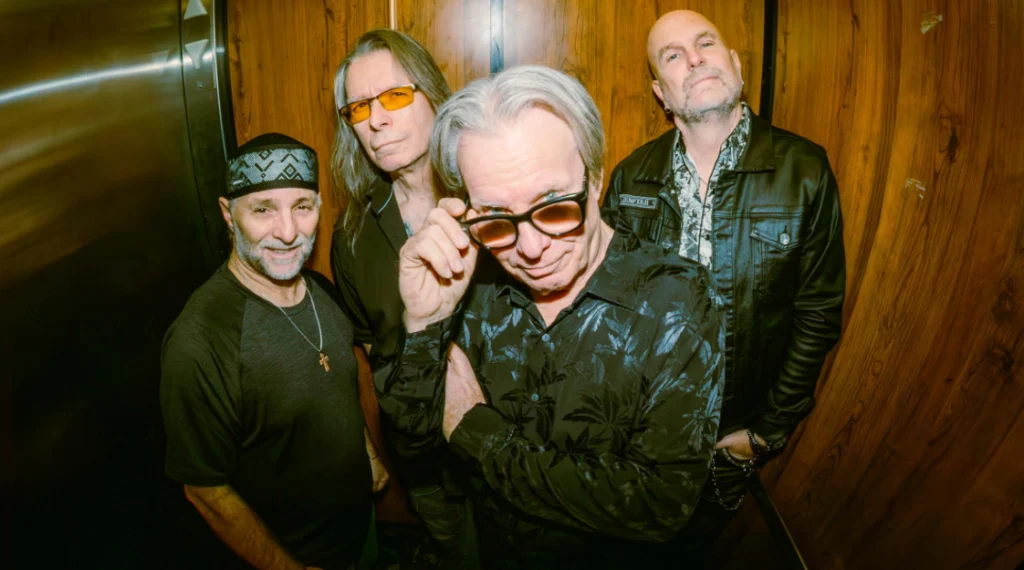
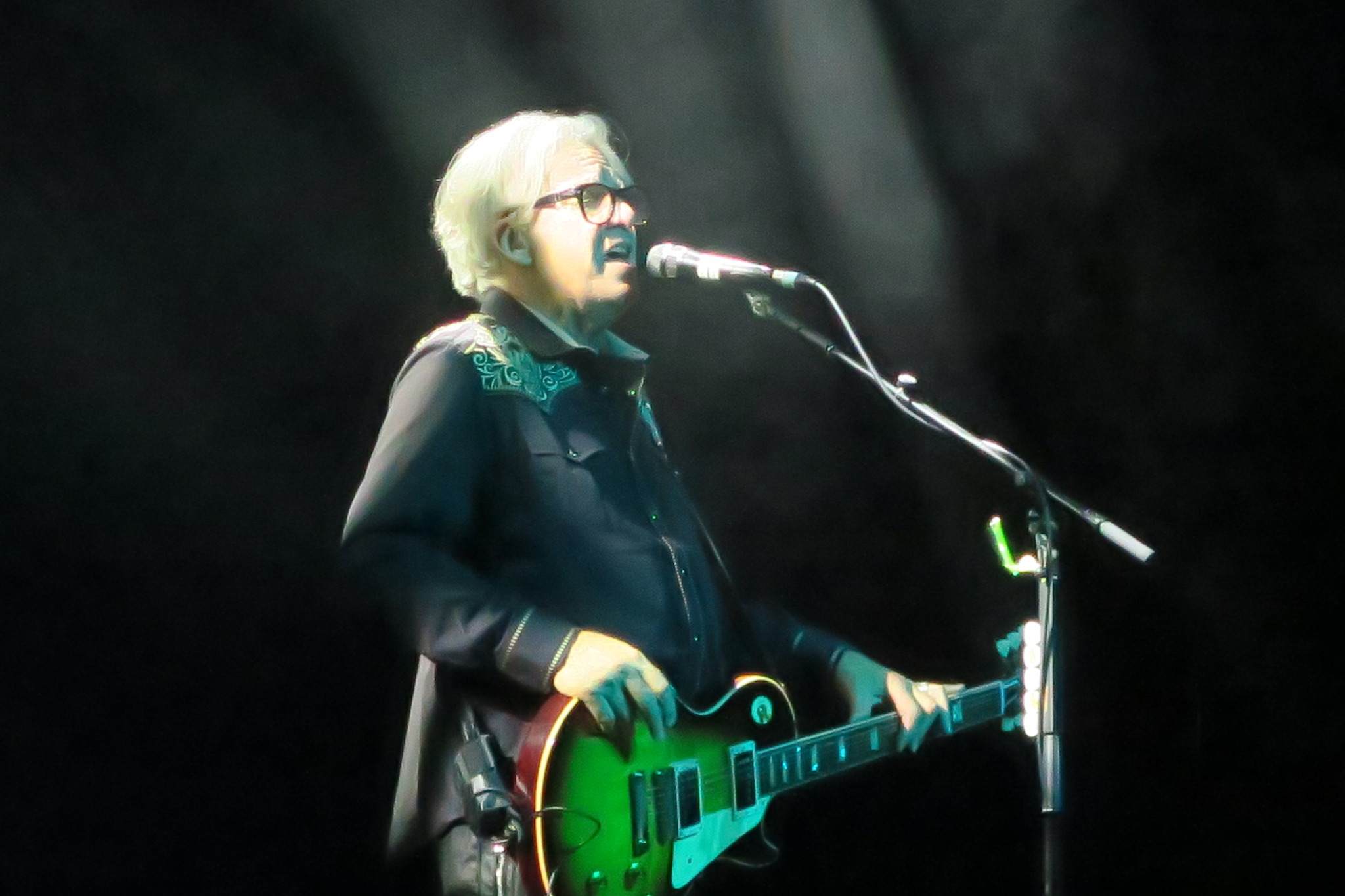
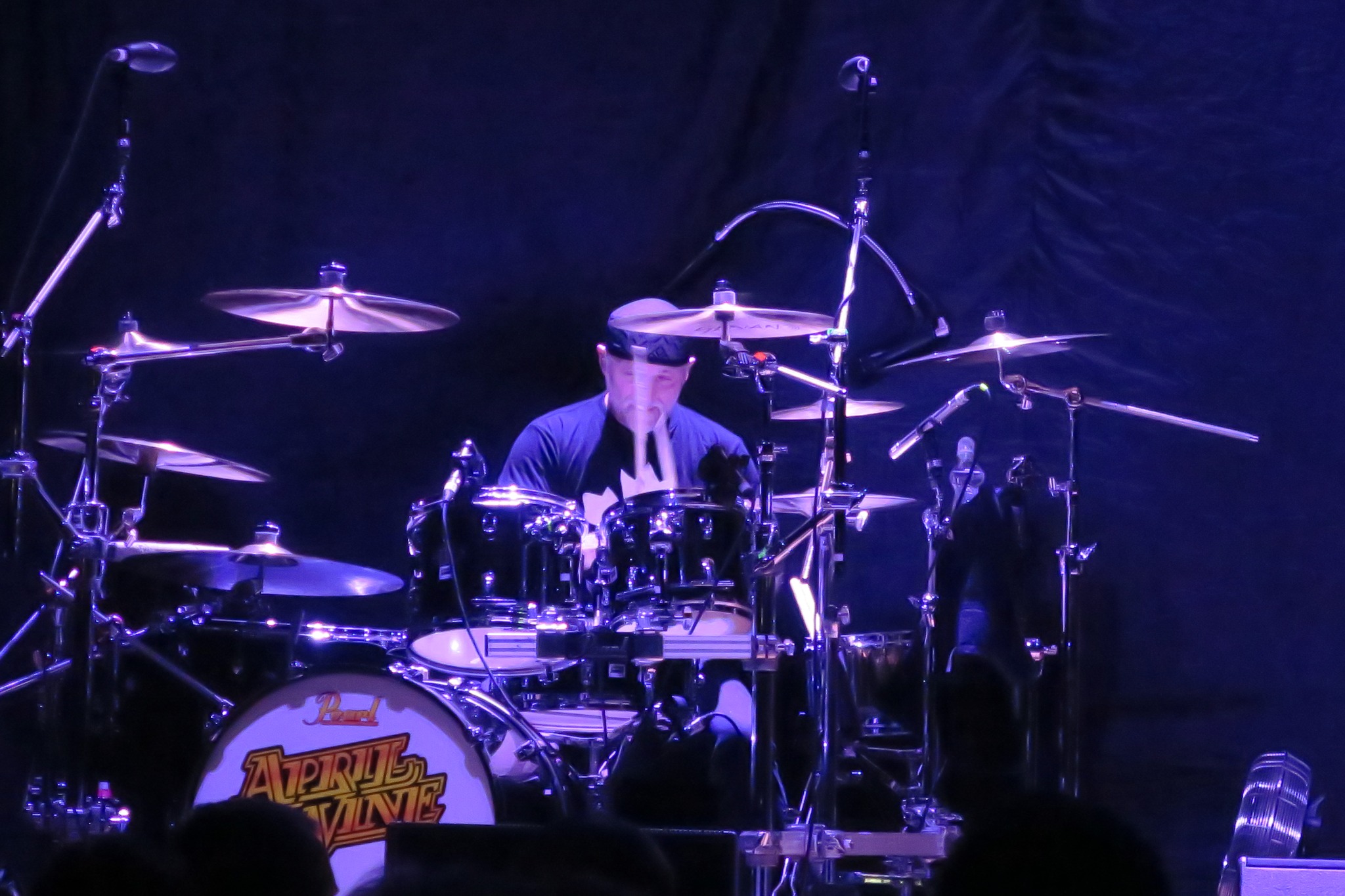
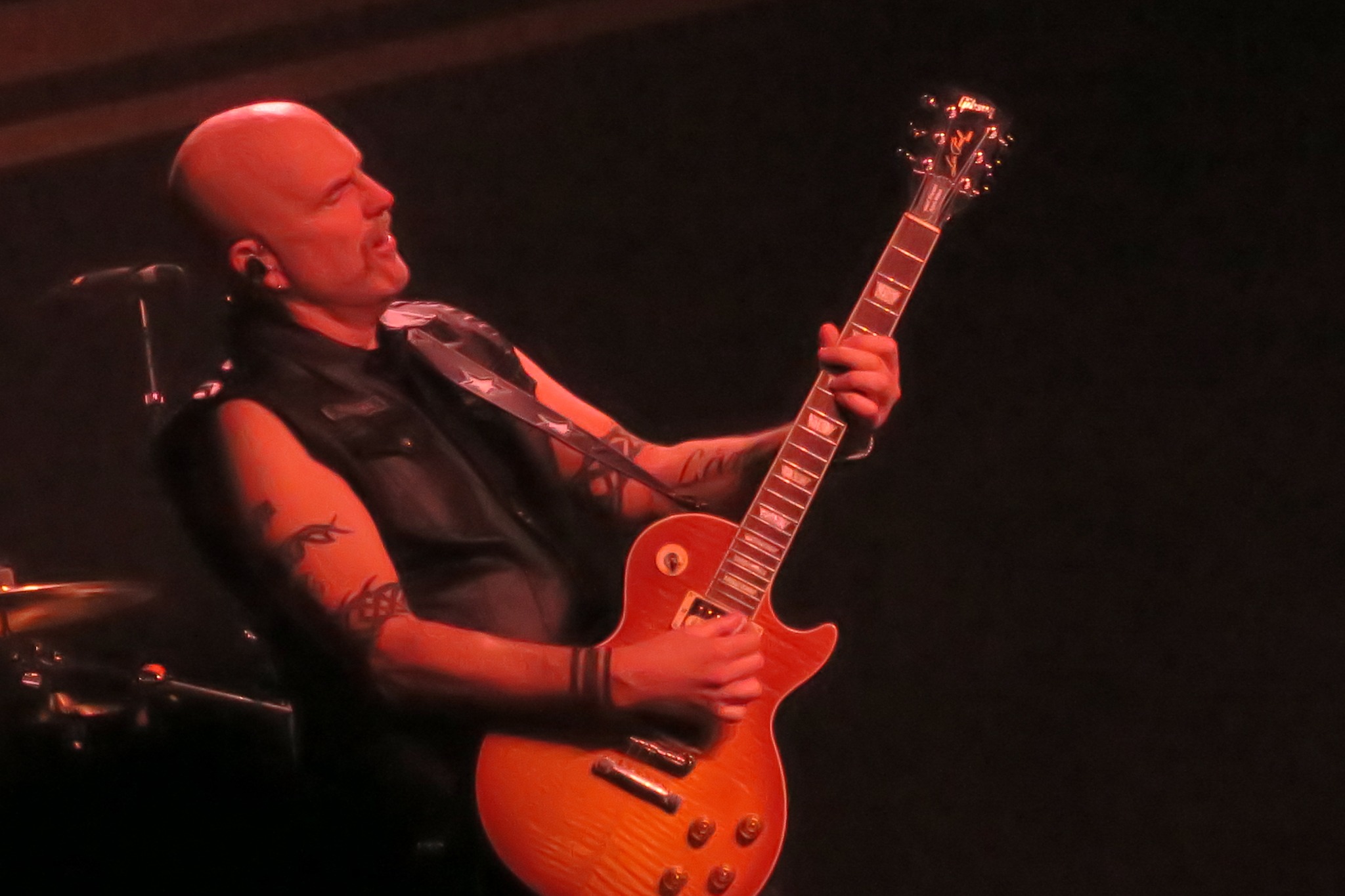

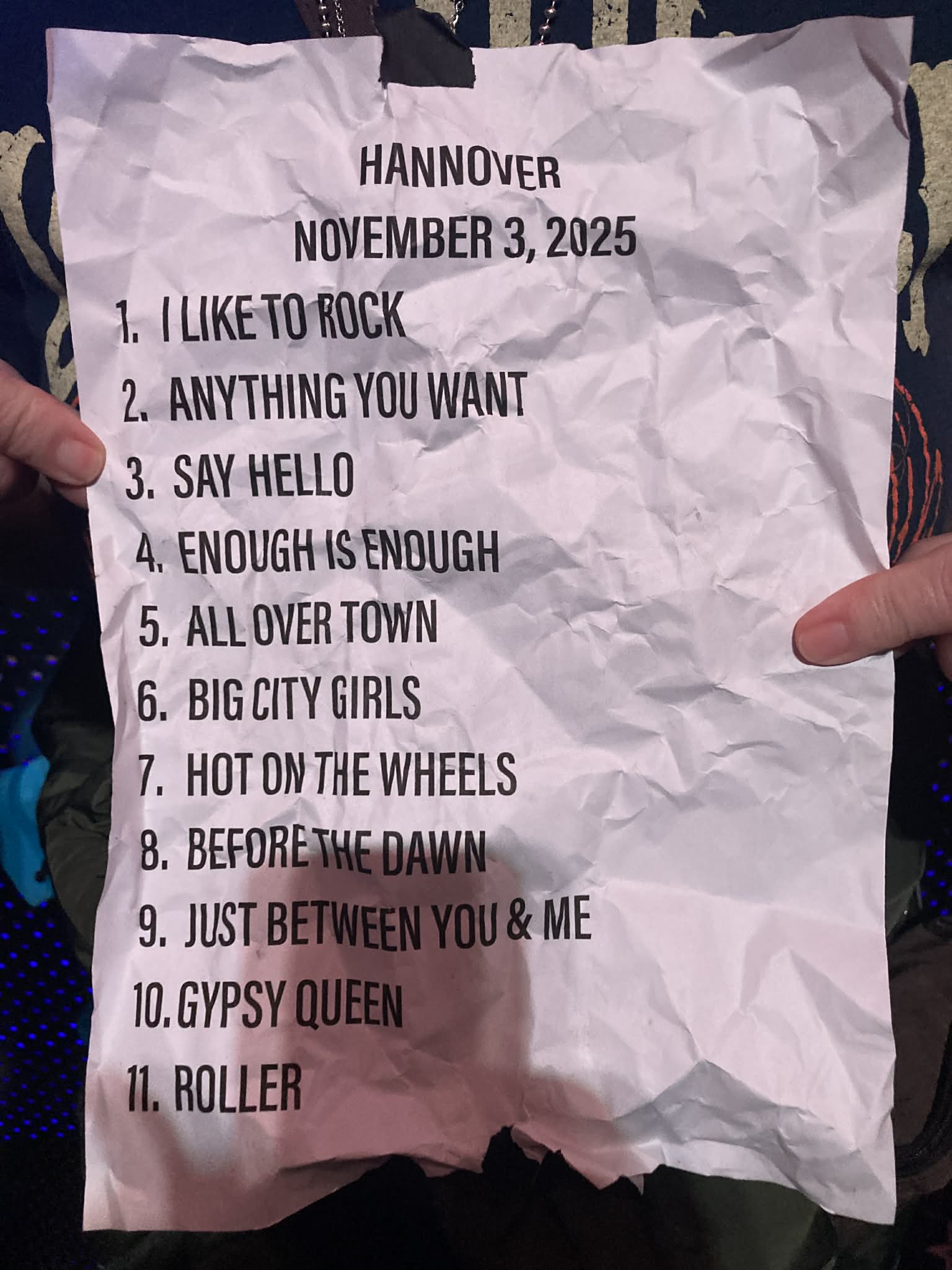
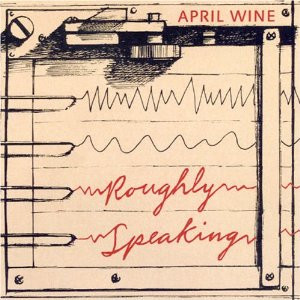
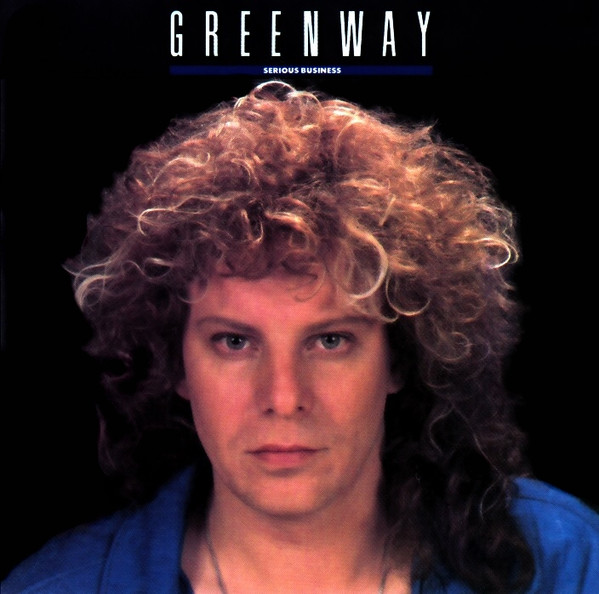
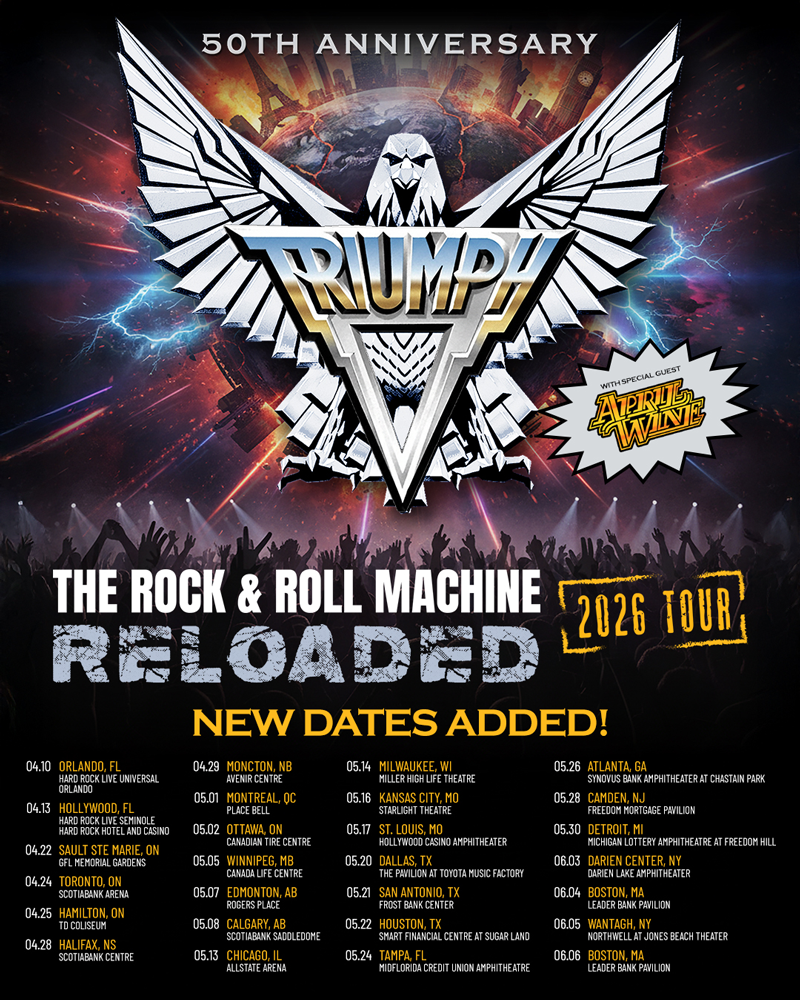

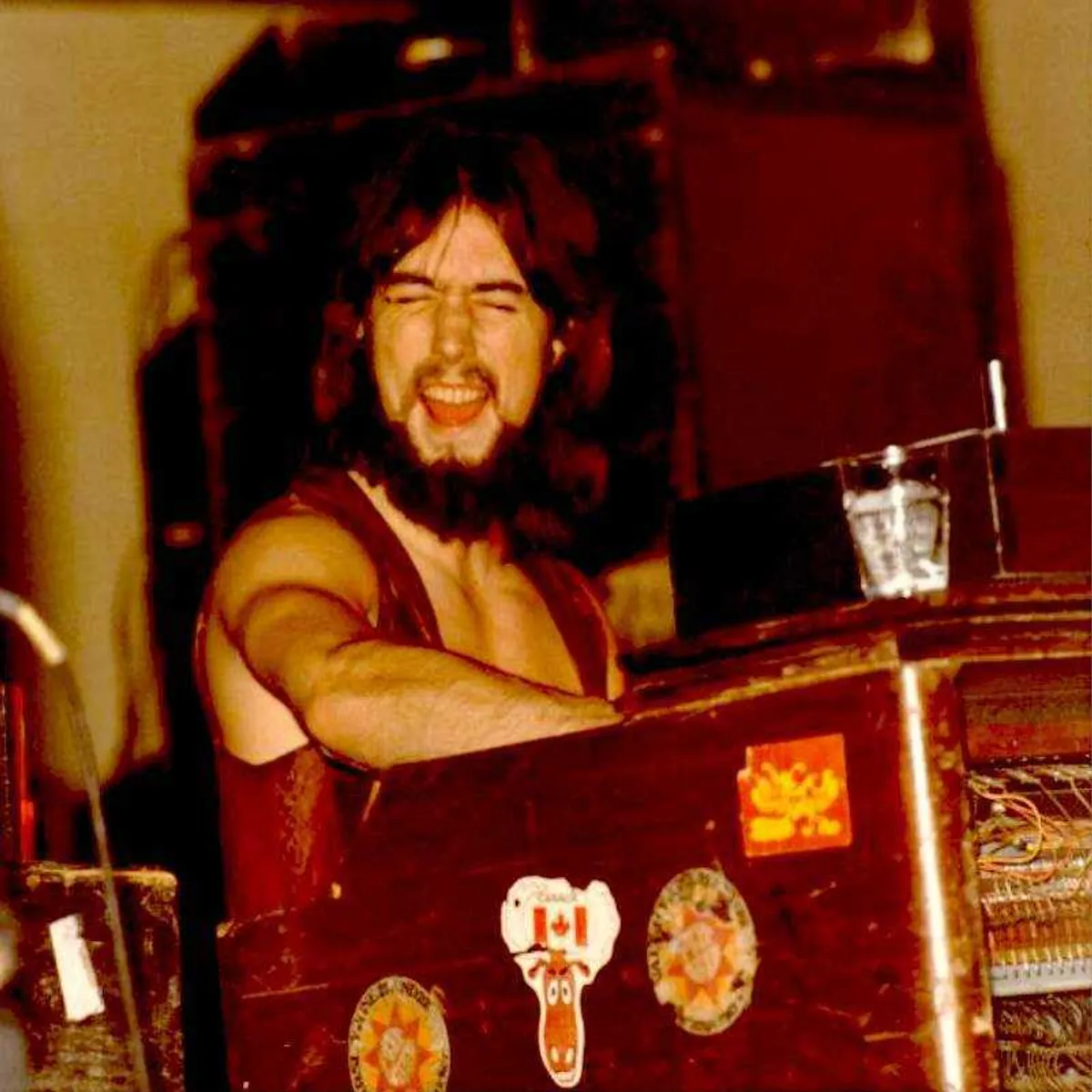
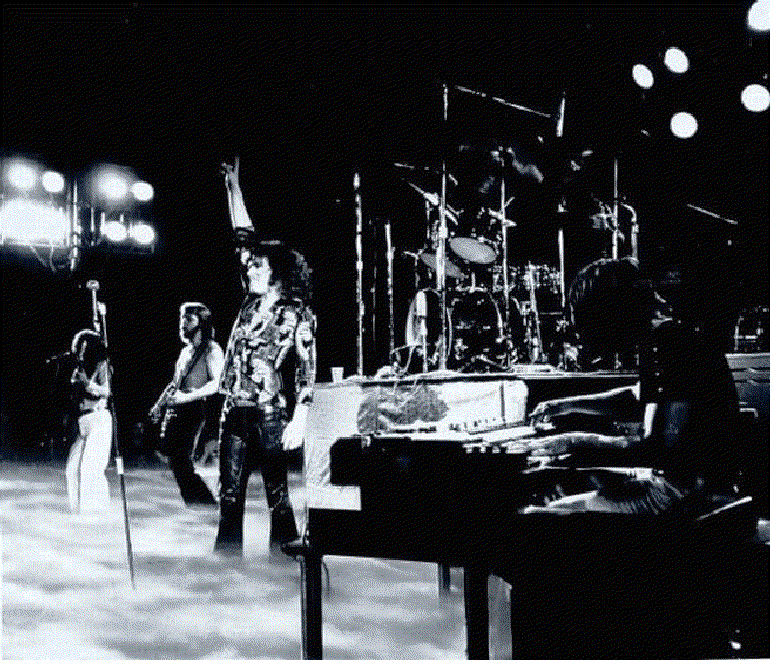
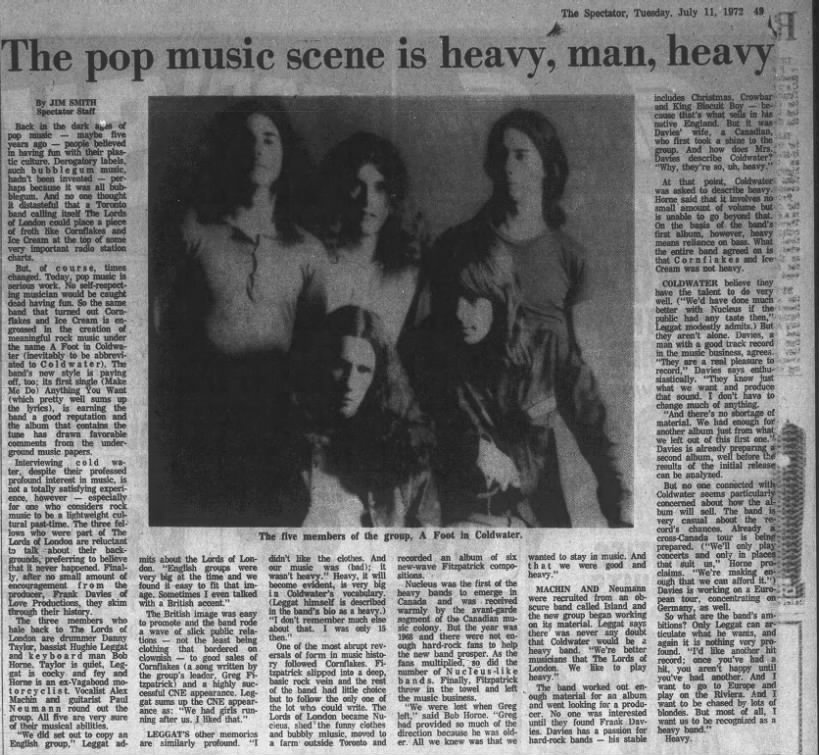
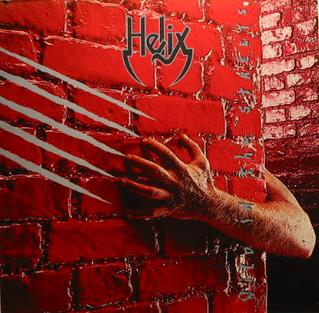
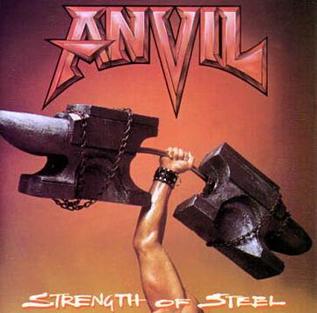

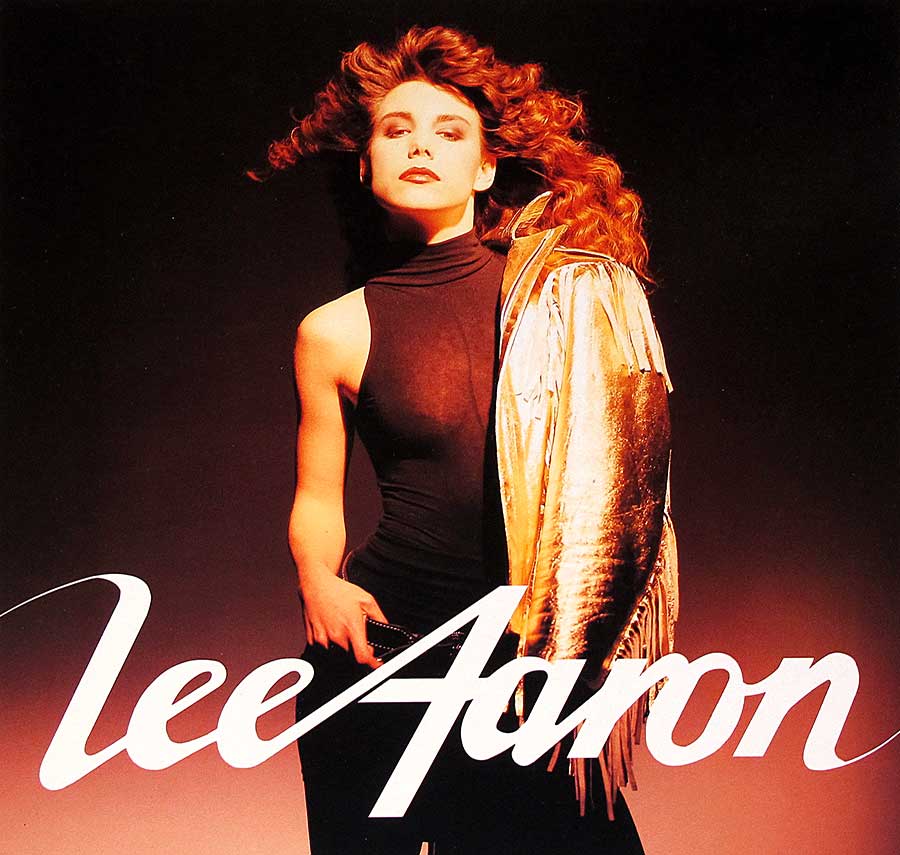
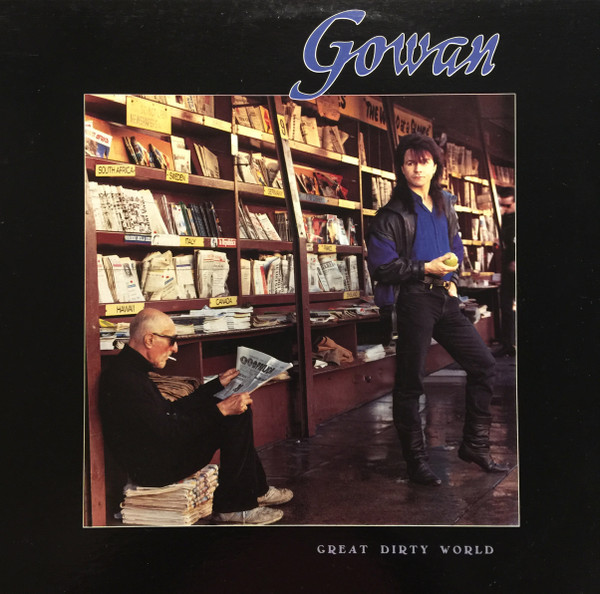
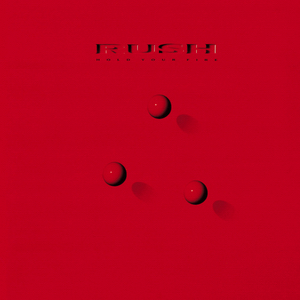
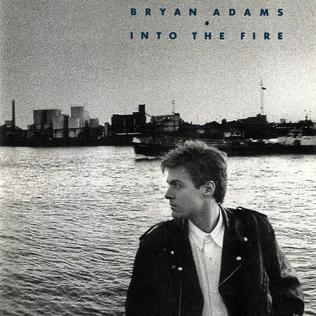
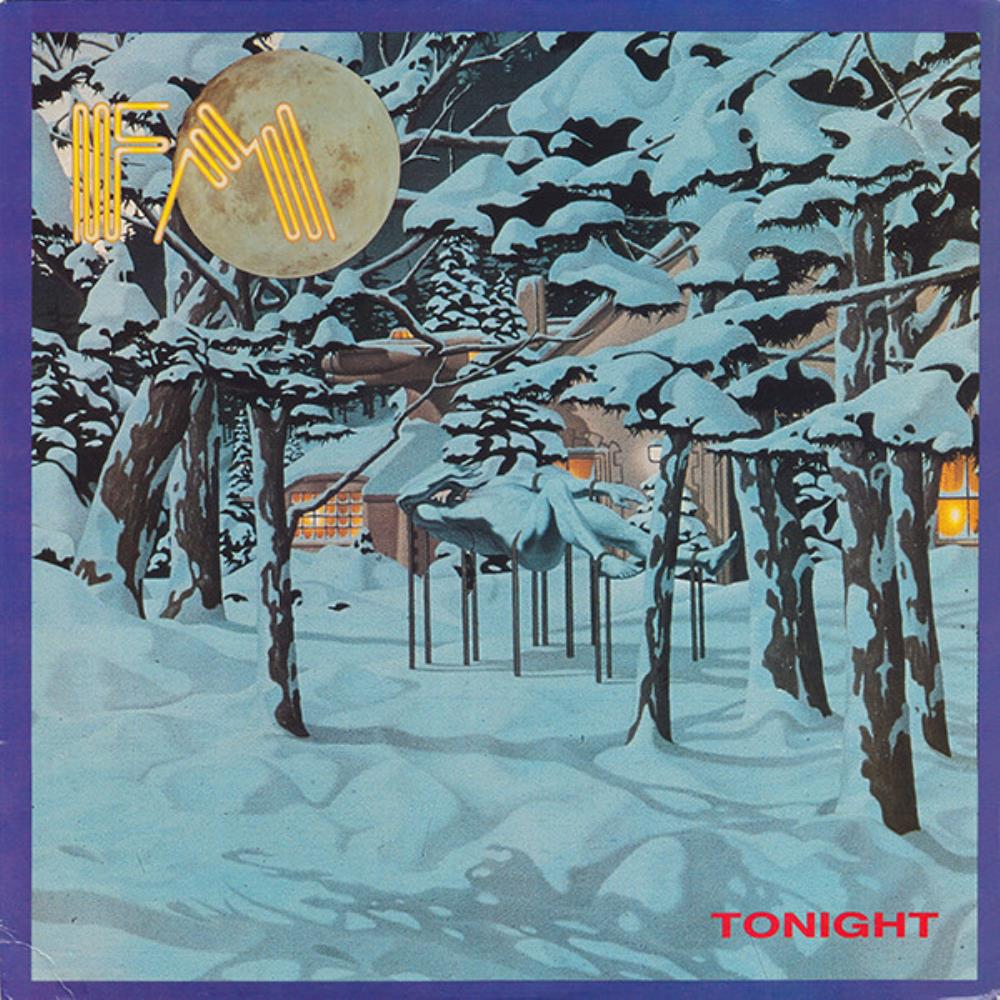
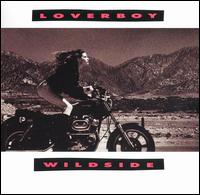
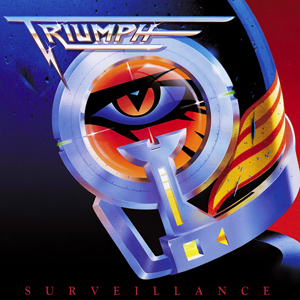
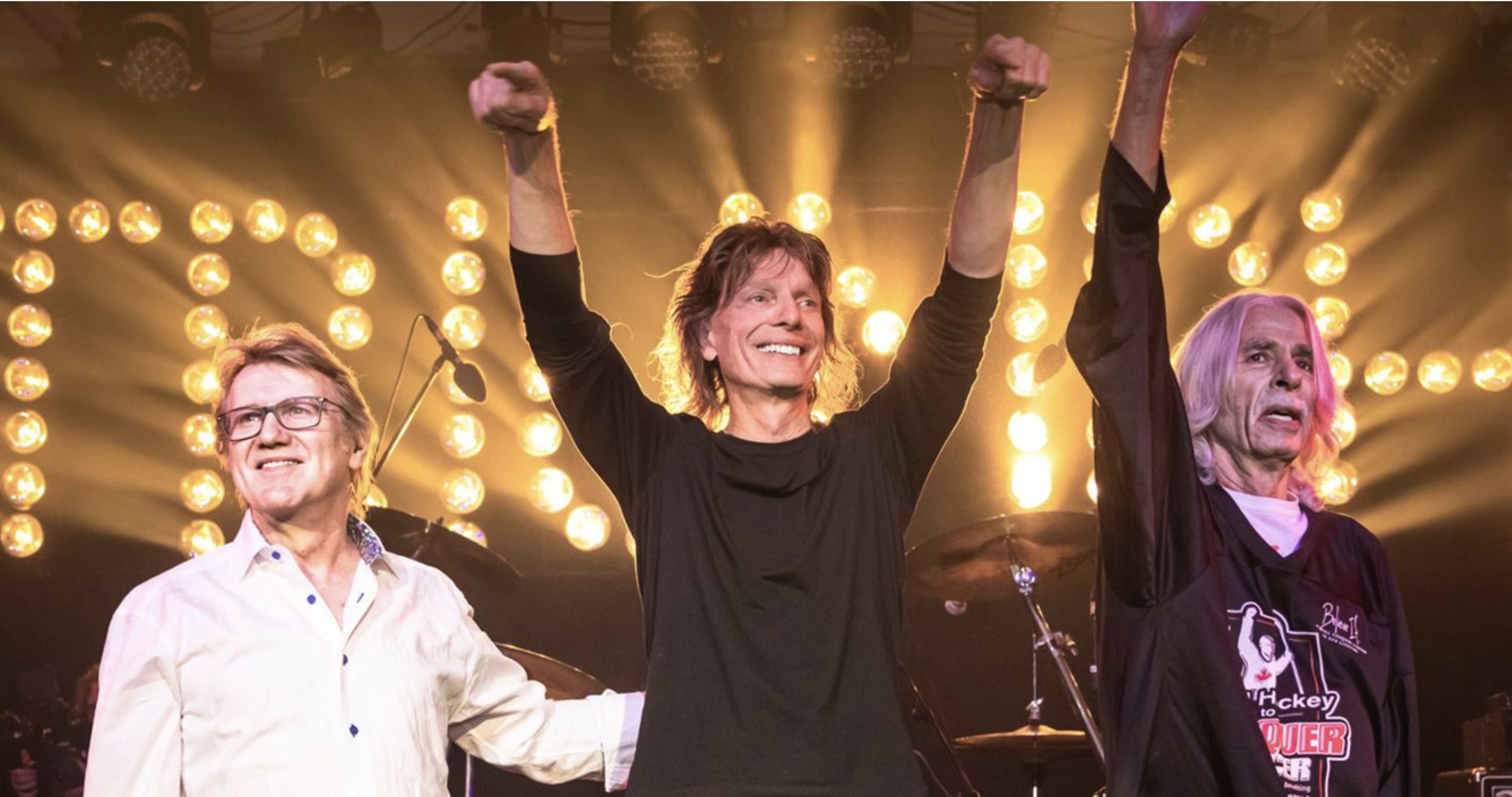
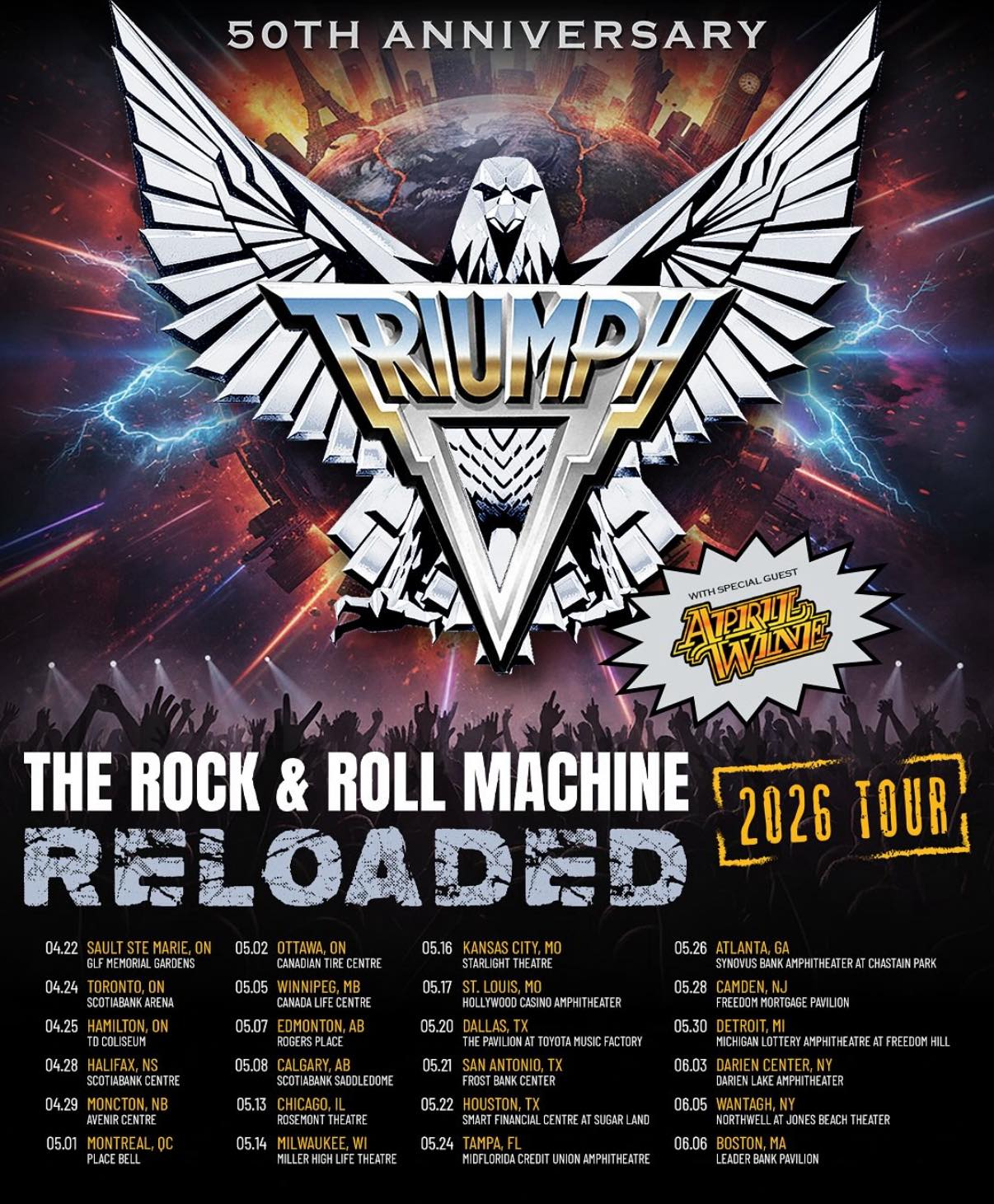
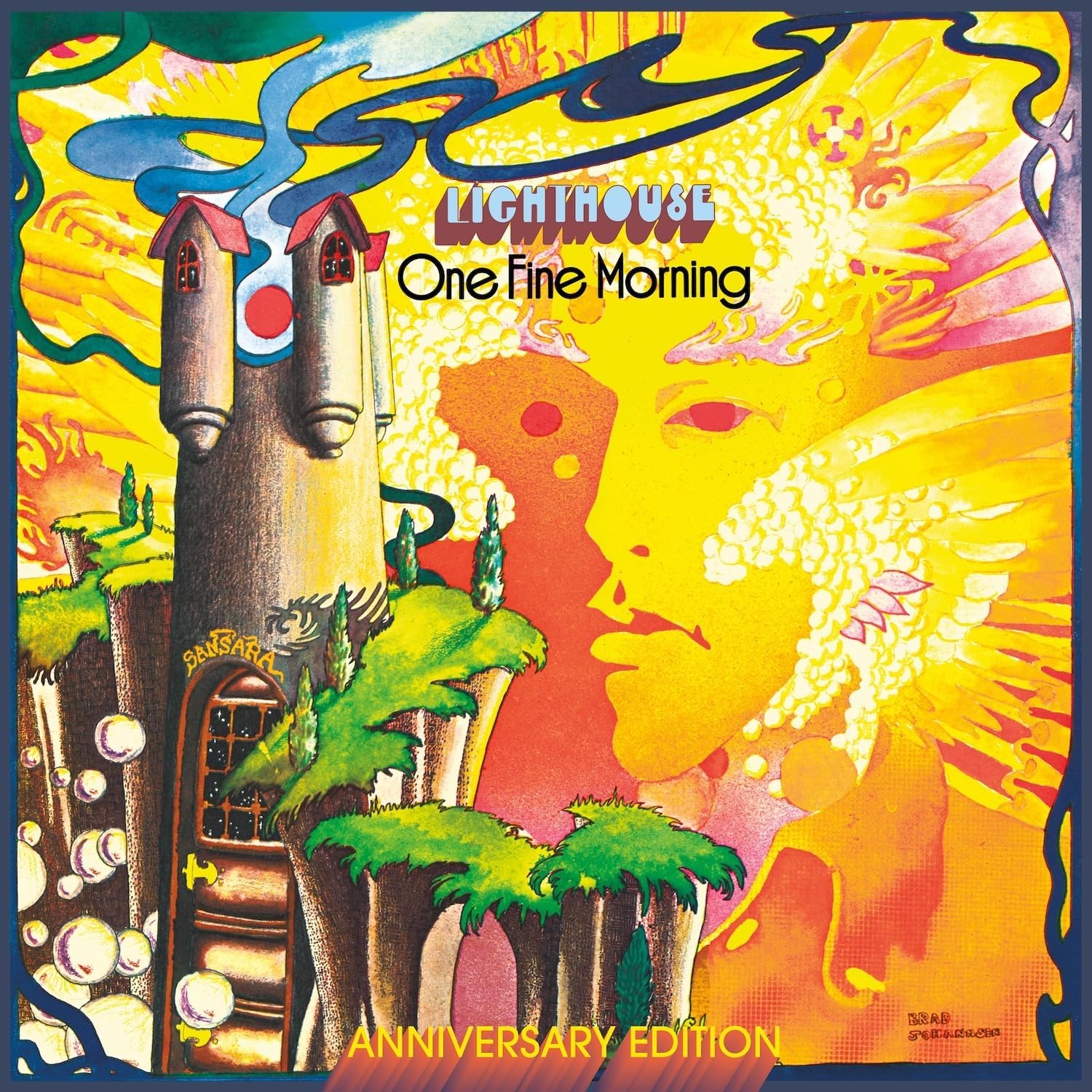
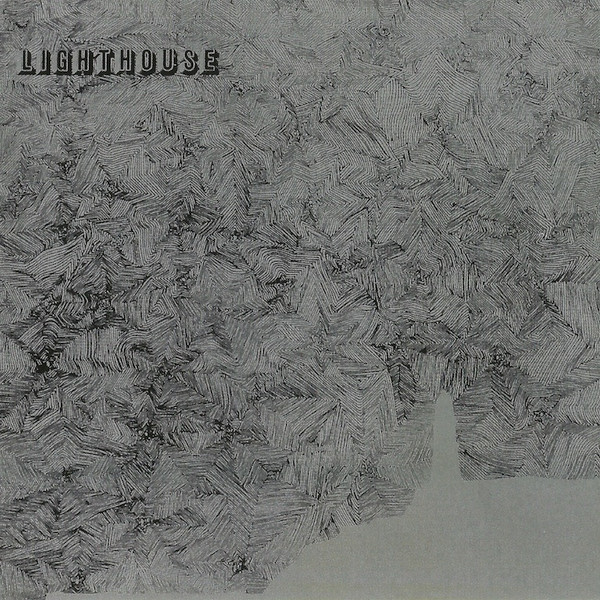
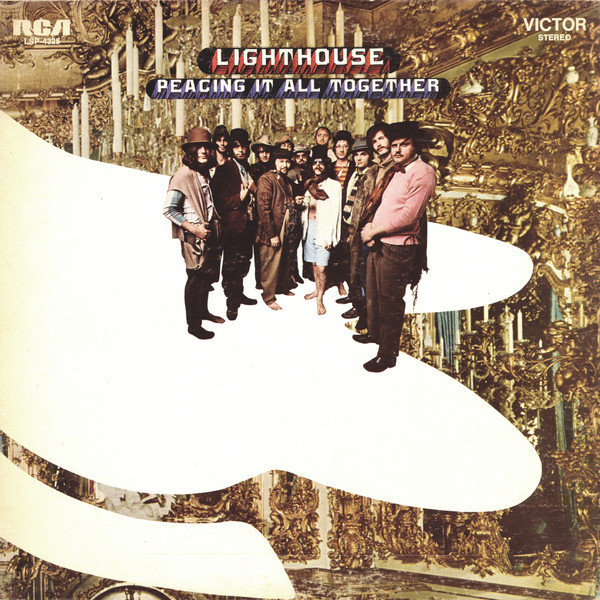
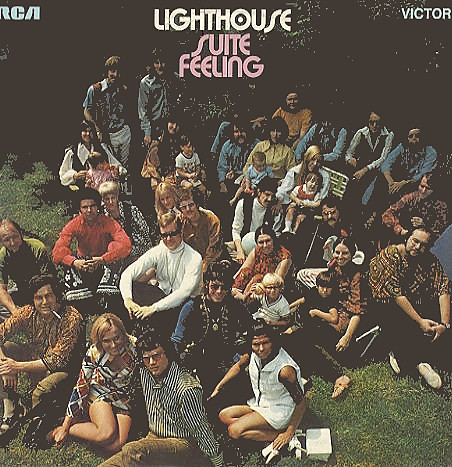
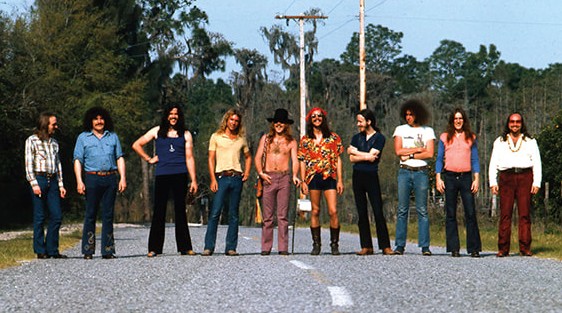
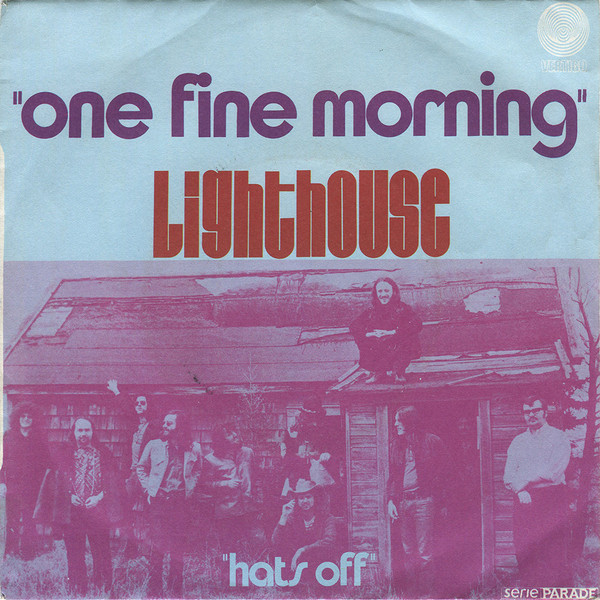
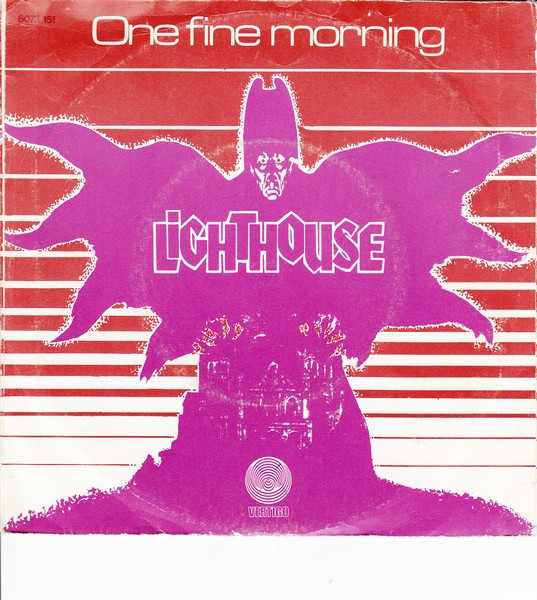
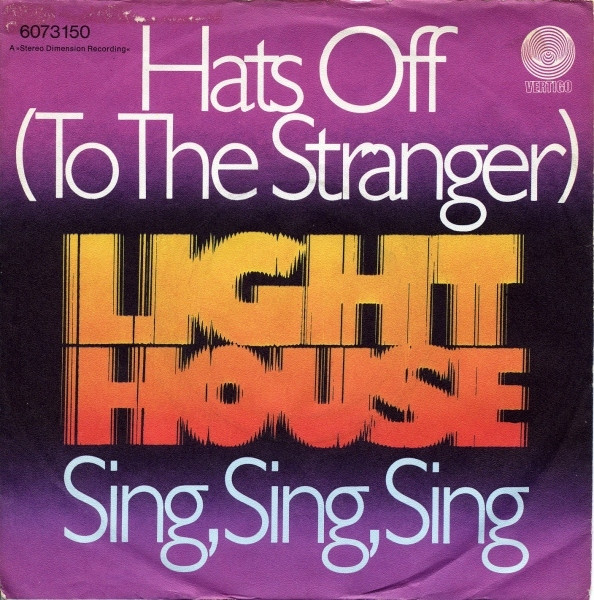
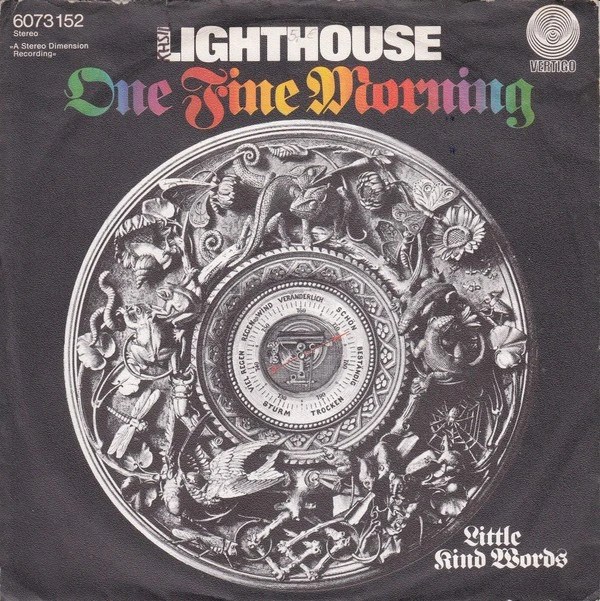
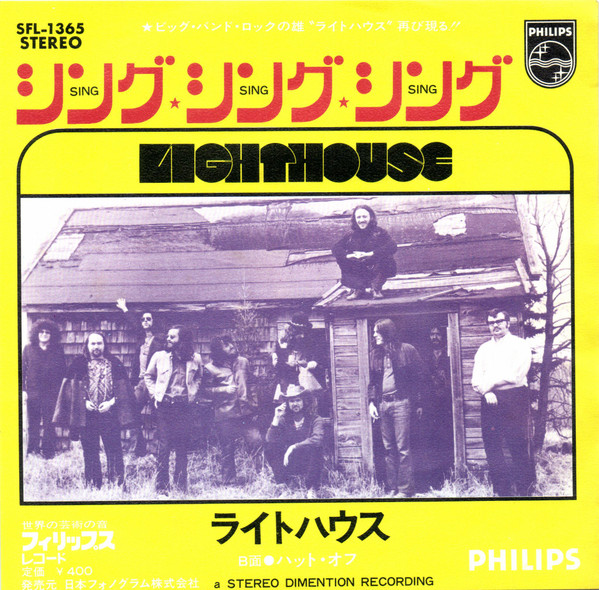
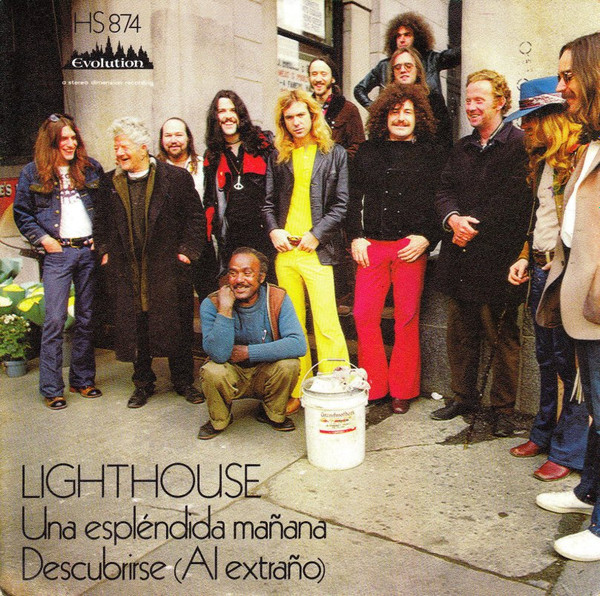
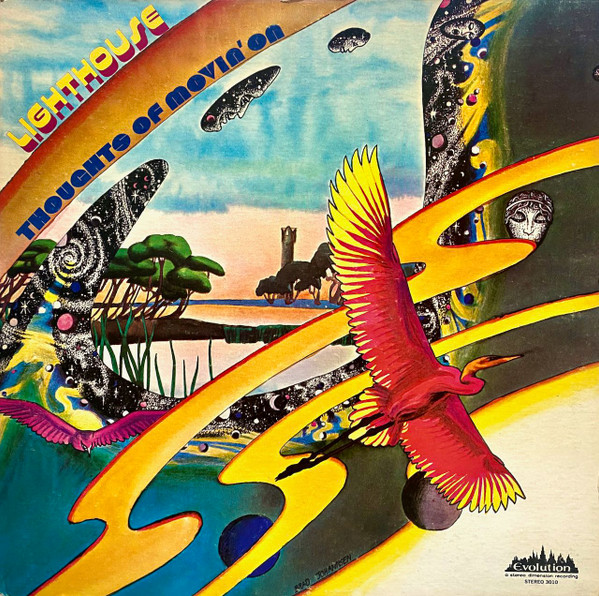
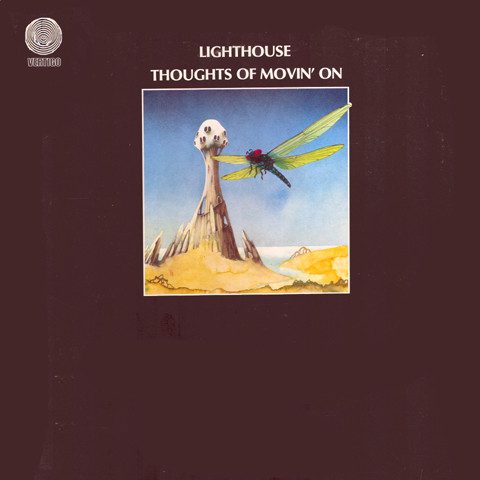
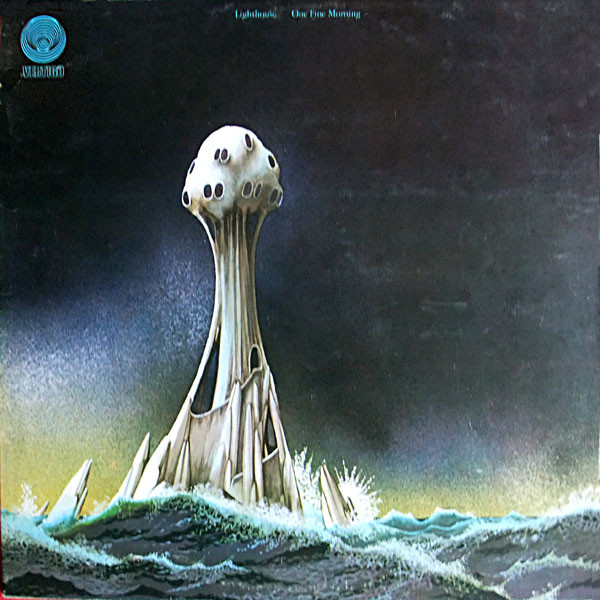
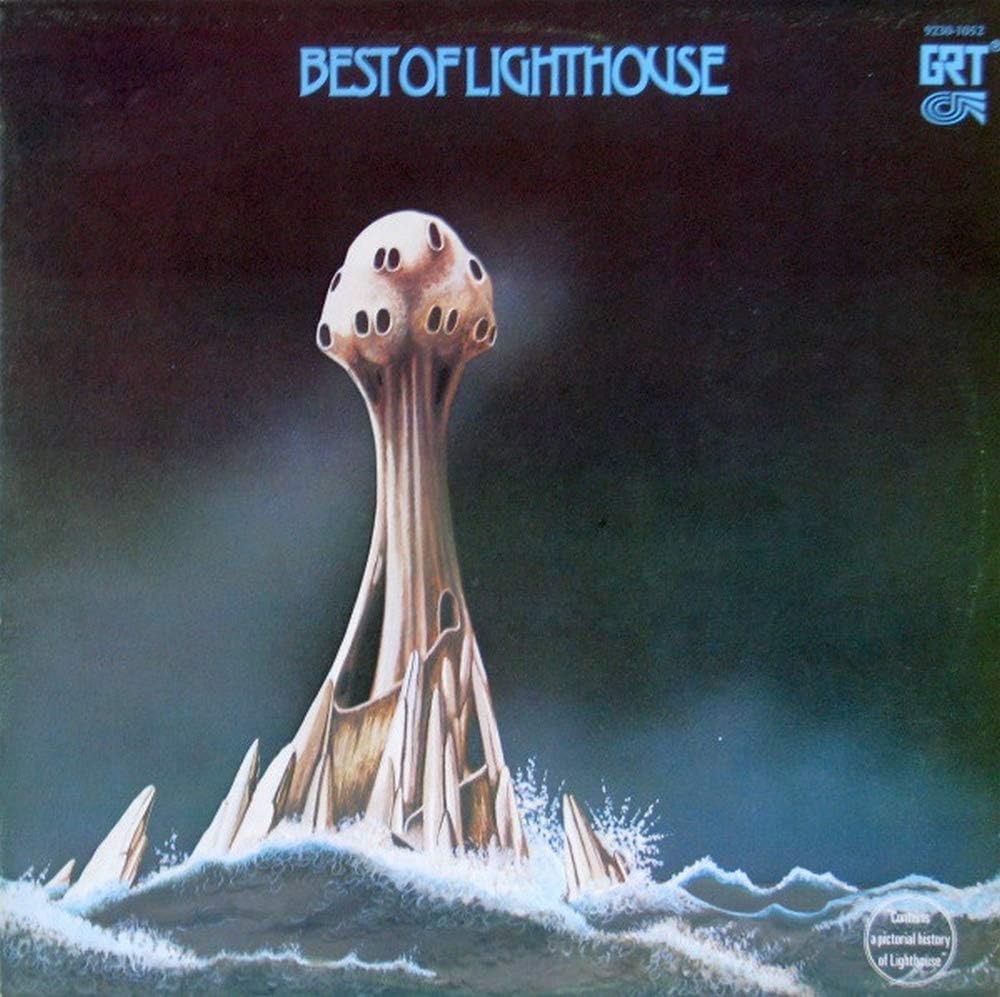
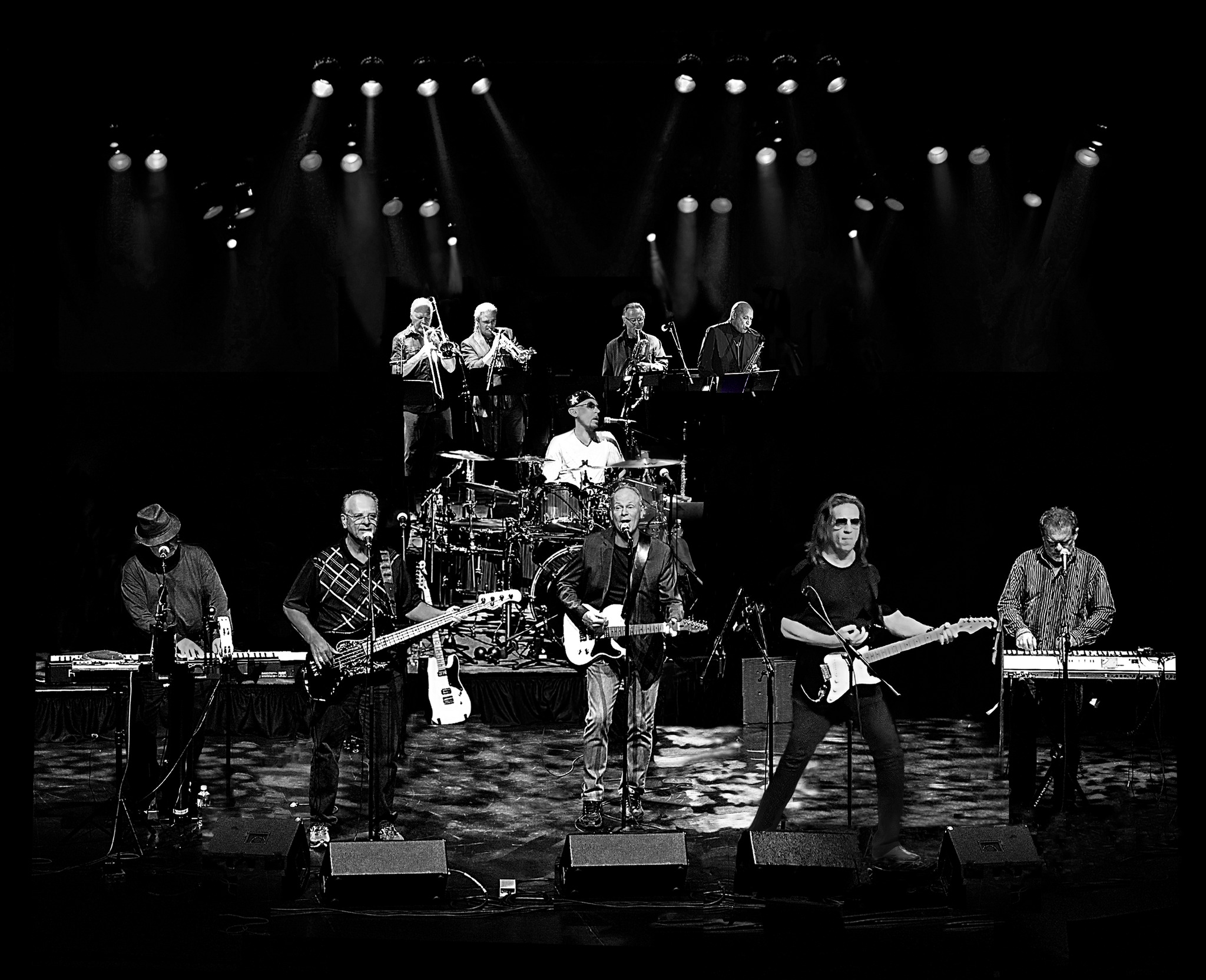
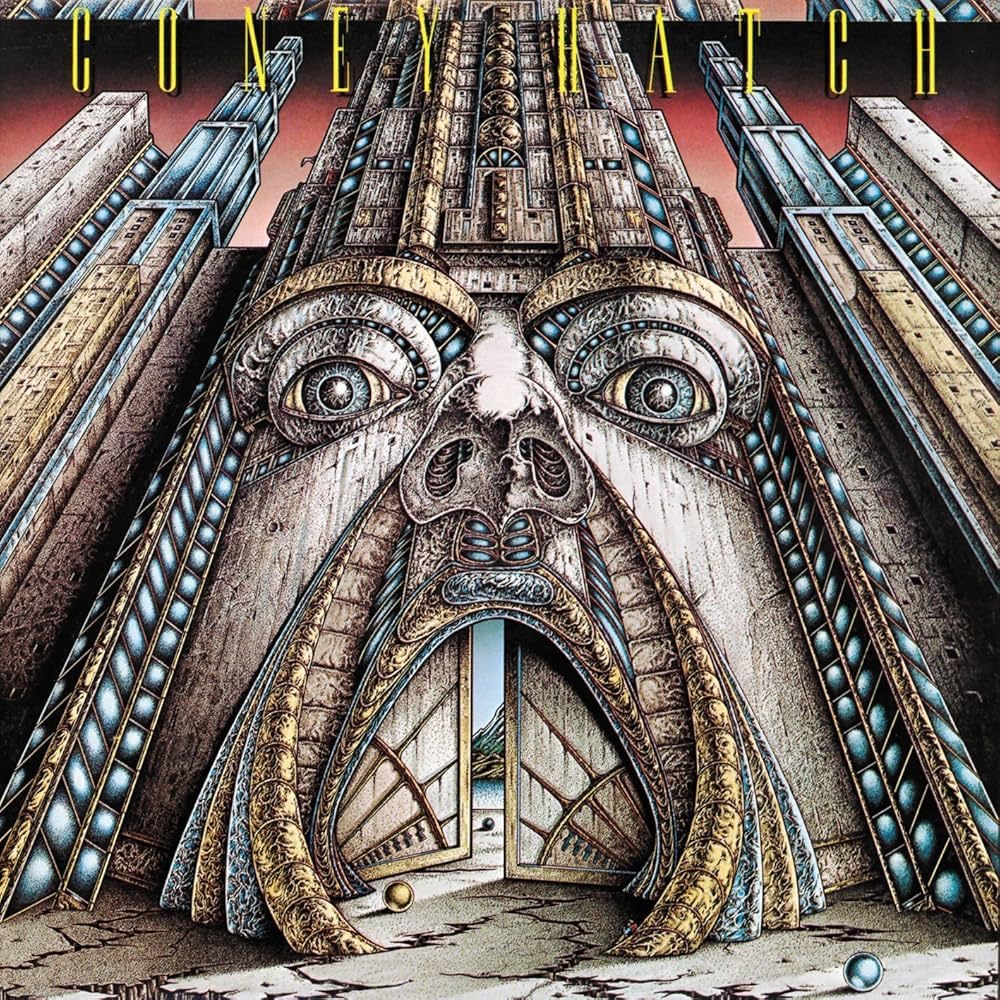
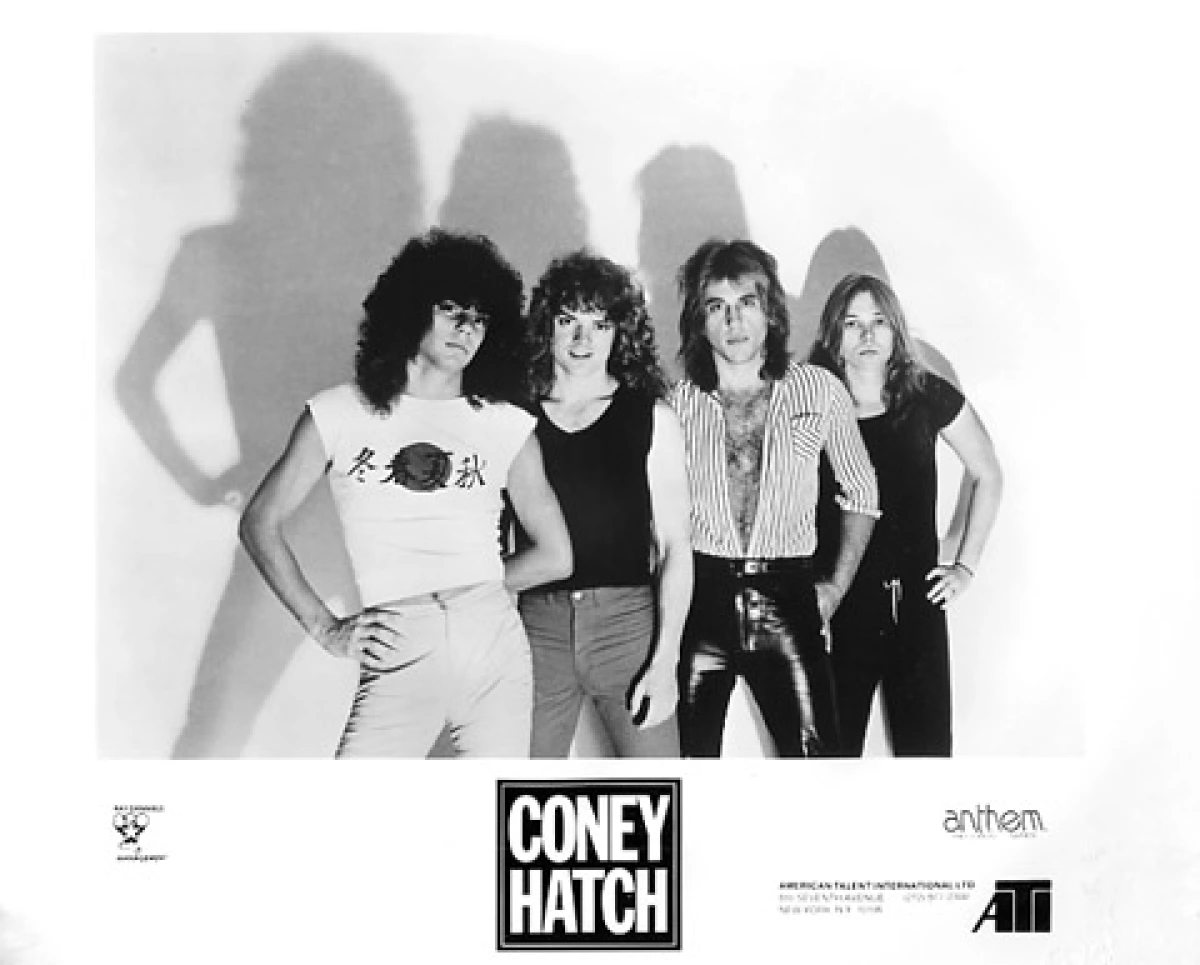

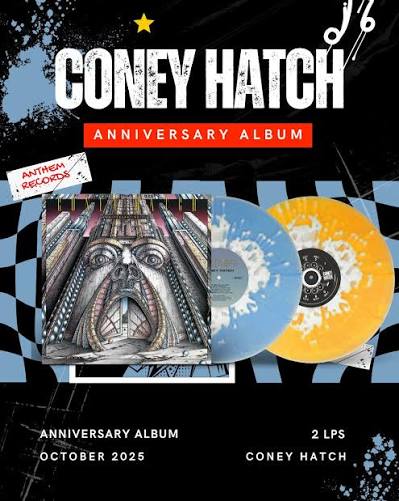
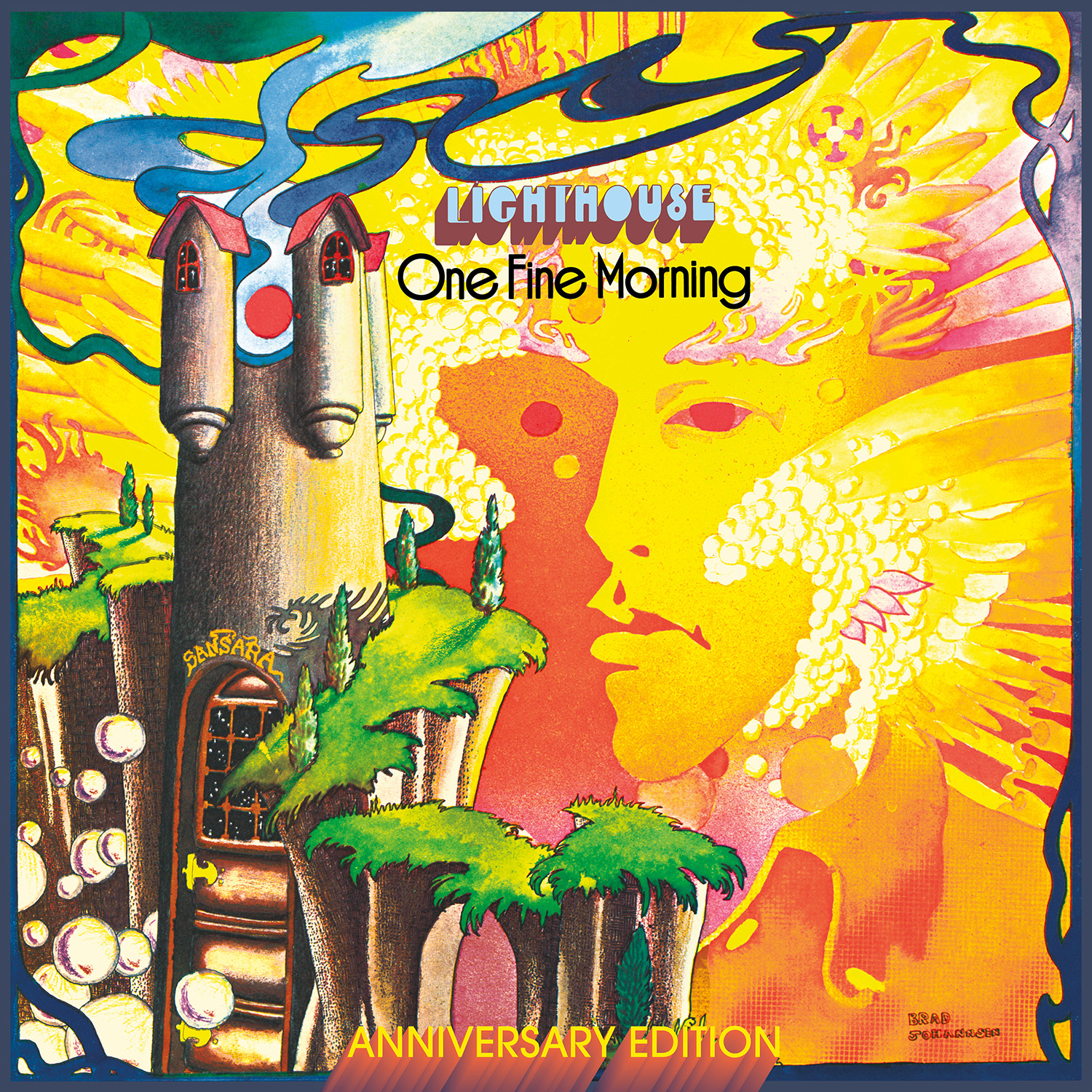

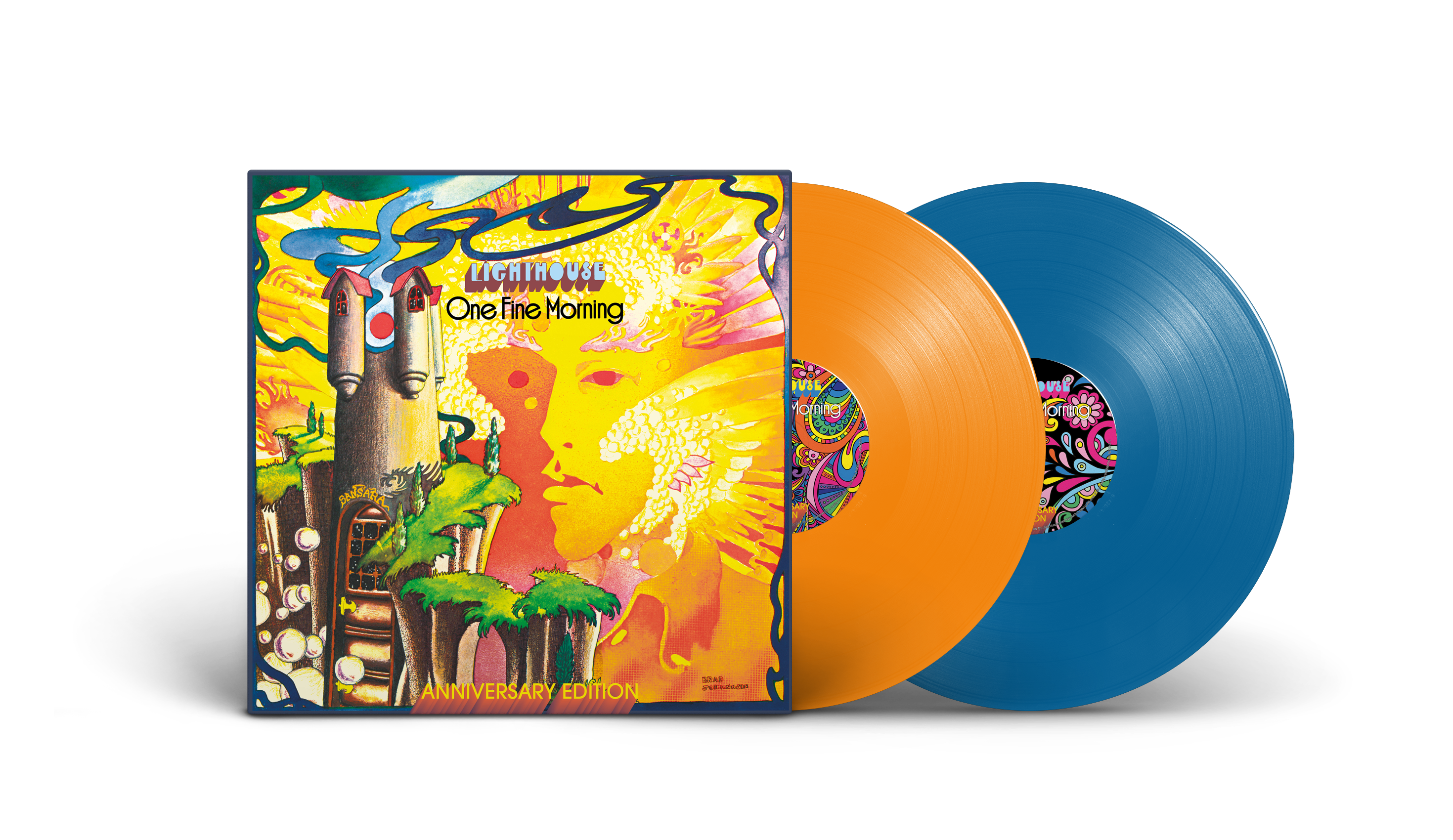
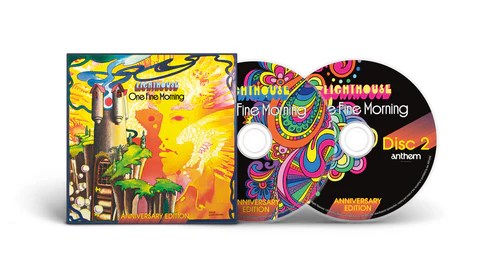
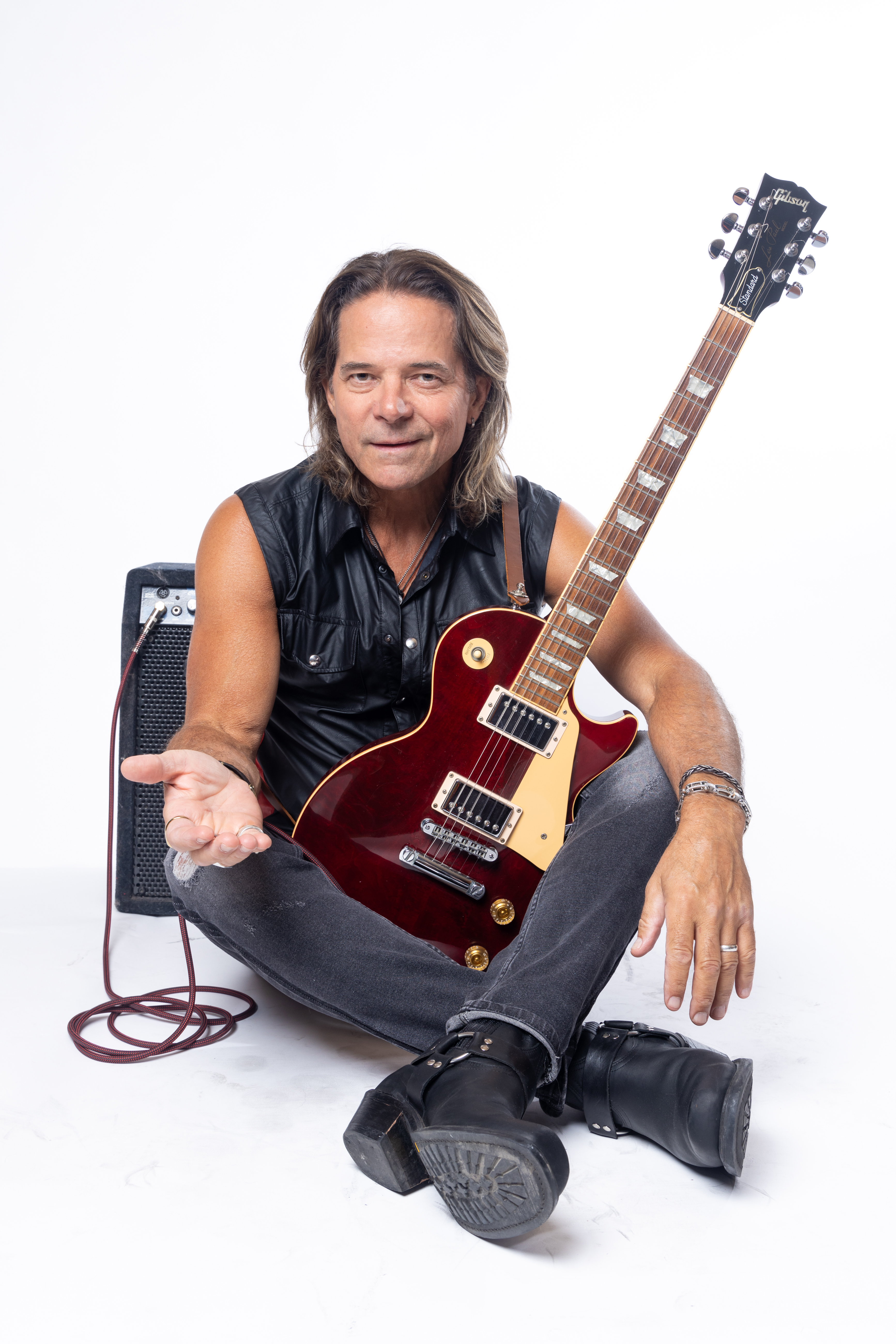
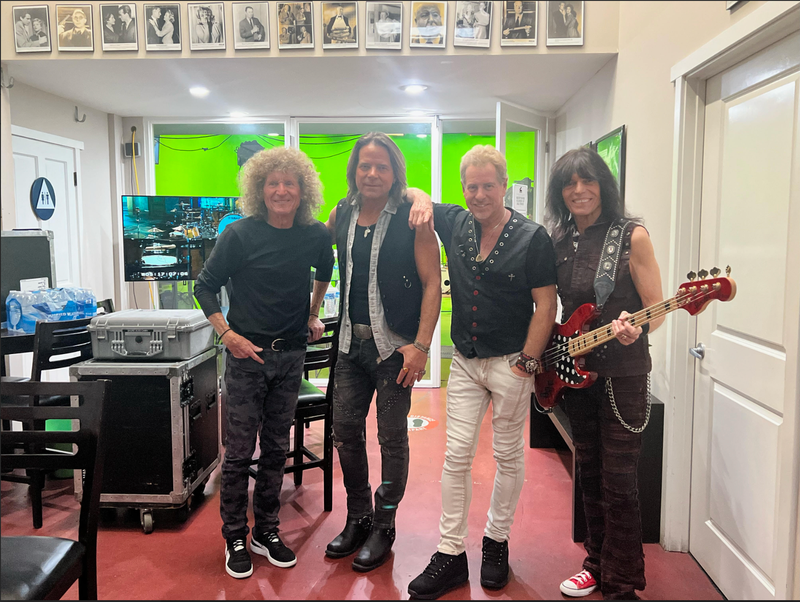
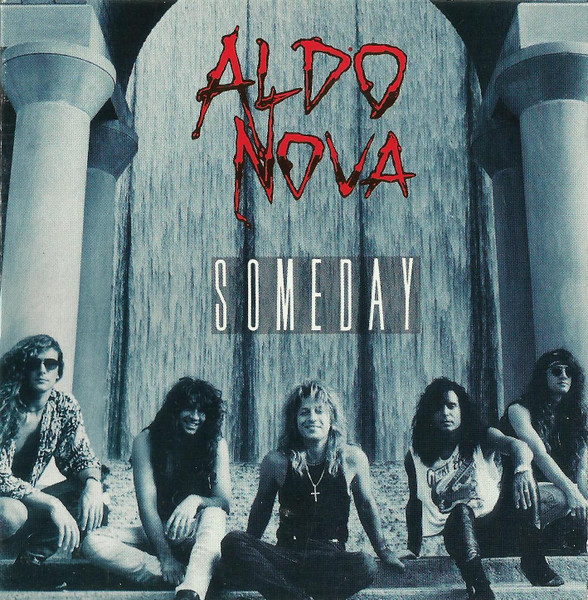
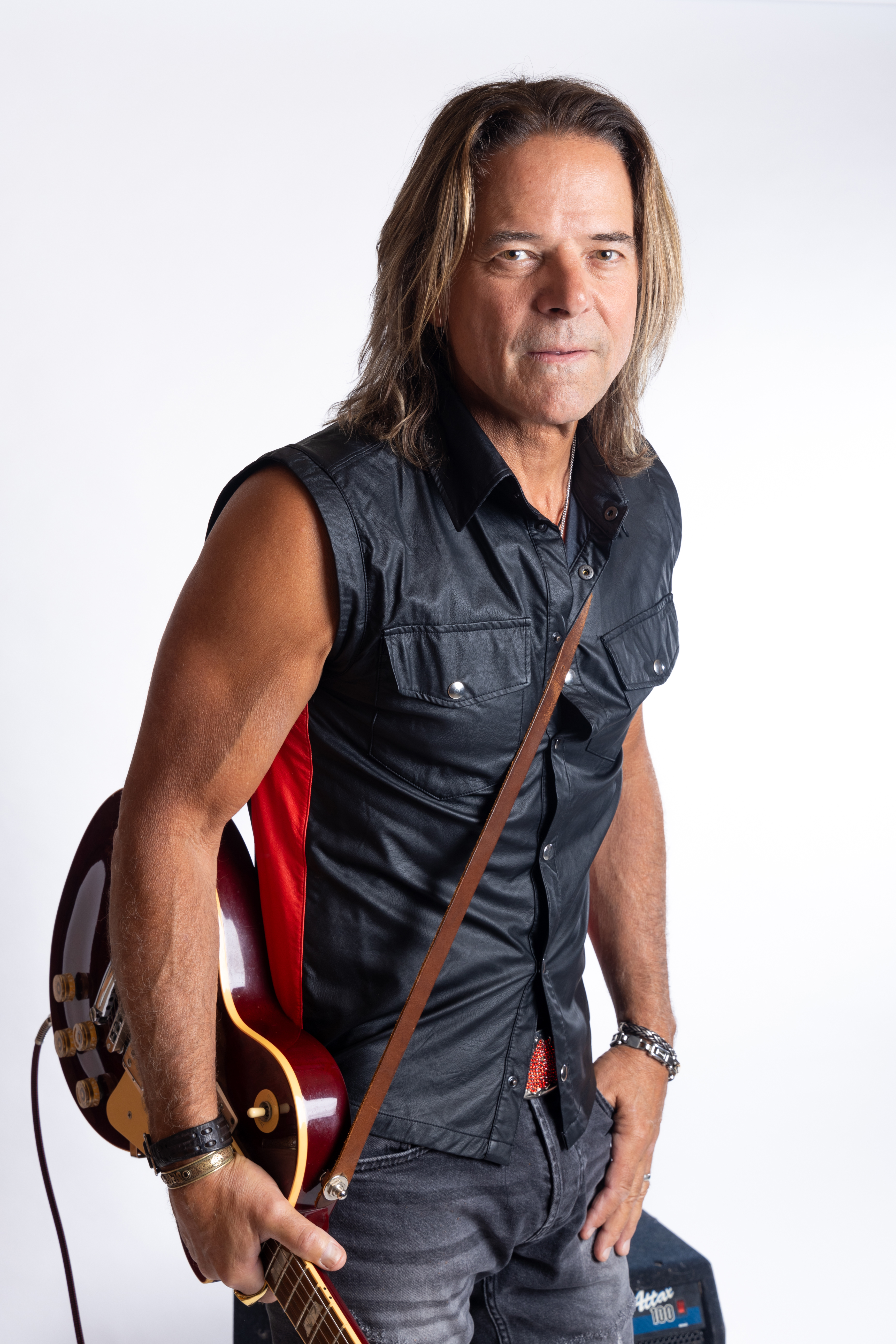
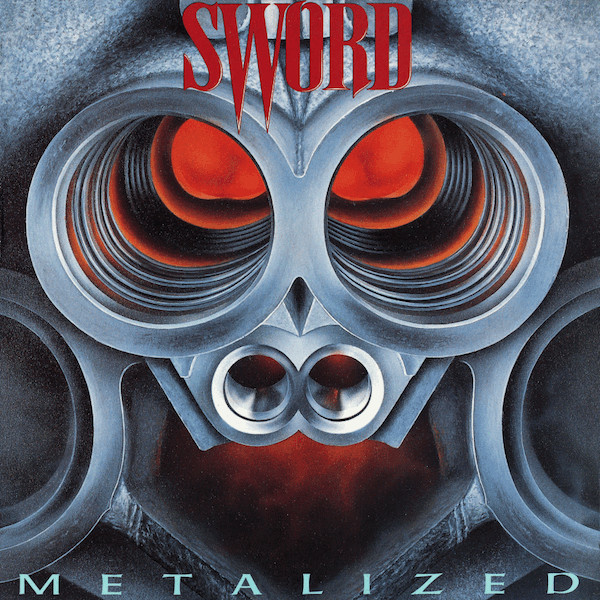
 Outsider Rock