
Tag Archives: Classic Rock

FOREIGNER – Records, Volume 2 ? (What If!?)

Another list of “volume 2″s. Back when record companies made multiple compilations out of 4, 5, or 6 albums. The first FOREIGNER albums was the band’s golden era, and as a fan of those early albums, for me, their was a big drop off after the band’s first release of ‘hits’, titled Records in 1982. The band had a strong pile of hit singles by that point. But, there was a lot of other lesser hits, live favorites, and fan favorites from those four albums, which I’ve compiled below to make a Records: Volume 2. I think a Volume 3 would be songs from the studio albums that came after 1982, frankly a list that would be a bit harder for me. The band hasn’t released an album of all new songs since 2009, and since then, (continuing on with just Mick Jones (til more recently) it’s been a steady bunch of live albums and compilations. The most worthwhile releases being 2008’s No End In Sight: The Very Best Of Foreigner, which covered the band’s entire career up til then, and more so the 2019 DVD/Blue-ray/CD release of Live At The Rainbow ’78. There was also Foreigner 4 Live, released earlier this year (as well as being part of the Foreigner 4 box set). Would be nice to get a few more ‘official’ live recordings from the band’s glory days (Where is the 1979 Atlanta show?)
Anyway, if you have any different choices, please drop them in the comments.

Tramontane **

An instrumental piece on side 2 of Double Vision, written by Greenwood, McDonald, and Jones. A great opener, as used for the band’s intro tape on the Head Games tour. (Was it used on the Double Vision tour?). Used as a B-side to the band’s huge hit “Hot Blooded”.

Headknocker

Hard to believe this wasn’t a single! A great rocker from the band’s 1977 debut, written by Gramm & Jones. Has been a live set regular and fan favorite, appearing on a few live releases and a number of compiations.

Break It Up *

The 4th worldwide single from Foreigner 4, and 4th top 30 hit from the album. Written by Mick Jones. One of my favorites from 4.

Love On The Telephone *

An underrated classic from Head Games. Love the intro and melody of this one. Released as a single in The Netherlands, where it became a top 40 hit. In the US “Women” was chosen as the 3rd single instead. Also written by Jones & Gramm.

The Damage Is Done **

The last track on side one of the first album, written by Jones & Gramm. A classic Foreigner ballad. Great vocal, guitars, synths, and production. This was used as the B-side to the hit single “Long Long Way From Home”. Another one from that album that could’ve been a hit.

Rev On The Red Line **

From 1979’s Head Games. This is my favorite Foreigner album, and I know there was other singles from it that I could have included, but this is just one of the coolest Foreigner tracks, and another that makes one wonder ‘why wasn’t this a single!?’. Written by Gramm and Ian McDonald. One of Lou Gramm’s best performances, and outstanding solo from Mick Jones. Used as a B-side to the hit “Dirty White Boy”.

Blue Morning, Blue Day*

Another cool rocker. This one from Jones & Gramm, and was issued as the 3rd single from 1978’s Double Vision. Imagine that this gem made it to #15 in the US and still didn’t make the cut for Records compilation!

Girl On The Moon **

Another Gramm / Jones song, from 1981’s Foreigner 4. It’s a ballad, which I much prefer to the one that was the big hit from this album! Buried as the 2nd last track on the album, and issued as a single in the Netherlands. Dig the slide guitar here, classic underrated Foreigner track.

I’ll Get Even With You *

A Mick Jones song, from Head Games. Just another great rock tune from this album. Love the chorus and synths. A shame this would be the last with Ian McDonald, who contributed so much to this song and album, even credited as co-producer with Jones and Roy Thomas Baker. Released as a single in the UK, 1980. Honestly had a hard time picking this one or it’s B-side “Blinded By Science”.

Starrider

From the debut album, written by Jones and Al Greenwood. Though not released as a single, this became a highlight of the band’s live show over the years, with Mick Jones taking lead vocals on much of this, and stretching out his guitar solo on occasion. Kind of a throwback to the early 70s, with the mix of acoustic guitars, harmonies, keyboards, and flute. Absolute masterpiece, and would fit perfectly to end such a compilation. There’s an excellent live version of this on the No End In Sight compilation.

Ritchie Blackmore’s RAINBOW – Man On The Silver Mountain: the covers

Well, with 2 new cover versions of the Rainbow classic “Man On The Silver Mountain” being released, thought I’d compile a list of covers of this Blackmore & Dio classic rocker, originally from 1975. It was the opening track to Ricthie Blackmore’s Rainbow album, his first since leaving Deep Purple. Also released as a single from it, and becoming one of the band’s best known tracks, featured on a number of live albums since then, including singers that came after Dio. I think Graham Bonnet did a great job with it, but this is often seen as Dio’s song. It also featured in Dio ‘s (the band) live show.

*If there’s any versions out there that I’ve missed (or omitted), please leave them in the comments.

JOEY BELLADONNA (2011)

Anthrax’s Joey Belladonna did something different with this song. I’m not overly familiar with Anthrax, but dig this guys vocals as he performed the song acoustically a few times. I’ve only included it here because it’s so different, and the vocal is outstanding. A shame Joey hasn’t included this version on an actual album release.

ROB HALFORD, DOUG ALRICH, ...(2015)

These are the type of ‘tribute’ things I can’t get in to. I bought this CD when it came out, played it once or twice and got rid of it. Like my Judas Priest albums, but I really don’t think this suits Rob Halford. A decent take musically, I guess.

ALABAMA THUNDERPUSSY (2006)

Recorded for a 2006 compilation of various artists on Small Stone Records, titled Sucking The 70s. This is a pretty good heavy version of the song. Great band name!

IROCKERS CREW (2016)

Another cover that, although not officially released, I’ve included here. This German band performs this so well; great vocals, guitar, etc…

BONFIRE (2018)

Another German band. Bonfire have been around since the ’70s. This is from their 2 CD set of covers, Legends. I like this one. The vocal is different, the guitar is heavy and modern sounding, and there’s some organ in there. Sounds great!

SAXON (2023)

I really like Saxon, and Biff, but kinda prefer hearing them doing Saxon songs. Like Halford, Biff Byford has a pretty distinctive voice. But again, at least this is different to many others hear, as the band sound like their just having fun, rocking it out. From their Inspirations 2 release.

HAMMERFALL (2019)

Swedish power-metal band covered this, and included it as a bonus track to their 2001 Legacy Of Kings, 20th Anniversary box set edition. Love the guitar sound on this. It seems a bit faster and bit more, err, power to it. Great version.

TEAZE (2026)

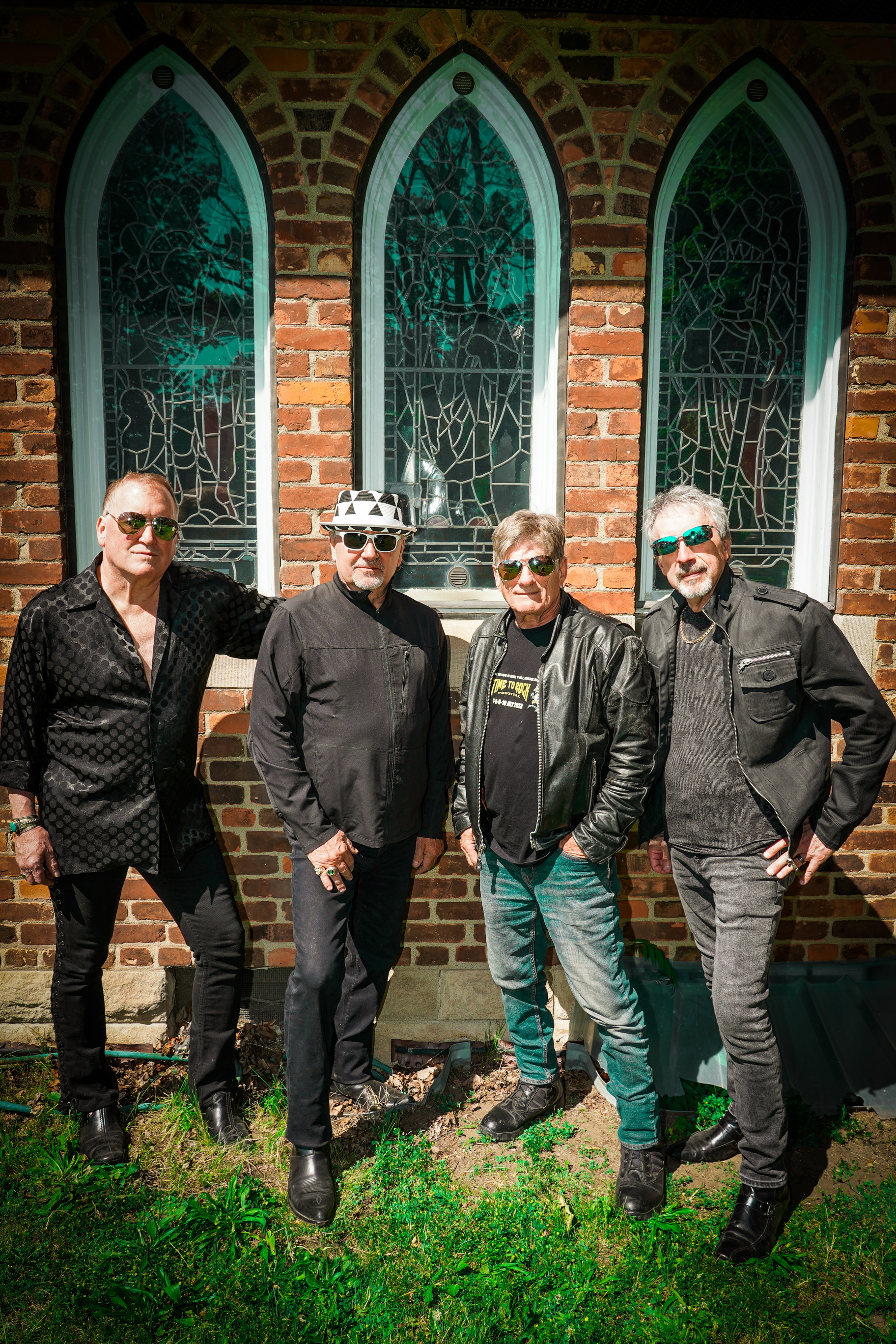
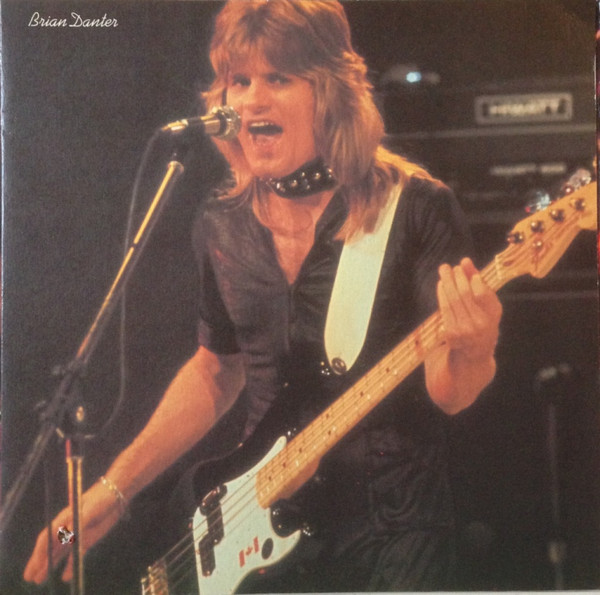
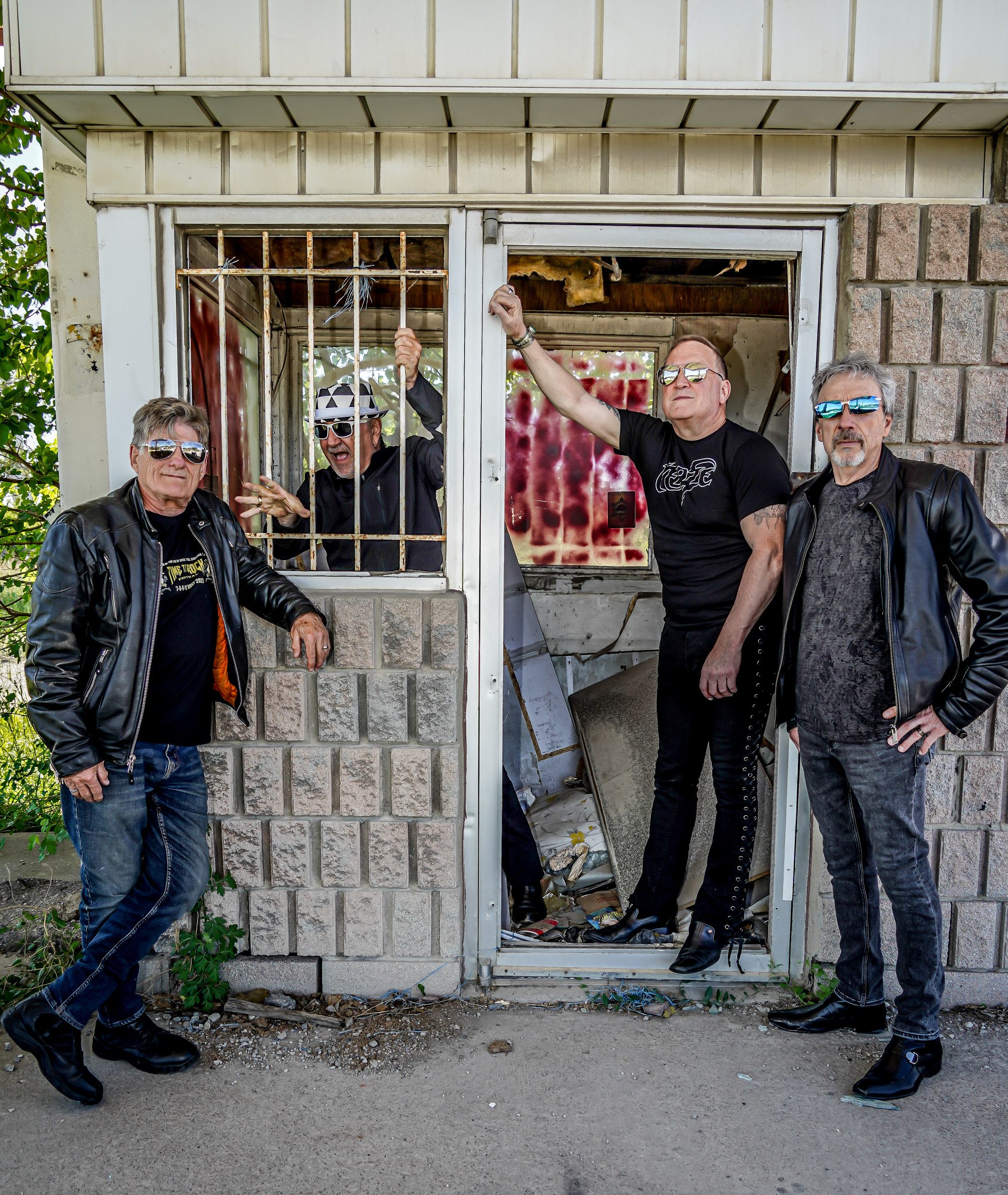
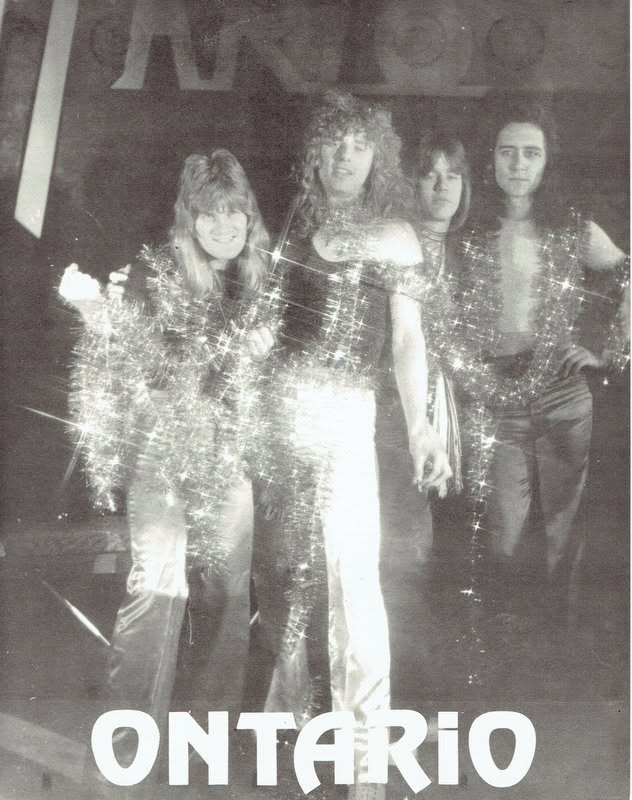
Canadian band Teaze included their version of this on their brand new album Rev Your Engines (the band’s first in 46 years!). Absolute awesome take, with a an added intro (giving it something unique), and a great vocal from Brian Danter. One of the best versions here. (IMO)

SEBASTIAN BACH, MICK BOX, etc.. (2026)

From another ‘tribute’ project of performers mixed and matched for various tracks. Not bad. Love the guitar here – Mick Box and Doug Aldrich. Not a big fan of the vocals, but it has grown on me, so am liking this more. What is Jonathan Cain doing here?

https://songmeanings.com/songs/view/69711

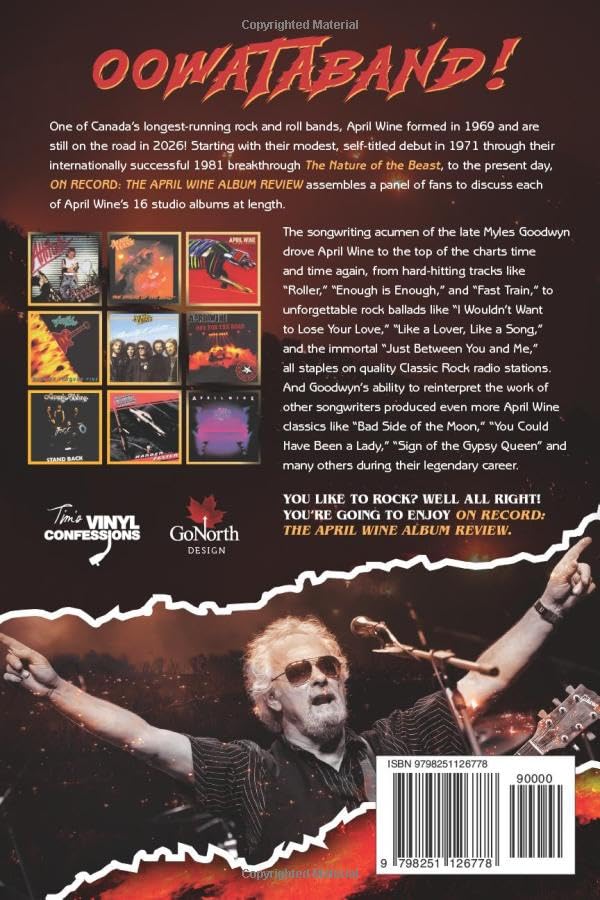
Tim Durling – ‘On Record: The April Wine Album Review’, interview

Tim Durling’s latest book is On Record: The April Wine Album Review. It is the first book dedicated to the legendary Canadian band’s catalogue, with each studio album being discussed by panels of fans, as asked by Tim. So, I am honored to be included among in it. I recently spoke with Tim about On Record, April Wine, and putting this book together. As well we touched on Tim’s future plans.

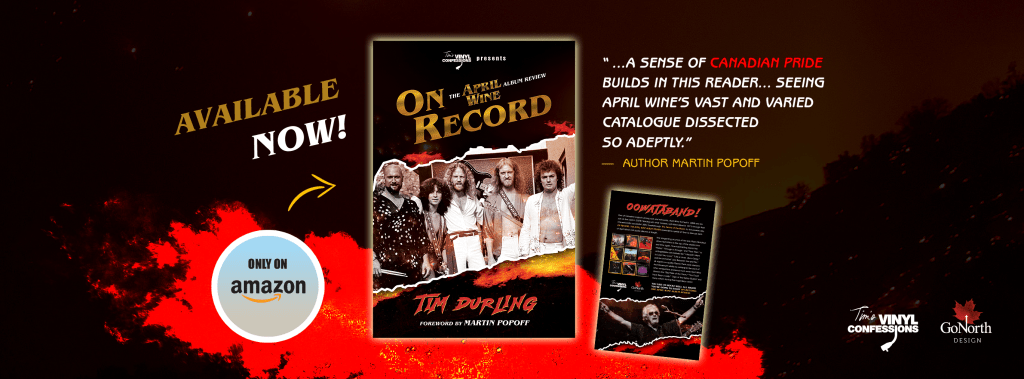
You can order On Record: The April Wine Album Review on Amazon. It’s 222 pages of perspectives, recollections, and information on each of the band’s 16 studio albums. Tim’s doing a lot of promo to reach April Wine fans, and you can catch him on his channel Tim’s Vinyl Confessions, as he features deep-dives on each album over the next few months, as wll as appearing on various other Youtube channels, and in online publications.

Tim: I’ve done Grant’s Rock Warehouse so far, and I’ve done John Clauser’s channel, My Music Corner, and I’ve got a bunch of other things booked. So, the usual channels I go on, like The Contrarians and things like that and reaching out to other people and saying, see if you’re interested. So yeah, any exposure, I appreciate any chance to talk about it.  I appreciate it. And for people to share on social media, it seems like a simple thing, but none of us have the exact same friends base or reach. So, all it takes is somebody to see a post that would have never normally seen a post and go, Oh, there’s a book about April Wine.  It’s a simple thing, but it can mean a lot.  

*Click on the banner below to order.

You’ve always done books, like you mentioned before, books on bands that don’t normally have anything written about them. Is that a large part of where this went, because there’s not a lot of books on April Wine other than Myles’ book or Ritchie Henman’s.

Yeah, there really hasn’t been any books that have been sort of studies into the band’s music, and I like being able to fill in that void. So, you’re right. Most of the books I’ve done have been bands that have hardly any books written on them or almost no books written on them. I mean, Myles’ memoir, Just Between You And Me, that he put out in 2016 is kind of the story from April Wine from his perspective, but I wanted something to go into each one of the studio albums, talk about all the songs, just like a lot of my previous books have been, and I think every classic rock band deserves to have something commemorating their career in this way.

Do you learn much from talking to everybody because you’re not doing interviews with band members and people that were actually there. It’s kind of just a fan analysis type thing.

Yeah, absolutely. The books that I’ve done like this have totally been based on Martin Popoff’s Album-By-Album series that he did. I just thought that What a great format to use; just like having a bunch of people sitting around a table and somebody poses a question, Hey, I think this is their best album, what do you guys think? And then everybody gives you their opinions. And so, I kind of adopted that concept. That’s certainly what I did for Y&T, for Kansas, and for Night Ranger, and for this April Wine one. And I find I learn a lot from talking to fans, especially fans that were either fans longer than I have been and have been there, can remember when albums came out and going to see them on that tour, or even younger fans that just discovered the band a few years ago.  Sometimes they’ll hear stuff that I’ve heard for years but never picked up on. So, yeah, I’ve learned something each time around I’ve done one of these books, I’ve come out of it knowing more about the music or having a deeper appreciation for the music than I had before.

You have a wide variety of people, obviously, there’s, (I don’t know), how many people ended up in the book!? (Tim counts 29). I imagine, because I have probably a favorite five or six albums. Is it easier to find people that say, “Yeah, I’ll talk about Nature of the Beast, and I’ll talk about Harder…Faster”, and then when you get to certain albums, you’re kind of struggling to find people that have a good recall?

Yeah, absolutely. It’s like when I did my Night Ranger book, everybody wanted to talk about the first three albums, and I had a little bit of a harder time getting people to talk about the more recent ones. When I did the Y&T book a lot of people wanted to talk about Black Tiger and Mean Streak. So, with this book, it was no different. It was no problem getting people to talk about Stand Back or Harder…Faster or Nature of the Beast.

I did have a hard time finding people that wanted to talk about, say, Walking Through Fire or Roughly Speaking or Forever for Now, but I was able to fill it up to get a sufficient amount of people per chapter.

I could have talked about a few of those, but I think those three probably sit at the bottom of my April Wine list. I imagine you want to find people that have something positive to say as well!?

Not necessarily all the way through. It is great to have some differing opinions; we all hear these things differently. But, hen you’re really into something, I think that’s when the best content comes up, because if you’re really passionate about an album and passionate about a song, it’ll come out because you’ve listened to it so many times and you’ve analyzed it and you you’re like, Oh, I love this mid-section right here. I love the harmony vocals there. I love this verse right here, the way Myles sings it – or whatever. So, there are some dissenting opinions in some of the chapters.

Certainly, I would say in the in the first album chapter, you know, there’s a overwhelmingly, I don’t want to say negative, but it’s not that high on many people’s list, that first album. But there are some people that like that early stuff and that’s great.

Yeah, it’s a hard, I wouldn’t say a hard one to get into, but it’s definitely for particular tastes, right!?  

I find that if I want to listen to the first April Wine album, it’s more of an intellectual exercise, like I shall now listen to the first April Wine album as opposed to I got to hear that debut album. It’s like that.

Obviously you’re doing a lot of promotion and that for this. Have you gotten any feedback from anybody connected to the band?

No, I really haven’t. At this point, the book’s been out for a couple of weeks or so. So, it’s still quite new. I have posted on, not the official band’s Facebook, but the fan page is there. And a lot of people have seen that. I know Dave Cameron liked one of my posts, so Dave Cameron’s pretty well connected in the April Wine world. People know that name. I don’t think that there’s anything particularly… it’s not about dirt – it’s just a bunch of fans and our opinions on these albums. 

As far as beyond the reviews and the comments and stuff about the albums, you did a list of songs the band covered with the originals in that.

Yeah.

Was there anything you could have put in the book? One thing I really liked was your (and it’s a whole other topic), was your review of the live show, recently.

That was a really happy accident, because obviously I started this book quite some time ago, long before the Triumph reunion was announced and long before it was announced that April Wine would be opening for it.

I was so glad that it happened the way it did, and I got to see that show, because being completely honest, I was sort of in the background thinking, Boy, the idea of April Wine playing without Myles. It just seemed so strange to me because, he was the main voice, the main songwriter, one of the main guitar players. In a lot of ways, Myles was the sound of April Wine. So, the idea of somebody else doing that, I don’t know!? I’ve seen plenty of shows with replacement singers, but it just so happened that I really wanted to go see this Triumph reunion and April Wine were opening. And I came out of it, I was convinced that this music is in good hands now. Marc does a great job with the vocals. He doesn’t try to sound like Myles. I like the fact that they didn’t do what, say, Journey and Foreigner did and tried to find somebody that could sing like Myles because he’s got such a unique voice.

They just got somebody that could sing very well, deliver the songs. I will say that he’s really, I get the feeling that Marc has really taken time to study Myles’ guitar parts because when it came time for the lead parts, he had them down. And that that I would go see them on their own now. I would go see a full headline show from this lineup.

I saw him last year as part of the BTO thing and I was kind of the same thing. I kind of thought there’s one guy that’s played on albums here. I was, not skeptical, but I just…. But Marc brings a lot of energy to it.

Yeah, very much. And they talk about Myles a lot. He just sings those songs very well. That that opening set went over very well for the Triumph crowd.

As a matter of fact, I think that the crowd sang along louder to April Wine. But I think that also has a lot to do with the fact that, Triumph – I love Triumph; they’re one of my favorites. In Canada, they’ve got like maybe three or four songs that get a lot of radio airplay, whereas April Wine have maybe a dozen. So, like people just know those songs, right!? And they’re marginally not as heavy as Triumph. So, it kind of makes sense that it’s got more radio friendly appeal.

Triumph were great. But I just noticed that people were into that April Wine show from the get go, and you could hear them all singing along from the moment they started with “Oowatanite” til they finished with “Roller”.

So, was there anything you wanted in the book, you just didn’t get around to or anything kind of like a list of stuff or anything?

Not really, I tried to make sure I covered every officially released song. So if we got to, for instance, B-Sides, I put them in context of the album that they would have been affiliated with if they were a B-Side from On Record or Electric Jewels or whatever. Songs that are on live albums that weren’t on any studio albums. I think I just about got everything covered.

So far, I haven’t looked at and gone, Oh, I wish I had mentioned this or that. No, I’m kind of happy with the way it turned out.

I know all these things get brought up in the discussions from album to album, but there was no list of like related albums or just band personnel in general.

No. I think I try and cover the changing lineups as they occurred. I know one thing that, maybe some people thought I should have covered but I didn’t, was solo albums. I did talk briefly about the two blues albums that Myles did post-April Wine, because I find that those are probably the closest people were going to get to another April Wine album. It is kind of sad that Roughly Speaking, will probably go on to be their last album. And it was I mean, first of all, it was really short and I didn’t mind some of the songs. I just wish they’d made more music.

Yeah, it’s unfortunate they went from 2007 until now, not recording. I think Styx went for the same period of time until they finally put something out.

Yeah, Kansas did the same. They were16 years before they started putting out albums again. I suppose now, I don’t know. I can’t imagine there being a new studio album of newly written material, but you never know. It’s a good band. I will say that with Brian at the lead. And this music people still want to hear these songs. 

Regarding your own favorite albums. Did you have any chapters you were looking forward to?

Sometimes it’s the albums that aren’t my favorites that I most look forward to because I really want to hear, because I always think that This is a good band. I just don’t happen to care for this particular album here. But somebody must like it. So, it’s always good to hear back when someone says,  “I kind of like the late 60s vibe here…I kind of like….”  I guess the two main ones would be the debut and Forever For Now. When it comes to, say, Harder…Faster, Nature Of The Beast, those are well-loved albums…Stand Back. So, I know it was no problem to come up with people that wanted to talk about those and were really passionate about them. But I kind of almost look forward to those lesser albums. And I’m interested to what people, think of them, especially if they’re albums that in some cases, I know that people have discovered them in recent years because of YouTube and being on different shows.  One that I find has really risen amongst people that I communicate with is Back To The Mansion. I think that’s a really good latter day April Wine album.

I think once you get over the fact that it’s not a hard rock album.

Yeah, it’s not it’s not. Attitude was a pretty pedal to the floor, borderline heavy album. Frigate not quite so much, but there are a few songs on there.

But yeah, Back To The Mansion is nothing like that. Back To The Mansion really has more of the spirit of something like even lighter than say Powerplay. There are great songs to be found on there. I love that Brian sings two songs. It’s just it’s a really strong album. And I had no problem with them doing that blues sort of thing with Roughly Speaking, I just wish it was a longer album. The whole thing’s about 25 minutes long; so it’s barely an album.

I like the guitars on the album, but yeah, it’s too short. And it took me a long time to get into it. Same with Back To The Mansion, when it first came out, I was kind of like, It’s good, but, there’s no like, Frigate had “Look Into The Sun”.

Yeah, there’s nothing really driving on there. And that’s another thing I remember, because I got into the band when Attitude was a new album. I mean, I’d certainly heard of them for years before, but when I first started buying the albums and listening to them, it was when Attitude was out. And then Frigate came out just a year later, which was pretty rare in the 90s. So I remember thinking, Okay, we’re going to start to get some, a bunch of albums from them in pretty short order.  Obviously, that didn’t happen. And I just think that’s a shame. I think there was a lot of talk about albums coming out, but it just it didn’t seem to happen. And I think I understand why, because obviously, there’s more money to be made on the road.

Have you read the other April Wine related books, Myles or Ritchie’s?

I’ve got to get Ritchie’s book. I don’t have it. I have Myles book, and I enjoyed it. When Myles talks about growing up, you know Myles was born in Woodstock, New Brunswick, which is my hometown. I was born there. Myles did not live there, and that’s the important difference, but still the Maritime provinces. So, I can picture a lot of things he was talking about when he was growing up. It’s pretty amazing, considering that band started in Waverly, Nova Scotia, made their way to Montreal, and then they had albums all over the world. They toured all over the world, and they did quite well for themselves.

Are you getting feedback on this outside of Canada?  

Yeah, I’ve sold a lot of books to to folks in the States that I’ve talked to, and in the UK.  I think it’s really important, and one of the goals of this book is to let people know that they didn’t just have those six albums on Capitol Records, from First Glance to Walking Through Fire; there’s a quite a career here, quite a distinguished career. The fact that First Glance comes out, lot of people might have thought that was their first album, but then in Canada, the next thing that comes out is their first Greatest Hits because they’d been doing it for almost a decade at that point.  So, it’s a rich catalog to go back and discover. And I think people would be really surprised if they only know, say, those Capitol years, the big songs, how eclectic those earlier albums are.

Do you plan on doing anything further as far as the band goes down the road? Do you see any kind of follow up as far as April Wine goes?  I’m just saying this because I know there’s not a lot out there on them.  

I’m thinking that I don’t know what else there would be, unless somebody approached me and said, We’d like you to do their biography, and then I’d have to do some serious research. I’d have to borrow a lot from existing material, like Myles’ book.  And, it’s my understanding, like some of those guys, like Gary Moffet, they just don’t want to talk about it. But somebody should; there really should be because it’s an unlikely story. The whole idea of them traveling from Halifax to Montreal, and they really didn’t have an invitation. It was sort of a nicely worded Don’t call us, We’ll call you, that they got from the guys that ended up starting Aquarius. It could have been a totally different story. So it’s unlikely, but they just they kept at it. They kept putting out records. And sooner or later, they made their mark. It’s interesting because, yes, in Canada, April Wine are kind of an institution as far as classic rock, and they’re mentioned up there with the biggest of names. Around the world it’s not like that, they’re sort of almost a mid-tier band if people remember them at all. And I think more people need to know about the band and know just how many albums they did, how much music they made.

What else do you have in the works?

I’ve got another book that at this point is proofread. It’s pretty much written and it’s proof-read. And I’ve been kind of on this schedule where I put a book out in early summer and then I put one out in the fall.

So, this next one will be coming out in the fall. I’m not saying who it’s about just yet, but it does follow along with a lot of the books that I’ve been already doing. I will say that it’s the next book that I’ve got it’s like my Sammy Hagar and my Fleetwood Mac books in that it’s all me. It’s an album by album, but it’s all me. And then I’ve got a couple other bands in mind. I don’t see any reason to stop.

I’m always looking around like, OK, so who do I really like!? I got to really like whoever it is before I commit to doing a book. And who also isn’t well represented in having something to pick up and read about them. I’m a huge Rush fan, but I don’t have a Rush book in me and there’s so many great books already written about them.  So, it has to be something that really gets my interest when I’d really like digging into writing about these bands. And all right, Finally, I get to write about this band or I get to say what I think about this band and how great this album is. And more people need to hear it rather than saying, I think Moving Pictures is a great album.  Well, so does most of the world. So, yeah, I’m going to keep on going, I think.

Is it getting easier to do? You started writing books, what, five years ago now or less?

Surprisingly enough – Yeah, it’s been about four years. It’s crazy in that time, I’ve got seven. And my good buddy, Matt Phillips, that works for his company’s Go North Design. He’s worked on all of my books. I’ve kind of got a system down, not a science, but we’ve both gotten better at, now that we’ve got a system, it’s working very well.

And I also want to thank my good friend Andy Campbell for doing the proof-reading, because that’s very important to me. I do not want to have grammar errors or spelling errors or factual errors. A good proofreader will find things that not just things that, it could be grammatically correct, and it could be something that if you’re a huge fan of the band, you’ll understand, but I’m trying to write my books for everybody.

So, I don’t want someone to write something that’s like an inside joke. And it’s like, Well, I don’t even understand what that means. So it’s like, Can you explain that a little more? That’s why there’s some editorial notes in there and stuff like that.

Do you have anything planned other than this just for a bookstore or anything like that?

Well, I do. As far as my channel, Tim’s Vinyl Confessions, every time I put out a book, as you know, I do a ‘deep dive’ series where I go through every one of the books. You’re in an upcoming one. And actually, what I’ve done this time that’s different than before, I’ve got two co-hosts per episode. So, I’ve got two people that are in the chapter for the albums. And so that’s going to take me into September because that’s 16 weeks.

And yeah, I’ve got actually in Woodstock, which I only live about a half an hour away from there now. I am doing an in-store for first Saturday in July at a local bookstore. So that’s coming up.

I’ve been doing, I’ve done Grant’s Rock Warehouse so far, and I’ve done John Clauser’s channel, My Music Corner, and I’ve got a bunch of other things booked. So, you know, the usual channels I go on, like The Contrarians and things like that and reaching out to other people and saying, see if you’re interested. So yeah, any exposure, I appreciate any chance to talk about it.  I appreciate it. And sharing on social, for people to share on social media, it seems like a simple thing, but none of us have the exact same friends base or reach. So, all it takes is somebody to see a post that would have never normally seen a post and go, Oh, there’s a book about April Wine.  It’s a simple thing, but it can mean a lot.  

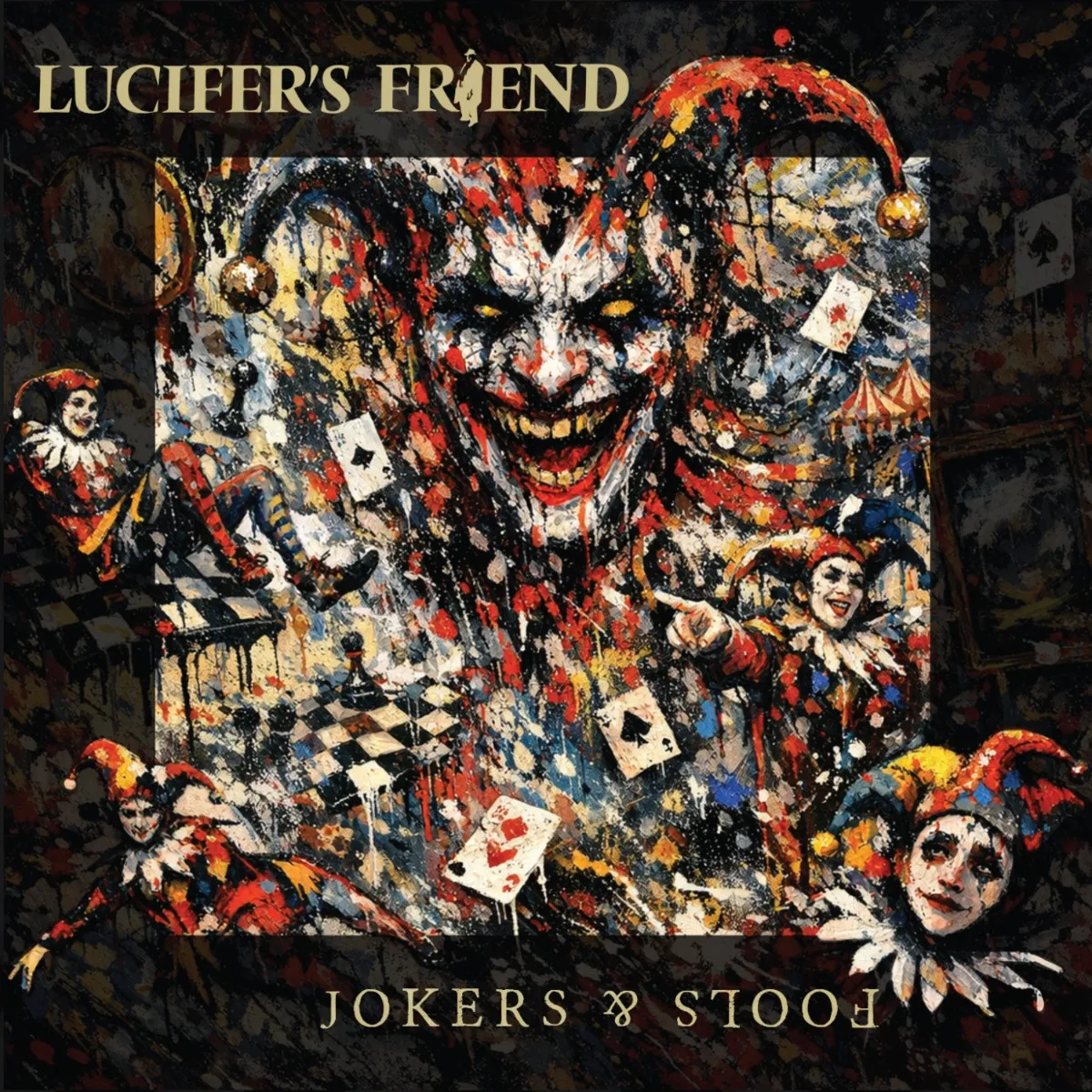
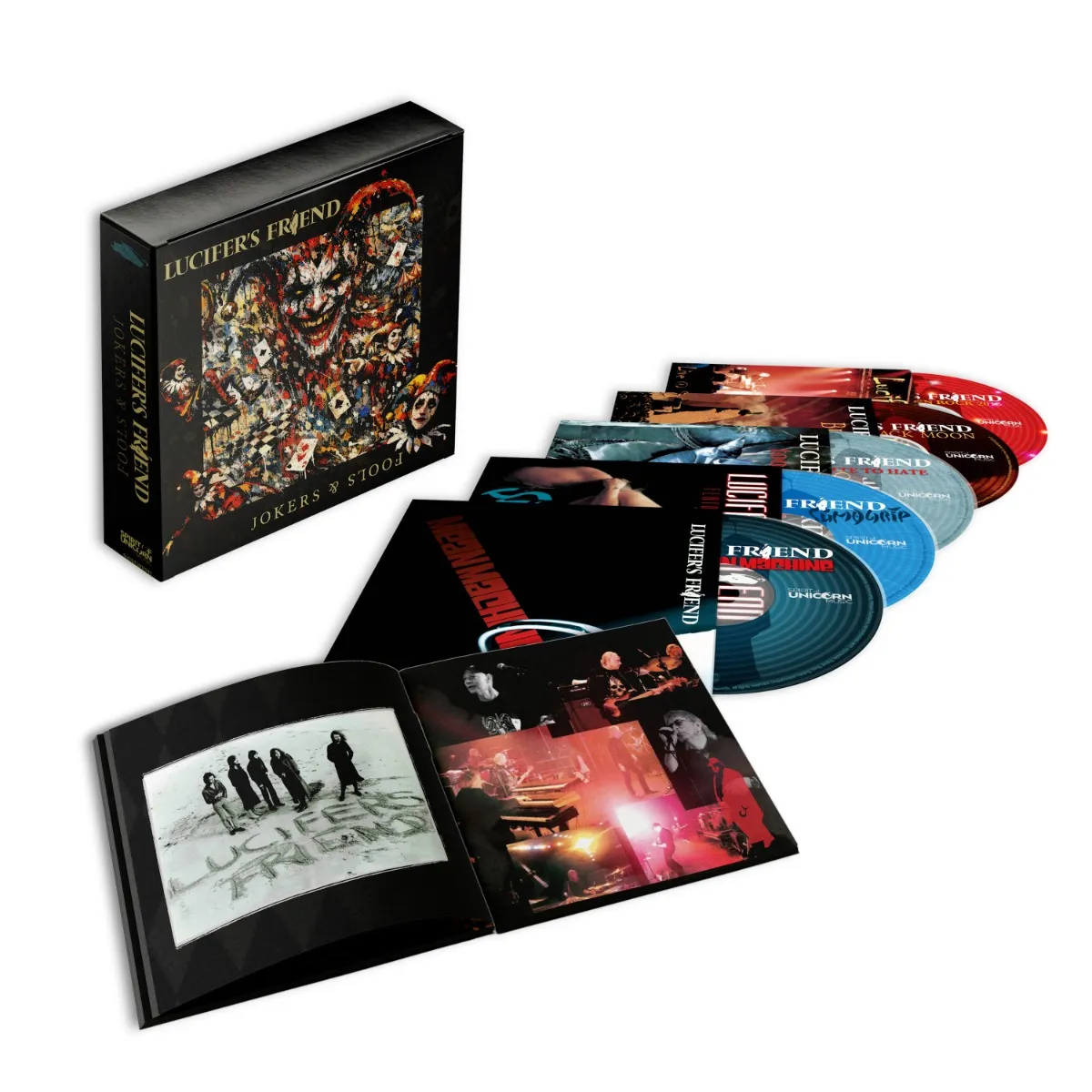
LUCIFER’S FRIEND – Jokers and Fools, 5 CD set

To be released on September 25 is a 5 CD lift-lid box which contains LUCIFER’S FRIEND’S 3 albums from their reunion years (2015-2019), as well as 1994’s Sumogrip, and the excellent 1981 album Mean Machine – all remastered by Andy Pearce.

Lucifer’s Friend released their debut album in 1971, very heavy and doomy, which is often listed among the classics of the era, alongside the first few Black Sabbath albums, Deep Purple’s In Rock, and Uriah Heep’s debut as well. The band would shift directions or styles from album to album, maintaining a core line up of Lawton, Peter Hesslein (guitar), Dieter Horns (bass), and Peter Hecht (keyboards), along with drummers Joachim Rietenbach and Herbert Bornhold. Following Lawton’s departure to Uriah Heep in 1976, Lucifer’s Friend carried on for 2 albums with Scottish singer Mike Starrs. This box begins with the band’s reunion album Mean Machine, which saw a return to a Hard rock sound, with heavy guitars and big riffs. But with poor promotion, the band soon split up. Lawton & Hesslein reformed Lucifer’s Friend, with a new line up for 1994’s Sumogrip (as ‘Lucifer;s Friend II’). A good album, but less heavy, featuring standouts “Heartbreaker” and “Sheree”, as well as remakes of “Ride The Sky” and “Free Me” (Uriah Heep). Again, decades would pass before the band reformed with Lawton, Hesslein, and Horns. First came the compilation Awakening, which included 14 tracks, 4 of which were brand new (put on a seperate disc); I don’t see these tracks here(?). Next the band played the Sweden Rock Festival,, and released a live album from that show. This was followed by 2016’s Too Late To Hate, and a final album, Black Moon, from 2019 – both good albums, though I prefer the latter, highly recommended. Sadly, Dieter Horns passed away in 2019, and John Lawton in 2021. The Last Stand was released later in 2021, a compilation, which included songs from the last 4 albums.

Jokers And Fools will be a welcome release for those interested in this legendary band. Although the last few albums aren’t that old, having all 5 albums together looks like a nice collection for fans. I’m also looking forward to the booklet, which includes an introduction from Iris Lawton. The band’s earlier albums are harder to find on CD (including Mean Machine), so here’s hoping that this is followed up with another such box set, including the band’s ’70s releases.

*For more info, tracklisting, and pre-ordering, go to – https://www.cherryred.co.uk/lucifer-s-friend-jokers-and-fools-5cd-edition

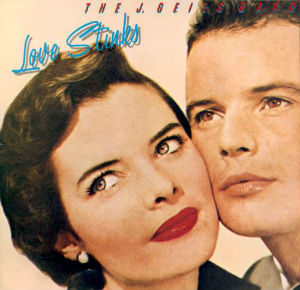
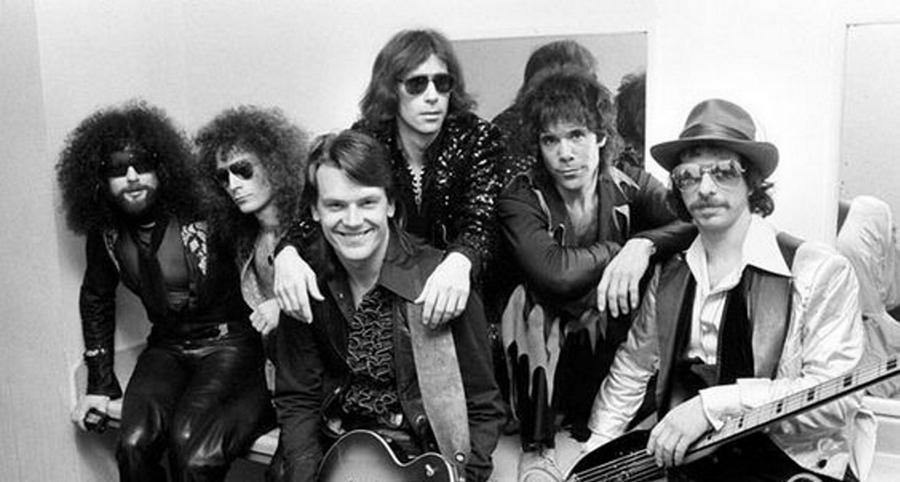
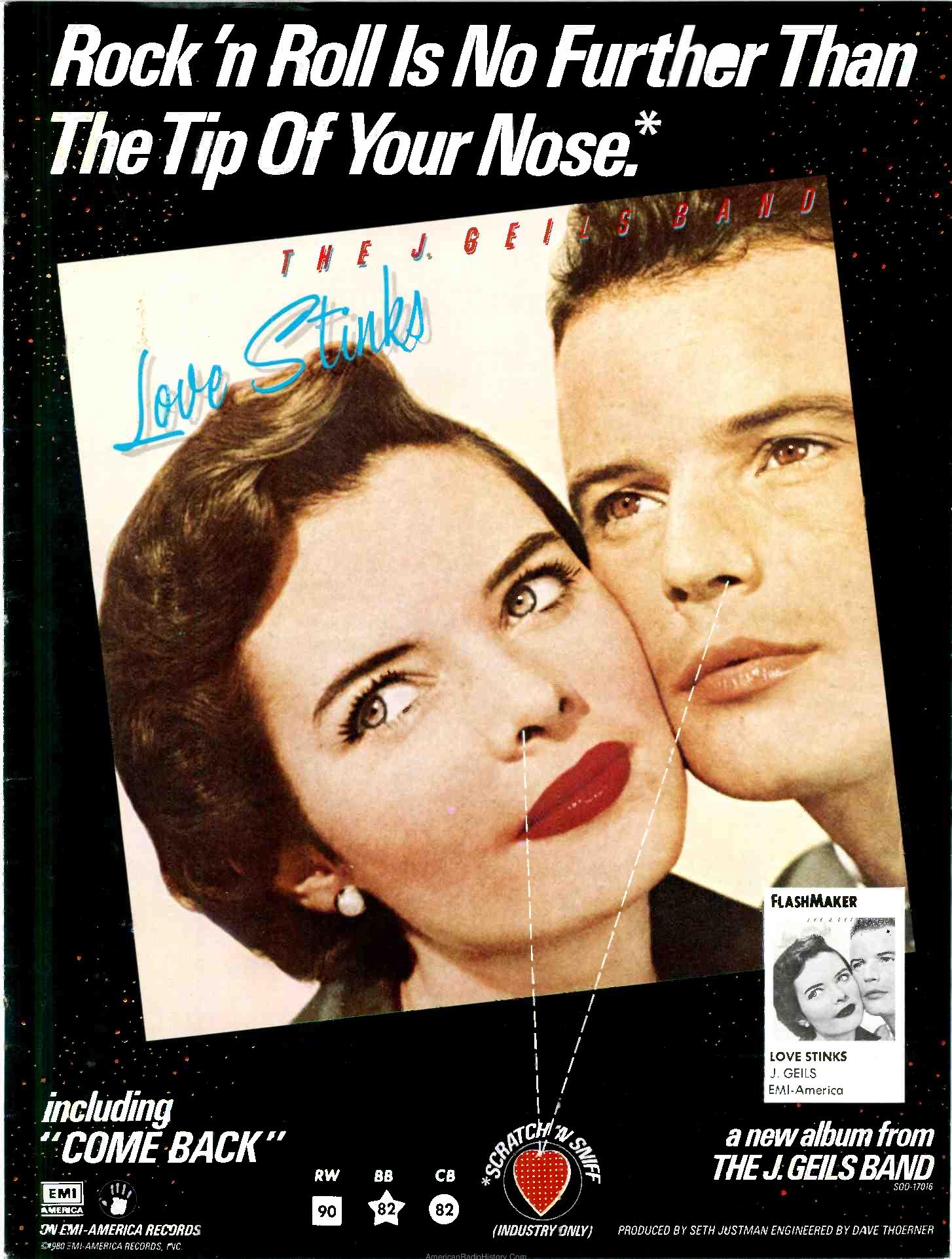
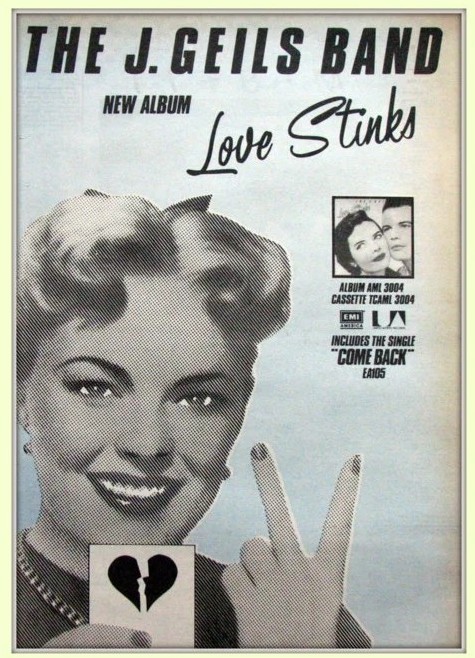
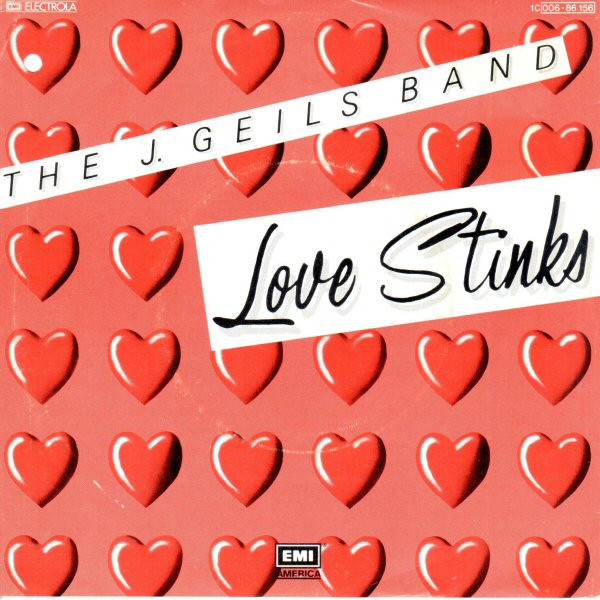
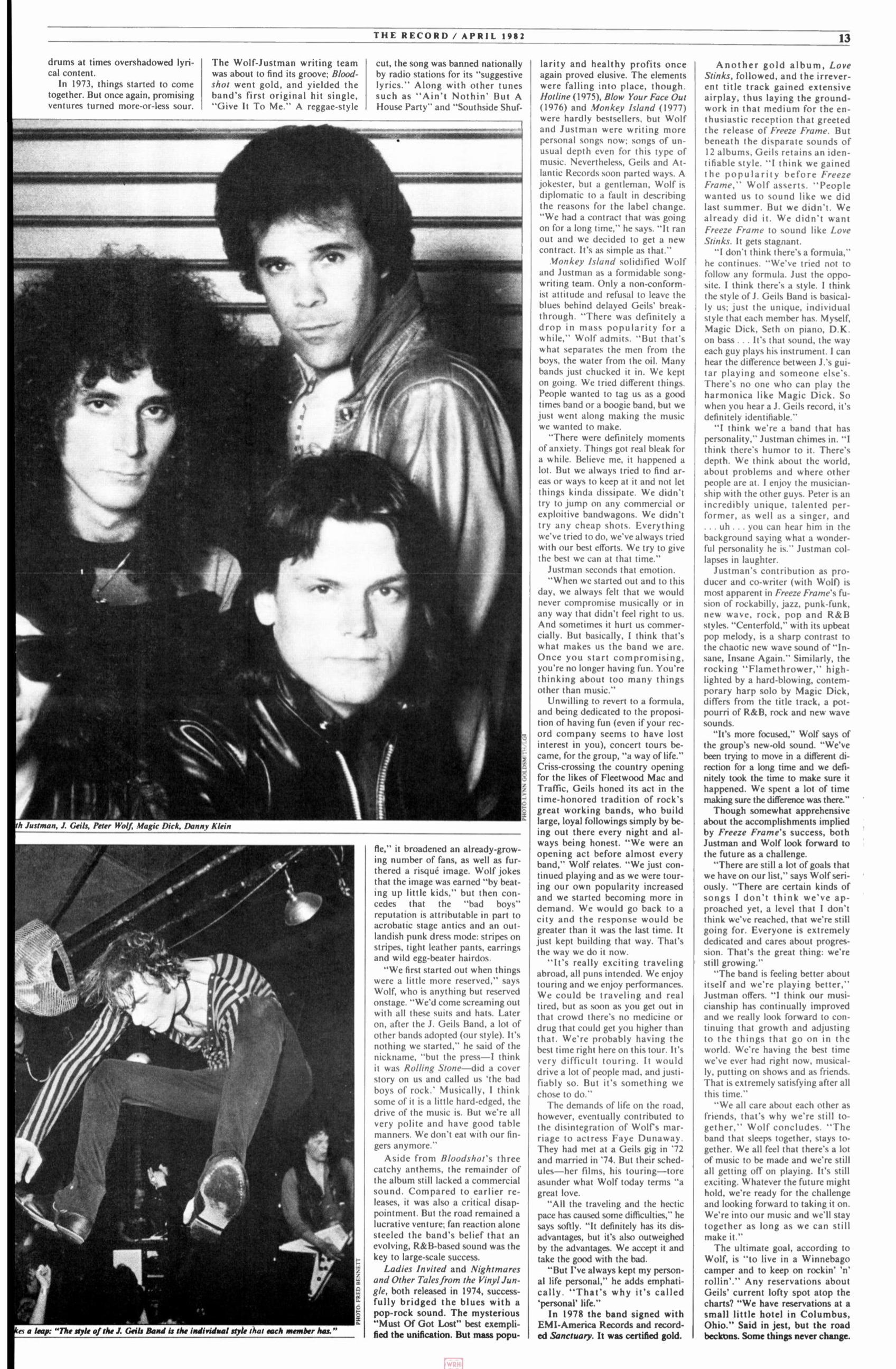
The J. GEILS BAND – Love Stinks (1980)

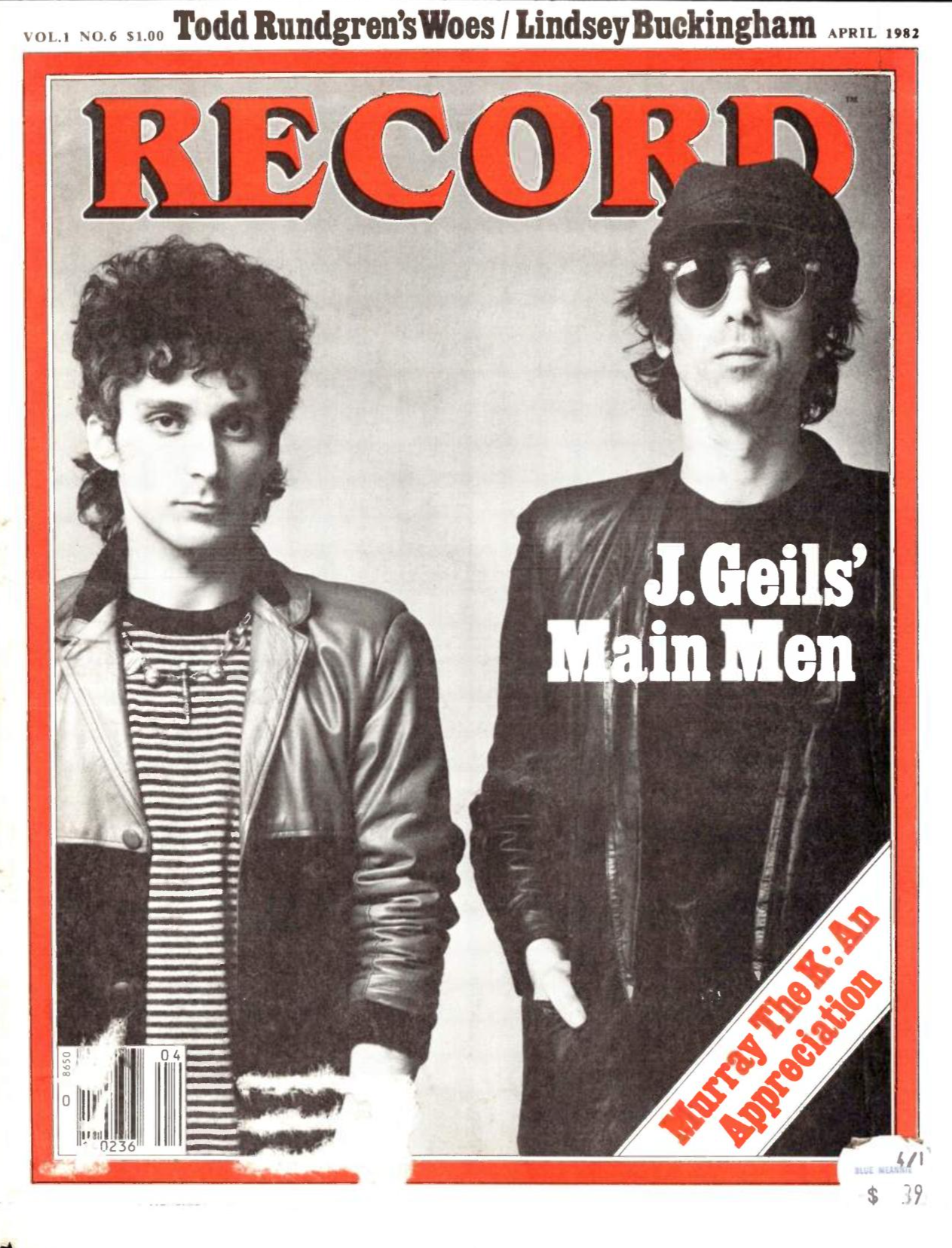
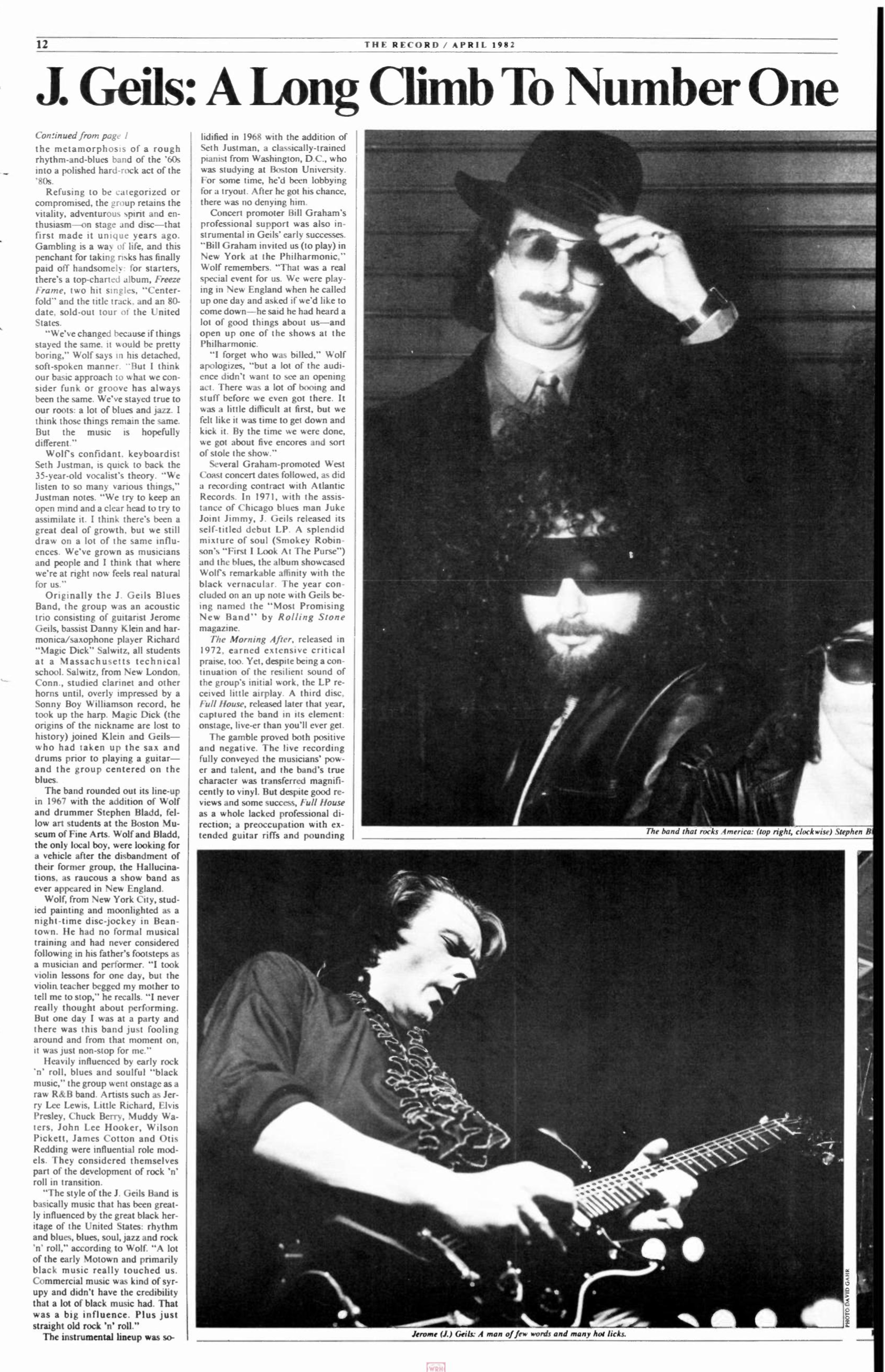
When I was in grade 6, J. GEIILS BAND’s Freeze-Frame album was one of the biggest albums happening, with 2 huge hits that were heard regularly. Eventually I picked this up, but I’d also picked up it’s predecessor not too long after, not knowing much else of the band. Yeah, I went back and picked up most of their back catalogue, when used LPs were dirt cheap. The earlier stuff I was less keen on, but they had some cool album covers!

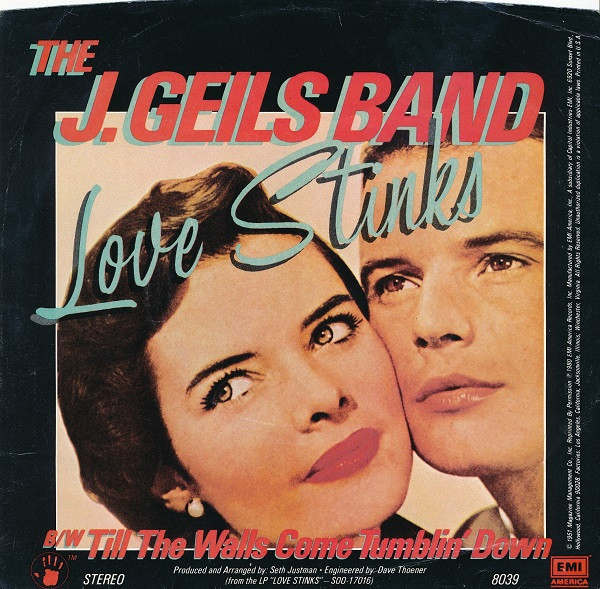
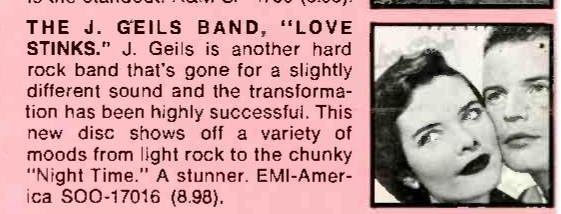
Anyway, 1980’s Love Stinks would be my favorite album from the band. It was their 11th release, and 3rd album for EMI. The previous album, Sanctuary is pretty good too; it featured the hit “One Last Kiss”. Although the J. Geils Band, from Boston, originally was known for their R&B and Blues sound, and party band atmosphere, in later years they came around to a more, almost mainstream rock direction, particularly with Love Stinks. Most of J. Geils Band’s original material was written by singer Peter Wolf, and keyboard player Seth Justman, with the band doing much less covers by this point. At this point the band was also changing their image with the music, in time for the video (MTV) which came a year later. Love Stinks came in a unique cover design by Carin Goldberg, with the front featuring a seeminglyhappily married couple in the 50s, the back cover featuring childhood photos of bandmembers, and the inner sleeve consisting of various love themed pics and headlines. Pretty weird at the time.

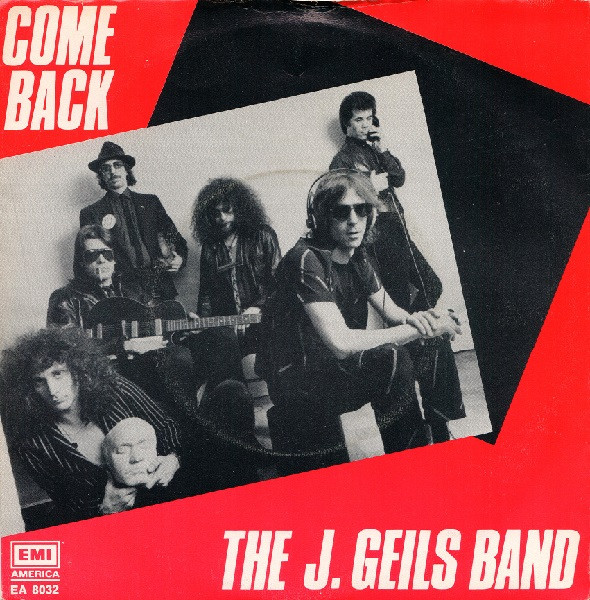
Love Stinks starts out with 2 of the albums best tracks, the upbeat “Just Can’t Wait“, this one featuring that classic old organ and hand claps. “Just Can’t Wait” would be the 3rd single in North America, and hit the charts in Canada and the US. The next track, “Come Back” would be the album’s first single. Both songs go so well together, the latter with a more modern sound, more synths, heavier guitar, and a big drum sound. “Come Back” is my favorite here; love the instrumental section which features a guitar break, and highlights with an unusual drum section, and keyboards. The synths here and closer to the end remind me of things like Gary Numan’s “Cars”, and Alice Cooper’s “Clones”. “Come Back” would be a Top 20 hit in Canada, top 40 in the US,. “Night Time” is the a;bum’s lone cover, originally a 1965 hit for the New York band Strangeloves. The first side ends with the band’s comical track, “No Anchovies Please”, with Peter Wolf narrating a twisted tale, reminiscent of Brownsville Stations “Martian Boogie”

Side two opens with the album’s title track. Another big hit single, and like “Come Back” – a little more hard-rock. “Love Stinks” was performed by Adam Sandler in the movie The Wedding Singer (the J. Geils version appeared on the movie’s soundtrack, volume 2). It was also covered by Joan Jett, appearing as a bonus track to her Hit List compilation in 1990, as well as industrial metal band Bile, in 2002. Peter Wolf, himself would include a live stripped down version of this on his 2016 album A Cure For Loneliness. I always thought this song was meant as a bit of comedy, but it was penned following Wolf’s divorce from actress Faye Dunaway, which makes me wonder if any other songs resulated from this experience(?)

Next up is “Tryin’ Not To Think About It”, another excellent song that features a heavy riff, and a hard driring pre-chorus, but in between there’s pop, funk, blues….just a cool tune. “Desire” is the album’s ballad, again a really good memorable track that would’ve made a fine single. The album concludes with an old school J Geils type party rocker in “Til The Walls Come Tumblin’ Down”, which is perfect closer after everything else here.

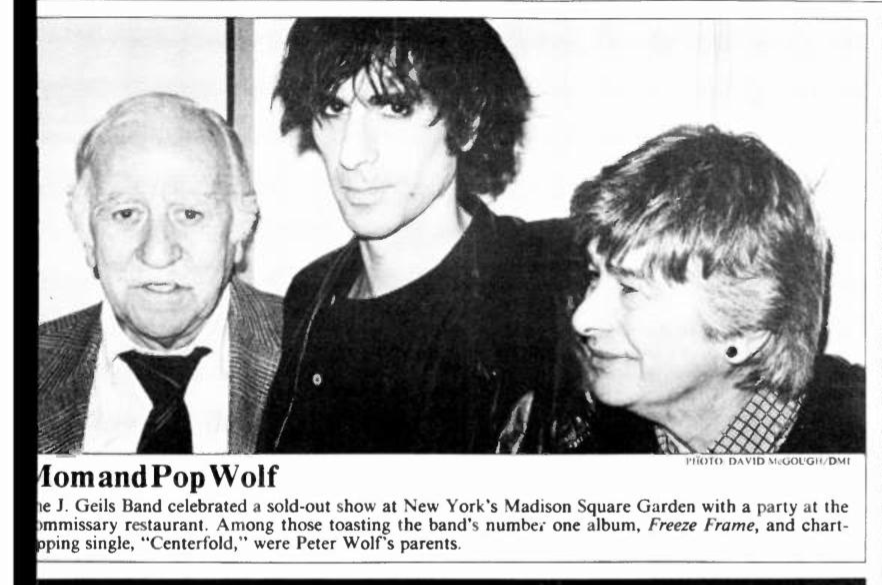
Freeze-Frame came out a year and a half later. With Wolf only co-writing on half of this, leaving Justman to write most of the album, as well as produce it. I really liked the singles off it – “Centerfold” and “Freeze-Frame”, in particular, which drove the album to #1 in North America. But overall I found this album a bit more pop-ish, less guitar, and less memorable songs. A 3rd single, “Angel In Blue”, a ballad, also made the top 40, but beyond this I am much less keen on this record overall. A live album, Showtime, was released a year later. It contained 11 tracks, but omitted 2 of the band’s more recent hits – “Come Back” and “Freeze-Frame”! It made the top 30 in the US though. Soon after, internal conflict, largely Wolf disagreeing with the band’s more modern ‘techno’ direcetion, lead to his being fired. J. Geils Band continued with one more (largely forgettable) album soon after, while Wolf had a couple of successful solo albums in the 80s – Lights Out (1984) and Come As You Are (1987). The J. Geils Band broke up in ’85, but reunited with Wolf on a few occasions, even touring without the band’s guitarist and namesake., John ‘J’ Geils, who, sadly passed away in 2017.

LINKS:

https://www.jgeilsband.com/jgeilsrecordings.html

https://jgeilsband.wordpress.com/page/2

https://peterwolf.com

https://www.classicrockforums.com/threads/j-geils-band-official-thread.4014

BADFINGER – “JUST LOOK INSIDE THE COVER – SONGS OF PETE HAM”

New Tribute To BADFINGER Legend “JUST LOOK INSIDE THE COVER – SONGS OF PETE HAM”. To Be Released June 19 on Y&T Music

Includes new recordings by Ron Griffiths and Bob Jackson of The Iveys and Badfinger

Y&T Music is proud to announce the release of a special tribute album, “Just Look inside The Cover – Songs of Pete Ham,” featuring 22 new recordings of songs written by Pete Ham. This very unique tribute album features songs that were only previously released as home demos and never recorded by Badfinger.

Pete Ham was one of the 20th century’s greatest overlooked artists. Certainly, the Swansea, Wales-born musician received some recognition: three of his songs – “No Matter What,” “Day After Day” and “Baby Blue,” all recorded by his group Badfinger – were hit singles, and the popularity of those songs endures to this day. And “Without You” – co-written with band mate Tom Evans – would become a standard when covered by American singer-songwriter Harry Nilsson. With Badfinger, Ham made seven albums, all of which are today recognized as classics of melodic rock.

While the total output of Pete Ham penned songs released during his short lifetime would be less than 40 songs, he proved to be a startlingly prolific songwriter. Thanks to the diligent archival work of people working in close cooperation with The Pete Ham estate, demo recordings of many of these and previously unknown songs have come to light in recent years and are the focus of this tribute.

Many of those songs, compiled on several posthumous Pete Ham albums, demonstrate that Ham’s songwriting prowess yielded a bounty, the like of which would be astounding even if created by an artist who lived much longer than his brief 27 years. They also underscore the fact that Ham could – and quite often did – write excellent songs that were well outside the musical scope of The Iveys or Badfinger. Moreover, Pete Ham exerted great influence upon countless artists who came after him, many of whom weren’t yet born when he tragically took his life in 1975. His gifts with words and melody continue to inspire musicians and listeners alike.

This tribute features some of today’s most renowned artists in the field of melodic and indie rock, each providing their take on a gem from the largely overlooked portion of Ham’s creative output. Given complete creative control, some take the approach of arranging the song in a way that suggests how Badfinger might have done it; others use Ham’s words and music as a canvas upon which to paint a picture all their own. Just Look Inside The Cover also includes new recordings by Ron Griffiths, and Bob Jackson, both who have recorded and toured with Pete Ham, as members of The Iveys and Badfinger.

THE SONGS

1. Mike Delevante – A Lonely Day

2. Pezband – Tulip

3. Sharp Pins – Just How Lucky We Are

4. Eric Dover – Leaving on a Midnight Train

5. Arlan Feiles – You’re Such a Good Woman

6. Bill Lloyd – Our Song

7. Rob Bonfiglio – Hand in Hand

8. Mary Karlzen – Dawn

9. The Fraternals – Catherine Cares

10. Fernando Perdomo – Time is Mine

11. Mic Harrison And The High Score – A Little Bit of Rock and Roll 

12. Tobin Sprout – Keep Your Country Tidy

13. Humbert – Little Mary

14. Steve Barton – Ringside

15. The Parlophonics – Makes Me Feel Good

16. Richard Barone (featuring The Midnight Callers) – I’m Only Human 

17. Darren Hayman and Robert Rotifer – Love Will Be

18. Mark Healey – It Doesn’t Really Matter

19. Jeff Alan Ross – The Day Begins

20. Ron Griffiths – Take Good Care of My Baby

21. Bob Jackson – Just Look Inside The Cover

22. Tobin Sprout – Keep Your Country Tidy (Reprise)

To pre-order: https://www.amazon.com/Just-Look-Inside-Cover-Various/dp/B0GZWP3G6G/

For more information:

https://www.ytmusiconline.com

https://www.youtube.com/channel/UCMNRJiVQ3H9fK9P2CpaR1EA

APRIL WINE – ‘On Record: The April Wine Album Review’, a new book from Tim Durling

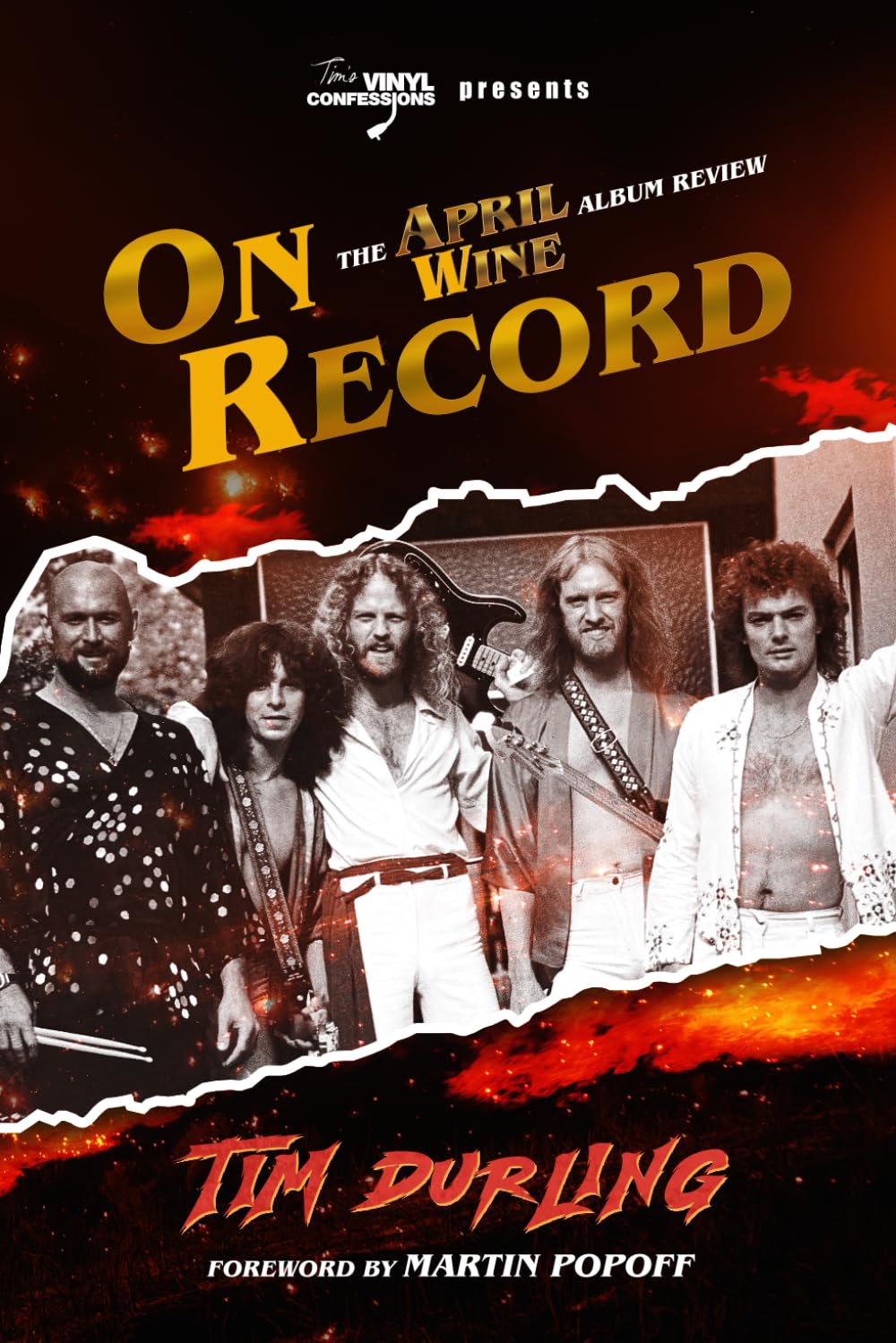
Canadian rock writer, music podcaster, and on-air radio host from New Brunswick has penned a new book on legendary Canadian band APRIL WINE. On Record: The April Wine Album Review follows in similar style to Tim’s books on Night Ranger, Y & T, and Kansas, with input from fellow fans discussing the band and each of their albums.

There are not a lot of books on April Wine (see Myles Goodwyn’s Just Between You And Me, and Ritchie Henman’s High Adventure), so as a fan (and honored to be a contributor), I am really looking forward to this.

You can order On Record: The April Wine Album Review HERE.

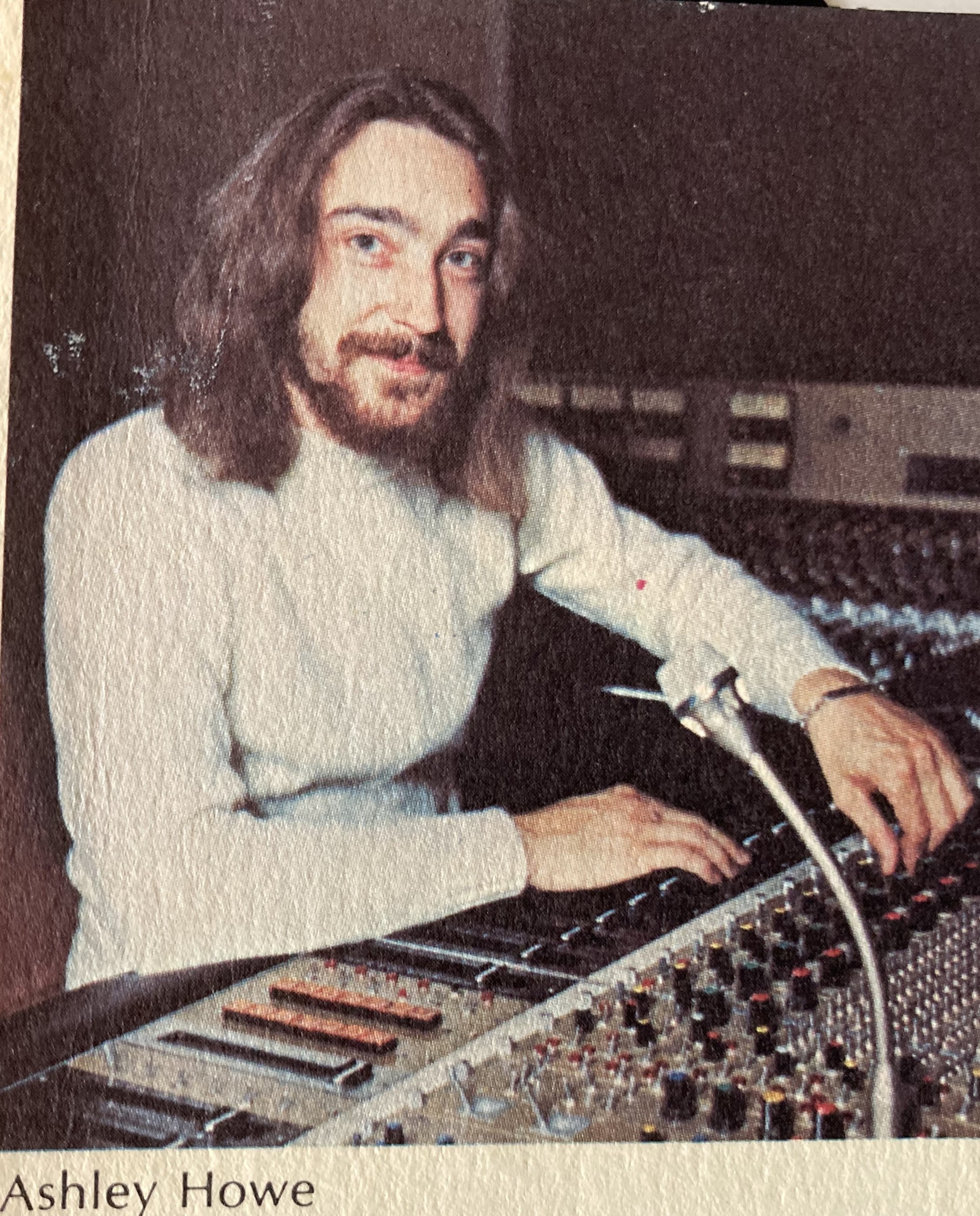
ASHLEY HOWE – An interview with British recording engineer, producer

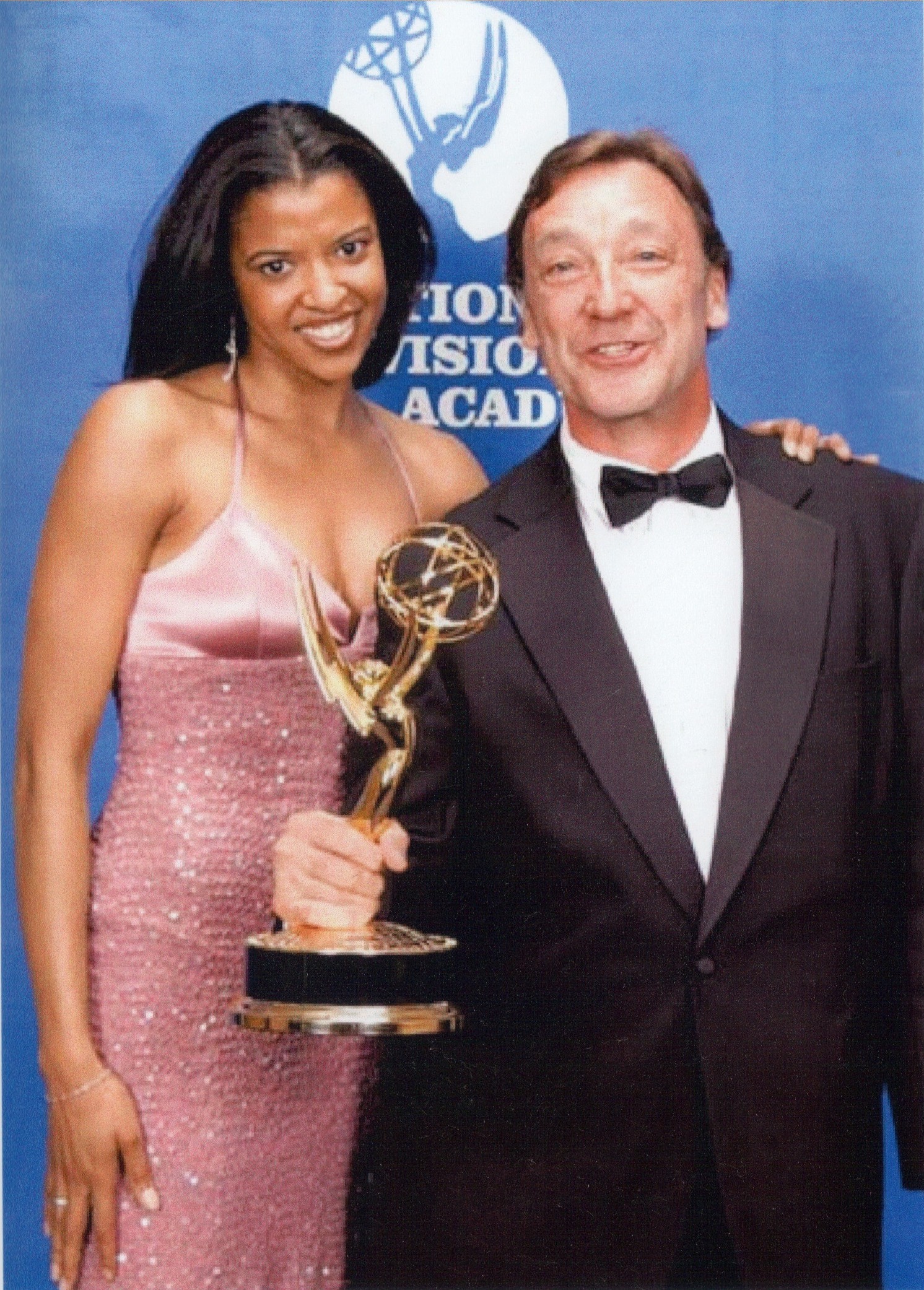
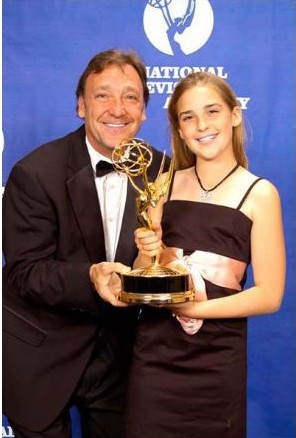
ASHLEY HOWE began his career in 1970, and more recently retired. I had the pleasure of interviewing him this time about his career, where he began as tape operator, and becoming an recording engineer and producer, before relocating to the US to work in television & film sound (where he’s picked up a few EMMY Awards!). Although many Uriah Heep albums will recognize Ashley’s name for the many Heep albums he’s credited on (including producing Abominog & Head First), we discussed a number of other bands Ashley worked with in the 70s and 80s, as well as what he got up to when he left the UK. Ashley has a lot of great stories, and I’m sure (and yes, I did ask!) they could make for an entertaining book someday!. Although Ashley might play it down, but I would say the man’s had a legendary career in the recording business, having been connected to many classic bands and big albums.

We started off this conversation bringing up his recent appearance on Rock DayDream Nation‘s Youtube show, which was a ‘reunion’ show….

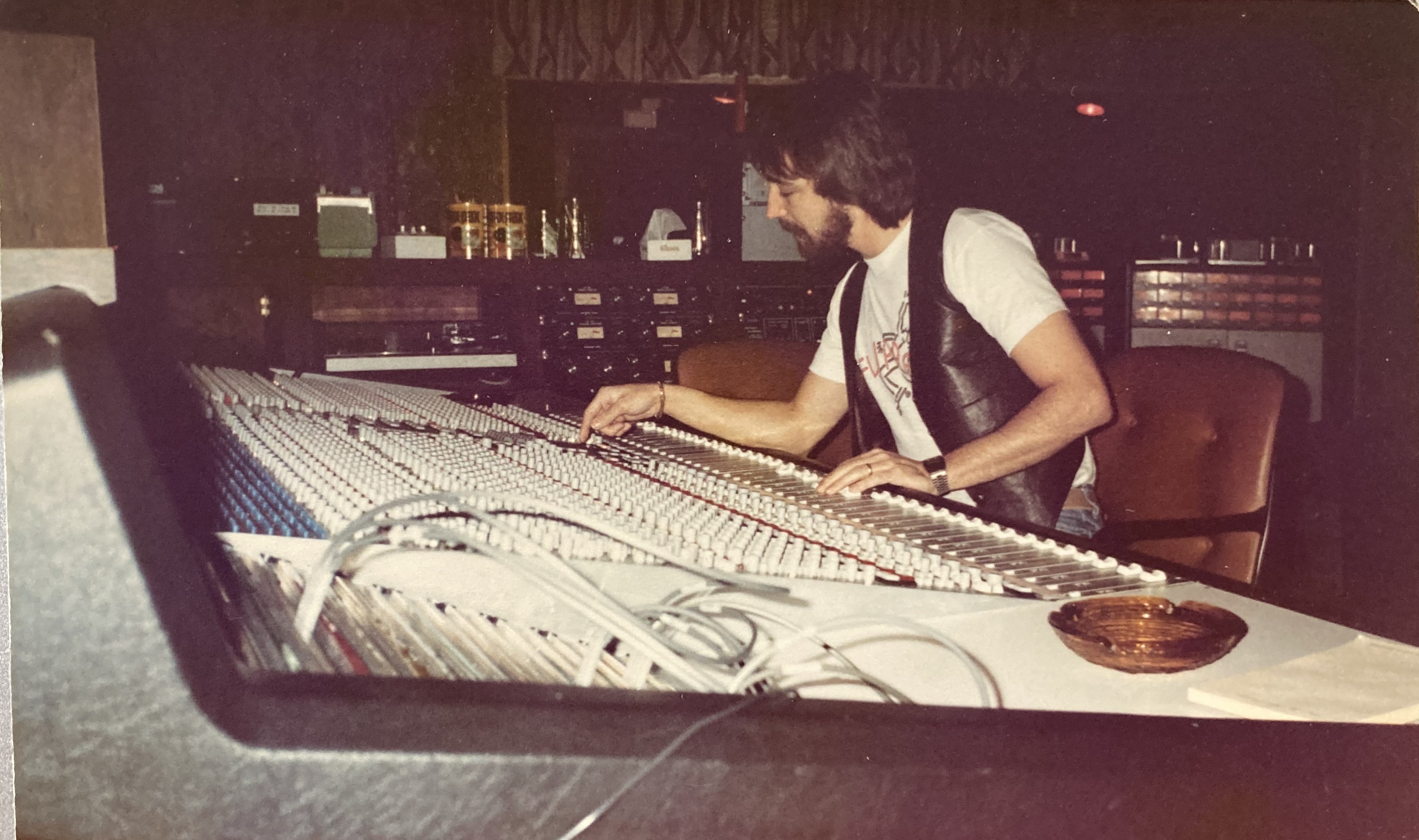
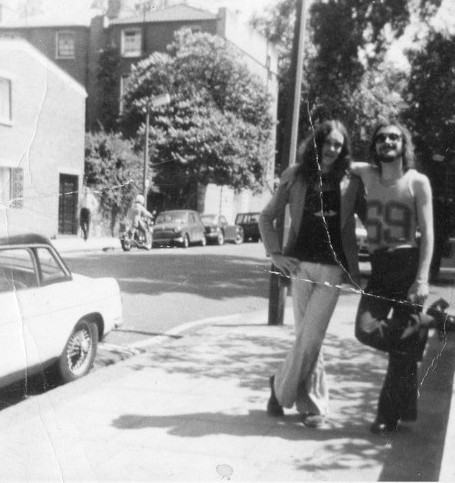
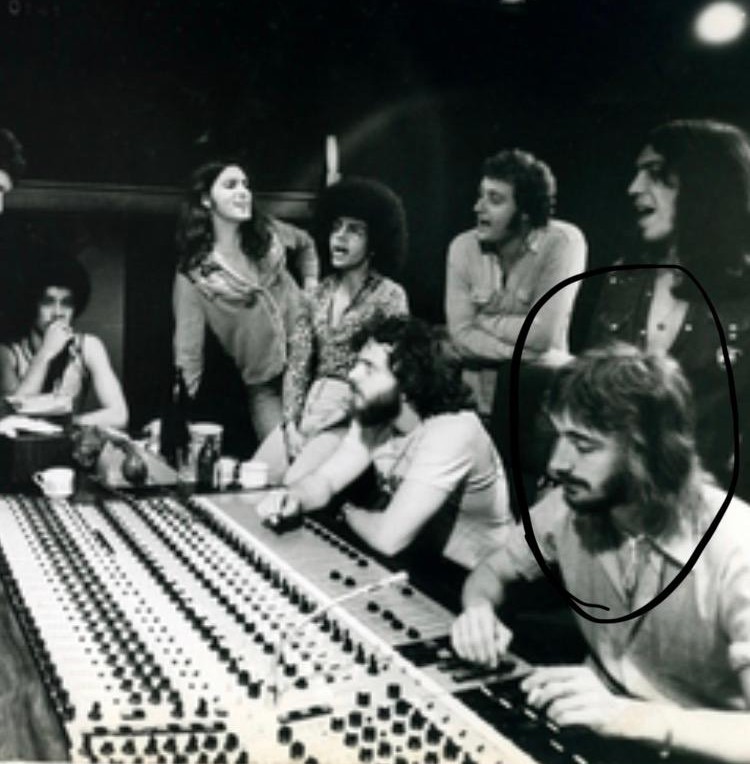
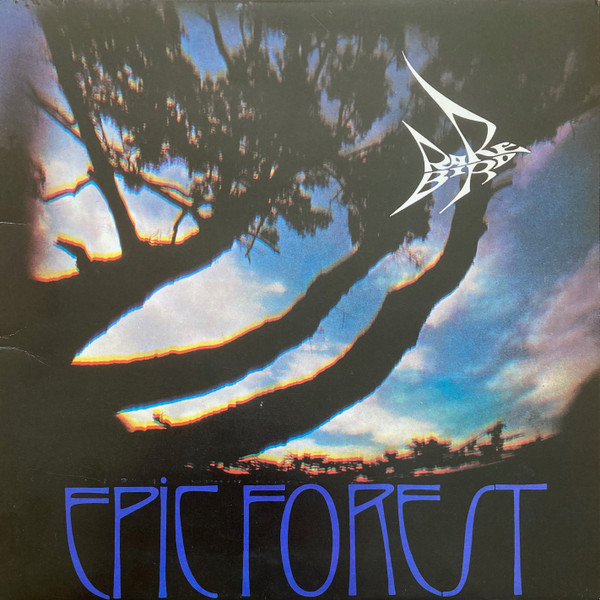
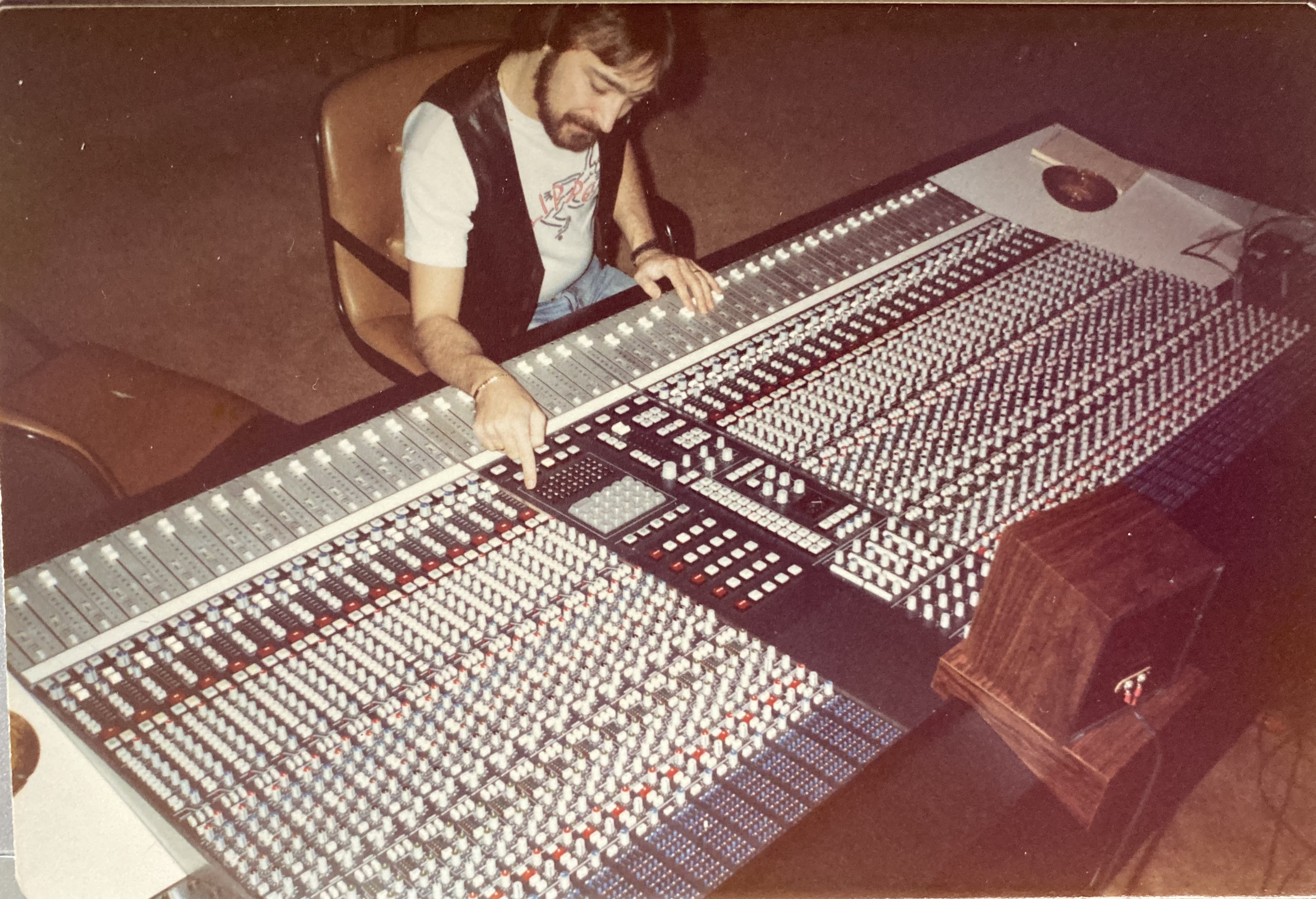
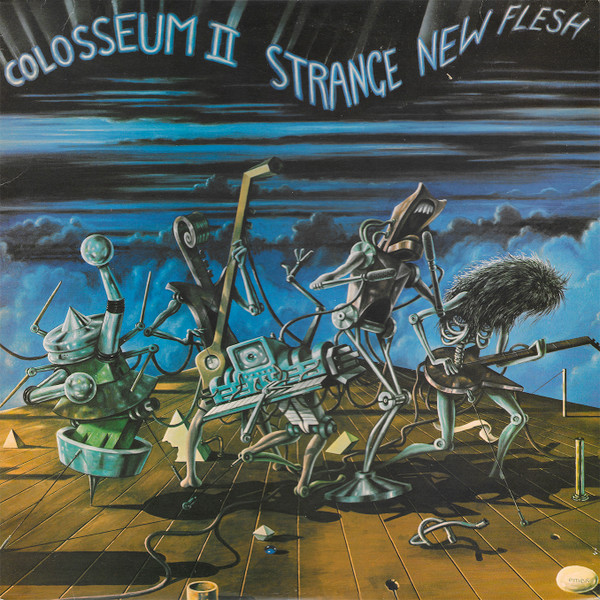
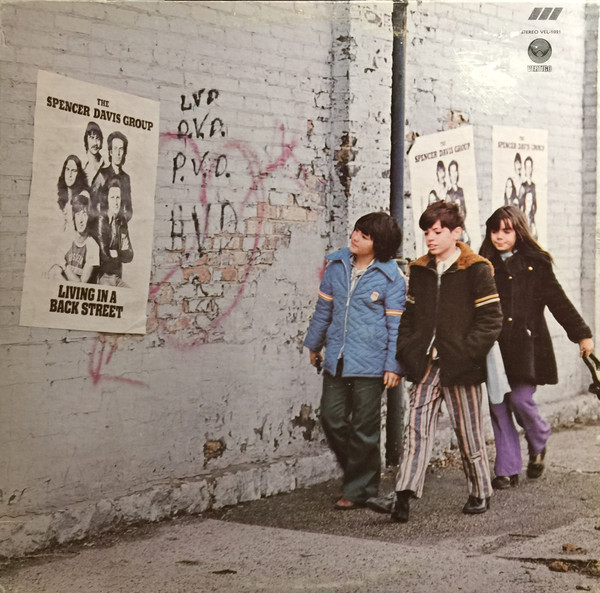
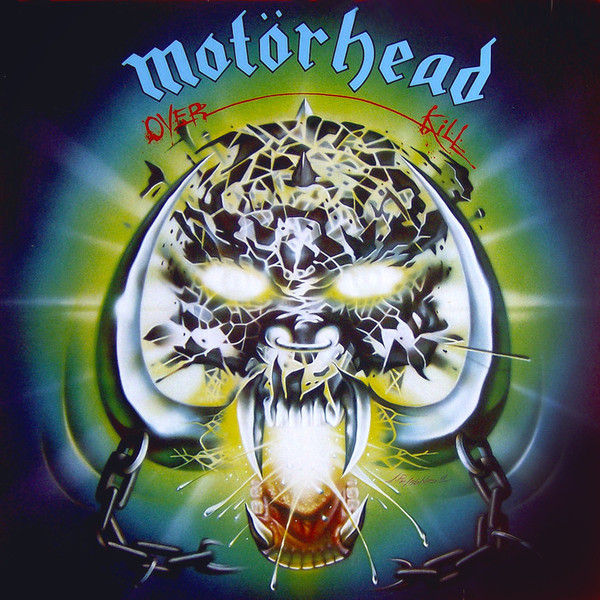
Enjoy the read. All photos were kindly sent by Ashley. I have also included images of albums he worked on over the years (click on the images too!).

You had a reunion recently!?

I had a little reunion with the wonderful Uriah Heep. I do want to just say one thing, a mutual friend of ours, Peter Goalby, that gentleman deserves so much respect, and so much acknowledgement, and the stuff he’s putting out now is just as good as it was 40 years ago.

Yeah, there’s a lot of what-ifs there with that stuff, right? There’s a lot of Wow – if this had come out, what it should have.

Yeah, should have. But just a wonderful gentleman, and one of the best singers I ever worked with, and I was lucky enough to work with some great singers, Freddie Mercury and people like that. Peter’s just, he’s just way up there….

To kick off, I started when I was 16 and three quarters, or 17, in late 1969, with Uriah Heep, and the first project I worked on, and that has a history to it, 15 albums later, and et cetera, et cetera, …but there’s a few stories along the line that people might find interesting.

How did you get into all the, to the technical end of the music stuff?

Well, actually, it’s a good situation. I was in a school group with a guy called Peter Coleman and Richard Dodd. Richard Dodd is a very famous engineer, very accredited, Peter went in first of all, and he became famous very quickly, and he was working at CBS, and I went to CBS to record our little band and snuck in after the Hollies, and decided that this is something I’d like to do.

I actually applied to the BBC, because they were advertising for school leavers in the south, so I went there, and I got my interview, and the guy said, “Oh, absolutely fantastic. How many years experience have you had in television and recording?” I said, “Well, I’m still at school”. He said, “Well, we can put you in the accounting department, and when you’re 32, we’ll re-review you”. 

Well, straight from that interview, I went to a studio, and I was greeted by the studio manager, who turned up about 20 minutes late. The receptionist had told me to sit down and have a cup of tea, so eventually he came down, and as he came off the elevator, he saidHi don’t get up , and he said, “What’s your name?” I said, Ashley Howe, and he said, “Don’t F……g talk to me while you’re sitting down. Let me just tell you that I fire people in 30 seconds.”  And this is the first interview at a real studio.

I then went from that interview to Lansdowne, and at that point, I was feeling a little uncomfortable, and I walked in, and the gentleman that I met Adrian Kerridge, very famous, and he’s sitting behind his desk with his suit on and everything, and I just, he said to me, “What exams do you have? And I said, well, actually, I’m pretty ignorant, really. I don’t really have A-levels or O-levels, but I’m really willing to start at the bottom, be a tea-boy, and put everything into it.” and then  I said, “but I think I need to leave, because I feel so intimidated with you behind that big desk.” 

And so I’ll never forget this, he took his tie off, took his jacket off, came down, pulled the chair up next to me, and he said, “What are your interests?”, I said, “Everything”,   He said, “What are your hobbies?” I said, “I don’t have hobbies. I’m just interested in music.” And that was it, then I started at Lansdowne. Just to cap this story off, years later, I was chief engineer. The guy that was nasty to me turned up to get a job at the place. I turned around to him, I said, “Don’t F….g talk to me while you’re sitting down

That’s quite the beginning. There was an interview posted with Alan Parsons, and he had a similar where he just showed up and took anything type of job.

So, what was the first album you worked on, the first Uriah Heep album!?

That was the first one I worked on. In those days, you worked on a lot of different clients that were coming in through the door, left, right, and center. You’d be doing four or five sessions a day. Yes, that was the first one I worked on.  And I have some interesting stories about Lansdowne, some funny stories, but if you want band stories.

Ashley on the right, w/ Bob Buttersworth, taken1970, while working on the first Uriah Heep record

Yeah, a bit of both. Lansdowne, is that where you were primarily?

That’s where I started off, and then I eventually moved over to the Roundhouse Studios, which Gerry Bron bought, and then took myself and Peter Gallen, the two engineers that pretty much worked on all of his projects, over to there.

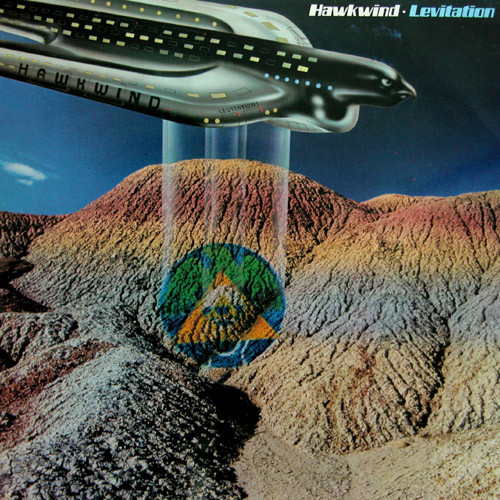
When I went over to the Roundhouse, I became an in-house producer as well. I worked with bands like Hawkwind and Motorhead. I did Overkill with Motorhead, Overkill, and there’s some fun stories from those sessions

When we started to do the album, we were using a drum riser, because the studio was a little dead. We brought in a wooden platform, but Phil was hitting the drums so hard, they kept moving off of it. We tried bricks and everything else. In the end, Phil got two nine-inch nails, and hammered them through his bass drums and into the platform. Another story happened during the first playback. They came upstairs, and Lemmy said “Stop the tape! stop the tape!” So, I stopped it. Lemmy said  “There’s something wrong.”  And I’m thinking, well, I’m not that bad an engineer. There’s only bass drums, guitar, and vocals. He said, “No, no, I can hear my bass.” And I said, “Well, of course you can, you’re playing it.”  He said, “I don’t want to hear it.” I said,  “Well, I really don’t want to hear it either.”

The last thing was that I used to have to wake up Fast Eddie with a broom because he’d fall asleep on the couch. He’d wake up very violently, throwing punches, so I’d poke him in the stomach with a broom, and he’d wake up swinging.

One day I made the mistake of cleaning Lemmy’s bass guitar, because it was so sweaty. When he came in, he couldn’t play it anymore, so he had to go out and get some axle grease.

What music did you grow up on? Before you got involved, what were you listening to, and what bands were you going to see and such?

I was listening to everything on radio. In that era, there was so much great music, but more importantly, great songs. I always thought of myself as a song person.

I didn’t really stick to one genre. There was a lot of American music, a lot of Quincy Jones, a lot of jazz, and of course Led Zeppelin. But really, all the commercial stuff.

Are you familiar with Discogs, the website?

I’ve seen it.

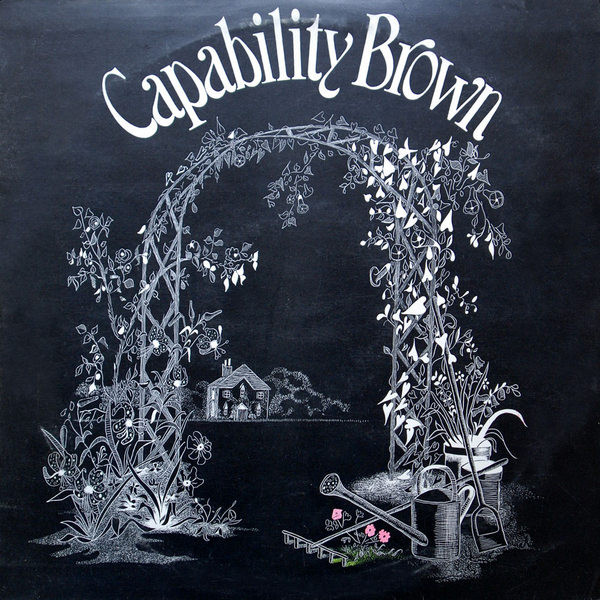
I went into that because it’ll have a listing of everything you’re credited on. It’s quite a thorough listing. A lot of the bands you worked with, I wasn’t familiar with. I had to go back and listen to a few things that were kind of interesting, like Capability Brown, Rare Bird. You did a lot of different bands over there.

What were some of your favorite lesser known artists, that you worked with?

I loved working with Rare Bird. I actually did a little bit of percussion on one of their records. I thought they were very good.

One of my favorite projects was one of the first things I engineered – a band called Spiteri. I think they’re still getting recognition for it today. They very Santana-esque.

I also enjoyed working on Spencer Davis. That was an interesting experience because I was actually told not to bother recording him. I recorded him anyway.

I had a very diverse engineering background. One day I’d be working on the Pink Panther movie, another day with Colosseum. Colosseum was another great band that I worked with.

Ashley in the studio with Venezuelan band Spiteri, 1973

That was the one with Mike Starrs on it, right?

Right. It was a lovely album to record because they all wanted to make an album that genuinely reflected what they sounded like. They told me that most engineers would start EQ’ing things before even listening properly to the drums. Nowadays, some people don’t even record drums—they fabricate them.

John Hiseman and Gary Moore both said it was the first album where they felt it truly sounded like them. In fact, I don’t think I used any EQ on John’s drums. It was a great collaboration between very talented people who wanted to make a record and connect with one another. That was a lot of fun.

Hawkwind was fun too, especially with Ginger Baker. There was plenty of drama. We recorded an entire album and then Hawkwind – who had a habit of firing people – fired the drummer! We had to replace the drum tracks. I think we were working on 16 tracks or 24 tracks, and I didn’t have a way of preserving the original drums. So, we brought the new drummer in and he played the entire album in one go. One take. I had to wake him up between takes.(haha) But it was that was a good experience.

Babe Ruth were an interesting band. Very good. They never really got their due. I know they had some following in parts of Canada and UK and that.

Yes, good band.

A little story from those sessions: the producer would often want the guitar tracked six or eight times. We knew after two or three takes it was already huge and wasn’t getting any bigger, so we’d just pretend to keep recording.

It’s interesting because the last one is where they had a lot of change in the band and new singer. I imagine that one probably gets forgotten the most. But you had a lot of name guys in that band that went on to other things.

Well, a lot of these groups—including Heep—went through many different people, eras, and styles. It was a learning experience for everyone at the time.

Thank God for Led Zeppelin not conforming and not following the norm. If you wanted “Whole Lotta Love,” you had to buy the album.

I’ve often wondered, like Zeppelin obviously is the biggest band of the 70s, but all these other bands that, like Deep Purple, even Black Sabbath, they end up going through so many changes. You kind of think that the whole thing about Zeppelin being so popular still is the fact that they just left it where it was.

And that’s the key.

I hate to make the comparison, but it’s a bit like the mafia. You’ve got everybody together, things are working great, and then everyone wants to be the boss. They can’t stay in their own lane, and eventually they all get whacked.

There are very few people who can leave a successful entity and make it on their own. Rod Stewart is one example. He had Faces and then branched off successfully. People can branch out, but in the end, many should stay as they are.

You’ve got to admire bands like The Rolling Stones. They simply are what they are. They do what they do, they’ve got their own clique and there’s a reason those things work.

You should never try to change something that works, because most of the time it won’t.

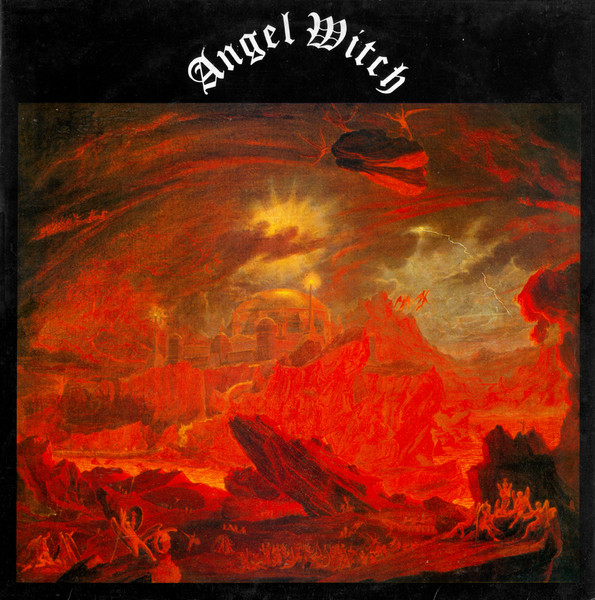
You did the first Angel Witch album, a little more metal there.

I think I was kind of branded, not branded, but nicely mentioned as the “man of metal” at one point. I could tell you a few stories about the Nugent album.

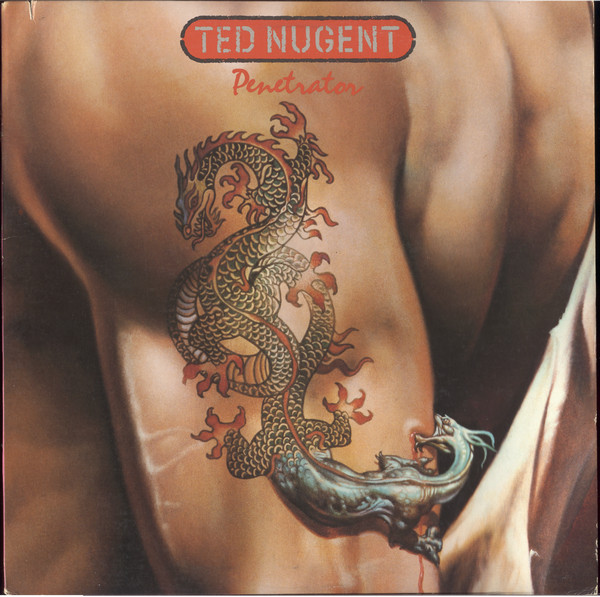
Yeah, you did Ted Nugent, Penetrator. You had Brian Howe on that album. Is it true you asked Peter (Goalby) about doing that album?

At one point, I’d asked Peter when I was doing it, and I think Peter was not free. And in actual fact, when I was trying to come up with a different person to do that, I was walking in the Atlantic and I used to go to Atlantic Studios a lot to get demos and that sort of stuff, and I heard a demo going on with Brian’s voice. And I said, “That’s it. That’s the guy!”

It was difficult to convince Ted to use someone. In fact, one of the reasons I did the album is I said, “Ted, if I’m doing this, I’m not even using anybody you know as musicians. I’m going to bring in outside guys, get an outside singer, and use some outside songs.

The reason we arrived at that point was that John Kalodner had heard the Heep albums and stuff. I believe he was a very good friend of Ted’s—whatever the situation was—and he told him that he should give it a shot because of the way I did things at that time.

So I went in with Ted, and we sat down. I went to meet him, and he said, “I’ve got to tell you, I was just with a very big-name producer, and he told me all my songs were fantastic.”

He played them all to me, and I said, “Well, then you should use them because you’re going to be paying a lot of money, and you’ll have an album. But it’s not going to be what I think you should do. But that’s OK.”

I thought I’d blown it. As a matter of fact, I came back straight into the Uriah Heep album that I was doing in the middle of, got a call, and he said, “When do we start?”

He was the most wonderful man to work with. Huge—biggest ego ever. (Laughs)

On the first day, I had Billy Squier’s band in New York for a week rehearsing, and I brought in six outside songs that we were working on.

Funnily enough, Ozzy was next door. I went to Ozzy and said, “I’m going to be doing Ted next door. Do you want to meet him?” He’s like, “I don’t want to meet him—he’s crazy!”

But Ted was nothing like you’d imagine. I mean, he’s got a big ego, there’s no doubt about it. Long story short, he comes into the rehearsals after a week off. Everybody’s a little intimidated because he comes in with a big presence—no doubt about it.

I needed to know that I was controlling the band because I knew he’d be difficult to control. So he comes in, and I tell him to start the first song. He starts playing, and I stop everybody, but he carries on playing. I said, “Ted—stop, stop, stop, stop.” In the end, I went over and pulled the guitar out of his hands. “We need to have communication. That was me trying you out.”

So he said, “Well, I’m deaf in one ear.” I said, “Which ear?” He said, “Well, I always put my good ear to the amp.” It was a 200-watt Marshall.

So, I got the roadies to put the amp on the other side. And I said, “OK, put your bad ear to the amp and your good ear to me.” And that’s how we started off.

I think there was a lot of respect between the two of us. He spent four days on the album. But on the first day that he went down to do the overdubs, he comes in and he didn’t talk to me at all.  I recorded his guitar in the control room . He started playing  a song and I stopped him because it was a little out of tune.

So I said, “Could you tune the guitar, please?” He took his pistol out of his bag, dropped the bullets out, put them back in one by one. The assistant was now ducked under the desk. He flicked it around, rolled it in his hand, and held it up.

I said, “OK, asshole, you can load a gun. Can you tune a guitar?” He said, “Nobody speaks to the Nuge like this.” And I said, “I’m getting divorced—I don’t care.”

We got on great after that. It was really good. He did everything.At the end of it, he went away and came back three months later to hear the finished album.

He said, “I’ve got to tell you, it doesn’t sound like me. Nobody wanted me anymore.” It was a calculated album, and it did him good. He was very impressed with that.

“Draw the Line” was a big hit. And that was, I interviewed Jim Vallance there last year or earlier this year, and that was one of his. That song got done by quite a few people.

Yeah, well, it was an interesting era at that time. And I was starting to get a bit of a reputation for taking outside songs into the situations, which I’d like to point out was not done because of the inadequacy of the people I was working with.

It was done because I think there are very few artists nowadays who can come up with ten or twelve songs that are all great. Adele can pull it off, but most people are always going to have four or five brilliant songs.

I kind of wanted to give everybody their best shot. And I think because of that album, his career took off again. It wasn’t a massive album—it might have gone gold, I’m not sure—but it was designed that way.

What I also found was that using outside songs increased the playing level and improved their own material because you’re trying to prove something. I actually prefer a couple of Ted’s songs to anything else because I think it made him try harder. It certainly didn’t do him any harm.

“Draw The Line” certainly suits him, it doesn’t come off as a cover.

It shows his brilliance as a guitar player, which is another thing.

I’d never really heard Ted before. I’d heard “Cat Scratch Fever.” It’s like when I worked with Yes—I hadn’t really heard Yes before.

But I didn’t think that made any difference because it’s about what you’re doing at the time. It may even have helped in a way to change the model a little bit or give him a different direction.

My opinion of a producer is that he shouldn’t be telling everybody what to do. He should be capturing the performances.

That’s what’s difficult about being both an engineer and a producer. If you’re a self-critical engineer, you shouldn’t be worried about every little pop. There are pops everywhere and all that sort of stuff. But if you clean those up, you can lose performance.

Anyway, that’s my idea. Production should be about encouragement and then telling people when to stop.

I think Freddie Mercury, who was a perfectionist, would still be doing “Bohemian Rhapsody” over and over again if someone had let him. But he nailed it. You won’t get it better than what’s on the record. I don’t care how many melodic changes you make—that’s the best it will ever be.

To me, a producer needs to tell someone when to stop. At least in my career.

What about Brian Howe?

Well, I discovered him and insisted that we put him on the Penetrator album. And the way I work is always kind of one-on-one.

The way I work is always kind of one-on-one. I don’t have other people in there because I find it’s difficult to put someone in a situation where they have to perform. And it’s even more difficult if you’ve got a bunch of people standing around waiting for them to perform. So I like to work one-on-one.

Anyway, on the first day of recording, we were at the Record Plant. I took Brian in, gave him the song, and we started going through it.

He absolutely would not cooperate with any of the ideas I had.

So I said, “Brian, you’re only here because of me. We can fire you and bring someone else in, but I really think we can make this work.”

And he said, “Well, I don’t want to sing it that way.” I said, “In that case, this is the way I want you to do it. If you don’t do it, then it’s not going to work.”

I got a little belligerent, and I actually locked him in the studio. I turned all the lights out and left.

I came back two hours later and said, “Are we ready now?”

He said, “No.”

So I turned the lights out again.

I think I came back about ten hours later. I turned the lights on and said, “Now are we going to do it?”

So we did it. He was a little reluctant, but I think he started to get into it.

To cut a long story short, we played it to Nugent the next day, and he went absolutely bananas.

He said, “Oh my God, this is fantastic!”

From that point on, Brian and I got on. Well, we didn’t really get on, but we got on well enough to make it through.

Years later, I saw on his website that he complimented me for doing it, and we became really good friends.

Unfortunately, I didn’t get to see him before he died. Over the years, we became friends.

I kind of kept that story back because I had a call from his sister and she wanted to know what had happened. To be honest, I didn’t tell her about that because I didn’t see any need to. But it was the truth.

And from that album, he got into Bad Company, which was not a bad move at all.

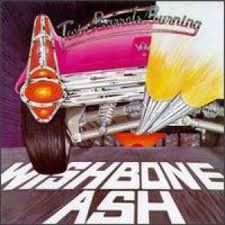
Now, the other album I thought was interesting was the Wishbone Ash Twin Barrels Burning. But there’s two versions of it. The remix, I don’t know why.

Oh, I didn’t know there was another version. I didn’t know there was a remix.

Yeah, there was a different mix for the U.S., I guess.

Yeah, the U.S. tends to do that. I really didn’t agree with Abominog being rearranged in the U.S. because it was a concept album. It had a meaning, and I really put it together for a reason.

It started off with the old “Too Scared to Run,” which was like, “Yeah, this is the ’70s Heep,” and then it went into “Chasing Shadows” and stuff like that—“Now we’re going to be the new Heep.”

Then the end of it was “Think It Over,” which was really kind of a message to the fans saying, “Okay, I’m not sure if I like this because I love what they used to be.” And to the new people: “Hey, you haven’t heard the old stuff, but this is a mixture.”

But they mucked it up, in my opinion, when they reformatted it.

There’s a few albums like that in the 70s and 80s, where they just, you know, between the US. and the UK, they changed the running order on that.

Yeah, A&R people. In my opinion, there was only one great A&R person, and that was John Kalodner.

I’ll tell you a little story. I was at Atlantic, and they commissioned me to do an album with Lita Ford. We went in, and she didn’t want to be produced by anybody. So I was about three weeks into rehearsals, and she wasn’t cooperating at all.

I got paid by the record company and everything, and I said to them, “Well, now I’ve got time on my hands.”

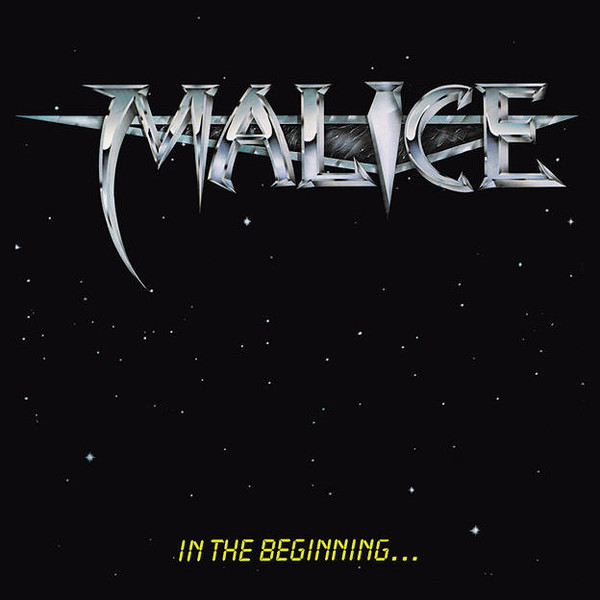
They said, “Okay, we’ve got this other band called Malice.”

I said, “Okay, great!”

So I went into Pasha Studios and started recording Malice. To make a long story short, I kept sending them rough mixes—“Take a look at this…”—and they kept saying, “No, don’t worry about it. Carry on.”

So I carried on and finished the album.

Quiet Riot was next door doing the remake of “Cum On Feel the Noize” and that sort of stuff.

I went to play back the album for the A&R guy, and he said, “Oh, crap, I didn’t realize this was heavy metal!”

I said, “What are you talking about? It’s called Malice! I mean, it’s not going to be called Mary, you know.”

And he said, “Well, we didn’t sign this, did we?”

I said, “Apparently you did, because you gave it to me.” (Laughs)

That was a classic example of an A&R guy. And he was actually at my wedding.

I wanted to ask you, last time you had mentioned that Twin Barrels Burning had started out as a different title.

Yes.

Well, what happened there was that it was originally called The Nature of the Beast—“It’s Just the Nature of the Beast.”

I’m trying to remember what it was… There was the April Wine album The Nature of the Beast.

So at the last minute, they changed the lyrics and everything to “You Make My Engine Overheat,” which, to me, kind of ruined the whole point of it. It changed the whole thing.

But yeah, that was the decision they made because they thought it would be too comparable to the April Wine album.

I know they still have the line in the song, “Nature of the Beast”, but obviously they took, they changed the title.

And that was another interesting little situation.

We were recording at The Sol, which was Jimmy Page’s studio. We were working away one night, and all of a sudden the roadies or security guards came over and said, “We’ve got this guy trying to get into the studio.”

I thought, “Who is it?”

So we looked at the camera, and it was Jimmy Page—the guy who owned the place.

I said, “I think you should let him in.”

He came in, and I was trying to get him to do a little cameo, but he just spent a few hours talking and hanging out.

I learned something from that. I learned that you can have the same guitar with a different player and it’s totally different. Clapton could play a note on his guitar, and I could play the same note, and it just wouldn’t be the same.

So it was very interesting.

It was a fun album to work on. The studio was so dead-sounding that Trevor Bolder and I went to another studio in the middle of the night, and I recorded all the bass parts in one night because I just couldn’t get a bass sound there. Not to say someone else couldn’t have, but I couldn’t.

It ended up fine.

I didn’t end up mixing that album. I think I had to move on to another project because we’d overrun at some point.

I grew up on that band, so I loved it. Having the opportunity to work on a Wishbone Ash album was a lot of fun.

Yeah, it’s a good album. It’s kind of more of a straight forward rock album for them. The song Trevor wrote, “Hold On”, was probably the standout track for me.

I thought it was a good rock album, I think it stands up. I don’t remember, but as you know, with these recordings there’s always some drama going on somewhere. I don’t believe there was any drama on that album at all. It was kind of fun, and we did it as quick as we could because it was a limited budget.

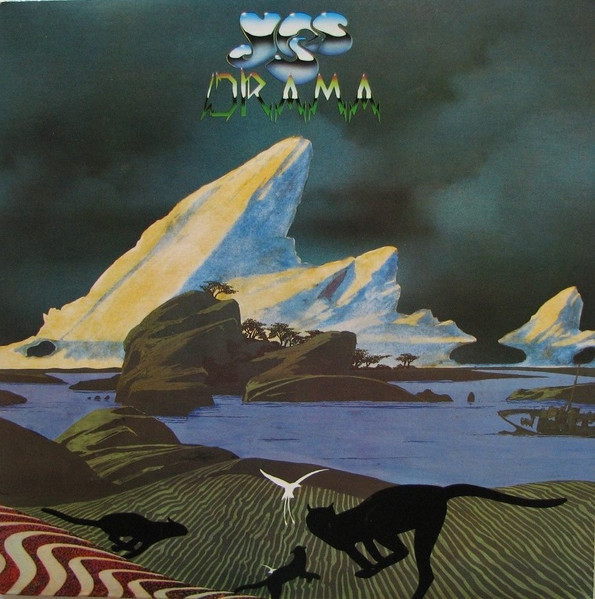
Speaking of ‘Drama‘, you were credited on that album as well! Was that a strange atmosphere with that line-up of Yes?

Very strange.

Again, I wasn’t that familiar with Yes beyond Fragile and that sort of stuff. Steve Howe is an amazing guitarist.

I did all the guitars on the album. They had four studios running at the same time. One person was doing keyboards, and they had six slave rooms.

It was obviously going to be the end of the band because it should have been five solo albums.

Funnily enough, the first time I met Chris Squire, I’d just been working on, I think, a Pink Panther movie or something. Peter Sellers was an absolutely wonderful person.

I said to him, “Would you like a cup of tea?”

And he said, “Actually, I’ll go make you a cup of tea.”

The next day, Chris Squire comes in and says, “I want a cup of tea.”

I said, “Okay, well, the kitchen’s that way,” because I was busy mixing.

And he said, “Well, I’m Chris Squire.”

I said, “Okay, I’m Ashley Howe. The kitchen’s that way.”

The drummer turned around to me and said, “Wow!”

But Steve was just a wonderful person.

I’ll never forget: he was in the control room working out a part, so I put the tape at half speed. He was doing this part with a lot of finger work.

They said, “Okay, let’s record it.”

So he goes downstairs, and I leave the tape at half speed, thinking we’re going to record it at half speed and then speed it up afterward.

He said, “Oh no, put it back to full speed.”

Now we’re twice as fast.

He transposed the entire thing and then said, “Now let’s do a harmony.”

I thought, okay, you might not like the guitar tone, but you can’t fail to admire the technique.

He was wonderful.

He brought in thirteen amps, and we tried about a hundred different guitars for every overdub. In the end, we wound up using the same guitar and the same AC30 combination we’d started with.

But he always said, “I need to try this.”

Unfortunately, it should have been a Steve Howe album because a lot of the guitar work was taken away. When everybody came together, they all played over each other. They literally let the keyboard player play over the guitar parts.

You had to take a lot of stuff out just to make room.

So it was obviously an attempt to solve a difficult situation.

I don’t know if it was one of their worst albums. It was certainly a pleasure to work on.

It’s different, obviously. I kind of like it for being a little more modern…

“Machine Messiah”…There’s a couple of great tracks on there.

But yeah, you got a lot of great things out of it. I mean, in time, you got the next Yes album and it’s a different lineup, and you got Asia and all that.

One other thing I’ve got to show you, I picked this up a couple years ago, a very strange album, Mike Maran.

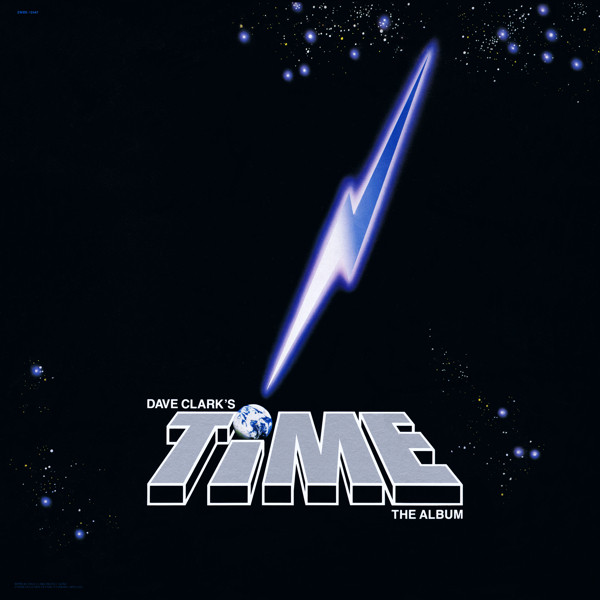
I recognize this, Mike Maran.  He was a fantastic session keyboard player. In fact, he was very instrumental in a stage-show called Time, for Dave Clark. We had Freddie Mercury on it, Laurence Olivier, Ashford and Simpson, and a lot of other people involved. Mike was very much an instigator of most of the arrangements, and we recorded a lot of stuff in his studio.

At what point did you kind of get out of the kind of the rock producing in the UK and then coming over to moving over to America in that?

Well, between 1980 and ’85 or ’86, I was still doing a few bands. I worked with a band in Australia called The Angels, and I did a few other albums during that period.

But around 1986, I basically stopped doing as much.

To be honest, I was getting a little disenchanted with the way the music business was going. People weren’t using big studios anymore.

A little example of that is that I did an album with John Sinclair and a band called Estrella in 2010.

All done on Pro Tools. In fact, he would send me the files and the overdubs, and in the end I mixed the album on my MacBook—128 tracks.

The big studios weren’t being used anymore. It was becoming too easy for people to do this stuff. Then the age of plug-ins came in. We used to spend all that time trying to work out sounds and tape phasing with our hands, and suddenly it just became too easy.

I didn’t want to get into the disco era and that sort of stuff. I did a few disco records, but to me the music business was changing.

So, what actually happened was that I got married.

I did Time, got married, then came back and worked on the Time project, which involved doing all the films and mixing the double album with all the different artists for Dave Clark back at Lansdowne. That was a lot of fun.

Then I actually went into television on the post-production side. I was fairly successful. I won eight Emmys for post-production work—various long-form shows and things like that.

I also did a lot of live television. By moving into post-production, we ended up working on the Massenburg console, so I still got to do some good audio work. It was just a different genre and a different approach.

I went from 128 faders to five.

What exactly will you be doing as far as the sound goes?

Well, it depended. I actually ended up doing a lot of soap operas, where I’d be editing dialogue, adding sound effects and music, and balancing the entire show.

I also did a lot of live post-production for Monday Night Football, for example, where we’d do the opening segments.

I worked on a lot of 20/20 broadcasts and Primetime Live, along with various news broadcasts. Those were live post-production situations where material was constantly being brought in, and I was putting it all together and either airing it immediately or balancing it while it aired.

It was challenging. It was a smaller use of the skills I had, but it still incorporated many of the same processes. I think I managed to change things a little bit, and it eventually made me the highest-paid audio engineer in television, which was great.

I had a separate contract above the union contract. I won eight Emmys doing it, and it was a lot of fun.

With some of the long-form shows, I developed a reputation where producers would simply bring me the tapes, leave me alone, and I’d mix everything overnight by myself and hand back the finished program.

I developed a reputation where, if a project came to me—and I’m not trying to be big-headed; that’s just how it was—there were five other engineers, but they kept booking me. So I was highly paid, working constantly, and enjoying it.

Then, when Disney decided to shut down a lot of its operations, I moved out of post-production and into the live production area.

That wasn’t nearly as much fun. It’s like air-traffic control, but without the rewards.

At that point, they were trying to get rid of people through pure attrition. They even employed people whose job was essentially to watch for your mistakes.

There’s nothing quite like doing a live broadcast to 60 million people with someone standing over your shoulder waiting for you to open the wrong fader so they can write a report about it.

It wasn’t a very pleasant atmosphere, but I wasn’t going to let them use that as an excuse to deny me a full pension. I ended up with lifetime entrance privileges to Disney and things like that. So, I stayed with it.

I’d lost a little bit of enthusiasm—not interest, because I still loved what was going on—but I didn’t totally agree with the methods being used nowadays.

Maybe that’s because I’m old-fashioned. As engineers, we grew up with no second chances. Now you’ve got three million tries. Back then, if you screwed up, you screwed up.

The early Heep stuff was done on eight tracks. We’d be dropping in a bass solo on the backing vocal tracks, and if you didn’t come out of the punch-in at exactly the right moment, there were no more backing vocals.

There was no margin for error. I think that forced everybody to work differently.

You didn’t have computer mixing. You’d mark the tape with a Chinagraph wax pencil, and that would be your base level—not bass as in bass guitar, but your starting point.

You’d move the mix around manually. If you pushed the drums up, you’d probably have to push the guitar up a little too because the balance had changed.

You played the mix like an instrument. Once everything became computerized, it just became too easy.

And speaking of engineers, in those days we cut tape and spliced tape. I was taught by a guy called John Mackswith, an incredible engineer. He made me edit using bent scissors that looked like this.

Once you learned to edit like that, it wasn’t anything like using a splicing block. I kept saying, “Can I buy a pair of straight scissors? I don’t want to make a mistake.” And he said, “Just don’t make a mistake.”

That was the way I was trained. And I didn’t make a mistake. But it’s all changed now. To be honest, it’s become too easy.

And you moved into movies as well?

Yeah, I did soundtracks to a couple of the Pink Panther movies. And I did the recording to Time. Are you familiar with Time?

No.

Okay, well, it was a theatrical production—a musical theatre project—with Cliff Richard and, as I mentioned before, Burt Bacharach, Ashford & Simpson, Freddie Mercury, and a lot of other major artists who appeared on the album.

The production itself was staged at the Dominion Theatre in England, which seated about 5,000 people. We had a live recording studio underneath the theatre, which was fantastic.

Richard Dodd, who is my best friend—we’ve been friends since we were five years old—worked on it with me. Richard and I later got to do Raging Silence together for Uriah Heep, which was great.

So Time was a concept project that Dave Clark put together. It ran in the theatre for years and featured Laurence Olivier.

We had to record Laurence Olivier, who was suffering from Parkinson’s disease at the time, so we literally had to help him into a chair.

I’ve got a lovely story about him. His image was being projected onto a 15-foot holographic head that flew around the theatre.

A guy named Simon Napier-Bell was heavily involved with the theatrical side of things. At that point in time, the biggest productions had maybe fifteen hydraulic systems. His show had something like sixty.

The stage would actually tilt up vertically with performers standing on it. The amount of technology involved was incredible.

I also went to Laurence Olivier’s house to record him personally for some overdubs. Later, we needed him in the studio for filming.

Because of the Parkinson’s, we had to physically secure him in position. Even the slightest movement would become exaggerated on the giant holographic projection. A small shake could move his nose halfway across his face on the screen.

One day, a mailroom boy came in with a message for him. He looked downstairs and realized, “That’s Laurence Olivier.” He was completely starstruck.

Laurence noticed him standing there and said, “Please excuse me. I’m working at the moment, but I need to come upstairs.” He walked up to the kid and said, “Hello, I’m Sir Laurence Olivier.” The poor kid was practically shaking. Then Olivier said, “I’m very sorry to have kept you waiting.” What a wonderful man. What a great human being.

That was the technology we were working with at the time, and it was a lot of fun.

I started out doing the first few performances live. We recorded the raw performances, and once the production got going, I think it ran for four or five years.

That was another collaboration with Richard Dodd because he’d already done half of the double album. Richard and I were fortunate enough to work together several times over the years, and it was always a lot of fun.

Were you on like set for a lot of any of the movies and stuff that you’d meet a lot of people over the years?

The movie work was mostly recording the music—a couple of songs here and there for each production. Even that has a nice story attached to it.

You had to be heavily unionized to work on those sessions, and I wasn’t part of the union. Dave Clark pulled a few strings because he wanted me to do the work. I said, “Great, I’d love to do it.”

But there were all kinds of restrictions. I wasn’t allowed to speak directly to the person operating the recording machine. I had to tell another guy what I wanted, and he would relay the message.

At one point I went out to mic up the musicians and tripped over a microphone cable, pulling the connector out of the wall. I went to plug it back in and they immediately said, “Oh no, don’t touch that!”

So we had to wait fifteen minutes for an electrician to come and plug it back in. Meanwhile, we only had about thirty-five seconds available to record a thirty-second piece of music.

I said to the guy, “Put it into record.” He replied, “You can’t talk to him. You have to talk to me.” I said, “Okay. Don’t put it into record.” He then turned to the operator and said, “The engineer in charge of the session would like you to place the machine into record status.” We just barely got the take recorded.

Afterward I asked, “What would have happened if we hadn’t gotten that?” And the answer was, “You’d have to book another twelve-hour minimum session.”

Then the same person proceeded to tell me, “I don’t understand why we’re losing all our recording business in England.” Dave Clark turned around and said, “Next time I’ll just record in Germany. It would be cheaper to fly all the musicians there. Why the hell do you think you’re losing business?”

It was a very strange atmosphere. But despite all the bureaucracy and obstacles, we got it done.

Are you still active?

Not really, to be honest. Retired…Well, I say retired. I was let go—or they tried to fire me—from ABC, but I was a little smarter than they were. So I ended up with a pension.

I went back and did something with John Sinclair. I’m always open to doing things; I just don’t really need to do it anymore. And I don’t want to spend too many more days in studios. I mean, I spent most of my life in studios.

Have you considered putting some of your stories down in a book?

Well, it’s funny you should say that. I have a lady who contacted me. I believe she’s interviewed a lot of engineers—Richard has been one of them. I think she’s interviewing a bunch of engineers and putting them into some sort of “top” category or collection. So she’s going to come and talk to me.

I would love to do it. I don’t know. I mean, I tell people these stories, and they’re mostly nostalgic, but they also take me back to those moments. A lot of people have said, “You should share them because…”

There’s some interesting stories, not even just with the Heep stuff, but obviously like Motorhead and Yes.

Well, I think I’ve got enough stories to make at least a couple of pages interesting. So, in answer to your question, and ironically enough, she sent me a text yesterday saying, “I’m coming back up your way. Let’s get together.” I know she’s interviewed a lot of very, very accomplished people. I don’t consider myself a big name, but I think I’ve contributed something.

I’ve probably got my name on a couple of million records, but that’s not really the point. I think I actually helped some people, and I think that’s important. So yes, hopefully I’ll have something worthwhile to say and eventually make it into a book somewhere.

And then I’ve got the Uriah Heep stories. I used to be a bit of an idiot. (Laughs) Well, I’d always try to make everybody laugh.

There’s a story from when we were recording “The Wizard.” I’d set Ken up at Lansdowne under a spotlight with a chair in the middle of the room while he was doing his acoustic part. I’d also found a great big cardboard box and written “10 Tons” on it. I positioned it above him where nobody could see it.

As he started playing the intro, I dropped it onto him and covered him with a ten-pound weight, which was very Monty Python. Gerry Bron got pissed off at me and fired me—then rehired me.

I used to do silly stuff like that.

Gerry was one person I never got to interview.

He was an interesting man. I have to say, he looked after the people who looked after him. At the ripe old age of nineteen, he bought me a BMW, gave me a separate contract, and did things like that.

I was doing a lot of engineering work for him, and later Peter Gallen and I worked on the solo albums by David Byron and Ken Hensley. Then Gerry gave me projects with Hawkwind, Sally Oldfield, Motörhead, and various other artists.

So he was very supportive, and I certainly owe him a lot.

LINKS:

https://www.discogs.com/artist/81045-Ashley-Howe

https://www.muzines.co.uk/articles/roundhouse-studios/6629

https://www.imdb.com/name/nm0397777

The story of Paul Bliss’ “That’s The Way That It Is”

British keyboard player, producer, Paul Bliss can be found on the lone album by Dog Soldier, which also included Miller Anderson and Keef Hartley (both of the Keef Hartley Band), he went on to work for various bands before forming The Bliss Band, and releasing 2 albums – 1978’s Dinner With Raoul and 1979’s Neon Smiles. The 2nd album received good reviews, but it’s the album’s last track, “That’s The Way That It Is” (clocking in at over 7 minutes!) that would gain the most notoriety for it being recorded by a few other acts, notably Graham Bonnet for his 1981 solo album, following his time in Rainbow, and then being a comeback hit single in the US for Uriah Heep, on their 1982 album Abominog. Ironically Heep’s then-new singer, Peter Goalby had been replaced by Bonnet in Rainbow!

Songwriter, Paul Bliss recalls that the song was inspired by “just a discussion between two friends with a difference of opinion about something political. I always put more weight behind the music than the lyrics…..which is why I always liked writing with my songwriting partner Steve Kipner because he was so great at meter”.

Recalling the songs creation and recording – “The guitar riff was mine but Bliss Band guitarist Phil Palmer and producer Geoff Westley layered many tracks of guitar to get ‘that’ sound. If memory serves I think there was a track or two recorded at half-speed to get that 12-string effect. “

On the few covers of his song, Bliss notes – “I have heard all the versions and particularly liked the Uriah Heep version…possibly because it was the best known.“

Although it was never released as a single for The Bliss Band, Paul recalls that the track did get airplay in Brazil.

The Covers…. For the most part I’ve included covers that were officially relased. There are a few other fairly decent versions on Youtube from cover bands.

GRAHAM BONNET, 1981

Fresh out of RAINBOW, Bonnet included the song on this 1981 solo album Line Up , which included Mickey Moody, Cozy Powell, Jon Lord, and others. Bonnet’s version was released as a single in the UK and in Australia, in October thqt year. In the UK, it hit #76. It’s a very good version, shortened to just under 3 and a half minutes, a bit laid back, with the focus being on Bonnet’s voice. Line Up also included 2 Russ Ballard (Argent) covers – “S.O.S.” and “Liar”.

URIAH HEEP, 1982

Included on Uriah Heep’s 1982 comeback album, Abominog. This was released as a single and video. It reached #25 on the rock charts, and was close to the top 100 singles, as well as the video being in regular rotation for some time.

Ashley Howe (Producer, 2002) – “The Way That It Is, which I think was a very nice track for them, we originally recorded that at Ridge Farm Studios, and it had the Hammond C3 organ on it, and it was far more ‘Uriah Heep’ than it ended up, but what I tried to do with that was I had originally recorded that as the ‘old’ Uriah Heep, and the old Uriah Heep sound, but we ended up scrapping it because basically it ended up as a good song, but it felt like the ’60s. so what I did was I stripped the whole thing down and I re-started it more along the lines of Journey, like ‘Who’s Crying Now’ – type of feel to it. And we retained the song, which was a good song, and I think just having the whole band out, then they all join in on the 2nd part of the first verse – they came in as Uriah Heep. And I think it was a good new sound for them. “

THE PRESIDENT, 1983

From this Dutch band’s 1983 album By Appointment Of. This was also released as a single. Curious to hear from anyone who knows how this version was received in the Netherlands back then.

BLACK PEARL , 2011

I’ve included this version, even though it is a live video only as it features Stef Fontaine (I believe the vocal was re-recorded and dubbed in). Fontaine would replace Peter Goalby in Uriah Heep, briefly in 1986.

TEAZE – Canadian band to release first new studio album in 46 years

Canadian rockers TEAZEreunited in 2019, I was fortunate to catch that first show in Windsor, Ontario. An energetic rock performance, and great evening. From 1976 to 1980 Teaze released 4 studio albums, plus the classic Tour Of Japan. Following 1980’s Body Shots the band split up, but their return has been most welcome, and with the release of last year’s Live In Leige, a new studio album seemed to be the next step. The first single, “Man Of Vision” is instantly likeable and recognizeable as Teaze, and among the 11 tracks, there’s a new take of their classic “Sweet Misery”, as well as an excellent cover of Rainbow’s “Man On The Silver Mountain”. More on Rev Your Engines in a few days. Check out the press info below, as well as “Man Of Vision”. The album comes out on CD, May 29 via Deko Entertainment.

TEAZE, the iconic Canadian rock band, is back and stronger than ever, ready to captivate audiences on major stages worldwide. Known for their explosive sound and electrifying live shows, the band continues to build on a legacy that stretches back to the mid-1970s while proving that their best days are far from behind.

Formed in Windsor, Ontario, in 1975 by bassist and vocalist Brian Danter, guitarists Mark Bradac and Chuck Price, and drummer Mike Kozak, Teaze quickly earned a reputation for their high-energy live performances and powerful melodic hard rock sound. Their early albums produced fan favorites like “Rockin’ With The Music”, “Boys Night Out,” and “Sweet Misery,” helping the band build a loyal following in Canada, Europe, and Japan.

Now, decades later, Teaze is experiencing a resurgence. Recent live performances have drawn enthusiastic crowds, including sold out shows in their hometown region and memorable appearances alongside legendary acts. The band’s chemistry, musicianship, and passion remain undeniable, connecting longtime fans with a whole new generation of rock audiences. 

The next chapter for Teaze arrives with their highly anticipated new album, Rev Your Engines. The album captures everything fans love about Teaze, soaring vocals, huge guitar riffs, memorable hooks, and the unmistakable energy that has always defined the band. At the same time, it introduces a fresh, modern edge that proves Teaze is not simply reliving the past but pushing forward with purpose and confidence. They just dropped their new single “Man of Vision” and as founding member Bradac comments, “Man Of Vision is a powerful rock anthem in the grand tradition of Teaze classics like “Heartless World” & “Touch The Wind”.  MOV speaks of a righteous person living in a world of chaos, facing uncertainty, searching for truth, and rising above all fear.”

Rev Your Engines is everything Teaze has always been about, big guitars, powerful vocals, great songs, and that same energy that made people fall in love with the band in the first place,” says the band. “We’re proud of where we came from, but this album proves we’re not living in the past. This is Teaze, right now, louder and stronger than ever.”

As Teaze continues to perform live and prepare for the release of Rev Your Engines, the band is proving once again why they remain one of Canada’s most enduring and exciting rock acts.”

Pre-order Rev Your Engines and get the signed bundle while supplies last:  https://www.dekoentertainment.com/inthesquare/teaze (BUNDLE INCLUDES: CD + Signed 5×5 Flat)

TRACKLIST:

Rev Your Engines
Man Of Vision
Turning The Night Away
Gotta Rock
Let Me Go
We Are One
The Man On The Silver Mountain
Wonder
Can’t Stop Loving You
City Of Roses
Sweet Misery

For more information, visit
www.dekoentertainment.com

LINKS:

Facebook

YouTube Channel