This is an interview I posted in early 2001. At that time I’d been sent British band TEN’s latest album ‘Babylon’. It was a story based or concept album, with some spoken words between songs to tie things together. I really liked the songs on Babylon, and could’ve done without the between songs speaking, as there is a lot of very good songs here. I also ended up with the previous album ‘Spellbound’ and ‘Far Beyond The World’, released later in 2001, which would be the last album to feature founding guitarist/writer Vinny Burns. Vinny had previously been with ULTRAVOX, DARE, and ASIA. He also played with Bob Catley (MAGNUM), Gary Hughes (solo), as well as his own solo album (‘The Journey’, 1999), and later returned to DARE in 2015. Dare’s latest album was 2022’s ‘Road To Eden’.
Anyway, back to this interview. In it I did via email, and covered much of Vinny’s career up to that point – Dare, Ten, Gary Hughes solo…. He left TEN later in 2001.
(01/01) UK band TEN’s latest release is the excellent “Babylon” disc. The band remains somewhat of a mystery in North America, but in parts of Europe and especially Japan – Ten are a big band! TEN has a string of albums released overseas, and a growing fan-base that will [Hopefully!] eventually see them get some credit in North America someday soon. The band’s catalogue is available through Frontiers Music. Ten is fronted by singer/songwriter Gary Hughes, and here I had the opportunity to swap some questions and answers with guitarist Vinny Burns. Burns is co-founder of Ten, and also worked with Dare, Ultravox, and Asia. [Thanks to Vinny for answering my Qs, and to Mark Ashton for arranging it.]
Can you give me some of your biggest influences growing up? and perhaps a ‘top 5 list of favorite guitar players that have been influential to you as well ? VB: UFO, Nazareth, Thin Lizzy, Rush, ELP, Foreigner, Journey, Y+T etc… As far as guitarist’s go, my main influences are Michael Schenker, Kee Marcello, David Meniketti [Y&T], Steve Lukather.
What bands / music did you grow up on ? Can you give me a ‘Top 10’ list of all-time fave albums ? VB: I have an older brother Russell. He is five years older than me so I got into rock music that little bit earlier because of hearing his records. He was really into Nazareth, Lynyrd Skynyrd, Ted Nugent and UFO. That was a big influence on me. He also played guitar so as you can guess I wanted to play as well. He showed me chords and helped me out. By the time I was getting better though he got married and moved out of the house so I was on my own from there on. My top ten albums would be (in no particular order). 1) Pink Floyd ‘Wish you were here’ 2) Nazareth ‘Rampant’ 3) Lynyrd Skynyrd ‘Street Survivors’ 4) UFO Obsession 5) Foreigner ‘Four’ 6) Toto ‘Isolation’ 7) Journey ‘Frontiers’ 8) Neal Schon ‘ Late Nite’ 9) Y&T ‘Black Tiger’ 10) Thin Lizzy ‘ Black Rose’
Prior to TEN, you were with ‘DARE’. Could you give me the Dare story in a nutshell’ ? Highlights? Biggest hits? VB: Dare was formed by Darren Wharton and myself in 1985. We spent a couple of years getting a record deal. Signed to A&M in 87. Did the first album in 88 with Mike Shipley and Larry Klein producing. It was recorded in the UK and US. The album was called ‘Out of the Silence’ and was very well received by press and public. A tour with Jimmy Page in the UK in 88 got us used to playing to bigger crowds than we were used to and in 89 we did a four month tour with Europe. We played to about 12,000 people a night and had a great time. After that a few UK headline tours followed and also a tour with Gary Moore. We did the second album in 90/91. Darren and myself got an apartment in Los Angeles and stayed there until the album was finished. It was produced by Keith Olsen and mixed/ engineered by Shay Baby. I still like the album now. A lot of people thought the album was to heavy but it was a good album. It was also the album that we wanted to make at the time so I have to stand by it. We went to tour the album in the UK and Germany but I got a little fed up with the band. Me and Darren had a big fight in Berlin and I left the band. We were under a lot of pressure to sell a lot of albums and we were both still quite young. Darren was fronting a band and it was a lot of pressure to handle for someone who was used to just playing keyboards. We made him stop using the remote keyboard he used to use and become the frontman of the band. Looking back it must have been a really tough thing to do for him. I cannot imagine someone taking my guitar off me and then having to go on stage. Not surprisingly Darren started to drink before the gigs and that lead to friction between us. No big deal really but when the press get hold of stories, they want to make more out of it. Dare was 99% of the time a great band to be in. I think if we had all been a bit older we may have held it together. There are no hard feelings anymore. We were very good friends for years before we started to fight. I saw him (Darren) just before Christmas and we had a lot to drink and it was a good laugh. Just like it used to be. I grew up in Dare and have nothing but fond memories of my time in Dare. There is nothing better than starting a band from Scratch and taking it that far. It was quite an achievement. I cannot remember chart positions or anything like that but make no mistake, Dare was a very successful band. We created a massive amount of press and interest. We had all the top producers wanting to work with us and all the top labels wanting to sign us up.
What other recording acts, big gigs have you been involved in ? [Did you have an association with Asia?] VB: The biggest gig I ever did was 55,000 people at the Joe Robbie Stadium in Miami for Hurricane Relief in 92. It was with Asia and we opened the event. The next day we played on the back of a truck on Virginia Beach to about 250 people. Talk about one extreme to the other. I played guitar for Asia on the ‘Aqua’ world tour. We started in Japan in ’92 and took in Russia, Europe, Canada and two tours of the US bringing proceedings into 93. It was a great time for me. I had been to the US a lot to record and do video’s with Dare but never played a gig there so to play to 55,000 people for the first gig was unbelievable. {ED: the following is from manager Mark Ashton : “He didnt record any albums with them but he did do a World Tour. I know that he did all over Europe, the U.S. and even Japan with them. It was when John Payne, Geoff Downes and Trevor Thornton were in the band, and Steve Howe toured as Special Guest, playing an acoustic set before they came on and then joining them on stage for most of ASIAs set”.} After we finished the world tour nothing seemed to be happening. I sat around for a few months then my old manager rang to say that Ultravox needed a guitarist for a festival in Germany the next week. I was doing nothing so I went to London, rehearsed, got the new singer fired on the first day because he could not sing, auditioned Sam Blue for the gig and we (Sam and myself) stayed in the band for a couple of years.
When / How did TEN come about ? What can you tell me about the other guys? VB: Ten came about from a phone call from Mark Ashton in 1985. Mark had started a new label called Now And Then Records in the UK. His first signing was a singer song writer called Gary Hughes. Gary was doing a solo album and wanted a session guitarist to play on it. I had known Gary since about 87/88. we both used to go to the same rock club in Manchester. It was called The Banshee. He had just signed to Polygram and Dare had just signed to A&M. There were a lot of bands who went in the club but we were the only two people who had got a deal. I knew he had a great voice. we kept in touch. I tried getting something going with Gary when I left Dare but he was busy. We wanted to get something going after that but I was in Asia and then Ultravox. Finally it was Mark Ashton who got us working together. When we started work on what was supposed to be Gary’s solo stuff, we had such a good time that talk again turned to getting something together. We thought that it would be best to just start the band there and then and that’s what we did. We spent a long time working on the songs in the studio and we knew they were good. We went after Mike Stone to mix it. Back then it was just the two of us in the band. The first mix had programmed drums so we decided to remix the album and use real drums. That is when we brought Greg Morgan in (second Dare drummer). After that we asked Shelly (our old Dare bass player to join. We went to do a video for ‘After The Love Is Gone’ and need two more members and through various suggestions we brought John Halliwell (2nd Guitar) and Ged Ryland (keyboards). Thus Ten was formed.
Gary Hughes is writer / singer / producer. Is Ten ‘his’ band ? What can you tell me about Gary as far as his role in Ten, his reputation as a singer in the UK [comparisons, possible influences…] ? VB: The amount of work put into this band by myself, Gary and the other guys is unbelievable. Yes, Gary writes the songs, but he does not tell me how to play guitar and I do not tell him how to sing. The songs just evolve into what they are. Everyone’s comments are taken in as to how an album is taking shape from record company to studio engineer. As far as reputation as a singer goes. He is the best singer in this band :-). That is a hard question to ask anyone on the ‘inside’ of a band. Gary is well rated and respected round the world as a singer. He was good enough for me to want to work with him for a long time. What else can I say. As far as influences go (you would be better asking Gary this one), I would say John Waite, David Coverdale etc are the biggest influences.
Prior to the latest album what have been some of the biggest highlights, chartings, and tours you guys have had ? VB: We charted higher than Metallica in Japan on ‘Spellbound’. Higher than the Spice Girls on the first album:-). We have sold over 250,000 records in Japan alone with Ten. All of them Chart round about the top ten in The Japanese National and International charts on the first week of sales. Our tours out there have always been very successful. We are just trying to get Europe to the same stage.
Ten’s market is mainly in Europe and Japan !? Have you guys been to the USA at all, or plan to ever tour over here [North America], and perhaps break it here? Do you see a growth in the North American fan-base ? VB: To be quite honest, until we get decent distribution out there in the US we have no plans of coming over. We have a lot of US fans if going off messages left on the Ten web-sites are anything to go by but it’s hard to tell what we are selling as a lot of them can’t find the records in the shops and are buying them on the net.
What happened to keyboardist Ged Rylands ? And how did you guys get Don Airey involved ? [Is he a permanent member?] VB: Ged left. Don’t really know why and I don’t really care. I met Don at a gig in Manchester. He was playing with The Company Of Snakes. My friend Robert Hart was singing for them so I went down mainly to see Robert. I had met Don at a festival we did with Dare in Northern Ireland years before. We were talking and he asked what I was up to. I mentioned Ten and he said that if ever we need any keyboards doing to get in touch with him. A week later Ged left so we got in touch with Don. He is a guest member and that suits both parties. Don can work on whatever he wants and we just give him enough notice for him to keep things free for when we tour.
Was the new story based idea of ‘Babylon’ mainly Gary’s ? How did the whole ‘concept’ thing come about? VB: Yes it was Gary’s idea. You would be better asking him about that. The concept was designed not to get in the way of the songs on the album. By that, I mean that each song can also stand independently from the album. There is no big message being forced on the listener. You can just listen to it as an album if you don’t want to be involved with the concept.
You guys must draw some comparisons to the likes of Whitesnake, Deep Purple, Foreigner … [!?] Are these fair comparisons? What sort of ‘class’ of bands do you see yourselves in ? 😉 VB: We think of ourselves only as a British rock band. Nothing else. As far as ‘class’ is concerned, this band can hold it’s own against any band. We are a very powerful and proud band live. On our day we fear no one:-)
How has critical and fan reaction been to Babylon? What track[s] are getting air-play? What markets is it having biggest success in, so far ? Err, any plans to undertake promotion [tour] in North America ? VB: Both have been superb. The album was our first chart entry in the German National charts, has been our biggest selling album in pretty much every country in Europe and the letters / e-mails we`ve had from the fans suggest that they like it a lot. At the moment there are no plans to visit the US. There has been plenty of talk in the past about coming over to do promotion and a gig but nothing ever happened.
Can you give me a few lines about a few tracks from Babylon , such as The Stranger, Barricade, Love became The Law, Timeless, Valentine ..? What are your personal faves from Babylon ? As far as your own playing, what riffs or solos are you happiest [proudest] with ?? VB: I think that my favorite is ‘Love Became The Law’. I love the way that I split the solo into two and the build that happens when the second part comes in is great. I used a similar thing on the main solo in ‘The Name Of The Rose’.
What are the band’s current plans as far as touring and promoting Babylon? How much of it will feature into the band’s live set ? Any plans for the next album ? VB: We are currently planning how we are going to structure the Babylon tour. We hope to do all of Babylon on any headline tours. We are about to start the next Ten album in the first quarter of this year.
[For someone like myself in North America who has never seen the band live] What can you tell me about Ten as a live act ? VB: Ten is a very powerful act. I love the gigs when they happen. If this band had been around in the 80’s we would have cleaned up. That sounds really arrogant but I really believe that it is true. Right band, wrong decade.
What other projects are you and Gary involved in these days? Do you have any side projects / other recordings happening ? VB: Yes, we are just putting finishing touches to the new Bob Catley album. After that I will be starting my next solo album. There is a Gary solo album and also the next Ten album.
What are you listening to these days? What’s your thoughts on the music scene over there ? VB: I seldom get time to sit down and listen to music anymore. If I have spare time I try and do something with it. I have just discovered Tom Petty though and have been buying lots of his stuff. I play it all the time in the car. I love the songs, lyrics and the guitar playing (Mike Campbell). great stuff.
Many years ago I saw LIGHTHOUSE in St Catharines. I am sure i got tickets through the local magazine i wrote for, and recall going down to briefly meet Paul and a few bandmembers after the show. No pics, and I doubt he would recall that. Now, 2025 and I am very happy with this reissue package of the band’s classic Canadian rock album One Fine Morning. I interviewed Paul a couple of weeks back to talk about that era, and more about Lighthouse. Paul talks about the band’s early days leading up to their breakthrough album, working with legendary producer Jimmy Ienner, as well as a few of the band’s hits, Bob McBride, the album artwork, and the band’s current happenings. Lighthouse returns to St Catharines in April. The band also plays Guelph in February, and Pickering (w/ Five Man Electrical Band).
I want to start by talking about One Fine Morning. That was the band’s fourth album. I just want to ask you what kind of led up to that album because you guys had gone through some changes. You changed record labels and you added Bob McBride and things suddenly picked up with that album.
When Lighthouse first started, we had a kind of a fairy tale kind of a story about how to start a band and how to get a record deal. Skip and I met in New York City and I had a play running on Broadway for about six months and Skip was performing at the Electric Circus with his band, The Paupers.
And I just happened to go into the Electric Circus one evening and this Canadian band was playing there. At the intermission Skip came over, recognized me, and said, You’re Paul Hoffert from Toronto. And I said, Oh my goodness, how would you even know that? We’re here in Manhattan, and so on and so forth.
And he said, Oh, well, I’m a rock and roll drummer, but I really like jazz and I always go down to the jazz clubs where you play. So I know who you are, and this and that. We just chatted for a few minutes and then he had to go back on stage.
The next day, what are the chances that I take an Air Canada flight and sitting next to me is Skip Prokop, going back to Toronto. So we chatted, and got a chance to fill each other in on what our passions were personally and musically. And it turns out that both of us love film scores. Skip liked the really big Westerns where the horses would come over the horizon, you hear the French horn and the string sections. And I had scored two movies already and one of them won a prize at the Cannes Film Festival. So I was, you know, on a course towards becoming a film composer at that point.
Anyway, Skip said, Oh, that’s really interesting, because the night I saw him before, the night before was his last night with the Paupers. Skip was managed by Albert Grossman, who at the time, was without a doubt the most sort of famous rock and roll manager, managing everyone from Bob Dylan to Peter, Paul and Mary to Janis Joplin, for example.
And his manager, Albert, had asked Skip to put together a new band for Janis Joplin because a record company deemed that her band, which was fine for getting her career started, was not good enough to do recordings because Janis Joplin had started out as Janis Joplin. And then she became JANIS JOPLIN, and a whole different kind of requirement was needed for the quality of her band. So, Skip had been in discussion with Janis about how to make her band more higher quality. And he identified the weak link, as did many of the reviewers, as the guitar player. So, when he mentioned this to Janis that he planned to bring in another guitar player, Janis was very resistant. The two main problems that Janis had was, number one – the guitar player was her boyfriend; and number two – the guitar player was her drug dealer! So that was a problem. Skip mentioned this to me and he said, I don’t know if this is going to work out. But he said, I’m glad we met because I have this other idea. I love, film music. And he said, you know the Beatles!? And I said, yeah, everybody knows the Beatles. He said, Well, they can’t tour anymore because George Martin, their producer, is recording piccolo trumpets and string quartets and orchestras and all of these things. And then they’re no longer the Fab Four – they’re the Fab Four, plus hundreds of studio musicians, and all this stuff.
And it’s not economically feasible for them to reproduce that on the road. But I’ve been thinking, Wouldn’t it be great to have a rock and roll band that had orchestral resources like strings and horns, and that sort of thing, that could record with all of those instruments and then could go out and perform exactly what was on the record live!? And I said, Yeah, that’s exciting. Skip knew I was an arranger and an orchestrator. He said, Maybe we should do this together because I know all the rock and roll people. I know the record companies. I know the manager, my manager’s, Albert Grossman and so on, and, all about how to, you know, write music and do arrangements and so on and so forth. And maybe we could do it. He said, Now that things aren’t working with Janis, Would you consider putting together a new band with me? And I said, Well, let me think about it. I’ll speak with my wife. I was married to Brenda Hoffert (still), and we had a couple of little kids. I said, OK, let me get back to you. I got back to Skip a couple of weeks later, and I said, Yeah, but I don’t know anything about the music business. I don’t know how do you put together a band, how do you get a record deal…These are things that you have to bring to the table. And Skip said, Of course, I know about all that stuff. So I said, so what do you do? How do you get a record deal? And he said, Oh, we have to write some songs. I said, OK, we have to do a demo. right !? So, Skip came over to my house; we wrote four songs. We went into a recording studio and we recorded those four songs as a demo. And we took them down to New York. The next morning, Skip called his record company at the time, Verve MGM Records, and asked to speak to the artist and repertoire guy, (A&R people, I used to call it. I don’t think they did). At 10 o’clock in the morning, we called and Skip said, can we come down? We have a demo tape. Can we leave it with you? We hope that you’ll listen to it. And I have a new partner and yada, yada, yada. And they said, Sure, come down in about an hour. So, at 11 o’clock, we went to the record company and we anticipated what would have happened in those days and what might even happen today, which was you would hand your demo tape to a receptionist or somebody. And then if you were really lucky, they might forward it to somebody else who might listen to it. But that didn’t happen to us. What happened was the A&R guy said, come into the listening room. I’ll listen to it. He said, how many songs we have? We said four songs. He said, that’s great. It’s not too long. So, we listened to the demo.
They paused for a minute, and he said, I get it. I know what you guys are trying to do. And we thought he got the thing about the Beatles and we could have a band and we could go and do that. But you guys probably know that the record business for the last couple of decades has been earning all this money by the big band era – Frank Sinatra, Duke Ellington, all the big bands of various kinds. And he said, What happens is the students that go to all the high schools and colleges and play in the marching bands and the stage bands take lessons at school and they learn how to play trumpets and trombones and string instruments and all that kind of stuff. And then we sell print music of all the arrangements that are on the big band records and the schools all play them and we close that loop where the schools are doing that and it’s a very good business model. But now there’s this thing called rock and roll and rock and roll is just like drums and guitars.
And nobody can figure out like how you can’t go to the schools and say, you know, here’s an arrangement of, you know, what I’m talking about. So they said, you guys have figured that out because you figured out how to take the rock and roll thing that’s happening and get all those kids who can listen to the stuff that, like on your demo, that has a string quartet and a quartet of horns and a rock and roll rhythm section and do that. So, he said, really, I enjoyed your stuff. Why don’t you go and have lunch?! And when you come back, I’ll have played your demo for some of my colleagues, and depending on what they say, we’ll talk further or not. When we had lunch, we came back at one o’clock the same day that we had called to ask if we could bring our demo down.
They brought us into the conference room and in the conference room was the president of the record company, the vice president of finance. A whole bunch of other people that used to work at all kind of companies called stenographers and secretaries before computers who could actually, would have to, you could dictate contracts and stuff and then they would type them out and then actually, print it out and then you’d have a contract. They said, we want to sign you guys. We’ve talked about it. We think you’re perfect for the label. And we’re willing to give you a really great contract. But we understand that we’re the first label that you’ve shown the stuff to. And we’re concerned that you’ll start shopping it around to different labels and maybe one of the other labels can outbid us or something. So we’re going to make you an offer – If you’re willing to sign a record deal today, we’ll draft it. We’ll give each of you (Skip and myself), we’ll give you a total of 30,000 bucks, 15,000 bucks each, just as a signing incentive. (Well, $30,000 then was worth 250,000 bucks. So, we got the equivalent). Well, a pile of money and we’ll fly your band. Didn’t have a name yet, but we’ll fly your band down to New York. We’ll record you at Electric Ladyland. We’ll spend a ton of money breaking you so that we’ll support you in this and that. And that’s it. But you want some time to think it over. We can only give you a half hour. And if you want to do the deal, we’ll start drafting the contracts. By the time you leave here at five or six o’clock in the afternoon, you can sign the contracts, and we’ll have the checks drawn. You can walk out with a bunch of money and we can move forward. And if you don’t decide to do that, then we withdraw the offer because we don’t want to get him in…whatever. That was the offer. So, they left the room, and I looked at Skip and he looked at me and, we basically didn’t have to say anything. It was basically, what the fuck!? I mean, we’re not going to do this deal? So, we did the deal. So then we had that.
And I was sort of, floating on a cloud because I missed the opportunity to write some songs for a demo. And this band thing that Skip and I had talked about and we had a record deal.
I said, OK, now that we have a record deal, what do we do? And he said, Oh, we need a manager because we need to play gigs. Tomorrow we’ll go see Albert Grossman, my manager, and he’ll be happy that we already have a record deal because that’s one of the hardest things for a manager to do is get the record deal. The next day we went to see Albert Grossman and we offered him the management of Lighthouse, and Albert, unfortunately, thought that our idea was a terrible idea. And he said, Absolutely not. I just put together a band called the Electric Flag, and that’s a nine-piece sort of horn blues band. We just came from our first tour and I lost $110,000 because there’s too many people across this. It’s just really a bad idea. And I basically came back and said, No more bands with more than five people.
So, OK, so I was on a high and then we’re on a low. Now, Albert Grossman didn’t want to manage us. As we’re walking out of Albert Grossman’s office, we meet this guy, Vinnie Fusco, who Skip knew because he was actually an accountant and he managed Albert’s office. He said to Skip, What’s going on? And Skip said, Oh, this is my new partner, and we put together this band. We have this great idea. We brought it to Albert to manage us, but he turned us down. And he said, What’s the idea? We explained to him what we had explained to others. And he said, he said, I think Albert’s really wrong on this one. He said, This is a fantastic idea! He said, I’ll manage you. He said, you think that Albert Grossman comes into the office in the morning and calls out to agents to try to get gigs for Janis Joplin and all those things. I get to the office in the morning and I say, hello, is Vinnie Fusco at the Albert Grossman agency? And I do all of the grunt work. And then Albert signs the contracts. So, he said, I’ll manage you. And he said, It won’t make any difference. I’ll just pick up the phone and say, is Vinnie Fusco from the Albert Grossman agency? So we agreed to have Vinnie Fusco manage us.
We started recording our first Lighthouse album. And what happened was that every day that we were recording, Vinnie would start bringing in record executives from the other record companies and just take a little break and press the button in the studio. And we come in and he’d say, Oh, this is so-and-so from Columbia Records. And then next day, this is so-and-so from Warner Records. Then I think (maybe) the third record company was RCA Victor. And in fact, what Jimmy had doing was he was shopping the band that we had already signed and already gotten the checks and already told our wives we were going to buy houses. The money was already notionally spent.
And they said the deal is all set. RCA is going to take over everything. They know about MGM. They’re going to buy out MGM. They’ll pay MGM whatever MGM had laid out so far. And they’re going to give them some percentage points. You guys don’t have to worry about it. It’s not your money. And now it’s a million-dollar deal that RCA came up with because he said you guys probably haven’t thought about it, but Albert wasn’t wrong when he said that it cost a fortune to go on the road and tour because you guys are going to have a 13-piece band. And I looked up the technical requirements, and the gigs that you’re going to be playing, a lot of them aren’t going to have recording or mixing consoles with enough inputs to be able to mix the strings and the horns and all of that stuff. So, RCA has agreed to build you a custom sound system with 48 inputs and microphones, buy you a truck, get you the big W bass cabinet so that it’s going to sound fantastic in the audience, and so on and so forth. So that’s how we got started. And along with that, Vinny put a couple of extra things in the recording contract that we didn’t have with the MGM contract. Number one, RCA Victor guaranteed that our first concert in the United States would be a sold-out concert at Carnegie Hall, and that Skip and I would have 100% creative freedom to produce the records and do whatever the heck we wanted. And we didn’t have to deal with the label – no suits, no skirts coming up to do that. So that’s what we did.
The very first concert that we did was in Canada, and RCA sent us a New York promo guy, and our first concert was at a place called The Rock Pile. It was a rock and roll club in the Masonic Temple, at the corner of Davenport and Yonge. And somehow, this New York promo guy had gotten in touch with Duke Ellington, who was performing in Toronto, and got Duke to come to introduce our band now with the name Lighthouse at our very first international gig, first Canadian gig. He had all these photographers and television station camera people there, and Duke Ellington showed up and got in front of the thing, and he said, I’m sure you know me, I’ve had a wonderful career with the jazz big-band era. And he said, now there’s this whole new thing called rock and roll, and my new friends Skip and Paul have figured out how to put a band together that’s a rock and roll big band instead of a jazz big band. And he said, I love the idea, maybe this is going to be the next thing in music, I’m beginning to see the ‘Lighthouse’, and everybody clicked the things, and the next day there was stuff in all the newspapers. And then a couple of weeks later, we had our Carnegie Hall concert in New York, which was sold out because RCA just bought billboards on Times Square and they spent money. And right after that, Lighthouse went on the road, and in the first couple of years, we played over a thousand gigs.
We had to work all the time because it was very expensive. So, back to your question, how come One Fine Morning was the first record. The first three records that Skip and I produced where we had creative freedom, we did the kind of music that had no name at that time. A year or two later, they were calling it things like prog rock and fusion jazz, where you were smashing together more sophisticated, more instrumental kind of stuff. But when we put out the first three albums on RCA, AM radios were being installed in automobiles. but no FM radios. And the kind of music that we were playing, the shortest songs were four or five minutes, and sometimes they would go on for 10 or 15 minutes. We didn’t fit the format of AM radio. And so, although we were very popular touring, because in those days it was all the festivals and a lot of the big acts, if you think of Joni Mitchell or Dylan and those people, they may be playing a guitar or a keyboard and maybe a couple of other instruments. But Lighthouse came and when 20 or 30 or 40,000 young people would show up at a festival, we’d fill the stage. So, we were very popular and had very good reviews of our show. But we didn’t get any AM airplay. And so, after the first three albums, RCA dumped us. And they said, It’s too expensive. We’ve really blown a lot of money. They sent us to Japan, where we had a number one hit. They sent us to the Isle of Wight in England, where we won the battle of the big rock bands between Chicago, Blood, Sweat & Tears and Lighthouse. That was a big thing.
And then we couldn’t get a record deal because all the record companies said what Albert Grossman said. It’s a bad idea financially. It cost too much money. And although we’d sold thousands of records, we weren’t selling yet millions of records because we had no airplay on hit radio. So, we looked around for an outside producer who might be able to zig and zag our creative direction, because although the guys in the band were not interested in selling out and doing what the man wanted us to do, which was change our direction and become a hit top 40 band, Skip and I realized that we had to either disband the idea, because we couldn’t exist without a record company to support us, or we had to make a change. And so we brought in Jimmy Ienner, who basically went to our live concert, had a talk with everybody in the band and said he’d be willing to produce us, only under the condition that he had total control over picking the material and that he would try to educate us as to how to write radio-friendly songs, basically two and a half to three and a half minutes long; No big intros, no long outros, no long solos, and things that could get airplay. And we agreed.
So the result of that album was also that Jimmy said, You need to get a really good lead singer also. And Skip had originally said to me, when we were putting the band together, he said, we want to have four horns, four strings, four rhythm sections, and a lead singer. He said, the only thing I wanted to talk to you about was you don’t want to, we don’t want to get a really good singer.
And I said, what do you mean? We don’t want to get a really good singer. He said, look, I’ve been playing in rock and roll bands, if you have a really good singer, they get all the chicks, they basically get all the reviews…and, you’re just a piano player and I’m just a drummer. And I’ve been through that, done that. So, we got a guy who was an okay singer, really nice guy.
But anyway, by the end of doing three albums, our singer, Pinky Dolvin, wonderful guy and okay singer, who had, unfortunately, was stage fright, standing in front of all of these huge resources behind him, blasting out with trumpets and all of these orchestral things. And he said, I’m really sorry to do this to you, guys. I have to leave. You need to get not only somebody better, but you see, I’m drinking a half a bottle of Newfoundland Screech before every show, because I’m just scared to go out and front such a big band. So that’s when we got Bob McBride, that’s when we got Jimmy Ienner. And after Jimmy tutored everybody in the band on what he needed to make us radio friendly and sell a lot of records, all the guys in the band started writing songs, demo songs for this new fourth album. Which was hopefully going to break that problem for us and greatly expand our audience. And it worked. That’s what happened. Now, we all gave him demos. And I’ll come back to this in a minute.
The main thing is, we put out this album, and it was a hit. And the hit single, the biggest hit single from that album, (it had a few) was the same name as the album, One Fine Morning. And what happened was that it was all working out. We were now headlining because we had hit records on the radio. And half of the demos the guys submitted for the recording; I think there were ten demos, five of them made it on to the final album and five of them were rejected by Jimmy for not fitting what his criteria were, or they weren’t good enough.
Fast forward half a century, and Lighthouse, against all odds, is still in existence. Some of the original guys – myself, our trombone player, Russ Little, are somehow still in the band. Up until five years ago Skip was still playing drums, he passed away, then Ralph Cole had arthritis, so we had to make a change. But Lighthouse is still able to attract audiences, and it’s wonderful for a guy like me, because I love to perform. So, when we talked to our record company and said We really need to have some new product, because when we play our shows, we usually play twenty to twenty-five tunes, and almost half of the ones that we play are from this one album, One Fine Morning, which was our first big album. This and all these other albums haven’t been available on LP or CD for some thirty – thirty-five years. The record company was very encouraging and said OK how can we figure out a way to start reissuing your classic rock albums, and renew them in some kind of way that it’s not just going to be old news…So we came up with this idea, along with the record company and both the record company and the band were very excited about it. The idea was, that with all the technological advancements that are available now in making recordings available in high-fidelity, we were able to Unmix the original One Fine Morning album. When I say unmix, we were able to take the mixes on that album, and separate them in to a drum track, a guitar track, a vocal track, and all the other tracks, and then we remixed them, raising them up to the super high fidelity of today. And then what we said we’re going to do was take the best performance of the original band, One Fine Morning tapes, and combine it with the best sound you can get today. And we’ll release both double CDs and double LPs. One of the CDs, or LPs, is going to be the One Fine Morning album in the same order as the original 1971 release, and the other album will be all extra stuff that our fans kept on saying We want to know more about not just what you played and why…So, when we went through the archives we found the original ten demos that had been submitted to our producer Jimmy Ienner, five or which made the album, and five of which didn’t. We decided to put in a second disc, and fill it with those demos, and not to remix those because most are just guitar and singer, so they are what they are. So, for those five that made it on to the album, and I’ll just give you an example – “One Fine Morning”, the single that my friend, Skip Prokop wrote, on the demo he sang it because Bob McBride had just joined the band. I think Skip was just playing acoustic guitar, and I was playing conga drums. So, it will give our audiences and fans a chance to hear the evolution of stuff that was submitted. You can see the evolution from one disc to the other where you’d have Bob McBride singing, and there’d be horn and string parts, all of that. And the other thing, that was very exciting for me, personally was Jimmy Ienner was the only guy that ever heard all of the demos, and in order to avoid stirring the pot with all the guys in the band, he chose not to share all of the demos, so that he really on chose what He wanted. So, it was my first time listening to things that hadn’t made it, and the only guys that would’ve heard those were the guys that played on a particular demo. And once we got the idea, that was the start of this new anniversary edition. Both the record company, myself and my bandmates are very enthusiastic about it, because it sounds fantastic. And it’s got all of this new stuff, which is what our audiences keep asking for. Oddly in 1971, the Vietnam war was happening, and in many ways it was quite a bit like the times we’re living in in 2025. Today we have the war in Yugoslavia, a war in Israel, the United States is having almost a revolutionary war. Back then was a similar thing, and bands were trying to write stuff. So, some of the material that we had is very appropriate to the political situations that we have today.
Where did Bob McBride come from, where did you find him?
Bob McBride was a diamond in the rough. He had left home when he was teenager, and started hanging out in what was (and is still) called Yorkville Village, around all of the folk clubs that were there. He had a fantastic voice, but he realized that he needed to get some experience that was at a higher level than he could get in Canada. So he went to Los Angeles, where he hooked up with an incredibly wonderful singer called Johnny Mathis, who had a lot of hit records. And Bob studied with Johnny Mathis for about three months. I think he even lived with him for a bunch of time, during which time Mathis taught him how to breathe and how to do all kinds of really advanced, you know, holding a note forever in through your nose, out through your mouth, and all of that kind of singing technique. And then he came back to Toronto, and when he came back to Toronto, it just happened to be the time that we were auditioning for a new lead singer for the One Fine Morning album. And somebody said, There’s this guy who’s a, he’s a ballad singer. And we said, Oh, I don’t know if that’s what Jimmy is going to want, because we’re doing rock and roll and everything. Anyway, Bob auditioned. And as soon as he started singing, we were just like floored! Skip and I and Ralph (guitar player), heard him sing. And we just said, Oh my goodness, this guy is really fantastic. So, we brought him into the band.
At first, he was suffering from the same stage fright issue that our previous singer, Pinky, was suffering from. That is to say, he had been playing in folk clubs, playing acoustic guitar and singing nice ballads and all that kind of stuff. Pretty stuff. But all of a sudden, out comes Lighthouse with this huge, huge amount of decibels and rock and roll beats. And so I remember the first time he came on stage to sing with us, I don’t remember what the gig was or where it was, but it was somewhere in the United States, and he comes on stage and he’s wearing his acoustic guitar. I walk up to Bob and I say, Why are you wearing your acoustic guitar? He said, Oh, I always wear my guitar when I’m singing. I said, You realize that we’re an electric band, that there’s no microphone on your guitar, there’s no pickup from it; It’s not going to be in the mix in any kind of way. (He says) That doesn’t matter. I just feel more comfortable.
He was hiding sort of behind his guitar, and it took about five or six gigs. But, there’s nothing like a practical experience on stage. And I didn’t know until I started going on stage what it would feel like. And I guess Bob and those other people didn’t know. And there seems to be two kinds of people, there are people who take the nervous energy of being on a stage in front of lots and lots of people and basically it makes them frightened and they don’t thrive with it, and then there are the other guys like Bob McBride and myself who perform a million times better only when there’s an audience and that happens. It turns it, took him maybe a week or two weeks and he just became this unbelievable lead singer who not only sounds fantastic on our albums, but we always, we excited the audience. We’re a very exciting band because we’re very exciting people when we get in front of an audience.
I watched some of the clips of you guys on YouTube. I think there’s one from Massey Hall, and he seemed quite comfortable, quite outgoing, obviously, on stage. I guess you would have never known it at that point.
Oh, yeah. Once we did that, you could see. And if I have the right clip in mind, I’m not sure what the song is that you saw at Massey Hall, but it reminded me of how frenetic I was in those days playing conga drums, acoustic conga drums. It’s always been fantastic for me. It was just an incredibly lucky experience that I did it. Sometimes my colleagues have remarked to me from time to time… that I’ve always felt that getting in front of a live audience, whether you’re an actor in a play or a musician in a band or whatever it is, it’s like jumping off a cliff and hoping that you’re going to have a soft landing.
It’s so different than playing in a recording studio when you’re trying to get everything perfect. What you do when you have a live show, you take all those chances. And sometimes you don’t have a soft landing, but then you have another show the next day. It’s not going out there to everybody else. But yeah, I used to room with Bob and I love him. He’s a lovely, lovely man.
A lot of the songs you guys obviously co-credited in that were on a lot of the songs. Um, can you tell me a bit about how the songs would start? Who would come up with either the lyrical idea or the musical idea? And then kind of what kind of influenced what you guys wrote about on specific songs, like “One Fine Morning” and “Hat’s Off To The Stranger”, those sort of things?
How shall I put this!? From what I’ve heard and seen of The Beatles and some of the other bands at that time, they had a deal and Skip and I had a deal for our co-writing that we would split the writing of tunes and nobody would have to worry about. So, we just said, OK, we’re going to get 50-50 and see how it works out. But every song was different. Certainly in my mind, after Skip took to heart Jimmy Ienner’s instructions about writing radio formatted songs, I just quickly got the highest regard for Skip as a lyricist in particular. Skip and I wrote a few songs that we actually co-wrote. There’s a song on a previous album called “The Chant”, it’s a Buddhist chant. And sometimes one, sometimes the other, sometimes this, sometimes that – but without a doubt, every hit song that Lighthouse has ever had, that’s really gone far on the charts, has a lyric that was written by Skip. And the thing is that, you know, technically I was sort of music director of the band and the bass player used to come with me, and I’d work out the bass parts with him. He actually taught himself how to read music and that happened. And the horn players always needed charts. But, sometimes the string players would write some parts. Sometimes the horn players would write some parts, and sometimes they’d contribute some lyrics. And it would all come out in the wash so that nobody felt that they weren’t being taken care of. Lighthouse was a very collaborative experience. One of our big singles was a song called “Sunny Days” and when I just would read Skip’s lyric for that. Here’s an example…”Sitting stoned alone in my backyard, asking myself, why should I work so hard? Sitting dreaming about the days to come, half undressed, just sitting in the sun”- Beautiful, Fantastic lyric!
And then I would come in and say, Oh, I have an idea for this. I don’t know if it’s going to work. I said that I’ve always been a big fan of Count Basie and his big band. And Count Basie wasn’t the flashy piano player. But I said, Count Basie’s big band jazz always had an acoustic guitar player who would be going chug, chug, a-chug, chug, a-chug, chug, a-chunk... I said, Why don’t we do that, and do it like an old fashioned blues big band…. And why don’t I do like a little Count Basie kind of intro. And with that, then the melodies and all of that stuff started coming together. It’s a simple song. It has some verses; it has some choruses; it has a few chords. And that’s all it is. I don’t think that there’s a uniform way that every song that Lighthouse did was written either by Skip and myself or the other guys in the band. It just happened – Who was where, when, and who had an idea and how did it happen?
I like the demo of with Skip singing (“One Fine Morning”) it kind of reminds me of that Beatles release of Let It Be Naked, where they took all the orchestrations out and it was just the band, the guitars and drums.
Oh yeah. In the demo, we didn’t take anything out. We just, that’s, that was Skip said, I have an idea for a song. And I think, and in that case, Ralph Cole made the guitar part, that was his thing. But basically Skip came up with that idea…he just put a bar-chord down and get that kind of chord that’s not a chord that you can write down in a rock and roll chord. So he starts playing that and I was near a conga drum and we had just played with Santana on the West Coast or something, and we said, Why don’t we do like a Latin-rock thing? And that was a demo…But that’s why I think that this is an interesting kind of package. It’s interesting to me. I hope that others find that interesting as well because people get a chance to kind of listen to it and see how songs evolve, which is different than a kind of Tin Pan Alley, let’s write a hit song kind of thing.
Were you guys, while you were making this album, did you have any sense of when hearing a couple of the songs that it was a step forward, that it was going to be something great?
No. And I believe, (and Skip is no longer with us, so I can’t pick up the phone and ask him), but I believe he would agree with me that neither Skip nor I ever had any idea of which songs would become hits. Like “Sunny Days”, that song. Skip and I, it took minutes to, to come up with it. And we thought, Oh, it’s like a novelty song. This will never get on the album probably, but let’s let Jimmy Ienner hear it. And then Jimmy said, and We’ve been talking about it, we want to release that as a single, which was great. And “One Fine Morning”, Jimmy did not want to let us record it because we broke all of his rules. Sometimes you just say, Well, we’re going to do an album, so if you need 10 songs, you want to record like 12 or 13 songs, and then you pick the best 10. So, so we had “One Fine Morning”, and Skip basically insisted, What we’ve got, we’ve got all this energy and everything, you really need to play a jazz piano solo. He says, I’ll take the sound, my drumming way down, and we’ll just sort of do, do, do, do, do, do, do, do…. Now play a nice little thing like that. And I’ll make sure the other guys don’t cover it. We’ll talk to Ralph and we’ll just, do all that stuff. So we did it and we recorded it like that. And, and Jimmy said, Okay, we’ve recorded this, but it’s a six-minute song! I said, We can’t do any long songs. And it started with just bass and drums for 15 seconds. There was an intro to the guitar intro, and that’s all the stuff that Jimmy hated because it just made it not enough hooks, and too much time. Then when it came time to cut stuff in and out of the album, Jimmy played this for the record company people, and they said, It looks like they’re going to, we’re going to put the “One Fine Morning” on the album. And we were really happy, but we knew that it would never be the single. But then we put out the One Fine Morning album and we put “Hats Off To The Stranger” as the first single, a nice structured radio friendly song. And it got into the top 40, which was great for us.
singles from One Fine Morning, from around the globe
It did the job. And by then this was even just one year later, a lot of the prog rock and FM radios started taking hold. And, the FM stations started playing “One Fine Morning” – the full version! So, if my memory serves me, Jimmy went and cut down the piano solo, cut out the intro and put out the single version of “One Fine Morning” so that we could get AM airplay. And what happened was that we got a little airplay from that. And then all the AM stations just went on the longer version from the album. Could I have predicted that? No. Some people like Carole King (and those people) could just sit down and write songs. I’ve known a lot of great songwriters and I admire them so much. But, in the case of Lighthouse, we could never do it. And we became a lot more successful once we got an outside producer who would start making those decisions, because every single guy in the band would tell us that they knew what would be the single. And then we’d say, Which one do you want? It would always be the song that they had a solo in.
UK cover on the right
That’s funny. I want to ask about the album artwork. Both One Fine Morning and Thoughts Of Moving On were done by Brad Johansen. And they’re the two in the catalog that are very colorful and kind of stand out. How much input did you guys have in the album art and recall what thought of it and all that time?
The original album artwork for the Lighthouse albums, Skip and I had very little input on it. And some of it we really did not like, we hated the Sunny Days album cover, but the contracts that we had, the record company was always in charge of that. We always felt that they did a bad job, except for One Fine Morning, which was in the middle of the psychedelic era, which we thought that the Brad Johansen cover was maybe the best.
When we went to do this remake, Anthem got a graphic artist to take the original cover and to, I don’t know if you’ve heard the term shiz it up, just pop it out over-saturate the colors… So even what we did, it’s very similar. It’s based on the original artwork.
The other quick little interesting story is when the album came out in Europe, the European record companies…
This was used as the same cover as The Best Of…(I hold up The Best Of Lighthouse LP)
That’s right; the Roger Dean stuff. Roger Dean, who did that, was famous for a lot of things, including that cover. We did a cruise and he had his artwork. This was the original Roger Dean sketch for that fantastic cover. (Paul holds up a sketch of the artwork). And we bought this when we met Roger Dean. You know, if you wanted to buy the original Roger Dean artwork for that record that you showed me, it would probably be, I don’t know, a hundred thousand bucks or more. He’s a very valuable, collectible, artist. But this time around, Brenda Hoffert who manages Lighthouse (my wife), and I were very involved in every detailed aspect of the sound, the cover, the write-up – the guys who had played in the original band, we wanted them to put some text in about how they felt about it, that sort of thing.
Roger Dean cover for One Fine Morning; Canadian ‘Best of Lighthouse’
How did you guys get hooked up? You were on Anthem originally, right?
So Anthem, of course, was Rush’s record company. And they had all the Rush stuff and I can’t remember exactly when it might’ve been 10 years ago(?) We sold all of the publishing to the Lighthouse catalog of the classic rock years. And we also sold all the master recorders to a company that was then called ‘Olay’.
And Olay, which was financed by the Teachers Union of Ontario or something like that, who had a big wallet to acquire, decided to get a bunch of well-known Canadian music into it’s catalog. So, the word went out that they were interested in, If people wanted to cash out; they were interested in buying copyrights. Brenda and I sold the Lighthouse copyrights and maybe a year later, the guys in Rush sold their catalog to Olay. And then there’s a whole bunch of other Canadian bands that were on Olay. And Olay did some testing and found out that the name Olay, it was a terrible name – Nobody remembered it; nobody could spell it. And they said, Oh, but Anthem’s a good name, so now that we own the Anthem label from Rush, Why don’t we re-brand the entire company, the publishing and the record company as Anthem Entertainment!? That’s where the Anthem name came from. And we loved it because we liked being associated with Rush. We could do a lot worse than that.
There seems to be a great camaraderie of the older bands back in the day; you guys played with like April Wine, Crowbar, A Foot in Coldwater…
Absolutely. Everybody in those days. There was a spirit of trying to do well. Everybody was rooting for everybody else. I think we all, at the time, I don’t remember if they actually use the old metaphor, ‘a rising tide lifts all ships’. We all felt that if we could help any of our fellow Canadians be successful, it’s a success for all of us because that’s what we were really fighting at that time before CanCon.
That’s funny because all those bands that I mentioned were all great at the time. You all had a lot of hit success, but you’re all very different. You couldn’t say there was like two or three bands that were the same or doing the same thing. There’s a big difference between you guys and A Foot Coldwater, April Wine, Rush, and all the various other bands at the time.
Exactly. And, because I had the good fortune to play across the United States, and at the Fillmore West, the Fillmore East and all of those places with all of the acts that had become huge acts over time, but who were coming on. For example, when Lighthouse played in Philadelphia, our opening act was Elton John, because that was his first record and nobody knew who Elton John was. All of that kind of thing that became classic rock. So from Santana on one end to the folk rock of the Grateful Dead. And if you look at the billboards of the acts at the places that we were playing, playing, you’d have like the acts I just mentioned, for example, and then you’d have a rockabilly band with guitar, from kind of fifties and sixties music. It was very diverse and it was very creative, and people listened to the other bands.
I would say that the only act that I ever, consciously, copied a style of piano-playing from was from Elton John, because Elton John, who’s not that well known for this particular thing, figured out something that none of us other keyboard players at the time could figure out, which was how do you take an acoustic piano and make it work with a rock and roll band!? Yeah. It wasn’t easy, but he kind of made it. I can’t imagine that there was any keyboard player at that time that heard what Elton John was doing…We didn’t sit down and say, Aha, now that’s an interesting idea! We didn’t all play like Elton John. We were inspired by each other, but nobody was really trying to cut up the other people or do that kind of thing.
I know this is the first big album for Lighthouse. Is there of a possibility that there’ll be a few more following this?
Yes. It’s all in the works, the question of how many and how soon is something that will depend on how successful this is. I must say that I’ve been blown away. That’s not a term that I use very frequently by the reception, like the reviews that…getting four and a half out of five stars, and just wonderful, nice things that people are saying about the whole process. That could be just a ‘honeymoon effect’ of the album just coming out, and as people are happy about it…We are working hard with the record company to try to make this work for everybody in the audience.
Do you have any desire or intentions of maybe recording any new music with current band?
Of course. We’ve been trying to get record companies to do that for the last 25 years, and none of them are interested. They all tell us that, you know, they do some research, and they basically say, Last year, Elton John released (just to use Elton John as another name, like unbelievably huge star), he dropped two or three singles and we couldn’t get any airplay. The record company would say, We want Elton John, but we want the old stuff!
Do you guys cover the whole catalog in the show or just the hits?
I think right now, the leading plan – the big picture is, we don’t want to go back to the RCA stuff yet because it’s all prog-rock, and we want to build on the hits. So, going from that classic period from One Fine Morning, to Thoughts Of Moving On, to Sunny Days – there was four or five albums, which had a couple of tunes that did very well. I think the ‘loose’ plan is to re-introduce the Lighthouse classic-rock stuff to newer, younger audiences, and each time the extras might be different, but to do that in a way that makes it new albums, at least in a way that’s new – to us (haha). Because a lot of stuff in the archive we haven’t seen. So I’m not giving anything away, because it’s not etched in stone, but I think that’s the general plan, and that’s one of the reasons I’m so happy that the initial reaction has been so strong.
Canadian songwriter JIM VALLANCE came to be a big name in the 80s as Bryan Adams writing partner. Vallance however, had been writing songs in his teen years. In the mid 70s he joined a band that would become PRISM, as their drummer and main writer on the band’s debut album, under the pseudonym Rodney Higgs. After leaving Prism, he wrote songs for BTO, and met a young musician & writer named Bryan Adams. He co-wrote with Adams throughout much of the 80s, as well as writing (or co-writing) hits for numerous bands & artists over the next few decades, including Loverboy, Aerosmith, Ozzy Osbourne, Rick Springfield, Alice Cooper, and Scorpions. His name is on plenty of massive hits, huge selling albums, Juno awards….. This interview kinda scratches the surface of Jim’s history and some of the music he wrote and artists he wrote with. When our conversation was done I had a 1001 more things that came to mind! But Jim Vallance has loads of amazing stories and recollections, and I am thankful he shared some here. Enjoy the read.,
*Check out www.jimvallance.com for more on his history in the music business, stories, and lists of songs and artists Jim is connected to.
You have a long relationship with Prism, and then a bit with BTO, and then Bryan Adams, obviously. But you were in groups, and you were a musician before you became more known as a writer, correct?
Yeah, I started playing in bands when I was 13, and all through school, pretty much every weekend, I was playing a dance or something.
And then when I graduated grade 12 in 1970, I didn’t have any interest in college, but my parents insisted I go. So, I did one year of college, and then after that, I just started playing with bands again. I was living in Vancouver, Canada, and there was a very robust club scene at the time.
There were probably 20 clubs in and around Vancouver, and let’s say 20 bands. And so, each band would do a week at a club and then move to the next club. We just all did the same circuit with the same booking agency.
And around and around you’d go, year in, year out, six nights a week at these clubs. I did that for a bunch of years in the early to mid 70s. And then I was lucky enough to start getting some session work. Mostly playing on McDonald’s commercials and that sort of thing, just music for advertising. I did that for a few years. And that’s around the time I started writing songs and joined this Canadian band called ‘Prism’. That would have been mid to late 70s. We got a record deal, made an album and had a bit of success in Canada, but not much else. We didn’t really make any waves outside of Canada.
Vancouver and Toronto must have been the two biggest spots I can see as far as, because I’m in Niagara Falls, so I think Toronto and Vancouver seem to be the biggest kind of center for bands, Canadian bands when there’s, you know,
A couple of exceptions like April Wine, I think were from Montreal. But yeah, for the most part, it was Vancouver and Toronto.
And you had tons of bands come out of there, other than obviously – Loverboy and all the bands that came before and after them that were connected.
The Payolas, and BTO – even though they were originally from Winnipeg, pretty much launched out of Vancouver because their management was Bruce Allen. So, they were West Coast based.
Now, before you got into like with the Bryan Adams stuff, how did you get into songwriting specifically as opposed to just when you dropped out of bands and that? When did you decide sort of to drop out of the playing-performance part of it and just stick to songwriting?
Well, I had been writing songs since maybe I was 16 or 17.
I didn’t have any place to go with them, but I was writing anyway and just, putting them on a cassette tape and that would go on my shelf somewhere. So, when Prism got a record deal and the record started to get some chart action in Canada, and again, a little bit in the USA, we started doing a bit of touring to promote the record. I remember we opened some shows for Heart, who had just started to have some success with their first album, Dreamboat Annie. And we opened some shows for Foreigner, who were also just coming out of the gate with their hit “Feels Like the First Time”. And so that was my first experience touring. Because we were the opening act, there weren’t many perks; it was five guys in a rental car eating microwaved tacos at gas stations. That was kind of our life, staying in cheap motels, two guys to a room. After that tour, I really decided that that was not my calling; that’s not my idea of a good time. I quit the band as a player, continued writing, but pretty much after that, I was no longer a band member and just concentrated on writing. And that’s also around the time I ran into Bryan and met him for the first time. He and I started writing and after that, that’s all I did.
You guys had a number of songs on that BTO album, which I have here somewhere. I did put together a bunch of albums. The second one that had Jim Clench.
That’s right.
And Bryan would have been very young at that point, correct?
Well, he was 18 when I met him in January 78. And then it was into 1979 when I was working with BTO. So, Bryan would have been 19. He contributed a song that he wrote called “Wasting Time”, I think.
He wrote that on his own and BTO recorded that. I wrote two songs. One was called “Rock and Roll Hell” and the other one was called “Jamaica”. And those were both on the BTO album also.
That’s an interesting album, obviously because Randy Bachman was no longer there. What was your connection to, I guess, you ended up writing for certain bands? Did you have a connection to them? Or was it more so just the producers?
In the case of BTO, Bruce Allen had managed Prism, and he was managing BTO also. So that was kind of my connection to BTO.
That’s how I got put together with that band. It was through the management.
And then you and Bryan just kind of rolled on from there?
And then by this time I’d met Bryan and he and I were writing. I pulled him into that project as well.
From there, you did a lot of Canadian stuff for the longest time, Canadian bands. One thing you did do, you did some Toronto stuff. That was fairly early on, 1982.
Yeah, there you go. 1982. I can’t remember how that came about. I think I got a call from their record company asking me to write with them.
I’m not sure how I came to be in that, with that connection, because I didn’t really have any ties to Toronto, the city or the band. But I did go back and wrote some songs with Brian Allen and Sheron Alton, the two guitar players in the band. I can’t remember how many songs I wrote with them.
I think there was four or five over this album.
Yeah, four or five. And one in particular, I remember it really clearly.
They were really nice. They were a couple, Brian and Sheron. I remember going over to their house one night in Toronto and they made a nice dinner.
And then after dinner, we went downstairs, they had a studio in their basement. As is the case with so many songs I’ve written, when you go in a room with another writer or another couple of writers, kind of the first thing someone says is ‘do you have anything? Do you have any ideas?’ And on this particular day, I had an idea. It was very minimal. There was almost nothing to it. It was really just a title. And I said, ‘Yeah, I have a title.’
“What About Love” And I said, and ‘I have sort of a melody idea, but it’s just one note. Sort of like John Lennon with “All You Need Is Love” was just one note.’ So, they thought that was okay.
We started working on it. And in my experience, it’s one of the fastest songs I’ve ever been involved in writing. I think by the end of that evening, we had the song finished. We each contributed equal amounts of lyric and melody. We just bounced ideas back and forth between the three of us. I remember one particular line that I thought was really good; I think it was Sheron’s idea – “I can sell you what you don’t want to buy.” I thought that was really good. So, by the end of the evening, we had this song called “What About Love”. And a few days later, we went into the studio, and the Toronto band recorded it. For some reason, the drummer, Barry, who was a really, really good drummer, for some reason, he didn’t think he could capture the feel. So, I ended up playing drums on the recording.
Fast forward a few more weeks, and it’s time to choose 12 songs for the album. I think there were 20 songs to choose from by this time. And the band voted. and “What About Love” was not one of the songs they chose. So, it ended up just ended up on the shelf, I mean, literally forgotten.
Because I hadn’t written it in my studio, I didn’t keep a copy of the tape. Brian and Sheron somewhere have a cassette tape with our original writing demo. But to this day, I don’t.
I think it came out as a bonus track somewhere.
It did further down the road, but at that time, 1982, it was a reject. The song disappeared, and I forgot about it because I didn’t take a tape home with me. I completely forgot about that song. Three years later, 1985, my phone rings and it’s Don Grierson, who’s the head of A&R Capitol Records in Los Angeles.
And he says ‘Hey Jim, congratulations, you’ve got the first single on the new Heart album!’ And I said, ‘What song is that?”’ And he said, “What About Love” And I said ‘How did you find that song?’ …You know, how did that song come to your attention? Anyway, long story short, what had happened is Toronto’s label, Solid Gold Records went bankrupt, and their entire publishing catalog, all their songs were acquired by EMI Publishing in Toronto. At EMI there was a fellow named Mike McCarty, and Mike went through every song in the Solid Gold catalog, whether the song had been recorded or not, and he found “What About Love”. And he thought it was really good, so he sent it to Don Grierson in Los Angeles. Don Grierson sent it to Ron Nevison, who was producing the next Heart album. Ron Nevison played it for the Wilson sisters, Ann and Nancy. And I didn’t know, I heard the story 20 years later. I finally heard the story, how when he played it for them, they hated it!
Ann said, ‘We’re not going to record this song’, and apparently Nancy even got up and walked out of the room and said, ‘No way! we’re not doing this song’. So, Ron said, ‘Okay, wait a minute. I’ll make a deal with you. Let’s record the song. If you still hate it, I promise I won’t put it on the record’.
So, I guess they recorded it. They must have ended up liking it. And it ended up being their comeback single, because they had a couple of albums that hadn’t sold very well. The record company was going to drop them if they didn’t have a hit. So, this ended up being the hit that they desperately needed.
Yeah, because when they came back, they were using a lot of outside writers and stuff for most of those albums from then on.
“These Dreams” was written by Bernie Taupin.
A lot of people that don’t know that, right!? Especially the Toronto connection. I didn’t know that till about 10 years ago when I picked up the Toronto CD that was on it.
So do you get much in the way of requests like from artists that specifically come to you and say, you know, ‘we’re looking for something specific’ or people that come to you and say ‘we want to write with you’…How does that whole process work?
It’s the only way it works. I’ve tried again and again over the course of my career, even after I’d a bit of success to write a song and send it to somebody. And it, it never works out. I can’t think of a single example of doing that and having the song recorded. It seems to me the only way to get a song on an album is if the artist or the manager or the record company or the publisher approaches you with a request. So that was really how my songwriting career unfolded and continued through the eighties and nineties and 2000s was just, waiting for the phone to ring and, it was exponential.
Once I had one hit song, then two people call you. And once you have two hit songs, four people call you. And the next thing you know, the phone’s ringing all the time. As a consequence, I was very, very busy for a couple of decades writing with hundreds of different artists.
Well, going through this stuff, like just now, I’m a big fan of Uriah Heep and Alice Cooper, Ozzy, a lot of stuff that I go through and you’re on so many of these albums.
You wrote with John Wetton. How did that work out with John?
I did. And again, I don’t know how I came to John’s attention, but he was just a lovely guy. He came to Vancouver. He came over from the UK and we spent a week writing together for a solo album. He had previously been with Asia and had that huge hit with “Heat of the Moment”. And then he’d also been with King Crimson. And I really enjoyed John. The other thing that was great was, because he had an endorsement with Ibanez Guitars, he was allowed anywhere in the world to walk into a music store and walk out with a free guitar. So I drove him down to Longwood McQuaid and he grabbed a Ibanez bass and he used it for the week that we were writing together. And when he left, he just gave me the bass. Now, I’m right-handed, but I play left-handed. And interestingly, John was left-handed, but he played right-handed. So this bass was of no use to me. But 30 years later I gave it to my son and he still has it and he uses it on his records. The thing with John was he was doing a solo album and we wrote, I can’t remember how many songs ended up on the album, but we wrote four or five songs in the week that I was with him, which were, I mean, when you’re writing and you put down, you record a quick demo, you try and capture some of the instruments, you try and determine what the bass is going to play, what the drums are going to play, but you don’t spend a lot of attention on detail. You just record a pretty quick demo.
And then from there it goes in the studio and a proper recording is done. In this case, for reasons I still don’t understand, John may not have had the budget, but he ended up just using our demos on his record. And I was quite disappointed if I had known they were going to be used, I would have spent more time and more attention getting them right. So that was a bit of a disappointment, to be honest. I think they deserved a better recording in each case.
I think you got four songs on there, but it was kind of, sound-wise, it was a bit of a letdown compared to the Battle Lines album that he had prior to.
Yes, for that very reason. He didn’t take the time or the expense to do it properly.
The one album you did with Ozzy, you had a few songs on. The one song that I really like on there is “I Just Want You”. Did you actually go and work with Ozzy or how were you doing things?
Ozzy came to me. Ozzy lived in Los Angeles and he flew up to Vancouver and we had just a lovely week. He was such a nice man. We had a lot of fun. I mean, I don’t know how we got work done because he loves to make people laugh. I think we spent more time laughing than we did writing. It was really a lot of fun spending time with him. But we did get two songs written.
Ozzy and I were both quite disappointed with the final result. We loved what we wrote, but we didn’t love how it ended up sounding on the record. And Ozzy’s said that a few times. In fact, when the songs got recycled on a Greatest Hits package, I think they first came out on the album Ozzmosis, and then it appeared later on Prince of Darkness, I think it was a box set.
And for the second time around Ozzy used the demos that we had done in my home studio. And again, not quite enough time was put into getting the demos right because they were never intended for release. But Ozzy still preferred the demos to the master recordings.
Well, “I Just Want You” was probably my favorite track of that era, in the 90s. I think he had Rick Wakeman play on it.
That’s true, yeah. That’s a plus, I guess.
You didn’t reconnect with him again after that?
We didn’t write together again, but we kept in touch over the years. Whenever I was in L.A., whenever Ozzy was in Vancouver, we’d get together. So, we remained friends. And again, I can’t say enough about him. He was such a lovely man.
The songs you wrote with Alice Cooper, you wrote a few on Hey Stoopid. Do you remember much of those?
One was called “Die For You”, and the other one…”Dirty Dreams”.
I like “Die For You”. It was a busy album. There’s a lot of different writers and players.
Alice and his wife Sheryl came to Vancouver for a week and had a really nice time. Me and Alice and Sharon and my wife went out for dinner a few times. Alice has the most amazing stories because he knew everybody.
His group of friends included Groucho Marx and John Lennon. I mean, he hung out with the most eclectic group of people and had the most amazing stories. So again, I really enjoyed Alice.
A lovely guy.
One album that I found interesting to find you on is a British band I really like that really never got any traction over here. And that’s Magnum.
Oh yeah.
You wrote “What Kind of Love Is This” with Tony Clarkin!?
Again, I don’t want to sound like a broken record here, but these were all such nice people to spend time with. Tony was just a gentleman. He came over from the UK to Vancouver and we spent a week. I think we wrote more than one song, but only one of them ended up on the album.
I think that was the album the record label tried to break them over here, but it didn’t. They never really caught on.
Which is unfortunate.
You’ve also done some arranging and producing as well.
I think so. You’d have to remind me.
The one thing you, it’s funny because there’s a song called “Love Stealer” and you did some stuff with Ian Lloyd. Oh, yeah.
I have that record. And “Love Stealer” was written by a guy named Phil Wainman, who I actually corresponded with a few months ago about that song, because that was a song that got recorded by a lot of acts. So, yeah, he did some stuff with Ian Lloyd.
That was, again, around 1979, I think. (I’m trying to remember). Quite some time ago. Ian, a great singer; he had one of those gravelly voices, sort of in the Rod Stewart-Bryan Adams’ style. Bruce Fairbairn produced the album, and I think I wrote a couple of songs on it, and played on it, and did some of the arranging on it. One of my memories is we did some of it in New York, at the Power Station, and there was an Ian Lloyd album, and there was another album under the band-name ‘Fast Forward’, and one of the songs (“Slip Away”). But what was a thrill for me was, because I was a huge Cars fan; they’d already had their first album released, and it had done very well, and their second album hadn’t been released yet, but it was ‘any day now’. So, Ric, and Benjamin Orr came to the studio, Ric played guitar, Ben played bass, and I played drums – so I got to be a ‘Car’ for a day, so it was very exciting. And then when the session was over, they played us their new album, which was ‘Candy-O’. So, me and Ian were among the first to have heard that album, a week or 2 before it came out.
Uriah Heep recorded “Lonely Nights”, which was odd as Bryan had a hit with it not too long before.
I don’t know how that song got to them. Bryan might’ve had something to do with it, but I have no recollection of it.
No. (ed: talk briefly about Jorn, Jim makes a note of it).
(Showing Into The Fire LP) I’ve got most of Bryan’s albums up until the end of the 80s, and the one album I never thought got enough attention was this one (Into The Fire). Was that a hard album, having to follow up Reckless?
I have a lot of thoughts on that album. First of all, I’m surprised how many people tell me it’s their favorite Bryan Adams’ album, because it’s not my favorite. We had just come off the huge success of Reckless, a number one album in Canada and the USA, a number one single.. Can’t remember how many copies it sold, 20 million or something. And it had been a long slow climb over a period of 6-8 years. The first didn’t do very well, the 2nd didn’t do any better, then Cuts Like A Knife put Bryan on the map, and then Reckless was a huge hit. At that point we had a choice of doing something bigger and better than Reckless, and weren’t sure we could, Or do something different than Reckless. And around that time Bryan had been doing concerts like ‘Live Aid’, and touring with U2, Peter Gabriel, Bruce Springsteen, and Sting. And all of those artists, their lyrics are more sophisticated than what we had been writing; our songs were all sort of boy-girl relationship lyrics. U2 and Peter Gabriel were writing more, if not political, at least more topical subjects. So, we had a talk about it, and Bryan decided we needed to be a little more topical in our songwriting. We sat down with that idea, and started writing songs like “Native Son”, which was about the injustices inflicted upon native Americans by the early settlers. We wrote a song called “Remembrance Day”, which about the first world war…and that’s kind of how it went. We spent the better part of a year writing and recording that album, and the analogy I like to use is by this time the 2 of us had spent the better part of 10 years together, in a small room with no windows, writing songs. And during the course of that album we just finally started getting on each other’s nerves a bit. So, it was a difficult album to write for a bunch of reasons. Musically and personally, I don’t think we were on the same page, for a number of reasons. And by the end of the album, we pretty much burned each other out and decided to take a break after that. And the break we took was 5 or more years. So, I don’t have fond memories of that album, for all the reasons just mentioned. But again, some people think it’s Bryan’s best album.
Well, with Cuts Like A Knife and Reckless, those albums were so big. Every day on MuchMusic you saw the latest video repeatedly. For me, it was a different album, and maybe that’s why I liked it.
Obviously, you’ve got a lot of stories behind (the songs. Have you ever written or put together any of your memoirs or anything?
No, people ask me all the time. My website is my book, really. I don’t know if you’ve seen my website, but there’s a lot of stories on there.
Yeah, I’m kind of on it right now. I’ve gone through that and Discogs the last few days. You’ve got a great setup because there’s obviously references to the songs and samples and stuff like that.
I’ve tried to. I mean, I love stories.I love reading about the Beatles and the Beach Boys and the stories behind the songs. So, I’d hope to do a little bit of that with my website.
I like finding out stuff behind songs as well as album covers. I’m big into looking for people that have done album covers and talking to them. So, speaking of Bryan, aside from the albums and the songwriting, did you have much else to do with him as far as any other arranging or deciding on what went on in the album or anything?
Well, arranging for sure.
Every song Bryan and I wrote, we recorded a very meticulous demo in my home studio. So, every part, like I would play bass and drums and keyboards and Bryan would play guitar and do the vocals. And we’d spend as much time arranging and recording the demo as we did writing the song.
We considered the parts, piano, guitar, bass and drums to be as important as the song itself. And that’s what Bryan’s band would hear and they would learn their parts from the demo. And then obviously, Mickey Curry, Bryan’s drummer, would pretty much play the parts that I’d written for the drums, but he would just play it way better than me.
And same for the bass and the keyboards and so on. But the actual demo recordings were the template for what would end up on the record. As far as deciding what would go on the record, I mean, for the most part, at least for Bryan’s albums, we hardly wrote any more than 10 or 12 songs anyway.
It’s not like we had 30 to choose from. We pretty much wrote what would end up on the record. And interestingly, “Summer of 69”, which ended up being one of the big songs from the Reckless album, we recorded that in my home studio at least three different ways. Three completely different arrangements to get it right. And we still didn’t think we got it right and we very nearly left it off the album. Same with the song “Heaven”, which ended up being a number one single on the Reckless album.
A record company fellow told Bryan, “Don’t put Heaven on the album. You don’t need a ballad. It should all be rock songs.”
And so I don’t know if Bryan ever considered leaving “Heaven” off the album, but it was at least discussed. And then “Run To You”, another big hit off the Reckless album, we’d originally written for Blue Oyster Cult and they didn’t record it. And as a result, Bryan didn’t initially think of it as a song for him because we’d written it for somebody else. So that song almost didn’t go on the album. And the only reason it went on is Bryan’s producer, Bob Clearmountain, said ‘we need one more song’. So “Run To You” just happened to be kind of kicking around.
I read that story about Blue Oyster Cult not recording it. Did that have anything to do with the similarities to any of their own songs?
Well, we actually went out of our way to craft a guitar riff that sounded a little bit like “Don’t Fear the Reaper”. We thought, if we do that, Blue Oyster Cult will love our song. They’ll consider it just one of theirs. Now, what’s really interesting is, we wrote the song to specifically market it to Blue Oyster Cult and then we heard they didn’t like it. And this would have been 1983, I think. I didn’t know until last year, 2024, I got an email from Joe Bouchard, original bass player for Blue Oyster Cult. He sent me an email and he said, “I just want you to know the story is that we turned your song down.” He said, “In fact, we never even heard your song. Either the record company or our manager or somebody else heard it and didn’t pass it on to us. We never even heard it.” So, I thought that was an interesting sort of, bookends to the story.
Yeah, because that would have been the last album Joe was on, That was Revolution By Night.
OK….Well, Joe said, had he known, he definitely would have recorded it because he loves the song, but he says he never even heard it.
I’ve seen Joe and corresponded with him for years. He’s got a lot of really good solo albums out.
I’ve met him a few times now as a result. He’s an interesting character. They all are.
I was a big Loverboy fan in the 80s. It was the first band I ever went to see in concert. I know you did “Jump” and “Dangerous”.…Did you have a lot of connection with them being on that Vancouver scene?
Not so much. I mean, by the time I do remember meeting Mike Reno during those club years that I was telling you about, he was in another band, another local band. But no, surprisingly, because the Vancouver bands all kind of, work the same circuit, but they weren’t working the same clubs at the same time. So, we very seldom ran into each other. We were always working different clubs. So, I didn’t know any of those guys until after they had some success.
Bob Welch recorded his own version of “Remember”, which I thought was an interesting choice.…I remember watching that video for “Remember” of Bryan’s when it came out. How did that first album actually do? The purple one.
It didn’t do very well at all. I think out of the gate, it might have sold 25,000 copies in Canada. So yeah, it didn’t do well at all.
But for the second album, that was A&M Canada, on the first album. For the second album, Brian moved his contract down to A&M Los Angeles, and they put him in touch with Bob Clearmountain, who was an up and coming producer and engineer at the time. He went on to work with Bruce Springsteen, The Rolling Stones, Roxy Music, Pretenders. So, you know, Bob made a huge difference on the second album. It just sounds light years ahead of the first album.
You used Jim Clench on that album as well, which obviously you must have known Jim from BTO on that. Did you know much of Jim?
I didn’t know him very well. I mean, just again, through the BTO album, I spent a bit of time with him while we were doing that record. And I was certainly aware of his contribution to April Wine for BTO. But no, I wouldn’t say we were friends.
I was good friends with Fred Turner. He and I would spend time together away from the studio.
You did a number of songs with the Scorpions, which I thought was an interesting match.
It was. I enjoyed that.
Again, they came over to Vancouver from Germany and we spent a couple of weeks writing. Me, Klaus (the singer), Rudolf (the guitar player), and Herman (the drummer). The four of us co-wrote however-many songs that were on that album. I can’t remember how many I contributed to.
That was the late 80s there. So, they were kind of going for more of an almost, like a radio friendly sound at that point, right?
I think it was, it ended up being their most successful album (Crazy World) up to that point, I think.
And 38 Special, I know you did some stuff with them, who I never saw as a Southern rock band because they always came off as an AOR band to me.
I know. I mean, they had a Van Zandt brother in the band, so that gave them the Southern rock credibility. But otherwise, they were a pretty straight ahead rock band.
And the other most interesting one I see you wrote with was Rick Springfield.
I love Rick. He was in Vancouver, because he was an actor, as well as a musician. And he was in Vancouver for a month, doing a film. He had quite a bit of downtime, so whenever he was not on the film set, he’d be over at my place, and we’d write some songs.
Do you keep in touch with any of these guys?
Rick and I are always in touch. I saw him. I live in New York, so I saw him the last time he came through here performing. He did a show in New Jersey, and I went to that.
And we’re both huge Beatles fans. So, whenever there’s any Beatles nugget that comes up on the internet, I’ll send Rick a note, or he’ll send me a note.
It’s interesting that people have that perspective, that perspective of him as being the actor, and then having those hits in the early 80s, and then kind of drifting away. But he really, his history went back to the early 70s, right? He had a couple albums back in Australia.
He started off as a musician then in Australia. And when he came to America, it was acting that put him on the map, with his role in the TV show General Hospital. And then back to music after that again.
One song I like of yours as well is the one, it was recorded by Ted Nugent, as well as Paul Dean, and that was “Draw the Line”.
I wrote that with Bryan, and I thought Bryan was going to record it, but he ended up giving it to Paul Dean first for Paul’s solo album, as far as I recall. And I’d forgotten that Ted Nugent did that one.
And you did all sorts of stuff with Aerosmith when they, obviously, that’s an older chapter, there’s a long list of Aerosmith songs.
Yeah, I wrote, they recorded 12 songs of mine. But I think I wrote more than that. There’s probably a few still on the shelf somewhere.
Great. I mean, Steven and Joe were the band members that I spent the most time with. So, we got along great. I mean, Steven is crazy; he’s a crazy genius. He’s got just the most amazing ideas lyrically and musically. And Joe Perry is an amazing riff guitarist. He just comes up with endless guitar riffs and every one of them sounds like a song. So that’s why many Aerosmith songs start with Joe’s riff. Really the heart and soul of Aerosmith sound is Joe’s guitar.
I’m kind of in awe of all the bands you’ve worked with, because it’s just an amazing list. And obviously, you could spend hours talking about them. Do you have any favorite things that have been surprise hits for you or?
Everything’s a surprise. I mean, never once in my whole career did I ever say, ‘today, let’s write a really bad song/.
I mean, something that you gave to somebody and suddenly it came out more than you expected.
Probably in every case. You try and do your best work, you can never tell when you’re writing it, if it’s going to be a hit or a miss.
One of the first big successes was “Cuts Like a Knife”. That was one of Bryan’s first hits. And we put the same effort into writing that song as we did, the album before that didn’t do as well. So, who’s to say why suddenly that song, you know, found a place on radio and became a hit. And then when “Heaven” went to number one, that was a great surprise. We couldn’t have predicted that.
No, anytime a song does well, I’m delighted and surprised because you really can’t, you can’t plan, you can’t predict. So those are just gifts when they, unexpectedly go to the top of the charts.
JIm Vallance, Bryan Adams – 2022
Are you still, do you still write a lot?
No, I’m kind of done, I think. I’m 73. I did it every day for 50 years.
Laurie Mansworth has been part of the British scene since the late 70s. He joined NWOBHM band MORE, writing and playing on their 1981 debut album, before forming AIRRACE, and later moving in to production work, notably THE TREATMENT (which includes his son Dhani). More recently he’s formed MANSWORTH. In this exchange Laurie answers my questions about the bands and recordings he’s been apart of over the past (near) 45 years. *Check out the clips included, as well as the links below!
Can you give me a few of your own favorite guitarists, bands and albums from your youth, that lead you into performing and recording?
Well definitely AC/DC, I loved music from a very early age, especially all the glam bands like Slade, T-Rex and The Sweet. I am also a massive fan of Jeff Lynne and ELO, but I would say AC/DC are the main reason I wanted to be in a band.
Do you recall how MORE came together? I had read initially it was more of a blues band. Did you know any of these guys prior to?
I joined MORE when their guitarist Paul Todd left. It was before we signed to Atlantic and the band were just a straight forward heavy rock band by then. I auditioned at Ezzee Hire in Marker Road in north London. I never knew any of the other guys but I immediately clicked with Paul, Brian and Frank. It was the loudest band I ever played in and I’m lucky I still have great hearing.
How did the band end up getting signed to Atlantic, and then get put together with Al Nalli & Henry Weck? Were you familiar with either from the Blackfoot and Brownsville Station connection?
Phil Carson label boss at Atlantic heard the band on the Tommy Vance Rock Show. He came down to a gig and we signed a massive deal with Atlantic soon after. The label put us together with Al Nali and Henry Weck. I wasn’t familiar with Blackfoot at the time but me and Al still remain in touch. Ricky Medlock and Al stayed at my parents place in London when they were playing a festival in the UK in the 80s so we all got to know each other well. Al’s sister Rene Nali signed Airrace to Atco in the US, I also stayed with Ricky when I visited Al on a couple of occasions.
Songs were credited to the entire band then. Were they band really band collaborations? Any that originated from you?
I wrote a lot of the MORE stuff with Paul but I was only seventeen at the time and green behind the ears. Let’s just say I was relieved of my song writing royalties by a few of my other associates.
That was the label’s idea. Some bands were getting initial successes with cover songs so that’s what we did. I was a fan of the original version but not completely sold on ours.
What were some of the biggest gigs and support slots did you guys play?
We did the Killers Tour with Iron Maiden throughout Europe, that was big. There were so many supports Krokus, Ted Nugent, but the biggest was opening for Foreigner at the Nuremberg ring. The audience was huge as far as the eye could see. Soon after we were healing decent size venues like the Rainbow in Finsbury Park on our headline shows. It was an exciting time.
You left the band, presumably from Kenny Cox wanting to do it without you(?) Did you have any further contact or connection with any of the guys?
Kenny was a not a pleasant man to be in a band with, I loved playing in MORE with the other guys but it was a dictatorship, as I was writing most of the material I wasn’t too sad to leave and do my own thing. Paul left soon after for the same reason. I have always kept in touch with Brian and Paul. Sadly as you know Paul passed away recently and I was so glad we got a chat about old times a week before he left us.
What was Peter Grant’s involvement early on with Airrace?
Yes, Peter managed Airrace for a short period we moved on.
Beau Hill, at that point, had produced the first RATT album. How did you guys get put together with him, and how did you like working with him?
Again it was the label. Beau had made a couple of hit records and they thought he would do a good job.
Shaft Of Light has a very 80s production, with the keyboards, the drum sound….were you happy with the overall finished album?
Not really, . I always felt that the Airrace album wasn’t as good as the demos we did with Tony Platt. Beau Americanised the band and I personally feel we should have stayed more guitar based like foreigner. The AOR fans still see it as a classic so I’m not complaining. Personally I would have rather made a much tougher sounding record.
What sort of opportunities did Airrace get early on – any opening slots or big shows?
Yes, we supported AC/DC on the flick of the switch tour and also Queen on The Works tour. We had some great shows, It doesn’t get much better than opening for Queen.
Was there any official videos made at the time (being the MTV era)?
No videos unfortunately, Atco really dropped the ball with Airrace. There were a lot of internal problems at the label during the time we were signed to them. It’s a shame as the band should have done a lot more.
Back To The Start sounds great! Much livelier than Shaft of Light, a very good album, but it seemed to get a very limited release (CD only through Frontiers). Might there be a chance of reissuing this one?
I’m sure it will be rereleased at some point. It was a good album, much more like the Airrace live sound. The drummer Simon Dawson who played on that album is now in Maiden so it may well have get another release in the near future.
Were you happy with Back To The Start? Why did it not lead to a 3rd album sooner?
Overall yes. I only had a small budget to make the album and I always feel I we could have done better. I think it went down well with the fans of the band and that’s the most thing. Frontiers have been a great support in my career and I still work with them with the Treatment.
On the 3rd album, you changed the entire band, really, including singers. Why was that?
Many of the old lineup had moved on to other things so I had no choice. I must say Untold Stories had the most chart success across the globe that any of the others. It made even made the to 40 in Japan which was a nice surprise. I was very happy with who that album went down.
You put Airrace to rest after that, and formed ‘Mansworth’. What’s been going on with this project? Will there be a record anytime soon?
We have recorded a Mansworth album that I love. Not sure when it will be released I’m still looking at the options. I’m taking sometime out at the moment. I suffer with fibromyalgia and it’s something I’m trying to get to grips with.
You are also involved in production, especially with The Treatment. Are you more comfortable these days as a producer than as a performer?
I would say yes. I like performing but my main role for the last 16year has been working with the Treatment. It been great touring with my son and the Grey brothers are like family, we have had some amazing times with that band.
What projects are you working on these days?
I’m taking it easy at the moment but I’m sure I won’t stay quite for too long 🙂
For many classic rock fans the name RUSS BALLARD is more associated to a number of hits that his name appeared on as a songwriter, but really Russ Ballard has been writing and performing since the mid-60s. From Hertfordshire, England, Russ joined ARGENT (lead by former ZOMBIE Rod Argent), as a singer, guitarist and writer. He wrote a number of Argent classics, notably “Liar” and “God Gave Rock and Roll To You”. Ballard left Argent in 1974 after 5 studio and albums and 1 double live release, and released his first (self-titled) solo album later that year. Over the next decade he would release 6 more. His solo career didn’t take off as much in North America (even though all his records were released here and solo respectably), but a number of his songs would become big hits (and in many cases breakout hits) for a wide range of pop and rock acts. Chances are if you bought a lot of LPs in the late 70s and 80s, you likely have Russ Ballard’s name in your collection, somewhere!
On April 25 Frontiers will release Russ Ballard’s latest recordings, a double feature – Songs From The Warehouse and the Hits Rewired. The first disc is all new songs from Ballard and the second disc is his new recordings of those songs made famous by other artists. The new and the old material sounds outstanding, with new favorites like “Resurrection”, “The Wild”, and “Make Believe World” all showing Ballard (at 79) still writes catchy and timely rock tunes (as well as singing and playing everything himself!), as well as nicely updated takes of his classics like “New York Groove”, “You Can Do Magic” and “Voices”.
Below is from my conversation with Russ Ballard on his new recordings, as well as a bit of his past, including Argent, and some of the songs he wrote back then. After finishing this interview I immediately thought of 101 other things I could’ve or should’ve brought up, but hey – this guy is legendary! Check it out below, as well as the song links I’ve included, and links to Russ Ballard’s new album and websites at the end.
The new album, you’ve done it in two parts.
Well, the Songs From The Warehouse are all new songs. And obviously, the Rewired songs, I’ve had some of them for many, many years because they’ve been recorded by other people or whatever. But Rewired are songs that have been hits by other people, basically. And a couple that I’ve done now.
So, first of all, the new recordings – Can you tell me a bit about how long you’ve come up with these songs? Because I think your last album has probably been a while, correct?
Yeah, the last one was four, five years ago. The songs are usually story songs; there’s quite a few. I’ve been telling people that as you get older, it’s difficult to write so many love songs. I know love songs are very popular and kind of universal, basically, aren’t they(!?) – Love songs, everyone loves a love song. Everybody falls in love, everybody falls out of love, usually. But it’s harder to write love songs as you get older – ‘I love you… Don’t love you. I want you back…. I don’t want you back. Don’t leave me…’ It’s very difficult when you get older. So, I mean, I’m trying to find vehicles to write, stories. Find words, find things that I could turn into a song, basically. There’s one on it called “Courageous”. Courageous came from a news item on the BBC. When I was watching this item, it was a good feeling news item at the end of the usual sort of sad news. They left it with a good feel, a good feeling. They ended up with this girl; It’s all about the family. This girl was about 12 years old. She had a sister who was 8 years old, and a brother who was about 5 years old. The mother had multiple sclerosis, so she was in a wheelchair. This girl had to look after the whole of the family. And she was just amazing; she sort of got up, gave the kids breakfast, bathed the kids, bathed the mother, dressed the mother, dressed the kids. Then you see her walk into school holding the hands of the two kids. So I had to write a song about her, but I saw that news item about 7 years ago. It was an amazing story.
I don’t know if it’s just from the song titles and some of the lyrics, that there’s a bit more of a spiritual basis in this album!?
I find the spiritual area, it’s an area that I’ve used before and I love it because I think it’s where I’m coming from, basically. I like it. There’s so much out here, to write in spirit, you know – ‘feeling good, feeling bad’ and ‘there’s always another day’ and ‘that’s how it is’, you know.’ If you’re feeling down now – tomorrow you’re going to feel good.’
“Resurrection” – that was an obvious single, that one jumps out at you after, it’s kind of an interesting intro you got there, with the vocal…
Yeah. (Russ sings a bit of the intro) You have to get the hook in really early, if that’s possible.
I think even some of the other songs, there’s good cross-section of influences, with songs like “Fearless” and “Soul Music”.
Yeah.
It’s not just pop stuff…
Yeah it’s nice to go places you haven’t been before. I play the piano, I play the guitar, I can play the instruments and it’s nice to find a vehicle. I mean, soul music, it was such an obvious, such an obvious thing to write about – ‘You are soul music, we are soul music, you are soul music.’ And I thought that…it’s nice to find something that was, ‘new’, as far as I’m concerned. I don’t know of another song called “Soul Music”; there probably is, I’m sure.
Do you find yourself writing more for yourself now, as opposed to writing with hopes that other people might record your songs, or…?
Yeah… You know how it is, I think that younger people, when I was growing up, I was the same age as everybody I was writing with. But as you get older, I don’t think younger kids, maybe they don’t want to write with you, because you’re older. So, they write with people their own age, which makes sense. You want to write for somebody older, you want to write for somebody that’s listening to the same music as you, so you want to, and that makes sense to me. But I could do it, I know I could do that, I’m pretty sure, but people don’t come to you as much as you get older.
So, did you separate the new stuff and the old stuff when it came to recording – did you do all of one album first, then the other?
Yeah, I basically did the new songs first, and then decided to do some, ‘rewired’. The idea was to just do songs that had been done by other people, but I’d recorded most of those songs before. I’d done them as demos, or I’d done them as masters, and it goes back to “Winning”, “Since You Been Gone”, I recorded those songs myself, and I had them out in the 70s, a lot of those songs were done. “So You Win Again” was number one for Hot Chocolate in the UK, and that was 1977. So, I did a really good demo for that in 1976. I just kept them basically the same as I made the demos.
Do you find you’re kind of reclaiming these songs in a way, that they’ve all been hits for other people, and not so much for yourself?
I wrote them for myself, to be honest. I only ever wrote two songs, two of those hit songs, when people came to me and asked me to write a song, and one was “New York Groove”, and the other one was “You Can Do Magic” by America. I didn’t write them for me, I wrote “You Can Do Magic” for America, and I wrote “New York Groove” for an English band (Hello), and Ace Frehley recorded that.
When you re-recorded some of these, did you, knowing some of the other versions (like the Rainbow version) did you ever go back and think you liked their arrangement, and did that have any kind of influence on your new versions?
Yeah, because when I did it, I wrote it on the piano. When I went to the studio, it was natural just to play the piano, and I’d go ‘let’s take it’, and I’m playing the piano, which is softer, the piano is always softer than the guitar. When I heard the Rainbow version, I thought they’d actually seen that song better than me. So that’s how I do it when I’m on the stage as well, I do it the same as them.
I think Head East had done it first, and I think that’s where Rainbow got the idea from, from what I read.
Yeah, that’s where they got it from.
So, “Liar” was kind of your first big hit, written for somebody else; that somebody covered!?
Well I wrote an instrumental when I was 14, and that was recorded by The Shadows in the UK, and that was on an album that was a top ten album. But that was an instrumental band, so my first tune I ever wrote was an instrumental. But that did well, and once that had been out, and I thought ‘well if they want me to do it, I must be able to do it’. After that I was writing all the time, trying to write different things, different ideas.
Was it ever kind of frustrating (if that’s the word), I mean over here, people know your name from the songs they see your name attached to, as opposed to you as a solo artist. Did you ever kind of think ‘well why wasn’t this a hit for me, but everything’s kind of been a hit for somebody else?’
Yeah, it did enter my head, but I think, on some of those songs that you listen to a certain one ‘well I could do that, I could improve that song, that demo’… whatever. So I think that’s what people have done. And there’s some really good versions of my tunes out there.
Do you think you’ve heard all of them?
I don’t know. That’s an interesting one (laughs), There’s been a hell of a lot of versions of my songs out there.
But, between all those ones, “Voices” – there’s a band called Wonderworld that did that a couple years ago. Obviously, Uriah Heep, I’m a big fan of their’s, they did “On The Rebound”. Yeah, so there’s lots of stuff out there.
Ronnie Romero did “Voices” as well, he did Voices on his last album, he did that. I saw Ronnie two weeks ago, less than two weeks ago, Sunday before last, and he did “Since You Been Gone”, I was on the stage and he came up with me and he did Since You Been Gone and we sang it together, which was really nice. He’s going to do it; he’s going to do it. I’ve sent him another song, he wants to do another song of mine. I’m still doing it Kevin, I’m still loving it, same as ever.
Aside from the obvious, like the Rainbow version of “Since You Been Gone”, what have been kind of your favorites of covers of your own songs? Aside from the Ace Frehley and the Rainbow, the ones that were the biggest, I guess.
I think a really good version, talking about Kiss, Ace Frehley, I think that “God Gave Rock and Roll To You” was very good. They saw it so well. They had the right tempo, they saw it really, really well. So that’s Bob Ezrin, I think, produced them. That was really good, that was a good one. There’s been others, Colin Blunstone did a couple of my songs and he saw those really well, from the Zombies. Hot Chocolate did a song of mine, it wasn’t a big hit in America, it was called “So You Win Again”. I did a demo which I thought was really good, they made their version slower, but they got to number one in the UK and that was a really good version.
Did you ever hear the Heep version of “On The Rebound”?
Yeah. I mean he sang it so much better than I sang it because he did it full voice. I was trying to do kind of a silly voice (sings) ‘On The Rebound, On The Rebound’, but they did it really well.
I know Peter Goalby who sang that had actually auditioned for your spot in Argent when you had gone.
Did he really!? Why didn’t they get him?
From what I understand, he was signed to a management company that advised him not to. And then John Verity got it, and obviously you know John.
I know John well. I was with John, he did “I Surrender” for me. He sang ‘I Surrender’, which I didn’t plan, I just wanted to produce it so I was in the studio and John sang it and I basically arranged him.
Did you know John before he took your spot (Argent)?
Yeah, I knew him in ’72, I think it was. John was singing, he supported Argent on a tour and I thought he was really great. When I left the band, I said you ought to get John Verity because John is perfect I think, perfect.
Now I know it’s kind of back peddling, but did you leave basically for the solo career or for other things?
No, I didn’t to be honest. I wanted to start a family to be honest. I knew, because I’d had a couple of hit songs that were doing well, I thought I could do it. I was afraid, I couldn’t stand the thought of actually going on tour for three weeks, four weeks and leaving my kid. I could stay at home and write tunes and I could still go in the studio, I could write the tunes which I could go in the studio every day and write a song. I could go to my music room and write. The publishing company, Island, had my publishing and they gave me the resources to go into a studio and they used to rent me everything I needed. I said I haven’t got a good acoustic guitar, I need a Martin, hire a Martin, hire a Marshall 100, a Les Paul, a set of drums or I’d get a drummer and they’d pay for everything. I’d go up with three songs and at that time and every time I seemed to go in the studio I always had one song that was successful, so it was a good time. Someone up there likes me because I was able to survive with a wife and a kid and have a good living and do exactly what I wanted to do, which was pursue this gift of song in music.
Do you own all your songs? Publishing and that?
I’ve owned them up to last year and I’ve sold 50% of my publishing, which I’ve given away 50% of it. I still have a good life, even though you don’t get so much money from streaming, I still do pretty well.
You still regularly play in the UK and Europe and that I see, but you’ve not been over here I assume for a long time?
I’ve been there, I came over there in ’85 with Roger Daltrey, I played guitar and Roger said ‘sing a couple of your own songs, give me a break’. I’ve played the East Coast, New York, Boston, I finished up in Madison Square Garden with Roger. He was doing a couple of my songs and I did a couple of my songs and that’s good, but I haven’t played there myself under my own steam since 1976.
Has it just been a thing where there’s just not offers or at this stage it’s too expensive or no point to it?
Yeah, I mean I’d always go out there, but it was basically because I left Argent and that whole thing, and I didn’t have that big name that Rod had out there as a band. When I was in the band we were doing really well, but the fact is I just couldn’t leave the family, I didn’t want to leave the family while my kids were growing up.
At this stage there’s a lot of bands that have never come over here since the 80s, so I imagine Argent hasn’t been here since you were with them.
No, you get the Zombies, the Zombies still go there don’t they!?
Yeah, actually I saw their last album in the shop, their latest album in the local shop.
I’m seeing Rod, I’ve got to see him next week or the week after, he’s not too well at the moment.
As far as those Argent albums go, do you still have any input as far as reissues or repackaging and stuff?
No, I’ve nothing to do with it, but the only thing I’ve done, I’ve used an Argent song, a song that I wrote for Argent which is “God Gave Rock and Roll To You”, on now on Rewired. I could have done a few Argent songs, but I wanted to just include the songs that I’ve written.
As far as the Argent stuff goes, aside from the hits, do you have any favorites that you wrote that kind of weren’t hits?
Yeah, I liked “It’s Only Money, (Part one and two)”, and I’m still doing that one actually, I still do that song. ‘God Gave…”, “Losing Hold” was a good song, I didn’t write that, Chris White wrote that, that’s a good song. But you had some good things there actually, “Pleasure”, “Liar”, of course that was an Argent song. We did some good. When we were together I didn’t know whether we were losing continuity as a band, you know, one moment we’re doing this, which is my writing, next moment we’re doing that. Maybe if we’d written it together we may have had more continuity, but I listen to things now, I do a great song, it’s a Chris White song, which was “Dance In The Smoke”. You’re too young to remember these, you probably might not.
Well, I’ve got the vinyl in front of me, but I picked up this last year. Have you seen that? (I show Russ the 2 CD Argent Hold Your Head Up, Best Of)
Yeah.
A pretty thorough collection. I know “Hold Your Head Up” wasn’t yours, but that was one that got covered immensely, like a lot of people.
By Uriah Heep (lol)
Yeah, Heep did it. There’s quite a few versions of that out there.
Yeah, I know there’s a few out there. Yeah, good song, but that came from “Time Of The Season”. We used to do Time of the Season, when we played in Germany we used to do Time of the Season, years ago, just as the Zombies split, probably in 1971, something like that, we used to play the (sings a bit of the beat).. You know, used to do that. Rod used to just start playing a solo on the song. We started going (sings the melody)… We started to do that, and it became another song. And Chris White said ‘when we get back from Germany we ought to write a song around that’, and he wrote with Rod, he wrote “Hold Your Head Up”.
What else do you got planned for the new album? I guess you got some shows coming up, do you have any more singles coming out?
Yeah, we’ve got some shows, going to Europe, going to Germany in a month’s time, out there three weeks in Germany. Bavaria is really good for me, I love that area, it’s a nice time to go. But you know, everyone knows my songs there, even my albums, they know my songs and they sing the choruses and everything, it’s beautiful.
I’ve got a great band, we’re very close and I’ve got a guitar player, Roly Jones, who I wrote “Resurrection” with, we wrote together. Marc Rapson on keyboards – he’s good, he’s another Rod Argent; PJ Phillips on bass and John Miller on drums.
Do you still do any producing outside of your own stuff?
Yeah, well I’m producing a band at the moment, I’ve got lots of young friends, 20, 30 years younger than me, so I’m involved with them They’re very, very good and they want to ask me if I could get involved with them. So, I’m doing that, I’ve got a band, Space Elevator, really, really good, I’ve got a girl singer, this is the girl that sang “Since You’ve Been Gone” with me. I was with the guitar player this morning, and I’ve done 14 songs with them, so we’re trying to put an album together. And I hope to get them a record deal, if possible.
Miami Vice was the other thing I wanted to ask about. You had 3 songs in that show!?
Yeah, “Voices” was in one, “In The Night’ was another one in there. People always remember that Miami Vice series.
I used to watch it a lot. There was always a musician as a guest actor or there was good new songs in there.
Jan Hammer did the music, wrote the (theme) music, didn’t he!? They had the 40th anniversary in September, in Florida.

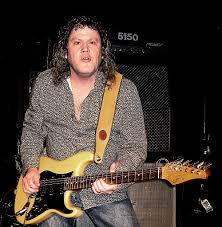
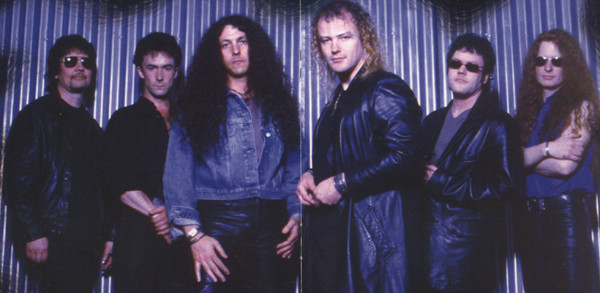
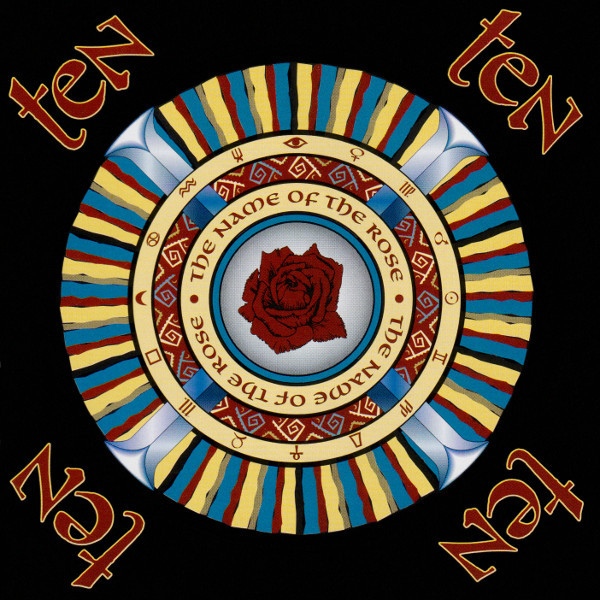
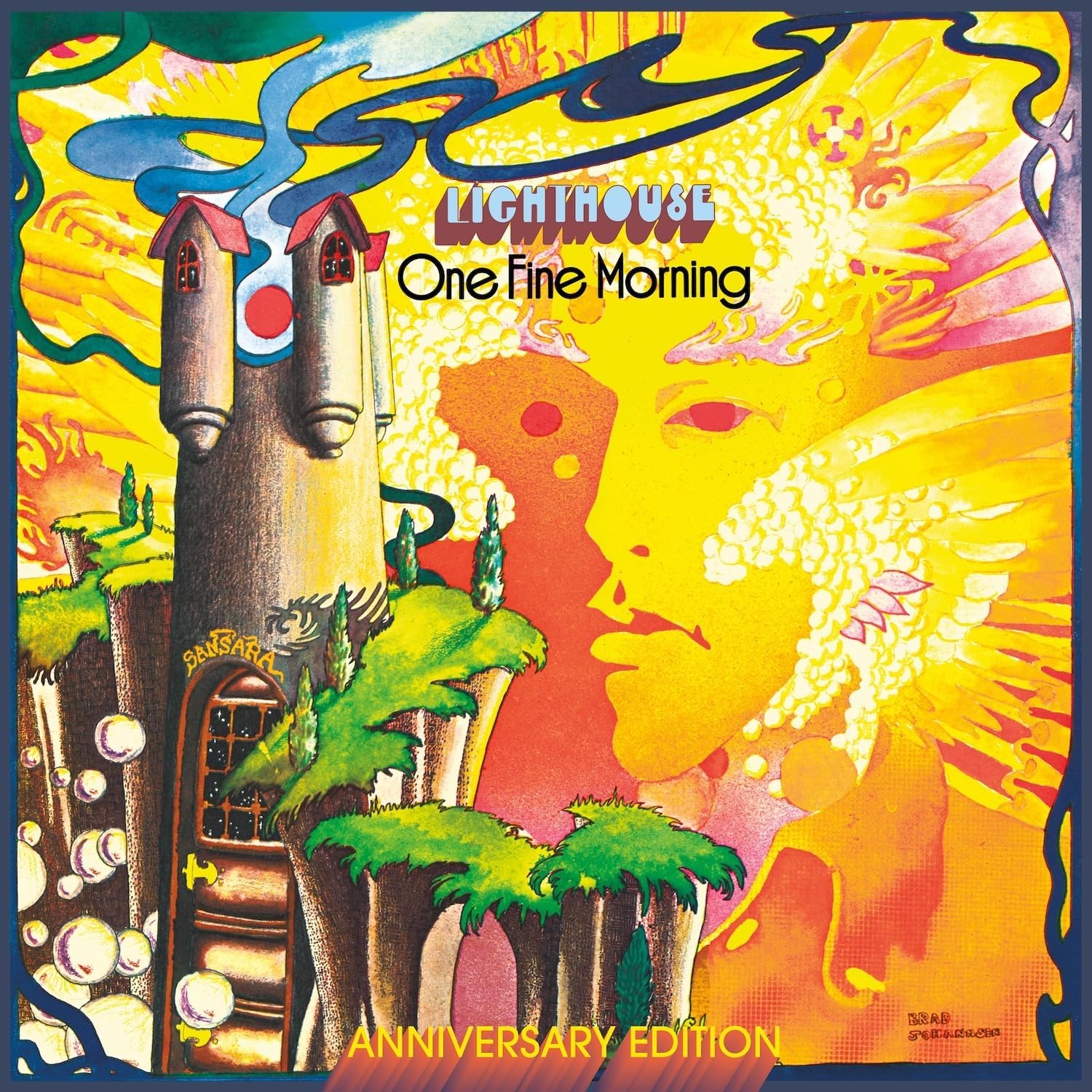
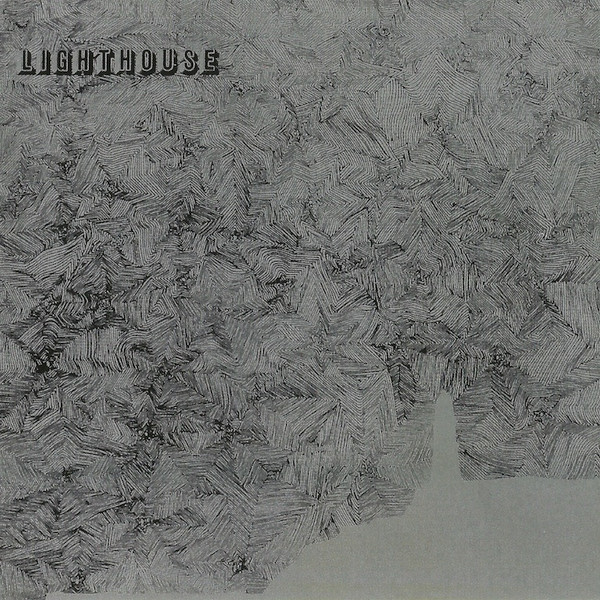
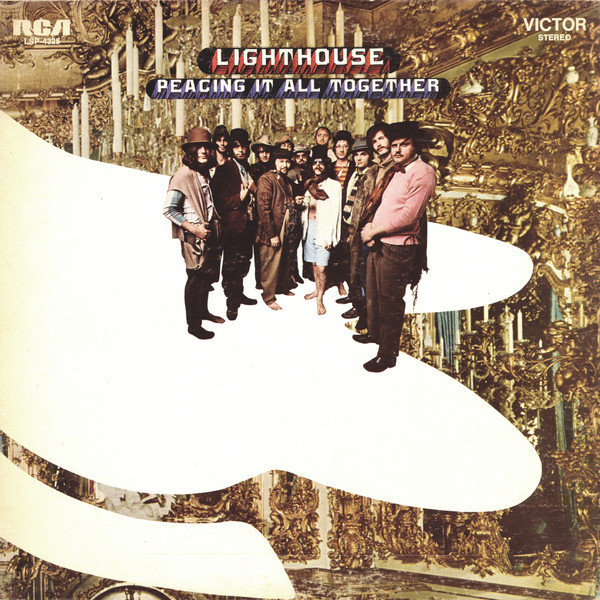
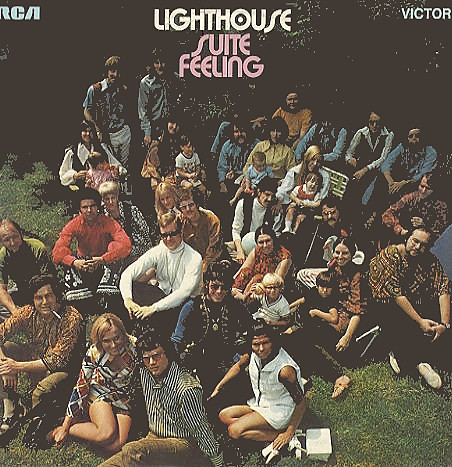
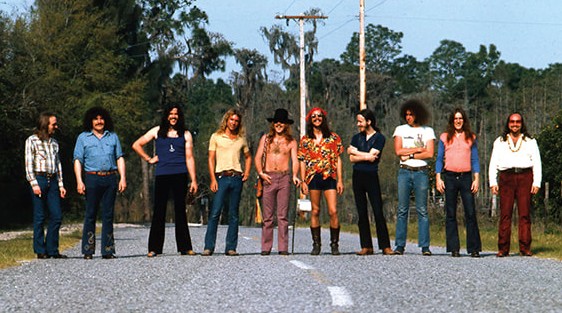
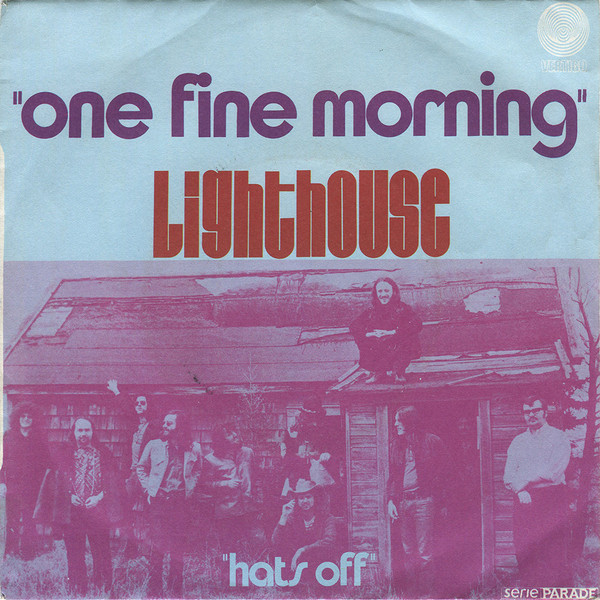
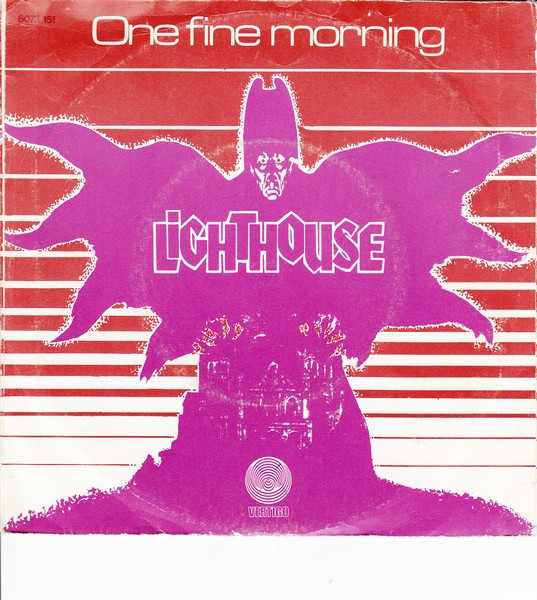
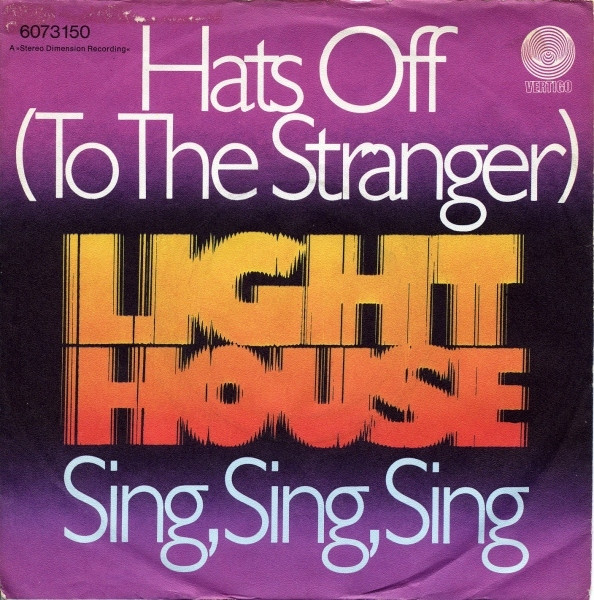
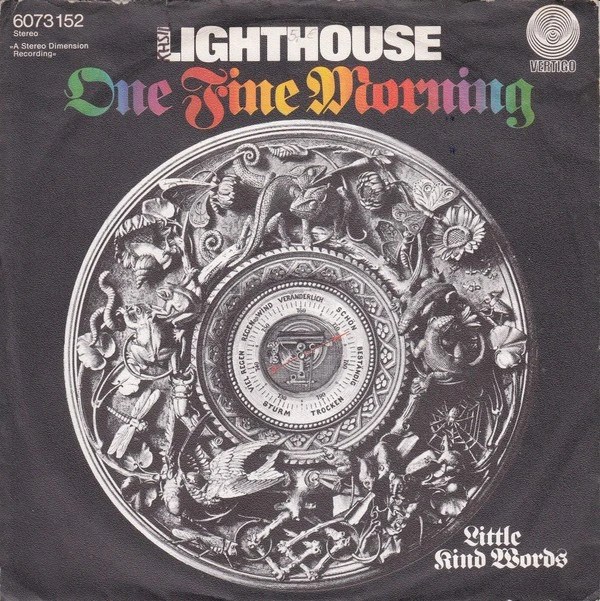
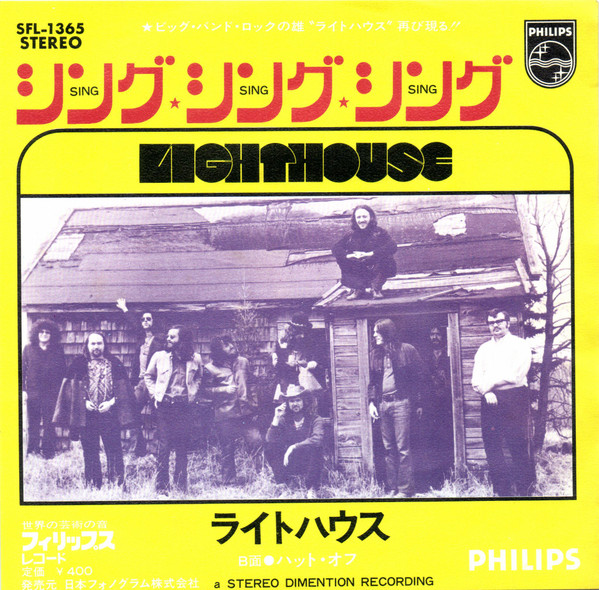
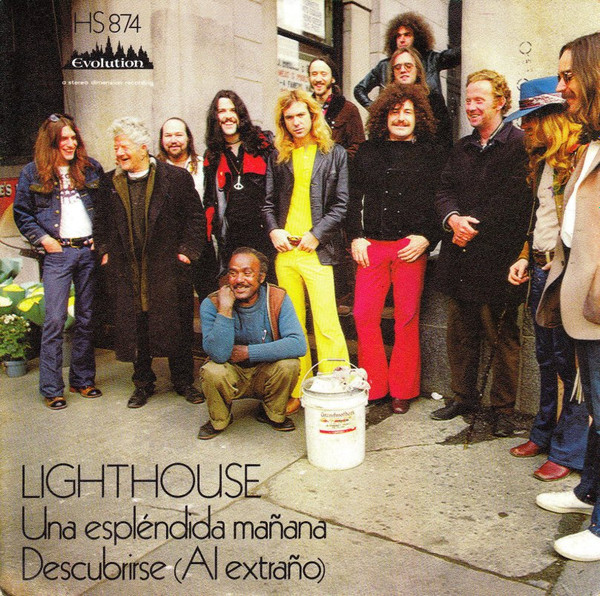
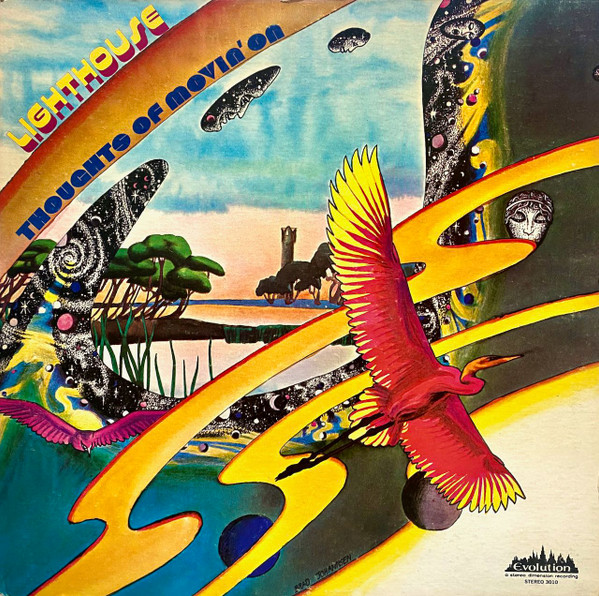
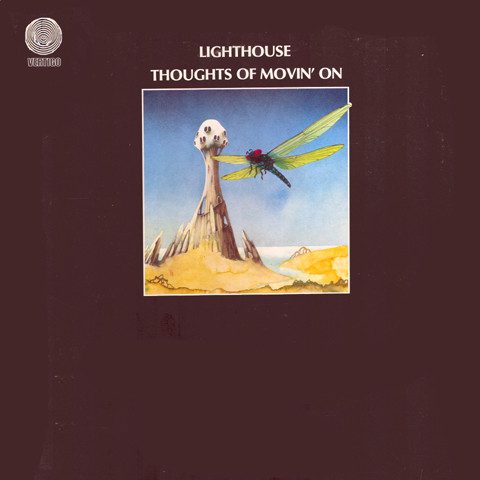
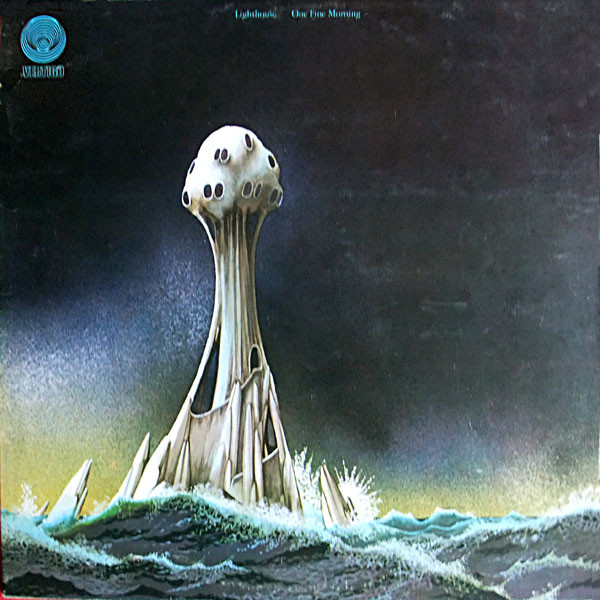
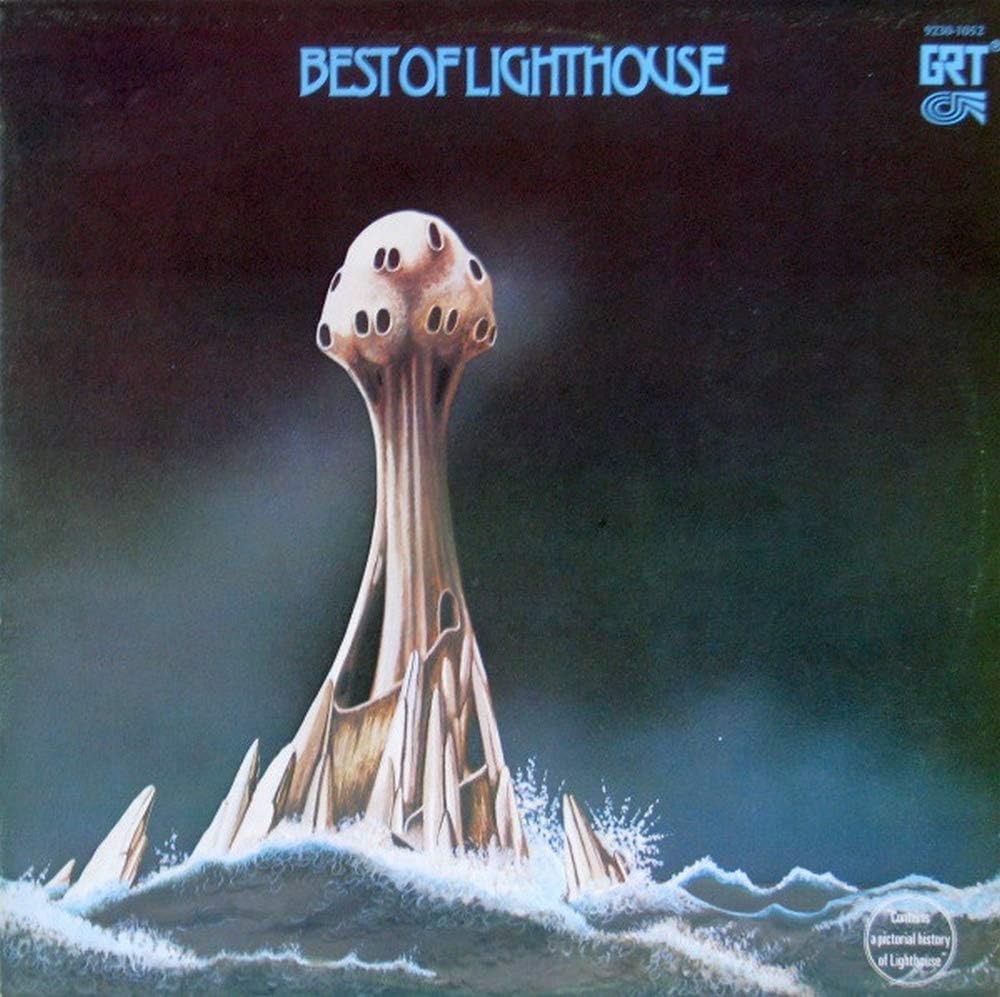
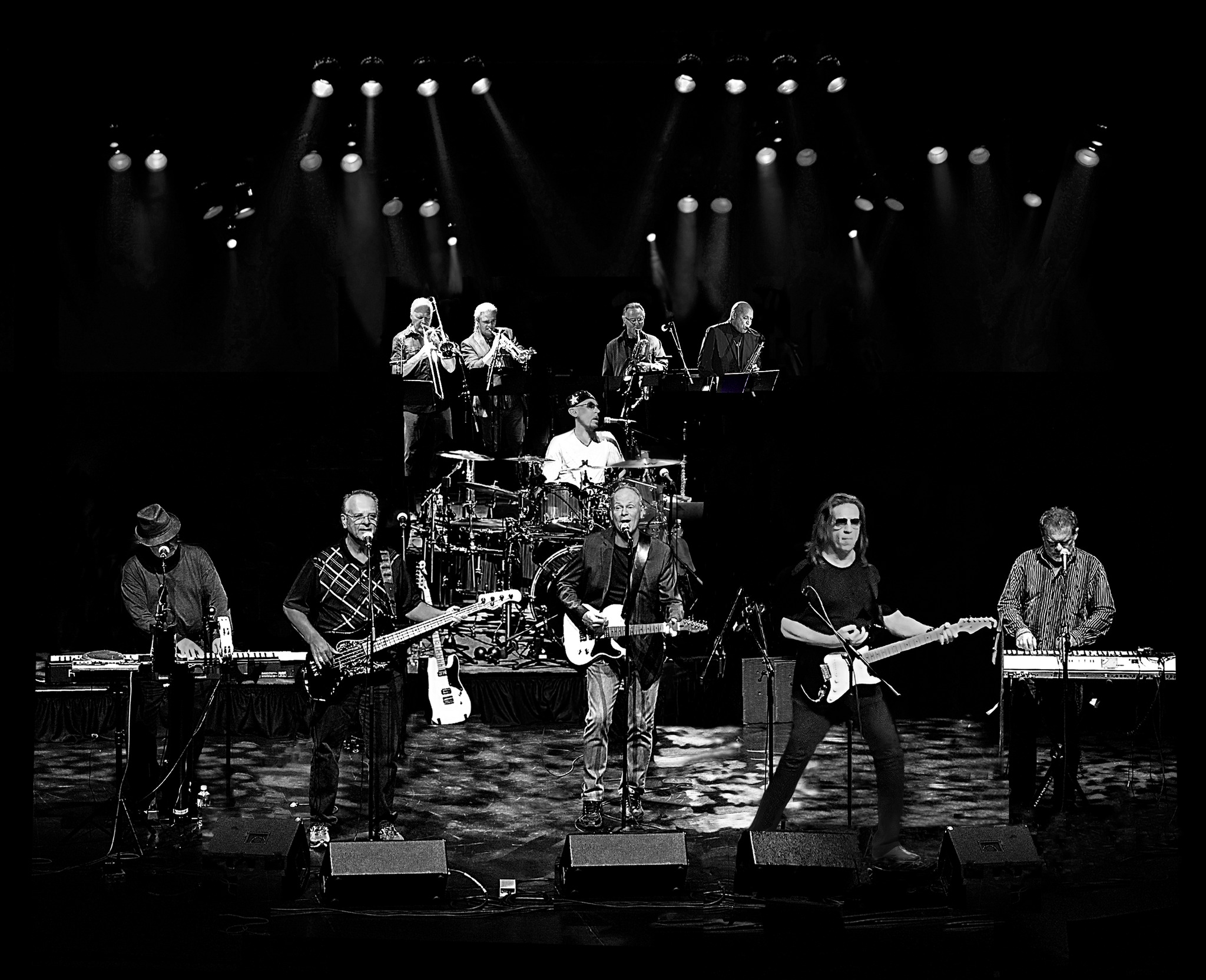
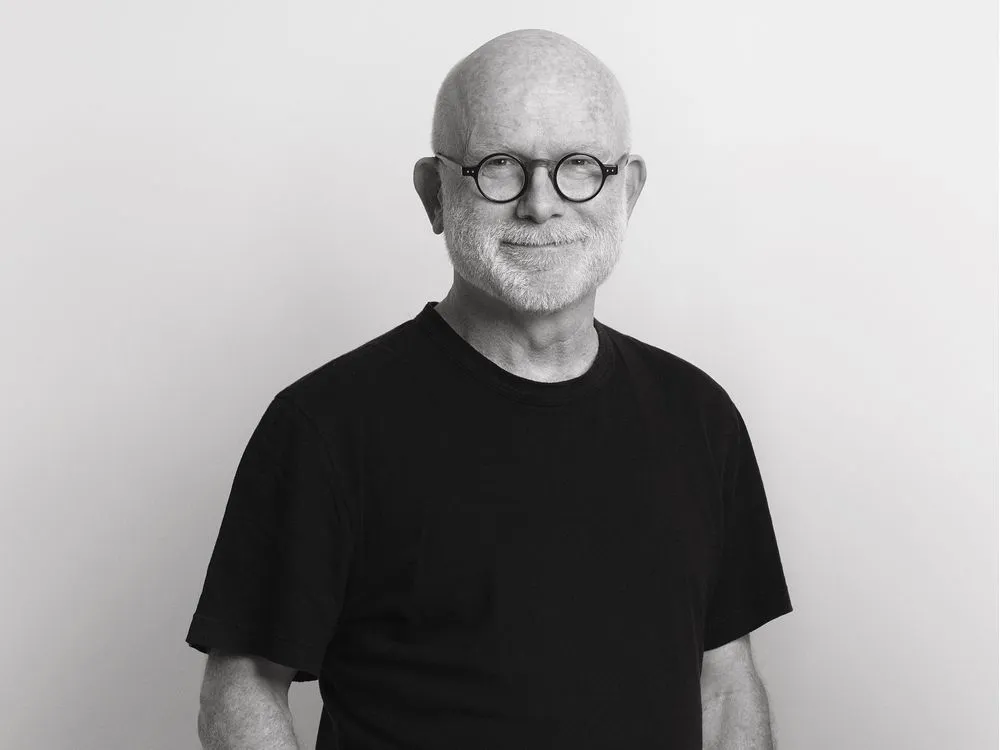
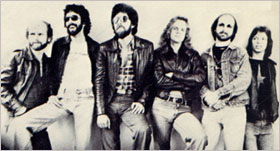
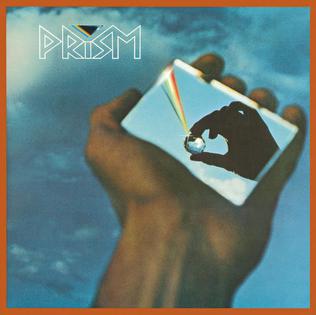
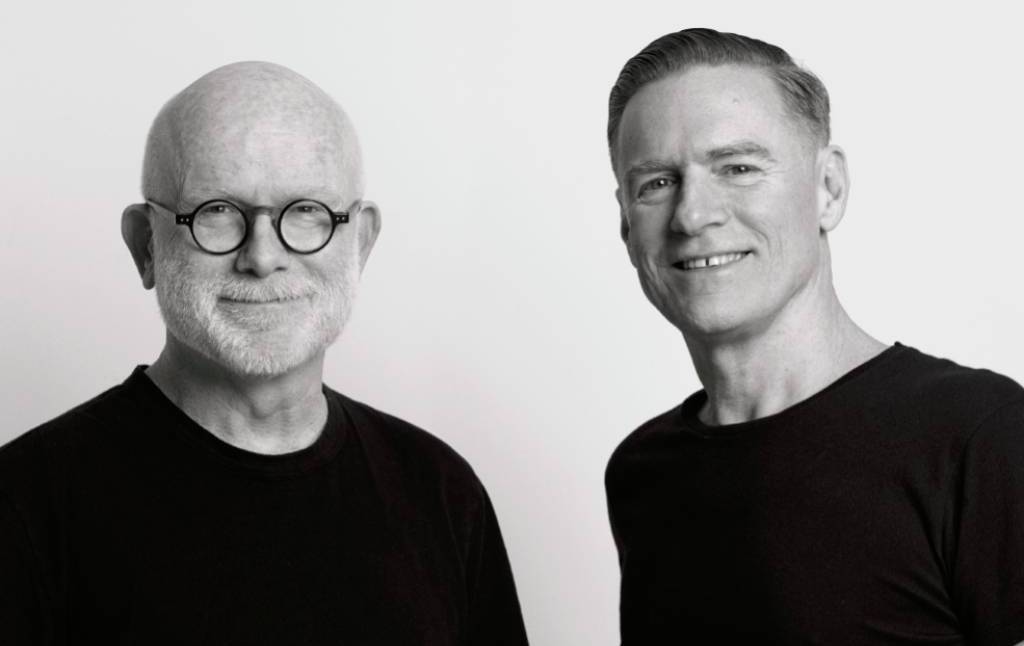
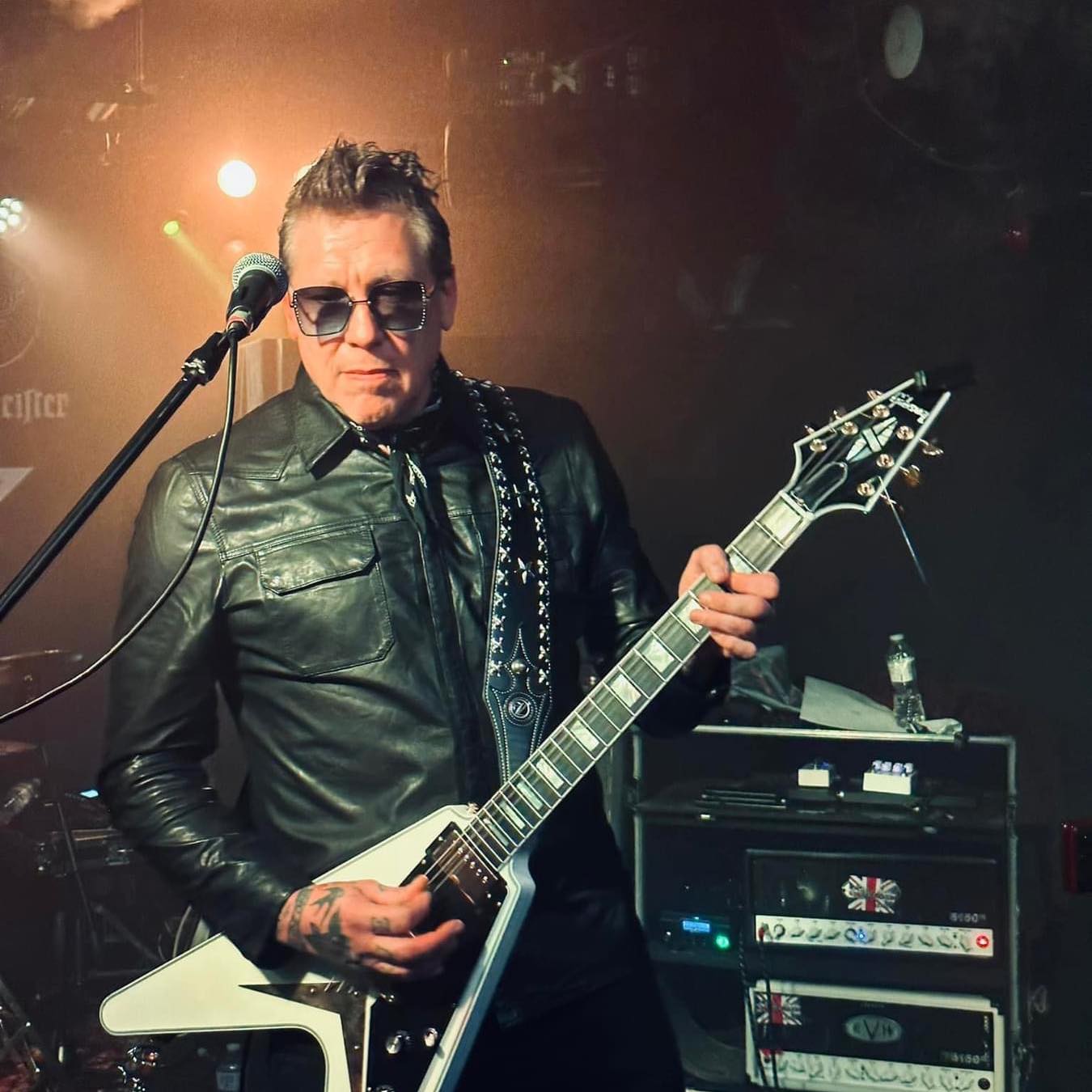
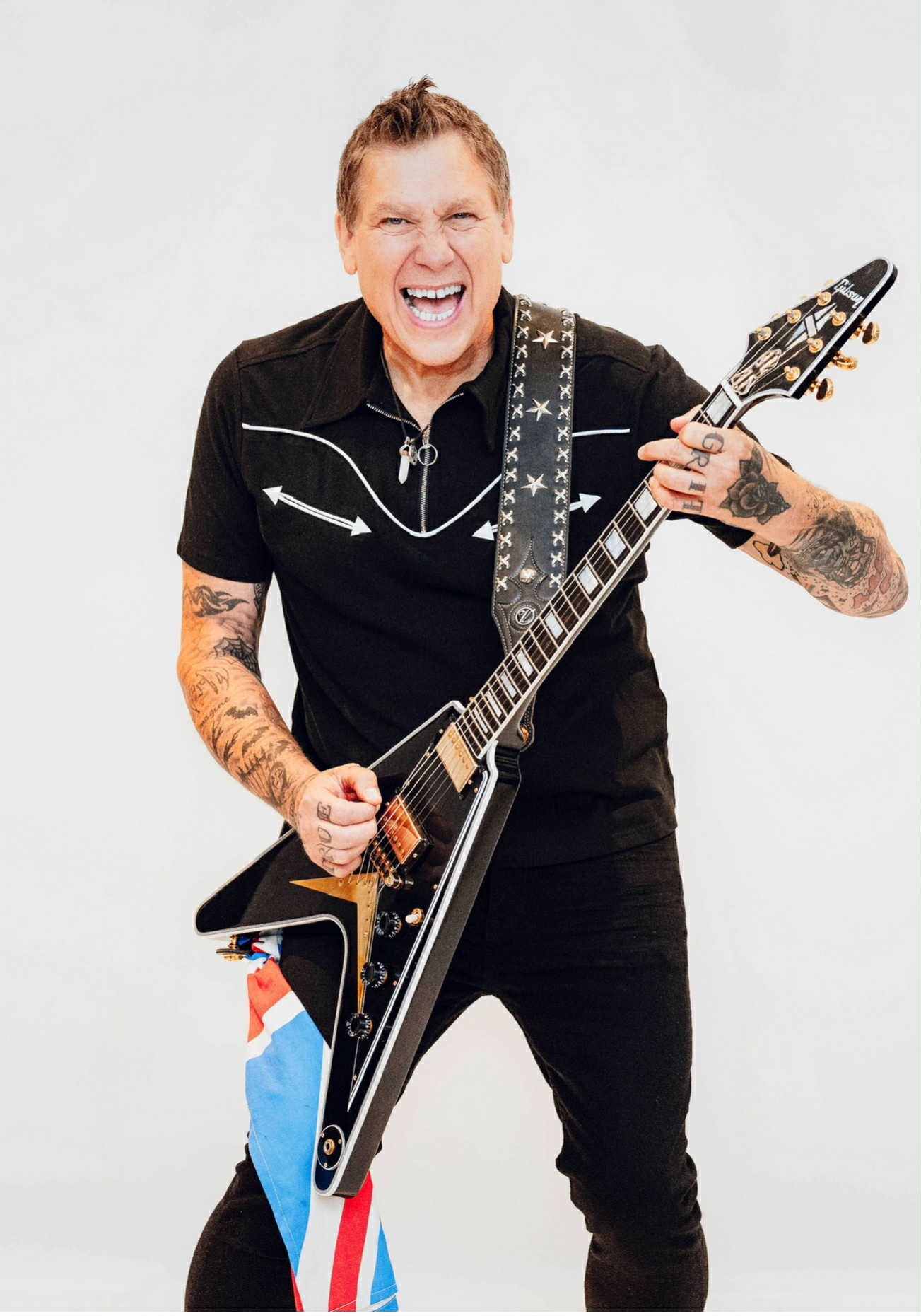
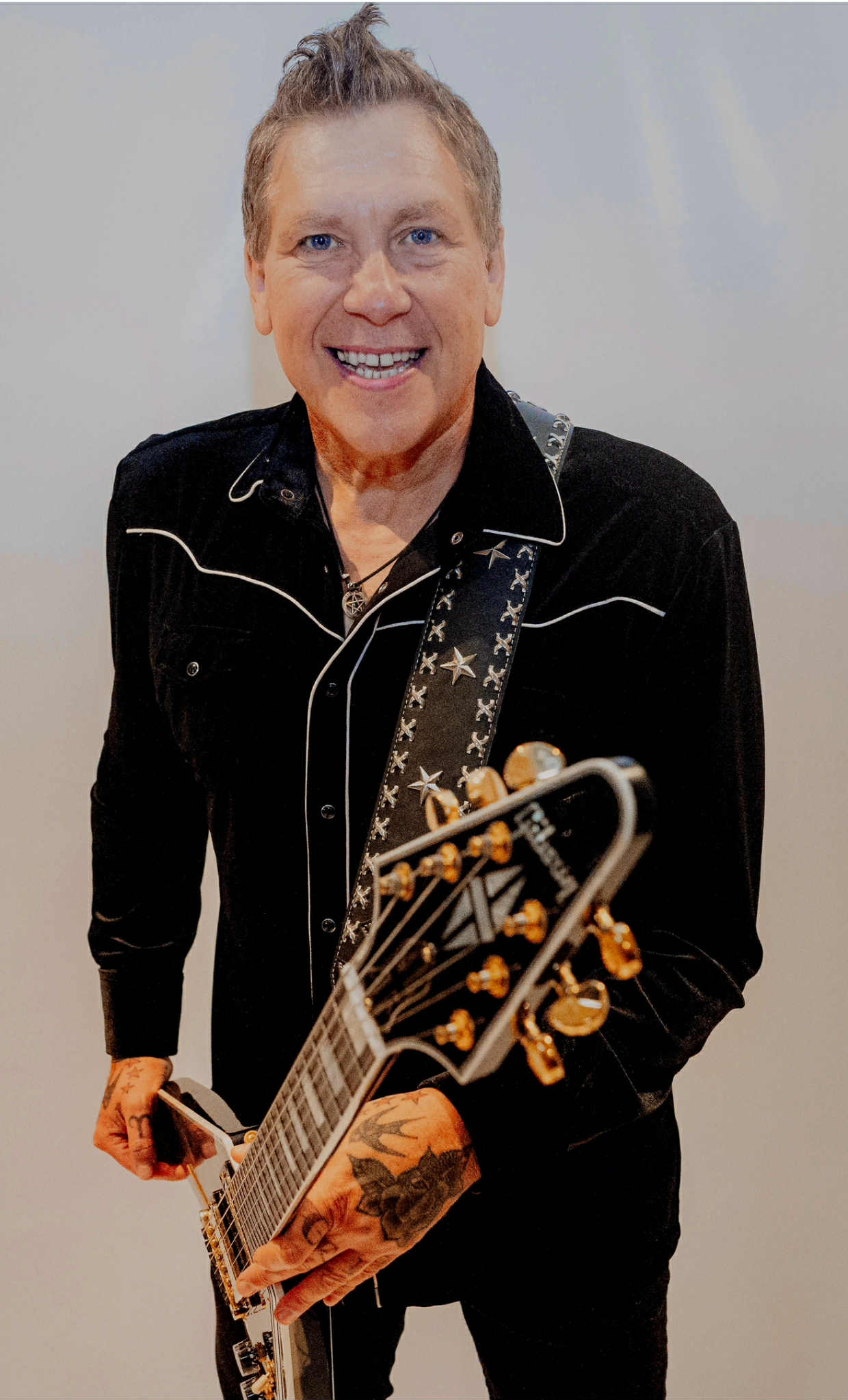
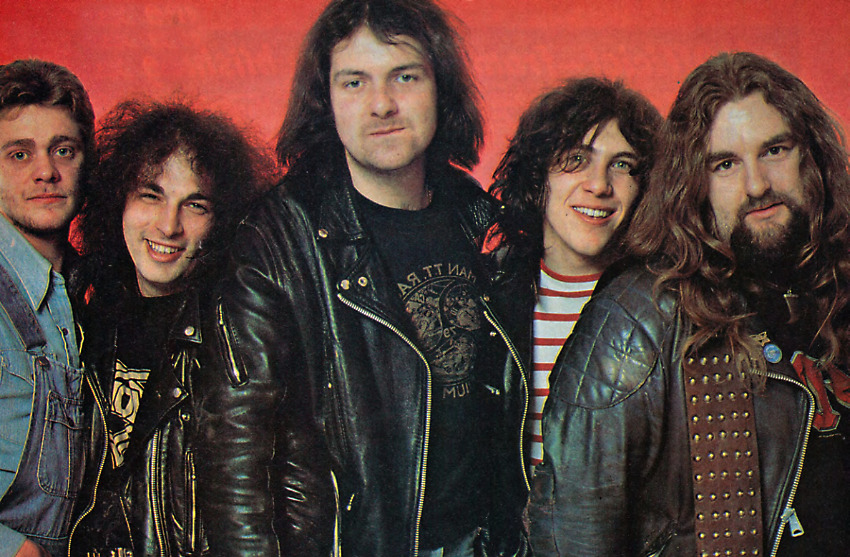
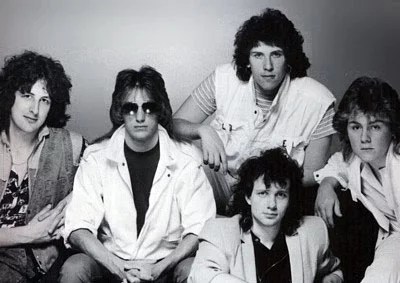
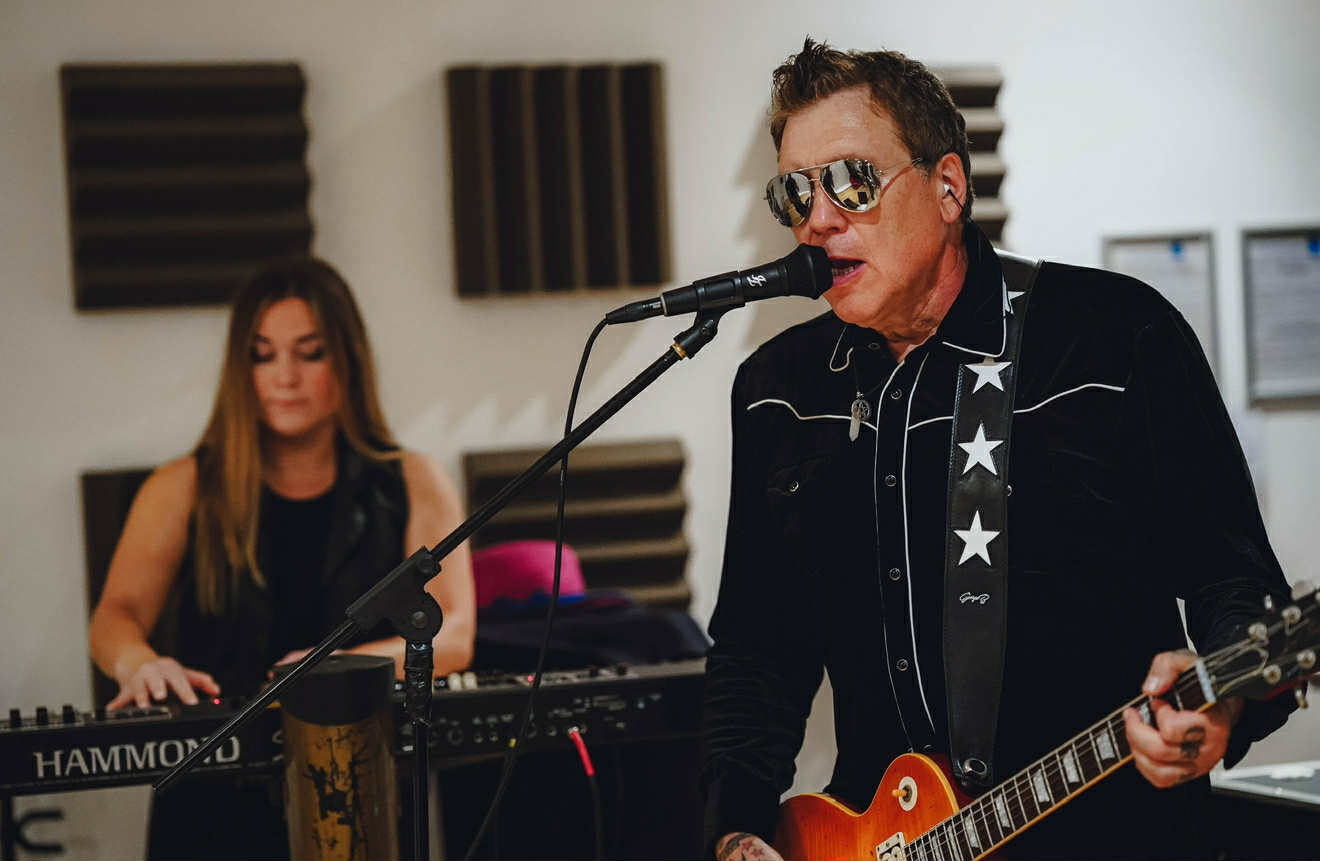
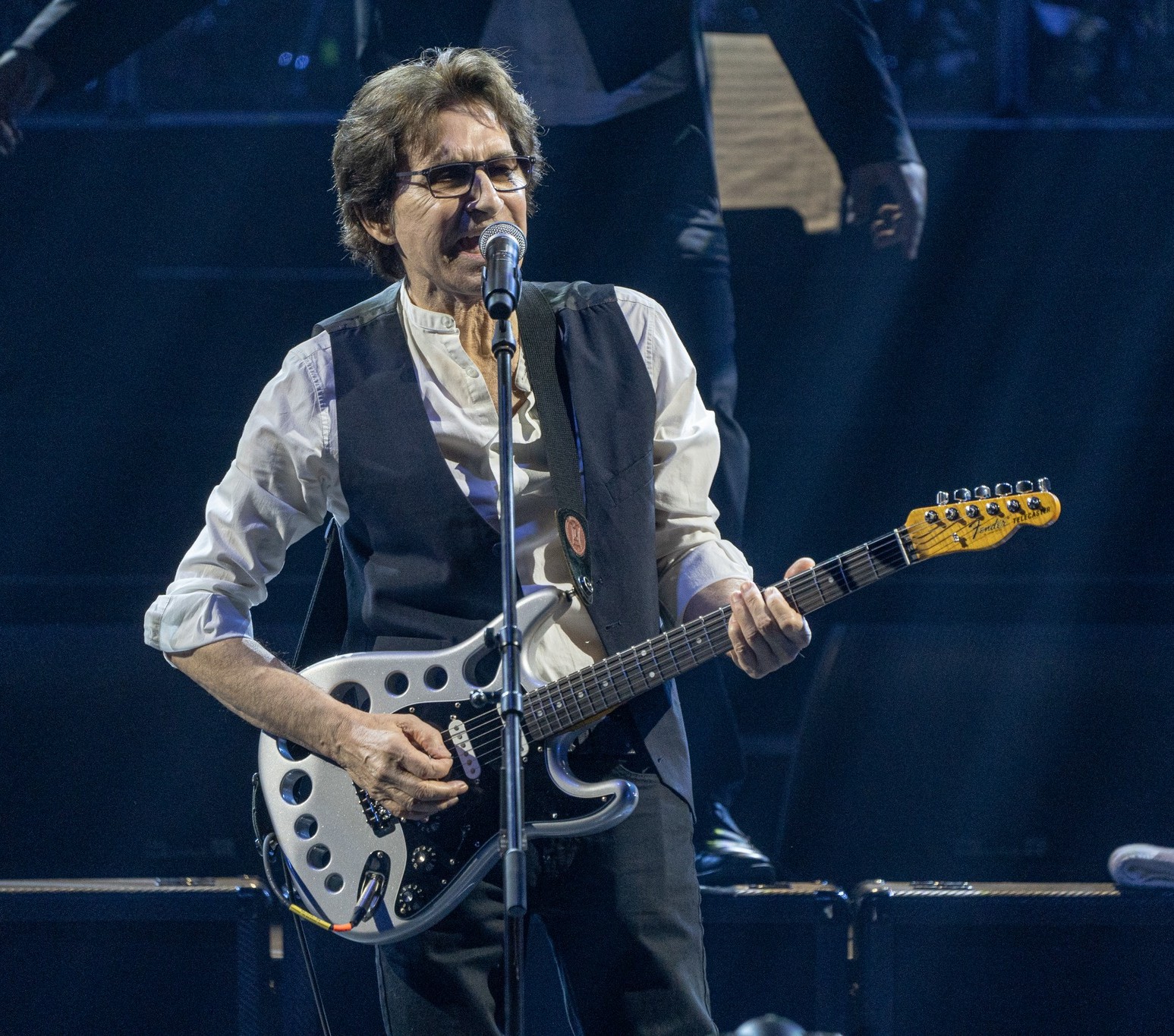
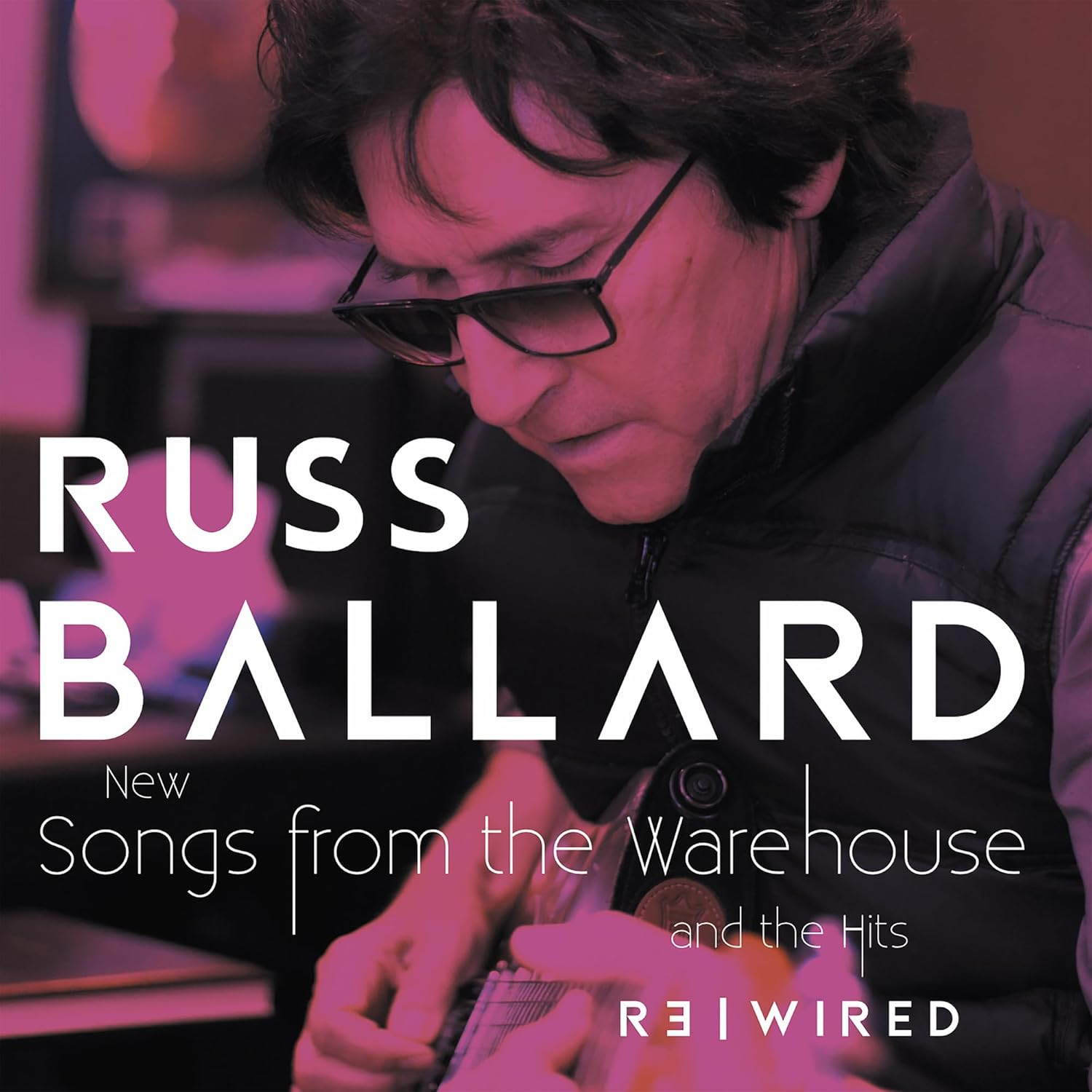

 Outsider Rock