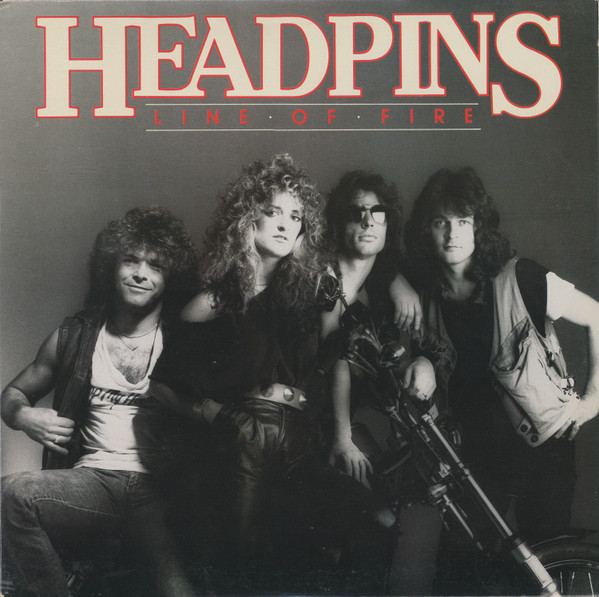
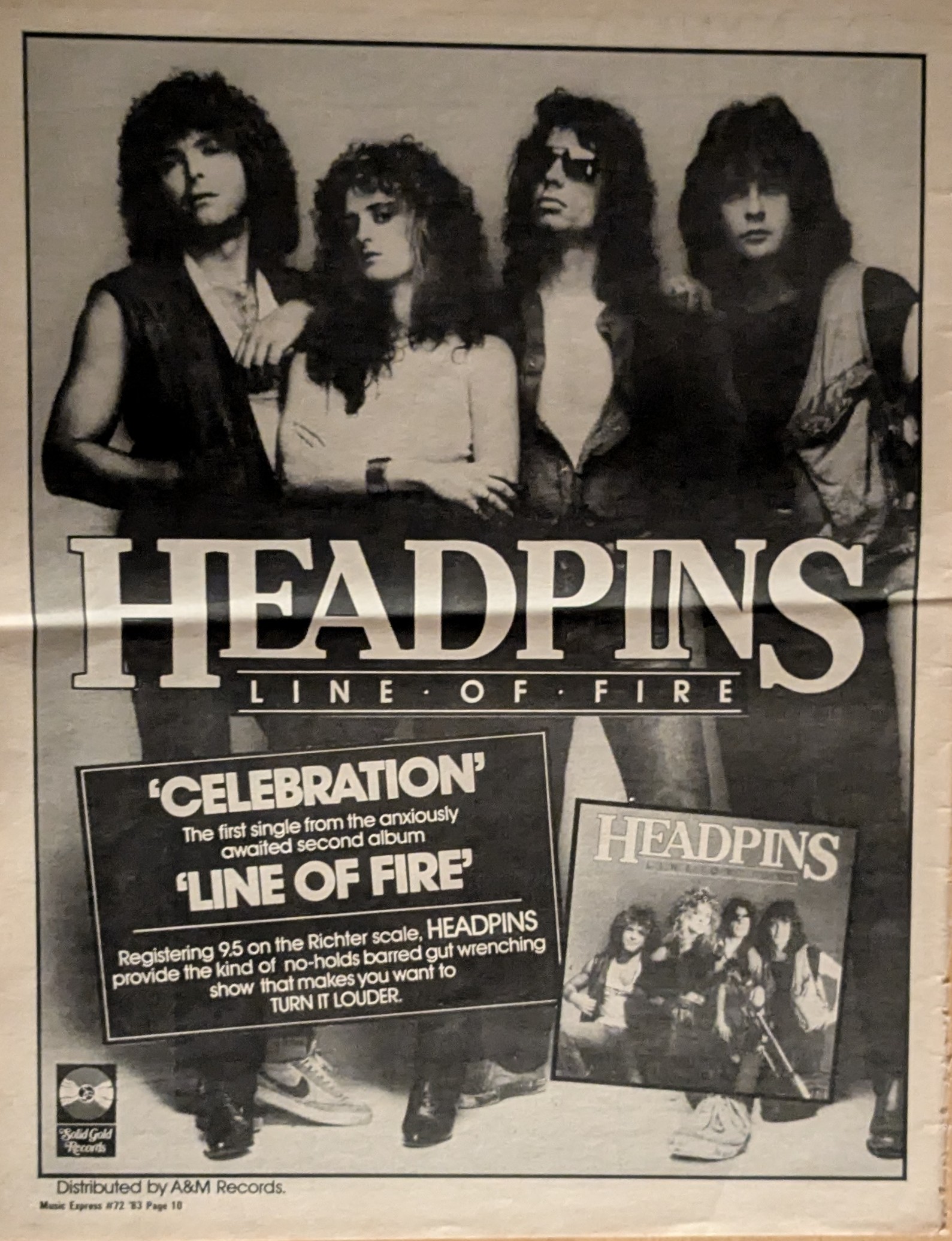
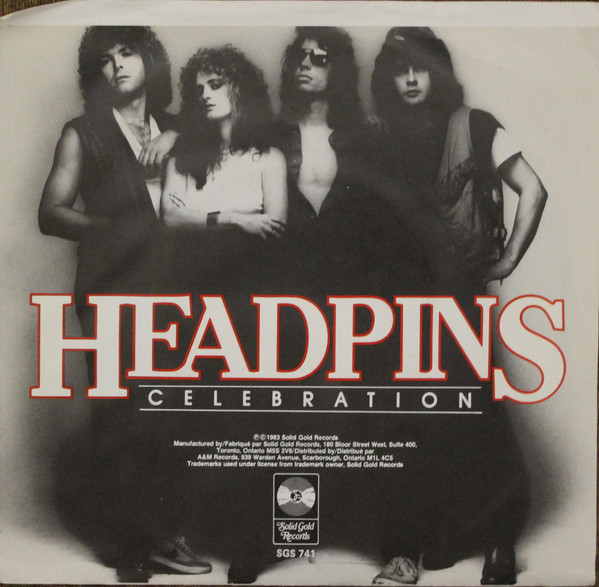
Released in the summer of 1983, Line Of Fire was the Headpins 2nd album on Solid Gold Records. Founded a few years prior with (then) Chilliwack members Ab Bryant (bass) and Brian MacLeod. The band went through a few changes, with drummers Matt Frenette (Loverboy) and Bernie Aubin essentially changing places, and singer Denise McCann being replaced by Darby Mills. The band’s debut Turn It Loud, gained a lot of attention and radio play with the hit single “Don’t It Make Ya Feel”, as well as the title track – “Turn It Loud” and “Breakin’ Down”. The Headpins sound centered around MacLeod’s guitar sound and Darby Mills powerful vocals (dubbed the “Queen of scream”). Line Of Fire took on a bit more of a radio friendly approach in the songs and a bit of keyboards on a few tracks. The album’s cover is a photo of the band on and around a motorcycle, with the back cover being another band photo, but geez, the small red lettering on the back, makes a good bit of this hard to read!
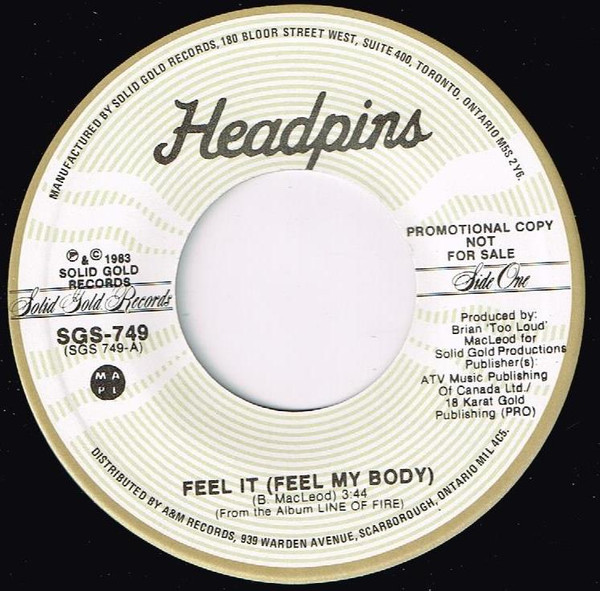
Anyway, I saw the Headpins open for Loverboy in August of that year. During their set Darby Mills announced that the new album would be in the shops the next day before the band played “Feel It (Feel My Body)”, which was the only new song included in their set!
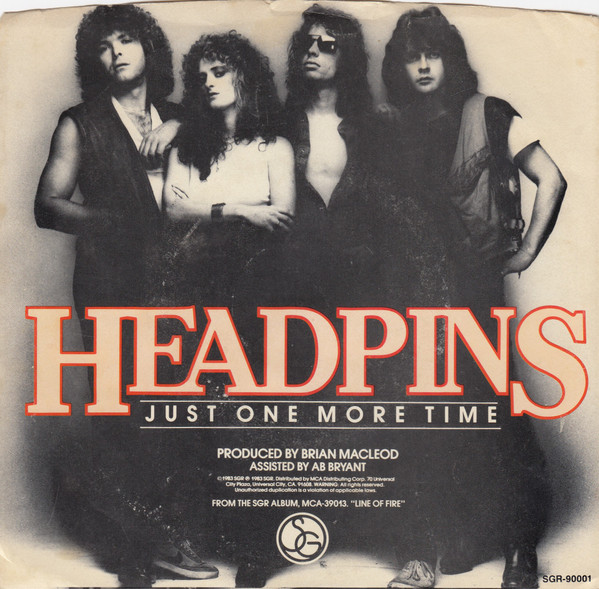
Line Of Fire was a very good album, all around. It featured 2 classic dark, hard n heavy side openers in “Mine All Mine” and “Don’t Stand In The Line Of Fire”. Then there was the 3 singles, all melodic rockers – “Celebration”, “Just One More Time” (the band’s only single to crack Billboard in the US, @ #70). The more poppy “Feel It (Feel My Body”) featured a bit more keys and horns, and received a good bit of radio play. “Double Trouble” was another fine rocker. 8 tracks, all written by MacLeod (with Mills co-writing 2, and Ab Bryant another). Line Of Fire gave the band their 2nd platinum album in Canada.
The band’s label Solid Gold went under before the band’s 3rd (and final) album 2 years later. Head Over Heels was recorded for MCA records, a bit lighter, featuring the single “Stayin’ All Night”, as well as favorites “Never Come Down From The Danger Zone” and “Still The One”, but it didn’t fare as well as the previous 2 records. Still well worth checking out. Darby Mills left the band soon after, and released a solo album in 1991 (Never Look Back), while McLeod wrote & recorded with Mike Reno (Loverboy), and recorded an album with Chrissy Steele (Magnet To Steel) in ’91. MacLeod passed away in 1992. The Headpins would eventually reform with a few new players, and still play today (albeit with a different singer as well).
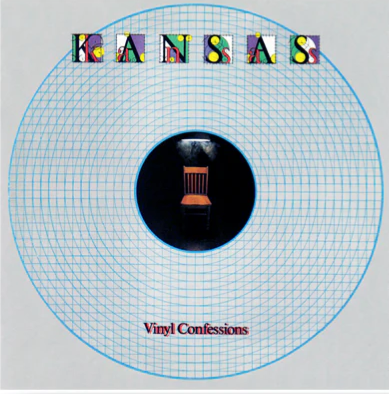
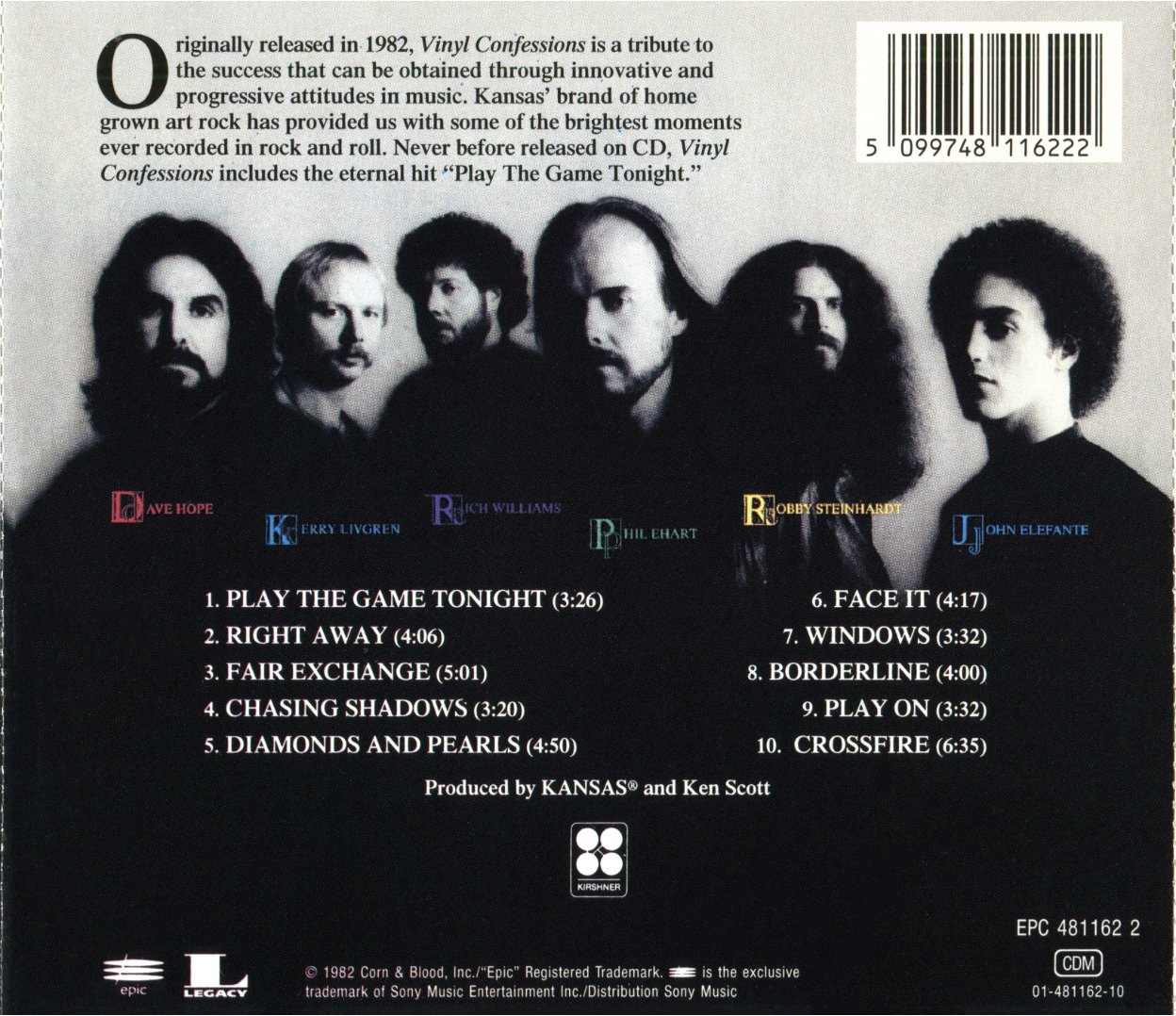
Andrew Barnum has worked on a number of different album covers over his career, and more recently having been checking out KANSAS’ 80s records, I wanted to find out more about 1982’s Vinyl Confessions. It was an album that saw a few changes for the band – singer, sound, and cover art! A very different cover than the band’s previous ones. Andrew gives us some great insight to the Vinyl Confessions artwork and period of the band, as well as a bit about other aspects of his career and covers he’s done. *Check out the links at the end, and the galleries of Andrew’s work.
How did working on the Kansas cover come about? Had you done many album covers prior to this? How did you get involved? And were you familiar with the band?
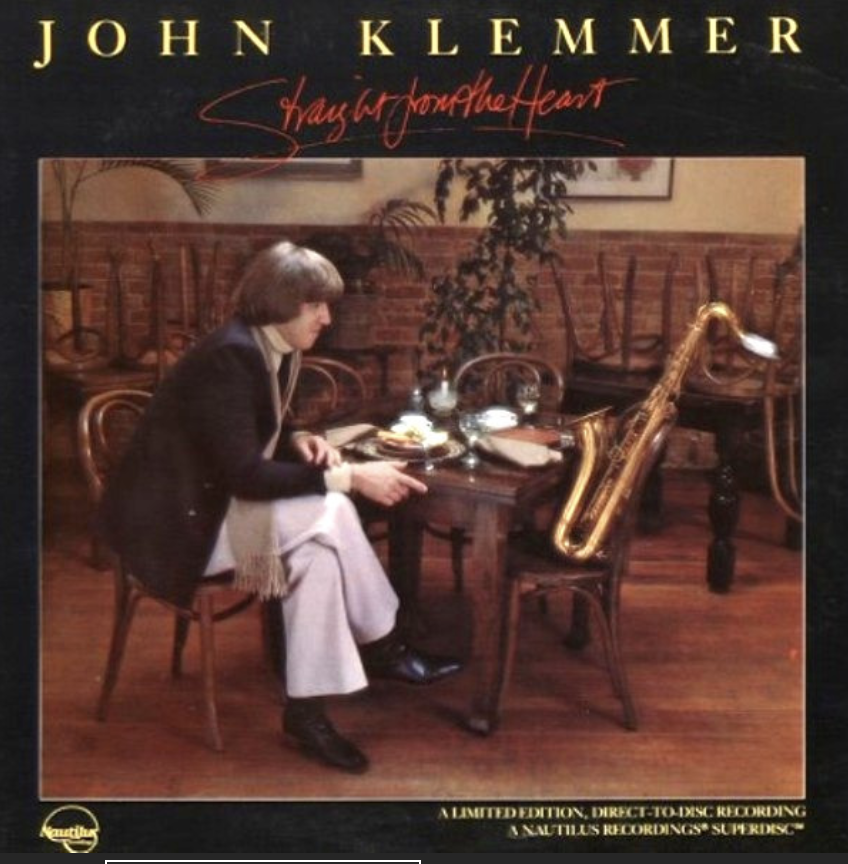
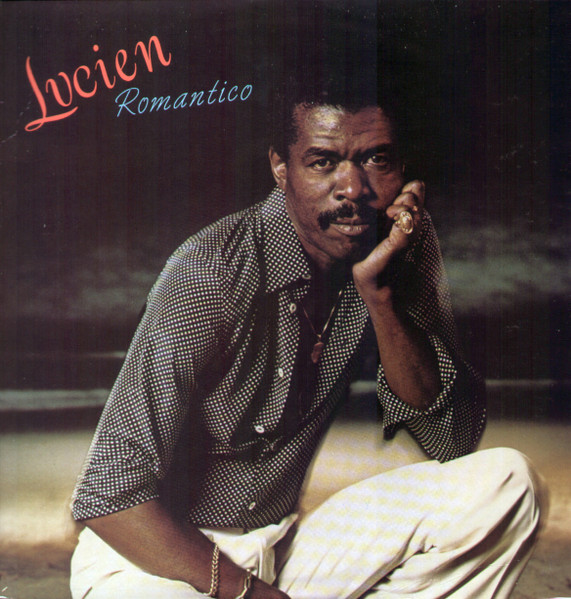
As an American born Australian, I returned to the USA from Sydney in 1977 as a freelance graphic designer, and aspiring singer-songwriter. Designing by day, performing music by night. After freelancing for 3 years, I landed a real job at a company called Print, Film and Tape in Burbank (Movies, Music, Arts) that lasted a year, which led to joining Tom Drennon. I can’t remember how it happened; Tom was all music business design work, from covers, to promo campaigns, and tour identity collateral. Here’s Tom’s covers: https://bit.ly/4mp2Gpw . I’d only done a few of album covers as a freelancer both by saxophonist John Klemmer (Brazilia, Straight to the heart) and jazz singer Jon Lucien. By 1980 I’d met my soulmate, art director, and music partner Lissa Mendelsohn and formed our post-punk band ‘Live Nude Girl.’ Our freelance designing was with Macy Lipman Music Marketing, and Larry Vallon Concert Promotions. I was familiar with Kansas by reputation only, and that Tom had done numerous covers for the band, and other Epic Records artists.
Can you explain the whole idea behind the cover, your contributions, how it was all put together?
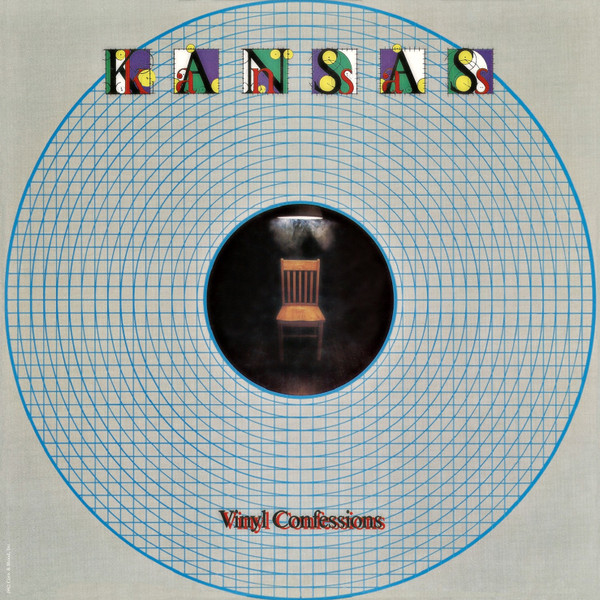
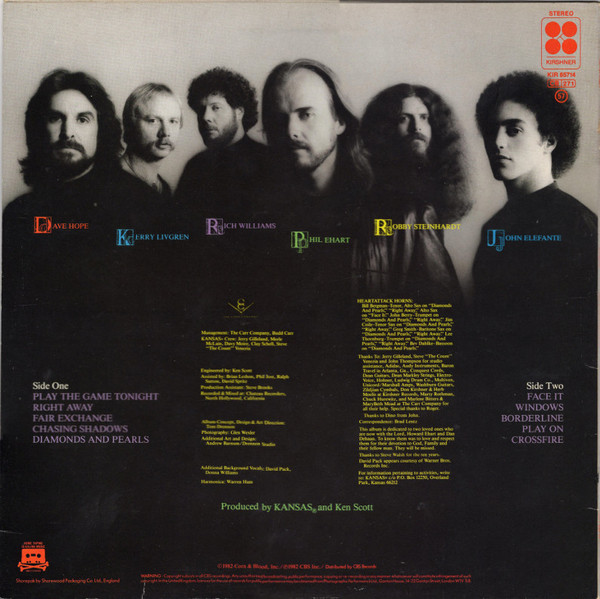
This album was a monumental change for the band because a change of lead singer. Tom recounted after the concept meeting at the studio, that the band felt under intense scrutiny because of the line-up change, under a microscope so to speak. Tom’s key image idea was the interrogation chair. That began the process of designing a package that was looking at the band in minute detail during this re-invention. Hence the stripped back blue-print imagery. The design was also influenced by the 80s post-modern design shift that had begun in LA. The new cover was breaking with the past Kansas tradition of earthy, painted imagery. This was achieved by both the chair photo, and the striking B&W band photo, and primary colours in the logotype, and band names on the photo. Pre-digital, all the assets were hand drawn, typeset, and composed on full size paste-up boards.
Can you explain your technique used for this cover?
Drawn, or re-touched B&W bromide film elements (typesetting, image) pasted in position for CMYK print film colour separations. Very standard pre-digital print production. An assembly of visual assets.
Did you also happen to do the lettering on the front cover? Any idea why the band’s logo (on all previous album covers) was not used?
The logo brief was to create something new for Kansas, while creating continuity with their classic forms on previous covers. This led to researching typefaces in the trusty (copyright free) reference of the time, Dover books. We found ‘the sixteenth-century German artist Albrecht Durer’s instructional treatise on the geometric construction of Roman capitals, with precise directions for each letter and general directions for Gothic capitals and miniscules, Of the Just Shaping of Lettersby Albrecht Dürer.’ (Google books) The roman titling we found which contained both capital and lowercase outlines served the purpose of detail, scrutiny, and classicism. We added the bright colour set within the letter forms.
Was Kansas a band you listened to? Any recall listening to this album?
Not really on our post-punk radar at the time. But fully aware of their impressive stature and sales.
Did you do any other album covers beyond Vinyl Confessions? And what do you do now?
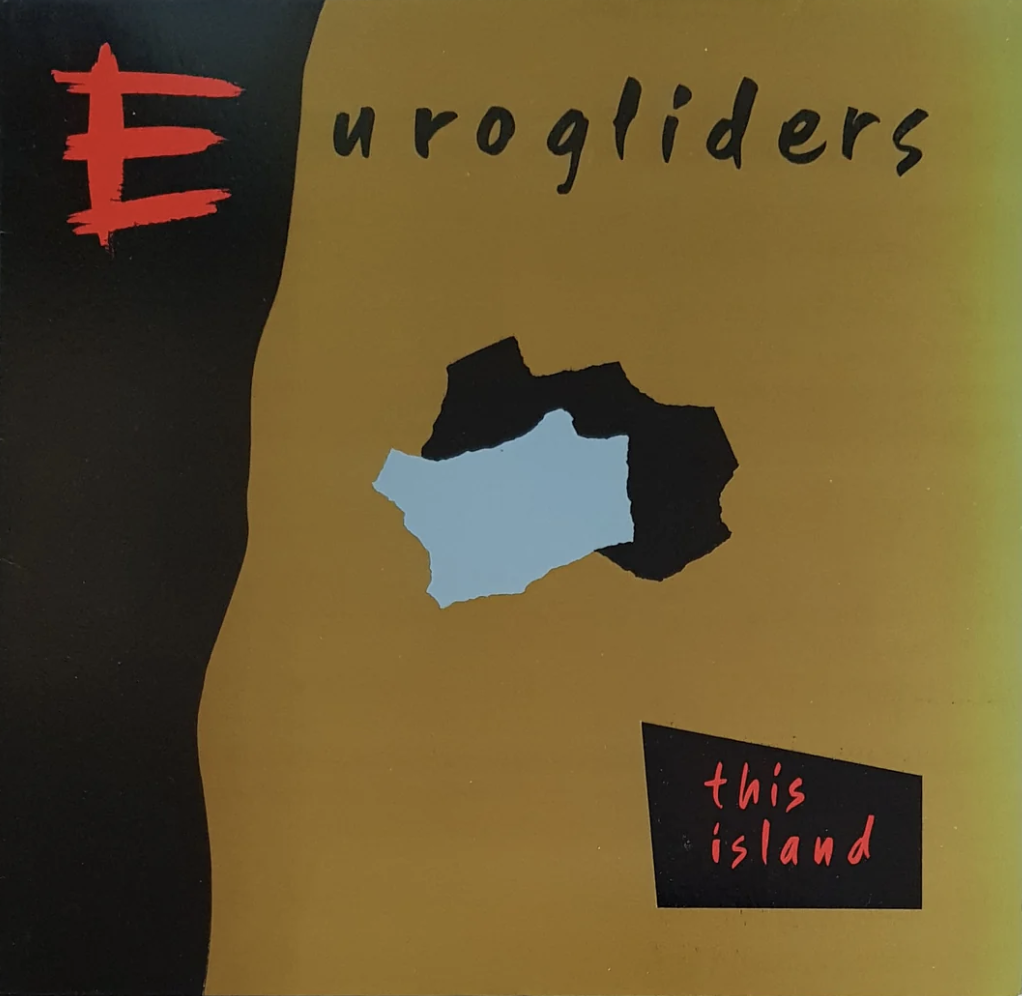
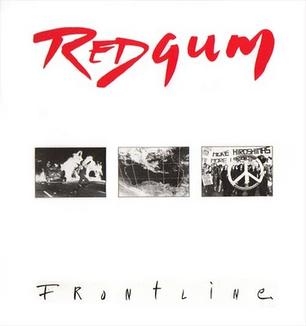
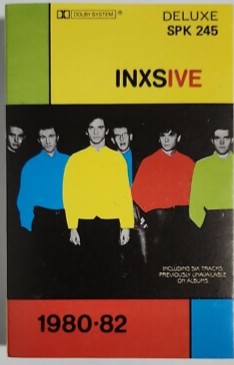
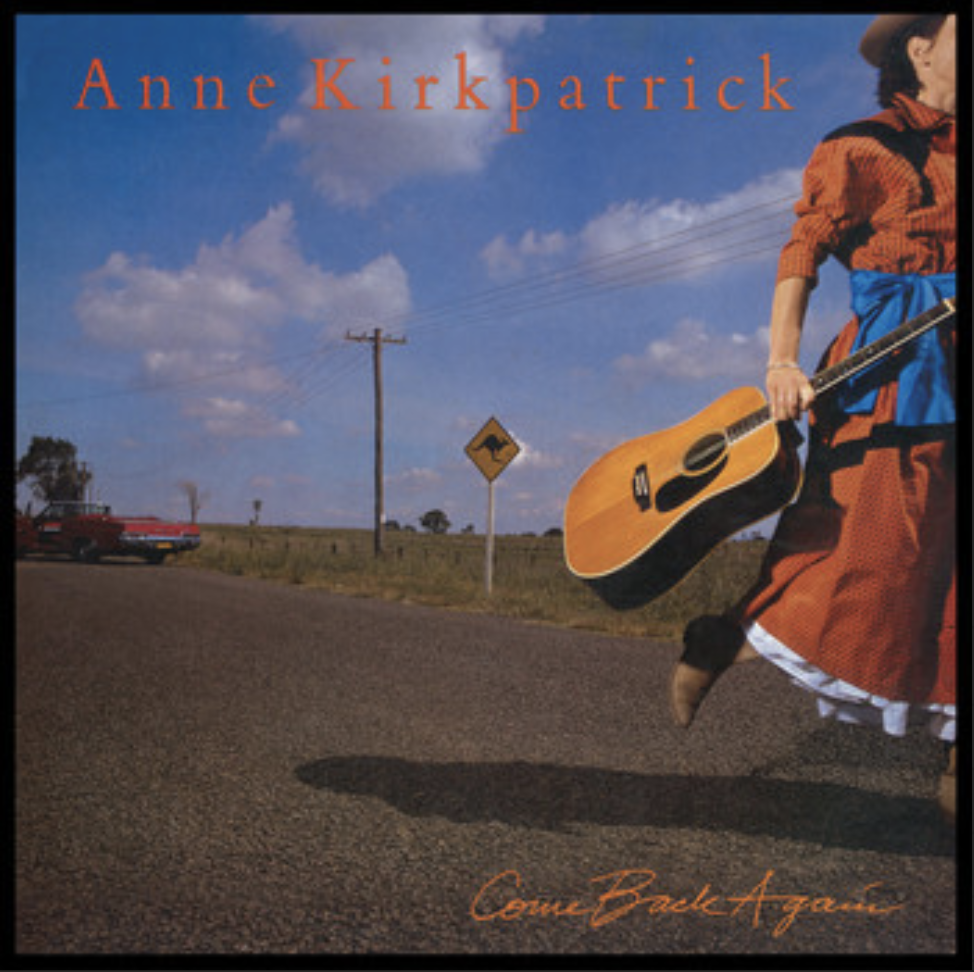
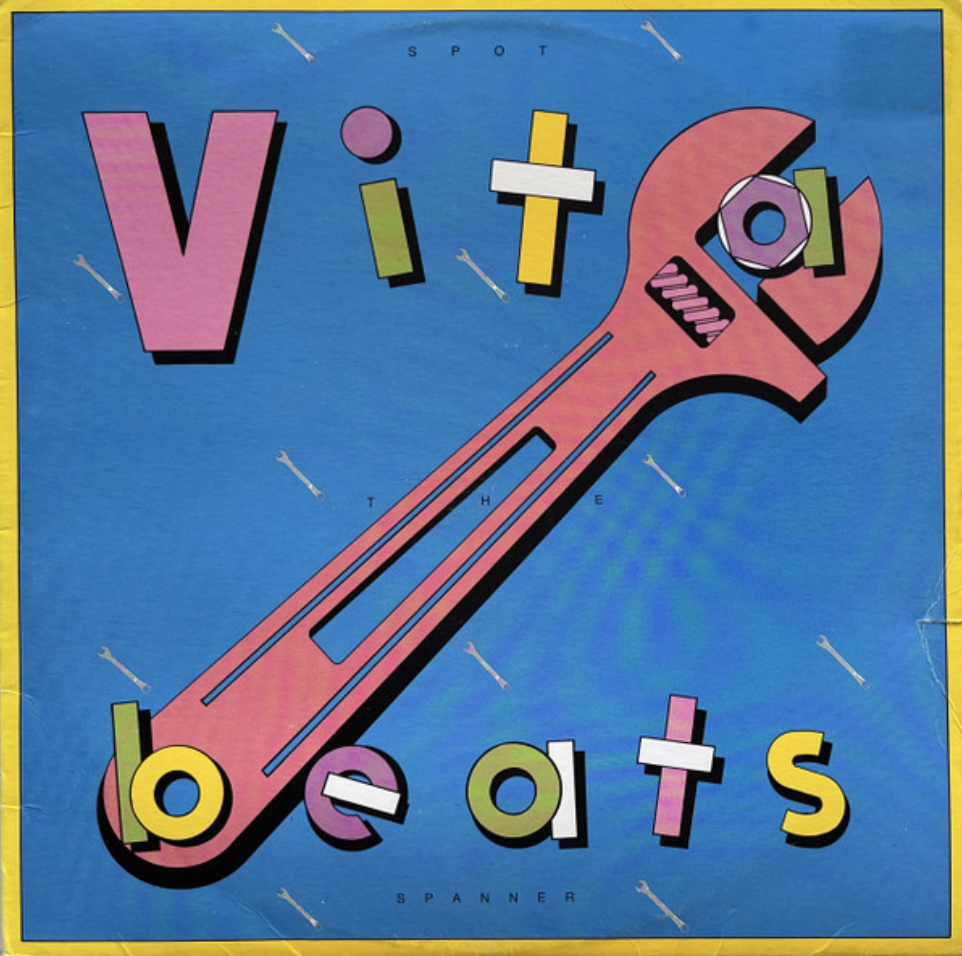
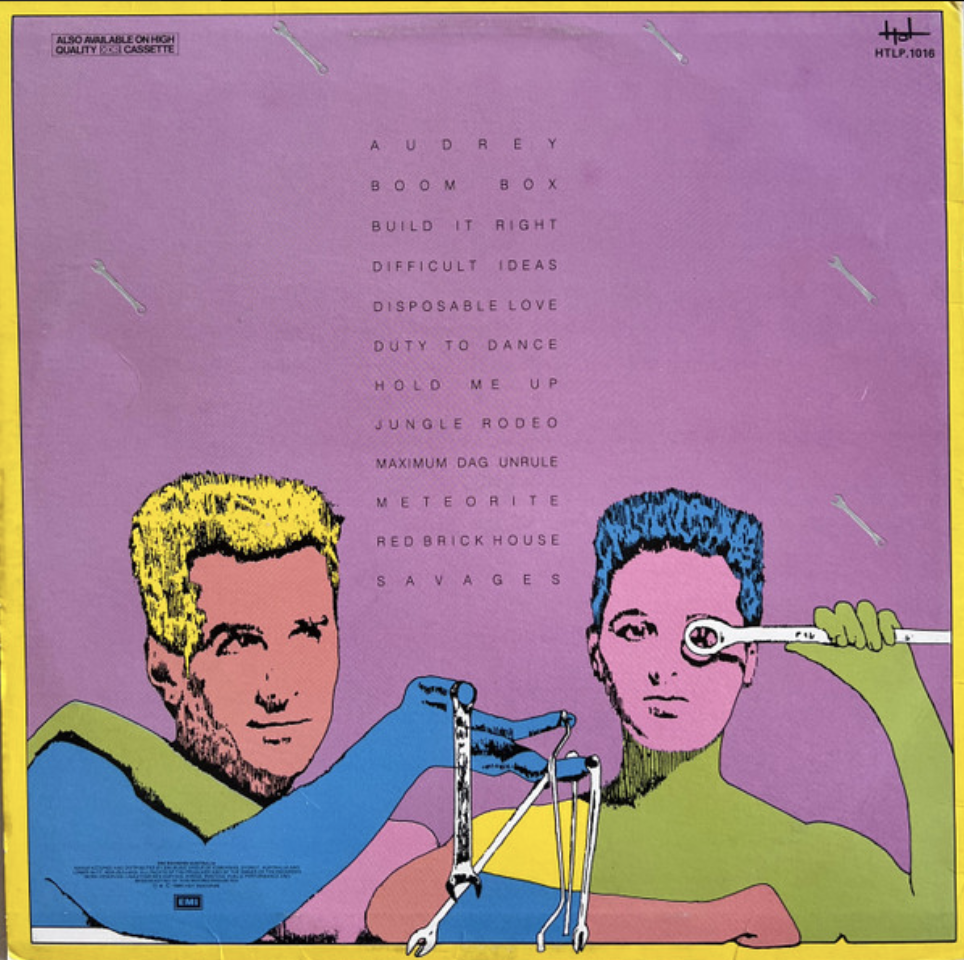
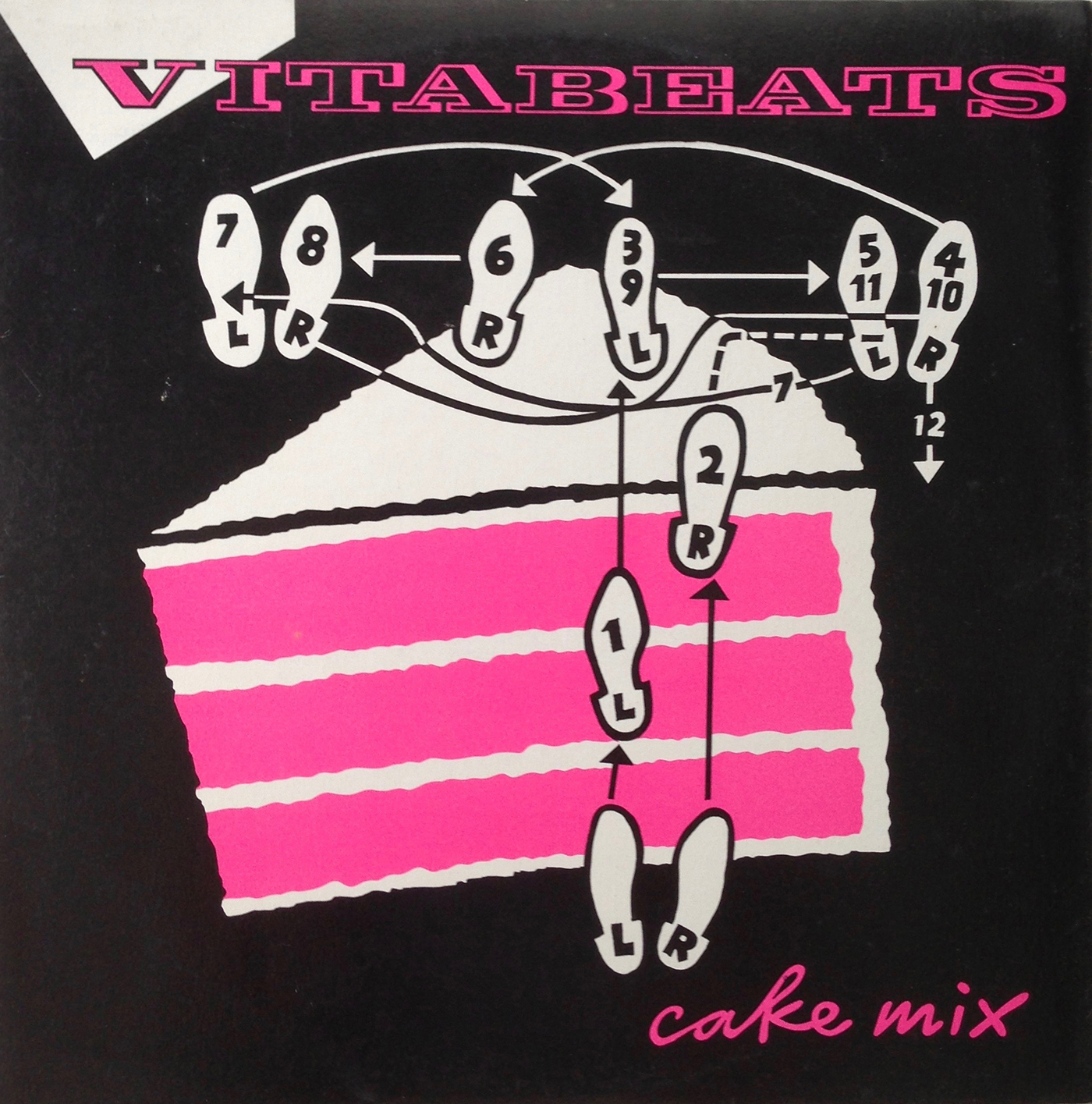
(Well, since then, in the art world) After Lissa and I were married in LA in 1981, all roads started leading back to Sydney after a honeymoon trip, we reconnected with design and music in Sydney which led to a new freelance life as A&L Barnum Design, and our ‘Live Nude Girl’ demos being heard by local producer Mark Moffat at Festival Records. By easter 1982 we’d sold up our chattels, and moved to Sydney. Again, design by day, and music by night, sometimes vice-versa.And a new band name for our new duo ‘Vitabeats.’We’ve designed covers for Inxs, Eurogliders, Redgum, Anne Kirkpatrick, Mary Jo Starr, Mark Callaghan (Gangajang) and Java Quartet. And Vitabeats and my 8 solo albums (see atbarnum.bandcamp). We are both exhibiting artists. Mexico City born Lissa’s Aus-Mex paintings, and my more conceptual minimalist works. barnumgroup.biz/art
Have you ever seen the Uriah Heep album cover for ‘Equator’ (1985)? (check it out)
I note the similarity to ‘Confessions.’ Also a progressive hard rock band re-defining itself with graphic impact for the mid 80s. The image looks a slice through the earth at the equator. Global warning anyone?
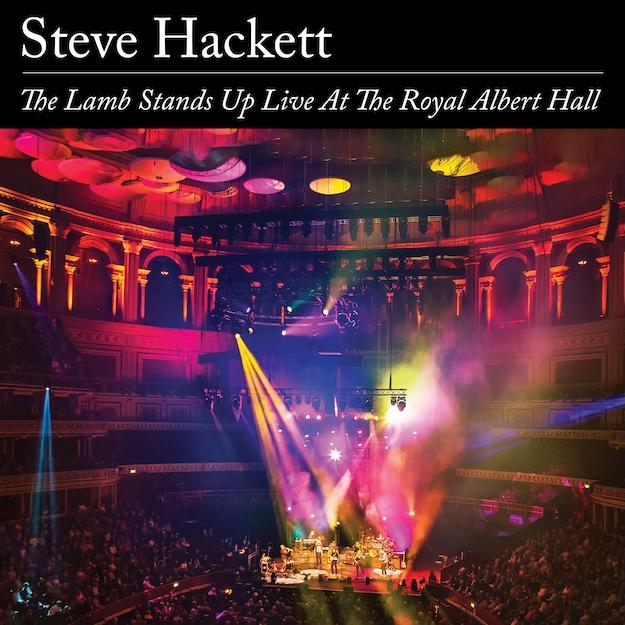
Another STEVE HACKETT live album. I haven’t picked up the last one yet, but love all these releases revisiting his GENESIS years. But, is there any Genesis albums left for him to do? Check out the press release, video, and track-listing below.
Steve Hackett proudly presents ‘The Lamb Stands Up Live At The Royal Albert Hall’, a stunning audio/visual document of his show at the iconic London venue in October 2024, set for release on the 11th July 2025. Watch the band performing ‘The Lamb Lies Down On Broadway’ below:
Steve and his live band celebrate the 50th anniversary of the legendary Genesis concept album ‘The Lamb Lies Down On Broadway’, with a selection of his favourite tracks from that album including ‘Fly On A Windshield’ & ‘Lilywhite Lilith’. The live set also includes other Genesis & solo classics, including music from his most recent acclaimed album ‘The Circus And The Nightwhale’. This special evening saw the band joined by guests including Ray Wilson, Steve Rothery, Amanda Lehmann & John Hackett. Steve comments: “I was so happy to revisit the Lamb on tour. The Royal Albert Hall evening was particularly memorable. It is my favourite London venue and the atmosphere there that night was absolutely electric… I was really pleased that everyone in the band and the performing guests pulled it off with flying colours!”
Expertly mixed by Grammy-award winning engineer Chris Lord-Alge, and mastered by Ted Jensen at Sterling Sound, the night was filmed by longtime collaborator Paul M Green, and is presented as Special Edition 2CD+Blu-ray Digipak which includes 5.1 Surround Sound & bonus interview content. The vinyl arrives as a deluxe 4LP 180g boxset, including 12-page LP-size booklet featuring photos from the evening. Pre-order now HERE.
Track-listing:
1. People of the Smoke 2. Circo Inferno 3. These Passing Clouds 4. The Devil’s Cathedral 5. Every Day 6. Hands Of the Priestess 7. A Tower Struck Down 8. Low Notes And High Hopes 9. Camino Royale 10. Shadow Of The Hierophant 11 .The Lamb Lies Down On Broadway 12. Fly On A Windshield 13. Broadway Melody Of 1974 14. Hairless Heart 15. Carpet Crawlers 16. The Chamber Of 32 Doors 17. Lilywhite Lilith18.The Lamia 19. It 20. Dancing With The Moonlit Knight 21. The Cinema Show 22. Aisle Of Plenty 23. Firth Of Fifth 24. Los Endos 25. An Interview with Steve Hackett
Steve Hackett & band are currently continuing their Genesis Greats, Lamb Highlight & Solo tour around Europe, before taking it to Japan in July, Italy in September & North America in October & November.
Earlier this year, Steve Hackett released ‘Live Magic At Trading Boundaries’, featuring live recordings from his annual acoustic shows at Trading Boundaries in the UK. Listen nowHERE.
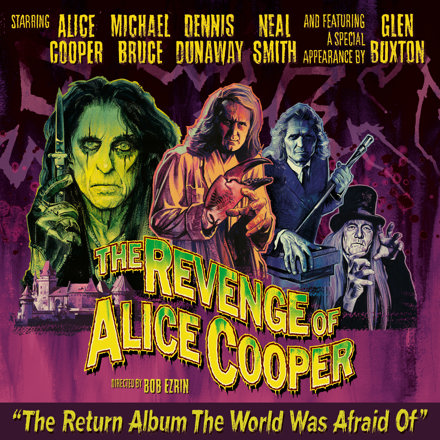
Well, this isn’t exactly ‘new’ news, but I wanted to post it anyway! Very much looking forward to this. There’s a few interviews on Youtube with Dennis Dunaway, well worth checking out. Only AC can come back 50+ years later, and the first single they release is about a snake! Love the cover art, made up as an old movie poster.
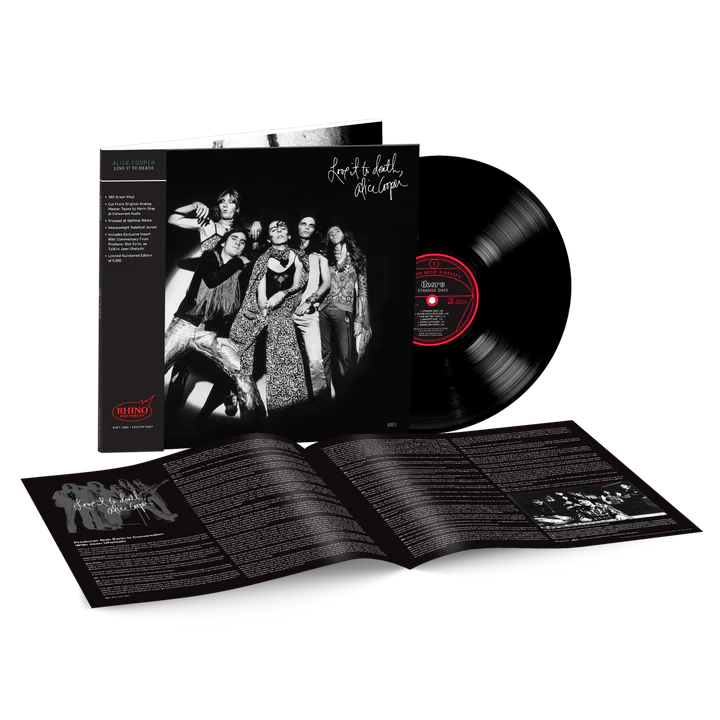
Also, recently released by Rhino (Warner Bros in Canada) is a hi-fidelity issue of Love It To Death. This comes in a glossy gatefold, thick cover, and includes an insert with an interview with Bob Ezrin in it.
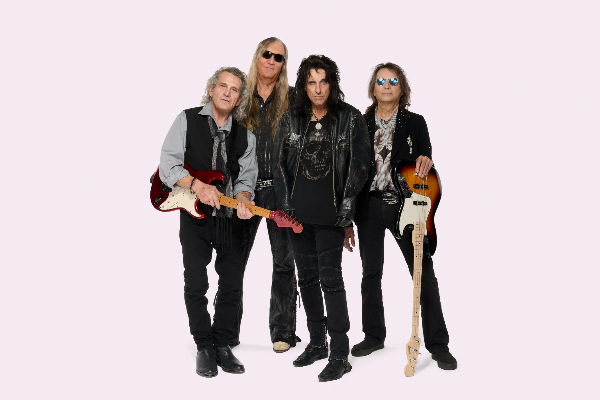
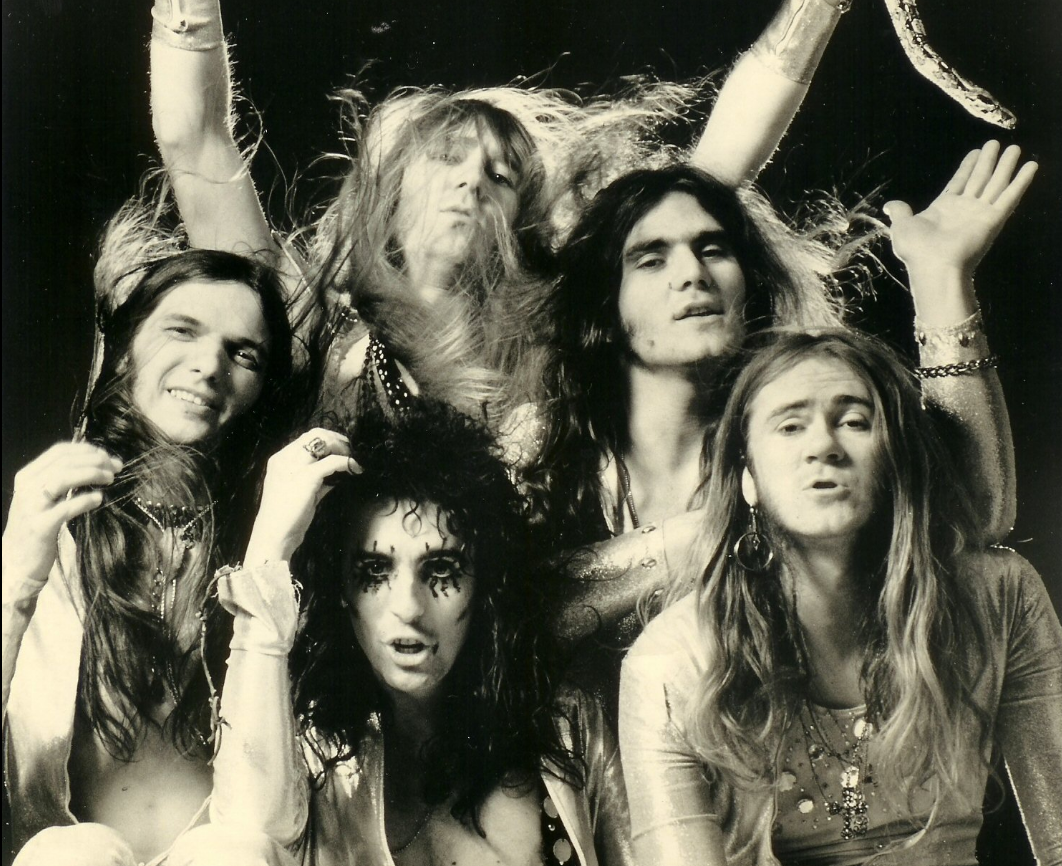
For the first time in over 50 years, the original Alice Cooper group has reunited to release a brand-new studio album, “The Revenge of Alice Cooper,” set to release on July 25th via earMUSIC.
This highly anticipated album is heralded as the successor to their iconic records “Schools Out,” “Billion Dollar Babies,” “Love It to Death,” and “Killer.”
The first single from the album, “Black Mamba,” is out, featuring the legendary Robby Krieger of The Doors. This track serves as a venomous introduction to the new era of Alice Cooper, packed with familiar classic riffs and electrifying energy.
“The Revenge of Alice Cooper” is a high-voltage journey into vintage horror and classic ’70s shock rock, capturing the sound, energy, and mischief that made the original Alice Cooper band legendary. In a truly special moment, the album features a posthumous appearance by Glen Buxton, the band’s original guitarist who passed away in 1997, through an unreleased recording that seamlessly blends the past with the present on “What Happened To You,” featuring his original guitar part.
If that wasn’t cool enough, one of the bonus tracks (box set & limited smart format) also includes a long-lost gem from 1970 – a raw, alternate take of “Return of The Spiders” (not the version heard on Easy Action)—recently unearthed from original multi-tracks missing for 50 years and now enhanced and mixed by Bob Ezrin.
Alice, Neal, Michael, and Dennis have reunited with their producer Bob Ezrin in a old-school recording studio in Connecticut, rekindling the magic from the 70s.This album is a celebration of friendship, nostalgia, and the timeless sound that solidified Alice Cooper as a rock icon. Fans can expect a powerful and nostalgic experience that bridges the gap between the band’s storied past and their vibrant present.From the venomous bite of “Black Mamba” to the rebellious charge of “Wild Ones,” and the soft, haunting melodies of “See You on the Other Side,” every track feels like a rock ‘n’ roll classic. “The Revenge Of Alice Cooper” is going to be released on July 25th, 2025 on earMUSIC in a wide variety of formats and limited vinyl colors. Also available as a limited box set and as a limited art print (smart format), featuring exclusive access to two bonus tracks from the start, plus the full album automatically delivered as a high-definition download on release day.
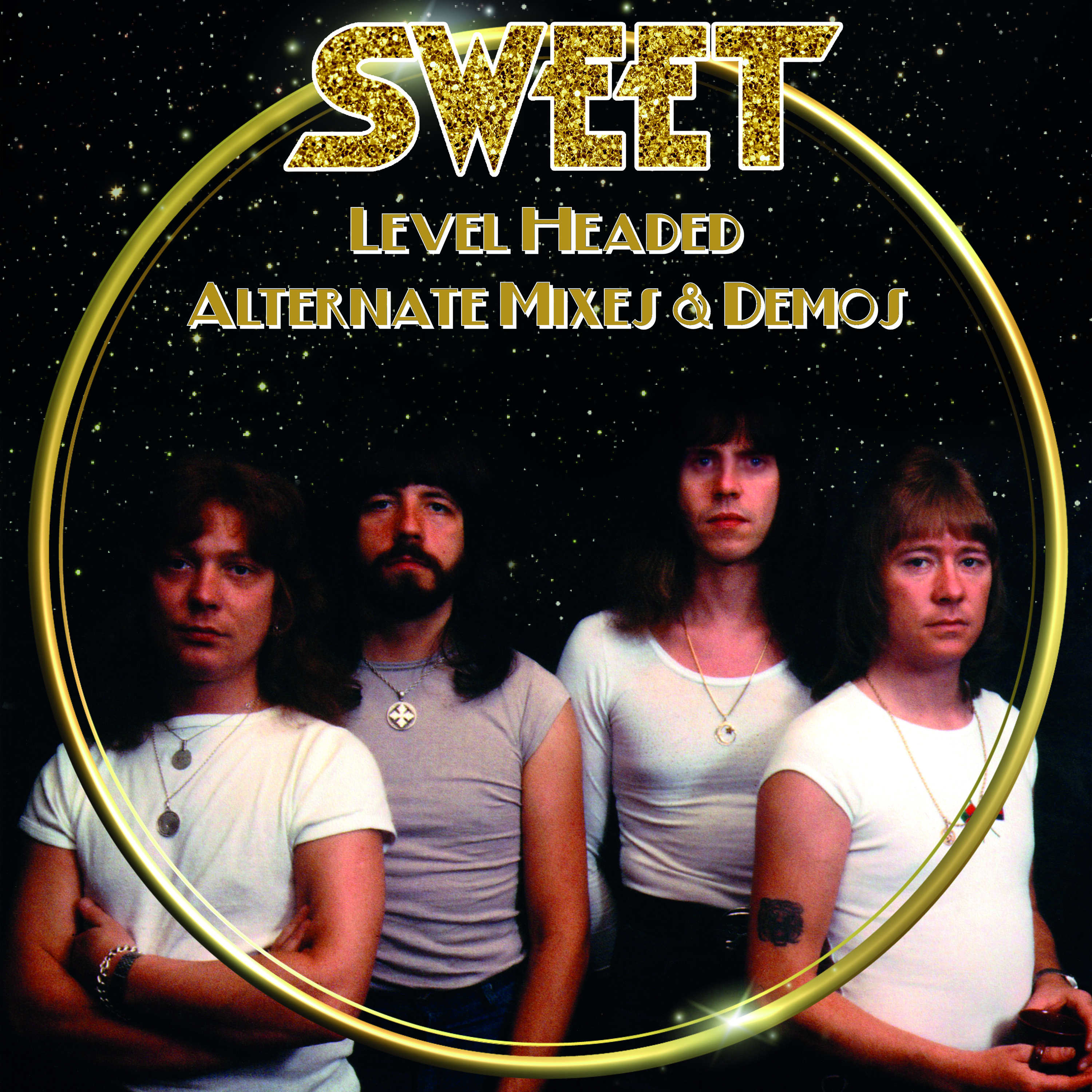
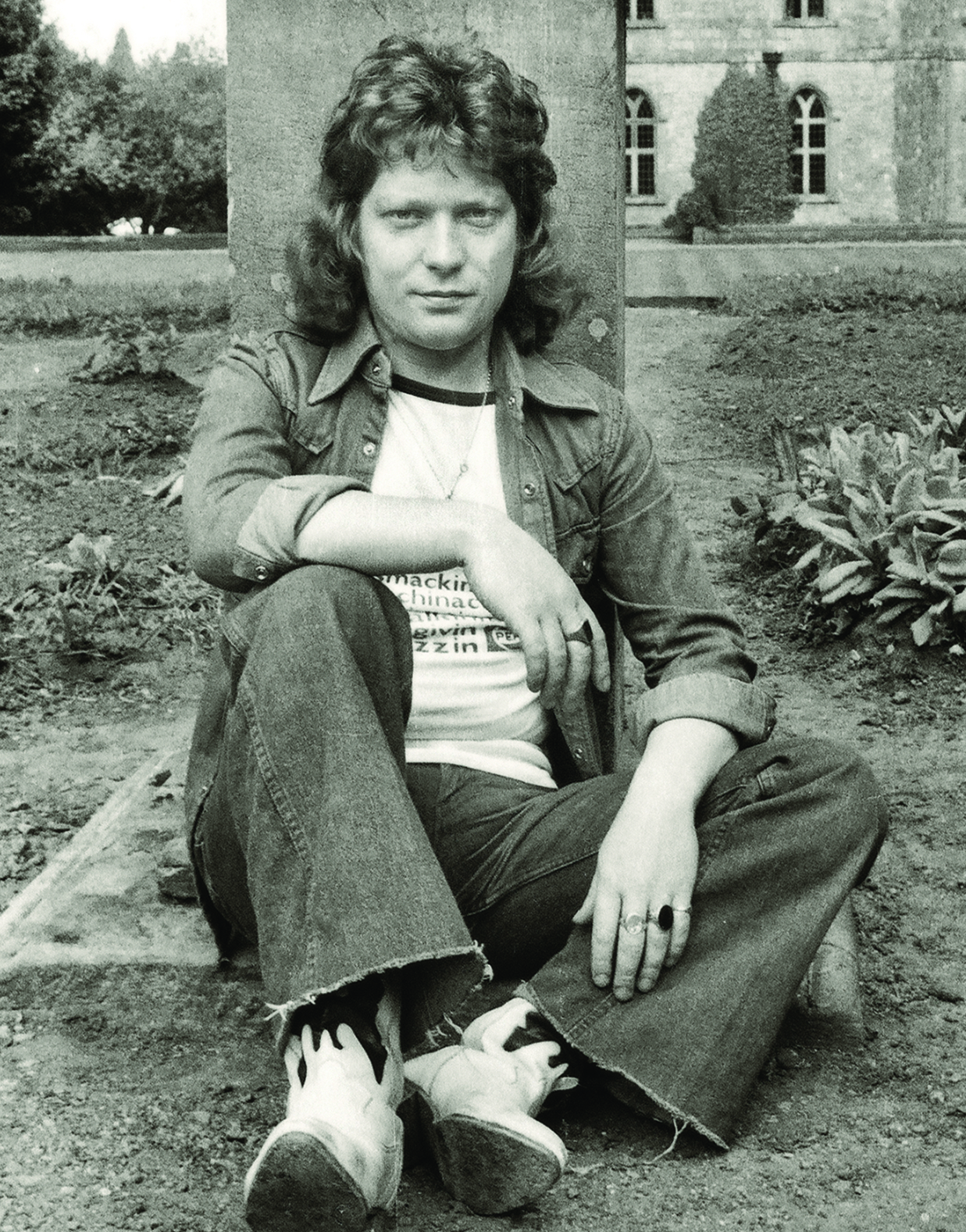
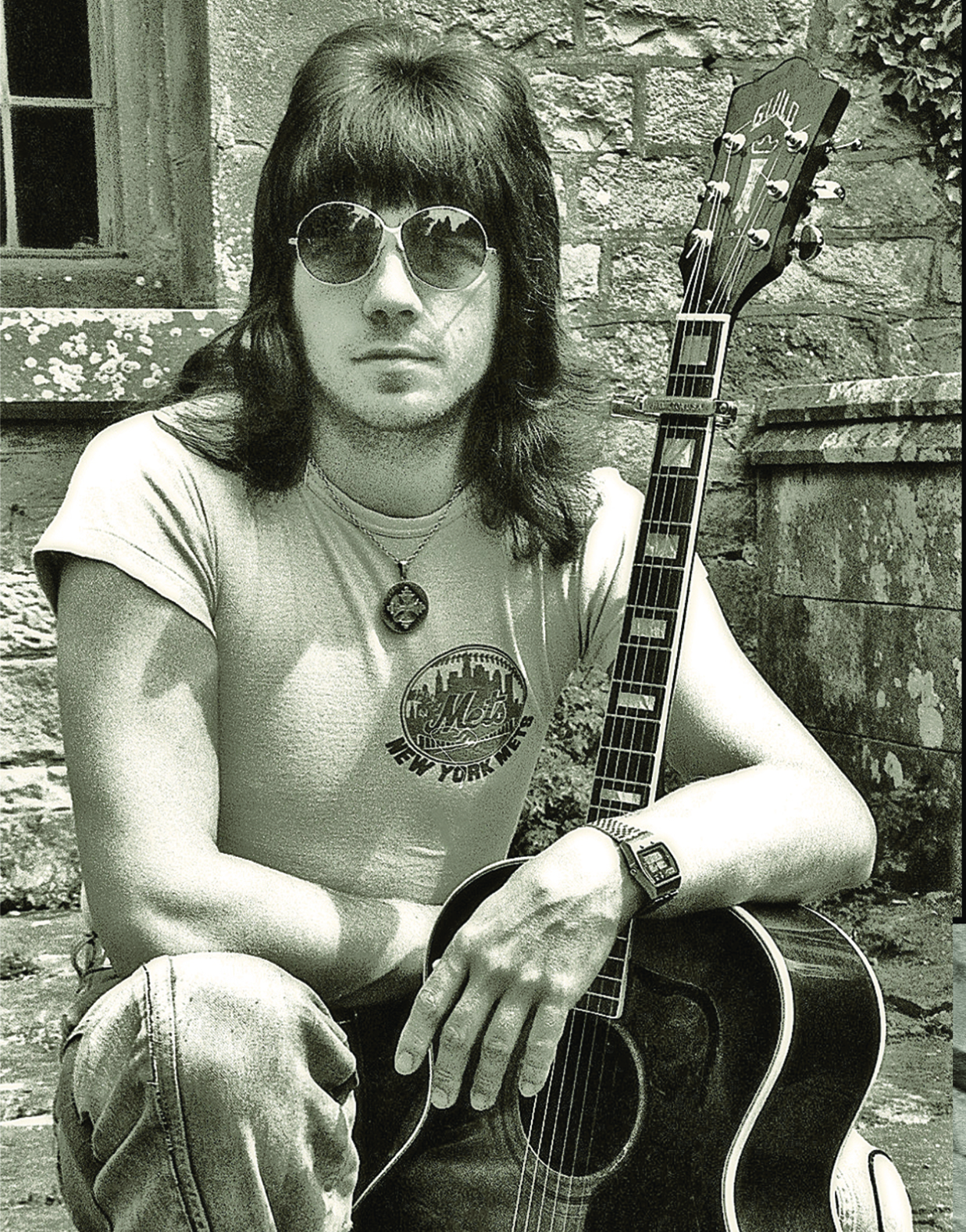
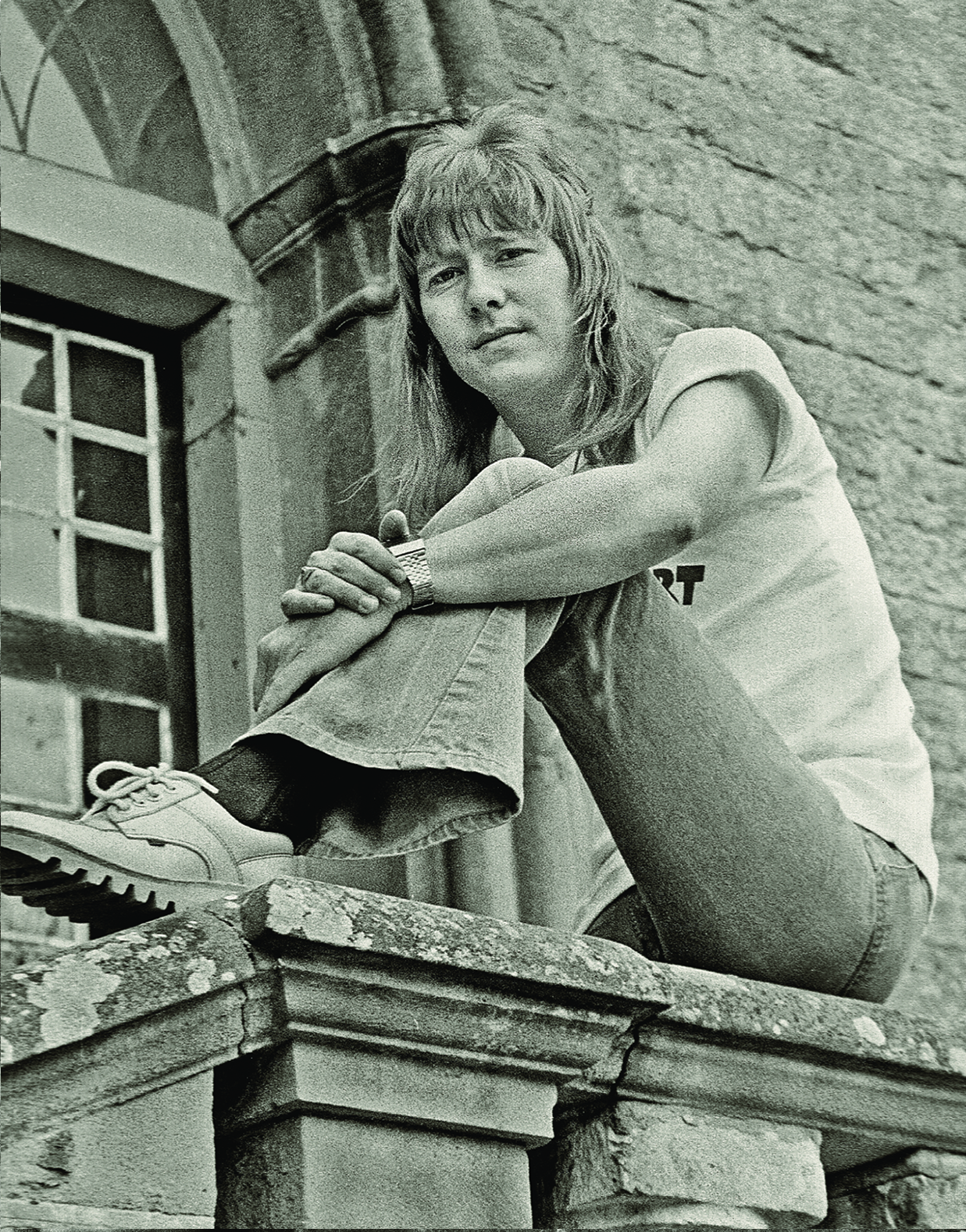
Metalville Records is releasing another set of archive recordings from the SWEET. This one being alternate mixes and demos from the Level Headed album. This looks like a new issue of a Record Store Day release from a few years ago. It does include an interview with Brian Connolly, as well as a shortened take of “Love Is Like Oxygen”, with a different vocal take (ending before the instrumental). What I also like here is a few of the instrumental (demo/rehearsal) takes – “California Nights”, the heavy “Unused Idea”, and “Air On A Tape Loop”. This is an interesting and enjoyable listen, as Level Headed was the album that saw a change from the band’s more hard-rock sound of the previous few albums, but listening to this, there was a lot of ‘rock’ here. Sadly, the last album to feature front-man Brian Connolly. But what a run of classic albums in the 70s. A ‘must’ for Sweet fans.
Level Headed, originally released in January 1978, was without doubt the most distinctive album SWEET had ever produced up to that point. AllMusic praised the album in their retrospective review for its wild mix of styles and the band’s shift from their earlier bubblegum singles to album-orientated rock.
In many ways, it was a gamble for SWEET. On the one hand, it shows many facets of the band that were easily overlooked on earlier albums and, at the same time, for the first time, new & previously unheard aspects.
Level Headed gave SWEET their last Top Ten hit with the dreamy “Love Is Like Oxygen,” a single that would later prove to be essential in the band’s oeuvre.
The new release Level Headed Alternate Mixes & Demos on METALVILLE RECORDS is a real rarity in SWEET’s catalog. The album was previously only available as a strictly limited vinyl version in the USA and will now be released on CD worldwide for the first time.
Music Legends Strawbs To Release ‘Magic From the Moon’ On Blu-ray June 9, 2025
British music legends Strawbs will be releasing “Magic From the Moon” on Blu-ray on June 9, 2025. A spectacular acoustic and symphonic concert from the Strawbs 40th Anniversary Show, this release showcases the acoustic talents of the Strawbs. The set list covers many milestones over their long career with the Strawbs performing songs from their 1969 self-titled debut album to the Dancing to the Devil’s Beat album from 2009.Special guest Sonja Kristina joins the Strawbs for four of the songs, singing Sandy Denny’s parts. This unique concert also features the closing extravaganza with the legendary Robert Kirby, along with members of the Royal Artillery Orchestra. The full contingent of Electric Strawbs (Dave Cousins, Rod Coombes, Dave Lambert, Chas Cronk, John Ford and Oliver Wakeman) faithfully recreate some of the great classics in the Strawbs vast repertoire.The Blu-ray also features an interview with Robert Kirby. Kirby discusses “David’s brilliant attitude towards music”, his time in the Strawbs, and working for the band. Rehearsal footage of the conductor and the orchestra is also included.This unique show, including the performances which feature Sonja Kristina, has never been released on home video since the concert was performed in 2009. Having only been seen by those in attendance at the show, this release promises to be of great interest among Strawbs fans across the globe.
Set List: 1. Simple Visions (Deep Cuts, 1976) 2. Josephine for Better or for Worse (Dragonfly, 1970) 3. Copenhagen (Dancing to the Devil’s Beat, 2009) 4. Cold Steel (Deja Fou, 2004) 5. Sail Away to the Sea (Strawberry Music Sampler, 1969) 6. On My Way (All Our Own Work, 1973) 7. All I Need is You (Strawberry Music Sampler, 1969) 8. Tell Me What You See in Me (The Strawbs, 1969) 9. Evergreen (Baroque and Roll, 2001) 10. The River (Bursting at the Seams, 1973) 11. Down By the Sea (Bursting at the Seams, 1973) 12. Heavy Disguise (Grave New World, 1972) 13. Where Silent Shadows Fall (Dancing to the Devil’s Beat, 2009)
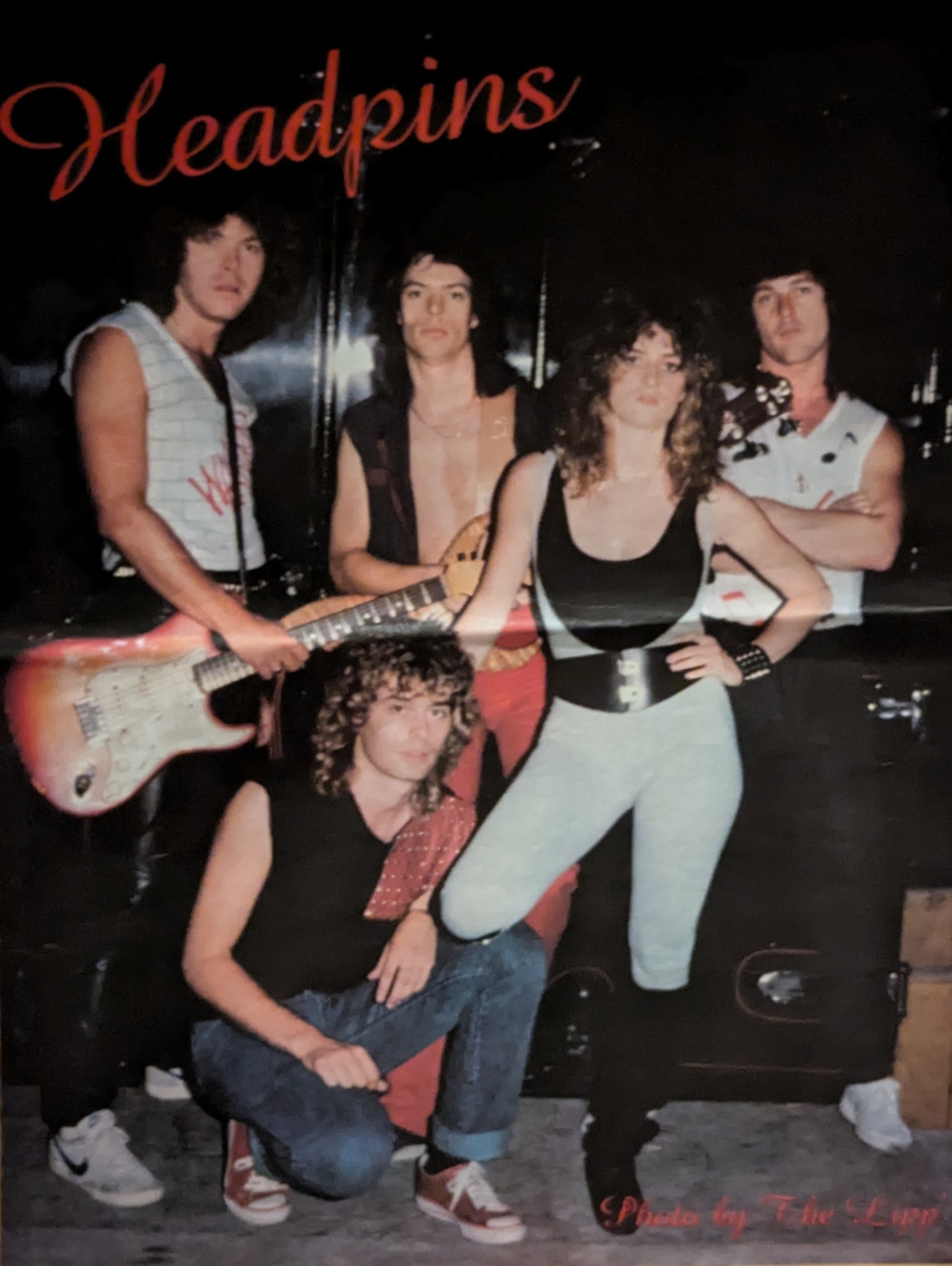
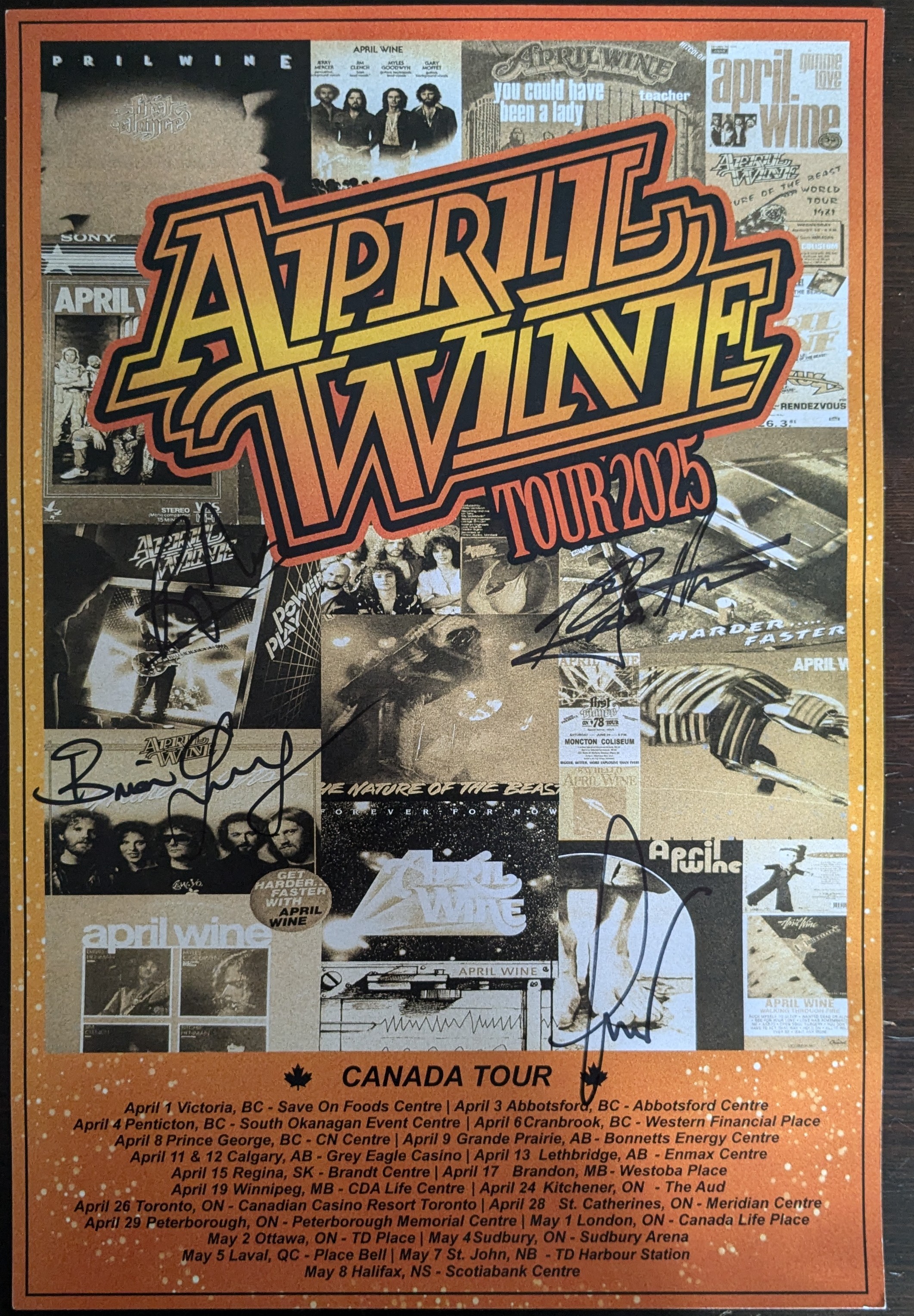
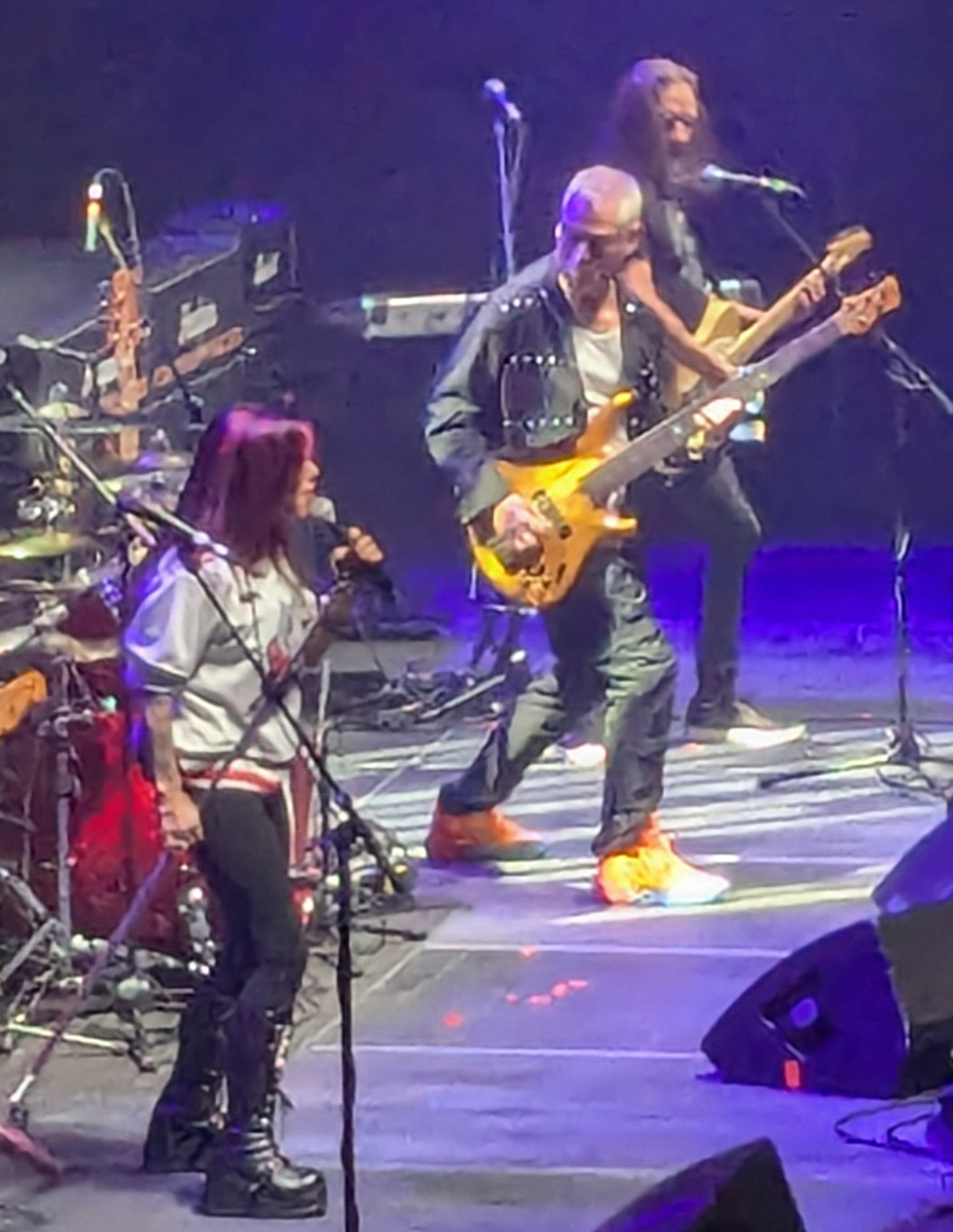
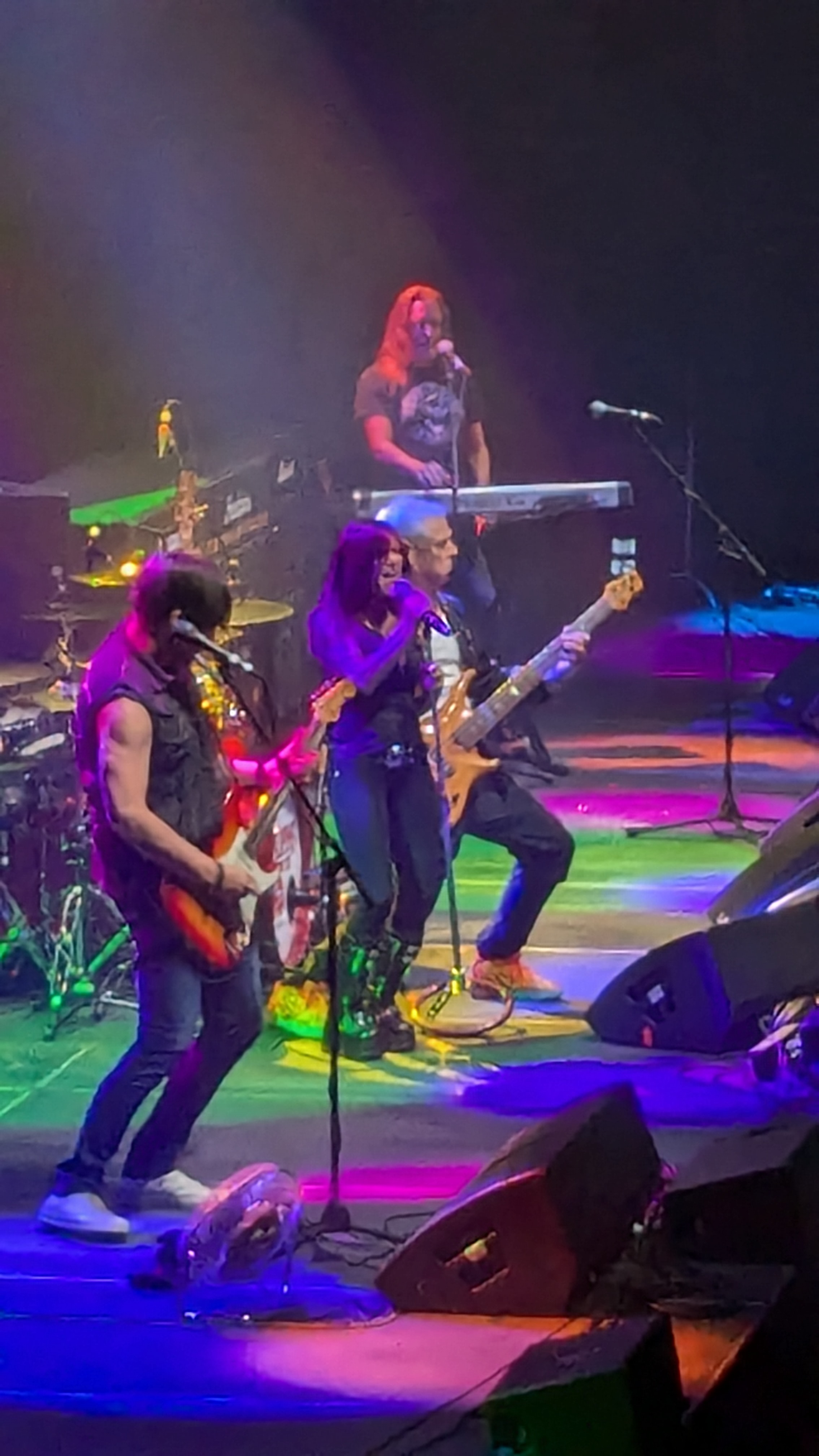
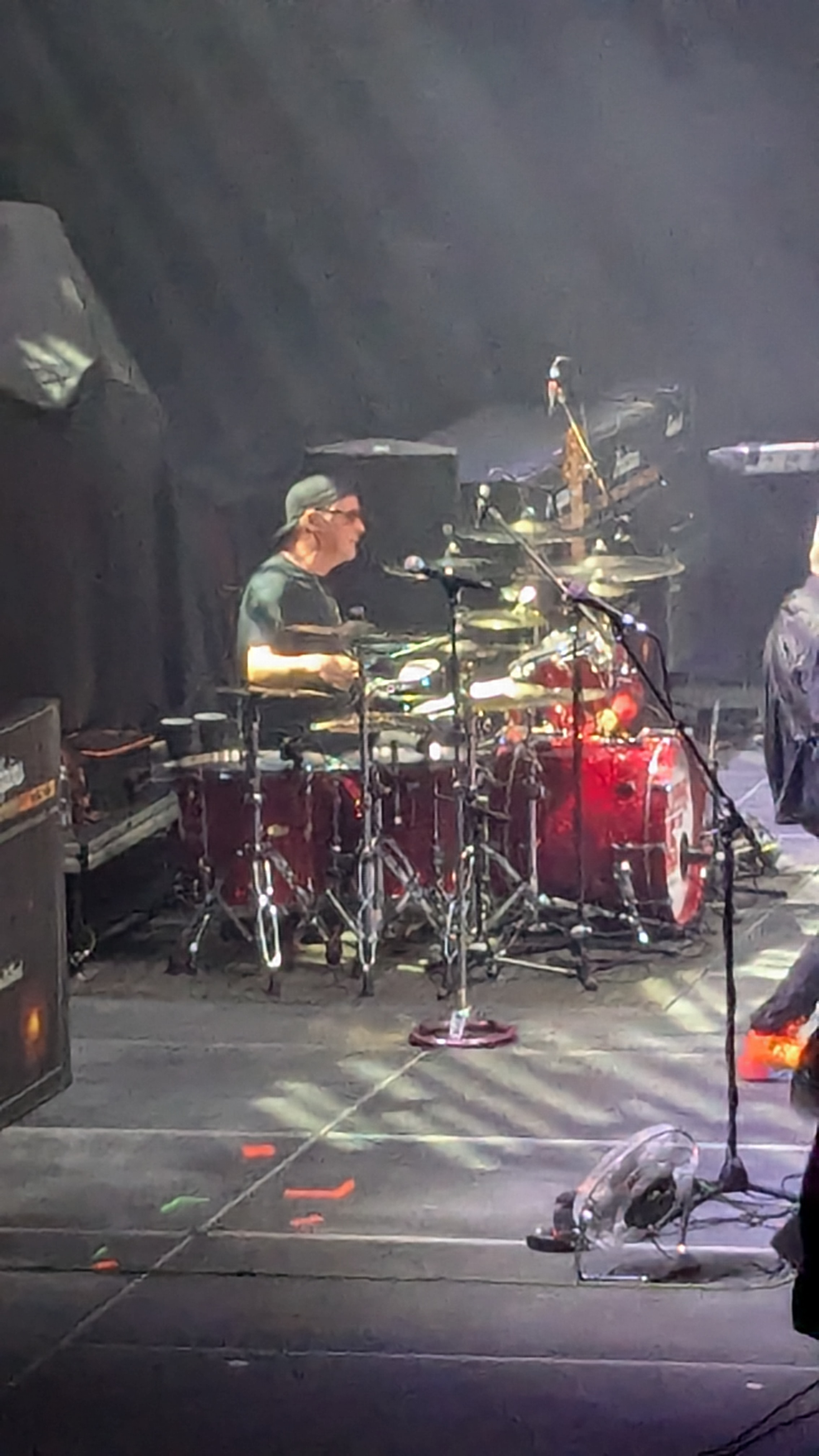
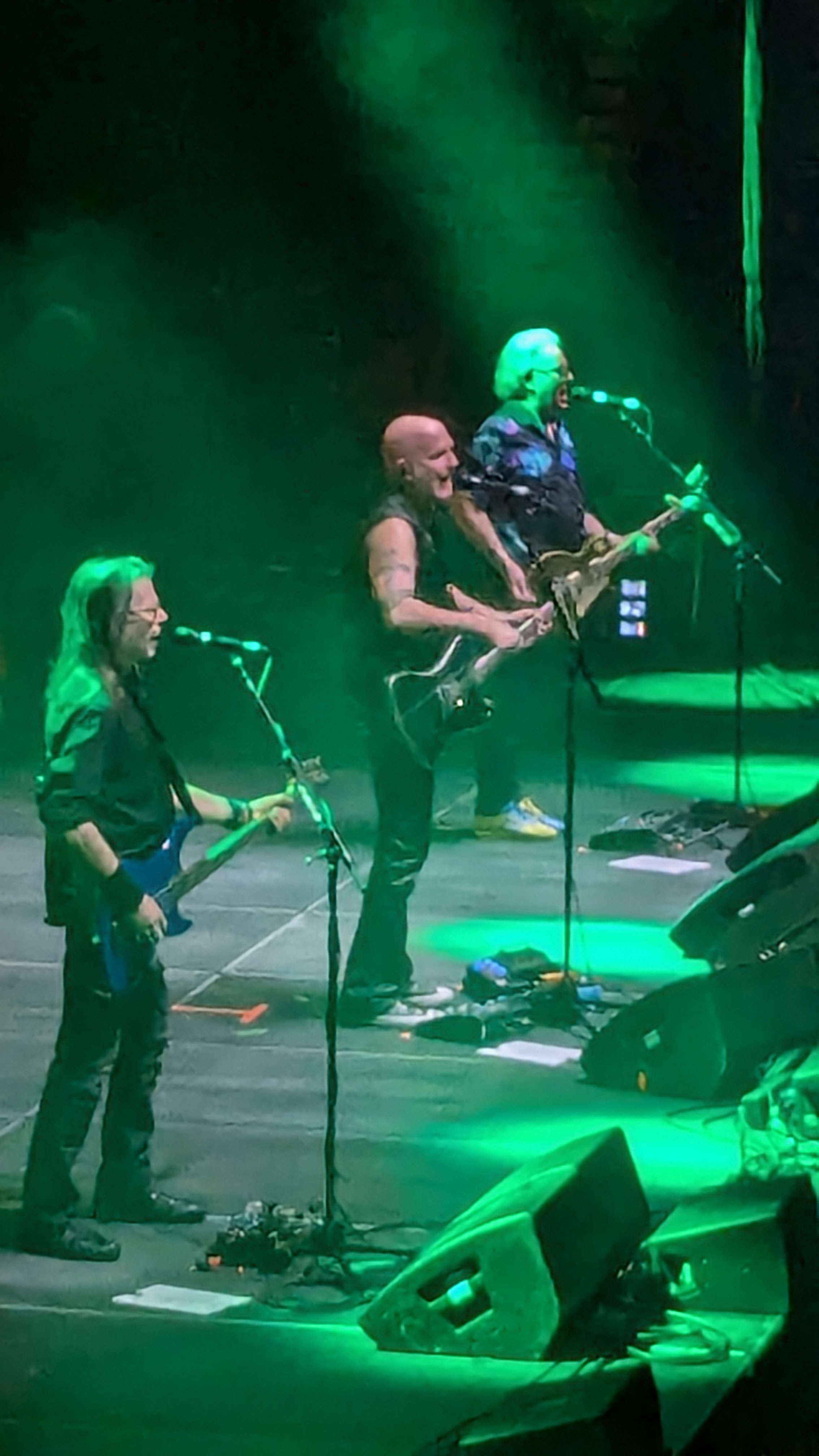
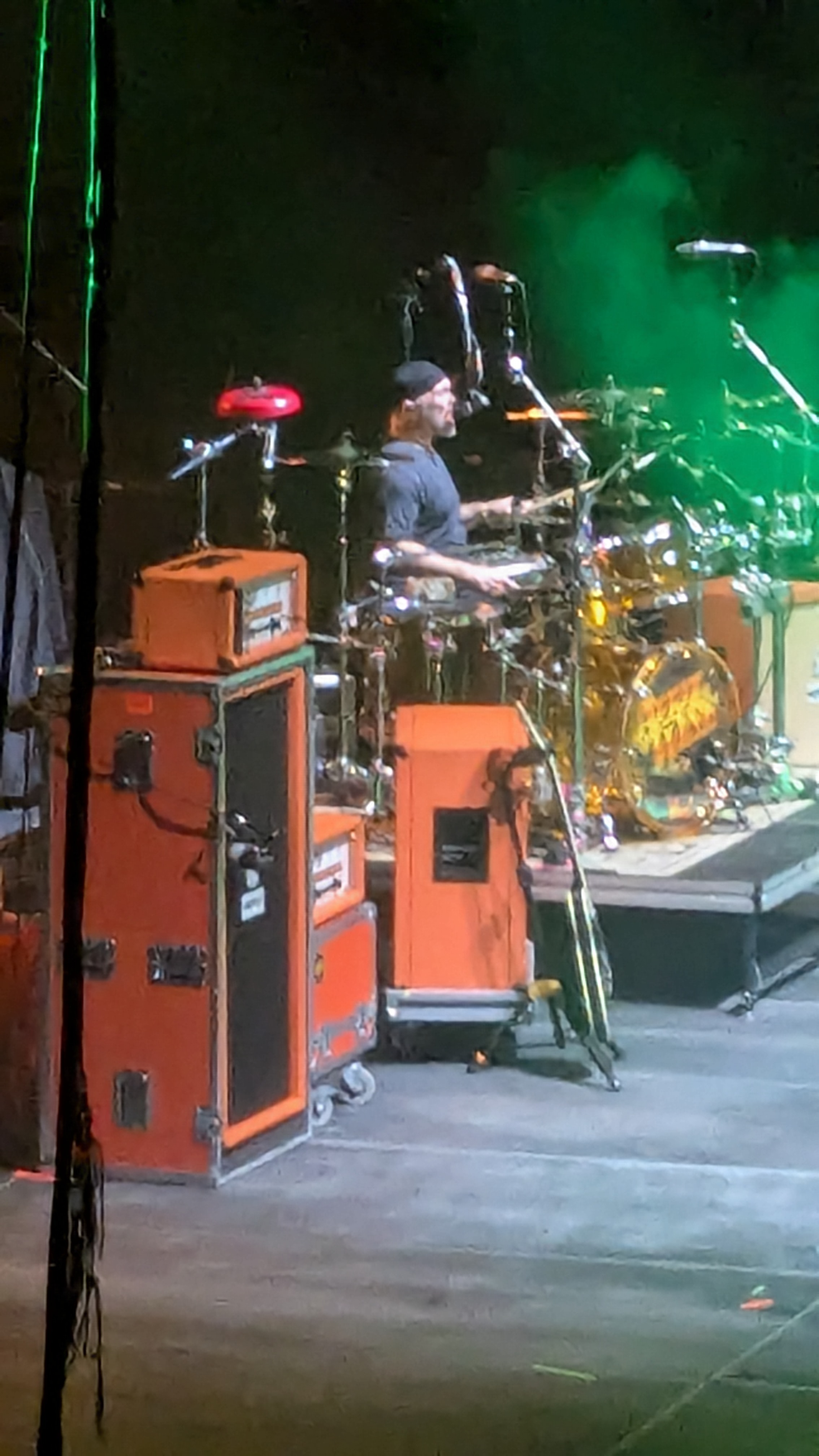
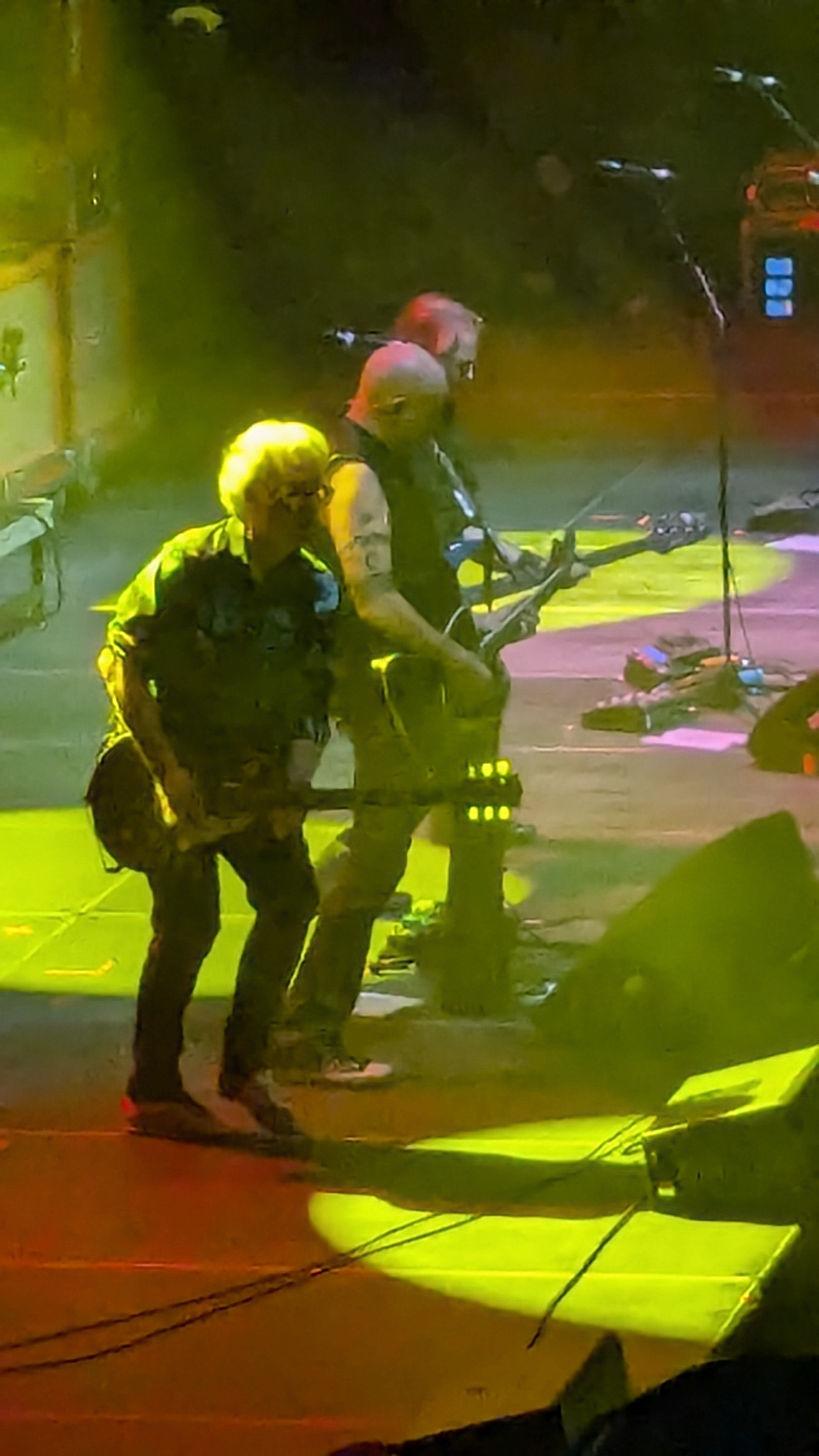
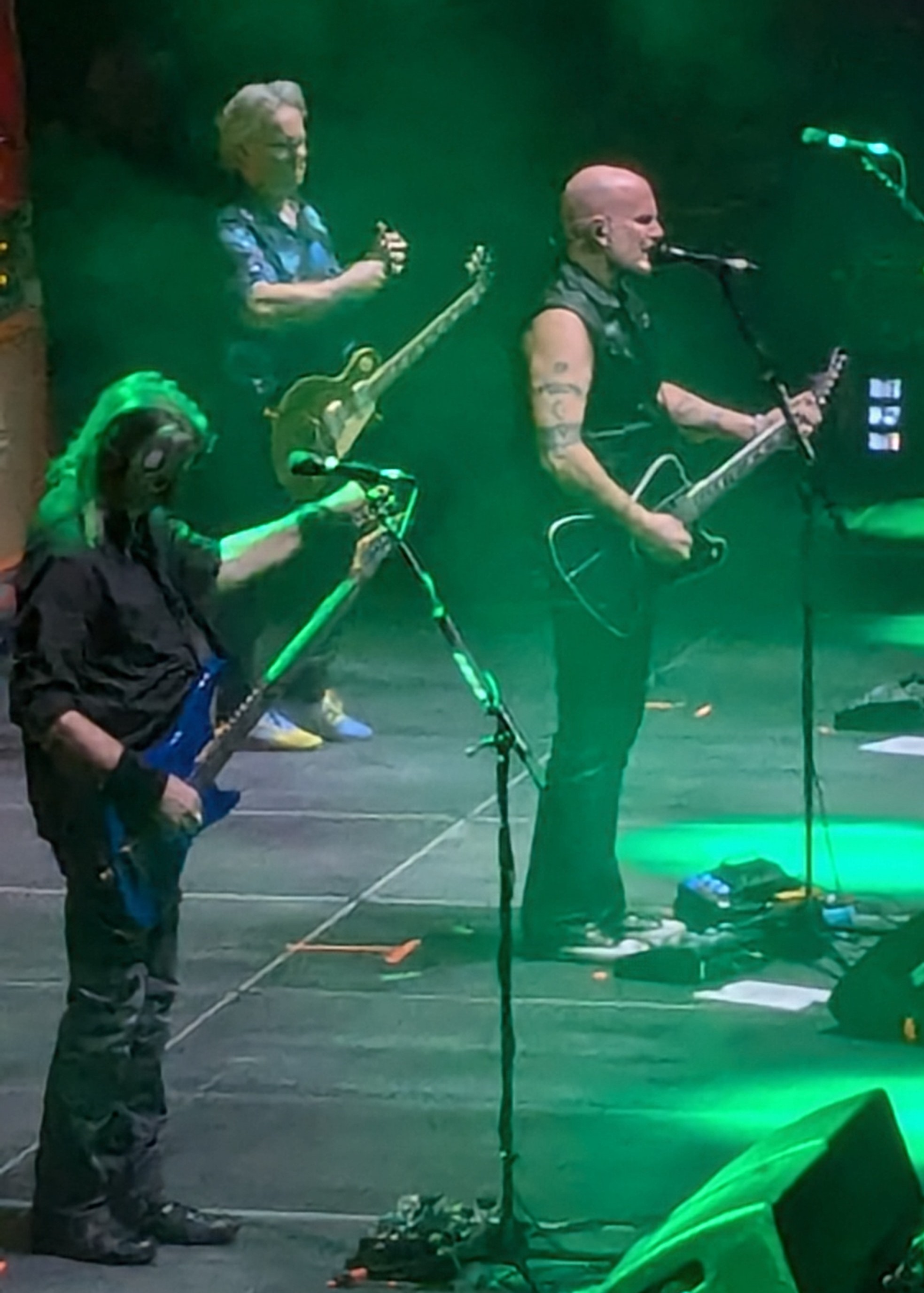
Went and saw APRIL WINE as part of the BTO ‘Back In Overdrive‘ tour. I will say I was not there, so much to see BTO, so I won’t comment on them. I did include a few photos I took (apologies for quality, but hopefully you get the idea). The HEADPINS were also on the bill; the Headpins were the first band I ever saw when they opened for Loverboy in 1983, at the CNE in Toronto. This version of the Headpins doesn’t include Darby Mills, and sadly, founder/guitarist Brian McLeod passed away years ago, which leaves original members Ab Bryant and Bernie Aubin. They sounded good to me, as they played a short set of favorites like “Feel It (Feel My Body)”, “Line Of Fire” (outstanding!), “People” and closer “Turn It Loud” (plus a few others). Singer Kat Lawrences did a solid job on the classics, would be interesting to see if this version of the band records anything new. (Headpins pics)
Now… I really was interested in seeing APRIL WINE, who I first saw in 1984. I saw them again in ’92, oddly enough also in St Catharines, at a place then called ‘Route 66‘, about 2 blocks away from the arena, and no longer there. From those days only guitarist Brian Greenway remains. Bassist Richard Lanthier and drummer Roy Nichol have both been there for years, and upon retiring, band leader Myles Goodwyn (RIP) picked his replacement in Marc Parent. I last saw April Wine in 2018, a good show, but a bit tired at that point. While Goodwyn had a fairly distinctive voice, easily recognizable to fans, and hard-core fans may take issue with a new guy stepping in, Parent brought a lot of energy to the show, sounded great, and got the crowd going. Judging from crowd reaction, fans were enthused and happy to hear those classics again. And for anyone who likes April Wine it is mainly about the songs; the band has a huge catalogue, and a long list of hits in Canada, starting in 1971, and anyone that grew up listening to the radio here has heard all the hits (and more). They only played 45+ minutes, but it was packed with the hits that Canadians are familiar with most — “Oohwatanite” (w/ Brian Greenway singing) “You Could’ve Been A Lady”, “Bad Side Of The Moon”, “I Like To Rock”, “Say Hello”, “Sign Of The Gypsy Queen”, “Just Between You and Me” (with Parent making a brief speech about Myles Goodwyn, then bringing out Myles’ guitar to play), “Enough Is Enough”, “Before The Dawn”, and the inevitable closer “Roller”. For the time allotted, I don’t think the band could’ve chosen a better set-list! BTW, dug the Trailer Park Boys intro for the band, and the Littlest Hobo theme song playing as the band left the stage…..
Most impressive was the turn-out for this show, a nearly full arena. Hopefully promoters or whoever will take note and put together more such tours featuring a number of Canadian acts.
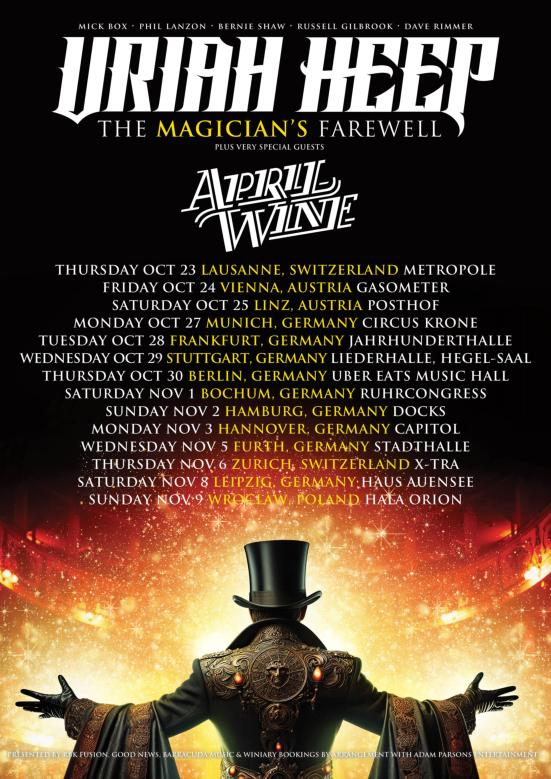
*April Wine returns to Europe, in October, to open for Uriah Heep (on their farewell tour)
Ok, so there was no ‘Volume 2‘ to Alice Cooper’s 1974 Greatest Hits album, which marked the end of the original band. But, back in those days record companies pushed out plenty of Hits compilations = parts 1,2,3…. from acts that didn’t necessarily have huge catalogues. Mercury Records in Canada released a Best Of Uriah Heep, and a Best Of Uriah Heep: Part 2 — from the band’s first 5 albums! Alice Cooper released 7 albums in a 7 year run, and produced a number of hit singles, and more live favorites – from the band’s 5 classic albums from 1971-73. I’ve put together my own picks of those songs that were not A side singles and/or big radio hits, and I’ve included tracks from the band’s first 2 records (Pretties For You, 1969, and Easy Action, 1970) as they were excluded from Greatest Hits (as they weren’t on Warner Brothers, or did particularly well). I’ve included times, and kept each side to under 20 minutes, as per the LP standard times back then. As well I’ve included the single times, wherever possible.
Would be interested in seeing your choices in the comments!
Alice Cooper: Greatest Hits, Part 2
Side A
Reflected (2:50)
Shoe Salesman (2:48)
Return Of The Spiders (3:38)
Caught In A Dream (2:55)
The Ballad Of Dwight Fry (6:33)
You Drive Me Nervous (2:24)
Side B
Luney Tune (3:36)
Public Animal #9 (3:53)
I Love The Dead (5:08)
Working Up A Sweat (3:31)
Hard Hearted Alice (4:50)
Reflected
“Reflected” was the A-side of Alice Cooper’s first single. From Pretties For You. It is best remembered as the song that was later re-written as “Elected”. This was credited to Alice Cooper (band) as writers & producers. I almost included “Living” (the b-side), but left it off. Look up the band’s 1969 TV appearance ‘performing’ this song – HERE.
Shoe Salesman
The single from Easy Action, credited to band. I loved this one when I first heard this record. So different and easily likeable. How was this not a hit (even a minor one!) at the time?
Return Of The Spiders
The B-side to “Shoes Salesman”, also credited to the entire band. More upbeat and aggressive, and reflecting on the band under another name. Insistingly the band has re-done this for their upcoming reunion album, The Revenge Of Alice Cooper.
Caught In A Dream
The 2nd single and my favorite from Love It To Death, penned by Michael Bruce. Hard to see how this wasn’t a big hit.
The Ballad Of Dwight Fry
The epic tribute to American horror film actor Dwight Frye, this became a huge live favorite right away. I chose this for that reason, along with “I Love The Dead”, as both are among the top 10 AC songs ever performed live (according to setlistfm.com )
You Drive Me Nervous
The B-side to “Be My Lover” in some territories (“Yeah Yeah Yeah” was B-side in Canada & the US), and a great aggressive rocker that opens side 2 of Killer. Penned by Michael Bruce, Alice, and Bob Ezrin.
Luney Tune
Issued as the B-side to 1972’s “Elected”; a classic Alice teen trouble story & anthem, credited to Dennis Dunaway & Alice.
Public Animal “9
Also from School’s Out. Strange that there was no 2nd single from that album, as this would’ve made a perfect one. The only 7 inch version I see of this anywhere is a 4-track jukebox single from Thailand! This one got played live, and there’s great footage of the band’s performance of this at the Beat Club, in Germany.
I Love The Dead
Though not issued as a single (A or B), this was a big fan favorite and highlight of the live show, and I’m sure just the title alone created enough interest and controversy.
Hard Hearted Alice
There’s this (& “Working Up A Sweat”) from Muscle Of Love, both used as B-sides, and both played live at the time. An excellent ballad, about the band. Both would’ve made better A-sides than “Teenage Lament 74” (IMO).
Working Up A Sweat
The b-side to “Teenage Lament ’74”, opened side 2 of the album, and featured in the live set. Classic upbeat Alice track. I really had a difficult time narrowing it down to just 2 from MOL, due to vinyl time restraints. I also wanted to include “Big Apple Dreamin”, but opted for these 2).
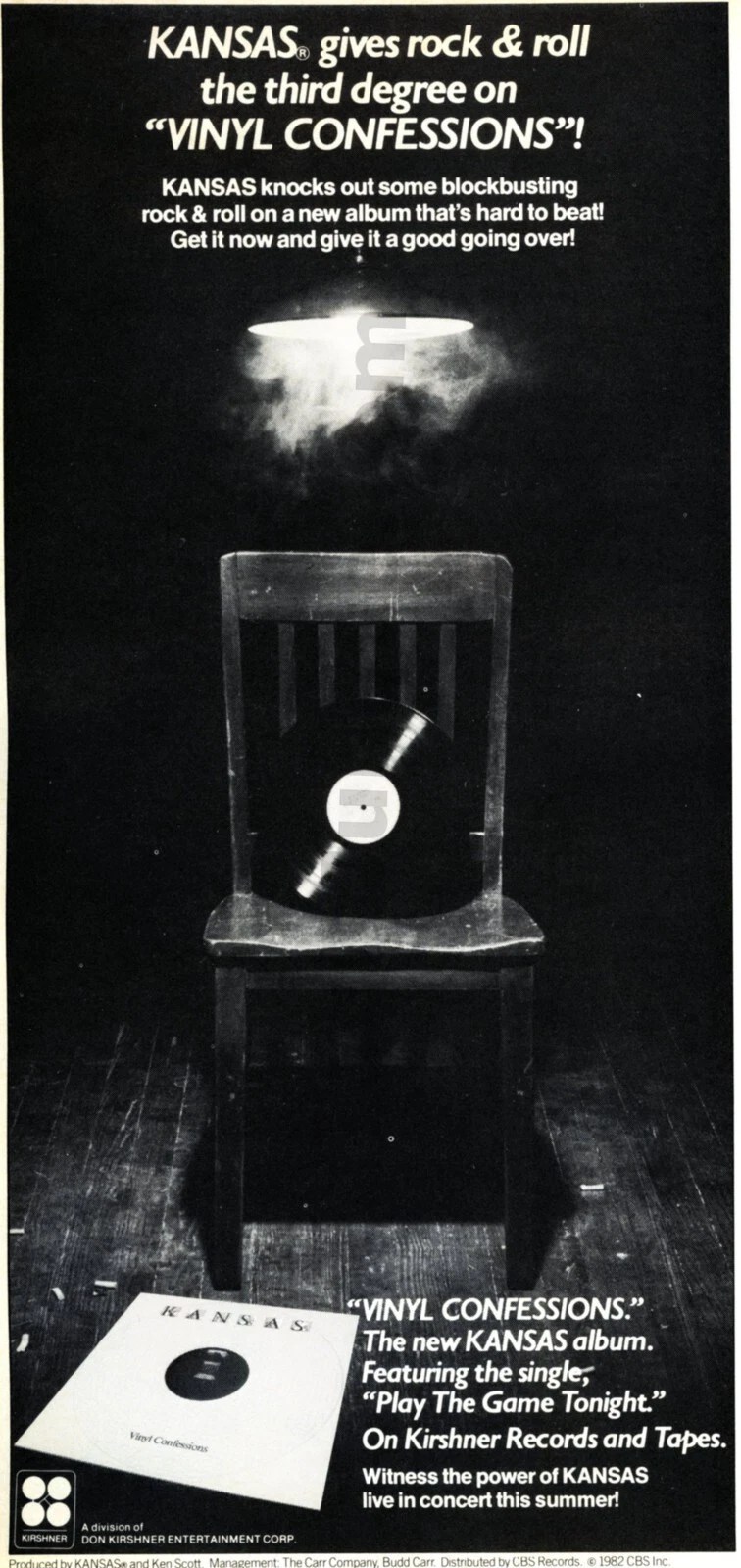
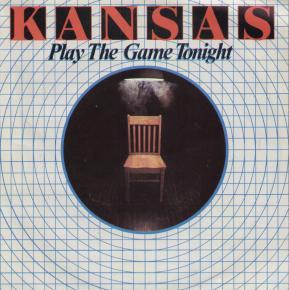
KANSAS’ second studio album of the ’80s was the first to feature a change to a more 80s AOR/Hard rock direction. Gone was singer/keyboard player Steve Walsh, and in was new singer John Elefante. Now, let me add in – I was never a Kansas fan, but I liked the single “Play The Game Tonight” when this came out in the summer of 1982, as well as 1983’s hit “Fight Fire With Fire”, and that is really where my big ‘like’ for this band starts and ends. Oddly, back in the day of super-cheap vinyl LPs, when hardly anyone wanted them in the mid-90s I regularly filled gaps in catalogues and added to my collection picking up albums for 1 or 2 dollars at the flea markets. So, one Sunday I came across the entire Kansas catalogue (up until 1983) for $2 a piece! I never got in to them much, I found the debut tough to get through, but occasionally would pull out Vinyl Confessions and Drastic Measures due to the hits. Over the past year I’ve pulled this one out a lot more, and dig most of this album. I’ve also been motivated to revisit the band’s catalogue more due to Tim Durling’s book Let It Be Your Guide: The Kansas Album Review (who’s Youtube channel is ironically titled Tim’s Vinyl Confessions!). The first 4 tracks here are all very good, from the well known “Play The Game Tonight” (a top 20 hit in the US, and my favorite Kansas song), the 2nd single “Right Away” (a minor hit), “Fair Exchange” and the piano based ballad “Chasing Shadows”. Not so enthused with “Diamonds and Pearls”, but things pick up again with “Face It” (tho’ I can do without the sax solo). The latter half also features “Windows”, a faster paced progressive track, curious why they did a video for this one if it wasn’t released as a single(?), “Borderline”, “Play On” (this is a great track, that might’ve made a decent single, though it was a B-side), and closing out is the minor epic “Crossfire”, another pretty progressive track, lots of changes, and a memorable chorus – all good songs. Some pretty Christian based lyrics throughout this album, with both Livgren and Elefante being religious (this causing a rift amongst some bandmembers, which lead to Walsh leaving prior to and Livgren leaving after the next album), but really, I haven’t taken much notice, and enjoy most of this album; probably their most accessible for those not so familiar with Kansas. Also noted is Roger Taylor (Queen) singing backing vocals on a few tracks (uncredited).
KANSAS -Vinyl Confessions, Kirshner FZ 38002 (CBS). Produced by Kansas and Ken Scott. Producer Scott’s high -tech studio finish is as well- suited to the progressive pop /rock sextet as it was to such kindred souls as Supertramp, yielding expansive keyboard crescendos, sweeping drum codas and layered choral harmonies, among other headphone highlights. Brass and reed choruses from the Heart Attack horns, borrowed from LA’s Jack Mack, inject a whiff of soul into the proceedings, but the main suit is still the rococo, portentous brew that’s made their reputation.
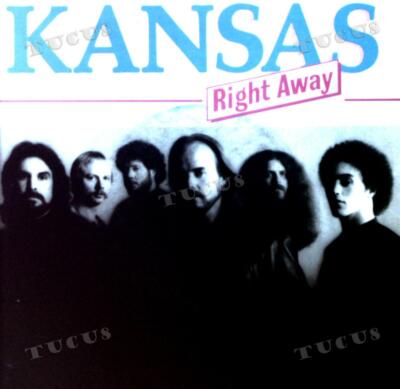
KANSAS (Kirshner ZS5 03084) Right Away (4:06) (Full Grown Man Music/Mastodon Music — BMI) (J. Elefante, D. Elefante) (Producers: Kansas, K. Scott) After the great chart recovery with “PlayThe Game Tonight,” Kansas continues in the by-now-familiar cascading keyboards and thundering guitar vein with this encore from “Vinyl Confessions.” It may seem a bit more suited to AOR, but Kansas is hot again, and pop will keep that In mind. (CashBox, 08-07-82)
KANSAS- Drastic Measures, CBS Associated Records QZ 38733. Produced by Kansas, Neil Kernon. Kansas made it back to the top 20 last year with the album “Vinyl Confessions,” and here returns with another set of high- energy pop – rock. The sound is a bit punchier and more uptempo, almost in the Loverboy vein. It’s been awhile since Kansas was a top 10 consistent platinum act, but it still has a sizeable audience. The label designation is CBS Associated Records rather than Kirshner.
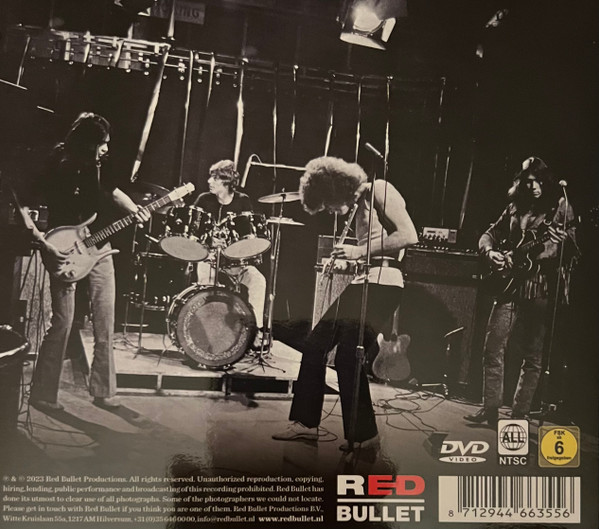
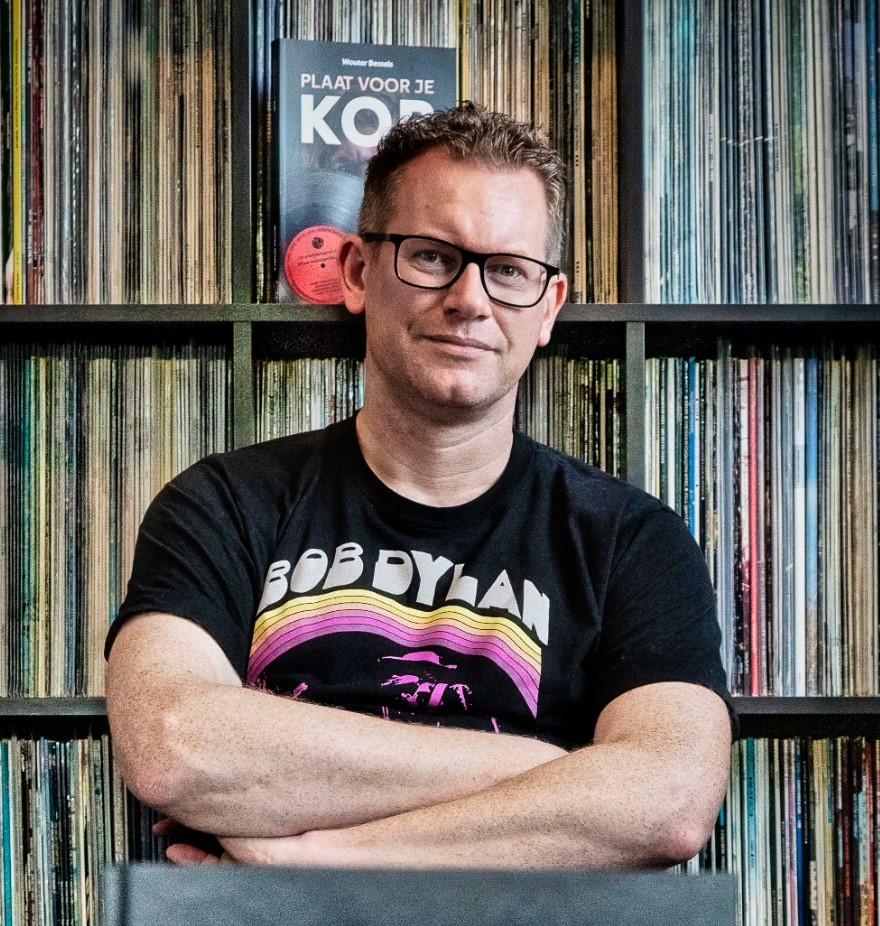
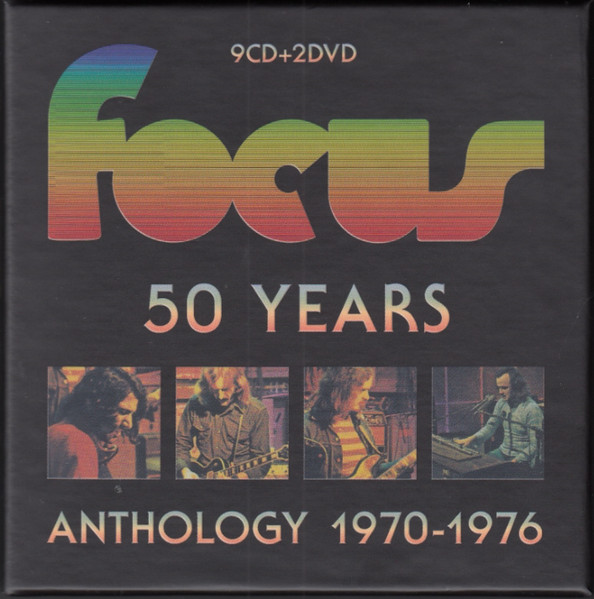
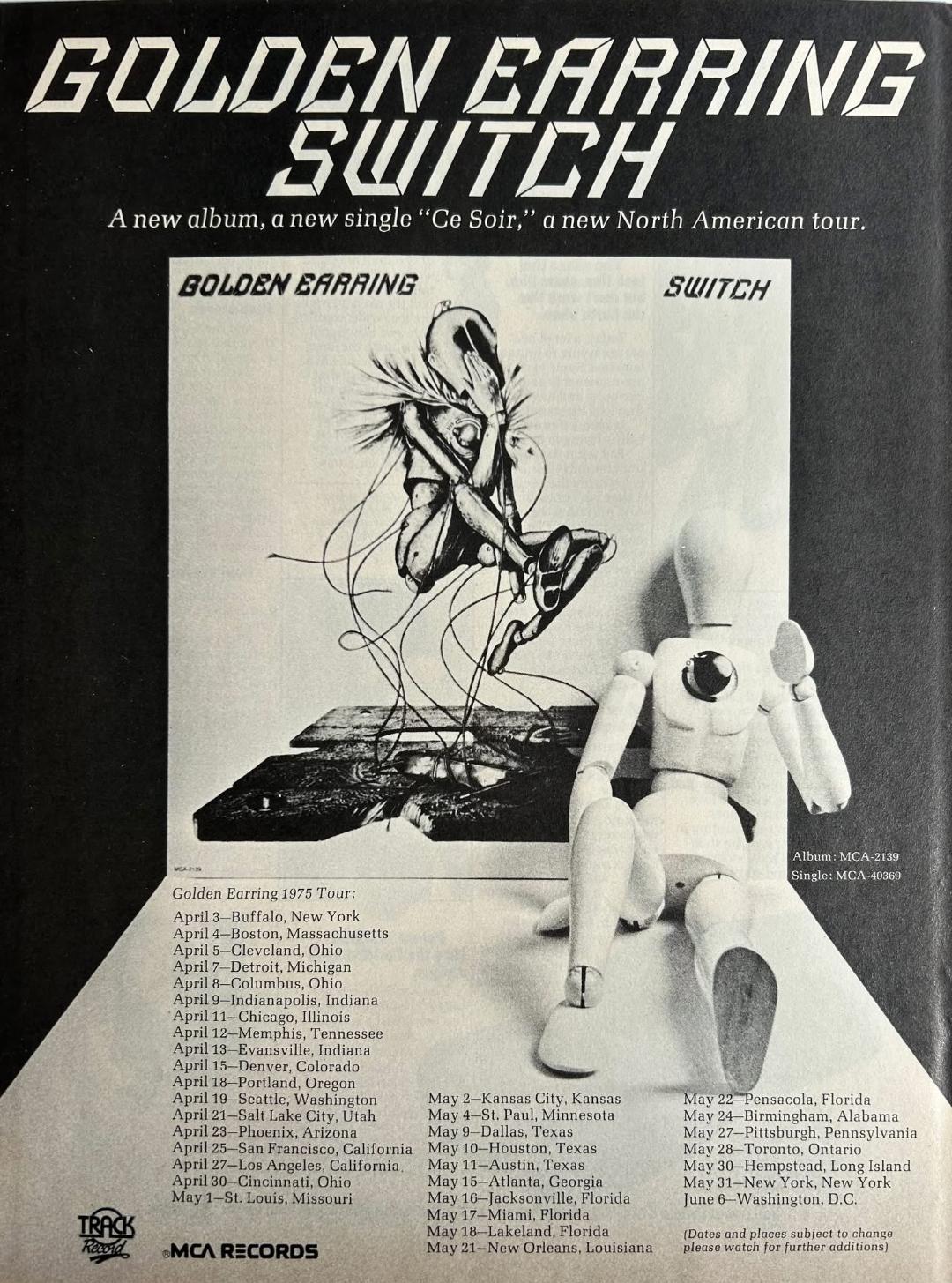
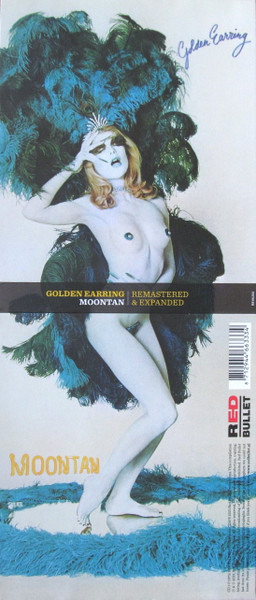
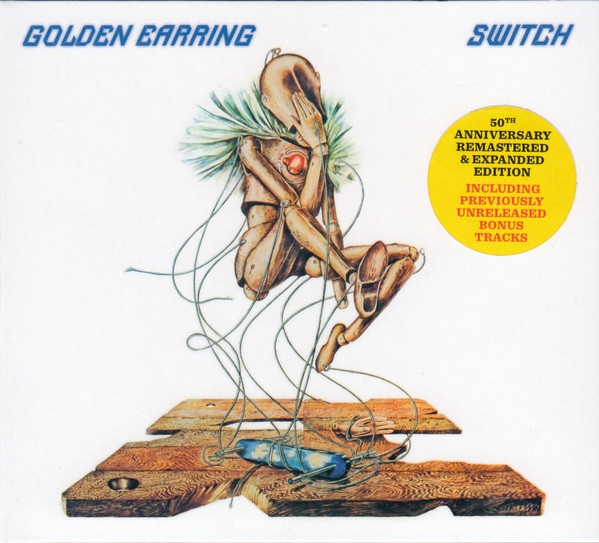
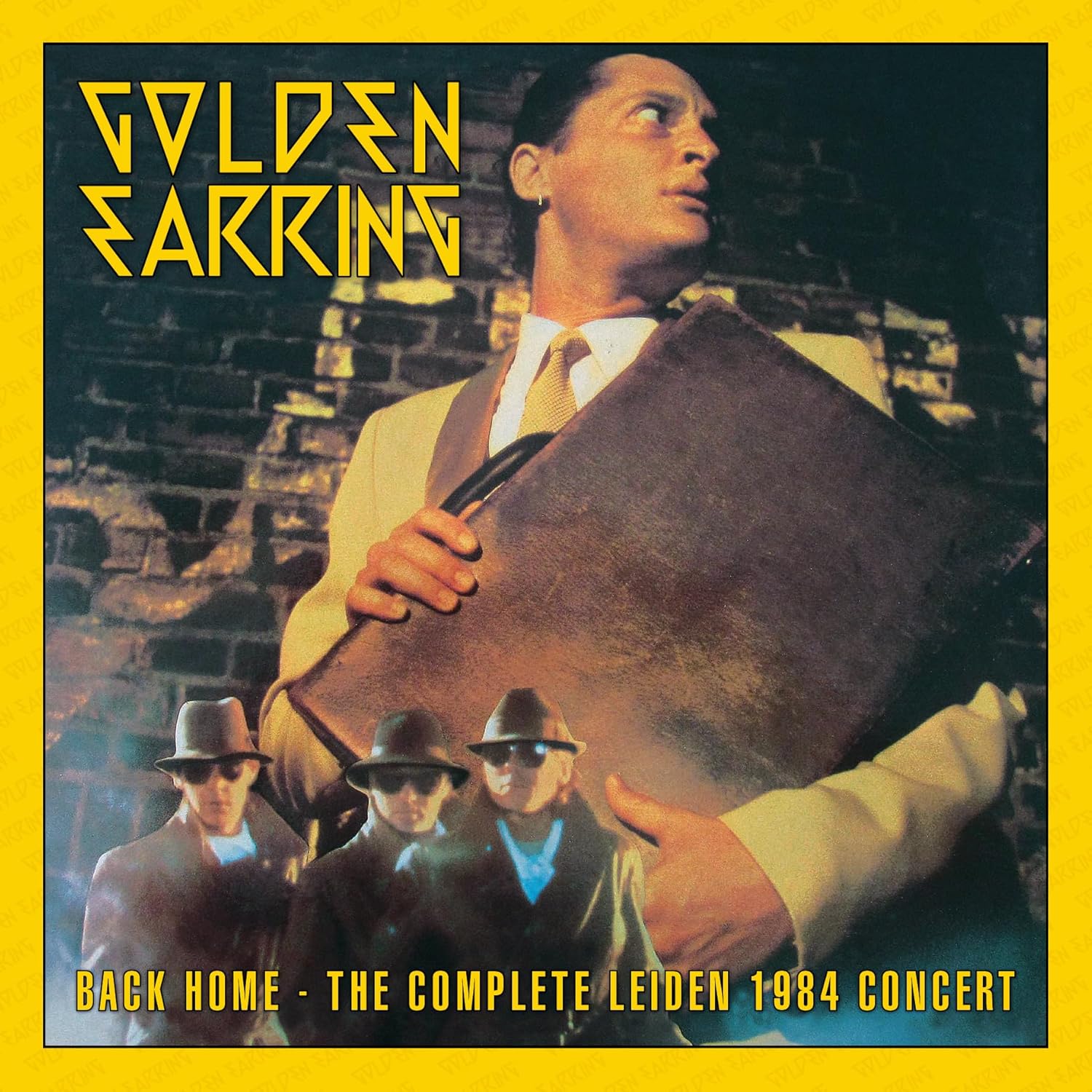
Wouter Bessels is a Dutch writer, sound engineer, producer, musician, and an archivist of some classic bands from The Netherlands. Heading the remasters and expanded versions of the GOLDEN EARRING catalogue, Bessels has recently put together the 50th Anniversary expanded edition of the Golden Earring classic album Switch. This was released April 25th on the Red Bullet label. The expanded version adds singles, B-sides, alternate takes and demos from the Switch recordings. Though the album didn’t match up in success to it’s predecessor Moontan, it is highly regarded among Golden Earring fans for it’s changes and chances it took to expand the band’s sounds. The single from the album “Kill Me (Ce Soir)” was a huge hit in Holland, but did not make much of an impact in North America. It does have the distinction of being one song from this album covered by another huge act – IRON MAIDEN, who covered it in 1990. Bessels is also well known for working on projects of FOCUS, JAN AKKERMAN, TANGERINE DREAM, PINK FLOYD, and numerous others.
In this interview Wouter discusses his some of the bands he’s worked with, Golden Earring’s Switch expanded edition, as well as some of Golden Earring other albums he’s worked for remastered reissues. Switch can be purchased easily from Amazon and other online shops.
I want to talk a bit about Switch and some of the other Golden Earring stuff you’ve done. When is its official release?
April 25th. Okay.
So I’m kind of curious, I looked into you through Discog, I looked at some of the other projects you’ve done, and I see you’re a bit younger than me, so you’re kind of archiving bands that neither of us grew up with, so to say, especially Golden Earring, they were kind of past their prime or in their prime at that time you were born. I follow a lot of that stuff and Uriah Heep and Deep Purple,…. I’m curious how you got into the whole business of going back and working on these older bands like Golden Earring, Jan Akkerman, and whoever else.
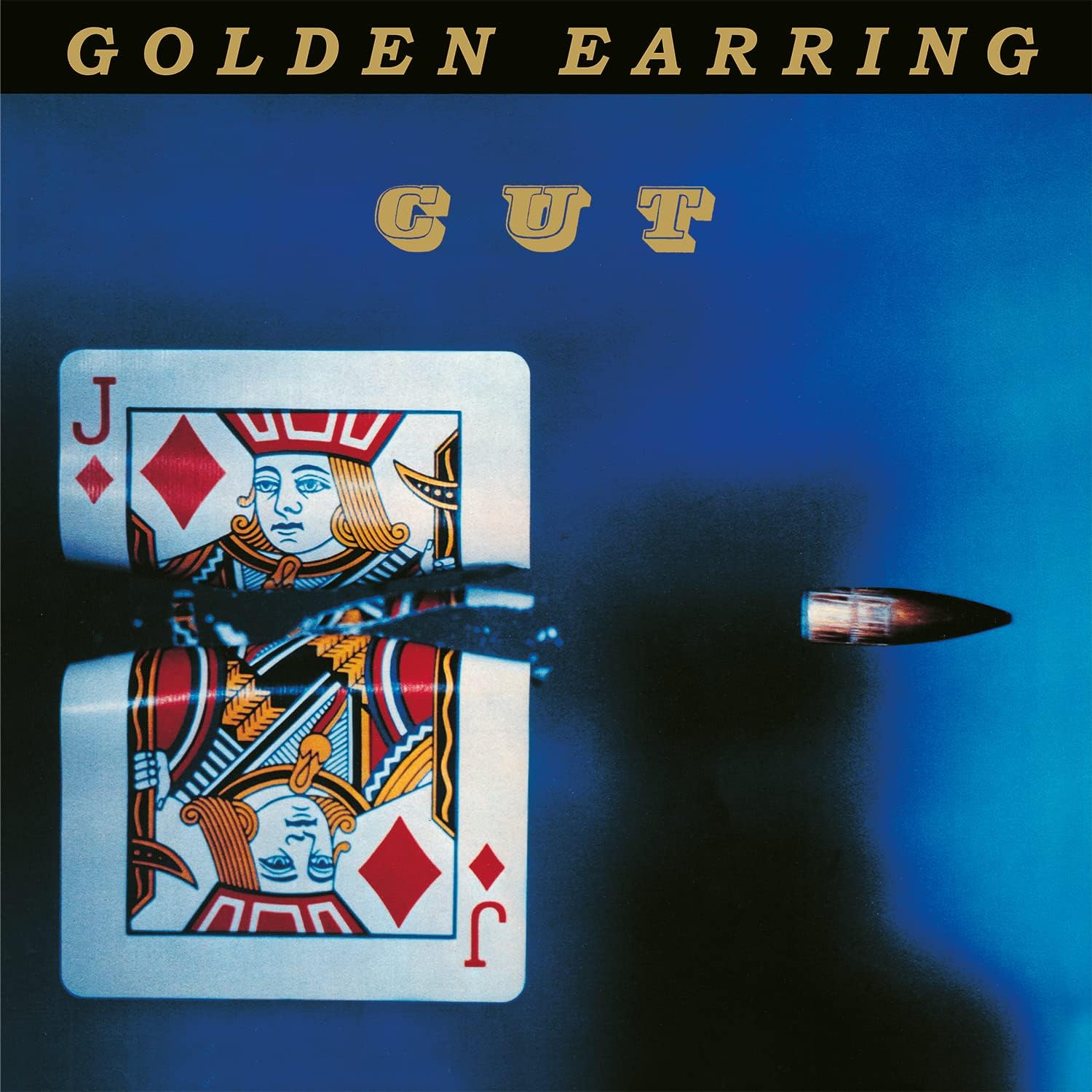
I grew up in the 80s. I’m from, I was born in 1977 and during the 80s, I was, at a very young age, I was already very much into music, rock music in particular. And Golden Earring were doing a comeback since 1982 when they released the Cut album.
And they also did two American tours in 82, and also Canada, by the way, in 83 and 84. And I still remember that very well. And when I was six or seven, I used to pick up video clips from Dutch TV and MTV was also starting to emerge in those years.
And during the late 80s, I expanded my taste a little bit more into, like you said, Deep Purple, Uriah Heep, Pink Floyd, Led Zeppelin, but also the electronic stuff mainly coming from Europe, like Tangerine Dream or Jean-Michel Jarre and Mike Oldfield and the German progressive stuff, like Kraftwerk and Neu and Can and Faust. I was very much into that at a very young age. And so I was like a sponge, I got all those different types of music into my taste.
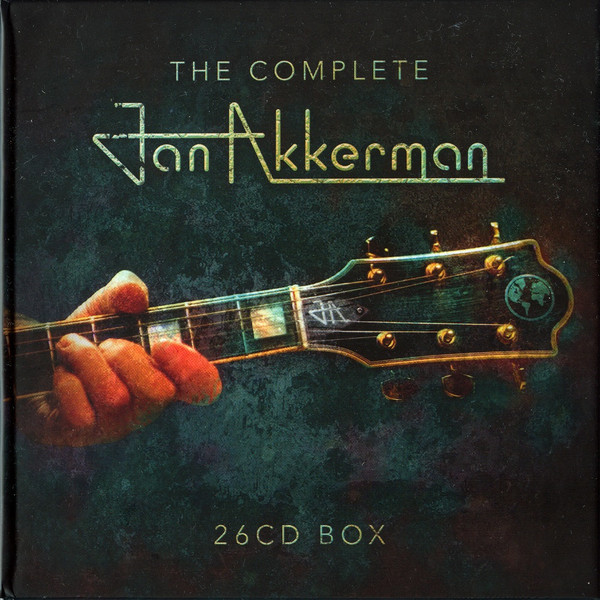
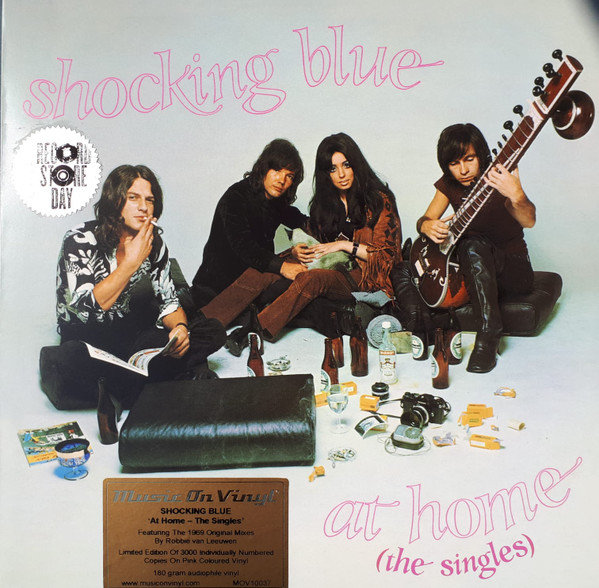
And that’s how I got more into the music and the backgrounds. And I’m Jan Akkerman’s archivist since the mid 90s. And he’s a good friend of mine since then. And he still performs regularly. And so, when I was asked much later in 2016 to curate his box set featuring all his studio albums, 26 studio albums, 26 CDs, I got in touch with Willem van Kooten from Red Bullet label. And he also had the Earring back catalogue, and Shocking Blue and Focus. So that’s kind of kickstarted my role as a reissue producer. But beside that, I was also involved with Universal doing the Tangerine Dream box set. And I’ve been in touch with also with Esoteric Recordings from the United Kingdom, who regularly put out reissues by Dutch bands, but also other stuff. And Mark Powell and he’s also one of the consultants at Universal. So, he also did the Steve Hackett box set and the Tangerine Dream one and Camel and Caravan. And I’m very much and I’m not particularly into prog music, but it’s one area that I’m kind of specialized in and I’ve very much got into in the last 35 years or so. So, yeah, that’s basically it. And one of, I’m most proud of is that’s coming out on May the 2nd is the remix of Live in Pompeii by Pink Floyd, that’s been done by Steven Wilson. And I’ve suggested to him a few things for the new mix he’s done in Stereo 5.1 and Dolby Atmos. So, I’ll be attending the premiere in two weeks in London. So, I’m flying over there and it’s just 45 minutes flight from Amsterdam to London. I’m attending that. And he’s doing a Q&A with Nick Mason and David Gilmour is supposed to be there as well. So that’s going to be a very exciting evening. (Since then (…and it was indeed an exciting evening, as both Mason and Gilmour were there – and I’ve met them very briefly)
And I’m very glad that because Pink Floyd, when I was 10 or 11, Pink Floyd had their comeback. That was really my first love of serious rock music. And from the moment I discovered their music, I started to listen to music differently – more the space, the depth of the lyrics and the music, that really made a big impression, not only on me, but also on other people from the same age as I am. Because, as you say, I was kind of late in, I was born 20 years too late.
It’s funny, a lot of those bands you mentioned, a lot of the prog bands, aside from Pink Floyd, are very scarce over here. So, they’re very, obviously they’re highly collectible over here and hard to find. But you go to Europe and you still find these bands like Eloy and that that are still playing.
Yeah. Eloy and Grobschnitt. Have you heard of Grobschnitt?
I’ve heard of them. I don’t know anything of them.
But that’s about in the same league as Eloy. It’s very exciting, energetic German rock, prog rock. But on the more on the heavy side. Yeah, very interesting band.
So how did you get into Golden Earring? And if you can explain to me, because I know they are huge over there and probably up until they retired, they were probably the longest running band out there.
Well, Golden Earring is sort of a Dutch equivalent of the Rolling Stones, really. That’s what it is. I mean, the band’s got a very, very long history dating back to 1963, 1964, coming from The Hague, which still is kind of the Liverpool of the Netherlands. It’s really a rock city. There are a lot of musicians there. And the background also in The Hague, like with the Indonesian rock influences. So, there are a lot of rock and roll bands that are combining the Indonesian influences with like The Shadows, the guitar bands coming from Britain and also the blues stuff from USA and Canada. But the Earring is really, that’s why I grew up with them. When they performed in the 80s and in the 90s, I used to visit them twice or three times a year with my mother, who brought me along to their concerts – in theaters, and in big concert halls when they play for five, six thousand people, weekly in the Netherlands. And in theaters, they did more the acoustic shows like they released on albums like The Naked Truth in the early 90s, like they kind of their ‘unplugged’ album, one of their best-selling albums. And they’re international successes; they still rely on those who like “Radar Love” and “Twilight Zone”. Everybody outside of the Netherlands knows those, (mostly) hit singles in particular. So, the Earring are like one of – like with Focus and Shocking Blue, they are the most important export music products from the Netherlands. I grew up right in the middle, you know the Netherlands aren’t very large and they’ve got a huge, huge following over here and still have. But also, in Germany and in the UK and over, like in Canada as well because they also did, I think, four or five shows in 84 during their last tour as headliners in Canada, in Toronto, if I remember among them when they did one of those shows. So, I wasn’t their biggest fan. But when I got the opportunity to work on a back catalogue, I really knew that this was really something special. I really wanted to fly on things very seriously. And of course, I knew the big reissue packages like King Crimson and the Beatles and also like how the back of Elton John has been done in the last few years, which is splendid reissues. And Black Sabbath and Uriah Heep as well. Those were like very good examples for me like they how they should be done. Good reissues! It’s not just milking the previously released stuff, but we’re adding something worthwhile that people have never heard before. But on the other hand, it’s the very high musical quality and relevant for the band as well, because the band has got that legacy and they want to keep the level of their legacy high.
So, I had some discussions with the bass player, Rinus Gerritsen, and the singer Barry Hay about it, and they just gave me carte blanche. So, it was like, ‘you know what’s in the cellar of the label of Red Bullet, and what’s there, it’s you’re taking care of it and just get the best out of it as best as you could?’ That was not really their request, but it was OK, if that’s what the philosophy is from the from the side of the band, because they have got nothing to say, because they don’t have the master rights because the label has it, then I’ve just got to make the best out of it. And taking very seriously, this is an international well-known band coming from the Netherlands, and I’m the one who’s got make it future proof, so to speak. That was like how I started things up about five and a half years ago, just before the first pandemic lockdown in the Netherlands, early 2020, I think. Then I started off with Moontan. I just I was just like, ‘OK, let’s start with their most well-known album’.
I went into the archives, I found the original two-track masters from the IBC studios with the notes on it from Damon Lyon Shaw, the original engineer who also did The Who back in the days. And it was like I was holding those in my hands and like, you know, like you’re holding the same as the masters for Tommy or The Who Sell Out, the same layout as on those master tapes. So that’s very, very special. I knew that those were the original masters. So, I digitized them in high resolution with a friend of mine. And we found some outtakes and, some B-sides and the follow up single. So that was the first issue that I produced. And then the guitarist became known that he was very ill, ALS, a muscle disease. And he’s still around, but gradually he’s getting worse and worse. And I’ve been in touch with him a few times, but it’s very difficult. I’m in touch with Rinus, the bass player, and with the singer, Barry Hay sometimes about what I do and how to and I update them from what I do. And yeah, It’s exciting. And also, from the from the fan base, the reactions are stimulating, so to speak.
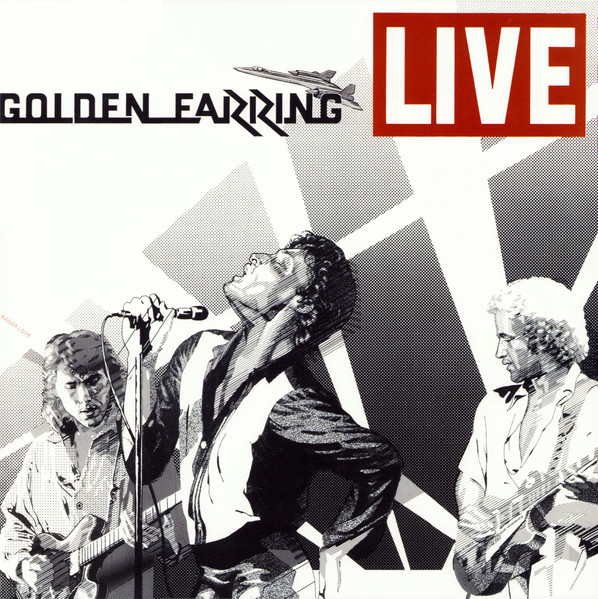
Yeah, it’s interesting because over here, I got into Golden Earring just before the pandemic, I think, because I had an uncle that lived in Toronto and he would once in a while go to Europe and he imported records on his own that he would sell to friends at work and that. And he would always bring me the catalogs and say, there’s a new Golden Earring album out. He’d always try to hand me Golden Earring tapes back then is going back to the late 80s and 90s. And I didn’t take much of them because we all we ever knew over here was ‘Radar Love’ and ‘Twilight Zone’. But then at some point in 2017 or 2018, I bought the live album, and I thought, well, now I’m going to start buying everything because that kind of kind of got my attention, obviously, but the stuff is still hard to find over here. So even on CDs and that Switch, I don’t have a proper CD issue of Switch. I’ve got four or five vinyl versions of it. But trying to find that stuff over here and then there’s obviously, there’s a lot more of the catalog than those two songs that people need to hear, right?
At the moment, there are about 25 or 26 albums and the reissues that we’re doing. They are available through Amazon, I think. But in the shops, I agree that in the shops there are much more difficult to obtain. They’ve got to be ordered special; they’re not regulars now.
I’ve got I’ve got the Moontan one, I’ve got about three or four vinyl copies of it, plus they had the different cover over here.
Yeah. Different track listing as well. Yeah.
So, when you went into the archives, I’ve noticed on the Switch one, there’s a lot of B-sides and outtakes. One thing I don’t see (because I know I’ve got a few on CD and on my computer) is any live recordings, like full shows.
We don’t simply we I have to rely on what’s in the archives of the label. And to license material from other parties that can be very difficult on, let’s say – the logistics side and also on the financial side. And that makes it very that can be very expensive. And the budget for the reissues that we do, I mean, these are only, a couple of thousand copies for one run. And if there’s enough demand, then we do another run, as we have done already with the Moontan expanded thing that came out four years ago. But to obtain stuff from other parties, it’s simply it doesn’t weigh up to the costs and the amount of what they sell for. And we want to keep the price not too high. These sell for like, ten dollars or so, and we want to keep it that way. And the other stuff, like the Winterland and the Sausalito recordings from ‘75, they’re still widely available. They’re available for YouTube, in pretty much good quality. And fans have made their own remasters of them. So, we don’t see a real priority to license the recordings for, let’s say, two or three years, put them out as a bonus on our CDs…this it’s not a big asset to sell, or a big selling point to sell these reissues. We want to offer material that’s available nowhere else. That’s basically it.
Did you get a lot of (I haven’t seen the packaging, the inner packaging) input from the band members, as far as printed stuff and photos?
Sure. One of the biographers in the Netherlands of Golden Earring is a guy called Jeroen Ras. And he wrote a story about the production of the albums, like he’s done with the previous reissues in the Remastered Expanded Series.
And also there’s a lot of photographs from concerts in New York City at the Academy of Music in October 74, from the tour that preceded the recording of the Switch album, also with Robert Jan Stips. And I’ve written some additional notes about the remastering itself and how I compiled this reissue, and the fact that we also putting out now a track that’s been unavailable and never been available before, which was intended for the Switch album, but was shelved for some reason. And we found that on a tape and we have added this to as a bonus to the CD. I’ve contacted Barry and Rinus about it, and they were very enthusiastic. Barry said something like “Ah put it out. Yeah, I can vaguely remember what it was. It’s about a very dirty girl and a very fast guy. And I really sang it with a posh English accent…And it’s very tongue ‘n cheek, put it out!” It’s a very good addition. And so, he vaguely remembered that track. And I sent him an MP3 and he was he wasn’t really over the mountains. But, because it’s 50 years ago, he couldn’t remember it very well. But he was very happy to see it added to this one.
This is not the most popular because it was the follow up of Moontan. As you know, it wasn’t a very commercial success, but it’s musically very interesting. It’s with the follow up from this one To The Hilt. I think it’s their one of their most interesting albums. So, it wasn’t a commercial success. But adding such a previously unavailable track, that’s like, you know, a selling point for this reissue. And it really adds something special.
I think like I did a review. I’ve done some reviews on my site on those albums. And I think like Switch, I liked it; it’s probably my favorite album. I like the experimentation with the keyboards and the different stuff they did. I think obviously for them, it just kind of lacked that “Radar Love” – type, that one huge song . You know what I mean?
I know there was in between Moontan and Switch, there was “Instant Poetry” released as a single, which is really part of the Moontan story. So, we added that one to the Moontan expanded edition four years ago. But essentially, it’s right in the middle between Moontan and Switch. They were they were like, ‘oh, we’ve got to follow up ‘Radar Love’ with a very catchy…’, but also, it’s not really lightweight pop music, “Instant Poetry”, it’s very dynamic with a really easy part and a heavy part. And I think “Kill Me (Ce Soir)”, which was the single off Switch, the leading single, which went to, I think, number 10 in the Netherlands, but it failed to chart anywhere else in the world. I think it’s one of the most interesting songs ever.
And even better, I think the first side of Switch is, I think, the most exciting album sides they’ve ever produced. I mean, starting off with an instrumental, but Focus-like, then into “Love Is A Rodeo” with the very fast parts from Robert Jan Stips and the backing vocalists and the saxophone and then the title track, which got more into funk and a bit of David Bowie “Young Americans”, a bit of Philly soul in there, and then into “Kill Me (Ce Soir)”. I think that’s a very good build up, a very good climax. And the second side, I really think they should have added “Lucky Number” to the album because “Lucky Number” is, I think, like “ “Exile On Mainstreet”, sort of swampy rock and roll. And I think that’s the best song, with “Kill Me (Ce Soir) of the whole Switch story. But they left it off for a reason and they put it out as a B-side. But it made a great album track, and of course we’ve added it to this reissue. And I even found some instrumental rough mixes of “Lucky Number”. I’ve added one too.
That one got played live, too, didn’t it? They played that in their show.
Yeah. Even better, they opened with it. They started off with the intro “Minus Absurdio” from a tape. They played it over the PA and then that was that was finished, and the audience all should’ve expected “Love Is A Rodeo” but they played “Lucky Number” first. And that was a great show opener. You have seen the Winterland recording, right!? That’s what they do. It’s mind blowing. And the funny thing about it also is that the show has been filmed in black and white and the whole stage design was black and white, too, because all the instruments were black and they were wearing white suits and white overalls. So, it’s people always complain, well, it’s in black and white, but it’s that’s no big deal because the show was black and white anyway.
The song I like is the last one “The Lonesome DJ”. That would have been a song that could have got that late night radio airplay like “Radar Love” still does.
That’s a typical George Kooymans track, and it’s the only track he does lead vocals on. And it’s a great way to round off the album. I think after a bit more let down tracks for me personally. I mean, “Tons Of Time” and “Troubles And Hassles”, It’s OK, but it’s not really in the Moontan league. They’re nice, but they did much better stuff. And “Lonesome DJ” kind of lifts the whole quality a bit more up. Yeah, I agree with that.
Version 1.0.0
The album art for both those albums, for this one and for Moontan. I’m curious if you had any contact with the album artist and you got any kind of alternate or early versions of those sketches? I mean, the cover design, the cover for Switch and the cover for Moontan.
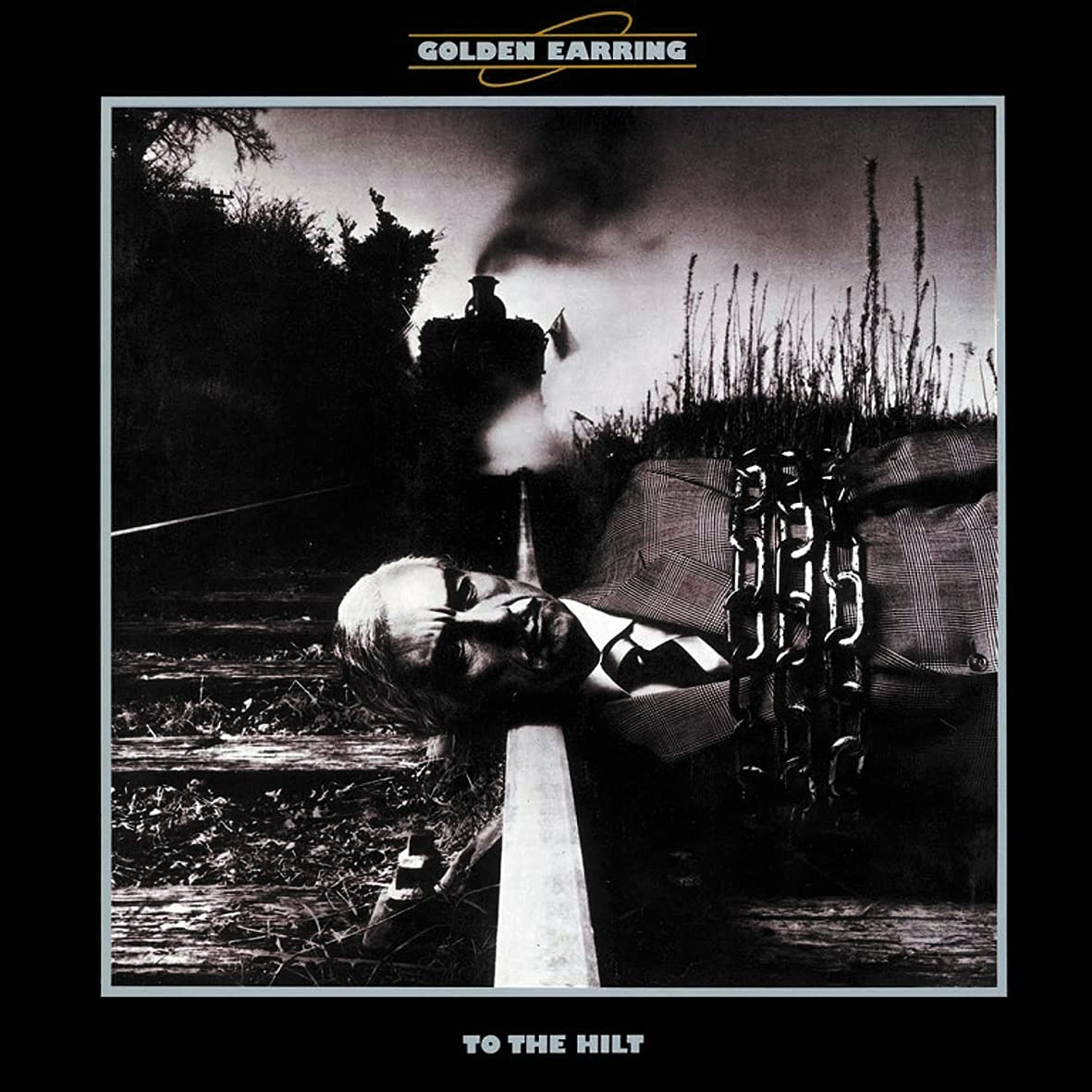
(I hold up my MusicOnVinyl reissue LP of Switch) Oh, you’ve got the music on vinyl there. That’s great. That’s the previous one. We’re doing a two LP reissue later this year, in the fall with the remasters on the CD. Well, the cover artist for this one is a guy called Corstiaan De Vries. No, I haven’t been in contact with him. Barry Hay has always done the final artwork concept. So, he kind of realized the concept, and then a particular artist realized his ideas into the cover art. But no, I’ve not been in touch with the cover artists. So, I don’t know if there are any outtakes on designs or… But I do know that the follow up to Switch is To The Hilt, and I did a long interview with Aubrey Powell from Hypnosis some years ago. And Aubrey told me that from To The Hilt, there are some image outtakes, like with different photographs that they based the album cover on.
That was a strange cover.
Yeah! It’s a bit dark. And it’s yeah, it’s with the train…
That’s why I never figured it out.
Yeah, it’s almost morbid.
Will there be anything if you know, as far as the label goes, in promoting this, any kind of like retro singles or anything or videos that they might put out?
I think the record label will do some promotion and some promos on social media and probably taking the video clip that was done in 1975 for the Dutch TV TopPop Live show of “Kill Me (Ce Soir)”; I think they will put it out to promote this reissue.
And if you know, promoting Golden Earring these days is they don’t have anything much to promote because the band is still a big name and these will sell anyway, but on the other hand, there are four members, and one member is very ill. So, there’s not really radio silence or something in that way, but the promotion on the band is we’ve got to do it with great respect, you know. And knowing that one key member is terminally ill, sometimes we have to think about it a bit more than, you know, with other bands. And there’s a huge respect for George, and we have to take that into account.
Yeah. One thing I’ve always wondered about, I have the live album, the 2 CD version, and I’ve always wondered when disc one trails off it sounds like they’re starting the drum intro to, is it “Bombay”?
That’s “Bombay”. Yeah, the shuffle for “Bombay”.
So, I’m curious because that’s not on the album, so curious if there was any songs that kind of are still on tape that just didn’t make the album that could have been put on or added!?
Well, I got that question a lot of times when that reissue was released. The story is this – When they recorded two nights at the London Rainbow Theatre, those were recorded by Capital Radio. They took the multi-tracks to the IBC studios, and they cut the album from the multi-tracks, and they decided there what the best tracks were. And they took those two-track masters to Holland to polish it a bit more and to press the records, to cut the records first and then press them. But they didn’t bring along the multi-tracks. So, we don’t have any outtakes from the Rainbow concerts, although they’ve recorded some other gigs themselves, the band, John Kriek, the engineer. And some of them were even mixed to two-track, and we only found one reel in the archives with 3 or 4 songs from a concert in Belgium, in Brugge. I was able to cull 2 or 3 tracks from that one tape, for the reissue. And it’s a bit lacklustre, maybe, but why not put a DVD in the package with one of their most famous concerts, television appearances from that era at the TopPop Live show, with Eelco Geiling on guitar. And a large part of it was filmed in 16 millimetres. So, we dug out the original film box, and we digitized that. The audio was better than I expected, so I remastered that to give it a bit more clarity and a bit more EQing; so, we added that. But, from the Rainbow concerts that was all we had, because Capital Radio didn’t let any multi-tracks go outside of London, and I don’t know where they are. They’re probably stashed away somewhere…I don’t know.
Following Switch, I know you haven’t done everything in order since you started with Moontan
No, not really. I’ve done Moontan first, then the Live album, then Eight Miles High, So that’s from 73 to 77, to 1969, and then I went into the 80s with Cut, and Back Home – the live concert from 84, and then NEWS was released last year, that’s 84, and now we’re in to 75 with the 50 year anniversary, and the next one will be from 1968 – the first one on Red Bullet album from Golden Earring – On The Double, which will be released in full. And because it’s a double album they’re going to put it out as one CD. I think there are 4 bonus tracks – 2 singles, but in stereo mixes, not the mono issued tracks; so, they are like bonus tracks that haven’t been released before because they are in stereo.
Seven Tears is one of my favorites. And that one never got released over here to begin with.
It’s a heavy record. The 70s – “She Flies On Strange Wings” – that’s one of their best tracks ever, and it should’ve been a big hit back in the day, but it wasn’t for some reason.
The cover on Seven Tears is not very imaginative, but I really like this album – the lead off track… I think they were fitting in with that whole 70s hard rock kind of thing.
Absolutely. They listened very well to everything that was coming out of the UK, and the US. And later 70s albums they very much influenced by Rush. (Ed-I turn my cap around, which is a Rush cap!). I’m a big Rush fan too. Rush is very big here in Holland, always has been very big in the Netherlands. I’ve seen them multiple times. And the members of Golden Earring were very influenced, especially the early 80s Rush, when they concentrated more on compact rock songs, combined with more progressive elements. I think you can hear that on Earring albums from those days.
I liked To The Hilt, is another great one, and Grab It For A Second though it’s very different. It’s almost like they took that power-pop, and newer American stuff…
Jimmy Iovine produced this record, and we already put it out as a vinyl reissue 2 years ago, but I really don’t have the time and the urge to do a compact disc of that, but who knows, maybe next year. And we’re also planning on doing something with the No Promises, No Debts album, which followed Grab It For A Second, because I found some outtakes from that period which would make a great bunch of bonus tracks for that one. There’s even some live stuff from that late 70s era. Also, with Contraband – I have a bonus concert from the Pinkpop Festival, where Rush also played, I think in 1979, but in 1977. I’ve got stuff for some albums, and more bonus stuff for some albums than others, I’m just trying to find a nice balance between interesting album and an album that would sell, with bonus tracks, and make a great addition.



 Outsider Rock