
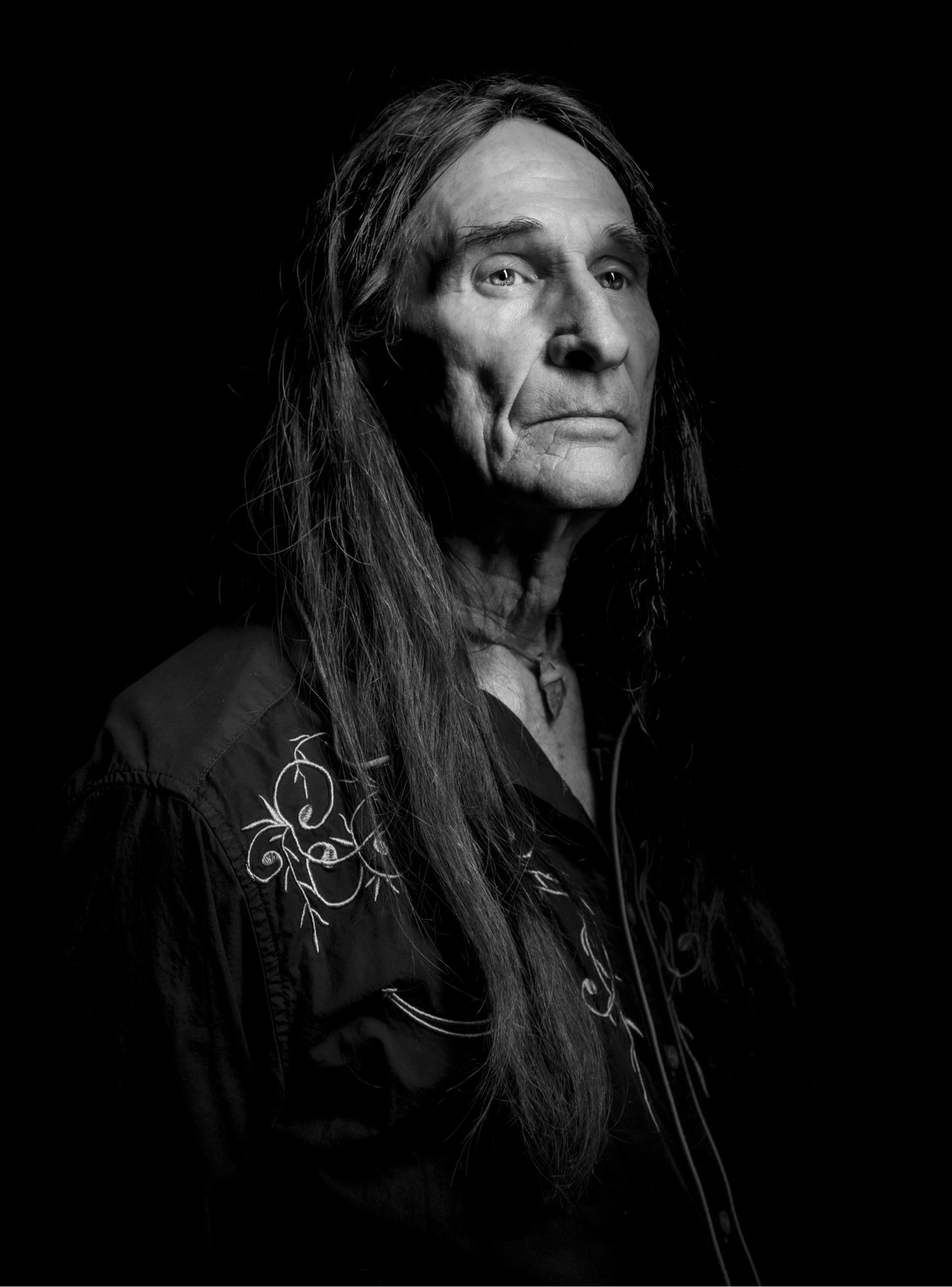
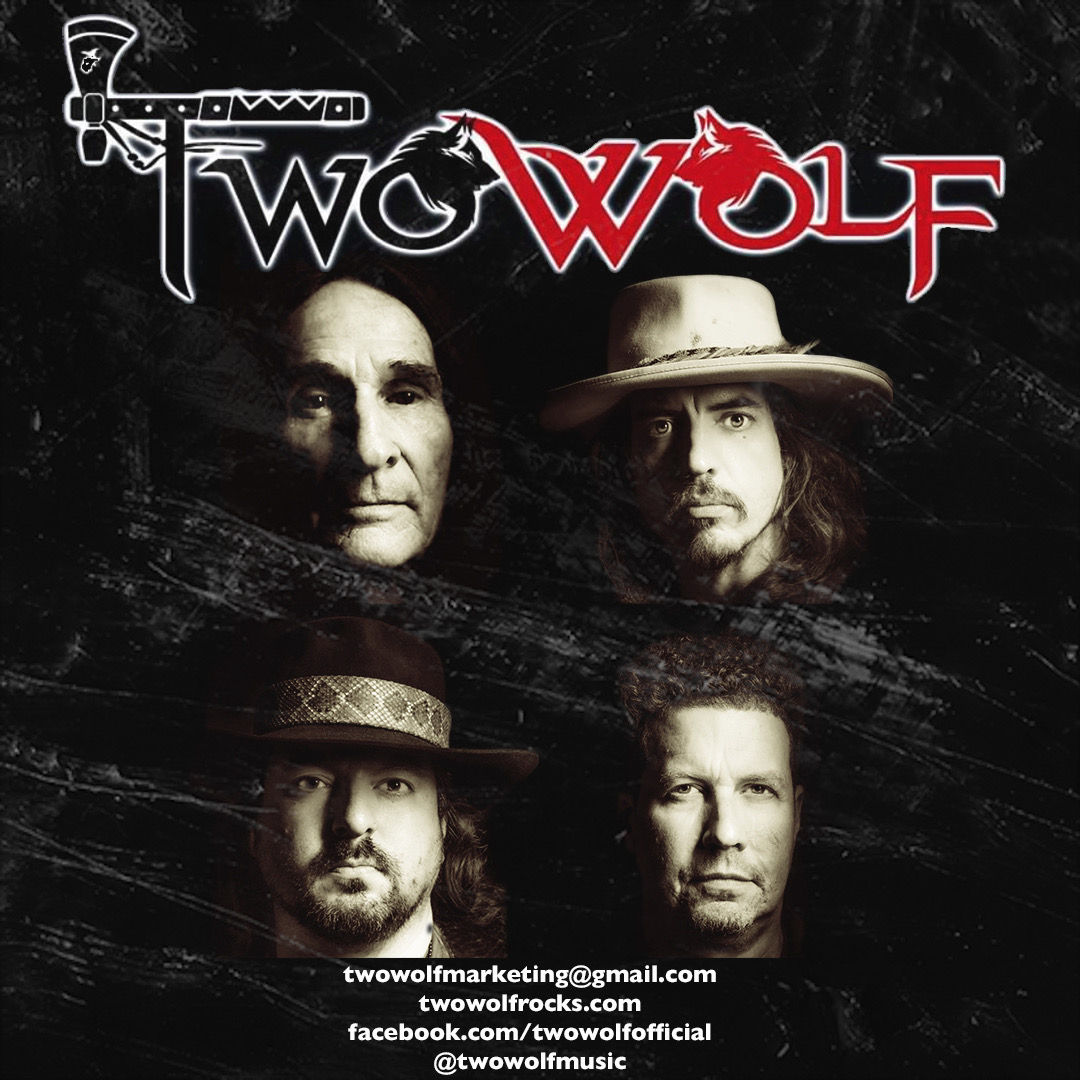
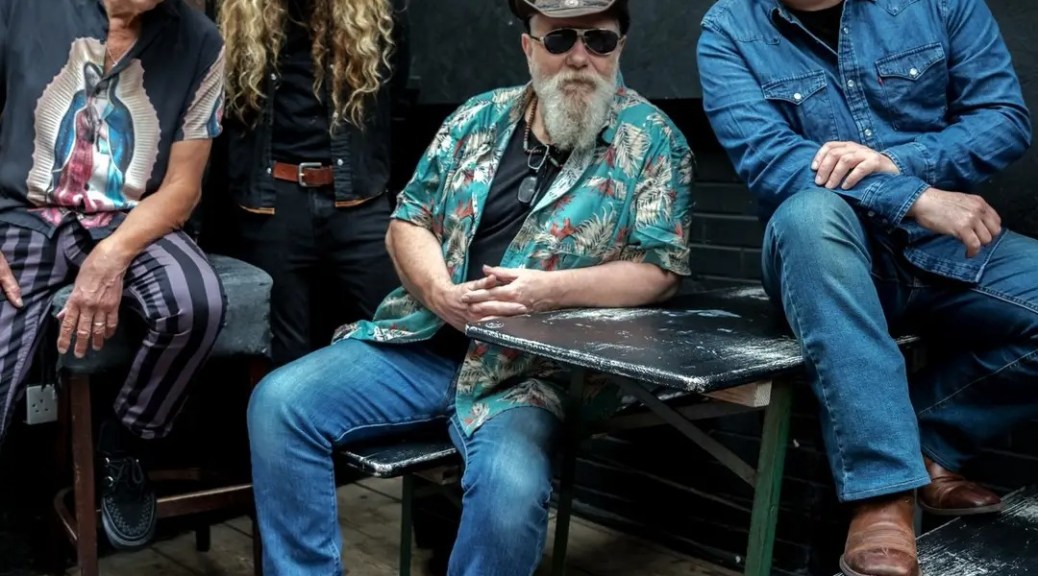
GREG T WALKER is best known as a founding member of the classic Southern rock band (and highly underrated) BLACKFOOT, with whom he recorded and toured with from the 70s to mid 80s. And in the very early days he was also a part of LYNYRD SKYNYRD. When Blackfoot broke up, Greg went on to various other projects, with his most recent being a brand new album with TWO WOLF. The band’s self titled debut comes after a decade of Greg keeping the band going. If you like Southern Rock, I cannot recommend this enough. Two Wolf is a heavier rockin’ band, even to Blackfoot. The album (available on CD and now LP) even includes a few Blackfoot remakes.
I was happy to talk to Greg about Two Wolf and their new album, as well as going back to talk about his Blackfoot days. Hope you enjoy the read. It was one of my favorite interviews I’ve ever done; Greg was a pleasure to talk with, and I hope to see the band sometime up this way.
*Please check out the links at the end of the interview. I have included links to songs in the text, highlighted.
Can tell me a bit about the band, you guys have been going for a bit, haven’t you? You had an EP in 2017?
I formed Two Wolf in 2015, and Lance (Lopez) was in the original lineup. He only lasted about two months because he had some prior commitments, and then we brought Chris Bell in, and he also had some commitments. So, it was a couple years. We were just a three-piece, and then we got Chris and Lance both back in the band at the same time, and that was the magic. That’s what I wanted. So, that’s Two Wolf today.
And Lance, he co-wrote most of the stuff, and he’s quite a guitar player, and, it’s a very heavy album to what I expected, in comparison to the Blackfoot stuff.
Yeah, it’s at least as heavy as the heavy Blackfoot stuff. Lance wrote two or three of the songs; I co-wrote, as Chris Bell and myself did, you know, we all contributed to it. And we did three Blackfoot covers, as you can see. I really was hoping maybe one, two at the most, but Chris and Lance really love the Blackfoot catalog, and especially as guitar players, that guitar-driven band. So, we wound up with three, and it turned out to be a blessing.
Are those three regulars in your set list?
Yes, they are.
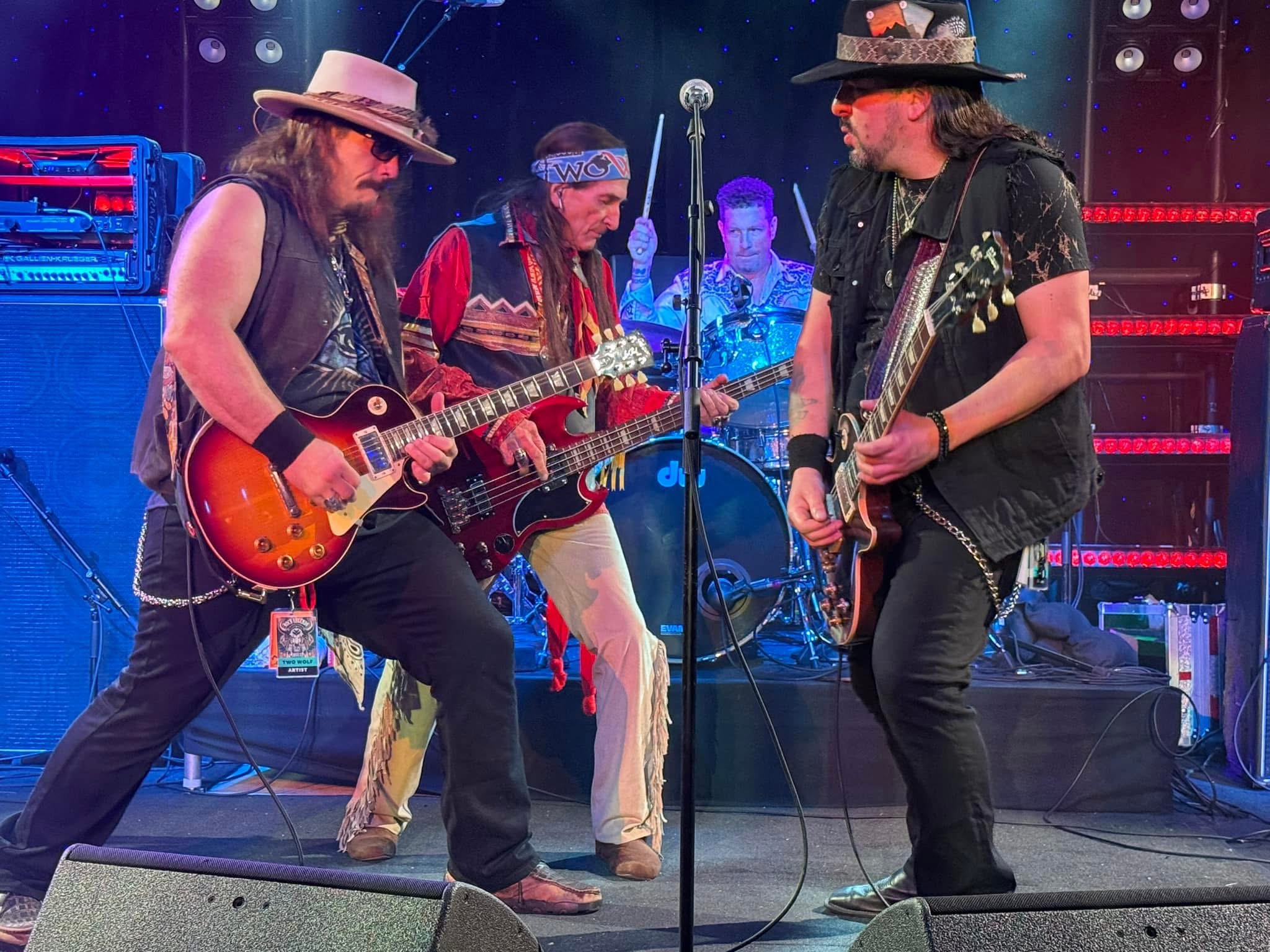
Can you tell me a bit about how you met Lance? I know he’s a good bit younger than the rest of you guys, I think, and he had his own gig going for a while there.
I actually met him through a drummer friend, who was the first drummer in Two Wolf, and he said, “I know this guy that’s a blistering guitar player”. So, that’s how I met Lance. It was through the drummer at the time.
How long has this album been in the works? How long have you guys been writing, and how long was the recording process?
It took about a year. We made four trips into the studio. We didn’t have a record deal, we just wanted to do an album and have it ready in case. And then we submitted it to Cleopatra, and they instantly said, “we love it”, and boom, it’s a done deal.
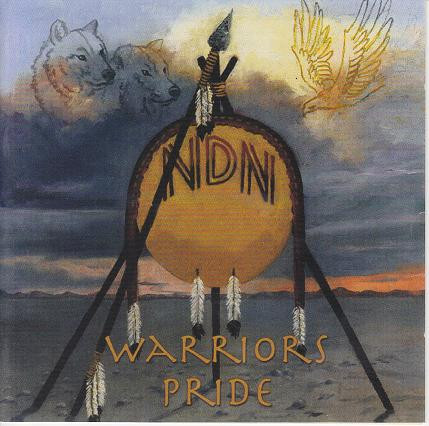
Can tell me a bit about the album artwork? Who did that and what kind of inspired it?
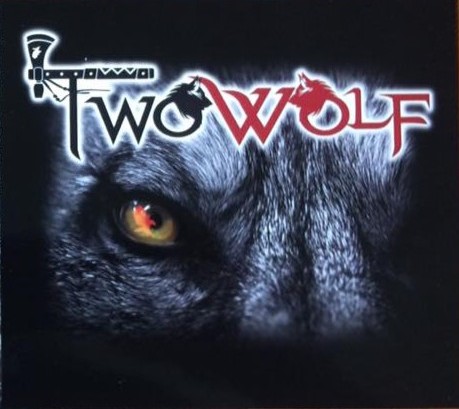
That is a girl named Sophie Armatol. She lives in France. I had met her when I was over there several times, and I saw her work, and I said, “oh, you’re just wonderful as an artist”. So, we gave her the initial concept. We definitely wanted wolves involved. She sent a bunch of sketches, and then we wound up with the one that’s on the cover now.

Can you tell me a bit about some of the songs? What stands out for you, and does everything kind of get rotated into the set list from this album?
We do every song on the new record. And some additional Blackfoot songs that are personal favorites. But you definitely will hear every song on that record, we do every single one.
Do you have any favorites of your own? Things you like doing, and things you’re kind of happiest with the way they turned out?
As in, you know, the original days, “Diary of a Working Man”. I love that song, always did, and we never played it live back in the d ay, not one single time. But we’ve been playing that song in the set for several years. So, we recorded it, and, and it came out really great. So, that’s among the favorites, but I couldn’t really pick one favorite. I love them all. We put our hearts and souls into every song, no matter who wrote it. So, we’re real happy with the way it turned out.
I like “Too Hard To Handle” and “Keep On Moving”, I think, is the single!?
“Keep On Moving”, yeah, that was one of my tracks that I always thought that was a B song. You know, it’s just a fun rocker; it wasn’t Beethoven, that’s for sure. But the guys love that song, and it actually came out real good, and that is the single.
Obviously, people want to hear some Blackfoot stuff, but you guys got your own thing, your own album. How is the response to that stuff?
It’s just going great. We got incredible reviews, response on every format, and hope I don’t jinx myself. Nobody’s said anything bad yet.
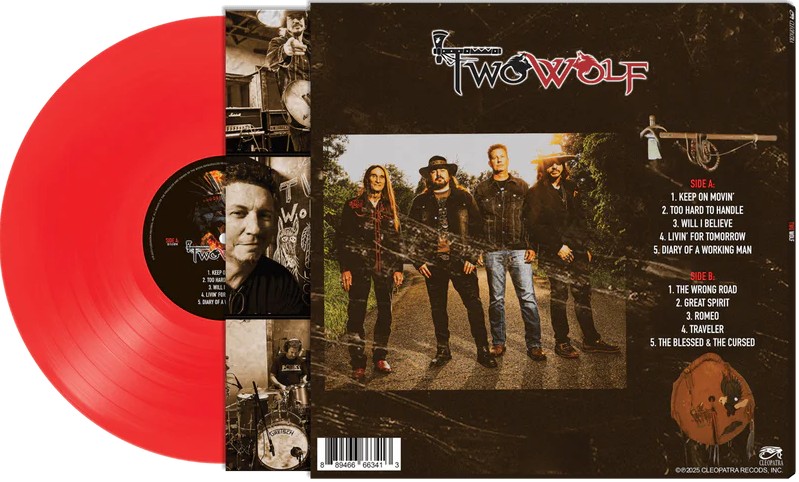
So, it’s out on CD and vinyl(?)
Vinyl comes out October 17th.
Did you guys have much stuff left over that you might already have the beginning of something new…?
Well, like I say, we’ve made four trips into the studio. We generally would do like four at a time. It’s interesting, I remember years ago, vinyl, you could have 45, 50 minutes on it, and now they say it’s like 20 minutes per side, and you can’t exceed that. I’m like, what changed!? I don’t know. That’s it. We did an album’s worth of songs, and then we got the deal, and then we started playing a lot more live, and we didn’t have a chance to go back in the studio. But we will soon, because even at the end of the original recording, we were already talking about, can’t wait to start on number two. You always want one more album.
Can you tell me a bit about some of the songs that you had a hand in writing? Was there any ideas or songs that had been sitting around for a while, for years, maybe?
“Keep On Moving” was, solely my composition. “Great Spirit” was started by a friend of mine in Montana, who I’ve known since the 70s, and he had the basic concept for that, and we joined up and finished it. “Traveler” was a song that we actually had played in the Blackfoot years, that was written by myself and our drummer Jackson (Spires). No big story there, it’s just, I had an idea, I played it, and he got on the drums, and then he helped me write the lyrics to it. And “Great Spirit”, most of the lyrics were from my friend in Montana, and I added to that, like a bridge and so forth, but I co-wrote those two, but “Keep on Moving” was one of my sole compositions. Again, I didn’t think it would ever be on the record, but I loved it.
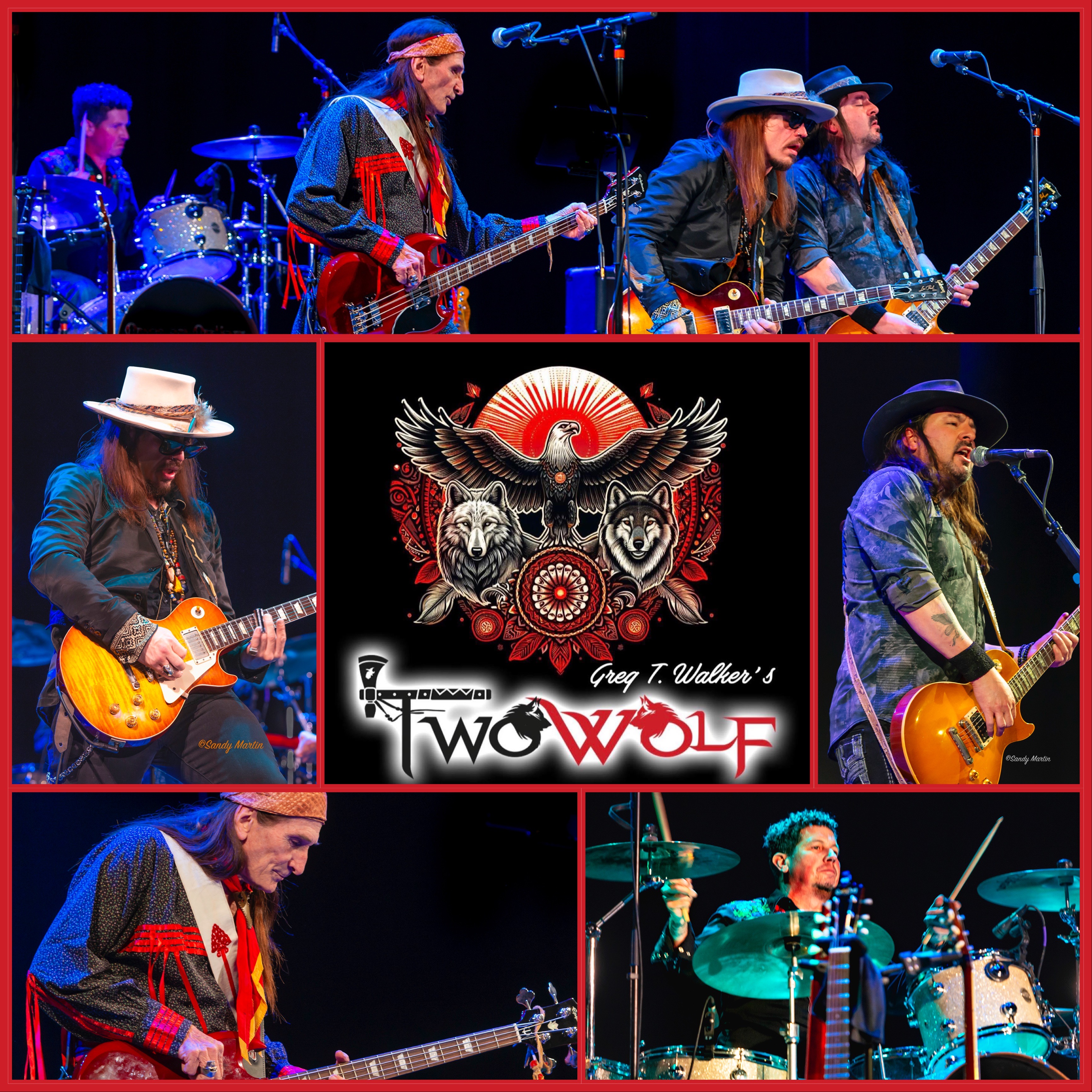
I want to talk a little bit about some of the Blackfoot stuff as well. Do you still keep in touch with Charlie?
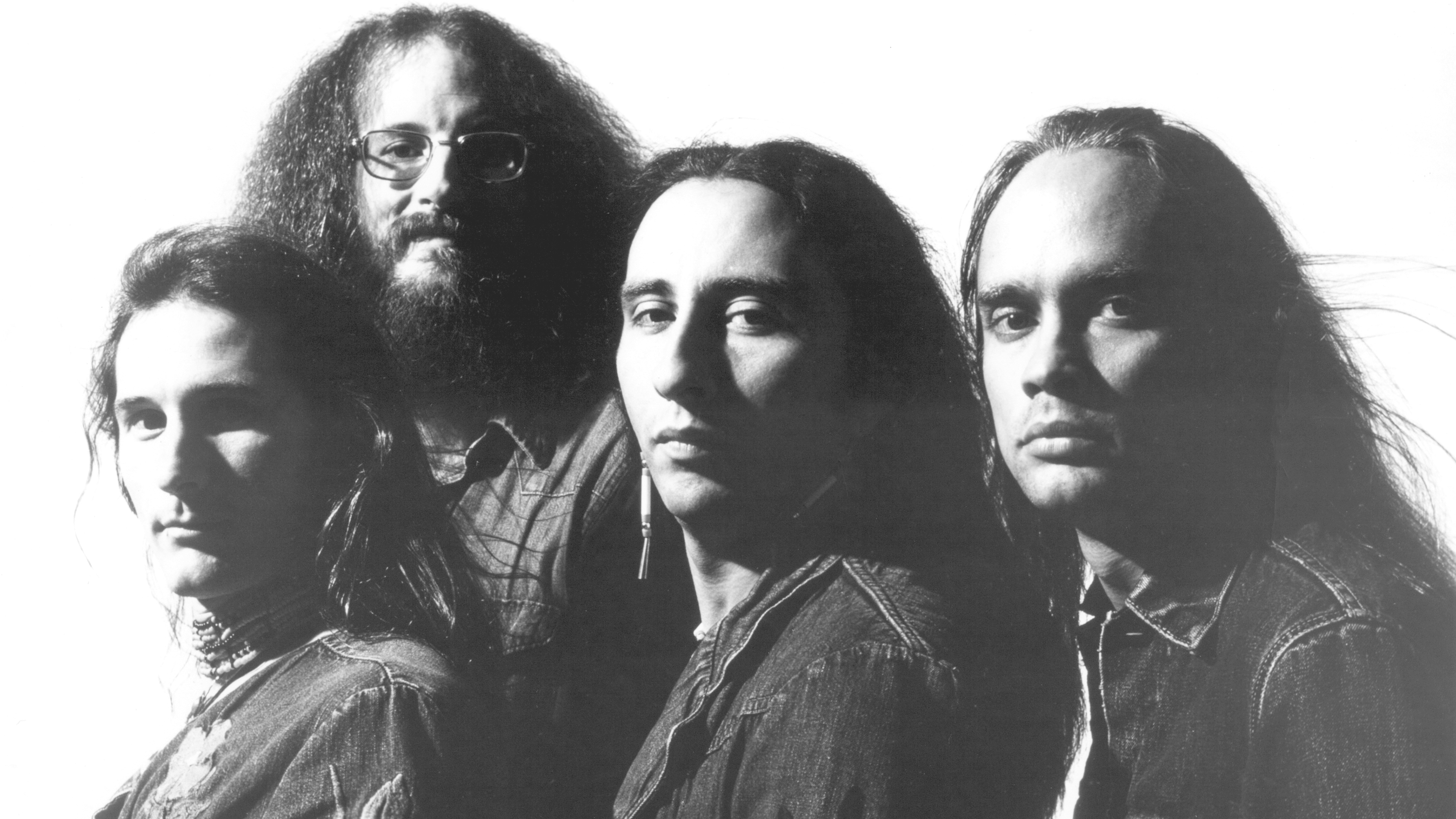
Yeah, I do. Charlie lives about a little over an hour from me. He lives just east of Gainesville, Florida. We stay in touch. He, oh my God, he still plays like he did years ago. His back problems have stopped him from playing live. I mean, he can stand up, maybe two or three songs, and then he’s got to sit down. It’s his spine, it’s been bothering him for years and years, but he came over here back in March, and a drummer came over. I met my drummer through Charlie, actually, and Charlie walked in and said, I want to play 10 Blackfoot songs, so we went out the studio, and I just had chill bumps listening to him play. It still sounded like the day we recorded it. He hasn’t lost anything. That guy can take a $50 guitar and a $50 amp, and he sounds like a Les Paul through a Marshall. I don’t know how he does it. It’s all in his fingers, I think.
In the beginning, you and Rickey were both briefly with Lynyrd Skynyrd, but you went off and obviously started the Blackfoot album, so how did the whole first album come about, because you guys went through a lot of changes there, and you never had a keyboard player in the beginning, either. That’s the other thing, as far as the Southern rock bands that had…
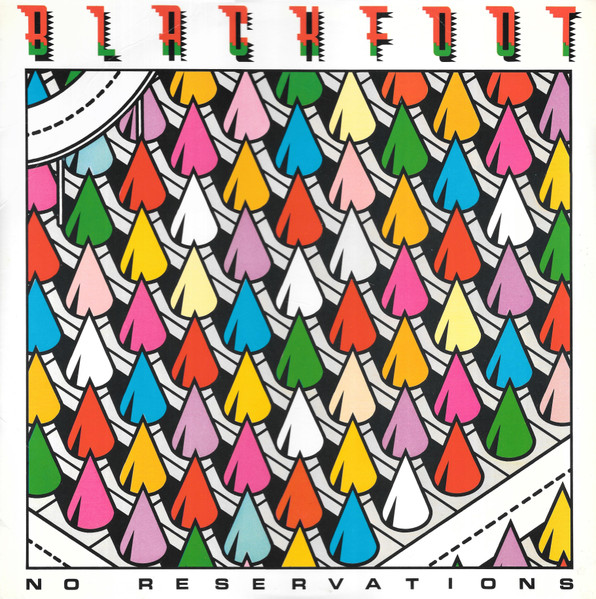
No, we didn’t. I played a couple little bitty piano parts, but you don’t really hear them on the earlier albums. But, we’d known the Skynyrd boys for a long time before we ever joined the band, in Florida. So we were friends, and Ricky joined first, and I came in three months later, I think it was, on bass, and at the time. It was going to be permanent, at least we signed a management contract and recording, but that music didn’t come out for two or three years after we originally recorded it, because we had already left the band. What I wanted to do was reform Blackfoot. I told Ricky that I just feel this urge to go back and pick up where we left off. We need to finish what we started. And, Jackson was another childhood friend from kindergarten, so, we were the nucleus, because we grew up since little bitty kids. But he agreed, so we put the band back together, and fortunately, because of our time at Muscle Shoals with Skynyrd, they said, send us a demo tape, so we did, you know, reel to reel. And they liked it enough, and they said, if you can get down to Alabama, we will record you and see if we can get you a deal. And they did. So, that was No Reservations. It came out, and…it did sell, I don’t know, 30 or 40,000 copies, maybe. And the next year we did Flyin’ High, on the Epic label. And same thing, it just came out and went at the same time. And then we went three years without a label, and then we hooked up with a guy who’s sister worked at Warner Brothers, on the Atco label, and so we recorded Strikes with a mobile unit, and signed us to a deal, and Strikes came out, and we became a 10-year overnight success. You know, it’s like a brand new band, but I said, Yeah, we’ve been together 10 years, but that went gold quickly, and then Platinum, and that set the tone for the years to follow.
Now, that was probably the band’s biggest album, I believe, right?
Yes.
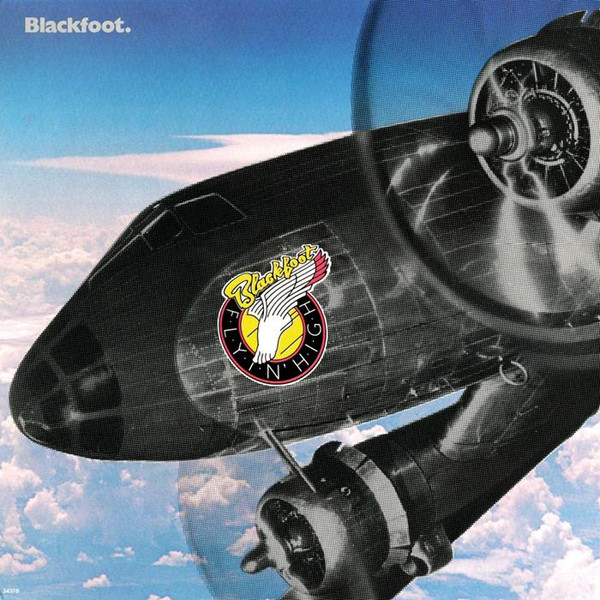
I love the logo on the Flyin’ High album! What did you actually think of those first two albums? Is anything that stands out for you or that you particularly liked?
I always liked all of them. We would mutually agree on which songs to put on the record. We recorded more, and there were songs left over. I haven’t listened to that record in a long, long time. There’s some funny stuff on it, there’s some good stuff on it, anything in between.
Strikes is like an easy favorite for me. I still hear “Highway Song” on the radio from Buffalo once in a while, but you did the two covers on there, which was interesting. “I Got A Line On You” and “Wishing Well”, which I thought was a great cover. Was it your own ideas to do those covers, or was it kind of suggested?
Yeah, we had done both of those songs in our early club days. And it was just personal favorites.
Matter of fact, I think we did a third cover was “Pay My Dues”, an old Blues Image song; another personal favorite. In fact, we were in the studio warming up, and the mobile unit was out back, and we were just getting everything tuned, and we started playing that song, and the opening chord, you just hit it and let it ring, and the engineer just quickly hit the button. We didn’t know it. So we did the song, and we finished, and we said, “Okay, we’re warmed up, we’re ready to go, let’s start recording”. He said, “I think you need to come in and listen to that”. We said, “Listen to what? He said, “I just recorded your warm-up song”, and it made the album. I mean, who would have thought!?
Well, I think this album is a very consistent album for me. I really like the cover of “Wishing Well”, and obviously “Train, Train”, and “Highway Song”.
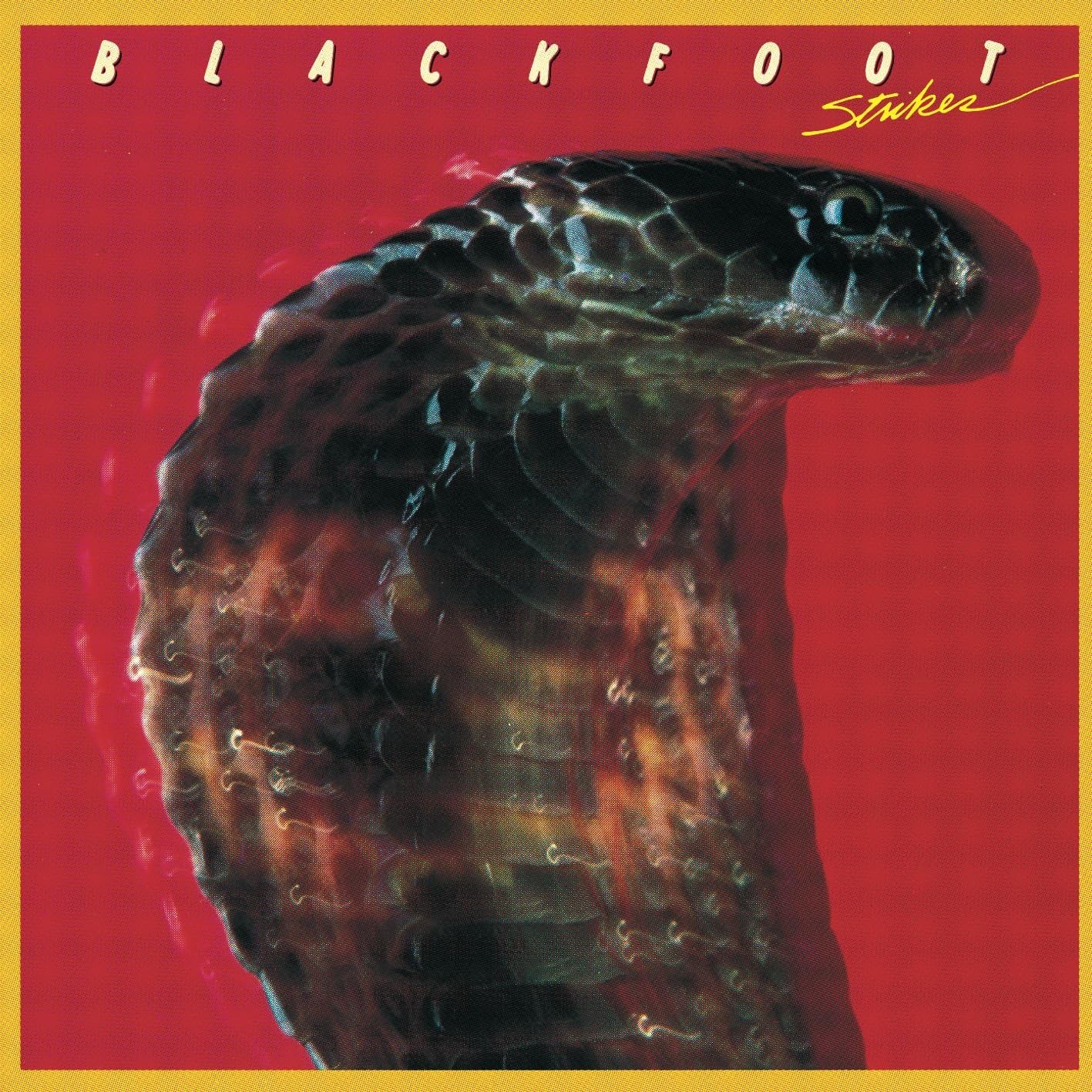
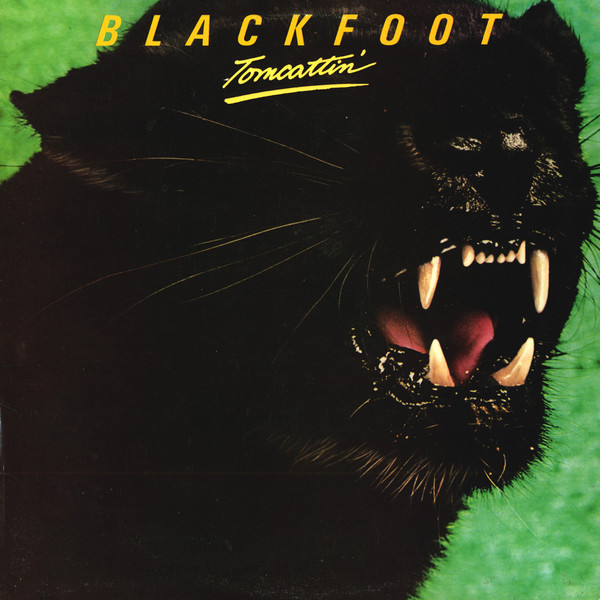
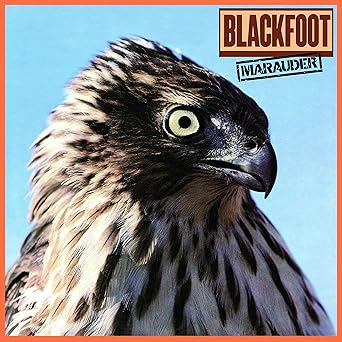
And then you did, like, these two albums, Marauder and Tomcattin’, which were both excellent albums, but they really didn’t kind of put you guys over the top.
No, they both went gold, but they didn’t have the sales that Strikes did. Tomcattin’, I love that record. That was like on steroids, so to speak. That’s a heavy record, and Europe really embraced it. They loved it over there.
You guys had a bigger following over there. Is that correct? Like, from the stuff I see in the UK press and that, from that time?
Yeah. I mean, there were periods that we may have done better over there, as opposed to over here, that we played here a lot more, of course. But we did a lot of tours over there. We did all the big festivals, you know, Reading and Donington, Monsters of Rock. And, we were playing with Deep Purple and ACDC, and we got to be friends that led to later tours over here. We played with AC/DC, a tour with Bon Scott. And then when Brian came in after Bon passed away, we did another tour with AC/DC. I love those guys. They still do what they do, and they do it great.
Now, this album (hold up Highway Song Live), I don’t think this one got released over here, the live album.
I think they released like 10,000 copies is all, which really upset us because it was a political thing going on with the Atco label in England, in London; a personal vendetta that I won’t go into. But they sent 10,000 copies over. That album would have sold great had it been released, and at the numbers that the others had, because everybody loved live albums at that time. That’s a blistering album.
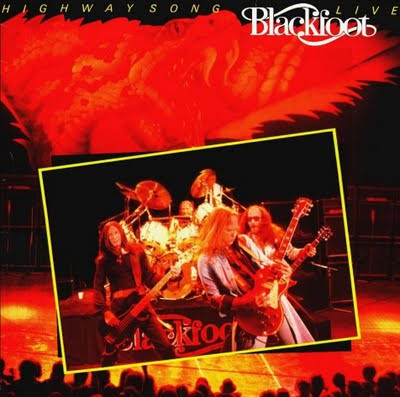
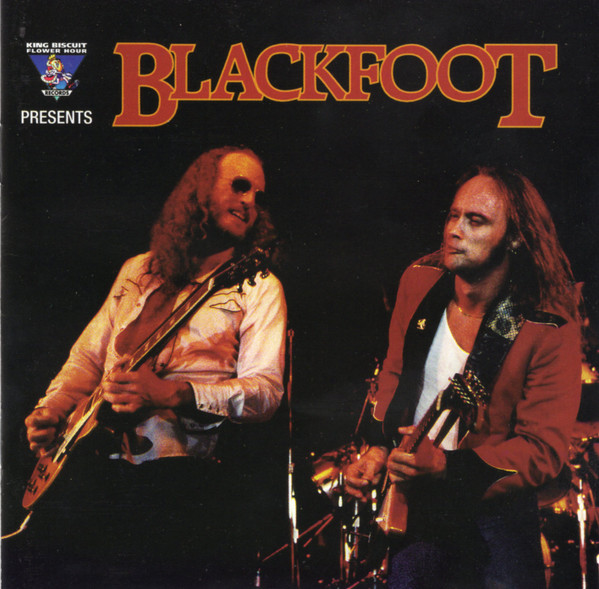
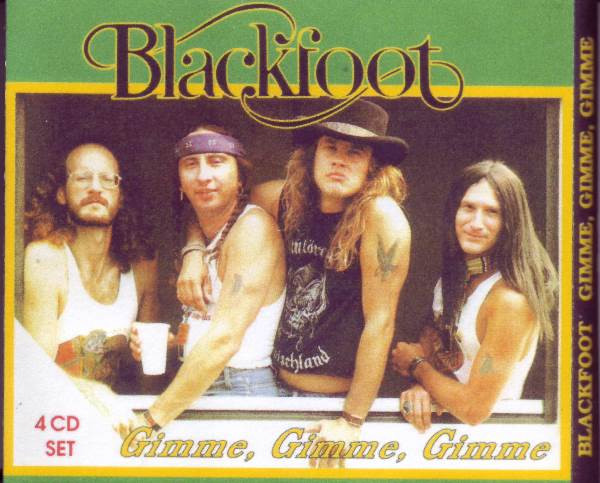
I have the King Biscuit Flower Hour one that came out years ago. I think that’s from ’84. And I have this (I hold up the 4-CD Gimme Gimme Gimme set), it’s a bootleg, but it’s got all the radio shows gathered on this.
Oh yeah. I don’t remember what’s on that, but yeah, I’ve got a copy of it.
It’s all gathered radio shows that you guys did over the years.
And some of the bootlegs, they look legitimate, but they’re really bootlegs.
So what changed as far as, you know, did you guys think you need to bring in a keyboard player or was it kind of the record company thought you needed one?
I think it was more from the record company at that time hair bands were gaining popularity. They started kind of taking over and it’s like, “You guys need to get with the modern era, change your hairstyle, change your stage clothing”. And I said, “We’re not going to wear a spandex. I can tell you.” (haha).. that was just not in our DNA. But yeah, it was grabbing at straws from the record company. And in the end, by the time we got to Vertical Smiles, that was a kiss of death, and we couldn’t do anything right in their opinion. So the album came out and just went to the bottom.
Did you initially think it was a good idea or do you think it was a bad idea from the start?
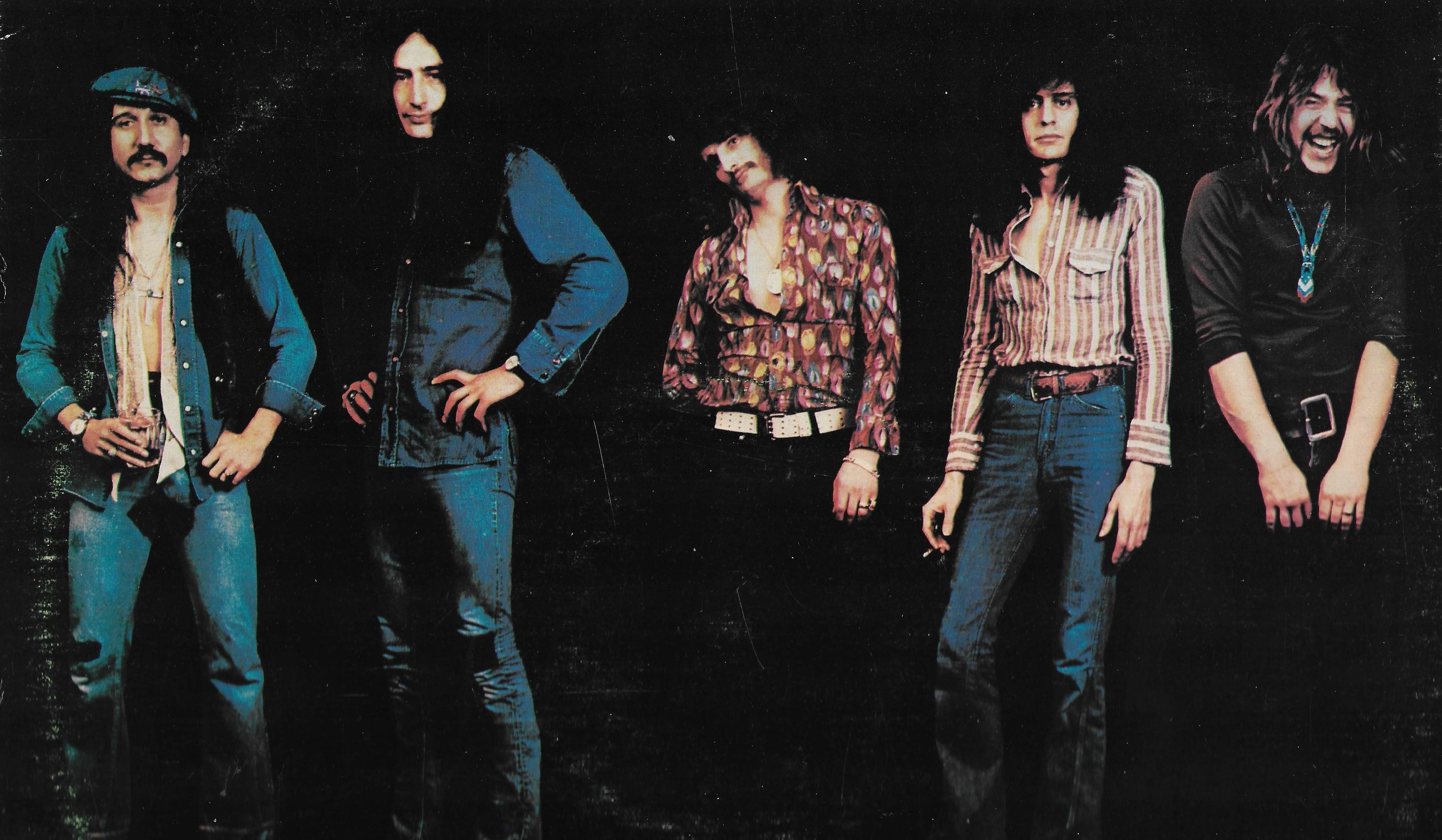
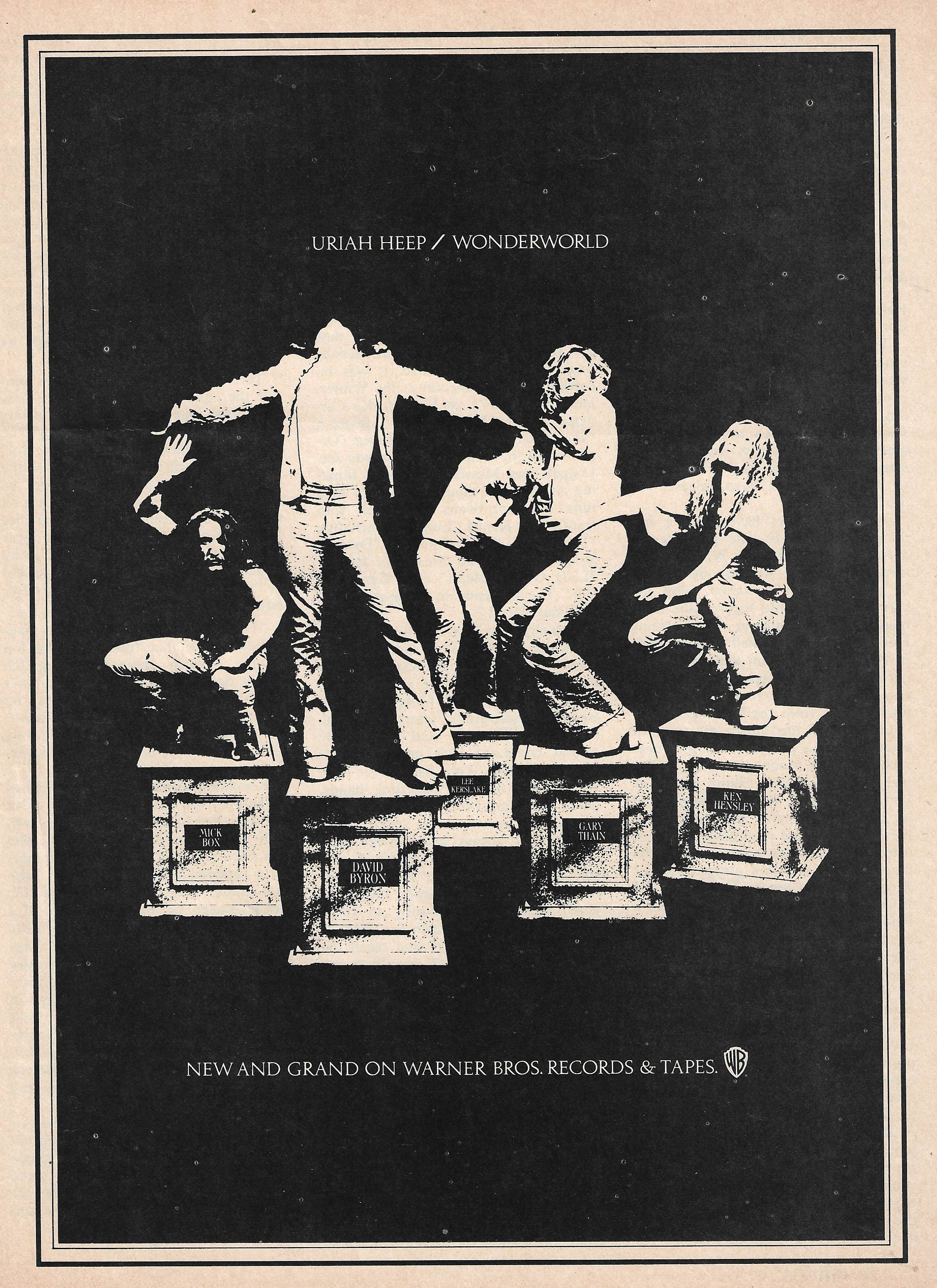
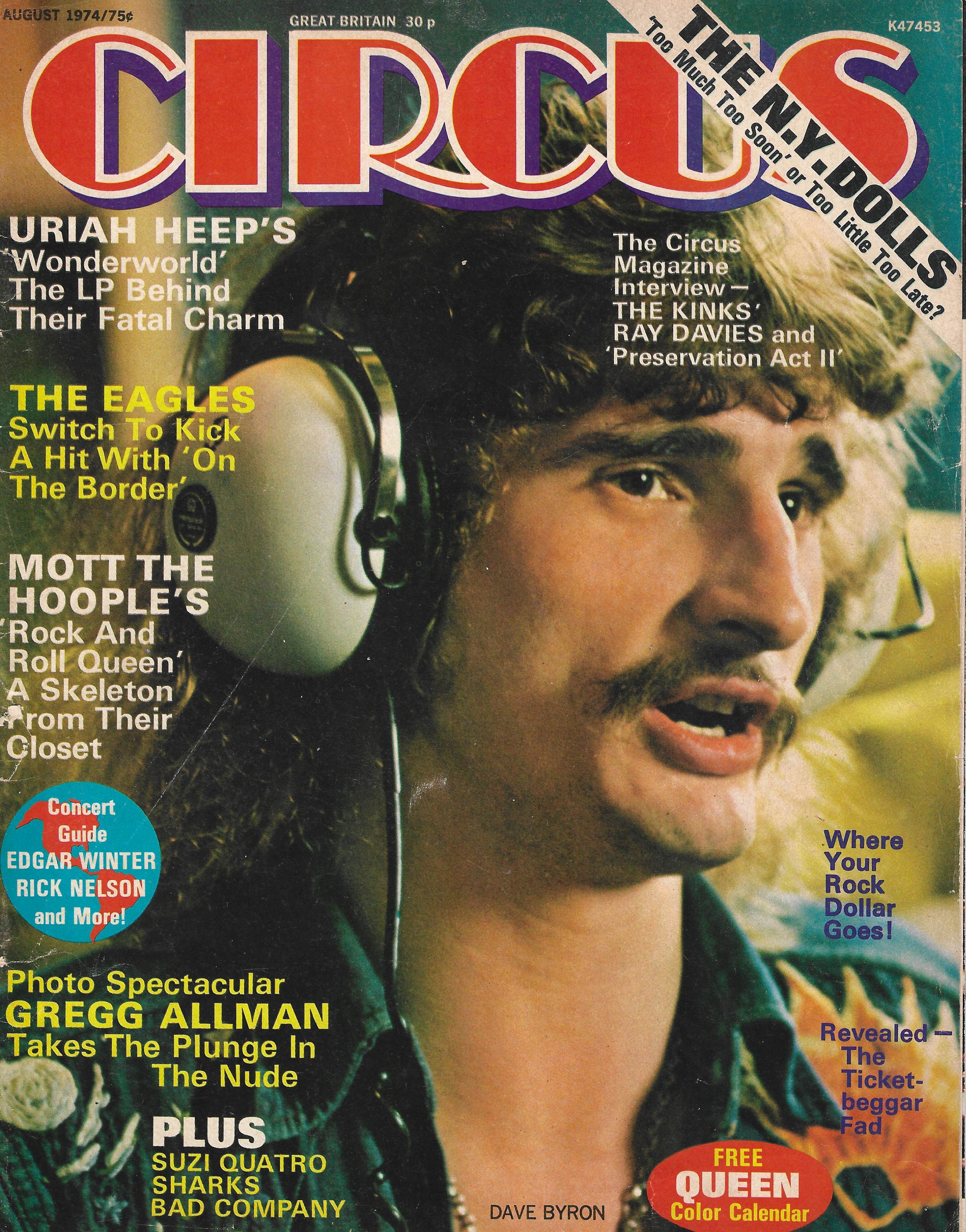
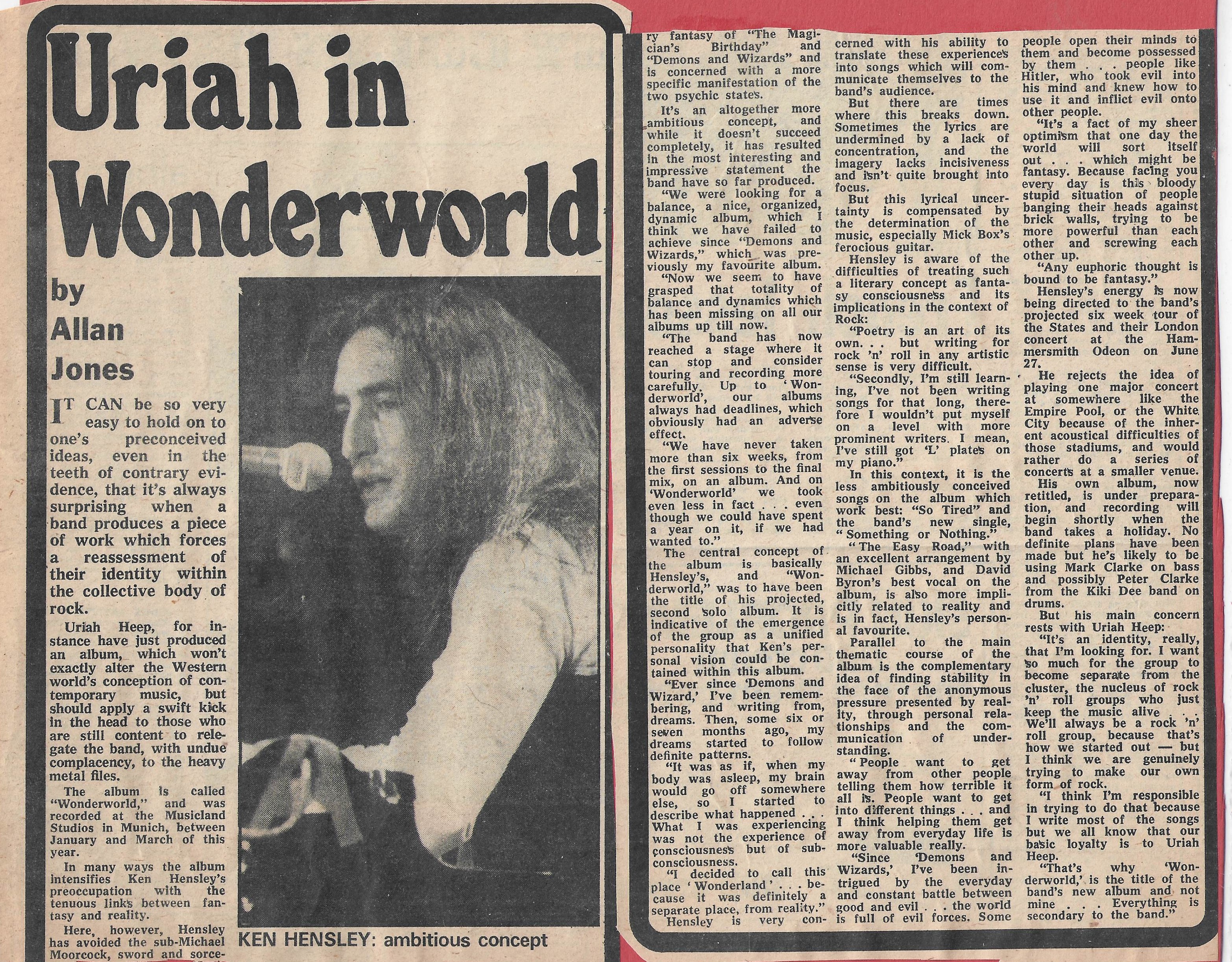
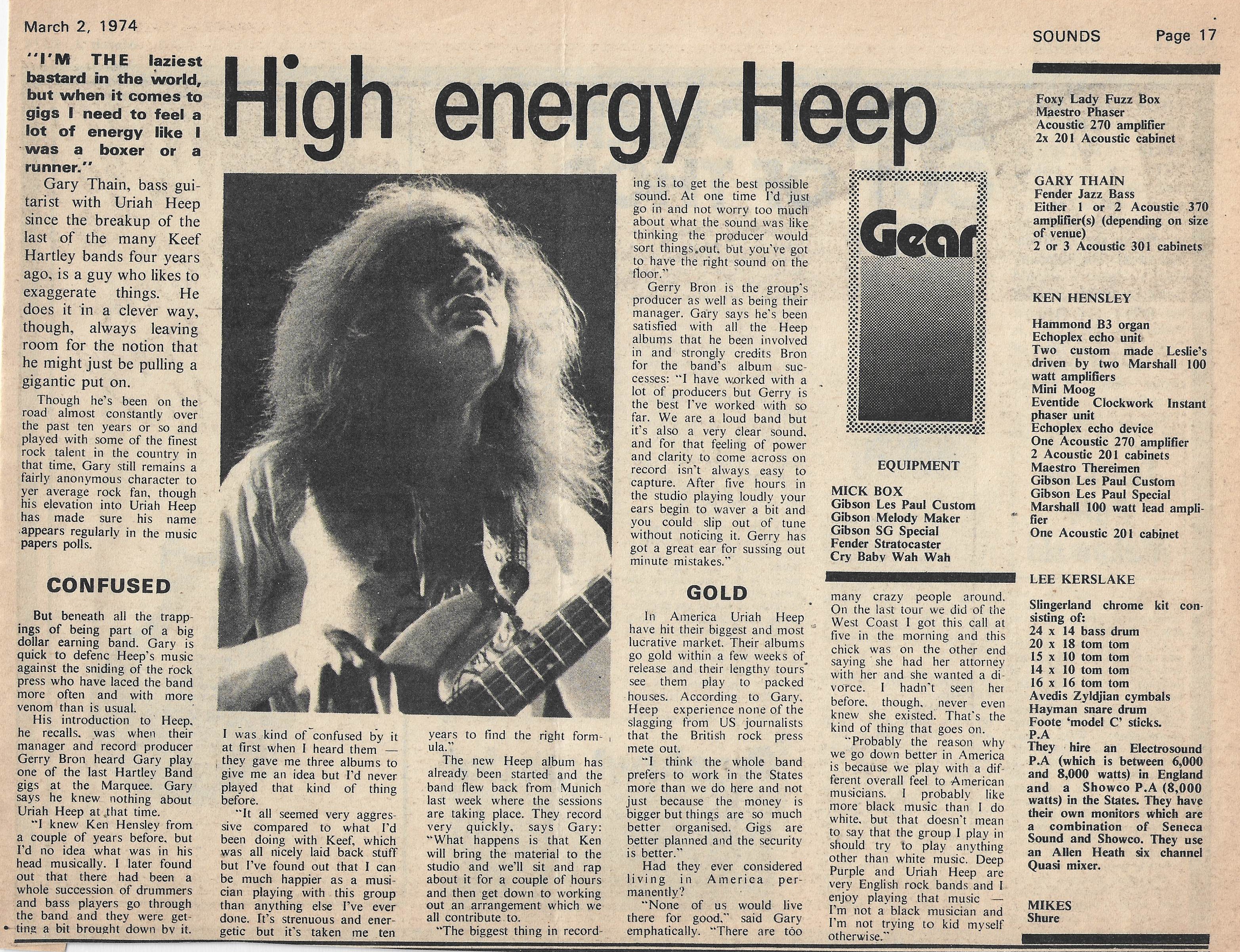
I know Jackson and I were not really in favor of a keyboard player, because we were a guitar driven band. But, you kind of get backed against the wall and it’s either “you got to do something or we’re not going to give you support”, you know, the record company. So we called John Lord and he said, “If you’d have called me two weeks ago, I would have been on the next plane to America…I just signed on with a new band called Whitesnake”. So then we got in touch with Ken Hensley and then he’s the one that came in. Ken was a brilliant musician, a hell of a cat to hang out with, very, very talented guy, played really great slide guitar, which I didn’t know until he joined the band. I said “My favorite Uriah Heep album was that one with the mirror on the front”. He said, “Look At Yourself” – “Man, that guitar playing is brilliant”. He goes, “Oh, thank you”. And I said, “What do you mean, thank you? He said, “That was me”. I said, “You played slide?” He said, “Every song that had slide, that was me”. So he turned out to be a real talent. He was a great vocalist, player. Yeah, he’s got the package. But he didn’t stay until the end. He left. You know, the band eventually broke up.
Have you ever heard the album Toe Fat, that he did?
Yes.
And then there’s an album called Weed. So, he did a lot of interesting stuff outside of Uriah Heep that was all guitar stuff.
He did.
So now Siogo is one I really liked. I get that it steers away from the Southern rock sound, but it still has a lot of great commercial rock songs. “Teenage Idol” was good, but, kind of probably lyrically timely, for that era. “Heart’s Grown Cold”, “Crossfire” and the one that Ken brought in, “Send Me An Angel“. The one I really like is the track “Sail Away”. Do you remember that one?
Yeah.
Do you recall who came up with that (Sail Away), like the riff and how that song came about?
I kind of think that was Kenny’s original idea, that we built on… I think, I’m pretty sure.
Yeah, because I think it’s co-credited to a few of you guys on the album.
That’s when MTV really took hold of the business. Everybody was forced to do videos. So the hair-bands, they were younger and they adapted very well, but for us it looked cheesy. I mean, I look at those videos today and I just laugh. I’m like, Oh, my God! We’re musicians, not actors.
That video of “Teenage Idol” with Rickey just walking along, meeting people, and you guys didn’t come in til the end. (lol…Greg shakes head). But, I thought this was a great album.
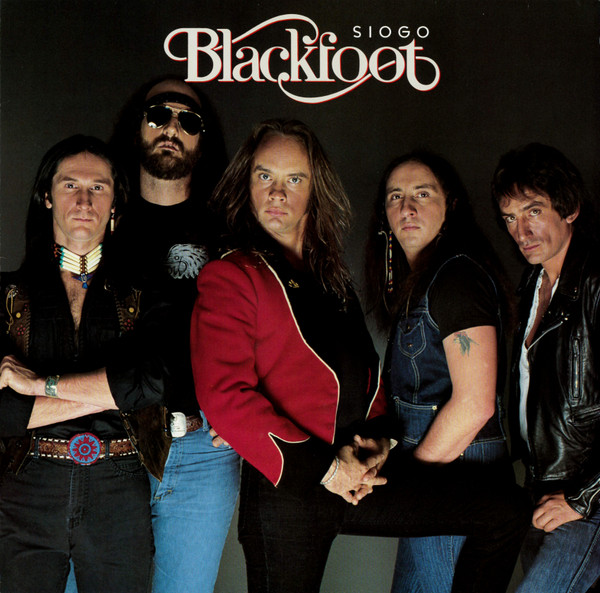
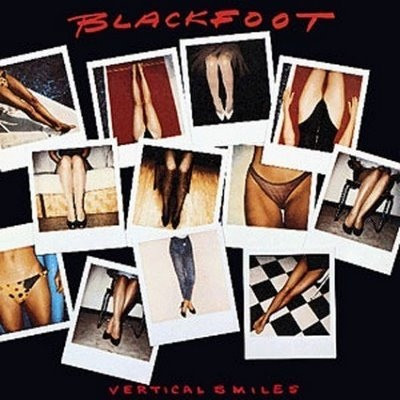
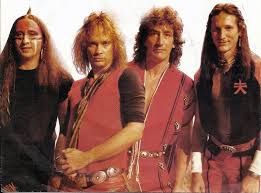
And then, obviously you had this (Vertical Smiles), which kind of turned out to be a disaster. Did you guys get a lot of grief for the cover? (I hold up cover)
(laughs) I don’t remember now, it’s been so many years, why we came up with that cover. It was mostly our snapshots. And I know that the female part of Atco Records at the time when they saw that cover, oh, it made them so mad. They were like, “You male chauvinist pigs!” We were like, “it’s just an album cover”. Of course, the title, if you don’t figure it out, I guess you still live in a cave. but they got it. And…Yeah, that was the kiss of death.
And there was obviously a story behind the title for that one as well (Siogo).
Yeah, we won’t go into that. Our road crew came up with with that, and it was on their bus. They had a big cardboard thing in the front lounge of the bus that said S.I.O.G.O., but for each letter, there was a word below it. We laughed at it at the time, and it wound up being an album name. So Ricky was doing an interview one time and asking what it stood for. And he just didn’t even think he just spit it out. And why!? Oh, my God. You know, you couldn’t edit back then like you can now. But it is what it is.
I watched a clip from on YouTube this morning was a little video of you guys interviewed, all in the studio with Eddie Offord. It was MTV. It was like a three or four minute interview, and Ricky did most of the talking…So Charlie was there in the studio while you guys were doing Vertical Smiles. And he left at some point during that.
Yeah. Before it was finished he left. He was just kind of tired of the game, the politics. So, you know, Kenny was in the band and because Kenny played guitar, he couldn’t duplicate what Charlie did, of course, but he was good enough that we pulled it off. And it worked great. And then when Kenny left, we got Bobby Barth in the band from Axe. Bobby lives about four miles down the road from me now. So, you know, we had our hurdles, but we we kept going.
Now there’s some covers on this album, which I assume weren’t all your ideas, like the Peter Cetera song and stuff like that.
Yeah. See, that was that record company pressure because anything that record companies had the publishing on, they pushed out, because they had screwed the writers out of royalties, that was very common back then. We worked it up and we thought, OK, we we gave it a little bit of a harder edge, and I mean, it worked ok. We did it live. Yeah. And I don’t know if it helped or hurt, but that that whole album was different than what we had done up to that point.
I remember reading something from Rickey at the time (or shortly after) where he said there was three or four very heavy tracks that were removed. So I’m curious what you would recall of those songs and if they’ll ever surface?
They did not. The record company sent four of their top people down to the studio, Eddie Offord’s studio, which was an old movie theater. So they sat there in the front row. Eddie had these gigantic monitors, I mean, size of a bathroom. He had it cranked on 10. And those those guys and girls sat there and listened to the complete album, and they said, “Oh, my God, this this is a masterpiece…. You reinvented yourself…. It’s going to go straight to number one…It’s going to be a platinum selling record”. We’re all excited. So, we left the next day and said we’re going to take two weeks off, which we rarely ever did.
On the third day, Rickey calls and he said, “Are you sitting down?” And I said, “No”, “Sit down. I got something to tell you”. And I said, what? He goes “Atco just turned down side B”. And I said “What!? Three days ago they were raving about it”. So the people that were there went back to New York, and played it for the top brass, and they go “Oh no, we’ve got to replace side B.” So, that meant for us going back in the studio multiple times, doing 3 or 4 at a time. I’ve got a reel to reel tape here, it’s one of 2, and there’s 30-something songs on that tape, and the other’s got about the same. I can’t play it because it’s the quarter track tape, I think if I played it now it would just come apart. Nobody has those old machines anymore. So they got us going in, and at that point we were grasping at straws. We replaced side B with new material, and they finally agreed to it, and the record came out.
It’d be a shame if those tracks never came out, if there was a way they could come out. I think Rickey had mentioned 3 or 4 specific titles. After the band broke up, Rickey, obviously continued without you guys. You guys got the band back together without Rickey, after he’d joined Skynyrd. Was there anything you guys did with Bobby (Barth) during that time; that you recorded?
In the 90s, yeah Rickey had continued on and changed it to ‘Rickey Medlocke and Blackfoot’, but he was the only original member, of course, until he joined Skynyrd in ’96. In the meantime, Jackson got in to The Southern Rock All-Stars, Dave Hlubeck, and a couple of the ‘Hatchet guys in and out, and I did some shows with them, here and there. In 2004 I reformed Blackfoot with Jackson and Charlie, and that’s when we brought Bobby Barth in, on lead vocals and lead guitar. We did that for seven years; we had a great run. And then in 2011, on December 31st that ended. I said Ok, it’s time to put it to bed. But we got to resurrect it for seven years
Was it that ended mutually or was it Rickey that didn’t want it to keep going?
We had worked out an agreement for seven years, and we didn’t want to extend it, And Rickey wanted to revive it, his version, which he wound up doing, but he was not in the band, it was other players.
Yes, kind of bizarre.
Yeah, it is very bizarre. But it was a great seven years.
So, was there any recordings during that time? Did you go in the studio at all?
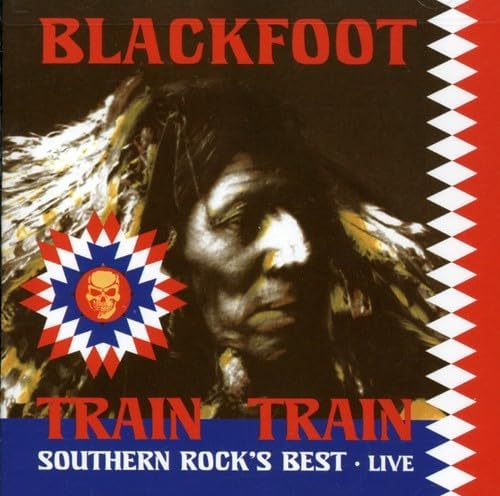
No. But we did a live record, for Cleopatra, actually. It was us, Molly Hatchet, and the Atlanta Rhythm Section, we, all 3 , did a full album, with video, and they released it. And that thing sold great! It was simply called ‘Blackfoot;, because we had the rights to use the name Blackfoot. And when we signed with Cleopatra this year for the record that’s coming out in a couple if weeks (the CD is already out), they said “we worked with you guys before”, and I said “you worked with me”. And Lance had worked with them too, with his solo stuff. So, that was a live record, it’s a great record, the video, the production; everything was first class.
(Dare I ask), Do you talk to Rickey at all still?
Not at all! He’s been doing his Skynyrd thing all these years. The last time I saw him was 2005, when Jackson was on a ventilator. He came to the hospital, and we caught up then, and talked, and I haven’t talked to him since. But I wish him well. I think he’s doing a great job and has had a great career with Skynyrd; I hope he stays with them another fifty years!
Is there anything, other than the Vertical Smiles tracks, that might be in the vaults, that you guys could ever discuss putting out?
We always had songs leftover, with the first record No Reservations, we always had six, seven, or eight songs leftover record after record. I don’t know where they are, or who’s got the masters. There’s probably enough for three full double sided albums worth of tracks. And it wasn’t like they’re throwaway tracks, we would do a lot of songs, and you kind of had to put all the titles in to a hat, and do like this (covers his eyes), reach in and grab a piece of paper. No real B songs at all.
Do you guys, Two Wolf ever play up this way?
We were in Syracuse a week and a half ago, at a place called ‘Sharky’s‘. It’s a big covered pavilion. It was in the 70s in the day, but when we got on by dark it had dropped to 55, so the tuning was bad (haha), the guitars were going out of tune. But it was beautiful up there; the leaves were turning, it’s was bright and sunny..
(we finish up talking of the band’s upcoming shows in North Carolina, south Florida, and I suggest that the band comes up across the border sometime, which Greg says he’d Love to!).
LINKS:
https://www.facebook.com/twowolftheband
https://cleopatrarecords.bandcamp.com/album/two-wolf
https://m.facebook.com/armatolsophiegraphicdesign/
http://www.swampland.com/articles/view/title:greg_t_walker
https://100percentrock.com/2025/09/a-dirty-dozen-with-greg-t-walker-from-two-wolf-august-2025/
https://www.boomerocity.com/interviews/1775-lance-lopez-talks-about-being-in-two-wolf.html





 Outsider Rock