6CD Treasure Trove Of Recordings From THIN LIZZY Vocalist PHIL LYNOTT’s Swan Song Project GRAND SLAM Knocks It Out Of The Park!
Phil Lynott’s passing in 1986 was and is one of the great tragic losses of music history. A mere 36 years of age when he passed, Lynott founded and fronted one of the best rock bands of the ‘70s, Thin Lizzy, and was certainly the most popular rock singer to emerge from Dublin (prior to the Bono Era). Although his struggles with substance abuse would profoundly shape his latter career, his artistic talent continued to shine through in his post-Thin Lizzy projects including the fledgling rock group that seemed to have the potential to overtake the great Lizzy, Grand Slam!
Lynott started working with Magnum keyboardist Mark Stanway as part of Lynott’s live solo band in 1983 and by 1984 would eventually solidify a line-up that included guitarist Laurence Archer, rhythm guitarist Doish Nagle, and drummer Robbie Brennan and change their name to Grand Slam. Although the group never issued an official studio album, they played numerous shows around Europe and cut a series of demos that proved Lynott still had incredible songs in him and a brilliant career ahead. Grand Slam songs such as “Sisters Of Mercy” and “Nineteen” were so good they eventually ended up on some posthumous Thin Lizzy albums!
Now those songs and those live performances have been remastered to their absolute best sonic quality and packaged in a deluxe 6CD box set to be released on June 9. Slam Anthems is a true treasure trove of superb new mixes of Grand Slam songs as well as killer full concert recordings that feature songs from throughout Lynott’s stellar career. Each disc comes packaged in its own wallet with rare band photos and the whole box features a 20-page full-color booklet filled with informative liner notes from music historian Dave Thompson.
For a small taste of what’s in store, check out the newly remixed version of “Nineteen” that is being released today to all digital stores as well as the accompanying video, which cuts together rarely-seen footage of Lynott along with photos of the band on stage and in the studio!
Phil may be gone, but Grand Slam lives on in the current incarnation of the band, led by Laurence Archer. They have a re-recorded and remixed version of their previous release “Hit The Ground” coming soon, as well as a brand new studio album in the works.
TRACK LIST: DISC 1: 2022 REMIXES 1. Breakdown 2. Crazy 3. I Still Think Of You 4. Crime Rate 5. Dedication 6. Military Man 7. Look In These Eyes 8. Harlem 9. I Don’t Need This 10. Sisters Of Mercy 11. Nineteen 12. Hot N Spicy 13. Sarah
DISC 2: OREBRO 1983 1. Yellow Pearl 2. Old Town 3. Sarah 4. A Night In The Life Of A Blues Singer 5. Look In These Eyes 6. Parisienne Walkways 7. Solo In Soho 8. King’s Call 9. Baby Drives Me Crazy 10. The Boys Are Back In Town 11. Still In Love With You
DISC 3: LIFFORD 1984 1. Nineteen 2. Yellow Pearl 3. Sarah 4. Parisienne Walkways 5. Crime Rate 6. Young Boy 7. Night In The Life Of A Blues Singer 8. Cold Sweat 9. Dear Miss Lonely Hearts 10. Whisky In The Jar
DISC 4: LONDON 1984 1. Nineteen 2. Sisters Of Mercy 3. Crime Rate 4. Military Man 5. Dedication
DISC 5: GREAT YARMOUTH 1984 1. Yellow Pearl 2. Nineteen 3. Harlem 4. Parisienne Walkways 5. Cold Sweat 6. Sisters Of Mercy 7. Crime Rate 8. Military Man 9. Dedication
DISC 6: DEMOS 1. Nineteen 2. Crime Rate 3. Crazy 4. Sisters Of Mercy 5. Whiter Shade Of Pale / Like A Rolling Stone 6. Military Man 7. Hot N Spicy 8. I Don’t Need This 9. Harlem 10. I Still Think Of You 11. Gay Boys 12. Breakdown 13. Look In These Eyes 14. She Cries 15. Slam
NEWLY REMASTERED ALBUMS EXPANDED WITH RARITIES, AND PREVIOUSLY UNRELEASED CONCERTS AVAILABLE JUNE 9
Alice Cooper was unstoppable during the 1970s when the band released four consecutive platinum albums and five Top 40 hits like “I’m Eighteen,” “School’s Out,” “No More Mr. Nice Guy,” and “Elected.” Rhino will reissue two of those platinum albums – Killer (1971) and School’s Out (1972) – with newly remastered sound, rare recordings, and previously unreleased live performances.
Both Deluxe Editions will be released on June 9 as 2-CD sets and 3-LP versions on 180-gram vinyl.
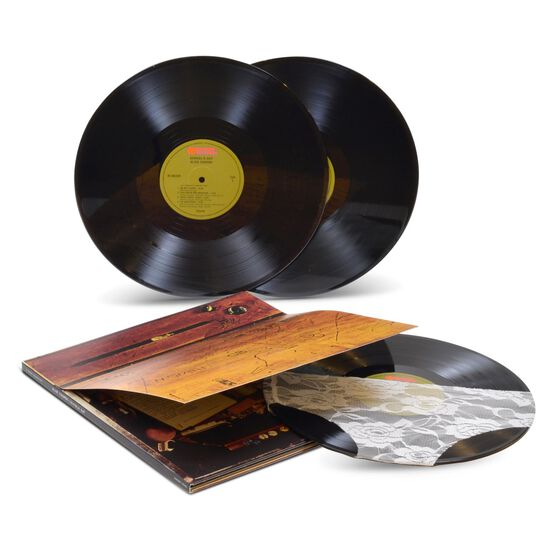
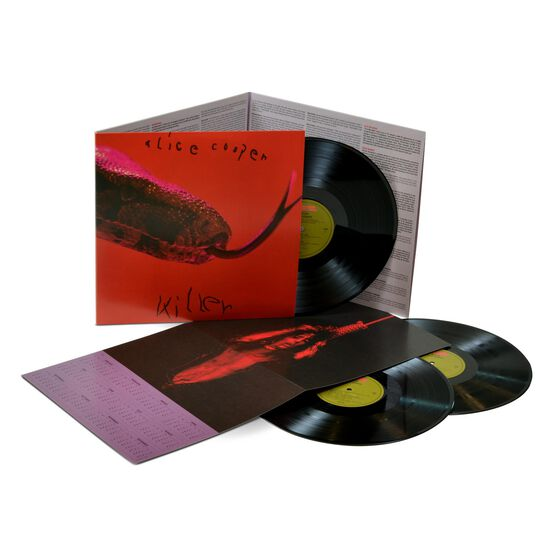
The vinyl versions for both Deluxe Edition recreate the original album sleeves down to the smallest detail. For Killer, that means a gatefold sleeve that opens to reveal a detachable 1972 calendar with a photo of Cooper in the gallows. The cover of School’s Out looks like a wooden school desk and opens to reveal the LP wrapped in a pair of panties. The band stopped including the underwear following a controversy as to whether or not they were flammable. Thankfully, the lacy unmentionables in the new Deluxe Edition are not a fire hazard.
Both sets come with booklets that include track-by-track commentary by band members and former Creem Magazine editor Jaan Uhelszki, plus liner notes by Bill Holdship, also a former Creem Magazine editor.
SCHOOL’S OUT (DELUXE EDITION) begins with a newly remastered version of the 1972 original, which peaked at #2 on the albums chart. Essential tracks like “Luney Tune” and “Alma Mater” are joined by “Gutter Cat vs. The Jets.” The latter is an homage to West Side Story, a significant influence on the band. The song incorporates lyrics from “Jet Song” from the 1957 musical, which led to an unlikely songwriting credit for Leonard Bernstein and Stephen Sondheim on an Alice Cooper track.
The Deluxe Edition contains rarities like the single versions of “School’s Out” and “Gutter Cat vs. The Jets.” Two previously unreleased tracks are also included, an alternate version of “Alma Mater” and an early demo for “Elected,” a song that would appear in 1973 on the band’s first #1 album, Billion Dollar Babies.
Alice Cooper’s concert in Miami on May 27, 1972, adds even more unreleased music to the collection. The show was recorded a few weeks before the band entered the studio to record School’s Out. The live performance features standout versions of “Halo Of Flies,” “School’s Out,” and “Yeah, Yeah, Yeah,” a song that gives Cooper a chance to show off his impressive harmonica skills.
LP One: Original Album Remastered Side One 1. “School’s Out” 2. “Luney Tune” 3. “Gutter Cat vs. The Jets” 4. “Street Fight” (Instrumental) 5. “Blue Turk”
Side Two 1. “My Stars” 2. “Public Animal #9” 3. “Alma Mater” 4. “Grande Finale” (Instrumental)
LP Two: Live in Miami, FL (May 27, 1972) Side One 1. “Public Animal #9/Be My Lover” * 2. “You Drive Me Nervous” * 3. “Yeah, Yeah, Yeah” * 4. “I’m Eighteen” *
Side Two 1. “Halo Of Flies” * 2. “Dead Babies” * 3. “Killer” *
LP Three: Live in Miami, FL (May 27, 1972) Side One 1. “Long Way To Go”* 2. “School’s Out” * 3. “Is It My Body?” *
KILLER (DELUXE EDITION) introduces a newly remastered version of the original release, which peaked at #21 on the Billboard albums chart. Along with the singles “Under My Wheels” and “Be My Lover,” the record also includes “Yeah, Yeah, Yeah,” “Desperado,” and the prog-rock-inspired epic “Halo Of Flies.” The bonus material features alternate takes for “You Drive Me Nervous,” “Under My Wheels,” and “Dead Babies.”
The collection also gives fans an unreleased live recording of the band’s performance at Mar Y Sol Pop Festival in Puerto Rico on April 2, 1972. Recorded a few months before the band returned to the studio to make School’s Out, the show previews “Public Animal #9” from the upcoming album. The band played most of Killer during the concert, including “You Drive Me Nervous,” “Under My Wheels,” and “Halo Of Flies.” They also tapped the group’s 1971 album, Love It to Death, for live versions of “Is It My Body?,” “Long Way To Go,” and the smash hit “I’m Eighteen.”
KILLER: DELUXE EDITION Vinyl Track Listing
LP One: Original Album Remastered Side One 1. “Under My Wheels” 2. “Be My Lover” 3. “Halo Of Flies” 4. “Desperado”
Side Two 1. “You Drive Me Nervous” 2. “Yeah, Yeah, Yeah” 3. “Dead Babies” 4. “Killer”
LP Two: Live at Mar Y Sol Pop Festival, Puerto Rico (April 2, 1972) Side One 1. “Public Animal #9/Be My Lover” * 2. “You Drive Me Nervous” * 3. “Yeah, Yeah, Yeah” * 4. “I’m Eighteen” *
Side Two 1. “Halo Of Flies” * 2. “Is It My Body?” *
LP Three: Live at Mar Y Sol Pop Festival, Puerto Rico (April 2, 1972) Side One 1. “Dead Babies” * 2. “Killer” * 3. “Long Way To Go” *
Side Two 1. “Under My Wheels” * Studio Extras 2. “You Drive Me Nervous” (Alternate Version) 3. “Under My Wheels” (Alternate Version) 4. “Dead Babies” (Alternate Version)
YES are set to release their new studio album Mirror To The Sky on InsideOutMusic/Sony Music on the May 19th. “This is a very important album for the band,” says Steve Howe, Yes’ longest serving member, master guitarist, and producer of Mirror To The Sky. “We kept the continuity in the approach we established on The Quest, but we haven’t repeated ourselves. That was the main thing. As Yes did in the seventies from one album to another, we’re growing and moving forward. In later years, Yes often got going but then didn’t do the next thing. This album is demonstrative of us growing, and building again.” For Yes, that “next thing” is a collection of high energy, intricate, lush and layered new studio songs for an album which adds to the band’s much heralded legacy, while charting a path to exciting future times ahead.
Jon Davison comments: “I, along with my Yes band mates are excited to announce that the second single from our new album, Mirror to the Sky is out now. It’s entitled, ‘All Connected’, and it’s a longer piece, clocking in at a challenging 9 minutes. Steve added a beautifully poignant instrumental steel part which starts the journey. This section emotionally builds and crescendos into a glorious lead way for the vocals to begin telling their story. Billy composed complex and compelling musical themes which I helped to arrange, and we both composed vocals and lyrics, each of us singing our respective parts, making for a rich vocal tapestry.”
Billy Sherwood adds: “The initial idea came from a musical sketch I’d created using the idea of our “connectivity” in regards to communications in the modern age. It’s very exciting to know YES are maintaining that edge and energy we all know and love, this track is firing on all cylinders. Hope you enjoy it as much as we did creating it.”
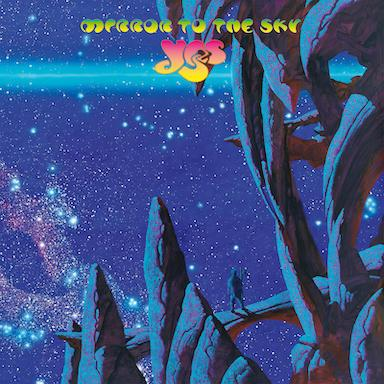
Mirror To The Sky will be available on several formats, all featuring artwork by long-time Yes artist & collaborator Roger Dean:
Ltd Deluxe Electric Blue 2LP+2CD+Blu-ray Artbook with poster
Ltd Deluxe 2CD+Blu-ray Artbook
Ltd 2CD Digipak
Standard CD Jewel case
Gatefold 2LP+LP-Booklet
Digital Album
The blu-ray editions include the album as Dolby Atmos, 5.1 Surround Sound, Instrumental Versions & Hi-Res Stereo Mixes.
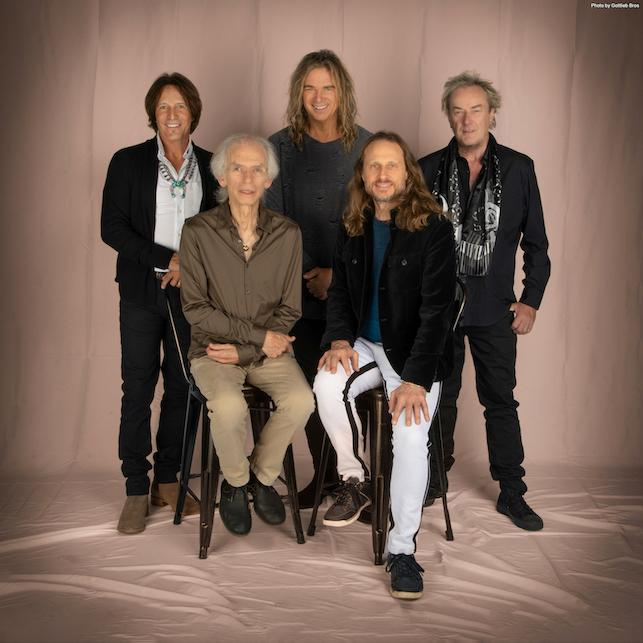
YES are Steve Howe, Geoff Downes, Jon Davison, Billy Sherwood & Jay Schellen.
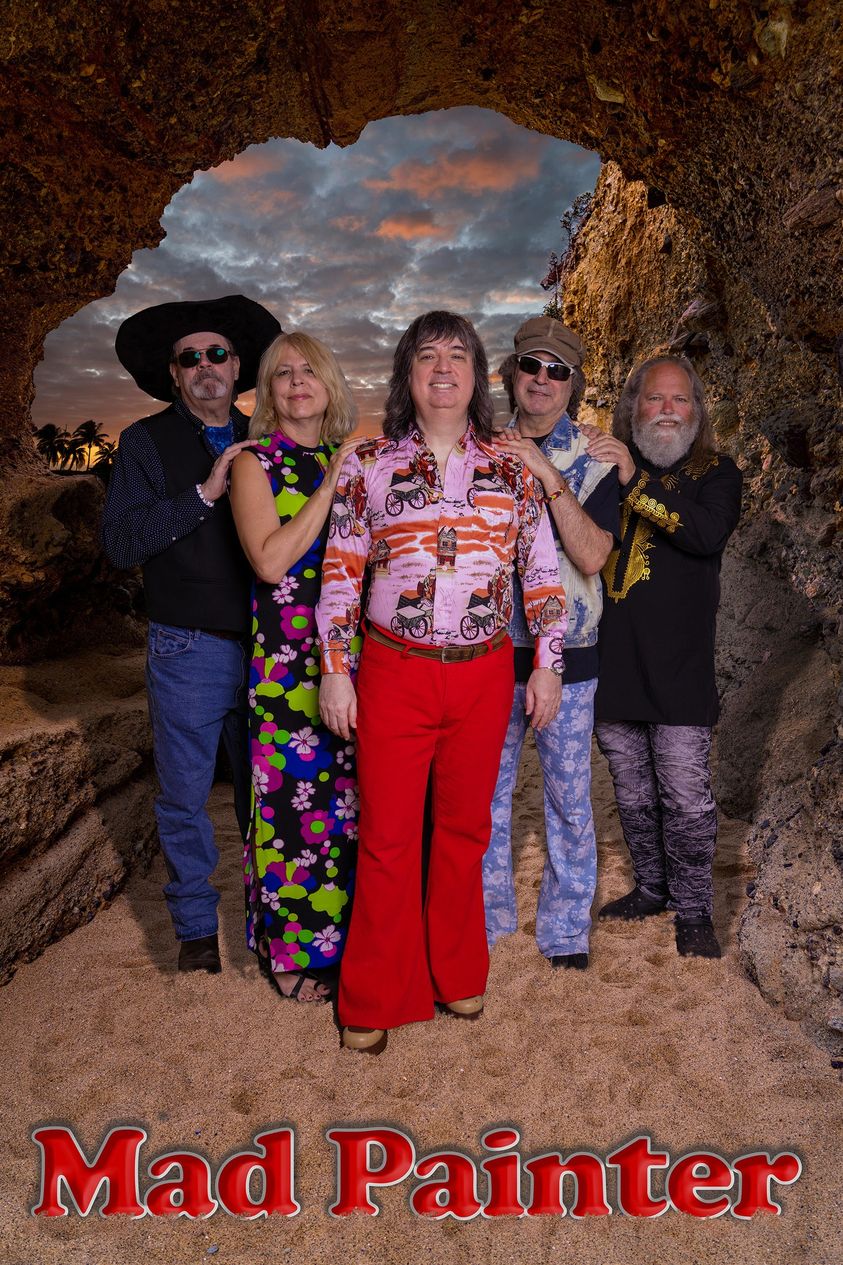
MAD PAINTER have released their 2nd album Splashed. The album (reviewed elsewhere here) features 17 tracks, including the singles/videos “Illusion” and “Rock and Roll Samurai”, as well as a few covers, a diverse mix of classic rock, pop, and ballads. The band’s singer, keyboard player, and songwriter is Alex Gitlin, who I’ve known for many years. Alex is extremely knowledgeable about his ’70s classic rock, glam, and pop acts, And fashions! In this interview, Alex discusses the band’s history, the songs from Splashed, the band’s live show, and future. Enjoy the read. *Check out Splashed, as well as the links below.
Can you tell me a bit about the band (players), just how you connected and mutual influences?
The band’s been around since early 2016, but it was a totally different, and ever changing, line-up. We recorded our first album, which came out only digitally (YouTube, Spotify). For it, I gathered all the songs I’d written most recently and rehearsed with “embryonic” Painter in 2014-15, before Mad Painter Mk I even materialized. There were some ferocious rockers on it like Beware of the Dream, the title track, etc., which are still very much part of our live show. The aforementioned album was done in one weekend, then our producer took the tapes, drove back home and added his own guitar and production and mixing. We had no control over it at all. The result came out charmingly primitive, the sort of low-fi sound that our bassist Kenne Highland affectionately calls Garage Prog.
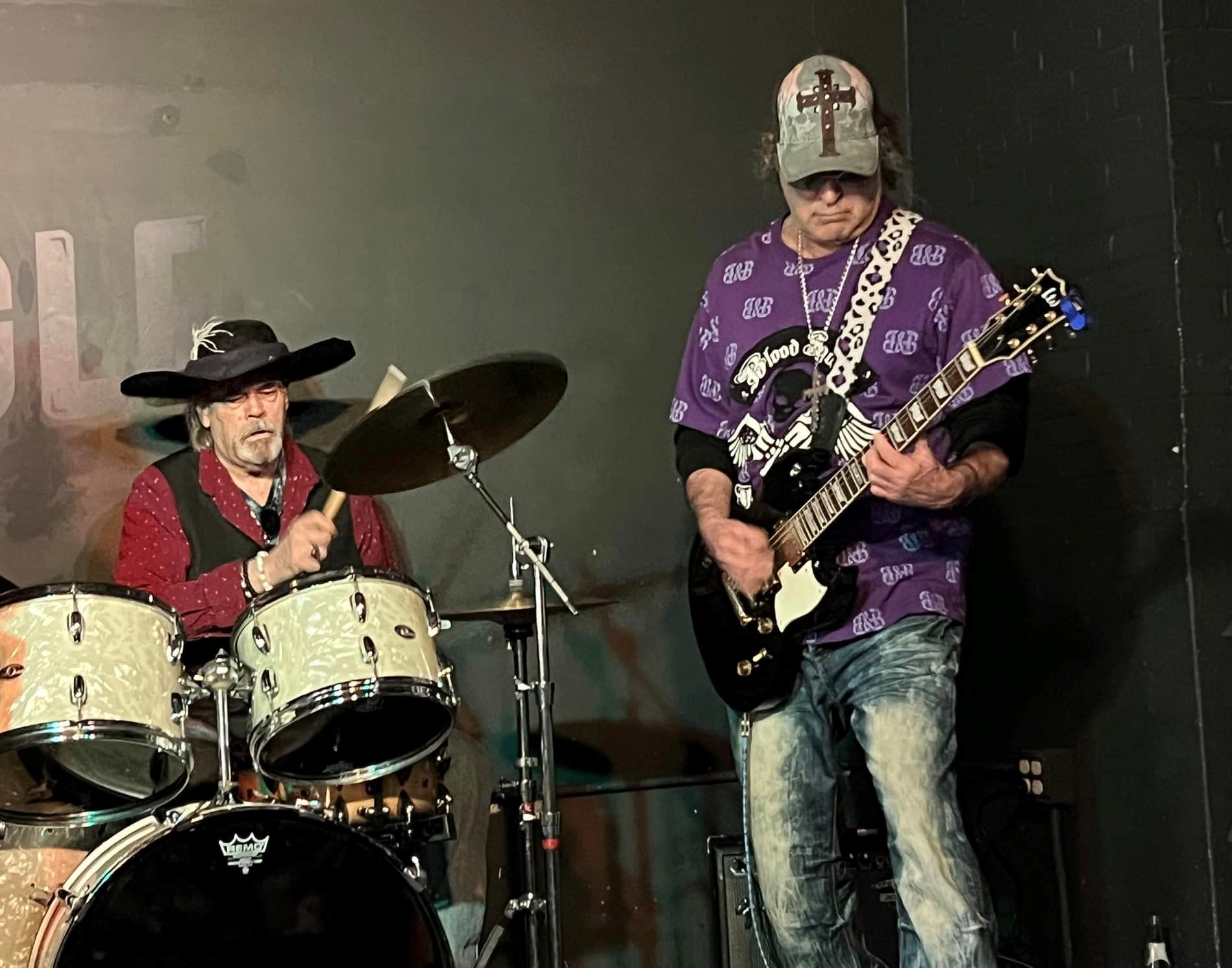
We went from strength to strength for a couple of years, playing shows as a trio, without a guitar, or hiring a guitar player for one gig. Those weren’t the happiest of times. Sometime before the lockdown of 2020, we got together with Kenne, Alan Hendry on drums and Al Naha on guitar, and jammed, getting a totally different and fresh vibe from it. We all felt enthused and encouraged and decided to continue as a unit. Alan and Al also play in Kenne Highland’s Airforce, an altogether different band, which Painter occasionally shares a bill with. It just felt right, and that’s how the patented Painter sound was born.
Kenne’s a big fan of late ’60s rock and blues, the fuzzier the better. He loves Vanilla Fudge, The Move and Small Faces. Psychedelic stuff. We all have our own influences and musical favorites, but we do converge somewhere in the middle, sort of overlapping on Mountain, Grand Funk, Spooky Tooth, Deep Purple, Uriah Heep, Procol Harum and Iron Butterfly. In a practice, you’ll often hear him say, “let’s do the Vanilla Fudge version”, that just means long, drawn-out, fuzz-drenched and with screaming organ and guitar.
The guys in my band are ’60s and ’70s punk fans, so anything from The Fugs, Blue Cheer and MC5 to Iggy Pop, you get the picture. Personally, I’m not big on punk, but Kenne started out his musical career in 1976 with the Gizmos in the MidWest. And he’s been rolling ever since. You can look him up on Discogs under Johnny & The Jumper Cables, The Gizmos, Afrika Corps, Hopelessly Obscure, etc.
photos by Tom Despress
Where did the songs from the new album come from — ie; time period, circumstances, etc…?
The lyrics to our two singles, “Illusion” and “Rock And Roll Samurai”, were written by my friend Dmitry M. Epstein, circa 2017. I rehearsed them with the first lineup but they didn’t make the cut for the album, as we just weren’t ready at the time it was recorded. We did have a second recording session a year later, but it was aborted. Luckily, it produced good quality demos, which this current lineup took as templates. Same can be said for The Moon and San Michel, completely different in style, but same time frame and trajectory. Whereas the two aforementioned singles are heavy rock in the Uriah Heep vein, San Michel is nostalgic ’70s pop with French flavor and The Moon is simply a Queen-lite pastiche. I’m not much of a singer, I have a limited vocal range, but I was thinking of Freddie, Brian, John and Roger when I wrote that number. It’s silly, whimsical and English, much like “Lazing on a Sunday Afternoon”. Julie Gee has provided the kind of background vocals that would emulate that style. Another couple of numbers, soft ballads, “I’ve Been A Fool” and “I Live For Love”, are once again leftovers from the prior lineup that were not captured on the first album. “Fool” was written after I watched “Jersey Boys”, a biopic about Frankie Valli & The Four Seasons, while “I Live For Love” was me trying to pay homage to my heroes Paul McCartney and Jeff Lynne (ELO). Both heavily orchestrated; since I didn’t have the luxury of an actual string orchestra, I had to do it all on my Juno synthesizer. I hated for so many songs, however disparate stylistically, to be languishing in the vaults and gathering dust. So we’ve revived them. Talk about reviving! Three more numbers had been waiting their turn for nigh on 25 years! Back in 1997, while I was in between bands, I recorded demos of “I Don’t Know”, “Lie To Me” and “A Friend In France”. And it wasn’t until the year 2021 that the right opportunity presented itself and we’ve collectively brought them back to life. It was a dream come true. While the original demo of “I Don’t Know” sounded a bit like Gilbert O’Sullivan, who I’ve always liked, the album version has that mid-70s disco feel a-la “I’m On Fire” by 5000 Volts. I’m really proud of this number, it’s the kind of a song I grew up listening to, and the string arrangement really gives it the most authentic of auras.
Both “Lie To Me” and another ballad, “Let Him Go”, despite being almost 25 years apart, are autobiographical. A lot of my lyrics are, actually. On “Let Him Go”, while recording vocals, I was thinking of Freddie Mercury, I could never match his greatness, EVER, but he inspired this number in a huge way. But also Frank Sinatra, especially “That’s Life”. The jazzy organ solo is very much of that “ilk”, although I’ve listened to Jimmy Smith and other Hammond greats before daring to record it.
The album has 17 tracks, so it’s very much a “kitchen sink” project. It’s quite diverse, and some people find the variety to be a good thing – a little bit of something for every taste. Others think it’s incredibly inconsistent (or schizo, as I would call it!) It’s like that by design. It’s a bit of a milestone, a roundup of everything I’d had to hold back prior to the recording sessions, which started in early 2021. There was this period of forced inactivity between the very last gig we played at the Jungle on March 8, 2020 and when we cautiously got back together again for a jam in Sept. 2020, right after my birthday. After sitting home for six months with absolutely nowhere to go, it felt so good to be jamming again, therapeutic even. And towards the end of that year, we landed in Peabody, at producer Tom Hamilton’s home studio, to lay down tracks for the Airforce. That was my introduction to Tom. He’s an ace and knows exactly what feels and sounds right for Painter. He’s the only producer I’d ever trust my music to. So during a break, I got on a zoom call with a few friends including John Lawton, who’s no longer with us. I remember that evening so well. John didn’t look or sound very cheerful, but then this was in the middle of the pandemic, a lot of people were affected emotionally. And on top of it, Ken Hensley had just recently passed. Little did I know this would be the last time I’d speak to John. His widow Iris says he’d have loved our CD. And when I’d quit music and felt uninspired, back in 2009, he encouraged me to get back into it, saying, “You don’t have to be rich to play.” He was so right. But with that said, when you’re doing it all yourself, promotions, recording, working with a producer, paying for the studio time, then mixing and mastering, it certainly adds up. I mean, when no management or record company would have your back. On the other hand, you live and die by your product, and there’s no one in the “biz” to screw you over.
Why the 2 covers? Stealin (IMO) gets done a lot, but the Randy Pie cover (Highway Driver) was an interesting choice.
Stealin’ was Kenne’s choice. We’ve always jammed on Heep covers, “Circle of Hands”, “Easy Livin'”, etc. And he called it Uriah Cheap. He’s been a Heep fan since 1973, when he first heard them. The first single he got may have been “Stealin'”, and I know for certain the following year’s Don Kirshner’s Rock Concert featuring UH made quite an impression on him. Then there’s Randy Pie… a German funk-disco combo from the mid-70s, starring the late Bernd Wippich. It was a hit in Austria and Germany at the time. We’ve jammed on this number with the prior line-up, but it took shape as a melodic hard rock number when the current lineup started running through it. It is still quite retro in sound, but a radical departure from the funky original. People reviewing our album usually don’t know this is a cover, so they think we’ve written a road trip song! But the proper credits are on the back of the CD.
Do you write All the songs, or are there co-credits and input from other band members?
I usually write the originals and, in some cases, co-write with Dmitry. He’s a poet and I’m a composer. We have Dmitry to thank for “Fool”, “Illusion” and “RnR Samurai”, with more to come in the near future! It’s the same dynamic as Elton John – Bernie Taupin or Gary Brooker – Keith Reid. But I usually listen to my guys when it comes to the arrangements – like why won’t we do a bridge here or a drum break there. Intros and outros, softer and harder bits, and so forth. They usually have good suggestions!
There is such a wide variety of tunes, from organ driven rockers, to ballads, to almost theatrical ‘show’ tunes. What gives?
(As previously stated), I’ve taken the kitchen sink approach. Open the vaults – empty the vaults. What have you got? Give me everything. This is what happens when you hold out for a quarter of a century. In my defense, I’m thinking Queen could have astonishingly heavy bits on albums like “A Night At The Opera”, for instance, sitting next to quaint, clever and whimsical little ditties like Seaside Rendezvous. But from the looks of it, judging by the critical and listener reaction, the listeners by far prefer our heavier side, so yes, the next one will be more consistent in terms of style. Let’s just say, I’ve gotten things like “You Nearly Stole My Heart Away” out of my system, time to move on. Speaking of which… this is one song on which I decided to take the “delicate whisper” approach, sort of borrowed from Colin Blunstone of the Zombies. I don’t normally sing like this, but it worked on this tune.
Can you tell me a bit about the John Sloman song (“Parting Line”), and how you ended up using the lyrics and putting them to a new song? (Was John cool with this? Any feedback?)
John… it’s a story onto itself. I came across his lyrics somewhere on the internet, and one song in particular, from his first solo album, ‘Disappearances Can Be Deceptive’, really touched me. It just sort of clicked in my brain. I heard the chugga-chugga Status Quo shuffle in my head to the tune of:
As the sun comes up to announce the day
The lights are coming down
On an allnight show starring you and me
The audience surrounds
And I thought, this could be something. It was a naughty thing to do, but luckily John was totally cool about it. He only asked to be credited on the CD and for a copy of the CD. He even added, “I wish I’d thought of that myself”. But his “Parting Line” is so different from ours – it’s a moody mid- 80s ballad.
What sort of gigs does Mad Painter play, and what does your set generally consist of?
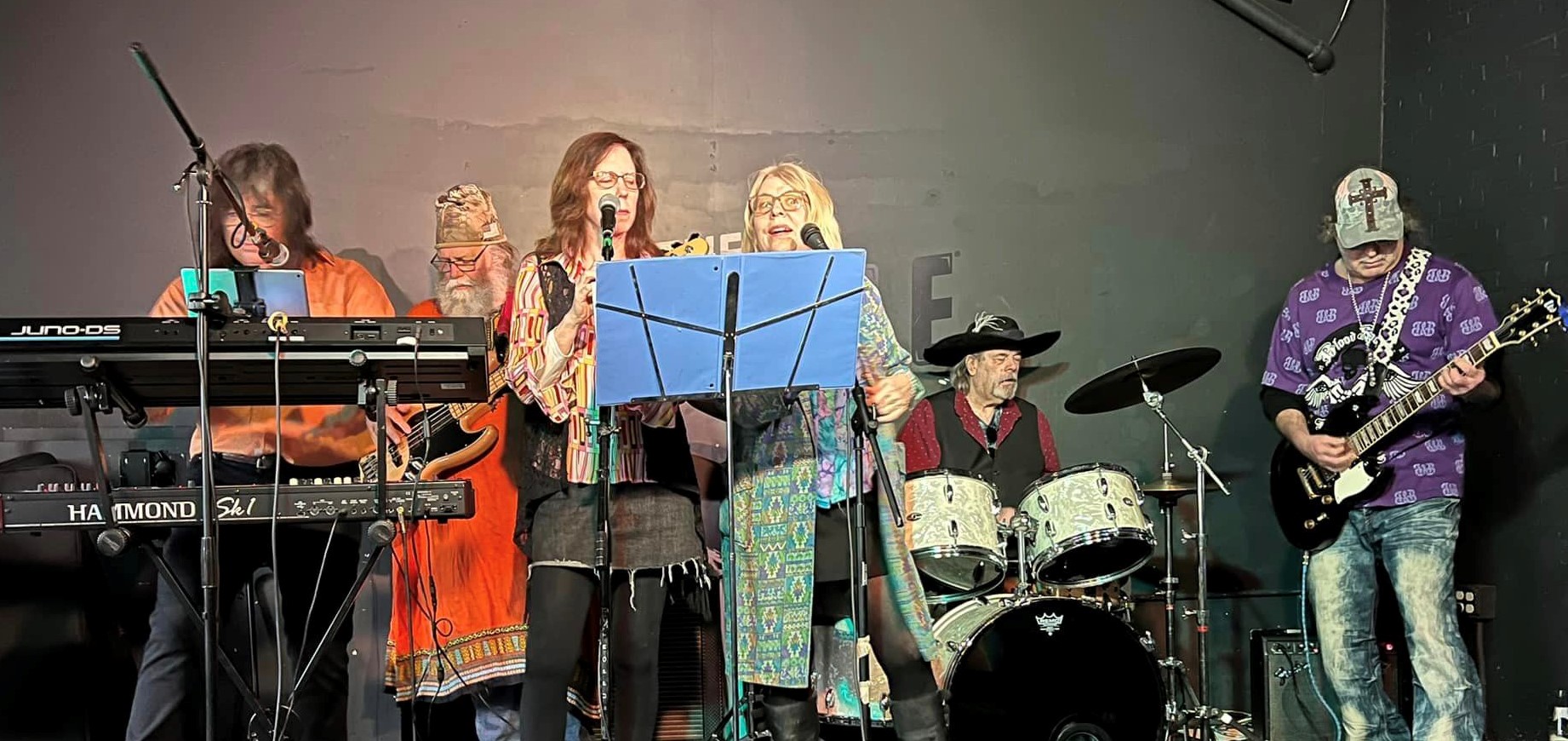
We play locally here in the Boston area, sometimes venturing out of town for a festival. Our set usually contains upbeat rockers like “Barely Alive” and “The Letter” from the first album. Definitely both our current singles which now appear on Splashed. The guys are “gung ho” on going for the jugular, the 1-2-3 punch, wham bam thank you ma’am. I like to mix it up a bit on stage, so once in a while we do “Soldier Boy” (also from the first album), a somber ballad about the tragedy and horrors of the Vietnam war. Then we also play “Empty Bottles” and “Stand Your Ground”, the songs that haven’t yet appeared on record, although you can find “Empty Bottles” on YouTube if you search for it. “SYG” is the heaviest and the angriest song we’ve ever come up with, sort of Motorhead and Deep Purple in one flasket. Motorpurple.
I’ve always known you as a keyboard player, how do You feel doubling as lead singer? Is this natural for you, or something you had to adjust to?
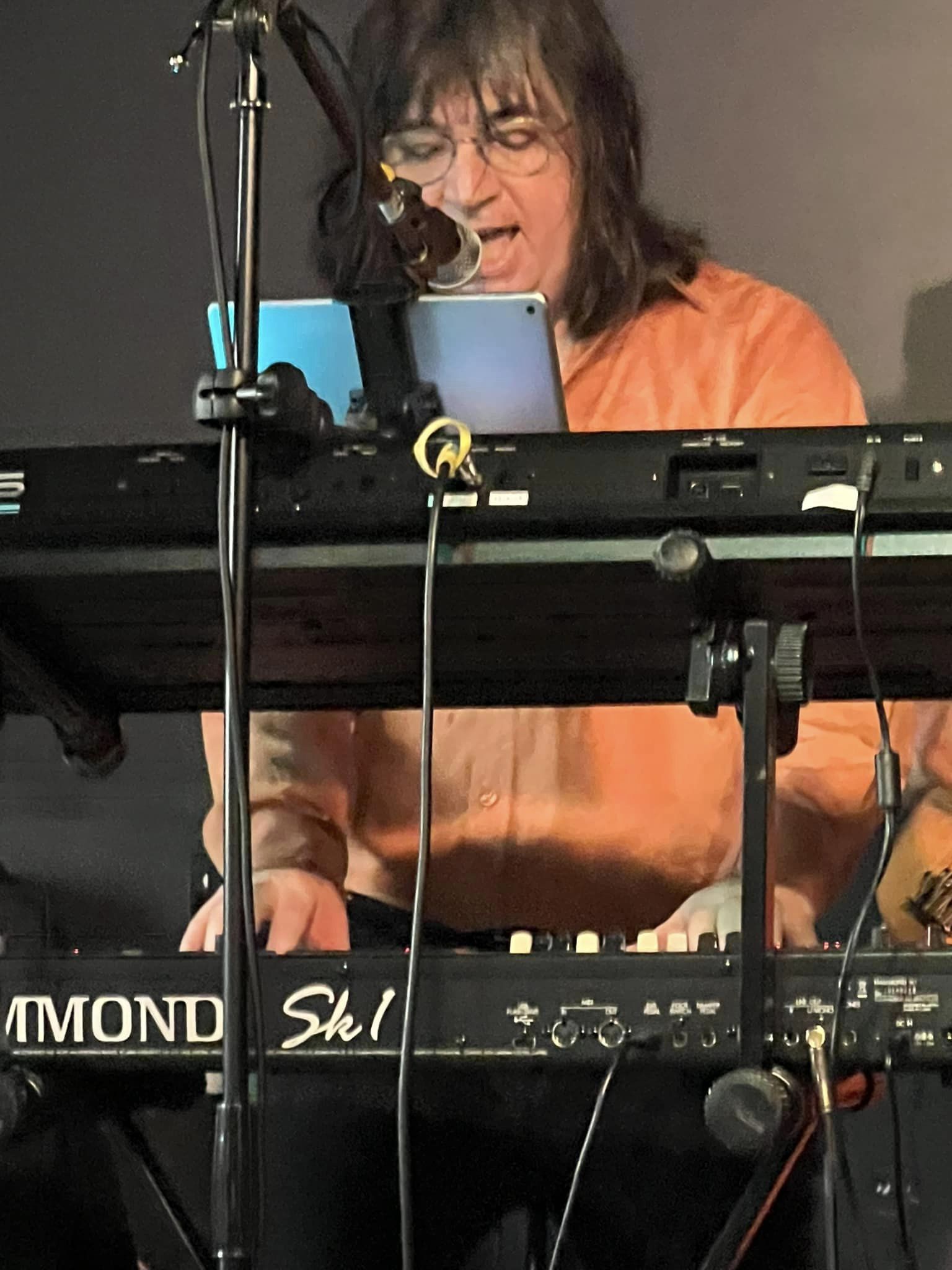
My first love is the Hammond organ. As a kid, I was classically trained, between the ages of 5 and 8, but then I quit, so I never got proper classical piano education. And didn’t go back to playing keyboards until I was 19. But as early as 1994, I was in my first band Silver Star, playing keys and singing lead on some numbers. Sometimes stepping up to the mic with an acoustic guitar also. We did an EP CD back then called Foot Stomping Music, for which I wrote three numbers but only got to sing lead on one, “Kindness”. It’s still a very special track to me, one I’m really proud of. Being out of that band (I will omit the circumstances for now), thereafter, I entered a city studio and demoed the aforementioned three tracks which wound up on Splashed. This was in 1997. Throughout the ’90s, I played keyboards in a variety of bands, blues, heavy metal, funk, but those weren’t my projects and I didn’t feel like I truly belonged in any of them. I did not do much music-wise between 2000 and 2010 and all through that decade, I felt there was something missing in my life, this huge void inside. Then I tried myself out as a keyboard player in two tribute bands, Deep Purple (Stormbringer) and UFO (Lights Out), before finally getting around to create Mad Painter. So, as you can see, I’ve always wanted to double as a keyboard player and a lead vocalist. My two main heroes are Jon Lord and Ken Hensley, and neither one sang when they played the B3. So this to me was the biggest challenge. It takes a lot of energy to play “the beast”. I had to look to Billy Preston for that kind of inspiration.
Can you tell me a bit about the CD cover art? Is album art, in this day & age, still important (or as important)?
The artwork on Splashed is a thing of beauty. It’s done the “old school” way. It was a real photo session with a real pro photographer, and we used real vinyl records, threw them randomly across the floor and then squeezed acrylic paint of different colors all over them. It was my idea, materialized by Dmitriy Gushchin (the photographer) under my supervision. And it worked wonderfully. Our guitarist Al donated the vinyl records that had been ruined by a flood. They weren’t playable anyway.
In this day and age, album or CD cover art may matter less, but when you set your mind on creating a 1973 or 1975 album instead of 2023, it is of paramount importance. We couldn’t do the vinyl LP format because it’s too expensive. But we have pressed a quantity of CDs housed in a wallet style foldout. Plus the album art is a striking visual online, websites and social media alike. It catches your eye immediately. This is the physical painting component to the Mad Painter experience. Our music is sonic painting. Or, to quote “Return to Fantasy”:
‘In another place There’s a newer face Like an unfinished painting Your creator is waiting’
I know it’s early, but what might be expected on the next Mad Painter album, as far as direction, types of tracks, anything you’ve learned from making ?
Firstly, I must take into account what the entire band wants. My guys thrive on the heavy, rambunctious sounds of vintage hard rock. So when it comes to pop and balladry (some writers have called it “traditional songwriting”), I’m kind of on my own and they tend to refer to those numbers as “Alex’s solo material”. We are a unit, and I don’t want the next one to be “Alex’s solo” even in part. So for as long as this lineup sticks together, we’re going to go for the proverbial jugular. There will be some bluesy rock’n’roll numbers for sure, but the next album should be a lot more consistent in style. With “Illusion” and “Samurai”, we’ve sort of introduced and defined ourselves, our own sound. For better or for worse, this is Mad Painter.
Can you (a few) give us a ‘top 10’ of your favorite albums from your younger years?
Alex Gitlin, vocals and keyboards:
Status Quo “Blue For You”
Uriah Heep “Demons and Wizards”
Nazareth “Razamanaz”
Deep Purple “Machine Head”
Rainbow “Rising”
Black Sabbath “Sabbath Bloody Sabbath”
The Sweet “Give Us A Wink”
Slade “Slayed?”
Smokie ‘Midnight Café’
Queen “A Night At The Opera”
Alan Hendry, drums:
Grand Funk Railroad – Live Album
Yes – Yes
Galactic – Already, Already, Already
Tower of Power – Back to Oakland
Porcupine Tree – Any Album
Blind Faith – Blind Faith
Tool – Lateralis
King Crimson – In The Court of the Crimson King
Genesis- Trick of the Tail
Jethro Tull – Stand Up
Kenne Highland, bass:
Stooges – The Stooges
Stooges – Fun House
Stooges – Raw Power
MC5 – Kick Out the Jams
MC5 – Back in the USA
MC5 – High Time
New York Dolls – Too Much Too Soon
New York Dolls – New York Dolls
Velvet Underground – White Light/White Heat
The Velvet Underground – Velvet Underground & Nico
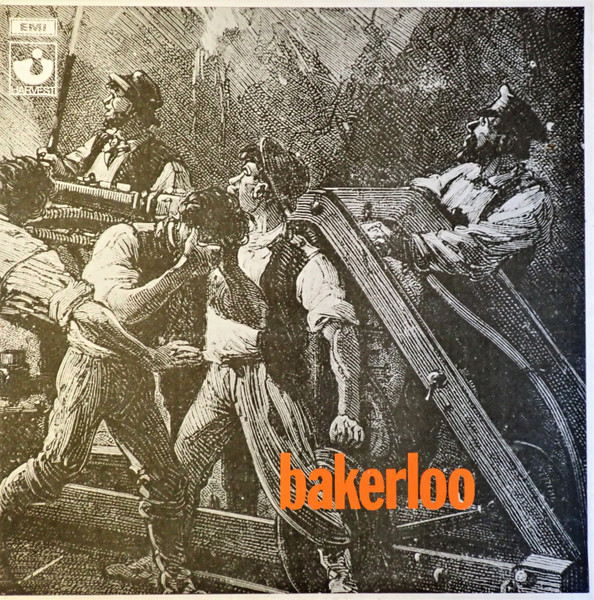
British blues-rock trio Bakerloo was a short-lived outfit, who’s debut album became highly sought after, not just for solid heavy blues-rock on it, but also for the connections of the players involved. Bakerloo guitarist Dave ‘Clem’ Clempson – who would go on to Colosseum, Humble Pie, Rough Diamond; drummer Keith Baker – who would join the pre-Supertramp band ‘Daddy’, and then Uriah Heep where he’d tour and play on the Salisbury album, and bassist Terry Poole, who would later work with Graham Bond, and with Colin Blunstone (Zombies). Baker wasn’t the band’s first drummer, there were many – including Bill Ward (before him) and Cozy Powell (after him), but Baker was there for the majority of 1969 when the band recorded their lone LP. Released in the UK & Europe, Bakerloo consisted of 7 tracks , largely written by Clempson & Poole, It’s pretty heavy blues, blues-rock,a bit of jazz, jams, a few cuts without vocals. Clempson and Poole also sang a few songs each, and Clempson was also credited with harmonica, Harpsichord, and piano.
Bakerloo highlights included the Willie Dixon cover “Bring It On Home”, as well as “Gang Bang” – which is the lone track to include Keith Baker on the writing credits, and this is likely due to almost half of the track being a drum solo! There’s also the fast, energetic opener “Big Bear Ffolly”, and the 15 minute “Son Of Moonshine – which is an epic of blues rock, proto-metal, and a few tempo changes, a must hear for Clempson’s guitar playing.
There have been a few CD reissues of this, but the 2013 Esoteric package includes 5 bonus tracks, liner notes from Malcolm Dome, an interview with Clem Clempson, as well as various images – a much better prospect than holding out for an LP w/ original gatefold cover, which can fetch 200-300 $ US.
BAKERLOO “Bakerloo” (Harvest SHVL 762 stereo). IN the nouveau manner of jazz- rock fusions. Bakerloo are yet another group more musically competent than most. They tend to use attractive jazz percussion work combined with mediocre material-but basically they are a quality outfit. Musically, this LP is worth listening to-they are good. Interesting to hear further records. * * * * – Record Mirror, Sept 13, 1969
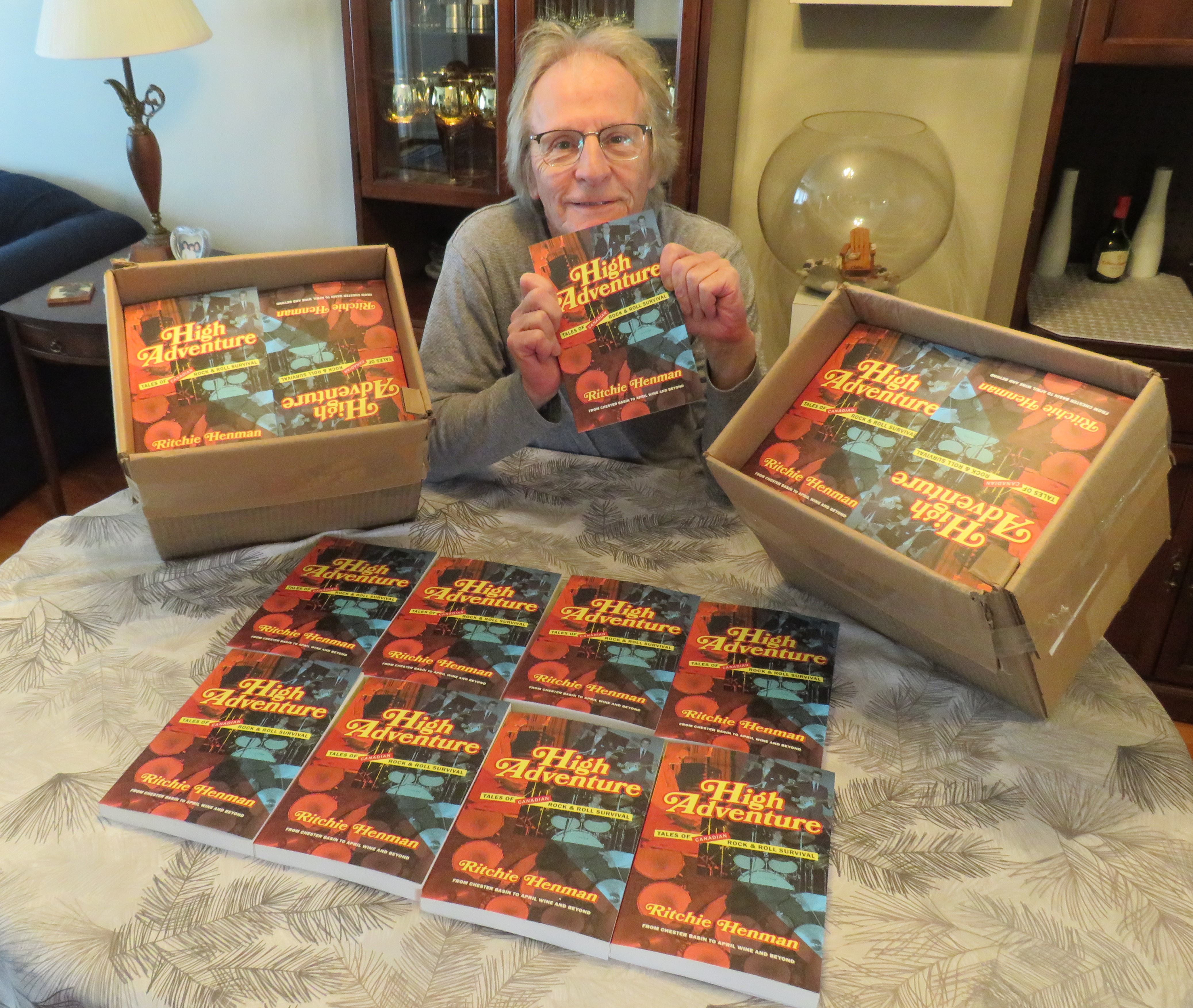
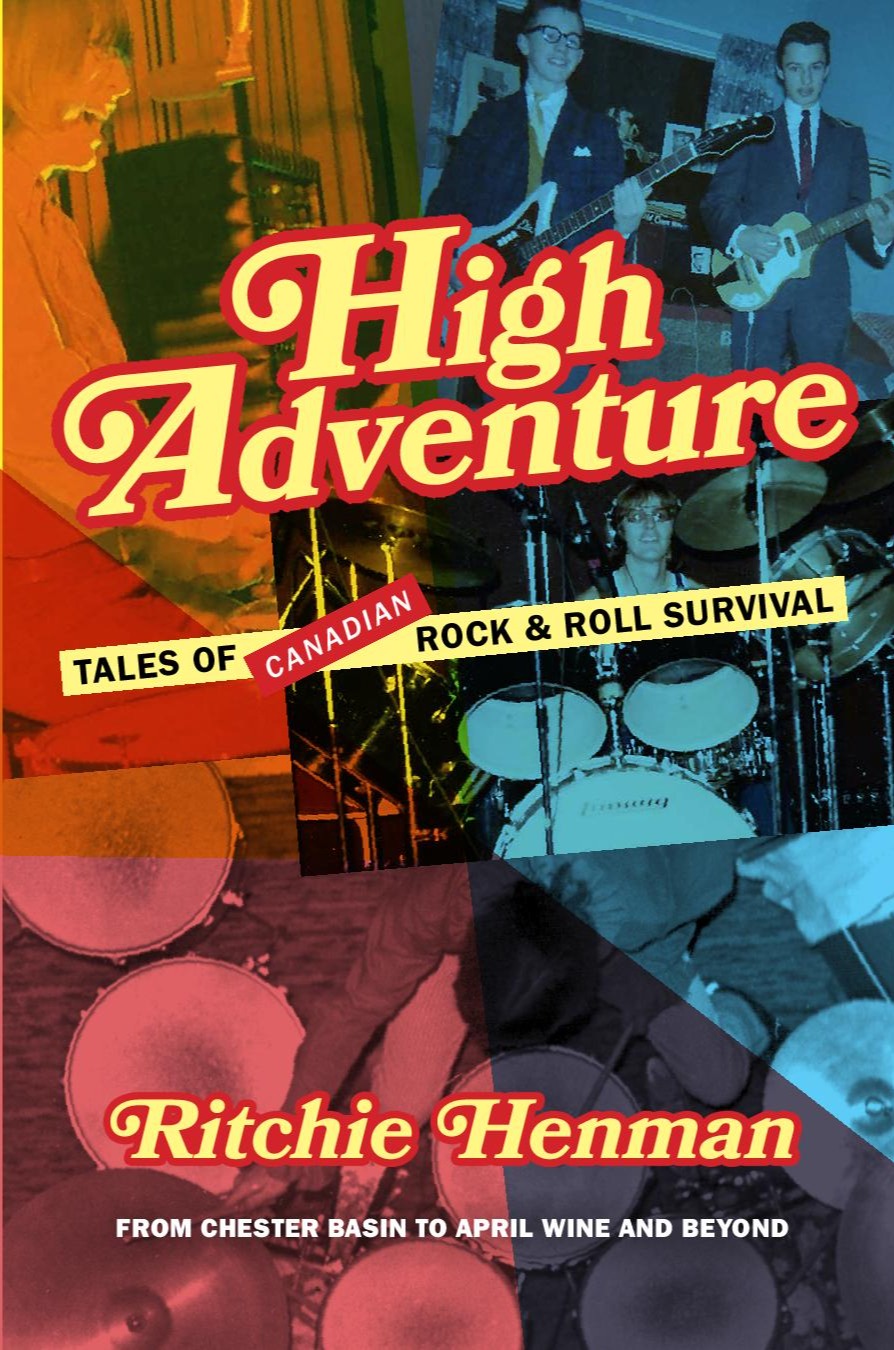
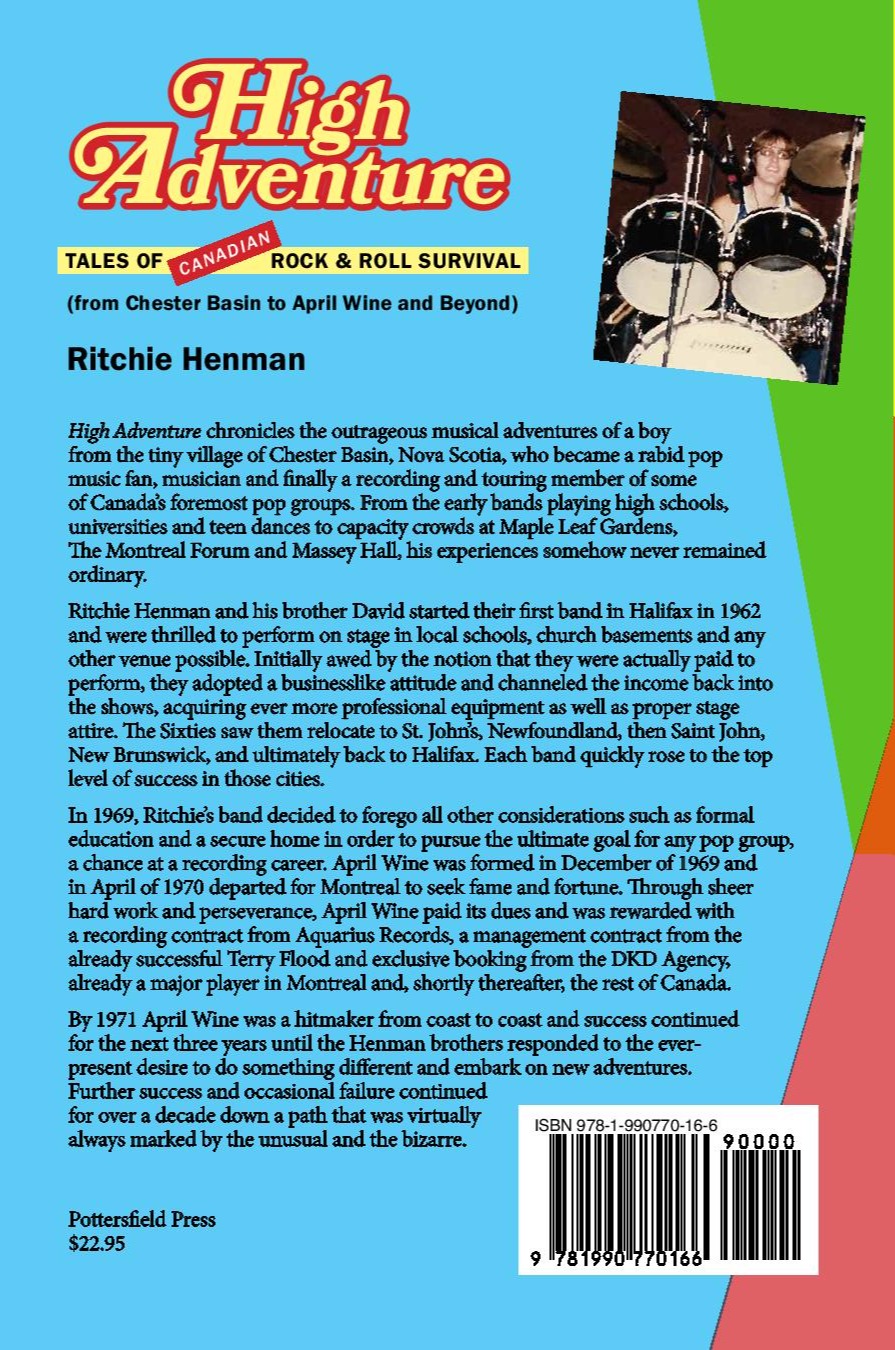
Ritchie Henman was a founding member of legendary Canadian band April Wine. Formed in 1969 by Ritchie (drums), brother David (guitar, vocals), cousin Jim Henman (bass), and Myles Goodwyn (guitar, vocals). The band moved from Nova Scotia to Montreal early on with the hopes of landing gigs and a record deal, on the basis of a misunderstood response from a well known promoter. Ritchie and David Henman wrote and played on the first 3 albums, before leaving the band and moving on to other projects. In that time April Wine made an impact on the Canadian charts with such hits as “Fast Train”, “Could Have Been A Lady”, “Bad Side Of The Moon”, and “Drop Your Guns”. Ritchie also played on the excellent album by Cruiser – Rollin’ With The Times, from 1980.
Anyway, after all these years Ritchie Henman has written his own story in the newly released – High Adventure – Tales Of Canadian Rock & Roll Survival, which details his earliest days in Novav Scotia to his days as the original drummer in April Wine as the band was gaining popularity early on. On to the band The Dudes, Cruiser, and others, on to (presumably) his post-rock days.
High Adventure – Tales Of Canadian Rock & Roll Survival is available on Amazon, as well as the publisher’s site. For more info check out the links below.
*There will be a book launch for High Adventure, with Ritchie, at the Dorval Library on May 17. Go to http://www.ritchiehenman.com for more info and to register.
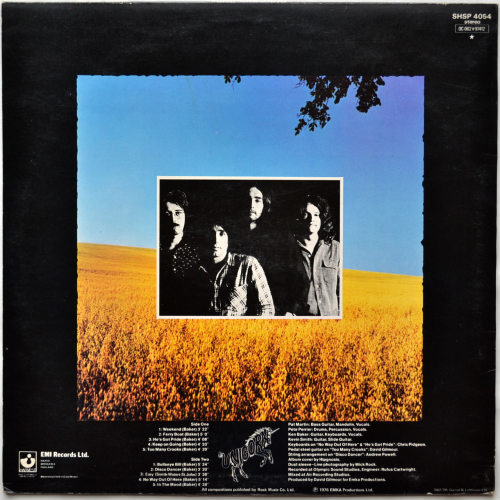
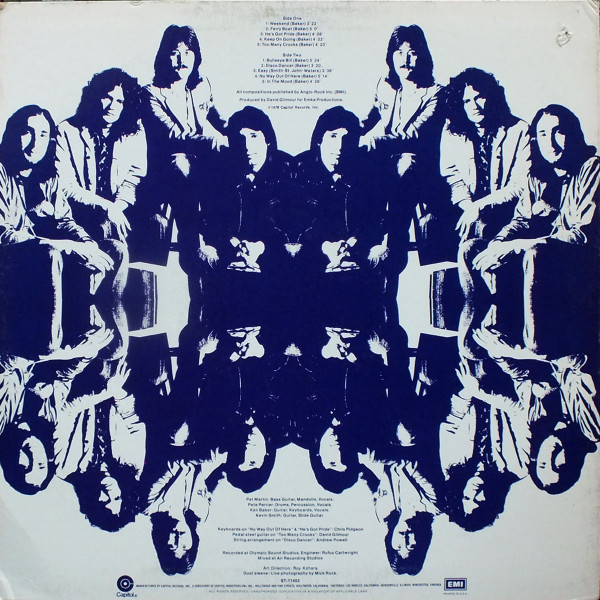
From 1971 to ’77 British folk-rock band UNICORN released 4 albums. Their most memorable being 1976’s Too Many Crooks, which was one of a few of their records to be produced by David Gilmour. Too Many Crooks was the band’s third album, but in Canada and the US, it was released as Unicorn 2, with different album artwork (the previous album Blue Pine Trees was issued as the band’s first, with a very similar cover to Unicorn 2). Too Many Crooks (or Unicorn 2) included the classic “No Way Out Of Here”, which David Gilmour would cover for his 1978 debut solo album, as well as the single. Gilmour is also credited with pedal-steel guitar on the title track. These guys were a mix of folk rock, country rock, and pop, with Too Many Crooks featuring 10 excellent songs written by Ken Baker, and added fine harmonies throughout the songs. Other favorites include “Ferry Boat”, “Easy” and “Weekend”. If you’re a fan of the likes of Poco, The Eagles, Crosby, Stills & Nash, you’d want to hear this. Too Many Crooks will be reissued on CD and Vinyl on May 12, via Think Like A Key Music. It will include liner notes by Dave Disano, rare photos, and the bonus track (outtake) “So Far Away”. *For more info check out the press release below, as well as links.
UK Country Rock Legends Unicorn’s Seminal Third Album Produced by Pink Floyd’s David Gilmour With It’s Reissue on CD & Vinyl
Enchanting British Folk-Rock and West Coast Vibes Return on May 12, 2023 courtesy of Think Like A Key Music
Unicorn’s captivating third album “Too Many Crooks,” produced by Pink Floyd’s David Gilmour, returns to delight fans and music aficionados alike with its reissue on CD and vinyl, set to release on May 12, 2023, through Think Like A Key Music. The album, originally released on EMI’s Harvest label in the UK and Capitol in the US, showcases the band’s unique blend of pastoral British folk-rock and evocative West Coast vibes.
The reissue invites listeners to immerse themselves in Ken Baker’s rich songwriting tapestry, woven together with Beatlesque melodies, tight performances, and a compelling sonic narrative. Tracks like the irresistible country-rock anthems “He’s Got Pride” and “In The Mood,” the funky groove of “Bullseye Bill,” and the tender, Big Star-esque title track effortlessly explore a diverse range of musical landscapes.
Although Unicorn’s proto-powerpop gem “Disco Dancer” did not achieve chart success, the haunting track “No Way Out Of Here” found a second life on David Gilmour’s debut album. This reissue is an essential piece of music history for any discerning music aficionado.
The album’s liner notes, written by Dave Disanzo, tell the story of Unicorn’s connection with David Gilmour, who not only produced the album but also played guitar on several tracks. “Too Many Crooks,” considered by many as Unicorn’s finest release, perfectly encapsulates the band’s brilliant songwriting, exquisite harmonies, masterful musicianship, and crystal-clear production.
The reissue includes rare session photos and lyrics, making it a must-have for fans and collectors. Don’t miss this opportunity to rediscover the enchanting sounds of Unicorn’s seminal third album.
About Unicorn:Unicorn was a renowned British rock band formed in 1971, originally known as The Senders. Their unique sound combined elements of country-rock, soft rock, and folk, creating a distinct and captivating musical experience. Discovered by David Gilmour of Pink Floyd, who took on the role of their producer and mentor, Unicorn consisted of talented musicians Ken Baker (guitar, keyboards, vocals), Pat Martin (bass, vocals), Peter Perrier (drums, vocals), and Kevin Smith (guitar, vocals). Throughout their career, the band released four critically acclaimed albums, garnering a dedicated fan base. Despite their undeniable talent and passion, Unicorn never achieved mainstream success, ultimately disbanding in 1980. Their legacy, however, continues to live on through their timeless music and the impact they had on their loyal listeners.
About Think Like A Key Music:Think Like A Key Music is an independent record label devoted to the promotion and production of frequently underrepresented music. The label’s objective is to produce timeless, inspiring, and uplifting music releases for an ever-evolving world. Possessing a wealth of experience and talent, Think Like A Key Music offers a fresh perspective to the music industry by crafting releases that resonate with listeners for years to come. We invite you to embark on a musical journey with us, exploring our diverse catalog, and uncovering new favorites as well as revisiting cherished classics.
UNICORN 2 – Unicorn – Capitol ST 11453 – Producer: David Gilmour – List: 6.98 A nice, mellow blend of laidback country flavored blues highlights the latest effort by Unicorn. Nothing takes predominance as vocals and instrumentals share all lead passages with equally effective results. A couple of rockers round out this musical picture in fine form. There’s AM in this record’s future while easy listening and possibly country outlets might wish to bite. Top listens include “Too Many Crooks“, “Keep On Going”, and “No Way Out Of Here”. – Cash-Box-1976-01-24
UNICORN 2 -Capitol ST -11453. Second LP from British quartet produced by Pink Floyd member David Gilmour is a well done mix of goodtime rock (similar to ’60s British material), acoustic, harmonizing mid tempo cuts and even a country rock cut or two. Best cuts: “Weekend,” “He’s Got Pride,” “Keep On Going,” “Easy.” – Billboard 1976-01-24
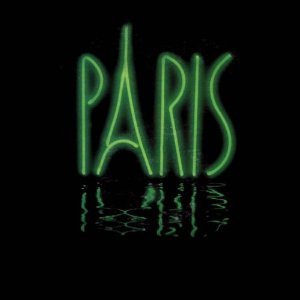
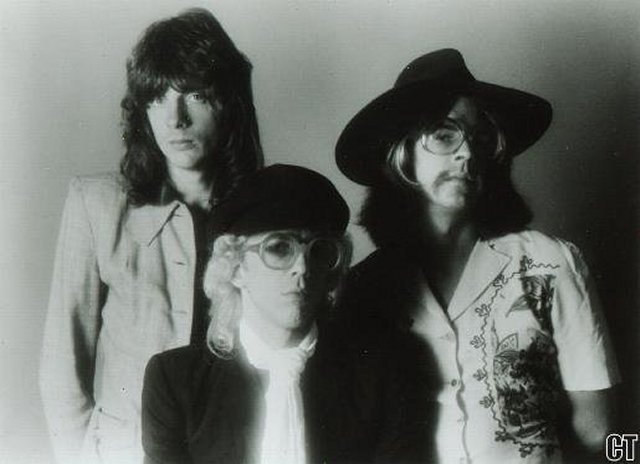
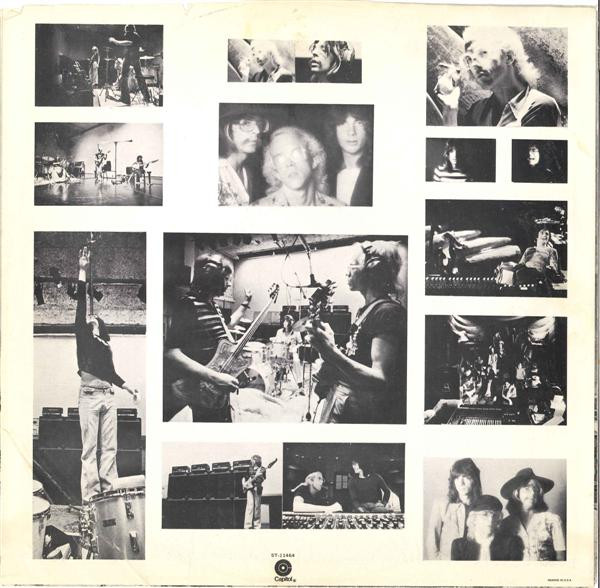
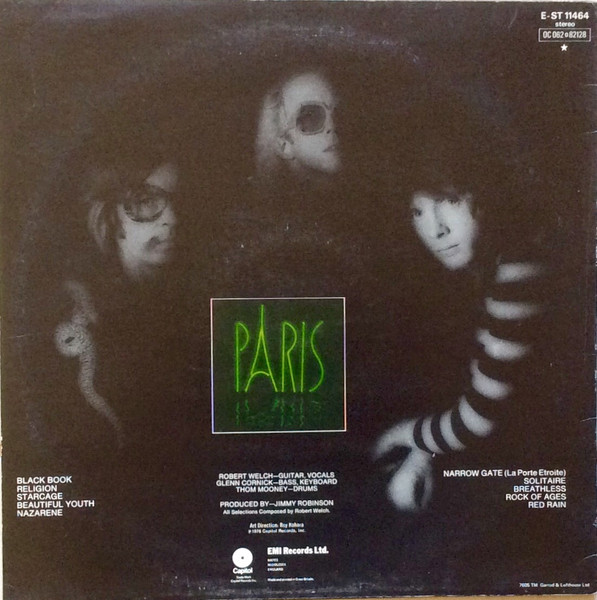
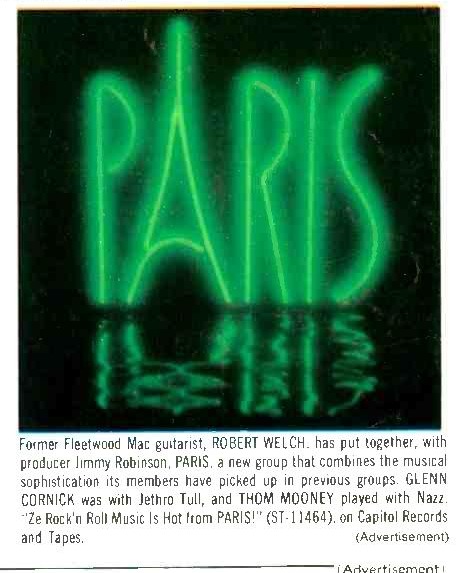
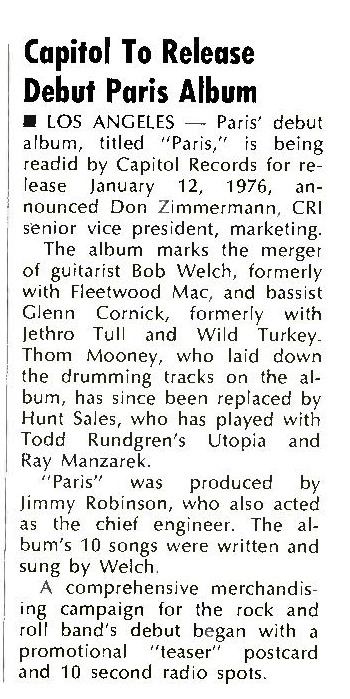
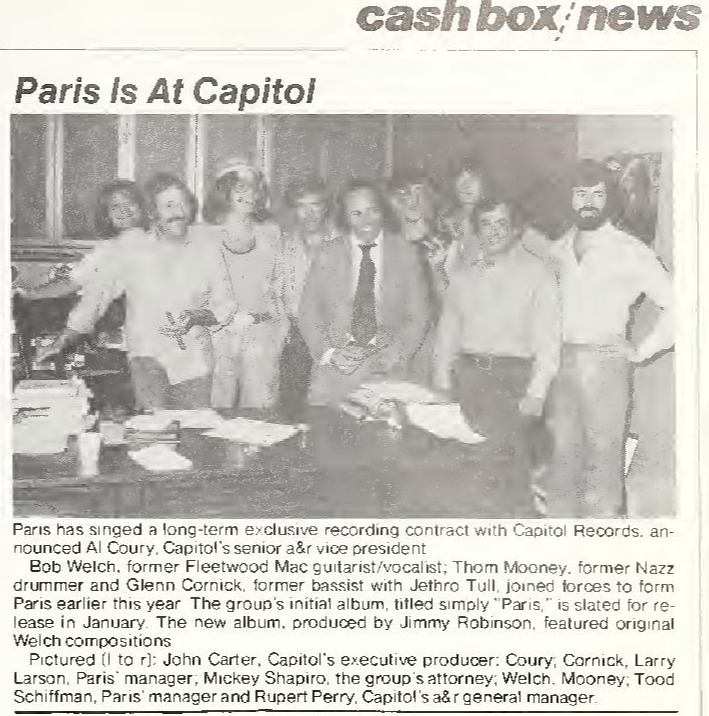
PARIS was a power trio that included former Fleetwood Mac singer/guitarist Bob Welch, former Jethro Tull bass player Glenn Cornick, and former Nazz drummer Thom Mooney. Formed in 1975, following Welch’s departure from Fleetwood Mac, Paris released their first of two albums in January of ’76. As a major part of Fleetwood Mac for 4 albums, including such classics as “Hypnotized”, “Bermuda Triangle”, and “Sentimental Lady” – a track he’d lady re-record and have a hit as a solo artist. Anyway, Paris debut album would be a heavier, blues based – rockier album, Zeppelin influenced rather than more in tune with the Fleetwood Mac stuff. Glenn Cornick was a fitting heavy bass player, having played on the first few Tull albums, as well as Wild Turkey. Rockers like “Black Book”, “Religion”, “Nazarene”, and “Rock Of Ages” – all really good tracks, that should’ve appealed to those in to Zeppelin, Mountain, and perhaps Deep Purple. I love the recording on this record, produced & engineered by Jimmy Robinson, who’s later credits also included early Sammy Hagar, Detective, and Yesterday & Today. Check out cuts like “Narrow Gate” – with a number of changes, and Cornick’s bass sound jumping out, as well as “Beautiful Youth”, which sounds like it would’ve fit nicely on a previously Fleetwood Mac album, which makes sense as Welch wrote everything here.
Paris didn’t crack the Top 100 at the time (#103 in the US), I haven’t found much else on it, and there was no single from it. The band would release a follow up later than year with Hunt Sales replacing Mooney. Welch would later go on to a successful solo career, releasing a number of albums, and having a few it singles. When Fleetwood Mac was inducted into the R & R Hall of Fame in 1998 Welch was omitted, which was shameful,, IMO. Welch passed away in 2012, Cornick passed in 2014, Mooney took part in a one-off Nazz reunion for Rundgren Radio in 2019. The Paris album has been reissued a few times on CD, so shouldn’t be hard to find, and is well worth checking out.
PARIS, Capitol ST- 11464. The world of heavy metal boogie gets a new power trio featuring guitarist- singer -writer Robert Welch, lately of Fleetwood Mac, with bassist -keyboardist Glen Cornick, an original member of Jethro Tull. The buzzsaw gui- tar leads and oh- so- cosmic lyrics remind one of the early Deep Purple at its most rambunctious. Best cuts: “Beautiful Youth,” “Narrow Gate,” “Nazarene.”
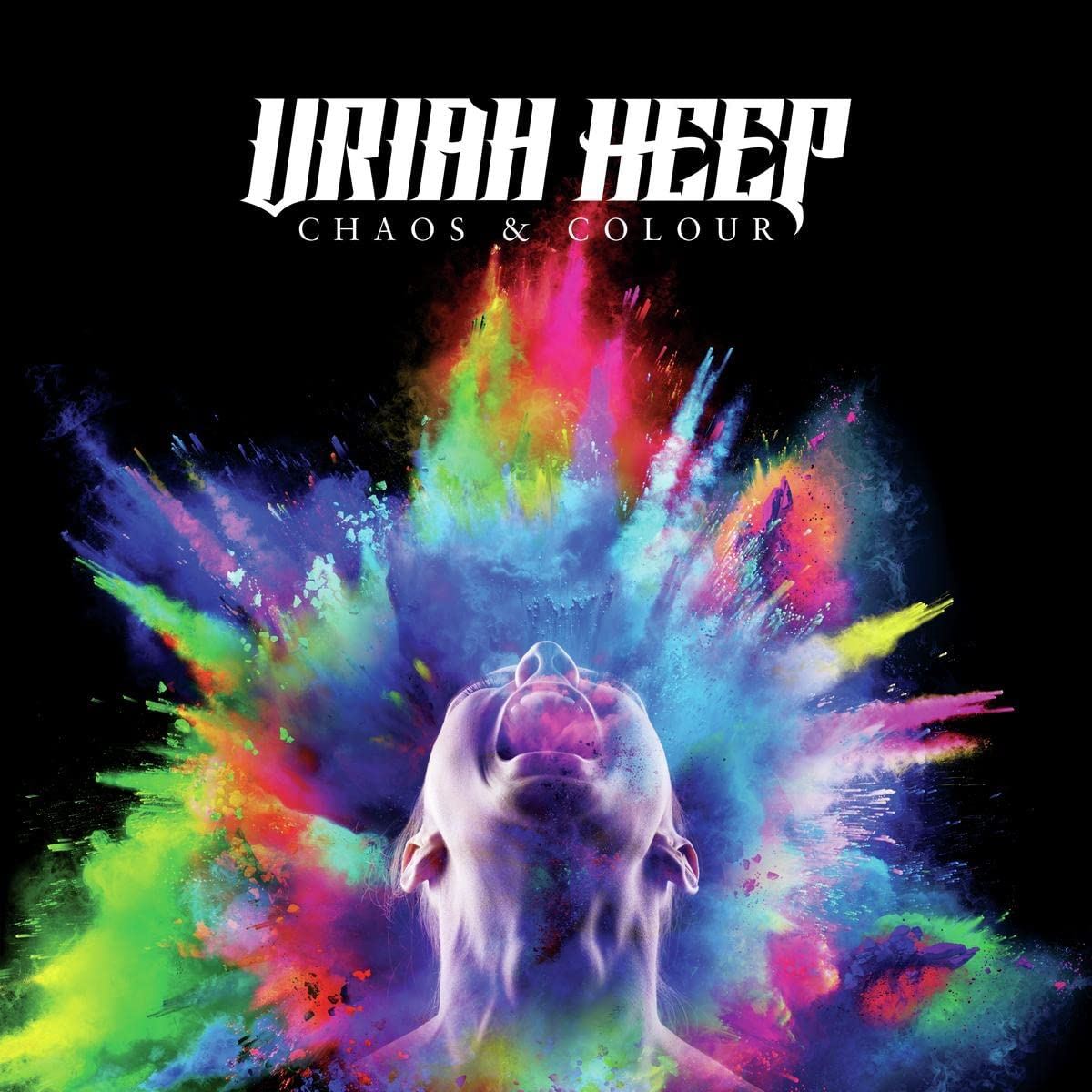
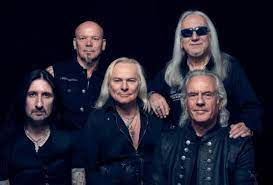
Uriah Heep have released a new video from Chaos And Colour. The track is “Golden Light”, a favorite, penned by Mick Box & Phil Lanzon.
“Golden Light” is a smorgasbord of soaring melodies, robust rhythm, luscious guitar lines, and brims with spiritual optimism. “We’ve always had positive energy in everything we do,” beams Mick Box, Uriah Heep’s venerable and effervescent founding member. “It’s always good over evil no matter where we look at it. That’s what we’re like as people, which is why it’s always been a big part of Heep to have that positivity.” “‘Golden Light’ is a typical melodic Heep rock song” continues Box, “it explains that in this troubled world, there is a guardian angel shining down a light, to guide us through these difficult times. ‘Appy days!”
Produced by Jay Ruston, and engineered by Pieter Rietkerk, Chaos & Colour is a superb album of quality hard rock from the pioneers of the genre who continue to create top class material. Old fans will be reinvigorated whilst new fans will surely find Chaos & Colour an exceptional discovery. In this, their 53rd pioneering year as a band, Chaos & Colour sees Uriah Heep throwing down more life, light and energy than peers 40 years their juniors.
Chaos & Colour is available to order now on Black and Coloured Vinyl configurations, as a standard CD Digipak, and digital formats. Orders can be place here: https://lnk.to/ChaosandColour
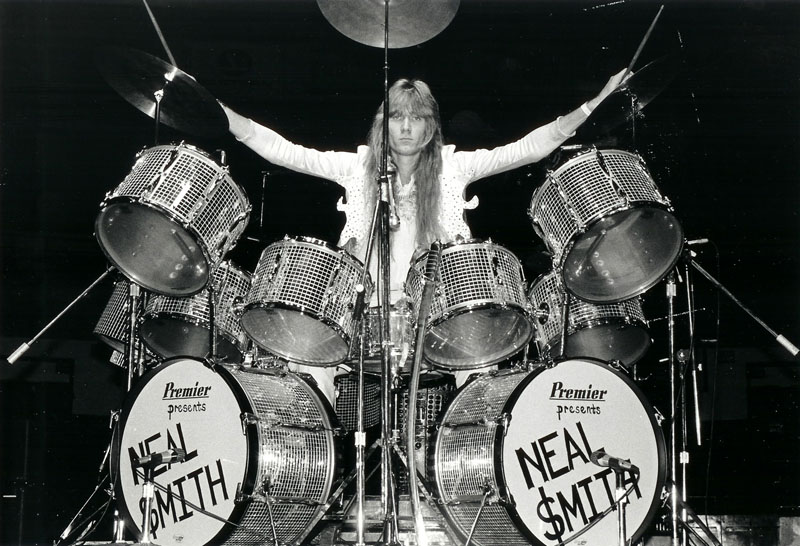
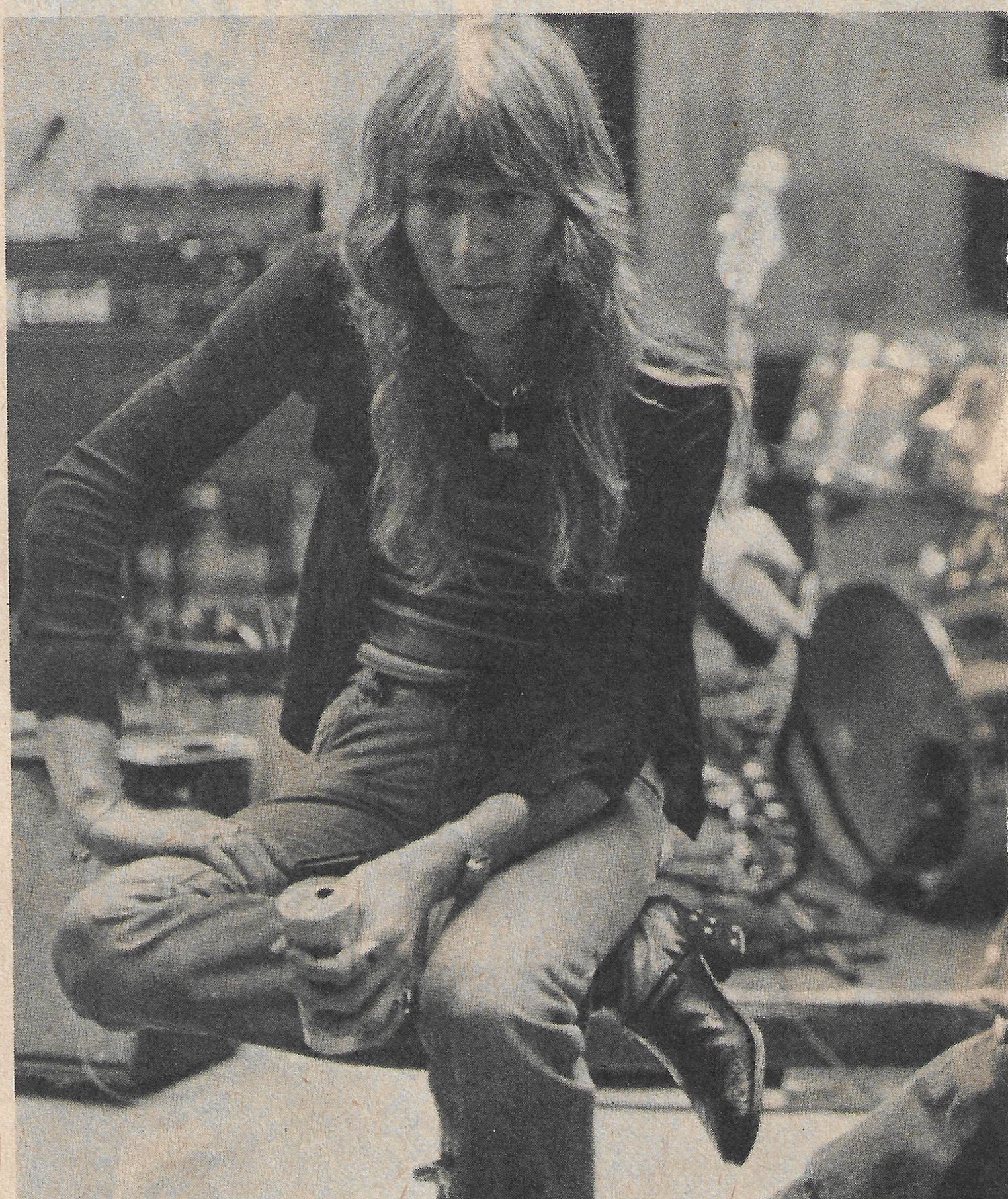
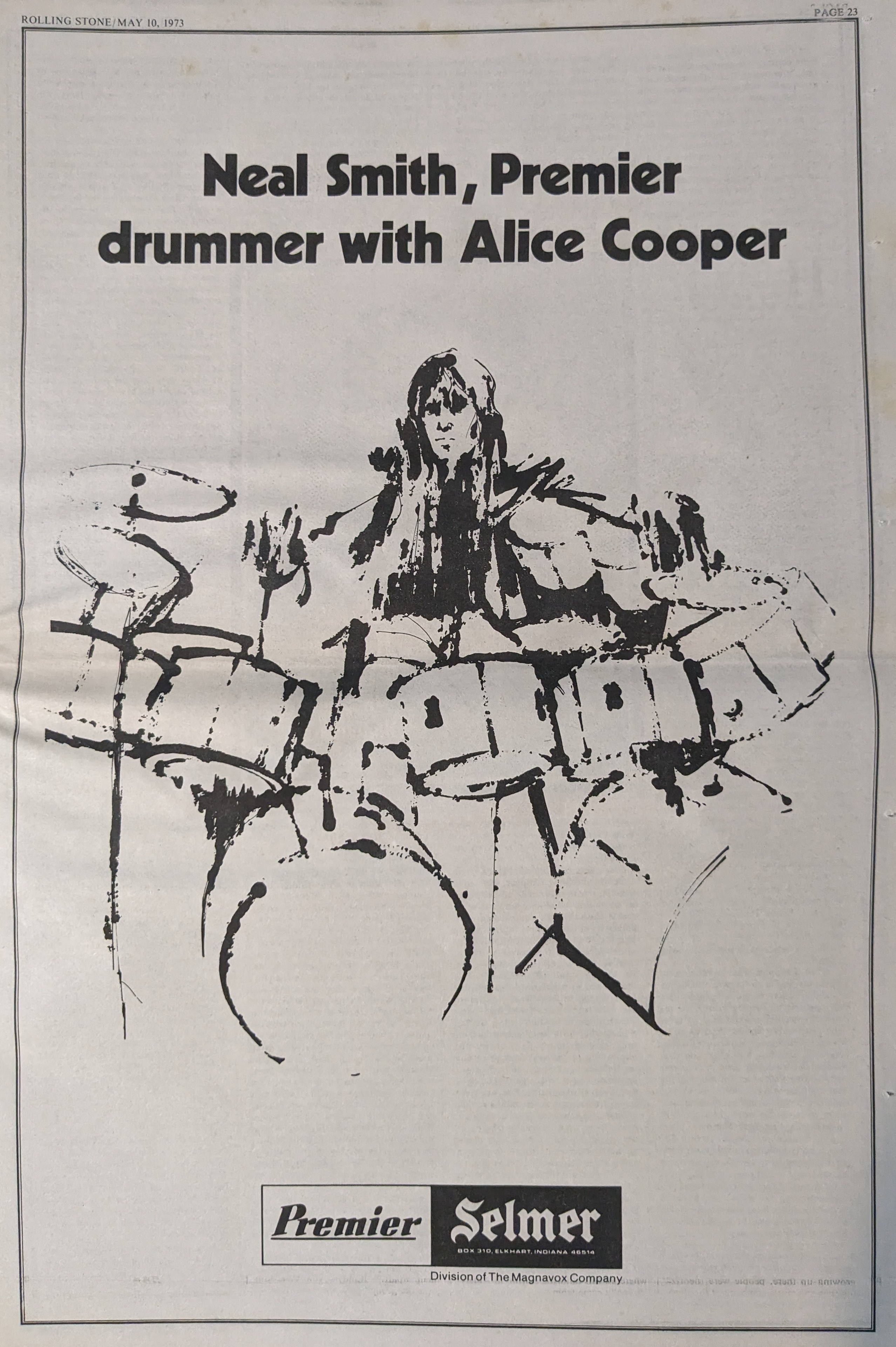
This interview was done in June of 1996. Through a friend (and associate of Neal’s – Billy James) I was able to send Neal plenty of questions, and he gladly answered them on a cassette and sent them back. (Note that this interview was done well before the death of Glenn Buxton. )
I did another interview with Neal in 2014 (which I’ll re-post here in the future). Neal has a new album coming out ‘Killsmith Goes West‘ – check out my review and news of it elsewhere at this site.
What are your memories of the earliest gigs the band ever played under the names prior to the Alice Cooper Group [i.e.: What sort of venues? Responses? Set-lists?].
Some of the first memories I have are of The Nazz – that was when I’d joined the group in the fall of 1967. We were playing a lot of clubs, and once in a while we were on Arizona local television. It was basically the biggest clubs in the South-West that we were playing at the time, as well as Los Angeles. The responses were always positive. One of the main things we always tried to do was have people walk away with a reaction. The set list at that time included all of the songs from the Pretties For You , which we recorded on Frank Zappa’s Straight Records. There were some songs we also did which were songs that were later re-written and recorded for later Warner Brothers albums.
Who were some of your own musical influences and ‘heroes’ starting out [any favorite drummers back then]?
Some of my own musical influences at the time were from when I was growing up in the ’50s and ’60s like Gene Krupa and Sandy Nelsen — a lot of the big band sound and pop together. Of course, when the British Invasion happened I was influenced to an extent by the likes of Ringo Starr and Charlie Watts because I liked what they did with what they were playing musically on records with The Beatles and Rolling Stones. From a theatrical stand-point I really liked Keith Moon and Mitch Mitchell (from Jimi Hendrix’ band). I also liked Ginger Baker, but probably more from a playing stand-point. He is, I think, probably the best drummer of the rock era.
How did the whole ALICE COOPER concept evolve [i.e.: from the time you chose that name]?
The concept for Alice Cooper really came from when we all went to art school together. Alice, Glen, and myself were all art majors. We liked to employ the mixture of art and theatre into the music. That was simply the concept, just something that nobody had done before. Even before the name Alice Cooper came along, when we played we tried to have people walk away, and the one thing we wanted them to do – was never forget the band!
No matter what we had to do to make that happen!
The first 2 AC albums were so strange (in retrospect), what influenced a lot of the sounds and production ?
Yes, they were a little different for the time. Any influence that we had, again being art majors and wanting to do something completely different – that was our approach. We had a few other influences like early Syd Barrett with the original Pink Floyd. I liked a lot of the things with sounds that they played around with at the time. Also, Stockhausen – electronic music that was coming out of Germany and Europe at that time. There was just a lot of experimentation with instruments, instruments that every group had – 2 guitars, bass, drums, and a singer.
How did the band hook up with Shep Gordon and Warners?
Shep Gordon and Joey Greenburg were partners and we signed with them. They were just out to Los Angeles from Buffalo, New York. They’d graduated from Business College at the University Of Buffalo. My sister – Cindy Dunaway, who’s married to Dennis, worked at a boutique store in LA, and at the time had a lot to do with our clothing and image. So, Shep and Joe came into the boutique and I guess they were talking, and she asked them what they did, and they said that they manage bands. She said “my brother’s in a band, and they need a manager!” We hooked up from that point on. Of course, Warner Brothers bought out Straight Records, which was Frank Zappa’s label and there was 10 bands – which I still think was one of the most amazing business deals ever done at the time. Warner Brothers bought out 10 bands from Straight Records for about $50 000 at that time – 1969-70. This was already after we’d recorded Easy Action. Linda Ronstadt was with a band called “Stone Ponies” and also James Taylor was in one of the groups that Frank Zappa had at the time, so they kinda got Alice Cooper as a bonus because they’d (Warners) really wanted Linda Ronstadt and James Taylor.
What influence, advice, and ideas did Bob Ezrin bring with him when you began to record with him for Love It To Death?
Well again, it was our first album for Warner Brothers, we were now with a major label, we had incredible management, we were making a presence with the underground – very strongly with Pretties For You and Easy Action and the affiliation with Frank Zappa at the time. We wanted to break-out, not really into the mainstream, but hit more people with our impact, so we needed someone who’d take our music to the level of what our show was and where we really wanted to be. Bob Ezrin, at the time, was with Nimbus 9 Studios in Toronto. He was just starting out, the same as Shep and the band; we were all starting from the same place. Bob’s influence was very substantial in really taking the songs and working with us on arrangements. Lyrically, Alice – I still think is one of the best rock lyricist that’s ever been around. So, to take those lyrics and to take the ideas of our music, which the majority of was written by Mike, although Dennis and myself also influenced the music as well. Bob really took it and put it all together, and worked quite closely with the band. He was really, in my opinion, like the 6th member of the band! One other thing – Bob not only was an incredible influence on the music, but keeping in mind the “theatre” of the band, and keeping in mind what we did on stage and implementing that in a musical expression on our records, as well as what we did live. That was a lot of the “magic” of what Bob and the band did together.
What was the songwriting process in the original AC band?
That’s an interesting question. I think we probably utilized every possible aspect of songwriting. A song like “School’s Out” – everybody wrote together. Some of the riffs from that song were done a long time ago in the early days before we even recorded. A better example is “Elected” which was originally on Pretties For You and was called “Reflected”; we’d re-wrote it. Anything from that period of time (Pretties For You and Easy Action), we basically wrote together. We would come up with songs either from a group jam where everybody is together working out a concept or idea and Alice would work on lyrics. We would also brainstorm on the lyrics. The other way was that Mike would write a song, bring it to Alice and then there was lyrical changes on it. A great example of this is “No More Mister Nice Guy”. Another example of co-writing was Dennis and Mike writing “Under My Wheels”, and from the standpoint of the lyrics they were very involved and then Alice came in and worked on the lyrics as well. And to this day it’s one of my favorite all-time Alice Cooper songs! There was also songs in the band that members wrote by themselves like “Black Ju-Ju” – Dennis basically wrote that song and “Hallowed Be My Name”, from the Love It To Death album is a song I wrote in it’s entirety. It was always fun and it was always a very creative process. One of the last songs we ever wrote together was from Billion Dollar Babies. We needed 1 more song, it was “Generation Landslide”, again one of my favorite songs. We had needed 1 more song for the album and we were in London recording at the time, and we just had to get out of town – go rehearse and write a song. We went down to the Canary Islands and there was a brand new hotel that was being built. We rented the whole top of the hotel, moved in, took our equipment – just enough to set up a little studio and write a song. I started playing the drum beat to “Generation Landslide”, Mike joined in, and in a couple of days we’d developed the song. We wrote the song as a group and everyone participated in it’s creation. Usually last songs can be filler, but I think that was an incredible song!
What influenced the words to some of the bands’ biggest hits, such as ‘Eighteen’ & ‘Be My Lover’?
With “Eighteen” we wanted to have a hit song as we’d never had one, and this was our third album (Love It To Death). We wanted something that was going to be timely, and the subject of being 18 years of age at that time was a very hot subject! We wanted something like an anthem, and I certainly think “Eighteen” succeeded. “Be My Lover” was from the standpoint of a “cabaret” kind of thing. Alice used “Katchina” – the snake, on stage, and even throughout the ’80s he used the snake during “Be My Lover”. It was a fun song; I always liked playing that one.
What is the story behind the sessions for the Billion Dollar Babies album [i.e.: who were guest on it that is not written in the credits]?
We recorded it at our mansion in Greenwich Connecticut, in London England at Morgan Studios, and at The Record Plant in New York. All the songs were recorded by the band. There was a jam session in London that Keith Moon, Harry Nilson and Mark Bolan from T-TEX attended. Flo and Eddie were there too as were a couple of other friends that had played with us on albums – Mick Mashbir, who later played some guitar on Muscle Of Love. They were in the session, but it was nothing that was ever on the record. It was a fun jam session and a great party!!
How did you and the rest of the band deal with the fame and success?
We’d played for about 10 years, and it was almost like a non-stop party. We had worked very, very hard to achieve what we had achieved at that time, and we were all enjoying it. It wasn’t a situation where it was a bad thing – it never was! We got along great together, and to this day we still get along great.
With Alice, himself, being more in the public eye than the rest of the band as a whole, create any bitterness or animosity amongst band members?
To tell you the truth when the band first was together and went on the road in the late ’60s, there was a lot of time where we could all go to the radio stations and do the interviews. We could all do the interviews with the magazines. It was a little hectic with 5 people, but we all had the time to do it. As things changed there was times when Mike, Dennis and I or Alice and I would do the interviews. If Alice couldn’t make it I did the interview – it just depended. It was a situation that was orchestrated by the band. As the pressure became greater later on and the band had to do sound checks at big concerts, and we’d traveled so much that by the time we got to the venue our thing was the music and Alice would go to the radio stations and do his things. Everybody had their job. There was never any bitterness. It was a lot of work and everyone had their job to do at that particular time. We all shared equally in the band. Everyone had their own weight to pull and we did it to the best of our ability in always trying to put on a great show – no matter what the bottom line was!
Why did the band decide to record Muscle of Love so soon after B$B’s, instead of taking a needed break?
I don’t know if there was a needed break. We actually took the break after Muscle Of Love. First of all. we recorded albums, and we played concerts – that’s what we did for many years. After Billion Dollar Babies we wanted to get in to the studio. We’d been playing those songs for a year now and we had a whole new group of songs that we wanted to put down; we had a new concept. There was actually even songs for an album after that! And that’s why Muscle Of Love was recorded, and then the Greatest Hits came after that.
Why were two guest guitar-players used on that album? Was it due to Glen’s ‘health’? [Stories that Glen was so ill on the last few tours that in fact someone else played his parts from behind the stage – True?]
Dick Wagner, who was a very good friend of Bob Ezrin came in and did some guest spots on some albums for a little bit different texture or flavor. Mick Mashbir, who was a long time friend of mine from high school – even before I was ever involved with the guys in the group, he played lead guitar on some of the live shows. What was happening was when we got into Billion Dollar Babies on stage the show was becoming bigger, we needed more music, more musicians. With what we were doing on the albums – we wanted to portray that more live. So, we needed a keyboard player, Bob Dolin, and we needed another guitar player – so Mick played for us in the back-ground on the Billion Dollar Babies Tour, as well as some lead work on Muscle Of Love.
Glen always played “School’s Out” and “18” – those were his songs. All the hits he would do. He contributed immensely to those songs. Those songs were never the same without him. Yes there was people who played with us live on stage, and they actually had their own section in that they were in the spotlight as well. There wasn’t anything hidden about it or anything like that. Yes there was a period of time, unfortunately, with the Billion Dollar Babies tour, that Glen wasn’t feeling too well, but he’s a trooper. He went on the road with us and it was one of the highest grossing tours at the time. It wouldn’t have been the same without him, that’s for sure !
Do you feel that Muscle Of Love is an overlooked album? It is my personal favorite ACG album.
I don’t think it’s that overlooked. I think it was an interesting turn for us to do the Muscle Of Love album. It’s one of my favorite albums too. It was fun recording it. Bob Ezrin unfortunately, didn’t help us out on the production – it was Jack Douglas. That was one of Jack Douglas’ first albums before working with Aerosmith, and then Jack Richardson also helped. He’d originally started with us on Love It To Death. He produced The Guess Who, some of their biggest hits. Bob Ezrin was Jack Richardson’s protégé. Prior to albums to that, the 2 or 3 before, we’d shipped over 1 million copies the first week. Muscle Of Love came out and it sold 800 000 copies the first month, so it was a little bit off the mark. It wasn’t followed up with a major stage show worldwide, and I think that may have been a part of it.
During your time with AC you recorded a much publicized solo album (The Platinum God). What is the story behind it [i.e. : Who played on it ? Who wrote? Sang? Why has it never been released?]
I guess it got a lot of publicity (!?) It was a concept that I’d been working on. I wrote all the songs, and sang all the songs on the tape. The guitar player was Mike Marconi. He was a musician I had met while we were on the road in the Rochester area. I went to see him play live in a club one night and liked his work, so we ended up working together. Jack Douglas produced the tapes, Dennis played bass, Mike Marconi played the lead guitar, and there was another guitar player – Stu Day. Stu had a band out of New York called “The Mix” in the mid to late ’70s. Then there was some orchestrations where I had brass sections and string sections – which was actually the New York Philharmonic at the time on the tapes. We had taken them (the tapes) to a lot of record companies, and I guess being the “shock-rock” band, or whatever we were at that particular time; this tape was actually pretty shocking to them in a lot of respects. And to this day I think that’s a great aspect to these tapes. On the song “Platinum God” itself, I just had no clue as to what was going on. It’s an interesting mixture between contemporary drumming and primitive drumming, and mixed with the concept. Who knows – maybe someday it’ll still be released , I don’t know !
Did the band intend on getting back together following the “Greatest Hits” release?
The band still might get together! Who knows? Of course we planned on getting together. That’s kind of a crazy question !
What did you do in the first few years following the break-up of the band?
We took the year off. We had worked very hard, as I mentioned previously. It was a lot of fun but a lot of work too. We’d travelled all around the world. We’d gone from obscurity to fulfilling our dream of bringing what we did that was so different and exciting to the music world and bringing in theatre – an element that had never really been brought into play before that period of time. And still to this day, I think that of all the great stage shows you see – that did not exist before we were on stage. There’s no doubt in my mind that what we did has influenced music for the past 2 decades – especially from a live presentation standpoint. But there comes a point in time where you have to take a break from it all. We’d all lived together under the same roof for all that time and when we took that year off everybody got their own places, and got a chance to relax and get into who they were. And like I said, you just can never know what’s going to happen!?
Were you ever bitter that Alice, himself, carried on without you guys making a living out of the songs and ideas that you all contributed to?
If anything, I’m proud of what Alice has done on his own. I’m always extremely impressed with him and any of his lyrics I hear. Some of his songs from Welcome To My Nightmare, and even to his newest album – The Last Temptation, there’s some songs that I’d have loved to have played the drums on. When he’s out on the road he’s playing a lot of the Greatest Hits – songs that we all wrote on, played on, and made famous. So, the word wouldn’t be “bitter”, but “proud”! I’m extremely happy that he does so well. We’re still good friends; he’s even helped me get bitten by the “Golf-bug” here. He’s an incredible golfer!! We get together and play once in a while. At any rate, basically what I think of his albums is that they’ve been great.
In 1977 yourself, Dennis Dunaway, and Michael Bruce formed a band ‘BILLION DOLLAR BABIES’. How did that all come about? Bob Dolin had previously guested on Muscle Of Love, who was he and who was Mike Marconi?
After Muscle Of Love there was a pile of songs written, this was past out solo projects. We got together and we wanted to record an album. We put all the music together. We had Bob Dolin on keyboards from the Muscle Of Love album, and Mike Marconi – from my Platinum God project.
Did B$B’s record anything past the Battle Axe album? Did you tour? And why did it fall apart?
We recorded a demo song past that. We did do a tour; we played around the country. Again, it was a great concept. It would’ve been fun if the whole band could’ve done it, but it worked on it’s own. I guess the main thing was the 3 points in the “triple crown” for the success of the Alice Cooper Band was certainly the band – it’s creativity and writing. The second was Shep Gordon – our management and the leadership that he had in the field. And then (third) Bob Ezrin in producing the records. Bob worked closely with making the music and records happen, and then Shep took it and put it over with the record company and made everything else work, like the publicity and all that. We were spoiled by that sort of a formula and the B$B’s did not have that formula.
Who have you kept in touch with over the years? Ref. to Michael, Dennis, Alice, and Glenn.
Of course with Dennis – he’s my brother-in-law, and he lives very close to where I do in Connecticut. Michael Bruce and I talk, I’ve seen him in Arizona several times. I’ve probably seen Alice more than Glen and Mike. Glen, I haven’t seen in quite a long time, but I do talk to Glen a lot as well. Yes, I get along with everybody in the band, and I always wish them all the best – all the time.
You and Dennis played on Buck Dharma’s 1981 solo album Flat Out. How did all that come about? Do you keep in contact with Buck?
Donald “Buck” Dharma was a very good friend of ours. As a matter of fact the Alice Cooper Band had played some shows in the 70s where Blue Oyster Cult had opened for us. We got along pretty well. So, when Buck did the solo album he had asked Dennis and I to play on some of the tracks for him. I co-wrote the song “Born To Rock”, and it became the single from the album, and the video that was on MTV. He (Buck) and his family are very good friends of ours. Even though they don’t live in the State anymore we still keep in touch.
What sort of recording and playing did you do throughout the ’80s? Much session work?
In 1981 I played drums on a complete album by The Plasmatics called Beyond The Valley Of 1984. That was a pretty cool project. I enjoyed working with them. I did co-write a song with Joe Bouchard of BOC for the Revolution By Night album. The song was called “Shadows Of California”, that was recorded in 1983. Then I did some solo recordings during the mid-80s. Then I got into the profession I’m in now.
What’s the story behind ‘DEADRINGER’?
DEADRINGER was Joe Bouchard from BOC, Dennis Dunaway, and the singer was Charlie Huhn from Ted Nugent’s band, “Intensities In 10 Cities” – those days. I think Charlie’s an incredible singer, and we were lucky to have him work together with us in 1989 for an album called “Electrocution Of The Heart”. It was released on Grudge Records in 89. The guitar player was a guy who I’d been working with and writing songs with in Connecticut for the last 10 years; his name was J. Jesse Johnson. He was really the focal point of the band as far as the music goes; he’d written a lot of the songs, and helped to co-write some of the others with me that were on the record. It was a great record, and we had a lot of fun recording it. I do wish we had had more time in the studio. It may be re-released on another label soon, because it was a great record.
How did you get involved with ANT BEE?
Billy James (ANT BEE) was a friend of Mike Bruce’s and through Mike is how I met Billy. There was a portion of The Platinum God tape that Billy sampled and was on his new album. It sounds really cool, and I’m pretty pleased with that. He’s a very talented guy, and a good man !
Do you have any plans for future recording and/or session projects in the future?
You never know what this business can bring! I have a studio in my own home. I’ve always maintained the studio, and every year I try to make it a little bigger and better. I’m always writing. Over the years, with the help of Mike Bruce, I taught myself how to play guitar and piano, so I know enough that it helps me write. And then I work with somebody that’s incredibly talented like J. Jessie Johnson or Mike Bruce! I am always looking to write; I love to write and collaborate with people. Do I have a dying urge to get back on the road? I’ve really already done that! I love drums, that’s my biggest thing in life, naturally! I still have almost every drum kit I’ve ever had. I have over 100 of them at home! I noticed a new book called “The Stars’ Sets”, and it covers the 1930s to 1995. They have a great picture of one of my first Slingerland kits in there that Slingerland gave us. The Love It To Death and Killer albums were recorded on that set of drums. I’m pretty happy with what I’m doing right now, (real estate). I write in the studio, send Alice songs once in a while. Mike Bruce has heard my songs; I’ve heard some of Mikes’. He still writes incredible songs. A great songwriter!! That’s a natural combination with Mike, Dennis and I together – we play any song, like “My Stars”, or any song that the original Alice Cooper band did and it will sound exactly like the record.
Do you ever fore-see yourself working with any of the original AC band guys again? Is there ever a possibility of a reunion?
I’m friends with everybody, I work with everybody. Dennis and I play a lot, Mike and I played last year when I went out to Arizona, and we did some jamming on some of his songs. I got together with Alice, gave him some songs, and we kicked around some ideas. I don’t have a crystal ball to know what’s going to happen in the future, but I’d be the first one to bring my drums to a session if we ever did decide to do anything! But, it’d have to be just for fun – that would be the bottom line to ever doing anything.
What do you do outside of music? How did you get into real estate?
I really do music as a hobby now. Real Estate is my main profession. It’s a very serious and professional business, but I have a lot of fun with it in the Connecticut area. I got into it when the band was together. We made investments in real estate, individually and as a group. I found it fascinating, and it was another way that I could make an income. I enjoy it a lot, and love this part of the country. People do say “from rock ‘n’ roll to real estate – what the heck is that all about?”. But we did have the opportunity to invest and learn a lot about it in the early ’70s, so it was a natural progression – a natural step. Is it as much fun as going on the road? Maybe not, but, it’s not as tiring either.
Do you follow current music? Thoughts on today’s scene as opposed to the early 70’s?
Not as much, I really just don’t have the time. I never really followed current music in the old days. Once we’d started as a group I was so concentrated on what we were doing, and not paying too much attention to other bands. But when I hear a band like The Counting Crows – I think that’s a great band. The Smashing Pumpkins are another good band. The one thing that I really like about a band like Smashing Pumpkins is that that drummer who was in the band, actually plays drums, and is a significant part of their sound. There was so much music in the ’80s where the drums were just a particular sound – they were just there! But now, the drummers that I’ve heard sound like they’re musicians again, and actually contributing to the sound of their groups! It just seemed like in the late 60s – early 70s that there was a lot more excitement in music. There was a lot going on then, and I think it was socially and politically as well. With Vietnam and the Civil Rights Movement, there was a lot of things changing in the States. Music has always been sort of a barometer of what’s going on with social event. That is why I still like to listen to the old music. The country scene, of course these days, has changed immensely from what it used to be many years ago. I like music whether it’s a Broadway play, Big Band, Jazz, Blues, Rock, Punk. If it’s a great song – it’s a great song and it holds no matter what the style of music.
Have you ever thought of writing a book ? (As Michael Bruce recently has.) And, can you give us a favorite story from the road?
Well, if there was ever an Alice Cooper story – there’d be 5 different versions of that story! Every guy in the group would have his own version. So if everybody wrote their own book, believe me – they would all be completely different! They’d be parallel to a certain extent, but a lot of different stories would come about. It’s interesting every time we sit down, either with Mike or Alice, one of the guys will remember something that the other guys just totally forgot. It’d be more fun, I think, if all sat down and just started talking into tape recorders and let somebody else write the book. A story? When we were in Paris we played in The Pierre Cardin Theatre. I think it was the “Killer” or “School’s Out” show (I’m not quite sure!). After the show Bianca Jagger and Natalie Delone were there and Alice and I were kind of hanging out with them for the evening. Pierre Cardin was a big fan of ours, and in France Alice Cooper was a very very “hip” thing. Every time we went over there we were treated incredibly well. All in all I think most French people seem to not to like Americans, but for some reason (ha) we weren’t average Americans. Anyway, in the evening after the performance they had a big area for entertaining and what have you. They didn’t have any Smirnoff Vodka there; they had some other vodkas, but that’s what I was interested in drinking that evening. So Pierre Cardin said that he didn’t have any there, but he did at home in his apartment. So he went out, took a taxi, got the vodka and came back!! It made no sense to me, but he was more than cordial and happy to help out. Everybody in Paris was just incredible to us, and all over Europe too! One other story is from when we were over in London. Alice and I used to like to play a lot of pool together, billiards. As a matter of fact we had an on-going game, and I think Alice still owes me $65! We had our rehearsals in Greenwich (Connecticut). We had a very large solarium with a pool table in it. So Alice and I would play for the period of time that the band was tuning up. It was a fun game. Anyway, we went over to London on one of our first tours through Europe, and they of course – play “snooker” over there! One evening we went out and there was Elton John, Bernie Taupin, Ronnie Lane and Ronnie Wood, and we were at one of their houses (I forget who’s). Alice and I figured we could learn this game, you know – you had a cue stick and balls, and a velvet table. And actually we got our butt’s kicked — a couple of times! Later on we finally ended up beating them though. So, we had to adapt to the European form of the pool game. That was a cool night, we’d never played it before. I could go on and on and talk about different stories all night,… and most of them we probably couldn’t print anyway!!