Tag Archives: interview

The Story Behind The Album Cover – Terry Pastor talks SWEET, BOWIE, and a few others

British artist Terry Pastor contributed to a number of album covers in the ’70s, 80s, and still does on occasion. Although album cover art was not his only thing going, Pastor did work on iconic covers by David Bowie, as well as a couple of classic SWEET covers he illustrated, which sparked my interest.

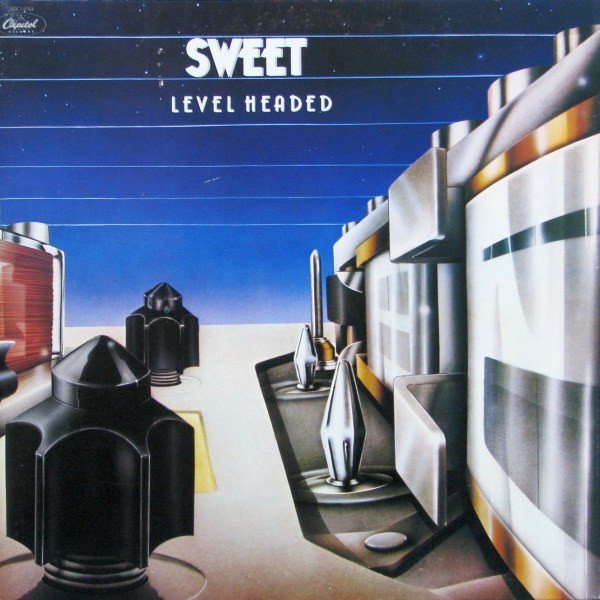
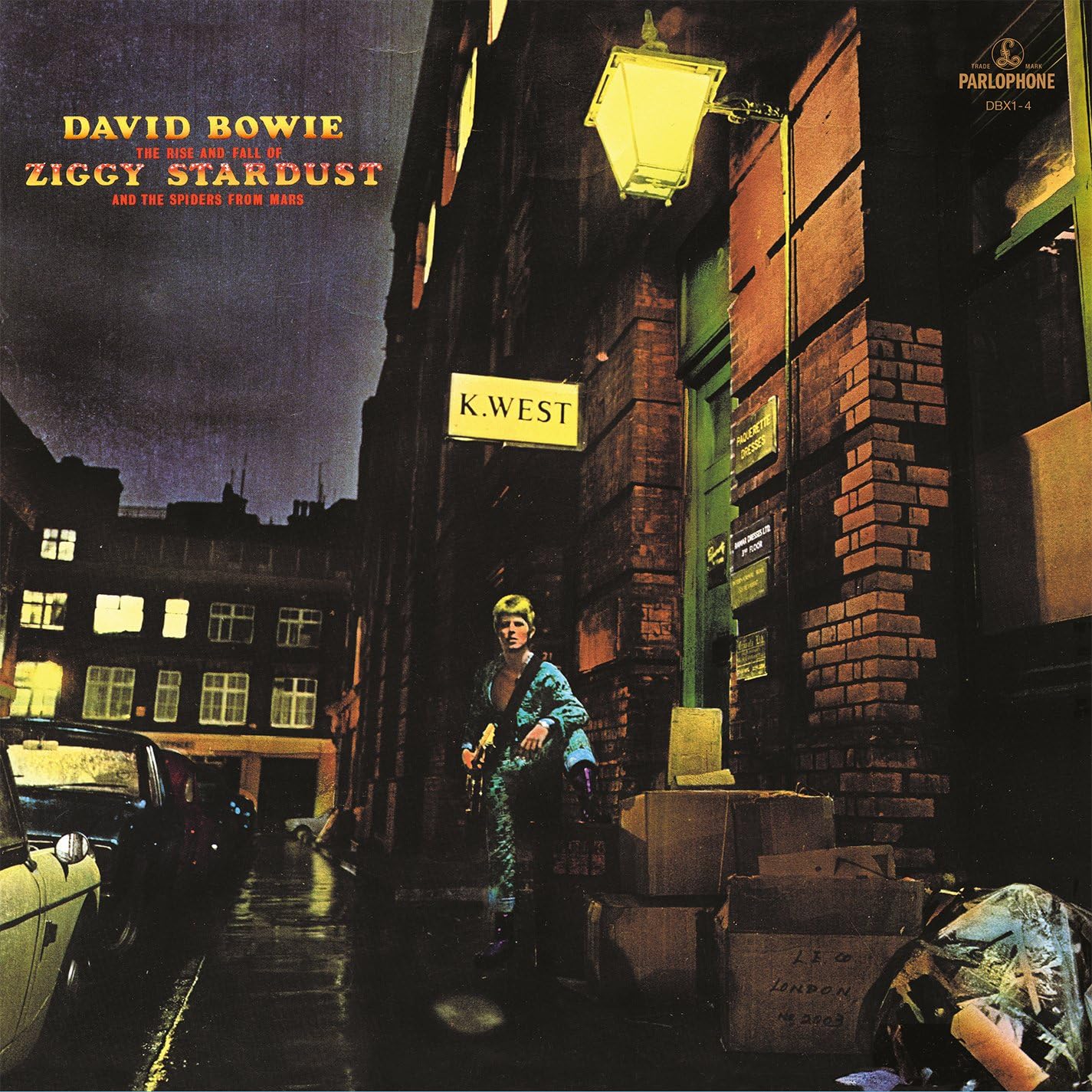
In our conversation below Terry talks ab out his contributions to the covers for SWEET’s ‘Off The Record’ and ‘Level Headed’ albums, as well as David Bowie’s ‘Hunky Dory’ and ‘Ziggy Stardust’. Terry also shares stories on a few other covers he worked on, as well as aspects of his career. Beyond the interview I’ve added in more images of album covers by Terry, as well as additional notes, and links to websites featuring Terry and his work.

I want to talk about how you first got into the whole art thing, as far as what led to getting into album covers and the music stuff.

When I was at school, I just always liked drawing and stuff, and I suppose I was always an artist, so there was that. When it came to record covers, I suppose maybe at the time, in the late 60s and 70s, most record covers were sort of artwork rather than typo or photographs. So, that sort of work suited my style, really.

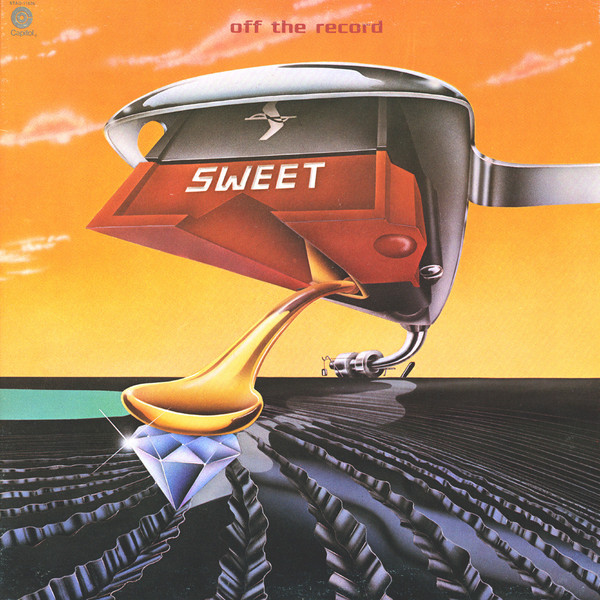
I think with things like the SWEET covers, I didn’t have really too much to do with the input, because if I remember rightly, there was a junior engineer, that was working on producing both the Sweet LPs that I did the covers for, and basically it was his idea in both cases. He just came to me and said, “oh, I just want this idea painted”. So, I didn’t have a lot of input, in a sense, with either of those covers when it came to the idea. Maybe the way they came eventually about was mine, but the initial idea wasn’t mine at all. It was this engineer chap.

Was it Norman Goodman?

It rings a bell, yes. I think he was quite a young guy. I don’t think he was the major engineer. I think he was the junior engineer, or whatever there.

So, he gave you the idea and you kind of had to go with that?

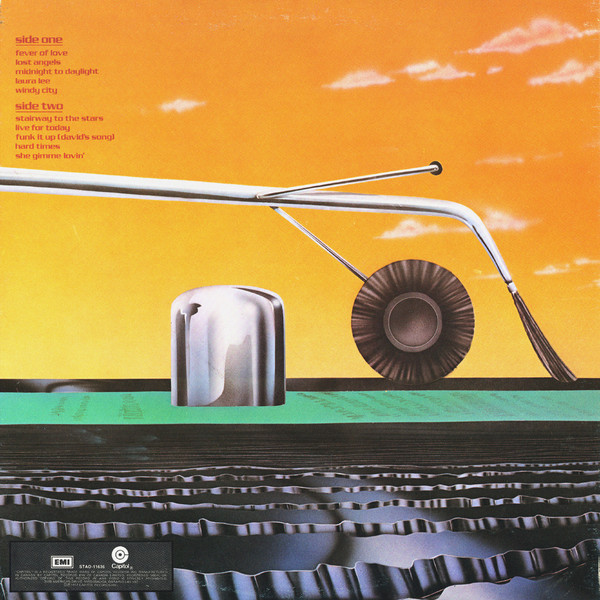
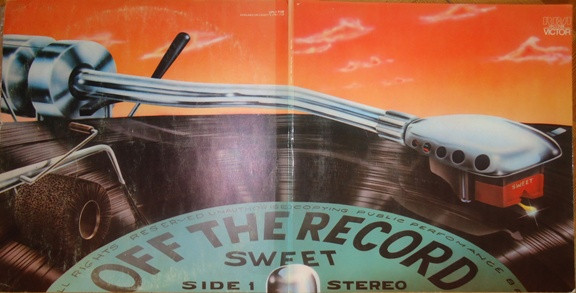
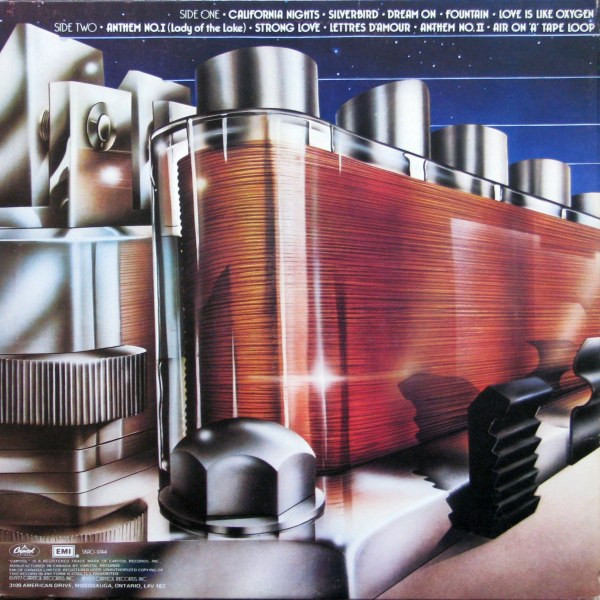
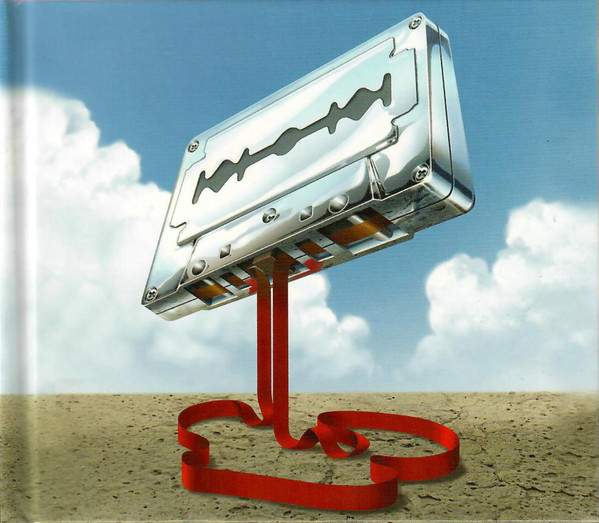
Yes. He came up with what he wanted and then I sort of tried to make it work.  I remember things like the stylus, the needle on the actual pick-up arm, that was meant to be a coke spoon, so it was like a drug reference, which was very sort of predominant at that period. Drugs and musicians seemed to be quite a thing then.

It’s a very detailed, very bright cover. Obviously going over to the back, so it’s one continuous thing.

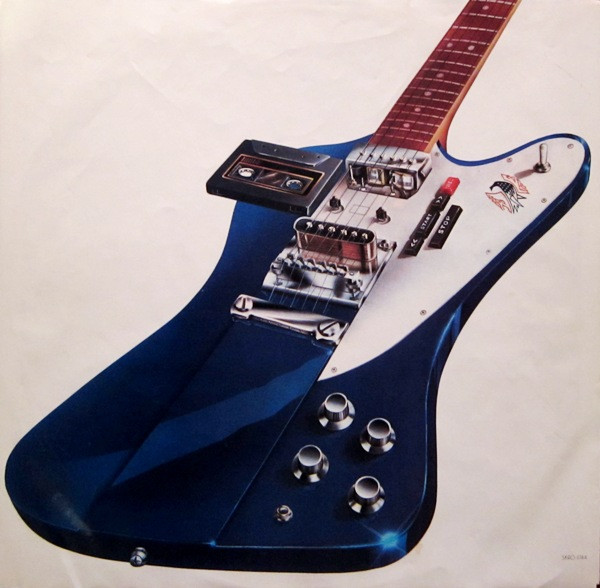
When it came to doing the second cover, because they’d obviously been pleased with the first one, and he came to me again with this idea of having this – basically like an electric guitar, but where the pick-ups were on the top of the guitar, it was like a cassette player sort of mechanism there. So, it was like a cassette player, built into the guitar in between the pick-ups. That was the idea of it, I guess.

Yeah, it’s interesting because obviously there was a couple of different covers, but you can see the similarities between this one and Off The Record.  Did you have any contact with the band, other than the engineer?

No, I didn’t hear two words, sadly.  I do remember thinking that, I had a couple of their LPs given to me to get an idea about what they were about, but I knew they were sort of very commercial stuff, that was on Top Of The Pops and all that stuff, but I remember thinking that the guitarist was sort of like, not wasted on the band, but he was certainly a lot better than really the music they were doing. He was capable of more stuff, I always felt.  He was an interesting guitarist, and I just felt he could have done other things. I’m not knocking the band, not at all, but I just felt that he was wasted on just that commercial stuff.  He could have done better stuff than that. Maybe he has as well, I don’t know. I haven’t followed his career particularly, but…

He still runs the band. He’s the only guy left.

Is he!? Well, I think that whole thing, the age I was then, and I suppose having grown up, even as a school kid in the 50s, my music was really more sort of Little Richard and Eddie Cochran and all that…Chuck Berry, that sort of stuff.  I already had sort of predetermined taste in music, and when it came to the glam rock thing, I didn’t really like it very much. It was not my scene at all, but everything has its use and its purpose, and it fits into, what society was expecting at that time. I understand that, but it wasn’t really my taste particularly.  It’s the same thing happened to me when I was that much older again, when punk happened with the Sex Pistols, et cetera. I just thought, ‘Well, I sort of seen this with the Rolling Stones’. It was the same sort of deal, but suddenly they were public enemy number one, which the Rolling Stones were back in the 60s.

So, it wasn’t really anything new for me, and I didn’t really get what all the fuss was about, but then again, I was that much older, and not that easily turned on as maybe an impressionable sort of like 15-year-old would have been.

One thing about the Level Headed cover… The guitar on the inside, the blue guitar?

I think it was, was it a Gibson Firebird, was it!? It’s all hand airbrushed.

Did that come from, did somebody give you a picture of a guitar, or…

They wanted it to be a Gibson Firebird, I think, and that’s probably why I chose that guitar. I probably had some sort of photographic reference initially, and then from there, I just did the thing with the cassette, being pushed in between the pickups, etc.

Now you also did some Bowie stuff, Ziggy Stardust, a lot of that stuff was pretty out there at the time.

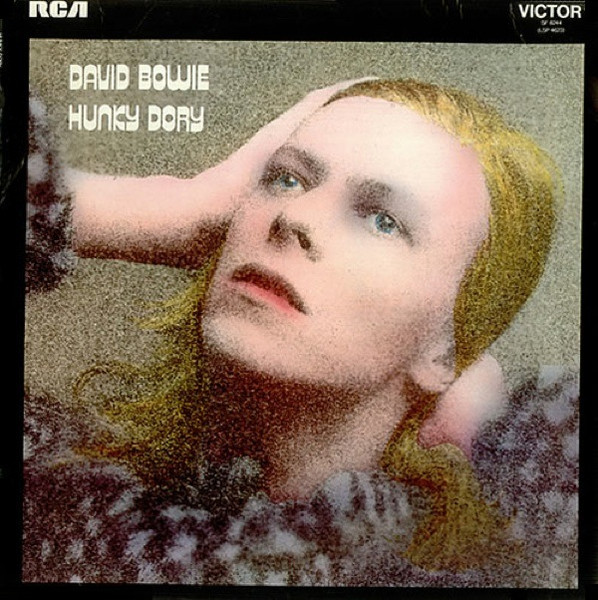
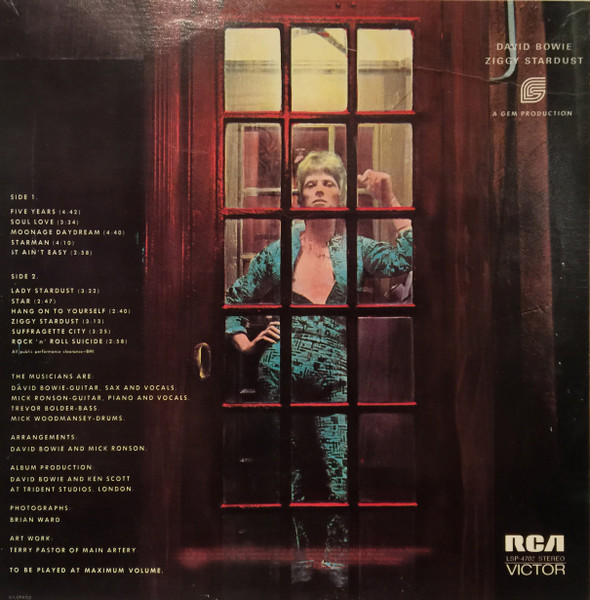
Yeah, I did Hunky Dory and Ziggy Stardust, which were interesting covers. Not really my scene at the time, because they were just colored up, airbrushed, retouched, and colored photographs, which I didn’t normally do. I also designed the covers choosing the typography which I designed and hand colored with the airbrush. They worked out very well.

I did the Hunky Dory one first, and I think because David liked it, he just wanted the same treatment done for Ziggy Stardust. And in fact, at that time he didn’t really have a great deal of input into the covers, in the sense of, he phoned me one evening when I was working on Ziggy, at my studio, and wanted to know how it was going. And I said, ‘well, I’ve finished the front, and I was working on the back cover,’ and he said, ‘Oh, is there something on the back?’ I said, ‘Yeah, it’s you in the phone box’. And he said, ‘Oh I can’t wait to see that. I didn’t know if we were going to use that’. So obviously, I think the management were driving it rather than he was at that stage. I guess maybe when he became much more established, probably had more input into how covers were to be done.

Well, he was very visual, right?

Yes.

I saw that you had a picture of Trevor Bolder at your website as well.

Okay, Sadly, since that thing at the Blue Plaque unveiling in Heddon Street, London, I think it was only about a year later, he died, which was very sad.

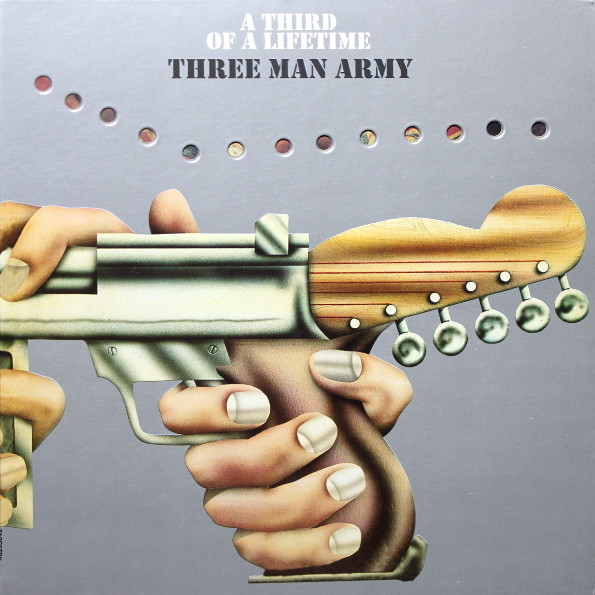
Looking through your covers, and the one cover I do like, it’s kind of a rare album, is the Three Man Army album.

Yeah, I sort of like it. I could do a lot better now. It was one of the first covers I’d ever done. And the interesting connection there was that when I did that cover, I was involved, to some extent, with a record producer called Shel Talmy.

I don’t know if you’ve heard of him. (Yeah), he did the Kinks stuff, and the Who, and a lot of stuff like that in the UK in the 60s. I was sort of working, not with him – but under him, with his sort of organisation. And that cover came about via Shel Talmy and his PR guy. So that’s how that happened, at that time.

Was he associated with that album? Because I don’t see his name on the credits anymore.

No, I don’t think Shel Talmy himself was involved in the production of it, but I think his production company had something to do with the fact that I did that cover, was because they were obviously maybe managing them, or they had some involvement, anyway, with the band, but maybe not with recording them… But I don’t remember too much. That was a long time ago now. This was 1971.

You’ve done a lot of covers in the 70s and beyond that. What stands out for you? Aside from the iconic ones that people remember the most, what were sort of the ones that you had the most input in, or most unhappy with?

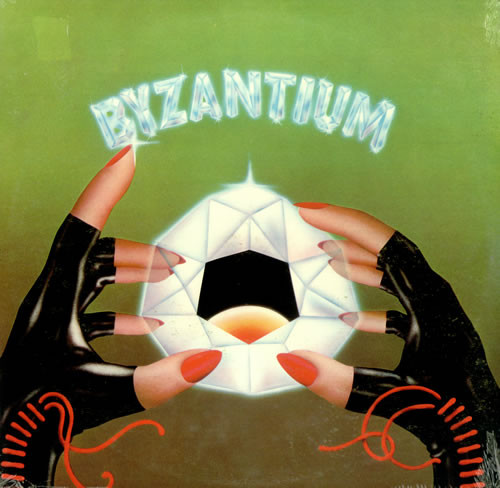
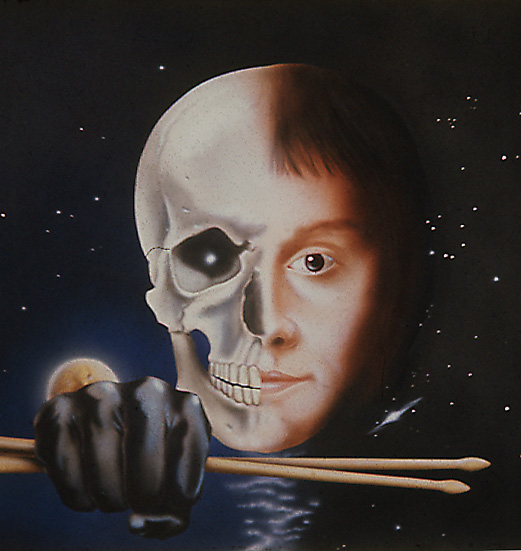
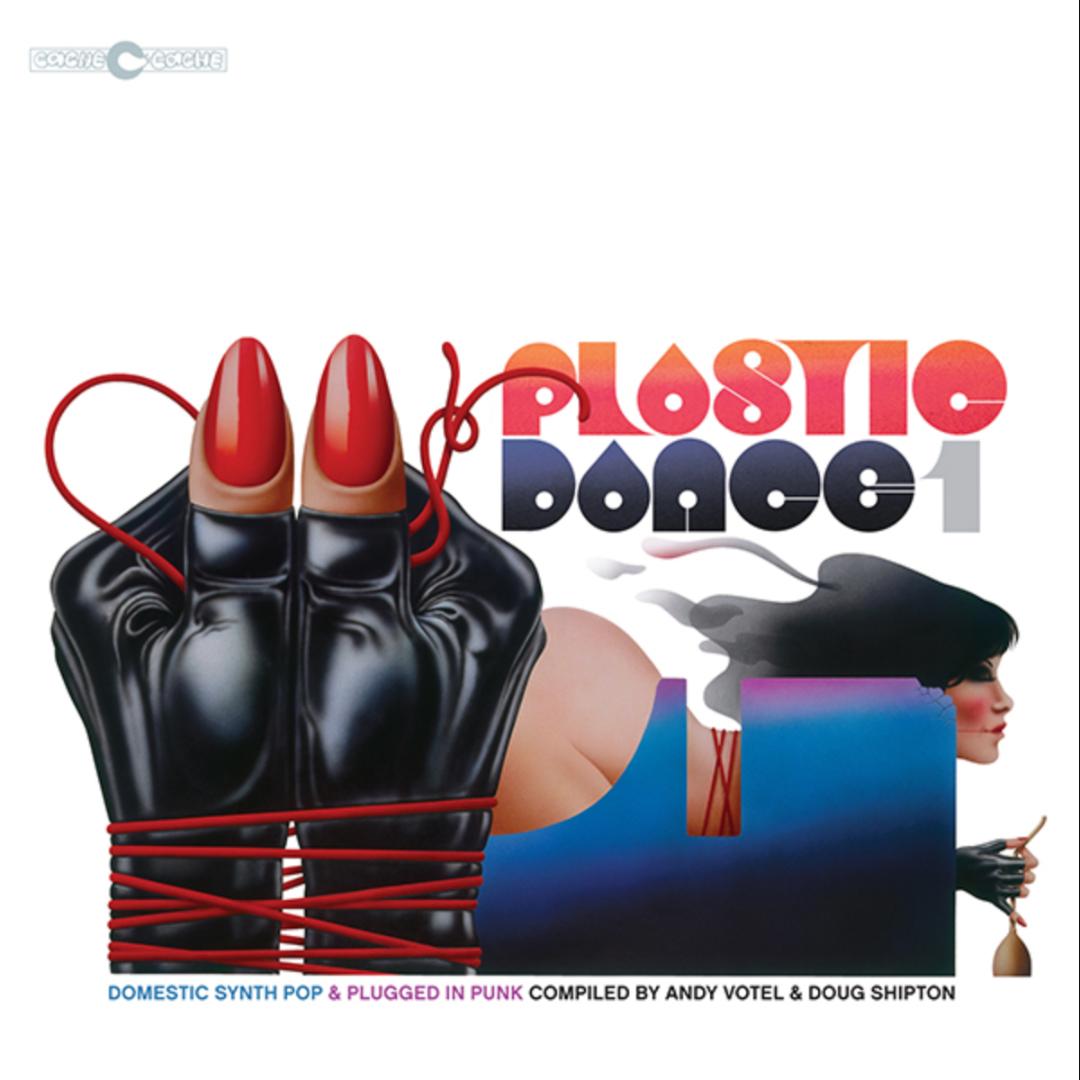
I did a cover for a band called Byzantium that were going around about 1971, maybe, 72… And that included Chas Jankel, he was later in Ian Drury and the Blockheads; it was his first band he was in. The connection there, interestingly with Bowie, is that I’d just finished the artwork for this Byzantium cover, and it was on my desk in my studio in Covent Garden, and David dropped in for a cup of tea, and he said, ‘Oh, I really love that cover, I love S&M”, because it was these sort of hands in black leather mittens.  And he was quite into the, let’s say, the masochist sort of image. It was interesting that he saw that cover before the band did. So, he’s consolation for them.

The other thing that was rather sort of typical of the rock and roll business was that one of the band members said, ‘Oh, we’re having our first gig to promote the LP next Friday (or whatever). Come along’. So, I went along to the gig and went backstage before they went on into the dressing room, and they had this incredible argument, and they all walked off in different directions, never went on stage, and the band just disbanded before even doing promotion for the LP at all!

Wow!

Which was rather typical at that time, really.

That’s quite a story. Geez.

You hear so many stories about musicians not getting on. I remember a quote from George Harrison when he was friends with Eric Clapton when he was in Cream, and he went backstage before a concert. There was an incredible argument, and George Harrison said, ‘I’m glad I’m not in this band’. So, you can imagine that there was some bad feeling going on there between the members, and that seemed to be the case a lot of the time with groups.

I suppose the thing is, it’s a bit like you can choose your friends, but you can’t choose people you work with.

Have you been a part of any books or anything as far as a lot of these bands that have had books on them, like Bowie, The Sweet, and various others? Have you contributed to any of those?

Plenty of books not about the Sweet though, but particularly about Bowie and another that comes to mind is the Status Quo Rocking around the World, who published the book with the Princes Trust Charity. I did it because one of the Quo members is Andy Bown who is a great friend of mine and my son was helped by the Princes Trust Charity to start his career in music.

Occasionally I’ve been asked if there are prints available of their covers, which there are. Unfortunately, I never got the artwork back, so I don’t know what happened to that. I guess it’s in someone’s studio wall somewhere. That happens a lot with them. Probably if I sort of looked at my artwork through the years, which is hundreds and hundreds of things all together, I hardly had anything given back. It all just disappeared. That happened with both the Bowie covers I did. I never saw them again, so I don’t know what happened to them.

I know that I was at Bowie’s exhibition at the Victoria Albert Museum when that was on, and interestingly, I didn’t see any of my original artwork there at all. There was other artwork there, but not mine, so I don’t know if they’d chose not to put it in the show or if they didn’t have them either. But I do remember one thing. It was reported to be, it said it was the original artwork for Hunky Dory, but it wasn’t. It was some sort of copy that was very badly done. So that was interesting that it was supposed to be my artwork, but it wasn’t. I didn’t say anything. I just kept quiet. I didn’t want to cause waves, but I did say to my wife at that time, ‘Look, it’s saying I did this, and it’s not mine.’ So, I don’t know who did it, but anyway, there we are.

When you submitted things back then as art, that was kind of the end of it!?

No, generally, with record covers, there was never a problem with coming back for alterations. Sometimes with advertising, where they always wanted things altered, but with all the covers I’ve ever done, never had any bad feedback. I remember particularly taking the artwork for Ziggy Stardust to David’s manager, Tony Defries.  I remember taking it to his offices in the West End and just giving him the artwork, and I said to him, ‘Oh, when am I going to get paid?’ And he said to his colleague, ‘You hold him and I’ll hit him, which is typical, so they didn’t really mean it, but it was that sort of rock and roll manager thing, never ask for money. But I did get paid; they paid me ok, so that was fine.

I don’t think I was paid very much for doing it. Probably a couple hundred pounds, but then, I think 200 pounds then is probably equivalent to about 3,000 pounds now…. So maybe I wasn’t too badly paid.

In retrospect, I think because all those album covers have become so iconic that the bands and that have made more on them through selling T-shirts and posters and everything else.

Yes, absolutely. I publish my own fine art prints of David Bowie which are very popular. Interestingly, when he died, the first year after he died, the amount of prints I sold was phenomenal.  The minute someone dies, you don’t know what you’ve missed until it’s gone sort of thing.  And people go crazy. I remember the day he died, that morning I was in bed about 8 o’clock in the morning and I just said to my wife, I’ll get up in a minute, and then the phone rang. and they said ‘Are you watching TV?’ And just as we switched it on, there was this thing coming up about David Bowie having died. And we said, oh, what’s happening here!? And then as we were watching this, the phone rang. It’s always when, you know, TV companies want to come and interview me. I thought I was going to have a quiet day, but it was like a mad day in the end. It’s bizarre, you know!?

Yeah, it’s a shame because obviously nowadays when people die, their albums and their worth gets ridiculous as far as, trying to go find something.

Well, I guess it’s the day that Brian Wilson has died. And it’s interesting the amount of people that are really sort of like, big hitters in the rock-pop business are all sort of saying he was like this genius, you know!? Which was nice, that he’s had that sort of accolade. Paul McCartney particularly has said that he was probably one of the greatest songwriters ever.

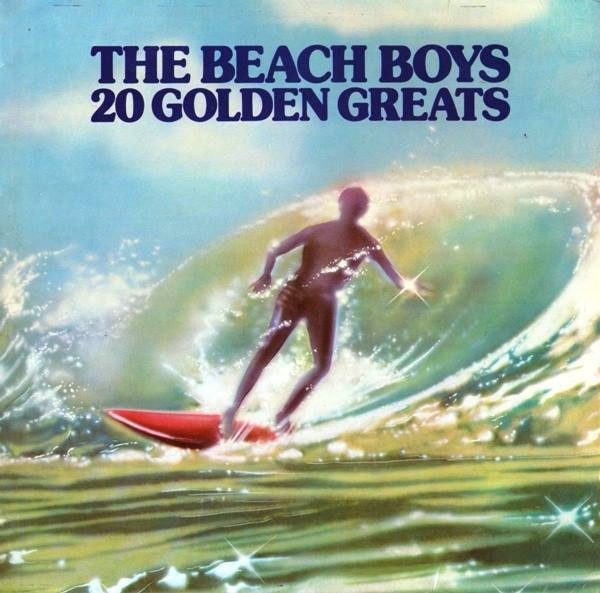
Now, you only did the one Beach Boys cover, right!?

I did, which was a terrible, terrible cover. Again, that was because, and I’m not saying it wasn’t my fault, but it was done through an advertising agency, and they wanted me to do this cover, and it wasn’t my idea, and I didn’t want to do it the way they wanted it. And the way it worked out just didn’t really work. There were two art directors in fact, and they both wanted it a certain way and I didn’t want to do it that way, so it ended up a bit of a mess. I mean, they could use it, which I was surprised about because it could have been better. But there we are, that’s the way it goes.

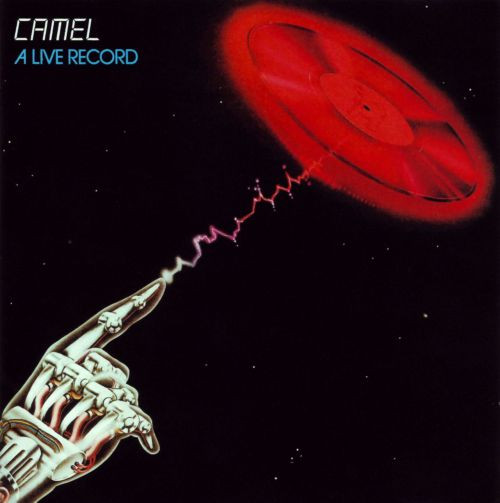
The Camel cover you did is kind of futuristic, with the robotic hand they’re pointing out to the record, obviously.

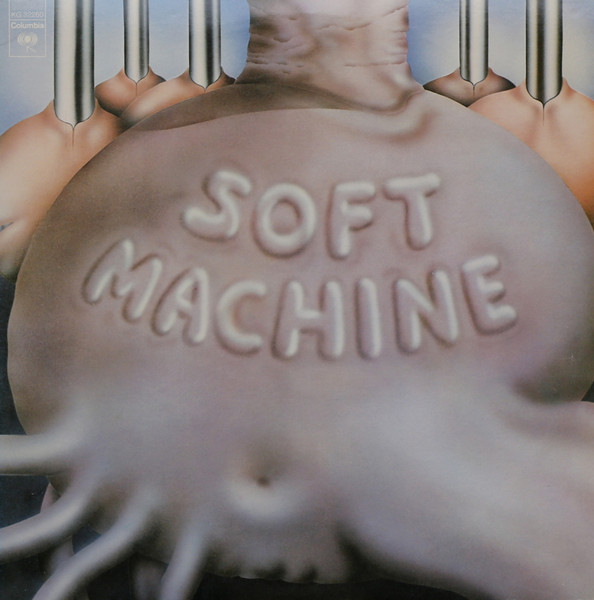
Yes, a very simplistic sort of cover, really. It could have been more. Another band I did a record cover for, who were quite a big band at the time was Soft Machine. It was a weird thing, like that sort of fleshy – pieces of flesh with metal rods going into them and stuff. And it was a mixture of machinery. I think it was Soft Machine 8. But again, I didn’t have much involvement with the band. They wanted me to do this cover; it was quite successful, I guess.

It sounds like I’ve done a lot of album covers. I haven’t really. I’ve done a few, but it certainly wasn’t my main source of work through the years at all.

You do books and what else?

Lots and lots of advertising work, which, I did because it paid a lot of money but I don’t particularly want to relate my name to the stuff because it was pretty crappy stuff and they paid well. I enjoyed record covers very much and I enjoyed book jackets. And a lot of double-page spreads for girlie mags and stuff like that, which was popular then and a good source of work.

But the advertising was where the money was. I mean, if you did a book jacket, maybe £300, £400, the equivalent amount of work in advertising would be £2,000. So, there’s a big, big difference in income. I was basically a hard-nosed commercial artist really, I guess at that time. Not so much now than I was then.

Do you still do album covers? You still working?

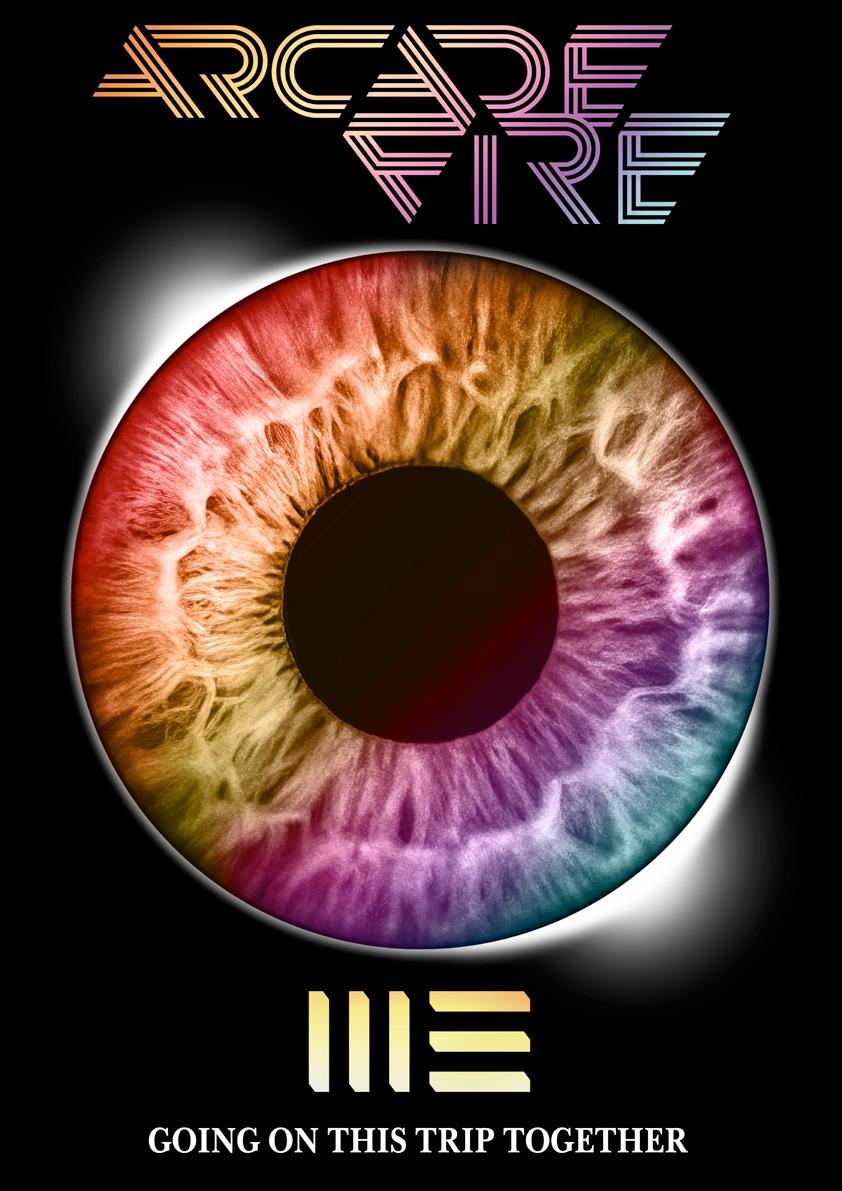
I have never stopped working, one of the most recent record albums I was commissioned to do was to provide the colored artwork for Arcade Fire, a most famous Canadian Indie Rock band who are absolutely huge in America who rang me out of the blue because they loved the hand airbrushing technique that I used on the Bowie record sleeves, plus I do collaborative work with great photographers like Mick Rock, Formento and Formento and Scarlet Page (Jimmy Page’s daughter).

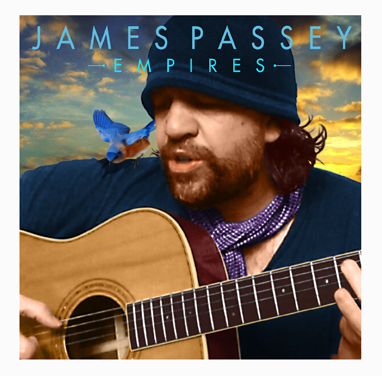
Actually, the last actual cover I did was really for a CD cover. It was for a singer-songwriter called James Passey. I don’t know if you know him. He’s a folk-y sort of singer really. But that’s the last cover I did about a year or two ago. I also did a cover, actually I really liked the cover for a guy called Ginger Wildheart but he’s a bit sort of like below the radar, sort of guy. He was in a band called The Wild Hearts, but I think they were a bit underground really. I don’t know too much about them. I met him, lovely guy, very nice guy. The music’s a bit sort of not at all commercial, so you may not have heard of him really.

What else do you have on the go? Do you foresee yourself putting in your artwork?

Well, I really just do my own work now. Just my own sort of art prints and original artwork. But mostly art prints and publishing my own stuff. I get offered commissions, but don’t chase work. actually.

Additionally (some post-interview notes, adds, and links):

Some Interesting covers that were not used! (see below for explanations from Terry)

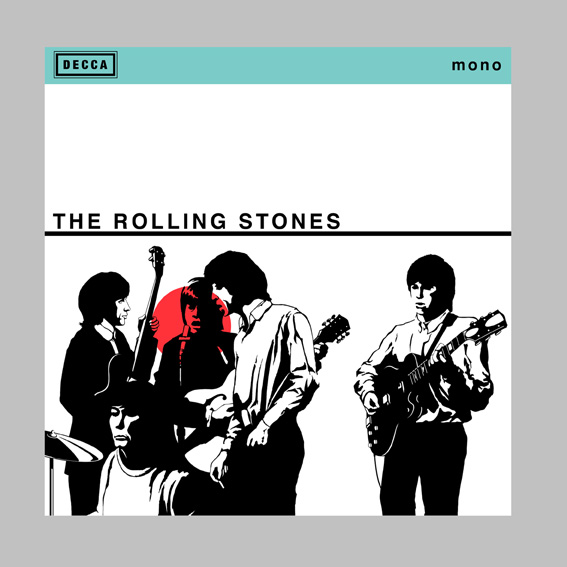
The Rolling Stones. Painted this in 1964.I was seventeen and a big Stones fan. Sent this to Decca records .They sent it back without any note or comment! 

Carl Palmer cover: Although Carl came to my studio and liked the painting it was not used. Don’t know if he actually had a record released under his name or not? This would have been around 1976.

Andy Bown cover was never used. Although Andy wanted this  image was his idea, the record company elected for a head shot of Andy instead. Around 2011.

Books featuring Terry Pastor’s work –

Status Quo: ‘Pictures, Forty Years of Hits‘.

Designed by Peter Saville‘. In conjunction with The Design Museum London. 2003

Lots of  books on David Bowie, too many too mention.

*Some of my work is in the collection of the Victoria & Albert Museum, London.

*A selection of covers from 2012-2020:

LINKS:

To find out more about Terry Pastor’s work and to order prints of some of his covers, check out his website – https://www.terrypastor.co.uk/

https://www.instagram.com/terrypastorart/

https://hypergallery.com/blogs/profiles/terry-pastor

https://www.davidbowie.com/2007/2007/03/22/exclusive-terry-pastor-interview

GOLDEN EARRING – Switch: An interview with archivist Wouter Bessels

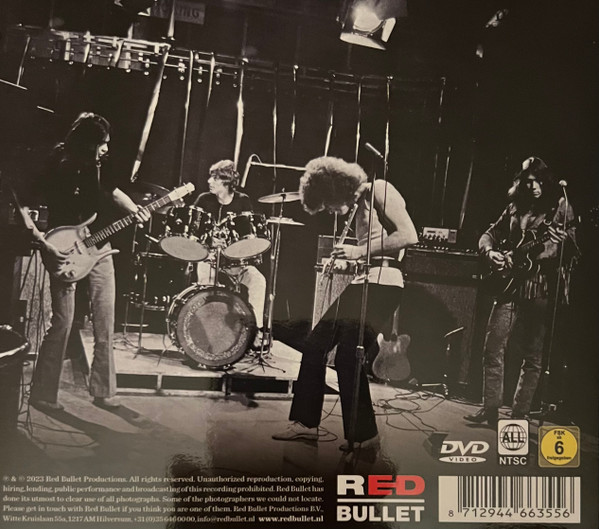
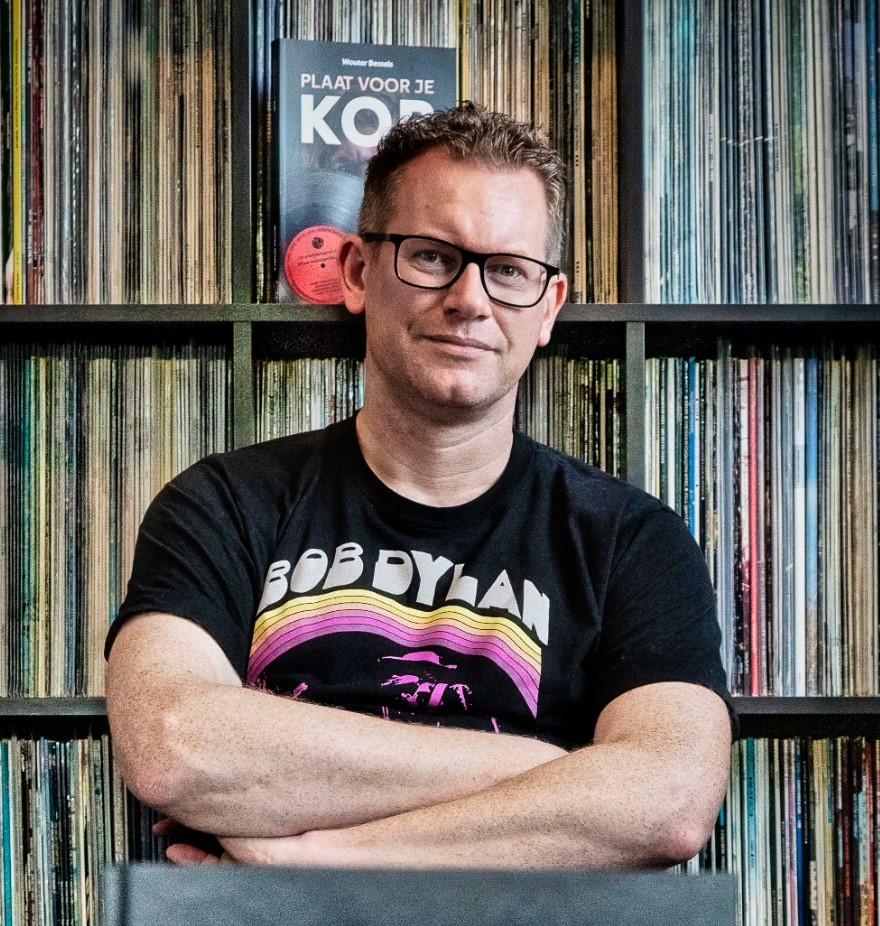
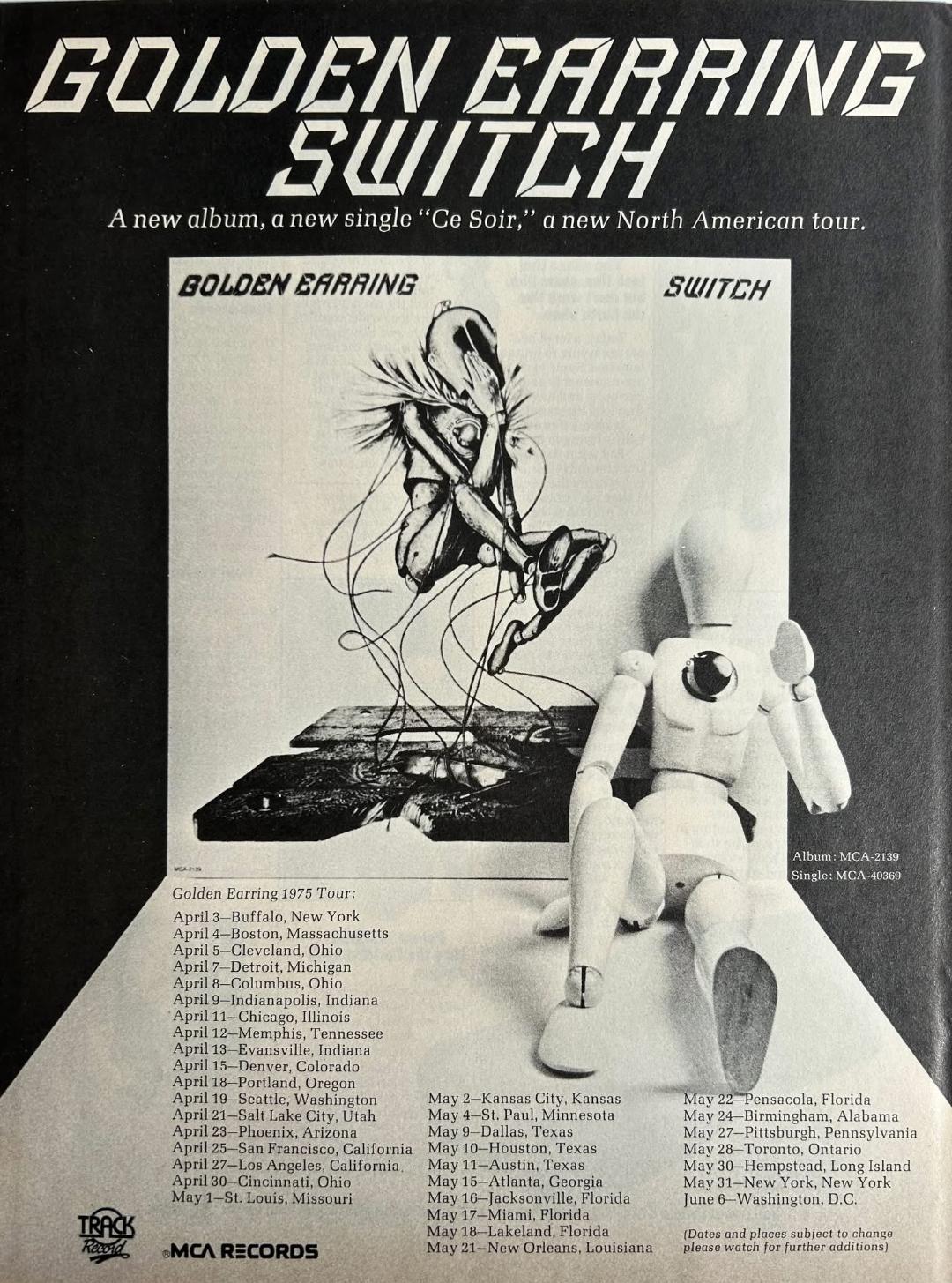
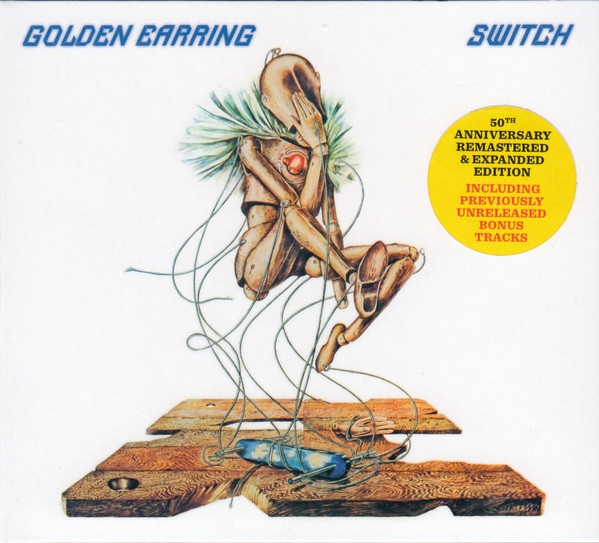
Wouter Bessels is a Dutch writer, sound engineer, producer, musician, and an archivist of some classic bands from The Netherlands. Heading the remasters and expanded versions of the GOLDEN EARRING catalogue, Bessels has recently put together the 50th Anniversary expanded edition of the Golden Earring classic album Switch. This was released April 25th on the Red Bullet label. The expanded version adds singles, B-sides, alternate takes and demos from the Switch recordings. Though the album didn’t match up in success to it’s predecessor Moontan, it is highly regarded among Golden Earring fans for it’s changes and chances it took to expand the band’s sounds. The single from the album “Kill Me (Ce Soir)” was a huge hit in Holland, but did not make much of an impact in North America. It does have the distinction of being one song from this album covered by another huge act – IRON MAIDEN, who covered it in 1990. Bessels is also well known for working on projects of FOCUS, JAN AKKERMAN, TANGERINE DREAM, PINK FLOYD, and numerous others.

In this interview Wouter discusses his some of the bands he’s worked with, Golden Earring’s Switch expanded edition, as well as some of Golden Earring other albums he’s worked for remastered reissues. Switch can be purchased easily from Amazon and other online shops.

I want to talk a bit about Switch and some of the other Golden Earring stuff you’ve done. When is its official release?

April 25th. Okay.

So I’m kind of curious, I looked into you through Discog, I looked at some of the other projects you’ve done, and I see you’re a bit younger than me, so you’re kind of archiving bands that neither of us grew up with, so to say, especially Golden Earring, they were kind of past their prime or in their prime at that time you were born. I follow a lot of that stuff and Uriah Heep and Deep Purple,…. I’m curious how you got into the whole business of going back and working on these older bands like Golden Earring, Jan Akkerman, and whoever else.

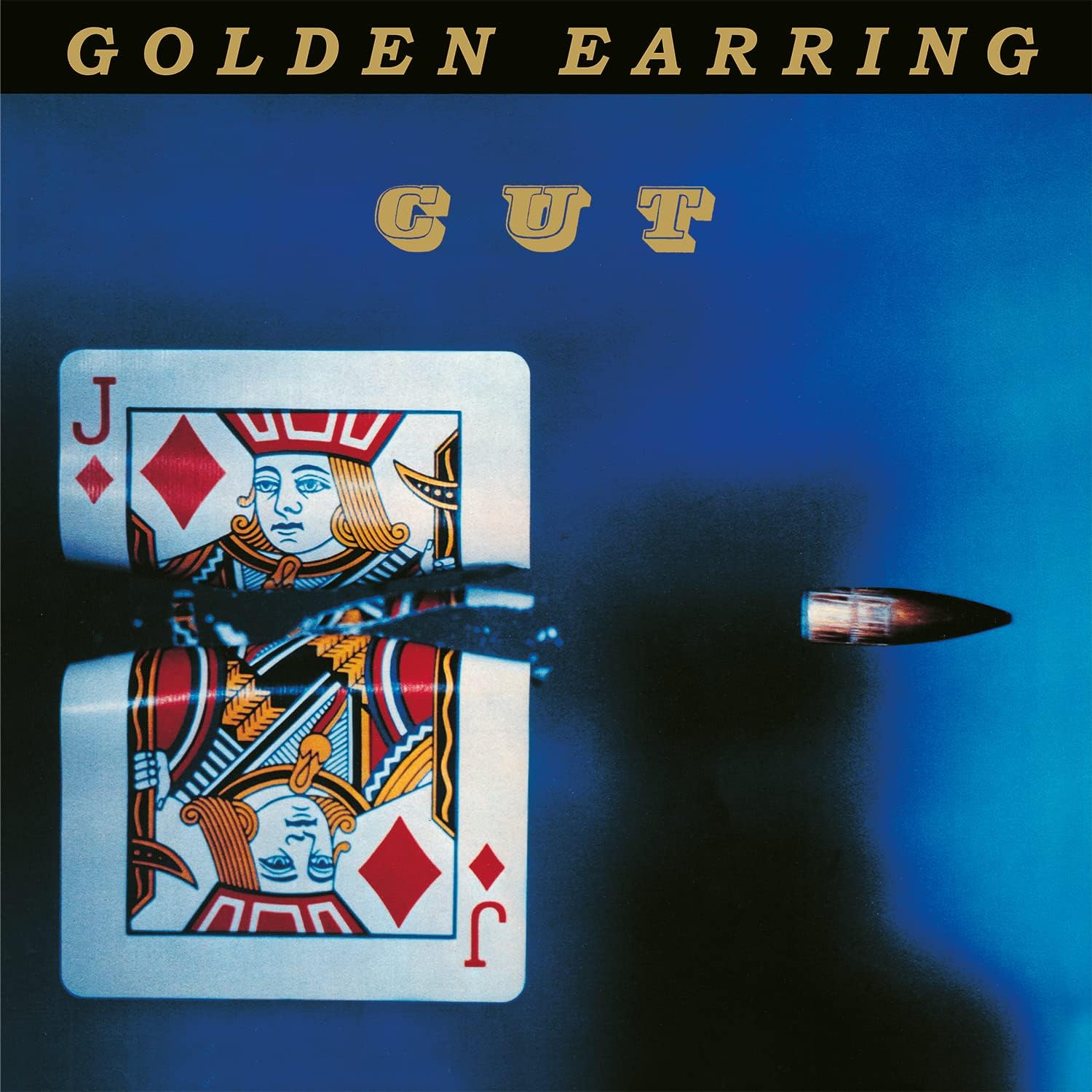
I grew up in the 80s. I’m from, I was born in 1977 and during the 80s, I was, at a very young age, I was already very much into music, rock music in particular. And Golden Earring were doing a comeback since 1982 when they released the Cut album.

And they also did two American tours in 82, and also Canada, by the way, in 83 and 84. And I still remember that very well. And when I was six or seven, I used to pick up video clips from Dutch TV and MTV was also starting to emerge in those years.

And during the late 80s, I expanded my taste a little bit more into, like you said, Deep Purple, Uriah Heep, Pink Floyd, Led Zeppelin, but also the electronic stuff mainly coming from Europe, like Tangerine Dream or Jean-Michel Jarre and Mike Oldfield and the German progressive stuff, like Kraftwerk and Neu and Can and Faust. I was very much into that at a very young age. And so I was like a sponge, I got all those different types of music into my taste.

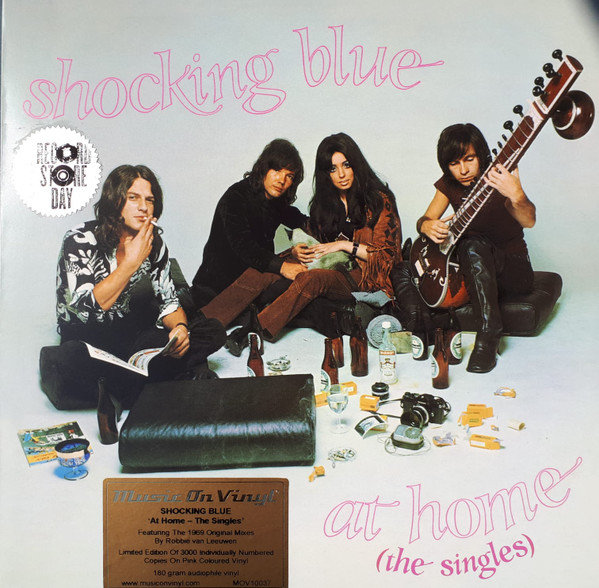
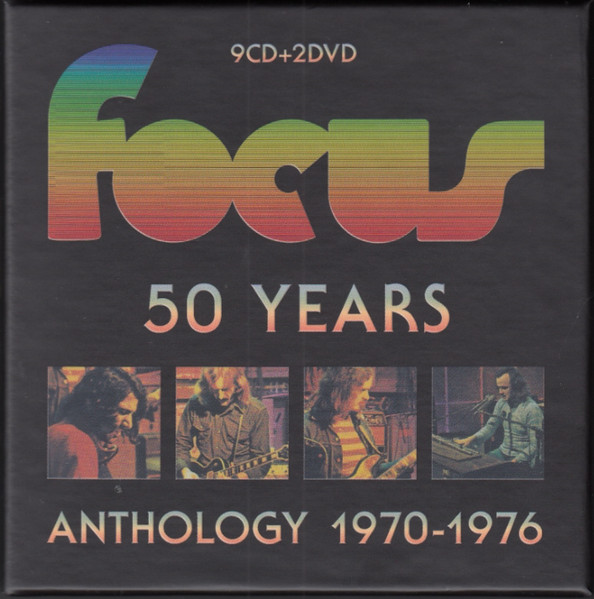
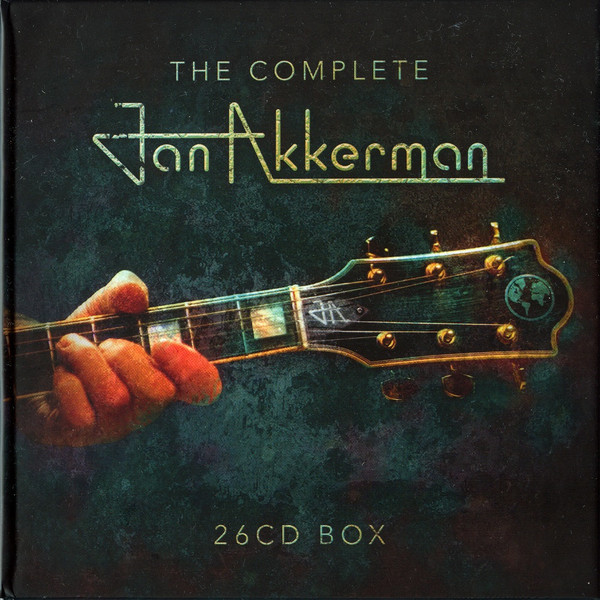
And that’s how I got more into the music and the backgrounds. And I’m Jan Akkerman’s archivist since the mid 90s. And he’s a good friend of mine since then. And he still performs regularly. And so, when I was asked much later in 2016 to curate his box set featuring all his studio albums, 26 studio albums, 26 CDs, I got in touch with Willem van Kooten from Red Bullet label. And he also had the Earring back catalogue, and Shocking Blue and Focus. So that’s kind of kickstarted my role as a reissue producer. But beside that, I was also involved with Universal doing the Tangerine Dream box set. And I’ve been in touch with also with Esoteric Recordings from the United Kingdom, who regularly put out reissues by Dutch bands, but also other stuff. And Mark Powell and he’s also one of the consultants at Universal. So, he also did the Steve Hackett box set and the Tangerine Dream one and Camel and Caravan. And I’m very much and I’m not particularly into prog music, but it’s one area that I’m kind of specialized in and I’ve very much got into in the last 35 years or so. So, yeah, that’s basically it. And one of, I’m most proud of is that’s coming out on May the 2nd is the remix of Live in Pompeii by Pink Floyd, that’s been done by Steven Wilson. And I’ve suggested to him a few things for the new mix he’s done in Stereo 5.1 and Dolby Atmos. So, I’ll be attending the premiere in two weeks in London. So, I’m flying over there and it’s just 45 minutes flight from Amsterdam to London. I’m attending that. And he’s doing a Q&A with Nick Mason and David Gilmour is supposed to be there as well. So that’s going to be a very exciting evening. (Since then (…and it was indeed an exciting evening, as both Mason and Gilmour were there – and I’ve met them very briefly)
And I’m very glad that because Pink Floyd, when I was 10 or 11, Pink Floyd had their comeback. That was really my first love of serious rock music. And from the moment I discovered their music, I started to listen to music differently – more the space, the depth of the lyrics and the music, that really made a big impression, not only on me, but also on other people from the same age as I am. Because, as you say, I was kind of late in, I was born 20 years too late.

It’s funny, a lot of those bands you mentioned, a lot of the prog bands, aside from Pink Floyd, are very scarce over here. So, they’re very, obviously they’re highly collectible over here and hard to find. But you go to Europe and you still find these bands like Eloy and that that are still playing.

Yeah. Eloy and Grobschnitt. Have you heard of Grobschnitt?

I’ve heard of them. I don’t know anything of them.

But that’s about in the same league as Eloy. It’s very exciting, energetic German rock, prog rock. But on the more on the heavy side. Yeah, very interesting band.

So how did you get into Golden Earring? And if you can explain to me, because I know they are huge over there and probably up until they retired, they were probably the longest running band out there.

Well, Golden Earring is sort of a Dutch equivalent of the Rolling Stones, really. That’s what it is. I mean, the band’s got a very, very long history dating back to 1963, 1964, coming from The Hague, which still is kind of the Liverpool of the Netherlands.  It’s really a rock city. There are a lot of musicians there. And the background also in The Hague, like with the Indonesian rock influences.  So, there are a lot of rock and roll bands that are combining the Indonesian influences with like The Shadows, the guitar bands coming from Britain and also the blues stuff from USA and Canada. But the Earring is really, that’s why I grew up with them.  When they performed in the 80s and in the 90s, I used to visit them twice or three times a year with my mother, who brought me along to their concerts – in theaters, and in big concert halls when they play for five, six thousand people, weekly in the Netherlands. And in theaters, they did more the acoustic shows like they released on albums like The Naked Truth in the early 90s, like they kind of their ‘unplugged’ album, one of their best-selling albums. And they’re international successes; they still rely on those who like “Radar Love” and “Twilight Zone”. Everybody outside of the Netherlands knows those, (mostly) hit singles in particular. So, the Earring are like one of – like with Focus and Shocking Blue, they are the most important export music products from the Netherlands. I grew up right in the middle, you know the Netherlands aren’t very large and they’ve got a huge, huge following over here and still have. But also, in Germany and in the UK and over, like in Canada as well because they also did, I think, four or five shows in 84 during their last tour as headliners in Canada, in Toronto, if I remember among them when they did one of those shows. So, I wasn’t their biggest fan. But when I got the opportunity to work on a back catalogue, I really knew that this was really something special. I really wanted to fly on things very seriously. And of course, I knew the big reissue packages like King Crimson and the Beatles and also like how the back of Elton John has been done in the last few years, which is splendid reissues. And Black Sabbath and Uriah Heep as well. Those were like very good examples for me like they how they should be done. Good reissues! It’s not just milking the previously released stuff, but we’re adding something worthwhile that people have never heard before. But on the other hand, it’s the very high musical quality and relevant for the band as well, because the band has got that legacy and they want to keep the level of their legacy high.

So, I had some discussions with the bass player, Rinus Gerritsen, and the singer Barry Hay about it, and they just gave me carte blanche. So, it was like, ‘you know what’s in the cellar of the label of Red Bullet, and what’s there, it’s you’re taking care of it and just get the best out of it as best as you could?’ That was not really their request, but it was OK, if that’s what the philosophy is from the from the side of the band, because they have got nothing to say, because they don’t have the master rights because the label has it, then I’ve just got to make the best out of it. And taking very seriously, this is an international well-known band coming from the Netherlands, and I’m the one who’s got make it future proof, so to speak. That was like how I started things up about five and a half years ago, just before the first pandemic lockdown in the Netherlands, early 2020, I think. Then I started off with Moontan. I just I was just like, ‘OK, let’s start with their most well-known album’.

I went into the archives, I found the original two-track masters from the IBC studios with the notes on it from Damon Lyon Shaw, the original engineer who also did The Who back in the days. And it was like I was holding those in my hands and like, you know, like you’re holding the same as the masters for Tommy or The Who Sell Out, the same layout as on those master tapes. So that’s very, very special. I knew that those were the original masters. So, I digitized them in high resolution with a friend of mine. And we found some outtakes and, some B-sides and the follow up single. So that was the first issue that I produced. And then the guitarist became known that he was very ill, ALS, a muscle disease. And he’s still around, but gradually he’s getting worse and worse. And I’ve been in touch with him a few times, but it’s very difficult. I’m in touch with Rinus, the bass player, and with the singer, Barry Hay sometimes about what I do and how to and I update them from what I do. And yeah, It’s exciting. And also, from the from the fan base, the reactions are stimulating, so to speak.

Yeah, it’s interesting because over here, I got into Golden Earring just before the pandemic, I think, because I had an uncle that lived in Toronto and he would once in a while go to Europe and he imported records on his own that he would sell to friends at work and that. And he would always bring me the catalogs and say, there’s a new Golden Earring album out.  He’d always try to hand me Golden Earring tapes back then is going back to the late 80s and 90s. And I didn’t take much of them because we all we ever knew over here was ‘Radar Love’ and ‘Twilight Zone’. But then at some point in 2017 or 2018, I bought the live album, and I thought, well, now I’m going to start buying everything because that kind of kind of got my attention, obviously, but the stuff is still hard to find over here. So even on CDs and that Switch, I don’t have a proper CD issue of Switch. I’ve got four or five vinyl versions of it. But trying to find that stuff over here and then there’s obviously, there’s a lot more of the catalog than those two songs that people need to hear, right?

At the moment, there are about 25 or 26 albums and the reissues that we’re doing. They are available through Amazon, I think. But in the shops, I agree that in the shops there are much more difficult to obtain. They’ve got to be ordered special; they’re not regulars now.

I’ve got I’ve got the Moontan one, I’ve got about three or four vinyl copies of it, plus they had the different cover over here.

Yeah. Different track listing as well. Yeah.

So, when you went into the archives, I’ve noticed on the Switch one, there’s a lot of B-sides and outtakes. One thing I don’t see (because I know I’ve got a few on CD and on my computer) is any live recordings, like full shows.

We don’t simply we I have to rely on what’s in the archives of the label. And to license material from other parties that can be very difficult on, let’s say – the logistics side and also on the financial side. And that makes it very that can be very expensive. And the budget for the reissues that we do, I mean, these are only, a couple of thousand copies for one run. And if there’s enough demand, then we do another run, as we have done already with the Moontan expanded thing that came out four years ago. But to obtain stuff from other parties, it’s simply it doesn’t weigh up to the costs and the amount of what they sell for. And we want to keep the price not too high. These sell for like, ten dollars or so, and we want to keep it that way. And the other stuff, like the Winterland and the Sausalito recordings from ‘75, they’re still widely available. They’re available for YouTube, in pretty much good quality. And fans have made their own remasters of them. So, we don’t see a real priority to license the recordings for, let’s say, two or three years, put them out as a bonus on our CDs…this it’s not a big asset to sell, or a big selling point to sell these reissues.  We want to offer material that’s available nowhere else. That’s basically it.

Did you get a lot of (I haven’t seen the packaging, the inner packaging) input from the band members, as far as printed stuff and photos?

Sure. One of the biographers in the Netherlands of Golden Earring is a guy called Jeroen Ras. And he wrote a story about the production of the albums, like he’s done with the previous reissues in the Remastered Expanded Series.

And also there’s a lot of photographs from concerts in New York City at the Academy of Music in October 74, from the tour that preceded the recording of the Switch album, also with Robert Jan Stips. And I’ve written some additional notes about the remastering itself and how I compiled this reissue, and the fact that we also putting out now a track that’s been unavailable and never been available before, which was intended for the Switch album, but was shelved for some reason. And we found that on a tape and we have added this to as a bonus to the CD. I’ve contacted Barry and Rinus about it, and they were very enthusiastic. Barry said something like “Ah put it out. Yeah, I can vaguely remember what it was. It’s about a very dirty girl and a very fast guy. And I really sang it with a posh English accent…And it’s very tongue ‘n cheek, put it out!”  It’s a very good addition. And so, he vaguely remembered that track. And I sent him an MP3 and he was he wasn’t really over the mountains. But, because it’s 50 years ago, he couldn’t remember it very well. But he was very happy to see it added to this one.

This is not the most popular because it was the follow up of Moontan. As you know, it wasn’t a very commercial success, but it’s musically very interesting. It’s with the follow up from this one To The Hilt. I think it’s their one of their most interesting albums. So, it wasn’t a commercial success. But adding such a previously unavailable track, that’s like, you know, a selling point for this reissue. And it really adds something special.

I think like I did a review. I’ve done some reviews on my site on those albums. And I think like Switch, I liked it; it’s probably my favorite album.  I like the experimentation with the keyboards and the different stuff they did.  I think obviously for them, it just kind of lacked that “Radar Love” – type, that one huge song . You know what I mean?

I know there was in between Moontan and Switch, there was “Instant Poetry” released as a single, which is really part of the Moontan story. So, we added that one to the Moontan expanded edition four years ago. But essentially, it’s right in the middle between Moontan and Switch. They were they were like, ‘oh, we’ve got to follow up ‘Radar Love’ with a very catchy…’, but also, it’s not really lightweight pop music, “Instant Poetry”, it’s very dynamic with a really easy part and a heavy part. And I think “Kill Me (Ce Soir)”, which was the single off Switch, the leading single, which went to, I think, number 10 in the Netherlands, but it failed to chart anywhere else in the world. I think it’s one of the most interesting songs ever.

And even better, I think the first side of Switch is, I think, the most exciting album sides they’ve ever produced. I mean, starting off with an instrumental, but Focus-like, then into “Love Is A Rodeo” with the very fast parts from Robert Jan Stips and the backing vocalists and the saxophone and then the title track, which got more into funk and a bit of David Bowie “Young Americans”, a bit of Philly soul in there, and then into “Kill  Me (Ce Soir)”. I think that’s a very good build up, a very good climax. And the second side, I really think they should have added “Lucky Number” to the album because “Lucky Number” is, I think, like “ “Exile On Mainstreet”, sort of swampy rock and roll. And I think that’s the best song, with “Kill Me (Ce Soir) of the whole Switch story. But they left it off for a reason and they put it out as a B-side. But it made a great album track, and of course we’ve added it to this reissue. And I even found some instrumental rough mixes of “Lucky Number”. I’ve added one too.

That one got played live, too, didn’t it? They played that in their show.

Yeah. Even better, they opened with it. They started off with the intro “Minus Absurdio” from a tape. They played it over the PA and then that was that was finished, and the audience all should’ve expected “Love Is A Rodeo” but they played “Lucky Number” first. And that was a great show opener. You have seen the Winterland recording, right!? That’s what they do. It’s mind blowing. And the funny thing about it also is that the show has been filmed in black and white and the whole stage design was black and white, too, because all the instruments were black and they were wearing white suits and white overalls. So, it’s people always complain, well, it’s in black and white, but it’s that’s no big deal because the show was black and white anyway.

The song I like is the last one “The Lonesome DJ”. That would have been a song that could have got that late night radio airplay like “Radar Love” still does.

That’s a typical George Kooymans track, and it’s the only track he does lead vocals on. And it’s a great way to round off the album. I think after a bit more let down tracks for me personally. I mean, “Tons Of Time” and “Troubles And Hassles”, It’s OK, but it’s not really in the Moontan league. They’re nice, but they did much better stuff. And “Lonesome DJ” kind of lifts the whole quality a bit more up. Yeah, I agree with that.

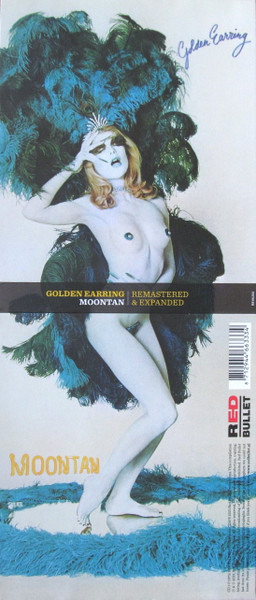
The album art for both those albums, for this one and for Moontan. I’m curious if you had any contact with the album artist and you got any kind of alternate or early versions of those sketches? I mean, the cover design, the cover for Switch and the cover for Moontan.

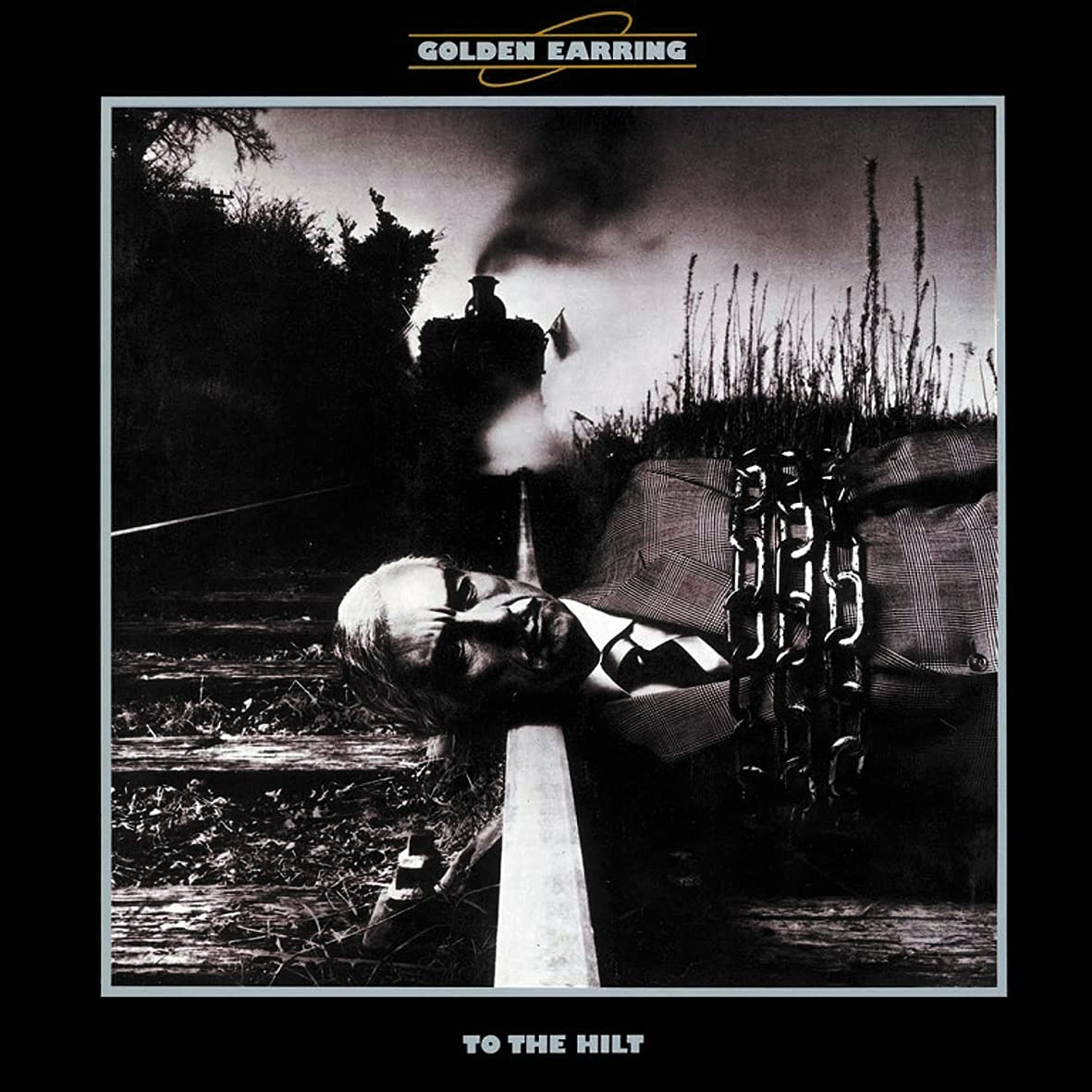
(I hold up my MusicOnVinyl reissue LP of Switch) Oh, you’ve got the music on vinyl there. That’s great. That’s the previous one. We’re doing a two LP reissue later this year, in the fall with the remasters on the CD. Well, the cover artist for this one is a guy called Corstiaan De Vries. No, I haven’t been in contact with him. Barry Hay has always done the final artwork concept. So, he kind of realized the concept, and then a particular artist realized his ideas into the cover art. But no, I’ve not been in touch with the cover artists. So, I don’t know if there are any outtakes on designs or… But I do know that the follow up to Switch is To The Hilt, and I did a long interview with Aubrey Powell from Hypnosis some years ago. And Aubrey told me that from To The Hilt, there are some image outtakes, like with different photographs that they based the album cover on.

That was a strange cover.

Yeah! It’s a bit dark. And it’s yeah, it’s with the train…

That’s why I never figured it out.

Yeah, it’s almost morbid.

Will there be anything if you know, as far as the label goes, in promoting this, any kind of like retro singles or anything or videos that they might put out?

I think the record label will do some promotion and some promos on social media and probably taking the video clip that was done in 1975 for the Dutch TV TopPop Live show of “Kill Me (Ce Soir)”; I think they will put it out to promote this reissue.

And if you know, promoting Golden Earring these days is they don’t have anything much to promote because the band is still a big name and these will sell anyway, but on the other hand, there are four members, and one member is very ill. So, there’s not really radio silence or something in that way, but the promotion on the band is we’ve got to do it with great respect, you know. And knowing that one key member is terminally ill, sometimes we have to think about it a bit more than, you know, with other bands. And there’s a huge respect for George, and we have to take that into account. 

Yeah.  One thing I’ve always wondered about, I have the live album, the 2 CD version, and I’ve always wondered when disc one trails off it sounds like they’re starting the drum intro to, is it “Bombay”?

That’s “Bombay”. Yeah, the shuffle for “Bombay”.

So, I’m curious because that’s not on the album, so curious if there was any songs that kind of are still on tape that just didn’t make the album that could have been put on or added!?

Well, I got that question a lot of times when that reissue was released. The story is this – When they recorded two nights at the London Rainbow Theatre, those were recorded by Capital Radio. They took the multi-tracks to the IBC studios, and they cut the album from the multi-tracks, and they decided there what the best tracks were. And they took those two-track masters to Holland to polish it a bit more and to press the records, to cut the records first and then press them. But they didn’t bring along the multi-tracks. So, we don’t have any outtakes from the Rainbow concerts, although they’ve recorded some other gigs themselves, the band, John Kriek, the engineer. And some of them were even mixed to two-track, and we only found one reel in the archives with 3 or 4 songs from a concert in Belgium, in Brugge. I was able to cull 2 or 3 tracks from that one tape, for the reissue. And it’s a bit lacklustre, maybe, but why not put a DVD in the package with one of their most famous concerts, television appearances from that era at the TopPop Live show, with Eelco Geiling on guitar. And a large part of it was filmed in 16 millimetres. So, we dug out the original film box, and we digitized that. The audio was better than I expected, so I remastered that to give it a bit more clarity and a bit more EQing; so, we added that.  But, from the Rainbow concerts that was all we had, because Capital Radio didn’t let any multi-tracks go outside of London, and I don’t know where they are. They’re probably stashed away somewhere…I don’t know.

Following Switch, I know you haven’t done everything in order since you started with Moontan

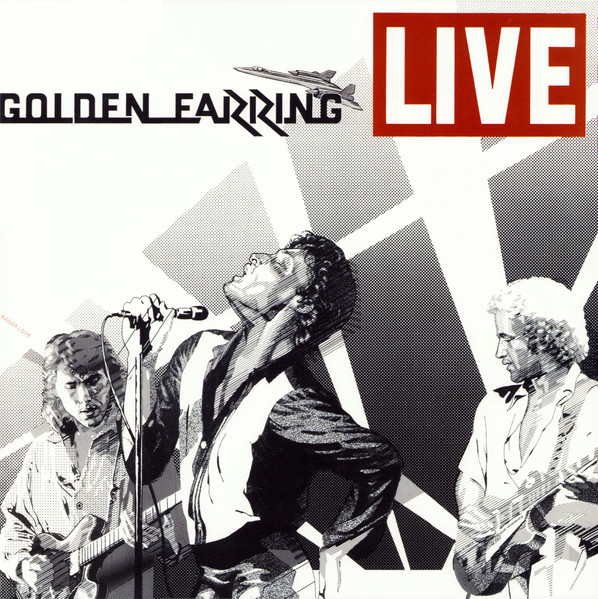
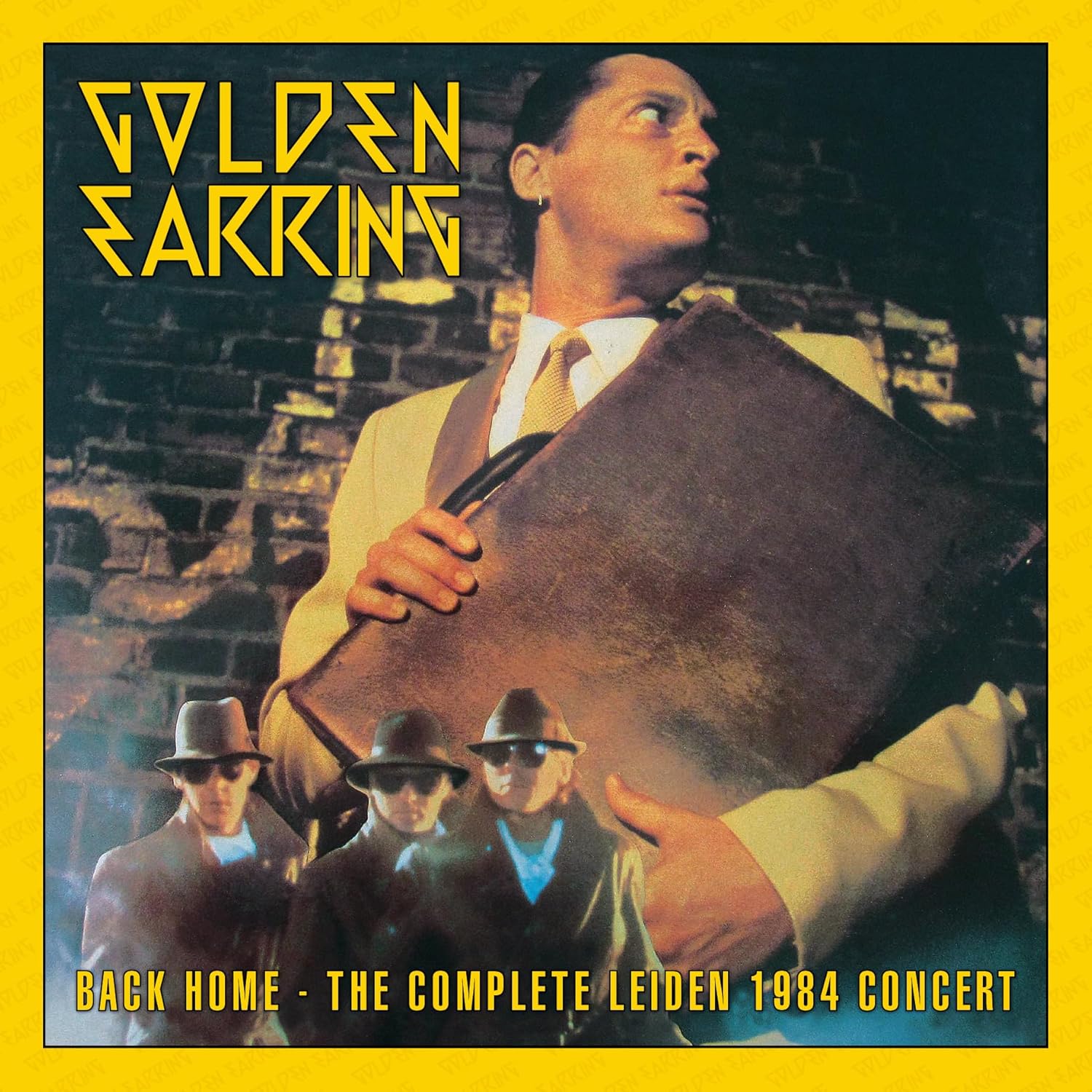
No, not really. I’ve done Moontan first, then the Live album, then Eight Miles High, So that’s from 73 to 77, to 1969, and then I went into the 80s with Cut, and Back Home – the live concert from 84, and then NEWS was released last year, that’s 84, and now we’re in to 75 with the 50 year anniversary, and the next one will be from 1968 – the first one on Red Bullet album from Golden Earring – On The Double, which will be released in full. And because it’s a double album they’re going to put it out as one CD. I think there are 4 bonus tracks – 2 singles, but in stereo mixes, not the mono issued tracks; so, they are like bonus tracks that haven’t been released before because they are in stereo.

Seven Tears is one of my favorites.  And that one never got released over here to begin with.

It’s a heavy record. The 70s – “She Flies On Strange Wings” – that’s one of their best tracks ever, and it should’ve been a big hit back in the day, but it wasn’t for some reason.

The cover on Seven Tears is not very imaginative, but I really like this album – the lead off track… I think they were fitting in with that whole 70s hard rock kind of thing.

Absolutely. They listened very well to everything that was coming out of the UK, and the US. And later 70s albums they very much influenced by Rush. (Ed-I turn my cap around, which is a Rush cap!). I’m a big Rush fan too. Rush is very big here in Holland, always has been very big in the Netherlands. I’ve seen them multiple times. And the members of Golden Earring were very influenced, especially the early 80s Rush, when they concentrated more on  compact rock songs, combined with more progressive elements. I think you can hear that on Earring albums from those days.

I liked To The Hilt,  is another great one, and Grab It For A Second though it’s very different. It’s almost like they took that power-pop, and newer American stuff

Jimmy Iovine produced this record, and we already put it out as a vinyl reissue 2 years ago, but I really don’t have the time and the urge to do a compact disc of that, but who knows, maybe next year. And we’re also planning on doing something with the No Promises, No Debts album, which followed Grab It For A Second, because I found some outtakes from that period which would make a great bunch of bonus tracks for that one. There’s even some live stuff from that late 70s era. Also, with Contraband – I have a bonus concert from the Pinkpop Festival, where Rush also played, I think in 1979, but in 1977. I’ve got stuff for some albums, and more bonus stuff for some albums than others, I’m just trying to find a nice balance between interesting album and an album that would sell, with bonus tracks, and make a great addition.

LINKS:

https://www.redbullet.nl/

https://m.facebook.com/goldenearring/

BADFINGER: An interview with Bob Jackson

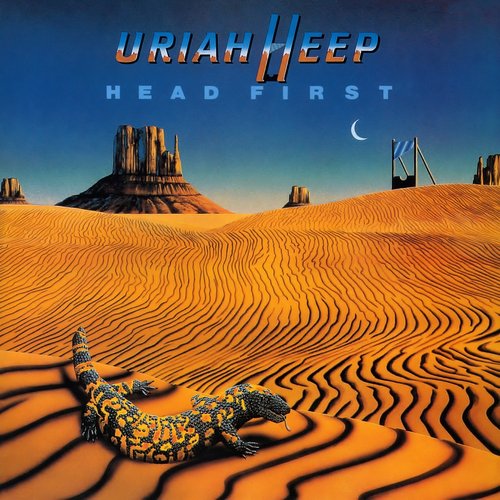
Bob Jackson has been part of the British rock scene since the late 60s, as a keyboard player / singer / songwriter. He is best known perhaps to classic rock fans as being part of the final BADFINGER line up that featured Pete Ham. The long lost album that Bob recorded as part of BADFINGER, Head First, was given a proper mix and release late late year, mainly due to the efforts of Bob. I recently had the privilege to interview Bob Jackson about the new Head First release, as well as touch on some of the other bands and recordings he was invoked in throughout the 70s.

If you haven’t checked out Head First yet, you are missing out on a fantastic & historic classic rock release! Check out my interview with Bob, as well as visit the links at the bottom.

Are you still active? I haven’t seen any shows or anything lately.

I’m not doing shows at the moment though. As you realize, the Head First thing kind of took more or less a year out of my time. So I dropped doing any shows. I’d still like to think I’ll do some in the future, but it really depends how the album goes really. I’m just waiting to see.

Can you kind of go through the circumstances of how you joined the band (?), because you joined to replace Pete and then you guys had a five piece for a bit and then Joey left before you guys made the album.

That’s right. First of all, Pete wasn’t there. I got this telegram saying, ‘would you like to come and audition?’ And I’d just come off the back of a tour with another band in the States. And I came home, I left the band, which I was with ROSS, and we just did a Clapton tour. And I came back, and got this telegram and it didn’t say who it was for, it just said ‘you’ve been recommended, would you like to come down to London and do an audition?’ So, I did. I went down there, found out it was Badfinger and I just jammed with the guys really. I didn’t know a lot of the album tracks they were talking about. So, I kind of was lucky enough to have the audition, as they say. And then we rehearsed for maybe two to three days, and then Pete showed up at the rehearsal room and it was a little strange. I’d not met him before, obviously, and the guys, it seemed, weren’t expecting him. That was my impression. Anyway, he watched for a little bit, listened and said it sounded great. And then he left, the four of them went out, leaving me with the roadie sitting there thinking, ‘Okay, where am I in all this now? What’s going to happen?’ They were about half an hour (whatever it was), and came back and basically said, well, Pete’s going to rejoin. He knows the sound of it.
And luckily, as I said, I was a bit nervous about the situation, but luckily they said, we want to keep you on, it sounded great! So that was it really. That’s how I kind of came to replace Pete. And then suddenly Pete was back. So then we did a British tour, and that went really well. We went down great. But at the end of the tour, Joey decided to leave. So that was that.

Did you get along with all the guys? Did you guys do much socializing outside of it, outside of the work?

Yeah. I socialized with them all, wherever I could. I was like the new boy, obviously. And yeah, I got on great with everyone. It was really good. Great atmosphere, great social atmosphere as well as a musical atmosphere.

Did you do any guitar work as far as on stage or demos or anything while you were in Badfinger?

No, not yet. Yes, I did, but not at that point.

I was just wondering about the dynamic when you guys became a four-piece again after Joey left, if the expectation was that you were going to be playing guitar on stage, when the band had gone on in that or…

Well, we really didn’t discuss… I mean, I suppose that would have been the obvious thing that I would have played maybe 50% guitar, 50% keyboard or something. But it never really came up because after the tour, it wasn’t that long, we suddenly got a call and it was a surprise call as well, saying that the band had to go back into Apple and start recording again. And this, as I’ve just said, that was a surprise to us all.
So, we didn’t really have time to think about the forward planning of would I play guitar, would I do…It was just all so kind of rushed and confusing. That’s probably how it would have panned out. I’m sure that I would have played some songs on guitar, some songs on keyboard, which was appropriate.

I guess the first songs from Head First that appeared, I have on a 1990 compilation called The Best of Badfinger Part Two. I’m curious how those came about, because obviously nothing was out at that time from the album.

Well, Warner’s decided that they wanted to put those tracks out. And, you know, as you say, not a complete album, but just three or four of them along with other tracks, ‘the best of’. I was kind of put out about that. I thought, ‘well this is ridiculous’. While I was delighted to see that something was happening, why not the whole album? And also, I had a thing about the legality of it – they didn’t own them as far as I was concerned, you know – the master recordings. But anyway, Warners being a big record company like that, they just did it, didn’t they!? They put it out. And so that was the first time that they appeared.

That must have caused, I guess, quite a bit of fan reaction as far as people kind of maybe got the ball rolling at that point to people, fans that wanted to hear the whole album then.

Well, I guess so. I mean, I think the album, from what I can gather from fans, from way back is that the Head First was always a bit of a holy grail. No one could find it. No one knew what was happening with it, least of all me. I’d inquired about it many times over the years, and I was always told that the tapes were missing from their place in the warehouse, and that they must have either been lost, misplaced, or stolen. And I think the public was the same. It was like, ‘what the hell’s happening with this?’ It was a bit of a mystery all round.
And over the years, many years, people were sort of saying, ‘well, what about this album?’ There was a demo going around, which was a demo that I had, and I eventually decided to release that on Snapper Records in 2000. I knew it was just a demo, but it was the best I could do, and I thought, if I don’t do this, nothing will ever come out. That was my feelings at the time.

Had you, Tom or Mike; did you guys ever discuss this album as far as eventually getting it, doing something with it?

Tommy and I did. I can’t remember talking to Mike too much about it. But of course, don’t forget, from quite early on, he was a resident in the States, so unless we rang up specifically to talk about something, I didn’t always see him. Tommy and I talked about the idea of it and said, ‘what ever happened to that’; because no one could find any evidence of the tapes and so on, and then, as I said, there was the argument about the ownership. But yeah, we never had a plan. We never knew what to do about it.

I want to talk about some of the songs, because the one thing that amazes me, and maybe it’s just the whole thing about Badfinger music in general, is that for the time and all the things going on within the band, it’s a very upbeat, very good-feeling album overall. You know!?

Well, it is on the surface, but if you kind of scratch away the veneer of it; the lyrics are pretty dark on a lot of the tracks.

Yeah, I get that from Tom’s songs.

But I know what you mean, yeah. It does have a kind of overall impression of being quite ‘up’.

The songs that you contributed and the songs that you wrote with Tom, how did they come about? Did you have any ideas kind of stored away already that you kind of brought in, or were these kind of all put together in those two weeks?

We didn’t bring anything in that was completed. Just about all the album was just put together from the time that we were told that the studio was being booked, which was about two or three weeks before having to go in. The only one that I’d done a bit of work on was a track of mine, “Turn Around”, which I’d got the guitar parts for it, and I hadn’t really got a lyric. So, I got some bits and bobs toward that. Tommy was saying ‘have you got any stuff already? Bring some stuff in along with the rest of us’. So, I brought that along and kind of wrote the lyric later, when we were in the situation to kind of reflect the position we were in.

And your tracks fit right in. I don’t know how much you guys discussed as far as the actual track listing, what the actual track listing would end up being, or the whole sequencing and that, but it’s well put together, the whole package as far as the flow of the songs and that.

Yeah, I think it’s much improved. I gave it a lot of thought, the track listing, because I didn’t have anything to do with the 2000 one, I arranged it business-wise, but I had nothing to do with the production or the track listing. And by the way, we as a band, when we were in Apple recording it, we never discussed the track listing. So, the track listing, the old bootleg or demo you’ll hear, it wasn’t a decision made by the band. It was just all thrown together because we were in such a rush. So yeah, I thought by changing that running order around a little bit for this release last year.

As far as anything else that was talked about – the album title and album cover …I don’t know how much input you guys had in the album covers back then.

Well, Tommy had this idea that he brought up in the studio about it being called “Head First”. I think that was toward the end of the sessions. I think we were in the studio for about two weeks, 11, 12 days, (something like that) and Tom came up with this Head First idea. It was supposed to be the analogy of the old circus thing that they used to do where the ringmaster would open the lion’s mouth and dare people to put their head in. It was really based around that, and that was like an analogy of us as a band with Stan Polley, we were dicing with death, we were dicing with a really bad situation and we were tempting fate, really. So that was all Tom’s idea. Of course, at the time of the recording. That’s all we had – a title! There was no cover art arranged. We did take some photos, but they were lost, unfortunately. I tracked the photographer down, but he had thrown them out years before.

Two things, who all was around at the time of the sessions other than you guys and the engineer and that? And did you ever actually meet Stan Polley?

No, I personally never met Stan. I don’t have any regrets about that. He was a very sort of unctuous, scheming kind of guy from everything I can gather. So no, I never met him. Who was around!? Well, Stan had sent in his kind of people. He’d sent a guy called Richard Duryea, which was his gopher-guy, who was doing his bidding. And he sent over two producers, Kerner and Wise, Kenny Kerner and Richard Wise. And Bill Collins would occasionally come to the studio. But that was kind of it, really.

What were you, your lyrics on the songs you contributed, what were you writing about? Is it just things that were going on within the band? Is that kind of what the theme was and everything written around the band stuff?

Yeah, absolutely! You’ll probably note that most Badfinger stuff, anything in the catalogue, most of it is autobiographical. It does relate to what people were going through at the time. And besides something like Mike’s things, which are a little bit lighter in their tone. Certainly stuff like Tommy’s “Mr. Manager” and “Rock and Roll Contract” and my “Turn Around” – all those lyrics are just kind of bemoaning the state we were in and what an awful situation it was. So yeah, very autobiographical.

With the 2000 release,it had the second CD of all those demos, are those from the same sessions or …

No, they weren’t from the same sessions. The story behind that is that I just wanted Head First to come out. And I couldn’t find the master tapes. So I thought, ‘well I’ll put this rough demo out that the engineer, Phil McDonald had done’. And because I realized myself that that was a little bit second rate, I arranged to have all these other demos from sort of around the period, but they were nothing to do with the recording at all. They weren’t prepared to record. But I included those as a kind of bonus to make up for the fact that the 2000 release wasn’t really the proper produced album. It wasn’t really finished. Strangely, since then, when I put out this other album, this last year, people said, ‘Can we have some more demos?’ And it’s like, ‘No guys, this is a proper album. You don’t get demos with it’. This is the proper release. I think people found that a bit confusing that we’d included demos first time round.
And then this time,- No demos, but that was just the way it was. I’ve explained that so many times to people. No, this is the proper mixed mastered album. The other one wasn’t. You got those freebies because it wasn’t completed then.

So these other tracks that made up disc two, you guys went in the studio at other times for stuff. And were these just other ideas that, I guess you just had on tape that we might not see again?

Yeah. They were all home demos from each of us that might have developed into a bigger thing, but they didn’t; they were just our own home demos, personal demos.

So there’s no finished tracks that were not included?

No.

Okay.

No. We didn’t, as I keep saying, we really didn’t have the time. We were rushed in against our better judgment. And we had to work very methodically, very workmanlike, to finish the project in time.
In those days, to go in for less than two weeks and come up with a finished album was ridiculous, especially for a band of Badfinger’s standing, you know!? But we really didn’t have any spare time.

In the 70s, it must have been for bands like Badfinger, probably with Ross (because those albums were done close together), Uriah Heep, Black Sabbath, a lot of the bands, you had to record albums, two within a year, within six or eight months apart, correct?

Yeah, sometimes. It depends on the situation and the contract. Normally, about nine months was a comfortable break, because in between then, you’d want to gig and tour, and then you’d probably want a bit of time off. So, yeah, about once every nine months would be normal, I suppose.

You guys all had a couple of songs on this album (each). Do you have anything that you really enjoyed as far as things that you played on, or were Pete’s or Tom’s songs or that?

I enjoyed it all. I don’t think I’ve got a particular favorite. I really enjoyed the whole process of recording, and I’m very proud now to look back and think what we were able to accomplish, considering that our heads were all over the place. We were depressed and worried about this and that, so I’m just proud of what we did.

Has this whole project kind of been, for you, if you can explain sort of the sense of achievement or whatever the term is for yourself, to finally have it out and have your name as part of the band, a finished product out, if you know what I mean?

Well, in a sense, that had happened in 2000, and people saw that I actually was with the band. I think I’ve been a bit invisible.
People didn’t know my name, and I wasn’t a particularly good self-promoter. I didn’t get involved in lots of forums, you know. I think from 2000, it was pretty clear that I was in the band. Then Dan Matovina brought a book out, which explained a bit more about how I’d been in the band. But as far as this release goes, yeah, I’m immensely fulfilled. I suppose that’s the word. Proud to have, after all this time, 50 years, man(!); after all this time to have found the tapes, got over the legal hurdles of getting the tapes out, and then kind of mixed and mastered them with my partner, Andy Nixon. We mixed and mastered them. So, yeah, it’s a great sense of achievement, you know. It’s probably hard to imagine, but I’ve literally been chasing it for 50 years. It isn’t one of those things where I’ve forgotten about it for 10 years. I’ve always been looking for these tapes, and ‘how can we get the proper thing out?’ I’d almost lost hope, really.

Well, I gotta say (I have the vinyl), the whole package, like I said in my review, it’s like a first-class package as far as what you would expect and what you’d hope for from something from that time.

Well, thank you for that. There was a lot of effort that went behind it all. So, yeah, I’m delighted you like it.

As far as the UK tour, did you guys save anything to tape during that tour, any shows or anything?

No, there’s never been any live recording found. That’s another Holy Grail. I’ve never come across anything, put it like that. And, again, I’ve been looking for it and asking fans over many years. No, nothing, as far as I know. Which is extraordinary, really, when you think about it. You think over the time of a tour, someone, a fan or someone would have taped something(!) But, no, apparently not. That would be something.

I listened to an interview with Joey not too long ago, and he talked about how the band tended to play album tracks because sometimes the hits were a little complicated to play because you had more tracks within the song than, you could reproduce.

Well, there’s a kind of truth in that. I think what he was probably getting at was that, particularly if there was keyboards like “Day After Day”, or “Come And Get It”, and those sort of things. Pete had played that in the past, but he rarely got off guitar to just play the piano. It wasn’t worth bringing a piano along just for a few songs. Which was why, when I joined, it was a really happy kind of amalgamation, I thought. And so did the guys seem to think that as well, because at last, there was me – an extra voice, and an extra keyboard, and potentially extra guitar. So, eventually, of course, we were able to kind of add those things. But, of course, by this time Joey had left. But yeah, there’s an element of truth in what he says there.

Was there anything in the live set while you were there that you particularly liked?

I can’t think of anything. It is 50 years ago! (lol)

I understand.

I’ve played a lot of songs since then. No, I can’t really think of anything. I thoroughly just, I remember really enjoying the tour. I know we had a good kind of buzz on stage. It felt good. We worked well as a unit. But I can’t pick anything out as a particular favourite.

In the aftermath of when the band broke up and Pete was gone, what did you kind of do, what was your next move?

Well, we were all in shock. So I don’t think we were making rational decisions. We just all stopped playing. We completely stopped. There was talk of me and Mike getting together. I went down and visited him, in Swansea, where he was living at that point. And we talked about getting a band together, it didn’t happen. Tommy and I talked about it, but it didn’t happen. So yeah, for a long time, at least six or nine months, I just didn’t do anything. I felt like I was having a bit of a nervous breakdown, to be honest. I think we all were, to some degree. It was a very dark time.

Yeah. Just for clarification, are you still in touch with Pete’s estate? His family?

Oh yeah. I’m in touch with all the estates; the Badfinger family, if you want.

So has the family had an input or an okay in everything that’s been done as far as the album release and that, and any other projects?

Yeah, they okayed it. I went to them just like I had in 2000 about the Snapper release. I went and said, ‘look, I think this would be a great idea. Will you give me permission to go forward with it?’ So yeah, they’re kept in touch, of course.

There was later formations of Badfinger that you weren’t involved in. Was there any kind of mention to you about that at the time? Or was it just kind of, I get the impression it was almost like a record company sticking the name to the guys.

At that particular point…I was doing something else anyway. And the way Tommy told it to me later was that Joey had rung him up and said that a couple of American guys had come around to his house and said, ‘we want to be your band and we can reform Badfinger’. So, they then called Tommy up, who kind of went over for a few months and decided to shop some new material around. So, yeah, he didn’t involve me and he didn’t involve Mike, the drummer either. But you’re kind of right, it really was at the behest of like a record thing more than anything else. They did do some live work, but it was more of a record thing.

Now, the next album I know that you did as far as anything was The Dodgers album. And that was kind of still in that pop-rock vein as far as Badfinger was… Can you tell me a bit about the making of that album? It didn’t last long other than one album and a single (before the album), right!?

Yeah, that’s right. Tom and I got together with a couple of guys. Island Records had a couple of people that they were promoting. And it was suggested, Island reached out to me and Tommy and said, ‘would you like to get together with these guys and see if it works?’ Because they kind of need someone else and they haven’t got a full band. So we got together and called it ‘The Dodgers’.
It was a little bit poppier than… Well, quite a lot poppier really than Badfinger had been. Badfinger was more of a rock-based thing. But nevertheless, we tried to do a good job with it. And I think when we first got together in the early days when Muck Winwood was producing, those were the best times. But then we then kind of got a deal. We left Island and got a deal with Polydor.
Then we did the album. So at that point, Tommy had gone, and I mean, the album was okay, I just didn’t think it reflected what we were as a live band. Because we were rockier live, but the production of that album is quite sort of poppy really. But we made it as good as we could.

Did you do much live shows with the Dodgers?

Oh yeah, we did quite a lot of live work,

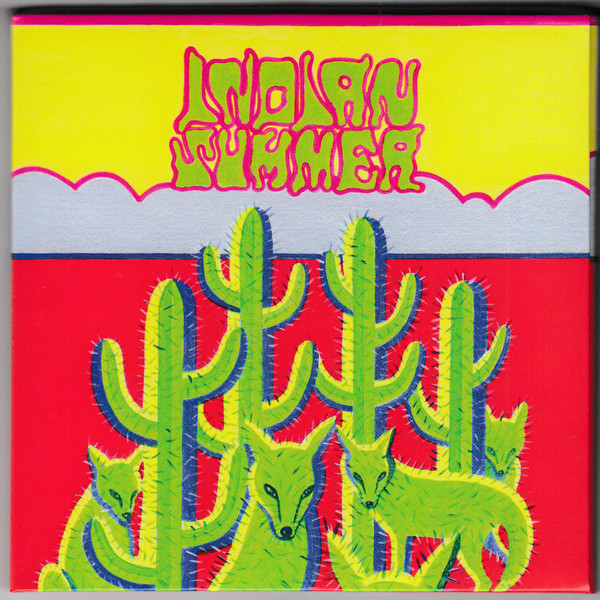
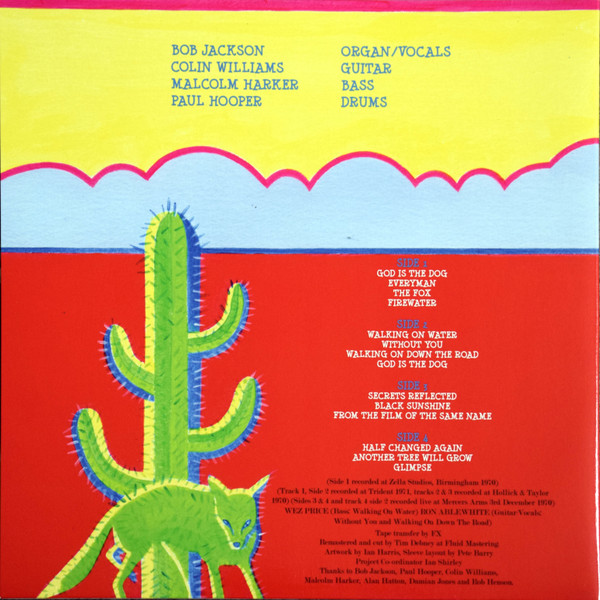
The first thing that I have of you on vinyl is the Indian Summer album. Was that your first, the first band as far as recording while you do that? Or had you recorded anything previously?

No, that was my first recording, my first kind of pro band. And we got picked up by the same management as Black Sabbath. In fact, they weren’t even called Black Sabbath. That’s how long ago it was, they were called ‘Earth’. And we were signed up as Indians, some of them were signed up as Earth and then they changed their names. But yeah, that was my first kind of pro band. And very kind of reflecting the times, it was very progressive music, rock and lots of improvisation. Yeah, so that was my first thing.

And you guys had fairly good local success in that?

Yeah, we had a good following. And again, we always went down great. But it didn’t translate into record sales. The album didn’t sell really. And we were left really not being able to live off the band. We just couldn’t make it work.

Did you guys share the bill at all with Earth on any shows or cross paths much?

Yeah, we shared it with Earth and when they were called Black Sabbath, which was, there wasn’t that long a difference, one minute they were Earth, the next minute they were Black Sabbath. We did several shows with the guys, in the very early stages, before they even released their first album.

Wow.

Yeah, so we got to know them pretty well, knew Ozzy pretty well.

Do you recall any other bands you crossed paths with and shared bills with?

Yeah, loads! Fleetwood Mac we played with, when Peter Green was still alive. A guy called Arthur Brown, Crazy World of Arthur Brown.

I love Arthur Brown!

We were on the same bill as him. I think we played with Yes at one point. Yeah, we played with loads of bands, because the scene back then was completely different, it wasn’t big, massive venues. Often they’d be fairly small-ish venues. Either 200 people up to about 300 or 400 people, there wasn’t big places and stadiums or anything like that you were playing. It was very rootsy. And there was so much music going on as well, it was a great time for innovation in music.

The next thing you played with Alan Ross and the band was called ‘Ross’.

That’s right.

Was that your next move?

I think it was, after Indian Summer. Yeah, because when it didn’t work, that kind of left me out of work. Yeah. And I didn’t have anything specific to go to. I got a recommendation, I was based in Coventry, my hometown, and they were based in London. But there was a guy, like an intermediary, a guy who knew them, and said to me, they’re looking for a keyboard player. So, I went down to do the audition, and it seemed to fit, it seemed to gel pretty well.

The first (Ross) album I think is a great album. They’re both good albums, but I prefer the first one.

Yeah, me too.

So obviously the band was built around Alan!? You had an interesting line up, you had the drummer as well as the percussion player, that kind of gave it kind of a unique feel to the band. I watched the live clip of you guys playing from the USA (or whatever), on YouTube, and that’s great, wow!

Oh yeah, I saw that, I only caught that about a year ago, someone told me that that was there. It cooked on stage, you know what I mean!? There was a real feeling of togetherness. When we got together, it wasn’t particularly supposed to be based around Alan. It wasn’t called Ross when I joined, because they’d been backing John Entwistle. And so Ross, the name ‘Ross’ wasn’t even in it. It was only after we got the record deal that Alan said, ‘Look, we ought to change the name’ and basically said ‘I’d like it to be Ross’. So we all went, ‘okay’. So that was how that worked out.

That live show, compared to the albums, it’s…I think some bands are just better live, right!? Like you said, with the Dodgers, it comes alive more.

Yeah.

What did you think of those albums? Was it kind of a tough going with those two? They didn’t really do much, did they?

The first one fell into place okay, the first album that we did. And I thought that was the better album, really. The second album, that was something that the manager, Robert Stigwood, he was a big impresario at the time, managed Clapton and Cream, the Bee Gees and all kinds of people. It was his idea to do this ‘Pit and the Pendulum‘ thing. It wasn’t our idea. And in those days, it was kind of like, I’m trying to find the right word, a bit overwhelming, really, when your manager said ‘I want you to do this’, you kind of did it. Nowadays you wouldn’t, you know what I mean!? People have found their feet a bit more and realzed their worth. In those days, if the manager said ‘do this’, it threw you a bit. So, we didn’t like the concept, but we were told to do it, so we did. That’s the gist of what happened there. It’s okay, I think there’s some good playing on it, but I just didn’t like that theme at all. I didn’t think it really worked.

Yeah, I actually, it took me a long time to figure out where the title came from, and then I stumbled across that movie there a couple of months ago.

Yeah, it’s a classic British film called, Pit and the Pendulum. Edgar Allan Poe, I think was the author. But as I said, the whole direction of that came from Stigwood and others.

Stigwood was involved in some other bands – Toe Fat, which was Cliff Bennett and Ken Hensley. Were you familiar with those guys at all?

Yeah, I knew the names. In fact, I’d seen the guys on tour, like at gigs and stuff before. Certainly I saw those bands, but not directly to do with Stigwood, no. He probably handled them as well.

I know the Gods, which was Ken’s band, and then he hooked up with Cliff Bennett for that band Toe Fat.

Yeah, I saw the Gods several times. They were good, really good.

It’s kind of another oddity. They just kind of did the two albums and kind of disappeared for a while.

Yeah, they did a lot of live work in small clubs in Britain.
I thought they were really good.

Did you ever see any of the guys from Ross after you left? Did you keep in touch with any of those guys?

They came along… I kept in touch with the drummer, Tony. I’ve always kept in touch with him, really. He went on to play for Rick Wakeman. So I’ve kept in touch with him. But the other guys, no, it kind of all fell by the wayside. And as you probably know, Alan’s passed away now anyway. So no, I never did keep in touch with them. The last time I saw them all together was they came to the first gig that I did with Badfinger. We did a theatre gig in London, and they all kind of suddenly showed up backstage, which was a surprise to me; to kind of support me, which was really nice. But no, we didn’t keep in touch socially after that.

What were the circumstances that you left? Because from what I read, you left kind of during the tour or while things were going on? How did that work out?

I just decided that I had enough, really. I thought we’d done some good work together. We’d worked well together. But part of the thing was that it wasn’t an equal band. Alan tended to kind of… well, he was the main guy. He was called Ross. It was his band.

Did you ever have any aspirations of doing your own thing as far as a solo album?

Yeah, I’ve been threatening that for years. I’ve got a backlog of loads of songs. I’ve always written. And that is a possibility in this coming year, this year now, but I’ll try and get some personal stuff out there. So keep your fingers crossed,it might happen.

Was there anything else you did beyond the Dodgers before the Byron Band stuff, or was that kind of your next move?

I’m trying to think which order it all came in at. I did the Dodgers thing first…Then before 83, I got back together with Tommy and Mike, and we’d started touring again. We did two or three tours like that in America. I think what happened after that I did some teaching for a while, I kind of left live playing. Because it was, it was so much time away all the while, you’re never at home. And by this time I had a family and so on. So I did do some teaching. Then I joined a band that had a bit of a reputation in England called ‘The Fortunes’, and I was with that for a years. In terms of convenience, it was great for me because the guys lived locally. So, I then left the teaching and kind of went and joined them.

So are you a keeper of stuff? Have you kept mementos and tapes and kind of everything you’ve been involved with over the years?

I am a bit of a hoarder, so yes, I’ve got a lot of bits and bobs, certainly a lot of contracts and paperwork, I know that for sure.

I find myself going back and digging more into the 70s and 80s stuff than I do with the new stuff. Like, the Indian Summer album, that was kind of an eye-opener, and stuff like that.

Well, I think the music business was genuinely more creative then. There was more diverse stuff happening, you know what I mean!? When you analyze in the late 60s, 70s, the diversity of material and styles. There was all kinds of things. That kind of has disappeared to a large extent now. That diversity isn’t really there anymore. Of course the whole scene went over to kind of dance music and stuff, which is a whole different thing. So, yeah, there’s a rich vein of talent to dig into in the late 60s, 70s. A lot of great stuff.

LINKS:

https://badfingeruk.com/home

https://badfingeruk.bandcamp.com/album/head-first

https://m.facebook.com/BadfingerOfficial/