Many years back I had written to John Verity (ex Argent, Phoenix, Charlie). I really dug that first Phoenix album, and had picked up one of his solo albums, his albums with Argent, and Charlie. But I still had a lot to get, so many of my questions were a bit of ‘fishing’ as I wasn’t familiar with a number of projects. We also didn’t have youtube back then or Discogs to research on…. Anyway, I tried to get a good account of John’s career, and he replied with lots of information and stories. With the recent news of a new release – the ‘lost’ Phoenix album, I decided to re-post this (w/ a few edits), and links and tracks put in.
John Verity has been in the rock business since the late ’60s, but his name came to prominence in 1975 when he replaced Russ Ballard in ARGENT. After 2 albums with Argent, Verity formed the band PHOENIX – who released 2 albums, before releasing a few solo albums, recording an album with US aor band CHARLIE, and getting into production work. John Verity still records and gigs to this day, and is currently readying a new album as well as re-releasing some things from his own catalogue. For more on the man check out>http://www.johnverity.com
What can you tell me about your early days — bands? – people of notoriety you played with? earliest recordings? breaks? etc…
I Started in the 60’s with groups in my home town, Bradford, Yorkshire. Played R&B, Pop & Blues. Got my first real break when I was asked to play guitar for 60’s R&B/ Pop star ‘Dave Berry’ – great experience as we gigged solidly & toured heavily until the band was asked (without DB) to go to the Bahamas for a stint at the ‘Jokers Wild’ club in Freeport, Grand Bahama, in 1968. We stayed for almost a year – I did my first singing then ( I was never allowed to sing before, but we did so many sets, 7 nights a week that our main vocalist needed a break!). In ’69 a promoter from Miami spotted us playing at Jokers Wild and invited us to Florida to do some serious gigs. The band didn’t last long, but I stayed behind & formed the first JV Band with US musicians, gigged with Hendrix, Janis Joplin, Mountain, Canned Heat, PG&E, and others before moving back to UK. Got my first record deal with ABC / Dunhill on my return to UK in 1970/71.
What do you remember of this album? who produced it? any ‘name’ people involved? how did it do? read ‘was recorded late ’72 for Probe/ ABC Dunhill’.
Sorry.. No names on the album. Produced by Steve Rowlands who produced the Herd, Family Dogg, and other pop bands in the UK around that time.
Who was in the first Verity Band? any stories from Hendrix , Mountain, or Canned Heat? what kind of music were you doing back then?
The US JV Band was a three piece – Teddy on drums & Mark on bass. No surnames I’m embarrassed to say – its a long time ago! Nothing earthshaking to report on the other bands I’m afraid. Hendrix was kinda unhappy because people were shouting for the old stuff – he was into the Band of Gypsies thing — line-up was Billy Cox & Buddy Miles. The gig was in Miami – I believe it could have his last in the US.
How did you come to join Argent ?
My first album ‘John Verity Band’ was released on Probe/ABC Dunhill late ’74 and I went on the road touring as support to Argent. Russ Ballard decided to leave on that tour, and recommended me as his replacement.
You played on just ‘Circus’ and ‘Counterpoint’ albums? anything else? [live or unreleased?]
There are unreleased tracks, also we ‘reformed’ to do some sessions in ’77 – the line-up was Rod, Russell, Bob Henrit, Jim Rodford & Me. The tracks were never released & and the ‘reformation’ never happened. I ended up spending quite a lot of time in the studio with Russell working on his songwriting projects during that period – ’78 to ’81. Russell was also involved in the final ‘Phoenix’ recordings in 1980. The lineup was me Bob & Ray, plus Dave Wintour on bass and Russell on piano. We recorded two songs that Russell had written – ‘Juliet’ & ‘I Surrender’. The record company Charisma didn’t like ‘I Surrender’ – said it wasn’t a commercial song! & released ‘Juliet’ as a single instead with no success. B side was ‘I’m In Love’ from “In Full View”. Russell used our version of ‘I Surrender’ as a demo, and ‘Rainbow’ picked up on it. The rest is history…
Were you familiar with Argent prior to joining them? what band did you [and John G.] come from?
I wasn’t really familiar with the band prior to the support tour – but the sheer quality of their musicianship just blew me away.. I think I’ve covered my background prior the Argent. John G was much younger with little band experience – he was a truly natural, gifted musician though, but never liked the touring aspect – well, he hated it really!
Did you feel any pressure/criticism having to fill in Russ Ballard’s spot, baring in mind he wrote a lot of the earlier classics? [did you write songs in these days? ]
I did feel pressure – I just wanted to be good, and make my mark. I did write songs (I had written the John Verity Band album), but there was no chance of writing songs for Argent with someone with pedigree of Rod around!
What was the plan or direction / aim of the new line-up when you joined?
The band was getting into Fusion/ Jazz Rock which I didn’t really like, and anyway they were such a great rock band. I think we lost our way really… musically.
Was Rod the musical ‘director that lead the band away from more rock stuff?
Kind of. The rest of the band seemed happy enough at the time, to go along with this ‘new’ direction. I suspect Robert was a little unhappy at the change but probably I was the only one who felt really uncomfortable with it. I was quite shocked when the new songs were first presented to me, but I didn’t have the confidence to speak out at the time…
How do you feel the 2 Argent LPs you were on compared to previous Argent LP? Were there any successful singles? Why did the band split?
I didn’t feel that the later albums were as successful musically as the earlier albums, though they had their moments. There were singles, but no success. The band split because (a) we weren’t making any money! (b) Rod & John G were sick of touring. (c) Rod wanted to move in a different direction musically (I was agitating to move back to Rock & Roll) (d) I wanted to form a straight ahead power trio with Bob & Jim – ‘Phoenix’.
How much of the drums did Phil Collins play on Counterpoints?
About half. Some tracks are half Bob & half Phil!.
Were you happy with this radical shift away from the anthemic early 70s heavy rock in the Free vein towards spacey jazz-rock, and if so, were you instrumental in this switch?
No, hated it!
How did The John Verity Band [1974] come about, who were the members, where from (which bands)?
All the members of the JV Band were from local bands in my home town (Bradford). We met when I returned from US early ’70’s. The earliest sessions for the album in ’72 were done with session musicians, but I wasn’t happy & formed a ‘normal’ band line-up with Geoff Lyth (guitar & keyboards). We had various bass players & drummers, and the line-up finally settled at Jerry Smith (bass), & Ron Kelly (drums) in time for the album sessions which began at Advision studios in London late ’73. Album produced by Steve Rowlands.
Any singles released? much success, tours, breaks…? How did that one album do on the market?
Lots of gigs – toured with Argent, the line-up changed. New line-up included Biff Byford (Saxon) on bass, and guitarist Paul Quinn (Saxon). I produced the first Saxon album a couple of years later.
What happened afterwards – why did it break up? [anything recorded after the 1974 album that didn’t get released?]
We were rehearsing for a new album when the Argent gig was firmed up. Biff, Paul & the guys gigged as the John Verity Band without me! before forming ‘SonOfABitch’ which became Saxon.
You formed Phoenix with Jim Rodford and Rob Henrit [from Argent days]. How did this band begin? Was it intentional to make it a heavier sounding band than Argent?
Yup. [See above] – during the final Argent US tour, I had the feeling that we should be moving into a more straight ahead direction. I knew that there was a niche for us & Bob & Jim agreed. We signed to CBS though, and it took too long to get product out, by which time the UK music scene was being swamped by New Wave/ Punk. We were Dinosaurs in the UK by then.
You all contributed to the first Phoenix album, which was a classic LP IMO. What happened with the first album — much success, etc… ?
We did well in some areas. Lots of great response to gigs – we toured UK/ Europe & Scandinavia with Aerosmith, but I decided to get into Production.
Who else did you produce of note?
Saxon, Tank, Motorhead, Searchers, Marseille, BlackSlate, Brian Connelly (Sweet) – plus lots of bands’ ‘first albums’.
Can you explain the change prior to the 2nd Phoenix LP in which Jim left and was replaced by Ray Minhinnett – who played guitar, while you doubled on bass [guitars, vox…], and also added Ronnie Lee Cunningham on keys?? [where did Ray and Ronnie come from?]
Ray was/ is a buddy of mine. He was with Frankie Millers Full House. Fantastic guitar player, and we wrote songs together. Jim was offered the gig with the Kinks & went with our blessing, but we decided not to replace him – I played the bass parts & then added my guitars later. The other guys were brought in as session players by our American producer. Great musicians but I didn’t feel the album worked – no ‘Band’ vibe.
In Full View also featured a few outside penned tracks — “I Don’t Mind” [Walden] – where did this come from? as well it included Russ Ballard’s “Just Another Day” – why did you do this song?
I’m always open to good outside material and we felt ‘I Don’t Mind’ was a strong song (sent to us by the Publisher). I had engineered & played/ sung on Russell’s demo of ‘Just Another Day’ and asked him if we could do it for Phoenix.
What happened on the 2nd LP that would explain the change from the debut? Was there outside interference, recording company, etc.. ?? How well did this LP do?
The record company was responsible for the change of direction which I felt was a disaster. It didn’t do well.
Any examples or stories pertaining to this?
Not really – the business was in real upheaval at that time, and the UK scene was particularly screwed up, so Charisma decided we should go to America to record. I was thinking New York – they were thinking LA. We went to LA. WRONG!
I presume Phoenix split after the 2nd LP!? what were the highlights of this band for you? what happened in the end?
The highlight was the early period when we first came off the road with Argent. We were all match fit and playing well. Bob, Jim & I have great respect for each other as musicians & people. I loved that band, but it should never have been allowed to change direction musically, or be interfered with by outside producers & record company personnel!. Bob & Jim are good friends to this day and often form the current JV Band line-up for gigs & recording. I love them both like brothers.
What did you do in the years following Phoenix and the first “Verity” LP? any other bands, recordings, ..?
Mostly production & writing/ session playing. Russ Ballard, Ringo Starr, Colin Blunstone, Bowowow, Tank, Motorhead, Saxon etc.
You auditioned for Uriah Heep. were you disappointed this didn’t pan out ? What do you recall of the auditions? Have you had any other contact or association with an Heep guys?
Not too disappointed as it was only intended that I fill in until the band found someone permanent – which they did with Pete Goalby. All good players – Mick’s an excellent guitar player. Pete G’s a fantastic singer & good friend today.
What’s Pete up to these days? Ever worked with him?
Never worked with Pete – just jammed at a gig one time, but we’re buddies – been through a lot of the same music biz bullshit. He’s well, but having a break from it for a while.
Interrupted Journey was a very classy ’80s HR album, and still stands up pretty good today. You produced and engineered the album, as well as guitar & vocals, and had a long list of guest players,..Was it really a solo album? and who exactly was in the band? Who toured with you, etc.?
Yes, it was a solo album initially, which I began recording in ‘down time’ at Livingston Studios in between production projects. As recording progressed I began to ask my friends to sing & play on it. The touring band had Steve Rodford (son of Jim!) on drums, and my old mate Terry Uttley (Smokie) on bass, who became my partner in crime for some time until Smokie re-formed.
What can you tell me about how the guest-list became on this album > Rutherford, Argent, Ballard, Terry Uttley… ?
Mike Rutherford contacted me because he’d heard that I was doing a solo album. He wanted to produce or participate in some way. I went to Genesis’ studio where we recorded 3 songs with just me, Bob Henrit, & Mike playing. I added all the extra stuff at my own studio. Dave Wintour was doing lots of bass sessions around that time, including Russ Ballard & Leo Sayer.
Why did you re-do “Just Another Day” – the Ballard song that you had recorded with Phoenix? and what can you tell me about some of the other outside penned tracks, such as the Mike Rutherford song, “Love Is Blind”, “Stay With me Baby”, “Chippin Away At The Stone”… ?
I re-recorded ‘Just Another Day’ because I felt that we had screwed it up on the Phoenix album. The other songs were just great pieces that I wanted to do my own version of. Mike wrote some stuff especially for me which was nice. ‘Stay With Me’ is my favorite song (I’m re-doing it on my new album!)
What were your favorite tracks on that album? Any singles? much success, etc.. ?
I don’t have a favorite track. It’s my best work to date, with the exception of the first ‘Phoenix’ album.
What can you tell me about your association with CHARLIE? Did you only play on the 1 album? What happened with this gig?
I was brought in to ‘rough up’ Charlie’s sound in a production sense, and Terry was going to get involved in the production of a new Phoenix album. In the event, I ended up singing & playing on the Charlie album, and I brought in Bob Henrit on drums. The Phoenix album was abandoned. I thought the Charlie album was good, but I didn’t enjoy the ‘painting by numbers’ approach so I left to start ‘Interrupted Journey’.
What can you tell me about the 3rd Verity album Rock Solid? [who played on it? how well did this LP do?]
Rock Solid was done in my own studio. I did a lot of the work myself, with my usual guests dropping by. Unfortunately the label went broke soon after release, but I hope to get it re-released soon.
What have you done since the last Verity album? Recordings? Bands? [what can you tell me about such albums as Hold Your Head Up, etc…?]
Hold Your Head is a compilation of various JV Band stuff. The title track is an un-released track which I originally recorded for Interrupted Journey. I’ve continued to gig & record/ do production & try to help young musicians develop their careers. I’m currently working on a new album & preparing older material for re-release.
What are you involved in outside of music? hobbies, interests… ?
Music Music Music – boring old rock fart!
Can you give me a few of your favorite guitar players, influences, singers, songwriters, ? What do you listen to these days?
My influences are wide – Hendrix, Beck, Clapton, Aretha, BB King, Beatles, Dylan. I listen to whatever takes me.
Interview – Kevin J. 2000. / *top photo from Johnverity.com
Phoenix was a short-lived 70s trio consisting of ex Argent members John Verity, Jim Rodford, and Bob Henrit. The band’s debut was the excellent 1976 self-titled album that featured great guitar rock and vocals, featuring such stand-outs as “Easy”, “A Woman Like You” and “From The Ashes”‘. After a few years the band returned with 1979’s In Full View. This album saw Ray Minhinnett (ex Highway) added on guitar and American Ronnie Lee Cunningham (ex Law) on keyboards, while Rodford had left with Verity also playing bass. Rod Argent and Russ Ballard also made guest appearances. American producer was also brought in to work with the band in LA. But the album was softer, more mainstream, and lacked the feel of the first one. Frankly, I just never got in to this one. However, we now come to learn that a 2nd Phoenix album, with the original trio was recorded in ’77, and recently mastered and released by John. Below, John gives details and the story behind the ‘lost’ Phoenix album which can now be ordered through his website – http://www.johnverity.com
An amazing piece of news is that just a few months ago we rediscovered the ‘Lost’ Phoenix album. Back in 1977 Bob Henrit, Jim Rodford, & myself went into Trident Studios in London to record the follow up to our first album “Phoenix’. The new album was to be titled ‘Out of the Sun’.We really felt we had pushed the envelope both technically and creatively with this one, and I was proud of what I had achieved as a producer using the tools at my disposal. Sadly our record label CBS did not agree. Punk/New Wave had really taken a hold and almost overnight we were simply unfashionable…The album was put on ice, and somehow the masters were lost – until now.
By a twist of fate I got the opportunity to look again at these recordings with a view to releasing them over 40 years after they were recorded. A copy of the last set of mixes I had done resurfaced and I was able to get them restored, and then I remastered the tracks at home in my studio. We secured funding from fans and had the CD manufactured for release after all this time. I think the result is stunning. Transform yourself back to the ’70’s!!’
*Some years ago I interviewed John Verity (via email), and I be re-posting that here soon.
NEKTAR began in Hamburg, Germany in 1969 and released a number of classic progressive rock albums in the ’70s, such as A Tab In The Ocean, Remember The Future, Down To Earth, and Recycled. Through many line up changes, a break up in 82, and reformations since 2000, plus the loss of founding member (singer/guitarist) Roye Albrighton in 2016. The band now based in the US, recently released a new CD/DVD package of their 2020 album. *See the press release below for more details.
THROUGHOUT THE 1970S NEKTAR RELEASED A SERIES OF ACCLAIMED ALBUMS, SCORING CHART SUCCESS IN GERMANY (WHERE THE BRITISH BAND WAS BASED) AND LATER IN THE USA (WHERE THE BAND RELOCATED).
FOLLOWING THE PASSING OF ORIGINAL GUITARIST / VOCALIST ROYE ALBRIGHTON IN 2016, FELLOW FOUNDER MEMBERS DEREK “MO” MOORE (BASS, VOCALS), RON HOWDEN (DRUMS, VOCALS) AND MICK BROCKETT (LYRICS, VISUAL CONCEPTS) REUNITED, ALONG WITH RANDY DEMBO (BASS, 12-STRING GUITAR), RYCHE CHLANDA (GUITAR, VOCALS) AND KENDALL SCOTT (KEYBOARDS) TO RECORD
CHLANDA ORIGINALLY RECORDED WITH NEKTAR IN 1978, AND FOR ‘THE OTHER SIDE’, THE BAND UPDATED SOME OF THOSE IDEAS WHICH EVOLVED IN THE BASEMENT OF MOORE’S HOUSE IN NEW JERSEY WITH RON HOWDEN. THE 1978
UNRECORDED SONG ‘SKYPILOT’ HAS EVOLVED INTO ‘SKYWRITER’ IN 2019. ‘I’M ON FIRE’ IS THE MUSICAL ADAPTATION OF A POEM WRITTEN BY MO FOR HIS SOON-TO-BE WIFE, NICKI, DURING THAT SAME TIME PERIOD.
THE CLOSING TRACK, ‘DEVIL’S DOOR’, WAS ORIGINALLY PERFORMED LIVE IN 1974, BUT NEVER FEATURED ON A NEKTAR ALBUM. UPDATED AND RECORDED FOR THIS ALBUM, THE SONG FEATURES THE PRESENCE OF THE LATE ROYE ALBRIGHTON ON THE INTRODUCTION TO THE TRACK, WHOSE WONDERFUL GUITAR PART WAS TAKEN FROM A LIVE SOUNDBOARD RECORDING MADE IN 1974.
KENDALL SCOTT’S DISTINCTIVE AND VERSATILE KEYBOARD PRESENCE HAS ENHANCED THIS CONSIDERABLY, WHILE RANDY DEMBO, WHO ORIGINALLY JOINED NEKTAR IN 2004, BRINGS THE SOUND TOGETHER WITH 12-STRING AND BASS GUITARS, ROUNDING OUT THE INSTRUMENTAL ARRANGEMENTS. RON HOWDEN HAS BEEN A CONTINUAL DRIVING FORCE OF THE BAND, WEATHERING ALL VERSIONS OF NEKTAR SINCE ITS CONCEPTION IN 1969. WITH MICK BROCKETT NOW BACK IN THE FOLD (WITH HIS VISUAL CONCEPTS AND IDEAS AS AN ESSENTIAL PART OF THE BAND MAKING THE MUSIC AND LIGHT THEATRE A REALITY). ‘THE OTHER SIDE’ IS A STUNNING ALBUM FROM A LEGENDARY BAND
Disc One:
1. I’m On Fire 2. Skywriter 3. Love Is / The Other Side 4. The Light Beyond 5. Look Thru Me 6. Y Can’t I B More Like U. 7. Drifting 8. Devil’s Door
Disc Two: DVD
The Making Of The Other Side : A Documentary About The Making Of The Album And The Reunion Of Nektar
A rare configuration of this band, which played 3 nights for a charity [see my recent interview with Robin George]. This recording comes from the 2nd night at The Marquee. It is an impressive set of Asia favorites, mixed in with a few of Robin’s solo hits, a track from the Wetton/Manzanera album, a Beatles’ cover, solos from Don Airey (is there a band this guy hasn’t played with?) and Carl Palmer, plus 2 studio tracks! The sound quality is OK [not superb], recorded on video cam and the desk (according to Robin). But this should appeal to Asia and Wetton fans, as a rare and historical set, and I’ve heard much worse! And judging from the crowd and John’s performance and intros between songs, it must’ve been a good evening. This show has been bootlegged previously, from different sources, [curious about the absence of a few songs here (!?)] *Studio track “Wasted Time” features John and Robin, while “Johnny” is a solo track from Robin – “Johnny was written for all the friends I’ve loved and lost, but inspired by a real close friend!” A nice add for John Wetton and Asia fans.
Well, I don’t much about Alan Simon or this series of Celtic rock opera Excalibur releases. This being my first take on the project which previously released 4 studio and 2 live albums featuring different musicians on each one, though there are a few holdovers. I do know that Cherry Red recently released the first 4 Excalibur studio albums plus a couple of live shows in a 6 CD box – https://www.cherryred.co.uk/product/excalibur-the-20th-anniversary-box-set-6cd-2dvd-boxset/
As a fan of many of the artists involved this is an outstanding concept release that features singers such as Bernie Shaw, Roberto Tiranti and Michael Sadler singing in styles they may do with their respective bands. And with that said, that contributes to the appeal here as these singers deliver performances like they have never before. Amazing performances, as well as from the various musicians such as Steve Hackett, Martin Barre and John Helliwell, among others. The last track is a wonderful surprise, as it features the late great John Wetton singing a ballad, “The Vision”.
An amazing production from Alan Simon, who has written and assembled a stellar cast here. As a Heep fan it is really something to hear Bernie [who delivers quite a theatrical intro] and Roberto [Ken Hensley’s Live Fire] sing in such a different project.
*For more info check out these links, as well as the press release below….
John Wetton (Asia / King Crimson) Steve Hackett (Genesis) John Helliwell, Jesse Siebenberg (Supertramp) Bernie Shaw (Uriah Heep) Martin Barre (Jethro Tull) Jeremy Spencer (Fleetwood Mac) Michael Sadler (Saga) Roberto Tiranti (Labyrinth) Jerry Goodman (Mahavishnu Orchestra) Shira Golan & Miriam Toukan (The Peace Tent Project)
Move, Cry, Act, Clash! is the fifth part of French musician and producer Alan Simon’s legendary Celtic rock opera series Excalibur.
Featuring Alan Simon, John Wetton, Steve Hackett, Bernie Shaw, Jerry Goodman, Martin Barre, Jeremy Spencer, Michael Sadler, Roberto Tiranti, John Helliwell, Jesse Siebenberg, Shira Golan and Miriam Toukan.
Move, Cry, Act, Clash! concludes its 12 tracks with “The Vision” featuring the legendary John Wetton (King Crimson/Asia) in a beautiful tribute to the friendship and respect between these two musical giants.
Alan Simon is a Breton songwriter and director. Author of modern operas, his works are performed in various national theaters (Russia, Germany, France …). More than 300,000 spectators came to applaud Excalibur or Tristan & Yseult. Alan has obtained several gold and platinum records and his creations have received several awards. In the USA, Alan won the Grammy for best producer in 2008 and for best song, “Circle of Life,” performed by Jon Anderson of Yes. His album Big Bang (2018) is the soundtrack of the City of Space in Toulouse (an educational park about the conquest of space). After the film O Gengis in 2005 (with Omar Sharif and Jean Reno), he has just finished Monsieur Constant, his second film for the cinema, which is in production during 2021. Today Alan wants to go on tour around the world with his extraordinary musical round table where many legends of folk and rock meet.
“‘Excalibur’ brought me a lot of happiness because by creating this musical round table, I had the great chance to collaborate with incredible rock and folk legends, pillars of mythical groups: Yes, Supertramp, Fleetwood Mac, King Crimson, The Moody Blues, Alan Parson, Asia, Barclay James Harvest, Genesis, Fairport Convention, Runrig, Jethro Tull, Saga, Uriah Heep… Since its creation 20 years ago ‘Excalibur’ has represented 5 studio and 3 live albums including 120 original tracks. Offering a new album is not trivial. You have to give everything. So I made this opus V by investing myself 100% with an ‘old-fashioned’ production. No home studio but the joy of living in a large studio (Drums code studios in Italy) with great soloists and a fantastic symphony. Then I contacted magical interpreters that I like. What a joy to hear the guitars of the legendary pillars of Genesis and Jethro Tull: Steve Hackett and Martin Barre or the voices of Supertramp from Saga and Uriah Heep: Jesse Siebenberg, Michael Sadler and Bernie Shaw without forgetting this incredible talented singer Roberto Tiranti. We spent 6 months in a mixing studio with an average of 100 tracks per title. I hope that this more rock album than the previous ones will sign a real return on stage of this universal legend, ‘ever green’ say the English. Thank you to all those who supported ‘Excalibur.’ After 300 000 spectators in 4 tours, I hope that this musical round table finally finds its audience under the aegis of sharing. These 12 new songs underline the urgency to get moving for our planet. More than ever our destiny is in our hands. And everything is good to take. The concept of Excalibur and its musical knights must contribute to this new start. Artists can (and must) get involved more than ever.” – Alan Simon
Track Listing:
1 Move, Cry, Act, Clash 2 The Prisoner 3 The Last Bird 4 Messaline 5 I Said Shout 6 Heaven 7 The Lady of the Lake 8 When Your Feelings Grow 9 Wake Up (Before the Last War) 10 Hey 11 A Brand New Day 12 The Vision
British guitarist / songwriter Robin George may be better known to many for his vast list of big name collaborations, but his output as a solo artist is often overlooked, and over the global pandemic he’s been busy adding to his solo discography with a number of new albums, remastered and reworked recordings, and a few surprises. One of his latest is Wilderness, (which I’ve written about previously), and here Robin answers my questions (and tosses in some press feedback) about all his new releases as well as his influences, and what we can look forward to hearing in the near future. *For more info and ordering of Robin’s new releases go to http://www.robingeorge.co.uk
The last time we spoke was around the time of the Byron Band release. You’ve been very busy since then, and in particular since the release of History in 2014. Since then there’s been plenty of releases. Can you start with the History release and your working relationship with Angel Air Records?
HISTORY MUSICIANS DAVE HOLLAND, PINO PALLADINO, PHIL LYNOTT, MEL COLLINS, MARK STANWAY, MO BIRCH, TERRY ROWLEY, DANIEL BOONE, PETE WRIGHT, ROBIN GEORGE.
Words From the much-missed Malcolm Dome:
As you’ll hear on the ‘History’ album, Robin George clearly deserves such accolades and plaudits, because the quality and individuality of the music here is simply remarkable. More so, as the tracks here, remastered as one would expect, have been left as they were at the time and represent a fulfilling exercise in the combination of power, song writing and intelligence. What this album underlines is how creative he was even in his formative years.
There are clearly some hidden gems . For instance, you’ll get to hear the original version of ‘Heartline’ a single through Bronze Records in April 1985. If you want to appreciate every nuance and aspect of what makes this a truly great pop rock song, then this is the prime representation.
History is not a nostalgia trip. It’s a lesson in music for everyone.
Angel Air was an unusual deal, a partnership really, 50%50, which was unheard of, but as all musos know there is no real music industry anymore, the internet has put paid to that!
I wanted my music to be heard somehow so I signed to them. They released 7 of my albums, and my loyal friends and followers seemed to like them!
I have to say as a label the packaging/Artwork was very good indeed, and the valid re-releases, of course. They were honest which is rare these days; they always settle their debts. So, it did work in a strange but true way… Angel Air kept my name out there to the faithfuls amongst you. Thanks chaps!
Dangerous Music 2 came out. That is a collection of songs that you’d originally hoped to be the sequel to your debut album in 1984!? Can you tell me a bit about this album – where the tracks come from and who’s all on it?
Dangerous Music 2 was going to be the follow up to DM, produced with Gus Dudgeon at the fab Manor Studio, owned by R Branson, who popped in occasionally while driving his kid around to get him to sleep? Then recording continued at Maison Rouge Studio in London for backing vocals etc.
I remember I was adding guitar to my track ‘Streetwise’ when Quo burst in performing their famed guitar dance. Later I went into the pool room for a chat to find Rick & Francis gently lifting Bonnie of The Pointer Sisters, who was with me, off the pool table and placing her on a sofa… without waking her. Gentlemen indeed!
Dave Holland started the sessions as the drummer, but his commitment to Judas Priest meant he had to bail out.
Charlie has played on my last 7 albums, he is the best melodic rock drummer I ‘ve had the honor and pleasure of knowing and working with… he brings my songs to life, no less!
The superb Pino Paladino was playing bass, no way to be his talent could be wasted, so I prog’d a drum machine as a stop gap. Then Gus called in Elton’s drummer the fantastic Charlie Morgan, and the rest is history.
Adrian Lee played keys and was a big influence on the sound of the trax. Chris Thompson Daniel Boone and 3 girls sang backing vocals: Bonnie Pointer, the singer from a major power ad back then and a great session singer… I joined in with the girls of course! The master recording of them was lost somehow which is why I don’t remember all their names. Sorry, girls. So, I never heard them again, but they are always fab in my memory!!
Rogue Angels was issued in 2018, and if I’m correct – your first solo album of new material in 10 years[?] Now, this album was just you and Charlie Morgan[?]
I think Steven Reid’s words say it all! Better than I could! :
Angel Air Music [Release date 18.05.18] George, Robin: Rogue Angels
Recent times have seen Robin George both reappraise his incredible back catalogue and release an impressive stream of new albums. Rogue Angels is his latest set of fresh recordings and for a man long known for high profile collaborations (Robert Plant, Phil Lynott, Glenn Hughes etc), there’s a certain irony that this almost purely solo effort is undoubtedly one of his best. Having worked together regularly throughout their careers, drummer Charlie Morgan is once again the man behind Robin’s beat, the kind of telepathic bond that only time can build hugely benefiting a set of songs that positively burst with vim and vigour. With Robin handling everything else, the cohesive and ‘band’ nature of Rogue Angels really has to be experienced to be fully appreciated; the fire that burns bright from the very second “Wild Eyed Beauty Queen” comes into being completely knocking you sideways with the pure energy it possesses.
That Robin is arguably best known for bothering the charts in the 80s, and his ability to write songs that show other artists at their best, it’s often forgotten that he’s a heck of a guitarist, and with his foot thoroughly stamped on the distortion pedal, the irresistible little guitar runs that add colour and intrigue to “Dangerous Daisy” and the album’s title track (which, if I’m not mistaken, cleverly nods towards George’s biggest hit, “Heartline”) instantly snag the ear and won’t let go. A second look over the shoulder arrives in the shape of “Go Down Fighting 2018”, Robin’s debut single given a meaty reworking here and thriving in this updated form. Throughout, Robin refers lyrically to his long held ethos of LovePower & Peace, the theme of love conquering all and having the power to bring about peace, if we’d only let it, revisited numerous times across these songs and lending them an uplifting quality in the process. Something which comes across again and again in the crafted layers that are used to accentuate the insistent vocals. However, when you feel the obvious love and joy that the likes of “Dancing Shoes Again”, “Rush” and “Surreal Dream” have all been created with, then the same ethos also comes across in the hook laden music and, dare I say it, some of the best guitar solos Robin has ever pulled from his fretboard.
Over a vast and varied career Robin George has created a hugely eclectic body of work, but with the hard rocking, blues edged energy of Rogue Angels it really feels like this singer, guitarist and songwriter is making music that completely satisfies his creative need. Surely it’s no coincidence that it also comes across as one of the most impressive albums he’s put his name to.
With Rogue Angels and Wilderness [and going forward] what’s changed in your approach to writing and recording over the years? Listening to these albums, there’s lots of great guitar, groove, rock, a bit of funk, blues…
Even some soul with Ruby Turner! I was writing solo songs from around 14 for bands I formed, then later started co-writing with guys and gals I was producing. David Byron, Phil Lynott, John Wetton, Robert Plant, Ruby Turner, Marshall Law, Vix Fuzzbox, Pete Haycock, Pete Goalby and many more. I really enjoyed all those collaborations, but now, I write solo again, suits me these days.
Re-recording, I followed technology at it’s best, then went back to real talented musicians… far more satisfying and much more fun and inspiration.
Can you talk a bit about some of your early influences as a guitar player and what’s sort of influenced your sound and style to where you are today?
Peter Green, Johnny Winter, all old blues players, Clapton with the Beatles, Gary Moore, Neil Schon, Joe Walsh et al were all great for me. Since my early days I don’t listen to much music, if I wanna hear some I make it 😉 What comes out is how I play today, using my Marshall combo amp & BC Rich, and Washburn, Suzuki and Yamaha acoustic guitars.
On Wilderness there seems to be a lot of poetry and storytelling. Can you tell me a bit about what inspires your lyrics – where ideas come from ?
Thanks for noticing, I am being named a ‘Rock Poet’ which is gratifying indeed!
I really care about my lyrics and the messages I share with my friends.
Inspiration arrives out of the blue then I have a vast bunch of words which I slice away at until they resemble a song, Then I improve on what I have until it is a song… then I record it.
My inspiration is mostly from real life, I can hear a phrase or line in conversation that sparks an idea which lights a fire in me.
I don’t know how I do it, but I’m truly grateful for the gift of creativity.
You have a fairly unique vocal sound / style, and the only way I can describe it is sort of like Marc Bolan, fairly quieter , but not really soft. Can you tell me a bit about your vocal approach or influences?
I never wanted to be a singer, I was a guitar player who sang a bit, but over the years I found only I could sing most of what I wrote, the way I heard it, so here I am, a song writing guitar player who sings a bit.
I have no real influences. The singers I admired were in a different league from me which I could never aspire to. Again, how I sound is what comes out.
I do think Marc was a great pop star though. I was asked to be Bolan 2 if I’d write more poppy songs, but not for me! He was a one off.
During the pandemic you’ve recorded 4 new albums, starting with Wilderness – can you give me a few lines on each of these releases – what each is about, in which order they were done, when did you come up with the ideas, and who else played on them?
Robin has used Rockdown to nurture and finish some fantastic music, all of which is now available from Damage Control Music in Robin’s Online Store @ www.robingeorge.co.uk, and includes contributions from no less than Phil Lynott, John Wetton, Robert Plant, Sean Harris, Ruby Turner, David Byron, Glenn Hughes, Vix Fuzzbox, Pete Goalby & Pete Haycock to name just a few, Artist credits are also on site.
Robin says,
‘I’ve just remastered the Charity album LovePower and Peace that escaped about ten years ago; It’s now called RockinG LovePower with many new tracks, including a Rock Bangra Flamenco track with the major Bollywood star vocalist Mangel Singh! All Re-mastered & 2021 mixes.
I’m calling it a ‘sharing’ album because… My idea is that we retail at our cost price (£5), then y’all who buy choose to support the causes closest to your hearts.
This is freedom of helping. I hope it works, If you can’t donate now, enjoy the music from these awesome musicians ‘till you can my friends. Then do please donate… every penny counts!’
Robin George should certainly be garnering applause as the musician who made the most of lockdown (by some long, album issuing way).
Hot on the heels of earlier 2021 releases Wilderness and Heartlines come the dovetailing pairing of Feed the Wolf and Surreal Six String; the former is the latest full length studio album from Robin George while the latter is his first fully instrumental offering (much as Heartlines was his first all acoustic release).
That his distinct and individualistic Dangerous Music sound and style is still alive and well is evident from tracks such as opener ‘Momma Sister Daughter’ (Bolan vocality meets guitaredged Robin George rock and roll), the muscly and, again, Bolan-esque (an oft-cited and valid comparison) title track and ‘Savage Song,’ a gritty, fast-paced number on which Mr George isn’t exactly hanging about.
‘Savage Song’ also highlights a major Robin George trait, that of reinventing & rerecording some of his older songs to suit his current state of musical mind (some may recall ‘Savage Song’ as a highlight of Damage Control, a supergroup of sorts featuring George, raspythroated Quireboys front man Spike, Chris Slade and the late Pete Way).
Other Feed The Wolf highlights include ‘Funky Rock Groove’ (which does exactly what it says on the tin), the bluesy sway of ‘Love is Blind’ (featuring some tasty guitar licks from Robin George), the edgy but melodic ‘Castles in the Sky’ (whose origins go back to the History of the Wolverhampton born musician) and the quirkier ‘Painful Kiss,’ originally from the album of the same name.
The album ends on the similarly quirky and very catchy ‘Early Daze,’ a looking-back and ‘If I knew then’ styled nod to more carefree and innocent times (a shorter acoustic version also sits on Heartlines).
Surreal Six String is a collection of primarily reworked numbers from across Robin George’s career and catalogue, instrumental-ised with the lyric-melody line played on guitar in effective and, on some of the tracks, quite expressive style.
Opener ‘Go Down Fighting’ was Robin George’s first major single release in 1983 but here is based on his later rocked up version; it therefore works well as a feisty instrumental.
It’s also nice to see a place for the atmospheric, tempo shifting instrumental ‘Charlotte Starlight,’ which goes back to the History album, and ‘Love Power & Peace’ (featuring Hammond fills from the late Ken Hensley and melodic guitar play from Robin George) from the all-star charity album of that name.
You’ll also find instrumental versions of Wolf numbers ‘Painful Kiss’ and ‘Love is Blind’ as well as re-workings of the more rock and roll styled ‘Dancing Shoes’ (from the Rogue Angels album) and a shorter take of the blues swaggering ‘Freedom,’ from last year’s BitterSweet HeartBeat album.
Other highlights include ‘Brandy Bottle Blues’ (another with a self-explanatory title), which features a couple of bars of blues blasting sax from Mel Collins, and album closer ‘Oxygen.’ Originally a love song, ‘Oxygen’ works equally well as an expressive guitar workout in instrumental clothing.
So another brace of 2021 releases from a man who clearly wasn’t twiddling thumbs during lockdown/s.
Further proof of that ever-busy schedule?
Robin George has also released a fully remastered version of the Asia 2 Marquee gig from
1986 (of which he was an integral part), a Robin George & Dangerous Music Euro Tour Live CD, a RoxStar Legends compilation and a remastered retooling of the Love Power & Peace album as Rocking LovePower.
He is now looking at reissuing some Damage Control music and achieving an official release for the album he recorded with Glenn Hughes in 1989 (previously issued under decidedly dodgy and awful audio quality circumstances).
No wonder he lives in Spain – he clearly needs, and deserves, the siestas.
Ross Muir , FabricationsHQ
Feed The Wolf & Surreal Six String, along with all other aforementioned releases, can be purchased on CD direct from the artist’s website: http://www.robingeorge.co.uk/
You also issued 4 CDs of remasters and edits…. [again] can you tell me a bit about each of these?
Early in Rockdown I realized the vaults contained some pure gold music with fantastic musicians and I thought, now’s the opportune time to get to work on them. So I did! All fascinating to work on but bittersweet at times because they were all my friends and I loved all. I know they all recorded with me because they wanted people to hear our music… and that’s the sweet part.
You also have a Live Asia release that you were on. Can you recall that show and how it came about and how well you got on with John, Geoff, Carl… Phil Manzanera was on that as well….
The gigs were for Nordoff Robbin, a charity close to John’s heart. They were a great group of guys. All well cool and in the groove. We got on great which I think shows in the Asia 2 Marquee gig video. John and I were introduced by Bryan Lane, Asia manager, and we hit it off straight away. John took me to his house and amazingly for me, had my single ‘Go Down Fighting’ on his deck… and he played it! John had rented a country house for the summer, and we spent lots of quality time writing, talking, practising, and planning for the gigs. We did 3 nights, JB’s Dudley and 2 at the Marquee London. Great nights indeed! John asked me to join Asia but previous commitments prevented me. Wrong timing or what!
Later he came to my Wolves studio and we recorded ‘Wasted Time’ which features on both
‘Roxstar Legends and RockinG LovePower’… far too good a track to waste! Plus, last time I spoke to John, he said he loved it, so it’s gotta be heard!
So, aside from promoting all these new releases, what else do you have in the works or things you’d like to do down the road?
A bit of time off I hope 😉. I’m writing new songs at the moment, so, ‘Only Time Will Tell’!
Any projects involving people you’ve collaborated in the past still in the vaults?
Yep, the Glenn Hughes album ‘ Sweet Revenge’ is being remastered for the near future. It was bootlegged at appalling quality, don’t buy it; this is the real thing my friends!
Uriah Heep and Trapeze Ex-Lead Singer Peter Goalby Announces the First Release of His Long-Lost Solo Album Easy with the Heartaches – Out Now!
Peter Goalby was the lead singer of Uriah Heep during the band’s classic Abominog era and also wrote their 1980s hit “Blood Red Roses.” He sang on the band’s albums Head First and Equator plus he’s also known for his time in Trapeze. Peter Goalby is now retired from the music industry.
After leaving the band, Peter Goalby recorded a number of solo songs, however, they were left unreleased until now. There has been constant speculation from fans on when they might hear the songs, given it was business reasons that precluded the release of the album at the time, but the way has now been cleared for the music to finally be heard.
The new artwork has been overseen and approved by Peter Goalby and its release has come about thanks to fans persistently pushing to hear these legendary lost recordings.
Peter Goalby said: “Finally, my best songs will be heard. Thirty years on. Never say never. I am so thrilled with my album release. I know I have a lot of friends out there who have wanted this day to arrive for many years. Thank you for sticking with me for all this time. I hope you love ‘Easy With The Heartaches’ as much as I do. Thank you.”
All the tracks were written by Goalby, except for three tracks co-written with Robin George. The vocal led style will appeal to Uriah Heep and Trapeze fans who have never stopped loving his voice.
This interview was written by Ron Mann and myself in 2012. We both tried to come up with original questions for Dennis. With the current 50th anniversary of the Alice Cooper classic album Killer, I thought it might be a good time to re-post it here, and add some updates. Dennis played co-wrote a few of this album’s most famous tracks, and re-reading this interview there is a number of references and recollections from the Killer recordings. Since this interview Dennis has been busy with the latest Blue Coupe album, a short film, writing and performing on Alice’s last 3 studio records, a reunion tour [UK], a live AC reunion album, and [most notably] his book Snakes! Guillotines! Electric Chairs! *You can find out more on Dennis and still get his book at his website > http://www.dennisdunaway.com
Dennis Dunaway has been in and out of the rock spotlight for nearly 45 years. As legendary bass player with the Alice Cooper Band, from the late ’60s until 1974, he contributed his talents as a player, performer, and songwriter on such classic rock anthems as I’m Eighteen, Is It My Body, Dead Babies, Halo of Flies, Under My Wheels, Schools Out, Luney Tune, Elected, Big Apple Dreamin’, as well as other Cooper classics like Killer, Generation Landslide, Never Been Sold Before, and his own Black Ju-Ju.
After the original band was put on hold Dennis contributed bass playing and writing to Alice Cooper Band drummer Neal Smith’s solo project “The Platinum God” [which was shelved in 1975 until it’s release in 1999], and then rejoined forces with Alice Cooper band mates Michael Bruce, Smith, along with AC touring keyboard player Bob Dolan, and Rochester guitar player Mike Marconi to form the band ‘The Billion Dollar Babies’. The band set out to recapture that early Cooper band magic, but after a poorly received album ‘Battle Axe’ in 1977, and just 4 shows, the whole thing came to an abrupt end.
Dunaway continued to play with Neal Smith in ‘The Flying Tigers’, before getting out of music for some time [and run a chain of video stores!]. In the ’90s he returned to playing and recording with Smith, as well as Blue Oyster Cult alumni Joe Bouchard in the ‘Bouchard, Dunaway, Smith’ Project. He also released one album under his own name – ‘The Dennis Dunaway Project’ in 2006, and for the past few years has been out playing with Joe Bouchard and his brother Albert Bouchard [also ex of BOC] in the classic rock trio – ‘Blue Coupe’ . The band’s impressive live sets include early Alice Cooper Band classics, as well as BOC classics, and songs from the band’s debut album in 2010 – “Tornado On The Tracks”.
Dennis was kind enough to let [ok, insist] that Ron Mann and myself put him through a grueling pile of questions, covering his entire career, holding back nothing! Pull out those early AC albums, Dennis Dunaway was the one with perhaps the longest hair in rock n roll back then; something I inquired about at last month’s Blue Coupe show [in Algona] to which he responded, “I still have it! It’s in my attic.”
So, here’s a look in to the career of a rock legend and member of the ‘Rock N Roll Hall Of Fame’. One of the longest, most colorful, honest and humorous interviews to date. He is still out there rocking like it was 1972……
The first question has to be a good one. Who would you list as your biggest influences, and would the name of Kenneth Passarelli enter into that group?
My biggest influences were painters like Dali, Magritte, Earnst and Miro. I’ve always been an artist and the band was another way of expressing art. It didn’t matter what instrument I played. I ended up with bass because everyone else chose their instrument before I did. So in order to learn how to use that tool for expression, I sat down with Glen Buxton and a phonograph and he helped me learn blues patterns from Bill Wyman via Rolling Stones recordings. I learned a lot from McCartney too but more through listening to his parts rather than playing them. But hearing Paul Samwell-Smith of the Yardbirds made me realize the bass can go anywhere you take it and that concept set me free to pursue my own direction.
You’re referring to the mention of Kenneth Passarelli in “Mr. & Misdemeanor.” Someone we knew was always talking about Passarelli. And because his name kept popping up everywhere, we thought it would be funny if he popped up in our song for no apparent reason.
What is the real story behind the name Alice Cooper, and who thought of it [I will be honest from my standpoint; this is one of the things that drew me to the band]?
We were in a blizzard of new band name ideas. But when Vince suggested Alice Cooper, everyone paused. But our image was already triggering lots of threats so we weren’t sure if we could survive with that name. And so the blizzard of names continued. But with suggestion after suggestion, the Alice Cooper name kept gaining strength in comparison. When I got home that night, I told my parents that our new name was Alice Cooper, and when I saw the look on their faces, I was sold. So the next night when the band got together, Vince had my added enthusiasm. And everyone agreed on one condition, that Alice Cooper would be the name of our group to be shared equally. And years later, at the band’s farm in Pontiac, Michigan; we even signed contracts to legalize that agreement.
The band did some interesting shows in the early years. The video footage from Toronto Rock n’ Roll Festival in 1969 gives an early glimpse into what the band would become live.
The Toronto Rock and Roll Revival footage is an insight to how we applied our artistic influences to the show. That night, we used a metal folding chair with the concept that a common item can take on significance when it’s featured in the spotlight with the whole band looking toward it while playing a big fanfare. Making a chair seem that important sparked curiosity and assumptions. It had to mean something, didn’t it? We also incorporated a football that night, which Alice kicked into the crowd. That kick was the cue for an explosion of musical and visual chaos. It was a Rock and Roll Revival and not many Canadians knew about us so it was completely unexpected.
We were fearless about trying things in our show. It was like an evolving string of assaults to the senses. Very few people outside of the Alice Cooper group realized how fast and furiously the show evolved. People would comment about how different one night’s show was from our previous night’s show. And if they had returned the following night, it would be different again.
What do you think about the incident where the cake was thrown into Alice’s face and he picked up pieces of the cake, and then preceded to eat it while continuing to sing?
The Midsummer Rock in Cincinnati was the first nationally televised rock festival. We played “Black Juju” for the very first time. I explained the arrangement in the car on the way to the stadium. We had swiped a bunch of bed sheets from the motel so that Alice could cover each of us during the song. Alice getting pelted with a cake was a surprise to everyone. But when the cake hit Alice, he didn’t retaliate like anyone would expect. Instead, he grabbed a gob of it and smashed it in his own face. It was the most unexpected thing that he could have done. That was our fear of failure. It made us invincible on stage. And like Alice said in his acceptance speech at the Rock and Roll Hall of Fame Induction, “We won’t promise that we’ll never embarrass you.” We’re Alice Cooper, that’s what we do.” We used embarrassing situations on stage for dramatic effect anyway, so the cake fit right in.
This brings us to the famous ‘chicken’ tossed on stage story. What can you add from your perspective and how these incidents helped with publicity?
The chickens were just another element in our ever evolving props. During a section of “Lay Down and Die, Goodbye” Glen played a tapping effect through his Echoplex that reminded me of chicken’s clucking, so I decided that chickens should mysteriously appear on his amp. The Rock and Roll Revival wasn’t the first time we had used them, but it was the last because we really didn’t like what the crowd did to our pet chicken, Pecker. Following the chicken incident at that show, we continued our heavy schedule of playing every gig we could get. But we noticed that lots of people were showing up at our shows with rubber chickens. It took a few nights before we figured out what was going on.
Did the band ever plan or stage any such incidents, and how close to your recollections are Alice’s in the AC history video?
We intended to do something different for every show, and we had gotten comfortable with winging it. We would use anything as a prop. We would even grab things on our way to the stage – a watermelon, a bicycle, a garbage can, anything. If we used something and it bombed, fine, we had so many other things that it didn’t matter. And many people were convinced that our odd choice of props had some significant underlying meaning. They would come backstage and say things like; I know why you opened the umbrella over Glen’s head while he did his solo. The band’s dead serious attitudes was imperative to this end. But in reality, we were just having fun. That was the art of it.
I’m not sure what AC history video you mean, but generally my recollections coincide with Alice’s up until the point when he started drinking regularly.
From the fan side of things we have heard rumors over the years with false or fabricated stories. Have you ever heard or been asked about anything along these lines that just makes you shake your head?
It depends on what rumors you’re talking about. Some make me smile and some make me see red.
On the first two Alice Cooper albums, the band is credited on all songs as co-writers. Production credit was listed as Alice Cooper [after Frank Zappa didn’t show], was that actually referring to the band or Alice? Please explain the story?
Like I said, the band name belongs to all of us equally. That’s just one example that confirms that. Each of us have always received 20% of the royalties on every song on Pretties For You because the credits say; Music, lyrics and arrangements by Alice Cooper.
Although those albums sort of flopped at the time, can you tell me how the songs were put together [writing-wise], and were there any that stand out to you for in your memory as something you brought in or really liked?
Sort of flopped? Those albums were exclusively limited to a small group of people with impeccable taste.
We spent most of our time rehearsing and batting ideas around. We wanted to show the world something unique. So creating those crazy abstract songs was a fun process. Our day could end with a new song or it could just be a long day of improvising. But improvising is how we gained our intuitive feel for each others playing.
Ideas started with, “What if…” And each and every idea was a challenge to be topped, or made crazier. And we became razor sharp at it.
I really liked “Fields of Regret” because it was dark and eerie. The middle part is a good example of how we used instruments like orchestration. Bass, guitar, cymbal repeating in that order. And I liked “Lay Down and Die, Goodbye” because it contained a free-form sound collage that was disturbing. I would have been happy if the whole album was like that.
Tell me something about the song, ‘Today Meuller’, that is a classic sing along from years past. How did it come about?
Toodie Mueller was/is a friend from our earliest days. She was innocent and bubbly, and she got us to gigs in her Baby Blue Mustang, so we wrote a happy song about her.
Outtakes from the first LP gave us the ever so popular song ‘Nobody Likes Me’, why was this left off the first LP?
“Nobody Likes Me” belonged on Pretties For You as much as “Strawberry Fields, Forever” belonged on Sgt. Pepper. But it somehow fell by the wayside.
I wrote it to symbolize how audiences were treating the band then. Alice sang through a window in a door, ‘nobody likes me, it’s all my fault.’ And we answer, ‘oh yes, we all like you, we like you a lot’ (but by the final verse, it’s revealed that we hated him.) We wore masks to sing our responses to Alice because we represented the audience. The masks were shaped like birds symbolizing how people would fly out the exits when we played.
Outside of The Doors, Frank Zappa, Pink Floyd and your relationship with the GTO’s, what other artist from this period did you get to know?
You’re talking about Hollywood in the 60’s, so, like everyone on that exciting scene, we ran into tons of bands and actors. But those you mentioned were the ones we knew best.
Any memory of Jim Morrison or Frank Zappa you would like to add?
Jim was the only person that ever got away with blocking the view of the television in our house. Anyone else would have gotten yelled at by Glen, Alice and Neal. People that knew us would step quickly around the television. Jim sat on top of it.
Frank was thrilled to hear that I loved Do-wop and Electronic music and he spent a whole afternoon digging stuff out of his record closet and playing it just for me.
Did any of these early friendships have any effect on the band, or could you name other bands that influenced the band musically or visually?
Visually? Not really, but the GTO’s showed us where the best Thrift Stores were. Musically? The Yardbirds, the Doors and the Stooges. Neal liked Sandy Nelson, Gene Krupa and Keith Moon. Michael liked the Beatles. Glen liked Chet Atkins, Les Paul and Jeff Beck. Alice liked Burt Bacharach and Leonard Bernstein. We all liked Bernstein and Gene Barry’s James Bond Soundtracks. I liked avant garde Electronic Music.
David Briggs produced ‘Easy Action’. Who brought him in and what do you recall of working with him?
I don’t know who hired David. He had just finished producing an album for Neil Young and Crazy Horse and that’s what he should have been doing. We all got the impression that he didn’t like anything about us. Despite that, he got an album out of an unprepared band.
Easy Action had a couple of memorable lighter tunes in ‘Shoe Salesman’ and ‘Beautiful Flyaway’, the former was issued as a single [?]. Do you recall much of either of these?
Alice wrote “Shoe Salesman” with an evident double en-tender lyric about a dealer. Glen was pretty faithful to Alice’s original acoustic guitar part on that, as well as on “Laughing at Me.” But Glen raised the bar with his Chet Atkins influence.
“Beautiful Flyaway” was Michael’s piano tune, which I’ve always loved. He reminded me of a little Mozart brat when he was recording it.
Why did David Briggs play piano on this, and did Alice sing ‘Beautiful Flyaway’, it’s such a different vocal feel?
Michael is singing and playing piano on “Beautiful Flyaway.” David Briggs played piano on “Shoe Salesman” which was one of the welcome few times he seemed to care about the sessions.
‘Lay Down and Die, Goodbye’ includes the line, “You are the only censors; if you don’t like what I am saying, you have a choice, you can turn me off”. Where did this come from, the actual source and the idea to include it? It seemed a bit ahead of it’s time as censorship would become a big deal in the ’80s and ’90s in rock music.
That is an excerpt of Tommy Smother’s farewell speech in response to the network pulling the plug on the controversially ground-breaking Smother’s Brother’s Comedy Hour. I think it was David Briggs idea to use it. Briggs called the song psychedelic garbage, and he looked like he wished he could turn it off.
I think his negative comments seeped into the feel of the recording.
What sort of publicity [and who was in charge of it] did those first 2 albums get? Were there any TV or radio ads; advertisements in magazines or newspapers?
Bizarre was supposed to be in charge of it, but it seemed like our first two records were pretty much promoted from our managers’ telephone and out of the trunk of their beat up old Cadillac. Pretties for You got some publicity when Woolworths refused to carry it with the girl’s panties showing. So it was censored with a sticker, which caused a slight boost in sales.
Later on the Alice Cooper group went to a Woolworths to see if they were stocking Easy Action and they had a big poster of us in the front window. A kid was standing on the sidewalk staring at it so I got the other guys to sidestep between the kid and the poster. We waved at him and pointed to our poster. He freaked out and begged us to wait there while he ran to get his friend. We took off.
What do you recall of those first few album covers, the early photo shoots, album artwork itself?
We wanted to use Salvador Dali’s ‘Geopolitical Child’ for the front cover of Pretties, but they claimed that it would cost too much, so we used a painting that Zappa had just purchased (he probably took a tax deduction on it.) For the back cover, the band did a photo session at an art gallery. We loved one particular photo but Bizarre lost it. None of us were happy with alternate one they used.
For the cover of Easy Action, the photo of the band facing away was Neal’s idea. It proved to be very effective for emphasizing our androgynous look. Especially since nobody had ever seen anything like that before.
What changed upon the band’s initial success with ‘I’m Eighteen’ [musically and personally within the band] and the next few singles? Was there an intention to write more in that style?
Following the lack of acceptance for Pretties for You, we decided to write songs in a more relatable style. We would have come much closer to achieving that on Easy Action if we had had a rehearsal space and another month or so. But by the time Bob Ezrin saw us at Max’s Kansas City in New York, Michael had spearheaded the development of songs like “Caught in a Dream” and “I’m Eighteen.” Neal had written “Hallowed Be My Name” and I had written “Black Juju” as a vehicle for the Alice character.
When did certain issues start to ‘creep’ in to the band, such as alcohol [and/or] other substances starting to affect things amongst a few members?
You’re talking about the mid-sixties through the mid-seventies. We saw the explosion and the demise of the drug culture. Musically, the negative effects of excess started rearing it’s ugly head around School’s Out.
Do you recall the first time[s] Bob Ezrin decided to use outside session players on studio recordings and did this upset anyone in the band or feel it had an effect on the 5 members as ‘the’ band?
We had a lot of positive things going on with outside musicians. Bob wasn’t the only one that advocated that. The only time it was ever upsetting was later on when the majority vote of the band was dismissed.
I’ve heard rumors of this but do you recall if Rick Derringer did any session work on any album?
Rick plays the lead guitar break with the heavy effect on my song, “Under My Wheels.” We became friends during a six night stand with the McCoys at Steve Paul’s Scene in NYC in ’69. Rick was Glen’s friend too, and when he stopped by the studio in Chicago to wish us luck; “Under My Wheels” was in progress, so we told him to get in there and plug in.
What was the biggest change for you [and what you learned] when the band began working with Bob Ezrin?
We quickly learned how to dissect a song and properly reconstruct it. We were like sponges for that kind of knowledge and Bob was a revelation.
On the ‘Love It to Death’ album, the songwriting credits changed as being individually credited. Did this affect how anyone perceived themselves or the relationship amongst band members [as to who contributed more or less]?
I preferred crediting everyone. Dividing up who did what never mattered much to me. I let others decide the breakdowns because I was obsessed with thinking of the next thing we were going to do. There are a lot of songs that my name probably deserved to be on as a song writer, but then there are others that I feel like I’m generously included. Michael once said, “It’s pretty much a wash concerning my credits”.
On band credited tracks [I’m Eighteen, Is It My Body, Halo of Flies, etc…], how would these songs come together as band-written songs, as opposed to one or two people bringing them in?
They all came together as band songs. I mean we pounced on every song thinking of every possibility to make it better. And we stuck to a hard rule that every idea had to be played by the band. But only then, could a majority vote eliminate it. And then everyone would move forward with a positive attitude – no grudges. That wasn’t easy, but it was an extremely important key to our success. Few songs came through our mill with little changed (“Caught in a Dream” and “No More Mr. Nice Guy” did), and many changed radically several times over (“Elected” and “Lay Down and Die, Goodbye”). And most were group efforts from scratch.
‘Black Ju-Ju’ is an early song of yours, and one you feature in the Blue Coupe set. What do you recall of writing this song and the reaction of the band and producer at the time? This song was also a highlight of the bands live set for a few years as well!
I plugged my bass into a small guitar amp and cranked it to a sinister distortion. Like Dave Davies “You Really Got Me” guitar sound, but with a bass. I was alone in an old motel that had a little room with a water heater. I removed the metal plate from the heater and used the glowing pilot flame as the only light in the room. I imagined the flame as an inferno, and that inspired the riffs.
A week later, I discovered a hot old attic in an off-campus dormitory in Cincinnati. I went in there with pencil and paper and my Frog bass. It was dimly lit in a spooky way and I got into an Edgar Allen Poe frame of mind. That’s where I wrote the lyrics, which included the concept of Alice hypnotizing the audience with a swinging pocket watch.
The band liked it as it was because, ever since we had dropped “Fields of Regret” I had been talking about giving the dark side of the Alice character another dramatic vehicle; and finally, there it was.
By time ‘Killer’ was released, Michael Bruce emerged as the band’s biggest writer, and you co-wrote on a number of classics with him. What can you tell me about Michael as a songwriter in those days, how much he wrote, how serious he was?
Michael did a lot of woodshedding back in LA became a much better guitar player. Then he did the same with the piano. And then he applied those instruments to his songwriting. He was extremely persistent with each song. He was loud and didn’t care who was around to hear him pounding out parts. He could drive you nuts with it. I mean you wanted to choke him sometimes. But by the time we met Ezrin, Michael was on top of his game.
He was also the most aggressive at getting the band to do his songs. If he didn’t have an idea, then he was willing to work on mine. But if he had an idea, he was like a steamroller. Sometimes I thought he would sabotage my ideas, which would have been unacceptable if his ideas weren’t so strong.
Could you add something about how you and he worked together on classics like ‘Under My Wheels’ and ‘Killer’?
Neal always tells the story about Michael and I flipping a hotel couch forward to make a fort for privacy. We spent most of a day under there working up “Under My Wheels.”
“Killer” came from a vivid dream that I had. I woke up and wrote it down as lyrics. Not long after that, the band was packing up after a long rehearsal day at our farm in Pontiac when I asked Michael to stay after. I played “Killer” for him and we worked it up pretty fast. I wanted it to be longer but Michael applied what he had learned from Ezrin. The next day, we showed it to the others and the band took it to the next level.
I love how Glen and Michael’s guitar parts compliment each other on that song.
I believe it was Michael who once stated that “Halo of Flies” was written as a response to all the critics who didn’t think the band could write a lengthier, more progressive song [much like many of the British bands coming over were]. Do you recall what and/or who influenced the band’s direction into writing that song?
Many critics went to great lengths to insult our playing abilities. Many of them seemed convinced that our theatrics were just a crutch to smokescreen our deficiencies. If our name had been something like Hurricane Cooper, and we just stood on stage in t-shirts and jeans looking down at our instruments, they might have heard what we were playing. We overshadowed ourselves by giving people a real show. Just wanna’ hear music? Stay home and put on the record.
As for the approach on “Halo,” early in our career, we prided our ability to assemble medleys of our favorite British bands. We did a Kinks medley, a Who medley, a Beatles medley, and we thought our transitions were pretty clever.
So, years later, having a bunch of extraneous riffs and melodies kicking around, we decided to apply our knack for segues and we came up with “Halo of Flies”. It was the first time many critics finally admitted that we could play. And it proved that the band were self sufficient in writing our own complex arrangements.
Alice Cooper has always been cited as an original, due to the theatrics and the make-up, etc; both as a band and the man, himself. But I am curious how familiar were you guys with Arthur Brown and what’s your take of him appearing with Alice on his recent UK tour?
The Cortez High School Halloween dance in 1964 was the very first real show we ever played. Vince (Alice) and I applied our artistic abilities to that show. We had giant spider webs, coffins with a ghoul in heavy makeup, and we even had a guillotine.
By ’65, the Spiders had gained a reputation for our theatrics. We had landed a regular gig as the house band at a popular teen club in Phoenix, Arizona, which had a pretty fast turn-over of bands – the new flavor mentality. So we kept changing our music and our theatrics so that we would always be the new flavor.
So we were well into our thing by the time we heard of Arthur Brown. And there were others out there like Screamin’ Jay Hawkins who inspired Screamin’ Lord Such, but our theatrical inspirations came from the surrealists and horror films.
I’ve heard Alice claim that ‘Dead Babies’ was ‘the first song written about child abuse’. Was this really written with social awareness on child abuse in mind at the time or were there other stories being told?
In this day and age, it’s impossible to realize how tough the censors were back then. We were trying to be shocking under the critical magnifying glass of radio stations, advertisers, church groups, parents and even many of the kids that were our age. Plus we actually did have our own sense of decency. It was a balancing act. And as tame as some of our things appear in retrospect – like five androgynous looking guys with a girl’s name – it really was shocking then. It demanded more thinking than the public cared to do, so many just tried to write us off as a joke. Others threatened to kill us. Girls loved us. But nobody could ignore us.
The Alice Cooper album covers, right from the beginning seemed to always come with some sort of controversy; be it the painting on the first album, Alice’s thumb up on Love It To Death, the snake on the Killer album, the Schools Out panties, or the nude wrestling pics. How much input did you guys have in to the album artwork, and did you ever take some of the threats to ban certain covers or criticism seriously?
Unlike most bands at that time, and thanks to Shep Gordon and Joe Greenberg’s brilliant management savvy, we had artistic control over our album covers. We brainstormed our album concepts like everything else we did.
As for threats, our entire career was riddled with threats of all kinds. We had so many threats that we became immune to worrying about them.
‘Schools Out’ was such a huge hit single. The album had a lot of great songs on it, and had a school theme to it [school and school-age rebellion]. Did you ever feel the other cuts from it were overshadowed by the success of the title track?
We had a lot of fun making Schools Out mainly because we all related on the exact same level. Glen, Alice and I started the band in high school and Michael and Neal went to nearby school’s.
I’m not sure the historical success of the single detracted from the other cuts though. John Lydon of the Sex Pistols is always citing “Luney Tune” as the scariest song he’s ever heard. And royalty checks reflect that many of the other cuts are still getting various kinds of exposure. I thought the album flowed together pretty well. And it has a lot of musical texture.
‘Luney Tune’ is one of my favorite AC songs, and one that you wrote w/ Alice. What do you recall of the song and where did it come from musically and lyrically?
I wrote that song and Alice wrote the bridge. I still have the very original lyrics, which also may have come from a dream. I have lots of notebooks filled with what I call my Dream Poems. Alice used lines from those poems in many songs.
I wrote the song on bass and Alice delivered the lyrics as I had imagined them, with convincing sincerity. We had one of our rare disagreements over the line, couple shots and I don’t feel no pain. I’m not sure why I didn’t like that, it’s a strong line.
Prior to the Billion Dollar Babies album the band recorded and released the single “Elected” in time for the election. Whose idea was it to re-write the lyrics from ‘Reflected’ and put out such a song [satirical] at that time?
That was a natural follow-up for “School’s Out” because of it’s similar potential for repeating air-play. Every time school ends, they play it. So what about every time there’s an election? It was pretty simple so I might say we all thought of it together. And they both continue to get periodical bumps in airplay.
In reference to the promotional film of the song ‘Elected’, memories of seeing that video being shown on the ‘Midnight Special’ in the 70s are special but do you recall anything of shooting it? Who came up with the idea?
I didn’t like that video because, like Glen said, “even the Chimp’s in it more than the band”.
Very few bands shot complete videos during that period; Jethro Tull, Queen and long standing acts like The Stones or early Beatles. Did you view this as being another pioneering step in music?
Because our controversial image was repellent to parents, and therefore advertisers, we had a rough time getting anything filmed, or on television. So the money wasn’t invested there. But I know we could have introduced some bold ideas if we, as a band, would have been left to our own invention.
But unfortunately, every time a camera was around, outsiders would be there to impose their interpretation of what they thought Alice Cooper were all about. And, with all due respect to their talents, they missed it completely. Why would we record “Black Juju,” project a sexually threatening image with a sinister stage show and then ride an elephant like the Monkees? It was embarrassing and damagingly counter-productive to our cause. How can you shock people after that?
The Billion Dollar Babies album was recorded at a number of studios, using different engineers, as well as a number of outside musicians. What are your best memories of working with some of the people you met during those sessions? And did it ever seem a bit too much at the time; with recording in various places, using outside players?
Being in various places is what a band does, so that wasn’t a problem, especially since we recorded most of the tracks in our own house.
As for other players, Rockin’ Reggie was a friend and a good influence on Glen. We knew Mick Mashbir ever since our Arizona days. Bob Dolan added what we were looking for in keyboards. Steve Hunter is a very unimposing guy. He fit in better than Dick Wagner, who is a nice guy but he just didn’t get our humor. His severe sort of seriousness was foreign in our world, and it created an awkwardness all around. Ezrin insisted on his involvement, and he certainly could play, so we went along with it. We all liked Donovan and we were honored that he sang. We just tried to keep doing what we had always done – keep moving forward and try to stay focused on each task at hand.
Bob Ezrin brought in the song ‘Hello Hooray’, penned by Canadian Rolf Kempf. What did you think of the song at the time and how did you guys feel about using material from outside sources back then?
Alice and I chose “Sun Arise” for Love It To Death so weren’t against outside material. For Billion Dollar Babies, we were trying to come up with a good opening song so Bob’s suggestion was a welcome solution.
A classic song from B$B was ‘Generation Landslide’ which is credited to the entire band. Could you expound on how this song came about and how much each member contributed?
We had just finished a European tour and we were all sick and exhausted so we went to the Canary Islands to rest – “rest” was management’s code for finish writing the album. We were the first guests to stay in a brand new high rise hotel on the beach. We had our equipment set up on the top floor where, unfortunately, men were still working on the hotel. So, with the sounds of hammers and saws all around, the Alice Cooper group wrote “Generation Landslide” together from scratch. It proved that Alice Cooper was still at our best when we were left alone.
Did you hear the version of ‘Generation Landslide’ that was redone by Alice in 1980 and what where your thoughts on that?
I probably have it but I would have to dig it out to refresh my memory. I’m sure it’s good.
The band’s success grew as did Alice’s own celebrity status. How did the success of the band and Alice’s sort of separate celebrity status affect you in reference to your relationships with the other guys, presumably as the quieter member of the group?
I fully understood Alice having his own celebrity status and I had no problem with it. That’s what we had strived for. The problem came with the decision to cut us out.
Out in the real world, I was excruciatingly quiet, but the band knew me as a relentless crusader for a crazy cause. How else would you talk a preacher’s son, a football linebacker and two punks from Ohio into wearing sequins?
With Michael being the biggest writer in the band and Alice getting more attention as an individual, did this create any tension or competition between them?
We all wanted the same thing. To make great records. It didn’t matter who came up with the best idea for a bridge or a lyric. We tried every idea and voted on what was best. That’s what got us to the top. The problems came when that democracy fell to dictatorship. For instance, four of us did not want “Mary Ann” on our album. We had some killer rock songs and the best one of them should have been where “Mary Ann” was. Betraying our long proven rule was a major problem, and damaging.
And as that type of thing escalated, so did our resistance to it. But Alice wasn’t resisting. And the more he was separated from the rest of us, the more we saw our band, and all of the benefits of what we had all strived for, being taken away from us. And the louder we rebelled, the more they called us out of control rock star ego maniacs that they had no choice but to replace.
We just wanted our band back.
Did the success of ‘B$B’ and the singles from it play any part in ‘Muscle of Love’, consisting of more ‘mainstream’ written songs, without any lengthy tracks or short pieces?
I don’t think so. That was just the nature of the songs that we came up with. Because of their complex arrangements, “Muscle of Love” and “Man With The Golden Gun” seemed longer than their actual running times.
Did the band sense pressure making an album to follow up B$Bs, which was #1 in the world at one point?
The thought never crossed my mind. When Billion Dollar Babies hit the top, we were already deep into Muscle of Love. But by then, the band were buckling from pressures far more severe than that.
Alice was quoted that he didn’t think ‘Muscle of Love’ was a complete album, more of an assortment of songs; I disagree as I love the album. How do you see it and what are your memories or favorite tracks? What tracks did you contribute to most on that album?
I like the album except it really needed Glen. That’s why it didn’t flow like a complete album. But he had dropped out entirely by then. And for the first time ever, I found myself going against the majority vote, which was to replace him.
But the band began as friends and I wouldn’t have given up on any of them. I wouldn’t want them to give up on me, and I refused to give up on Glen. We all loved Glen, but the Don Quixote in me refused to allow the big business machine to rule over friendship. I knew he would be lost, and as it turned out, he was. My insistence on keeping him only added to the fractures in the band.
The song ‘Hard Hearted Alice’ should have been a great single but the lyrics were a bit cheesy. If Michael and Alice would have written it a bit differently and not used the title, [which I think kills the song] do you think it would have worked better?
I really like the lyrics on that song. The chorus may have held a more biting significance to us in the band. It had a two-fold insinuation. I’ve always felt the recording was too soft and whispery. The live version had a lot more dynamics and the guitar solos really kicked in.
Another classic from this album would be ‘Crazy Little Child’. I’ve always wanted to know the story behind it. Do you have any thoughts or comments on this track?
I thought the style of that song was too typical for us but I liked the challenge of going for that classic bass playing, which I got Jack Richardson’s guidance on.
Jack Richardson produced ‘Muscle of Love’, instead of Bob Ezrin. This choice was made due a band vote type decision; in hindsight do you think replacing Bob had any part in the album’s success? Was it promoted less from your standpoint?
Jack Richardson never gets credit for co-producing Love It To Death and Killer. The band didn’t vote for Bob’s departure. This is what happened. We were rehearsing at Nimbus 9 studios in Toronto. We were happy to see Bob walk in because we had just worked out a song. But as soon as we started playing “Woman Machine,” he stopped us to make changes. We hadn’t even gotten past the intro! Michael confronted him over it, emotions escalated, and Bob got insulted and walked out. There was no vote and no reason to think it was anything more than a temporary flare up. But somehow, it turned out to be beyond our resolve.
Muscle of Love shipped fine but a lot of record stores returned them to Warner Brothers claiming the box had a defective stain on it (the stain was intentional). And some stores didn’t like the depth of the box because it took up too much space per unit in their record bins. Those returns were a major blow to the album’s momentum.
Following some rough times on the ‘Muscle of Love’ winter tour, were you looking forward to [or planning] a break in the action from each other, and did you foresee the break as possibly being permanent?
I didn’t want to, but being completely driven into the ground physically and emotionally, we had no choice but to take a break. We all agreed to take one year off and then we would get back together and do our next Alice Cooper album. That wasn’t unreasonable, and it was a solid investment for the band’s future. Never in a billion years would I have thought that Alice would take the ball and run with it.
Alice’s side of the story has been publicly stated that the band wanted to ‘cash out’, rather than reinvest the money into a new tour for the ‘Welcome to My Nightmare’ concept. Were any of the original members asked to take part in the WTMN recording sessions or invited to tour afterwards, and would any of the members accepted?
“School’s Out” was the biggest selling single in the history of Warner Bros. records. Our Billion Dollar Babies album was #1 in the US and the UK. We were on the cover of Forbes magazine for topping the Rolling Stones’ and Led Zeppelin’s tour records. We had worked incredibly hard for a decade. And I’ve never squandered any money away. So we were questioning where the money was, which is very different than wanting to cash out. Their “they wanted to cash out” rationalization came way after the “they refused to do theatrics” campaign.
After our break, we thought we would all return refreshed, sign a significant new record deal, and finally have the funds to do what we had always strived toward. The Battle Axe album was going to be the next Alice Cooper album.
I didn’t know about WTMN until it was released.
You have mentioned before that certain ‘politics’ came into play and it was all about money; could you explain further on those statements?
The timing of the fulfillment of our original recording contract, and the newly negotiated record deal, coincided perfectly with the shedding of the band as financial equals.
It was a few years before the ‘Battle Axe’ album came out. Did you work on any other projects and were you in any way disappointed or bitter that Alice had carried on the name and songs without you guys?
I donated a lot of time to helping Neal with his Platinum God album. And I retreated to my basement and wrote lots of songs in the spirit of proving that they couldn’t take away my love of music. Thank my lucky stars, I had my wife Cindy to pull me through.
As far as Alice was concerned, I was disillusioned and heart broken, and I slid into a dark place that eventually drove my health into critical condition. Allowing that to happen was more my fault than anyone else’s, but I just couldn’t shake it.
The ‘Billion Dollar Babies’ band included Mike Marconi and Bob Dolin [who played on Muscle of Love] and excluded Glen Buxton. Glen’s health has been brought up several times, was he asked to take part of this project, and if he was why do you think he decided against it?
Glen and I were getting together to play music. I would go to his house and he would come to mine, but he didn’t want to have anything to do with the band. He kept saying they’re taking it from us. I didn’t believe him but he was right. We had a lot of fun nights jamming though.
Was it an easy move to carry on with Mike and Bob or did you have any reservations about that, during that time period?
Once it finally sunk in that Alice wasn’t going to honor our agreement, Mike Marconi and Bob Dolan became official Billion Dollar Babies. It was a solid band, and they loved music as much as we did. If the rest of us hadn’t been so snagged in dealing with overwhelming legalities concerning the Alice Cooper name, we would have been fine. Despite the blizzard of distractions, we managed to pull off four spectacular theatrical shows. But without the finances to support that massive stage production, in the end, we suffered extreme losses.
‘Battle Axe’ had some strong material on it, but ultimately didn’t do too well as it only peeked at #198 on the Billboard charts. Were these songs written with the intention of being the next Alice Cooper Group album?
It was the new Alice Cooper album and the new theatrical stage production. It had futuristic Gladiators who fought to the death with axe shaped guitars. Alice was to oversee the battle until one gladiator fell, and then he was to encourage the crowd to motion “thumbs down.” And then he would use the plexiglass Battle Axe with a jagged blade on it’s headstock to finish off the fallen warrior in a splatter of blood. And then the hydraulic boxing ring would slowly roll back into the dramatically lit fog.
But rehearsals proceeded without Alice. We tried to roll with the punches but as expenses mounted it slid into a matter of survival. Michael was forced to take on the lead vocals. And since we could no longer rely on Warner Bros. (who had made fortunes off us), we had to scramble for management and a record deal. And the Alice Cooper name, which we had invested our careers in building, was no longer working in our favor. It was working hard against us. So we had to decide if we should sue our best friend.
Did you or the band really have high expectations for the ‘Battle Axe’ album or was it a fairly nervous time [upon releasing the album], and were you overly surprised or disappointed by its lack of success?
The overwhelming situation did effect the quality of the recordings. Never the less, I was very disappointed in our fans for quietly allowing us to be swept under the rug like that. And I was bitter about our artistic vision becoming a money generating machine.
There are rumors of threats of lawsuits for using the name ‘Billion Dollar Babies’. How can we take that part seriously, since the group was named ‘Alice Cooper’ and he was able to move on with that being his name, and into solo success?
There were all kinds of legal threats coming at us from many directions, and some of them made no sense other than to scare us out of suing.
Can you comment on other problems and set-backs the band encounter with the album and that whole period, and why was it decided to merely pack it in after the live dates, as opposed to regrouping and put together a second album?
We didn’t have the funds to support such an elaborate show out of pocket. Without Alice and our manager and our record company, it was a financial disaster.
It seemed like you took a bit of time off from the music world after that. The entire industry was changing, the sound was different. As the 80’s came into play it wasn’t about the music, it was about the video. Do you think the original group could have been big during this time?
The Alice Cooper group had already invented the most elaborate shows ever. And we were destined to do even greater shows. We had the hair before the 80’s hair bands, we had the glam before any of them. We had the punk attitude. And we had plenty of creative ammunition for making competitively entertaining videos.
Since Neal Smith is your brother-n-law, you have always been close to him. It’s well known about Neal getting into real estate, did you get into other type ventures during that period?
Cindy had a fashion store that I helped run. And then I became the general manager of a “mom and pop” chain of video stores. I needed the health insurance because I had Crohn’s Disease.
Man, this is a cheery interview. They call me Dr. Dreary and even I’m picking out a rope to hang myself.
Can you give us some type of insight on the ‘Flying Tigers’. We’ve only heard about this, but never found an album. Out of curiosity who else took part in those sessions and how did it come about?
The Flying Tigers were a rowdy bar band featuring Neal and I and two singing guitar players from Chicago named Paul Roy and Dave Stackman. We did a demo with Jerry Wexler, and Ron Delsner considered managing us, but we never recorded an album. We had quite a few rocking pop songs and a solid local following. That band has lots of stories about bar fights. Cindy even got into one. And one night in the Bowery, a gun fight erupted. Ah, what we go through just to play some music.
The album ‘Deadringer’ wasn’t successful as far as the charts go but we liked the album, for what it was and the time period. Can you give us some insight into what you took from that experience?
I liked and respected all of the musicians a lot but there wasn’t much of me in that album. I liked the music but it just wasn’t my style. The only time all of the musicians were together at once was for a photo session. An album needs togetherness to have a heart.
Your personal health suffered through the early nineties and you had a major fight with Crohn’s disease. Having family and friends who suffer from that illness, can you give some type of insight on how it affected you mentally, and how it helped to revive your interest in music to move forward?
I never lost my interest in music. I lost my interest in the music business. But through many years of misdiagnoses, I was in such bad shape that I came close to checking out. The ongoing pain was beyond description. It was hard on my family as well. I survived the operation and, so far, I haven’t had another flare up. That kind of experience makes one appreciate all the little things in life. It brought me much closer to fans too. I got letters from all over the world and so I decided to write a book and get out and aggressively pursue playing live again.
Would you mind kicking this chair out from under my feet?
What effects on you did the death of Glen Buxton play on you personally? When I first read he had passed away it was like a part of my childhood had died with him, can you please pay tribute to him with some sort of story?
A story that I can tell in an interview? Boy, that narrows it down. Ha ha.
A week before I heard the sad news, I had a lengthy phone conversation with Glen. He was excited about the show he did with Michael and Neal out in Texas. He wanted to do some more shows but with me included. And he had written a new song that he wanted to play for me over the phone. He kept asking me what I thought of his playing. I told him that my only criticism was that he needed to get control of his feedbacks, otherwise he was as unique as any guitar player I had ever heard. And I complimented his ability to play by feel, which was something that he always said was the most important thing. He once asked me what I thought he should play on “Drive Me Nervous” and I said, that’s easy… play nervous! And you’ll never find a more nervous guitar break anywhere.
What is your take on the previous Alice Cooper books by Alice [Golf Monster] and Michael’s [No More Mr. Nice Guy]?
Even though I read lots of books, I haven’t gotten around to reading Golf Monster yet. Perhaps I’ll ask Alice to read it to me when I see him. There is another Coop book in the works.
As for Michael’s book, it’s been years since I read it, but I remember thinking it was too short. And Michael has enough stories for another book.
Neal has been working on a book as well. But I think Glen had the best stories.
You bounced back in big fashion to become part of some great ventures. The ‘Bouchard, Dunaway and Smith’ period produced some excellent music. How did this take shape, how far back do you go with Joe, and how familiar were you with BOC’s catalogue?
Blue Oyster Cult opened for the Alice Cooper group in ’72 so that’s how long Neal and I have known Joe and the guys. The three of us had done a lot of various demos together, even a trio of original Christmas songs. And so we finally decided to make a CD. We recorded a studio album called Back From Hell and a follow up called BDS Live in Paris, we played lots of shows in the US and Europe.
Some BOC songs are tricky to play properly. Joe says the same thing about our Coop tunes.
What are some of your favorite BOC tunes you played then and now?
BDS played “Cities On Flame (With Rock and Roll)”, “Astronomy” and of course “(Don’t Fear) The Reaper” which are all true classics. And we recorded our own version of “Fallen Angel,” which is on Back From Hell. And now Blue Coupe play those songs and lots of others like “Red and the Black”, “Burnin’ For You”, “Hotrails to Hell” and “Godzilla.”
You then formed the ‘Dennis Dunaway Project’. It has only produced one album to date, being ‘Bones from the Yard’ in 2003. I was blown away the first time I heard it, it’s so well produced and has some very intriguing songs like ‘Kandahar’, ‘Man Is A Beast’ and ‘New Generation’. Explain how that album came to be, who took part and can we expect further material from that group?
That group was me helping Rick Tedesco get the bugs out of his brand new studio in exchange for getting some demos recorded there. We brought in Russ Wilson on drums and Ed Burns on Keys and vocals. We got the bugs out of the studio and were pleased that the quality of the recordings was more like an album than a demo. And the band had great chemistry so we decided to make an album, which Ian Hunter participated in. Ian played piano, sang backgrounds, helped with the writing, and was our all around musical guru.
We were half way through a second album when the chemistry disintegrated. Rick used some of those songs on his solo record, Light In The Attic.
We’re still trying to figure out what went sour.
I have to admit that we know nothing about ‘5th Avenue Vampires’ and the album ‘Drawing Blood’. Could you fill us in on what that is?
The 5th Avenue Vampires began with me agreeing to play bass on a recording that Richie Scarlet was involved in. But their drummer didn’t show so I called in Russ Wilson on the fly. The instrumental track came out great and that would have been the extent of it, except DDP hit a landline, so Russ and I finished recording an album. The singer was Joe Von T and the songs were hard rock and spooky vampire ditties. We played a bunch of shows including opening for Alice five times.
The 5th Avenue Vampires had started recording our second album when the announcement of the Alice Cooper group’s nomination for the Rock and Roll Hall of Fame hit with months of total chaos. It was too overwhelming for me to continue working on so many projects, including Blue Coupe and a blues-rock thing that I was enjoying with Cactus singer Jimmy Kunes. And the original Alice Cooper group had plans to play shows in several major cities, which we will still do if there’s enough demand for it.
The latest venture ‘Blue Coupe’ is outstanding. This seems to be a continuation of the ‘BDS’ venture and it’s produced some great live shows and interesting recordings to date. You have a new album that includes songs involving original Doors member Robby Kreiger, how excited are you about the present output of your music?
Blue Coupe are more willing to get down in the trenches and travel than BDS was. And scrapping up decent gigs has gotten even bleaker since then. We all work very hard on every aspect of music, and we always have fun with it. As brothers, Joe and Albert’s voices blend well. And then we often have sisters Tish and Snooky of Manic Panic and the Sic F*cks singing high harmonies, which sounds majestic at times.
I handed Alice a copy of our CD, Tornado on The Tracks, and he said that Robby Krieger had already given him one with a big enthusiastic hype. Robby played on the BOC Imaginos album with Albert so they’re long time friends as well. You can get that CD Here!
I really like your writing on the Blue Coupe CD, ‘God I Need You Tonight’, ‘Waiting For My Ship’, and “Untamed Youth’ are three really strong cuts [the first two being my faves on the album]. Curious if you can tell me a bit about these [and / or other you wrote]; as far as where the ideas and inspirations for any of them came from?
For ‘Tornado On The Tracks’, Blue Coupe recorded fourteen basic tracks and shot our “You (Like Vampires)” video in three days total. All pre and post production was done in home studios. That’s not how we used to make albums but this wasn’t funded by a record company, but by pledges from our fan’s. And every penny went toward making the best music we could. Now that more people have heard those results, our new album is being funded on a somewhat bigger budget.
Like some songs on DDP’s ‘Bones From The Yard’ album (“Man Is A Beast” and “Home Sweet Home”), some songs on Tornado came from a concept album that I had originally written for the Alice Cooper group. “God, I Need You Tonight” was intended as the mental breakdown of the Alice character in a futuristic cityscape where street gangs and corporations battle for power. The Alice character got caught in a crossfire because he was trying to do both.
“Waiting For My Ship” came from my era of secluded basement writing, as did “Untamed Youth.” My daughters were quite young at the time and I had them sing background parts on my original home demos. I had forgotten that I had told them about the Beatles including backwards messages on some of their songs. And so my girls surprised me by singing “redrum” during “Waiting For My Ship.” They got the idea from seeing a commercial for The Shining.
“Untamed Youth” is a story song inspired by Brando in the Wild Ones. That particular interpretation sprang from a darker version of the same song called “Devil’s Highway” that will be on the upcoming Blue Coupe album. Two songs from one, like what the Cooper group did with “Reflected” and “Elected.”
You put that album together in three days? That is impressive!
We recorded 14 bed tracks and shot the video in 3 days.
You’ve played with two legendary and influential drummers, in Neal and [now] Albert. Can you give me a few words about each of them; their style and how they are to perform with?
They both favor percussive styles with lots of floor toms and heavy kicks, which is right up my alley. Neal has a more natural swing feel but Albert has swing in his arsenal. He’s a music teacher in New York City. Joe teaches music too. Neal and Albert are both seasoned pros and I’m a lucky bassist.
Tell me how it felt to have original ‘B$B’ member Mike Marconi back on stage for a few shows recently and can we expect more from that relationship?
Mike is a hot rod guitar player with perfect tone and lots of texture to his feel. Fiery rock mostly but he can also play ballads with finesse. He’s also a great guy to know. We lost touch for decades but now that we’ve reconnected, we’re having a blast.
What one song that you’ve written since the Muscle of Love album, do you think would have suited the Alice Cooper Group best, and been a big hit?
As for songs I’ve written, or co-written that I think Alice could do were, “Me And My Boys” and “Man Is A Beast” from the DDP Bones From The Yard. “Jokes On You” and “Vampire Nights” by BDS. “Cravin’ A Drink” and “Broken Ways” by 5th Avenue Vampires. And one that I sent Alice called “The Creeper”, which he used the title for his song. But the best might be one I’m recording now called “Crypt And Coffin”.
Your popularity in other countries is remarkable, especially France. How would you explain the reasons and the feeling it gives you?
Some French writer called me a genius. I rarely believe anything I read but I certainly will believe that! Just don’t ask my friends or family to confirm it. Miss Axelrod would have disagreed too. But seriously, Blue Coupe love France and they keep having us back. We will be there again in January 2013. Perhaps if I study real hard, I can actually become a genius by then. (Did I spell genius right?)
Several well known videos and personal appearances have been brought to light with reunions over the years of the original members together. It was thrilling to see the last three surviving members of the original band take part on three songs on the latest Alice solo album. Sad that it didn’t lead to further events and recordings, but do you keep contact with Alice often?
Alice and I are like family. The whole band is. We keep in touch. Blue Coupe will be opening for Alice in Bethlehem, PA on July 1, 2012 and again in Pittsburg, PA on July 15th. I’ve been told that Alice will be playing “A Runway Train” in his set.
In closing I wish to congratulate you on the [long over due] induction into the ‘Rock n’ Roll Hall of Fame’. A part of me went into that introduction and it wouldn’t have been right to use the name ‘Alice Cooper’ without recognition of the band that made it happen. How does it feel to be listed among the greats of the industry?
It’s a true honor. And it’s great to get an award for being crazy. And now our fans have proven to the world that it’s okay for them to be crazy too. They are what the Hall of Fame Induction is all about, really. They are why we dedicate our lives to doing what we do.
And to be acknowledged as Alice Cooper, the group, is fitting and proper. I just wish Glen had been there to accept the honor. We tipped a few toasts to him in the Wadorf-Astoria bar. They couldn’t kick us out till the wee hours.
The last statement I have from my side, “Come to the southern United States and do some shows in NC if you would.”
It’s a great state. I’ll see what I can do about that. Thanks for the good questions.
Many great bands in the early’70s released 2 albums in the same year, many would release 2 very important & classic albums in their catalogue early on and many did it more than once. 1971 just might’ve been the greatest year in what’s now deemed ‘classic rock’ [or maybe 1972?]. But like a number of other bands Alice Cooper would release 2 legendary albums in that same calendar year [as did Uriah Heep, Yes, and Grand Funk]. Following the success of Love It To Death, Alice Cooper’s 4th album – Killer, would be their 2nd with Bob Ezrin for Warner Brothers, released in November of ’71.
The album’s red cover featured a shot of Kachina, the boa constrictor Alice would use on stage, which belonged to [drummer] Neal Smith. The creepy lettering was a nice touch too; done by Dennis Dunaway. Killer’s packaging originally came with a fold-out 1972 calendar picturing Alice hanging [as he would in the live show]. The calendar would come with subsequent reissues over the next few years.
Killer included 8 tracks, and featured 2 hit singles – “Under My Wheels” and “Be My Lover”. Guitarist / keyboard player Michael Bruce would have a hand in writing every song, notably the 2 hits – which were also the first and 2nd tracks on side one. “Under My Wheels” [co-written with Dennis Dunaway and producer Bob Ezrin] would kick off the album, and would feature horns and strings arranged by Ezrin, as well as include an uncredited solo from Rick Derringer. “Be My Lover” followed, a rock tale told from the guitarist point of view, presented in a sort of cabaret act. These 2 tracks would remain the band’s live show, and would become highlights of Aiice’s live shows throughout this solo career. The snake almost always appears during “Be My Lover”. The band members shared credit on the epic “Halo Of Flies”; clocking in at over 8 minutes. The song left room for the band to stretch out musically in this dramatic heavy progressive number, about a spy organization. Interestingly, “Halo Of Flies” would be issued as a single in the Netherlands almost 2 years later, where it became a top 10 hit, and it would also be a top 20 hit in Belgium [as an import!].
“Desperado” closed out side one, the first of three tracks co-written by Alice and Michael Bruce. It’s a ballad Alice has claimed to have penned about Jim Morrison [although Alice has also said it about the character Lee played by Robert Vaughn in The Magnificent Seven…now I gottta watch this movie] It would be the B-side to “Under My Wheels”, but would also make the band’s Greatest Hits compilation a few years later. This too would become a live favorite, appearing in Alice’s solo live show for many tours to come. Ezrin would add moog and strings to these tracks as well.
Side two opened with the frantic “You Drive Me Nervous”. It’s a short blasting rocker about a troubled teen. I love the recording on this one – that drum sound, the riff and guitar throughout this, and Alice’s aggressive tone, screams, and voice changes. This is followed by “Yeah Yeah Yeah” [a pretty forgettable title, really]. It would be the B-side to “Be My Lover”, and featured Rick Derringer as well, and Alice on harmonica.
The album takes a dark turn on the last 2 tracks, first the band credited “Dead Babies”. A morbid tale of a neglected child who perishes from eating too many aspirin. The song was actually one of / or The first] to focus on child abuse and neglect. That track fades out [with yelling from a trial] and in fades the title song, another co-written by Bruce and Dunaway. It is the tale of a killer, and features one of the best guitar breaks the band ever did. The song would be performed at the end of the band’s live show, with Alice being hung for the finale. Alice would bring back the “Dead Babies / Killer” saga in his 1987-88 tour.
The songs from Killer still make up a major part of Alice’s live show, with “Under My Wheels” almost always being the encore. Killer always appears in the top 5 of Alice Cooper albums [band and solo combined], though I’d bet diehard Alice fans put this in the top 2. I love all those Alice Cooper albums from Love It to Death to Muscle of Love, but I gotta say Killer is probably the best album as far as there being no filler and the actual near-perfect flow of the thing, and more so for the band individually – Michael Bruce’s best album as a writer, Dennis Dunaway playing on this album is outstanding – he drives a number of the songs Neal Smith’s drumming, Glen Buxton’s guitar leads, and Alice’s vocals that fit the character and emotion of each song. A killer album, really.
WONDERWORLD is the name of the power trio consisting of Roberto Tiranti, Ken Ingwersen, and Tom Fossheim. From 2013 until last year the band played alongside Ken Hensley, as his LIVE FIRE band (including 2013’s Trouble album and 2019’s Live In Russia). During that time the band also doubled as their own heavy rock outfit releasing 3 albums under the Wonderworld name. So, it is most fitting that Wonderworld’s 4th album pays homage to their former mentor and band leader via a newly recorded collection of songs they performed as part of Ken’s support band, under the name Live Fire!
The album consists of 12 tracks – 6 Heep tracks, 5 from Ken’s later albums, and 1 instrumental opener to the album. It is essentially songs that the band (Live Fire) would’ve performed the most while with Ken Hensley. There are the Heep standards like “Gypsy”, “Easy Livin”, “July Morning”, “Circle Of Hands”, “Look At Yourself”, the first video “Sunrise”…. and despite Ken’s absence [there is a guest keyboard player on various tracks]. These are not simply tired ol’ rehashes, as the band really does an exceptional job performing,. Lots of energy. Both [singer] Tiranti and [guitarist / producer] Ken [Jr] Ingwersen sing and play with a lot of emotion and it shows throughout this album. I love this version of “Look At Yourself”, and how the band work out the ending here. Digging this version of “Gypsy” as well. [*There is No “Lady In Black” on this album! 🙂 ]
For me though the highlights are the post Heep tracks, notably “The Last Dance”, “Ready To Die”, and “The Curse” — 2 of the best songs Ken Hensley wrote in the last 2 decades. I will always hail Ken’s original take of “The Last Dance” as the best [with his own vocal], however Roberto pulls off a strong performance of it that I will gladly take. “Ready To Die”, from the Trouble album is also a favorite here; tho it lacks a bit of the weight without Ken’s Hammond organ, I think Roberto gives a better vocal here, and the band still delivers it with power; a great track for the heavy hitting drumming of Tom Fossheim here. And lastly – “The Curse” – what made this song so great the first time was the interplay from the 2 Ken’s during the 2nd half – the instrumental section of the song. So the keyboards take a different approach here, but Ken Ingwersen plays this so well, as his guitar stands out even more here, definitely the highlight of the album for me! The disc ends with “The Longest Night”, another track I think Hensley really liked from his latter days, and it is the only track here to feature him, as it’s a duet between Ken and Roberto. (not sure where Ken’s vocal came from – an alternate take from ’13?] , but it sounds great.
Cover art nicely done by Ken Ingwersen, which follows nicely in suit with the other Wonderworld covers.

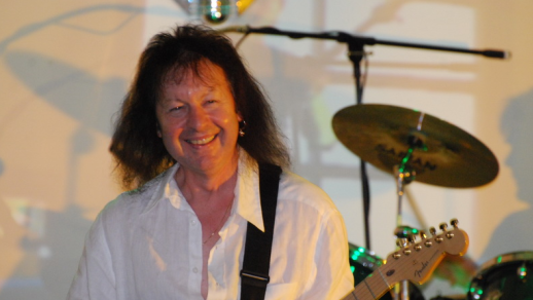
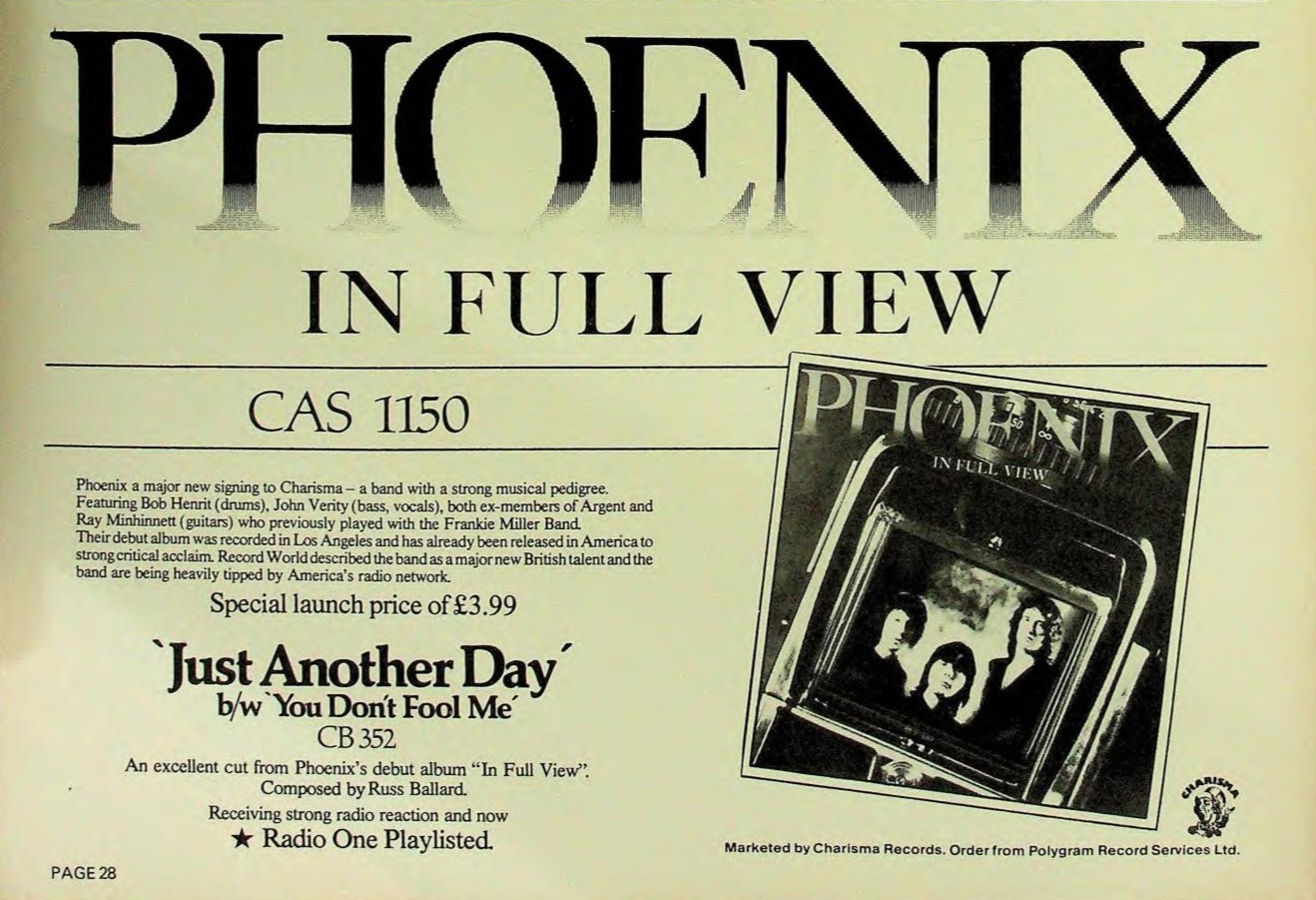
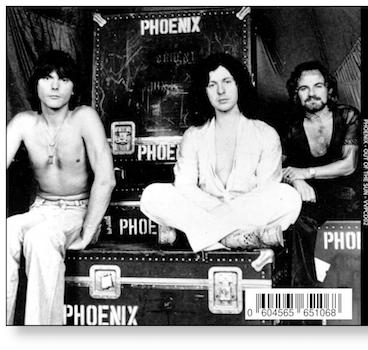


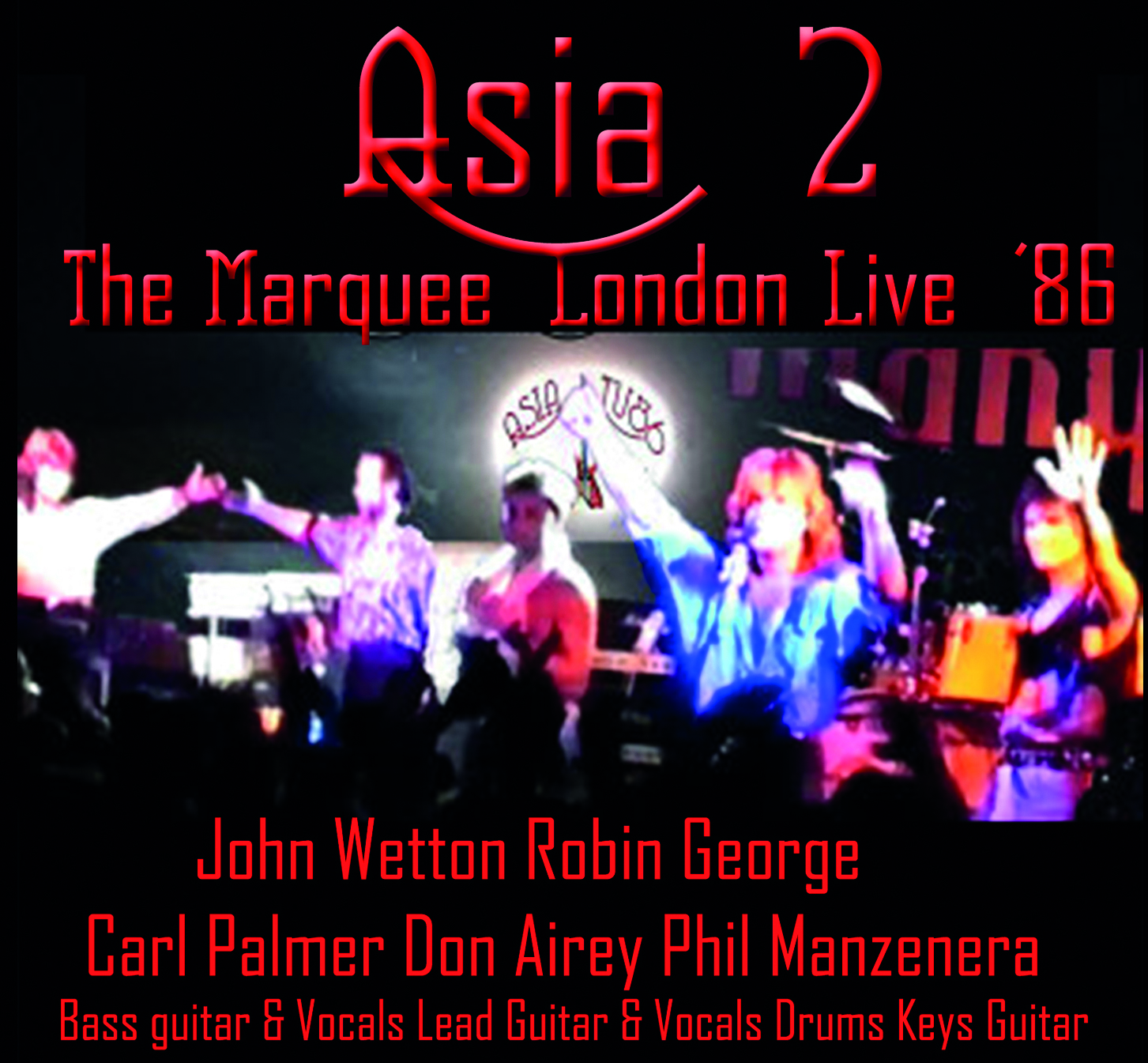






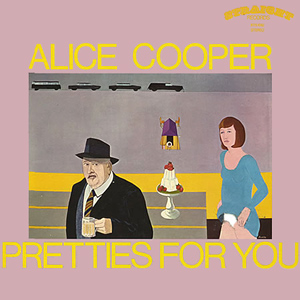


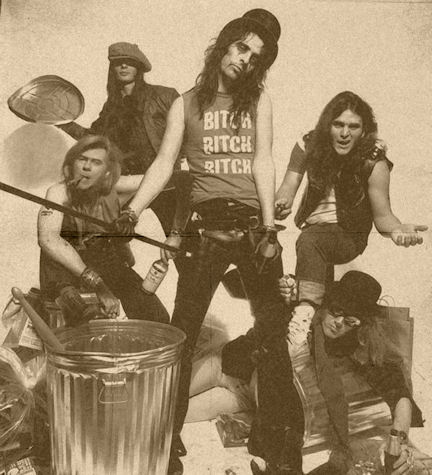


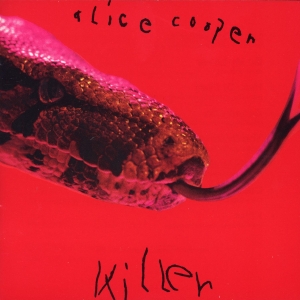
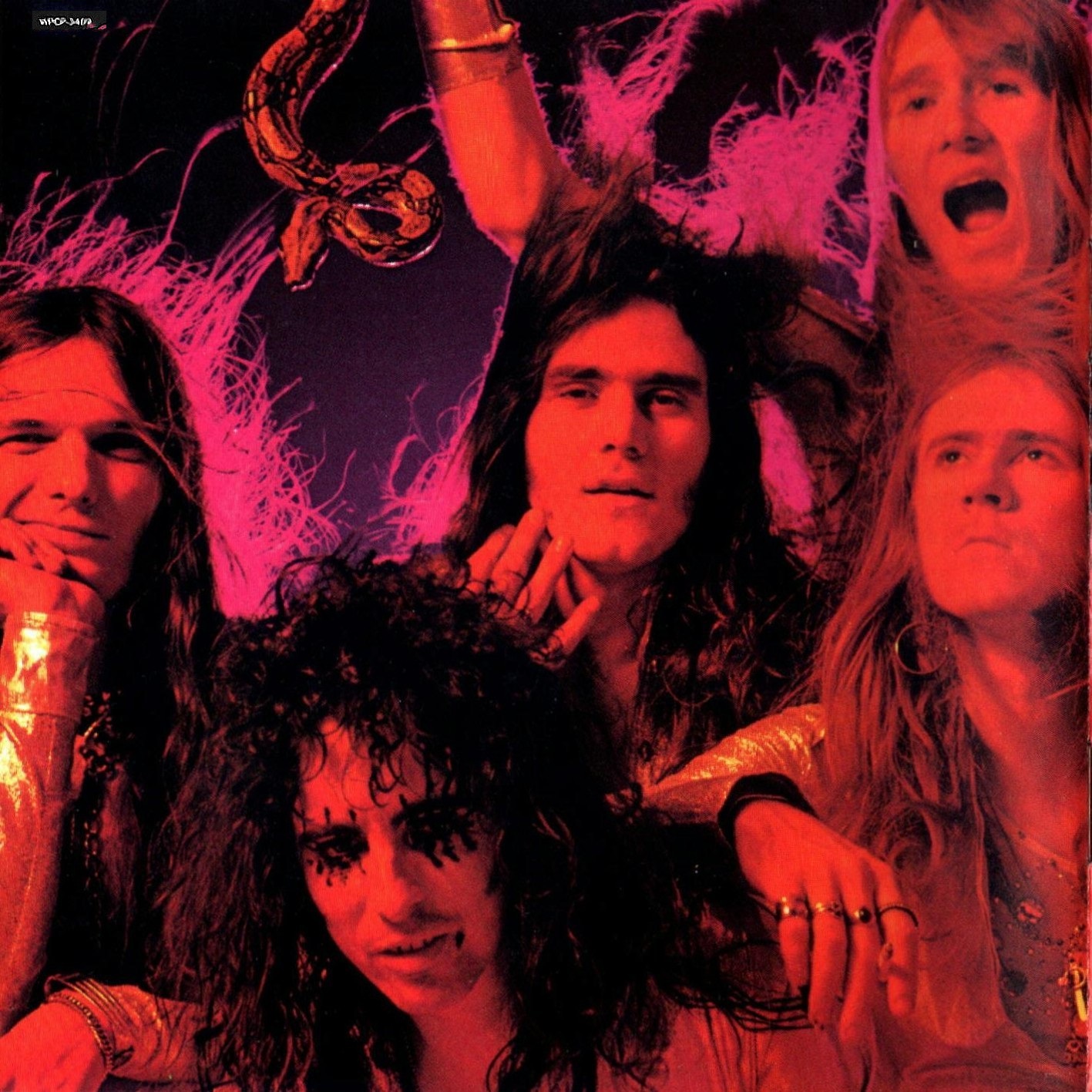
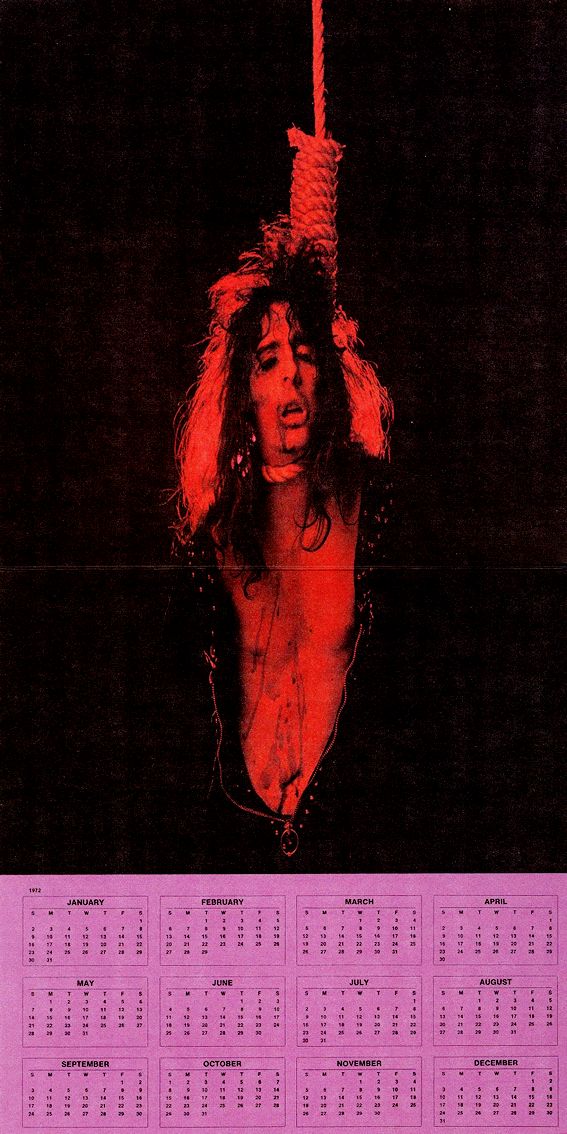
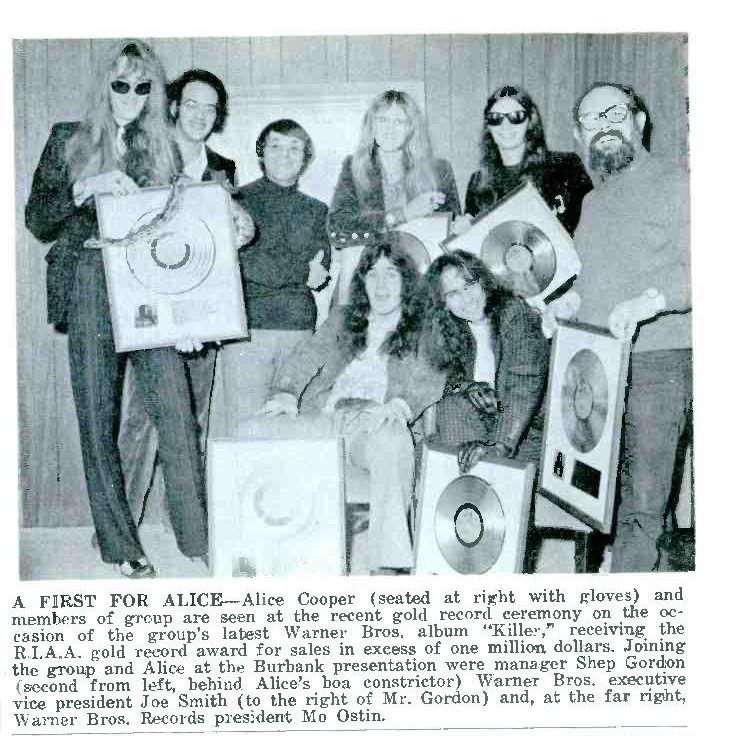
 Outsider Rock