Frontiers will release Jimi Jamison’s ‘1998 Live Hits’ on December 12. Jamison fronted SURVIVOR during the 80s, through a pile of hits and a few excellent albums. I always thought this guy was right up there with the likes of Brad Delp and Lou Gramm. His pre-Survivor bands COBRA and TARGET were more hard rock, making the albums he did with those bands highly recommended. But this Live Hits features largely Survivor’s biggest hits, as well as a few from Jamison’s solo catalogue, and a cover of The Doors “Riders On The Storm”. Check out the press info, as well as the bio below, the 2 videos released so far, tracklist…below.
‘1998 Live Hits’ is a powerful time capsule capturing the energy, emotion, and artistry of legendary vocalist JIMI JAMISON at a pivotal point in his post-Survivor career. Recorded across three vibrant shows in Little Rock, AR, Nashville, TN, and Bettendorf, IA, and now to be released by Frontiers Music Srl, this album showcases JAMISON’s electrifying live presence and undeniable vocal prowess as he revisits some of the most iconic songs from his time with Survivor, along with deep cuts, original solo work, and inspired covers. The album will be out on December 12, 2025.
Backing JAMISON is a seasoned and soulful ensemble: longtime collaborators Jeff Adams (bass, vocals) and Hal Butler (keyboards, vocals) were joined by guitarist Chris Adamson, drummer Pete Mendillo, and Memphis-based producer and guitarist Wes Henley, who also supervised these live album recordings. This lineup reflects a strong musical camaraderie built over years of touring, with several members having roots alongside JAMISON that date back to his 1970s band Target.
Now, years later, these recordings allow fans—old and new—to reconnect with a voice and spirit that remains timeless. ‘1998 Live Hits’ is more than a concert album; it’s a tribute to an era, a legacy, and the enduring magic of JIMI JAMISON.
One standout from the set is a haunting performance of “Riders on the Storm” by The Doors — a testament to JAMISON’s ability to tap into a wide range of emotions and his gift for storytelling through song. His delivery brings an atmospheric intensity, drawing the listener deep into the moment.
The track list includes fan favorites such as “Burning Heart,” “High on You,” “I Can’t Hold Back,” “The Search Is Over,” and “Eye of the Tiger,” all songs that defined a generation of melodic rock. Deeper cuts like “Oceans” and “Too Hot to Sleep” reveal the richness of Survivor’s catalog, while JAMISON’s originals, such as “Rock Hard” and “I’m Always Here” (the iconic Baywatch theme), showcase his creative versatility.
Of particular note is the interplay between Chris Adamson and Wes Henley on guitars. Though Henley’s primary role was behind the board, his friendship with JAMISON and passion for the Survivor material often brought him onstage. Together, he and Adamson bring layered, textured performances that do justice to the intricate compositions of Peterik and Sullivan.
Through warm crowd interactions and powerful vocal moments, ‘1998 Live Hits’ highlights JAMISON’s authentic stage presence, Memphis soul, and deep bond with both his band and his audience. As friends and collaborators reflect, this wasn’t just a group of musicians—it was a family.
1. Burning Heart 2. High On You 3. Rebel Son 4. I’m Always Here 5. I See You In Everyone 6. Rock Hard 7. Oceans 8. The Search Is Over 9. Is This Love 10. I Can’t Hold Back 11. Riders On The Storm 12. Too Hot To Sleep 13. Eye Of The Tiger
Line-up: Jimi Jamison – lead vocals Jeff Adams – bass and vocals Chris Adamson – guitars Hal Butler – keyboards and vocals Pete Mendillo – drums Wes Henley – guitars
Photo courtesy of Debbie Jamison
JIMI JAMISON earned recognition as the frontman for hard rock bands Target and Cobra before reaching platinum heights with Survivor, singing the hits “Burning Heart” from the film Rocky IV, “I Can’t Hold Back,” “High on You,” “The Search is Over,” and “Is This Love.” Acclaimed by legendary U.S. disc jockey Casey Kasem as “The Voice,” JIMI JAMISON’s performances are treasured by connoisseurs of AOR and melodic rock who consistently rate him as one of the genre’s Top 5 vocalists of all time.
Raised on R&B, Blues-Rock, and Country music in Memphis, Tennessee, JIMI JAMISON released his first single in 1967 with a band called The Debuts. “If I Cry” was originally intended for fellow Memphis band, The Box Tops, featuring lead singer Alex Chilton. Jamison honed his craft by singing commercial jingles by day and fronting gritty rockers Target by night. His next band, Cobra, with Mandy Meyer on guitar, cut a cult classic in 1983’s First Strike, but that was just a prelude to Jamison’s breakthrough as lead singer of Survivor.
With JIMI JAMISON at the mic, Survivor proved that its earlier success with “Eye of the Tiger” was no fluke. The combination of JAMISON’s emotion-charged vocals with Jim Peterik and Frankie Sullivan’s masterful songwriting and Ron Nevison’s radio-friendly production resulted in 1984’s Platinum-selling ‘Vital Signs’ album. Its hit singles “I Can’t Hold Back,” “High on You,” and “The Search Is Over” were massive hits, later joined by Survivor’s Rocky IV theme, “Burning Heart,” and the further Top 10 hit “Is This Love.” Survivor’s 1980s trilogy featuring JAMISON – ‘Vital Signs’ (1984), ‘When Seconds Count’ (1986), and ‘Too Hot to Sleep’ (1988) – are acclaimed as AOR and melodic rock landmarks. Concurrently, JAMISON’s voice could be heard singing prominent harmony vocals on ZZ Top’s smash ‘Eliminator’ album, most notably on ‘Gimme All Your Lovin’.’
Striking out on his own in the 1990s, Jimi Jamison released the solo albums ‘When Love Comes Down’ and ‘Empires.’ His voice and songwriting reached new audiences through “I’m Always Here,” the theme song for Baywatch, the most-watched television series in the world with a weekly audience of over 1.1 billion viewers. But touring became his primary focus throughout the decade, both with all-star projects including Voices of Classic Rock and with his own band. JAMISON’s primarily Memphis-bred group comprised acclaimed musicians including keyboardist Hal Butler; guitarists John Roth, Jerry Riggs, Hal McCormack, and Chris Adamson; bass players Jeff Adams and Barry Dunaway; and drummers Bill Marshall and Pete Mendillo. The most stable lineup of Butler, Adamson, Adams, and Mendillo was captured live in concert in 1998, but the recordings went unreleased.
JAMISON returned to the record racks with a vengeance in the 2000s, with projects including Survivor’s 2006 album, ‘Reach’; the 2008 collaboration with Jim Peterik, ‘Crossroads Moment,’ and its 2010 companion piece ‘Extra Moments’; 2011 duo albums ‘Kimball Jamison’ with his longtime friend, Toto lead vocalist Bobby Kimball, and ‘One Man’s Trash’ with guitarist Fred Zahl; and his final solo album, 2012’s ‘Never Too Late.’ JAMISON’s triumphant first-ever UK appearance at Firefest 2010, backed by a band featuring guitarist Tommy Denander, was memorialized on the CD and DVD Live at Firefest. JAMISON performed his final show just two days before his untimely passing on September 1, 2014.
JIMI JAMISON’s family and friends have worked diligently to keep his memory and music at the forefront. Several all-star “Jam for Jimi” concerts have been staged in Memphis to raise money for JAMISON’s favorite charity, St. Jude Children’s Research Hospital. A stretch of Highland Street in Memphis was named “Jimi Jamison Street” in 2022. That same year, the first of several CD releases from the Jimi Jamison Archives, ‘Rock Hard,’ presented his 1990 solo debut album as it was originally intended. JAMISON was inducted into the Memphis Music Hall of Fame in 2023. Memorabilia, including a fan-funded bronze bust, is on permanent display at the iconic Memphis venue, Lafayette’s Music Room. The tenth anniversary of JAMISON’s passing was acknowledged by Representative Steve Cohen in the United States House of Representatives. Jimi’s shelved 2008 country rock collaboration with Jim Peterik, entitled ‘Jimmy Wayne Jamison,’ was unvaulted at the same time. Members of JAMISON’s solo bands continue to play together in both .38 Special and Starship. A film, Resonating Voices: The Jimi Jamison Documentary, is in the early stages of development.
2025 brings the most exciting Jimi Jamison Archives release yet, one which his fans have been anticipating for 25 years: the never-before-issued live album he recorded in 1998. With a setlist drawn from Survivor, his solo career, and even a cover of The Doors’ “Riders on the Storm,” ‘1998 Live Hits’ ensures that JIMI JAMISON’s strong, clear voice will continue to thrill fans worldwide.
Singer Peter Goalby is mainly known for years during the 80s fronting Uriah Heep, with whom he recorded 3 albums, and prior to that a few years with Trapeze, where he recorded one studio and one live album. But in-between there, very briefly, Peter was chosen to sing for another, bigger band, at the time. His time with Rainbow didn’t last long, and he’s often (if at all) merely mentioned as a footnote as someone who auditioned for the band. Goalby’s story of that time, and his first ever detailed recollection of that period is a very fascinating read. Peter recalled it all to myself and Peter Kerr (Rock Daydream Nation). The 3rd part of this article contains questions (from Peter Kerr & myself), answered by PG.
Please note, Peter has wanted to tell this story for a long time. I know he has a very good memory of his career, and fine details. This is his account being told for the first time. It was a long time ago, and it came at very busy period in his career, while he was still with Trapeze. He would soon record a project later in 1980 under the name ‘Destiny’, followed by Trapeze tours and a live album. By late ’81 he was ready to step into the role of lead singer for Uriah Heep. Ironically, the 1982 album Abominog, a fantastic album, was comparable in direction (that American Hard-rock/AOR) to what Rainbow was also recording during the early 80s with Joe Lynn Turner. So, frankly, I don’t see how Peter wouldn’t have been a good fit for that band, but oh well….On to Peter’s story….
My Audition / Initiation
The day before New Years Eve, sitting in my unfurnished flat (apartment) in Wolverhampton phone rings – “Hello is that Pete?” , I said yes, it is. “Pete this is Ritchie Blackmore “, Fuck off I said, who is this? I thought John Thomas from the band Budgie; he was a prankster.” Pete, its Ritchie really (LOL) “He said I “got your number from…” I can’t remember who he said but I thought, ‘Oh Its Ritchie alright’.
“Would you be interested in joining my band, Rainbow? I have heard a lot of great things about you and your work with Trapeze. Mel Galley is gonna hate me even more if I steal you That will be twice.”
We chatted for a few minutes and then he asked, ‘do I have anything I can play to him?’ I said I have a copy of the new Trapeze album Hold On, “I can play you a track down the Phone(?)” I played him “Don’t Break My Heart Again” (phone to the speaker). It’s 6 minutes long, I thought he will have hung up by the end. “Are you still there?”, I said. “Very much so. Would you like to come to New York? “, I said ‘yes when’. “Tomorrow”, he said.
I was told to arrive at Euston Train station. I would be met and taken to the Airport. I was given a ticket and some money and put on a plane
(In New York) I was detained at the Airport upon arriving and taken to a back room where I was questioned and my luggage searched. They thought I was trying to work in the U.S I said I was there for an audition. I was asked who the band was. I said Rainbow. One of the security guys said Ritchie Blackmore(?), “then re pack your case you can go”.
I was met by a member of the Rainbow crew and taken to the Holiday Inn, Connecticut. I was there on my own for 2 days waiting for someone to greet me. I spent New Years Eve on my own, well me and the barman in the hotel.
Next evening I was in the Bar and who should walk in – Cozy Powell (LOL). Then in walks Don Airey (LOL). WE all got on great from the off. I had met Cozy before.
I said, ‘where is Ritchie?’, I was told he lives next door to the hotel. So, I had been left on my own for 2 days with Ritchie living next door celebrating the New Year. I was starting to get the picture and the way they all spoke of Ritchie, he was the Boss for shit sure.
Ritchie walked in the bar with his then very large breasted girlfriend, and we spent the evening talking – me, Ritchie, Don, and Cozy. I can’t remember when Glover arrived.
We arranged to meet for rehearsals next morning.
Down To Earth (with a Bang) LOL
I arrived at the Geneva; the place was incredible with a Moat and a Drawbridge, WoW.
Don arrived soon after me, we got on so well it was all fantastic. There was a guy called Jack Green there he was the new bass player, as Roger Glover was producing Down To Earth he was not playing – only producing. There was a mobile Recording Studio outside belonging to Jethro Tull. All the band gear was set up in the Dining Hall which was the size of a banquet Hall.
Cozy arrived, he was such a compete gentleman, he was such a complete person he really was great.
We were all there for a couple of days before Ritchie arrived with the girlfriend. He spent a few days in his room only coming out to have meals. We had a Cook living in with us. From time-to-time Ritchie would come out and ask me and Jack to write some lyrics for an idea he would have. Then he would say forget that one. “Can you do some words for this?” That would be another Idea he would be playing. I was finding it frustrating as we did not seem to be doing much at all. I used to have a play on Don’s Hammond organ to pass the time. We were all just waiting for Ritchie. After a few days Ritchie had come up with some riffs. One night about 10.30 to 11pm I was going to bed and was told Richie wants to rehearse now. I foolishly said I was about to go to bed. Never mind. We went down into the Dining Hall They all started jamming led by Ritchie showing them the ideas he had. I was expected to just sing something over them. Something I had never done before. I was used to having a structured song to sing knowing the melody etc. I just looked at Don thinking ‘what the fuck does he want’. So, I started warbling some nonsense. So, we did this for some time. Don was looking at me and encouraging me to sing anything by pretending he was singing. I found this all a bit bizarre. Next morning there was a bad atmosphere from the off. I did not see Ritchie at all. Roger said “can we talk in your room”. I said of course.
Roger said Ritchie is not happy. I said neither am I. I don’t know what he wants I am not used to working like this. Roger said you are fired. I said couldn’t Ritchie face me and Fire me himself.
Roger said I will take you to the airport now. So, I went and told the guys I was fired they were shocked. Ritchie did not even come to say goodbye. He did send me a message through Roger, he said You Know that riff you have been playing on the Hammond could you show Don how it goes before you leave? On the way to the Airport Roger said did I know any good bass players as Ritchie was not happy with Jack Green either
I was given no reason other than Ritchie was not happy.
It later transpired he was not happy with my vocal range he said my top note was an A which is not true as the world can hear on the Heep albums I did.
I did not apply for the job in Rainbow I was invited by Ritchie Blackmore after listening to me singing “Don’t Break My Heart Again” by TRAPEZE I made no claims about my vocal range.
I am very happy to finally tell the true version of my very very brief time in such a great band
Peter Goalby 09-09-2025
Did you talk for a while with Ritchie before having a sing?
It was all quite natural mainly down to Cozy being such a great and honest guy (what a lovely man)
What was he like?
Ritchie enjoyed being Ritchie and enjoying being number uno.
Were there any band members at this first meeting? Describe the rehearsal with the band? What songs did you play? Any of your originals or non-Rainbow songs were played?
A tiny rehearsal room. I was stood facing Cozy when he hit his bass drums My jeans blew back at the ankles LOL, He was making me laugh to make me feel at home. In fact, Don was the same very friendly as if they were relieved, they had got me there.
WE did “Long Live Rock and Roll”, I enjoyed that, not too many words LOL
I think Cozy said “we have this song demo with a girl singer”. He said Ritchie does not like it, but the record company want us to do it as a single. I said it’s a great song. I think. We ran through it. I can not remember what else we did. I kept thinking this is me singing with Rainbow LOL.
Did you get a good vibe as to how things were going?
I got great feedback from the guys they were talking like it was a done deal. Like I said I felt they were relieved they had a singer. Ritchie was very reserved I think that’s how he liked people to see him.
What was said at the end of the play through?
All very positive but what was weird is It was as though I was in, but no one said You are our new singer. I was given a plane ticket and told Bruce Payne (manager) would contact me, which he did when I got home. I was put on the payroll. I think it was £2000 per month. Little knowing it was to last only 2 months at that time. Bruce said we were to do a demo of “Since You Been Gone” at Roger Glover’s house, which we did. I remember Ritchie playing the wrong chords when we were recording LOL.
Then the recording date for the album was announced and I went off to Geneva to the chateau.
Did you think you would be offered the role?
Of course. I would have been great in that band
I am curious – Had you told anyone on your side (bandmates, management) that you were off to NY to possibly join Rainbow(?)
I did not have time; I was called and then the next morning I was on a plane. I only told my wife, I don’t think she believed me at first. And Then I told her I got the Job then a couple of months later I told her I was FIRED LOL
What were you up to when Ritchie called? Was there a Trapeze tour being planned or any other recordings?
I was in my apartment (flat) with no furniture I can’t remember what was happening with Trapeze. I had just got the first copy of “Hold On”, the Trapeze album. Thank you, Mel, for writing the song that got me in and out of Rainbow LOL.
Considering Ritchie was concerned about image (i.e. he hated Graham Bonnet’s short hair and choice of clothes). Did any appearance or image stuff come up?
No, he knows a star when he sees one LOL.
Was your audition or time with the band given any press treatment? Ie: photos taken, bios written, or mention in the press?
Only my local town paper; I was on the front cover if I remember correctly.
Did you really get to talk to Ritchie much at all? (Even in the bar) And was it all business?
I did talk to him, yes, I did get on with him socially. But then again, I get on well with everybody.
“And we had a singer called Pete Goalby, who did great things with Uriah Heep, but he didn’t quite get what Ritchie was going on about” – Don Airey (Rolling Stone)
“I was the one who helped talk Ritchie into doing it. His manager Bruce Payne NEEDED A HIT SINGLE. We did a demo at Roger’s house with Jethro Tulls’ Mobile.” – PG
PETER GOALBY & GRAHAM BONNET
There is one song that ironically both Peter Goalby and Graham Bonnet sang, and that is a cover of Paul Bliss’ “That’s The Way That It Is”, which I’ve put below. The song appeared on Bonnet’s 1981 album Line Up, as well as Uriah Heep’s 1982 album Abominog, and released as a single in both cases. Interestingly, Bonnet also covered Argent’s “Liar” (written by Russ Ballard) on that album, while Goalby had sang the song years earlier as a demo for his band Fable! Abominog would instead feature a different Russ Ballard track, “On The Rebound”.
I could not find any songs that both Goalby and Bonnet’s successor in Rainbow – Joe Lynn Turner both sang, but both Heep (w/ Peter Goalby) and Rainbow (w/ JLT) both took a similar direction in the 80s, which is discussed with Martin Popoff in an episode of History In 5 Songs – https://cms.megaphone.fm/channel/history5songs?selected=PAN4285683323
Goalby’s post-Heep solo recordings are also much more in the 80s AOR style that would’ve definitely suited either Foreigner or Rainbow in that decade (Ironically, Goalby’s name came up when Foreigner was looking for a singer when Lou Gramm left the first time, but not bigger discussions or offers came about). But check out tracks like “Take Another Look”, “Waiting For An Angel“, or “It’s Just My Heart Breaking” and “Show Some Emotion” (from his upcoming 3rd album), they would sit comfortably on an 80s Foreigner or Rainbow album, IMO. As for the one ‘new’ song that Goalby sang with Rainbow, “Since You Been Gone”, no recording from those rehearsals exists, but both Bonnet and it’s writer, Russ Ballard, both have new versions of it in 2025.
PETER GOALBY, former URIAH HEEP and TRAPEZE singer, has announced his 3rd solo album of ‘new’ previously unreleased songs written and recorded after he left Heep. Don’t Think This Is Over features 9 songs, as well as a few former bandmates guesting. Just to be clear, over the last few months Peter let out a few of these songs on Youtube, but these songs have all been worked on for this release, withoverdubs and solos added, making them more than just the demos you might have heard or would think. It is safe to that if you liked Peter’s Easy With The Heartaches or I Will Come Runnin’ – you will definitely enjoy this! Artwork was done (as part of a series) by Michael Inns. Please read to the bottom, as Peter has more news to share. *Ordering link below!
“Hello everyone, great news, I am one happy bunny. I would like to tell you all about my new Album to be released December 5th 2025. Title is DONT THINK THIS IS OVER . (on Cherry Red) Songs written and recorded after I left Heep. We have spent the last few weeks overdubbing and adding some more to the tracks. We have used the same winning formula of Paul Hodson and Eddy Morton. I have also had some help from special guests. I know you will be excited when I tell you who they are lets just say old friends for now. This time no co-writes all Goalby tunes which I hope you are going to love .”
Peter has also given his insight and some recall into the tracks featured on the new album –
I’ll Be The One
I don’t remember to much about this other than I was thinking Bryan Adams. I wanted to write it in his style . ? Lots of guitars and a good guitar theme.
Don’t Think This Is Over
Yes you guessed it Foreigner. Loved it they were such a great influence on all of us British Bands…Great Band .The Singer Sounds a bit like me LOL LOL
The Sound Of A Nation
Well, where did that come from my god. Lyrics perfect for someone to record today. I often wonder where the words came from. Sometimes they just came out from nowhere I just sang them. I sent it to my dear friend Mick Box . He loved it so much he asked if he could play on it . No sooner said than done Mick thank you . If I had any money I would pay you lots great Solo!
Another Paper Moon
Did I write such a song? I always loved the Title Paper Moon it’s an old song from a movie of the same name, as is Poor Little Rich Girl . So I thought I will write Another Paper Moon LOL . I sent it to John Parr a couple of months ago, he said he filled up and got goose bumps. (Thank you my dear friend John). We wrote 3 songs together for his Man With A Vision Album back in the day. I also sent it to Mick Box. He said he never realized I had that other voice and could sing like that. Again thank you Micky Box X.
It’s Just My Heart Breakin‘
Well no prizes here . Only 2 words – Tina Turner LOL. “If you hear the Thunder as you walk away Don’t worry darling , Every Thing Is OK . Its Just My Heart Breakin’ !!!!!!” Am I mad or can you hear her singing it ??
Show Some Emotion
I love the emotion of the song . The 2 part harmony I do . I imagine this song as a Rock Duet Boy Girl . Leather Jackets all the way .
Heart What Heart
I wanted to write a song that Dusty Sprinfield would sing . I just love Dusty (waving her arms about LOL ) I think I captured the 60s vibe. Can you dance to it? Yes you can Mini Skirts everywhere . I can see her LOL.
Fallin’ Apart
I was so proud of this song. I have a Diamond Disc on my wall from 80.000 sales in Norway. The band Smokie recorded it on an album. I gained a couple more Discs when I was in Heep.
I Don’t Wanna Fight
Well , How long have you got. One of my favorite compositions it really is. I did a great demo of this at the time which got lost. This song got me a record deal with RAK records . We recorded it . Micky Most Produced it and lost the magic of the song. I have not played it for many years although I love the song, the arrangement was pretty awful. My Dear friend John Sinclair also loves the song . Recently John did a brand new arrangement for me, A complete new backing-track with a modern vibe WOW! what a difference. We put the original vocal on the new track. I got my dear friend Pete Kent (who I have known since he was 8 years old) to do the guitars and a great solo on the track. I think the song now has legs and I am convinced we will get a cover by one of today’s artists. Fingers Crossed!
I hope this has let you in to my writing world and that you will enjoy the Album.
AND there is more to come from Peter: “I have one more project to do before I close the book. Its a Rock Album which I am hoping to release next year. Recorded in 1980 this is Peter Goalby’s DESTINY…FINGERS IN THE FIRE”.
More to come on Destiny, as well as Peter recalls his short time in RAINBOW!
Fans of Canadian hard rock legends Coney Hatch will soon be able to experience their classic self-titled debut album with fully remastered audio by acclaimed engineer Harry Hess. On October 24, 2025, “Coney Hatch” will be reissued via Anthem Records, marking the anniversary of the band’s gold debut album some four decades after its original May 21, 1982 release. To celebrate this iconic release, the band have announced their only appearance of 2025 with a special up close and unplugged performance on Friday, November 14 at The Redwood Theatre in Toronto. To order tickets, visit: https://www.theredwoodtheatre.com/event-details/coneyhatch This beautiful 2LP reissue breathes new life into the classic album. Featuring the group’s classic line-up (singer/guitarist Carl Dixon, singer/bassist Andy Curran, lead guitarist Steve Shelski, and drummer Dave Ketchum, the debut spawned such classic rock gems as “Devil’s Deck,” bringing out every searing riff and soaring vocal with stunning clarity and power. “After over four decades of touring and recording, it’s truly special to see this anniversary release come to life,” Curran says. “The artwork, rare photos, and the discovery of the Cleveland Agora live audio from our very first show in the USA add a perfect finishing touch for the band and our dedicated fans.” And collectors take note: the blue/orange 2-LP edition is a LIMITED EDITION first pressing of ONLY 500 UNITS available! To order the album, visit: https://lnk.to/ConeyHatchAnniversary Adding to the release are never-before-heard “Live in Cleveland” recordings, captured at the band’s first-ever U.S. show at the iconic Agora Ballroom in 1982. This raw, high-energy performance showcases the band at their hard-hitting best and marks a key moment in their rise in the music scene just prior to joining Judas Priest on a 30 date North American “Screaming for Vengeance” tour. Dixon adds, “Our show at the Redwood Theatre will be the first time presenting the mighty Hatch sound in an Unplugged & Acoustic format. Still intense, with the same tightness and power that all these years together have built, but with more nuance and emphasis on the songs and vocals. We have some surprises planned and we can’t wait to show off our skills in a new setting!” Fans can dig deeper into the band’s history with ultra-rare photos unearthed from the personal archives of the band members, offering an intimate glimpse into Coney Hatch’s early years. This release includes rare 1982 vintage audio sound bites from Kim Mitchell, where he reflects on producing the band during their formative days. This is a must-have collector’s item for die-hard fans and music history buffs. Anthem’s first pressing for Canada on opaque blue vinyl and translucent orange vinyl, includes: · The fully remastered debut album “Coney Hatch” · Three bonus Tracks: “Dreamland”, “Where I Draw The Line” and “Sin After Sin (Demo)” previously only available on UK import version of the album. · Never-before-heard “Live at The Agora Cleveland, 1982” recordings · Ultra-rare photos unearthed from the band’s personal archives · Rare 1982 vintage audio sound bites from Kim Mitchell Come Friday, October 24th, get ready to experience this ’80s rock classic like you never have before!
CONEY HATCH ANNIVERSARY TRACKLIST: SIDE A:1. Devil’s Deck (4:26)2. You Ain’t Got Me (3:25)3. Stand Up (3:31)4. No Sleep Tonight (3:21)5. Love Poison (3:44)6. We Got The Night (3:08) SIDE B:7. Hey Operator (3:16)8. I’ll Do The Talkin (3:07)9. Victim Of Rock (3:11)10. Monkey Bars (4:21)11. Dreamland (3:43)12. Where I Draw The Line (3:53) SIDE C:13. Sin After Sin (Demo) (4:00)14. Devil’s Deck (Live at The Agora Cleveland, 1982) (5:09)15. We Got The Night (Live at The Agora Cleveland, 1982) (3:15)16. Stand Up (Live at The Agora Cleveland, 1982) (3:15)17. You Ain’t Got Me (Live at The Agora Cleveland, 1982) (3:30) SIDE D:18. Victim Of Rock (Live at The Agora Cleveland, 1982) (3:15)19. Where I Draw The Line (Live at The Agora Cleveland, 1982) (4:02)20. I’ll Do The Talkin’ (Live at The Agora Cleveland, 1982) (3:04)21. Dreamland (Live at The Agora Cleveland, 1982) (3:50)22. Love Poison (Live at The Agora Cleveland, 1982) (3:39)23. No Sleep Tonight (Live at The Agora Cleveland, 1982) (3:23)
This is an interview I did (via email) with David Glen Eisley in 2001 to promote his solo album Stranger From The Past. I’ve added in a few youtube links and images, but the text is as it was in 2001.
David Glen Eisley was best known as the former singer for the 80s rock band GUIFFRIA, who released 2 albums [featuring ex ANGEL keyboardist Greg Guiffria]. Since then Eisley has had a few other projects, that didn’t rival the success of Guiffria, and with many 80s rockers was seemingly brushed aside by the music labels and biz. But Eisley is back with his debut solo album released last year on Frontiers Records titled “Stranger From The Past”. It features Eisley not only as vocalist/songwriter/producer, but also on guitar, keyboards, bass, and even drums [on one track], as well as notable friends and former bandmates – guitarist Craig Goldy [Dio/Guiffria], bassists Chuck Wright [Guiffria] and Stephan Ellis [Survivor], and drummer Ron Wikso [The Storm, Foreigner].
Here I swapped questions and answers with David, who discuses his career, notably the Guiffria days, as well as the making of his new solo album.
What sorts of music did you grow up on? Can you give me a short list of favorite bands, singers, guitarists, songwriters, etc… ? Any heroes in particular?
DGE- Beatles, Dylan, CSN&Y, Bad Company were bands that I was into. Paul Rodgers, McCartney, Little Richard were singers I admired. My Dad was really into big band jazz and got me into it at a young age before I discovered rock and I started studying drums, which I became fairly proficient at. But the Beatles hit and that was it!
Can you give me a Top 10 [or more] of all-time favorite albums?
1.Sgt. Pepper (Beatles), Blood on the tracks(Dylan) Exile on main street(Stones) Joshua Tree(U2) Highway 61(Dylan) Déjà vu(CSN&Y) Blue(Joni Mitchell) Straight Shooter(Bad Company) Nebraska(Springsteen) Blonde on Blonde(Dylan)
Were you in any name bands prior to Guiffria?
No!! I was busy drinking and playing baseball!!
How did the whole Guiffria thing come together? Were you familiar with Angel and Gregg Guiffria prior to then? That band had quite a few great names in it, with Chuck Wright and Craig Goldy, how did things seem to work?
I had no idea who Gregg or Angel was. He got my number from a bass player that I had done a session with and the guy recommended me as Gregg was tryin too put a new band together. He called me and just the sound in his voice sounded different than the norm so I figured it might be something kinda real. I showed up for the “audition” and we immediately started writing a song. It was a real strange connection. But it seemed to work. Things just started to evolve from there.
What was the deal with Gregg initially wanting to call that band ‘Angel’? And is it true You were the one who suggested ‘Guiffria’’?
I think he was just thinking that it was a known name so maybe that would help in getting a new deal. Well, we did get a deal but ultimately the company and us realized that we sounded nor looked at all like Angel so we weren’t! Nobody seemed to be able to come up with a name so at the last minute being we were in the era of Van Halen, Montrose and all the other namesake bands I came up with Giuffria. What the fuck was I thinking?? Oh well.
In retrospect, what do you think of those Guiffria albums? Highs and lows? Was there ever any conflict in the band with the excessive use of Greg’s keyboards over Craig Goldy’s guitar work?
I think the first record has some great moments. I think we didn’t have a clue as to what we were until we hit the road. Then we realized we were a potent rock band. Unfortunately that band couldn’t keep it together for #2. I think we would have given Goldy more room and we would have done a great record. Instead the keyboard prominence became even more on Silk and Steel. I think Gregg and I wrote some good songs on that record and we should have sold them to a big adult contemporary artist to do. We would have made more money!! The record really wasn’t the band as it was, although Lanny is a great player. Yea, as in any ego driven entity there were a lot of conflicts but I think the split was just Gregg and I were just not feeling the same about shit anymore and we were sick of all the bullshit we went through with the record company. We just said ”See Ya”.
Did you have any contact with Gregg [or still have] after the Guiffria days? Any reason he didn’t ask you to participate in House of Lords? [How many Guiffria outtakes ended up on the first HOL album?]
He did not ask me to join House of Lords because that would just be Giuffria again with a new drummer! Besides I had already met up with Earl Slick and Dirty White Boy was on the horizon. I don’t talk to Gregg much. He really doesn’t play much anymore and has gotten very successful in business. Although I think he’s going to play a bit on the HOL record.
Any stories from the Guiffria days and the tour supporting the reformed Deep Purple?
The Deep Purple tour was a great experience in learning what to do on the road and what not to do. I had a great time but at times it was pretty rough. I mean dealing with Mr. Blackmore at that time was interesting to say the least. We finished that tour and hooked up with Foreigner on their last big one. That was a big improvement in terms of general treatment.
What can you tell me about DIRTY WHITE BOY? You guys only did 1 album? Any major gigs or breaks there? How did that whole project come and go? [in a nutshell]
DWB was a victim of timing and circumstances. Thee record company, Polygram was getting ready to clean house and make more room for the Grunge attack and R&B acts. We were touring in Europe as the record was released there first and were being told there was really no company back home. Dismantling of a sorts. We had no support for a domestic release and it all just fizzled away! Although the record was produced all wrong I really dug that bands vibe. We really became a “freight train from hell” on the road. The record does not reflect that unfortunately.
You did the Stream album with such names as Bob Daisley [Ozzy / Heep / Rainbow] – a great bass player, as well as Eric Singer ! Quite a line up!! What happened with this project? Any stories from working with the likes of Daisley & Singer?
Stream was really just a money gig. I had known Bob from another situation that I passed on and he called me to do this thing. There was really no ample time and everything was rushed. It really had no band thing going at all. I think all of us were just throwing it together, collect the doe and not give it much thought beyond that. Eric is a likable guy and a great drummer!! I really never hung with them other than that short trip. Forgettable period!
What else have you been involved in over the years? Any bands, sessions, guest appearances … ?
I’ve been getting into some acting the last couple of years and find I like it. Some independent films, some TV and a couple commercials one being a thing with Ringo which was a great gig!! He’s a real trip and a great guy!! You hang with a Beatle for a couple of days and everything else kinda pales away after that!!
When did you begin work on ‘Stranger From The Past’?
I started Stranger in May of last year. They released it in November of last year and here I am again frying in the summer again. Time is going way to fast my friend!
I take it ‘Stranger…’ is your first solo venture (? ) Why so long, having been around for so long?
Truthfully there have been three periods where I was going to go it solo. Two of which were just prior to my two main bands. The thought of the band thing at each turn felt comfortable to me so I passed the solo thing up. In hindsight I kinda wish I would have just had the balls and said “Sorry I don’t do bands” but I didn’t. That’s OK.
What’s the history of the songs on Strangers? Were they written more recently or things you’ve had from past years and saved?
It was about 50/50. I had a few of them existing for awhile in one form or another. So after being approached by Frontiers I got an idea as to what they were looking for and then picked ones I had and then proceeded to write the rest.
You wrote, produced, and played a lot of instruments on this album. Was it a very personal record, musically and lyrically ?
Yea, to a degree I guess anything someone writes it’s a bit personal. Everything comes from different times in one’s life. Some things are a little less heavy than others but are still from personal trips or memories.
This album has a somewhat classic rock / aor style to it. Was there a particular direction or audience you intended to go at? I think it’s quite an appealing album that many rock fans would enjoy.
Like I said I got an idea what they the market would bare so to speak and then tried to be true to myself and came up with this collection. If I had not considered what anybody or any audience expected from me it would have been much more stripped down, funkier and acoustic driven but I’m happy with the overall results.
Can you give me a few words or any stories to go with a few of my favorite cuts from the album > Stranger From The Past, Can’t Call It Love, Don’t Turn Away [which is my favorite here] and When It’s Over(?) Do you have any personal favorites [and stories to go with] ?
Stranger began with a lyric idea I put together after listening to a taped lecture on passed life trips experienced by this woman who was documented for real. About coming back and all that kind of stuff. After writing it the title seemed to apply to me and my career so that’s how that happened. Cant Call it love was part of a song I wrote awhile back. I re-worked it for the record and really had fun with that one. My daughter India can be heard at the end when she sneaked into my studio one day and I was giving her the “please be quiet” sign. She got a little pissed at me and left slamming the door behind her. I kept it as it hit just as I hit the last chord. Thanks India!! It is really representative of me and my “rock” roots. Don’t Turn Away was written off of a piano lick I had come up with awhile back. Lyrically it was written about a friend who was going through a messy relationship. When its Over was about the same period of time and kind of based on the same subject matter. Goldy played some really nice stuff on that I thought. Funny though, we had nothing around at the time but a tiny little practice amp. We just stuck it in a little closet with a mic. That guitar solo was done awhile back in another space and time! But I loved what he played so I did everything I could to transfer it into the master track. It seemed to work.
Craig Goldy plays a lot of guitar on this disc. I take it you guys are good friends!? Do you have plans to work together in the near future? Perhaps form a band ? 🙂 And do you have plans to gig or tour to promote Stranger From The Past?
Goldy and I have remained very good friends. He’s been busy with Dio, who is another really nice guy. I’m glad they are hangin’ again. Goldy was one of the people who were always tellin’ or asking me when I was gonna go it solo. Always supportive. So I called him while he was out on the road and he said “cool I will be back such and such a time. I’ll come right over. He did lucky for me. He is one of the few people who know me well enough to know exactly what I’m lookin for. He did his entire bit in a day and a half with never hearing the songs before. Although he drank all my Vodka in the process! If it was possible I think we’d love to put something together in the future. Who knows. Tour plans for Stranger?? I really don’t know. That has a lot to do with the record company, tour support etc, etc.
How has fan and press reaction been to Strangers.. ? What have been some of the highlights as far as reviews and/or press features go? Any chart placings around the globe?
The response to the record has been really good generally. The press and ads have been very positive. I think I’ve been gone for awhile so it has been a bit of re-aquatinting myself to the scene again. A couple of the larger mags in Europe have placed me in different charts and its all been positive. I’m really not on top of all that. Sorry.
You sang all the vocals [w/ harmonies], played a lot of guitar, keyboards, bass, and drums on this album. Why did you take on so much yourself, and how did you determine where and when to use the various guests?
I did most of it myself because I kinda of know how I want it to feel. That’s my main thing. I don’t really care if it’s not the best technical playing going on. My songs are just that and if the feel ain’t right then I have trouble carrying it through. The guys who played on it know me very well and played what I would have played if I had the chops to do it. But some of the stuff I heard in my head I can’t execute. So enter my “wiz kid buddies”.
I take it singing is your first love? How do you see yourself as guitar player, keyboard player, etc… ?
Singing for me is on and off. I wont sing for a long time and then all of a sudden I will be writing or doing sessions and be singing again. When I do it makes me feel good but I don’t go out of the way to go and sing with the guys every other night. I’d rather sit in playin’ drums or a little guitar. Weird huh?? I am really quite a sloppy and un-educated guitar player as well as keyboard player but for my stuff it seems to work and I have fun doin it. And my stuff is really all I’m concerned with. I do outside money sessions with my voice. So I really don’t give a shit. I mean I would love to do what Craig can do but I cant. But he cant ballroom dance like I can! HaHa!
Having played alongside Greg Guiffria for a few years, it’s interesting that the only keyboards you tend to use here are piano, Hammond, and some synths as background effect. I take it you wanted to make this a very guitar oriented album?
Gregg was really into Keith Emerson through his life and chose that really over the top keyboard trip which worked great for us. My thing isn’t really guitar or keyboard driven. I think its more song driven. I had no need for all of that stuff. But your right it’s a little more guitar oriented than keys.
Any stories from the recording or making of this record you’d wish to share?
Other than I had a good time doing it in my studio in my barn alongside the horse and my pot belly pigs there is really nothing out of the ordinary to report on it.
Do you have plans to make another solo album in the near future? Anything you’d do differently?
I think I might do another one for Frontiers at end of the year but I’m not sure. Might do it on my own label Ol’ Boothill Records. A new album would be just that. “A new one”. So until I’m into it I don’t know what will be different other than songs.
What Kiss album did you guest on?
I think it was the Animalize record. I’ll check on that. I was working on a record in the same studio as them and Gene found out I was there. He sent a note over to our room and asked if I could come across and give them a hand on some song. So I did. Me Paul Winger (Kip’s bro) Gene, Paul and I. We had a good time. Paul was funny as shit! Anyway, I left. They sent me a check and I never even asked what record it was as I was really not into Kiss at all. I will ask Bruce or Bob Kulick who are friends of mine. They obviously will know
What do you listen to these days? and what do you think of the rock scene out there for artists like yourself compared to how it was 15 years ago?
I primarily listen to older stuff. My Dylan records, U2, Springsteen, a lot of soundtrack stuff. I only really listen to music in the car. I’m busy doing other things. Well the rock scene as we knew it in say the mid 80’s through the mid 90’s has changed quite a bit. As rock and roll should, it caters to the very young. But generally the corporate powers aren’t interested in shoving really good stuff down kid’s throats. I find it very interesting that us baby boomer kids that have our own kid’s see our own kids getting into Hendrix, Zeppelin, Beatles, Stones, etc … as well as Britney Spears and that lot which is cool. I mean, the stuff we grew up with was very powerful music and it stands the test of time. Everything now is nothing more than quick soundbites for the most part. Here today then See Ya!!!
Anything else you’re currently involved in – musically or other interests?
I’m writing a screenplay right now and working on a kids’ album concerning education which I hope to have finished and out by next year.
There is a compilation record of sorts coming out in August that has old stuff from Giuffria and DWB days. It’s kinda cool. Its called David Glen Eisley/ ‘The Lost Tapes’. You might find it interesting.
This was the debut solo album from the former GUIFFRIA singer. Guiffria, the air/hard rock band lead by former ANGEL keyboardist Gregg Guiffria released 2 albums in the 80s,, had a hit single with “Call To The Heart”, and opened for Deep Purple, and (later) Foreigner. But after the 2nd album Guiffria decided to rename the band, and change singers. Years ago, when Stranger From The Past came out in 2000, I interviewed David Glen Eisley (need to dig that out and re-post), and I played the heck out of this CD in my car, loved it!
Stranger From The Past featured a number of guests and strong supporting players, notably Craig Goldy on guitar (Dio), Ron Wikso on drums, and bass player Chuck Wright (Quiet Riot), though not all on every track. It began with the intro “The Stranger”, which leads right into the title track. There’s a good mix of good rockers like “Can’t Call It Love”, “Run Run Run”, and “Can’t Wait Forever”, as well as ballads “Don’t Turn Away”, and “Stranger In Love”. A solid album, that I still pull out from time to time.
Stranger was followed up a year later with The Lost Tapes, a collection of songs Eisley recorded with various projects prior to 2000. Strangely the tracklisting seems quite similar to the new Guiffria release (?) The Lost Tapes was a decent set of songs too, with standout anthems like “Stand Up” and “Are You Ready”, as well as “Lay Down Your Love” and “Slip Of The Tongue”.
Since then DGE has released a few solo albums, as well as a collaborative album with Craig Goldy, but nothing as memorable as Stranger From The Past (IMO). He did have a huge hit with with “Sweet Victory”, w/ the late Bob Kulick (the SpongeBob song!). The man’s also gone through personal issues to deal with (the passing of his wife late last year). Here’s hoping David finds his way back to creating new music in the future. Until then, look up this album (YouTube, Spotify, Apple).
Canadian songwriter JIM VALLANCE came to be a big name in the 80s as Bryan Adams writing partner. Vallance however, had been writing songs in his teen years. In the mid 70s he joined a band that would become PRISM, as their drummer and main writer on the band’s debut album, under the pseudonym Rodney Higgs. After leaving Prism, he wrote songs for BTO, and met a young musician & writer named Bryan Adams. He co-wrote with Adams throughout much of the 80s, as well as writing (or co-writing) hits for numerous bands & artists over the next few decades, including Loverboy, Aerosmith, Ozzy Osbourne, Rick Springfield, Alice Cooper, and Scorpions. His name is on plenty of massive hits, huge selling albums, Juno awards….. This interview kinda scratches the surface of Jim’s history and some of the music he wrote and artists he wrote with. When our conversation was done I had a 1001 more things that came to mind! But Jim Vallance has loads of amazing stories and recollections, and I am thankful he shared some here. Enjoy the read.,
*Check out www.jimvallance.com for more on his history in the music business, stories, and lists of songs and artists Jim is connected to.
You have a long relationship with Prism, and then a bit with BTO, and then Bryan Adams, obviously. But you were in groups, and you were a musician before you became more known as a writer, correct?
Yeah, I started playing in bands when I was 13, and all through school, pretty much every weekend, I was playing a dance or something.
And then when I graduated grade 12 in 1970, I didn’t have any interest in college, but my parents insisted I go. So, I did one year of college, and then after that, I just started playing with bands again. I was living in Vancouver, Canada, and there was a very robust club scene at the time.
There were probably 20 clubs in and around Vancouver, and let’s say 20 bands. And so, each band would do a week at a club and then move to the next club. We just all did the same circuit with the same booking agency.
And around and around you’d go, year in, year out, six nights a week at these clubs. I did that for a bunch of years in the early to mid 70s. And then I was lucky enough to start getting some session work. Mostly playing on McDonald’s commercials and that sort of thing, just music for advertising. I did that for a few years. And that’s around the time I started writing songs and joined this Canadian band called ‘Prism’. That would have been mid to late 70s. We got a record deal, made an album and had a bit of success in Canada, but not much else. We didn’t really make any waves outside of Canada.
Vancouver and Toronto must have been the two biggest spots I can see as far as, because I’m in Niagara Falls, so I think Toronto and Vancouver seem to be the biggest kind of center for bands, Canadian bands when there’s, you know,
A couple of exceptions like April Wine, I think were from Montreal. But yeah, for the most part, it was Vancouver and Toronto.
And you had tons of bands come out of there, other than obviously – Loverboy and all the bands that came before and after them that were connected.
The Payolas, and BTO – even though they were originally from Winnipeg, pretty much launched out of Vancouver because their management was Bruce Allen. So, they were West Coast based.
Now, before you got into like with the Bryan Adams stuff, how did you get into songwriting specifically as opposed to just when you dropped out of bands and that? When did you decide sort of to drop out of the playing-performance part of it and just stick to songwriting?
Well, I had been writing songs since maybe I was 16 or 17.
I didn’t have any place to go with them, but I was writing anyway and just, putting them on a cassette tape and that would go on my shelf somewhere. So, when Prism got a record deal and the record started to get some chart action in Canada, and again, a little bit in the USA, we started doing a bit of touring to promote the record. I remember we opened some shows for Heart, who had just started to have some success with their first album, Dreamboat Annie. And we opened some shows for Foreigner, who were also just coming out of the gate with their hit “Feels Like the First Time”. And so that was my first experience touring. Because we were the opening act, there weren’t many perks; it was five guys in a rental car eating microwaved tacos at gas stations. That was kind of our life, staying in cheap motels, two guys to a room. After that tour, I really decided that that was not my calling; that’s not my idea of a good time. I quit the band as a player, continued writing, but pretty much after that, I was no longer a band member and just concentrated on writing. And that’s also around the time I ran into Bryan and met him for the first time. He and I started writing and after that, that’s all I did.
You guys had a number of songs on that BTO album, which I have here somewhere. I did put together a bunch of albums. The second one that had Jim Clench.
That’s right.
And Bryan would have been very young at that point, correct?
Well, he was 18 when I met him in January 78. And then it was into 1979 when I was working with BTO. So, Bryan would have been 19. He contributed a song that he wrote called “Wasting Time”, I think.
He wrote that on his own and BTO recorded that. I wrote two songs. One was called “Rock and Roll Hell” and the other one was called “Jamaica”. And those were both on the BTO album also.
That’s an interesting album, obviously because Randy Bachman was no longer there. What was your connection to, I guess, you ended up writing for certain bands? Did you have a connection to them? Or was it more so just the producers?
In the case of BTO, Bruce Allen had managed Prism, and he was managing BTO also. So that was kind of my connection to BTO.
That’s how I got put together with that band. It was through the management.
And then you and Bryan just kind of rolled on from there?
And then by this time I’d met Bryan and he and I were writing. I pulled him into that project as well.
From there, you did a lot of Canadian stuff for the longest time, Canadian bands. One thing you did do, you did some Toronto stuff. That was fairly early on, 1982.
Yeah, there you go. 1982. I can’t remember how that came about. I think I got a call from their record company asking me to write with them.
I’m not sure how I came to be in that, with that connection, because I didn’t really have any ties to Toronto, the city or the band. But I did go back and wrote some songs with Brian Allen and Sheron Alton, the two guitar players in the band. I can’t remember how many songs I wrote with them.
I think there was four or five over this album.
Yeah, four or five. And one in particular, I remember it really clearly.
They were really nice. They were a couple, Brian and Sheron. I remember going over to their house one night in Toronto and they made a nice dinner.
And then after dinner, we went downstairs, they had a studio in their basement. As is the case with so many songs I’ve written, when you go in a room with another writer or another couple of writers, kind of the first thing someone says is ‘do you have anything? Do you have any ideas?’ And on this particular day, I had an idea. It was very minimal. There was almost nothing to it. It was really just a title. And I said, ‘Yeah, I have a title.’
“What About Love” And I said, and ‘I have sort of a melody idea, but it’s just one note. Sort of like John Lennon with “All You Need Is Love” was just one note.’ So, they thought that was okay.
We started working on it. And in my experience, it’s one of the fastest songs I’ve ever been involved in writing. I think by the end of that evening, we had the song finished. We each contributed equal amounts of lyric and melody. We just bounced ideas back and forth between the three of us. I remember one particular line that I thought was really good; I think it was Sheron’s idea – “I can sell you what you don’t want to buy.” I thought that was really good. So, by the end of the evening, we had this song called “What About Love”. And a few days later, we went into the studio, and the Toronto band recorded it. For some reason, the drummer, Barry, who was a really, really good drummer, for some reason, he didn’t think he could capture the feel. So, I ended up playing drums on the recording.
Fast forward a few more weeks, and it’s time to choose 12 songs for the album. I think there were 20 songs to choose from by this time. And the band voted. and “What About Love” was not one of the songs they chose. So, it ended up just ended up on the shelf, I mean, literally forgotten.
Because I hadn’t written it in my studio, I didn’t keep a copy of the tape. Brian and Sheron somewhere have a cassette tape with our original writing demo. But to this day, I don’t.
I think it came out as a bonus track somewhere.
It did further down the road, but at that time, 1982, it was a reject. The song disappeared, and I forgot about it because I didn’t take a tape home with me. I completely forgot about that song. Three years later, 1985, my phone rings and it’s Don Grierson, who’s the head of A&R Capitol Records in Los Angeles.
And he says ‘Hey Jim, congratulations, you’ve got the first single on the new Heart album!’ And I said, ‘What song is that?”’ And he said, “What About Love” And I said ‘How did you find that song?’ …You know, how did that song come to your attention? Anyway, long story short, what had happened is Toronto’s label, Solid Gold Records went bankrupt, and their entire publishing catalog, all their songs were acquired by EMI Publishing in Toronto. At EMI there was a fellow named Mike McCarty, and Mike went through every song in the Solid Gold catalog, whether the song had been recorded or not, and he found “What About Love”. And he thought it was really good, so he sent it to Don Grierson in Los Angeles. Don Grierson sent it to Ron Nevison, who was producing the next Heart album. Ron Nevison played it for the Wilson sisters, Ann and Nancy. And I didn’t know, I heard the story 20 years later. I finally heard the story, how when he played it for them, they hated it!
Ann said, ‘We’re not going to record this song’, and apparently Nancy even got up and walked out of the room and said, ‘No way! we’re not doing this song’. So, Ron said, ‘Okay, wait a minute. I’ll make a deal with you. Let’s record the song. If you still hate it, I promise I won’t put it on the record’.
So, I guess they recorded it. They must have ended up liking it. And it ended up being their comeback single, because they had a couple of albums that hadn’t sold very well. The record company was going to drop them if they didn’t have a hit. So, this ended up being the hit that they desperately needed.
Yeah, because when they came back, they were using a lot of outside writers and stuff for most of those albums from then on.
“These Dreams” was written by Bernie Taupin.
A lot of people that don’t know that, right!? Especially the Toronto connection. I didn’t know that till about 10 years ago when I picked up the Toronto CD that was on it.
So do you get much in the way of requests like from artists that specifically come to you and say, you know, ‘we’re looking for something specific’ or people that come to you and say ‘we want to write with you’…How does that whole process work?
It’s the only way it works. I’ve tried again and again over the course of my career, even after I’d a bit of success to write a song and send it to somebody. And it, it never works out. I can’t think of a single example of doing that and having the song recorded. It seems to me the only way to get a song on an album is if the artist or the manager or the record company or the publisher approaches you with a request. So that was really how my songwriting career unfolded and continued through the eighties and nineties and 2000s was just, waiting for the phone to ring and, it was exponential.
Once I had one hit song, then two people call you. And once you have two hit songs, four people call you. And the next thing you know, the phone’s ringing all the time. As a consequence, I was very, very busy for a couple of decades writing with hundreds of different artists.
Well, going through this stuff, like just now, I’m a big fan of Uriah Heep and Alice Cooper, Ozzy, a lot of stuff that I go through and you’re on so many of these albums.
You wrote with John Wetton. How did that work out with John?
I did. And again, I don’t know how I came to John’s attention, but he was just a lovely guy. He came to Vancouver. He came over from the UK and we spent a week writing together for a solo album. He had previously been with Asia and had that huge hit with “Heat of the Moment”. And then he’d also been with King Crimson. And I really enjoyed John. The other thing that was great was, because he had an endorsement with Ibanez Guitars, he was allowed anywhere in the world to walk into a music store and walk out with a free guitar. So I drove him down to Longwood McQuaid and he grabbed a Ibanez bass and he used it for the week that we were writing together. And when he left, he just gave me the bass. Now, I’m right-handed, but I play left-handed. And interestingly, John was left-handed, but he played right-handed. So this bass was of no use to me. But 30 years later I gave it to my son and he still has it and he uses it on his records. The thing with John was he was doing a solo album and we wrote, I can’t remember how many songs ended up on the album, but we wrote four or five songs in the week that I was with him, which were, I mean, when you’re writing and you put down, you record a quick demo, you try and capture some of the instruments, you try and determine what the bass is going to play, what the drums are going to play, but you don’t spend a lot of attention on detail. You just record a pretty quick demo.
And then from there it goes in the studio and a proper recording is done. In this case, for reasons I still don’t understand, John may not have had the budget, but he ended up just using our demos on his record. And I was quite disappointed if I had known they were going to be used, I would have spent more time and more attention getting them right. So that was a bit of a disappointment, to be honest. I think they deserved a better recording in each case.
I think you got four songs on there, but it was kind of, sound-wise, it was a bit of a letdown compared to the Battle Lines album that he had prior to.
Yes, for that very reason. He didn’t take the time or the expense to do it properly.
The one album you did with Ozzy, you had a few songs on. The one song that I really like on there is “I Just Want You”. Did you actually go and work with Ozzy or how were you doing things?
Ozzy came to me. Ozzy lived in Los Angeles and he flew up to Vancouver and we had just a lovely week. He was such a nice man. We had a lot of fun. I mean, I don’t know how we got work done because he loves to make people laugh. I think we spent more time laughing than we did writing. It was really a lot of fun spending time with him. But we did get two songs written.
Ozzy and I were both quite disappointed with the final result. We loved what we wrote, but we didn’t love how it ended up sounding on the record. And Ozzy’s said that a few times. In fact, when the songs got recycled on a Greatest Hits package, I think they first came out on the album Ozzmosis, and then it appeared later on Prince of Darkness, I think it was a box set.
And for the second time around Ozzy used the demos that we had done in my home studio. And again, not quite enough time was put into getting the demos right because they were never intended for release. But Ozzy still preferred the demos to the master recordings.
Well, “I Just Want You” was probably my favorite track of that era, in the 90s. I think he had Rick Wakeman play on it.
That’s true, yeah. That’s a plus, I guess.
You didn’t reconnect with him again after that?
We didn’t write together again, but we kept in touch over the years. Whenever I was in L.A., whenever Ozzy was in Vancouver, we’d get together. So, we remained friends. And again, I can’t say enough about him. He was such a lovely man.
The songs you wrote with Alice Cooper, you wrote a few on Hey Stoopid. Do you remember much of those?
One was called “Die For You”, and the other one…”Dirty Dreams”.
I like “Die For You”. It was a busy album. There’s a lot of different writers and players.
Alice and his wife Sheryl came to Vancouver for a week and had a really nice time. Me and Alice and Sharon and my wife went out for dinner a few times. Alice has the most amazing stories because he knew everybody.
His group of friends included Groucho Marx and John Lennon. I mean, he hung out with the most eclectic group of people and had the most amazing stories. So again, I really enjoyed Alice.
A lovely guy.
One album that I found interesting to find you on is a British band I really like that really never got any traction over here. And that’s Magnum.
Oh yeah.
You wrote “What Kind of Love Is This” with Tony Clarkin!?
Again, I don’t want to sound like a broken record here, but these were all such nice people to spend time with. Tony was just a gentleman. He came over from the UK to Vancouver and we spent a week. I think we wrote more than one song, but only one of them ended up on the album.
I think that was the album the record label tried to break them over here, but it didn’t. They never really caught on.
Which is unfortunate.
You’ve also done some arranging and producing as well.
I think so. You’d have to remind me.
The one thing you, it’s funny because there’s a song called “Love Stealer” and you did some stuff with Ian Lloyd. Oh, yeah.
I have that record. And “Love Stealer” was written by a guy named Phil Wainman, who I actually corresponded with a few months ago about that song, because that was a song that got recorded by a lot of acts. So, yeah, he did some stuff with Ian Lloyd.
That was, again, around 1979, I think. (I’m trying to remember). Quite some time ago. Ian, a great singer; he had one of those gravelly voices, sort of in the Rod Stewart-Bryan Adams’ style. Bruce Fairbairn produced the album, and I think I wrote a couple of songs on it, and played on it, and did some of the arranging on it. One of my memories is we did some of it in New York, at the Power Station, and there was an Ian Lloyd album, and there was another album under the band-name ‘Fast Forward’, and one of the songs (“Slip Away”). But what was a thrill for me was, because I was a huge Cars fan; they’d already had their first album released, and it had done very well, and their second album hadn’t been released yet, but it was ‘any day now’. So, Ric, and Benjamin Orr came to the studio, Ric played guitar, Ben played bass, and I played drums – so I got to be a ‘Car’ for a day, so it was very exciting. And then when the session was over, they played us their new album, which was ‘Candy-O’. So, me and Ian were among the first to have heard that album, a week or 2 before it came out.
Uriah Heep recorded “Lonely Nights”, which was odd as Bryan had a hit with it not too long before.
I don’t know how that song got to them. Bryan might’ve had something to do with it, but I have no recollection of it.
No. (ed: talk briefly about Jorn, Jim makes a note of it).
(Showing Into The Fire LP) I’ve got most of Bryan’s albums up until the end of the 80s, and the one album I never thought got enough attention was this one (Into The Fire). Was that a hard album, having to follow up Reckless?
I have a lot of thoughts on that album. First of all, I’m surprised how many people tell me it’s their favorite Bryan Adams’ album, because it’s not my favorite. We had just come off the huge success of Reckless, a number one album in Canada and the USA, a number one single.. Can’t remember how many copies it sold, 20 million or something. And it had been a long slow climb over a period of 6-8 years. The first didn’t do very well, the 2nd didn’t do any better, then Cuts Like A Knife put Bryan on the map, and then Reckless was a huge hit. At that point we had a choice of doing something bigger and better than Reckless, and weren’t sure we could, Or do something different than Reckless. And around that time Bryan had been doing concerts like ‘Live Aid’, and touring with U2, Peter Gabriel, Bruce Springsteen, and Sting. And all of those artists, their lyrics are more sophisticated than what we had been writing; our songs were all sort of boy-girl relationship lyrics. U2 and Peter Gabriel were writing more, if not political, at least more topical subjects. So, we had a talk about it, and Bryan decided we needed to be a little more topical in our songwriting. We sat down with that idea, and started writing songs like “Native Son”, which was about the injustices inflicted upon native Americans by the early settlers. We wrote a song called “Remembrance Day”, which about the first world war…and that’s kind of how it went. We spent the better part of a year writing and recording that album, and the analogy I like to use is by this time the 2 of us had spent the better part of 10 years together, in a small room with no windows, writing songs. And during the course of that album we just finally started getting on each other’s nerves a bit. So, it was a difficult album to write for a bunch of reasons. Musically and personally, I don’t think we were on the same page, for a number of reasons. And by the end of the album, we pretty much burned each other out and decided to take a break after that. And the break we took was 5 or more years. So, I don’t have fond memories of that album, for all the reasons just mentioned. But again, some people think it’s Bryan’s best album.
Well, with Cuts Like A Knife and Reckless, those albums were so big. Every day on MuchMusic you saw the latest video repeatedly. For me, it was a different album, and maybe that’s why I liked it.
Obviously, you’ve got a lot of stories behind (the songs. Have you ever written or put together any of your memoirs or anything?
No, people ask me all the time. My website is my book, really. I don’t know if you’ve seen my website, but there’s a lot of stories on there.
Yeah, I’m kind of on it right now. I’ve gone through that and Discogs the last few days. You’ve got a great setup because there’s obviously references to the songs and samples and stuff like that.
I’ve tried to. I mean, I love stories.I love reading about the Beatles and the Beach Boys and the stories behind the songs. So, I’d hope to do a little bit of that with my website.
I like finding out stuff behind songs as well as album covers. I’m big into looking for people that have done album covers and talking to them. So, speaking of Bryan, aside from the albums and the songwriting, did you have much else to do with him as far as any other arranging or deciding on what went on in the album or anything?
Well, arranging for sure.
Every song Bryan and I wrote, we recorded a very meticulous demo in my home studio. So, every part, like I would play bass and drums and keyboards and Bryan would play guitar and do the vocals. And we’d spend as much time arranging and recording the demo as we did writing the song.
We considered the parts, piano, guitar, bass and drums to be as important as the song itself. And that’s what Bryan’s band would hear and they would learn their parts from the demo. And then obviously, Mickey Curry, Bryan’s drummer, would pretty much play the parts that I’d written for the drums, but he would just play it way better than me.
And same for the bass and the keyboards and so on. But the actual demo recordings were the template for what would end up on the record. As far as deciding what would go on the record, I mean, for the most part, at least for Bryan’s albums, we hardly wrote any more than 10 or 12 songs anyway.
It’s not like we had 30 to choose from. We pretty much wrote what would end up on the record. And interestingly, “Summer of 69”, which ended up being one of the big songs from the Reckless album, we recorded that in my home studio at least three different ways. Three completely different arrangements to get it right. And we still didn’t think we got it right and we very nearly left it off the album. Same with the song “Heaven”, which ended up being a number one single on the Reckless album.
A record company fellow told Bryan, “Don’t put Heaven on the album. You don’t need a ballad. It should all be rock songs.”
And so I don’t know if Bryan ever considered leaving “Heaven” off the album, but it was at least discussed. And then “Run To You”, another big hit off the Reckless album, we’d originally written for Blue Oyster Cult and they didn’t record it. And as a result, Bryan didn’t initially think of it as a song for him because we’d written it for somebody else. So that song almost didn’t go on the album. And the only reason it went on is Bryan’s producer, Bob Clearmountain, said ‘we need one more song’. So “Run To You” just happened to be kind of kicking around.
I read that story about Blue Oyster Cult not recording it. Did that have anything to do with the similarities to any of their own songs?
Well, we actually went out of our way to craft a guitar riff that sounded a little bit like “Don’t Fear the Reaper”. We thought, if we do that, Blue Oyster Cult will love our song. They’ll consider it just one of theirs. Now, what’s really interesting is, we wrote the song to specifically market it to Blue Oyster Cult and then we heard they didn’t like it. And this would have been 1983, I think. I didn’t know until last year, 2024, I got an email from Joe Bouchard, original bass player for Blue Oyster Cult. He sent me an email and he said, “I just want you to know the story is that we turned your song down.” He said, “In fact, we never even heard your song. Either the record company or our manager or somebody else heard it and didn’t pass it on to us. We never even heard it.” So, I thought that was an interesting sort of, bookends to the story.
Yeah, because that would have been the last album Joe was on, That was Revolution By Night.
OK….Well, Joe said, had he known, he definitely would have recorded it because he loves the song, but he says he never even heard it.
I’ve seen Joe and corresponded with him for years. He’s got a lot of really good solo albums out.
I’ve met him a few times now as a result. He’s an interesting character. They all are.
I was a big Loverboy fan in the 80s. It was the first band I ever went to see in concert. I know you did “Jump” and “Dangerous”.…Did you have a lot of connection with them being on that Vancouver scene?
Not so much. I mean, by the time I do remember meeting Mike Reno during those club years that I was telling you about, he was in another band, another local band. But no, surprisingly, because the Vancouver bands all kind of, work the same circuit, but they weren’t working the same clubs at the same time. So, we very seldom ran into each other. We were always working different clubs. So, I didn’t know any of those guys until after they had some success.
Bob Welch recorded his own version of “Remember”, which I thought was an interesting choice.…I remember watching that video for “Remember” of Bryan’s when it came out. How did that first album actually do? The purple one.
It didn’t do very well at all. I think out of the gate, it might have sold 25,000 copies in Canada. So yeah, it didn’t do well at all.
But for the second album, that was A&M Canada, on the first album. For the second album, Brian moved his contract down to A&M Los Angeles, and they put him in touch with Bob Clearmountain, who was an up and coming producer and engineer at the time. He went on to work with Bruce Springsteen, The Rolling Stones, Roxy Music, Pretenders. So, you know, Bob made a huge difference on the second album. It just sounds light years ahead of the first album.
You used Jim Clench on that album as well, which obviously you must have known Jim from BTO on that. Did you know much of Jim?
I didn’t know him very well. I mean, just again, through the BTO album, I spent a bit of time with him while we were doing that record. And I was certainly aware of his contribution to April Wine for BTO. But no, I wouldn’t say we were friends.
I was good friends with Fred Turner. He and I would spend time together away from the studio.
You did a number of songs with the Scorpions, which I thought was an interesting match.
It was. I enjoyed that.
Again, they came over to Vancouver from Germany and we spent a couple of weeks writing. Me, Klaus (the singer), Rudolf (the guitar player), and Herman (the drummer). The four of us co-wrote however-many songs that were on that album. I can’t remember how many I contributed to.
That was the late 80s there. So, they were kind of going for more of an almost, like a radio friendly sound at that point, right?
I think it was, it ended up being their most successful album (Crazy World) up to that point, I think.
And 38 Special, I know you did some stuff with them, who I never saw as a Southern rock band because they always came off as an AOR band to me.
I know. I mean, they had a Van Zandt brother in the band, so that gave them the Southern rock credibility. But otherwise, they were a pretty straight ahead rock band.
And the other most interesting one I see you wrote with was Rick Springfield.
I love Rick. He was in Vancouver, because he was an actor, as well as a musician. And he was in Vancouver for a month, doing a film. He had quite a bit of downtime, so whenever he was not on the film set, he’d be over at my place, and we’d write some songs.
Do you keep in touch with any of these guys?
Rick and I are always in touch. I saw him. I live in New York, so I saw him the last time he came through here performing. He did a show in New Jersey, and I went to that.
And we’re both huge Beatles fans. So, whenever there’s any Beatles nugget that comes up on the internet, I’ll send Rick a note, or he’ll send me a note.
It’s interesting that people have that perspective, that perspective of him as being the actor, and then having those hits in the early 80s, and then kind of drifting away. But he really, his history went back to the early 70s, right? He had a couple albums back in Australia.
He started off as a musician then in Australia. And when he came to America, it was acting that put him on the map, with his role in the TV show General Hospital. And then back to music after that again.
One song I like of yours as well is the one, it was recorded by Ted Nugent, as well as Paul Dean, and that was “Draw the Line”.
I wrote that with Bryan, and I thought Bryan was going to record it, but he ended up giving it to Paul Dean first for Paul’s solo album, as far as I recall. And I’d forgotten that Ted Nugent did that one.
And you did all sorts of stuff with Aerosmith when they, obviously, that’s an older chapter, there’s a long list of Aerosmith songs.
Yeah, I wrote, they recorded 12 songs of mine. But I think I wrote more than that. There’s probably a few still on the shelf somewhere.
Great. I mean, Steven and Joe were the band members that I spent the most time with. So, we got along great. I mean, Steven is crazy; he’s a crazy genius. He’s got just the most amazing ideas lyrically and musically. And Joe Perry is an amazing riff guitarist. He just comes up with endless guitar riffs and every one of them sounds like a song. So that’s why many Aerosmith songs start with Joe’s riff. Really the heart and soul of Aerosmith sound is Joe’s guitar.
I’m kind of in awe of all the bands you’ve worked with, because it’s just an amazing list. And obviously, you could spend hours talking about them. Do you have any favorite things that have been surprise hits for you or?
Everything’s a surprise. I mean, never once in my whole career did I ever say, ‘today, let’s write a really bad song/.
I mean, something that you gave to somebody and suddenly it came out more than you expected.
Probably in every case. You try and do your best work, you can never tell when you’re writing it, if it’s going to be a hit or a miss.
One of the first big successes was “Cuts Like a Knife”. That was one of Bryan’s first hits. And we put the same effort into writing that song as we did, the album before that didn’t do as well. So, who’s to say why suddenly that song, you know, found a place on radio and became a hit. And then when “Heaven” went to number one, that was a great surprise. We couldn’t have predicted that.
No, anytime a song does well, I’m delighted and surprised because you really can’t, you can’t plan, you can’t predict. So those are just gifts when they, unexpectedly go to the top of the charts.
JIm Vallance, Bryan Adams – 2022
Are you still, do you still write a lot?
No, I’m kind of done, I think. I’m 73. I did it every day for 50 years.
Holy Water was the 3rd studio album from the reformed BAD COMPANY, fronted by Brian Howe. The band had reformed in the mid ’80s, but with Paul Rodgers not involved, Howe was recommended by Mick Jones (Foreigner), who had his eye on Howe as a potential replacement to Lou Gramm.
Produced by Terry Thomas (ex CHARLIE), Holy Water featured 13 tracks, more than half co-written by Howe & Thomas, with the producer also co-writing a few others. Holy Water would become the most successful Bad Company album of this period, featuring 3 hit singles – “If You Needed Somebody”, “Walk Through Fire”, and the title track. Bad Company, during this era had adjusted to the times, with a more AOR, pop-rock approach, but still guitar driven (more so here), with blues feel at times on Holy Water (courtesy Mick Ralphs’ guitar); kinda like a heavier Foreigner (IMO), and a bit of that Def Leppard 80s glam-rock feel. Lyrically, not very original, nor much different to the types of things many other 80s acts were writing about (see above mentioned bands, Loverboy, etc..) This album included other favorites and potential singles, with songs like “With You In A Heartbeat”, “Stranger Stranger”, “Fearless” (that intro reminds me of that Damn Yankees hit….wonder which came first?), plus “I Don’t Care” and “Boys Fight Dirty”, The last song is the most different here, “100 Miles”, a tasteful acoustic ballad, sung by Simon Kirke.
I really liked this era of the band, never having been a huge Bad Co fan, I thought the albums with Brian Howe especially the latter 3, were good. A shame that Howe (and this era) doesn’t get more credit for keeping the band going, And very successfully. Songs from this period are not included on any Bad Company compilations, and barely mentioned at the band’s official website (and not positively). Recently Friday Music released a limited 35th anniversary turquoise colored vinyl of Holy Water. Friday Music also released a 2-CD Holy Water w/ Dangerous Age (the previous Bad Co album), with a few bonus tracks in 2013. (RIP Mick Ralphs and Brian Howe)
Holy Water PRODUCER: Terry Thomas Atco 91371 – Classic rockers follow up 1988’s certified -gold “Dangerous Age” with an invigorating set of hard -edged stompers, laced with blues and pop sensibilities. Title track /first single is a kicking, radio-ready anthem, as is “Boys Cry Tough,” both of which are highlighted by singer Brian Howe’s powerful pipes. Contrast comes from “If You Need Somebody” and “100 Miles” (sung by drummer Simon Kirke), a pair of well -sung, cliché -free ballads. (Billboard, 06/90)
BAD COMPANY If You Need Somebody (4:21) PRODUCER: Terry Thomas WRITERS: Howe, Thomas PUBLISHERS: Warner Chappell /TJT Songs /Phantom /WB, ASCAP Atco 4 -98914 (c /o Atlantic) (cassette single) – Sensitive rock ballad is given depth and dimension by singer Brian Howe’s heartfelt performance. One of many fine tracks on the band’s current “Holy Water” set. (Billboard, 10/90)
BAD COMPANY Walk Through Fire (4 48) PRODUCER: Terry Thomas WRITERS: Howe. Thomas PUBLISHERS: Chappell /TJT Songs, Phantom /WB. ASCAP REMIXER: Larry Dvoskin Atco 4053 (c /o Atlantic) (cassette single) – Third helping from band’s excellent “Holy Water” album is an acoustic – softened pop /rocker that is fueled with a sing -along chorus and well – produced performances. Equally strong choice for top-40 and album rock radio formats. (Billboard, 1991)
“More than three years in the making, the 6CD box set will arrive in fans hands by October 24. You can pre-order NOW, with the full digital delivery due next month.”
‘Peaced Together’ is a 6CD box set in a ‘fat-pack’ jewel case, limited to strictly 500 units worldwide and priced at $99 (including worldwide shipping).
Since 2022, Carl Dixon and MRC CEO Andrew McNeice have been swapping files, sourcing audio, digitizing tapes, reels and DATs and then starting over again with new improved files. JK Northrup has been involved all along the way, adding his thoughts and overseeing the remastering of every track.
Carl Dixon states: “PEACED TOGETHER is in part the realization for me of every artist’s dream; that people care about your work and want to share it with the world. It is, I hope, part of its charm that this project is based largely on music that has never gone through the stages of refinement, polishing and presentation to the world in big-bucks album releases. This collection consists of my unreleased musical works save one or two exceptions. It spans many years and veers across different styles and genres, some more fashionable now than others, but I’m pleased that I can hear elements of my true self throughout. Some of these works were rerecorded for inclusion in album projects but most remained known only to me and to those who helped make them. I am delighted to now have these many “hidden gems” released out into the wide world by Andrew McNeice and MelodicRock Classics. I hope they bring a measure of joy to all who choose to spend time listening. Rock on wit’ ya bad selves!” ~ CD. 2025
Carl Dixon is of course the world renowned Canadian guitarist, singer and songwriter, who has been fronting CONEY HATCH since 1981 as well as releasing 6 solo albums and writing with a whole host of chart topping artists along the way.
The 6CD set will be broken up into the following categories: Disc 1 – Anthems Volume 1 Disc 2 – Anthems Volume 2 Disc 3 – More Rock & Some Roll Disc 4 – The Softer Side Disc 5 – A Little Centre of Left Disc 6 – Tracks That Can’t Be Left Behind
These songs come from a variety of sources and eras, but it’s best left to Carl to expand on his earlier comment:
“The one hundred-plus tracks on ‘Peaced Together’ are evidence of a life spent in song writing whenever and however it could be done. From my earliest studio demos with my high school chums, to the most recent DAW creations from my home studio, it’s all expressing something that I thought needed to be said. We all write, sing and play our personalities through our art. Here lies AOR Rock in various stages of development, sure, but there’s so much more in addition. Some of the AOR stalwarts who appear on Peaced Together as co-writers and performers include Stan Meissner, Marc Ribler, Van Stephenson, Brett Walker, Taylor Rhodes, Kevin Savigar, Marc Ferrari, Steve Shelski, Jack Conrad and Steve Plunkett and that’s just Disc 1! Harry Hess turns up in two songs we recorded during the run-up to the debut Harem Scarem album; that’s his unmistakable voice you hear on Too Much Paradise. Songwriters are generally an affable, collaborative bunch and I learned much from all of my partners over the years. Special mention must go to Van Stephenson who was very kind and instructive in his gentle way when I was a greenhorn turning up in Nashville for the first time. Four of these songs are my collaborations with him. Uniquely, eight tracks included here are collaborations with my father Ron Dixon, based on his poems and writings. Something of him endures through the music. A VERY wide range of styles and approaches is heard on ‘Peaced Together’. Nashville, New York, L.A., San Francisco, Pittsburgh, Toronto and smaller communities; I travelled far and wide to meet great people and make these songs. There’s lots of rock as you might expect with my history but also pop, blues, country and funk. Sometimes they were just for fun, sometimes it was like trying on a stylish hat to see if it looked good on me. I’m proud of all of these tracks, else I would not have put them out on display like this. It’s crazy to me that we haven’t emptied the cupboards to make this collection.”
All pre-orders will receive the complete audio package well in advance of the physical delivery, and is the only way to guarantee a copy of this amazing set of songs in a one-off pressing. It’s hoped most regular MRC retailers will carry copies of the set, but pre-order here to be guaranteed and get the full advance audio delivered soon.
The full track listing is as follows:
DISC 1 01. Buried Alive 3:18 02. Walk Through The Fire (Demo) 3:50 03. Cloud Of Love 5:16 04. Good Time To Be Bad 3:35 05. Don’t You See 3:20 06. I Believe In Angels 3:59 07. Love Strikes (Demo) 4.00 08. Edge Of A Heartbreak 3:41 09. Hold Your Fire 3:06 10. Kid Blue 3:21 11. Leap Of Faith 4:20 12. Love’s Gonna Take Some Time 3:18 13. Hot Streak Gone Cold (Demo) 3:35 14. She’s A Touch Like You 4:05 15. If Love Could See Me Now 3:44 16. Until The Dawn 4:13 17. Hard To Leave 4:03 18. All I Want 3:56 19. Fight For Your Love (vocal Jimmy Lawrence) 3:50
DISC 2 01. Fuel For The Fire 3:52 02. Against The Night (Demo) 3:51 03. Fools Paradise 3:03 04. Goodbye To A Good Thing 3:36 05. From Here On 4:51 06. Come My Way 3:39 07. Might Have Been 2:59 08. Here Comes Trouble 3:42 09. Taste Of Love (Demo) 4:33 10. Up To No Good 4:03 11. Animal Attraction 3:46 12. Bad To The Bone (vocal Andrew Elt) 4:12 13. Bad Seed 3:33 14. No Middle Ground 4:42 15. Shadow (Demo) 4:05 16. Magic Happens 3:54 17. Treacherous Emotions (Demo) 3:49 18. To The Love 4:13 19. I’m Rattled 2:39
DISC 3 01. A Fool in Love 3:30 02. Giving Up The Ghost 4:25 03. Too Much Paradise (vocal Harry Hess) 4:05 04. Across the Great Divide (Demo) 5:51 05. Knee Highs 5:38 06. To Fall In Love 3:18 07. Old Testament Rock 3:11 08. Don’t Walk Away Dreaming 4:35 09. Trust Me 4:09 10. Hot Florida Sunshine 4:55 11. Busted (Demo) 3:48 12. Illumination 3:49 13. Around and Around 3:22 14. Little Dancing Queen 3:58 15. I Know How to Treat a Lady (vocal Jimmy Lawrence) 3:42 16. Little Dreamer 3:58 17. Only a Fool 3:50
DISC 4 01. Can I Love You 3:34 02. Younger Generation 5:09 03. Where Do I Begin 4:06 04. Dreams Gone 2:25 05. Easy Words 3:59 06. Don’t Disappoint Me 2:58 07. Don’t Turn Out The Light 3:39 08. Song From The Island 3:04 09. Goodbye Eyes 4:59 10. Might Still Be in Love 3:15 11. Just Because 3.42 12. How’s Your World Spinning 3:55 13. Tell Her I Called 3:24 14. Green Diamond 3:00 15. Until The Dawn 3:57 16. Same Moon Shining 2:56 17. Thought It Would Be Fun (Demo) 3.49
DISC 5 01. Can’t Lose (What You Never Had) 4:17 02. Just a Few More Hours 3:08 03. Waiting In The Wings 3:27 04. Jacob & The Pig 3:39 05. That’s Right 3:11 06. Seven Day World 3:23 07. Angel On Main Street 2:50 08. Get Whatcha Wanna 3:24 09. Missing You 3:56 10. I Want You 3:53 11. Showtime 3:33 12. Stand Together (Female Vocal Jessica Benoit) 4:26 13. It Is What It Is 4:01 14. Was Your Heart Broken 4:03 15. Strange Way To Live 4:05 16. Keep Your Control 4:04 17. Behind the Open Door (Demo) 5:44
DISC 6 01. Together Takes Us Any Place 2:46 02. Make Up Your Mind 3:05 03. So Much Love 4:01 04. When I Remember 4:19 05. By My Side 3:17 06. Look For Me In Dreamland 2.53 07. It’s A Wonder 2:26 08. Just A Girl I Used To Know 3:35 09. She Breaks Your Heart 3.16 10. Strayed And Stolen 3.28 11. The Gizmo In My Head 2:24 12. Take It Out In Rock ‘n Roll 2:09 13. The Big 3-OH 3:14 14. Prisoner (with Jessica Palmer & Jessica Benoit) 3:31 15. Walk in Clouds 2:34 16. I’d Never Have Fallen 3:39 17. Theme from Tornado Hunters 0:45 18. Hendrix Tornado 0:53 19. The Blood Rises (Demo) 4:26
Carl here: – Some of these songs were written when I was this young!
Released in the summer of 1983, Line Of Fire was the Headpins 2nd album on Solid Gold Records. Founded a few years prior with (then) Chilliwack members Ab Bryant (bass) and Brian MacLeod. The band went through a few changes, with drummers Matt Frenette (Loverboy) and Bernie Aubin essentially changing places, and singer Denise McCann being replaced by Darby Mills. The band’s debut Turn It Loud, gained a lot of attention and radio play with the hit single “Don’t It Make Ya Feel”, as well as the title track – “Turn It Loud” and “Breakin’ Down”. The Headpins sound centered around MacLeod’s guitar sound and Darby Mills powerful vocals (dubbed the “Queen of scream”). Line Of Fire took on a bit more of a radio friendly approach in the songs and a bit of keyboards on a few tracks. The album’s cover is a photo of the band on and around a motorcycle, with the back cover being another band photo, but geez, the small red lettering on the back, makes a good bit of this hard to read!
Anyway, I saw the Headpins open for Loverboy in August of that year. During their set Darby Mills announced that the new album would be in the shops the next day before the band played “Feel It (Feel My Body)”, which was the only new song included in their set!
Line Of Fire was a very good album, all around. It featured 2 classic dark, hard n heavy side openers in “Mine All Mine” and “Don’t Stand In The Line Of Fire”. Then there was the 3 singles, all melodic rockers – “Celebration”, “Just One More Time” (the band’s only single to crack Billboard in the US, @ #70). The more poppy “Feel It (Feel My Body”) featured a bit more keys and horns, and received a good bit of radio play. “Double Trouble” was another fine rocker. 8 tracks, all written by MacLeod (with Mills co-writing 2, and Ab Bryant another). Line Of Fire gave the band their 2nd platinum album in Canada.
The band’s label Solid Gold went under before the band’s 3rd (and final) album 2 years later. Head Over Heels was recorded for MCA records, a bit lighter, featuring the single “Stayin’ All Night”, as well as favorites “Never Come Down From The Danger Zone” and “Still The One”, but it didn’t fare as well as the previous 2 records. Still well worth checking out. Darby Mills left the band soon after, and released a solo album in 1991 (Never Look Back), while McLeod wrote & recorded with Mike Reno (Loverboy), and recorded an album with Chrissy Steele (Magnet To Steel) in ’91. MacLeod passed away in 1992. The Headpins would eventually reform with a few new players, and still play today (albeit with a different singer as well).

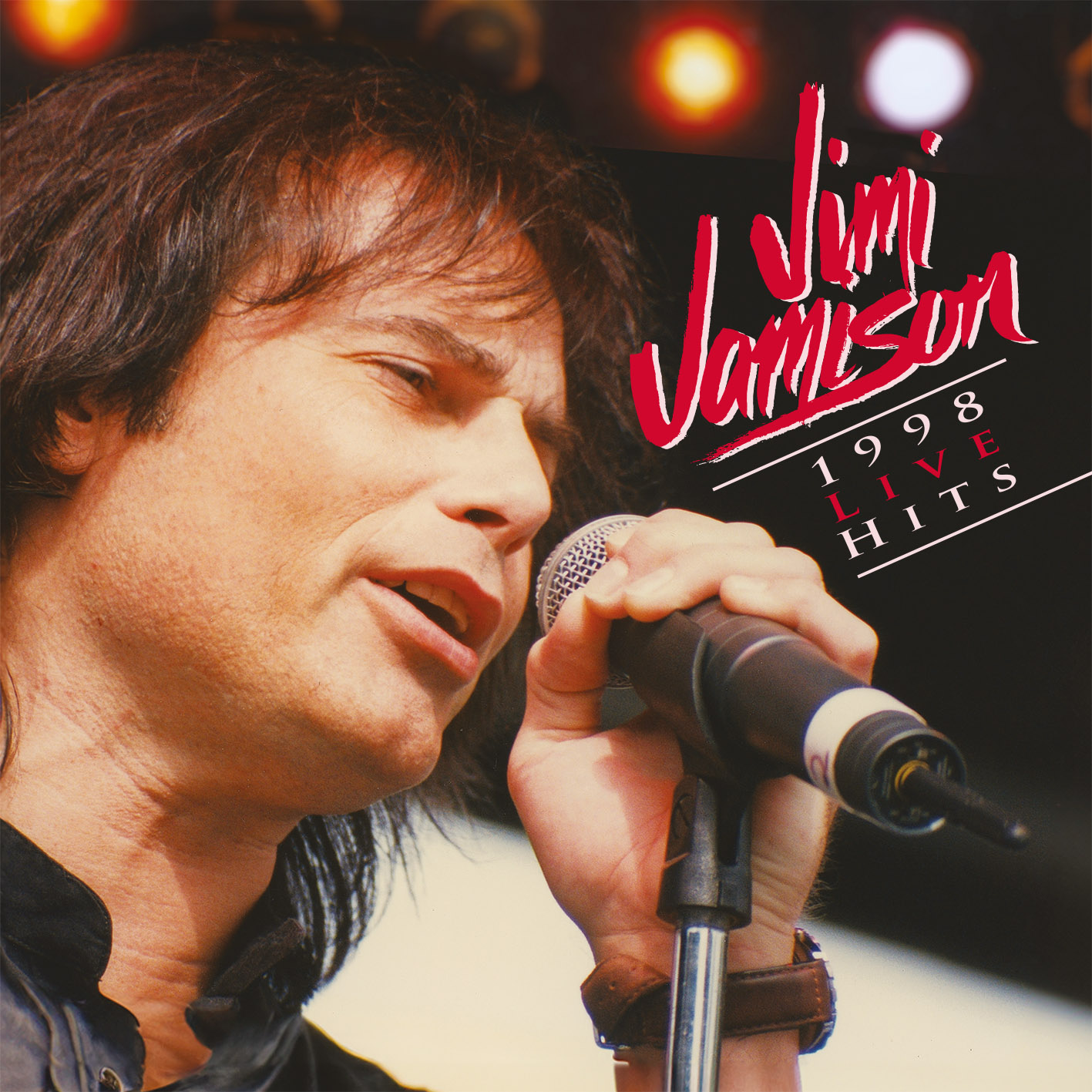
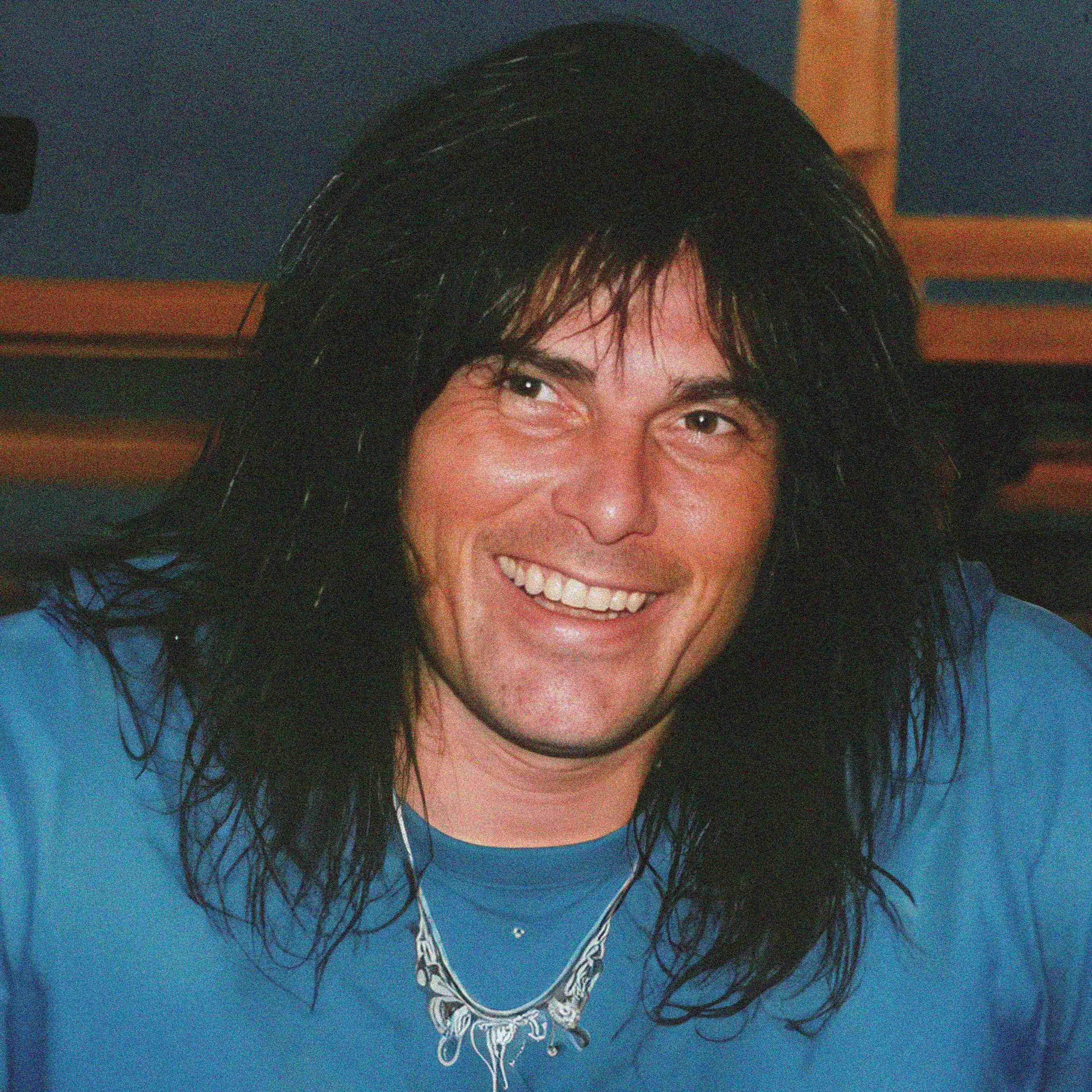
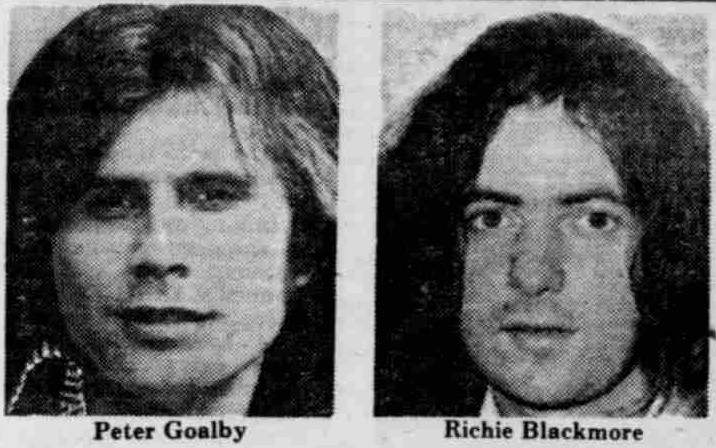
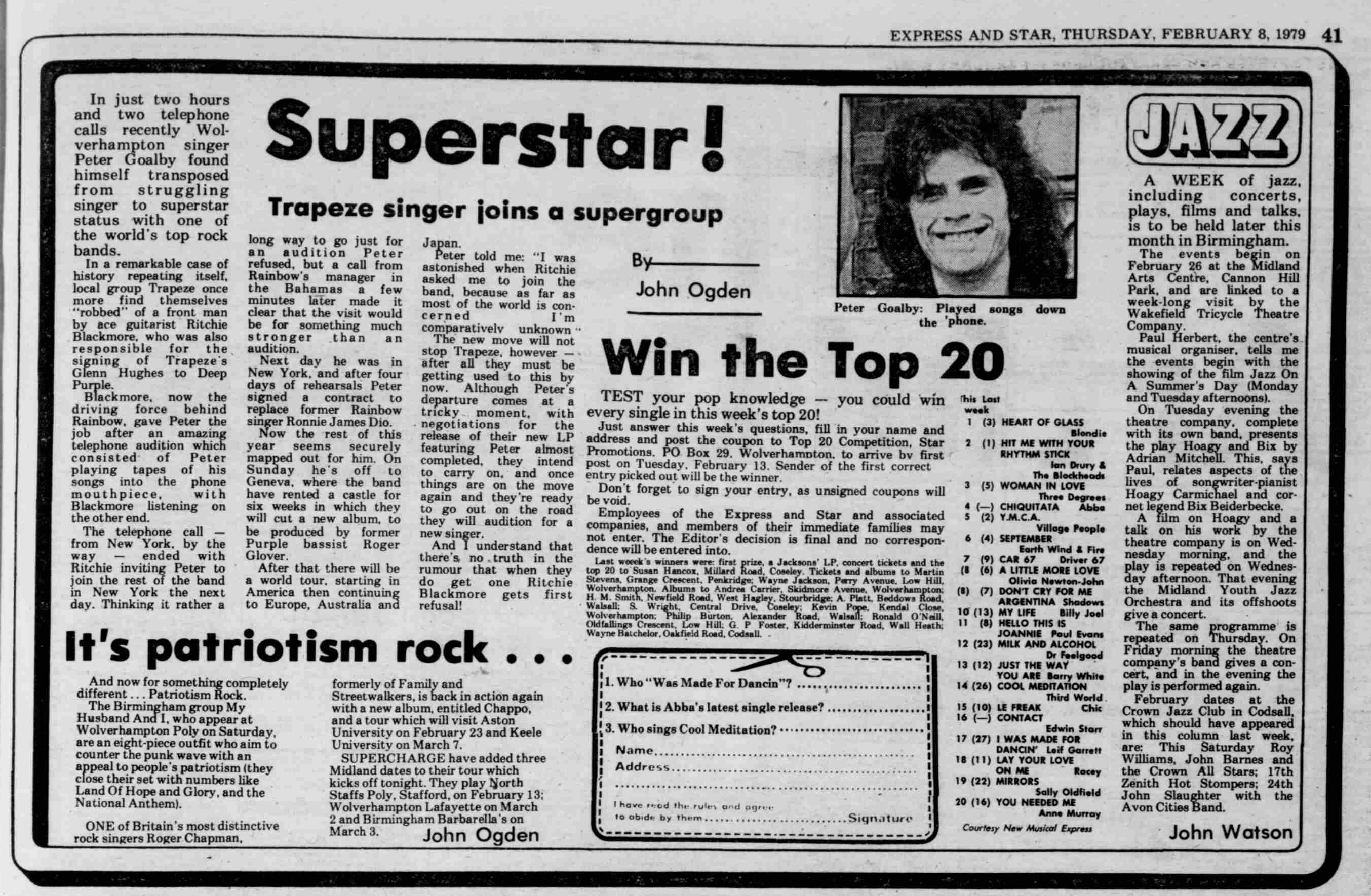
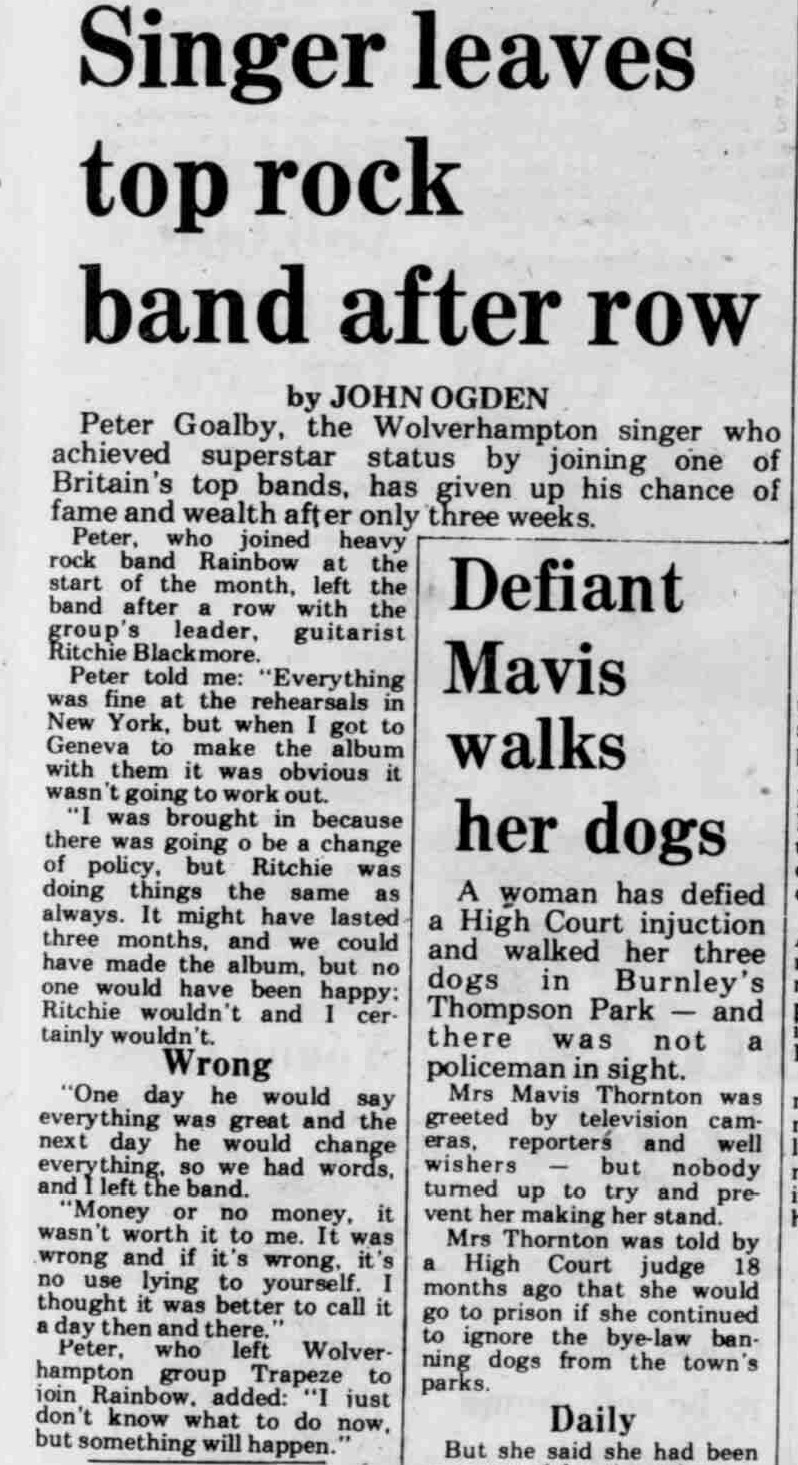
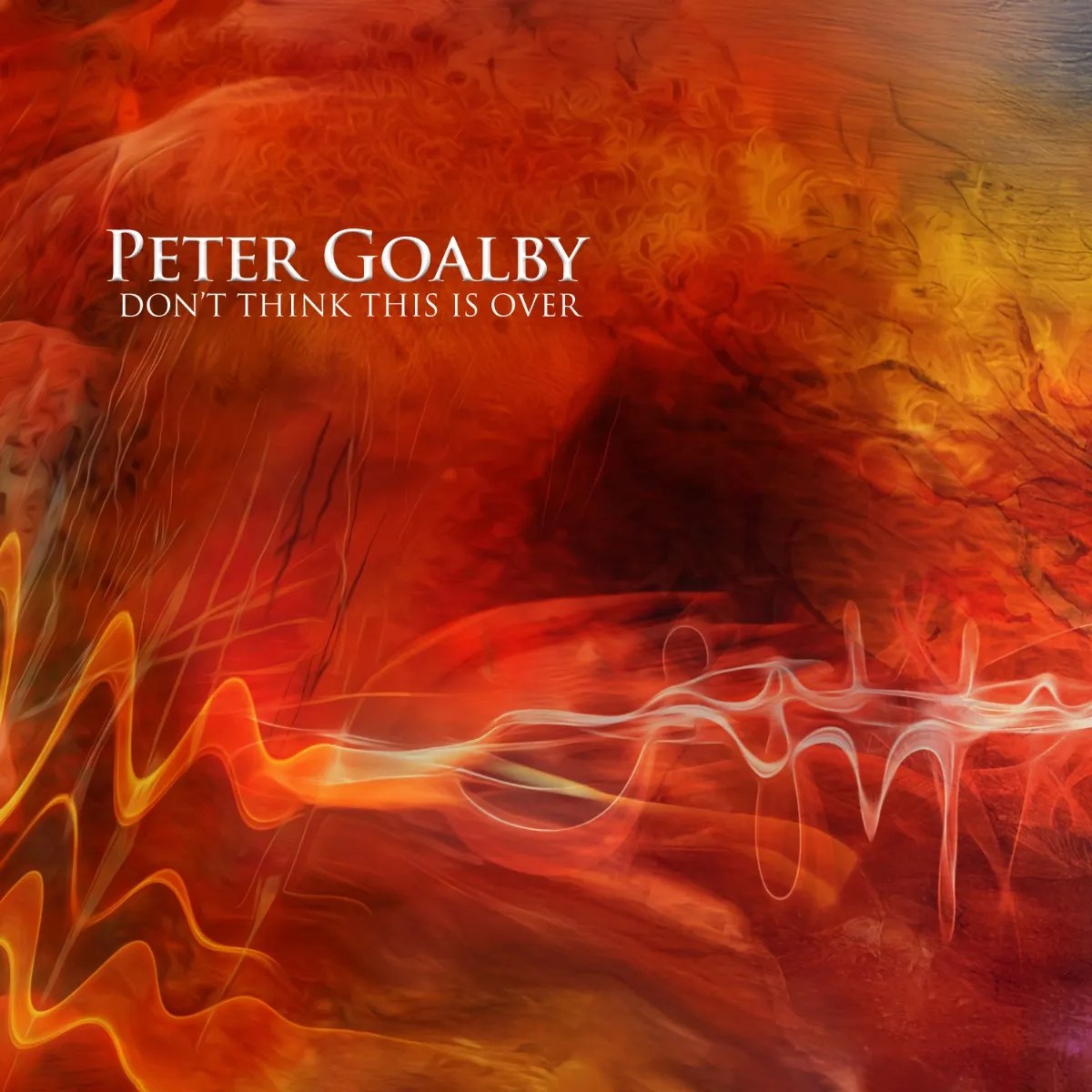
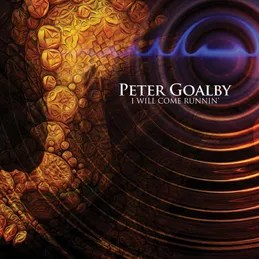
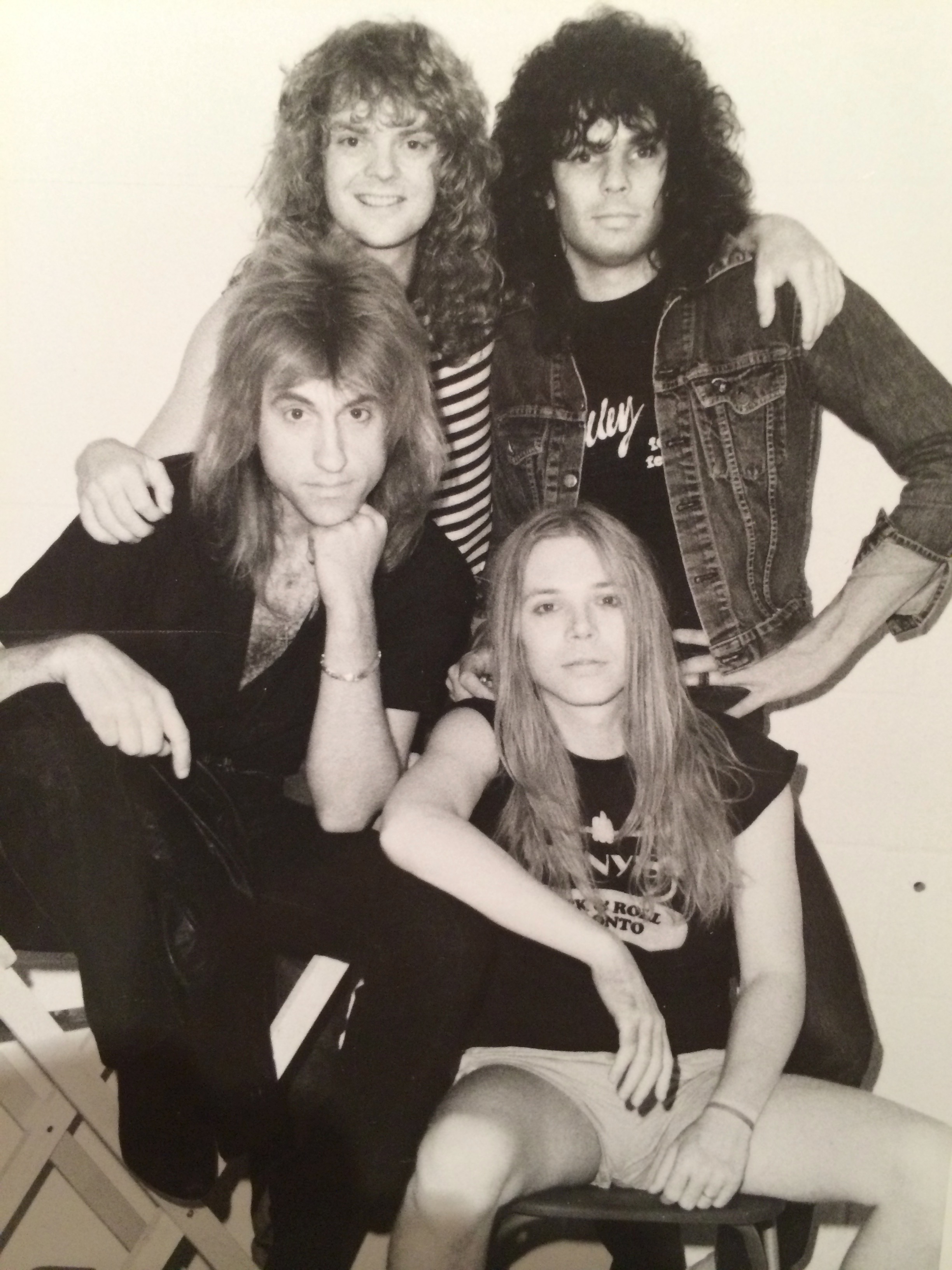
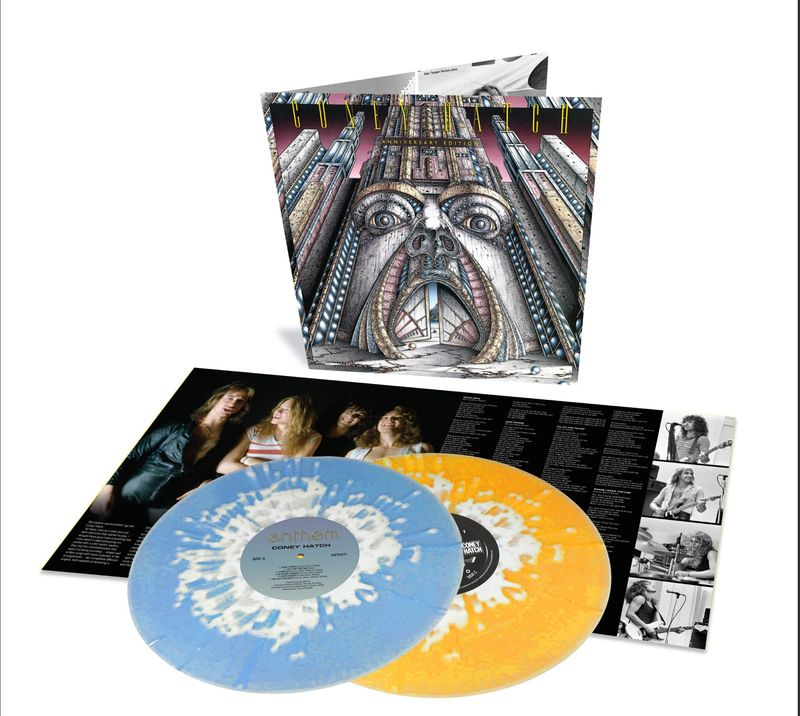
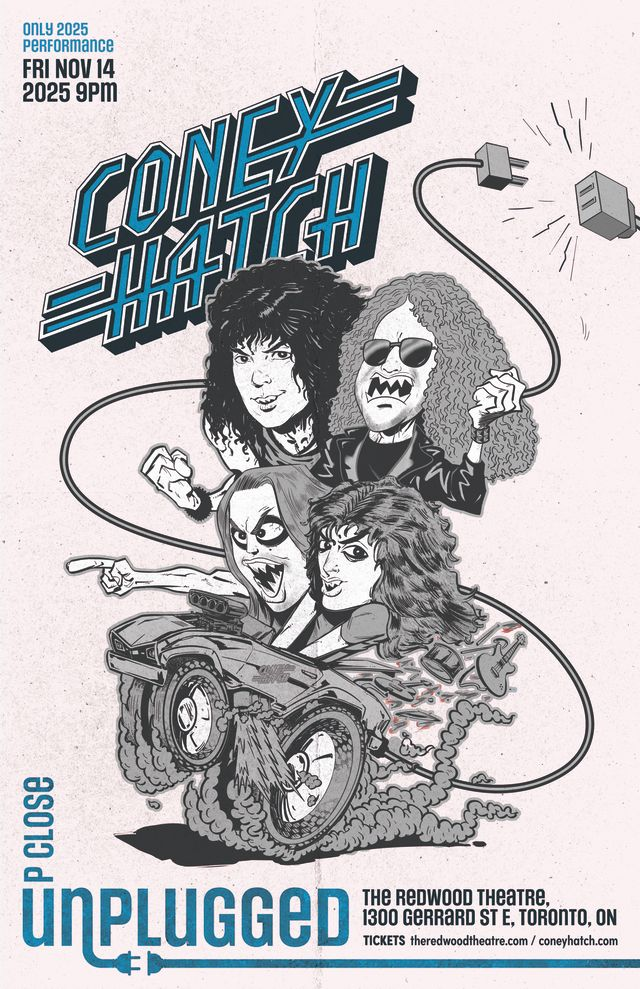
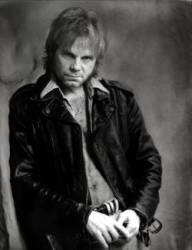
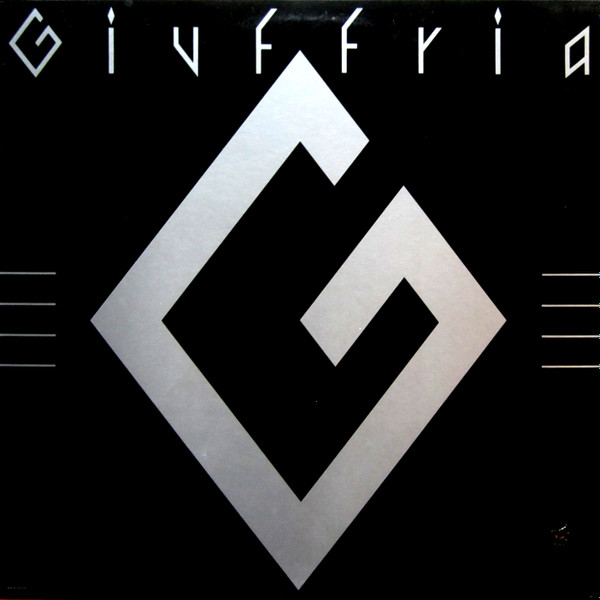
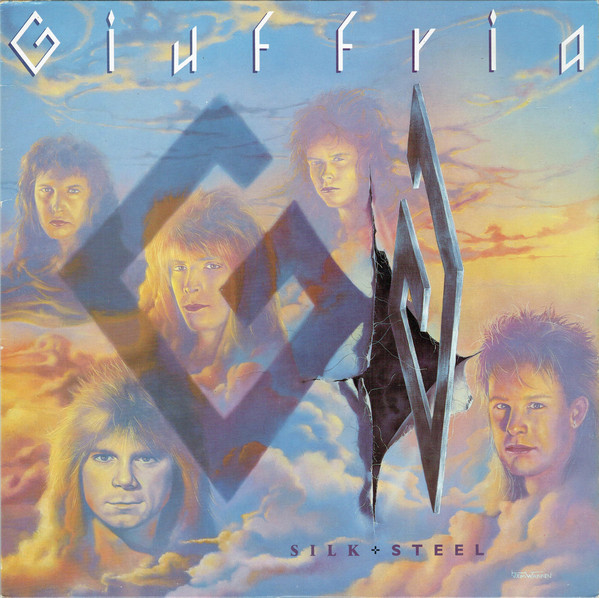
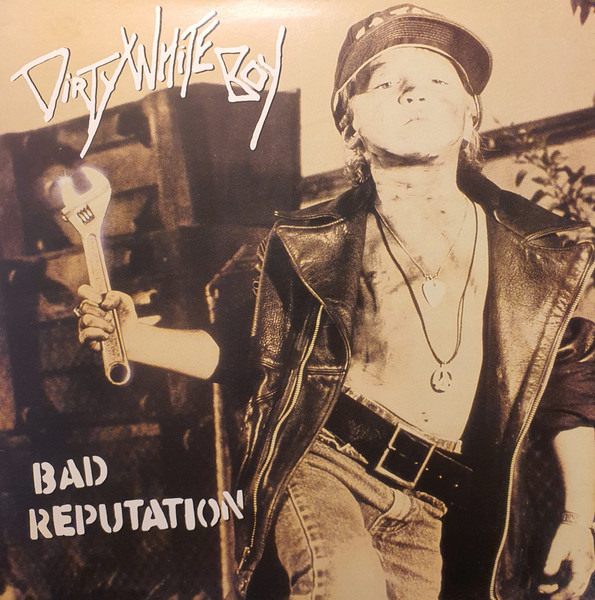
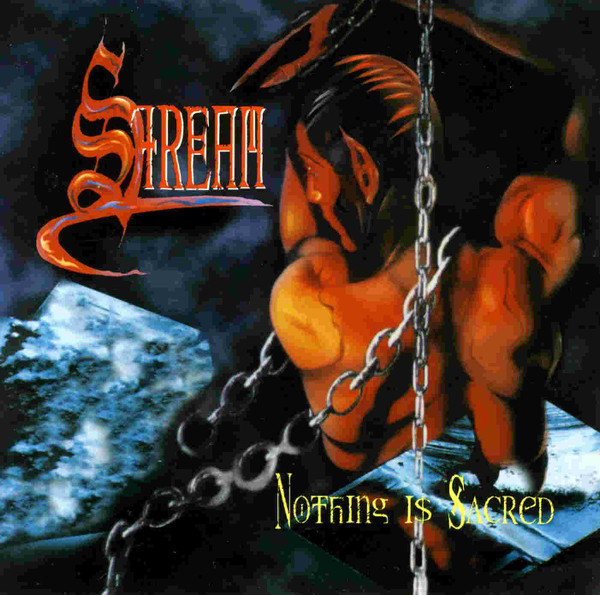
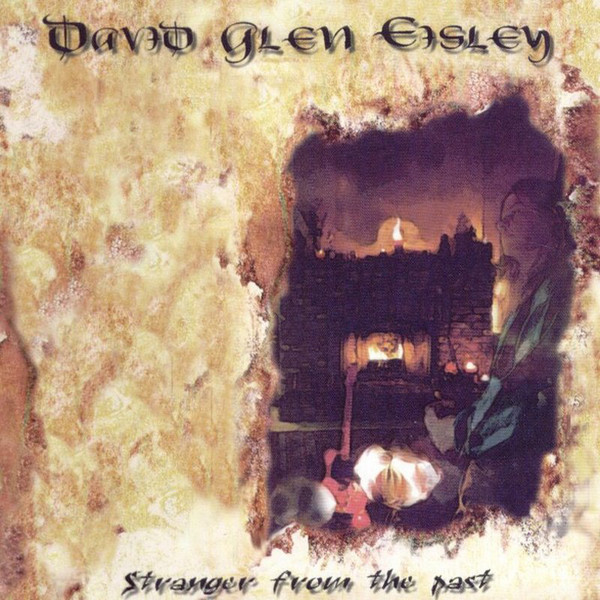
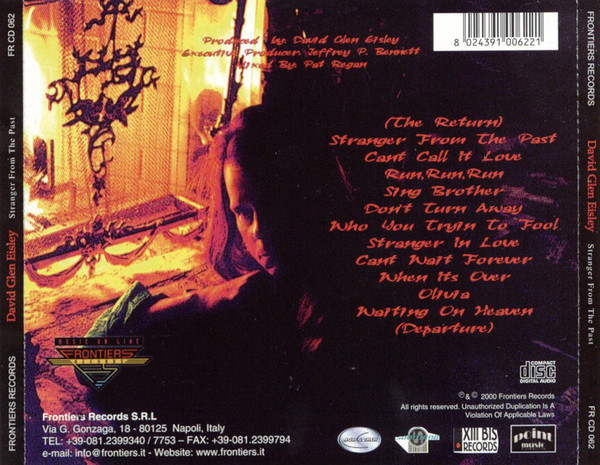
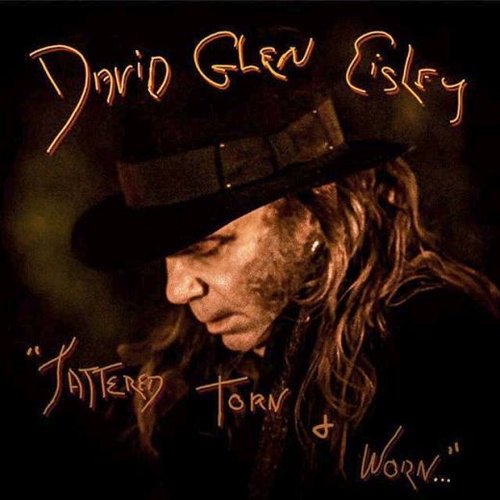
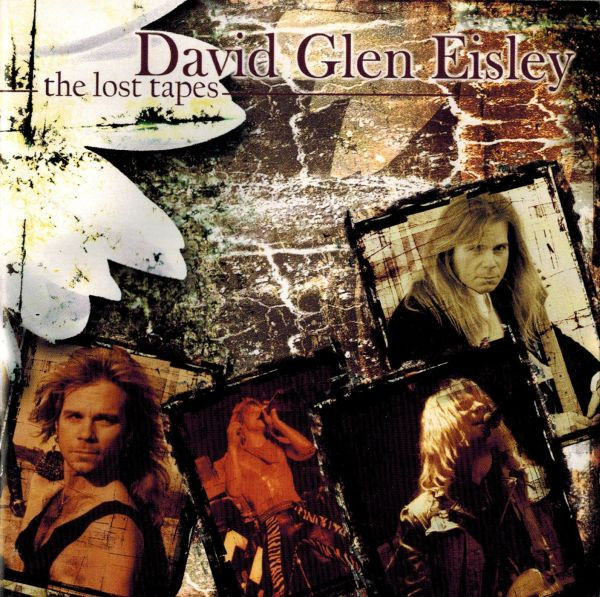
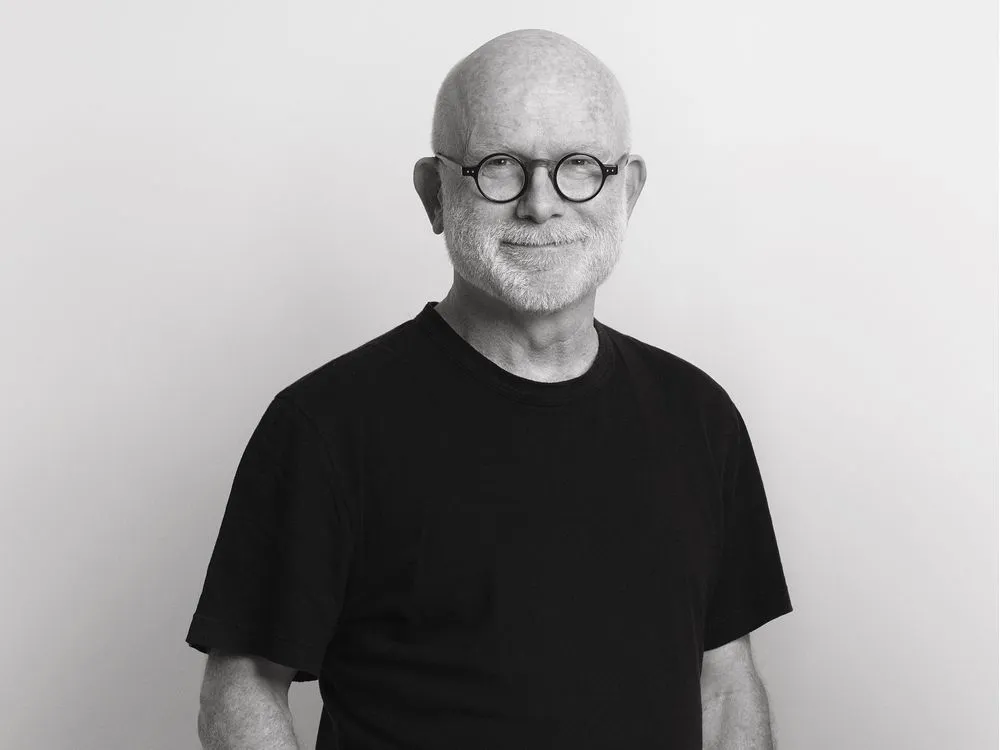
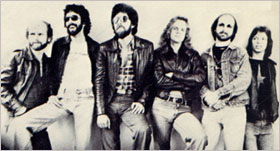
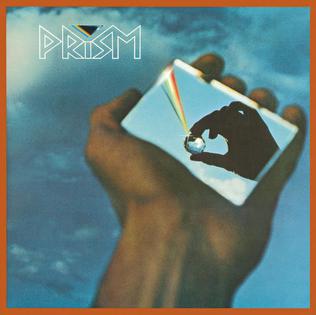
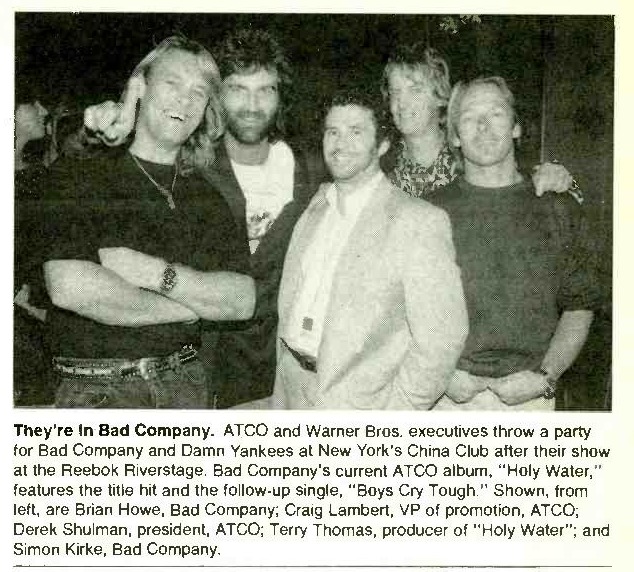
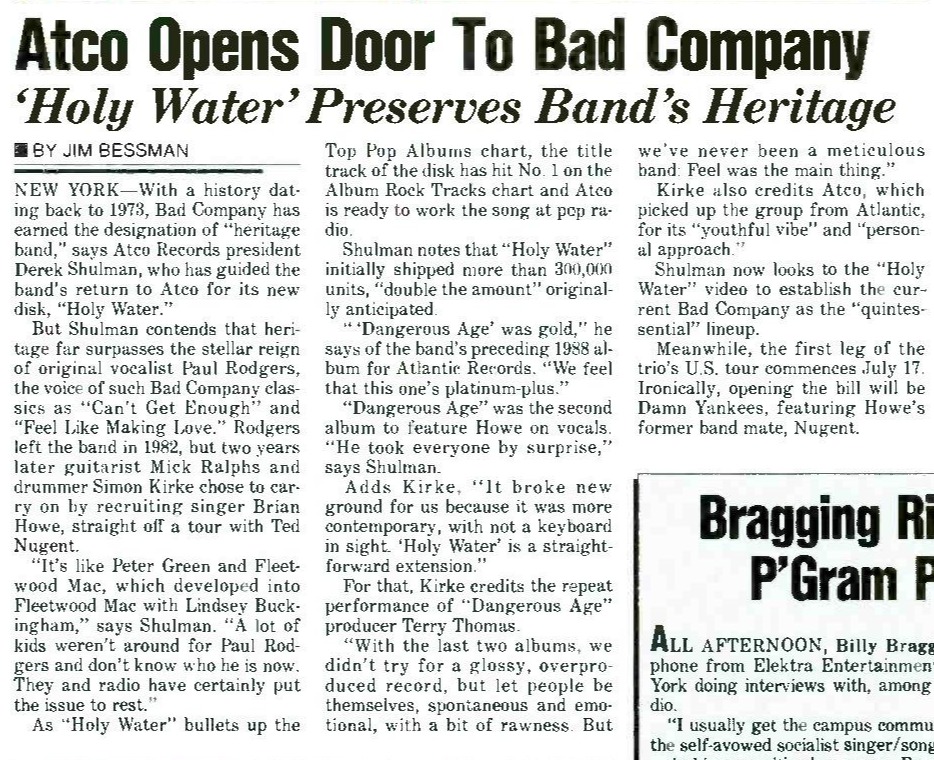
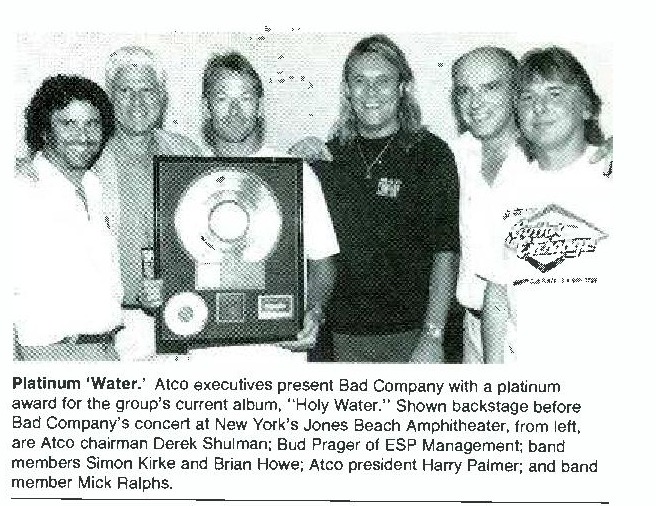
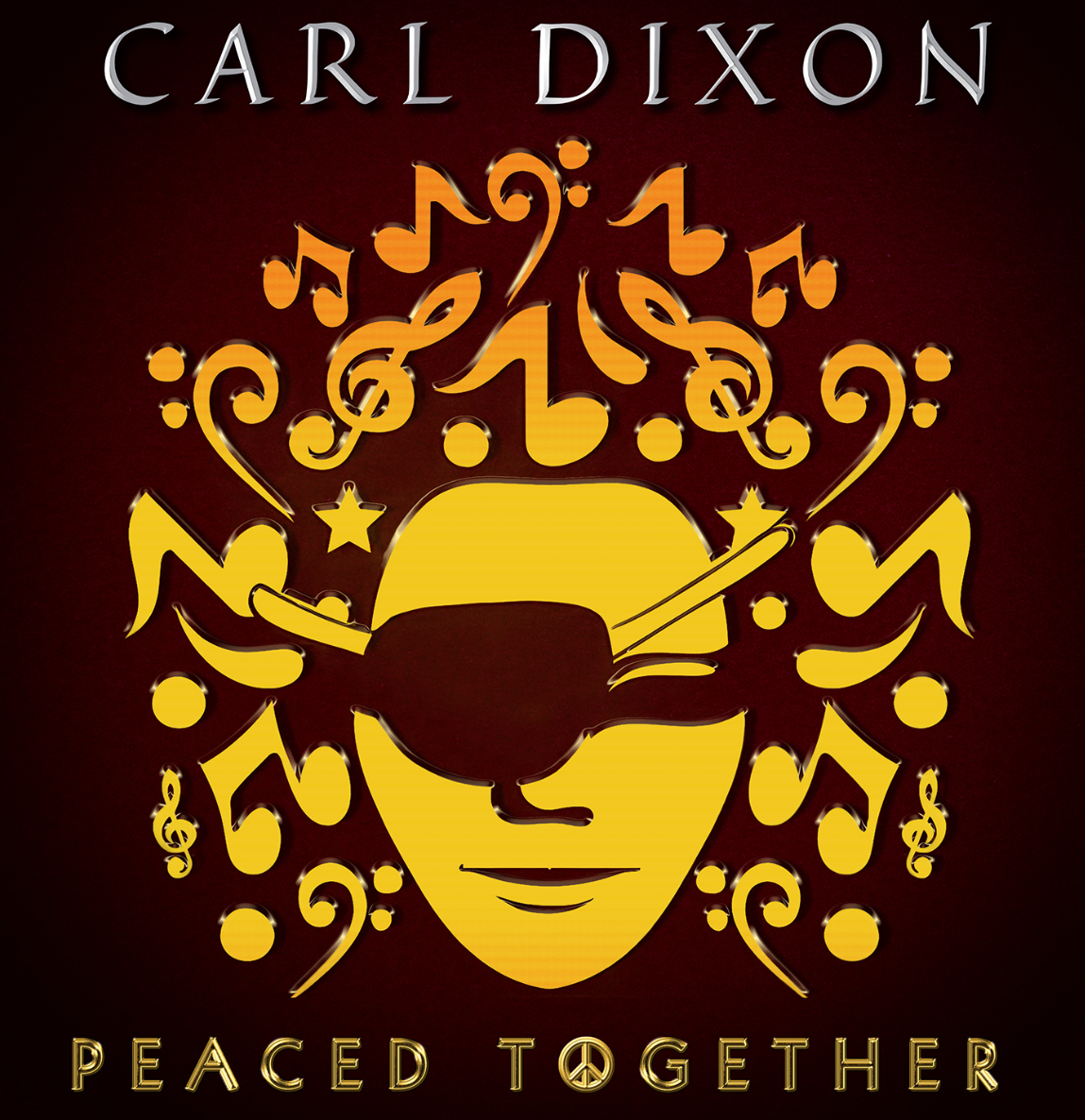
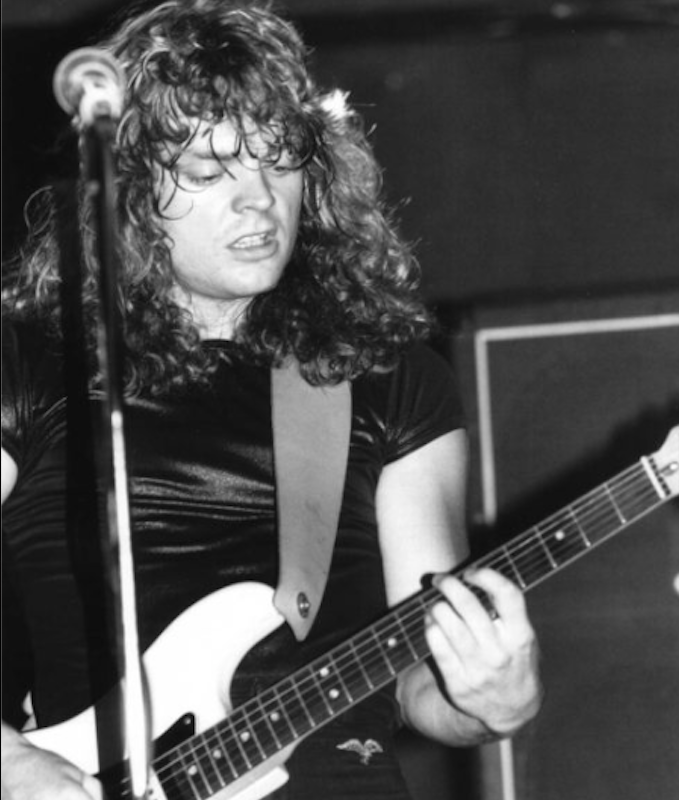
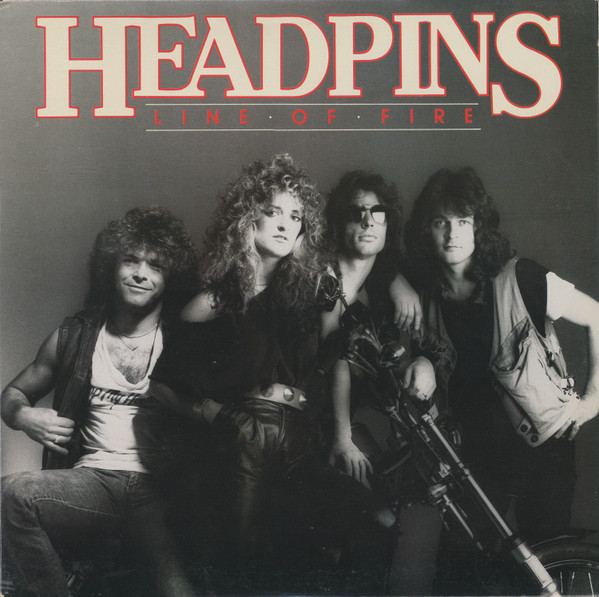
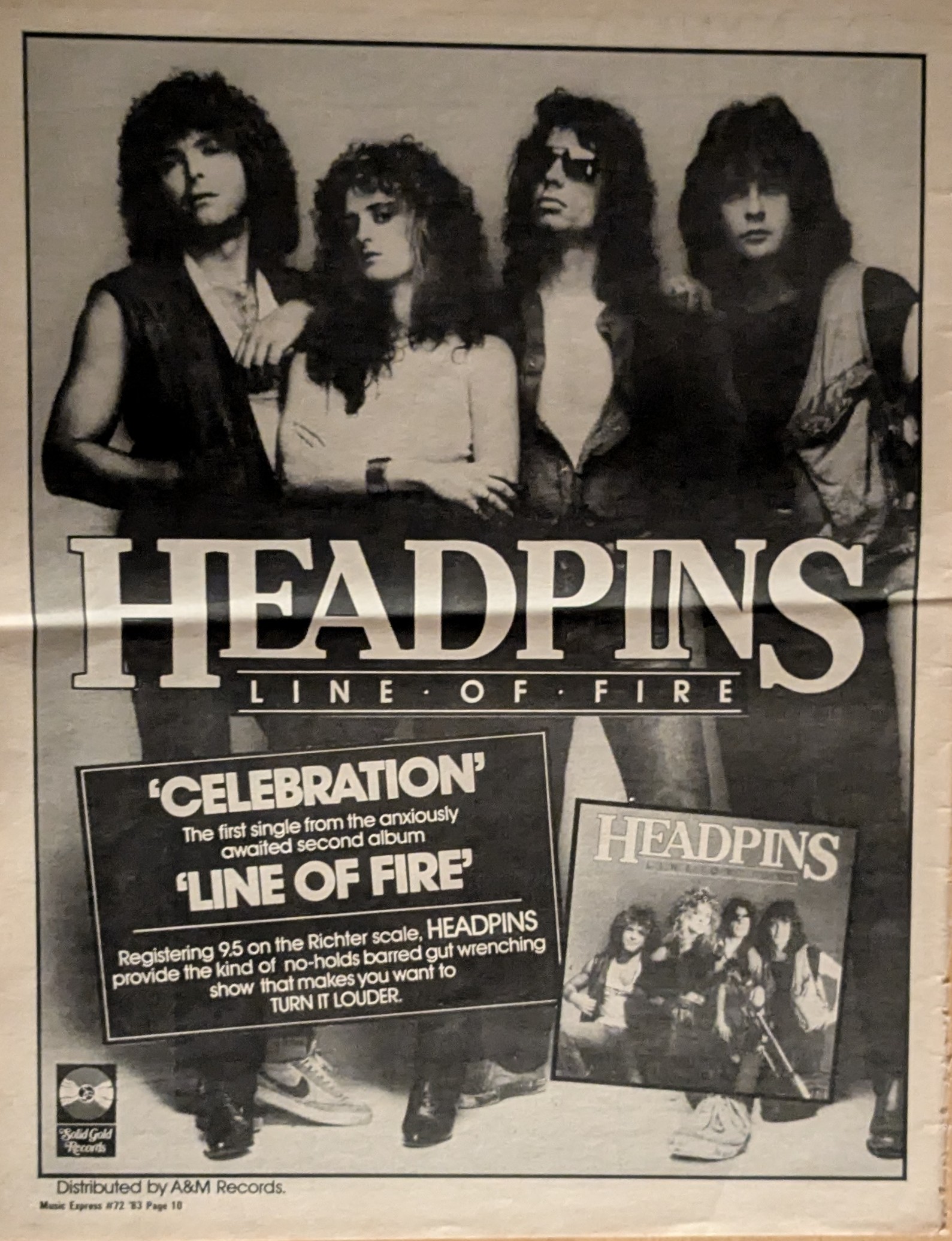
 Outsider Rock