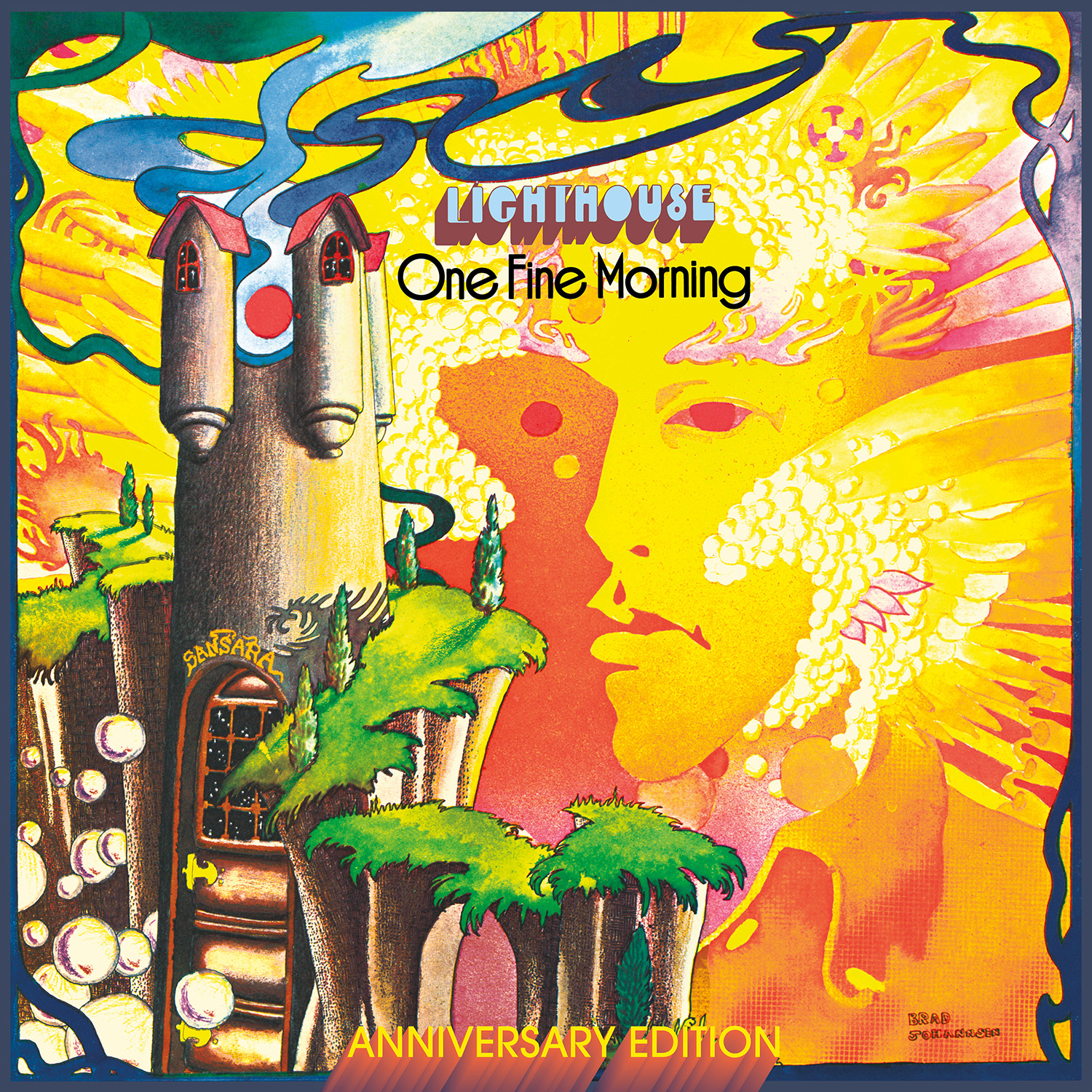
Canada’s LIGHTHOUSE mixed pop, rock, along with orchestra instruments, making for a unique sound in the day. Released in July, 1971, One Fine Morning was the band’s fourth album. At that time the band had signed to Evolution/GRT, and added lead singer Bob McBride, along to a core of members that included drummer Skip Prokop, guitarist Ralph Cole, and keyboard player Paul Hoffert.
One Fine Morning was the band’s first big success, featuring the hit singles “One Fine Morning” and “Hats Off To The Stranger”, both top 10 in Canada. The title track also hit #24 on the US Billboard chart, and was a minor hit in the Netherlands. The album also featured favorites like “Little Kind Words” and “1849”, and was the first of many produced by Jimmy Ienner (who also produced The Raspberries, Grand Funk, Three Dog Night…). One Fine Morning was the first Lighthouse album to make the top 20 on the album charts (#14)
The colorful cover-art was the first of two Lighthouse covers by Brad Johannsen. In Germany, the UK, and Italy One Fine Morning came in a gatefold cover done by Roger Dean! That same cover art (by Dean) would be used later for the Best Of Lighthouse, released on GRT, in 1974.
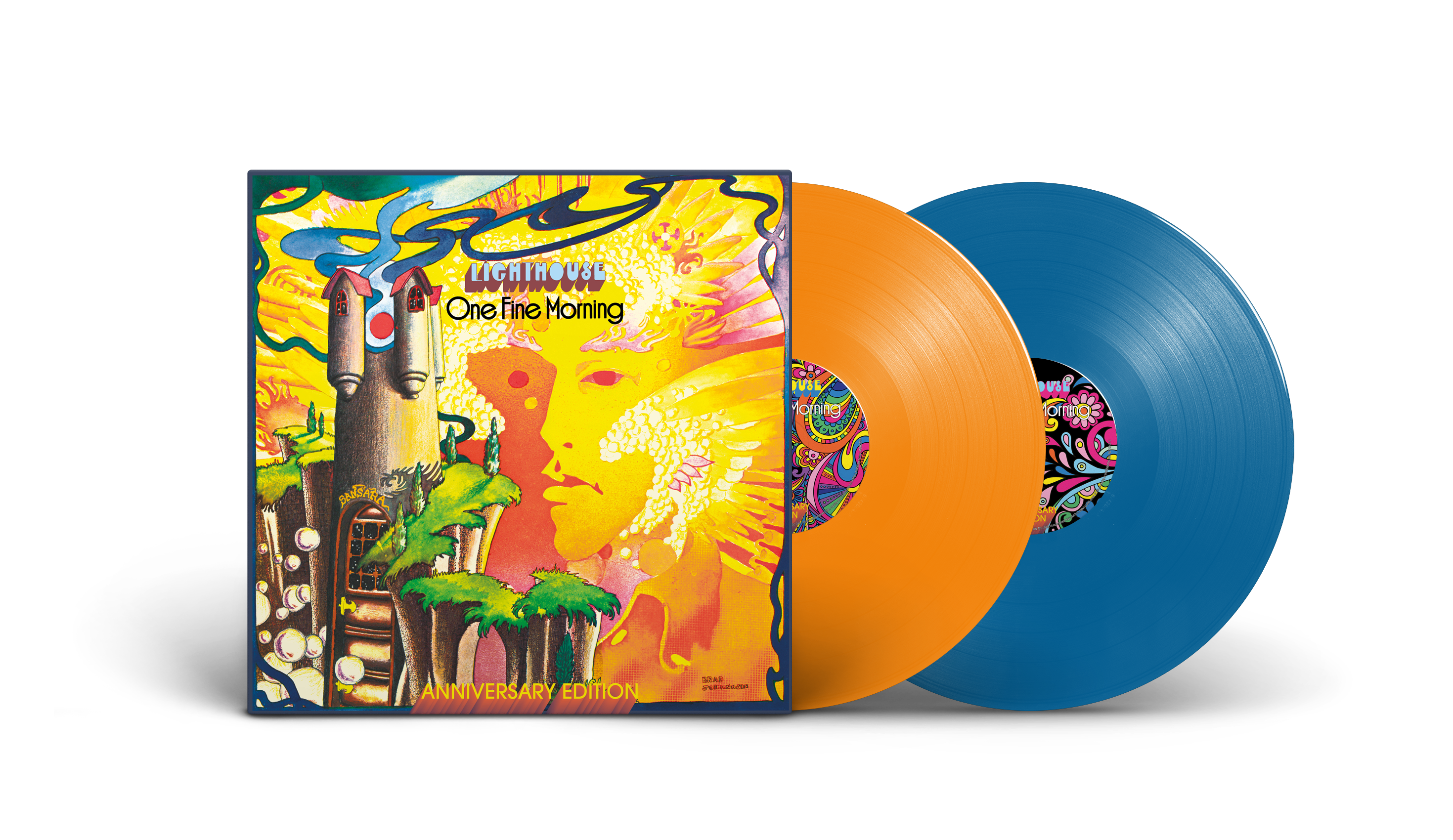
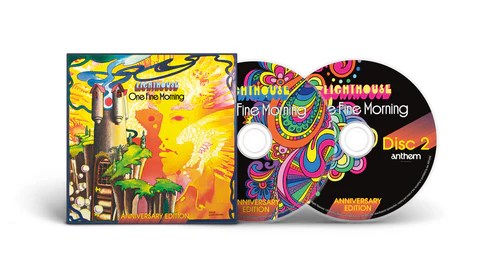
One Fine Morning is being reissued as a 2LP (gatefold)/ 2CD set, through Anthem Records, remastered. The second disc consists of demos, an outtake, and a live track. The vinyl comes in 2 different colors (each LP). *See links below.
Lighthouse, Canada Gold NEW YORK – Canadian Stereo Dimension recording group Lighthouse has been awarded the Maple Leaf, Canada’s equivalent to the gold record, for their “One Fine Morning” LP. The album was produced by Jimmy Ienner of CA-M.-U.S.A. (Cash Box – December 4, 1971)
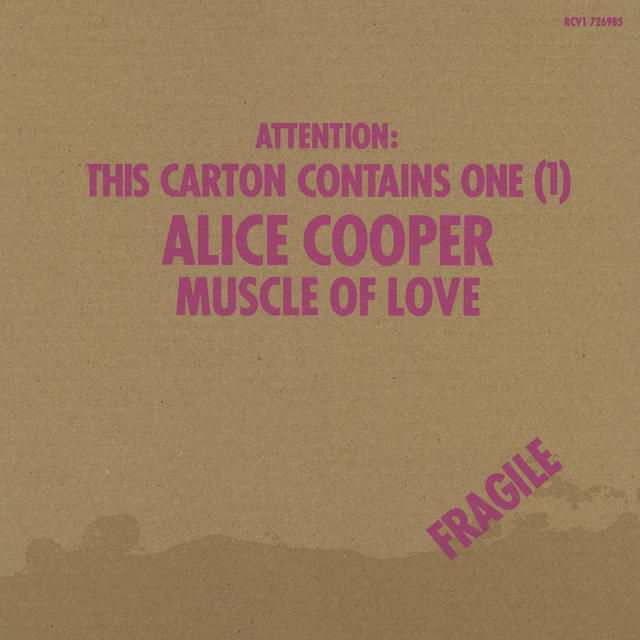
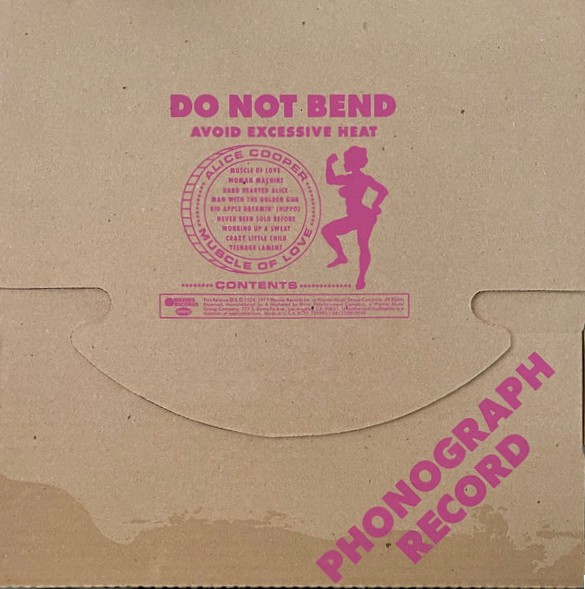
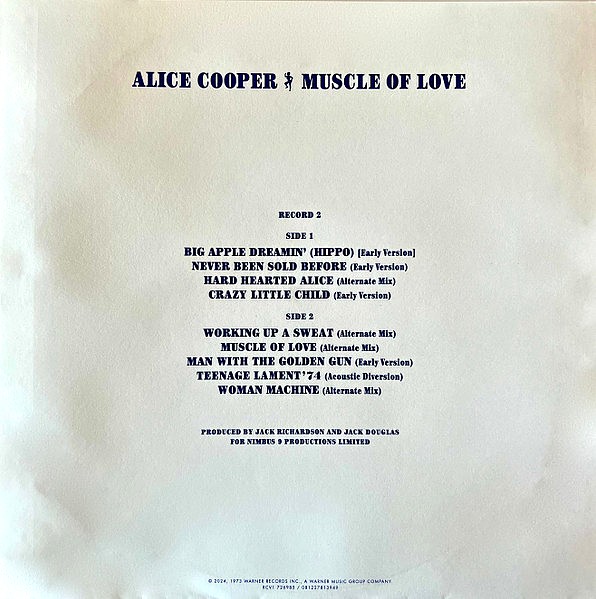
In recently interviewing guitarist MICK MASHBIR on his new album Stungout On Strings, I threw in some last minute requests for Mick’s thoughts on the bonus tracks that make up the second disc of the Muscle Of Love deluxe version. It is well known that Mick played on both Billion Dollar Babies and MOL, as well as the accompanying tours. In my 2013 interview with Mick, he discussed this more in-depth, along with his first solo album, Keepin’ The Vibe Alive. So, below are some words from Mick on the Muscle Of Love alternates and demos from 2024.
Big Apple Dreamin’
My guitar is on the left and Mike’s is on the right. We shift roles between lead and rhythm guitar effortlessly. Its great to hear Bob Dolin’s parts so clearly.
Never Been Sold Before
Mike’s guitar is on the left I’m on the right. Mike plays great subtle variations and accents. Neal and Dennis really lock in during the outro with Dennis playing alot of bass runs.
Hard Hearted Alice
Acoustic guitars add feel to the verses. This track really shows off Bob Dolin’s keyboard skills
Crazy Little Child
How a bunch of hard rockers from the desert were able to capture a New Orleans Dixeland feel amazed me.
Working Up A Sweat
Dick Wagner steps in for the solo and kills it. No “Ricky and the Red Balloon” feel on that track!
Muscle Of Love
Mike is on the right and I’m on the left and center until the ride out when Mike moves to the center to solo through the outro. Classic Neal Smith drums.
Man With The Golden Gun
Bob’s Moog and B3 parts contributed a lot of the soundtrack feel to this track.
Teenage Lament
Rented acoustic guitars were delivered to the studio from S.I.R. and Michael’s acoustic part is featured on this track. Alice’s vocal delivery was subtle but really worked well in this context as a troubled teenager.
Woman Machine
This track had a very mechanical feel..as it should. The guitars provided the groove so Neal could play a lot more drum fills during the spoken word outro.
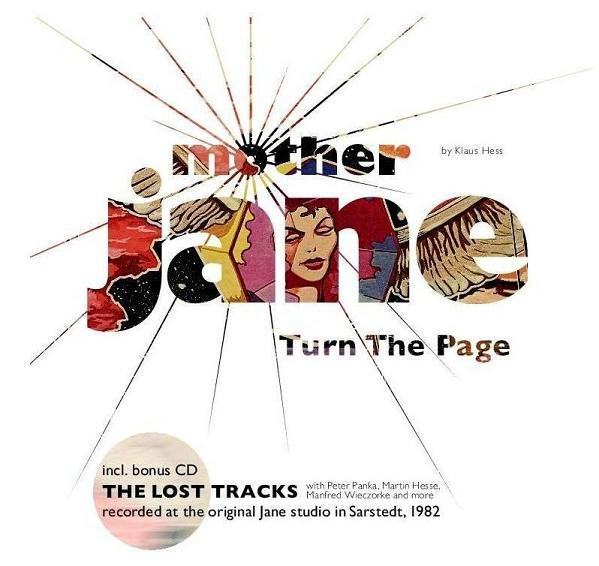
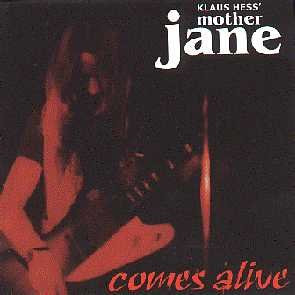
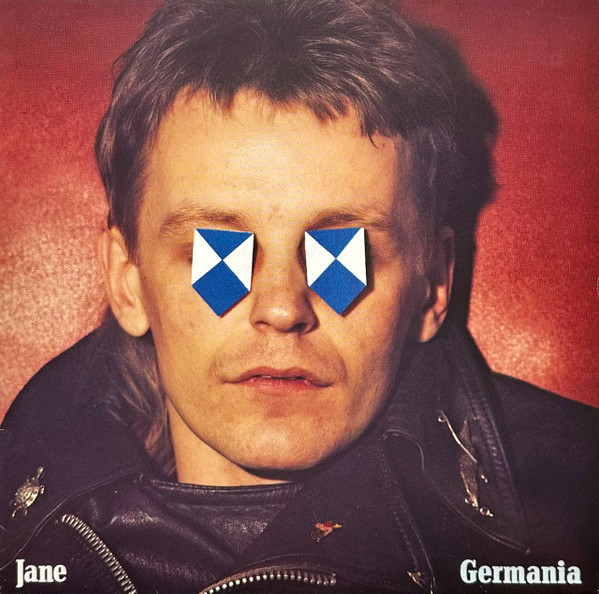
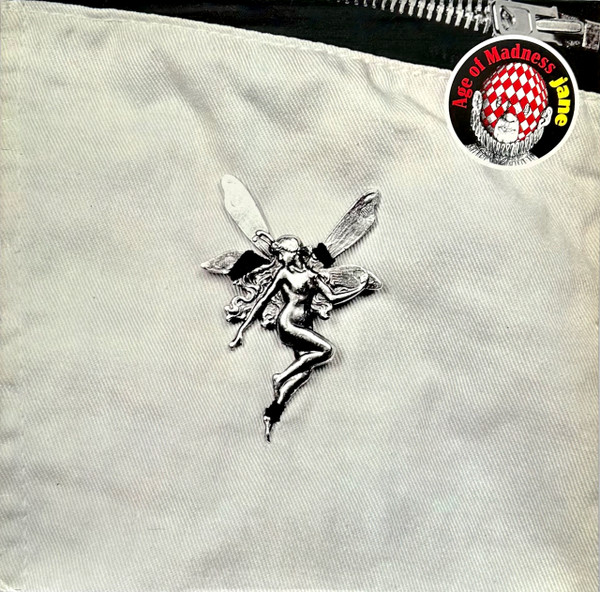
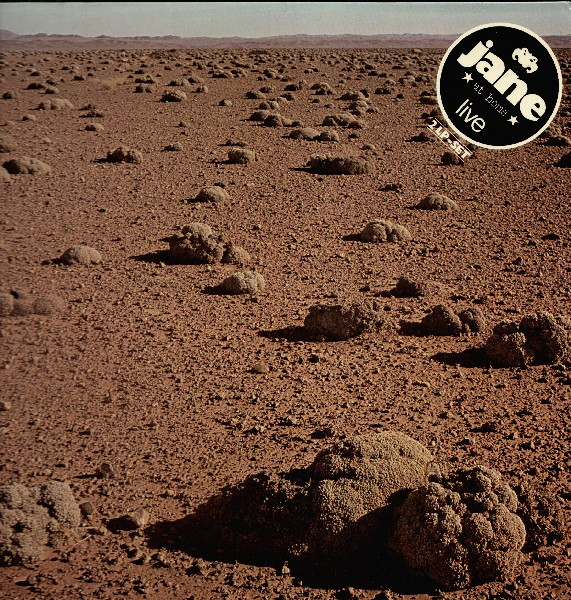
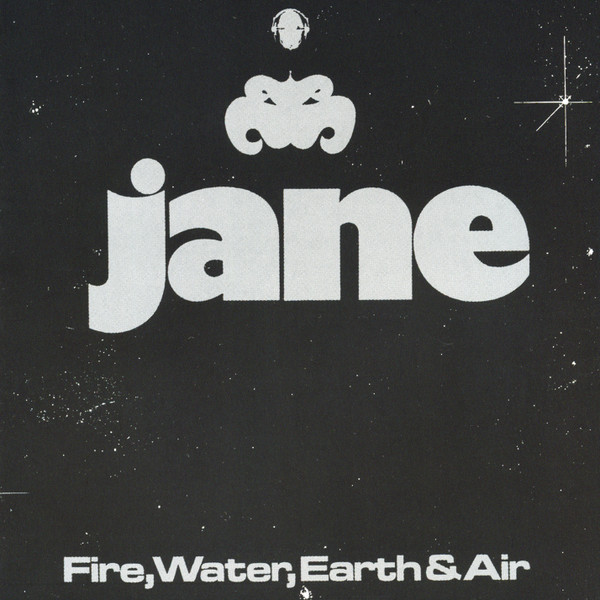
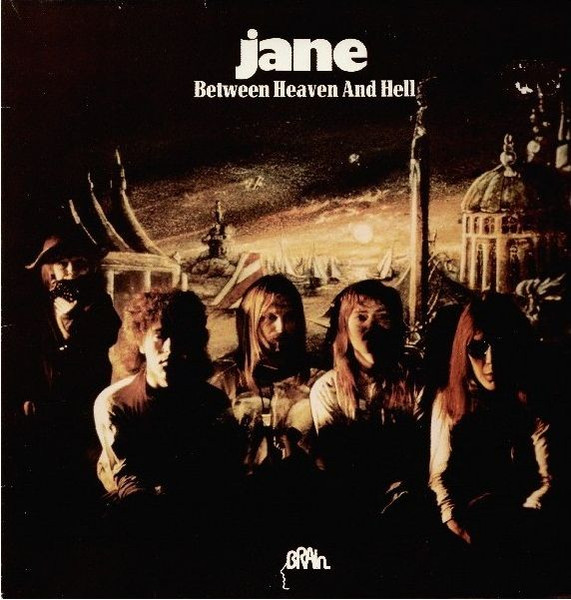
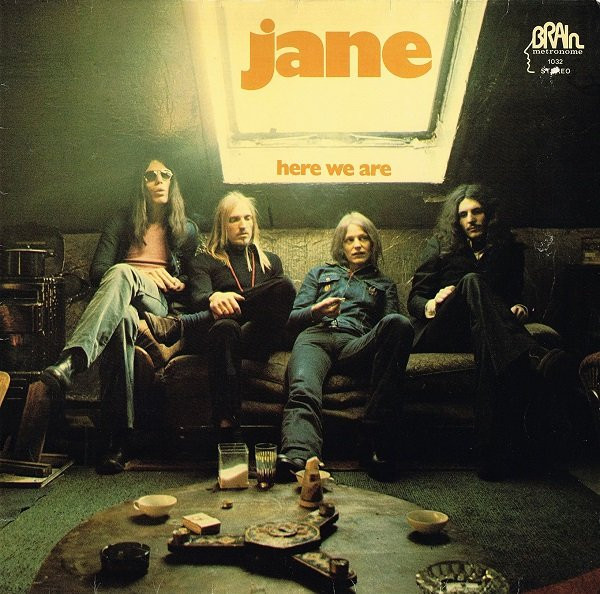
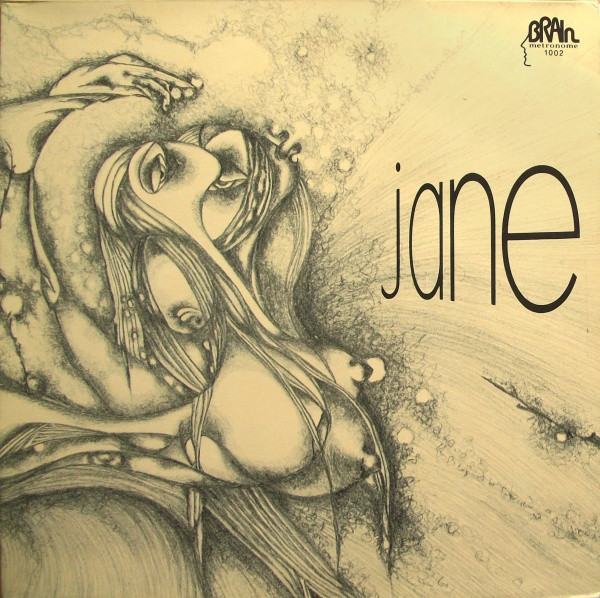
Guitarist / songwriter Klaus Hess was a founding member of German heavy progressive band ‘JANE’ . The band was a major draw in Germany throughout the 70s, beginning in 1970, and releasing their first album in ’72, Together. Hess left the band after their 1982 album, Germania, recorded a few solo albums, then formed ‘MOTHER JANE’ (after the courts settled the case of the name’s use between dissenting bandmembers).
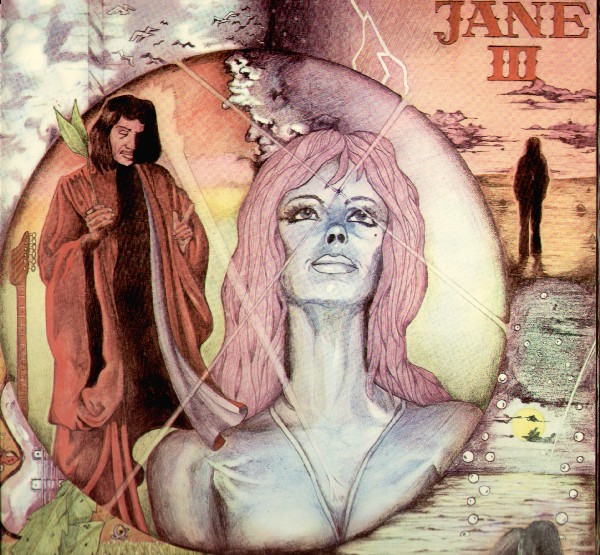
For the most part, JANE remained a mystery and later a highly collectable band in certain parts of the world, as only their albums ‘III’ (1974) and Age Of Madness (1978) were released in Canada and the US. The last release of Jane material with Hess was 2012’s Turn The Page from MOTHER JANE (this was a compilation of ‘lost tracks’ recorded in 1982, featuring Jane members, as well as former Scorpions drummer Jurgen Rosenthal). The band’s favorite albums would include the 1972 debut (Together) and 1976’s classic Fire, Water, Earth & Air (highly recommended!), 1976’s Live, and 1977’s heavier Between Heaven & Hell is also highly recommended. Throughout the band’s career Hess would play more than just guitar on many albums (vocals, keyboards, bass…), produce, mix….Check out the link below for more on the history Klaus Hess and Jane.
from press:
JANE FOUNDING MEMBER KLAUS HESS DIES AT 78
Guitarist Klaus Hess was a founding member of Jane in 1970. Since there was some occupational turbulence in the German rock band already in the seventies, Hess also played bass and took over lead vocal parts. In 1982, the musician was terminated in a bad way, so he briefly tried a solo career and released an LP. In 1992, Klaus Hess was involved in a Jane reunion, but failed after only a short time. This resulted in three different Jane variants going on tour, which, according to the verdict, could only use the name “Jane” in conjunction with another term after a legal dispute. Klaus Hess named his version Mother Jane. Five studio and live albums were released between 2000 and 2012. 31st already Klaus Hess passed away in October at the age of 78, from a chronic lung disease.
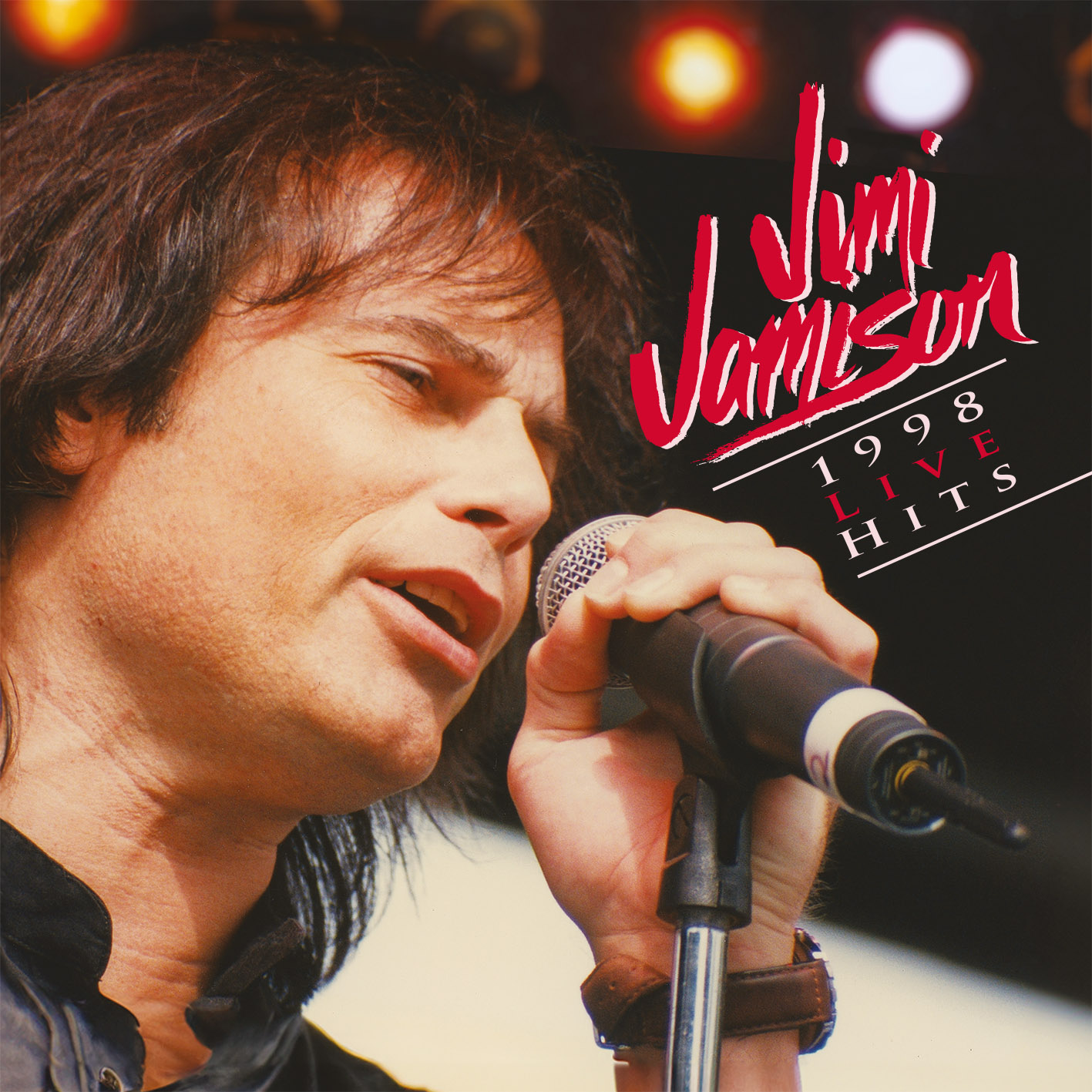
Frontiers will release Jimi Jamison’s ‘1998 Live Hits’ on December 12. Jamison fronted SURVIVOR during the 80s, through a pile of hits and a few excellent albums. I always thought this guy was right up there with the likes of Brad Delp and Lou Gramm. His pre-Survivor bands COBRA and TARGET were more hard rock, making the albums he did with those bands highly recommended. But this Live Hits features largely Survivor’s biggest hits, as well as a few from Jamison’s solo catalogue, and a cover of The Doors “Riders On The Storm”. Check out the press info, as well as the bio below, the 2 videos released so far, tracklist…below.
‘1998 Live Hits’ is a powerful time capsule capturing the energy, emotion, and artistry of legendary vocalist JIMI JAMISON at a pivotal point in his post-Survivor career. Recorded across three vibrant shows in Little Rock, AR, Nashville, TN, and Bettendorf, IA, and now to be released by Frontiers Music Srl, this album showcases JAMISON’s electrifying live presence and undeniable vocal prowess as he revisits some of the most iconic songs from his time with Survivor, along with deep cuts, original solo work, and inspired covers. The album will be out on December 12, 2025.
Backing JAMISON is a seasoned and soulful ensemble: longtime collaborators Jeff Adams (bass, vocals) and Hal Butler (keyboards, vocals) were joined by guitarist Chris Adamson, drummer Pete Mendillo, and Memphis-based producer and guitarist Wes Henley, who also supervised these live album recordings. This lineup reflects a strong musical camaraderie built over years of touring, with several members having roots alongside JAMISON that date back to his 1970s band Target.
Now, years later, these recordings allow fans—old and new—to reconnect with a voice and spirit that remains timeless. ‘1998 Live Hits’ is more than a concert album; it’s a tribute to an era, a legacy, and the enduring magic of JIMI JAMISON.
One standout from the set is a haunting performance of “Riders on the Storm” by The Doors — a testament to JAMISON’s ability to tap into a wide range of emotions and his gift for storytelling through song. His delivery brings an atmospheric intensity, drawing the listener deep into the moment.
The track list includes fan favorites such as “Burning Heart,” “High on You,” “I Can’t Hold Back,” “The Search Is Over,” and “Eye of the Tiger,” all songs that defined a generation of melodic rock. Deeper cuts like “Oceans” and “Too Hot to Sleep” reveal the richness of Survivor’s catalog, while JAMISON’s originals, such as “Rock Hard” and “I’m Always Here” (the iconic Baywatch theme), showcase his creative versatility.
Of particular note is the interplay between Chris Adamson and Wes Henley on guitars. Though Henley’s primary role was behind the board, his friendship with JAMISON and passion for the Survivor material often brought him onstage. Together, he and Adamson bring layered, textured performances that do justice to the intricate compositions of Peterik and Sullivan.
Through warm crowd interactions and powerful vocal moments, ‘1998 Live Hits’ highlights JAMISON’s authentic stage presence, Memphis soul, and deep bond with both his band and his audience. As friends and collaborators reflect, this wasn’t just a group of musicians—it was a family.
1. Burning Heart 2. High On You 3. Rebel Son 4. I’m Always Here 5. I See You In Everyone 6. Rock Hard 7. Oceans 8. The Search Is Over 9. Is This Love 10. I Can’t Hold Back 11. Riders On The Storm 12. Too Hot To Sleep 13. Eye Of The Tiger
Line-up: Jimi Jamison – lead vocals Jeff Adams – bass and vocals Chris Adamson – guitars Hal Butler – keyboards and vocals Pete Mendillo – drums Wes Henley – guitars
Photo courtesy of Debbie Jamison
JIMI JAMISON earned recognition as the frontman for hard rock bands Target and Cobra before reaching platinum heights with Survivor, singing the hits “Burning Heart” from the film Rocky IV, “I Can’t Hold Back,” “High on You,” “The Search is Over,” and “Is This Love.” Acclaimed by legendary U.S. disc jockey Casey Kasem as “The Voice,” JIMI JAMISON’s performances are treasured by connoisseurs of AOR and melodic rock who consistently rate him as one of the genre’s Top 5 vocalists of all time.
Raised on R&B, Blues-Rock, and Country music in Memphis, Tennessee, JIMI JAMISON released his first single in 1967 with a band called The Debuts. “If I Cry” was originally intended for fellow Memphis band, The Box Tops, featuring lead singer Alex Chilton. Jamison honed his craft by singing commercial jingles by day and fronting gritty rockers Target by night. His next band, Cobra, with Mandy Meyer on guitar, cut a cult classic in 1983’s First Strike, but that was just a prelude to Jamison’s breakthrough as lead singer of Survivor.
With JIMI JAMISON at the mic, Survivor proved that its earlier success with “Eye of the Tiger” was no fluke. The combination of JAMISON’s emotion-charged vocals with Jim Peterik and Frankie Sullivan’s masterful songwriting and Ron Nevison’s radio-friendly production resulted in 1984’s Platinum-selling ‘Vital Signs’ album. Its hit singles “I Can’t Hold Back,” “High on You,” and “The Search Is Over” were massive hits, later joined by Survivor’s Rocky IV theme, “Burning Heart,” and the further Top 10 hit “Is This Love.” Survivor’s 1980s trilogy featuring JAMISON – ‘Vital Signs’ (1984), ‘When Seconds Count’ (1986), and ‘Too Hot to Sleep’ (1988) – are acclaimed as AOR and melodic rock landmarks. Concurrently, JAMISON’s voice could be heard singing prominent harmony vocals on ZZ Top’s smash ‘Eliminator’ album, most notably on ‘Gimme All Your Lovin’.’
Striking out on his own in the 1990s, Jimi Jamison released the solo albums ‘When Love Comes Down’ and ‘Empires.’ His voice and songwriting reached new audiences through “I’m Always Here,” the theme song for Baywatch, the most-watched television series in the world with a weekly audience of over 1.1 billion viewers. But touring became his primary focus throughout the decade, both with all-star projects including Voices of Classic Rock and with his own band. JAMISON’s primarily Memphis-bred group comprised acclaimed musicians including keyboardist Hal Butler; guitarists John Roth, Jerry Riggs, Hal McCormack, and Chris Adamson; bass players Jeff Adams and Barry Dunaway; and drummers Bill Marshall and Pete Mendillo. The most stable lineup of Butler, Adamson, Adams, and Mendillo was captured live in concert in 1998, but the recordings went unreleased.
JAMISON returned to the record racks with a vengeance in the 2000s, with projects including Survivor’s 2006 album, ‘Reach’; the 2008 collaboration with Jim Peterik, ‘Crossroads Moment,’ and its 2010 companion piece ‘Extra Moments’; 2011 duo albums ‘Kimball Jamison’ with his longtime friend, Toto lead vocalist Bobby Kimball, and ‘One Man’s Trash’ with guitarist Fred Zahl; and his final solo album, 2012’s ‘Never Too Late.’ JAMISON’s triumphant first-ever UK appearance at Firefest 2010, backed by a band featuring guitarist Tommy Denander, was memorialized on the CD and DVD Live at Firefest. JAMISON performed his final show just two days before his untimely passing on September 1, 2014.
JIMI JAMISON’s family and friends have worked diligently to keep his memory and music at the forefront. Several all-star “Jam for Jimi” concerts have been staged in Memphis to raise money for JAMISON’s favorite charity, St. Jude Children’s Research Hospital. A stretch of Highland Street in Memphis was named “Jimi Jamison Street” in 2022. That same year, the first of several CD releases from the Jimi Jamison Archives, ‘Rock Hard,’ presented his 1990 solo debut album as it was originally intended. JAMISON was inducted into the Memphis Music Hall of Fame in 2023. Memorabilia, including a fan-funded bronze bust, is on permanent display at the iconic Memphis venue, Lafayette’s Music Room. The tenth anniversary of JAMISON’s passing was acknowledged by Representative Steve Cohen in the United States House of Representatives. Jimi’s shelved 2008 country rock collaboration with Jim Peterik, entitled ‘Jimmy Wayne Jamison,’ was unvaulted at the same time. Members of JAMISON’s solo bands continue to play together in both .38 Special and Starship. A film, Resonating Voices: The Jimi Jamison Documentary, is in the early stages of development.
2025 brings the most exciting Jimi Jamison Archives release yet, one which his fans have been anticipating for 25 years: the never-before-issued live album he recorded in 1998. With a setlist drawn from Survivor, his solo career, and even a cover of The Doors’ “Riders on the Storm,” ‘1998 Live Hits’ ensures that JIMI JAMISON’s strong, clear voice will continue to thrill fans worldwide.
In 2007 MICK MASHBIR released his first solo album, Keepin’ The Vibe Alive. Mashbir, from Phoenix is a guitarist/songwriter, who in the 1970s played on 2 ALICE COOPER albums, as well as accompanying tours (1973-74), as well as Alice Cooper bandmember solo projects, and later with Flo & Eddie, and The Turtles. Mick has a new album out, digitally only (so far), titled Strungout On Strings, which includes a few tracks from his previous album, a few new ones, and some written and recorded in-between. (I’m kinda hoping for a CD (:-)) in the future). You can check out Strungout On Strings on Youtube (see link at the bottom, and give the songs a like).
Can you give me the basics on your new album? (when songs were written and recorded, title…)? I notice a few titles which were previously released as singles.
STRUNGOUT ON STRINGS is a compliation of songs recorded before and after KEEPIN’ THE VIBE ALIVE was released. It is varied in styles because as a guitar player I have played many styles beyond what I did with the ACG. I released “De La Vina”, “Now” and “Bottom Feeders” after KTVA because I wanted them to be available for all to hear. My love for guitar is not about one style. The title says it all. That’s why I’m still playing. The 12 tracks are; NOW, AMERICAN WEIRDO, BOTTOM FEEDERS, POINT DOOM, BORN TO ROCK, FLOAT, HERE IN THE FLESH, DE LA VINA, 1-900-4AGOD, MEMNOCHS BLUES, COMPASSION and HOLD ON.
Are there any special guests on this one?
“Born To Rock” featured my band the YARBLES. It was recorded at the Record Plant in LA. The drums on that track are the only live drums on the album. I programmed all the drums on the other tracks.
Is Bob Dolin (RIP) on any other tracks (aside from “Hold On”)?
Unfortunately no. The upside is that it forced me to upgrade my chops on the keys.
You included “American Weirdo” and “Hold On” from your previous album. I notice that “Hold On” plays out til the end instead of fading out. Is there anything else you altered on either track? Both make great singles btw. I always thought “American Weirdo” would’ve been a cool AC song way back.
“American Weirdo” was remixed, remastered and re-released because I felt it spoke to what is happening in America today. At heart it is a blues song, relevant in the 80’s and still relevant today.
The images in the accompanying video are symbolic of the political, economic, religious and social conflicts we as Americans are experiencing regardless of our race, chosen religion or political affiliation. The video shows it all.
“Hold On” was remixed, remastered and re-released as a tribute to Bob Dolin. His piano part in the coda was cut short by the fade out version on KTVA. I thought it was important for that to be heard in its entirety. His piano in the coda was one take. His overdubs..the cellos, violins and piano took about 3 hours. Funny thing about Bob, he really wanted to be a lead guitar player. The last time I saw him perform he playing lead guitar in a cover band!
“Hold On” is a song of struggle and hope. It helped a couple of friends of mine make it thru their dark and difficult times.
Can you comment on a few of the tracks, such as “Now” (from 2013), “Here In The Flesh”, as well as instrumentals “Point Doom”, “Float” (who’s playing keyboards on this one?)
POINT DOOM is a nod to my first band The Jaguars. We were playing Surf Instrumentals in the Arizona desert. It was written in the 90’s while I was living on Point Dume’ (Doom) in Malibu, California. The video features old school skateboarding.
NOW is auto-biographical history. I had never played a solo using the whammy-bar on my Strat so that is my first attempt. The video reflects the philosophy and reality that NOW is all we really experience in our lives. The video is a psychedelic take on time.
The lyrics of HERE IN THE FLESH were written by Curt Phillips (RIP). When I first met Curt he was in an Alice Cooper cover band so I think that’s what inspired him to write those lyrics. The lead was cut in one take on my Fostek 4 track cassette deck with my 58′ Sunburst.
FLOAT was a track that I created to jam to. I played piano and B3 organ. That guitar was my first take on the first jam. I thought “this works, this is a keeper.” COMPASSION and MEMNOCHS BLUES were both done the same way with the same results.
DE LA VINA was inspired by an Ayahuasca journey in the jungles of Los Angeles. Again, the video gives a little symbolic insight to the experience.
You’ve only put this out on Youtube so far. Will it be available on other streaming services.
It is available on about 35 other streaming services, some not available in the USA. Check out: Amazon, iTUNES, deezer, iHeart Radio, Pandora and Spotify.
Will there be downloadable or physical copies (maybe in the future)?
That all depends on the reaction to the initial YouTube release.
Who created all the videos?
All the videos were created by me. I wanted SOS to be an audio/video experience and that’s why “SOS” was initially released on YouTube. The videos are very symbolic in their nature letting the viewer interpret them as they wish.
Who created the cover art for this?
I created the art as well. It’s a nod to AI. I would never use AI for music, but since I’m not a practiced visual artist, AI is a handy tool.
There’s been a lot of activity from the original Alice Cooper group these last few years, notably the deluxe reissues of albums you played on and a live album from your time with them. I notice you were included in the extended liner notes to Muscle of Love, but didn’t see much in B$Bs. What did you think about these releases?
I am not familiar with the B$Bs reissue so I can’t really comment. I was not asked to participate so no free copy for me. ..lol
How did your inclusion (interview?) come about for the Muscle of Love release?
That was because Mike Bruce put me in touch with the incredible Jaan Uhelszki (founder/editor of CREEM magazine) who was doing the liner notes. She made sure I received a promo copy. I was impressed with the remastered sound and Alice not singing in character on “Crazy Little Child” isolated vocal…a real crooner.
In the Billion $ Babies release, Michael Bruce mentions your involvement in the early stages of what became “Raped and Freezin”. Do you recall that?
It was the first song we worked on at the first rehearsal…The Latin rave up at the end was our nod to the instrumental “TEQUILA”.
Have you kept in touch with any of the AC guys in recent years?
I saw Mike Bruce about 10 years ago if that counts as recent. He is the only person in the band that made any effort to stay connected.
Have you heard the new AC band album (any thoughts on it)?
I thought the relaxed, not so polished production that killed the feel of most of ACs solo stuff, really made it sound like ACG groups early records. I notice on Wiki there were 5 additional guitar players which dissapointed but didn’t suprise me.
What else are you up to these days? (still play live much?)
I’m writing and recording new material. I no longer gig.
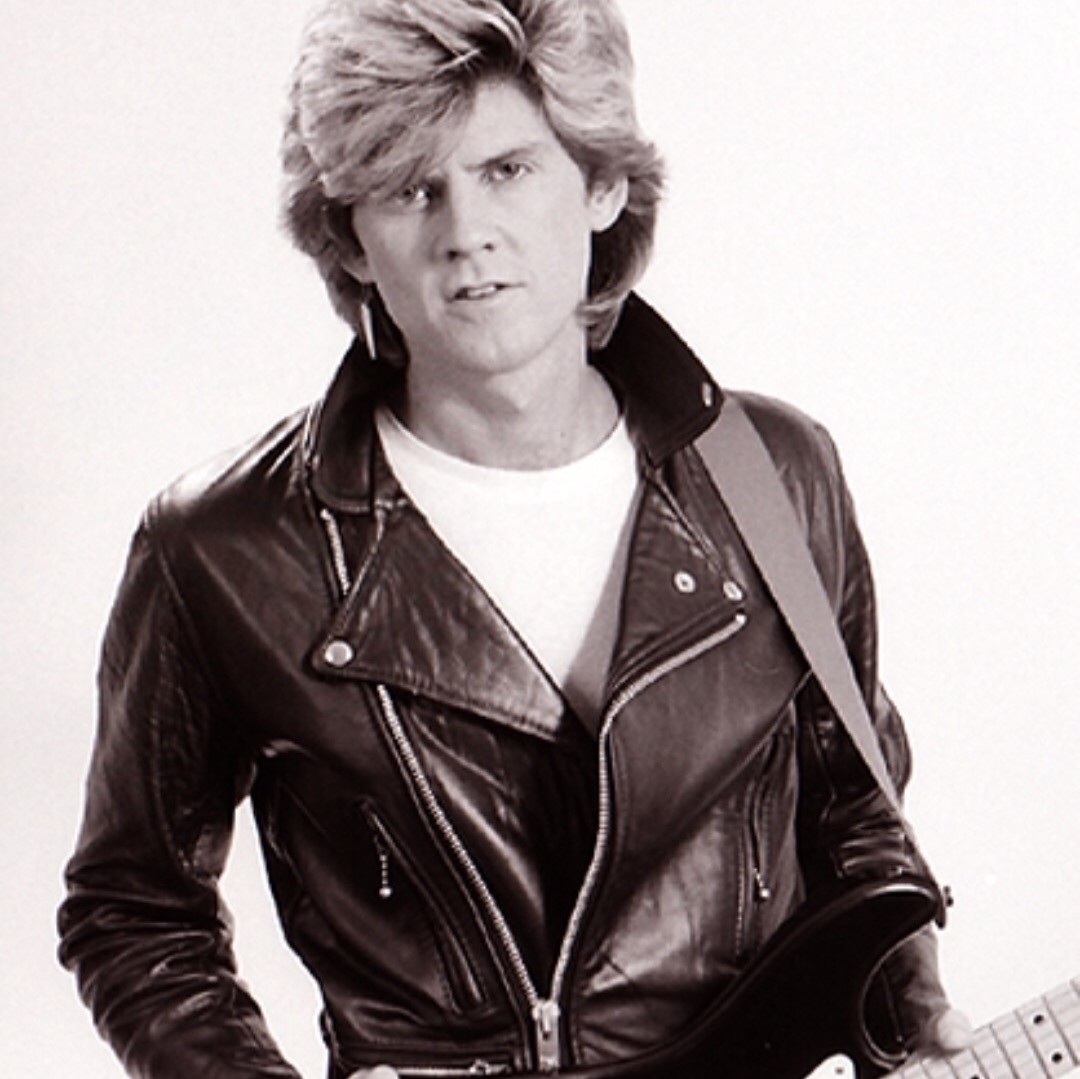
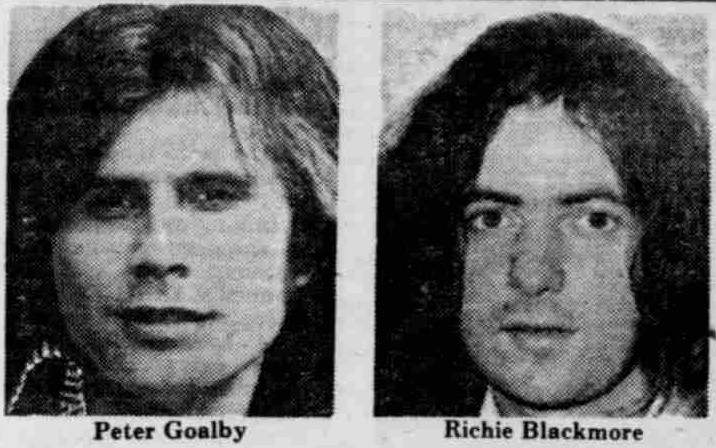
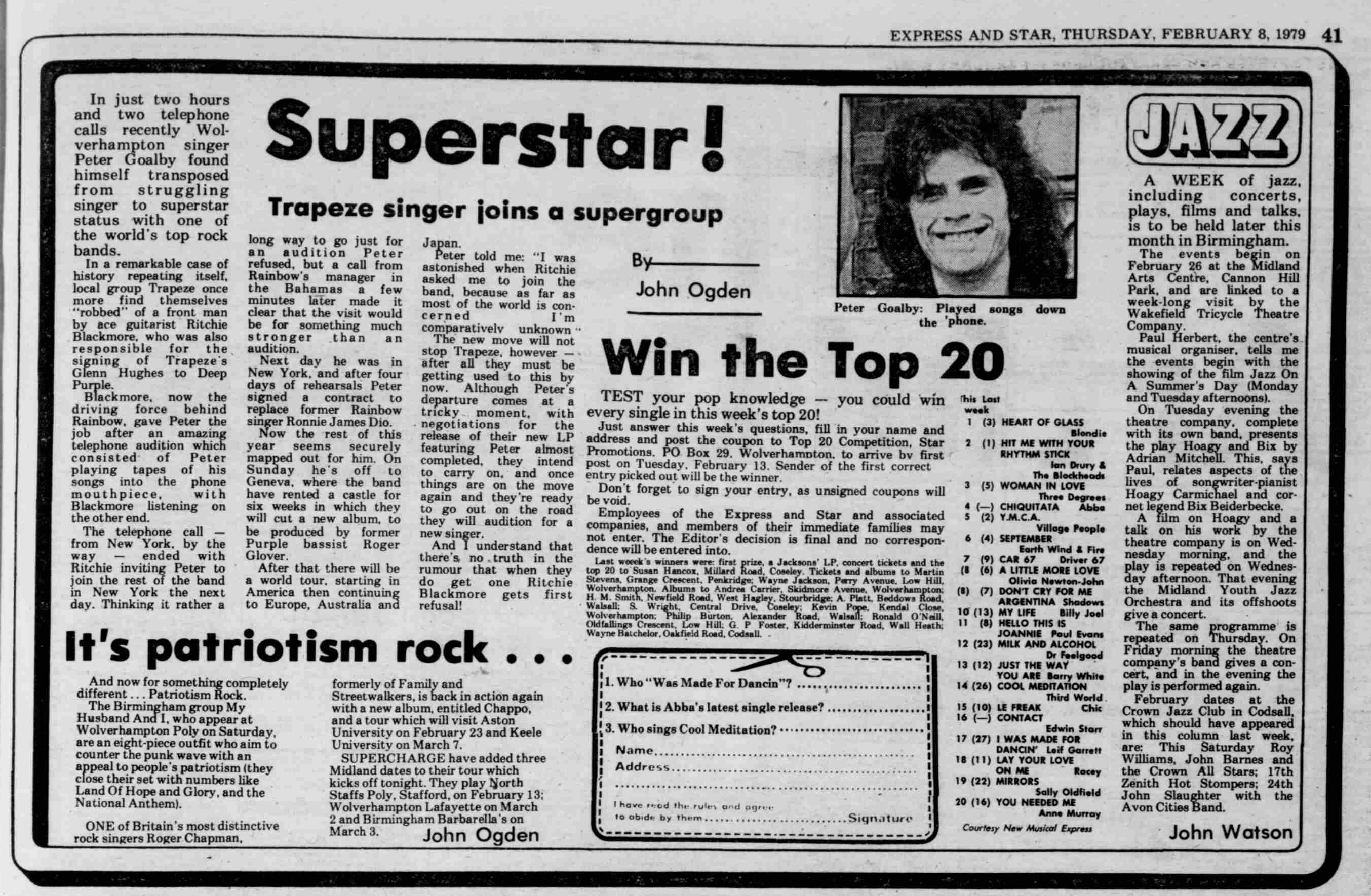
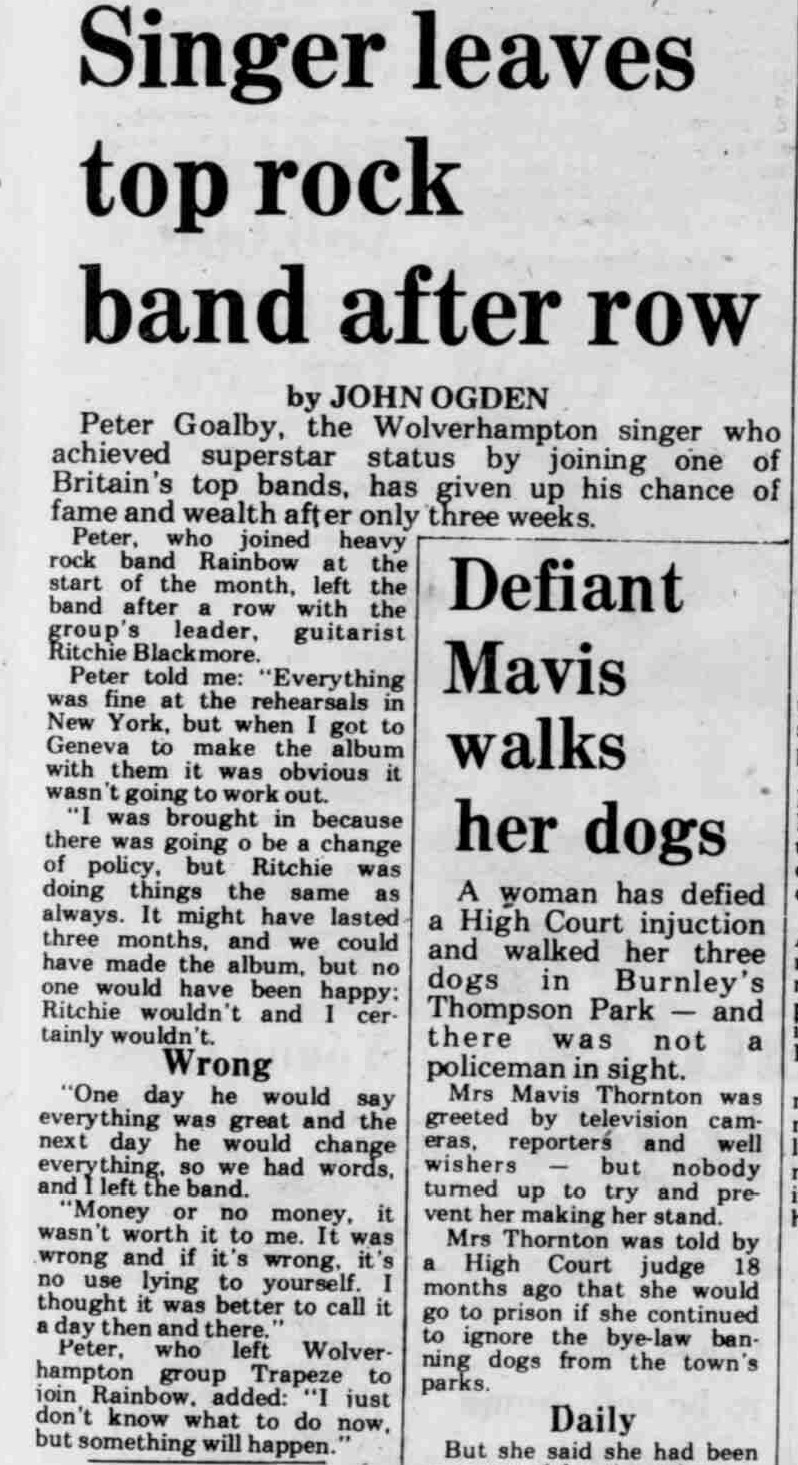
Singer Peter Goalby is mainly known for years during the 80s fronting Uriah Heep, with whom he recorded 3 albums, and prior to that a few years with Trapeze, where he recorded one studio and one live album. But in-between there, very briefly, Peter was chosen to sing for another, bigger band, at the time. His time with Rainbow didn’t last long, and he’s often (if at all) merely mentioned as a footnote as someone who auditioned for the band. Goalby’s story of that time, and his first ever detailed recollection of that period is a very fascinating read. Peter recalled it all to myself and Peter Kerr (Rock Daydream Nation). The 3rd part of this article contains questions (from Peter Kerr & myself), answered by PG.
Please note, Peter has wanted to tell this story for a long time. I know he has a very good memory of his career, and fine details. This is his account being told for the first time. It was a long time ago, and it came at very busy period in his career, while he was still with Trapeze. He would soon record a project later in 1980 under the name ‘Destiny’, followed by Trapeze tours and a live album. By late ’81 he was ready to step into the role of lead singer for Uriah Heep. Ironically, the 1982 album Abominog, a fantastic album, was comparable in direction (that American Hard-rock/AOR) to what Rainbow was also recording during the early 80s with Joe Lynn Turner. So, frankly, I don’t see how Peter wouldn’t have been a good fit for that band, but oh well….On to Peter’s story….
My Audition / Initiation
The day before New Years Eve, sitting in my unfurnished flat (apartment) in Wolverhampton phone rings – “Hello is that Pete?” , I said yes, it is. “Pete this is Ritchie Blackmore “, Fuck off I said, who is this? I thought John Thomas from the band Budgie; he was a prankster.” Pete, its Ritchie really (LOL) “He said I “got your number from…” I can’t remember who he said but I thought, ‘Oh Its Ritchie alright’.
“Would you be interested in joining my band, Rainbow? I have heard a lot of great things about you and your work with Trapeze. Mel Galley is gonna hate me even more if I steal you That will be twice.”
We chatted for a few minutes and then he asked, ‘do I have anything I can play to him?’ I said I have a copy of the new Trapeze album Hold On, “I can play you a track down the Phone(?)” I played him “Don’t Break My Heart Again” (phone to the speaker). It’s 6 minutes long, I thought he will have hung up by the end. “Are you still there?”, I said. “Very much so. Would you like to come to New York? “, I said ‘yes when’. “Tomorrow”, he said.
I was told to arrive at Euston Train station. I would be met and taken to the Airport. I was given a ticket and some money and put on a plane
(In New York) I was detained at the Airport upon arriving and taken to a back room where I was questioned and my luggage searched. They thought I was trying to work in the U.S I said I was there for an audition. I was asked who the band was. I said Rainbow. One of the security guys said Ritchie Blackmore(?), “then re pack your case you can go”.
I was met by a member of the Rainbow crew and taken to the Holiday Inn, Connecticut. I was there on my own for 2 days waiting for someone to greet me. I spent New Years Eve on my own, well me and the barman in the hotel.
Next evening I was in the Bar and who should walk in – Cozy Powell (LOL). Then in walks Don Airey (LOL). WE all got on great from the off. I had met Cozy before.
I said, ‘where is Ritchie?’, I was told he lives next door to the hotel. So, I had been left on my own for 2 days with Ritchie living next door celebrating the New Year. I was starting to get the picture and the way they all spoke of Ritchie, he was the Boss for shit sure.
Ritchie walked in the bar with his then very large breasted girlfriend, and we spent the evening talking – me, Ritchie, Don, and Cozy. I can’t remember when Glover arrived.
We arranged to meet for rehearsals next morning.
Down To Earth (with a Bang) LOL
I arrived at the Geneva; the place was incredible with a Moat and a Drawbridge, WoW.
Don arrived soon after me, we got on so well it was all fantastic. There was a guy called Jack Green there he was the new bass player, as Roger Glover was producing Down To Earth he was not playing – only producing. There was a mobile Recording Studio outside belonging to Jethro Tull. All the band gear was set up in the Dining Hall which was the size of a banquet Hall.
Cozy arrived, he was such a compete gentleman, he was such a complete person he really was great.
We were all there for a couple of days before Ritchie arrived with the girlfriend. He spent a few days in his room only coming out to have meals. We had a Cook living in with us. From time-to-time Ritchie would come out and ask me and Jack to write some lyrics for an idea he would have. Then he would say forget that one. “Can you do some words for this?” That would be another Idea he would be playing. I was finding it frustrating as we did not seem to be doing much at all. I used to have a play on Don’s Hammond organ to pass the time. We were all just waiting for Ritchie. After a few days Ritchie had come up with some riffs. One night about 10.30 to 11pm I was going to bed and was told Richie wants to rehearse now. I foolishly said I was about to go to bed. Never mind. We went down into the Dining Hall They all started jamming led by Ritchie showing them the ideas he had. I was expected to just sing something over them. Something I had never done before. I was used to having a structured song to sing knowing the melody etc. I just looked at Don thinking ‘what the fuck does he want’. So, I started warbling some nonsense. So, we did this for some time. Don was looking at me and encouraging me to sing anything by pretending he was singing. I found this all a bit bizarre. Next morning there was a bad atmosphere from the off. I did not see Ritchie at all. Roger said “can we talk in your room”. I said of course.
Roger said Ritchie is not happy. I said neither am I. I don’t know what he wants I am not used to working like this. Roger said you are fired. I said couldn’t Ritchie face me and Fire me himself.
Roger said I will take you to the airport now. So, I went and told the guys I was fired they were shocked. Ritchie did not even come to say goodbye. He did send me a message through Roger, he said You Know that riff you have been playing on the Hammond could you show Don how it goes before you leave? On the way to the Airport Roger said did I know any good bass players as Ritchie was not happy with Jack Green either
I was given no reason other than Ritchie was not happy.
It later transpired he was not happy with my vocal range he said my top note was an A which is not true as the world can hear on the Heep albums I did.
I did not apply for the job in Rainbow I was invited by Ritchie Blackmore after listening to me singing “Don’t Break My Heart Again” by TRAPEZE I made no claims about my vocal range.
I am very happy to finally tell the true version of my very very brief time in such a great band
Peter Goalby 09-09-2025
Did you talk for a while with Ritchie before having a sing?
It was all quite natural mainly down to Cozy being such a great and honest guy (what a lovely man)
What was he like?
Ritchie enjoyed being Ritchie and enjoying being number uno.
Were there any band members at this first meeting? Describe the rehearsal with the band? What songs did you play? Any of your originals or non-Rainbow songs were played?
A tiny rehearsal room. I was stood facing Cozy when he hit his bass drums My jeans blew back at the ankles LOL, He was making me laugh to make me feel at home. In fact, Don was the same very friendly as if they were relieved, they had got me there.
WE did “Long Live Rock and Roll”, I enjoyed that, not too many words LOL
I think Cozy said “we have this song demo with a girl singer”. He said Ritchie does not like it, but the record company want us to do it as a single. I said it’s a great song. I think. We ran through it. I can not remember what else we did. I kept thinking this is me singing with Rainbow LOL.
Did you get a good vibe as to how things were going?
I got great feedback from the guys they were talking like it was a done deal. Like I said I felt they were relieved they had a singer. Ritchie was very reserved I think that’s how he liked people to see him.
What was said at the end of the play through?
All very positive but what was weird is It was as though I was in, but no one said You are our new singer. I was given a plane ticket and told Bruce Payne (manager) would contact me, which he did when I got home. I was put on the payroll. I think it was £2000 per month. Little knowing it was to last only 2 months at that time. Bruce said we were to do a demo of “Since You Been Gone” at Roger Glover’s house, which we did. I remember Ritchie playing the wrong chords when we were recording LOL.
Then the recording date for the album was announced and I went off to Geneva to the chateau.
Did you think you would be offered the role?
Of course. I would have been great in that band
I am curious – Had you told anyone on your side (bandmates, management) that you were off to NY to possibly join Rainbow(?)
I did not have time; I was called and then the next morning I was on a plane. I only told my wife, I don’t think she believed me at first. And Then I told her I got the Job then a couple of months later I told her I was FIRED LOL
What were you up to when Ritchie called? Was there a Trapeze tour being planned or any other recordings?
I was in my apartment (flat) with no furniture I can’t remember what was happening with Trapeze. I had just got the first copy of “Hold On”, the Trapeze album. Thank you, Mel, for writing the song that got me in and out of Rainbow LOL.
Considering Ritchie was concerned about image (i.e. he hated Graham Bonnet’s short hair and choice of clothes). Did any appearance or image stuff come up?
No, he knows a star when he sees one LOL.
Was your audition or time with the band given any press treatment? Ie: photos taken, bios written, or mention in the press?
Only my local town paper; I was on the front cover if I remember correctly.
Did you really get to talk to Ritchie much at all? (Even in the bar) And was it all business?
I did talk to him, yes, I did get on with him socially. But then again, I get on well with everybody.
“And we had a singer called Pete Goalby, who did great things with Uriah Heep, but he didn’t quite get what Ritchie was going on about” – Don Airey (Rolling Stone)
“I was the one who helped talk Ritchie into doing it. His manager Bruce Payne NEEDED A HIT SINGLE. We did a demo at Roger’s house with Jethro Tulls’ Mobile.” – PG
PETER GOALBY & GRAHAM BONNET
There is one song that ironically both Peter Goalby and Graham Bonnet sang, and that is a cover of Paul Bliss’ “That’s The Way That It Is”, which I’ve put below. The song appeared on Bonnet’s 1981 album Line Up, as well as Uriah Heep’s 1982 album Abominog, and released as a single in both cases. Interestingly, Bonnet also covered Argent’s “Liar” (written by Russ Ballard) on that album, while Goalby had sang the song years earlier as a demo for his band Fable! Abominog would instead feature a different Russ Ballard track, “On The Rebound”.
I could not find any songs that both Goalby and Bonnet’s successor in Rainbow – Joe Lynn Turner both sang, but both Heep (w/ Peter Goalby) and Rainbow (w/ JLT) both took a similar direction in the 80s, which is discussed with Martin Popoff in an episode of History In 5 Songs – https://cms.megaphone.fm/channel/history5songs?selected=PAN4285683323
Goalby’s post-Heep solo recordings are also much more in the 80s AOR style that would’ve definitely suited either Foreigner or Rainbow in that decade (Ironically, Goalby’s name came up when Foreigner was looking for a singer when Lou Gramm left the first time, but not bigger discussions or offers came about). But check out tracks like “Take Another Look”, “Waiting For An Angel“, or “It’s Just My Heart Breaking” and “Show Some Emotion” (from his upcoming 3rd album), they would sit comfortably on an 80s Foreigner or Rainbow album, IMO. As for the one ‘new’ song that Goalby sang with Rainbow, “Since You Been Gone”, no recording from those rehearsals exists, but both Bonnet and it’s writer, Russ Ballard, both have new versions of it in 2025.
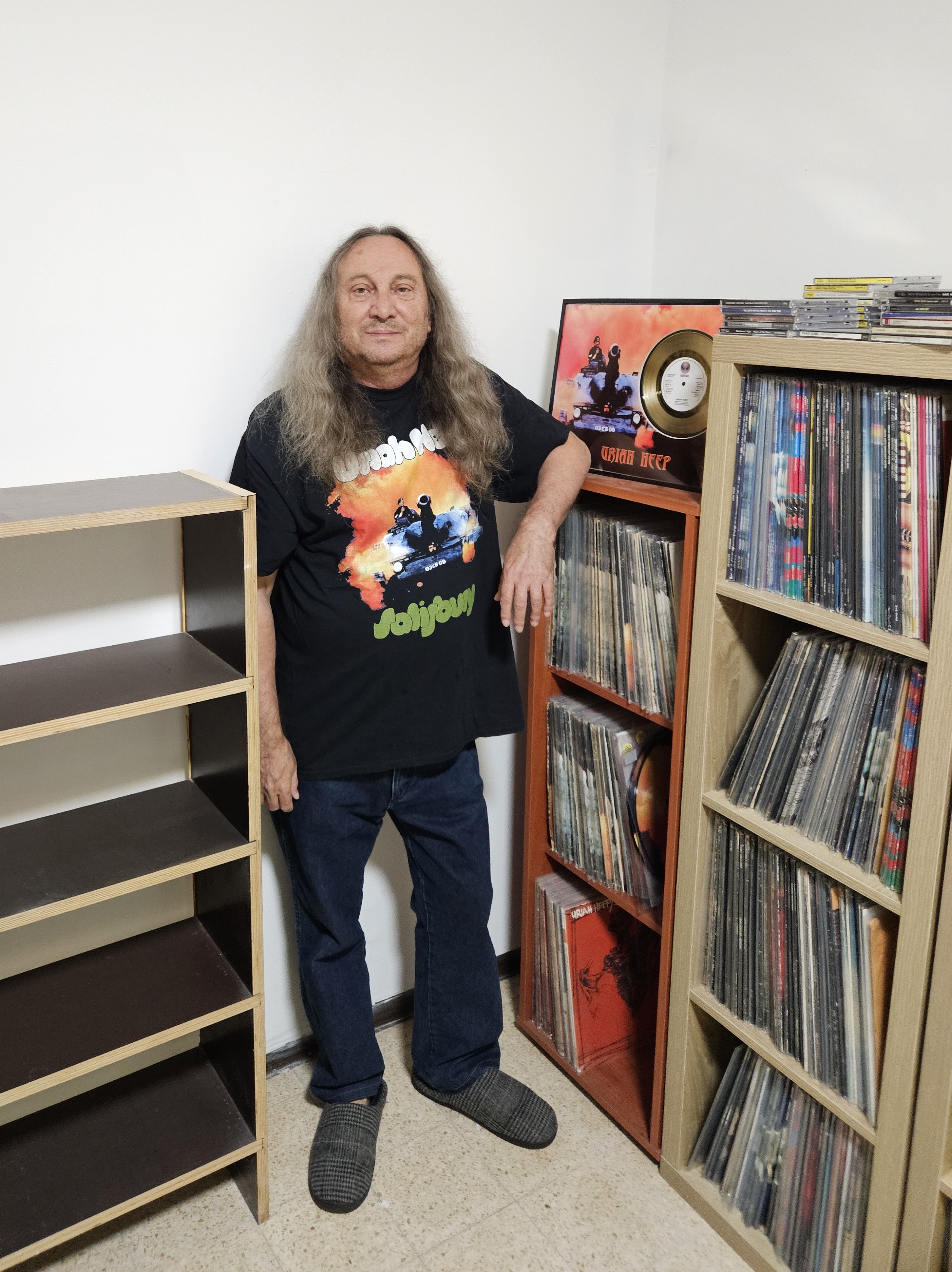
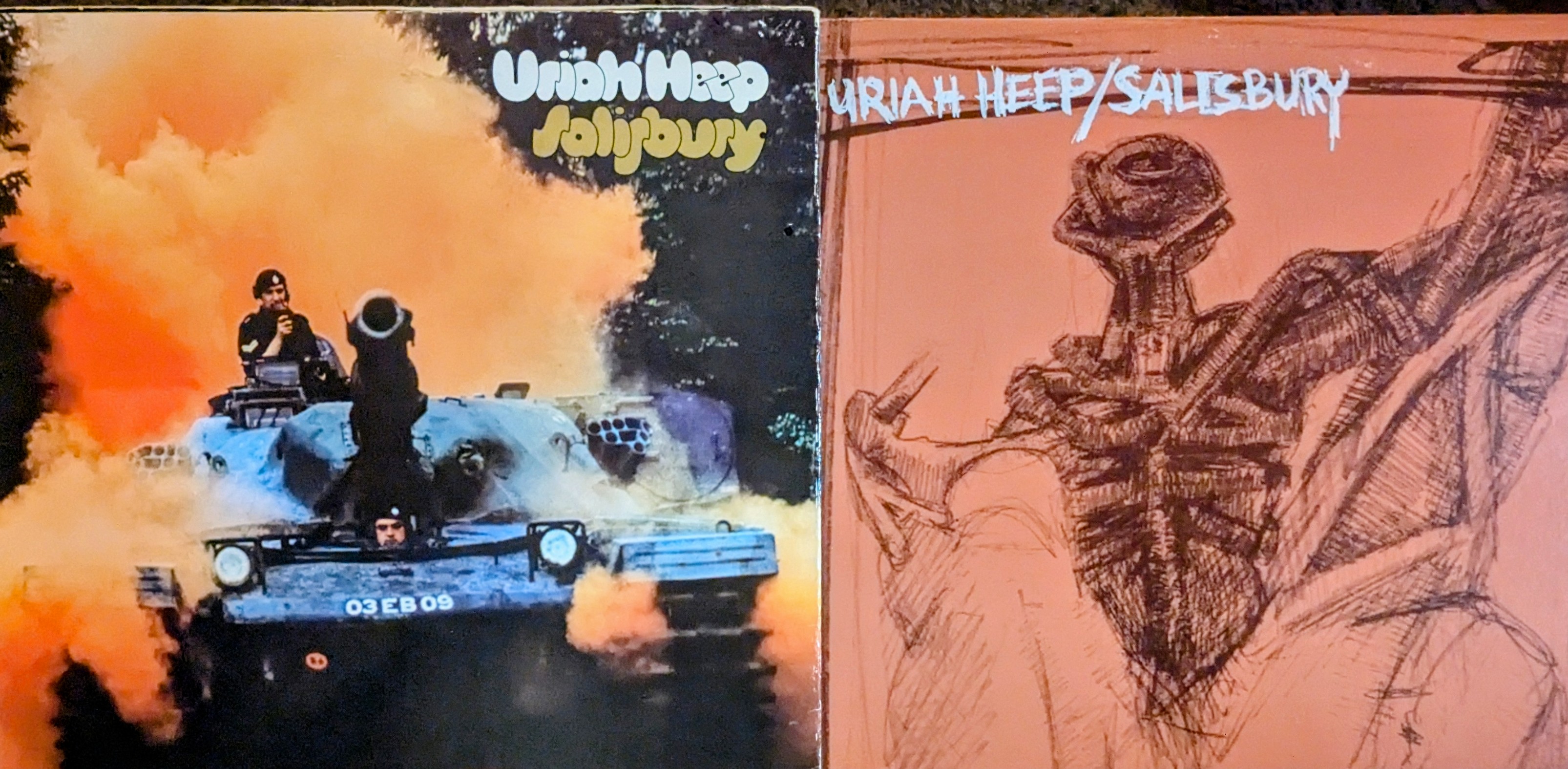
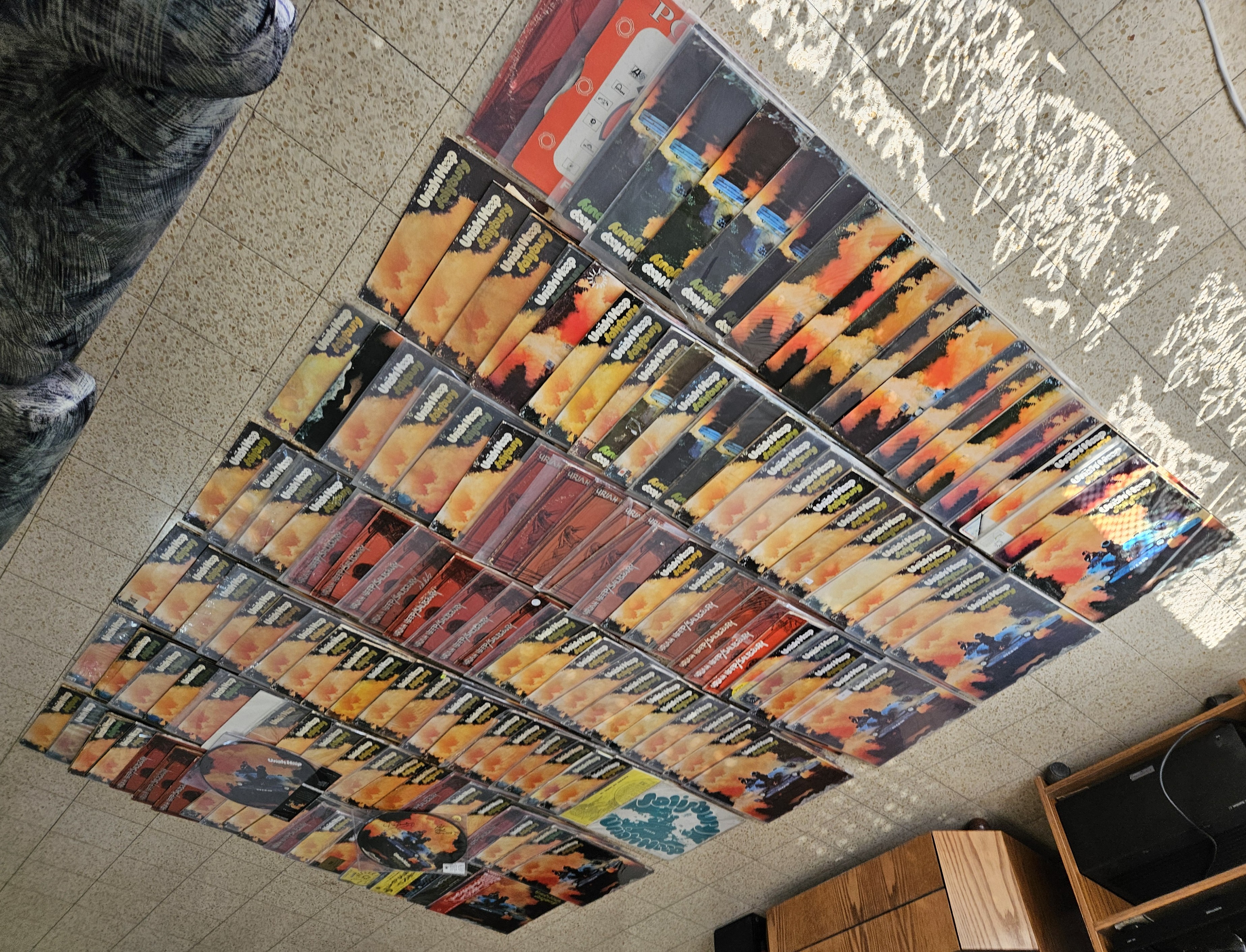
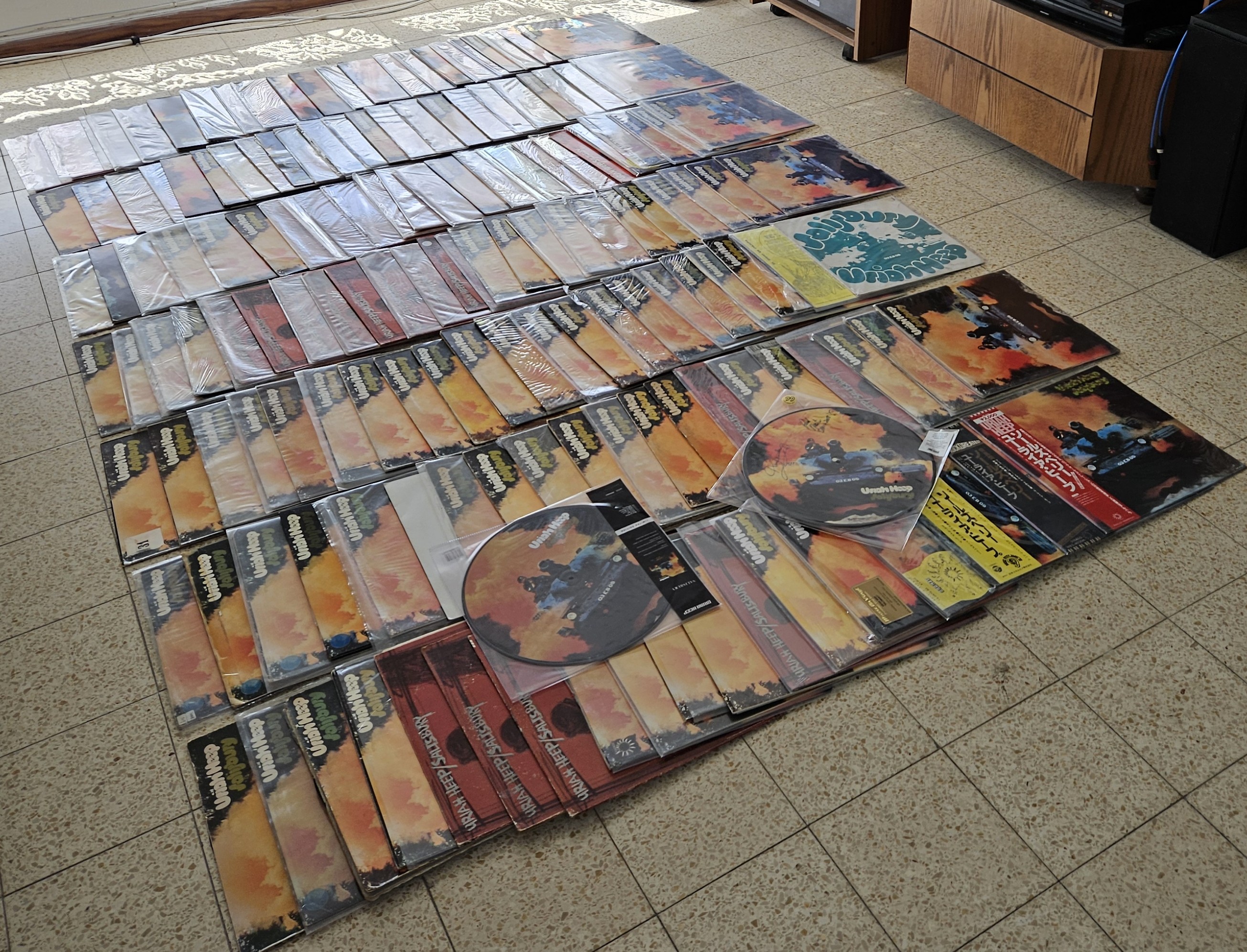
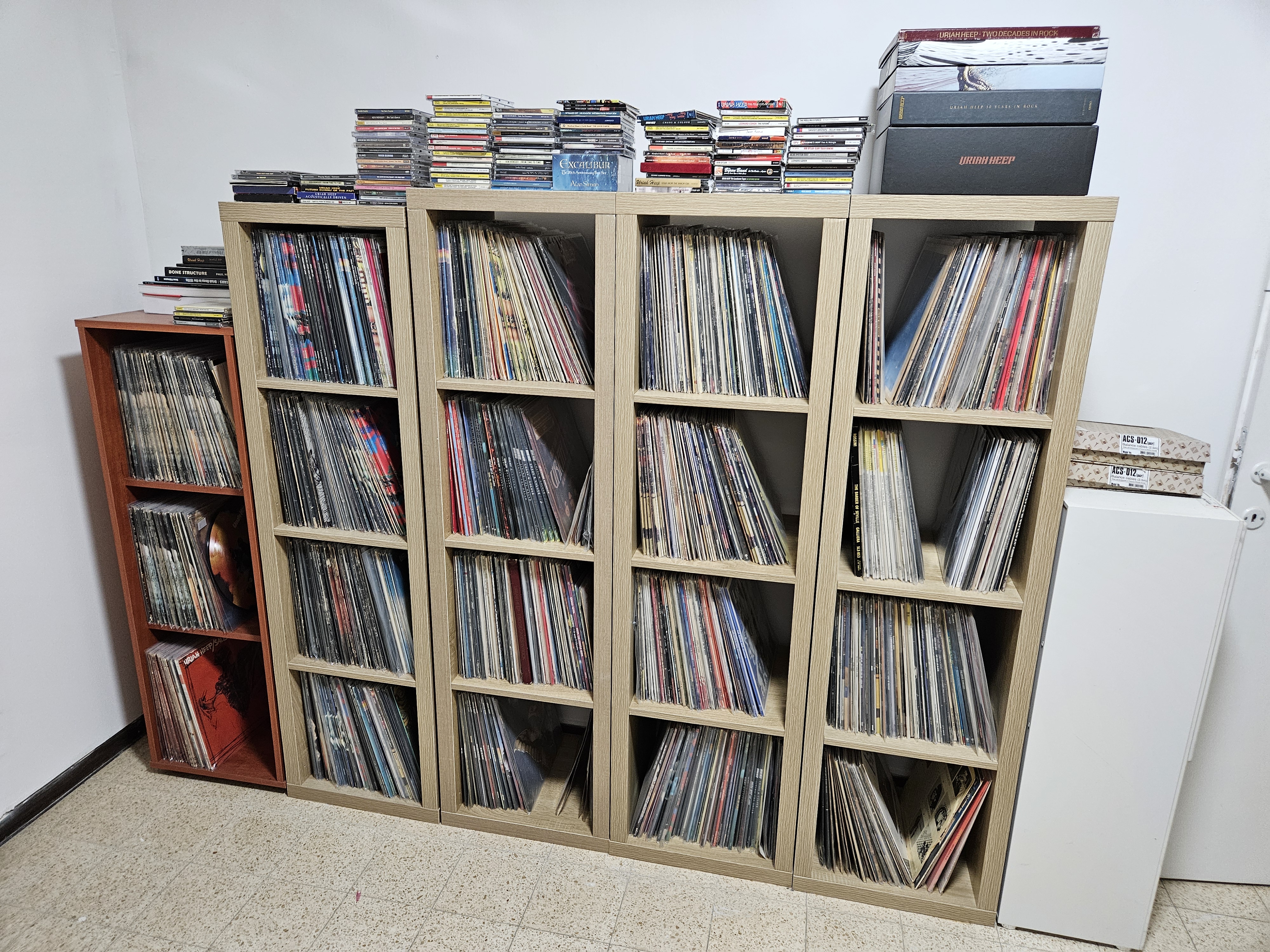
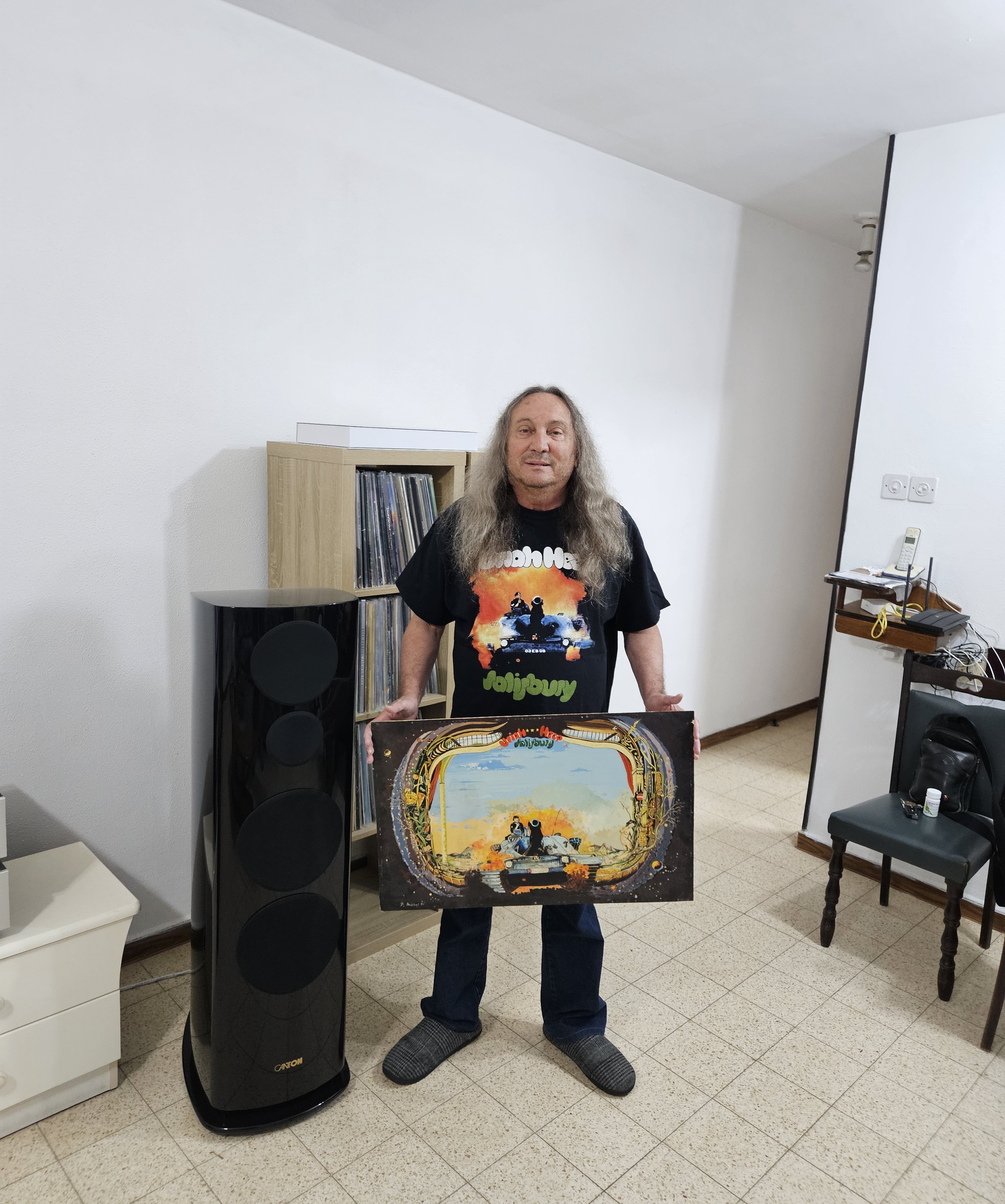
My friend Boris Shnitzer from Israel has been a lifelong Uriah Heep fan. What is most interesting about Boris’ huge Heep collection is his focus on collecting variants of his favorite Heep album – Salisbury (the band’s second album, from 1971). It’s Boris’ Salisbury collection that got me wondering how one gets in to such an extreme collection of one album. Heck, I know many Heep fans have multiples of various favorites, and I people who know think I’m ridiculous having about 20+ copies of Demons And Wizards, but clearly I am small-time! Boris discusses his Heep and specifically, his Salisbury collection below. And in his latest emails, Boris has since gained 2 more unique vinyl copies of Salisbury!
How and why did you start collecting Salisbury variants?
I had this idea to frame the Live 73 inserts to put on a wall. So, I bought a few copies of the album, and I basically figured out that there are different releases. Before that I had all Heep albums, but one copy was good enough for me😉 So I started to buy some other copies of Heep albums, and got infected by the collecting virus. For several years I bought all things Heep, vinyls, various compilations, CDs, cassettes, posters, whatever. At some point I saw I don’t have too many copies of Salisbury, and since it is my favorite album, I decided to concentrate on it. The idea was not to have as many as possible copies, but as many as possible different releases, noy only vinyl, but also CDs, cassettes, 8-tracks,7-in. I would ask sellers to provide info on the albums, so I can figure out if it’s something I don’t have already.
Why (presumably) is this your favorite Heep album? and is it the only one you collect to this extreme?
Salisbury is my favorite Heep album because it was the first Heep album I bought when I was 16, and it made me a Heep fan. Something on that album hooked me on the first listen. I even started to learn English more seriously because I wanted to understand the lyrics.
It is the only one I collect to this extreme, thou I do have 20-25 copies of some other Heep albums, practically at least several copies of each album.
How many copies do you have (LP, CD, cassette, 8-track, reel to reel?)?
148 different copies on LPs (various countries, various years, various labels, etc.). 25 copies on CD, 24 cassettes, 6 8-tracks, 18 7in singles.
As far as I know Salisbury was not released on reel to reel. I think only Live 73 and Sweet Freedom were released on RtR. I have the Live 73 one, but never came across the SF.
Can you pick a favorite copy of the album from your collection (either for $ value or for personal reason) ?
I don’t really look at it from a favorite point of view. I would say the favorite copy is the first one I bought, an Israeli pressing from 1973, which made me a Heep fan.
What is the rarest copy of Salisbury you have?
I don’t know. Not sure what might be considered as a rarest one. Maybe the Vertigo mono pressing from Colombia. Probably the rarest are the ones I don’t have😉
Is there many more variants (in all formats you’re still looking for)? and is there a ‘holy grail’ copy of Salisbury that you still would like to find?
I wish I knew for sure. I suspect there are some more, like Yugoslavian or Turkish, other Heep albums were released in those countries, but I never encountered a Salisbury. Maybe more from South America.
A holy grail? I don’t look at collecting so zealously😉 Maybe the 17inch metal master, I saw it once, but wasn’t able to buy it. I guess it’s a lost cause😉
* Thanks to Boris for his replies, photos, And the Heep LPs from Israel I received a few months back, great additions to my collection.
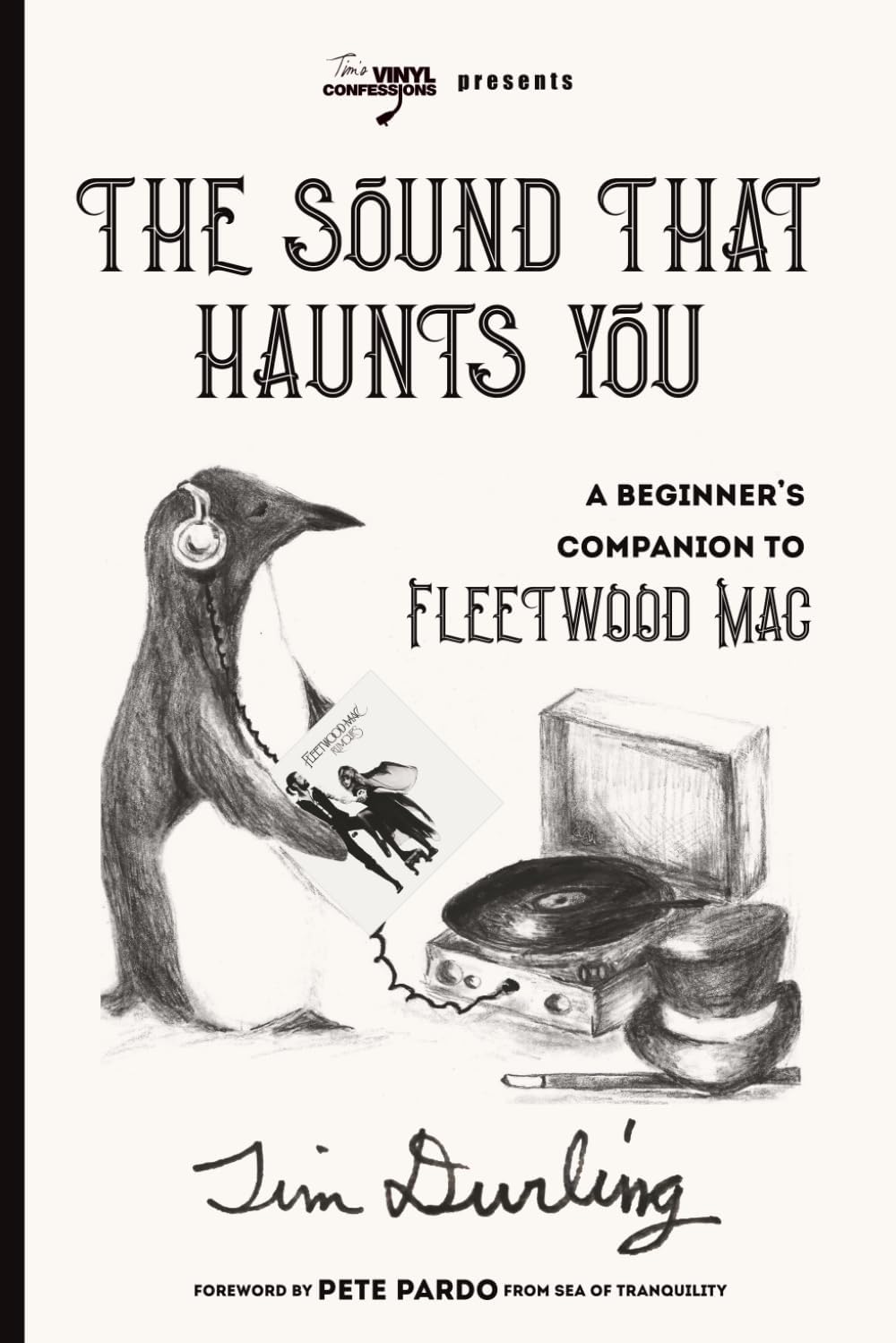
Canadian rock writer Tim Durling has a brand new book available . A Beginner’s Companion to FLEETWOOD MAC. Durling looks over and reviews the band’s entire catalogue, which dates back to the late 60s, long before Stevie Nicks and Lindsay Buckingham arrived for the most successful period of the from mid to late 70s. Says Tim – “I tried to cover every original Fleetwood Mac song, which was really confusing in the 1967-69 period but I think I managed it… The idea behind this book is to help the curious new listeners navigate the catalogue.”
The book also includes a list of 100 Fleetwood Mac covers by 100 different artists, as well as a forward by Pete Pardo, and a cool cover drawing by Sally Ann Morgan.
Available in paperback, totaling 151 pages, and available on Amazon for a mere $21 (Canadian) now
LISTEN CAREFULLY TO THE SOUND.
Fleetwood Mac: a band with several distinct lives. The hard driving blues of the Peter Green-led lineup. The dreamy soft rock that defined the Bob Welch era of the early Seventies. The turbulent but undeniably potent chemistry of the Buckingham/Nicks years. It all adds up to a confusing but ultimately rewarding catalogue of music.
But where does one begin? The Sound That Haunts You is author Tim Durling’s attempt to direct the curious listener from the band’s late Sixties beginnings through their more recent recordings in the 21st Century.
Each of the Mac’s studio albums is analyzed and summarized.
You’ll also discover the sheer breadth of artists who were enchanted by Fleetwood Mac’s music enough to cover their songs. Featuring a foreword by Sea of Tranquility host Pete Pardo.
How does a new listener begin to find their way through such a varied and complicated catalogue? Durling provides an easy-reading road map through the band’s 1968 debut album all the way through 2003’s Say You Will, and beyond! Featuring lovely hand-drawn artwork, and photos from the author’s own collection, The Sound That Haunts You is the perfect companion to sitting by your preferred music source, listening to Fleetwood Mac.
Whether you are a longtime fan or a curious newcomer, this book is for you.
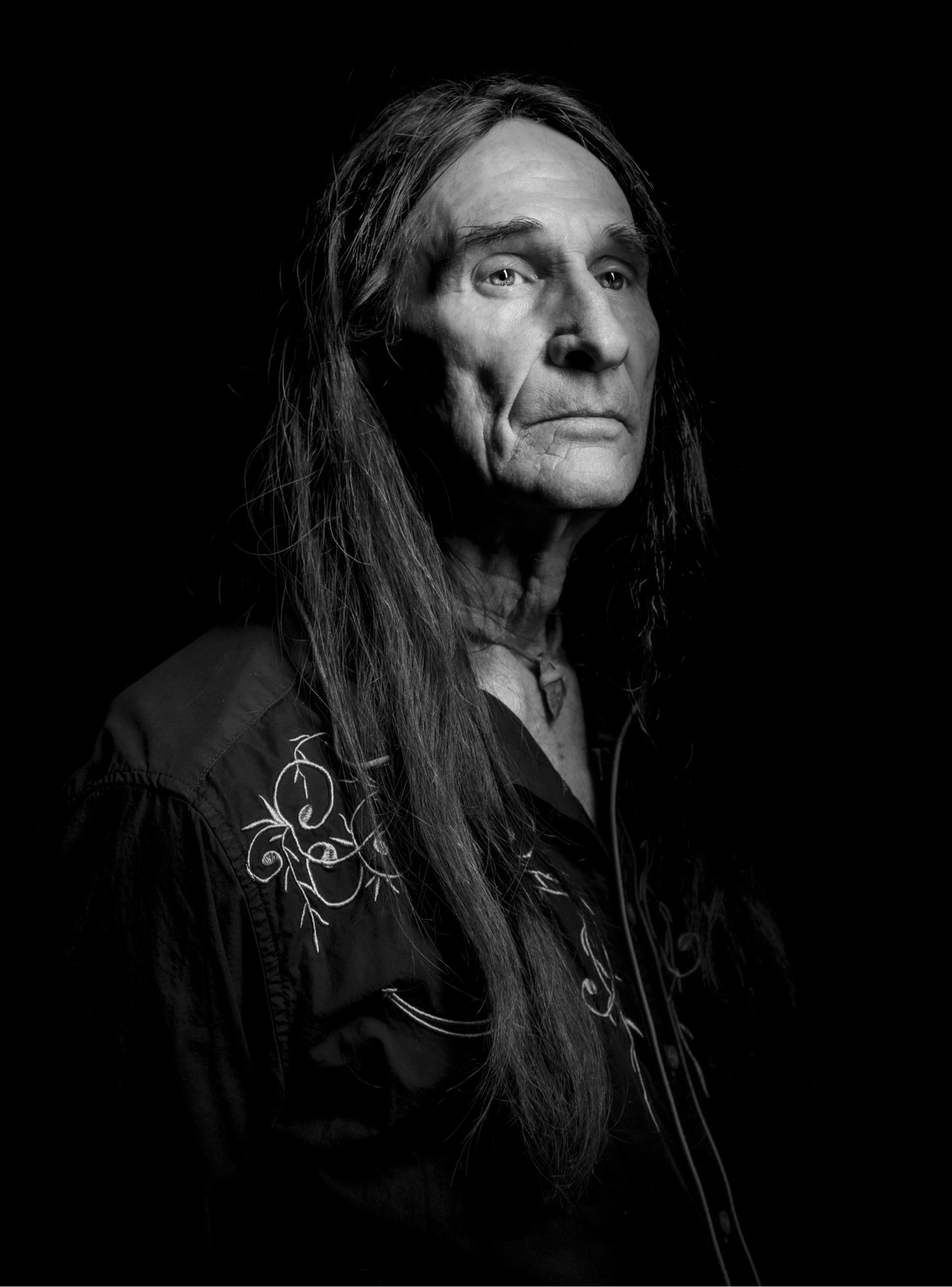
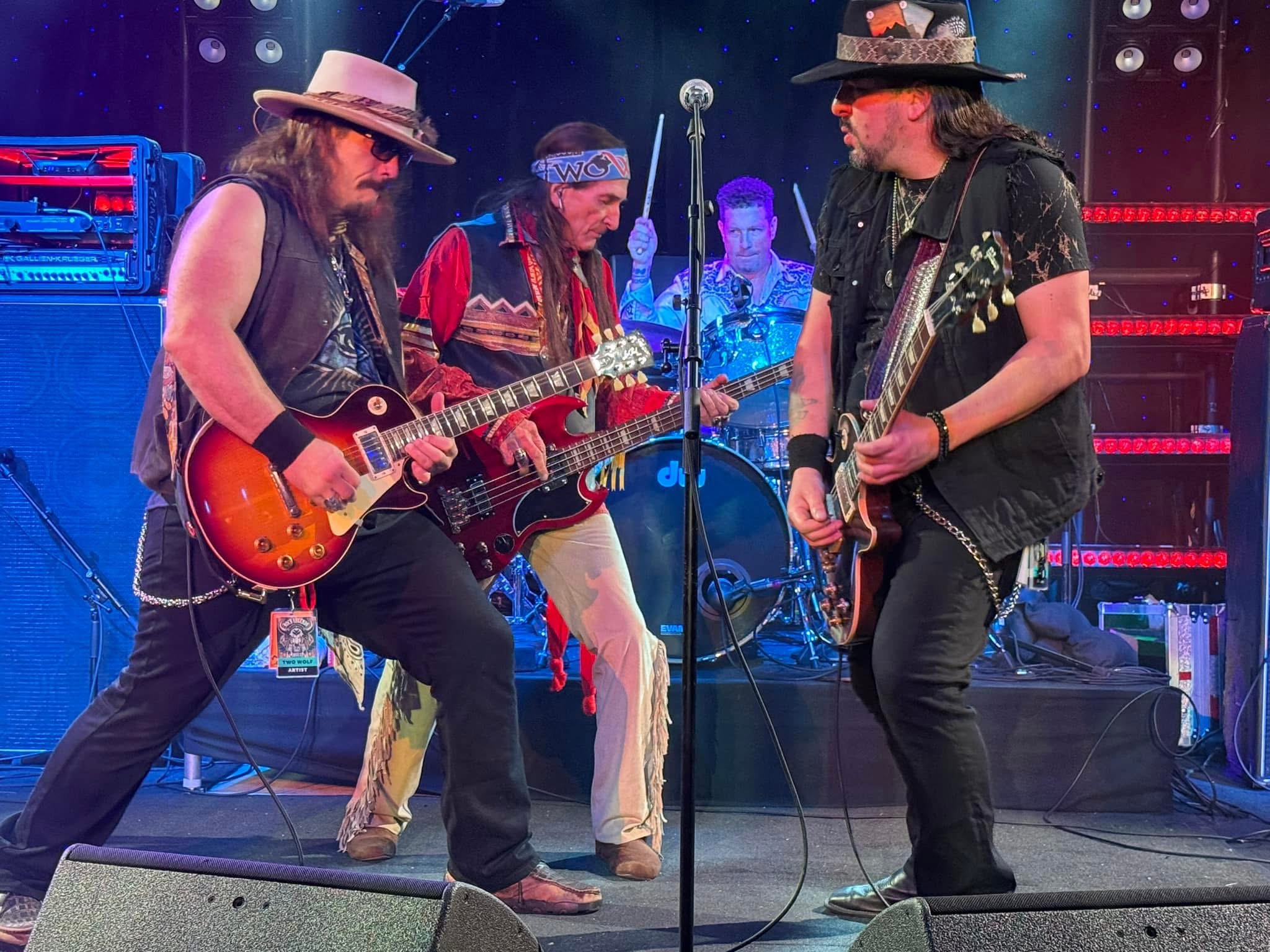
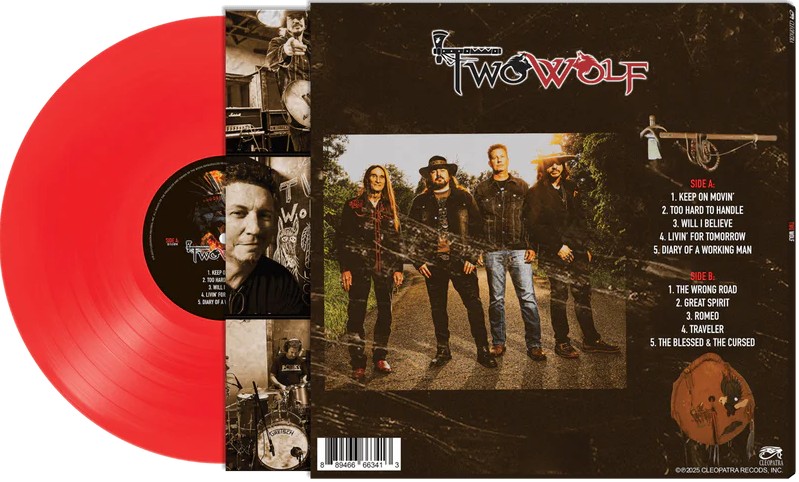
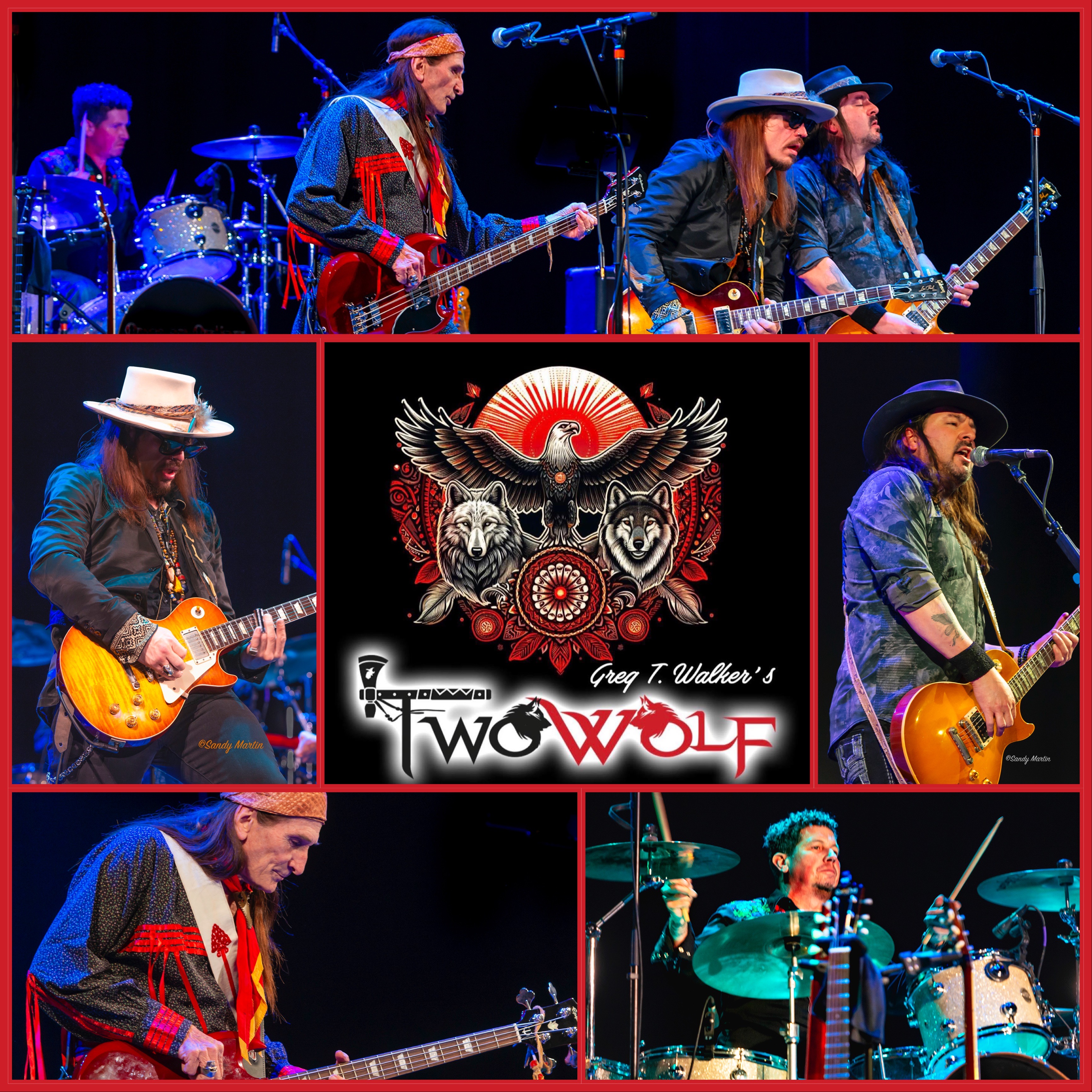
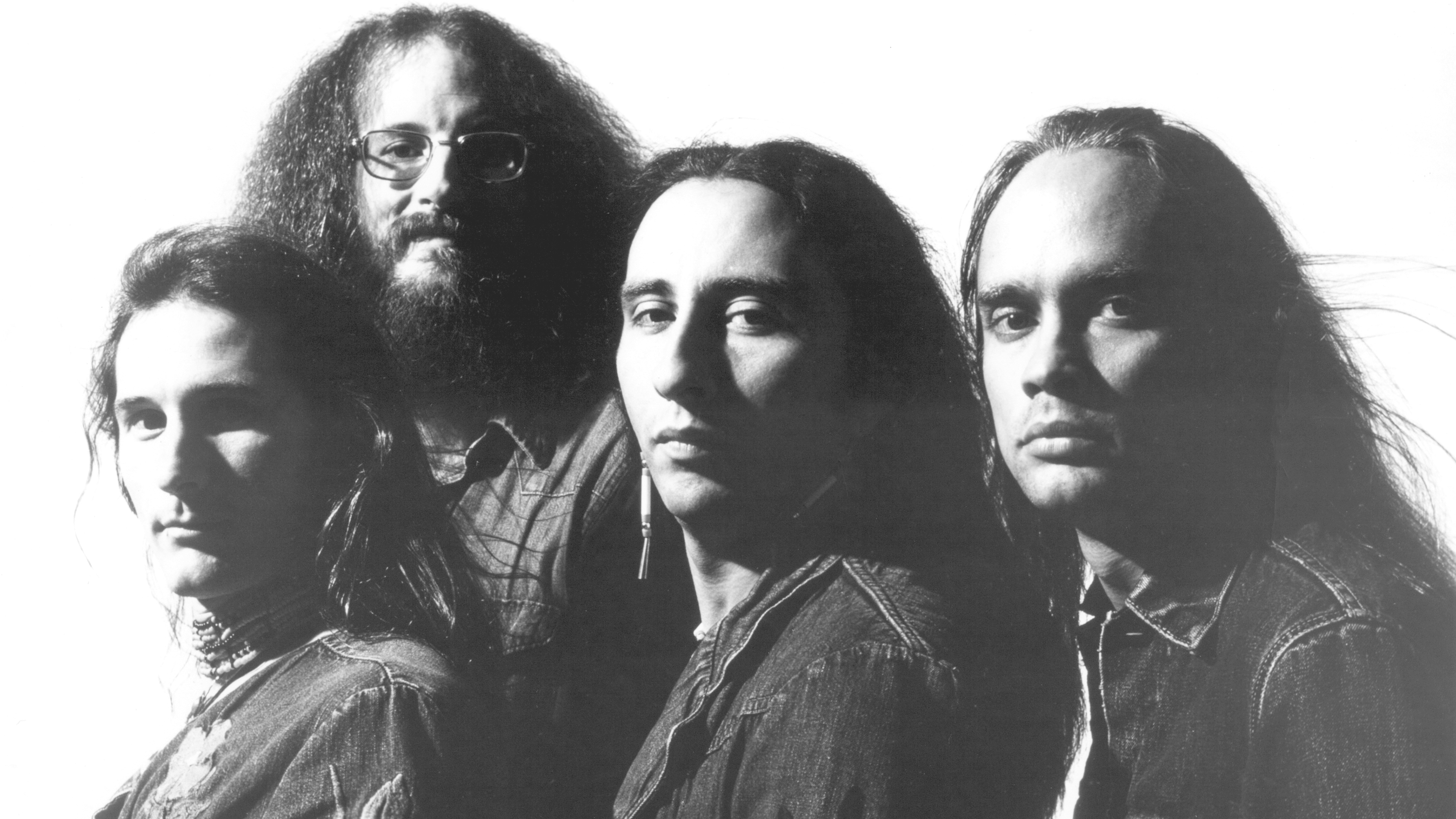
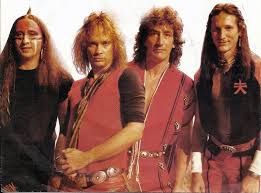
GREG T WALKER is best known as a founding member of the classic Southern rock band (and highly underrated) BLACKFOOT, with whom he recorded and toured with from the 70s to mid 80s. And in the very early days he was also a part of LYNYRD SKYNYRD. When Blackfoot broke up, Greg went on to various other projects, with his most recent being a brand new album with TWO WOLF. The band’s self titled debut comes after a decade of Greg keeping the band going. If you like Southern Rock, I cannot recommend this enough. Two Wolf is a heavier rockin’ band, even to Blackfoot. The album (available on CD and now LP) even includes a few Blackfoot remakes.
I was happy to talk to Greg about Two Wolf and their new album, as well as going back to talk about his Blackfoot days. Hope you enjoy the read. It was one of my favorite interviews I’ve ever done; Greg was a pleasure to talk with, and I hope to see the band sometime up this way.
*Please check out the links at the end of the interview. I have included links to songs in the text, highlighted.
Can tell me a bit about the band, you guys have been going for a bit, haven’t you? You had an EP in 2017?
I formed Two Wolf in 2015, and Lance (Lopez) was in the original lineup. He only lasted about two months because he had some prior commitments, and then we brought Chris Bell in, and he also had some commitments. So, it was a couple years. We were just a three-piece, and then we got Chris and Lance both back in the band at the same time, and that was the magic. That’s what I wanted. So, that’s Two Wolf today.
And Lance, he co-wrote most of the stuff, and he’s quite a guitar player, and, it’s a very heavy album to what I expected, in comparison to the Blackfoot stuff.
Yeah, it’s at least as heavy as the heavy Blackfoot stuff. Lance wrote two or three of the songs; I co-wrote, as Chris Bell and myself did, you know, we all contributed to it. And we did three Blackfoot covers, as you can see. I really was hoping maybe one, two at the most, but Chris and Lance really love the Blackfoot catalog, and especially as guitar players, that guitar-driven band. So, we wound up with three, and it turned out to be a blessing.
Are those three regulars in your set list?
Yes, they are.
Can you tell me a bit about how you met Lance? I know he’s a good bit younger than the rest of you guys, I think, and he had his own gig going for a while there.
I actually met him through a drummer friend, who was the first drummer in Two Wolf, and he said, “I know this guy that’s a blistering guitar player”. So, that’s how I met Lance. It was through the drummer at the time.
How long has this album been in the works? How long have you guys been writing, and how long was the recording process?
It took about a year. We made four trips into the studio. We didn’t have a record deal, we just wanted to do an album and have it ready in case. And then we submitted it to Cleopatra, and they instantly said, “we love it”, and boom, it’s a done deal.
Can tell me a bit about the album artwork? Who did that and what kind of inspired it?
That is a girl named Sophie Armatol. She lives in France. I had met her when I was over there several times, and I saw her work, and I said, “oh, you’re just wonderful as an artist”. So, we gave her the initial concept. We definitely wanted wolves involved. She sent a bunch of sketches, and then we wound up with the one that’s on the cover now.
Can you tell me a bit about some of the songs? What stands out for you, and does everything kind of get rotated into the set list from this album?
We do every song on the new record. And some additional Blackfoot songs that are personal favorites. But you definitely will hear every song on that record, we do every single one.
Do you have any favorites of your own? Things you like doing, and things you’re kind of happiest with the way they turned out?
As in, you know, the original days, “Diary of a Working Man”. I love that song, always did, and we never played it live back in the d ay, not one single time. But we’ve been playing that song in the set for several years. So, we recorded it, and, and it came out really great. So, that’s among the favorites, but I couldn’t really pick one favorite. I love them all. We put our hearts and souls into every song, no matter who wrote it. So, we’re real happy with the way it turned out.
I like “Too Hard To Handle” and “Keep On Moving”, I think, is the single!?
“Keep On Moving”, yeah, that was one of my tracks that I always thought that was a B song. You know, it’s just a fun rocker; it wasn’t Beethoven, that’s for sure. But the guys love that song, and it actually came out real good, and that is the single.
Obviously, people want to hear some Blackfoot stuff, but you guys got your own thing, your own album. How is the response to that stuff?
It’s just going great. We got incredible reviews, response on every format, and hope I don’t jinx myself. Nobody’s said anything bad yet.
So, it’s out on CD and vinyl(?)
Vinyl comes out October 17th.
Did you guys have much stuff left over that you might already have the beginning of something new…?
Well, like I say, we’ve made four trips into the studio. We generally would do like four at a time. It’s interesting, I remember years ago, vinyl, you could have 45, 50 minutes on it, and now they say it’s like 20 minutes per side, and you can’t exceed that. I’m like, what changed!? I don’t know. That’s it. We did an album’s worth of songs, and then we got the deal, and then we started playing a lot more live, and we didn’t have a chance to go back in the studio. But we will soon, because even at the end of the original recording, we were already talking about, can’t wait to start on number two. You always want one more album.
Can you tell me a bit about some of the songs that you had a hand in writing? Was there any ideas or songs that had been sitting around for a while, for years, maybe?
“Keep On Moving” was, solely my composition. “Great Spirit” was started by a friend of mine in Montana, who I’ve known since the 70s, and he had the basic concept for that, and we joined up and finished it. “Traveler” was a song that we actually had played in the Blackfoot years, that was written by myself and our drummer Jackson (Spires). No big story there, it’s just, I had an idea, I played it, and he got on the drums, and then he helped me write the lyrics to it. And “Great Spirit”, most of the lyrics were from my friend in Montana, and I added to that, like a bridge and so forth, but I co-wrote those two, but “Keep on Moving” was one of my sole compositions. Again, I didn’t think it would ever be on the record, but I loved it.
Two Wolf, 2017 5-song EP. (cove art – Sophie Armatol)
I want to talk a little bit about some of the Blackfoot stuff as well. Do you still keep in touch with Charlie?
Yeah, I do. Charlie lives about a little over an hour from me. He lives just east of Gainesville, Florida. We stay in touch. He, oh my God, he still plays like he did years ago. His back problems have stopped him from playing live. I mean, he can stand up, maybe two or three songs, and then he’s got to sit down. It’s his spine, it’s been bothering him for years and years, but he came over here back in March, and a drummer came over. I met my drummer through Charlie, actually, and Charlie walked in and said, I want to play 10 Blackfoot songs, so we went out the studio, and I just had chill bumps listening to him play. It still sounded like the day we recorded it. He hasn’t lost anything. That guy can take a $50 guitar and a $50 amp, and he sounds like a Les Paul through a Marshall. I don’t know how he does it. It’s all in his fingers, I think.
In the beginning, you and Rickey were both briefly with Lynyrd Skynyrd, but you went off and obviously started the Blackfoot album, so how did the whole first album come about, because you guys went through a lot of changes there, and you never had a keyboard player in the beginning, either. That’s the other thing, as far as the Southern rock bands that had…
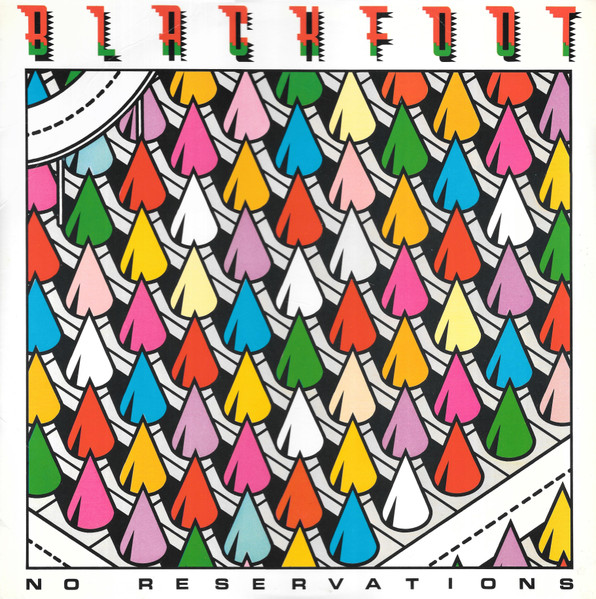
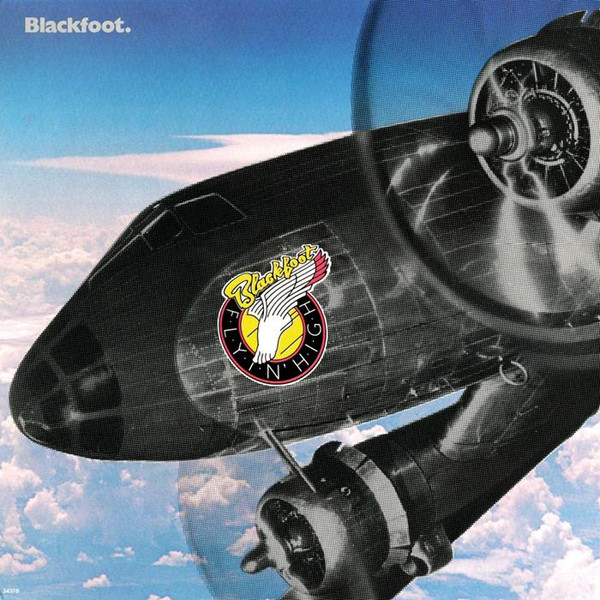
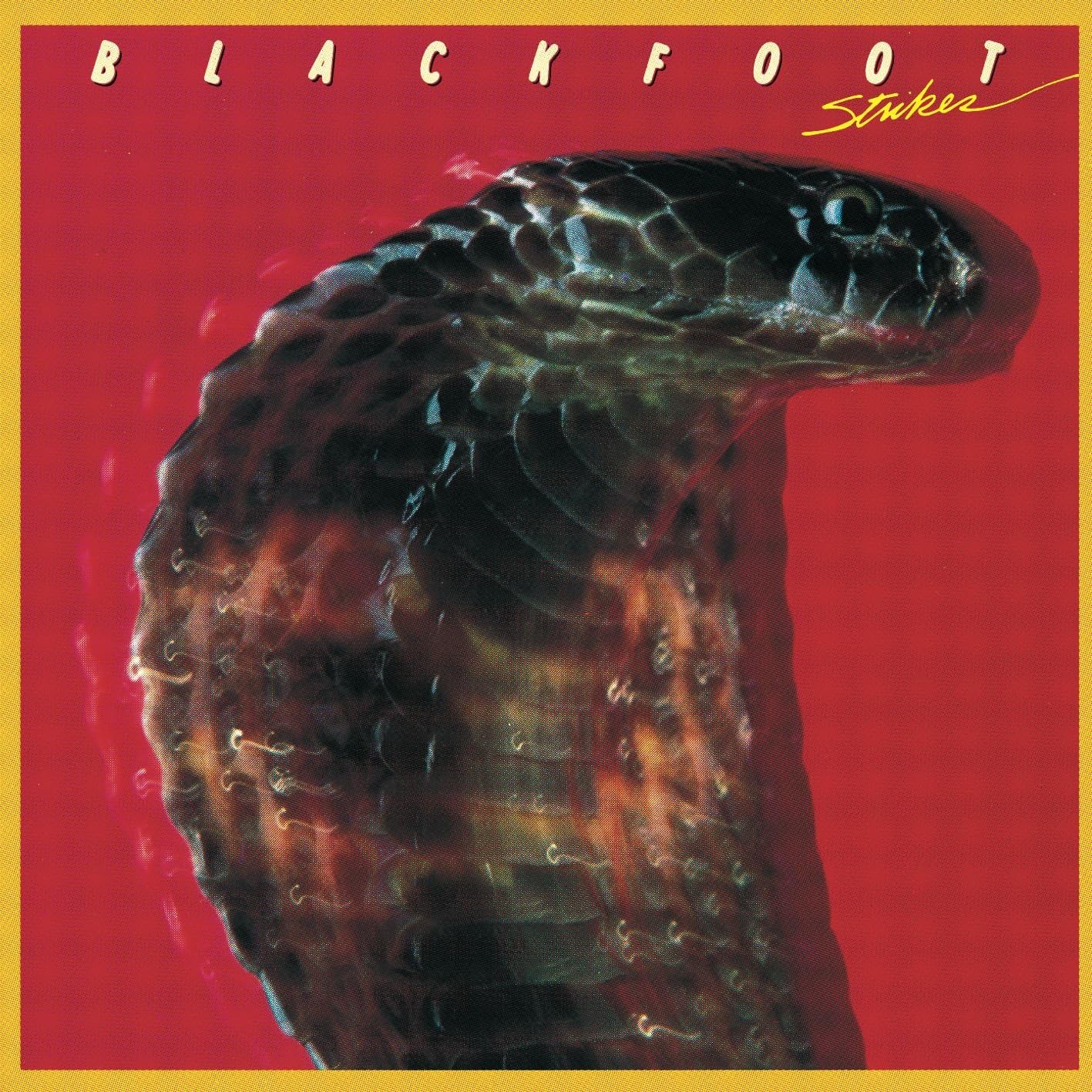
No, we didn’t. I played a couple little bitty piano parts, but you don’t really hear them on the earlier albums. But, we’d known the Skynyrd boys for a long time before we ever joined the band, in Florida. So we were friends, and Ricky joined first, and I came in three months later, I think it was, on bass, and at the time. It was going to be permanent, at least we signed a management contract and recording, but that music didn’t come out for two or three years after we originally recorded it, because we had already left the band. What I wanted to do was reform Blackfoot. I told Ricky that I just feel this urge to go back and pick up where we left off. We need to finish what we started. And, Jackson was another childhood friend from kindergarten, so, we were the nucleus, because we grew up since little bitty kids. But he agreed, so we put the band back together, and fortunately, because of our time at Muscle Shoals with Skynyrd, they said, send us a demo tape, so we did, you know, reel to reel. And they liked it enough, and they said, if you can get down to Alabama, we will record you and see if we can get you a deal. And they did. So, that was No Reservations. It came out, and…it did sell, I don’t know, 30 or 40,000 copies, maybe. And the next year we did Flyin’ High, on the Epic label. And same thing, it just came out and went at the same time. And then we went three years without a label, and then we hooked up with a guy who’s sister worked at Warner Brothers, on the Atco label, and so we recorded Strikes with a mobile unit, and signed us to a deal, and Strikes came out, and we became a 10-year overnight success. You know, it’s like a brand new band, but I said, Yeah, we’ve been together 10 years, but that went gold quickly, and then Platinum, and that set the tone for the years to follow.
Now, that was probably the band’s biggest album, I believe, right?
Yes.
I love the logo on the Flyin’ High album! What did you actually think of those first two albums? Is anything that stands out for you or that you particularly liked?
I always liked all of them. We would mutually agree on which songs to put on the record. We recorded more, and there were songs left over. I haven’t listened to that record in a long, long time. There’s some funny stuff on it, there’s some good stuff on it, anything in between.
Strikes is like an easy favorite for me. I still hear “Highway Song” on the radio from Buffalo once in a while, but you did the two covers on there, which was interesting. “I Got A Line On You” and “Wishing Well”, which I thought was a great cover. Was it your own ideas to do those covers, or was it kind of suggested?
Yeah, we had done both of those songs in our early club days. And it was just personal favorites.
Matter of fact, I think we did a third cover was “Pay My Dues”, an old Blues Image song; another personal favorite. In fact, we were in the studio warming up, and the mobile unit was out back, and we were just getting everything tuned, and we started playing that song, and the opening chord, you just hit it and let it ring, and the engineer just quickly hit the button. We didn’t know it. So we did the song, and we finished, and we said, “Okay, we’re warmed up, we’re ready to go, let’s start recording”. He said, “I think you need to come in and listen to that”. We said, “Listen to what? He said, “I just recorded your warm-up song”, and it made the album. I mean, who would have thought!?
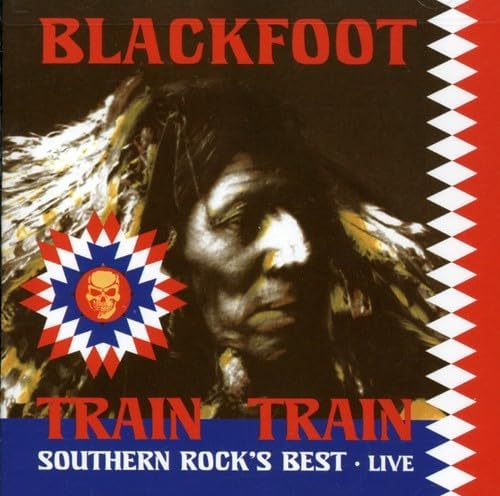
Well, I think this album is a very consistent album for me. I really like the cover of “Wishing Well”, and obviously “Train, Train”, and “Highway Song”.
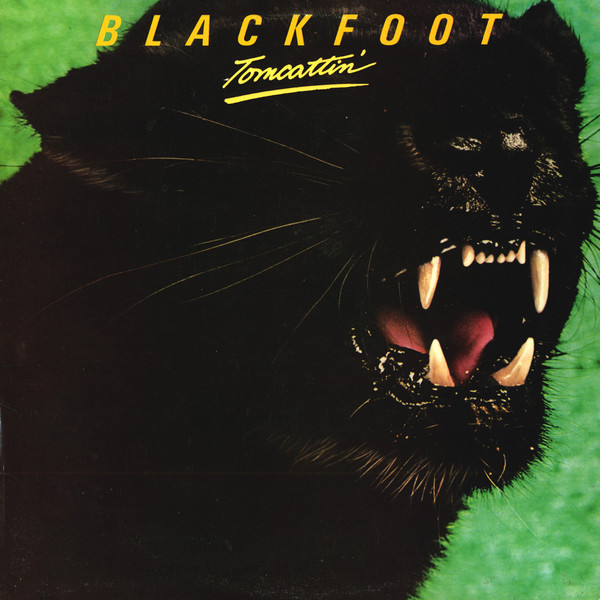
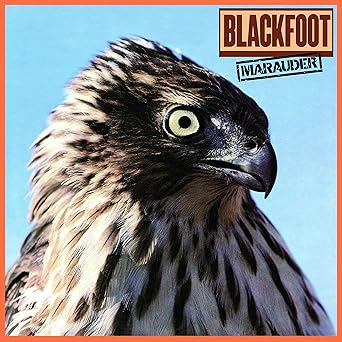
And then you did, like, these two albums, Marauder and Tomcattin’, which were both excellent albums, but they really didn’t kind of put you guys over the top.
No, they both went gold, but they didn’t have the sales that Strikes did. Tomcattin’, I love that record. That was like on steroids, so to speak. That’s a heavy record, and Europe really embraced it. They loved it over there.
You guys had a bigger following over there. Is that correct? Like, from the stuff I see in the UK press and that, from that time?
Yeah. I mean, there were periods that we may have done better over there, as opposed to over here, that we played here a lot more, of course. But we did a lot of tours over there. We did all the big festivals, you know, Reading and Donington, Monsters of Rock. And, we were playing with Deep Purple and ACDC, and we got to be friends that led to later tours over here. We played with AC/DC, a tour with Bon Scott. And then when Brian came in after Bon passed away, we did another tour with AC/DC. I love those guys. They still do what they do, and they do it great.
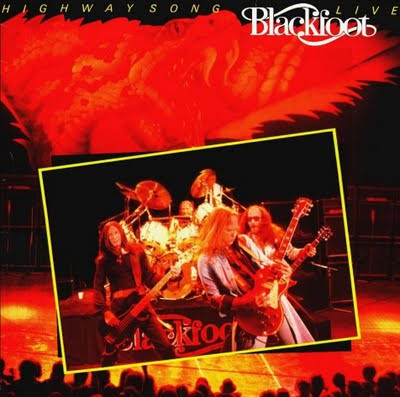
Now, this album (hold up Highway Song Live), I don’t think this one got released over here, the live album.
I think they released like 10,000 copies is all, which really upset us because it was a political thing going on with the Atco label in England, in London; a personal vendetta that I won’t go into. But they sent 10,000 copies over. That album would have sold great had it been released, and at the numbers that the others had, because everybody loved live albums at that time. That’s a blistering album.
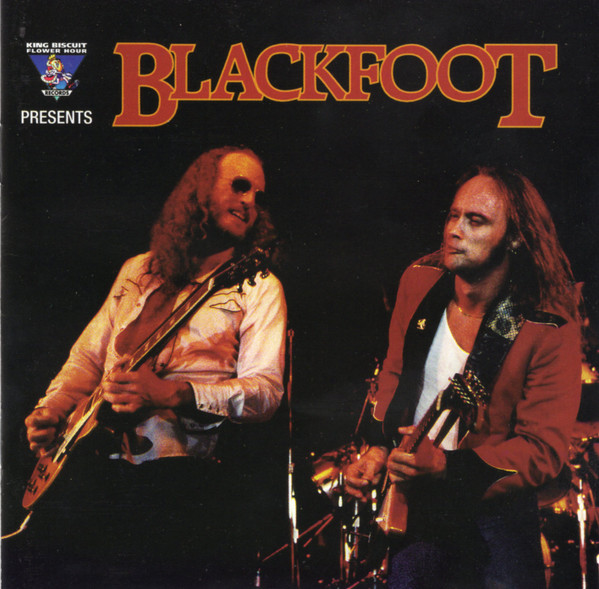
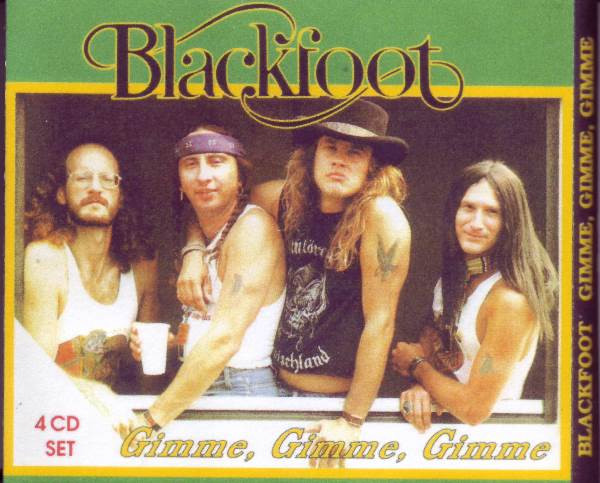
I have the King Biscuit Flower Hour one that came out years ago. I think that’s from ’84. And I have this (I hold up the 4-CD Gimme Gimme Gimme set), it’s a bootleg, but it’s got all the radio shows gathered on this.
Oh yeah. I don’t remember what’s on that, but yeah, I’ve got a copy of it.
It’s all gathered radio shows that you guys did over the years.
And some of the bootlegs, they look legitimate, but they’re really bootlegs.
So what changed as far as, you know, did you guys think you need to bring in a keyboard player or was it kind of the record company thought you needed one?
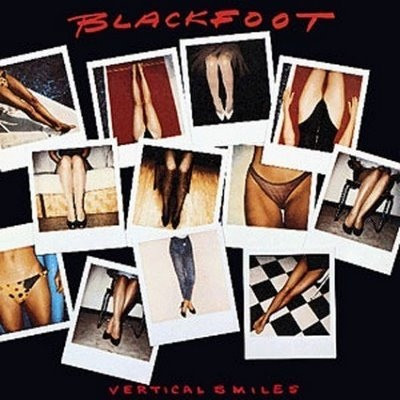
I think it was more from the record company at that time hair bands were gaining popularity. They started kind of taking over and it’s like, “You guys need to get with the modern era, change your hairstyle, change your stage clothing”. And I said, “We’re not going to wear a spandex. I can tell you.” (haha).. that was just not in our DNA. But yeah, it was grabbing at straws from the record company. And in the end, by the time we got to Vertical Smiles, that was a kiss of death, and we couldn’t do anything right in their opinion. So the album came out and just went to the bottom.
Did you initially think it was a good idea or do you think it was a bad idea from the start?
I know Jackson and I were not really in favor of a keyboard player, because we were a guitar driven band. But, you kind of get backed against the wall and it’s either “you got to do something or we’re not going to give you support”, you know, the record company. So we called John Lord and he said, “If you’d have called me two weeks ago, I would have been on the next plane to America…I just signed on with a new band called Whitesnake”. So then we got in touch with Ken Hensley and then he’s the one that came in. Ken was a brilliant musician, a hell of a cat to hang out with, very, very talented guy, played really great slide guitar, which I didn’t know until he joined the band. I said “My favorite Uriah Heep album was that one with the mirror on the front”. He said, “Look At Yourself” – “Man, that guitar playing is brilliant”. He goes, “Oh, thank you”. And I said, “What do you mean, thank you? He said, “That was me”. I said, “You played slide?” He said, “Every song that had slide, that was me”. So he turned out to be a real talent. He was a great vocalist, player. Yeah, he’s got the package. But he didn’t stay until the end. He left. You know, the band eventually broke up.
Have you ever heard the album Toe Fat, that he did?
Yes.
And then there’s an album called Weed. So, he did a lot of interesting stuff outside of Uriah Heep that was all guitar stuff.
He did.
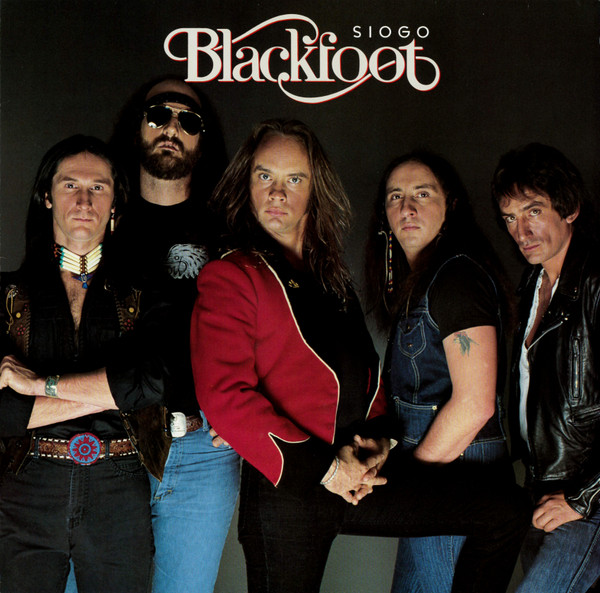
So now Siogo is one I really liked. I get that it steers away from the Southern rock sound, but it still has a lot of great commercial rock songs. “Teenage Idol” was good, but, kind of probably lyrically timely, for that era. “Heart’s Grown Cold”, “Crossfire” and the one that Ken brought in, “Send Me An Angel“. The one I really like is the track “Sail Away”. Do you remember that one?
Yeah.
Do you recall who came up with that (Sail Away), like the riff and how that song came about?
I kind of think that was Kenny’s original idea, that we built on… I think, I’m pretty sure.
Yeah, because I think it’s co-credited to a few of you guys on the album.
That’s when MTV really took hold of the business. Everybody was forced to do videos. So the hair-bands, they were younger and they adapted very well, but for us it looked cheesy. I mean, I look at those videos today and I just laugh. I’m like, Oh, my God! We’re musicians, not actors.
That video of “Teenage Idol” with Rickey just walking along, meeting people, and you guys didn’t come in til the end. (lol…Greg shakes head). But, I thought this was a great album.
And then, obviously you had this (Vertical Smiles), which kind of turned out to be a disaster. Did you guys get a lot of grief for the cover? (I hold up cover)
(laughs) I don’t remember now, it’s been so many years, why we came up with that cover. It was mostly our snapshots. And I know that the female part of Atco Records at the time when they saw that cover, oh, it made them so mad. They were like, “You male chauvinist pigs!” We were like, “it’s just an album cover”. Of course, the title, if you don’t figure it out, I guess you still live in a cave. but they got it. And…Yeah, that was the kiss of death.
And there was obviously a story behind the title for that one as well (Siogo).
Yeah, we won’t go into that. Our road crew came up with with that, and it was on their bus. They had a big cardboard thing in the front lounge of the bus that said S.I.O.G.O., but for each letter, there was a word below it. We laughed at it at the time, and it wound up being an album name. So Ricky was doing an interview one time and asking what it stood for. And he just didn’t even think he just spit it out. And why!? Oh, my God. You know, you couldn’t edit back then like you can now. But it is what it is.
I watched a clip from on YouTube this morning was a little video of you guys interviewed, all in the studio with Eddie Offord. It was MTV. It was like a three or four minute interview, and Ricky did most of the talking…So Charlie was there in the studio while you guys were doing Vertical Smiles. And he left at some point during that.
Yeah. Before it was finished he left. He was just kind of tired of the game, the politics. So, you know, Kenny was in the band and because Kenny played guitar, he couldn’t duplicate what Charlie did, of course, but he was good enough that we pulled it off. And it worked great. And then when Kenny left, we got Bobby Barth in the band from Axe. Bobby lives about four miles down the road from me now. So, you know, we had our hurdles, but we we kept going.
Now there’s some covers on this album, which I assume weren’t all your ideas, like the Peter Cetera song and stuff like that.
Yeah. See, that was that record company pressure because anything that record companies had the publishing on, they pushed out, because they had screwed the writers out of royalties, that was very common back then. We worked it up and we thought, OK, we we gave it a little bit of a harder edge, and I mean, it worked ok. We did it live. Yeah. And I don’t know if it helped or hurt, but that that whole album was different than what we had done up to that point.
I remember reading something from Rickey at the time (or shortly after) where he said there was three or four very heavy tracks that were removed. So I’m curious what you would recall of those songs and if they’ll ever surface?
They did not. The record company sent four of their top people down to the studio, Eddie Offord’s studio, which was an old movie theater. So they sat there in the front row. Eddie had these gigantic monitors, I mean, size of a bathroom. He had it cranked on 10. And those those guys and girls sat there and listened to the complete album, and they said, “Oh, my God, this this is a masterpiece…. You reinvented yourself…. It’s going to go straight to number one…It’s going to be a platinum selling record”. We’re all excited. So, we left the next day and said we’re going to take two weeks off, which we rarely ever did.
On the third day, Rickey calls and he said, “Are you sitting down?” And I said, “No”, “Sit down. I got something to tell you”. And I said, what? He goes “Atco just turned down side B”. And I said “What!? Three days ago they were raving about it”. So the people that were there went back to New York, and played it for the top brass, and they go “Oh no, we’ve got to replace side B.” So, that meant for us going back in the studio multiple times, doing 3 or 4 at a time. I’ve got a reel to reel tape here, it’s one of 2, and there’s 30-something songs on that tape, and the other’s got about the same. I can’t play it because it’s the quarter track tape, I think if I played it now it would just come apart. Nobody has those old machines anymore. So they got us going in, and at that point we were grasping at straws. We replaced side B with new material, and they finally agreed to it, and the record came out.
It’d be a shame if those tracks never came out, if there was a way they could come out. I think Rickey had mentioned 3 or 4 specific titles. After the band broke up, Rickey, obviously continued without you guys. You guys got the band back together without Rickey, after he’d joined Skynyrd. Was there anything you guys did with Bobby (Barth) during that time; that you recorded?
In the 90s, yeah Rickey had continued on and changed it to ‘Rickey Medlocke and Blackfoot’, but he was the only original member, of course, until he joined Skynyrd in ’96. In the meantime, Jackson got in to The Southern Rock All-Stars, Dave Hlubeck, and a couple of the ‘Hatchet guys in and out, and I did some shows with them, here and there. In 2004 I reformed Blackfoot with Jackson and Charlie, and that’s when we brought Bobby Barth in, on lead vocals and lead guitar. We did that for seven years; we had a great run. And then in 2011, on December 31st that ended. I said Ok, it’s time to put it to bed. But we got to resurrect it for seven years
Was it that ended mutually or was it Rickey that didn’t want it to keep going?
We had worked out an agreement for seven years, and we didn’t want to extend it, And Rickey wanted to revive it, his version, which he wound up doing, but he was not in the band, it was other players.
Yes, kind of bizarre.
Yeah, it is very bizarre. But it was a great seven years.
So, was there any recordings during that time? Did you go in the studio at all?
No. But we did a live record, for Cleopatra, actually. It was us, Molly Hatchet, and the Atlanta Rhythm Section, we, all 3 , did a full album, with video, and they released it. And that thing sold great! It was simply called ‘Blackfoot;, because we had the rights to use the name Blackfoot. And when we signed with Cleopatra this year for the record that’s coming out in a couple if weeks (the CD is already out), they said “we worked with you guys before”, and I said “you worked with me”. And Lance had worked with them too, with his solo stuff. So, that was a live record, it’s a great record, the video, the production; everything was first class.
(Dare I ask), Do you talk to Rickey at all still?
Not at all! He’s been doing his Skynyrd thing all these years. The last time I saw him was 2005, when Jackson was on a ventilator. He came to the hospital, and we caught up then, and talked, and I haven’t talked to him since. But I wish him well. I think he’s doing a great job and has had a great career with Skynyrd; I hope he stays with them another fifty years!
Is there anything, other than the Vertical Smiles tracks, that might be in the vaults, that you guys could ever discuss putting out?
We always had songs leftover, with the first record No Reservations, we always had six, seven, or eight songs leftover record after record. I don’t know where they are, or who’s got the masters. There’s probably enough for three full double sided albums worth of tracks. And it wasn’t like they’re throwaway tracks, we would do a lot of songs, and you kind of had to put all the titles in to a hat, and do like this (covers his eyes), reach in and grab a piece of paper. No real B songs at all.
Do you guys, Two Wolf ever play up this way?
We were in Syracuse a week and a half ago, at a place called ‘Sharky’s‘. It’s a big covered pavilion. It was in the 70s in the day, but when we got on by dark it had dropped to 55, so the tuning was bad (haha), the guitars were going out of tune. But it was beautiful up there; the leaves were turning, it’s was bright and sunny..
(we finish up talking of the band’s upcoming shows in North Carolina, south Florida, and I suggest that the band comes up across the border sometime, which Greg says he’d Love to!).
ACE FREHLEY was the original and legendary guitarist, who would come across as the coolest member of KISS. His passing yesterday came as a shock to many. Though not with Kiss since 1982, save for a few reunion tours and an album (late 90s), Ace remained in the spotlight , larger than life. Not the biggest writer while in the band during it’s first decade, he did come up with classics like “Cold Gin”, “Strange Ways”, and “Shock Me”. His 1978 solo album was the best (and highest seller) of the band members 4 solo solo albums released at the same time, featuring the hit single, his version of Russ Ballard’s “New York Groove”. But when he left the band in ‘8282, Frehley proved he wasn’t done, his album’s Frehley’s Comet and Second Sighting (as Frehley’s Comet), were as good as or Better than anything the band did in that decade without him. Surely songs like “Rock Soldiers” and “Insane” would’ve been standouts in Kiss’ 80s catalogue. While not busy recording in the 90s (like many older acts), Ace got more serious in the post-2000s. and while his former band gave up recording new material after 2012, Frehley picked it up, recording 6 albums since 2009’s Anomaly, and including 2 albums of cover songs. His last album was last year’s 10 000 Volts, which featured the title track and “Walkin’ On The Moon”. Heck, I’ve yet to pick that one up.
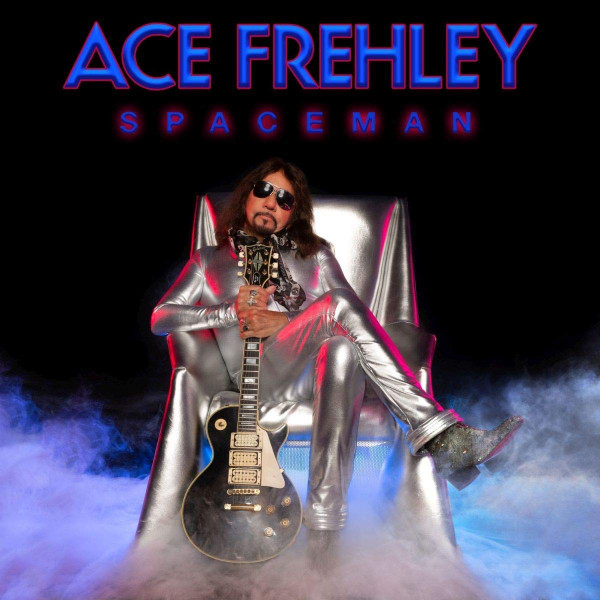
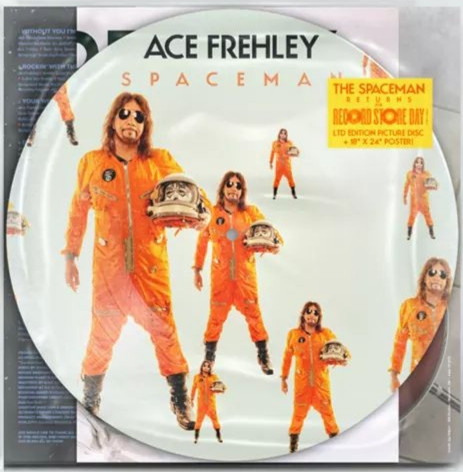
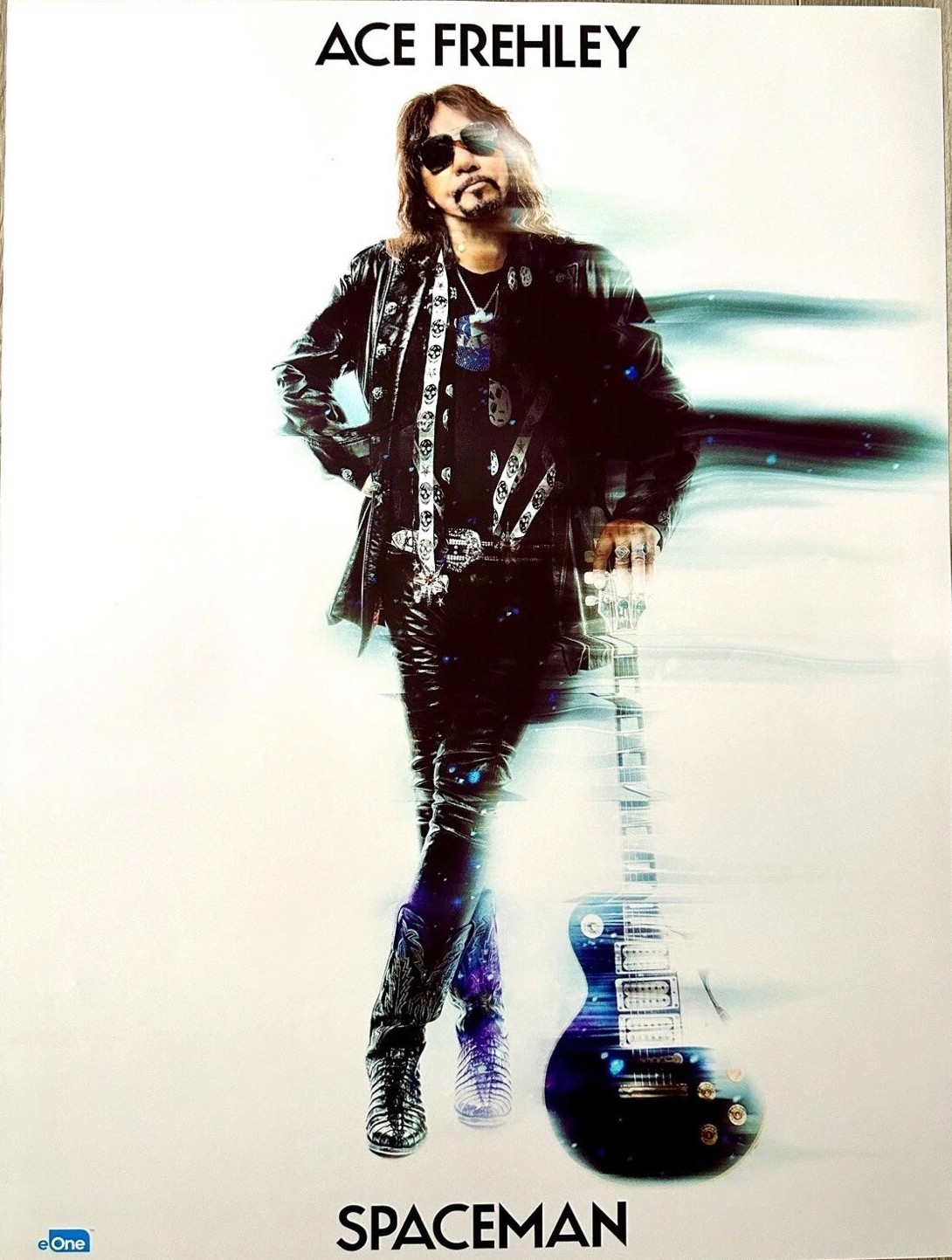
But, going through these this morning, I am picking 2018’s Spaceman. For me, I find Spaceman to be the most solid thing Ace recorded over the past few decades. And though I was never a fan of his vocals, it’s not too bad here, and suits these songs perfectly. Favorites include “Rockin With The Boys”, “Pursuit Of Rock And Roll” and ” Without You I’m Nothing” (co-written w/ Gene Simmons). Heck, I even liked Ace’s take of the Eddie Money hit “I Wanna Go Back”. This was a really good album, full of big riffs and solos, great sounding, and there’s no skip-over cuts for me! I did get the CD and the limited picture-disc LP at the time (Record Store Day, w/ poster).



 Outsider Rock