JOHN SLOMAN (Lone Star, Uriah Heep) has just released his 3rd book Rock Heaven , a novel . Rock Heaven is not autobiographical, according to John. “At the beginning of this year, I decided to adapt my original screenplay to a novel which is now currently available on Amazon under the title of my screenplay: ‘Rock Heaven’.”
John adds – “Rock Heaven was a screenplay I wrote in 2007. Had meetings with various producers who loved it. But the money never came. It’s about a rock musician…and a song titled ‘Rock Heaven’. But also much more. I wrote the title track, so at some point in the movie people would hear this song that’s referenced in the dialogue. It then occurred to me to write an entire soundtrack album. By now I was several years into this thing. I demoed the title track as well as all the other tracks for this soundtrack album at home. This time last year, I was in the process of writing what would’ve been my third book, when I decided to set it aside temporarily in favor of adapting Rock Heaven to a novel. My intention is to release Rock Heaven as a digital single, to provide a musical context for the book. If I receive some interest in my soundtrack album, I will consider releasing it at some point. For example, in the absence of a movie being made, I could release an audio version of Rock Heaven, which would include my ten songs.
Who knows, perhaps some film director scrolling on Amazon one night for an original story to bring to the screen might discover my novel, and my tale of woe becomes a movie after all.”
“At one point I adapted the screenplay as a 6-part TV series and sent it to a new production company based in Wales. Unfortunately, I didn’t even receive a response to my email, leaving me wondering if perhaps a Welsh writer basing a story around a Welsh musician wasn’t quite Welsh enough for a Welsh production company to be interested.”
ROCK HEAVEN is available on Amazon, at present (mine arrives tomorrow)
John also has resumed writing on the book he set aside for Rock Heaven, as well completing a new album to be released next spring.
Louis Deveroe is the resident music critic at a London based lifestyle magazine called XYZ Magazine and married to the much younger Gina. He should be happy. But the memory of that stinging rejection letter from Rolling Stone magazine all those years ago haunts him day and night – and he wishes he could find a story worthy of his superior writing ability so he can show those guys at Rolling Stone just how wrong they were. One night over dinner, his school teacher wife challenges her unfulfilled husband to change his life and pursue his dreams. And soon the story of a lifetime presents itself. But how far is Louis prepared to go in pursuit of that story? Would he smuggle a Class A drug into a psychiatric hospital in order to loosen the tongue of a disgraced rock star? Would he risk his life? There are three steps to Rock Heaven. But what is Rock Heaven? Where rock stars go when they die? Or where wannabes live in a medicated fog? The only one who really knows the answer is Louis…
Singer, songwriter, Danny Peyronel has a new solo album out. Peyronel is best known as keyboard player with The HEAVY METAL KIDS, followed by UFO, and later resurrected the HMKs as singer, and played with X-UFO. It Happens When You Look The Other Way contains 16 tracks. Check out the press info/bio below, as well as the videos from the album and links at the end.
DANNY PEYRONEL started making music as a pro while still a teen a million years ago, at the height of The Golden Age of Rock. He was a founder member of iconic London band the HEAVY METAL KIDS, who became yhr reference for the incipient Punk movement.
Moving on to legendary rockers UFO, he was their original keyboardist, writing songs that changed the band’s direction. He went on to write multi-million selling hits like ‘Midnight at the Lost and Found’ for MEAT LOAF, as well as others for DAVID GILMOUR, SADE and more. In the 80’s he became lead singer and frontman with his band TARZEN, and the 90’s saw him work with Desmond Child, writer of some of the biggest hits of BON JOVI, AEROSMITH & ALICE COOPER.
Back in Europe, he released his first solo album, ‘Make the Monkey Dance’, and resurrected the HEAVY METAL KIDS for their critically acclaimed swansong ‘Hit the Right Button’. More recently, his X-UFO released a powerful live album recorded at various European Festivals, ‘Vol.1: The Live Files’, followed by a studio record, ‘HOUSE of X’.
Now in Barcelona, Danny recorded his new album, ‘It Happens When You Look the Other Way’, with the help of David Pereira-Oleart, guitarist, producer and video creator, and featuring top local talent as well as life-long colleagues. The band, led by David Pereira-Oleart (Lipstick) on guitar and featuring young guitar prodigy Martin Buszano, Lakis Economou (Malcolm Bruce Band) on bass and Javi Rojano Reina (Amaro) on drums, is gearing up to present the new album throughout Europe and the Americas. Special guests stars will be featured nightly.
Hey folks, this is an interview I did with Peter Goalby on the occasion of his new archival album Don’t Think This Is Over. Kevin Julie has graciously accepted it for publication. It was a delightful, wide-ranging chat, but yes, if there’s any one thing I’d like you to gather from it, it’s that based on these songs, Peter should have been a big league songwriter to the stars, not to mention a famed vocalist past his well-graded run of three albums for Uriah Heep—enjoy!Martin Popoff
I guess to start with, why don’t you explain to me just a little bit, where these new tracks were recorded, like what sort of time period and what they were indicated for, I suppose. I mean, did you think you were going to end up in another major act kind of thing or were they going to be a solo album?
It’s exactly the same story as withEasy With The Heartaches andI Will Come Runnin’. After I left Heep, I tried various things to get back up there with the music scene. What happened was with the new album, which is obviously an old album, the songs are about 30 years old, just over 30 years old. And I signed a publishing contract and a recording deal with Rak Records in the UK; that’s Mickey Most. He was known for all the pop stuff, you know, Suzy Quatro, Mud, Hot Chocolate, all that kind of malarkey. Anyway, I signed with Mickey and we did we did two singles – both failed. But whilst I was under contract, I was on the publishing side of things, I was writing songs; that’s what I’ve always done, I’ve always written songs. And there was a falling out. He let me out of my contract. There was supposed to be an album. In fact, he did go over to America to sort me a record deal. And the story I got back from the people in the offices at the publishing company was he was offered a deal for me, an album deal, but they couldn’t or he wouldn’t agree with the terms. In other words, he wanted a lot more percentage than they were willing to give. And so, he walked away. Martin, that’s the story I got. So, the whole thing fell apart and that was the end of it. And I hand on heart, I totally, because I moved on, I was looking at other things as well. And those songs just got forgotten. And the reason that they reappeared is because the people that are looking after me now went to Rak Records and they said, would they consider releasing the songs? In other words, reverting the songs back to me, the copyrights, because they haven’t kept their side of the bargain. The publishing side of the contract was they would endeavor to try and get covers on my songs, from other artists, which they never did. So no, it was it’s called ‘non exploitation’. It’s in the contract that’s in my favor. In other words, if you don’t roll your sleeves up and do the job, the songs will revert back to the artists. So, it was absolute joy when Daniel Earnshaw told me these songs now belong back to Peter Goalby. I couldn’t even hum you a melody of one of them. I hadn’t got a clue. I mean, I’ve written a lot of songs anyway. I got an email and which said there’s a DAT been found in the offices at because RAK was sold and that whilst they were clearing everything out, there was a DAT and it hadn’t got a name on it. But somebody recognized some of the titles to be my songs. And in all honesty, I didn’t get very excited because I’ve heard all these stories and been there so many times before. But…I played the first song and I was absolutely delighted, I thought, my God, this is good. And then I played the second song and I thought. This is really good. After the third song, I thought, I don’t believe this. And I looked up to the sky and I said, thank you, God. I got my songs back, and not only did I get my songs back – they’re really good! I believe them to be very good songs. And for the time, if you look back and think of the late 80s when I wrote them and recorded them, and they still stand up today. We’ve done a lot of overdubbing. We put some good guitar work on there. And there it is – “Don’t Think This Is Over”. I’m absolutely thrilled with it, Martin.
Yeah, they are very solid songs. And you would think these could be absolute smash hits. How would you describe this kind of music if you were going to put on your rock critic hat? How would you describe these songs?
To be totally truthful, because it was what you got to remember, if you go wind the back, Easy With The Heartaches and I Will Come Running – All those songs would have been written anyway, whether I was in Uriah Heep or not in Uriah Heep. And most of those songs would have ended up, as I believe most of the songs or some of the songs, on the new album would have been treated differently because Mickey and the guys would have recorded them a lot heavier. A lot heavier. I mean, if you look back when we did, for instance, Bryan Adams “Lonely Nights”, it’s a pop song. But if you if you get the right players playing the song, it takes on a new meaning. I totally believe that I automatically write commercial songs. I can’t get away from the fact that I started off in a cover band singing everything from “My Way” to all the pop songs of the day when I was 17, 18 years old. And so I naturally write with introductions, with verses, with chorus, with middle eight, what I call a proper song. And part of the magic, and a lot of the magic that we had with Uriah Heep was. I would take a song, for instance “Too Scared To Run”, and I wrote “Too Scared To Run” two years before I joined Uriah Heep, but when I joined Uriah Heep and I did my audition, and I don’t know whether you know the story (?) – I’d already auditioned the year before, and it didn’t work out. Anyway, the second time around, when we were in rehearsals, I said, why don’t we try a song from scratch? In other words, I can sing “Gypsy”, I can sing “Easy Livin’”; I can sing pretty much all the stuff that they’ve done, we did it. So, we all started at the same place. And they automatically played “Too Scared To Run” in a lot heavier vein. And so I believe, the stuff on this album that’s coming out now, as we speak, it’s AOR. That’s what I think it is.
Were any of these (on the new album) worked up with the band? Were any of these put through the paces with the band, towards the tail end, say Equator, were any of these ever put through the paces by the band?
No. All of these songs were written after I left Uriah Heep. There’s nothing… I wrote “Blood Red Roses” for Mickey after I left. He phoned me up and he said, “We’re doing a new album. Have you got anything that would suit?” And to be totally truthful, I hadn’t at the time. But within about three or four days, I consciously sat down and I thought if I was still in the band, what would I like to put forward as a song? So, I wrote “Blood Red Roses”. But everything on this – my third solo album now, and every song that is on these three albums were written after I left Uriah Heep.
Did you have any interaction with Ozzy on losing or gaining Bob Daisley?
No, not at all. I didn’t know Bob previously, so there wasn’t really a relationship outside of the band, if you know what I mean. But Bob’s great. Absolutely fantastic. I love him dearly. And him and Lee were just fantastic. But going full circle, that’s what the point I was trying to make about 10 minutes ago. It’s because people like Bob and Lee and also John Sinclair and Mick, they think in a heavier vein than I write. And I think the magic that we had was because of what I do is a bit poppy in construction wise – and what they do is heavy. And the two meet, and then you end up with a song like “Too Scared To Run”. I could play you the original version of “Too Scared To Run”, and it’s nowhere near as punchy and as heavy. It’s exactly the same; It’s exactly the same words. It’s the same melody. It’s the same guitar riff. But it’s the way that these rock players, the professional, what I call ‘rock players’; it’s the way they interpret the song. I think that’s what the winning formula was. Definitely.
If Bob, Lee, Mickey and John had worked on the songs on this new album, they would have been a lot heavier. I mean, this album is a bit heavier than my last two in that there’s not so many keyboards on this album. Mickey loves the new album. In fact, I sent Mickey “Sound Of A Nation”, one of the tracks, because I could picture him doing it. not in the exactly the way that I’ve done it, but again, a far heavier version, like a rock anthem.
I knew Ozzy quite well. I’ll tell you a story about Ozzy because at the time we were doing Head First and Bob was splitting between us and Ozzy’s Blizzard of Ozz. And he was in the band, then he was out of the band. And the one day we were in the studio with Ashley Howe and I’d just done the vocal on “The Other Side Of Midnight”, from Head First. In walks Ozzy absolutely out of his tree, drunk with Bob. Bob was practically holding him up. And I’ve met Ozzy before and. They sat down and Ozzy had got a bottle of whiskey in his hand he’d walked in with. Well, I say a bottle of whiskey, about a half a bottle of whiskey, because half had gone. They sat down and I’d finished the vocal, and Ashley was playing it back and fiddling with something. I don’t can’t remember what he was doing, but he played” The Other Side Of Midnight”, and at the end Ashley pretended that it was a guide vocal. And Ozzy said, Fucking Hell! That’s a fucking guide vocal? I can picture him saying it right now. It wasn’t, it was the actual master vocal, and it was a fabulous vocal. And he took a swig of the whiskey. And, you know, like in the cowboy films and they take a swig and they screw the face up and say, “Oh God”(?) And he said, I hate this. I said, What!? He said, I hate drinking this stuff. I said, Well, why do you drink it? Then he said, I love what it does to me.
Was Ashley part of the heaviness because Abominog is recorded pretty harshly, right? It’s really exciting and visceral and distorted. What did he do to make that album sound as heavy as it did?
I think each member of the band would discuss the sound – like Bob, Ashley would say, I’m going to get you a good bass sound. So, Ashley would get the bass sound for Bob and said, Bob, what do you think? And Bob would say, yeah or nay. And in fact, another very quick story on Head First on “The Other Side Of Midnight”, you’ll notice the bass is quite actually too loud that was because Bob was in the studio when Ashley mixed the song. And when he was doing when he was doing the final mix, Bob leapt up from the seat and just pushed the fader up on the bass. He said, turn the bass up. It was a team effort, Martin. I mean, Abominog and Head First were both team efforts. There was just a great atmosphere. There I say there was no leader, Mickey Box is a born leader, but he doesn’t know it and he doesn’t show it – If that makes any sense to you. He doesn’t rule with a rod of iron, but he just suggests, well, what if we and let’s try it like this or whatever. But as I was saying, had the Heep lineup played this album, the songs would still be the same songs, but the solos would be heavier. The bass line would be. I mean, it’s a drum machine on a few of the tracks that wouldn’t be there, obviously. You’d have Lee thundering through. And if we were at a rehearsal, Bob and Lee would lay the scaffolding down and it would be a far heavier scaffolding than what’s on my album.
Peter on stage, 1981, photo Lynn Everett
It could be a nice story that two or three of these show up on the next Heep album and it gives everybody something to talk about.
Yeah. I mean, the reaction to the album…I’m bound to say this anyway, but hand on heart again, I’m absolutely gobsmacked. People really do get it! John Sinclair iiplayed on “I Don’t Want to Fight”, In fact, John rearranged “I Don’t Want to Fight” for me. It captures the time. “Heart What Heart”, it sounds ridiculous, but I wanted to write a song… My favorite singer in the whole world is Dusty Springfield. Somebody told me that Ian Gillan (?), (another singer?), Dusty Springfield is their favorite singer as well. I can’t remember who it was…It was somebody out of a big band.
Ian might’ve said that…
And I was absolutely thrilled to think, well, it’s not just me.
How about did to what extent did Bob Daisley write any of the lyrics through those Heep albums?
Bob played a big part of the writing of the lyrics of the album. I wrote that it was Bob and I. OK. No one else. We wouldn’t let anybody else touch. The thing is, at the end of the day, Martin, I’ve got to sing those words. And Bob and I would sit down together in a quiet room and we’d work, work on the song together. As I say, it’s me that has to stand there and sell the words. So, it was me and Bob.
Any interesting stories of how you picked any of these cover versions on the album, the Russ Ballard song or…
Totally down to Ashley. Ashley had got a nest of songs, even before I joined the band. Ashley was such a massive part of Abominog. It was almost as though it was his baby. He obviously had plans even before I joined. Whoever had gone into the singing seat, I think it would have still ended up exactly the same. The band were under a lot of pressure. I don’t know whether I should tell you this, but obviously you want to hear it….when I’ve told it anyway. Mickey was given a whole bunch of money for Abominog. I mean, at that point, it was just the next album.
He had to put the band together. He had to sort the whole thing out. And a lot of the record advance had been already been spent when I joined. And so, we were in a bit of a dire straits situation, which nearly spent all the money. And we hadn’t even started the album. We were under a lot of pressure.
What were you paying for, like paying flat sums to the new members or..?
Yeah, and the rehearsals and the gear and all that. And to be fair, there are probably a lot of bad stories about Gerry Bron. But to be fair, as Mickey always pointed out, Gerry Bron always put his money where his mouth was. They never wanted for anything. So anyway, there was a lot of money being spent, and they hadn’t even got a full band together. He got Lee and Bob and then he got John. When they asked me to join, I was going to America with Trapeze at the time. And I said I was flattered, and I would jump at the job. But the problem was I’ve got to go to America for six weeks. I thought they’ll find a singer easily, but I went to America for six weeks, and before I went, I said, if you hadn’t found anybody, I would come down and rehearse and see if we could make it work. When I came back from America, I’d been back a couple of weeks and Ashley phoned me, and he said, “Do you want this fucking job or not?” That’s exactly what he said to me. Yeah. And I said, “sorry, but I thought you’d buy now you would have found a singer”. And he said No. Do you know they auditioned 84 singers!? It’s a fact. I’m not lying. Ask Mickey. They auditioned 84 singers! But, all of this time was going by, and Mickey was spending more and more money trying to hold the thing together. So, when we finally got a line up, when I actually joined the band, we were under so much pressure to do an album for Gerry Bron to recoup some of his money. Had had we been given the time to write more songs there would have been less covers. But to be truthful, Ashley and Gerry Bron had a vision, had a picture of making the band more commercial. So, we were on a bit of a loser because everything that we wrote. Gerry would say No. too heavy. And Ashley would be saying, “I’ve got this song …this would be perfect”. So I think between Gerry and Ashley, they steered us in the direction of a lot more commerciality. They wanted us to go to America and sell the band in America. Gerry and Ashley were a massive influence on not only picking the songs, but the whole direction of it all.
To what extent was anybody in the band aware or inspired of this great New Wave of British Heavy Metal movement around you and how you guys could fit inside of that?
Consciously, no, because we were automatically part of it. I remember when I first started rehearsing with the band, I used to stand there, Martin, and I’d think, wow, let’s just listen to this. It was just fantastic. And the band naturally played in the direction of what was becoming very fashionable. Again, I keep mentioning Ashley’s name; Ashley was such a big part of it all, but obviously the actual playing was down to the players. And I think we were all influenced consciously or subconsciously just by standing next to a jukebox in the pub, and you’re listening to Bon Jovi coming on and all the all these different bands. We used to do a lot of festivals and with Lemmy and Motorhead and all those guys. So, I think it just rubs off. I don’t think it was a conscious effort at all.
Looking back, I don’t think we purposely said we want to try and sound like this. Ashley might have thought that, and Ashley might have pushed it a little bit, to the way that he and Gerry wanted things to turn out. But we just played what we played. I was very proud of what they did to my songs, because there was “Too Scared To Run” and “Chasing Shadows” were my songs. It’s just the way that they played them.
Absolutely. What else would be a favorite of a Heep original on here and why?
“Think It Over”. I love that song. I didn’t know that already bloody recorded it. No one told me. I didn’t know, but they’d recorded it a year before with John Sloman. I thought it was just Ashley bringing in another cover. I love “Prisoner”. What I do get an absolute fantastic buzz from is when I, if I go on onto YouTube and put on one of those songs on and see the comments that people have put underneath. And they get it. And it really touches me that people get what we were doing.
It’s interesting. I like what you said about Ashley. I mean, the covers fit perfectly. And then if they’re steering you a little bit to, you’re less all-out heavy metal originals, that now melds with the covers and then there’s a couple pretty heavy songs on there still. So, you’ve got this nice range where it’s and we know the UK, and Kerrang, they love their AOR music, their American influence music. And then obviously there’s going to be a big hair-metal explosion soon. So, this is like a perfect proto-setup for that big hair metal explosion kind of…
As I say, direction-wise, we were just playing the way that we played. If we were pushed at all, it was Ashley that was pushing. He had a picture; he had a vision for this album. He wanted to take the band out of the 70s and put the band into the 80s.
Did you guys talk about the album cover?
Oh no, I Hate it. Absolutely.
What did everybody say about it, and how did the dialog go to come up with that?
I think we were all too polite to say, it’s yuck. I think what happened was because of Bob and Lee, and because of Bob and Lee’s background with Ozzy, the people that were doing the artwork for the album probably…I wonder, in all honesty, whether they actually listened to any of the songs, because I don’t think they did. Because if I was an artist, doing an album sleeve, I’d listen to the songs, and I wouldn’t come up with that picture. Would you?
Exactly. And how about the title? Where does the title come from?
Bob Daisley, I think it started off with ‘Abomination’, and it was taken from there. Maybe what went wrong was Bob did the title, and then the people looked at each other over the table and said, What picture can we put with this!? But to be fair, we were all too polite. Nobody would stand up and say, “Well, I don’t like it”. They’d say What do you think? Well, it’s okay. We were more interested in the music. I certainly had no say at all in the sleeve. And I think pretty much everybody in the band were in the same situation. I think it was just presented and we thought, well, yeah, we’ll go with that, not knowing that in a lot of areas, it probably did us a lot of damage, because a lot of people would look at that sleeve and think and run a mile. They’d run away and say, no, no, no; they would have this vision of some death metal band, which “Prisoner” and “The Way That It Is” certainly aren’t (haha). To be fair, it sort of worked against us, but it also worked for us, because here we are today, 40 years later, or whatever it is, and we’re still talking about the sleeve,
I think it gave you guys an extra little link to the New Wave of British Heavy Metal. You’re part of this trend that’s, going strong for three or four years?
Yeah.
What is that story of your interaction with Rainbow?
Well, I’ve never told the story, and really for two reasons. One, because I was embarrassed. I’ll tell you the story briefly, and at the end of it all, I felt that I’d failed, and it wasn’t something that I really wanted to talk about Martin because it hurt. I was with Trapeze, and I was sat in my apartment, (or my flat) at home, and the phone rang, and the voice on the other end said, Is that Pete? And I said, Yes. He said, Pete, this is Richie Blackmore. And I said, Fuck off. Who is it? And I tell you I thought it was; do you know John Thomas of Budgie?
Yeah…
I thought, because we all knew each other, and we’re all from the Midlands. I said, Fuck off, John. He said it’s Ritchie Blackmore. I was given your name, and he told me who, somebody given him my name and my phone number. And then I thought, Oh shit, it is Rittchie Blackmore.’ He said, the reason I’m calling you, I’ve heard a lot about you. A lot of people are talking about you with the stuff that you’ve been doing with Trapeze. He said, Would you be interested in joining my band, Rainbow? And I nearly fell off the chair! And I said, Yeah, I would. Things weren’t going very well with Trapeze, which is another story, (but we haven’t got time for that). We had a five minute chat, and he said, Have you got anything you can play to me? And I said, What now? And he said, Yeah. I said, Over the phone?, and he said, Yeah. I said, We’ve just finished the Trapeze album called Hold On. And I said, I’ll play one of the tracks off that album. On the Hold On album there’s a fantastic song. (I didn’t write it Mel Galley wrote it) it’s called “Don’t Break My Heart Again”. And the song comes in two sections, there’s like a slow, bluesy section, and then it goes into the proper rock version of the song. I said, I’ll play this song, I put the album on, and I put the phone to the speaker, and the song is six minutes long, and I thought, by the time it’s finished, he’s probably gone. At the end of the song, he was still there. And he said, Would you like to come to New York? And I said, Yeah. When?, he said Tomorrow? I went to New York. ..I’ll have to speed it up, because we’ll be here five hours, because I was actually in the band for two months, I never told anyone…Well, they never told anyone. Anyway, I went to Connecticut and rehearsed with the band… And the bottom line was, I got the job. I was told to go home, and Bruce Payne, who’s the manager, would call me, which he did. I was on the payroll. To me, that means I’m in the band. I went to Roger Glover’s house. We did a demo of “Since You’ve Been Gone”. I can’t remember the time frame, but I think it’s over a couple of months. And then we went to Geneva to start recording Down To Earth. Okay? We arrived there and spent a few days doing nothing. And to cut a long story short, one night, about 11 o’clock, somebody came to say, Ritchie wants to rehearse now. And so I thought, Well, what are we going to rehearse? I didn’t even know what we were going to rehearse anyway. Anyway, that was the way he worked. He spent three or four days in the bedroom coming up with ideas, and then he’d bring it to the rehearsal. I found it all very bizarre in that we went down into the rehearsal room, and they all just started playing and expecting me to start singing. And I thought What(?) I’d never worked like that before Martin. I would learn a song or sit down with an acoustic guitar and go through a song and say yeah, yeah, yeah, and learn it that way. Apparently, I didn’t know at the time, but I’ve learned that since they just expected me to make something up on the spot. And I can remember Don Airey looking at me and laughing and mouthing as though he was singing, and he was saying to me, just sing anything. He was trying to help me. Martin. And I thought, How bizarre!? So, I started coming out with something from The Exorcist (haha). I mean, no melody, and no idea how the song is supposed to go. Not even time to sit down and think, it was just start singing, just do something – which I did, and I felt absolutely stupid doing it. We did that for, I can’t remember how long(?) And it could have been an hour, it could have been two hours, I don’t know… Anyway, the next morning there was a terrible atmosphere. And Roger Glover came to me and said, Ritchie’s not happy. and I said, Well, I’m not happy either. I said, I don’t know what he wants…I can’t work like this. I haven’t got a clue what you want me to do. And at that point, Roger said, You’re fired!
That is ridiculous. Like, just a little bit of warning, a little bit ‘Okay, this is how we’re going to do this’. It would have solved everything, right? You’re just blindsided..stupid. (PG -Yeah) I can understand what they’re doing, they’re looking for a vocal melody or whatever, and you’re just supposed to scat over it or whatever…
What he didn’t realize was, I can write songs. The way that I put things together is I put a framework up and I get an idea. I totally get if Ritchie plays a riff, but you don’t need the whole band blowing the roof off for me to try and think of a melody. You sit in a bedroom. I can do all that all my life. I’ve written a few songs.
And what hour was this? What time was this?
Oh, 11-12, o’clock at night.
And you’re in Geneva. Is this like Mountain Studios or…?
No. It’s a chateau, with a drawbridge, moat, castle – the whole shooting match. We’ve got Jethro Tull’s mobile studio outside. We’re there to make an album. And not one of us knew what the fuck we were doing.
What a story! That’s ridiculous.
So, the day before I was fired, to pass the time away. I used to have a go on Don Airey’s Hammond organ. I can’t play, but I can put things together, and I’d work it out. I’d got an idea for a song, funnily enough… Anyway, when Roger said to me, You’re fired. I said, Why can’t Ritchie fire me? And do you know what he said? what he said was Before you go. can I give you a message(?) Ritchie said, “Do you know that riff you were playing on the Hammond organ? Could you show Don before you go?”
Unbelievable! So crazy. That’s just so rock and roll, right!? It’s like you’ve got these employees, just give them a little bit of guidance…Just give them a little bit of encouragement of how this is going to go, right!? You may hear from me at 11 o’clock tonight, or whatever, anything, right!?
Yeah. I mean, I haven’t gone into the other all the details. I’m just telling you a part of it. I’m not telling tales, I’m telling the truth. And part of the reason why I’ve told the story now is because somebody asked me. Nobody has ever asked me, what happened. So, I don’t mention it. “Oh Peter’s embarrassed. We don’t want to upset Peter”… And I had to come home and tell my wife, I’d been fired, and it broke my heart. I honestly don’t believe I was treated very fairly. I can sing for fuck’s sake, I’m a singer. I didn’t go for the job with Rainbow, Rainbow came to me.
And you’re a writer, and you’re a writer!
Yeah, but I’d never worked like that. I know that the likes of Aerosmith, Steve does that kind of thing, they write in that fashion. Somebody will come up with a riff,
But their nightmare story is they have to do that because Steven will do the lyrics at the very last minute, and they’re just trying to get the lyrics out of him. So that’s really problem there. That’s one of the reasons they keep fighting and breaking up all the time, and albums never happen, is because they can’t get the lyrics out of Steven.
So, to me, it was, it was like me landing on another planet…with the best intention.
I don’t want to keep you forever…
Do you want me to sing you a song!? (LOL)
What was the environment making Head First? And what is your feeling of that album versus Abominog?
I love both albums. The biggest mistake we made or in the four five years that I was with the band is changing producer. I don’t get that to this day. I just don’t get why we didn’t use Ashley. It was madness.
You mean on Equator!?
Abominog and Head First were like brother and sister. Just stop and think for one second, the way Ashley recorded, and the way those two albums sounded. Now, picture the songs on Equator, but recorded in the same way, they would have been fantastic. I wrote Equator. I wrote practically every song on there. I get if you don’t like the songs, I have to take the blame. But I’m not taking any blame, because if you go on YouTube, there’s some live stuff, there’s some live versions of some of those songs from the album, and Martin they’re good. They’re plenty good. But it was the whole way the record was recorded. The sound of the album is foul. I can’t even listen to it. And that was one of the main reasons why I left the band. I was so upset and disgusted with the whole… I mean to be fair to Tony Platt, Tony to this day, hand on heart, swears that’s not his mix. He believes that they lost the final mix to the album, and somebody did a very quick mix of the album. Now, I don’t know. I’m embarrassed by the album, not by the songs. I do believe that most of the songs would have been absolutely bang in line with what we’ve already done on the first two albums, had we had the same producer. And as I say, it’s just such a disappointment that Equator, it just sounds bad.
The sessions were fine. You got along with Tony through the recording?
I got on great, absolutely great. But at the end of the day, firstly, it sounds like it’s in mono. I don’t get that. Why would you do an album in mono? And Tony said he wanted to sound the band to sound authentic, like they would live. That’s complete bollocks. Why would you not want to make an album in stereo!? And, why would you absolutely drench everything in reverb? We’re not Def Leppard, Def Leppard is Def Leppard, Uriah Heep. Is Uriah Heep, I don’t want to beat Tony Platt up. I really don’t, but I just don’t get why that the album sounded so bad. But as I say, as far as the songs are concerned, I have to take pretty much most of the blame, because I wrote them (haha). Okay, I’ve got pretty much all the songs written. John Sinclair and I went and hired a cottage, and just John and I put the songs together and moved keys around, and did all this, that and the other. And then we took pretty much the whole album to rehearsals. Everybody in the band was, well happy with the material. Nobody said, Well, we don’t like this, or we don’t want to record that, or why don’t we record one of my songs!? Or we’re recording too many Goalby songs. Everything was fine. It’s all on paper, it all worked, but by the time we came out of the studio, it didn’t sound anything like what we thought it was going to sound like. But it was too late, as I say. Apart from the fact that we were working too much, too many gigs, that was one of the reasons why I thought I can’t do this. There’s got to be something better, and to be totally truthful, when I left, I honestly thought that I would walk into another gig, and the phone never rang. And it took me about 12 months to realize the phone never rang because the story was put out that my voice had gone my voice never fucking went anywhere. I lost my voice in Australia. I got laryngitis. When you nothing comes out, just air. I got that, and the doctors made me have four days off. And in the four days off, I wasn’t allowed to speak. And in those four days I thought, I’m not going to do this anymore. So, when I left the band, firstly, they didn’t believe me. I can remember Lee, Lee said, Oh, come on, we’re going to Russia soon. I said, I’m not fucking going to Russia. I’m not going and they thought I was just going through a bit of, you know, at the time, we didn’t know what it was, but I did have mental health problems. I have to put my hand in the air, because after I left the band, I did have a bit of a breakdown. But I think that was partly, because my whole world had fallen apart. But I couldn’t continue doing what I was doing in the way that we were doing it… So anyway, I’m going backwards.
So, did you tour Equator a fair bit?
We did some dates in America. We did a few dates in England, and live the material went down great. That wasn’t the problem.
Where did that title come from? Or where did Head First come from?
I think Head First came from Bob. Equator,i t may have come from John(?) I can’t remember, to tell you the truth.
I like it. It’s a cool title..
Some people don’t like it.
The album cover’s all right, too.
Again, we got a lot of snip, because the album sleeve was shit. I don’t think it was shit. It depends what you’re looking for.
Head First is a little more high-fidelity than Abominog, and you went to the Manor for that, right!? Any good stories about working at the manor versus the Roundhouse?
Well, the Manor was a far, far better environment. The problem with the Roundhouse was because Gerry Bron was the manager, and because Gerry Bron was the record company, and because Gerry Bron owned the studio, every time Ashley did a mix of a song. Gerry would say, No, mix it again, because every hour that we spent in the studio, guess who was getting the money? Gerry Bron! So, what started off that might have cost 60,000 pounds, because he got Ashley to remix the album about four or five times (lol), it cost’ about 150000 pounds! So, we were well pleased to get out of the Roundhouse. Again, to be fair that was down to Ashley. Ashley refused to work at the Roundhouse because he knew what the problem that we’ve got, Gerry Bron would have a so far in debt that would never make any royalties. But the Manor was a far, far better situation. I loved it. Absolutely loved it.
That’s right. If he’s getting paid for everything, no matter what advance he gives you, he’s going to recoup. It’s like he’s just paying himself, right?
Yeah! And then after Abominog was a big success and sold. I mean, you might know better than I. I haven’t even got a clue how many albums we sold. We were never told. I know it was a lot. And you know what Martin!? never got a penny.
Wow! If I was to guess, just estimate, off the top of my head, I bet this went over 250,000 in the States. I bet you could add another three to 400,000 in Europe, you know, mainland Europe and UK.
That’s the exact number – 700,000; that’s the exact number that I’ve got on my gold disc on my wall. But I guess that. I didn’t get the gold to pay for it. I paid for it myself.
I think that number sounds sensible.
Yeah. It could have been more. It could have been more.
Yeah…Japan, maybe 50…
And we never received a penny. He put Bronze into liquidation. Because…not just us, he had Motorhead, Manfred Mann, he had quite a few acts on there, and he used the record company money to start his Airline, and that went through the floor. And so, nobody got paid. So, from Abominog and Head First, none of us got any money.
Who did you tour with for these records?
In Europe it was always the same team. We’d go and do festivals nearly every weekend, nearly every weekend we’d be in one European country or another. There’d be Ian Gillan was solo at that point. Gillan would be on the bill Motorhead. Gary Moore, anybody that was successful at the time. And then in America, Judas Priest, I mean, the Mickey and the boys are still touring with Judas Priest to this day. Joe and the boys, Def Leppard, that was great. That was a fantastic time for us when we toured with Def Leppard. Just wonderful, wonderful people. When we were doing the stadiums in America with Def Leppard, and when we’d have our soundcheck in the afternoon, they would be playing football in the auditorium, and Joe used to walk up to the stage and say, Play The Wizard, Pete! They were big fans of Heep, the early Heep stuff like “Gypsy” and “Easy Livin’”, and all that. We got on great. We used to do the radio interviews in the afternoon, and Joe and I, or Phil and I would travel in a taxi together; we were just like family. It was just fantastic. We did the Texas Jam… Funny enough, we did, I did, I think it was 81 or 82, with Trapeze, and a year later I did it with Uriah Heep. And so there were all sorts of bands on there. One story that I like telling in Europe, we were always headlining. And the one festival that we did, it was from all day Saturday and Saturday evening, and all-day Sunday. And we’d played somewhere on the Saturday night, we drove through the night to the town where the festival was, and we got into the hotel about seven in the morning. At about 10 o’clock in the morning, I was woken up by this guitar-riff. And you remember “Radar, Love”, by Golden Earring(!?) You know the guitar at the beginning? I was fast asleep in the hotel, and it felt like the walls were shaking. The festival had started. They were first on it was about half past 10 in the morning, and I was lying in the hotel bed thinking, fucking hell! And you know what I thought, Martin, I’ve made it! I’m listening to Golden Earring live, and I’m not on until half past 10 tonight. And I just felt so proud.
It’s just always stuck in my mind. But as I say, I loved being in the band, but I hated all the rest of the stuff that went with it. To tell you the truth, I hated traveling.
Was that laryngitis, you say Australia, were you in the middle of a tour?
Yeah. We’d done Australia the year before, and we’d done really, really well. We did loads of television shows out there, and we did something like 30 live shows, yeah. And then a year later, our manager said, We’re sending you to Australia. And I said, I don’t want to go, because I saw the dates. I saw the dates. There were 42, shows in 36 days. 42 shows in 36 days. (Wow). I complained and complained and complained, and I actually said to the manager, Harry Maloney. If you send me to Australia, I’m going to quit. I’d already had enough, because this is Equator, remember all the shit going on with Equator. Anyway, they sent me to Australia. We were about to two-thirds of the way through the tour and Lee Kerslake took me fishing, sea fishing one afternoon, and whether it was the sea-air, I don’t know what it was, but I came from fishing into the gig, to the soundcheck, and I started singing, Martin, and nothing came out. I’d got no control over it whatsoever. And I thought, I’m in trouble.
How do they not know that you can’t put a lead singer through that?
Well, it’s the old story, you know, maximum three on – one off. Maximum! My world record is 16 back to back. I stood in the Hamburg Hilton with Gary Moore, and he came up behind me and kneed me in the back of my leg on it, you know, like when you’re kids, we call it dead-legging. And Gary Moore dead-legged me and I turned around, ready to kill somebody. And he said, Hello, Pete. And it was Gary Moore, and he said, How are you? And I started talking. He said, Fucking Hell, man. How’s your voice? I said, I’m struggling, Gary. I said, In fact, tonight… he said, Are you’re playing tonight!? They were all there for a TV show. There was loads of bands. And he said, Are you not doing this TV show!? I said, No, we’re actually playing live tonight. And he said, Are you going to be okay? And I said, I’m going to have to be. I said, This will be 16. He says, 16 shows back-to-back? And I said, Yeah. He said, I tell you something, Peter. He says, You ought to fucking sack your manager!? And I said, Well, funnily enough, Gary, meet Harry! (Harry was stood next to me) That’s a true story. It was a circus. Martin. It was partly our own doing, because we were really popular, and we could play anywhere in the world. You could go to any country in the world and say, you Uriah Heep. Oh, right! People know. They’re aware of the band. And that was the problem, you know!? And as I say, 16 shows back-to-back. We once did 23 countries in 30 days! That’s a lot. And people say, Why did you leave, Peter? And then I’ve got to live with the fact that because I’d left, the story was made-up that my voice was fucked. If my voice was so fucked, how come I’ve done three albums since!?
American metal band SACRED LEATHER will see the release of their second full length studio album next month. These guys remind me more of the British metal acts, somewherez between Judas Priest and Saxon. The first couple of songs are full of power and speed speed, “Spitfire At Night”, and the next one “Phantom Highway”, but it’s not all as heavy and fast as this, Keep The Fire Burning is not all full speed ahead, as noticed with favorites “Wake Me Up”, the single “Fallen Angel”, the heavy ballad “Tear Out My Heart”, and closing piece “Mistress Of The Sun”. Really like the massive guitar sound and production of this. Love the album cover-art, courtesy of Nico Brausch. *Check out the band info below, as well as the 2 videos, and links below.
Forged in the fires of classic heavy metal and baptized in the spirit of rock ‘n’ roll rebellion, Sacred Leather stands as a defiant reminder that true metal never dies. Hailing from the American Midwest, the band delivers an unrelenting assault of twin-guitar fury, thunderous rhythms, and commanding vocals that channel the essence of leather, chains, and midnight highways.
Following their 2017 full-length debut Ultimate Force, which established them as torchbearers of traditional heavy metal’s resurgence, Sacred Leather return with their long-awaited sophomore album Keep the Fire Burning, due December 2025 through King Volume Records and Wise Blood Records. The album is both a declaration and a promise—rekindling the spirit that started it all while pushing their sound into sharper, more melodic, and more anthemic territory.
With Keep the Fire Burning, the band expands on their reputation for electrifying live performances and unflinching authenticity. Drawing from the steel-plated legacy of Judas Priest, Accept, and early W.A.S.P., Sacred Leather blend classic metal tradition with cinematic flair, evoking the neon glow of midnight highways and the danger of the unknown.
Sacred Leather is: Dee Wrathchild – Vocals Lynn St. Michaels – Lead Guitar Magnus Legrand – Bass Don Diamond – Drums Cvon Owens – Rhythmn Guitar
GREYSTONE CANYON, from Australia release their third album in a few weeks. Something Borrowed…. Something New, features 9 tracks, including 5 classic rock covers! The band has 4 originals here, 2 instrumental, most likeable being the acoustic “Friend Of The Fox”. The 2 others are the guitar heavy “Stealing Our Freedom”, and the rockin’ “Drive Us”, which is a good tune, and makes me want to find out more from the band’s previous albums. But for me, it’s the covers here – the choices and performances are excellent. *Check out the press info & bio below, as well as the singles, a cover of Thin Lizzy’s “Suicide”, and UFO’s “Doctor Doctor”.
Australian hard rockers Greystone Canyon return with a powerful new single – a bold rendition of Thin Lizzy’s “Suicide”, available worldwide today, November 7th, 2025. The track is the first glimpse into the band’s forthcoming album “Something Borrowed…Something New,” due out December 5th, 2025, from Rockshots Records, marking their most authentic and organic release to date.
Faithful to the spirit of Phil Lynott and Thin Lizzy’s timeless legacy, Greystone Canyon delivers a warm, punchy, and honest version of “Suicide”, enriched by their signature blend of melodic rock and gritty hard-edged groove. Recorded live with no click tracks or studio trickery, the single captures the raw chemistry of a band feeding off one another in the room – a true celebration of rock ‘n’ roll energy.
Produced by the band and engineered by Joel Taylor at Black Lodge Studio (Melbourne), “Something Borrowed…Something New” represents a turning point in Greystone Canyon’s journey. As the title suggests, it’s a hybrid record – a mix of new original songs and hand-picked classics from the bands that shaped their sound, including Thin Lizzy, Led Zeppelin, ZZ Top, UFO, and Neil Young. The album bridges past and present, combining heartfelt tributes with fresh, road-worn originals such as “Drives Us,” “Friend of the Fox,” and “Stealing Our Freedom”.
Vocalist/guitarist Darren Cherry comments: “This is our most honest record so far – real instruments, real performances, all captured live in one room. We wanted to remind listeners of the warmth and punch that only true rock bands can create together. It’s pure, old-school energy and we had an absolute blast making it.”
Following the success of “Iron & Oak” (2024), which reached #18 on the Australian iTunes Hard Rock chart and earned multiple 10/10 media scores, the band is poised to bring their music to a new global audience with a record that’s equal parts homage and evolution.
Recommended for fans of Led Zeppelin, Thin Lizzy, and ZZ Top, Greystone Canyon‘s new album “Something Borrowed…Something New” is out December 5th, 2025.
Canada’s CONEY HATCH has a brand new 2LP (2 disc) anniversary edition of their classic debut album. The second LP in the set contains the band’s 1982 show at the famous Cleveland Agora, which, along with the added artwork, liner notes, and remastered sound, make this a great package for any 80s hard-rock fans. Dave Ketchum is a founding member of the band, and was a huge part of that debut album, driving classics like “Monkey Bars”, Devil’s Deck”, and the hit “Hey Operator”. The band is performing an acoustic show Friday, November 14 at the Redwood Theater, in Toronto. In this interview Dave talks about the band’s early days, working with Kim Mitchell, thoughts on the other ‘Hatch albums, what he did after he left the band and is up to these days, as well as the band’s upcoming show, and some of his influences and favorite drummers! This was a lot of fun. thanks Dave.
First, I want to talk about this release here (hold up new Coney Hatch anniversary LP), before we go back and talk about the album and the early days. This collects everything from that era that’s known to be out there, with the outtakes and the Cleveland show.
Right. It was Anthem Records idea to do an anniversary edition. It’s got lots of cool stuff in it. You know, they remastered the first album to today’s standards. And then someone found a copy of a show we did at the Agora in Cleveland, Ohio in 82. The cool thing about the Agora was that, because I don’t know whether you know this, but we did the show at noon. And the reason for that is it’s all mic’d up and everything else, and it went out on a radio station to over a million people. So it was kind of cool, because Rush was playing in town that night. So we did the show at noon, and then well, I don’t know about everybody else, I went back to bed for a couple hours. Then we went out and saw the Rush show in Cleveland that night, and went backstage. That’s the first time I got to meet the guys in Rush. It was pretty cool. And we joked that they played to 20-25,000 people at the arena, but we played to a million!
A lot went into the packaging, obviously. I’ve got the CD and the vinyl here. So, the colored vinyl, the gatefold and the inserts and that was all pretty cool. Did you guys have much say in all that, like, where you guys all kind of chipped in on that, or what?
Well, the pictures are mostly from Andy and Carl. They’re obviously all pictures I’ve seen before. Andy works very closely with Anthem, so he kind of had a lot to do with pushing the product through, having it made, and all that. I’ve known about it from the beginning, but I don’t think I personally did a whole lot for it, just kind of check-marked off things when ideas came up and stuff like that.
Did you save much over the years? Like from those days, did you save any like flyers or tapes or stuff like that?
I had a bunch of stuff from way back and it got lost in a house and it got filled with water in the basement, and I lost almost everything from the early days. So, it’s funny because through the years, Andy sent me some stuff, and fans have sent me things. A few years ago, I got a package in the mail and it had a bunch of the little singles. (walks over to collection to grab things) They sent me copies of the first few albums and then sent me a bunch of these little 45s, from the old days.
(*At this point Dave shows me some Coney Hatch promo singles from his collection)
I have a really cool Max Webster one. I don’t know how that got in my, in my collection (laughs).Well, actually, I do know how that got in my collection. Back in the early 80s, when we were with Anthem Records originally, when we were signed to them, and I lived in Toronto, at the time, I’d go down to Anthem Records; they had this closet in their downstairs, and they’d have copies of everything that they produced, all their bands. They’d keep them in there as extras for giveaways or whatever. And I’d go down there. So I have most of the Max Webster collection; I have a pretty good selection of the Rush catalog, and of course, some of the Coney stuff. But yeah.
I’ve got a couple of 12-inch singles. (I show Dave a few 12 inch singles and LPs, including a few he signed backstage at LuLu’s in 1994, and my Japanese edition of the first LP)
I want to go back to the earliest days of the band, you and Andy formed the band in 79 !?
Yep.
I have seen some gig listings that go all the way back to then. So, wondering what kind of shows were you guys started out playing, what you recall of those days as far as what you played, and the other guys in the band?
I had been playing in a band with a guy named Mark VanRemortel, guitar player-singer, that band broke up. And he had told me, “Oh, I got a guy I went to school with named Andy Curran. So, we got together and then they had another friend of theirs, whose name escapes me at the moment; and he also played guitar. We got together in… I want to say September of 79, and rehearsed a bit, and did some 8 x 10s – shots of the band, because that’s how you used to get gigs. Back in that day, you’d send out 8 x 10s. And then just before the first gig, the original guitar player, he decided that he didn’t want to go on the road; so he quit. I had played back in 75, with a band. Now I was still in high school then, but I played in this band, And the guitar player from that band, a guy named Eddie Godlewski; he was lead guitarist in that band. It was called ‘Back Alley’, I think.
Anyway, so I gave him a call and he came along, and technically, he would probably be the very first guitar player for Coney Hatch, for maybe the first, )I don’t know..) six months or something like that. And then he, he decided he was going to go. So we put an ad in the paper, in the Toronto Star, because again, they used to have a category for musicians and stuff like that back in those days. And that’s when we got Steve Shelski, who, of course, is on all the albums. We carried on like that for almost a year. Then Paul VanRemortel was going to go back to college or school or something, and that’s when we put another ad in, and that’s when we got Carl Dixon.
What sort of stuff did you play in those earliest days? And what of the original songs from the first album were the kind of the earliest ones that you remember?
Well, we were young, and we weren’t sure what direction the band was really going to go in. We played a lot of like ACDC, Bon Scott, ACDC stuff. But then we’d go and play like The Police. We used to do this great song called “Drugs In My Pocket” (The Monks). And we’d play some Cars. So I mean, we were all over the road, when it came to what we were doing musically.
But as things started to kind of carry on….and I should say that back in those days, you played six nights a week. We had a manager, and he would get us gigs. We played every week. I think in 1980, we probably played 50 weeks of that year. And every week in a different place. Well, we’d repeat places, but it was mostly in northern Quebec and northern Ontario and not this far north, but Timmins, Sudbury, that kind of stuff. And yeah, we played six nights a week. So, you’d start to play on Monday, Monday to Saturday. Sometimes you had to do a matinee on Saturday. So, something, at noon kind of thing. And, then Sunday was your travel date to your next destination.
The cool part about that was, again, you played every day, and you played every day with a band, and in front of people, and you could get real feedback for what was working and what wasn’t working. And it was, obviously, a great way to learn our craft; it was a great way to learn your instrument. You just played so much. And it was great! In the 80s we were in our early 20s. We had an amazing time.
Really early ‘Hatch stuff… I want to say that “Monkey Bars” was a very early song. And, I think “Devil’s Deck”, I think those were the two very first songs that we did. And then we added things in afterwards, The funny part is, there were some songs that started off differently, very differently, and then eventually became what they were. There was one of the songs that we did that was called “I’m Lazy”. And I believe that became, “I’ll Do The Talking”, maybe. Anyway, we were starting to play these songs a few years before we actually recorded them, and things changed as they went along. I think “Stand Up” started off faster than it ended up being. When we actually got into the studio with Kim Mitchell, he did a lot of stuff with that; changing tempo and stuff like that.
There’s obviously some outtakes from that album. Do you remember a song called “Car Stares”?
Yes.
I’ve seen that listed before. I’m sure I’ve seen it on a bootleg or something. But I don’t recall hearing it.
It was from our era where we were still hadn’t decided whether we were going to be like a rock band or, or, because it’s almost punky in sound. It’s really fast. That was an Andy song. He was the guy, mostly that was just in love with kind of the tail end of new wave – kind of punky stuff; and so some of his writing was like that at first. And, they’re songs that we either just never did, or songs that got rearranged later on and stuff like that.
I always found, especially on the first album, that dynamic of having the two singers and they’re being from two different influences, like two very different.
Yeah, absolutely. Carl’s more like, mainstream, I guess, maybe would be the…whereas Andy’s got a very different voice; I think, a little bit less mainstream and a little bit more unique. And he went for kind of the rockier, more melodic stuff, if that makes sense.
On that first album, you guys all had credits on that. What were a couple of the songs that you had the most hand in?
Well, again, I’d say the two that I get credit for is “We Got The Night”, and then “Stand Up”, I believe those are the two that I have credit on. Again, it had a lot to do with Kim, to be honest. He’d sit with me and we’d go through a few things. The drum intro to “We Got The Night” was something that I’d been messing around with, and Kim really liked it, and wanted to add it to the beginning of the song, basically. Originally, the song didn’t have that drum intro. And like I said, Kim really liked it, he was like,” No, no, this is great! Let’s put this at the beginning”. And with “Stand Up”, again, tempo-wise, feel-wise, that’s kind of what I brought to those songs.
And the other songs that I really liked that were around… There was “Dreamland” and “Where I Draw The Line”, which was the one that got dropped for “Hey Operator”.
Yeah, it’s funny, “Hey Operator” came in right at the tail end. When you record an album, you put the bed-tracks, down for 15 songs, if you know, to have nine released, or whatever it is!? So, there’s always stuff in the can, so to speak, that can be used, or don’t ever get used or whatever. And, some of the fourth album that we did was stuff that hung around. That was done in 2013, but some of those things were ideas from the 80s.
I got to be honest, I really like “Dreamland”. I thought it was a great song, and I thought it fit in really well with the album. Of course, it was not on the original release, it’s on the anniversary release. But again, a lot of those decisions were between not just the band, but the band and Kim and the band, Kim and the record label. So, you’re looking at that time, and I guess they fit. And obviously, adding “Hey Operator” was a good idea. I just thought it was kind of a shame that that we didn’t somehow add in “Dreamland”.
And we just, only a couple of years ago, actually, we did a show where we played the first album from beginning to end, and that included “Dreamland” and “Where I Draw The Line” We have not played “Sin After Sin” since the since the early 80s. And we’re going to do something kind of similar to that on November 14th in Toronto, at the Redwood Theatre.
We’re once again, going to get to play some of these songs that were never released for the first 40 years of our career. And, then now have been again. So, I think that’s kind of cool.
You guys went on to the second album, you had Max Norman brought in, and it kind of changed things a lot. Obviously, the first album had that flow of energy and the bit of rawness and all, that kind of went from song to song. And the second album seemed to be a little more of an attempt at more radio mainstream, with the production?
Yeah. You know, by that time, the record label was making a lot of decisions for us. Max Norman had had had a name in the business. The band wanted Kim to do to do the second album, and the record label talked us out of it. And, they wanted to use Max, Max had a history with doing the Ozzy Osbourne stuff. So Max was brought in. You know, if I’m being honest, it wasn’t as much fun for me. I loved working with Kim. Kim understood the band, Kim was almost the fifth member of the band. At least that’s how it felt. Whereas Max was much more of a engineer than he was a producer. Kim got into the songs with us better, Max just kind of barked out orders (haha). And don’t get me wrong, I listen to the second album now, and it’s definitely different than the first one. I agree with you on that. I’ve grown to like it more, like now than I did then. I think it’s got some pretty quirky things on there, and some very interesting things that we did. But yeah, it definitely was a very different experience than making the first album.
The second album, I always found it odd; there’s nine songs, and with the five on the first side…it took me a long time to get into the second side as much until I saw you guys last year when you did the whole album. It kind of made a little more sense for me, especially the last track, that everything kind of went together a little better, I think, hearing the whole album in its entirety live.
And that’s what I’m talking about. It took me a really long time to kind of get into the feel of it as well, to kind of really enjoy it. It’s funny when back in those days, because when you recorded everything live, like live on to track to make an album, it’s not like now with click tracks and all this other stuff. I can listen to those albums now and really enjoy them. At the time all I could hear were the really, really minor mistakes and it used to drive me crazy. But yeah, when we rehearsed it, was it last year…to do the second album, and play it live from beginning to end, it was really refreshing. It was like, “Oh, okay”. And playing it all together, just like you said, playing it all together – it made it a lot more sense. I got a new appreciation for the second album that I never really had before. And actually, I really quite enjoy it now.
Do you have any favorites from that album as far as playing live?
I love the last song, “Music Of The Night”. The feel of it…
It has a very late-night radio…something you want to hear after hours.
It’s funny because “Music Of The Night” started off as just a jam. We were just horsing around, and we got into this really cool groove. All the music was done, and then Carl came up with the lyrics for it later. It wasn’t one of those songs that either Carl or Andy just brought in half done; it was literally made from scratch. That was fun.
You weren’t around for Friction, and I don’t need to go into what happened…
My wife and I had children. So, for a brief time there I didn’t want to do the travelling. And I could see that our American record label had started to lose some interest in the band. So, I just thought ‘maybe I’ll get off this ride now’ , and let them carry on. That’s the biggest reason for it. And of course, Barry Connors came in and did the third album. I think they toured for about 6 months after that (I’m kind of throwing out numbers), and then the band broke up. And once we put it back together again a few years later, I was ready to start playing again and have fun with the boys. So really, I was really only absent from the band for less than a year, total.
You guys recently played the Friction album in it’s entirety, overseas. Did any of those songs have a beginning with you? Were you around for any of the ideas of what became songs on the album?
None. Again, once we decided to put the band back together in the later 80s… It was supposed to be a ‘one off’ show at Rock N Roll Heaven. A friend of the band’s had died of meningitis, and he was English, and the family didn’t have the money to get him home. So we were going to do this one show to make up the funds to have the body sent back to his family in England. The response from the show was amazing, and that’s when we thought ‘OK, maybe we can do this a bit more’. And the late 80s into the very early 90s we played lots! Lots of festivals in the area and playing weekends in the local bars and stuff like that.
And that’s eventually that turned into doing the fourth album, in 2013. We had an Italian record label (Frontiers) contact us and convince us to do another Coney Hatch album.
What did you think of Four? Were you happy with that?
Oh, I think it’s the best Coney Hatch album there is! It’s my favorite. That was done by us. Andy takes the producing credit on that album, but that was an album that was literally the four of us. And obviously, many years after the original albums, and time to grow as people, and grow instrumentally. I wish the fourth album had gotten more distribution…because it’s my favorite Coney Hatch album.
For me it’s the closest to the first one; it has that energy and raw edge to it…
Exactly. I couldn’t agree with you more. It is a modern version of the first album. I can only imagine, if it had been the second album, I think Coney Hatch would’ve been a much bigger band. There’s some really good radio friendly songs on there, and there’s some great groove stuff that the four of us get into. Great album! Again, absolutely my favorite album!
So, are you retired now?
Well, I am retired from my day job. I have a degree in child and youth work. And for 22 years, I worked at a secure custody young offenders’ facility in Thunder Bay. So basically, kids under the age of 19. But, you know, everything from murderers to gang kids to whatever. I retired from that in 2021, I believe. So, I think it’s been about four years that I retired from that job. And then, of course, immediately went out and joined a bunch of local bands around the Thunder Bay area, to keep myself amused. So, between Coney and three bands up here. I play in a 50s band, with an 81-year-old saxophone player. It’s just an amazing band; it’s so much fun. They’re very well known up here in northern Ontario. And then I play in sometimes three piece, sometimes four-piece rock band that does 70s, 80s, 90s, rock, and with about a 70% Canadian content – including a Coney Hatch song, we do “Monkey Bars”. And then my wife is also a musician, a phenomenal singer. And she has a country band that I was sequestered into probably about five, six years ago. She’s an amazing singer, and she plays guitar, and then she plays bass as well. She is the basically the full-time bass player in this country band. Yeah, fun stuff. It keeps me amused.
You sound busy!
Yeah, busy enough – rehearsals and shows, and trying to keep down the repertoires for four different bands. Yeah, it’s a bit of a thing, but…I am retired, so, yeah, it’s fun. And then throw in, I don’t know, the two and a half to three weeks of summer here in Northern Ontario (I’m, of course joking), but I also like to get out and play golf a couple times a week. So yeah, it keeps me busy.
Well, the corrections thing, is that something you got into after when you left Coney?
No, that was something after I had moved up here to the north. We actually left Toronto, my wife and myself and our two kids. We left Toronto in 91 and came up here because my wife Bonnie is from Thunder Bay, and had a lot of family up here; whereas, at that time, my parents were living in Tennessee, so I only had a brother there. And he took over the house that we were all living in, and we came up here to be around a whole whack of family. It was great for the kids, because, you know, lots of lots of camping….If you’ve ever been to Northern Ontario, as someone who’s been around a lot of this planet, for the four months, especially, of good weather, I will put Northern Ontario up against just about any place on the planet as far as being just beautiful. It just has so much going for it, hundreds, if maybe thousands of inland, beautiful lakes, and just great camping and fishing. And of course, for those who partake, I do not, but there’s great hunting up here.
Yeah, it’s a beautiful place to live. It was great for the kids to grow up, up here. It’s, especially, going back 30 years, it was a very safe place to live. Not that it’s not now. But It was a great move for our family.
And, just from then on, I just log in a lot of air miles, flying back and forth whenever I need to. It’s a quick…. between an hour and a half – two hour flight. And, I have family down there in Toronto. My brother is there, and his whole family, who also look after our mom, they live in the East End. My oldest son was in Vancouver for many years, and then he came back, …maybe almost two years ago, and is working in Toronto. So as an example, when I come down to do the Coney Hatch show, I’ll stay with my oldest boy, and him and I have a great time.
In the years after Coney Hatch, did you do anything like as far as recording, session work, or do you have any offers to do joining bands or anything?
I did. But I was so kind of, I guess, for lack of a better term, I was just burnt out, by the end of 84. I got some kind of interesting offers and stuff; but you know, we had just had our first son…. And, just didn’t want to travel anymore for a while. I had done it for a bunch of years. I just wanted to give that a rest. And I believe it or not, I drove a cab in Toronto for a while; it didn’t go all that well, but I did it for a little bit and then and then just got into… I worked for Ford, in their glass division for a while, and then ended up getting a truck license. And then I drove a crane truck for about the remainder of my time in Toronto before we came up to Thunder Bay. And, then I got into logging up here for a while. Now, still doing Coney Hatch stuff, once we resumed near the end of the 80s. I think 87 is when I think we started back. So, I was still in Toronto for that. And then when I moved up, I just kind of carried on where we were. We became weekend warriors’ kind of kind of thing. I mean, there was a time period there when my second son was born in 88, there was a time period there where Coney was working almost every weekend, at least three out of the four weekends, and, honestly, I didn’t need a job, so I stayed home and played Mr. Mom and looked after our youngest when he was a baby and, and my wife continued working. And then, and then like I said, when we came up to came up to Thunder Bay, I did some log hauling for a while and ended up getting hurt doing that. And then that’s when I went to college. And that’s how I got my child and youth work diploma.
Did you see the band? Like, after Carl left the band, they had a couple other singers in for a bit for a year.
Never saw any of the other parts of Coney except when it was Andy, Steve and Carl, and then they used Barry Connors from Toronto. I saw that; I think one show, just wanted to come out and say Hi to the guys. And again, I was still in Toronto, and saw them once, it was kind of short lived before it started to go into all these other variations of Coney Hatch.
And, of course, both Carl and Andy at different points, going off to do solo stuff. So yeah, no, never saw any of the other versions. And then, like I said, it completely stopped. I don’t know exactly when because I wasn’t involved and then started back up in 87. And, and I’ve been involved ever since.
(A discussion about the amount of shows the band did when it restarted in 87 ensues, with me not be able to read CD covers and Dave trying to recall the 5-city tour for the Best Of release. Dave estimates the band did about 100+ shows from 87 to 91.I show Dave the front page of the local Niagara entertainment rag with Coney Hatch on the front from 1992).
I was at the show in Toronto, where you did the first album. And I was at the show last year, where you guys did all of Outa Hand. I seem to recall you guys went into the studio while you were in town. (I think somebody posted that).
We went in and did the basically the bed tracks. We did two more songs. And they are, to my understanding, close to being done. We just kind of put them in the can and put them away for a little bit just till we kind of needed them. And I know that the boys started.
They did some studio work, the three of them, they didn’t need me because my part’s done. I want to say early fall. So just recently, they’ve gone in and did a lot of the stuff. I’m not sure if the vocals are done yet on them. But anyway, they’re really close. So two more songs. And we haven’t decided yet what to do with them. The last time we had a couple of extra songs, “It’s About a Girl” and an Andy song, “Heaven’s On The Other Side”, and they were put on with the live album. So, again, we have two more songs. Andy’s song is called “R…..”,. and Carl’s is still untitled because as of the last time that we spoke about it, anyway, it was I don’t know if he had settled on lyrics yet… But we haven’t decided yet what to do with those two, whether we’re going to do another eight, nine, 10 songs and actually put out a new album. We have been in discussions to do that, or whether we will put it out with something else. Hard to say. I do know, I believe we are going to record this show, the Unplugged one. And so I guess the two songs could go out with that. Just so you know, just so we keep the fans happy and give them stuff that they want to hear and want to listen to and …just keep putting out some new stuff every once in a while, that so that it makes sense to continue to come out and see us. (haha)
Will the Unplugged show will be like just the specific album or will be a crossover of everything?
It is in line with the anniversary edition of the first album. So, it’s going to be the full first album, and I believe two of the tracks that were like “Dreamland” and “Where I Draw The Line”. I don’t think we’re going to do the third one because it was never actually completely done. So, I believe that’s what we’re going to be doing is mainly doing the first album.
And again, we’re doing it Unplugged. I was starting off where I was just going to use bongos and now I’m going to use a real drum kit. But I doubt I’ll be using like real drumsticks. I’ll use variations. There’s a drumstick that you can get that have a bunch of bamboo rods in it. It makes it a lot quieter. So that’s plan A for me. But we’ll see where it ends up going. But the guys…I believe Carl is going completely on an acoustic. Andy is going to play acoustic bass, but I think he’s also going to play a couple of songs on an electric bass. And Sean is, from the last time we talked, is going to play kind of a halfway in between, if you will, an acoustic and an electric guitar, which will, still make it, I think, again, in this drummer’s opinion, a little easier for him to do solos and stuff like that. But still, it kind of sounds like an acoustic. That’s my understanding of the instrument he’s looking to play.
Do you keep in touch with Steve at all?
I don’t; but I don’t live in Toronto anymore. You know what I mean? So, I don’t really get an opportunity to see Steve. I know Andy and Steve were always really good friends. And I do believe they kind of keep in touch to a point. Last time I saw him would have been whatever the last show was. What did what did Tony’s East and West, what did they turn into whatever they’re called now(?) We played those two after we recorded the fourth album. So probably around 2014 would have been probably the last time that I saw Steve.
I saw you guys in 2014 in the Falls and I think Sean was playing then.
OK. So maybe it was 2013 because, again, that was the release date of Four. Maybe that was the shows that we did. That’s also very likely.
What did you grow up on as far as favorite bands, drummers and albums?
Well, I would say for me, Zeppelin – find me a drummer that doesn’t say John Bonham, right!? Ian Paice, Deep Purple, they were big for me. As a matter of fact, my earlier style, I would say mirrored Ian Paice a lot more than it did John Bonham. And then for me, bands that I loved, Aerosmith, again before they got sober (haha). I liked all that stuff. I saw them, I think, two or three times. And matter of fact, my youngest son – his second name is Tyler. And it’s purposely after Steve Tyler. And then again, just from learning to play, we were playing so much AC/DC, that there are times when we are putting our own stuff together, and Andy will literally say to me “Start off doing a Rudd!”, which is Phil Rudd, the early drummer for AC/DC. And that is just a pure and heavy 2 and 4, between the snare and the kick. And there’s others… I remember going to see Missing Persons, Andy and I, in the late 80s. We went to see Missing Persons in Buffalo, at this bar that Coney would play every once in a while, one of our favorite places to play. Missing Persons, which was Terry Bozzio’s band, and he was originally Frank Zappa’s drummer, and his wife at the time was the singer, and then some side guys (I apologize to them, I don’t know who they are). I remember standing there in this bar, watching Terry Bozzio play drums, and I leaned over to Andy and said “I don’t think Terry Bozzio and I play the same instrument!” He was doing stuff that completely, so far out of my league. A different style of music of course, but he was doing stuff that made my jaw drop. And of course, being on the same label as Rush, there was a couple of different times that we got to go see Rush. And I had gone and seen Rush as a fan back in the early days. I’d seen Rush a bunch of times. And again, what drummer isn’t going to say that Neil Peart wasn’t one of the best of all time, right!? My dad played drums, so when I took up the sport…the sport of drumming , I think was in grade 5.. Anyway, he took me to see Buddy Rich once, and then I went to see him another time. And this was a guy doing stuff with a pretty small kit but just doing stuff that was unworldly. It was just amazing to watch. I would love to say Buddy Rich was an influence, but he was more of a hero than an influence. I just couldn’t do what he did. But as far as what I wanted to be as a drummer, yeah there’s some Bonham in there, and Ian Paice, and throw in a sprinkle of Phil Rudd, I think you’d come close to what I ended up with.
Did you ever go and see some of the early Canadian bands such as April Wine with Jerry Mercer, or Lighthouse with Skip Prokop?
You know what, Lighthouse played my High School! It would’ve been 74, 75, somewhere in there. I was a kid, and I remember it was really cool, great band. And I got to see Max Webster that way too; again – played my high school. Kim and I had a great laugh over that. You probably know that Carl got to play in April Wine for a couple of years. And actually, my oldest son roadied for them for a summer, while he was in high school. Him and Jerry became best of buddies because both my boys play drums, and my oldest one, he’s an incredible drummer, they both are! But seeing Jerry, the guy was like a machine. He was a phenomenal drummer, and some of the stuff he did, some of the off-time stuff that April Wine would do … They were one of those bands that should’ve been SO much bigger than they are. As much as they are in Canada – they’re legendary, but as far as the world goes, I am always shocked that April Wine was not a bigger band than they were. And Jerry was a big part of that. He was just a powerhouse. And again, even in his later years… I think in ’06 Coney Hatch got to play the Sweden Rock Festival, and April Wine was there, and I got to talk to Myles, and he absolutely remembered my son. And the connection between many Canadian bands, I mean we’ve done many shows with Goddo, we did a bunch of shows with The Headpins, we’ve done shows with Lee Aaron. Yeah, the Canadian market, when you kind of get to that level, it’s all kind of one big happy family. It’s always so fun to do festivals in Canada because it’s like Homecoming, you get to see all these guys and girls that you’ve known for years; all these bands that have done well in Canada, and beyond, of course.
One of the first shows I saw was April Wine in ’84, and Jerry’s solos were a highlight of their shows.
Yeah, absolutely. And he did them right up until… and I went and saw them, I think this is when my son got hired, and Carl was playing in the band at the time. I think it was Jerry’s 65th (?) birthday, and his solo was as good as it was 30 years earlier! The guy was doing drum solos right up until the day he retired from April Wine.
He was something to see, with the whistle going and everything…
Like I said, the man was a machine. I don’t consider him underrated – he IS underrated. I think he should be talked about in the same way that Neil Peart is spoken about; I really believe that. He did great stuff and is a cool guy.
(We end things with me showing Dave a few more things from my collection ;-))
Canada’s LIGHTHOUSE mixed pop, rock, along with orchestra instruments, making for a unique sound in the day. Released in July, 1971, One Fine Morning was the band’s fourth album. At that time the band had signed to Evolution/GRT, and added lead singer Bob McBride, along to a core of members that included drummer Skip Prokop, guitarist Ralph Cole, and keyboard player Paul Hoffert.
One Fine Morning was the band’s first big success, featuring the hit singles “One Fine Morning” and “Hats Off To The Stranger”, both top 10 in Canada. The title track also hit #24 on the US Billboard chart, and was a minor hit in the Netherlands. The album also featured favorites like “Little Kind Words” and “1849”, and was the first of many produced by Jimmy Ienner (who also produced The Raspberries, Grand Funk, Three Dog Night…). One Fine Morning was the first Lighthouse album to make the top 20 on the album charts (#14)
The colorful cover-art was the first of two Lighthouse covers by Brad Johannsen. In Germany, the UK, and Italy One Fine Morning came in a gatefold cover done by Roger Dean! That same cover art (by Dean) would be used later for the Best Of Lighthouse, released on GRT, in 1974.
One Fine Morning is being reissued as a 2LP (gatefold)/ 2CD set, through Anthem Records, remastered. The second disc consists of demos, an outtake, and a live track. The vinyl comes in 2 different colors (each LP). *See links below.
Lighthouse, Canada Gold NEW YORK – Canadian Stereo Dimension recording group Lighthouse has been awarded the Maple Leaf, Canada’s equivalent to the gold record, for their “One Fine Morning” LP. The album was produced by Jimmy Ienner of CA-M.-U.S.A. (Cash Box – December 4, 1971)
In recently interviewing guitarist MICK MASHBIR on his new album Stungout On Strings, I threw in some last minute requests for Mick’s thoughts on the bonus tracks that make up the second disc of the Muscle Of Love deluxe version. It is well known that Mick played on both Billion Dollar Babies and MOL, as well as the accompanying tours. In my 2013 interview with Mick, he discussed this more in-depth, along with his first solo album, Keepin’ The Vibe Alive. So, below are some words from Mick on the Muscle Of Love alternates and demos from 2024.
Big Apple Dreamin’
My guitar is on the left and Mike’s is on the right. We shift roles between lead and rhythm guitar effortlessly. Its great to hear Bob Dolin’s parts so clearly.
Never Been Sold Before
Mike’s guitar is on the left I’m on the right. Mike plays great subtle variations and accents. Neal and Dennis really lock in during the outro with Dennis playing alot of bass runs.
Hard Hearted Alice
Acoustic guitars add feel to the verses. This track really shows off Bob Dolin’s keyboard skills
Crazy Little Child
How a bunch of hard rockers from the desert were able to capture a New Orleans Dixeland feel amazed me.
Working Up A Sweat
Dick Wagner steps in for the solo and kills it. No “Ricky and the Red Balloon” feel on that track!
Muscle Of Love
Mike is on the right and I’m on the left and center until the ride out when Mike moves to the center to solo through the outro. Classic Neal Smith drums.
Man With The Golden Gun
Bob’s Moog and B3 parts contributed a lot of the soundtrack feel to this track.
Teenage Lament
Rented acoustic guitars were delivered to the studio from S.I.R. and Michael’s acoustic part is featured on this track. Alice’s vocal delivery was subtle but really worked well in this context as a troubled teenager.
Woman Machine
This track had a very mechanical feel..as it should. The guitars provided the groove so Neal could play a lot more drum fills during the spoken word outro.
Guitarist / songwriter Klaus Hess was a founding member of German heavy progressive band ‘JANE’ . The band was a major draw in Germany throughout the 70s, beginning in 1970, and releasing their first album in ’72, Together. Hess left the band after their 1982 album, Germania, recorded a few solo albums, then formed ‘MOTHER JANE’ (after the courts settled the case of the name’s use between dissenting bandmembers).
For the most part, JANE remained a mystery and later a highly collectable band in certain parts of the world, as only their albums ‘III’ (1974) and Age Of Madness (1978) were released in Canada and the US. The last release of Jane material with Hess was 2012’s Turn The Page from MOTHER JANE (this was a compilation of ‘lost tracks’ recorded in 1982, featuring Jane members, as well as former Scorpions drummer Jurgen Rosenthal). The band’s favorite albums would include the 1972 debut (Together) and 1976’s classic Fire, Water, Earth & Air (highly recommended!), 1976’s Live, and 1977’s heavier Between Heaven & Hell is also highly recommended. Throughout the band’s career Hess would play more than just guitar on many albums (vocals, keyboards, bass…), produce, mix….Check out the link below for more on the history Klaus Hess and Jane.
from press:
JANE FOUNDING MEMBER KLAUS HESS DIES AT 78
Guitarist Klaus Hess was a founding member of Jane in 1970. Since there was some occupational turbulence in the German rock band already in the seventies, Hess also played bass and took over lead vocal parts. In 1982, the musician was terminated in a bad way, so he briefly tried a solo career and released an LP. In 1992, Klaus Hess was involved in a Jane reunion, but failed after only a short time. This resulted in three different Jane variants going on tour, which, according to the verdict, could only use the name “Jane” in conjunction with another term after a legal dispute. Klaus Hess named his version Mother Jane. Five studio and live albums were released between 2000 and 2012. 31st already Klaus Hess passed away in October at the age of 78, from a chronic lung disease.
Frontiers will release Jimi Jamison’s ‘1998 Live Hits’ on December 12. Jamison fronted SURVIVOR during the 80s, through a pile of hits and a few excellent albums. I always thought this guy was right up there with the likes of Brad Delp and Lou Gramm. His pre-Survivor bands COBRA and TARGET were more hard rock, making the albums he did with those bands highly recommended. But this Live Hits features largely Survivor’s biggest hits, as well as a few from Jamison’s solo catalogue, and a cover of The Doors “Riders On The Storm”. Check out the press info, as well as the bio below, the 2 videos released so far, tracklist…below.
‘1998 Live Hits’ is a powerful time capsule capturing the energy, emotion, and artistry of legendary vocalist JIMI JAMISON at a pivotal point in his post-Survivor career. Recorded across three vibrant shows in Little Rock, AR, Nashville, TN, and Bettendorf, IA, and now to be released by Frontiers Music Srl, this album showcases JAMISON’s electrifying live presence and undeniable vocal prowess as he revisits some of the most iconic songs from his time with Survivor, along with deep cuts, original solo work, and inspired covers. The album will be out on December 12, 2025.
Backing JAMISON is a seasoned and soulful ensemble: longtime collaborators Jeff Adams (bass, vocals) and Hal Butler (keyboards, vocals) were joined by guitarist Chris Adamson, drummer Pete Mendillo, and Memphis-based producer and guitarist Wes Henley, who also supervised these live album recordings. This lineup reflects a strong musical camaraderie built over years of touring, with several members having roots alongside JAMISON that date back to his 1970s band Target.
Now, years later, these recordings allow fans—old and new—to reconnect with a voice and spirit that remains timeless. ‘1998 Live Hits’ is more than a concert album; it’s a tribute to an era, a legacy, and the enduring magic of JIMI JAMISON.
One standout from the set is a haunting performance of “Riders on the Storm” by The Doors — a testament to JAMISON’s ability to tap into a wide range of emotions and his gift for storytelling through song. His delivery brings an atmospheric intensity, drawing the listener deep into the moment.
The track list includes fan favorites such as “Burning Heart,” “High on You,” “I Can’t Hold Back,” “The Search Is Over,” and “Eye of the Tiger,” all songs that defined a generation of melodic rock. Deeper cuts like “Oceans” and “Too Hot to Sleep” reveal the richness of Survivor’s catalog, while JAMISON’s originals, such as “Rock Hard” and “I’m Always Here” (the iconic Baywatch theme), showcase his creative versatility.
Of particular note is the interplay between Chris Adamson and Wes Henley on guitars. Though Henley’s primary role was behind the board, his friendship with JAMISON and passion for the Survivor material often brought him onstage. Together, he and Adamson bring layered, textured performances that do justice to the intricate compositions of Peterik and Sullivan.
Through warm crowd interactions and powerful vocal moments, ‘1998 Live Hits’ highlights JAMISON’s authentic stage presence, Memphis soul, and deep bond with both his band and his audience. As friends and collaborators reflect, this wasn’t just a group of musicians—it was a family.
1. Burning Heart 2. High On You 3. Rebel Son 4. I’m Always Here 5. I See You In Everyone 6. Rock Hard 7. Oceans 8. The Search Is Over 9. Is This Love 10. I Can’t Hold Back 11. Riders On The Storm 12. Too Hot To Sleep 13. Eye Of The Tiger
Line-up: Jimi Jamison – lead vocals Jeff Adams – bass and vocals Chris Adamson – guitars Hal Butler – keyboards and vocals Pete Mendillo – drums Wes Henley – guitars
Photo courtesy of Debbie Jamison
JIMI JAMISON earned recognition as the frontman for hard rock bands Target and Cobra before reaching platinum heights with Survivor, singing the hits “Burning Heart” from the film Rocky IV, “I Can’t Hold Back,” “High on You,” “The Search is Over,” and “Is This Love.” Acclaimed by legendary U.S. disc jockey Casey Kasem as “The Voice,” JIMI JAMISON’s performances are treasured by connoisseurs of AOR and melodic rock who consistently rate him as one of the genre’s Top 5 vocalists of all time.
Raised on R&B, Blues-Rock, and Country music in Memphis, Tennessee, JIMI JAMISON released his first single in 1967 with a band called The Debuts. “If I Cry” was originally intended for fellow Memphis band, The Box Tops, featuring lead singer Alex Chilton. Jamison honed his craft by singing commercial jingles by day and fronting gritty rockers Target by night. His next band, Cobra, with Mandy Meyer on guitar, cut a cult classic in 1983’s First Strike, but that was just a prelude to Jamison’s breakthrough as lead singer of Survivor.
With JIMI JAMISON at the mic, Survivor proved that its earlier success with “Eye of the Tiger” was no fluke. The combination of JAMISON’s emotion-charged vocals with Jim Peterik and Frankie Sullivan’s masterful songwriting and Ron Nevison’s radio-friendly production resulted in 1984’s Platinum-selling ‘Vital Signs’ album. Its hit singles “I Can’t Hold Back,” “High on You,” and “The Search Is Over” were massive hits, later joined by Survivor’s Rocky IV theme, “Burning Heart,” and the further Top 10 hit “Is This Love.” Survivor’s 1980s trilogy featuring JAMISON – ‘Vital Signs’ (1984), ‘When Seconds Count’ (1986), and ‘Too Hot to Sleep’ (1988) – are acclaimed as AOR and melodic rock landmarks. Concurrently, JAMISON’s voice could be heard singing prominent harmony vocals on ZZ Top’s smash ‘Eliminator’ album, most notably on ‘Gimme All Your Lovin’.’
Striking out on his own in the 1990s, Jimi Jamison released the solo albums ‘When Love Comes Down’ and ‘Empires.’ His voice and songwriting reached new audiences through “I’m Always Here,” the theme song for Baywatch, the most-watched television series in the world with a weekly audience of over 1.1 billion viewers. But touring became his primary focus throughout the decade, both with all-star projects including Voices of Classic Rock and with his own band. JAMISON’s primarily Memphis-bred group comprised acclaimed musicians including keyboardist Hal Butler; guitarists John Roth, Jerry Riggs, Hal McCormack, and Chris Adamson; bass players Jeff Adams and Barry Dunaway; and drummers Bill Marshall and Pete Mendillo. The most stable lineup of Butler, Adamson, Adams, and Mendillo was captured live in concert in 1998, but the recordings went unreleased.
JAMISON returned to the record racks with a vengeance in the 2000s, with projects including Survivor’s 2006 album, ‘Reach’; the 2008 collaboration with Jim Peterik, ‘Crossroads Moment,’ and its 2010 companion piece ‘Extra Moments’; 2011 duo albums ‘Kimball Jamison’ with his longtime friend, Toto lead vocalist Bobby Kimball, and ‘One Man’s Trash’ with guitarist Fred Zahl; and his final solo album, 2012’s ‘Never Too Late.’ JAMISON’s triumphant first-ever UK appearance at Firefest 2010, backed by a band featuring guitarist Tommy Denander, was memorialized on the CD and DVD Live at Firefest. JAMISON performed his final show just two days before his untimely passing on September 1, 2014.
JIMI JAMISON’s family and friends have worked diligently to keep his memory and music at the forefront. Several all-star “Jam for Jimi” concerts have been staged in Memphis to raise money for JAMISON’s favorite charity, St. Jude Children’s Research Hospital. A stretch of Highland Street in Memphis was named “Jimi Jamison Street” in 2022. That same year, the first of several CD releases from the Jimi Jamison Archives, ‘Rock Hard,’ presented his 1990 solo debut album as it was originally intended. JAMISON was inducted into the Memphis Music Hall of Fame in 2023. Memorabilia, including a fan-funded bronze bust, is on permanent display at the iconic Memphis venue, Lafayette’s Music Room. The tenth anniversary of JAMISON’s passing was acknowledged by Representative Steve Cohen in the United States House of Representatives. Jimi’s shelved 2008 country rock collaboration with Jim Peterik, entitled ‘Jimmy Wayne Jamison,’ was unvaulted at the same time. Members of JAMISON’s solo bands continue to play together in both .38 Special and Starship. A film, Resonating Voices: The Jimi Jamison Documentary, is in the early stages of development.
2025 brings the most exciting Jimi Jamison Archives release yet, one which his fans have been anticipating for 25 years: the never-before-issued live album he recorded in 1998. With a setlist drawn from Survivor, his solo career, and even a cover of The Doors’ “Riders on the Storm,” ‘1998 Live Hits’ ensures that JIMI JAMISON’s strong, clear voice will continue to thrill fans worldwide.


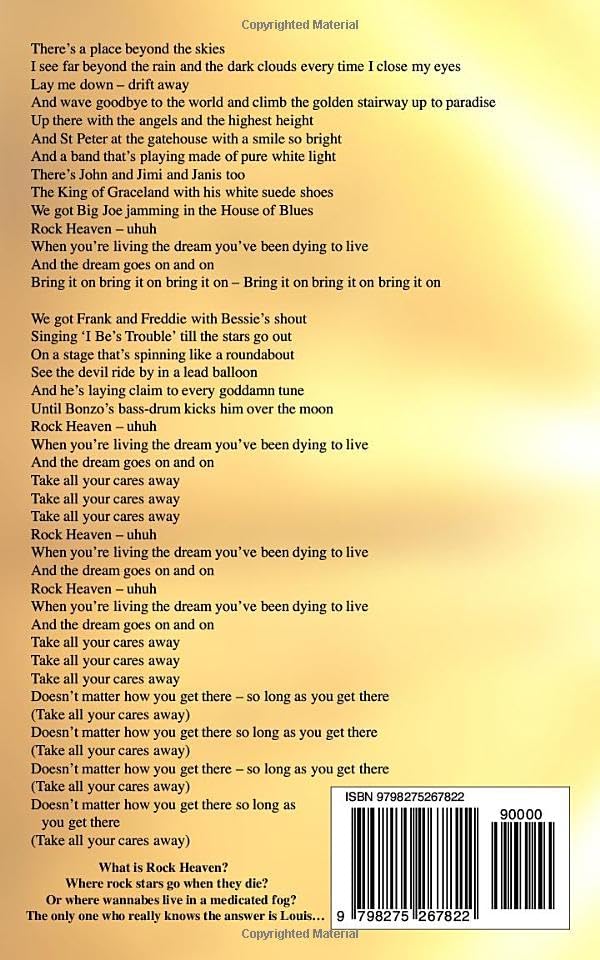
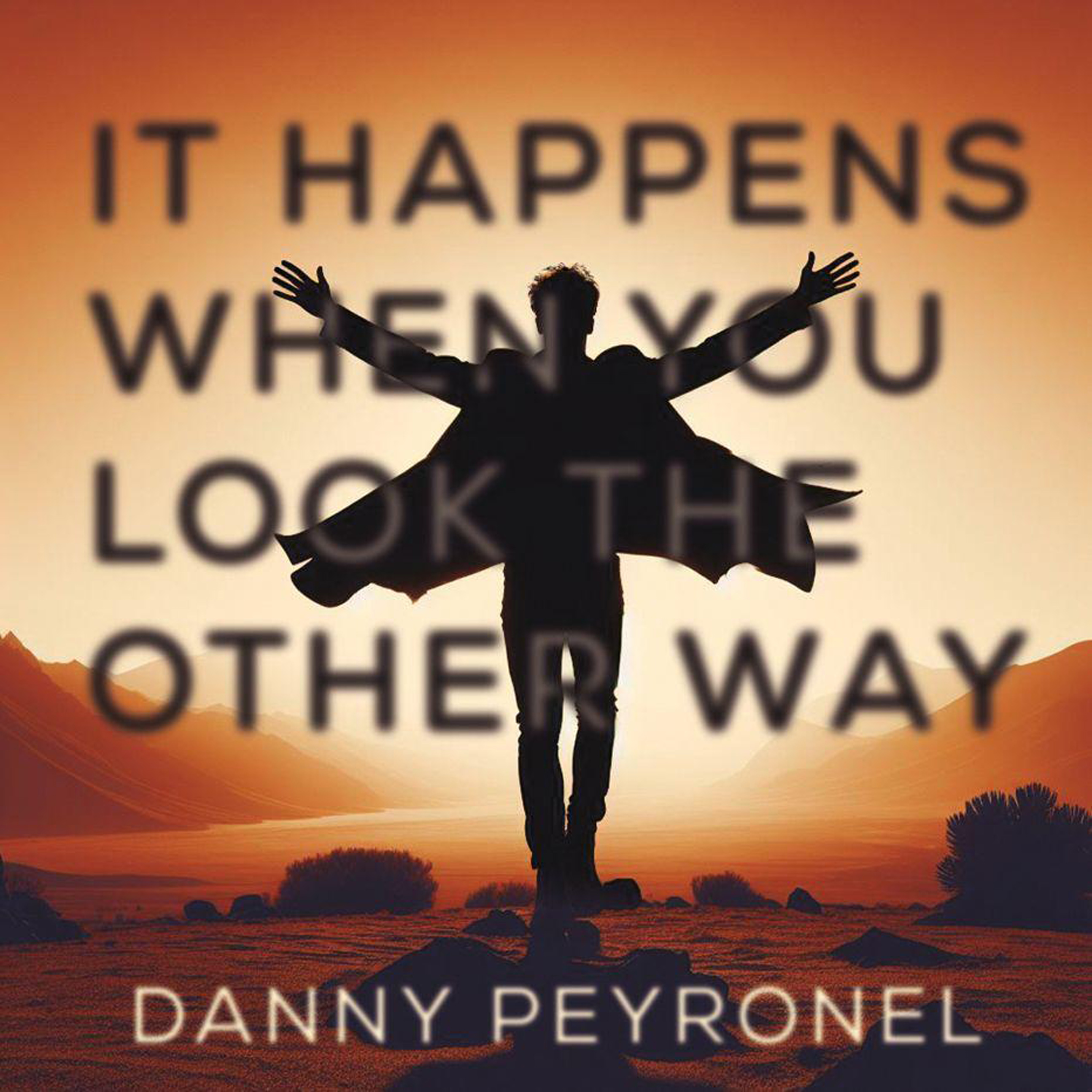
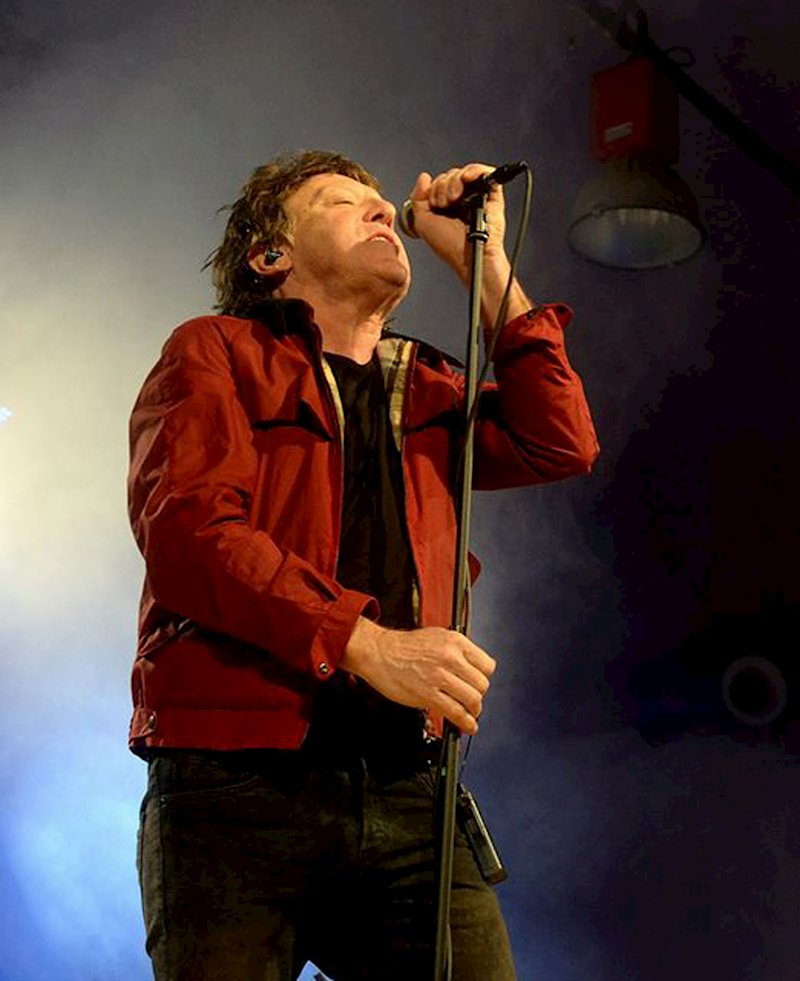
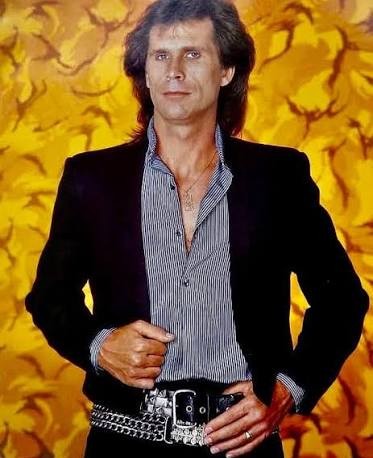
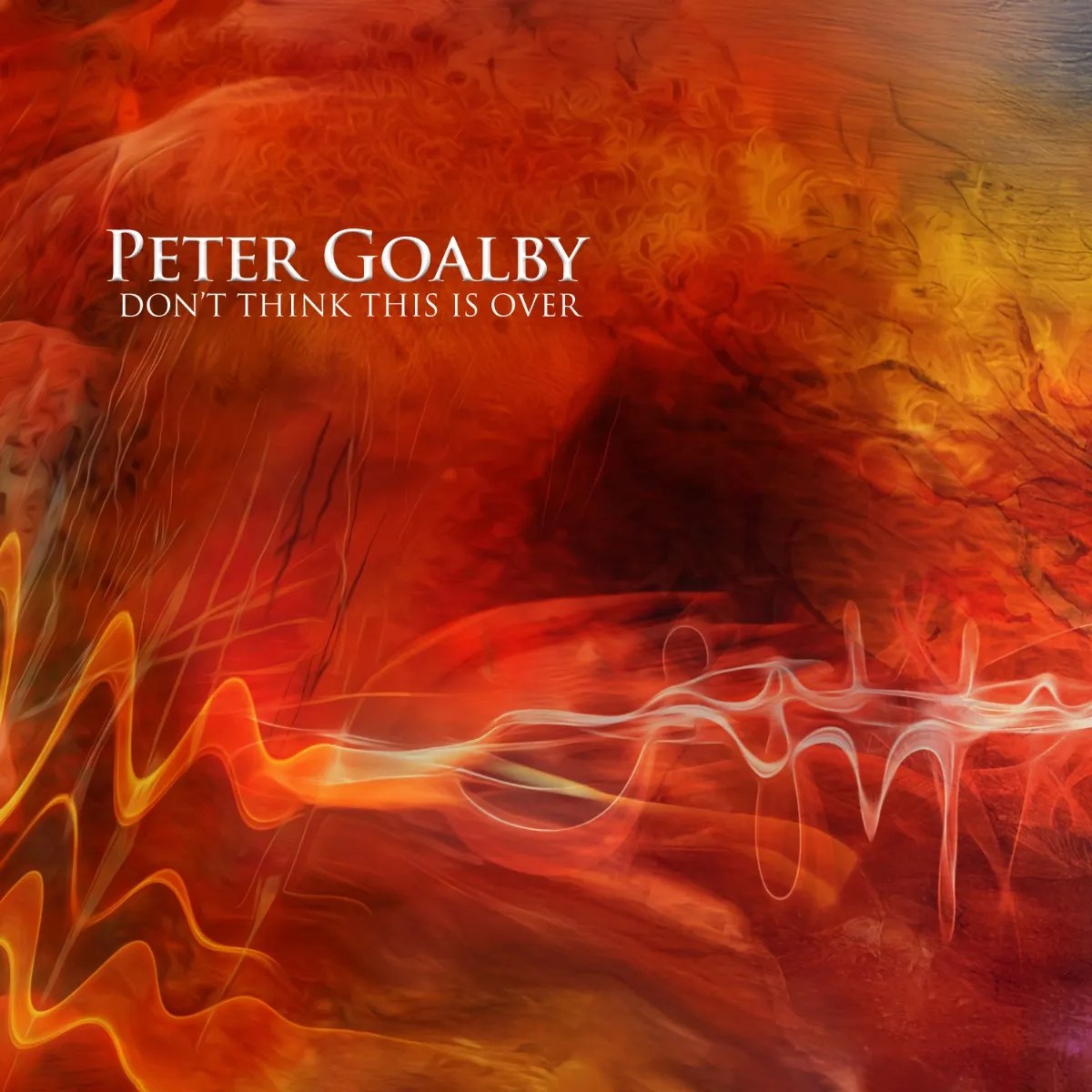
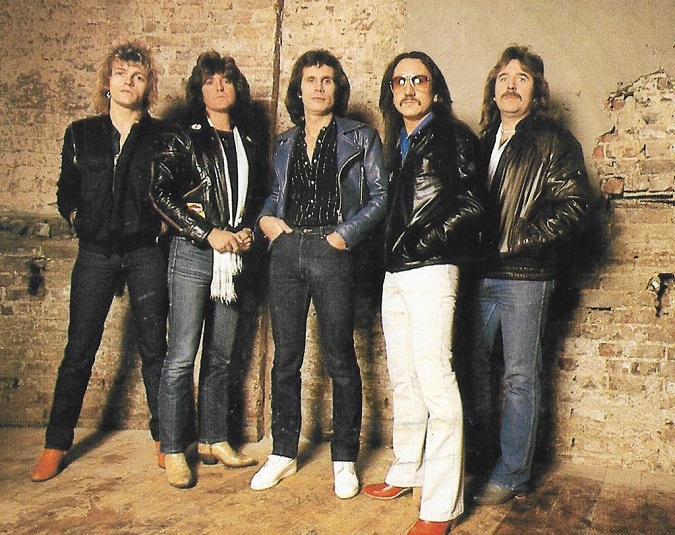
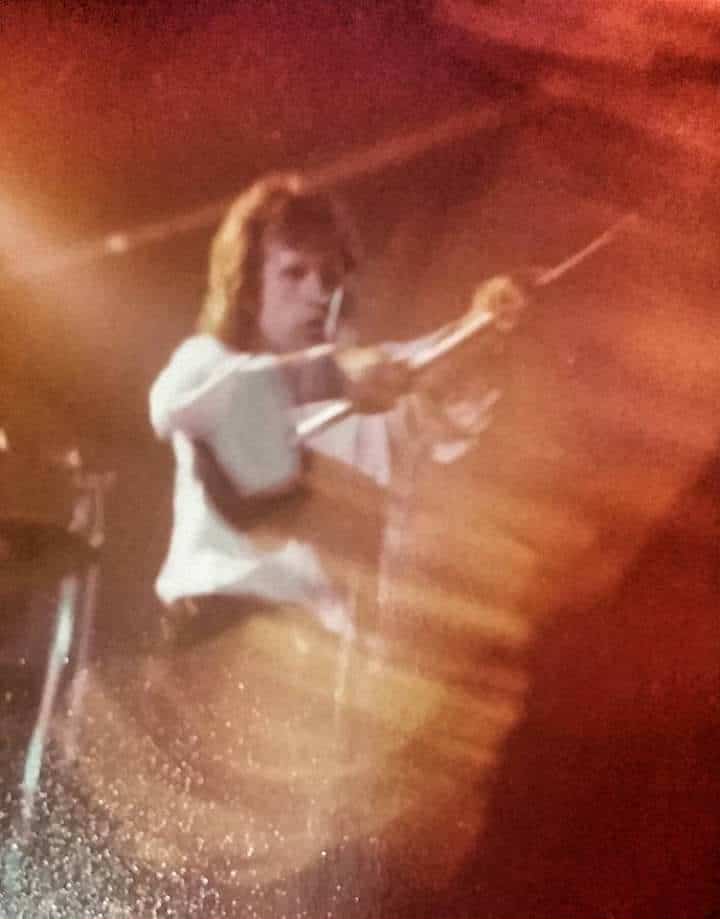
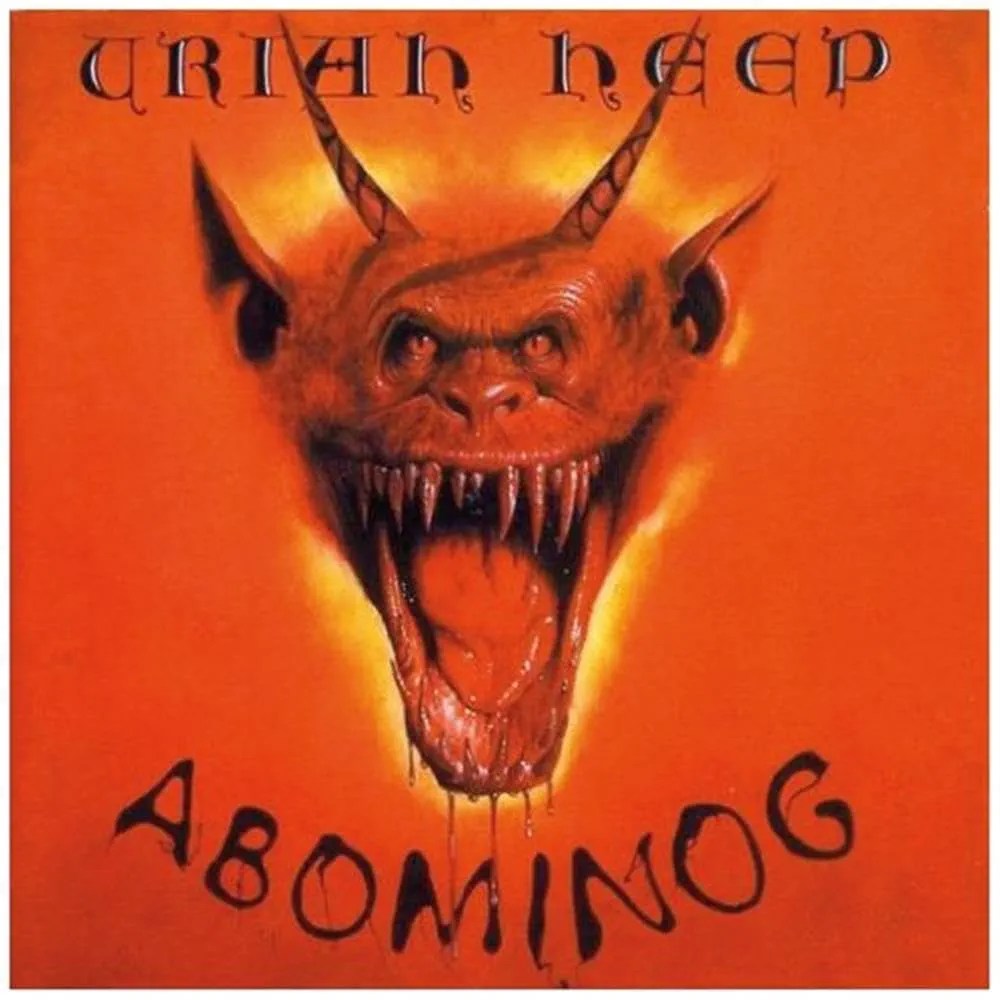
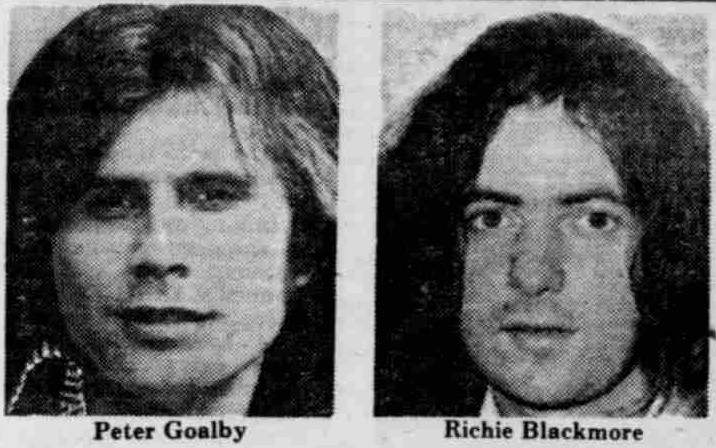
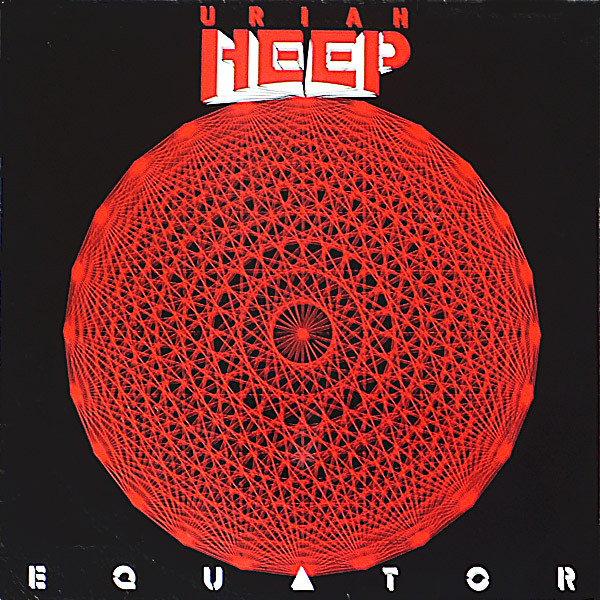
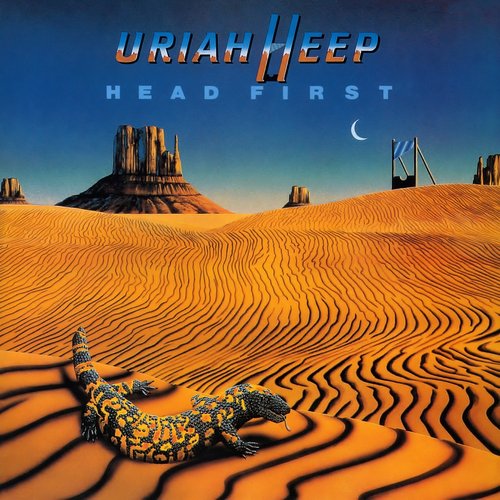
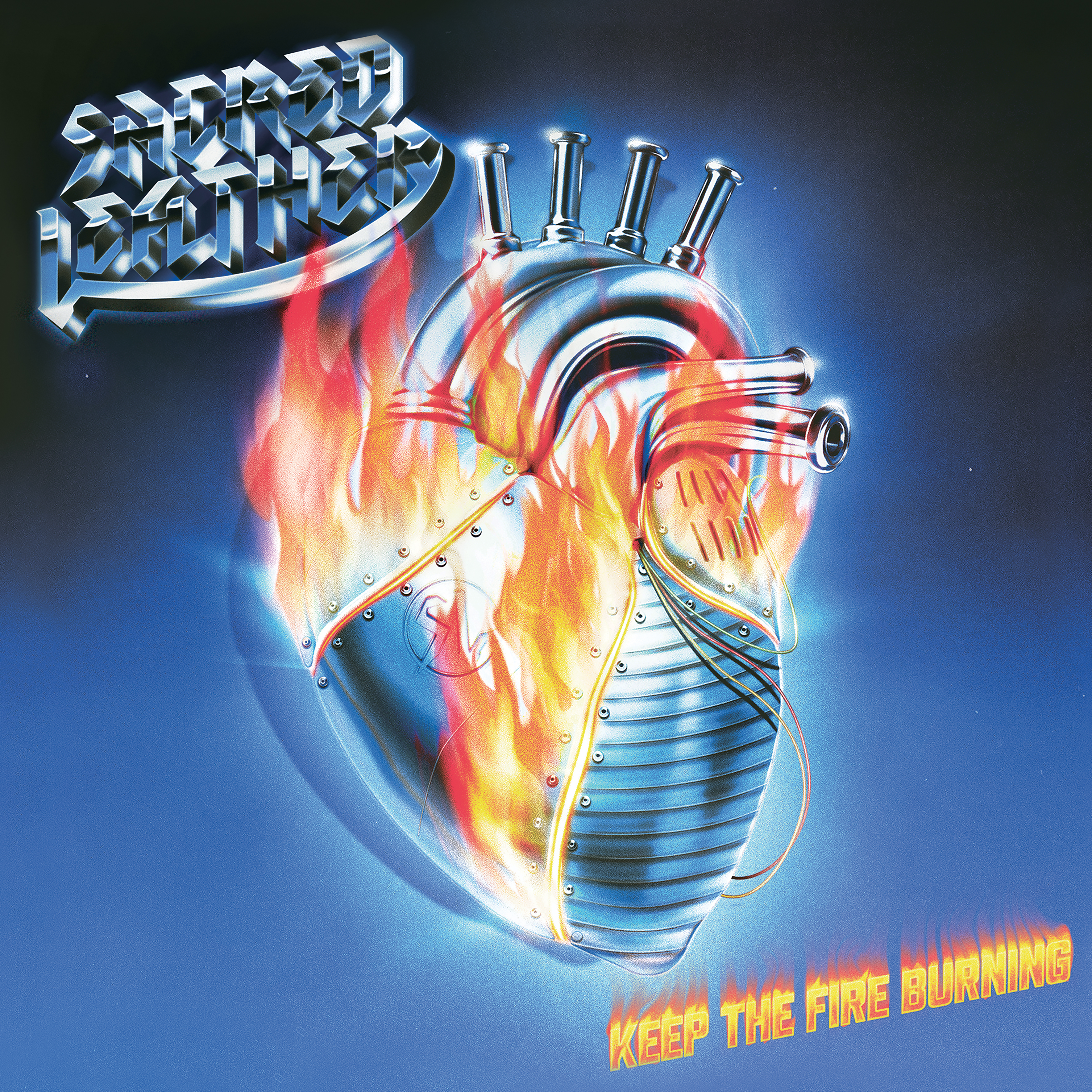
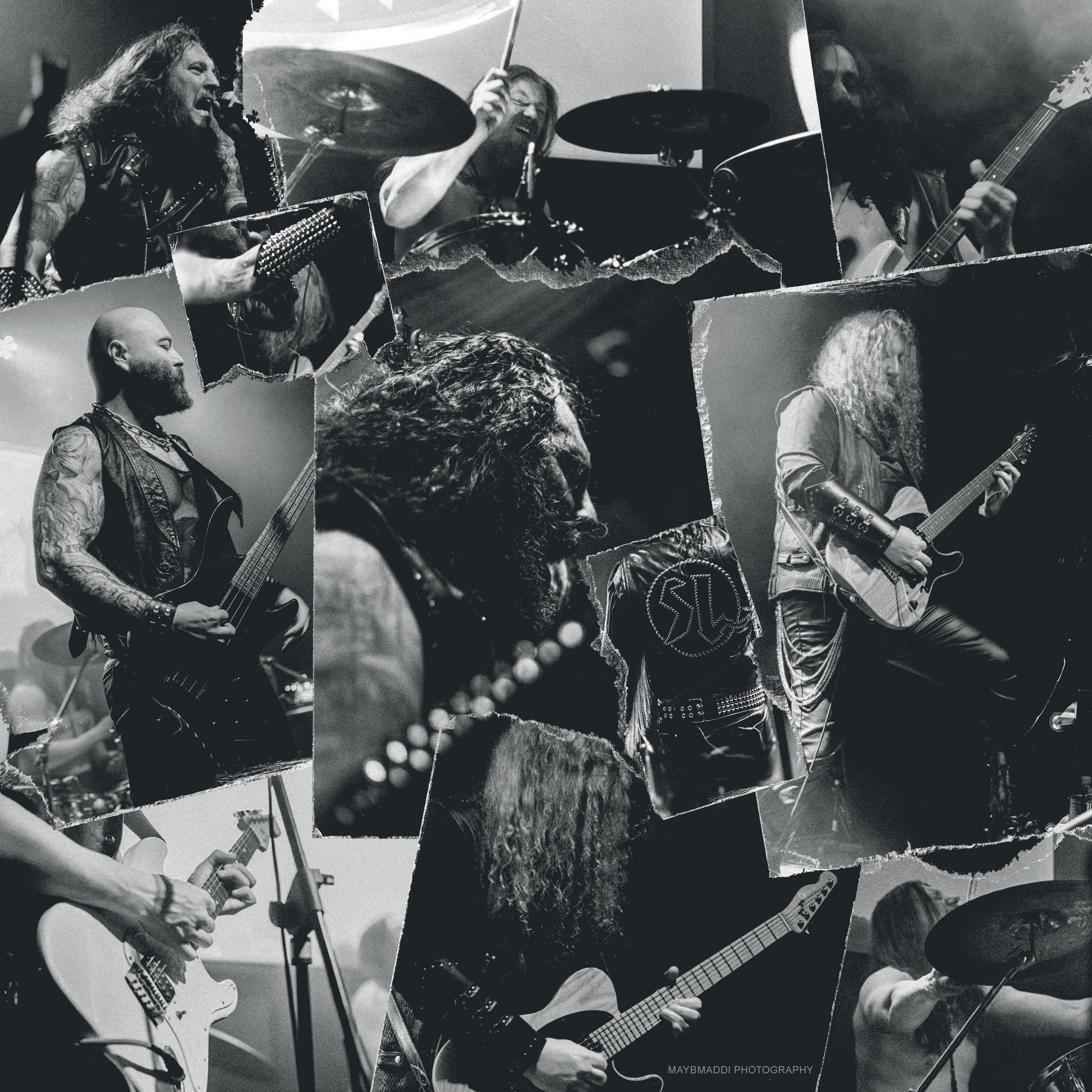
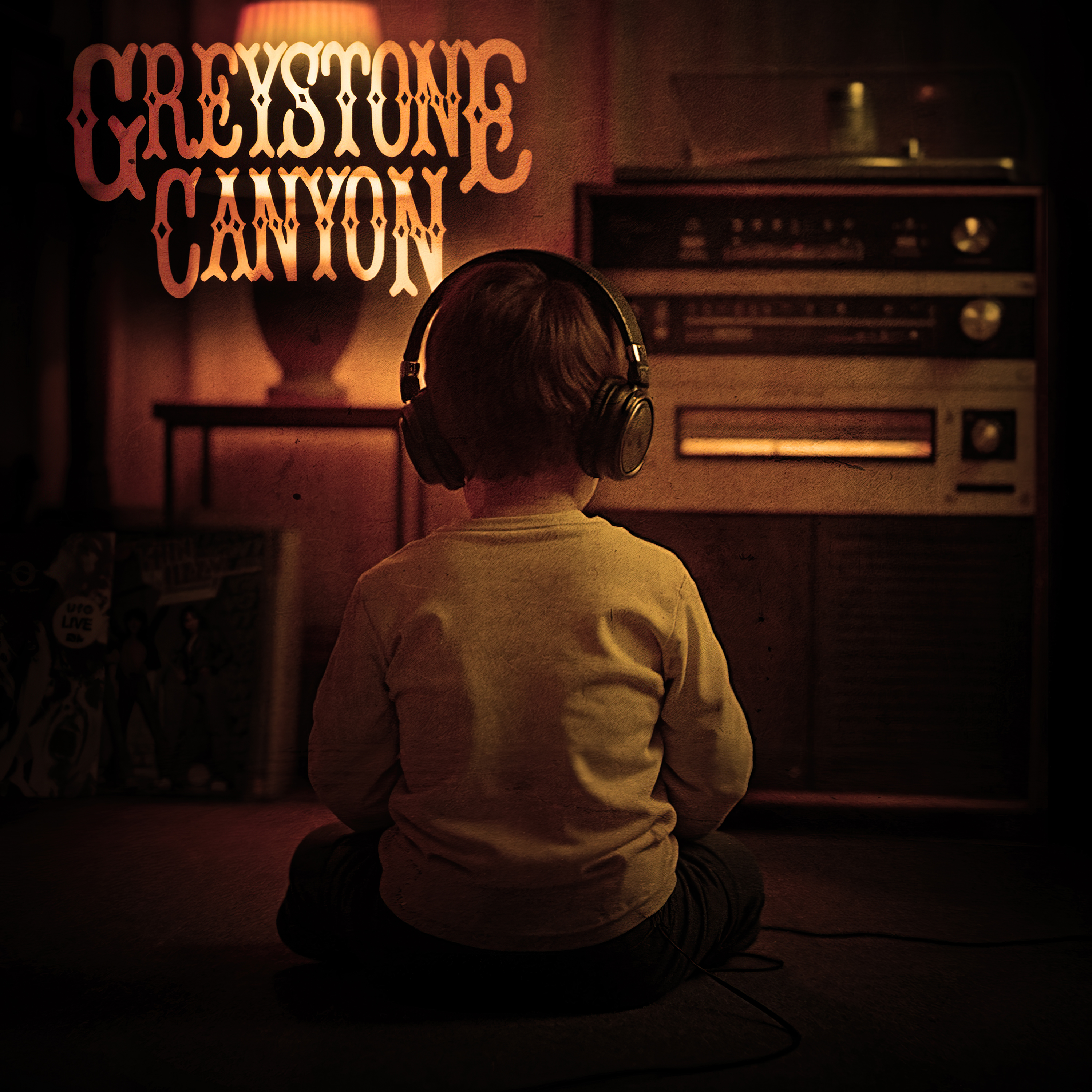
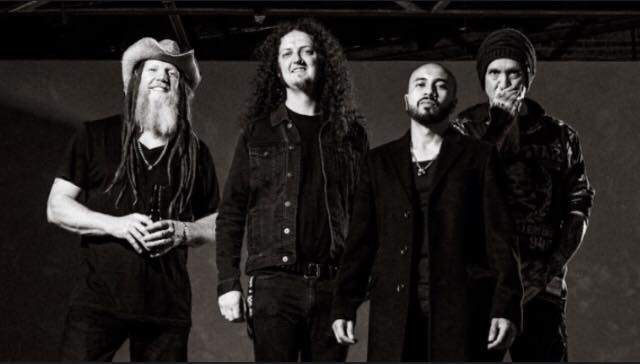
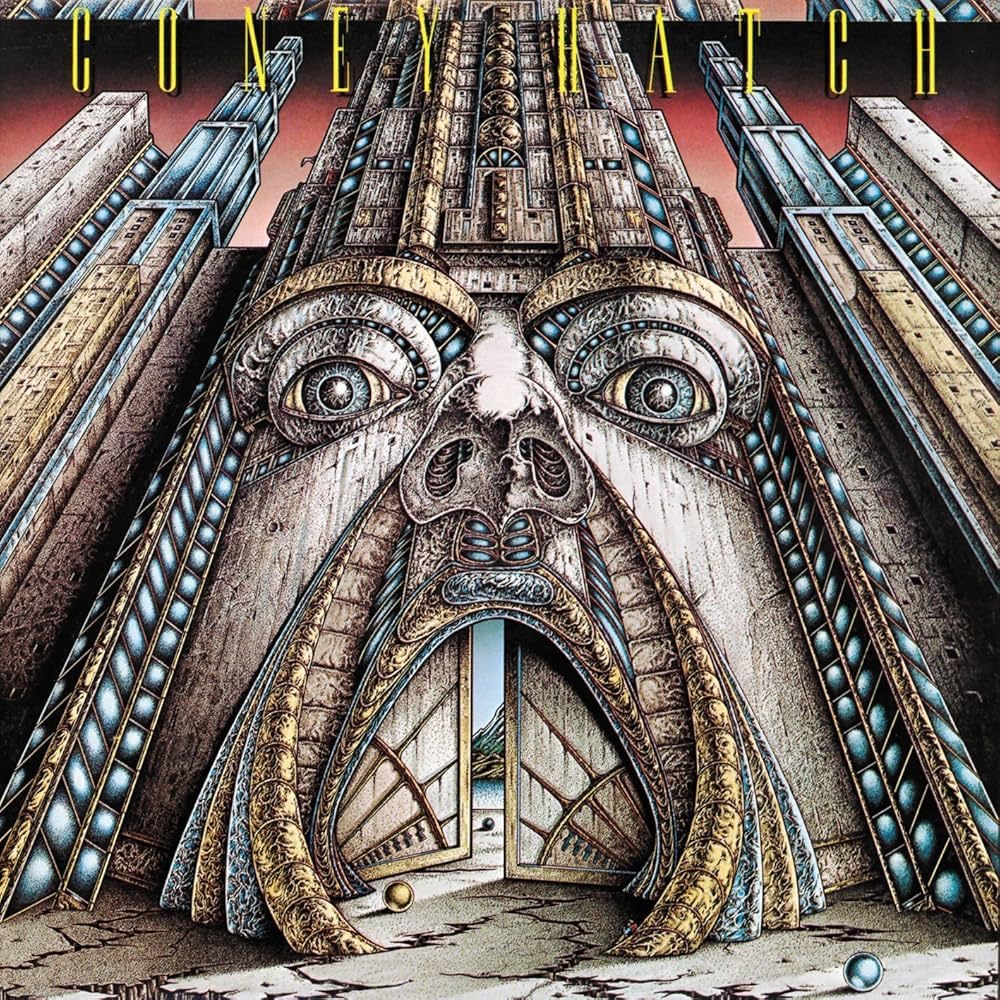
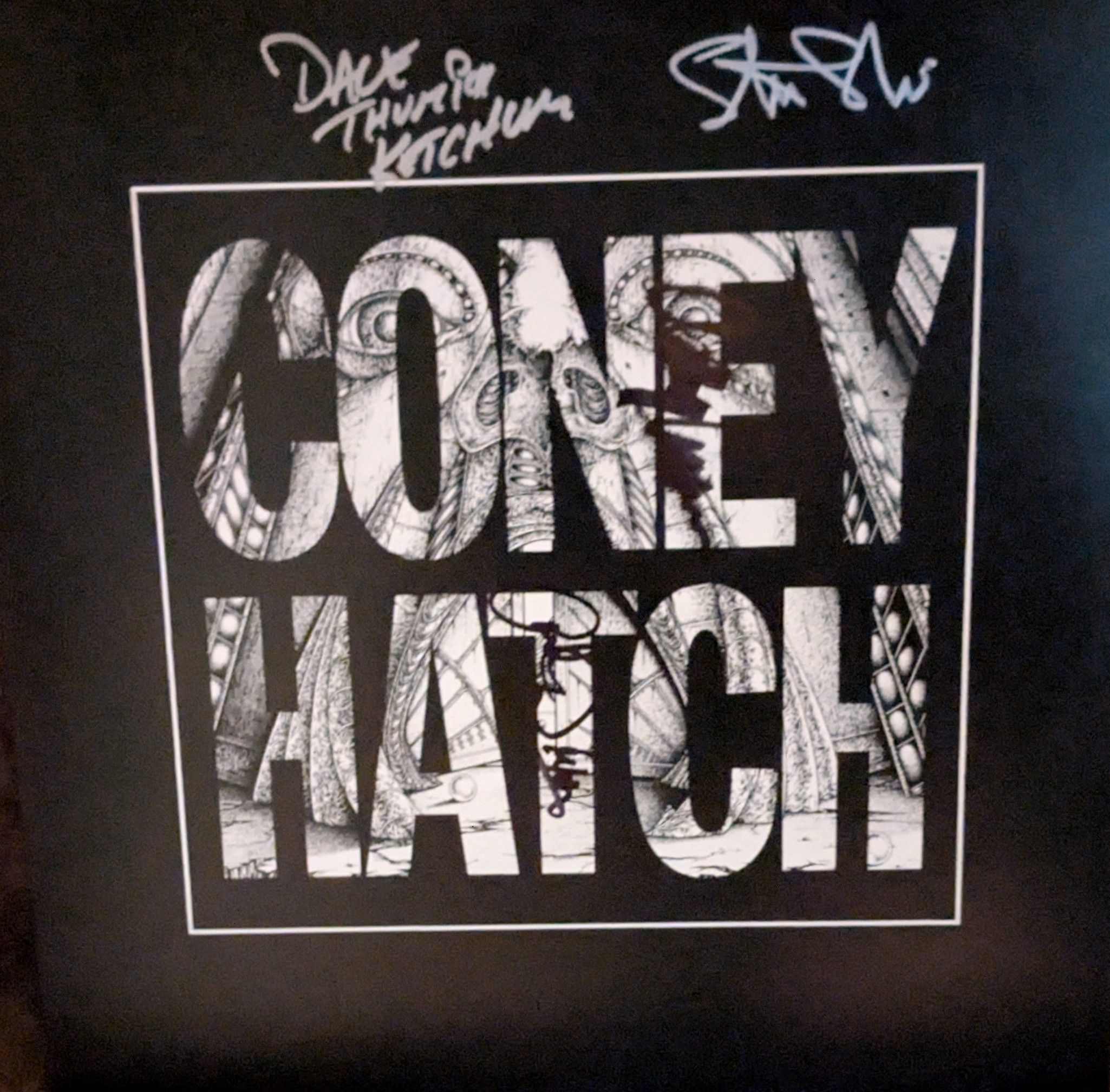
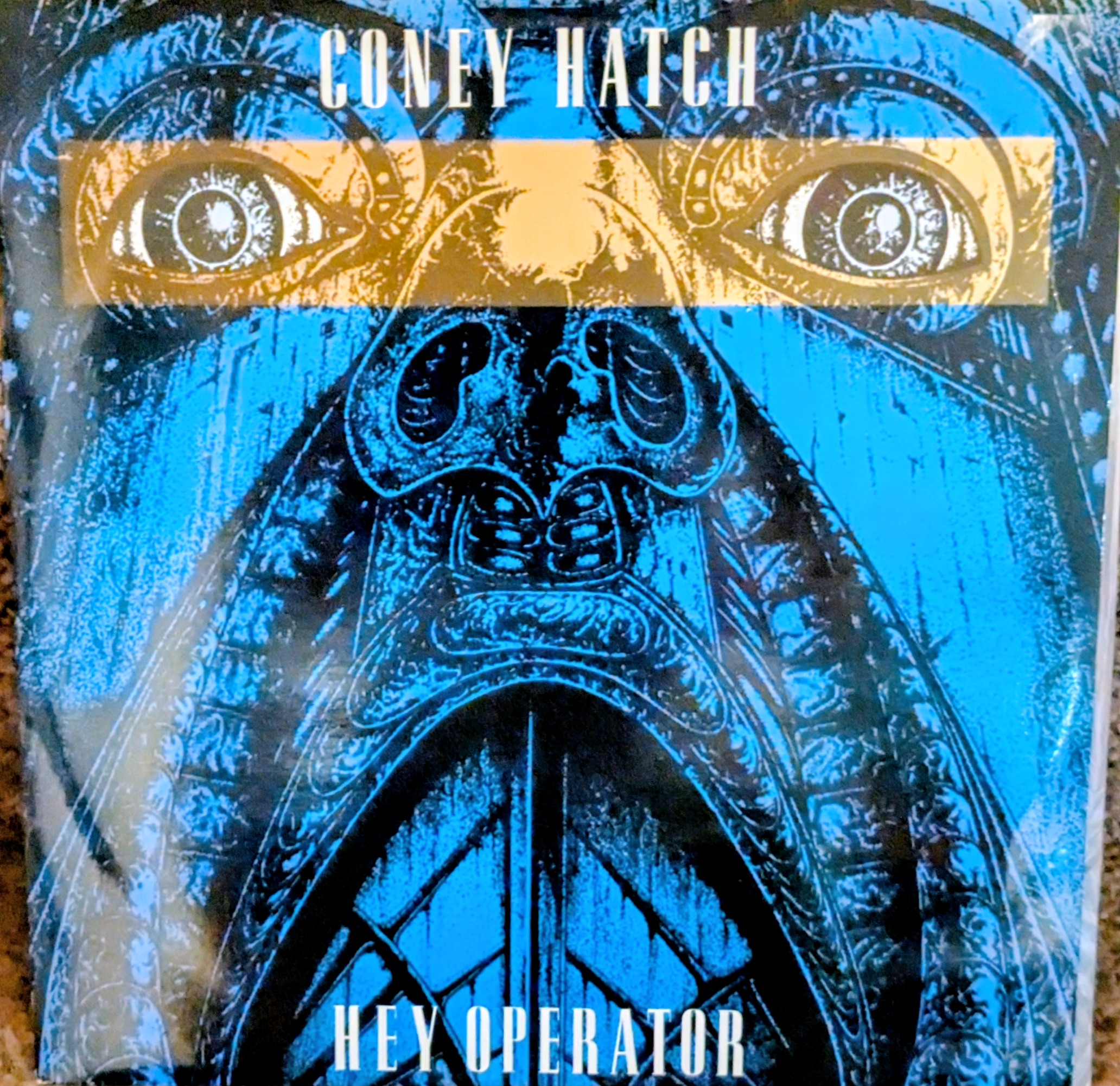
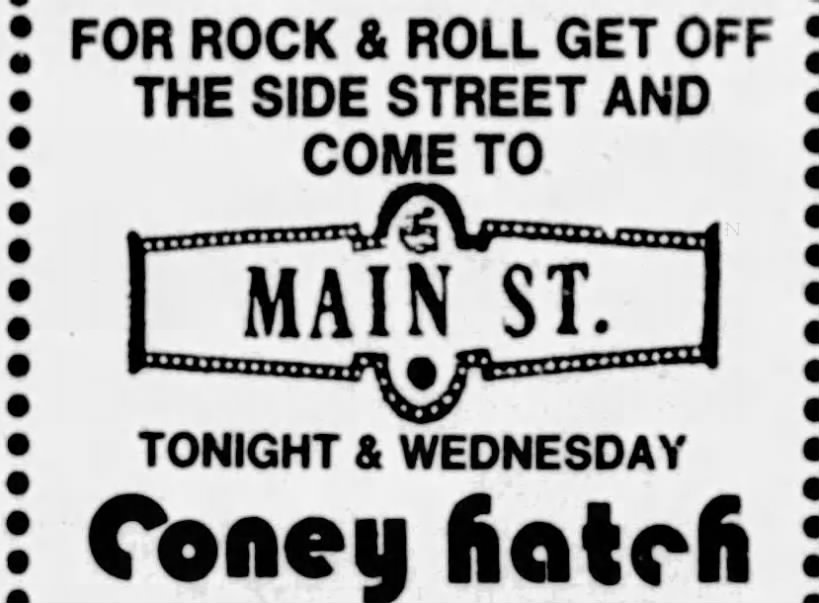
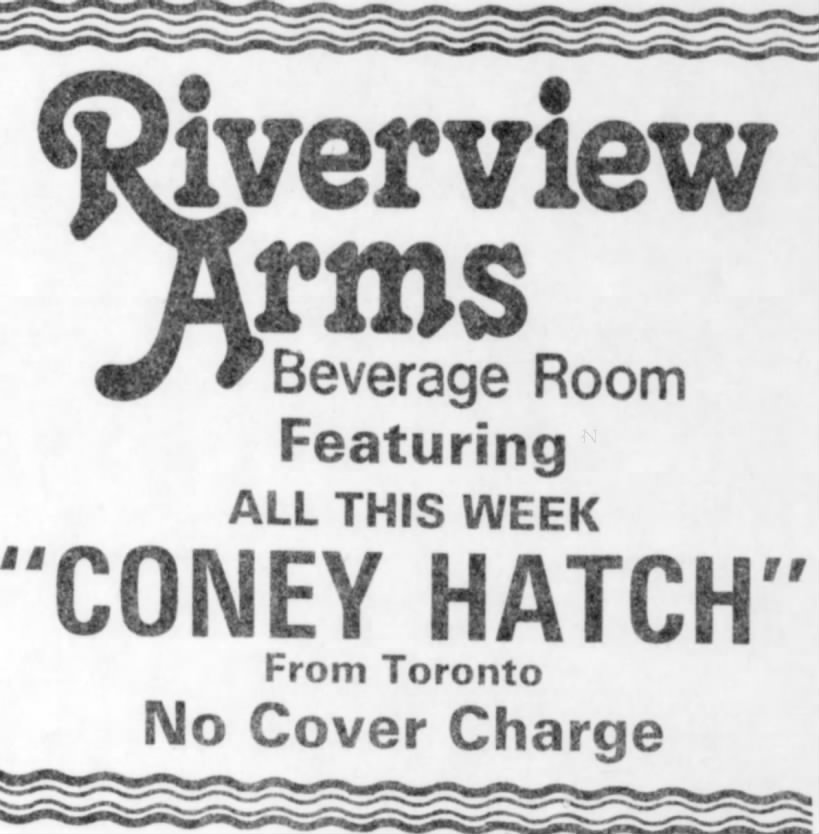
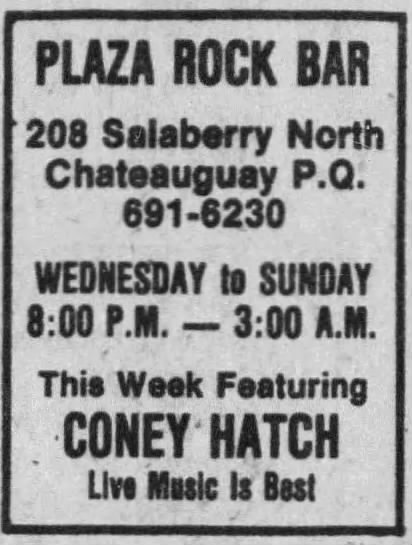
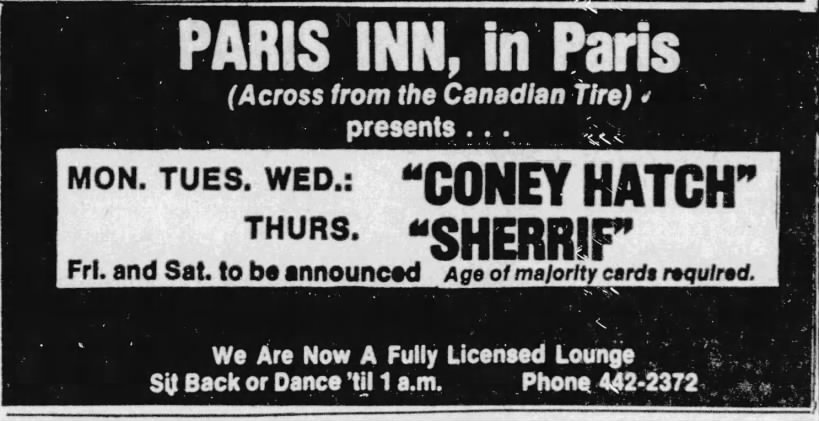
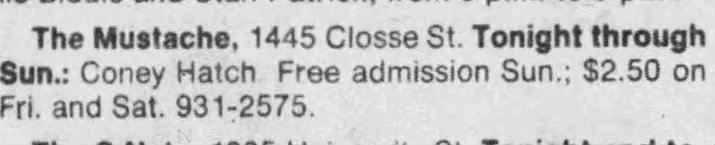
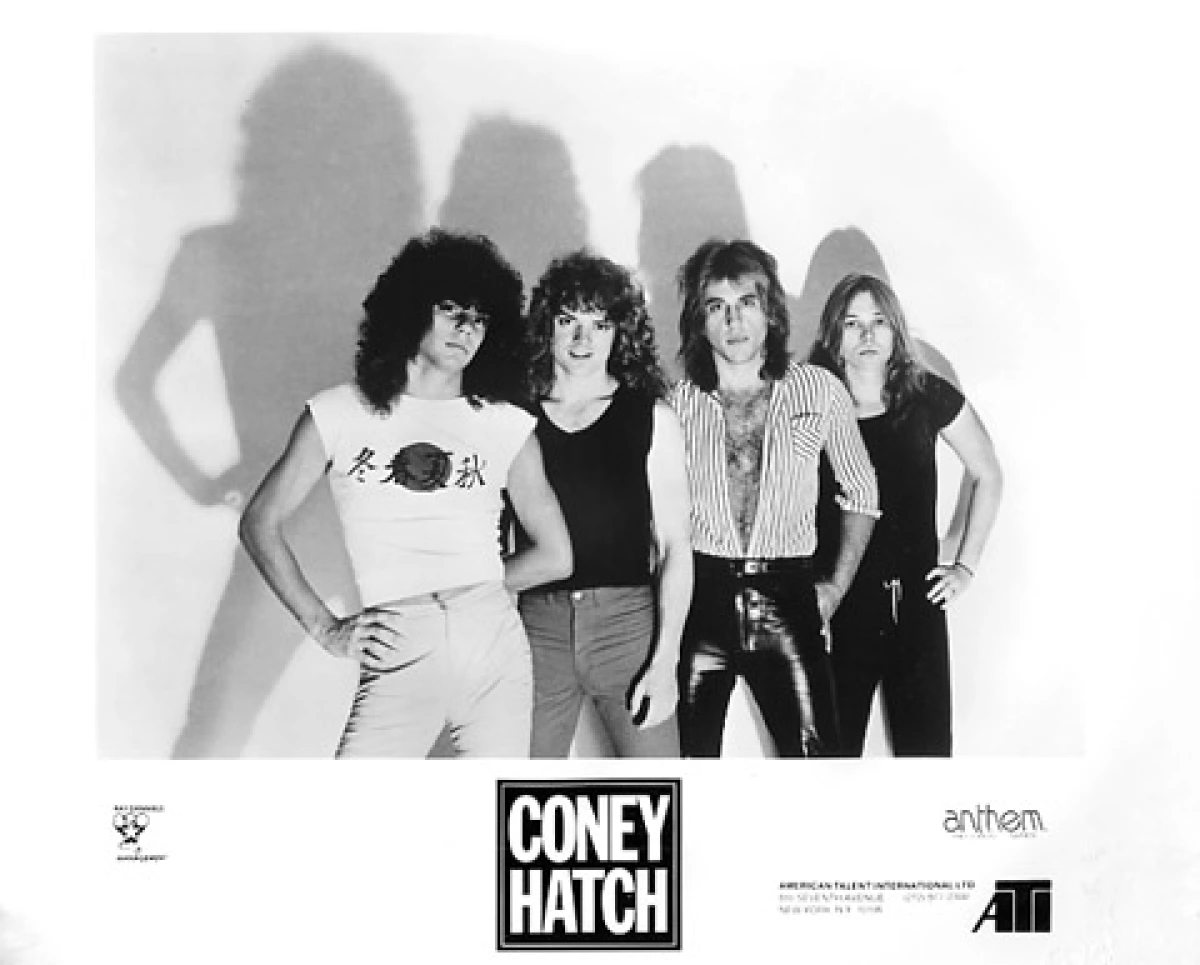
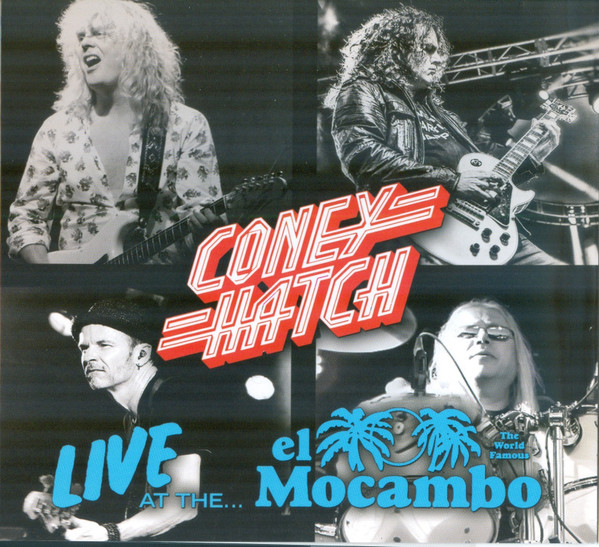

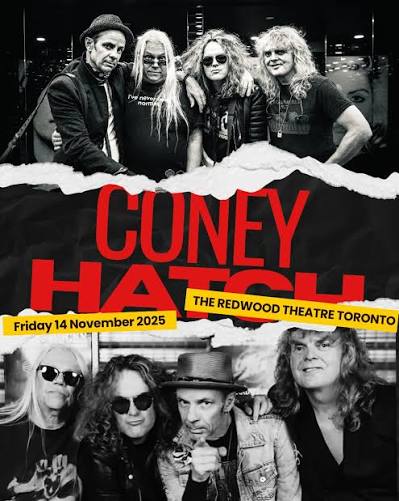
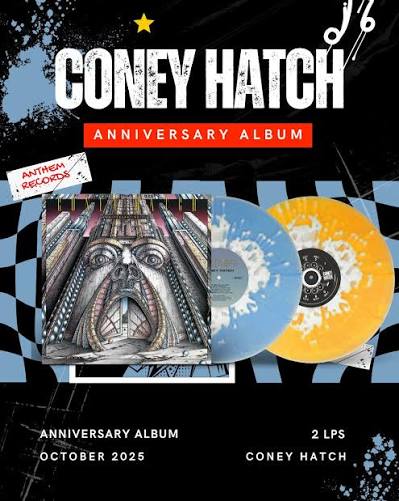
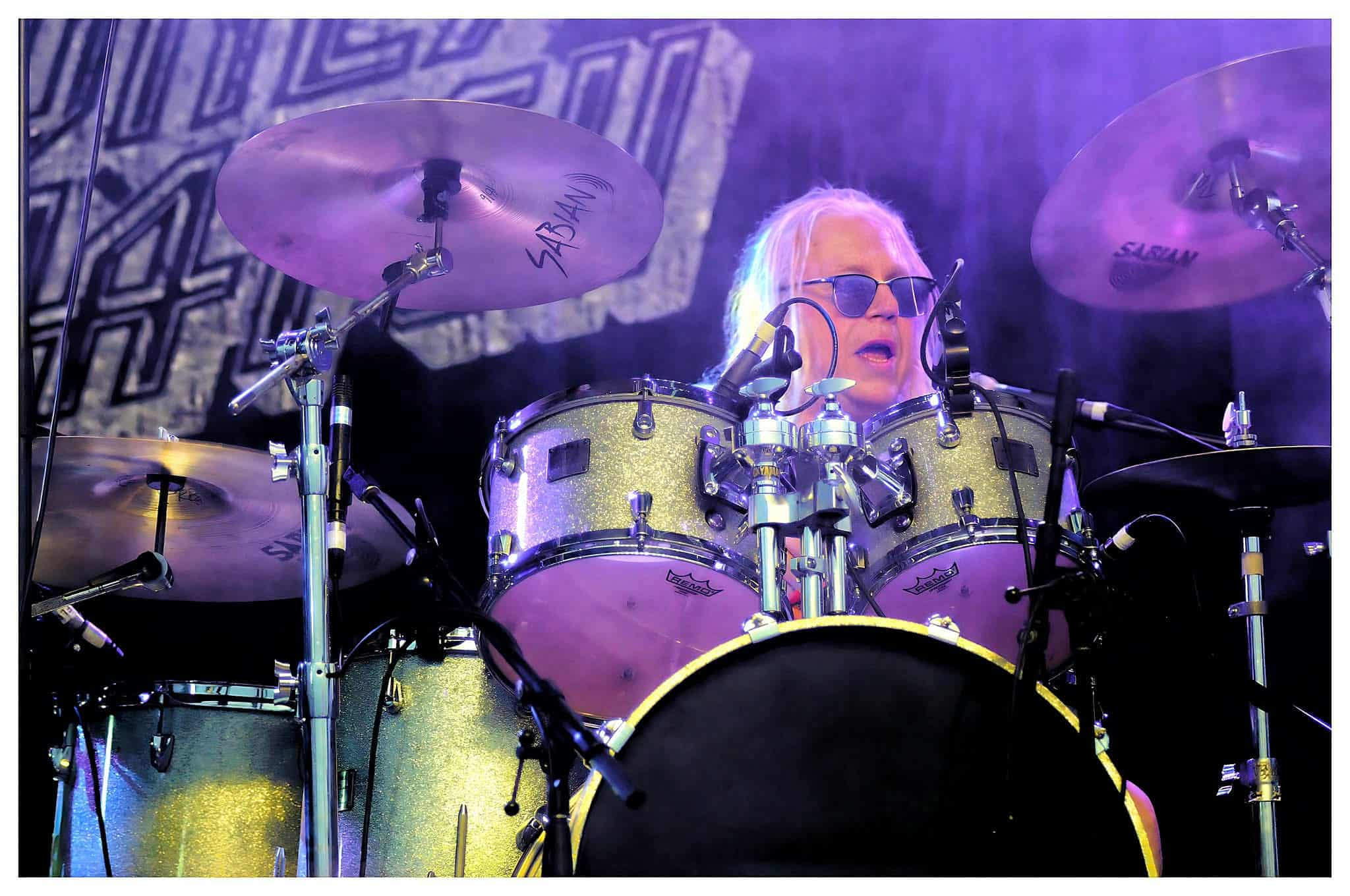
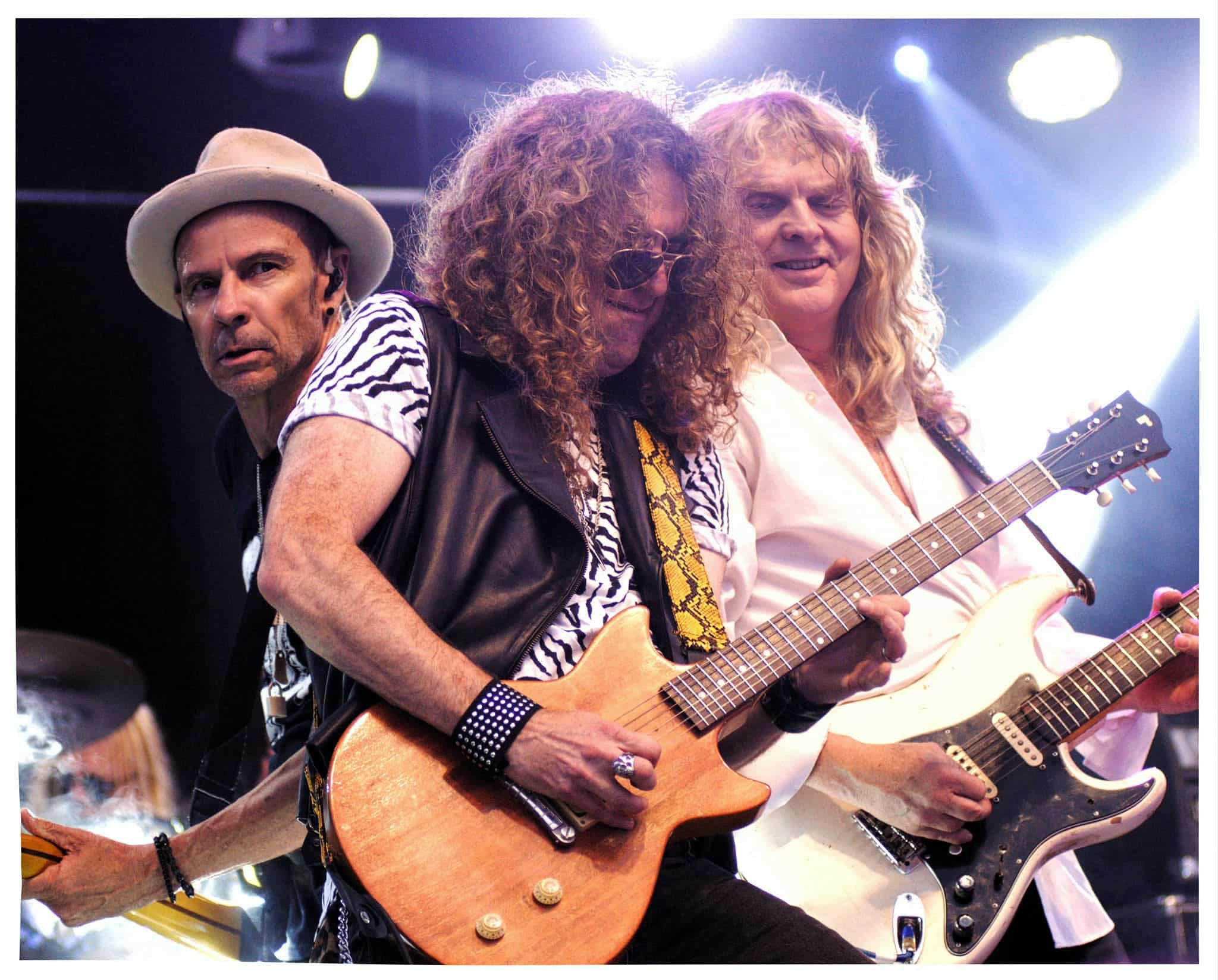
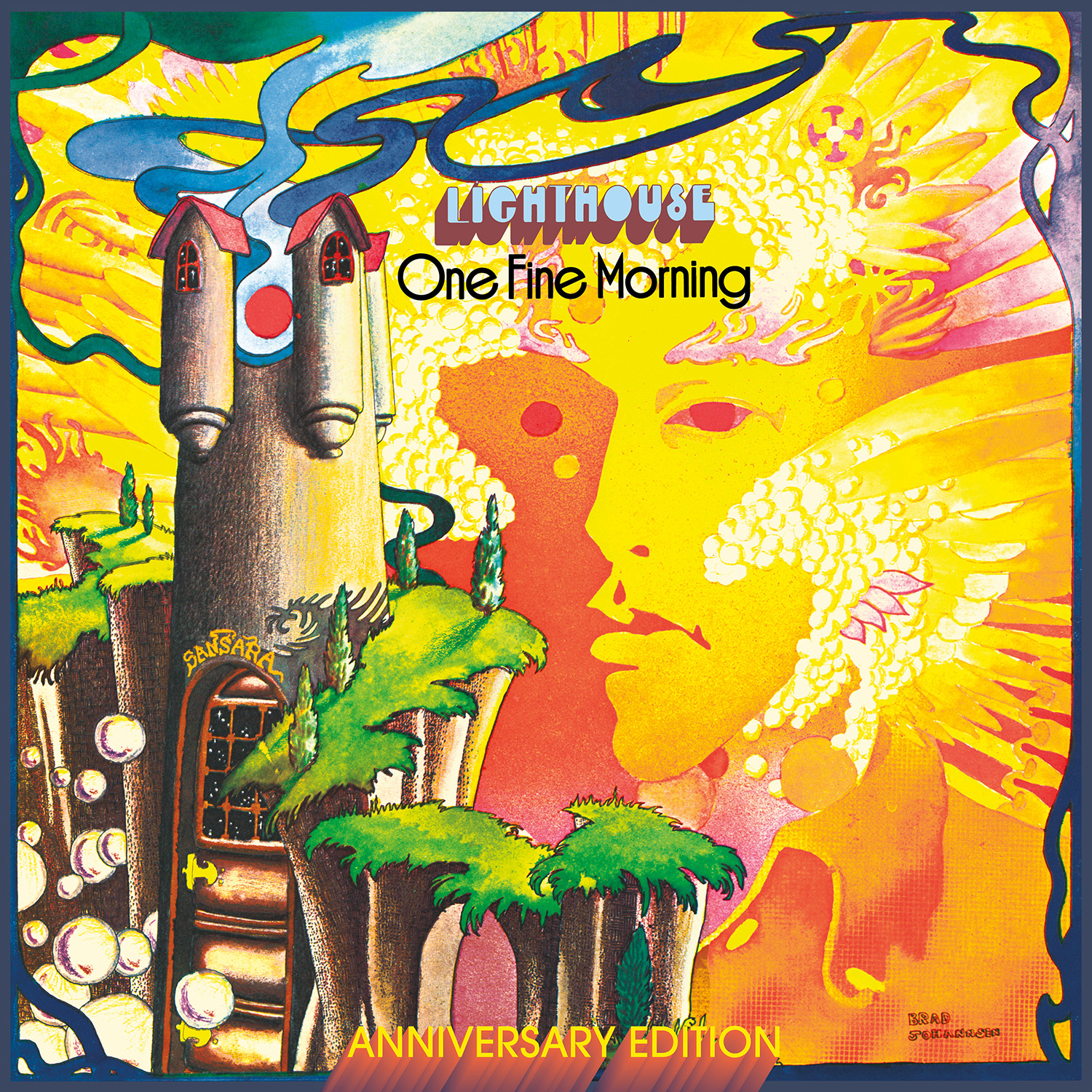

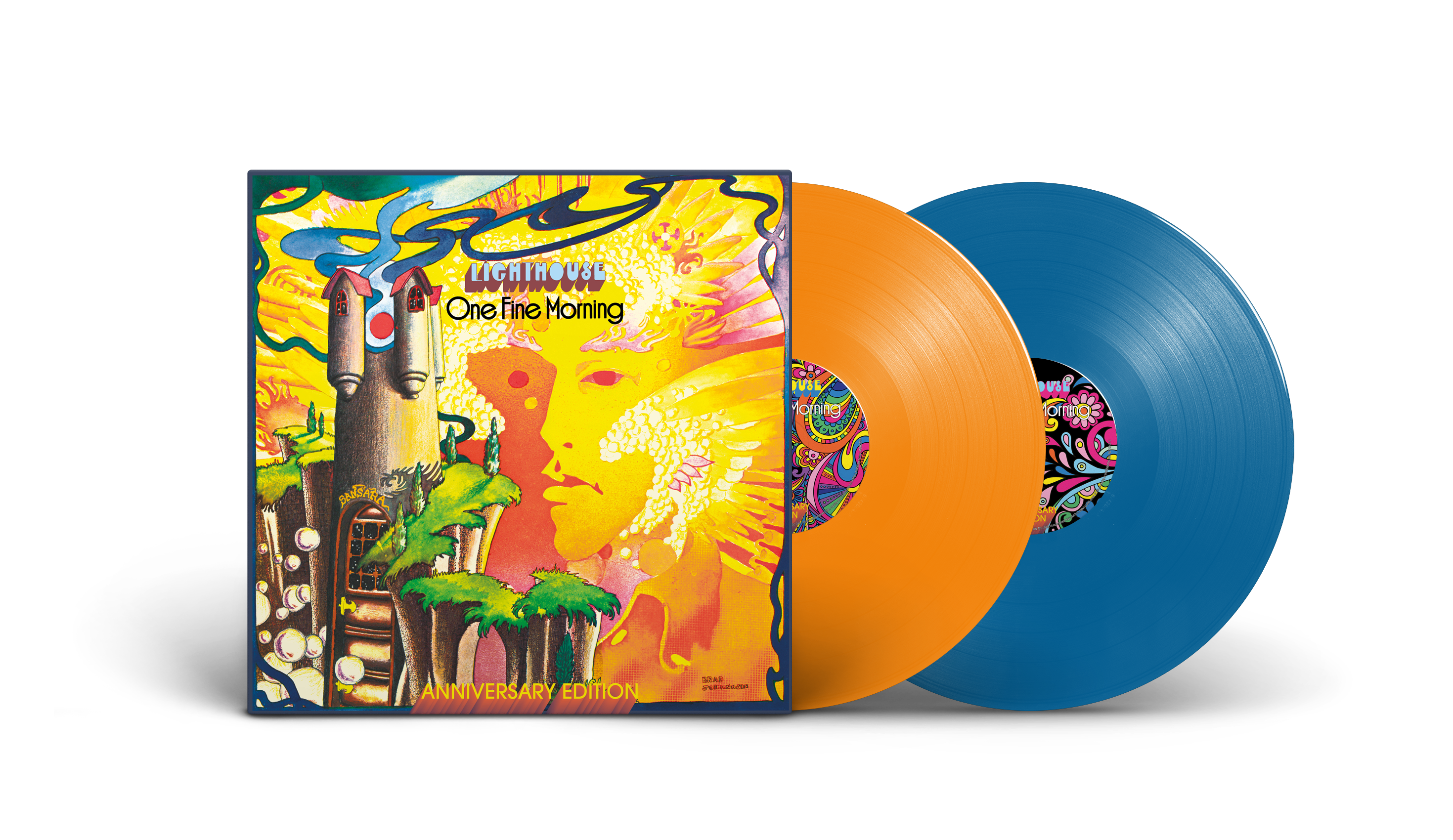
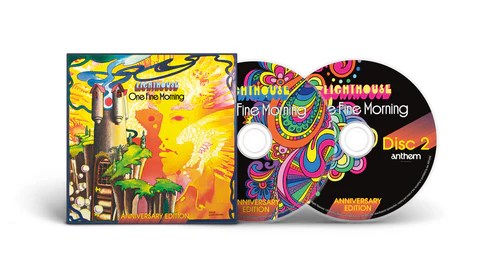
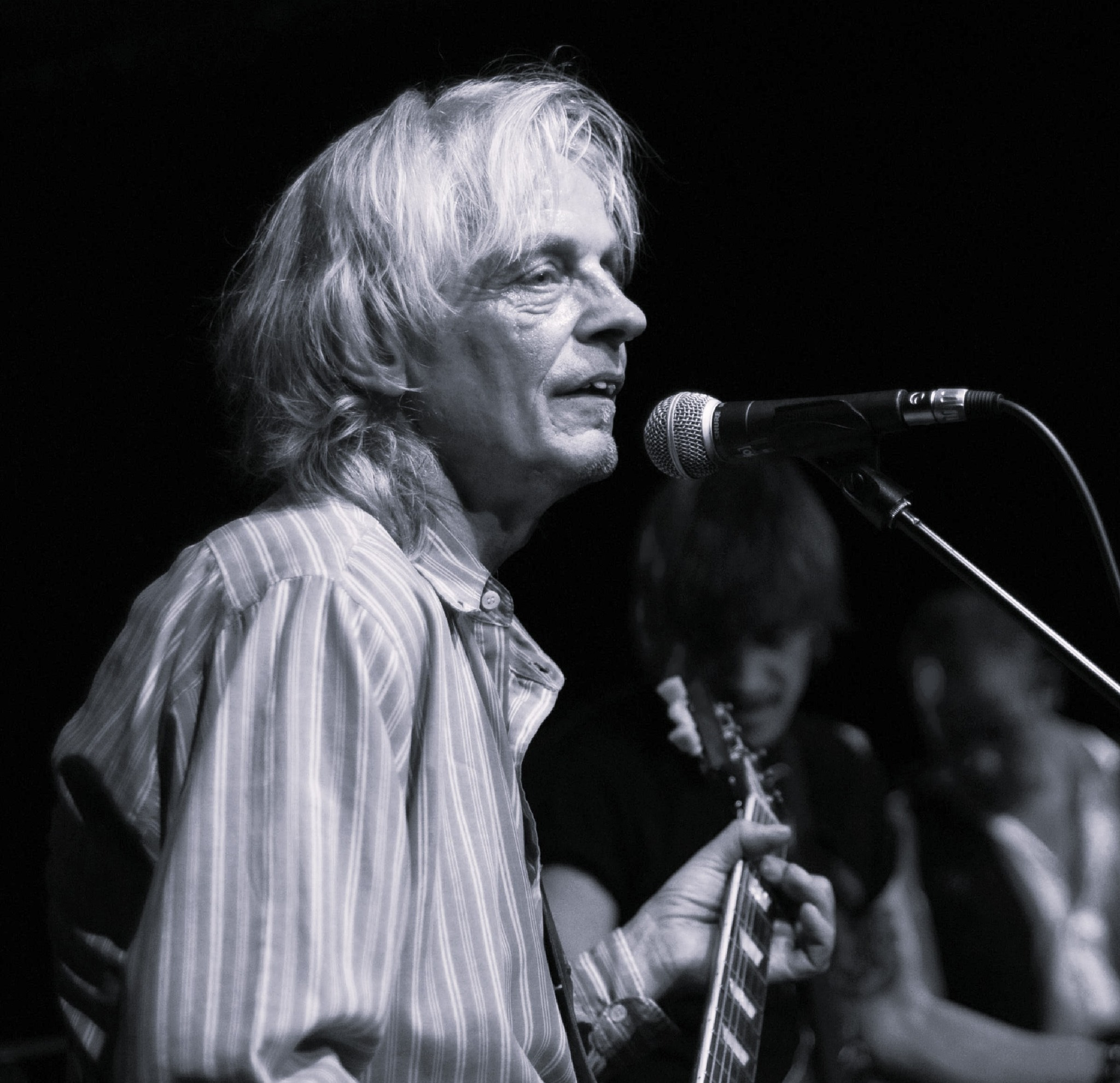
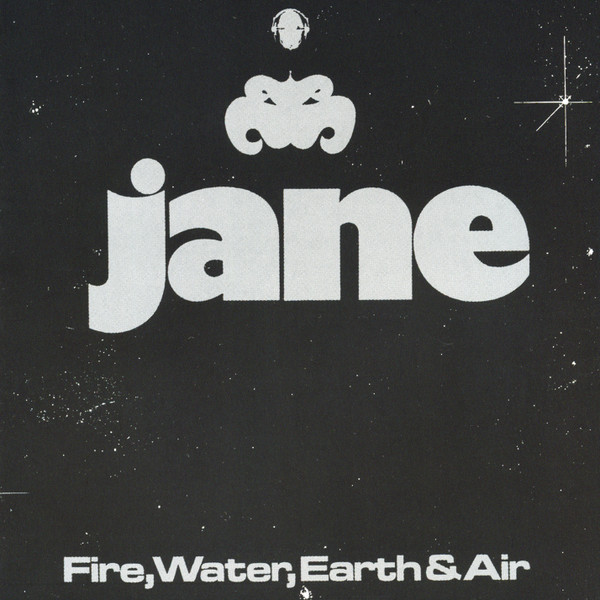
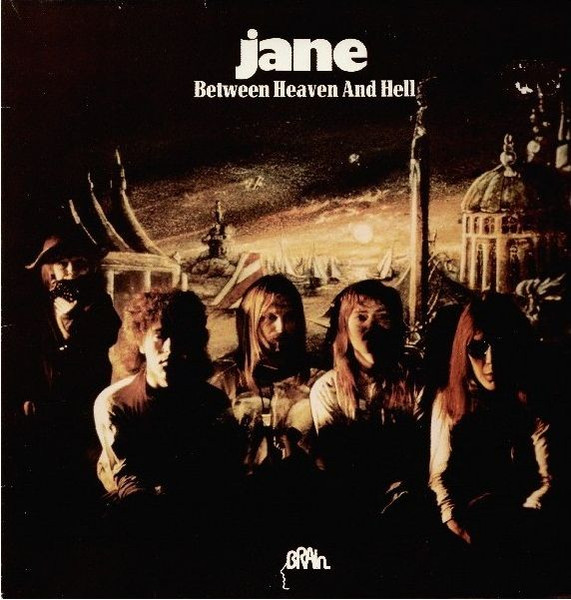
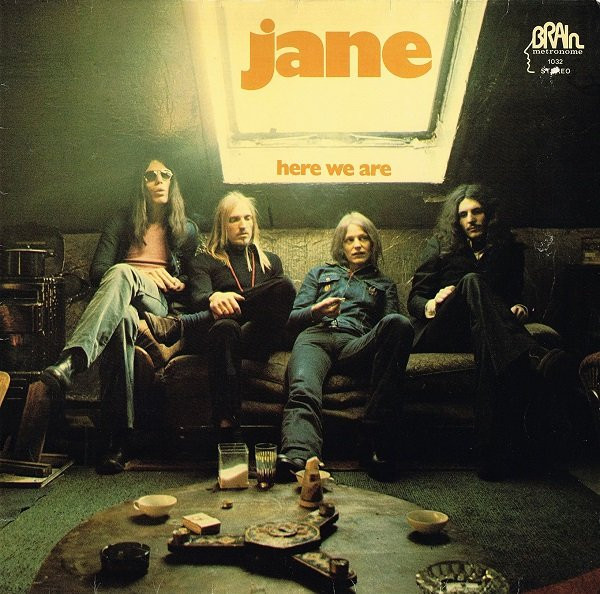
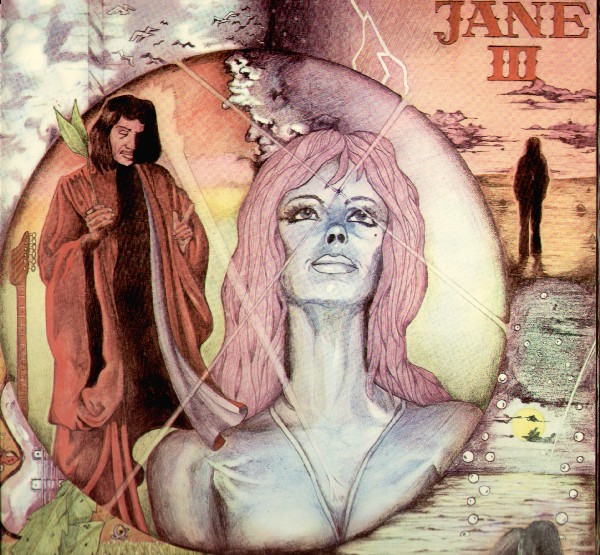
 Outsider Rock