IAN HARRIS has had a lengthy career as a musician, as a songwriter, and as an album cover artist! In this interview, Ian details his career early on as a musician in a band with Alan Parsons, as well as his lengthy association and some of the album covers he did for WISHBONE ASH. And along the way some interesting stories of those he came in contact with through his art or through his music.
Can you tell me a bit about THE EARTH? What was the time frame of this band, and can you tell me about a few of the other players, whom had some interesting rock connections, as well as big opportunites, opening slots, etc…?
The Earth evolved from my previous band in the mid 1960’s – Conviction – formed in 1964 with 3 mates from school in North West London. We were Mods, loved Blues & Soul music and thought it would be a great idea to play cover versions of our favourite music to fellow Mods. We would check out bands playing at our local clubs and go ‘Up West’ to The Marquee, Flamingo etc. in Soho. The Yardbirds, John Mayall’s Bluesbreakers with Eric Clapton, Graham Bond Organization with Ginger Baker and Jack Bruce, Zoot Money, Chris Farlowe, even seeing Howling Wolf, Sonnyboy Williamson and many more play live. At that time the band members were Ian Harris vocals, Barry Mitchell Bass guitar, Phil Brockton Drums and Alan Owen Guitar. We were semi pro and played local gigs.
As our music progressed, we needed a more proficient lead guitar player and in 1967 we put an ad in Melody Maker for a lead guitarist, very few answered but along came a guy who knocked us out – Alan Parsons – who at that time was working in the EMI factory in Hayes. His audition piece was Jeff’s Boogie by Jeff Beck; we couldn’t believe our luck!
With Alan Parsons in the band our set list expanded beyond our expectations playing cover versions of Peter Green’s Fleetwood Mac, Cream and Blues songs. We began getting more gigs, changing our name along the way to The Earth. In 1968 I answered an Ad in Melody Maker for a band to run Ronnie Scott’s Old Place in Soho, we got the gig, played Friday and Saturday nights from 10pm to 4am and changed the name of the club to The Coffin. This was the autumn of 1968 the time of the Blues Boom in the U.K. we became well known and the club was packed out; we even had jam sessions in the small hours attracting jazz and blues musicians. An A&R scout from Mercury Records spotted us one night and offered us a deal to write and record an album, with one proviso, he wanted to expand the band and add an Organ player, we agreed apart from Alan Owen who sadly left the band. So now with new member Roy Quilley on Hammond Organ, we booked a rehearsal studio and wrote 8 or 9 songs in a week.
I had been writing lyrics for a few years and had an exercise book of ideas, the band wrote the bones of the songs, and I sang the top line melodies. It was quite amazing how well Roy fitted in; we had only just met but the guys were all great musicians and gelled immediately. In December 1968 we recorded the album in Studio 2 Regent Sounds Studios. The whole album took only one day, it was a Sunday, I can visualise it now, the band playing the songs live in the studio and me overdubbing my vocals nearly losing my voice in the process, a truly great experience. We were all very pleased with the result and Alan Parsons helped mix it (by this time he was George Martins 2nd engineer at Abbey Road Studios working with The Beatles). I still have the songwriting publishing contracts, one shilling in old money up front!
Did the band name ever come into conflict or overlap with the band ‘Earth’ that went on to become Black Sabbath?
This is where Ozzy Osbourne comes into the picture…just after the recording the band split up, we disagreed about musical policy with Roy, Barry and Phil joined another band and went pro and Alan Parsons was too busy at Abbey Road, so I was left with the only shellac copy of the album. I had a good job as a commercial artist at the time. I do think that Ozzy and co had seen us at the Coffin Club, liked the name and called themselves Earth. They later went on to record ‘Paranoid ‘and the Black Sabbath L.P. at Regent Sounds studios by coincidence and I wonder if they heard the tapes of our album, as one track I wrote ‘Angel of Death’ (I too was a fan of Aleister Crowley) could have given them ideas, I will never know!
Barry Mitchell went on to become the Bass player in Queen for a year. He left just before they had their first hit because they weren’t doing enough gigs. He could never talk about it, now very ill and living in a nursing home. Phil Brockton became a structural engineer, never played the drums again and died at the age of 47. I am still in touch with Alan Parsons who lives in Santa Monica.
During this time, I did many speculative designs for album sleeves for my favourite bands, I was a great fan of The Crazy World of Arthur Brown and one night I saw that he was playing the Marquee Club in Soho. I Had designed some sleeves for his next LP to show the band so went to the club and sneaked in through the stage door while the band were bringing their gear in. The manager of the club asked me who I was and I said I had Artwork for Arthur Brown and he let into the dressing room! Arthur arrived, I showed him my designs, and he asked me to see him the next day at Track Records offices in Old Compton Street, he introduced me to Kit Lambert and they liked my Art. I did some more rough ideas for Track Records including the next Jimi Hendrix album, but nothing came of it sadly. Arthur Brown left the label, and the Jimi Hendrix album Electric Lady Land had the notorious nude cover!
The music business back them was very loose, everyone was hustling and winging it but it was an exciting time to be alive! I also pitched an idea for a new Beatles album sleeve. My design featured a Lunar landscape with the Beatles heads carved into a rock formation (like Mount Rushmore) , this was before the first Moon landing! I did get a thanks but no thanks letter from them (now lost) and that LP became The White Album.
How did The Earth (limited) edition LP come about via Record Collector? When were these recordings from? And why/how did they come out in 2015?
In 2015 I noticed an Ad in Record Collector Magazine seeking anyone who had an unreleased album from the 60’s / 70’s for their limited edition ‘Rare Vinyl’ series, that would be me then! I called Ian Shirley, the writer and expert on rare vinyl, told him about The Earth LP and took my precious shellac album to him and he loved it, the clincher being Alan Parsons, it was Alan’s first ever recording, Ian loved it and described it as Underground Blues/Rock – Proto Prog Rock! During our conversation I told Ian I wanted to do the artwork for the sleeve as I had by this time designed quite a few L.P sleeves. I came up with the name Elemental as the four original members of the band Astrological signs were the four elements Earth Wind Fire & Water. The design just appeared once my creative juices got flowing, the lyrics being the inspiration – UFO’s – Magic – the elements – and I begged Ian to get my black pen &ink artwork printed onto Silver reflective card, ala Wheels of Fire by Cream, it cost a fortune apparently but looked amazing. The limited edition of 500 sold out within weeks and had great reviews and I re connected with Alan Parsons after many years. Alan complimented me on the cover and invited me to Abbey Road studios where he was doing a gig talking about the recording of Dark Side of the Moon, Pink Floyd ‘s masterpiece on which he was the engineer. During his talk mentioned the fact that his first band was The Earth and the LP had just been released after 50 years gathering dust, he made me take a bow!
You also had a period as Terry Tonik in the late 70s, which is a fascinating story. Were you surprised the initial single didn’t lead to a bigger deal? You obviously have fond memories of that period.
After the demise of The Earth, I settled in to married life working as an Art editor and illustrator for Hi Fi Sound and Practical Hi Fi magazine although I continued to write and record my own songs and send cassette demo tapes to record companies, I have a pile of rejection letters! 1971, I was introduced to Andy Powell of Wishbone Ash by an old school friend of his who I knew, we hit it off right away having similar working-class backgrounds and music taste. During the 1970’s I met up with Andy backstage at many Wishbone Ash gigs and we became good friends.
In 1979 I wrote and recorded a demo of a song I had written called ‘Just A Little Mod’ about my experiences as a Mod in the 1960’s, the ‘Mod Revival’ was in full swing and I had something to say about being an original Mod! I gave the tape to Andy Powell who played it to his manager John Sherry who was planning on forming a new record company and wanted my song as the first release. (The name Posh Records derived from the first 2letters of both their surnames PO SH). We used a small recording studio I knew called Gooseberry Studios in Gerrard Street Soho which was legendary as a rehearsal room in the 60’s, Led Zeppelin had their first rehearsal there in 1968 (around the time I was playing opposite at the Coffin!). The studio was also used by The Sex Pistols and Gary Newman who recorded Are Friends Electric and Cars there.
I wrote another new song – Smashed & Blocked – for the B side, Andy produced it, played lead guitar and got an amazing drummer and bass player in for the recording session. I now needed a stage name, after a long boozy lunch next day we came up with Terry Tonik, my brothers name was Terry and Tonik was the name of the Tonik mohair suits I wore in the 60’s. I had a photo session dressed in my mohair suit and became Terry Tonik.
I designed the logo for Posh records and the 7” vinyl single sleeve, I also wrote a one-off fanzine called Talkin’ ‘bout My Generation which was all about my favourite bands in the 1960’s which we sold separately. Safe to say the charts were untroubled by the release of Just A Little Mod so Andy decided to have another crack and I recorded 3 more songs – a cover version of the 60’s protest song Eve of Destruction and 2 more of mine, Lost In A World of My Own & Wishing Your Life Away, recorded at De Lane Lea studios in Wembley with my old friend Terry Murray on guitar and the drummer from Big Country. In 1994 Record Collector mag published an article about Mod Revival and included my single as one of the rarest 7”vinyls worth £25 (now changing hands @ £70)! They didn’t have a clue who Terry Tonik was, even saying they thought it might have been Ian Dury! …. I wrote to them and they published my letter. Since then Just A Little Mod along with the other Terry Tonik tracks has been released on C.D. by Detour Records ‘A Tonik For The Nation’ available on Spotify etc., also last year Mod writer Eddie Pillar included Just A Little Mod on his Mod Revival C.D. Box set, gratifying!
Had you been around much for the Wishbone Ash album Number The Brave, with John Wetton? Any recall on John with the band?
In 1980 I did more design work for Wishbone Ash and pitched some designs for what was to become the ‘Number The Brave’ Album all of which were rejected! I found out that the design company they used – Cream – copied a WW1 poster exactly and were paid thousands for it! I was introduced to John Wetton at one of their rehearsals in London, there was a lot of tension around the band at that time, bit of a transition period after Martin Turner left, John Wetton was only bought in for the recording of that album as far as I remember, he didn’t want to tour as I recall. I do know they paid a lot of money for the design of Number the Brave and many years later I found out that the design company they used – Cream – copied a WW1 poster exactly!
Were you around for the making of the album? (Any co-writes?) As it was an interesting period with Trevor Bolder on bass (ex Bowie, Uriah Heep) and producer Ashley Howe. Any stories?
I persevered offering ideas and finally got a commission for the new WA album sleeve. I met Andy at ‘The Sol’ studios in Cookham Berkshire (owned by Jimmy Page) during the Twin Barrels Burning recording sessions and showed him some rough sketches. The band decided on an image of twin exhausts on an American Hot Rod style car and arranged a photo session of the band posing with a Hot Rod car and with further research in magazines etc I managed to capture. I painted the designs (front and back covers) with gouache on art board. The whole thing took about 2 weeks including the lettering and artwork for the actual record label. They also used the artwork for the vinyl single ‘Engine Overheat’ and a cassette release. The band were delighted with the result and I got paid £800. I was pleased with that in 1982! The album was released on AVM Records Ltd, John Sherry’s new label and peaked at No.22 on the charts in the U.K. their last showing on the charts I believe.
I do remember going to Surrey Sound when they were recording the track “My Guitar” where I was introduced to Trevor Bolder who was very reserved, nice guy. I was a bit in awe as I was a huge Bowie fan! Stuart Copeland was around then; The Police recorded at Surrey Sound and Stuart was a good friend of Andy. I wasn’t involved with any songwriting on that album and the remix and new cover was probably because of a licensing deal later on?
You did a couple of other Wishbone Ash covers, such as Strange Affair and The Power of Eternity. Both kinda old comic book / sci-fi (?) Love the Strange Affair cover, kinda like an old Dick Tracy comic. Can you tell me a wee bit about these 2, such as where ideas came from, suggestions, techniques, antidotes….?
‘Strange Affair’ was recorded at Andy Powell’s house in Buckinghamshire. He had a barn in the garden and built a modest studio there. It was all a bit weird in that place, he was trying to sell the house and move to America where his wife and kids had already moved to. Ted Turner was back in the band and Martin was the recording engineer but things were difficult. They got a deal with IRS Records (Miles Copeland’s label) and Andy got me to design the sleeve, he gave me a free hand on this one and I only liaised with the record label people. Martin Turner tried to get me to use one of his ideas, it was very hippy dippy with angels wings and not my style at all. I didn’t know what to say as Martin was a friend too so it was a bit awkward, I just did something more in keeping with the title. I love comic book art and had a ‘Strange Tales’ comic from which I adapted the lettering. I came up with a kind of Spy image, two guys in a film noir style. I thought Miles Copeland would like it ( his father was in the CIA )! Again I painted it with Gouache on art board, the record company loved the design and said it was one of the best they had seen.
The ‘Power of Eternity’ name came about when Andy was speaking to his brother Len about having the power of attorney of his affairs, Len apparently said power of eternity by mistake! I had by coincidence written a song called The Power with new guitarist Muddy Manninen who had just joined the band after his friend Ben Granfeldt left WA ( both from Finland ). The green man idea was an image I had already painted, I have been writing songs and making paintings about the environment since 1989, showed Andy the painting and he liked the idea. I added the title to the painting in a simple tattoo style of lettering and it worked out well. That album was recorded in Finland, Muddy is a great guitarist and was a perfect fit bringing a bit of heft to the sound. The Power is the opening track on the album, Muddy and I wrote many songs for Wishbone over the next few years and continue our collaboration on his and my solo projects to this day.
The other cover you did of interest, was the Indian Summer release for Record Collector. This was quite a package, along with the cover, which was obviously inspired by the original LP cover, but also all the photos, and things inside. Do you recall how you created this one? Did you get any help or feedback from bandmembers?
The Indian Summer cover came about after The Earth was released. Ian Shirley liked my work and I designed covers for 3 more releases in the Rare Vinyl series – Flare – Small Town Scenery and Indian Summer. The only clue Ian gave me about Indian Summer were the words Cactus and Fox……. That’s all he said. I had never heard of the band, knew nothing about them and he didn’t play the original album to me, all I had was the original band logo, so I had to come up with something original for a triple gate fold sleeve. I decided on a desert theme and painted slightly surreal images in neon fluorescent acrylic paint; I later found out that the original album was released by Neon Records! I played with the images of foxes and cactus and particularly like the cactus as record deck, made me smile along with the fox urinating against the cactus! I never met the band and got no feedback or input, Ian got all the ephemera and photos together, a big project.
What else have you been up to in recent years? Any new art, music, or songwriting projects?
I never stopped writing songs and in 1988 began worrying about the environment, my daughter had just been born and I wondered what kind of world I was bringing her into. I knew a couple of musicians in Brighton where I was living and we got together and wrote some songs with an environmental theme which we recorded at Martin Turners home studio. I named the band Global FX but the world wasn’t ready for us! We did get an interview on Radio 1’s News Beat at Broadcasting House and an article in the Brighton Evening Argus as “the words first environmental band” – no one cared. Not to be out done I teamed up with a musician and computer geek and we recorded some house music with an environmental theme which I released in 2017 on Spotify along with a video.I was a huge Beatle fan in my youth and actually shook hands with all four at the first Beatles convention in December 1963 at Wimbledon Palais. In 1992 I wrote a tribute song for John Lennon called The Dakota which was recorded in Connecticut with Andy Powell on guitar which you can hear on Spotify. In 2005 I was invited was invited by the BBC to add to the 25th Anniversary tribute of John’s slaying on Radio 4. They played my song The Dakota.
I have written more songs with Muddy including one for his original band in Finland Gringos Locos who made a brief comeback with an album called Second Coming. Gringos Locos toured here in 1988 and supported Status Quo at Wembley Arena, made a few albums but same old story…..! Muddy has released 2 solo albums for which I wrote a song on each and got to sing on one track. He is living in the U.K. and still gigging.
I have worked in the creative arts since leaving school at 15 in 1963. I started out as a Commercial Artist in London, followed by a period in publishing as an art editor on magazines and then in the1970’s becoming a freelance artist, painting murals for quite a few musicians including in 1979 a mural for George Harrison at his mansion Friar Park Henley on Thames where I met George and told him we last met in 1963 at the fan club convention, he thought that was great! A lovely man.
In the 80’s I dabbled in the fashion world and had a successful company designing and manufacturing high end knitwear which caught the eye of the likes of Boy George, Spandau Ballet, Howard Jones and many more musicians here and in America.
In 1995 I gave it all up and got a place at Chelsea School of Art which was a wonderful experience and changed my perspective on art. I have been painting ever since and will continue until I drop.
Hey folks, this is an interview I did with Peter Goalby on the occasion of his new archival album Don’t Think This Is Over. Kevin Julie has graciously accepted it for publication. It was a delightful, wide-ranging chat, but yes, if there’s any one thing I’d like you to gather from it, it’s that based on these songs, Peter should have been a big league songwriter to the stars, not to mention a famed vocalist past his well-graded run of three albums for Uriah Heep—enjoy!Martin Popoff
I guess to start with, why don’t you explain to me just a little bit, where these new tracks were recorded, like what sort of time period and what they were indicated for, I suppose. I mean, did you think you were going to end up in another major act kind of thing or were they going to be a solo album?
It’s exactly the same story as withEasy With The Heartaches andI Will Come Runnin’. After I left Heep, I tried various things to get back up there with the music scene. What happened was with the new album, which is obviously an old album, the songs are about 30 years old, just over 30 years old. And I signed a publishing contract and a recording deal with Rak Records in the UK; that’s Mickey Most. He was known for all the pop stuff, you know, Suzy Quatro, Mud, Hot Chocolate, all that kind of malarkey. Anyway, I signed with Mickey and we did we did two singles – both failed. But whilst I was under contract, I was on the publishing side of things, I was writing songs; that’s what I’ve always done, I’ve always written songs. And there was a falling out. He let me out of my contract. There was supposed to be an album. In fact, he did go over to America to sort me a record deal. And the story I got back from the people in the offices at the publishing company was he was offered a deal for me, an album deal, but they couldn’t or he wouldn’t agree with the terms. In other words, he wanted a lot more percentage than they were willing to give. And so, he walked away. Martin, that’s the story I got. So, the whole thing fell apart and that was the end of it. And I hand on heart, I totally, because I moved on, I was looking at other things as well. And those songs just got forgotten. And the reason that they reappeared is because the people that are looking after me now went to Rak Records and they said, would they consider releasing the songs? In other words, reverting the songs back to me, the copyrights, because they haven’t kept their side of the bargain. The publishing side of the contract was they would endeavor to try and get covers on my songs, from other artists, which they never did. So no, it was it’s called ‘non exploitation’. It’s in the contract that’s in my favor. In other words, if you don’t roll your sleeves up and do the job, the songs will revert back to the artists. So, it was absolute joy when Daniel Earnshaw told me these songs now belong back to Peter Goalby. I couldn’t even hum you a melody of one of them. I hadn’t got a clue. I mean, I’ve written a lot of songs anyway. I got an email and which said there’s a DAT been found in the offices at because RAK was sold and that whilst they were clearing everything out, there was a DAT and it hadn’t got a name on it. But somebody recognized some of the titles to be my songs. And in all honesty, I didn’t get very excited because I’ve heard all these stories and been there so many times before. But…I played the first song and I was absolutely delighted, I thought, my God, this is good. And then I played the second song and I thought. This is really good. After the third song, I thought, I don’t believe this. And I looked up to the sky and I said, thank you, God. I got my songs back, and not only did I get my songs back – they’re really good! I believe them to be very good songs. And for the time, if you look back and think of the late 80s when I wrote them and recorded them, and they still stand up today. We’ve done a lot of overdubbing. We put some good guitar work on there. And there it is – “Don’t Think This Is Over”. I’m absolutely thrilled with it, Martin.
Yeah, they are very solid songs. And you would think these could be absolute smash hits. How would you describe this kind of music if you were going to put on your rock critic hat? How would you describe these songs?
To be totally truthful, because it was what you got to remember, if you go wind the back, Easy With The Heartaches and I Will Come Running – All those songs would have been written anyway, whether I was in Uriah Heep or not in Uriah Heep. And most of those songs would have ended up, as I believe most of the songs or some of the songs, on the new album would have been treated differently because Mickey and the guys would have recorded them a lot heavier. A lot heavier. I mean, if you look back when we did, for instance, Bryan Adams “Lonely Nights”, it’s a pop song. But if you if you get the right players playing the song, it takes on a new meaning. I totally believe that I automatically write commercial songs. I can’t get away from the fact that I started off in a cover band singing everything from “My Way” to all the pop songs of the day when I was 17, 18 years old. And so I naturally write with introductions, with verses, with chorus, with middle eight, what I call a proper song. And part of the magic, and a lot of the magic that we had with Uriah Heep was. I would take a song, for instance “Too Scared To Run”, and I wrote “Too Scared To Run” two years before I joined Uriah Heep, but when I joined Uriah Heep and I did my audition, and I don’t know whether you know the story (?) – I’d already auditioned the year before, and it didn’t work out. Anyway, the second time around, when we were in rehearsals, I said, why don’t we try a song from scratch? In other words, I can sing “Gypsy”, I can sing “Easy Livin’”; I can sing pretty much all the stuff that they’ve done, we did it. So, we all started at the same place. And they automatically played “Too Scared To Run” in a lot heavier vein. And so I believe, the stuff on this album that’s coming out now, as we speak, it’s AOR. That’s what I think it is.
Were any of these (on the new album) worked up with the band? Were any of these put through the paces with the band, towards the tail end, say Equator, were any of these ever put through the paces by the band?
No. All of these songs were written after I left Uriah Heep. There’s nothing… I wrote “Blood Red Roses” for Mickey after I left. He phoned me up and he said, “We’re doing a new album. Have you got anything that would suit?” And to be totally truthful, I hadn’t at the time. But within about three or four days, I consciously sat down and I thought if I was still in the band, what would I like to put forward as a song? So, I wrote “Blood Red Roses”. But everything on this – my third solo album now, and every song that is on these three albums were written after I left Uriah Heep.
Did you have any interaction with Ozzy on losing or gaining Bob Daisley?
No, not at all. I didn’t know Bob previously, so there wasn’t really a relationship outside of the band, if you know what I mean. But Bob’s great. Absolutely fantastic. I love him dearly. And him and Lee were just fantastic. But going full circle, that’s what the point I was trying to make about 10 minutes ago. It’s because people like Bob and Lee and also John Sinclair and Mick, they think in a heavier vein than I write. And I think the magic that we had was because of what I do is a bit poppy in construction wise – and what they do is heavy. And the two meet, and then you end up with a song like “Too Scared To Run”. I could play you the original version of “Too Scared To Run”, and it’s nowhere near as punchy and as heavy. It’s exactly the same; It’s exactly the same words. It’s the same melody. It’s the same guitar riff. But it’s the way that these rock players, the professional, what I call ‘rock players’; it’s the way they interpret the song. I think that’s what the winning formula was. Definitely.
If Bob, Lee, Mickey and John had worked on the songs on this new album, they would have been a lot heavier. I mean, this album is a bit heavier than my last two in that there’s not so many keyboards on this album. Mickey loves the new album. In fact, I sent Mickey “Sound Of A Nation”, one of the tracks, because I could picture him doing it. not in the exactly the way that I’ve done it, but again, a far heavier version, like a rock anthem.
I knew Ozzy quite well. I’ll tell you a story about Ozzy because at the time we were doing Head First and Bob was splitting between us and Ozzy’s Blizzard of Ozz. And he was in the band, then he was out of the band. And the one day we were in the studio with Ashley Howe and I’d just done the vocal on “The Other Side Of Midnight”, from Head First. In walks Ozzy absolutely out of his tree, drunk with Bob. Bob was practically holding him up. And I’ve met Ozzy before and. They sat down and Ozzy had got a bottle of whiskey in his hand he’d walked in with. Well, I say a bottle of whiskey, about a half a bottle of whiskey, because half had gone. They sat down and I’d finished the vocal, and Ashley was playing it back and fiddling with something. I don’t can’t remember what he was doing, but he played” The Other Side Of Midnight”, and at the end Ashley pretended that it was a guide vocal. And Ozzy said, Fucking Hell! That’s a fucking guide vocal? I can picture him saying it right now. It wasn’t, it was the actual master vocal, and it was a fabulous vocal. And he took a swig of the whiskey. And, you know, like in the cowboy films and they take a swig and they screw the face up and say, “Oh God”(?) And he said, I hate this. I said, What!? He said, I hate drinking this stuff. I said, Well, why do you drink it? Then he said, I love what it does to me.
Was Ashley part of the heaviness because Abominog is recorded pretty harshly, right? It’s really exciting and visceral and distorted. What did he do to make that album sound as heavy as it did?
I think each member of the band would discuss the sound – like Bob, Ashley would say, I’m going to get you a good bass sound. So, Ashley would get the bass sound for Bob and said, Bob, what do you think? And Bob would say, yeah or nay. And in fact, another very quick story on Head First on “The Other Side Of Midnight”, you’ll notice the bass is quite actually too loud that was because Bob was in the studio when Ashley mixed the song. And when he was doing when he was doing the final mix, Bob leapt up from the seat and just pushed the fader up on the bass. He said, turn the bass up. It was a team effort, Martin. I mean, Abominog and Head First were both team efforts. There was just a great atmosphere. There I say there was no leader, Mickey Box is a born leader, but he doesn’t know it and he doesn’t show it – If that makes any sense to you. He doesn’t rule with a rod of iron, but he just suggests, well, what if we and let’s try it like this or whatever. But as I was saying, had the Heep lineup played this album, the songs would still be the same songs, but the solos would be heavier. The bass line would be. I mean, it’s a drum machine on a few of the tracks that wouldn’t be there, obviously. You’d have Lee thundering through. And if we were at a rehearsal, Bob and Lee would lay the scaffolding down and it would be a far heavier scaffolding than what’s on my album.
Peter on stage, 1981, photo Lynn Everett
It could be a nice story that two or three of these show up on the next Heep album and it gives everybody something to talk about.
Yeah. I mean, the reaction to the album…I’m bound to say this anyway, but hand on heart again, I’m absolutely gobsmacked. People really do get it! John Sinclair iiplayed on “I Don’t Want to Fight”, In fact, John rearranged “I Don’t Want to Fight” for me. It captures the time. “Heart What Heart”, it sounds ridiculous, but I wanted to write a song… My favorite singer in the whole world is Dusty Springfield. Somebody told me that Ian Gillan (?), (another singer?), Dusty Springfield is their favorite singer as well. I can’t remember who it was…It was somebody out of a big band.
Ian might’ve said that…
And I was absolutely thrilled to think, well, it’s not just me.
How about did to what extent did Bob Daisley write any of the lyrics through those Heep albums?
Bob played a big part of the writing of the lyrics of the album. I wrote that it was Bob and I. OK. No one else. We wouldn’t let anybody else touch. The thing is, at the end of the day, Martin, I’ve got to sing those words. And Bob and I would sit down together in a quiet room and we’d work, work on the song together. As I say, it’s me that has to stand there and sell the words. So, it was me and Bob.
Any interesting stories of how you picked any of these cover versions on the album, the Russ Ballard song or…
Totally down to Ashley. Ashley had got a nest of songs, even before I joined the band. Ashley was such a massive part of Abominog. It was almost as though it was his baby. He obviously had plans even before I joined. Whoever had gone into the singing seat, I think it would have still ended up exactly the same. The band were under a lot of pressure. I don’t know whether I should tell you this, but obviously you want to hear it….when I’ve told it anyway. Mickey was given a whole bunch of money for Abominog. I mean, at that point, it was just the next album.
He had to put the band together. He had to sort the whole thing out. And a lot of the record advance had been already been spent when I joined. And so, we were in a bit of a dire straits situation, which nearly spent all the money. And we hadn’t even started the album. We were under a lot of pressure.
What were you paying for, like paying flat sums to the new members or..?
Yeah, and the rehearsals and the gear and all that. And to be fair, there are probably a lot of bad stories about Gerry Bron. But to be fair, as Mickey always pointed out, Gerry Bron always put his money where his mouth was. They never wanted for anything. So anyway, there was a lot of money being spent, and they hadn’t even got a full band together. He got Lee and Bob and then he got John. When they asked me to join, I was going to America with Trapeze at the time. And I said I was flattered, and I would jump at the job. But the problem was I’ve got to go to America for six weeks. I thought they’ll find a singer easily, but I went to America for six weeks, and before I went, I said, if you hadn’t found anybody, I would come down and rehearse and see if we could make it work. When I came back from America, I’d been back a couple of weeks and Ashley phoned me, and he said, “Do you want this fucking job or not?” That’s exactly what he said to me. Yeah. And I said, “sorry, but I thought you’d buy now you would have found a singer”. And he said No. Do you know they auditioned 84 singers!? It’s a fact. I’m not lying. Ask Mickey. They auditioned 84 singers! But, all of this time was going by, and Mickey was spending more and more money trying to hold the thing together. So, when we finally got a line up, when I actually joined the band, we were under so much pressure to do an album for Gerry Bron to recoup some of his money. Had had we been given the time to write more songs there would have been less covers. But to be truthful, Ashley and Gerry Bron had a vision, had a picture of making the band more commercial. So, we were on a bit of a loser because everything that we wrote. Gerry would say No. too heavy. And Ashley would be saying, “I’ve got this song …this would be perfect”. So I think between Gerry and Ashley, they steered us in the direction of a lot more commerciality. They wanted us to go to America and sell the band in America. Gerry and Ashley were a massive influence on not only picking the songs, but the whole direction of it all.
To what extent was anybody in the band aware or inspired of this great New Wave of British Heavy Metal movement around you and how you guys could fit inside of that?
Consciously, no, because we were automatically part of it. I remember when I first started rehearsing with the band, I used to stand there, Martin, and I’d think, wow, let’s just listen to this. It was just fantastic. And the band naturally played in the direction of what was becoming very fashionable. Again, I keep mentioning Ashley’s name; Ashley was such a big part of it all, but obviously the actual playing was down to the players. And I think we were all influenced consciously or subconsciously just by standing next to a jukebox in the pub, and you’re listening to Bon Jovi coming on and all the all these different bands. We used to do a lot of festivals and with Lemmy and Motorhead and all those guys. So, I think it just rubs off. I don’t think it was a conscious effort at all.
Looking back, I don’t think we purposely said we want to try and sound like this. Ashley might have thought that, and Ashley might have pushed it a little bit, to the way that he and Gerry wanted things to turn out. But we just played what we played. I was very proud of what they did to my songs, because there was “Too Scared To Run” and “Chasing Shadows” were my songs. It’s just the way that they played them.
Absolutely. What else would be a favorite of a Heep original on here and why?
“Think It Over”. I love that song. I didn’t know that already bloody recorded it. No one told me. I didn’t know, but they’d recorded it a year before with John Sloman. I thought it was just Ashley bringing in another cover. I love “Prisoner”. What I do get an absolute fantastic buzz from is when I, if I go on onto YouTube and put on one of those songs on and see the comments that people have put underneath. And they get it. And it really touches me that people get what we were doing.
It’s interesting. I like what you said about Ashley. I mean, the covers fit perfectly. And then if they’re steering you a little bit to, you’re less all-out heavy metal originals, that now melds with the covers and then there’s a couple pretty heavy songs on there still. So, you’ve got this nice range where it’s and we know the UK, and Kerrang, they love their AOR music, their American influence music. And then obviously there’s going to be a big hair-metal explosion soon. So, this is like a perfect proto-setup for that big hair metal explosion kind of…
As I say, direction-wise, we were just playing the way that we played. If we were pushed at all, it was Ashley that was pushing. He had a picture; he had a vision for this album. He wanted to take the band out of the 70s and put the band into the 80s.
Did you guys talk about the album cover?
Oh no, I Hate it. Absolutely.
What did everybody say about it, and how did the dialog go to come up with that?
I think we were all too polite to say, it’s yuck. I think what happened was because of Bob and Lee, and because of Bob and Lee’s background with Ozzy, the people that were doing the artwork for the album probably…I wonder, in all honesty, whether they actually listened to any of the songs, because I don’t think they did. Because if I was an artist, doing an album sleeve, I’d listen to the songs, and I wouldn’t come up with that picture. Would you?
Exactly. And how about the title? Where does the title come from?
Bob Daisley, I think it started off with ‘Abomination’, and it was taken from there. Maybe what went wrong was Bob did the title, and then the people looked at each other over the table and said, What picture can we put with this!? But to be fair, we were all too polite. Nobody would stand up and say, “Well, I don’t like it”. They’d say What do you think? Well, it’s okay. We were more interested in the music. I certainly had no say at all in the sleeve. And I think pretty much everybody in the band were in the same situation. I think it was just presented and we thought, well, yeah, we’ll go with that, not knowing that in a lot of areas, it probably did us a lot of damage, because a lot of people would look at that sleeve and think and run a mile. They’d run away and say, no, no, no; they would have this vision of some death metal band, which “Prisoner” and “The Way That It Is” certainly aren’t (haha). To be fair, it sort of worked against us, but it also worked for us, because here we are today, 40 years later, or whatever it is, and we’re still talking about the sleeve,
I think it gave you guys an extra little link to the New Wave of British Heavy Metal. You’re part of this trend that’s, going strong for three or four years?
Yeah.
What is that story of your interaction with Rainbow?
Well, I’ve never told the story, and really for two reasons. One, because I was embarrassed. I’ll tell you the story briefly, and at the end of it all, I felt that I’d failed, and it wasn’t something that I really wanted to talk about Martin because it hurt. I was with Trapeze, and I was sat in my apartment, (or my flat) at home, and the phone rang, and the voice on the other end said, Is that Pete? And I said, Yes. He said, Pete, this is Richie Blackmore. And I said, Fuck off. Who is it? And I tell you I thought it was; do you know John Thomas of Budgie?
Yeah…
I thought, because we all knew each other, and we’re all from the Midlands. I said, Fuck off, John. He said it’s Ritchie Blackmore. I was given your name, and he told me who, somebody given him my name and my phone number. And then I thought, Oh shit, it is Rittchie Blackmore.’ He said, the reason I’m calling you, I’ve heard a lot about you. A lot of people are talking about you with the stuff that you’ve been doing with Trapeze. He said, Would you be interested in joining my band, Rainbow? And I nearly fell off the chair! And I said, Yeah, I would. Things weren’t going very well with Trapeze, which is another story, (but we haven’t got time for that). We had a five minute chat, and he said, Have you got anything you can play to me? And I said, What now? And he said, Yeah. I said, Over the phone?, and he said, Yeah. I said, We’ve just finished the Trapeze album called Hold On. And I said, I’ll play one of the tracks off that album. On the Hold On album there’s a fantastic song. (I didn’t write it Mel Galley wrote it) it’s called “Don’t Break My Heart Again”. And the song comes in two sections, there’s like a slow, bluesy section, and then it goes into the proper rock version of the song. I said, I’ll play this song, I put the album on, and I put the phone to the speaker, and the song is six minutes long, and I thought, by the time it’s finished, he’s probably gone. At the end of the song, he was still there. And he said, Would you like to come to New York? And I said, Yeah. When?, he said Tomorrow? I went to New York. ..I’ll have to speed it up, because we’ll be here five hours, because I was actually in the band for two months, I never told anyone…Well, they never told anyone. Anyway, I went to Connecticut and rehearsed with the band… And the bottom line was, I got the job. I was told to go home, and Bruce Payne, who’s the manager, would call me, which he did. I was on the payroll. To me, that means I’m in the band. I went to Roger Glover’s house. We did a demo of “Since You’ve Been Gone”. I can’t remember the time frame, but I think it’s over a couple of months. And then we went to Geneva to start recording Down To Earth. Okay? We arrived there and spent a few days doing nothing. And to cut a long story short, one night, about 11 o’clock, somebody came to say, Ritchie wants to rehearse now. And so I thought, Well, what are we going to rehearse? I didn’t even know what we were going to rehearse anyway. Anyway, that was the way he worked. He spent three or four days in the bedroom coming up with ideas, and then he’d bring it to the rehearsal. I found it all very bizarre in that we went down into the rehearsal room, and they all just started playing and expecting me to start singing. And I thought What(?) I’d never worked like that before Martin. I would learn a song or sit down with an acoustic guitar and go through a song and say yeah, yeah, yeah, and learn it that way. Apparently, I didn’t know at the time, but I’ve learned that since they just expected me to make something up on the spot. And I can remember Don Airey looking at me and laughing and mouthing as though he was singing, and he was saying to me, just sing anything. He was trying to help me. Martin. And I thought, How bizarre!? So, I started coming out with something from The Exorcist (haha). I mean, no melody, and no idea how the song is supposed to go. Not even time to sit down and think, it was just start singing, just do something – which I did, and I felt absolutely stupid doing it. We did that for, I can’t remember how long(?) And it could have been an hour, it could have been two hours, I don’t know… Anyway, the next morning there was a terrible atmosphere. And Roger Glover came to me and said, Ritchie’s not happy. and I said, Well, I’m not happy either. I said, I don’t know what he wants…I can’t work like this. I haven’t got a clue what you want me to do. And at that point, Roger said, You’re fired!
That is ridiculous. Like, just a little bit of warning, a little bit ‘Okay, this is how we’re going to do this’. It would have solved everything, right? You’re just blindsided..stupid. (PG -Yeah) I can understand what they’re doing, they’re looking for a vocal melody or whatever, and you’re just supposed to scat over it or whatever…
What he didn’t realize was, I can write songs. The way that I put things together is I put a framework up and I get an idea. I totally get if Ritchie plays a riff, but you don’t need the whole band blowing the roof off for me to try and think of a melody. You sit in a bedroom. I can do all that all my life. I’ve written a few songs.
And what hour was this? What time was this?
Oh, 11-12, o’clock at night.
And you’re in Geneva. Is this like Mountain Studios or…?
No. It’s a chateau, with a drawbridge, moat, castle – the whole shooting match. We’ve got Jethro Tull’s mobile studio outside. We’re there to make an album. And not one of us knew what the fuck we were doing.
What a story! That’s ridiculous.
So, the day before I was fired, to pass the time away. I used to have a go on Don Airey’s Hammond organ. I can’t play, but I can put things together, and I’d work it out. I’d got an idea for a song, funnily enough… Anyway, when Roger said to me, You’re fired. I said, Why can’t Ritchie fire me? And do you know what he said? what he said was Before you go. can I give you a message(?) Ritchie said, “Do you know that riff you were playing on the Hammond organ? Could you show Don before you go?”
Unbelievable! So crazy. That’s just so rock and roll, right!? It’s like you’ve got these employees, just give them a little bit of guidance…Just give them a little bit of encouragement of how this is going to go, right!? You may hear from me at 11 o’clock tonight, or whatever, anything, right!?
Yeah. I mean, I haven’t gone into the other all the details. I’m just telling you a part of it. I’m not telling tales, I’m telling the truth. And part of the reason why I’ve told the story now is because somebody asked me. Nobody has ever asked me, what happened. So, I don’t mention it. “Oh Peter’s embarrassed. We don’t want to upset Peter”… And I had to come home and tell my wife, I’d been fired, and it broke my heart. I honestly don’t believe I was treated very fairly. I can sing for fuck’s sake, I’m a singer. I didn’t go for the job with Rainbow, Rainbow came to me.
And you’re a writer, and you’re a writer!
Yeah, but I’d never worked like that. I know that the likes of Aerosmith, Steve does that kind of thing, they write in that fashion. Somebody will come up with a riff,
But their nightmare story is they have to do that because Steven will do the lyrics at the very last minute, and they’re just trying to get the lyrics out of him. So that’s really problem there. That’s one of the reasons they keep fighting and breaking up all the time, and albums never happen, is because they can’t get the lyrics out of Steven.
So, to me, it was, it was like me landing on another planet…with the best intention.
I don’t want to keep you forever…
Do you want me to sing you a song!? (LOL)
What was the environment making Head First? And what is your feeling of that album versus Abominog?
I love both albums. The biggest mistake we made or in the four five years that I was with the band is changing producer. I don’t get that to this day. I just don’t get why we didn’t use Ashley. It was madness.
You mean on Equator!?
Abominog and Head First were like brother and sister. Just stop and think for one second, the way Ashley recorded, and the way those two albums sounded. Now, picture the songs on Equator, but recorded in the same way, they would have been fantastic. I wrote Equator. I wrote practically every song on there. I get if you don’t like the songs, I have to take the blame. But I’m not taking any blame, because if you go on YouTube, there’s some live stuff, there’s some live versions of some of those songs from the album, and Martin they’re good. They’re plenty good. But it was the whole way the record was recorded. The sound of the album is foul. I can’t even listen to it. And that was one of the main reasons why I left the band. I was so upset and disgusted with the whole… I mean to be fair to Tony Platt, Tony to this day, hand on heart, swears that’s not his mix. He believes that they lost the final mix to the album, and somebody did a very quick mix of the album. Now, I don’t know. I’m embarrassed by the album, not by the songs. I do believe that most of the songs would have been absolutely bang in line with what we’ve already done on the first two albums, had we had the same producer. And as I say, it’s just such a disappointment that Equator, it just sounds bad.
The sessions were fine. You got along with Tony through the recording?
I got on great, absolutely great. But at the end of the day, firstly, it sounds like it’s in mono. I don’t get that. Why would you do an album in mono? And Tony said he wanted to sound the band to sound authentic, like they would live. That’s complete bollocks. Why would you not want to make an album in stereo!? And, why would you absolutely drench everything in reverb? We’re not Def Leppard, Def Leppard is Def Leppard, Uriah Heep. Is Uriah Heep, I don’t want to beat Tony Platt up. I really don’t, but I just don’t get why that the album sounded so bad. But as I say, as far as the songs are concerned, I have to take pretty much most of the blame, because I wrote them (haha). Okay, I’ve got pretty much all the songs written. John Sinclair and I went and hired a cottage, and just John and I put the songs together and moved keys around, and did all this, that and the other. And then we took pretty much the whole album to rehearsals. Everybody in the band was, well happy with the material. Nobody said, Well, we don’t like this, or we don’t want to record that, or why don’t we record one of my songs!? Or we’re recording too many Goalby songs. Everything was fine. It’s all on paper, it all worked, but by the time we came out of the studio, it didn’t sound anything like what we thought it was going to sound like. But it was too late, as I say. Apart from the fact that we were working too much, too many gigs, that was one of the reasons why I thought I can’t do this. There’s got to be something better, and to be totally truthful, when I left, I honestly thought that I would walk into another gig, and the phone never rang. And it took me about 12 months to realize the phone never rang because the story was put out that my voice had gone my voice never fucking went anywhere. I lost my voice in Australia. I got laryngitis. When you nothing comes out, just air. I got that, and the doctors made me have four days off. And in the four days off, I wasn’t allowed to speak. And in those four days I thought, I’m not going to do this anymore. So, when I left the band, firstly, they didn’t believe me. I can remember Lee, Lee said, Oh, come on, we’re going to Russia soon. I said, I’m not fucking going to Russia. I’m not going and they thought I was just going through a bit of, you know, at the time, we didn’t know what it was, but I did have mental health problems. I have to put my hand in the air, because after I left the band, I did have a bit of a breakdown. But I think that was partly, because my whole world had fallen apart. But I couldn’t continue doing what I was doing in the way that we were doing it… So anyway, I’m going backwards.
So, did you tour Equator a fair bit?
We did some dates in America. We did a few dates in England, and live the material went down great. That wasn’t the problem.
Where did that title come from? Or where did Head First come from?
I think Head First came from Bob. Equator,i t may have come from John(?) I can’t remember, to tell you the truth.
I like it. It’s a cool title..
Some people don’t like it.
The album cover’s all right, too.
Again, we got a lot of snip, because the album sleeve was shit. I don’t think it was shit. It depends what you’re looking for.
Head First is a little more high-fidelity than Abominog, and you went to the Manor for that, right!? Any good stories about working at the manor versus the Roundhouse?
Well, the Manor was a far, far better environment. The problem with the Roundhouse was because Gerry Bron was the manager, and because Gerry Bron was the record company, and because Gerry Bron owned the studio, every time Ashley did a mix of a song. Gerry would say, No, mix it again, because every hour that we spent in the studio, guess who was getting the money? Gerry Bron! So, what started off that might have cost 60,000 pounds, because he got Ashley to remix the album about four or five times (lol), it cost’ about 150000 pounds! So, we were well pleased to get out of the Roundhouse. Again, to be fair that was down to Ashley. Ashley refused to work at the Roundhouse because he knew what the problem that we’ve got, Gerry Bron would have a so far in debt that would never make any royalties. But the Manor was a far, far better situation. I loved it. Absolutely loved it.
That’s right. If he’s getting paid for everything, no matter what advance he gives you, he’s going to recoup. It’s like he’s just paying himself, right?
Yeah! And then after Abominog was a big success and sold. I mean, you might know better than I. I haven’t even got a clue how many albums we sold. We were never told. I know it was a lot. And you know what Martin!? never got a penny.
Wow! If I was to guess, just estimate, off the top of my head, I bet this went over 250,000 in the States. I bet you could add another three to 400,000 in Europe, you know, mainland Europe and UK.
That’s the exact number – 700,000; that’s the exact number that I’ve got on my gold disc on my wall. But I guess that. I didn’t get the gold to pay for it. I paid for it myself.
I think that number sounds sensible.
Yeah. It could have been more. It could have been more.
Yeah…Japan, maybe 50…
And we never received a penny. He put Bronze into liquidation. Because…not just us, he had Motorhead, Manfred Mann, he had quite a few acts on there, and he used the record company money to start his Airline, and that went through the floor. And so, nobody got paid. So, from Abominog and Head First, none of us got any money.
Who did you tour with for these records?
In Europe it was always the same team. We’d go and do festivals nearly every weekend, nearly every weekend we’d be in one European country or another. There’d be Ian Gillan was solo at that point. Gillan would be on the bill Motorhead. Gary Moore, anybody that was successful at the time. And then in America, Judas Priest, I mean, the Mickey and the boys are still touring with Judas Priest to this day. Joe and the boys, Def Leppard, that was great. That was a fantastic time for us when we toured with Def Leppard. Just wonderful, wonderful people. When we were doing the stadiums in America with Def Leppard, and when we’d have our soundcheck in the afternoon, they would be playing football in the auditorium, and Joe used to walk up to the stage and say, Play The Wizard, Pete! They were big fans of Heep, the early Heep stuff like “Gypsy” and “Easy Livin’”, and all that. We got on great. We used to do the radio interviews in the afternoon, and Joe and I, or Phil and I would travel in a taxi together; we were just like family. It was just fantastic. We did the Texas Jam… Funny enough, we did, I did, I think it was 81 or 82, with Trapeze, and a year later I did it with Uriah Heep. And so there were all sorts of bands on there. One story that I like telling in Europe, we were always headlining. And the one festival that we did, it was from all day Saturday and Saturday evening, and all-day Sunday. And we’d played somewhere on the Saturday night, we drove through the night to the town where the festival was, and we got into the hotel about seven in the morning. At about 10 o’clock in the morning, I was woken up by this guitar-riff. And you remember “Radar, Love”, by Golden Earring(!?) You know the guitar at the beginning? I was fast asleep in the hotel, and it felt like the walls were shaking. The festival had started. They were first on it was about half past 10 in the morning, and I was lying in the hotel bed thinking, fucking hell! And you know what I thought, Martin, I’ve made it! I’m listening to Golden Earring live, and I’m not on until half past 10 tonight. And I just felt so proud.
It’s just always stuck in my mind. But as I say, I loved being in the band, but I hated all the rest of the stuff that went with it. To tell you the truth, I hated traveling.
Was that laryngitis, you say Australia, were you in the middle of a tour?
Yeah. We’d done Australia the year before, and we’d done really, really well. We did loads of television shows out there, and we did something like 30 live shows, yeah. And then a year later, our manager said, We’re sending you to Australia. And I said, I don’t want to go, because I saw the dates. I saw the dates. There were 42, shows in 36 days. 42 shows in 36 days. (Wow). I complained and complained and complained, and I actually said to the manager, Harry Maloney. If you send me to Australia, I’m going to quit. I’d already had enough, because this is Equator, remember all the shit going on with Equator. Anyway, they sent me to Australia. We were about to two-thirds of the way through the tour and Lee Kerslake took me fishing, sea fishing one afternoon, and whether it was the sea-air, I don’t know what it was, but I came from fishing into the gig, to the soundcheck, and I started singing, Martin, and nothing came out. I’d got no control over it whatsoever. And I thought, I’m in trouble.
How do they not know that you can’t put a lead singer through that?
Well, it’s the old story, you know, maximum three on – one off. Maximum! My world record is 16 back to back. I stood in the Hamburg Hilton with Gary Moore, and he came up behind me and kneed me in the back of my leg on it, you know, like when you’re kids, we call it dead-legging. And Gary Moore dead-legged me and I turned around, ready to kill somebody. And he said, Hello, Pete. And it was Gary Moore, and he said, How are you? And I started talking. He said, Fucking Hell, man. How’s your voice? I said, I’m struggling, Gary. I said, In fact, tonight… he said, Are you’re playing tonight!? They were all there for a TV show. There was loads of bands. And he said, Are you not doing this TV show!? I said, No, we’re actually playing live tonight. And he said, Are you going to be okay? And I said, I’m going to have to be. I said, This will be 16. He says, 16 shows back-to-back? And I said, Yeah. He said, I tell you something, Peter. He says, You ought to fucking sack your manager!? And I said, Well, funnily enough, Gary, meet Harry! (Harry was stood next to me) That’s a true story. It was a circus. Martin. It was partly our own doing, because we were really popular, and we could play anywhere in the world. You could go to any country in the world and say, you Uriah Heep. Oh, right! People know. They’re aware of the band. And that was the problem, you know!? And as I say, 16 shows back-to-back. We once did 23 countries in 30 days! That’s a lot. And people say, Why did you leave, Peter? And then I’ve got to live with the fact that because I’d left, the story was made-up that my voice was fucked. If my voice was so fucked, how come I’ve done three albums since!?
Canada’s CONEY HATCH has a brand new 2LP (2 disc) anniversary edition of their classic debut album. The second LP in the set contains the band’s 1982 show at the famous Cleveland Agora, which, along with the added artwork, liner notes, and remastered sound, make this a great package for any 80s hard-rock fans. Dave Ketchum is a founding member of the band, and was a huge part of that debut album, driving classics like “Monkey Bars”, Devil’s Deck”, and the hit “Hey Operator”. The band is performing an acoustic show Friday, November 14 at the Redwood Theater, in Toronto. In this interview Dave talks about the band’s early days, working with Kim Mitchell, thoughts on the other ‘Hatch albums, what he did after he left the band and is up to these days, as well as the band’s upcoming show, and some of his influences and favorite drummers! This was a lot of fun. thanks Dave.
First, I want to talk about this release here (hold up new Coney Hatch anniversary LP), before we go back and talk about the album and the early days. This collects everything from that era that’s known to be out there, with the outtakes and the Cleveland show.
Right. It was Anthem Records idea to do an anniversary edition. It’s got lots of cool stuff in it. You know, they remastered the first album to today’s standards. And then someone found a copy of a show we did at the Agora in Cleveland, Ohio in 82. The cool thing about the Agora was that, because I don’t know whether you know this, but we did the show at noon. And the reason for that is it’s all mic’d up and everything else, and it went out on a radio station to over a million people. So it was kind of cool, because Rush was playing in town that night. So we did the show at noon, and then well, I don’t know about everybody else, I went back to bed for a couple hours. Then we went out and saw the Rush show in Cleveland that night, and went backstage. That’s the first time I got to meet the guys in Rush. It was pretty cool. And we joked that they played to 20-25,000 people at the arena, but we played to a million!
A lot went into the packaging, obviously. I’ve got the CD and the vinyl here. So, the colored vinyl, the gatefold and the inserts and that was all pretty cool. Did you guys have much say in all that, like, where you guys all kind of chipped in on that, or what?
Well, the pictures are mostly from Andy and Carl. They’re obviously all pictures I’ve seen before. Andy works very closely with Anthem, so he kind of had a lot to do with pushing the product through, having it made, and all that. I’ve known about it from the beginning, but I don’t think I personally did a whole lot for it, just kind of check-marked off things when ideas came up and stuff like that.
Did you save much over the years? Like from those days, did you save any like flyers or tapes or stuff like that?
I had a bunch of stuff from way back and it got lost in a house and it got filled with water in the basement, and I lost almost everything from the early days. So, it’s funny because through the years, Andy sent me some stuff, and fans have sent me things. A few years ago, I got a package in the mail and it had a bunch of the little singles. (walks over to collection to grab things) They sent me copies of the first few albums and then sent me a bunch of these little 45s, from the old days.
(*At this point Dave shows me some Coney Hatch promo singles from his collection)
I have a really cool Max Webster one. I don’t know how that got in my, in my collection (laughs).Well, actually, I do know how that got in my collection. Back in the early 80s, when we were with Anthem Records originally, when we were signed to them, and I lived in Toronto, at the time, I’d go down to Anthem Records; they had this closet in their downstairs, and they’d have copies of everything that they produced, all their bands. They’d keep them in there as extras for giveaways or whatever. And I’d go down there. So I have most of the Max Webster collection; I have a pretty good selection of the Rush catalog, and of course, some of the Coney stuff. But yeah.
I’ve got a couple of 12-inch singles. (I show Dave a few 12 inch singles and LPs, including a few he signed backstage at LuLu’s in 1994, and my Japanese edition of the first LP)
I want to go back to the earliest days of the band, you and Andy formed the band in 79 !?
Yep.
I have seen some gig listings that go all the way back to then. So, wondering what kind of shows were you guys started out playing, what you recall of those days as far as what you played, and the other guys in the band?
I had been playing in a band with a guy named Mark VanRemortel, guitar player-singer, that band broke up. And he had told me, “Oh, I got a guy I went to school with named Andy Curran. So, we got together and then they had another friend of theirs, whose name escapes me at the moment; and he also played guitar. We got together in… I want to say September of 79, and rehearsed a bit, and did some 8 x 10s – shots of the band, because that’s how you used to get gigs. Back in that day, you’d send out 8 x 10s. And then just before the first gig, the original guitar player, he decided that he didn’t want to go on the road; so he quit. I had played back in 75, with a band. Now I was still in high school then, but I played in this band, And the guitar player from that band, a guy named Eddie Godlewski; he was lead guitarist in that band. It was called ‘Back Alley’, I think.
Anyway, so I gave him a call and he came along, and technically, he would probably be the very first guitar player for Coney Hatch, for maybe the first, )I don’t know..) six months or something like that. And then he, he decided he was going to go. So we put an ad in the paper, in the Toronto Star, because again, they used to have a category for musicians and stuff like that back in those days. And that’s when we got Steve Shelski, who, of course, is on all the albums. We carried on like that for almost a year. Then Paul VanRemortel was going to go back to college or school or something, and that’s when we put another ad in, and that’s when we got Carl Dixon.
What sort of stuff did you play in those earliest days? And what of the original songs from the first album were the kind of the earliest ones that you remember?
Well, we were young, and we weren’t sure what direction the band was really going to go in. We played a lot of like ACDC, Bon Scott, ACDC stuff. But then we’d go and play like The Police. We used to do this great song called “Drugs In My Pocket” (The Monks). And we’d play some Cars. So I mean, we were all over the road, when it came to what we were doing musically.
But as things started to kind of carry on….and I should say that back in those days, you played six nights a week. We had a manager, and he would get us gigs. We played every week. I think in 1980, we probably played 50 weeks of that year. And every week in a different place. Well, we’d repeat places, but it was mostly in northern Quebec and northern Ontario and not this far north, but Timmins, Sudbury, that kind of stuff. And yeah, we played six nights a week. So, you’d start to play on Monday, Monday to Saturday. Sometimes you had to do a matinee on Saturday. So, something, at noon kind of thing. And, then Sunday was your travel date to your next destination.
The cool part about that was, again, you played every day, and you played every day with a band, and in front of people, and you could get real feedback for what was working and what wasn’t working. And it was, obviously, a great way to learn our craft; it was a great way to learn your instrument. You just played so much. And it was great! In the 80s we were in our early 20s. We had an amazing time.
Really early ‘Hatch stuff… I want to say that “Monkey Bars” was a very early song. And, I think “Devil’s Deck”, I think those were the two very first songs that we did. And then we added things in afterwards, The funny part is, there were some songs that started off differently, very differently, and then eventually became what they were. There was one of the songs that we did that was called “I’m Lazy”. And I believe that became, “I’ll Do The Talking”, maybe. Anyway, we were starting to play these songs a few years before we actually recorded them, and things changed as they went along. I think “Stand Up” started off faster than it ended up being. When we actually got into the studio with Kim Mitchell, he did a lot of stuff with that; changing tempo and stuff like that.
There’s obviously some outtakes from that album. Do you remember a song called “Car Stares”?
Yes.
I’ve seen that listed before. I’m sure I’ve seen it on a bootleg or something. But I don’t recall hearing it.
It was from our era where we were still hadn’t decided whether we were going to be like a rock band or, or, because it’s almost punky in sound. It’s really fast. That was an Andy song. He was the guy, mostly that was just in love with kind of the tail end of new wave – kind of punky stuff; and so some of his writing was like that at first. And, they’re songs that we either just never did, or songs that got rearranged later on and stuff like that.
I always found, especially on the first album, that dynamic of having the two singers and they’re being from two different influences, like two very different.
Yeah, absolutely. Carl’s more like, mainstream, I guess, maybe would be the…whereas Andy’s got a very different voice; I think, a little bit less mainstream and a little bit more unique. And he went for kind of the rockier, more melodic stuff, if that makes sense.
On that first album, you guys all had credits on that. What were a couple of the songs that you had the most hand in?
Well, again, I’d say the two that I get credit for is “We Got The Night”, and then “Stand Up”, I believe those are the two that I have credit on. Again, it had a lot to do with Kim, to be honest. He’d sit with me and we’d go through a few things. The drum intro to “We Got The Night” was something that I’d been messing around with, and Kim really liked it, and wanted to add it to the beginning of the song, basically. Originally, the song didn’t have that drum intro. And like I said, Kim really liked it, he was like,” No, no, this is great! Let’s put this at the beginning”. And with “Stand Up”, again, tempo-wise, feel-wise, that’s kind of what I brought to those songs.
And the other songs that I really liked that were around… There was “Dreamland” and “Where I Draw The Line”, which was the one that got dropped for “Hey Operator”.
Yeah, it’s funny, “Hey Operator” came in right at the tail end. When you record an album, you put the bed-tracks, down for 15 songs, if you know, to have nine released, or whatever it is!? So, there’s always stuff in the can, so to speak, that can be used, or don’t ever get used or whatever. And, some of the fourth album that we did was stuff that hung around. That was done in 2013, but some of those things were ideas from the 80s.
I got to be honest, I really like “Dreamland”. I thought it was a great song, and I thought it fit in really well with the album. Of course, it was not on the original release, it’s on the anniversary release. But again, a lot of those decisions were between not just the band, but the band and Kim and the band, Kim and the record label. So, you’re looking at that time, and I guess they fit. And obviously, adding “Hey Operator” was a good idea. I just thought it was kind of a shame that that we didn’t somehow add in “Dreamland”.
And we just, only a couple of years ago, actually, we did a show where we played the first album from beginning to end, and that included “Dreamland” and “Where I Draw The Line” We have not played “Sin After Sin” since the since the early 80s. And we’re going to do something kind of similar to that on November 14th in Toronto, at the Redwood Theatre.
We’re once again, going to get to play some of these songs that were never released for the first 40 years of our career. And, then now have been again. So, I think that’s kind of cool.
You guys went on to the second album, you had Max Norman brought in, and it kind of changed things a lot. Obviously, the first album had that flow of energy and the bit of rawness and all, that kind of went from song to song. And the second album seemed to be a little more of an attempt at more radio mainstream, with the production?
Yeah. You know, by that time, the record label was making a lot of decisions for us. Max Norman had had had a name in the business. The band wanted Kim to do to do the second album, and the record label talked us out of it. And, they wanted to use Max, Max had a history with doing the Ozzy Osbourne stuff. So Max was brought in. You know, if I’m being honest, it wasn’t as much fun for me. I loved working with Kim. Kim understood the band, Kim was almost the fifth member of the band. At least that’s how it felt. Whereas Max was much more of a engineer than he was a producer. Kim got into the songs with us better, Max just kind of barked out orders (haha). And don’t get me wrong, I listen to the second album now, and it’s definitely different than the first one. I agree with you on that. I’ve grown to like it more, like now than I did then. I think it’s got some pretty quirky things on there, and some very interesting things that we did. But yeah, it definitely was a very different experience than making the first album.
The second album, I always found it odd; there’s nine songs, and with the five on the first side…it took me a long time to get into the second side as much until I saw you guys last year when you did the whole album. It kind of made a little more sense for me, especially the last track, that everything kind of went together a little better, I think, hearing the whole album in its entirety live.
And that’s what I’m talking about. It took me a really long time to kind of get into the feel of it as well, to kind of really enjoy it. It’s funny when back in those days, because when you recorded everything live, like live on to track to make an album, it’s not like now with click tracks and all this other stuff. I can listen to those albums now and really enjoy them. At the time all I could hear were the really, really minor mistakes and it used to drive me crazy. But yeah, when we rehearsed it, was it last year…to do the second album, and play it live from beginning to end, it was really refreshing. It was like, “Oh, okay”. And playing it all together, just like you said, playing it all together – it made it a lot more sense. I got a new appreciation for the second album that I never really had before. And actually, I really quite enjoy it now.
Do you have any favorites from that album as far as playing live?
I love the last song, “Music Of The Night”. The feel of it…
It has a very late-night radio…something you want to hear after hours.
It’s funny because “Music Of The Night” started off as just a jam. We were just horsing around, and we got into this really cool groove. All the music was done, and then Carl came up with the lyrics for it later. It wasn’t one of those songs that either Carl or Andy just brought in half done; it was literally made from scratch. That was fun.
You weren’t around for Friction, and I don’t need to go into what happened…
My wife and I had children. So, for a brief time there I didn’t want to do the travelling. And I could see that our American record label had started to lose some interest in the band. So, I just thought ‘maybe I’ll get off this ride now’ , and let them carry on. That’s the biggest reason for it. And of course, Barry Connors came in and did the third album. I think they toured for about 6 months after that (I’m kind of throwing out numbers), and then the band broke up. And once we put it back together again a few years later, I was ready to start playing again and have fun with the boys. So really, I was really only absent from the band for less than a year, total.
You guys recently played the Friction album in it’s entirety, overseas. Did any of those songs have a beginning with you? Were you around for any of the ideas of what became songs on the album?
None. Again, once we decided to put the band back together in the later 80s… It was supposed to be a ‘one off’ show at Rock N Roll Heaven. A friend of the band’s had died of meningitis, and he was English, and the family didn’t have the money to get him home. So we were going to do this one show to make up the funds to have the body sent back to his family in England. The response from the show was amazing, and that’s when we thought ‘OK, maybe we can do this a bit more’. And the late 80s into the very early 90s we played lots! Lots of festivals in the area and playing weekends in the local bars and stuff like that.
And that’s eventually that turned into doing the fourth album, in 2013. We had an Italian record label (Frontiers) contact us and convince us to do another Coney Hatch album.
What did you think of Four? Were you happy with that?
Oh, I think it’s the best Coney Hatch album there is! It’s my favorite. That was done by us. Andy takes the producing credit on that album, but that was an album that was literally the four of us. And obviously, many years after the original albums, and time to grow as people, and grow instrumentally. I wish the fourth album had gotten more distribution…because it’s my favorite Coney Hatch album.
For me it’s the closest to the first one; it has that energy and raw edge to it…
Exactly. I couldn’t agree with you more. It is a modern version of the first album. I can only imagine, if it had been the second album, I think Coney Hatch would’ve been a much bigger band. There’s some really good radio friendly songs on there, and there’s some great groove stuff that the four of us get into. Great album! Again, absolutely my favorite album!
So, are you retired now?
Well, I am retired from my day job. I have a degree in child and youth work. And for 22 years, I worked at a secure custody young offenders’ facility in Thunder Bay. So basically, kids under the age of 19. But, you know, everything from murderers to gang kids to whatever. I retired from that in 2021, I believe. So, I think it’s been about four years that I retired from that job. And then, of course, immediately went out and joined a bunch of local bands around the Thunder Bay area, to keep myself amused. So, between Coney and three bands up here. I play in a 50s band, with an 81-year-old saxophone player. It’s just an amazing band; it’s so much fun. They’re very well known up here in northern Ontario. And then I play in sometimes three piece, sometimes four-piece rock band that does 70s, 80s, 90s, rock, and with about a 70% Canadian content – including a Coney Hatch song, we do “Monkey Bars”. And then my wife is also a musician, a phenomenal singer. And she has a country band that I was sequestered into probably about five, six years ago. She’s an amazing singer, and she plays guitar, and then she plays bass as well. She is the basically the full-time bass player in this country band. Yeah, fun stuff. It keeps me amused.
You sound busy!
Yeah, busy enough – rehearsals and shows, and trying to keep down the repertoires for four different bands. Yeah, it’s a bit of a thing, but…I am retired, so, yeah, it’s fun. And then throw in, I don’t know, the two and a half to three weeks of summer here in Northern Ontario (I’m, of course joking), but I also like to get out and play golf a couple times a week. So yeah, it keeps me busy.
Well, the corrections thing, is that something you got into after when you left Coney?
No, that was something after I had moved up here to the north. We actually left Toronto, my wife and myself and our two kids. We left Toronto in 91 and came up here because my wife Bonnie is from Thunder Bay, and had a lot of family up here; whereas, at that time, my parents were living in Tennessee, so I only had a brother there. And he took over the house that we were all living in, and we came up here to be around a whole whack of family. It was great for the kids, because, you know, lots of lots of camping….If you’ve ever been to Northern Ontario, as someone who’s been around a lot of this planet, for the four months, especially, of good weather, I will put Northern Ontario up against just about any place on the planet as far as being just beautiful. It just has so much going for it, hundreds, if maybe thousands of inland, beautiful lakes, and just great camping and fishing. And of course, for those who partake, I do not, but there’s great hunting up here.
Yeah, it’s a beautiful place to live. It was great for the kids to grow up, up here. It’s, especially, going back 30 years, it was a very safe place to live. Not that it’s not now. But It was a great move for our family.
And, just from then on, I just log in a lot of air miles, flying back and forth whenever I need to. It’s a quick…. between an hour and a half – two hour flight. And, I have family down there in Toronto. My brother is there, and his whole family, who also look after our mom, they live in the East End. My oldest son was in Vancouver for many years, and then he came back, …maybe almost two years ago, and is working in Toronto. So as an example, when I come down to do the Coney Hatch show, I’ll stay with my oldest boy, and him and I have a great time.
In the years after Coney Hatch, did you do anything like as far as recording, session work, or do you have any offers to do joining bands or anything?
I did. But I was so kind of, I guess, for lack of a better term, I was just burnt out, by the end of 84. I got some kind of interesting offers and stuff; but you know, we had just had our first son…. And, just didn’t want to travel anymore for a while. I had done it for a bunch of years. I just wanted to give that a rest. And I believe it or not, I drove a cab in Toronto for a while; it didn’t go all that well, but I did it for a little bit and then and then just got into… I worked for Ford, in their glass division for a while, and then ended up getting a truck license. And then I drove a crane truck for about the remainder of my time in Toronto before we came up to Thunder Bay. And, then I got into logging up here for a while. Now, still doing Coney Hatch stuff, once we resumed near the end of the 80s. I think 87 is when I think we started back. So, I was still in Toronto for that. And then when I moved up, I just kind of carried on where we were. We became weekend warriors’ kind of kind of thing. I mean, there was a time period there when my second son was born in 88, there was a time period there where Coney was working almost every weekend, at least three out of the four weekends, and, honestly, I didn’t need a job, so I stayed home and played Mr. Mom and looked after our youngest when he was a baby and, and my wife continued working. And then, and then like I said, when we came up to came up to Thunder Bay, I did some log hauling for a while and ended up getting hurt doing that. And then that’s when I went to college. And that’s how I got my child and youth work diploma.
Did you see the band? Like, after Carl left the band, they had a couple other singers in for a bit for a year.
Never saw any of the other parts of Coney except when it was Andy, Steve and Carl, and then they used Barry Connors from Toronto. I saw that; I think one show, just wanted to come out and say Hi to the guys. And again, I was still in Toronto, and saw them once, it was kind of short lived before it started to go into all these other variations of Coney Hatch.
And, of course, both Carl and Andy at different points, going off to do solo stuff. So yeah, no, never saw any of the other versions. And then, like I said, it completely stopped. I don’t know exactly when because I wasn’t involved and then started back up in 87. And, and I’ve been involved ever since.
(A discussion about the amount of shows the band did when it restarted in 87 ensues, with me not be able to read CD covers and Dave trying to recall the 5-city tour for the Best Of release. Dave estimates the band did about 100+ shows from 87 to 91.I show Dave the front page of the local Niagara entertainment rag with Coney Hatch on the front from 1992).
I was at the show in Toronto, where you did the first album. And I was at the show last year, where you guys did all of Outa Hand. I seem to recall you guys went into the studio while you were in town. (I think somebody posted that).
We went in and did the basically the bed tracks. We did two more songs. And they are, to my understanding, close to being done. We just kind of put them in the can and put them away for a little bit just till we kind of needed them. And I know that the boys started.
They did some studio work, the three of them, they didn’t need me because my part’s done. I want to say early fall. So just recently, they’ve gone in and did a lot of the stuff. I’m not sure if the vocals are done yet on them. But anyway, they’re really close. So two more songs. And we haven’t decided yet what to do with them. The last time we had a couple of extra songs, “It’s About a Girl” and an Andy song, “Heaven’s On The Other Side”, and they were put on with the live album. So, again, we have two more songs. Andy’s song is called “R…..”,. and Carl’s is still untitled because as of the last time that we spoke about it, anyway, it was I don’t know if he had settled on lyrics yet… But we haven’t decided yet what to do with those two, whether we’re going to do another eight, nine, 10 songs and actually put out a new album. We have been in discussions to do that, or whether we will put it out with something else. Hard to say. I do know, I believe we are going to record this show, the Unplugged one. And so I guess the two songs could go out with that. Just so you know, just so we keep the fans happy and give them stuff that they want to hear and want to listen to and …just keep putting out some new stuff every once in a while, that so that it makes sense to continue to come out and see us. (haha)
Will the Unplugged show will be like just the specific album or will be a crossover of everything?
It is in line with the anniversary edition of the first album. So, it’s going to be the full first album, and I believe two of the tracks that were like “Dreamland” and “Where I Draw The Line”. I don’t think we’re going to do the third one because it was never actually completely done. So, I believe that’s what we’re going to be doing is mainly doing the first album.
And again, we’re doing it Unplugged. I was starting off where I was just going to use bongos and now I’m going to use a real drum kit. But I doubt I’ll be using like real drumsticks. I’ll use variations. There’s a drumstick that you can get that have a bunch of bamboo rods in it. It makes it a lot quieter. So that’s plan A for me. But we’ll see where it ends up going. But the guys…I believe Carl is going completely on an acoustic. Andy is going to play acoustic bass, but I think he’s also going to play a couple of songs on an electric bass. And Sean is, from the last time we talked, is going to play kind of a halfway in between, if you will, an acoustic and an electric guitar, which will, still make it, I think, again, in this drummer’s opinion, a little easier for him to do solos and stuff like that. But still, it kind of sounds like an acoustic. That’s my understanding of the instrument he’s looking to play.
Do you keep in touch with Steve at all?
I don’t; but I don’t live in Toronto anymore. You know what I mean? So, I don’t really get an opportunity to see Steve. I know Andy and Steve were always really good friends. And I do believe they kind of keep in touch to a point. Last time I saw him would have been whatever the last show was. What did what did Tony’s East and West, what did they turn into whatever they’re called now(?) We played those two after we recorded the fourth album. So probably around 2014 would have been probably the last time that I saw Steve.
I saw you guys in 2014 in the Falls and I think Sean was playing then.
OK. So maybe it was 2013 because, again, that was the release date of Four. Maybe that was the shows that we did. That’s also very likely.
What did you grow up on as far as favorite bands, drummers and albums?
Well, I would say for me, Zeppelin – find me a drummer that doesn’t say John Bonham, right!? Ian Paice, Deep Purple, they were big for me. As a matter of fact, my earlier style, I would say mirrored Ian Paice a lot more than it did John Bonham. And then for me, bands that I loved, Aerosmith, again before they got sober (haha). I liked all that stuff. I saw them, I think, two or three times. And matter of fact, my youngest son – his second name is Tyler. And it’s purposely after Steve Tyler. And then again, just from learning to play, we were playing so much AC/DC, that there are times when we are putting our own stuff together, and Andy will literally say to me “Start off doing a Rudd!”, which is Phil Rudd, the early drummer for AC/DC. And that is just a pure and heavy 2 and 4, between the snare and the kick. And there’s others… I remember going to see Missing Persons, Andy and I, in the late 80s. We went to see Missing Persons in Buffalo, at this bar that Coney would play every once in a while, one of our favorite places to play. Missing Persons, which was Terry Bozzio’s band, and he was originally Frank Zappa’s drummer, and his wife at the time was the singer, and then some side guys (I apologize to them, I don’t know who they are). I remember standing there in this bar, watching Terry Bozzio play drums, and I leaned over to Andy and said “I don’t think Terry Bozzio and I play the same instrument!” He was doing stuff that completely, so far out of my league. A different style of music of course, but he was doing stuff that made my jaw drop. And of course, being on the same label as Rush, there was a couple of different times that we got to go see Rush. And I had gone and seen Rush as a fan back in the early days. I’d seen Rush a bunch of times. And again, what drummer isn’t going to say that Neil Peart wasn’t one of the best of all time, right!? My dad played drums, so when I took up the sport…the sport of drumming , I think was in grade 5.. Anyway, he took me to see Buddy Rich once, and then I went to see him another time. And this was a guy doing stuff with a pretty small kit but just doing stuff that was unworldly. It was just amazing to watch. I would love to say Buddy Rich was an influence, but he was more of a hero than an influence. I just couldn’t do what he did. But as far as what I wanted to be as a drummer, yeah there’s some Bonham in there, and Ian Paice, and throw in a sprinkle of Phil Rudd, I think you’d come close to what I ended up with.
Did you ever go and see some of the early Canadian bands such as April Wine with Jerry Mercer, or Lighthouse with Skip Prokop?
You know what, Lighthouse played my High School! It would’ve been 74, 75, somewhere in there. I was a kid, and I remember it was really cool, great band. And I got to see Max Webster that way too; again – played my high school. Kim and I had a great laugh over that. You probably know that Carl got to play in April Wine for a couple of years. And actually, my oldest son roadied for them for a summer, while he was in high school. Him and Jerry became best of buddies because both my boys play drums, and my oldest one, he’s an incredible drummer, they both are! But seeing Jerry, the guy was like a machine. He was a phenomenal drummer, and some of the stuff he did, some of the off-time stuff that April Wine would do … They were one of those bands that should’ve been SO much bigger than they are. As much as they are in Canada – they’re legendary, but as far as the world goes, I am always shocked that April Wine was not a bigger band than they were. And Jerry was a big part of that. He was just a powerhouse. And again, even in his later years… I think in ’06 Coney Hatch got to play the Sweden Rock Festival, and April Wine was there, and I got to talk to Myles, and he absolutely remembered my son. And the connection between many Canadian bands, I mean we’ve done many shows with Goddo, we did a bunch of shows with The Headpins, we’ve done shows with Lee Aaron. Yeah, the Canadian market, when you kind of get to that level, it’s all kind of one big happy family. It’s always so fun to do festivals in Canada because it’s like Homecoming, you get to see all these guys and girls that you’ve known for years; all these bands that have done well in Canada, and beyond, of course.
One of the first shows I saw was April Wine in ’84, and Jerry’s solos were a highlight of their shows.
Yeah, absolutely. And he did them right up until… and I went and saw them, I think this is when my son got hired, and Carl was playing in the band at the time. I think it was Jerry’s 65th (?) birthday, and his solo was as good as it was 30 years earlier! The guy was doing drum solos right up until the day he retired from April Wine.
He was something to see, with the whistle going and everything…
Like I said, the man was a machine. I don’t consider him underrated – he IS underrated. I think he should be talked about in the same way that Neil Peart is spoken about; I really believe that. He did great stuff and is a cool guy.
(We end things with me showing Dave a few more things from my collection ;-))
Canadian singer and songwriter RICK HUGHES has a new solo album out (October 24) called Redemption. Rick is also the singer for Canadian heavy metal band SWORD. Sword released 2 albums in the 80s on Canadian label Aquarius, and went on to tour supporting Alice Cooper and others (I must’ve seen them in Toronto on the Raise Your Fist and Yell tour in Toronto). Since then Rick went on to front SAINTS & SINNERS, and release a few solo albums. Now Rick is back with an excellent new solo album, with great songs, including a few covers, and some very special guests. Redemption can be ordered at: https://www.dekoentertainment.com/inthesquare/rick-hughes
Below, Rick and I talked about his new album, plus Sword, as well as his influences, and favorite artists. …..
With the first single, “The Real Me”, you had a lot of guests on it and that, so I’m wondering from where you’re based, how you got all those guys involved? What the connection is with Brad Gillis and Tommy Aldridge and that?
That’s a connection that comes from my Saints & Sinners days. With Saints & Sinners, I was working with the keyboardist from San Francisco, Jesse Bradman, a good friend of mine. When we started to get the project for my new album, that was like two years ago, we went about asking for songs. We asked Jesse if he had some songs to propose for my new album. And he says, “Yeah, I got a couple of songs that I wrote with Brad Gillis”. So, we said, Oh, we want to hear that song. Upon hearing the songs, I fell in love with the songs. I says, can I please have them? They say, Yeah, of course! That’s how we got Brad Gillis, because he accepted to let me record the song. And then we became friends. So, when it was time to record “The Real Me”, we said, well, we have Brad for his songs, because he plays on his songs, of course. And lucky for us. So, we said, “Can you do another one?” And we asked him to play on “The Real Me”. And that’s when the idea came about to reunite him with Rudy (Sarzo) and Tommy Aldridge.
That’s interesting, because when I saw that, obviously, like, I was a big Speak Of The Devil fan when that album came out with that Ozzy lineup.
So Was I !
I’m curious how you got to where you are now with this new album Redemption, because I’ve recently picked up a couple of the Sword albums. So obviously, it’s a very different sound. You got a lot more variety on the on your new album that. Can you talk a bit about how you are where you’re at now, as opposed to just doing the Sword stuff or kind of more of the metal stuff?
That’s a very good question. And the answer is quite logical, is that when I’m a metal singer, or I chose to record metal, I do it with Sword If it’s a solo project, like here in Quebec, I’ve been doing 50 to 100 shows a year for the last 20 years. And the shows that I do are for seven years old to 77 years old people, you know. I’m the kind of guy that when I wake up in the morning, if I listen to music, I listen to The Band, Elton John, metal stuff. Later on in the afternoon, if I have to go around and do other stuff, listen to blues, hard rock… When I ride my Harley, sometimes I listen to heavy metal. But I’m a fan of music. My biggest influence is Robert Plant. So, if you take Robert Plant’s career, I’m not trying to mimic or duplicate, but when your mentor does stuff, you kind of go that way without even noticing it. When you think about Robert Plant, since Zeppelin and today, it’s totally different. He’s never redone the same album. It’s always been different. So that’s what I try to do with my solo career, I do what people already know me for. I’m a singer and I love rock music. So, rock music’s got plenty of genre – it’s got heavy metal, it’s got hard rock, it’s got blues rock, it’s got heavy blues, it’s got pop rock, it’s got rock, it’s got country rock. So that’s the sound you hear on my album, just what I just described.
Now you do have a few covers on the album, in particular, “The Real Me”. I love the Who albums. I’m kind of curious why you picked that one of all the Who stuff.
Because of the playing. When my manager and I decided on this song, we said, “Okay, let’s redo The Real Me, and let’s find the perfect musicians to render the song. So, it was magical because that was way before Brad was even in the conversation. So once Brad got in on the song, then we went for Tommy Aldridge and Rudy Sarzo, with the result that we hear on the recording.
There’s a few other covers, you do the Michel Pagliaro song. I imagine he’s a big influence on you. We don’t see him much outside of Quebec, I assume, but the albums are pretty easily to find here. But I wonder if you can talk a bit about that track that you chose.
Again, a very good question and I’ll answer it by answering two questions because probably you’ve got another question around the corner. Michel Pagliaro, we affectionately call him ‘Pag’, is one of my main influences. As a kid, when I first saw him on TV, that’s when I fell in love with the guy, with the attitude, the music, the sound. Pag is like the rock and roll attitude, man; this guy is amazing. And when it was time to choose the songs, I said to the producer, John Webster, and my manager, I told them, “We need at least a couple of French songs on the album”. And they obviously asked me, “Why is it so important?” I said, “Because I’m a loyal guy. I’ve been playing here in Quebec for 10 years. I’ve been doing 50 to 100 shows a year, there’s some French material in the show. There’s obviously a lot of English material because I’m more at ease singing Americana kind of stuff, or even British stuff. But still, there’s a section in my show that that’s Francophone for my Francophone fans. So, I said to my producer, I said, “Listen, John, you’re the best producer in the world in my book. I’m about to do one of my most important albums. There’s got to be a couple of songs in French”. I’m a loyal guy. I don’t want to leave my French speaking fans out of this album that is so important. And the way I closed the deal I said to him, I said, “It doesn’t matter if it’s French or English at the end of the day, because just think about Rammstein, they’re German, they sing in German, everybody loves it. You wouldn’t change German to English because of the way it sounds. So same goes with my French song on the album. I’m sure that the English-speaking fan will find something interesting in the French song or they’ll catch a glimpse of the words. And yeah, I’m confident they’ll like it as much as they’ll like the English song.
It’s interesting because I think Michel Pagliaro did the same thing where he had some French and some English songs on various albums and that. Correct?
True. Yes. A lot of artists here in Quebec do that, they mix both, because as you can hear, I’m a French speaking guy. Rick Hughes is my real name. It’s not a stage name. My father was from Irish descent. So, it is my real name. But I’ve grown in a French environment. My girlfriend is French, my dogs, my kids, everybody around my neighbors. I speak French 24 7. So that’s it. But like I said earlier, I love the sound of singing a song in English.
The other cover, I wouldn’t say it’s cover. Actually, it’s your song, the Aldo Nova track “Someday”. I listened to that. I thought I know that because I got that here (held up Blood On The Bricks CD). Obviously, that song is good 30 plus years old. You’ve done a lot of work with Aldo as well, that song and some other stuff as well.
This is such an important song for me. And I’ll tell you why. I wrote the song while I was working with Aldo on Saints & Sinners album. Aldo was producing the Saints & Sinners album while Jon Bon Jovi was producing his album, Blood on the Bricks for Aldo. So, while he was producing Saints & Sinners, he had written some amazing songs for the album. And so one night I came to him and I showed him “Someday” and he says, “Wow!” I said, “Cool, you like it? So, it’s going to be on the album?” He says, “No… let me ask Jon because we’re looking for a ballad right now. We’re missing a ballad. And if you would allow me to use your ballad on my album, I’d be very grateful.” I says, “…if Jon likes it, then it’s yours! I got plenty of good songs on Saints and Sinners. And again, you wrote some excellent songs for me. So, it would be just a show of gratitude to leave you the song.” So, the next day he called me and says, “Jon loves it. We’re going to use it for my album”. A couple of months after that, they gave me a call, they were in studio and they were rearranging the song, changing some lyrics, adding some parts here and there. So that’s how Aldo and Jon are credited on the song. But I am the main songwriter of the song. So, I wanted to redo it. But I waited to make sure that it was okay with Aldo.
Well, it’s a great inclusion. It was a hit and it’s something obviously people will be familiar with.
And what I meant by this song is very important is that, like you said, that’s 30-something years ago that Aldo recorded that song. At that time, I was a young, struggling artist from Quebec. I had two kids that were just born. My wife, at that time and I wanted to buy a house, but we needed the down payment for a house. And we were, you know, scratching and putting some money aside and getting ready to buy a house. It would have taken us a long time. And by leaving that song to Aldo, the first royalty check that I got was the down payment for the first house I bought. So, it’s a gift that keeps on giving.
Well that works out then…The other person you have on here I see a lot lately, he’s on the new Alice Cooper album as well, is Robbie Krieger (on “Dans La Peau“) . How did you wind up with him on the album?
The album was recorded at Little Mountain Studio in Vancouver where Aerosmith, Bon Jovi, name it, they all recorded there. Now it’s called Iposonic Sound, but it’s the same. Nothing has changed. Frames on the wall, everything’s the same. So, everything was recorded there. It’s a live album. We got the rhythm section to record all the songs there. So, it’s a live album. But when it was time to record my duet with Amy Keys, a fabulous female singer. Man, I’m a big fan of hers. She was available but only in Los Angeles. So, they gave me a call.
They said, “Okay, Amy wants to do the duet with you, but it’s going to have to be in L.A. I said, “okay, so let’s do it in L.A”….”Okay, well there’s a studio in L.A. It’s Robbie Krieger’s studio, and it’s near where she lives. They got the equipment”, I said, “Wait, wait, wait! … you had me at Robbie Krieger”. I’m a big, big, big Doors fan. We went to Robbie Krieger’s studio to record Amy Keys. And while she was there recording the song, I came up with the idea. I told my manager, I said, “Why don’t we ask Robbie to play on that song?” It’s a kind of bluesy country-ish kind of song. And he goes, “that’s a long shot”. I said, yeah, but if we don’t try it, we’ll never know. So, we tried and he said yes. And that to me is like, it’s not even a dream come true because I never even dreamt that Robbie Krieger would play on one of my albums. I’m very, very grateful to him.
Well, yeah, it’s an interesting inclusion. He seems to do a few guest appearances; he’s on the new Alice Cooper album and he’s on an album by Blue Coop, which is the BOC guys and that. And the other guy you’ve mentioned on this album, I’m not familiar with him, is Johnny Hallyday.
Oh, Johnny Hallyday! I’m a fan of this guy. He’s like the French (from France), Elvis Presley. He died in 2017. And he was filling stadiums back in France, like 80,000 people.
He was a big, big, star, big, big influence on me as a kid, because my mom was a big fan of Elvis and of him. My mom was an artist, you know!? The Johnny Hallyday song is not known. It was kept quiet. It was released and they took it out. But before they took it out, I had a copy of it that I had put on a CD that time when we could burn CDs. So, I was listening to the song all the time and I kept it private, I didn’t want anybody to steal that idea because I thought it was such a good song. It’s like a hard rock, heavy blues kind of song. And the subject matter is so, so, SO, up to date.
How did you get a hold of it? It was an outtake from an album?
Well, you know, when I mentioned Amy Keys; Amy Keys was one of his backup singers for many years. So, he would do duets with her. The guy that wrote the song, the duet with Amy Keys, wrote the song for Amy Keys and Johnny Halliday, but Johnny died. He never could even listen to the song or let alone record it. So, it fell into my lap. That’s when I said, “Yeah, I’m a big Johnny fan. That was meant for Johnny, I want that song!” That’s how the connection was made.
You mentioned this album being a very important album. I get the impression in like reading some of the notes that it’s quite, some of the songs are quite personal for you. So, I wonder if you can talk a bit about the importance of everything as an album and some of the songs as being personal to you.
Just the title, you know, I was looking for a word that was the same word in French than in English, so not to deny my French root. And a couple of words came to mind, and then I came up with, Redemption, came into my head. Because I’ve been around the block a couple of times.
I’ve toured with Motorhead in the UK. I’ve been here, there, everywhere. I say that very humbly. I had my shares of let down and get up again and fight more – that’s the story of my life. And my philosophy about that is that we’re in a constant state of redemption if we strive to get better every day as a human being. So, if you look up redemption, not in a biblical sense, but in the literal sense, it’s about focusing on yourself, not on others or what happens around the world. It’s just focusing on you and how you can make your world better. And the best way to do that is to forgive yourself all the time for everything that you do. If you’ve done something wrong, or that was not quite right, just forgive yourself and just readjust. That to me is redemption. I thought the title was perfect because of my age, where I’m at in my life right now, the importance of that album, and all the subject matters on the album. They’re not that serious; they’re not pointing fingers at anybody. I wanted to create an album where if somebody digs it, well, while he listens to it, he forgets about the world, he forgets about anything, he just thinks about himself and how he feels upon listening to the album. That’s why there’s so much difference between one song to the other, so people can travel in their mind, and not always stay on the same train.
What else do you have planned for promoting this? Will you be doing any shows outside of Quebec? Anything planned as far as a band goes or anything?
That’s the main reason why I did the album, is to get more shows going. I really, I truly come alive on stage. That’s my second favorite place in the world. My first favorite place in the world is here at home with my wife and my people. My second favorite place is on stage.
As soon as I put one foot on the stage, “Whoa!”, something happens. And it’s been like that since the beginning; and it’s still like that. So, yeah, the reason for this album is to get us more shows, you know, abroad, not only in Quebec. I would love to go play in Niagara. I’ve been there before.
Growing up where you did, obviously, there’s a lot of Montreal, Quebec has kind of its own scene. There’s a lot of stuff that we don’t see much out of over here. But there’s a lot of great bands from Quebec, like Frank Marino, Pagliaro, Offenbach.
April Wine! They were based out of Quebec.
I’m a big April Wine fan.
What kind of stuff you grew up on and what some of your favorites as far as the Canadian scene went.
When we’re young, we get influenced by the music our parents listen to, as long as they listen to something cool. My parents were really cool. My father was a guitar player, singer, leader in a rock band, and my mom would sing in the band with him, a bit Johnny Cash- June Carter kind of stuff. They had this amazing vinyl collection when I was a kid. They had Zeppelin, Janis, French stuff, lots of Elvis. So, it was very rock and roll. So, my early influences were Led Zeppelin, Janis Joplin, Pink Floyd, some French stuff like Offenbach, Pagliaro. But yeah, it starts at home, or with your friends. In my case, it started at home. We’re a musical family. Everybody does music in my family. My sister sings on the album with me. My brother plays drums in Sword.
Did you keep a big record collection growing up?
Yes, I still have my vinyl collection, and I still have some old record players, like we used to have when we were kids, with the cabinets there. I got two, and I play my records on that. I got one in this room and I got one in my ‘man cave’.
The SWORD albums, which I recently picked up, the Unidisc reissues. You guys were on Aquarius, and I think Aquarius closed up at some point in the early 90s. Did you guys have any say in these reissues?
No, it’s Unidisc that handles that, but we had a good relationship with Unidisc. George, the owner of Unidisc, is a great guy. He’s taken good care of Sword’s albums. As you can see, the reissues are beautiful. The way he redid the sleeves and everything. It’s really good. Are you aware that we recorded a third album!?
Yeah, I was looking at that, and I see there was a limited amount of vinyl for that. I was just looking at trying to find a copy.
It’s just called Sword III.
Yeah, and then there was the live album as well?
Yeah, the live album was (done) before, but Sword III was released in 2023, a couple of years ago. We love that album too. It sounds great. By the way, I’m rehearsing with Sword tonight. I’ve been rehearsing for the past five weeks because we’ve got some shows coming. We’re friends since we were 15 years old. We’ve always been together.
You guys must have had some success. You had a lot of names on the albums. You had Gary Moffet, you had Jack Richardson producing the one album and that. So, what are some of the highlights of those first two albums, that period there?
Well, it was the best of times. My brother and I started to make music like we were 13. I was 13, he was 14. I played the guitar and he was banging on stuff. And then he got drums, I got an electric guitar. Then we met the two Mikes – Mike Plant and Mike Larock. We were living in the same town. So, we were 16, 17 years old. We did the bar circuits for years and years. And we built up a fan base. In 1986 we signed with Aquarius. We released Metallized, and the next thing you know, we’re opening for Metallica! And then we got a call from the UK to go open for Motorhead. We got back, we did the second album, and then we went on tour with Alice Cooper.
That was a dream come true because my brother and I, when we were in our teens, we were the guys that would go in line at the A&M record store and wait till the door opened to buy the new Alice Cooper album, Welcome to My Nightmare and all that stuff. We were big fans of Alice Cooper. So, we got to open for him like 10, 15 years after being big fans, and get to meet him! We were so in awe. And you mentioned Jack Richardson, who worked on some Alice Cooper albums; and that (again) was another dream come true.
The other guy who recorded one of your albums was Gary Moffet, an amazing guitar player.
Yes. And amazing songwriter.
Have you seen the new version of April Wine at all?
Yes, I saw that. And the singer is a good friend of mine – Marc Parent. I played with him a couple of times. We had a show together. He’s good, he’s got a good voice, and he’s a good Good guitar player!
What else do you have on the go?
That’s it. I’m very happy with the team I have on this album. I’m really looking forward for the world to hear it because I know that with Sword and with Saints & Sinners I’ve got some fans here and around the world. So, they’ll discover a new sound, which is who I am today, what I listen to, what turns me on, what gives me the shivers, what makes me think. It’s like a good movie – if you sit down and watch a good movie, for a couple of hours you get inspired because of the message, well, the same goes for music. That’s what it does to me. If I put on a good album, I won’t stop in the middle I’ll listen from beginning to end because I know it will take me somewhere else in my head and my thoughts. You travel without leaving home! Just sitting down. Like when we were kids, and we got Pink Floyd The Wall, how that changed our lives. I remember as a kid listening to The Wall and crying on some songs because I thought ‘wow, this is so beautiful!’ And it changed my life, a little bit. And then I heard another album that changed my life a little bit. Music does that to you.
A good songwriter will not only work on the music, but also on the lyrics to make sure that what he says reflects what he thinks, and what he thinks is right. And again, a good songwriter will do that. There’s songs that I’ve heard 20-50 times and they still do the same thing to me. They make me want to be a better person. Music does that to you. People take it for granted, but music is like food for thought; it’s food for your soul.
Is there any plans for another Sword album?
Yeah, probably. I’m doing some rehearsals with Sword because we got some shows coming up, but I’m really focused on my solo project. I just can’t wait for the album to get out, and to start to tour for that album. When I’m done with that, the timing is right, then it’s going to be Sword.
You mentioned a few of your influences. What are a few of your favorite albums of all time; albums that have stuck with you, that you can put on anytime?
Of all-time, I’d say Led Zeppelin I,II, III, and IV. Every Black Sabbath with Ozzy, with Dio, and Born Again with Ian Gillan… Those are my favorites – Dio, Ozzy, Robert Plant, some Judas Priest. Those are my favorite singers, biggest influences.
ATOMIC ROOSTER, the legendary British progressive band was founded and lead by Hammond organ player and songwriter Vincent Crane. The band went through several changes during their run from 1970-1974, with guitarist Steve “Boltz” Bolton joining for the album ‘Made In America’, which also featured singer Chris Farlowe and drummer Ric Parnell. Bolton left before the next album while Crane carried on until the band split. Crane would resurrect the band periodically, in 1980 and again in 1983.
Nearly a decade ago Steve Bolton resurrected ATOMIC ROOSTER, originally with singer Pete French (who sang on the ‘In Hearing Of’ album). In recent years French dropped out of the band, which has carried on as a 4-piece, which (besides Bolton), includes drummer Paul Everett, bass player Shugg Millage, and keyboard player/vocalist Adrian Gaultrey. The band has released a brand new album, Circle The Sun, which is recommended to not only Rooster fans, but also to fans of 70s heavy Hammond driven rock.
Below is my interview with Steve Bolton and Paul Everett discussing the new album, as well as the reformation of the band and happenings over recent years, as well as some cool recollections from Boltz about his early days with Atomic Rooster, as well as touring with THE WHO. This was a long one, so apologies for taking a while to get this edited and up, but hope you enjoy the read, and check out the links below, and check out Circle The Sun (on Cherry Red).
(We started out talking about the band’s merch ..)
Is there a vinyl copy of the album?
Paul: There will be a vinyl. The vinyl will be landing mid-October, but not through Cherry Red. Basically it’s coming direct from the band, but that will be available. There will be a link on the social media within the next couple of weeks.
The band came back together in 2016, and Pete (French) was a part of that for a number of years.
Steve: OK, about 2016, I got a call from a guy that’s an agent in the UK saying he’d been asked if he could get an Atomic Rooster tribute act, because tribute acts are a big deal. And he said, “well, I can probably do better than that”. So, he contacted me and said, how do you fancy a reformed Atomic Rooster? I said, well, yeah, there are a few issues that we need to get the clearance from the late Vincent Crane’s wife, Jeannie, which we did. She gave us full permission to use the name and to press on and keep the music alive and do new material. So, I contacted Rick Parnell, who was living in the States, who was the drummer in Rooster, then he subsequently died. But that’s another story. But it proved a bit difficult because he was in the States and it was all a bit tricky. So as far as the vocals go, there were two people still alive. One was Chris Farlowe and the other was Pete French. So, I contacted Pete French and he was up for it. Then we eventually ended up with this lineup we have now. Paul, how long has this actual lineup been now, with Adrian, Shugg and you?
Paul:- I joined just before Covid. And then with the current lineup as the four piece as it has been since 2023.
So, you kind of answered how the whole Atomic Rooster reunion came about. And you initially had Pete in there for a number of years, and he left.
Well, I just want to say I’ve done many things since my original time in Atomic Rooster. Yeah. When I was just knee high to a grasshopper, I was in Rooster for about 18 months. First third of that was with Pete French, and then the last two thirds was with Chris Farlowe. So, it’s something that had been sort of behind me and people were asking me a lot about Atomic Rooster and I really it was something I did in the past. You know, you move on. I’ve done lots of other things, quite important things, but this kept coming. So, when it was put to me, I thought, why not!?
It’s interesting, Atomic Rooster over here, I don’t know how much you guys toured over here in the early days. But it’s still kind of a lesser known, those albums are kind of hard to find. So, what are the crowds like when you guys play in the UK? Because I know the band had a couple of hits in the early days there and you had a good following.
Paul: It varies. In the UK we do good numbers; In Eastern Europe we do really good numbers. So, the last festival show we played, what three weeks ago(?) in the in the Czechia, there was about 12,000 people. That’s a festival show, so I’m not saying all the people came to see us, but…
Steve: Can I just say here, that this festival, we were kind of told it was it was a heavy metal festival – which we’re not, to be quite honest. And Arthur Brown, God bless him, Arthur’s still going strong. He couldn’t do it for one reason or another, so they asked us. We flew over there, and normally it goes like this – we get somewhere and we go to a hotel and chill out. But on this occasion, (we didn’t. I’m up at three o’clock in the morning. I’m sure Paul and the guys were). And so we got to Czech Republic to Prague early in the morning, early Saturday morning. We drove to this festival, which was in this beautiful town. And it turned out it was a death metal festival. It was like “Oh, OK!” We’re not only not heavy metal, but we’re also definitely not death metal, you know what I mean? So anyway, so it was such a great vibe. It was such a fantastic vibe at this place. There weren’t any bad vibes or anything. And it’s just absolutely rammed in this old fort outside, three different stages, all huge stages; the main stage and then a couple of lesser stages, which we were on. But it was still quite a big stage. So, we just soaked it in. We just stayed there all day; none of us had any sleep, but we just wandered around and met people, and we soaked in the vibe.
So when we had we had a chance to set the gear up, (most of which is what all of it was borrowed, hired, rented gear for the show), but the band before us, I believe, were a Japanese death metal band who’d been going for donkey’s years and they filled the field out, 10,000 people or so with them. And then when they finished, the field emptied! I said to Adrian, as we were setting our gear up on the stage, “My God, look, the field’s empty.” But by the time our first number, we saw the pit, the field got absolutely rammed. And you know what!? They absolutely loved us. It was just fantastic. It was so great. We could not have gone better. And it shows you that we were genre bending.
It’s interesting because I think Atomic Rooster is one of those bands that the name and the image from the early days, people have kind of misconstrued what the band was about. And they kind of lumped them in with heavy bands. And, Made in England, the album you were on is probably the most unusual of the five there. It’s a little more funk and a little bit. Do you get, especially in England, a lot of diehard fans from the old days that come out with their albums and stuff?
Paul: Yeah, there’s lots of them. Lots, and lots. And they’re very proud, because obviously, if you’re aware of that record Made In England, the original vinyl is now quite a collector’s piece with the denim sleeve. So, people who turn up with one of them are really, really happy with it.
Yeah, I don’t have that one; I’ve got this (hold up Canadian LP)
Steve: There’s a story about that because Vincent Crane, God bless him, he was such a sweet bloke. I remember him saying bright eyed and bushy tailed. “I’m going to call the album Made in England, because of the American market”.
He so desperately wanted to break into the American market. And you know what!? I’m going to we’re going to release in real denim covers, three or four different colored denim joint, purple, gray color. And so we saw it. But by the time it got released in America, they deemed that was going to be too expensive. And just to this, this cover here, the one you’ve got with Big Ben and the House of Parliament. And so it didn’t backfire, but it didn’t go according to plan. Never mind things happen.
So that was the only album you were on. But the next album, you weren’t on anything from that, right?
Steve: No, I just as I said, I was in the band for 18 months.
I want to go back to where we are now. So, the set list, does it really kind of cover the whole five album run of the band during the 70s? Or is there a lot of new stuff as well?
Paul: Yes. With the set currently is probably, with the new record coming out, is probably in a 60/40 split in favor of the new album. But we change the set quite regularly. Sometimes halfway through the gig. So, we do play something from all the older albums. We do now, we never used to. But now we would because, the line that we have and the mentality between the band, like we never used to play songs off Made in England up until recent years. But now we can do that and we can do some of the other stuff off the very first record. But previously, the majority of the set was based around the In Hearing Of album, which, there’s only so many songs on one album. So, it gets a bit tiresome playing the same stuff. But now the set is fresh…We play loads of back catalog and more importantly, the new tunes fit in there like a glove.
Steve: When you have a singer that I mean, this happens a lot, a singer that doesn’t play an instrument, for example, then it’s very difficult for the band to go off. And now we’re in a position where we can look at each other and go off on a tangent. We can paint ourselves into a corner but come out of it. And I feel that there’s such a joyous vibe on stage, in a gothic sense, that people pick up on that, and it’s just a great thing. We’re really excited.
And the new album just we’re really excited about it because of the way it came together. We didn’t kind of plan it directly, “Now we’re going to put this this time aside to record a new album”. It was a case of we got together some weird twist of fate because half the guys live up north and I live down south. But we got together and we had a quick rehearsal and we looked at each other and Adrian says, “well, I know this guy who’s got a studio in Lincolnshire. So, we ended up in that. We did like five tracks and then we went back a couple of months later and did another five tracks. And bingo – we had an album, new original stuff. And we got a new mental head on, we were like embracing this Edgar Allan Poe gothic going on, like a B-movie gothic thing. And that’s and that’s really freed us up… because a lot of the older stuff. I mean, Vincent Crane had problems, mental problems, and it is apparent in a lot of the songs, a lot of this doom, death and doom and death walks behind you. I would say about four or five years ago, it was starting to get on my nerves, thinking, I said to my wife, “I can’t I can’t handle doing this much longer, because it’s like really depressing”, but then when we became a four piece, all of a sudden, it was like a light bulb had gone on, and we all went, “let’s embrace this”. So now we go on, and we totally living the music. And it’s a great thing. That was the whole vibe for the new album.
Can I ask like, you and Adrian, do you are you to handle the vocals on the new album?
Yes. Adrian is the lead vocalist. Adrian is such a talented guy; he plays, he’s an unbelievable vocalist. There are 10 songs, I wrote five of them, of which I sing the five songs.
But the majority of the stuff, including the older stuff, Adrian is the lead vocalist. I mean, I’m not the lead vocalist in Atomic Rooster. I occasionally sing lead vocal.
I haven’t seen the performance or the writing credit. So, I didn’t know that. I was going to ask you about Adrian, where you found him, because it’s almost like on the new album, you guys went back to that classic kind of heavier, progressive Atomic Rooster sound. It’s got that kind of the wild organ sound and the interplay between the guitar and organ.
Steve: people say that; they say it was like they were transported back, to the early 70s. And people are wigging out, I mean, just get getting real gone. And there’s so many of these old prog bands that get back together.and it’s just they stand there, and they just play the stuff as was. And this is, although I’m saying it myself, this new version of Rooster is like a living organic thing that pulsates, and every gig is different. even though we might play the same set, every gig is different. And to me, that’s a beautiful thing.
Yeah, well, it definitely has that sound. Vincent Crane had that distinctive organ sound, like when you listen to those old albums. And I think with Adrian, you’ve kind of got that sound.
Steve: Adrian is a child of the 70s, but he’s just born in the wrong era. This is great for us. He knows exactly all the history of the music that I grew up with, for example, he knows everything, which is fantastic.
Paul: He’s a walking encyclopedia of music, and musical instruments, and just he completely embraces that entire lifestyle. And kind of that era, the 70s is his thing.
Steve: It could not have been anybody else but Adrian.
Paul: Me personally, me and Adrian have been friends since like our late teens, and that’s how I ended up in the band, Adrian was in the band prior to me. So, the band’s never gone searching for members. It’s always been, “I know the guy, I know the right fit”. And that’s, and honestly, when we’re on tour, we’re on the road, it’s the easiest thing in the world. It’s like everyone just gets along, there’s no arguments, it’s just four friends just traveling around playing music by the like.
Steve: Can I just say about recording the album, the guy that recorded it, a guy called Phil Wilson. A good friend of Adrian’s, and he’s in cahoots with this guy, and they own the studio. It was perfect for us. It was a studio in a forest, deep in a forest, and we just drive up there and we go in there and there’s a big, huge playing area where we could set up and play and record it. And that’s what we did, straight to tape. Vocals, obviously, were added on later. And very few, all the guitar solos, all the organ solos, everything was live in the same room, which is great. And Phil, and I’d heard through Adrian, he was a fan of mine. Everything was just right.. And I walked it and I said to Phil, and Phil pointed out to me later, he said, “the first thing you said to me was make it as gothic as possible”. And we didn’t have to say anything to Phil. We didn’t have to say a thing. He just recorded it exactly how he wanted it.
Paul: I do think the album reflects, a bit of a Jerry Lee Lewis type of vibe. There wasn’t many takes and we could have, we could have spent months, you know, pre-production and that, but we wanted to be live, as live and as raw as you can make a studio album. So it does have that feeling to it. Like every musician in the world, you listen back to something, you go, “maybe I wouldn’t have done this and I wouldn’t have done that”. When you listen to the album as a continuous piece, I think it makes sense as a journey.
Steve: And that was the way we played it then. We might not play it like that tomorrow, which is the way we are live, you know. Yeah, we played it like that yesterday, but tomorrow it’s different. If it wasn’t, we’d get bored.
I want to ask Paul, what sort of stuff did you grow up on? Because I think to myself with the four of you guys, where somebody would find, (and you kind of answered it already), but where somebody would find like-minded guys that want to join a band that was defunct 50 years ago, pretty much.
Paul: Being from the city I’m from, music is, well, it’s everywhere. It’s just piled up on, you know, there’s gigs and musicians in every genre you can think of. So obviously being from Liverpool, you’re very quickly exposed to the 60s. The Beatles thing here is kind of, well, it’s massive. And then very quickly, I grew up playing in bands that were around in the 60s. All the Merseybeat bands, I played in quite a few of them.
And then just through them, them being older in the 60s, and then introducing you to bands like bands like Traffic and people like that. And then that just goes on to someone else. And then when you start getting around to like Little Feet and The Band. and people like that, you very quickly realize who else is into that and who isn’t.
And Adrian grew up probably about eight to ten miles away from me, in a seaside town just up. And he was just, the band I was in when we were at school and the band he was in, we’d play the same shows. And it was very, you just chat and it would be very quickly become, you get it, you’re not trying to play… The rock when I was a teenager was things like, I like it, but it’s not stuff we tried to play. It was like, you know, bands like Limp Bizkit and Linkin Park and Sum 41, that kind of thing. So, it’s very quickly you establish who else is into that older vibe.
Without going down the mainstream route of, you know, obviously everyone loves Purple and Zeppelin and people like that. Well, it’s fine that people actually like slightly more underground thing. And then the Rooster thing was a band I was always aware of from the Death Walks Behind You album, because I was big into Sabbath, so it kind of comes hand in hand. But even though Adrian was playing in the band, I didn’t know the band had reformed. That was something I wasn’t aware of until a couple of years down the line. And then I played a gig with Adrian and Shugg (the bass player), playing some of Adrian’s other material. And that’s when the conversation was struck, would I be interested in coming because the previous drummer just, people move along, life changes, things happen. So, they were like, “would you be interested in coming on board?” That’s pretty much how I got to the point of sitting here.
So, have you familiarized yourself with the whole catalog by now?
Paul: Yeah, so a lot of it. And not even that, also, the individual drummers and their individual styles and who did what, because obviously, if anyone is a fan of Rooster, they’ve had more personnel than some football teams. So, it takes a little while to get your head around it, you know. And obviously, Steve knows this more than I do, but the different feels on the different records. Like in the live set, off the Maiden in England album, we play “People You Can’t Trust”; playing that compared to “Sleeping For Years” or “Death Walks Behind You” is two different sets of tools.
Even the Made in England album, Ric Parnell’s “All In Satan’s Name” was kind of…
Paul: That was the very first song I learned from Rooster for the first rehearsal, the first day I ever met Steve was “All In Satan’s Name”. That was the first one.
Steve: I remember that. So, when Ric wrote that song, Rick doesn’t play an instrument apart from the drums. We shared a flat together. He was my sort of my ‘guru’ because I was straight from Manchester, where I’m from originally, green behind the ears. I came down to London. Within a few months, I get a job in Atomic Rooster. I think, how did this happen? And we go to the States once; we go to the States twice, and everything that that sort of touring in America at that time, 1971, you can imagine what it was like. So, I come back and I’m like, I’ve been experienced and the whole thing. So, I ended up then moving in with Ric. And he wrote that “All In Satan’s Name”, and he had all the riffs in his head. He would like sing the riffs, a bit like when Captain Beefheart did to the Magic Band. He would sing the riffs, and I’d have to try and work out what he meant. But by the time the song came together…I love that song. But we don’t actually do it, do we, Paul!?
Paul: No. We rehearsed it for the when I very first joined the band. But the breaks were kind of put on it by certain personnel in the band at that time.
Steve: Yeah, let’s do it! It’s great. It was great live at the BBC Theatre, in central London. And I can actually, you know, you can’t remember shit that happened a million years ago, but you can remember one thing. I can remember pulling up with Ric. Between us we had a small Ford Anglia car with big wheels on. We pulled up in central London; in those days you drive into central London, park your car and we fell out into the studio. There’s an audience, and we got on stage and played. I can remember it as though it’s yesterday. But yeah, it was a great live version.
Ric was a bit of a character. I think I corresponded with him a bit there years ago and he had he had told me how he was offered the gig in Uriah Heep and then he didn’t take it for musical differences or whatever, then he joined Atomic Rooster next.
Paul: I think from my personal perspective, Ric was a phenomenal drummer and his playing style, I believe Rooster was the right choice for him rather than Uriah Heep.
So, the new album, can you guys can talk a bit about some of the songs and what stands out for you, what came out first, what got written first…
Paul: Steve can do his bit and I know some of the information from Adrian’s side, but I can make my best attempt of putting it in some sort of chronological order.
Steve: A track called “Rebel Devil”. I guess I was taking that “Devil’s Answer”, that sort of dark side of Rooster – “Rebel Devil”. But it just came. My wife and I went camping. We rented this cottage for a couple of days and I took a little parlor guitar, and we sat down while Louise was setting up and I just wrote it. And it’s one of those songs that just came out. And then I modified the lyrics. There’s a song called “Never To Lose”, which was a song of mine, which is on a B-side of a 70s Rooster single record. It was a B side, “Stand By Me”. We modified it and it became this new version. And, what else…(?) Oh, “Pillow”…
Paul: How “Pillow” ended up as the recorded version we have…the format we have was basically Shugg couldn’t make the set up day at the studio, and we had an evening free, and we set up a little drum machine, and we just programmed the little beat into it, and that’s how “Pillow” came out, because one of the bandmembers was late.
Steve: And I’s scary.
Paul: Yeah. And obviously you (Steve) had it down and had different versions or ideas in your head, but I don’t think you or me, or anyone expected it to come out as the version that’s on the record.
Steve: The whole thing was…there no effort. You know, when you don’t feel any resistance in forward motion… I was slightly concerned because I know what a great musician Adrian is. So, when Adrian said I’ve got this tune, it’s a bit mental, I’m thinking “oh shit”, because I’ve got to learn this, because he’s a great player and I might be out of my depth (lol). It’s like anything, when you hear a track, until you get to play it you don’t know if it’s in your possibilities.
Is “Fly Or Die” yours or Adrian’s?
Steve: It’s Adrian’s.
Leading off the album, you can definitely ‘get’ that it’s Atomic Rooster.
Paul: That was the one that was put together the morning of, or the day before we went in. Adrian said “I’ve got an idea”….just a few smalls parts. He hardly had a framework for it, but it wasn’t something that had been mapped out previously or he had a complete working version for it. The version you hear on the record was just developed, they must’ve been 4 takes of it; it’s just us playing it in the room, and that’s just what come out.
Steve: And Safe Haven studios is deep in a forest, in Lincolnshire, but my sister in law lives like 25 miles down the road, so I stayed there rather than forking out for a hotel. And everyday when I drove at 8 o’clock in the morning, from her house to the studio, I would be writing lyrics and solidifying ideas for the songs. I’d pull over and have to just scribble shit down. So, by the time I got to the studio I said “right, let’s do it!”. It was great fun.
How did the song “Circle The Sun” develop in to being the title track?
Steve: It was a song I wrote, and it was deliberately, lyrically, kind of an antidote to “Black Snake”, which is the famous Rooster track (“black snake, living in a black hole..”). So, this was like coming out, and into the sun, embracing life and being out.. So, this was like an antidote to “Black Snake”, in my head. It just seemed, I think between us, we thought it was a suitable title. And the artwork was my wife’s son, who lives in Italy. He’s an artist, this is what he does, so I put it to him, “could you possibly come up with some ideas?”. And he came up with that rooster, and at first I looked at it…and then I got it. So, he’s been great.
It (the cover) is very catchy, it’s very bright, it immediately sinks in. So, I’m glad that there’s 10 tracks on here, because you get some new albums and they’ve got 14 or 15 tracks, and I’m usually out after 9 or 10 songs.
Steve: I’m like that with a live band, even if I love the band, I’m like 40 minutes max, and I want to go…
Paul: I got invited last night to go see Bryan Adams in Liverpool…And he’s playing his new album, he’s come away from his label…and he’s playing really good, and obviously he’s got to play the new album, it’s self-published – it’s him putting it out, But after like 6 songs I get it – the album’s great, but unless the album changes drastically through it and keeps you on your toes. You’ve only got so much listening capacity before you go “I get the vibe, that’s it, I’m done”.
I’m like that with albums. I like the old style of 20 minutes on each side, and that’s it.
Steve: Frank Zappa would always have like 11 or 12 minutes on a side, which is nothing when you think about it, but he said he gets maximum level with the less that you have on a vinyl album, each side.
Also, it’s like going to see a band live, and youguys talked about putting a lot of the new songs in the live show, where as with , especially the older bands, put out a new album and you go to the show and they play 1 or 2 songs from it; what was the sense of putting out an album if you’re not going to play it live.
Paul: I think, especially with this record, the set alters quite a lot, but we’ve been careful, and I don’t think it’s intentional, it’s just that we’re aware of the legacy of the band and pushing it forward. The material sits quite well with the old material, so in the set, if you don’t purposely tell the audience ‘this is a new track’…
Steve: Exactly. Someone said they wouldn’t know if you didn’t say it’s from a new album, they would just assume…
Paul: Especially with tracks like “Fly Or Die” or “No More”, they definitely have that early 70s organ driven, gothic, proto-metal thing going on, and it’s kind of .. like we played the track “No More” at the festival in the Czech Republic, and to look up from the drum kit and see people having a circle pit going on to an Atomic Rooster song was kind of surreal
It’s interesting, because if you take a band that’s ‘hits’ band, like Foreigner, that plays the same 12 songs, if they ever changed that, people would be like “what is this?”
So, what of all the 10 tracks are you guys going to eventually get to be playing, all of them?
Paul: Yeah. We play most of them live at the moment with the exceptions…
Steve: We probably won’t play “Pillow”. We sometimes have been using it to go on stage with, to set the mood, the dark, you know, Phantom of the Opera, (the original version, not the Andrew Lloyd Webber version), but you never know.
Paul: “Pillow” would be the one that it’d take a bit more, just from my point of view, it’d involve bringing electronics onto the stage and that kind of thing. And the vibe of the band is like we still want a Hammond and a Leslie and a 1960s Ludwig drum kit. And, electronics on the stage isn’t really the thing. But, you know, we never say never.
So, we will eventually play everything off the new album. The one for me that is kind of difficult to play, but we do play it is “Blow That Mind”., because there is two drummers on that track. It was an idea that came after hours. We’d stopped tracking for the day, we’d all sat around and had a drink and it was like, “Oh, let’s try this”. And the guy who produced the record, Phil, is also a drummer, and we’ve known each other for quite a while. We played it, but we did it with no click, and it was all live with two drummers that never played together before. So it was it was an experiment.
Steve: The Allman Brothers did that.
Paul: Yeah, well, that was the whole idea is that the Allman Brothers, and but then trying to obviously the parts aren’t overly complicated but trying to replicate that feel on your own live… sometimes can become a bit much without overplaying. So that one, for me is the one where every night I think,’ right, this is it. This is this is this is showtime’.
You guys had a single out last year. And I also found I also came across a there was a live in studio recording there from two years ago.
Paul: Basically how it worked was we finished the record. And then we were quite lucky, a few different labels came knocking at the door. What we wanted was a company that will have a feeling for the band already. Like Cherry Red have some of the other catalog, one of the other labels who came our way, have some of the rest of the catalog. And there was two or three others. So, we held off for a while, but obviously we were out touring. We had to have something new to sell, so we put two of them an EP, as a single and then took some live tracks that were recorded at a place in Germany called Kolossal, just to give it a bump to make it a full CD to sell on the merch table. But they were only ever available at shows. Then then 40 copies was what we had left over, then got sold through Facebook market, social media just to put them up for sale. First come first serve.
Steve: I don’t think those tracks that are on that that that single or EP, they’re not mastered, are they?
Paul: No, they are mastered. They are mastered technically, but they’re not done to the quality of what the albums that come out because they weren’t the final mixes. They were mixed and quickly mastered just for merch market rather than mass. And then as of I don’t think Steve knows this yet, we’ll have a new double album available come end of October as well. It’s called “Completely Live”, it was recorded in Scotland last year.
Steve: I haven’t heard this.
Paul: It’s sometimes how things like move for when we’re preparing for a tour. You need more product.
And obviously it helps to reintroduce the band in that.
Paul: It does. It’s a good quality live album. It was a show with a great vibe. So that will be that ‘should be’ out end of October.
And that’s coming out through Cherry Red as well?
Paul: No, it’s not. The only thing that is currently coming out via Cherry Red at this moment is the Circle of the Sun album on CD. IIn a nutshell, it’s the first album in 40 years. They don’t know what it’s going to do. And we like them as a label and Mark from East Terek and John from Cherry Red and Matt, the press guy, are all great guys, so when we spoke to them, we felt that was the right place for the album to sit. With their other roster of artists and things like that, the Rooster name, it doesn’t stick out – it sits in there nicely and it’s kind of at home with friends
So, the live album, when what is that coming out on?
Paul: It will be self-published by the band, so it will be a merch album and then eventually it will end up when the new eShop is set up, it’ll end up on there as well.
OK, so you guys are going to set up an online shop for like shirts?
Paul: Yeah, It’s in the works at the moment. But yeah, I don’t know.
Steve: Not only is Paul a fabulous drummer, he’s the business engine of this band. Paul gets the stuff done.
Has recording this new album kind of spurred you guys on that, you might want to start thinking beyond this album already?
Paul: Yeah, most definitely. I could tell you, this new album, I wasn’t even the band, this album should have happened many years ago. It didn’t for one reason or another. Some of the material, I know from Adrian’s point of view, he had some of the ideas already and then certain people would often put barriers in the way. And then once them barriers have been removed, the freedom was there. So, yeah, we’ve already spoken about another record after this one. But like everything is kind of let’s just get this one out first and then see where we’re up to. But I do believe another one will happen as of when and on what label; hopefully it’ll be on Cherry Red. But, we’ll just get this one out first and see what it brings. And hopefully the other thing for you and your guys, hopefully we will come Stateside at some point in the next year.
Yeah, I was going to ask that. I know a lot of the older bands have been here for years..
Paul: There was a full a full US and Canadian tour booked – Full, all done, sorted for 2022, and then again, certain barriers were put in the way and pulled out very, very last minute. And then, we’d been in contact with the promoter again and we were due, and it was booked again. But we should be we should be in the States right now. But Adrian’s wife’s due to give birth. So that got rescheduled but rescheduled till when yet is another matter.
Are you looking at, obviously like when the older bands come over, you’re looking at a package tour with at least one or two other bands!?
Paul: In the first instance, it wasn’t and how it was working was there was two or three festivals that wanted the band. So, it was already worthwhile running the tour. When it was rescheduled, it was going to just be us, but that is kind of all up to the promoter, however they feel it would do on it’s own or, but hopefully we’ll get to do it. And that is a conversation I’m very much involved in at the moment.
Steve, I was wondering if I can ask you a bit about the 70s era there. In your viewpoint, why the band kind of changed regularly, and you were there for the one album. What do you think was kind of the lack of success or the whole lack of consistency with Atomic Rooster?
Steve: I’m living in Manchester, that’s where I’m from. And I used to go and see bands at the University of Manchester, because they had a stage and they had visiting bands. And I remember distinctly going to The Crazy World of Arthur Brown. It was Vincent Crane, you know, the Crazy World of Arthur Brown – Vincent Crane, Carl Palmer on drums and the bass player. And I’m just spellbound. I’m looking at this, you know, Arthur’s got the flaming headdress on. Vincent, it’s just like a demon on the Hammond organ. I remember he obviously a blow lamp and melted the keys on the Hammond, so they were like dripping like candle wax. And never did it cross my tiny mind that like two years later, I’d be in London playing with Vincent Crane in Atomic Rooster. So that’s what happened. That happened with The Who as well. I used to go and see The Who and then I ended up playing with them. Anyway, so with Rooster, I was aware of Atomic Rooster, and then the singles “Tomorrow Night” and “Devil’s Answer”. And I remember when I joined, it was great. I’m straight from Manchester to London. I joined the band. And there was a bit of controversy about the new sound of Rooster, because I wasn’t playing like John Cann, that sort of like, in my mind, maybe over the top guitar. You love it, I hate it, but whatever. But you know, and I think when I left, I think it sort of went downhill then. Were you asking about what happened to Rooster and how it fizzled out!?
Yeah, kind of like, that the band never kept a consistent lineup, which is probably the main issue, but there was never that major success to keep the band going.
Steve: Vincent, as I said before, had mental problems. It was difficult for him, I think. I had conversations with him, and he wanted the band to be, he was into James Brown a lot. And if you listen to the first Crazy World of Arthur Brown, they do a track called “I Got Money”, which is a frantic track, but it’s a James Brown track. And Vincent wanted it to be more like James Brown. I mean, really, that wasn’t going to happen. So, he would get horns on tracks, I think “Save Me” has got horns on it and stuff.
Paul: One of the versions of “Devil’s Answer” has got horns as well, hasn’t it!?
Steve: But it’s like English session musician horns of the period, so they’re not snappy like James Brown. But that’s what he always wanted. And when I auditioned for the band, I think he saw that I have a certain amount of funk in there, and he could use that. He didn’t want an over-domineering guitar player as John Cann had been. It was tricky at first, because there’s always a bit of flack, you know, from fans about, “Oh, this New Direction – don’t like it”, and everything. It ended up as a good band. It was tricky when Pete French left, but he got poached by Carmine Appice and Cactus. That was his big thing, so he floated off and joined Cactus for a while. And then Chris Farlowe came in the band. And I mean, Chris, Chris is great. But to me, I was a little bit young…we did the Made in England album with Chris. And I was pleased, I think I got two songs on there.
I had that on yesterday. I noticed the production; you got the horns and some stuff like that on that album. It’s definitely not as heavy of a guitar and organ album.
Steve: I would occasionally be having a jam in the Speakeasy or something. I remember once this was like, a year or two after I’d left Rooster, and Vincent coming up “Bolton, what are you up to?” It really distressed me when I read about, you know, he committed suicide. He was a sweet guy.
Had you kept in touch with him in later years?
Steve: No, as I said, only a couple of times subsequently after I left Rooster I ran into him a couple of times. He joined a band Dexy’s Midnight Runners. I think he joined them for one album.
It seems like an odd move.
Paul: It’s definitely an odd move. Dexy is a really good band, great musicians, but Vincent in the mix is a bit of a…seems like odd.
Steve, you went on to Headstone. I was checking that out, and I see that David Kaffinetti, from Rare Bird, he passed away a couple of months ago. He was in that.
Steve: No, Mark Ashton from Rare Bird. He was a drummer in Rare Bird and David Kaffanetti, I think he guested on a couple of tracks.When I was with Rooster, we did a gig and this kid on acoustic guitar, Mark Ashton opened up for us. We hit it off, we got chatting. It was like a love affair (haha).I’ve met another bird. So that’s what happened. We formed the band Headstone.We did two great albums, but no great success. Cult albums now, apparently. And then I moved on to other stuff.Doing lots of sessions, which was my intention.
Now, you toured with Paul Young as well. Do you remember a singer named John Sloman when you were with him?
Steve: Yeah, I know, John. I was speaking to John just relatively recently. He’s a friend of Pino’s from Wales. And realize John’s got a bit of a history as he had a band Lonestar, right!?
Yeah, he put out a book a couple of years ago. It’s quite eye opening.
(a bit of chat about band’s John sang with)
Steve: John’s great…So the Paul Young band, we toured incessantly for two years. Great success. I wrote a song for Paul and that was on the quadruple platinum album, you know, and all that stuff. And that ran it’s course, and I decided to leave. Then Paul asked me back. After about a year, I was trying my own band, but he asked me back. He said, “we’ve got this guitar player, but we want you back”. So, I joined back and then we went on a world tour. He had a couple of backing vocalists, one of whom was John Sloman. John came around the world with us. And also, after that, after Paul Young band, I ended up doing some stuff with Belinda Carlisle, went on the road and John Sloman was the backing vocalist there.
And then you did the Who thing. I saw the Who in 89 in Toronto. And it’s funny seeing a band that has 4 or 5 guys on the albums, but you go see them and there’s like 8+ people on stage! How long did you work with the Who for?
Steve: Well, that was a weird one. I mean, it’s all quite current now because of what’s going on with it, what has really gone on with the Who and the little tantrums on stage and all… But that was another weird thing, I used to see the Who, the original Who, with Mooney. I saw them without Roger Daltrey – just Pete, John, and Keith Moon. We got the word, because I was a Mod, before I saw the error of my ways, I was a mod on the Manchester scene, and we got word that The Who were doing a secret gig over in Burry. So, we all piled in to cars, and went over to this ballroom, in a suburb in north Manchester called Burry. And we looked at the stage, there was a full drum kit, the Who drumkit, 2 Marshall stacks, and I remember talking to John Enthwhislte, and he said “Roger’s not singing with us tonight”. And we were like “why?” And this was at the time of “My Generation”, which was the peak Who period at the time. And I think he said “He’d done too much speed; he couldn’t make the gig.”. And years later when I was playing with The Who I was talking to John, I said “do you remember you and I had a conversation, and you told me …”, and he said “do you know what you saw? Pete has always hated Roger, so he wanted to try out some gigs without letting Roger know to see how it would go.” And all these years later, he’s still there; the lovers are still together (haha).
So, one day I got a phone call, and it’s a shit day because my wife’s leaving me, and we’ve got a young son, and I’m really down in the dumps… and this voice says “Boltz, it’s Pete Thownsend. I want you to join The Who”. It was this bizarre thing, because never in your wildest dreams would you think you’d be playing guitar for The Who! But it was good, because the Ox was still there. But I know what you’re saying because they’ve got backing vocalists, and a f**king horn section, and they didn’t need all that. And Pete, basically he wanted me to egg him on to play electric guitar again because when we first started playing that tour he was playing acoustic guitar, but as the tour progressed, he started to get the Strat out, so we were both really going for it.
Was Rabbitt (Bundrick) on that tour?
Steve: Yeah, Rabbitt was on that tour. Rabbitt was full-on on that tour! We were In production rehearsals in Saratoga Springs, and Rabbitt had been on a bender and he was late! And Pete’s like “Where the f**k’s Rabbitt? I’ll get him..”, and he dragged him out of bed. Yeah, Rabbitt was a nightmare. I remember we were in a room, there might’ve been some stuff going on (it might’ve been girls or something), but Rabbitt was just there, and we just said to Rabbitt “Will you go, Can we make this more clear – just leave.” And I’ll always remember this, when Rabbitt got to the door he turned around and said “Well, as Jerry Lee Lewis said ‘never mind!”, and I said “Did he say that?”, he said “I don’t know”, and went out the door (haha). The funny things you remember. Rabbitt’s great though; a great keyboard player.
How many tours did you do with The Who?
Steve: Just the one. We went around England, played major venues, and we went around the States. It was suppose to go on around the world, but Pete pulled the plug on it. Basically, I think he was doing it to make money for Roger and John, just as a money-maker, because we were making a lot of money on this tour. I was a bit disappointed, because, although I got paid a bunch of money for it, it wasn’t that much money after you got taxed. It was suggested to go around Europe and Australia, and that would’ve bought me a house! But it wasn’t meant to be. But, it was a great experience.
What else do you guys have on the go?
Paul: Well, Steve and I, obviously both play in multiple projects. I played with a Canadian band a couple of times, they’re called Blackie And The Rodeo Kings; I played with them a couple of times over in the UK when their drummer couldn’t tour. And I play in another original project, at the moment with one of my friend’s who is Charlie Chaplan’s grandson. We go out doing his music across Europe, and that’s pretty cool. And then home for me is I’m one of the resident guys at the Cavern Club, so I play there a couple of nights a week when I’m home, not on tour. We’re all working musicians – if you’ve got a gig, and we can get paid, I’m in. And Steve’s always got loads of projects. And Adrian plays for the actor Keifer Sutherland, he plays guitar in his band, and he plays with an American band The Fun Loving Criminals – Adrian plays 70s Leslie-Hammond organ in a mid 90s Hip-hop band; it’s quite an interesting gig. And Steve’s got his own original projects outside of the Rooster, like Deadman’s Corner…
Steve: Solo acoustic gigs…
Paul: And Shugg, the bass player, plays in a multitude of original projects; the majority are kinda like Americana, Westcoast, that sort of thing.
Steve: I’ll tell you Kevin, this new album is like a new dawn for the Rooster. We do gigs and young people are there. Young people are loving the band because they’re feeling this energy we’ve got. We’re not just a bunch of old geezers going through the motions; it’s like a new project, I think.
Paul: Yeah. A lot of bands, like Rooster, that reform, that kind of thing, and are missing some core members, and you have the same old rhetoric “Oh, that’s not them because such and such isn’t there.” And I get that, but we fully believe, that with this line-up of the band at the moment, it’s not resting on it’s laurels, we’re not sat back…
Steve: We do get people who’ve come, I wouldn’t say just to bitch, but they’ve come, and came up and said and they’re not expecting, like “what can it be” , there are certain members not there, all those preconceived thoughts…
I think the new album will a lot of that to rest because, to me, it does sound like Atomic Rooster.
Paul: It does. And as I said, the album should’ve happened a long time ago. There was barriers in the way, and then barriers crept in to the live show, it was a bit stale after a while. Now, you come to the show, you’ll never want your money back. You come to watch Atomic Rooster, and what you get is Atomic Rooster.
This is an interview I did (via email) with David Glen Eisley in 2001 to promote his solo album Stranger From The Past. I’ve added in a few youtube links and images, but the text is as it was in 2001.
David Glen Eisley was best known as the former singer for the 80s rock band GUIFFRIA, who released 2 albums [featuring ex ANGEL keyboardist Greg Guiffria]. Since then Eisley has had a few other projects, that didn’t rival the success of Guiffria, and with many 80s rockers was seemingly brushed aside by the music labels and biz. But Eisley is back with his debut solo album released last year on Frontiers Records titled “Stranger From The Past”. It features Eisley not only as vocalist/songwriter/producer, but also on guitar, keyboards, bass, and even drums [on one track], as well as notable friends and former bandmates – guitarist Craig Goldy [Dio/Guiffria], bassists Chuck Wright [Guiffria] and Stephan Ellis [Survivor], and drummer Ron Wikso [The Storm, Foreigner].
Here I swapped questions and answers with David, who discuses his career, notably the Guiffria days, as well as the making of his new solo album.
What sorts of music did you grow up on? Can you give me a short list of favorite bands, singers, guitarists, songwriters, etc… ? Any heroes in particular?
DGE- Beatles, Dylan, CSN&Y, Bad Company were bands that I was into. Paul Rodgers, McCartney, Little Richard were singers I admired. My Dad was really into big band jazz and got me into it at a young age before I discovered rock and I started studying drums, which I became fairly proficient at. But the Beatles hit and that was it!
Can you give me a Top 10 [or more] of all-time favorite albums?
1.Sgt. Pepper (Beatles), Blood on the tracks(Dylan) Exile on main street(Stones) Joshua Tree(U2) Highway 61(Dylan) Déjà vu(CSN&Y) Blue(Joni Mitchell) Straight Shooter(Bad Company) Nebraska(Springsteen) Blonde on Blonde(Dylan)
Were you in any name bands prior to Guiffria?
No!! I was busy drinking and playing baseball!!
How did the whole Guiffria thing come together? Were you familiar with Angel and Gregg Guiffria prior to then? That band had quite a few great names in it, with Chuck Wright and Craig Goldy, how did things seem to work?
I had no idea who Gregg or Angel was. He got my number from a bass player that I had done a session with and the guy recommended me as Gregg was tryin too put a new band together. He called me and just the sound in his voice sounded different than the norm so I figured it might be something kinda real. I showed up for the “audition” and we immediately started writing a song. It was a real strange connection. But it seemed to work. Things just started to evolve from there.
What was the deal with Gregg initially wanting to call that band ‘Angel’? And is it true You were the one who suggested ‘Guiffria’’?
I think he was just thinking that it was a known name so maybe that would help in getting a new deal. Well, we did get a deal but ultimately the company and us realized that we sounded nor looked at all like Angel so we weren’t! Nobody seemed to be able to come up with a name so at the last minute being we were in the era of Van Halen, Montrose and all the other namesake bands I came up with Giuffria. What the fuck was I thinking?? Oh well.
In retrospect, what do you think of those Guiffria albums? Highs and lows? Was there ever any conflict in the band with the excessive use of Greg’s keyboards over Craig Goldy’s guitar work?
I think the first record has some great moments. I think we didn’t have a clue as to what we were until we hit the road. Then we realized we were a potent rock band. Unfortunately that band couldn’t keep it together for #2. I think we would have given Goldy more room and we would have done a great record. Instead the keyboard prominence became even more on Silk and Steel. I think Gregg and I wrote some good songs on that record and we should have sold them to a big adult contemporary artist to do. We would have made more money!! The record really wasn’t the band as it was, although Lanny is a great player. Yea, as in any ego driven entity there were a lot of conflicts but I think the split was just Gregg and I were just not feeling the same about shit anymore and we were sick of all the bullshit we went through with the record company. We just said ”See Ya”.
Did you have any contact with Gregg [or still have] after the Guiffria days? Any reason he didn’t ask you to participate in House of Lords? [How many Guiffria outtakes ended up on the first HOL album?]
He did not ask me to join House of Lords because that would just be Giuffria again with a new drummer! Besides I had already met up with Earl Slick and Dirty White Boy was on the horizon. I don’t talk to Gregg much. He really doesn’t play much anymore and has gotten very successful in business. Although I think he’s going to play a bit on the HOL record.
Any stories from the Guiffria days and the tour supporting the reformed Deep Purple?
The Deep Purple tour was a great experience in learning what to do on the road and what not to do. I had a great time but at times it was pretty rough. I mean dealing with Mr. Blackmore at that time was interesting to say the least. We finished that tour and hooked up with Foreigner on their last big one. That was a big improvement in terms of general treatment.
What can you tell me about DIRTY WHITE BOY? You guys only did 1 album? Any major gigs or breaks there? How did that whole project come and go? [in a nutshell]
DWB was a victim of timing and circumstances. Thee record company, Polygram was getting ready to clean house and make more room for the Grunge attack and R&B acts. We were touring in Europe as the record was released there first and were being told there was really no company back home. Dismantling of a sorts. We had no support for a domestic release and it all just fizzled away! Although the record was produced all wrong I really dug that bands vibe. We really became a “freight train from hell” on the road. The record does not reflect that unfortunately.
You did the Stream album with such names as Bob Daisley [Ozzy / Heep / Rainbow] – a great bass player, as well as Eric Singer ! Quite a line up!! What happened with this project? Any stories from working with the likes of Daisley & Singer?
Stream was really just a money gig. I had known Bob from another situation that I passed on and he called me to do this thing. There was really no ample time and everything was rushed. It really had no band thing going at all. I think all of us were just throwing it together, collect the doe and not give it much thought beyond that. Eric is a likable guy and a great drummer!! I really never hung with them other than that short trip. Forgettable period!
What else have you been involved in over the years? Any bands, sessions, guest appearances … ?
I’ve been getting into some acting the last couple of years and find I like it. Some independent films, some TV and a couple commercials one being a thing with Ringo which was a great gig!! He’s a real trip and a great guy!! You hang with a Beatle for a couple of days and everything else kinda pales away after that!!
When did you begin work on ‘Stranger From The Past’?
I started Stranger in May of last year. They released it in November of last year and here I am again frying in the summer again. Time is going way to fast my friend!
I take it ‘Stranger…’ is your first solo venture (? ) Why so long, having been around for so long?
Truthfully there have been three periods where I was going to go it solo. Two of which were just prior to my two main bands. The thought of the band thing at each turn felt comfortable to me so I passed the solo thing up. In hindsight I kinda wish I would have just had the balls and said “Sorry I don’t do bands” but I didn’t. That’s OK.
What’s the history of the songs on Strangers? Were they written more recently or things you’ve had from past years and saved?
It was about 50/50. I had a few of them existing for awhile in one form or another. So after being approached by Frontiers I got an idea as to what they were looking for and then picked ones I had and then proceeded to write the rest.
You wrote, produced, and played a lot of instruments on this album. Was it a very personal record, musically and lyrically ?
Yea, to a degree I guess anything someone writes it’s a bit personal. Everything comes from different times in one’s life. Some things are a little less heavy than others but are still from personal trips or memories.
This album has a somewhat classic rock / aor style to it. Was there a particular direction or audience you intended to go at? I think it’s quite an appealing album that many rock fans would enjoy.
Like I said I got an idea what they the market would bare so to speak and then tried to be true to myself and came up with this collection. If I had not considered what anybody or any audience expected from me it would have been much more stripped down, funkier and acoustic driven but I’m happy with the overall results.
Can you give me a few words or any stories to go with a few of my favorite cuts from the album > Stranger From The Past, Can’t Call It Love, Don’t Turn Away [which is my favorite here] and When It’s Over(?) Do you have any personal favorites [and stories to go with] ?
Stranger began with a lyric idea I put together after listening to a taped lecture on passed life trips experienced by this woman who was documented for real. About coming back and all that kind of stuff. After writing it the title seemed to apply to me and my career so that’s how that happened. Cant Call it love was part of a song I wrote awhile back. I re-worked it for the record and really had fun with that one. My daughter India can be heard at the end when she sneaked into my studio one day and I was giving her the “please be quiet” sign. She got a little pissed at me and left slamming the door behind her. I kept it as it hit just as I hit the last chord. Thanks India!! It is really representative of me and my “rock” roots. Don’t Turn Away was written off of a piano lick I had come up with awhile back. Lyrically it was written about a friend who was going through a messy relationship. When its Over was about the same period of time and kind of based on the same subject matter. Goldy played some really nice stuff on that I thought. Funny though, we had nothing around at the time but a tiny little practice amp. We just stuck it in a little closet with a mic. That guitar solo was done awhile back in another space and time! But I loved what he played so I did everything I could to transfer it into the master track. It seemed to work.
Craig Goldy plays a lot of guitar on this disc. I take it you guys are good friends!? Do you have plans to work together in the near future? Perhaps form a band ? 🙂 And do you have plans to gig or tour to promote Stranger From The Past?
Goldy and I have remained very good friends. He’s been busy with Dio, who is another really nice guy. I’m glad they are hangin’ again. Goldy was one of the people who were always tellin’ or asking me when I was gonna go it solo. Always supportive. So I called him while he was out on the road and he said “cool I will be back such and such a time. I’ll come right over. He did lucky for me. He is one of the few people who know me well enough to know exactly what I’m lookin for. He did his entire bit in a day and a half with never hearing the songs before. Although he drank all my Vodka in the process! If it was possible I think we’d love to put something together in the future. Who knows. Tour plans for Stranger?? I really don’t know. That has a lot to do with the record company, tour support etc, etc.
How has fan and press reaction been to Strangers.. ? What have been some of the highlights as far as reviews and/or press features go? Any chart placings around the globe?
The response to the record has been really good generally. The press and ads have been very positive. I think I’ve been gone for awhile so it has been a bit of re-aquatinting myself to the scene again. A couple of the larger mags in Europe have placed me in different charts and its all been positive. I’m really not on top of all that. Sorry.
You sang all the vocals [w/ harmonies], played a lot of guitar, keyboards, bass, and drums on this album. Why did you take on so much yourself, and how did you determine where and when to use the various guests?
I did most of it myself because I kinda of know how I want it to feel. That’s my main thing. I don’t really care if it’s not the best technical playing going on. My songs are just that and if the feel ain’t right then I have trouble carrying it through. The guys who played on it know me very well and played what I would have played if I had the chops to do it. But some of the stuff I heard in my head I can’t execute. So enter my “wiz kid buddies”.
I take it singing is your first love? How do you see yourself as guitar player, keyboard player, etc… ?
Singing for me is on and off. I wont sing for a long time and then all of a sudden I will be writing or doing sessions and be singing again. When I do it makes me feel good but I don’t go out of the way to go and sing with the guys every other night. I’d rather sit in playin’ drums or a little guitar. Weird huh?? I am really quite a sloppy and un-educated guitar player as well as keyboard player but for my stuff it seems to work and I have fun doin it. And my stuff is really all I’m concerned with. I do outside money sessions with my voice. So I really don’t give a shit. I mean I would love to do what Craig can do but I cant. But he cant ballroom dance like I can! HaHa!
Having played alongside Greg Guiffria for a few years, it’s interesting that the only keyboards you tend to use here are piano, Hammond, and some synths as background effect. I take it you wanted to make this a very guitar oriented album?
Gregg was really into Keith Emerson through his life and chose that really over the top keyboard trip which worked great for us. My thing isn’t really guitar or keyboard driven. I think its more song driven. I had no need for all of that stuff. But your right it’s a little more guitar oriented than keys.
Any stories from the recording or making of this record you’d wish to share?
Other than I had a good time doing it in my studio in my barn alongside the horse and my pot belly pigs there is really nothing out of the ordinary to report on it.
Do you have plans to make another solo album in the near future? Anything you’d do differently?
I think I might do another one for Frontiers at end of the year but I’m not sure. Might do it on my own label Ol’ Boothill Records. A new album would be just that. “A new one”. So until I’m into it I don’t know what will be different other than songs.
What Kiss album did you guest on?
I think it was the Animalize record. I’ll check on that. I was working on a record in the same studio as them and Gene found out I was there. He sent a note over to our room and asked if I could come across and give them a hand on some song. So I did. Me Paul Winger (Kip’s bro) Gene, Paul and I. We had a good time. Paul was funny as shit! Anyway, I left. They sent me a check and I never even asked what record it was as I was really not into Kiss at all. I will ask Bruce or Bob Kulick who are friends of mine. They obviously will know
What do you listen to these days? and what do you think of the rock scene out there for artists like yourself compared to how it was 15 years ago?
I primarily listen to older stuff. My Dylan records, U2, Springsteen, a lot of soundtrack stuff. I only really listen to music in the car. I’m busy doing other things. Well the rock scene as we knew it in say the mid 80’s through the mid 90’s has changed quite a bit. As rock and roll should, it caters to the very young. But generally the corporate powers aren’t interested in shoving really good stuff down kid’s throats. I find it very interesting that us baby boomer kids that have our own kid’s see our own kids getting into Hendrix, Zeppelin, Beatles, Stones, etc … as well as Britney Spears and that lot which is cool. I mean, the stuff we grew up with was very powerful music and it stands the test of time. Everything now is nothing more than quick soundbites for the most part. Here today then See Ya!!!
Anything else you’re currently involved in – musically or other interests?
I’m writing a screenplay right now and working on a kids’ album concerning education which I hope to have finished and out by next year.
There is a compilation record of sorts coming out in August that has old stuff from Giuffria and DWB days. It’s kinda cool. Its called David Glen Eisley/ ‘The Lost Tapes’. You might find it interesting.
Canadian hard-rock band LOVER have been out playing together for well over a year now, and recently released a 2-song cassette, consisting of a pair of kick-a*s 80s influenced rockers – “Fatal Attraction” and “Bad Love”. Lover is working on more songs, as well as getting more shows booked.
In this exchange , drummer Hunter Raymond discusses the band’s brief history, their recordings, future plans, and more. Check out the tracks, as well as ordering info and links (below).
Can you give me a bit of pre-history to what lead to Lover coming together?
Hunter: I had recently moved back to Calgary from Toronto, and I knew Jacob and Chris from partying and playing shows in the past with my old band MIDNIGHT MALICE. Jacob and Aidan have another band together called FLASHBACK, which is more of a hard rock band. I went to see their show, secretly scouting, and after they played, I was convinced they were the guys I wanted to start a band with. As it turns out, Aidan had a whole stockpile of riffs that were too metal for flashback. Jacob convinced Aidan I was the man for the job by showing him old Midnight Malice footage. Chris, whom I hadn’t seen in years, happened to be at the flashback gig that night, and we talked about jamming and said we would get together soon. Cale from RIOT CITY was also there and mentioned to Aidan and Jacob that they should ask Chris to play in their new metal project. It was all meant to be, really; we all wanted to start a band with each other without even knowing it. From the first chords struck, we all knew this was going to be something special.
You guys have a 2 song ep out, on cassette — Is there more tracks recorded? and why did you choose to release just these specific 2?
At the moment, we only have demos recorded, nothing we would release to the public. We chose those 2 songs because they were the first ones we had solid. All of us were really excited about the sound and wanted to get the ball rolling, become a legit band. The best way to know if you are any good is to share it with the world. Let there be judgment!
Why a cassette release, as opposed to just digital or CD?
Collectors still enjoy tapes, so that’s what we went for. We are only doing a limited run, so grab them while you can!
It would be cool to press it on a 45 record in the future. People still want to hold onto the real thing; streaming is so impersonal. We wanted something for the people to own.
Can you give me a few favorite bands, musicians, and a short list of favorite albums growing up?
The hardest question to answer is, there is so much good music out there! Thin Lizzy for sure, Phil Lynott amazing songwriter, and Brian Downey is an absolute monster of a drummer. Deep Purple, Judas Priest, and Aerosmith, I love those bands. We all really like Sweet and their album Desolation Boulevard. I was really into Motley Crue, Motorhead, UK Subs, and G.B.H. when I was younger; I’ve always been a bit of a punker. My first Motorhead record was Iron Fist. I got it when I was about 13-14. I snuck away from a school trip in Halifax to find a record store. I had only heard of Motorhead up until then, and they didn’t disappoint! Iron Fist will always be in my top 10.
When might we see a full-length album from Lover? Is there any label or outside producer you are working with?
So far, no labels or producers, Aidan and I are the producers mainly. Aidan is also a good recording engineer so he is doing all of that. He recorded, mixed, and mastered the Fatal Attraction EP. My drum tracks are all done for the full length, and the boys are working on their guitars as we speak! We are planning on having it all done for the new year, so early 2026, we will have it ready for all you headbangers!
How many songs do you guys have prepared or working on? And what can people expect song wise?
The full length will be 9 songs, and they all sound different. We like to try and get different feelings for every song, to keep people interested. Some fast ones, some groovers, some melodic and technical songs. They all sound like us, though, and they all rock!
No ballads yet. We also have about 3-4 more songs we are working on for the 2nd album, and we aren’t slowing down anytime soon!
Can you explain a bit about where song ideas come from, and how songs are put together by you guys? (Lyrically and musically)
Musically, Aidan writes almost all of the riffs; he usually has a style of song he wants to write. Then we will go jam his riffs to get a solid structure and record a demo. I write 95% of the lyrics. I take the demo home to write the lyrics. The guys will sometimes give me a theme or song title to work from. The Lyrics are mostly about real-life experiences, some are fantastic stories I make up. I wrote one song about Jacob and his sweet 1963 Plymouth Valiant, which is called “On the Road’ What a sexy car! Girls are obviously a subject but we try to be creative and not write the same song twice. Basically, whatever vibe the riffs have dictates the lyrics.
What is the music scene like in Calgary, especially for bands trying to push original songs? Or is the scene kinda geared towards cover bands (as it is here in the Niagara region) ?
I’m sure there is a cover band scene here, but I don’t see it. That being said, there are plenty of original bands that do really well crowd-wise here; people love to come out and support local shows, which is awesome. There aren’t too many bands like us, though. The scene here is more aggressive, darker metal or punk. We don’t always fit the bill, but people love us all the same; we are their guilty pleasure.
What does your set list comprise of? Mostly (or all) originals? Any particular covers?
We play all originals; one of us always suggests a cover, but they never seem to materialize. I’m sure one day we will find one we all agree upon. The most recent idea is “Set Me Free” by Sweet. Will it actually happen? Only time will tell.
What have been a few of the bigger shows, festivals you’ve been part? Any opening slots for anyone major?
We have only been playing shows for about 1 year, and already had the pleasure of playing the Electric Highway Festival here in Calgary, and Armstrong Metal Fest in the BC interior this summer. Armstrong was headlined by HAVOK, BORN OF OSIRIS, and our good friends RIOT CITY. Electric Highway headliners were BISON, CASTLE, and LA CHINGA. Both of those festivals were an absolute blast and we can’t wait for more opportunities like those!
What do you guys have coming up? Any international interest or show offers further east?
We have our songs playing internationally, but no show offers as of yet. An East coast tour for spring/summer of 2026 is in the works, so hopefully we get out there to see you soon. I know a lot of amazing Bands out East who want to get shows going with us, so expect fully stacked bills and pure rock n roll mania when it happens!! LONG LIVE ROCK N ROLL
Aidan Desmarais – lead vocals, guitar Hunter Raymond – drums, vocals Jacob Chase – bass guitar Christopher LoNigro – guitar
British artist Terry Pastor contributed to a number of album covers in the ’70s, 80s, and still does on occasion. Although album cover art was not his only thing going, Pastor did work on iconic covers by David Bowie, as well as a couple of classic SWEET covers he illustrated, which sparked my interest.
In our conversation below Terry talks ab out his contributions to the covers for SWEET’s ‘Off The Record’ and ‘Level Headed’ albums, as well as David Bowie’s ‘Hunky Dory’ and ‘Ziggy Stardust’. Terry also shares stories on a few other covers he worked on, as well as aspects of his career. Beyond the interview I’ve added in more images of album covers by Terry, as well as additional notes, and links to websites featuring Terry and his work.
I want to talk about how you first got into the whole art thing, as far as what led to getting into album covers and the music stuff.
When I was at school, I just always liked drawing and stuff, and I suppose I was always an artist, so there was that. When it came to record covers, I suppose maybe at the time, in the late 60s and 70s, most record covers were sort of artwork rather than typo or photographs. So, that sort of work suited my style, really.
I think with things like the SWEET covers, I didn’t have really too much to do with the input, because if I remember rightly, there was a junior engineer, that was working on producing both the Sweet LPs that I did the covers for, and basically it was his idea in both cases. He just came to me and said, “oh, I just want this idea painted”. So, I didn’t have a lot of input, in a sense, with either of those covers when it came to the idea. Maybe the way they came eventually about was mine, but the initial idea wasn’t mine at all. It was this engineer chap.
Was it Norman Goodman?
It rings a bell, yes. I think he was quite a young guy. I don’t think he was the major engineer. I think he was the junior engineer, or whatever there.
So, he gave you the idea and you kind of had to go with that?
Yes. He came up with what he wanted and then I sort of tried to make it work. I remember things like the stylus, the needle on the actual pick-up arm, that was meant to be a coke spoon, so it was like a drug reference, which was very sort of predominant at that period. Drugs and musicians seemed to be quite a thing then.
It’s a very detailed, very bright cover. Obviously going over to the back, so it’s one continuous thing.
When it came to doing the second cover, because they’d obviously been pleased with the first one, and he came to me again with this idea of having this – basically like an electric guitar, but where the pick-ups were on the top of the guitar, it was like a cassette player sort of mechanism there. So, it was like a cassette player, built into the guitar in between the pick-ups. That was the idea of it, I guess.
Yeah, it’s interesting because obviously there was a couple of different covers, but you can see the similarities between this one and Off The Record. Did you have any contact with the band, other than the engineer?
No, I didn’t hear two words, sadly. I do remember thinking that, I had a couple of their LPs given to me to get an idea about what they were about, but I knew they were sort of very commercial stuff, that was on Top Of The Pops and all that stuff, but I remember thinking that the guitarist was sort of like, not wasted on the band, but he was certainly a lot better than really the music they were doing. He was capable of more stuff, I always felt. He was an interesting guitarist, and I just felt he could have done other things. I’m not knocking the band, not at all, but I just felt that he was wasted on just that commercial stuff. He could have done better stuff than that. Maybe he has as well, I don’t know. I haven’t followed his career particularly, but…
He still runs the band. He’s the only guy left.
Is he!? Well, I think that whole thing, the age I was then, and I suppose having grown up, even as a school kid in the 50s, my music was really more sort of Little Richard and Eddie Cochran and all that…Chuck Berry, that sort of stuff. I already had sort of predetermined taste in music, and when it came to the glam rock thing, I didn’t really like it very much. It was not my scene at all, but everything has its use and its purpose, and it fits into, what society was expecting at that time. I understand that, but it wasn’t really my taste particularly. It’s the same thing happened to me when I was that much older again, when punk happened with the Sex Pistols, et cetera. I just thought, ‘Well, I sort of seen this with the Rolling Stones’. It was the same sort of deal, but suddenly they were public enemy number one, which the Rolling Stones were back in the 60s.
So, it wasn’t really anything new for me, and I didn’t really get what all the fuss was about, but then again, I was that much older, and not that easily turned on as maybe an impressionable sort of like 15-year-old would have been.
One thing about the Level Headed cover… The guitar on the inside, the blue guitar?
I think it was, was it a Gibson Firebird, was it!? It’s all hand airbrushed.
Did that come from, did somebody give you a picture of a guitar, or…
They wanted it to be a Gibson Firebird, I think, and that’s probably why I chose that guitar. I probably had some sort of photographic reference initially, and then from there, I just did the thing with the cassette, being pushed in between the pickups, etc.
Now you also did some Bowie stuff, Ziggy Stardust, a lot of that stuff was pretty out there at the time.
Yeah, I did Hunky Dory and Ziggy Stardust, which were interesting covers. Not really my scene at the time, because they were just colored up, airbrushed, retouched, and colored photographs, which I didn’t normally do. I also designed the covers choosing the typography which I designed and hand colored with the airbrush. They worked out very well.
I did the Hunky Dory one first, and I think because David liked it, he just wanted the same treatment done for Ziggy Stardust. And in fact, at that time he didn’t really have a great deal of input into the covers, in the sense of, he phoned me one evening when I was working on Ziggy, at my studio, and wanted to know how it was going. And I said, ‘well, I’ve finished the front, and I was working on the back cover,’ and he said, ‘Oh, is there something on the back?’ I said, ‘Yeah, it’s you in the phone box’. And he said, ‘Oh I can’t wait to see that. I didn’t know if we were going to use that’. So obviously, I think the management were driving it rather than he was at that stage. I guess maybe when he became much more established, probably had more input into how covers were to be done.
Well, he was very visual, right?
Yes.
I saw that you had a picture of Trevor Bolder at your website as well.
Okay, Sadly, since that thing at the Blue Plaque unveiling in Heddon Street, London, I think it was only about a year later, he died, which was very sad.
Looking through your covers, and the one cover I do like, it’s kind of a rare album, is the Three Man Army album.
Yeah, I sort of like it. I could do a lot better now. It was one of the first covers I’d ever done. And the interesting connection there was that when I did that cover, I was involved, to some extent, with a record producer called Shel Talmy.
I don’t know if you’ve heard of him. (Yeah), he did the Kinks stuff, and the Who, and a lot of stuff like that in the UK in the 60s. I was sort of working, not with him – but under him, with his sort of organisation. And that cover came about via Shel Talmy and his PR guy. So that’s how that happened, at that time.
Was he associated with that album? Because I don’t see his name on the credits anymore.
No, I don’t think Shel Talmy himself was involved in the production of it, but I think his production company had something to do with the fact that I did that cover, was because they were obviously maybe managing them, or they had some involvement, anyway, with the band, but maybe not with recording them… But I don’t remember too much. That was a long time ago now. This was 1971.
You’ve done a lot of covers in the 70s and beyond that. What stands out for you? Aside from the iconic ones that people remember the most, what were sort of the ones that you had the most input in, or most unhappy with?
I did a cover for a band called Byzantium that were going around about 1971, maybe, 72… And that included Chas Jankel, he was later in Ian Drury and the Blockheads; it was his first band he was in. The connection there, interestingly with Bowie, is that I’d just finished the artwork for this Byzantium cover, and it was on my desk in my studio in Covent Garden, and David dropped in for a cup of tea, and he said, ‘Oh, I really love that cover, I love S&M”, because it was these sort of hands in black leather mittens. And he was quite into the, let’s say, the masochist sort of image. It was interesting that he saw that cover before the band did. So, he’s consolation for them.
The other thing that was rather sort of typical of the rock and roll business was that one of the band members said, ‘Oh, we’re having our first gig to promote the LP next Friday (or whatever). Come along’. So, I went along to the gig and went backstage before they went on into the dressing room, and they had this incredible argument, and they all walked off in different directions, never went on stage, and the band just disbanded before even doing promotion for the LP at all!
Wow!
Which was rather typical at that time, really.
That’s quite a story. Geez.
You hear so many stories about musicians not getting on. I remember a quote from George Harrison when he was friends with Eric Clapton when he was in Cream, and he went backstage before a concert. There was an incredible argument, and George Harrison said, ‘I’m glad I’m not in this band’. So, you can imagine that there was some bad feeling going on there between the members, and that seemed to be the case a lot of the time with groups.
I suppose the thing is, it’s a bit like you can choose your friends, but you can’t choose people you work with.
Have you been a part of any books or anything as far as a lot of these bands that have had books on them, like Bowie, The Sweet, and various others? Have you contributed to any of those?
Plenty of books not about the Sweet though, but particularly about Bowie and another that comes to mind is the Status Quo Rocking around the World, who published the book with the Princes Trust Charity. I did it because one of the Quo members is Andy Bown who is a great friend of mine and my son was helped by the Princes Trust Charity to start his career in music.
Occasionally I’ve been asked if there are prints available of their covers, which there are. Unfortunately, I never got the artwork back, so I don’t know what happened to that. I guess it’s in someone’s studio wall somewhere. That happens a lot with them. Probably if I sort of looked at my artwork through the years, which is hundreds and hundreds of things all together, I hardly had anything given back. It all just disappeared. That happened with both the Bowie covers I did. I never saw them again, so I don’t know what happened to them.
I know that I was at Bowie’s exhibition at the Victoria Albert Museum when that was on, and interestingly, I didn’t see any of my original artwork there at all. There was other artwork there, but not mine, so I don’t know if they’d chose not to put it in the show or if they didn’t have them either. But I do remember one thing. It was reported to be, it said it was the original artwork for Hunky Dory, but it wasn’t. It was some sort of copy that was very badly done. So that was interesting that it was supposed to be my artwork, but it wasn’t. I didn’t say anything. I just kept quiet. I didn’t want to cause waves, but I did say to my wife at that time, ‘Look, it’s saying I did this, and it’s not mine.’ So, I don’t know who did it, but anyway, there we are.
When you submitted things back then as art, that was kind of the end of it!?
No, generally, with record covers, there was never a problem with coming back for alterations. Sometimes with advertising, where they always wanted things altered, but with all the covers I’ve ever done, never had any bad feedback. I remember particularly taking the artwork for Ziggy Stardust to David’s manager, Tony Defries. I remember taking it to his offices in the West End and just giving him the artwork, and I said to him, ‘Oh, when am I going to get paid?’ And he said to his colleague, ‘You hold him and I’ll hit him, which is typical, so they didn’t really mean it, but it was that sort of rock and roll manager thing, never ask for money. But I did get paid; they paid me ok, so that was fine.
I don’t think I was paid very much for doing it. Probably a couple hundred pounds, but then, I think 200 pounds then is probably equivalent to about 3,000 pounds now…. So maybe I wasn’t too badly paid.
In retrospect, I think because all those album covers have become so iconic that the bands and that have made more on them through selling T-shirts and posters and everything else.
Yes, absolutely. I publish my own fine art prints of David Bowie which are very popular. Interestingly, when he died, the first year after he died, the amount of prints I sold was phenomenal. The minute someone dies, you don’t know what you’ve missed until it’s gone sort of thing. And people go crazy. I remember the day he died, that morning I was in bed about 8 o’clock in the morning and I just said to my wife, I’ll get up in a minute, and then the phone rang. and they said ‘Are you watching TV?’ And just as we switched it on, there was this thing coming up about David Bowie having died. And we said, oh, what’s happening here!? And then as we were watching this, the phone rang. It’s always when, you know, TV companies want to come and interview me. I thought I was going to have a quiet day, but it was like a mad day in the end. It’s bizarre, you know!?
Yeah, it’s a shame because obviously nowadays when people die, their albums and their worth gets ridiculous as far as, trying to go find something.
Well, I guess it’s the day that Brian Wilson has died. And it’s interesting the amount of people that are really sort of like, big hitters in the rock-pop business are all sort of saying he was like this genius, you know!? Which was nice, that he’s had that sort of accolade. Paul McCartney particularly has said that he was probably one of the greatest songwriters ever.
Now, you only did the one Beach Boys cover, right!?
I did, which was a terrible, terrible cover. Again, that was because, and I’m not saying it wasn’t my fault, but it was done through an advertising agency, and they wanted me to do this cover, and it wasn’t my idea, and I didn’t want to do it the way they wanted it. And the way it worked out just didn’t really work. There were two art directors in fact, and they both wanted it a certain way and I didn’t want to do it that way, so it ended up a bit of a mess. I mean, they could use it, which I was surprised about because it could have been better. But there we are, that’s the way it goes.
The Camel cover you did is kind of futuristic, with the robotic hand they’re pointing out to the record, obviously.
Yes, a very simplistic sort of cover, really. It could have been more. Another band I did a record cover for, who were quite a big band at the time was Soft Machine. It was a weird thing, like that sort of fleshy – pieces of flesh with metal rods going into them and stuff. And it was a mixture of machinery. I think it was Soft Machine 8. But again, I didn’t have much involvement with the band. They wanted me to do this cover; it was quite successful, I guess.
It sounds like I’ve done a lot of album covers. I haven’t really. I’ve done a few, but it certainly wasn’t my main source of work through the years at all.
You do books and what else?
Lots and lots of advertising work, which, I did because it paid a lot of money but I don’t particularly want to relate my name to the stuff because it was pretty crappy stuff and they paid well. I enjoyed record covers very much and I enjoyed book jackets. And a lot of double-page spreads for girlie mags and stuff like that, which was popular then and a good source of work.
But the advertising was where the money was. I mean, if you did a book jacket, maybe £300, £400, the equivalent amount of work in advertising would be £2,000. So, there’s a big, big difference in income. I was basically a hard-nosed commercial artist really, I guess at that time. Not so much now than I was then.
Do you still do album covers? You still working?
I have never stopped working, one of the most recent record albums I was commissioned to do was to provide the colored artwork for Arcade Fire, a most famous Canadian Indie Rock band who are absolutely huge in America who rang me out of the blue because they loved the hand airbrushing technique that I used on the Bowie record sleeves, plus I do collaborative work with great photographers like Mick Rock, Formento and Formento and Scarlet Page (Jimmy Page’s daughter).
Actually, the last actual cover I did was really for a CD cover. It was for a singer-songwriter called James Passey. I don’t know if you know him. He’s a folk-y sort of singer really. But that’s the last cover I did about a year or two ago. I also did a cover, actually I really liked the cover for a guy called Ginger Wildheart but he’s a bit sort of like below the radar, sort of guy. He was in a band called The Wild Hearts, but I think they were a bit underground really. I don’t know too much about them. I met him, lovely guy, very nice guy. The music’s a bit sort of not at all commercial, so you may not have heard of him really.
What else do you have on the go? Do you foresee yourself putting in your artwork?
Well, I really just do my own work now. Just my own sort of art prints and original artwork. But mostly art prints and publishing my own stuff. I get offered commissions, but don’t chase work. actually.
Additionally (some post-interview notes, adds, and links):
Some Interesting covers that were not used! (see below for explanations from Terry)
The Rolling Stones. Painted this in 1964.I was seventeen and a big Stones fan. Sent this to Decca records .They sent it back without any note or comment!
Carl Palmer cover: Although Carl came to my studio and liked the painting it was not used. Don’t know if he actually had a record released under his name or not? This would have been around 1976.
Andy Bown cover was never used. Although Andy wanted this image was his idea, the record company elected for a head shot of Andy instead. Around 2011.
Books featuring Terry Pastor’s work –
Status Quo: ‘Pictures, Forty Years of Hits‘.
‘Designed by Peter Saville‘. In conjunction with The Design Museum London. 2003
Lots of books on David Bowie, too many too mention.
Wouter Bessels is a Dutch writer, sound engineer, producer, musician, and an archivist of some classic bands from The Netherlands. Heading the remasters and expanded versions of the GOLDEN EARRING catalogue, Bessels has recently put together the 50th Anniversary expanded edition of the Golden Earring classic album Switch. This was released April 25th on the Red Bullet label. The expanded version adds singles, B-sides, alternate takes and demos from the Switch recordings. Though the album didn’t match up in success to it’s predecessor Moontan, it is highly regarded among Golden Earring fans for it’s changes and chances it took to expand the band’s sounds. The single from the album “Kill Me (Ce Soir)” was a huge hit in Holland, but did not make much of an impact in North America. It does have the distinction of being one song from this album covered by another huge act – IRON MAIDEN, who covered it in 1990. Bessels is also well known for working on projects of FOCUS, JAN AKKERMAN, TANGERINE DREAM, PINK FLOYD, and numerous others.
In this interview Wouter discusses his some of the bands he’s worked with, Golden Earring’s Switch expanded edition, as well as some of Golden Earring other albums he’s worked for remastered reissues. Switch can be purchased easily from Amazon and other online shops.
I want to talk a bit about Switch and some of the other Golden Earring stuff you’ve done. When is its official release?
April 25th. Okay.
So I’m kind of curious, I looked into you through Discog, I looked at some of the other projects you’ve done, and I see you’re a bit younger than me, so you’re kind of archiving bands that neither of us grew up with, so to say, especially Golden Earring, they were kind of past their prime or in their prime at that time you were born. I follow a lot of that stuff and Uriah Heep and Deep Purple,…. I’m curious how you got into the whole business of going back and working on these older bands like Golden Earring, Jan Akkerman, and whoever else.
I grew up in the 80s. I’m from, I was born in 1977 and during the 80s, I was, at a very young age, I was already very much into music, rock music in particular. And Golden Earring were doing a comeback since 1982 when they released the Cut album.
And they also did two American tours in 82, and also Canada, by the way, in 83 and 84. And I still remember that very well. And when I was six or seven, I used to pick up video clips from Dutch TV and MTV was also starting to emerge in those years.
And during the late 80s, I expanded my taste a little bit more into, like you said, Deep Purple, Uriah Heep, Pink Floyd, Led Zeppelin, but also the electronic stuff mainly coming from Europe, like Tangerine Dream or Jean-Michel Jarre and Mike Oldfield and the German progressive stuff, like Kraftwerk and Neu and Can and Faust. I was very much into that at a very young age. And so I was like a sponge, I got all those different types of music into my taste.
And that’s how I got more into the music and the backgrounds. And I’m Jan Akkerman’s archivist since the mid 90s. And he’s a good friend of mine since then. And he still performs regularly. And so, when I was asked much later in 2016 to curate his box set featuring all his studio albums, 26 studio albums, 26 CDs, I got in touch with Willem van Kooten from Red Bullet label. And he also had the Earring back catalogue, and Shocking Blue and Focus. So that’s kind of kickstarted my role as a reissue producer. But beside that, I was also involved with Universal doing the Tangerine Dream box set. And I’ve been in touch with also with Esoteric Recordings from the United Kingdom, who regularly put out reissues by Dutch bands, but also other stuff. And Mark Powell and he’s also one of the consultants at Universal. So, he also did the Steve Hackett box set and the Tangerine Dream one and Camel and Caravan. And I’m very much and I’m not particularly into prog music, but it’s one area that I’m kind of specialized in and I’ve very much got into in the last 35 years or so. So, yeah, that’s basically it. And one of, I’m most proud of is that’s coming out on May the 2nd is the remix of Live in Pompeii by Pink Floyd, that’s been done by Steven Wilson. And I’ve suggested to him a few things for the new mix he’s done in Stereo 5.1 and Dolby Atmos. So, I’ll be attending the premiere in two weeks in London. So, I’m flying over there and it’s just 45 minutes flight from Amsterdam to London. I’m attending that. And he’s doing a Q&A with Nick Mason and David Gilmour is supposed to be there as well. So that’s going to be a very exciting evening. (Since then (…and it was indeed an exciting evening, as both Mason and Gilmour were there – and I’ve met them very briefly)
And I’m very glad that because Pink Floyd, when I was 10 or 11, Pink Floyd had their comeback. That was really my first love of serious rock music. And from the moment I discovered their music, I started to listen to music differently – more the space, the depth of the lyrics and the music, that really made a big impression, not only on me, but also on other people from the same age as I am. Because, as you say, I was kind of late in, I was born 20 years too late.
It’s funny, a lot of those bands you mentioned, a lot of the prog bands, aside from Pink Floyd, are very scarce over here. So, they’re very, obviously they’re highly collectible over here and hard to find. But you go to Europe and you still find these bands like Eloy and that that are still playing.
Yeah. Eloy and Grobschnitt. Have you heard of Grobschnitt?
I’ve heard of them. I don’t know anything of them.
But that’s about in the same league as Eloy. It’s very exciting, energetic German rock, prog rock. But on the more on the heavy side. Yeah, very interesting band.
So how did you get into Golden Earring? And if you can explain to me, because I know they are huge over there and probably up until they retired, they were probably the longest running band out there.
Well, Golden Earring is sort of a Dutch equivalent of the Rolling Stones, really. That’s what it is. I mean, the band’s got a very, very long history dating back to 1963, 1964, coming from The Hague, which still is kind of the Liverpool of the Netherlands. It’s really a rock city. There are a lot of musicians there. And the background also in The Hague, like with the Indonesian rock influences. So, there are a lot of rock and roll bands that are combining the Indonesian influences with like The Shadows, the guitar bands coming from Britain and also the blues stuff from USA and Canada. But the Earring is really, that’s why I grew up with them. When they performed in the 80s and in the 90s, I used to visit them twice or three times a year with my mother, who brought me along to their concerts – in theaters, and in big concert halls when they play for five, six thousand people, weekly in the Netherlands. And in theaters, they did more the acoustic shows like they released on albums like The Naked Truth in the early 90s, like they kind of their ‘unplugged’ album, one of their best-selling albums. And they’re international successes; they still rely on those who like “Radar Love” and “Twilight Zone”. Everybody outside of the Netherlands knows those, (mostly) hit singles in particular. So, the Earring are like one of – like with Focus and Shocking Blue, they are the most important export music products from the Netherlands. I grew up right in the middle, you know the Netherlands aren’t very large and they’ve got a huge, huge following over here and still have. But also, in Germany and in the UK and over, like in Canada as well because they also did, I think, four or five shows in 84 during their last tour as headliners in Canada, in Toronto, if I remember among them when they did one of those shows. So, I wasn’t their biggest fan. But when I got the opportunity to work on a back catalogue, I really knew that this was really something special. I really wanted to fly on things very seriously. And of course, I knew the big reissue packages like King Crimson and the Beatles and also like how the back of Elton John has been done in the last few years, which is splendid reissues. And Black Sabbath and Uriah Heep as well. Those were like very good examples for me like they how they should be done. Good reissues! It’s not just milking the previously released stuff, but we’re adding something worthwhile that people have never heard before. But on the other hand, it’s the very high musical quality and relevant for the band as well, because the band has got that legacy and they want to keep the level of their legacy high.
So, I had some discussions with the bass player, Rinus Gerritsen, and the singer Barry Hay about it, and they just gave me carte blanche. So, it was like, ‘you know what’s in the cellar of the label of Red Bullet, and what’s there, it’s you’re taking care of it and just get the best out of it as best as you could?’ That was not really their request, but it was OK, if that’s what the philosophy is from the from the side of the band, because they have got nothing to say, because they don’t have the master rights because the label has it, then I’ve just got to make the best out of it. And taking very seriously, this is an international well-known band coming from the Netherlands, and I’m the one who’s got make it future proof, so to speak. That was like how I started things up about five and a half years ago, just before the first pandemic lockdown in the Netherlands, early 2020, I think. Then I started off with Moontan. I just I was just like, ‘OK, let’s start with their most well-known album’.
I went into the archives, I found the original two-track masters from the IBC studios with the notes on it from Damon Lyon Shaw, the original engineer who also did The Who back in the days. And it was like I was holding those in my hands and like, you know, like you’re holding the same as the masters for Tommy or The Who Sell Out, the same layout as on those master tapes. So that’s very, very special. I knew that those were the original masters. So, I digitized them in high resolution with a friend of mine. And we found some outtakes and, some B-sides and the follow up single. So that was the first issue that I produced. And then the guitarist became known that he was very ill, ALS, a muscle disease. And he’s still around, but gradually he’s getting worse and worse. And I’ve been in touch with him a few times, but it’s very difficult. I’m in touch with Rinus, the bass player, and with the singer, Barry Hay sometimes about what I do and how to and I update them from what I do. And yeah, It’s exciting. And also, from the from the fan base, the reactions are stimulating, so to speak.
Yeah, it’s interesting because over here, I got into Golden Earring just before the pandemic, I think, because I had an uncle that lived in Toronto and he would once in a while go to Europe and he imported records on his own that he would sell to friends at work and that. And he would always bring me the catalogs and say, there’s a new Golden Earring album out. He’d always try to hand me Golden Earring tapes back then is going back to the late 80s and 90s. And I didn’t take much of them because we all we ever knew over here was ‘Radar Love’ and ‘Twilight Zone’. But then at some point in 2017 or 2018, I bought the live album, and I thought, well, now I’m going to start buying everything because that kind of kind of got my attention, obviously, but the stuff is still hard to find over here. So even on CDs and that Switch, I don’t have a proper CD issue of Switch. I’ve got four or five vinyl versions of it. But trying to find that stuff over here and then there’s obviously, there’s a lot more of the catalog than those two songs that people need to hear, right?
At the moment, there are about 25 or 26 albums and the reissues that we’re doing. They are available through Amazon, I think. But in the shops, I agree that in the shops there are much more difficult to obtain. They’ve got to be ordered special; they’re not regulars now.
I’ve got I’ve got the Moontan one, I’ve got about three or four vinyl copies of it, plus they had the different cover over here.
Yeah. Different track listing as well. Yeah.
So, when you went into the archives, I’ve noticed on the Switch one, there’s a lot of B-sides and outtakes. One thing I don’t see (because I know I’ve got a few on CD and on my computer) is any live recordings, like full shows.
We don’t simply we I have to rely on what’s in the archives of the label. And to license material from other parties that can be very difficult on, let’s say – the logistics side and also on the financial side. And that makes it very that can be very expensive. And the budget for the reissues that we do, I mean, these are only, a couple of thousand copies for one run. And if there’s enough demand, then we do another run, as we have done already with the Moontan expanded thing that came out four years ago. But to obtain stuff from other parties, it’s simply it doesn’t weigh up to the costs and the amount of what they sell for. And we want to keep the price not too high. These sell for like, ten dollars or so, and we want to keep it that way. And the other stuff, like the Winterland and the Sausalito recordings from ‘75, they’re still widely available. They’re available for YouTube, in pretty much good quality. And fans have made their own remasters of them. So, we don’t see a real priority to license the recordings for, let’s say, two or three years, put them out as a bonus on our CDs…this it’s not a big asset to sell, or a big selling point to sell these reissues. We want to offer material that’s available nowhere else. That’s basically it.
Did you get a lot of (I haven’t seen the packaging, the inner packaging) input from the band members, as far as printed stuff and photos?
Sure. One of the biographers in the Netherlands of Golden Earring is a guy called Jeroen Ras. And he wrote a story about the production of the albums, like he’s done with the previous reissues in the Remastered Expanded Series.
And also there’s a lot of photographs from concerts in New York City at the Academy of Music in October 74, from the tour that preceded the recording of the Switch album, also with Robert Jan Stips. And I’ve written some additional notes about the remastering itself and how I compiled this reissue, and the fact that we also putting out now a track that’s been unavailable and never been available before, which was intended for the Switch album, but was shelved for some reason. And we found that on a tape and we have added this to as a bonus to the CD. I’ve contacted Barry and Rinus about it, and they were very enthusiastic. Barry said something like “Ah put it out. Yeah, I can vaguely remember what it was. It’s about a very dirty girl and a very fast guy. And I really sang it with a posh English accent…And it’s very tongue ‘n cheek, put it out!” It’s a very good addition. And so, he vaguely remembered that track. And I sent him an MP3 and he was he wasn’t really over the mountains. But, because it’s 50 years ago, he couldn’t remember it very well. But he was very happy to see it added to this one.
This is not the most popular because it was the follow up of Moontan. As you know, it wasn’t a very commercial success, but it’s musically very interesting. It’s with the follow up from this one To The Hilt. I think it’s their one of their most interesting albums. So, it wasn’t a commercial success. But adding such a previously unavailable track, that’s like, you know, a selling point for this reissue. And it really adds something special.
I think like I did a review. I’ve done some reviews on my site on those albums. And I think like Switch, I liked it; it’s probably my favorite album. I like the experimentation with the keyboards and the different stuff they did. I think obviously for them, it just kind of lacked that “Radar Love” – type, that one huge song . You know what I mean?
I know there was in between Moontan and Switch, there was “Instant Poetry” released as a single, which is really part of the Moontan story. So, we added that one to the Moontan expanded edition four years ago. But essentially, it’s right in the middle between Moontan and Switch. They were they were like, ‘oh, we’ve got to follow up ‘Radar Love’ with a very catchy…’, but also, it’s not really lightweight pop music, “Instant Poetry”, it’s very dynamic with a really easy part and a heavy part. And I think “Kill Me (Ce Soir)”, which was the single off Switch, the leading single, which went to, I think, number 10 in the Netherlands, but it failed to chart anywhere else in the world. I think it’s one of the most interesting songs ever.
And even better, I think the first side of Switch is, I think, the most exciting album sides they’ve ever produced. I mean, starting off with an instrumental, but Focus-like, then into “Love Is A Rodeo” with the very fast parts from Robert Jan Stips and the backing vocalists and the saxophone and then the title track, which got more into funk and a bit of David Bowie “Young Americans”, a bit of Philly soul in there, and then into “Kill Me (Ce Soir)”. I think that’s a very good build up, a very good climax. And the second side, I really think they should have added “Lucky Number” to the album because “Lucky Number” is, I think, like “ “Exile On Mainstreet”, sort of swampy rock and roll. And I think that’s the best song, with “Kill Me (Ce Soir) of the whole Switch story. But they left it off for a reason and they put it out as a B-side. But it made a great album track, and of course we’ve added it to this reissue. And I even found some instrumental rough mixes of “Lucky Number”. I’ve added one too.
That one got played live, too, didn’t it? They played that in their show.
Yeah. Even better, they opened with it. They started off with the intro “Minus Absurdio” from a tape. They played it over the PA and then that was that was finished, and the audience all should’ve expected “Love Is A Rodeo” but they played “Lucky Number” first. And that was a great show opener. You have seen the Winterland recording, right!? That’s what they do. It’s mind blowing. And the funny thing about it also is that the show has been filmed in black and white and the whole stage design was black and white, too, because all the instruments were black and they were wearing white suits and white overalls. So, it’s people always complain, well, it’s in black and white, but it’s that’s no big deal because the show was black and white anyway.
The song I like is the last one “The Lonesome DJ”. That would have been a song that could have got that late night radio airplay like “Radar Love” still does.
That’s a typical George Kooymans track, and it’s the only track he does lead vocals on. And it’s a great way to round off the album. I think after a bit more let down tracks for me personally. I mean, “Tons Of Time” and “Troubles And Hassles”, It’s OK, but it’s not really in the Moontan league. They’re nice, but they did much better stuff. And “Lonesome DJ” kind of lifts the whole quality a bit more up. Yeah, I agree with that.
Version 1.0.0
The album art for both those albums, for this one and for Moontan. I’m curious if you had any contact with the album artist and you got any kind of alternate or early versions of those sketches? I mean, the cover design, the cover for Switch and the cover for Moontan.
(I hold up my MusicOnVinyl reissue LP of Switch) Oh, you’ve got the music on vinyl there. That’s great. That’s the previous one. We’re doing a two LP reissue later this year, in the fall with the remasters on the CD. Well, the cover artist for this one is a guy called Corstiaan De Vries. No, I haven’t been in contact with him. Barry Hay has always done the final artwork concept. So, he kind of realized the concept, and then a particular artist realized his ideas into the cover art. But no, I’ve not been in touch with the cover artists. So, I don’t know if there are any outtakes on designs or… But I do know that the follow up to Switch is To The Hilt, and I did a long interview with Aubrey Powell from Hypnosis some years ago. And Aubrey told me that from To The Hilt, there are some image outtakes, like with different photographs that they based the album cover on.
That was a strange cover.
Yeah! It’s a bit dark. And it’s yeah, it’s with the train…
That’s why I never figured it out.
Yeah, it’s almost morbid.
Will there be anything if you know, as far as the label goes, in promoting this, any kind of like retro singles or anything or videos that they might put out?
I think the record label will do some promotion and some promos on social media and probably taking the video clip that was done in 1975 for the Dutch TV TopPop Live show of “Kill Me (Ce Soir)”; I think they will put it out to promote this reissue.
And if you know, promoting Golden Earring these days is they don’t have anything much to promote because the band is still a big name and these will sell anyway, but on the other hand, there are four members, and one member is very ill. So, there’s not really radio silence or something in that way, but the promotion on the band is we’ve got to do it with great respect, you know. And knowing that one key member is terminally ill, sometimes we have to think about it a bit more than, you know, with other bands. And there’s a huge respect for George, and we have to take that into account.
Yeah. One thing I’ve always wondered about, I have the live album, the 2 CD version, and I’ve always wondered when disc one trails off it sounds like they’re starting the drum intro to, is it “Bombay”?
That’s “Bombay”. Yeah, the shuffle for “Bombay”.
So, I’m curious because that’s not on the album, so curious if there was any songs that kind of are still on tape that just didn’t make the album that could have been put on or added!?
Well, I got that question a lot of times when that reissue was released. The story is this – When they recorded two nights at the London Rainbow Theatre, those were recorded by Capital Radio. They took the multi-tracks to the IBC studios, and they cut the album from the multi-tracks, and they decided there what the best tracks were. And they took those two-track masters to Holland to polish it a bit more and to press the records, to cut the records first and then press them. But they didn’t bring along the multi-tracks. So, we don’t have any outtakes from the Rainbow concerts, although they’ve recorded some other gigs themselves, the band, John Kriek, the engineer. And some of them were even mixed to two-track, and we only found one reel in the archives with 3 or 4 songs from a concert in Belgium, in Brugge. I was able to cull 2 or 3 tracks from that one tape, for the reissue. And it’s a bit lacklustre, maybe, but why not put a DVD in the package with one of their most famous concerts, television appearances from that era at the TopPop Live show, with Eelco Geiling on guitar. And a large part of it was filmed in 16 millimetres. So, we dug out the original film box, and we digitized that. The audio was better than I expected, so I remastered that to give it a bit more clarity and a bit more EQing; so, we added that. But, from the Rainbow concerts that was all we had, because Capital Radio didn’t let any multi-tracks go outside of London, and I don’t know where they are. They’re probably stashed away somewhere…I don’t know.
Following Switch, I know you haven’t done everything in order since you started with Moontan
No, not really. I’ve done Moontan first, then the Live album, then Eight Miles High, So that’s from 73 to 77, to 1969, and then I went into the 80s with Cut, and Back Home – the live concert from 84, and then NEWS was released last year, that’s 84, and now we’re in to 75 with the 50 year anniversary, and the next one will be from 1968 – the first one on Red Bullet album from Golden Earring – On The Double, which will be released in full. And because it’s a double album they’re going to put it out as one CD. I think there are 4 bonus tracks – 2 singles, but in stereo mixes, not the mono issued tracks; so, they are like bonus tracks that haven’t been released before because they are in stereo.
Seven Tears is one of my favorites. And that one never got released over here to begin with.
It’s a heavy record. The 70s – “She Flies On Strange Wings” – that’s one of their best tracks ever, and it should’ve been a big hit back in the day, but it wasn’t for some reason.
The cover on Seven Tears is not very imaginative, but I really like this album – the lead off track… I think they were fitting in with that whole 70s hard rock kind of thing.
Absolutely. They listened very well to everything that was coming out of the UK, and the US. And later 70s albums they very much influenced by Rush. (Ed-I turn my cap around, which is a Rush cap!). I’m a big Rush fan too. Rush is very big here in Holland, always has been very big in the Netherlands. I’ve seen them multiple times. And the members of Golden Earring were very influenced, especially the early 80s Rush, when they concentrated more on compact rock songs, combined with more progressive elements. I think you can hear that on Earring albums from those days.
I liked To The Hilt, is another great one, and Grab It For A Second though it’s very different. It’s almost like they took that power-pop, and newer American stuff…
Jimmy Iovine produced this record, and we already put it out as a vinyl reissue 2 years ago, but I really don’t have the time and the urge to do a compact disc of that, but who knows, maybe next year. And we’re also planning on doing something with the No Promises, No Debts album, which followed Grab It For A Second, because I found some outtakes from that period which would make a great bunch of bonus tracks for that one. There’s even some live stuff from that late 70s era. Also, with Contraband – I have a bonus concert from the Pinkpop Festival, where Rush also played, I think in 1979, but in 1977. I’ve got stuff for some albums, and more bonus stuff for some albums than others, I’m just trying to find a nice balance between interesting album and an album that would sell, with bonus tracks, and make a great addition.
Bob Jackson has been part of the British rock scene since the late 60s, as a keyboard player / singer / songwriter. He is best known perhaps to classic rock fans as being part of the final BADFINGER line up that featured Pete Ham. The long lost album that Bob recorded as part of BADFINGER, Head First, was given a proper mix and release late late year, mainly due to the efforts of Bob. I recently had the privilege to interview Bob Jackson about the new Head First release, as well as touch on some of the other bands and recordings he was invoked in throughout the 70s.
If you haven’t checked out Head First yet, you are missing out on a fantastic & historic classic rock release! Check out my interview with Bob, as well as visit the links at the bottom.
Are you still active? I haven’t seen any shows or anything lately.
I’m not doing shows at the moment though. As you realize, the Head First thing kind of took more or less a year out of my time. So I dropped doing any shows. I’d still like to think I’ll do some in the future, but it really depends how the album goes really. I’m just waiting to see.
Can you kind of go through the circumstances of how you joined the band (?), because you joined to replace Pete and then you guys had a five piece for a bit and then Joey left before you guys made the album.
That’s right. First of all, Pete wasn’t there. I got this telegram saying, ‘would you like to come and audition?’ And I’d just come off the back of a tour with another band in the States. And I came home, I left the band, which I was with ROSS, and we just did a Clapton tour. And I came back, and got this telegram and it didn’t say who it was for, it just said ‘you’ve been recommended, would you like to come down to London and do an audition?’ So, I did. I went down there, found out it was Badfinger and I just jammed with the guys really. I didn’t know a lot of the album tracks they were talking about. So, I kind of was lucky enough to have the audition, as they say. And then we rehearsed for maybe two to three days, and then Pete showed up at the rehearsal room and it was a little strange. I’d not met him before, obviously, and the guys, it seemed, weren’t expecting him. That was my impression. Anyway, he watched for a little bit, listened and said it sounded great. And then he left, the four of them went out, leaving me with the roadie sitting there thinking, ‘Okay, where am I in all this now? What’s going to happen?’ They were about half an hour (whatever it was), and came back and basically said, well, Pete’s going to rejoin. He knows the sound of it. And luckily, as I said, I was a bit nervous about the situation, but luckily they said, we want to keep you on, it sounded great! So that was it really. That’s how I kind of came to replace Pete. And then suddenly Pete was back. So then we did a British tour, and that went really well. We went down great. But at the end of the tour, Joey decided to leave. So that was that.
Did you get along with all the guys? Did you guys do much socializing outside of it, outside of the work?
Yeah. I socialized with them all, wherever I could. I was like the new boy, obviously. And yeah, I got on great with everyone. It was really good. Great atmosphere, great social atmosphere as well as a musical atmosphere.
Did you do any guitar work as far as on stage or demos or anything while you were in Badfinger?
No, not yet. Yes, I did, but not at that point.
I was just wondering about the dynamic when you guys became a four-piece again after Joey left, if the expectation was that you were going to be playing guitar on stage, when the band had gone on in that or…
Well, we really didn’t discuss… I mean, I suppose that would have been the obvious thing that I would have played maybe 50% guitar, 50% keyboard or something. But it never really came up because after the tour, it wasn’t that long, we suddenly got a call and it was a surprise call as well, saying that the band had to go back into Apple and start recording again. And this, as I’ve just said, that was a surprise to us all. So, we didn’t really have time to think about the forward planning of would I play guitar, would I do…It was just all so kind of rushed and confusing. That’s probably how it would have panned out. I’m sure that I would have played some songs on guitar, some songs on keyboard, which was appropriate.
I guess the first songs from Head First that appeared, I have on a 1990 compilation called The Best of Badfinger Part Two. I’m curious how those came about, because obviously nothing was out at that time from the album.
Well, Warner’s decided that they wanted to put those tracks out. And, you know, as you say, not a complete album, but just three or four of them along with other tracks, ‘the best of’. I was kind of put out about that. I thought, ‘well this is ridiculous’. While I was delighted to see that something was happening, why not the whole album? And also, I had a thing about the legality of it – they didn’t own them as far as I was concerned, you know – the master recordings. But anyway, Warners being a big record company like that, they just did it, didn’t they!? They put it out. And so that was the first time that they appeared.
That must have caused, I guess, quite a bit of fan reaction as far as people kind of maybe got the ball rolling at that point to people, fans that wanted to hear the whole album then.
Well, I guess so. I mean, I think the album, from what I can gather from fans, from way back is that the Head First was always a bit of a holy grail. No one could find it. No one knew what was happening with it, least of all me. I’d inquired about it many times over the years, and I was always told that the tapes were missing from their place in the warehouse, and that they must have either been lost, misplaced, or stolen. And I think the public was the same. It was like, ‘what the hell’s happening with this?’ It was a bit of a mystery all round. And over the years, many years, people were sort of saying, ‘well, what about this album?’ There was a demo going around, which was a demo that I had, and I eventually decided to release that on Snapper Records in 2000. I knew it was just a demo, but it was the best I could do, and I thought, if I don’t do this, nothing will ever come out. That was my feelings at the time.
Had you, Tom or Mike; did you guys ever discuss this album as far as eventually getting it, doing something with it?
Tommy and I did. I can’t remember talking to Mike too much about it. But of course, don’t forget, from quite early on, he was a resident in the States, so unless we rang up specifically to talk about something, I didn’t always see him. Tommy and I talked about the idea of it and said, ‘what ever happened to that’; because no one could find any evidence of the tapes and so on, and then, as I said, there was the argument about the ownership. But yeah, we never had a plan. We never knew what to do about it.
I want to talk about some of the songs, because the one thing that amazes me, and maybe it’s just the whole thing about Badfinger music in general, is that for the time and all the things going on within the band, it’s a very upbeat, very good-feeling album overall. You know!?
Well, it is on the surface, but if you kind of scratch away the veneer of it; the lyrics are pretty dark on a lot of the tracks.
Yeah, I get that from Tom’s songs.
But I know what you mean, yeah. It does have a kind of overall impression of being quite ‘up’.
The songs that you contributed and the songs that you wrote with Tom, how did they come about? Did you have any ideas kind of stored away already that you kind of brought in, or were these kind of all put together in those two weeks?
We didn’t bring anything in that was completed. Just about all the album was just put together from the time that we were told that the studio was being booked, which was about two or three weeks before having to go in. The only one that I’d done a bit of work on was a track of mine, “Turn Around”, which I’d got the guitar parts for it, and I hadn’t really got a lyric. So, I got some bits and bobs toward that. Tommy was saying ‘have you got any stuff already? Bring some stuff in along with the rest of us’. So, I brought that along and kind of wrote the lyric later, when we were in the situation to kind of reflect the position we were in.
And your tracks fit right in. I don’t know how much you guys discussed as far as the actual track listing, what the actual track listing would end up being, or the whole sequencing and that, but it’s well put together, the whole package as far as the flow of the songs and that.
Yeah, I think it’s much improved. I gave it a lot of thought, the track listing, because I didn’t have anything to do with the 2000 one, I arranged it business-wise, but I had nothing to do with the production or the track listing. And by the way, we as a band, when we were in Apple recording it, we never discussed the track listing. So, the track listing, the old bootleg or demo you’ll hear, it wasn’t a decision made by the band. It was just all thrown together because we were in such a rush. So yeah, I thought by changing that running order around a little bit for this release last year.
As far as anything else that was talked about – the album title and album cover …I don’t know how much input you guys had in the album covers back then.
Well, Tommy had this idea that he brought up in the studio about it being called “Head First”. I think that was toward the end of the sessions. I think we were in the studio for about two weeks, 11, 12 days, (something like that) and Tom came up with this Head First idea. It was supposed to be the analogy of the old circus thing that they used to do where the ringmaster would open the lion’s mouth and dare people to put their head in. It was really based around that, and that was like an analogy of us as a band with Stan Polley, we were dicing with death, we were dicing with a really bad situation and we were tempting fate, really. So that was all Tom’s idea. Of course, at the time of the recording. That’s all we had – a title! There was no cover art arranged. We did take some photos, but they were lost, unfortunately. I tracked the photographer down, but he had thrown them out years before.
Two things, who all was around at the time of the sessions other than you guys and the engineer and that? And did you ever actually meet Stan Polley?
No, I personally never met Stan. I don’t have any regrets about that. He was a very sort of unctuous, scheming kind of guy from everything I can gather. So no, I never met him. Who was around!? Well, Stan had sent in his kind of people. He’d sent a guy called Richard Duryea, which was his gopher-guy, who was doing his bidding. And he sent over two producers, Kerner and Wise, Kenny Kerner and Richard Wise. And Bill Collins would occasionally come to the studio. But that was kind of it, really.
What were you, your lyrics on the songs you contributed, what were you writing about? Is it just things that were going on within the band? Is that kind of what the theme was and everything written around the band stuff?
Yeah, absolutely! You’ll probably note that most Badfinger stuff, anything in the catalogue, most of it is autobiographical. It does relate to what people were going through at the time. And besides something like Mike’s things, which are a little bit lighter in their tone. Certainly stuff like Tommy’s “Mr. Manager” and “Rock and Roll Contract” and my “Turn Around” – all those lyrics are just kind of bemoaning the state we were in and what an awful situation it was. So yeah, very autobiographical.
With the 2000 release,it had the second CD of all those demos, are those from the same sessions or …
No, they weren’t from the same sessions. The story behind that is that I just wanted Head First to come out. And I couldn’t find the master tapes. So I thought, ‘well I’ll put this rough demo out that the engineer, Phil McDonald had done’. And because I realized myself that that was a little bit second rate, I arranged to have all these other demos from sort of around the period, but they were nothing to do with the recording at all. They weren’t prepared to record. But I included those as a kind of bonus to make up for the fact that the 2000 release wasn’t really the proper produced album. It wasn’t really finished. Strangely, since then, when I put out this other album, this last year, people said, ‘Can we have some more demos?’ And it’s like, ‘No guys, this is a proper album. You don’t get demos with it’. This is the proper release. I think people found that a bit confusing that we’d included demos first time round. And then this time,- No demos, but that was just the way it was. I’ve explained that so many times to people. No, this is the proper mixed mastered album. The other one wasn’t. You got those freebies because it wasn’t completed then.
So these other tracks that made up disc two, you guys went in the studio at other times for stuff. And were these just other ideas that, I guess you just had on tape that we might not see again?
Yeah. They were all home demos from each of us that might have developed into a bigger thing, but they didn’t; they were just our own home demos, personal demos.
So there’s no finished tracks that were not included?
No.
Okay.
No. We didn’t, as I keep saying, we really didn’t have the time. We were rushed in against our better judgment. And we had to work very methodically, very workmanlike, to finish the project in time. In those days, to go in for less than two weeks and come up with a finished album was ridiculous, especially for a band of Badfinger’s standing, you know!? But we really didn’t have any spare time.
In the 70s, it must have been for bands like Badfinger, probably with Ross (because those albums were done close together), Uriah Heep, Black Sabbath, a lot of the bands, you had to record albums, two within a year, within six or eight months apart, correct?
Yeah, sometimes. It depends on the situation and the contract. Normally, about nine months was a comfortable break, because in between then, you’d want to gig and tour, and then you’d probably want a bit of time off. So, yeah, about once every nine months would be normal, I suppose.
You guys all had a couple of songs on this album (each). Do you have anything that you really enjoyed as far as things that you played on, or were Pete’s or Tom’s songs or that?
I enjoyed it all. I don’t think I’ve got a particular favorite. I really enjoyed the whole process of recording, and I’m very proud now to look back and think what we were able to accomplish, considering that our heads were all over the place. We were depressed and worried about this and that, so I’m just proud of what we did.
Has this whole project kind of been, for you, if you can explain sort of the sense of achievement or whatever the term is for yourself, to finally have it out and have your name as part of the band, a finished product out, if you know what I mean?
Well, in a sense, that had happened in 2000, and people saw that I actually was with the band. I think I’ve been a bit invisible. People didn’t know my name, and I wasn’t a particularly good self-promoter. I didn’t get involved in lots of forums, you know. I think from 2000, it was pretty clear that I was in the band. Then Dan Matovina brought a book out, which explained a bit more about how I’d been in the band. But as far as this release goes, yeah, I’m immensely fulfilled. I suppose that’s the word. Proud to have, after all this time, 50 years, man(!); after all this time to have found the tapes, got over the legal hurdles of getting the tapes out, and then kind of mixed and mastered them with my partner, Andy Nixon. We mixed and mastered them. So, yeah, it’s a great sense of achievement, you know. It’s probably hard to imagine, but I’ve literally been chasing it for 50 years. It isn’t one of those things where I’ve forgotten about it for 10 years. I’ve always been looking for these tapes, and ‘how can we get the proper thing out?’ I’d almost lost hope, really.
Well, I gotta say (I have the vinyl), the whole package, like I said in my review, it’s like a first-class package as far as what you would expect and what you’d hope for from something from that time.
Well, thank you for that. There was a lot of effort that went behind it all. So, yeah, I’m delighted you like it.
As far as the UK tour, did you guys save anything to tape during that tour, any shows or anything?
No, there’s never been any live recording found. That’s another Holy Grail. I’ve never come across anything, put it like that. And, again, I’ve been looking for it and asking fans over many years. No, nothing, as far as I know. Which is extraordinary, really, when you think about it. You think over the time of a tour, someone, a fan or someone would have taped something(!) But, no, apparently not. That would be something.
I listened to an interview with Joey not too long ago, and he talked about how the band tended to play album tracks because sometimes the hits were a little complicated to play because you had more tracks within the song than, you could reproduce.
Well, there’s a kind of truth in that. I think what he was probably getting at was that, particularly if there was keyboards like “Day After Day”, or “Come And Get It”, and those sort of things. Pete had played that in the past, but he rarely got off guitar to just play the piano. It wasn’t worth bringing a piano along just for a few songs. Which was why, when I joined, it was a really happy kind of amalgamation, I thought. And so did the guys seem to think that as well, because at last, there was me – an extra voice, and an extra keyboard, and potentially extra guitar. So, eventually, of course, we were able to kind of add those things. But, of course, by this time Joey had left. But yeah, there’s an element of truth in what he says there.
Was there anything in the live set while you were there that you particularly liked?
I can’t think of anything. It is 50 years ago! (lol)
I understand.
I’ve played a lot of songs since then. No, I can’t really think of anything. I thoroughly just, I remember really enjoying the tour. I know we had a good kind of buzz on stage. It felt good. We worked well as a unit. But I can’t pick anything out as a particular favourite.
In the aftermath of when the band broke up and Pete was gone, what did you kind of do, what was your next move?
Well, we were all in shock. So I don’t think we were making rational decisions. We just all stopped playing. We completely stopped. There was talk of me and Mike getting together. I went down and visited him, in Swansea, where he was living at that point. And we talked about getting a band together, it didn’t happen. Tommy and I talked about it, but it didn’t happen. So yeah, for a long time, at least six or nine months, I just didn’t do anything. I felt like I was having a bit of a nervous breakdown, to be honest. I think we all were, to some degree. It was a very dark time.
Yeah. Just for clarification, are you still in touch with Pete’s estate? His family?
Oh yeah. I’m in touch with all the estates; the Badfinger family, if you want.
So has the family had an input or an okay in everything that’s been done as far as the album release and that, and any other projects?
Yeah, they okayed it. I went to them just like I had in 2000 about the Snapper release. I went and said, ‘look, I think this would be a great idea. Will you give me permission to go forward with it?’ So yeah, they’re kept in touch, of course.
There was later formations of Badfinger that you weren’t involved in. Was there any kind of mention to you about that at the time? Or was it just kind of, I get the impression it was almost like a record company sticking the name to the guys.
At that particular point…I was doing something else anyway. And the way Tommy told it to me later was that Joey had rung him up and said that a couple of American guys had come around to his house and said, ‘we want to be your band and we can reform Badfinger’. So, they then called Tommy up, who kind of went over for a few months and decided to shop some new material around. So, yeah, he didn’t involve me and he didn’t involve Mike, the drummer either. But you’re kind of right, it really was at the behest of like a record thing more than anything else. They did do some live work, but it was more of a record thing.
Now, the next album I know that you did as far as anything was The Dodgers album. And that was kind of still in that pop-rock vein as far as Badfinger was… Can you tell me a bit about the making of that album? It didn’t last long other than one album and a single (before the album), right!?
Yeah, that’s right. Tom and I got together with a couple of guys. Island Records had a couple of people that they were promoting. And it was suggested, Island reached out to me and Tommy and said, ‘would you like to get together with these guys and see if it works?’ Because they kind of need someone else and they haven’t got a full band. So we got together and called it ‘The Dodgers’. It was a little bit poppier than… Well, quite a lot poppier really than Badfinger had been. Badfinger was more of a rock-based thing. But nevertheless, we tried to do a good job with it. And I think when we first got together in the early days when Muck Winwood was producing, those were the best times. But then we then kind of got a deal. We left Island and got a deal with Polydor. Then we did the album. So at that point, Tommy had gone, and I mean, the album was okay, I just didn’t think it reflected what we were as a live band. Because we were rockier live, but the production of that album is quite sort of poppy really. But we made it as good as we could.
Did you do much live shows with the Dodgers?
Oh yeah, we did quite a lot of live work,
The first thing that I have of you on vinyl is the Indian Summer album. Was that your first, the first band as far as recording while you do that? Or had you recorded anything previously?
No, that was my first recording, my first kind of pro band. And we got picked up by the same management as Black Sabbath. In fact, they weren’t even called Black Sabbath. That’s how long ago it was, they were called ‘Earth’. And we were signed up as Indians, some of them were signed up as Earth and then they changed their names. But yeah, that was my first kind of pro band. And very kind of reflecting the times, it was very progressive music, rock and lots of improvisation. Yeah, so that was my first thing.
And you guys had fairly good local success in that?
Yeah, we had a good following. And again, we always went down great. But it didn’t translate into record sales. The album didn’t sell really. And we were left really not being able to live off the band. We just couldn’t make it work.
Did you guys share the bill at all with Earth on any shows or cross paths much?
Yeah, we shared it with Earth and when they were called Black Sabbath, which was, there wasn’t that long a difference, one minute they were Earth, the next minute they were Black Sabbath. We did several shows with the guys, in the very early stages, before they even released their first album.
Wow.
Yeah, so we got to know them pretty well, knew Ozzy pretty well.
Do you recall any other bands you crossed paths with and shared bills with?
Yeah, loads! Fleetwood Mac we played with, when Peter Green was still alive. A guy called Arthur Brown, Crazy World of Arthur Brown.
I love Arthur Brown!
We were on the same bill as him. I think we played with Yes at one point. Yeah, we played with loads of bands, because the scene back then was completely different, it wasn’t big, massive venues. Often they’d be fairly small-ish venues. Either 200 people up to about 300 or 400 people, there wasn’t big places and stadiums or anything like that you were playing. It was very rootsy. And there was so much music going on as well, it was a great time for innovation in music.
The next thing you played with Alan Ross and the band was called ‘Ross’.
That’s right.
Was that your next move?
I think it was, after Indian Summer. Yeah, because when it didn’t work, that kind of left me out of work. Yeah. And I didn’t have anything specific to go to. I got a recommendation, I was based in Coventry, my hometown, and they were based in London. But there was a guy, like an intermediary, a guy who knew them, and said to me, they’re looking for a keyboard player. So, I went down to do the audition, and it seemed to fit, it seemed to gel pretty well.
The first (Ross) album I think is a great album. They’re both good albums, but I prefer the first one.
Yeah, me too.
So obviously the band was built around Alan!? You had an interesting line up, you had the drummer as well as the percussion player, that kind of gave it kind of a unique feel to the band. I watched the live clip of you guys playing from the USA (or whatever), on YouTube, and that’s great, wow!
Oh yeah, I saw that, I only caught that about a year ago, someone told me that that was there. It cooked on stage, you know what I mean!? There was a real feeling of togetherness. When we got together, it wasn’t particularly supposed to be based around Alan. It wasn’t called Ross when I joined, because they’d been backing John Entwistle. And so Ross, the name ‘Ross’ wasn’t even in it. It was only after we got the record deal that Alan said, ‘Look, we ought to change the name’ and basically said ‘I’d like it to be Ross’. So we all went, ‘okay’. So that was how that worked out.
That live show, compared to the albums, it’s…I think some bands are just better live, right!? Like you said, with the Dodgers, it comes alive more.
Yeah.
What did you think of those albums? Was it kind of a tough going with those two? They didn’t really do much, did they?
The first one fell into place okay, the first album that we did. And I thought that was the better album, really. The second album, that was something that the manager, Robert Stigwood, he was a big impresario at the time, managed Clapton and Cream, the Bee Gees and all kinds of people. It was his idea to do this ‘Pit and the Pendulum‘ thing. It wasn’t our idea. And in those days, it was kind of like, I’m trying to find the right word, a bit overwhelming, really, when your manager said ‘I want you to do this’, you kind of did it. Nowadays you wouldn’t, you know what I mean!? People have found their feet a bit more and realzed their worth. In those days, if the manager said ‘do this’, it threw you a bit. So, we didn’t like the concept, but we were told to do it, so we did. That’s the gist of what happened there. It’s okay, I think there’s some good playing on it, but I just didn’t like that theme at all. I didn’t think it really worked.
Yeah, I actually, it took me a long time to figure out where the title came from, and then I stumbled across that movie there a couple of months ago.
Yeah, it’s a classic British film called, Pit and the Pendulum. Edgar Allan Poe, I think was the author. But as I said, the whole direction of that came from Stigwood and others.
Stigwood was involved in some other bands – Toe Fat, which was Cliff Bennett and Ken Hensley. Were you familiar with those guys at all?
Yeah, I knew the names. In fact, I’d seen the guys on tour, like at gigs and stuff before. Certainly I saw those bands, but not directly to do with Stigwood, no. He probably handled them as well.
I know the Gods, which was Ken’s band, and then he hooked up with Cliff Bennett for that band Toe Fat.
Yeah, I saw the Gods several times. They were good, really good.
It’s kind of another oddity. They just kind of did the two albums and kind of disappeared for a while.
Yeah, they did a lot of live work in small clubs in Britain. I thought they were really good.
Did you ever see any of the guys from Ross after you left? Did you keep in touch with any of those guys?
They came along… I kept in touch with the drummer, Tony. I’ve always kept in touch with him, really. He went on to play for Rick Wakeman. So I’ve kept in touch with him. But the other guys, no, it kind of all fell by the wayside. And as you probably know, Alan’s passed away now anyway. So no, I never did keep in touch with them. The last time I saw them all together was they came to the first gig that I did with Badfinger. We did a theatre gig in London, and they all kind of suddenly showed up backstage, which was a surprise to me; to kind of support me, which was really nice. But no, we didn’t keep in touch socially after that.
What were the circumstances that you left? Because from what I read, you left kind of during the tour or while things were going on? How did that work out?
I just decided that I had enough, really. I thought we’d done some good work together. We’d worked well together. But part of the thing was that it wasn’t an equal band. Alan tended to kind of… well, he was the main guy. He was called Ross. It was his band.
Did you ever have any aspirations of doing your own thing as far as a solo album?
Yeah, I’ve been threatening that for years. I’ve got a backlog of loads of songs. I’ve always written. And that is a possibility in this coming year, this year now, but I’ll try and get some personal stuff out there. So keep your fingers crossed,it might happen.
Was there anything else you did beyond the Dodgers before the Byron Band stuff, or was that kind of your next move?
I’m trying to think which order it all came in at. I did the Dodgers thing first…Then before 83, I got back together with Tommy and Mike, and we’d started touring again. We did two or three tours like that in America. I think what happened after that I did some teaching for a while, I kind of left live playing. Because it was, it was so much time away all the while, you’re never at home. And by this time I had a family and so on. So I did do some teaching. Then I joined a band that had a bit of a reputation in England called ‘The Fortunes’, and I was with that for a years. In terms of convenience, it was great for me because the guys lived locally. So, I then left the teaching and kind of went and joined them.
So are you a keeper of stuff? Have you kept mementos and tapes and kind of everything you’ve been involved with over the years?
I am a bit of a hoarder, so yes, I’ve got a lot of bits and bobs, certainly a lot of contracts and paperwork, I know that for sure.
I find myself going back and digging more into the 70s and 80s stuff than I do with the new stuff. Like, the Indian Summer album, that was kind of an eye-opener, and stuff like that.
Well, I think the music business was genuinely more creative then. There was more diverse stuff happening, you know what I mean!? When you analyze in the late 60s, 70s, the diversity of material and styles. There was all kinds of things. That kind of has disappeared to a large extent now. That diversity isn’t really there anymore. Of course the whole scene went over to kind of dance music and stuff, which is a whole different thing. So, yeah, there’s a rich vein of talent to dig into in the late 60s, 70s. A lot of great stuff.

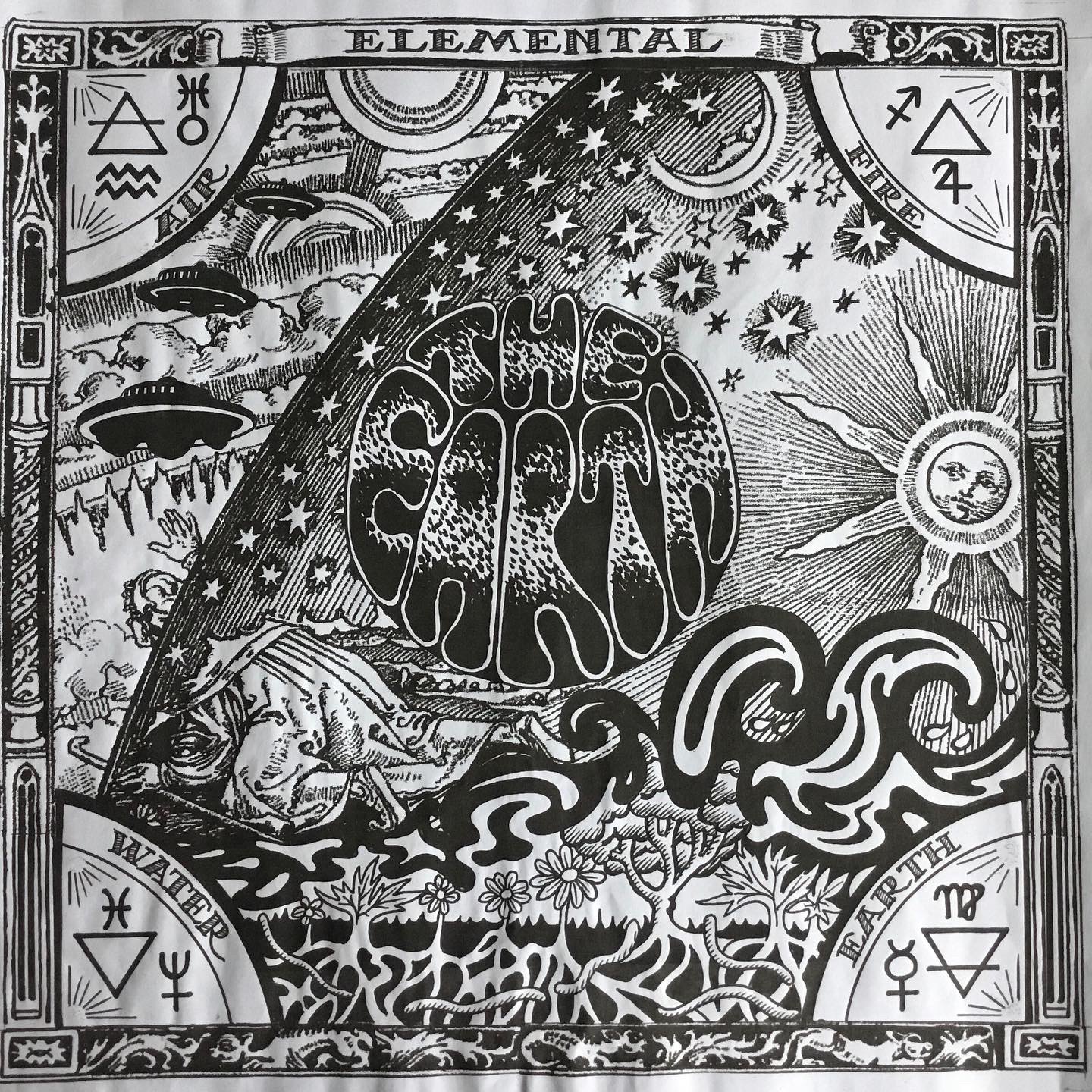
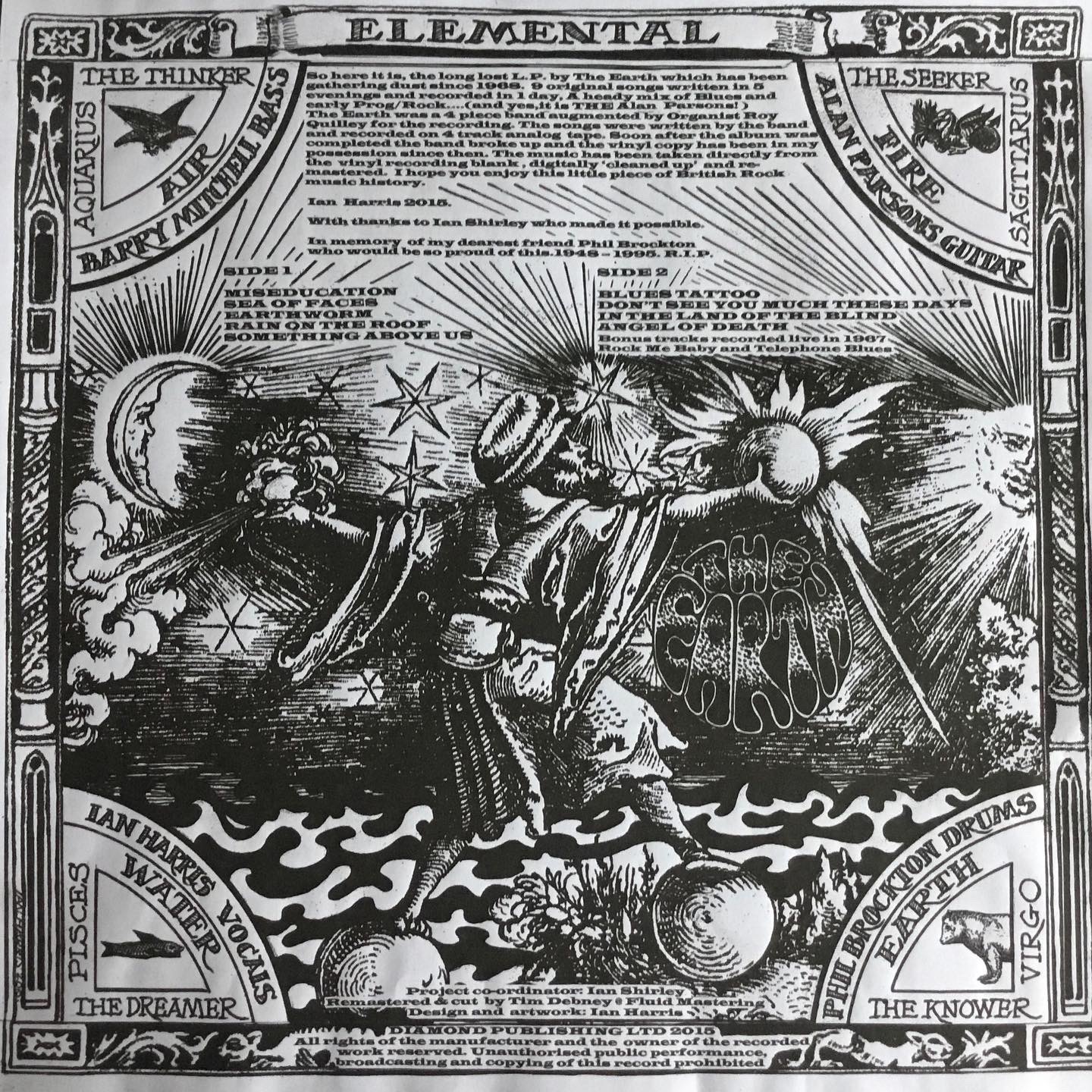
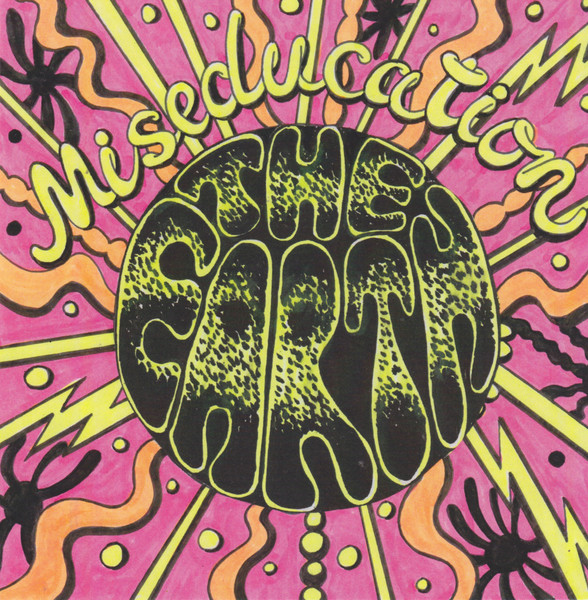
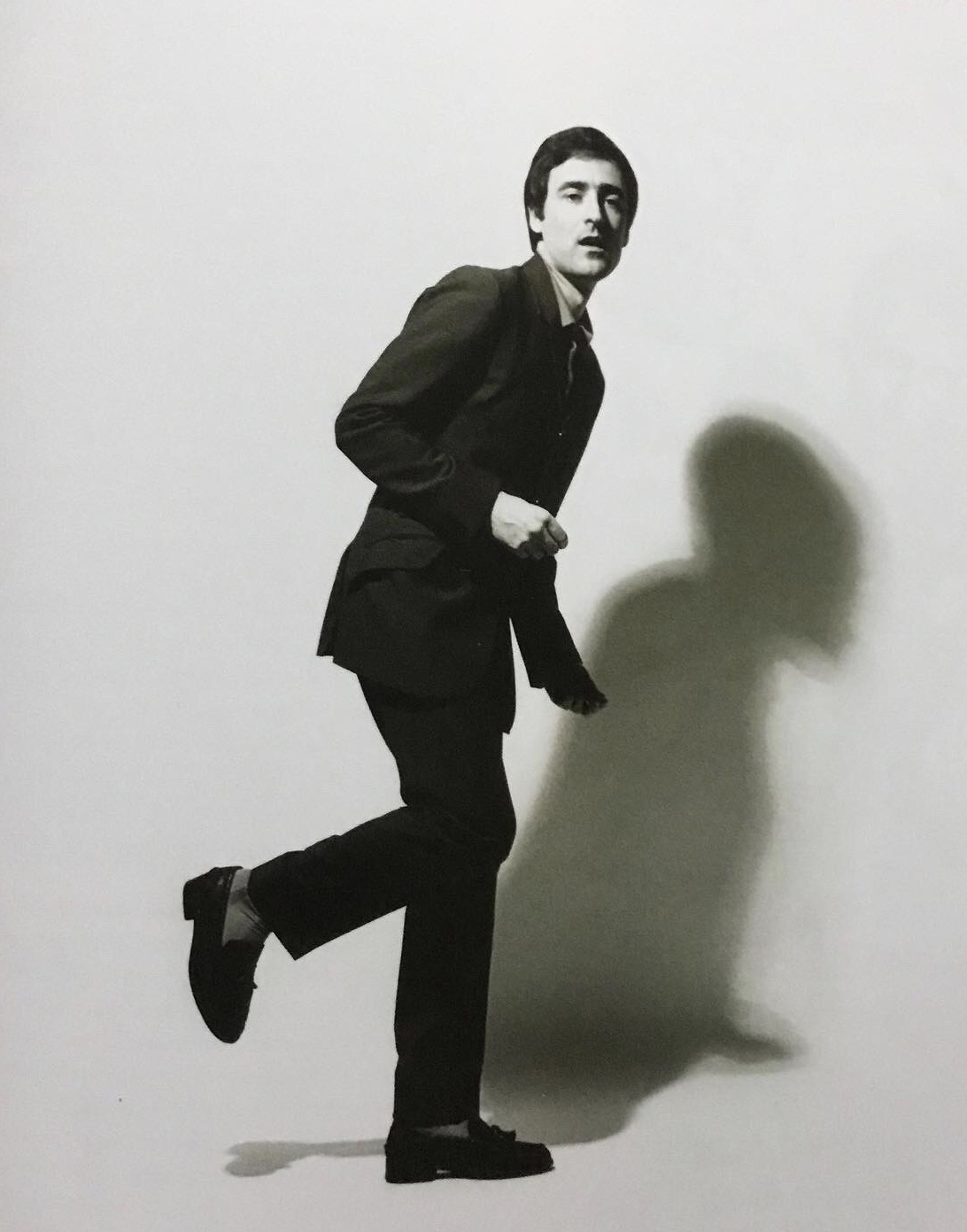
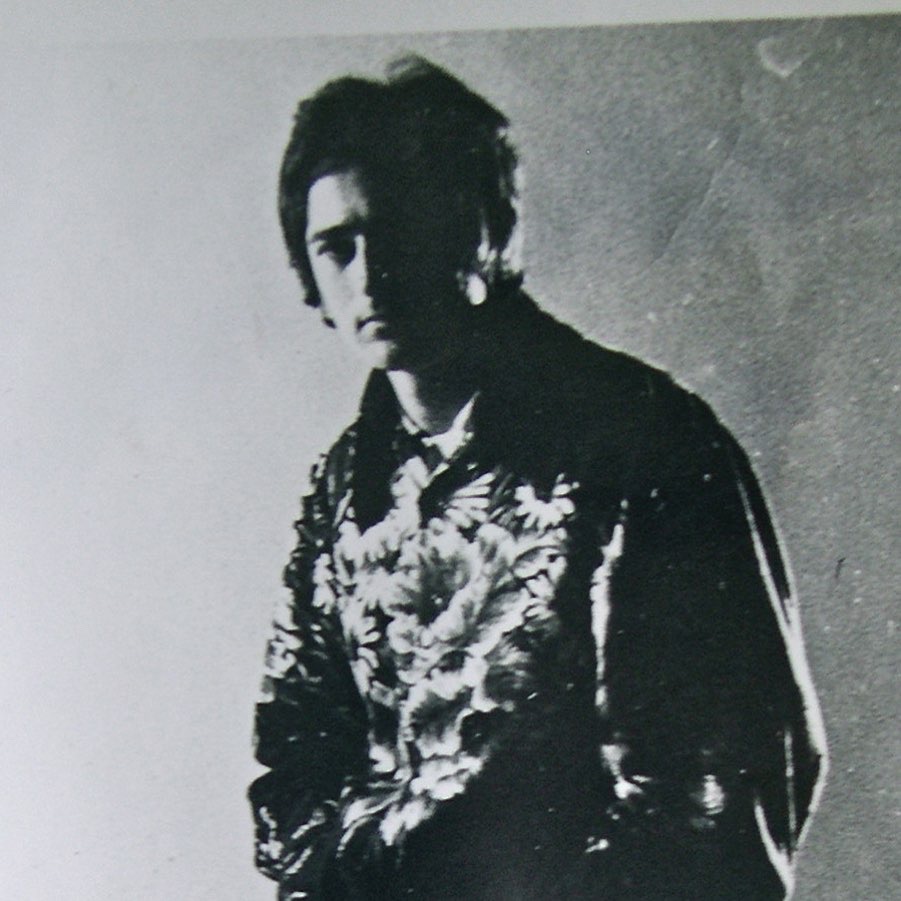
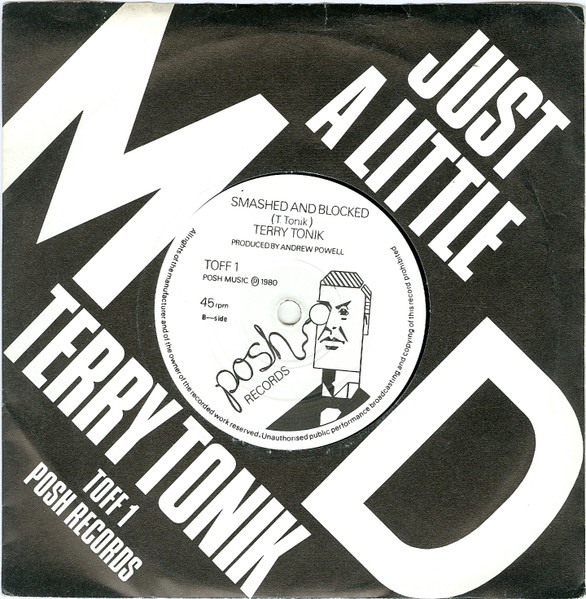

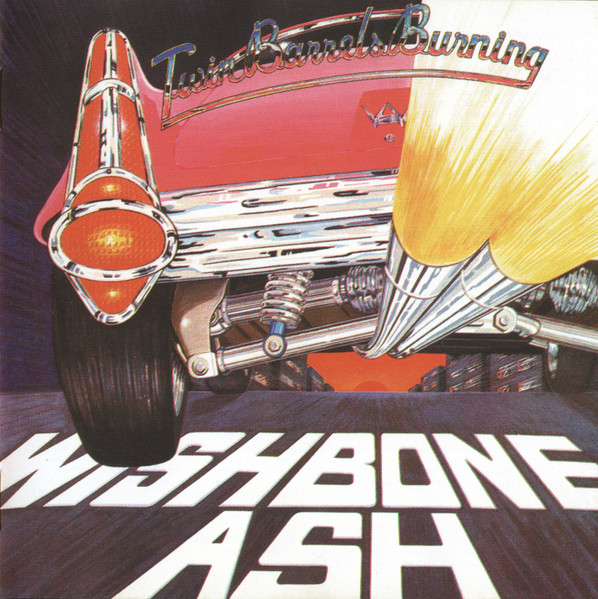
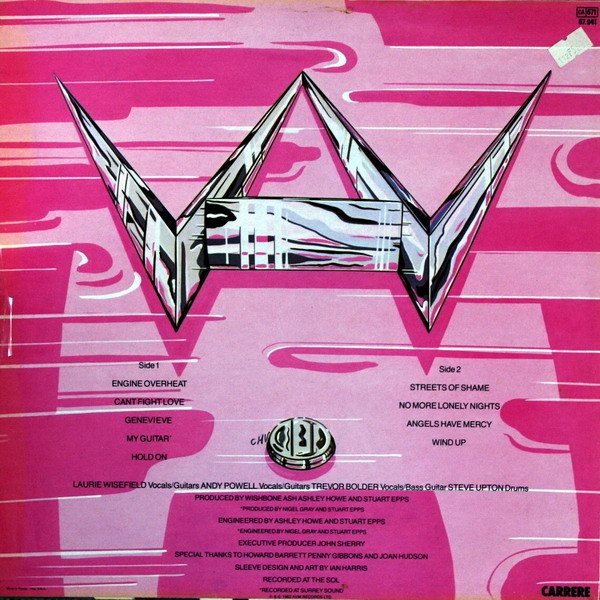
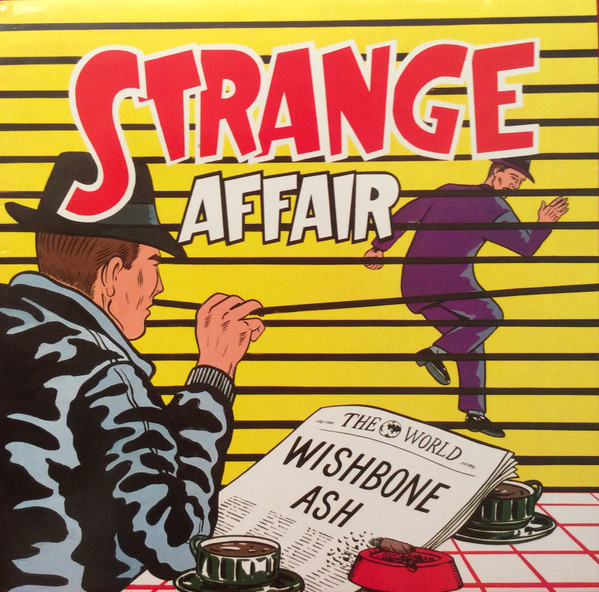
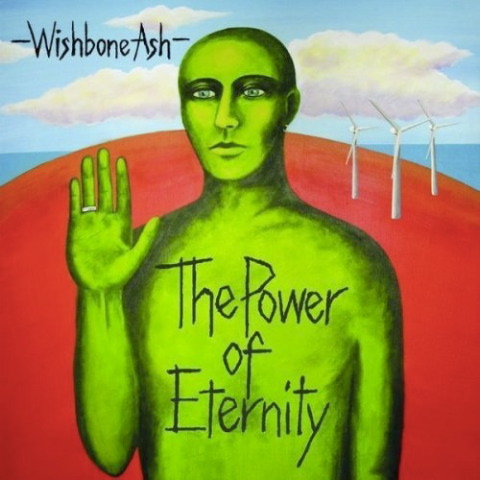
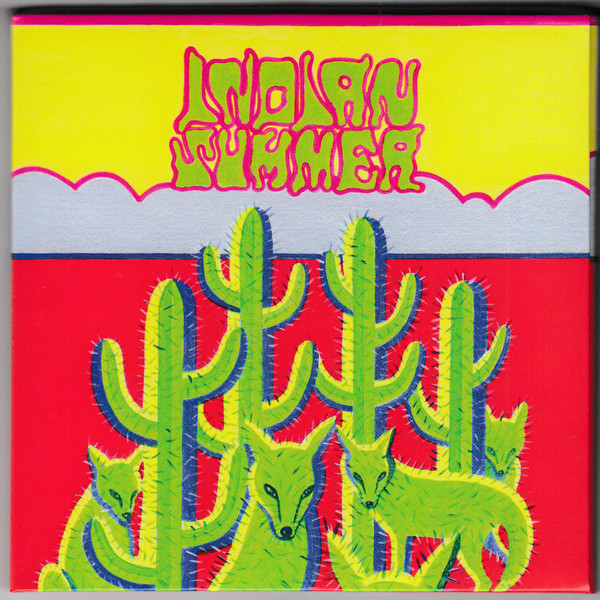
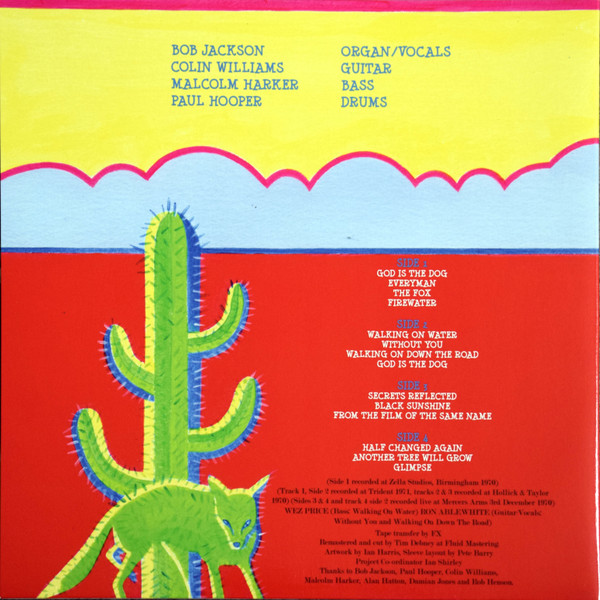
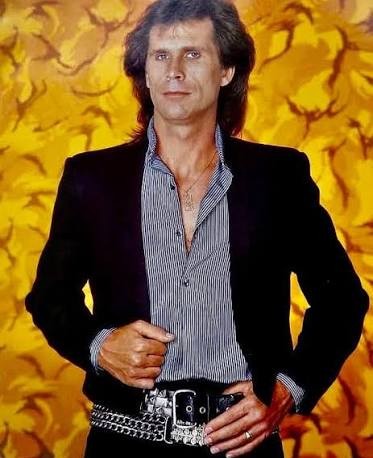
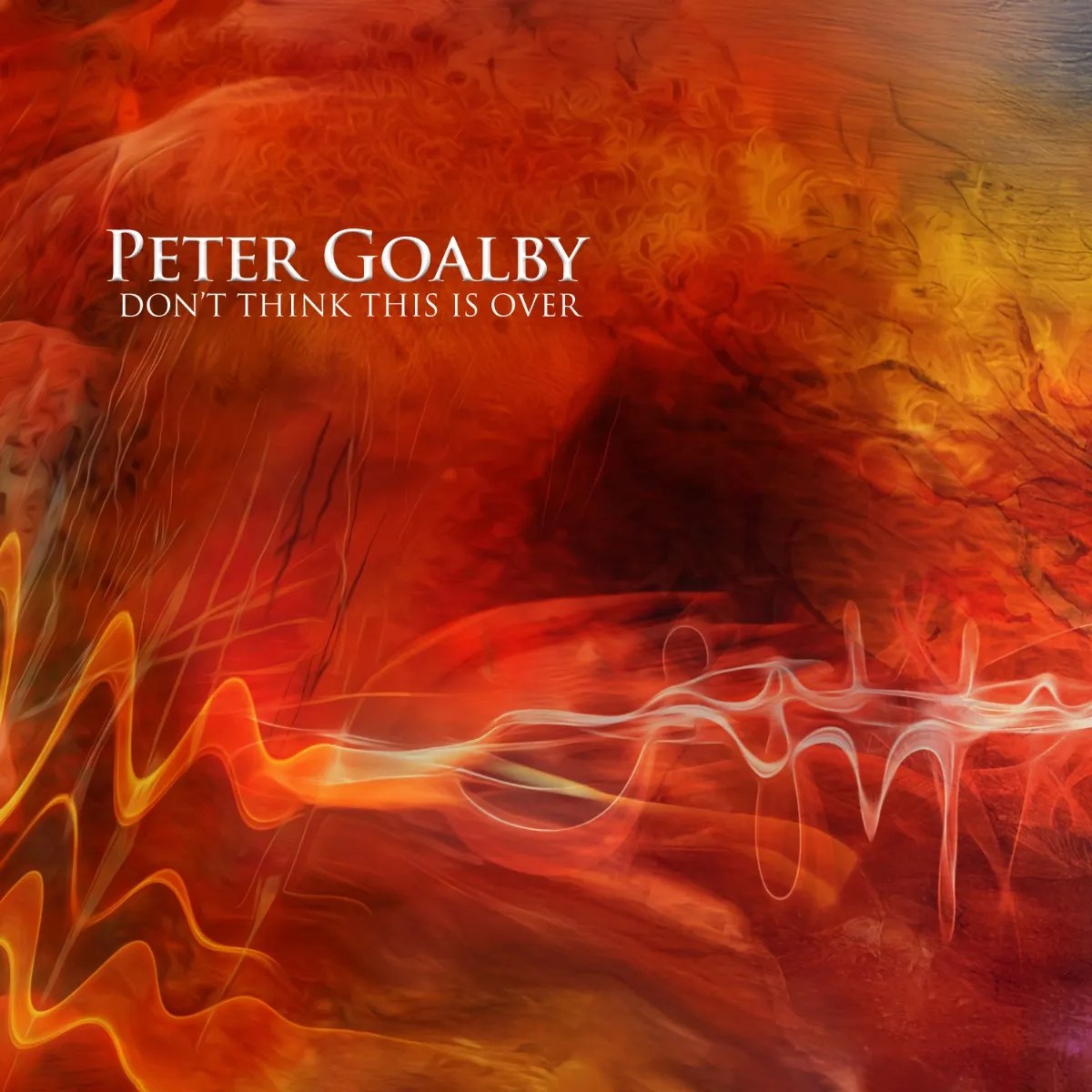
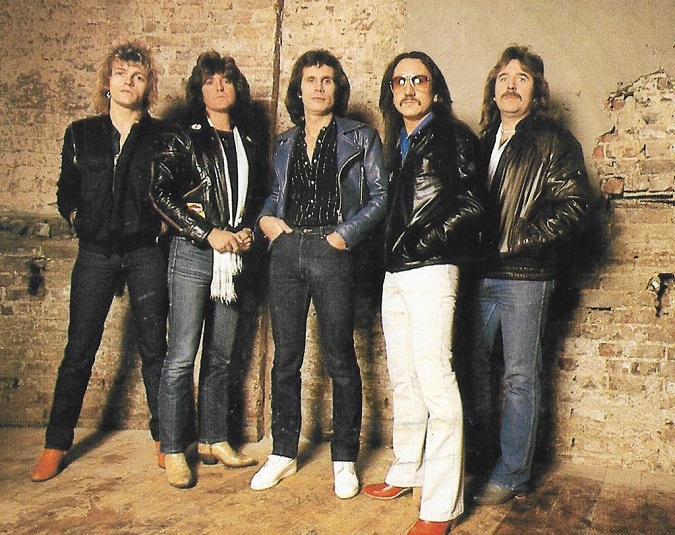
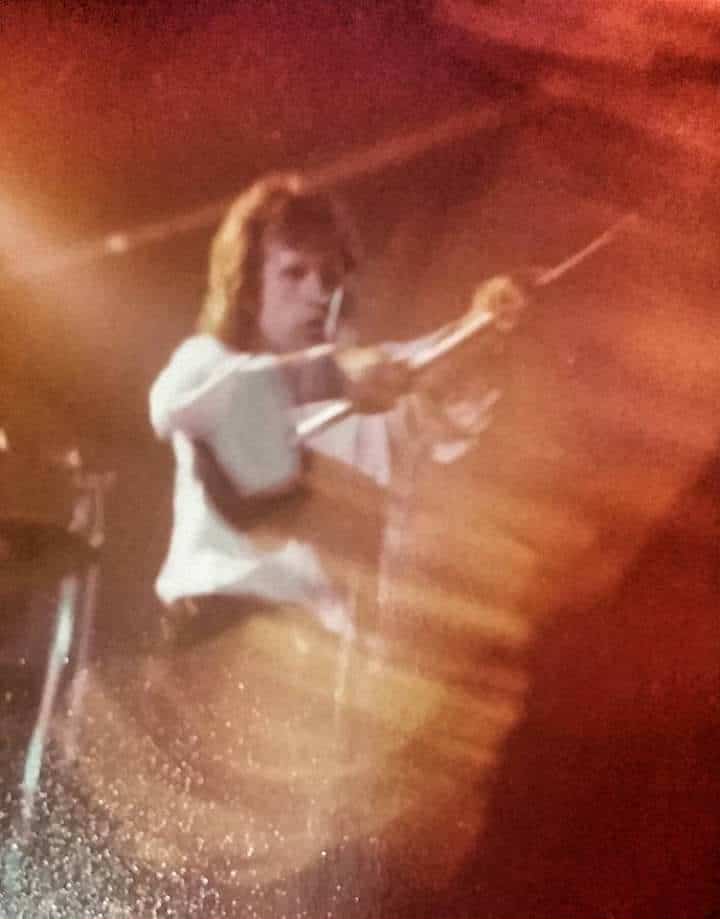
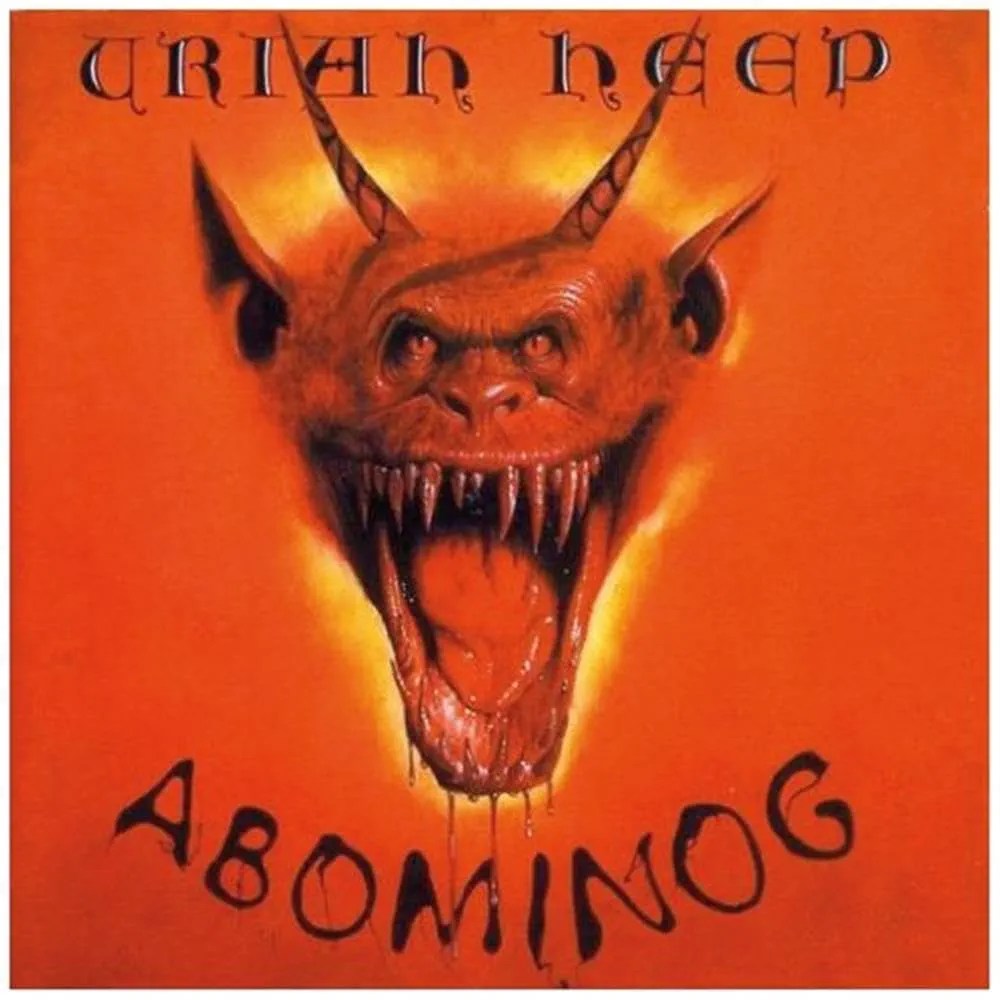
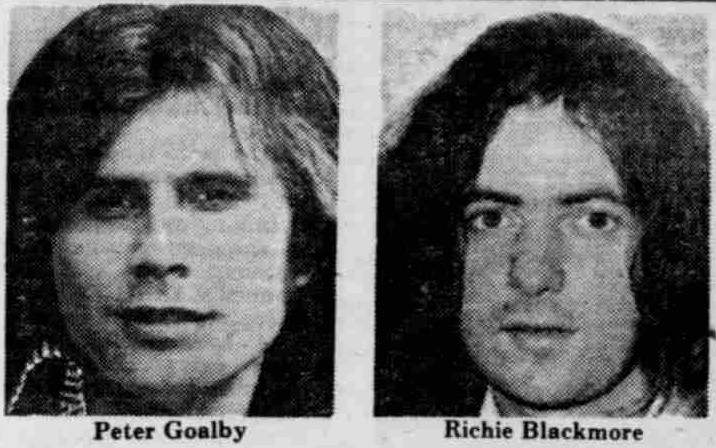
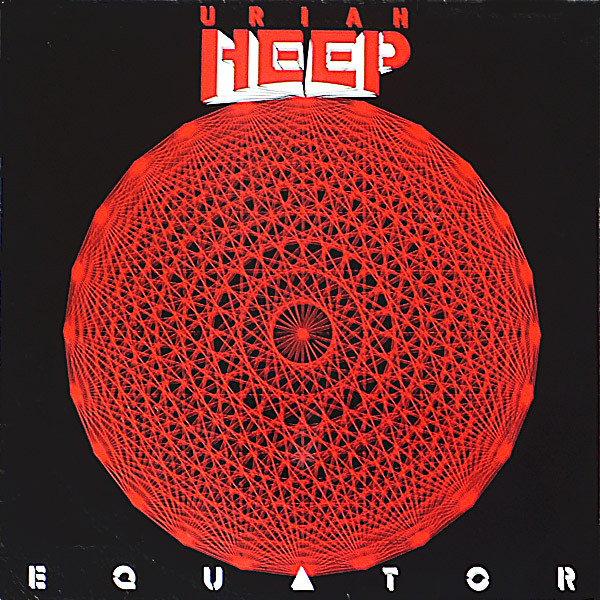
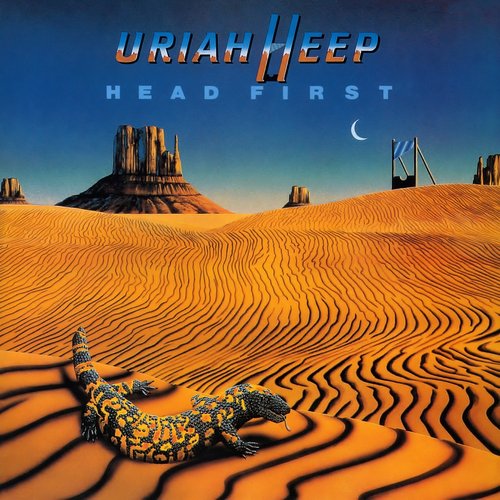
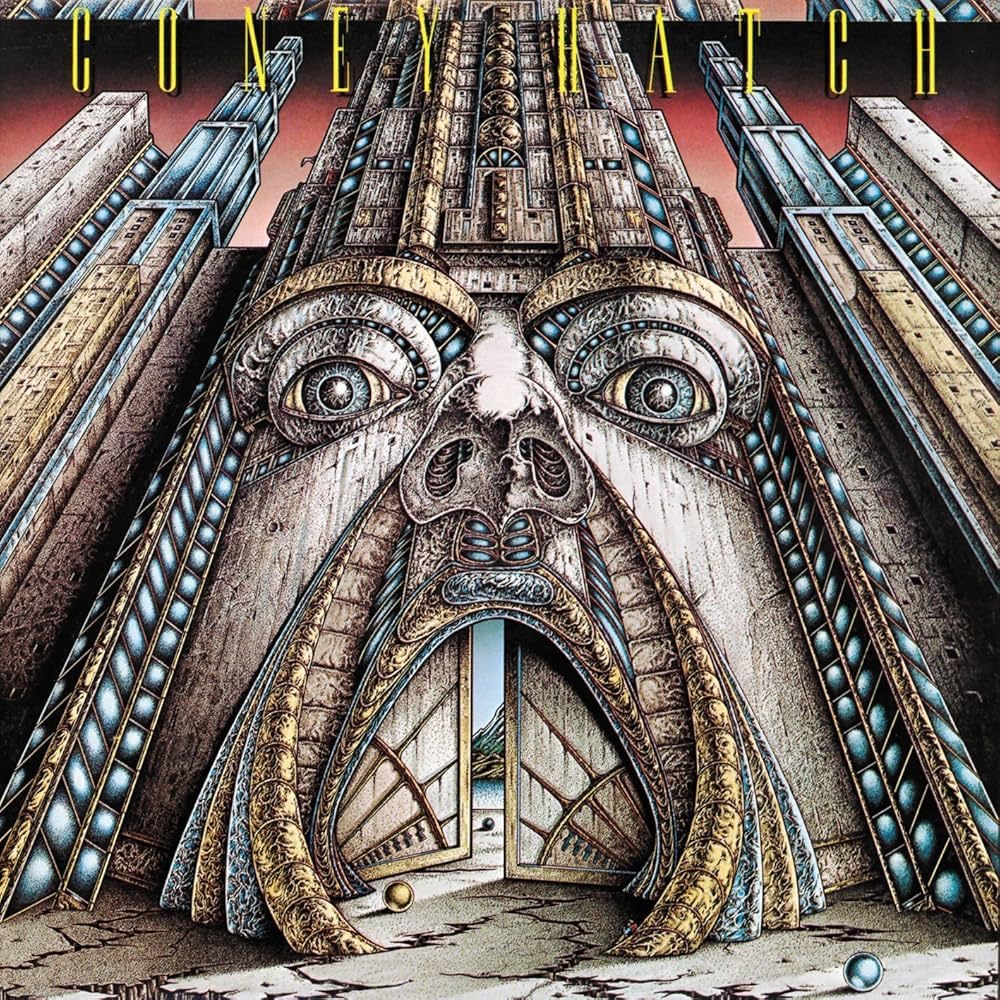
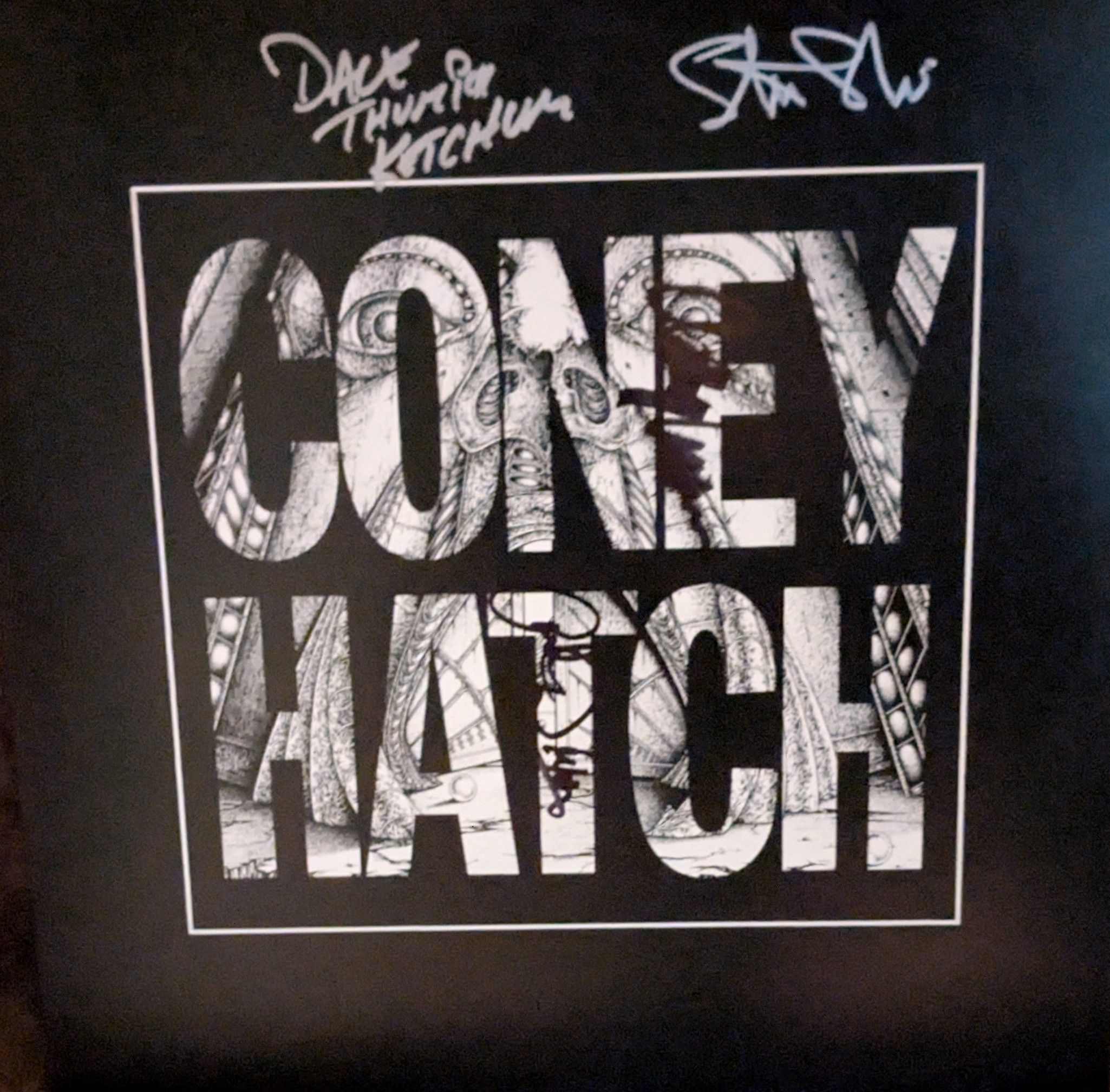
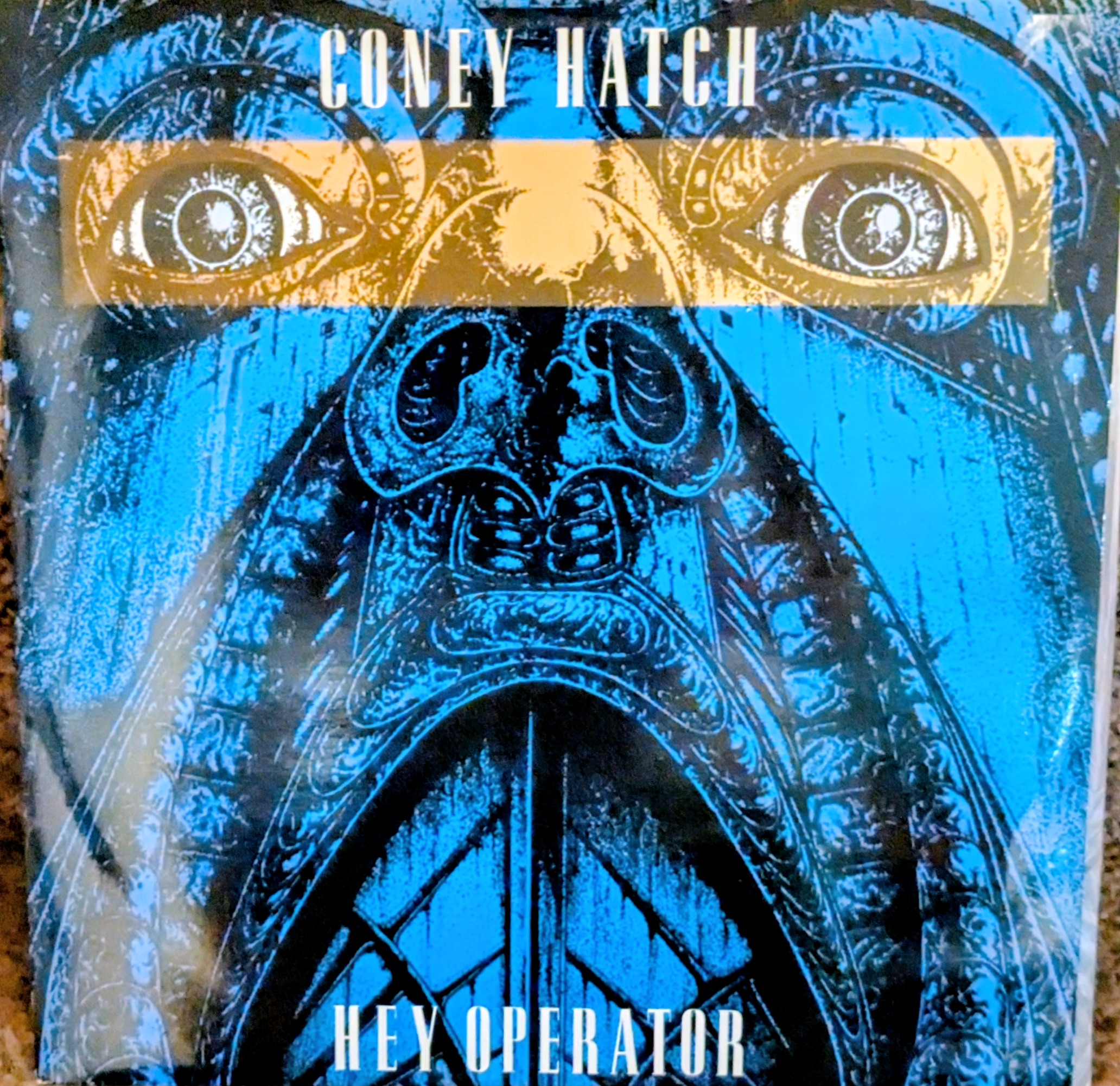
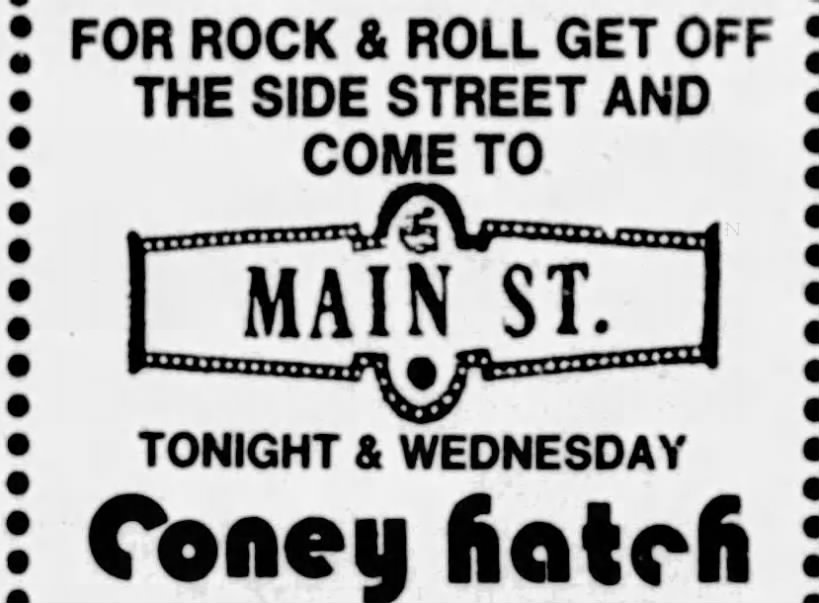
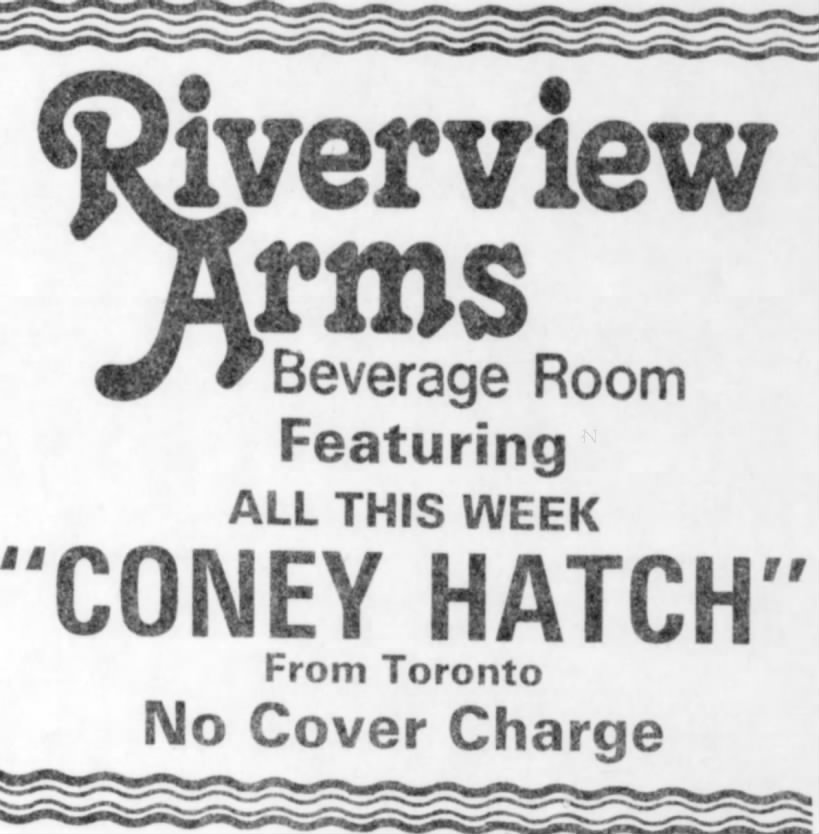
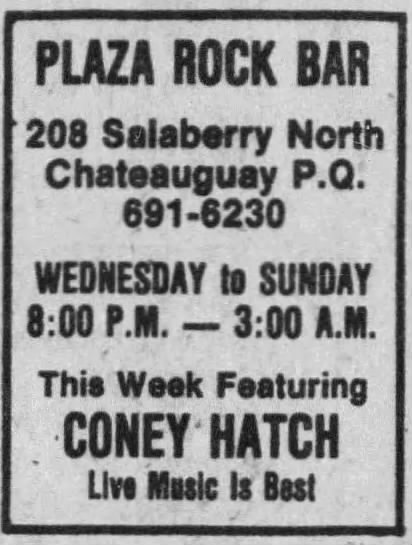
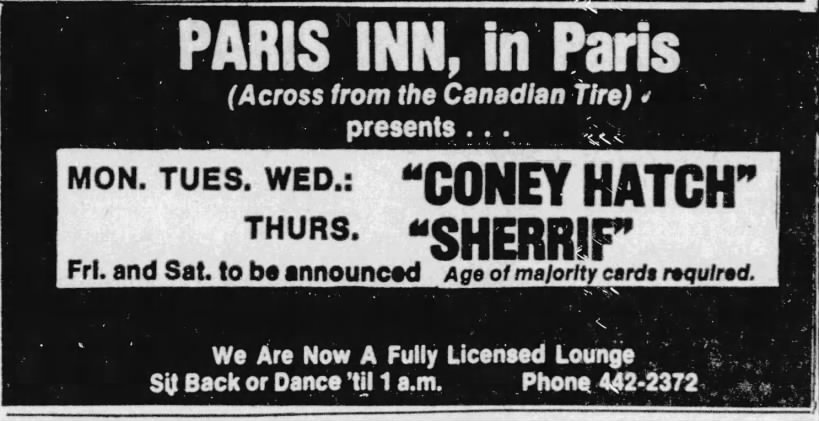
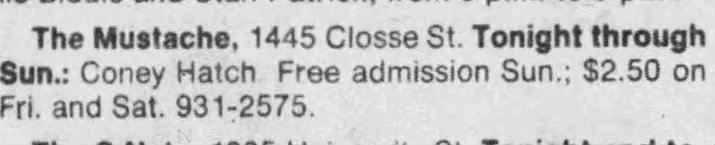
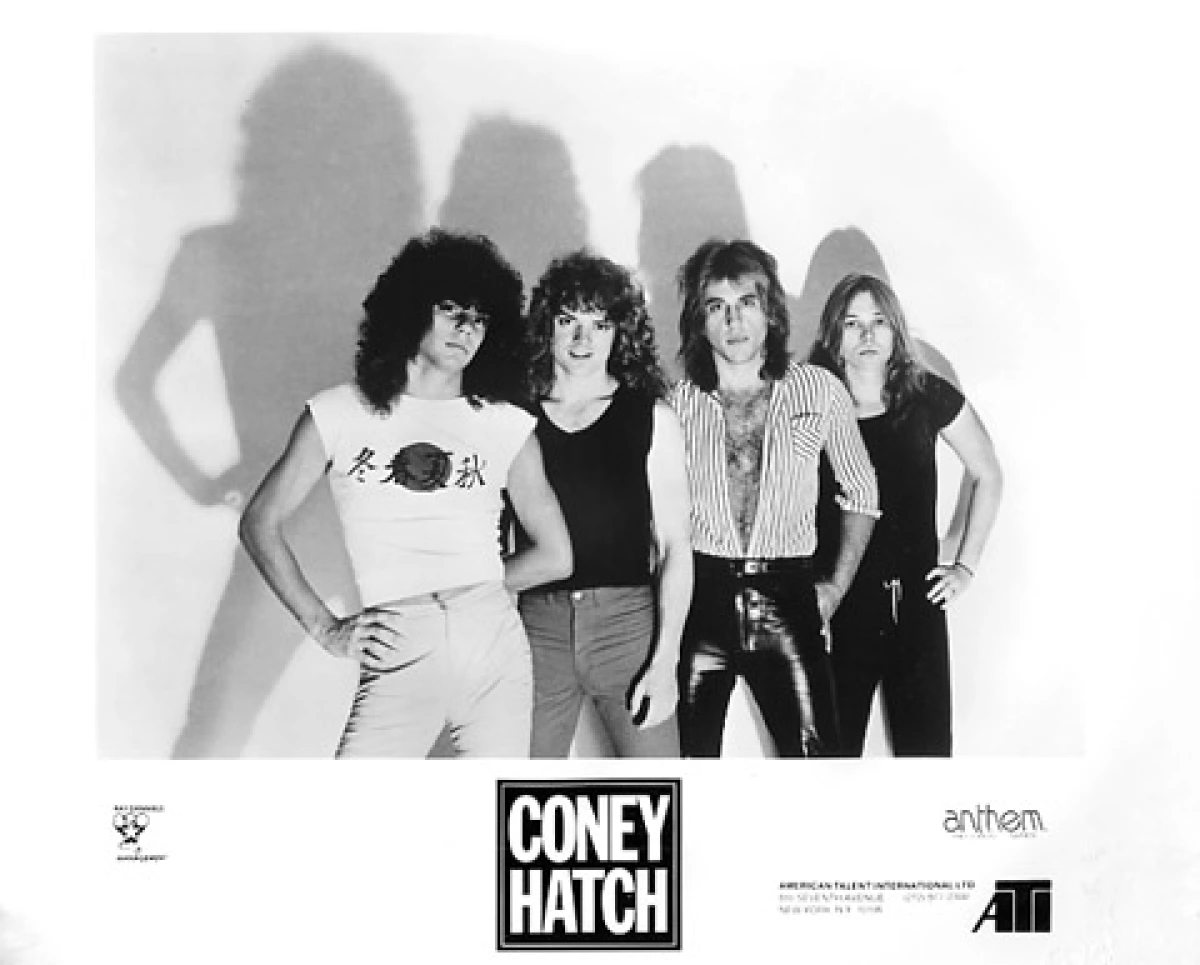
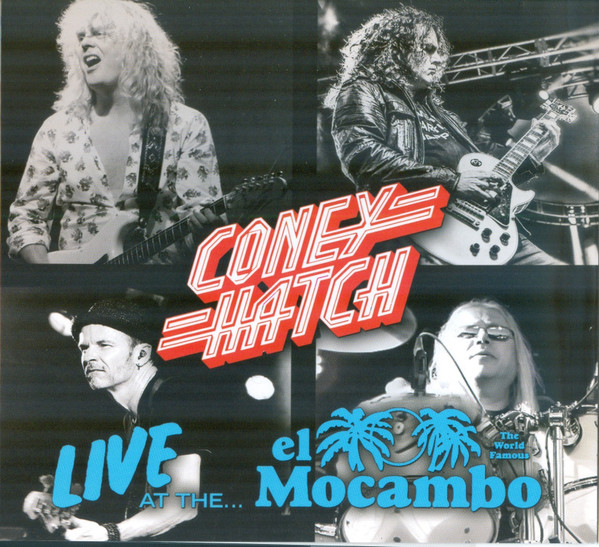

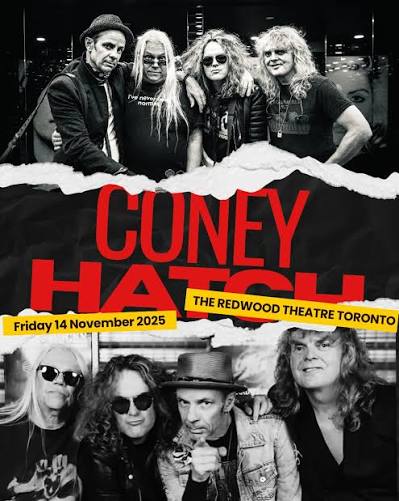
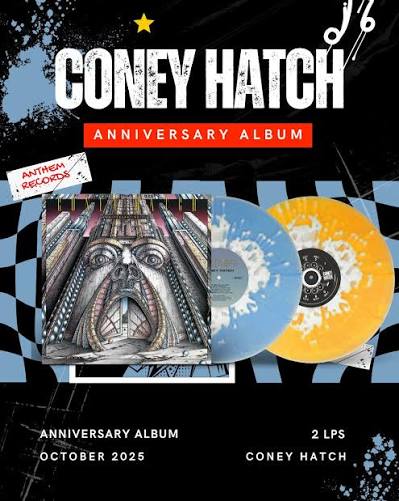
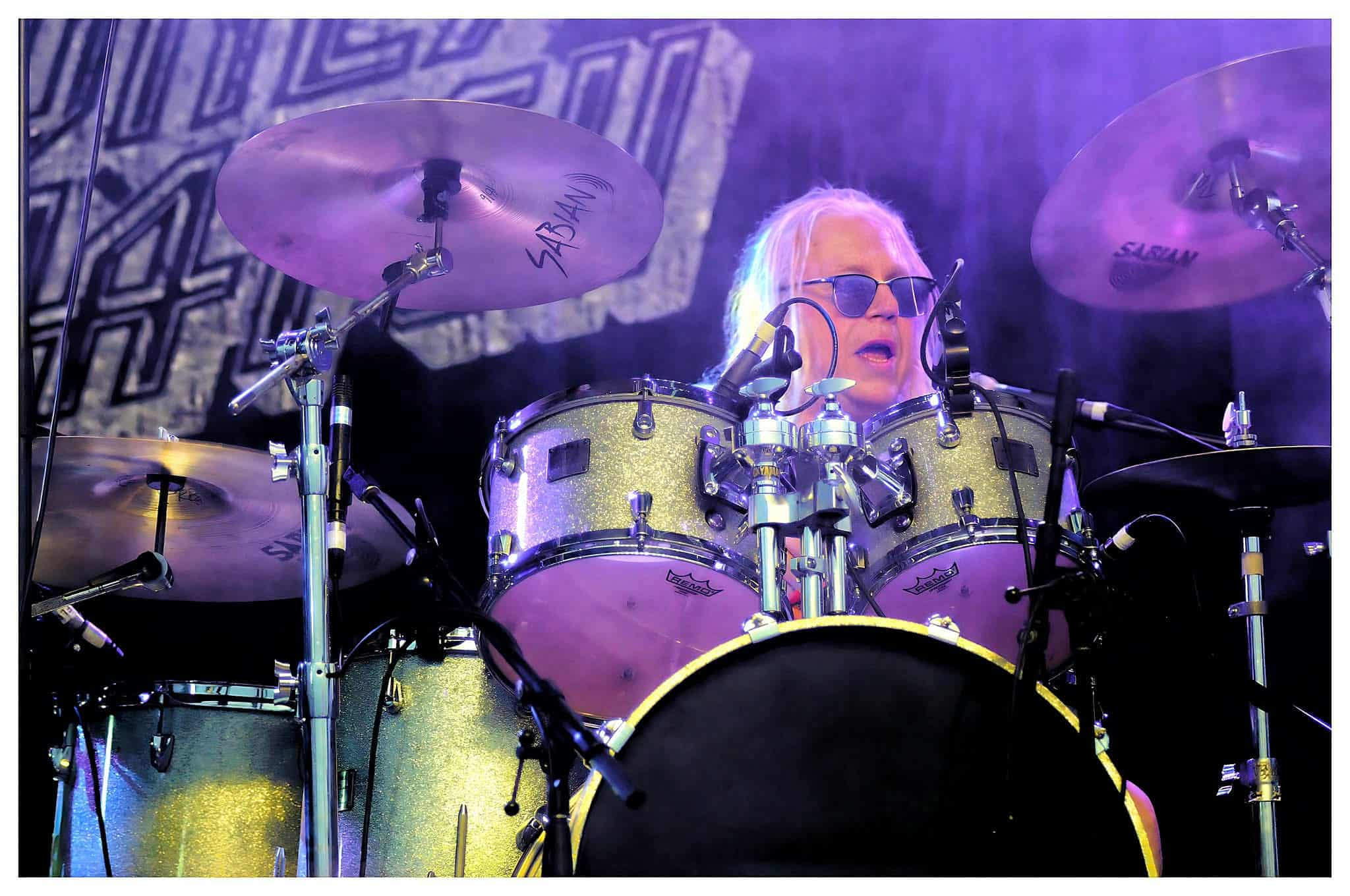
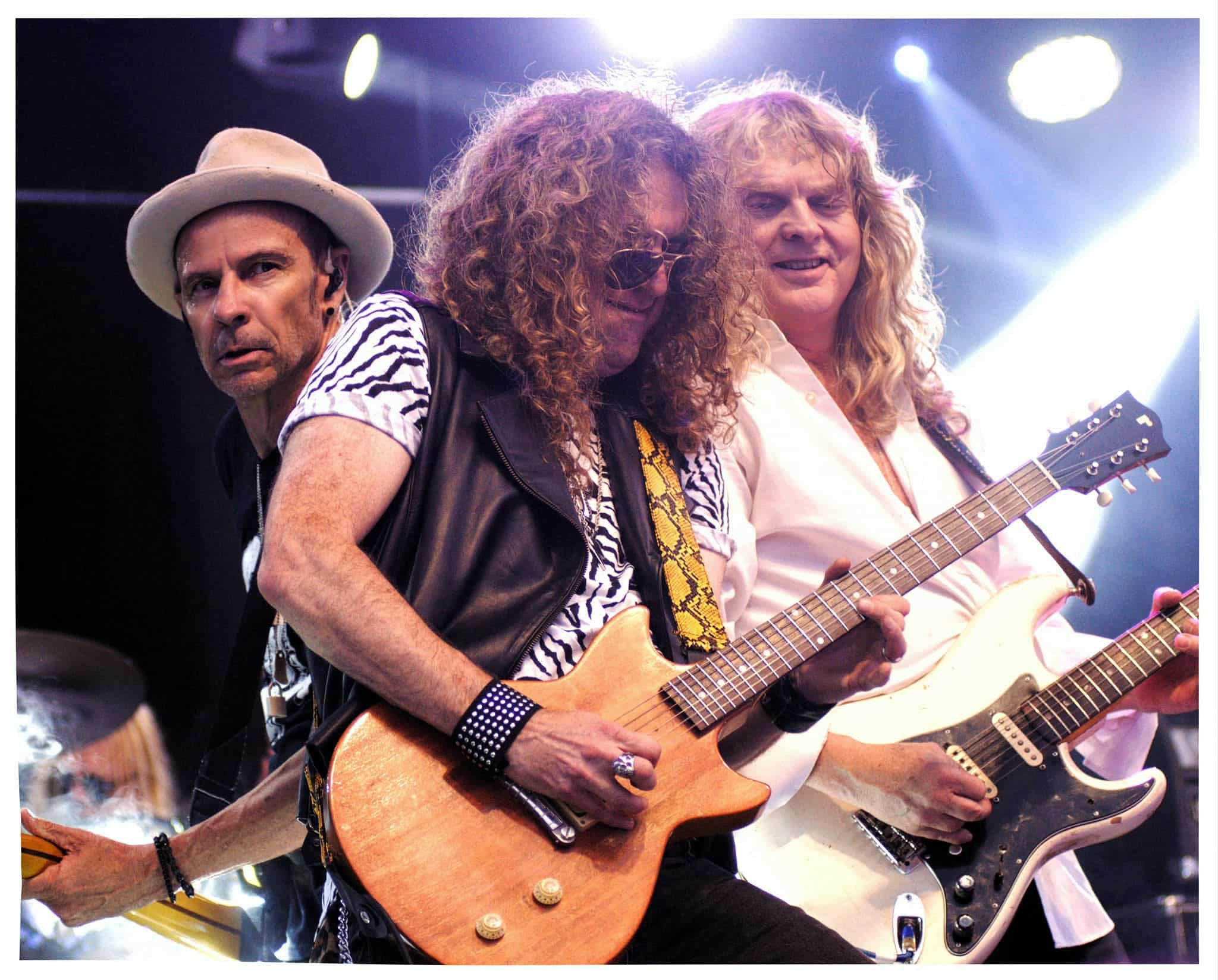
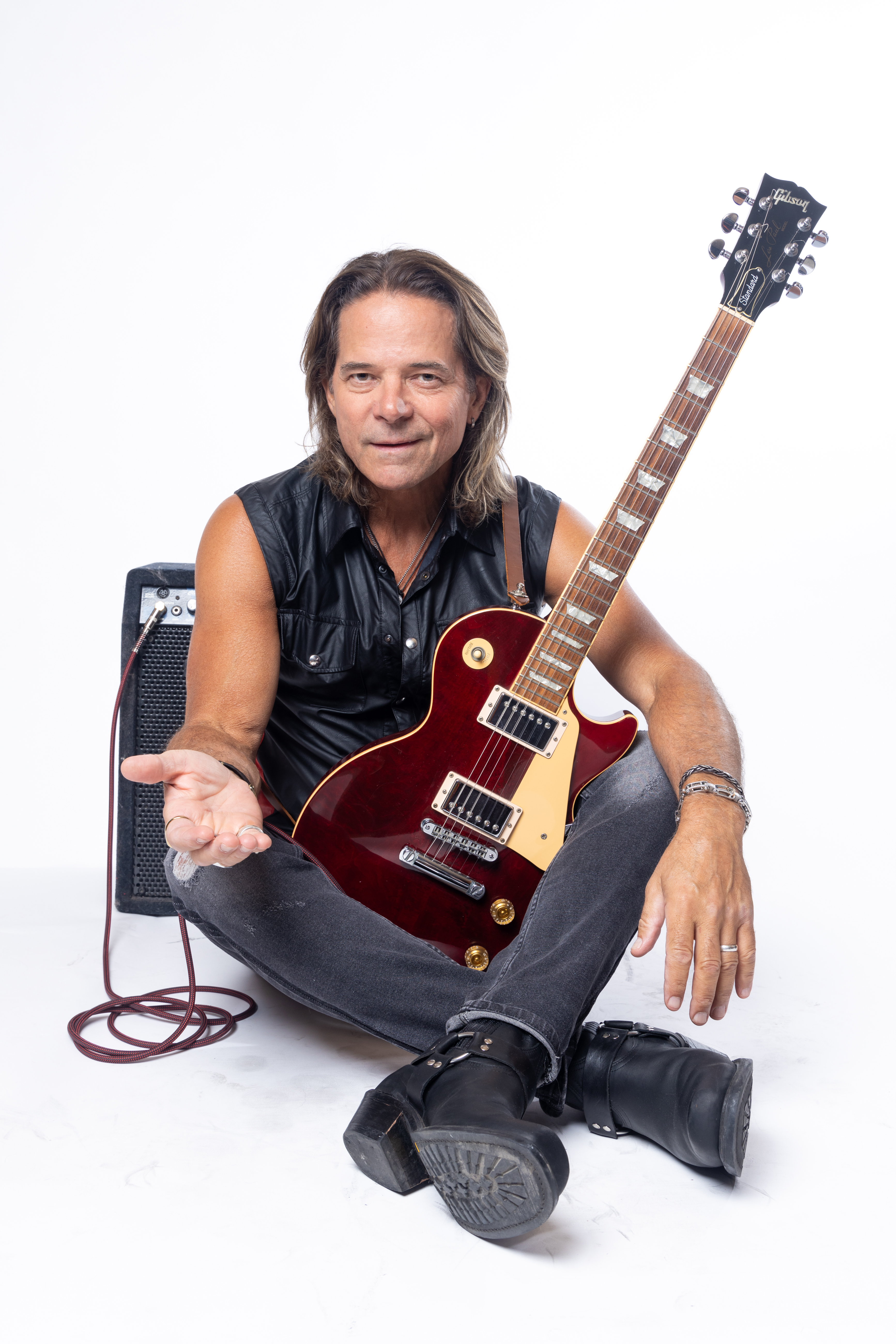
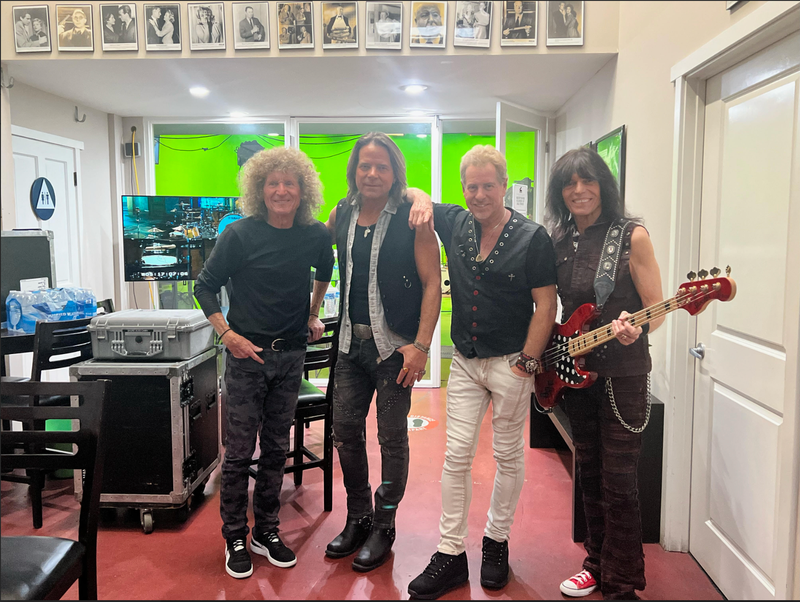
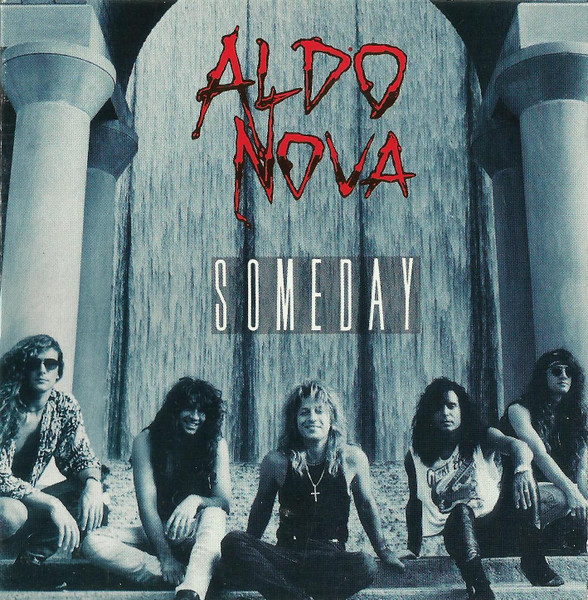
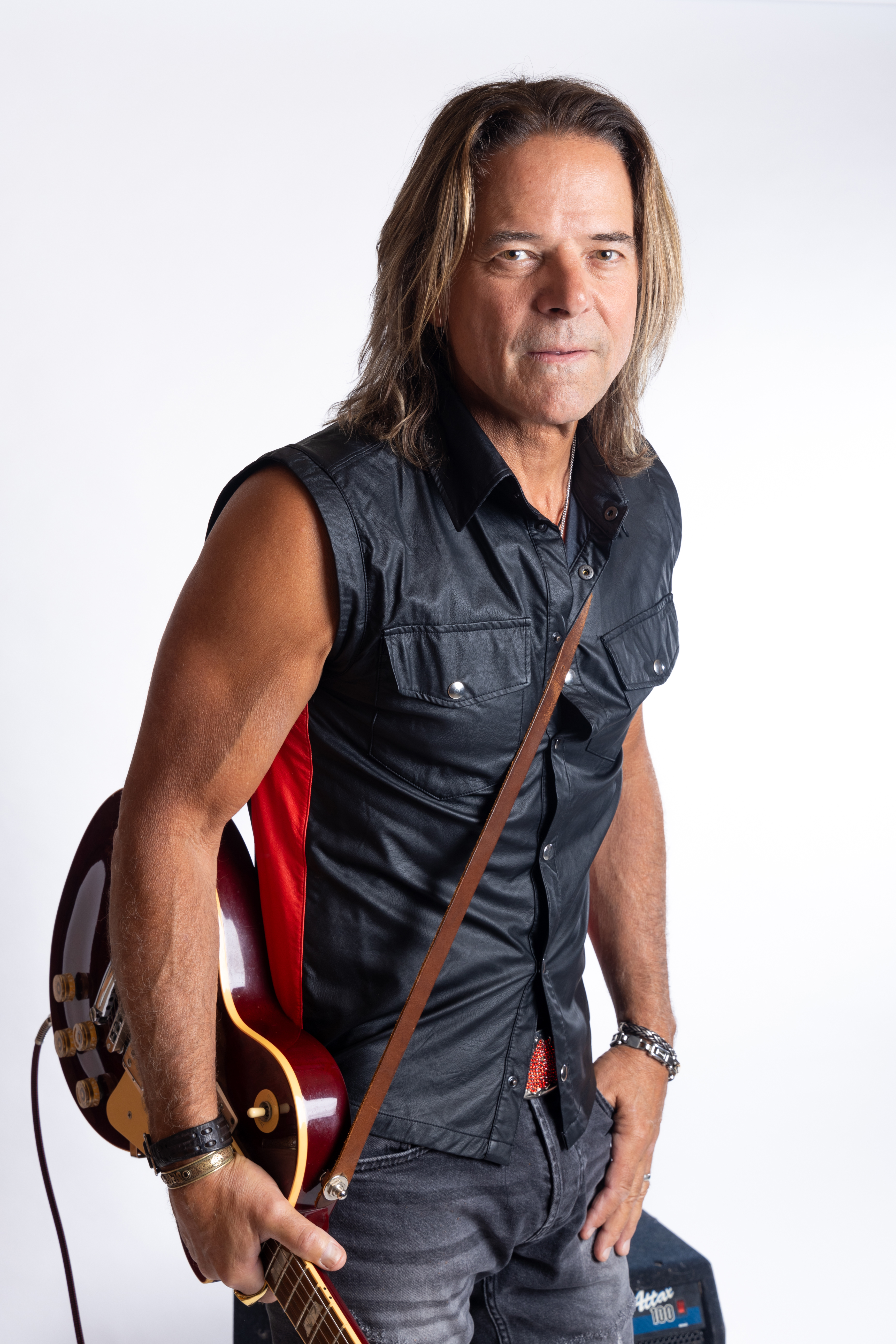
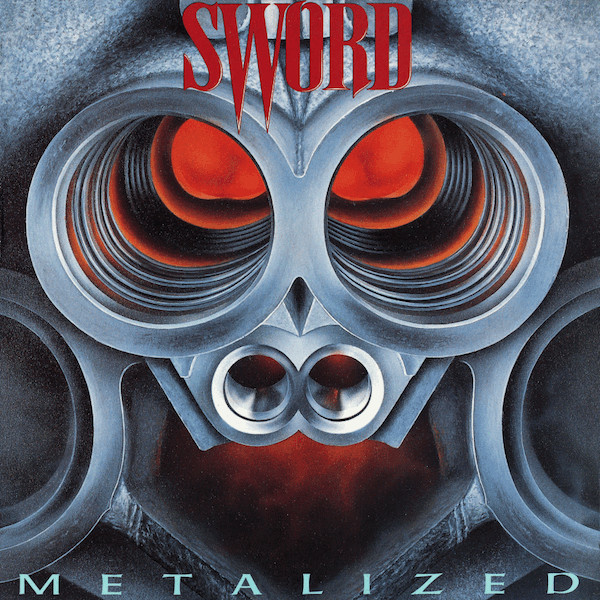
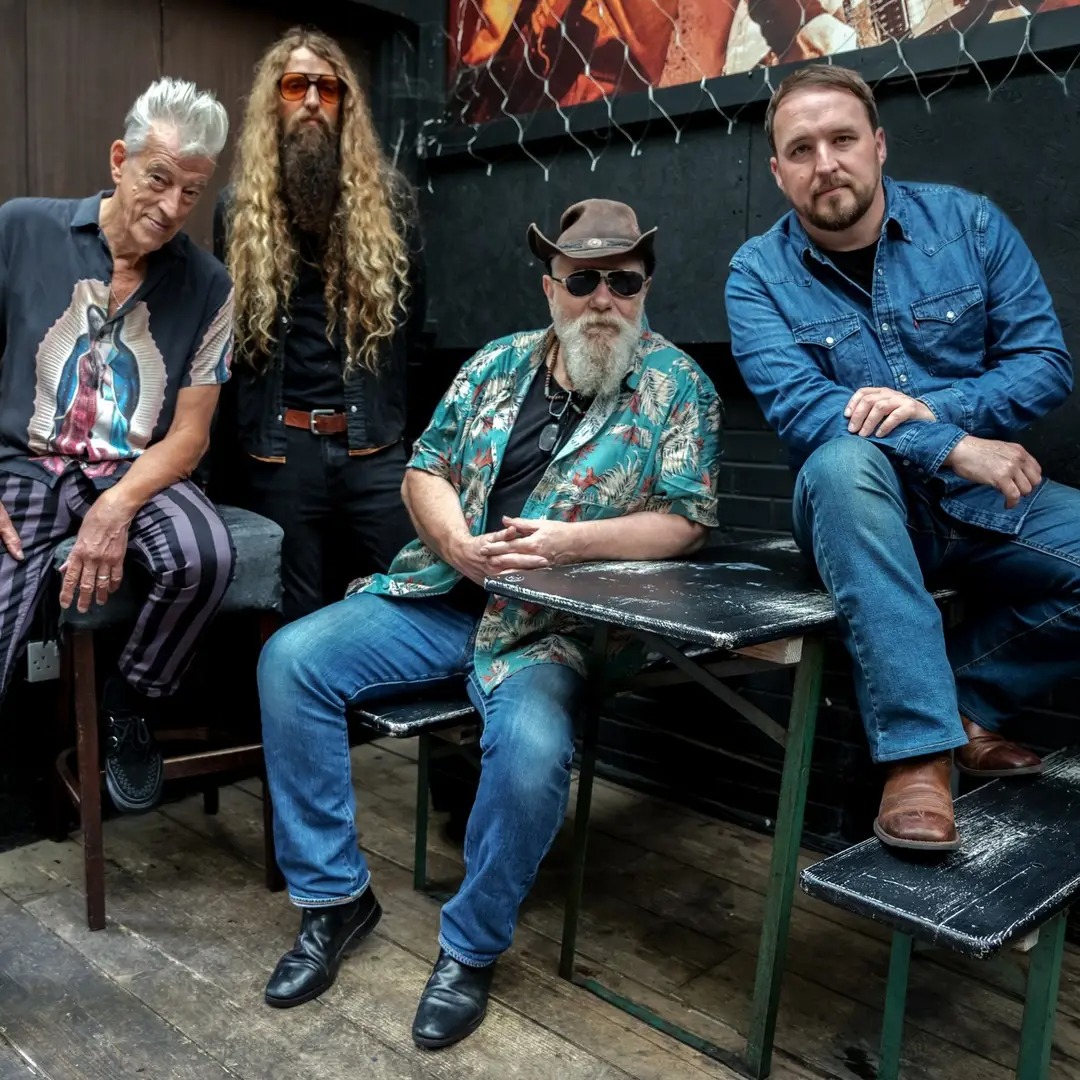
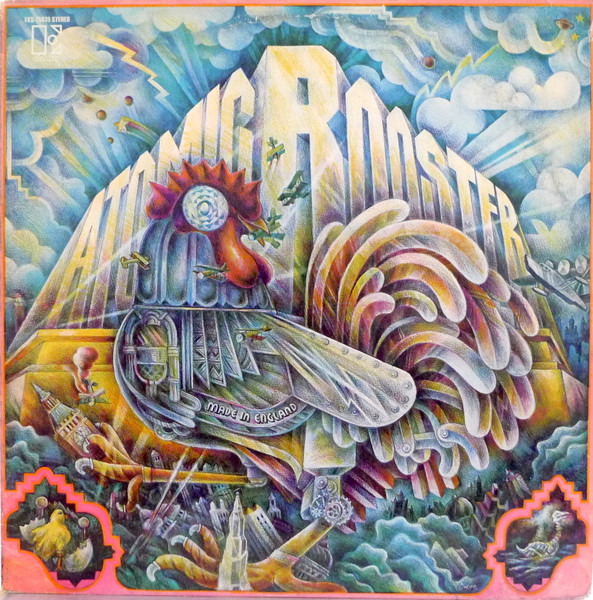
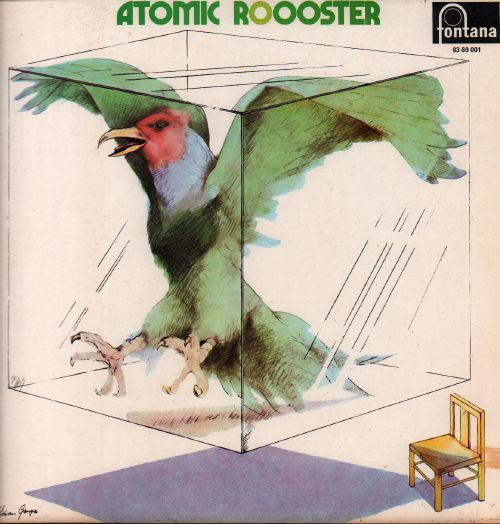
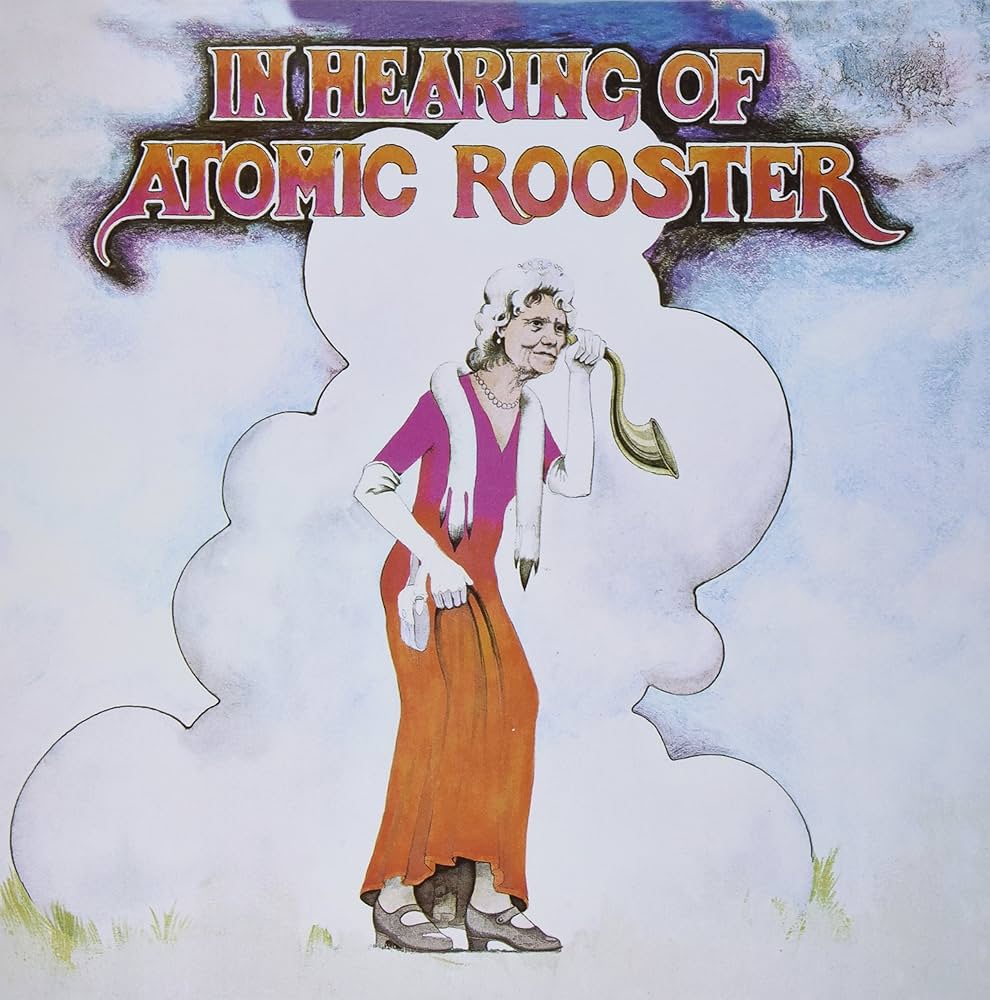
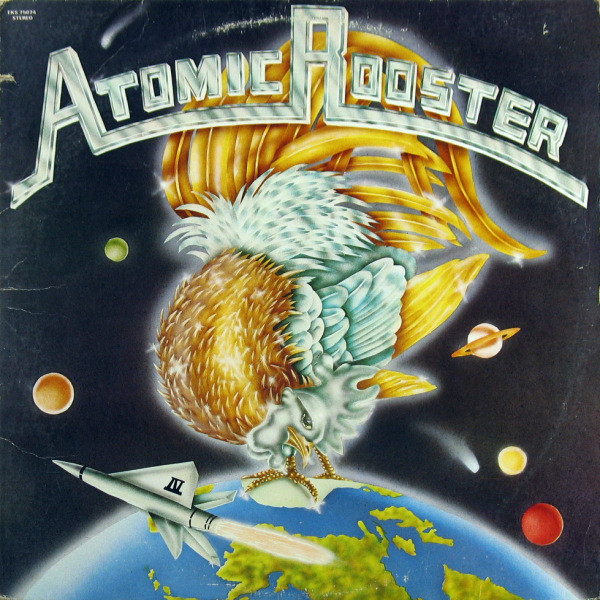
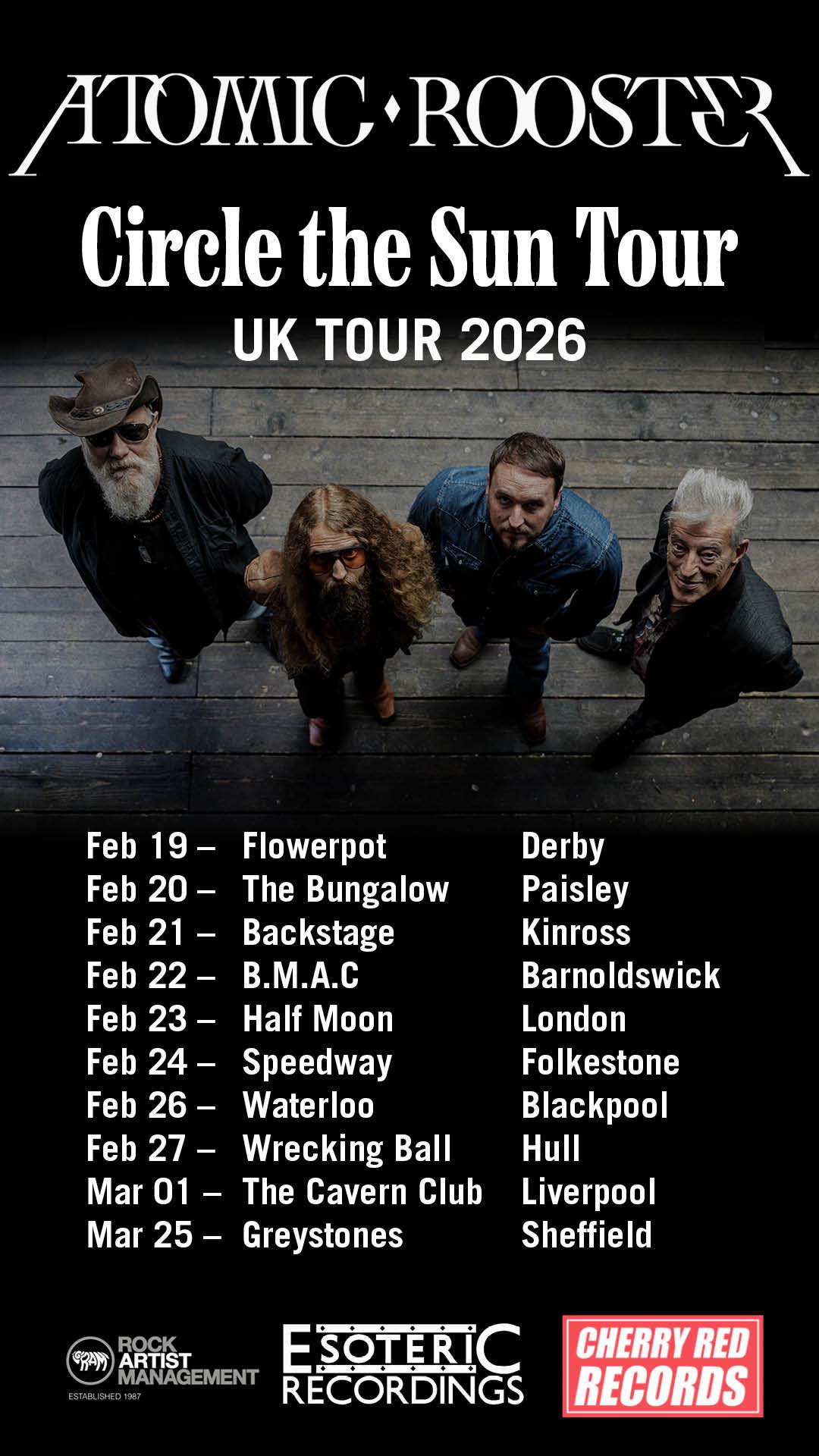
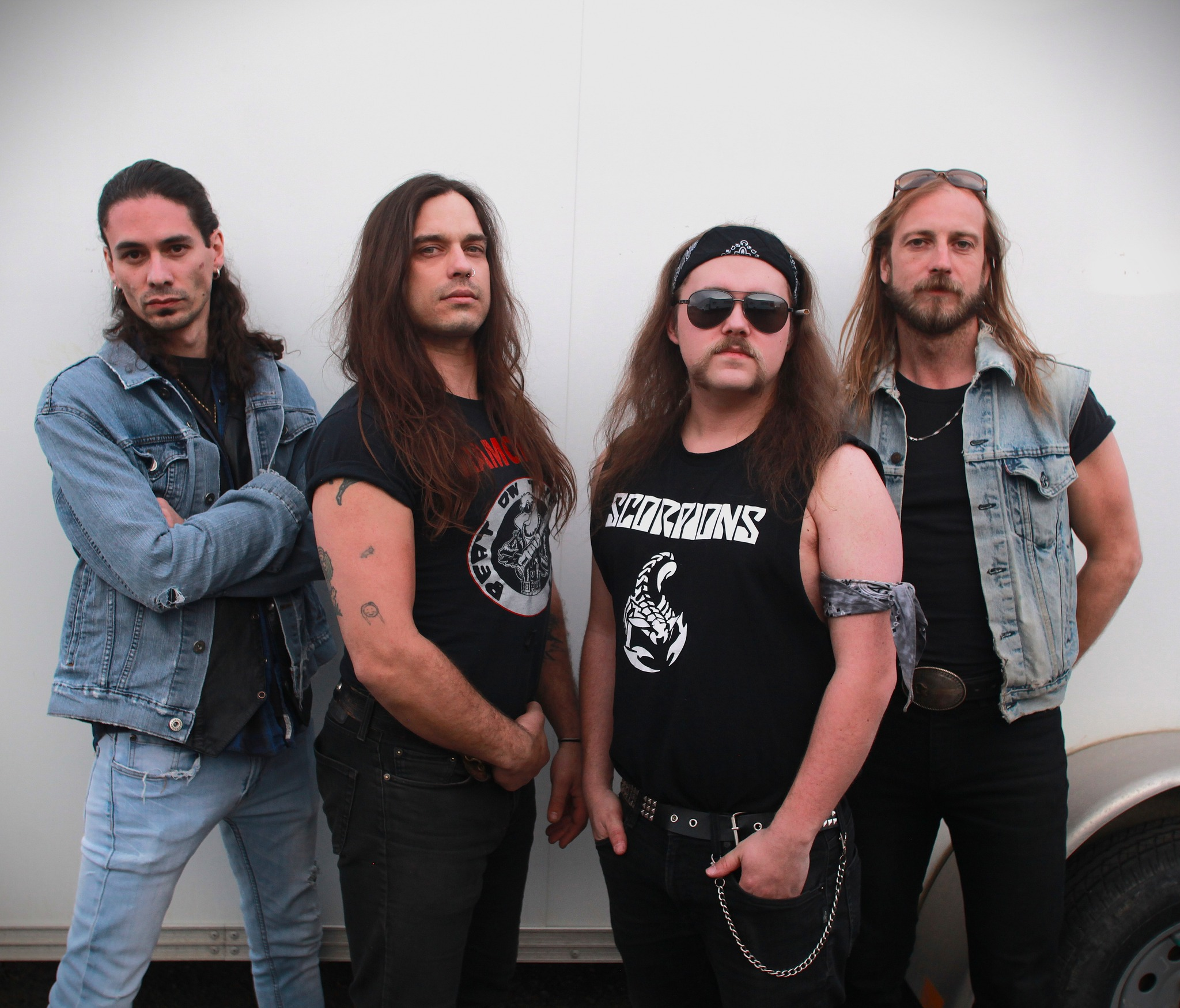
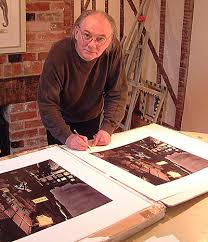
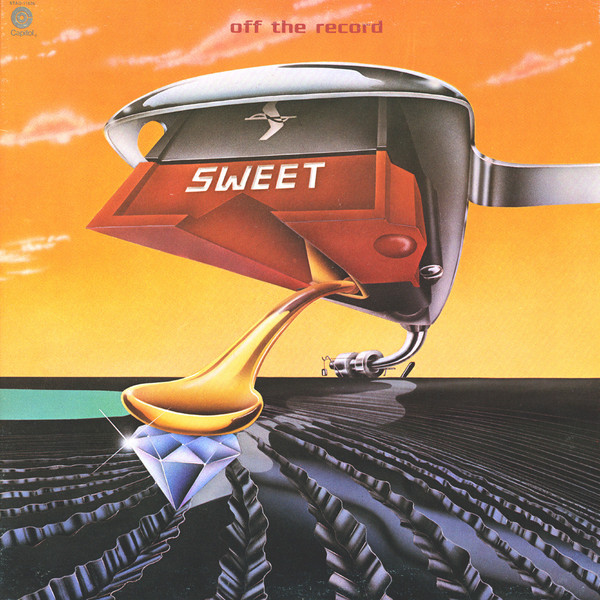
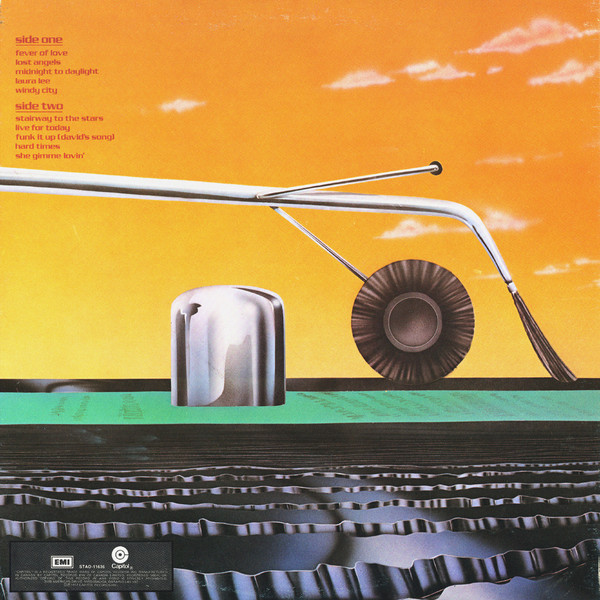
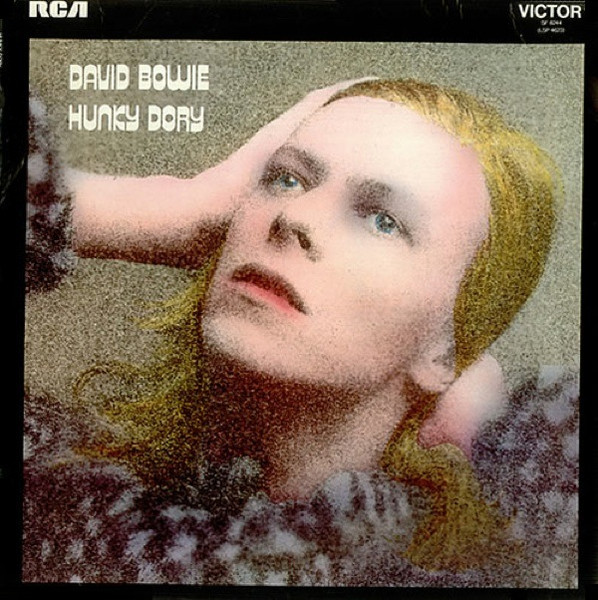
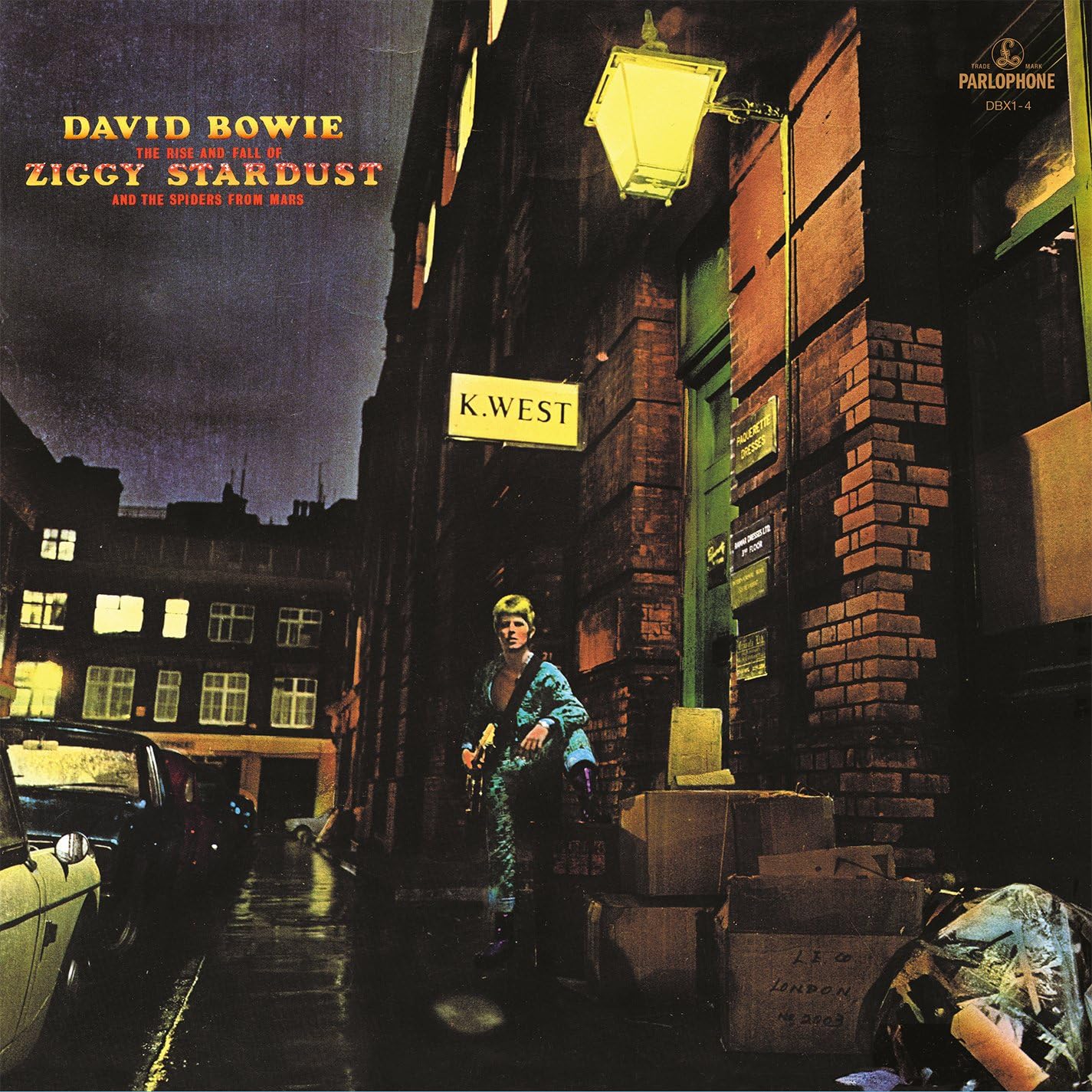
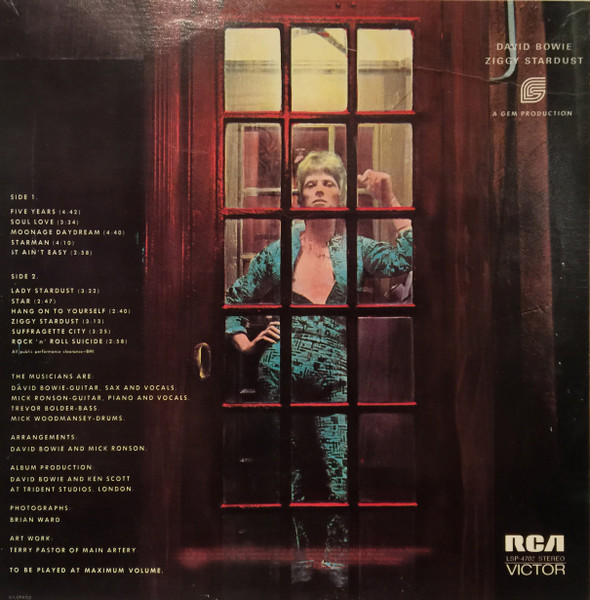
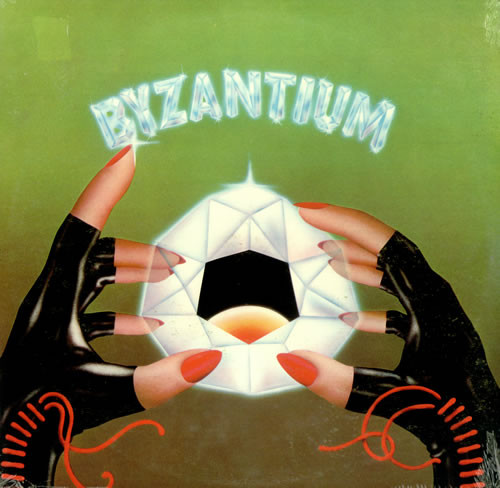
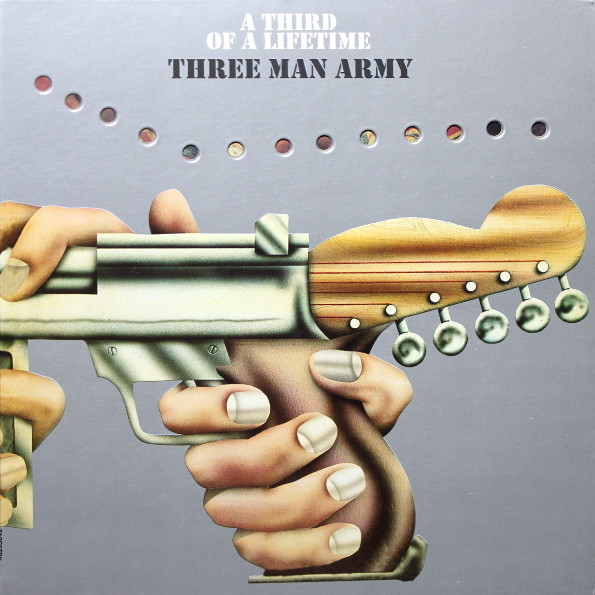
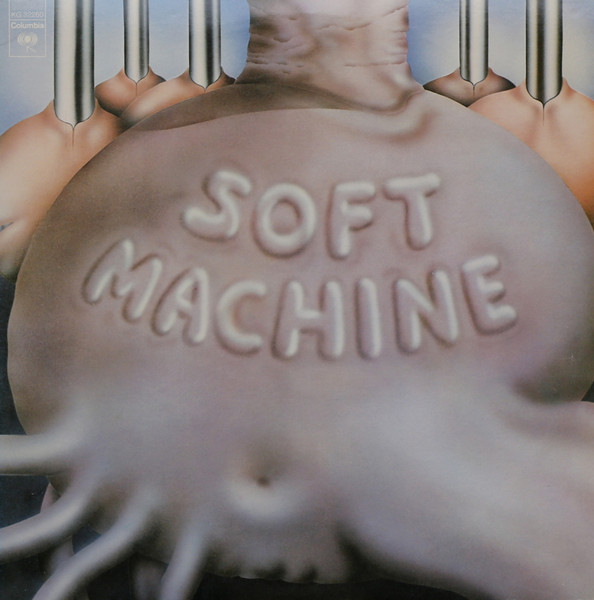
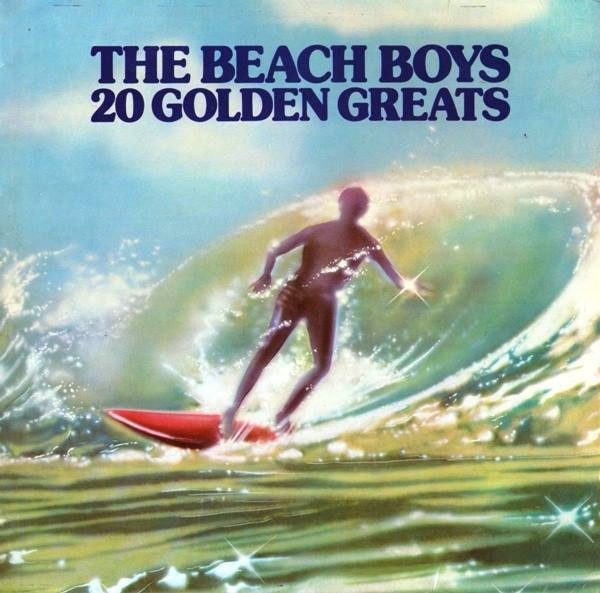
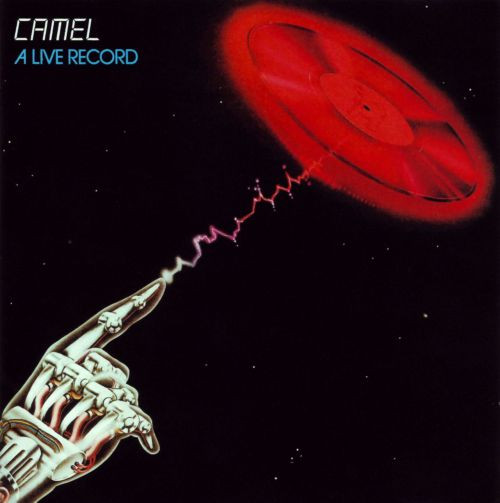
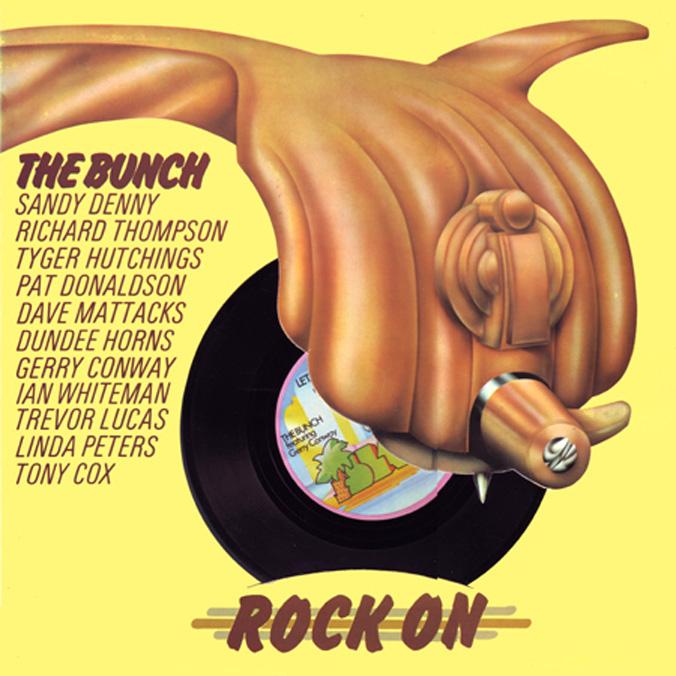
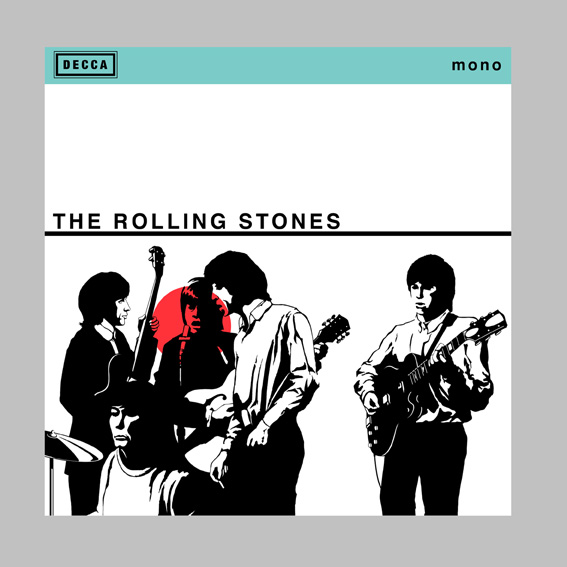
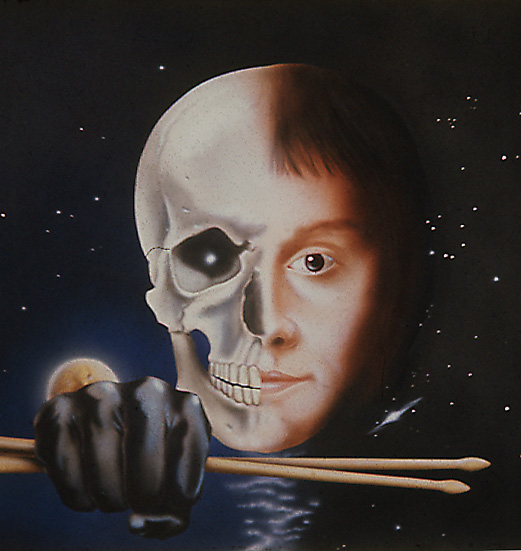

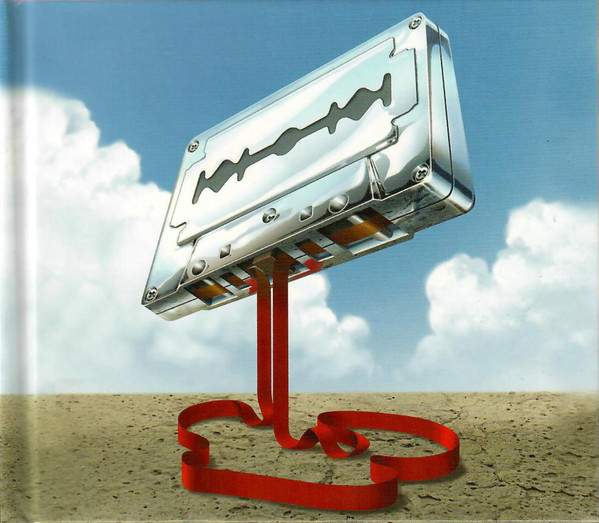
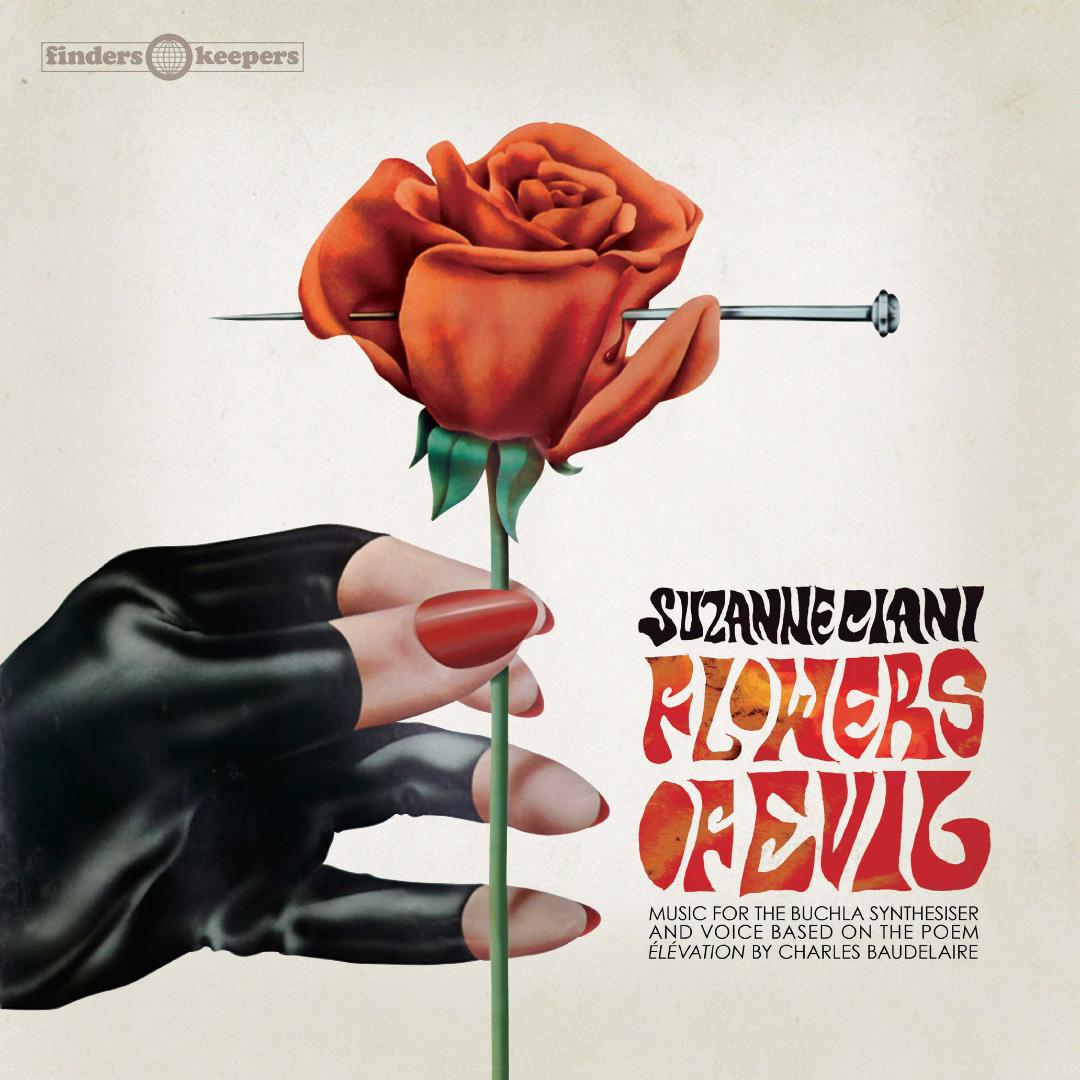
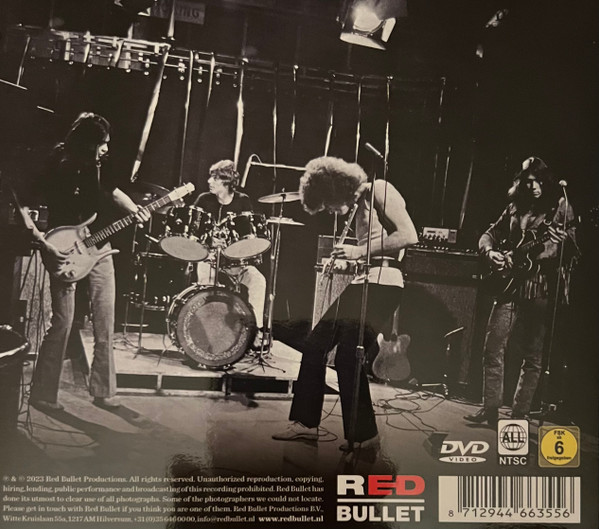

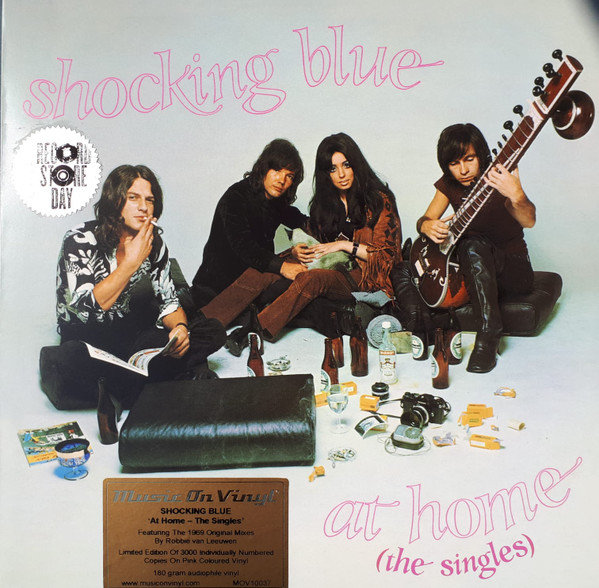
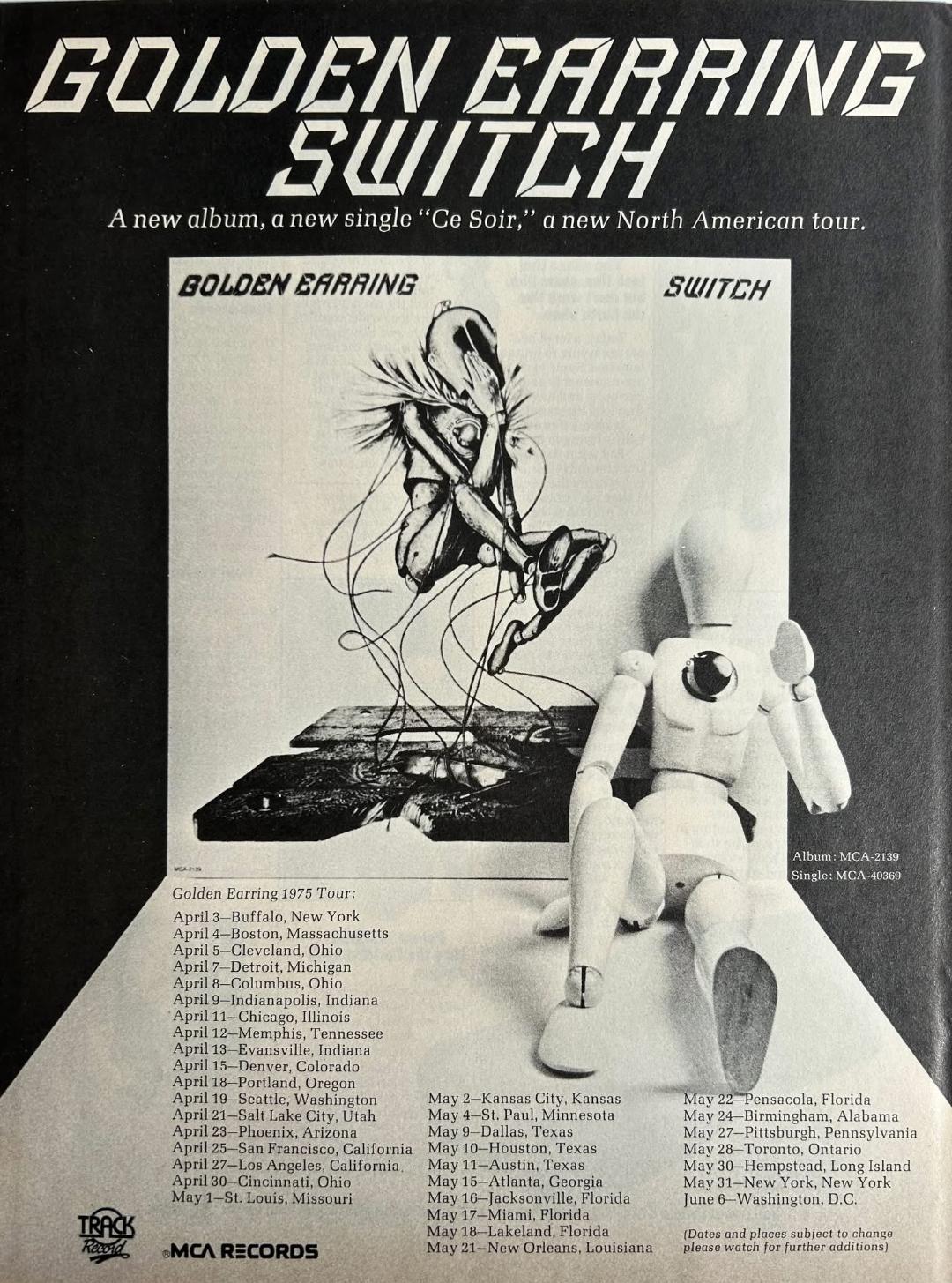
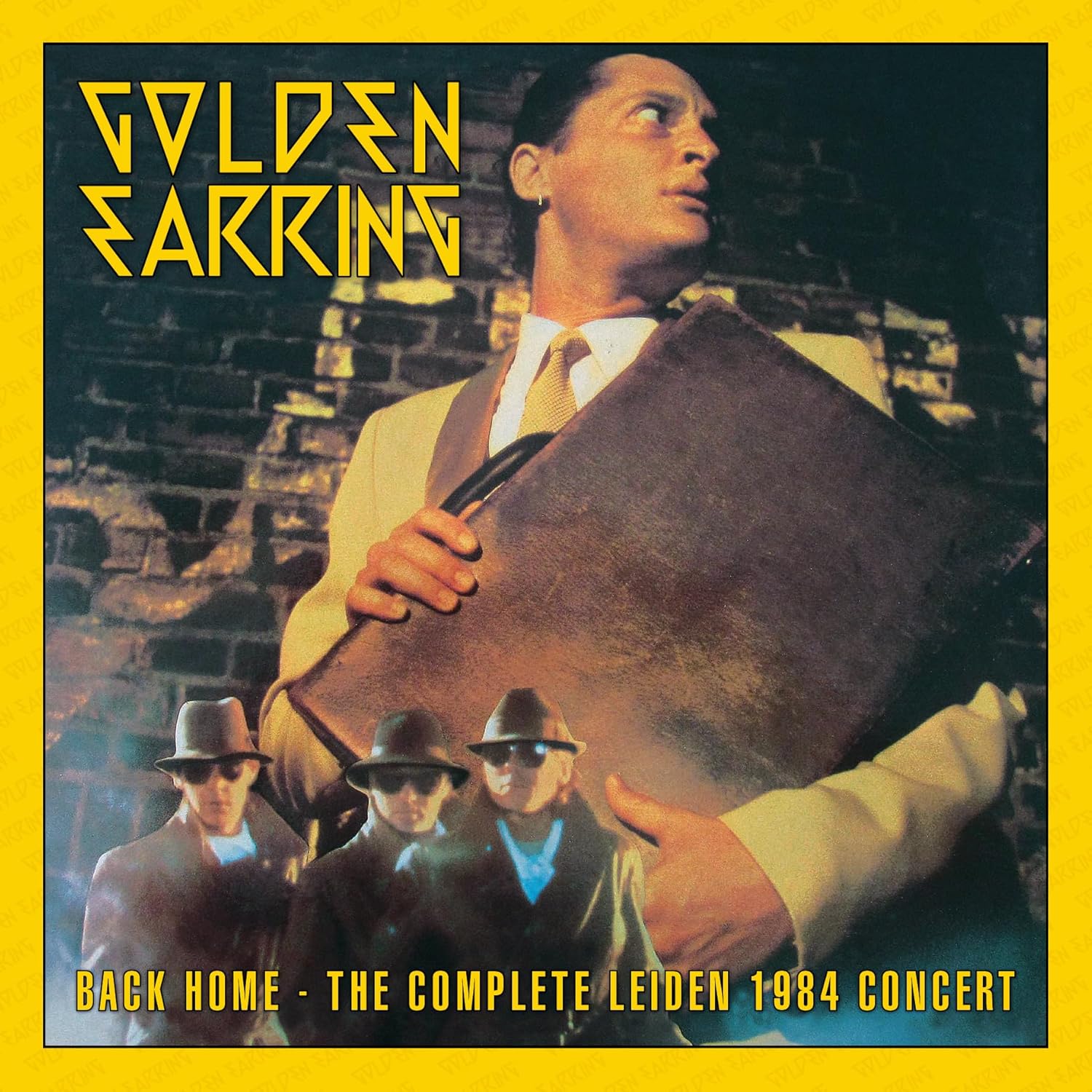
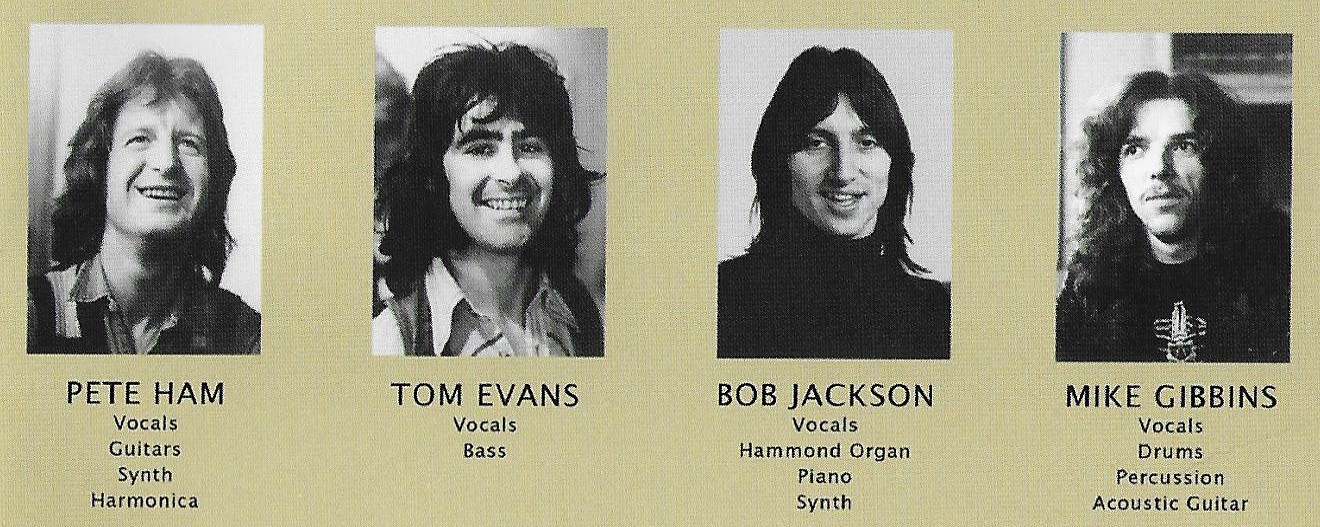
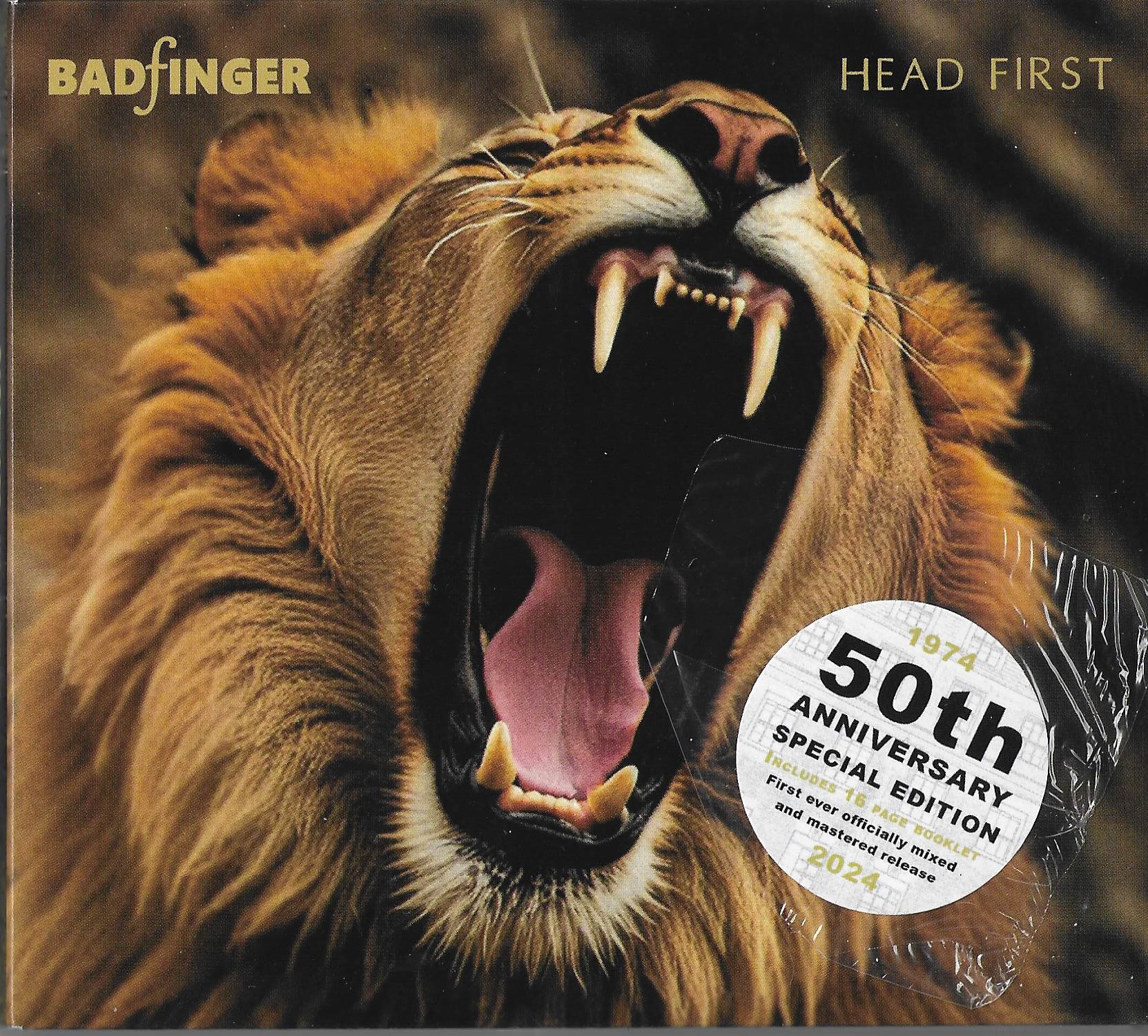
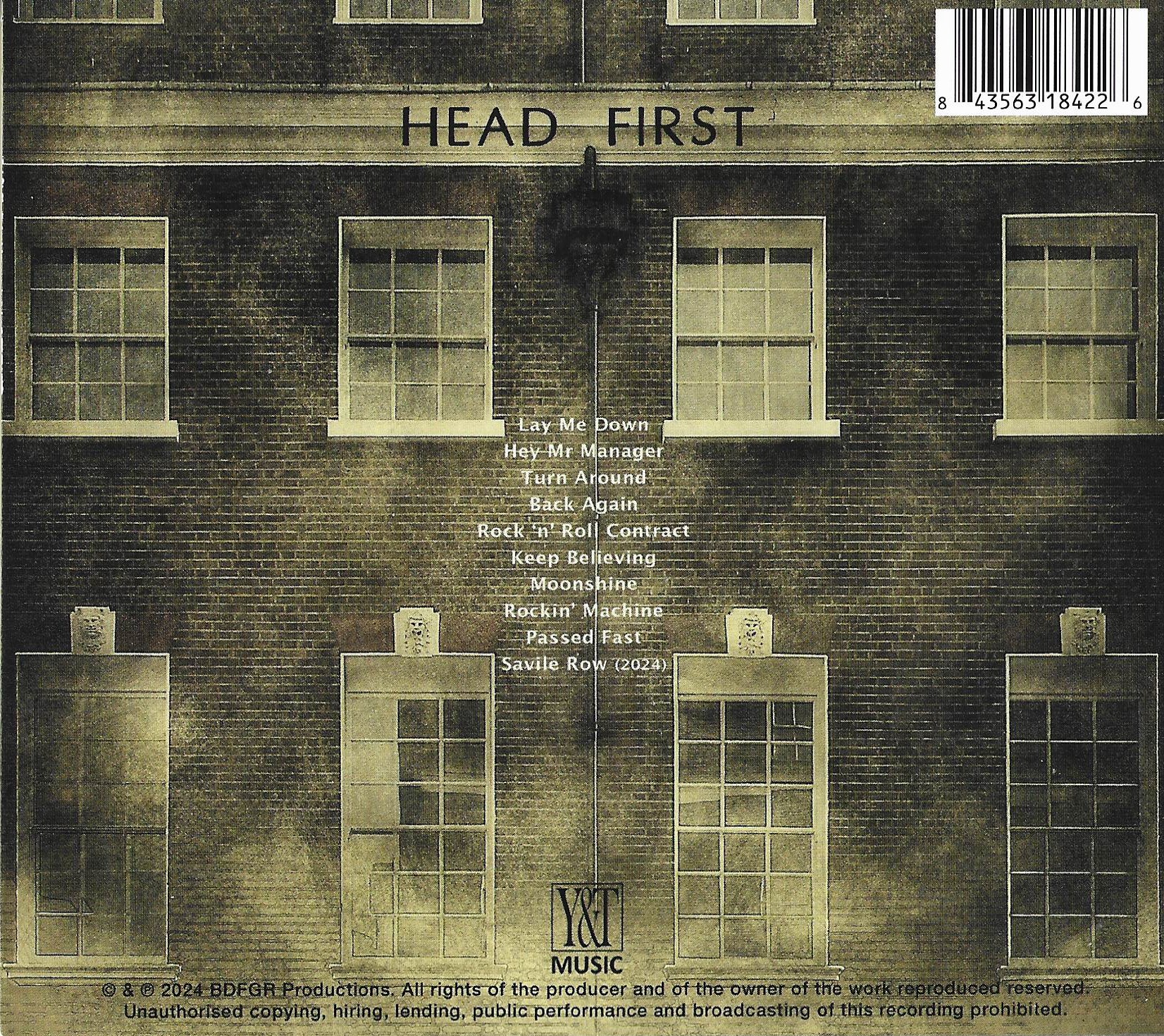
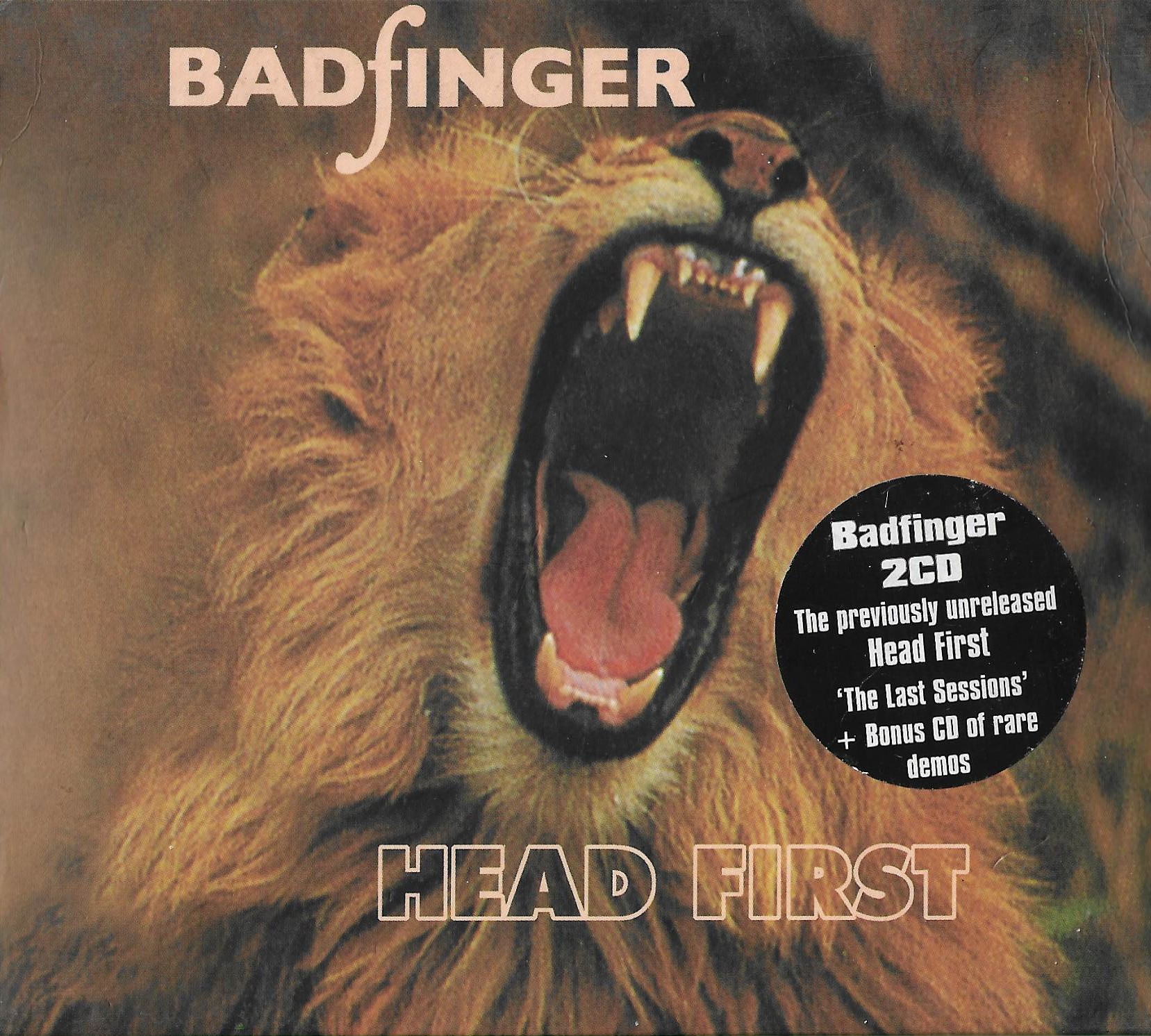
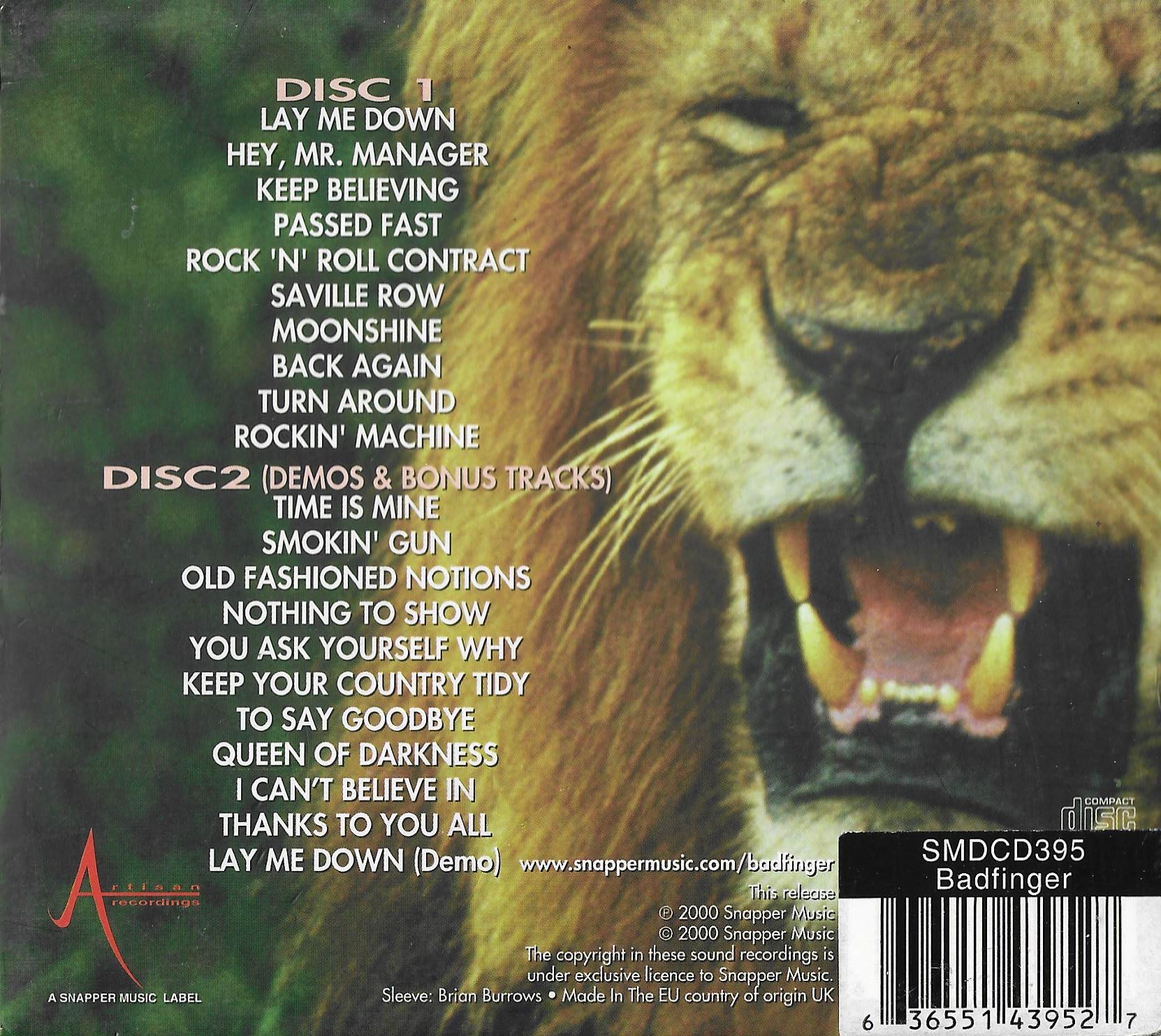
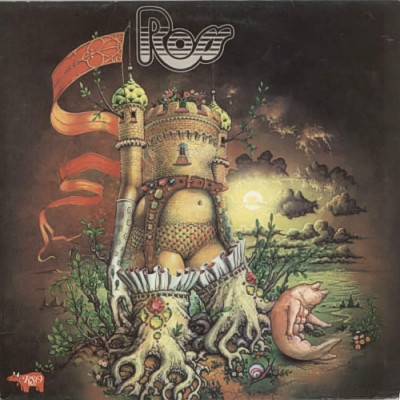
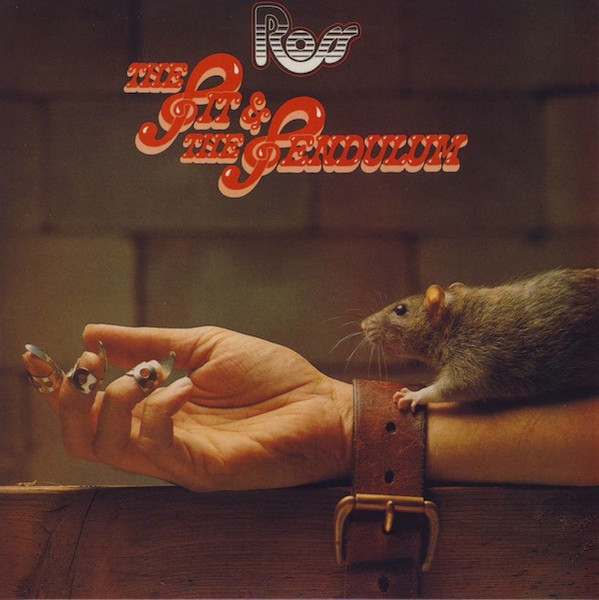
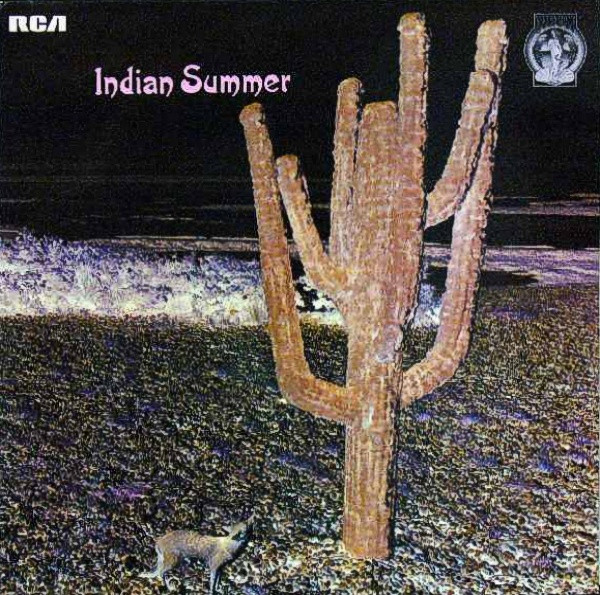
 Outsider Rock